
Free Ukulele Chord Charts (PDF)
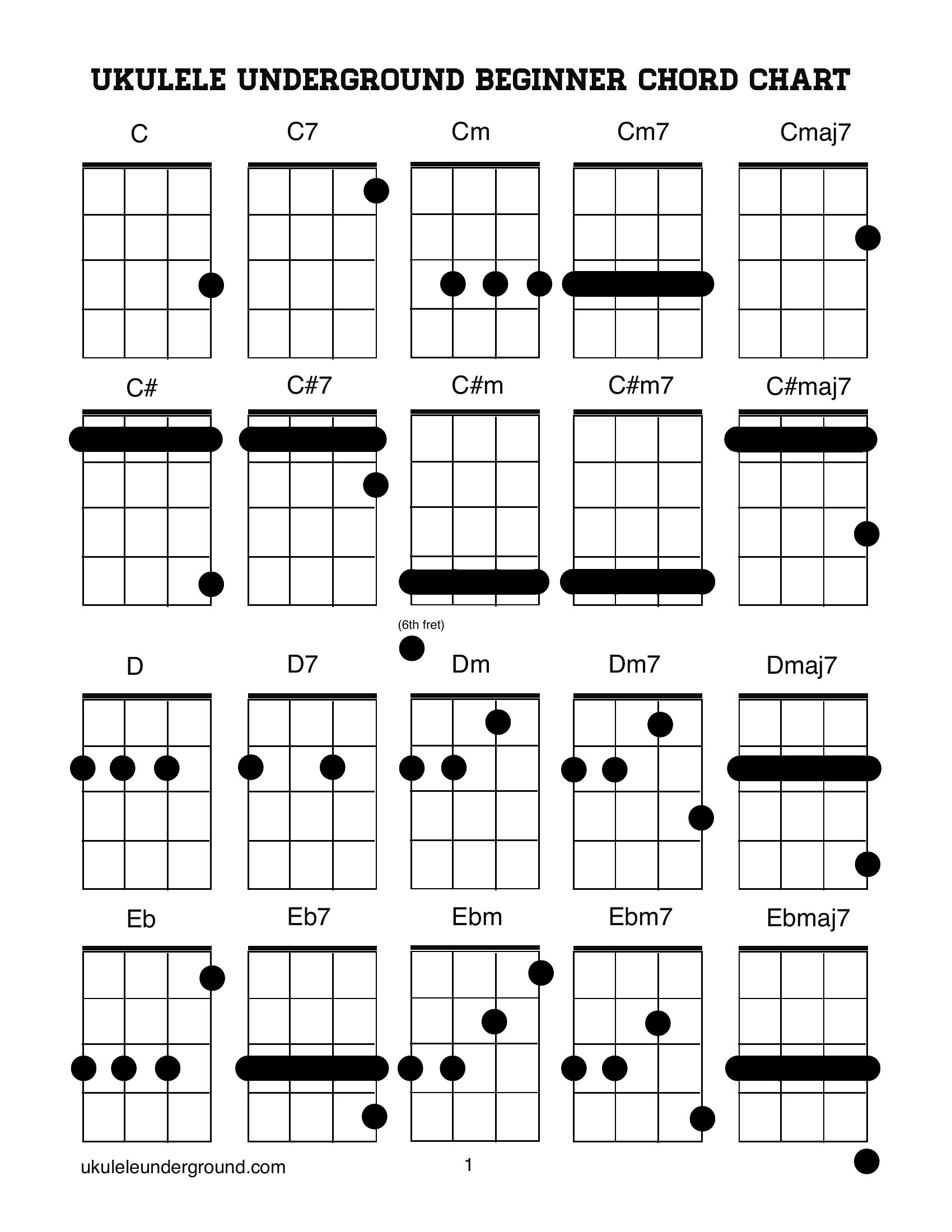
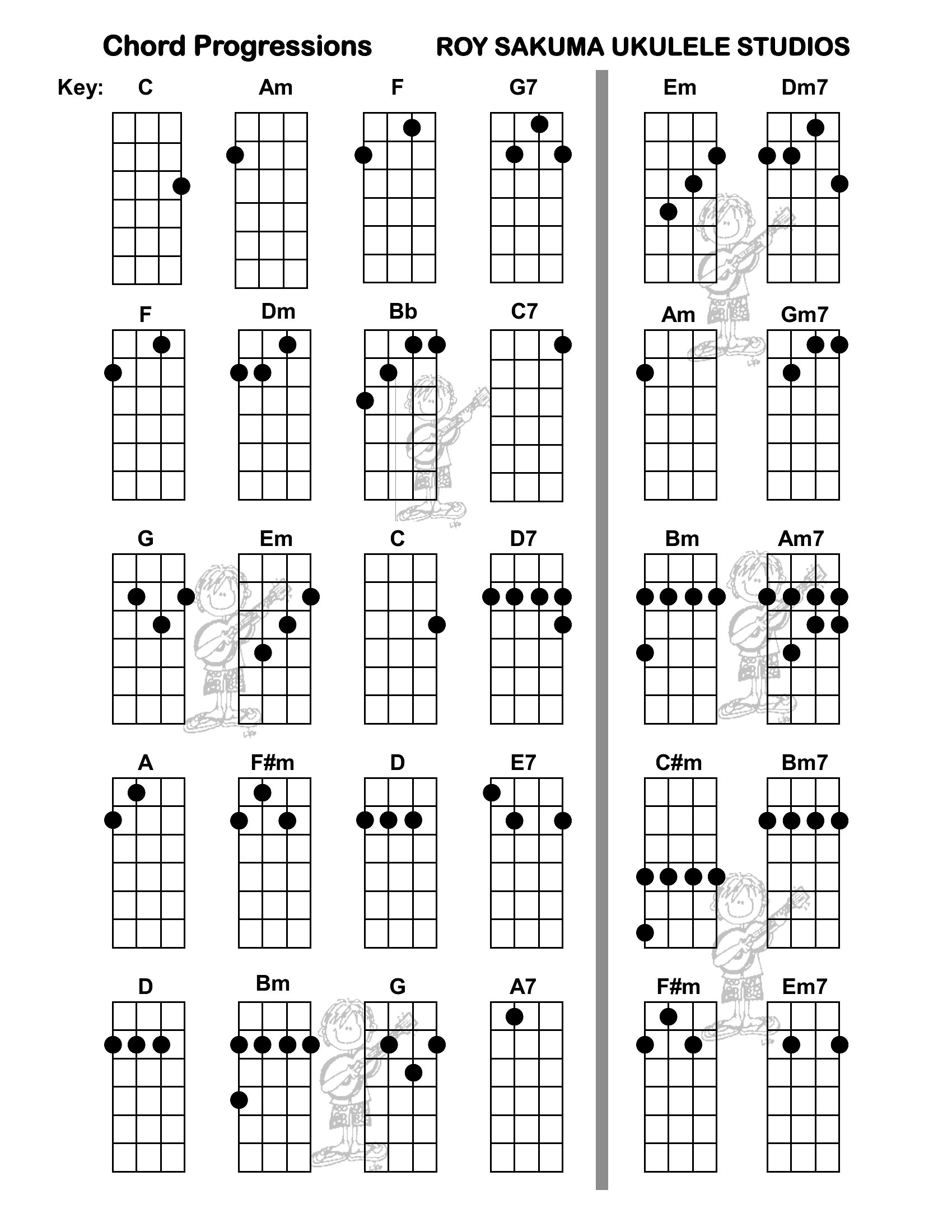
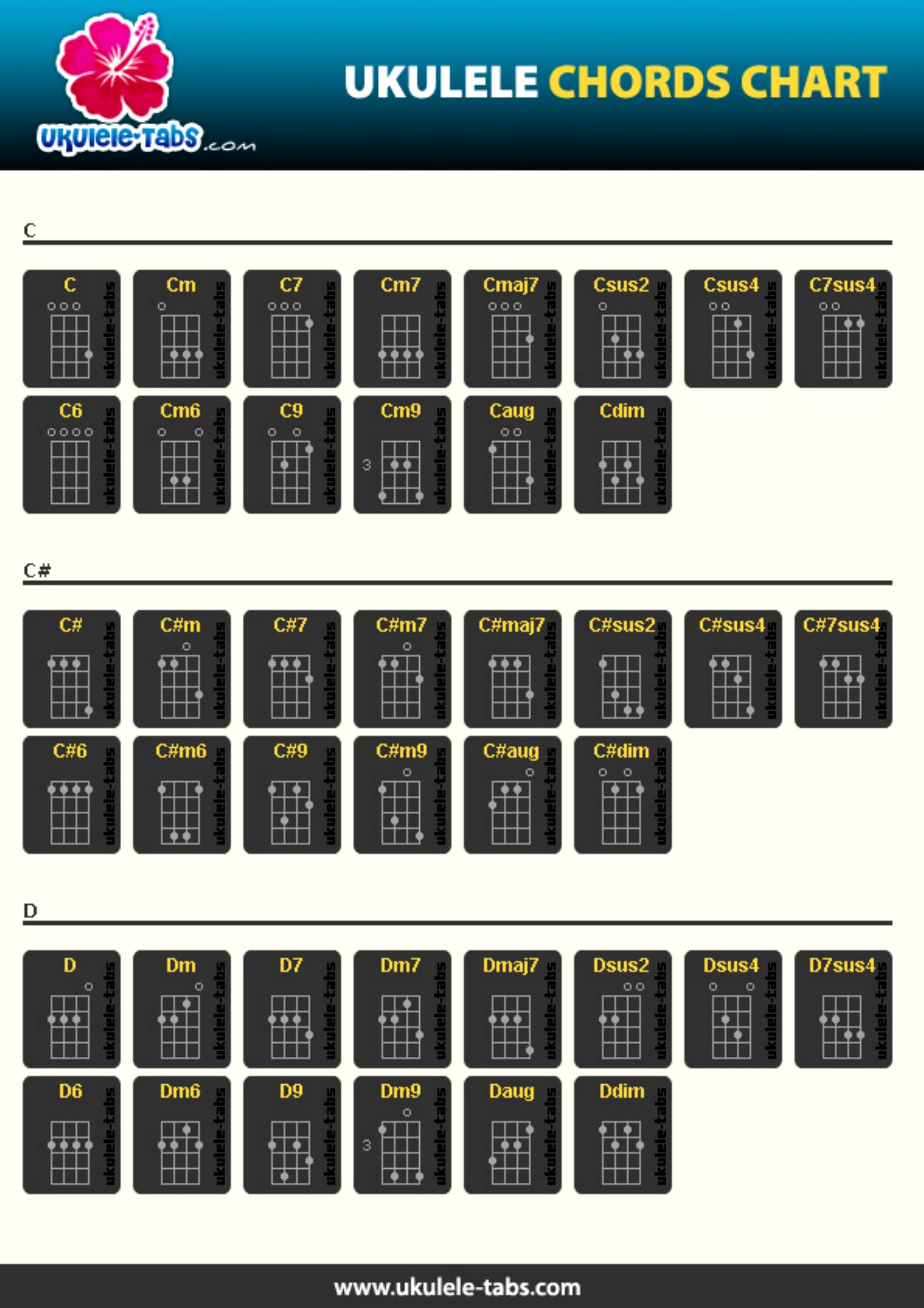
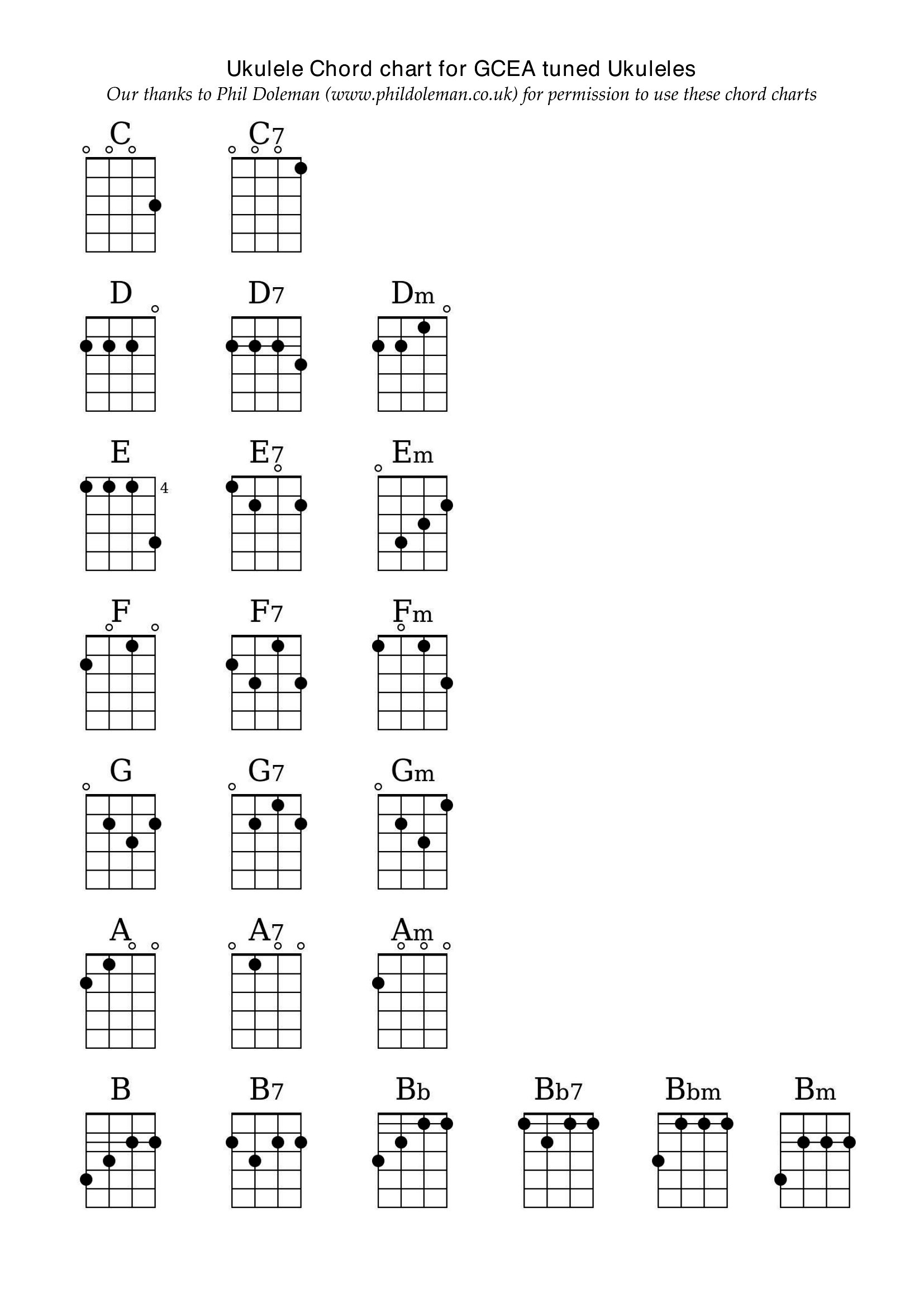
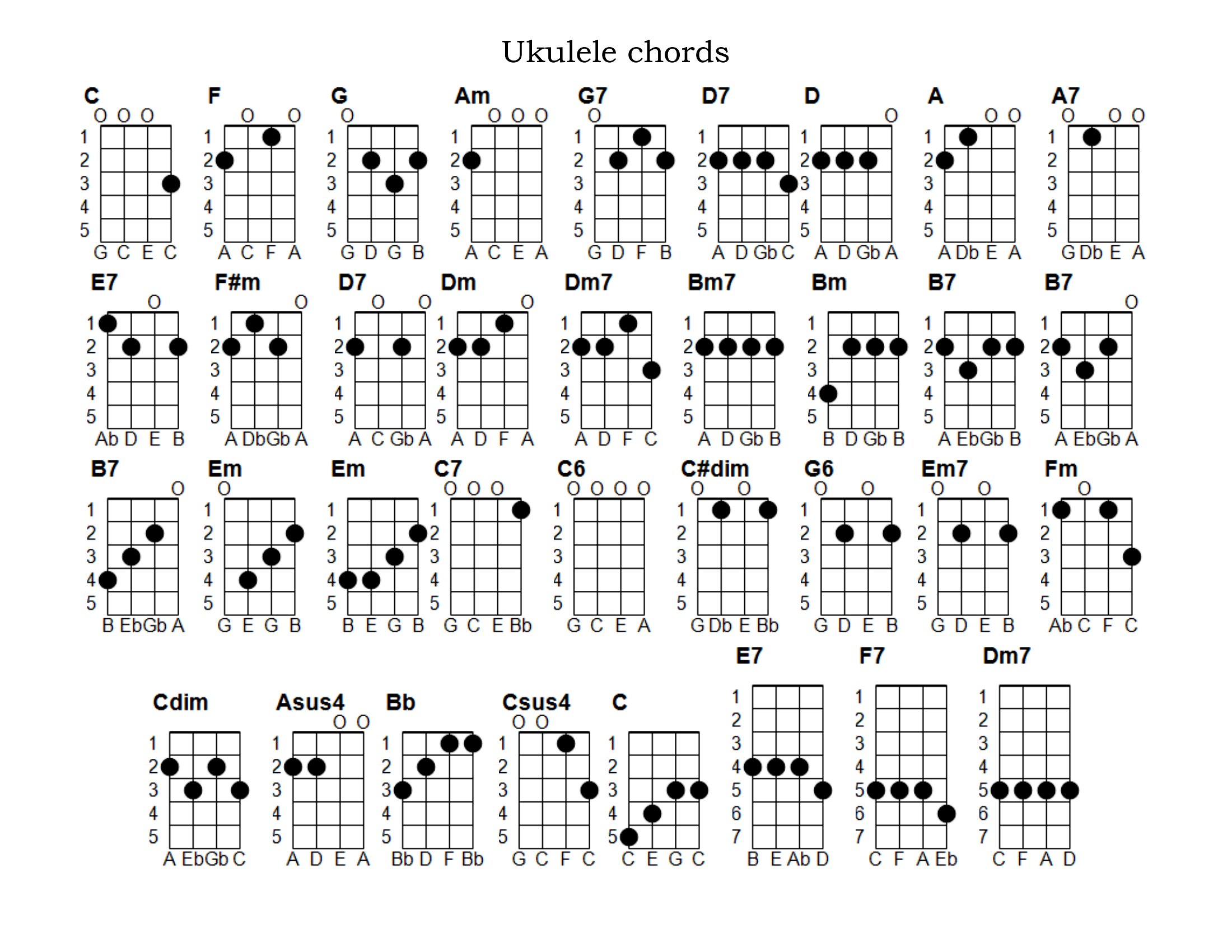
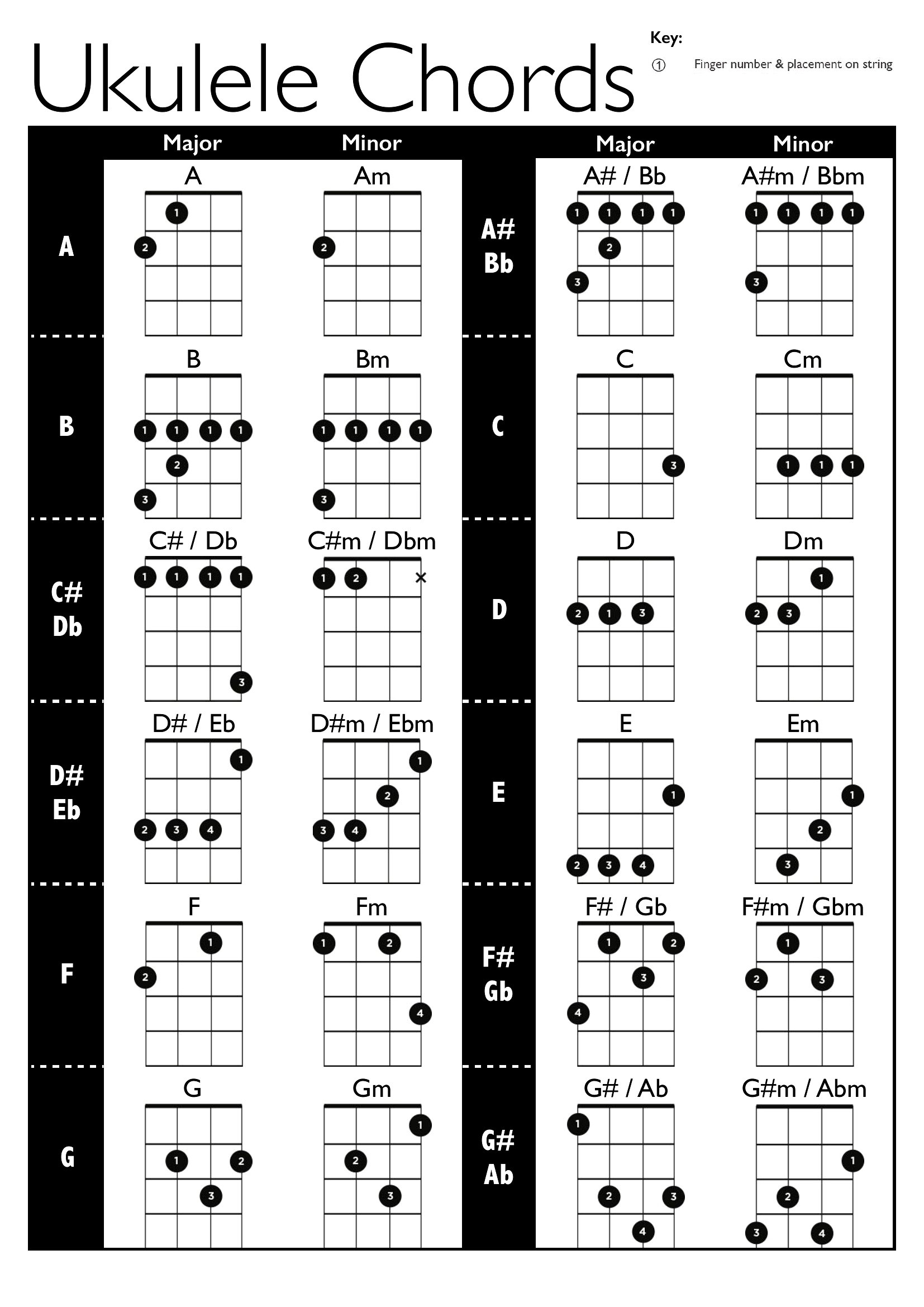
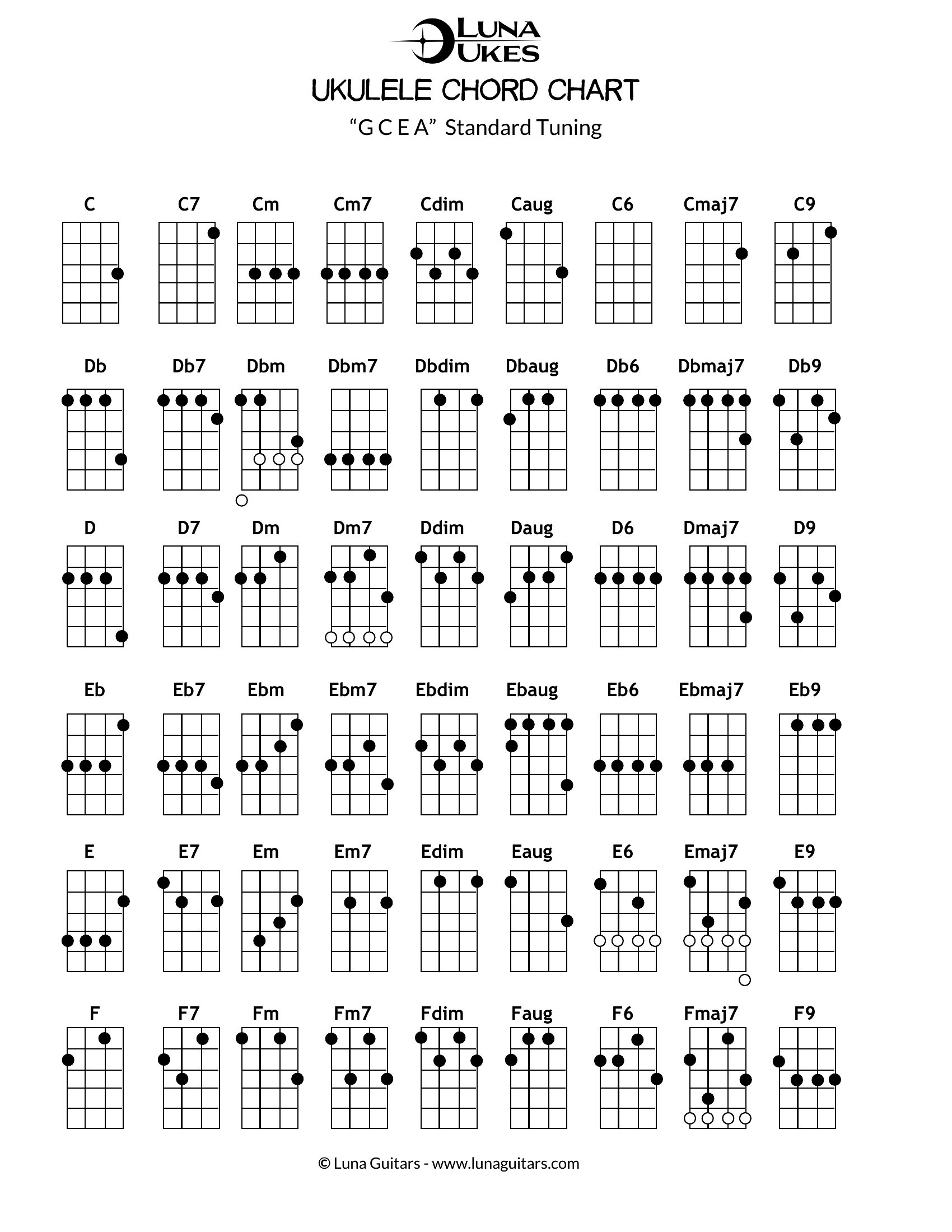
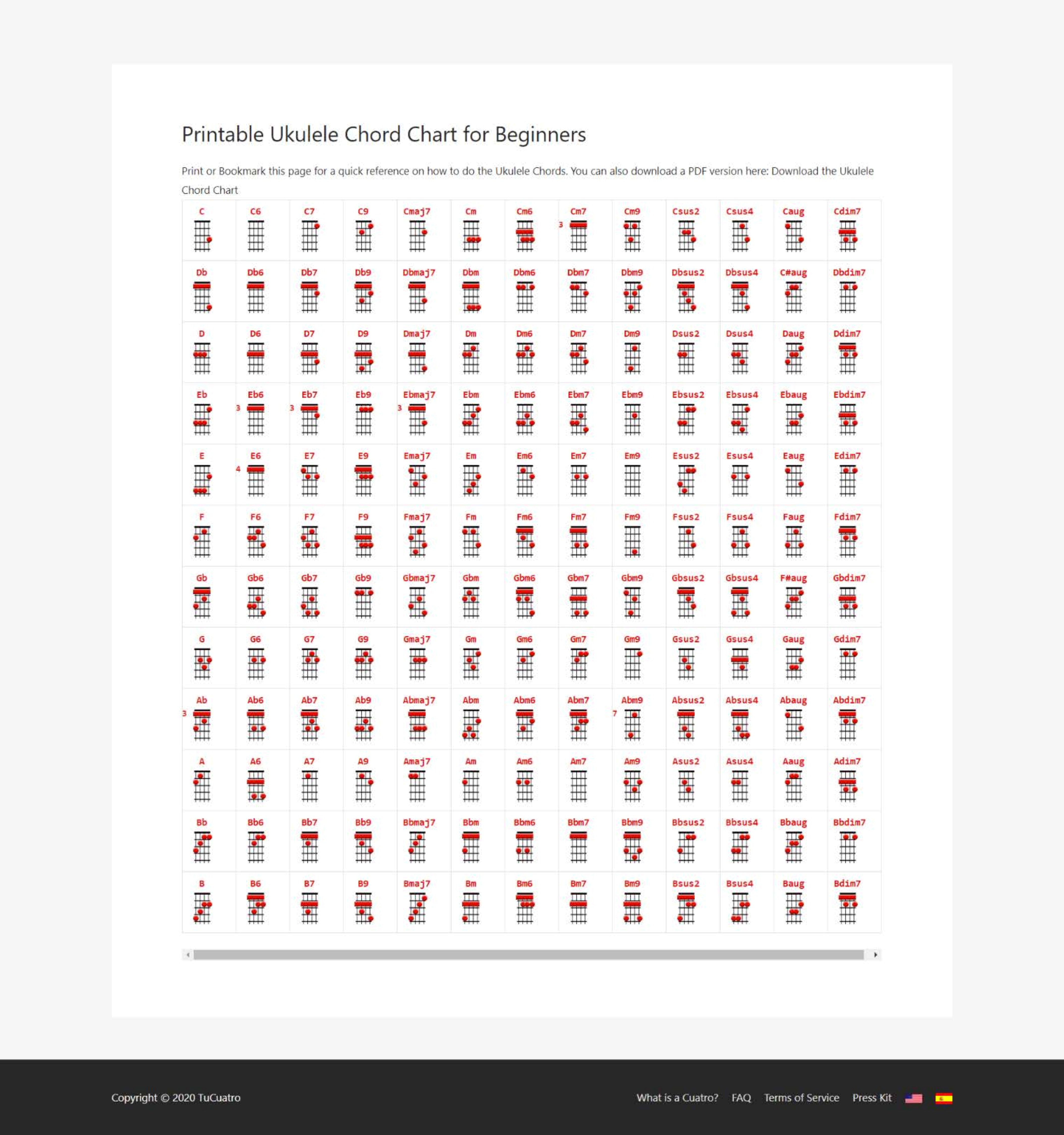
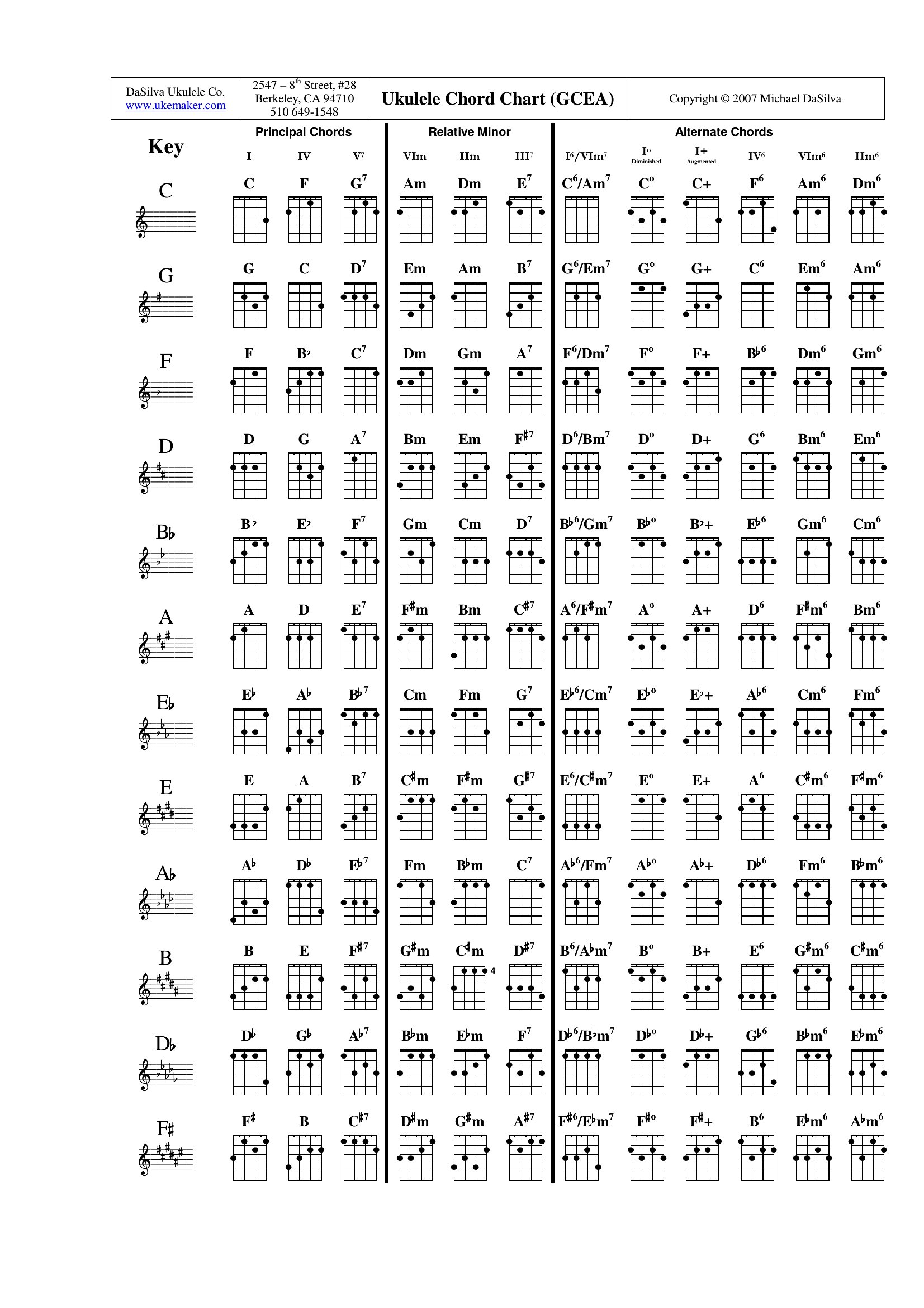
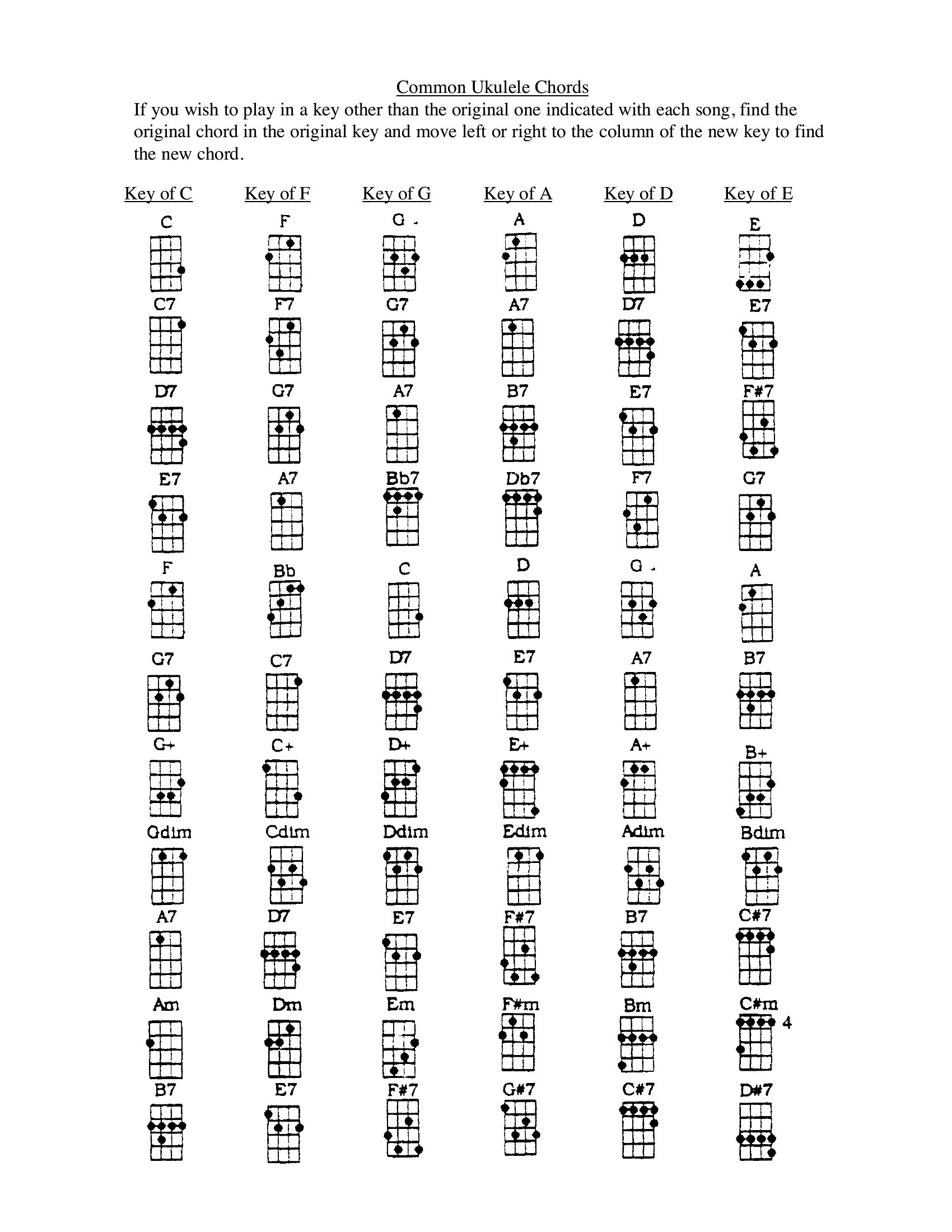
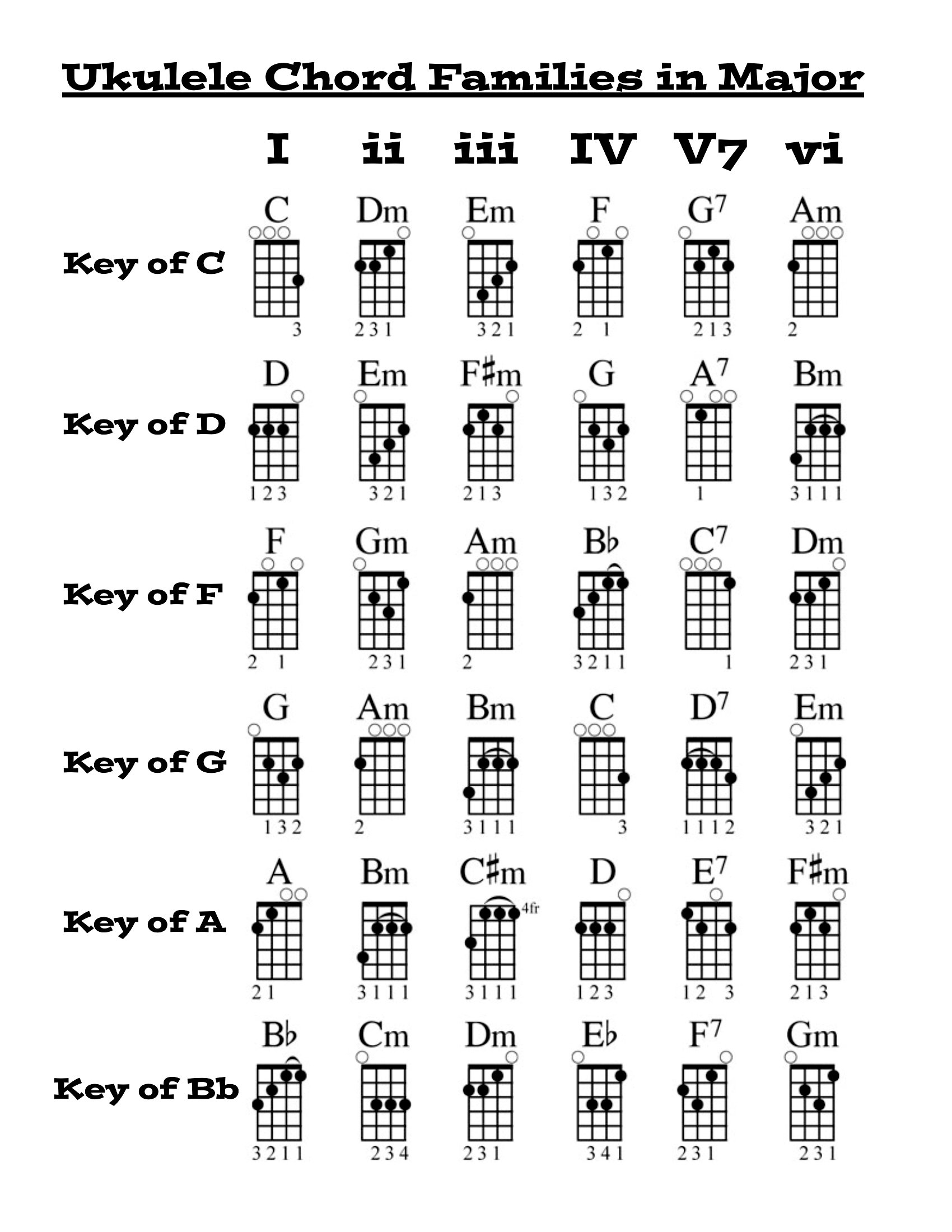
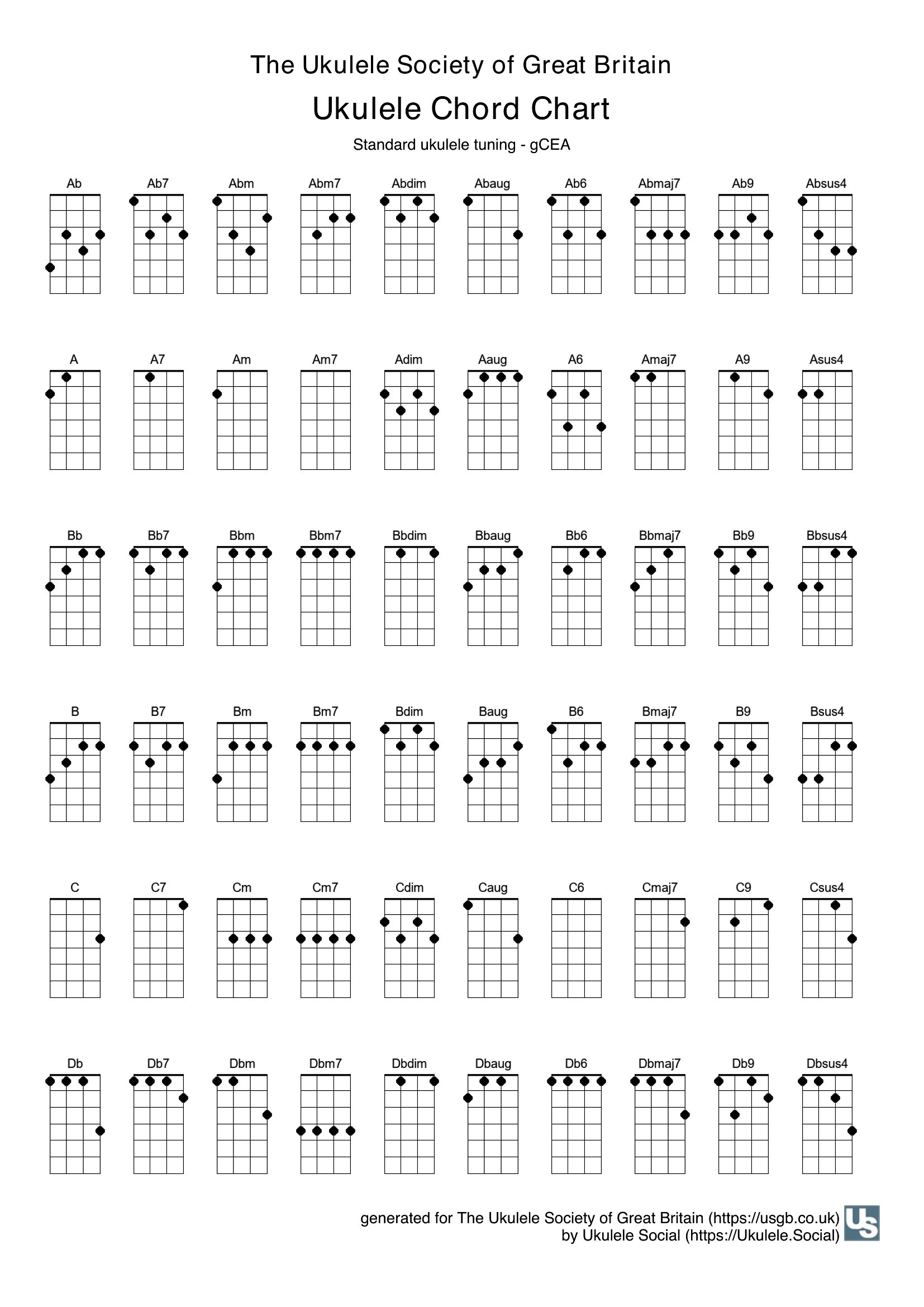
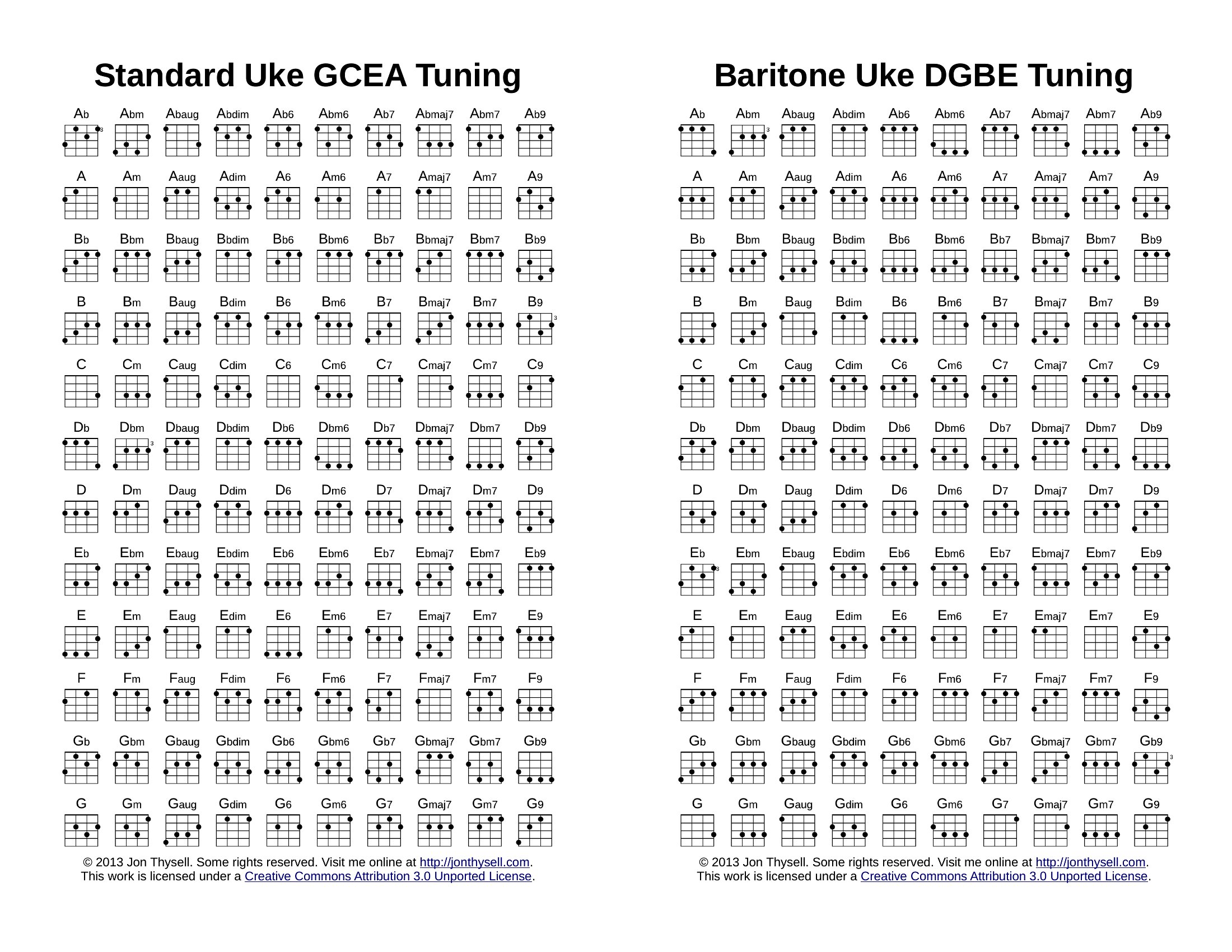
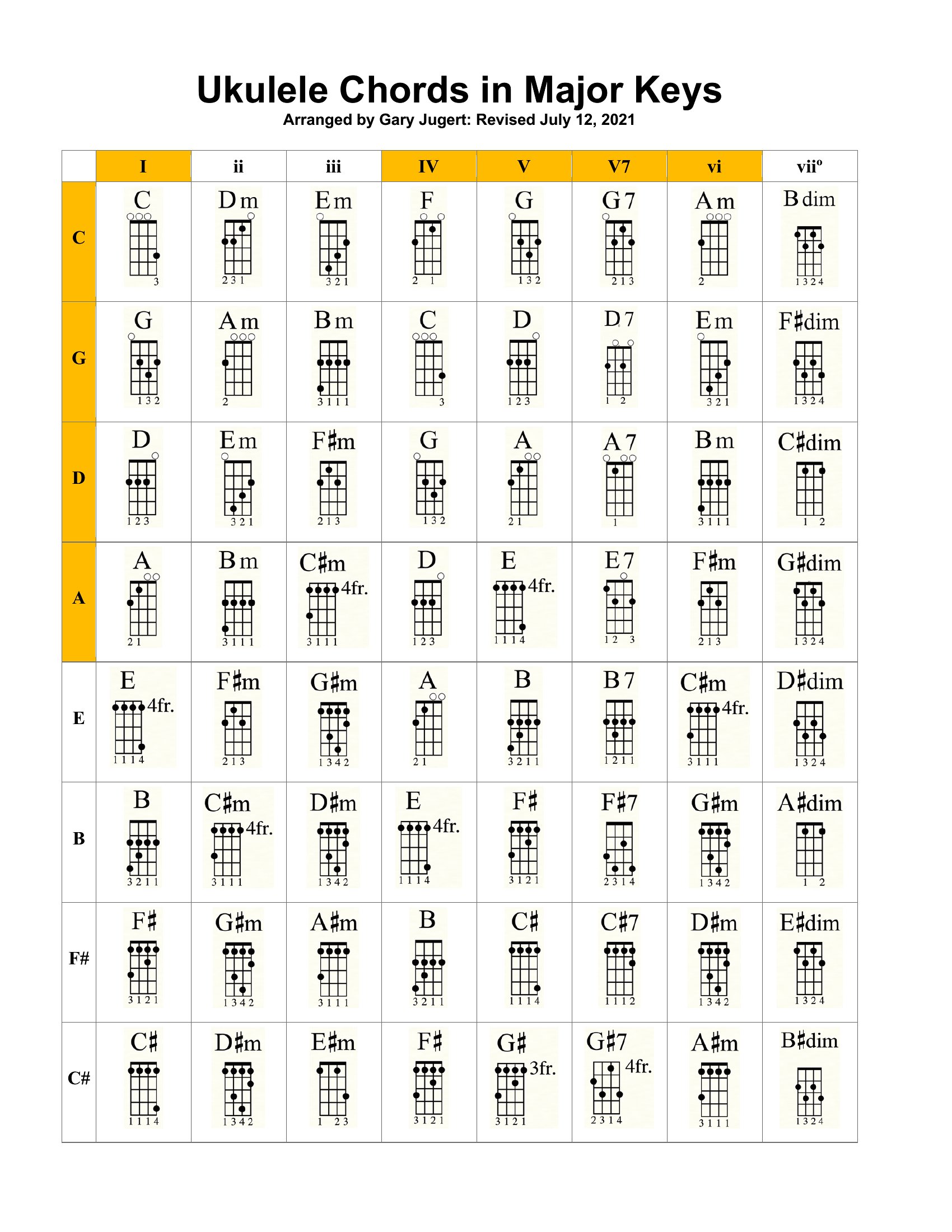
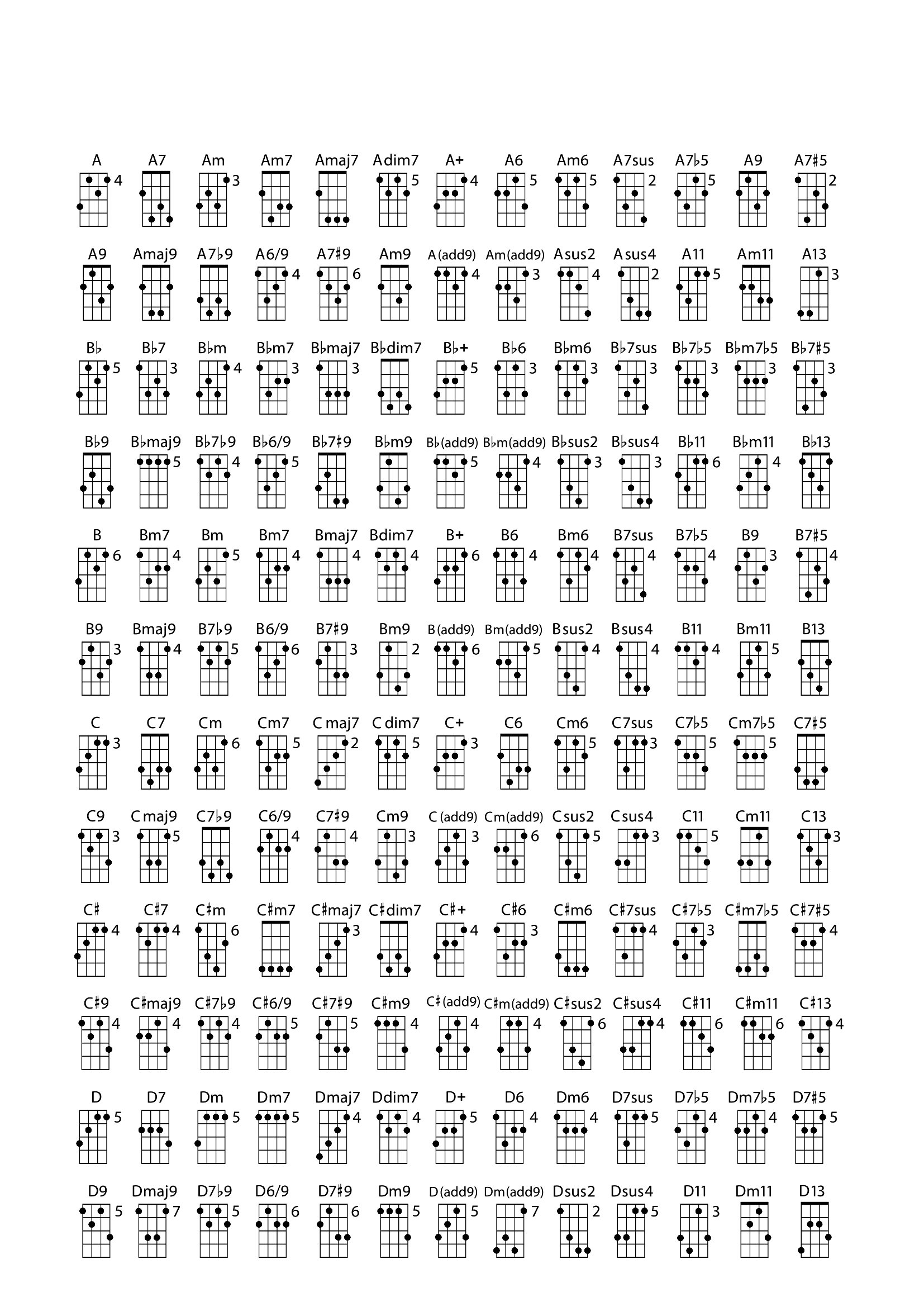
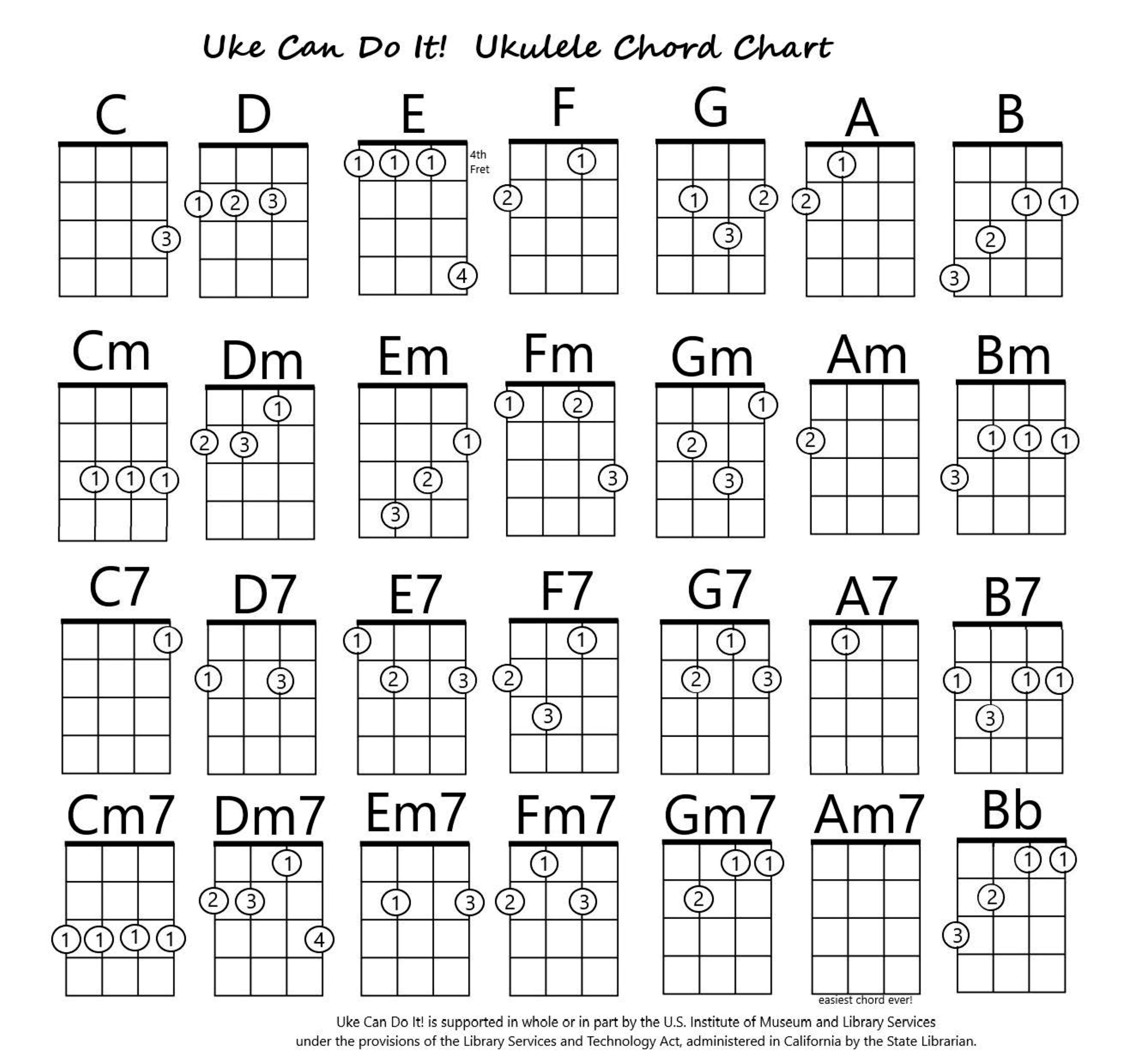
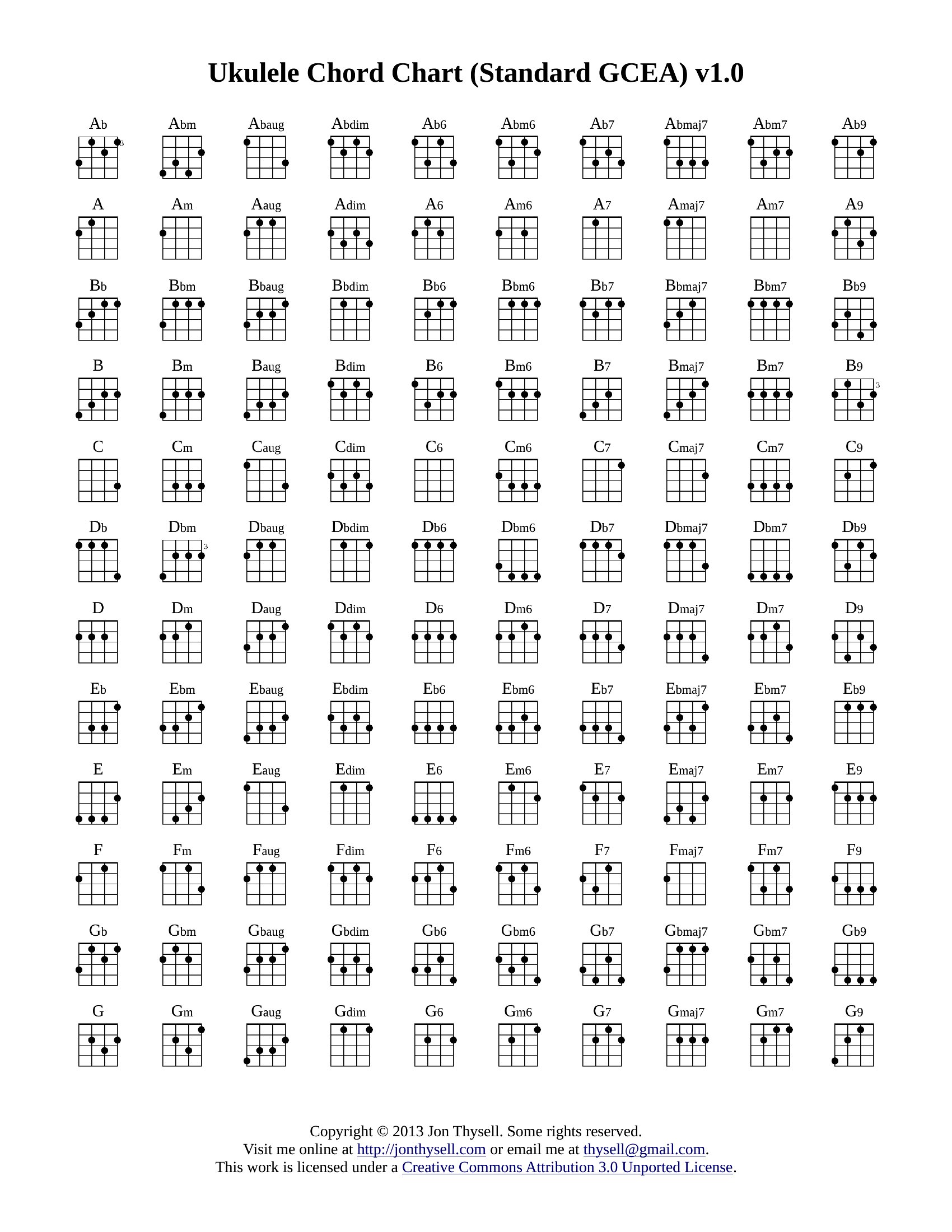
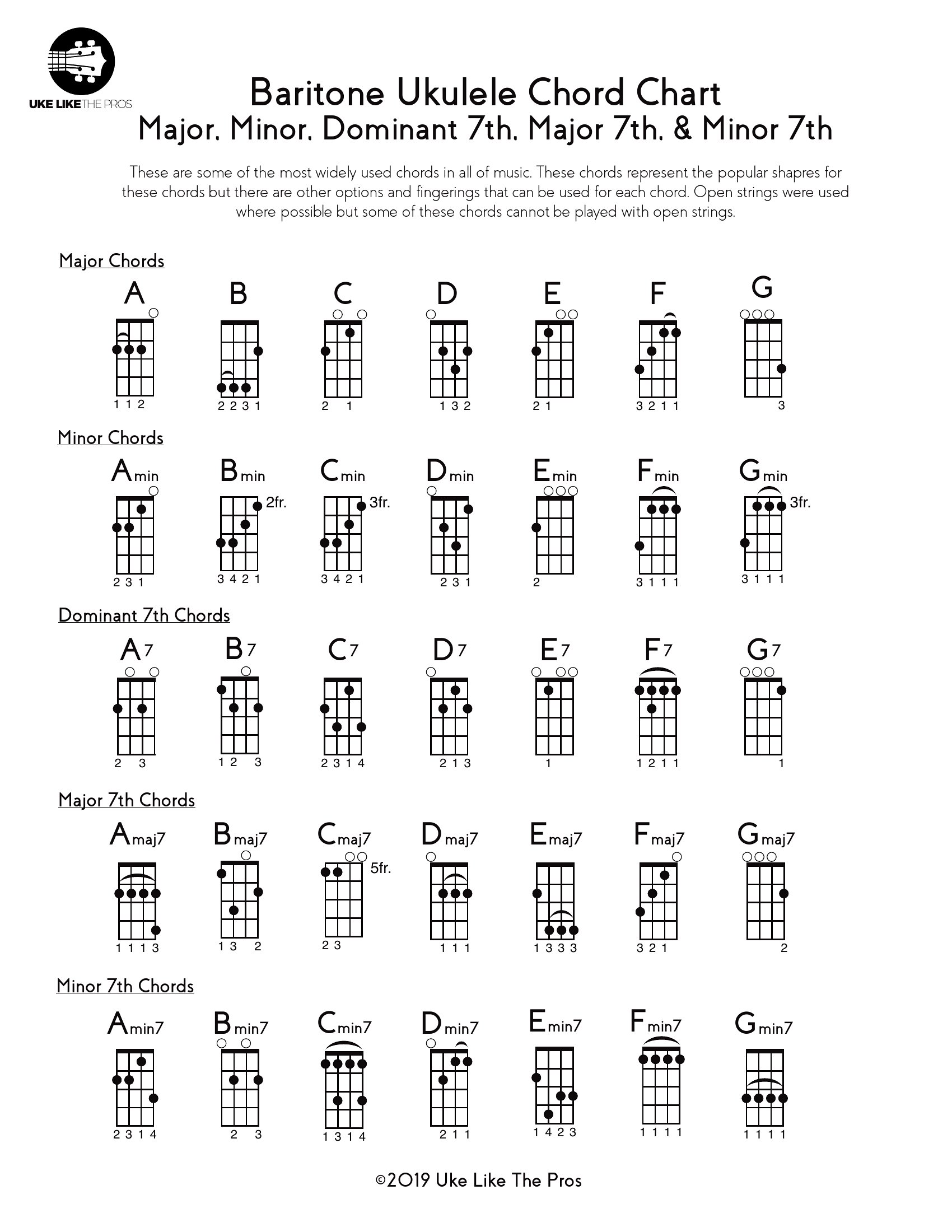
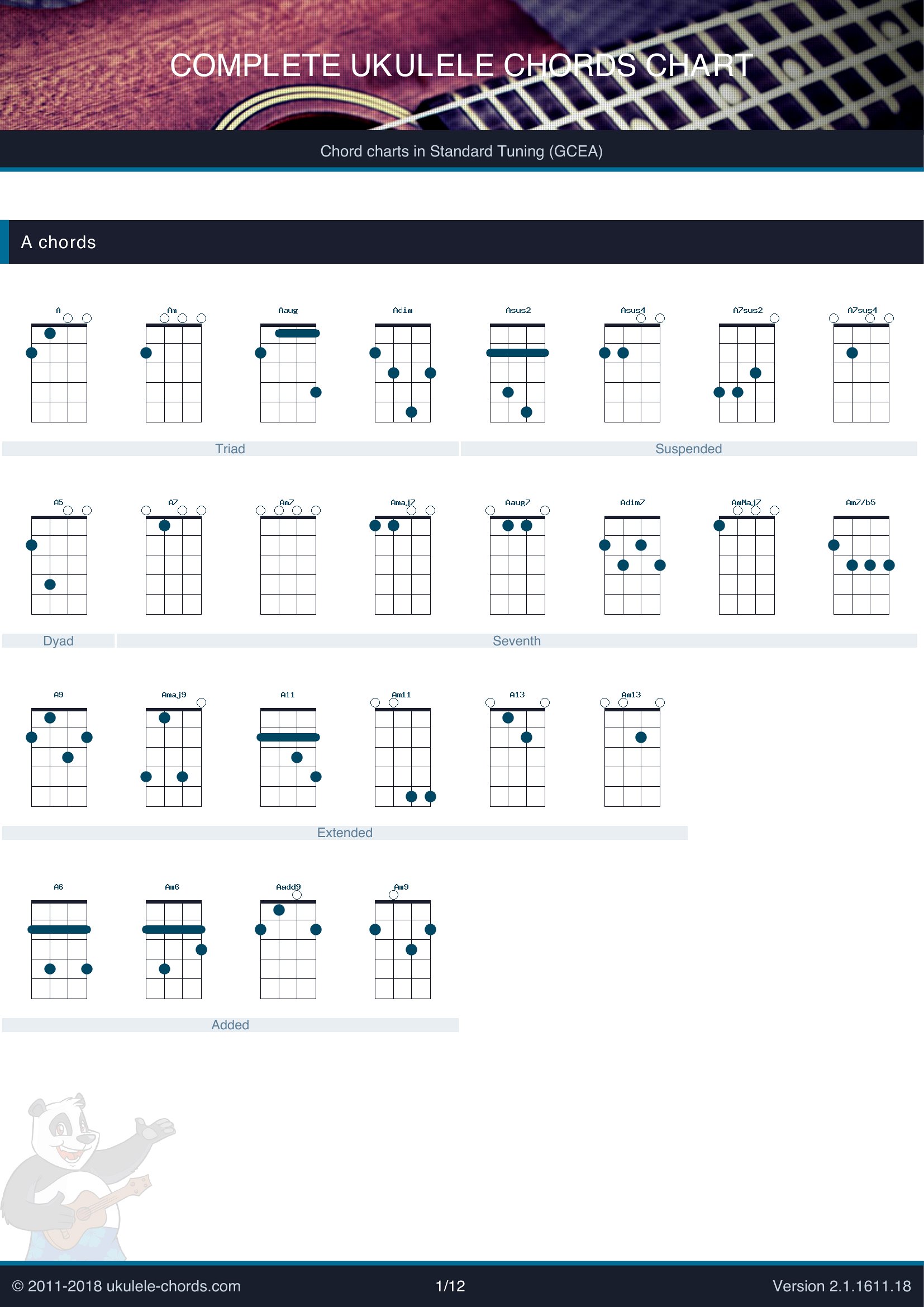
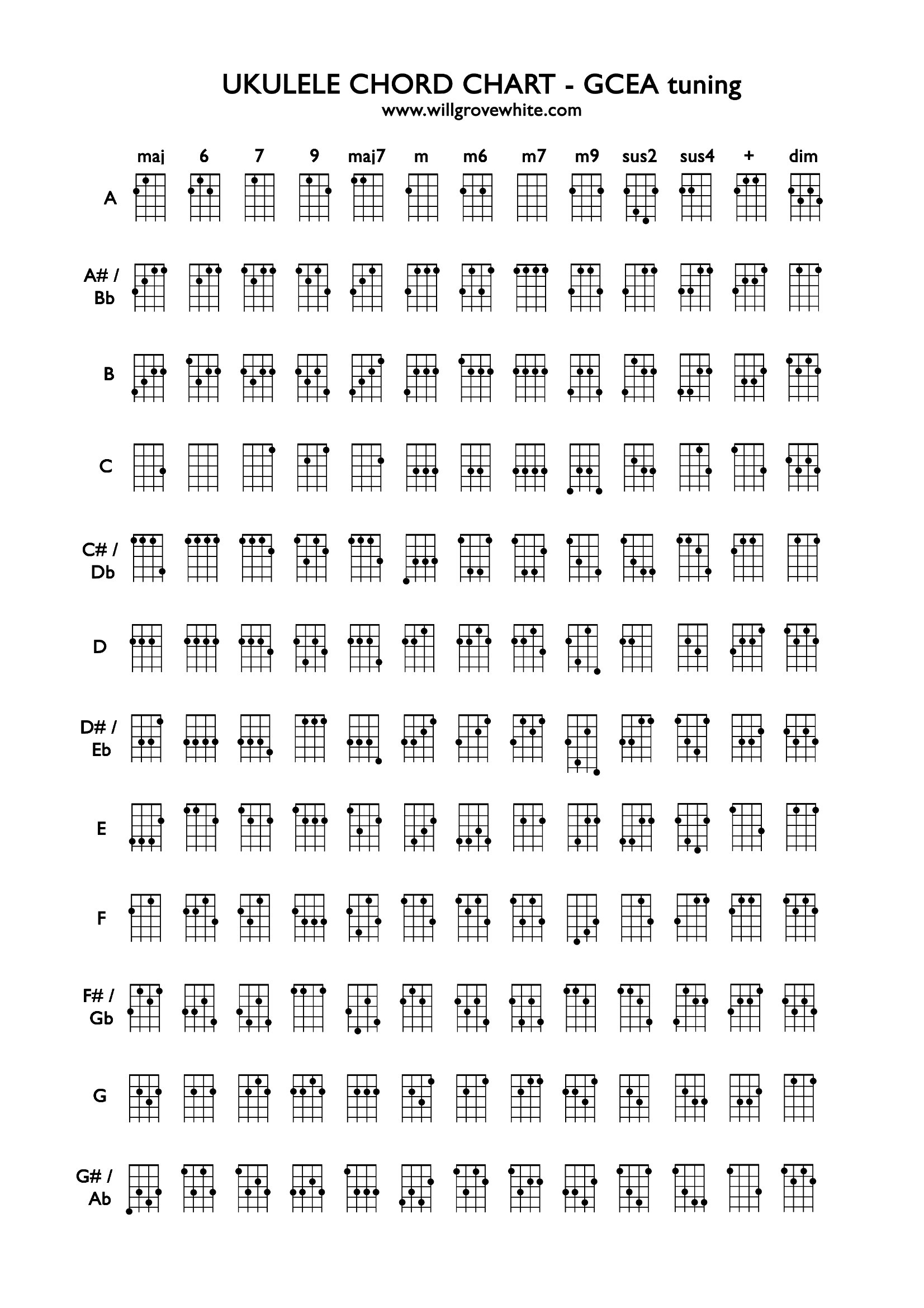
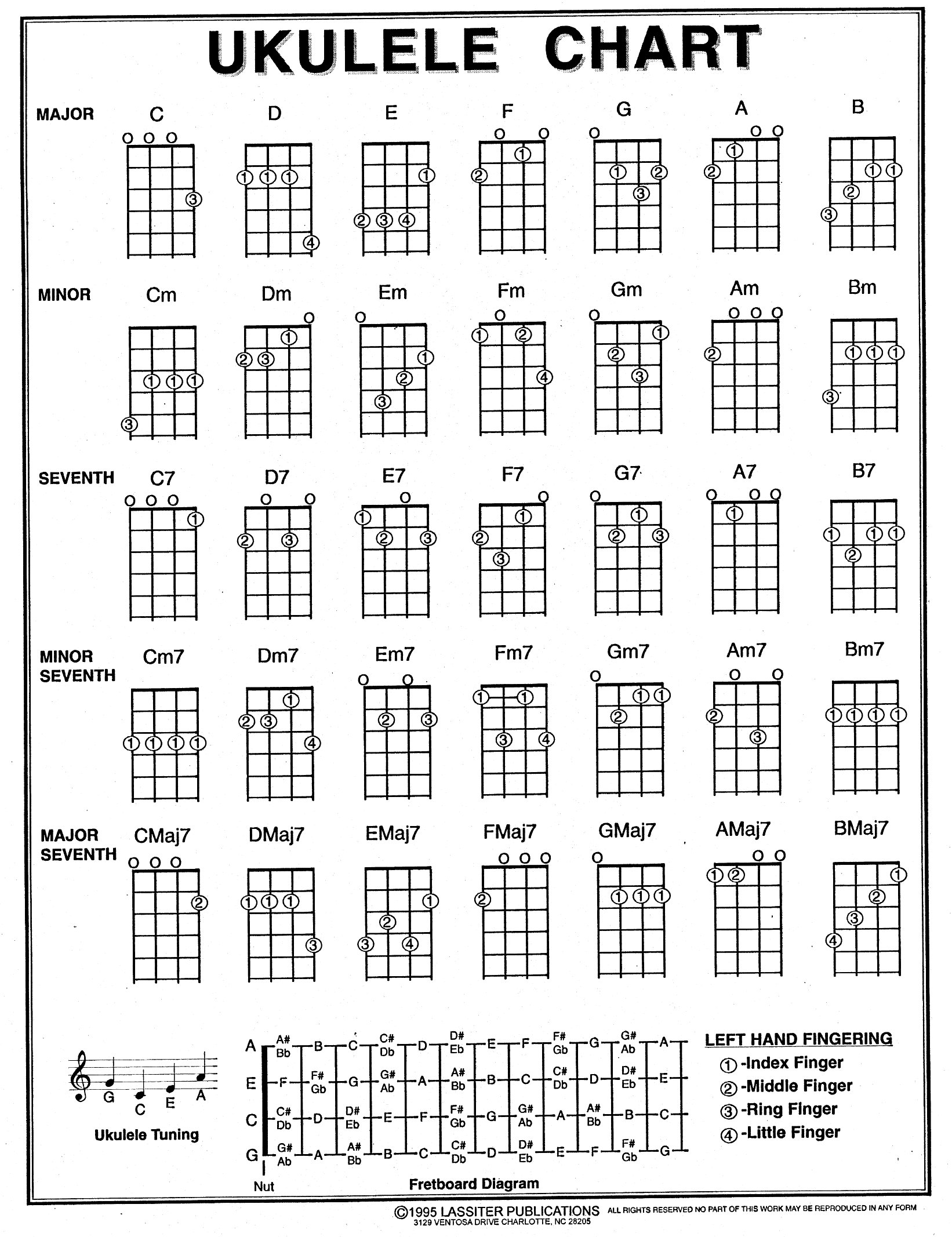
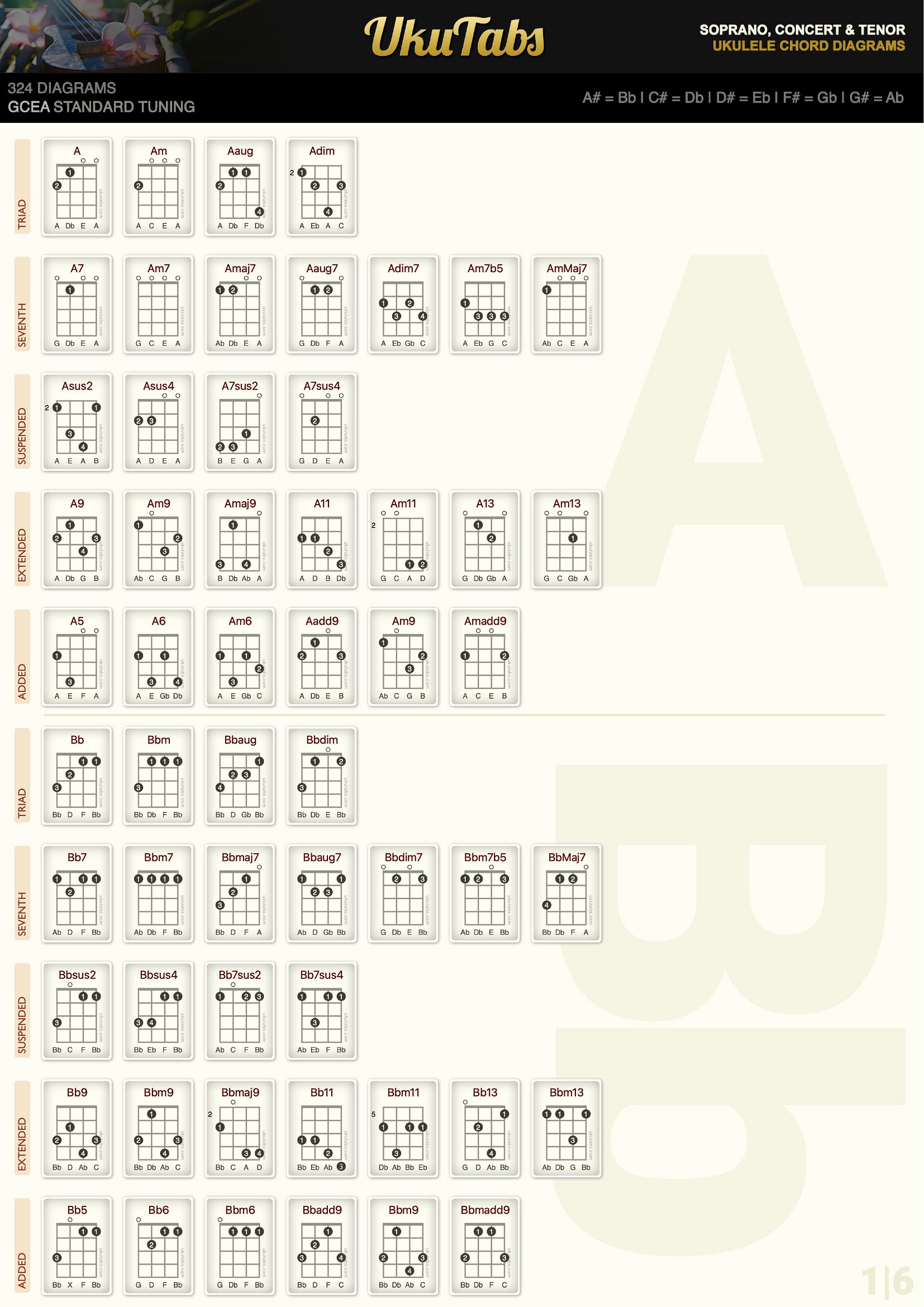
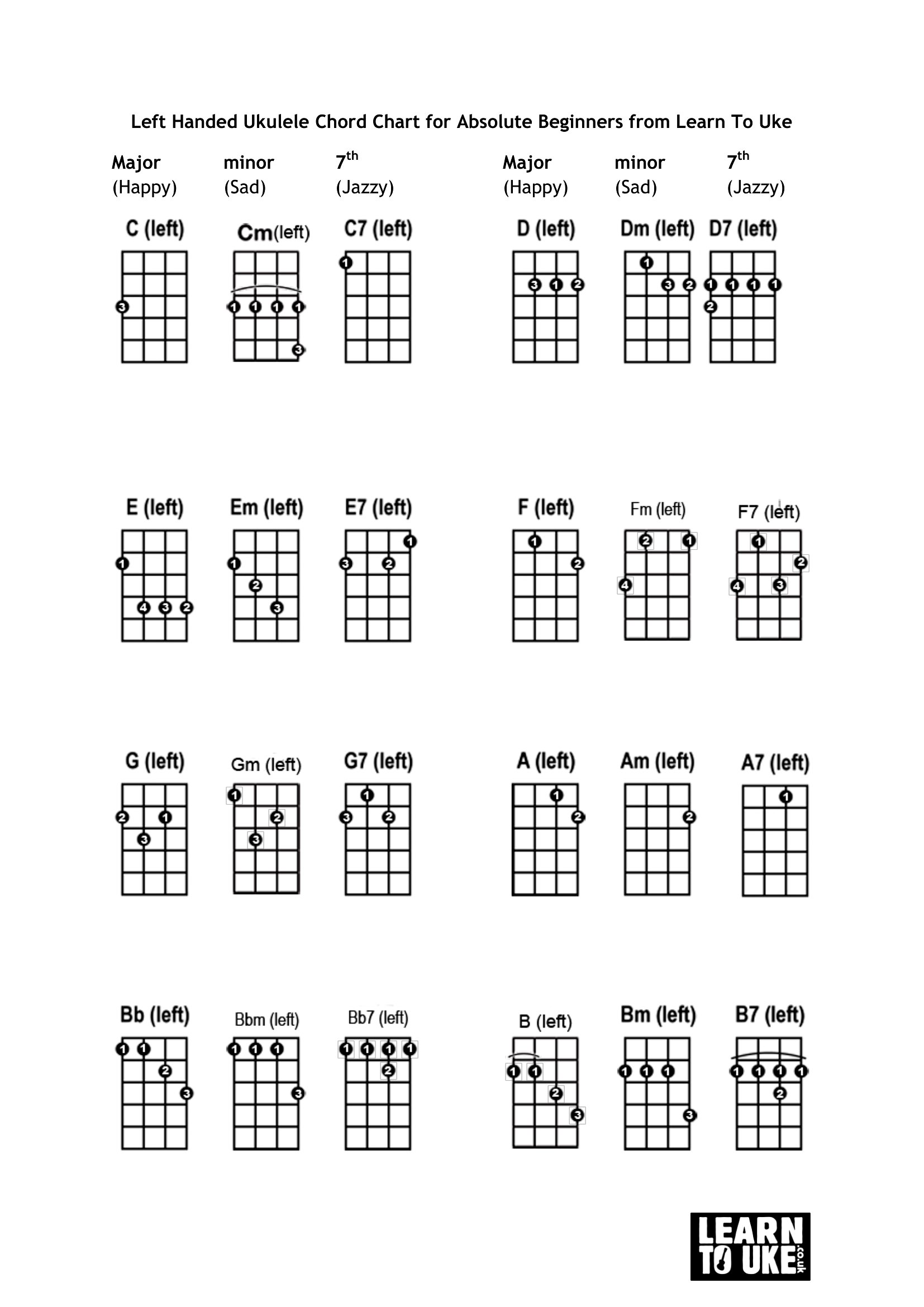
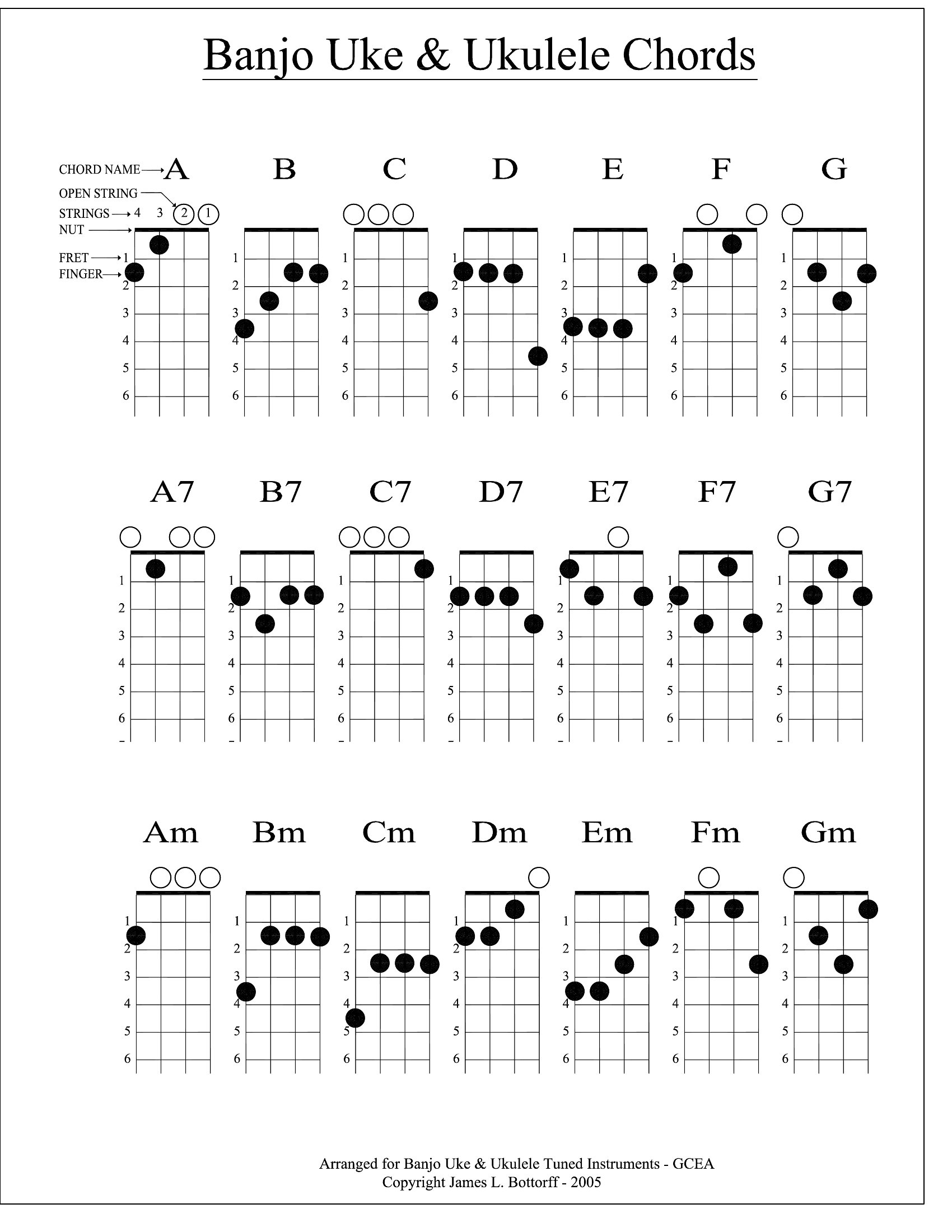
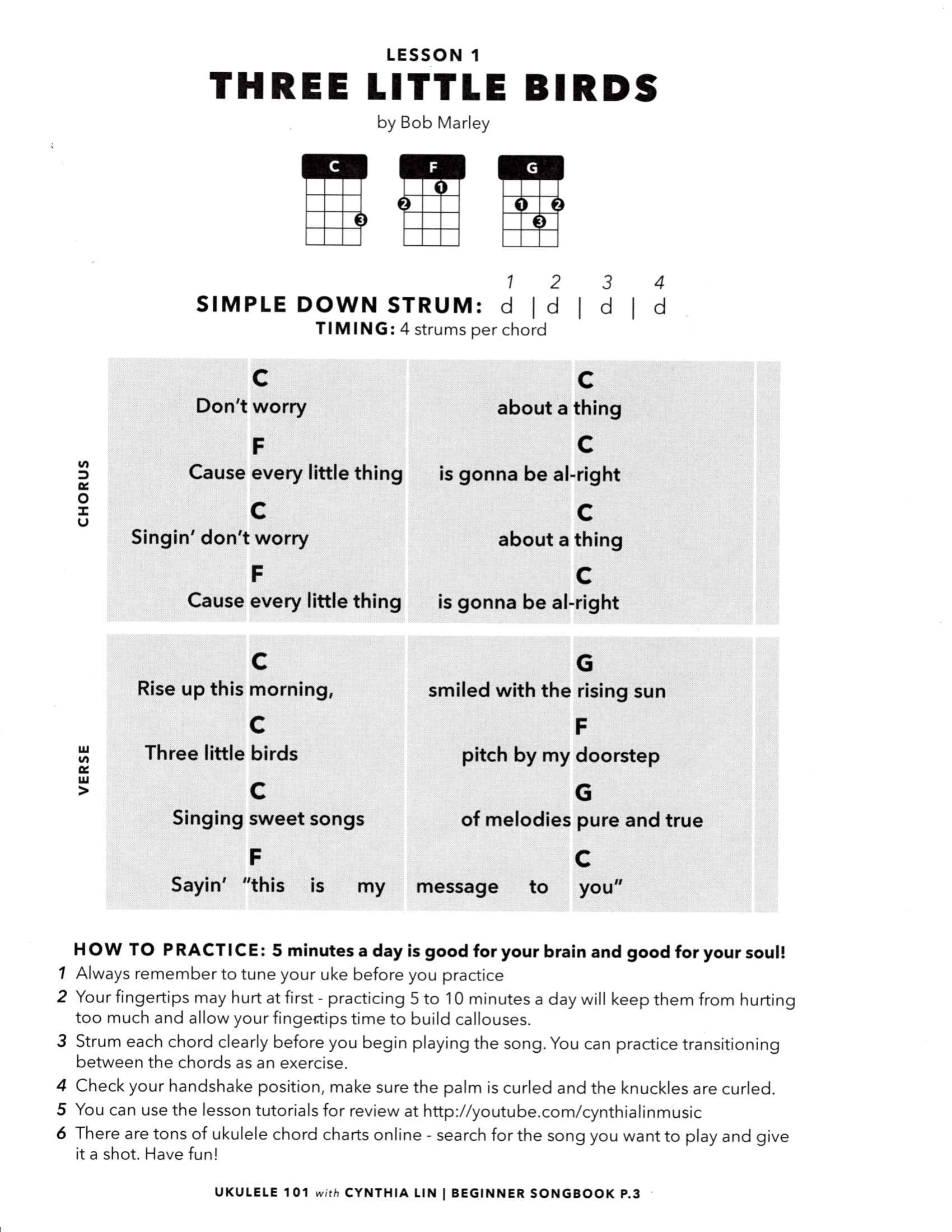
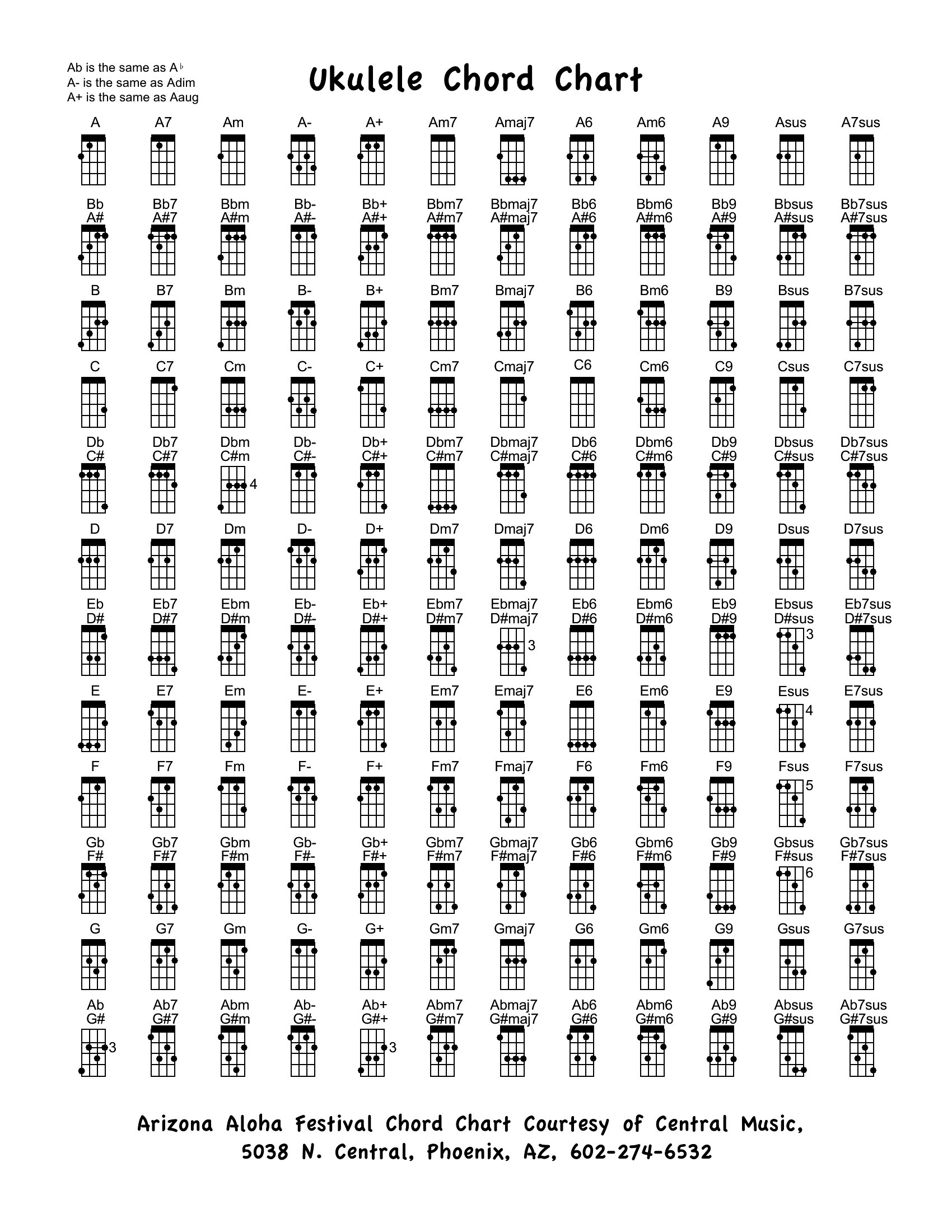
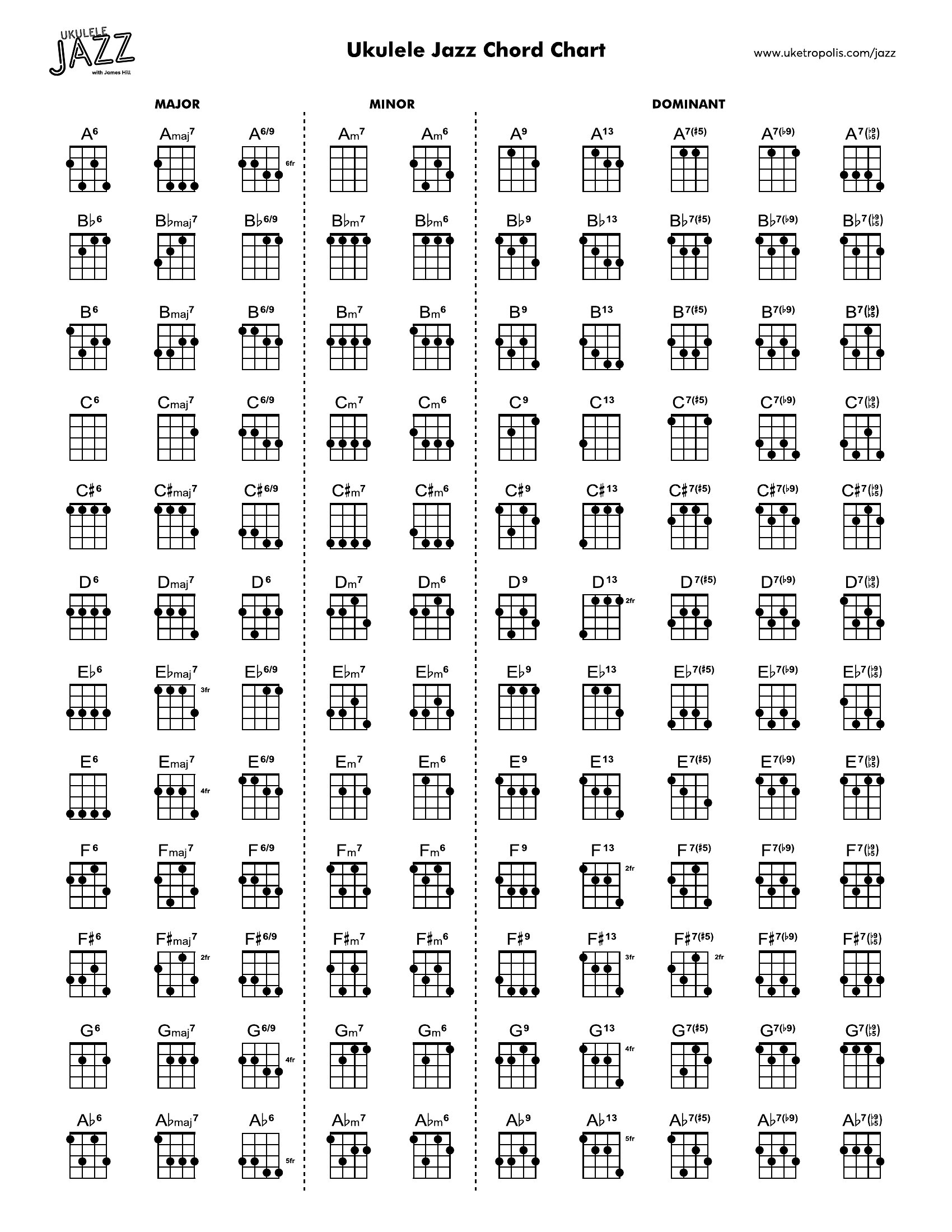
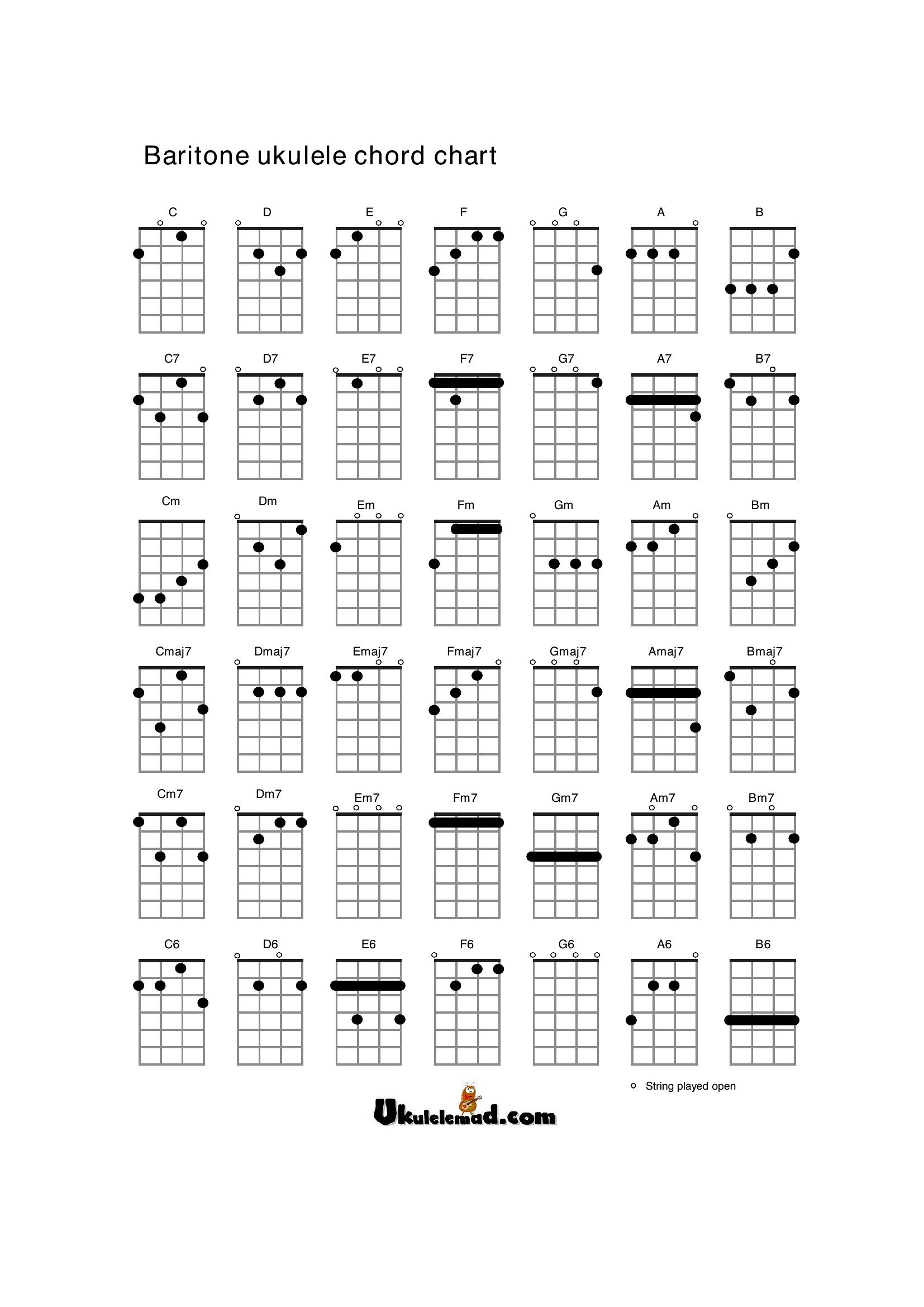
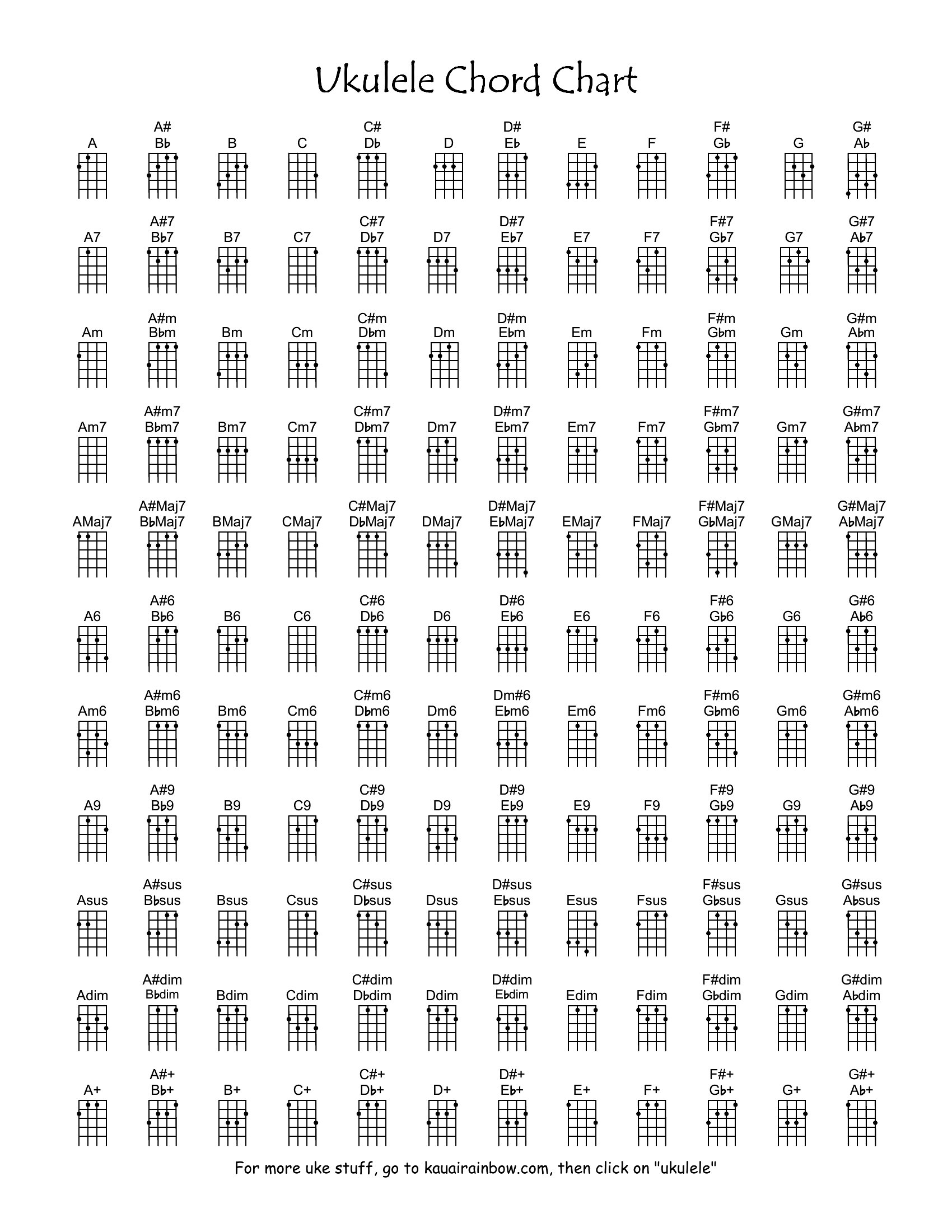
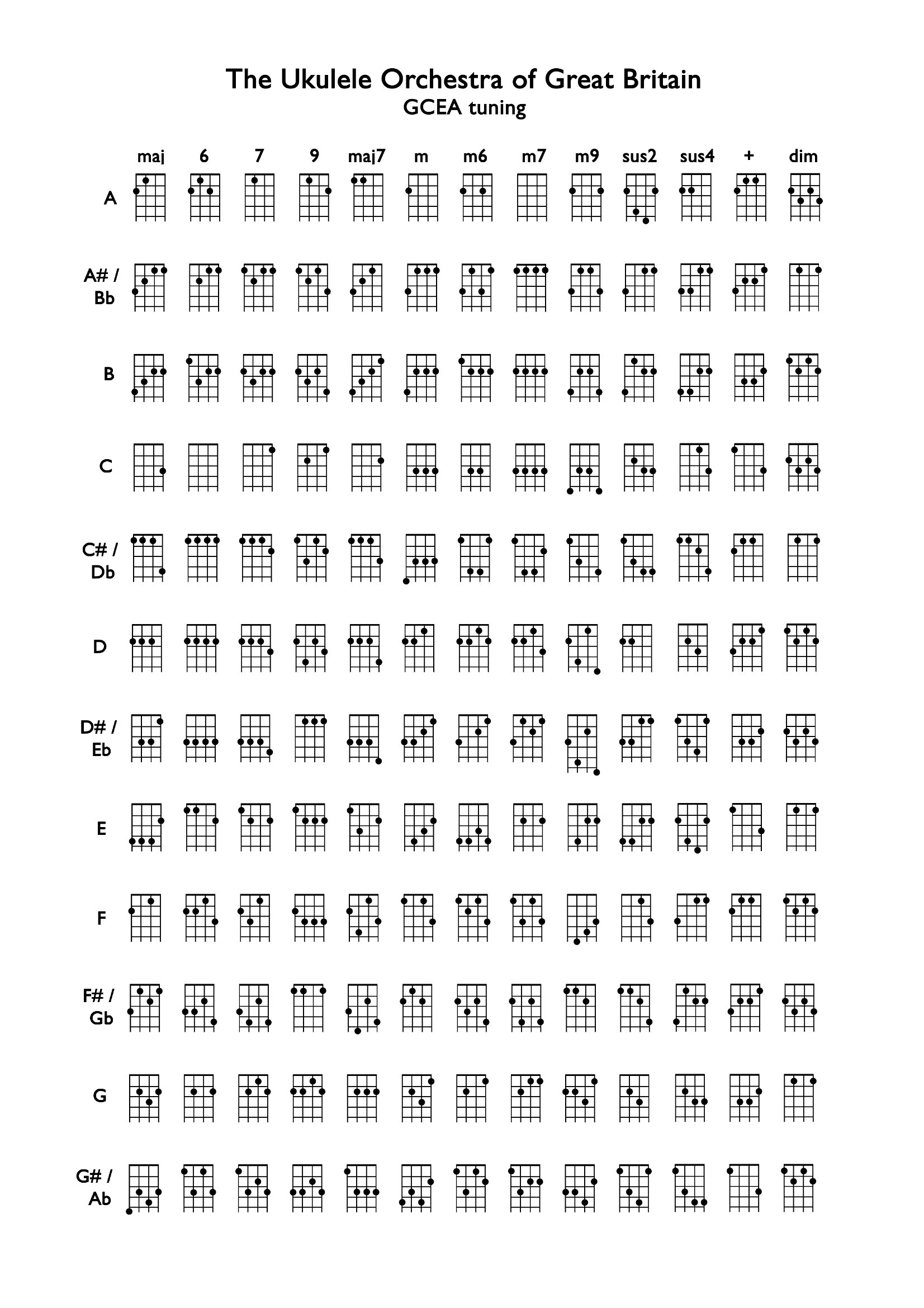
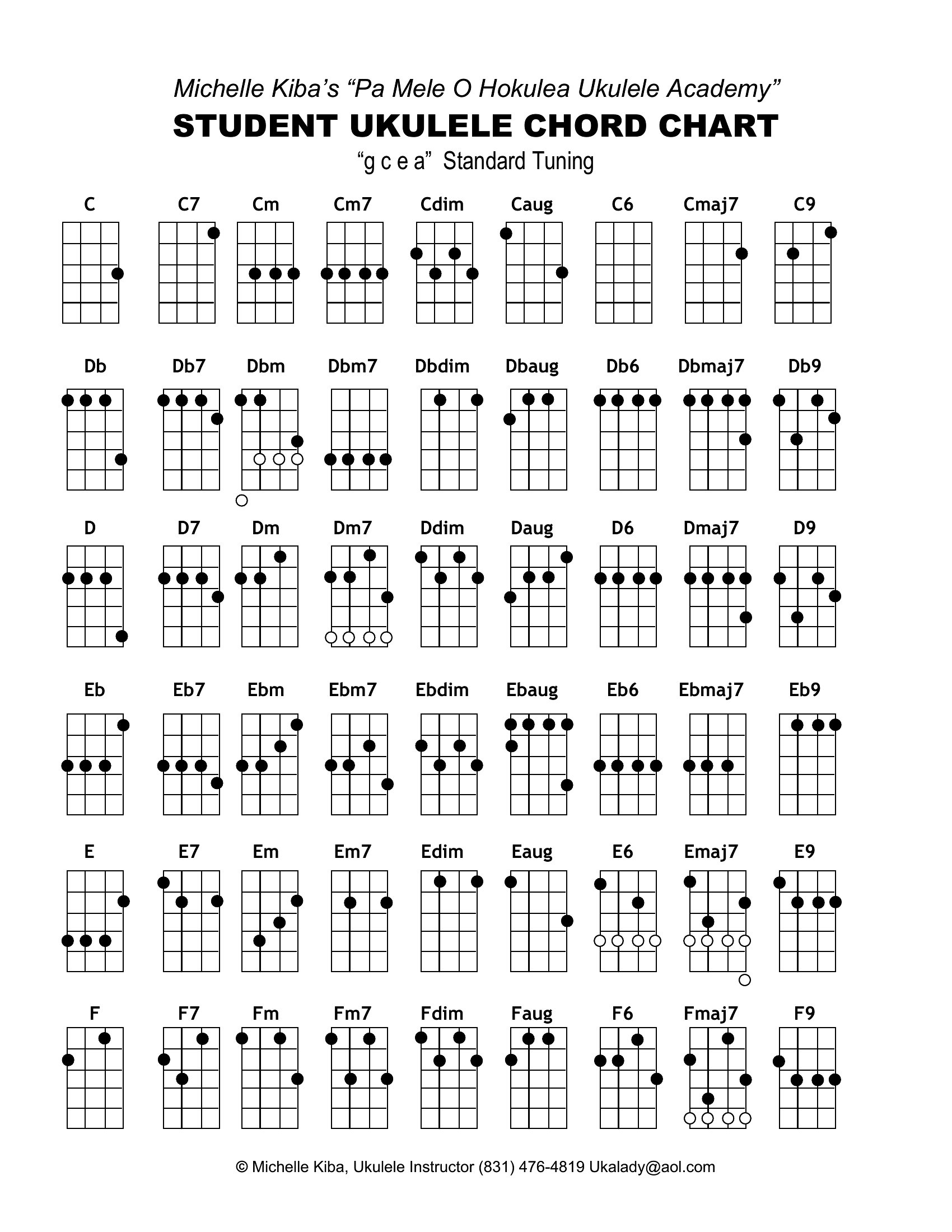
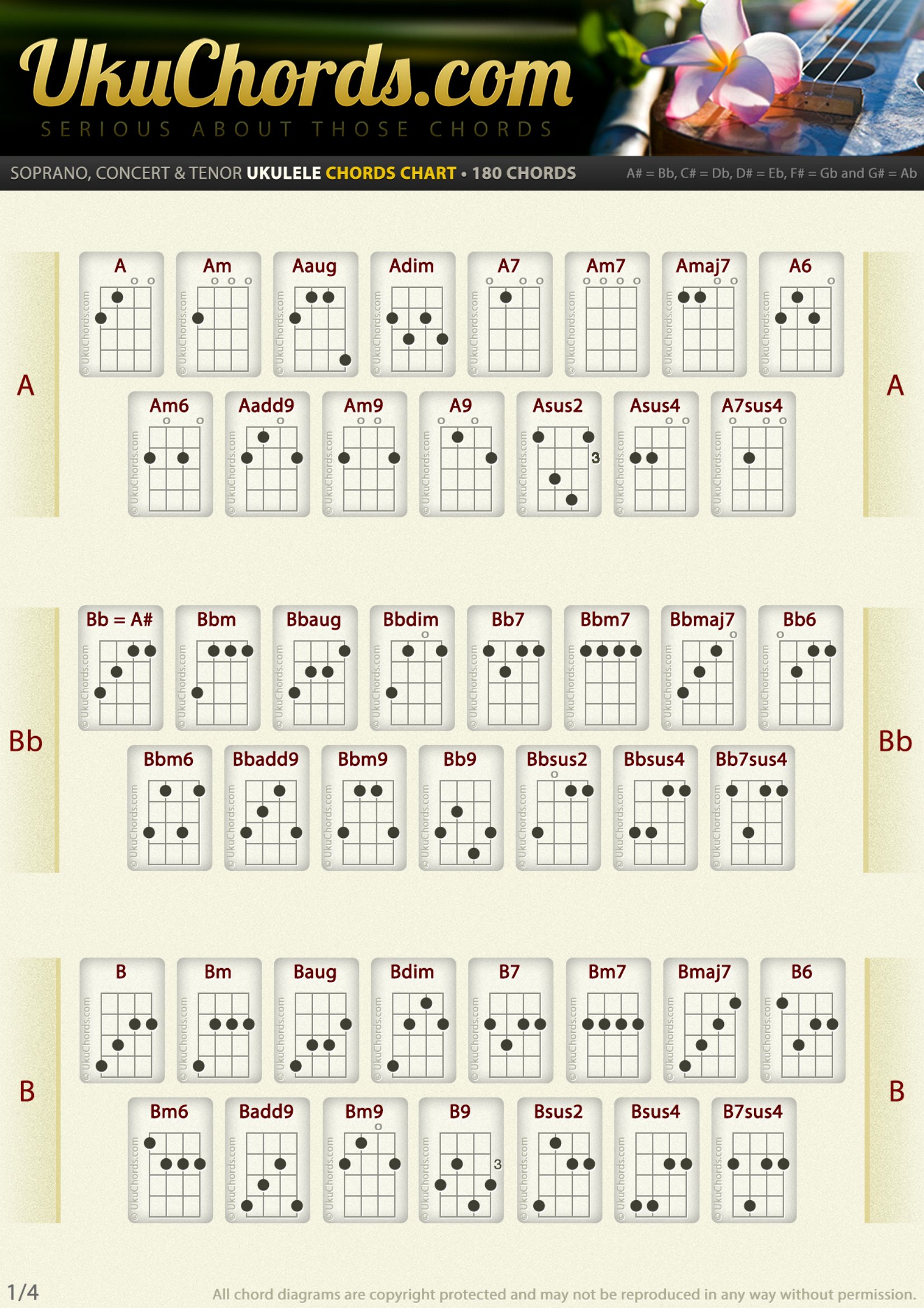
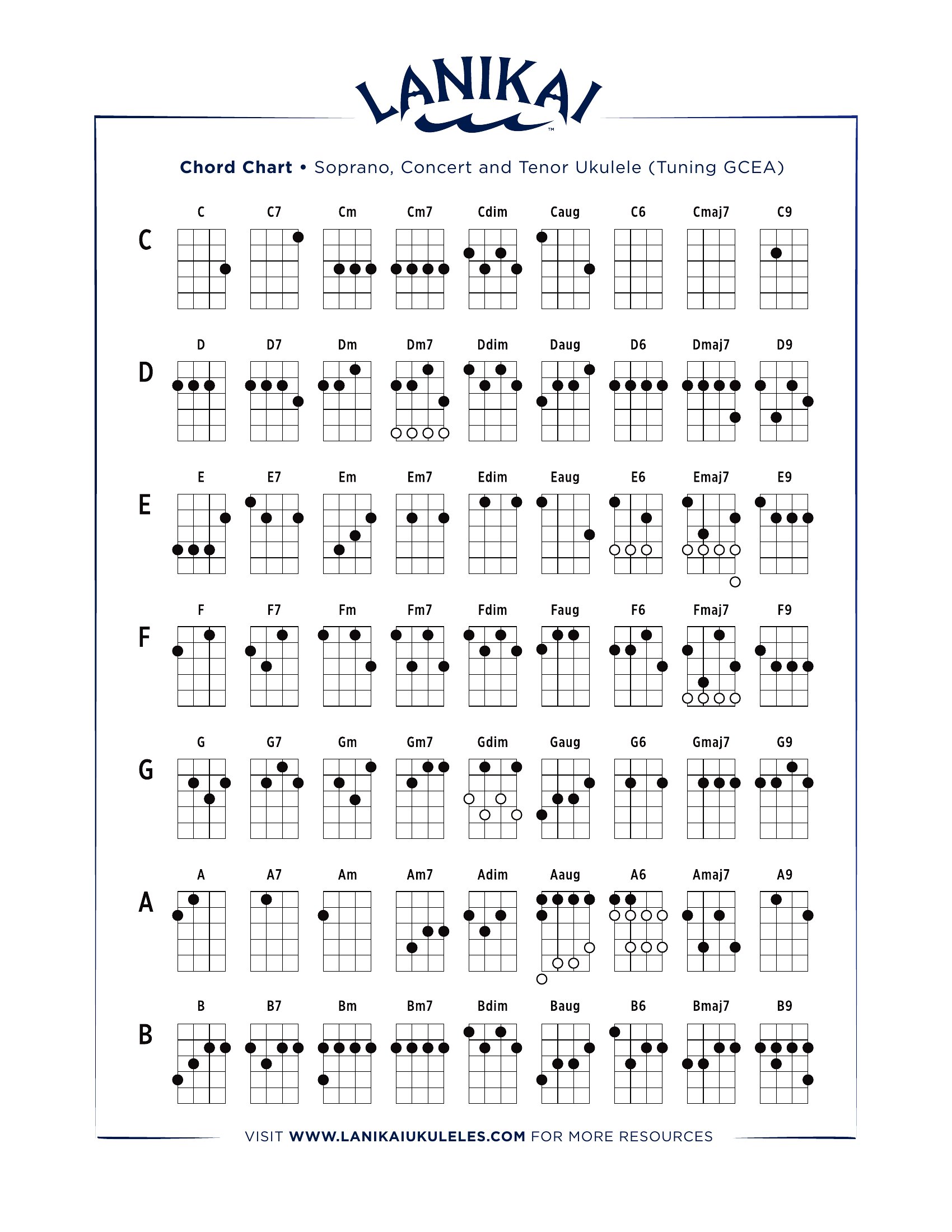
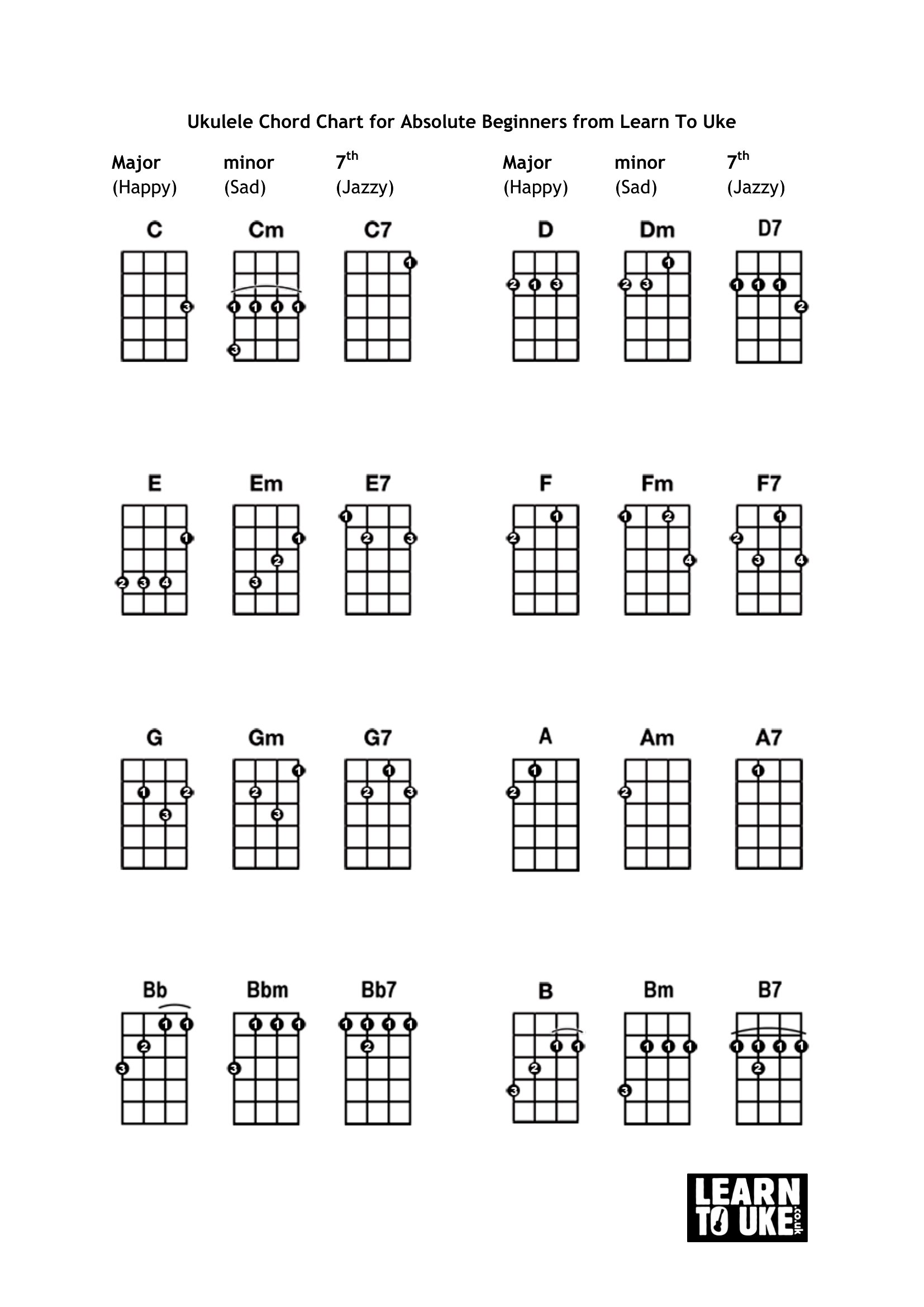
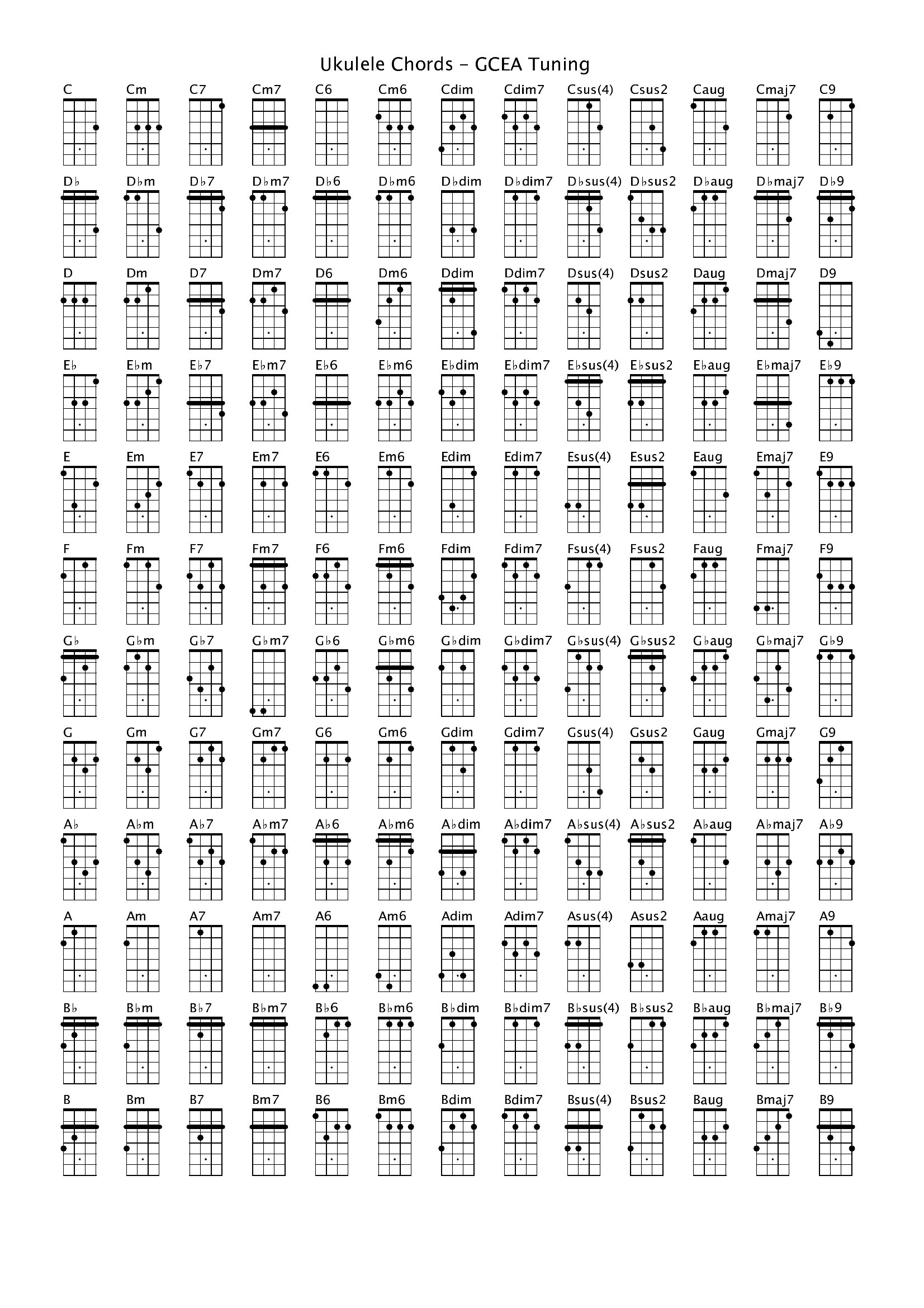
DiagramsPicking up the ukulele is a joy until you forget where your fingers go, and a chord chart solves that on the spot. This set of 41 charts maps the shapes for major, minor, and seventh chords so beginners can play along sooner and teachers can hand out a clean reference. Keep one by your music stand and you can switch chords mid-song without losing the groove.
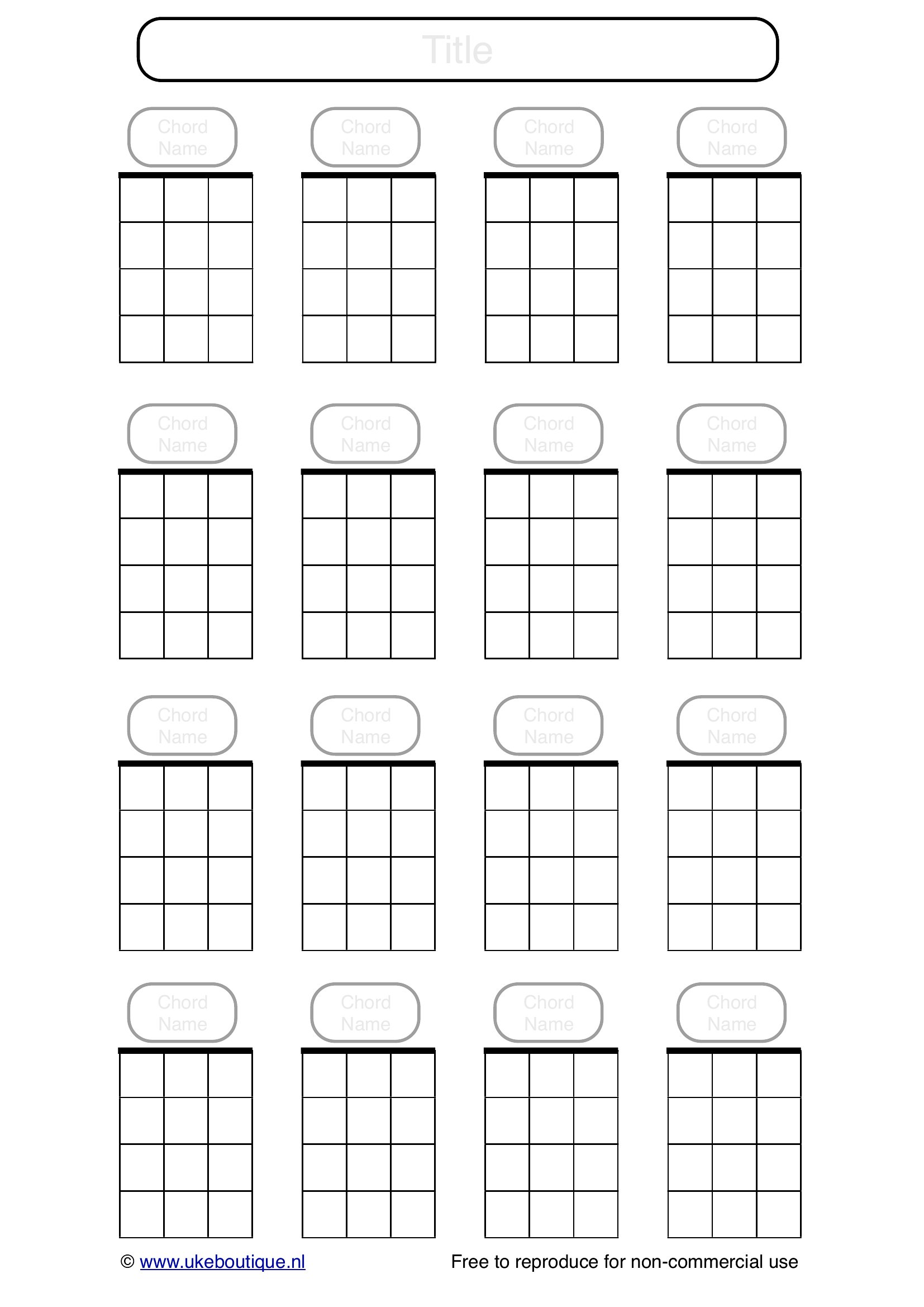
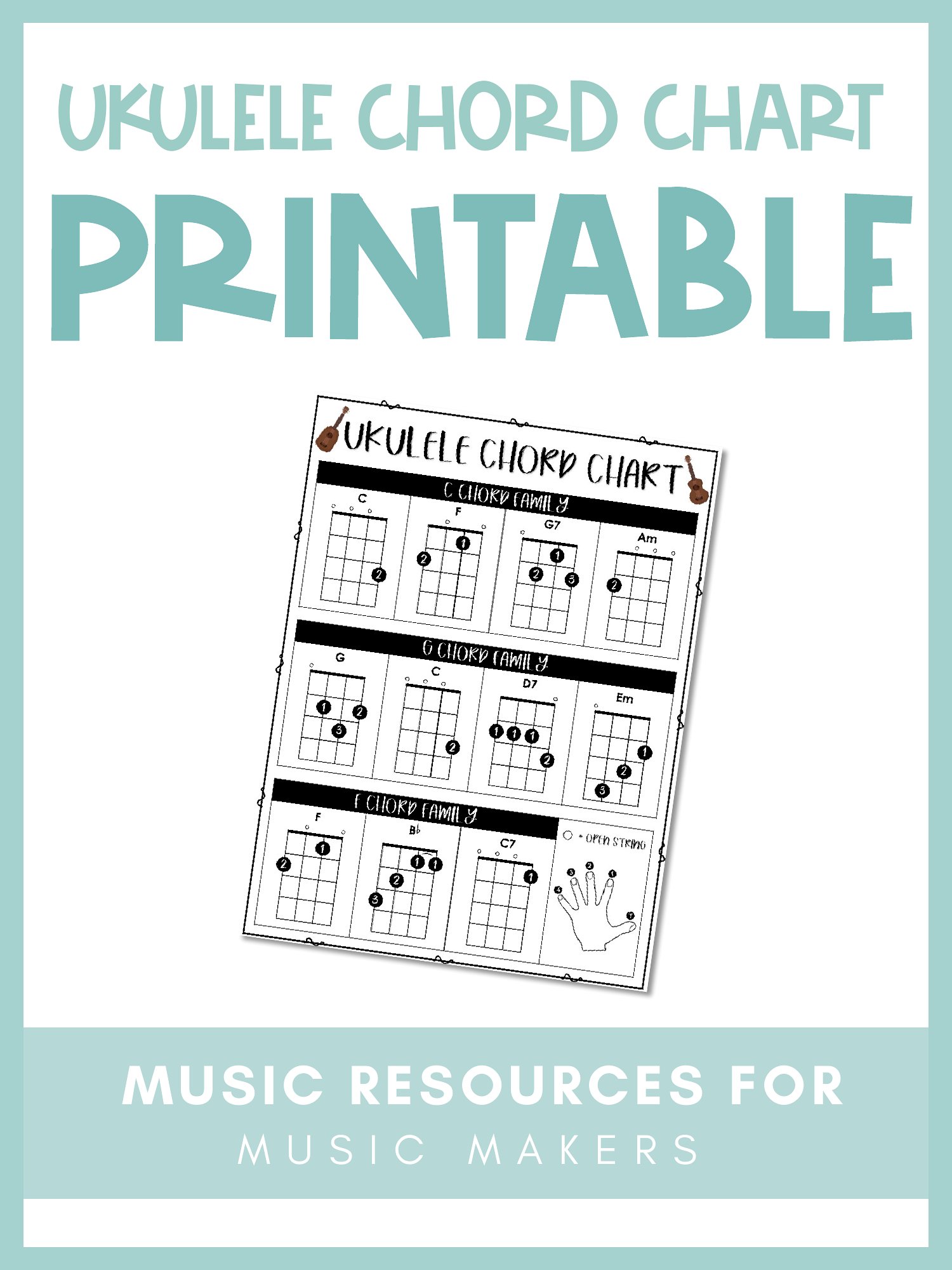
Each chart downloads as a print-ready PDF that prints crisply on standard paper. Some layouts leave blank diagrams so you can sketch in new chords or note a song's progression. Tape one inside your case or pin it to the wall for jam sessions. Grab the chart that suits your level and start strumming through your favorite tunes.
When to use this Ukulele Chord Charts template
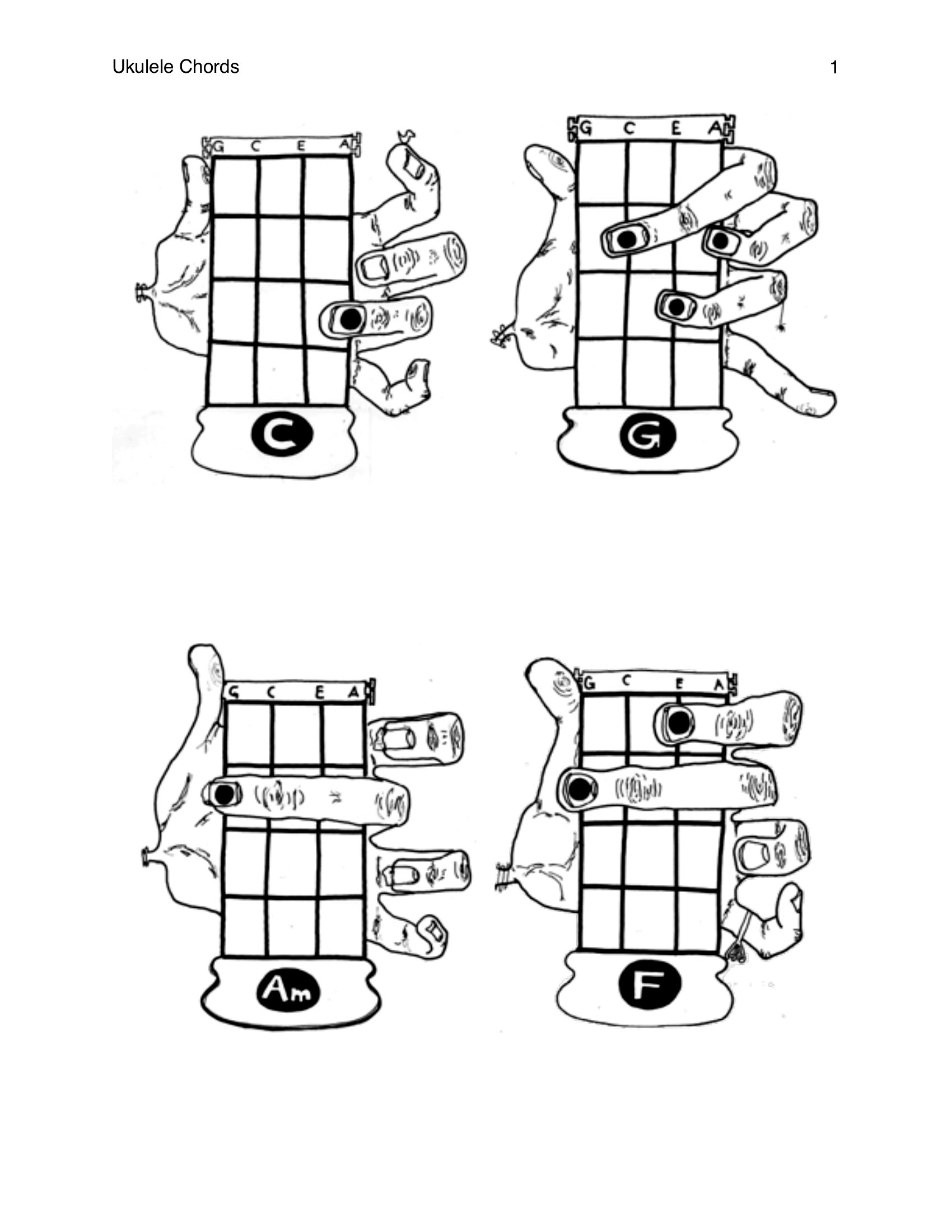
- A beginner ukulele player struggling to remember C, G, and Am chord shapes can print a laminated chord chart to stick on their music stand, reducing finger confusion during practice sessions.
- Music teachers leading group lessons need a clear, printable reference to distribute to students when introducing new chord progressions in their first few weeks of playing.
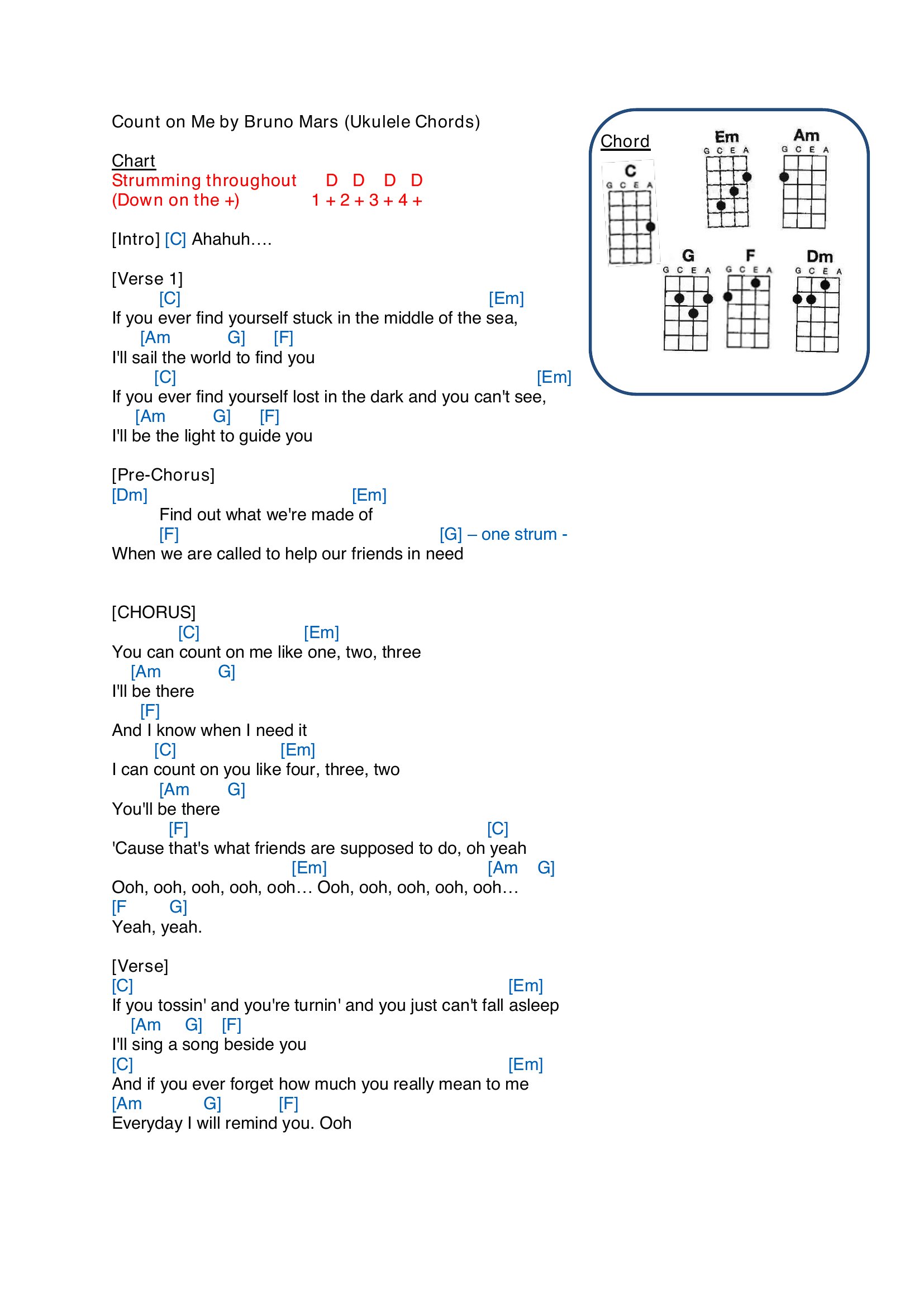
- Songwriters experimenting with ukulele arrangements for pop or folk tunes use chord charts to visualize minor and seventh variations, ensuring transitions feel smooth before recording demos.
- Ukulele performers playing live gigs keep a folded chord chart in their gig bag to quickly recall chord changes during setlist adjustments, preventing awkward pauses when switching between songs.
Which format should I download?
PDF is the only format here, and it’s ideal for ukulele chord charts because it preserves crisp, print-ready resolution—no pixelation when enlarged for easy reading. Download as-is for instant use, or print in full color for vibrant visuals. The fillable versions let you add custom notes, but diagrams remain static for accuracy. Choose PDF for durability: print once, use forever.
Choose from 41 Ukulele Chord Charts Templates
How to use this Ukulele Chord Charts template
Can I adjust the chord names or add my own chord variations to these templates?
Yes, the fillable PDFs let you type in custom chord names or annotations, but the core diagram layout stays fixed for accuracy. Use them to highlight your favorite progressions or add finger positioning tips. Just avoid altering the fretboard or string visuals to keep the reference reliable.
How do I decide which chord chart to download if I’m just starting out?
Prioritize the ‘Major & Minor Chords’ and ‘Beginner Chord Progressions’ templates first—they cover the most common shapes and patterns for songs like ‘Riptide’ or ‘Somewhere Over the Rainbow.’ Save the seventh/chord extensions for later, once you’re comfortable with basic transitions.
Are these charts suitable for teaching advanced strumming techniques like arpeggios or hybrid picking?
These charts focus on standard chord shapes and finger placements, not advanced techniques. For arpeggios or hybrid picking, you’d need separate diagrams showing note-by-note fingerings. Stick to these for open-position and barre chords, then layer in technique-specific resources later.
Comments
Join the conversation
Sign in to share your thoughts and leave a comment on this resource.