
Skip to content
50% off this one-time $1.99 pack with HALFOFF — or unlimited with Pro.HALFOFF
Premium

Free Bank Reconciliation Templates (Word, Excel)

Statements
vicencionovaes by vicencionovaes
Updated 0 downloads Quality-checked template

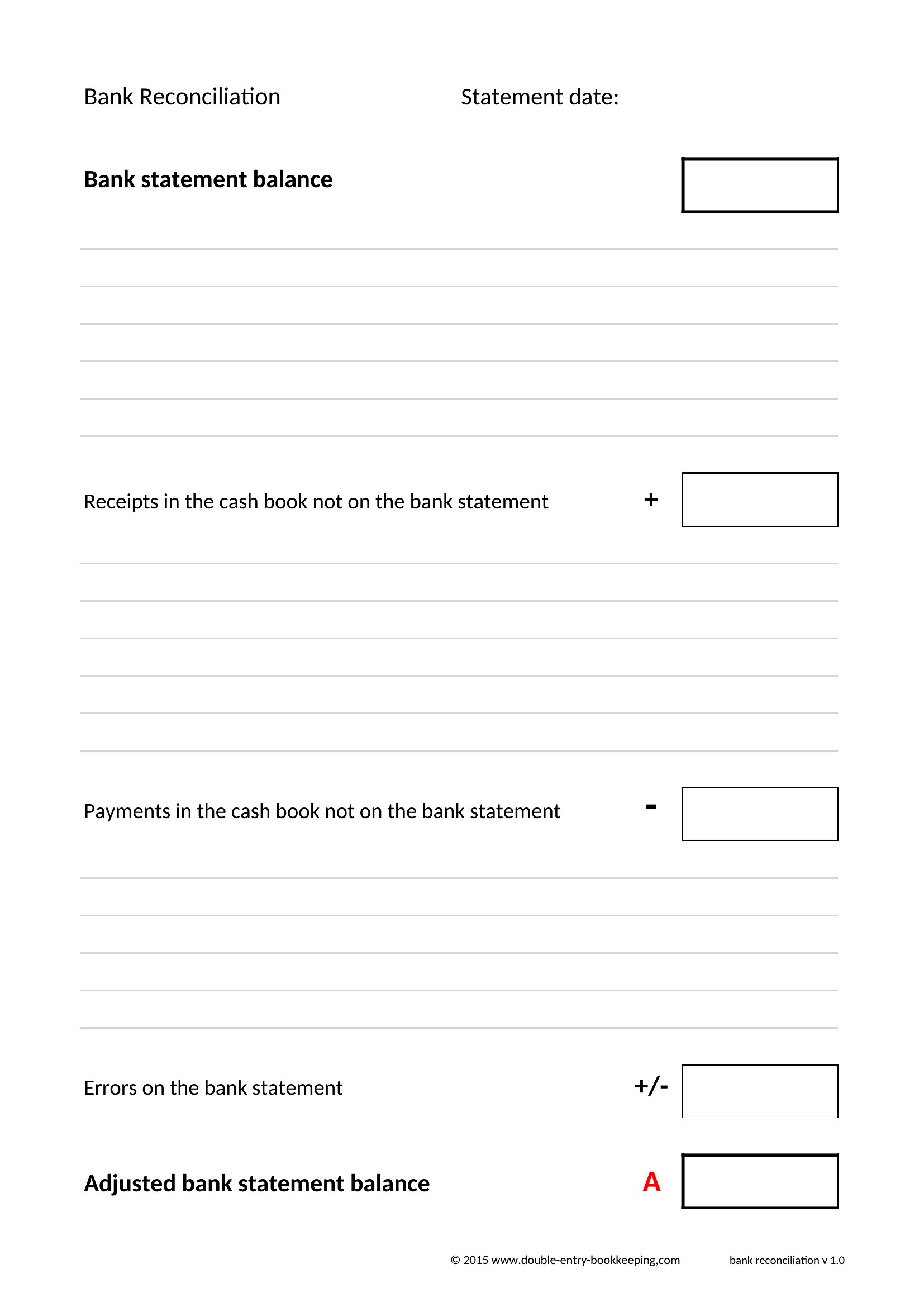
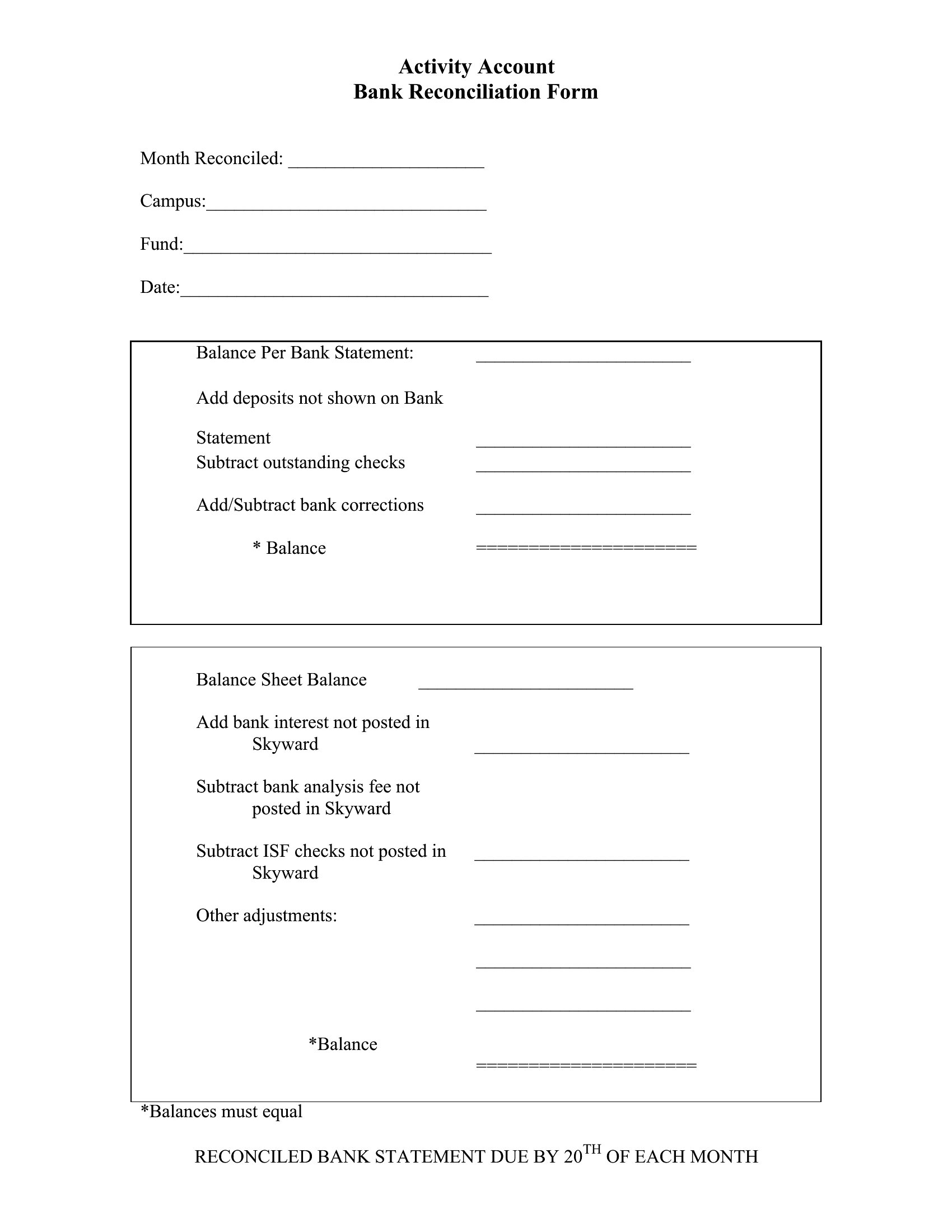
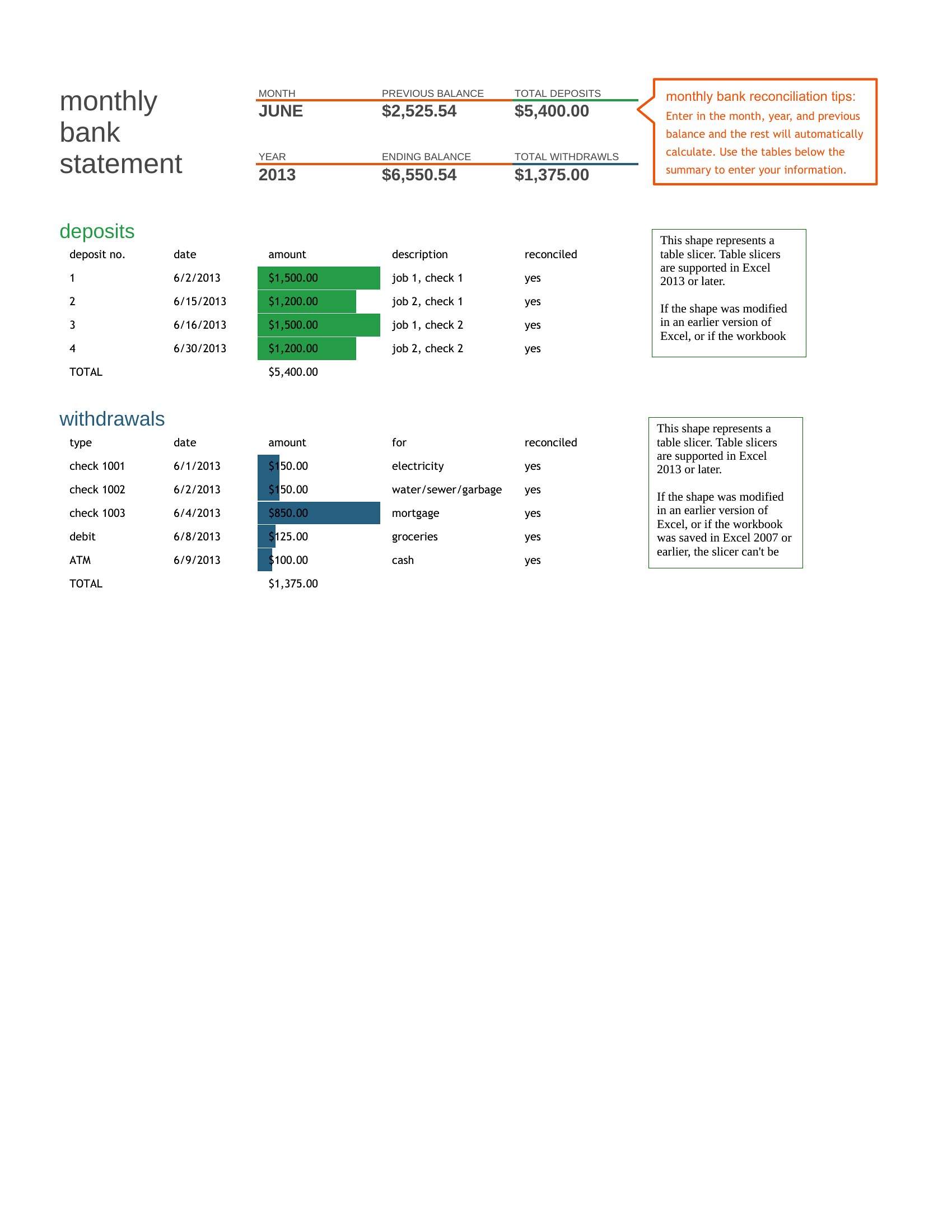
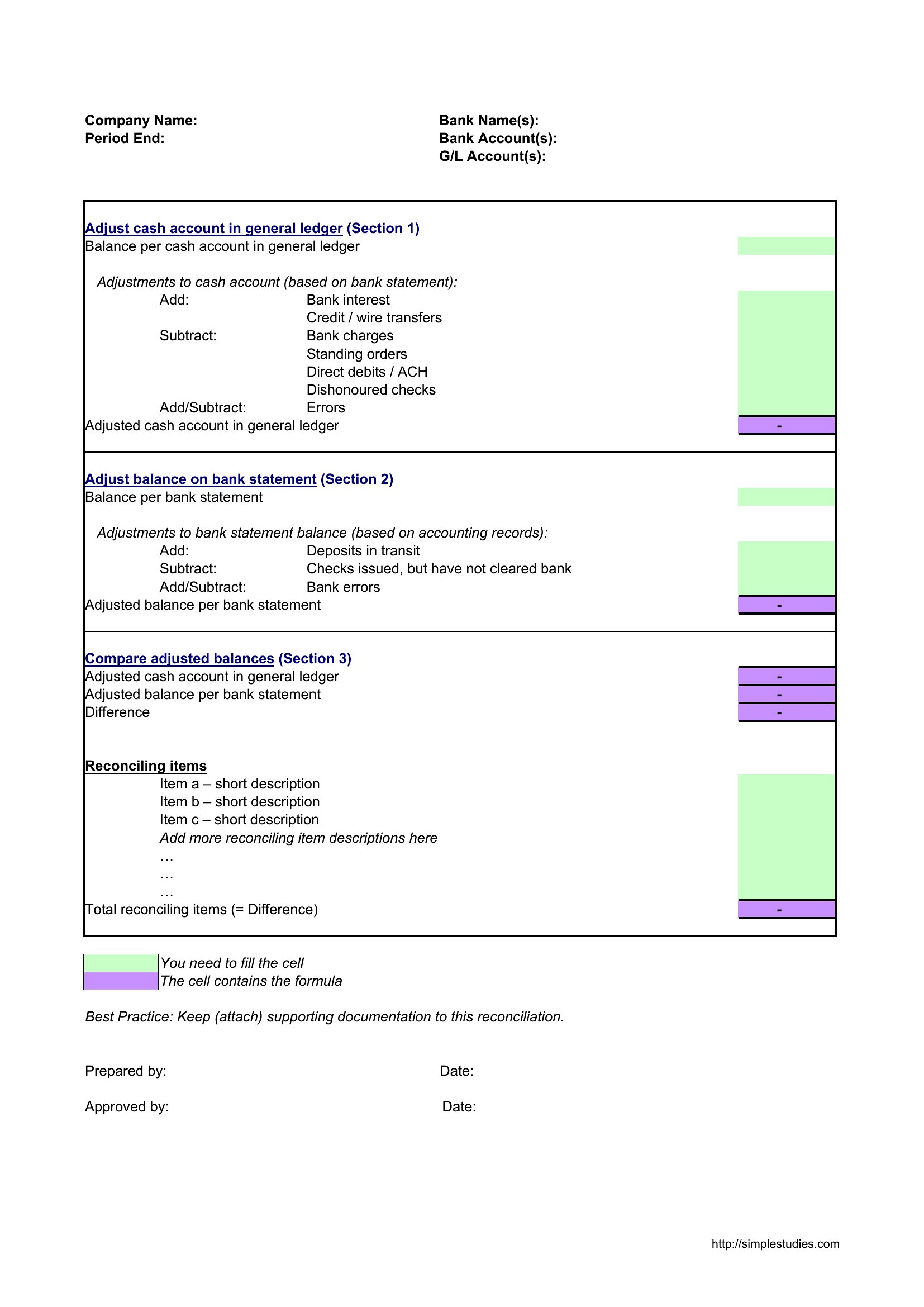
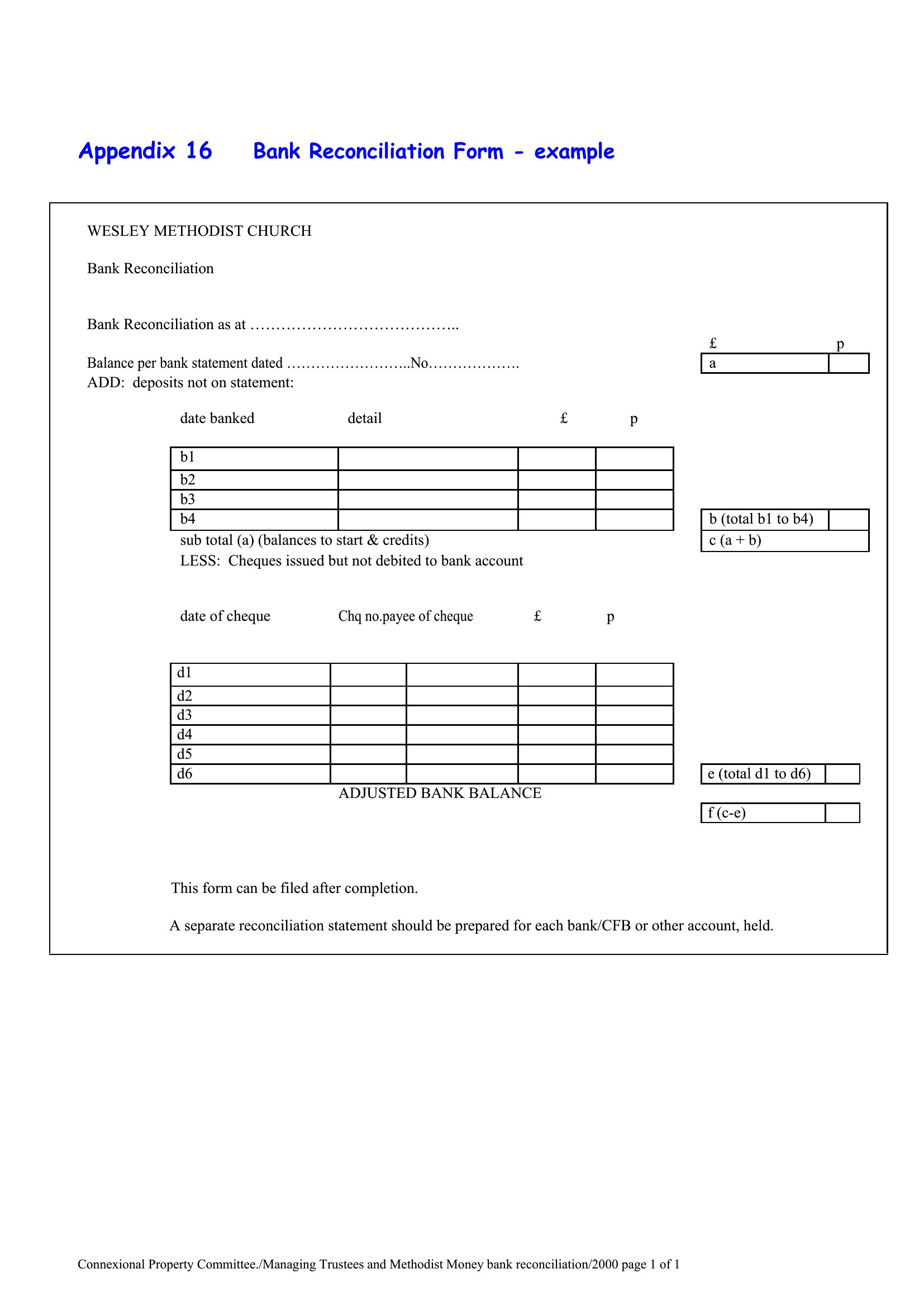
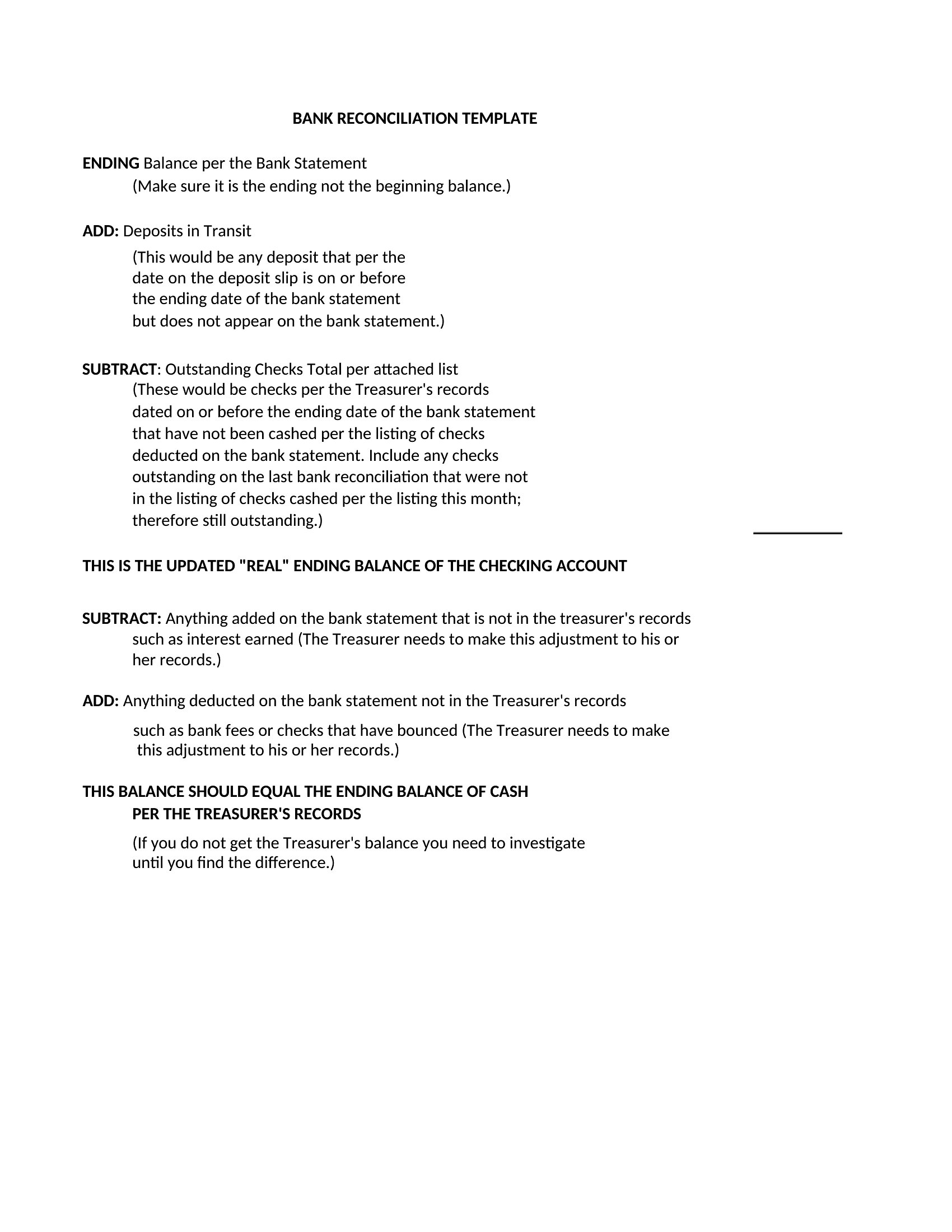
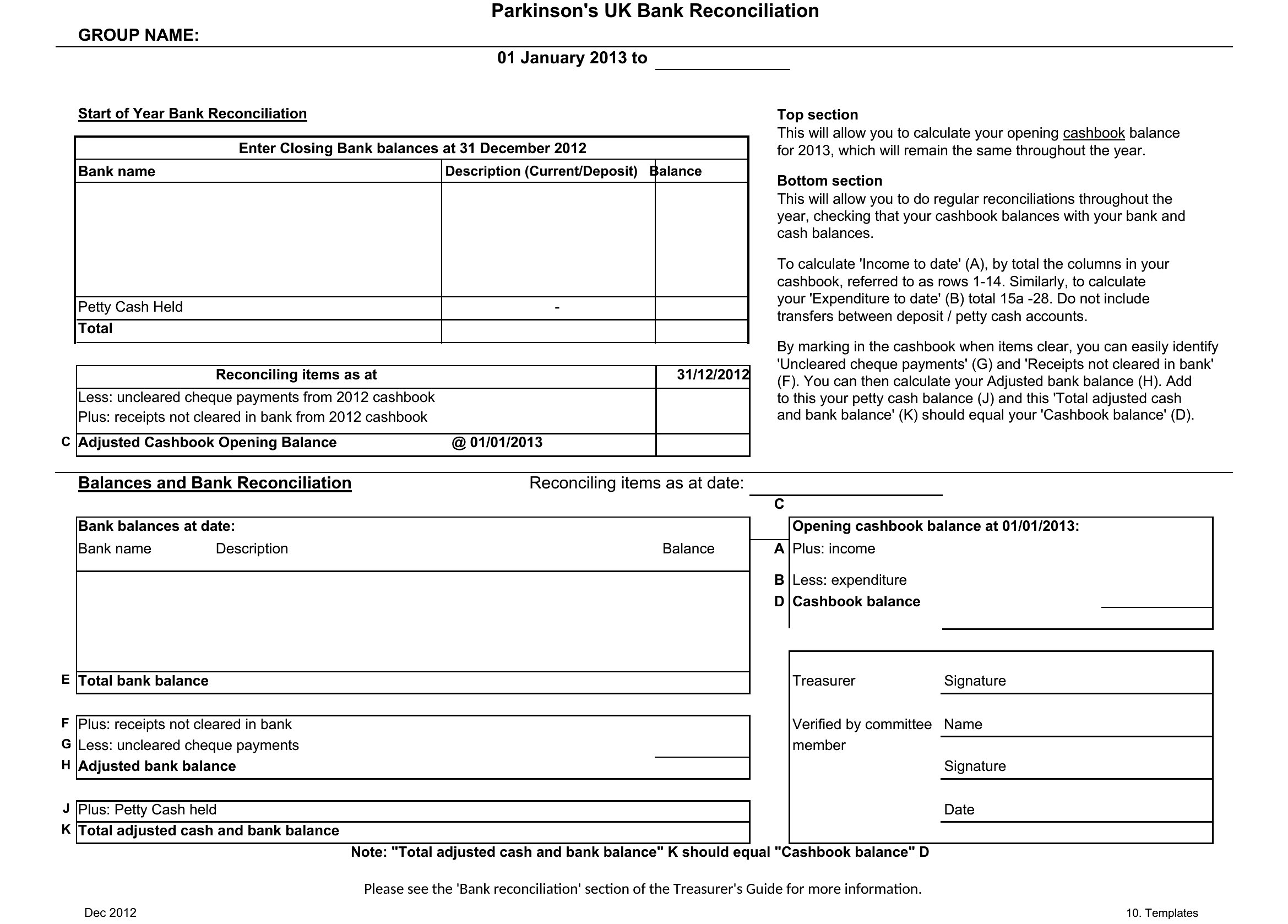
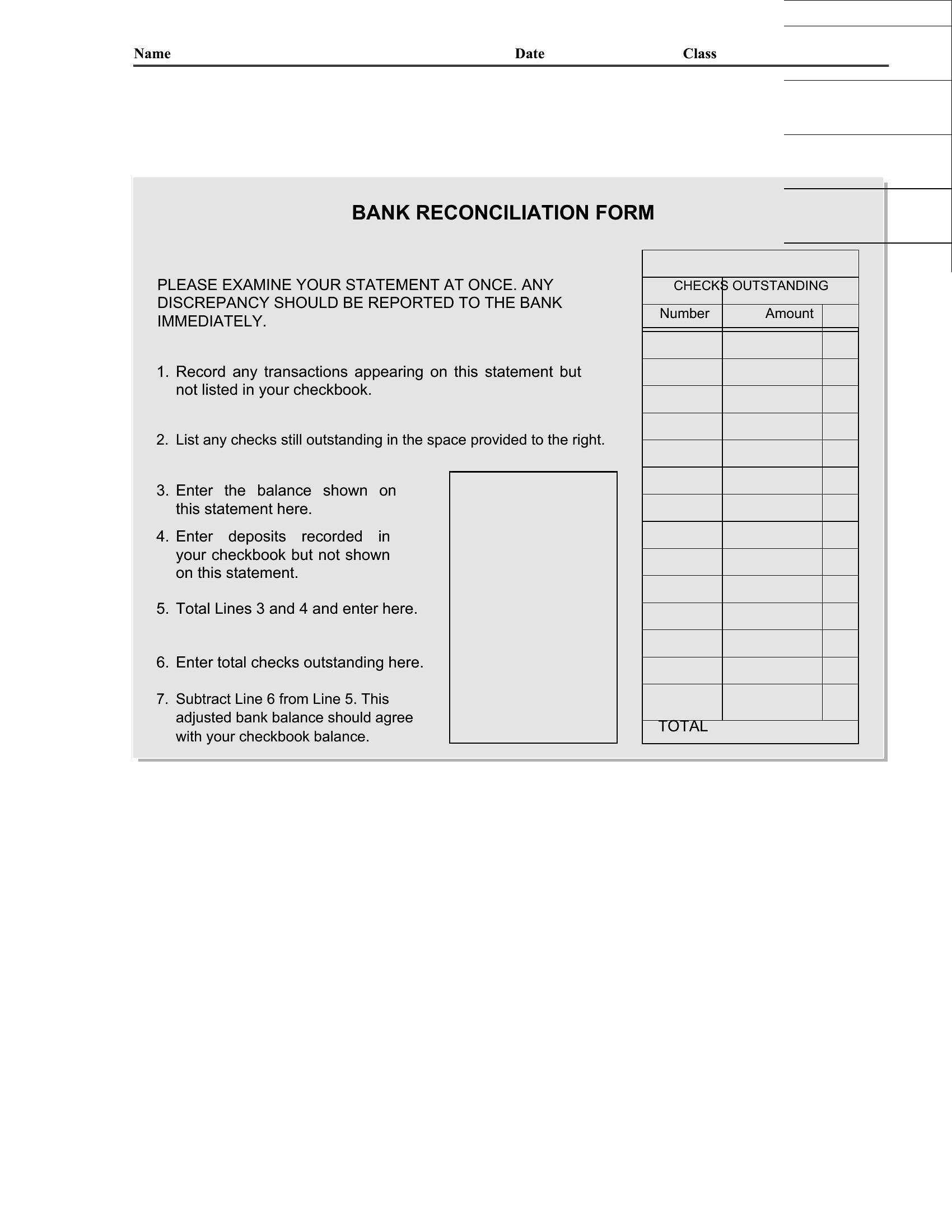
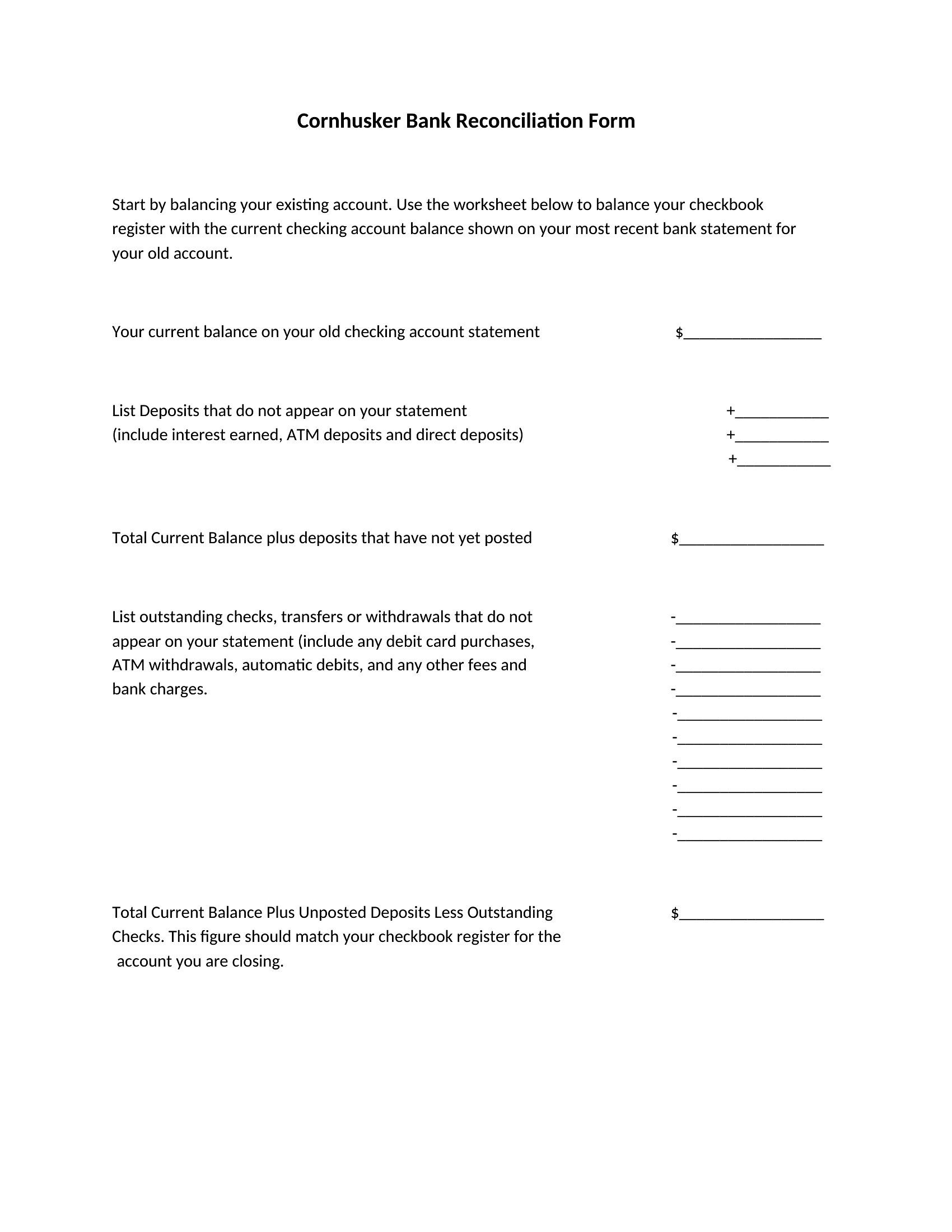
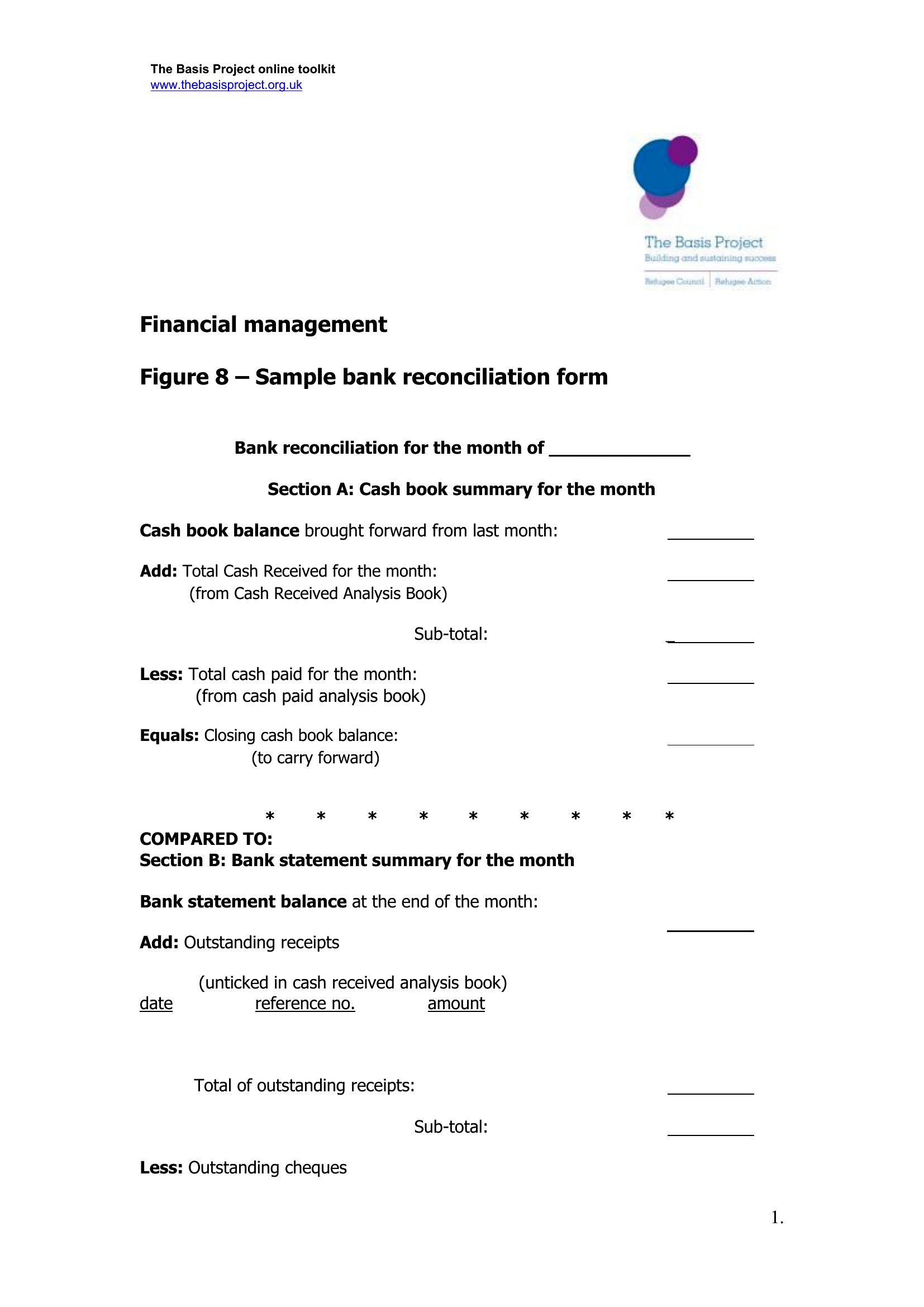
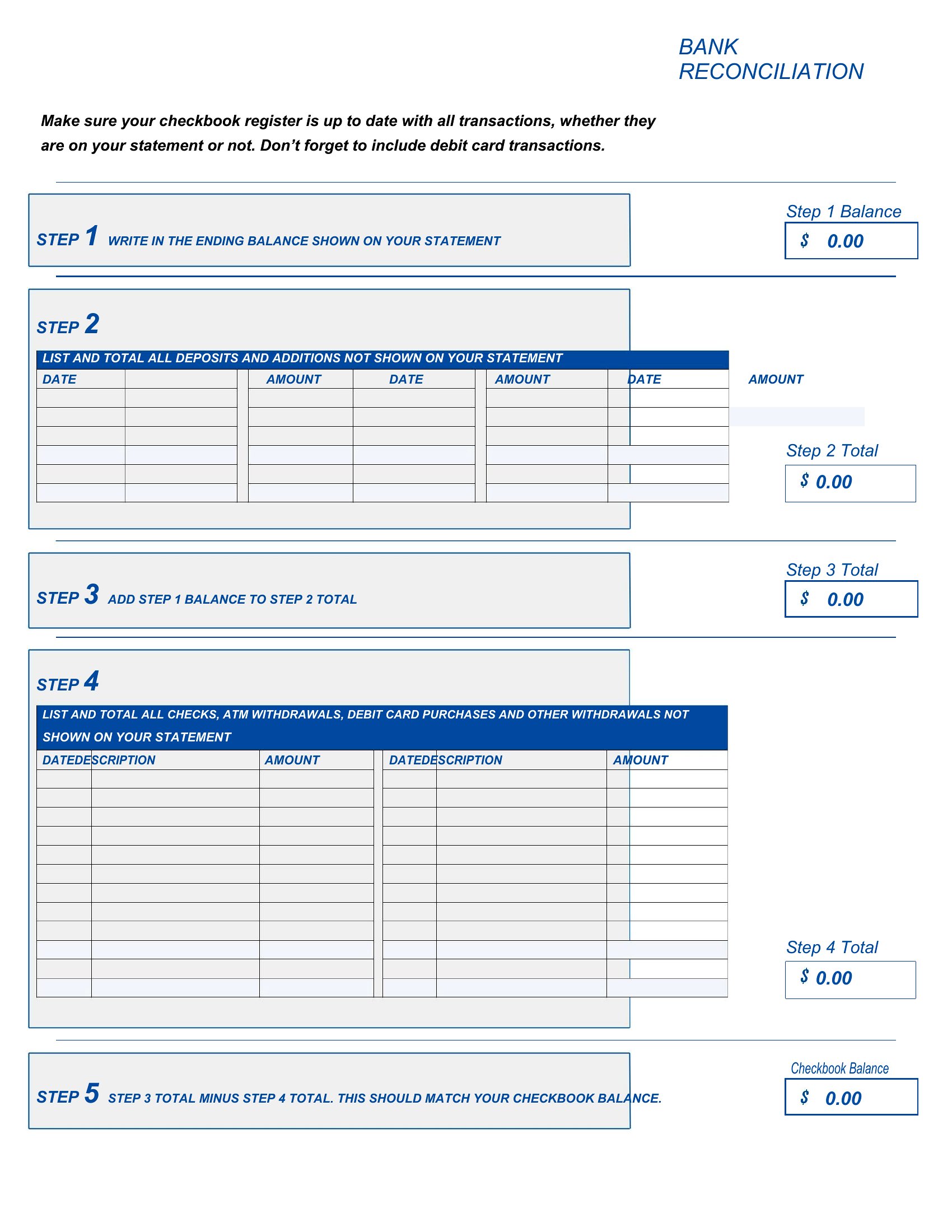
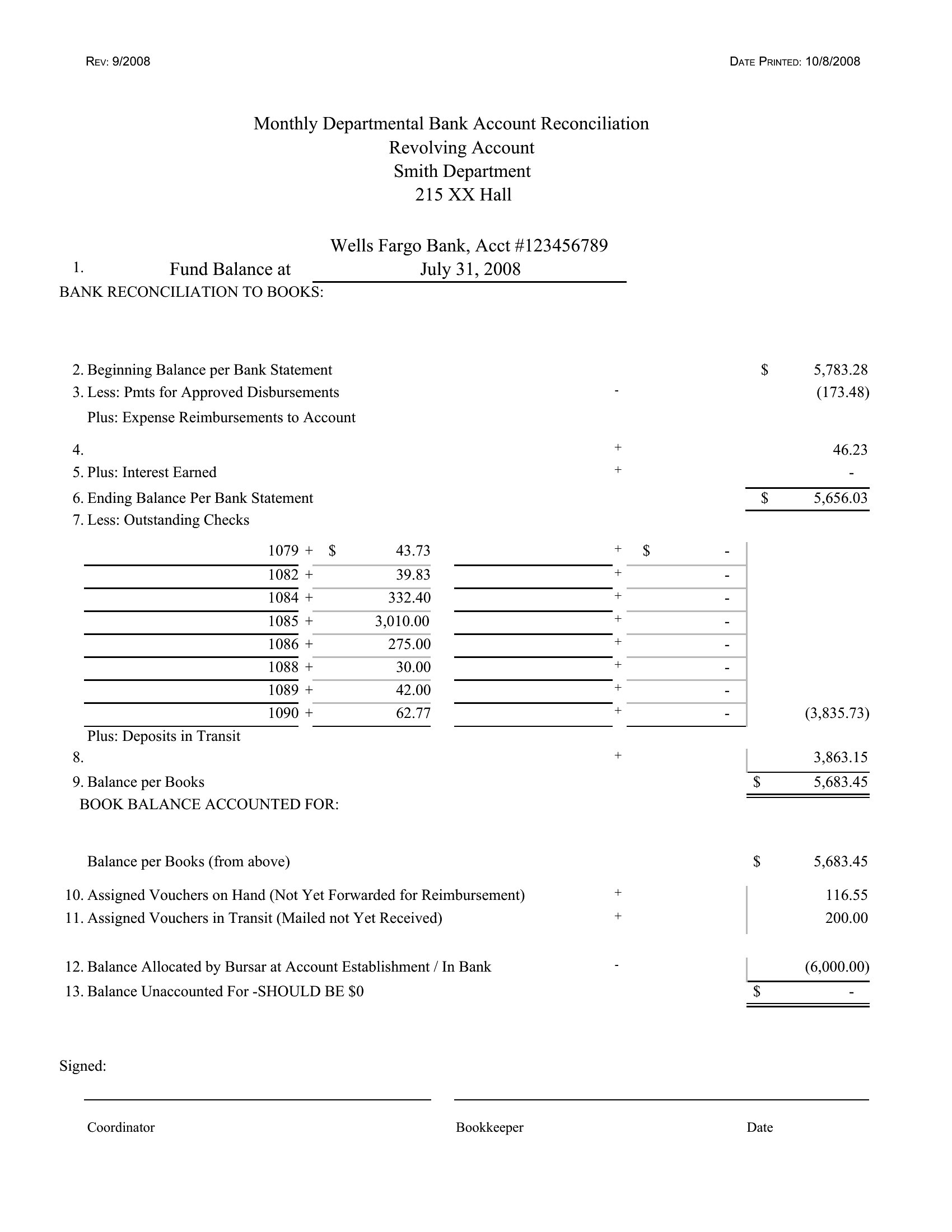
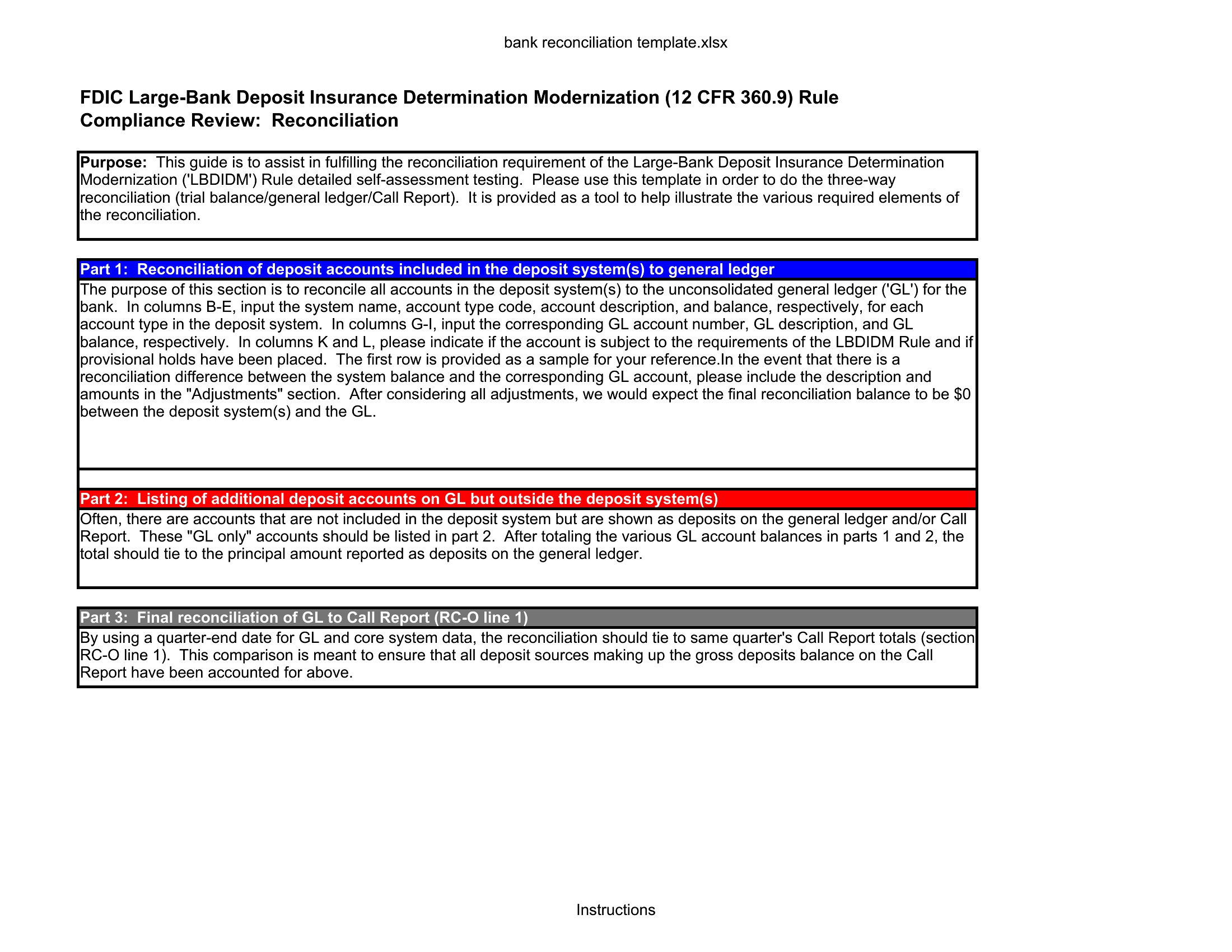
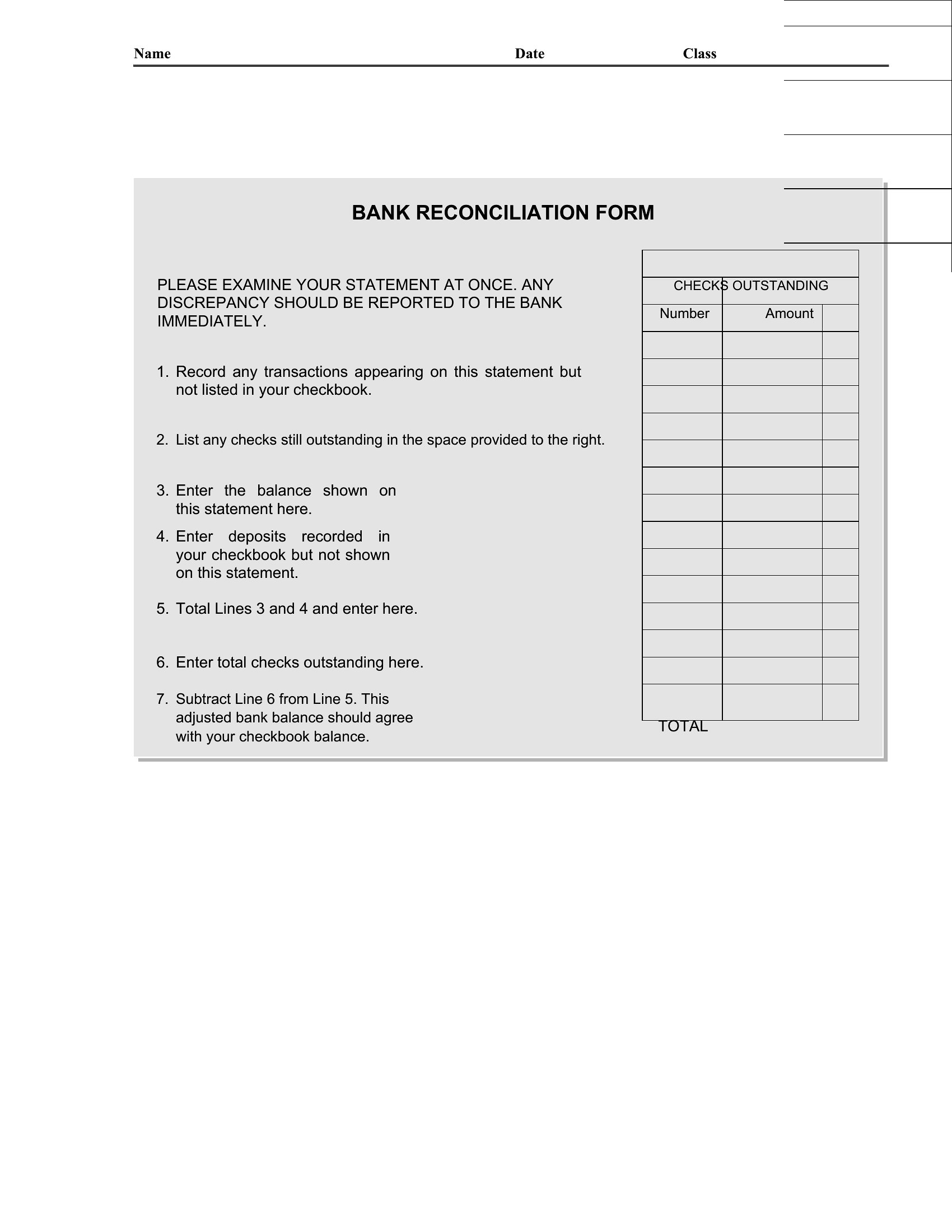
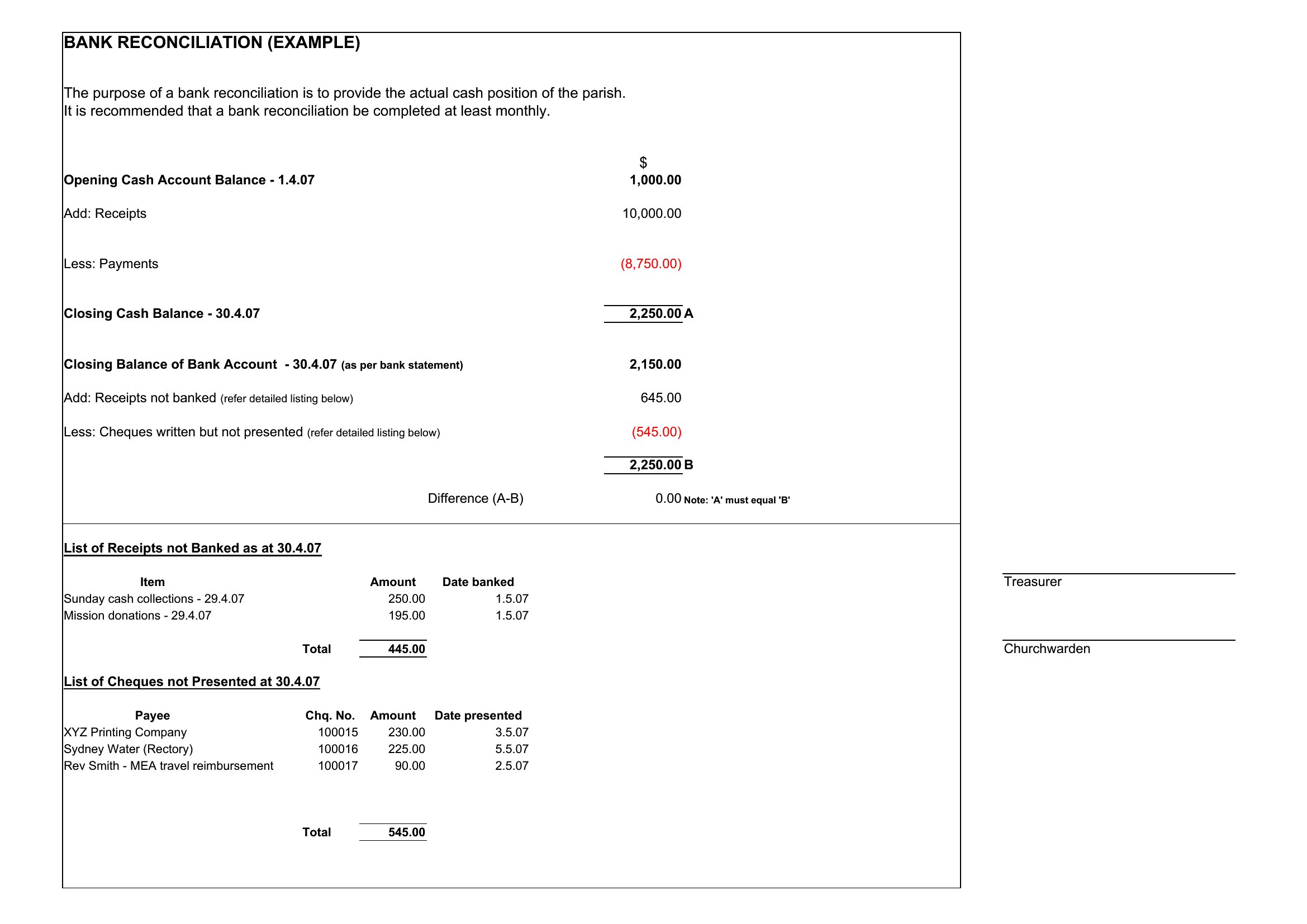
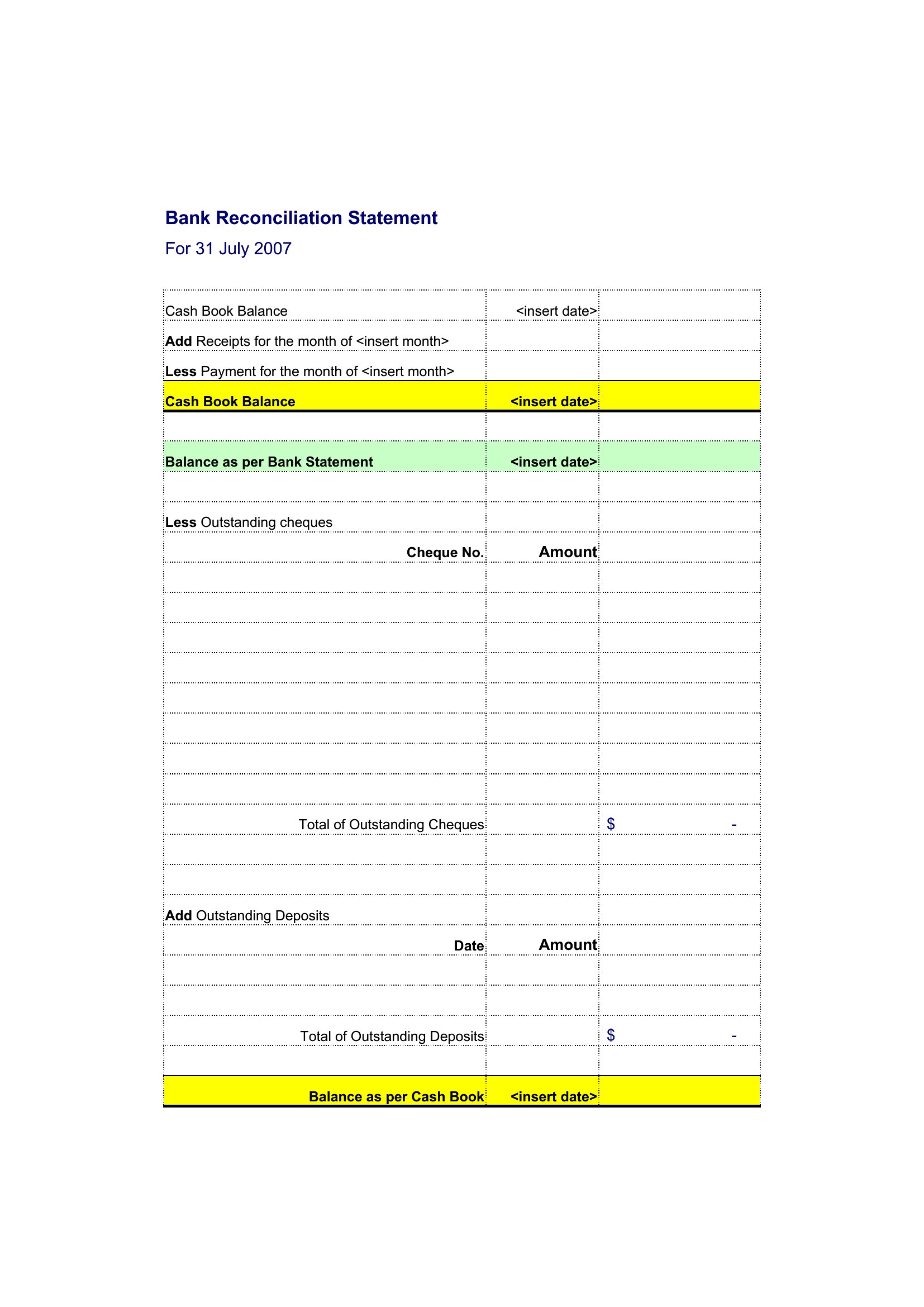
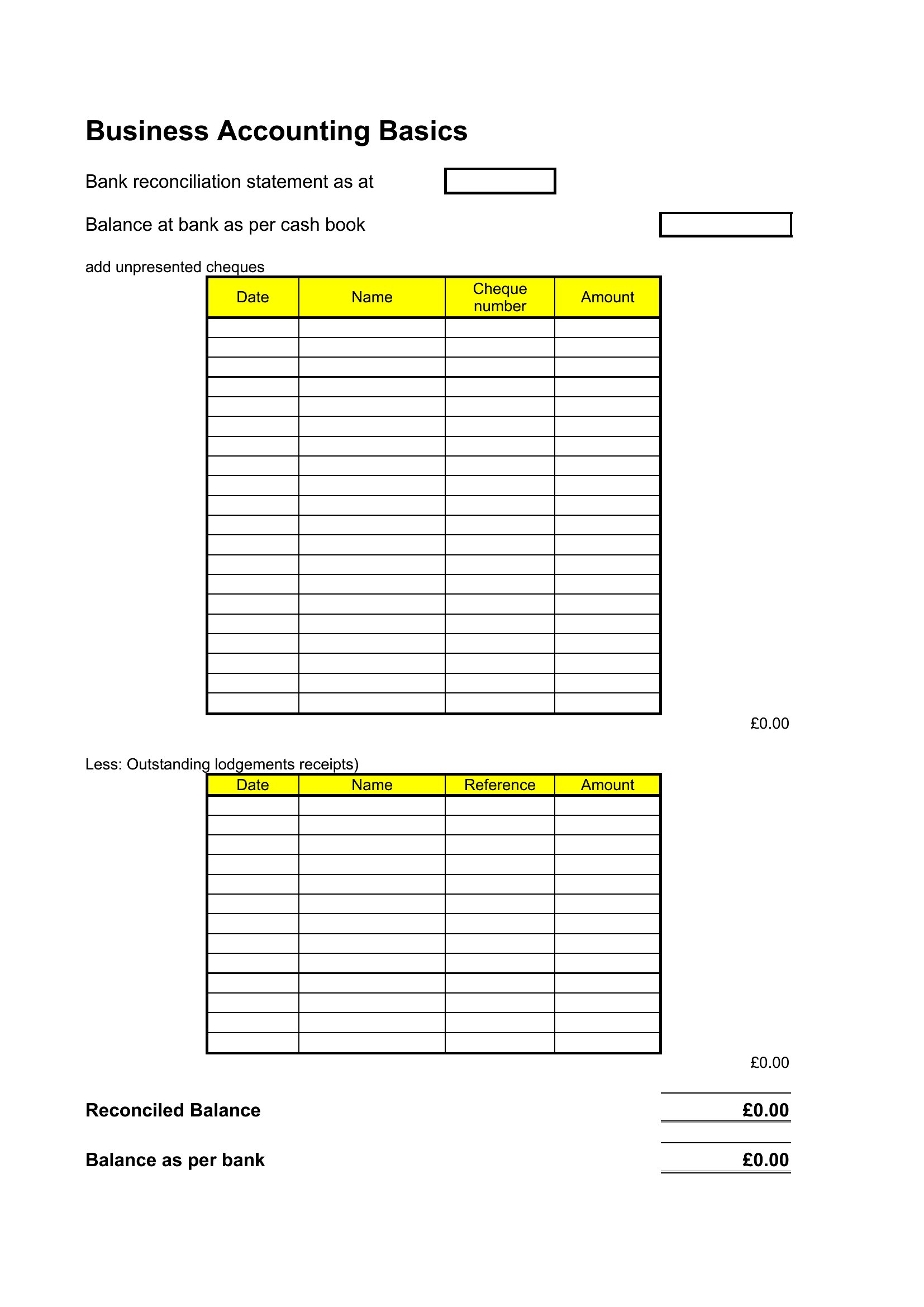
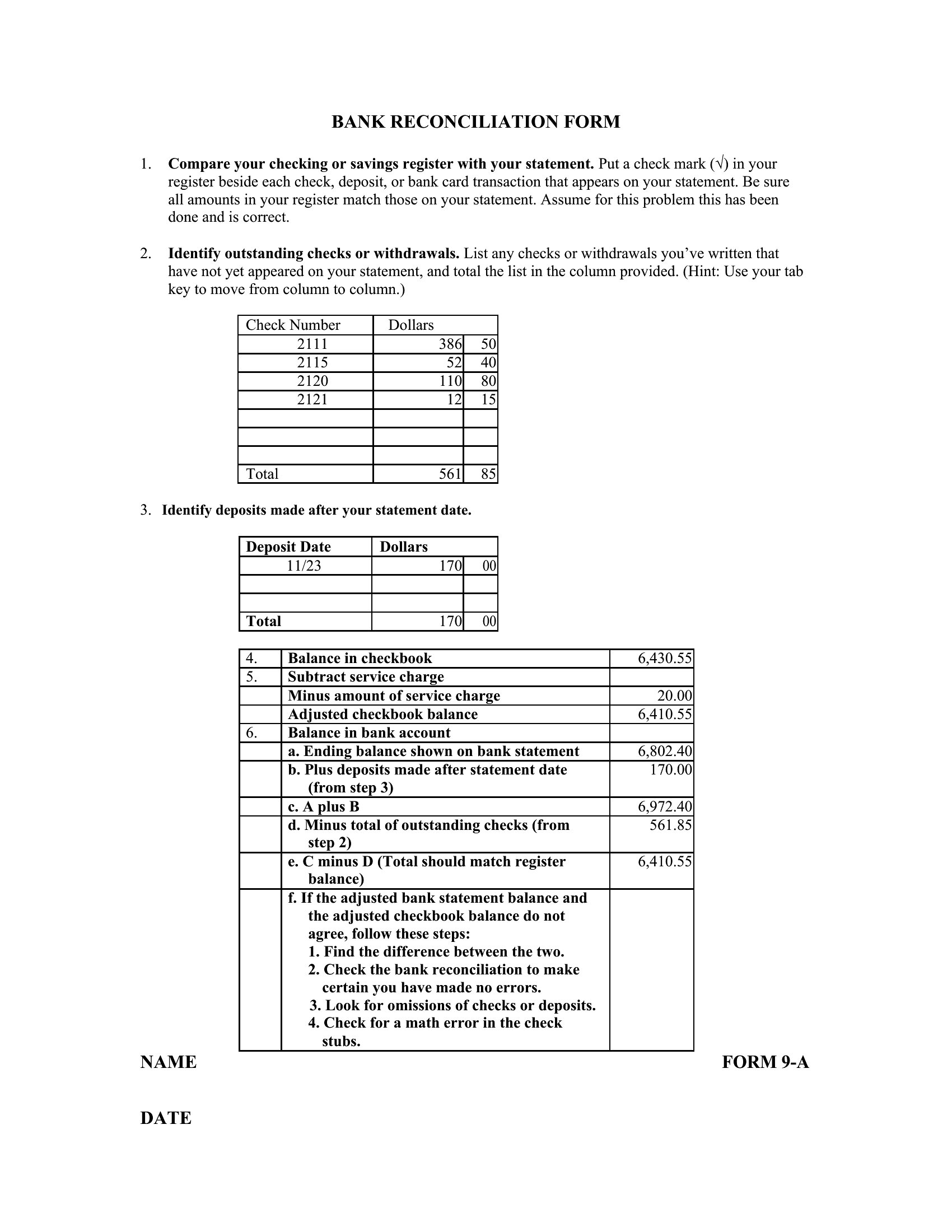
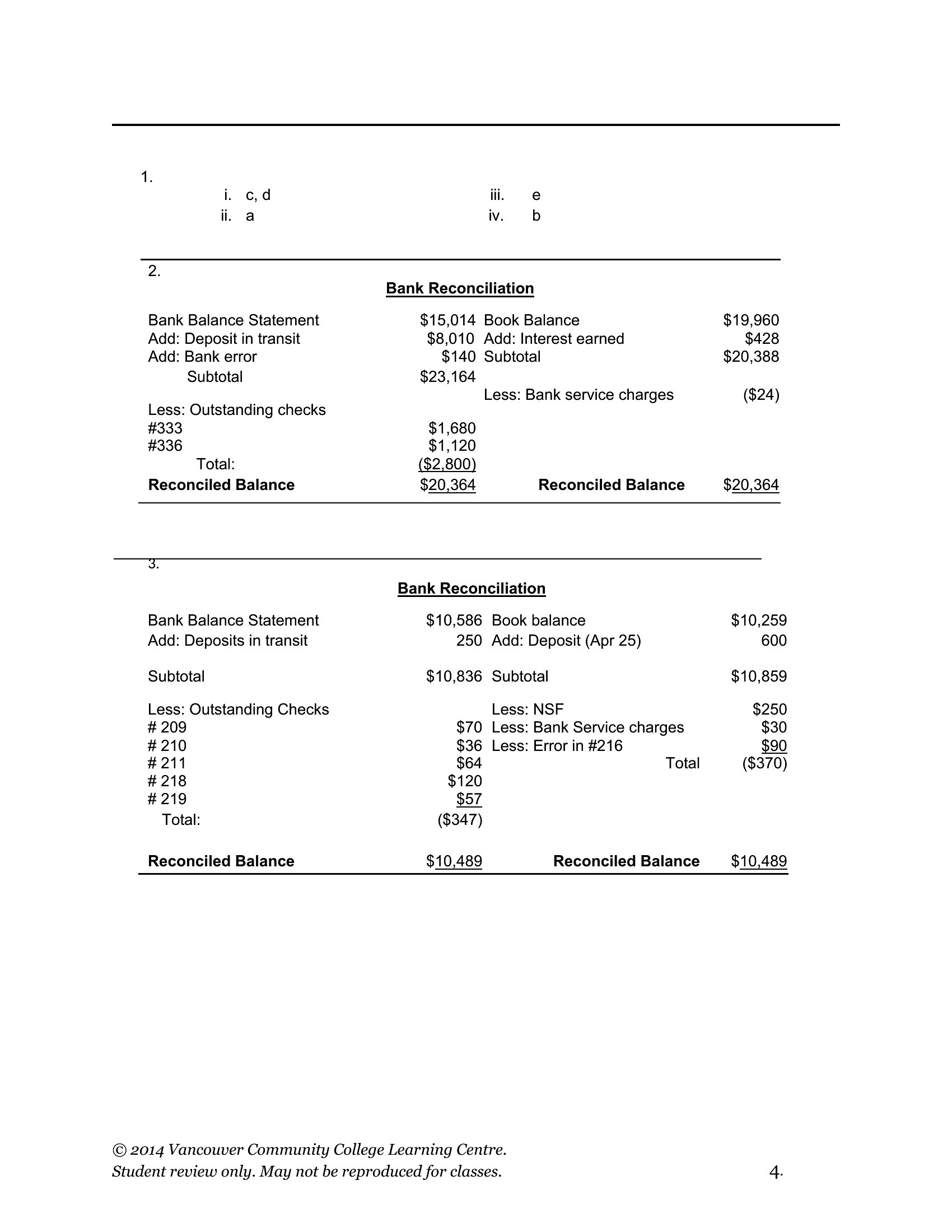
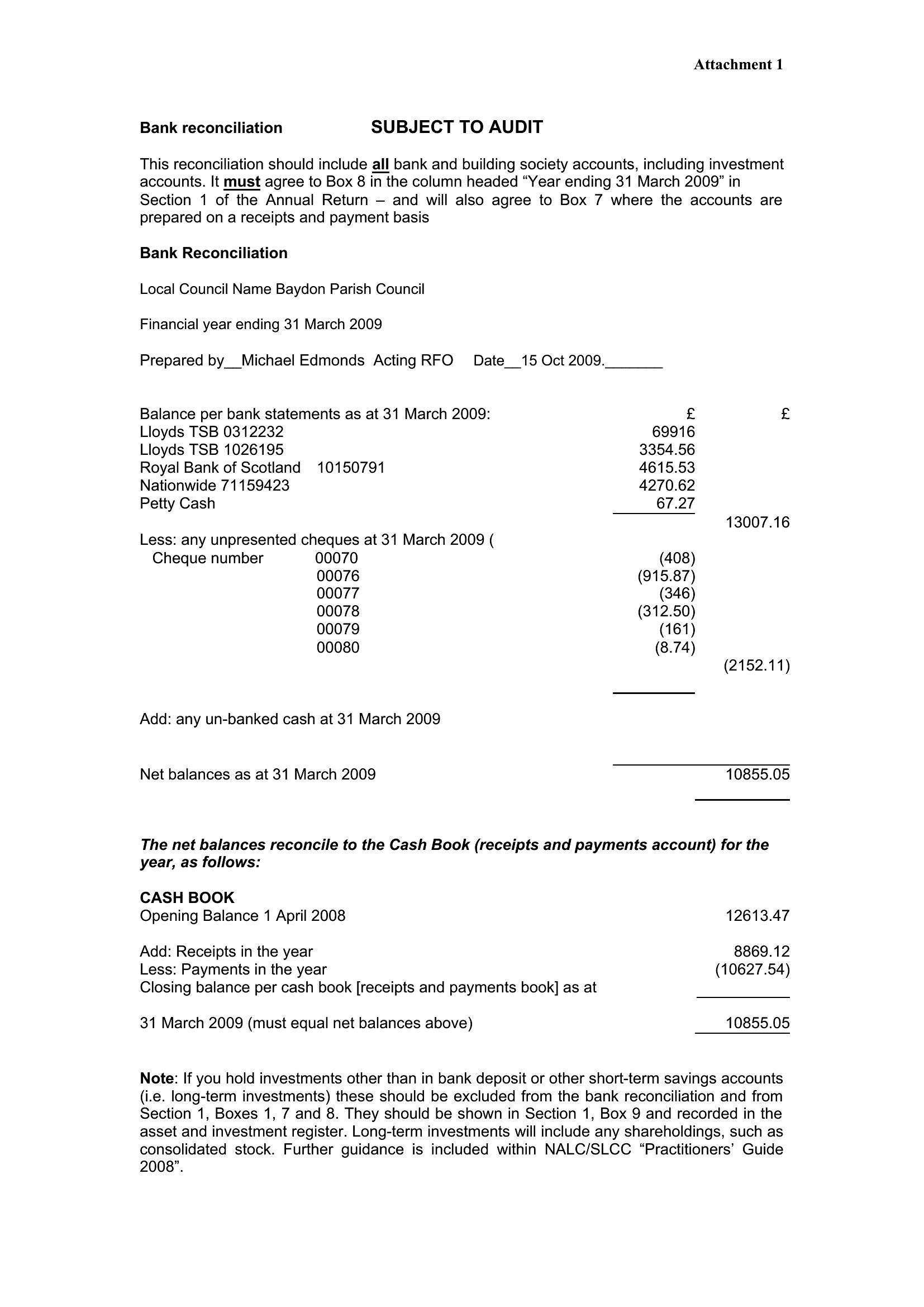
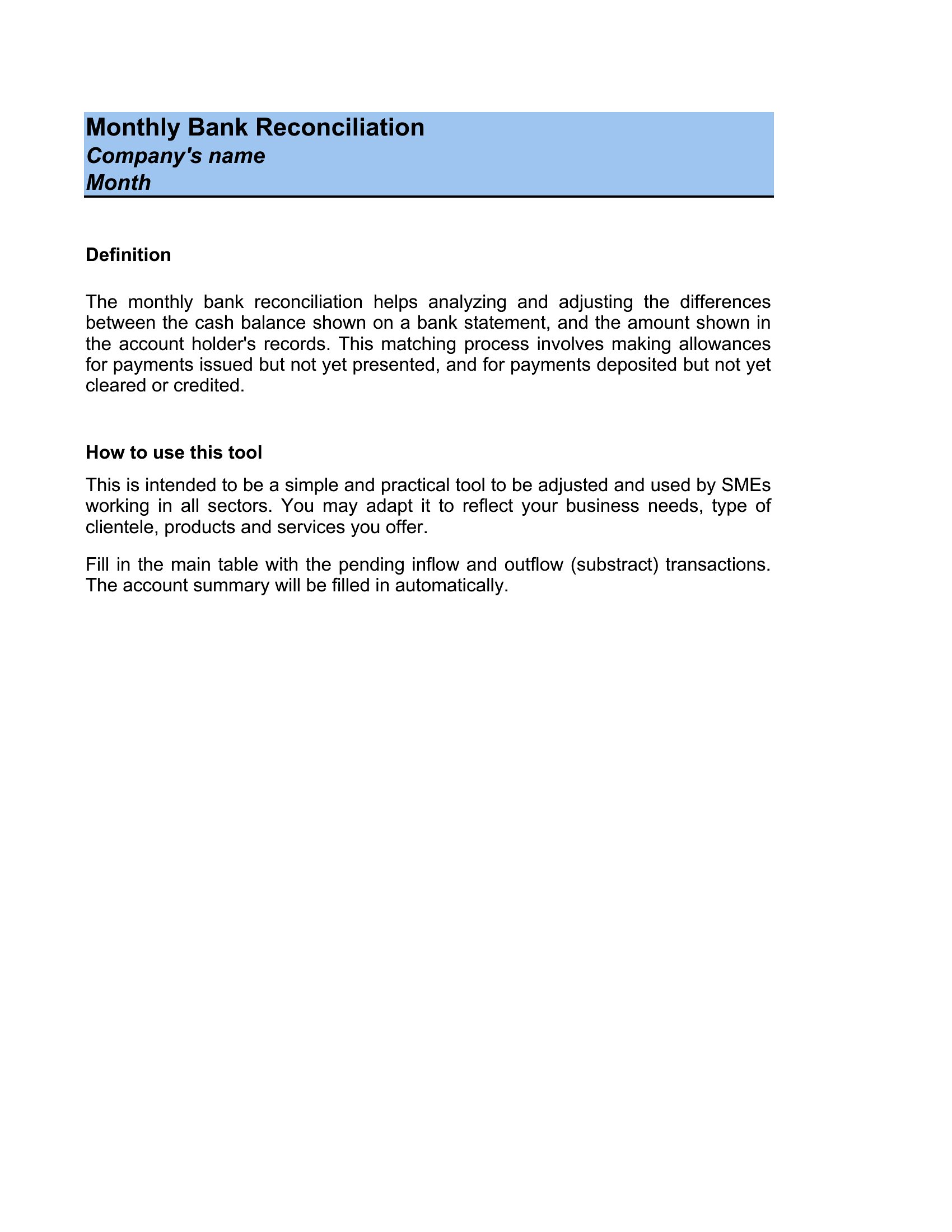
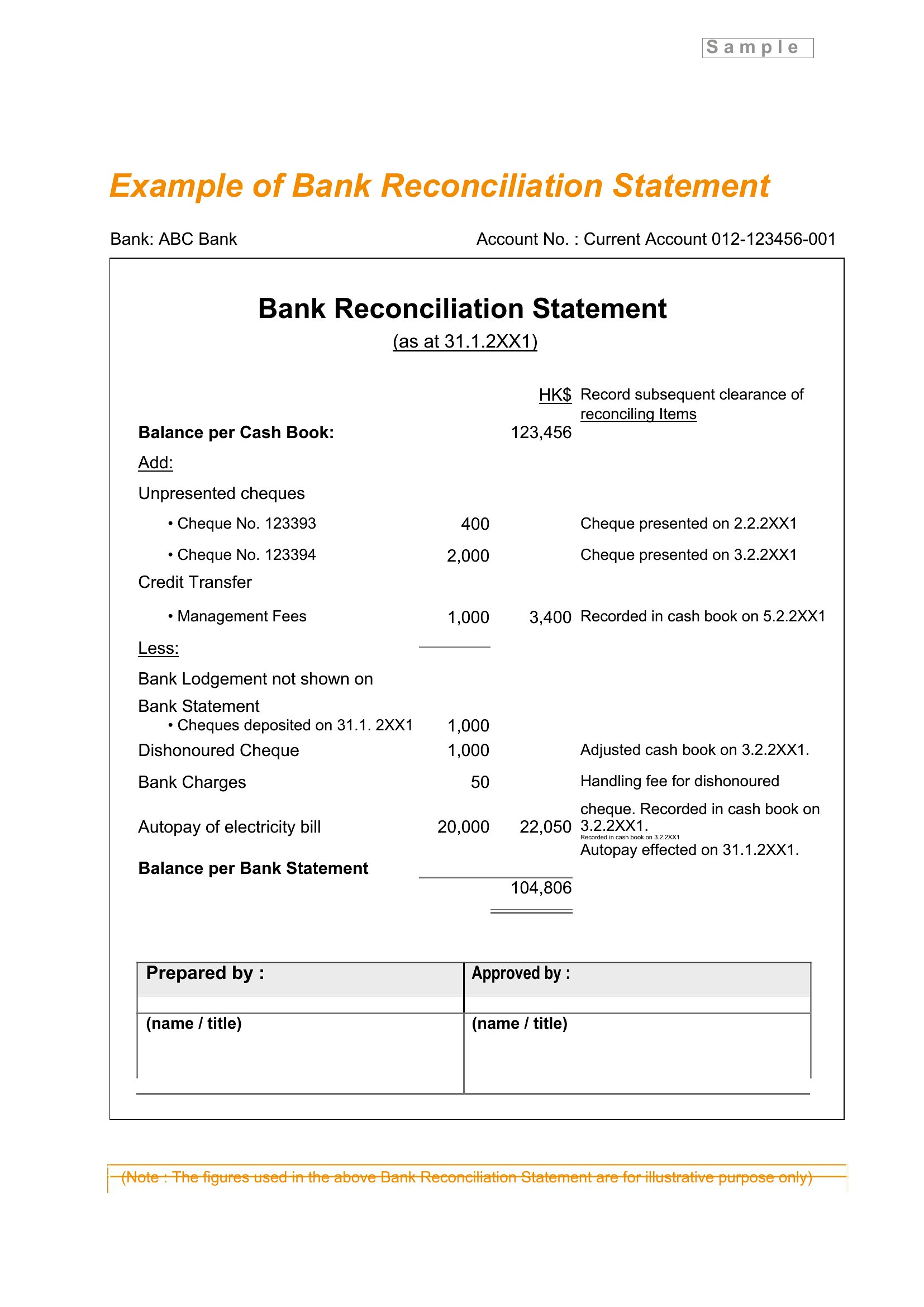
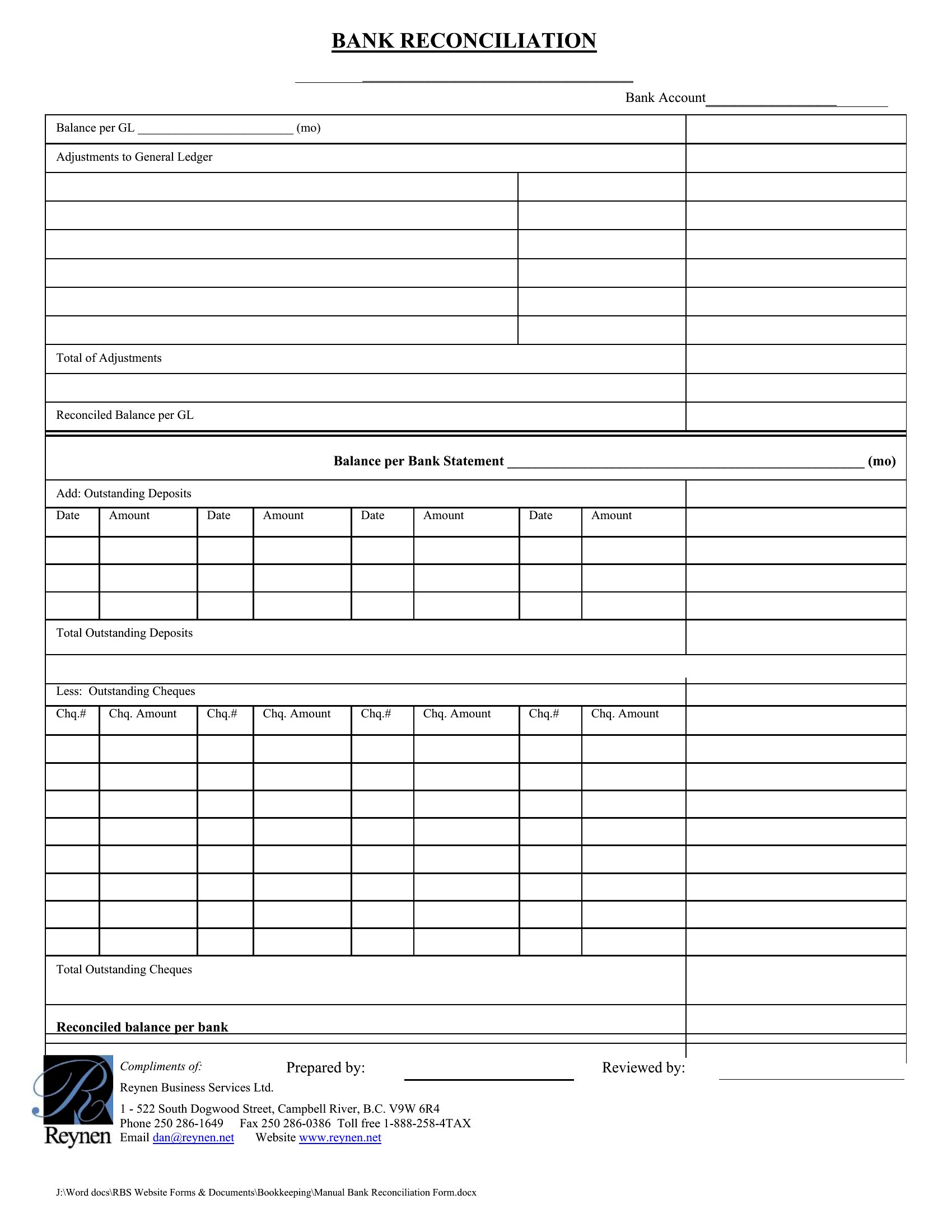
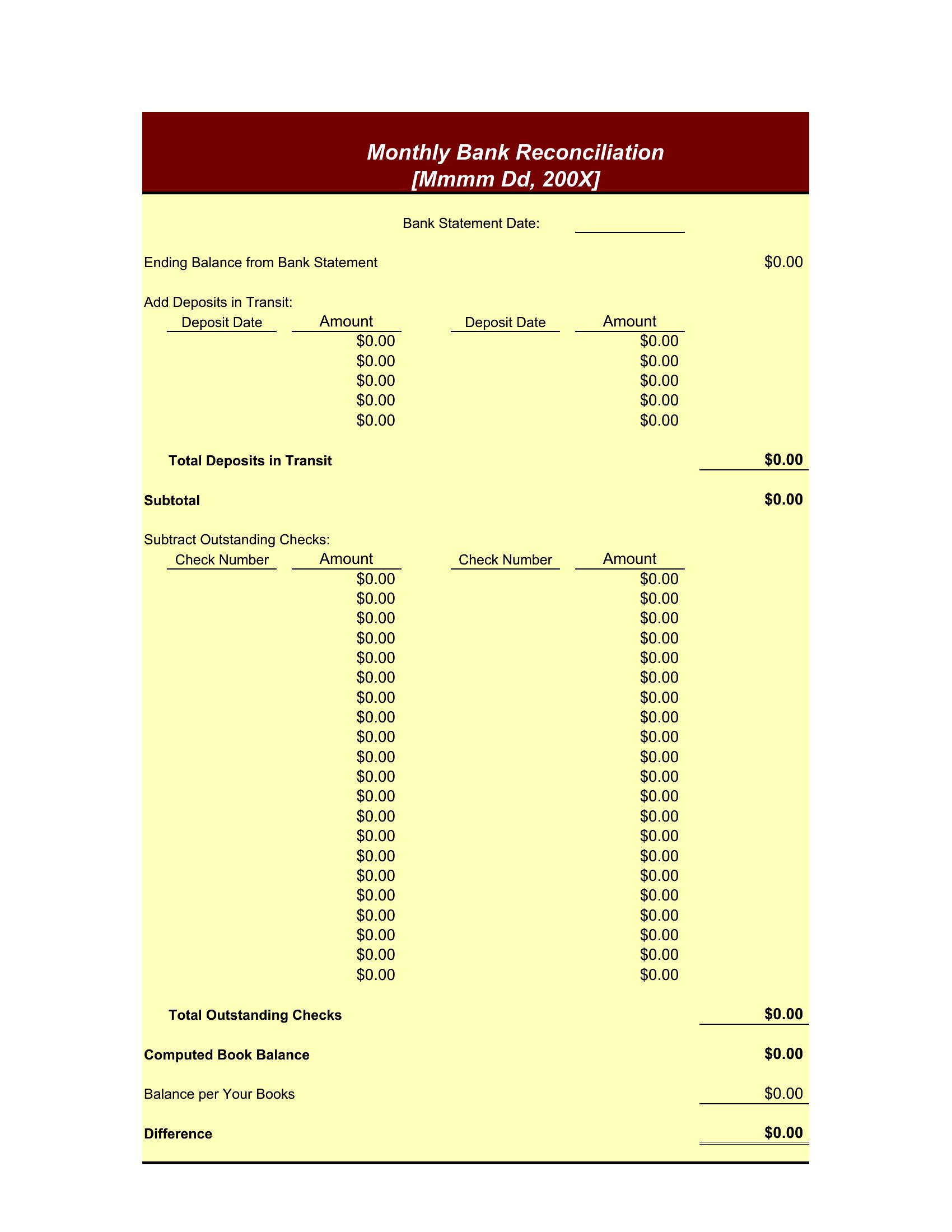
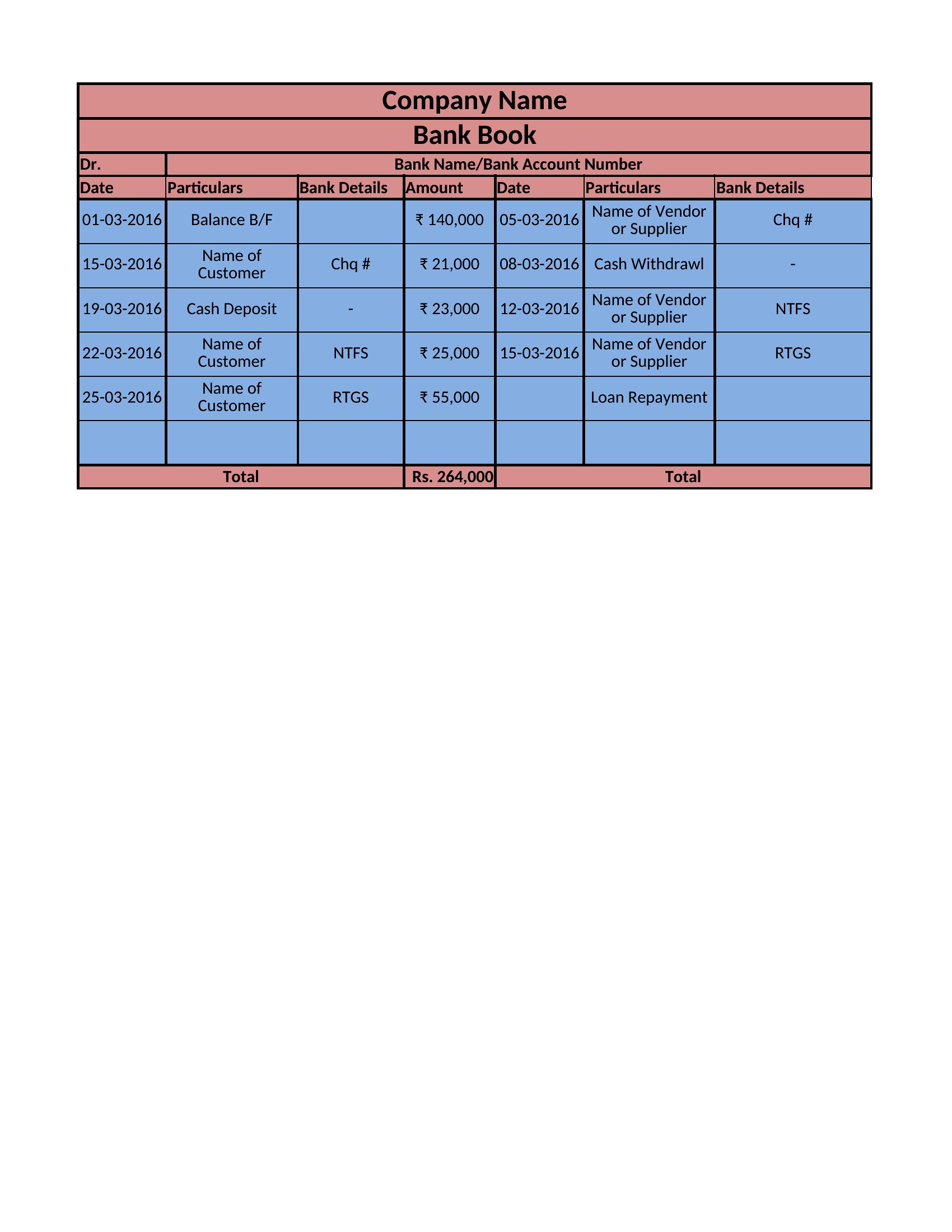
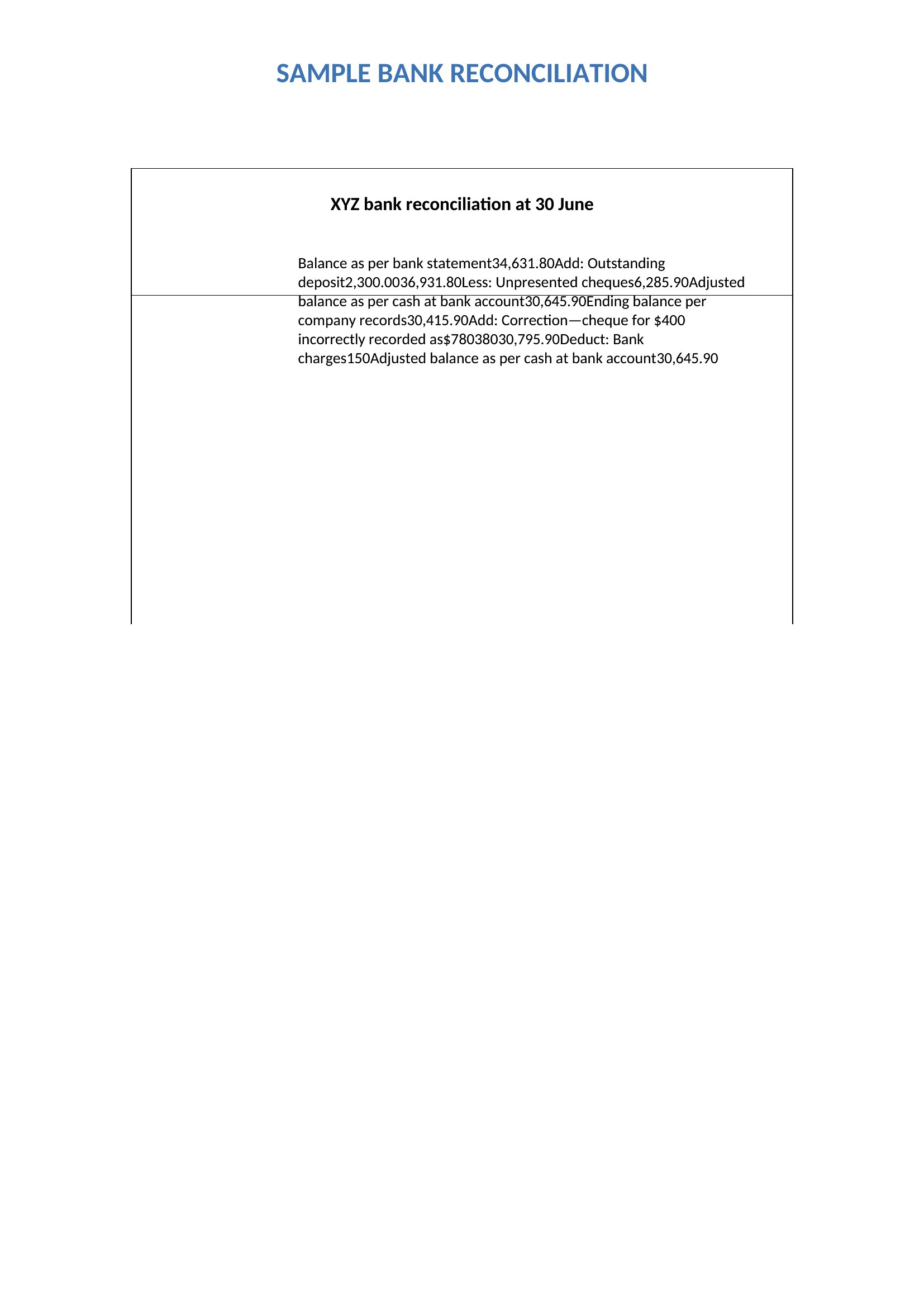
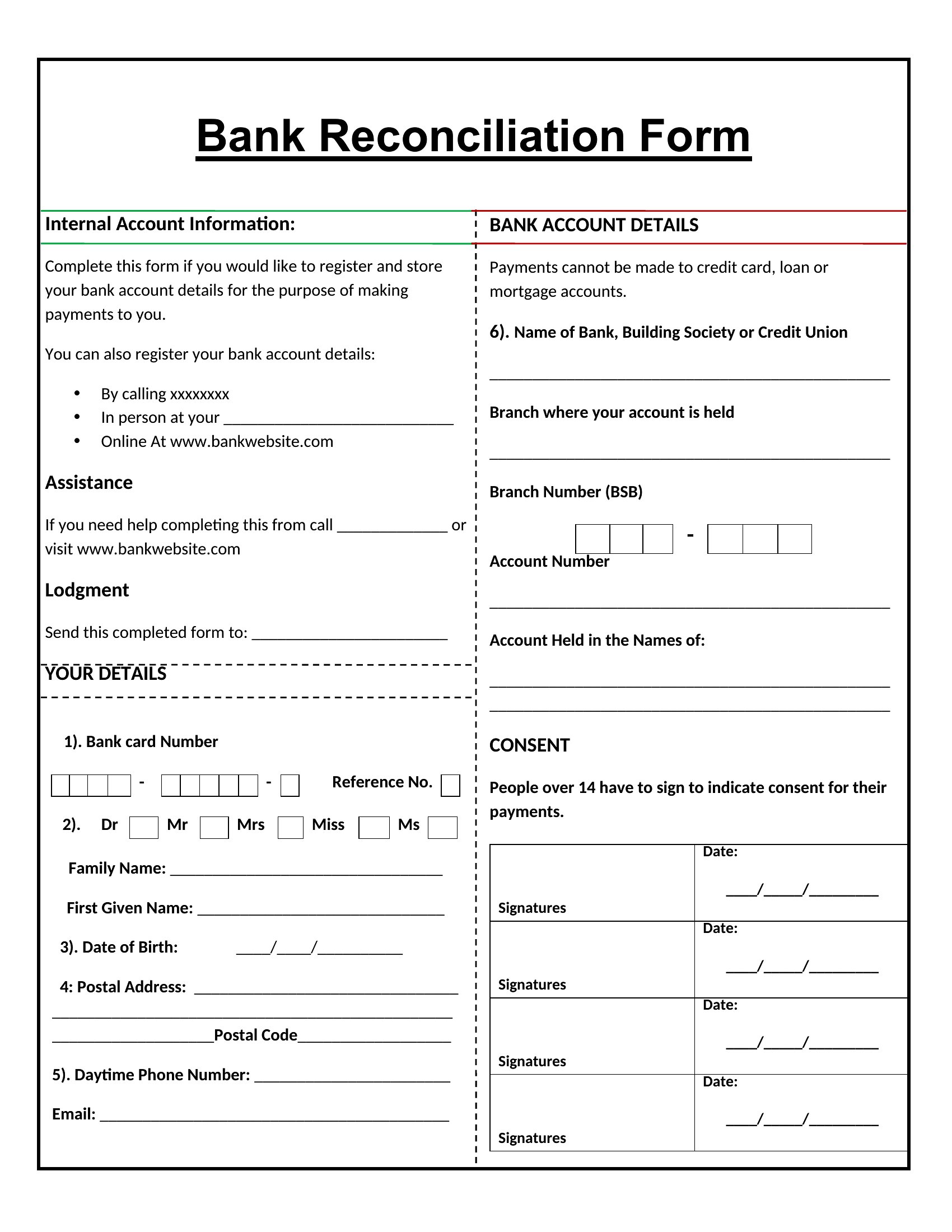
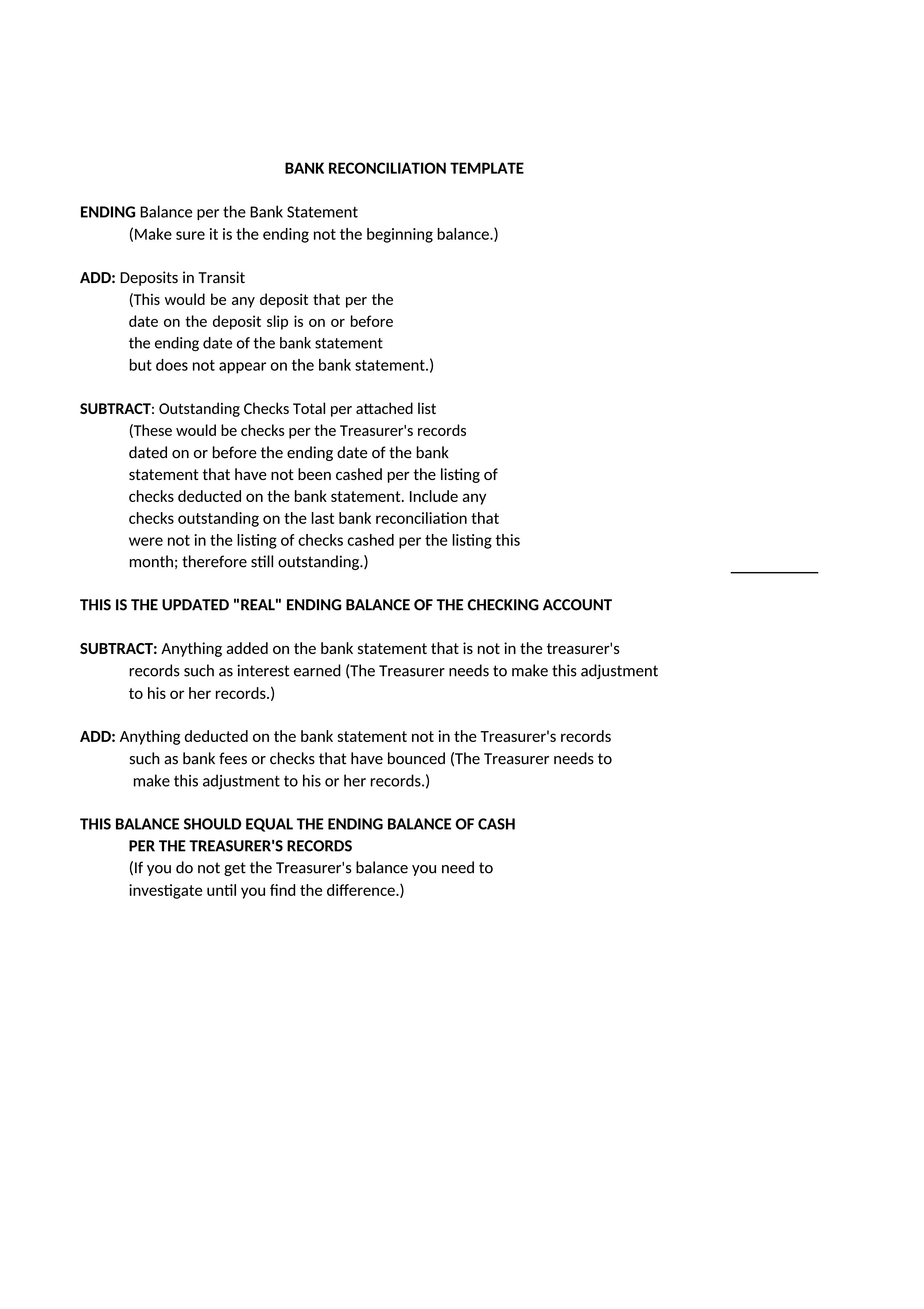
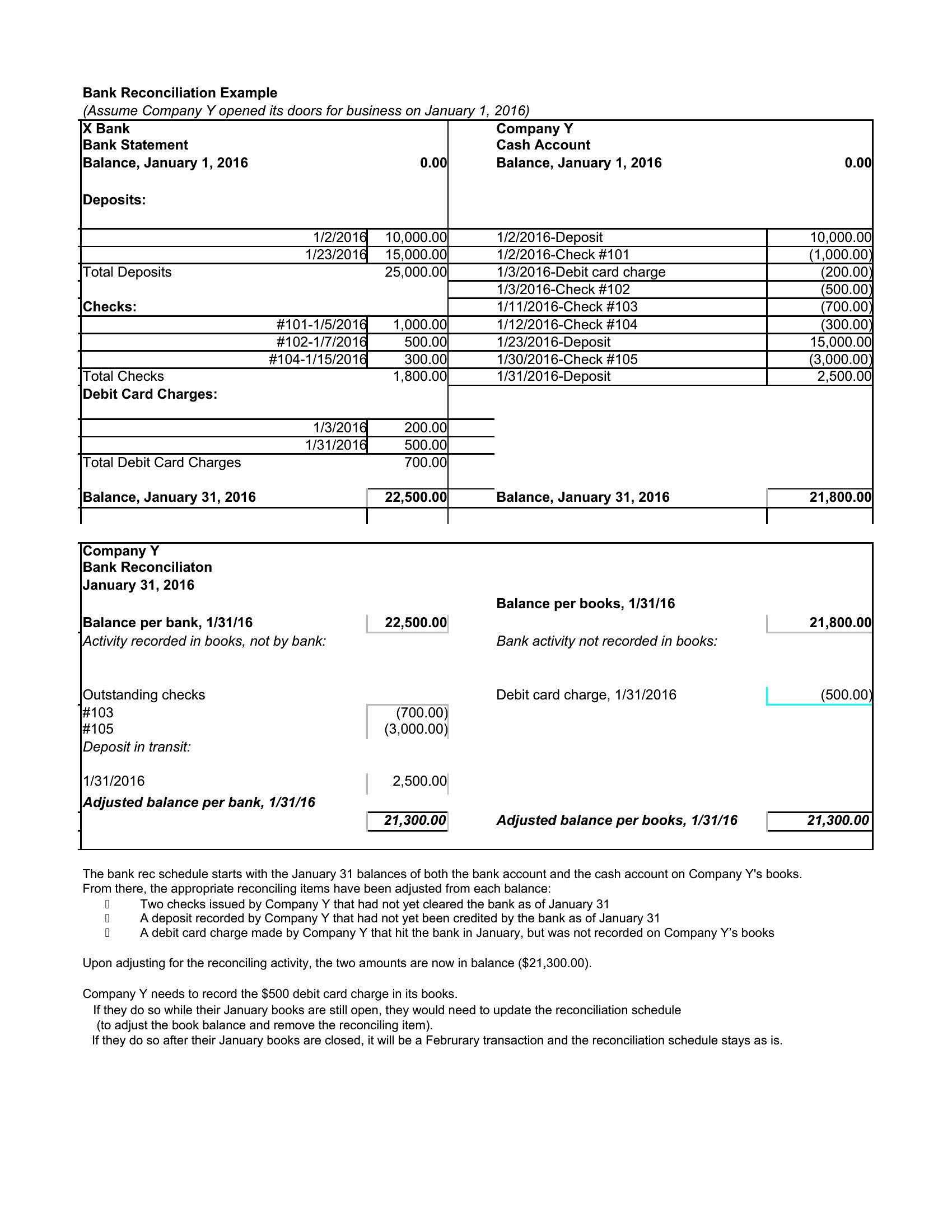
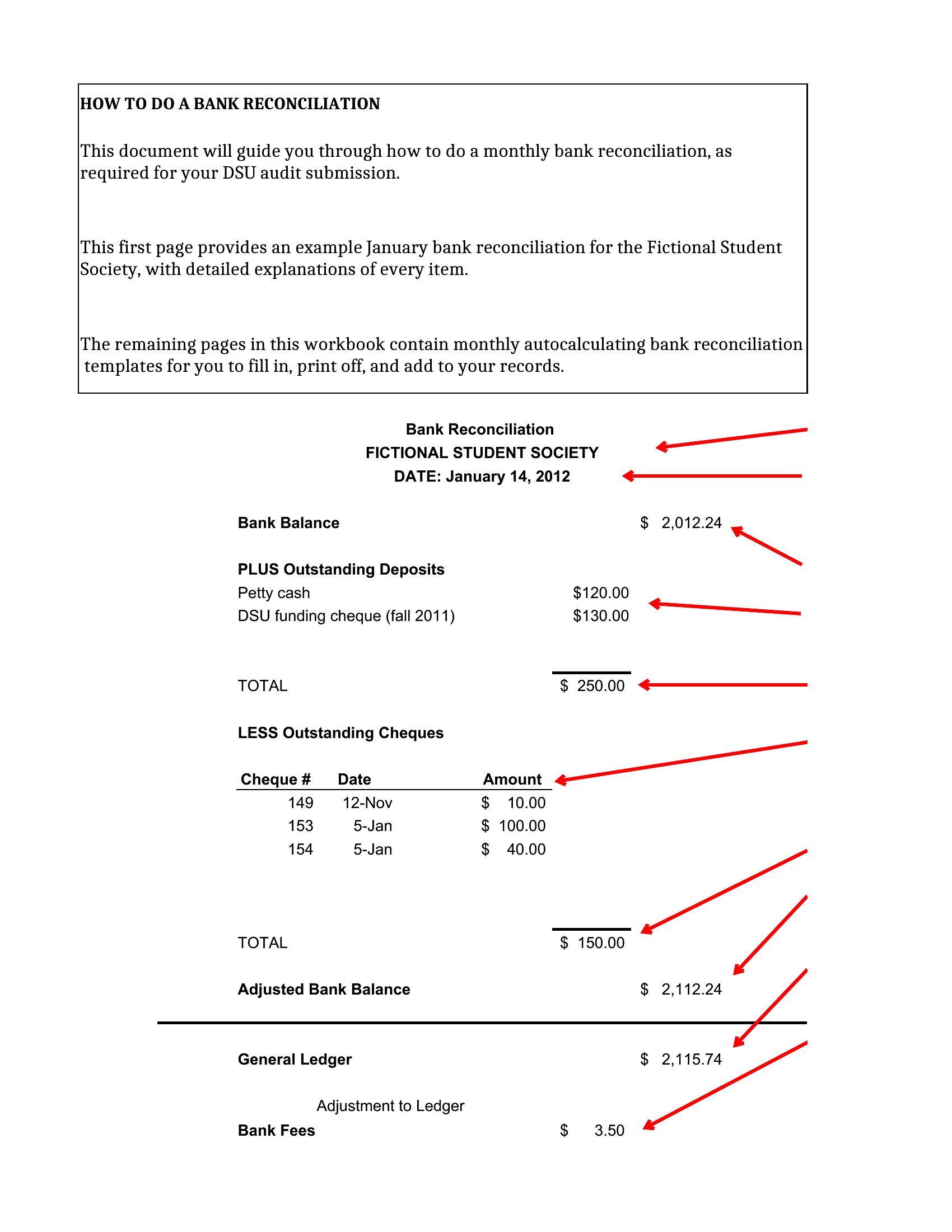
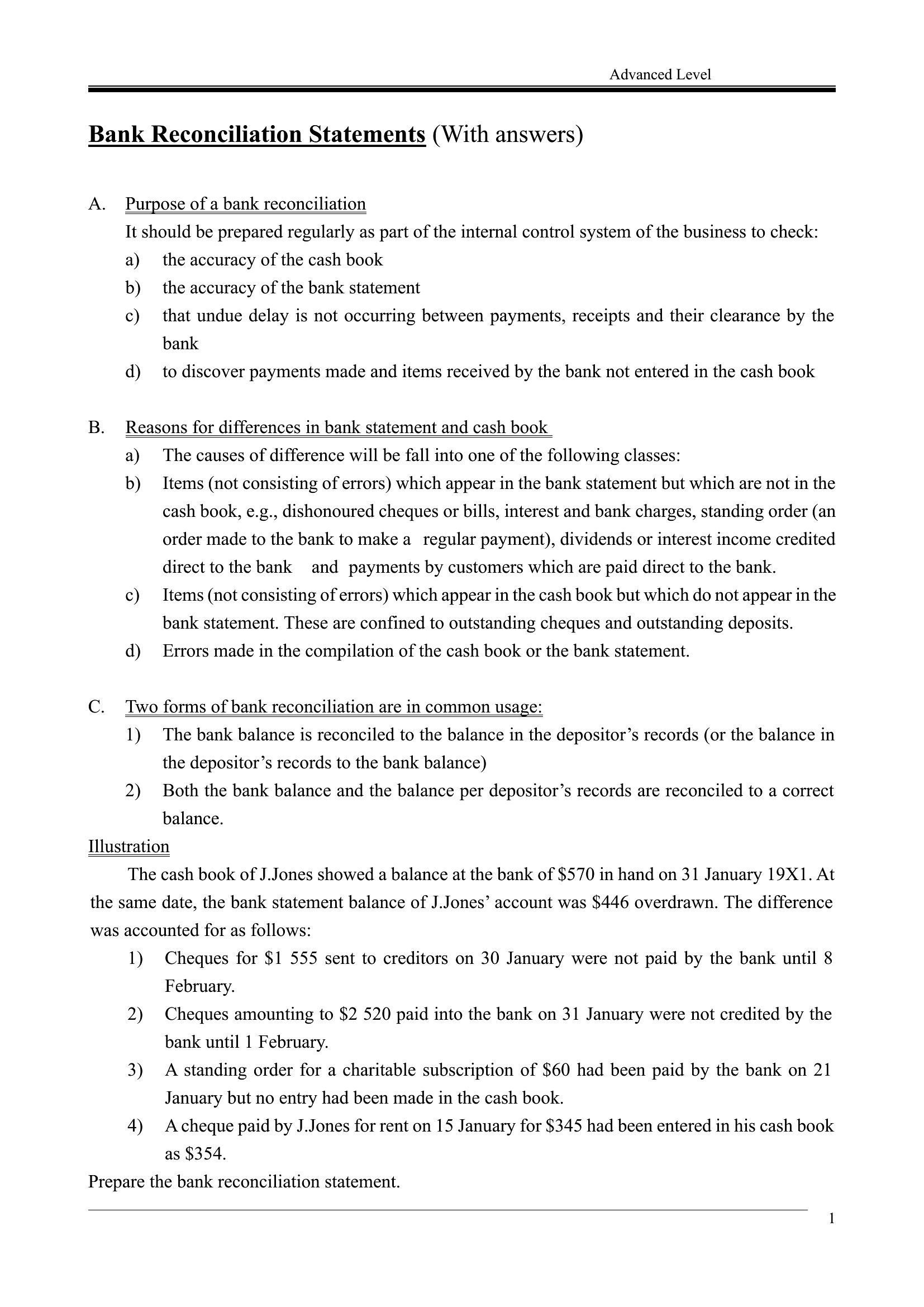
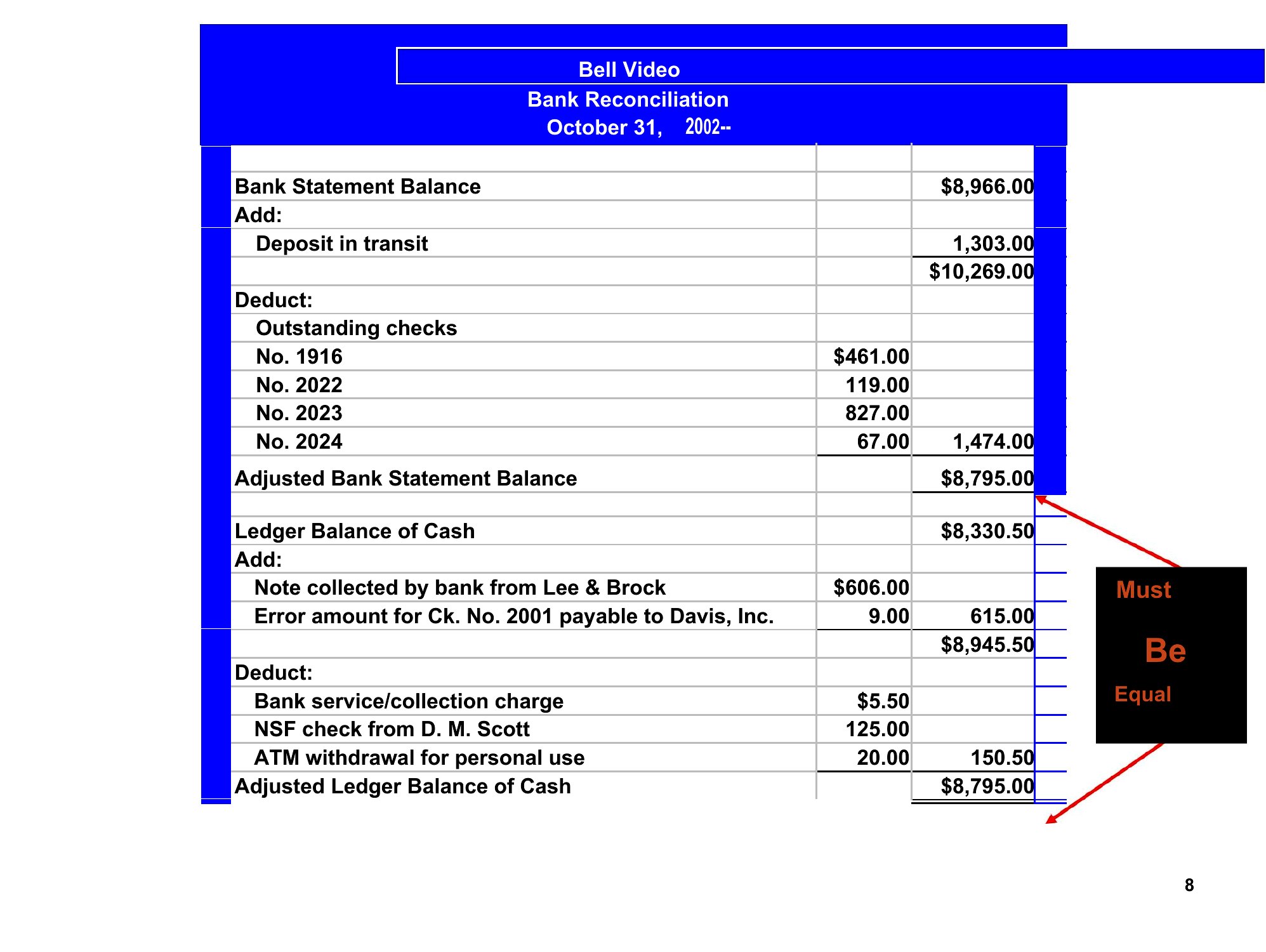
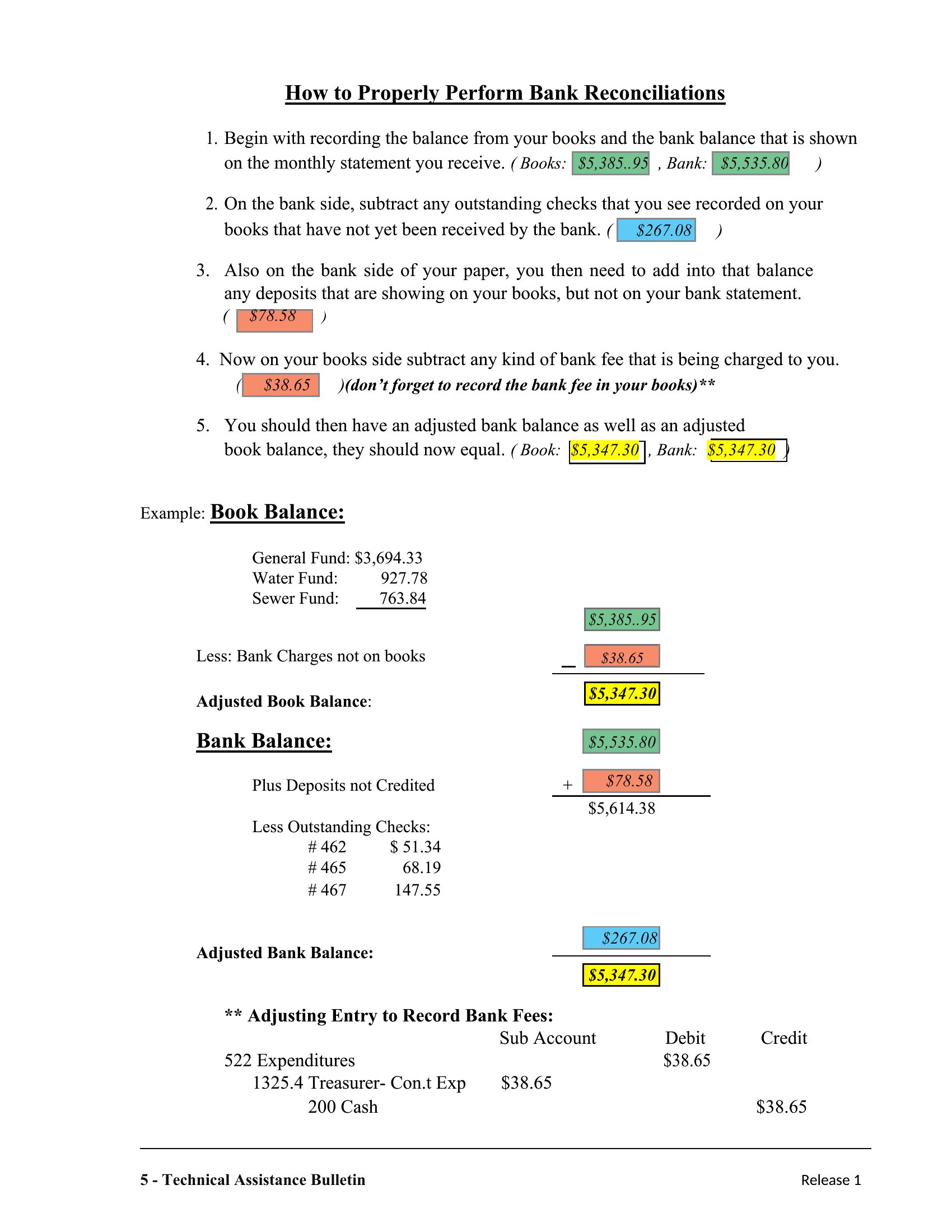
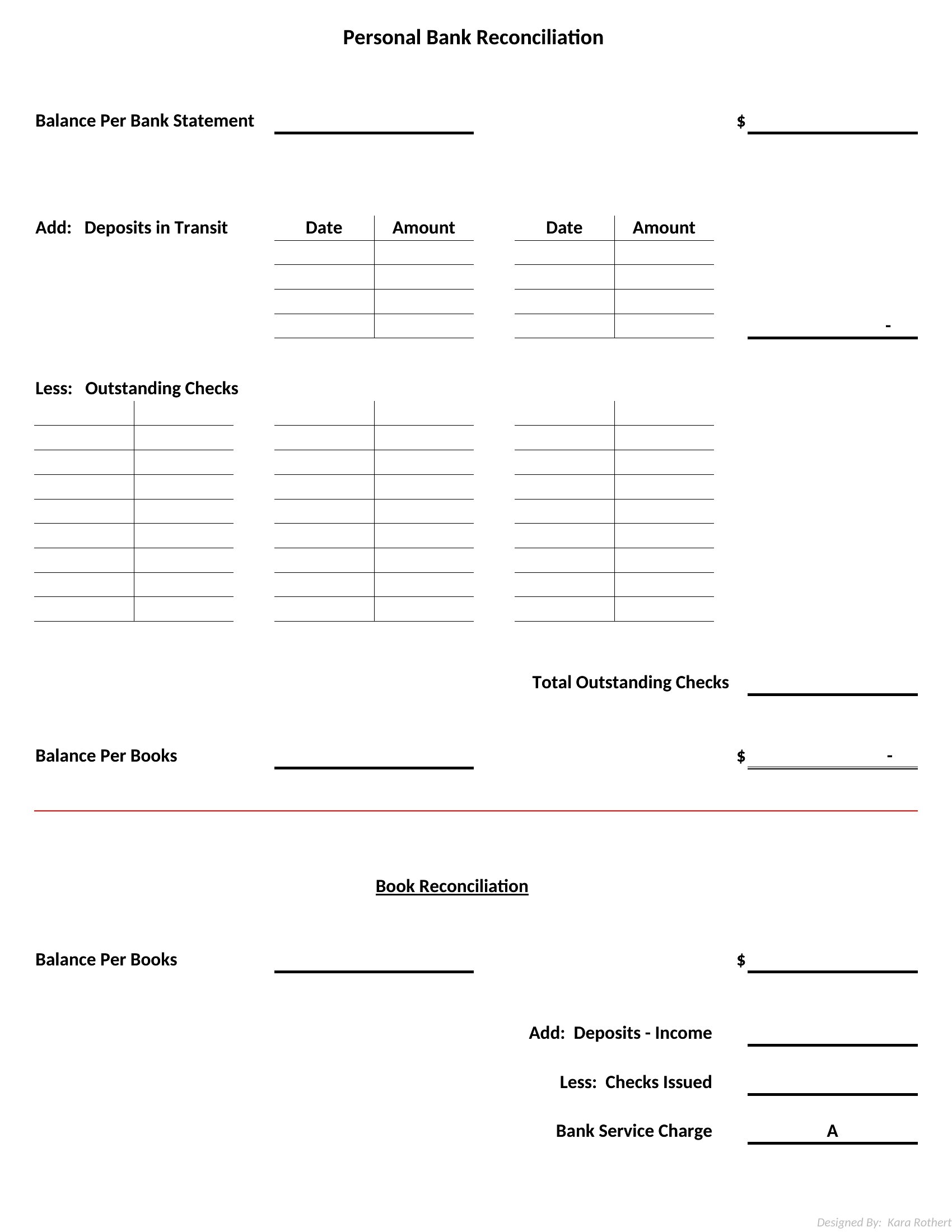
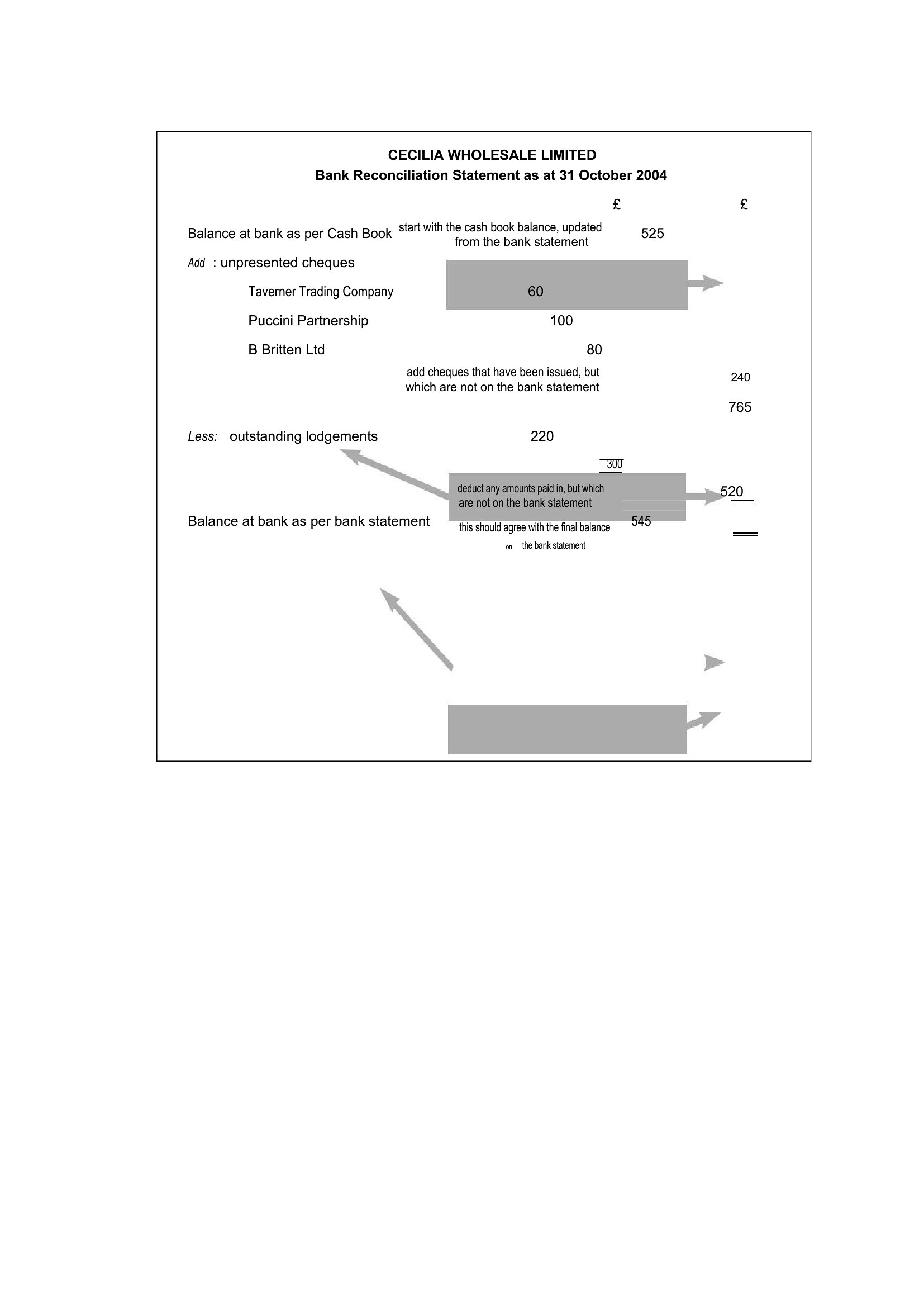
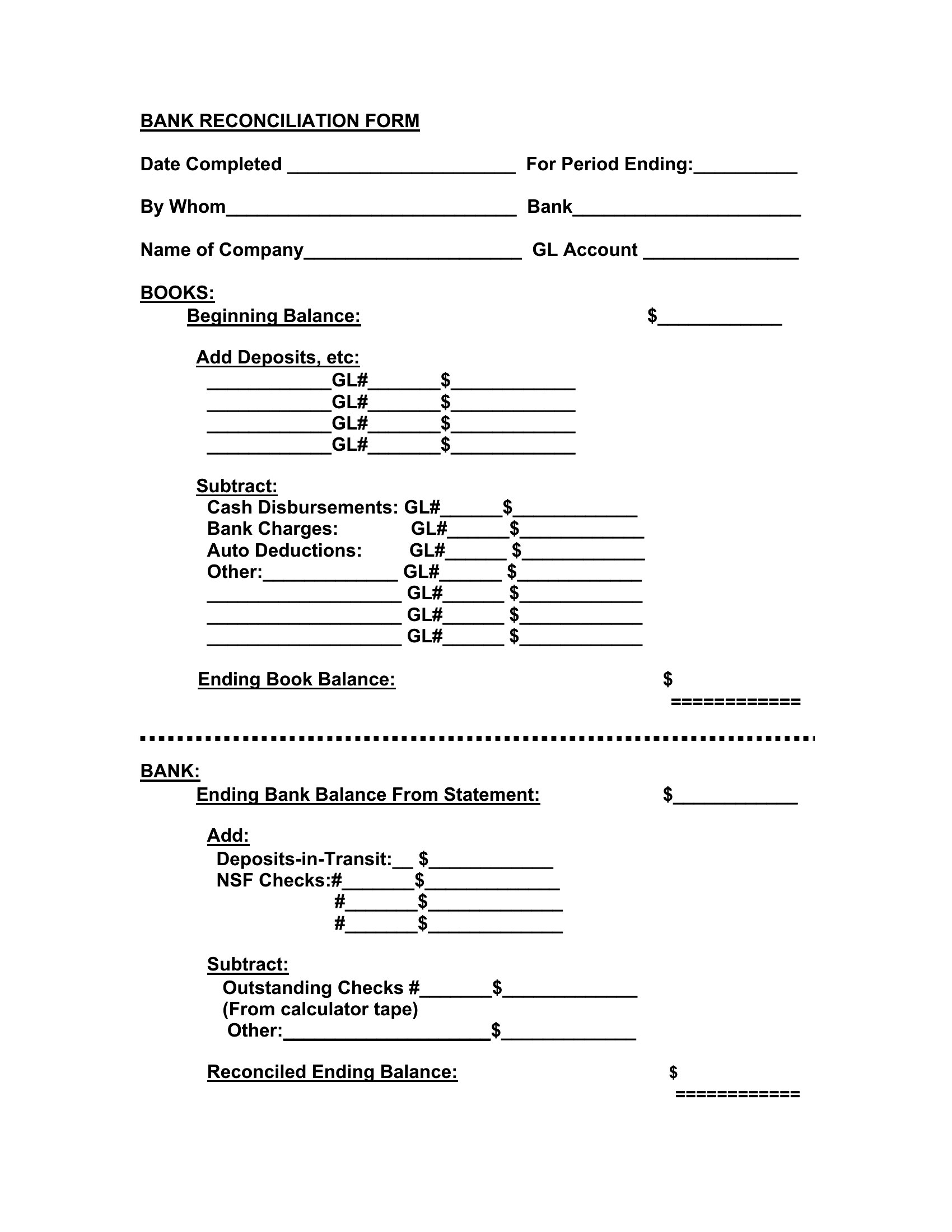
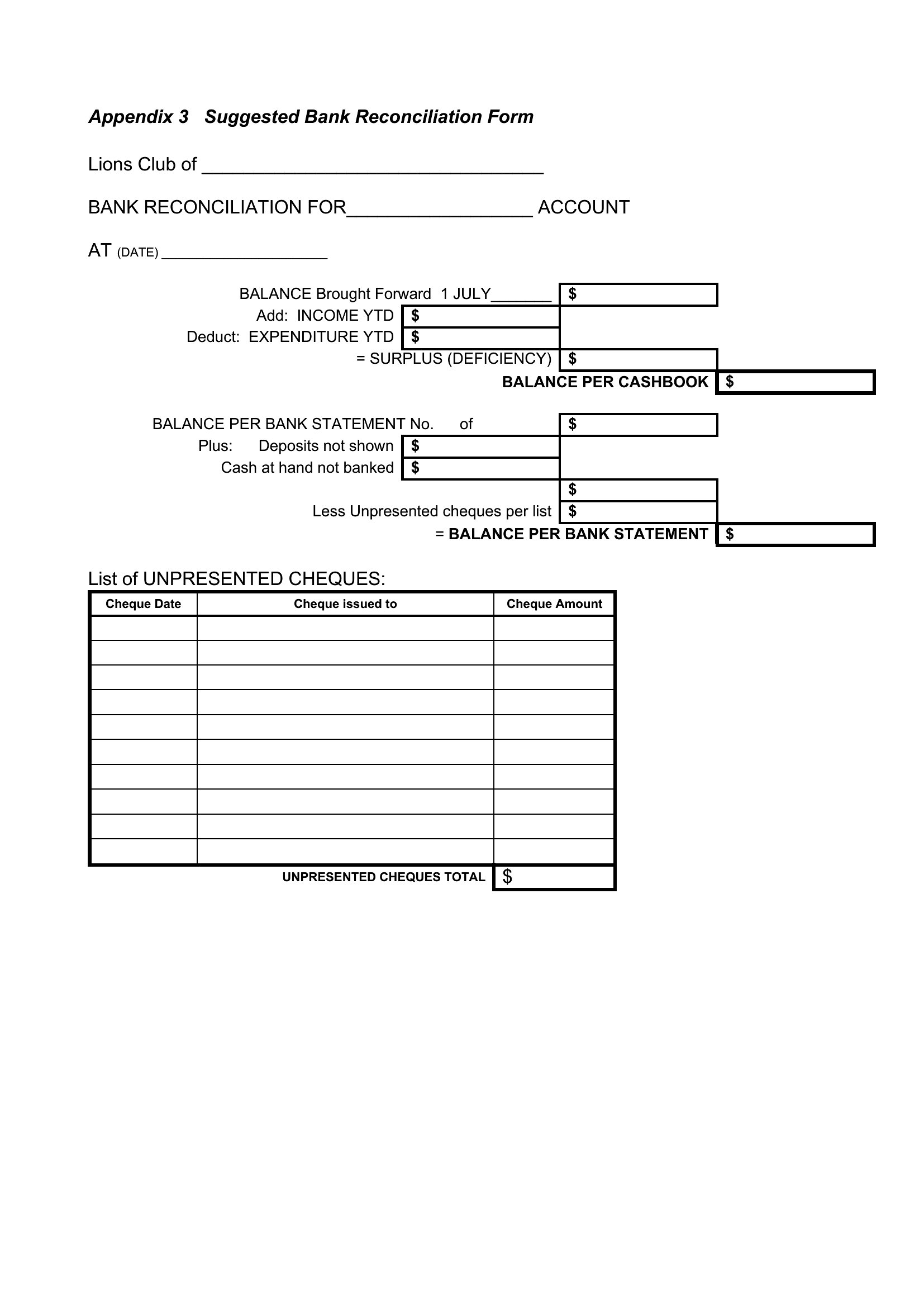
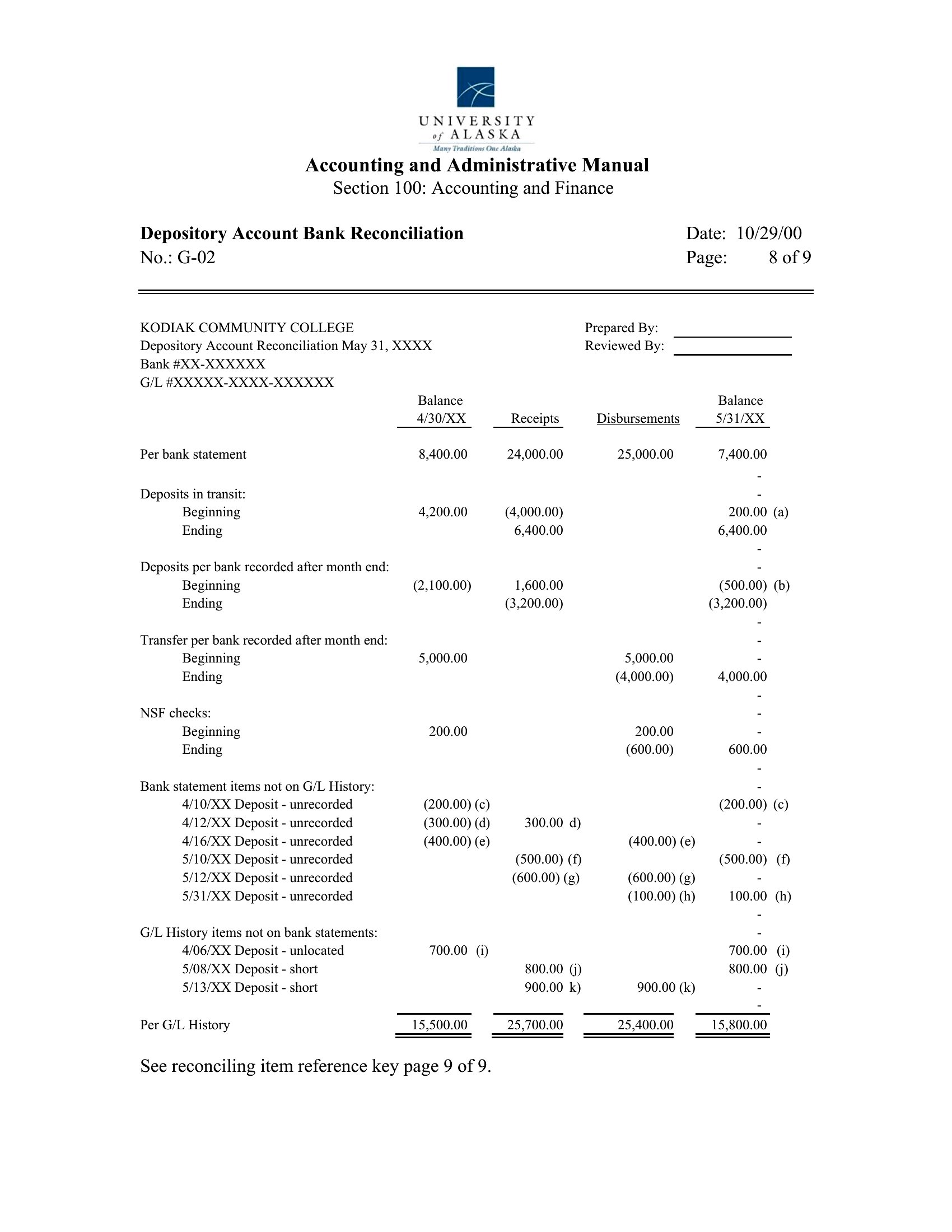
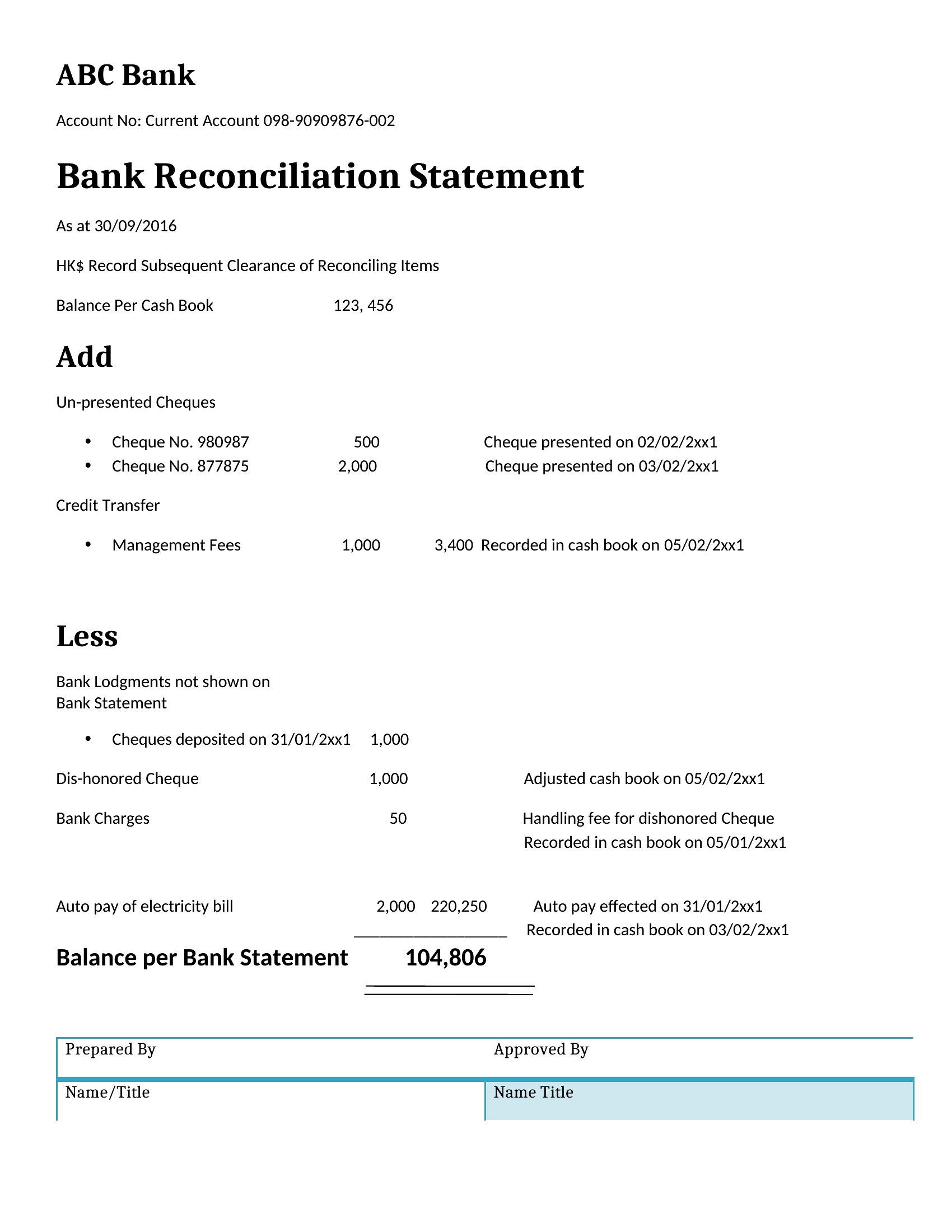
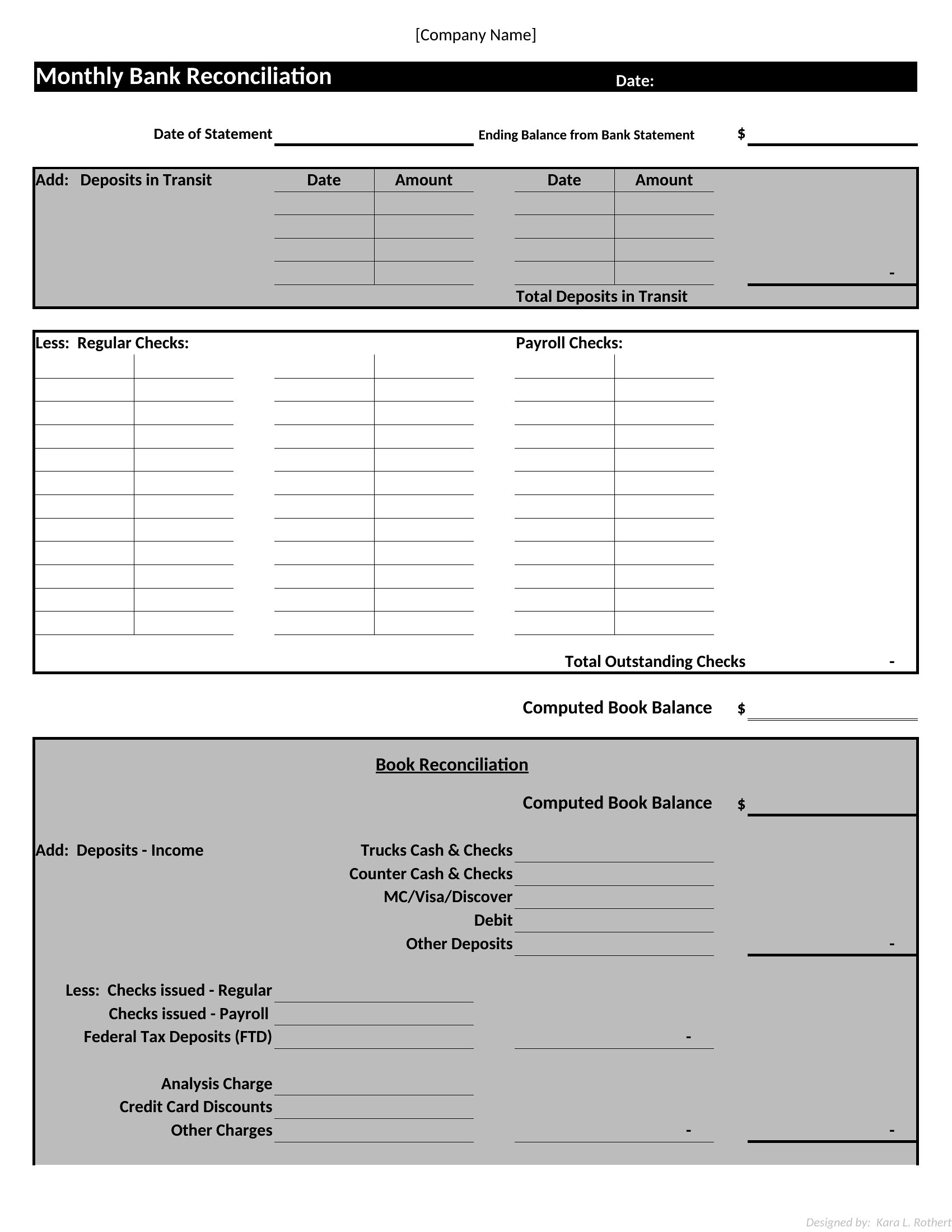
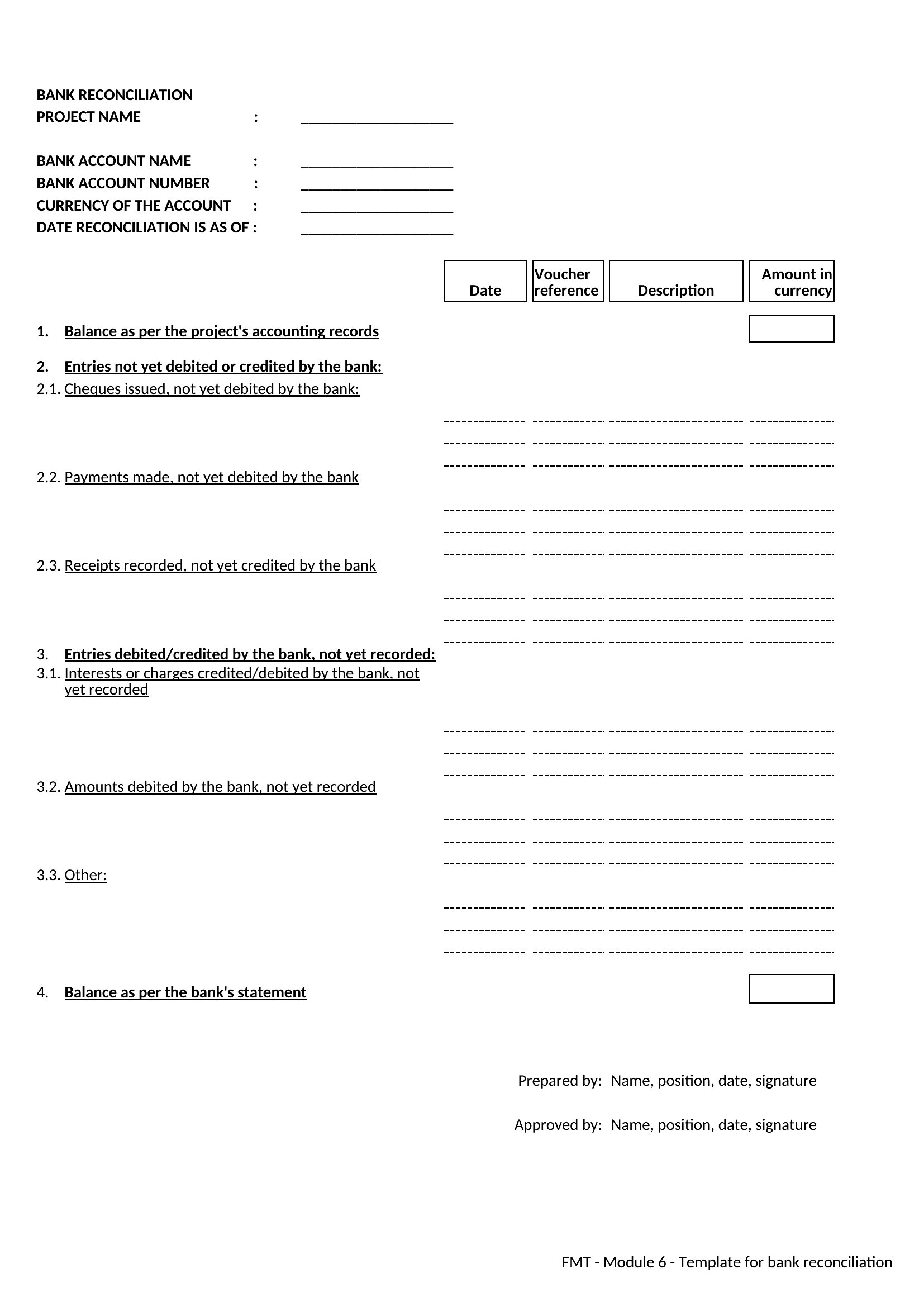
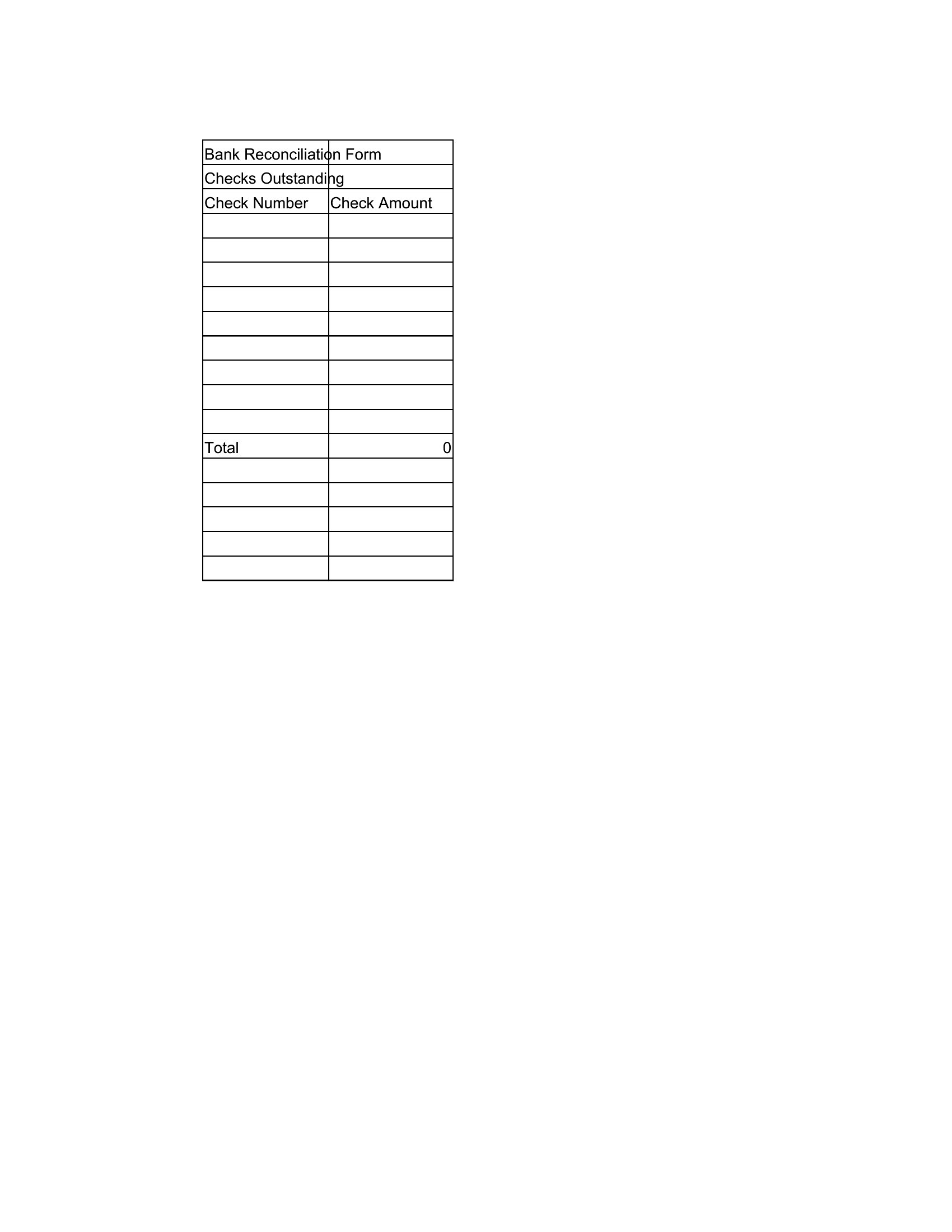
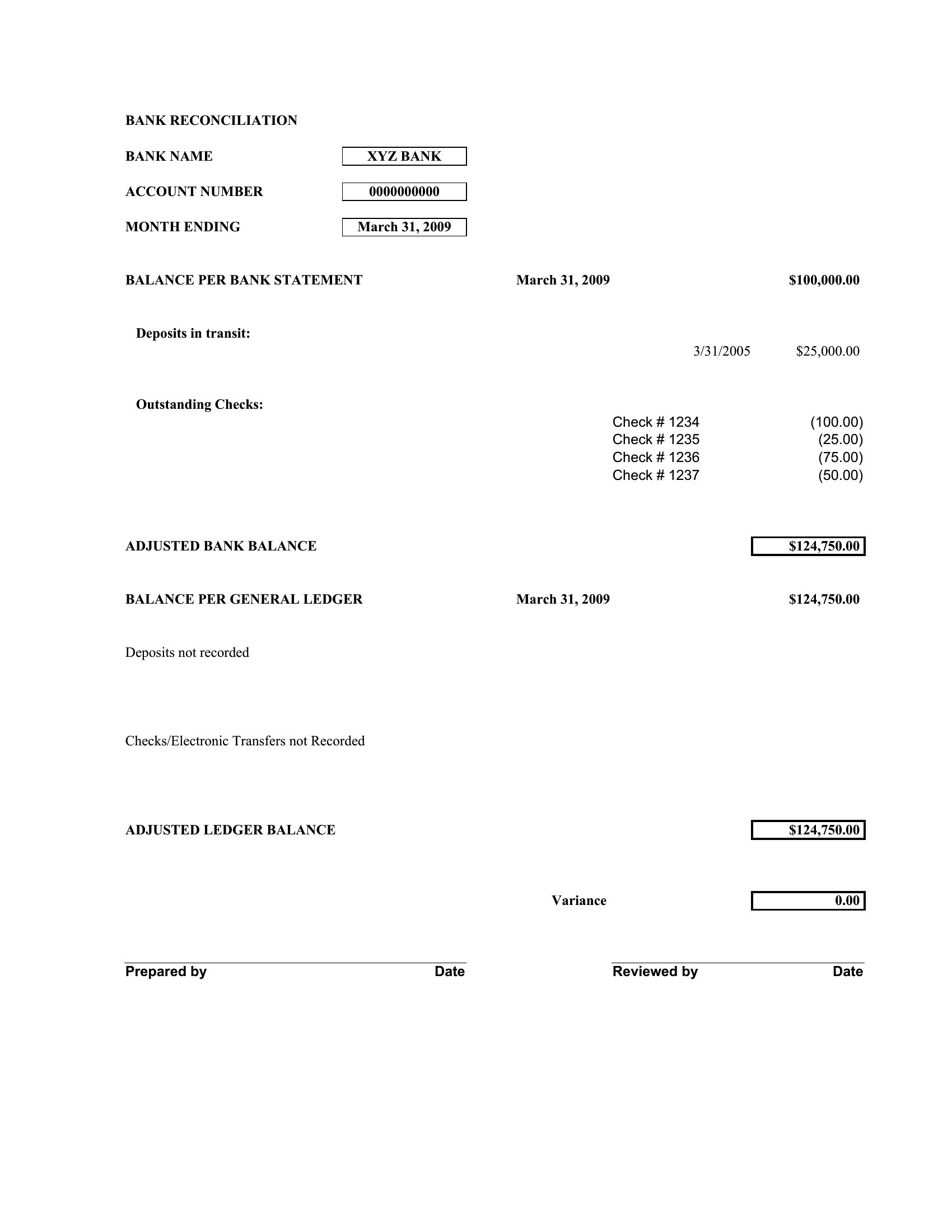
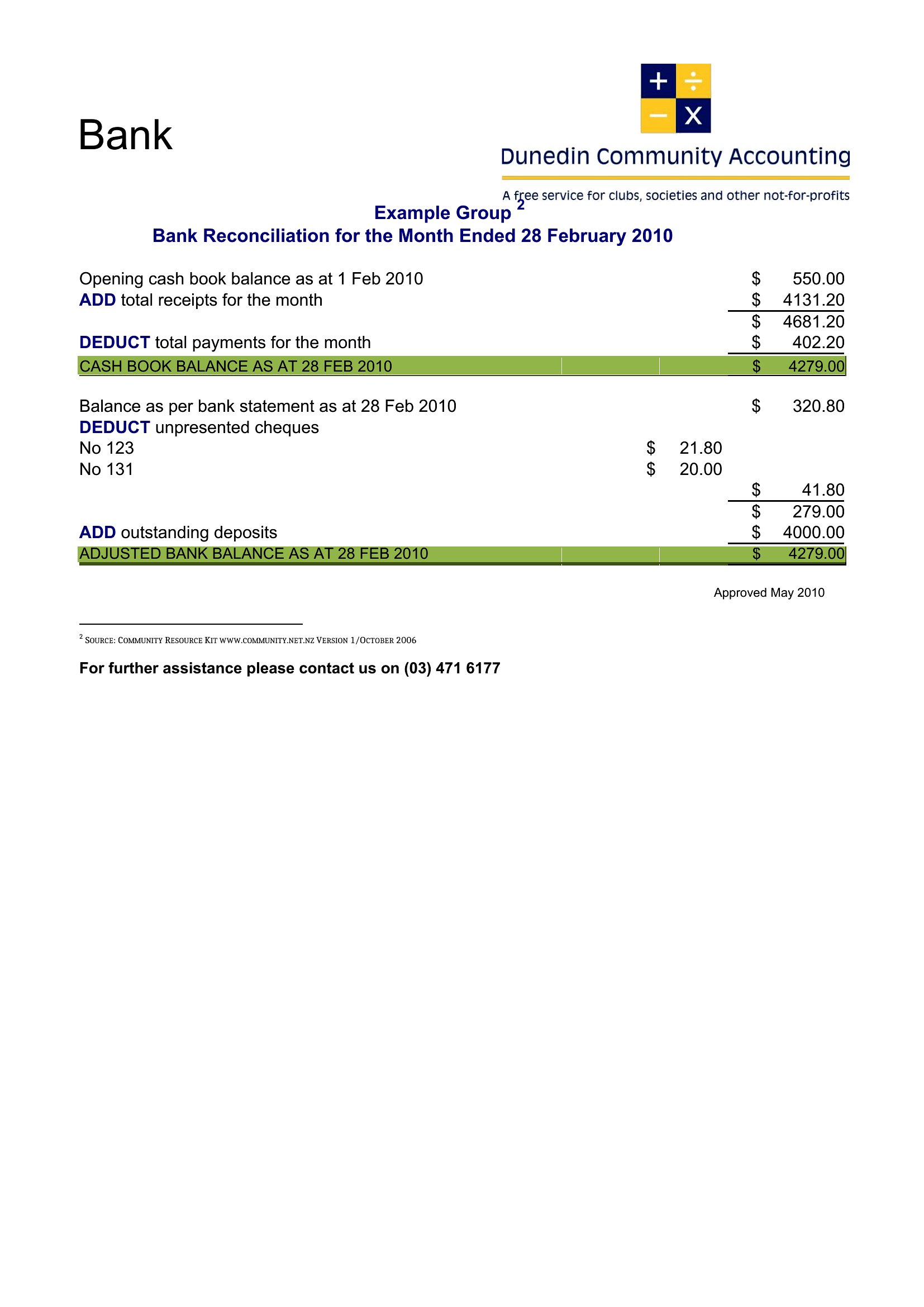
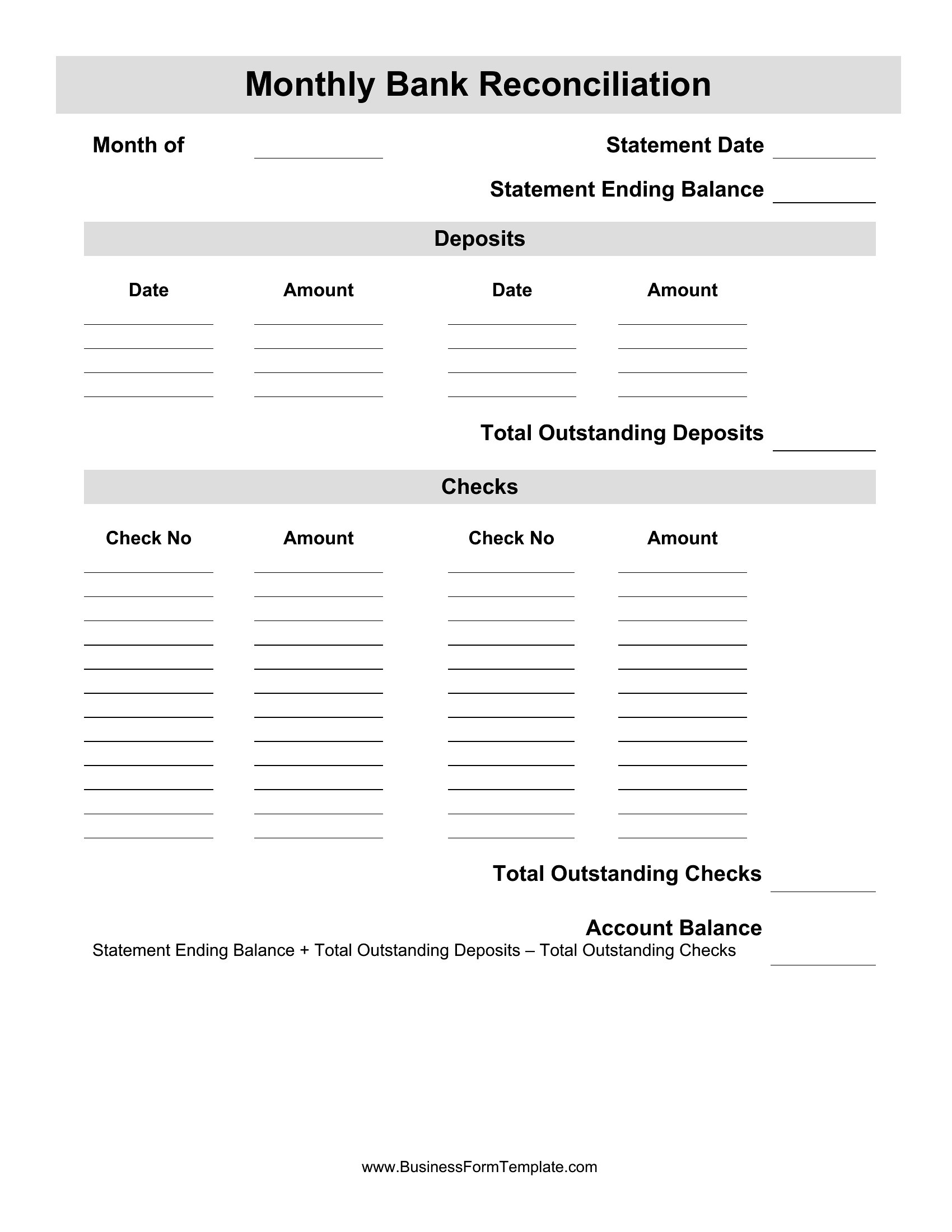
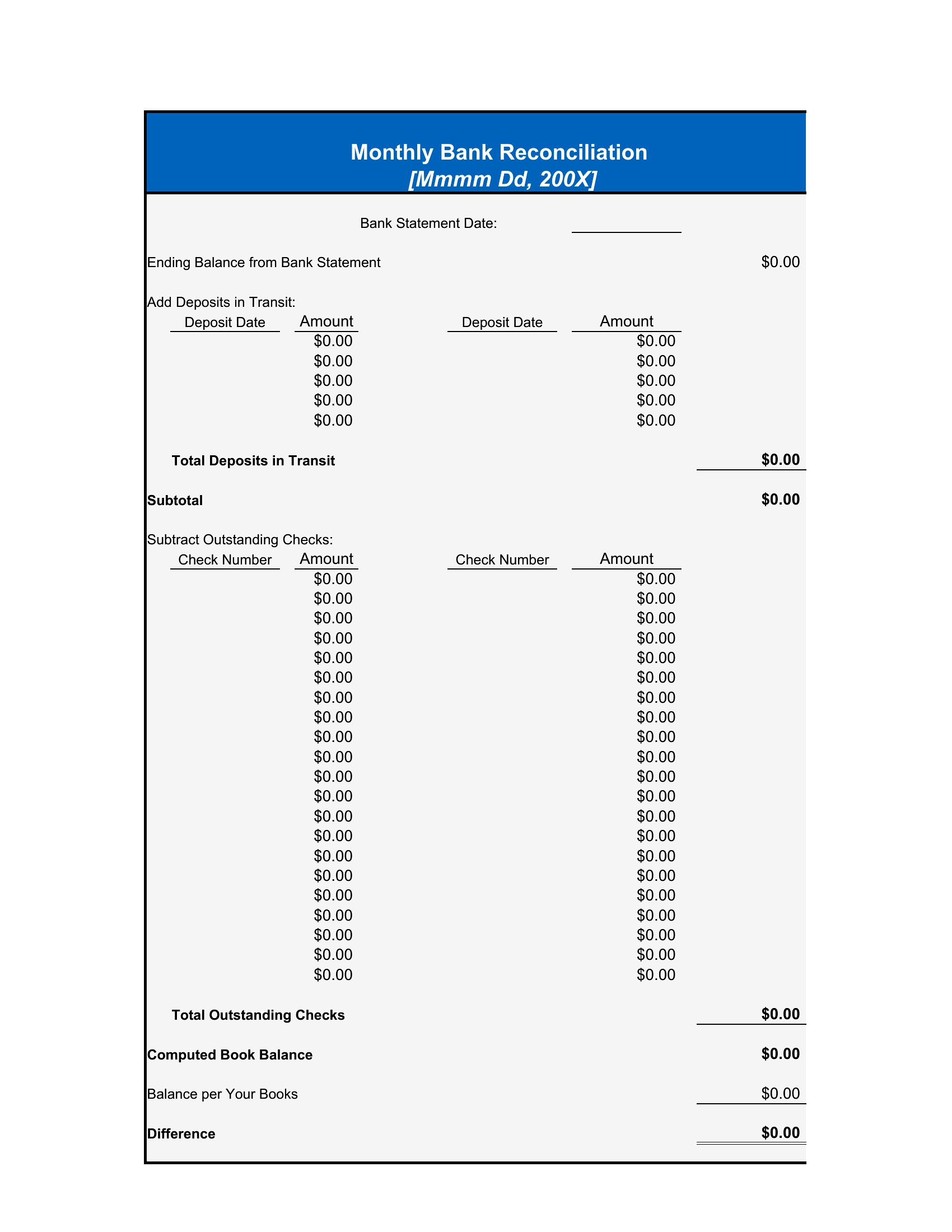
Matching your books against the bank statement catches errors, missed entries, and fraud before they snowball, and a reconciliation template keeps that monthly task organized. These 51 templates give bookkeepers, small-business owners, and treasurers a clear grid for comparing deposits, checks, and balances until everything ties out.

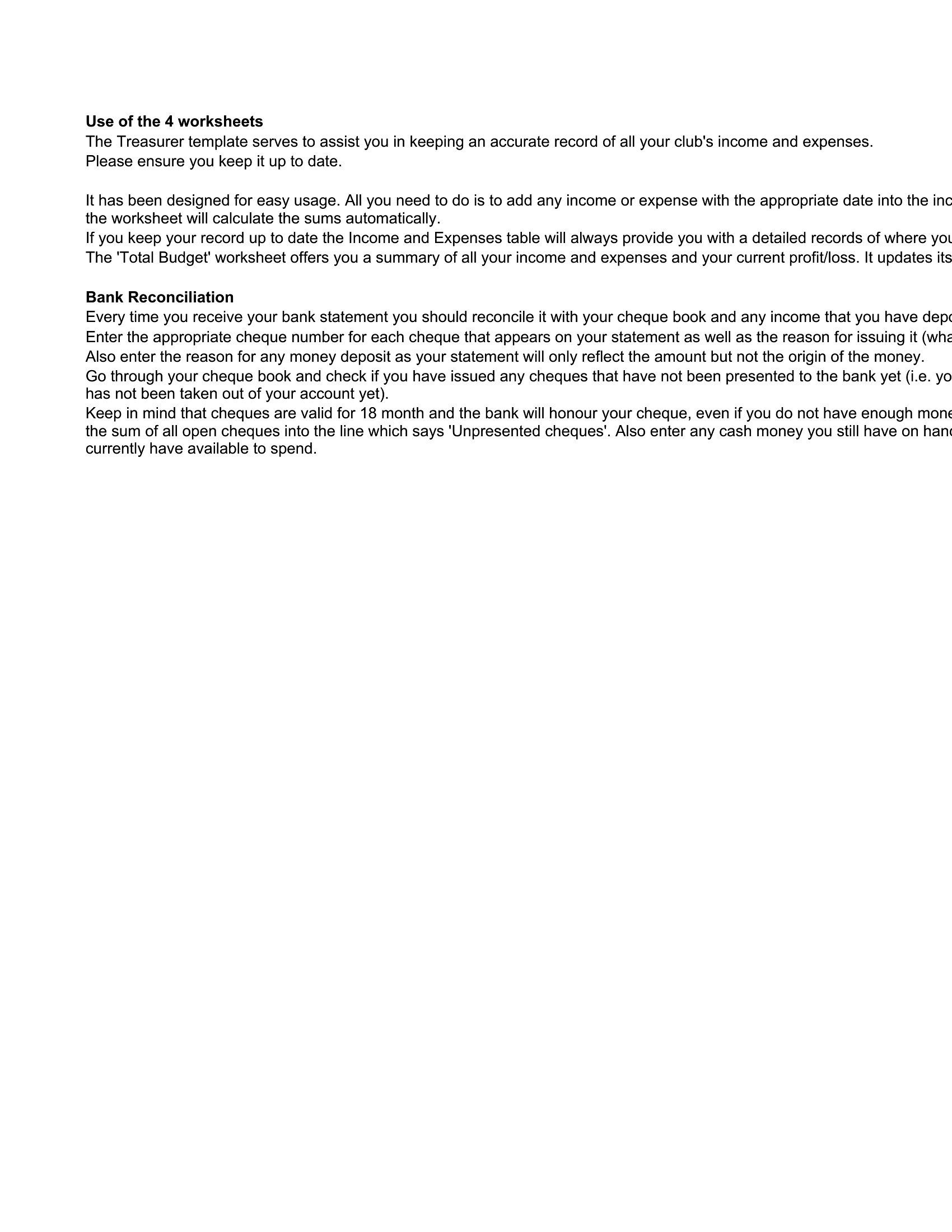
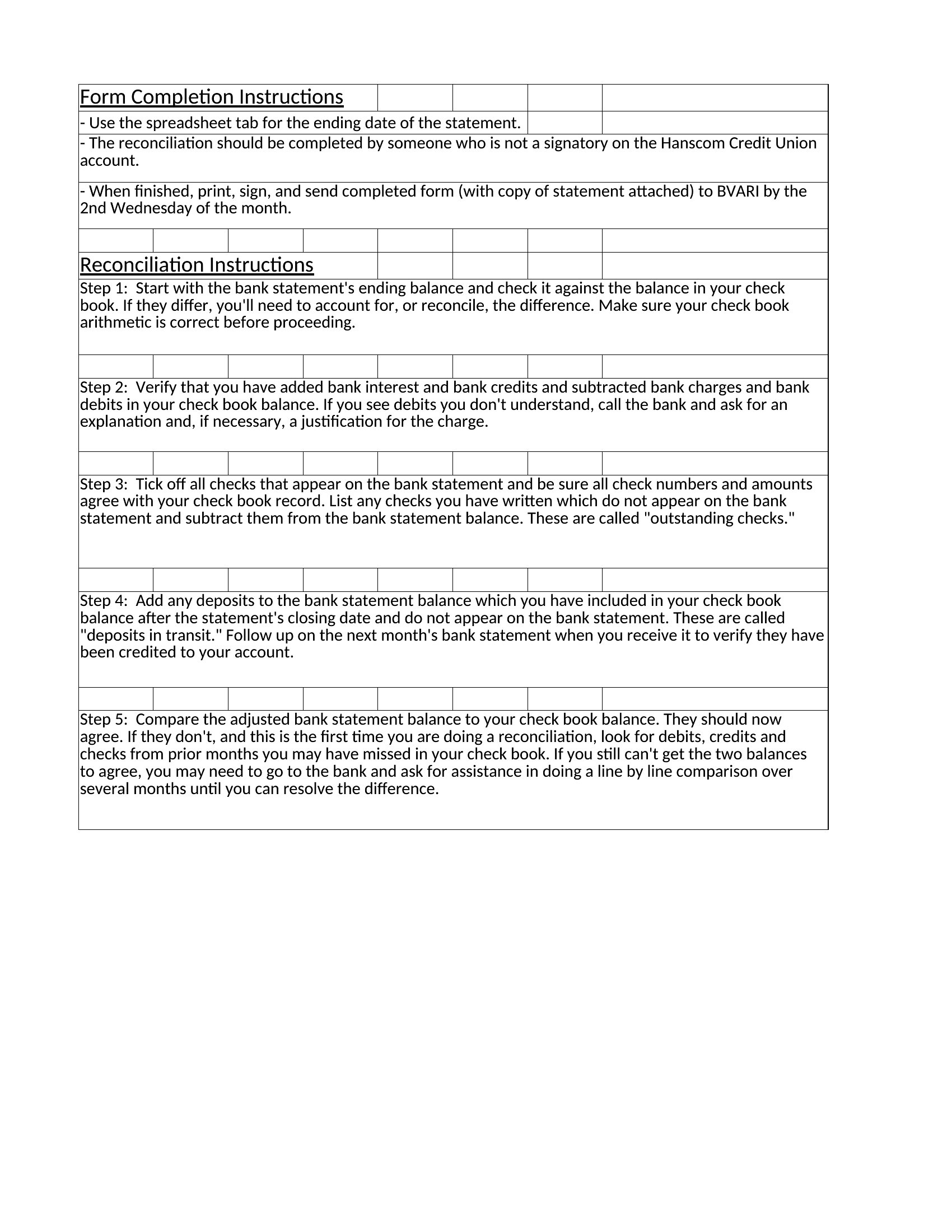
The Excel versions total columns and flag the difference automatically, while the Word layouts work for a tidy printed record. Enter your opening balance, list outstanding items, and adjust until the books and the bank agree. Double-check figures against source documents, since accuracy matters at tax time. Download the version that suits your accounts and make month-end reconciliation a quicker job.

When to use this Bank Reconciliation template

  • Small-business owners with part-time bookkeepers who need to verify monthly statements against QuickBooks or manual records before tax season.
  • Treasurers at nonprofits reconciling high-volume donations and vendor payments to prevent embezzlement risks during year-end audits.
  • Freelancers tracking irregular payroll deposits and client wire transfers, comparing their spreadsheets to bank statements weekly to catch bounced checks.
  • Accounting firms reviewing client statements for discrepancies before drafting financial reports, using a structured template to document adjustments transparently.

Which format should I download?

WordExcel

Excel is ideal for most users here—its built-in formulas auto-calculate balances and flag discrepancies, saving hours of manual entry. Choose Word only if you need to embed the reconciliation within a longer financial report or client memo, requiring narrative explanations alongside the numbers. Excel is the default for precision; Word fits only when combining data with context.

How to use this Bank Reconciliation template

How do these templates handle recurring transactions like auto-payments or subscriptions?

The Excel templates include columns for transaction types, so mark recurring payments as ‘subscriptions’ or ‘bills’ to group and verify them in bulk. Add a note column to flag irregularities, like a missed payment. Word templates can include a separate table for recurring entries if you prefer narrative tracking.

Can I use these templates if my bank provides a digital reconciliation tool?

Yes—but these templates are for manual checks or double-verifying your bank’s auto-reconciliation. Use them to spot patterns (e.g., repeated ‘pending’ transactions) or export raw data for side-by-side comparison. They’re a safeguard, not a replacement.

What if my bank’s statement includes foreign currency transactions?

The Excel templates have columns for transaction descriptions—add a ‘currency’ column and use formulas to convert amounts to your base currency at the daily exchange rate. Word templates can include a conversion table for reference, but Excel is better for dynamic calculations.

Comments

Join the conversation

Sign in to share your thoughts and leave a comment on this resource.

Newsletter

Get Weekly Design Updates

Join our community to receive curated resources and inspiration.

Weekly Tips Resources Early Access

We respect your privacy. Confirmation email required. Privacy Policy