
FAQ
Can I use these templates to document both B2B and B2C customer experiences?
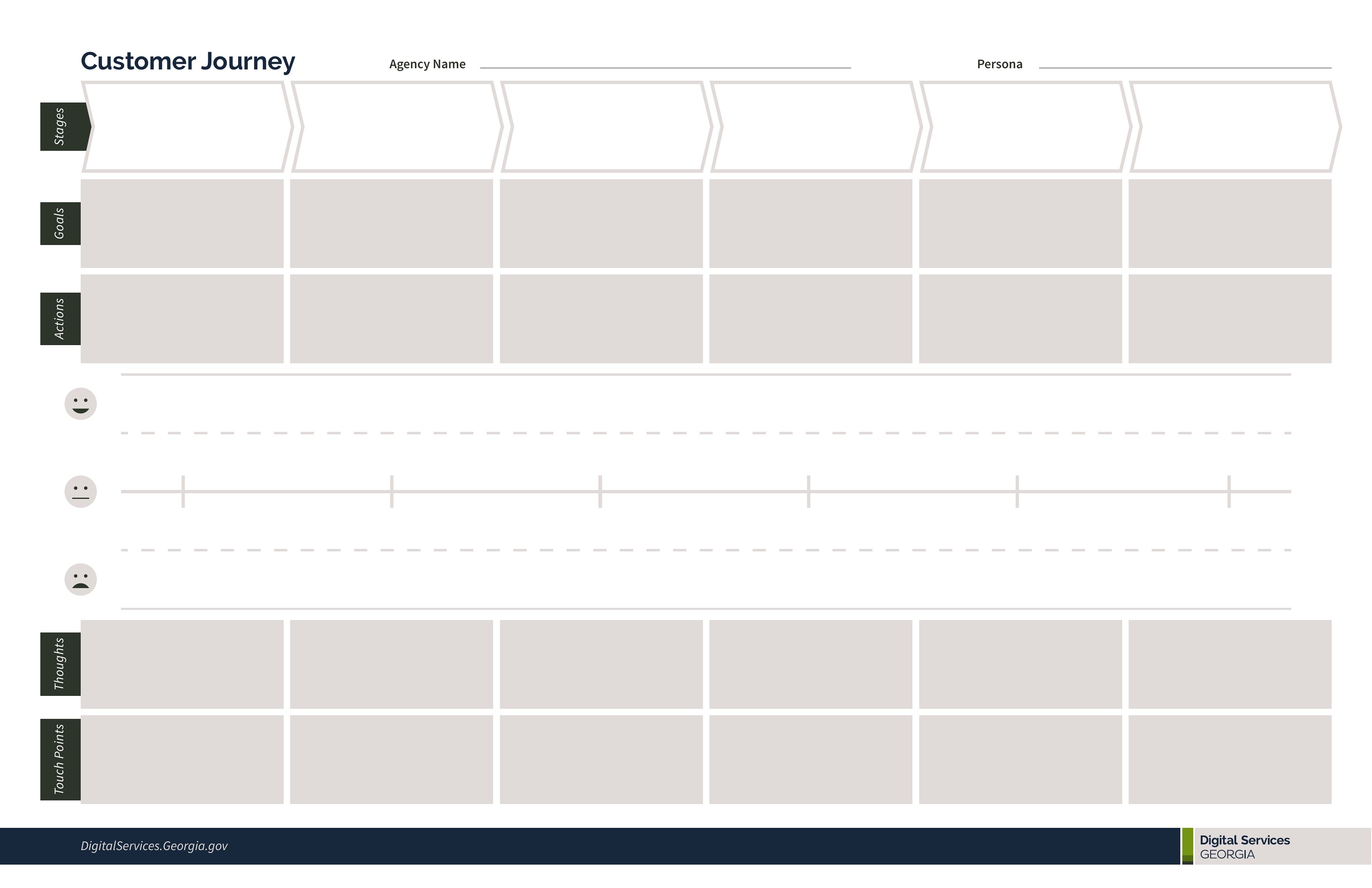
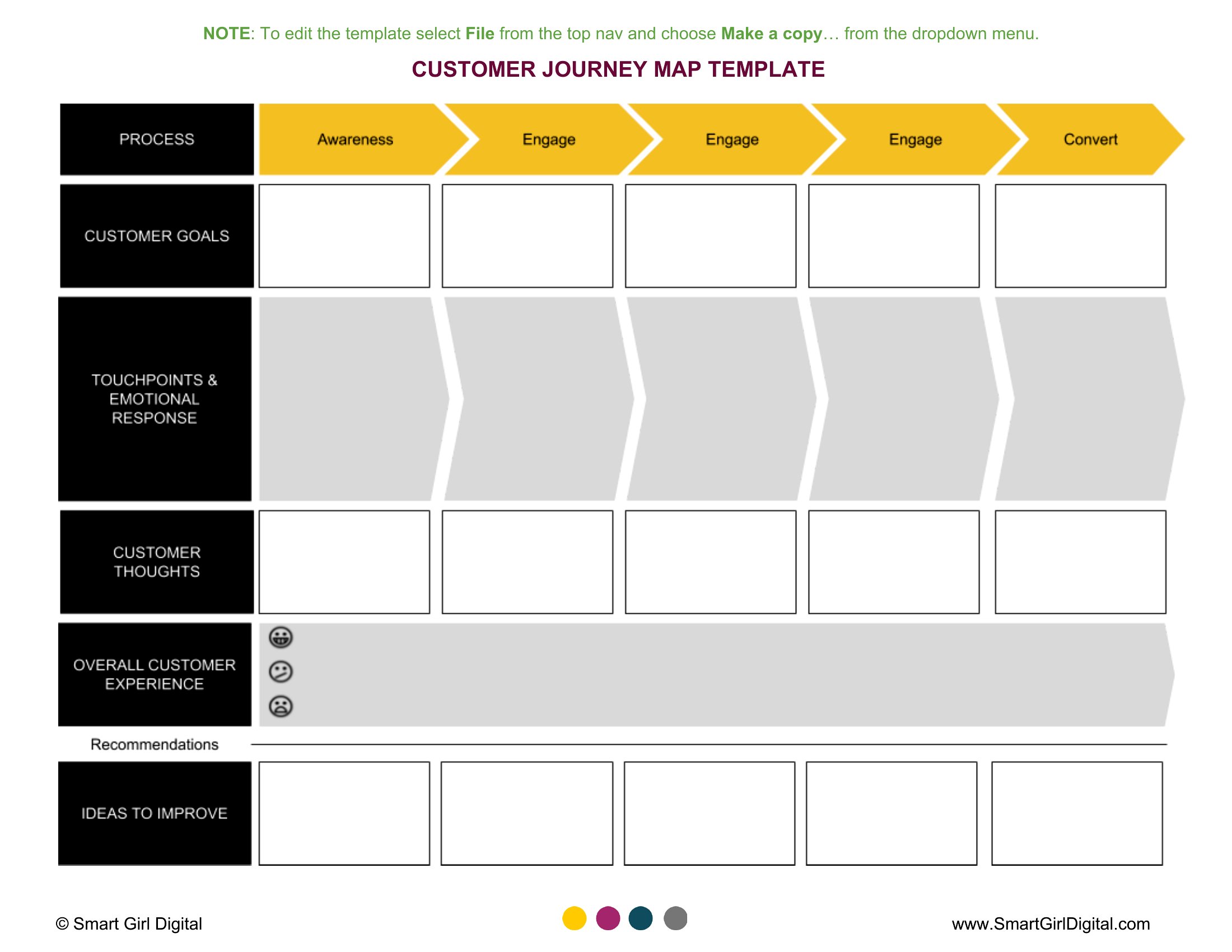
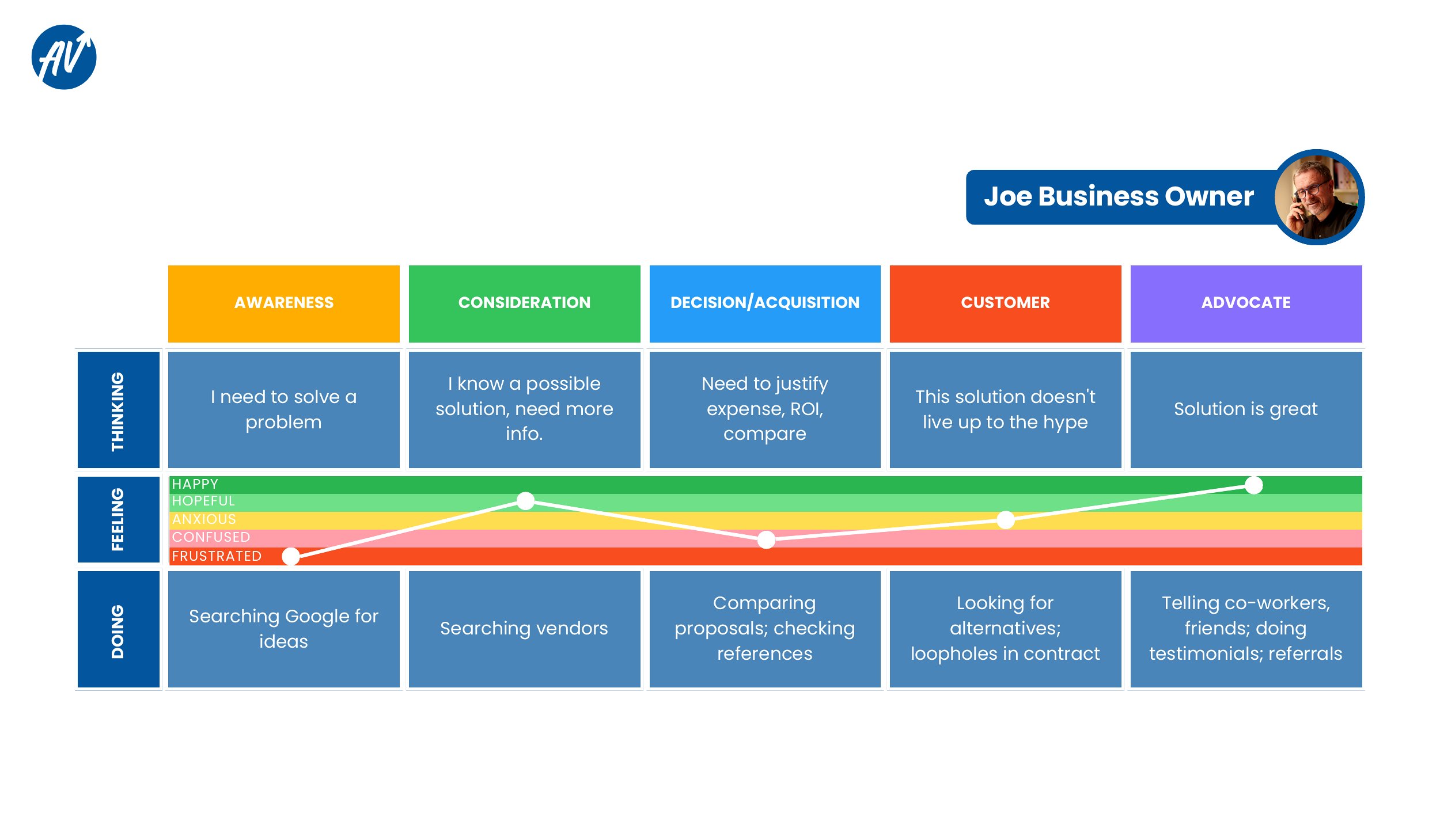
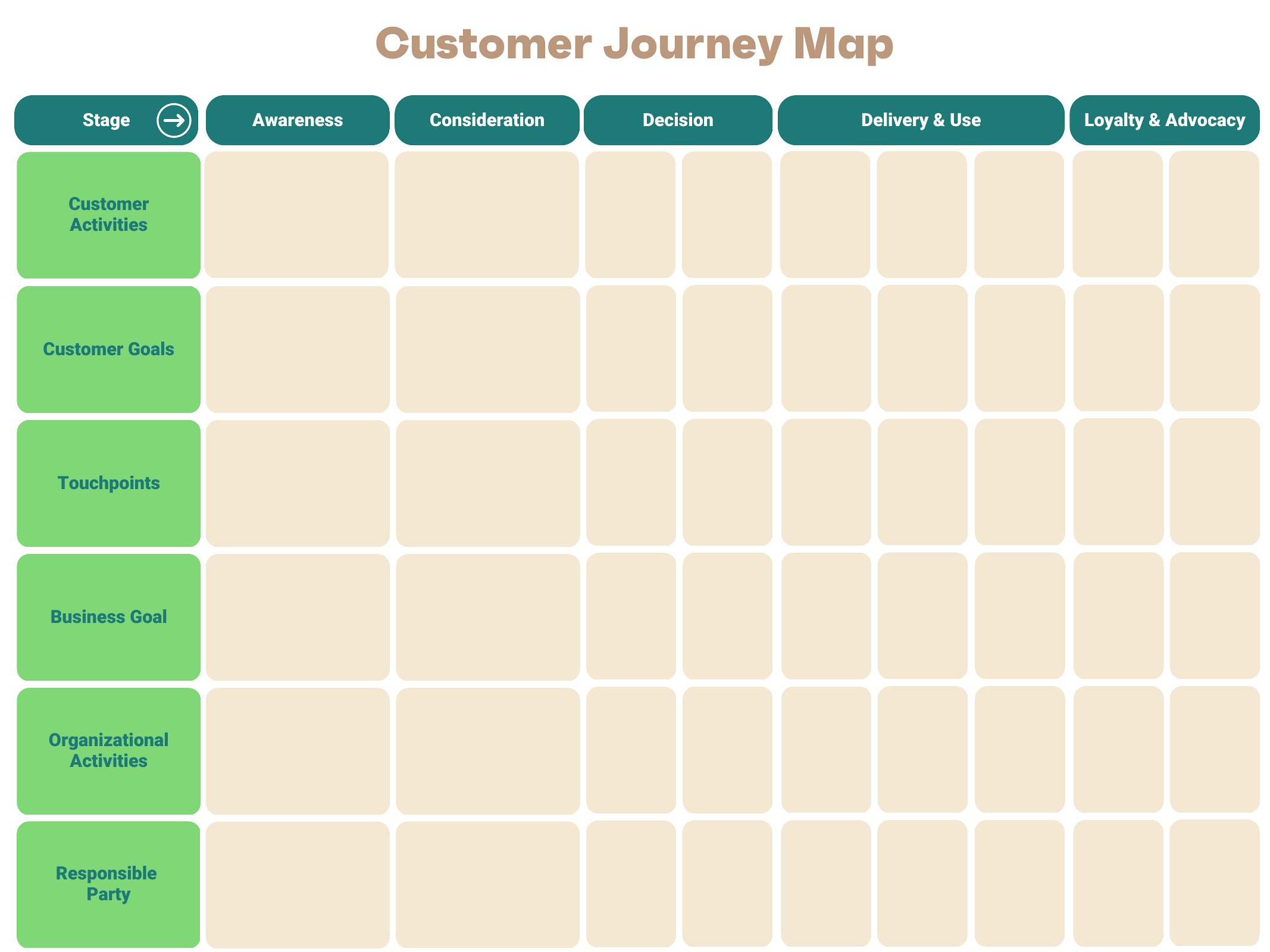
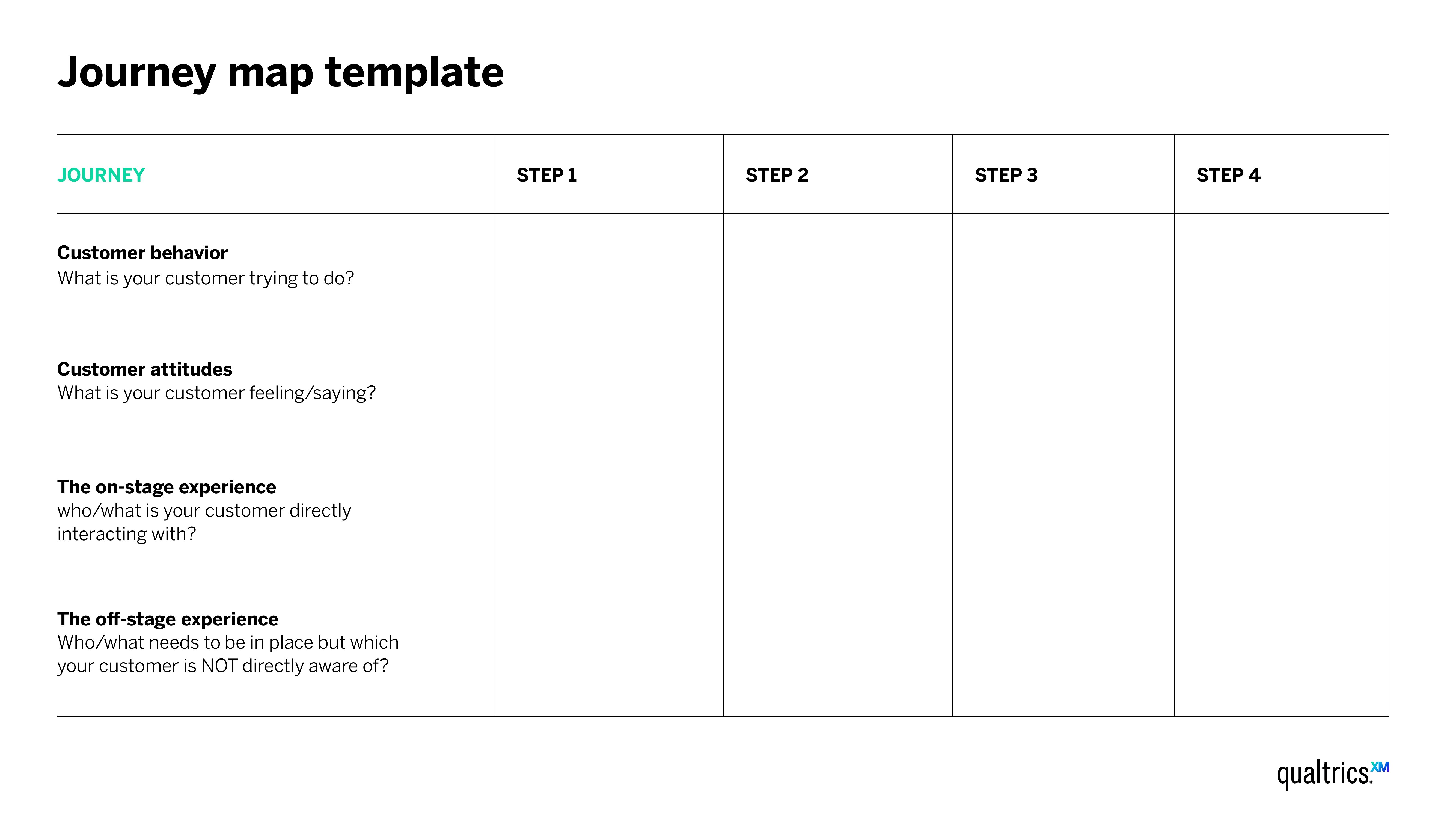
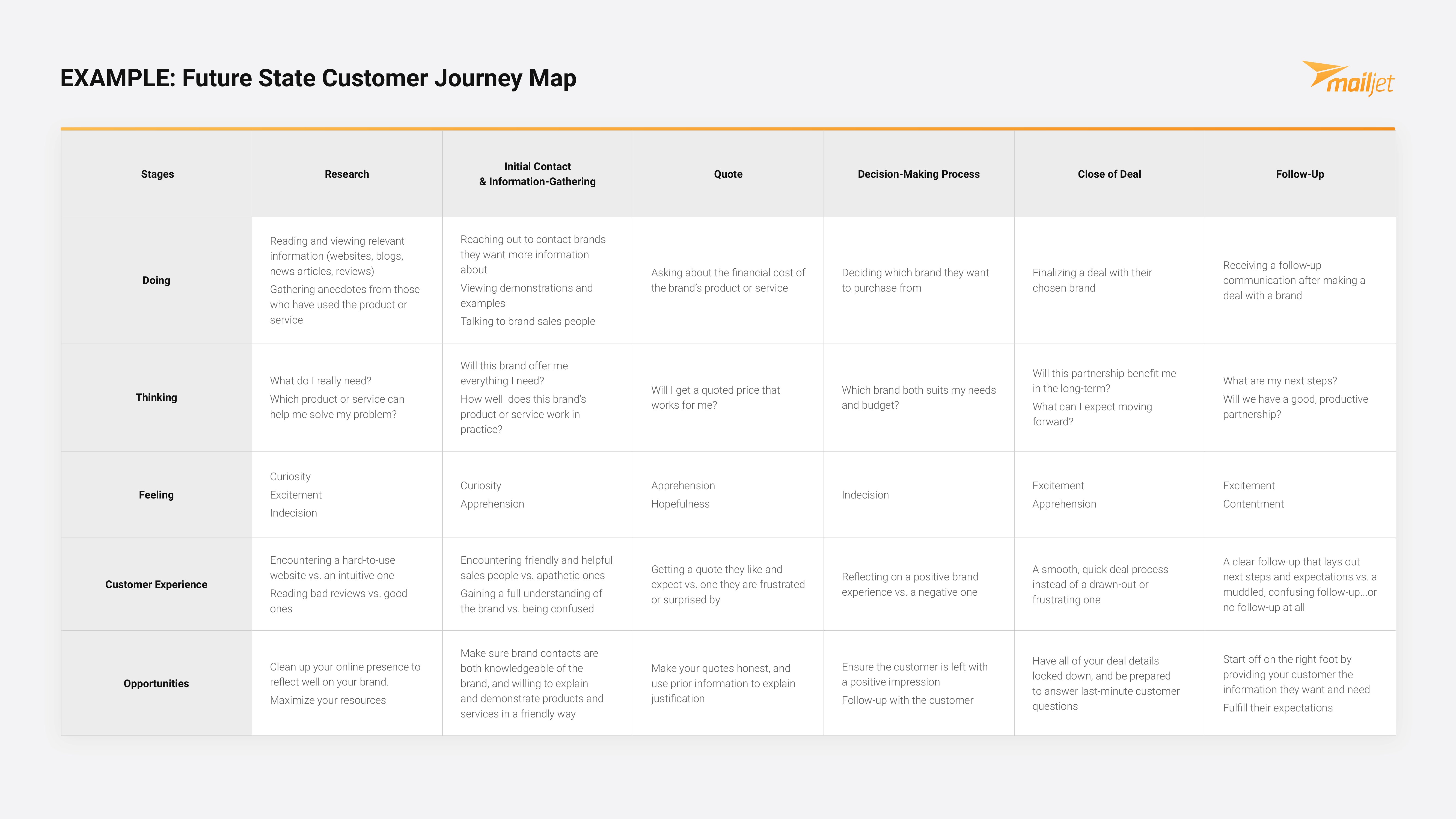
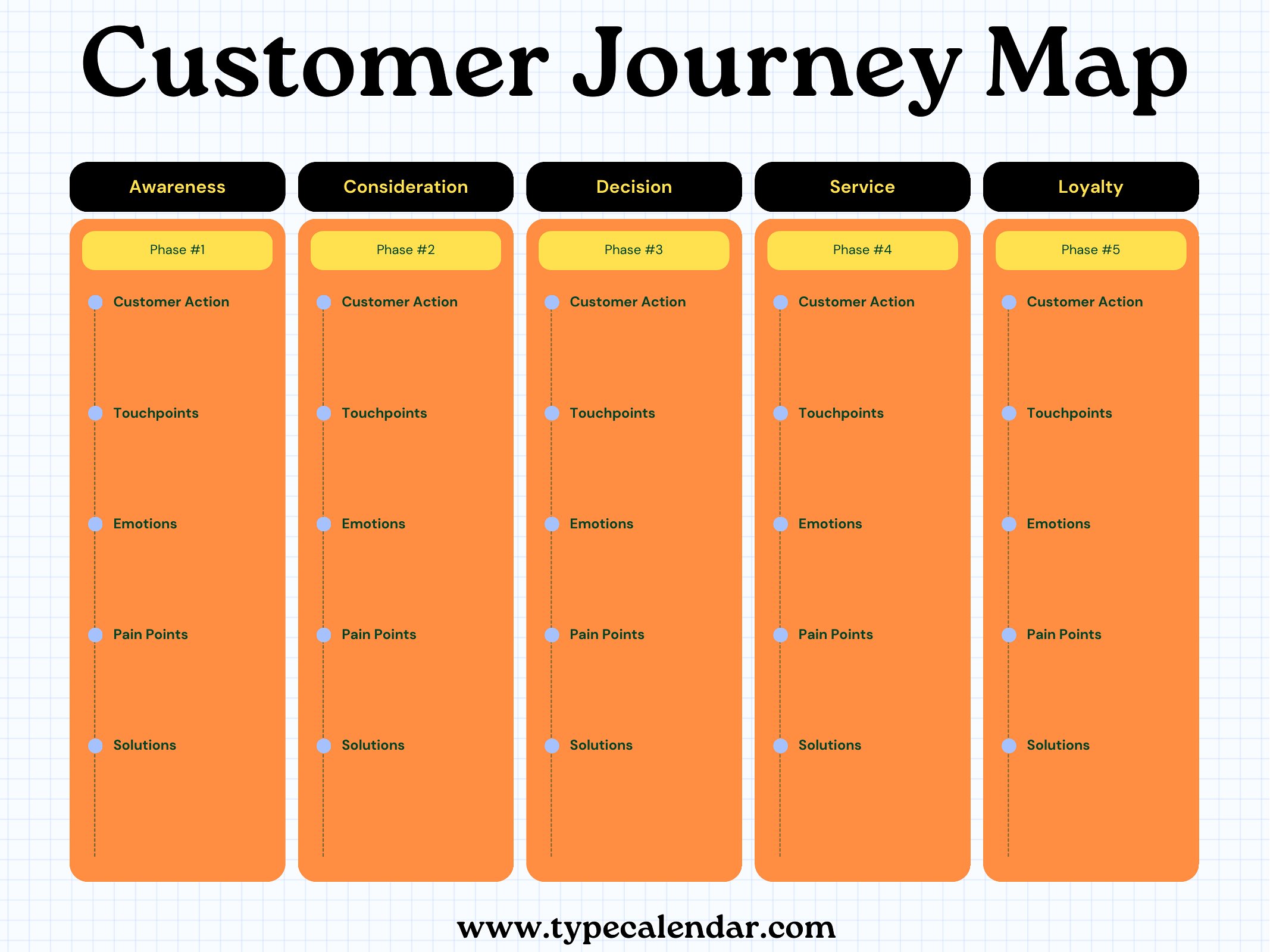
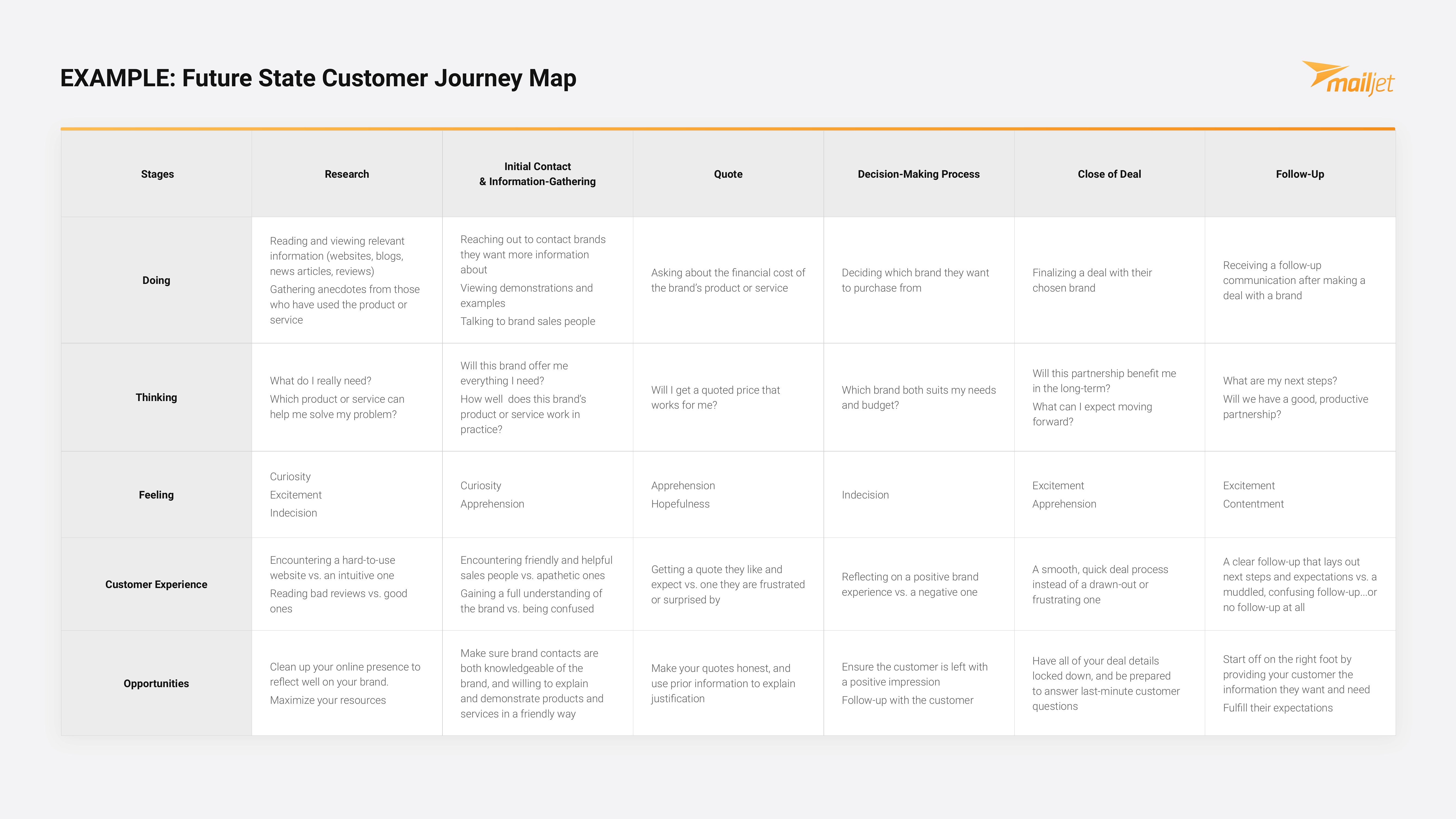
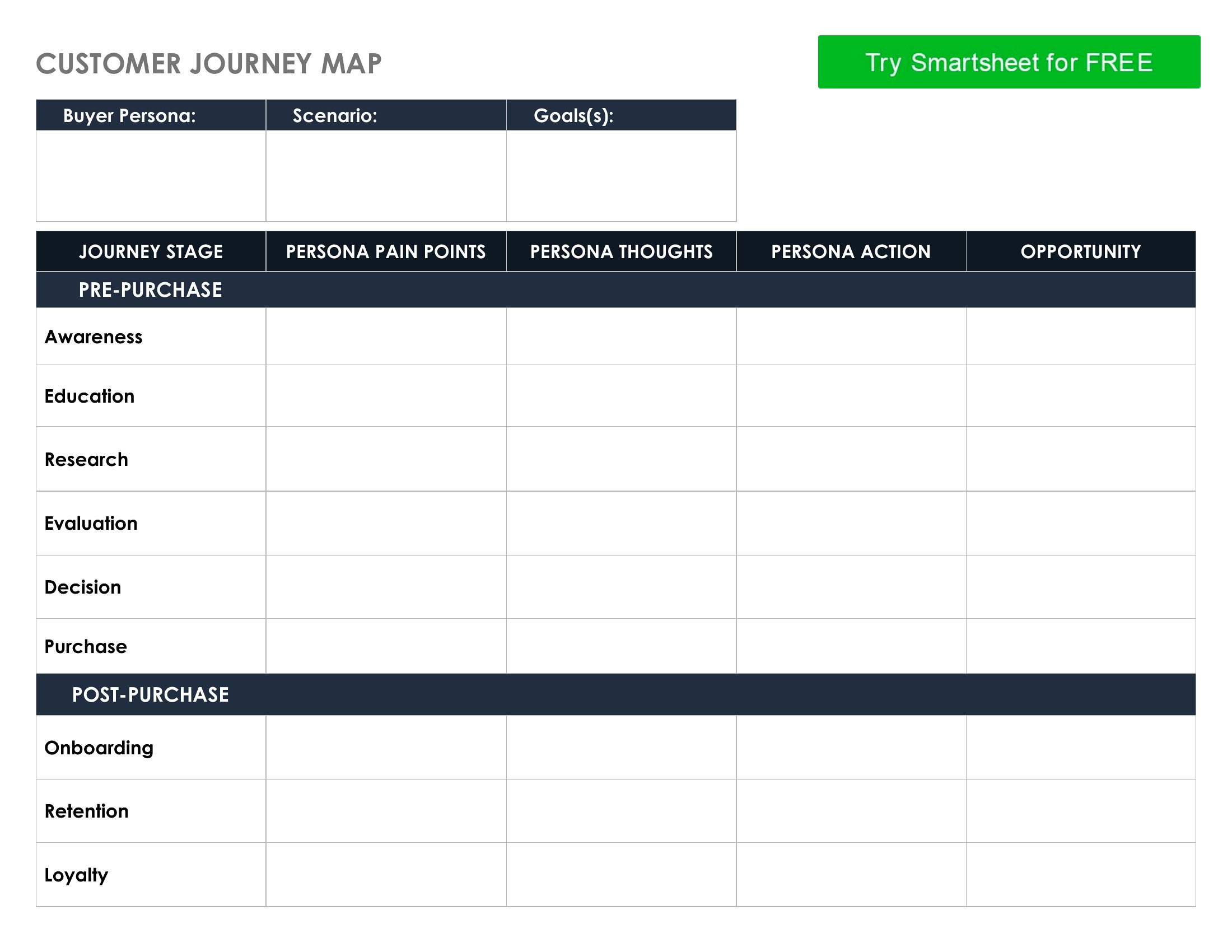
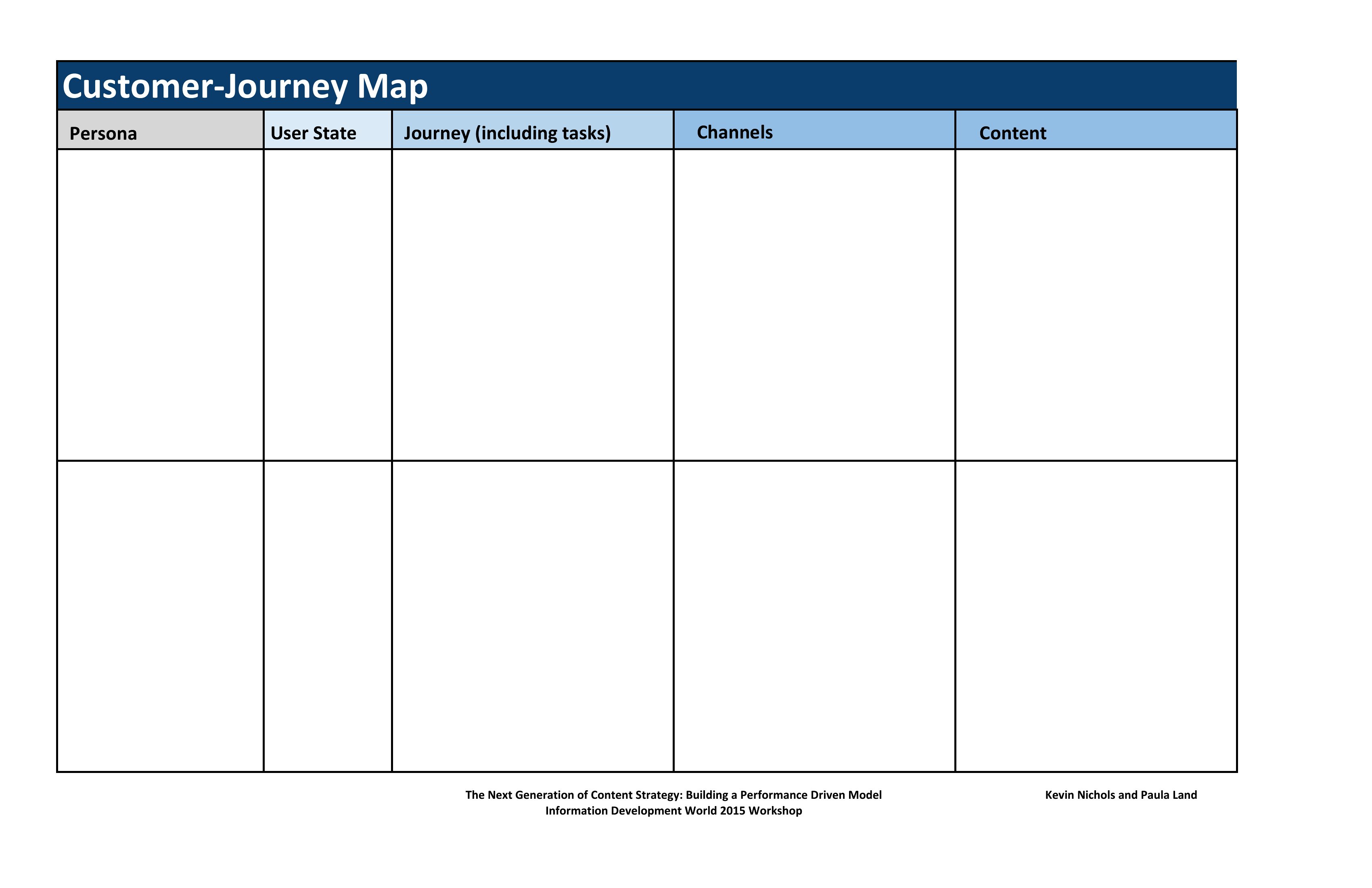
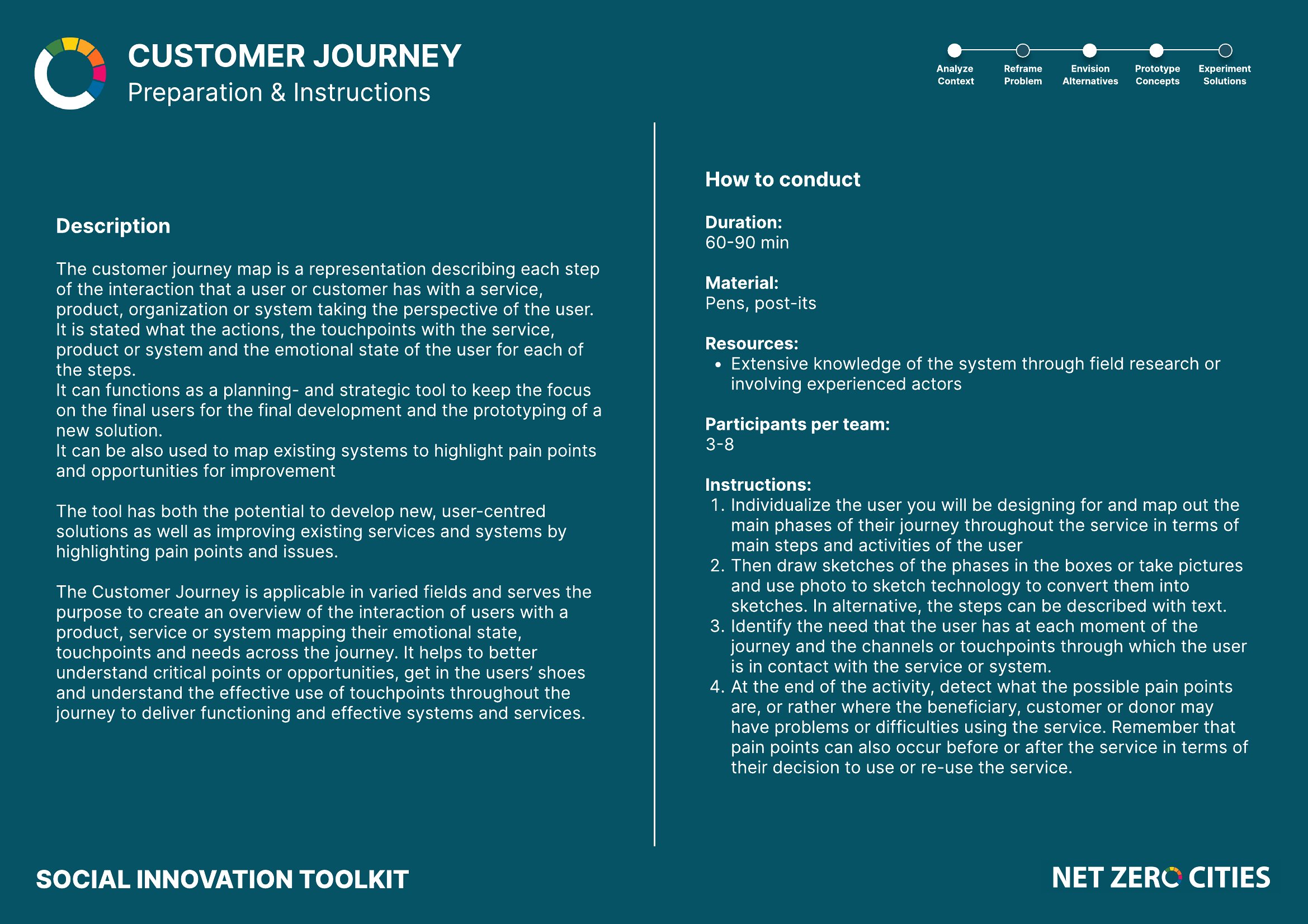
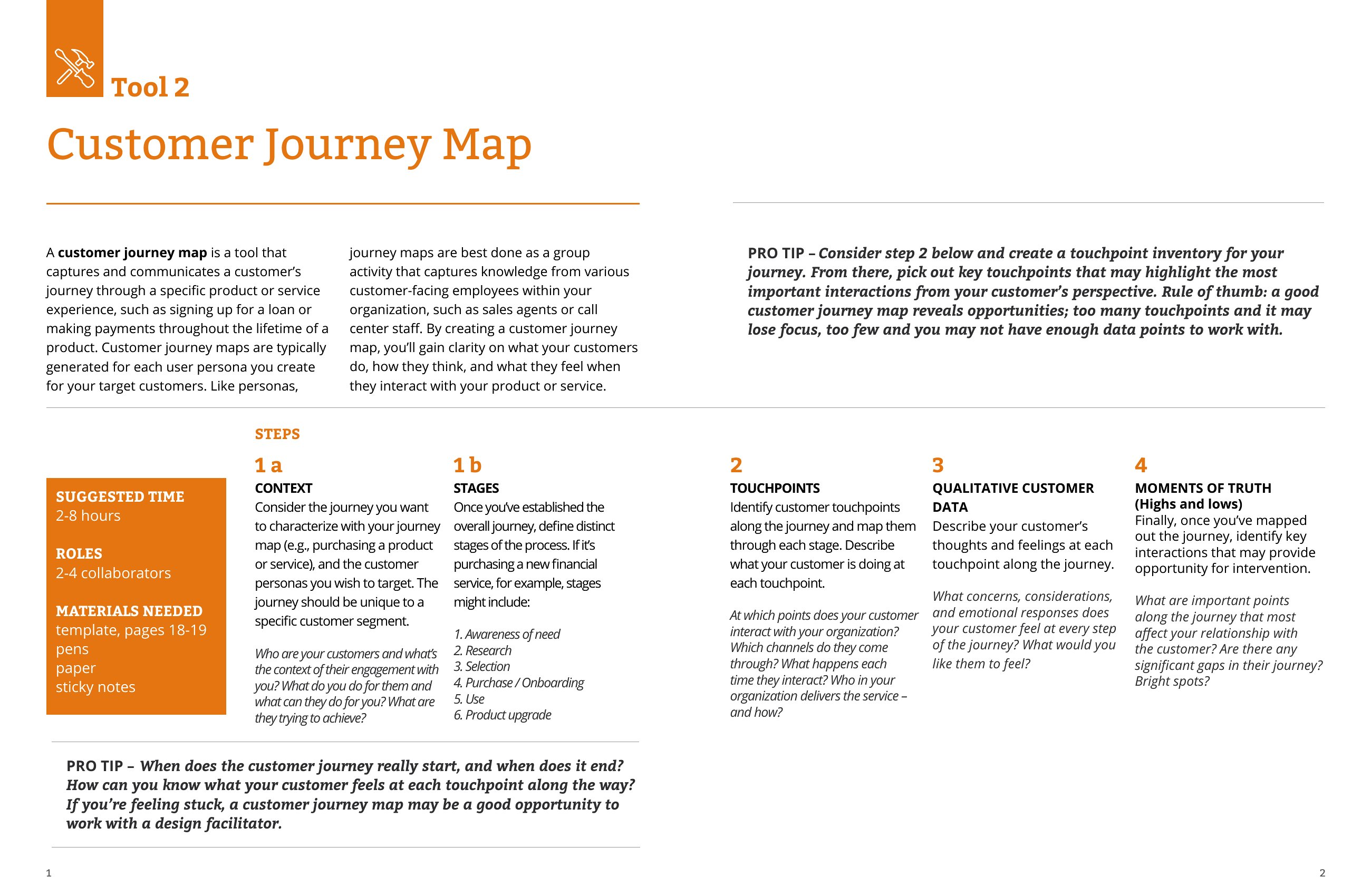
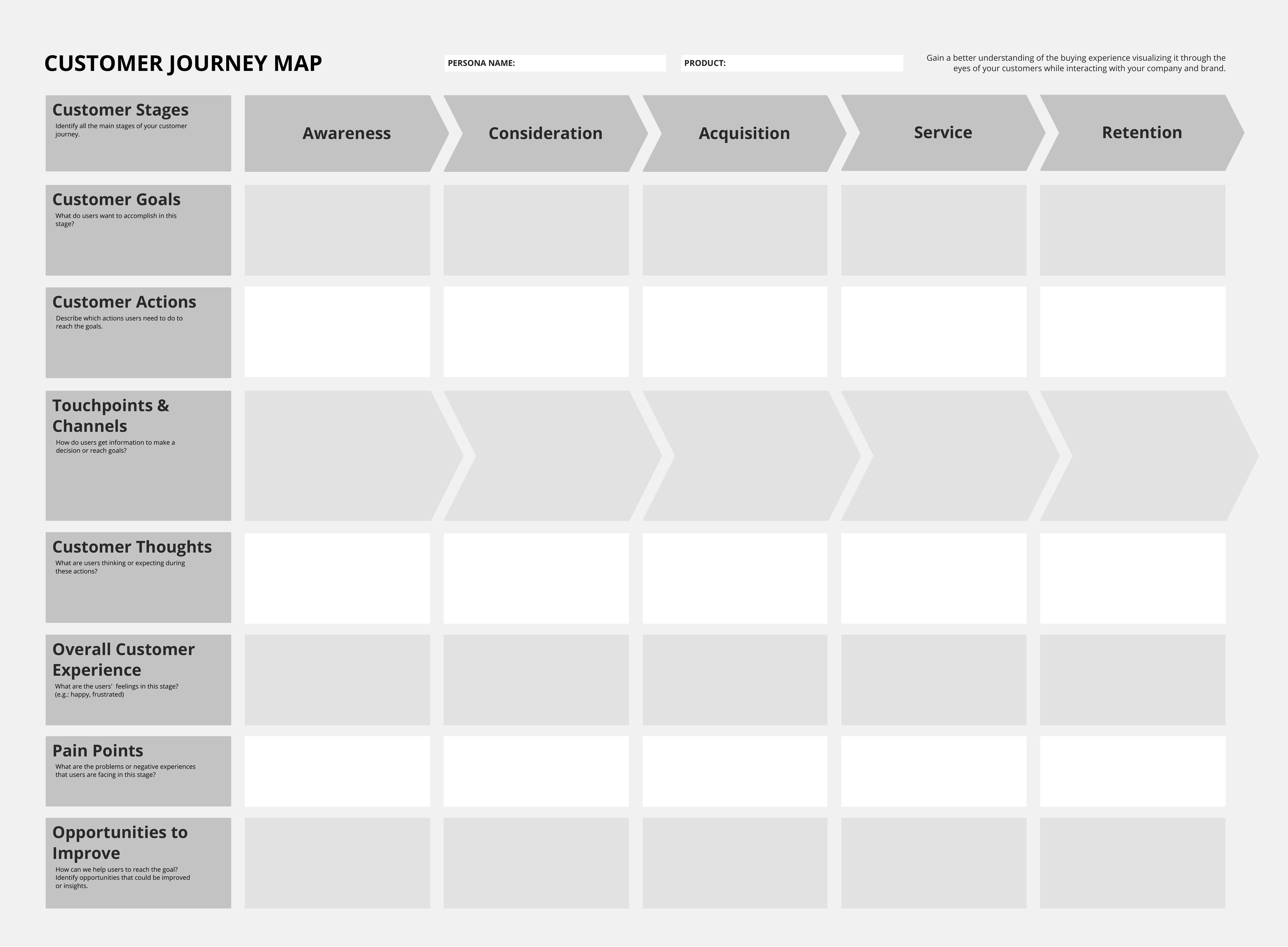
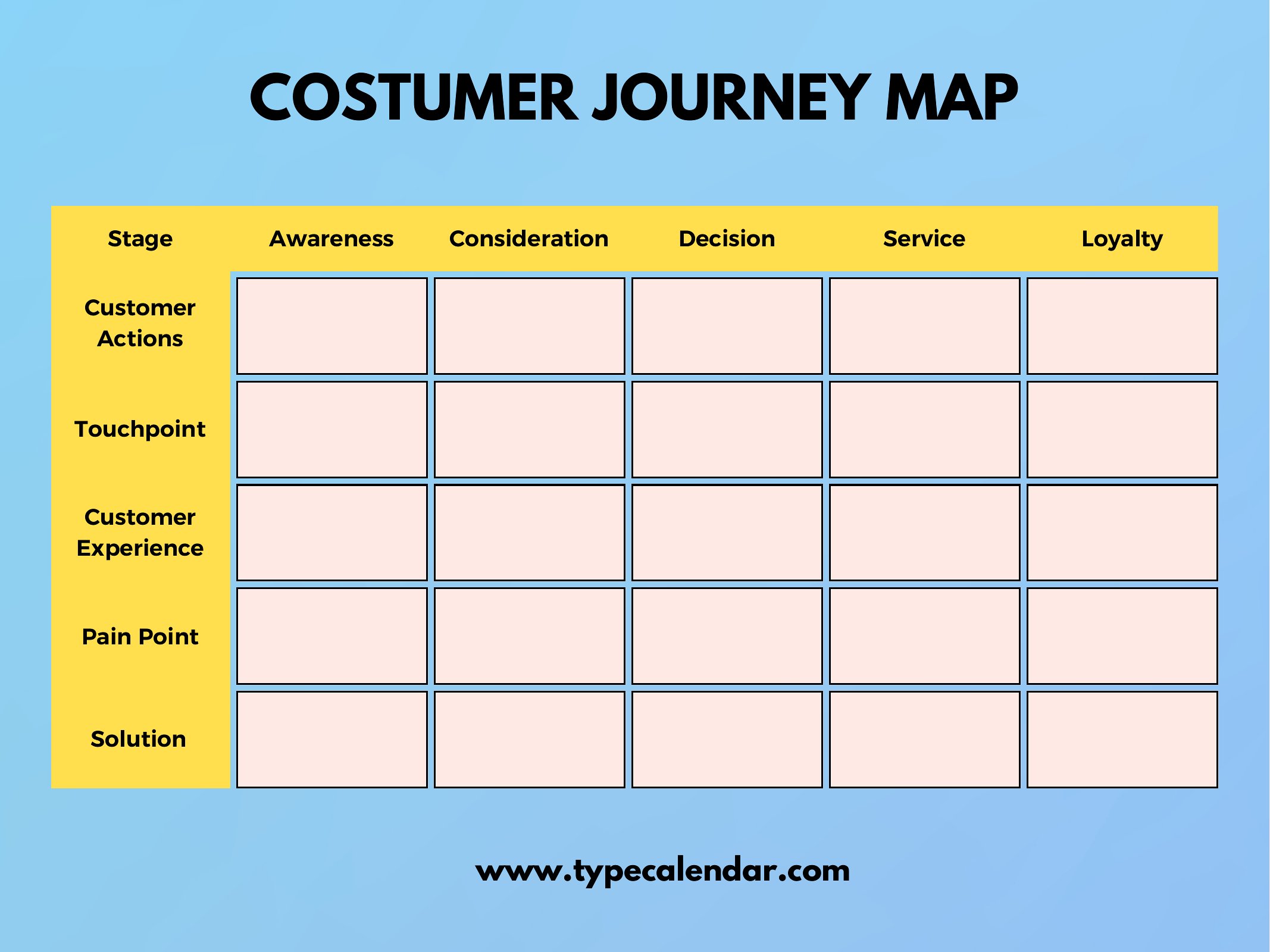
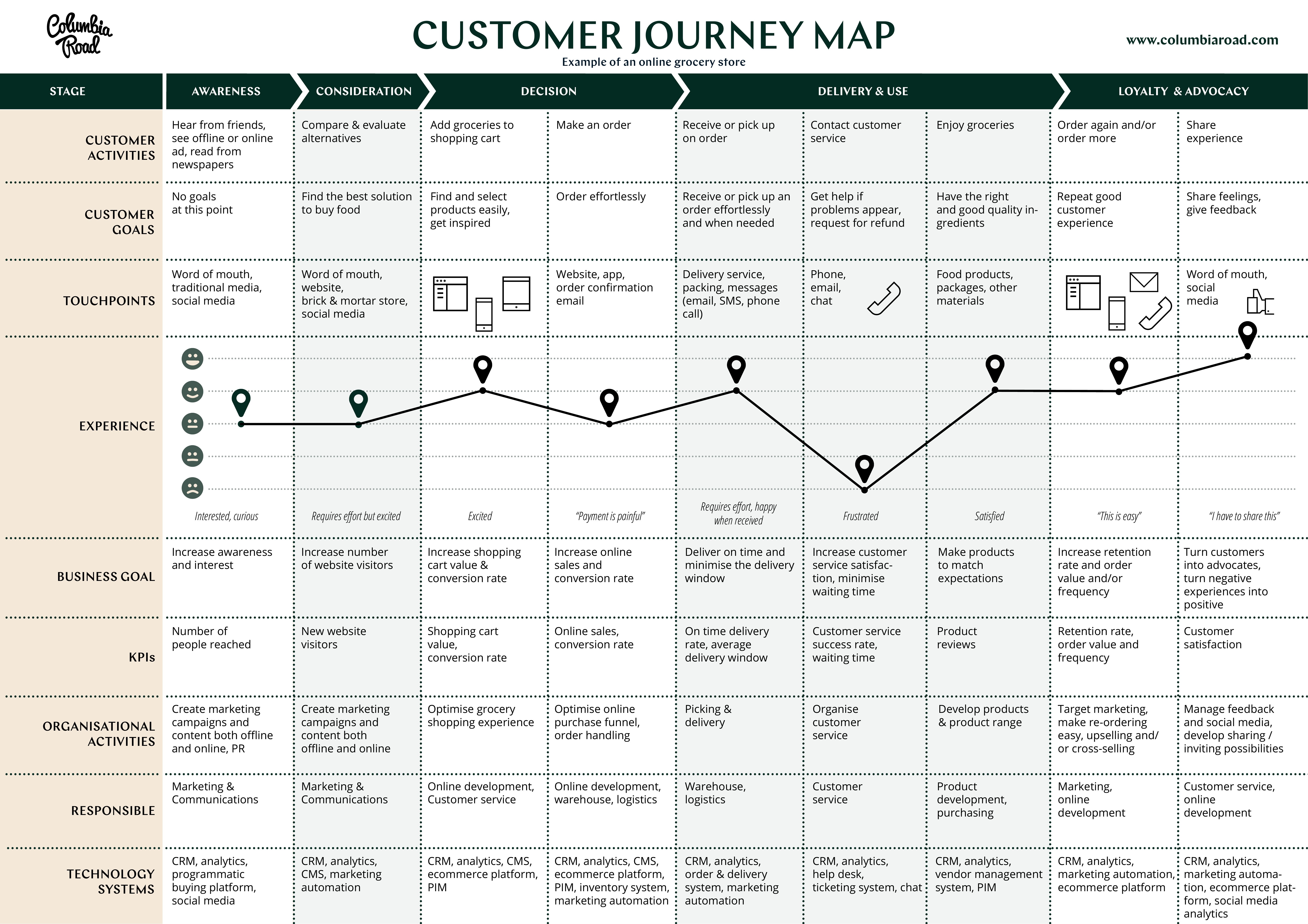
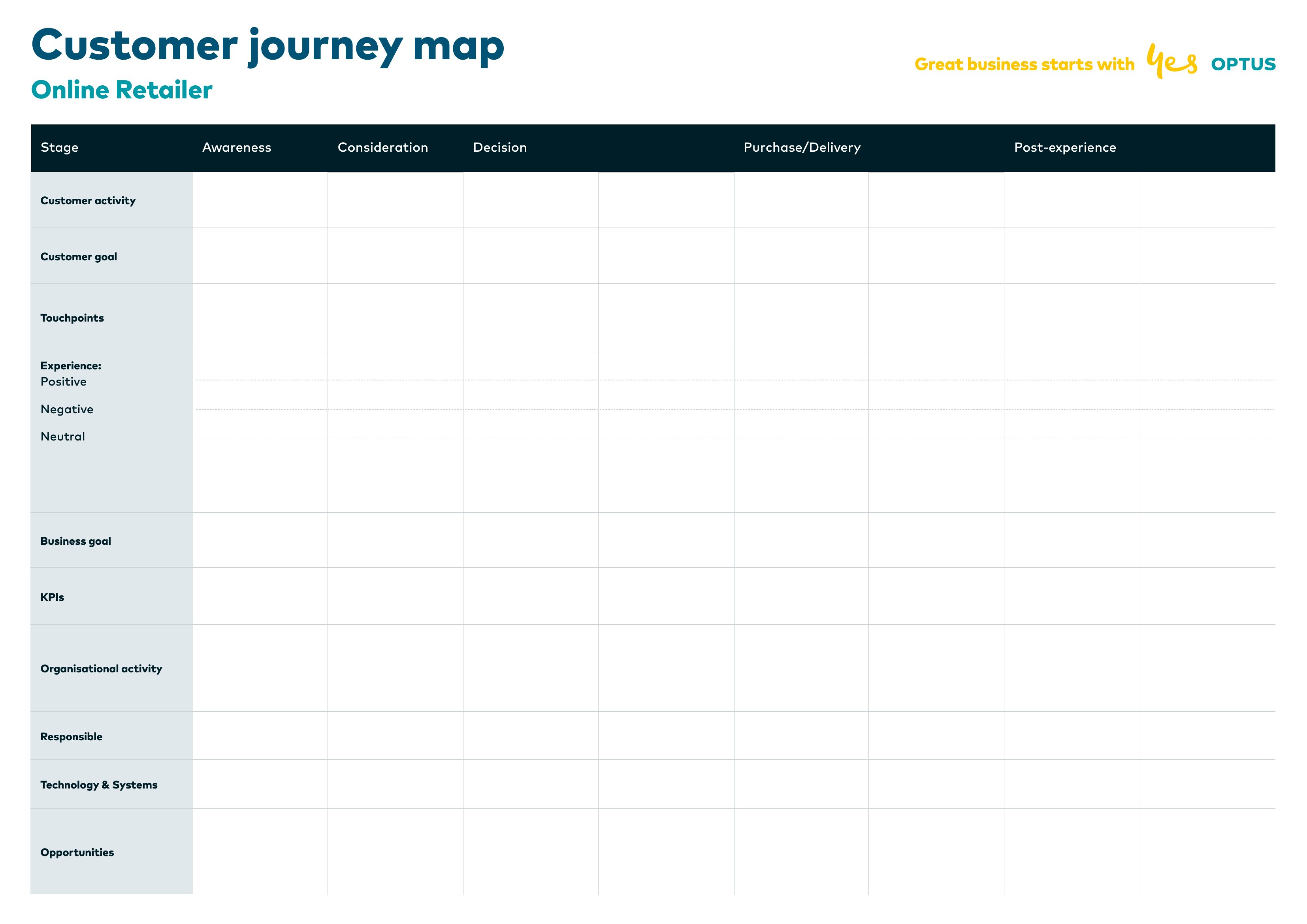
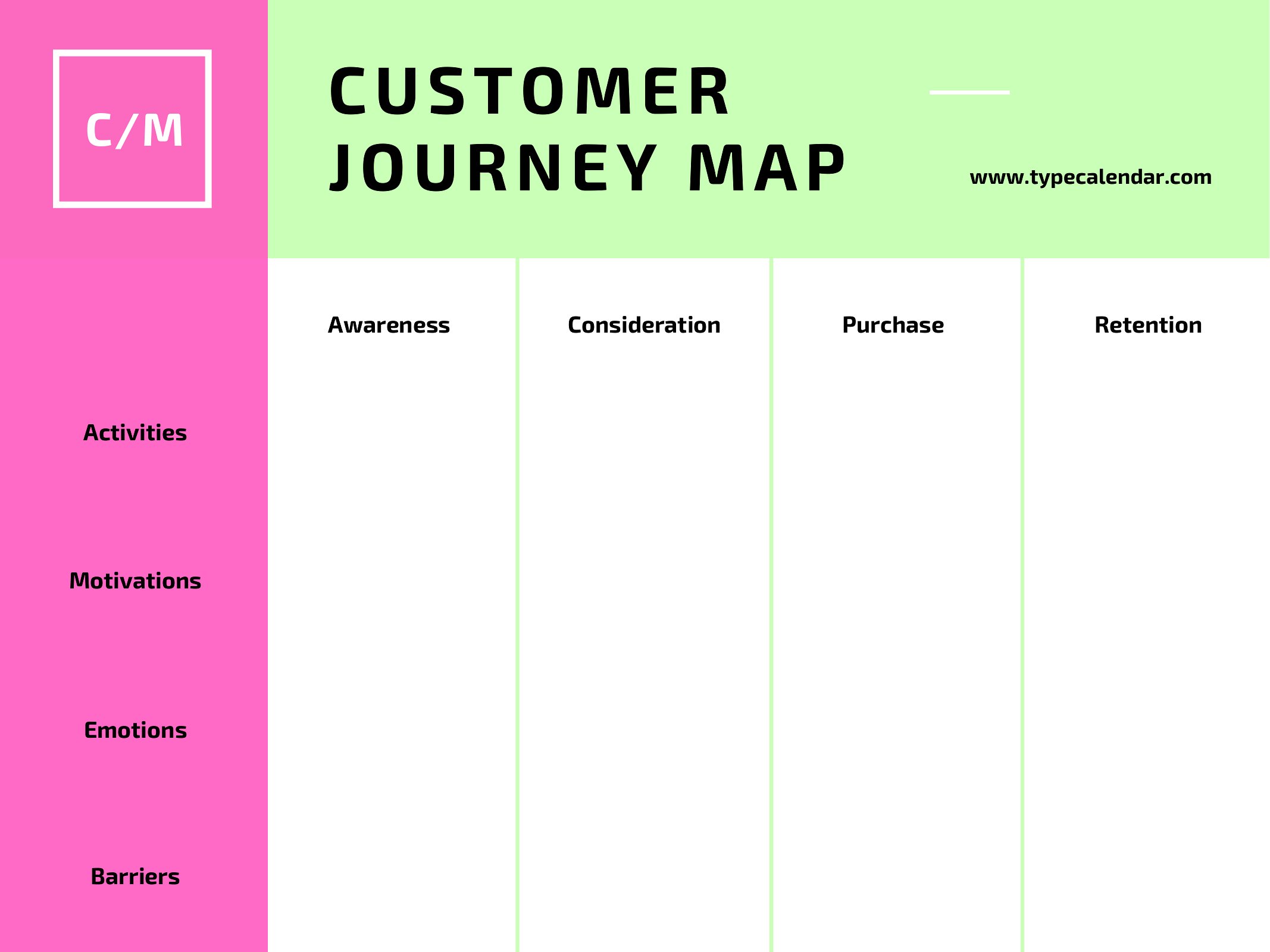
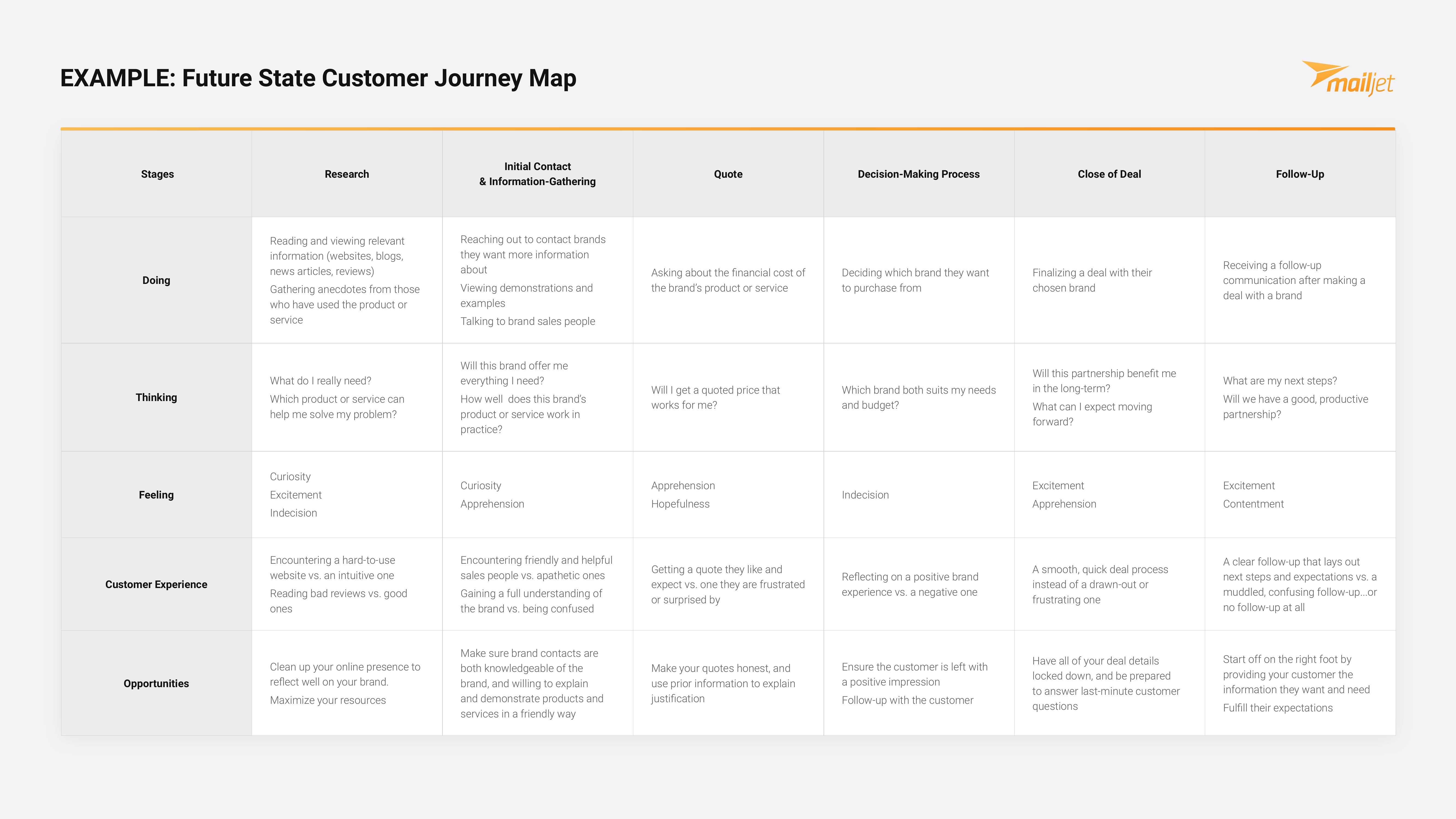
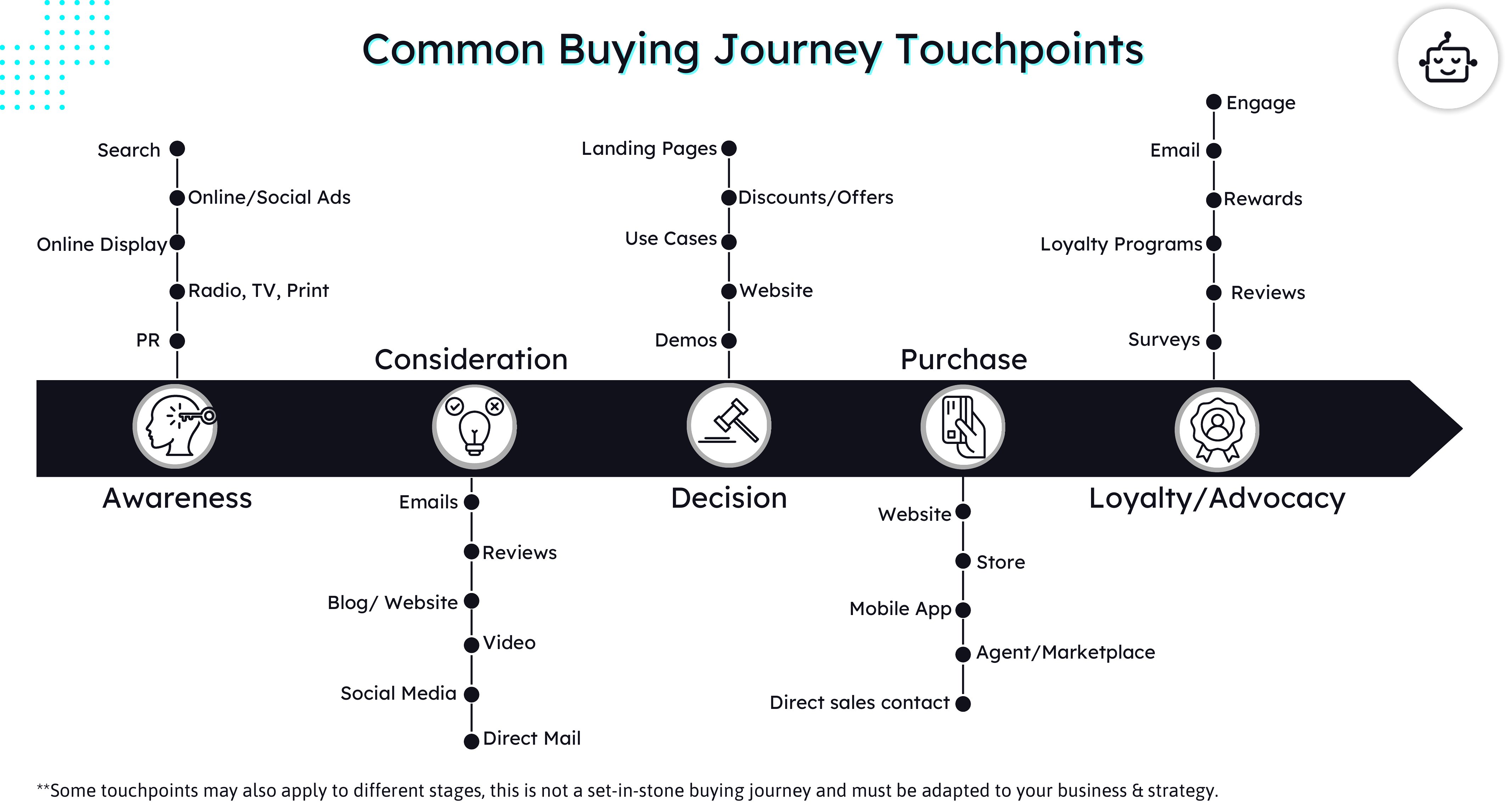
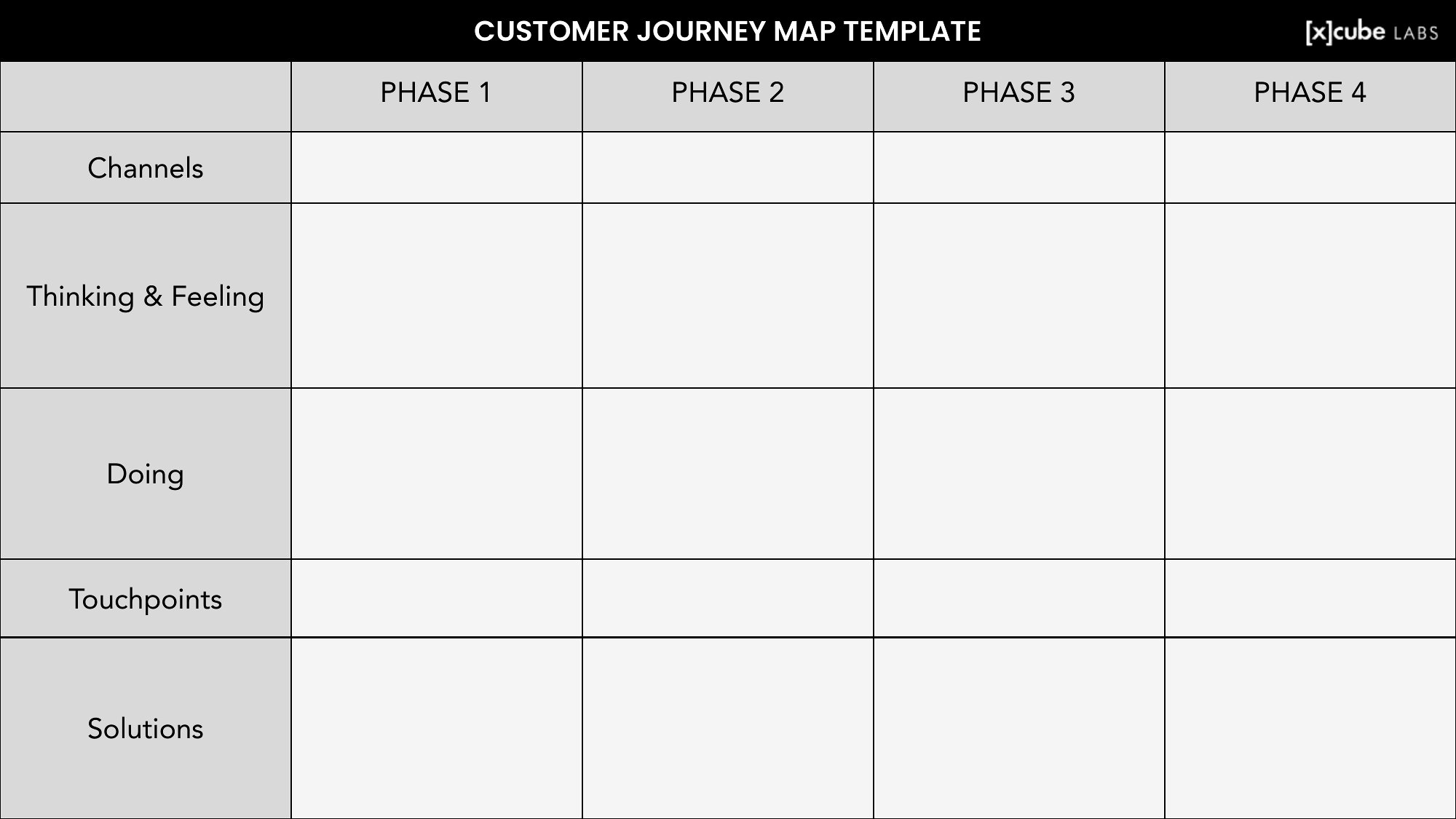
Yes, these templates are intentionally flexible enough for both B2B and B2C scenarios. They include stages like ‘awareness’ and ‘post-purchase’ that apply universally, while space for customizing touchpoints allows you to adapt to industry-specific journeys. For example, a B2B map might include ‘vendor comparison’ steps that wouldn’t apply in consumer-focused experiences.
How do I decide which template is best for mapping complex journeys with multiple decision-makers?
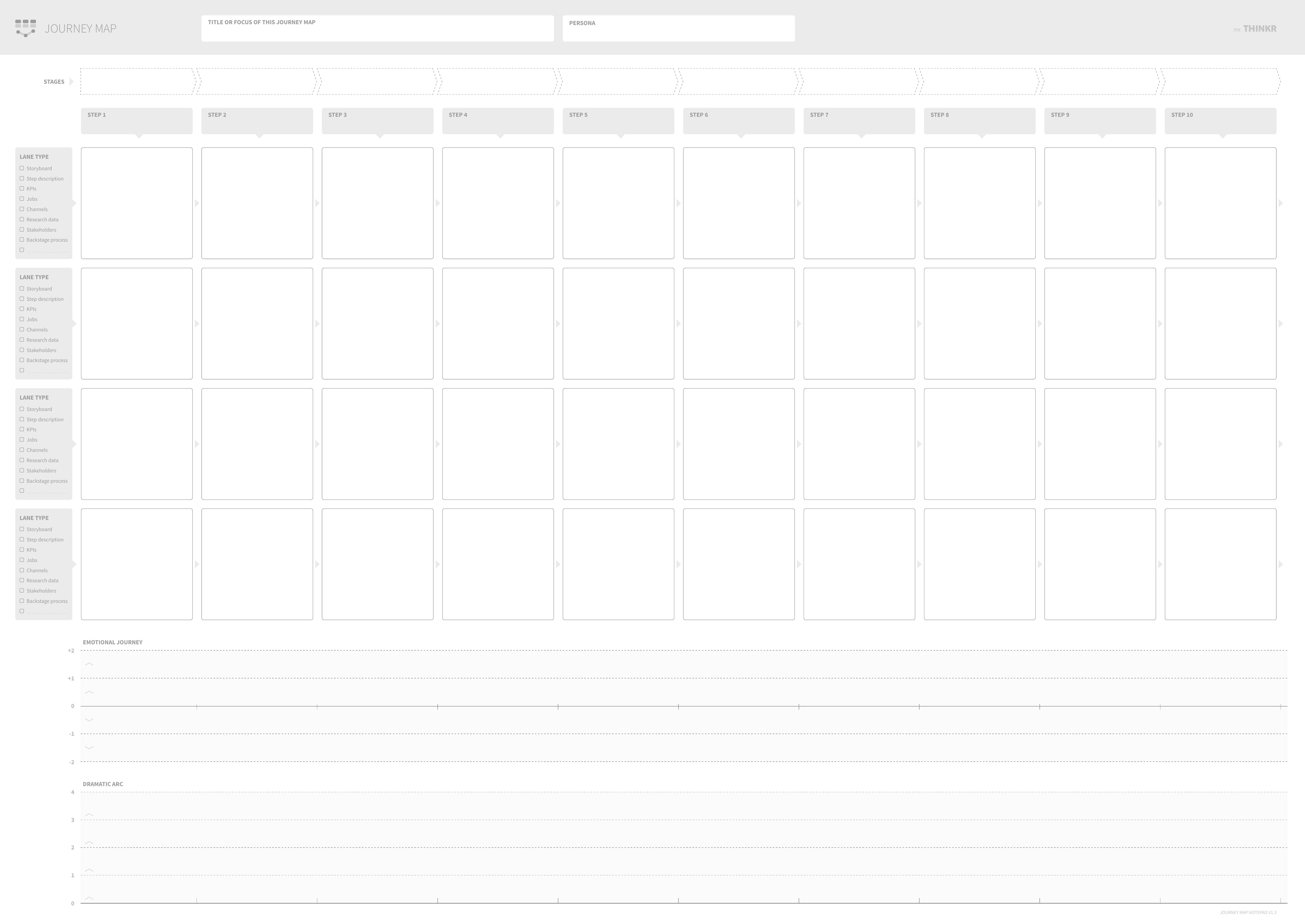
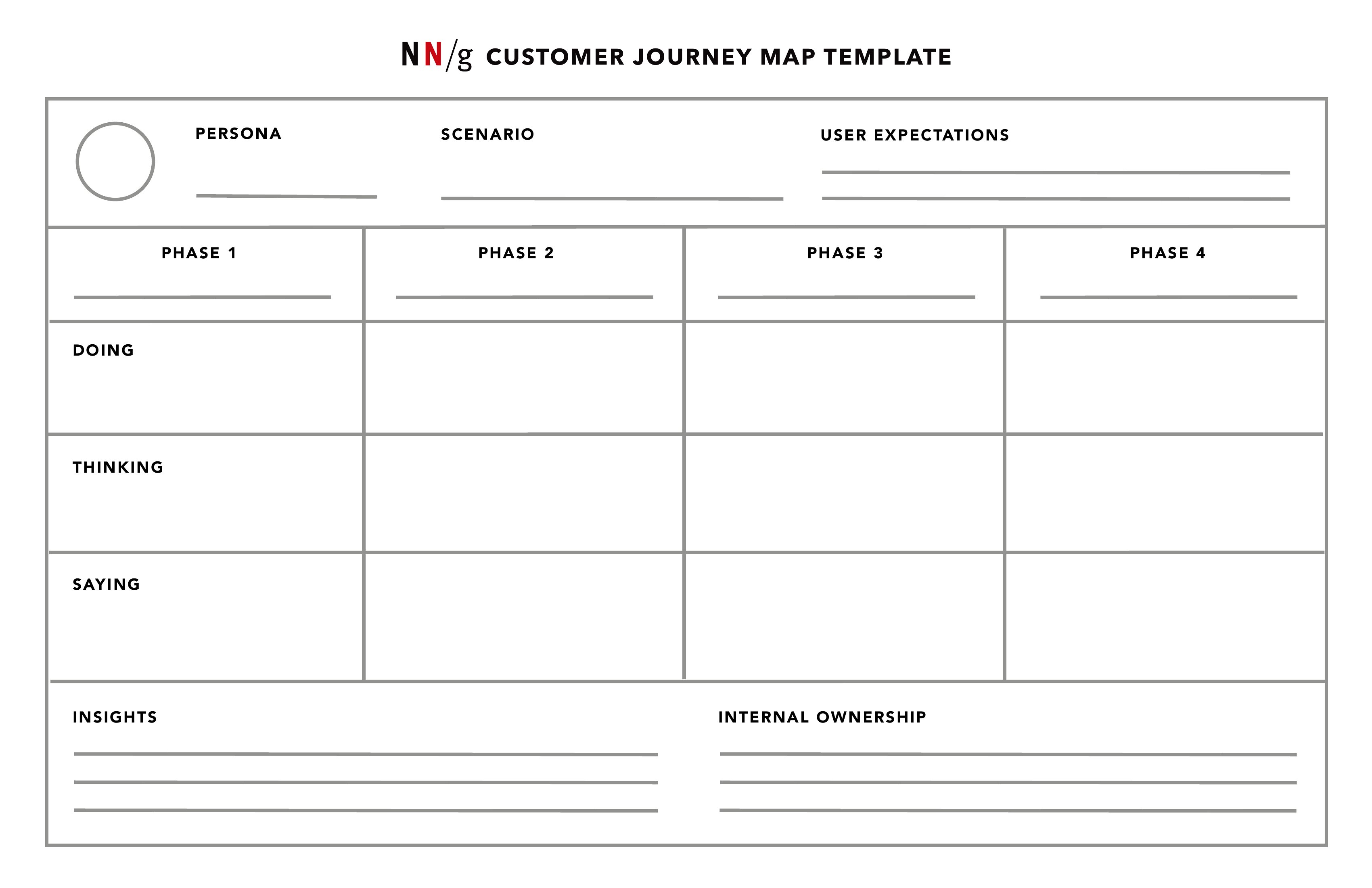
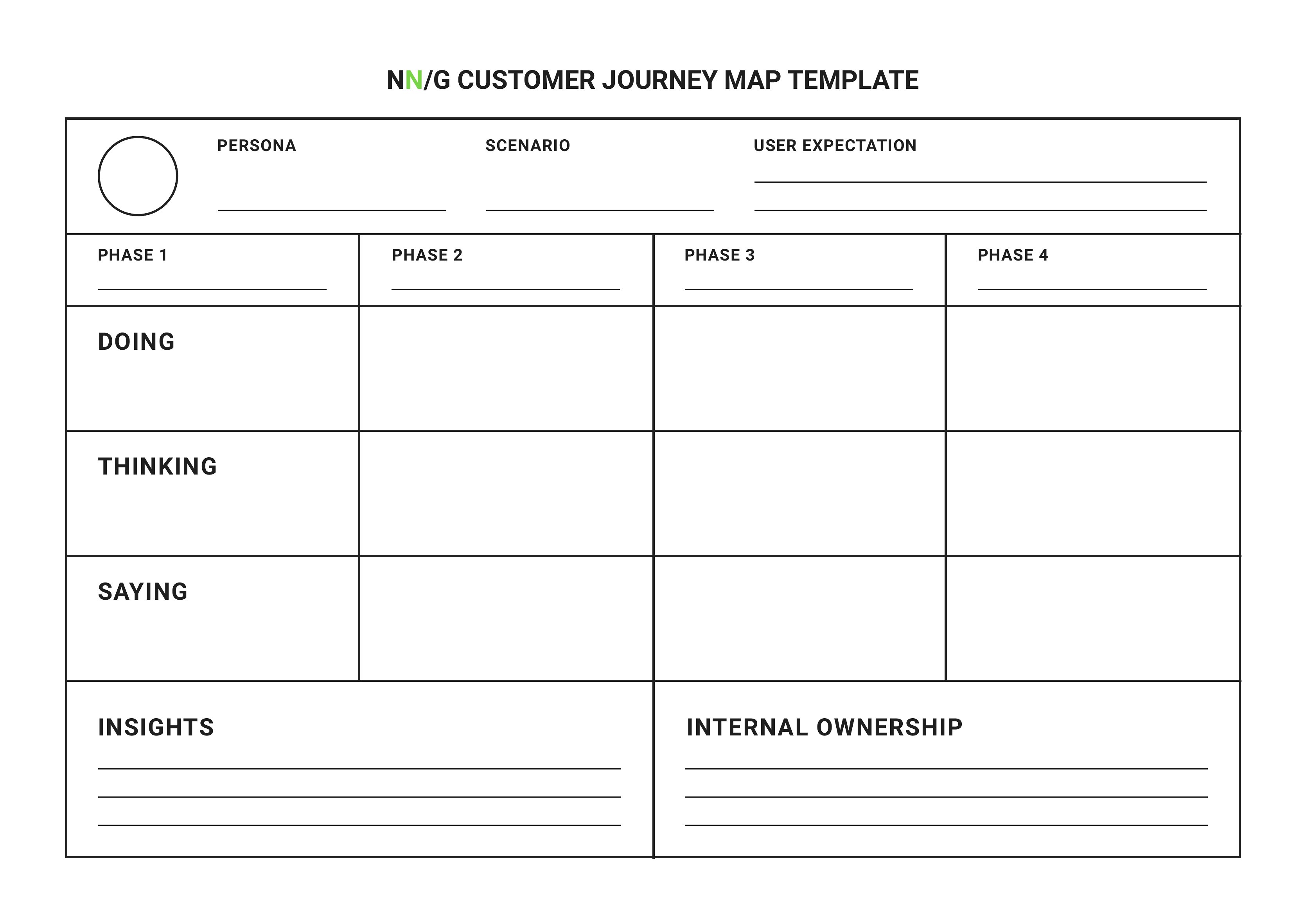
Look for templates with ‘stakeholder roles’ or ‘organizational silos’ annotations, as these highlight where different teams interact. Templates labeled ‘enterprise’ or ‘multi-channel’ often include space to track internal handoffs—like when a prospect moves from marketing to sales—which helps identify where miscommunication might disrupt the journey.
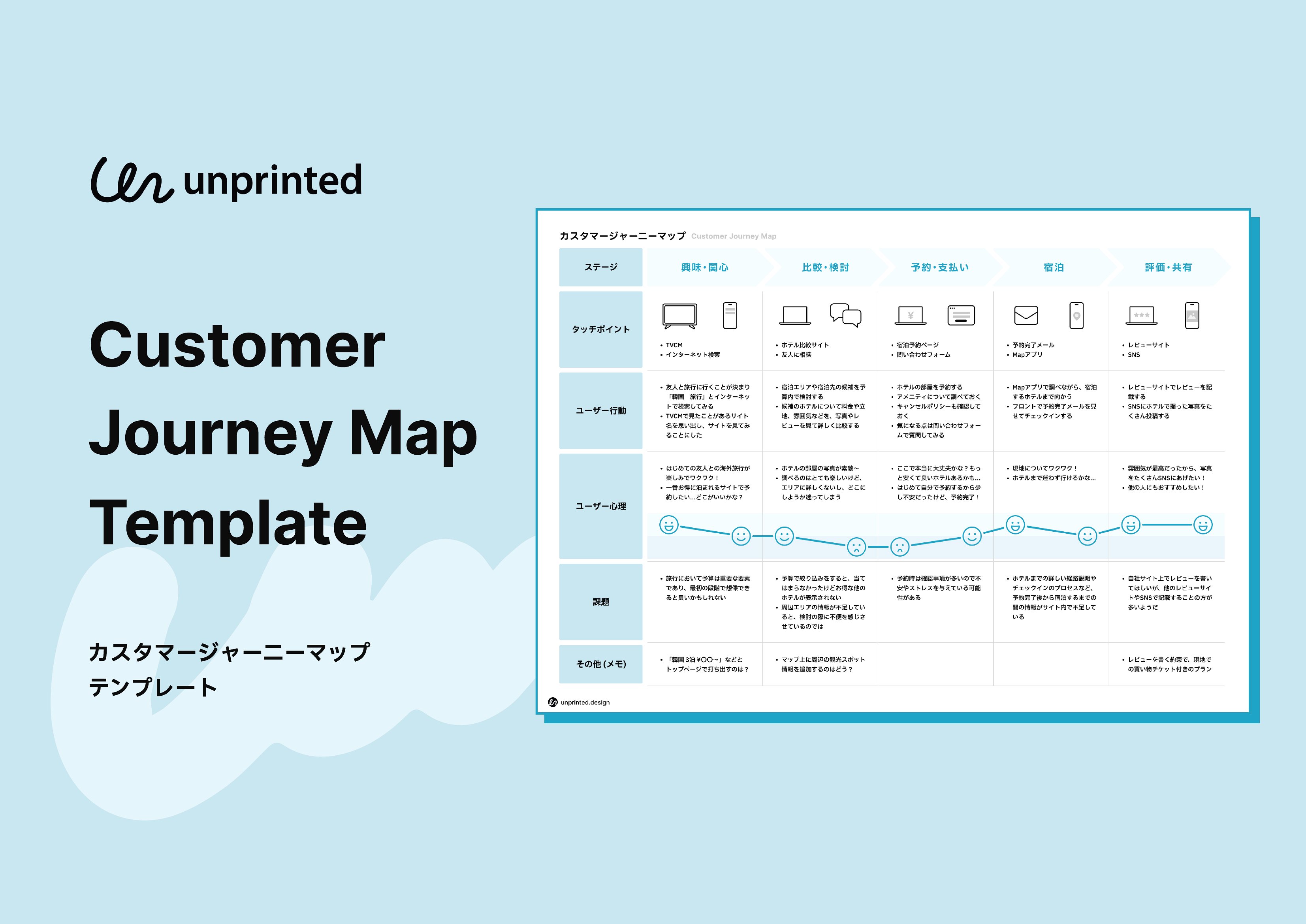
Are these templates structured to track emotional shifts alongside practical touchpoints?
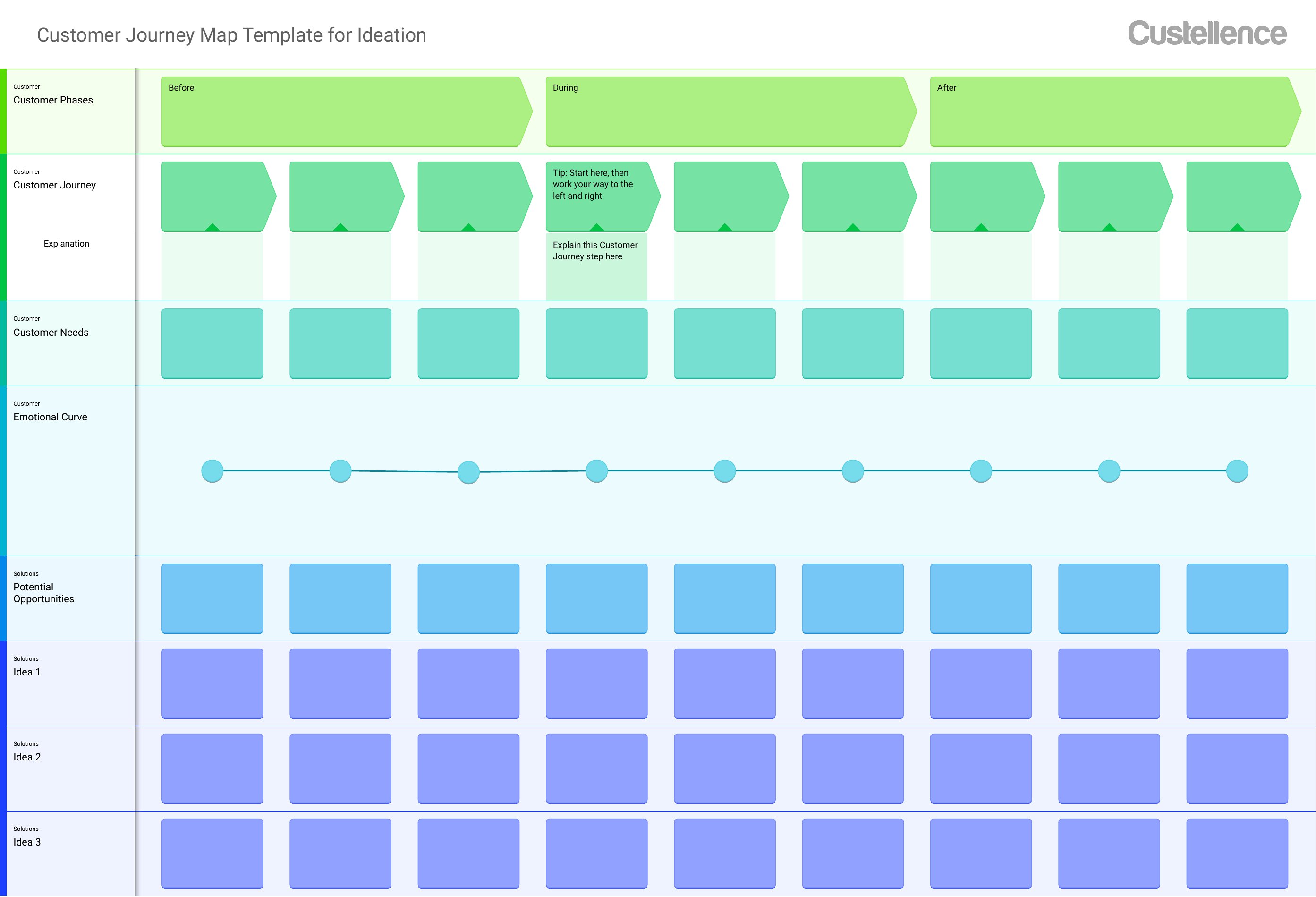
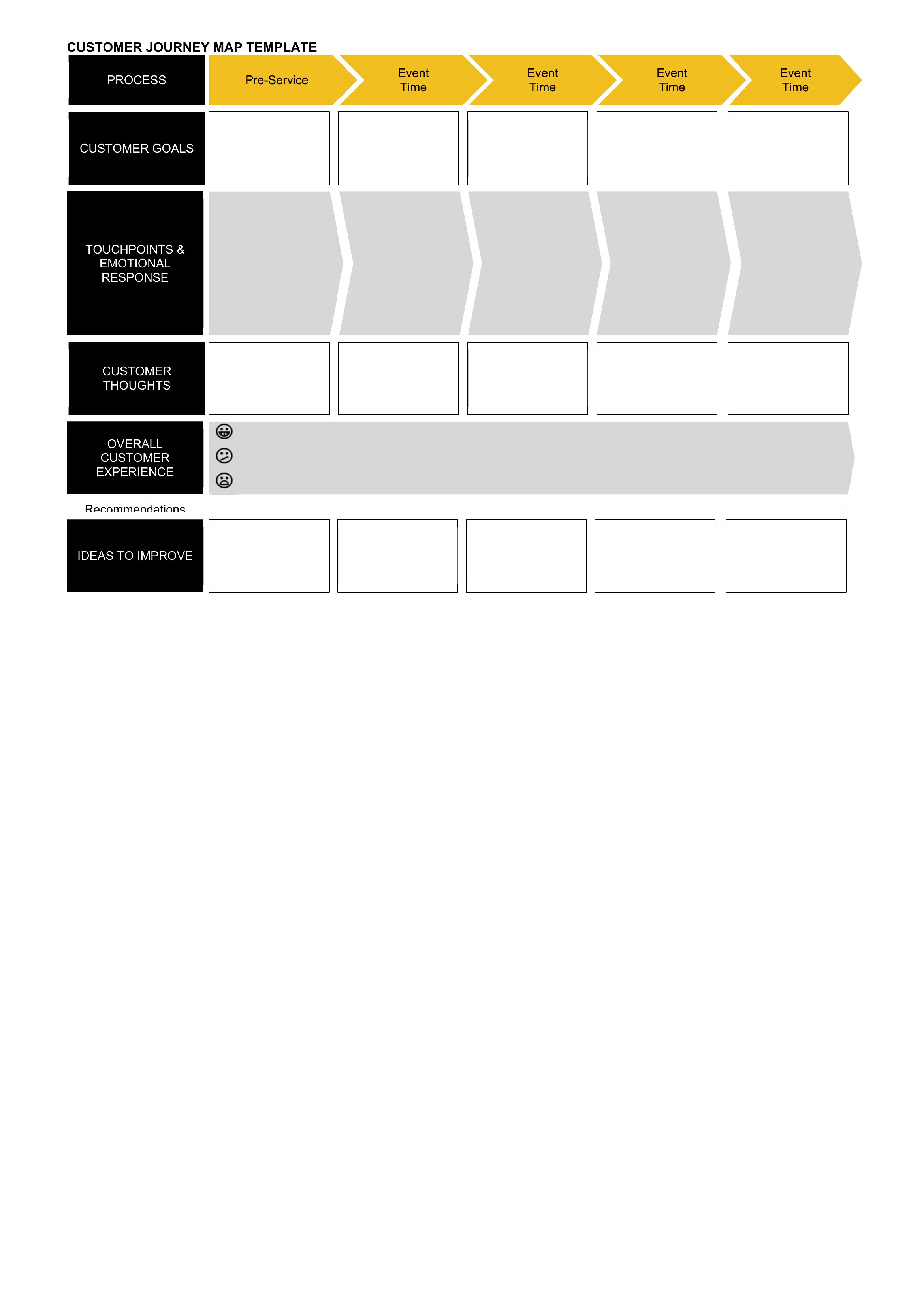
Yes, most templates in this collection include dedicated sections for ‘emotional triggers’ or ‘sentiment’ at each stage. These are typically marked with icons or color-coded bars to visually contrast practical actions (e.g., ‘receives welcome email’) with emotional states (e.g., ‘frustrated by slow response time’). This dual-tracking is particularly useful for service-heavy industries like healthcare or finance.
Comments
Join the conversation
Sign in to share your thoughts and leave a comment on this resource.