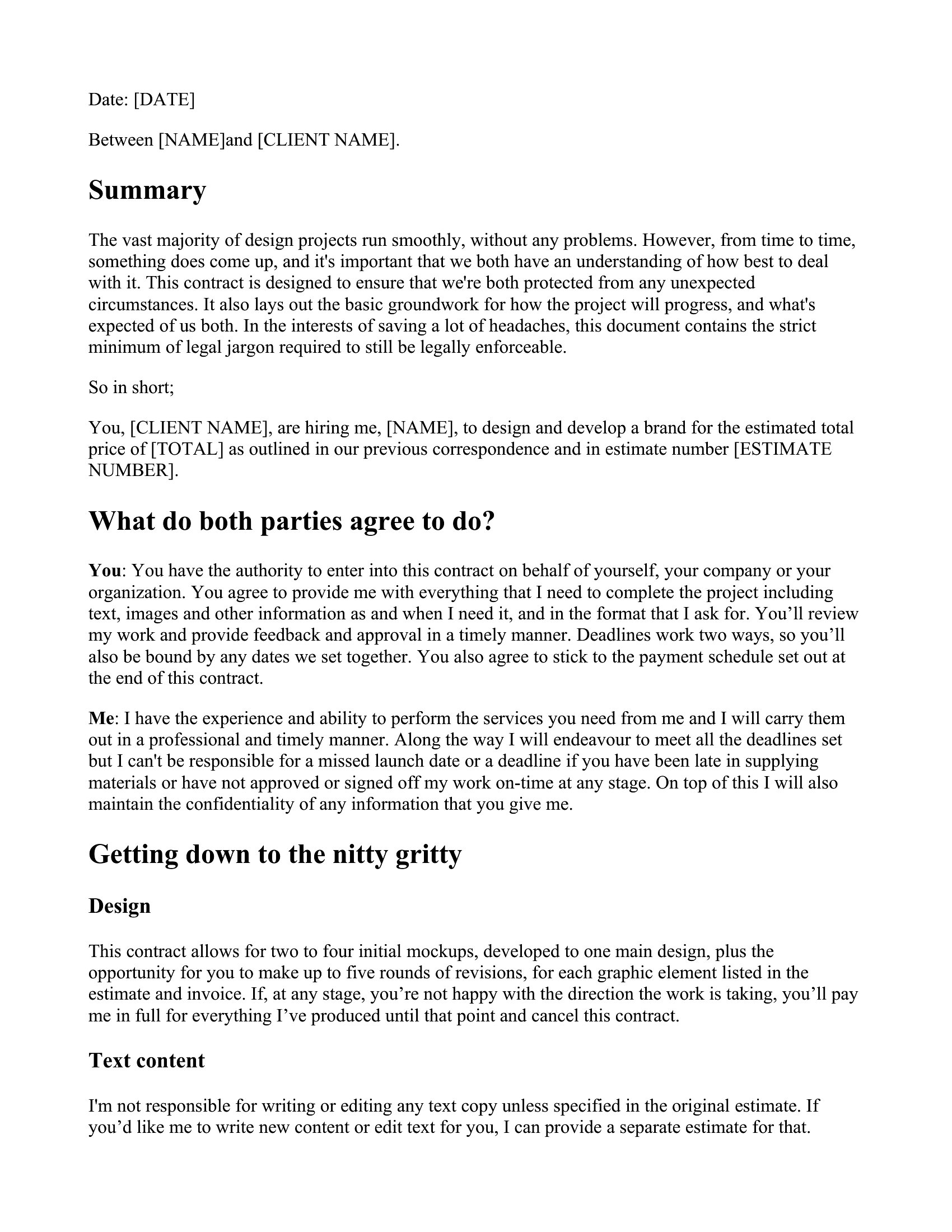
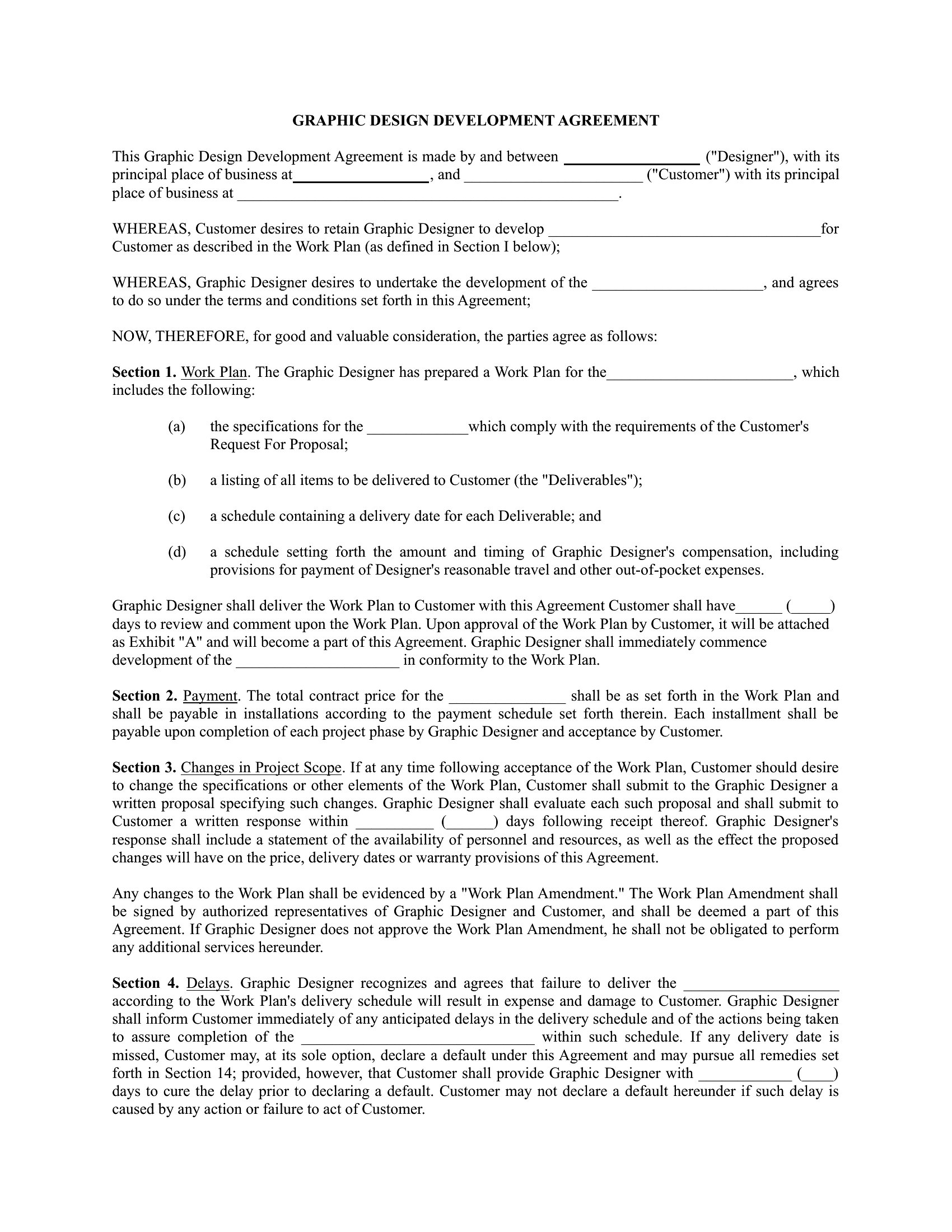
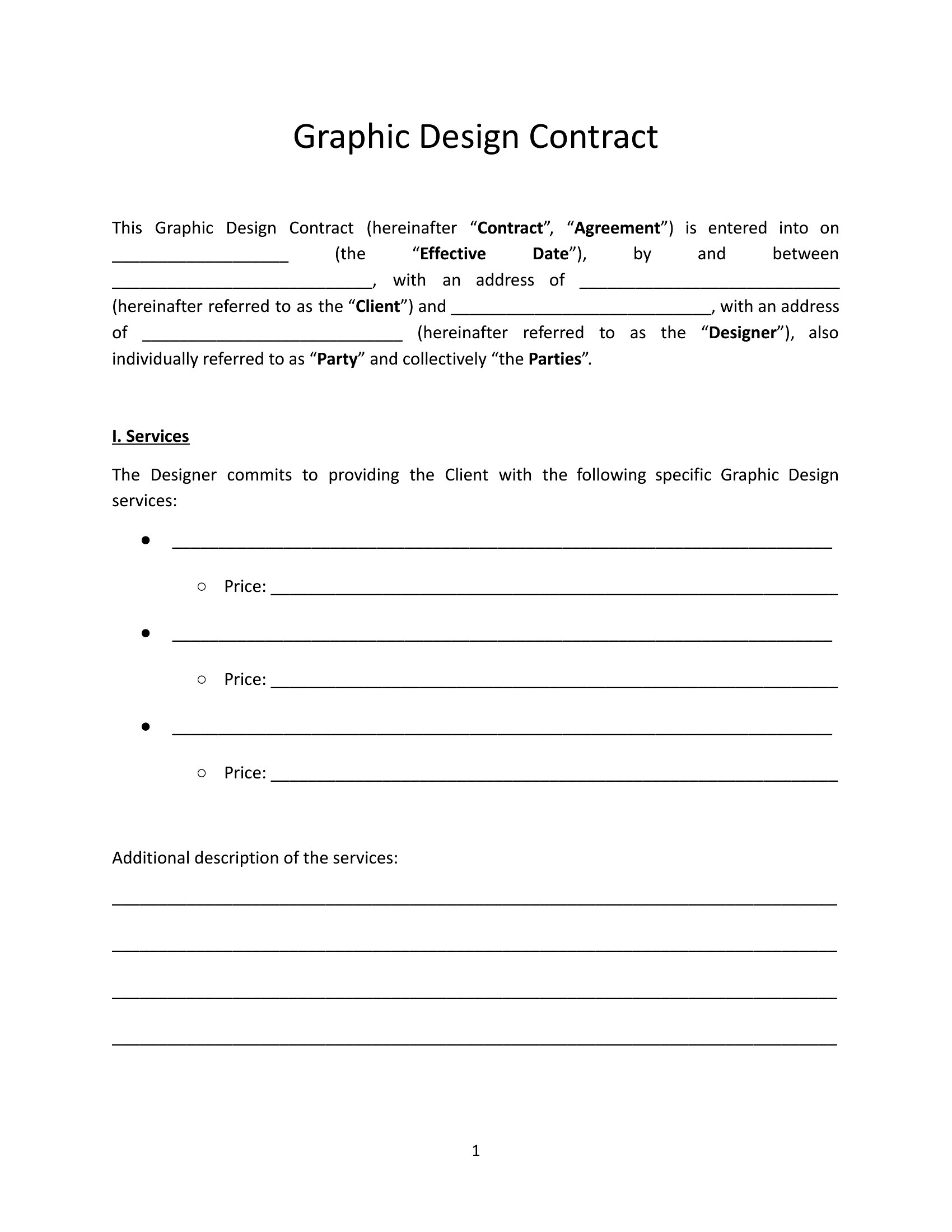

FAQ
What if a client refuses to sign a contract before the project starts?
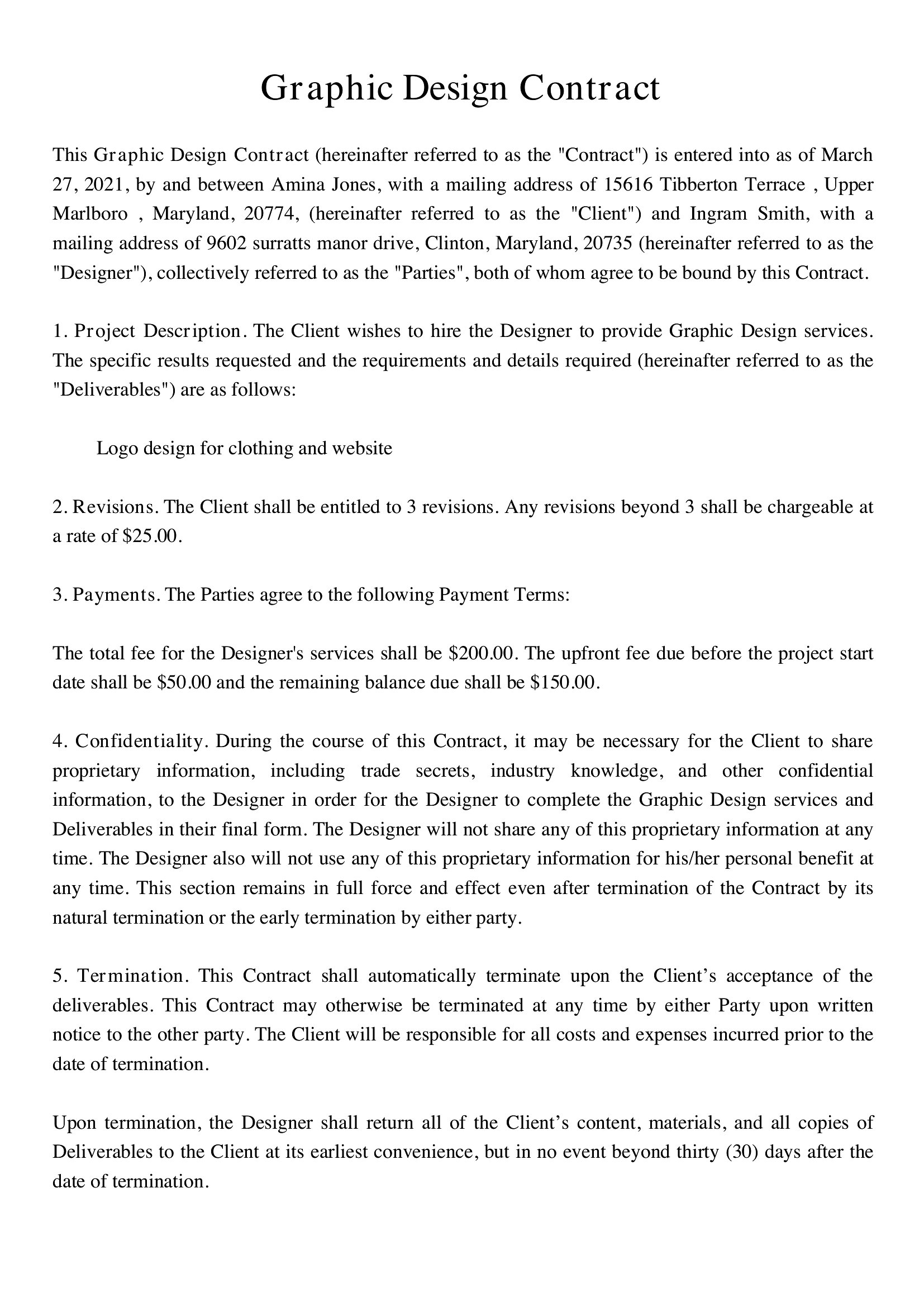
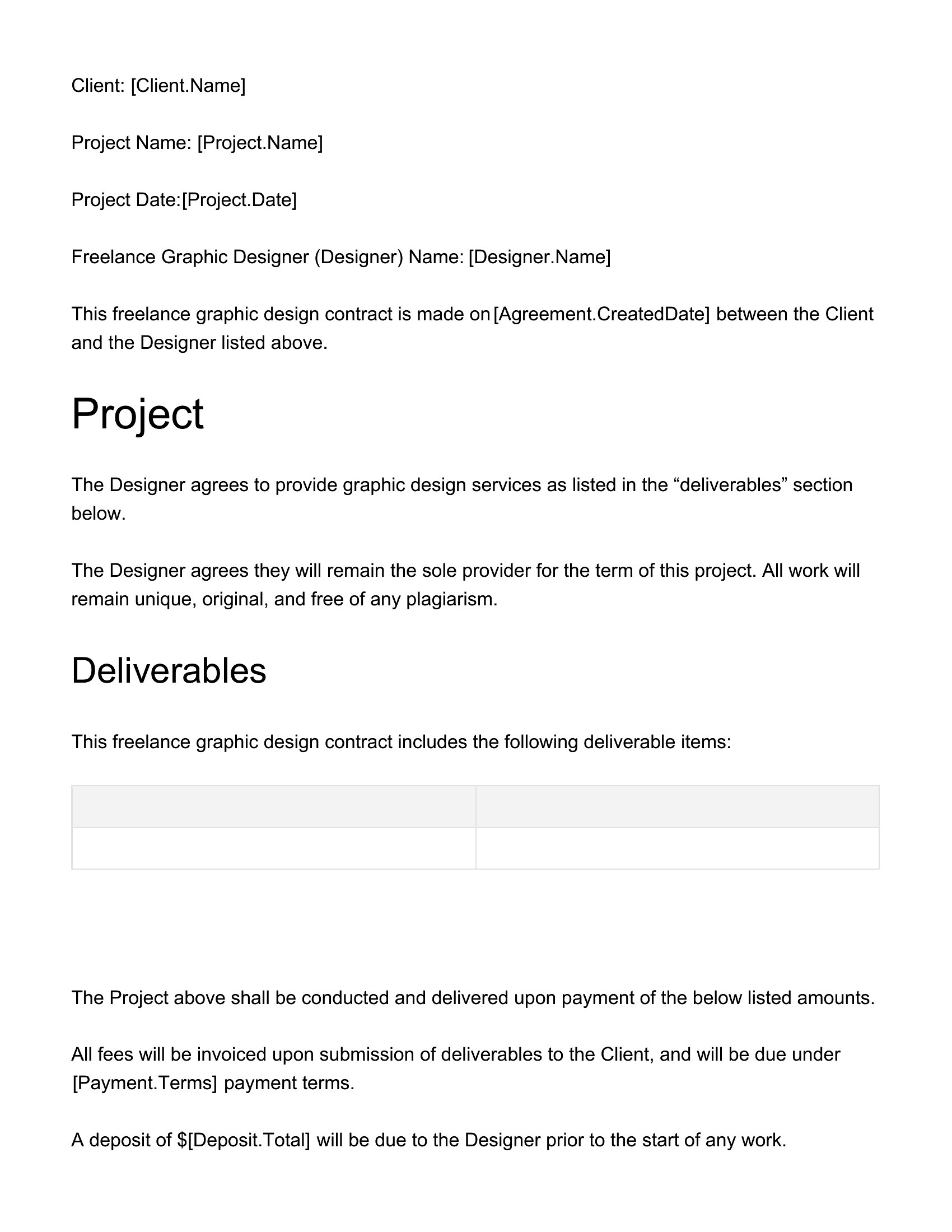
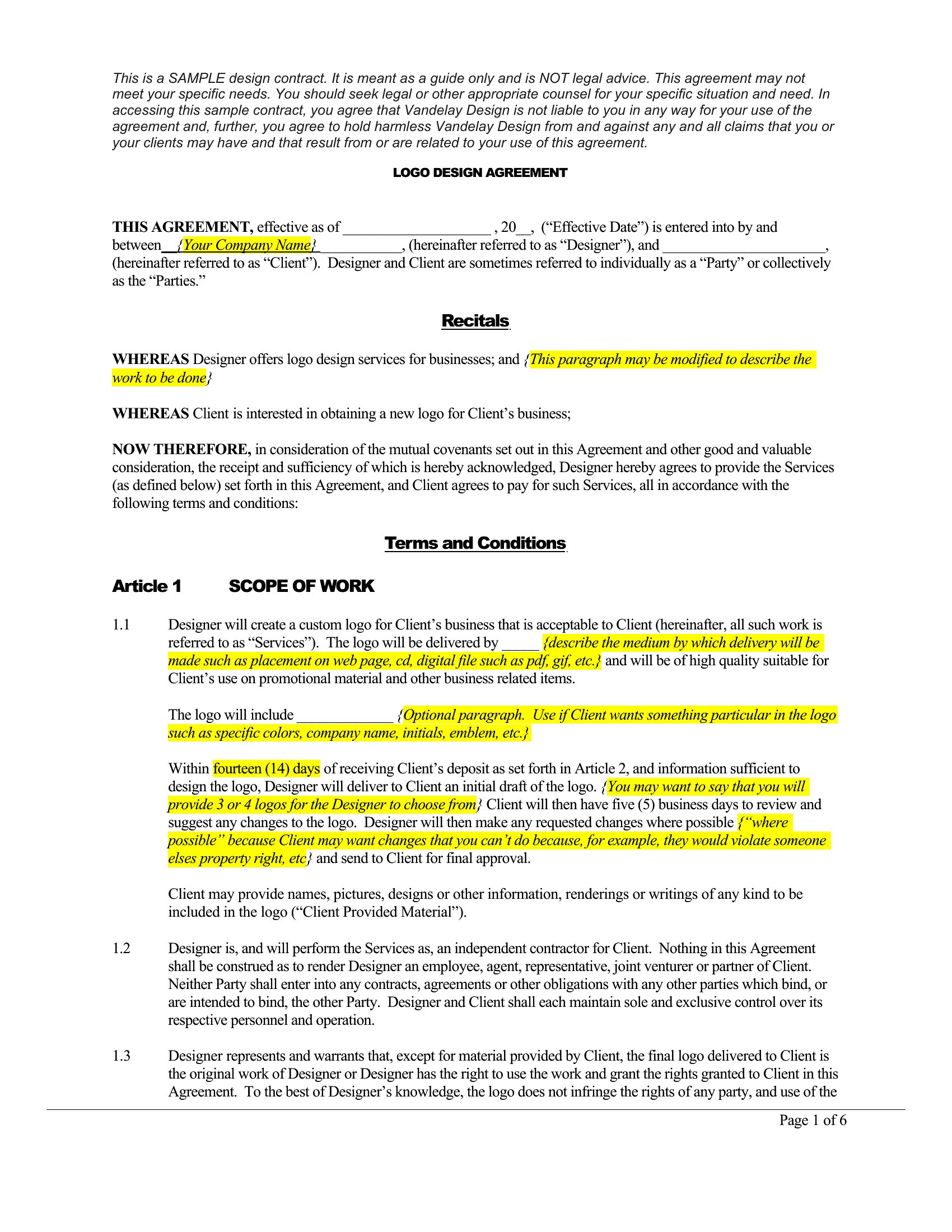
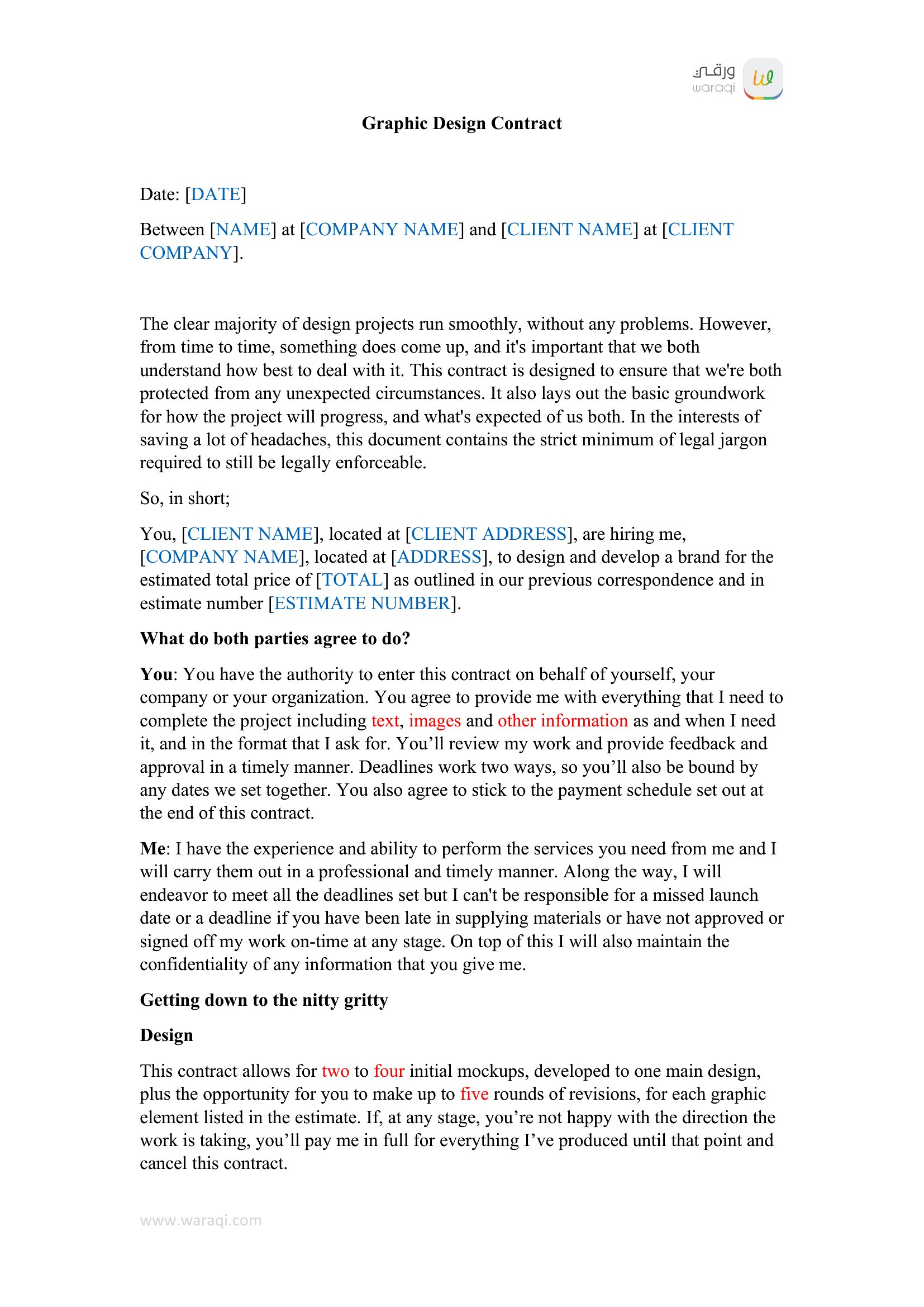
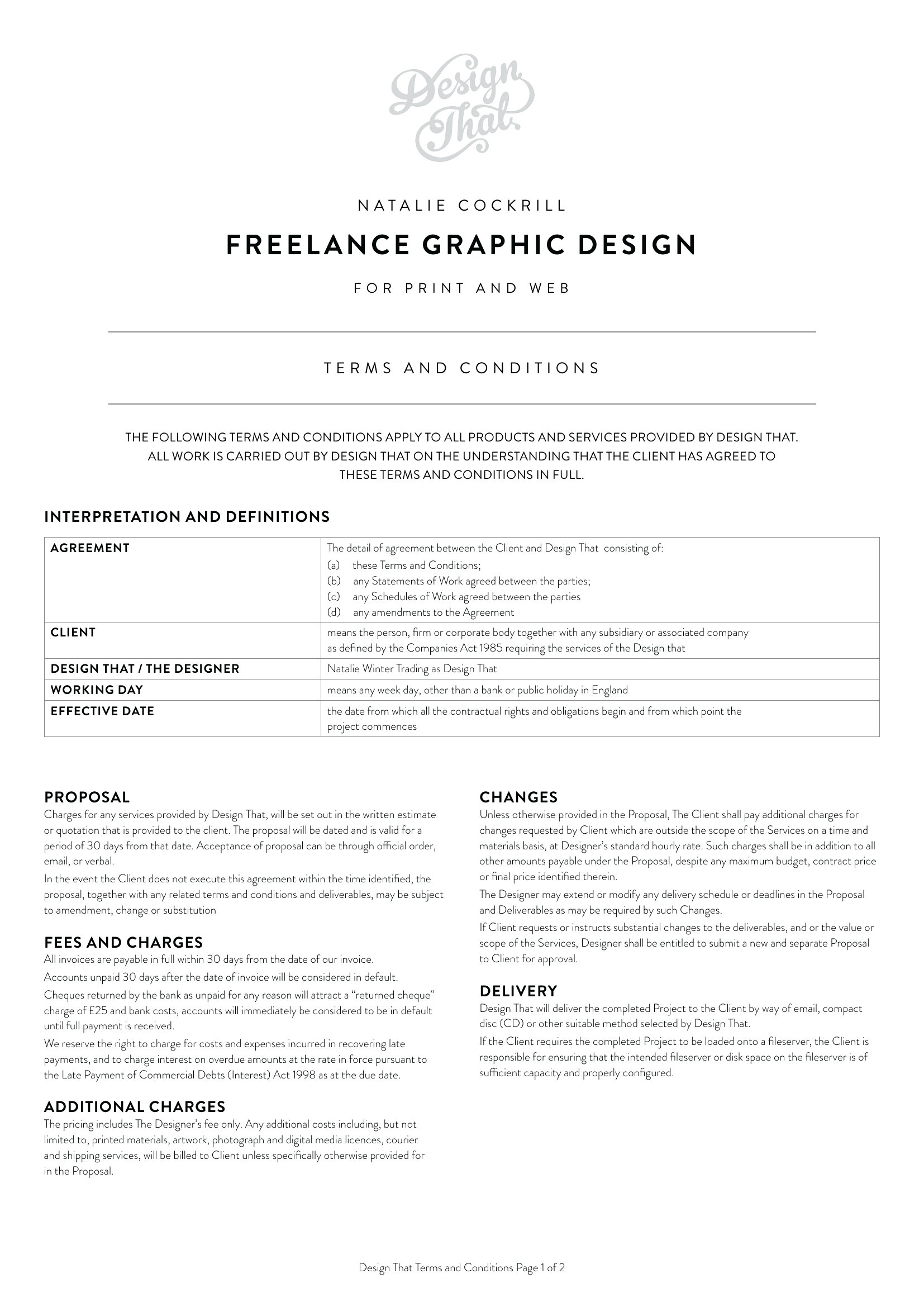
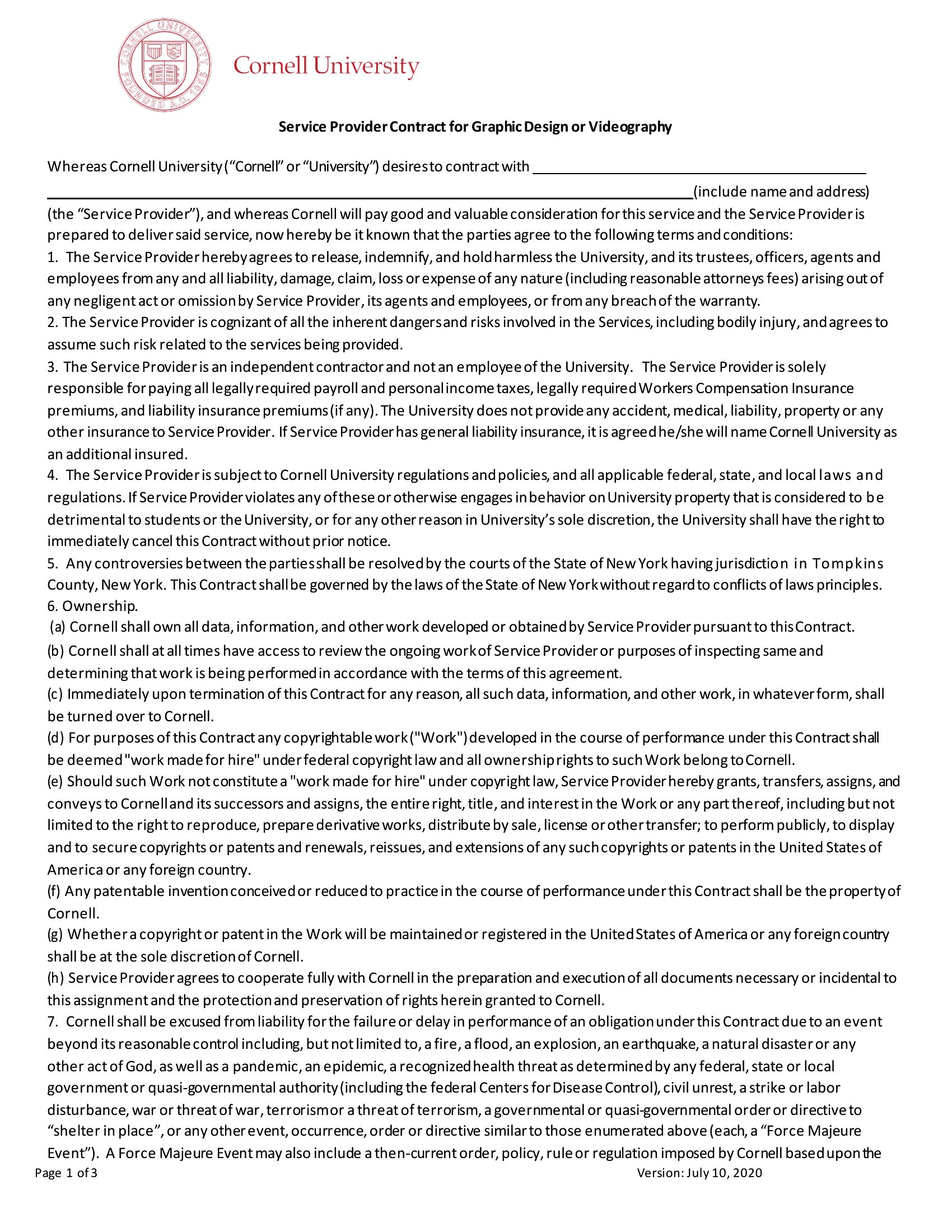
While these templates help document agreements, they’re not legally binding until signed by both parties. Politely explain that a contract protects both of you—it’s standard practice for professional designers. If the client still refuses, consider whether their commitment aligns with your risk tolerance before proceeding. Consulting a legal professional in such cases is often wise.
Do these contracts cover disputes over creative direction or unsatisfactory work?
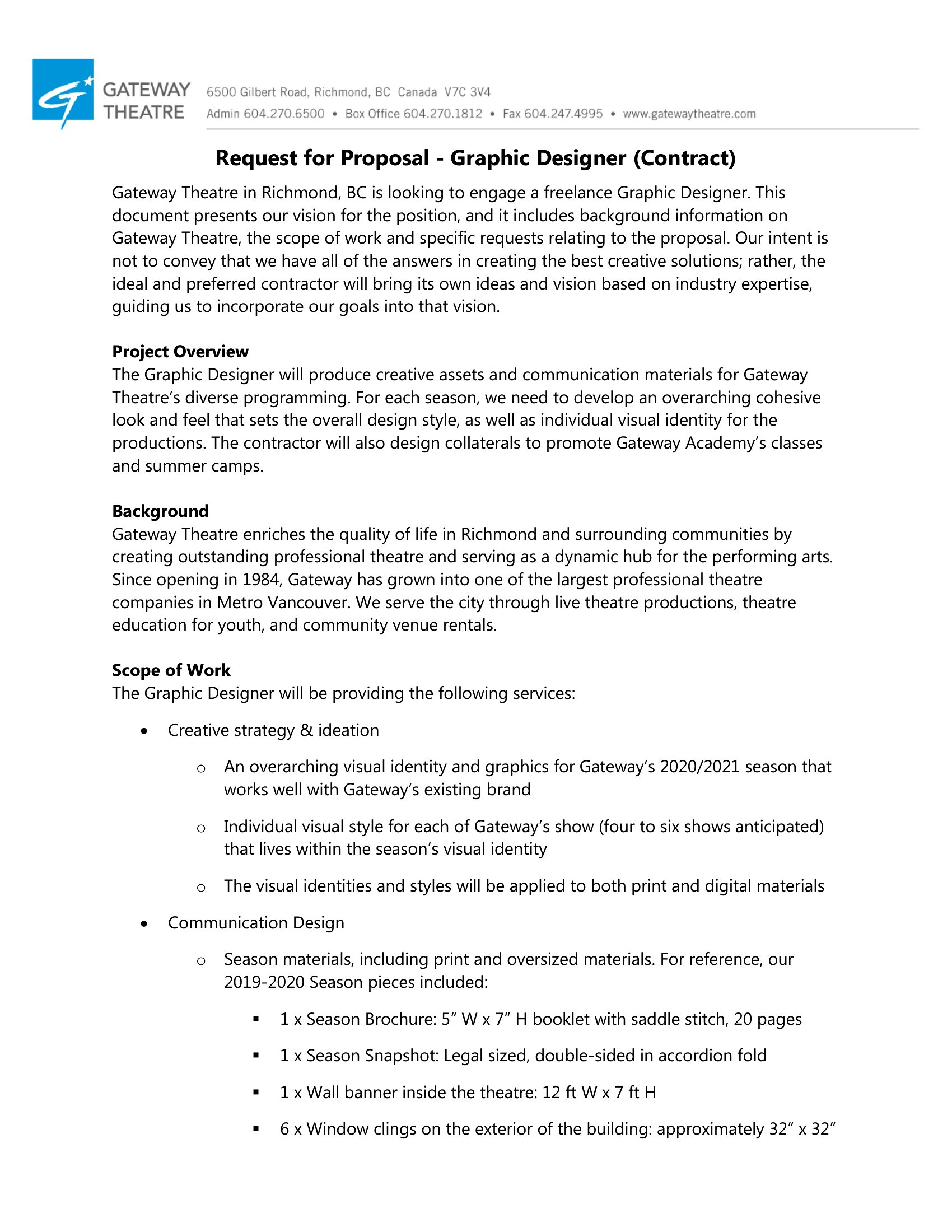
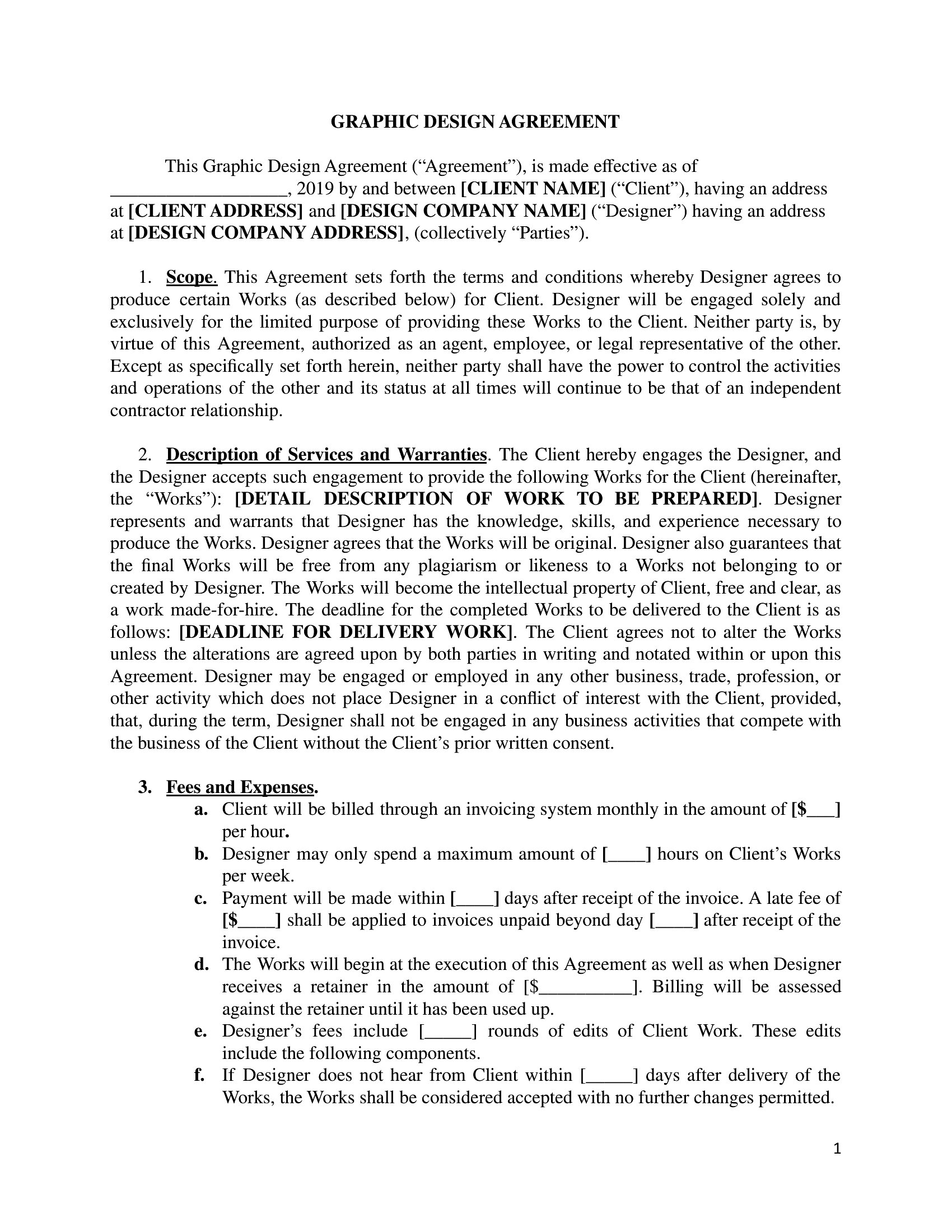
These templates include clauses for revisions and deadlines, but they’re not substitutes for detailed creative briefs. For disputes, they outline the revision process and may require mediation. If creative direction conflicts arise, clarify expectations early and document changes in writing. For binding legal resolution, additional agreements (like a creative services addendum) may be needed.
Can I use one contract for both one-time projects and ongoing retainers?
The templates include flexible language for scope, payments, and deliverables, but ongoing retainers often need adjustments—like monthly deliverable caps or termination notices. For simplicity, use the same core contract but add a rider or schedule specifying retainer terms (e.g., ‘10 hours/month at $X rate’). Avoid reusing the same contract verbatim without these tweaks to prevent ambiguity.
Comments
Join the conversation
Sign in to share your thoughts and leave a comment on this resource.