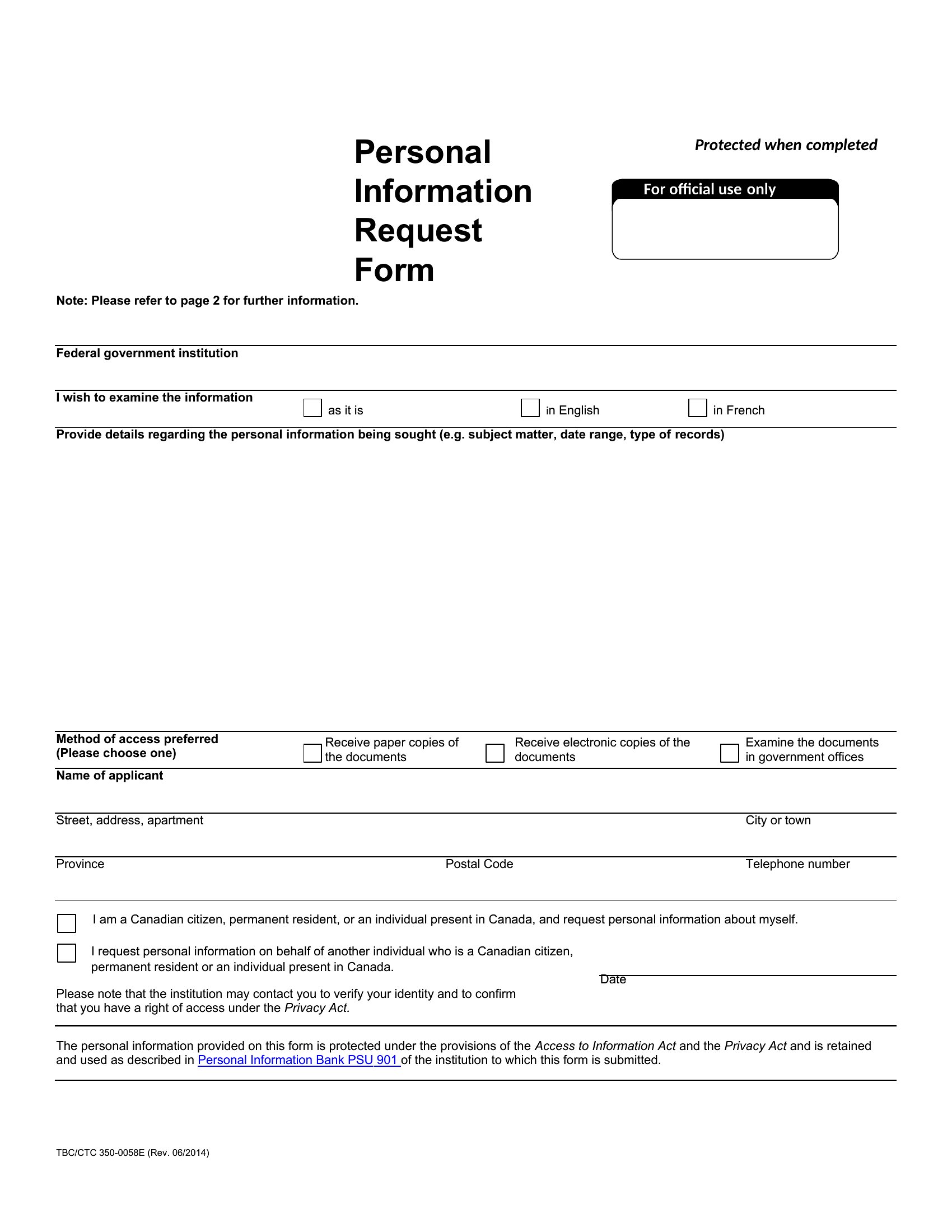
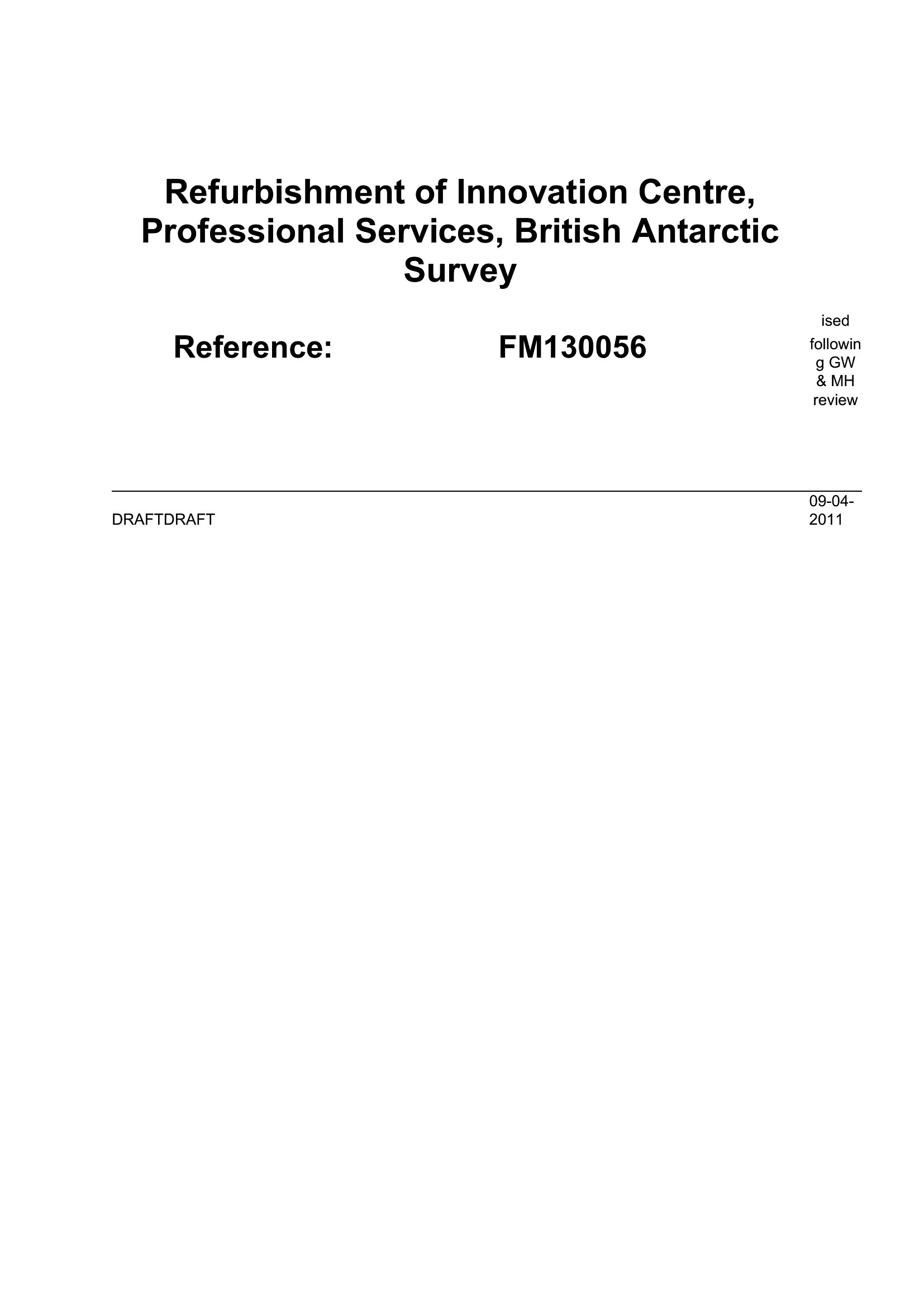
Free Request for Information Forms (Word, Excel, PDF)
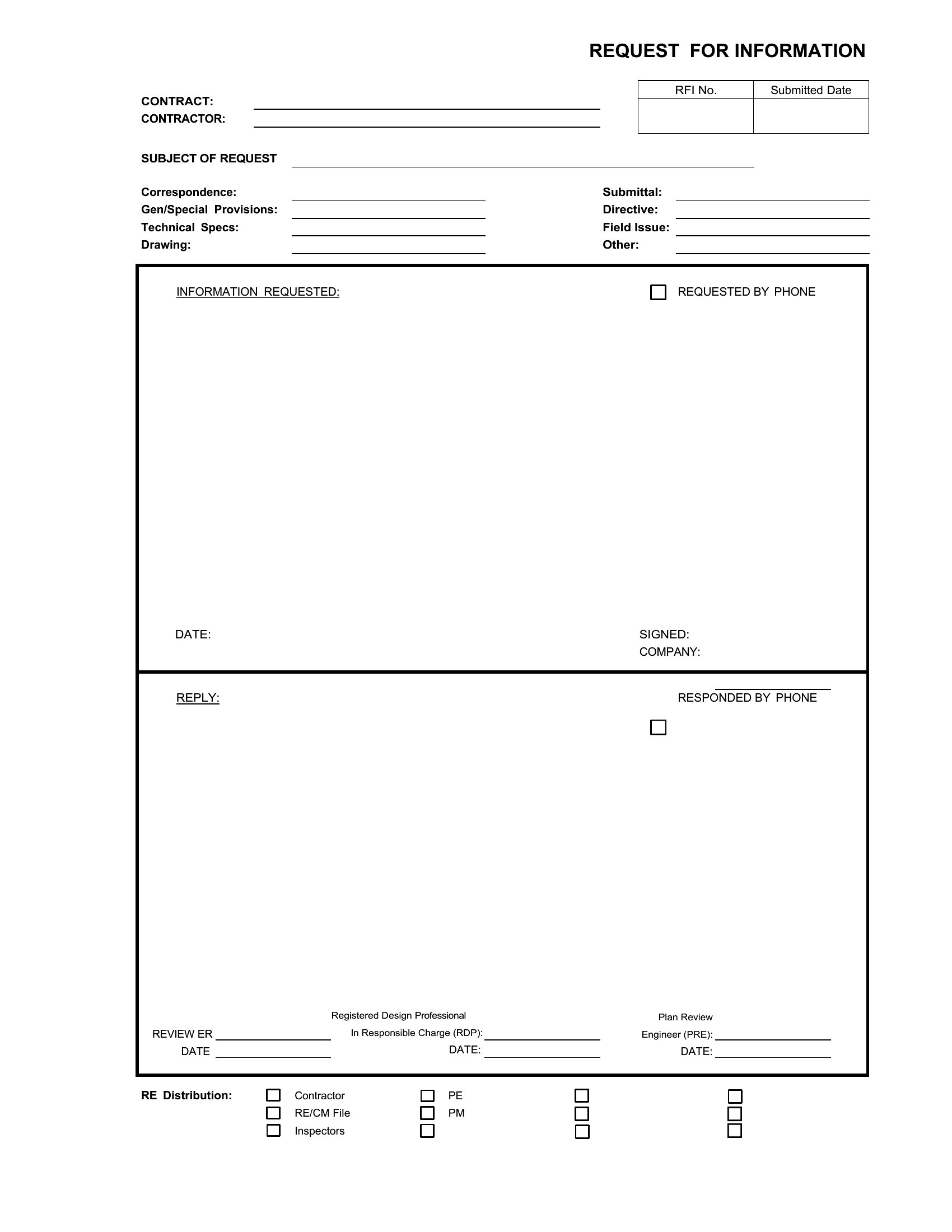
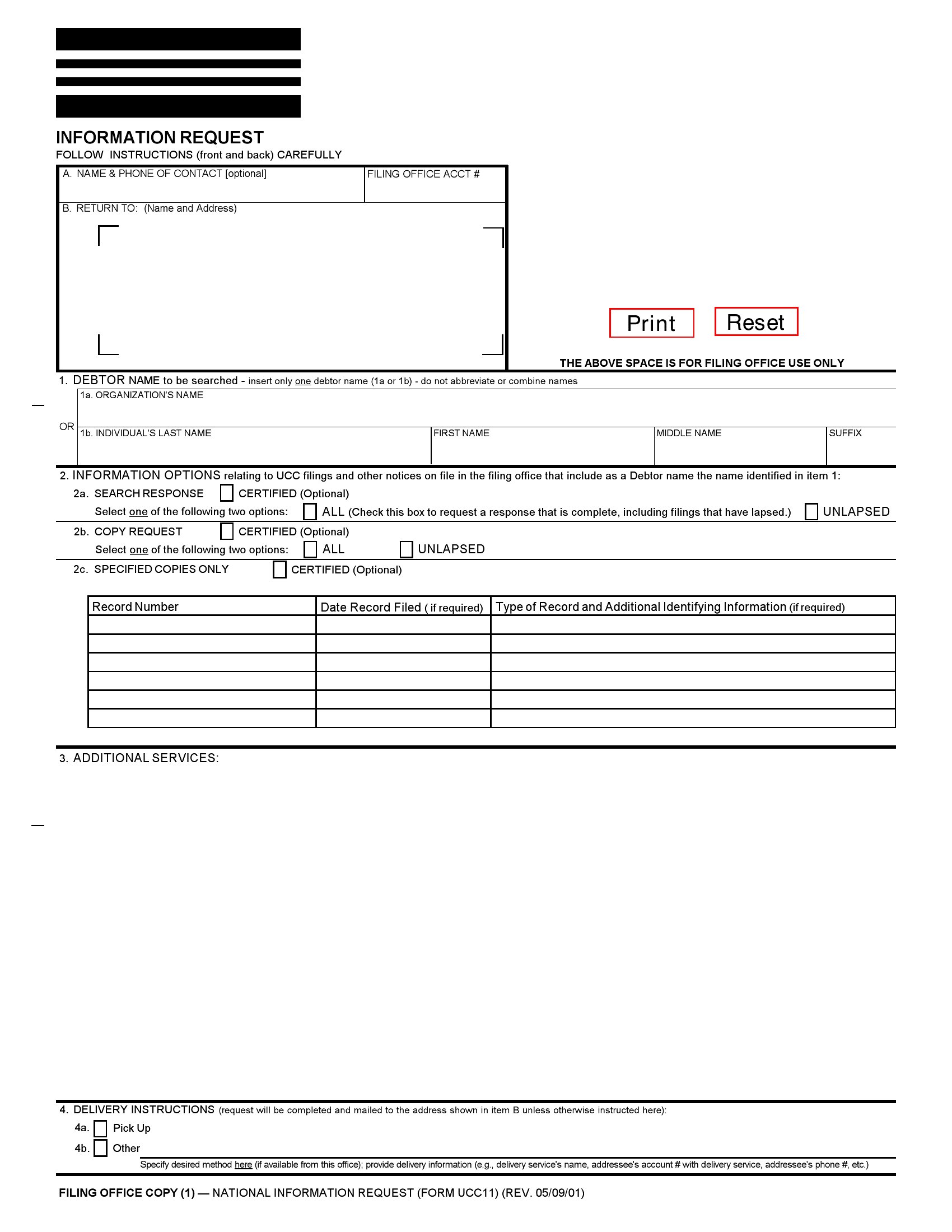
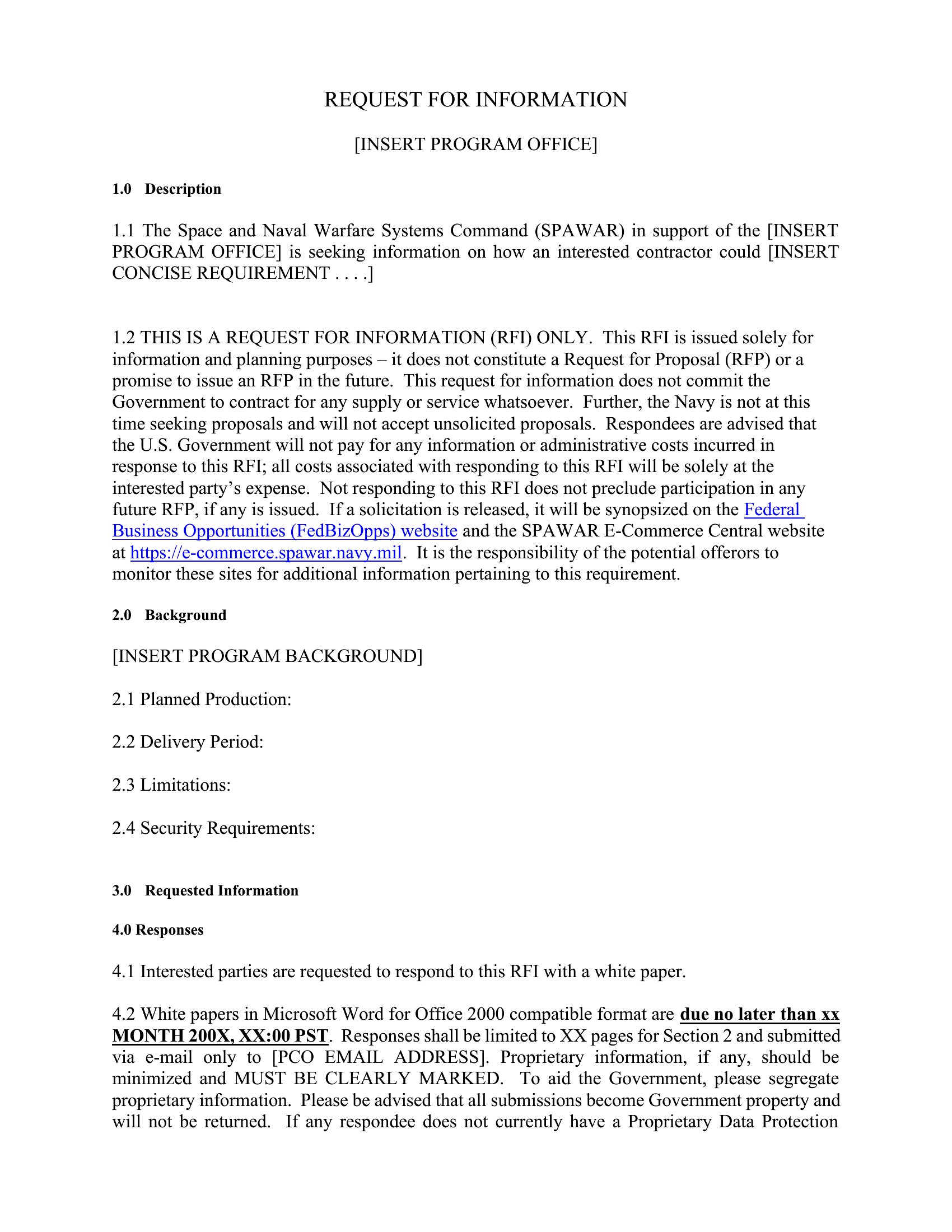
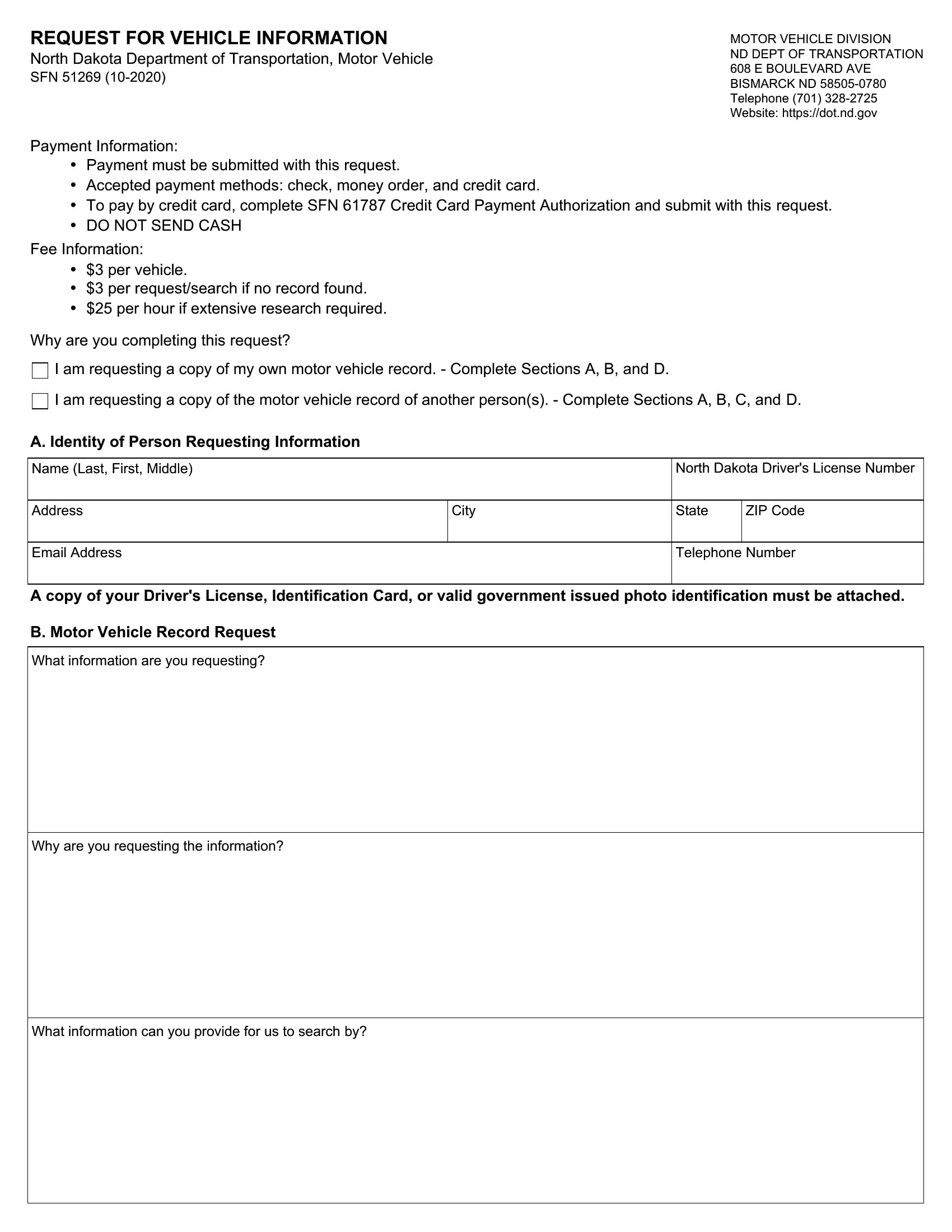
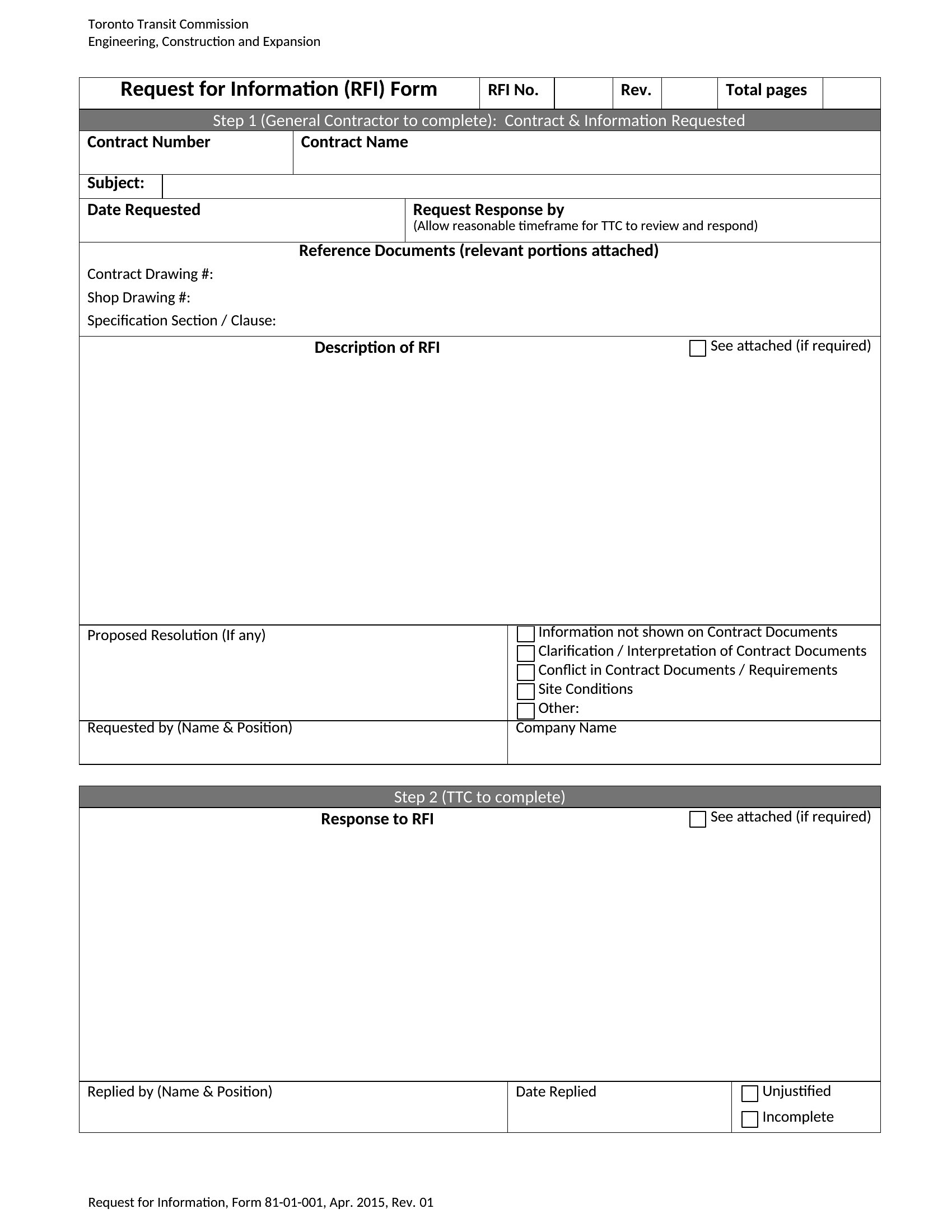
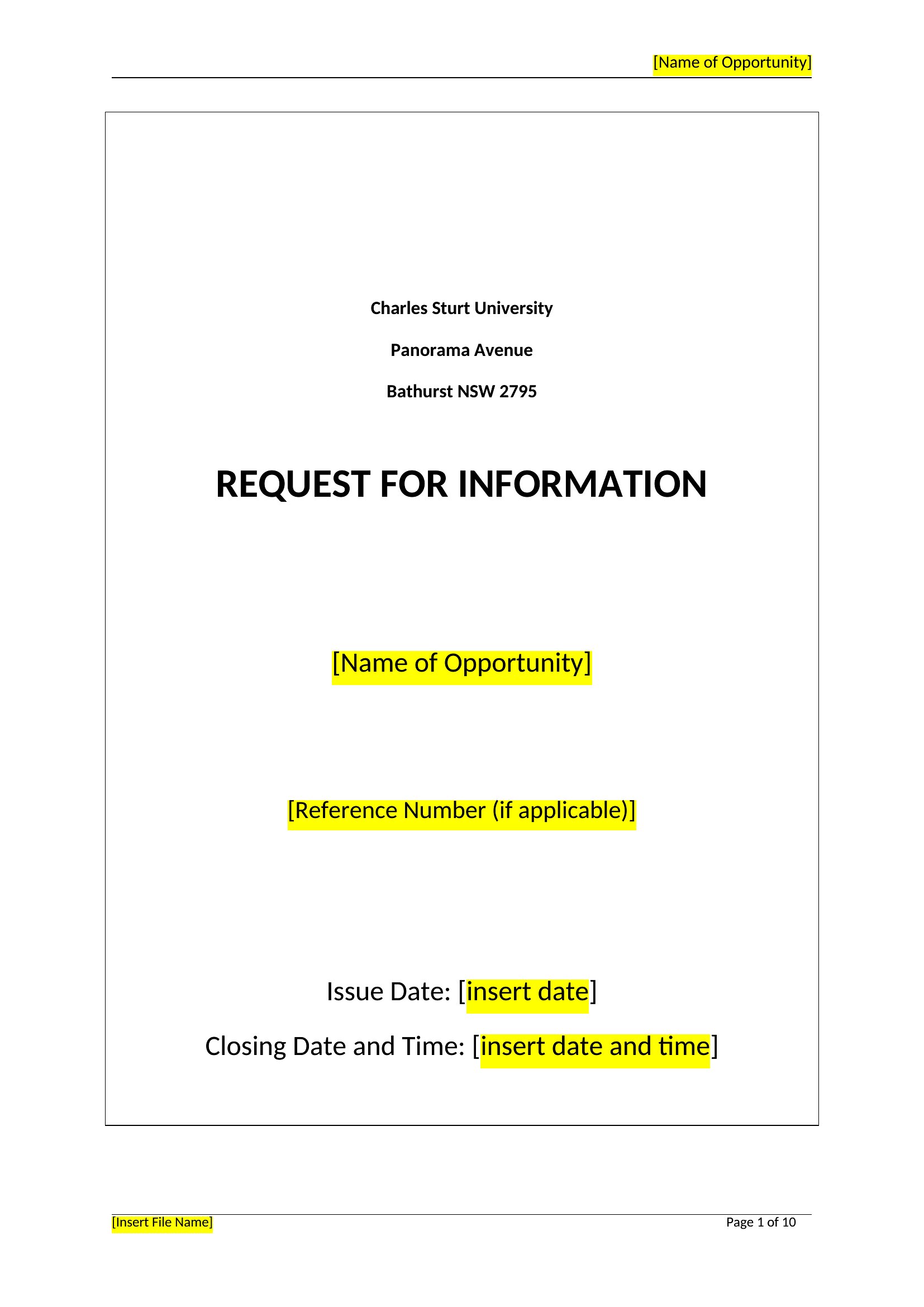
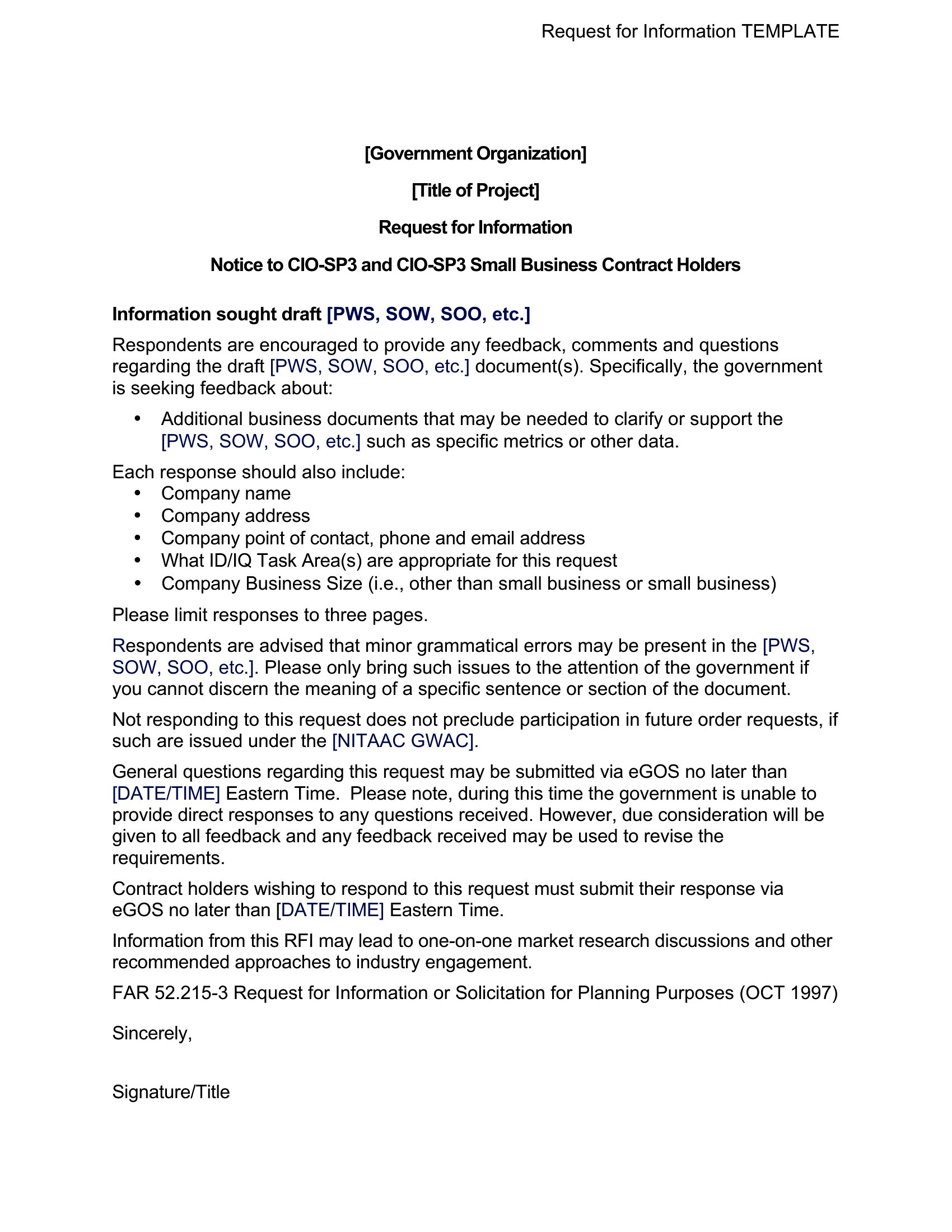
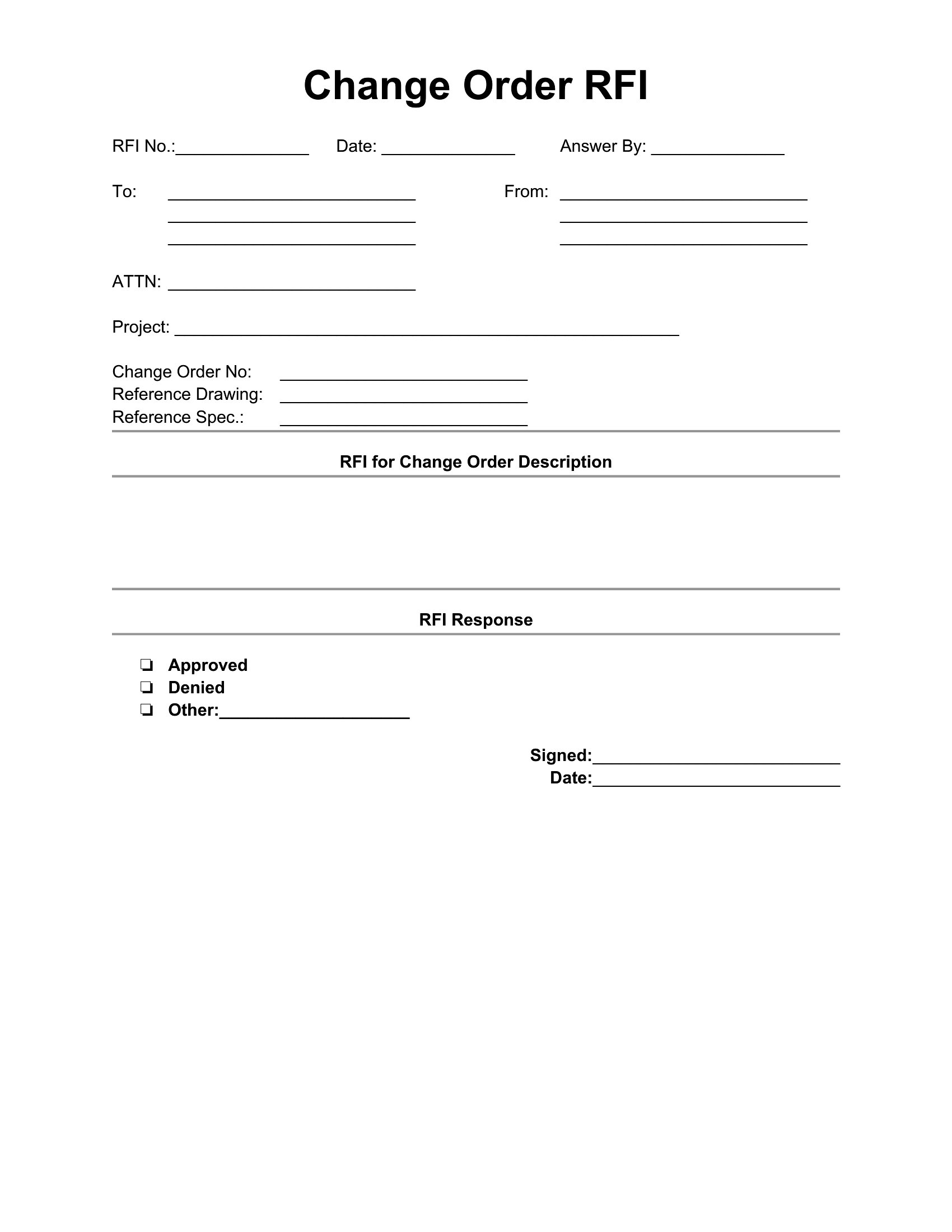
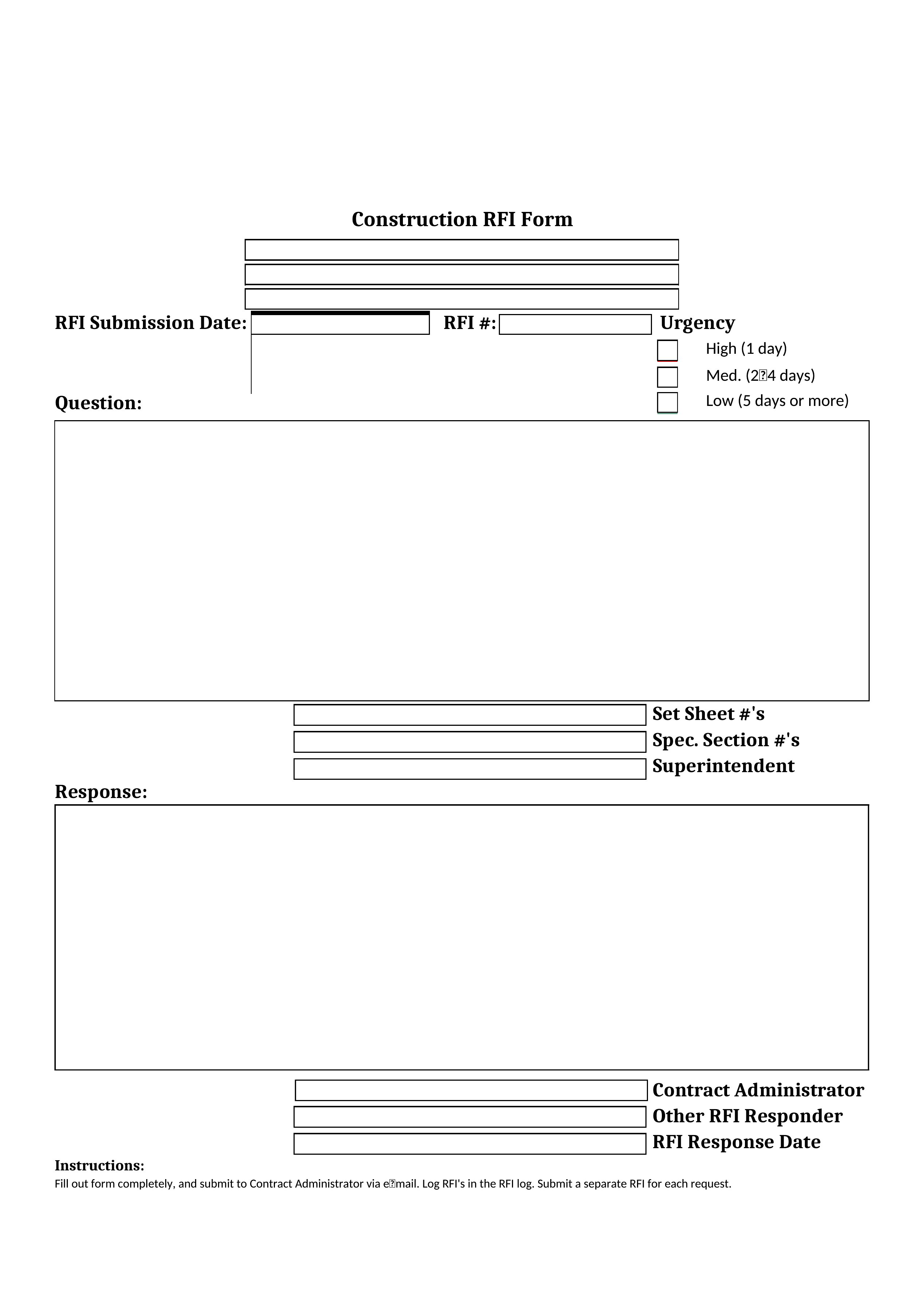
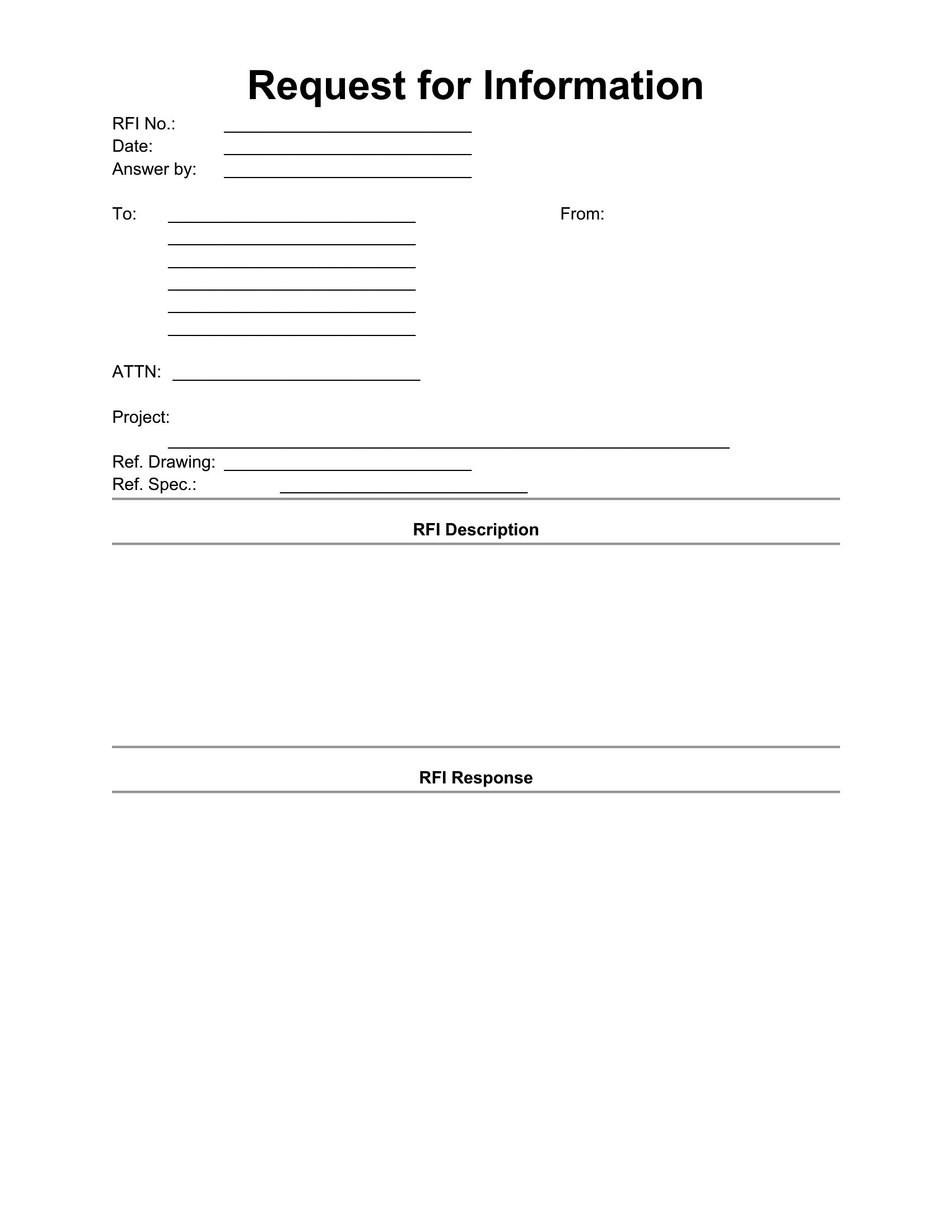
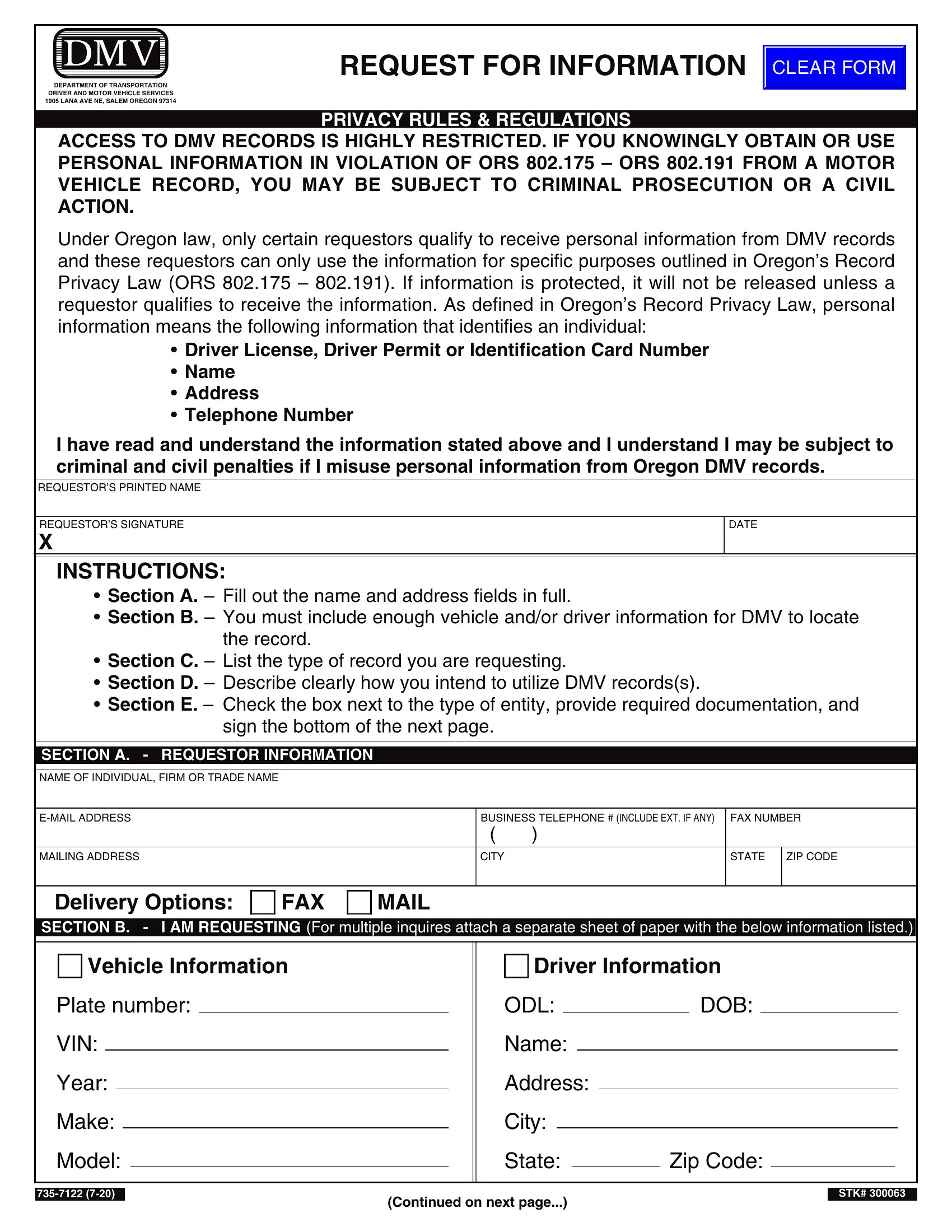
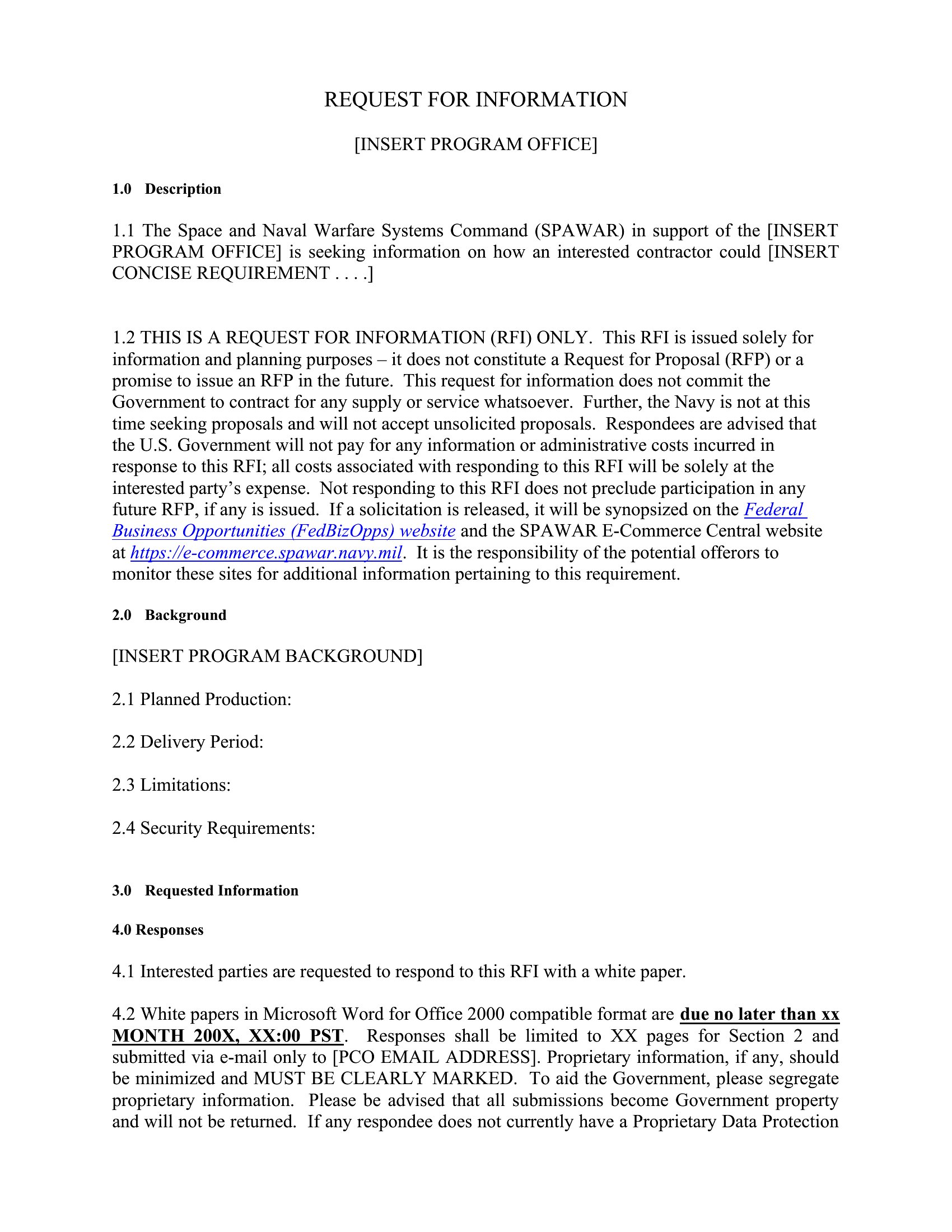
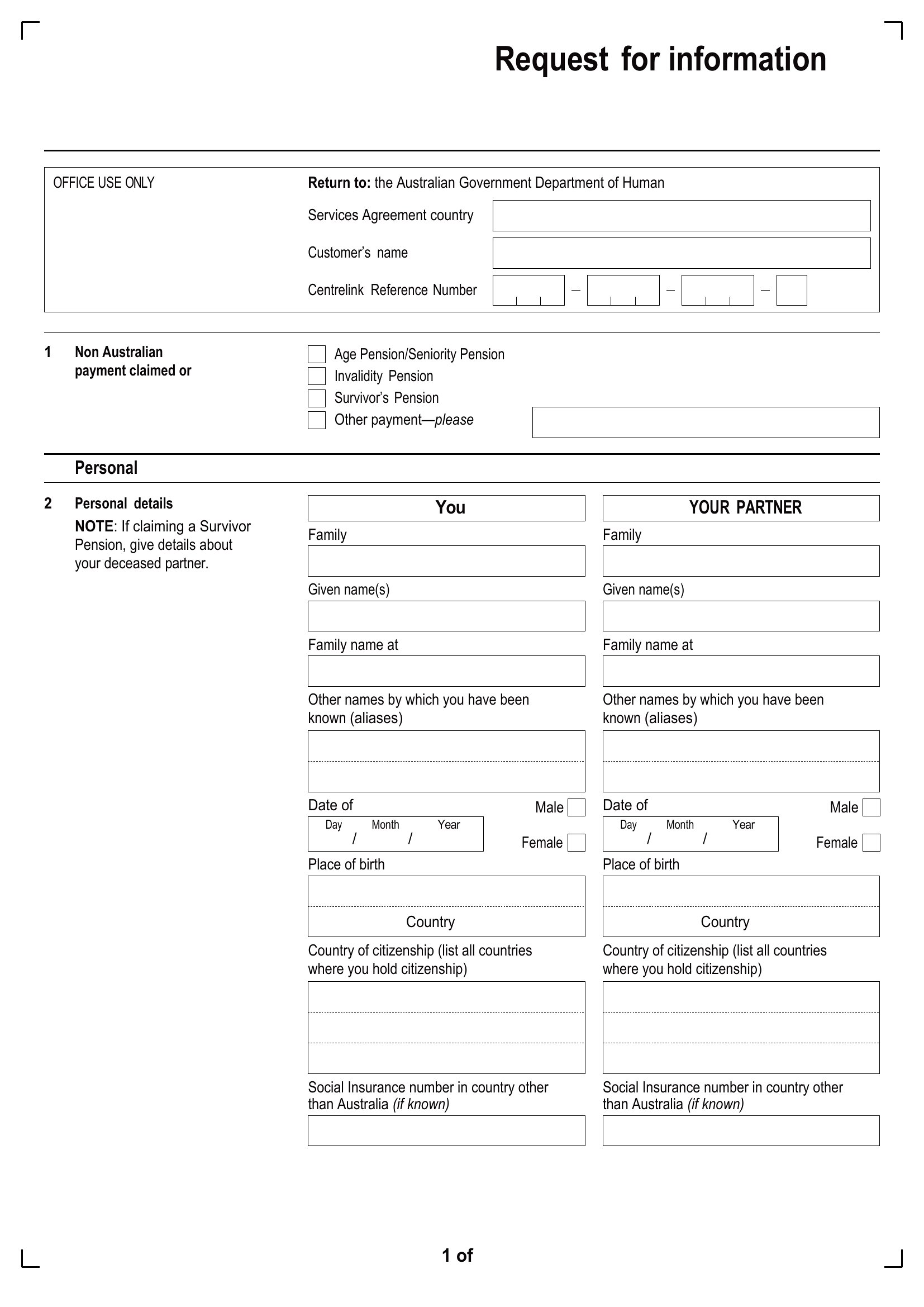
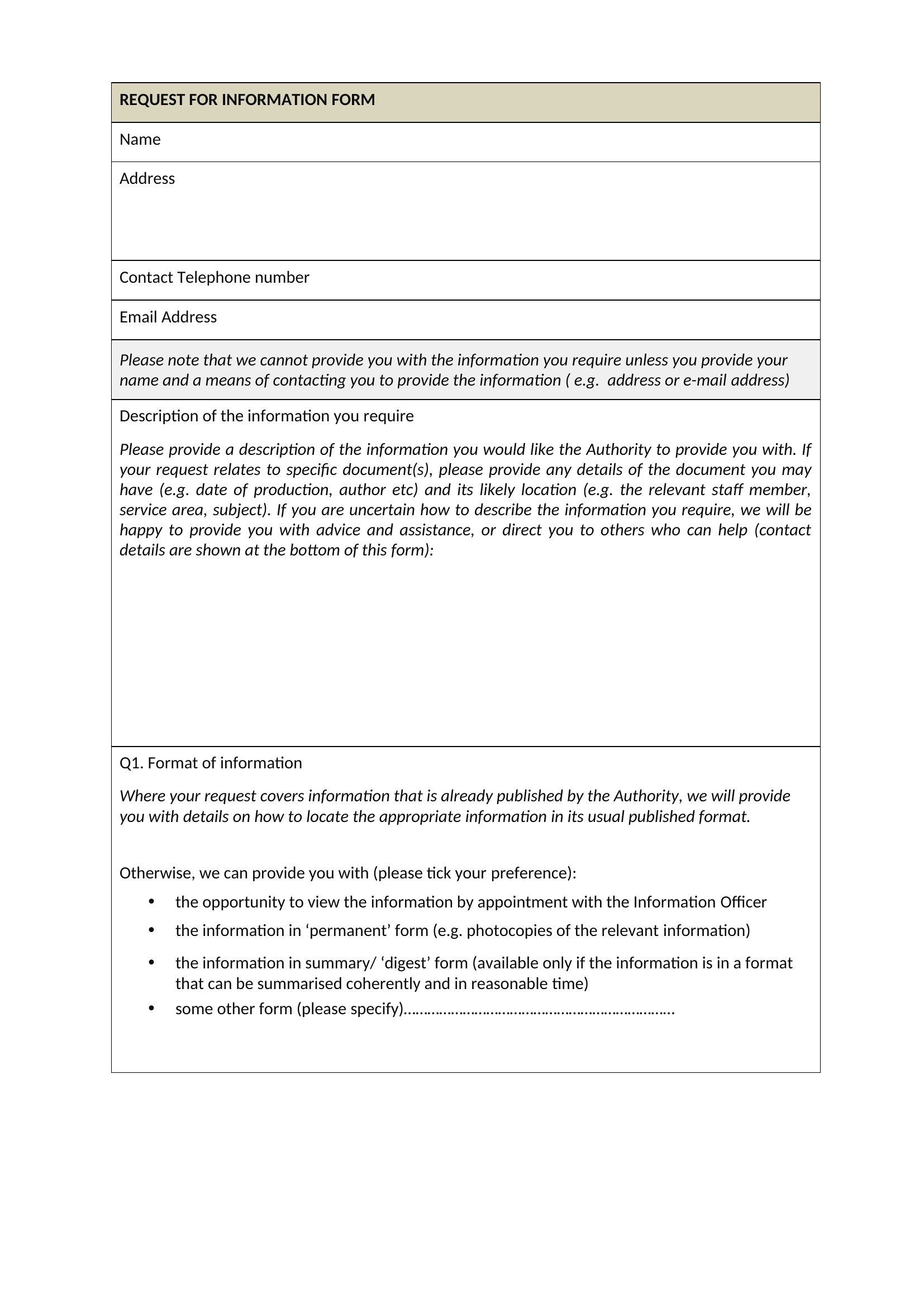
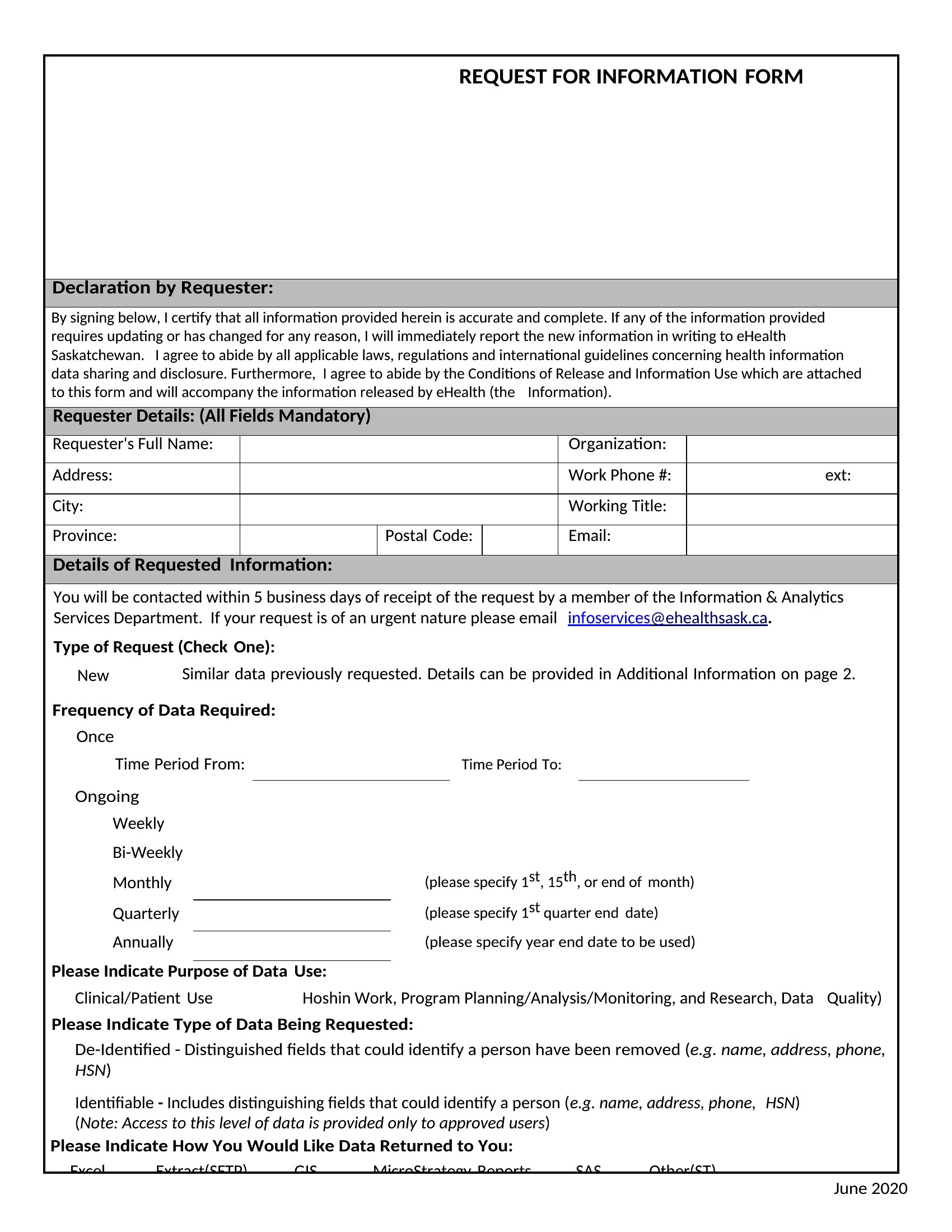
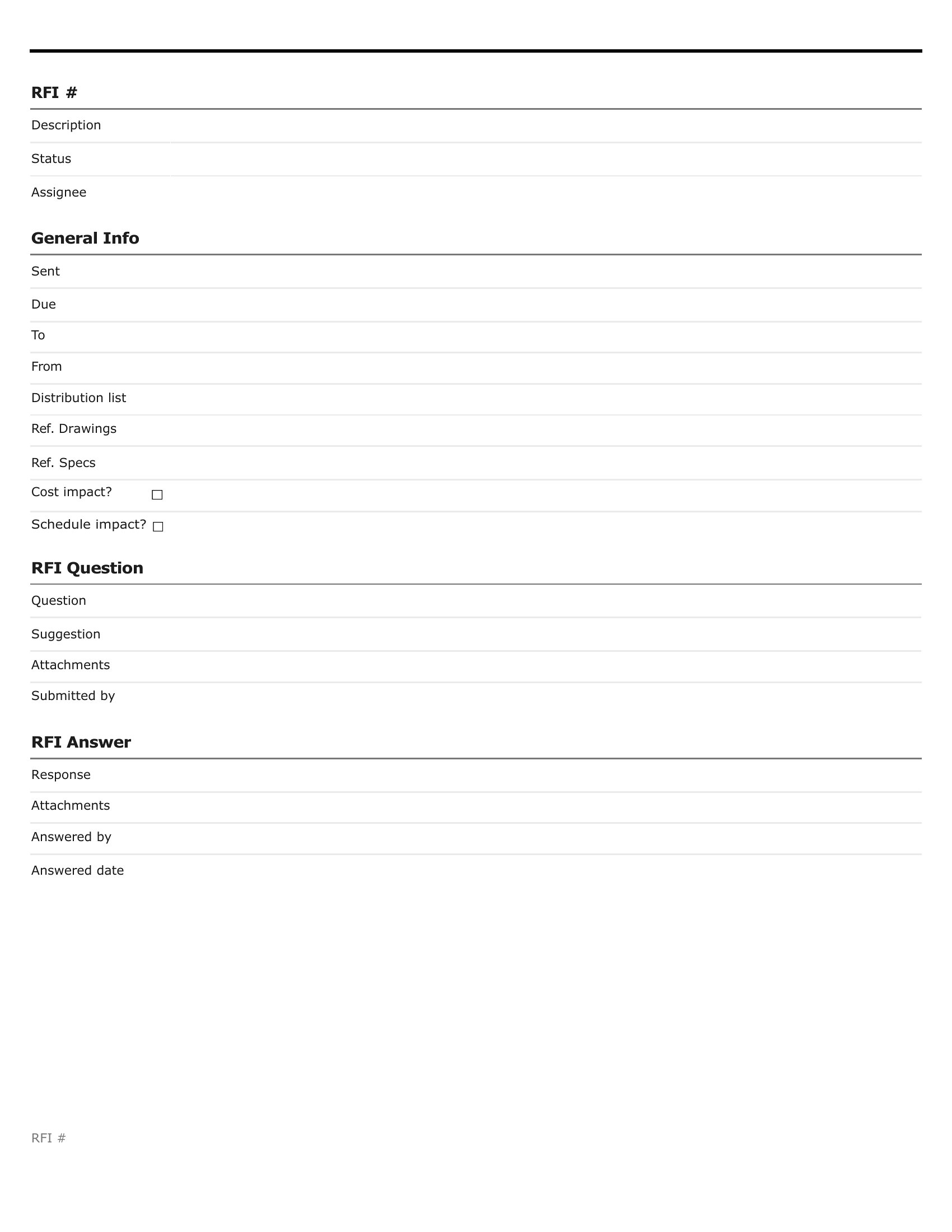
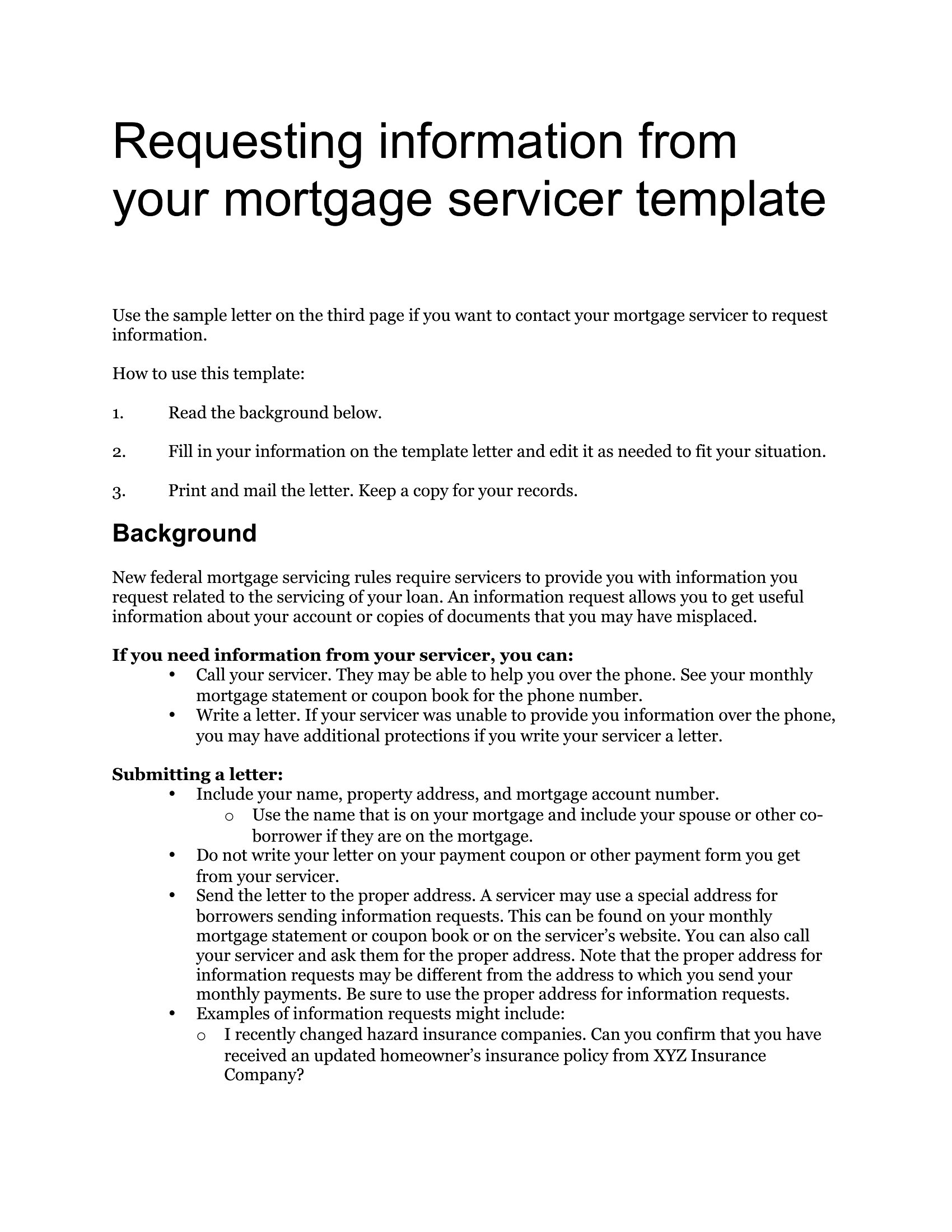
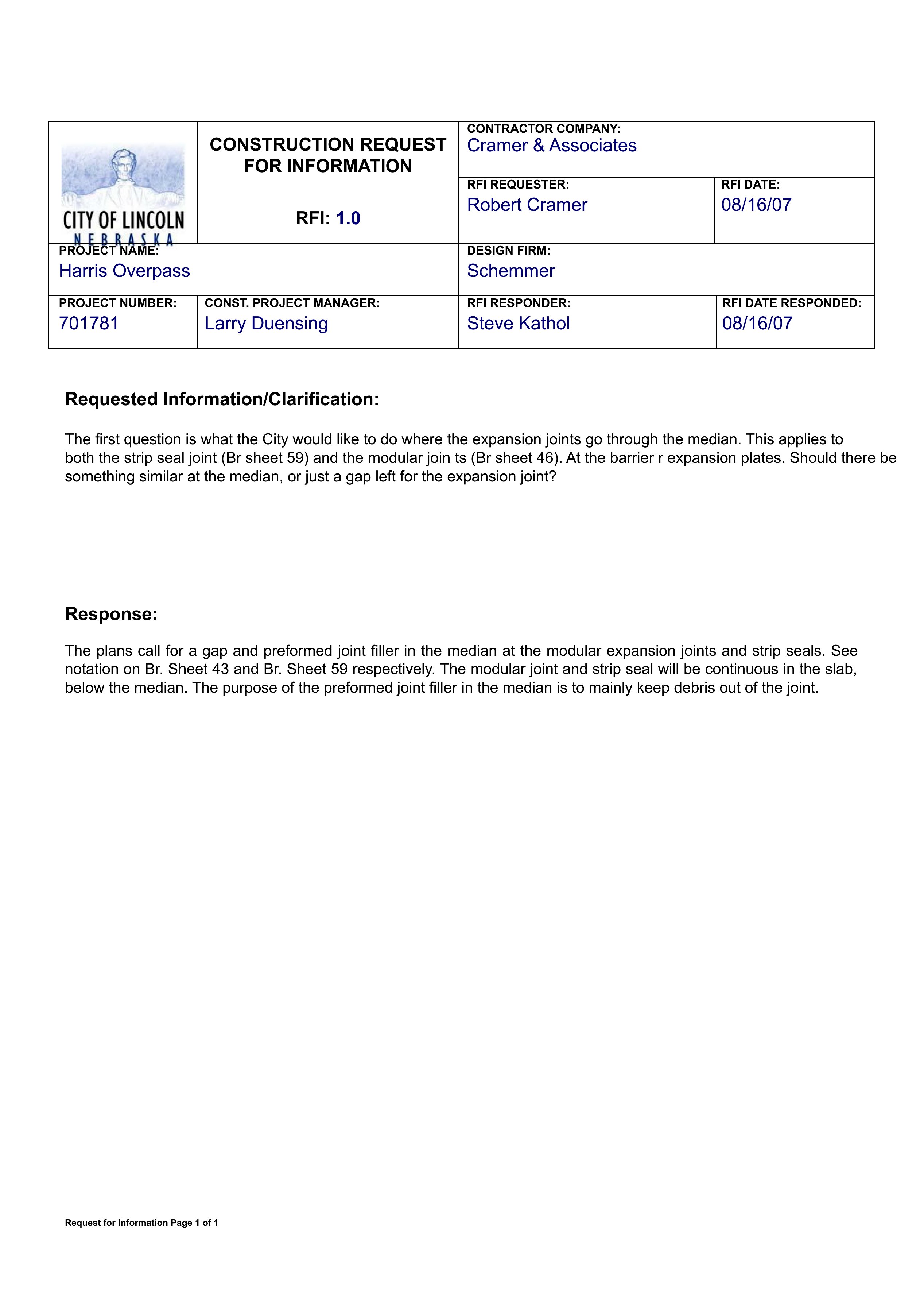
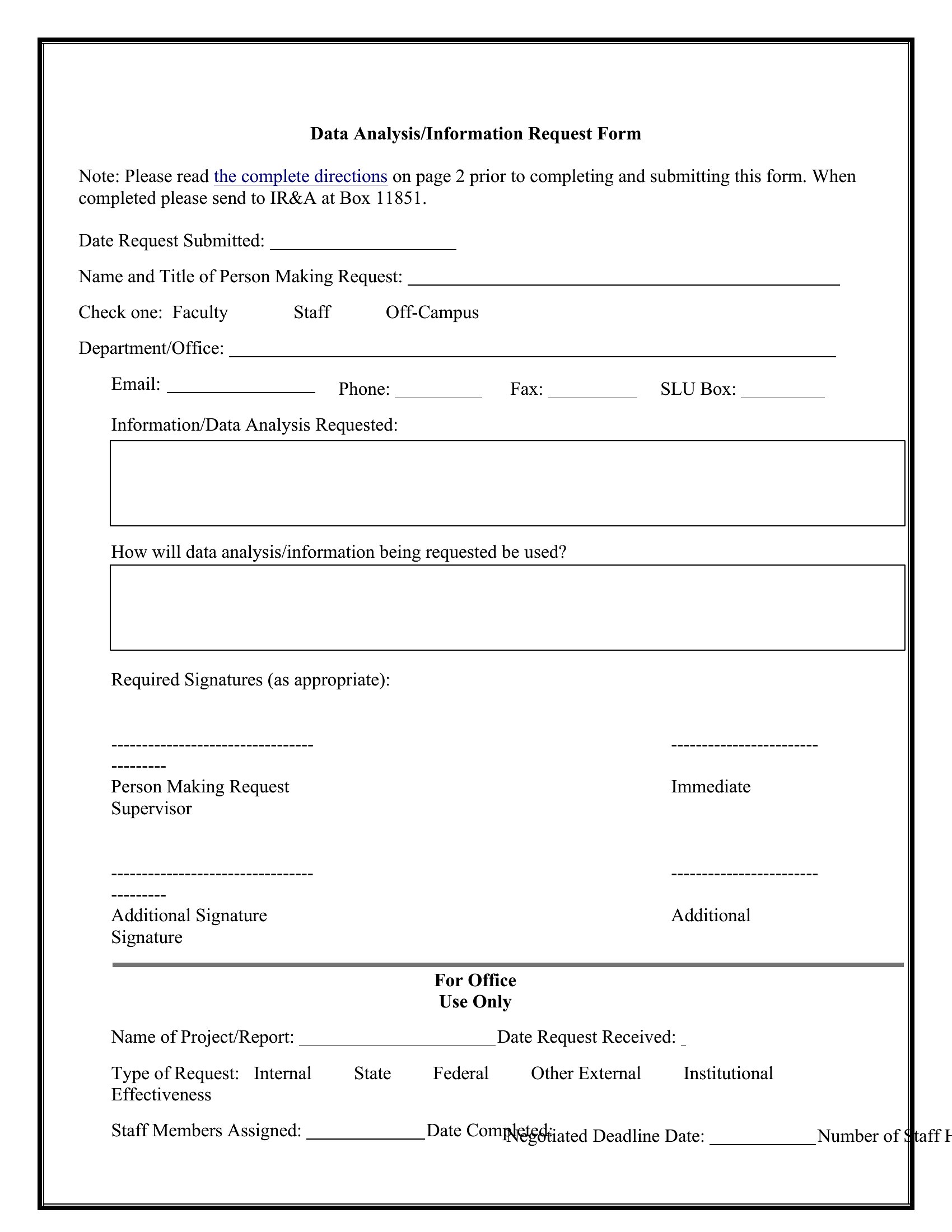
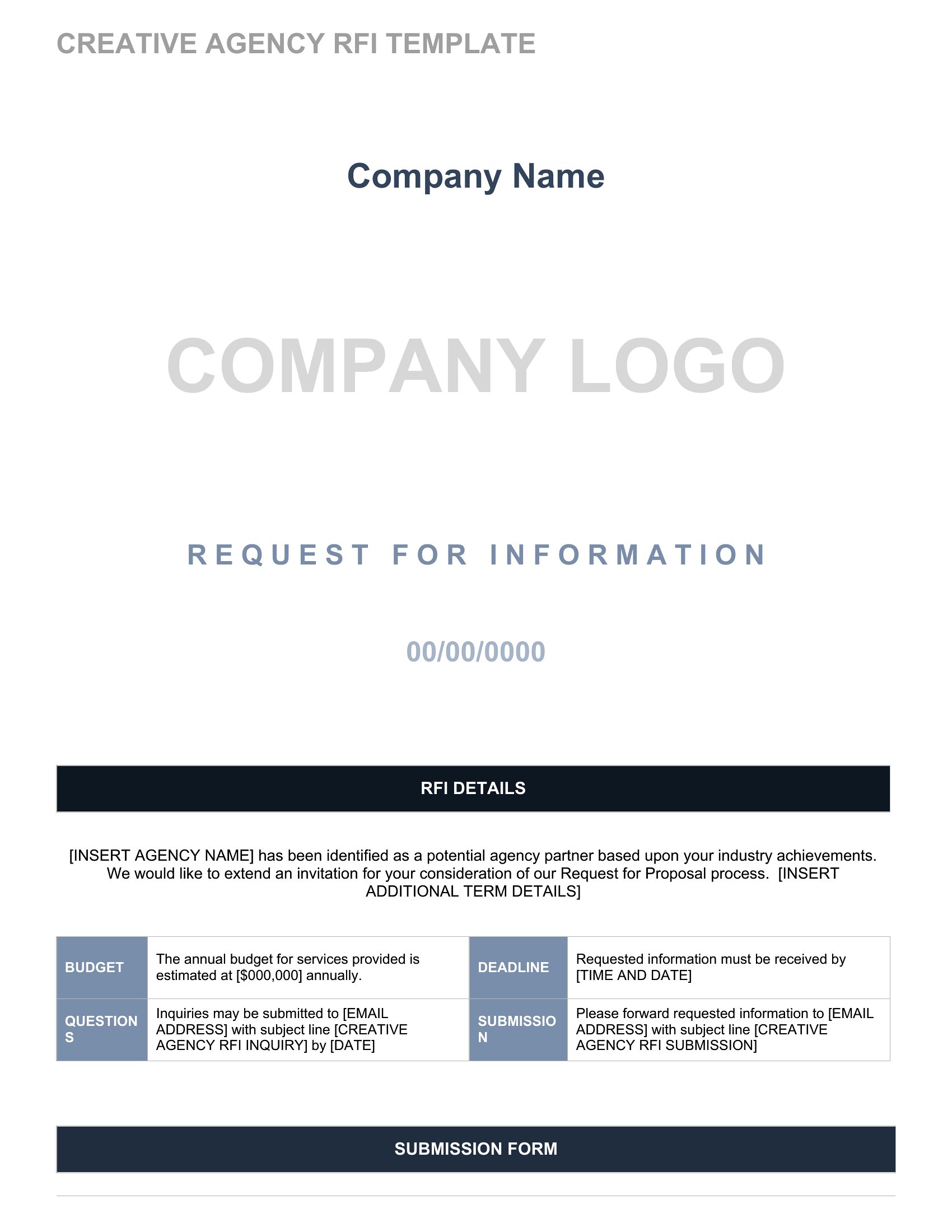
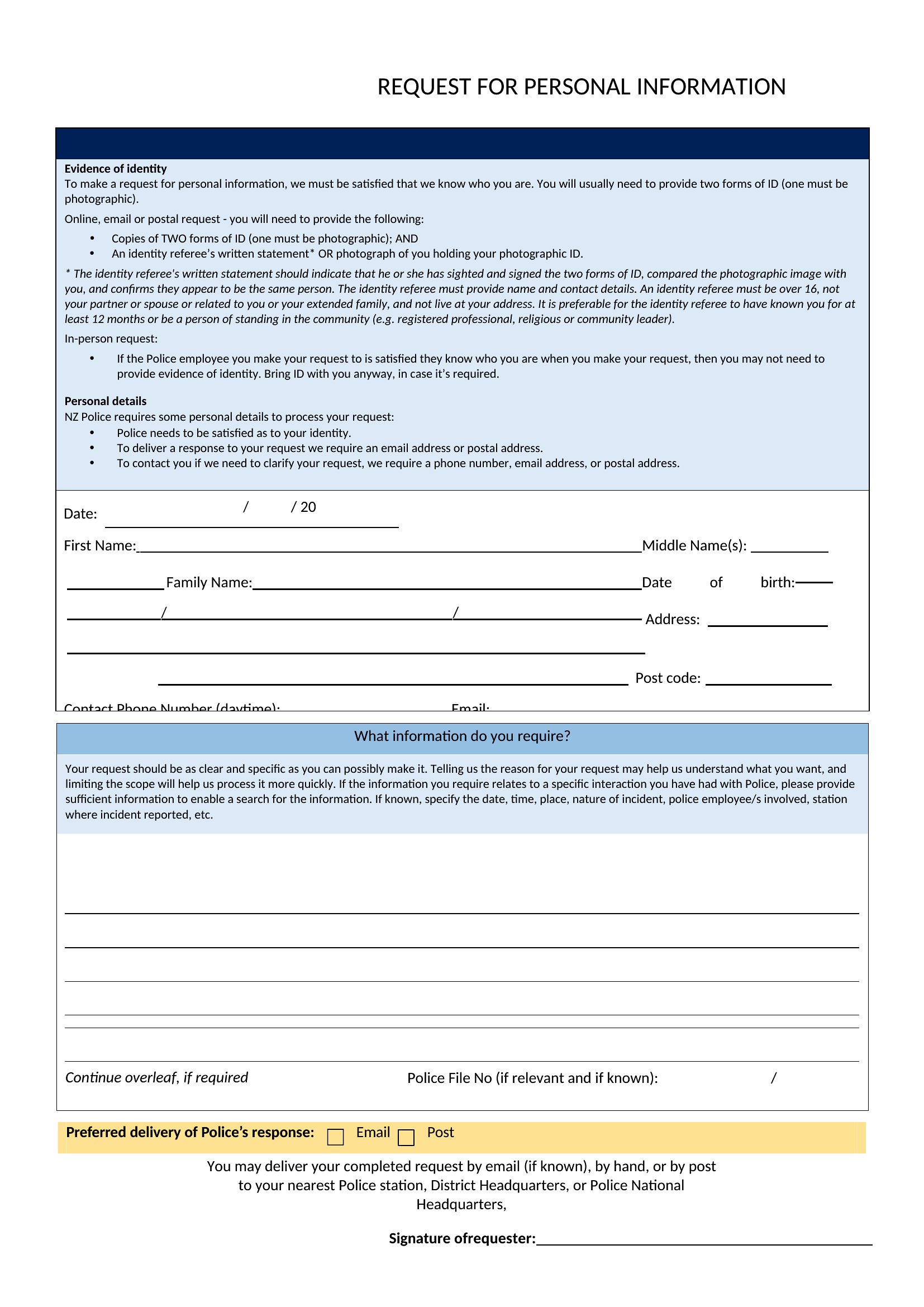
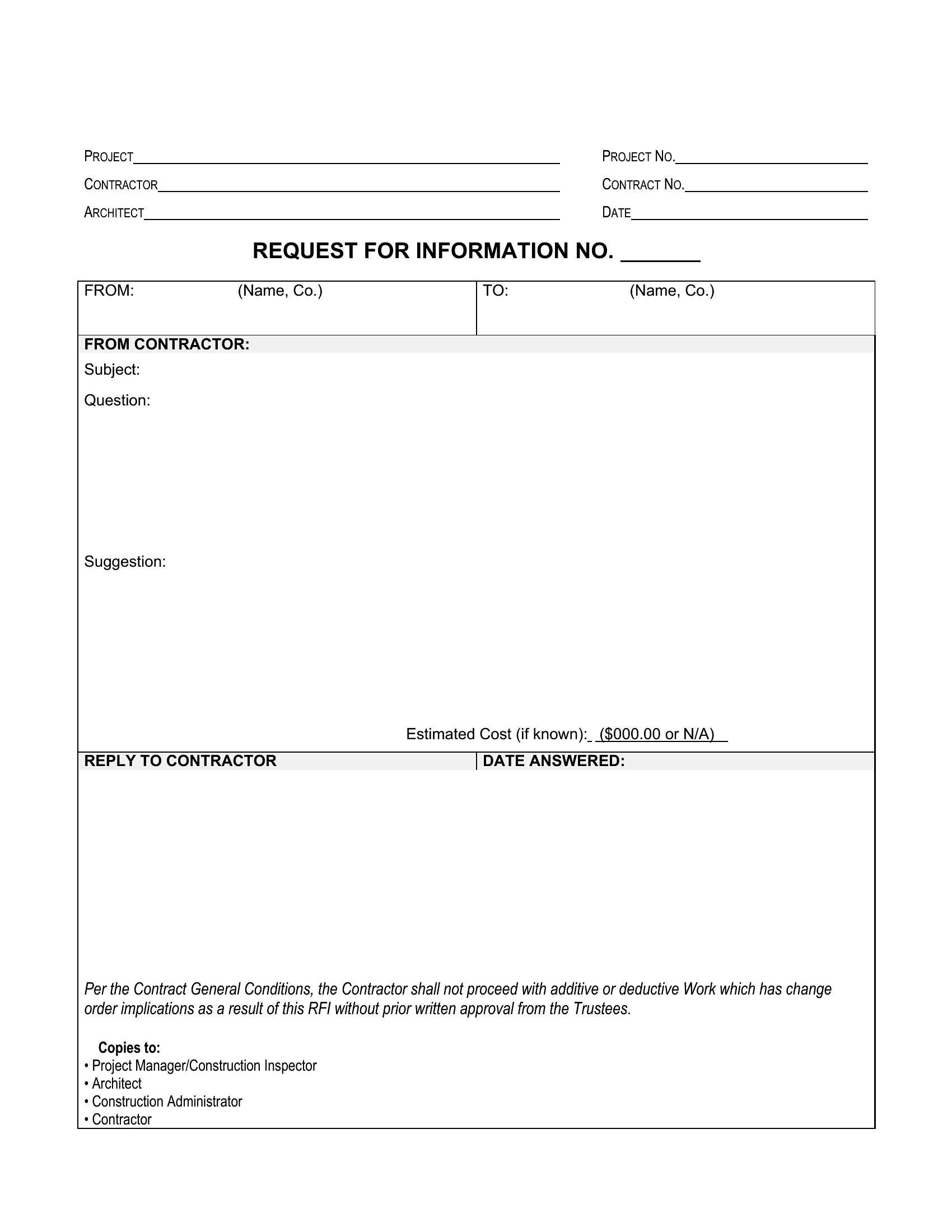
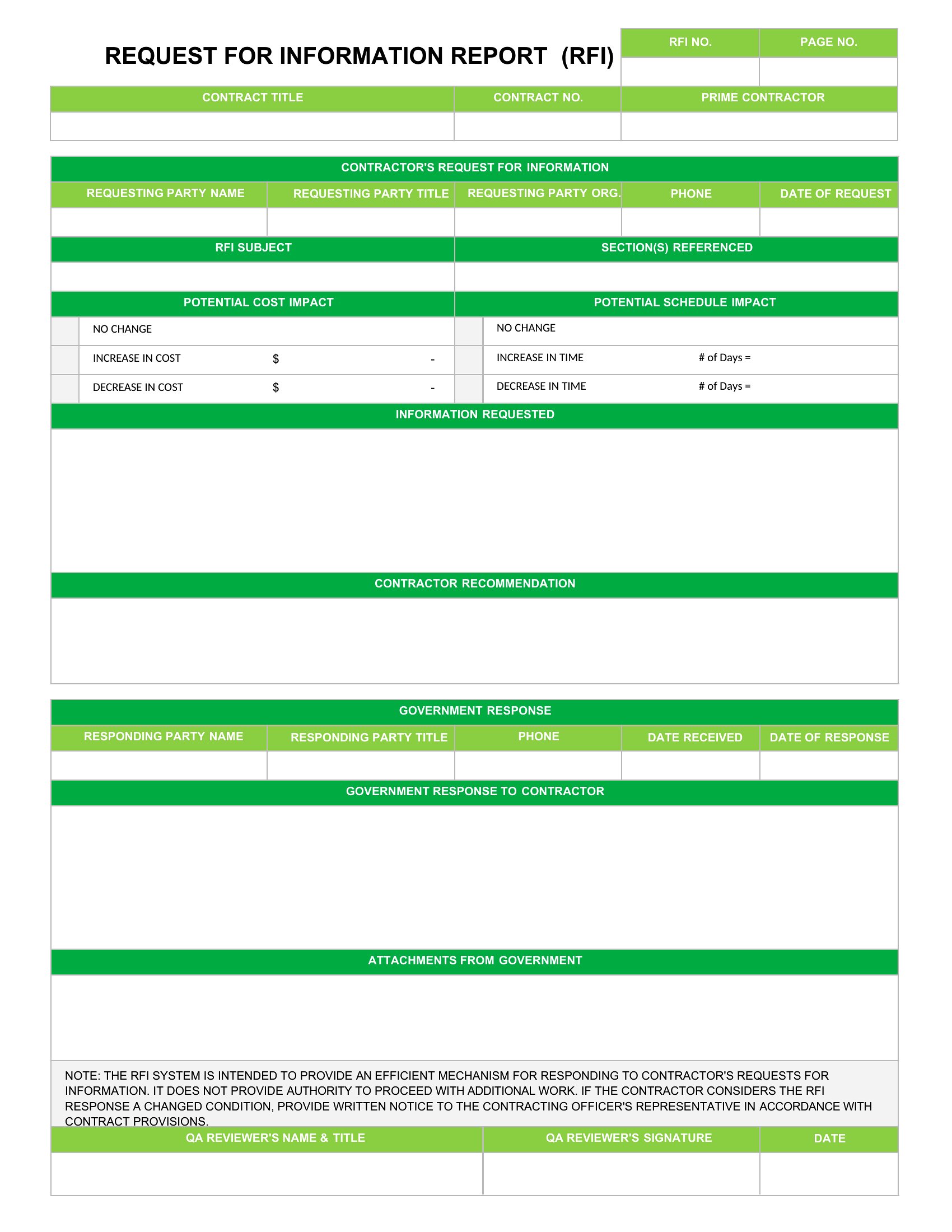
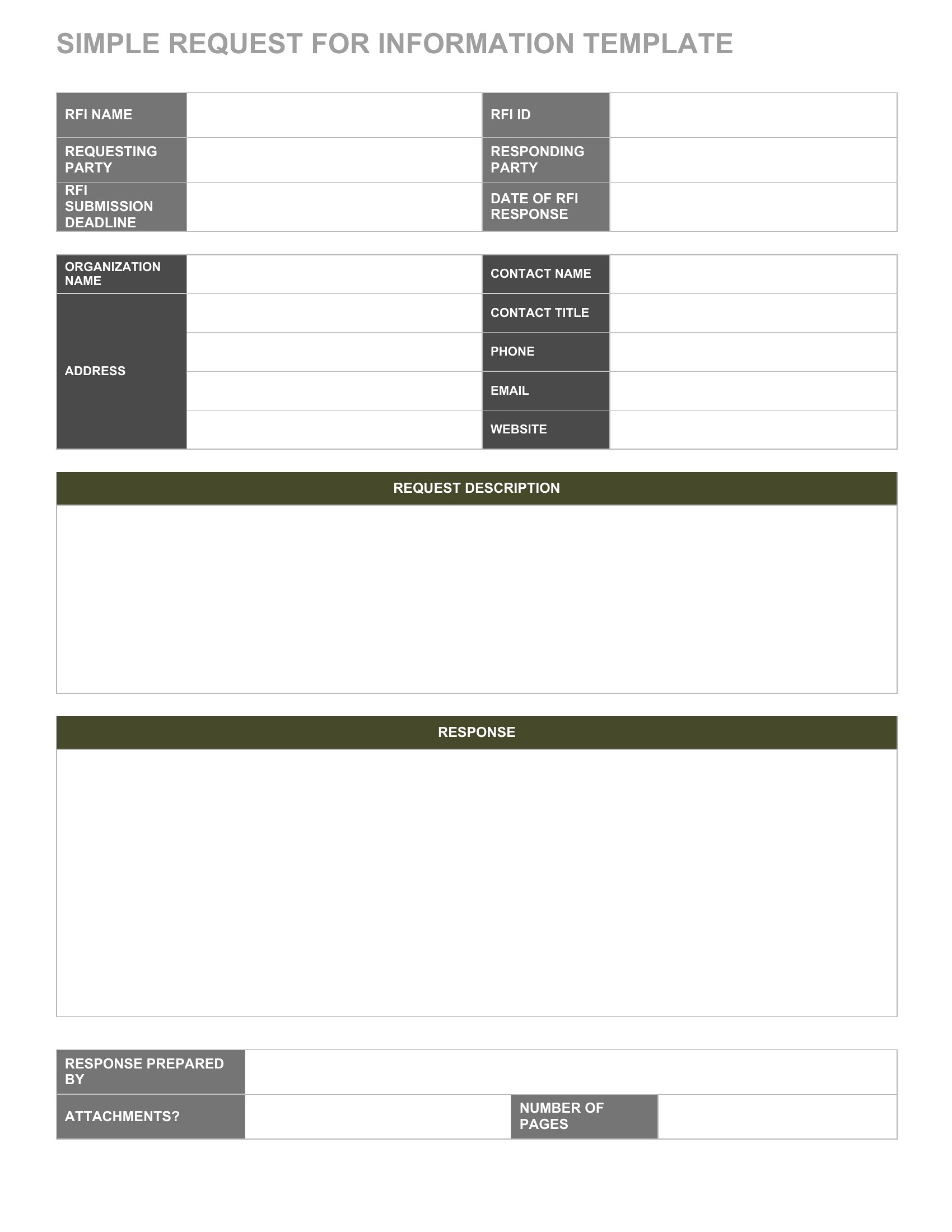
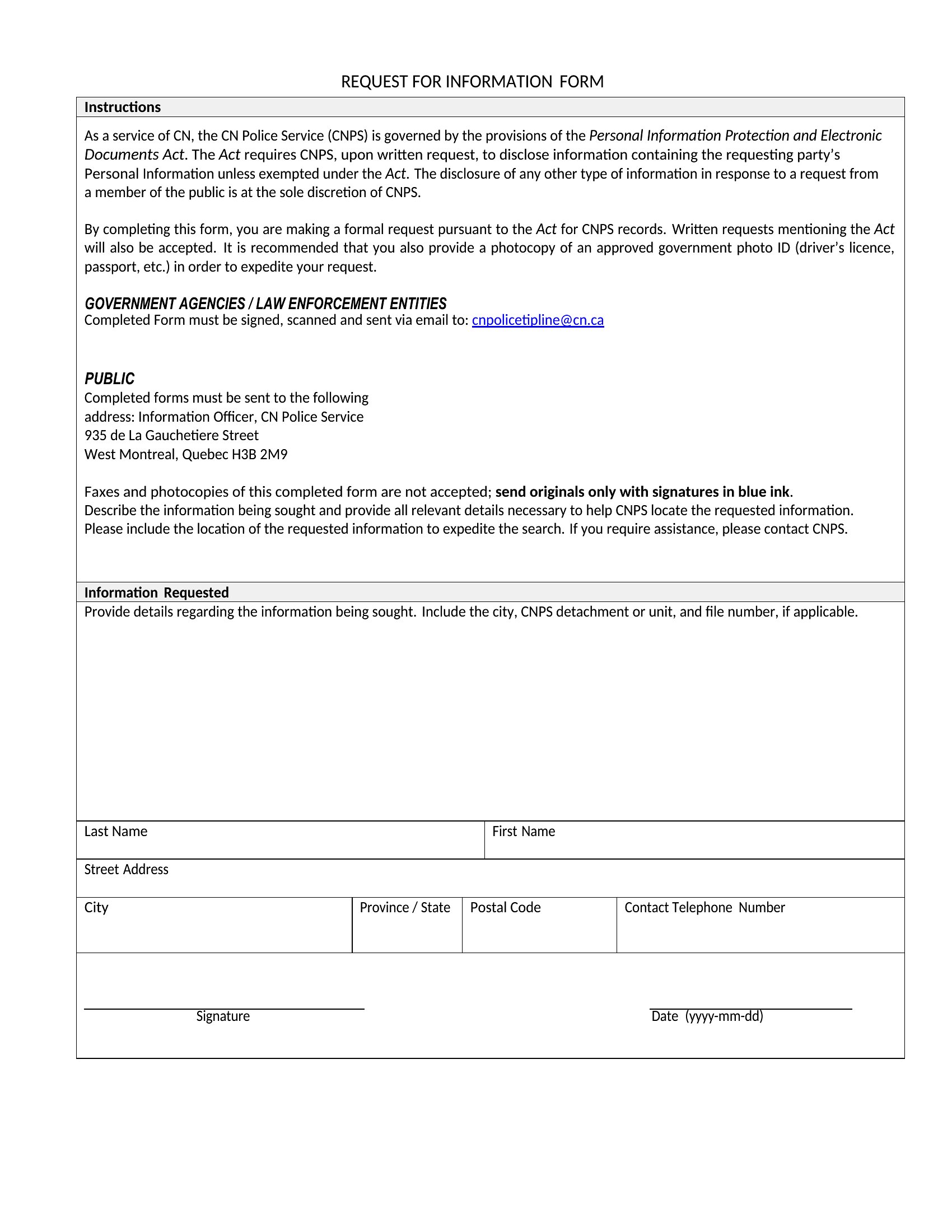
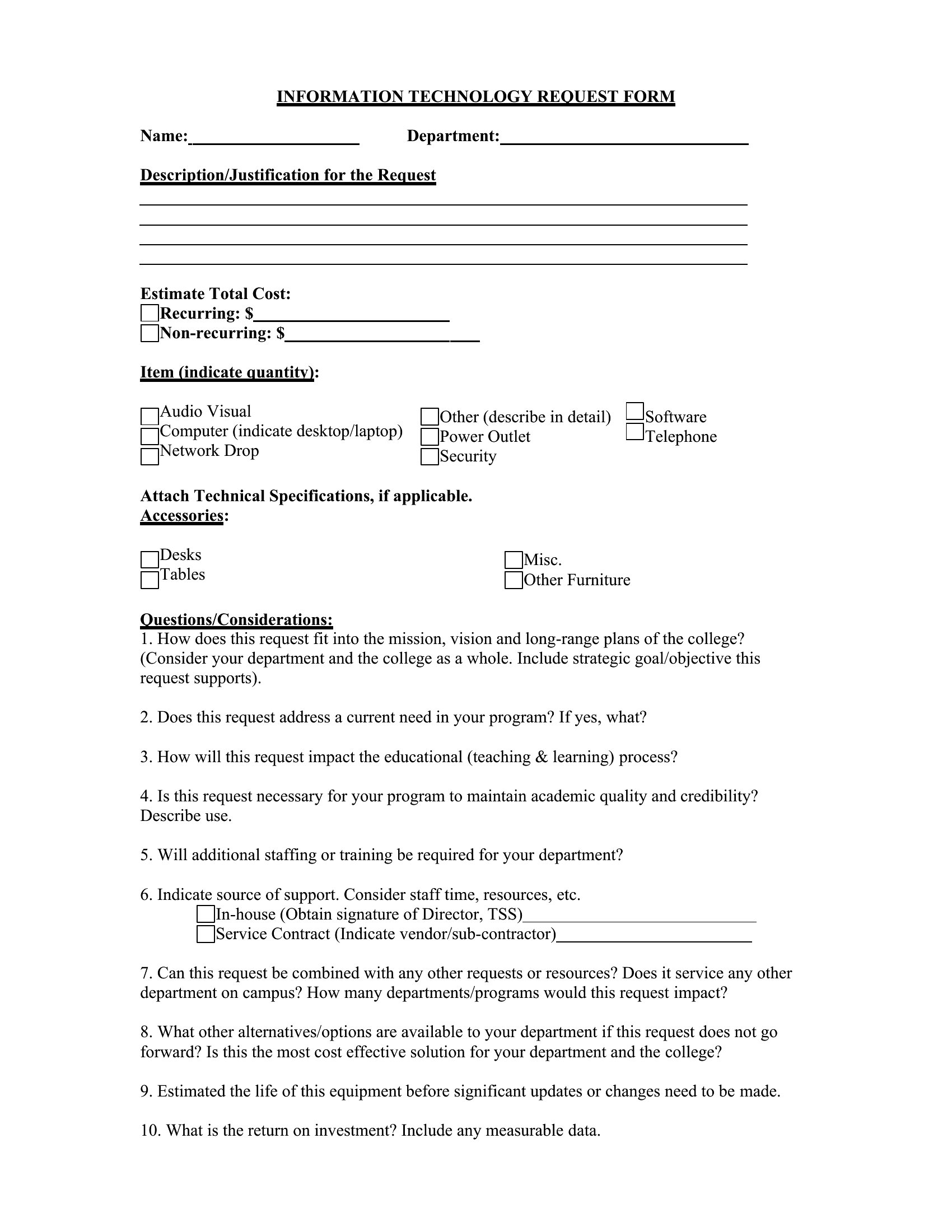
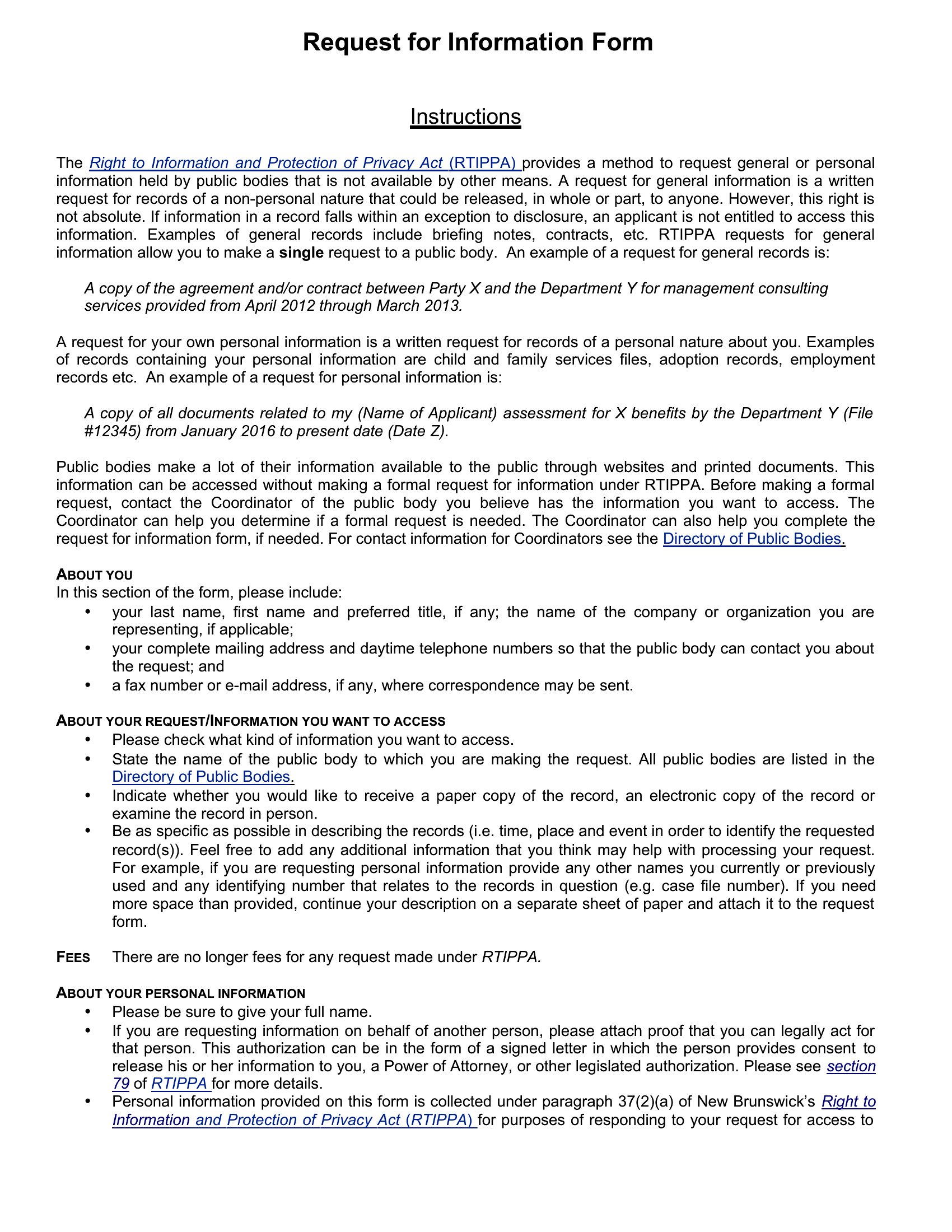
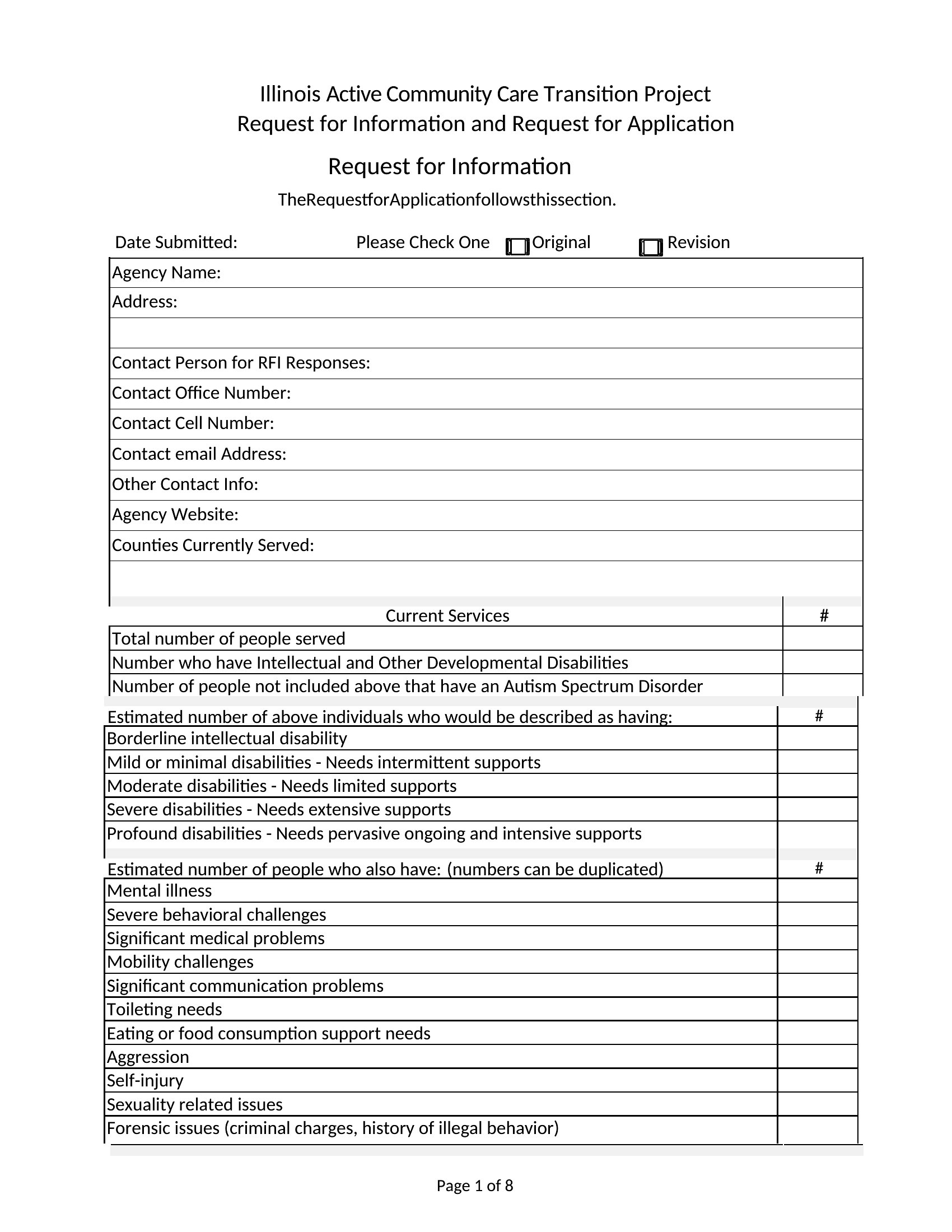
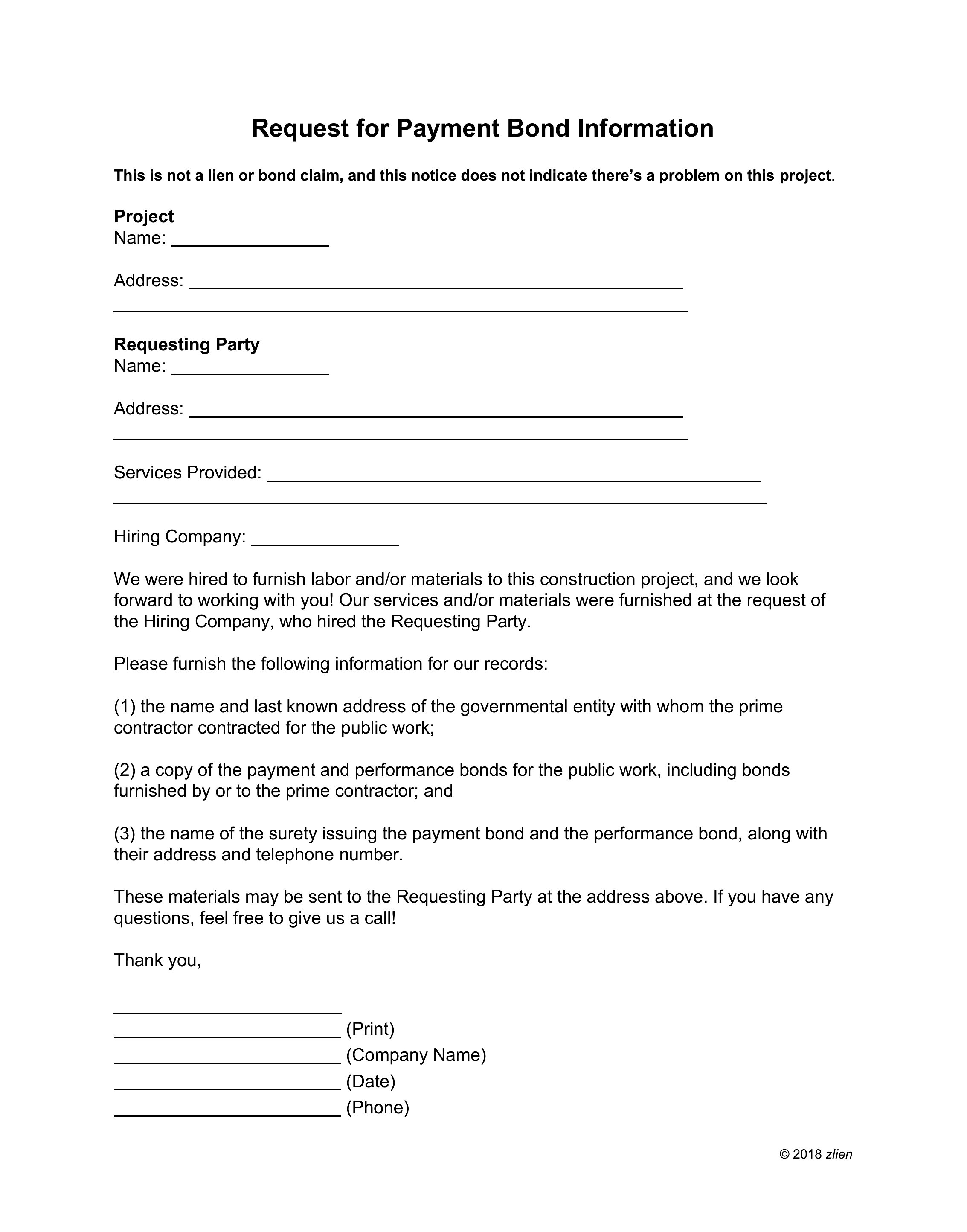
DiagramsWhen you need specifics from a vendor, contractor, or department, a request for information keeps the ask organized and on the record. This set of 44 RFI templates suits construction, procurement, and business research, with fields for the question, the response, deadlines, and reference numbers. Project teams and managers can track every query instead of chasing scattered emails.
You'll find Word and PDF layouts for formal submittals plus Excel logs that keep all your requests and responses in one sortable place. Fill in the details, send it off, and record the reply when it lands. Adjust the fields to match your workflow. Download the format that fits your process and keep information requests moving.
When to use this Request For Information template
- Procurement managers reviewing bids need to compare vendor capabilities and compliance details before issuing contracts—an RFI ensures standardized responses for apples-to-apples evaluation.
- Construction project leads must clarify technical specifications, material availability, and safety protocols from subcontractors before finalizing agreements, avoiding costly misunderstandings later.
- University research teams coordinate with external labs or suppliers to gather equipment specifications, pricing, and delivery timelines for grant-funded projects without lengthy back-and-forth emails.
- HR departments gathering candidate experience or salary expectations for internal promotions use RFIs to streamline responses from multiple candidates while maintaining confidentiality.
Which format should I download?
Choose Word for RFIs requiring editable sections, like dynamic vendor questionnaires where responses need to be updated and tracked over time. Excel is ideal when comparing numerical data (e.g., pricing, delivery schedules) across multiple vendors in a spreadsheet format. Use PDF for finalized, shareable RFIs that vendors must sign or submit as-is, ensuring version control and legal compliance.
How to use this Request For Information template
What is a request for information (RFI) used for?
An RFI is a formal way to ask a vendor, contractor, or department for specific details and keep the question and answer on record. It is widely used in construction, procurement, and research to clarify requirements, resolve uncertainties, and document responses for later reference.
What should a request for information include?
An RFI should clearly state the question, provide context or references, list a reference number, name the responsible parties, and set a response deadline. Space for the answer keeps the exchange in one place, creating a clear record that prevents misunderstandings down the line.
What is the difference between an RFI, RFP, and RFQ?
An RFI gathers general information to understand options, an RFP requests detailed proposals to solve a need, and an RFQ asks for specific pricing. RFIs come earliest and are least binding, helping you learn before requesting proposals or firm quotes from suppliers.
Comments
Join the conversation
Sign in to share your thoughts and leave a comment on this resource.