FAQ
What is a request for information (RFI) used for?
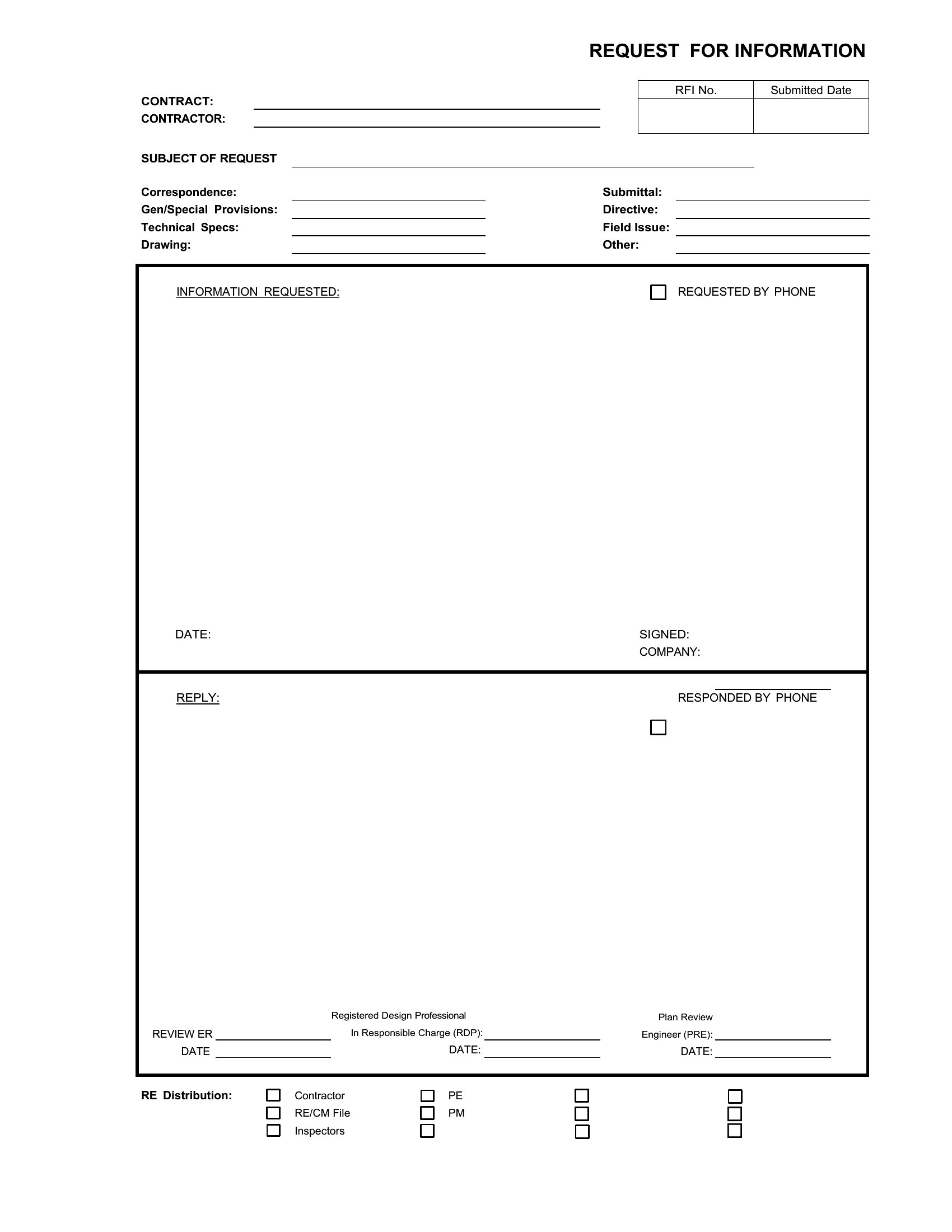
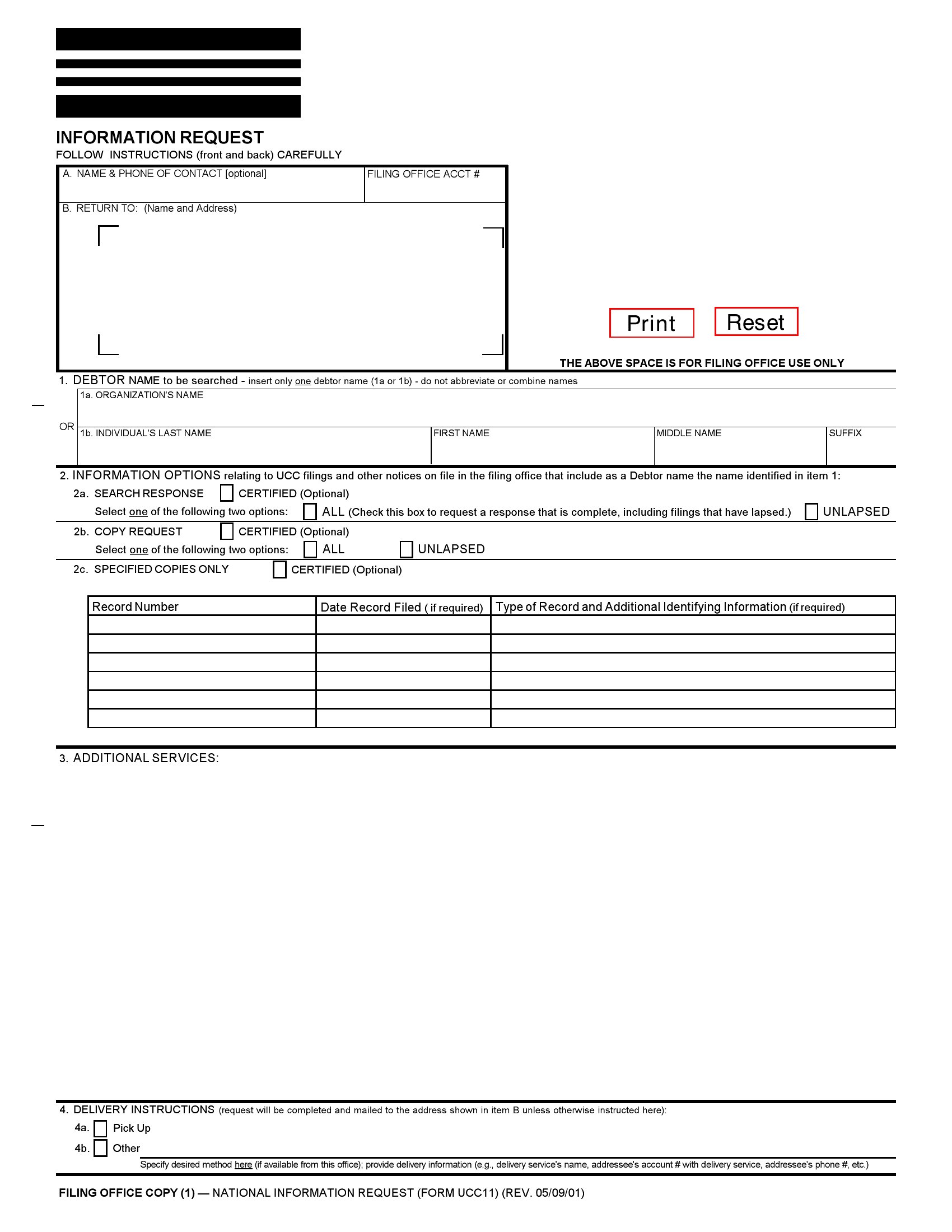
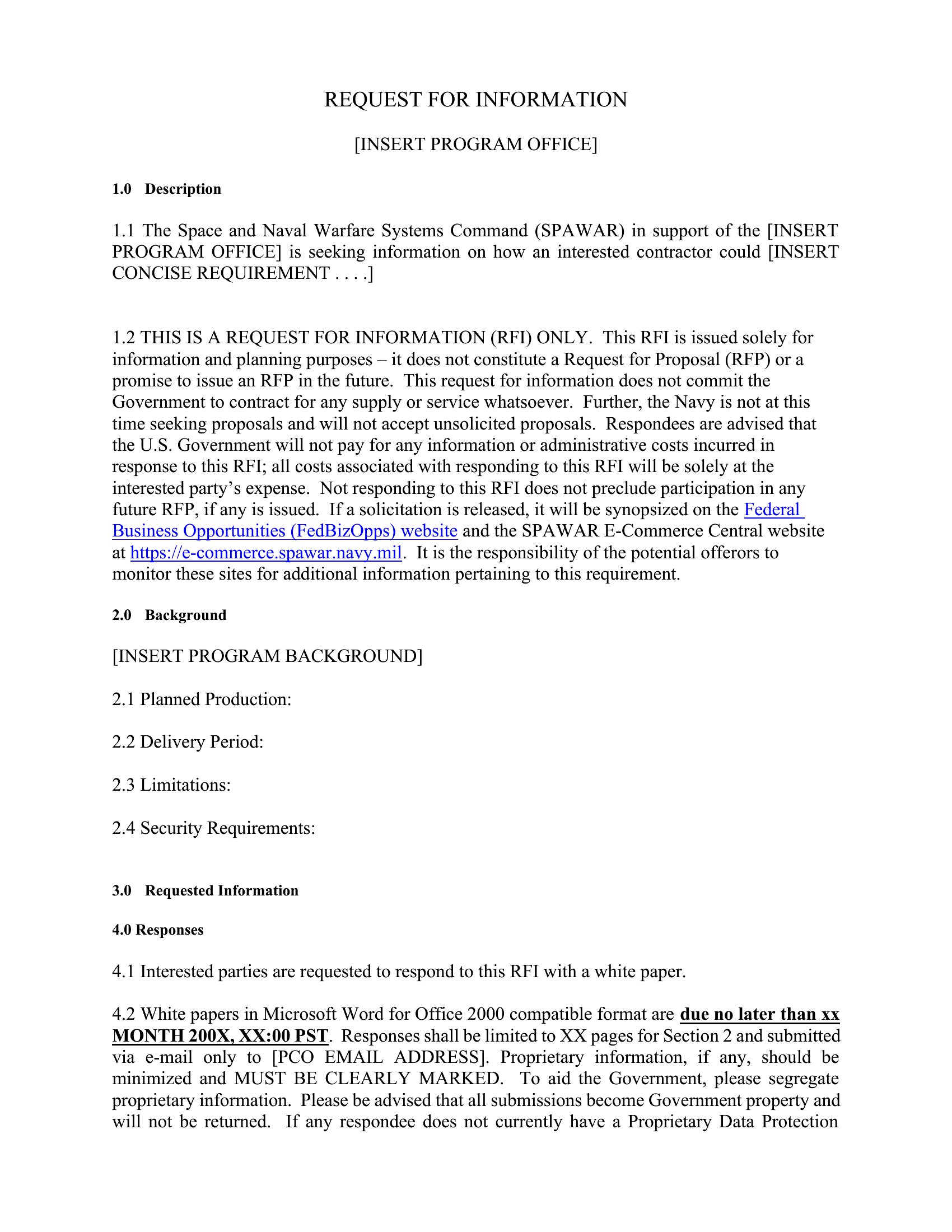
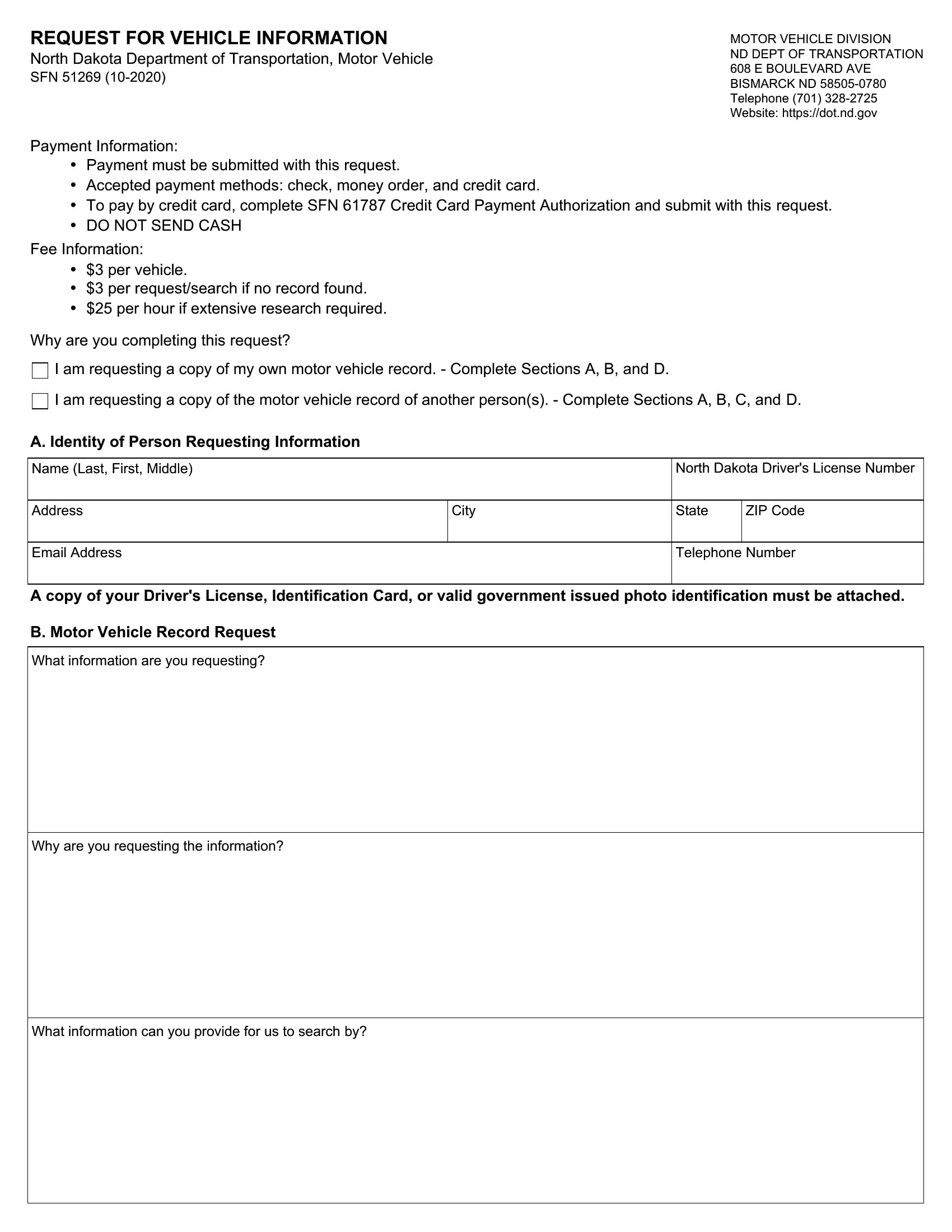
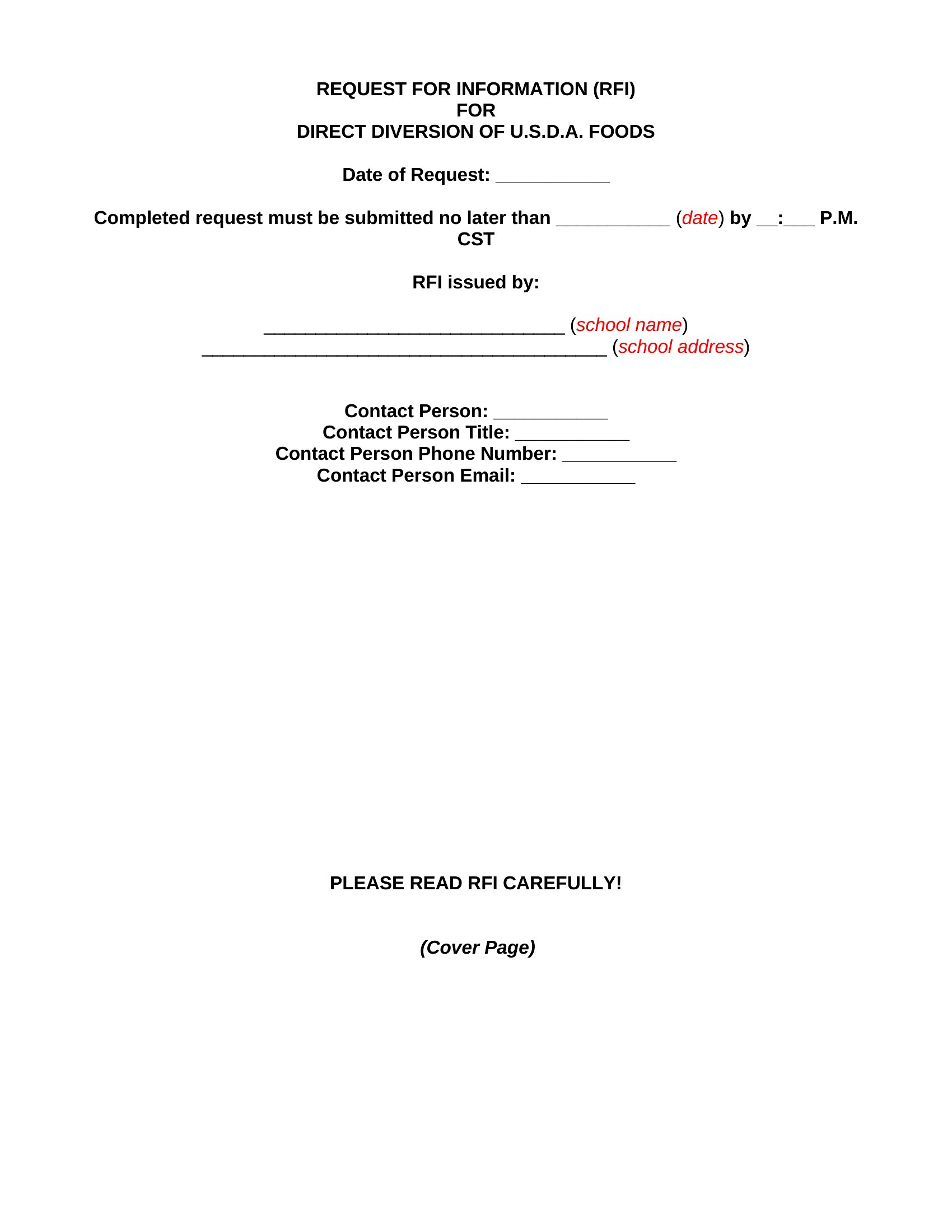
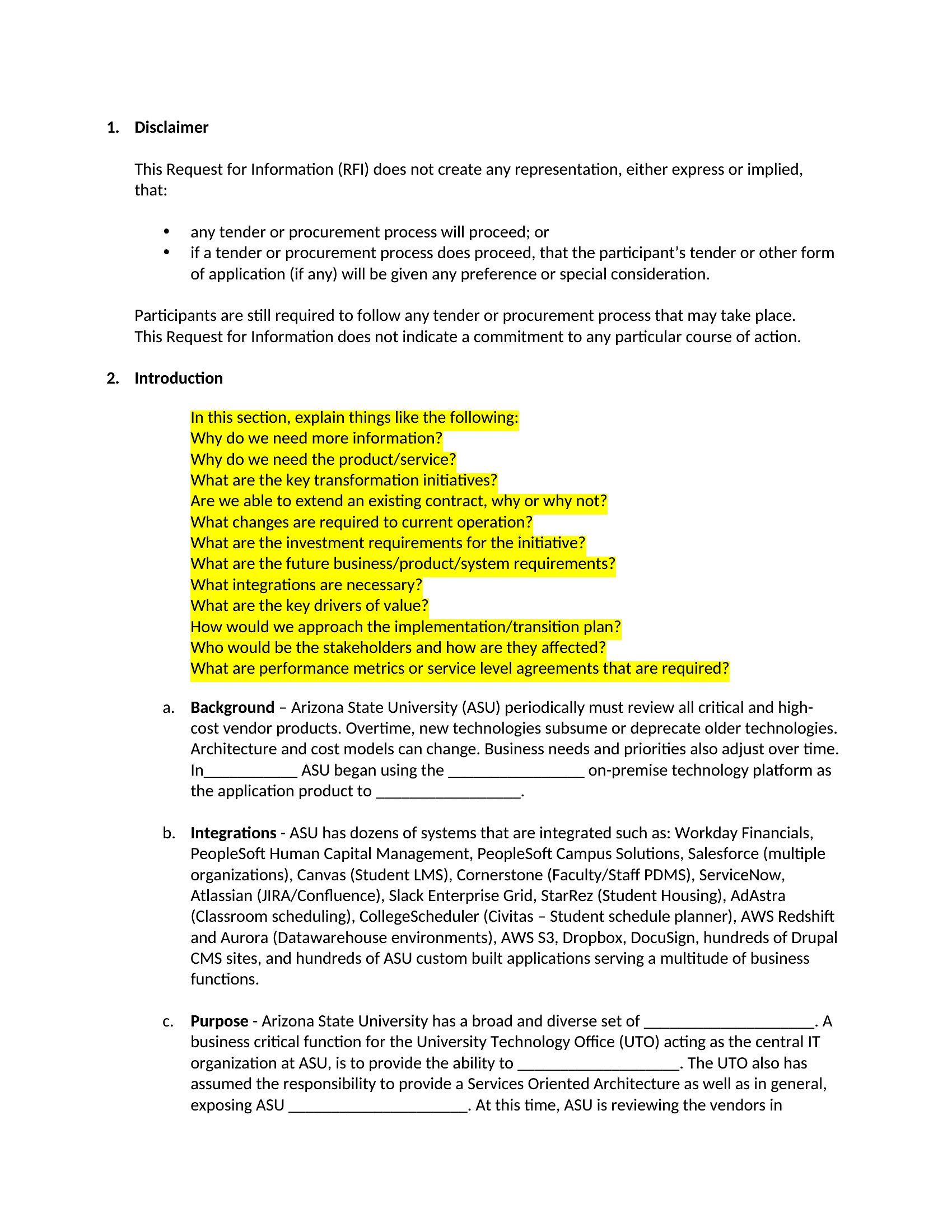
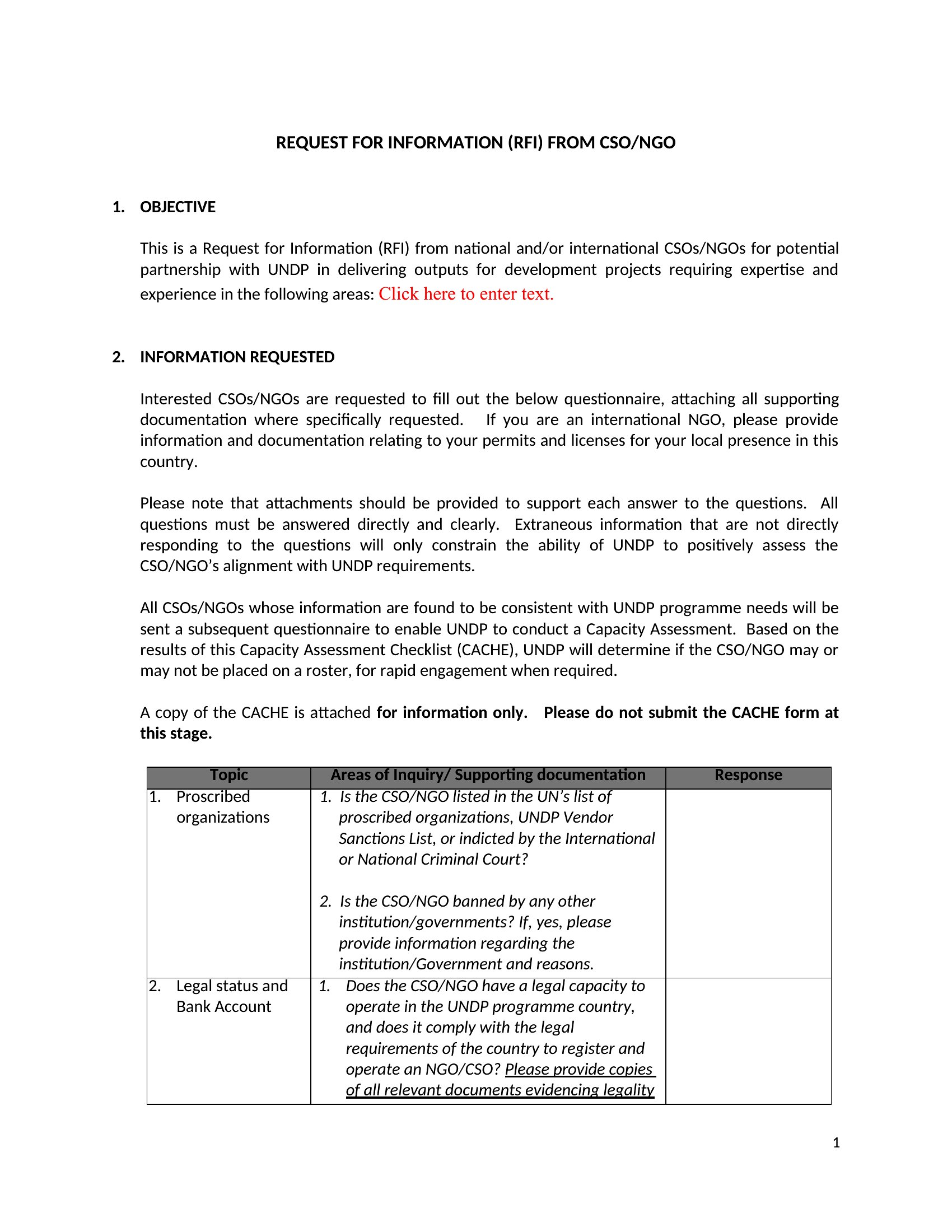
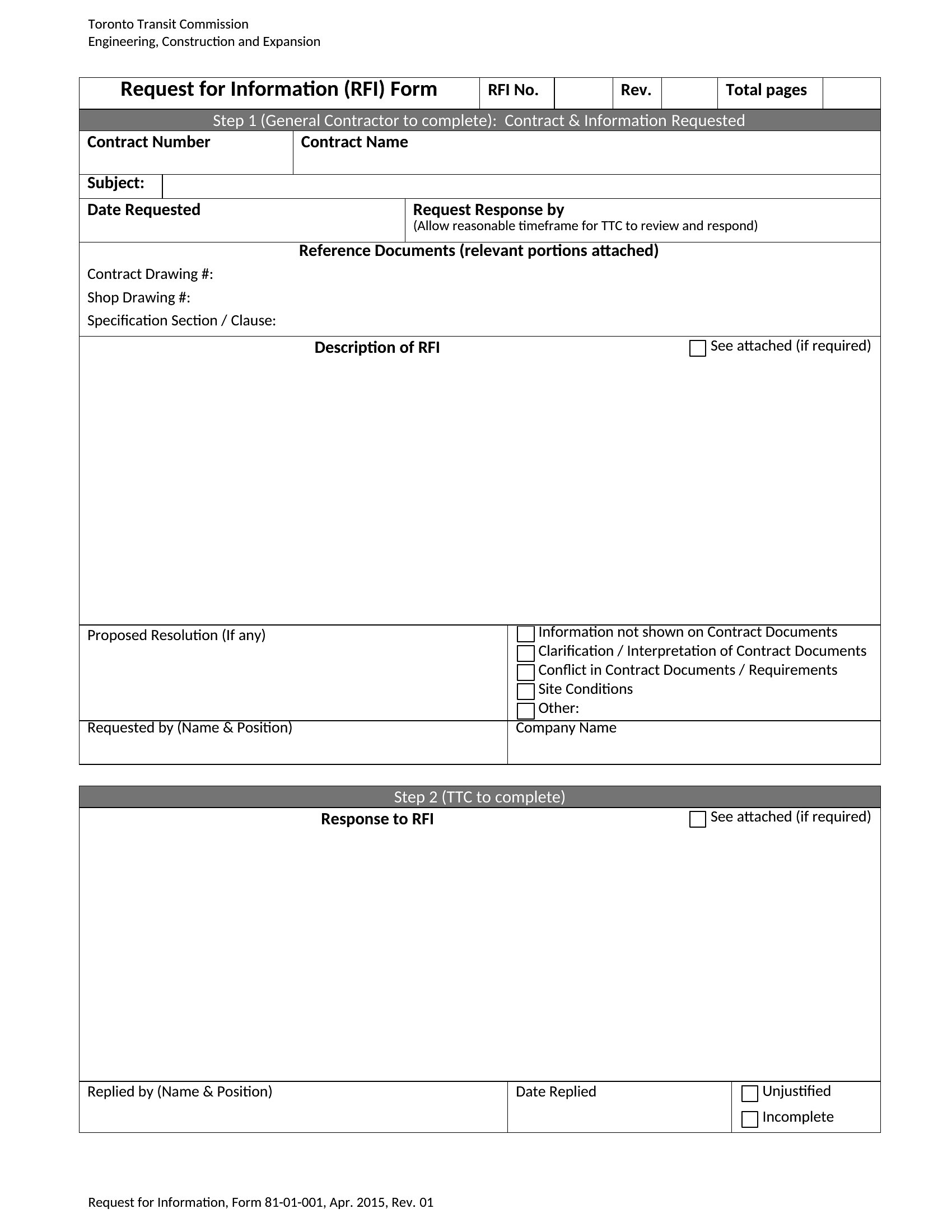
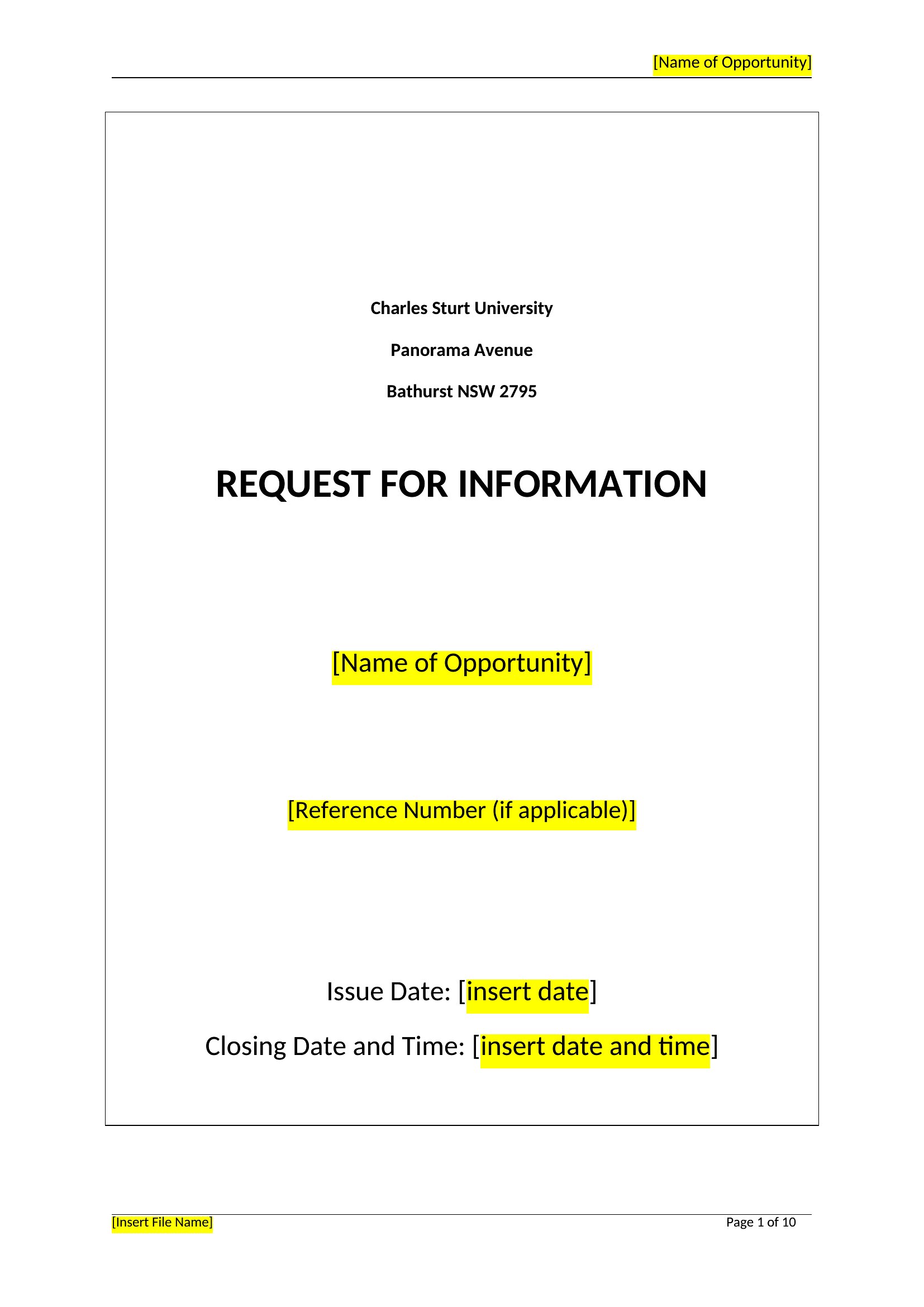
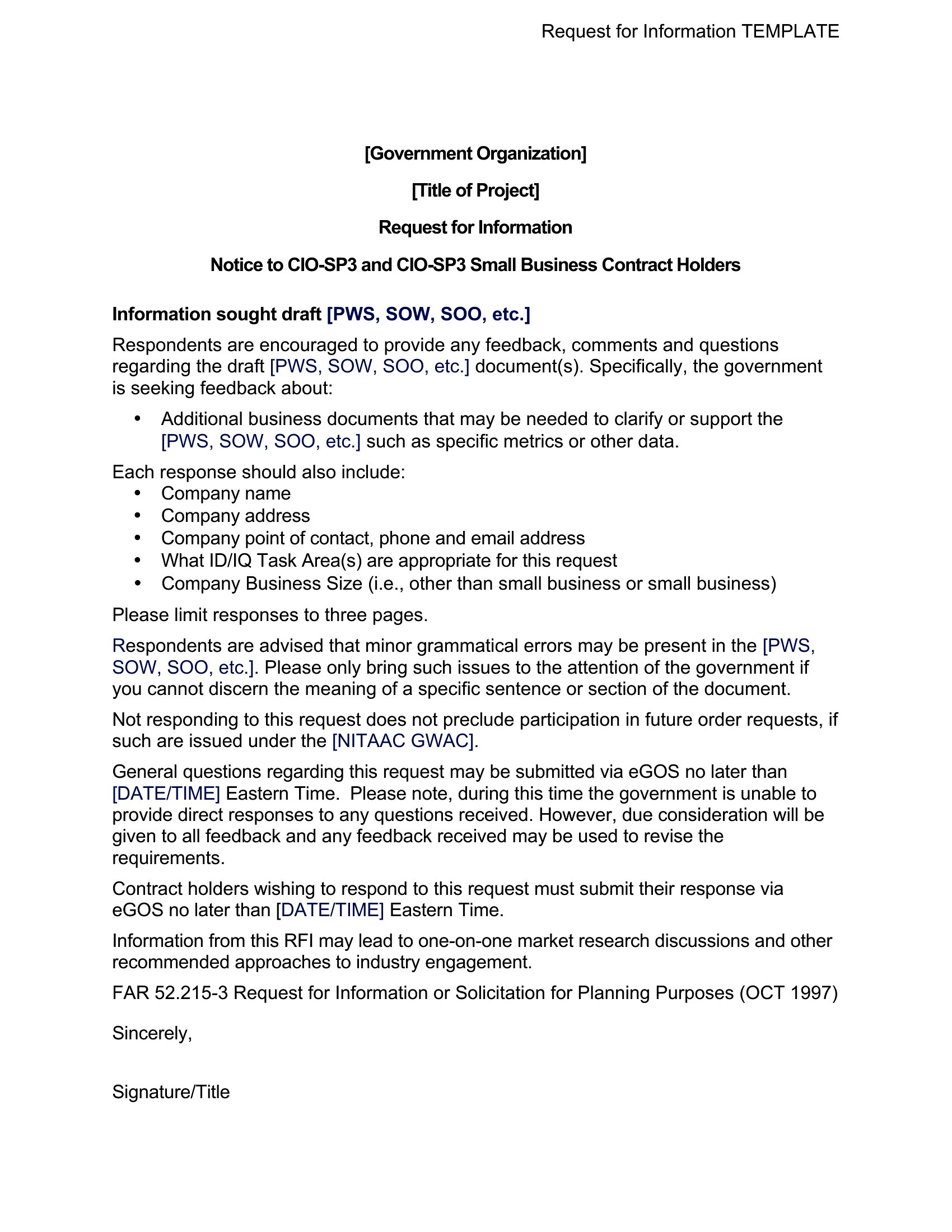
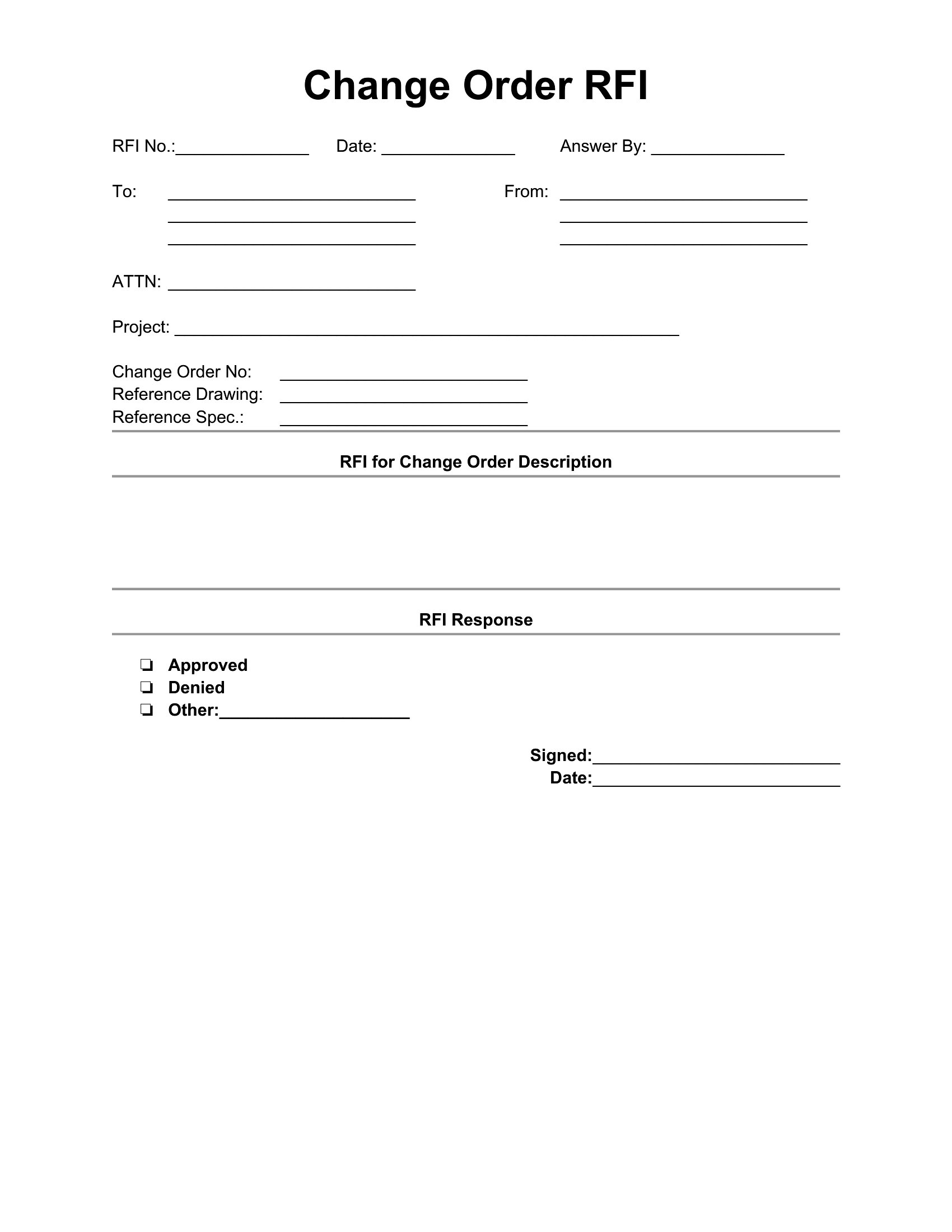
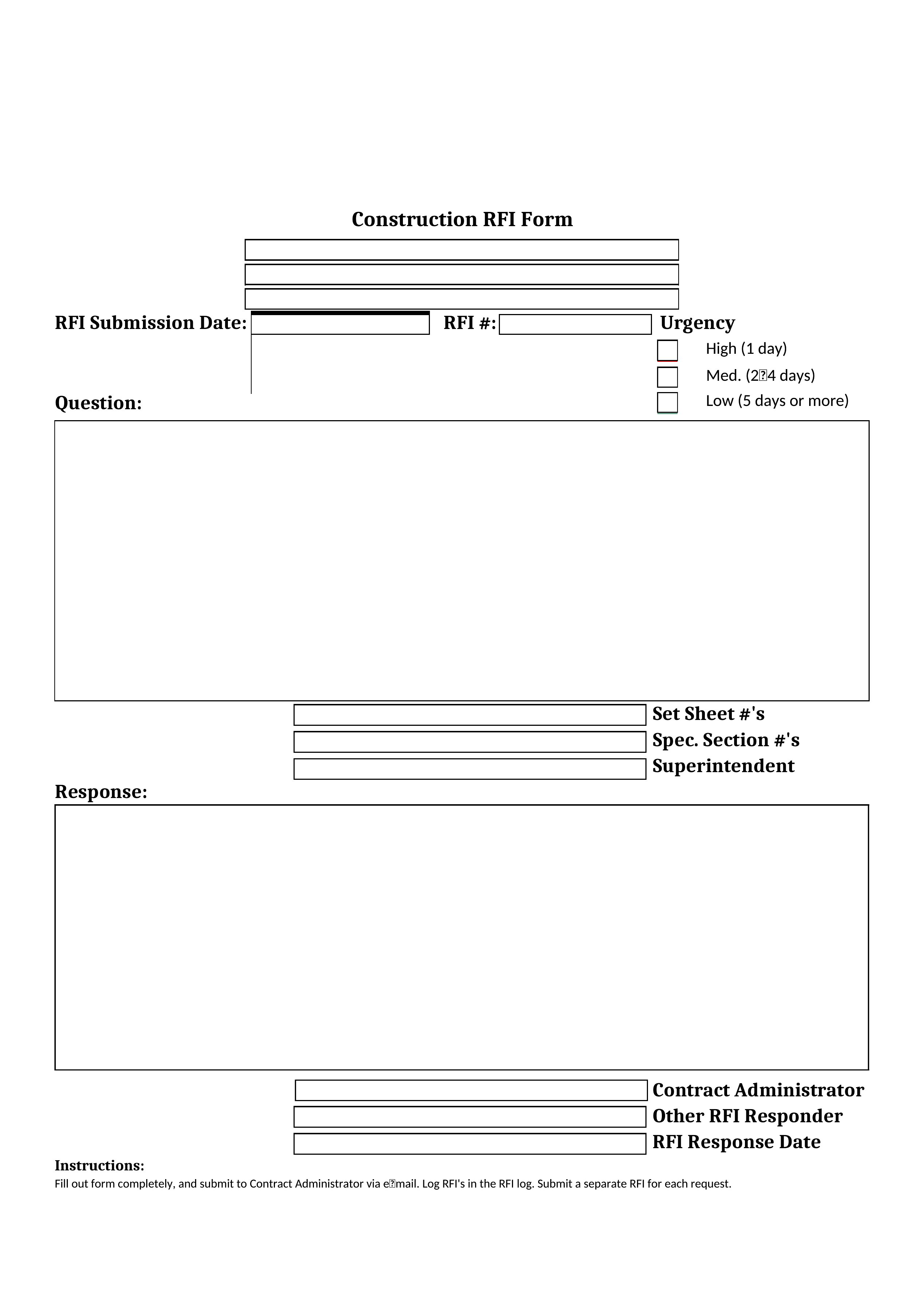
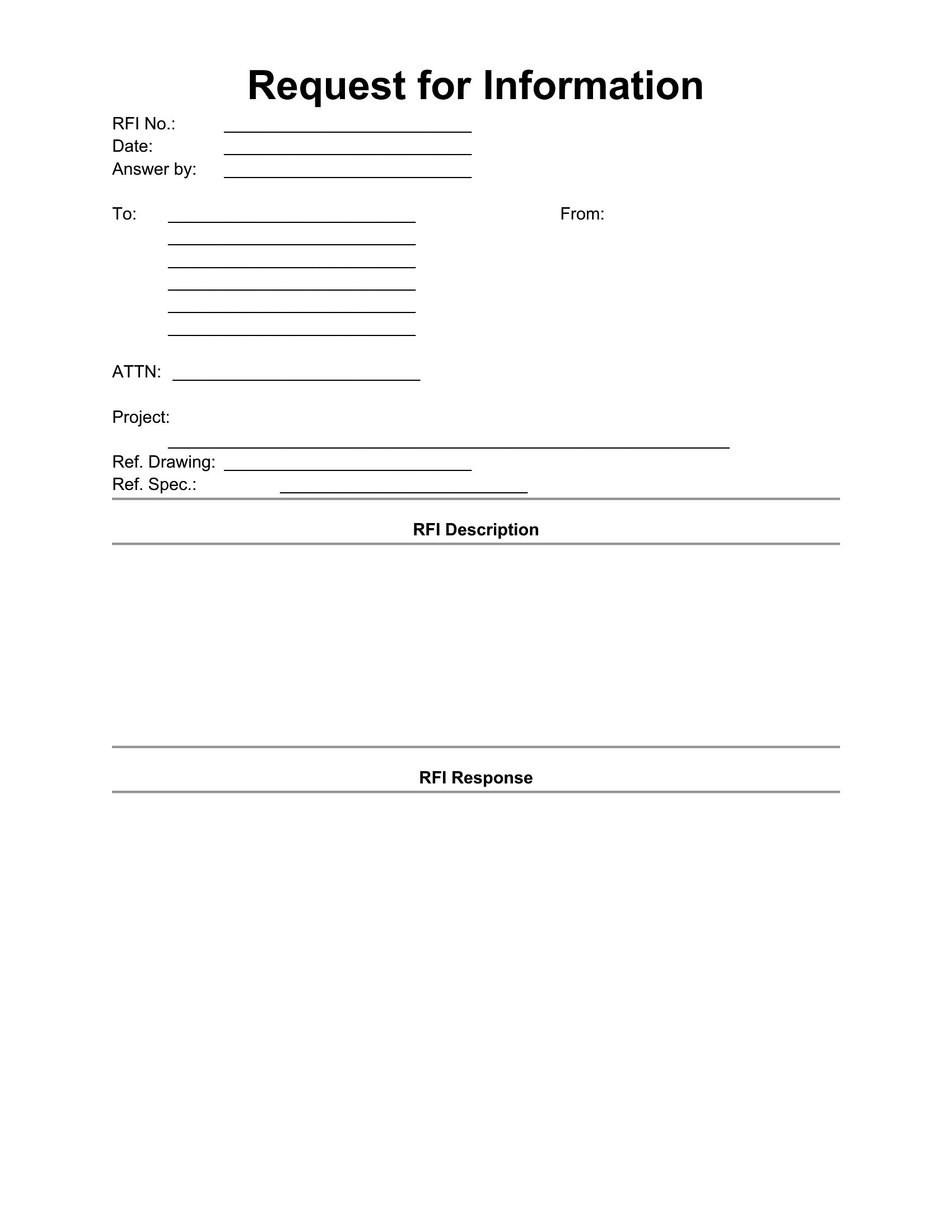
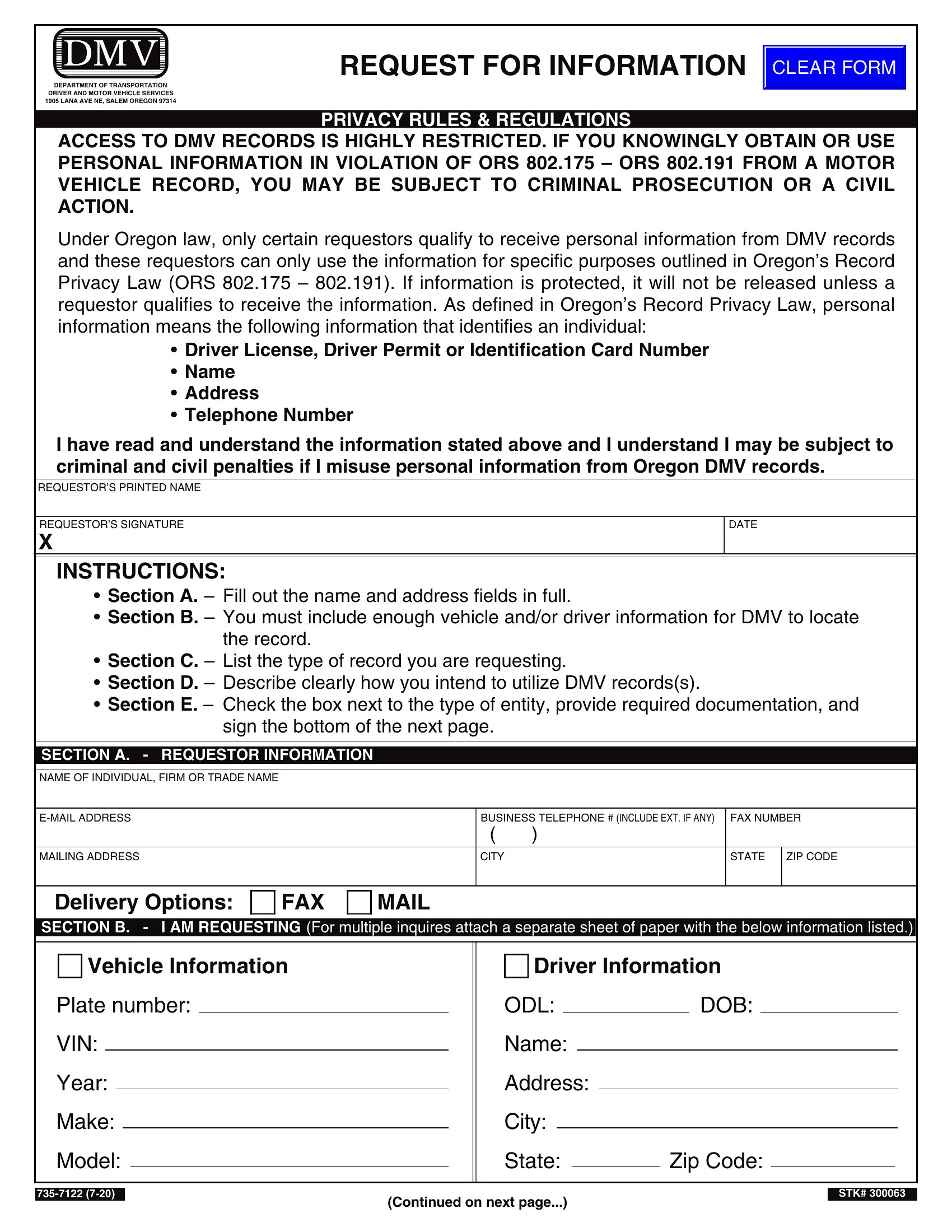
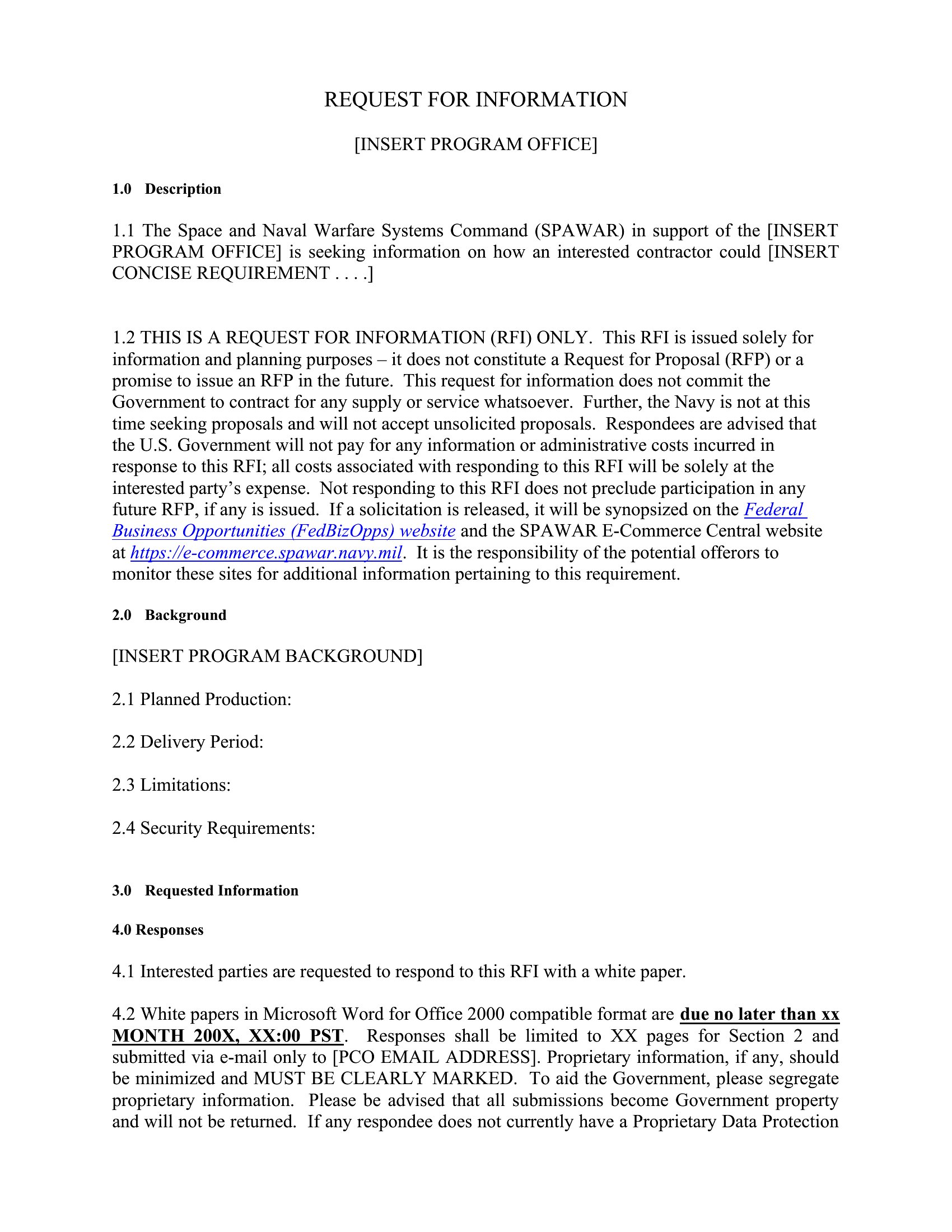
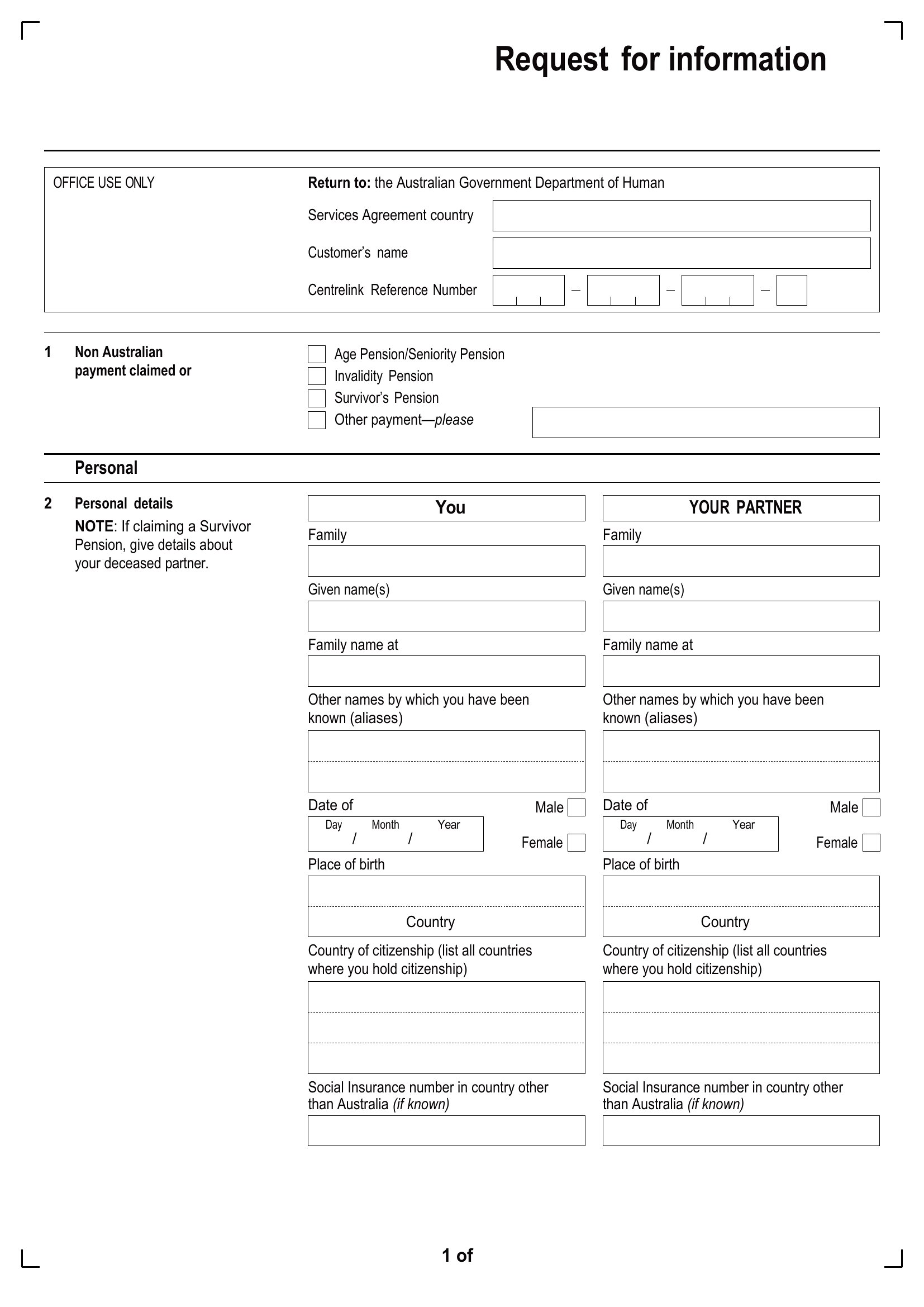
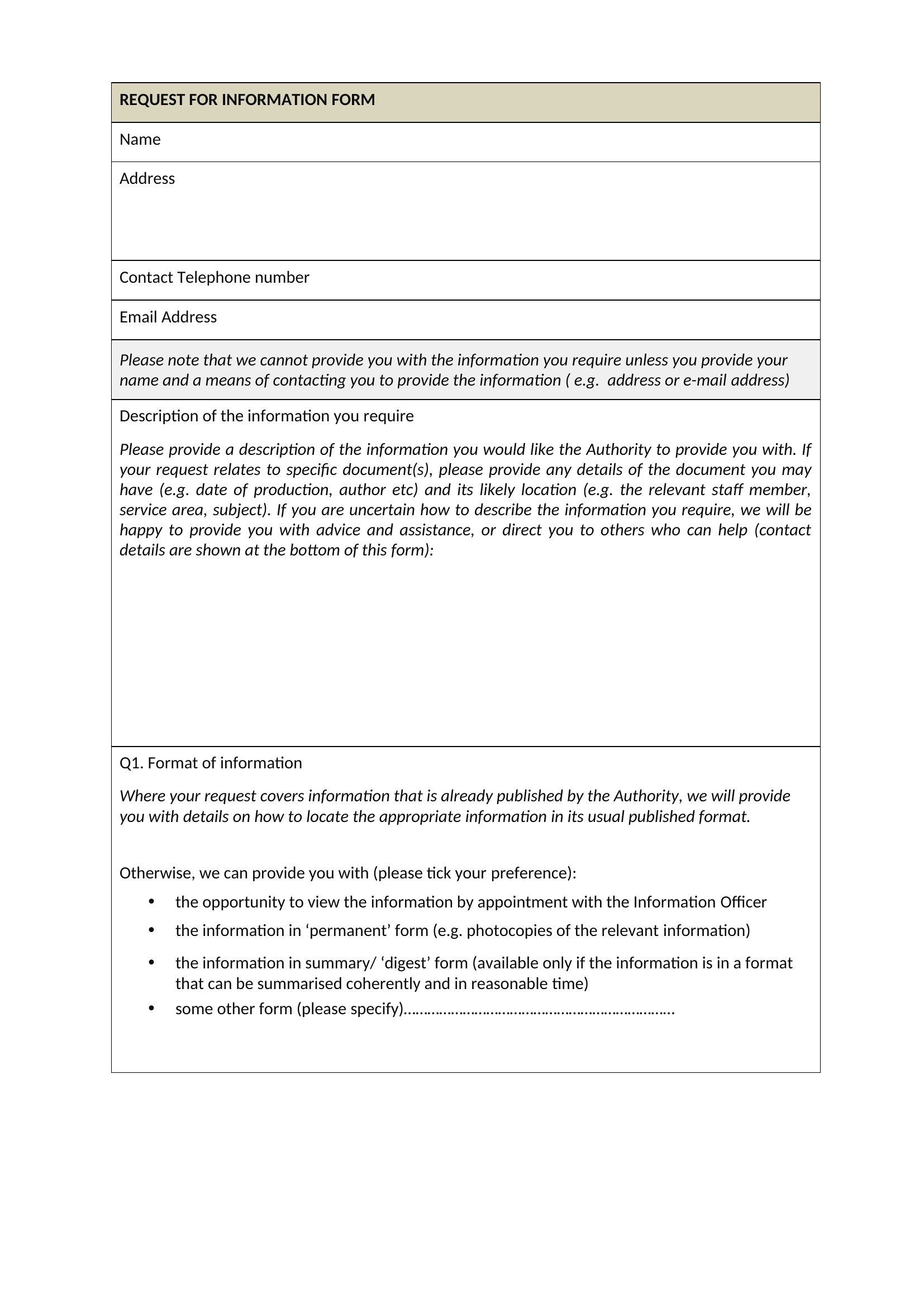
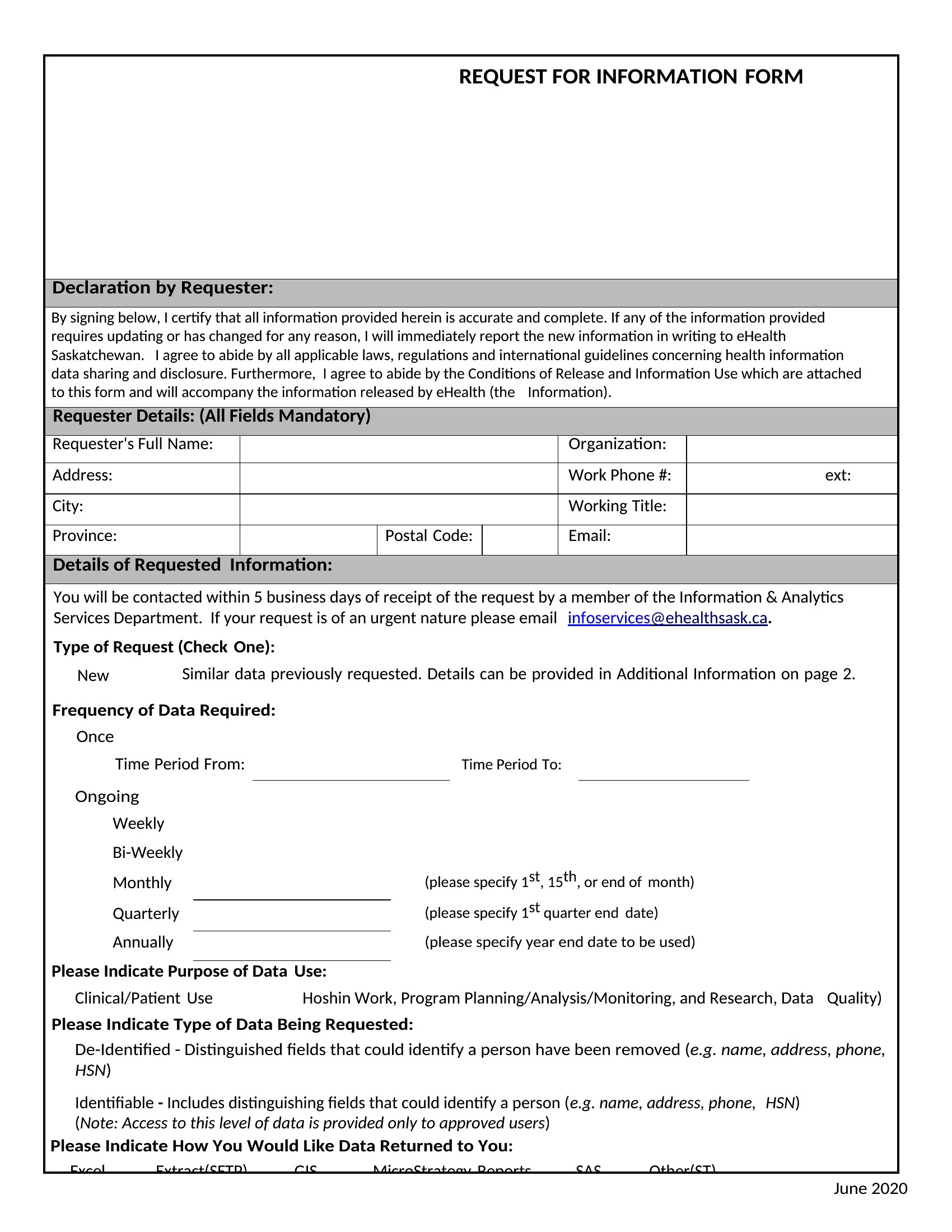
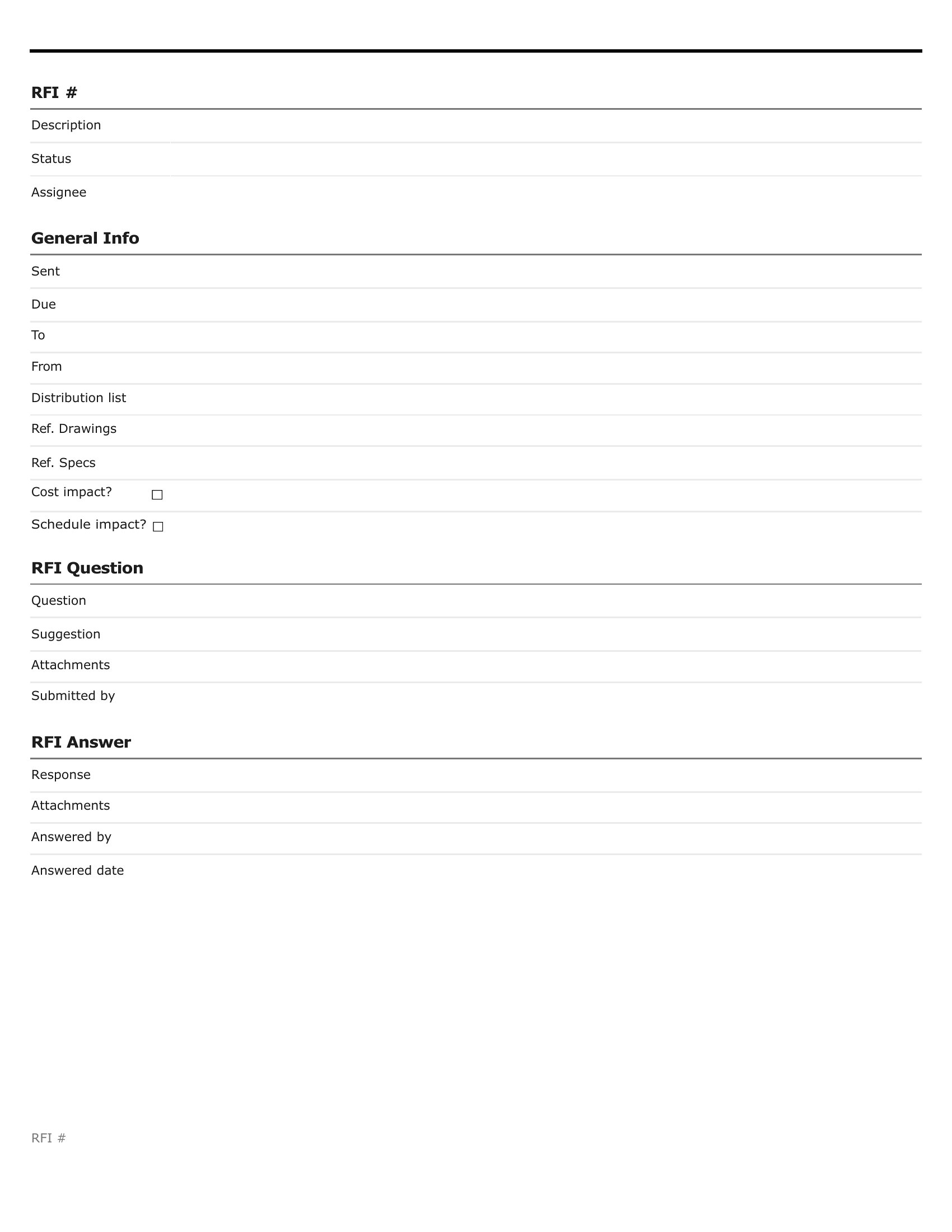
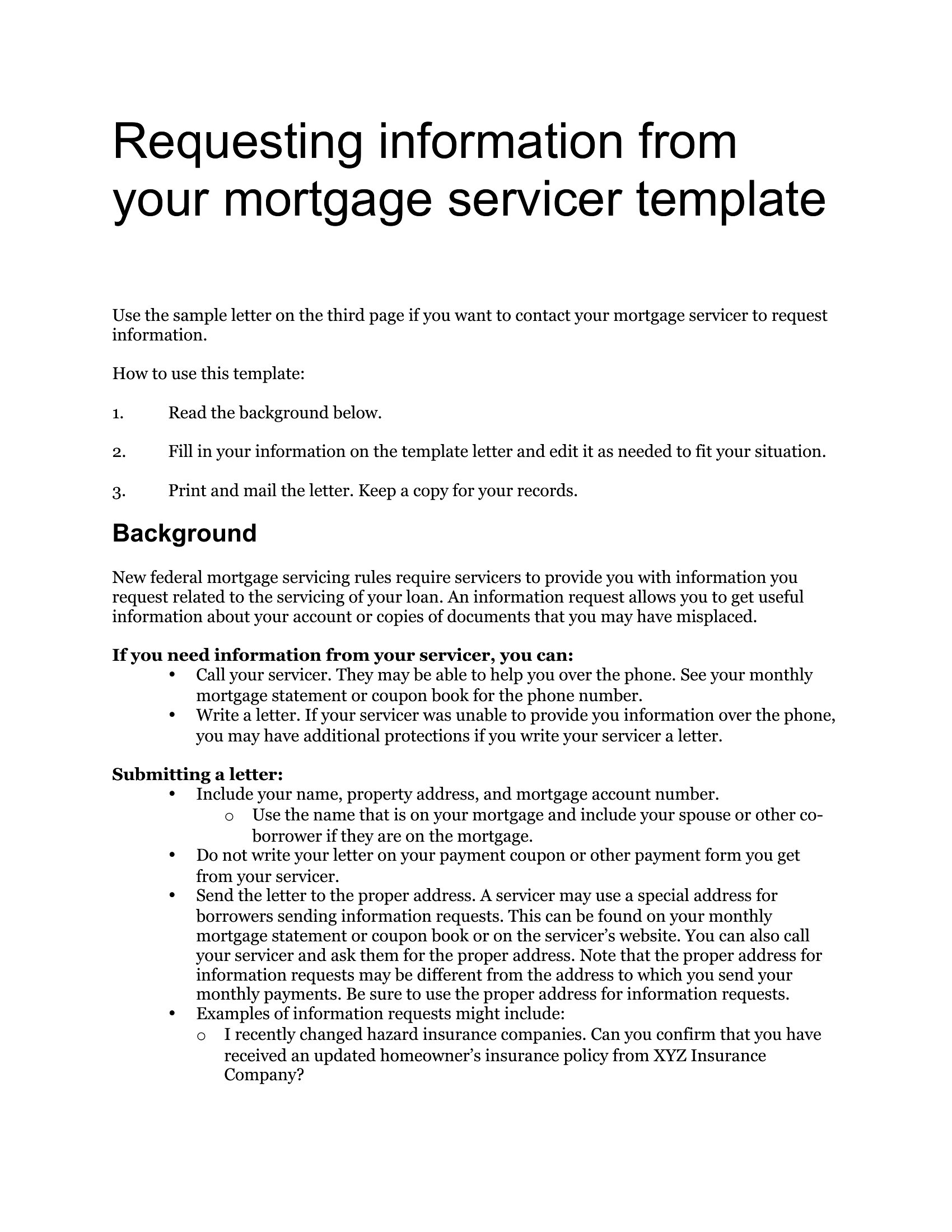
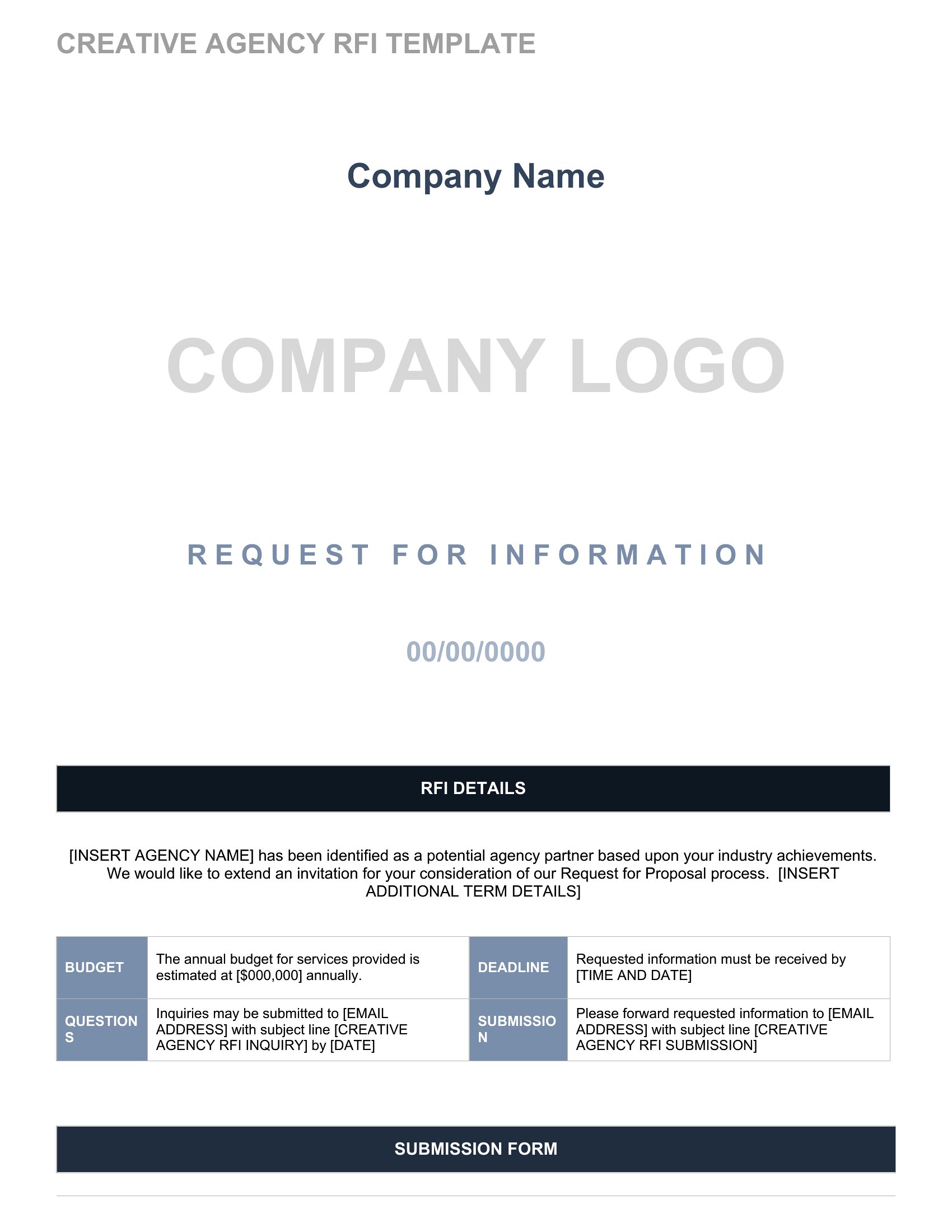
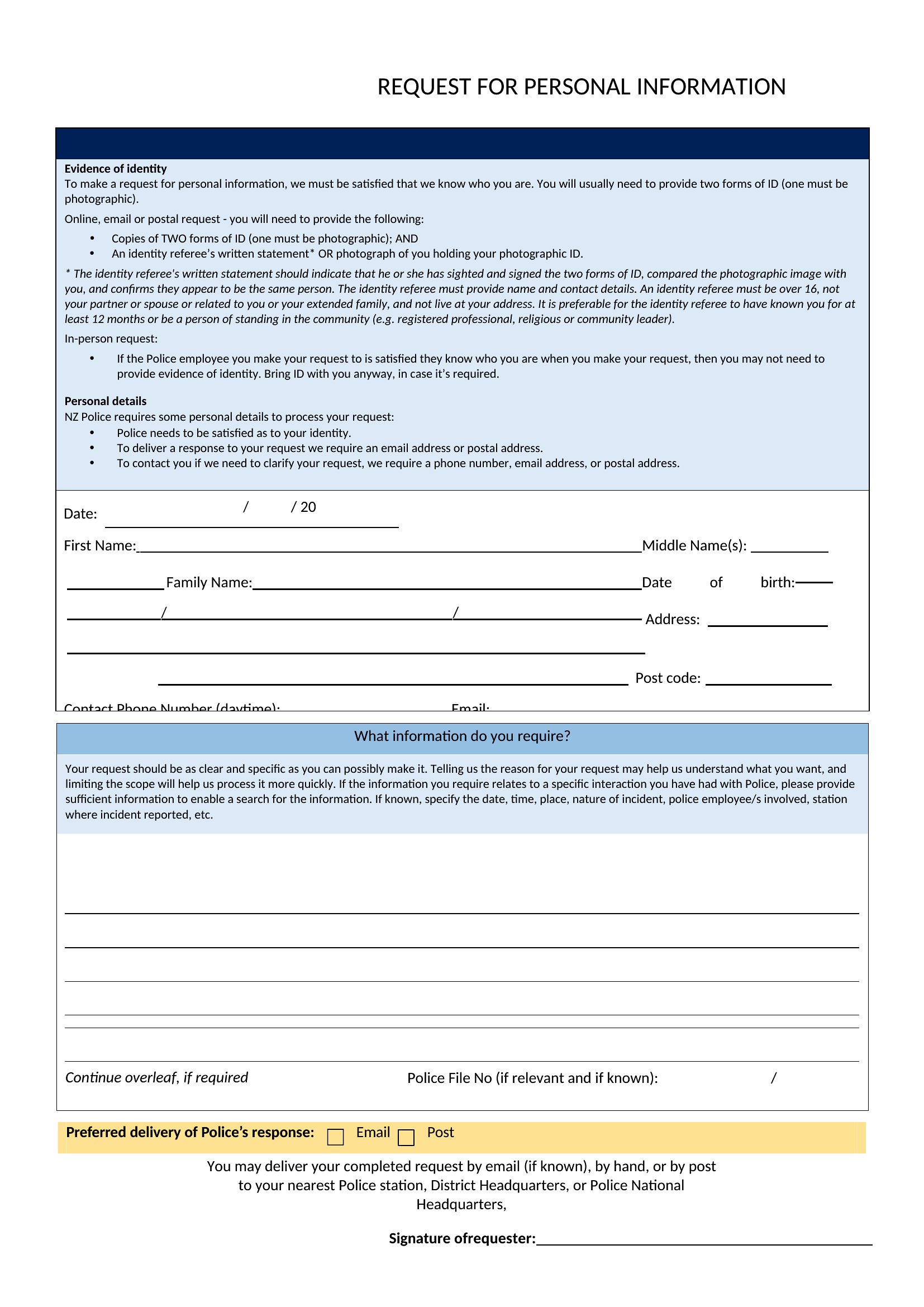
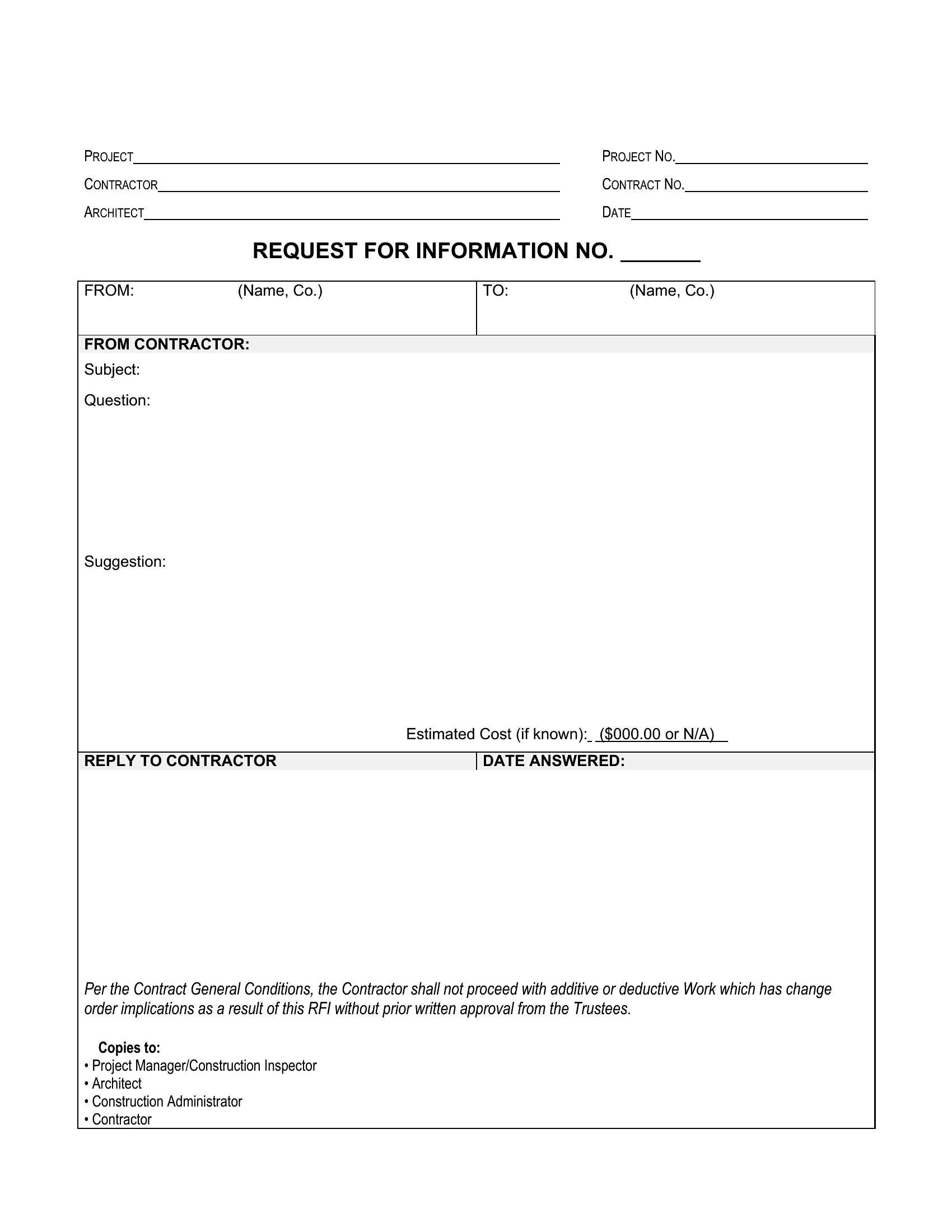
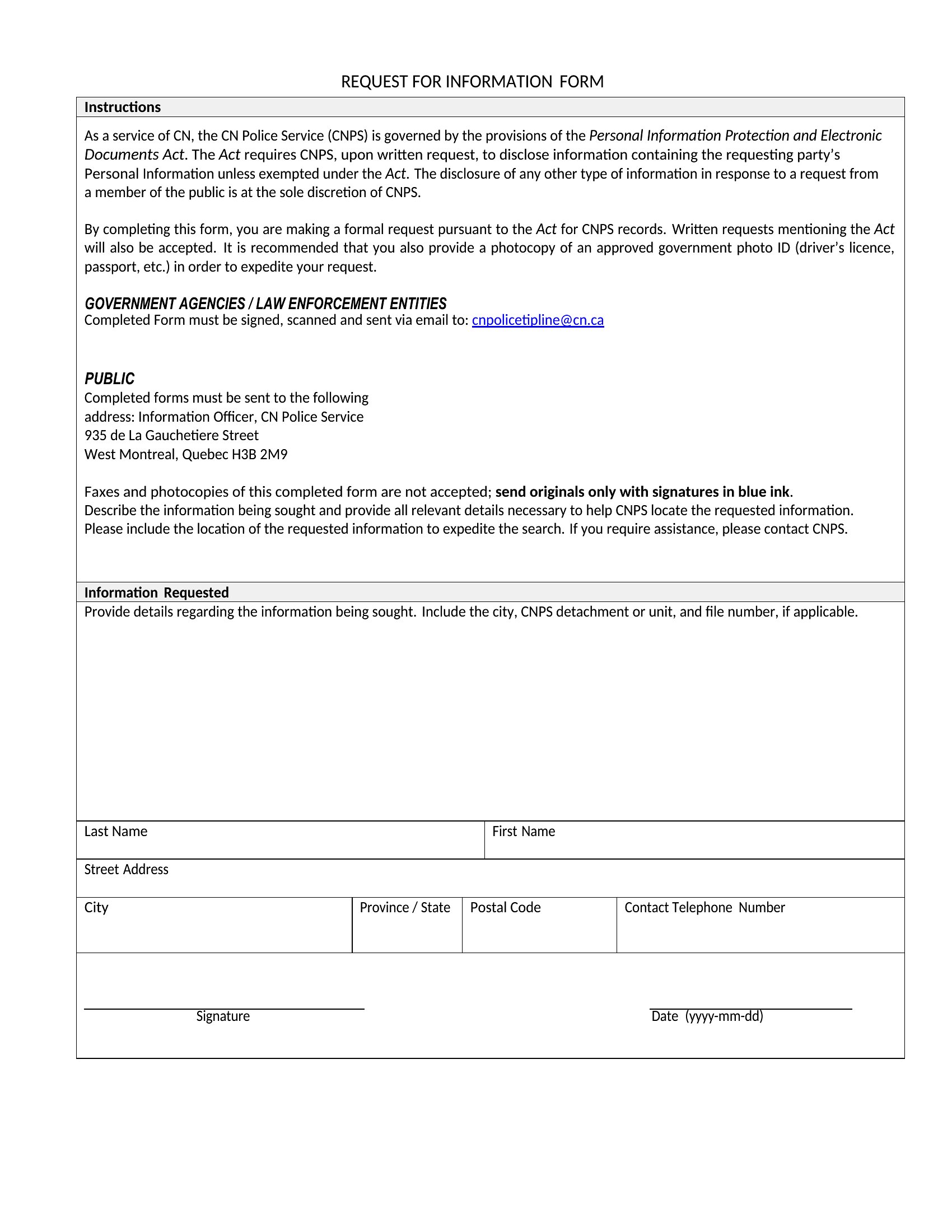
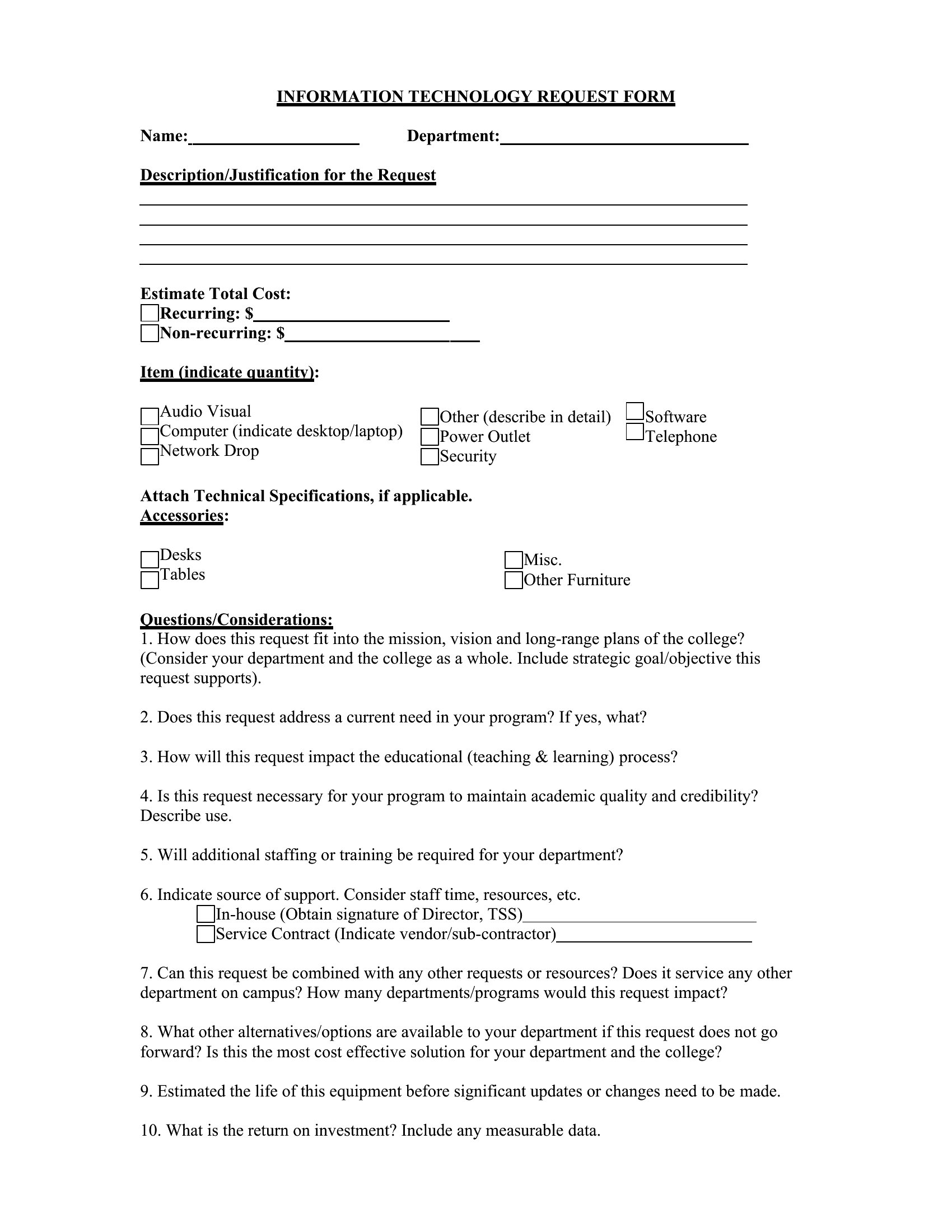
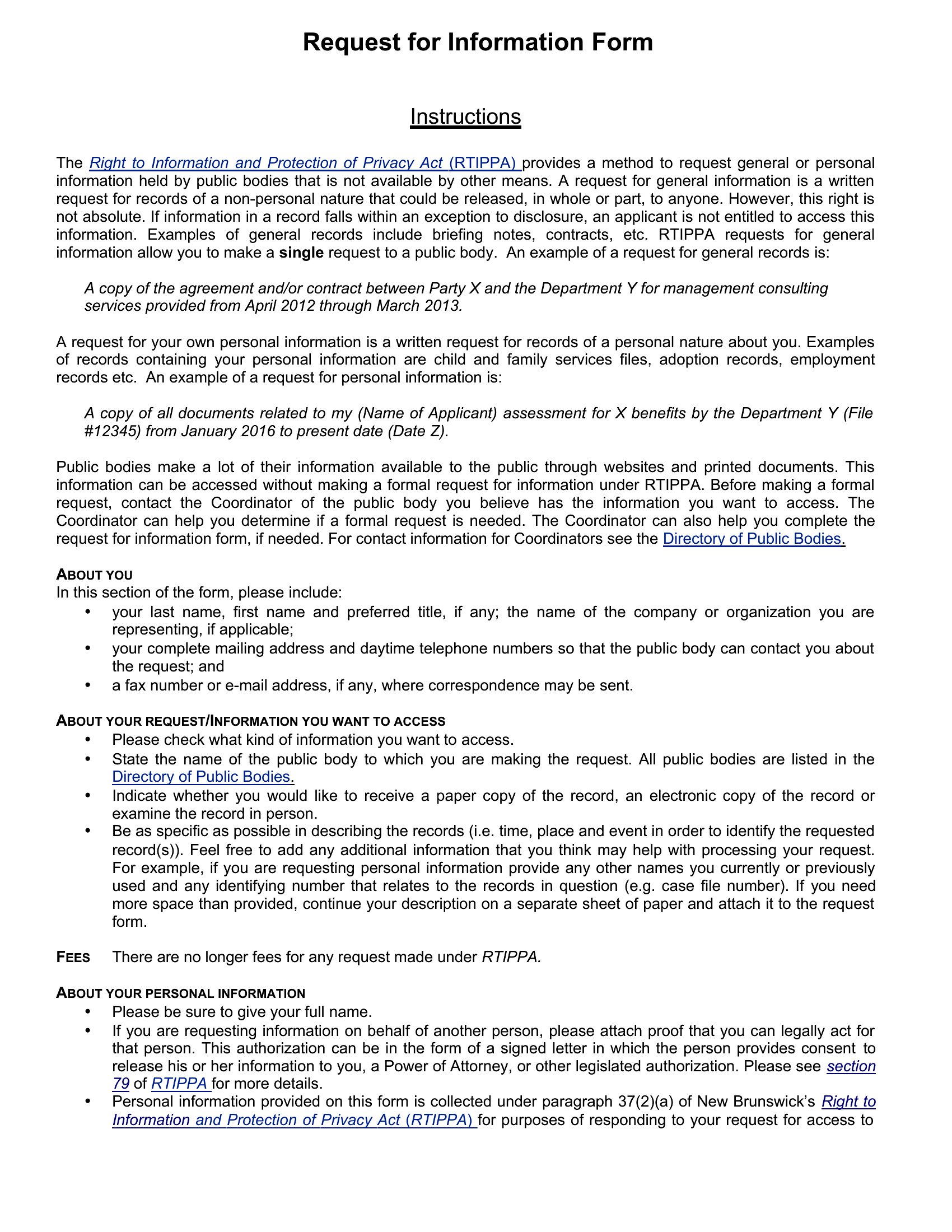
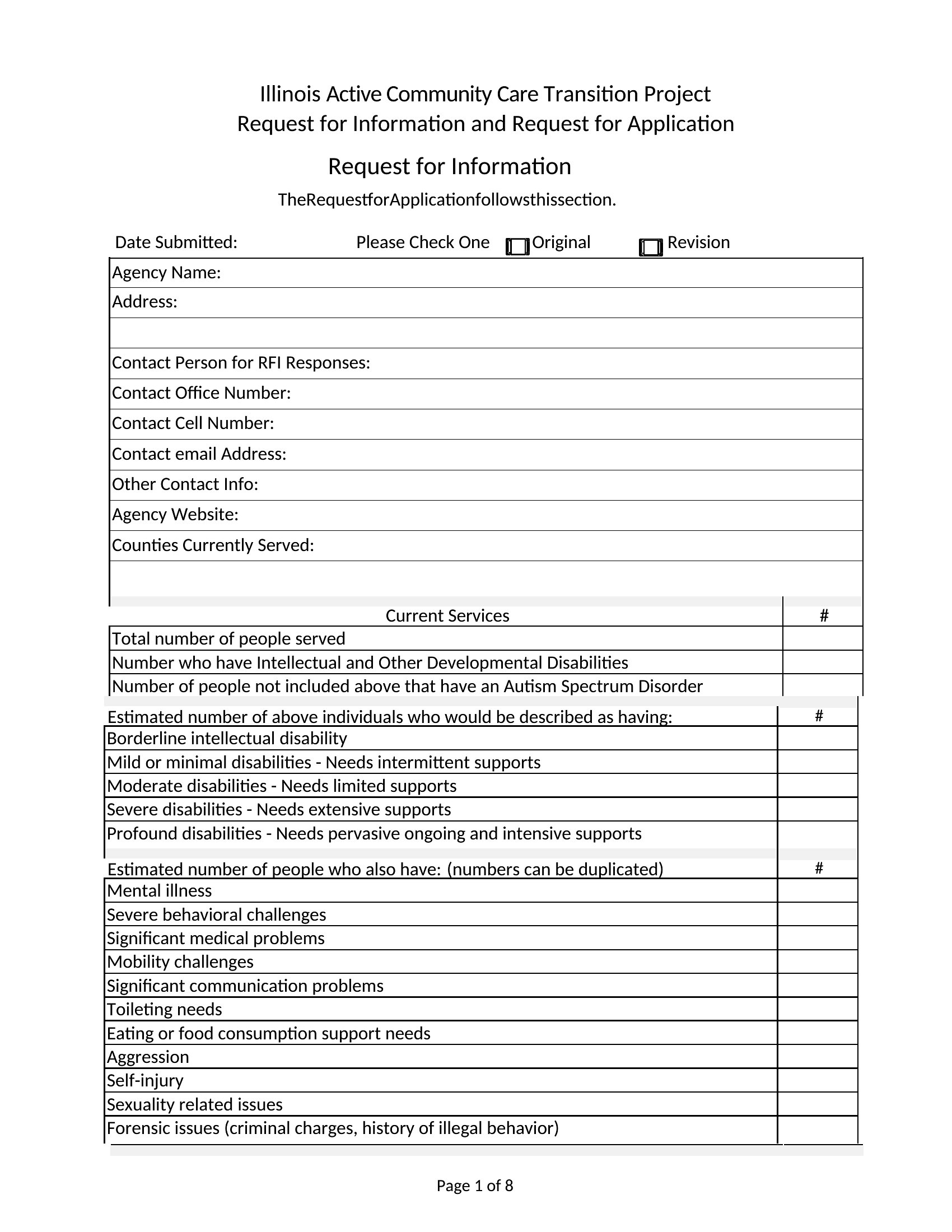
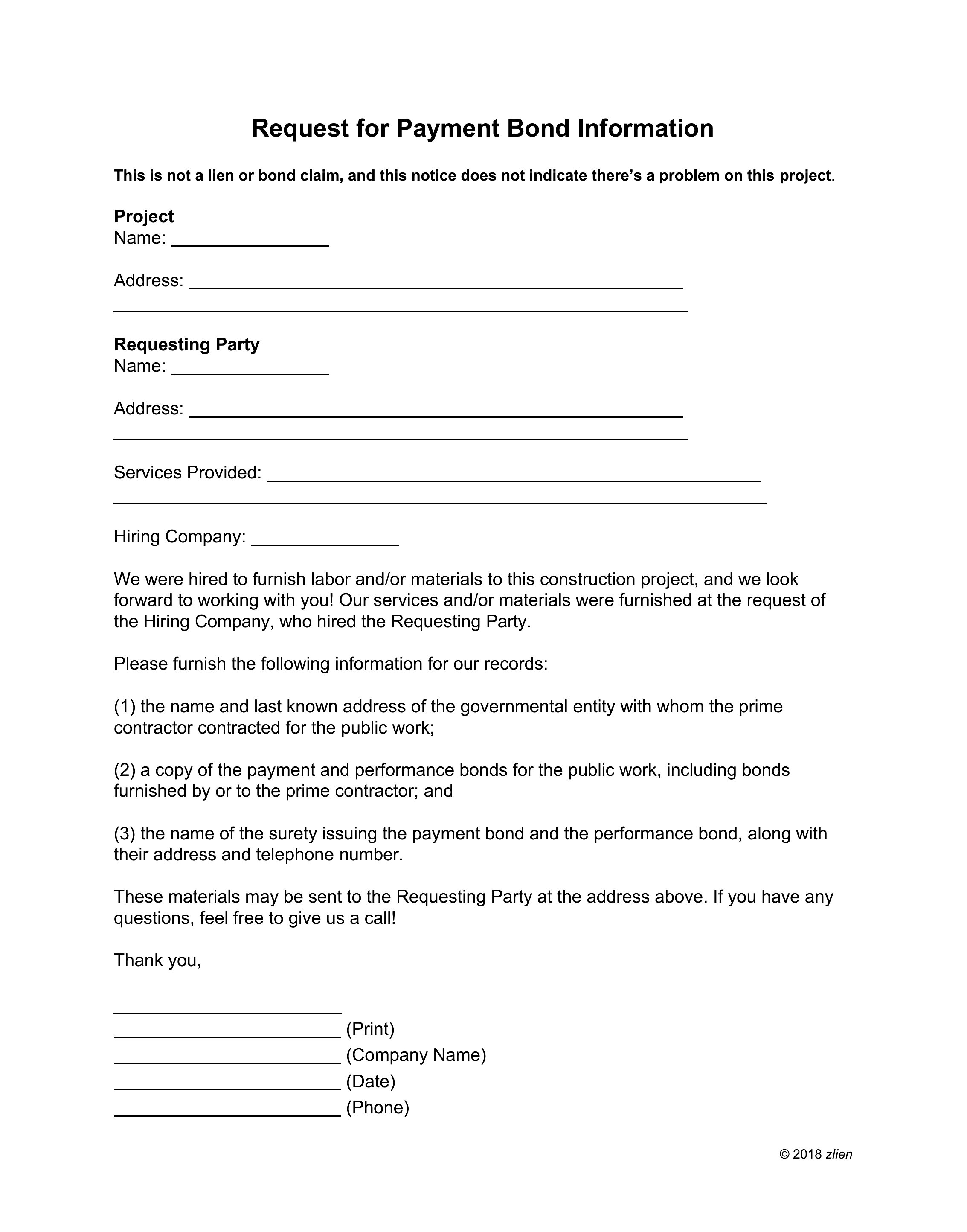
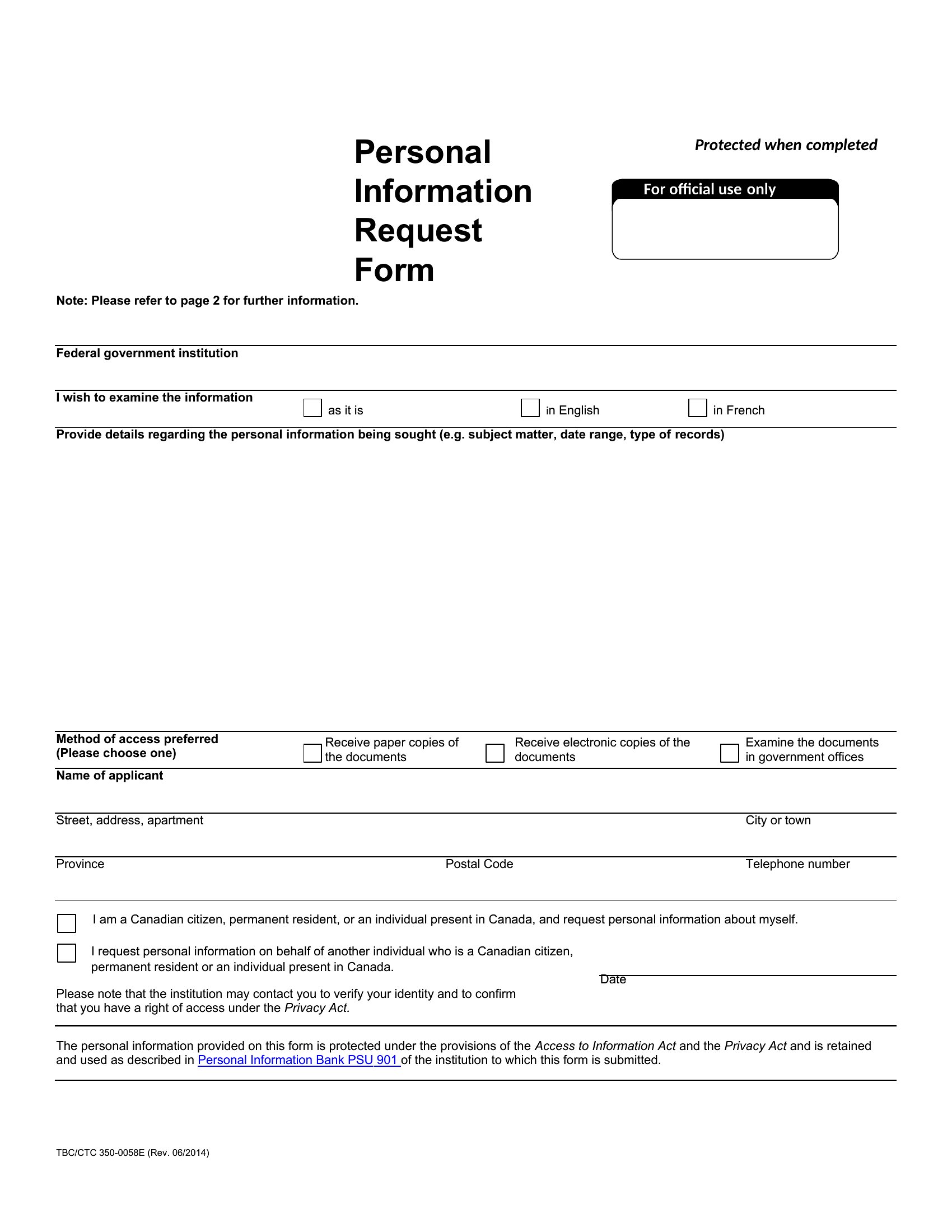
An RFI is a formal way to ask a vendor, contractor, or department for specific details and keep the question and answer on record. It is widely used in construction, procurement, and research to clarify requirements, resolve uncertainties, and document responses for later reference.
What should a request for information include?
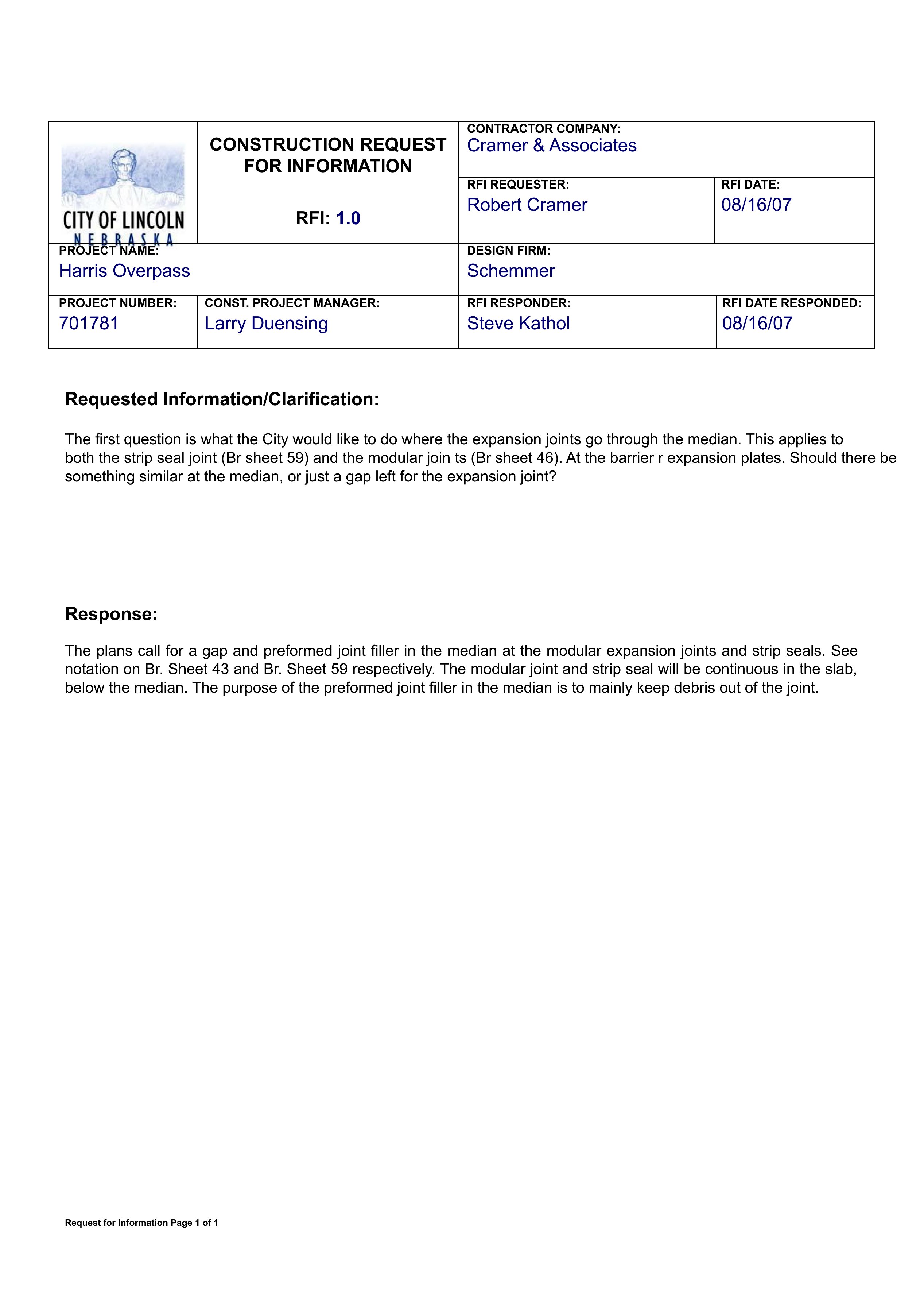
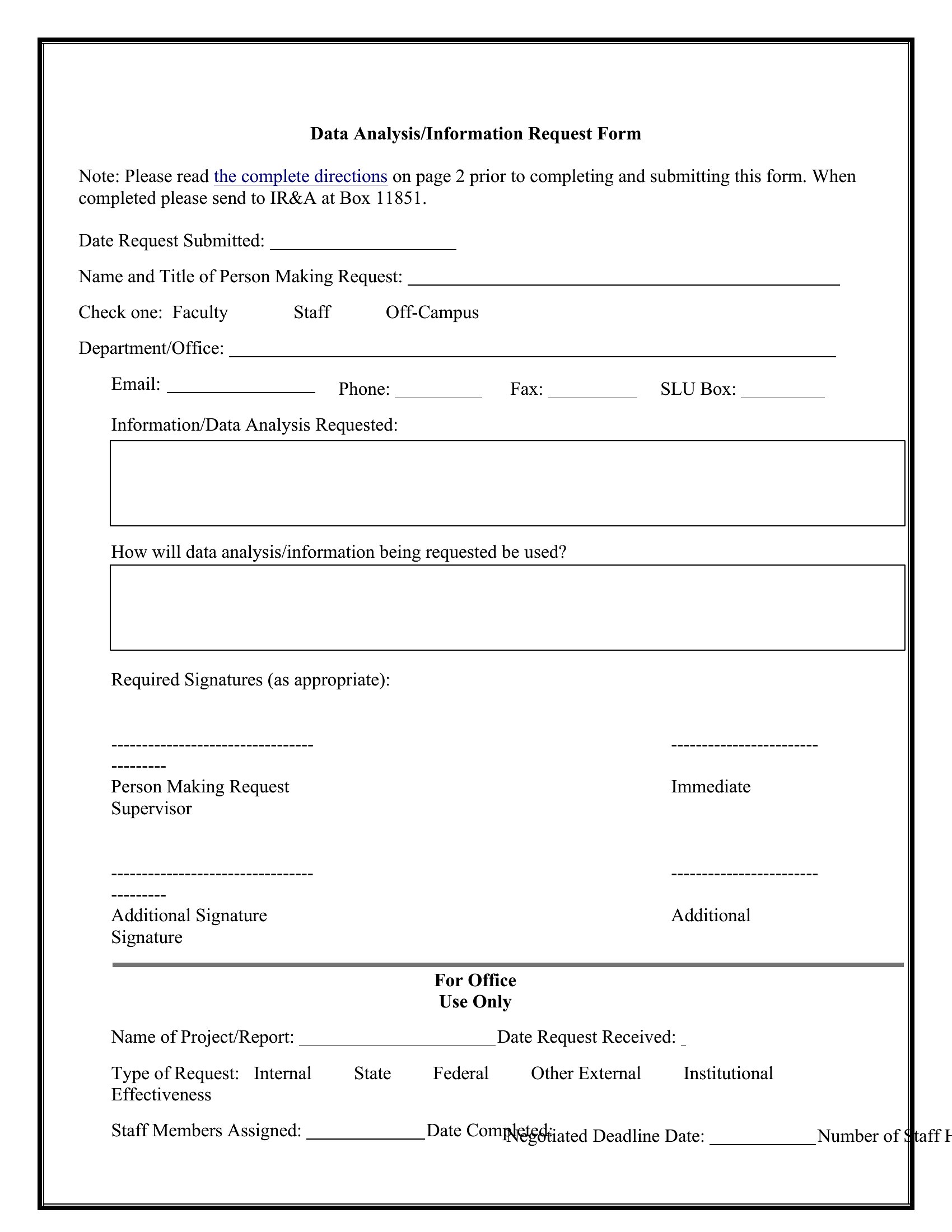
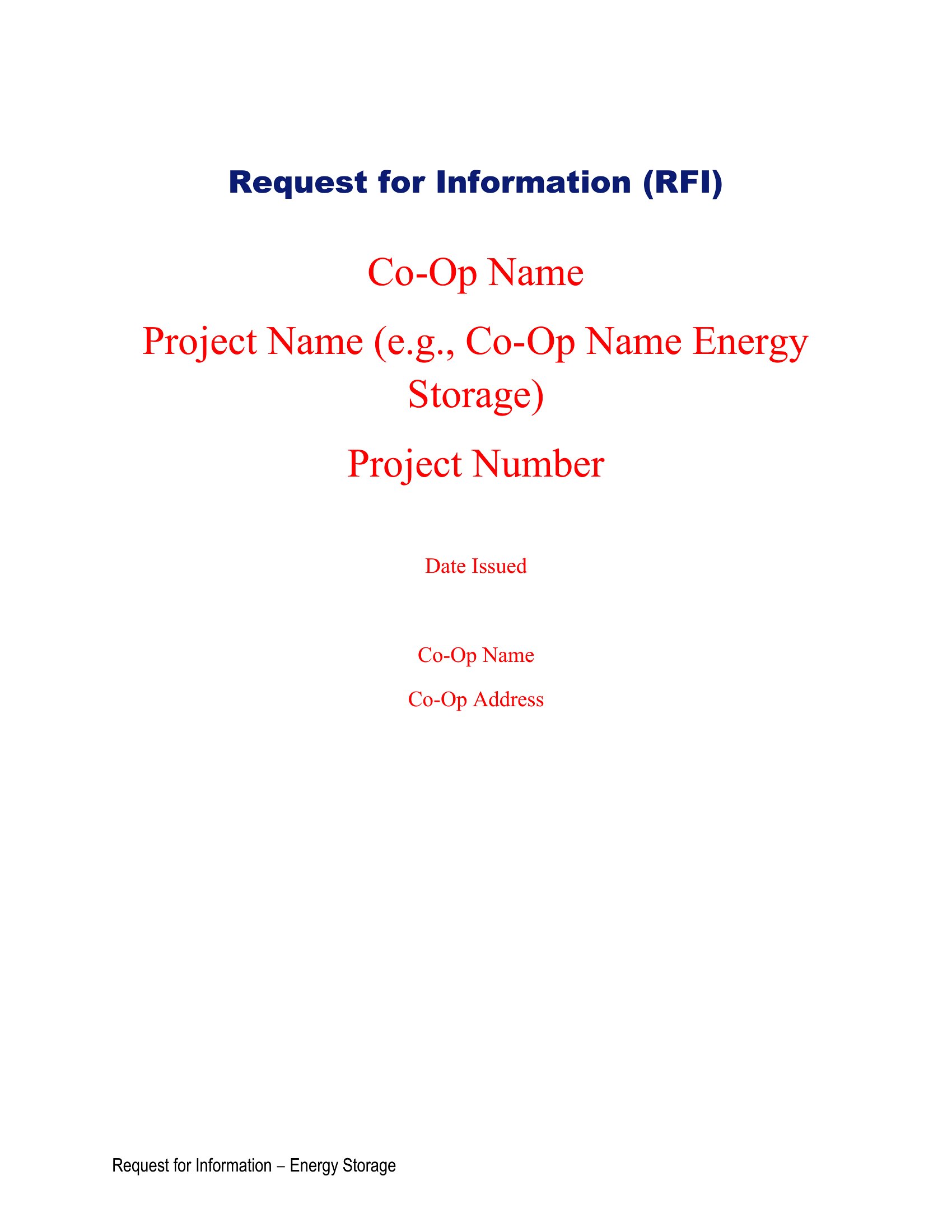
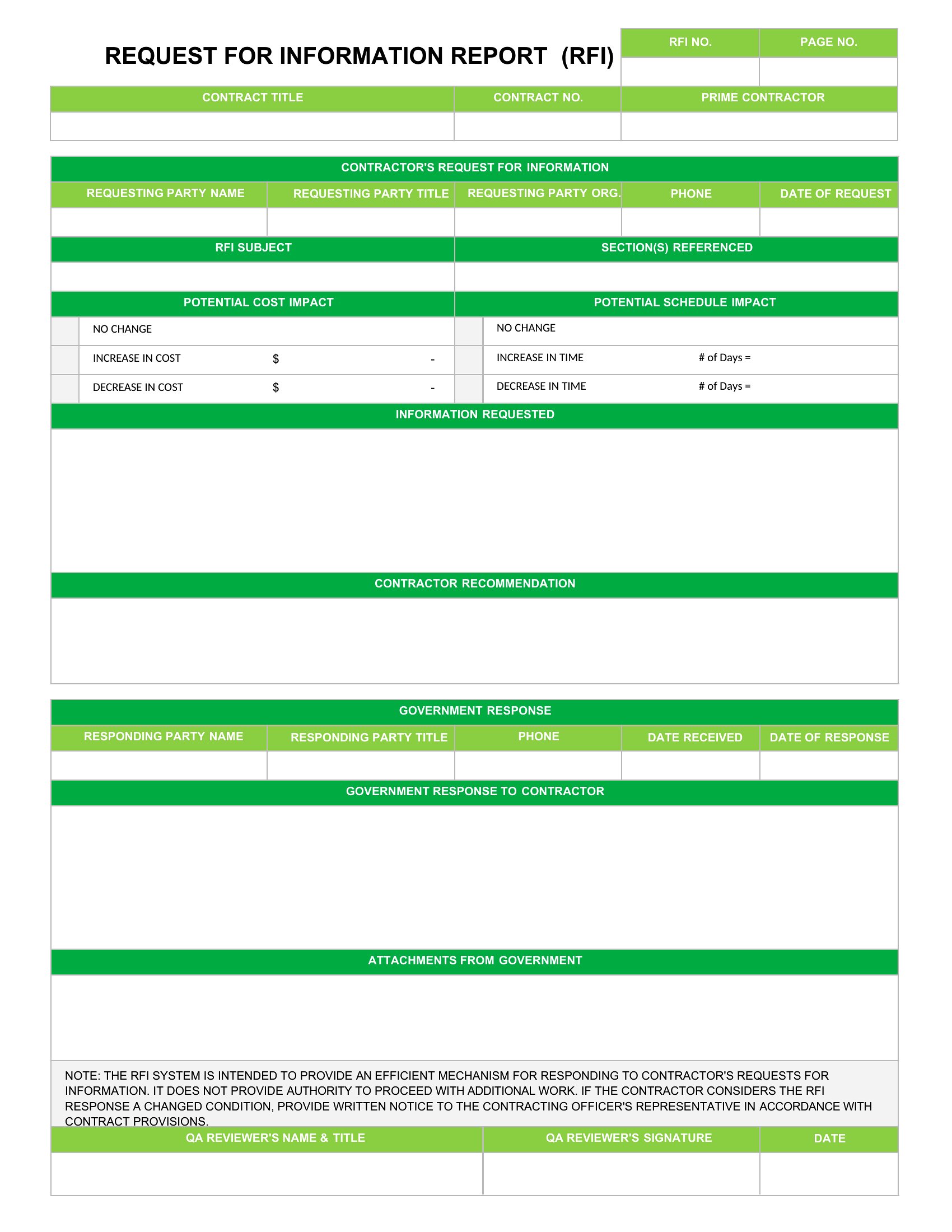
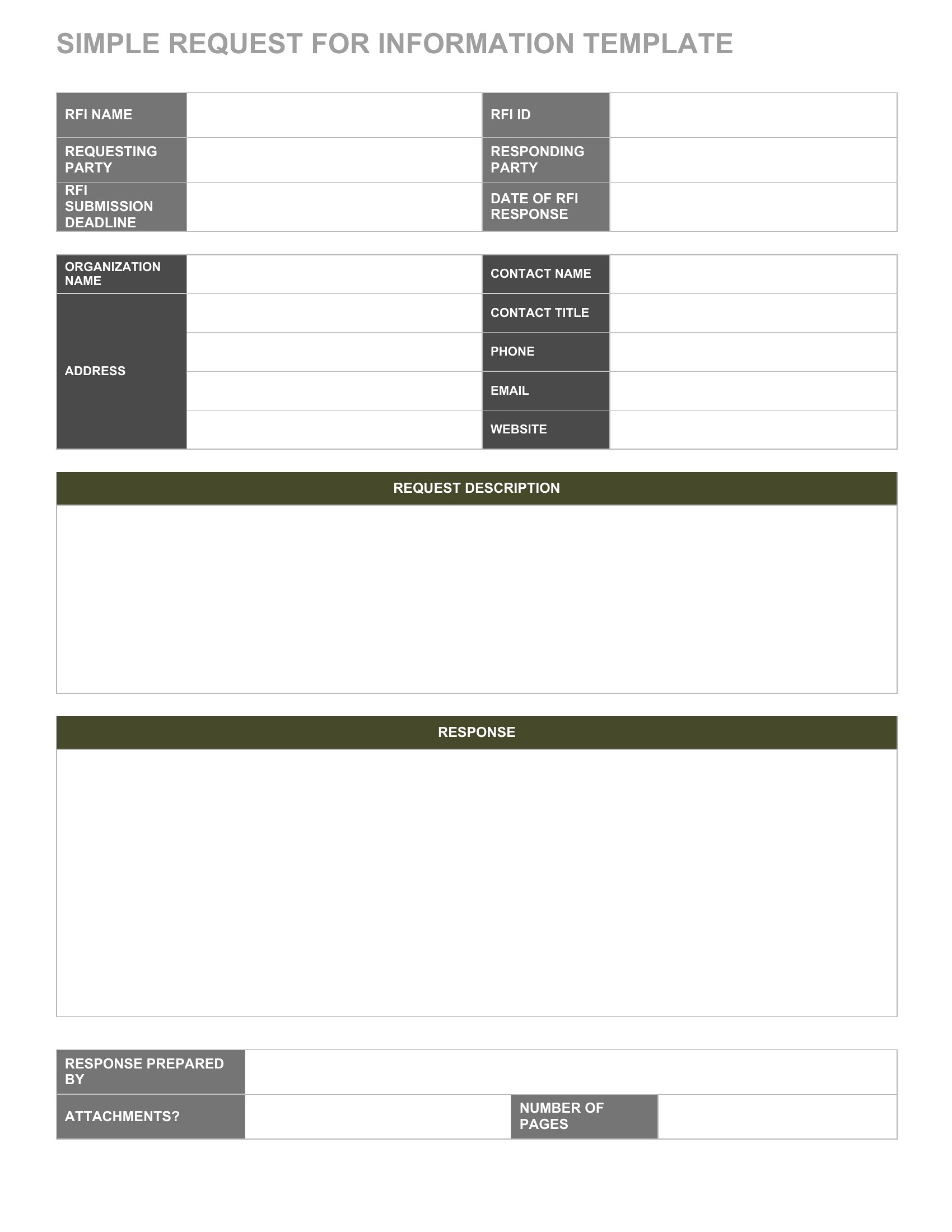
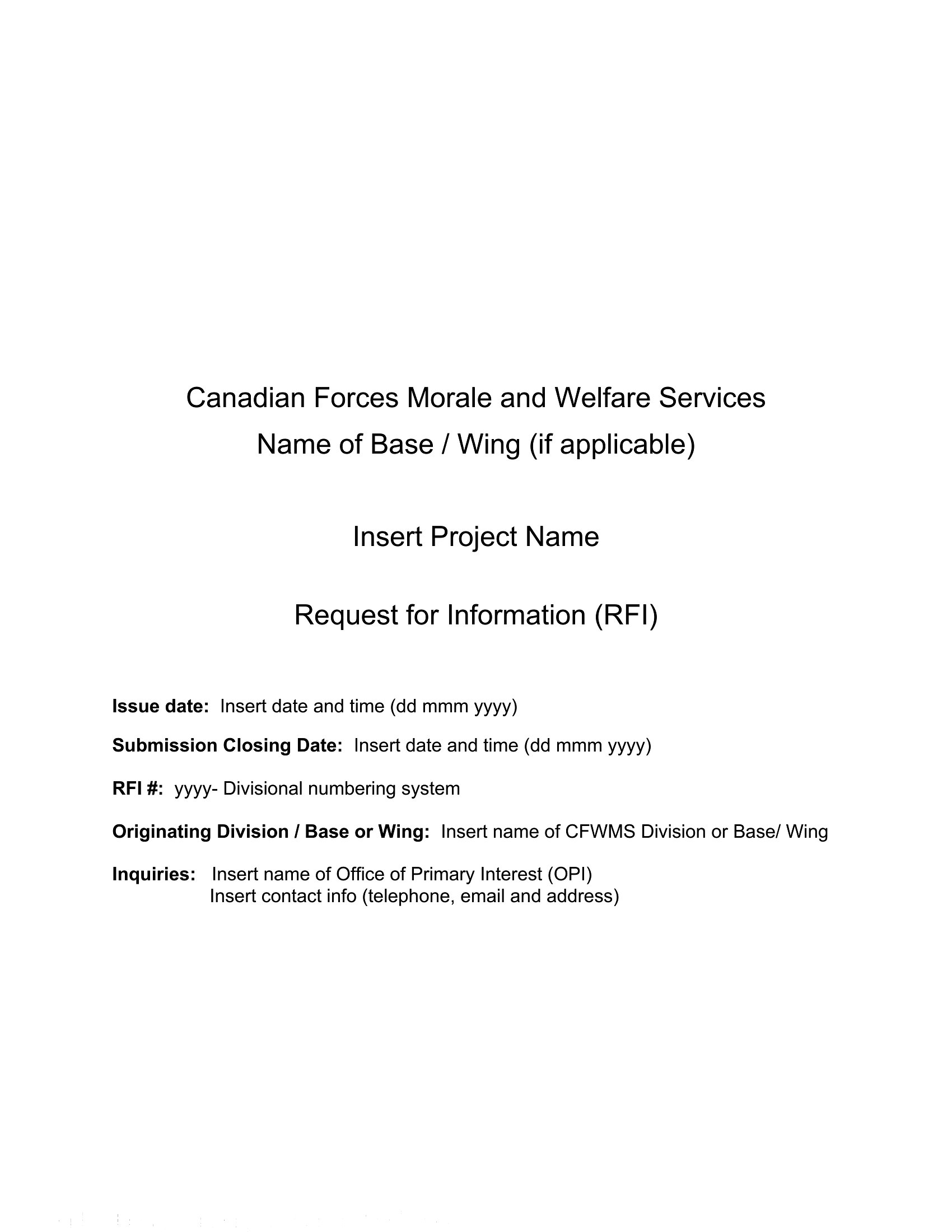
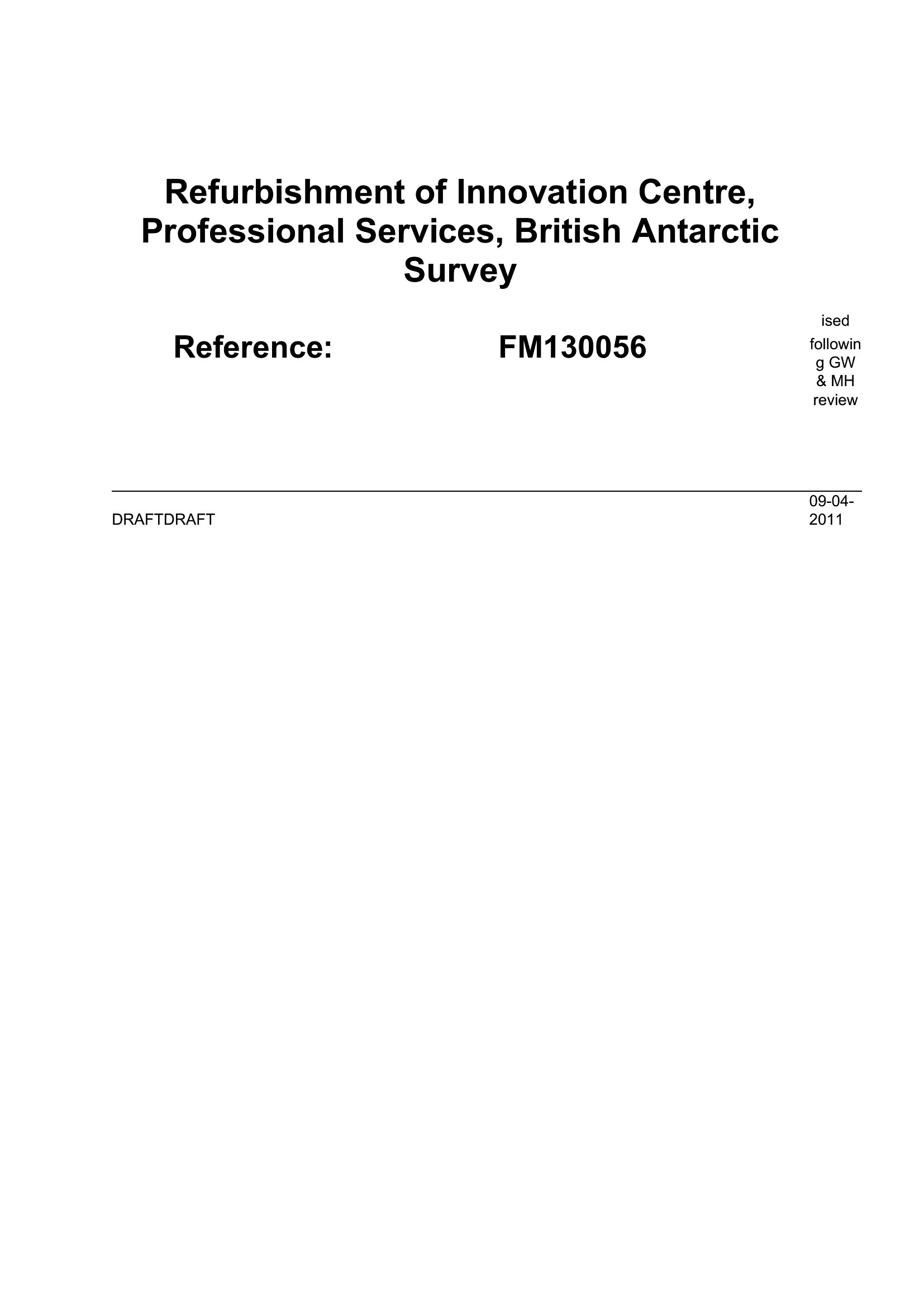
An RFI should clearly state the question, provide context or references, list a reference number, name the responsible parties, and set a response deadline. Space for the answer keeps the exchange in one place, creating a clear record that prevents misunderstandings down the line.
What is the difference between an RFI, RFP, and RFQ?
An RFI gathers general information to understand options, an RFP requests detailed proposals to solve a need, and an RFQ asks for specific pricing. RFIs come earliest and are least binding, helping you learn before requesting proposals or firm quotes from suppliers.
Comments
Join the conversation
Sign in to share your thoughts and leave a comment on this resource.