Free Concept Map Templates (Word, PDF)
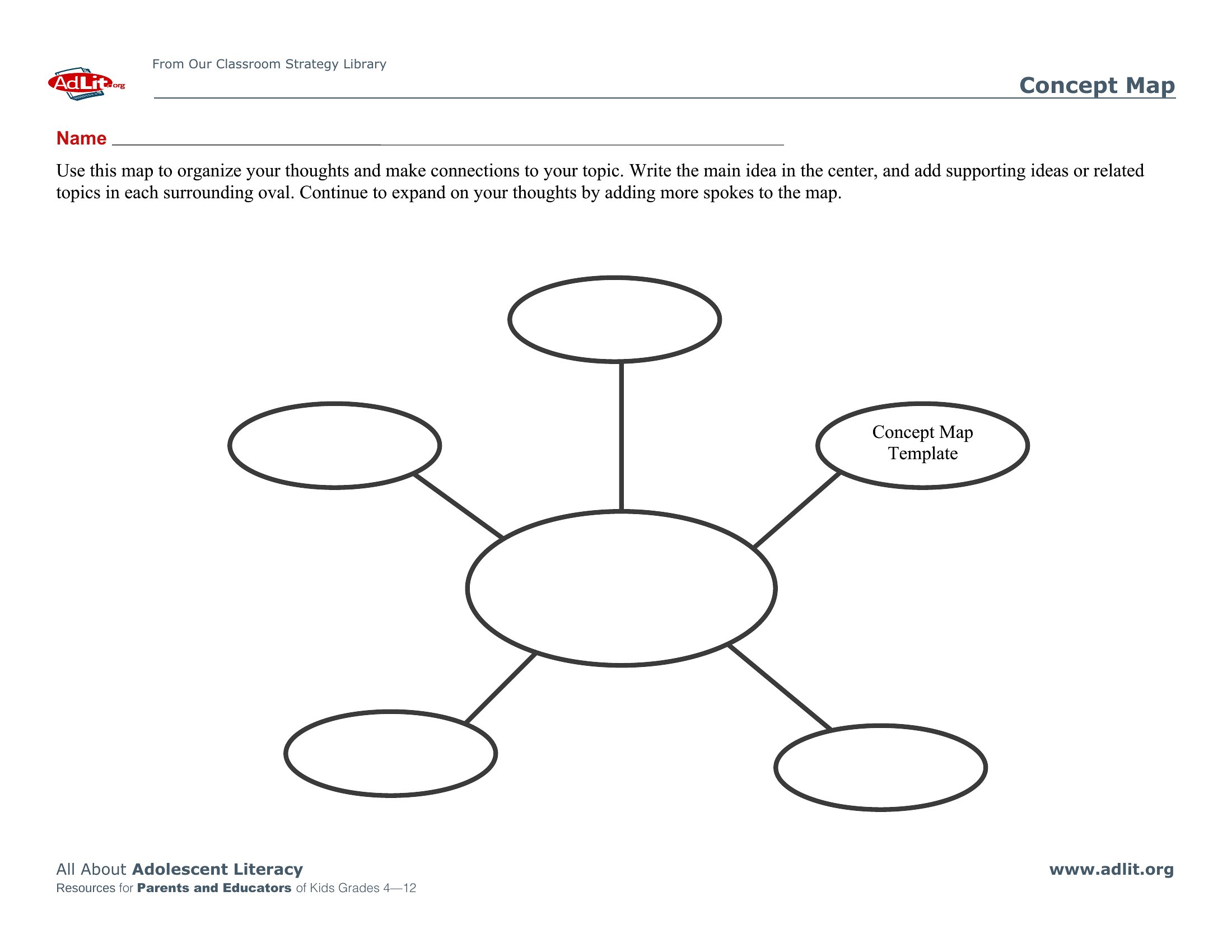
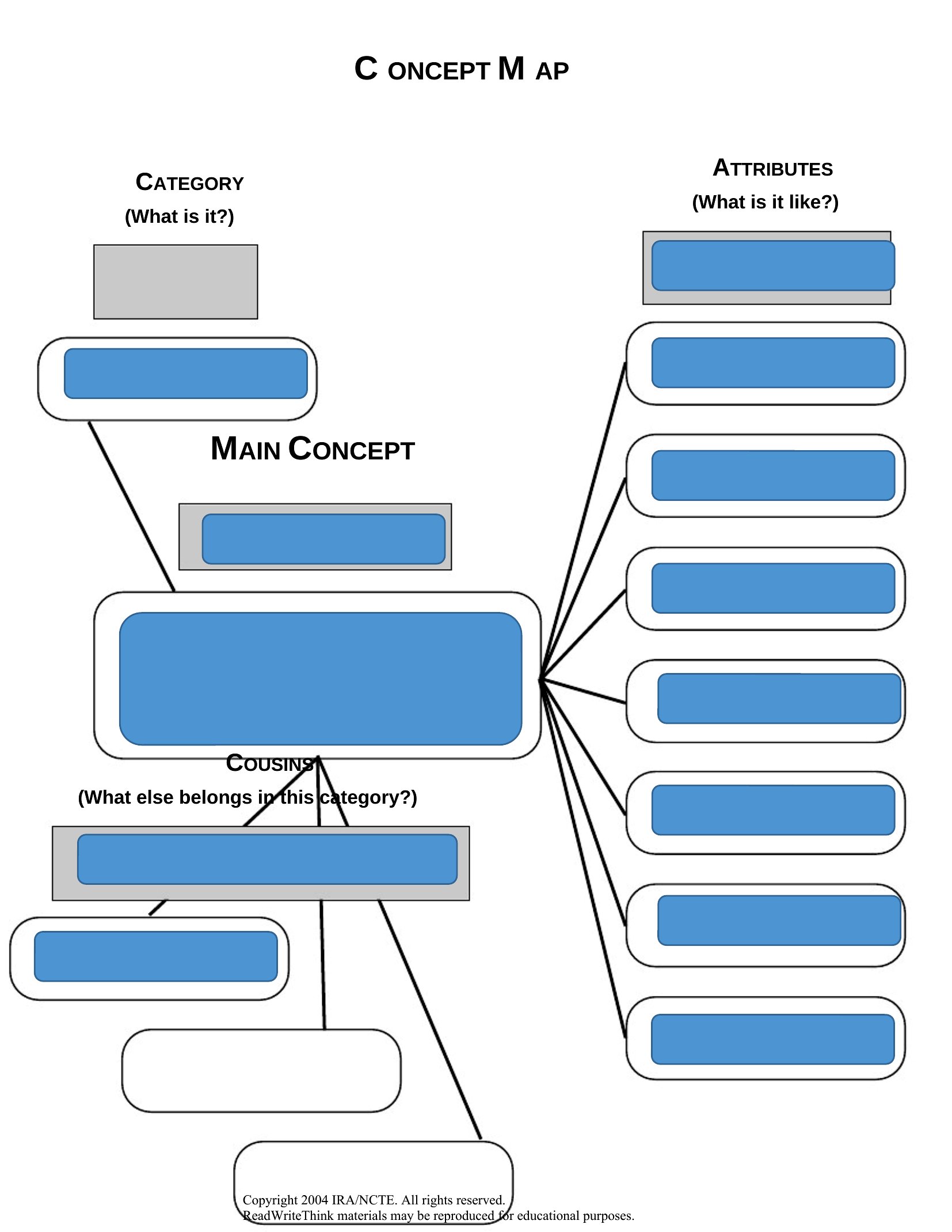
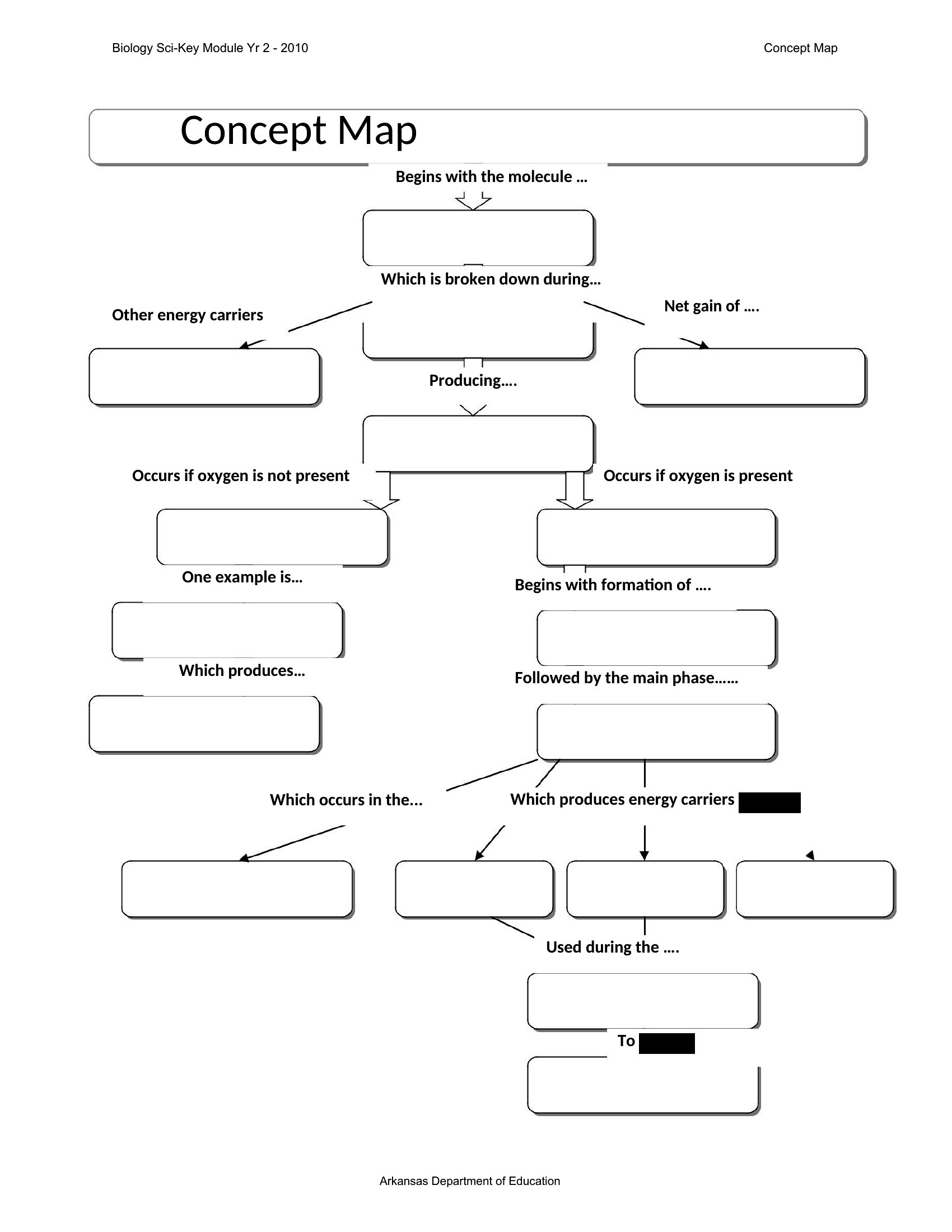
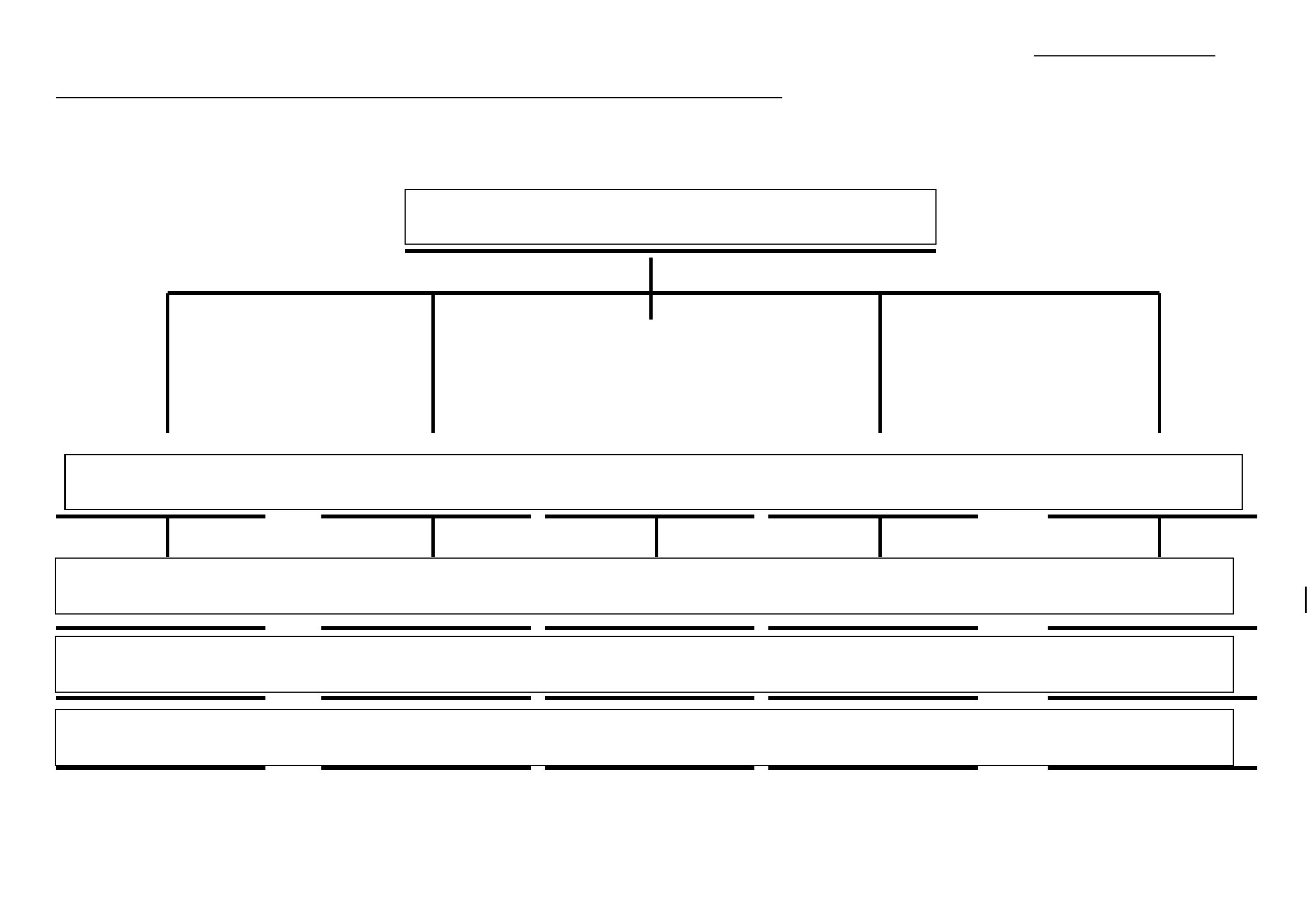
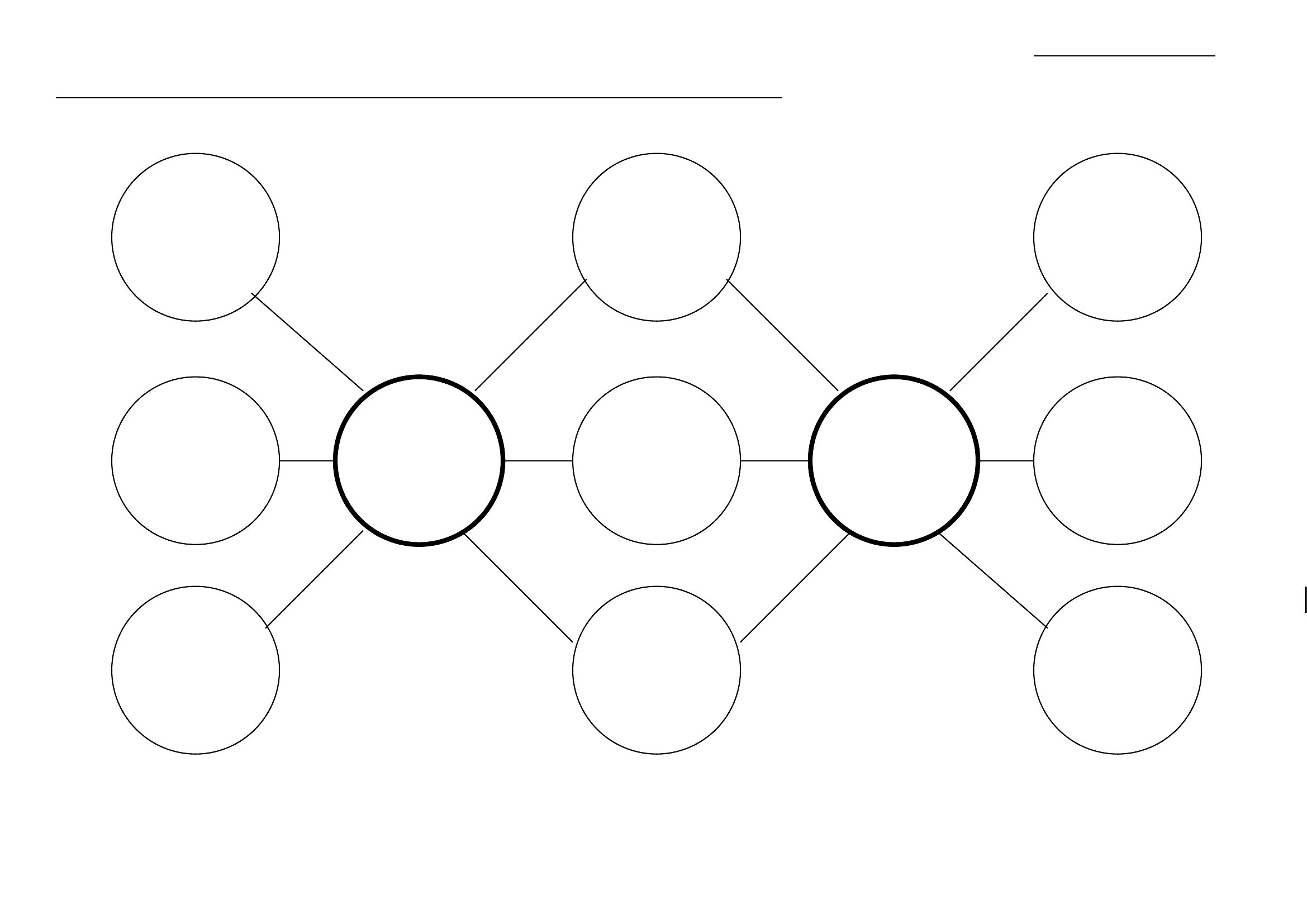
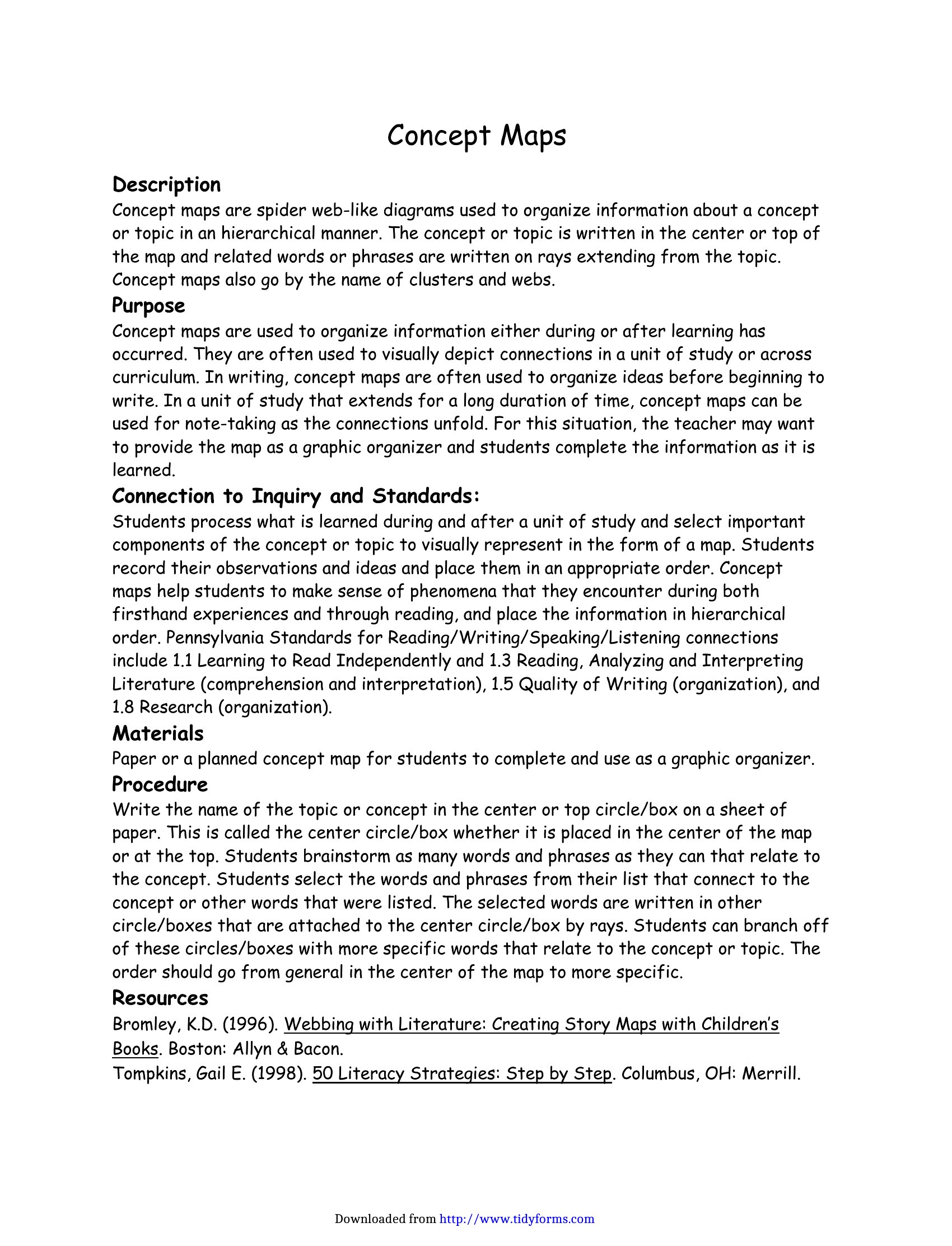
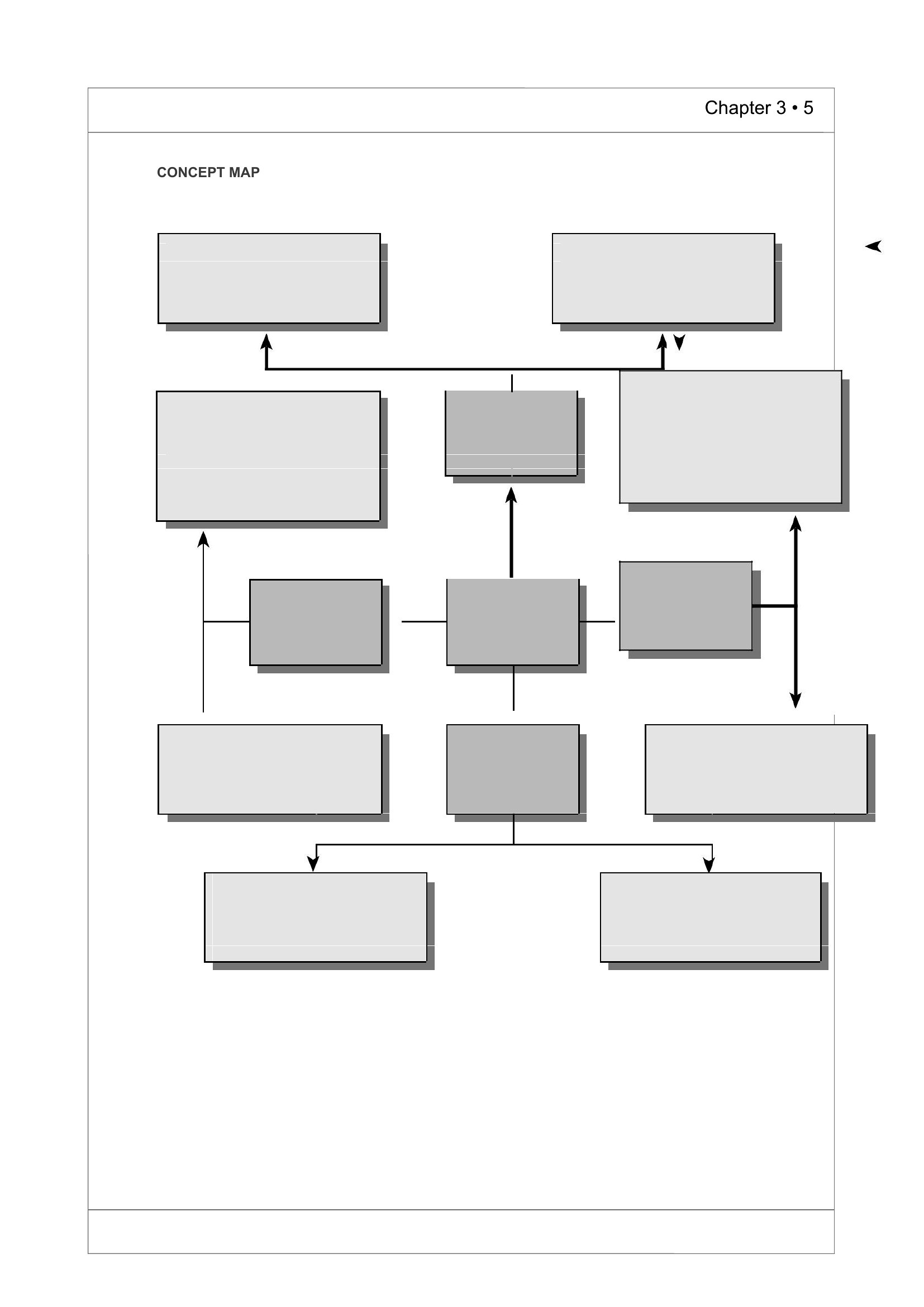
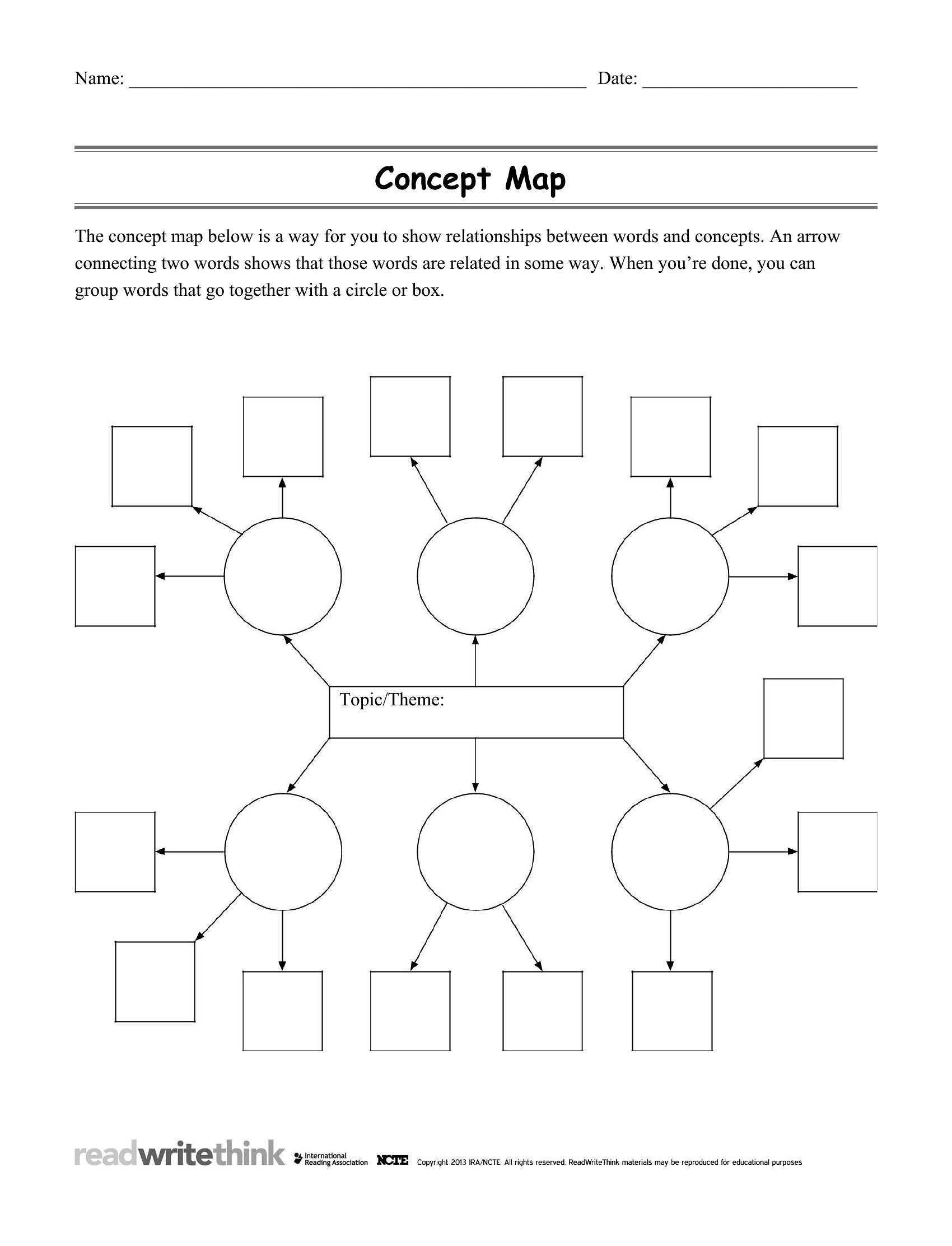
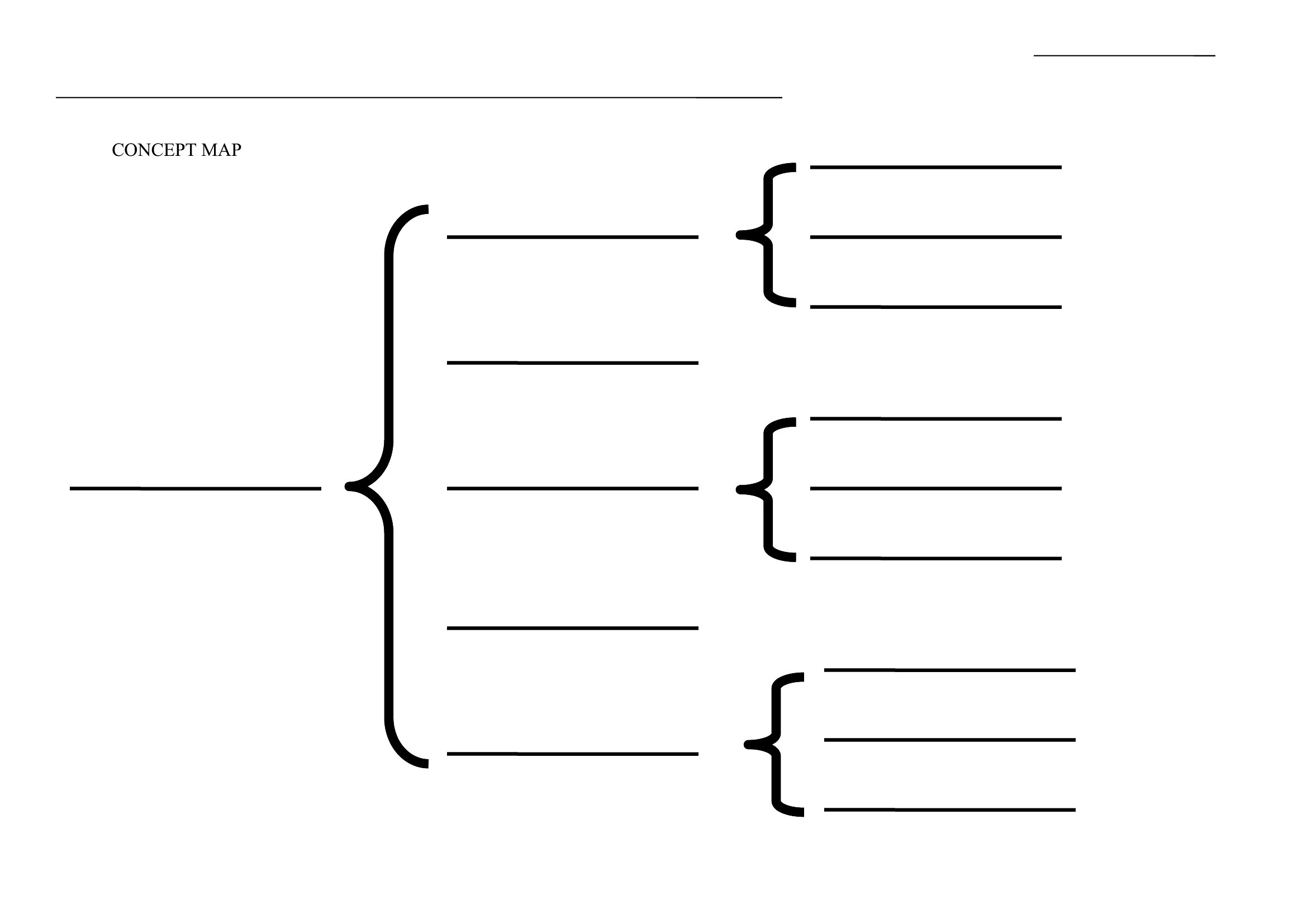
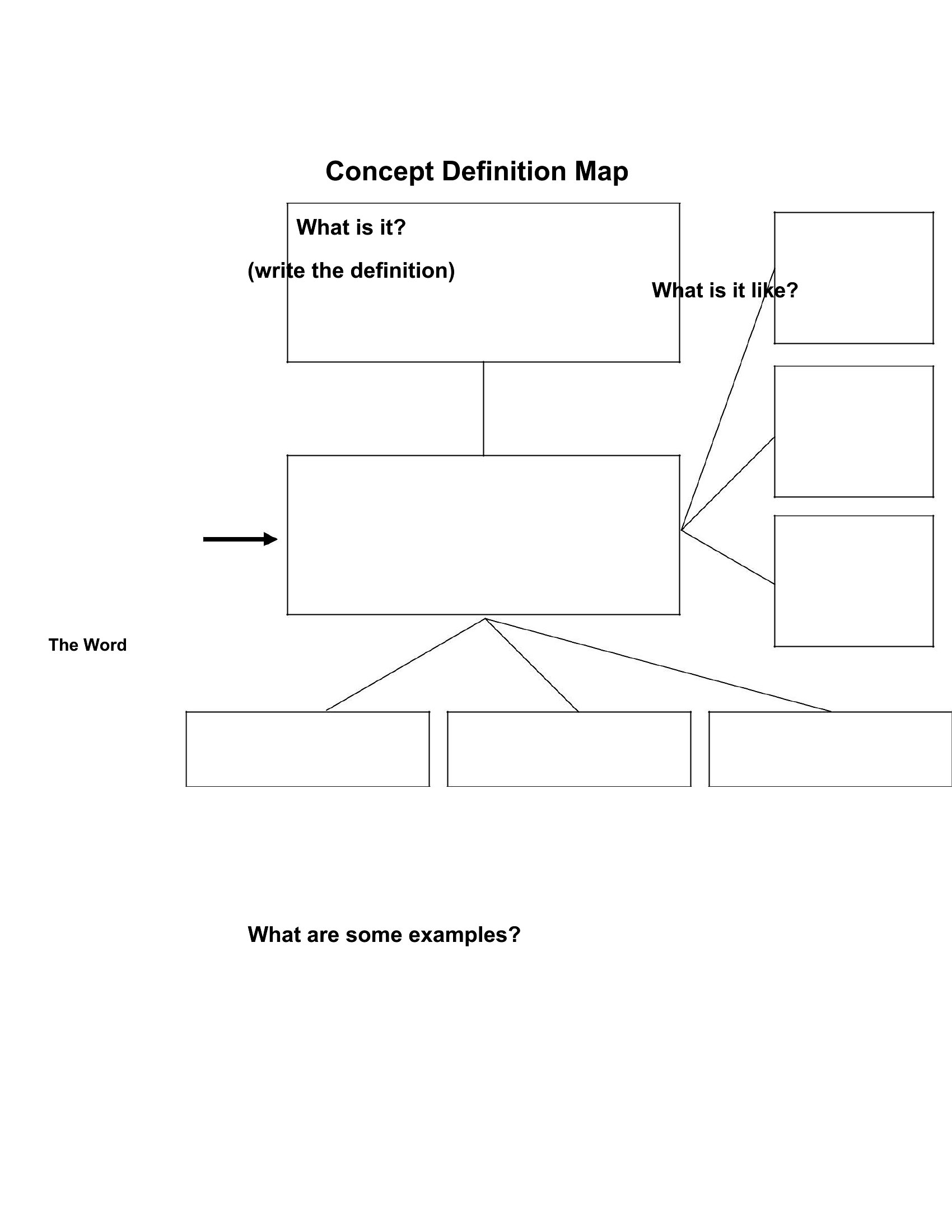
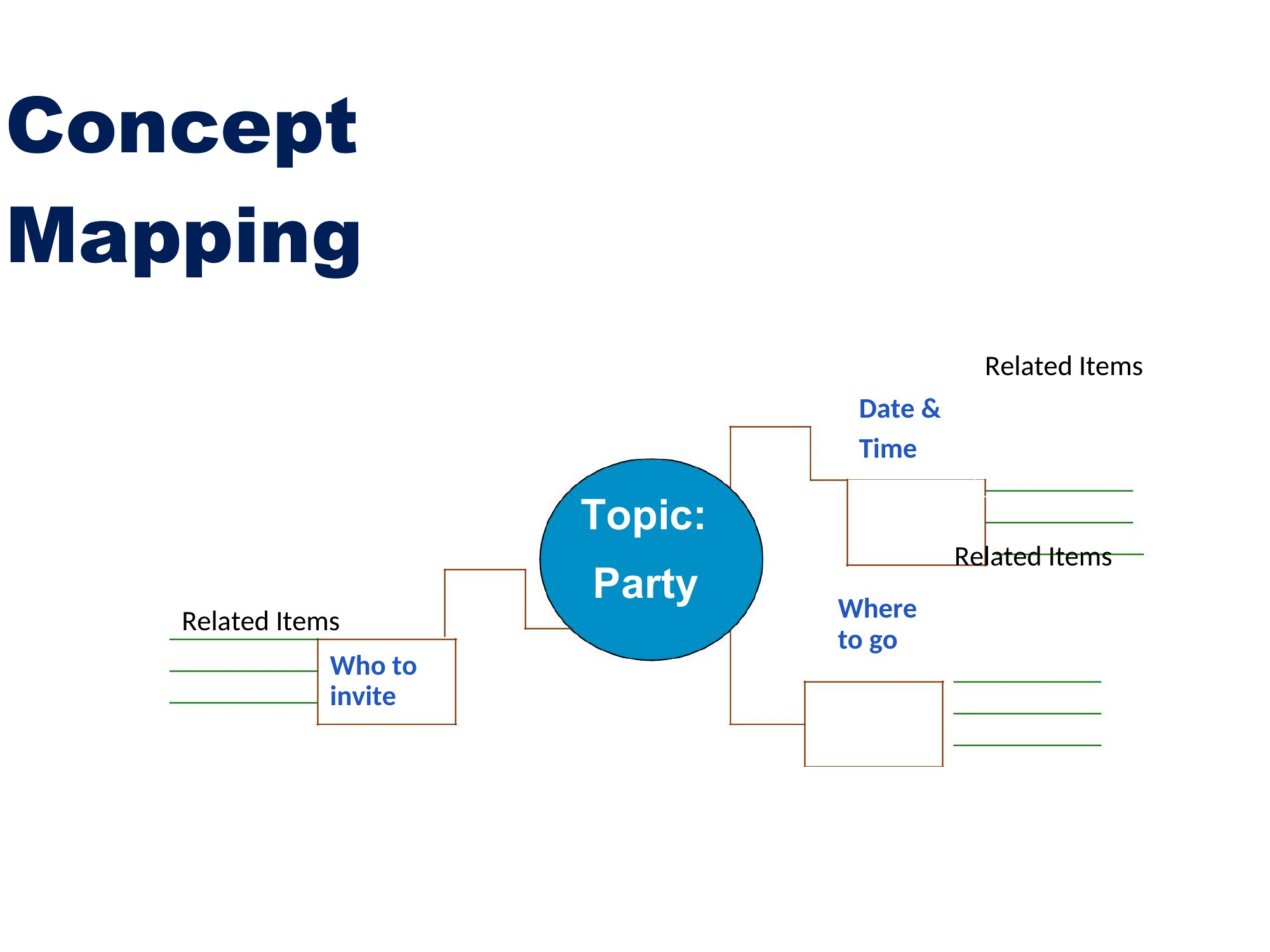
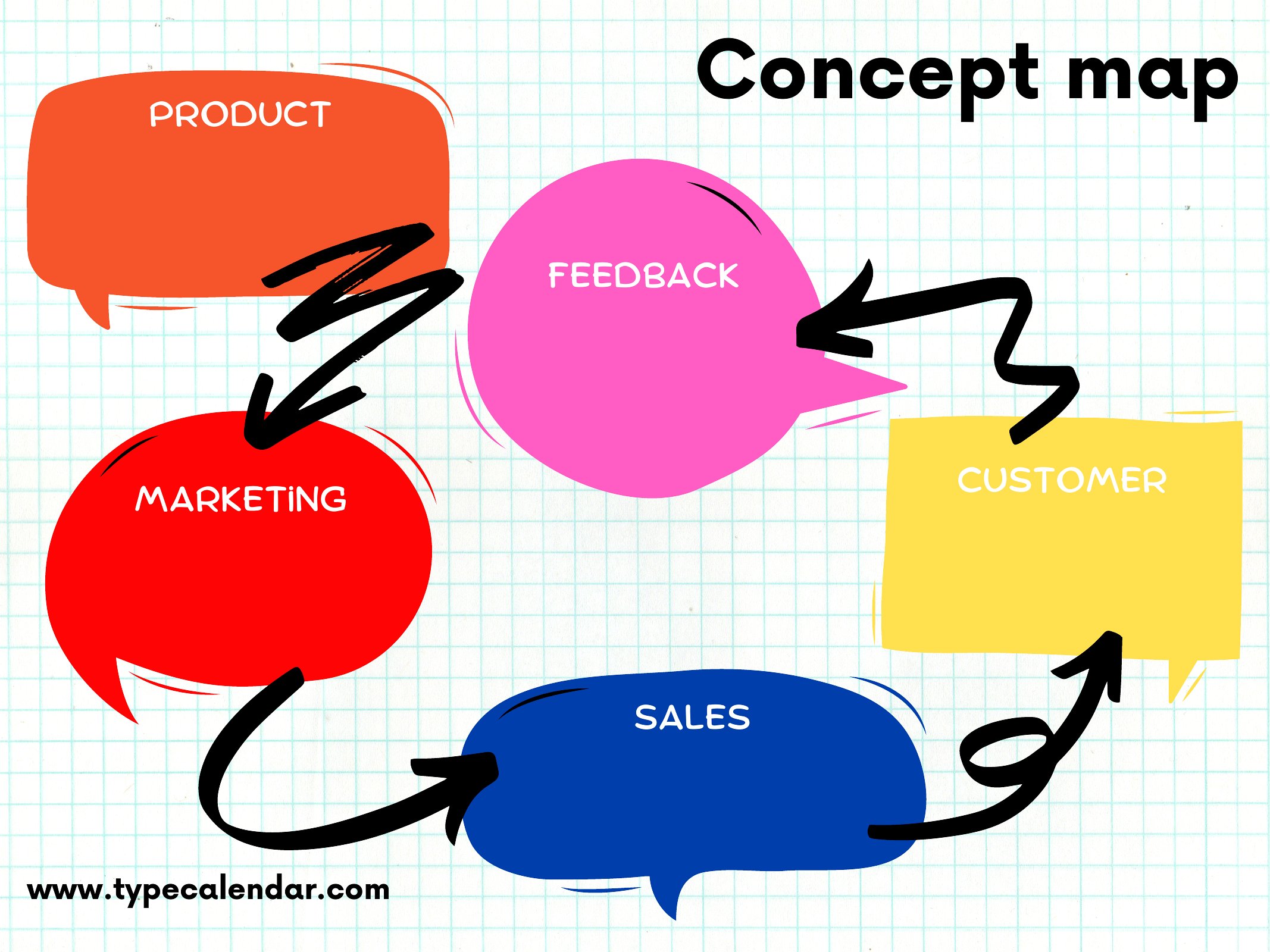
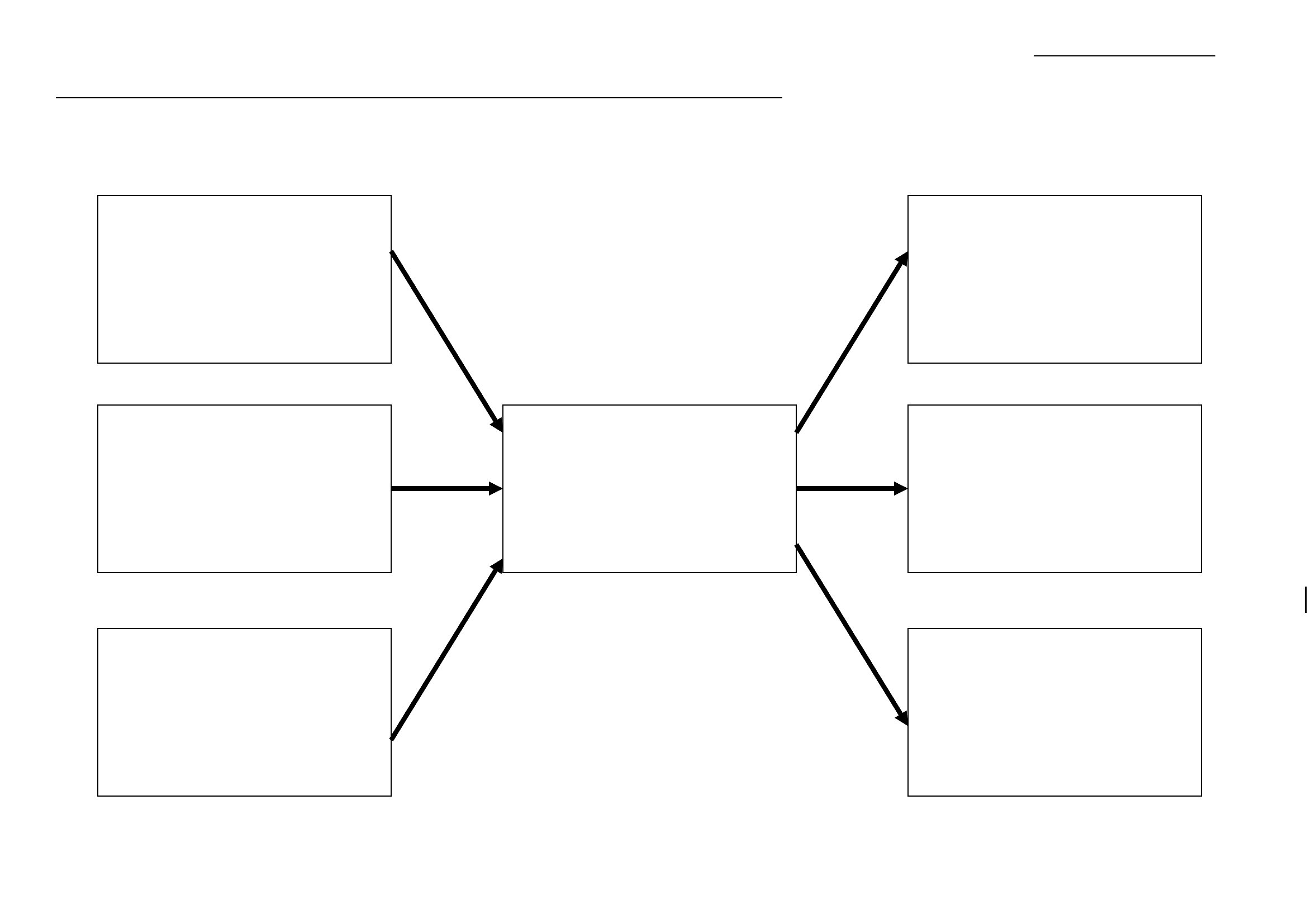
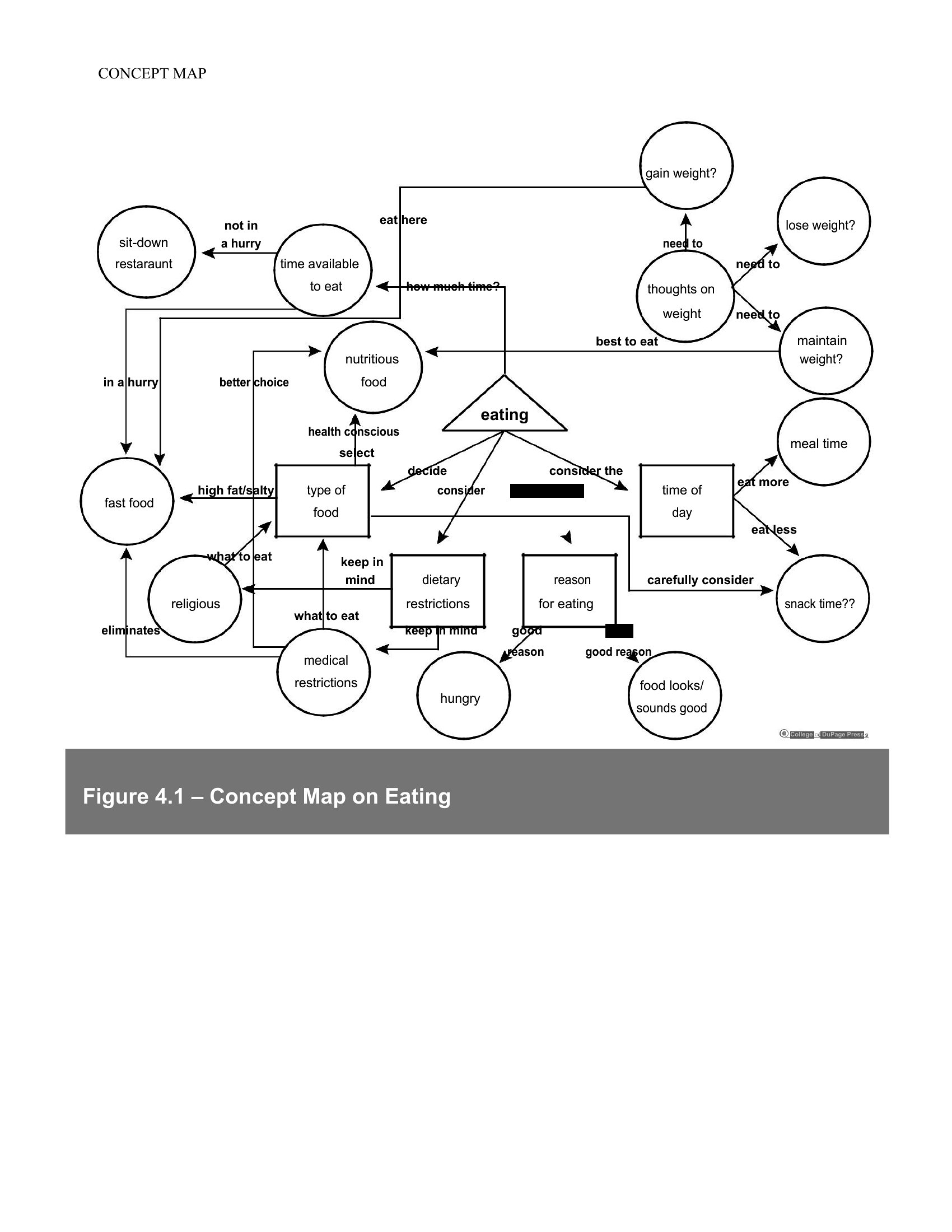
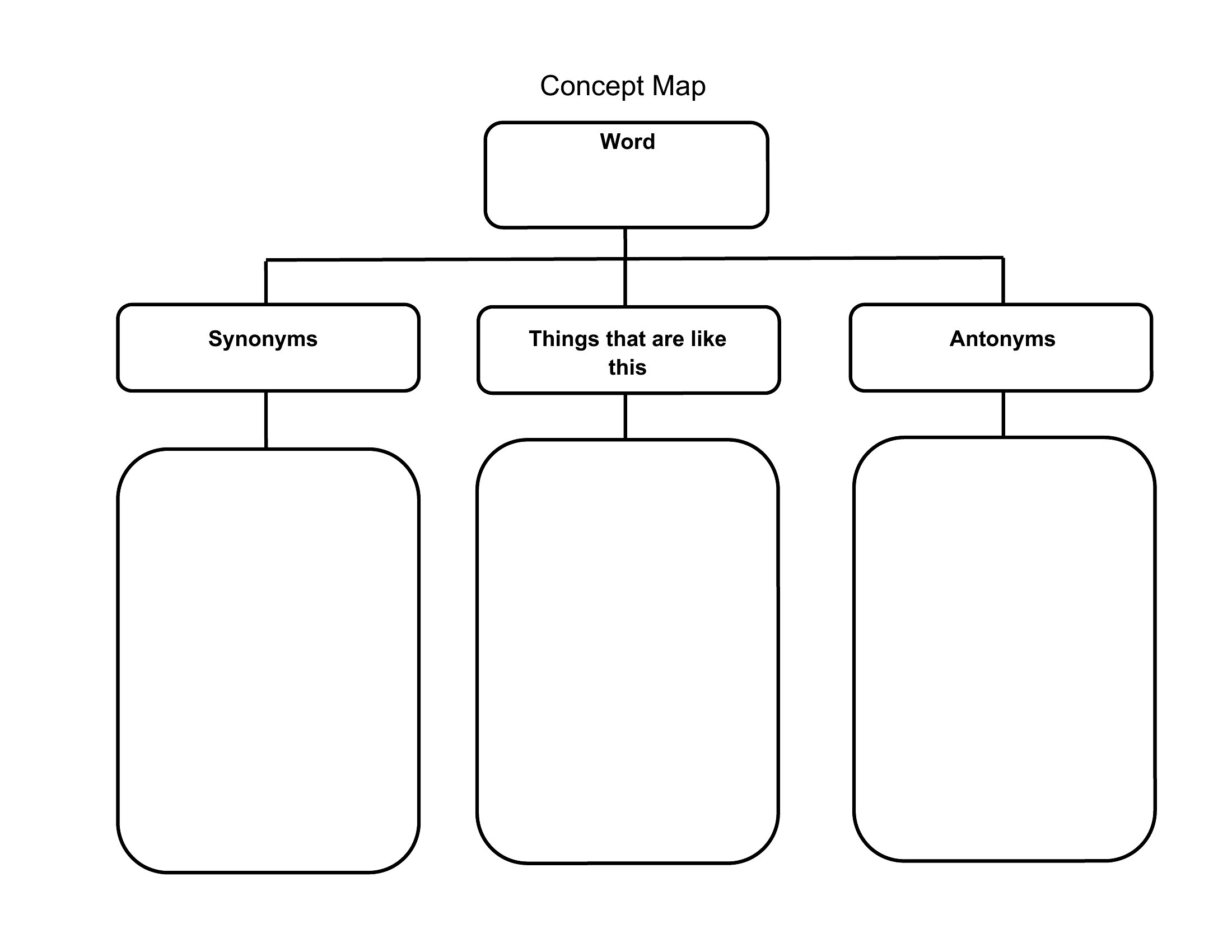
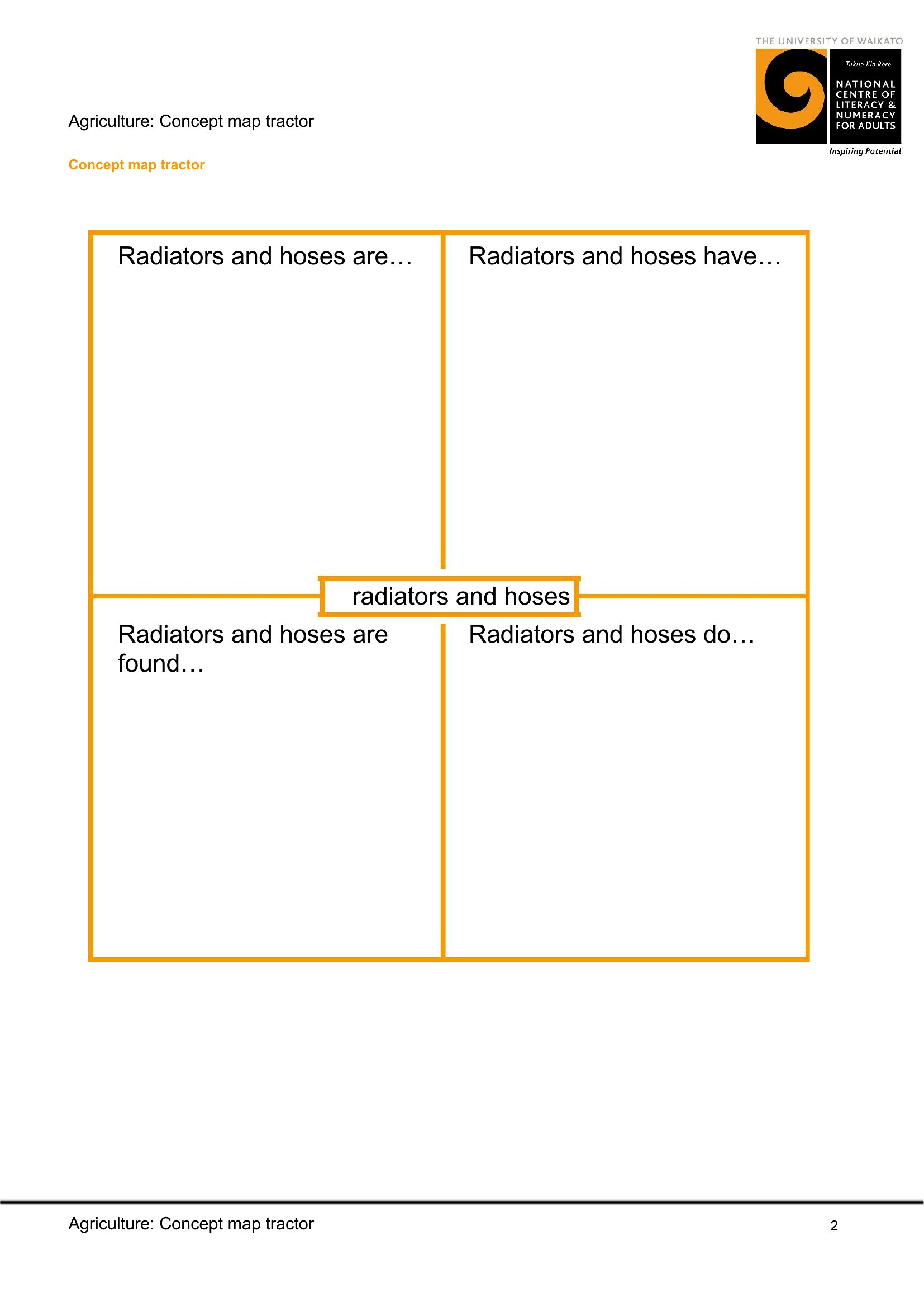
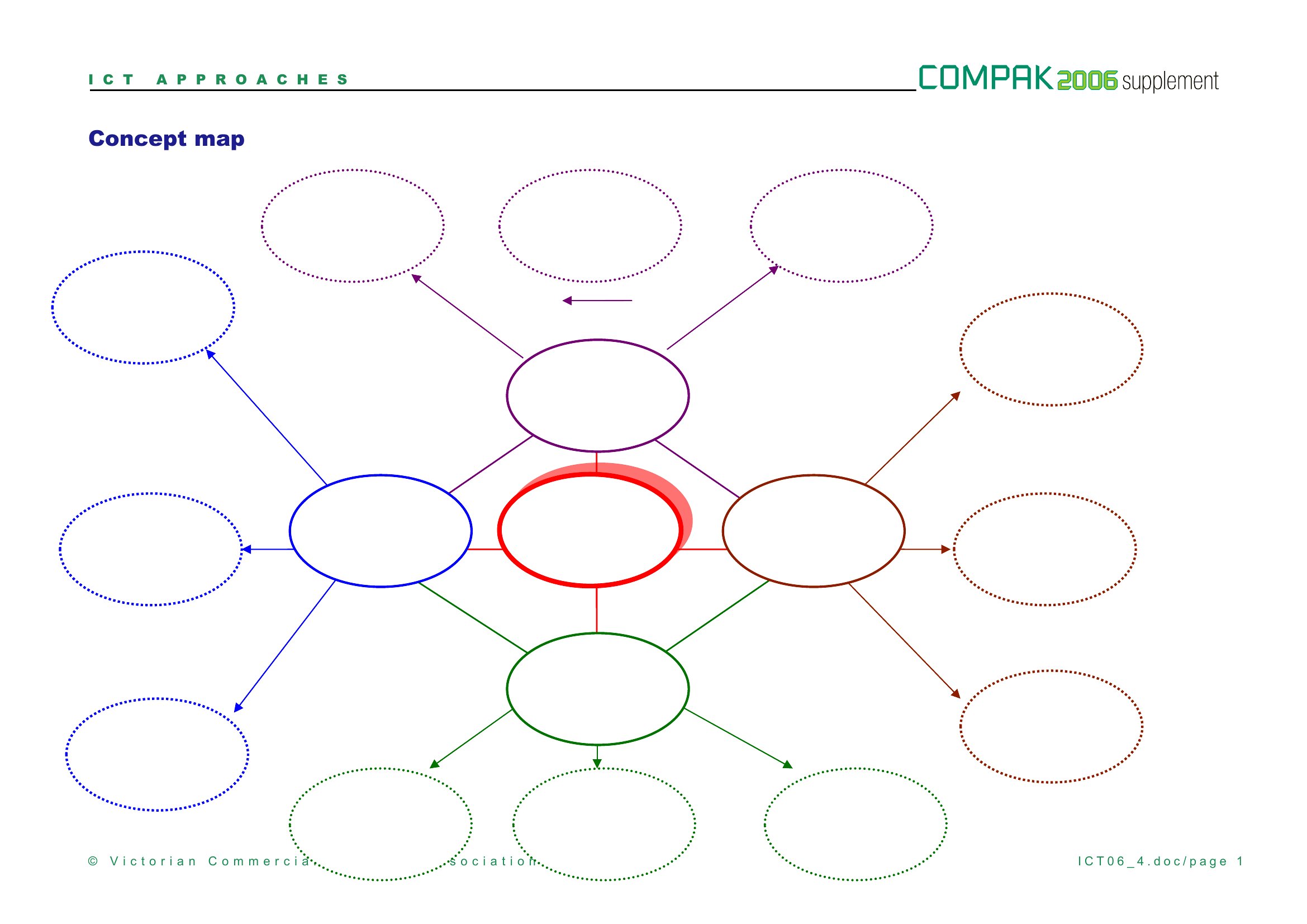
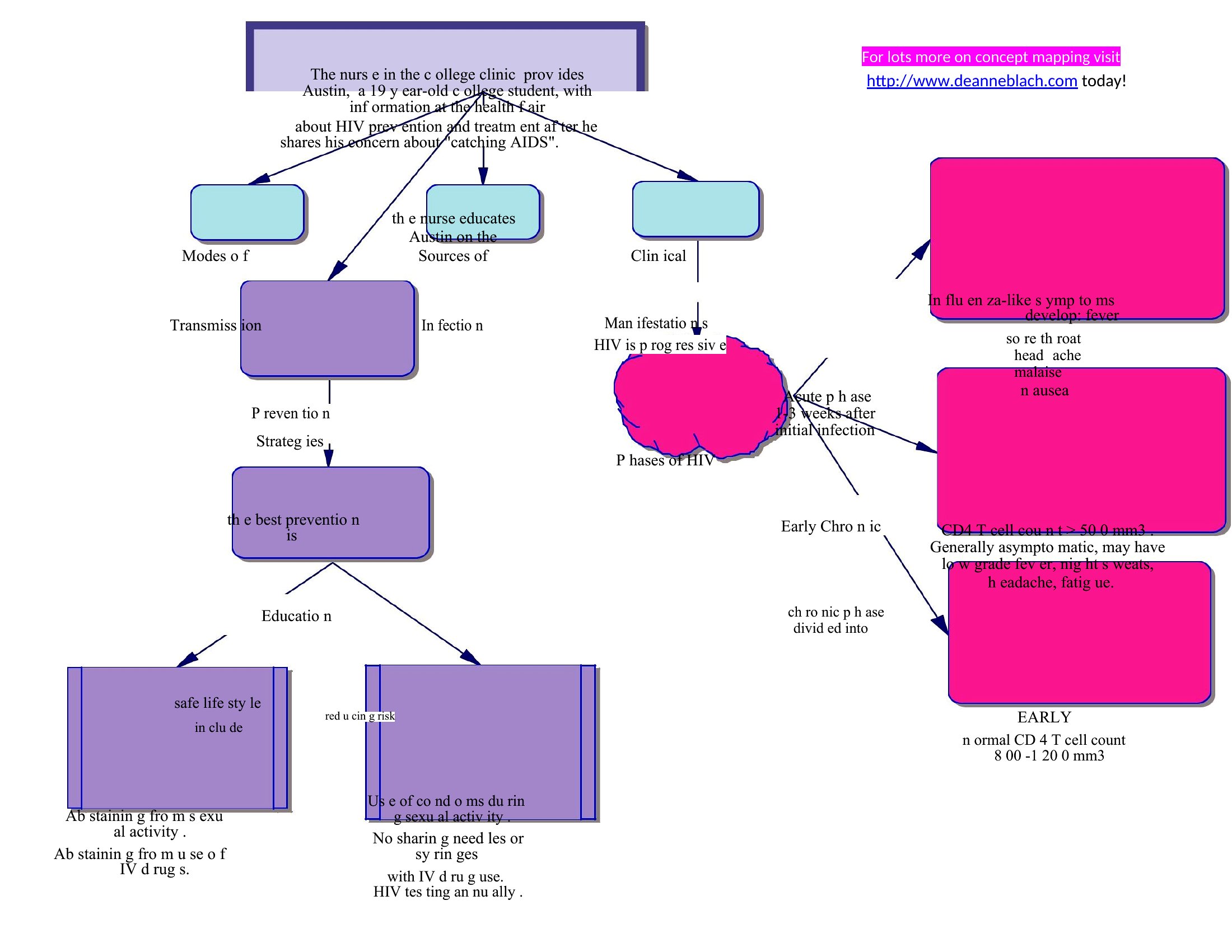
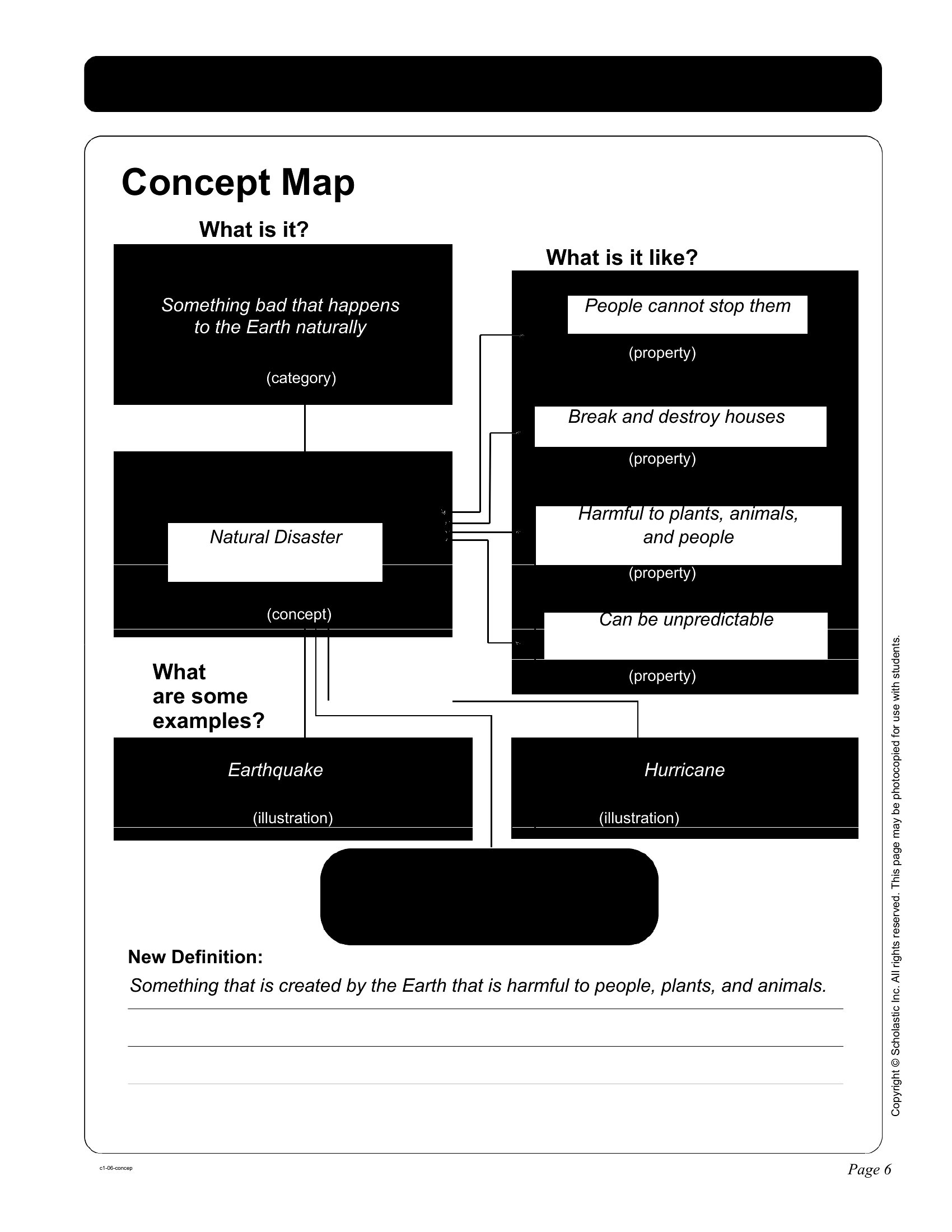
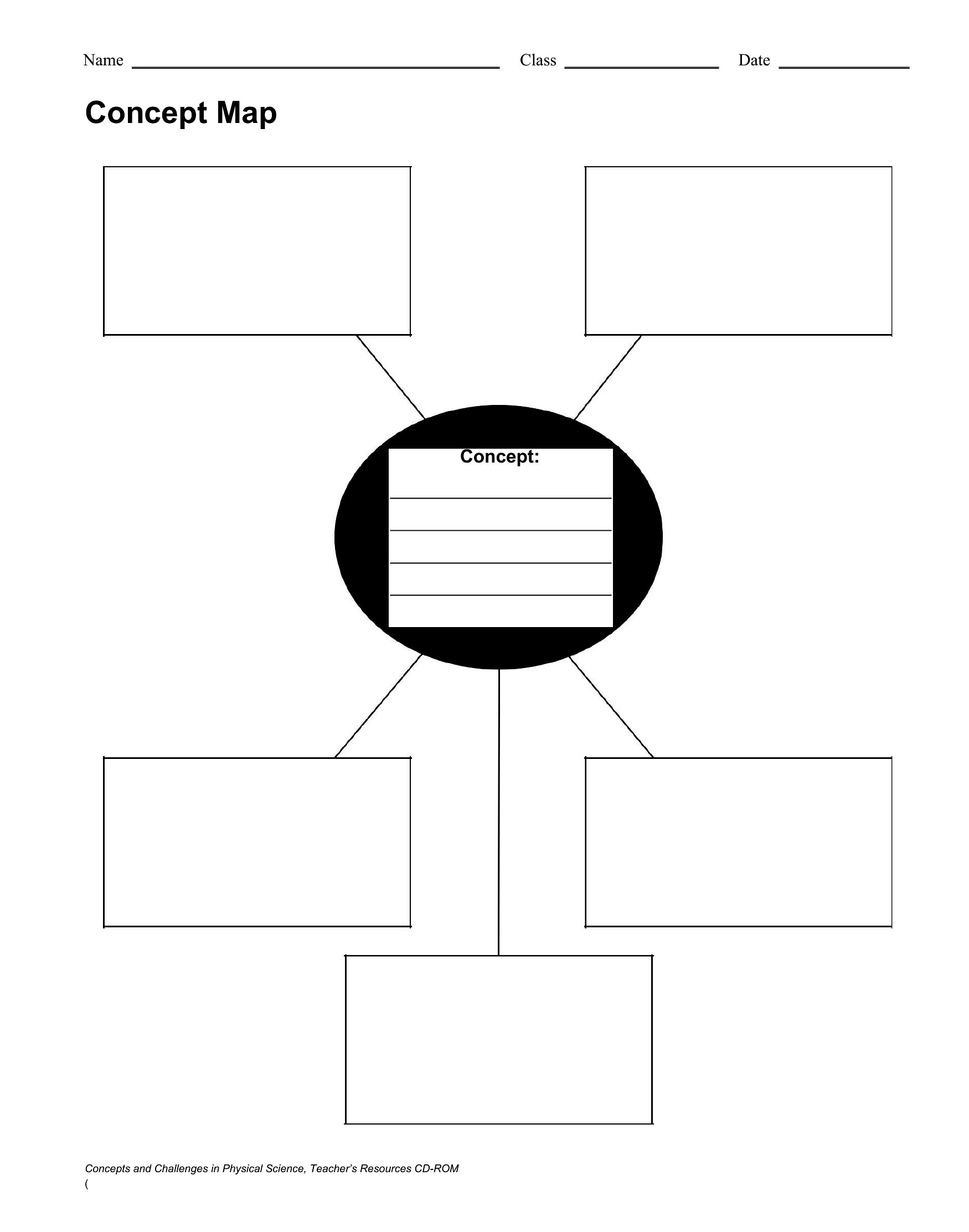
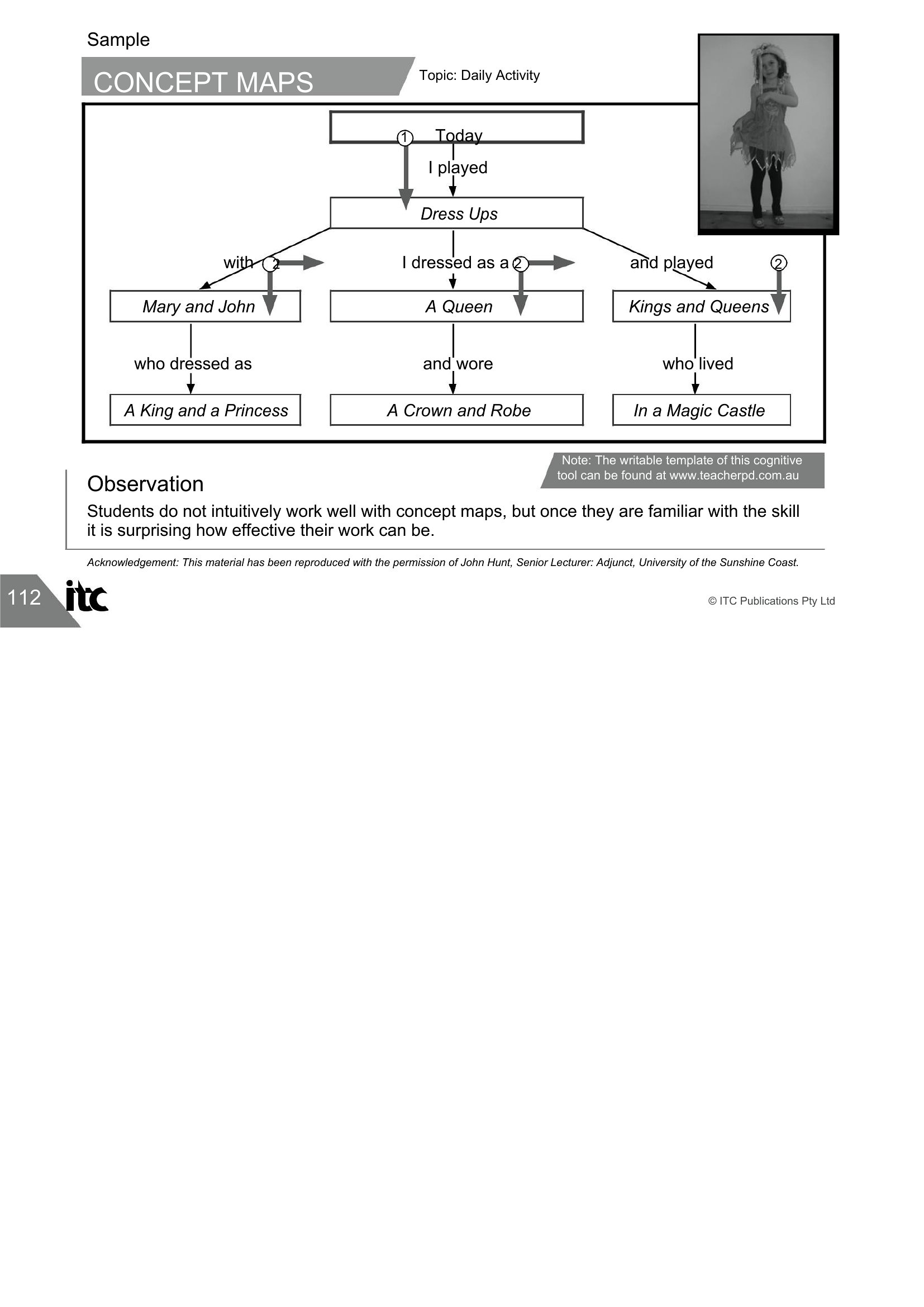
DiagramsConcept maps show how ideas connect, which is exactly why nursing programs and science classes lean on them so heavily. This set of 35 concept map templates provides linked-bubble and hierarchy layouts for mapping relationships, processes, and study material across biology, nursing, and beyond. Students and educators can lay out cause and effect, then label the links to show real understanding.
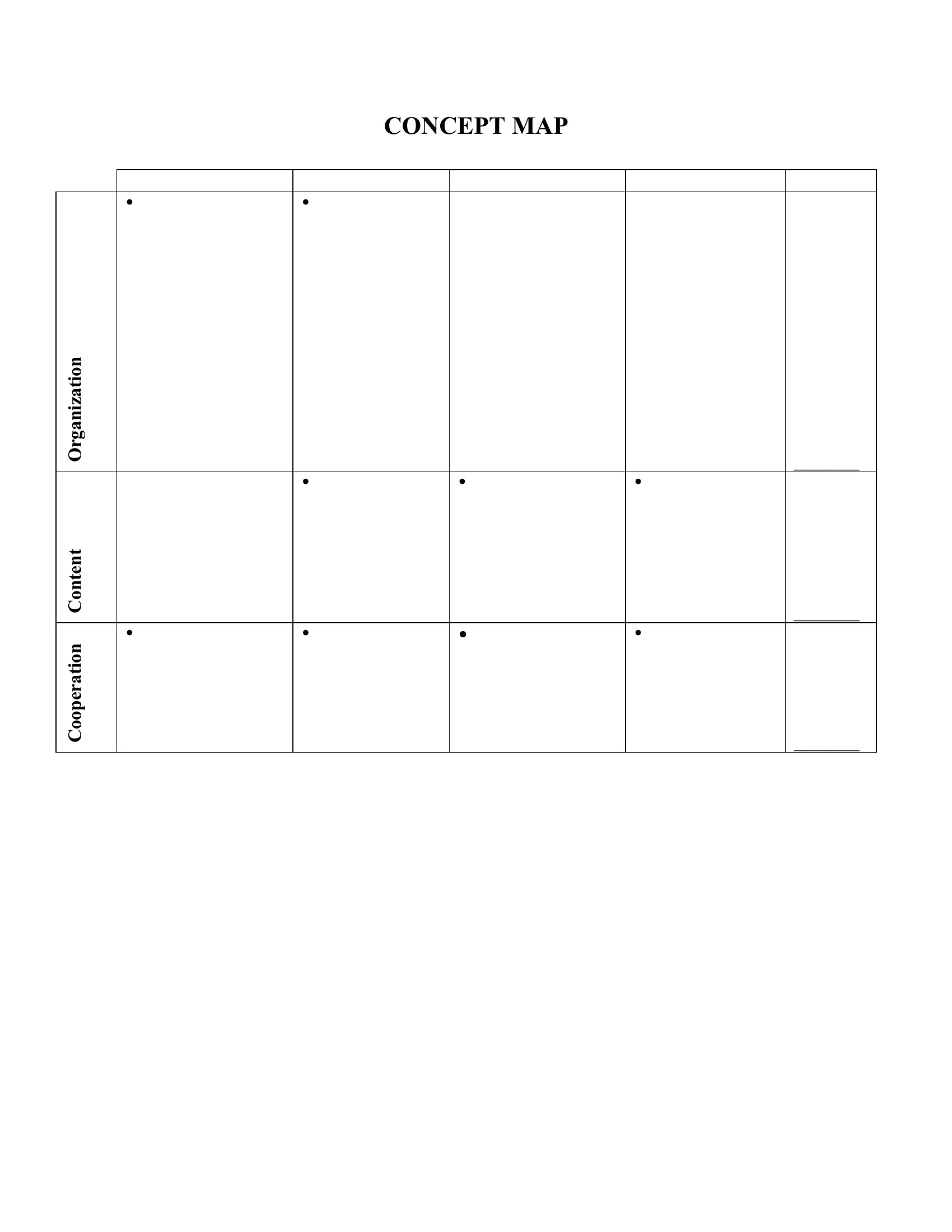
The templates come as editable Word files for typing and rearranging, plus clean PDFs for printing and filling in by hand. Add your concepts, draw the connections, and you've got a clear visual for an assignment, a study session, or a lesson. No special tools are needed. Download the layout that fits your subject and start connecting ideas.
When to use this Concept Map template
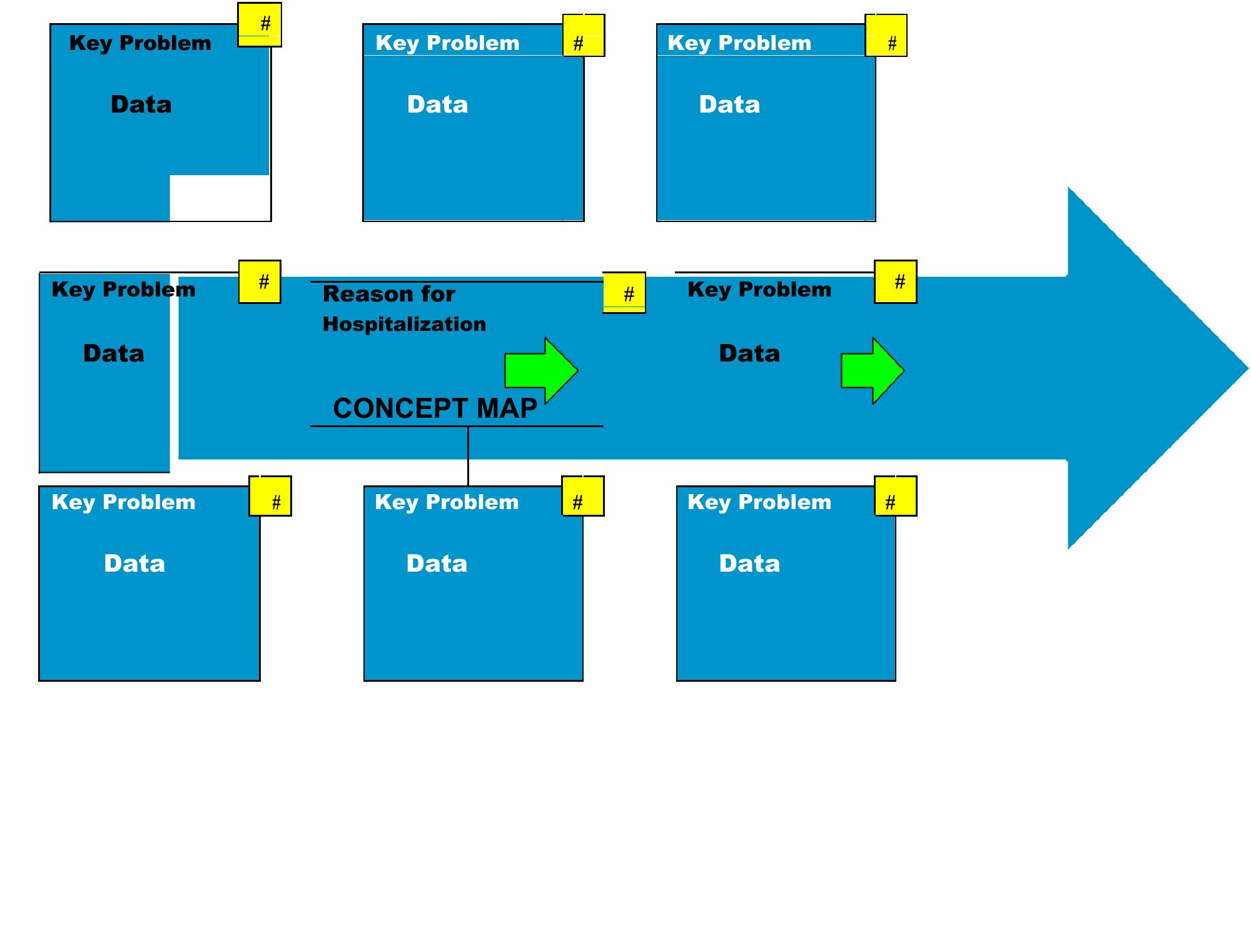
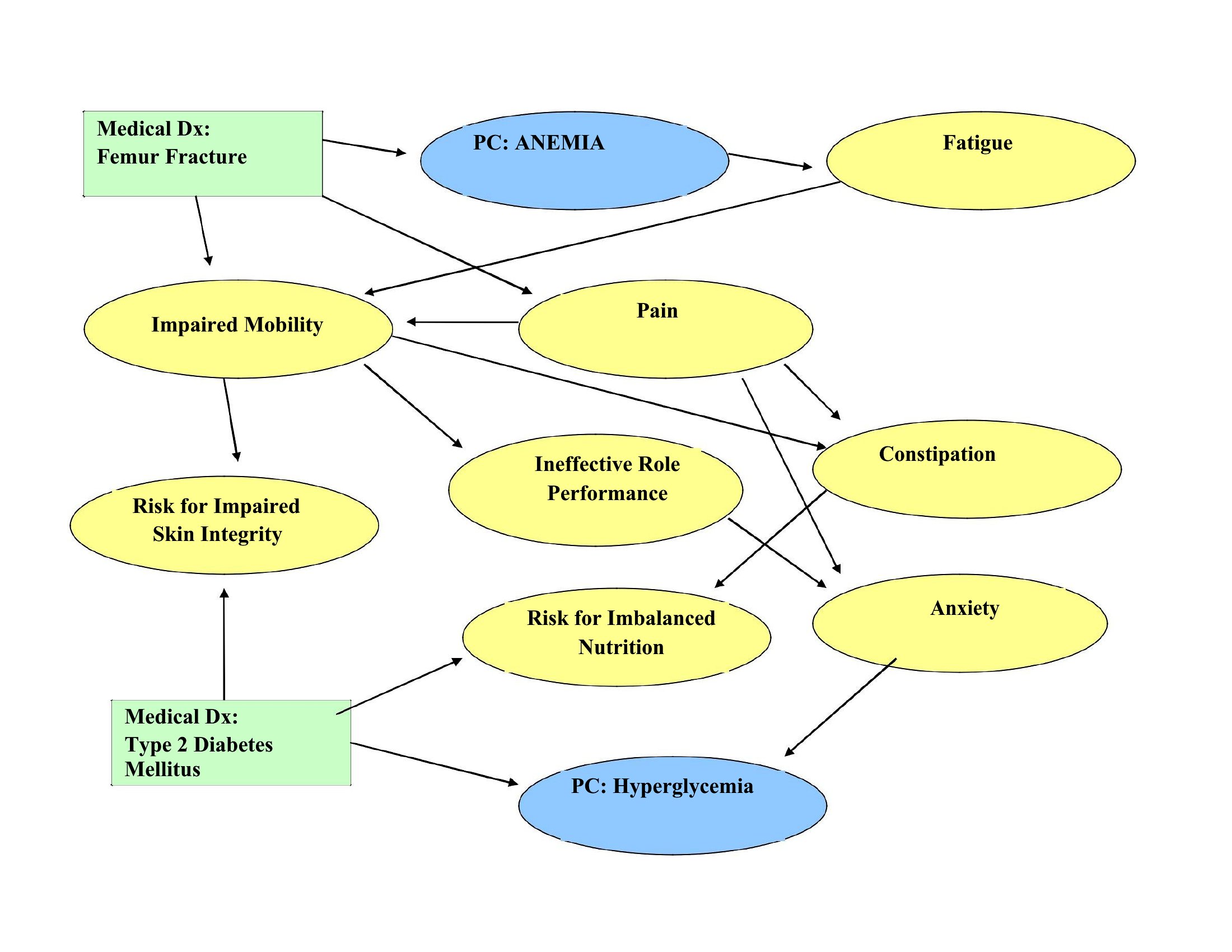
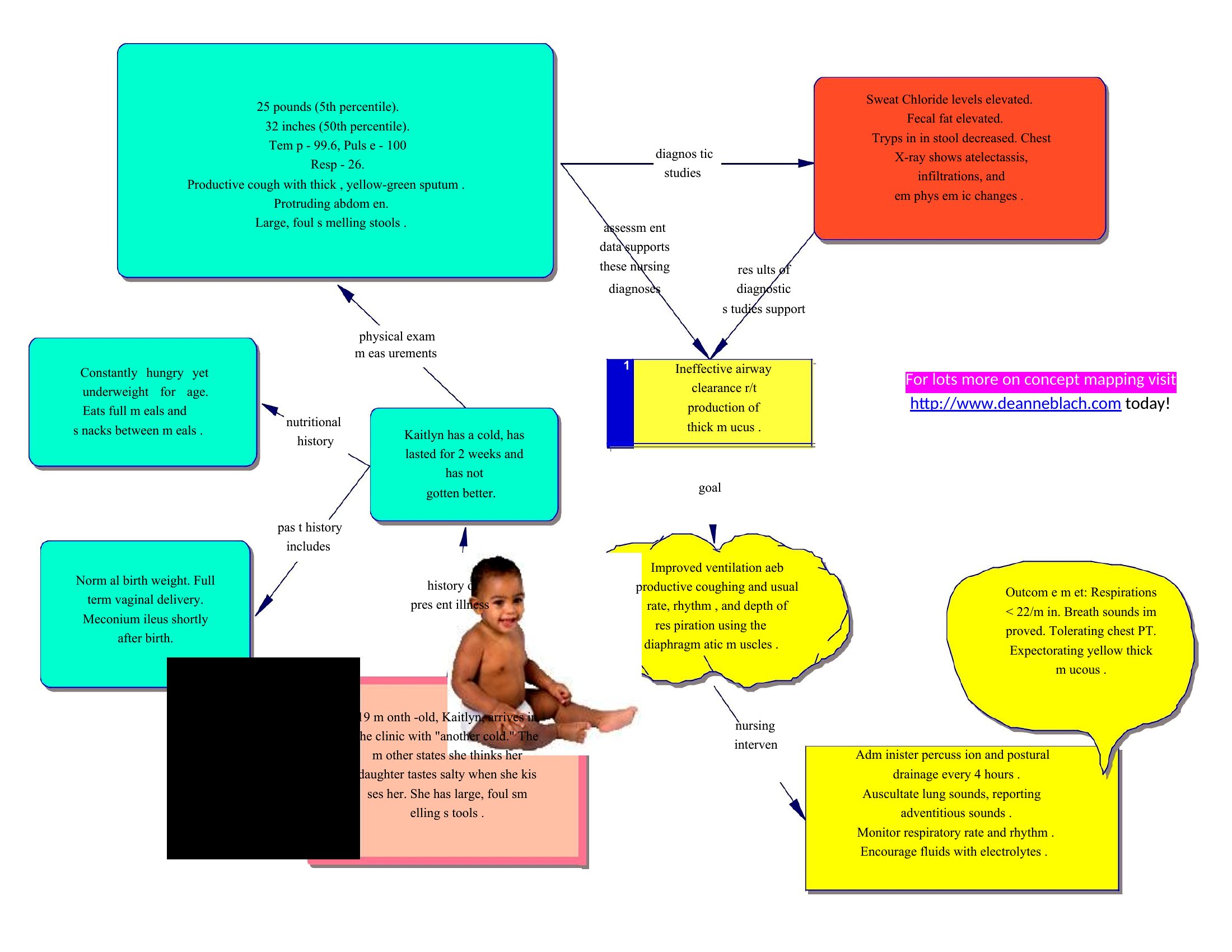
- Nursing students map patient care pathways to visualize how symptoms, treatments, and outcomes interconnect for clinical exams.
- Biology teachers assign concept maps to help students trace how photosynthesis, respiration, and energy transfer link in ecosystems.
- Medical researchers sketch out hypothesis connections—risk factors, mechanisms, and potential interventions—to organize study designs before drafting papers.
- Educators designing lesson plans use concept maps to align curricula, showing how topics in anatomy, physiology, and pharmacology build on each other.
Which format should I download?
For Word, choose when you need to collaborate on a concept map with others who edit or comment—this format lets multiple users refine relationships before finalizing. For PDF, pick it when you’re sharing a finished, uneditable diagram for review (e.g., submitting to an instructor or printing for a study aid). Both formats support bubble and hierarchy layouts, but PDF locks in visuals for consistency, while Word allows real-time adjustments.
Choose from 35 Concept Map Templates
Concept Maps
How to use this Concept Map template
Can I use these templates to outline complex medical procedures step by step?
Yes, these maps are ideal for breaking down multi-phase processes like surgical workflows or diagnostic algorithms. Use the hierarchy layout to show sequential steps, then label arrows with triggers or decisions (e.g., ‘Symptom X → Test Y → Rule Out Z’). Start with a high-level outline, then add details as you refine the map—treat it as a draft, not a final procedure guide.
How do I represent competing theories or conflicting evidence in a concept map?
Place rival ideas in parallel branches with dashed or colored lines to distinguish them. Add a legend (e.g., ‘solid = supported by Study A; dashed = contradicted by Study B’) and label the arrows with phrases like ‘challenges’ or ‘supports.’ This keeps the map clear while acknowledging debates. Avoid overcrowding—limit to 2–3 competing perspectives per map.
Are these templates suitable for mapping non-linear relationships, like feedback loops in physiology?
Absolutely. Use the bubble layout to create circular or looping arrows for feedback systems (e.g., hormone A stimulates B, which inhibits A). Color-code arrows by type (e.g., red for inhibitory, green for stimulatory) and add annotations to explain time lags or conditions. Test the map by following one path end-to-end to ensure logic holds.
Comments
Join the conversation
Sign in to share your thoughts and leave a comment on this resource.