Skip to content
50% off this one-time $1.99 pack with HALFOFF — or unlimited with Pro.HALFOFF
Premium

Free VPD Chart Templates (PDF)

Data
consueloruiz by consueloruiz
Updated 0 downloads Quality-checked template

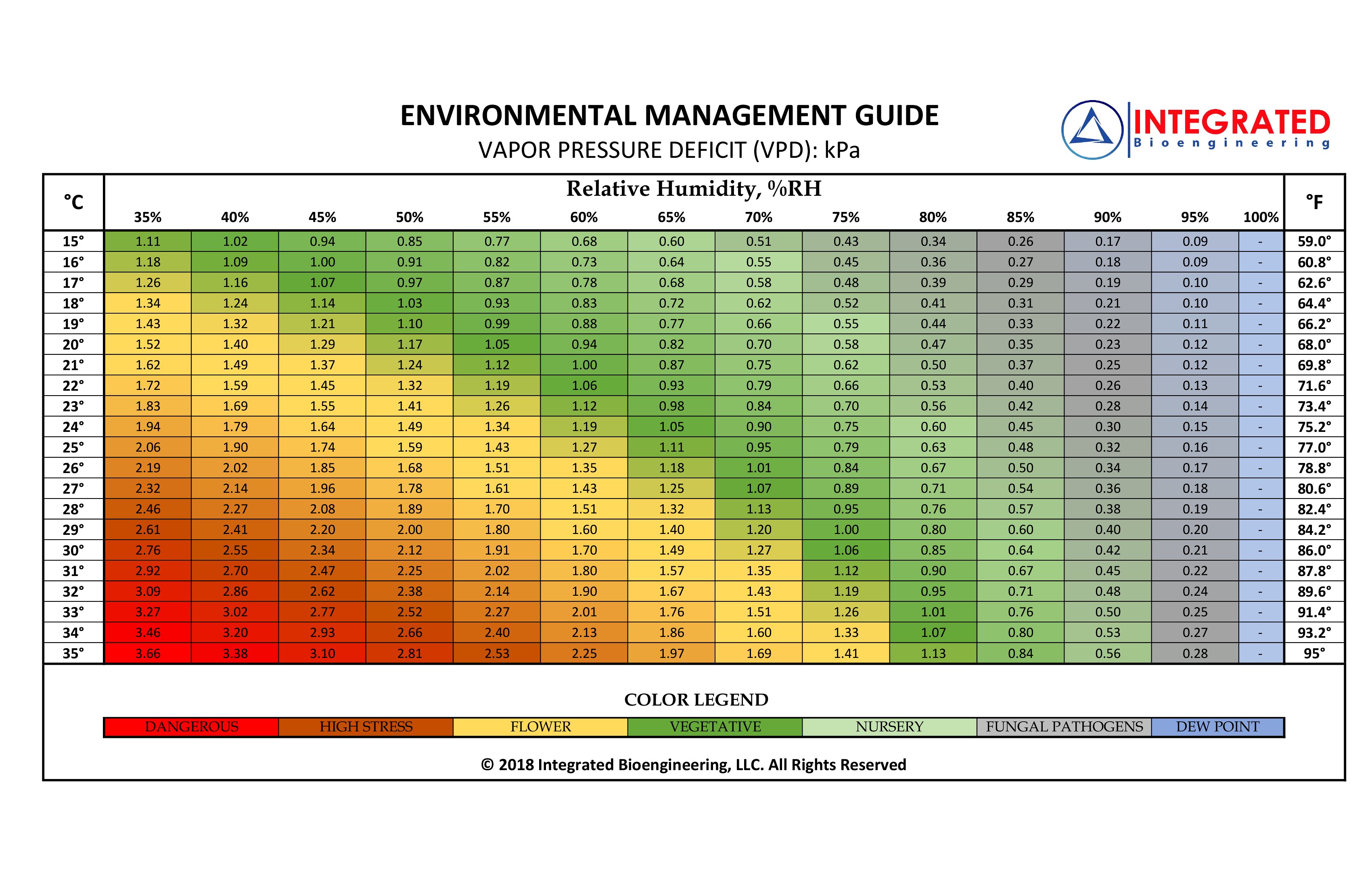
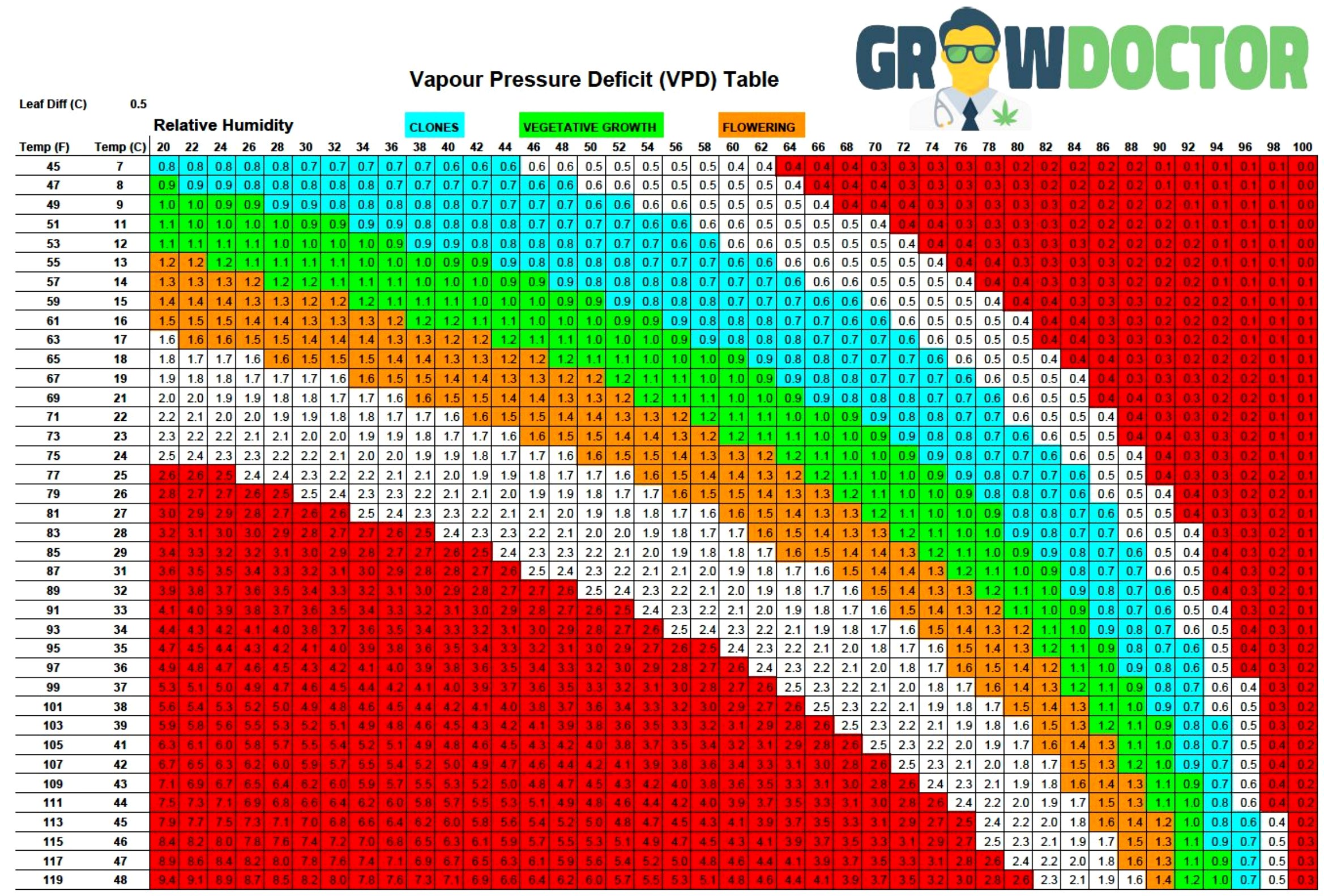
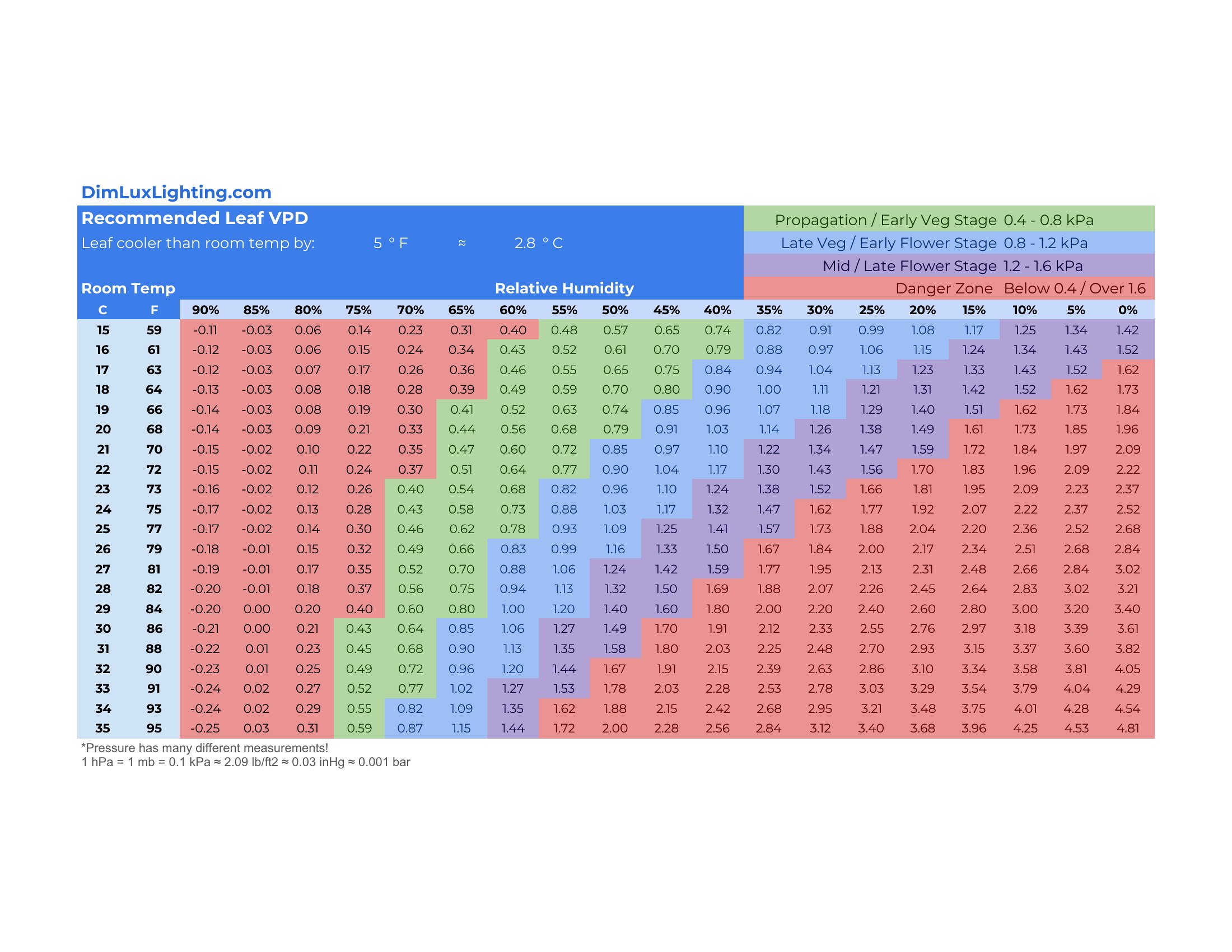
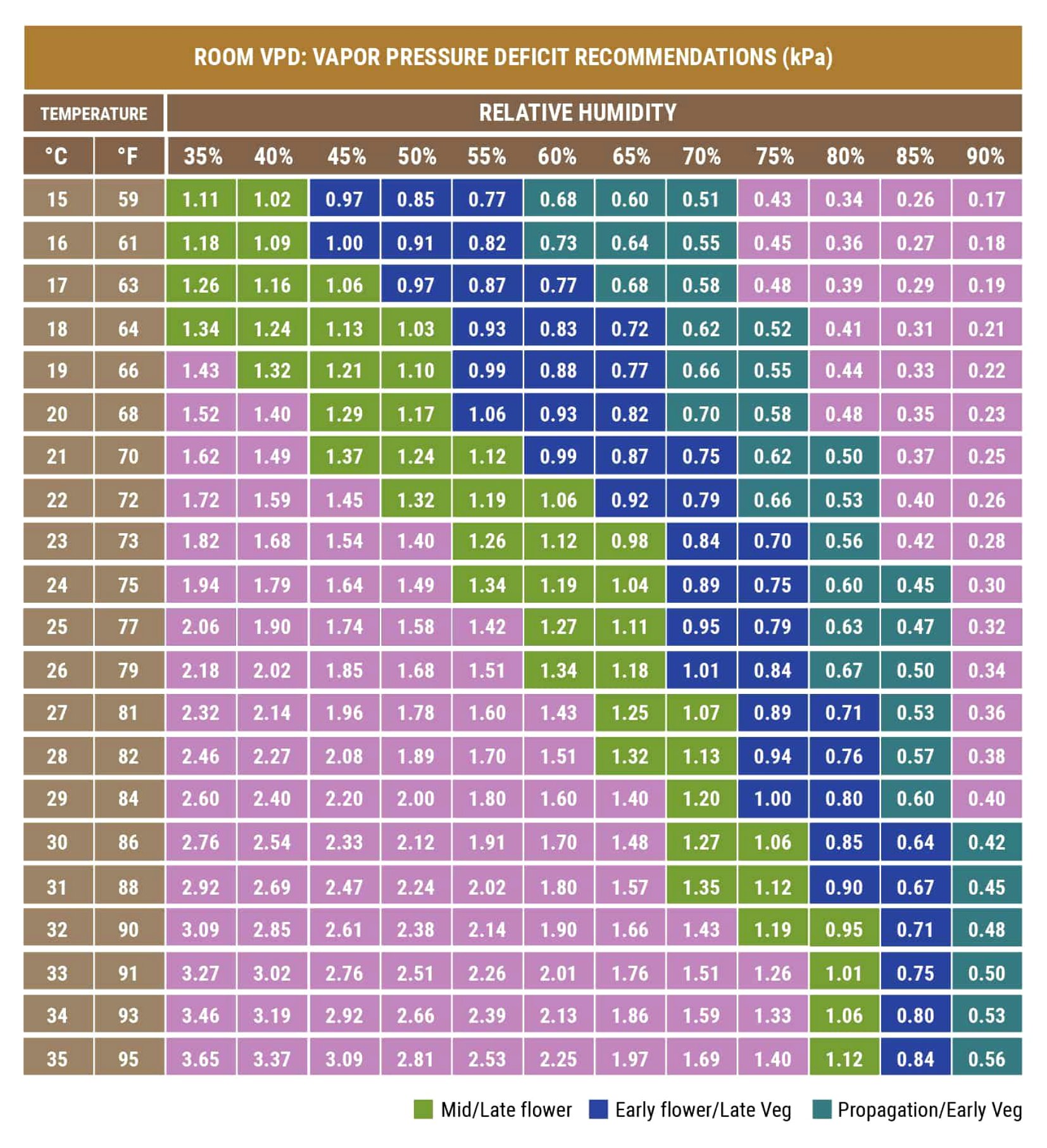
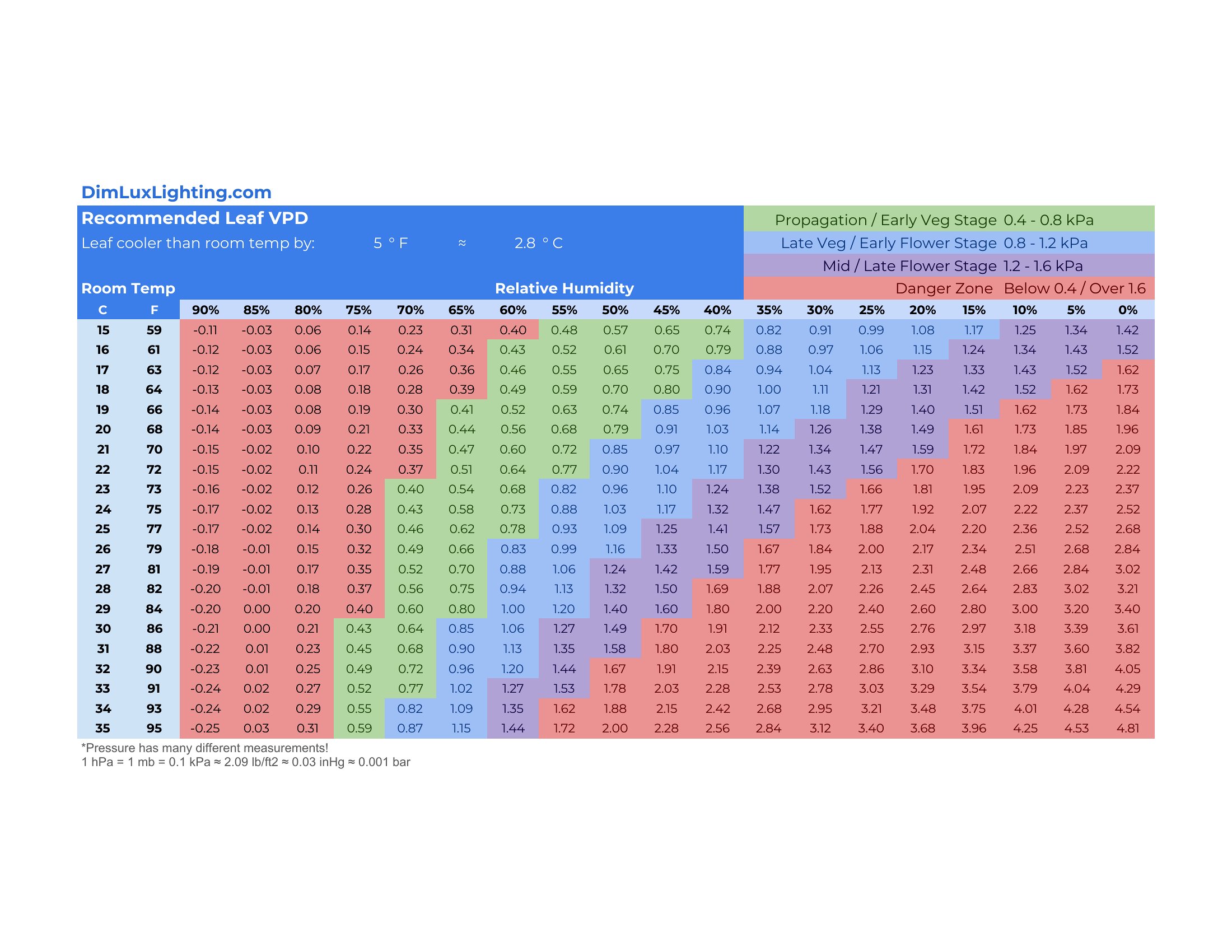
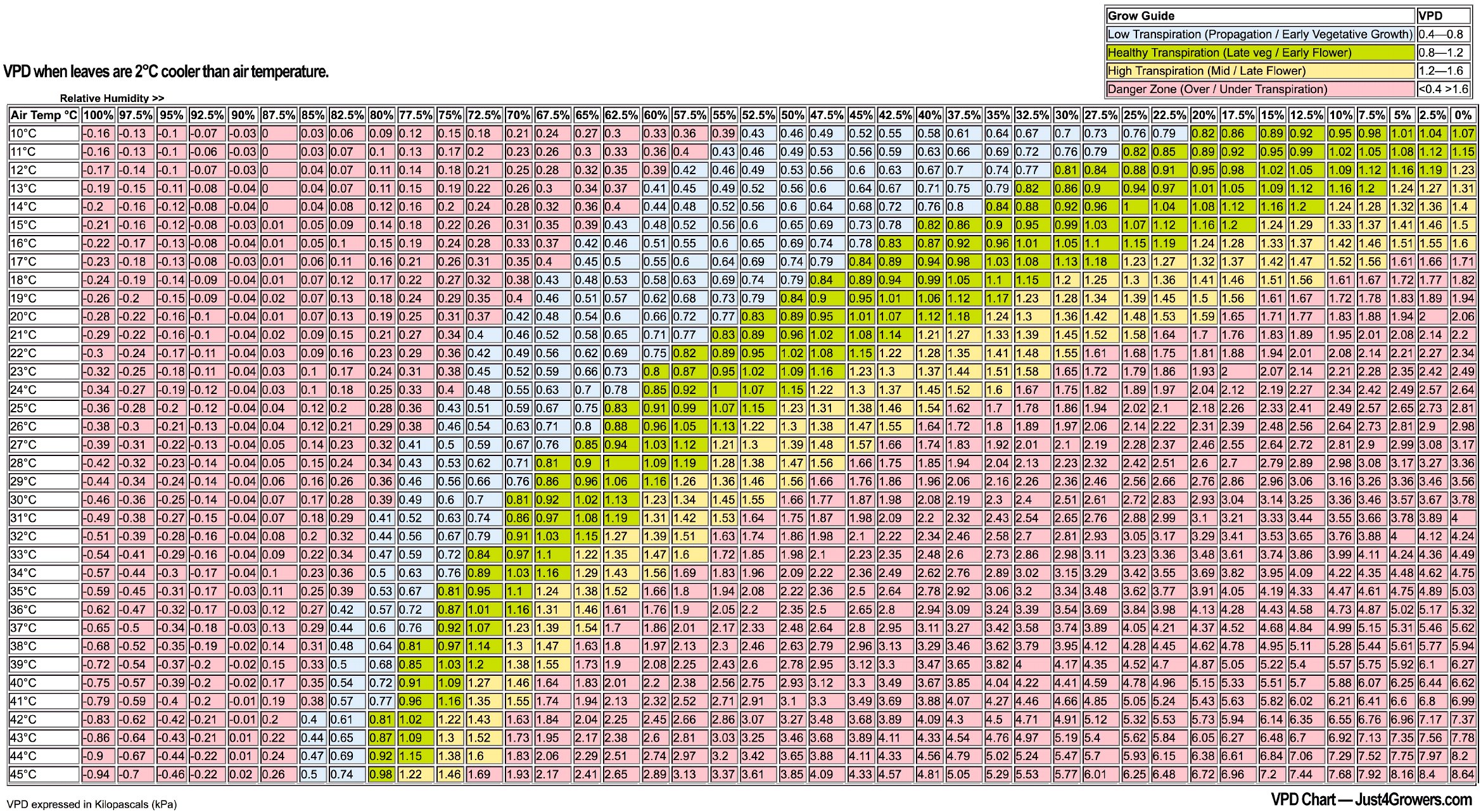
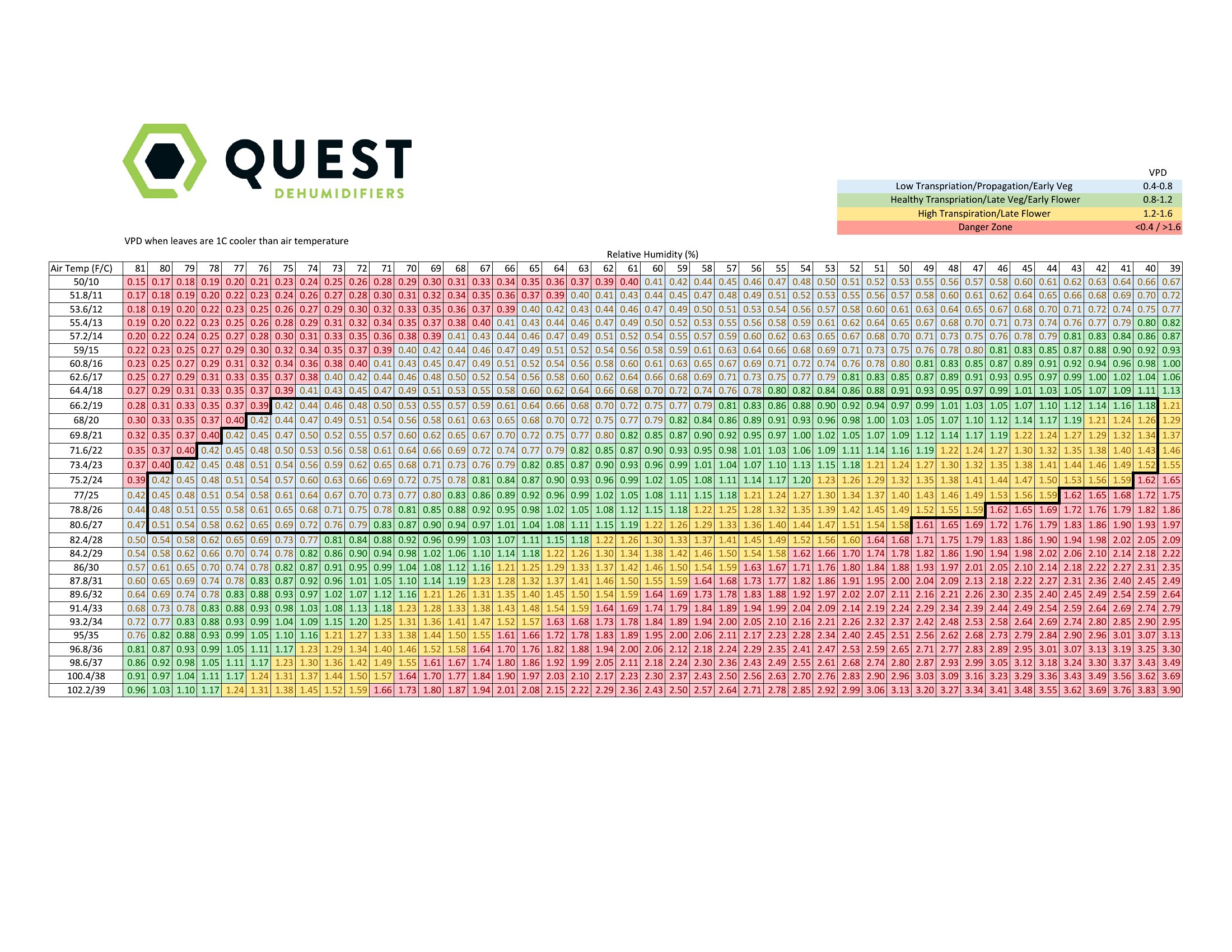
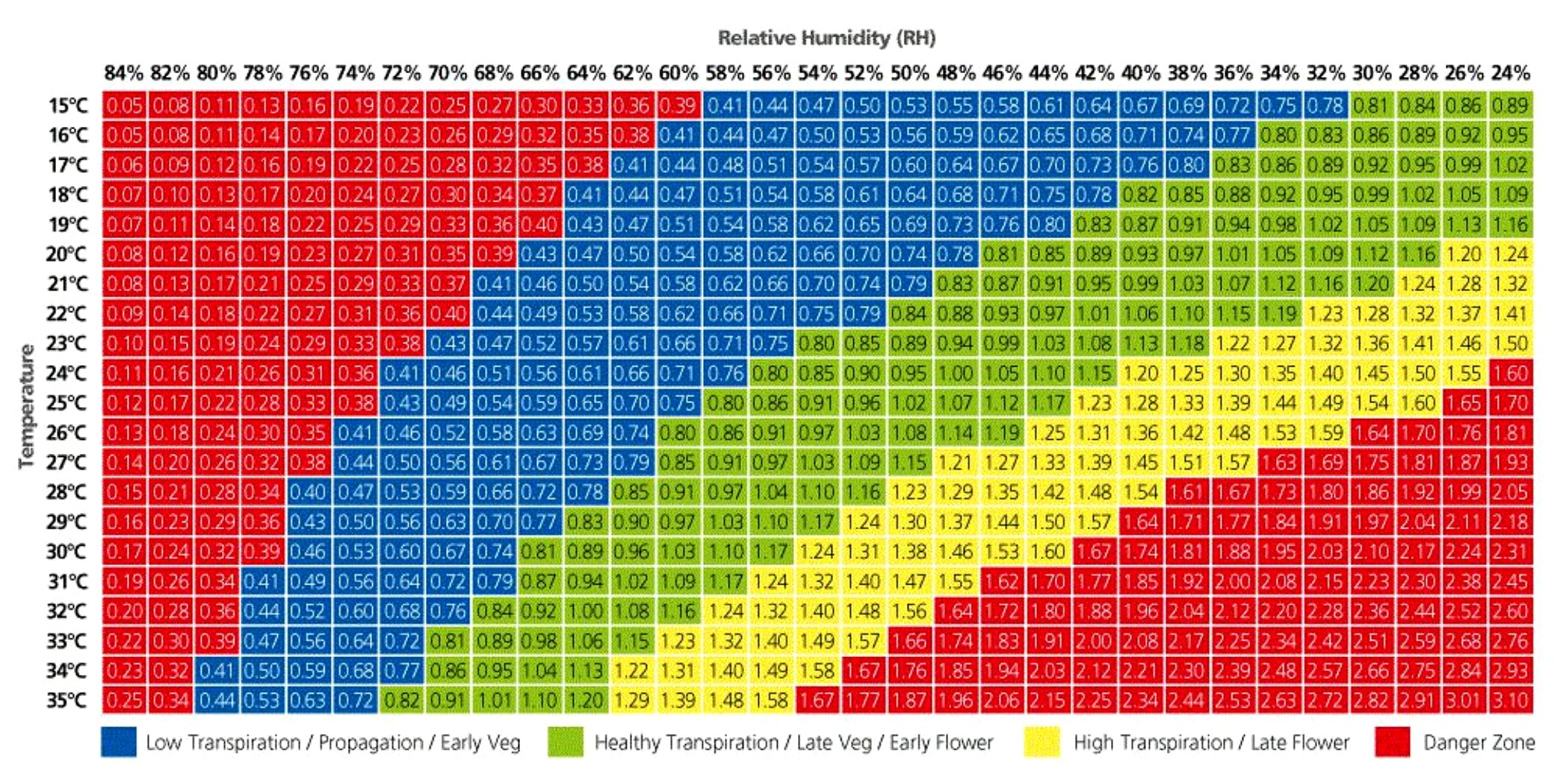
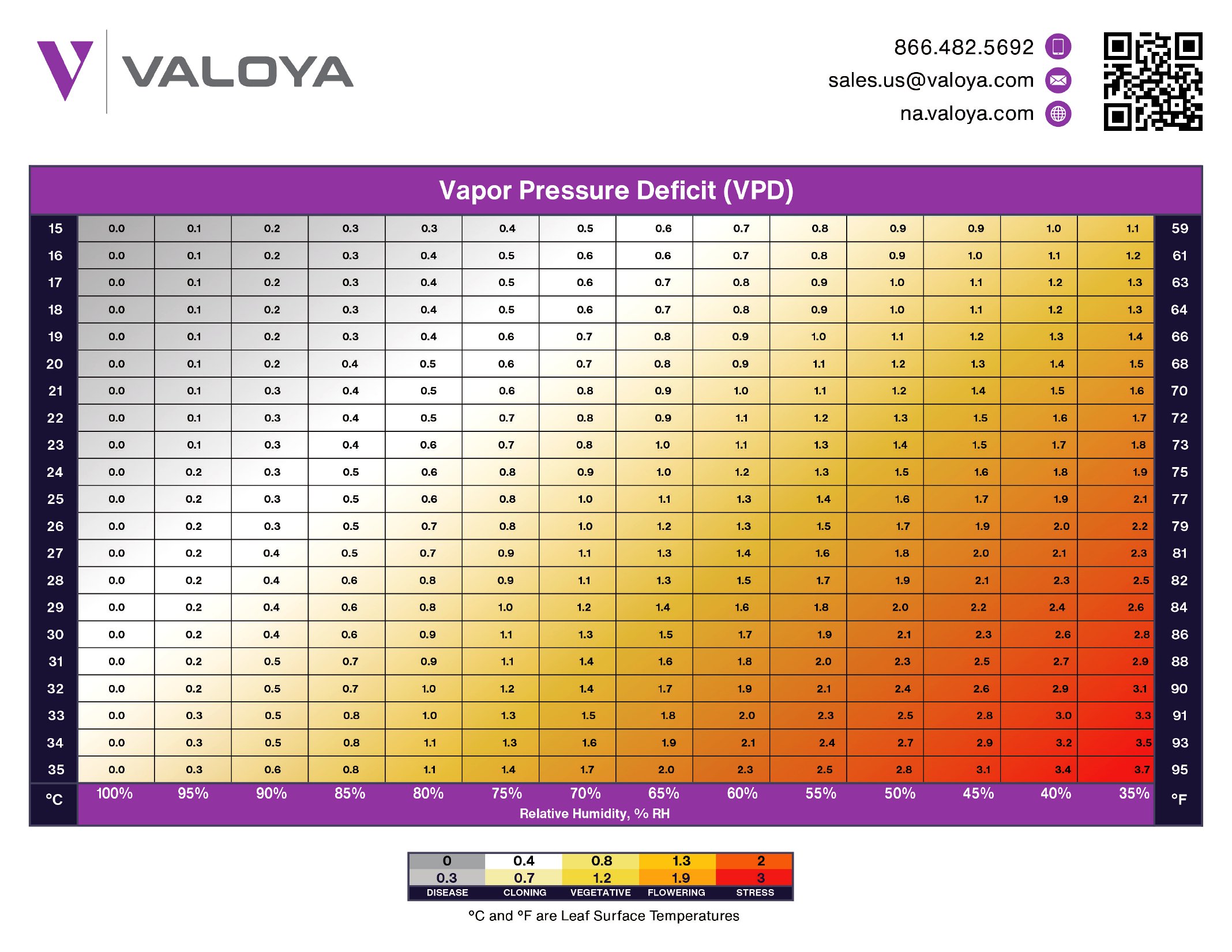
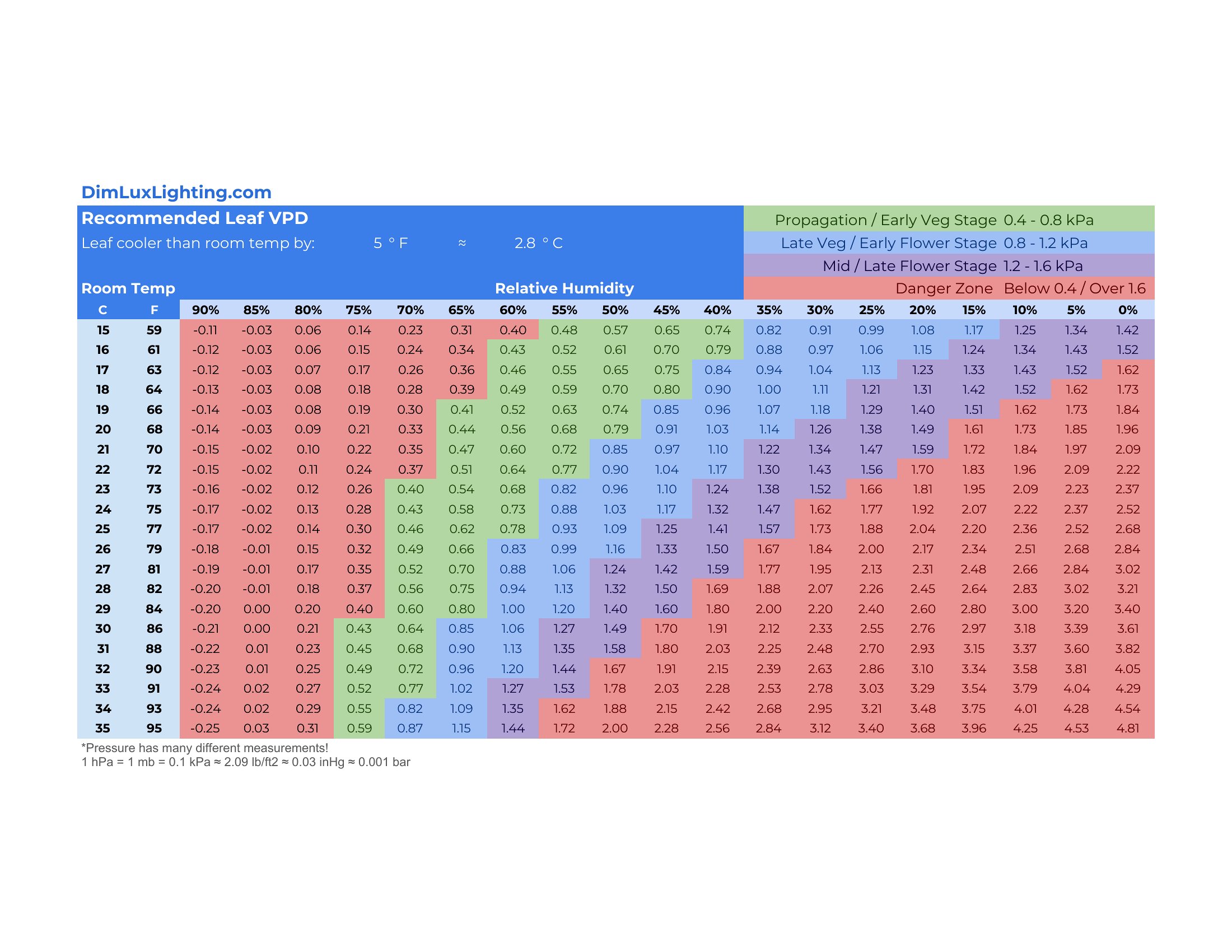
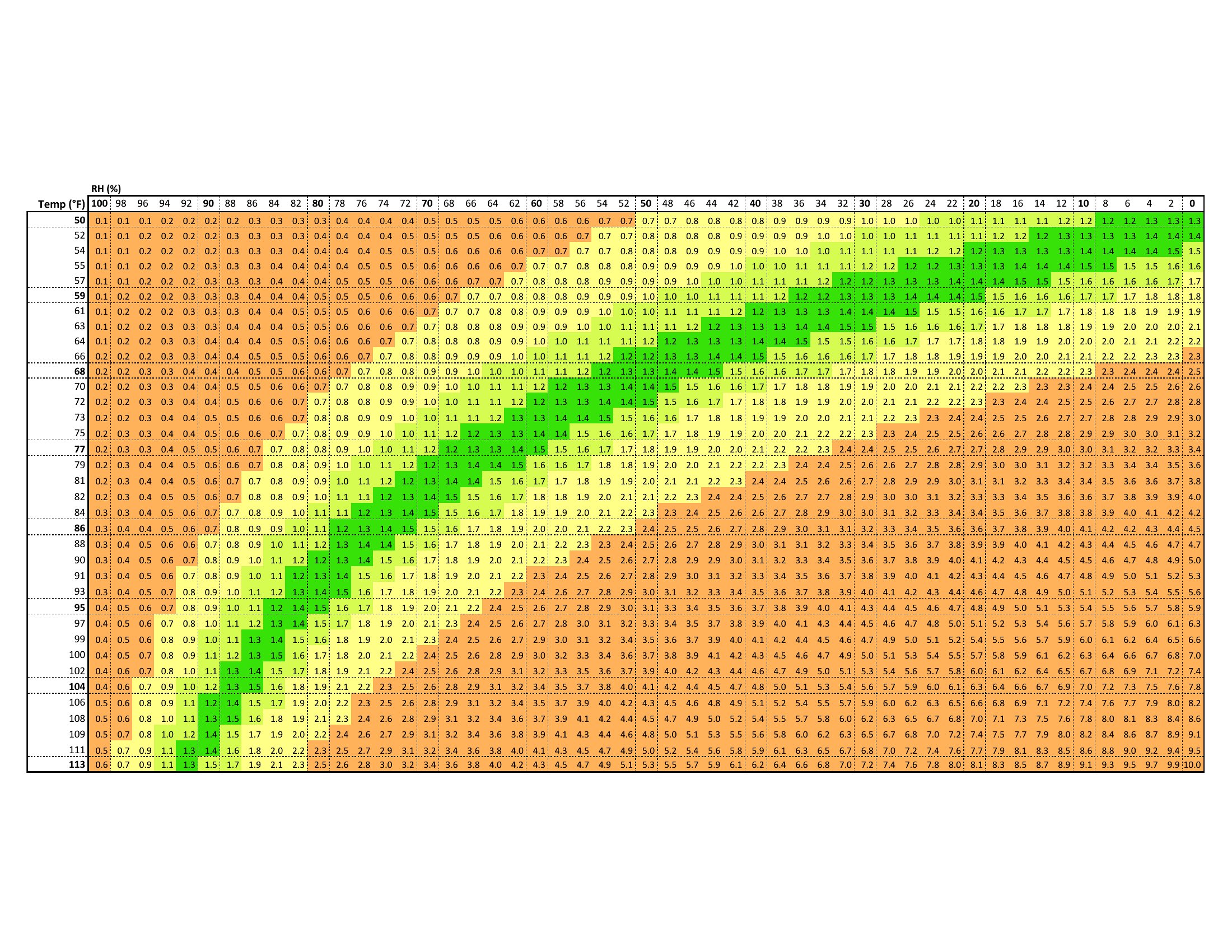
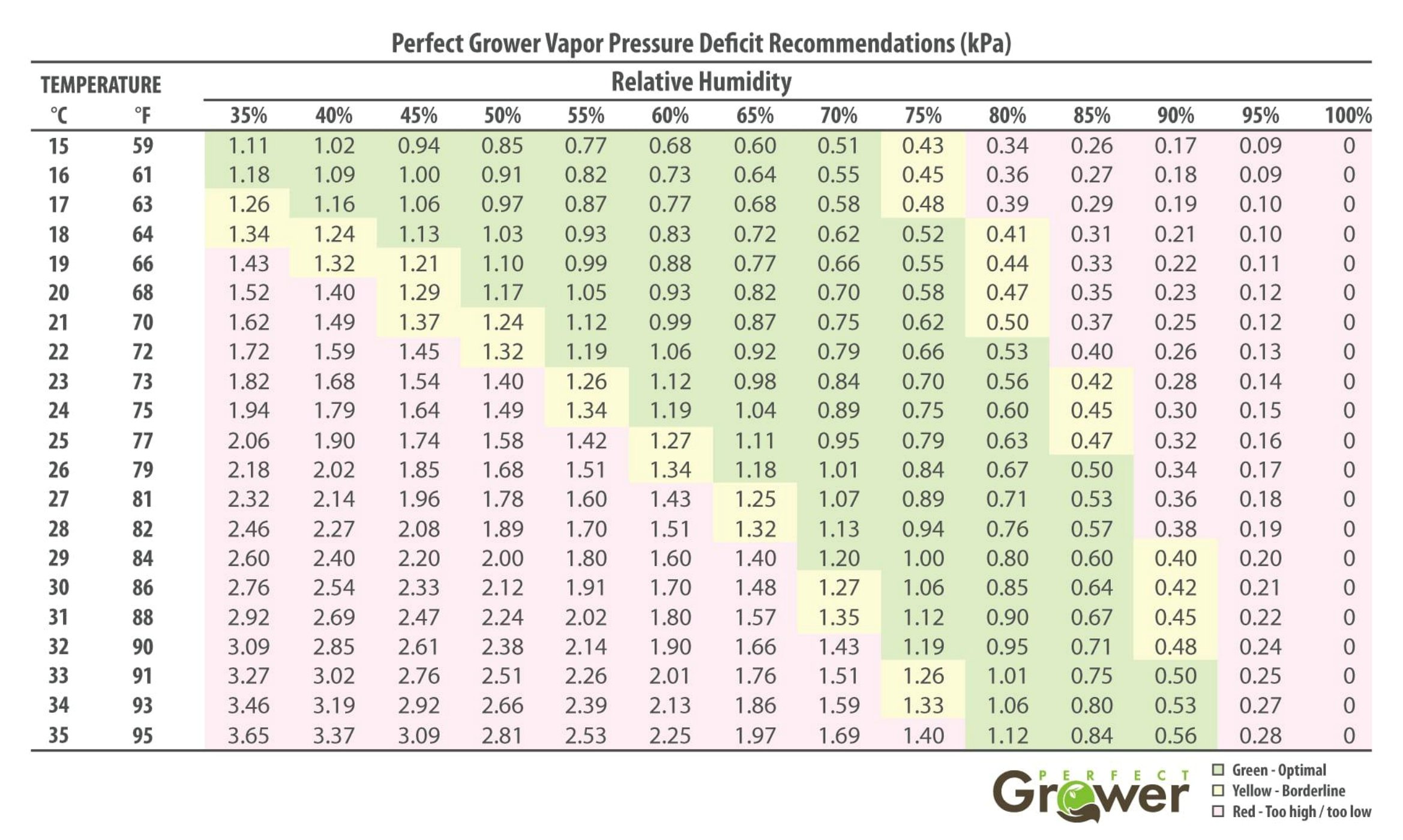
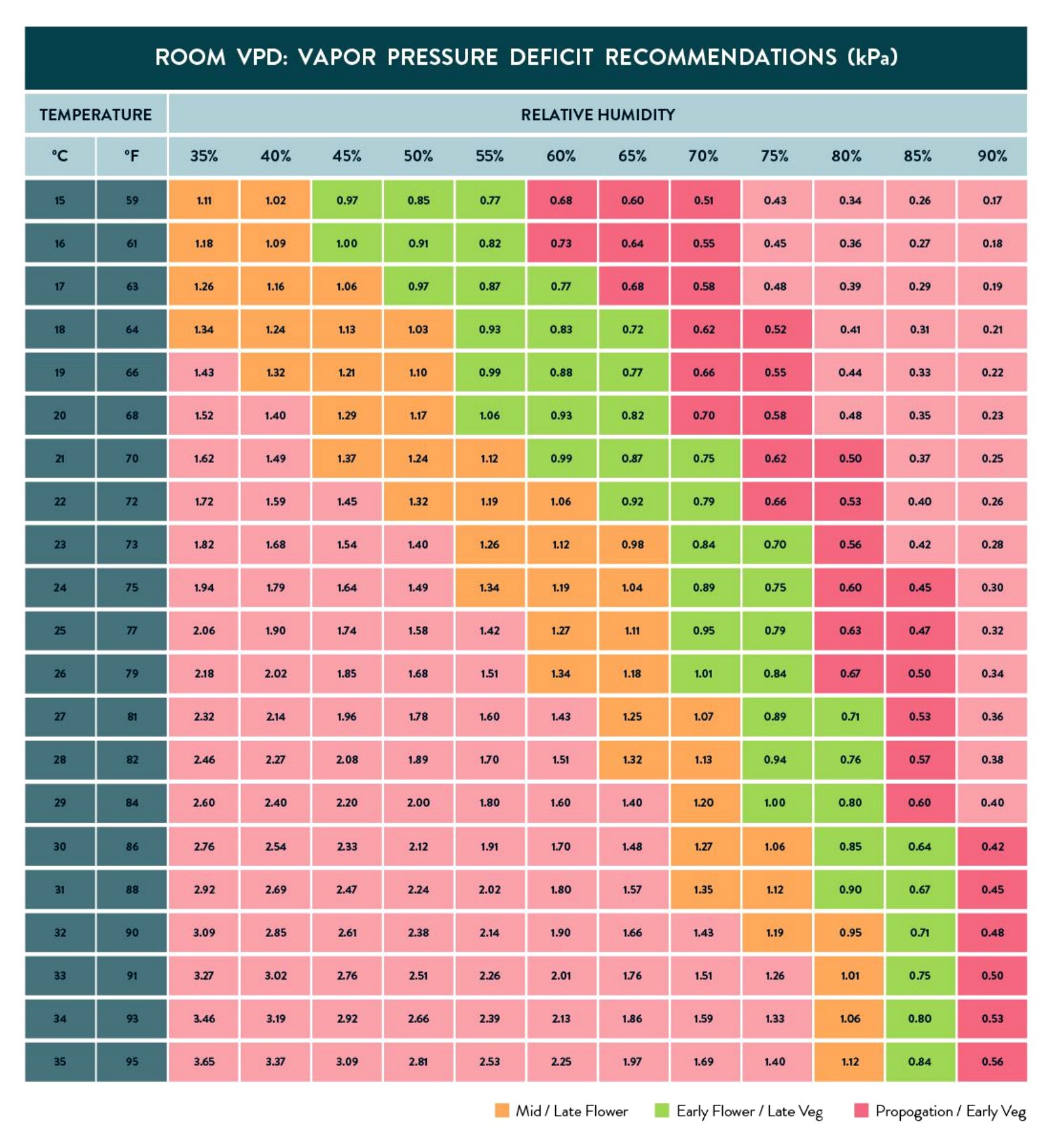
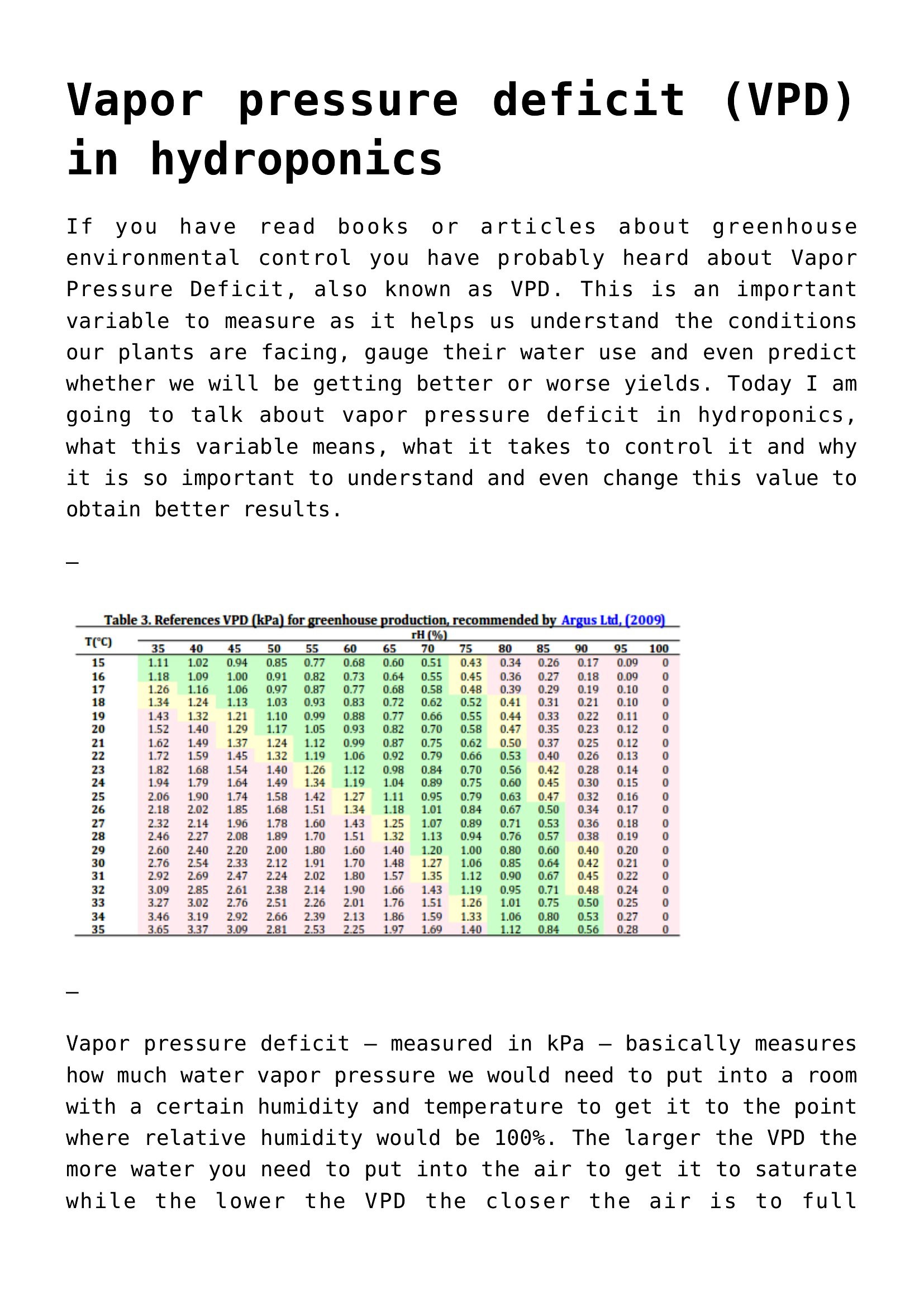
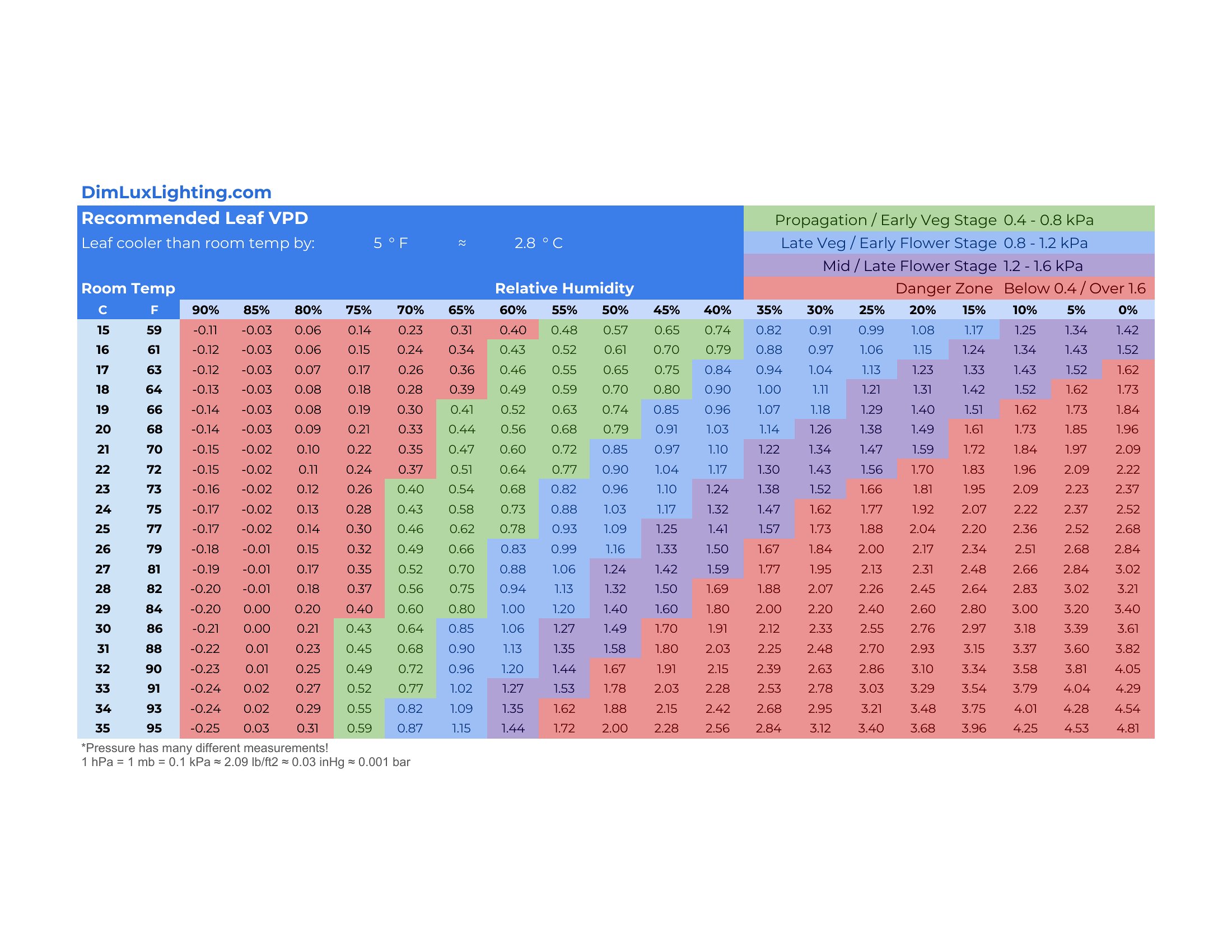
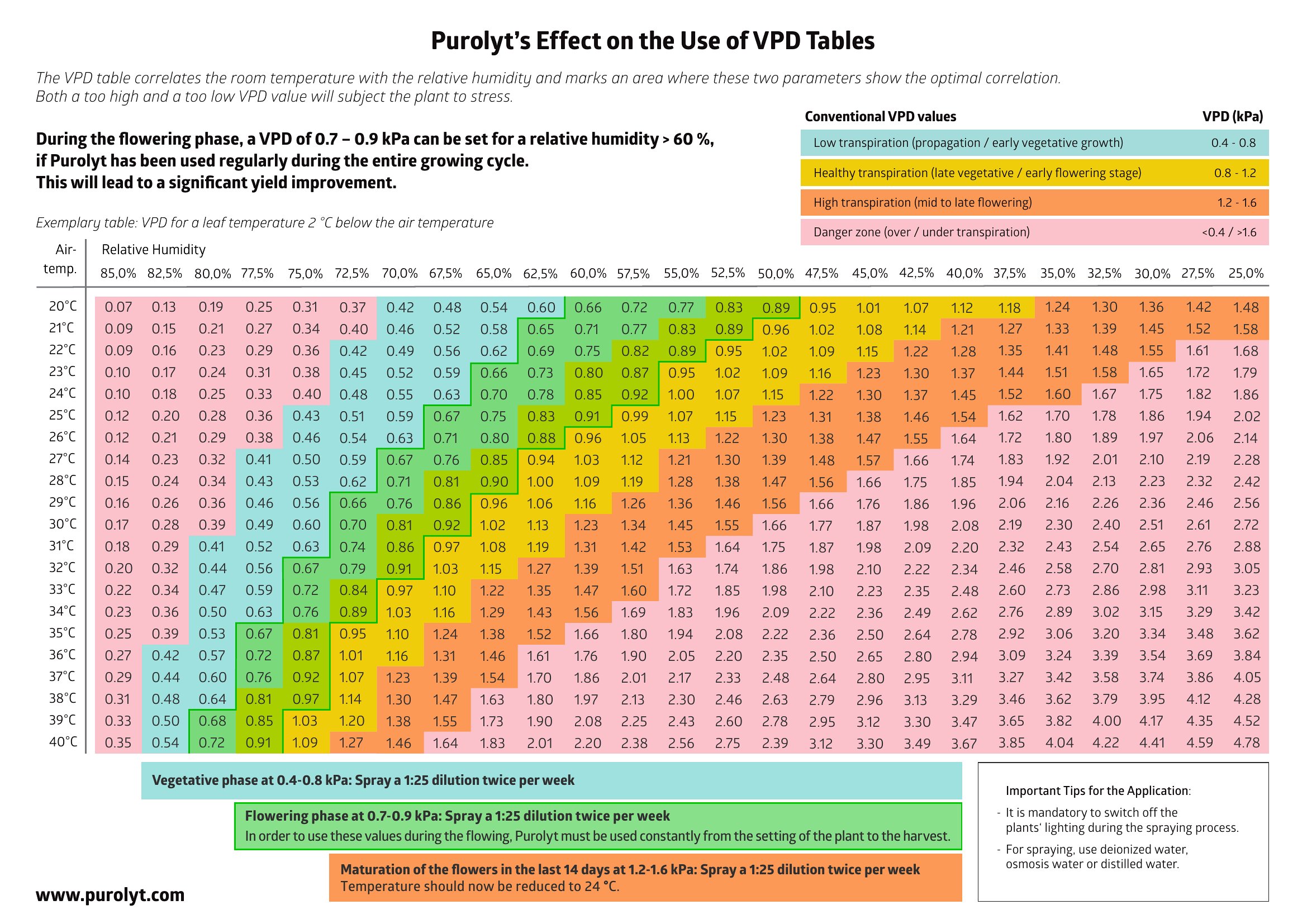
Growers who dial in vapor pressure deficit get healthier transpiration and fewer mystery problems, and a good VPD chart turns temperature and humidity readings into a clear target zone. This set of 22 charts maps the sweet spots for different growth stages, helping indoor gardeners and greenhouse hobbyists tune their environment without guesswork. Keep one near the tent and cross-reference your readings at a glance.

The charts download as print-ready PDFs that stay legible whether you tape one to a wall or keep a copy in a grow log. Print in color so the zones read clearly, or grayscale to save ink. Conditions and ideal ranges vary by plant and setup, so treat the chart as a starting reference. Grab the version you like and print it.

When to use this Vapor Pressure Deficit (VPD) Charts template

  • Indoor cannabis growers with inconsistent bud development who need to track temperature and humidity to identify whether their VPD is too high or too low for the vegetation stage.
  • Greenhouse tomato farmers using supplemental lighting who want to avoid heat stress by plotting their daily VPD and adjusting ventilation or shade cloth before wilting appears on leaves.
  • Mushroom cultivators troubleshooting stunted growth who are comparing their VPD readings to the optimal ranges for spawning and fruiting to diagnose environmental mismatches.
  • Hydroponic lettuce growers in dense urban setups who need to maintain precise VPD levels to prevent tip burn or excessive transpiration during high-intensity discharge lighting cycles.

Which format should I download?

PDF

PDF is the ideal format here because it preserves the precision of VPD charts—critical for growers who rely on exact humidity-temperature intersections. Unlike spreadsheets, PDFs keep the visual scale intact, making it easy to overlay real-time readings with a marker. For print-and-post use, the PDF format ensures clarity even under grow lights, while its portable nature lets you share charts with team members or consult them in the grow space. No other format matches this balance of accuracy and practicality for environmental monitoring.

Choose from 22 Vapor Pressure Deficit (VPD) Charts Templates

Blank Vpd Chart template thumbnail
0 downloads
Download
Sample Vpd Chart template thumbnail
0 downloads
Download
Word Vpd Chart template thumbnail
0 downloads
Download
Editable Vpd Chart template thumbnail
0 downloads
Download

How to use this Vapor Pressure Deficit (VPD) Charts template

Can these charts help me decide when to open or close vents automatically?

These VPD charts show target zones for different growth stages, but they’re not automated control instructions. Use them to cross-check your current readings—like from a hygrometer—before adjusting vents manually or programming a smart controller. Always pair charts with real-time data for safety, especially with high-value crops or limited airflow options.

What should I do if my current conditions fall outside the ‘sweet spot’ for my plant’s stage?

Start with small adjustments—like increasing airflow or reducing heat output—to nudge your VPD into the target range. If you’re in a locked environment (e.g., a tent), prioritize humidity control first, as it’s easier to fine-tune than temperature. Monitor changes over 24 hours, as plants often stabilize after a single shift. For stubborn issues, revisit irrigation schedules or CO2 levels, which can influence transpiration.

Are these charts specific to certain crops, or can I use them for ornamental plants too?

While these charts are designed for common high-VPD-sensitive crops like cannabis, tomatoes, and mushrooms, they can serve as a general guide for ornamentals with similar needs—such as ferns or peppers. For exact matches, compare your plant’s native humidity preferences to the chart’s ranges. Tropical ornamentals often align closely, but desert-adapted plants may require adjustments. When in doubt, err on the side of lower VPD to avoid stress.

Comments

Join the conversation

Sign in to share your thoughts and leave a comment on this resource.

Newsletter

Get Weekly Design Updates

Join our community to receive curated resources and inspiration.

Weekly Tips Resources Early Access

We respect your privacy. Confirmation email required. Privacy Policy