FAQ
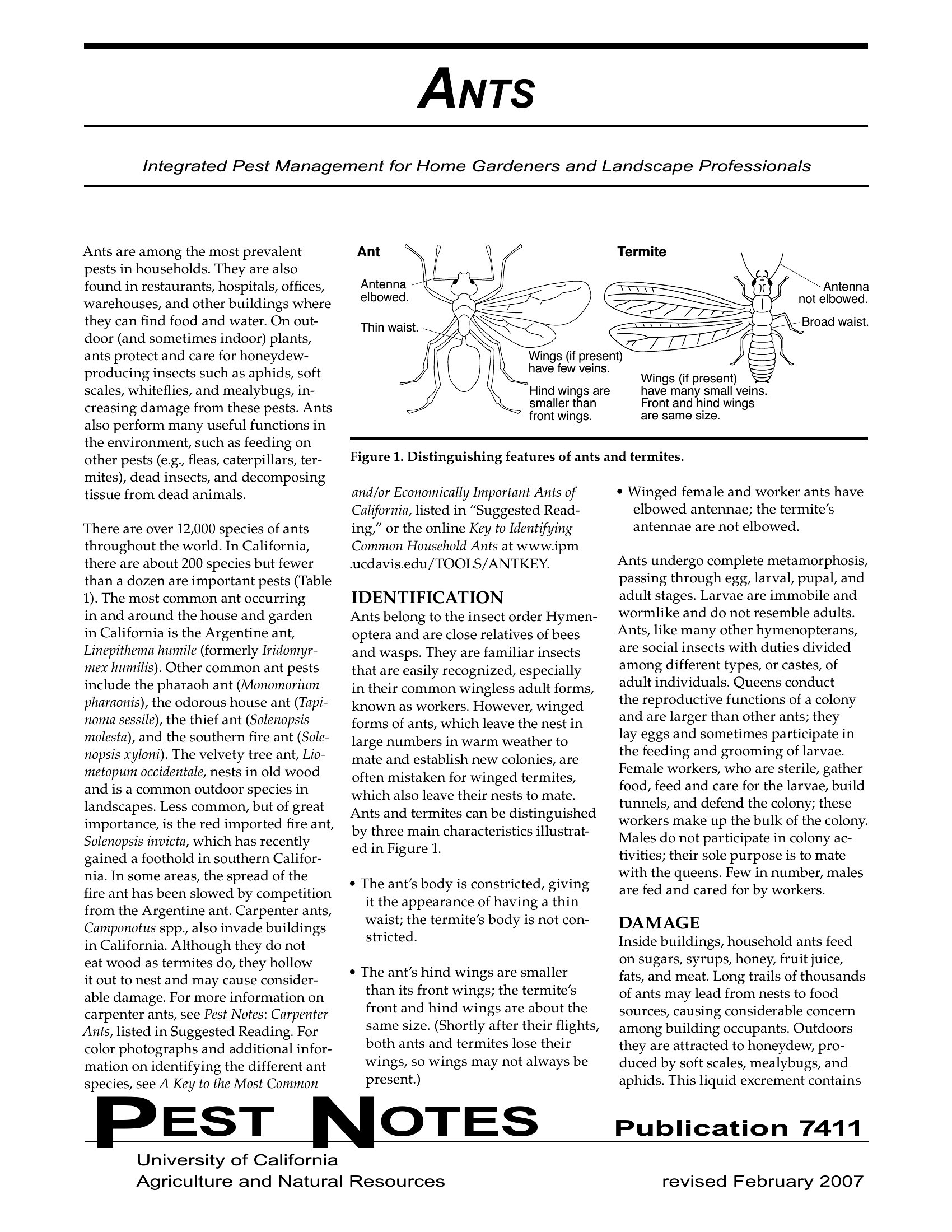
How detailed are the descriptions for distinguishing similar-looking ants, like carpenter ants and termites?
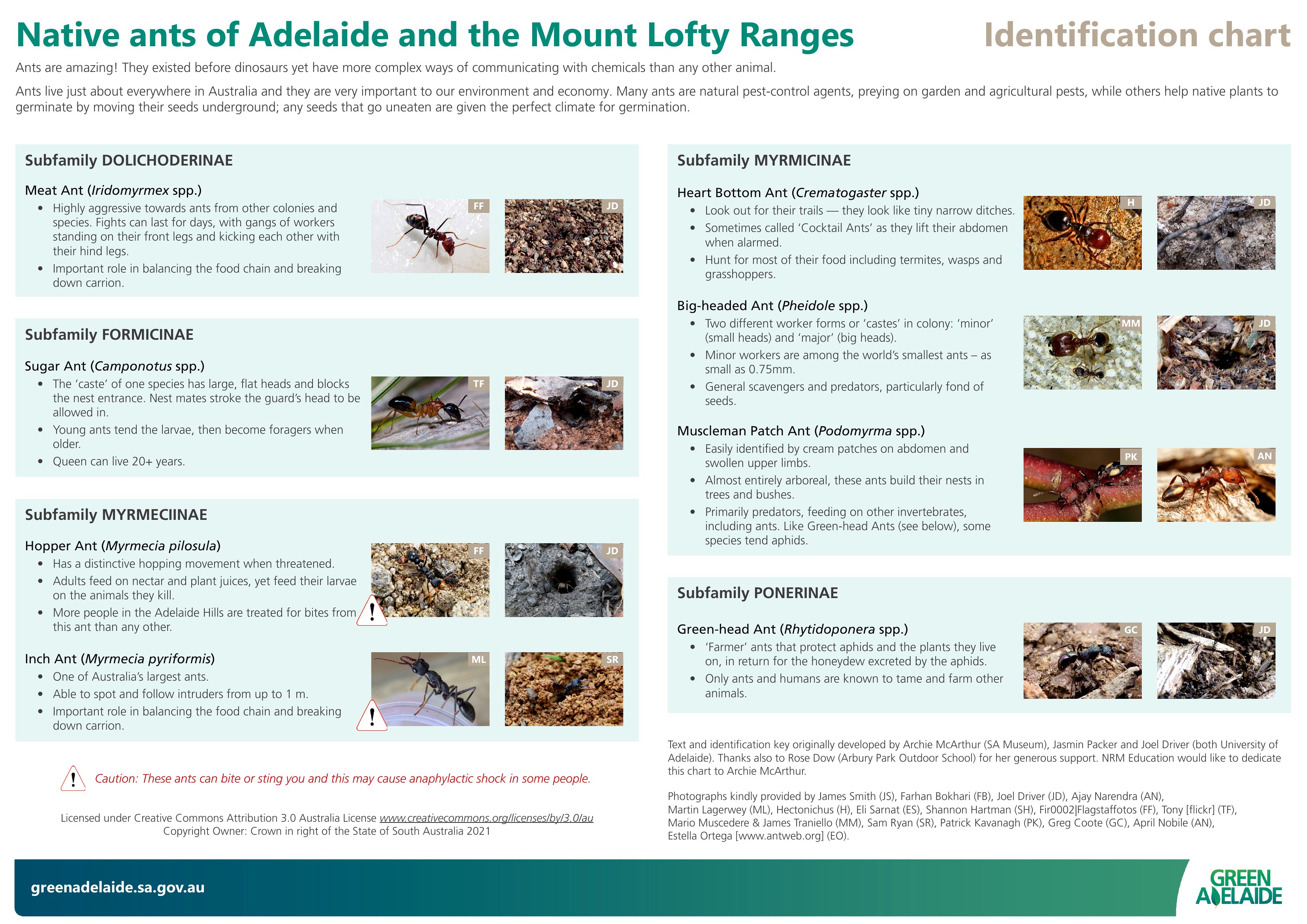
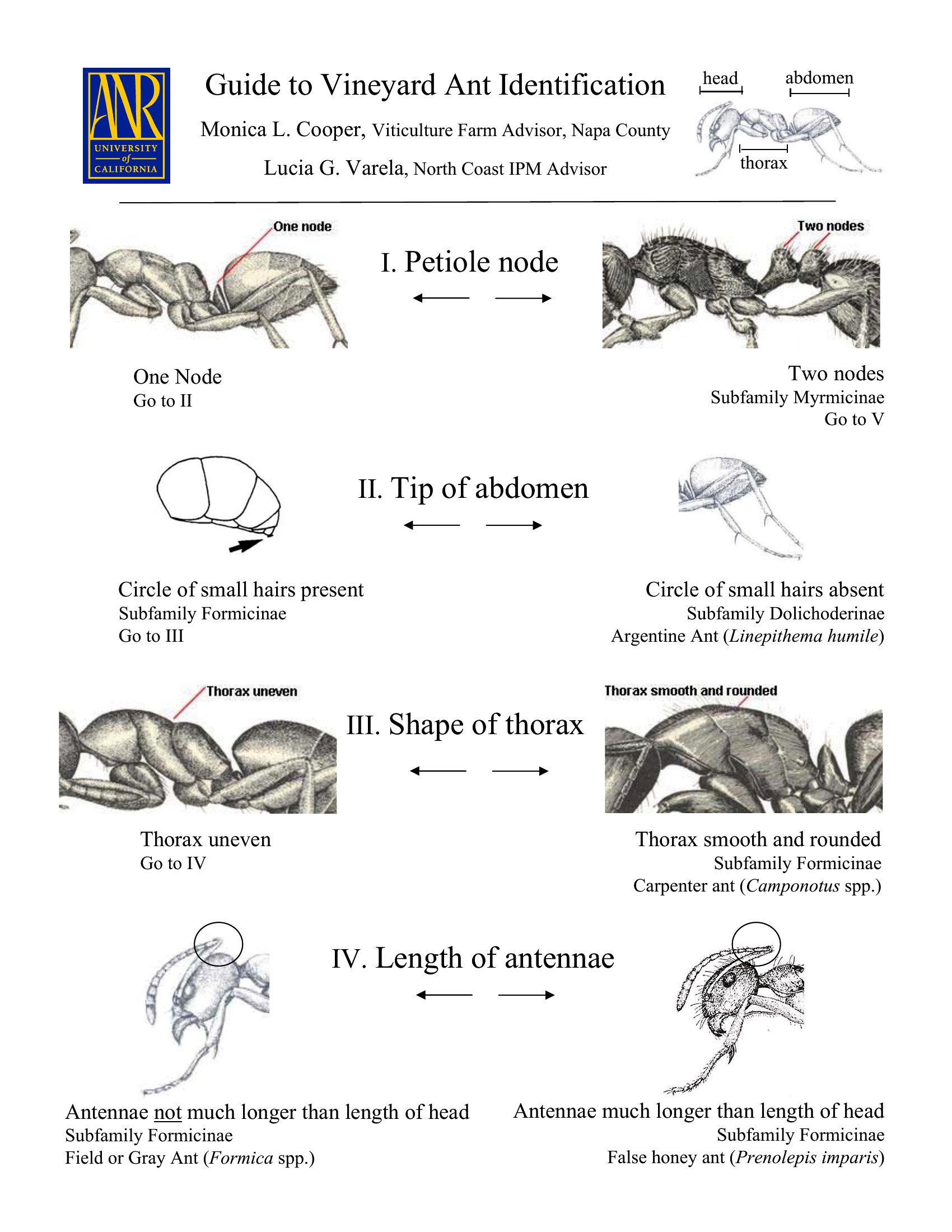
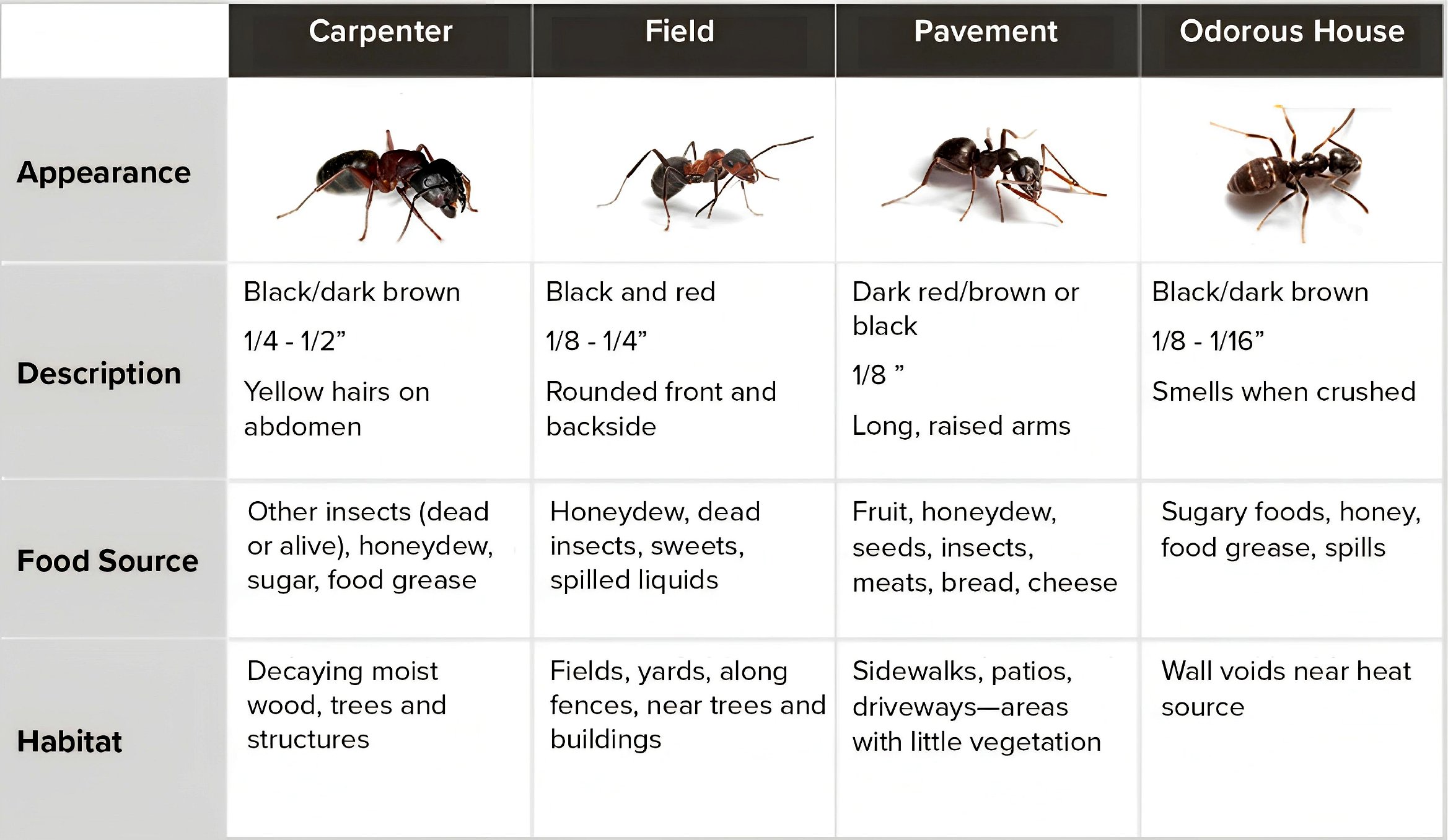
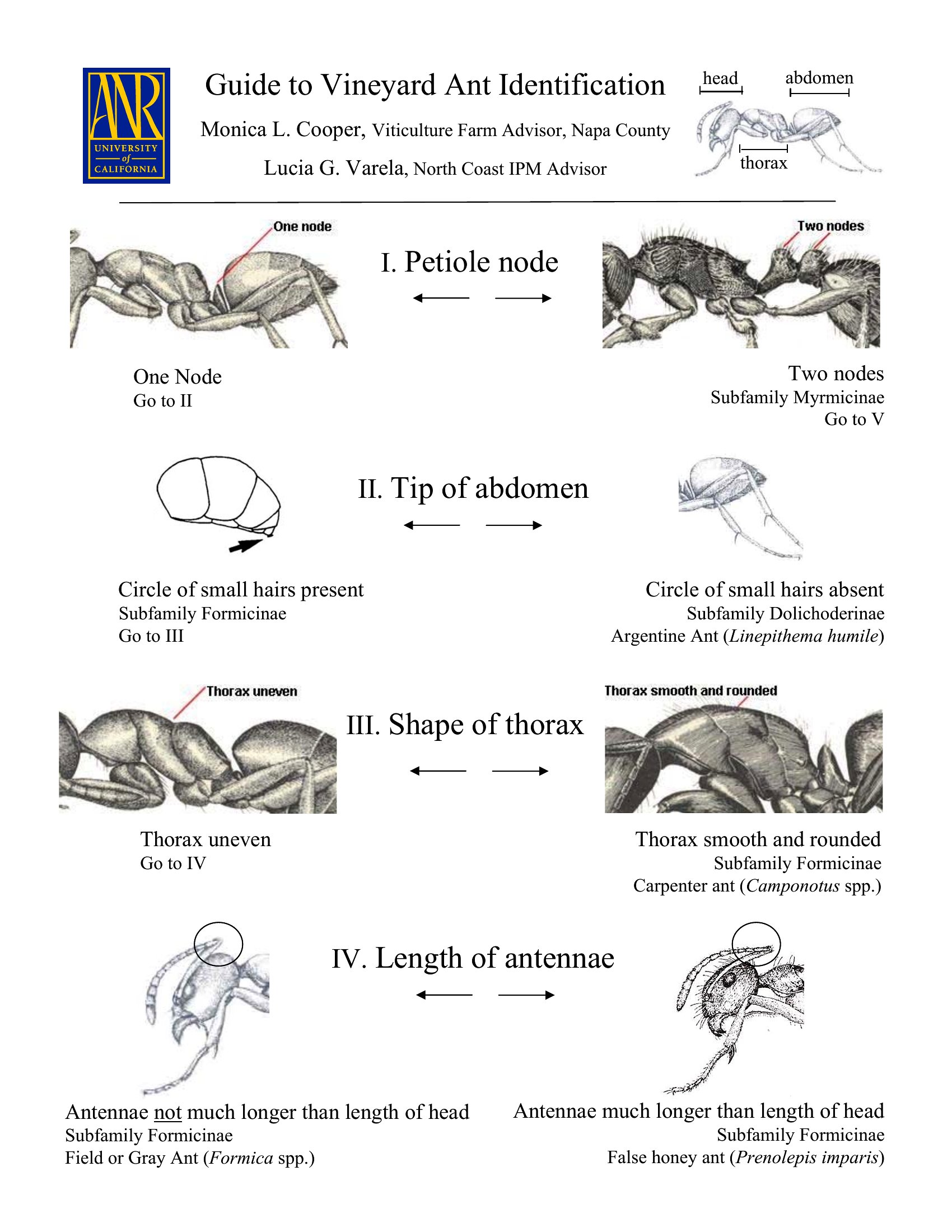
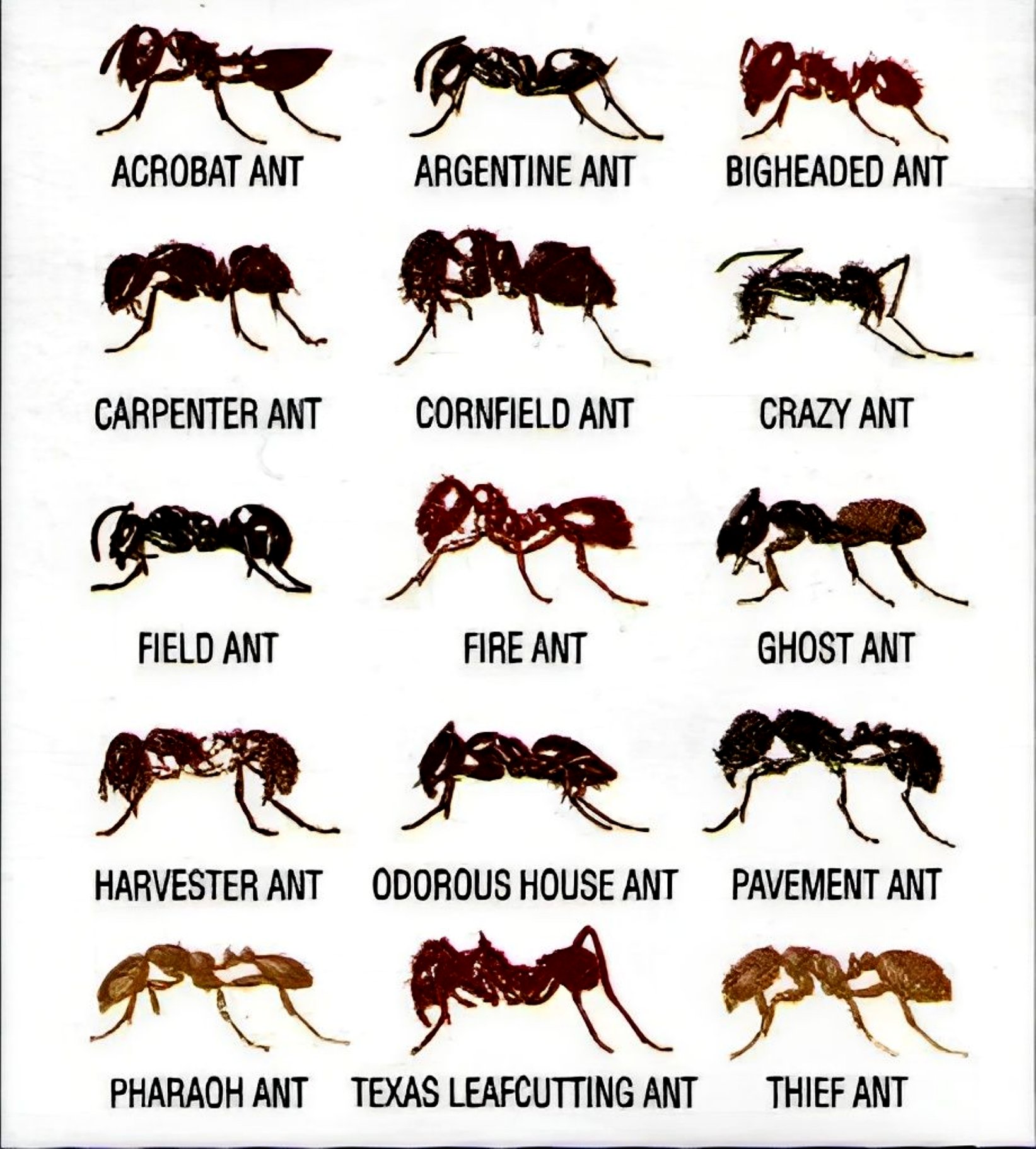
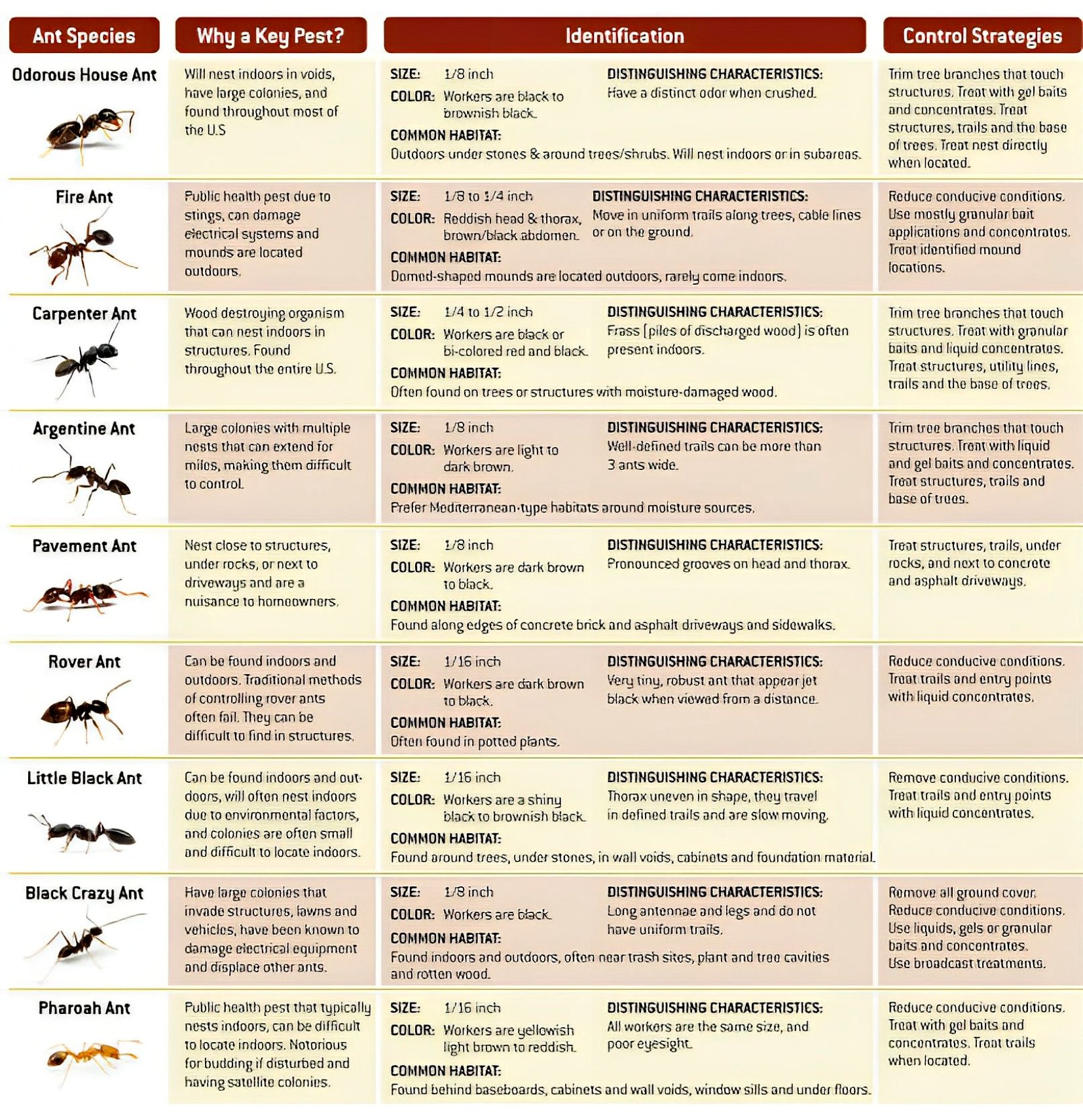
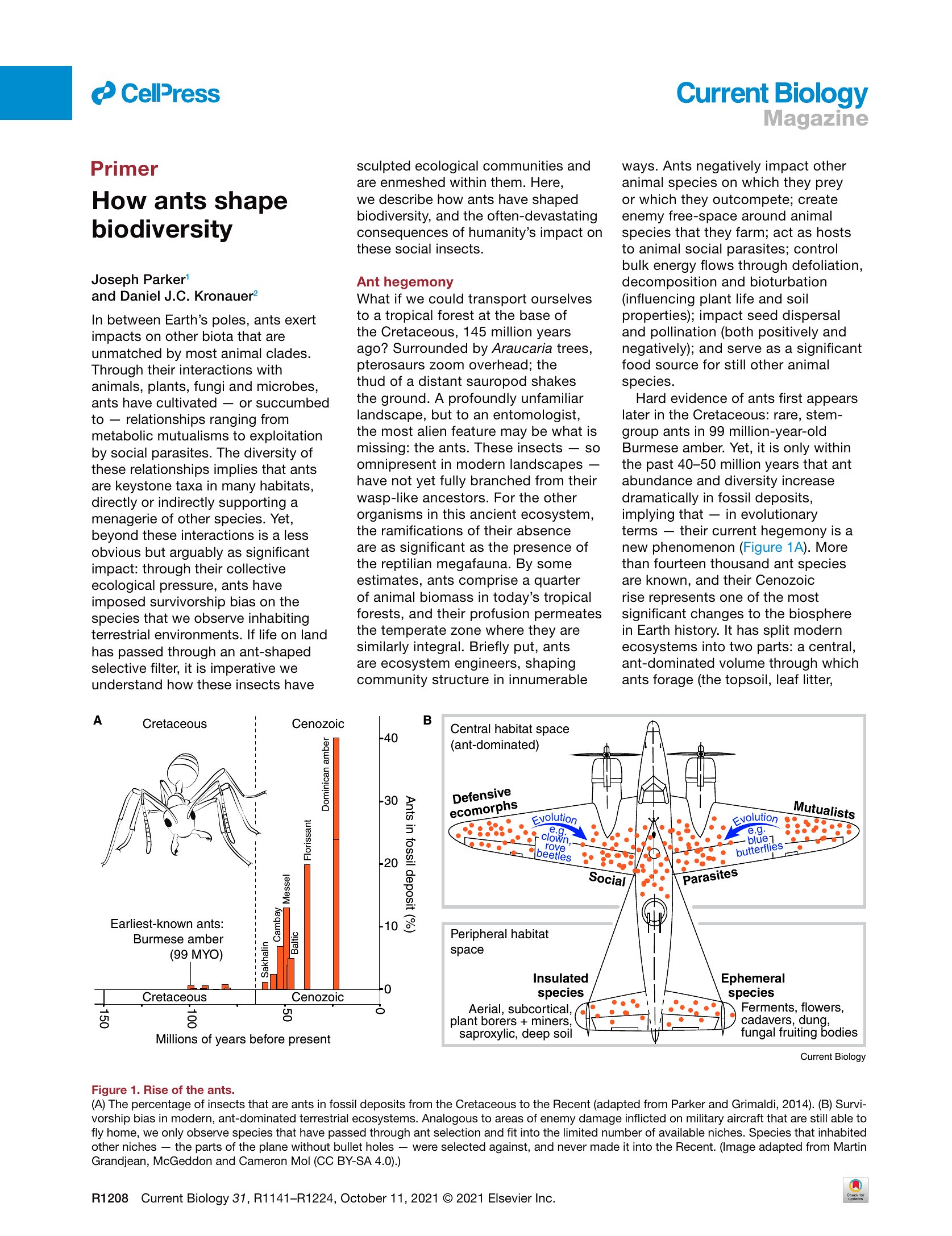
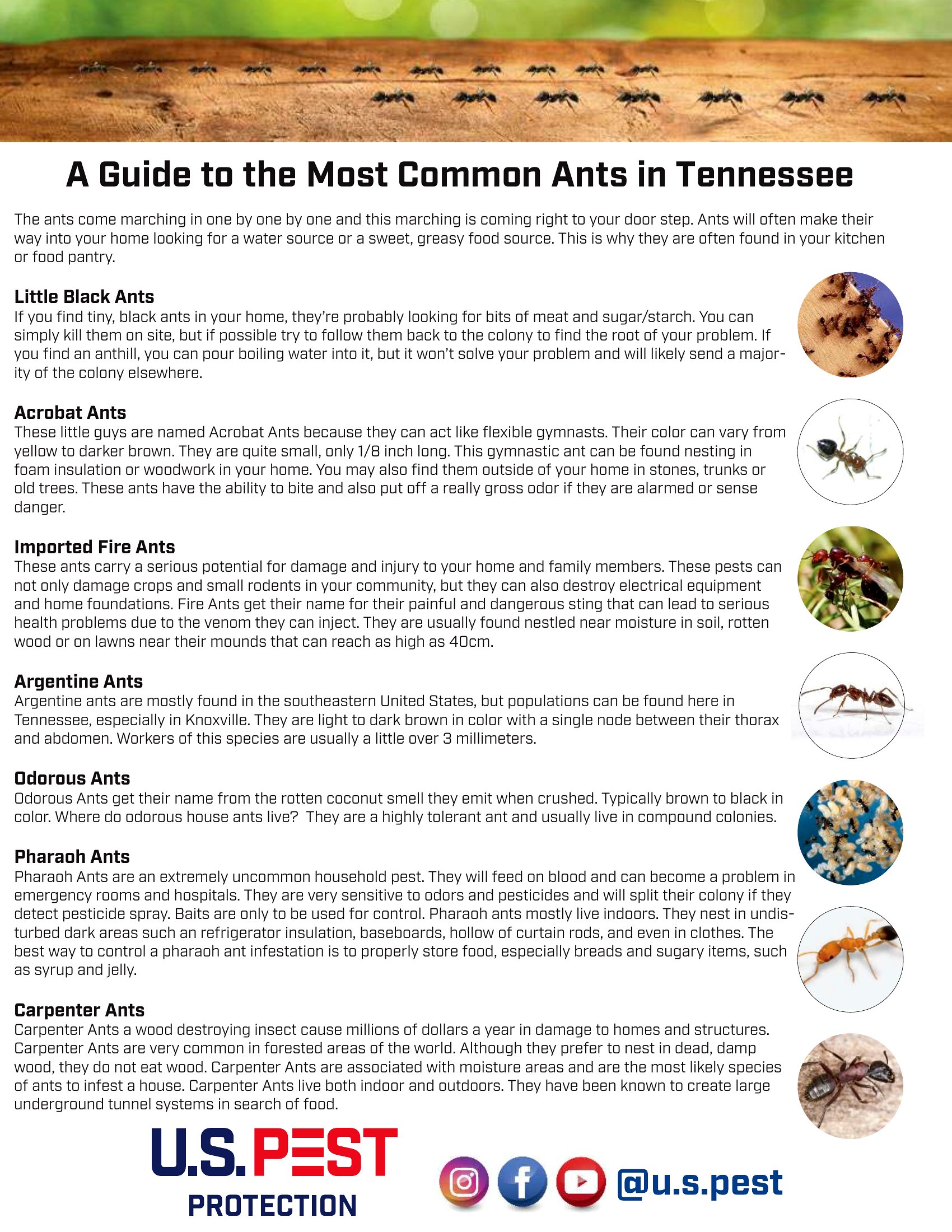
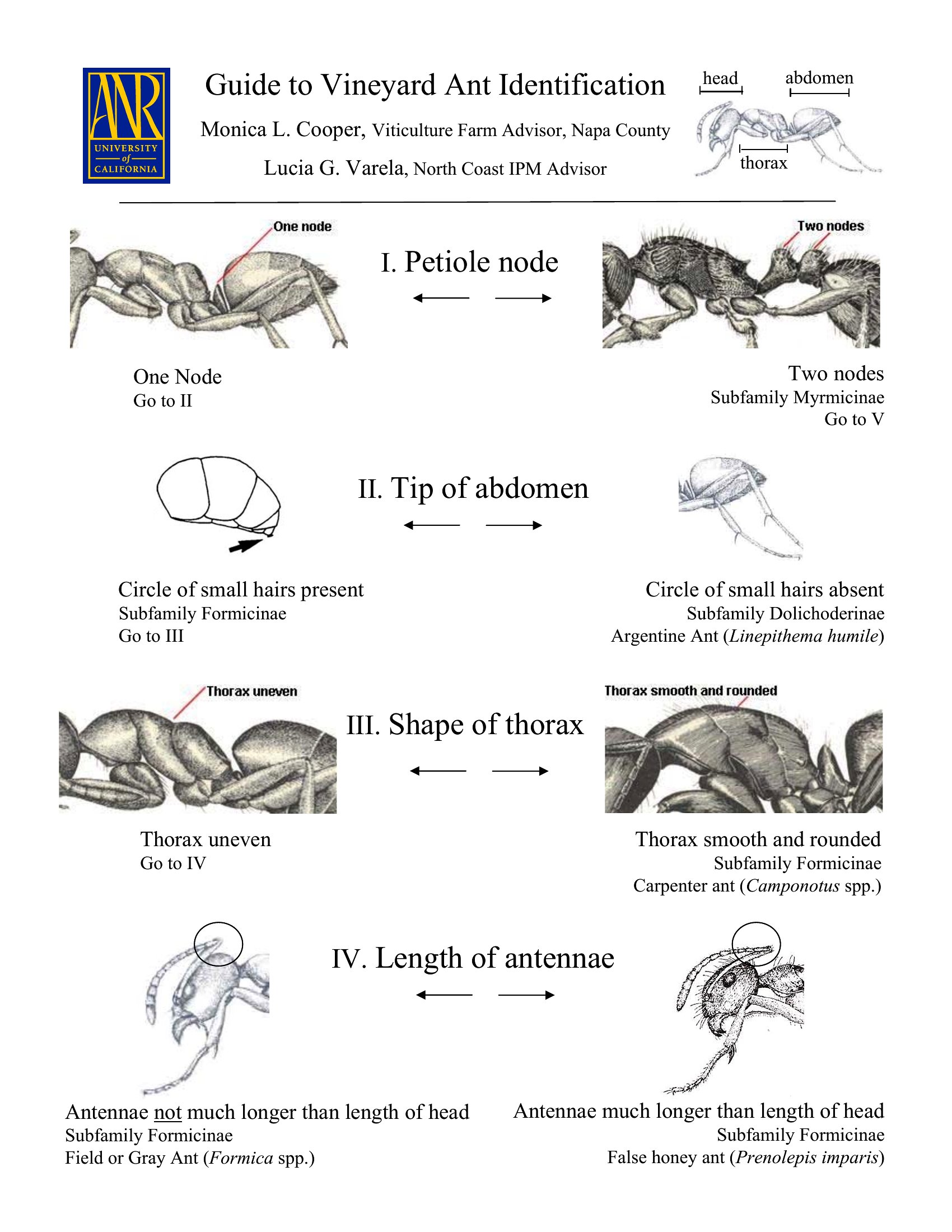
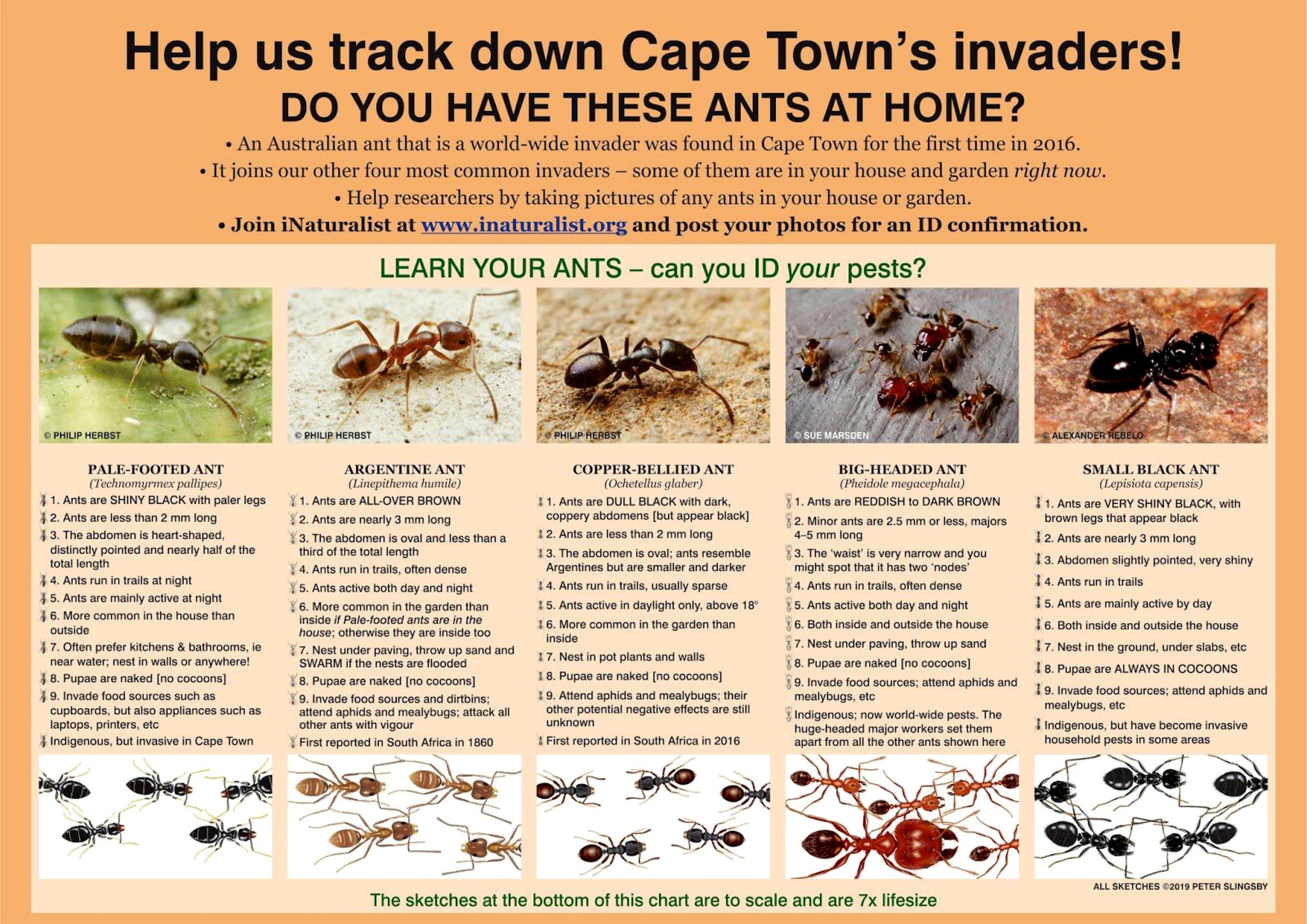
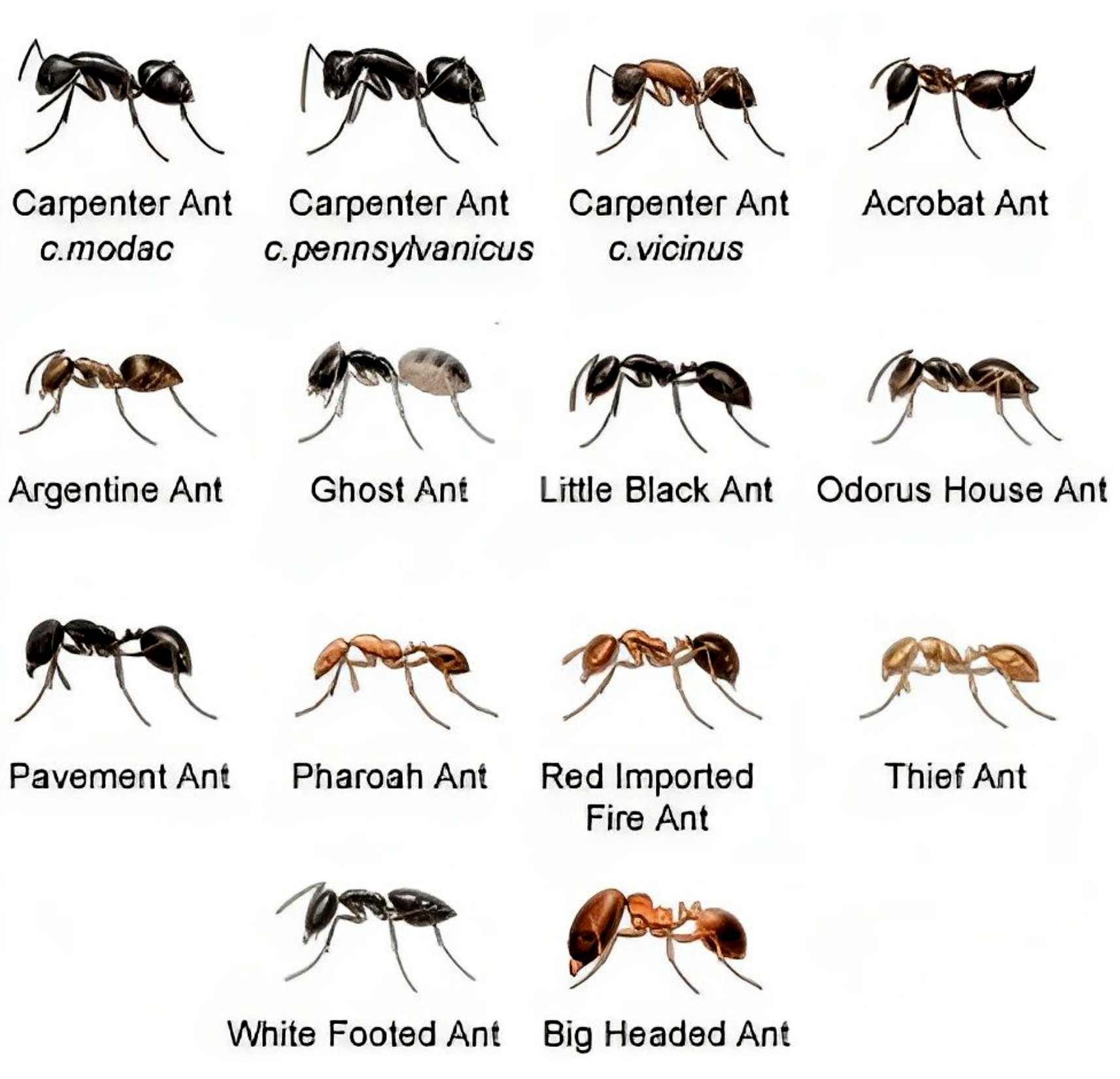
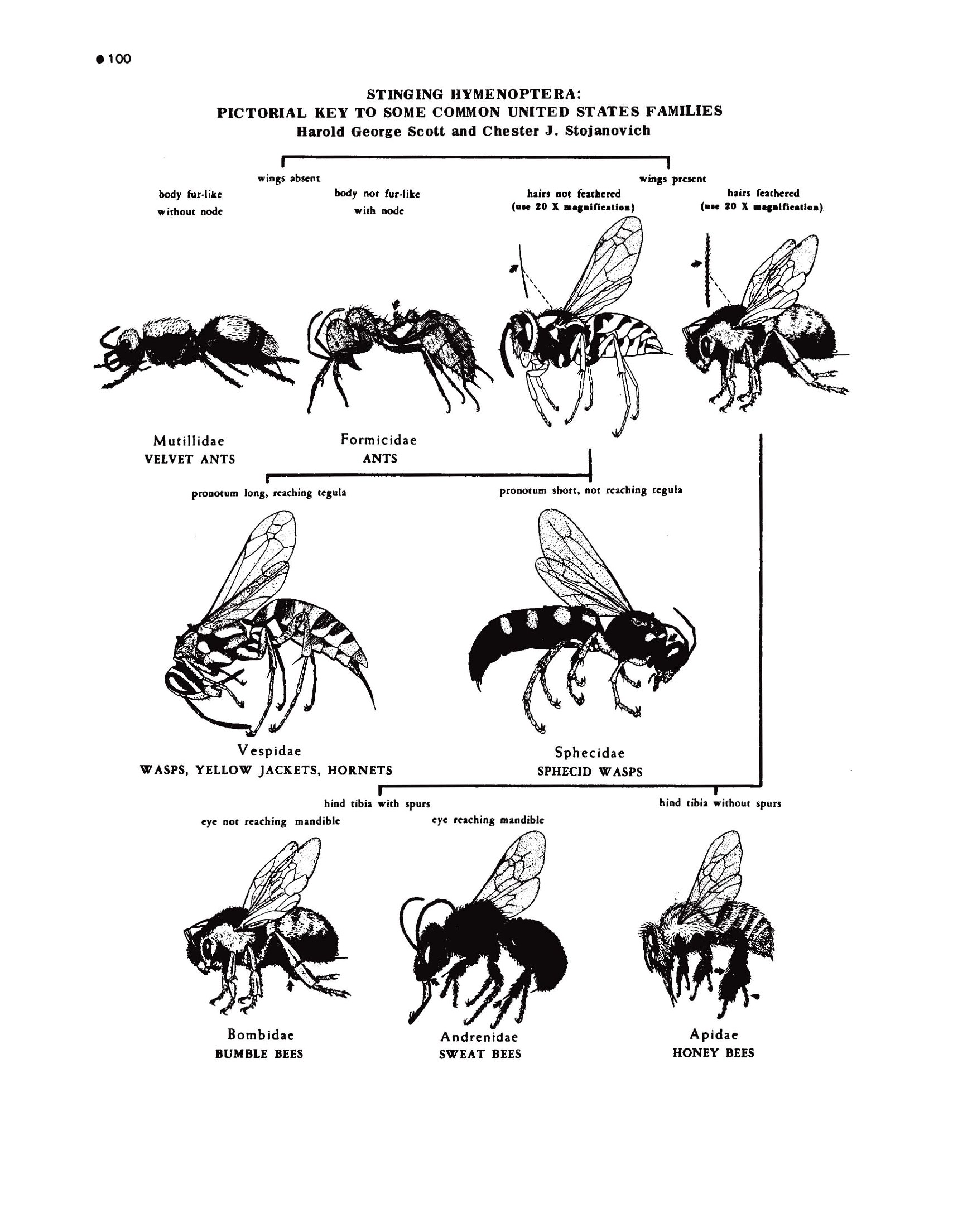
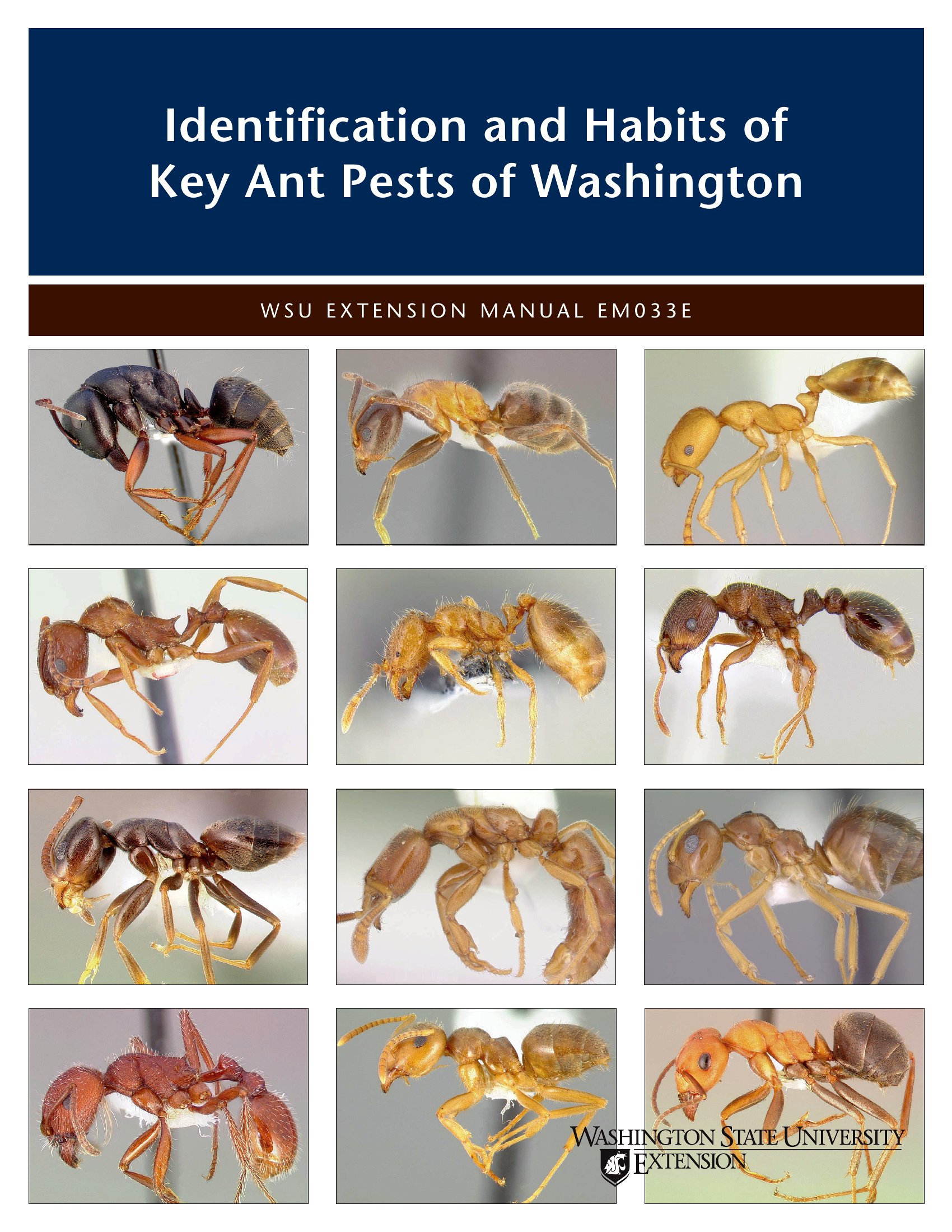
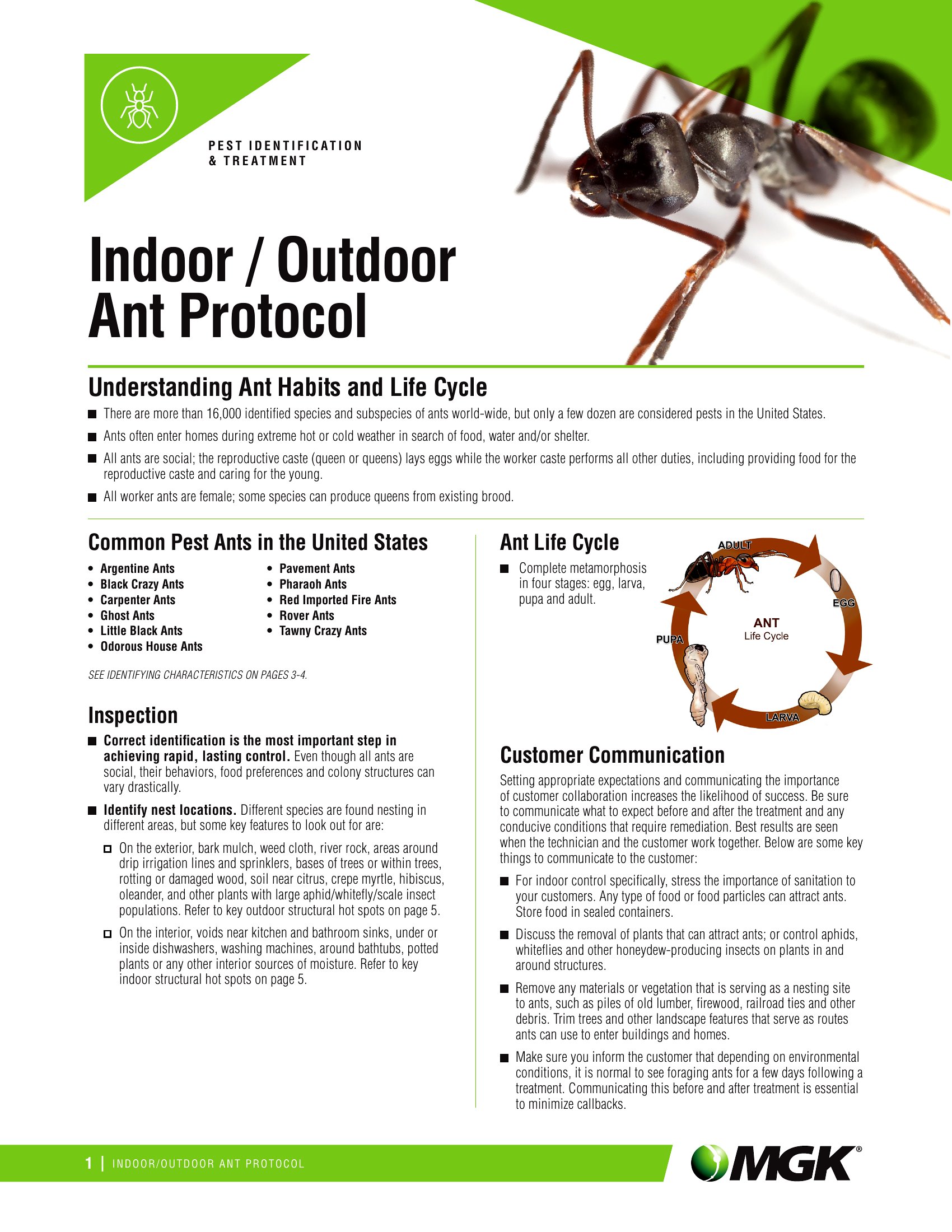
The charts include side-by-side comparisons with key differences—such as waist shape, antenna structure, and wing venation—highlighted in labeled diagrams. For example, carpenter ants have a distinct node between their thorax and abdomen, while termites have straight antennae and no waist. This helps even beginners avoid misidentification.
Can these charts be used to identify ants that aren’t common in my region?
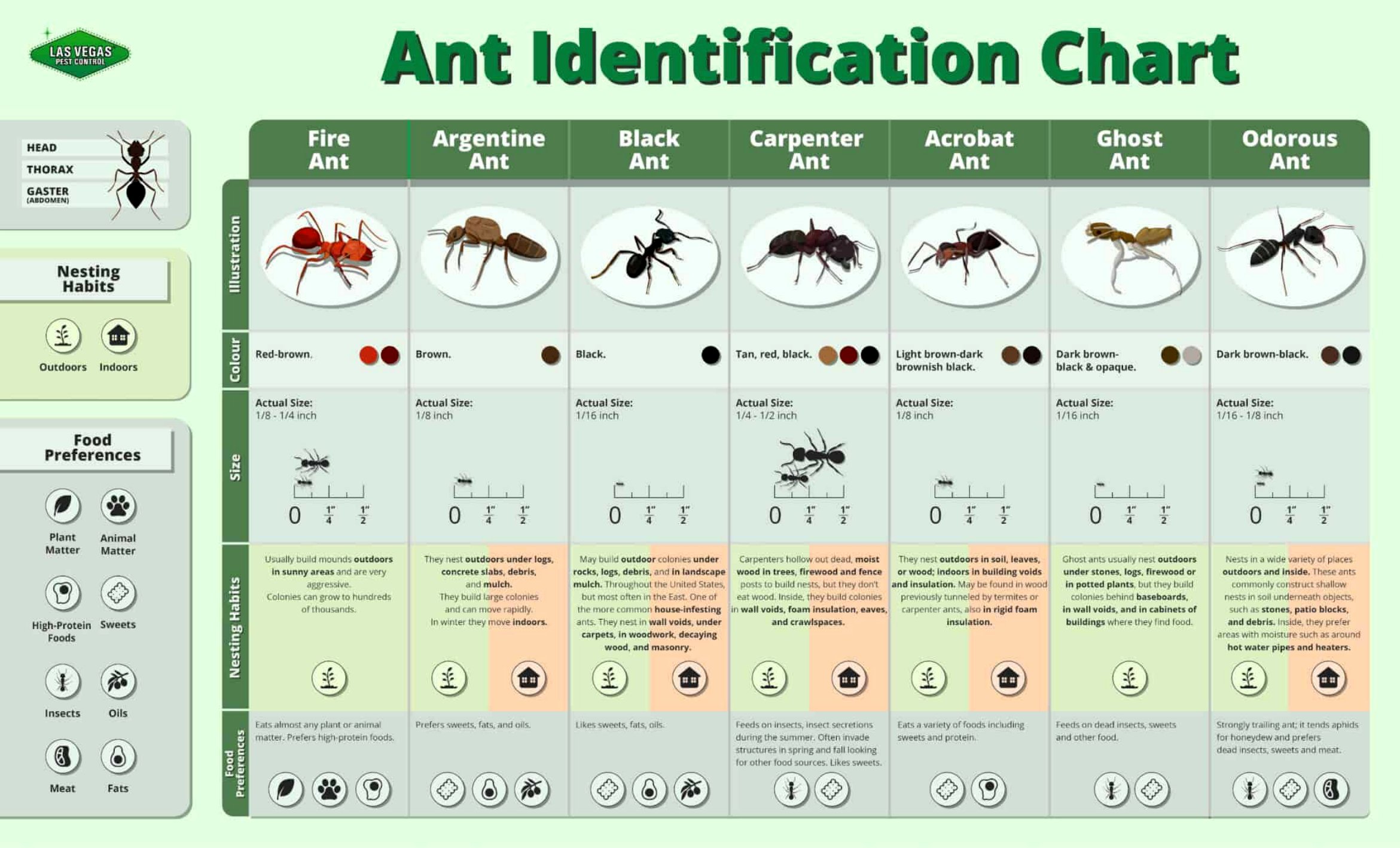
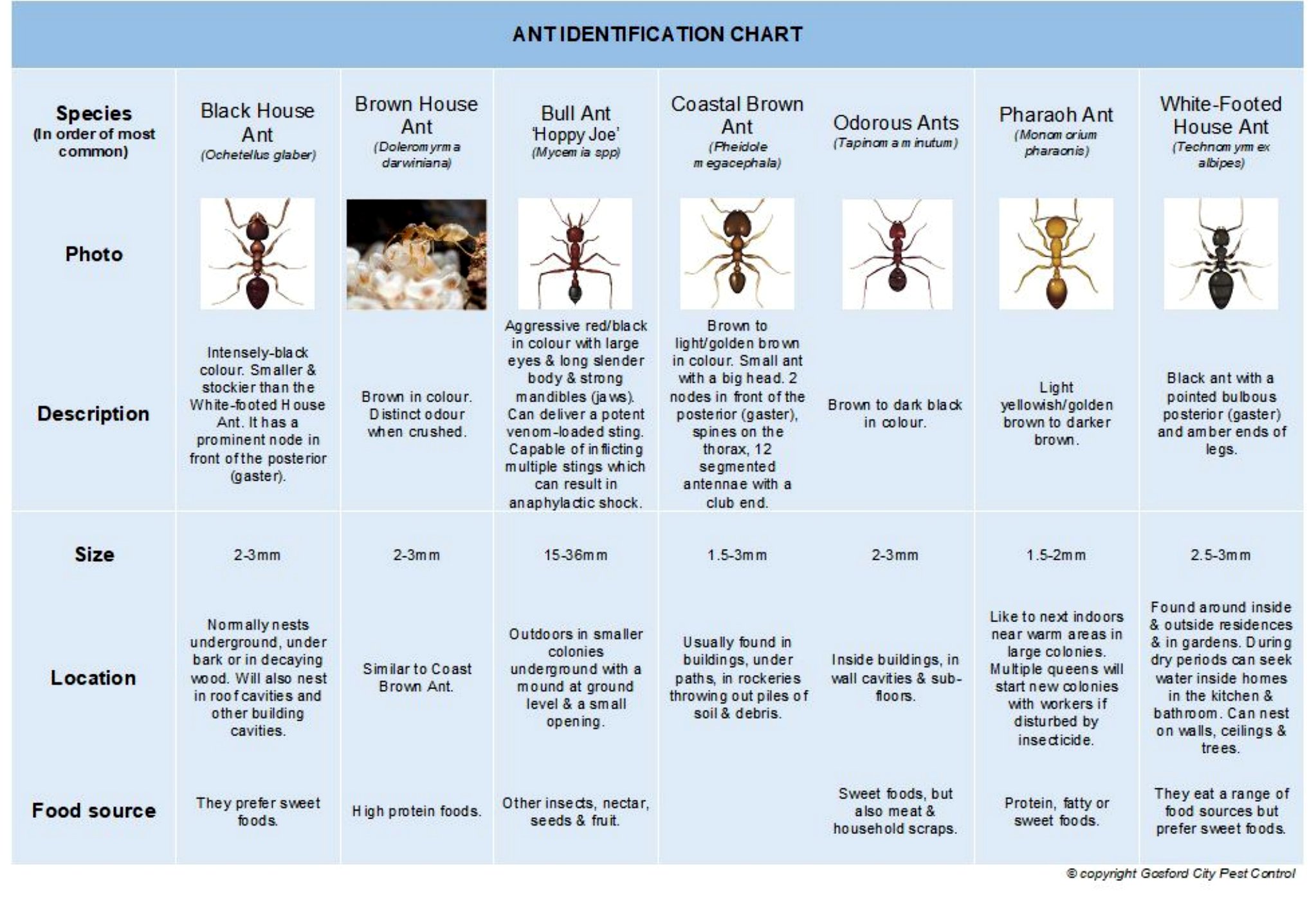
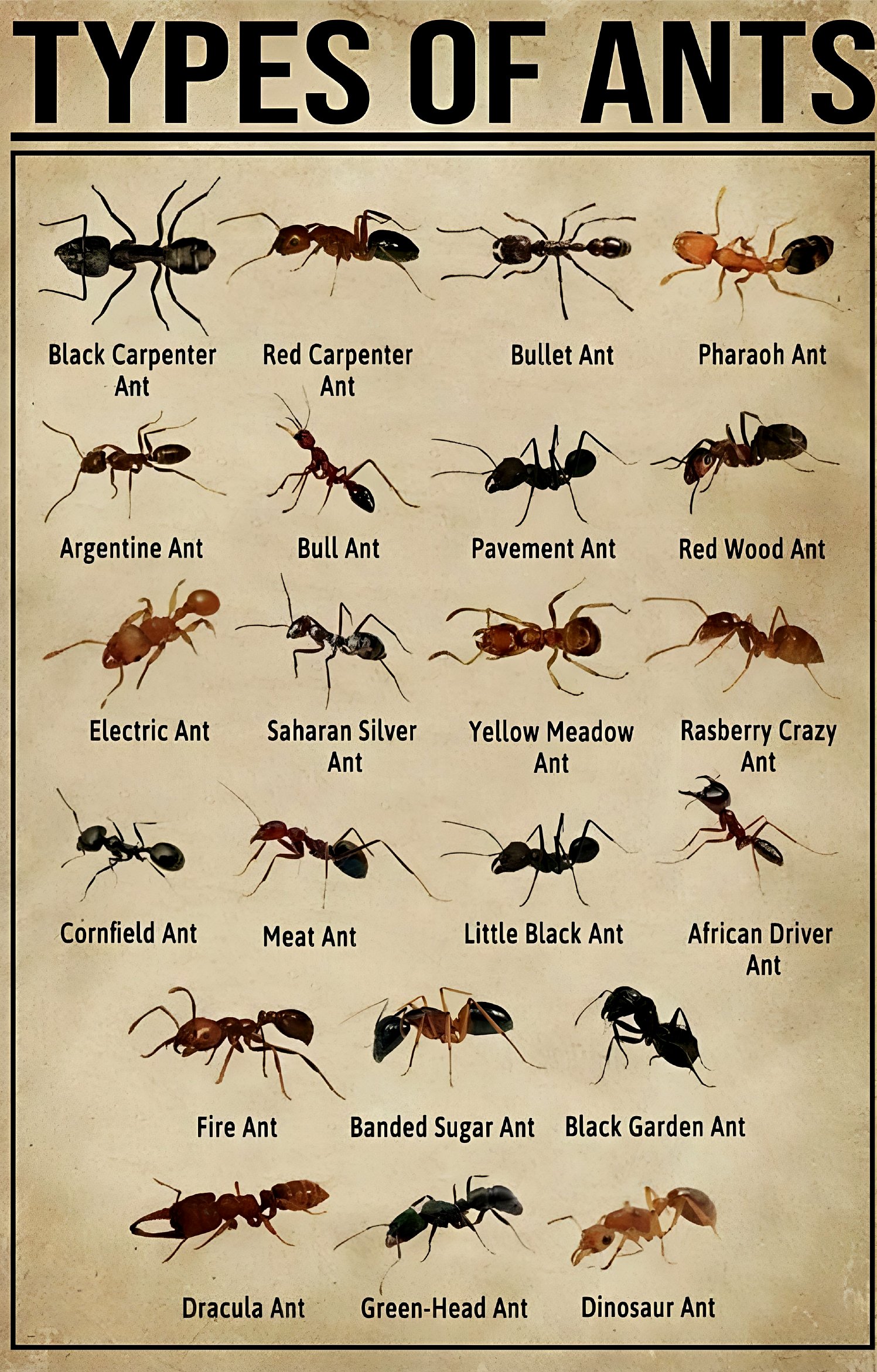
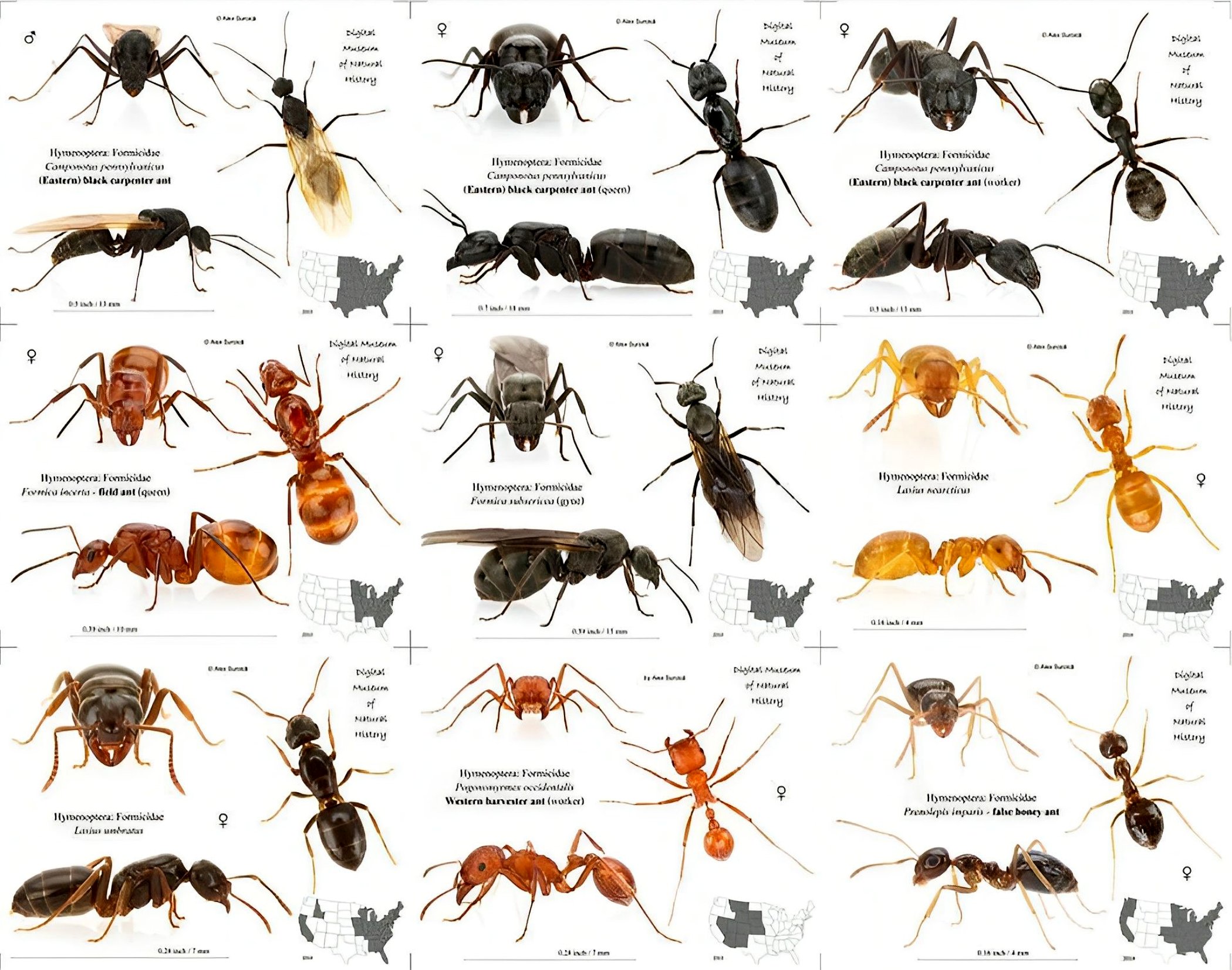
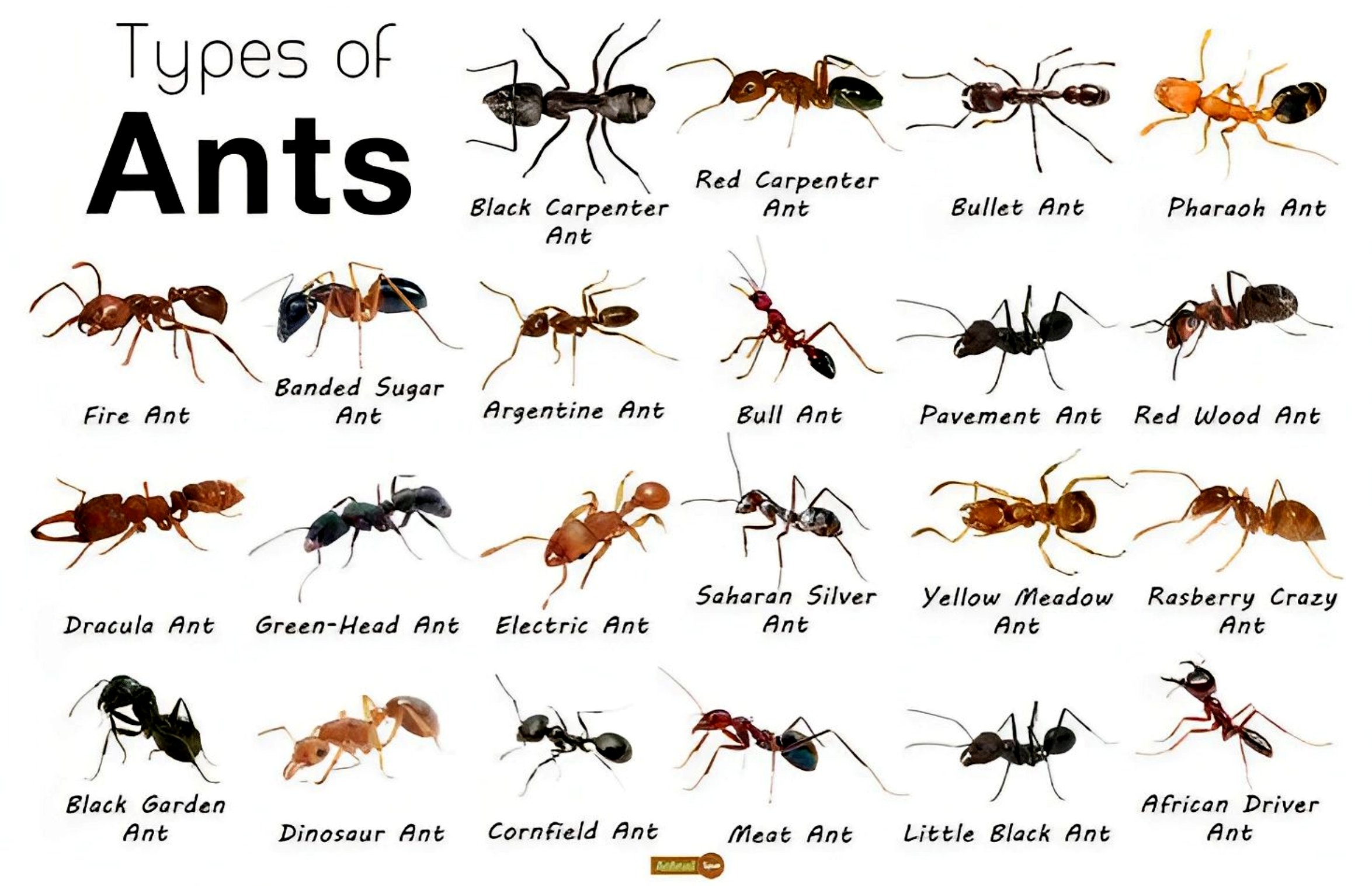
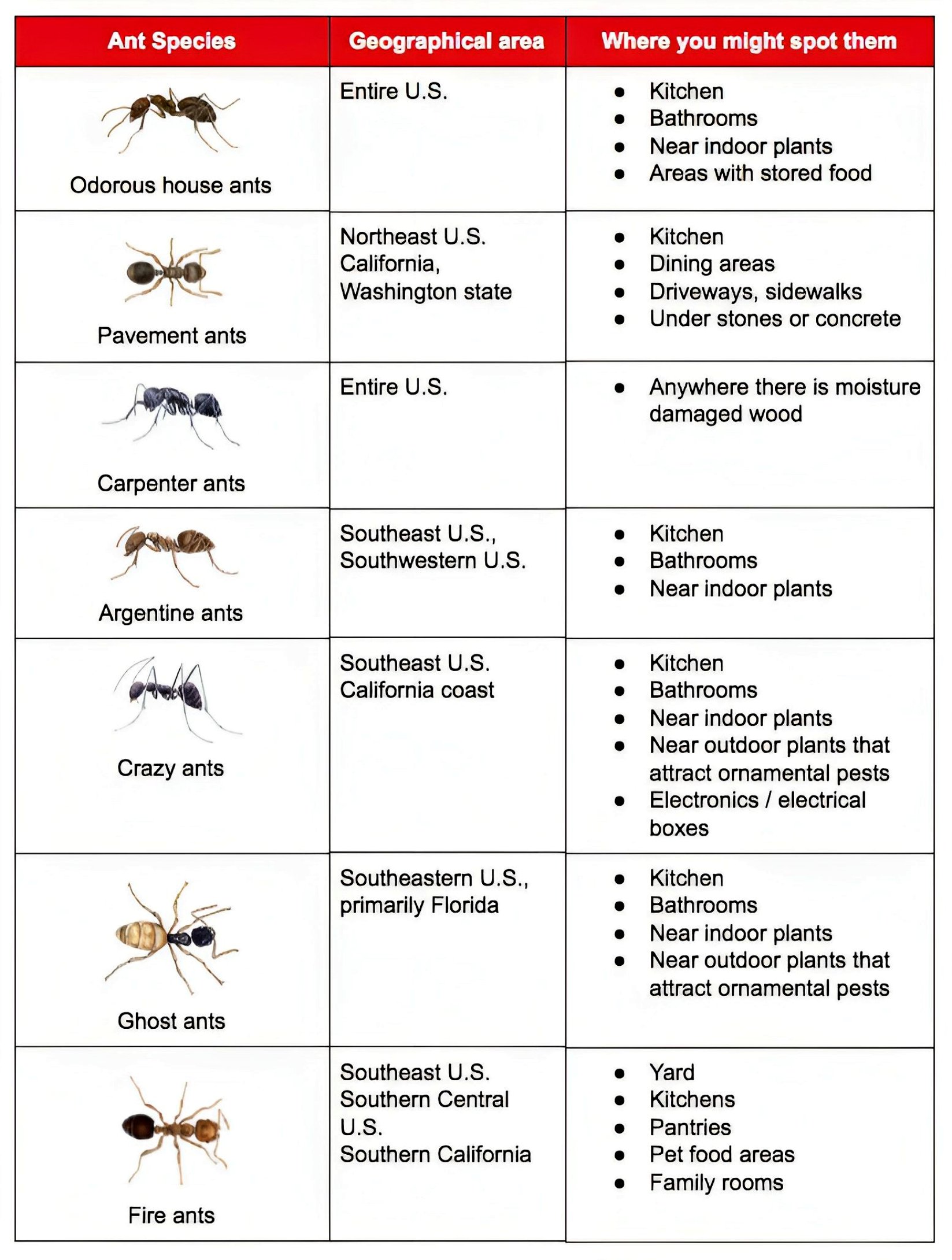
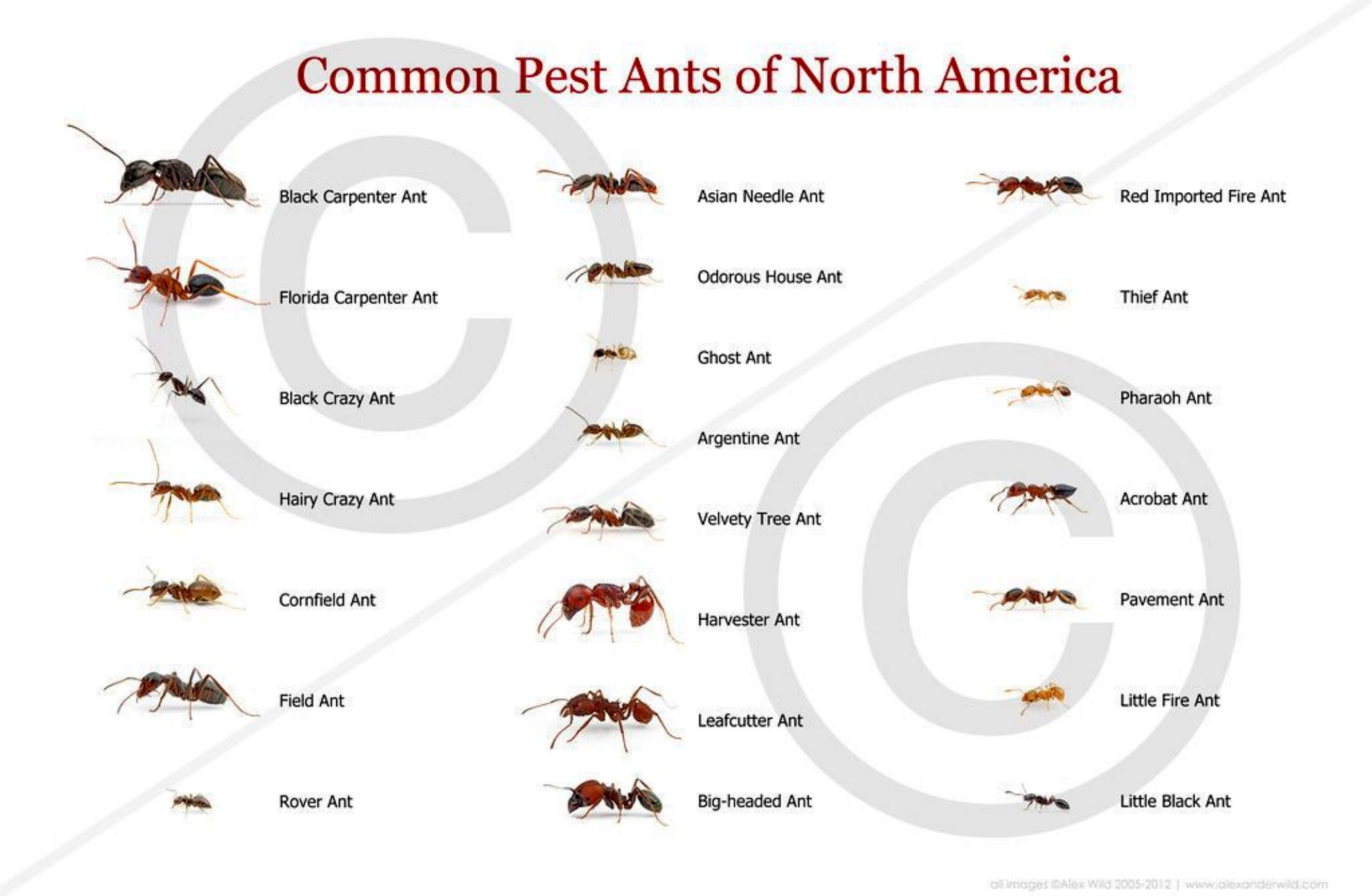
While the charts focus on widespread household and yard species, they may still help with less common ants if they share traits with included types. For regional-specific ants, supplement the guide with local extension service resources. The visual cues (e.g., color patterns, body shape) remain universally useful for narrowing down possibilities.
Are the charts organized by ant behavior (e.g., structural damage vs. nuisance) or just by appearance?
The primary organization is by visual traits—color, size, and body parts—but each chart includes a brief note on behavior (e.g., ‘aggressive when disturbed’ or ‘forages in wet wood’). This dual approach helps users confirm an ID *and* assess whether the ant is a pest or harmless. For example, the sugar ant chart notes its attraction to sweets but lack of nesting in structures.
Comments
Join the conversation
Sign in to share your thoughts and leave a comment on this resource.