
FAQ
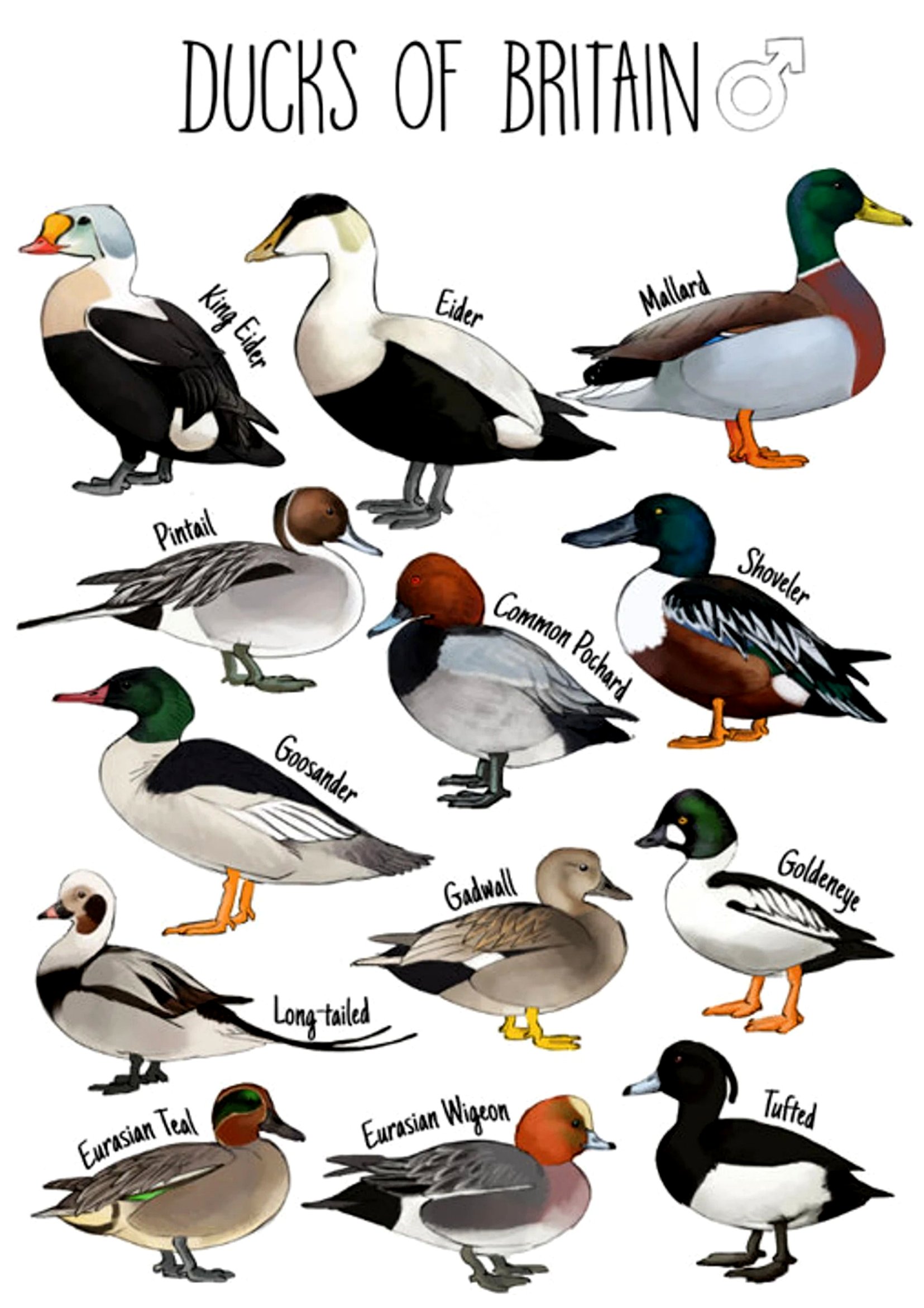
Can these charts help identify ducks outside North America, like those found in Europe or Asia?
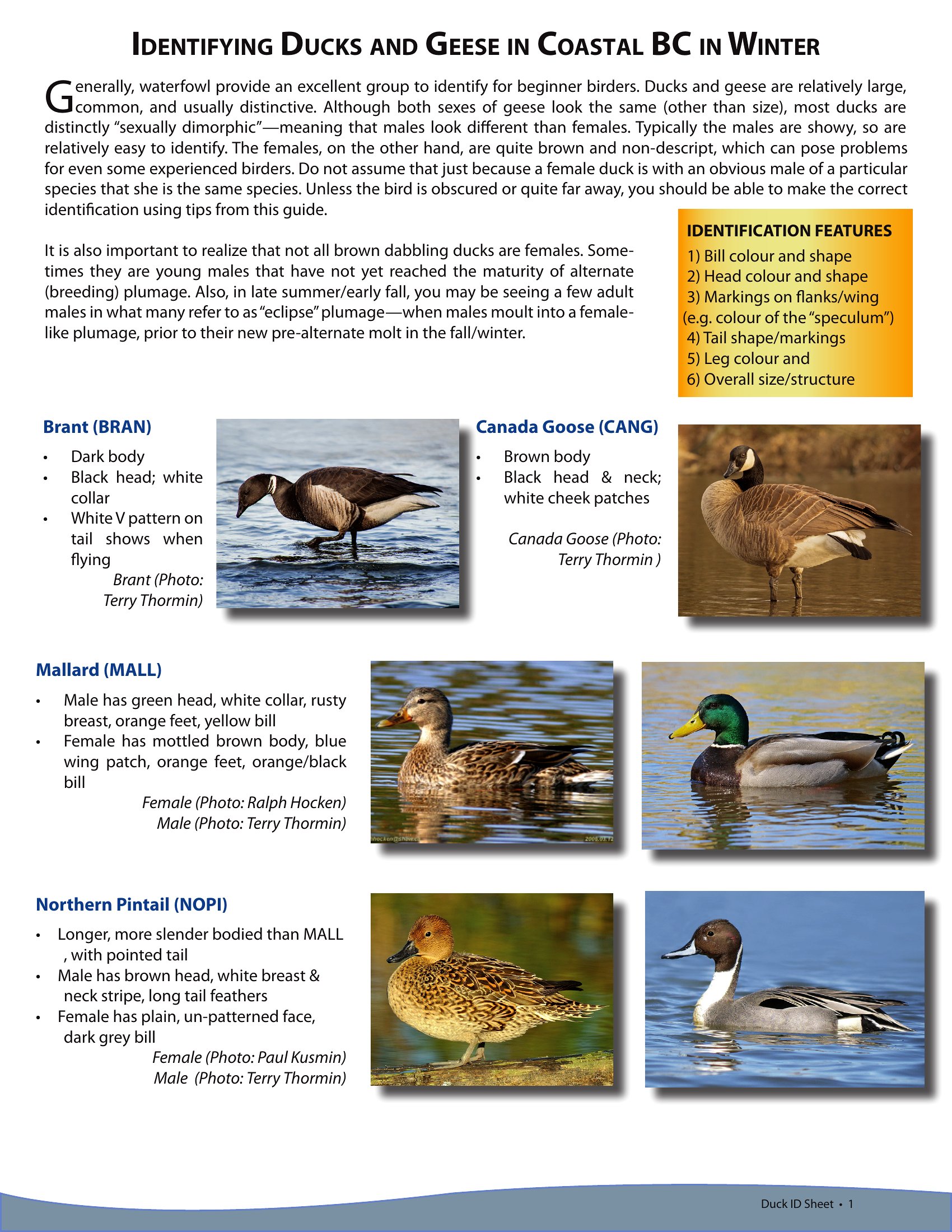
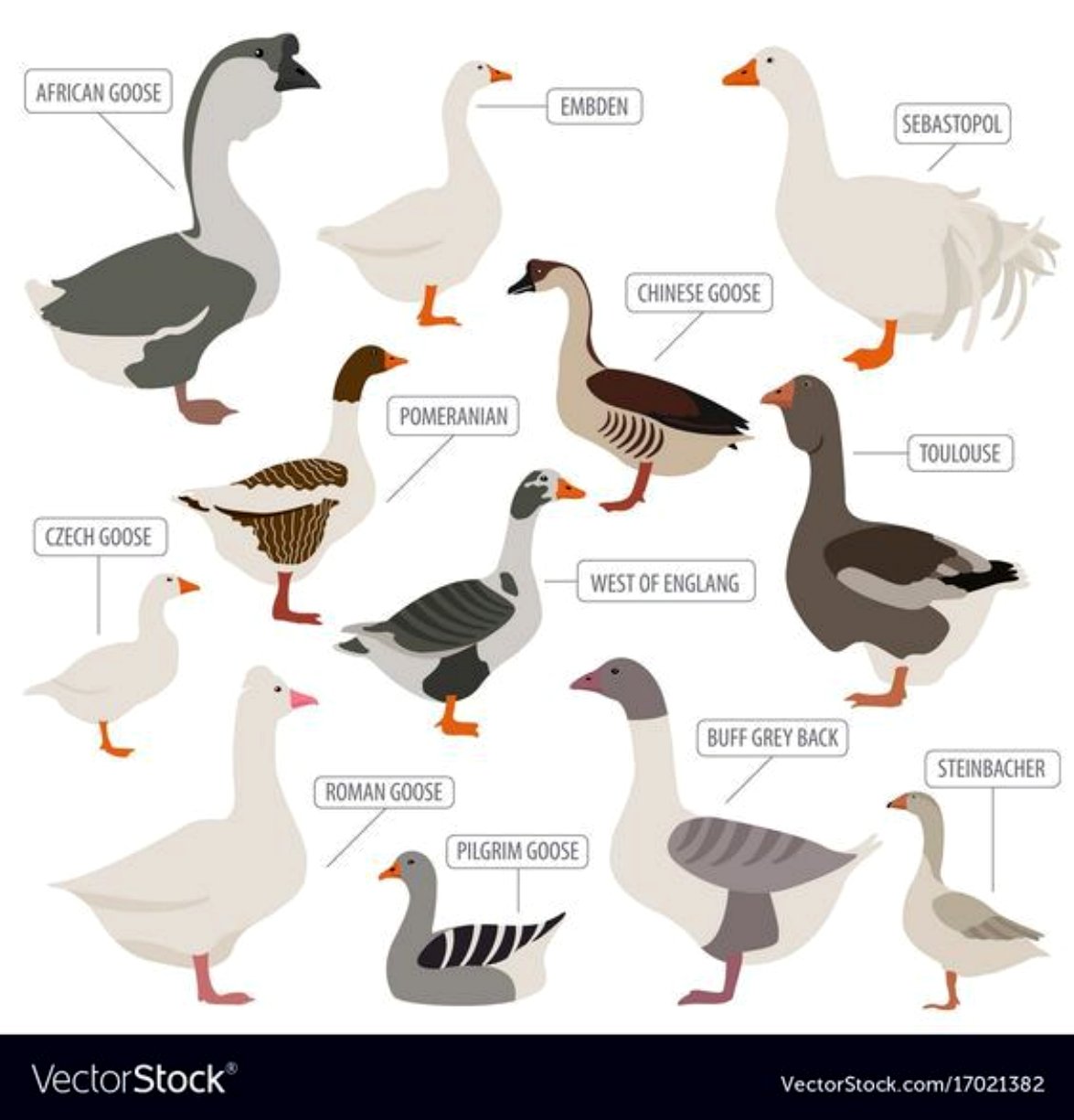
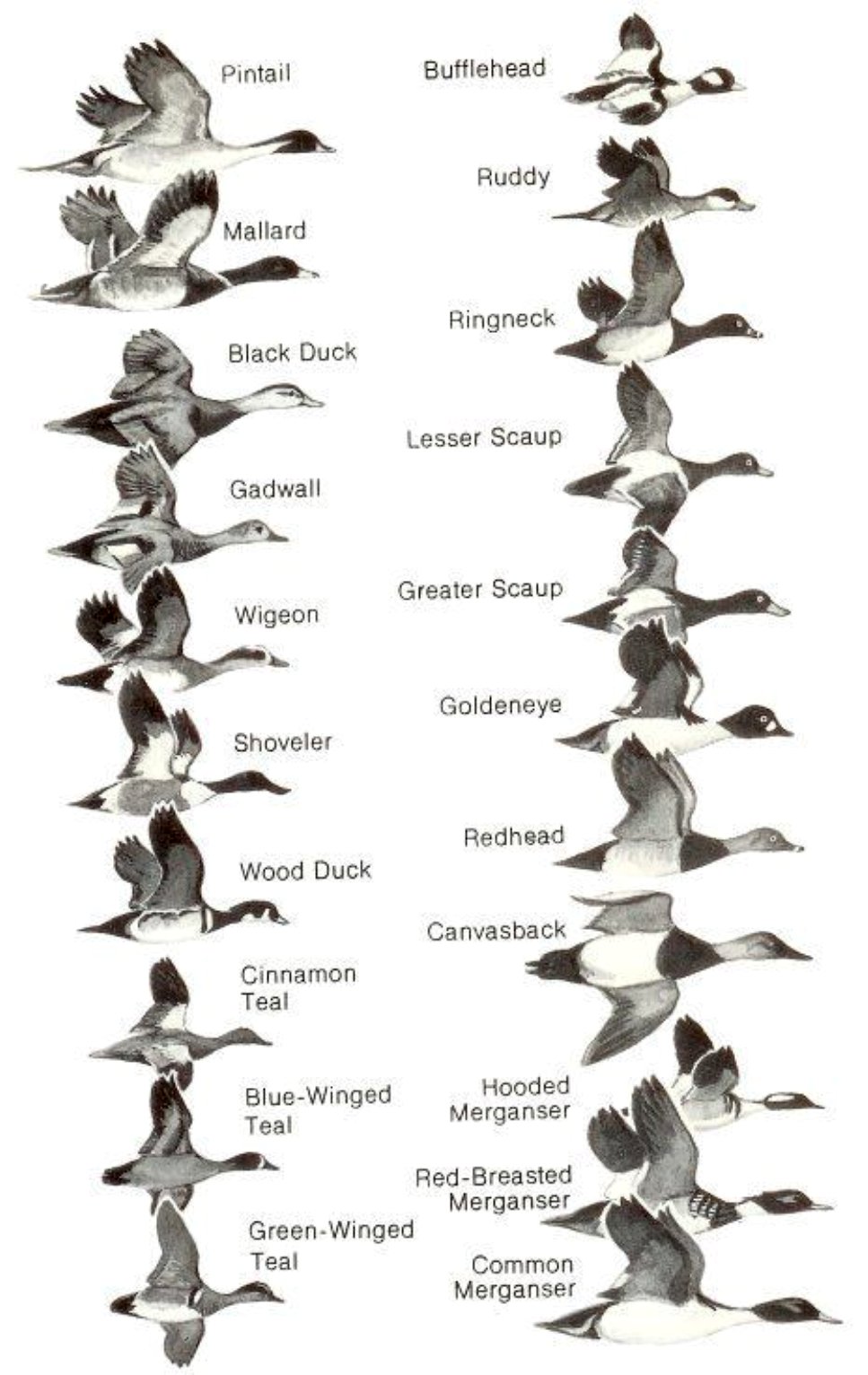
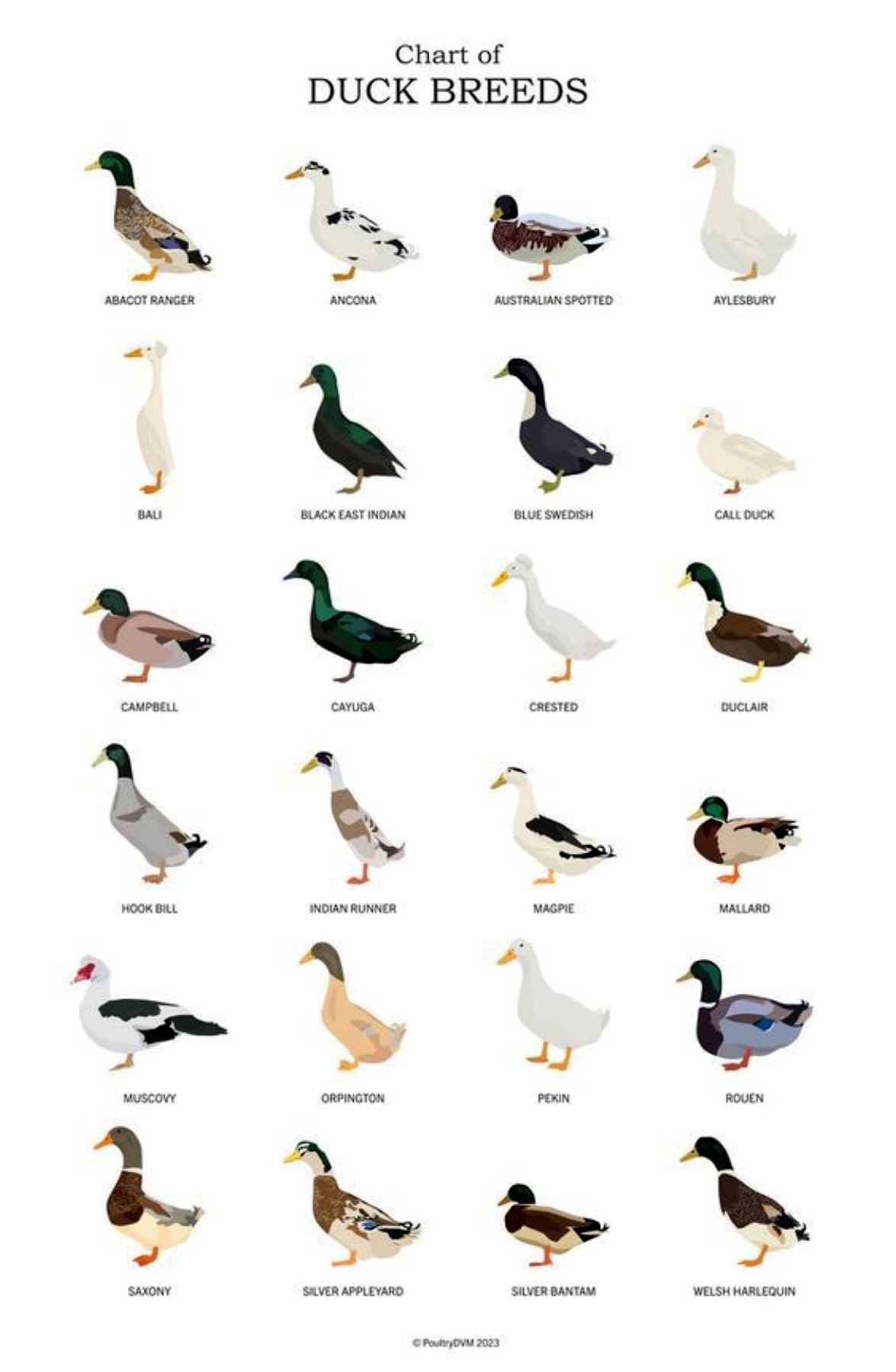
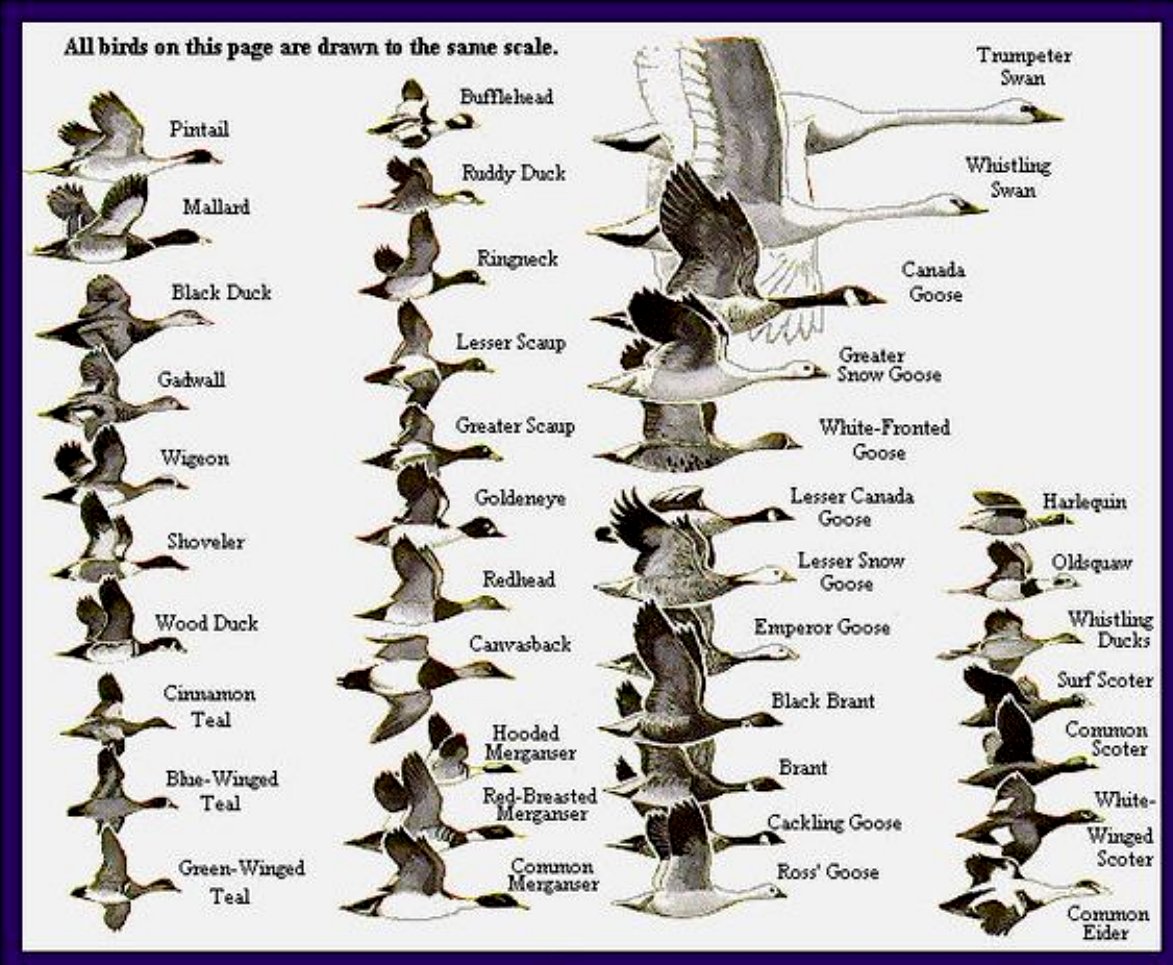
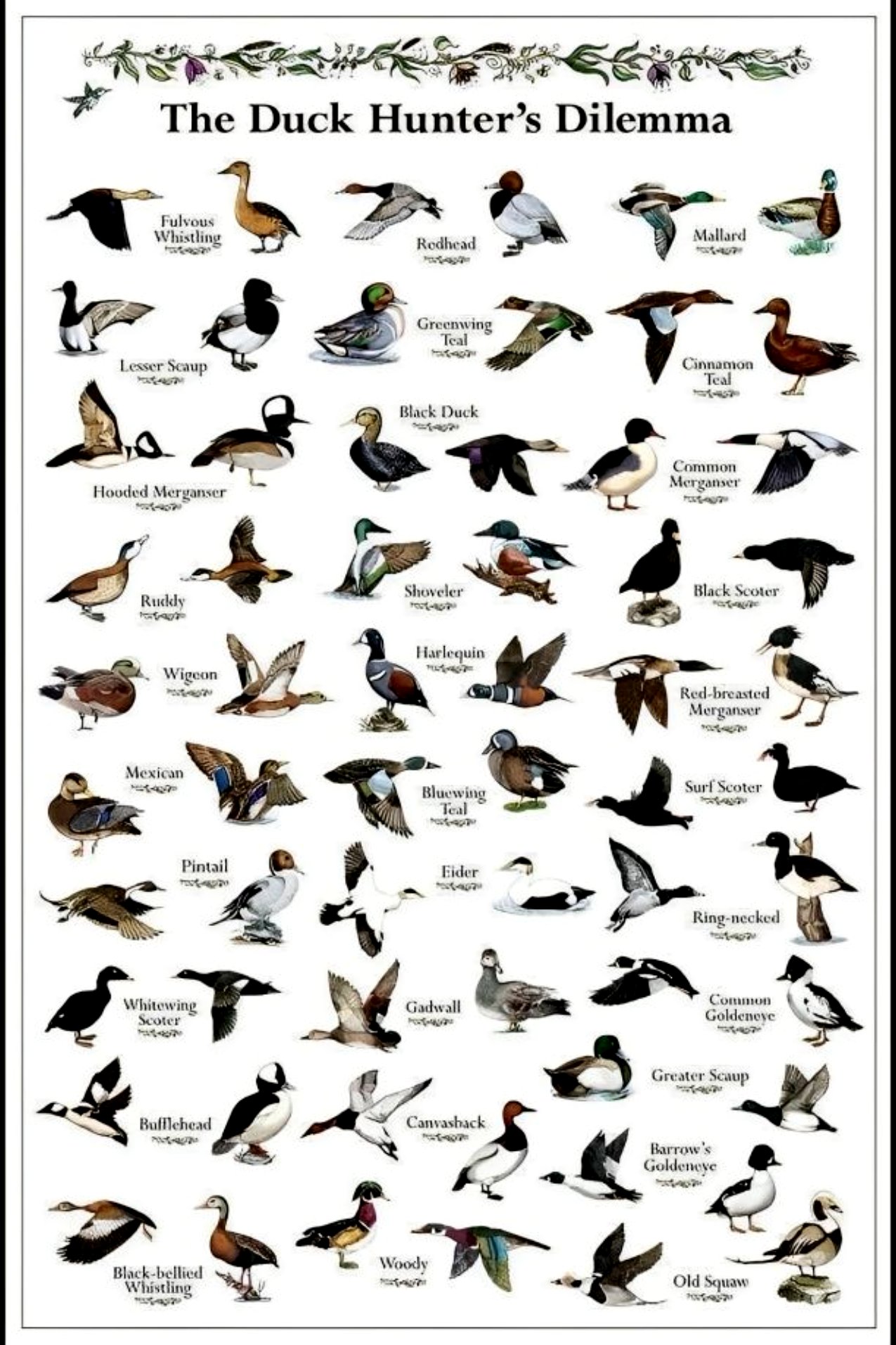
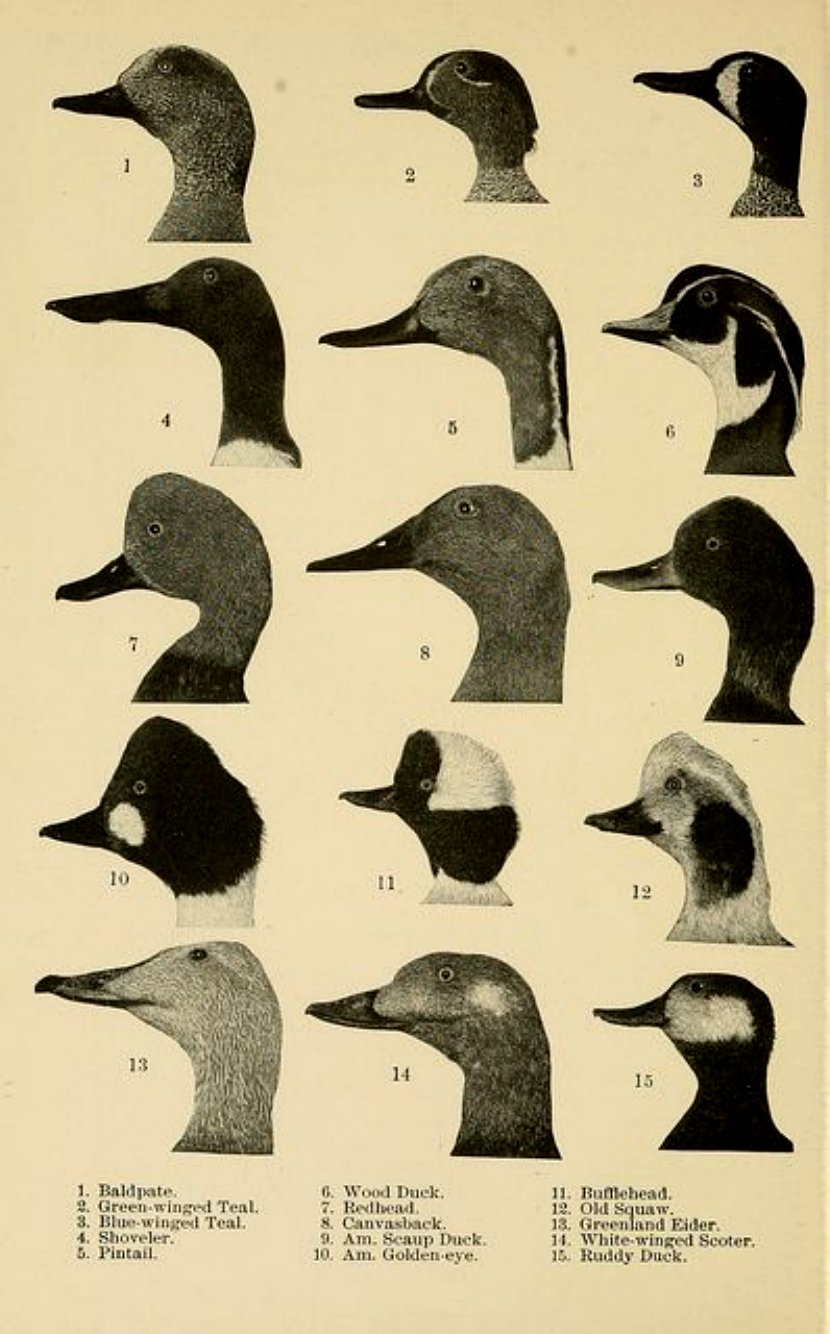
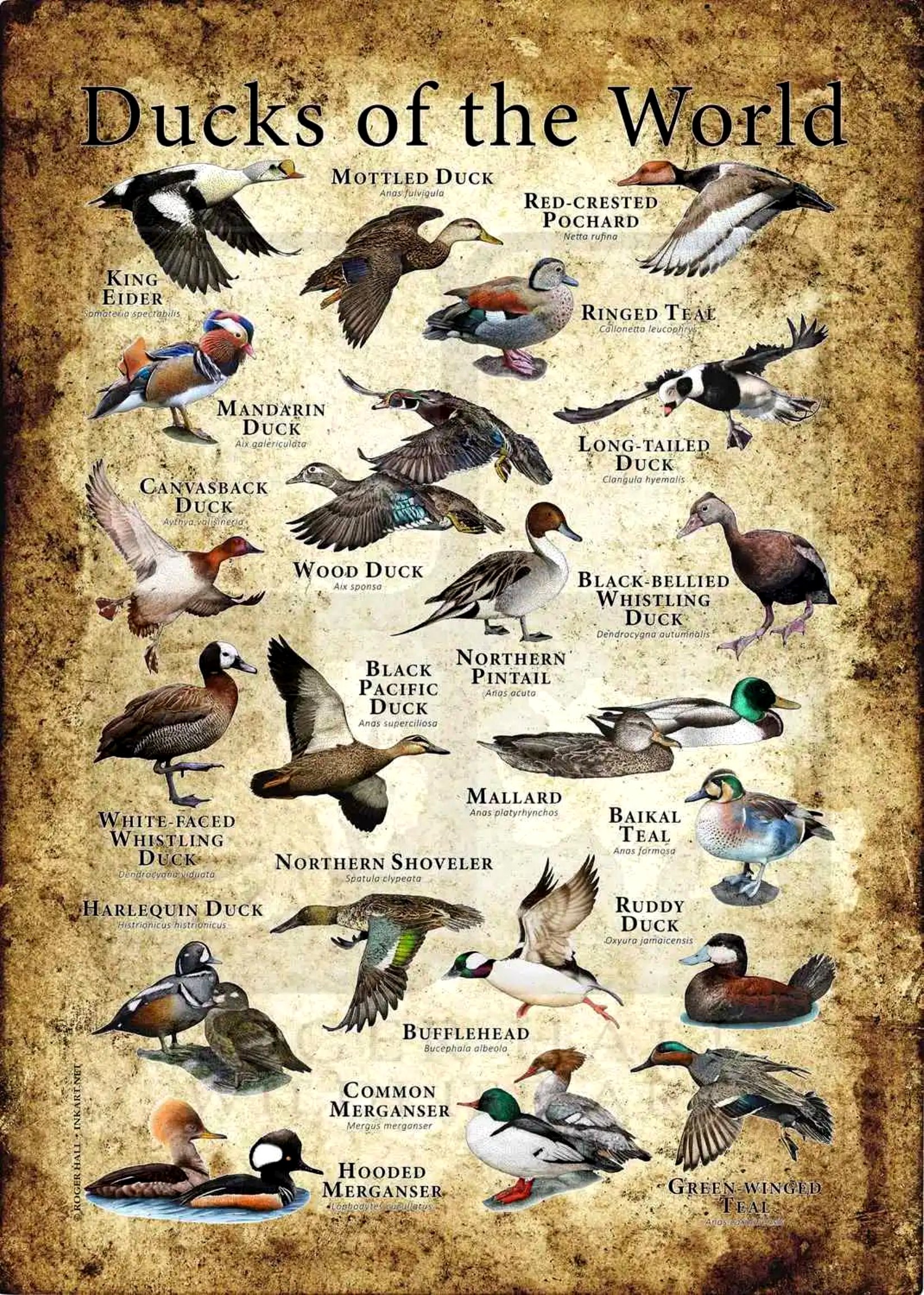
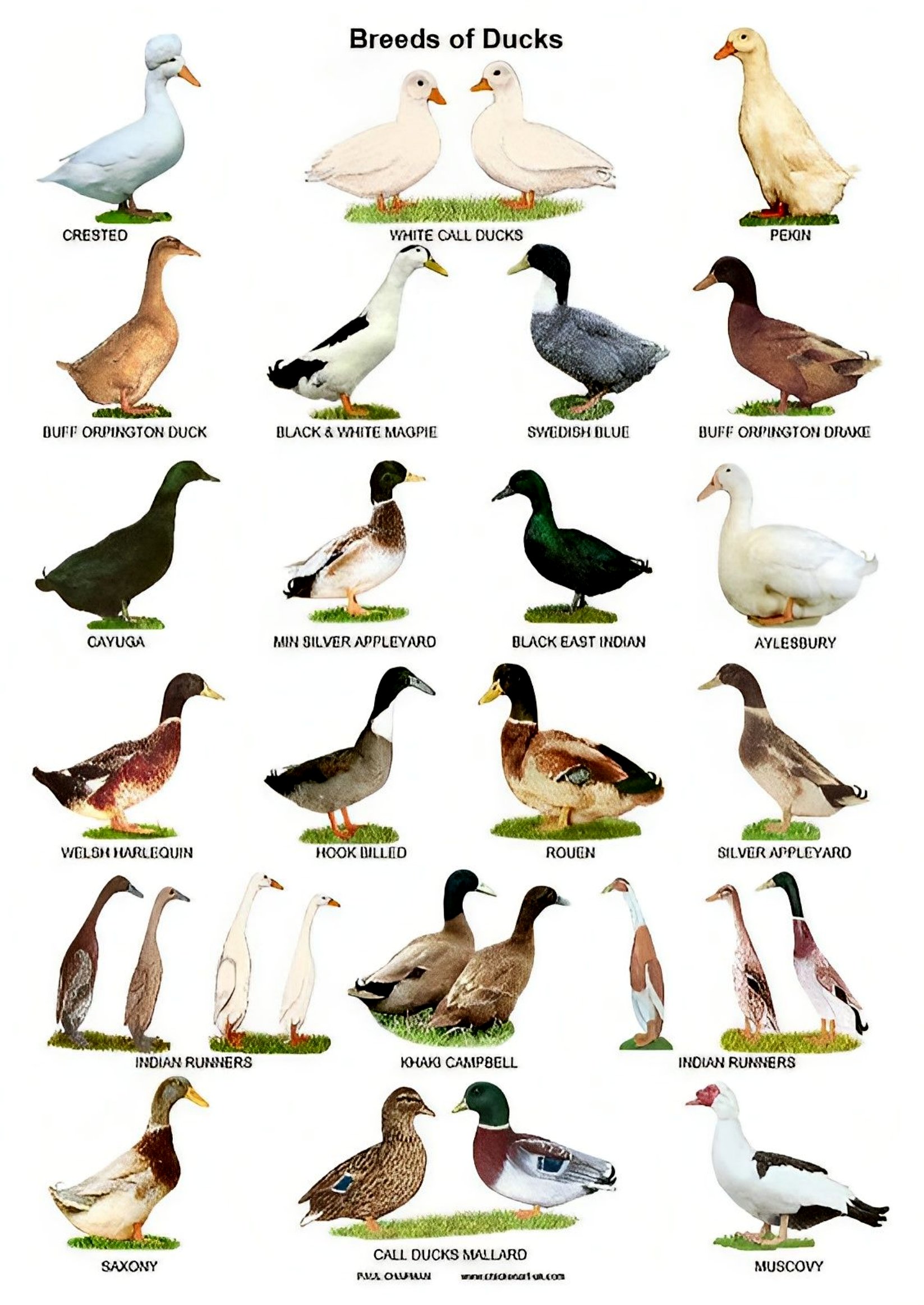
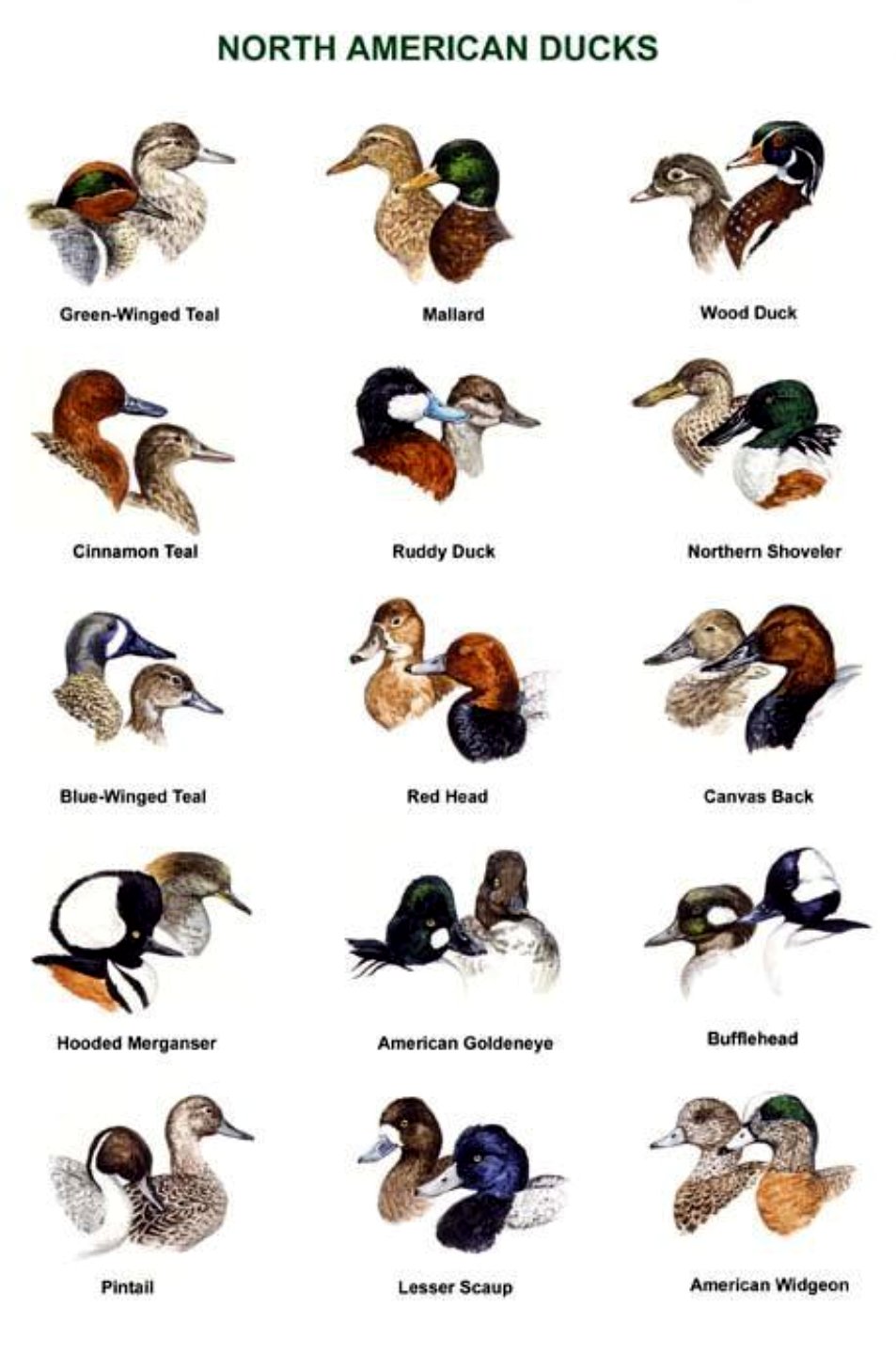
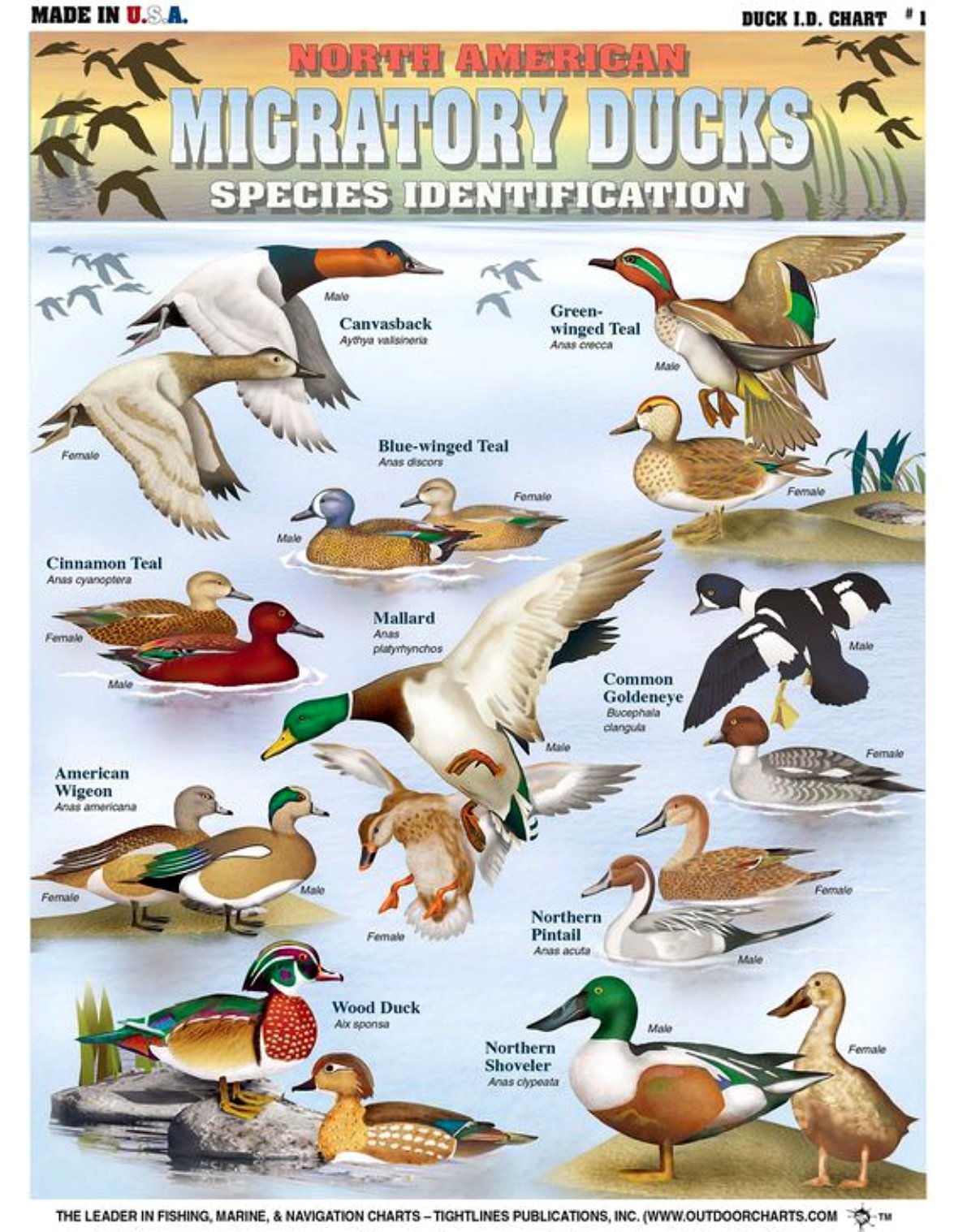
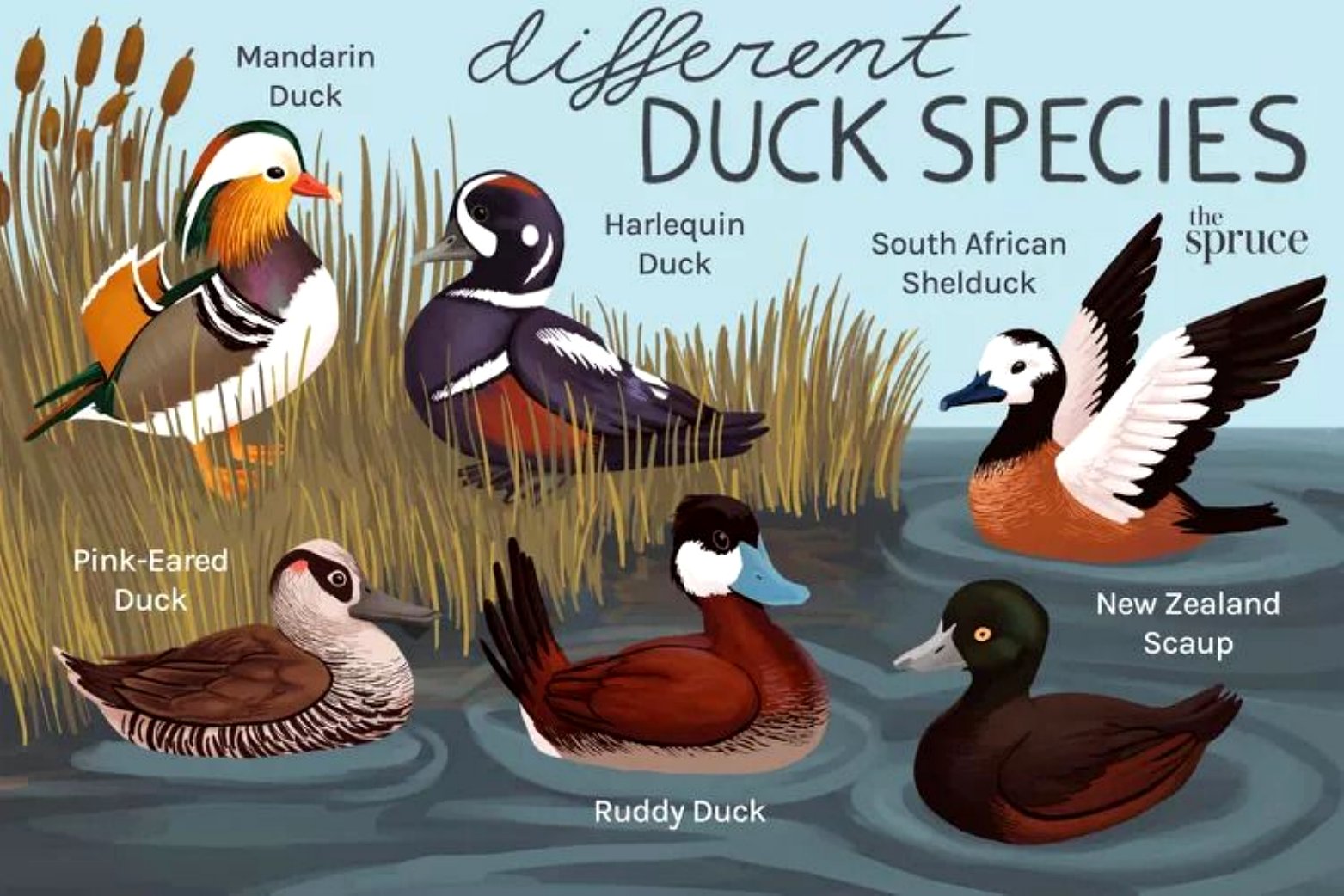
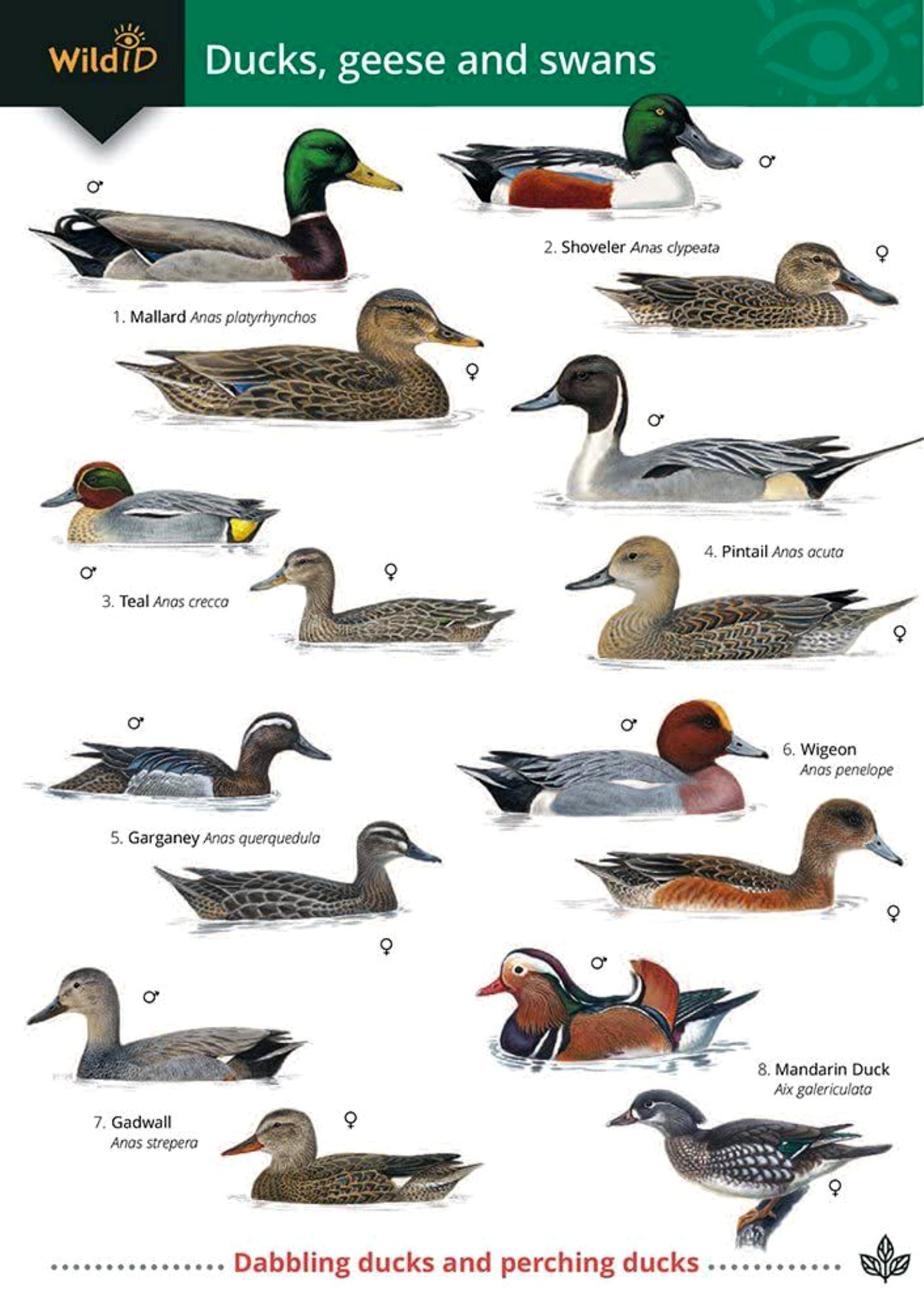
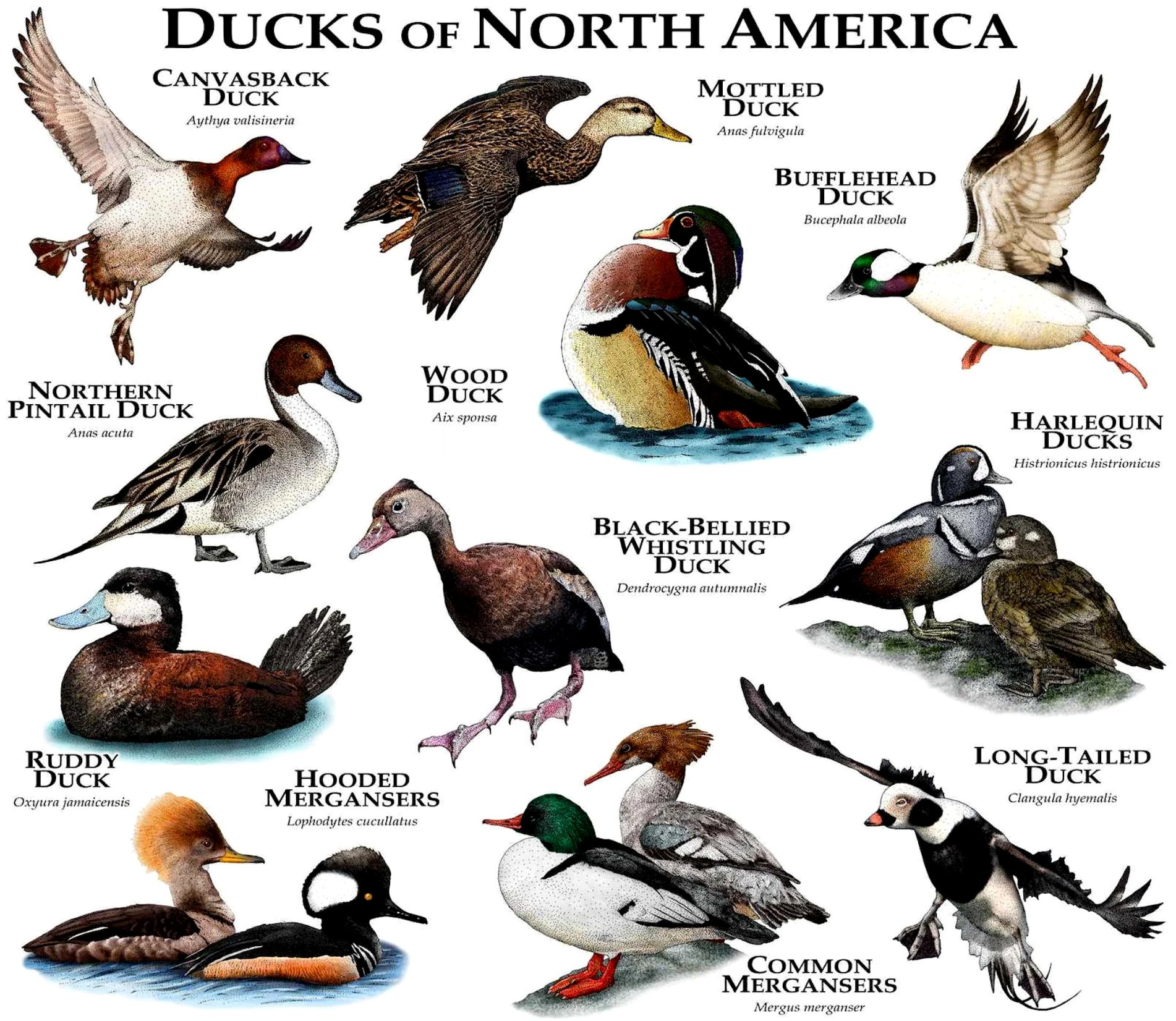
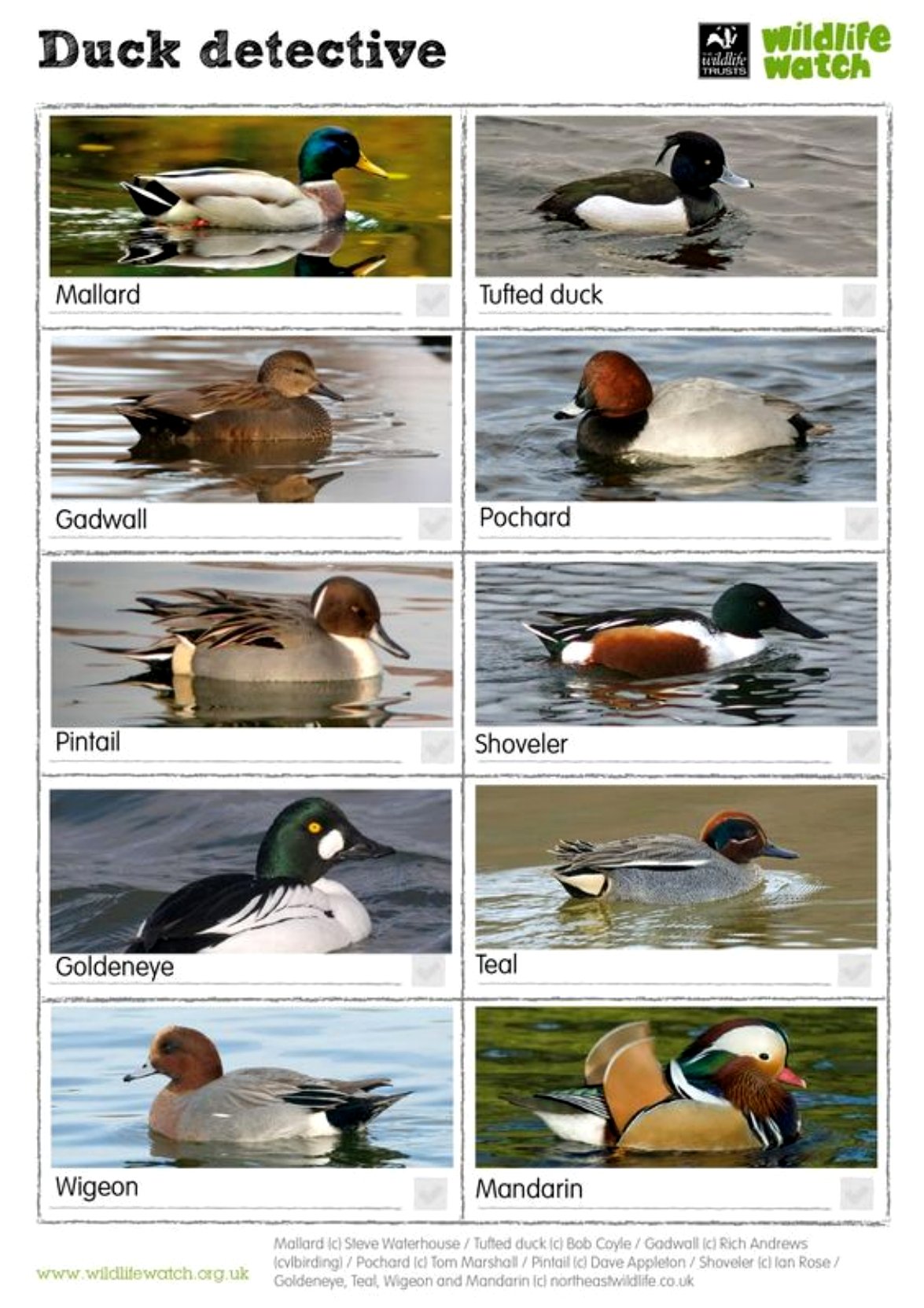
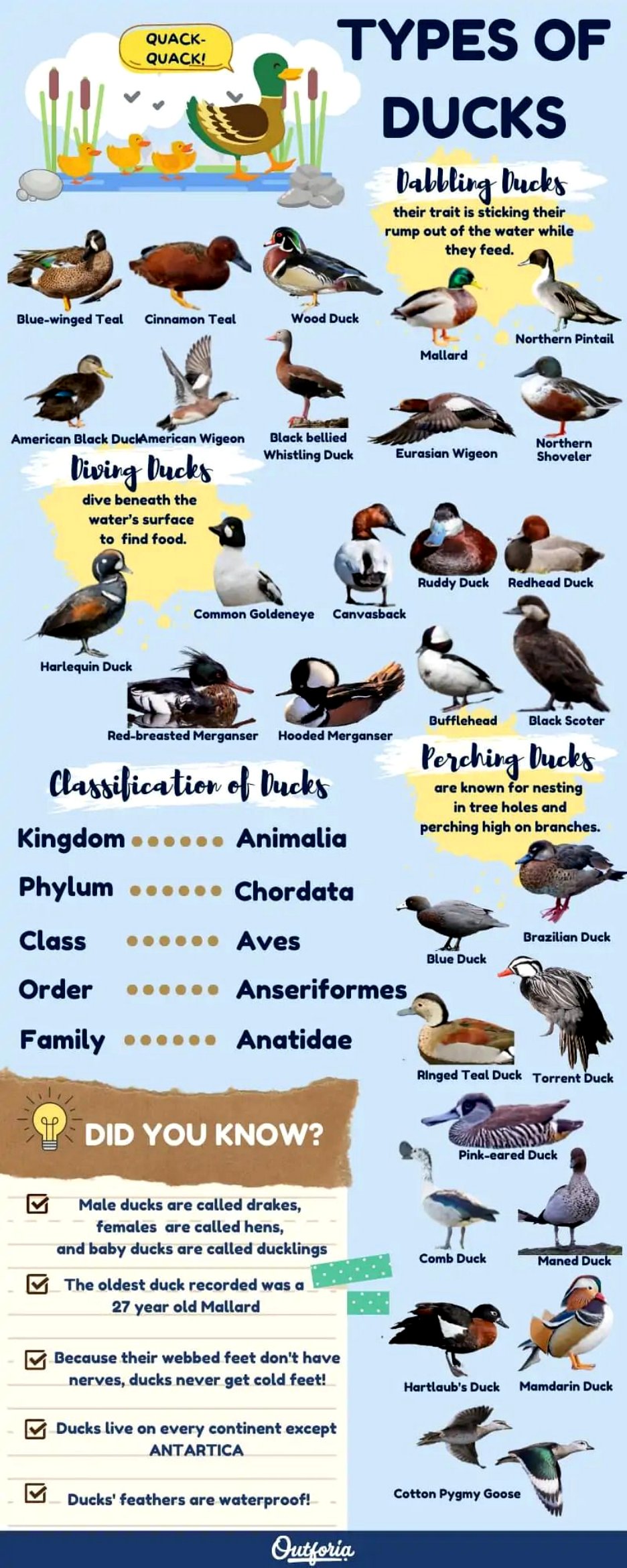
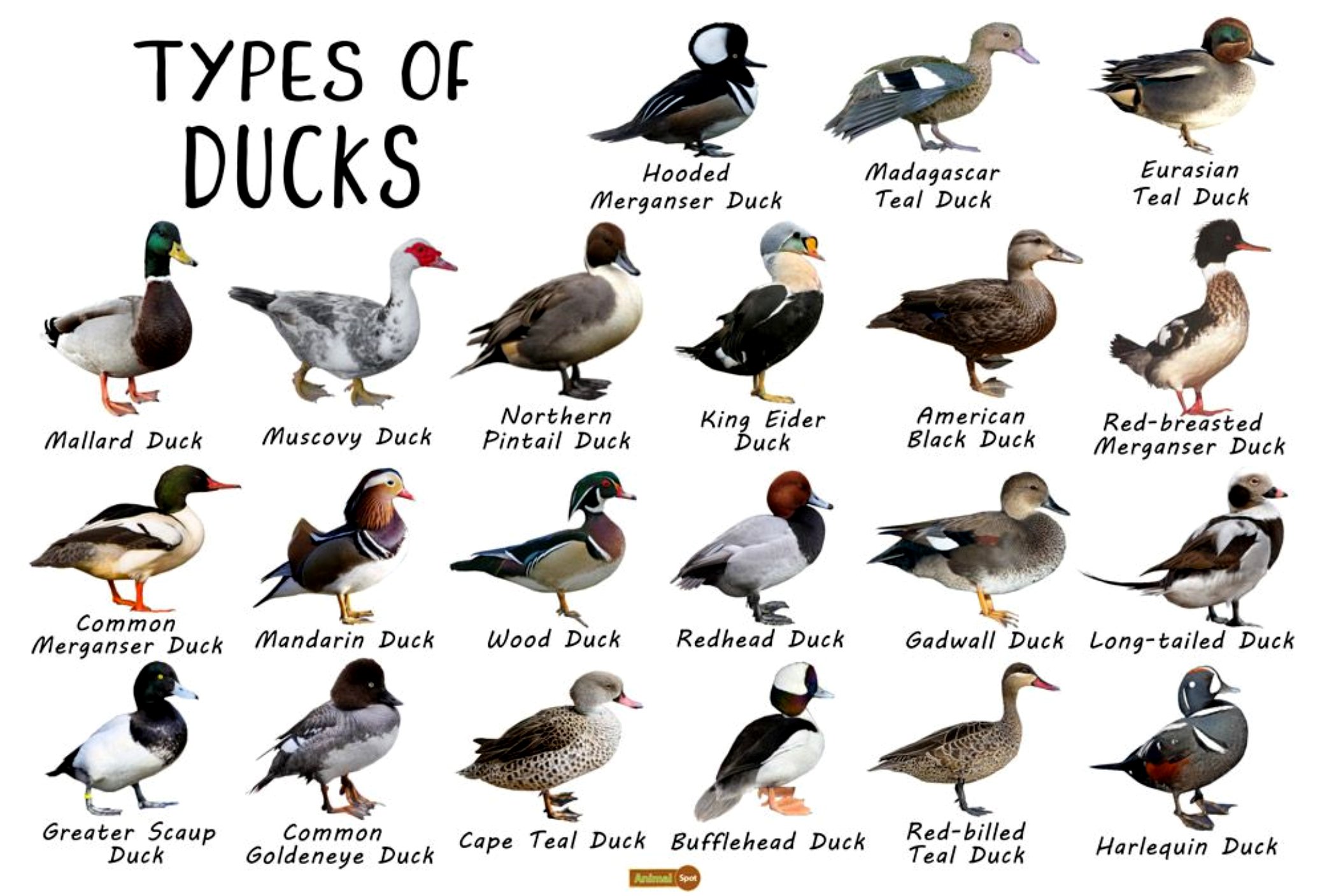
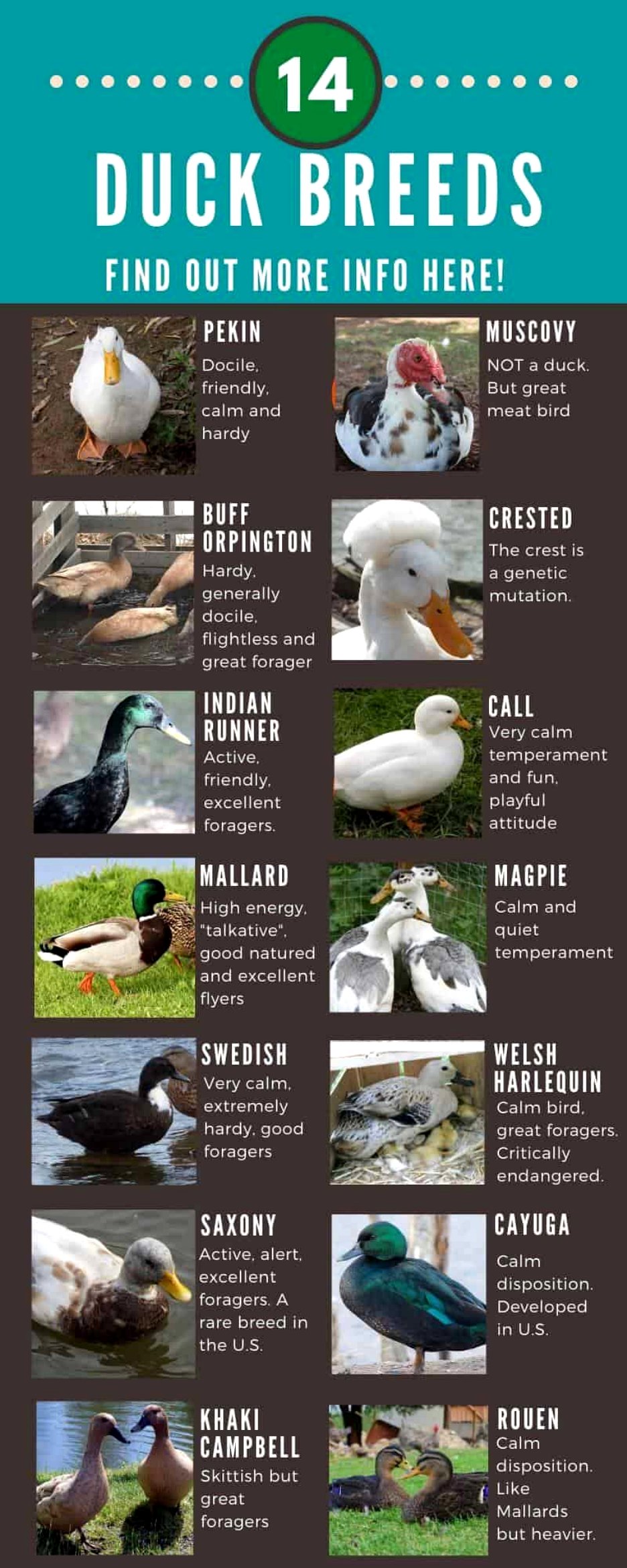
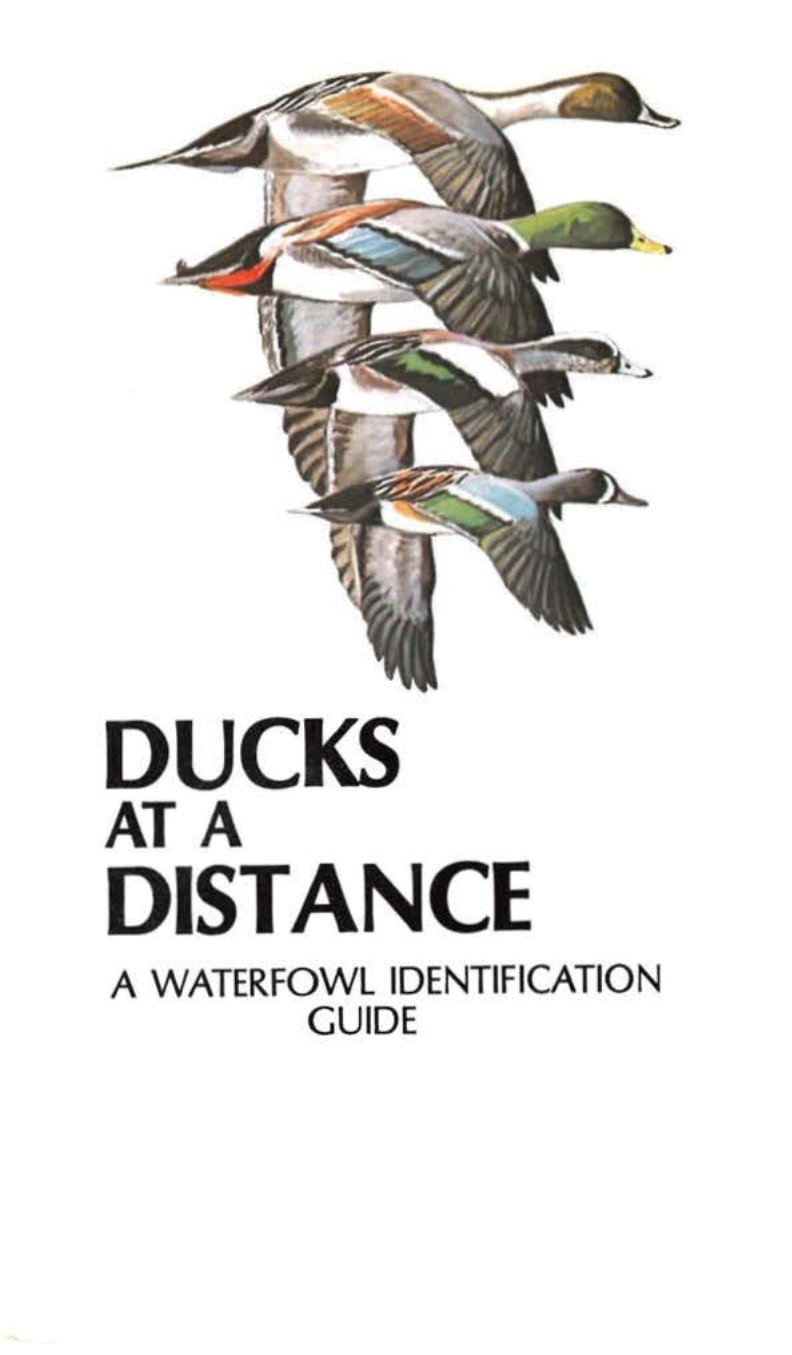
These charts focus primarily on common North American duck species, including mallards, mergansers, and wood ducks. For ducks outside this region, such as Eurasian wigeon or mandarin ducks, you may need charts specific to those areas, as markings and coloring can differ significantly. Always double-check with regional field guides for accuracy.
How detailed are the markings on these charts for distinguishing between female and male ducks?
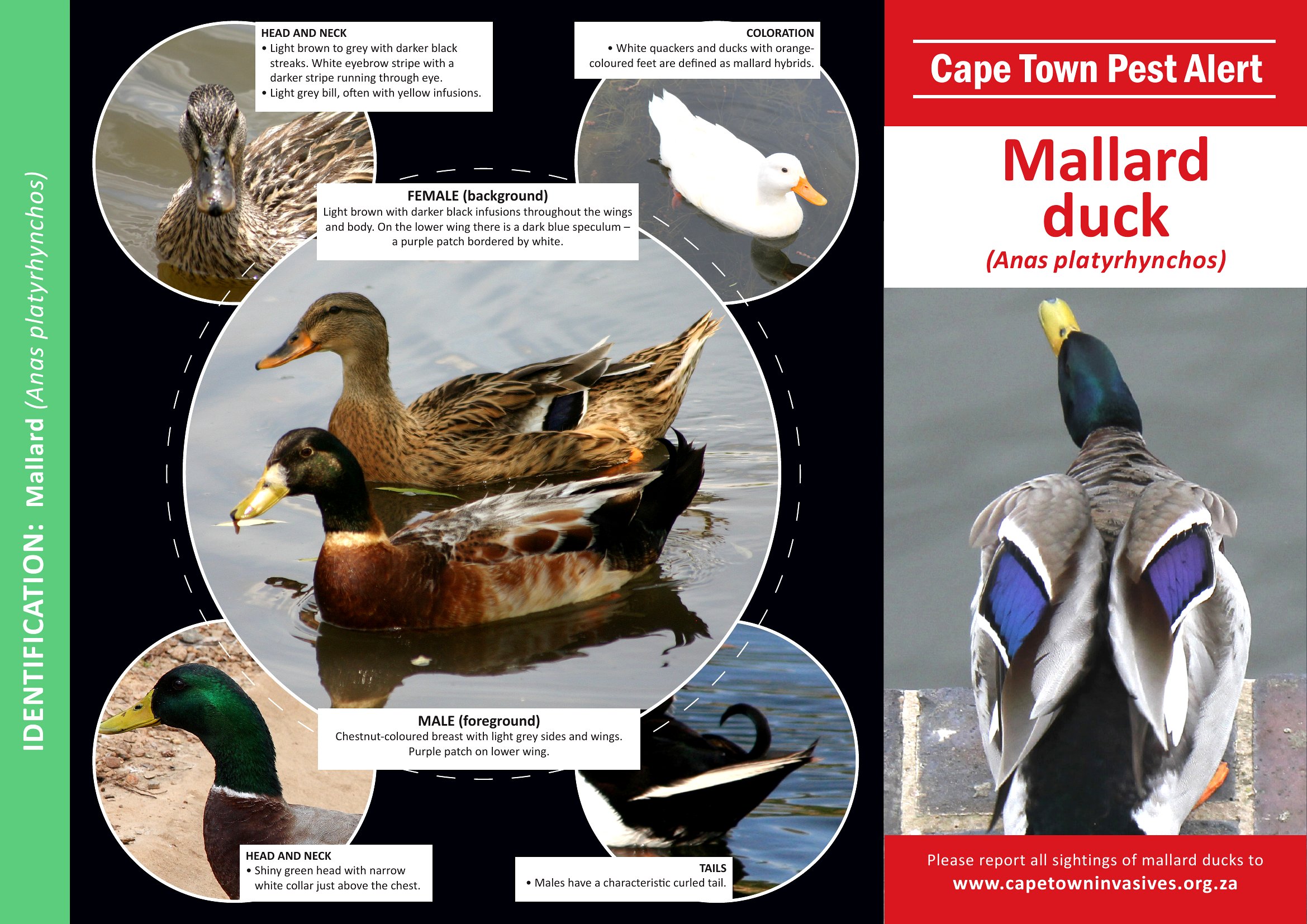
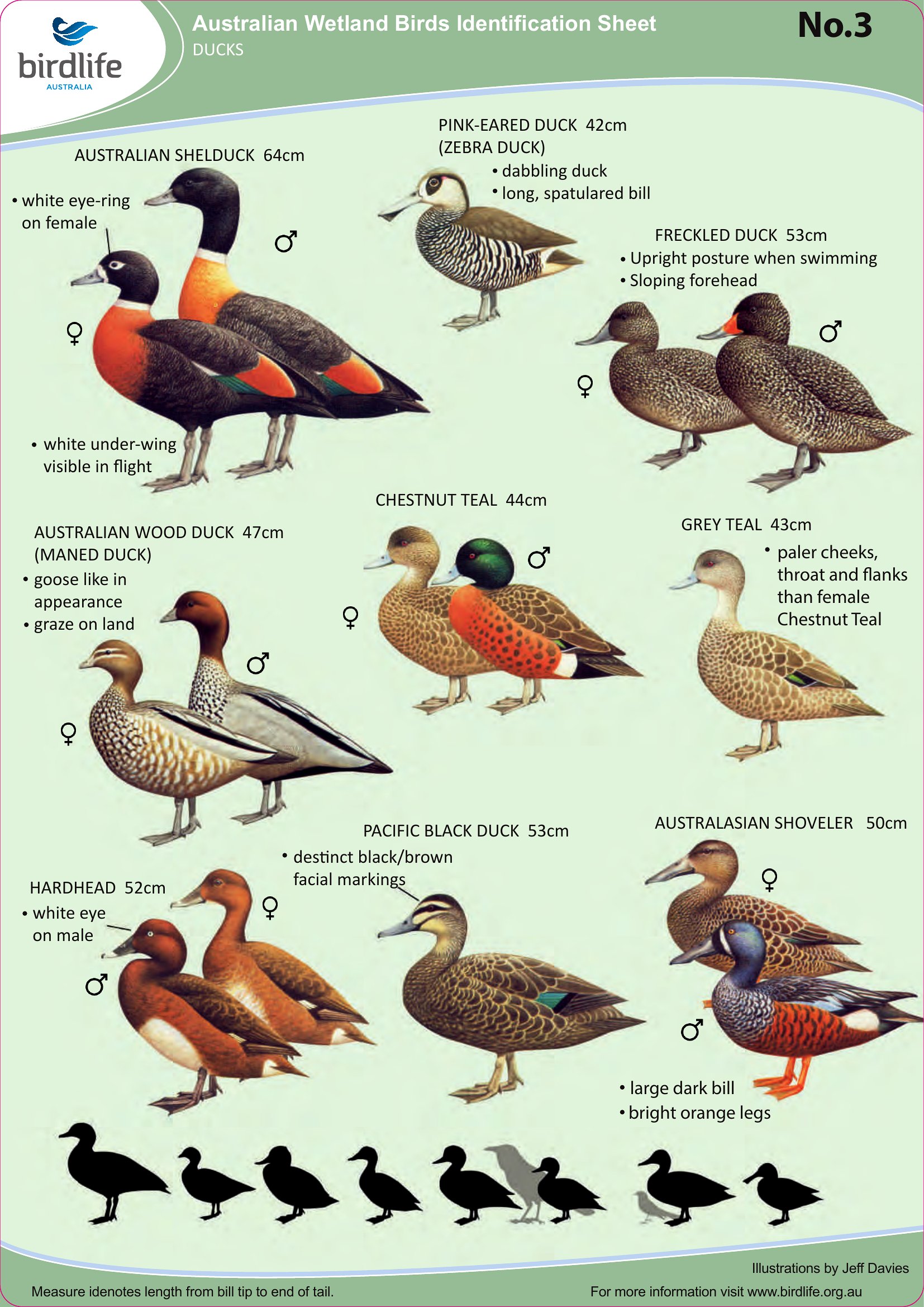
The charts highlight key differences between male and female ducks, such as coloration, beak shape, and body markings. For example, male mallards have bright green heads, while females are mottled brown. These visual cues make it easier to tell the sexes apart, especially for beginners who might overlook subtle details in the field.
Are these charts useful for identifying ducklings or juvenile ducks that don’t have adult markings yet?
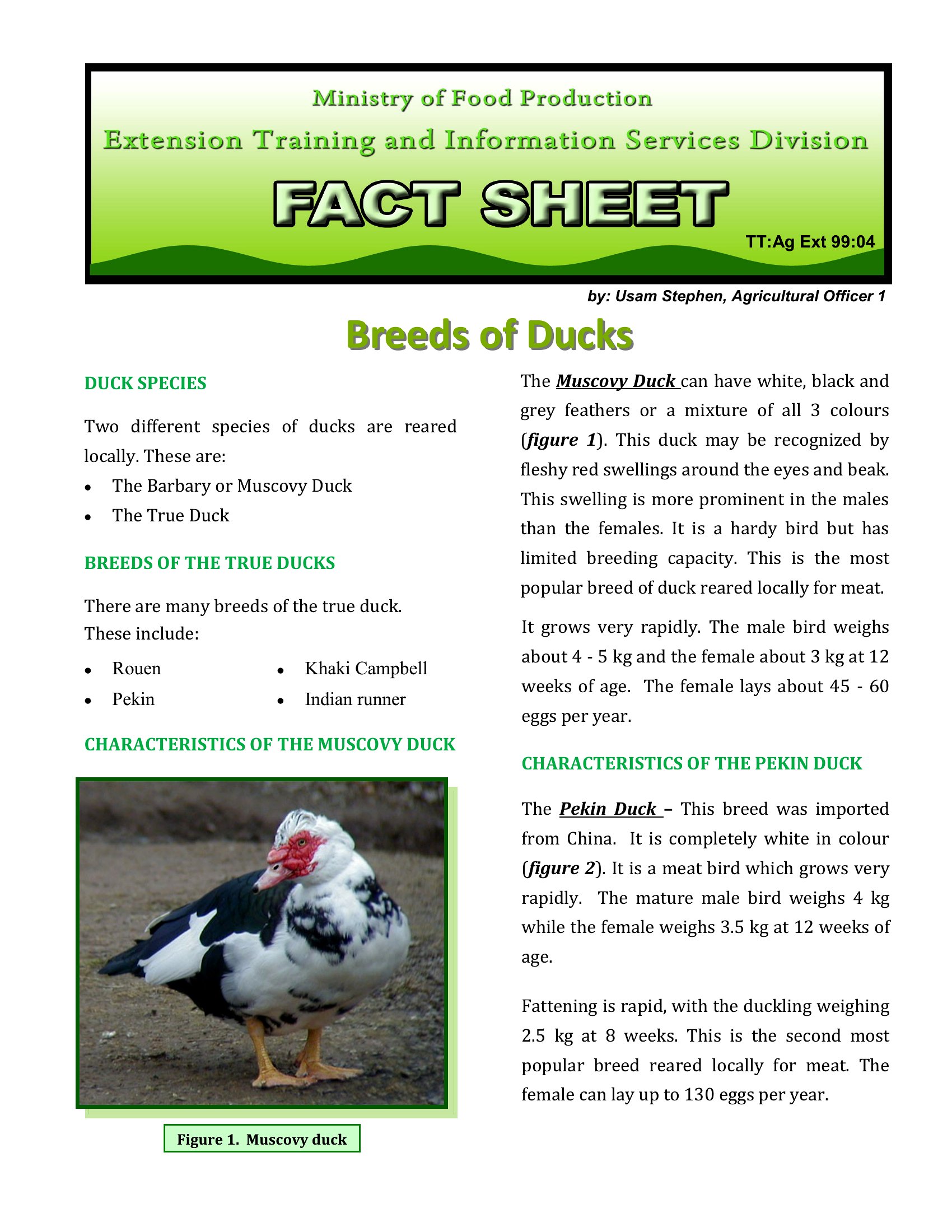
Most of these charts focus on adult ducks, as juvenile plumage can be highly variable and less distinct. For ducklings, you’ll need specialized guides that emphasize traits like bill shape, downy patterns, or behavior. These charts are best suited for spotting mature ducks, where markings are more consistent and reliable.
Comments
Join the conversation
Sign in to share your thoughts and leave a comment on this resource.