


Skip to content
50% off this one-time $1.99 pack with HALFOFF — or unlimited with Pro.HALFOFF
Premium

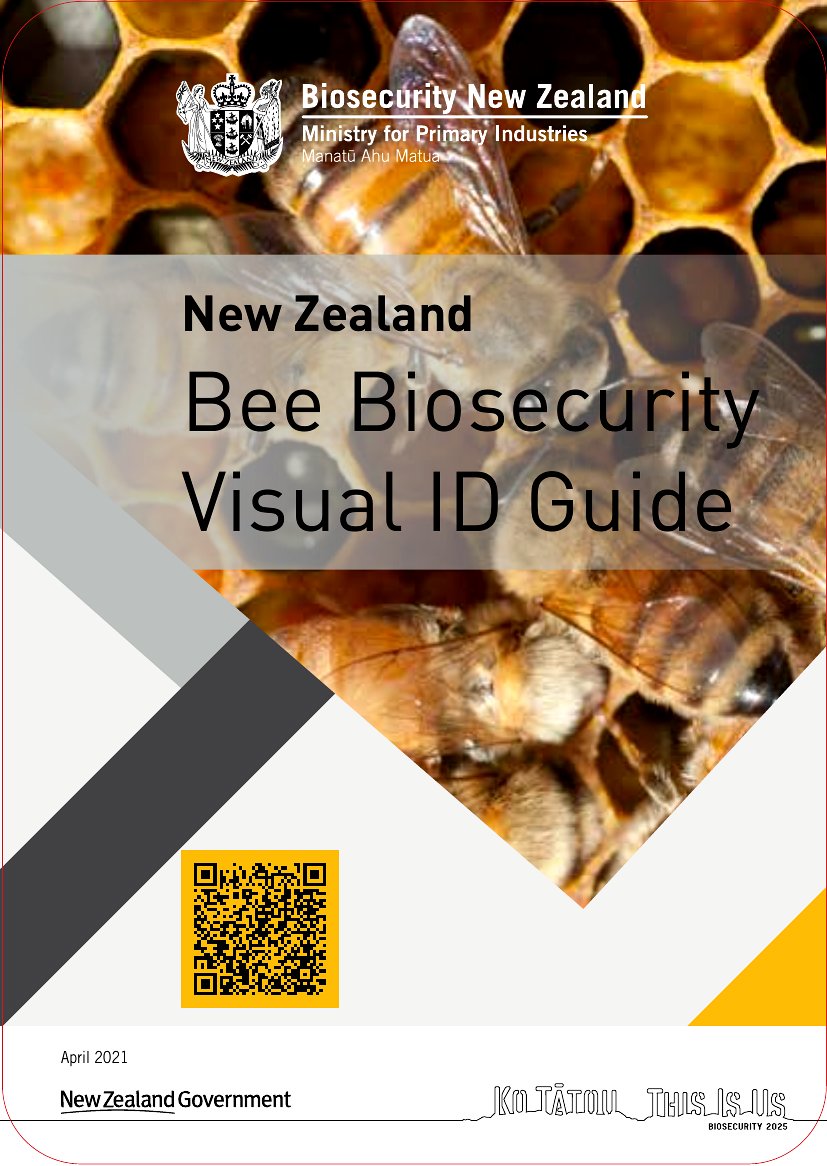
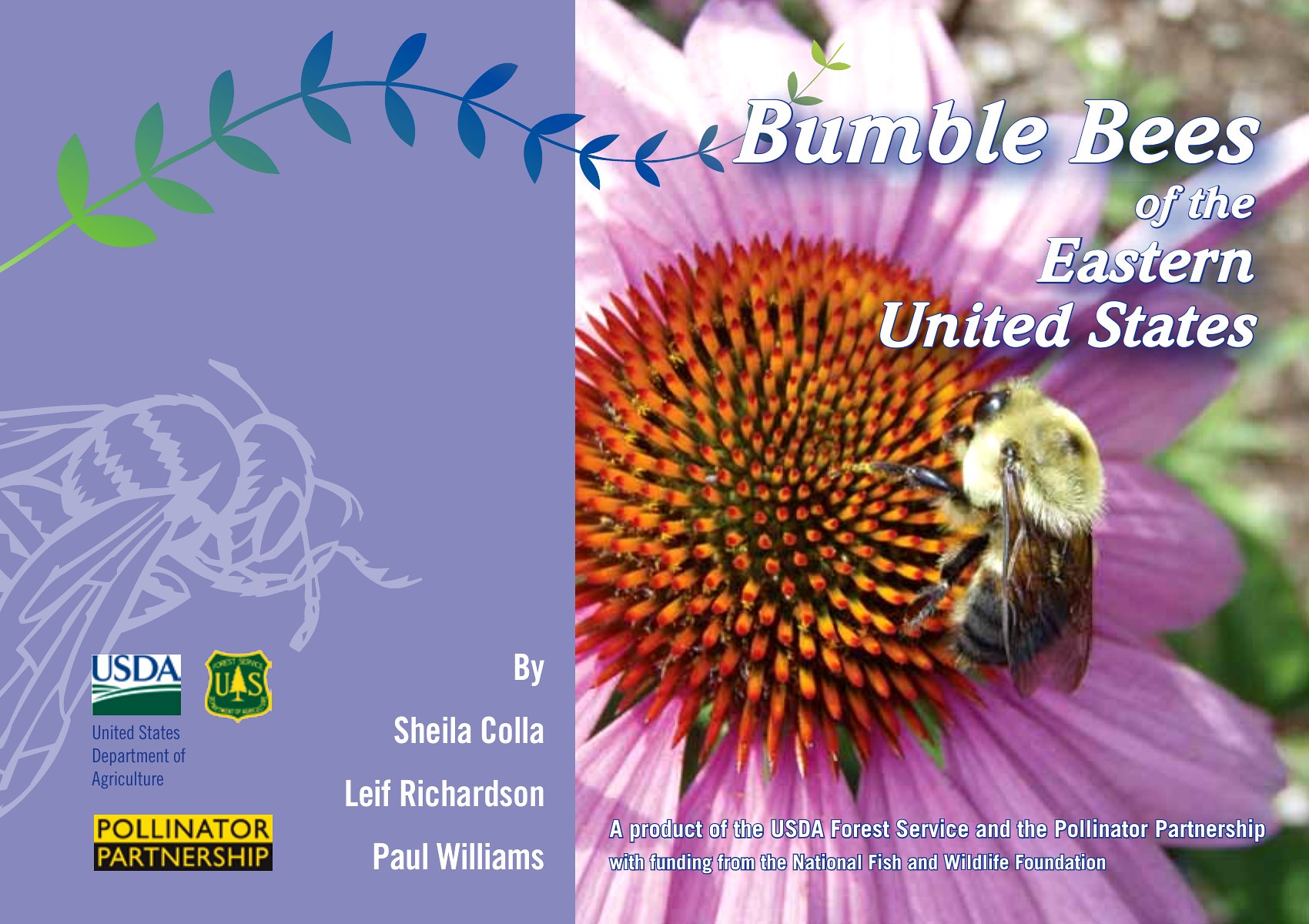
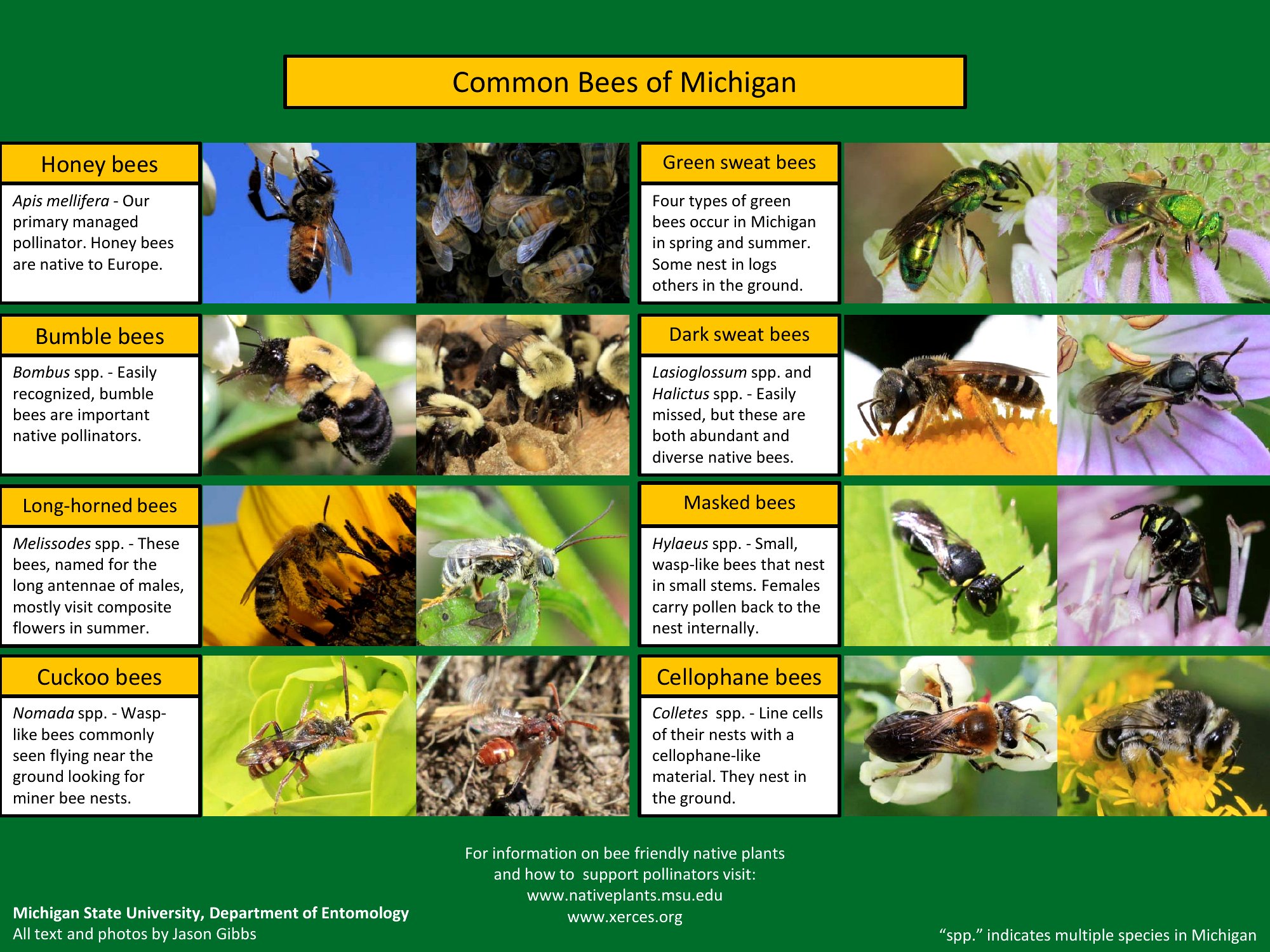
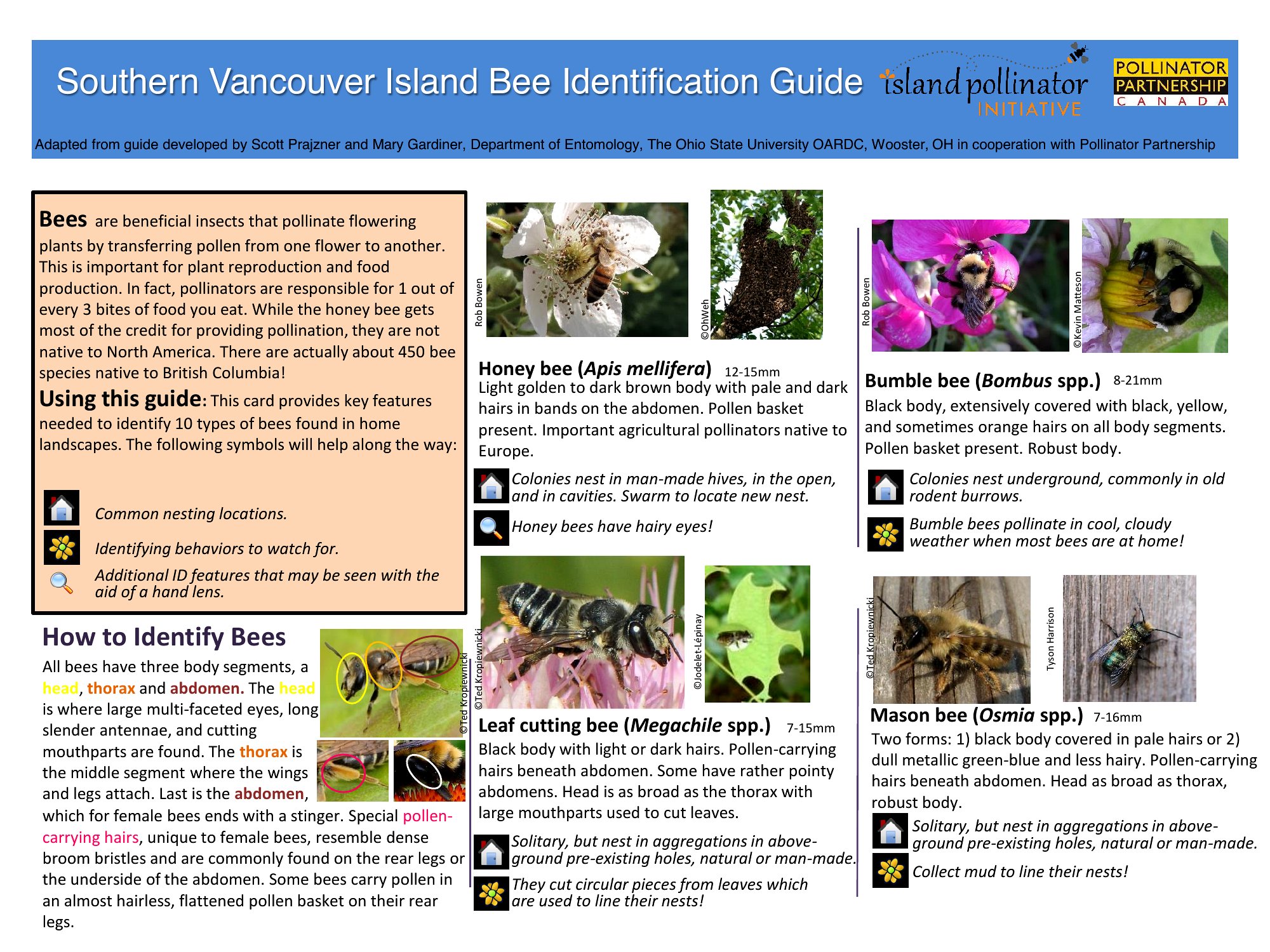
Free Bee Identification Charts (PDF)

Diagrams
charlottekumar by charlottekumar
Updated 0 downloads Quality-checked template

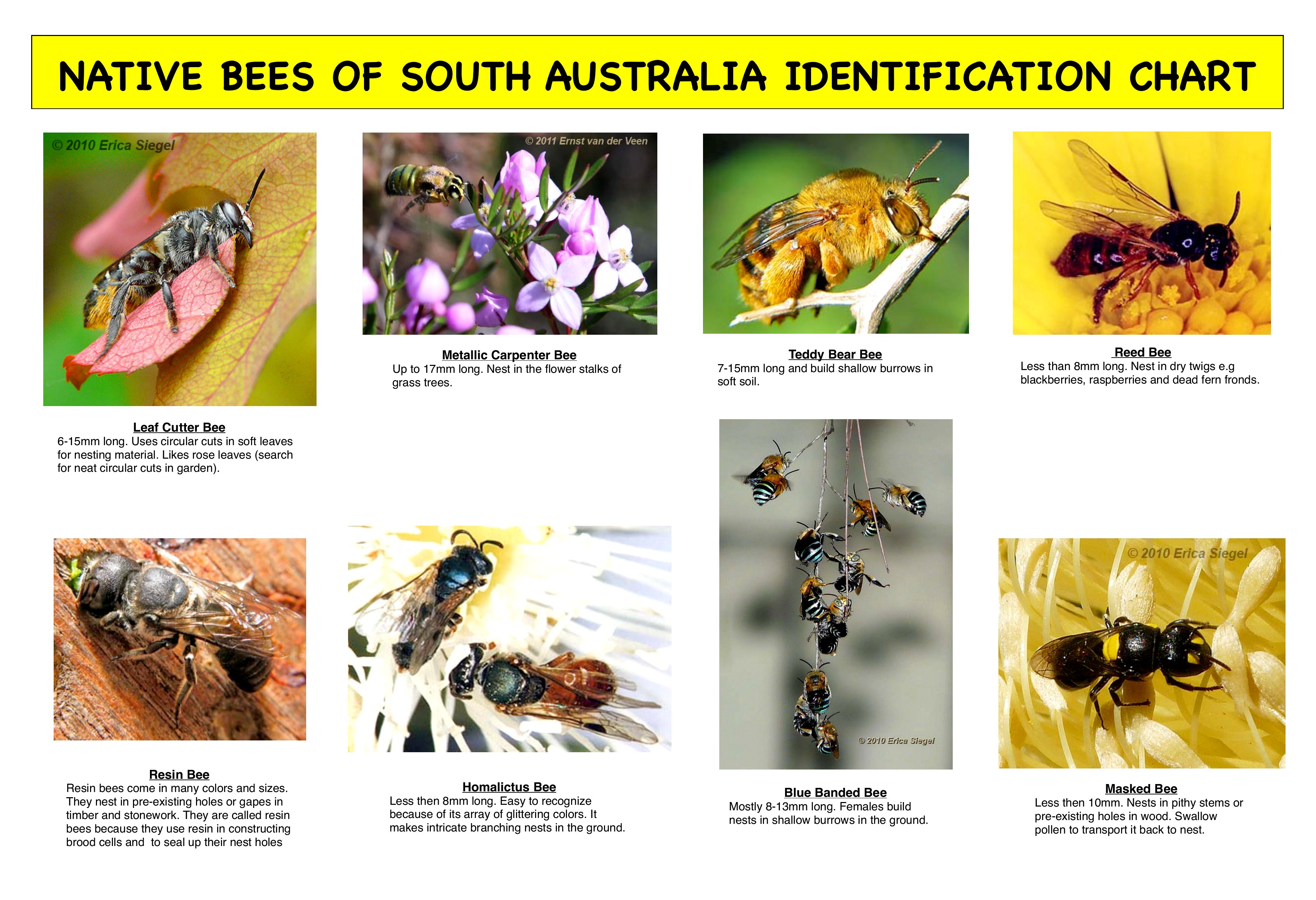
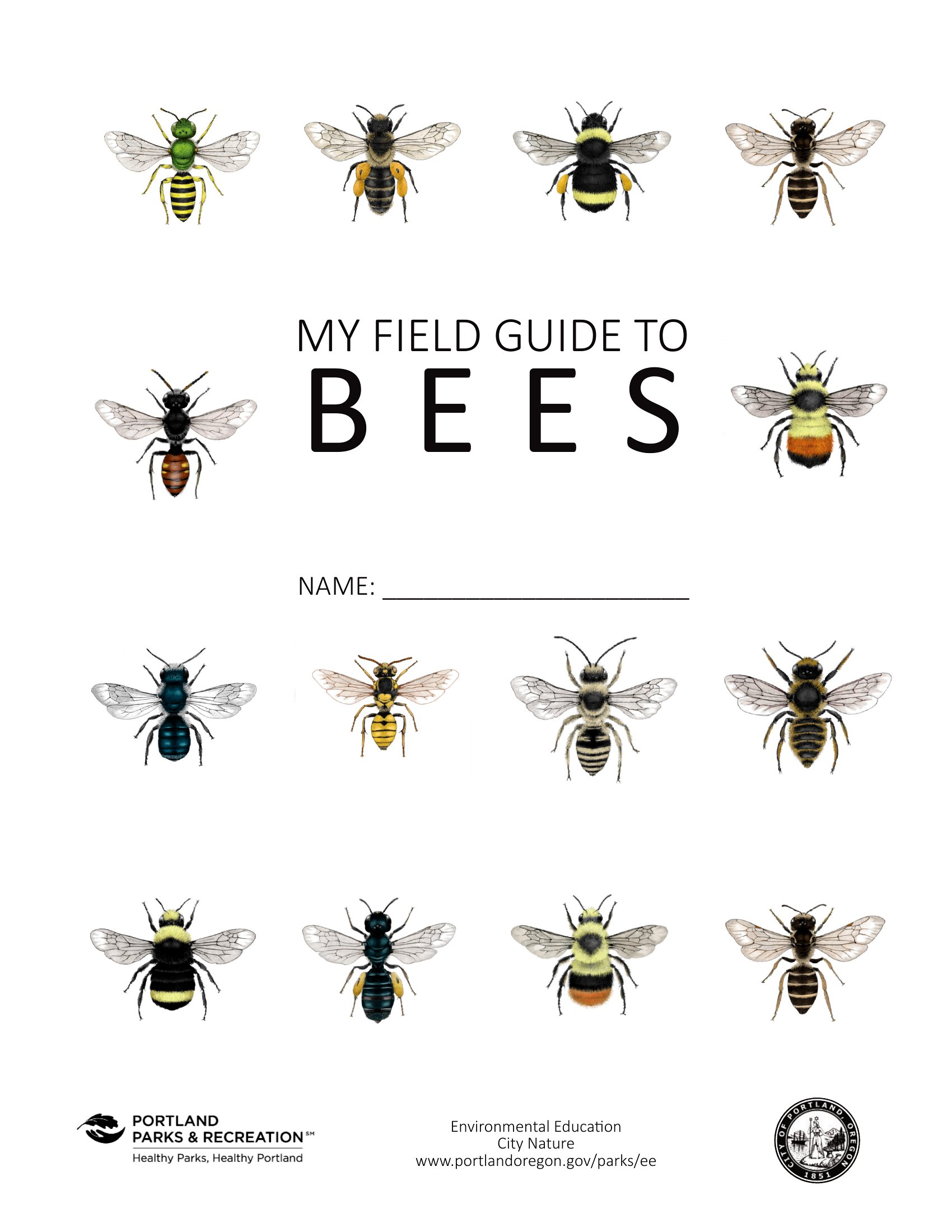
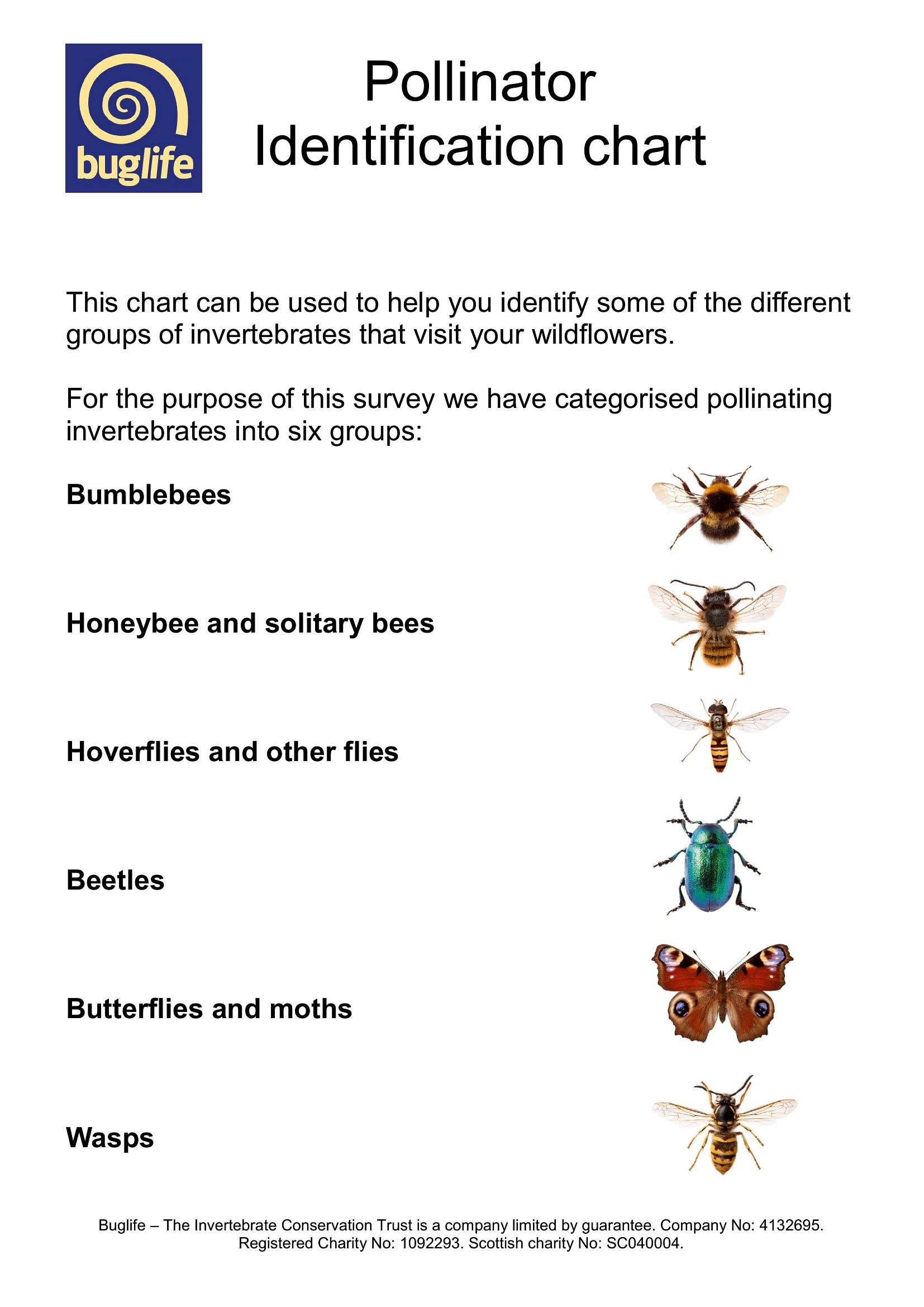
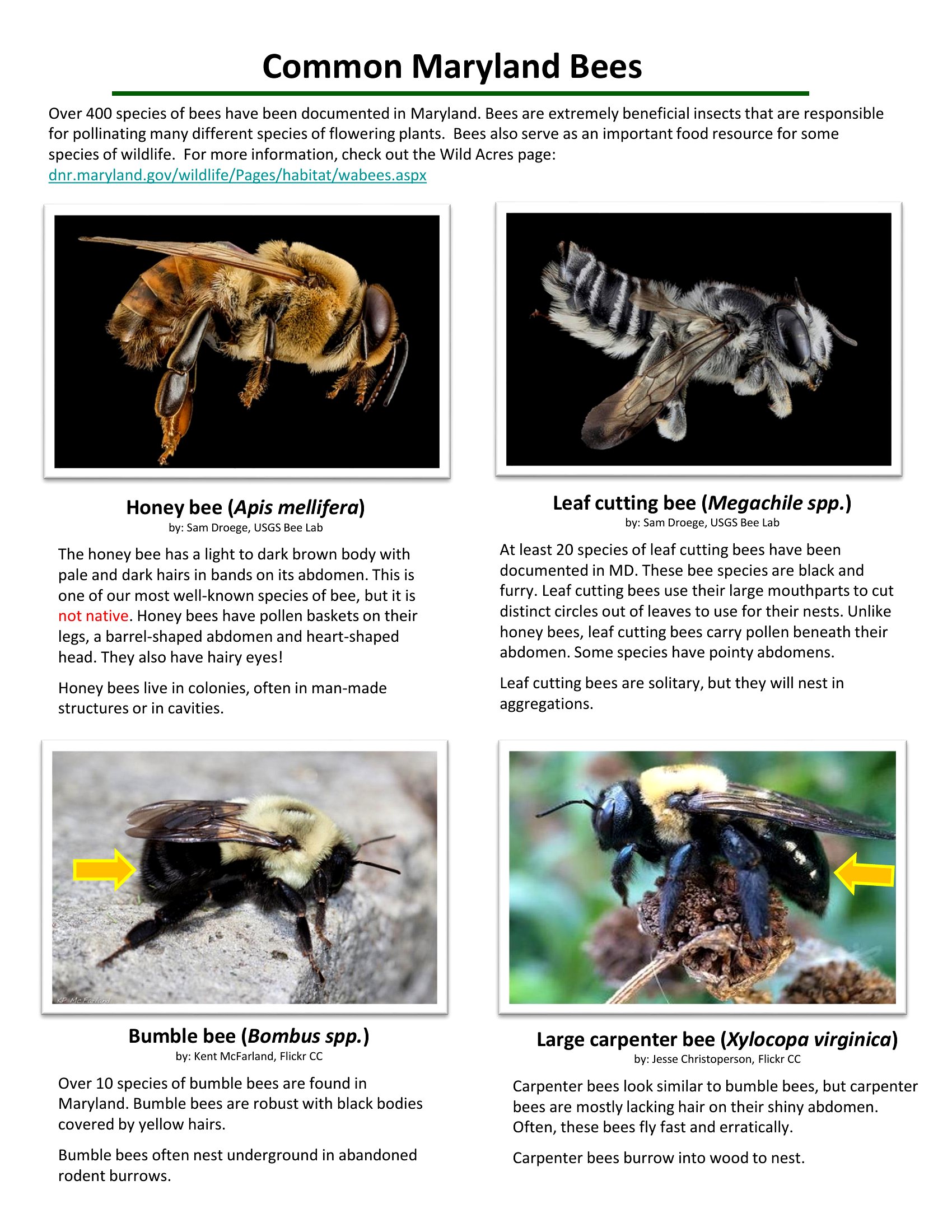
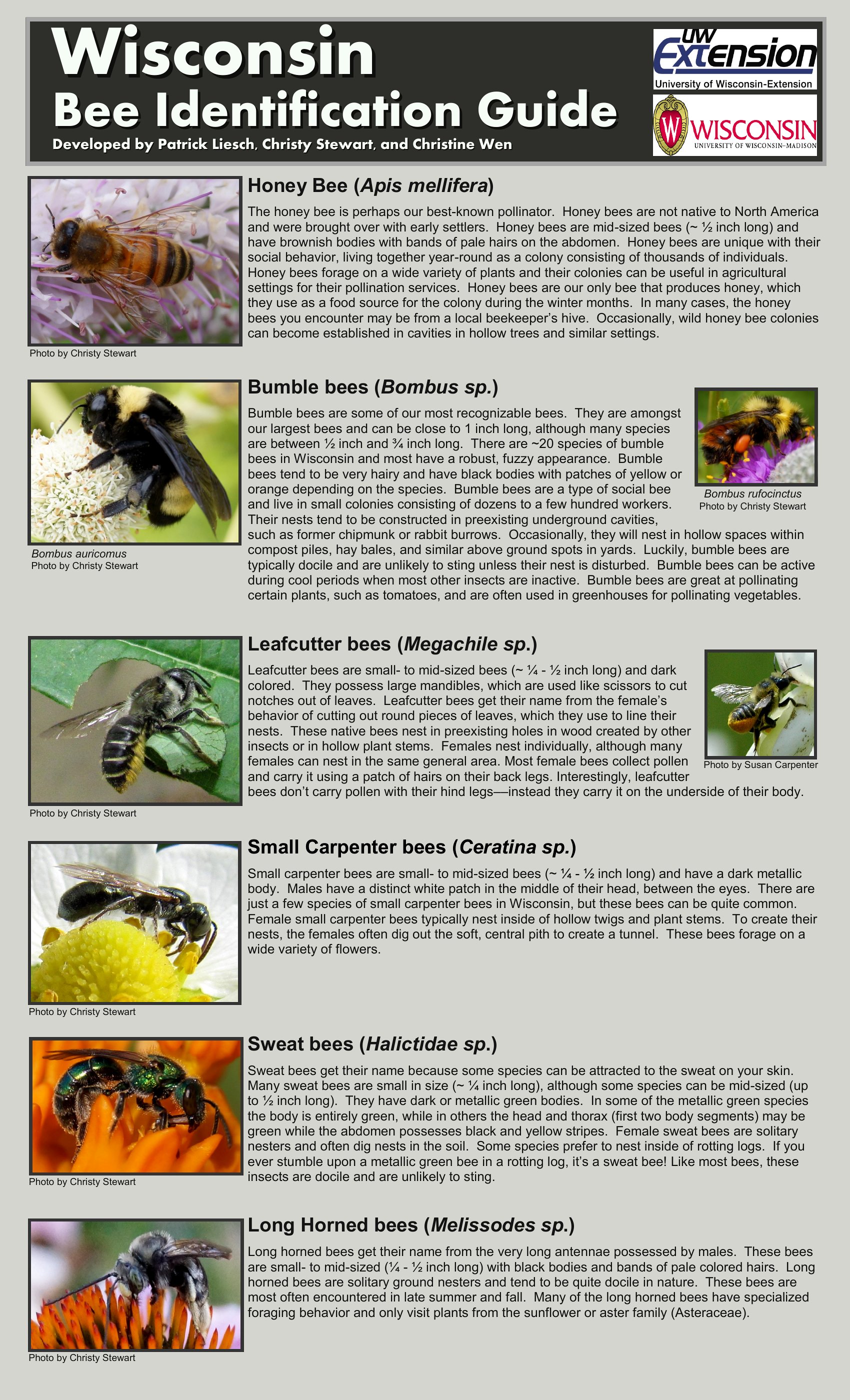
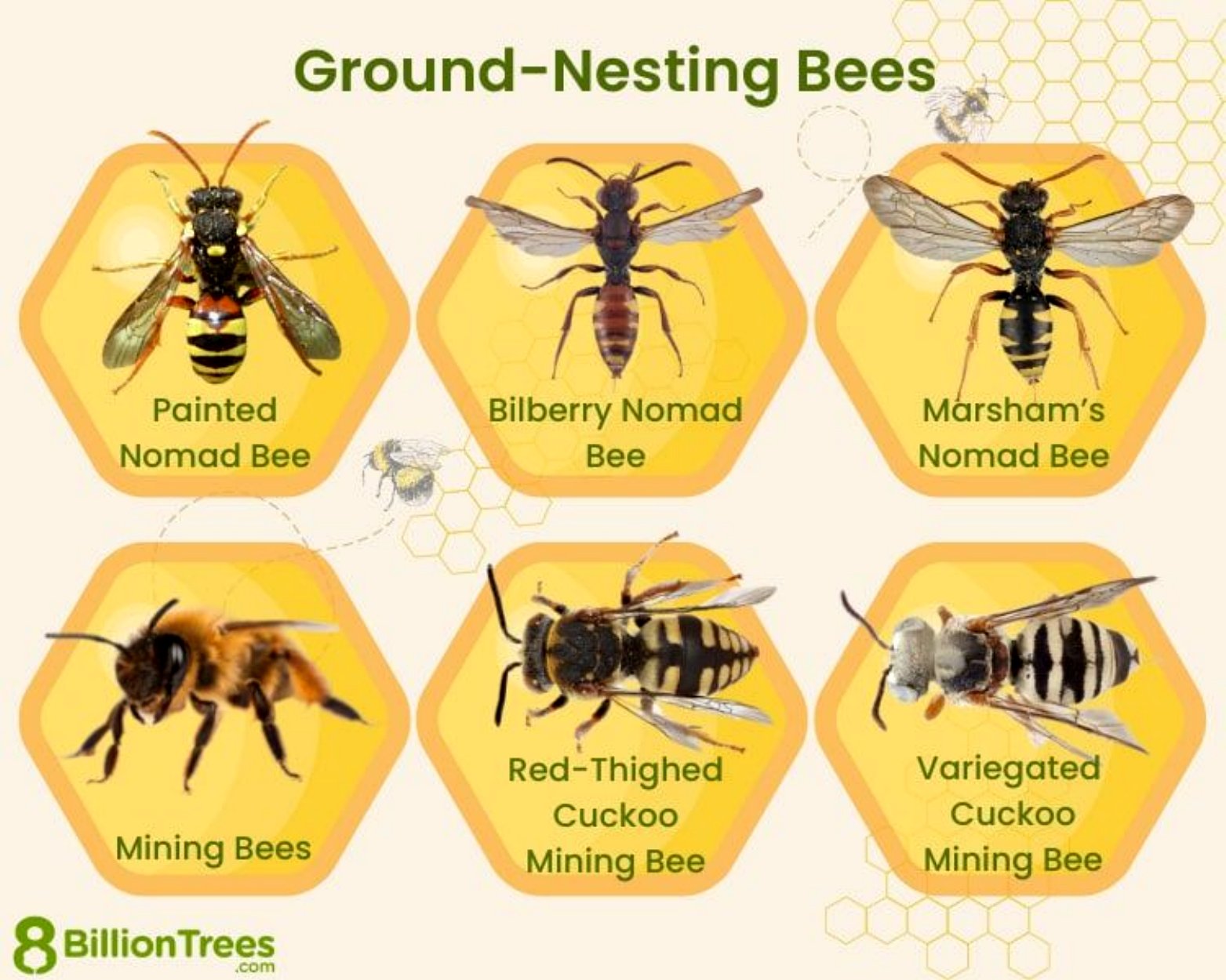
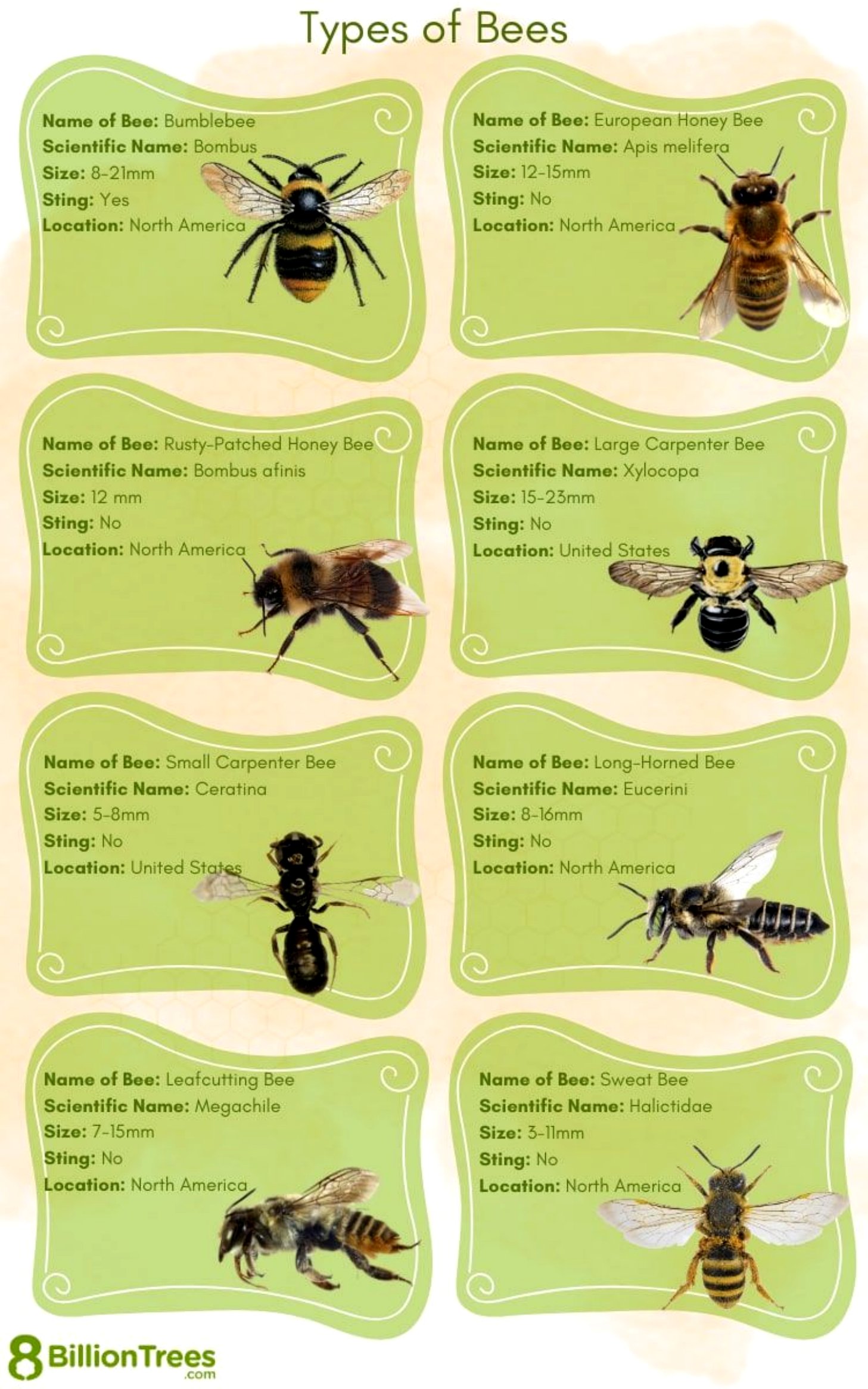
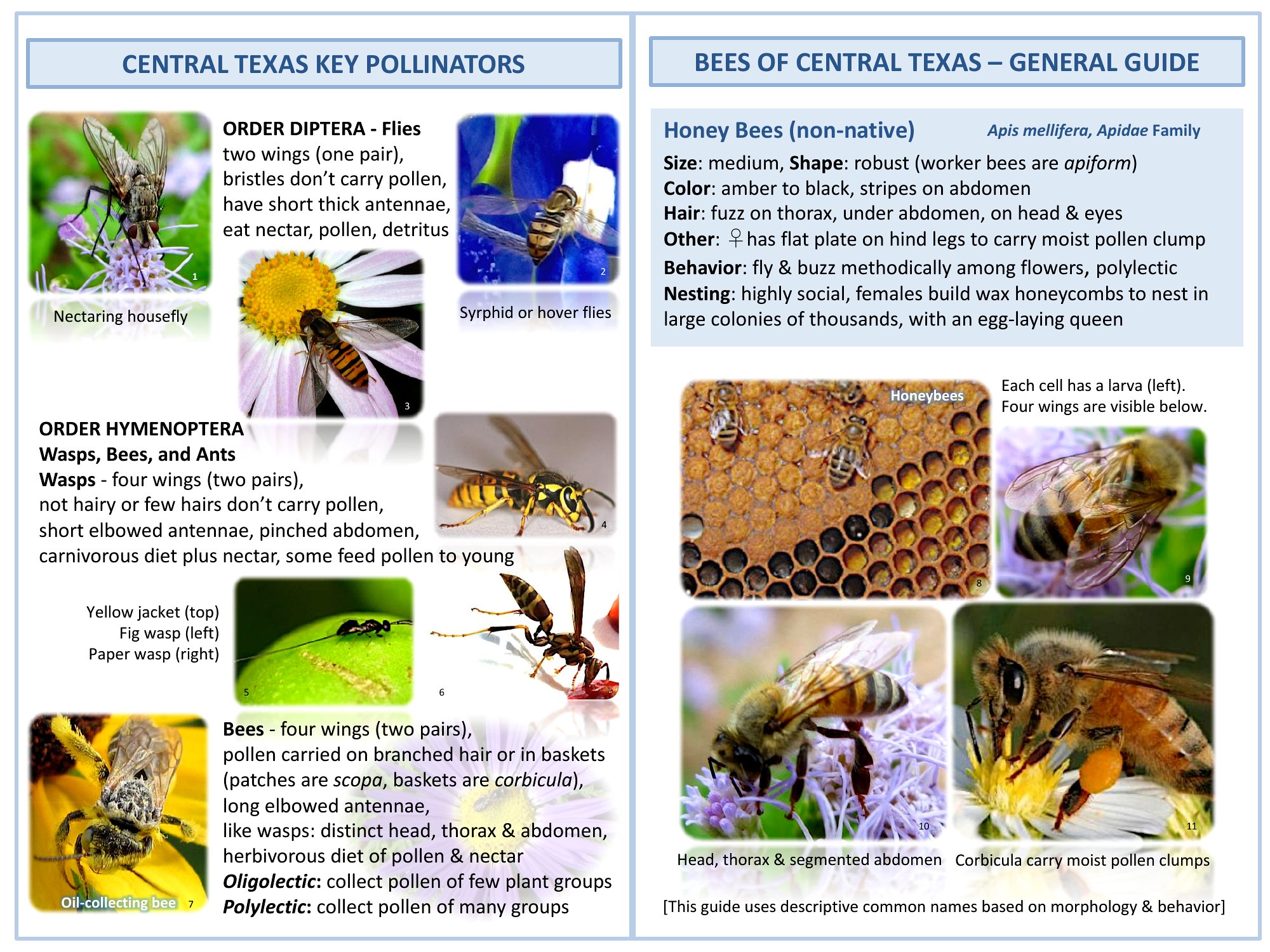
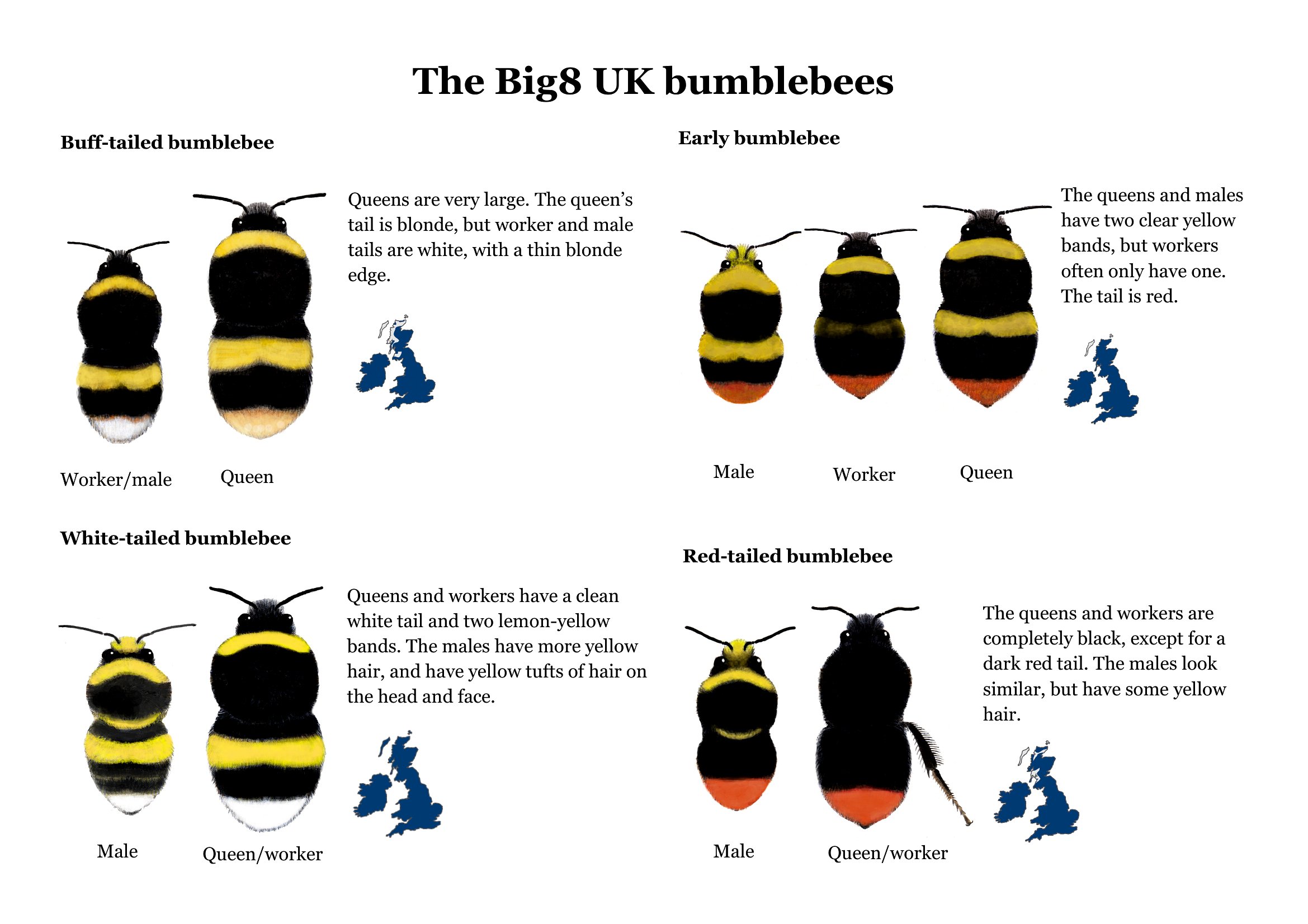
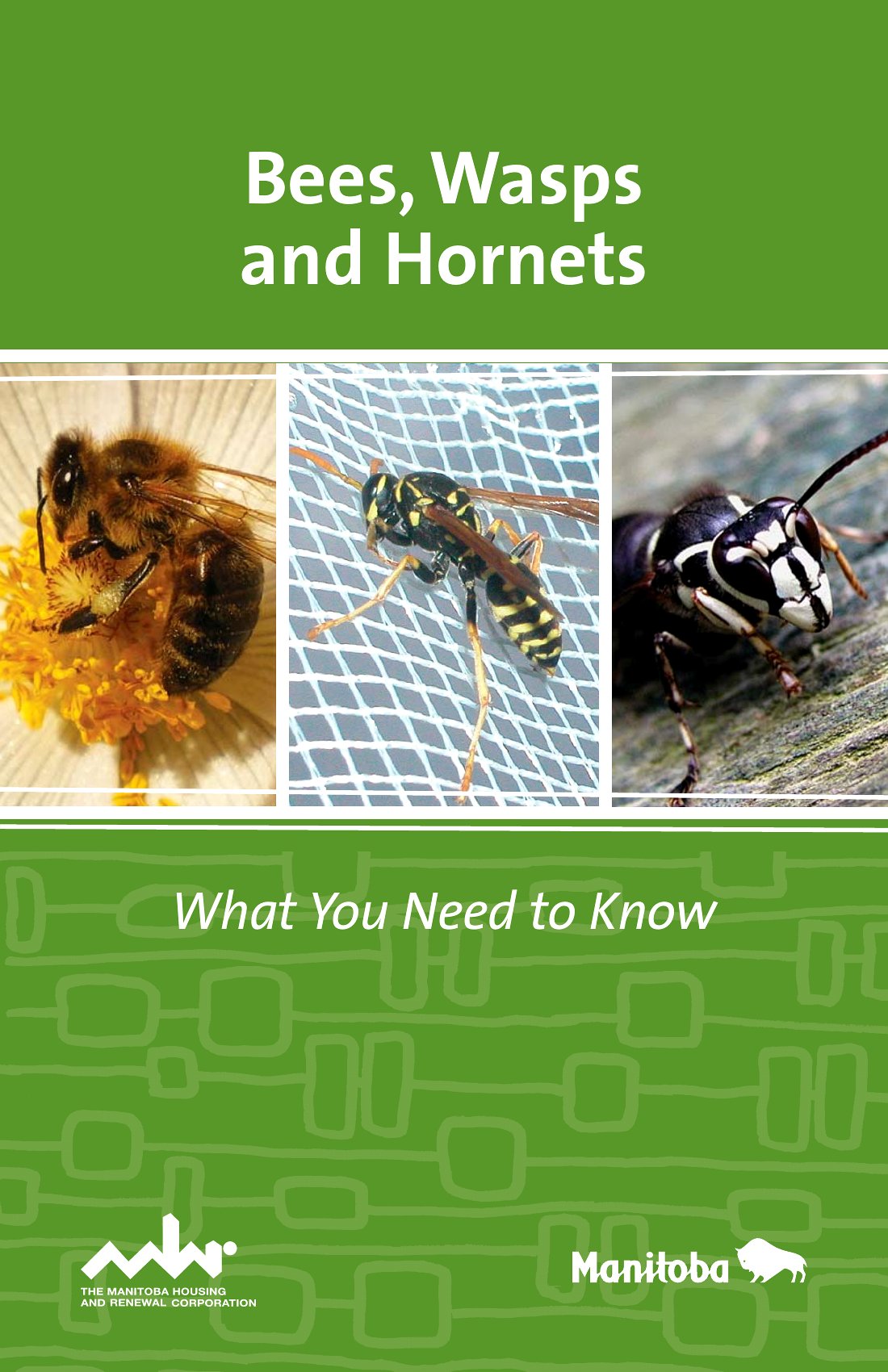
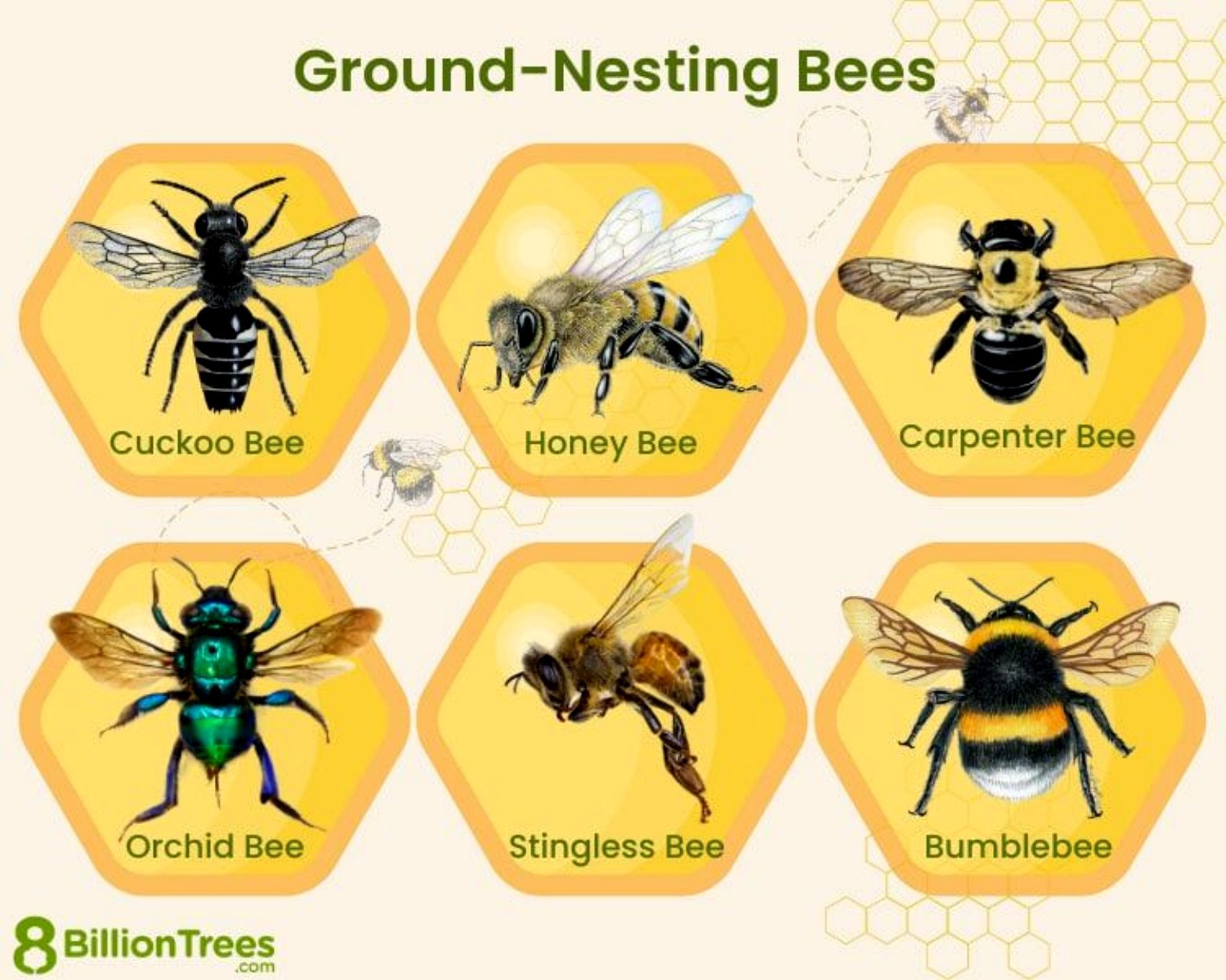
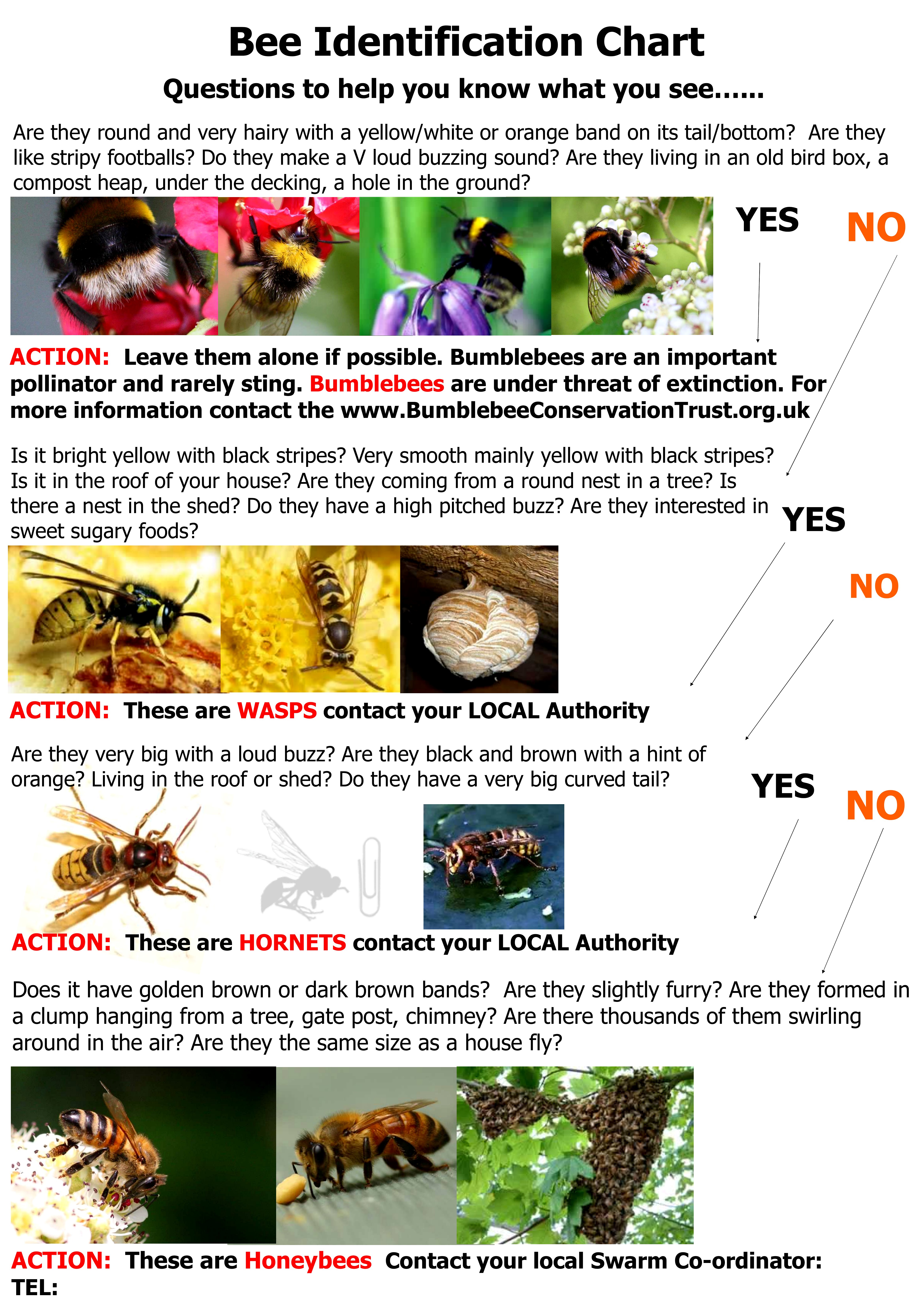
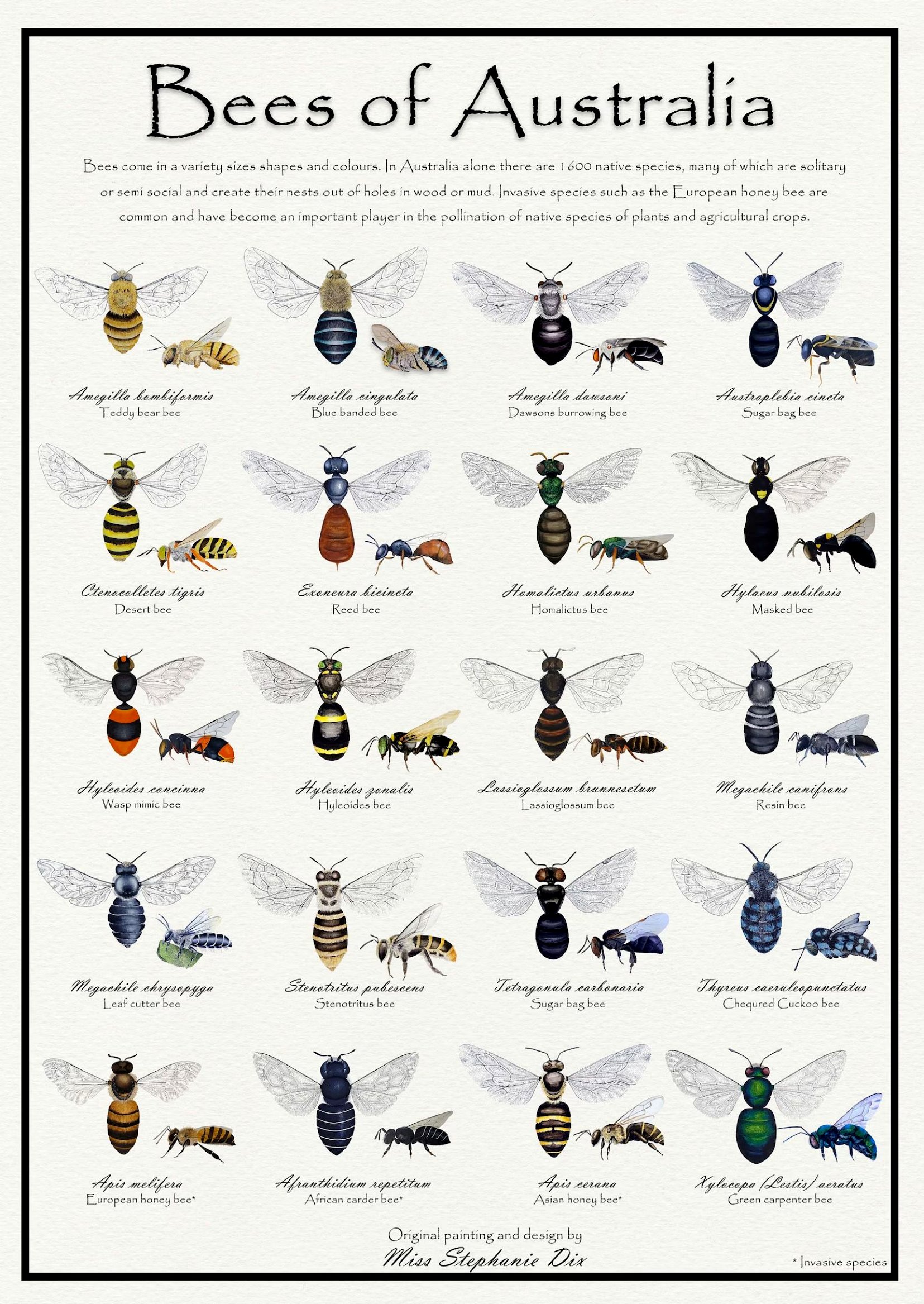
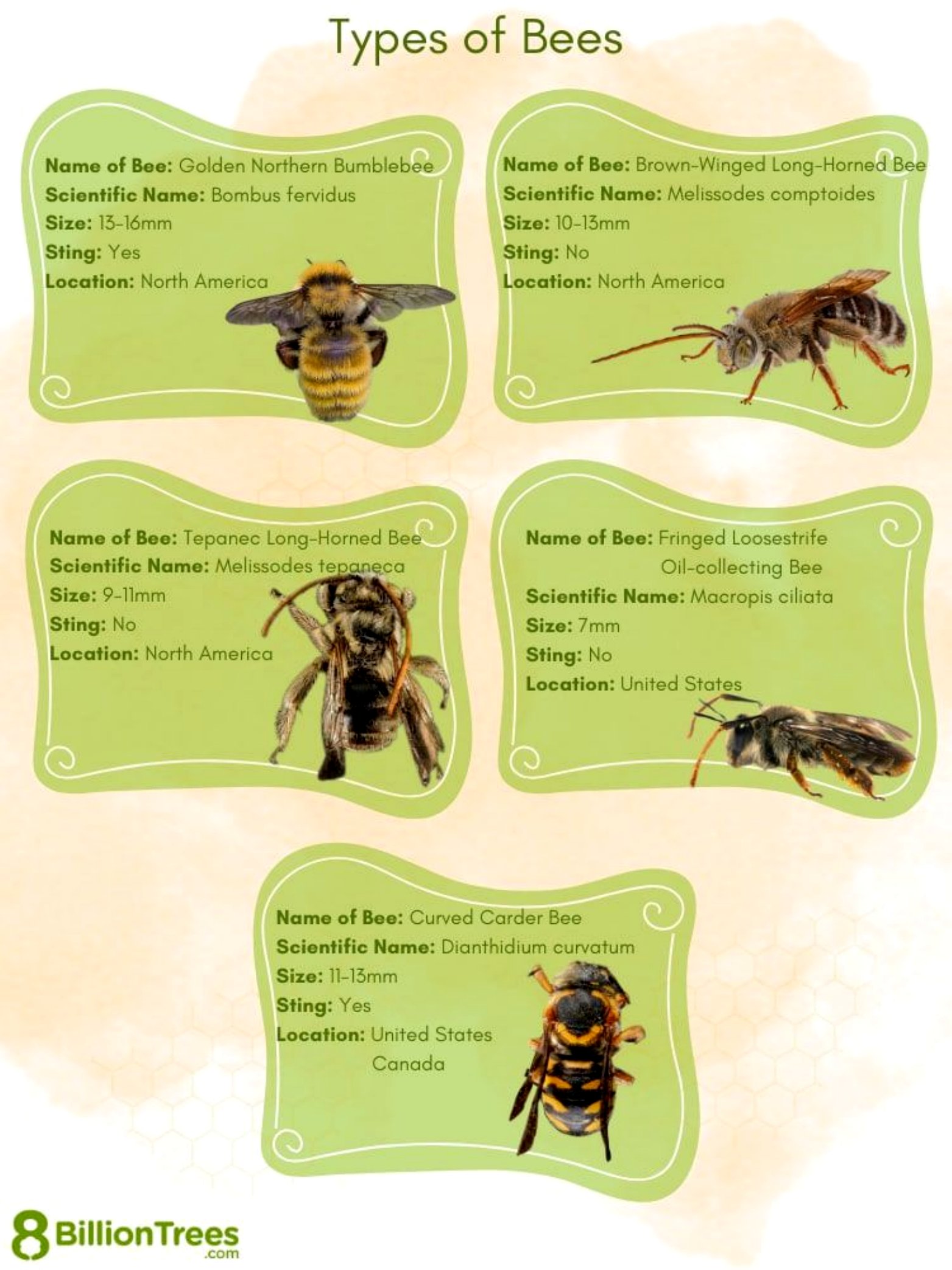
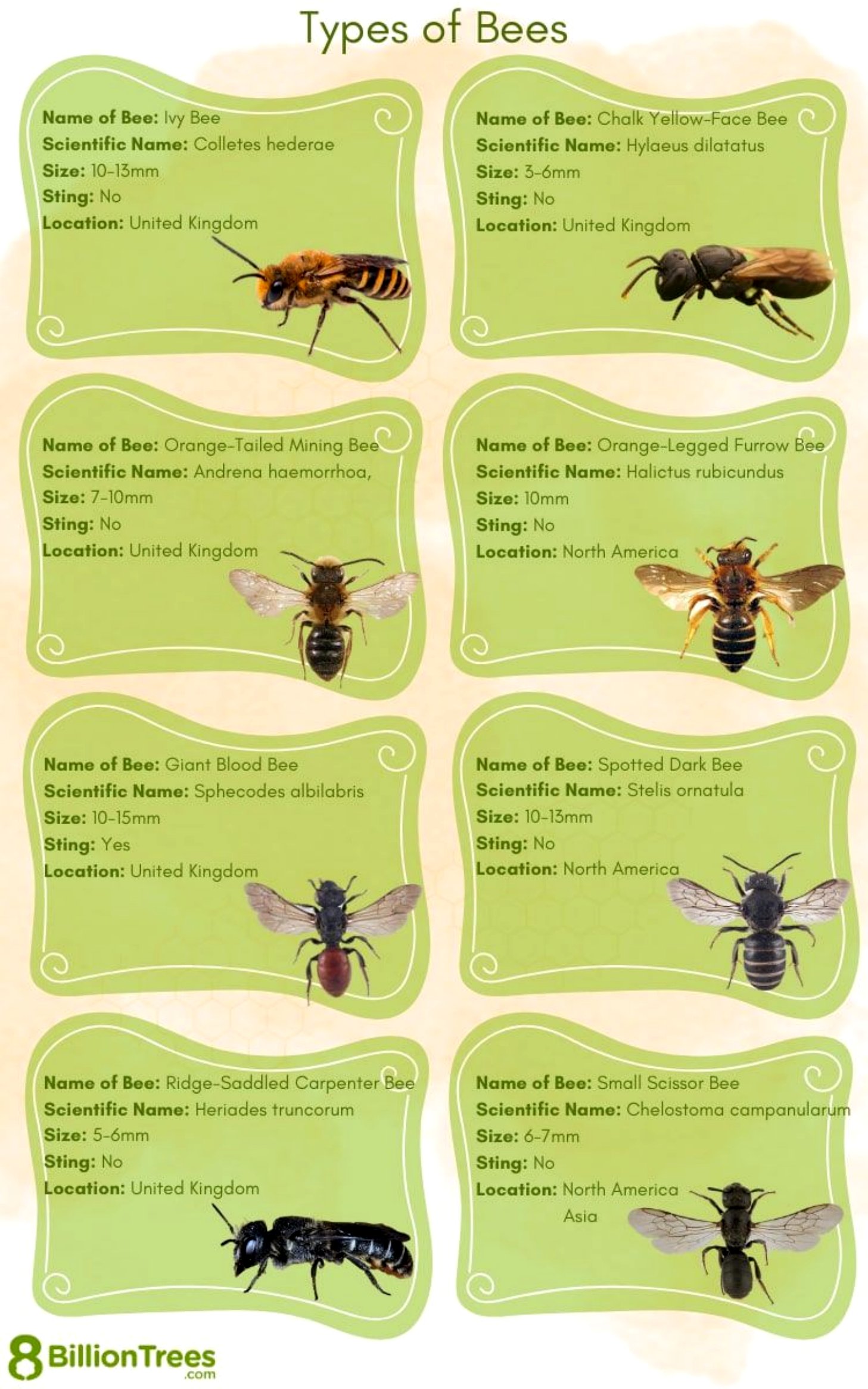
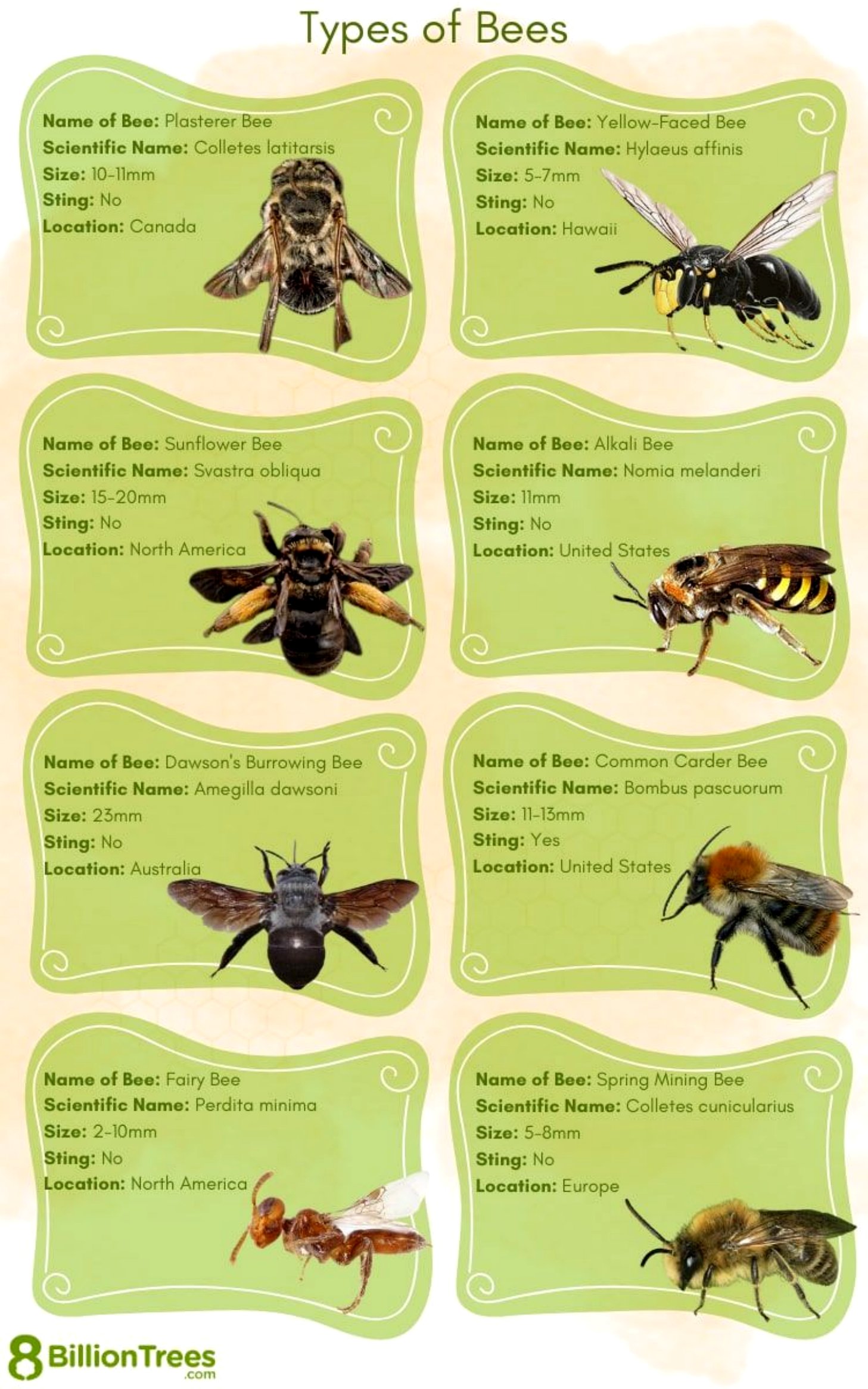
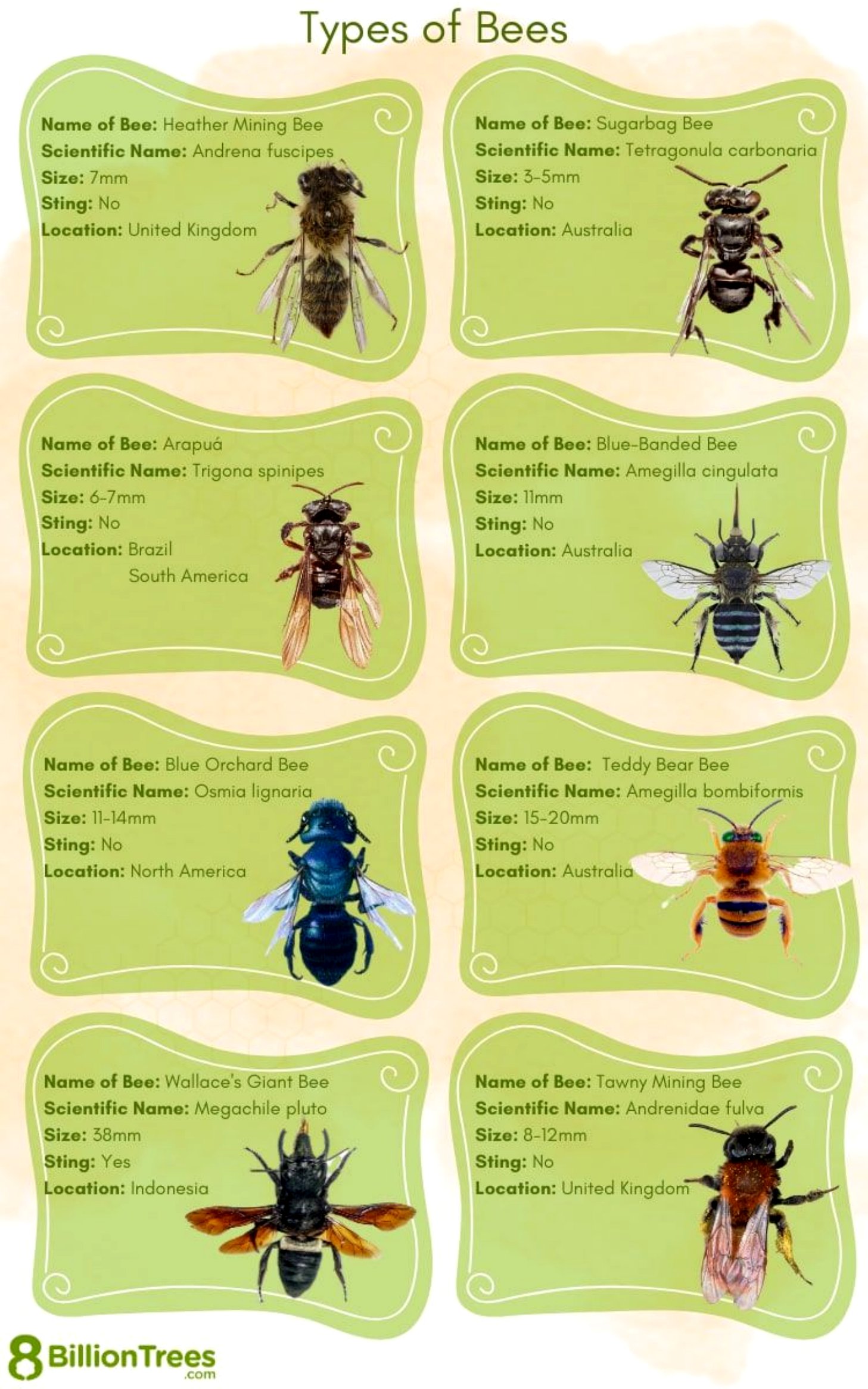
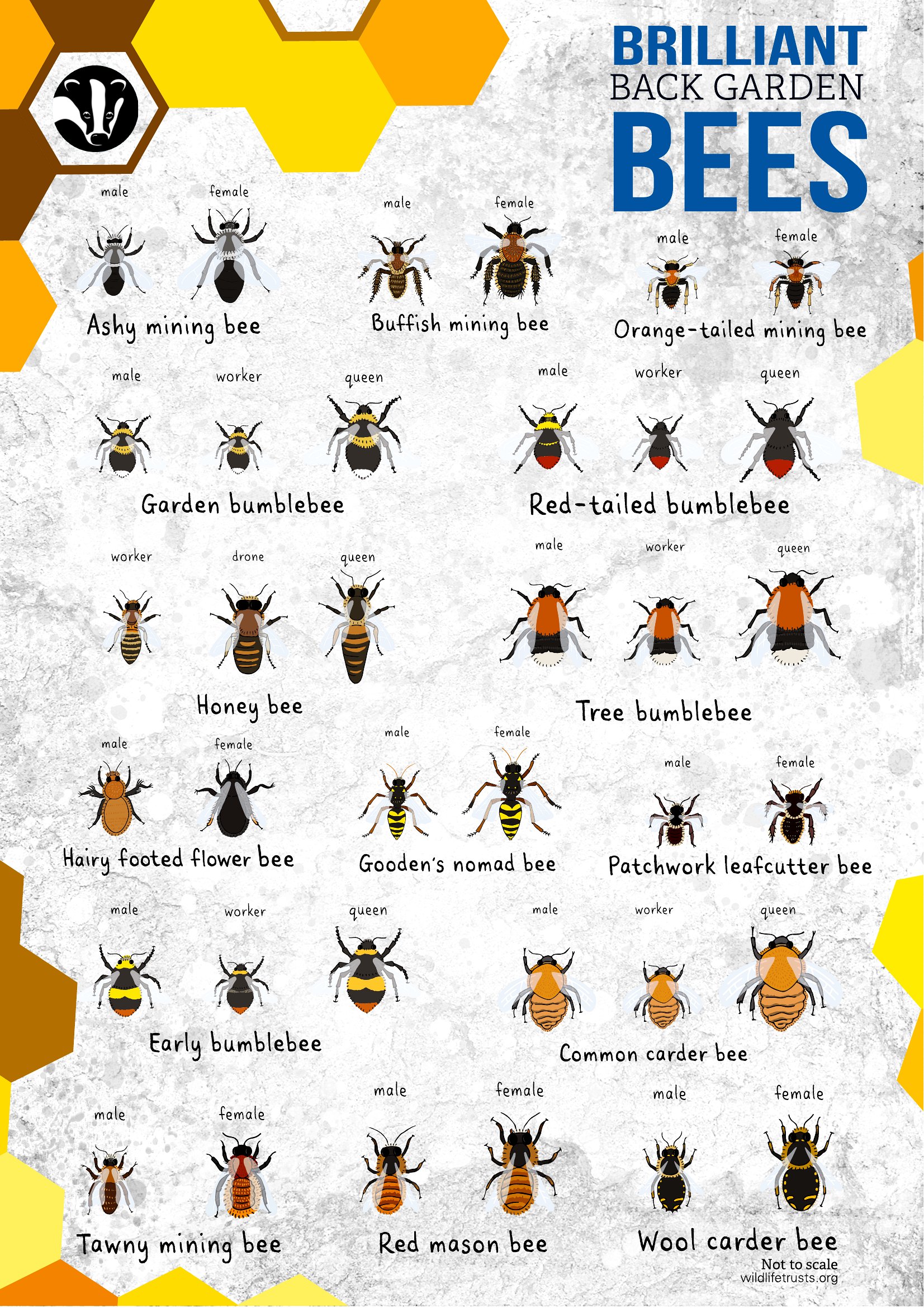
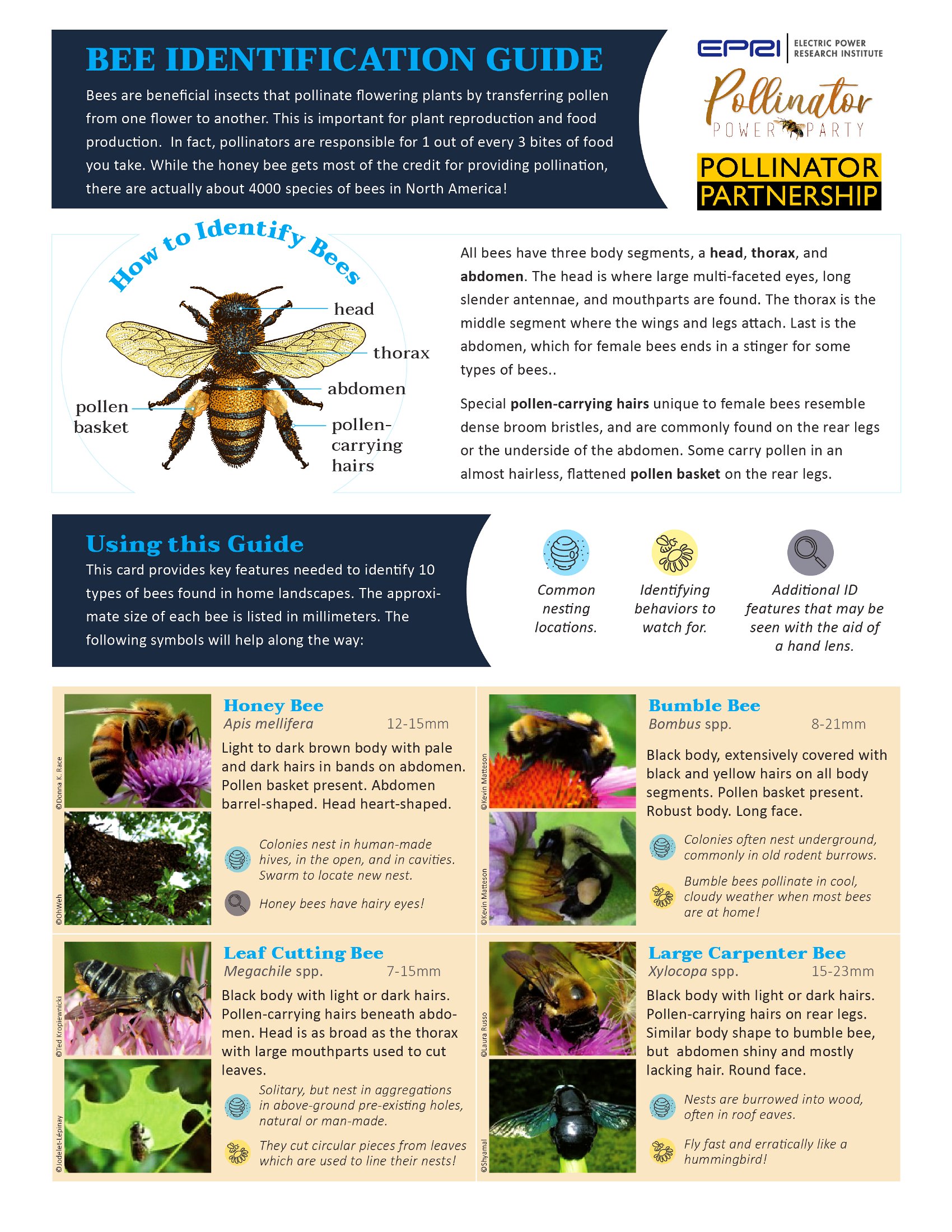
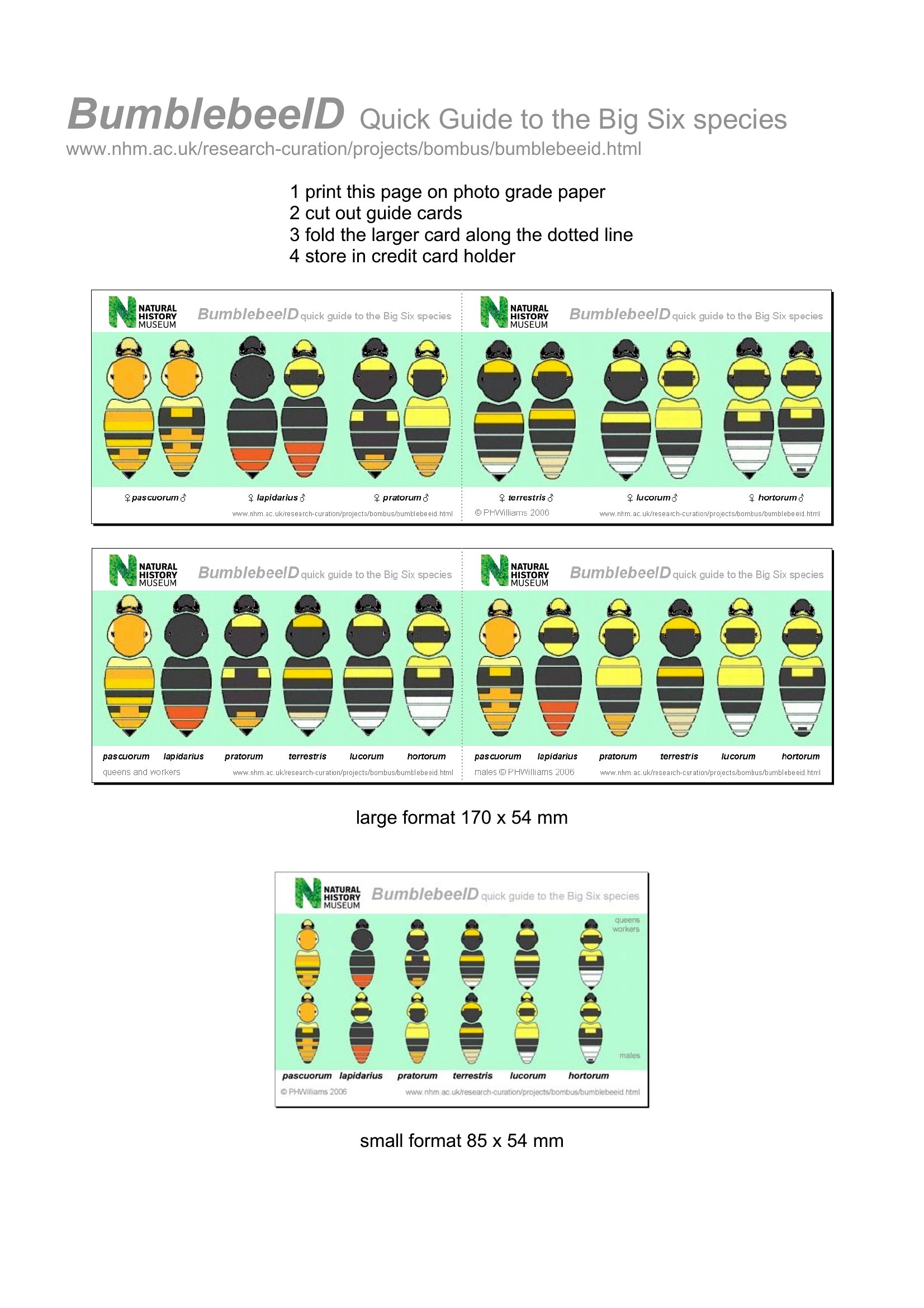
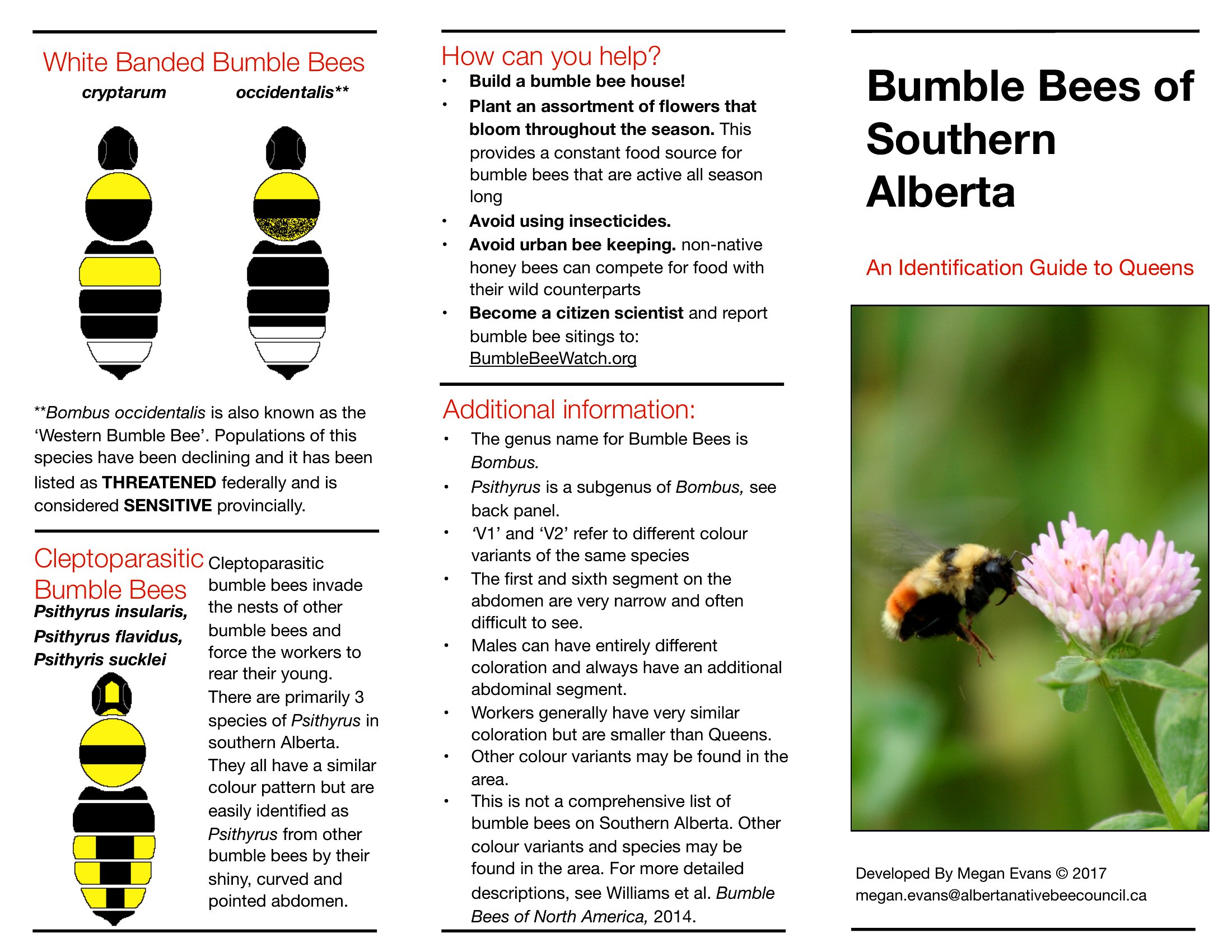
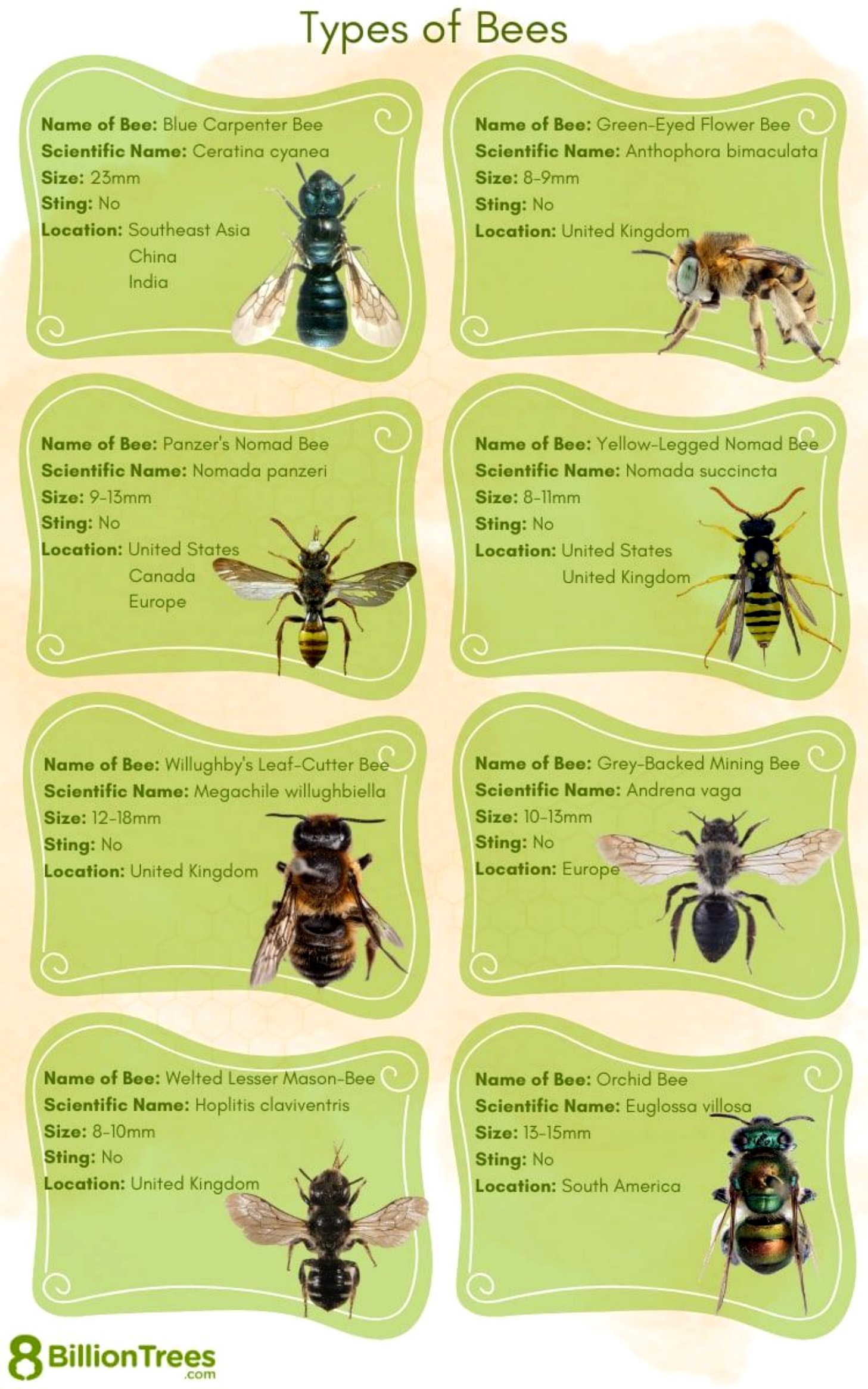
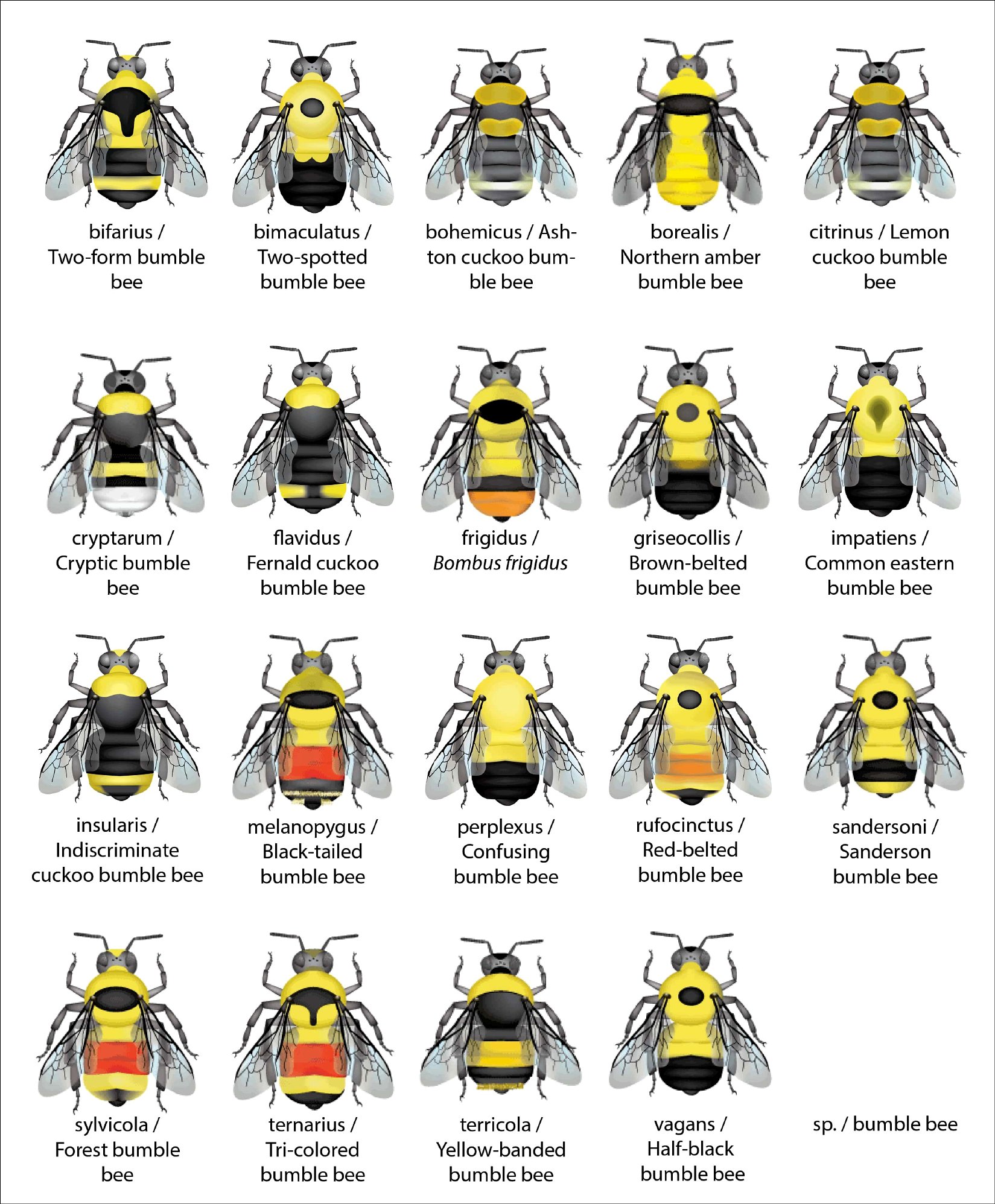
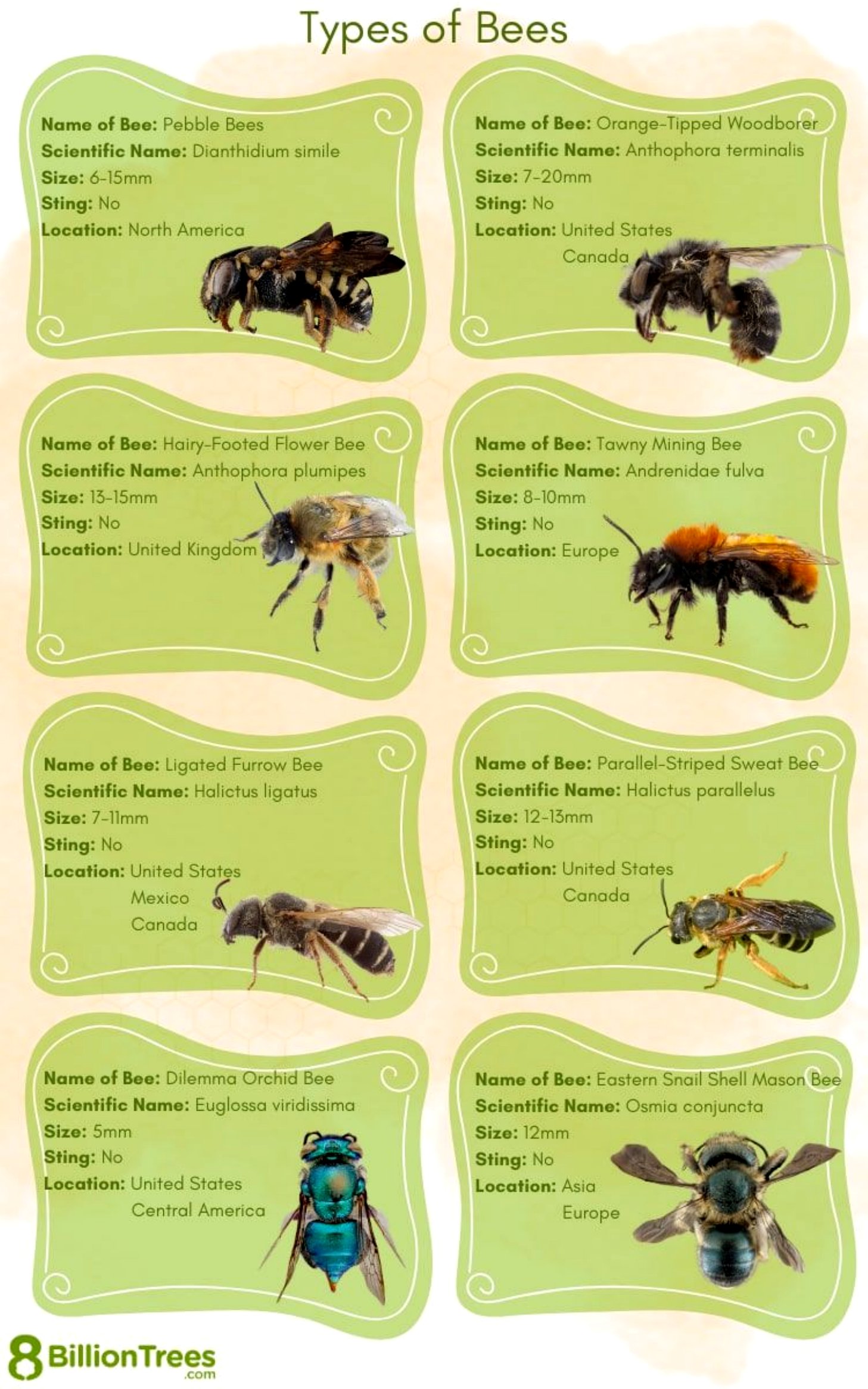
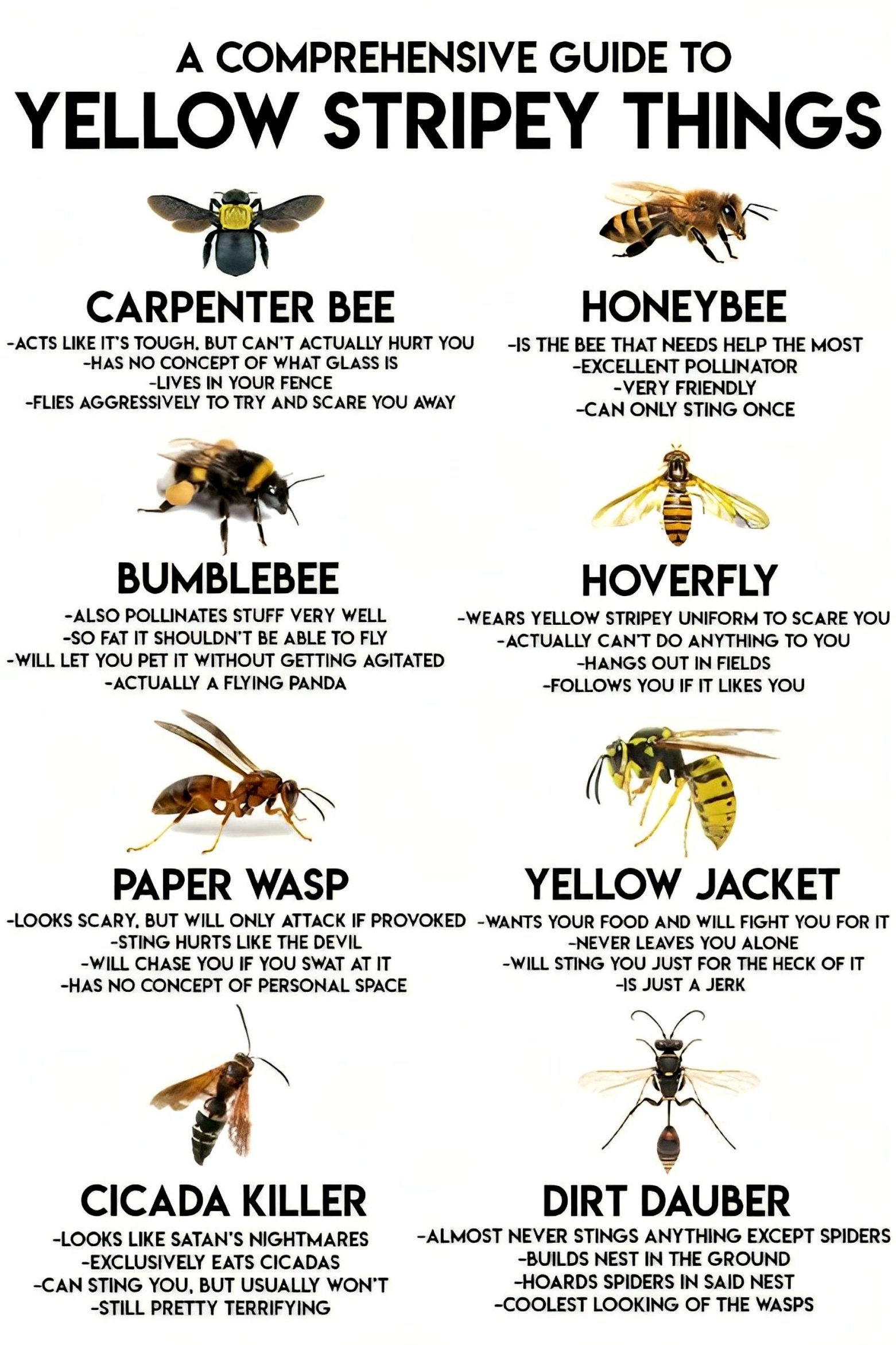
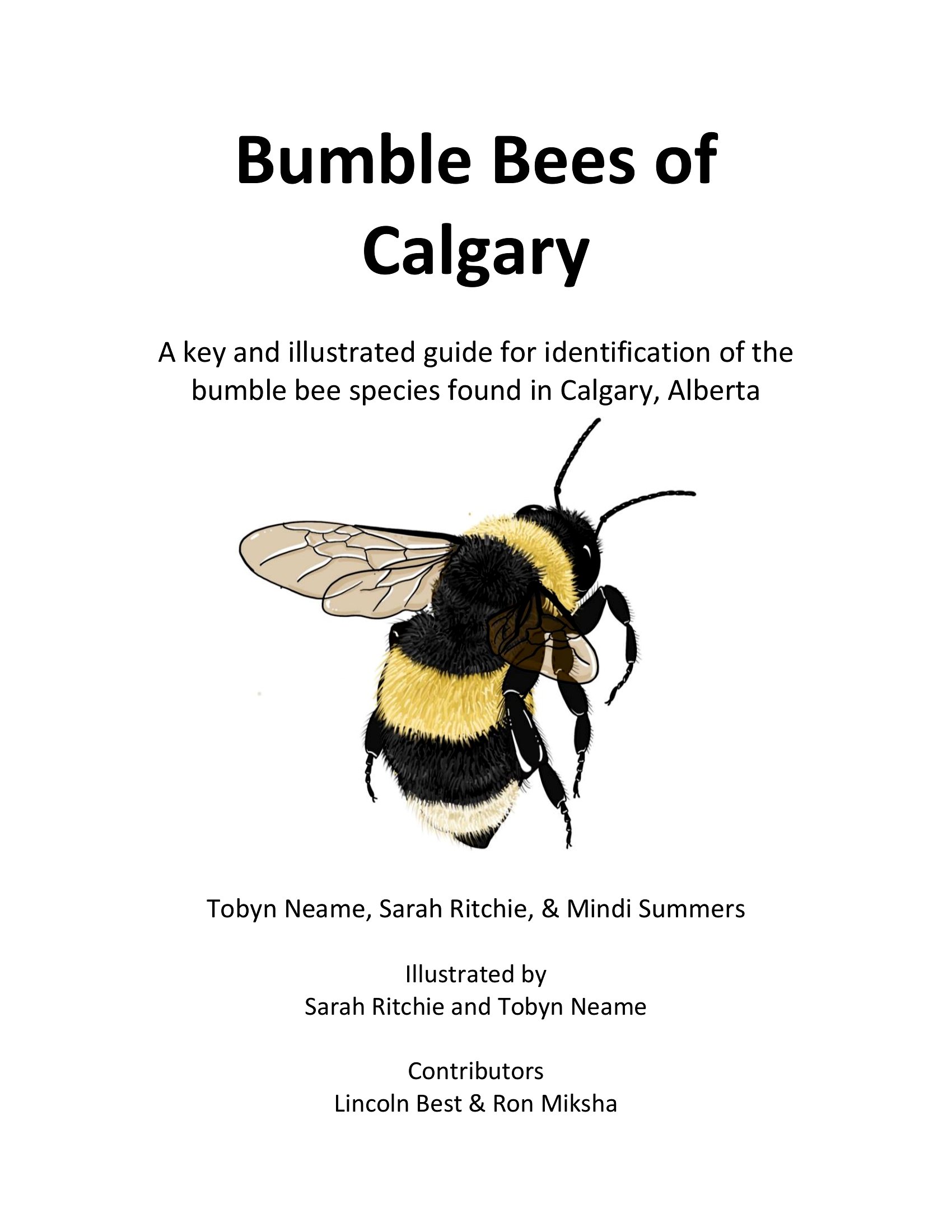
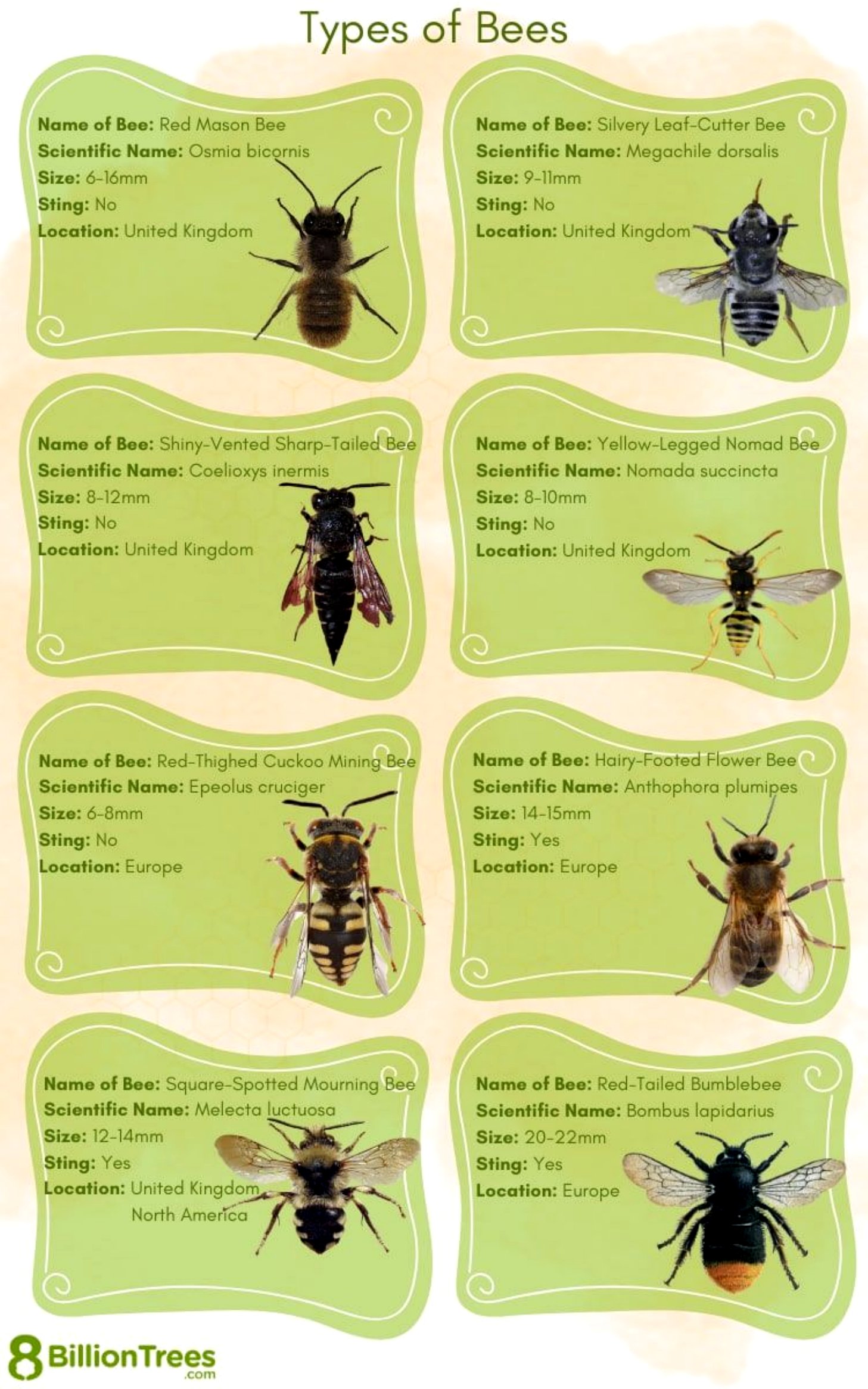
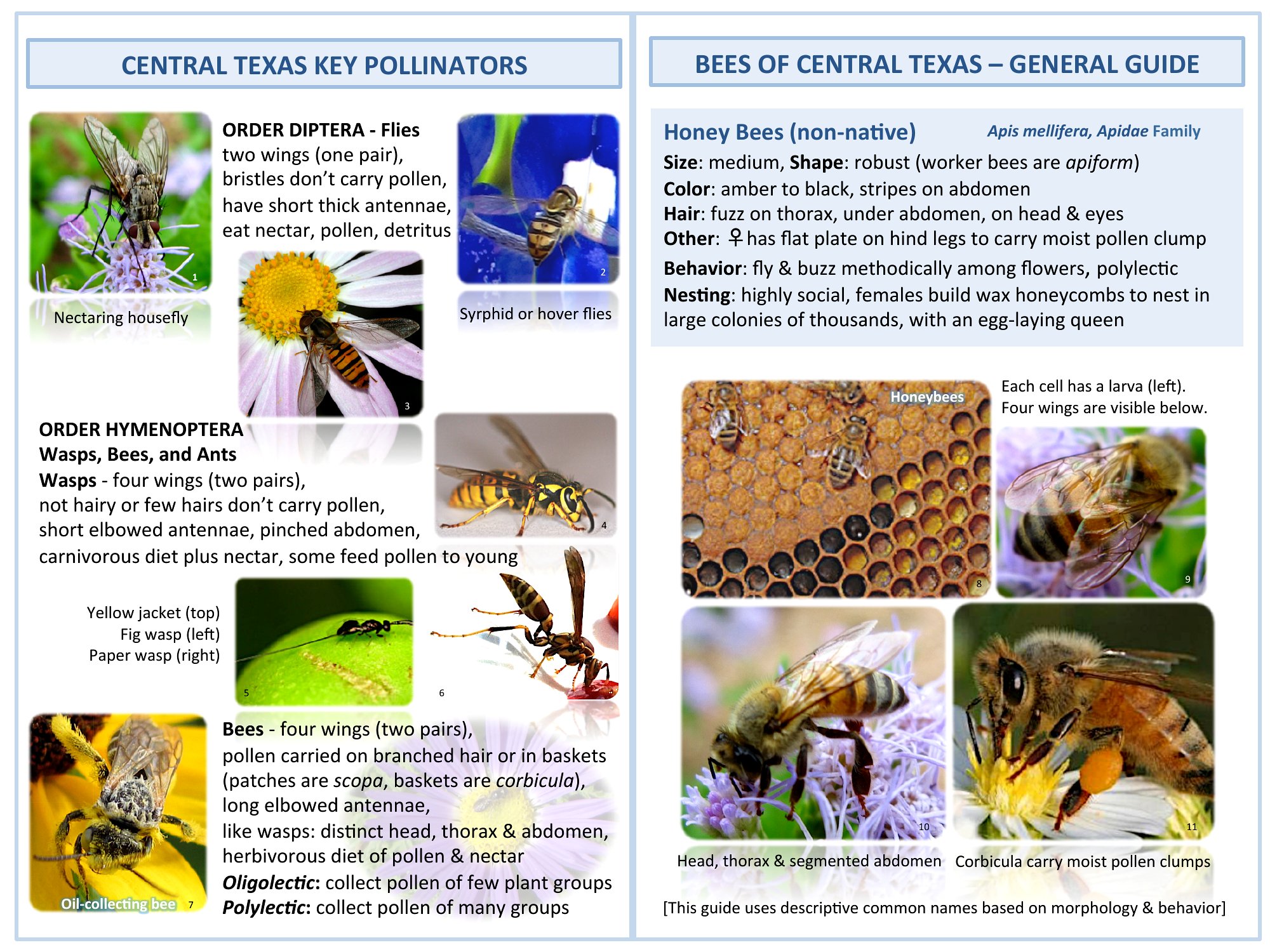
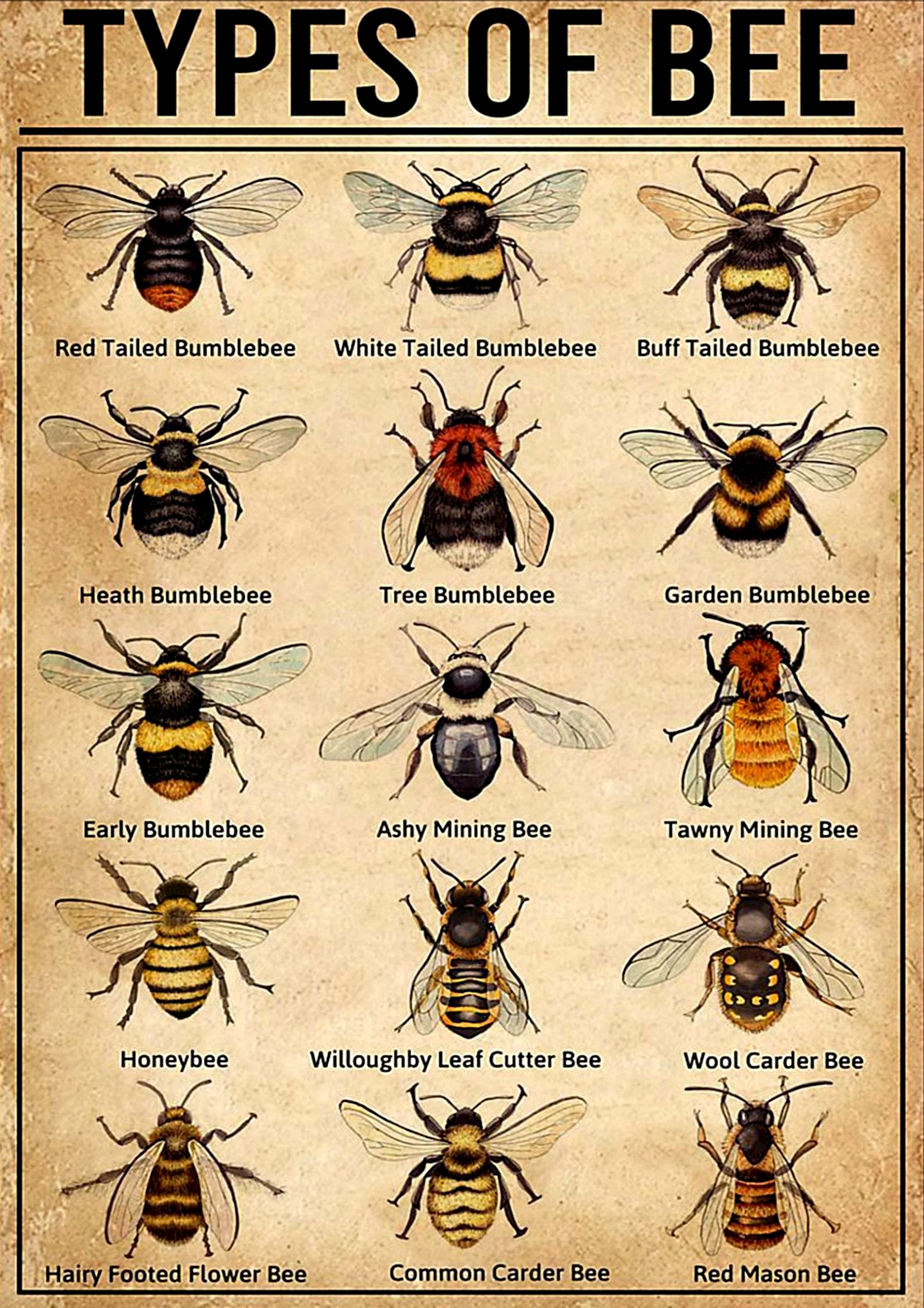
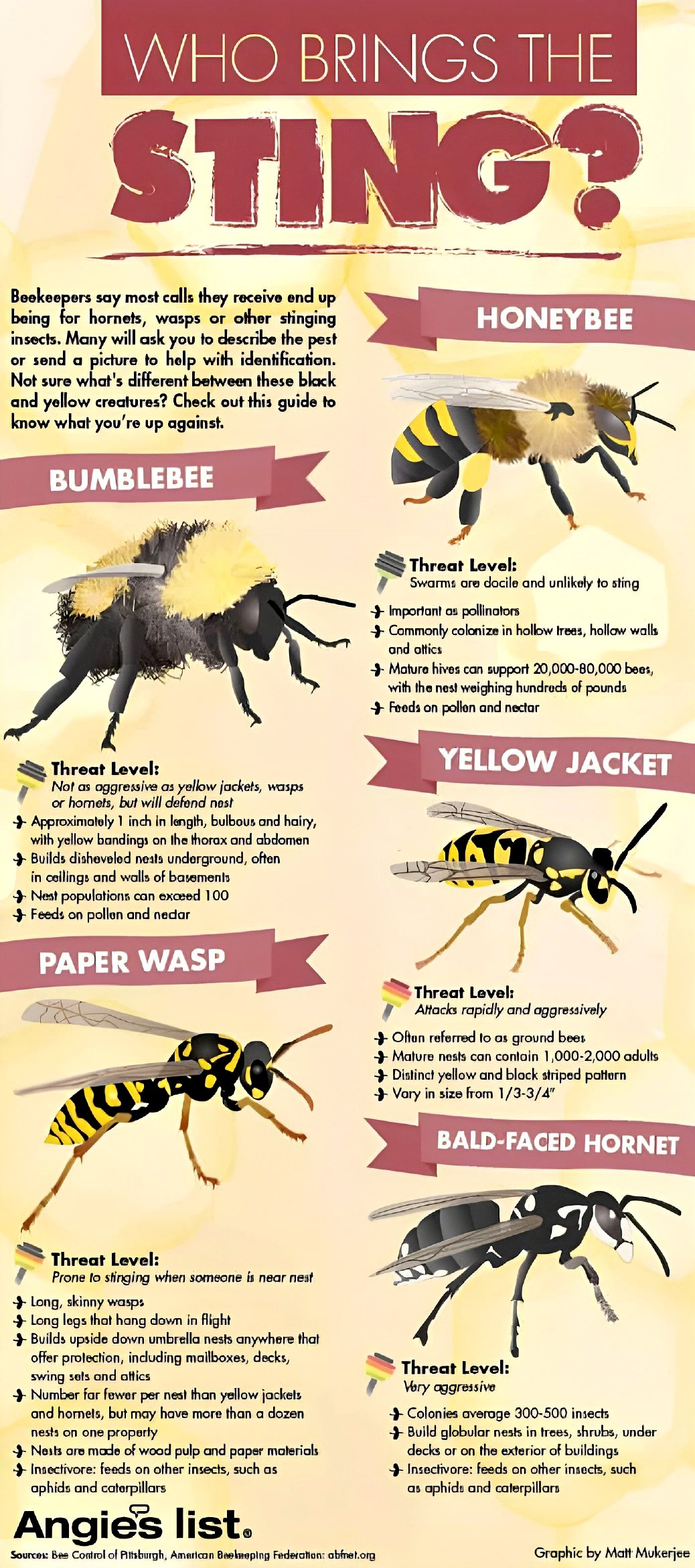
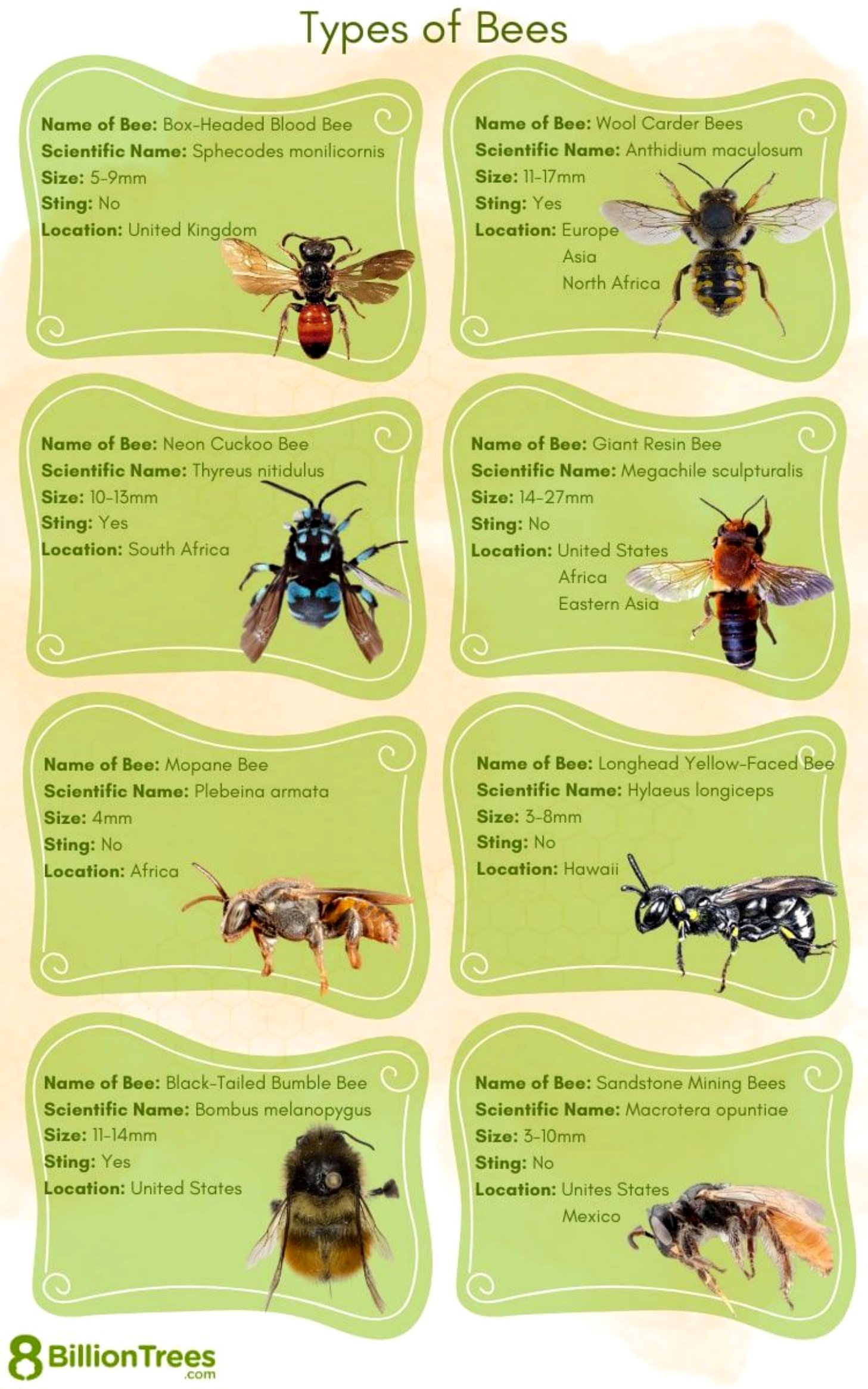
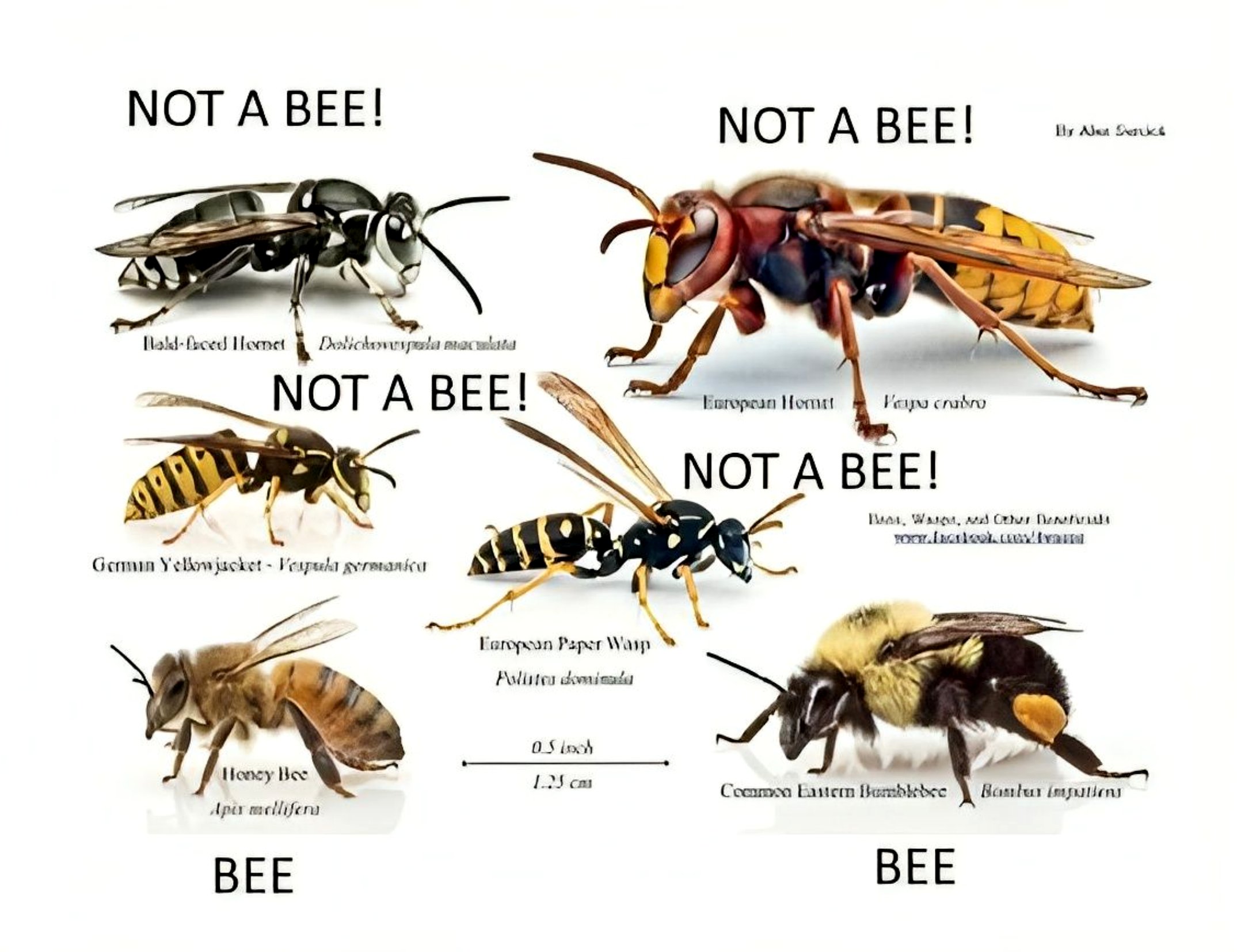
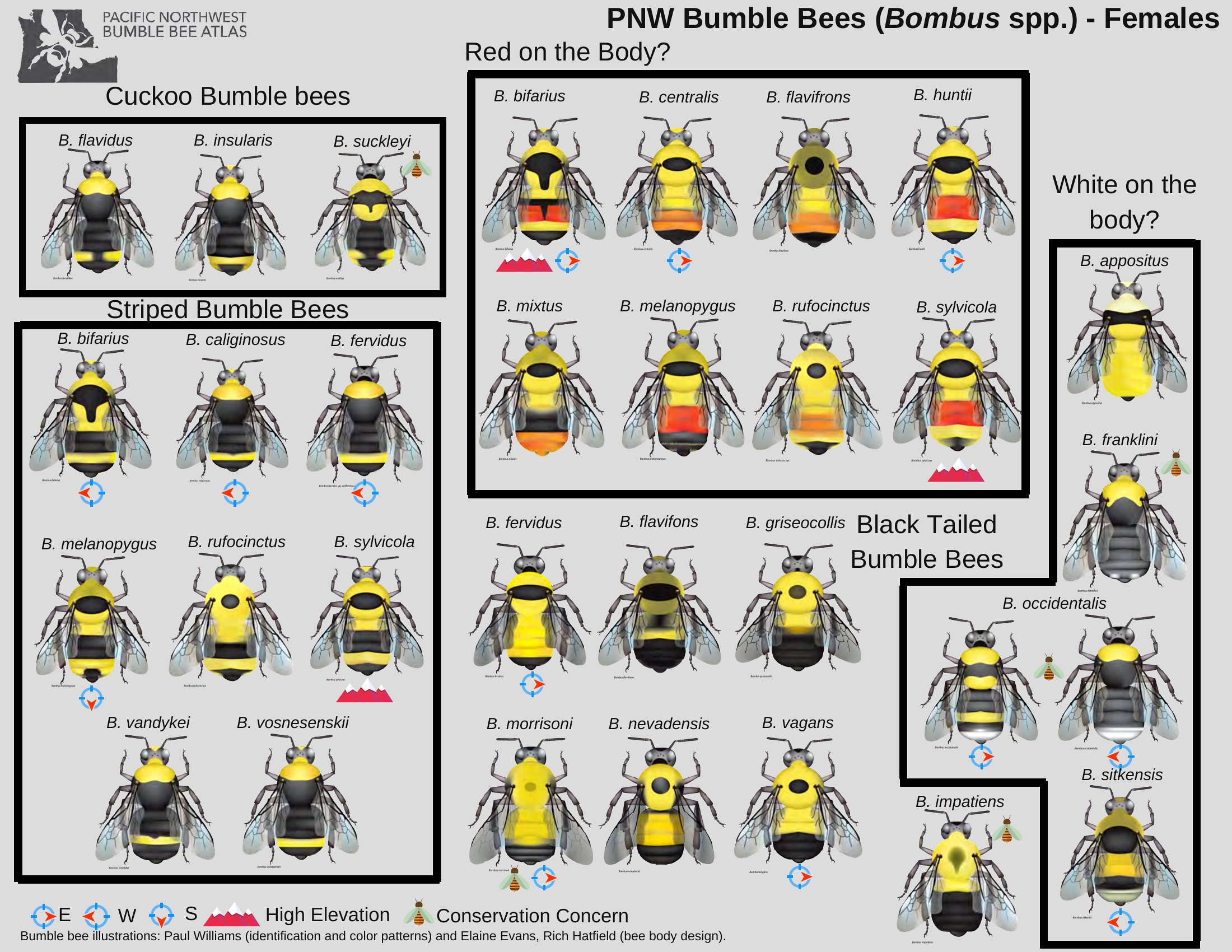
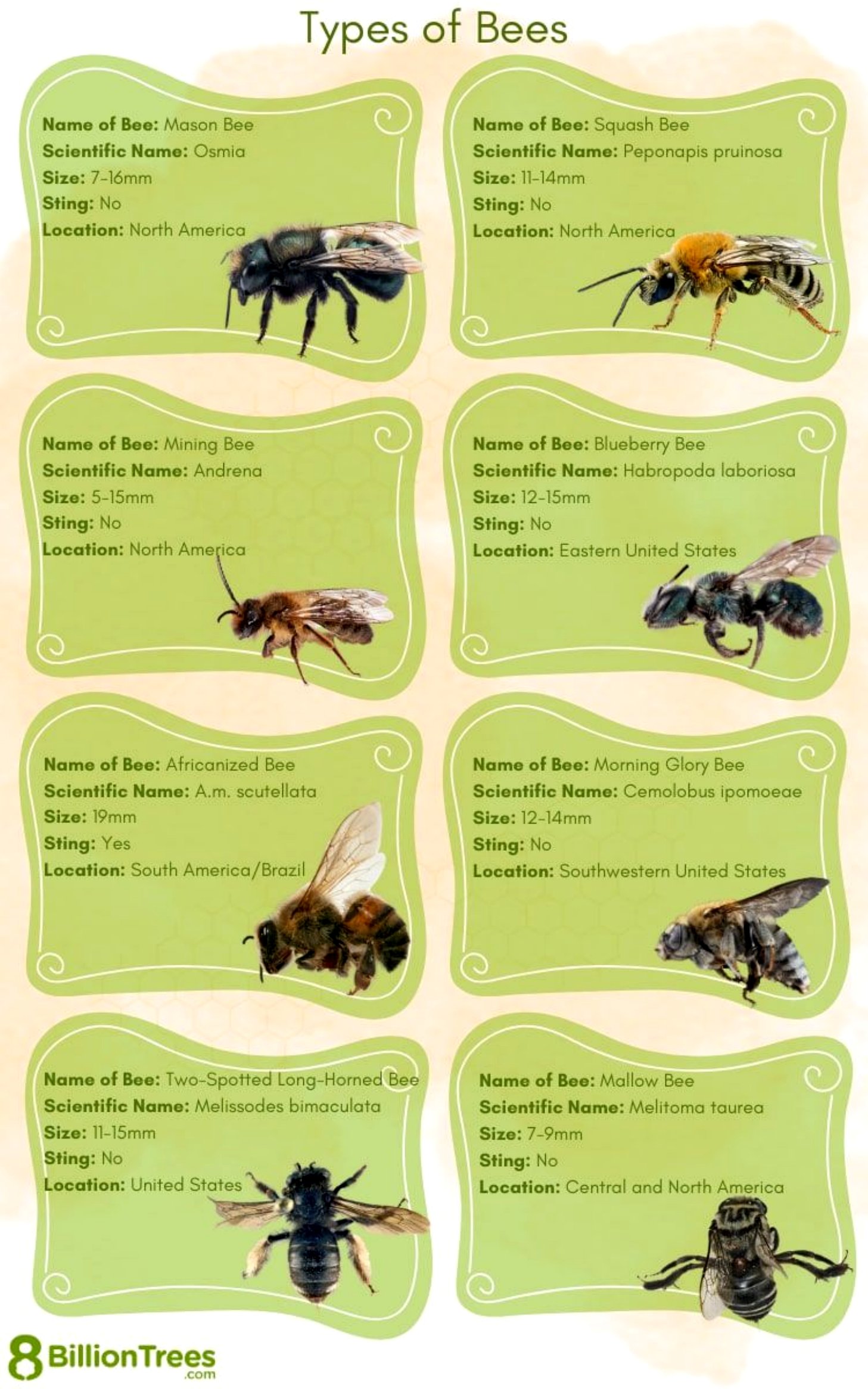
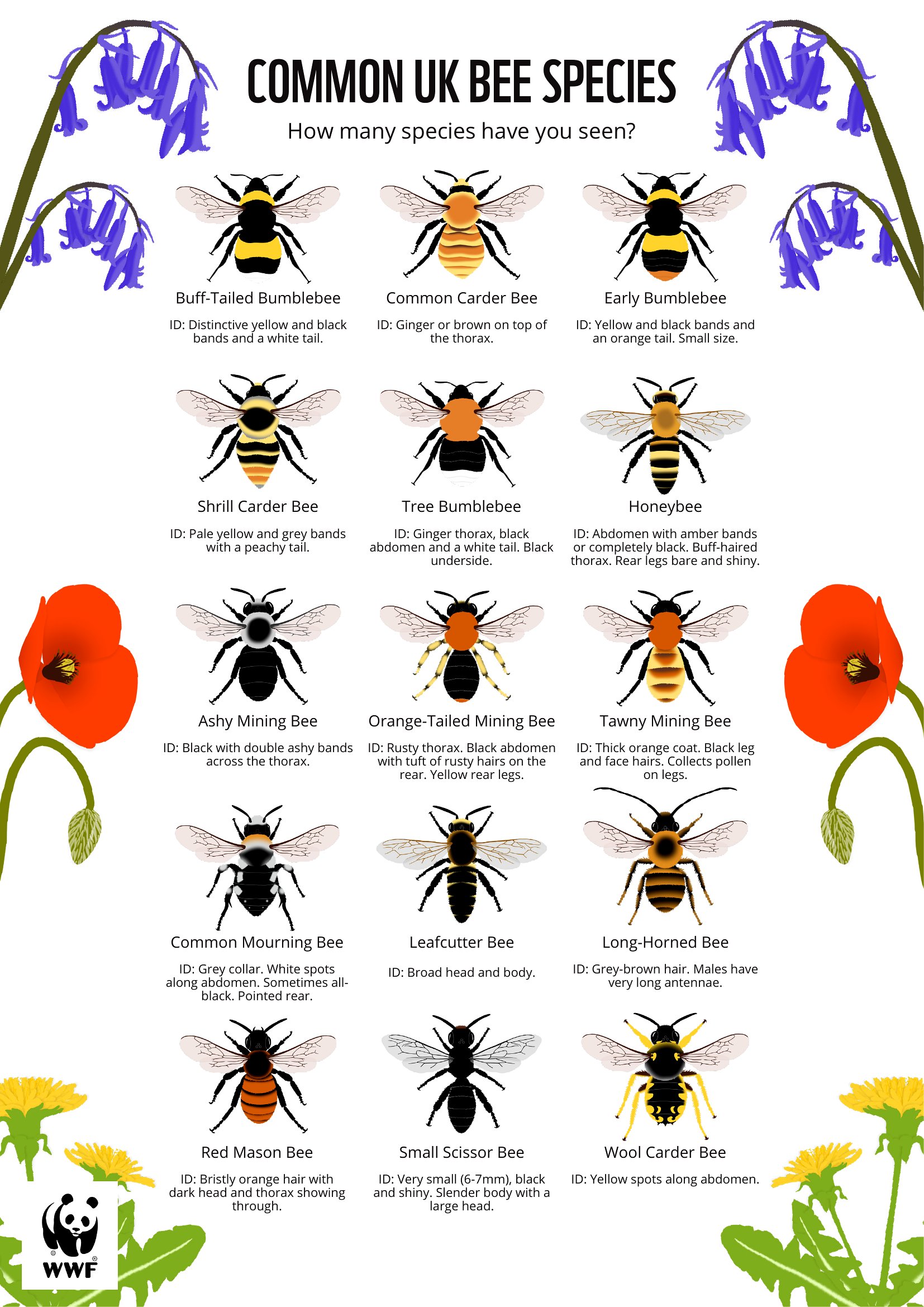
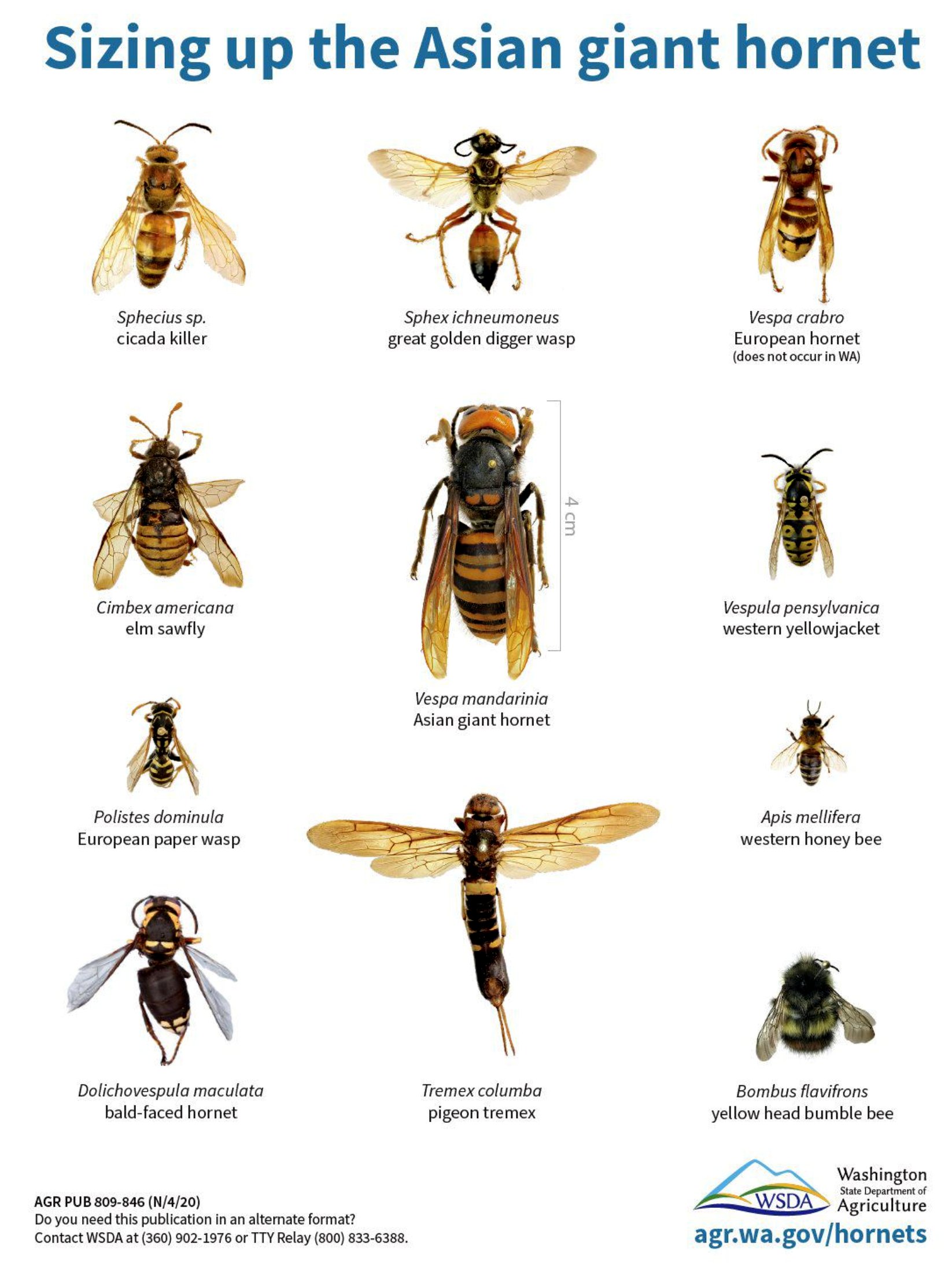
Not sure whether that buzzing visitor is a honeybee, a bumblebee, or a wasp? This set of 46 bee identification charts helps gardeners, beekeepers, students, and nature lovers tell common species apart using clear visual cues and side-by-side comparisons.

Each chart comes as a print-ready PDF, ready to download and print for a garden shed, a classroom, or a field notebook. Match the bee you spotted against the pictures and labels to put a name to it. They're free and make a great teaching tool for curious kids. Browse the collection, pick the chart with the species you encounter most, and print a copy to keep outdoors with you.

When to use this Bee Identification Charts template

  • A backyard beekeeper who needs to quickly distinguish between honeybees, bumblebees, and carpenter bees during hive inspections to monitor colony health and detect pests.
  • A high school biology teacher planning a field trip to a local park, where students must identify native bee species and document observations for a classroom project.
  • A gardener experiencing stings or crop damage and wants to identify whether the culprit is a wasp, a solitary bee, or a honeybee to choose the right pest control approach.
  • A citizen scientist participating in a community biodiversity survey, where accurate bee species identification is critical for tracking local pollinator populations and reporting findings.

Which format should I download?

PDF

All 46 bee identification charts are available exclusively in PDF format. This single format works best because it ensures high-resolution, print-ready visuals with no quality loss, making it ideal for field use, classroom handouts, or reference guides. The PDFs are designed to print clearly on standard paper sizes, so you can easily carry them in a notebook, frame them for a garden shed, or share them digitally with collaborators.

How to use this Bee Identification Charts template

How detailed are the visual cues in these charts for distinguishing bee species?

Each chart includes side-by-side comparisons of key features like body shape, color patterns, wing venation, and size ratios. For example, honeybees are shown with their distinctive golden bands, while bumblebees highlight fuzzy legs and rounded abdomens. These details help even beginners make accurate identifications in the field.

Can these charts help identify bees that aren’t native to my region?

While the charts focus on common species found in North America and Europe, the visual comparison format works for any bee. If you’re unsure about a local species, use the chart’s structure to note unique traits (like stripe patterns or body hair) and cross-reference with regional field guides for confirmation.

Are these charts useful for tracking seasonal changes in bee activity?

Yes, many charts include notes on typical flight seasons or behaviors, such as early spring bumblebees or late-summer carpenter bees. You can print multiple charts and annotate them with dates to monitor which species appear at different times of year in your area.

Comments

Join the conversation

Sign in to share your thoughts and leave a comment on this resource.

Newsletter

Get Weekly Design Updates

Join our community to receive curated resources and inspiration.

Weekly Tips Resources Early Access

We respect your privacy. Confirmation email required. Privacy Policy