
Free Duck Identification Charts (PDF)
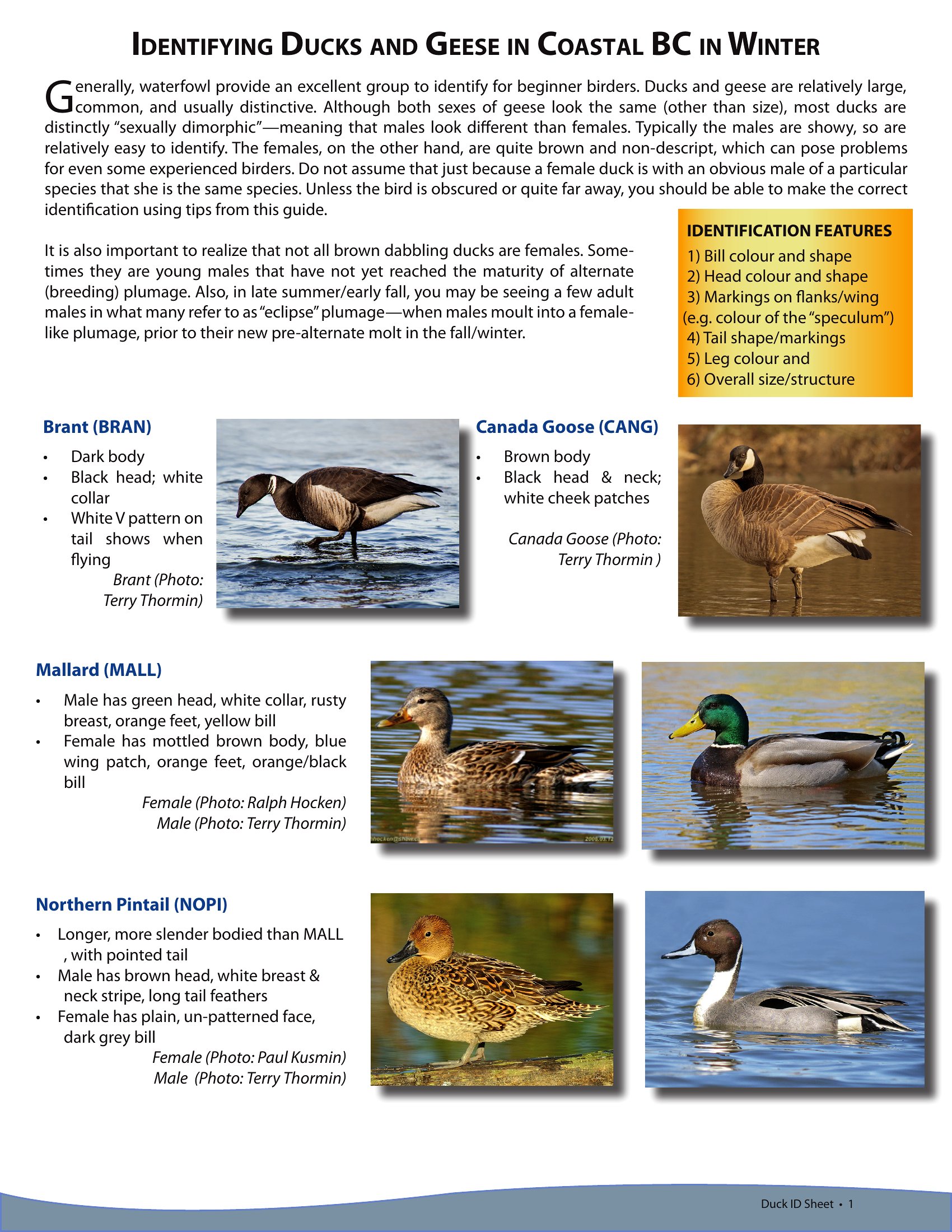
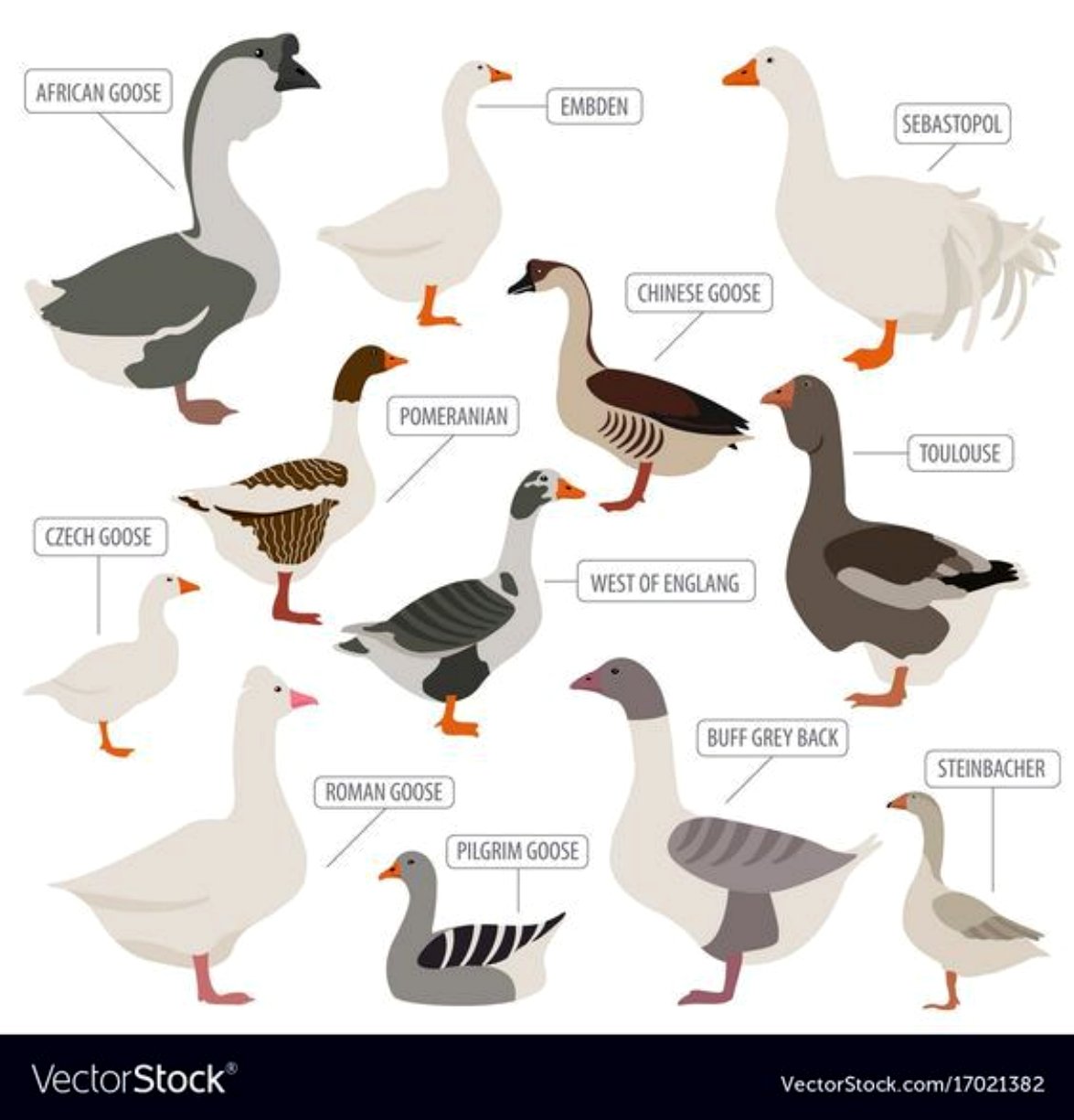
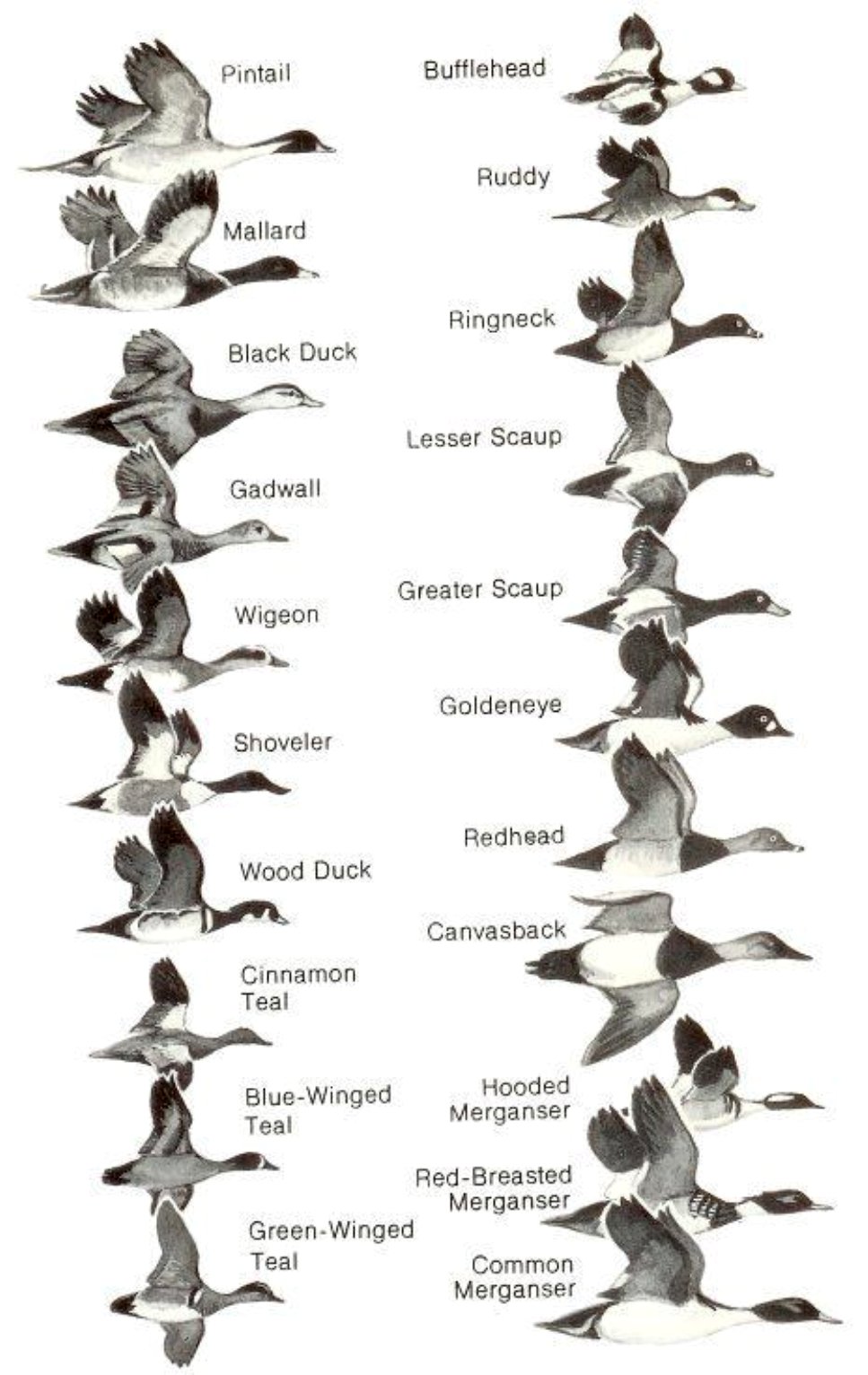
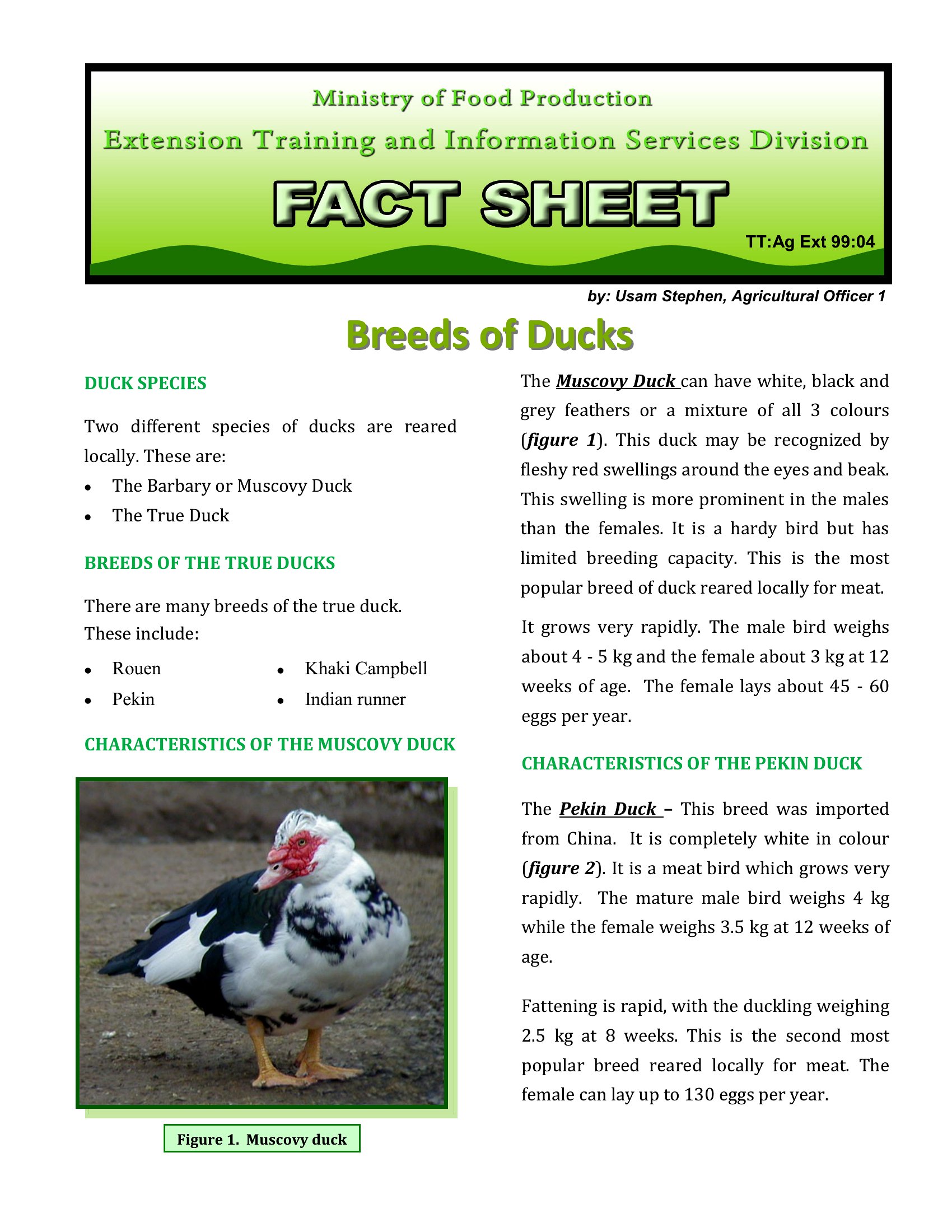
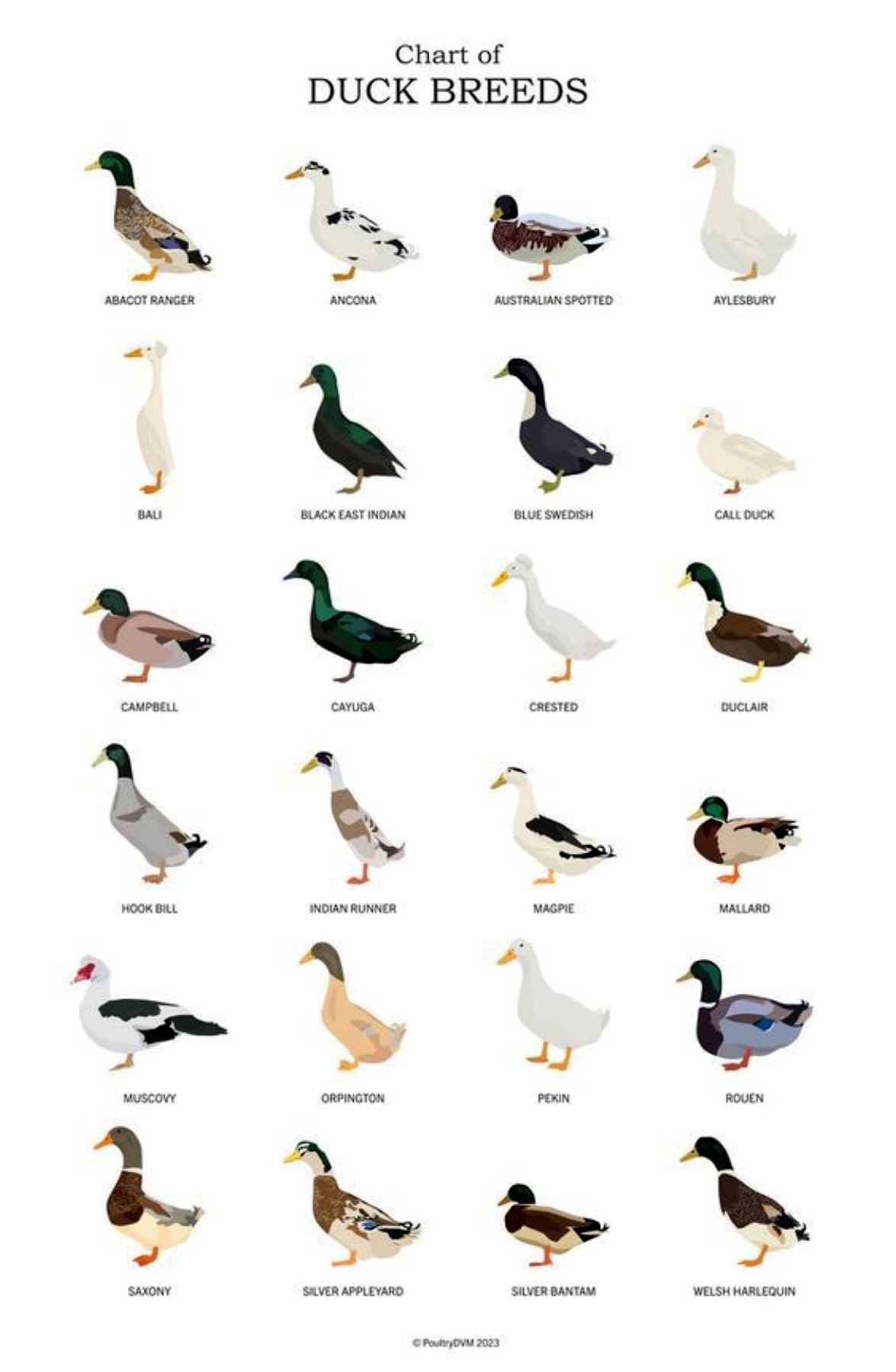
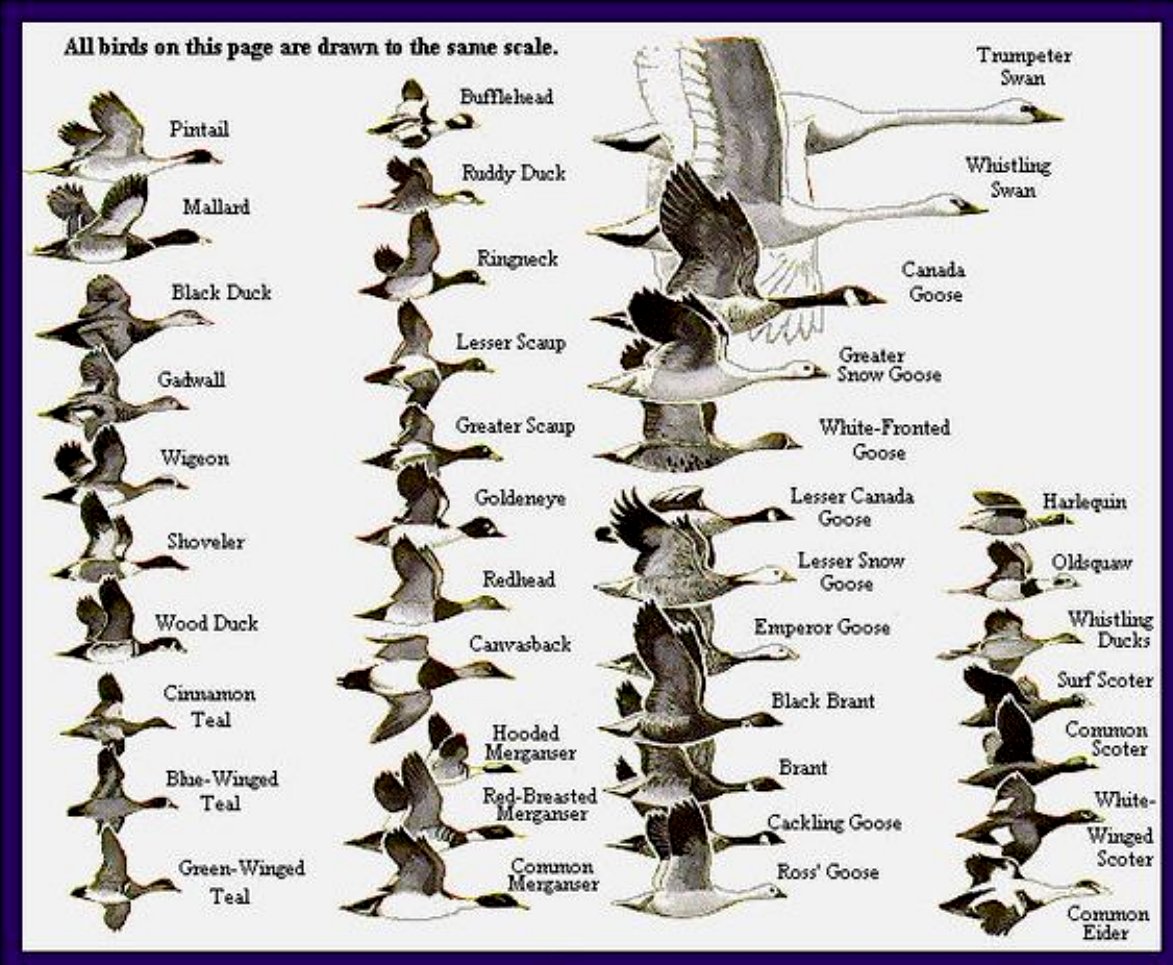
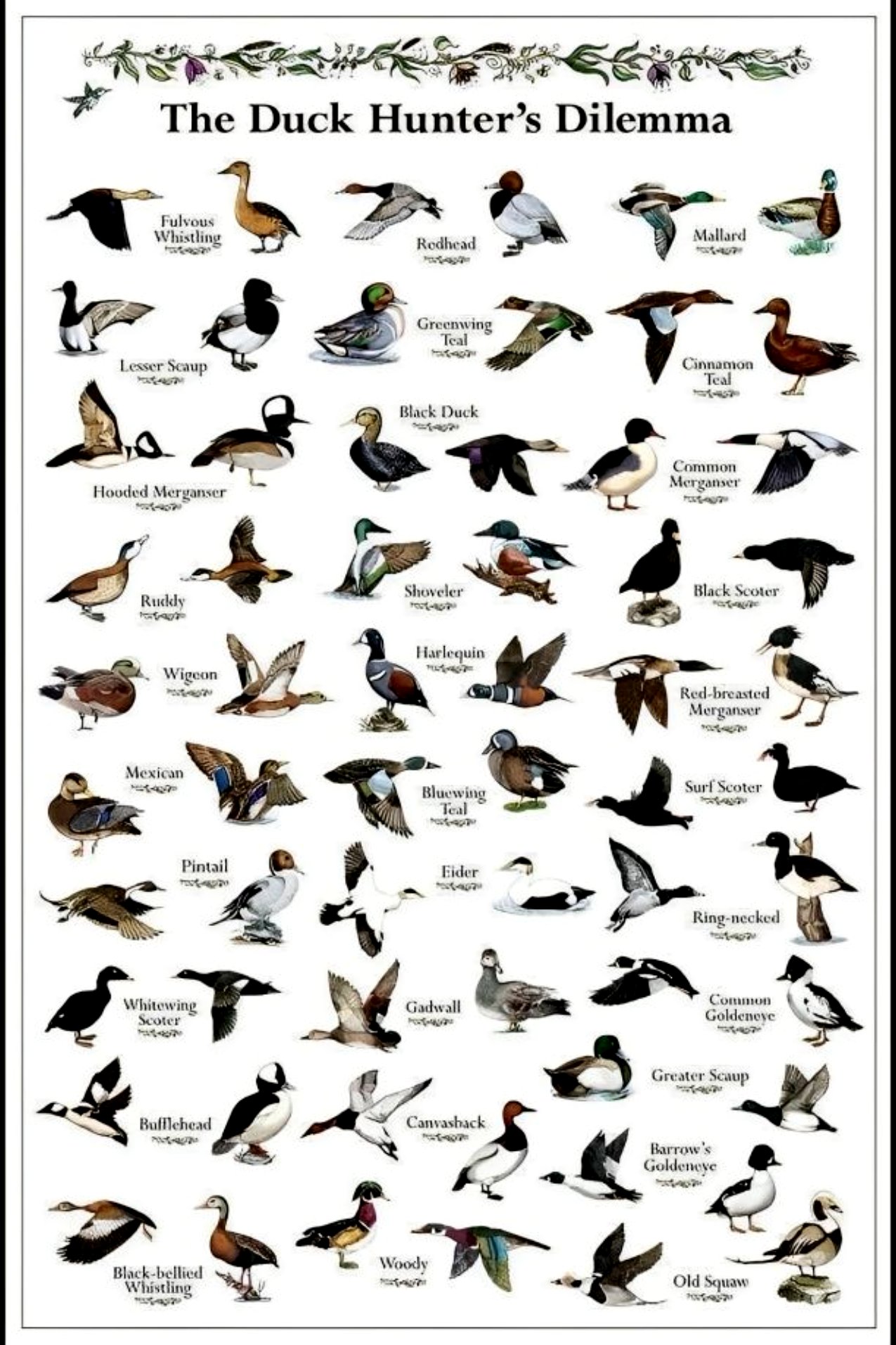
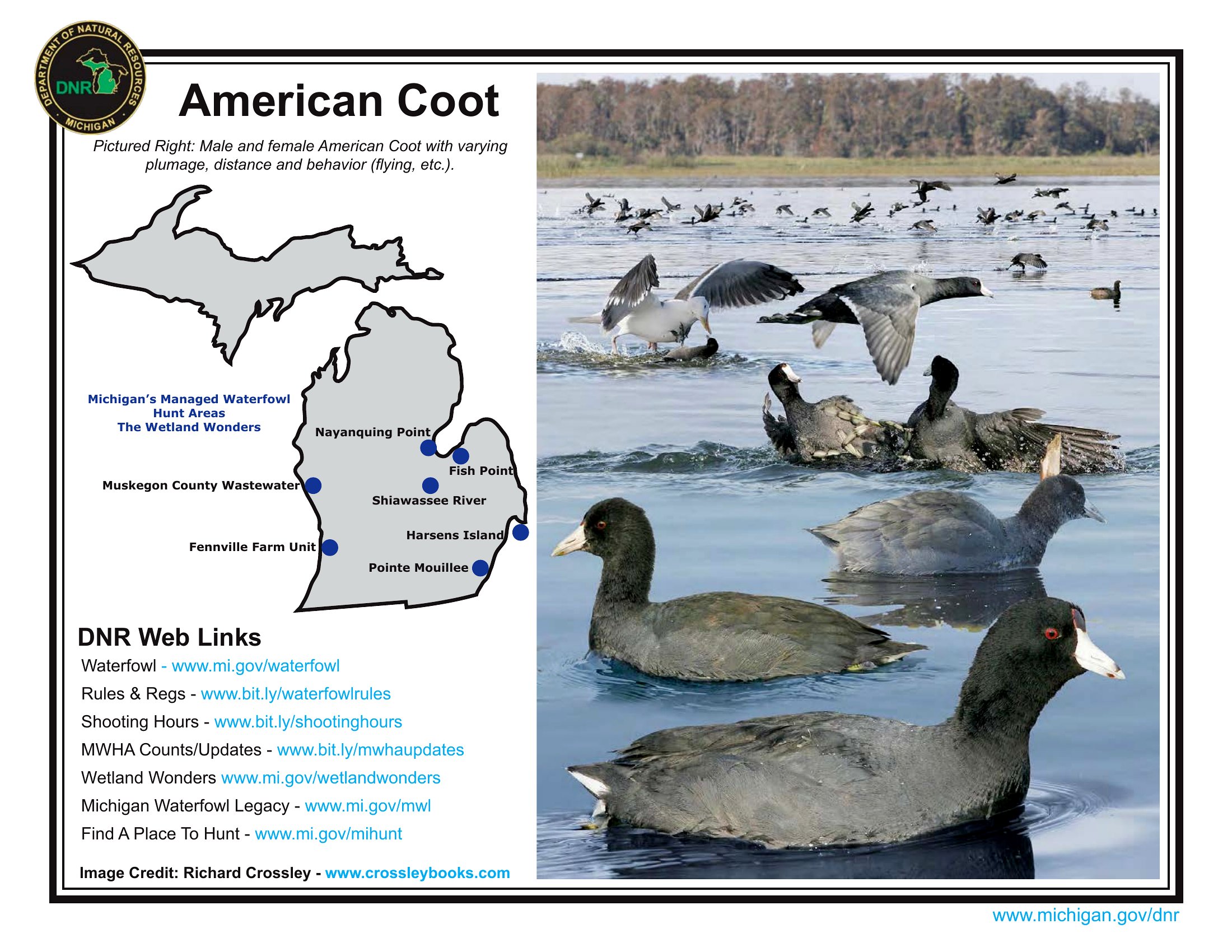
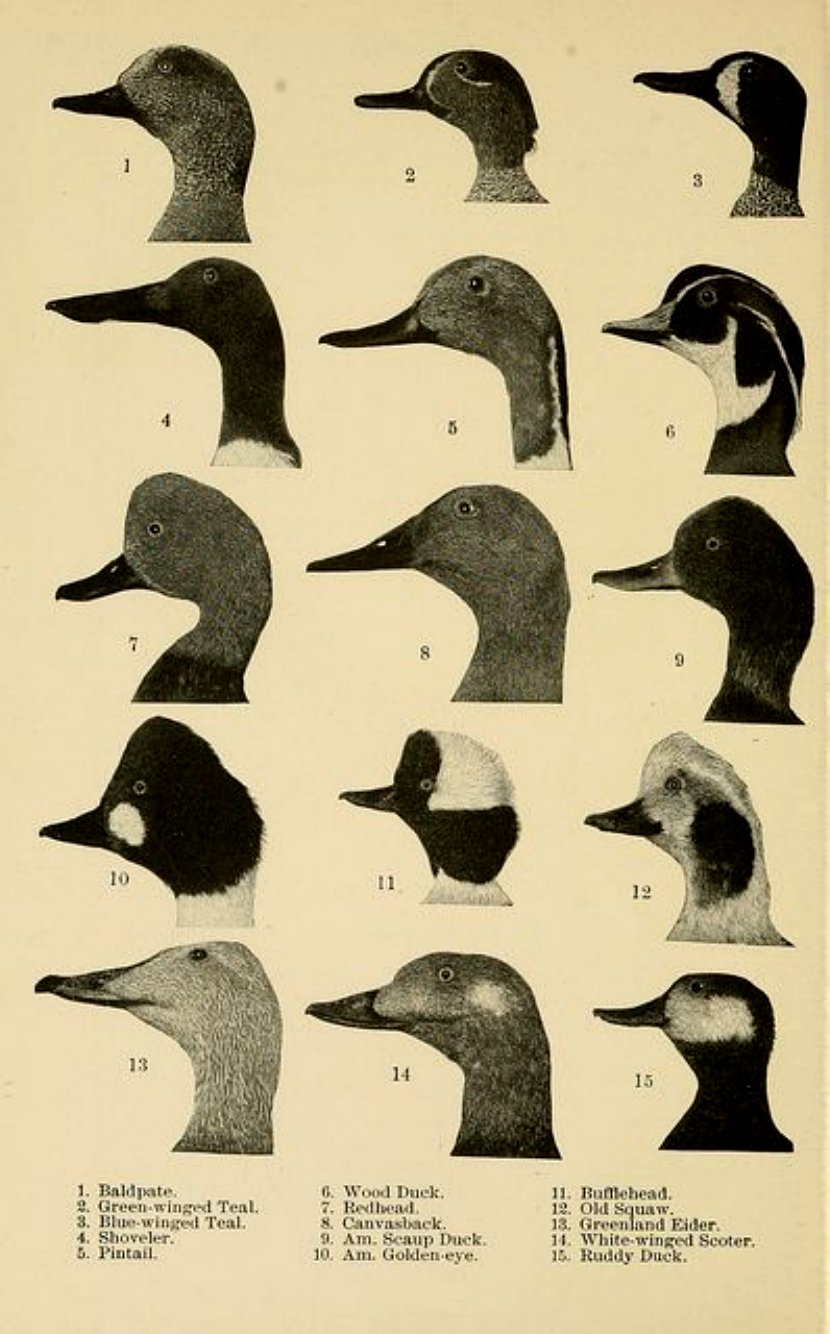
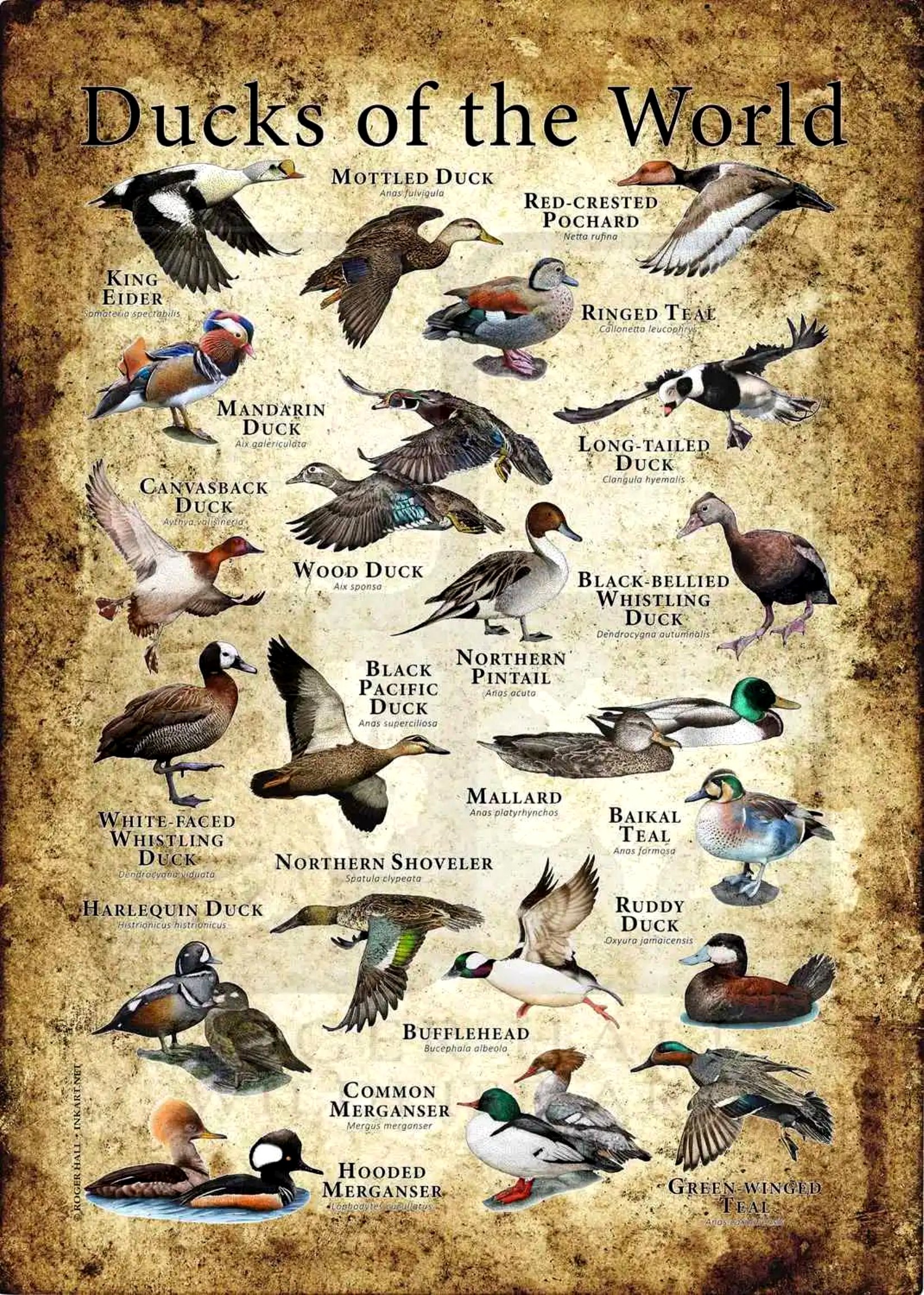
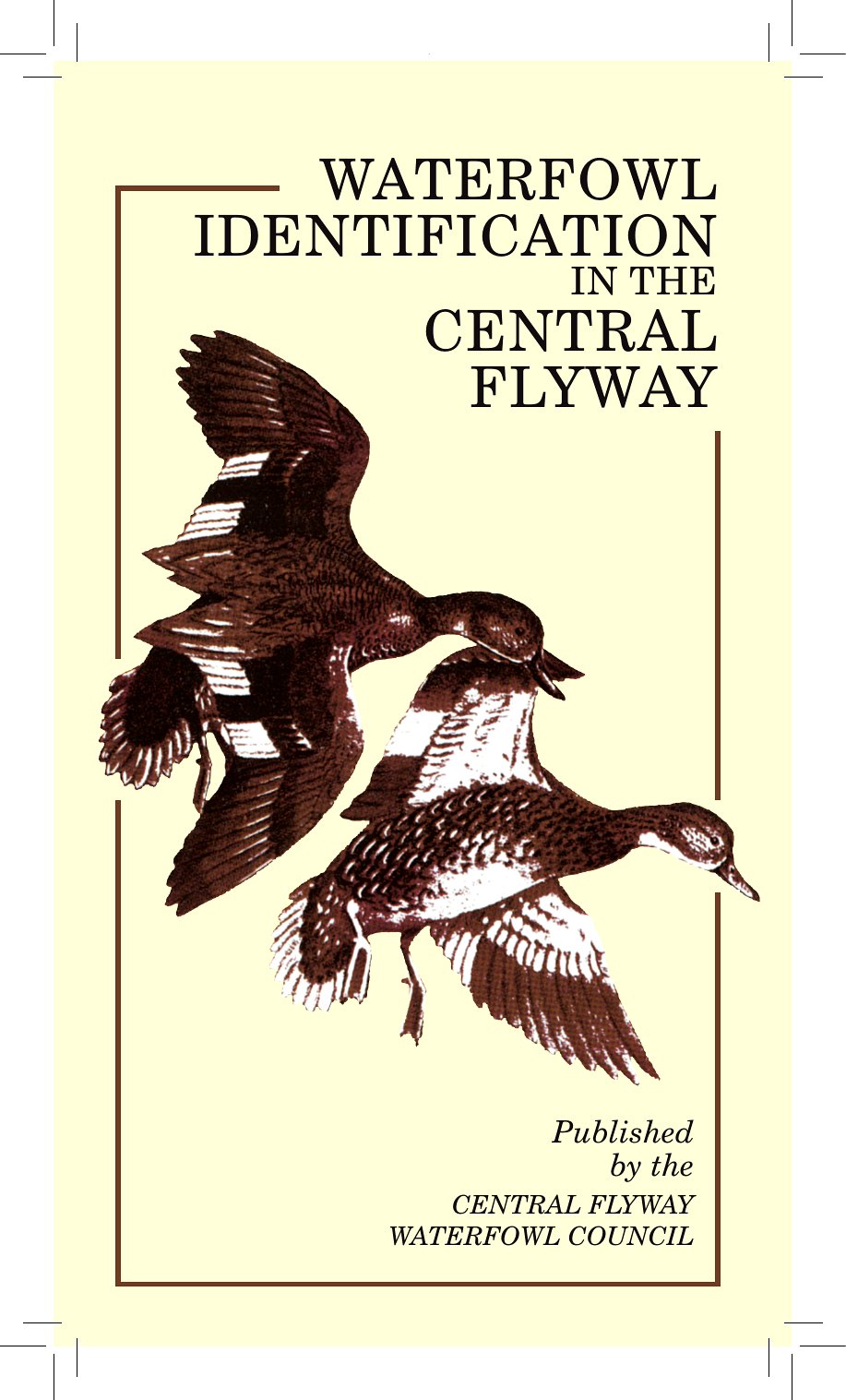
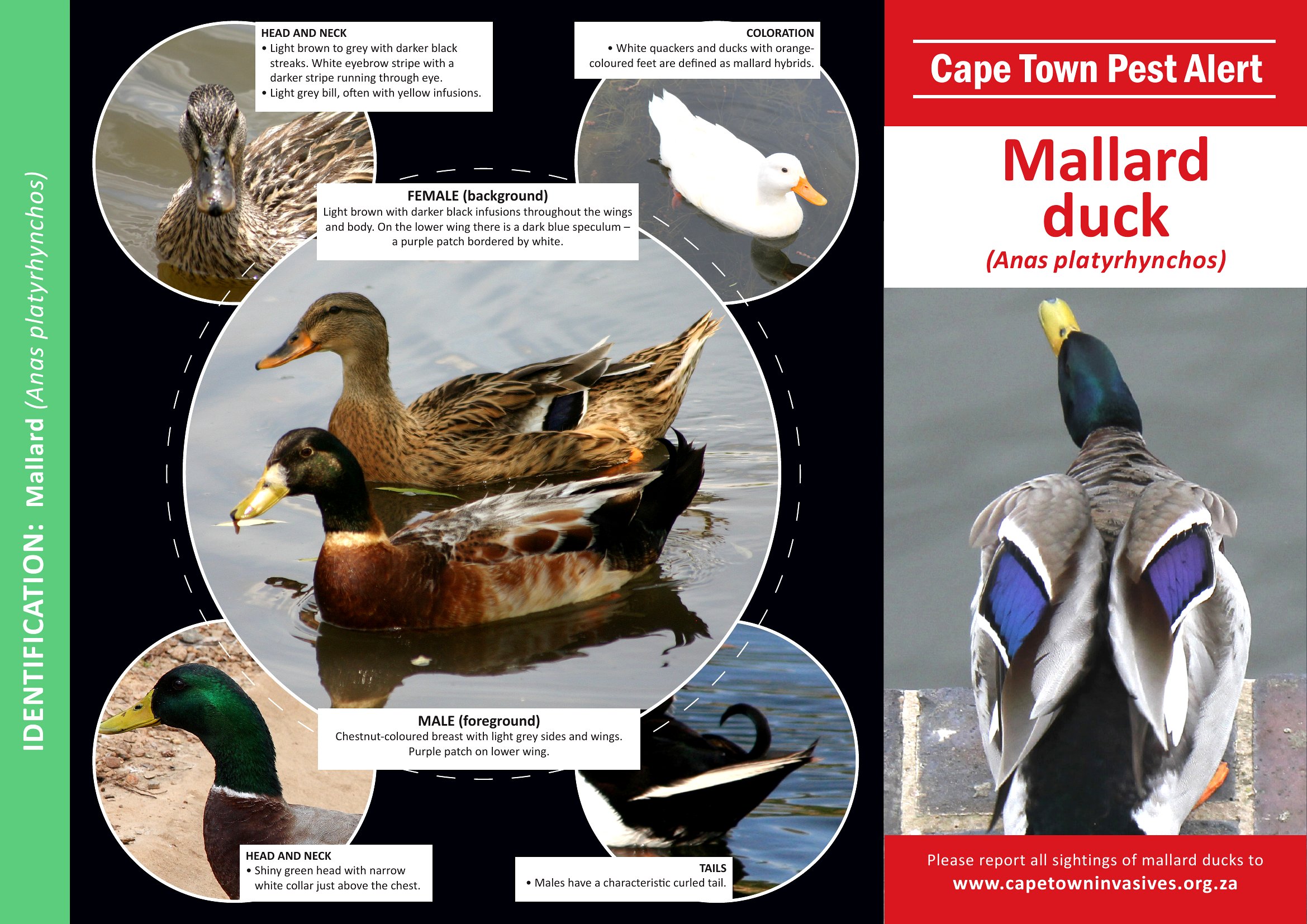
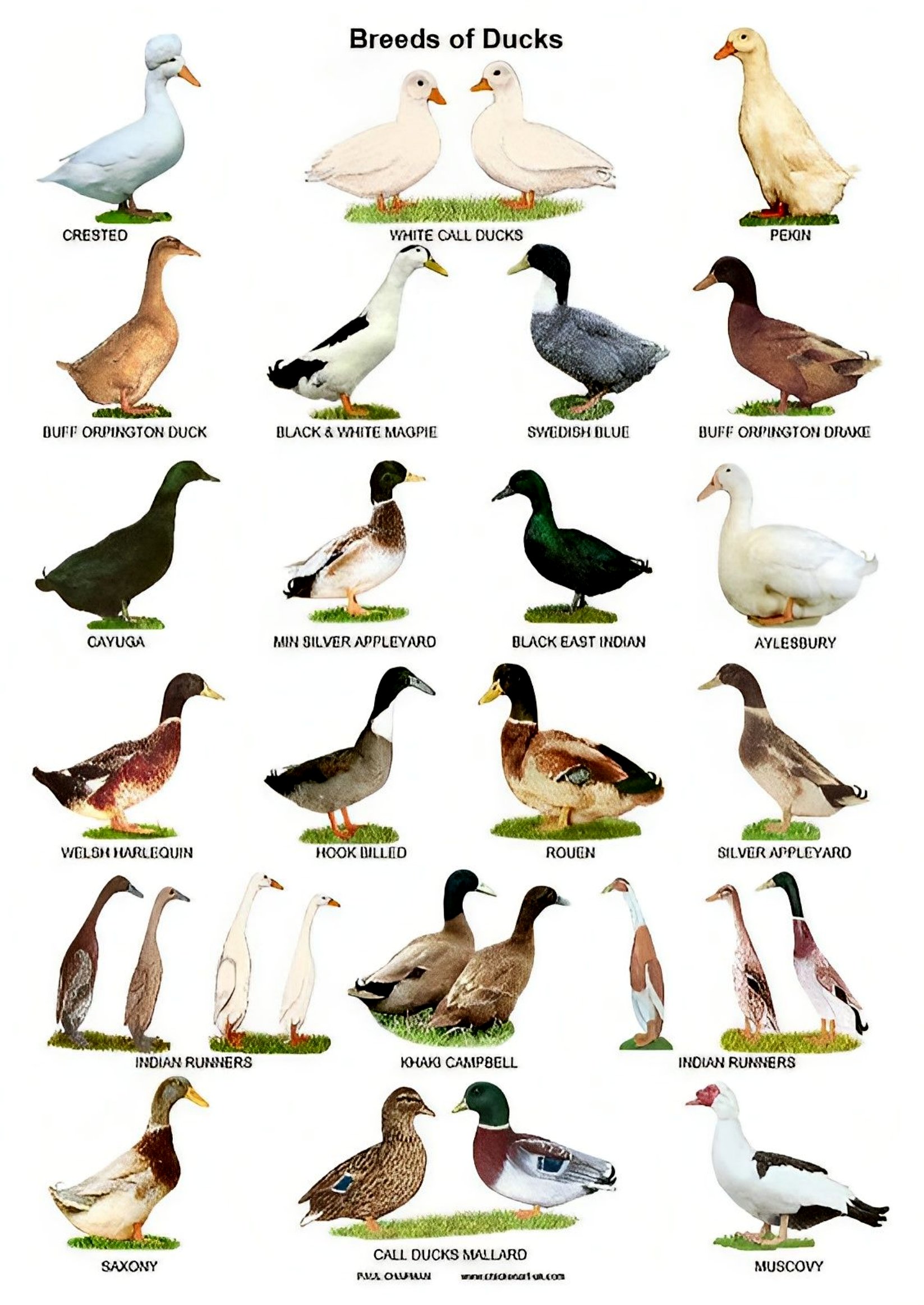
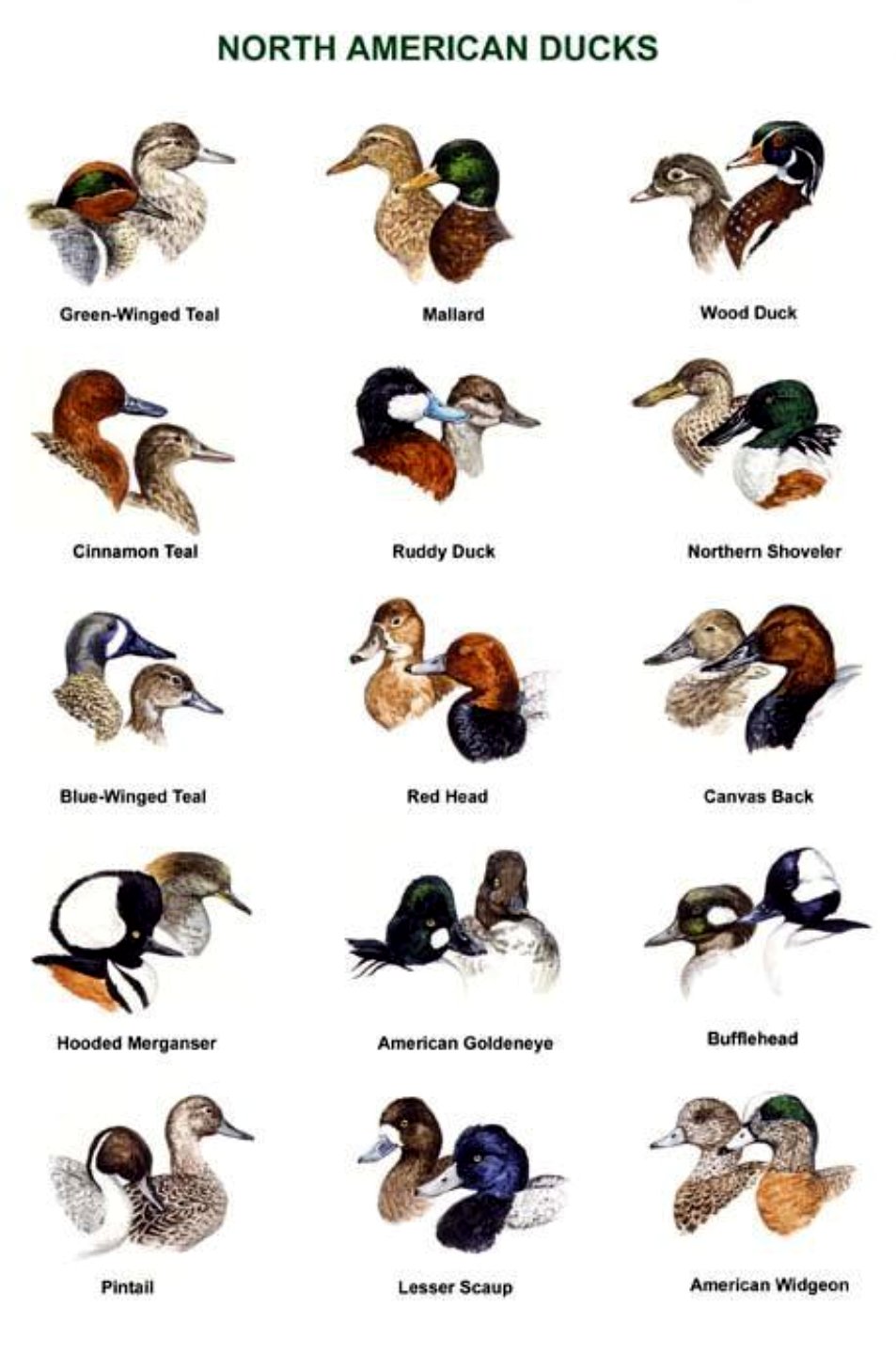
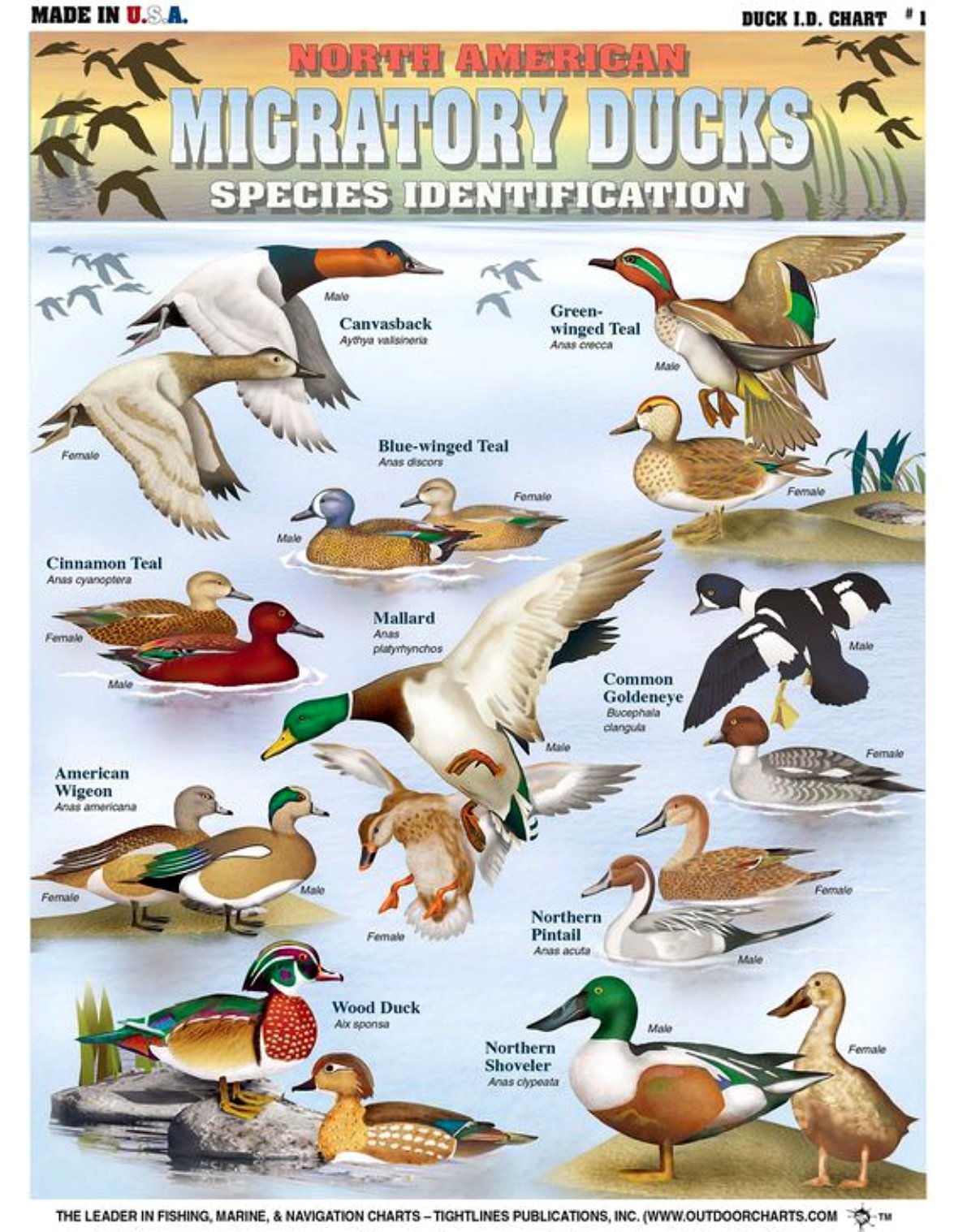
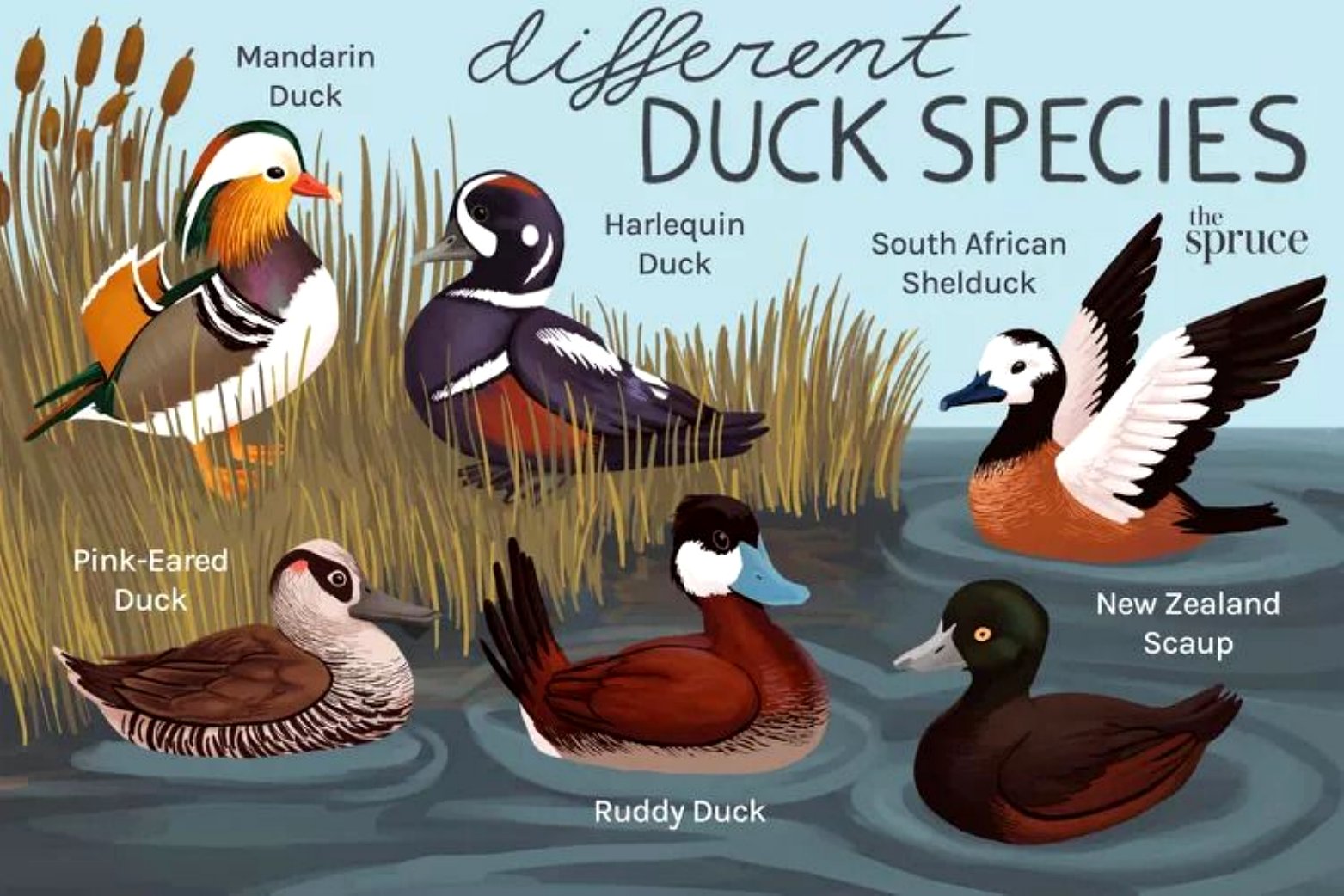
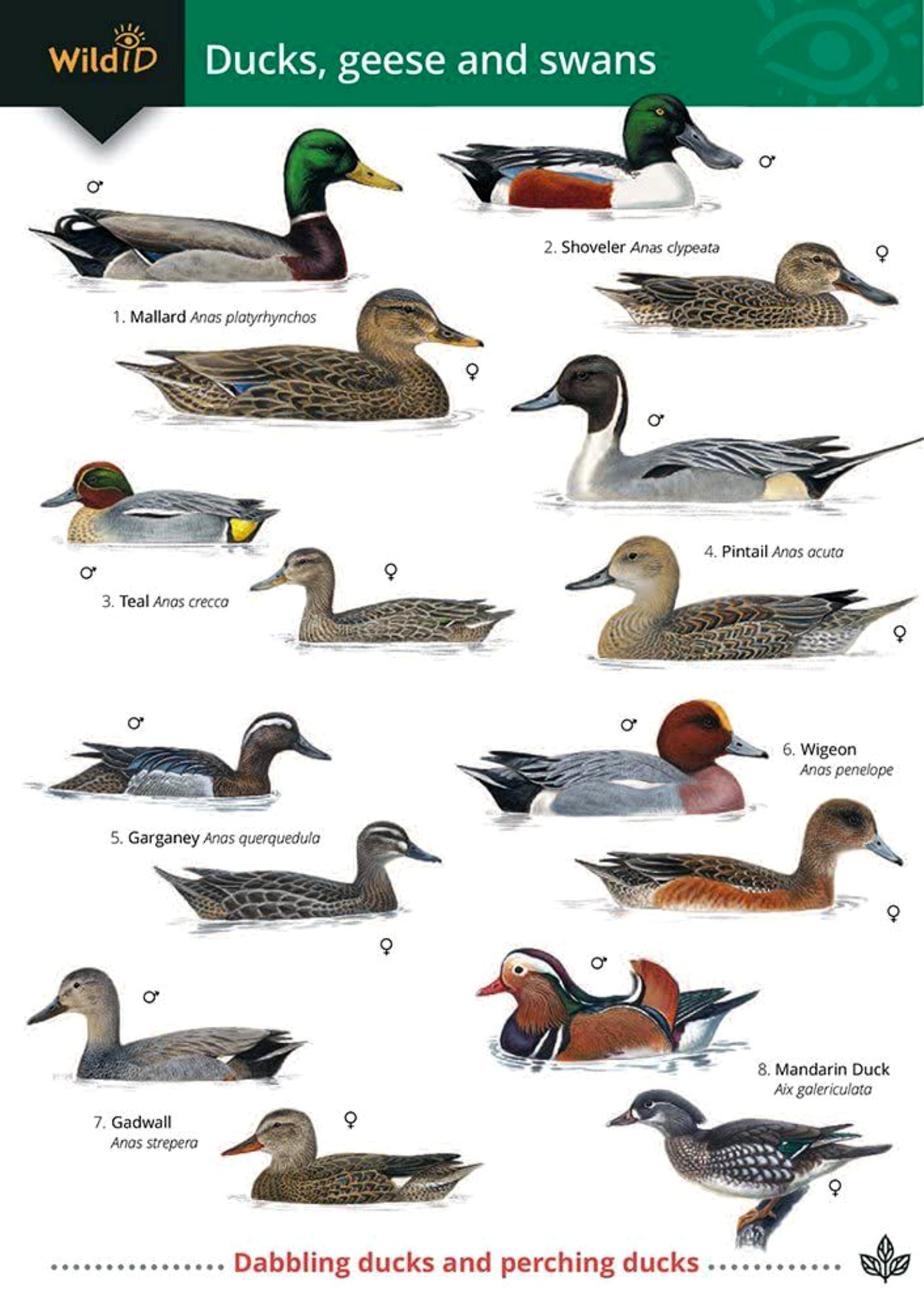
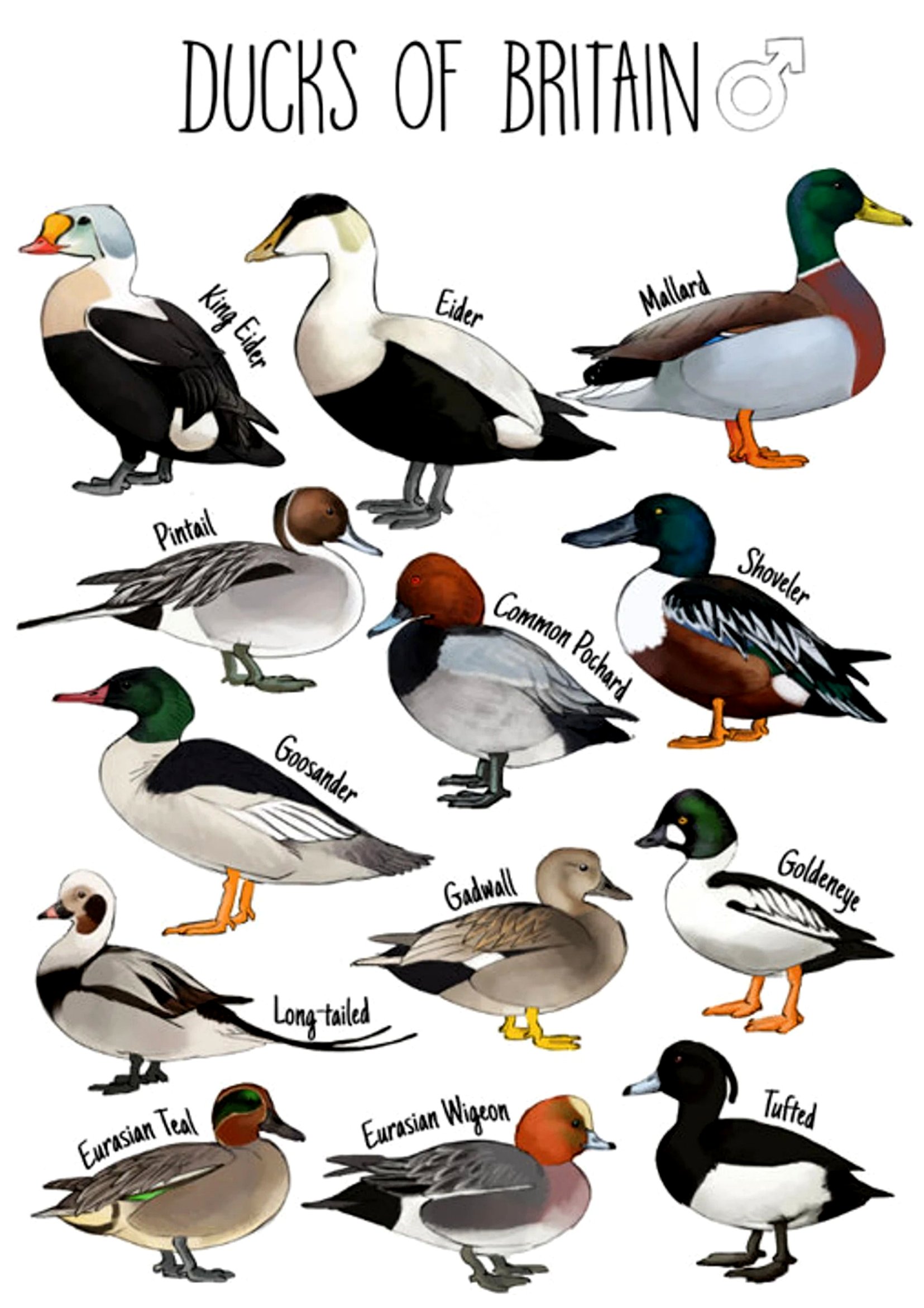
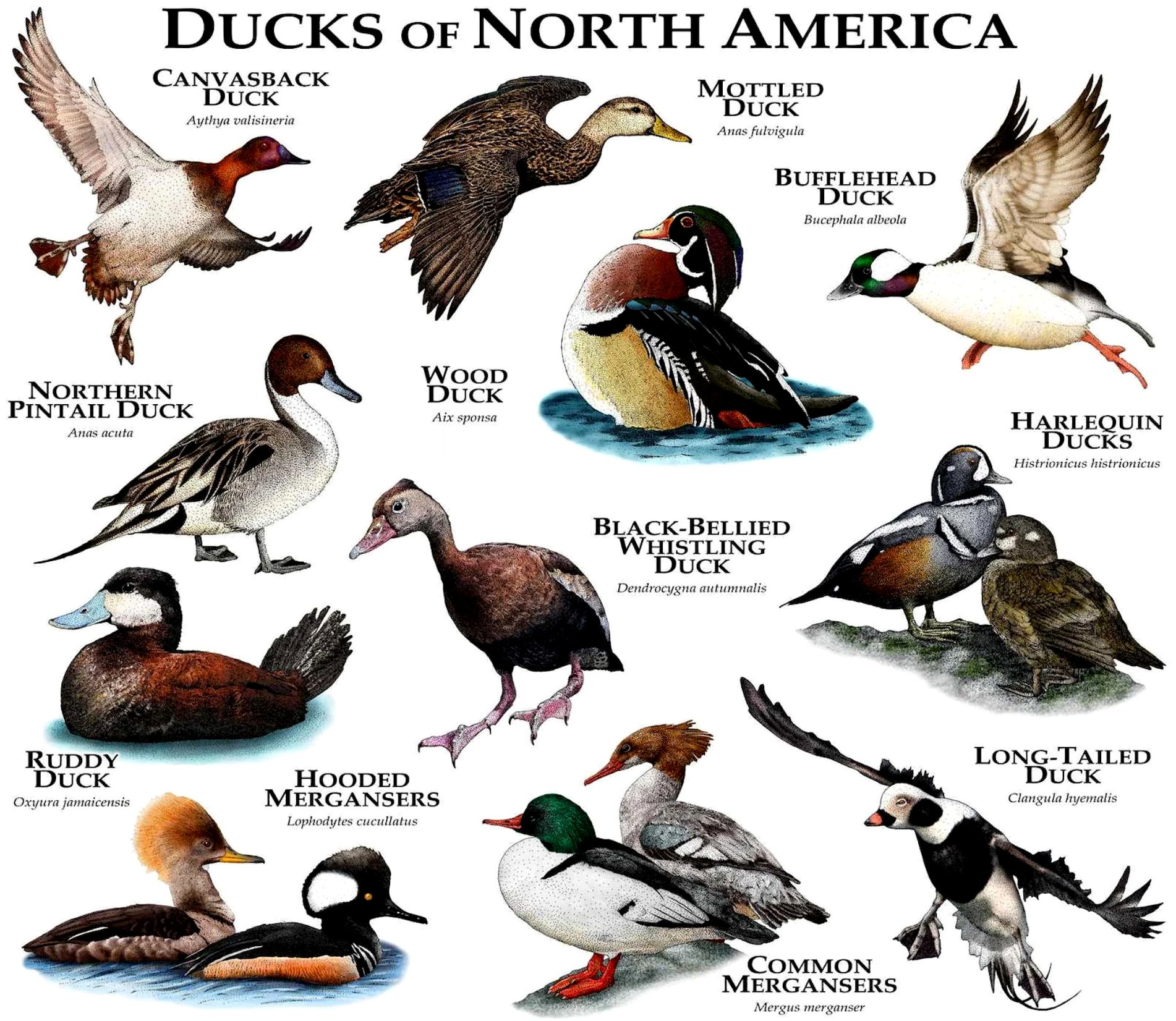
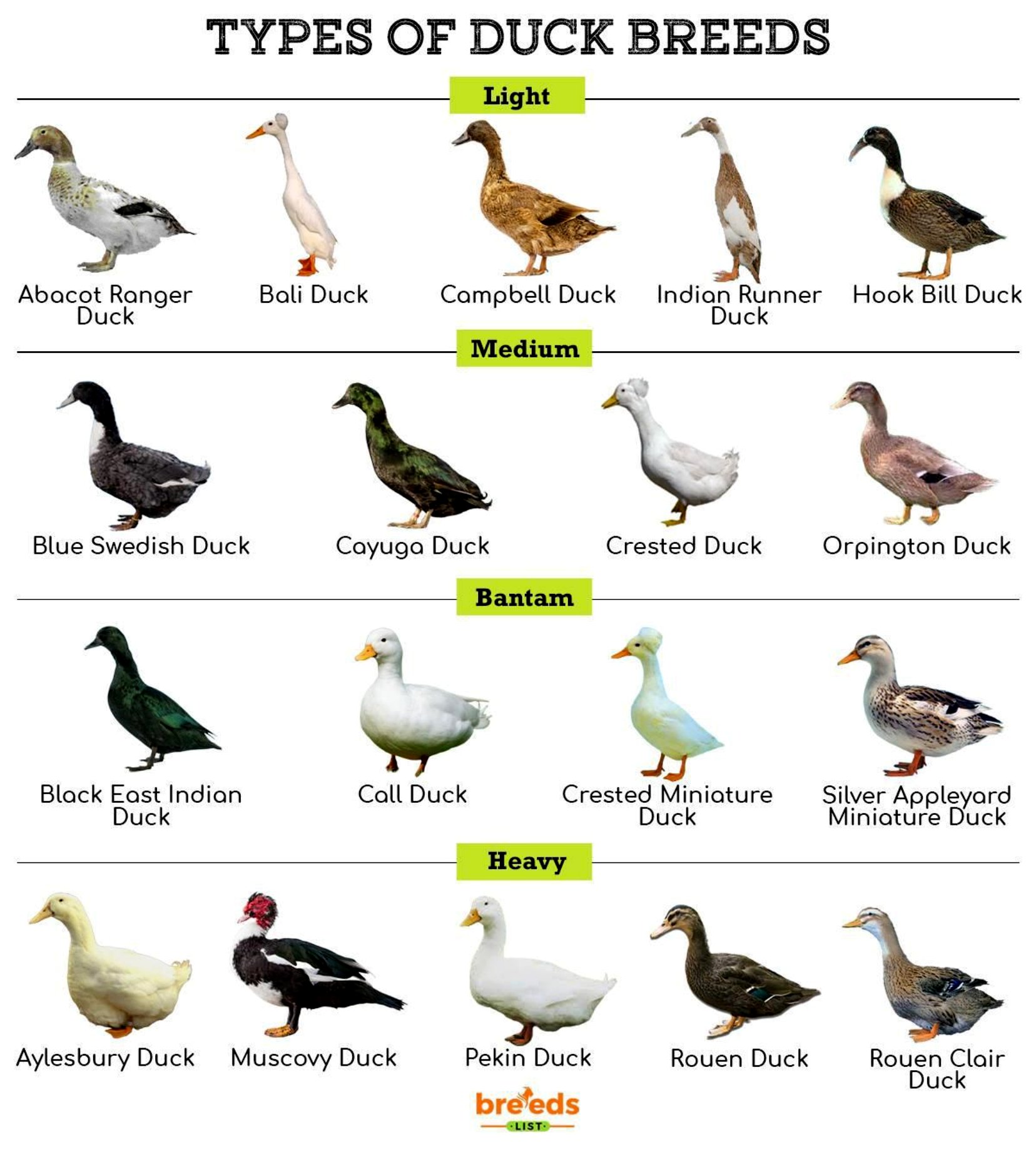
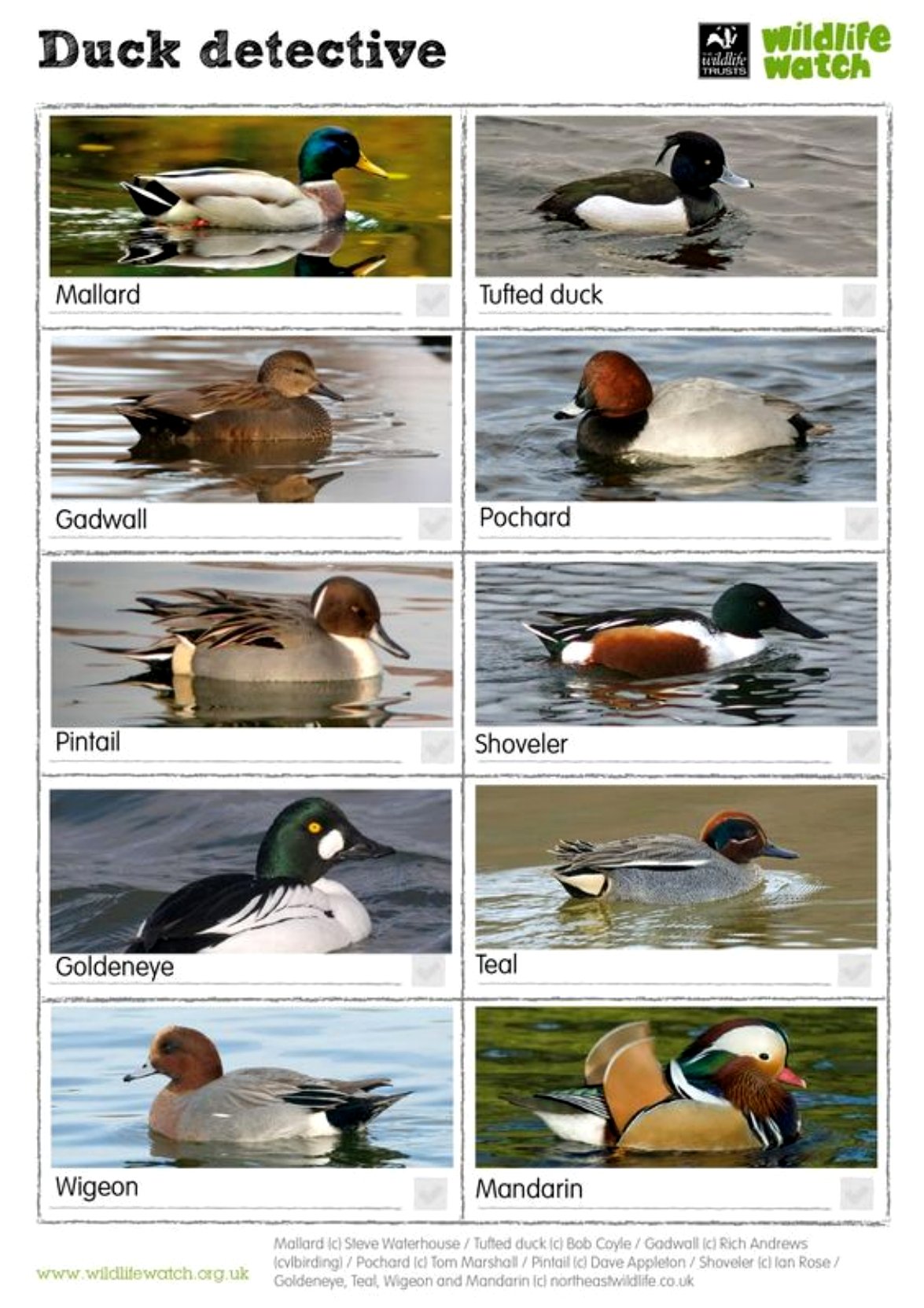
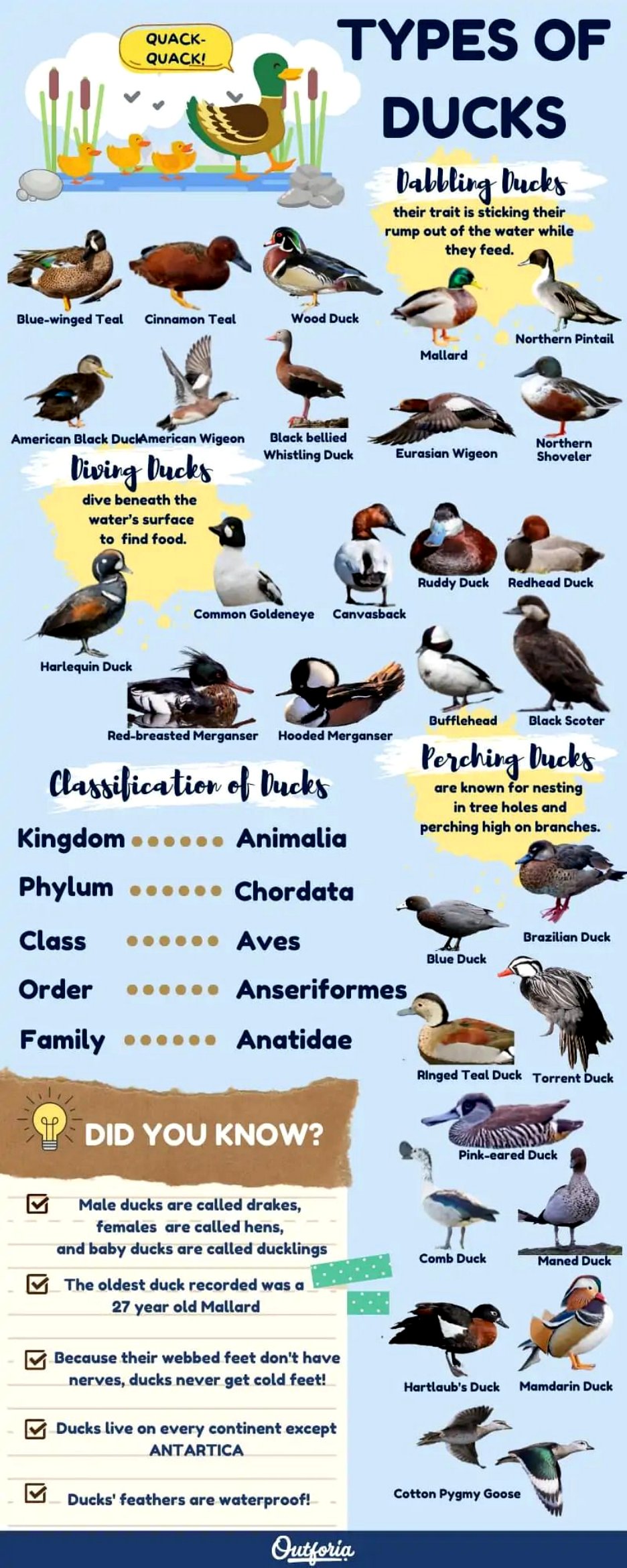
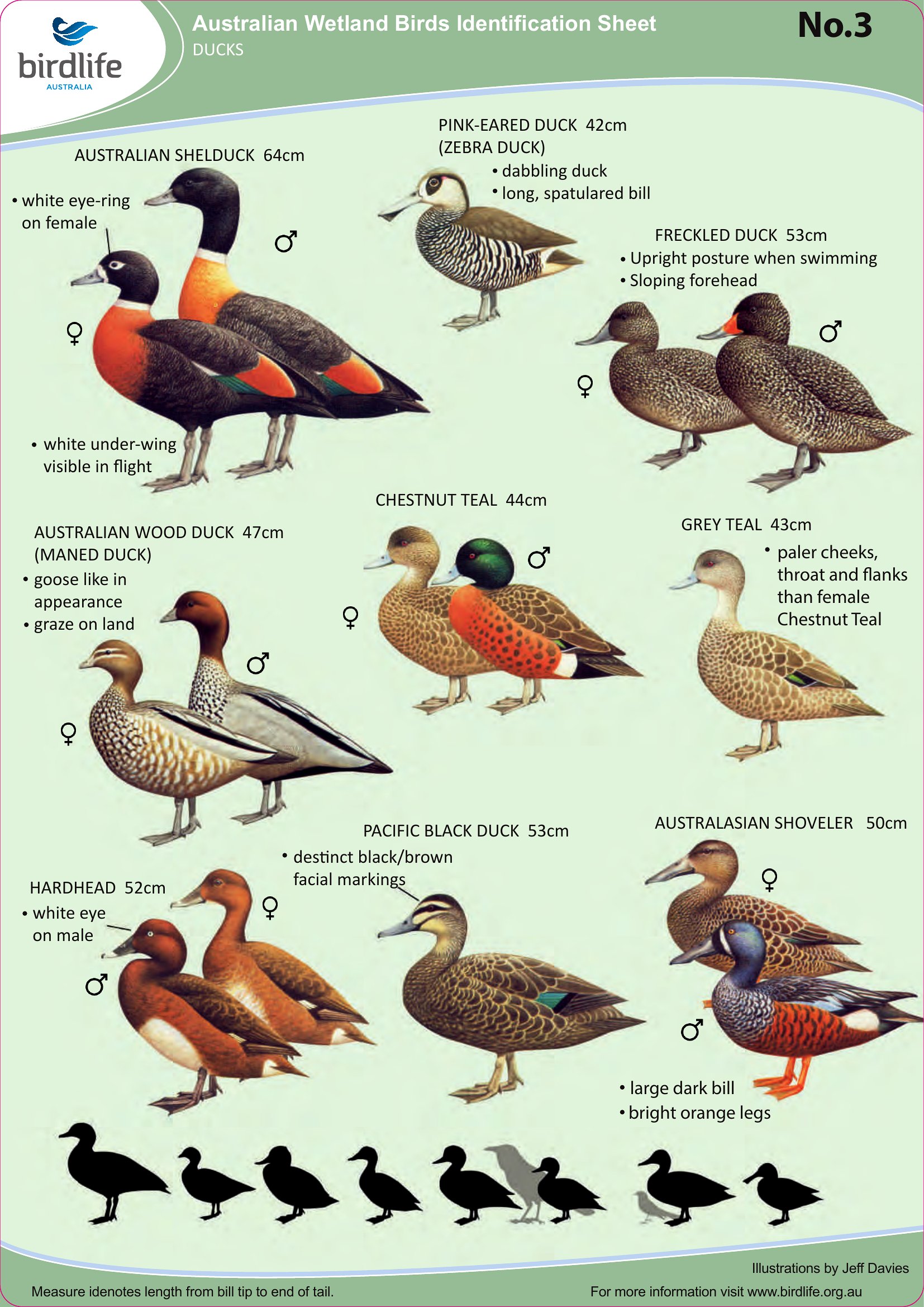
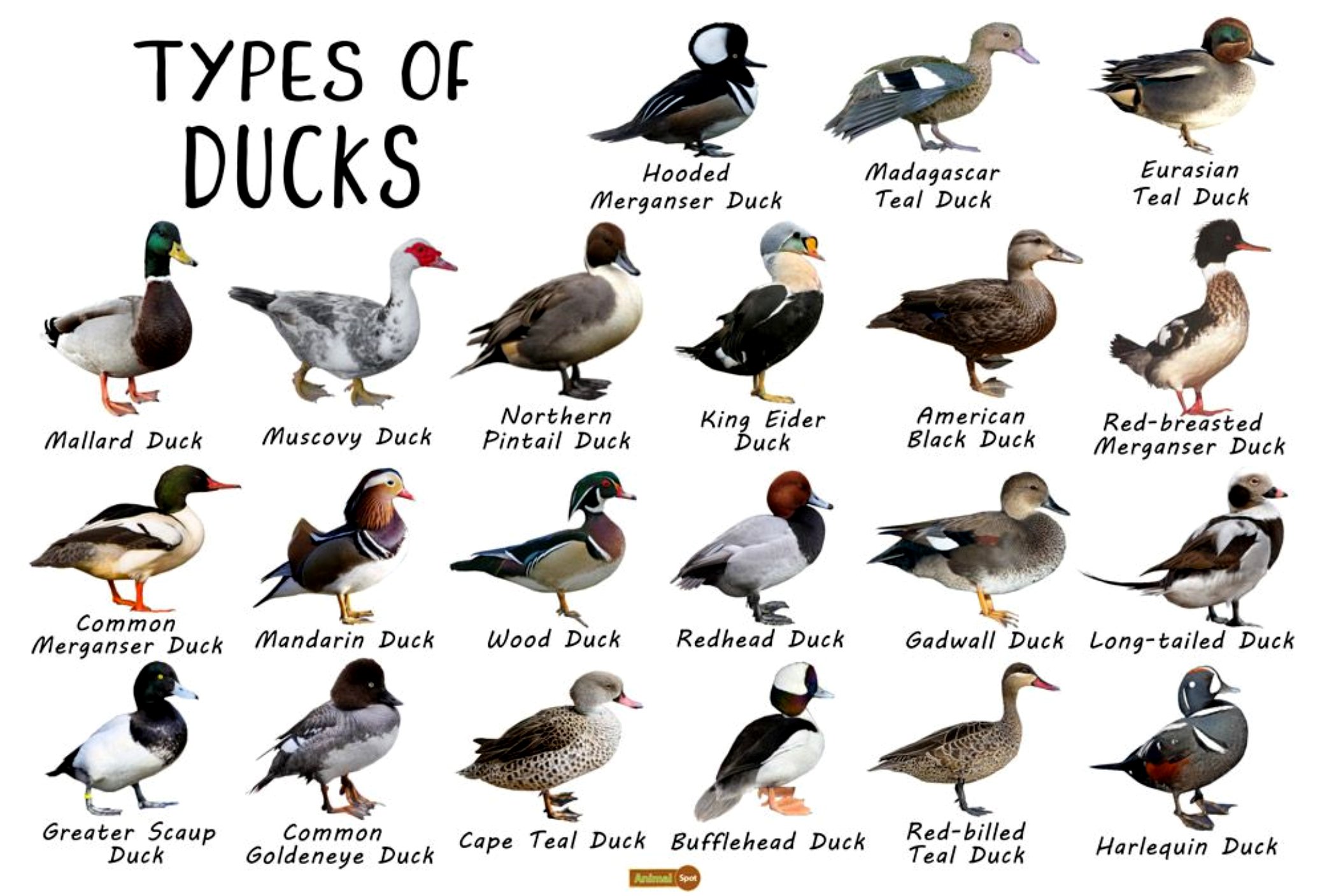
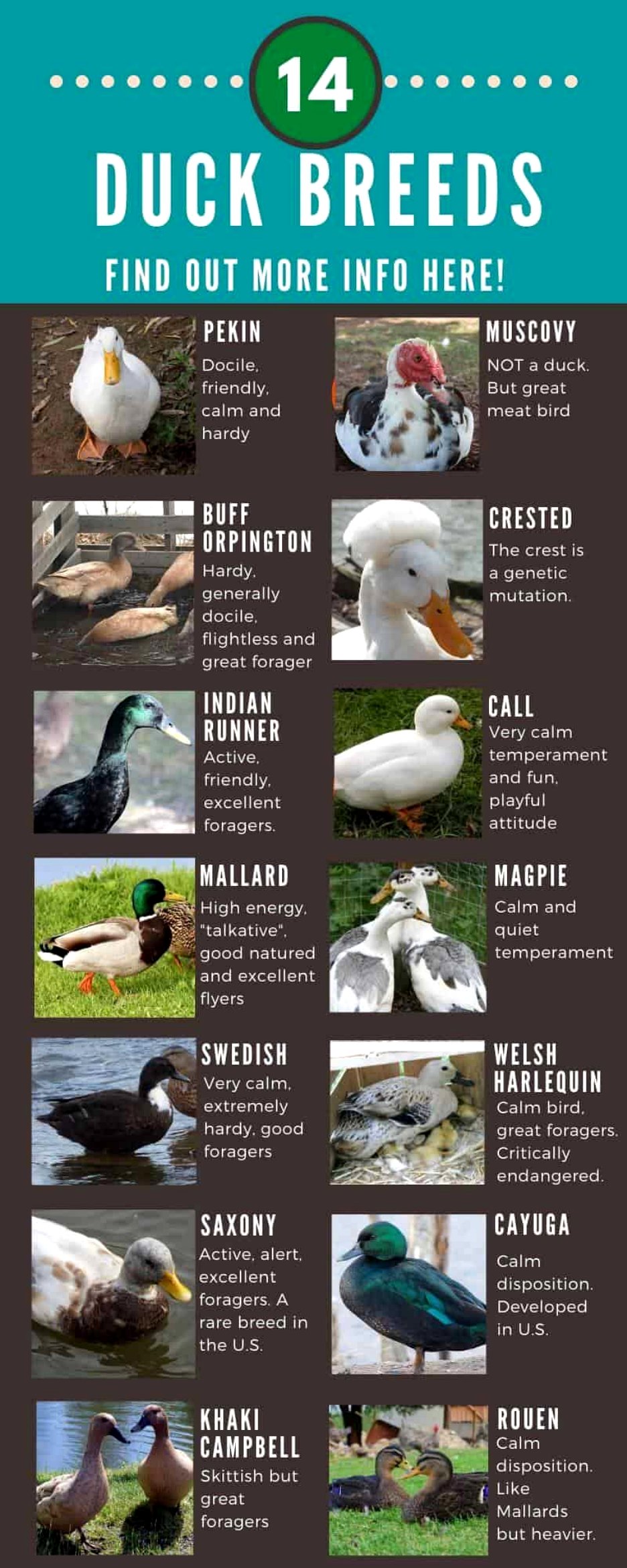
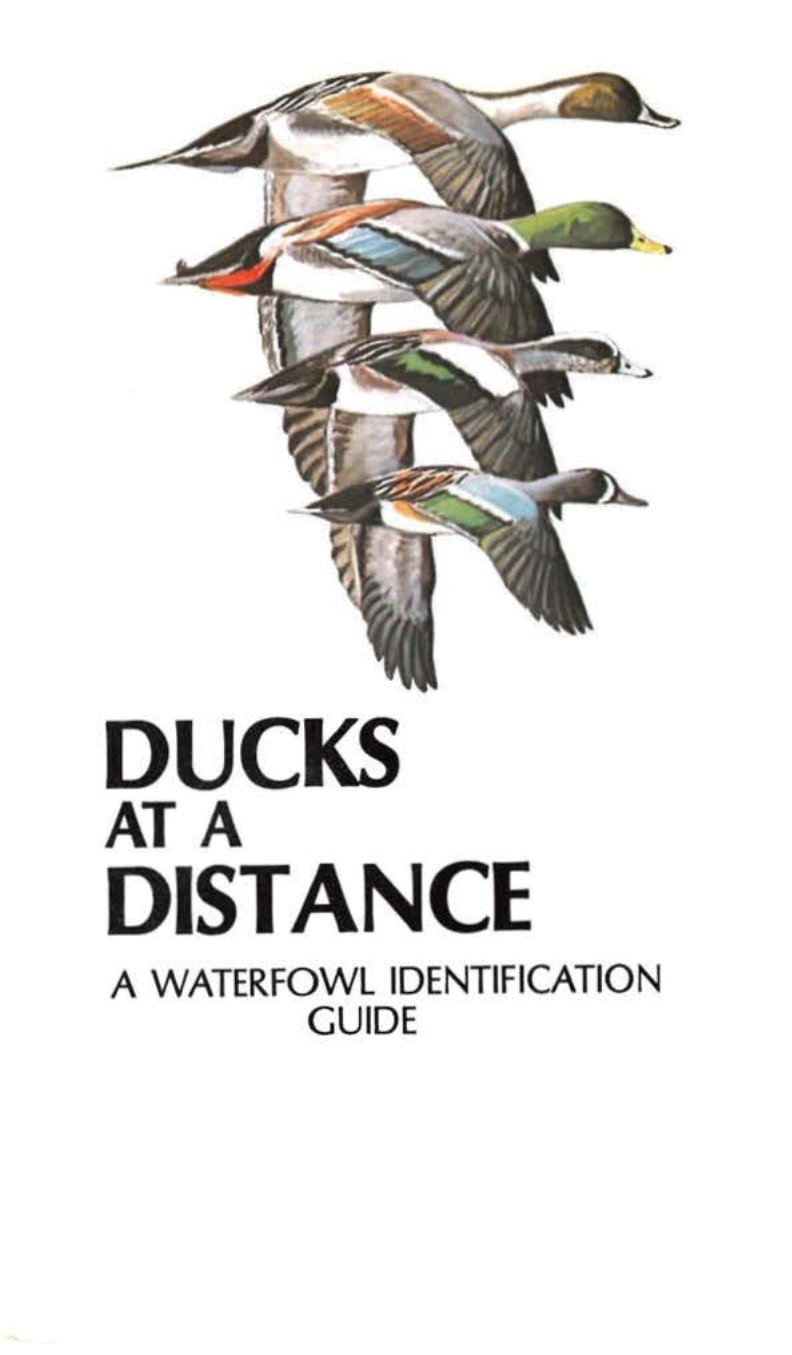
ApplicationsTelling a mallard from a merganser gets a lot easier with a clear picture chart in hand. This set of 31 printable duck identification charts shows common species with the markings that set them apart. Birdwatchers, hunters, teachers, and curious kids can use them in the field or the classroom to name what they're seeing.
Every chart comes as a print-ready PDF, so there's nothing to install. Just download and print one for your field bag or a nature lesson. The clear images hold up well even in a smaller print. Pick the chart that fits your region or project and take it along on your next outing.
When to use this Duck Identification Charts template
- Novice birdwatchers on a family nature walk can quickly compare duck features with these charts to spot differences like eye rings or beak shapes, reducing guesswork in identifying common species like wood ducks or teal.
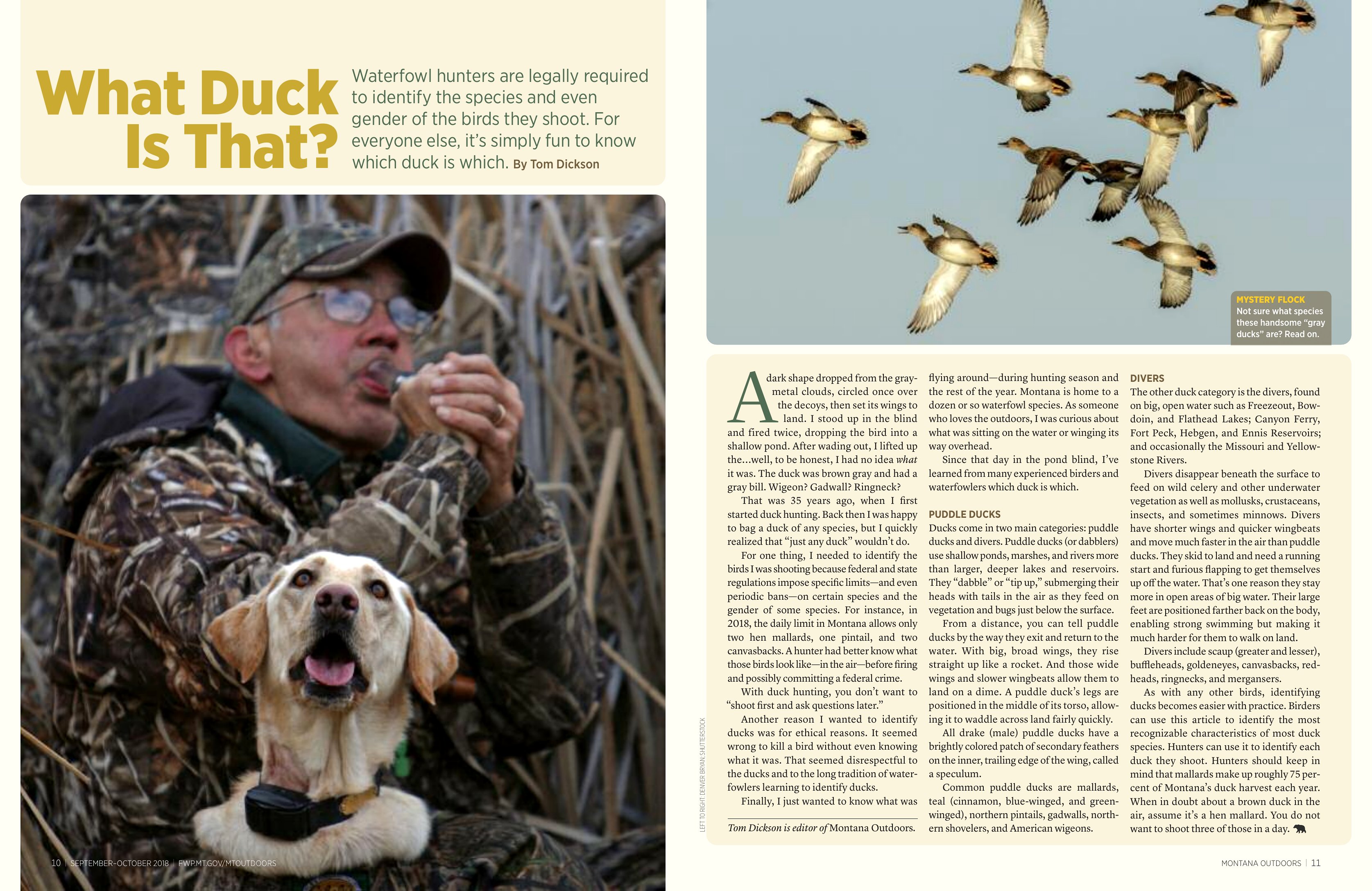
- Hunting guides teaching youth groups use the visual guides to explain waterfowl regulations and distinctions, like separating Canada geese from brant, while keeping lessons interactive and field-ready.
- Teachers in environmental education classes post the charts near windows or on hikes, helping students match real ducks to labeled traits and reinforcing vocabulary like ‘speculum’ or ‘drake.’
- Wildlife photographers traveling to marshes or ponds reference the charts to document rare sightings, ensuring they capture diagnostic markings like white crests or speckled wings for accurate species logs.
Which format should I download?
All 31 duck identification charts are available only in PDF format, which is ideal for this use case. The PDF ensures crisp, printable visuals without distortion, making it perfect for field use where you might need to print a single chart on demand or share a digital copy with others. Choose PDF for its universal compatibility—it won’t require special software to view or print, and the files remain lightweight for easy storage on devices like tablets or phones during outdoor trips.
How to use this Duck Identification Charts template
Can these charts help identify ducks outside North America, like those found in Europe or Asia?
These charts focus primarily on common North American duck species, including mallards, mergansers, and wood ducks. For ducks outside this region, such as Eurasian wigeon or mandarin ducks, you may need charts specific to those areas, as markings and coloring can differ significantly. Always double-check with regional field guides for accuracy.
How detailed are the markings on these charts for distinguishing between female and male ducks?
The charts highlight key differences between male and female ducks, such as coloration, beak shape, and body markings. For example, male mallards have bright green heads, while females are mottled brown. These visual cues make it easier to tell the sexes apart, especially for beginners who might overlook subtle details in the field.
Are these charts useful for identifying ducklings or juvenile ducks that don’t have adult markings yet?
Most of these charts focus on adult ducks, as juvenile plumage can be highly variable and less distinct. For ducklings, you’ll need specialized guides that emphasize traits like bill shape, downy patterns, or behavior. These charts are best suited for spotting mature ducks, where markings are more consistent and reliable.
Comments
Join the conversation
Sign in to share your thoughts and leave a comment on this resource.