

FAQ
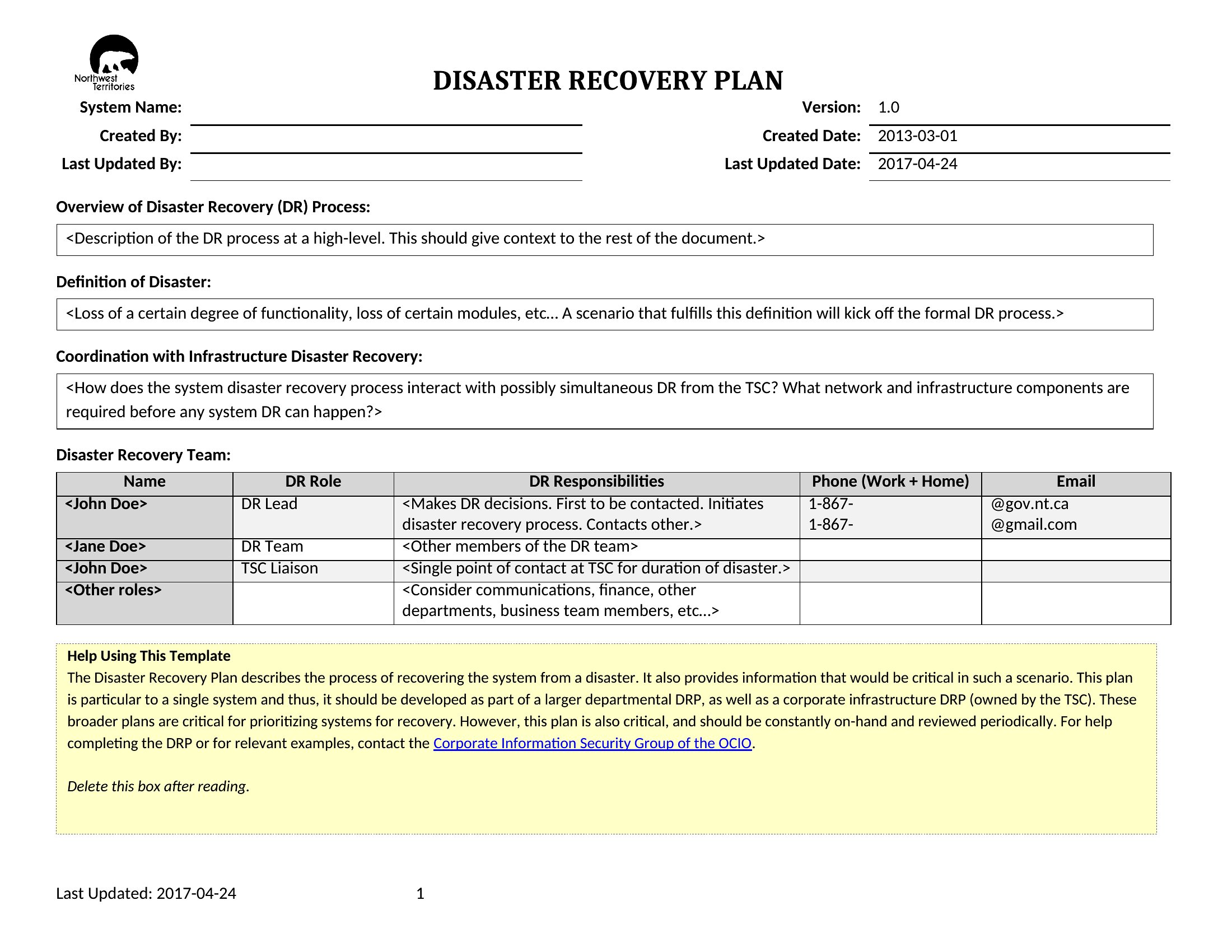
How detailed should a disaster recovery plan be for a startup with no IT department?
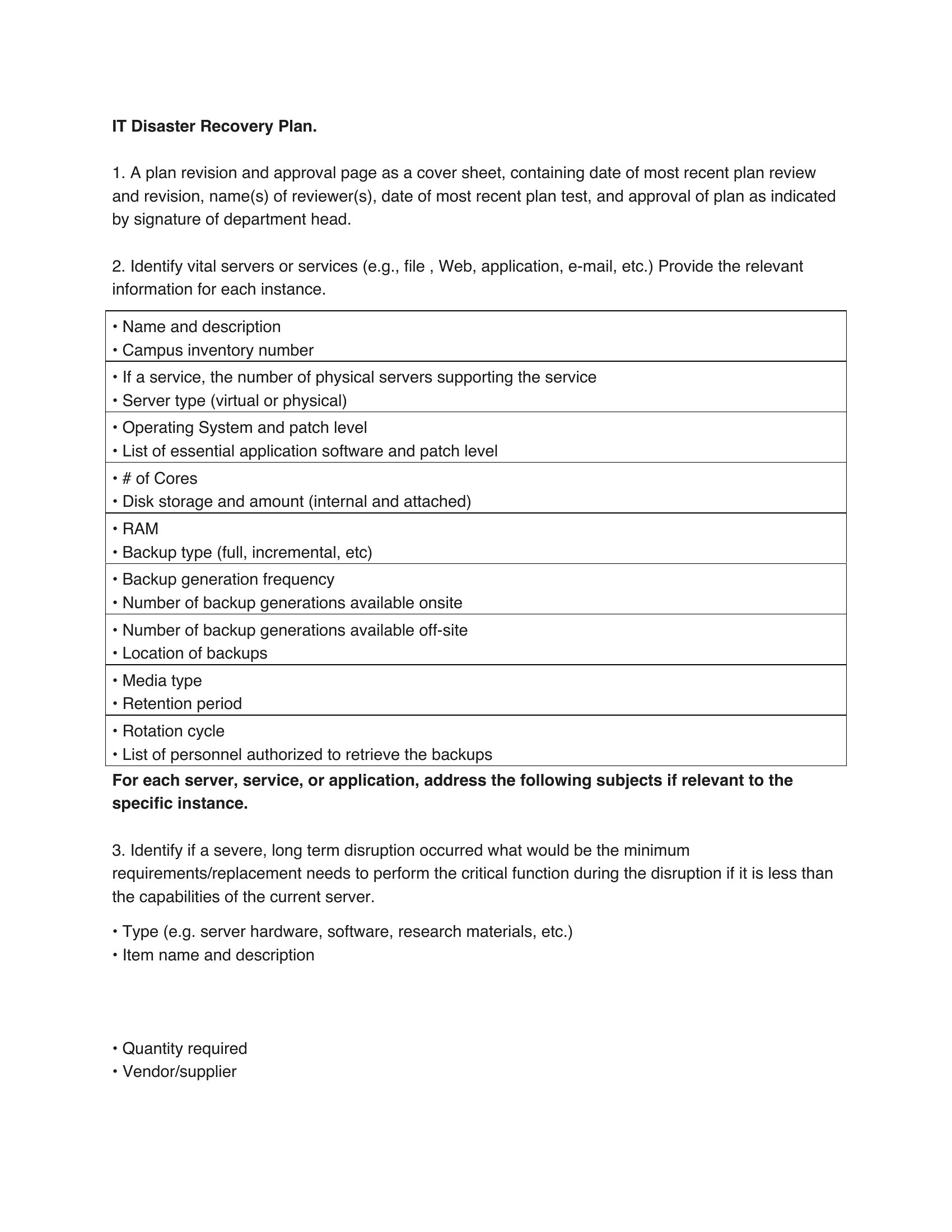
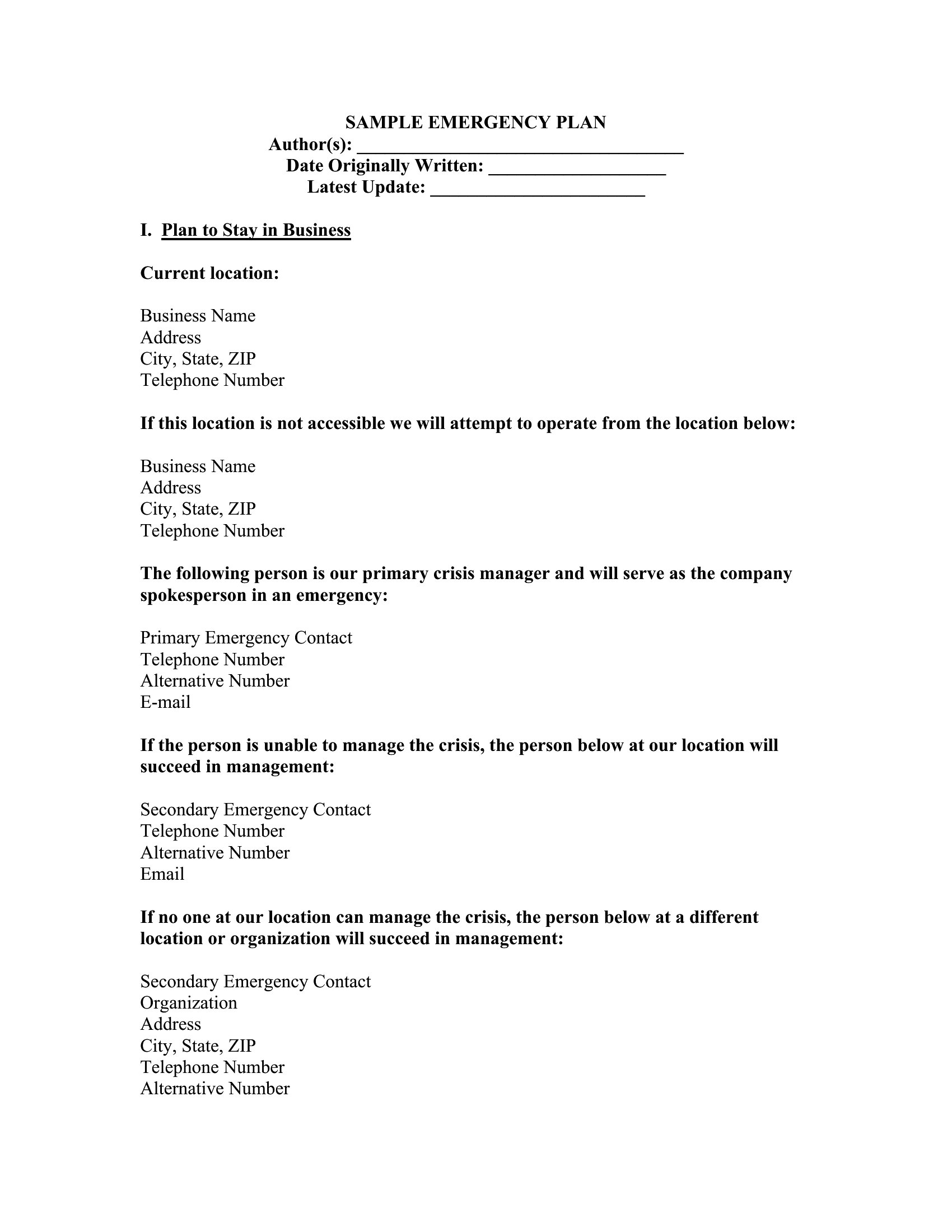
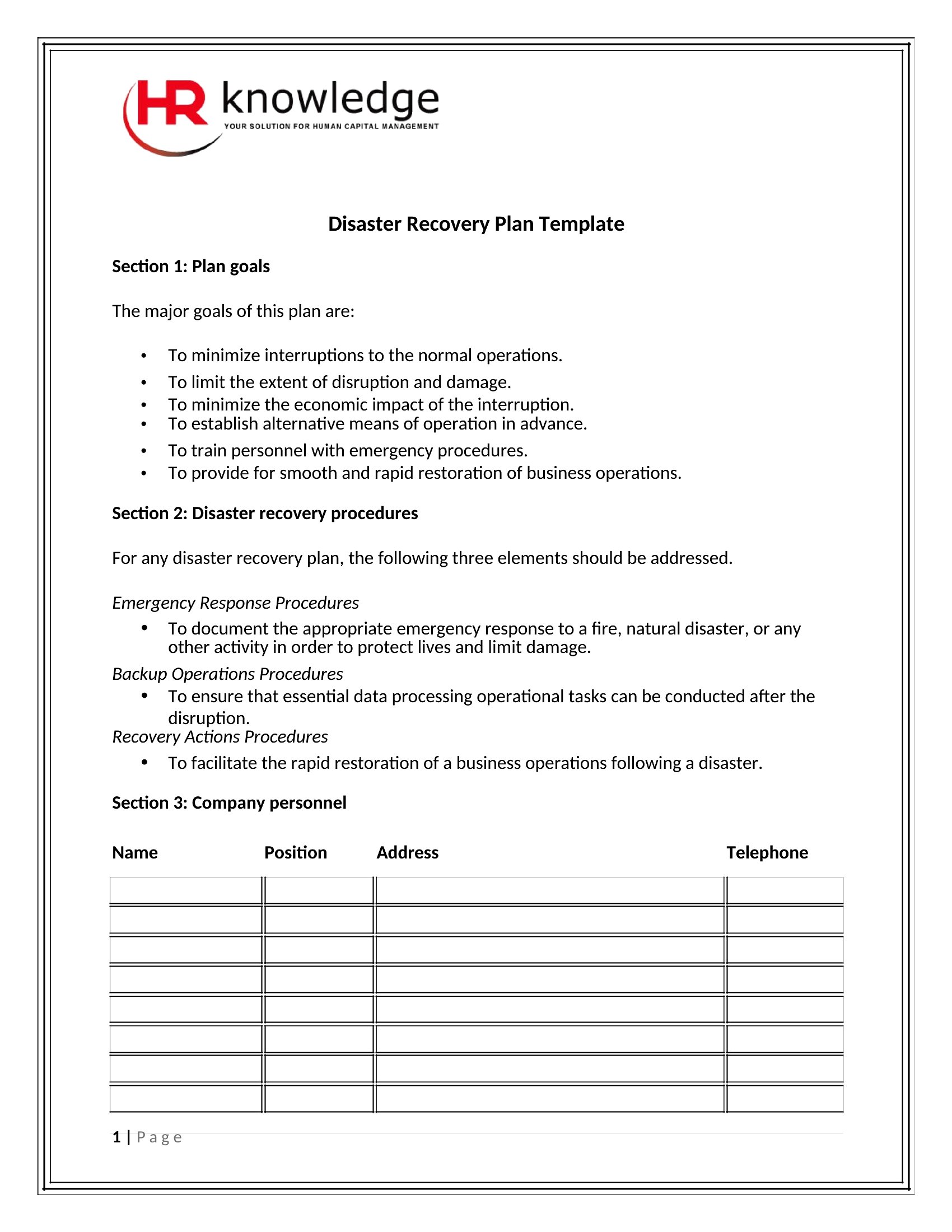
For startups, focus on the essentials: backup frequency (local + cloud), a single contact for cloud providers, and a step-by-step guide to restore critical systems like email or POS. Prioritize simplicity—include a checklist for turning on backup power or notifying key staff, and keep it under three pages. Revisit annually or after major tech changes.
Can these templates help with recovery from a ransomware attack specifically?
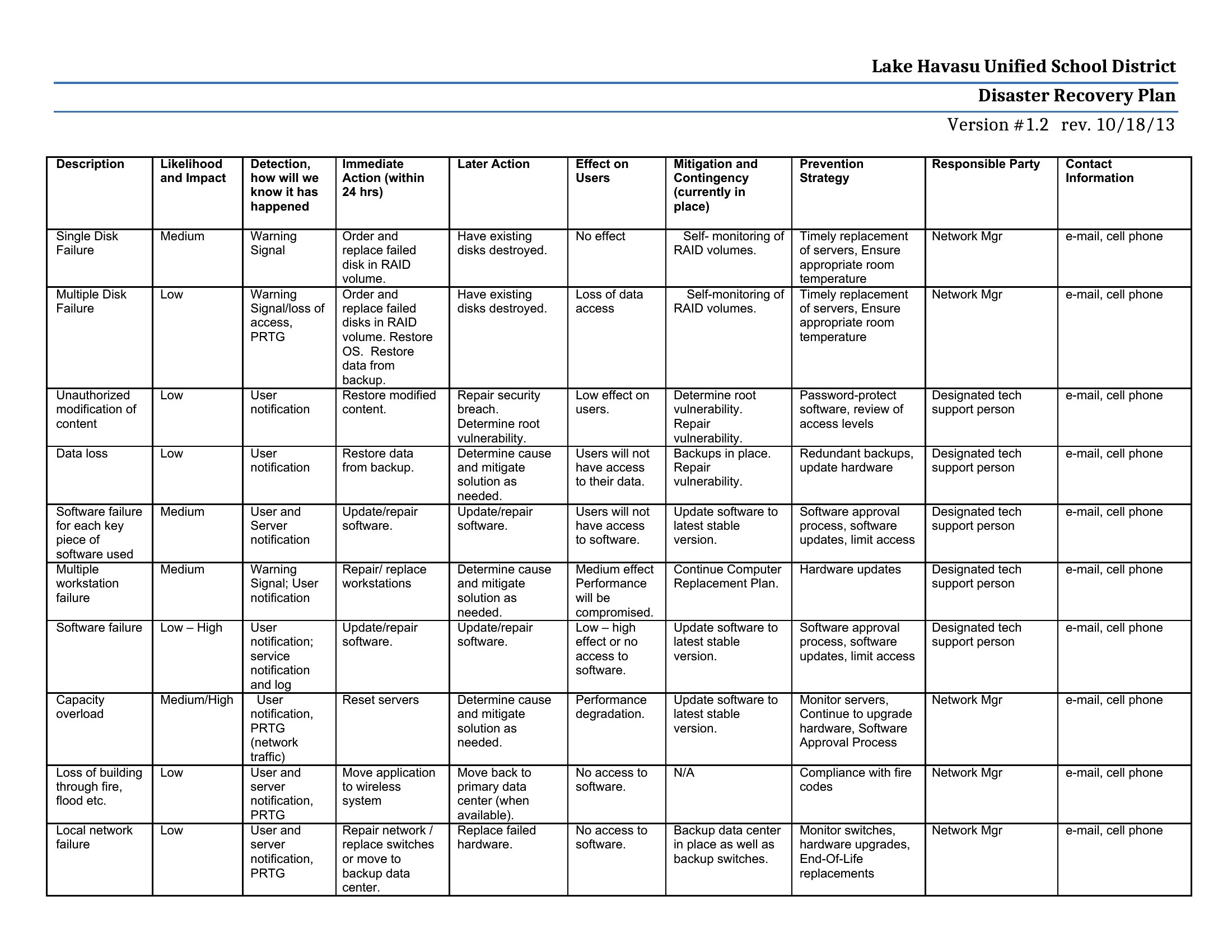
Yes, but with adjustments. Use the IT-focused templates to outline isolation steps (disconnecting infected systems), vendor contacts for decryption tools, and a communication plan for customers affected by service delays. Add a section for legal/crisis PR teams if your business handles sensitive data. These templates can’t replace forensic experts, but they ensure you act fast and reduce chaos.
What’s the difference between a disaster recovery plan and a business continuity plan in these templates?
Disaster recovery here focuses on restoring IT infrastructure, data, and hardware post-event (e.g., recovering servers from backups). Business continuity plans in this set expand on that by detailing how core operations—like customer service or supply chains—stay functional during disruptions, often including remote work setups or manual workarounds. Use both if your downtime risks impact revenue beyond tech failures.
Comments
Join the conversation
Sign in to share your thoughts and leave a comment on this resource.