Free Euphonium Fingering Charts (PDF)
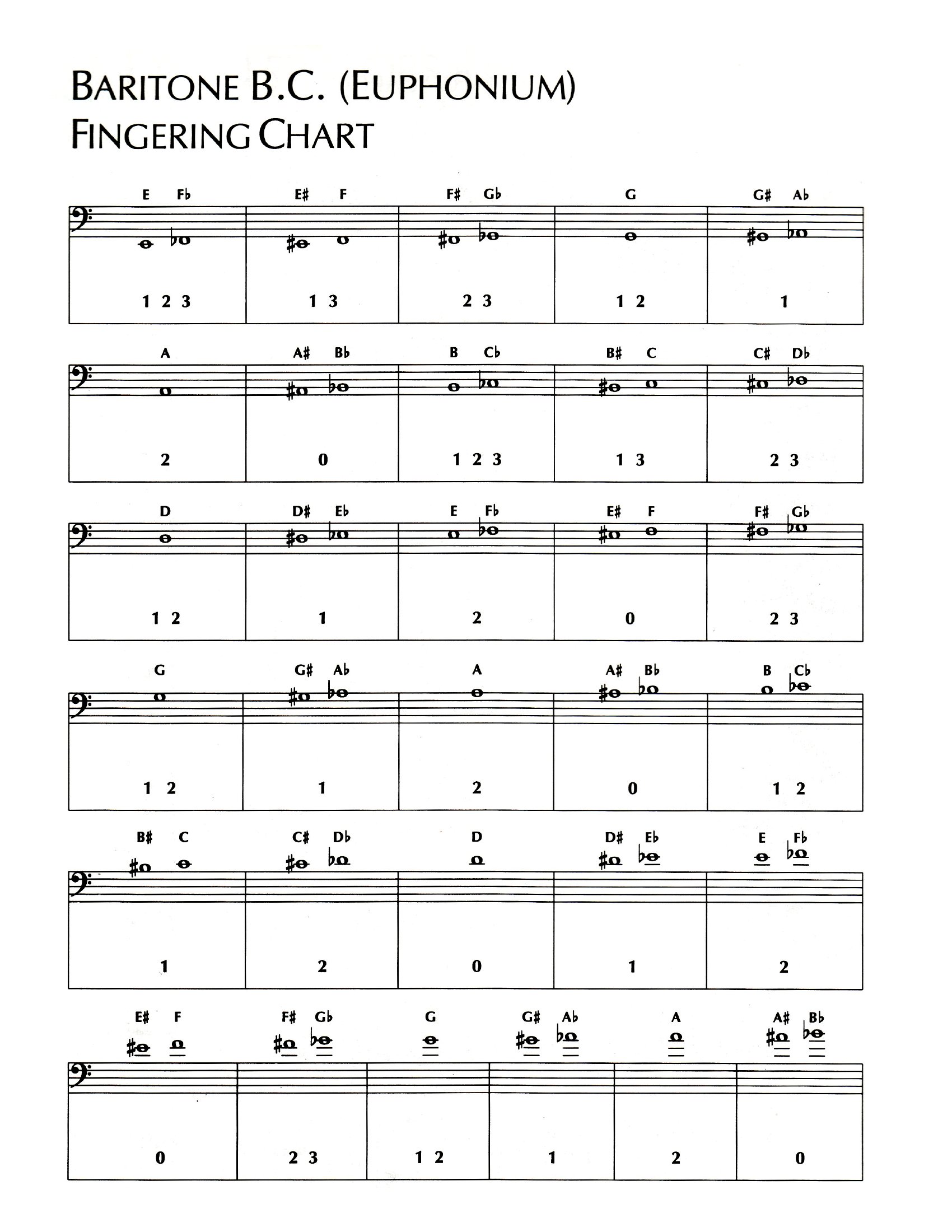
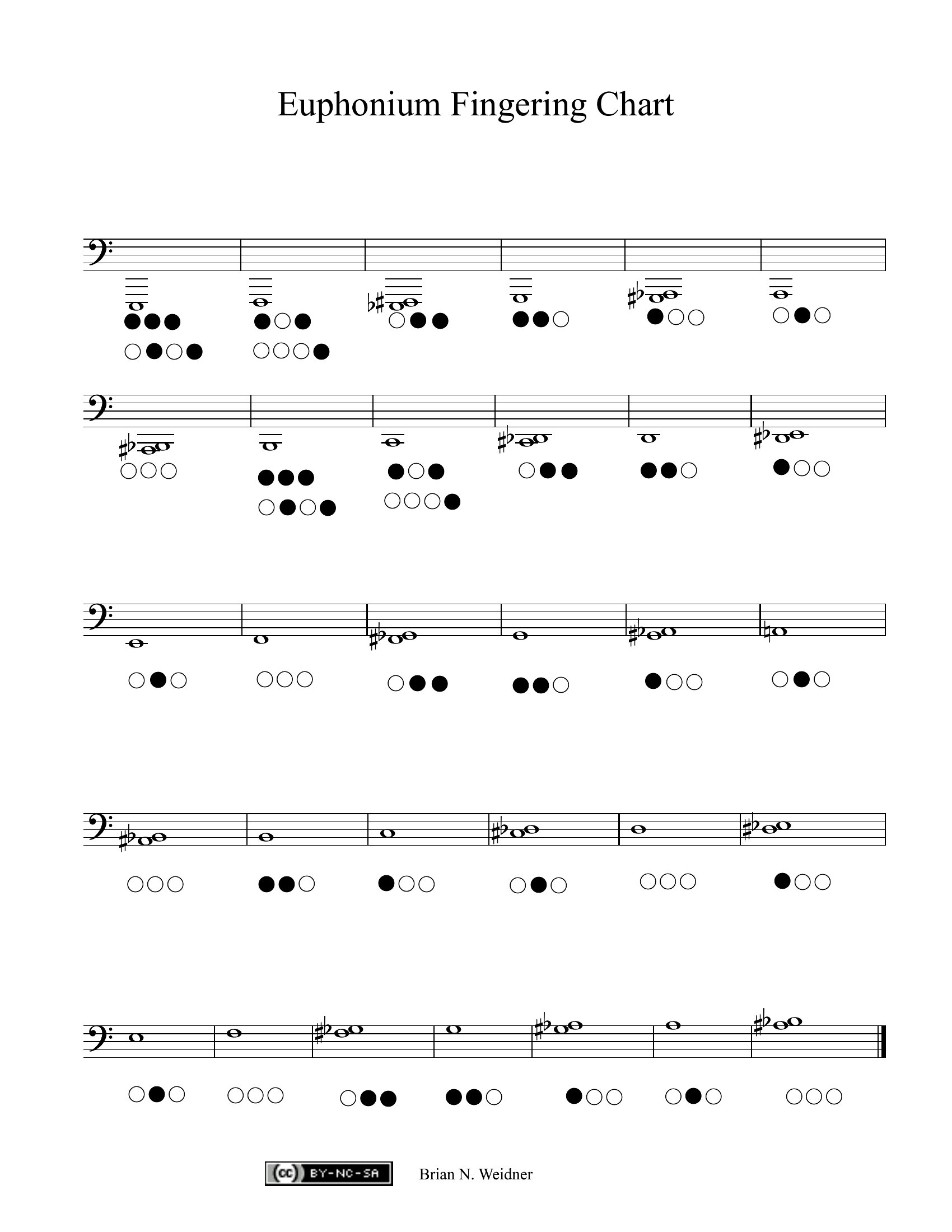
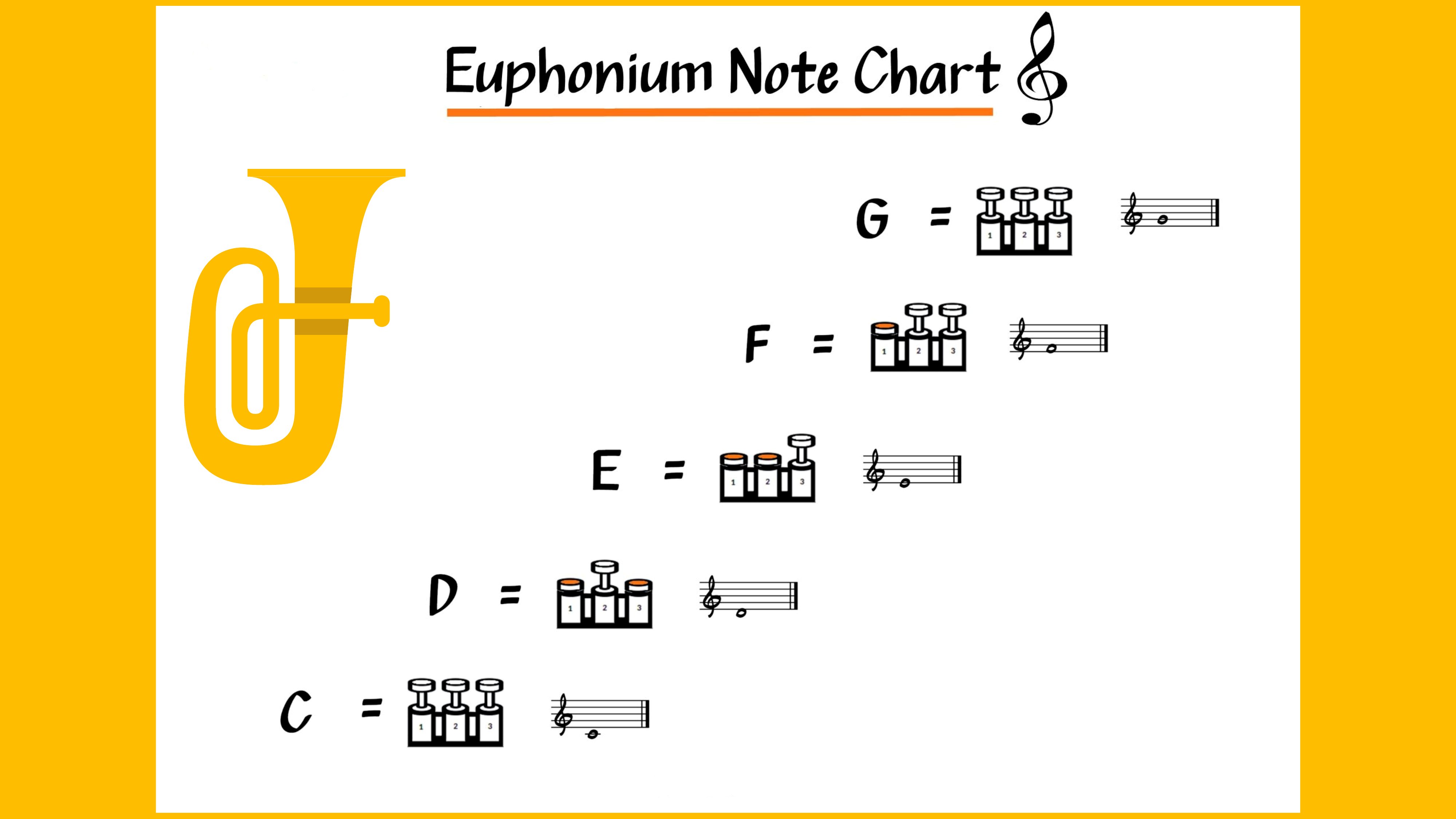
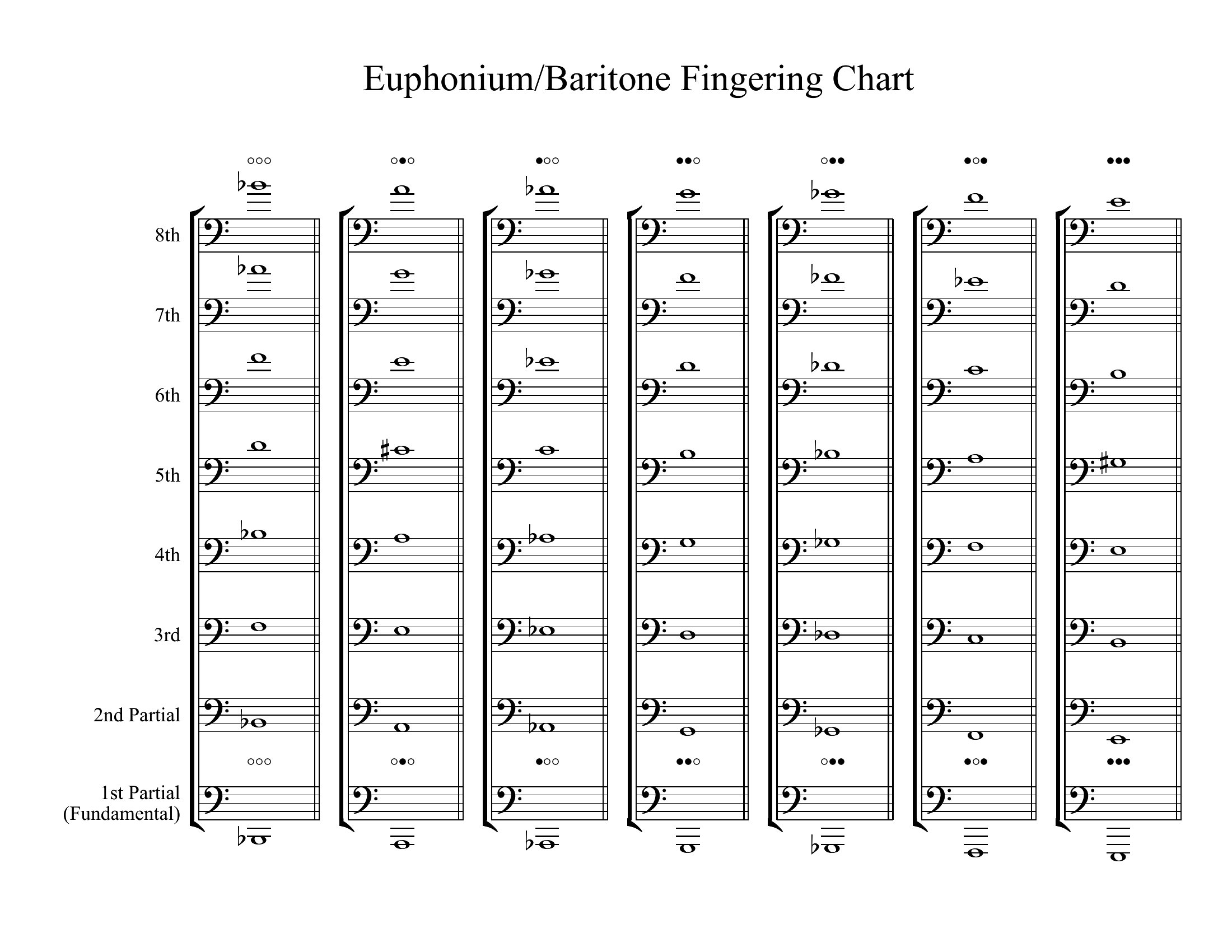
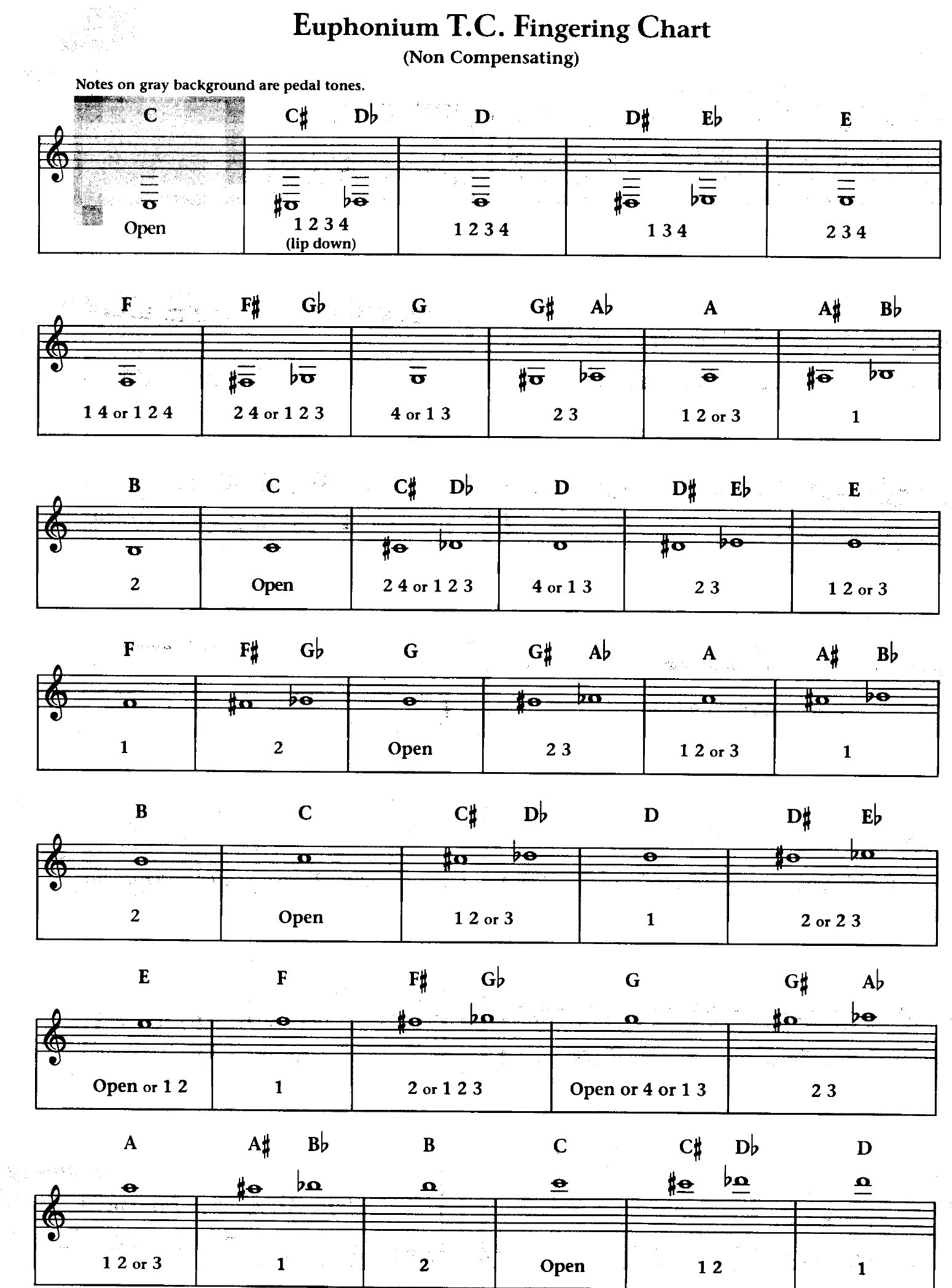
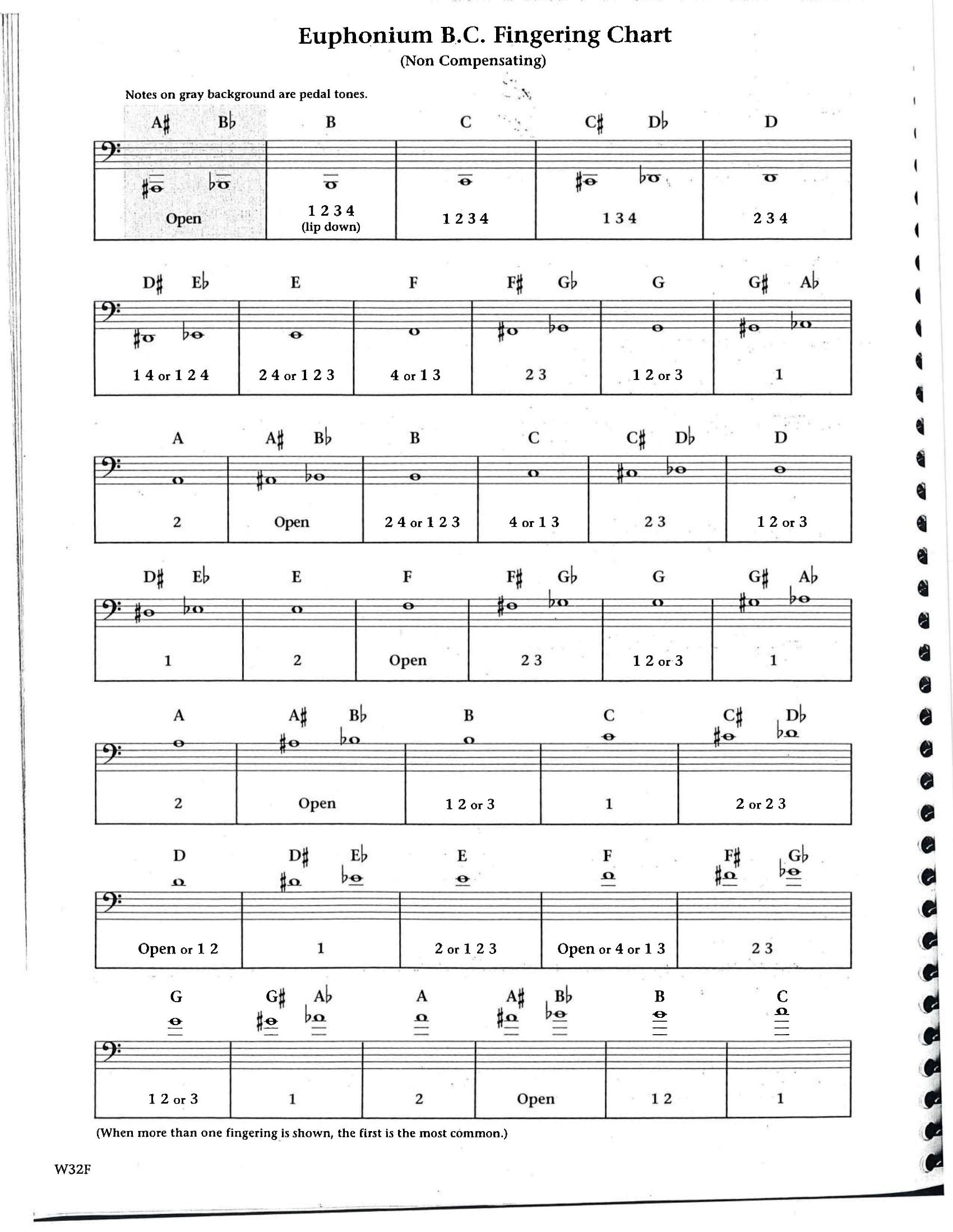
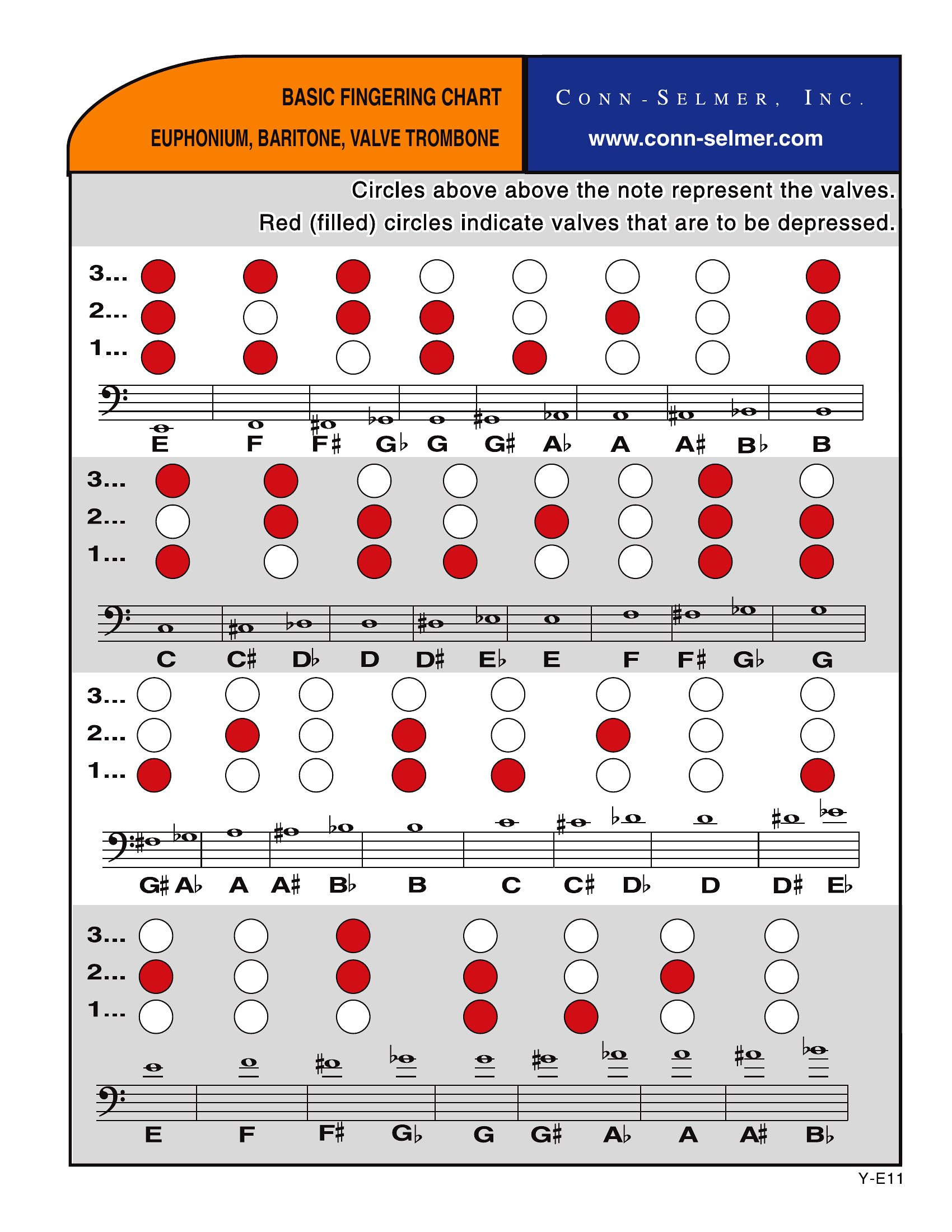
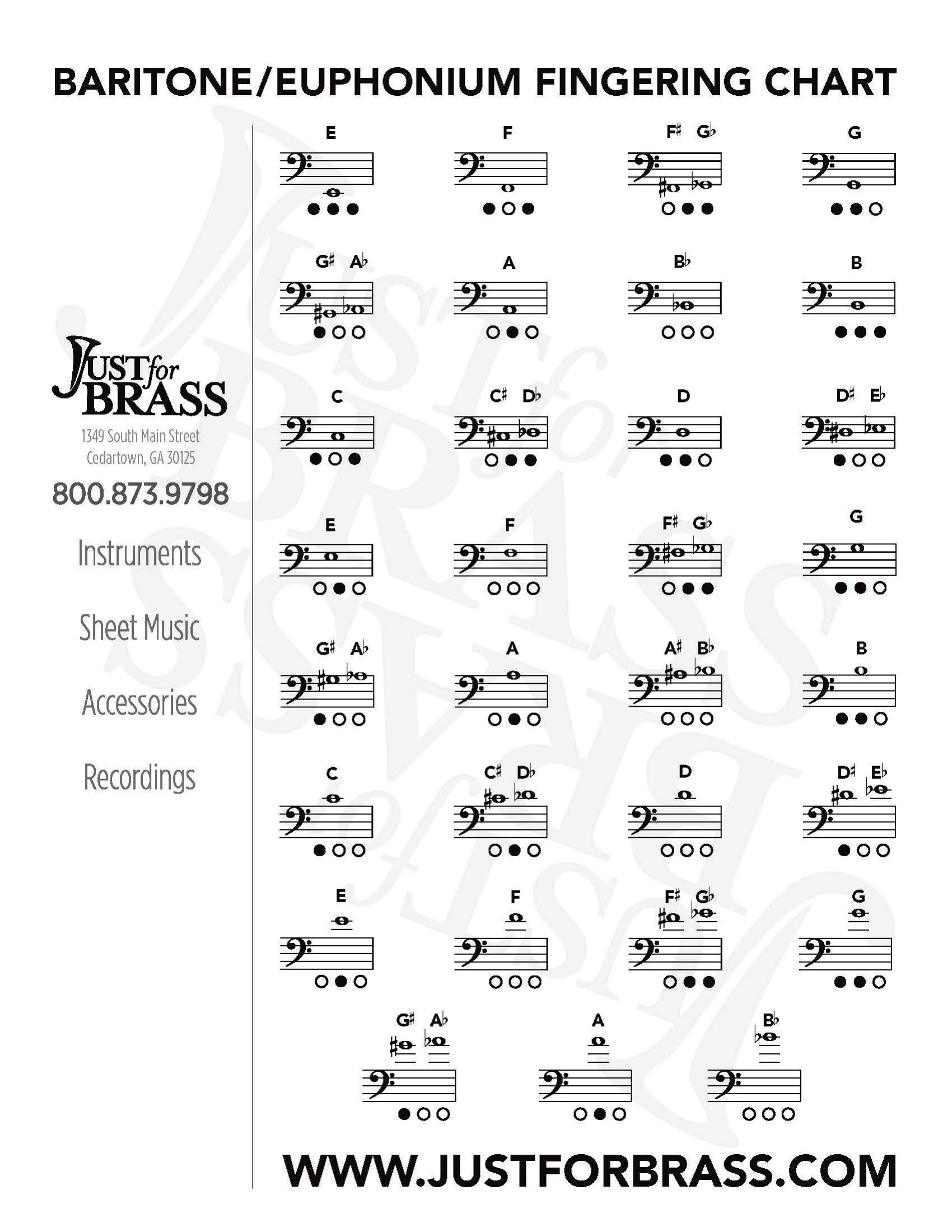
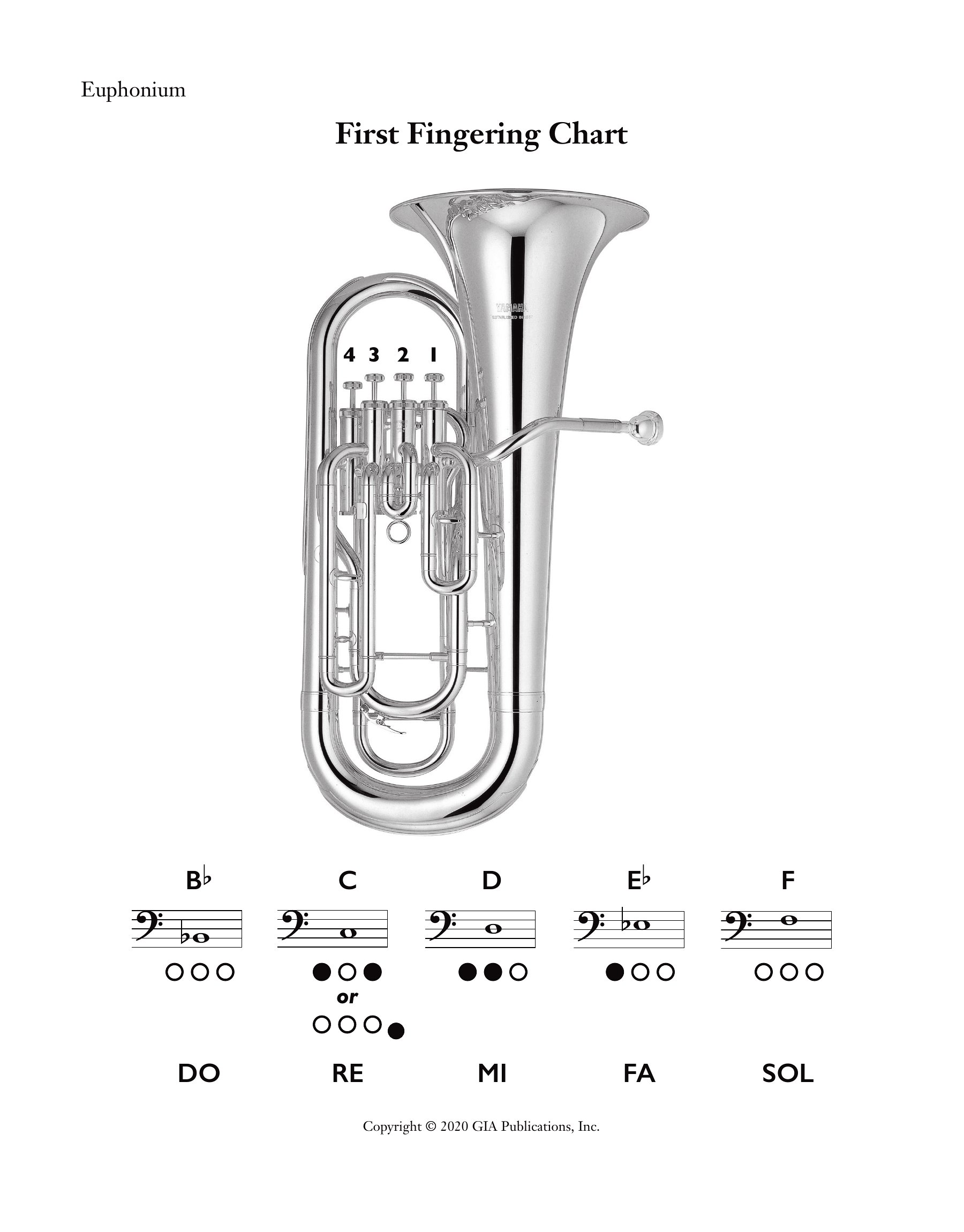
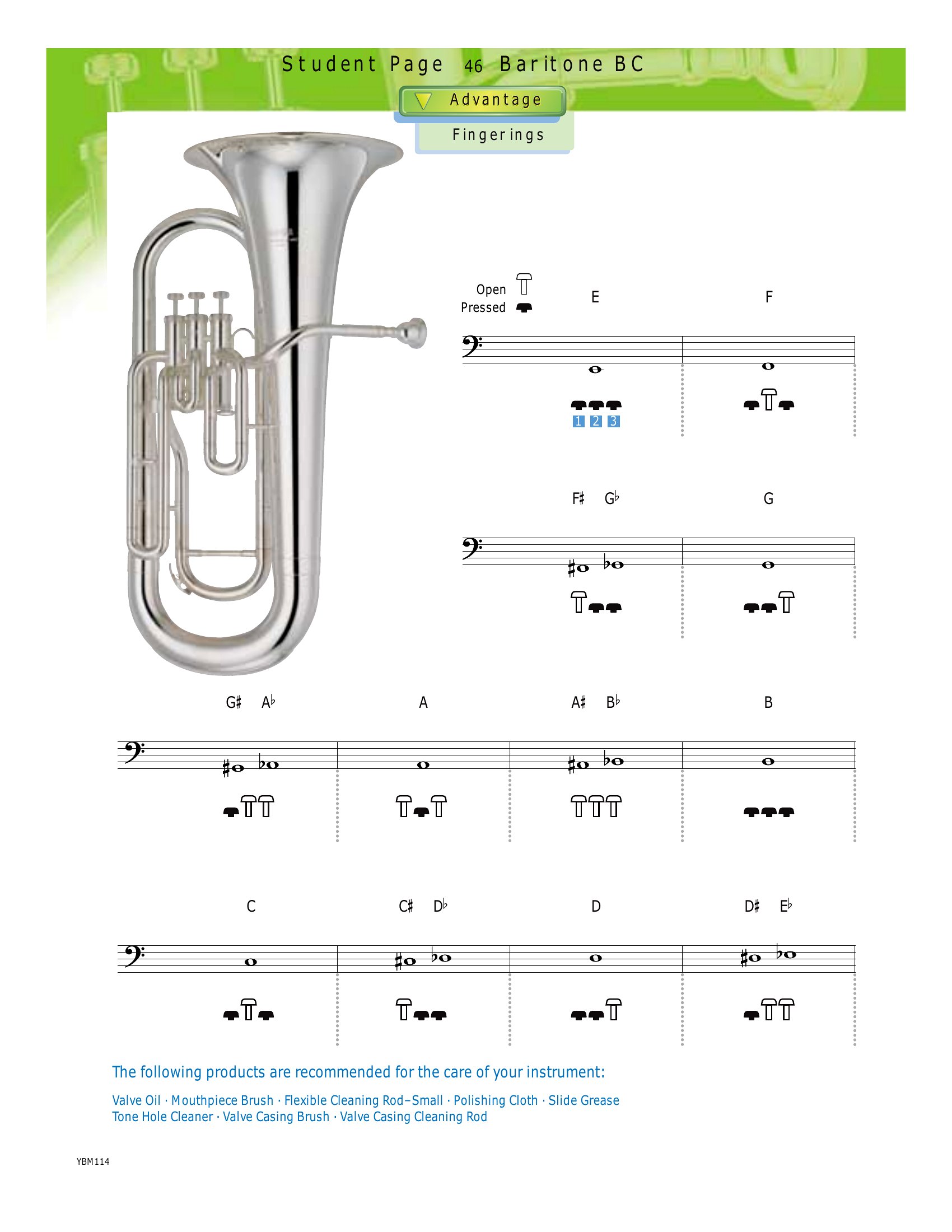
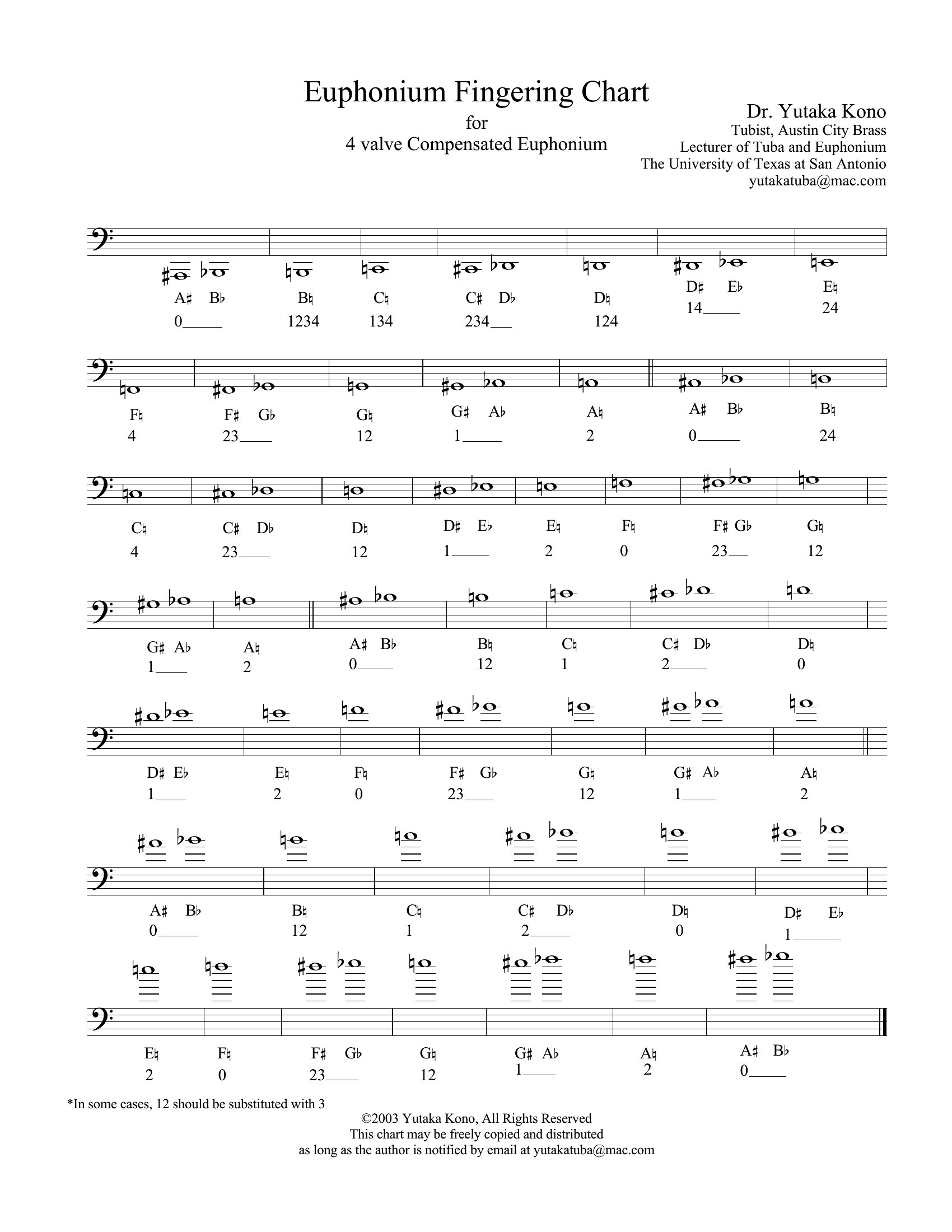
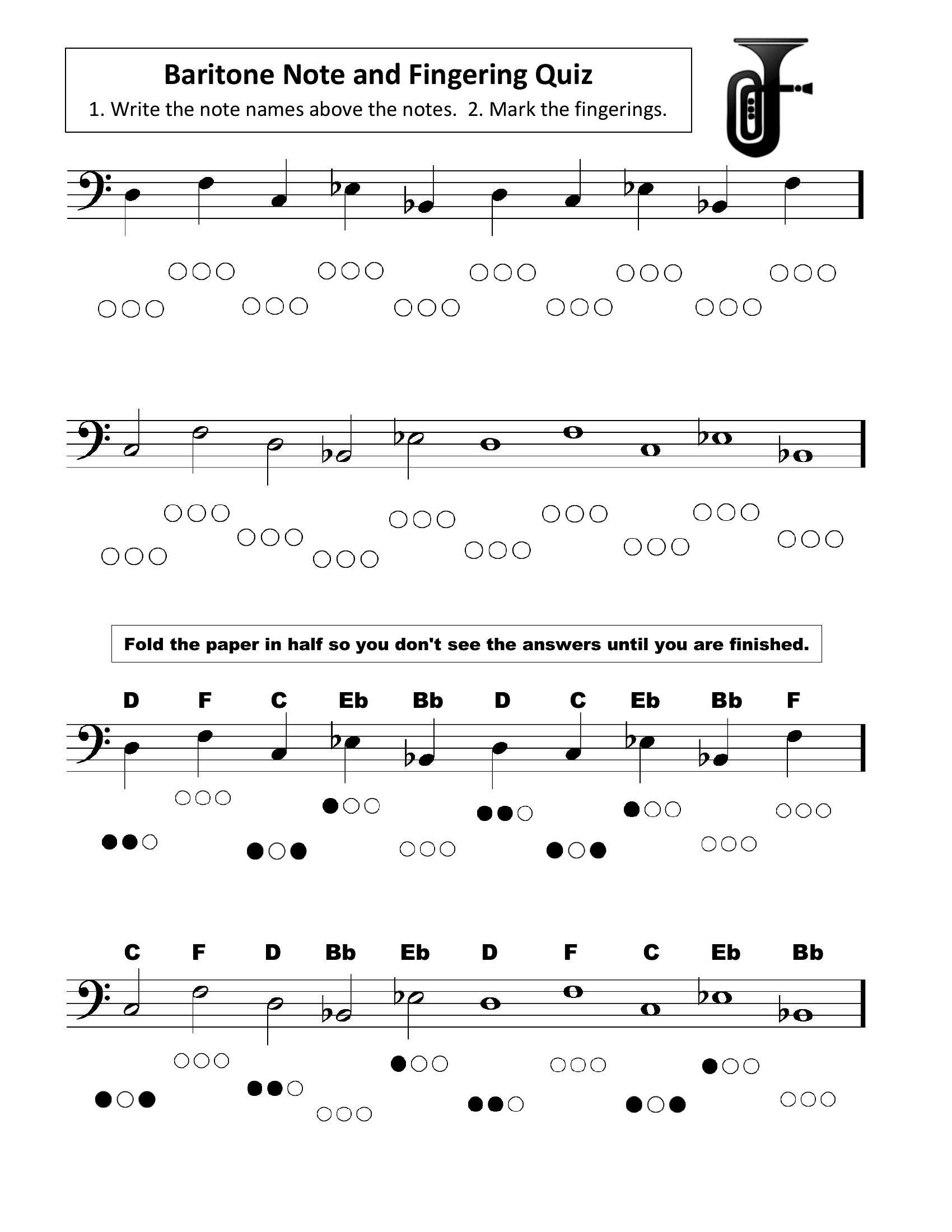
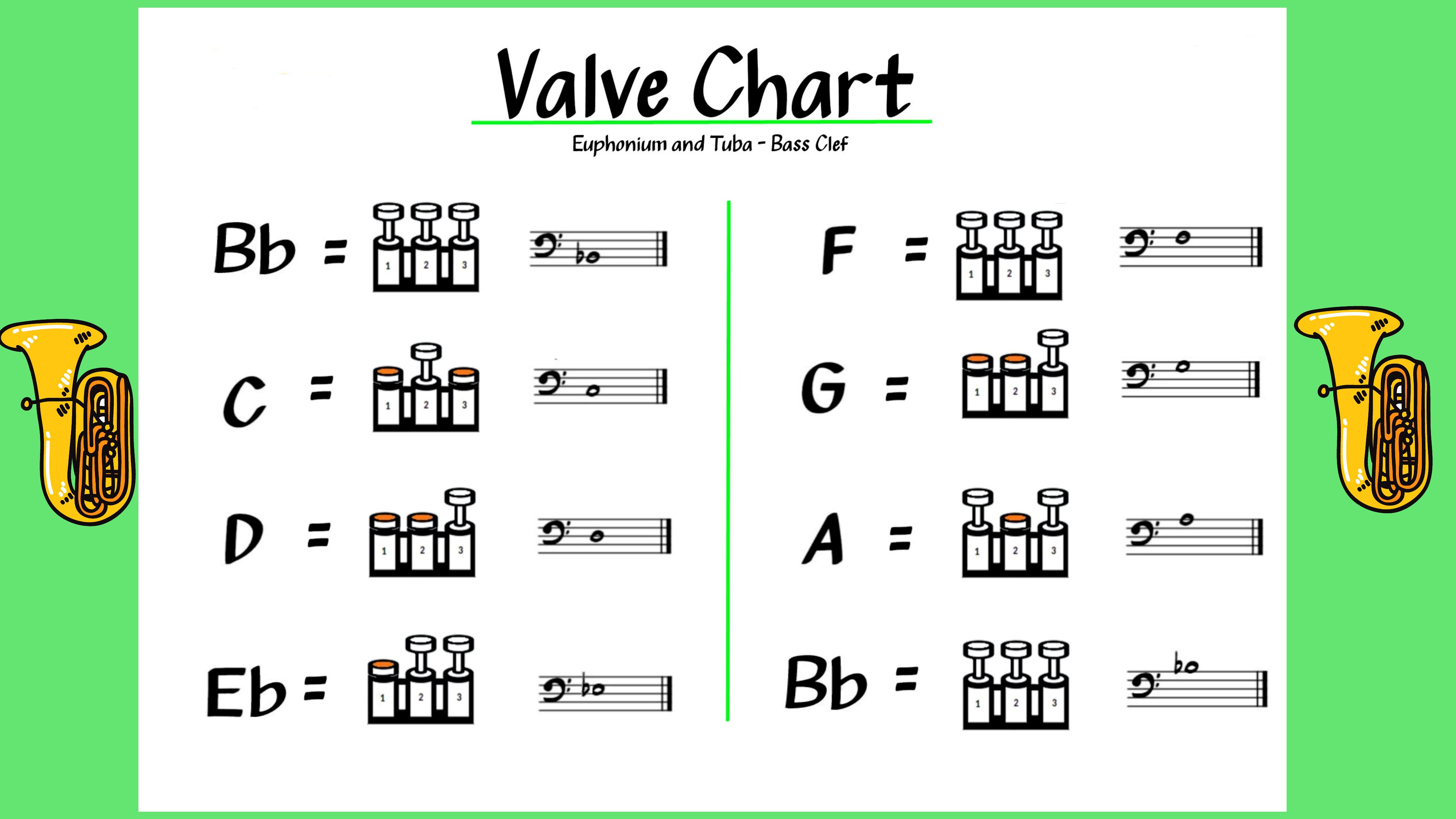
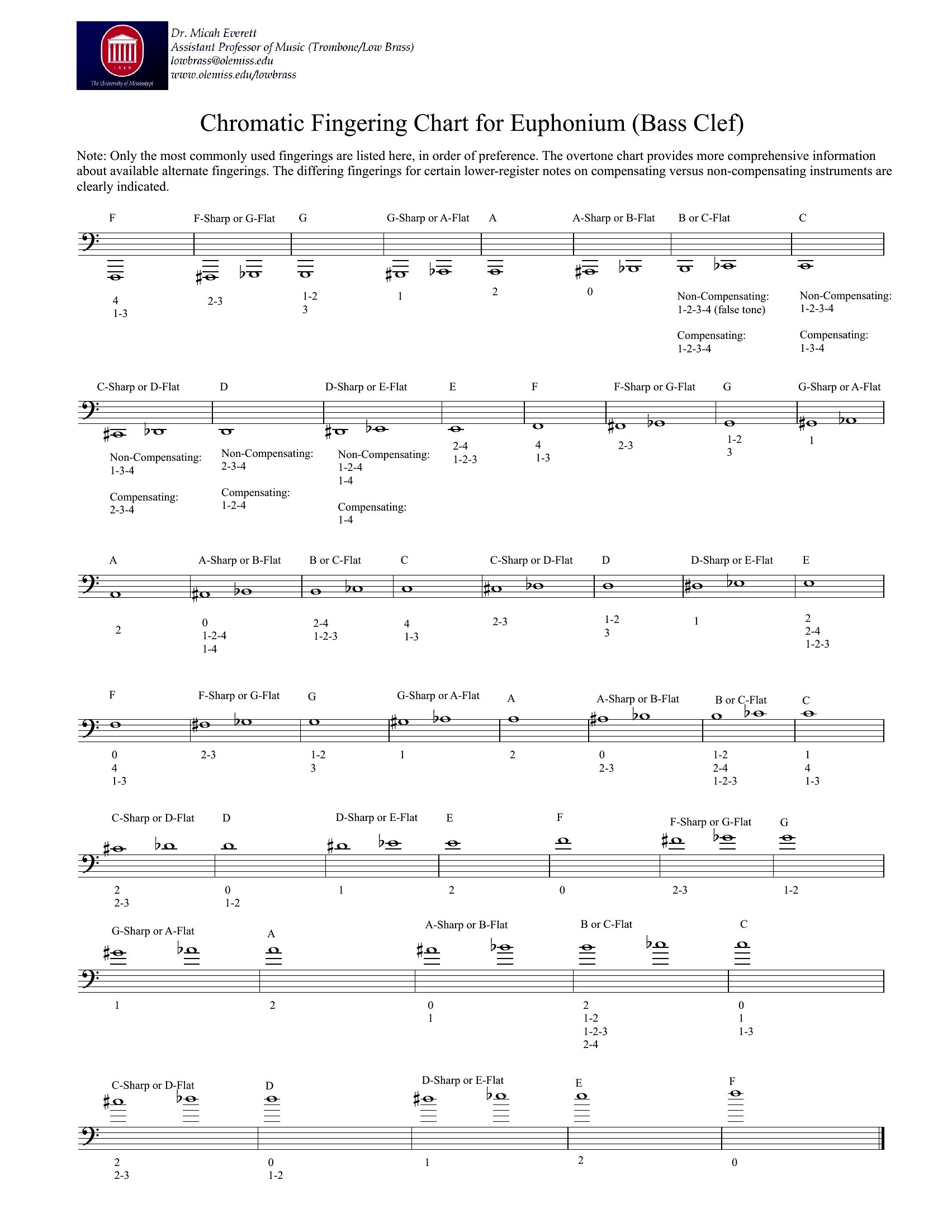
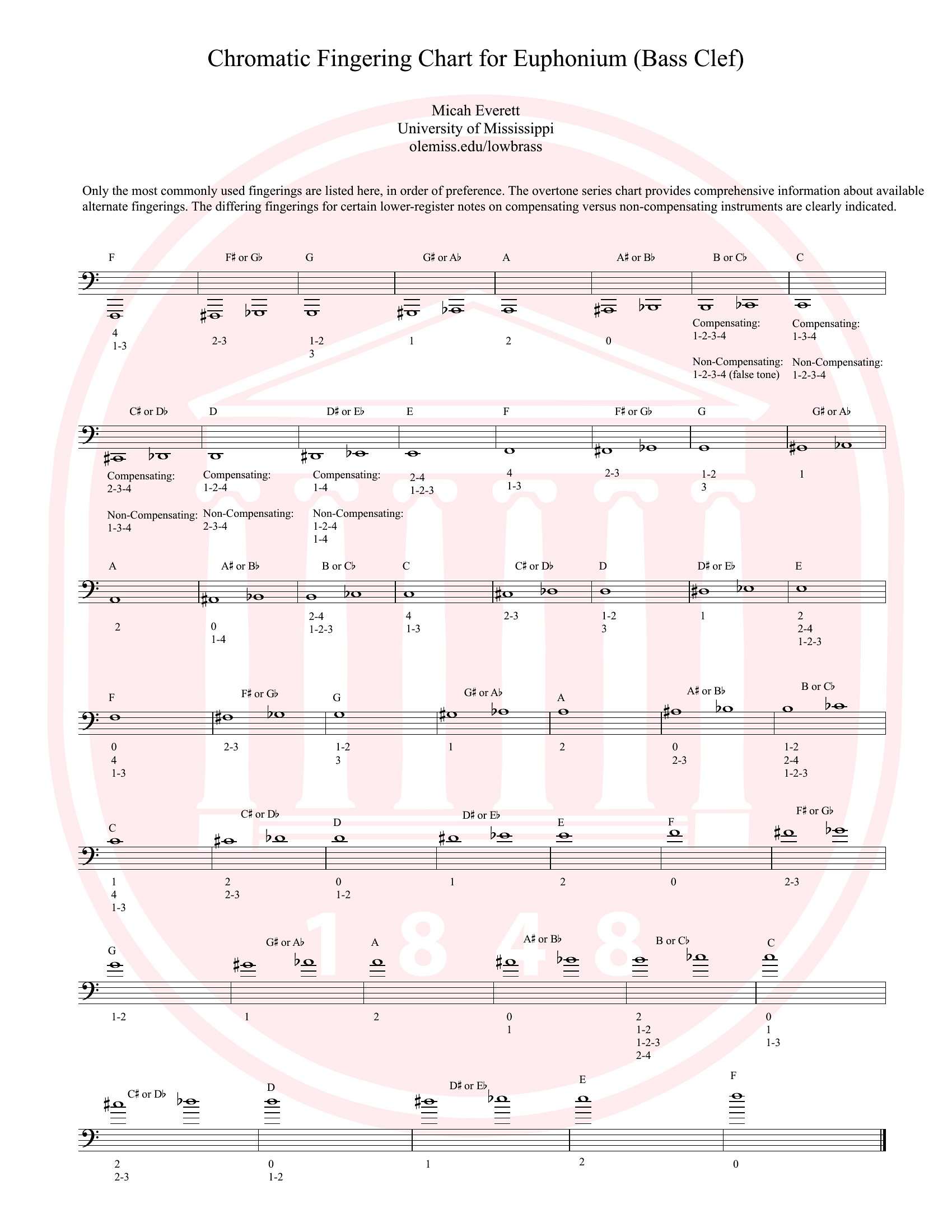
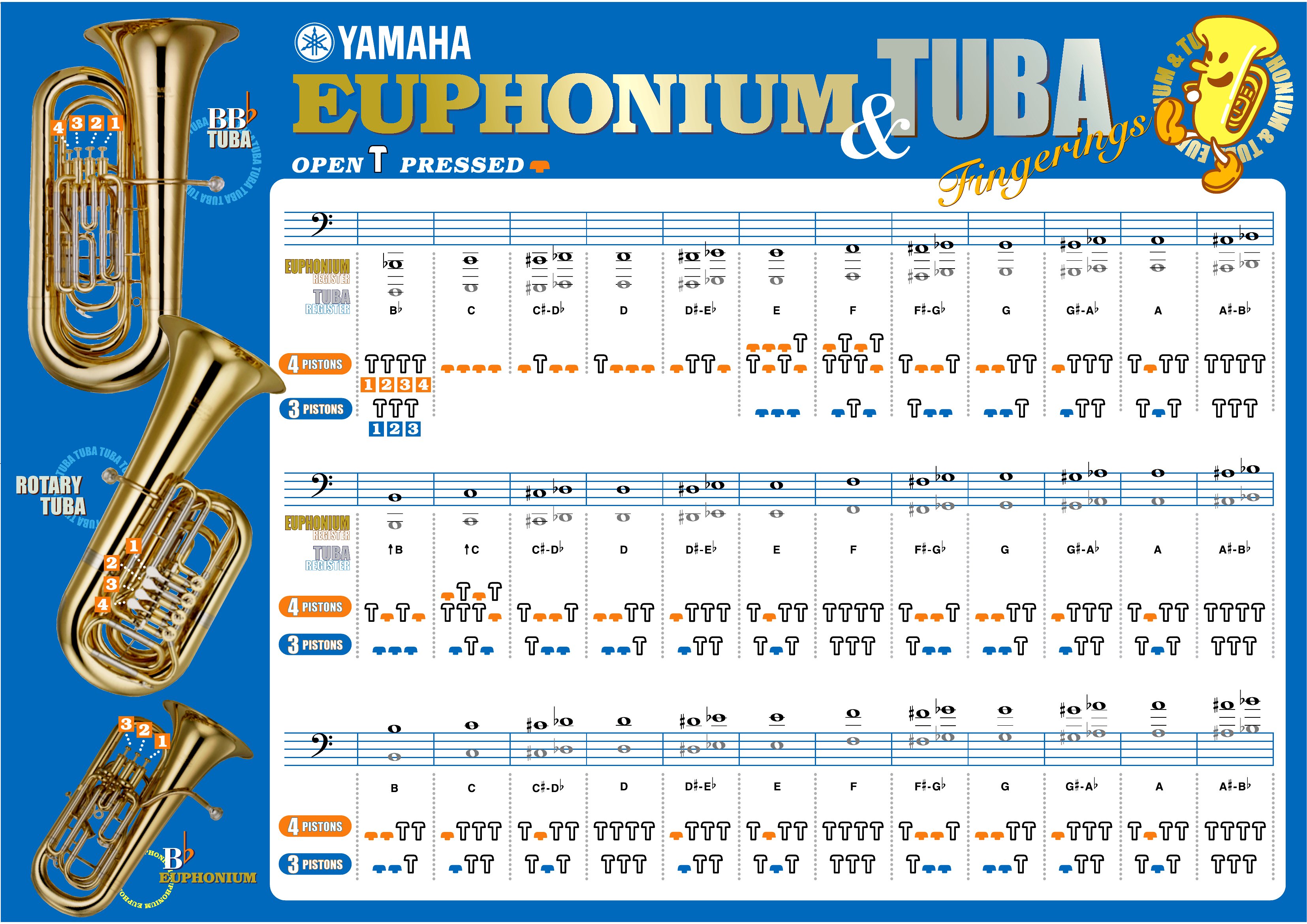
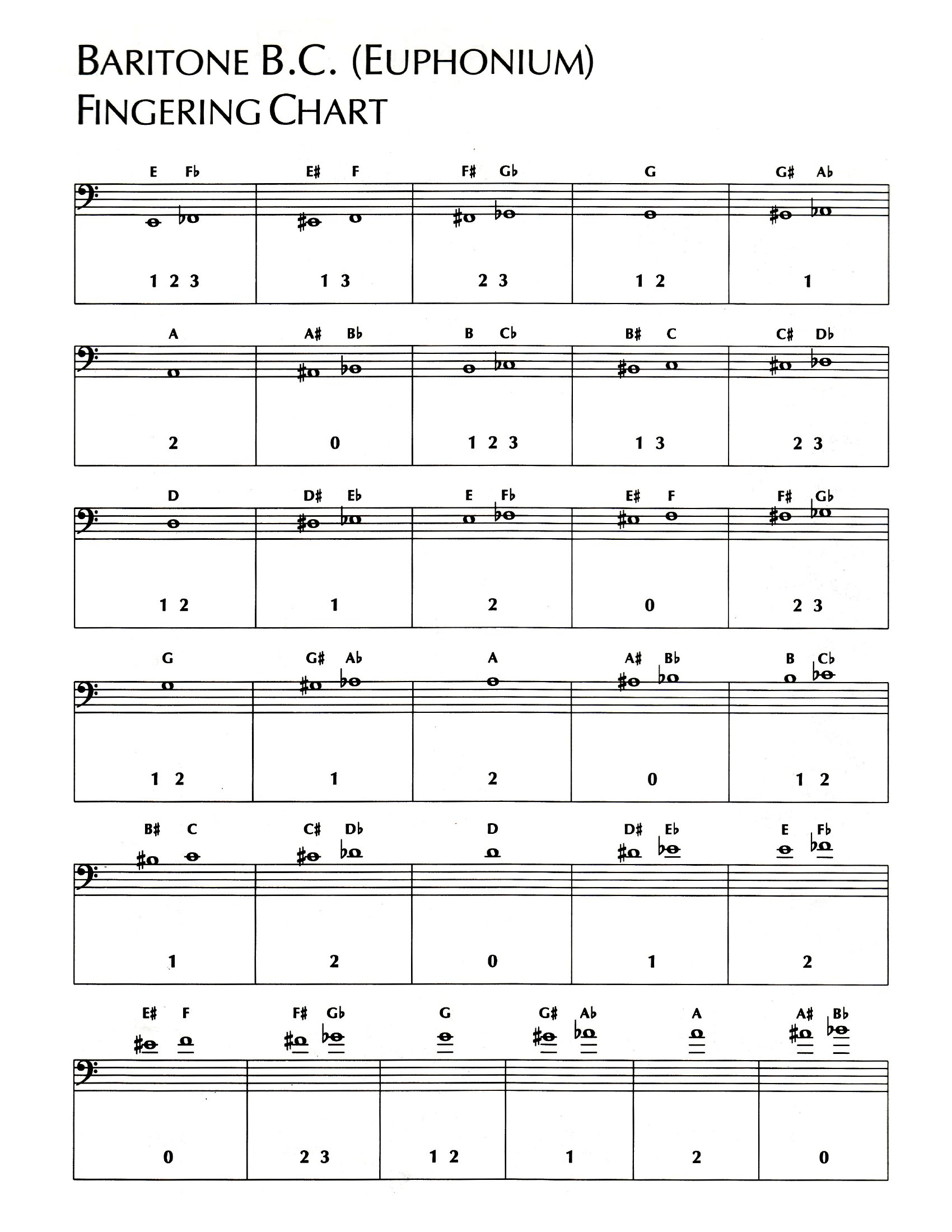
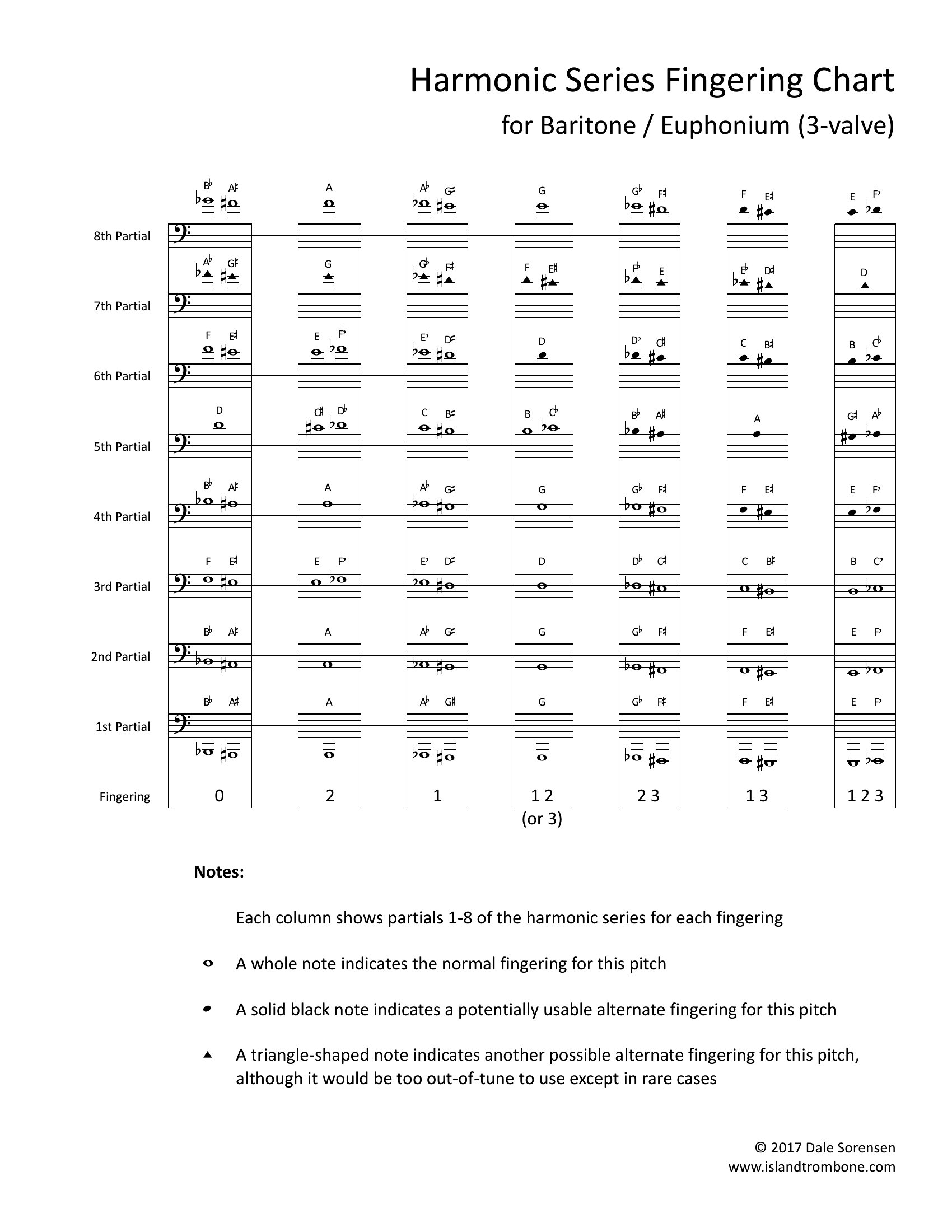
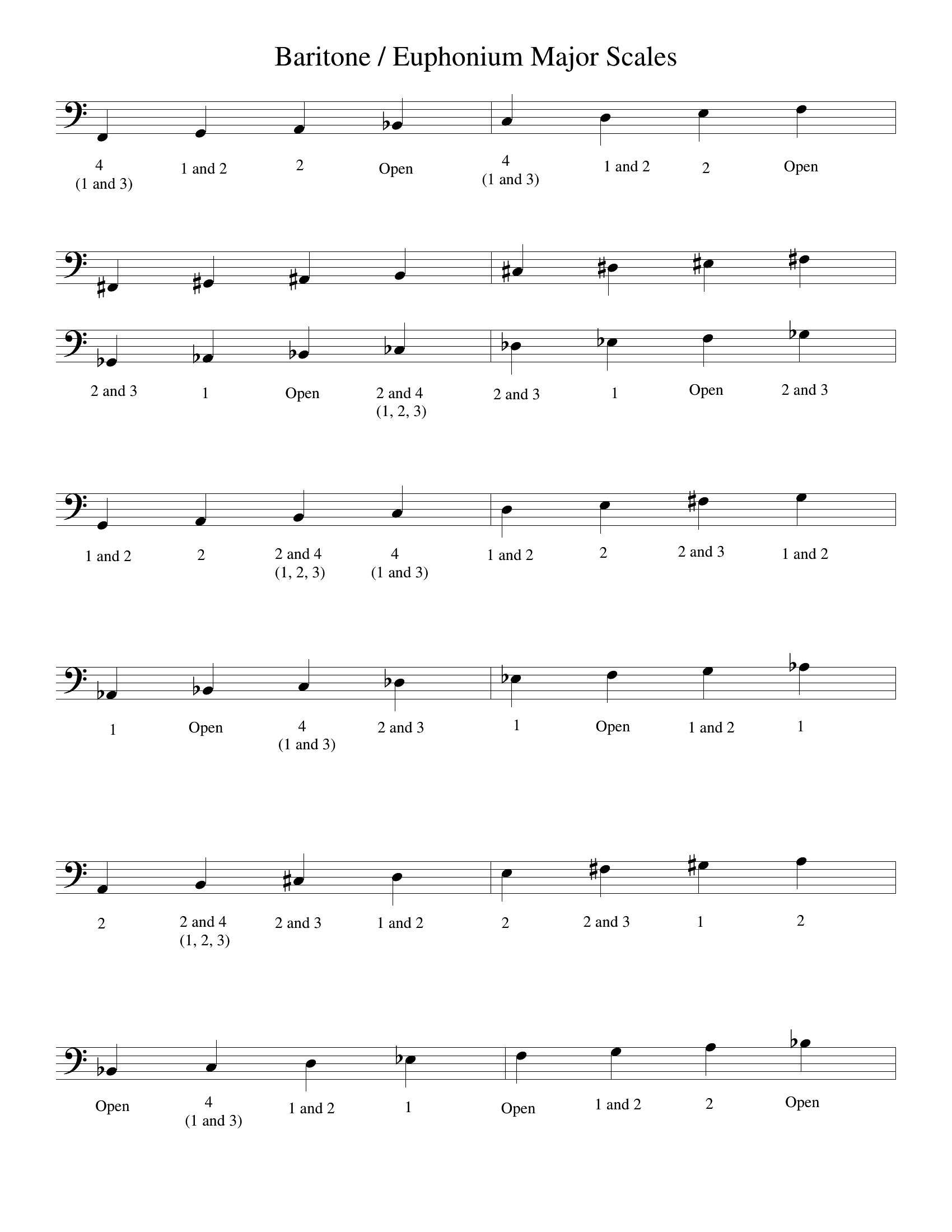
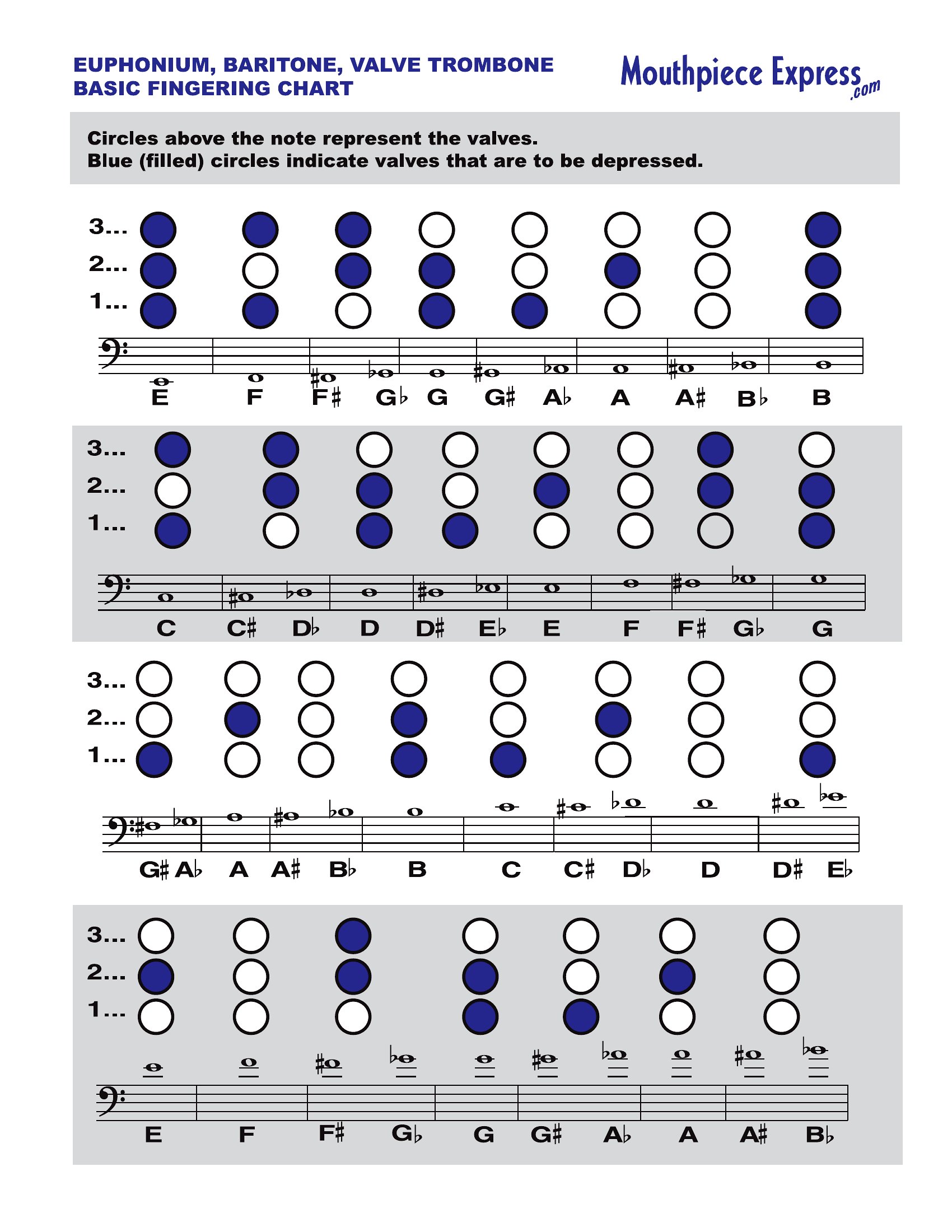
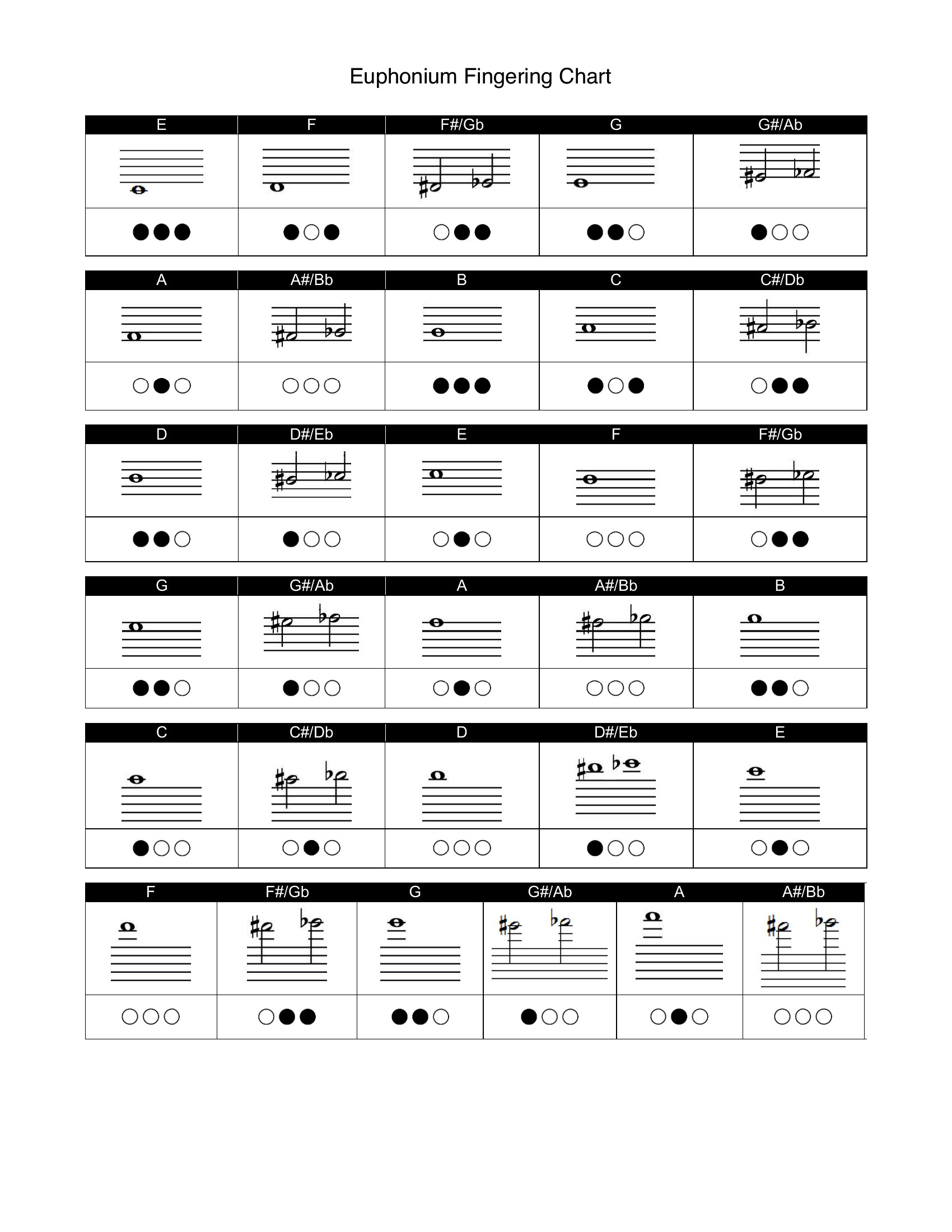
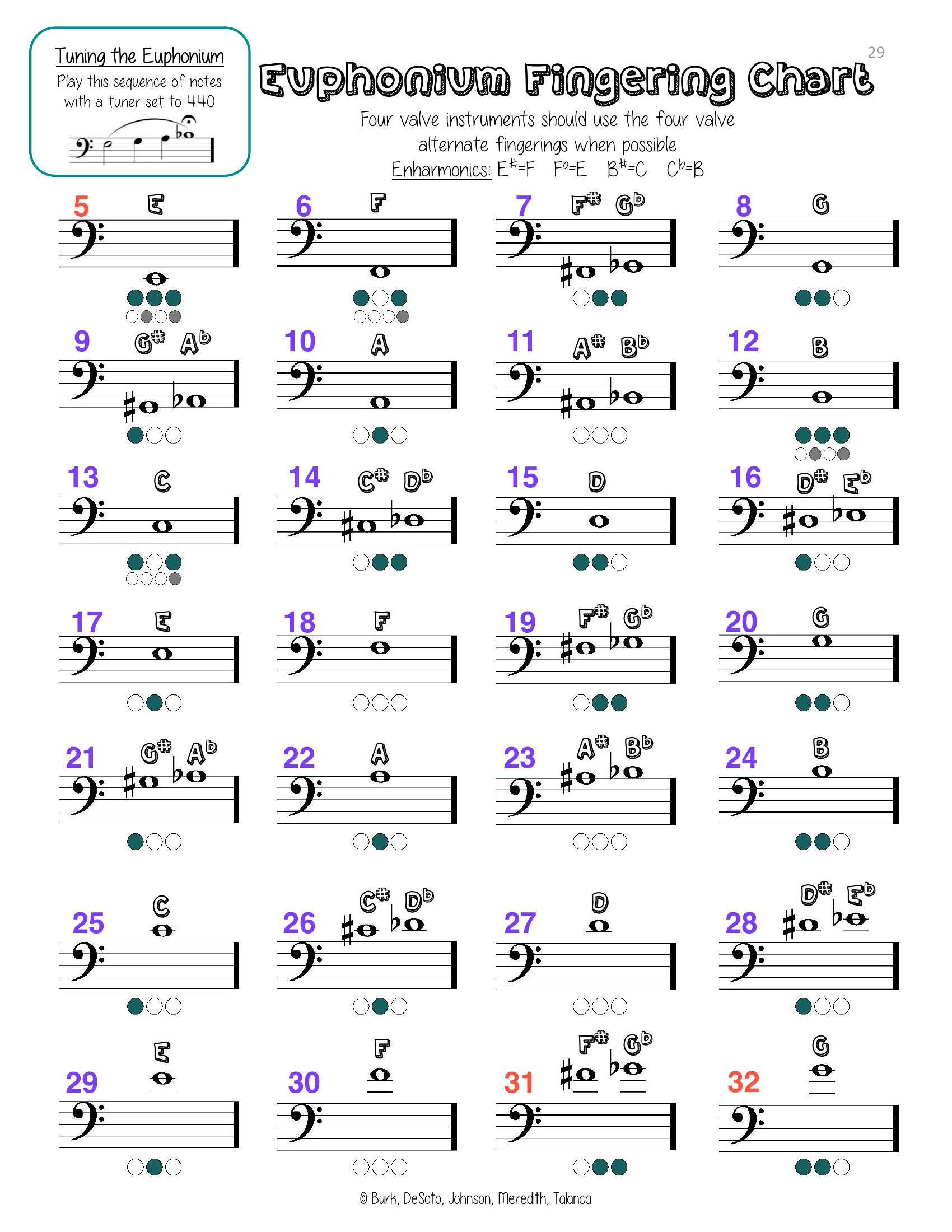
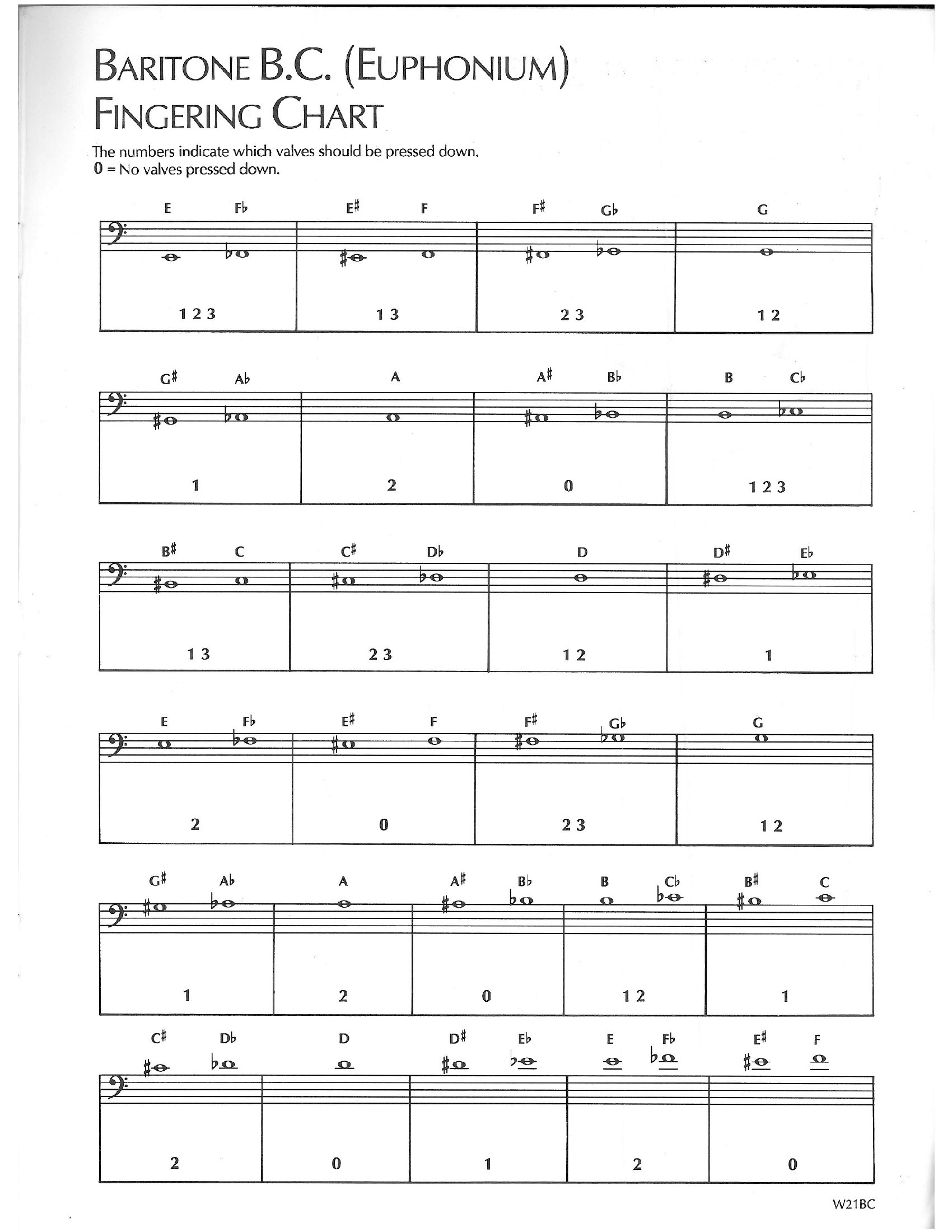
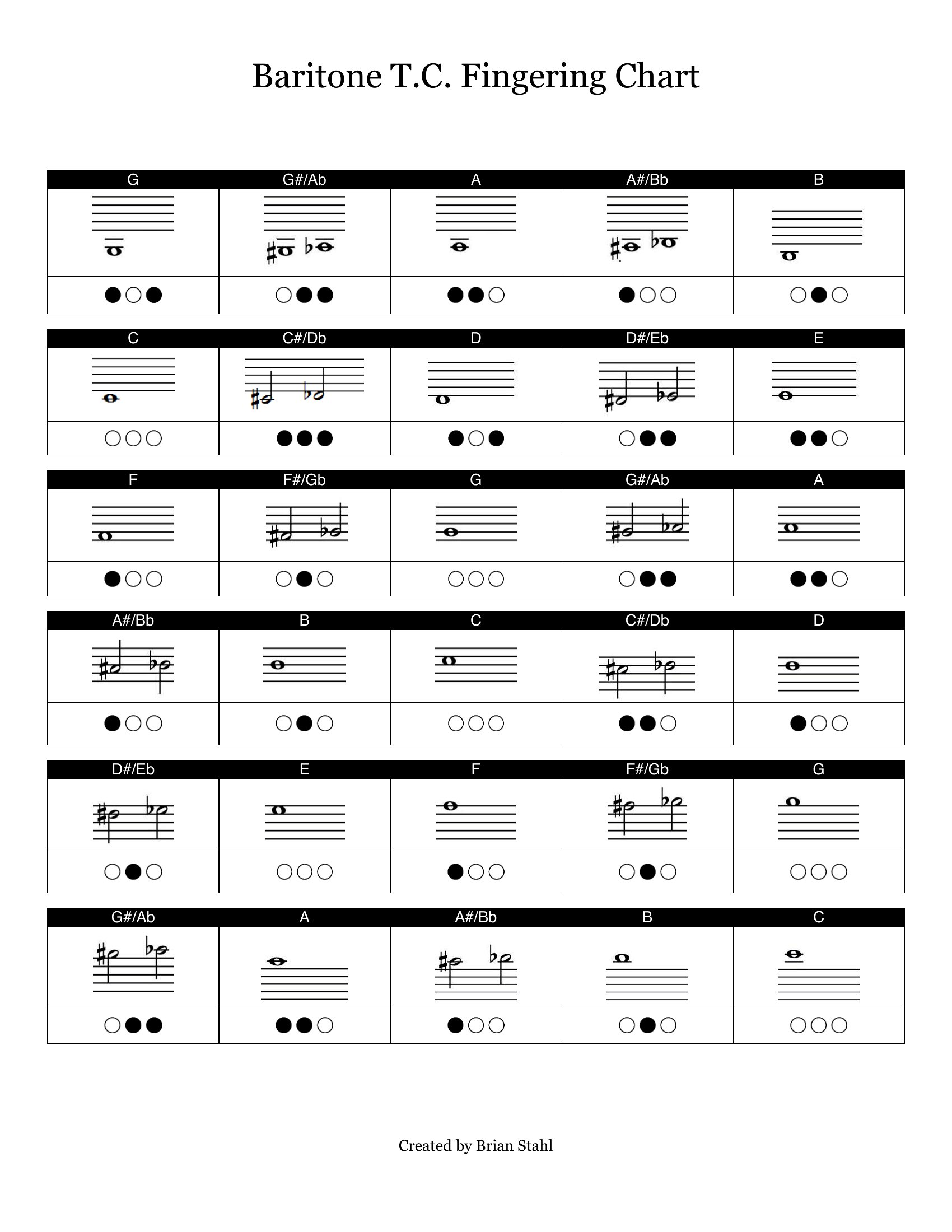
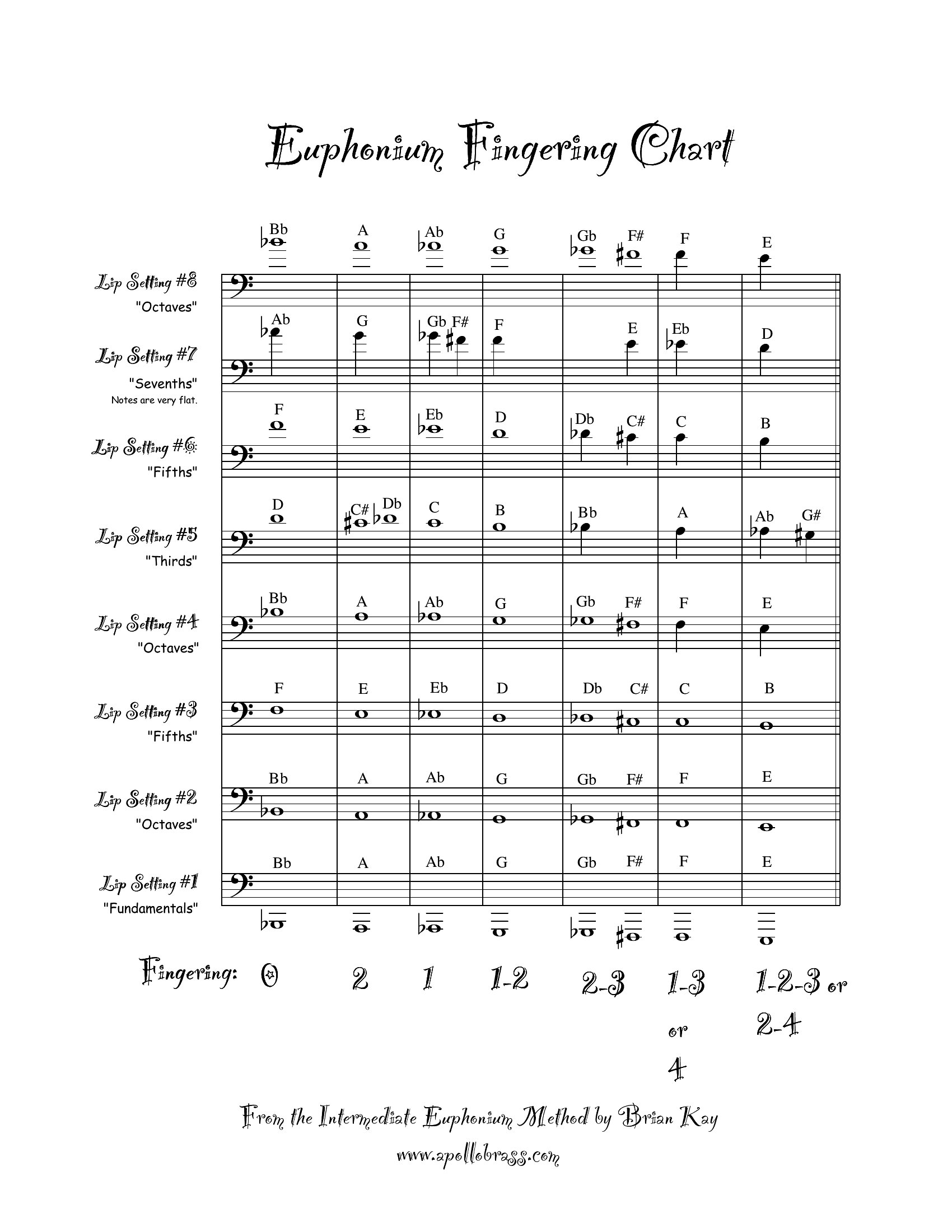
DiagramsA euphonium player juggling new notes needs a reliable reference, and these charts lay out the valve combinations across the instrument's range. This set of 26 fingering charts works for students moving past the basics, band directors prepping handouts, and adult learners returning to brass. Keep one nearby and you can check a fingering mid-practice instead of guessing your way through a passage.
Every chart downloads as a print-ready PDF, sized to print cleanly on standard paper. Some include blank layouts you can fill in for custom exercises or alternate fingerings. Tape one inside your folder, hand copies to a section, and use them to drill scales until the fingerings feel automatic. Choose the chart that suits your level and print it today.
When to use this Euphonium Fingering Charts template
- A high school band director teaching euphonium for the first time should print these charts for quick reference during rehearsals when students struggle with unfamiliar passages.
- University music students preparing for an audition can keep a chart on their music stand to double-check fingerings while rehearsing orchestral excerpts under time pressure.
- Adults returning to euphonium after years away need a clear visual guide to rebuild muscle memory and avoid guessing fingerings during practice sessions.
- Private euphonium teachers can distribute these charts as supplementary materials for students transitioning from beginner to intermediate-level pieces with complex valve combinations.
Which format should I download?
This collection is offered exclusively in PDF format, which is ideal for musicians who need a clean, printable reference they can keep in their music binder or on a tablet. The PDF format ensures the charts remain crisp and legible whether viewed on-screen or printed for practice sessions, rehearsals, or lessons. The fixed layout also prevents accidental formatting shifts that might occur in editable documents, making it the best choice for reliable fingering accuracy.
How to use this Euphonium Fingering Charts template
Will these charts work for B-flat or F euphonium players?
These charts are designed for the most common B-flat euphonium, which is standard in school bands and orchestras. If you play an F euphonium, you’ll need to transpose the fingerings manually since the valve combinations differ due to the instrument’s different pitch. Always confirm your euphonium’s key before relying on a chart.
How do I use these charts if I’m still learning to read music?
Start by matching the note you’re playing to its position on the chart, then follow the corresponding fingerings. If you’re unsure about a note’s name, use a tuner or ask your teacher. These charts focus on fingerings, not theory, so they’re helpful even if you’re still learning to read music—just pair them with a simple note identifier.
Can I use these charts for euphonium methods books or etudes with alternative fingerings?
These charts provide standard fingerings for most classical and band repertoire. However, some methods books or advanced etudes may recommend alternative fingerings for technical or tonal reasons. Always cross-reference with your specific method book, as these charts are general guides rather than replacements for specialized instruction.
Comments
Join the conversation
Sign in to share your thoughts and leave a comment on this resource.