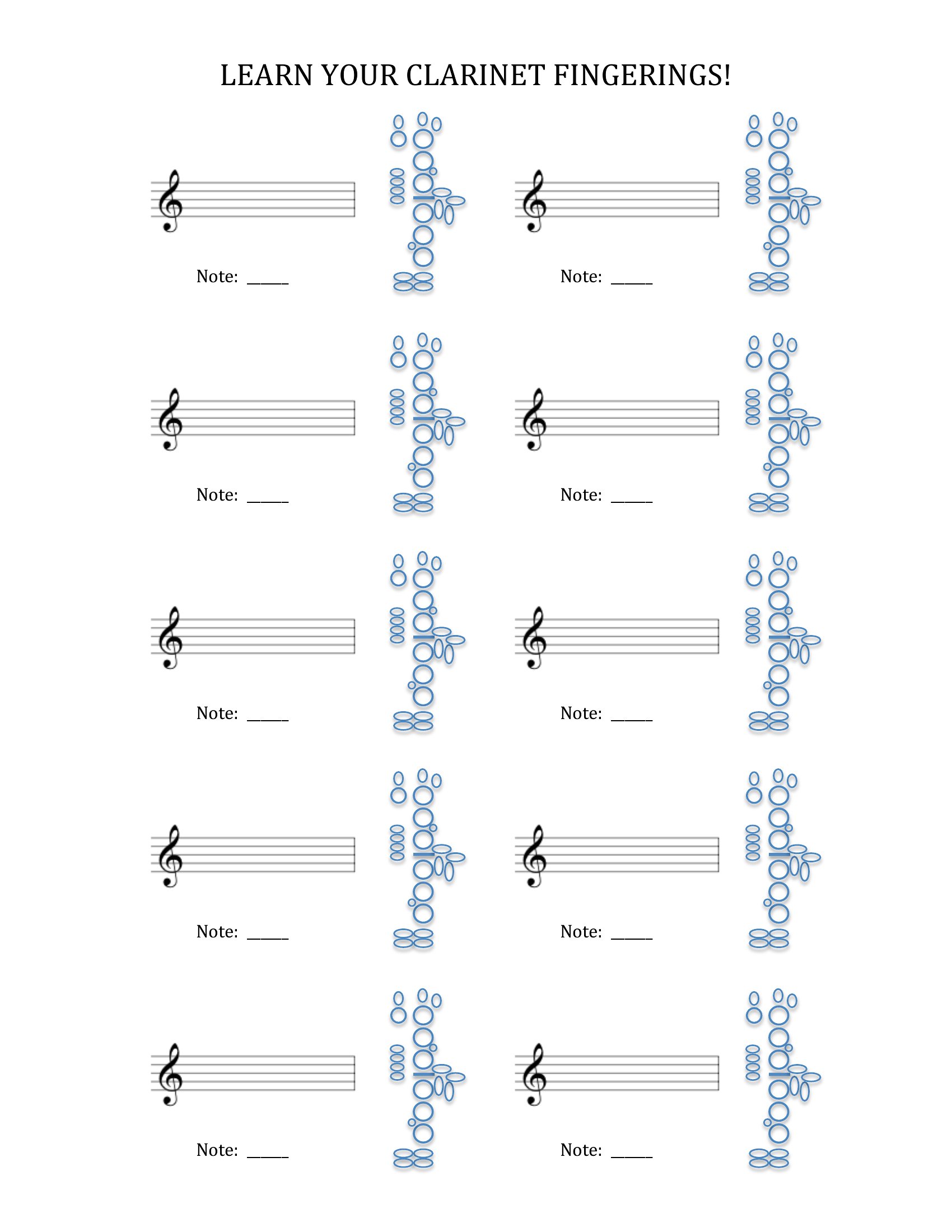
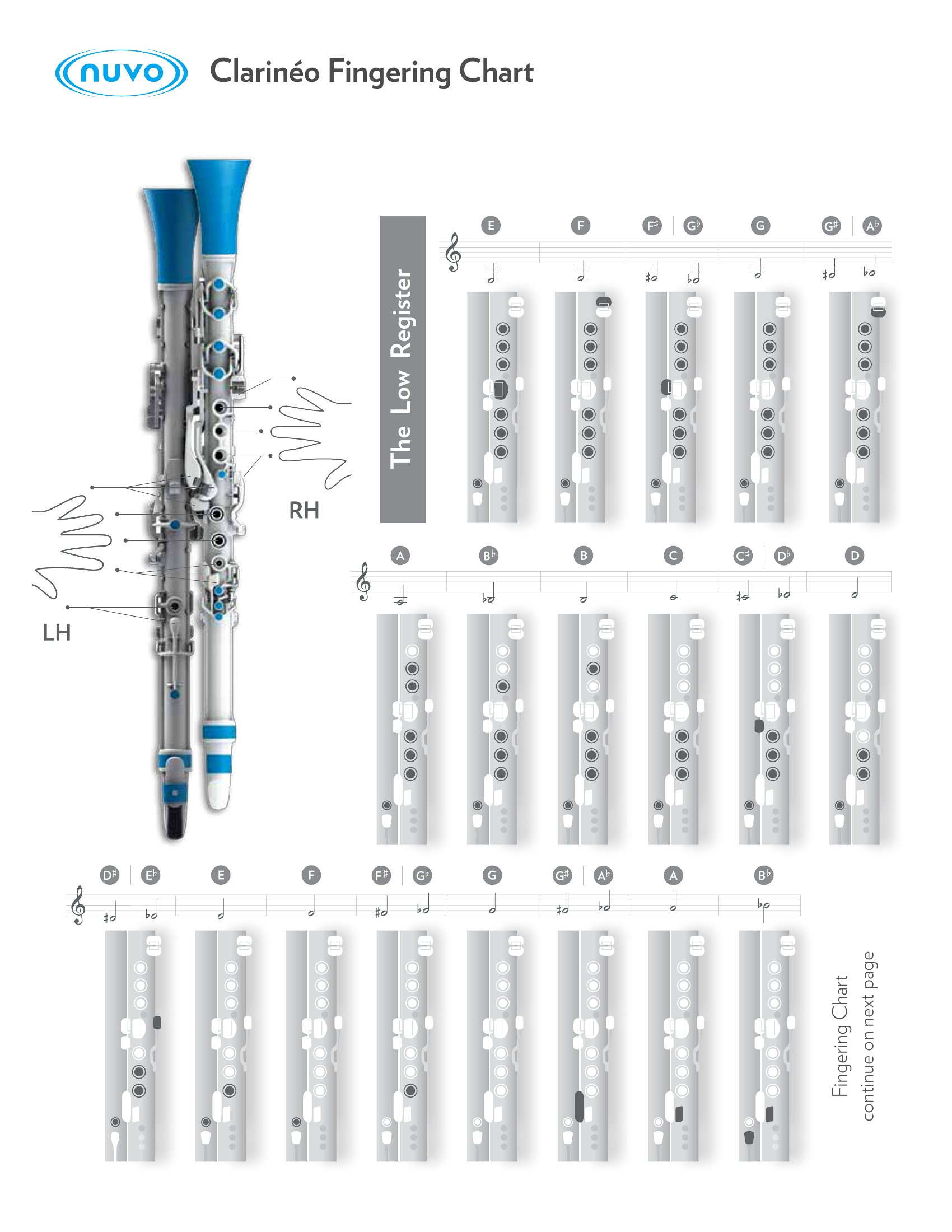
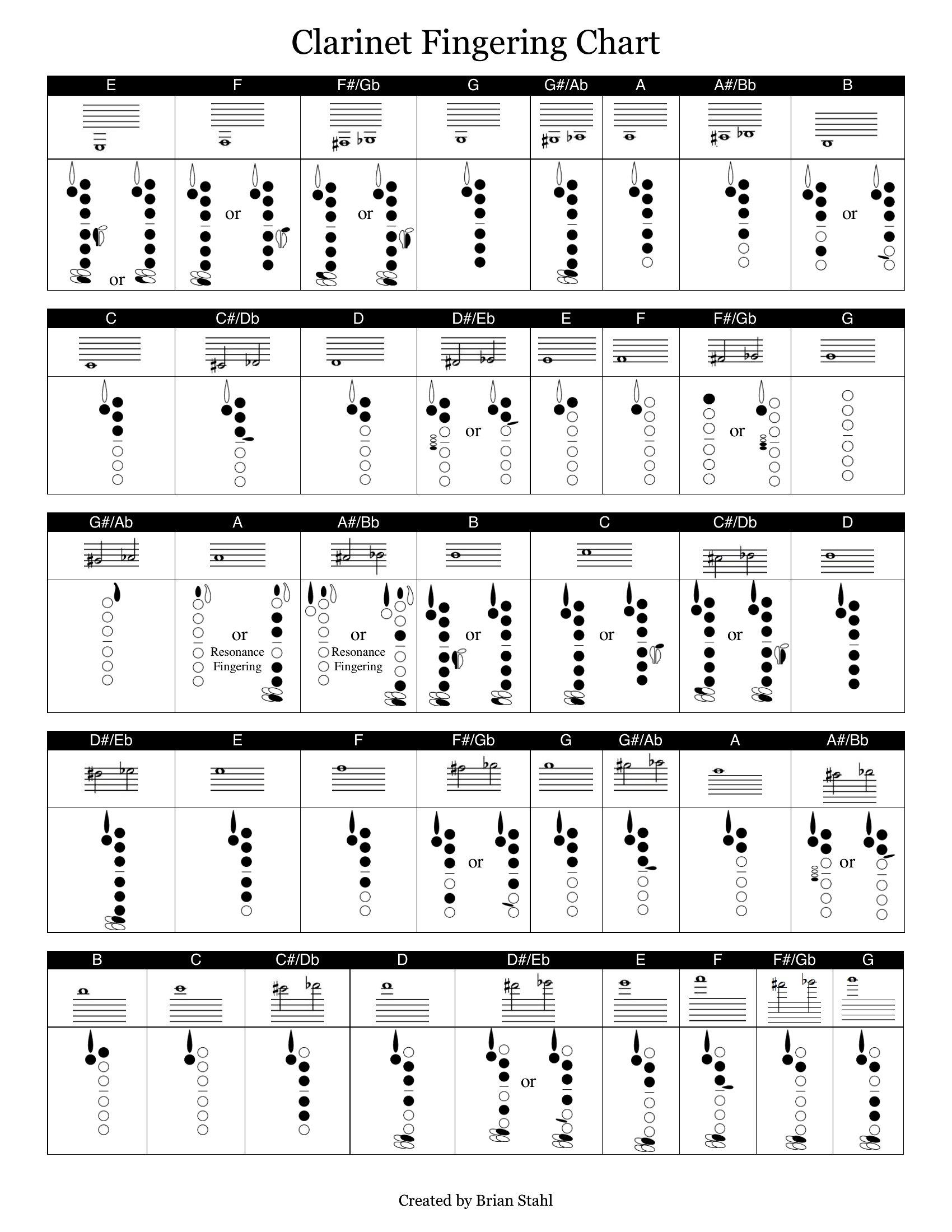
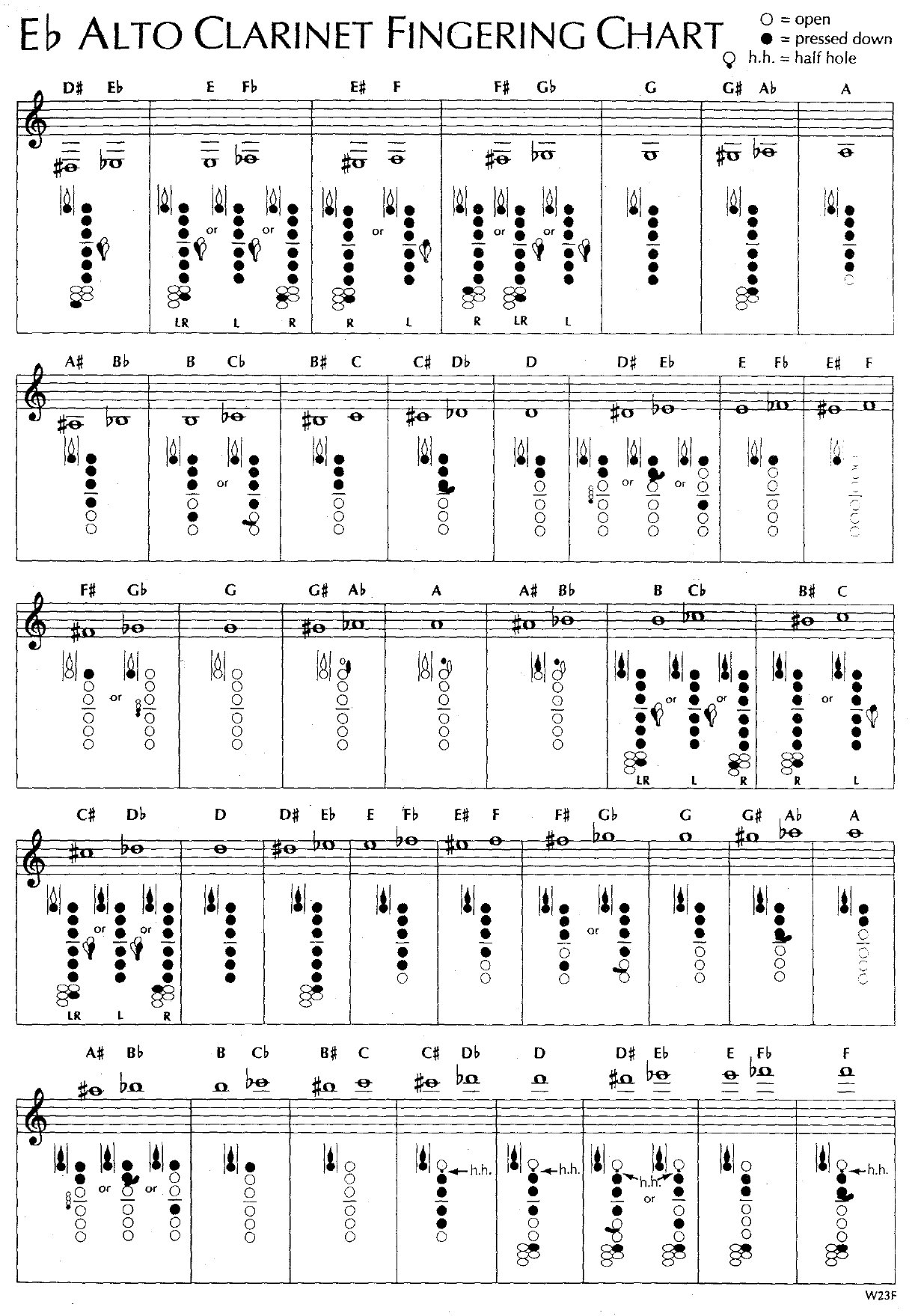

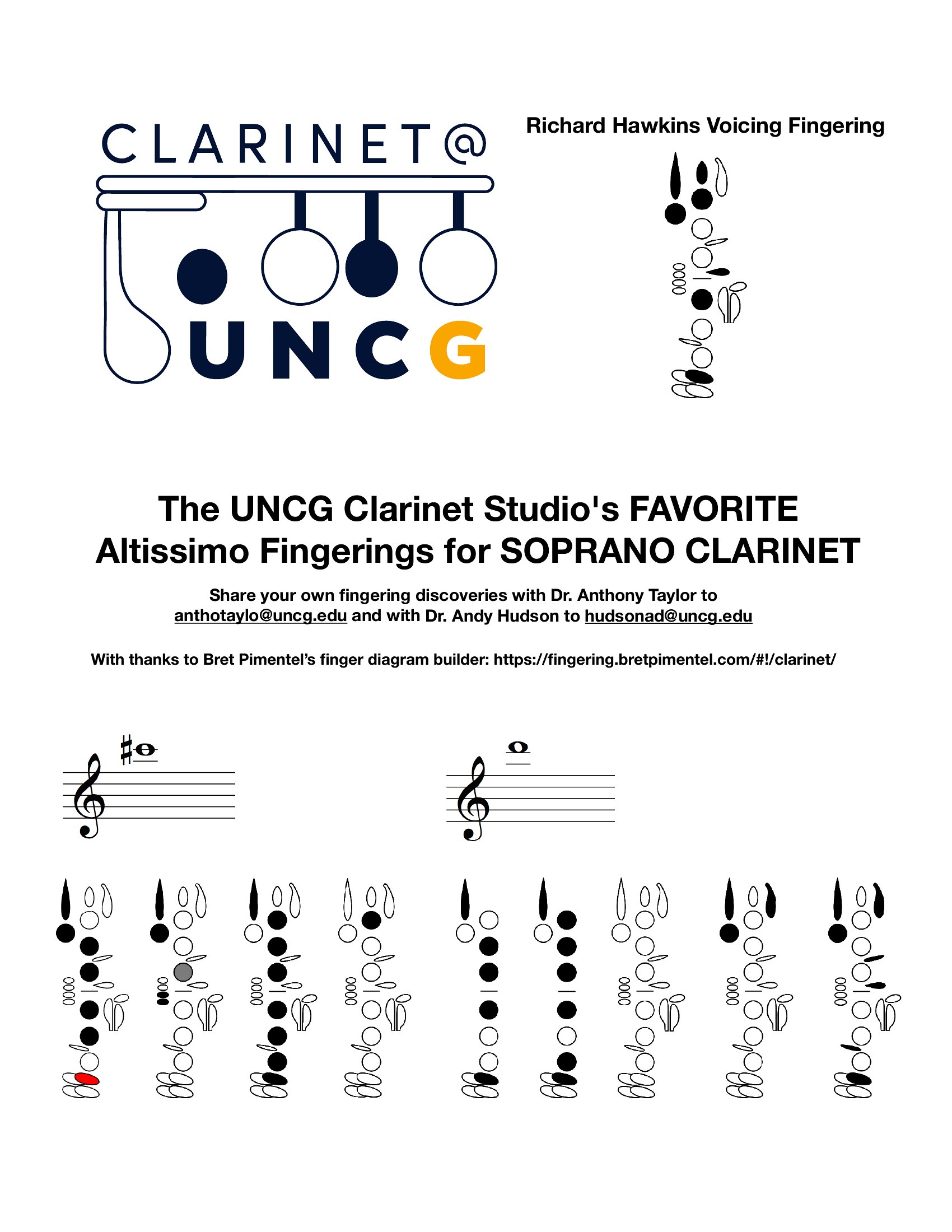
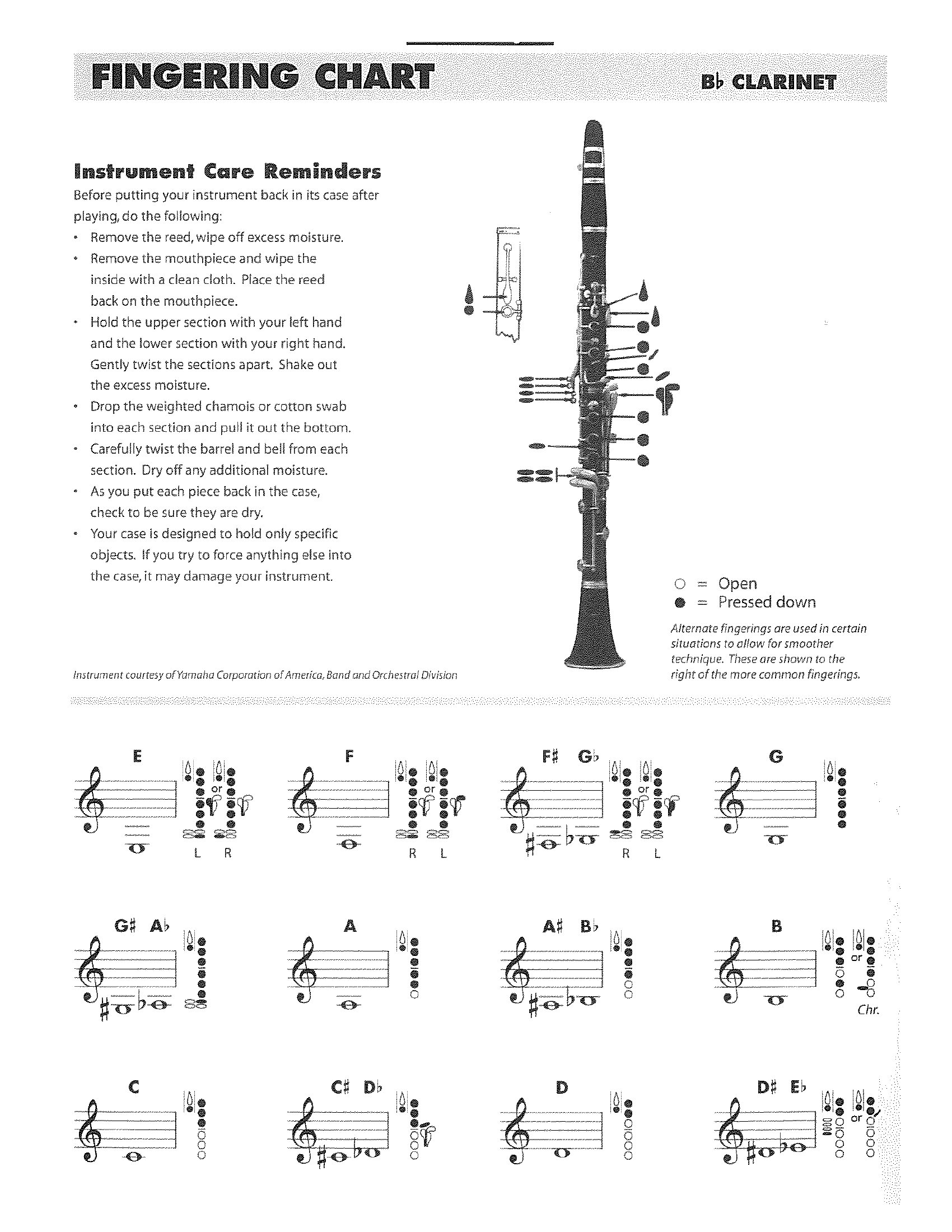
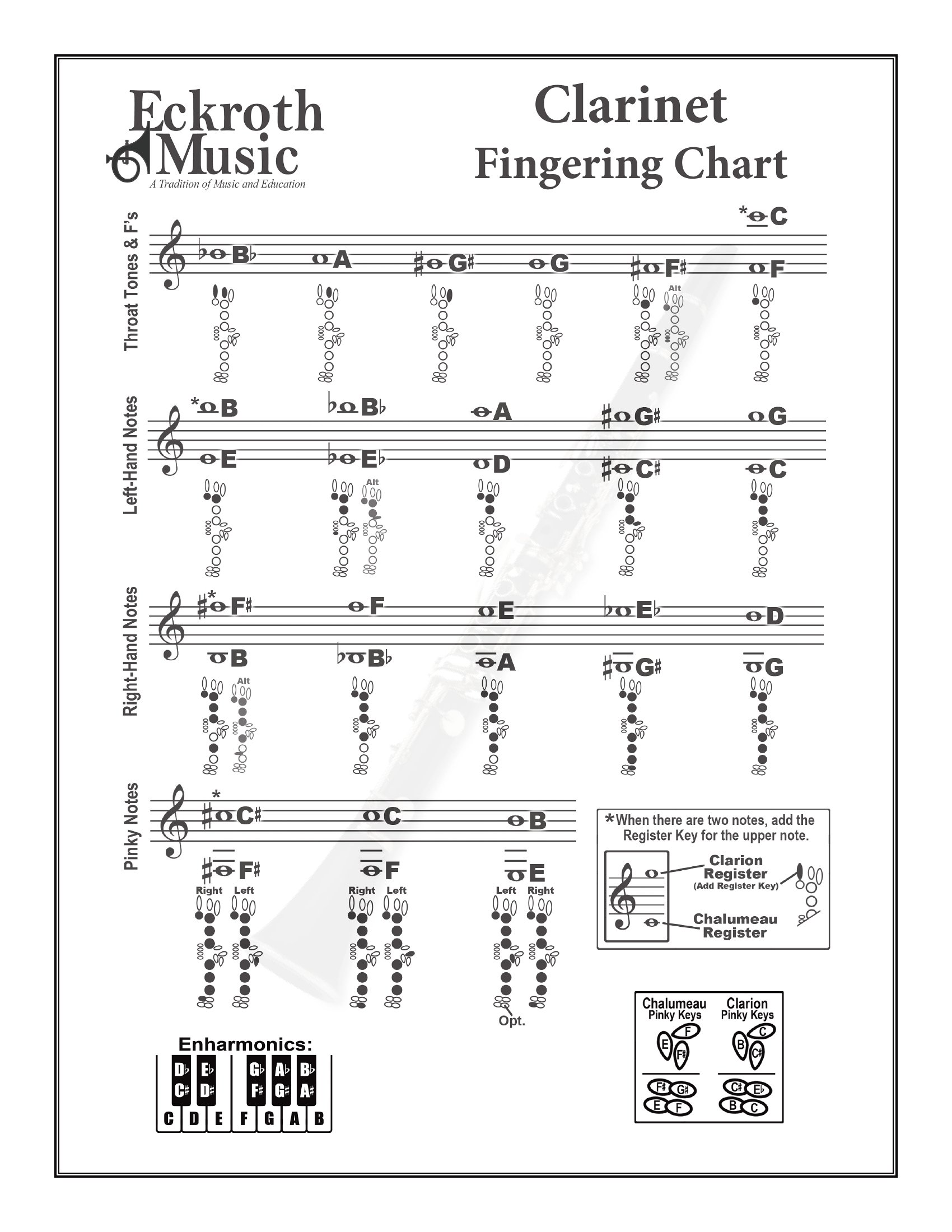
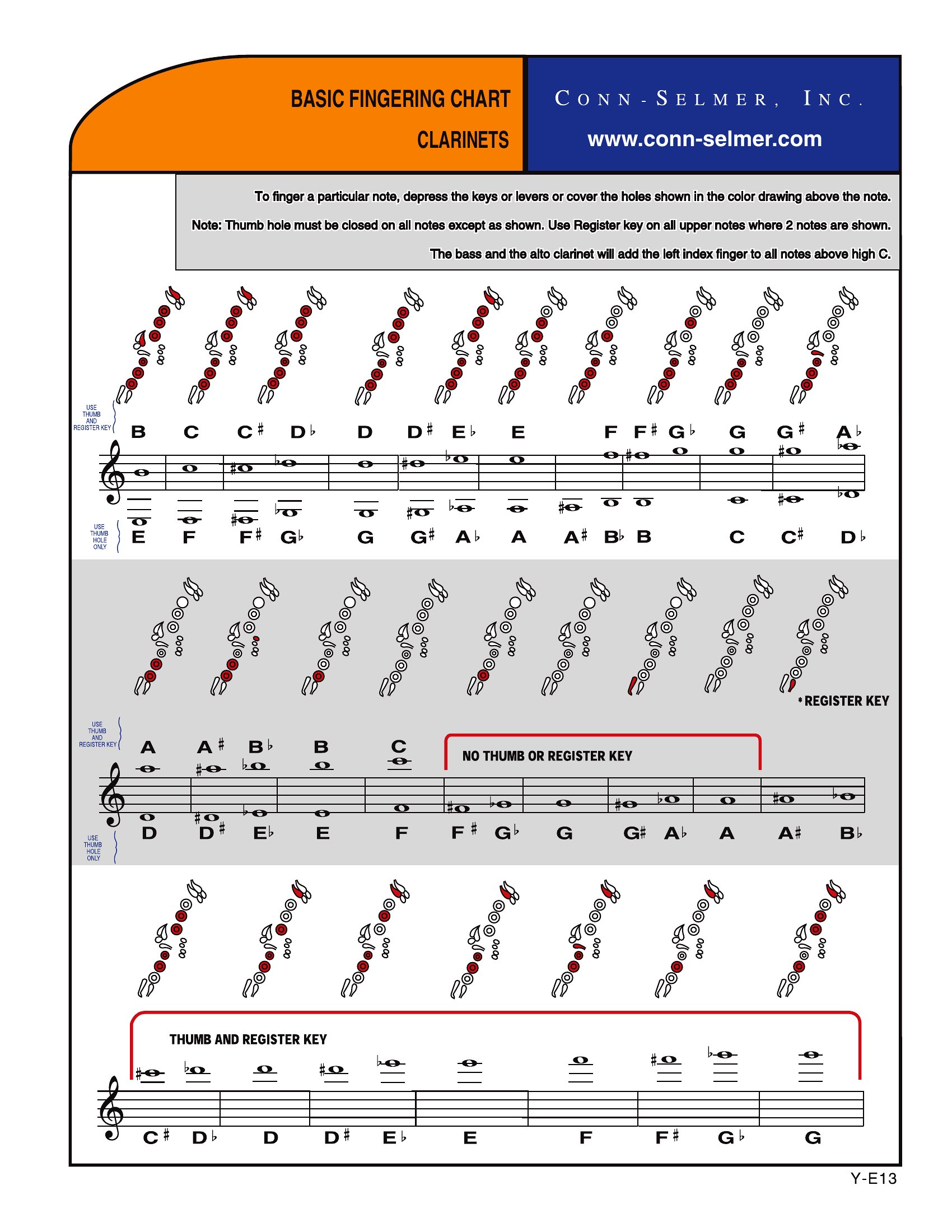
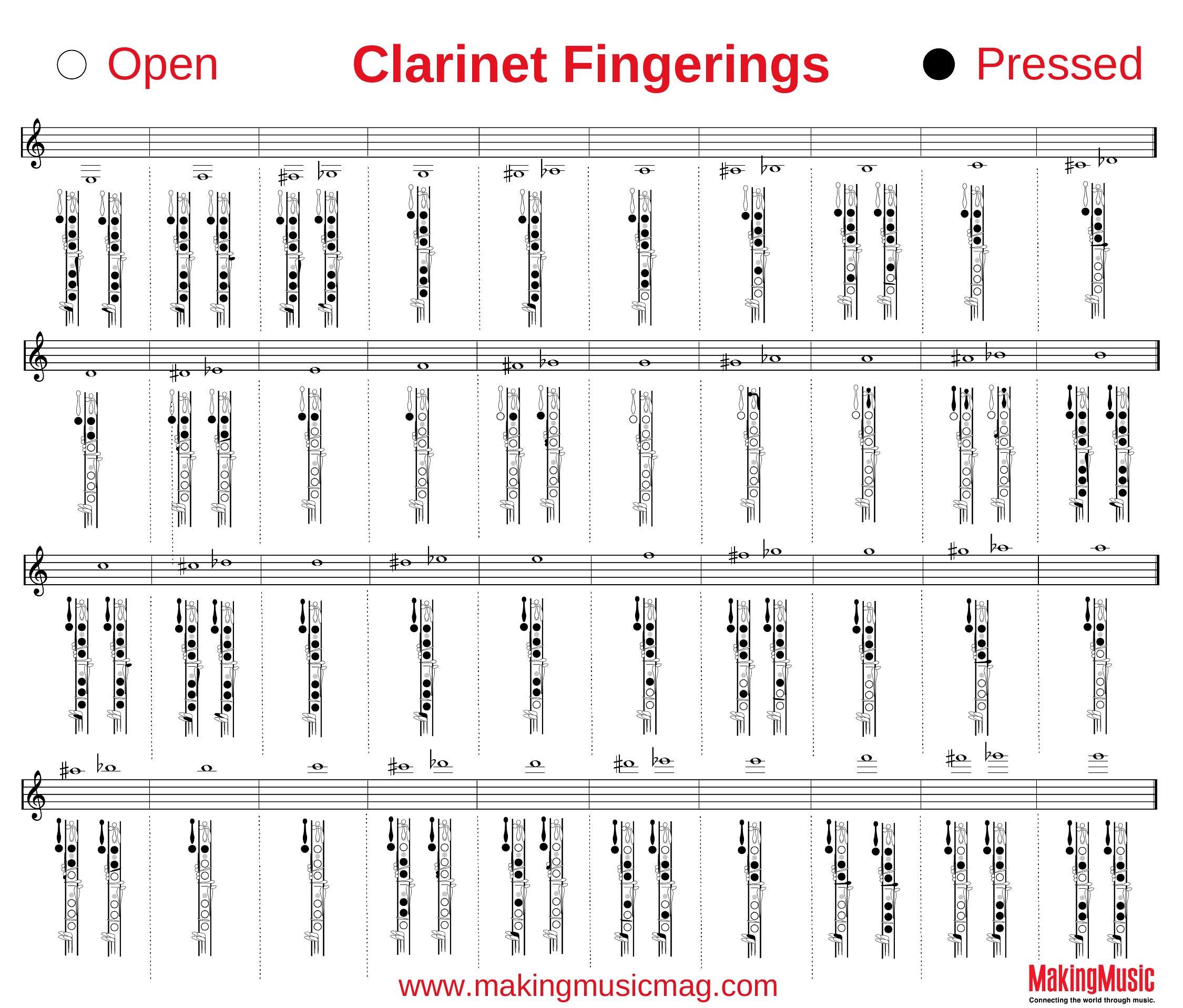
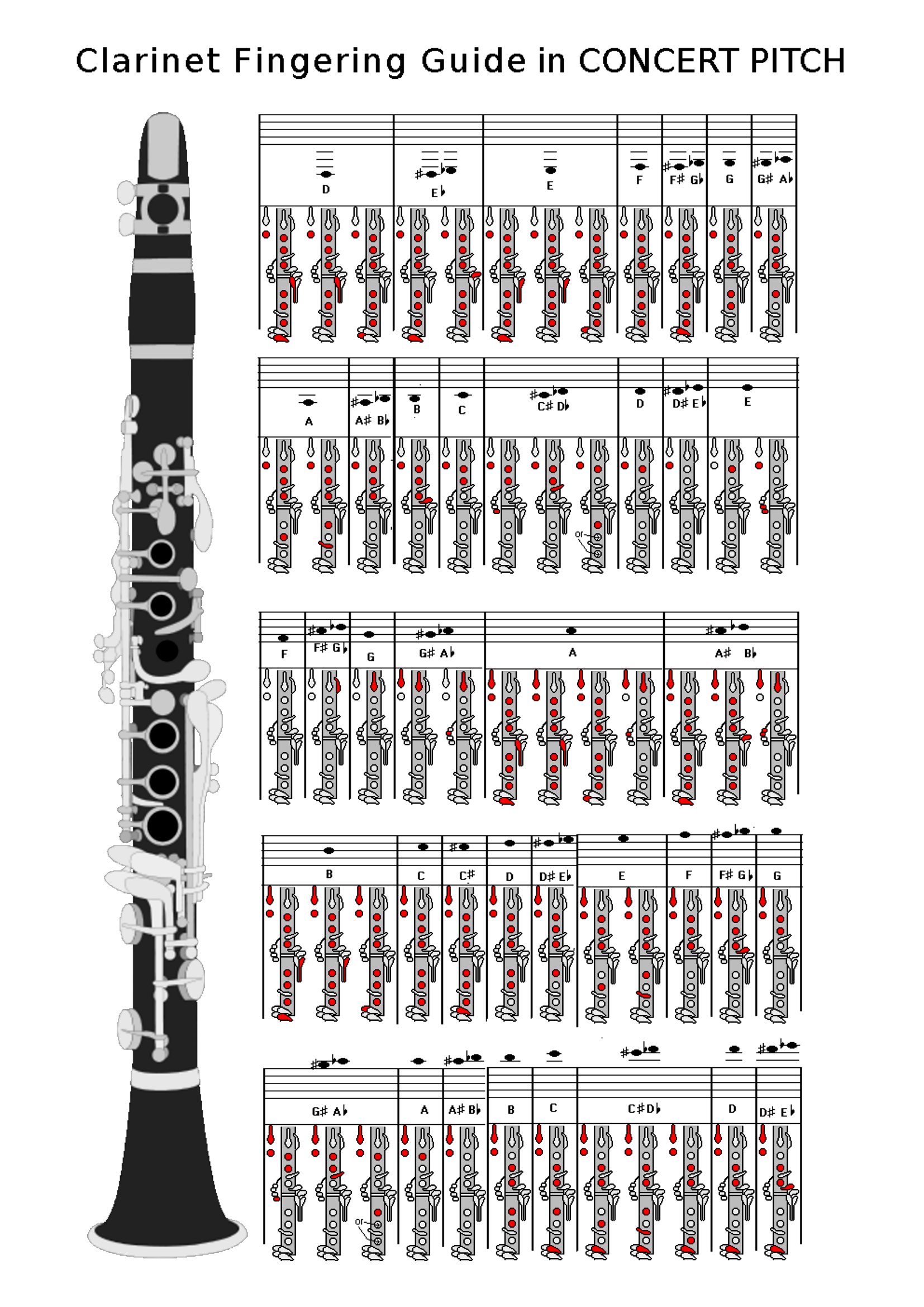
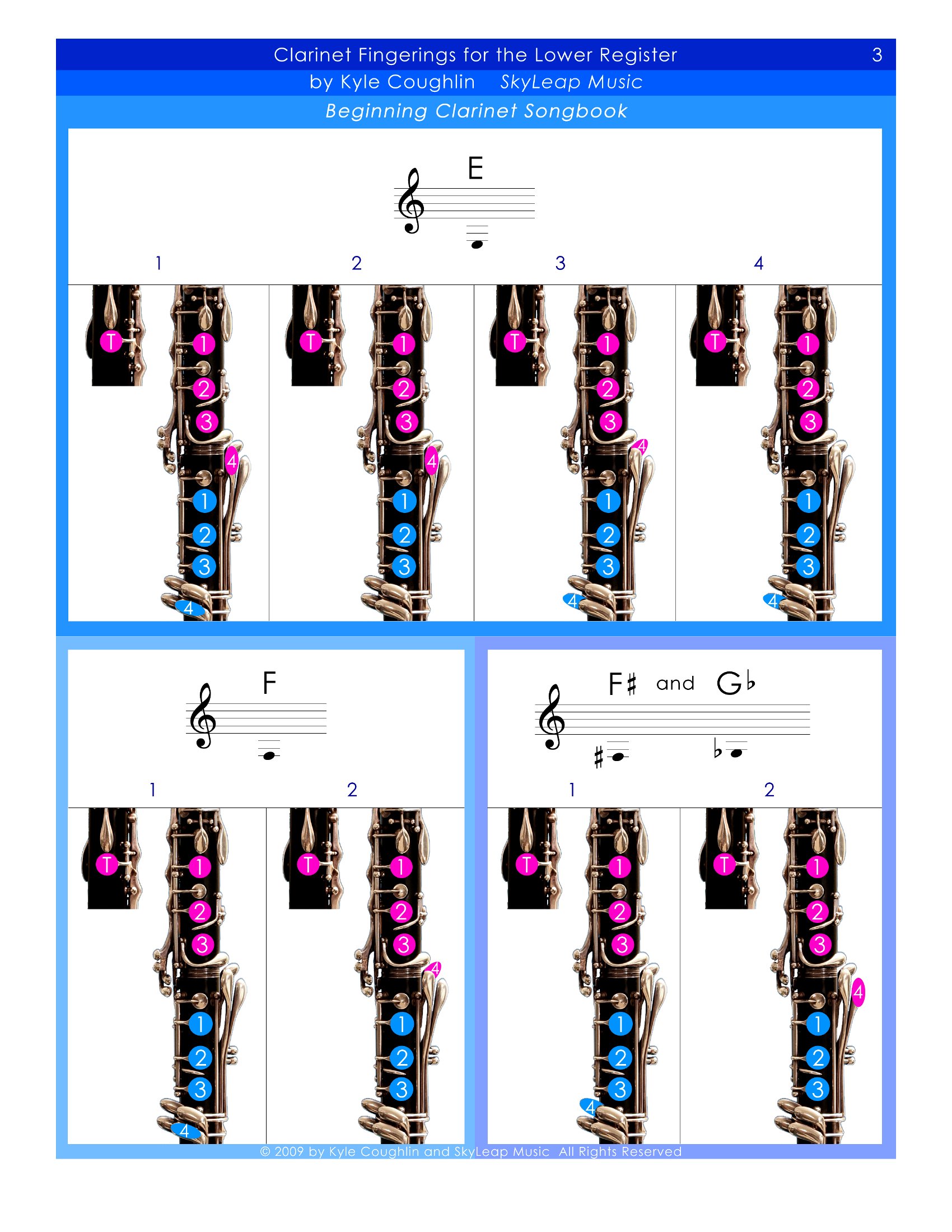
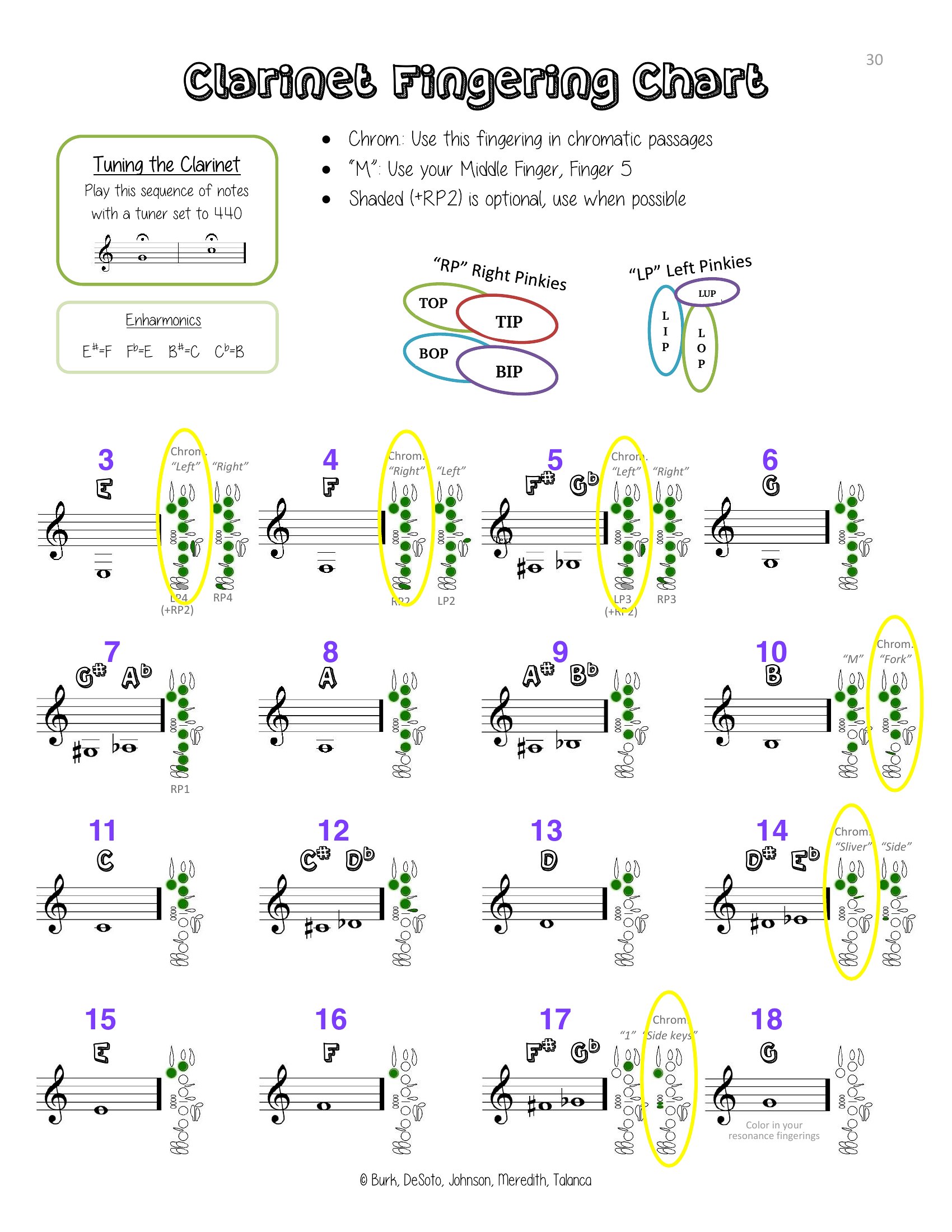
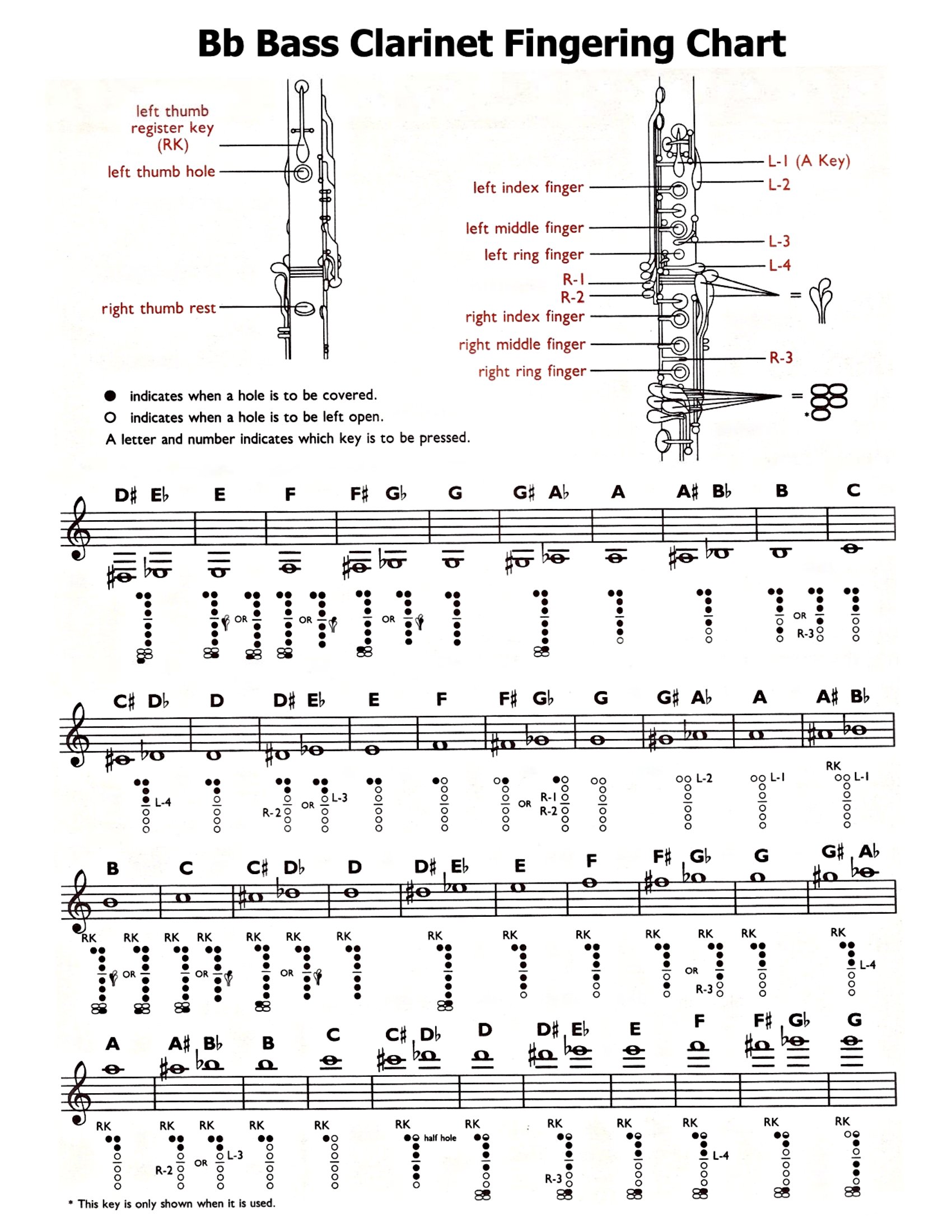
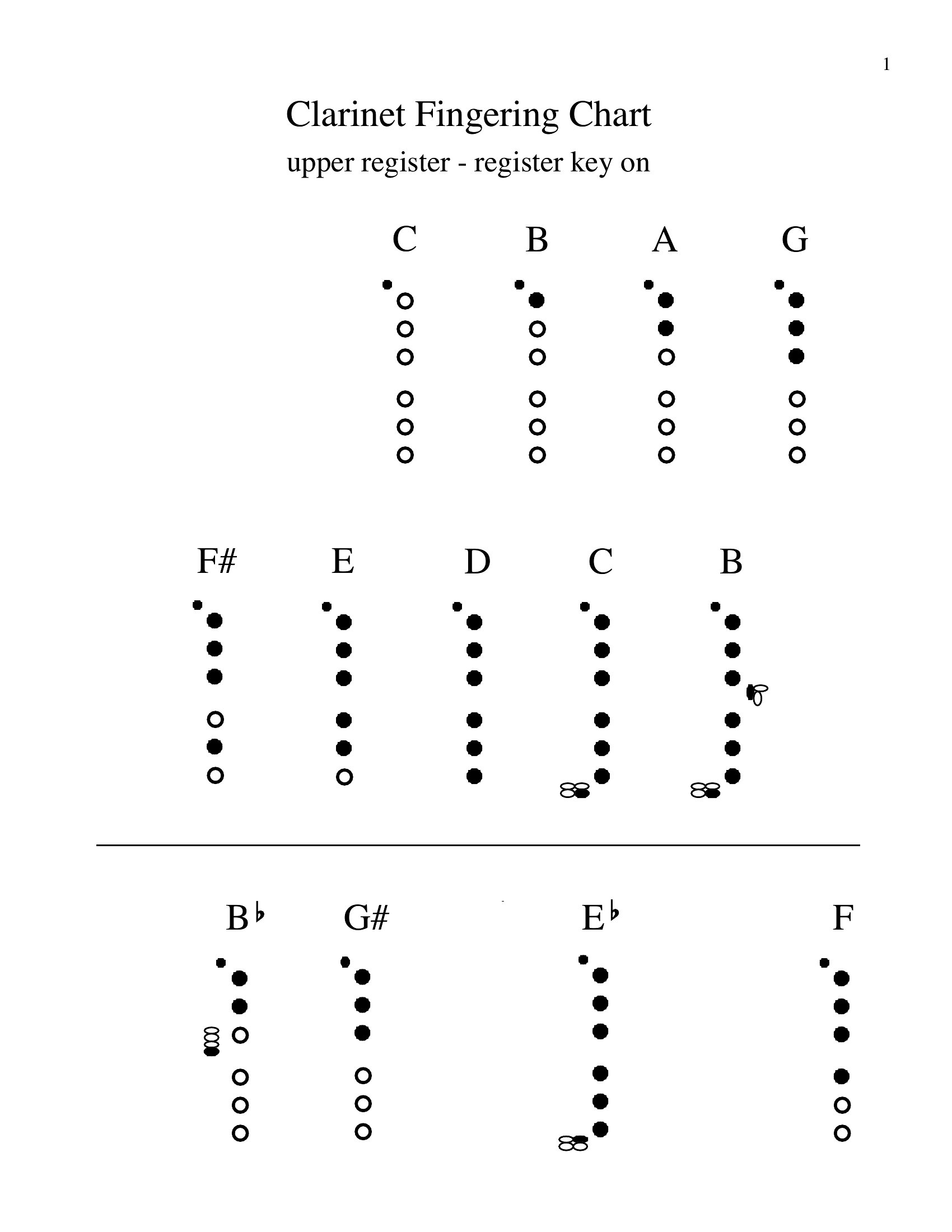
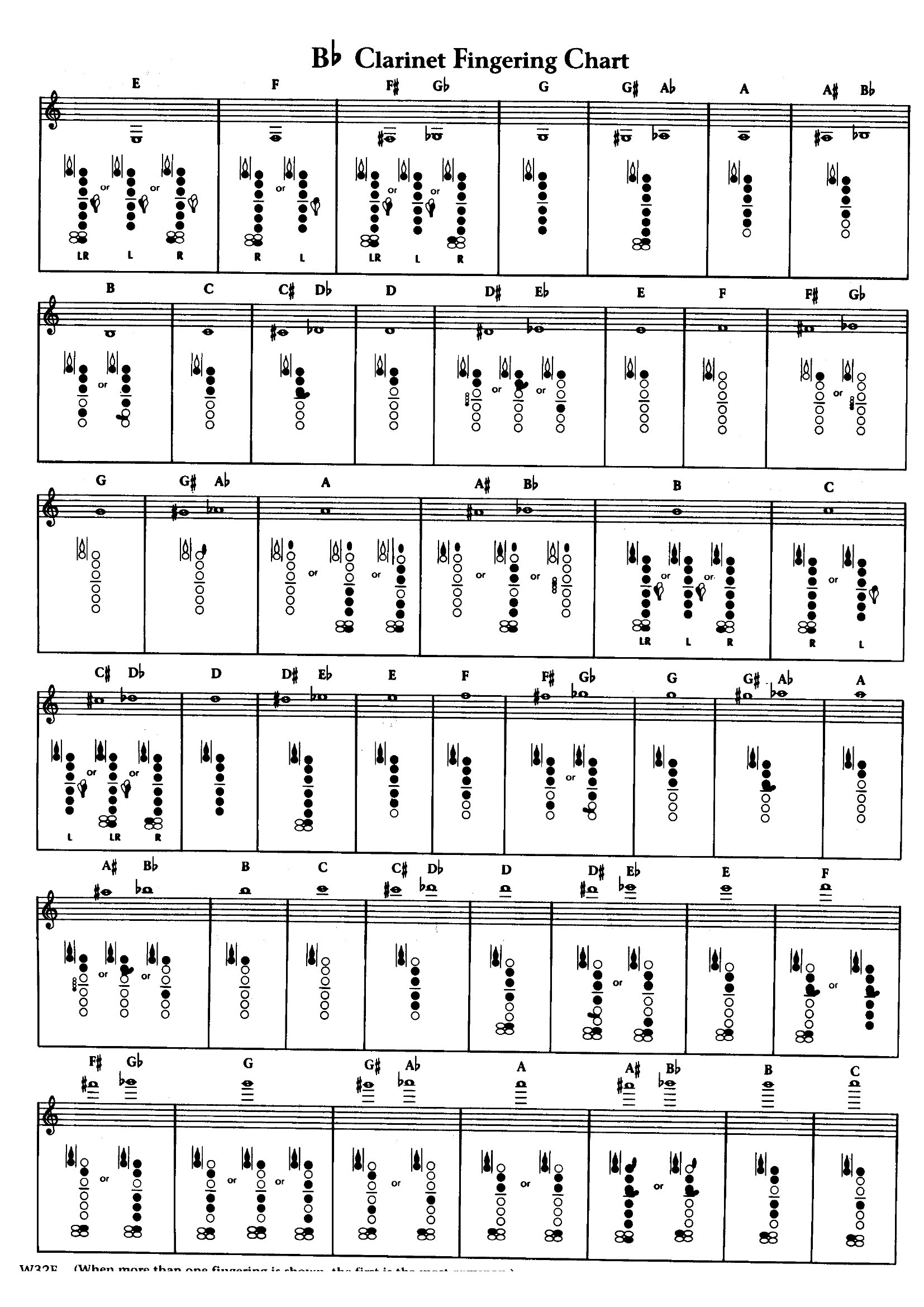
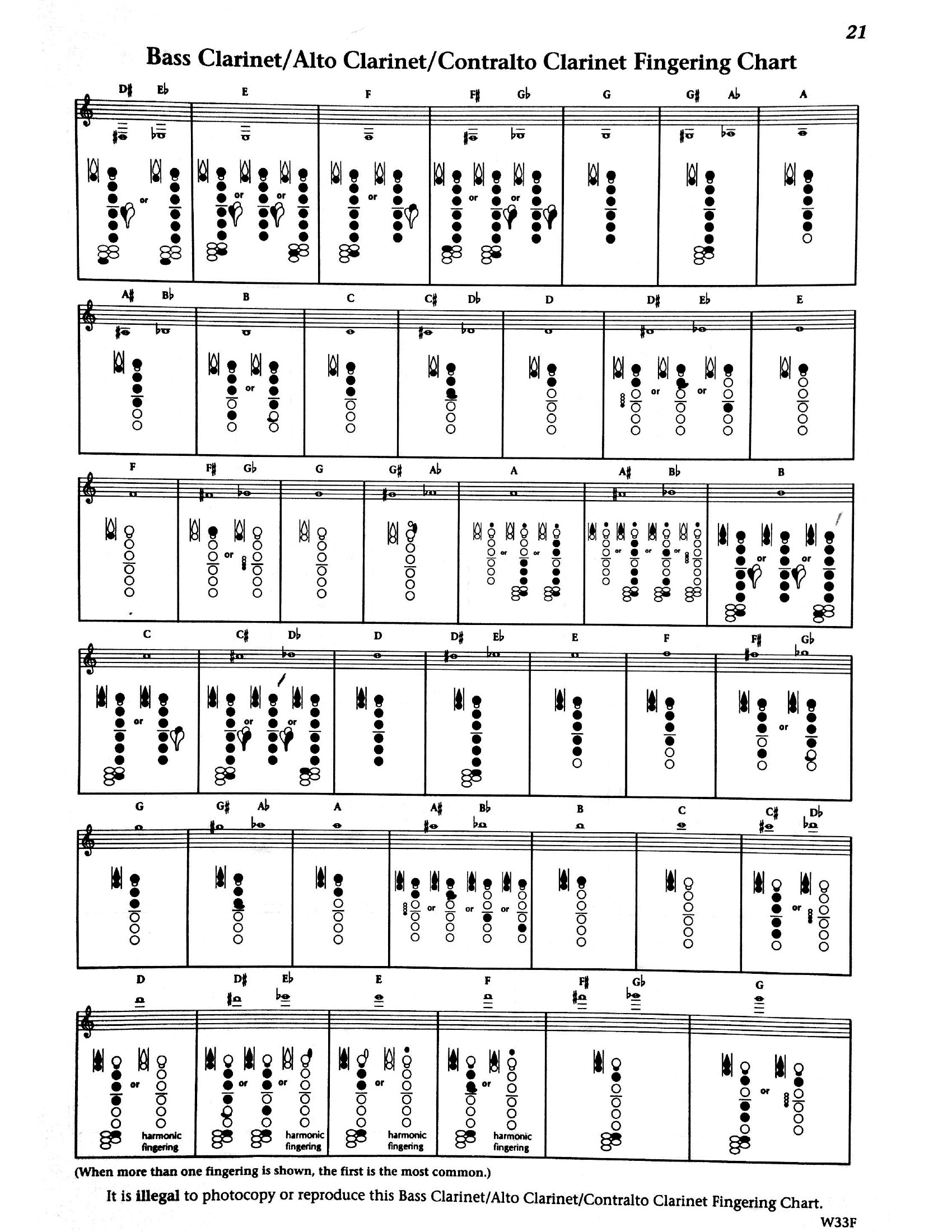
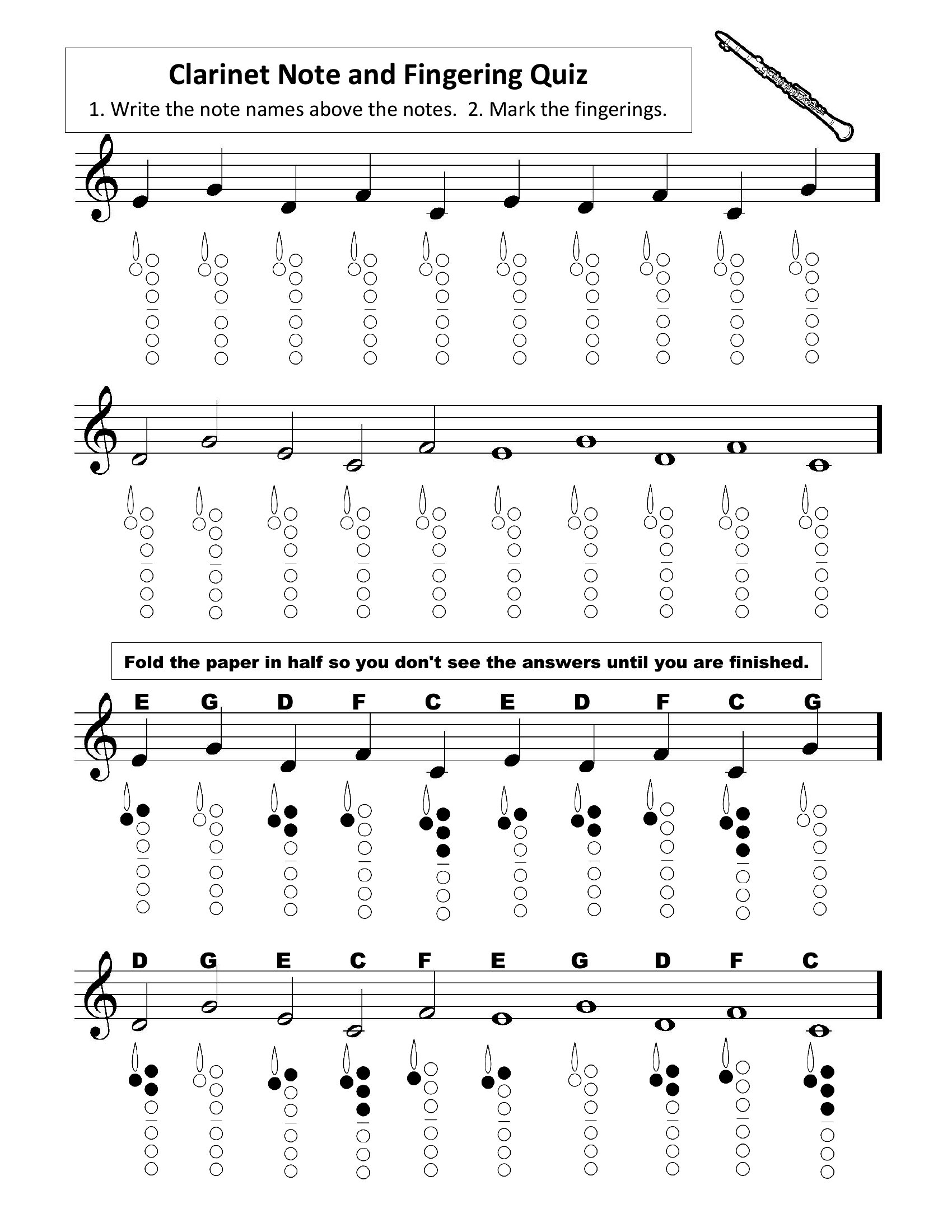
Free Clarinet Fingering Charts (PDF)
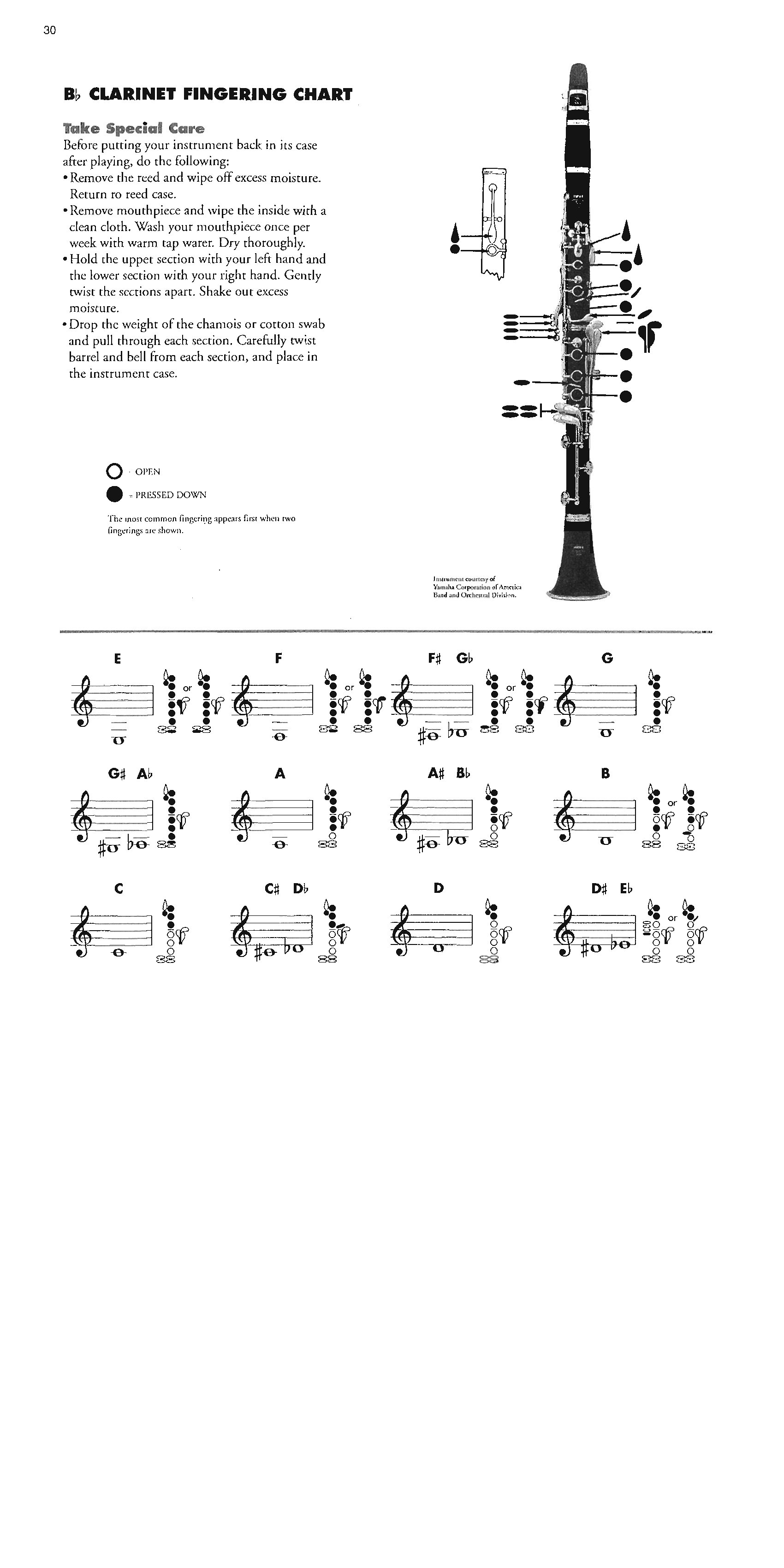
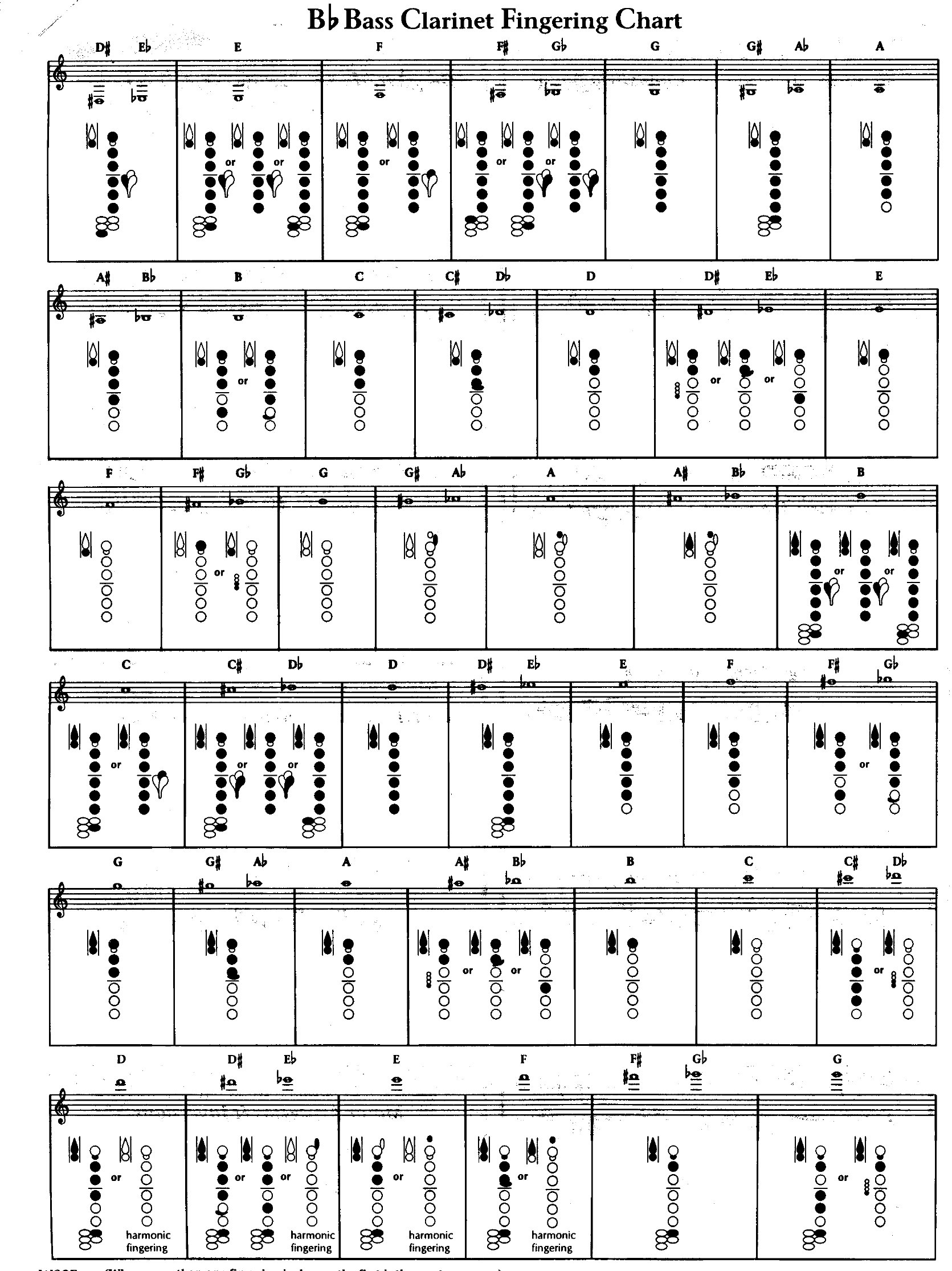
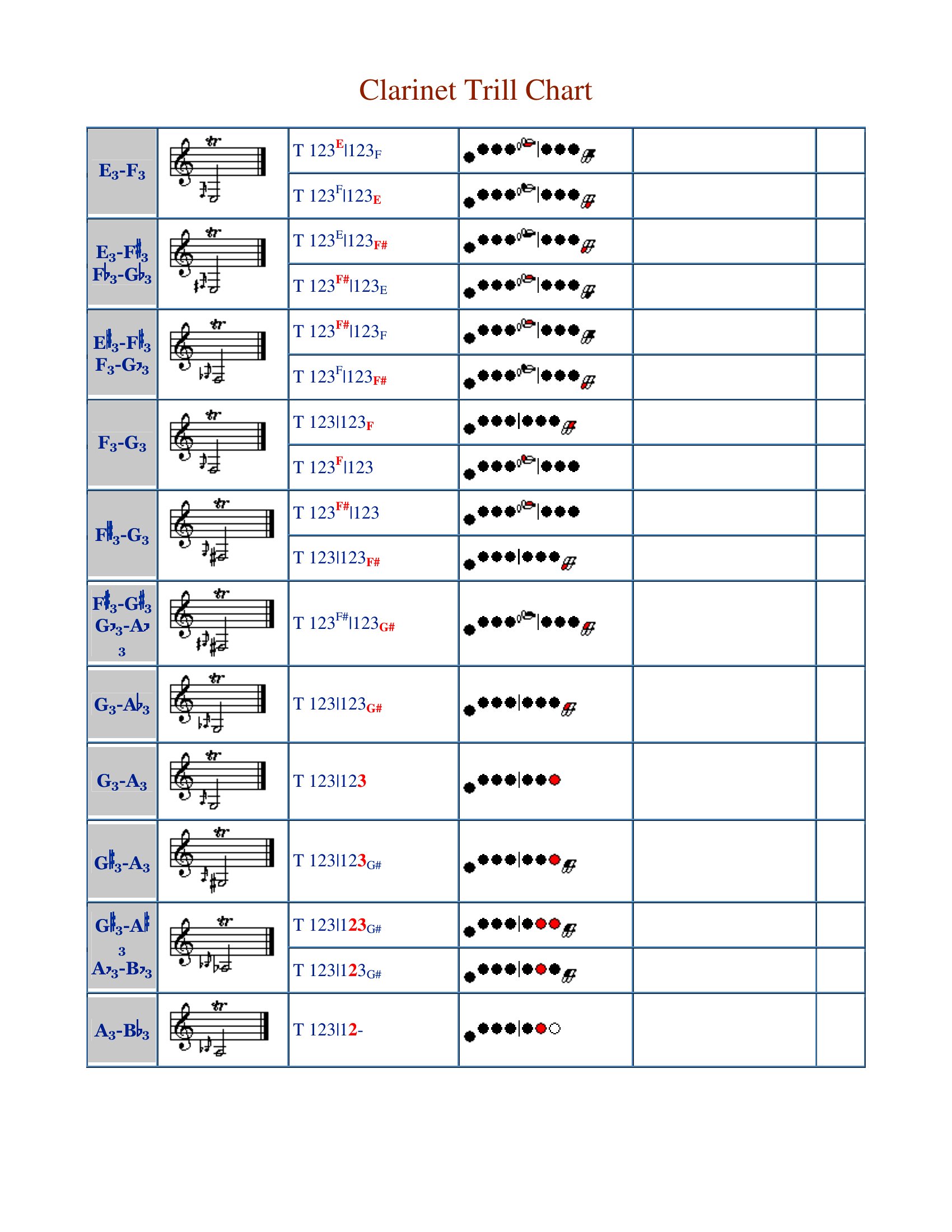
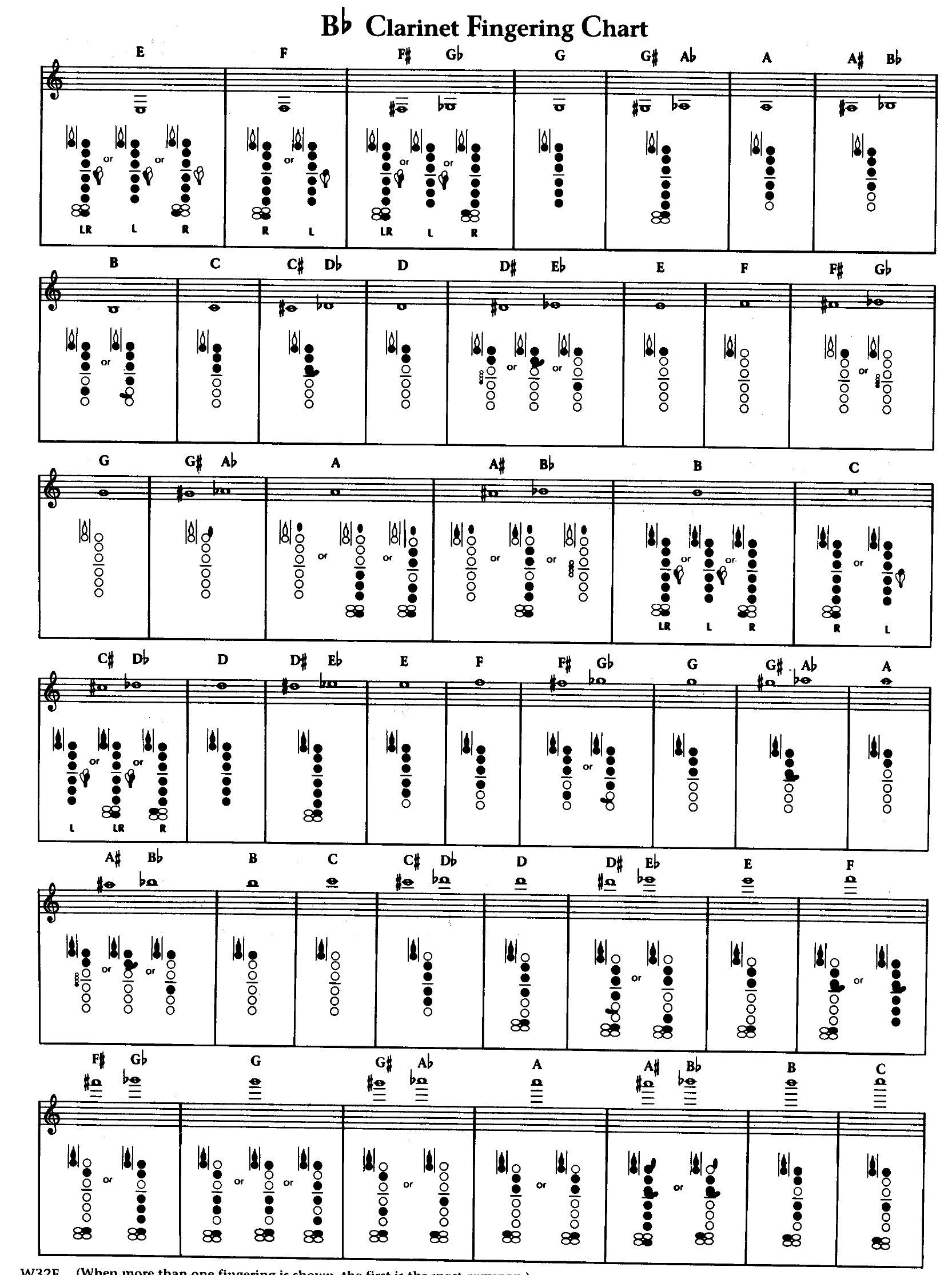
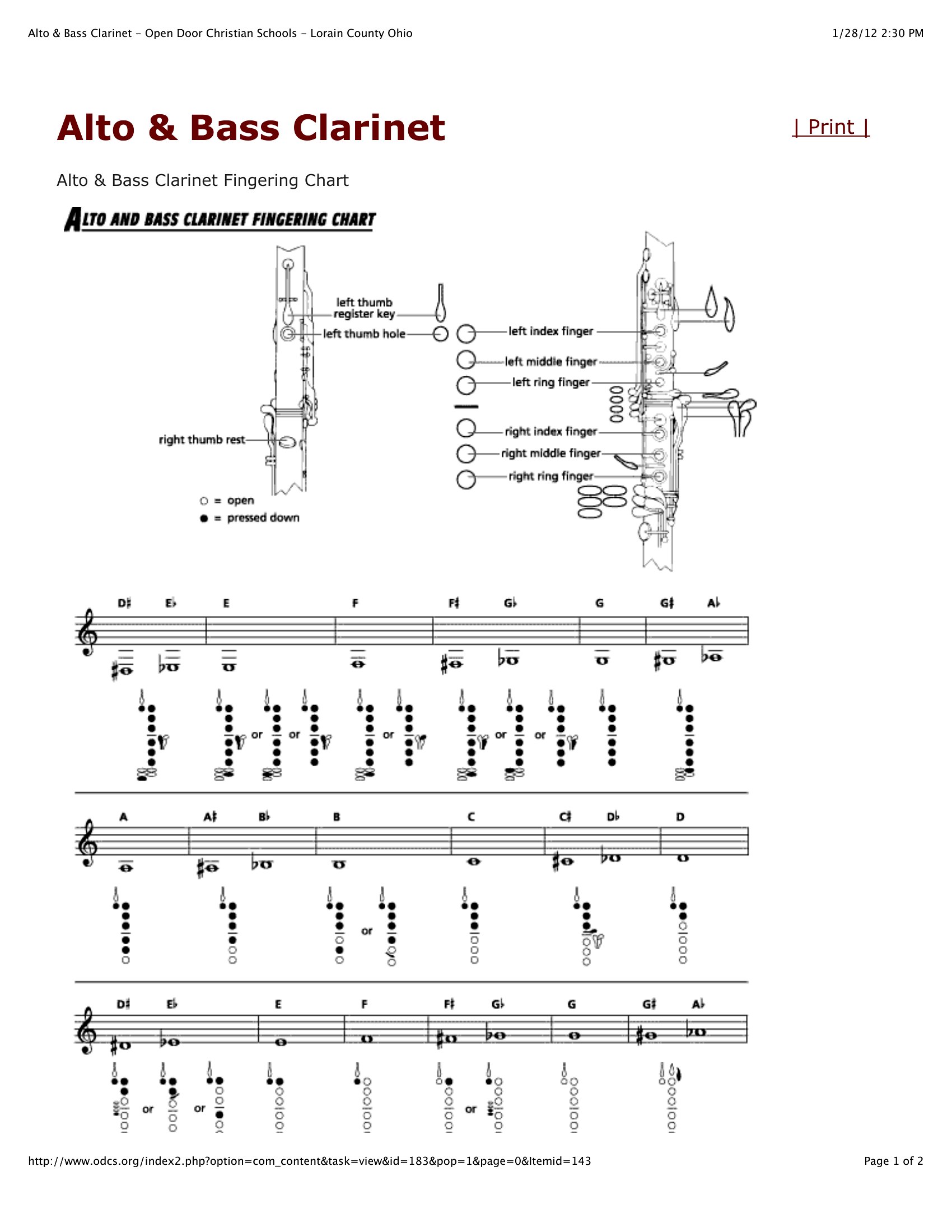
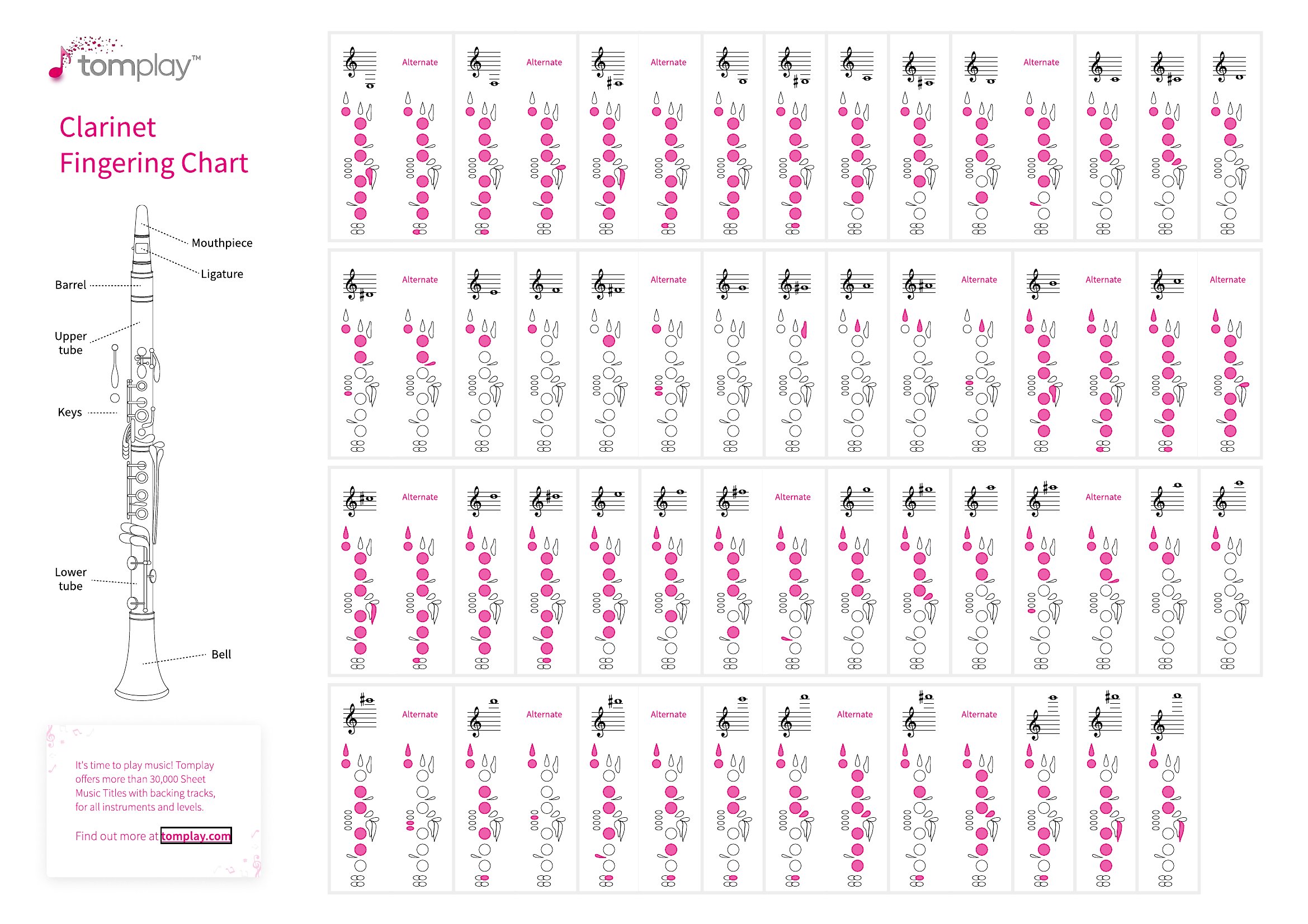
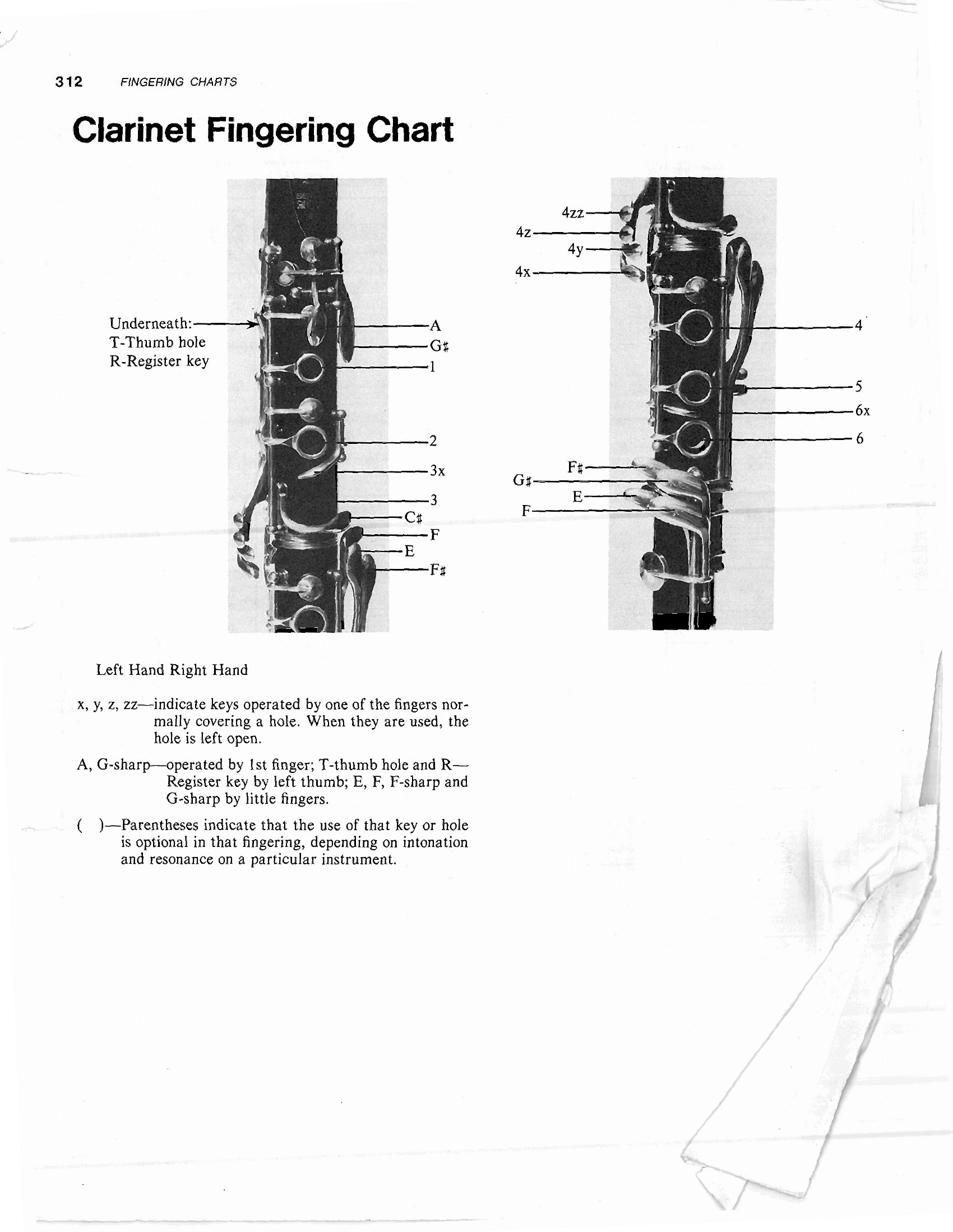
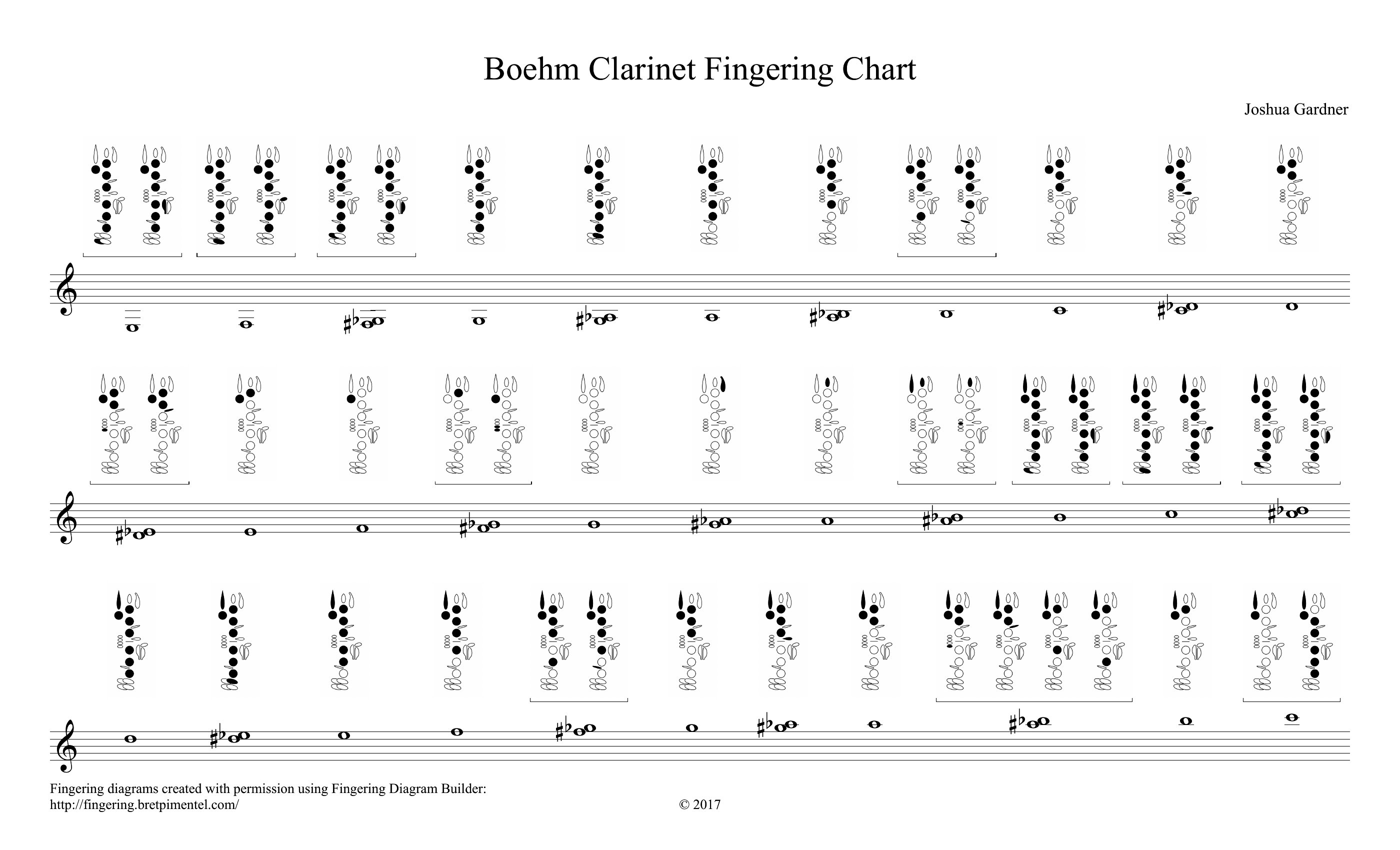
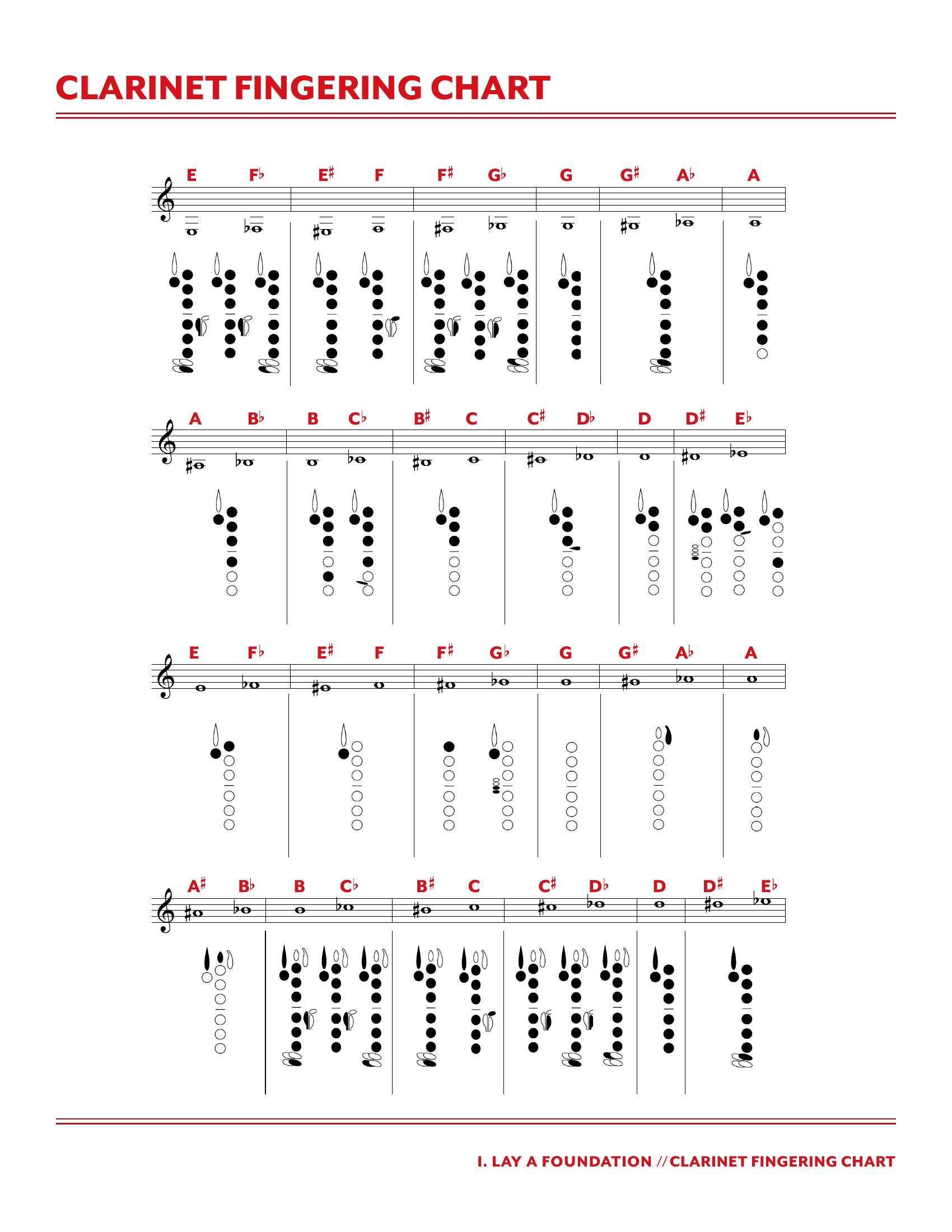
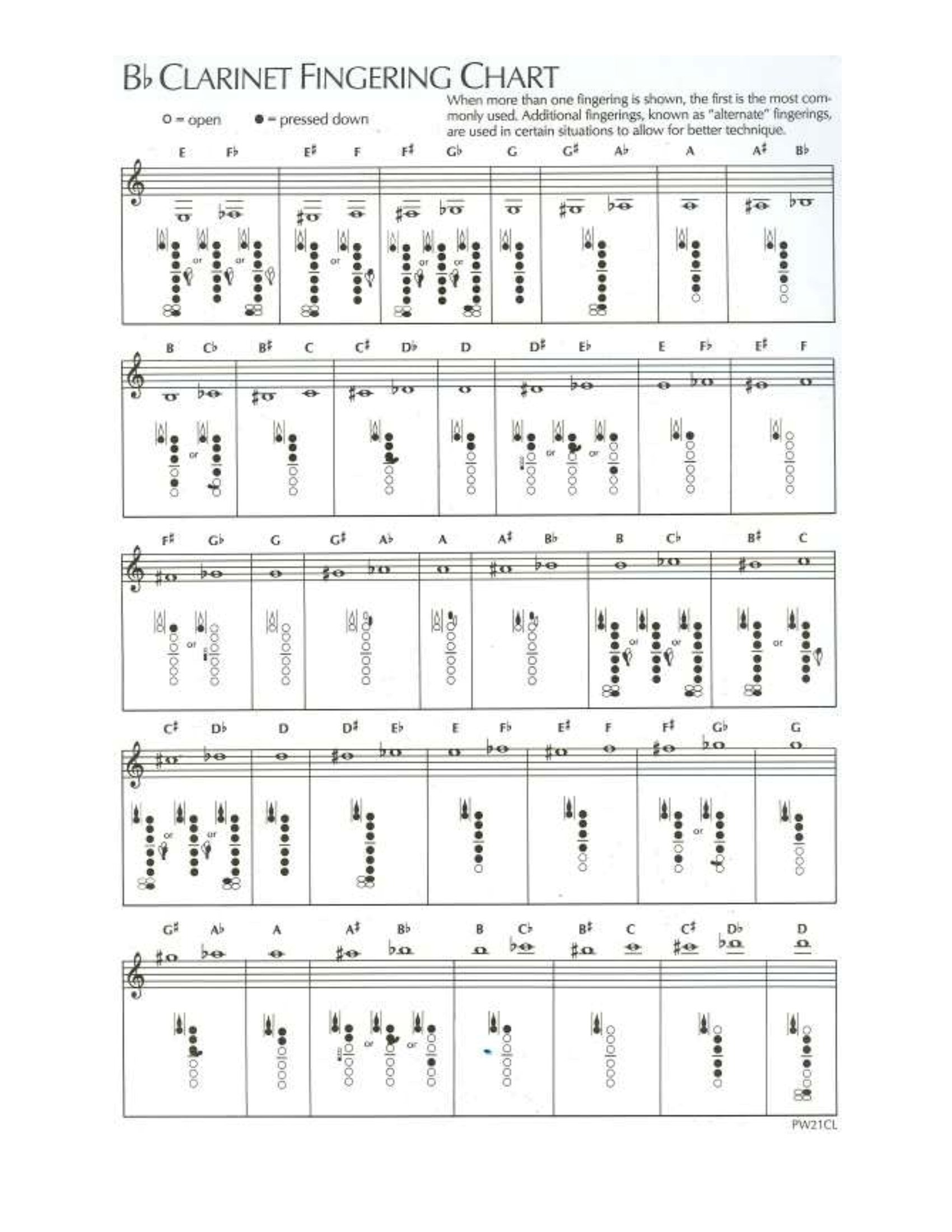
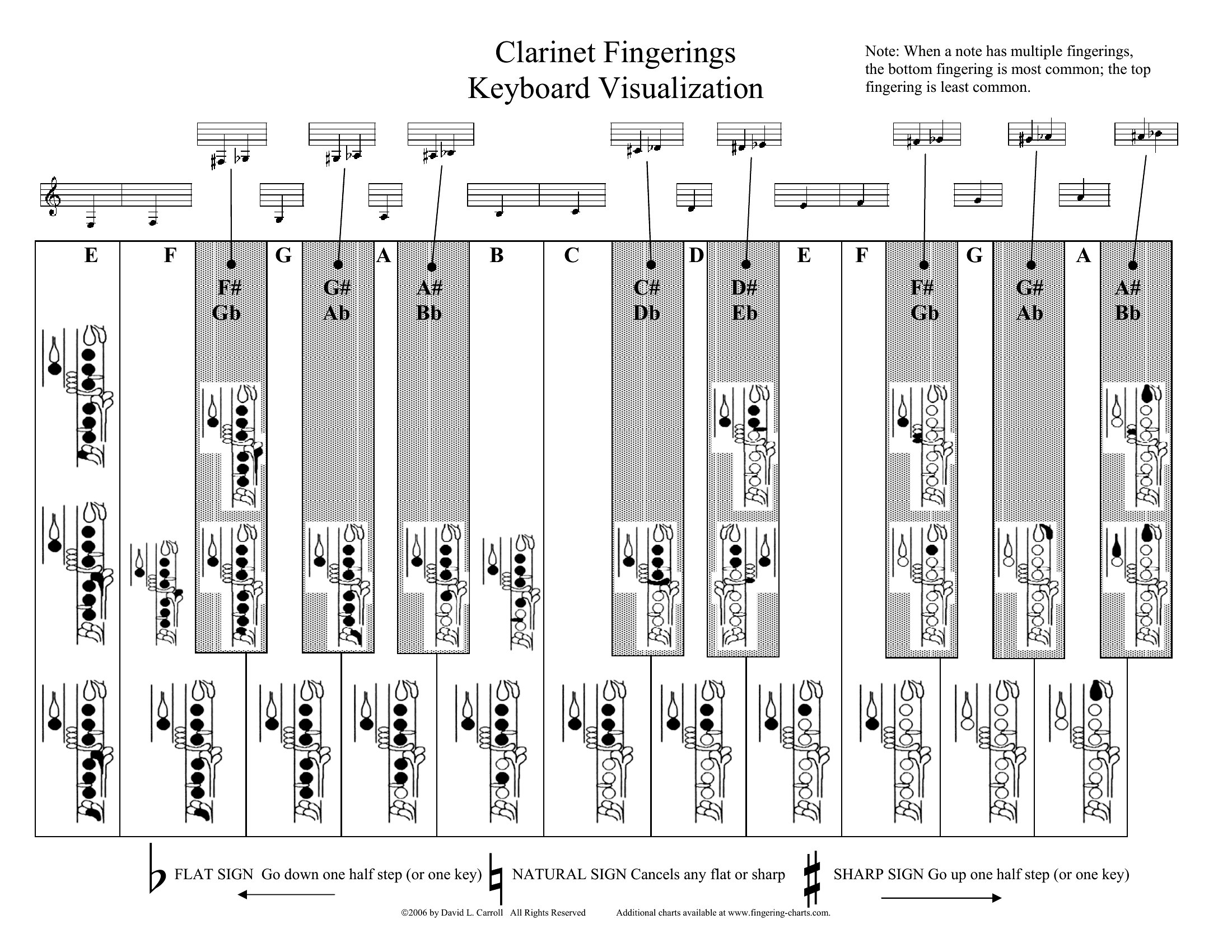
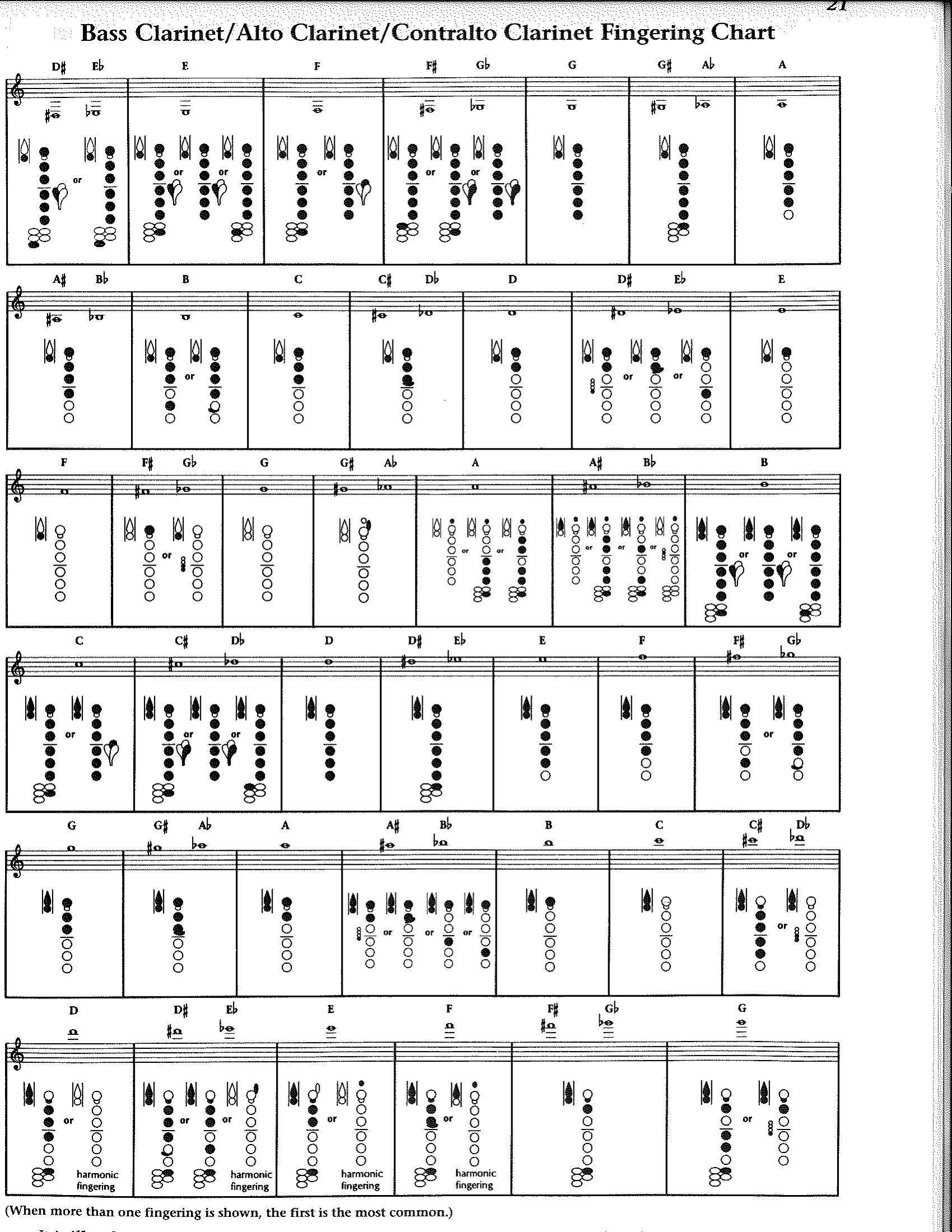
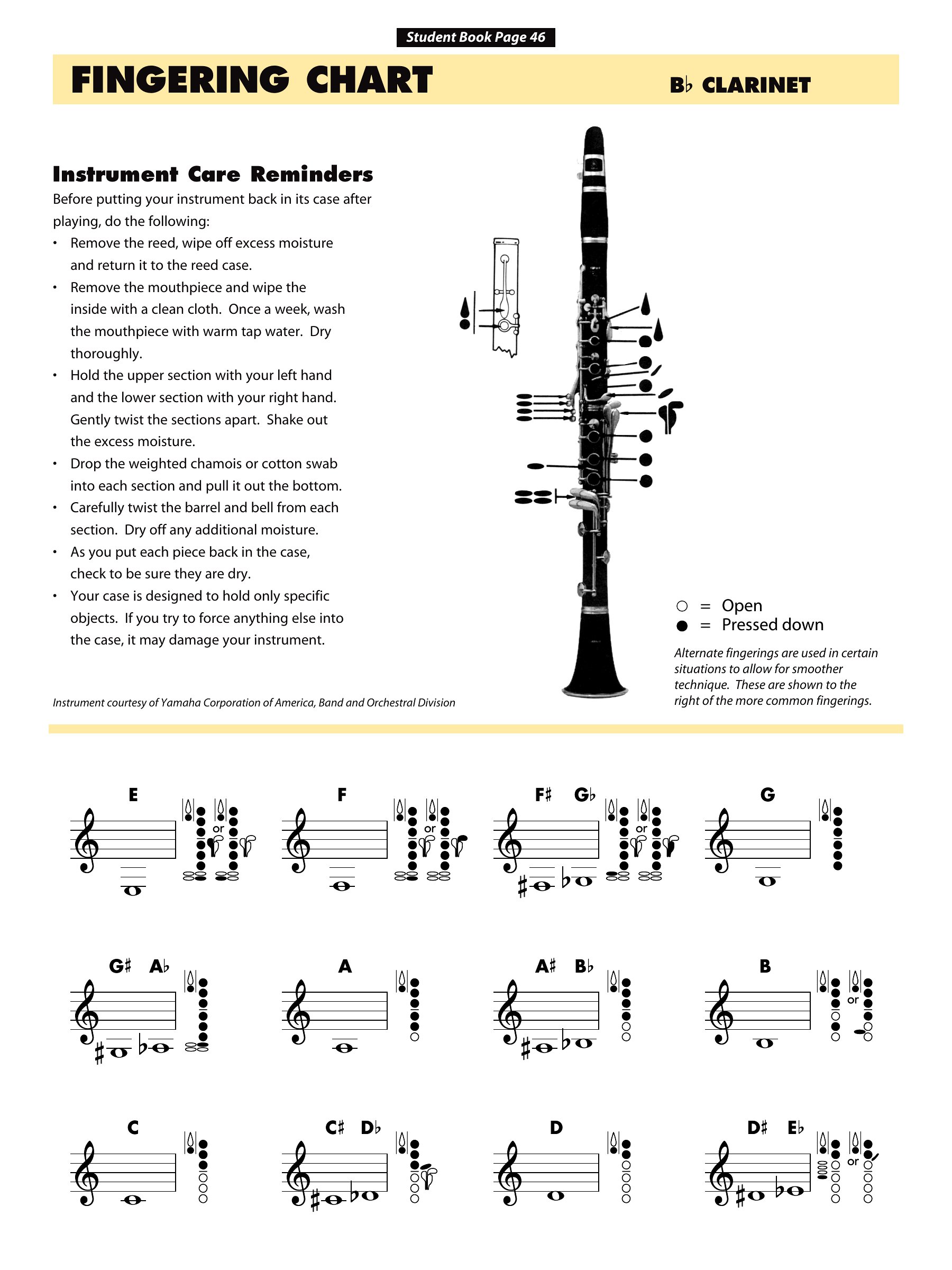
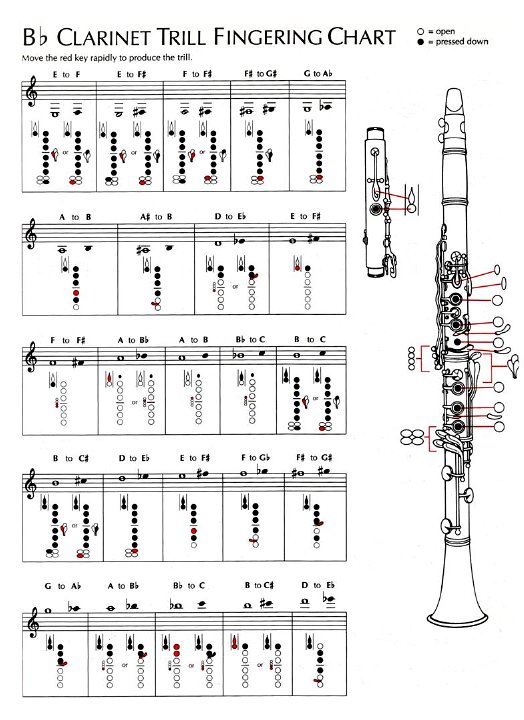
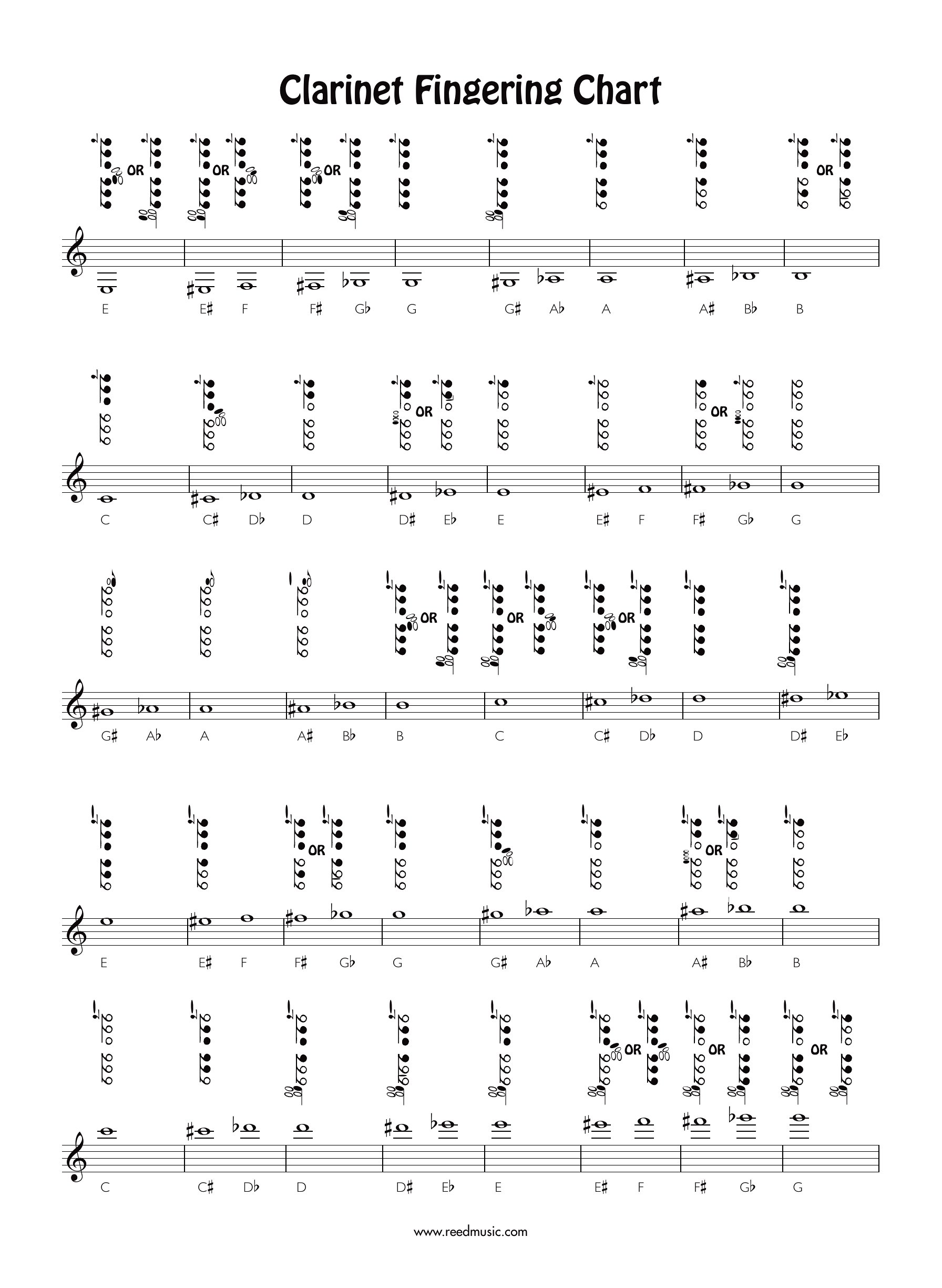
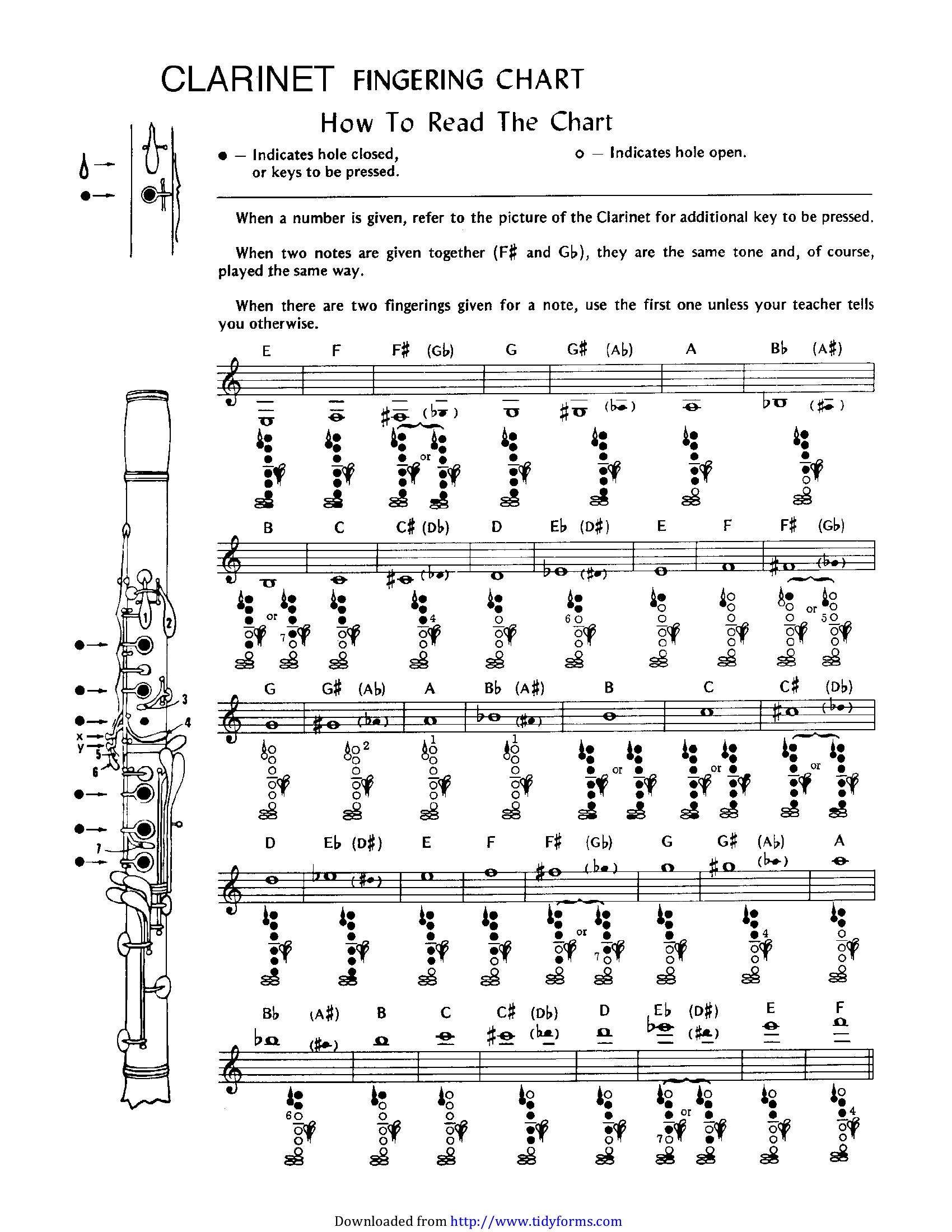
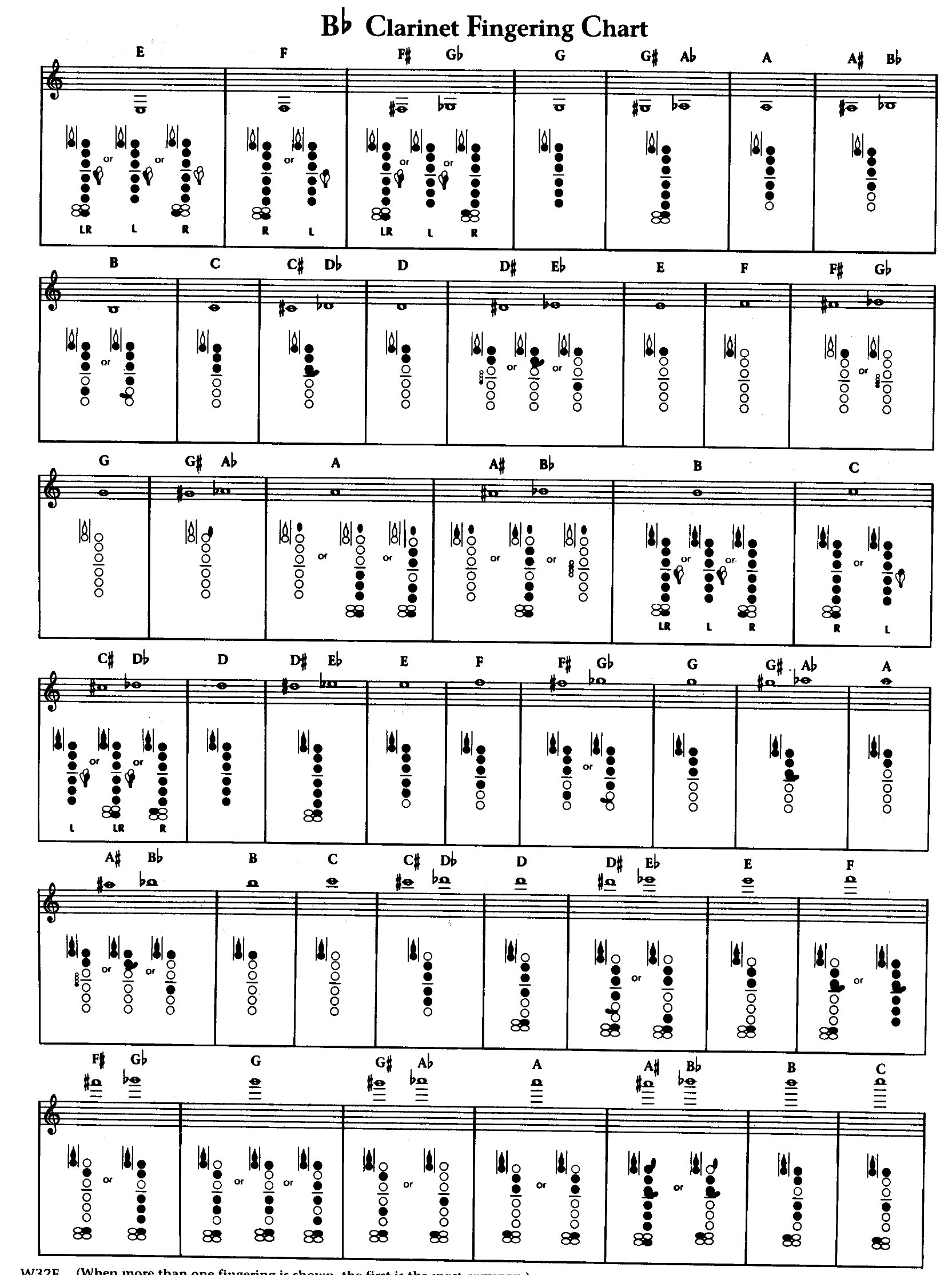
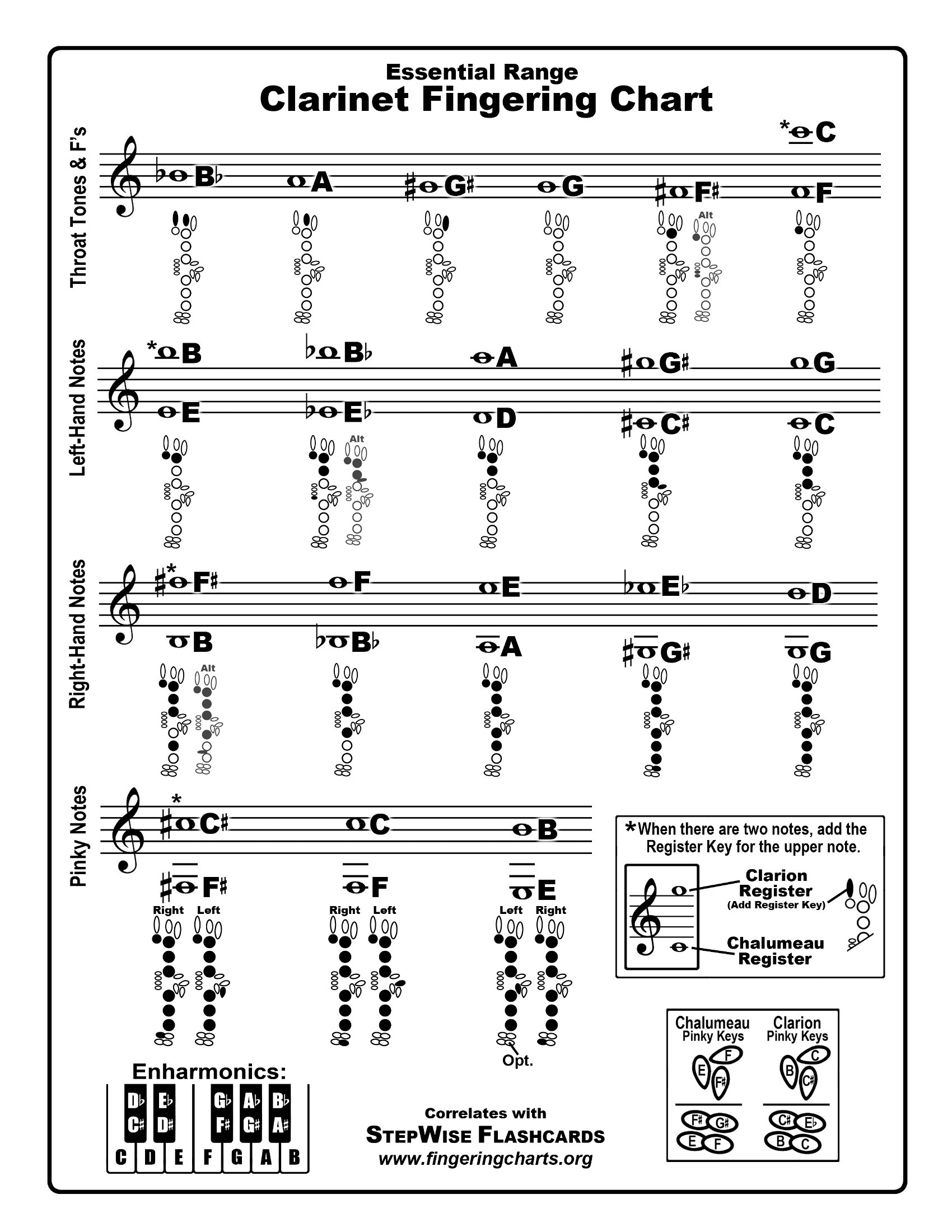
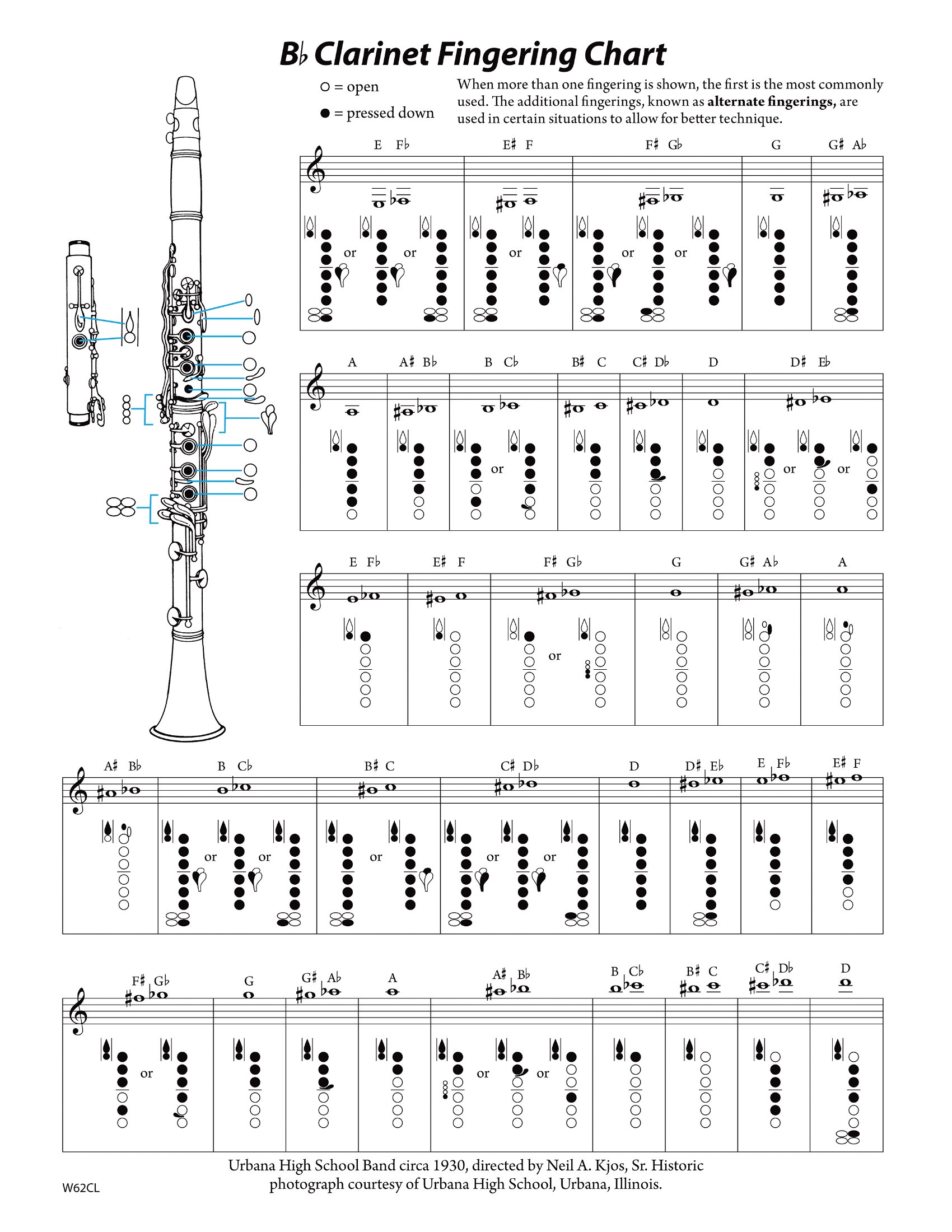
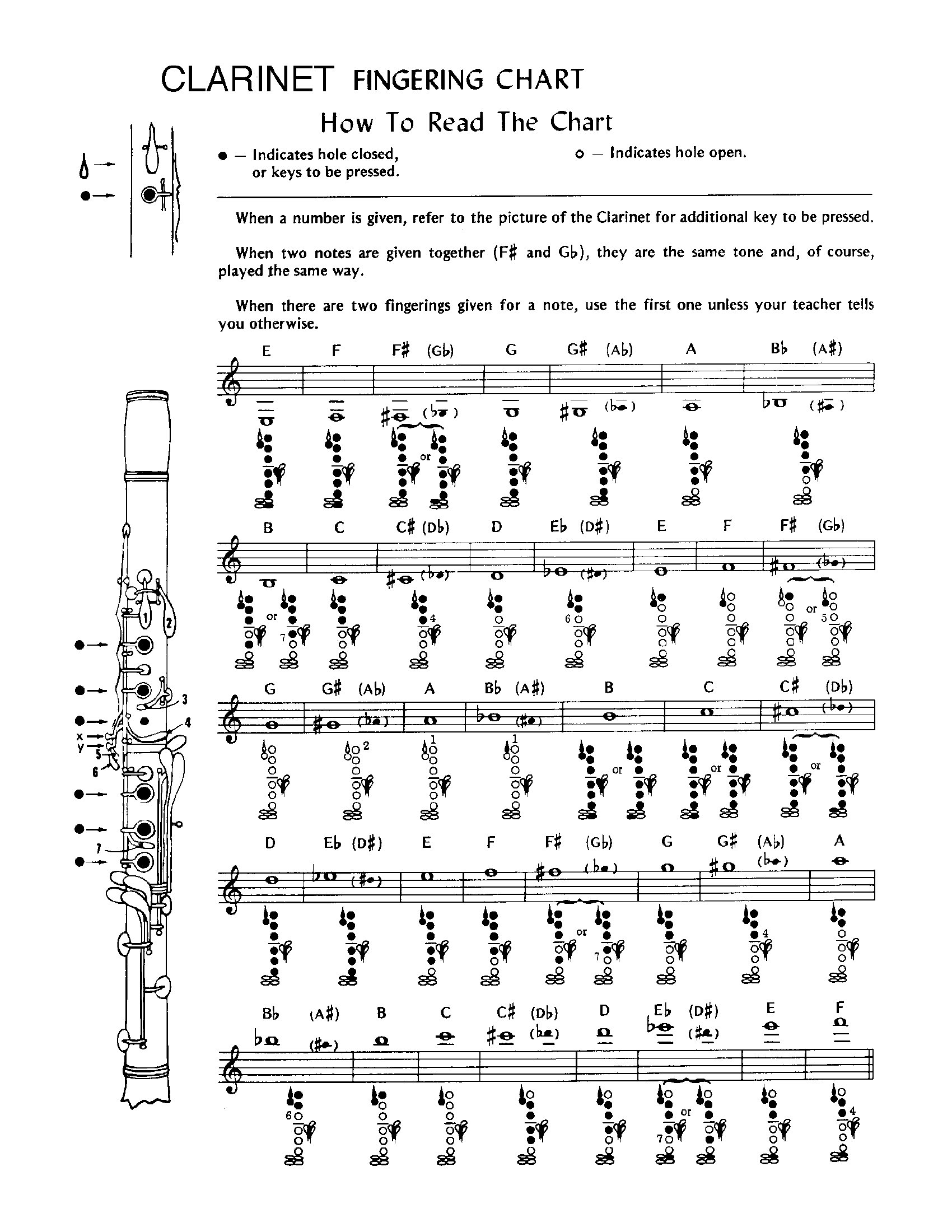
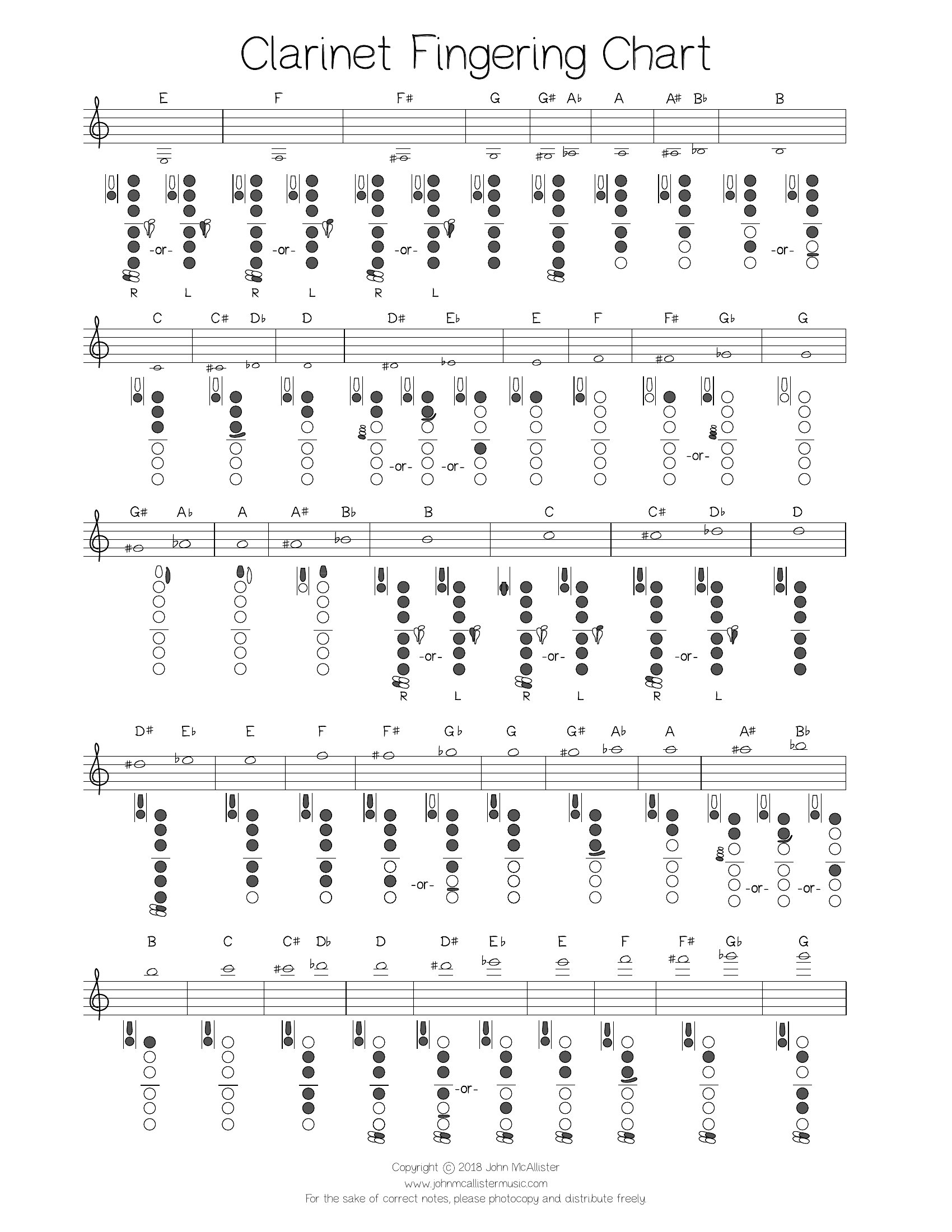
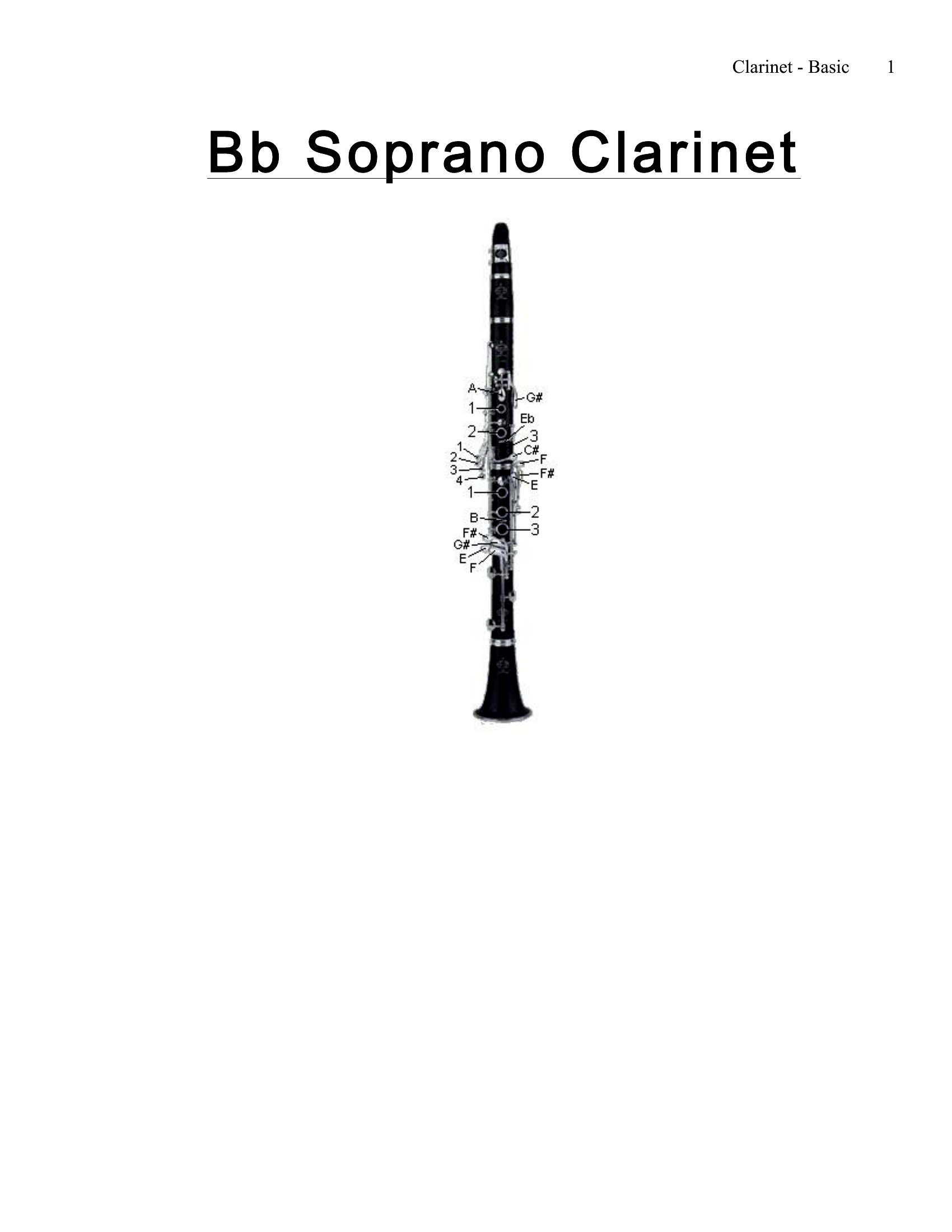
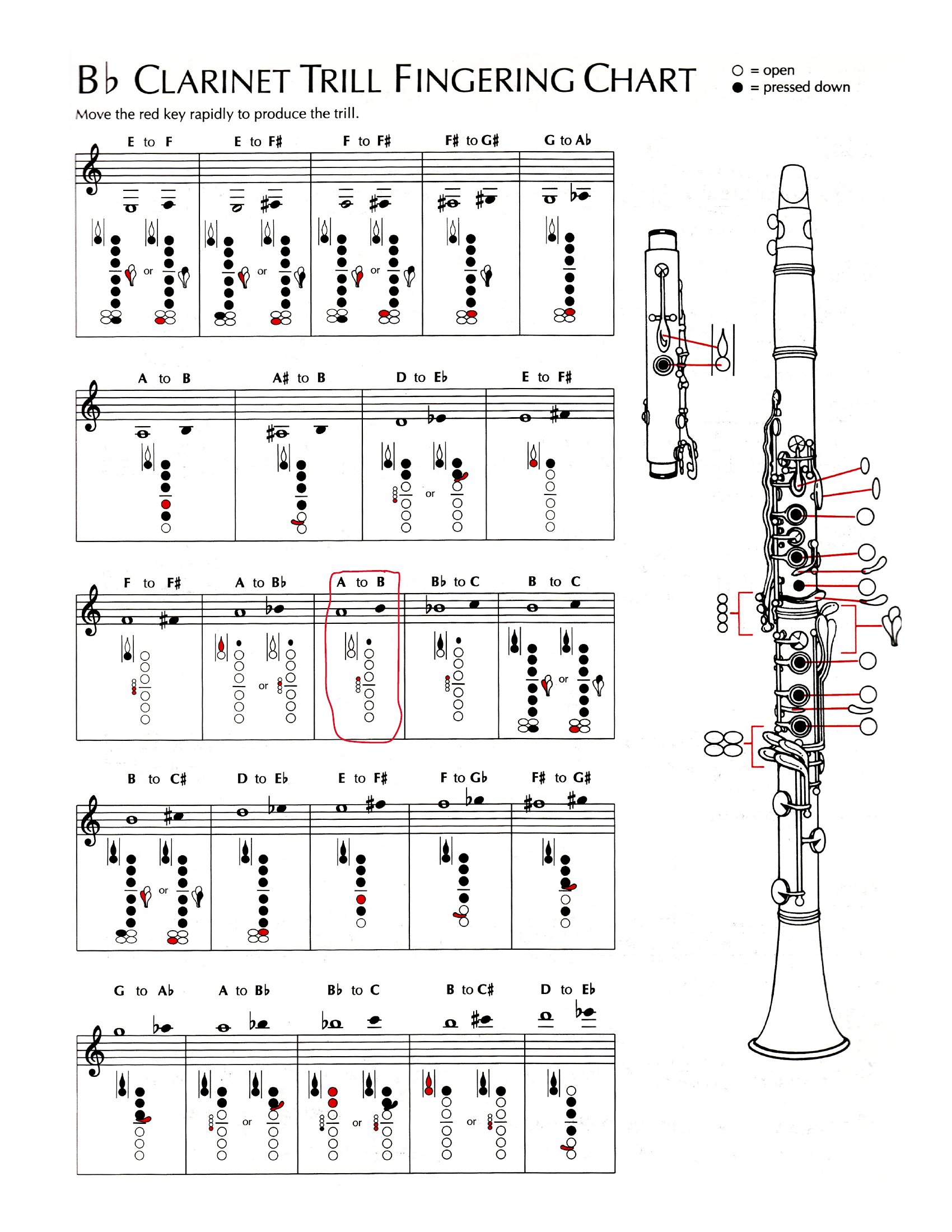
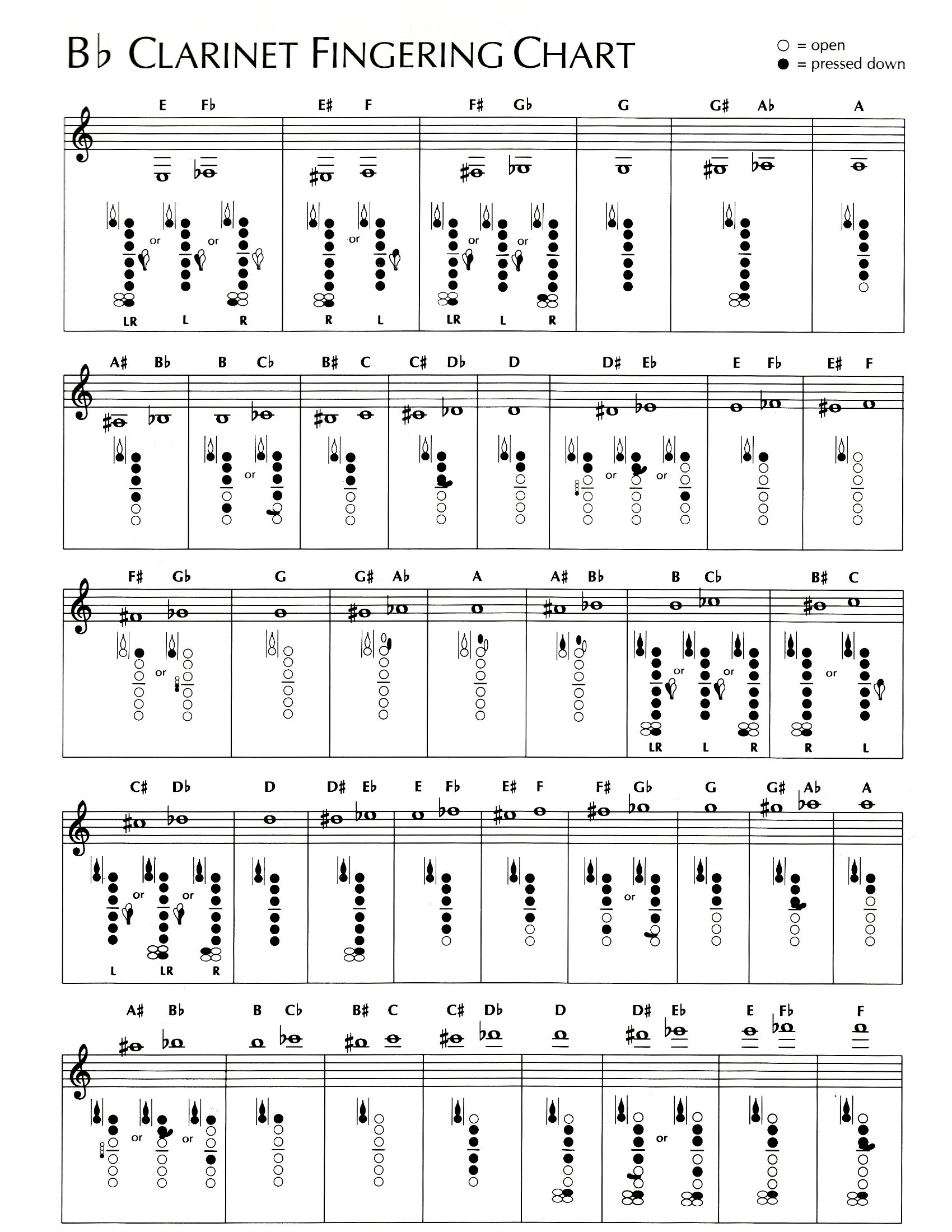
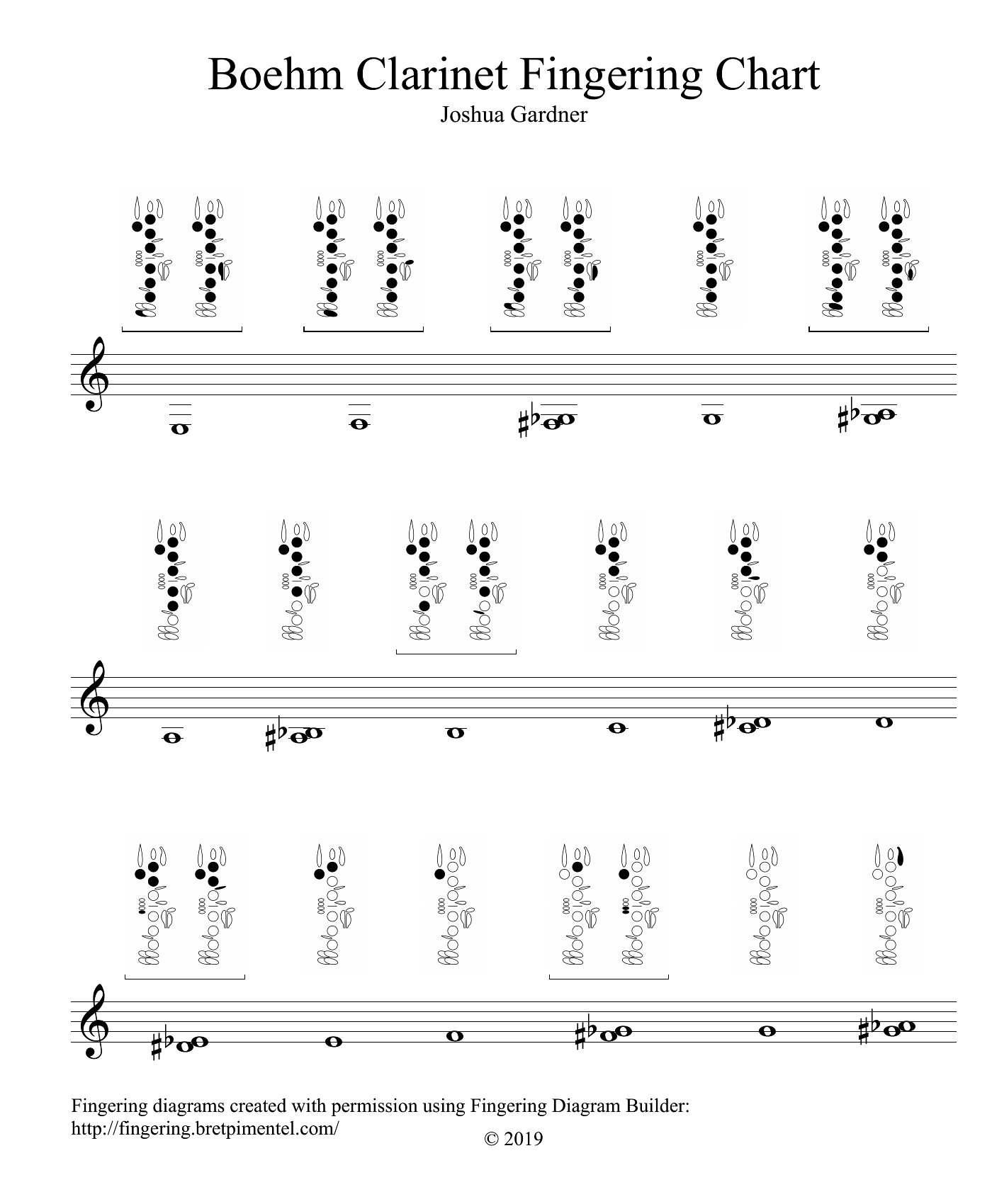
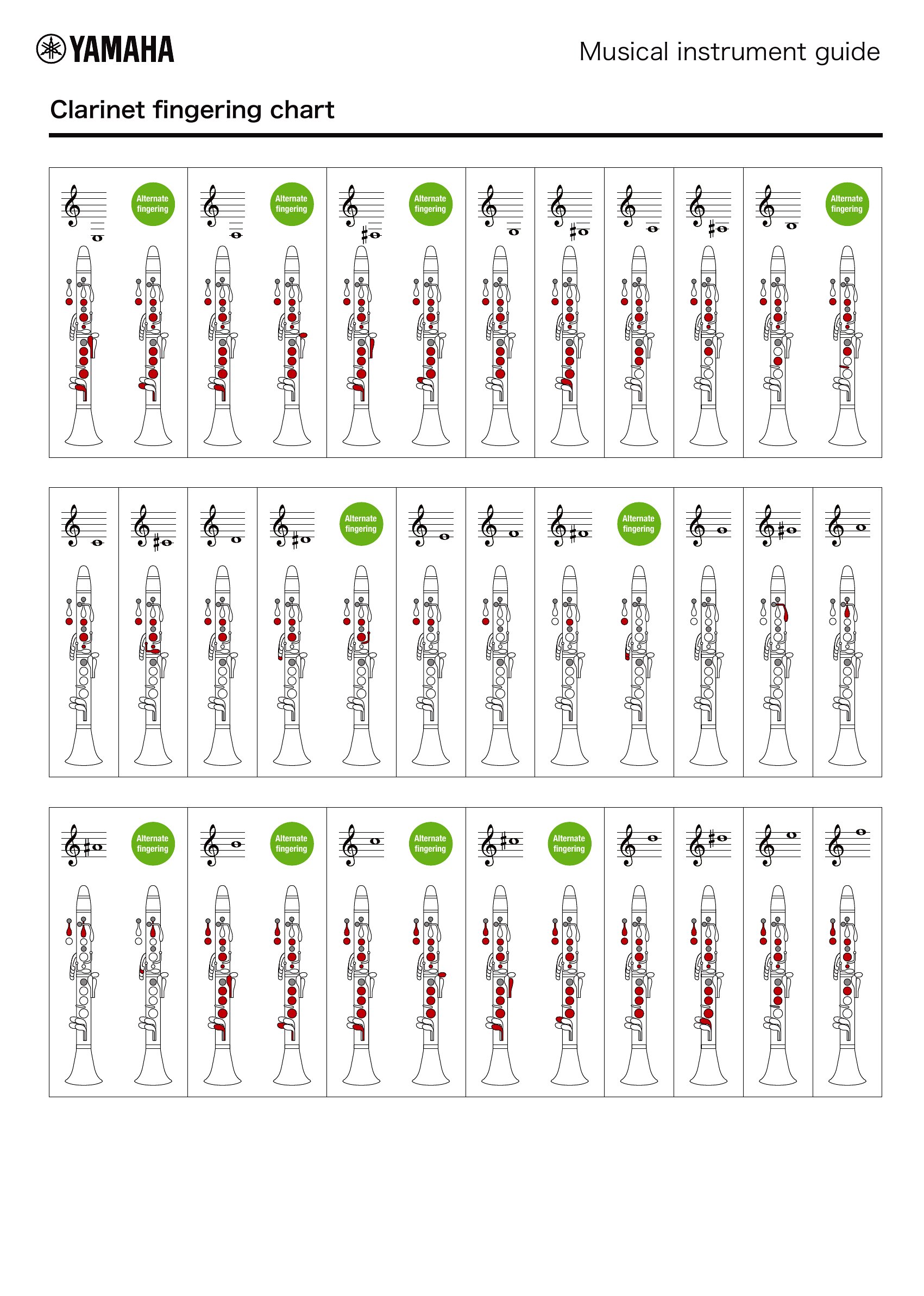
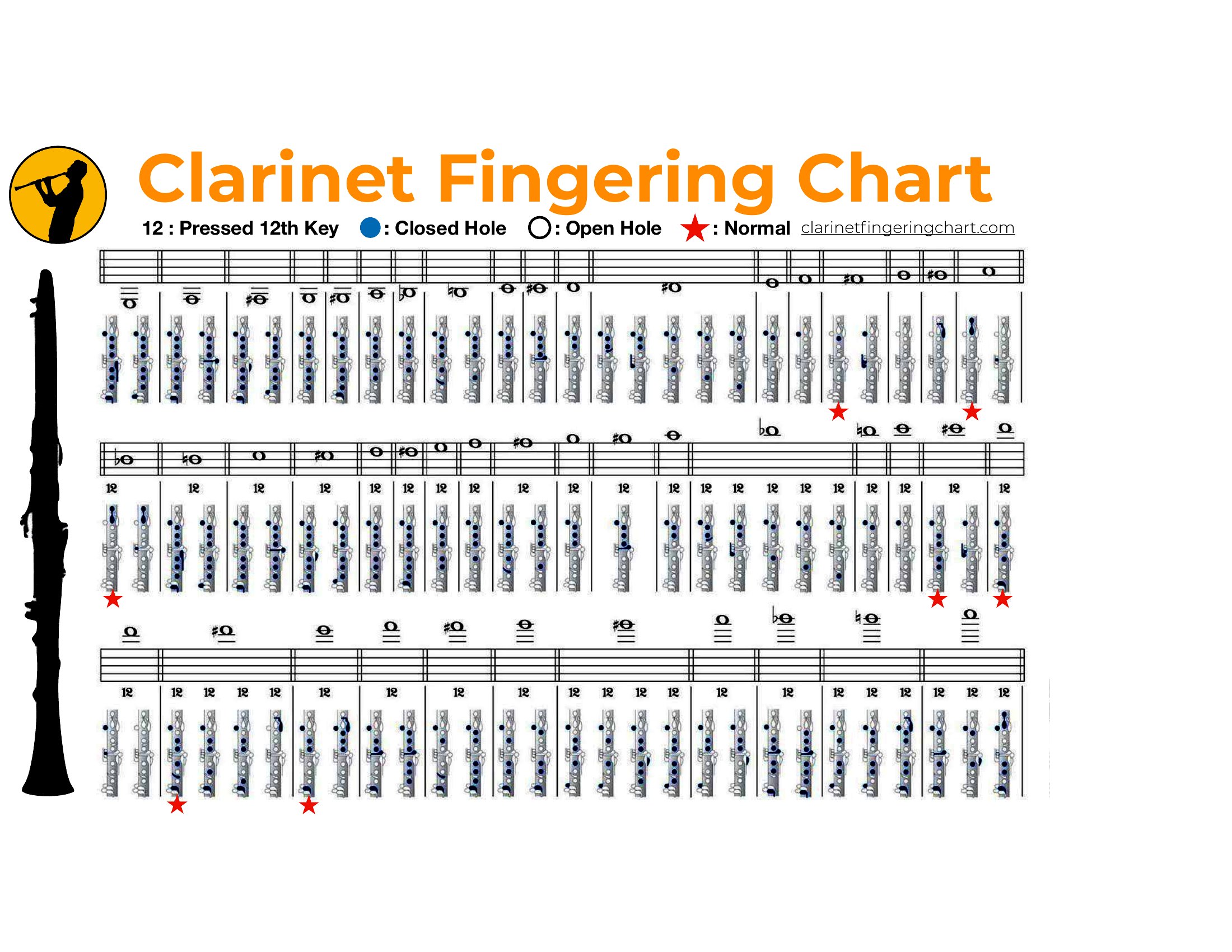
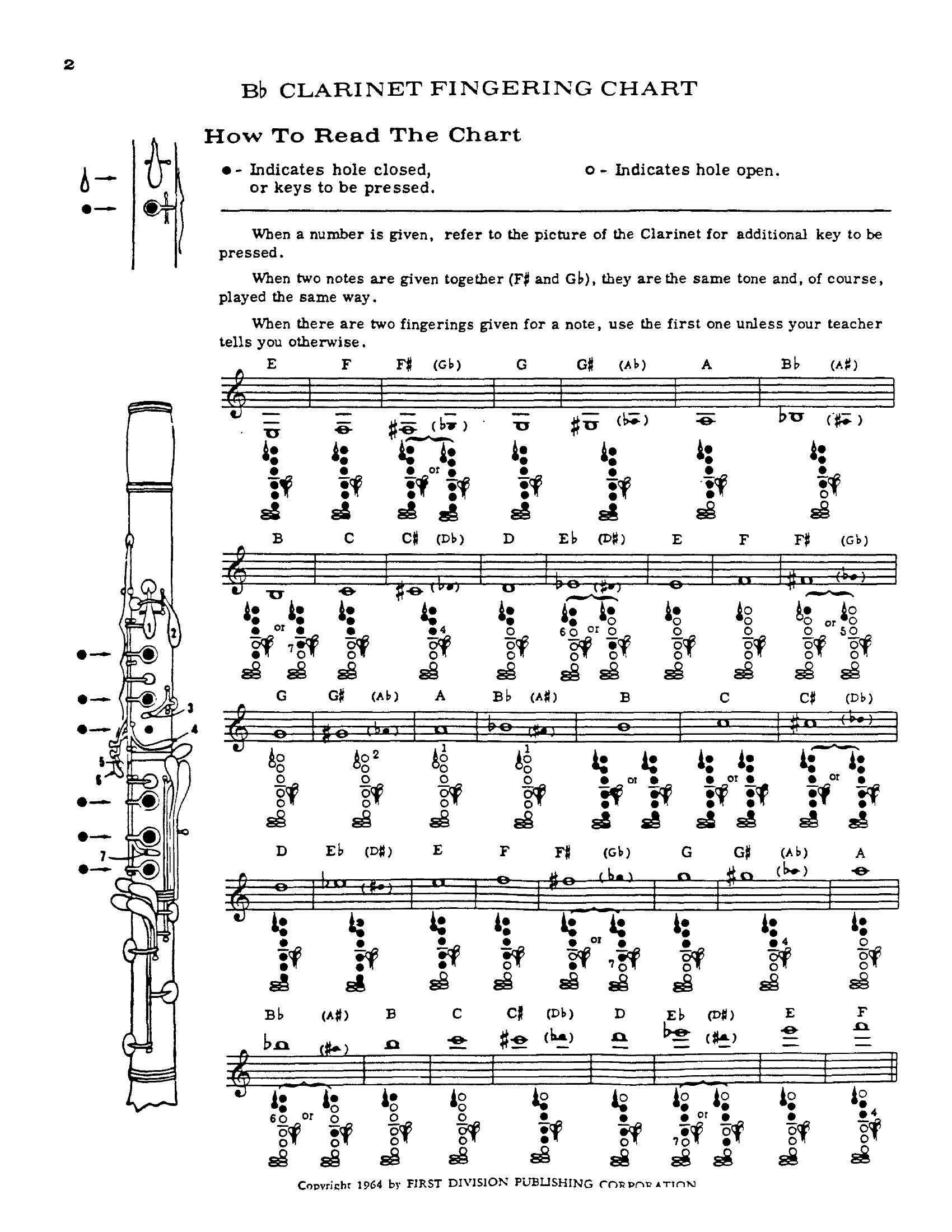
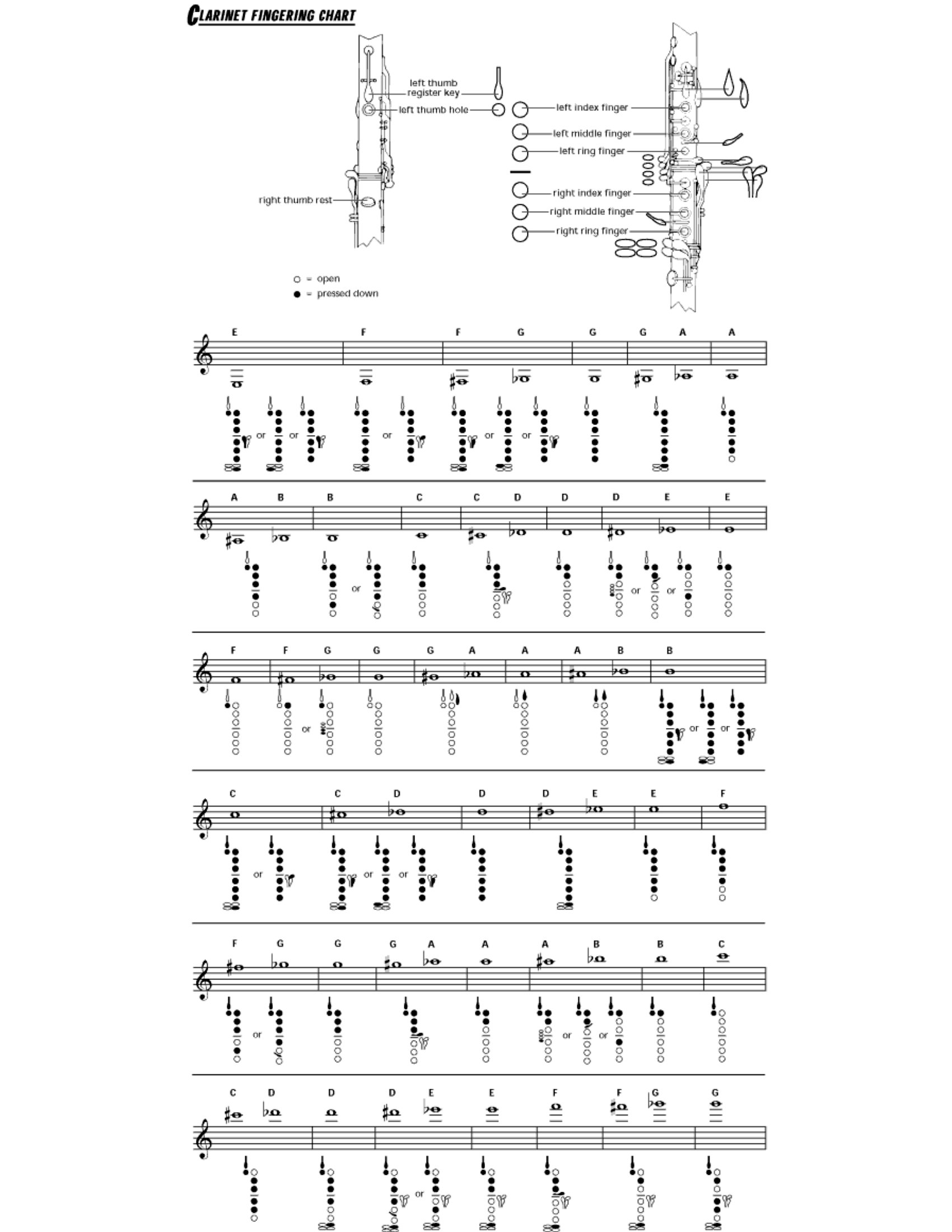
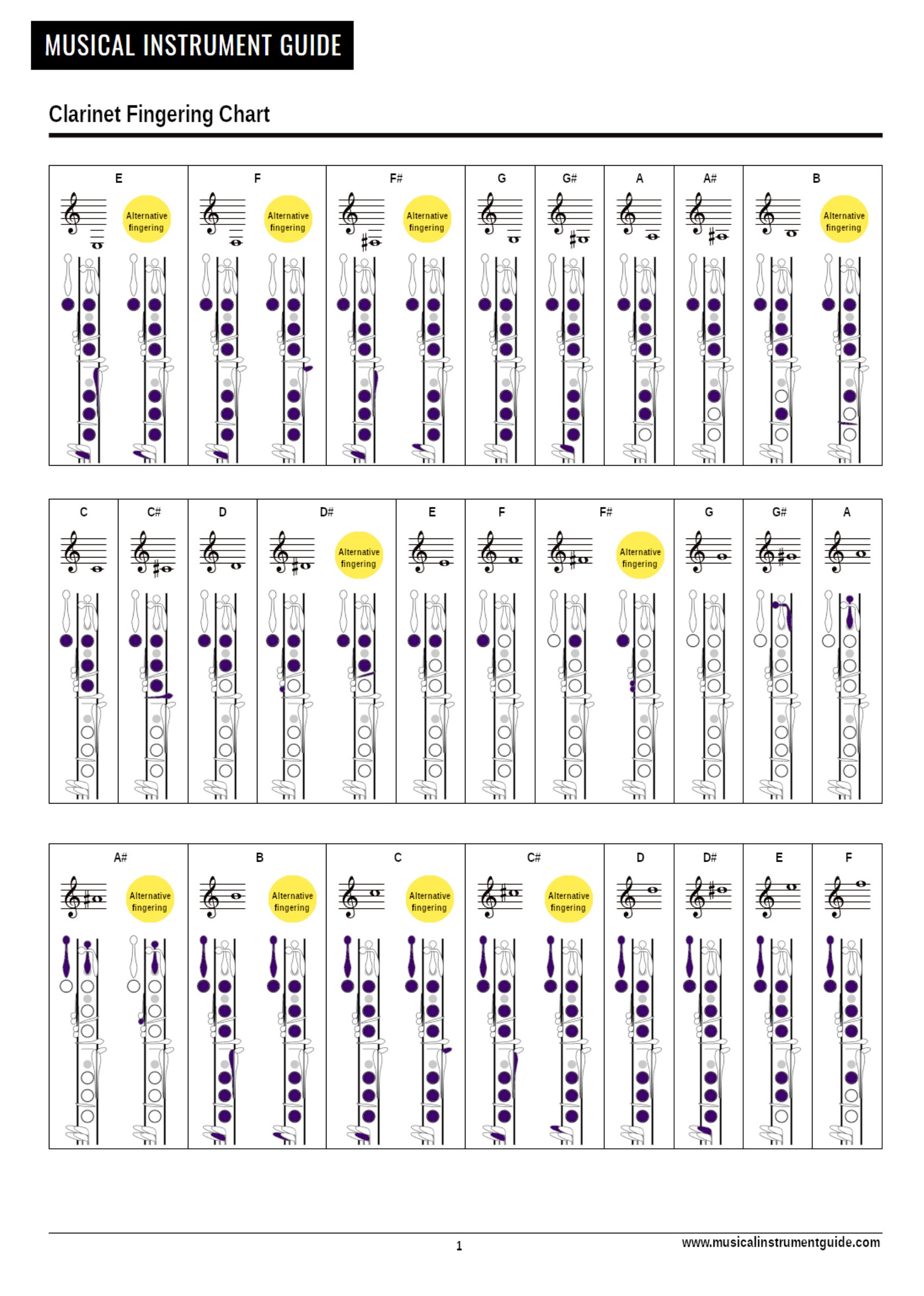
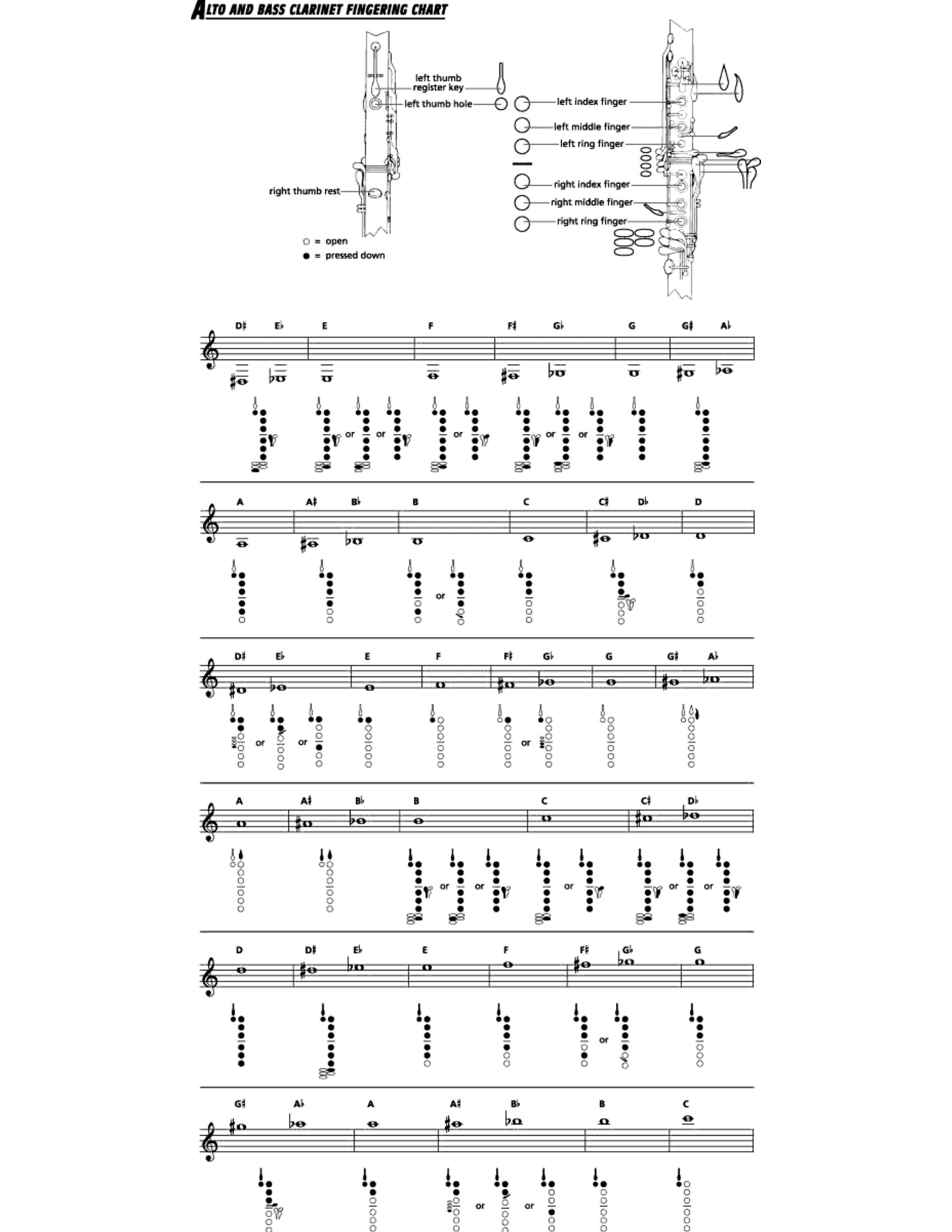
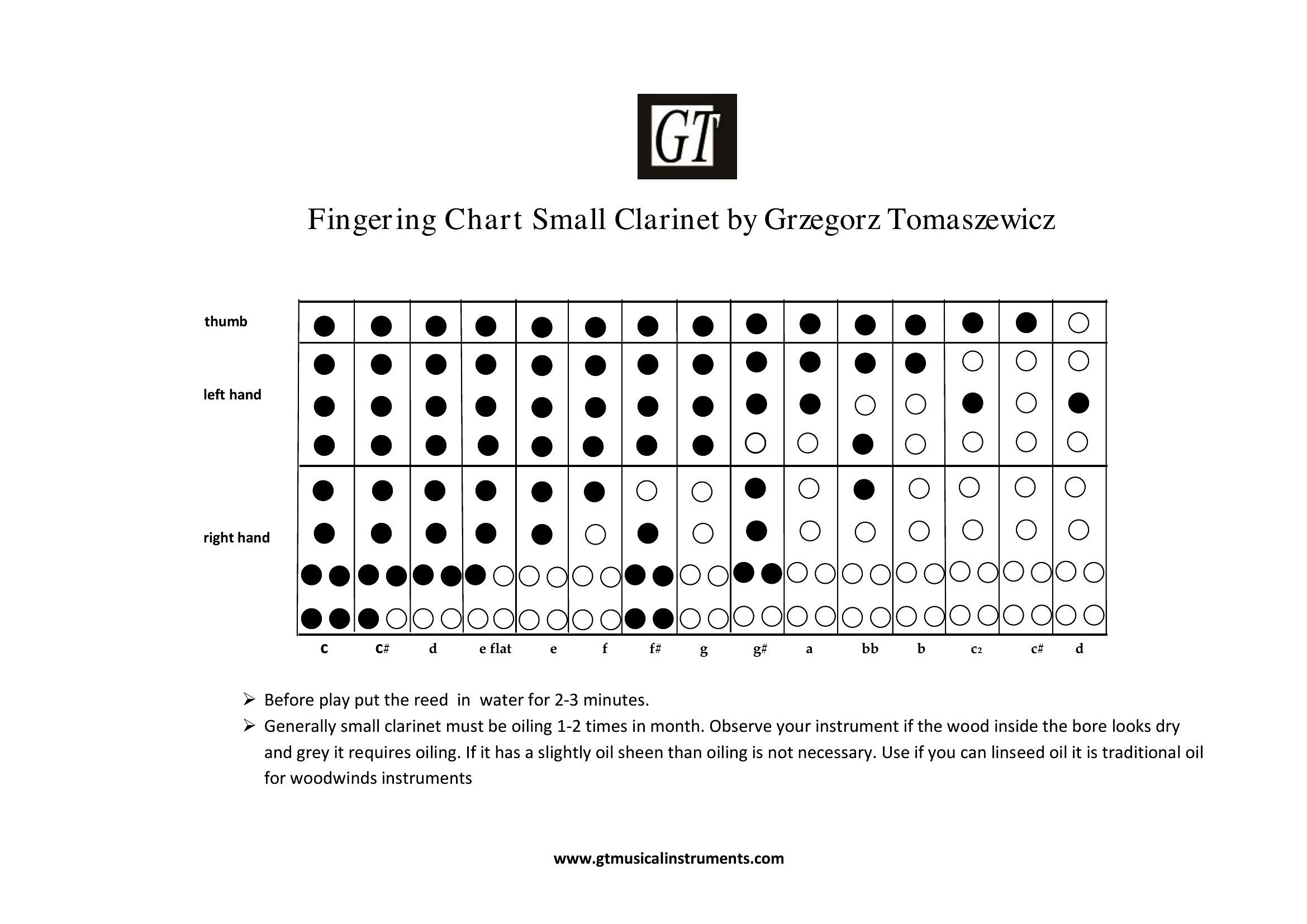
DiagramsCrossing the break and reaching into the altissimo register trips up nearly every clarinet student, and a good fingering chart makes those moments far less frustrating. This collection of 53 charts maps the keys for notes across the instrument's range, with alternates where they help. Beginners learning their first scales and band directors prepping handouts will both find them useful.
The charts come as print-ready PDFs that stay crisp at letter size, ready to tuck in a case or pin above a music stand. Print the range you're working on, keep it nearby during practice, and check fingerings without breaking your flow. Download the chart that fits your level and keep it close while you play.
When to use this Clarinet Fingering Charts template
- A high school band teacher preparing a visual aid for a unit on extended techniques, including altissimo registers, for intermediate clarinet students.
- A college music student memorizing fingerings after struggling with inconsistencies in their private instructor’s handwritten notes.
- A private clarinet instructor needing standardized charts for six students with varying skill levels to track progress and correct fingerings.
- A woodwind repair technician explaining possible fingerings for troubleshooting unclear tone production in a student’s instrument.
Which format should I download?
All 53 fingering charts here are in PDF format, chosen to ensure clarity and precision for printouts or digital sharing. PDFs preserve sharpness when enlarged, making them ideal for classroom handouts, personal study, or emailing to students. The fixed layout also prevents accidental distortion compared to editable formats, which could misalign critical finger placement details. For quick reference or on-screen use, PDFs open instantly on any device without formatting issues.
How to use this Clarinet Fingering Charts template
How do these charts handle fingerings for altissimo and extended techniques?
Each chart includes the most common fingerings for altissimo ranges, with bracketed alternatives where multiple options exist. For example, F6 can be played with a high Bb finger combination, but the chart notes common variations. These are based on standard pedagogical approaches, though instructors may still suggest adjustments for individual embouchure.
Are these charts suitable for clarinets in Bb and A, or do they differ?
All charts assume a Bb clarinet, but the transposition to A is straightforward: subtract a whole step (e.g., Bb fingering = A on A clarinet). The collection includes a separate chart specifically labeled for A clarinet fingerings where notation differs, such as in extended ranges where register keys alter the pattern.
Can these charts help with troubleshooting unclear or muffled notes?
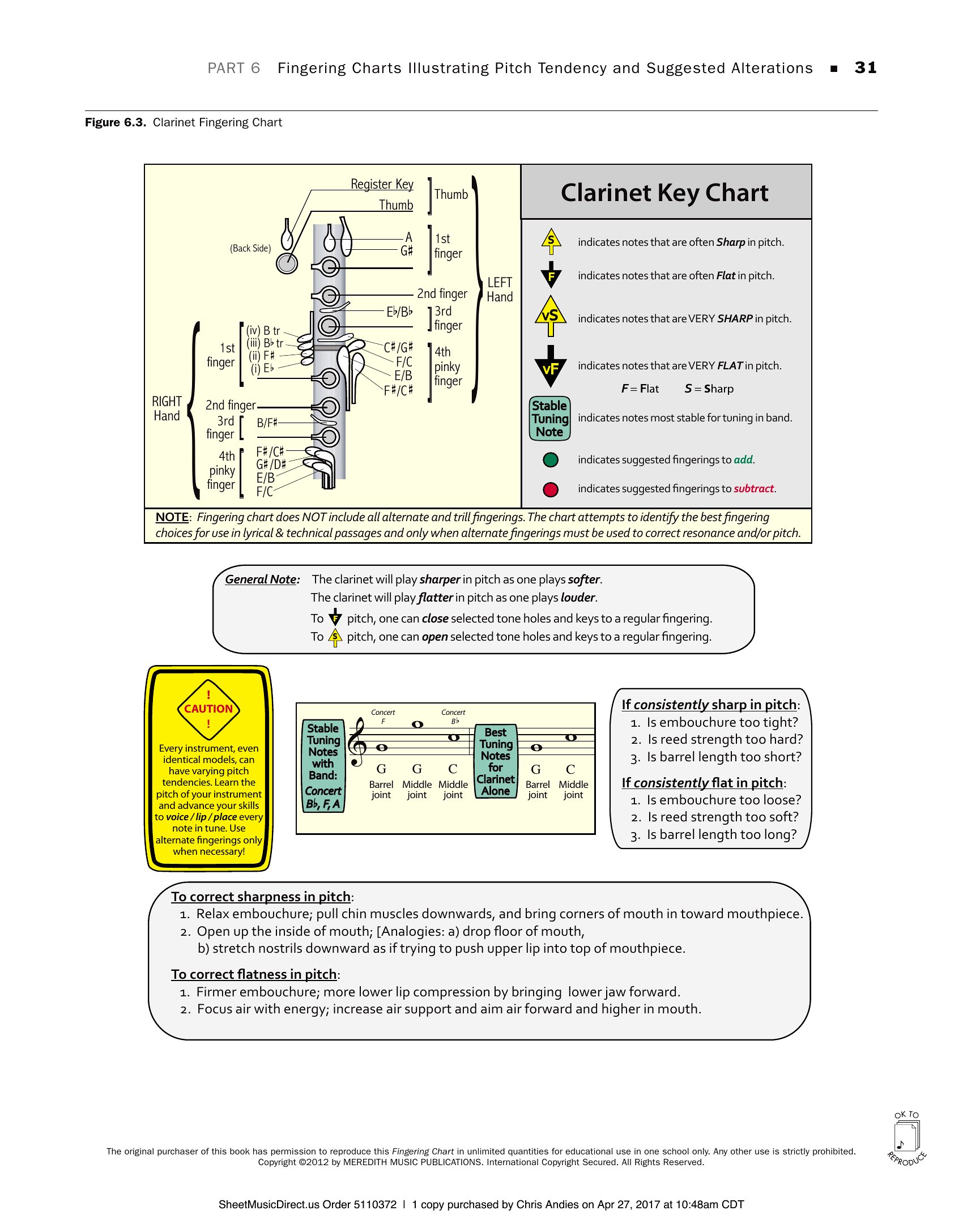
Yes, the charts highlight fingerings for common problem notes (e.g., the break into the register or altissimo) alongside troubleshooting tips like adjusting embouchure or air support. They’re not a substitute for professional guidance, but they’ll point to possible fingerings or alternatives when a note consistently sounds unclear.
Comments
Join the conversation
Sign in to share your thoughts and leave a comment on this resource.