FAQ
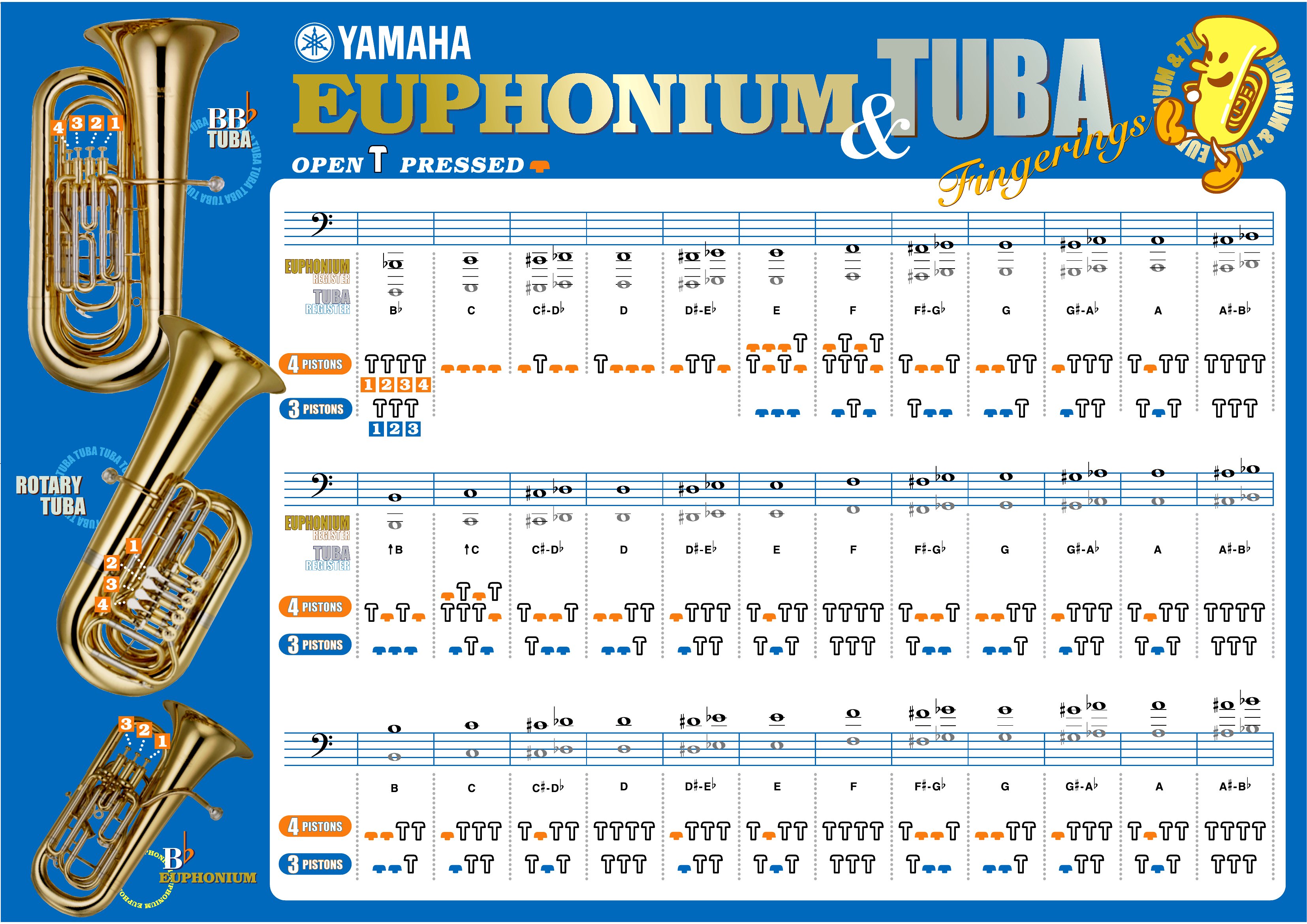
Will these charts work for B-flat or F euphonium players?
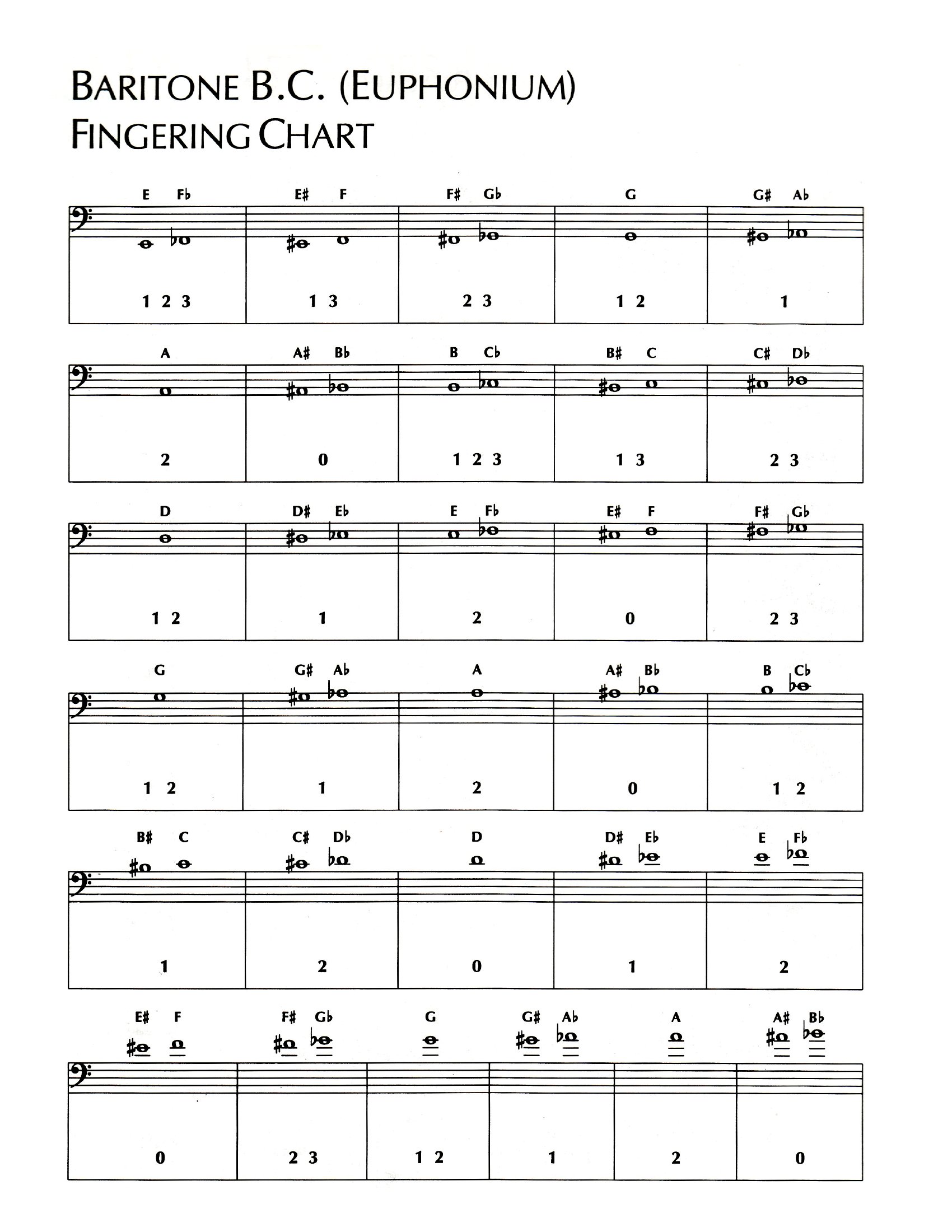
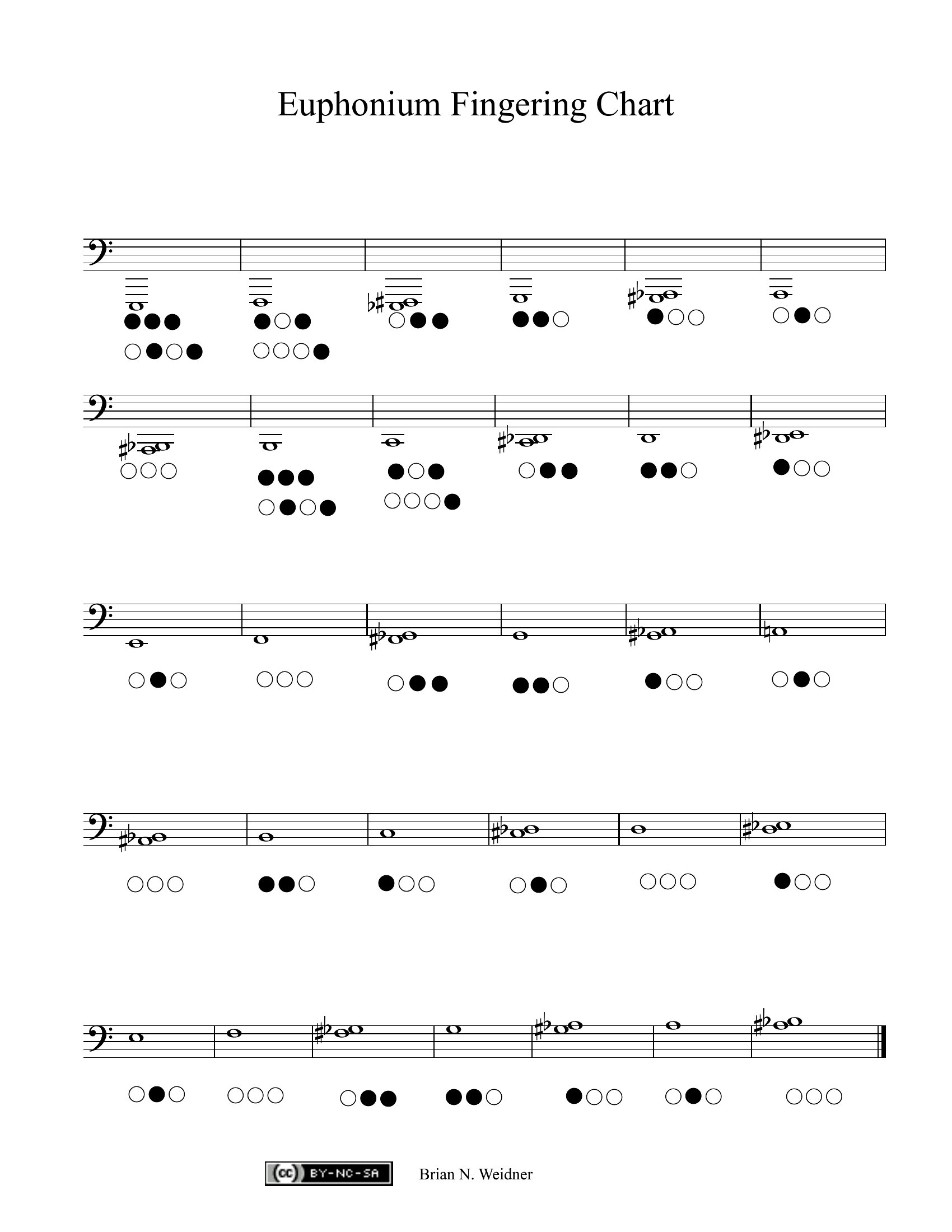
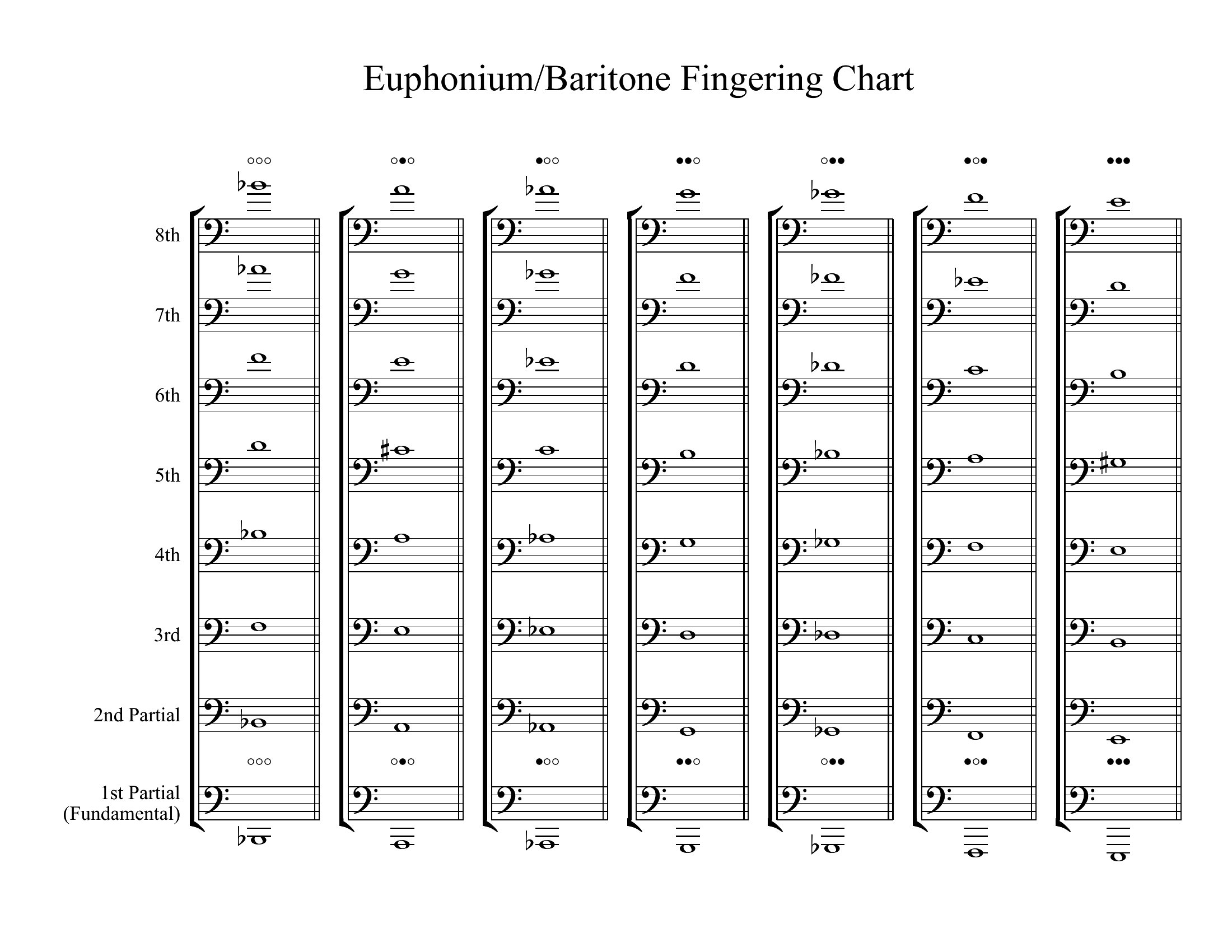
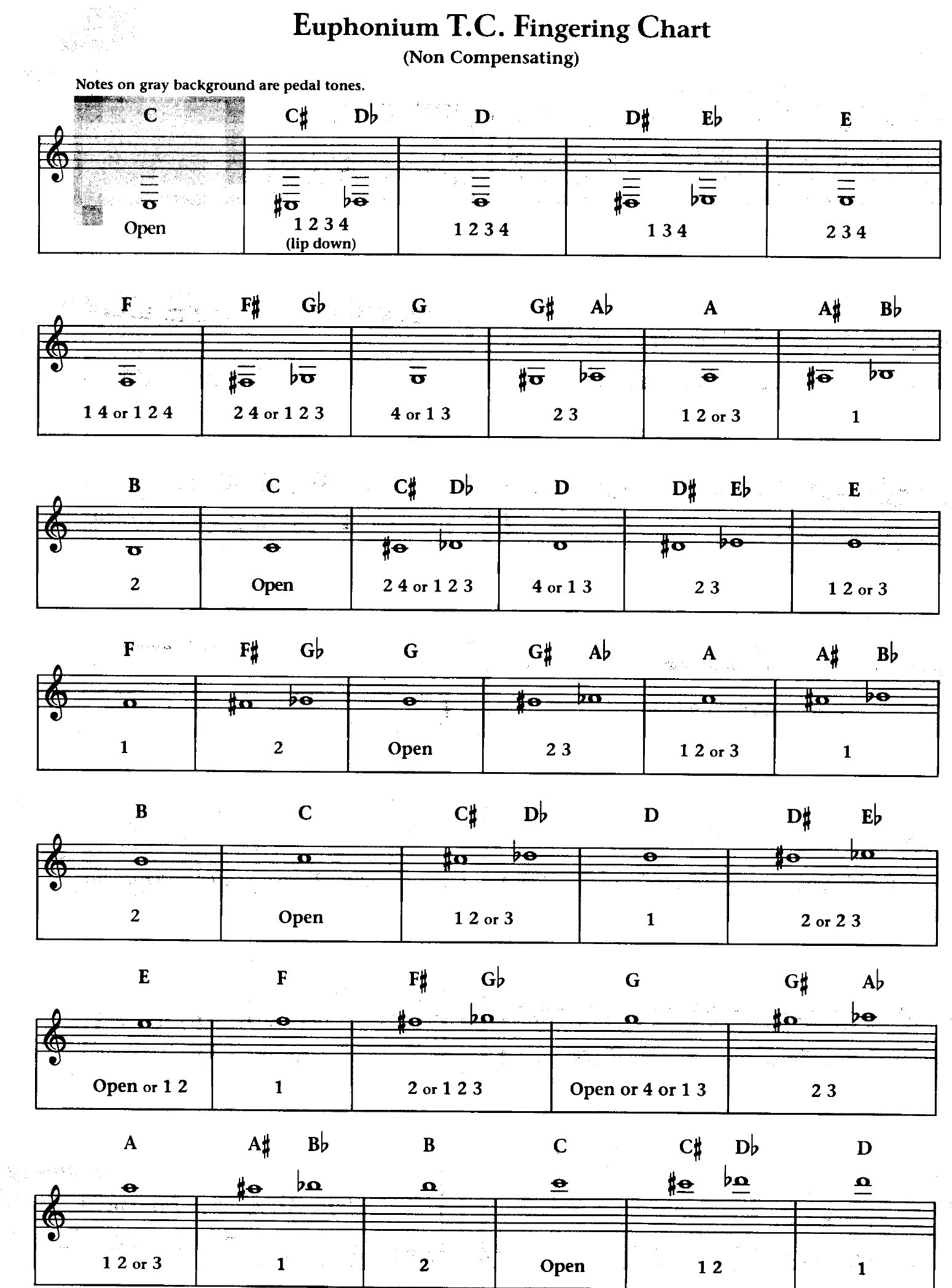
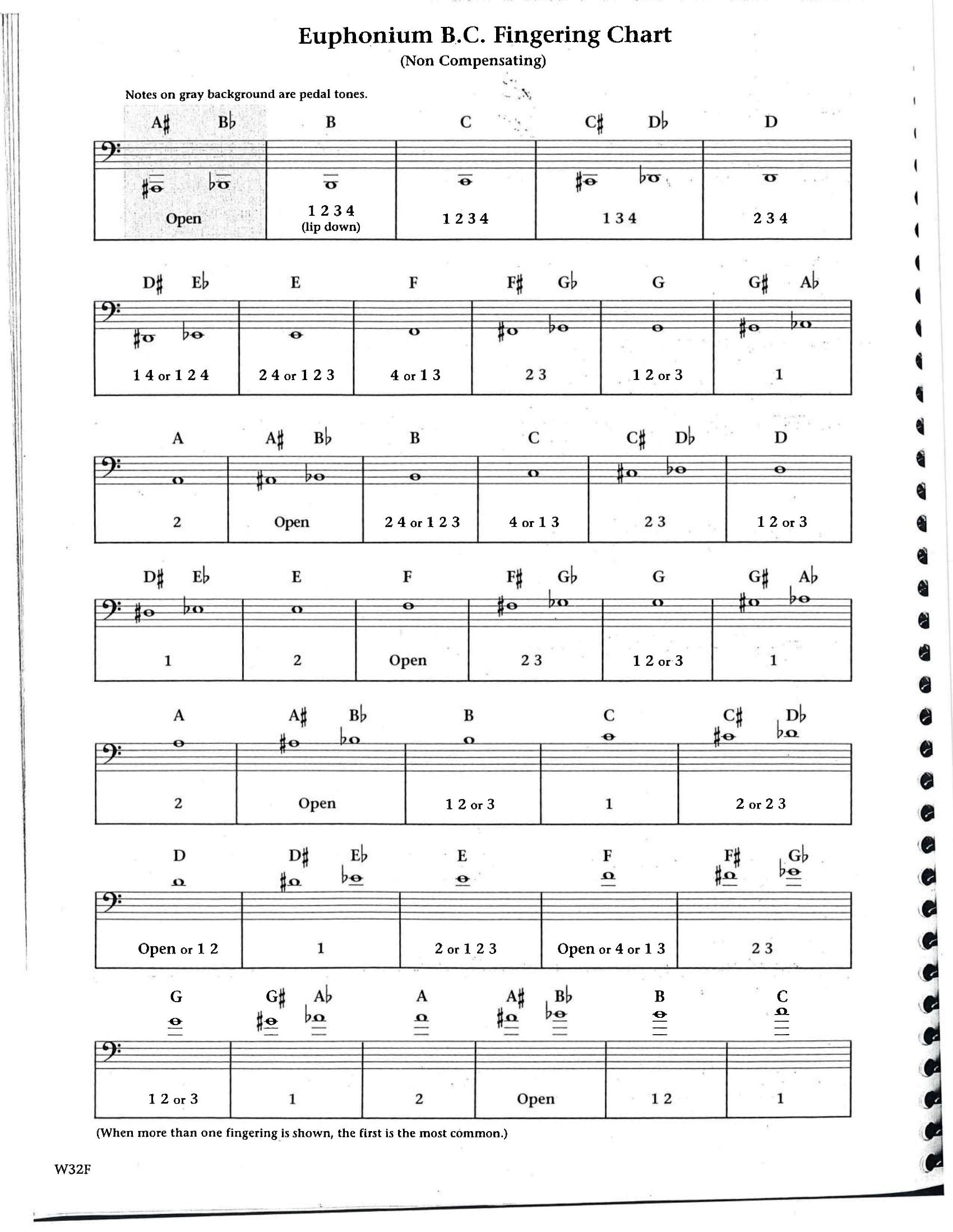
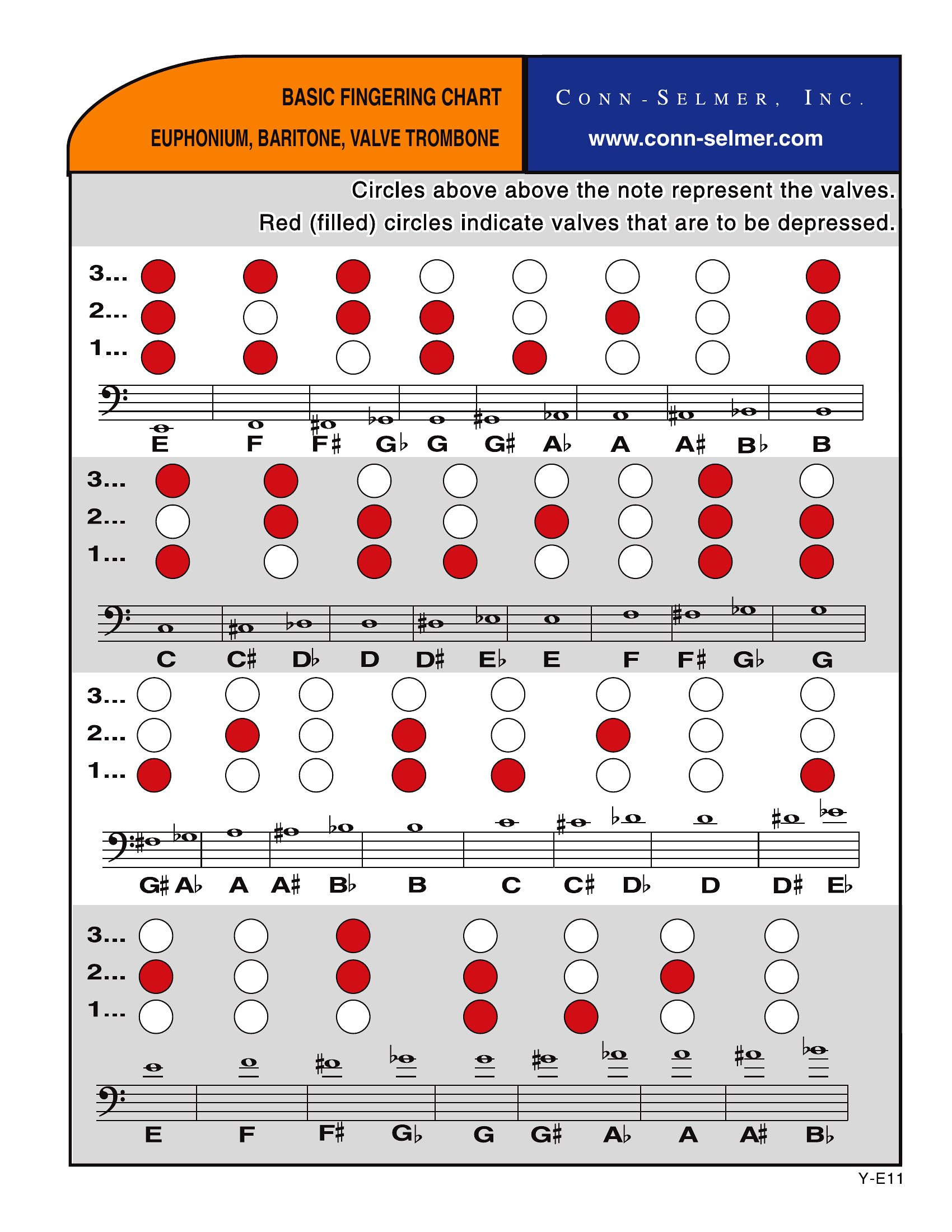
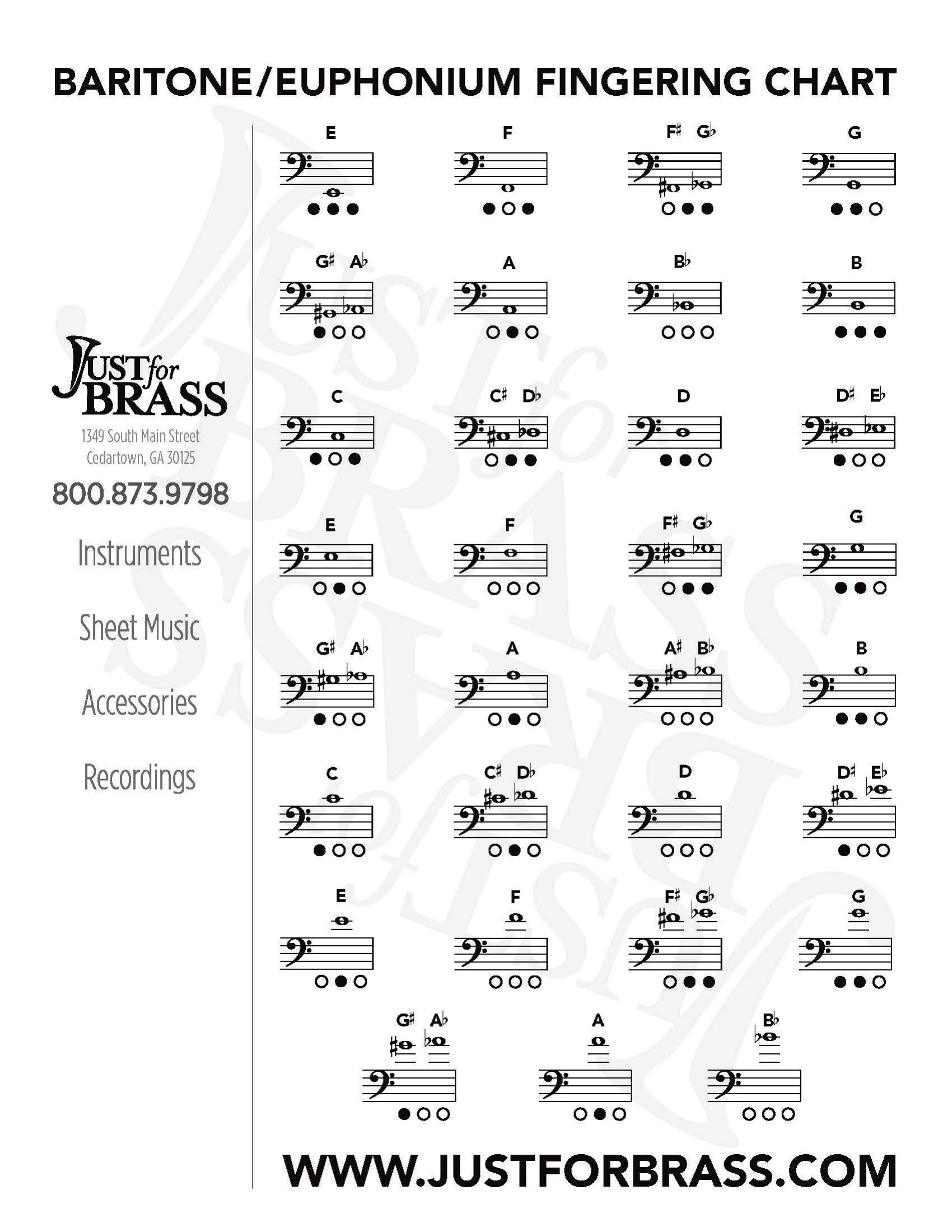
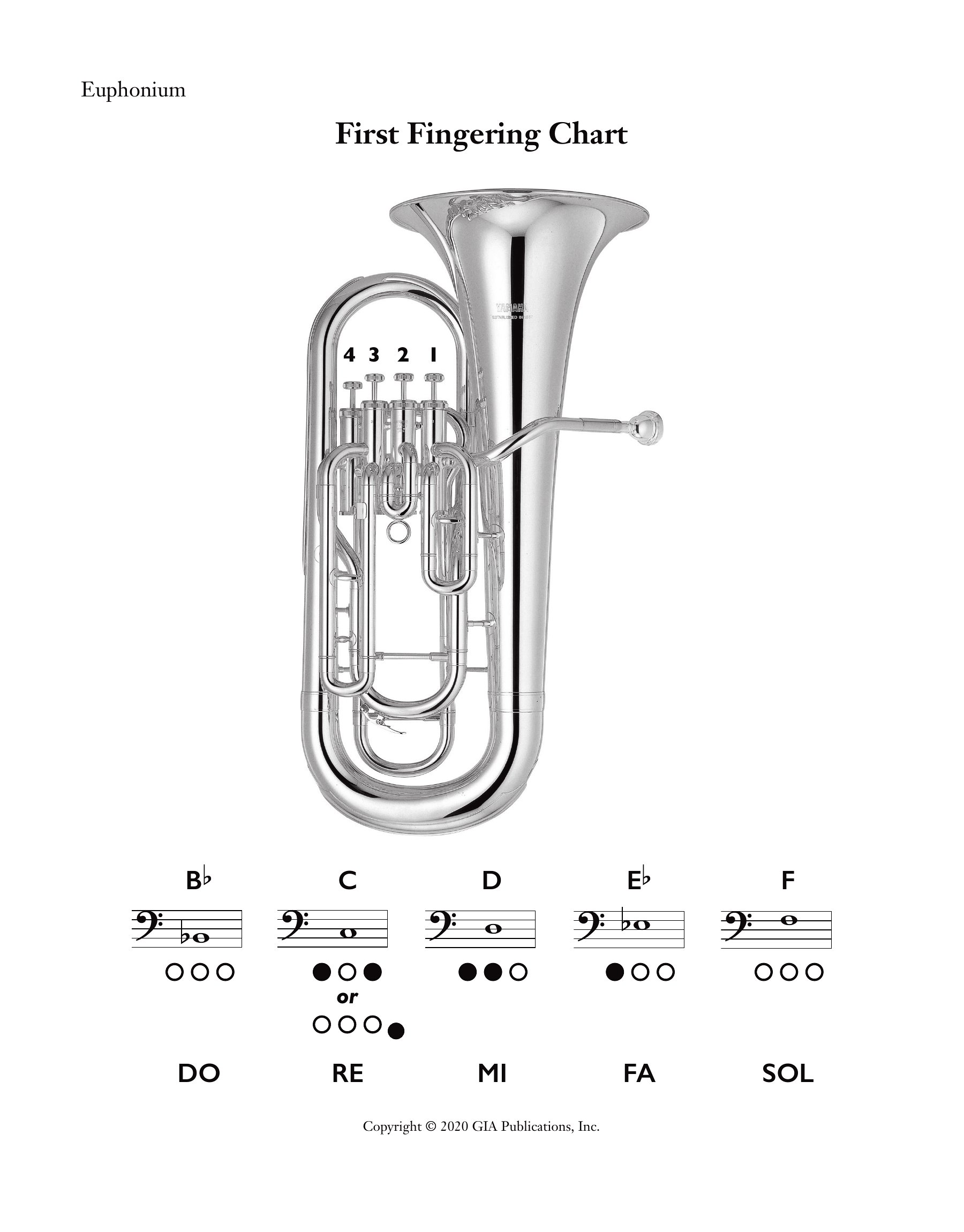
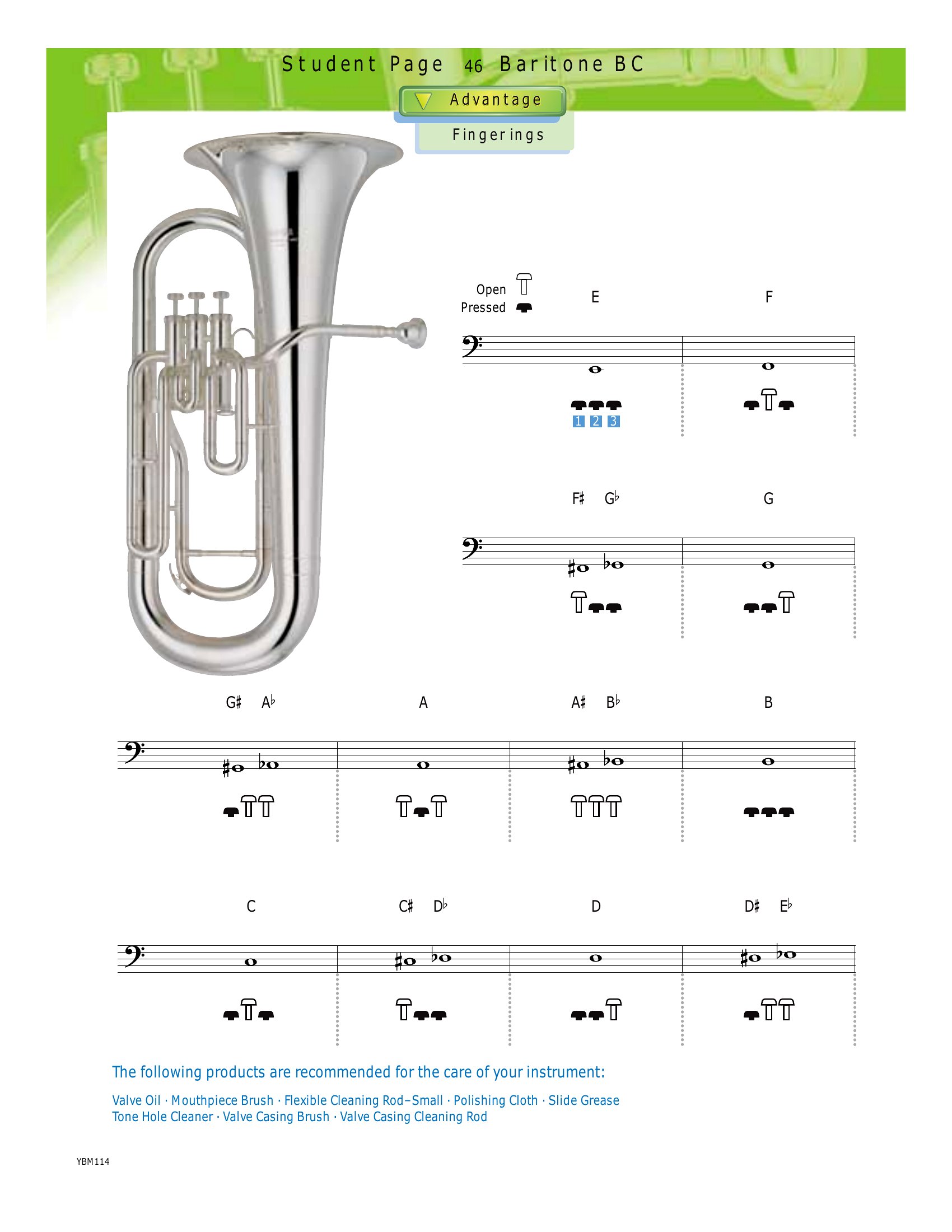
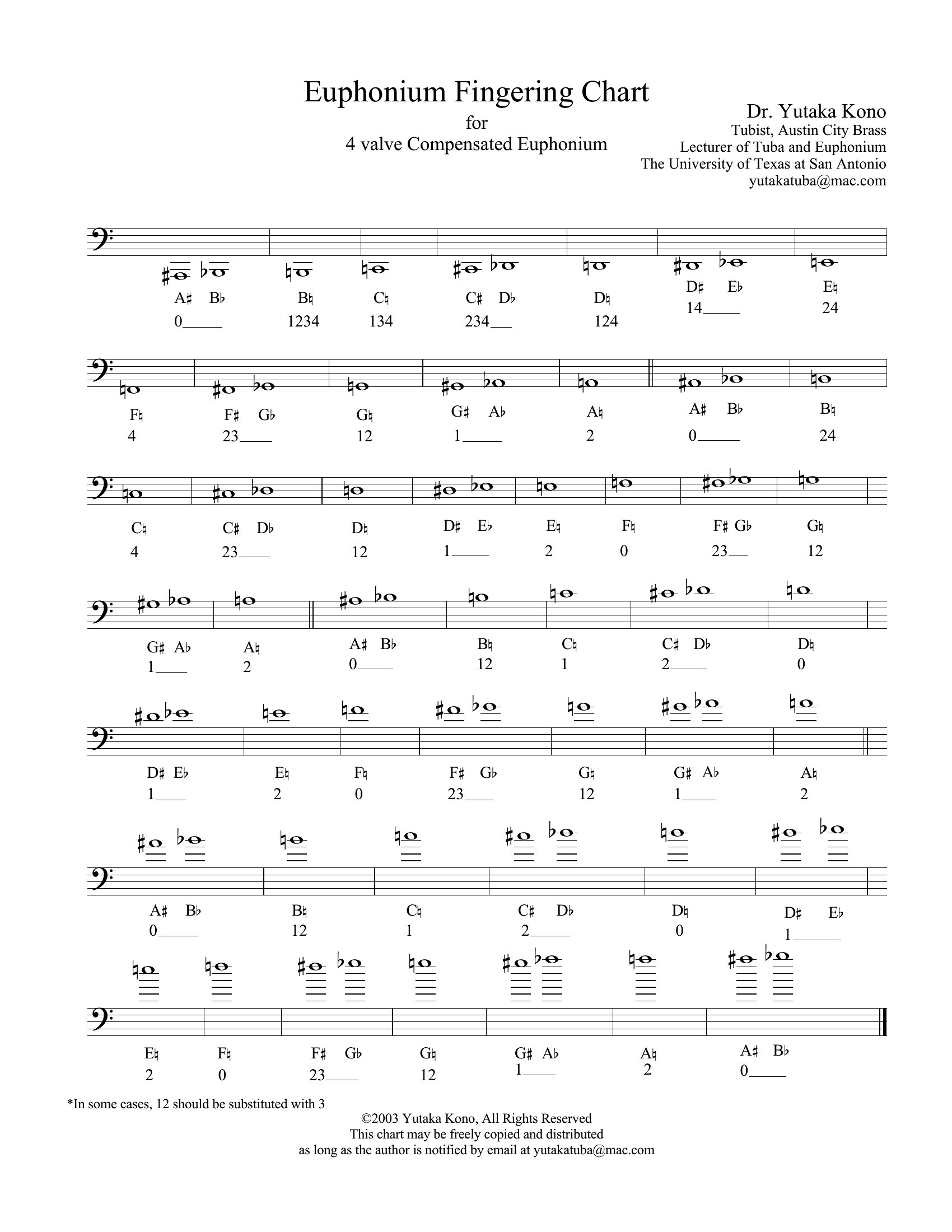
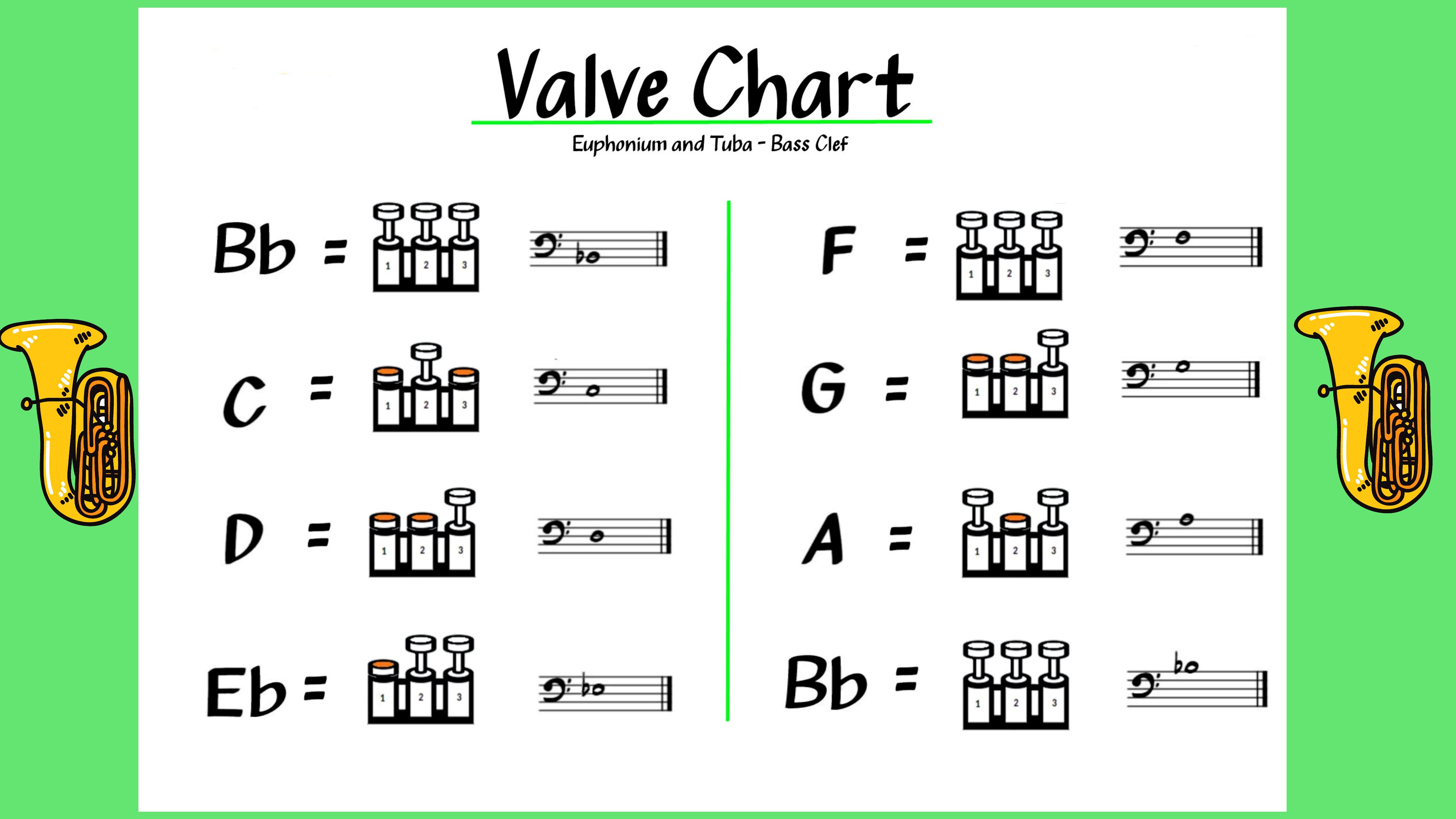
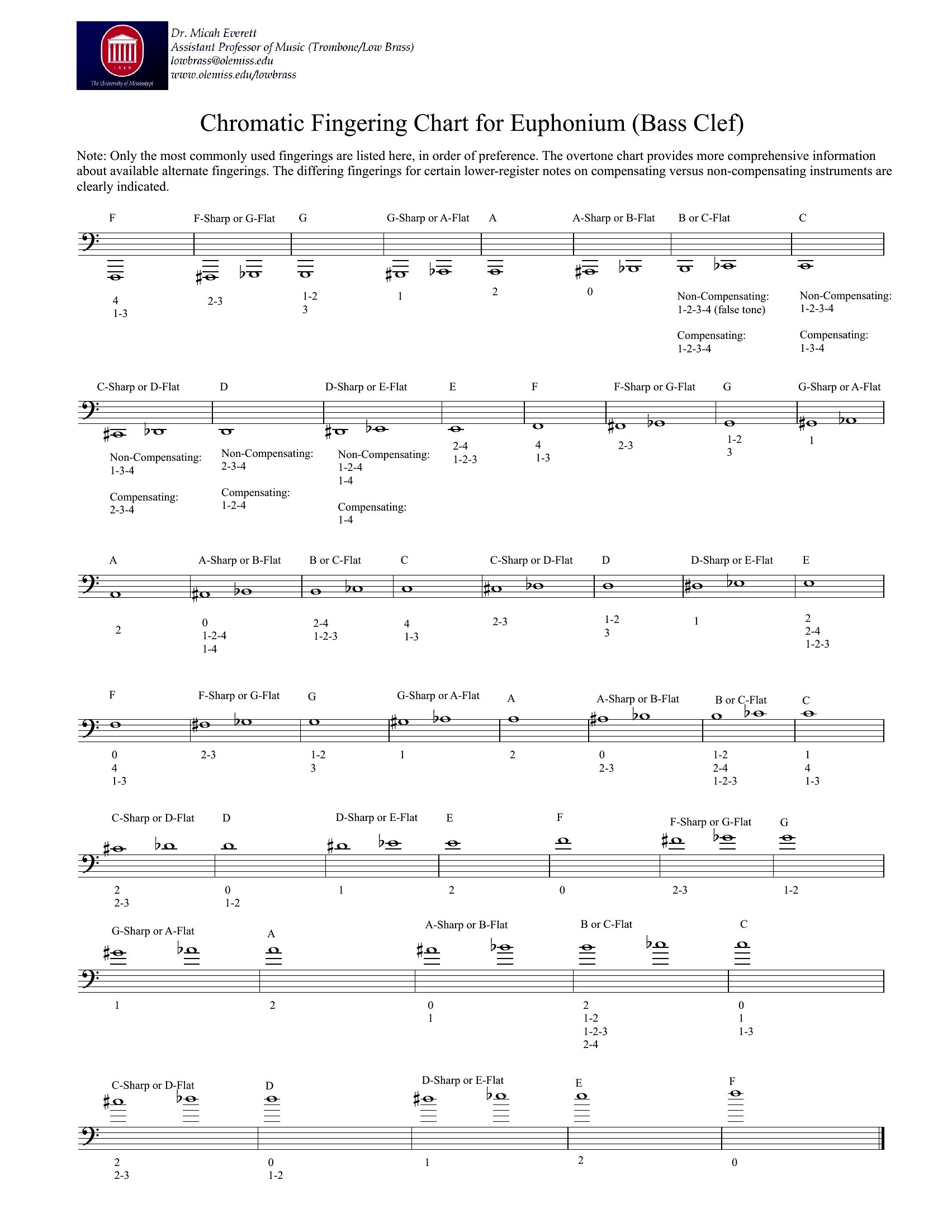
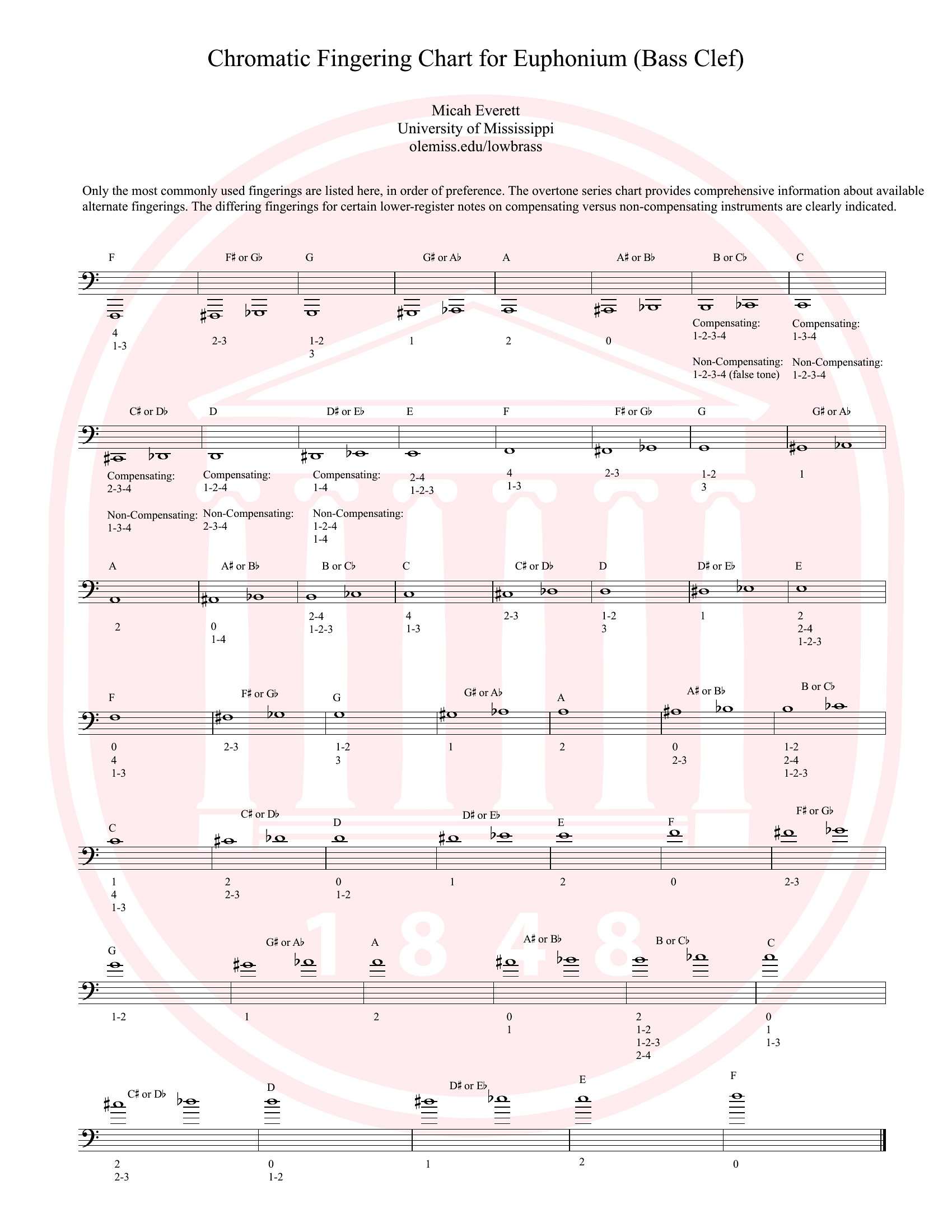
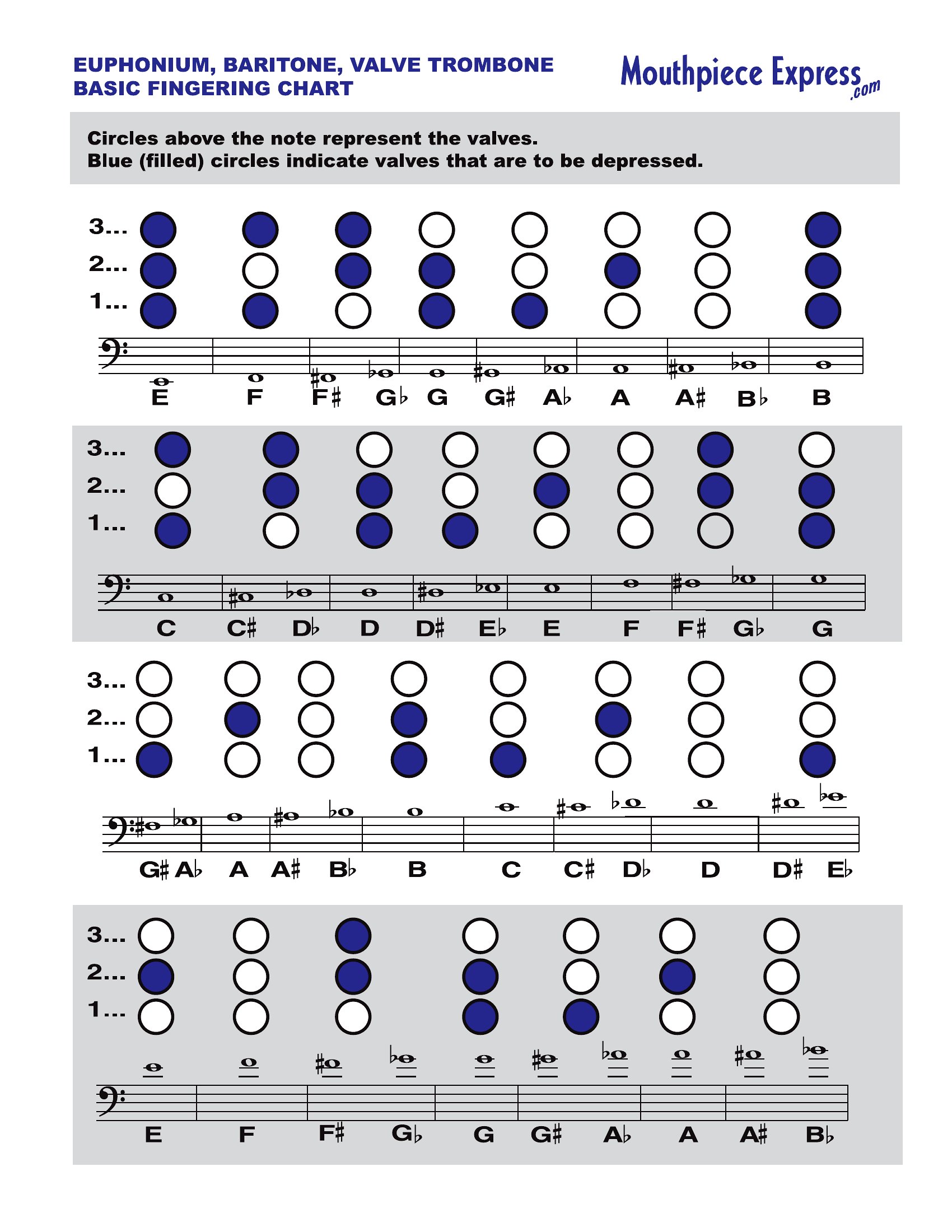
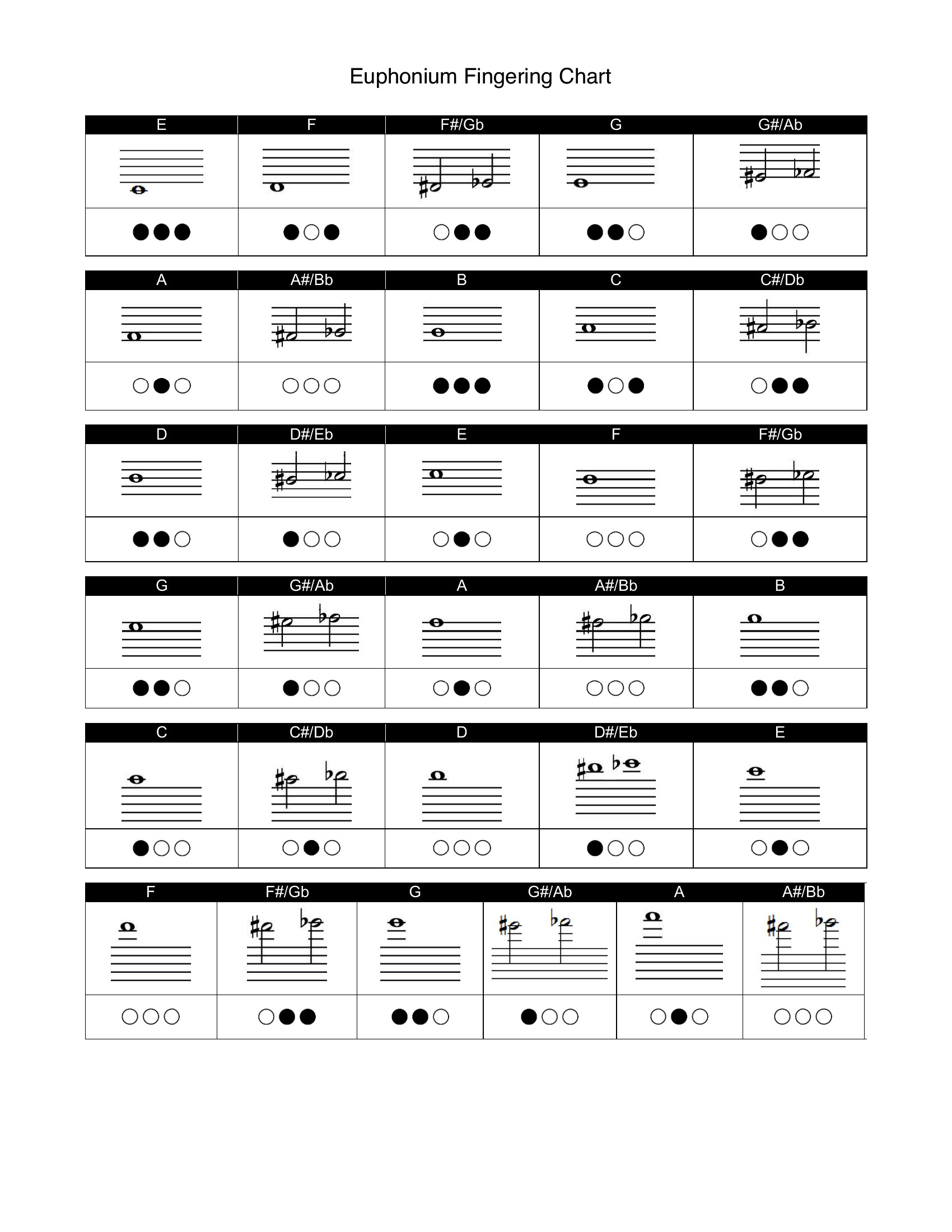
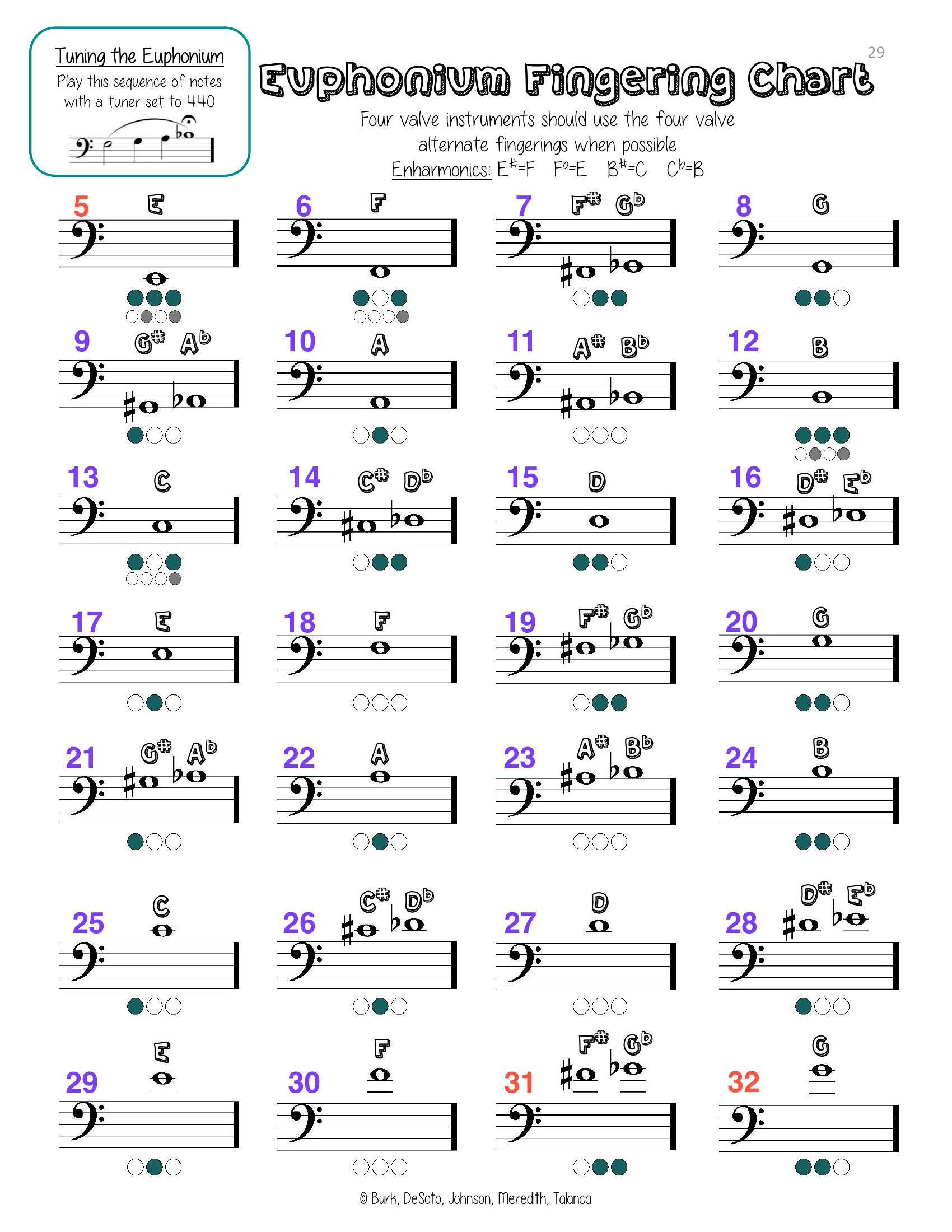
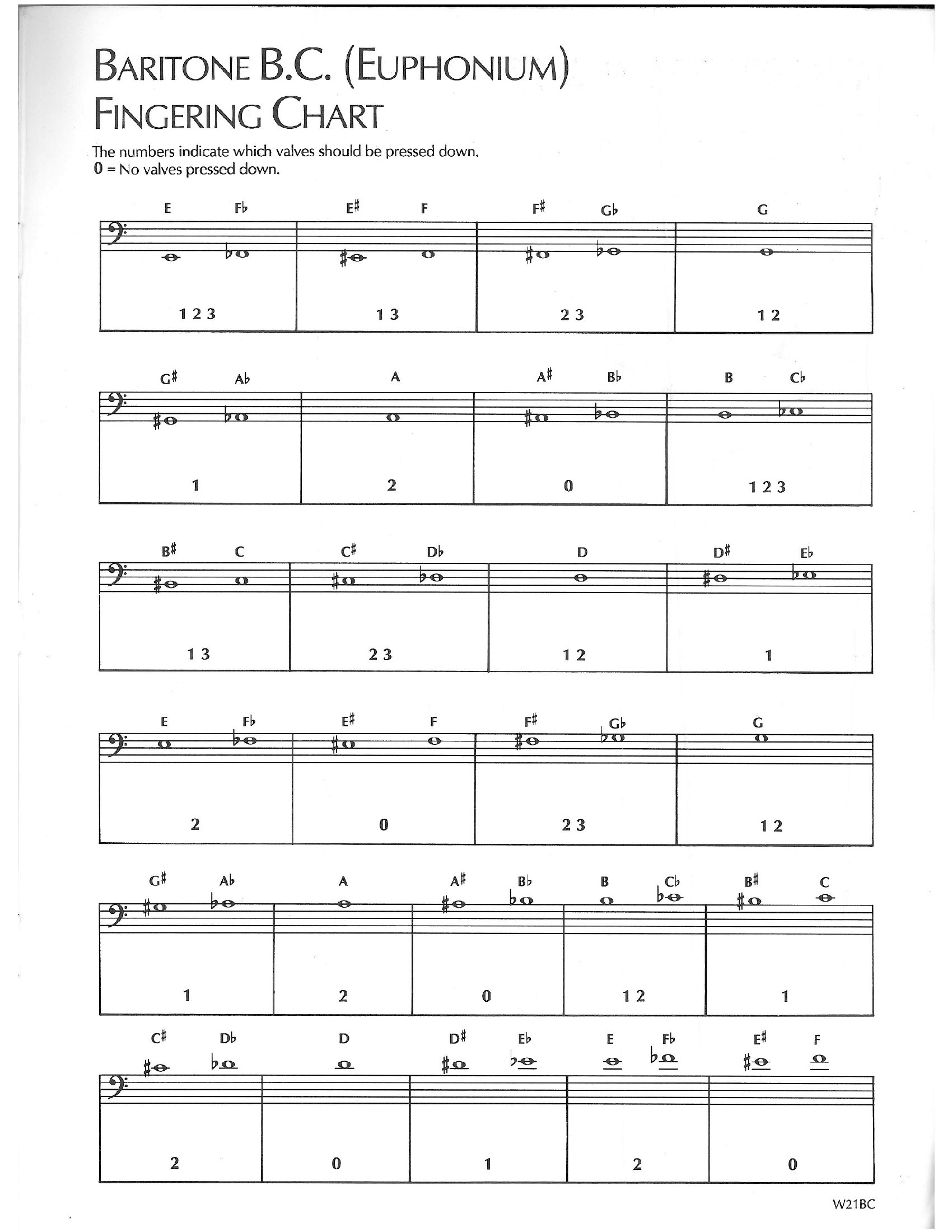
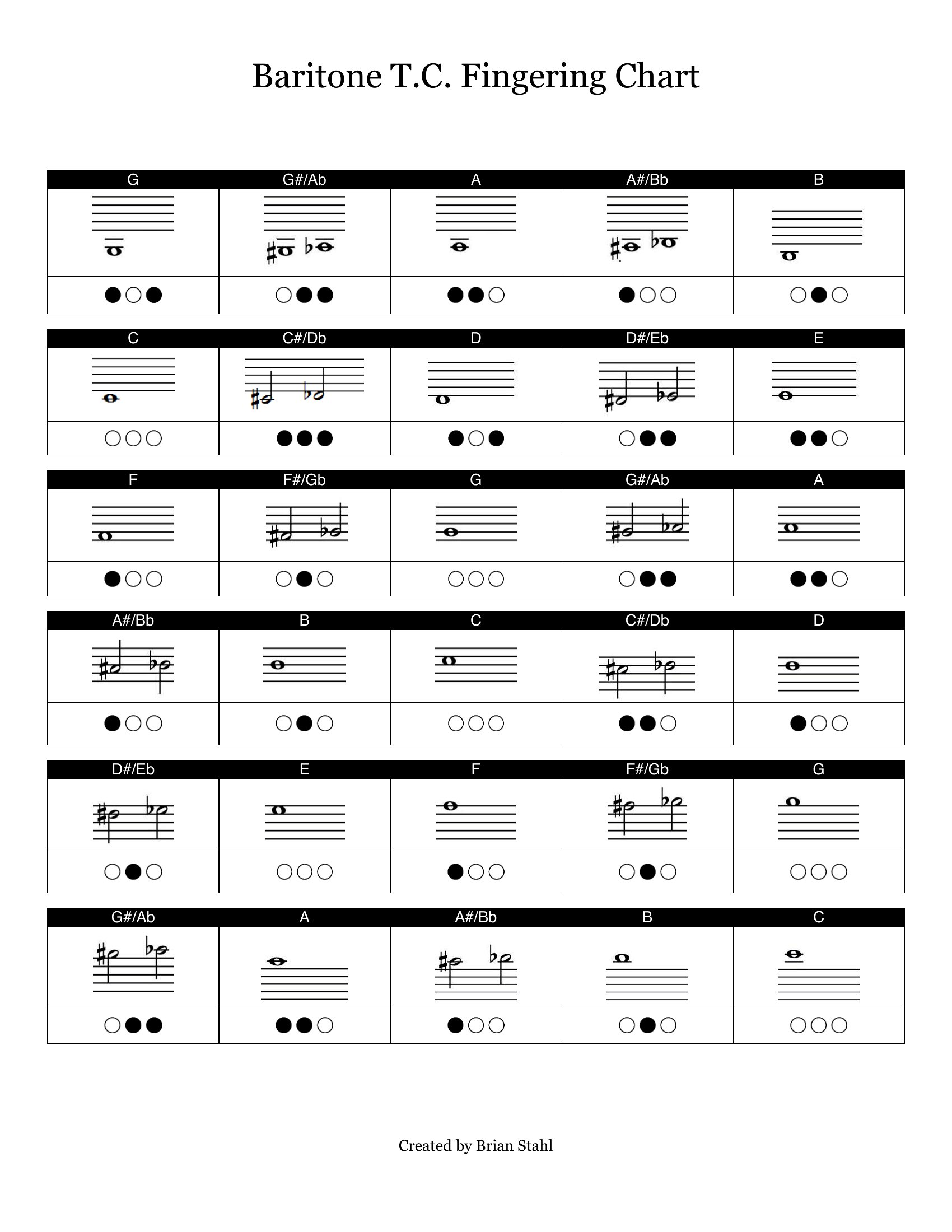
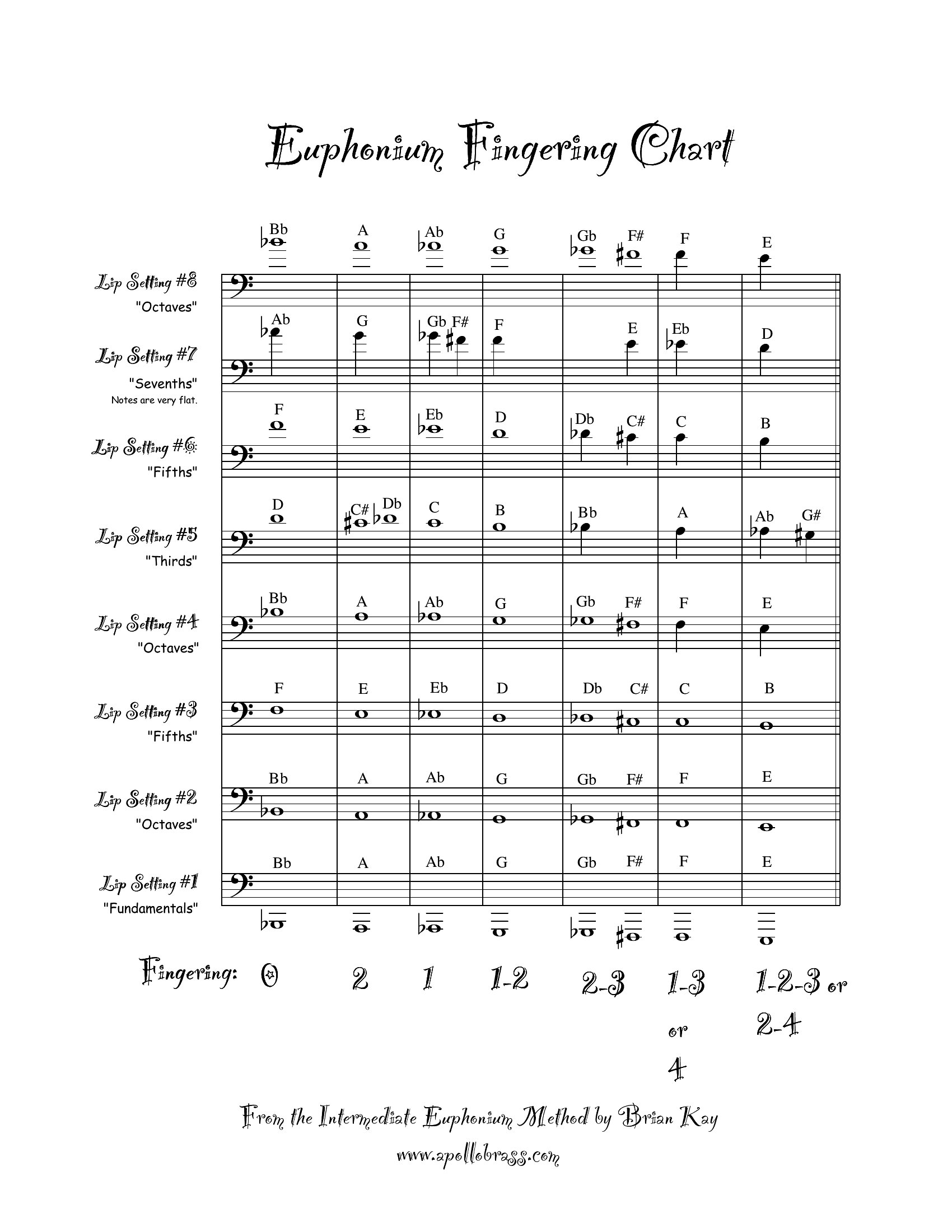
These charts are designed for the most common B-flat euphonium, which is standard in school bands and orchestras. If you play an F euphonium, you’ll need to transpose the fingerings manually since the valve combinations differ due to the instrument’s different pitch. Always confirm your euphonium’s key before relying on a chart.
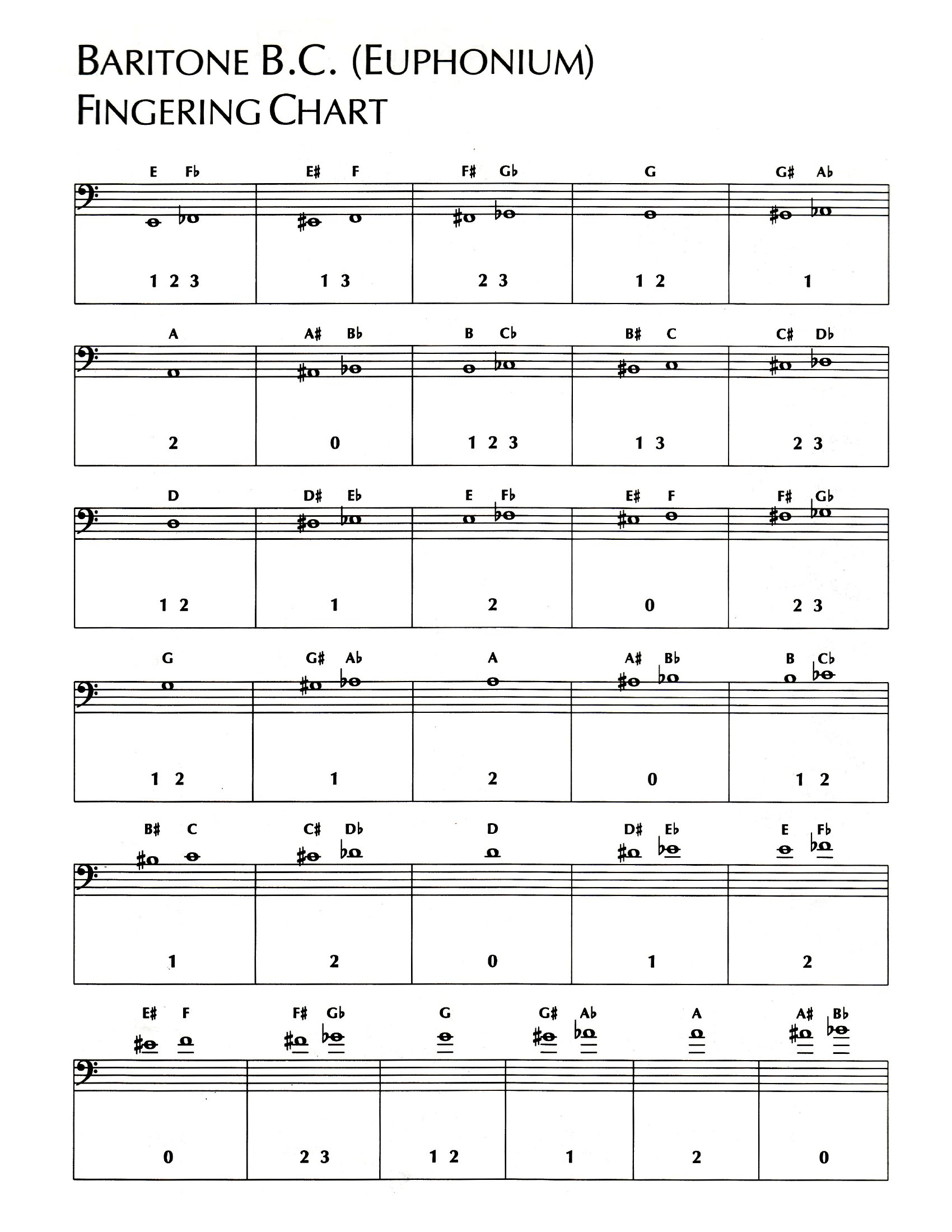
How do I use these charts if I’m still learning to read music?
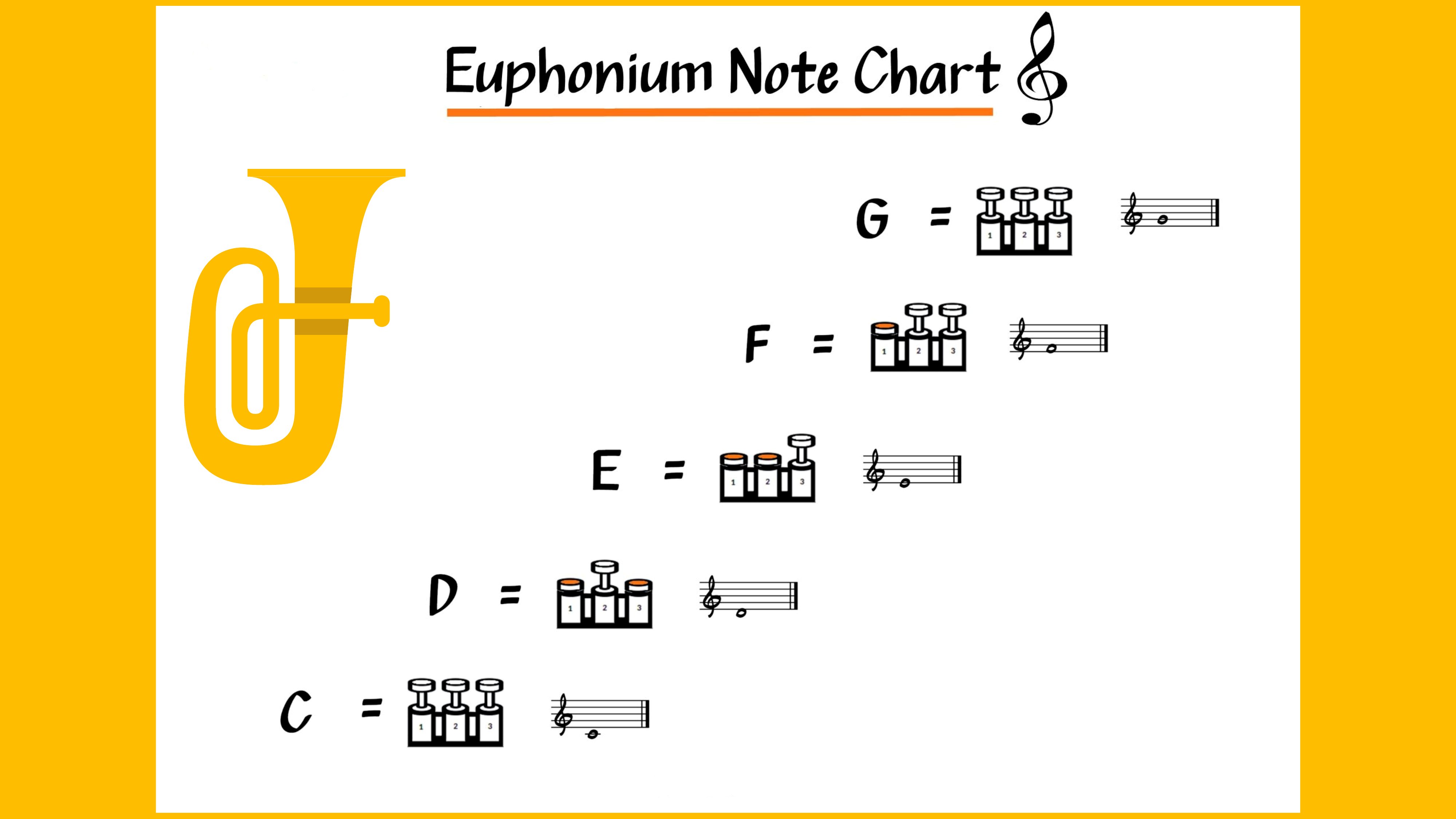
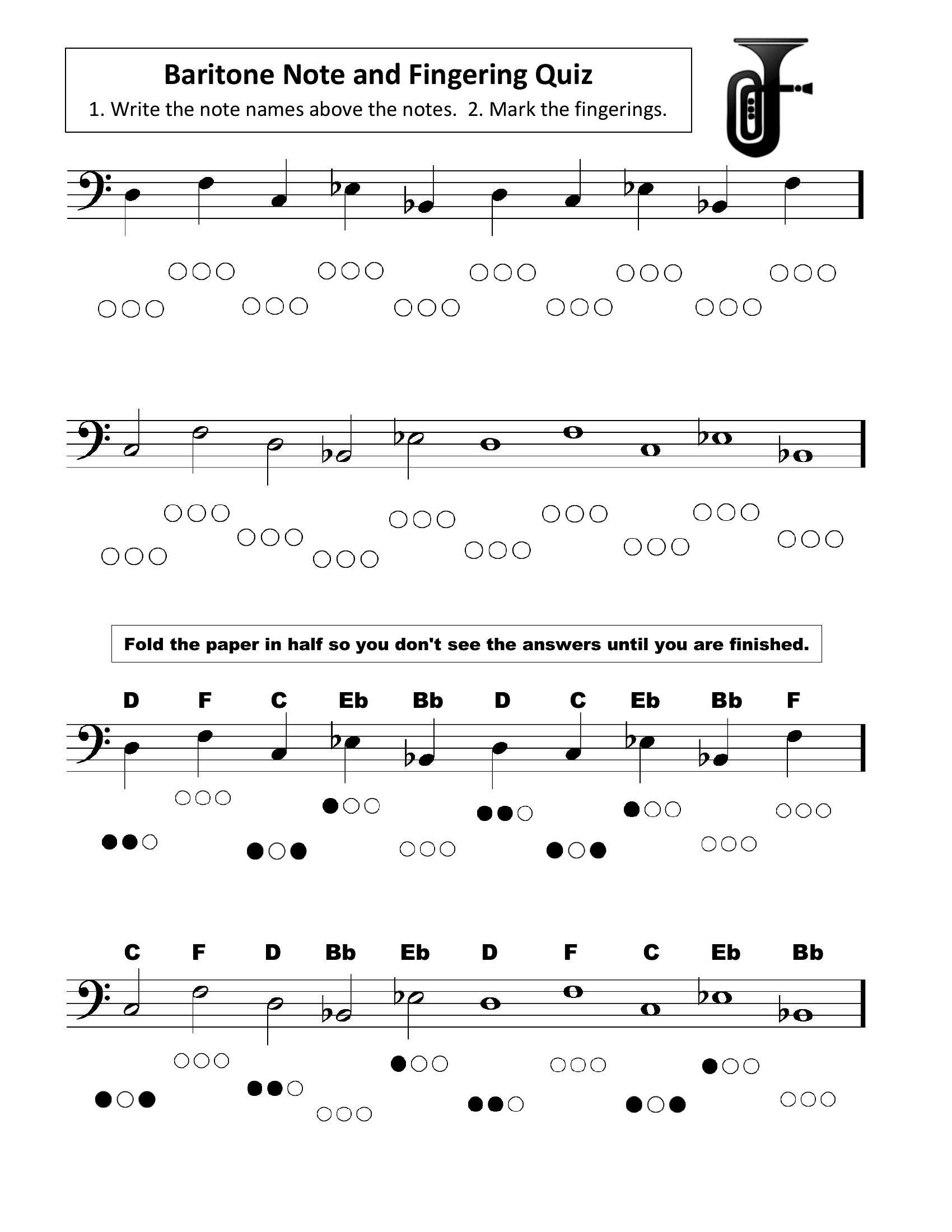
Start by matching the note you’re playing to its position on the chart, then follow the corresponding fingerings. If you’re unsure about a note’s name, use a tuner or ask your teacher. These charts focus on fingerings, not theory, so they’re helpful even if you’re still learning to read music—just pair them with a simple note identifier.
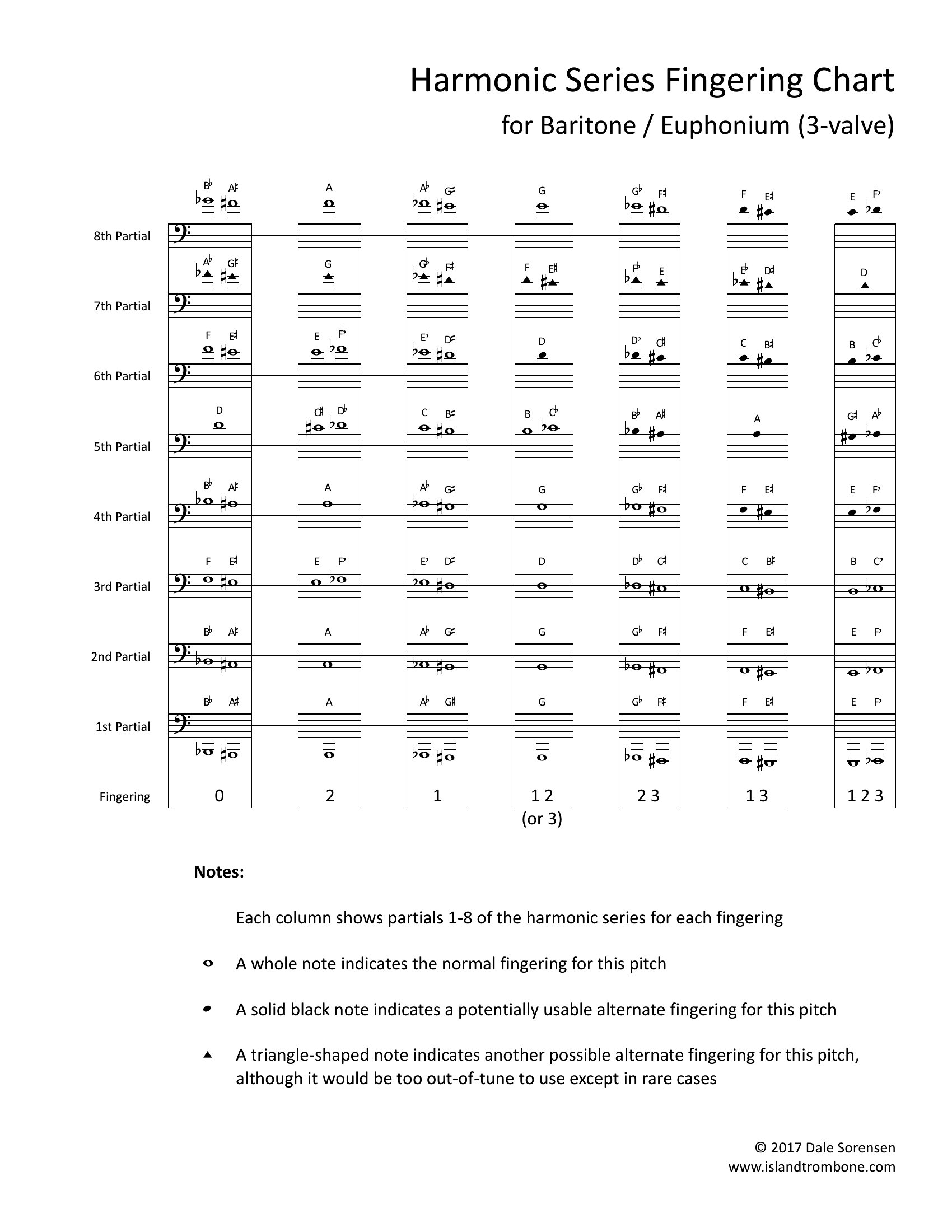
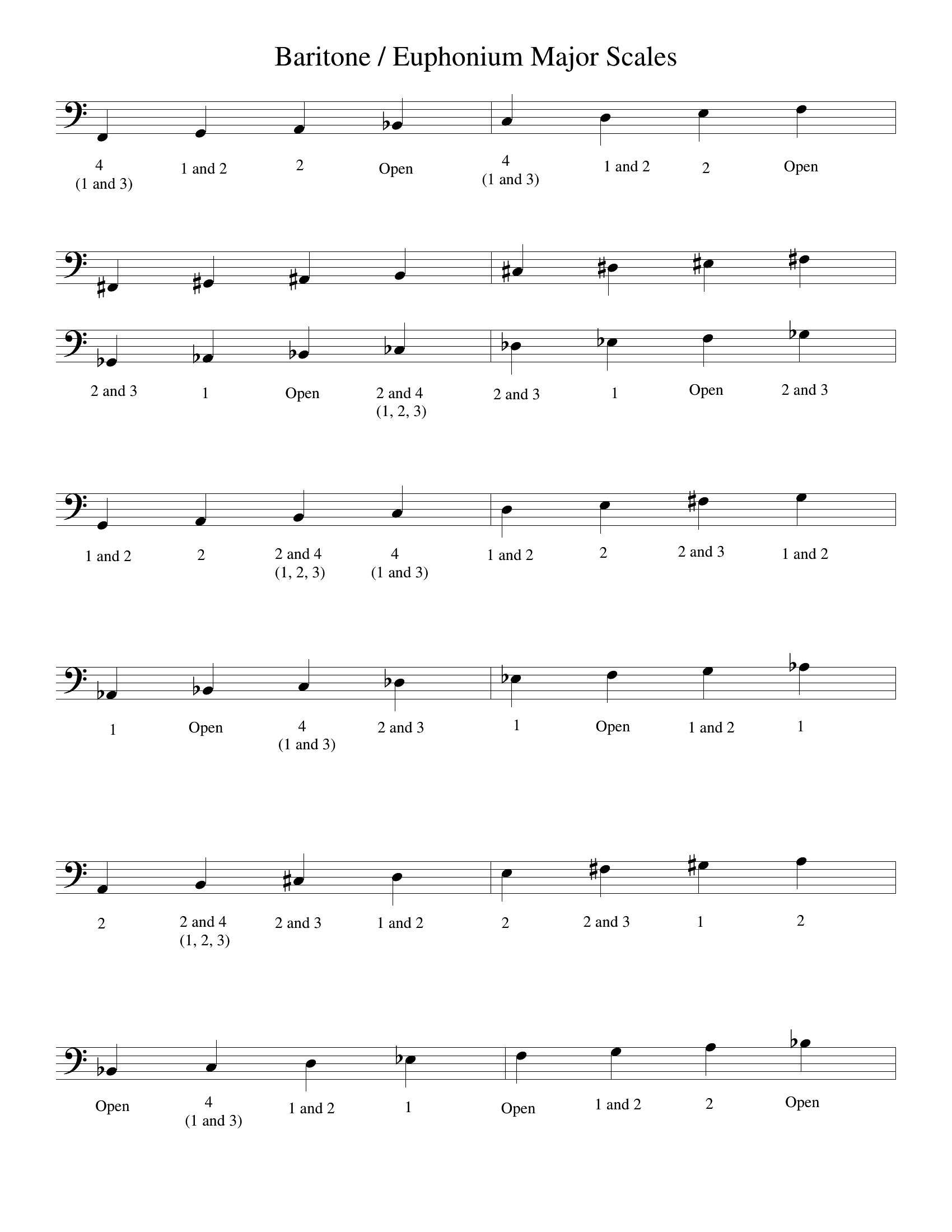
Can I use these charts for euphonium methods books or etudes with alternative fingerings?
These charts provide standard fingerings for most classical and band repertoire. However, some methods books or advanced etudes may recommend alternative fingerings for technical or tonal reasons. Always cross-reference with your specific method book, as these charts are general guides rather than replacements for specialized instruction.
Comments
Join the conversation
Sign in to share your thoughts and leave a comment on this resource.