FAQ
How do I determine whether a stakeholder’s influence is high, medium, or low without guessing?
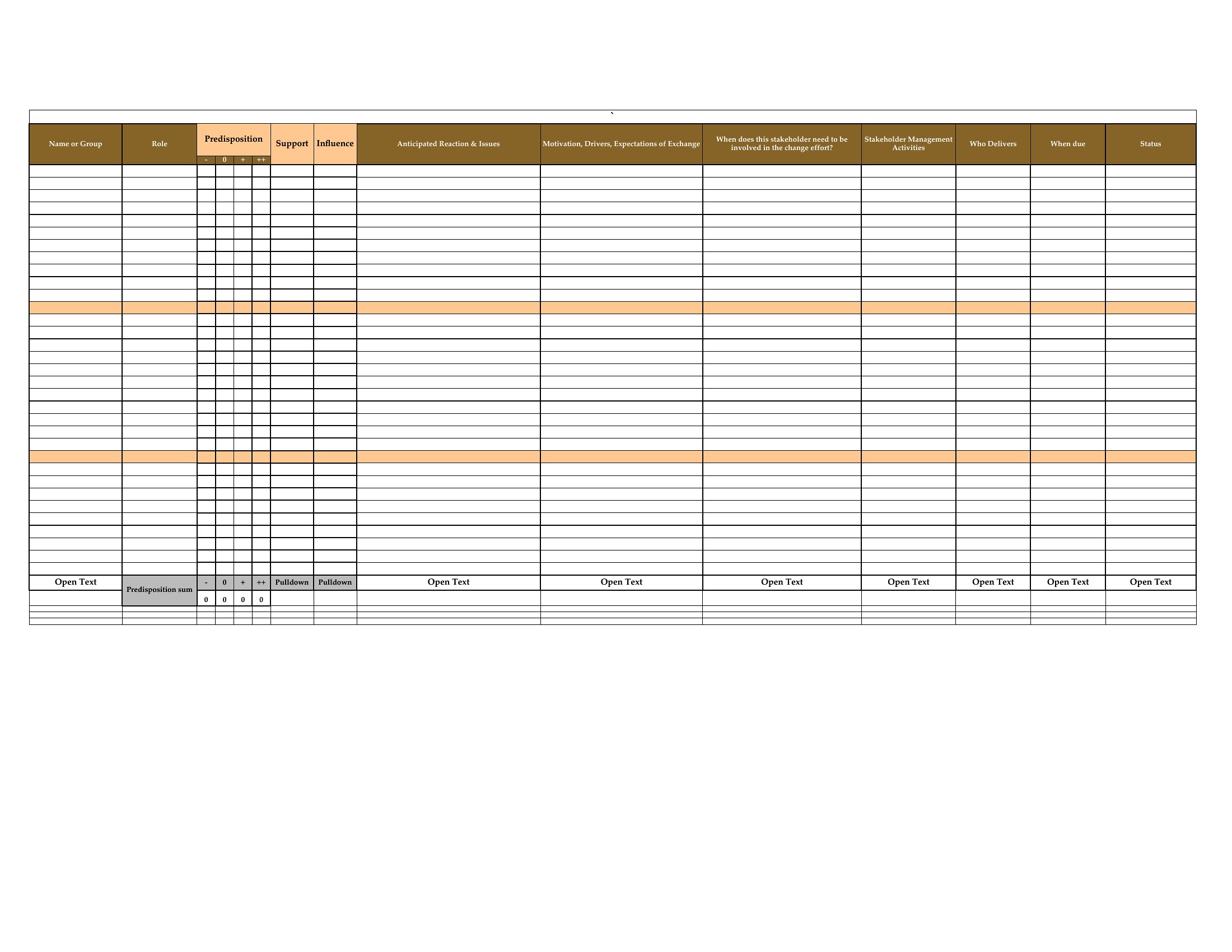
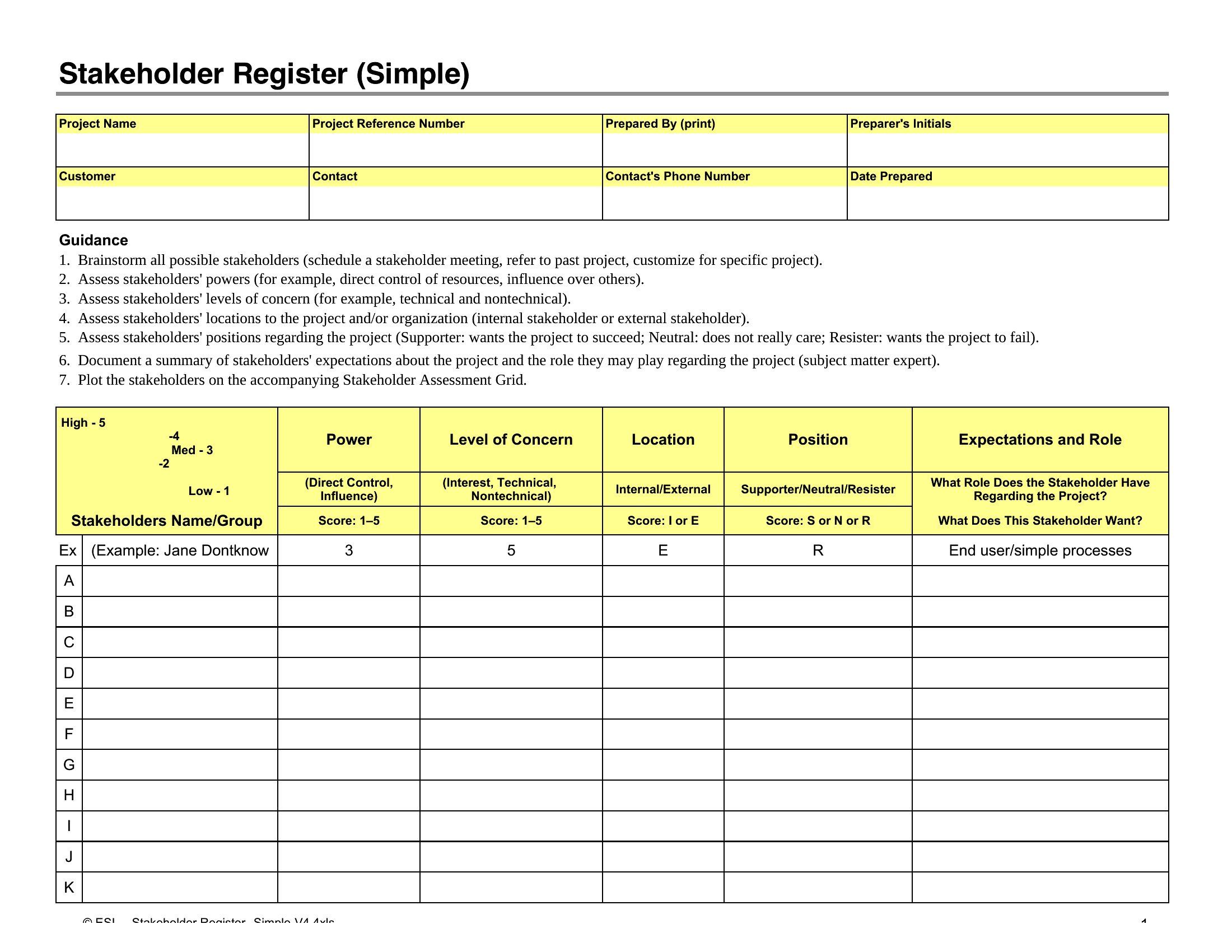
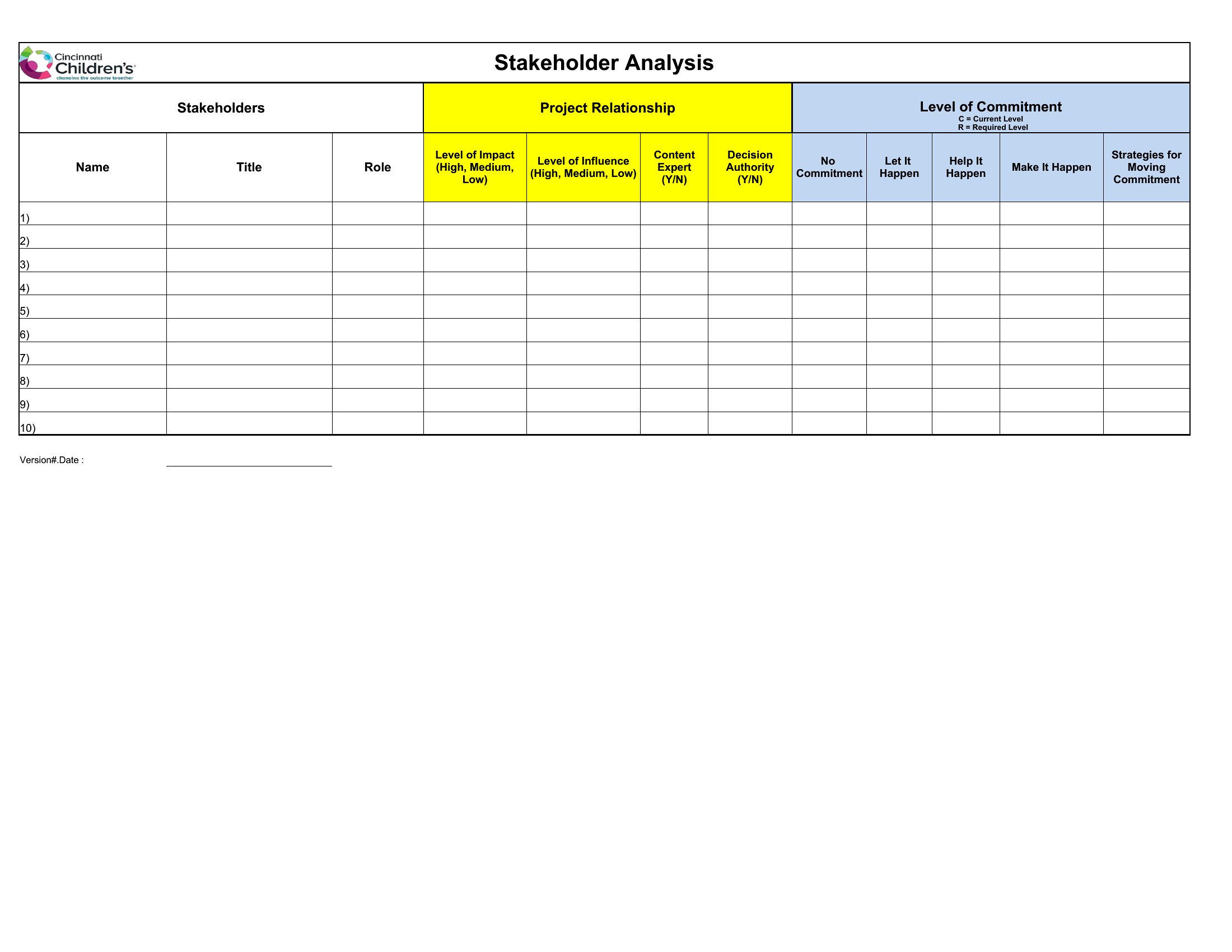
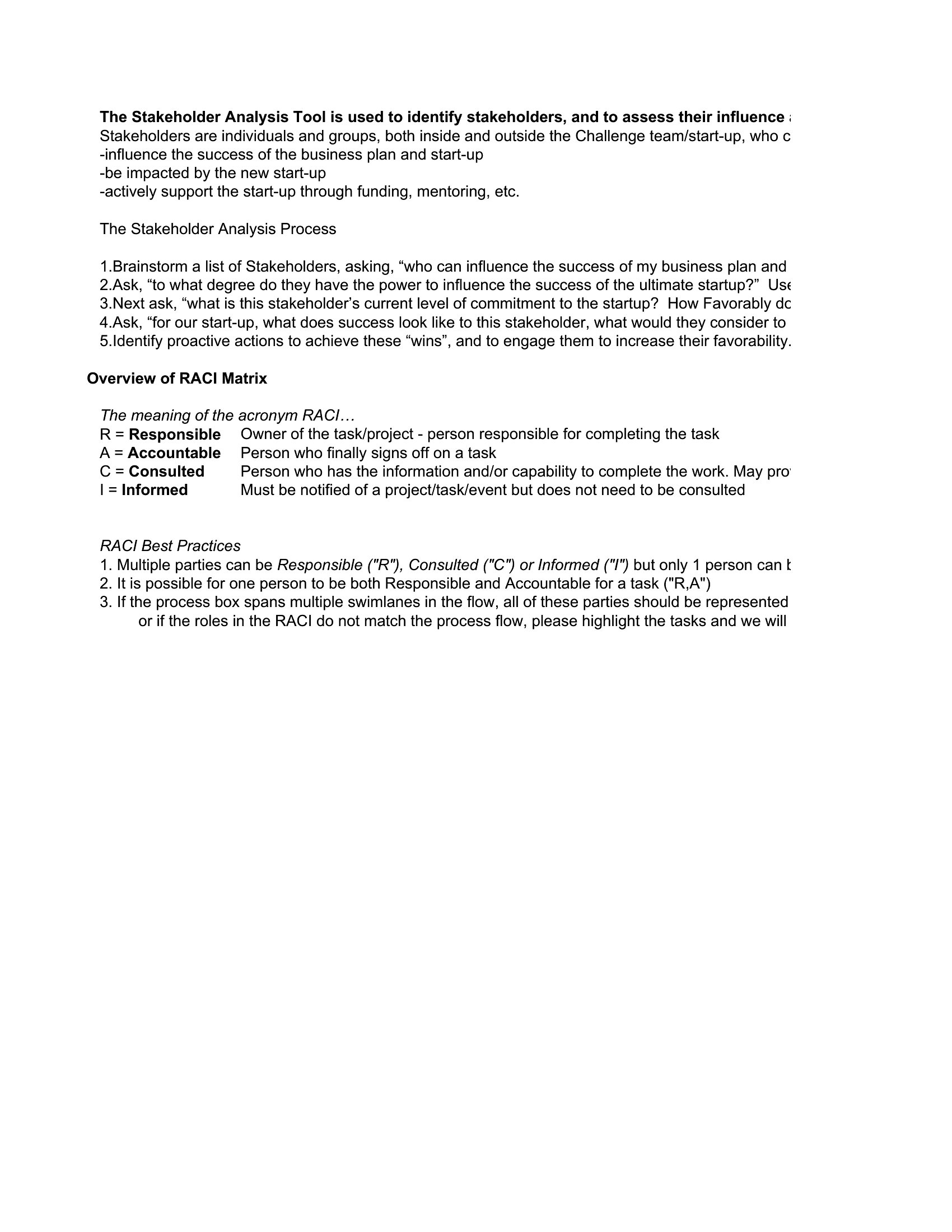
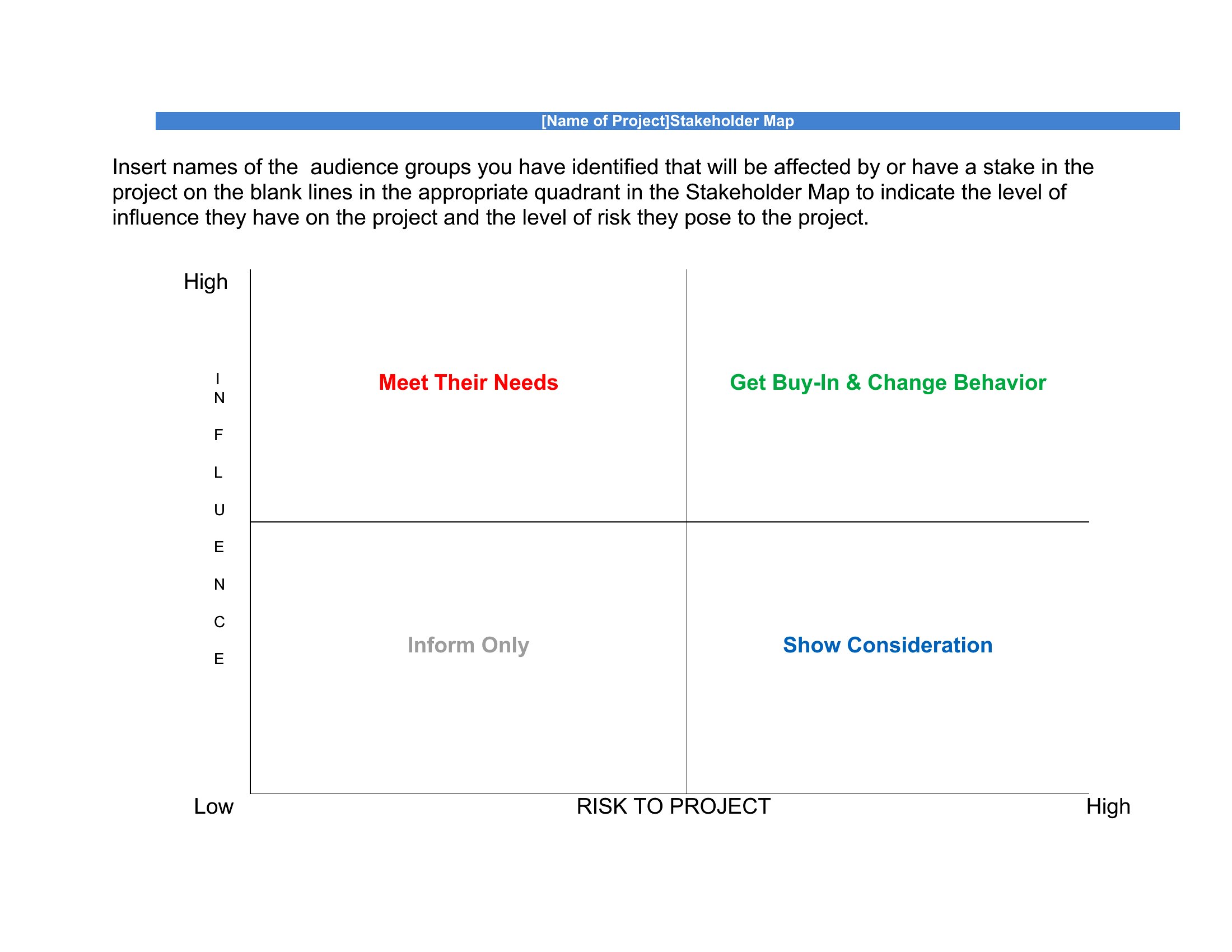
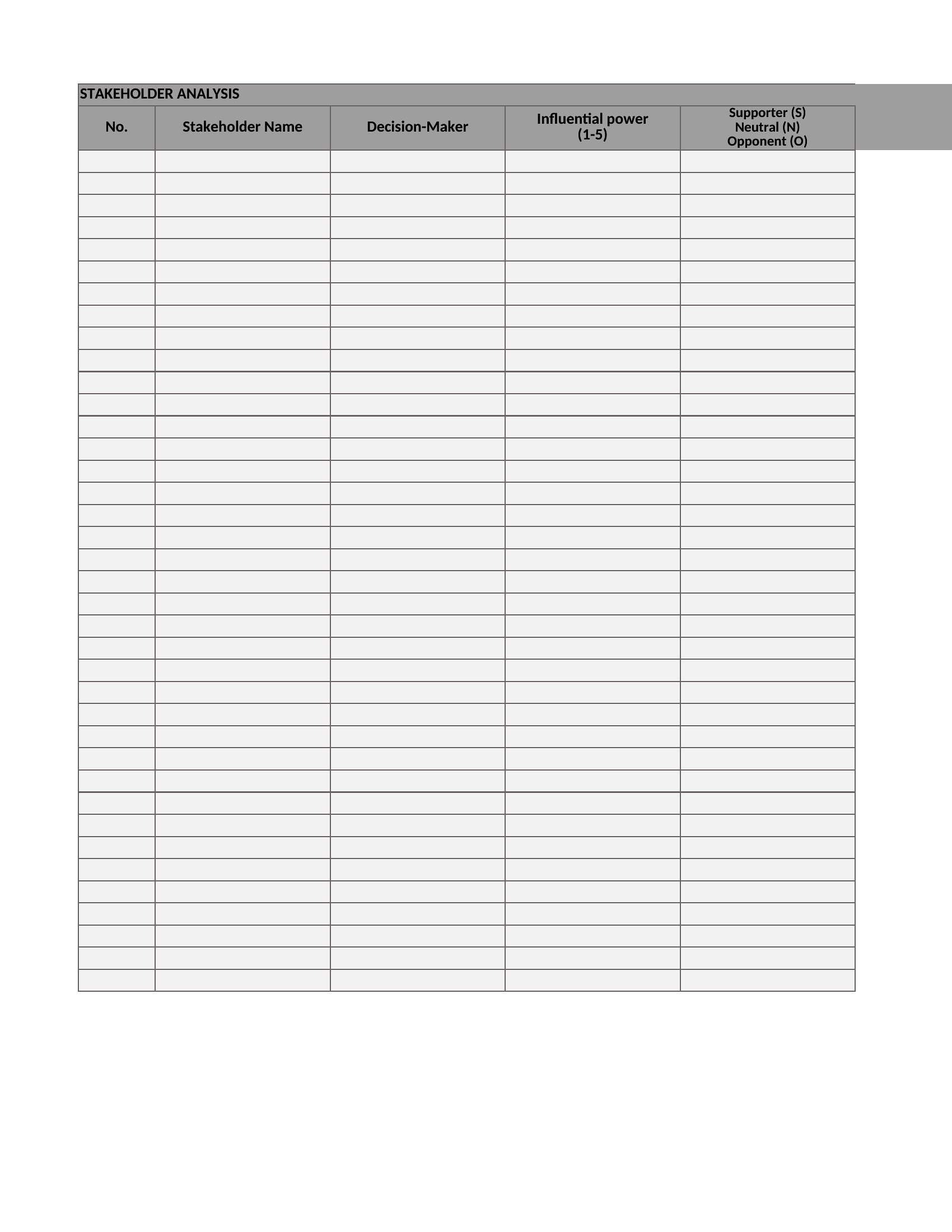
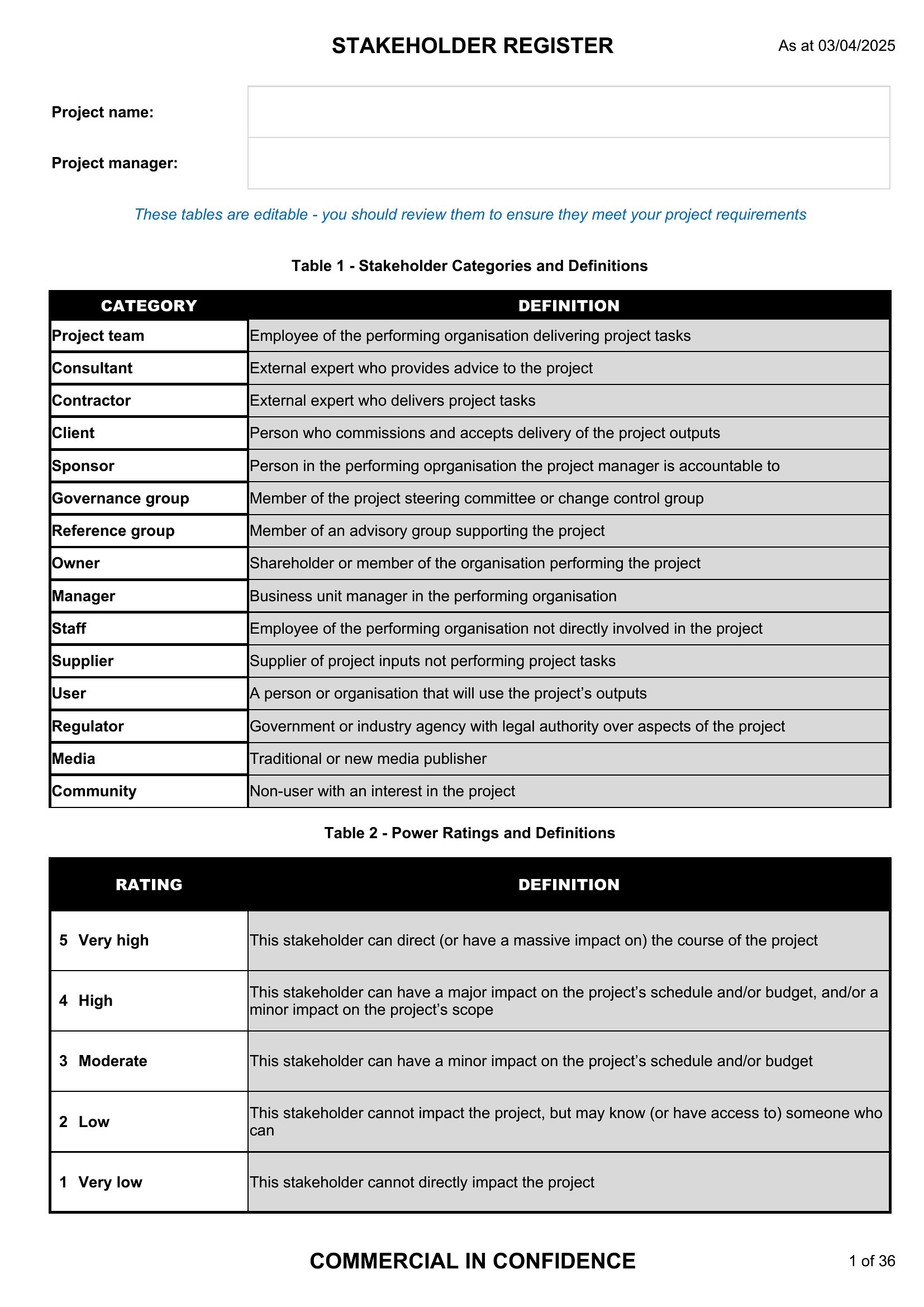
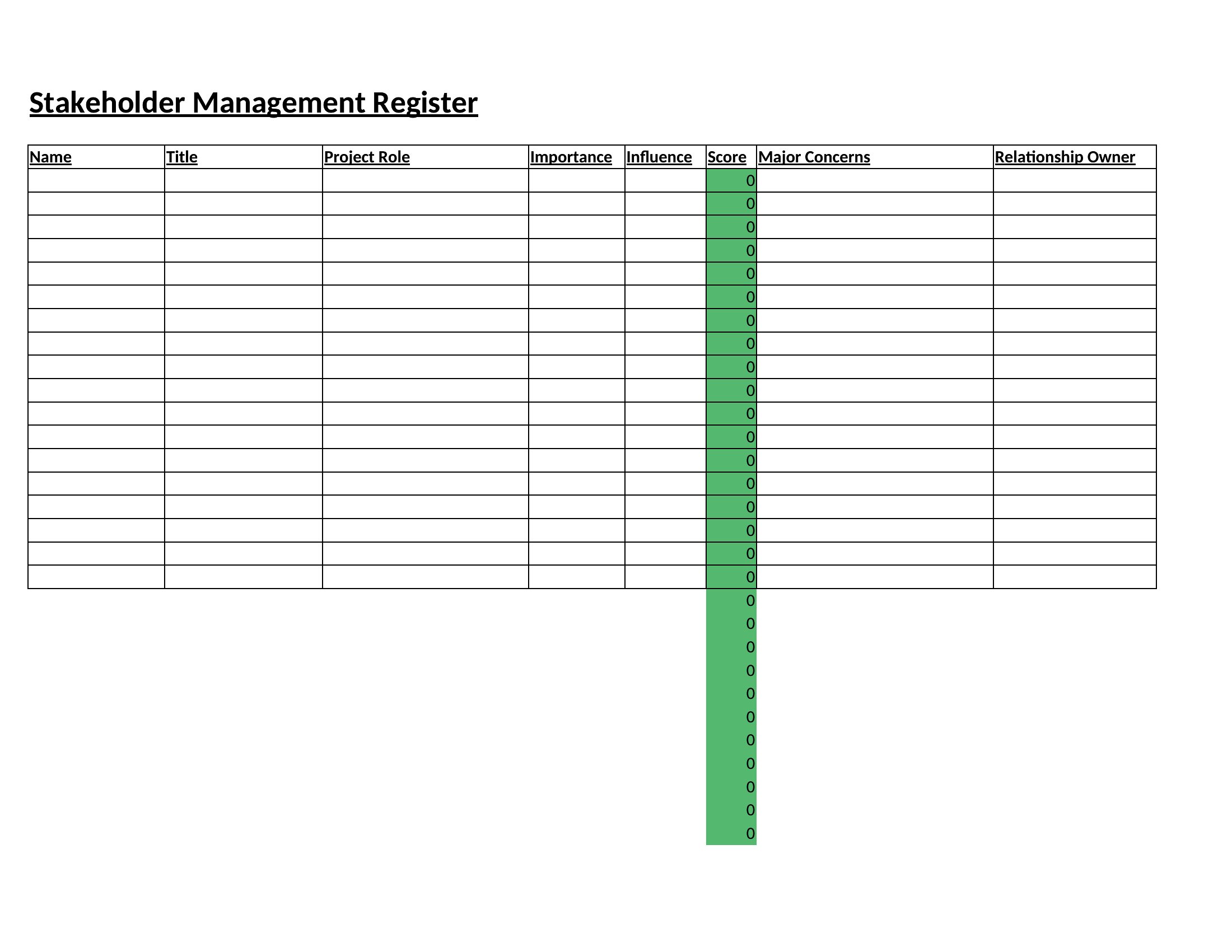
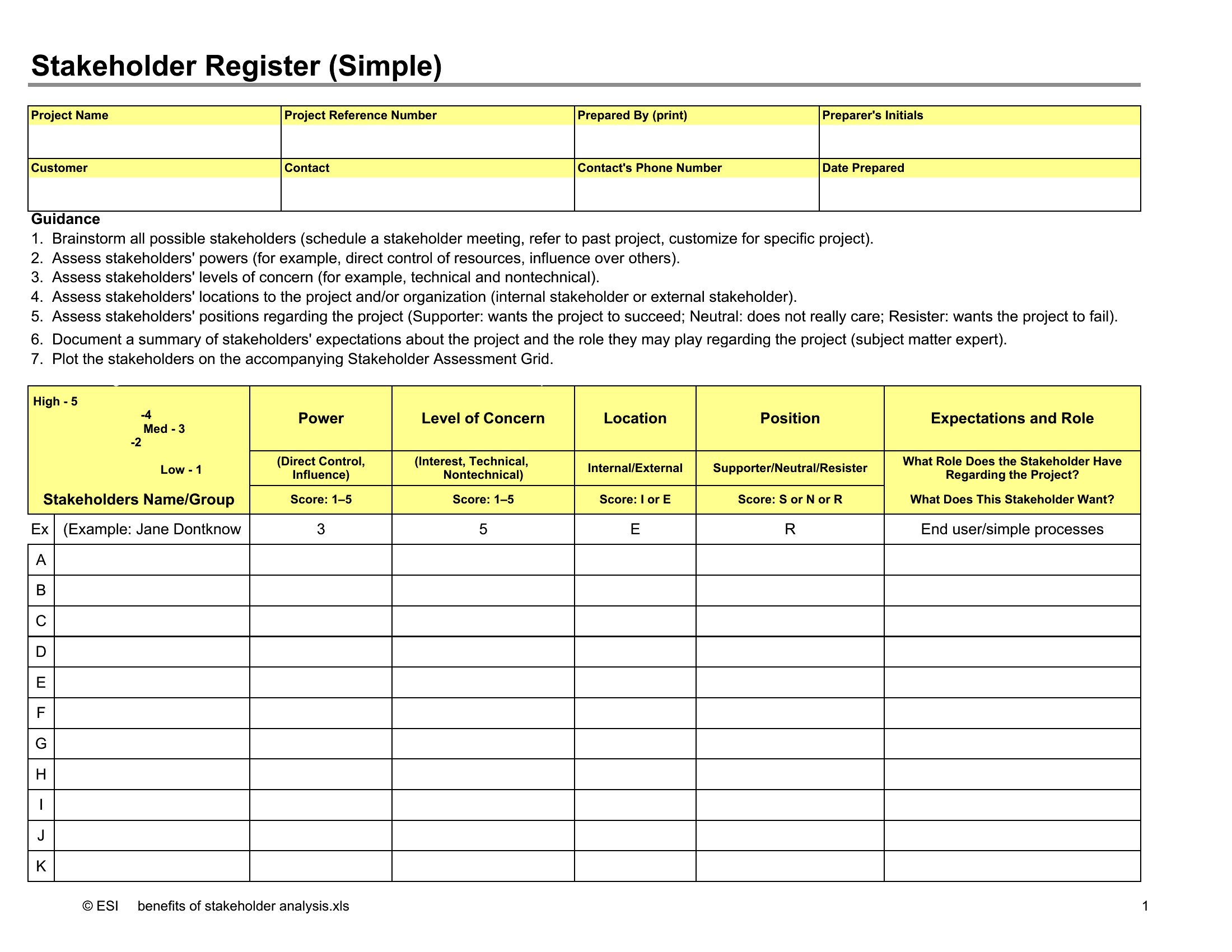
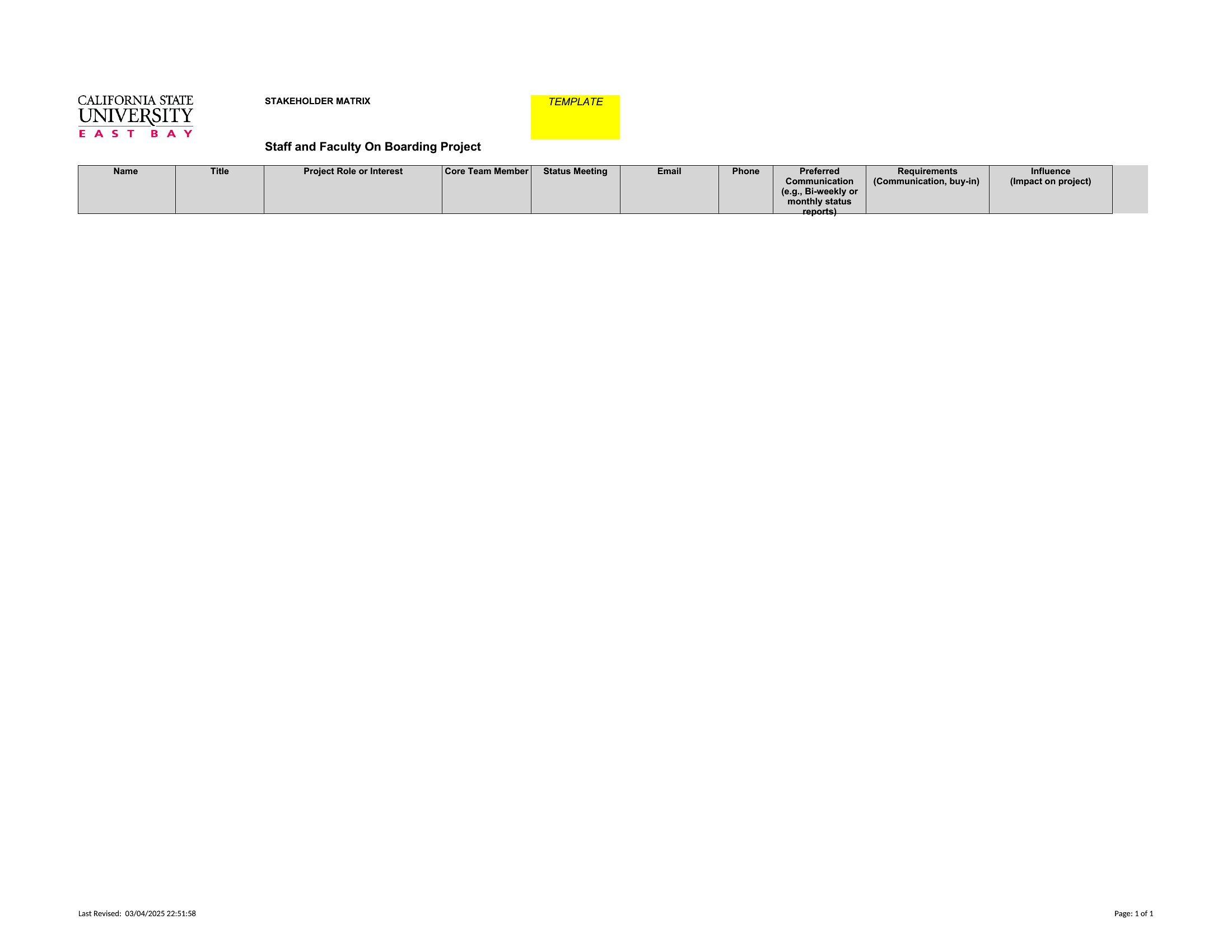
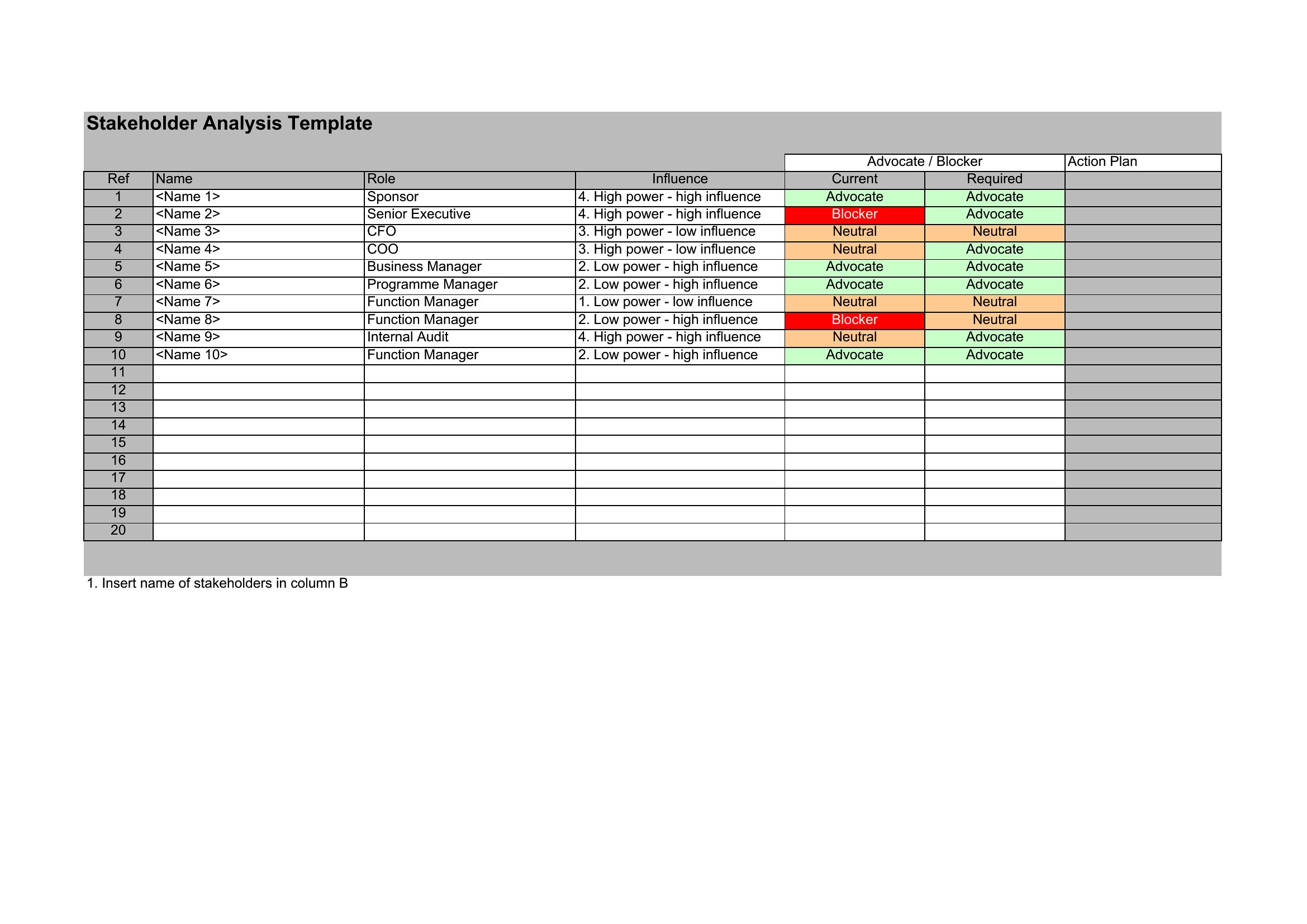
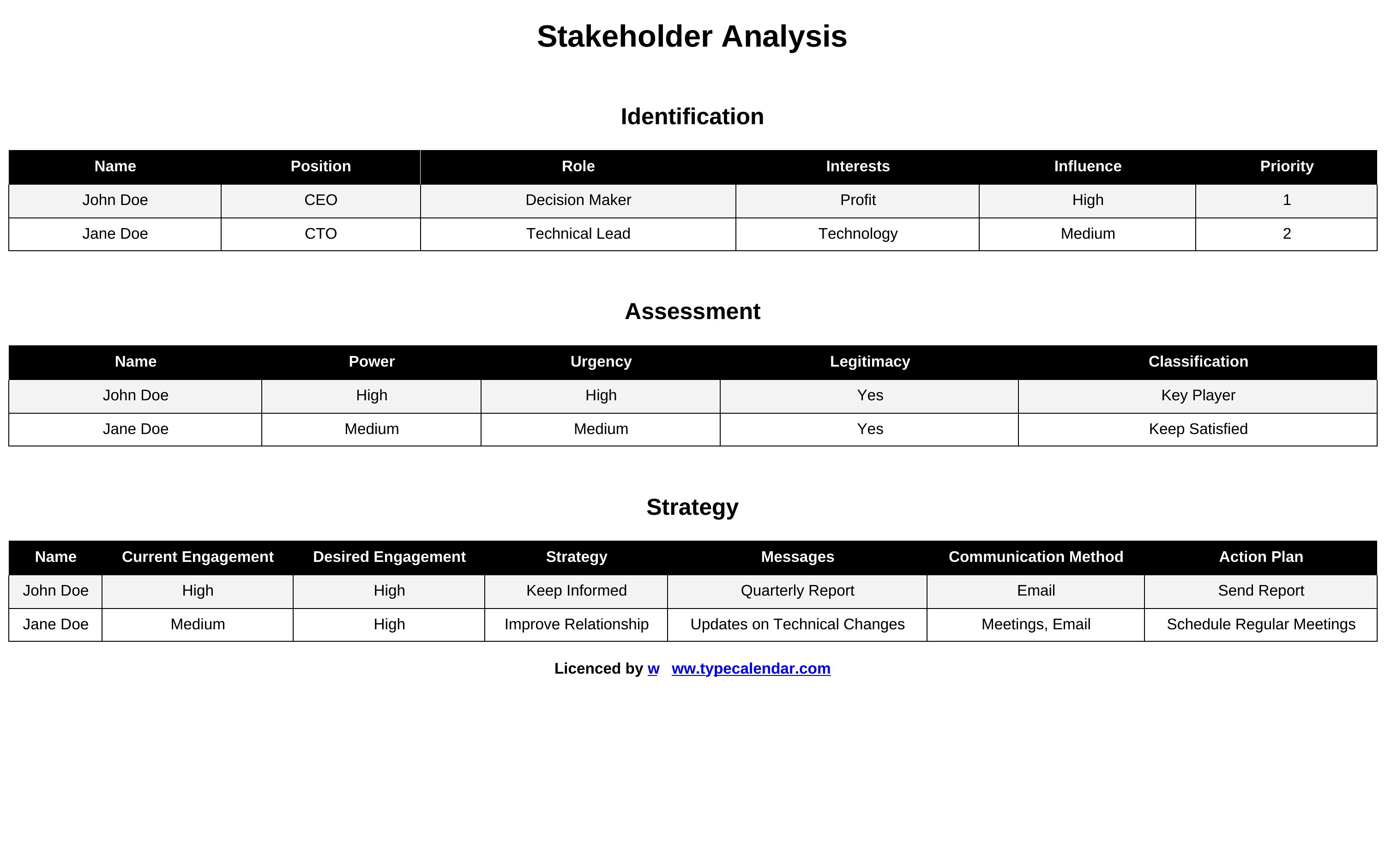
Start by categorizing stakeholders based on documented decisions they’ve shaped in the past. For new projects, ask direct questions like ‘Who would need to approve this change?’ or ‘Who could block progress?’ Then cross-reference with organizational charts and past project post-mortems. The templates include scoring rubrics to help quantify influence objectively.
Can these templates help me identify *hidden* stakeholders—people who might not be in official emails but still impact the project?
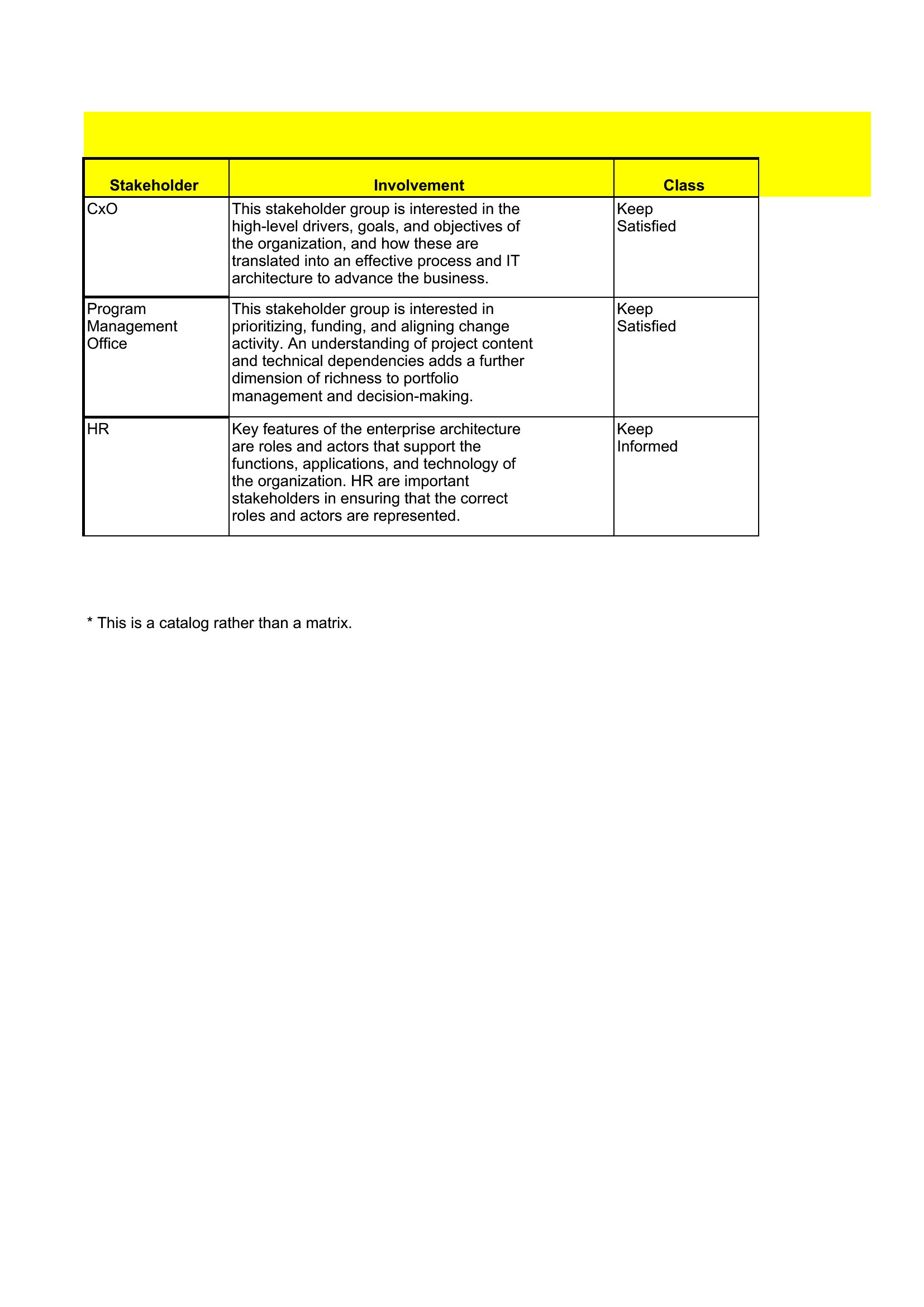
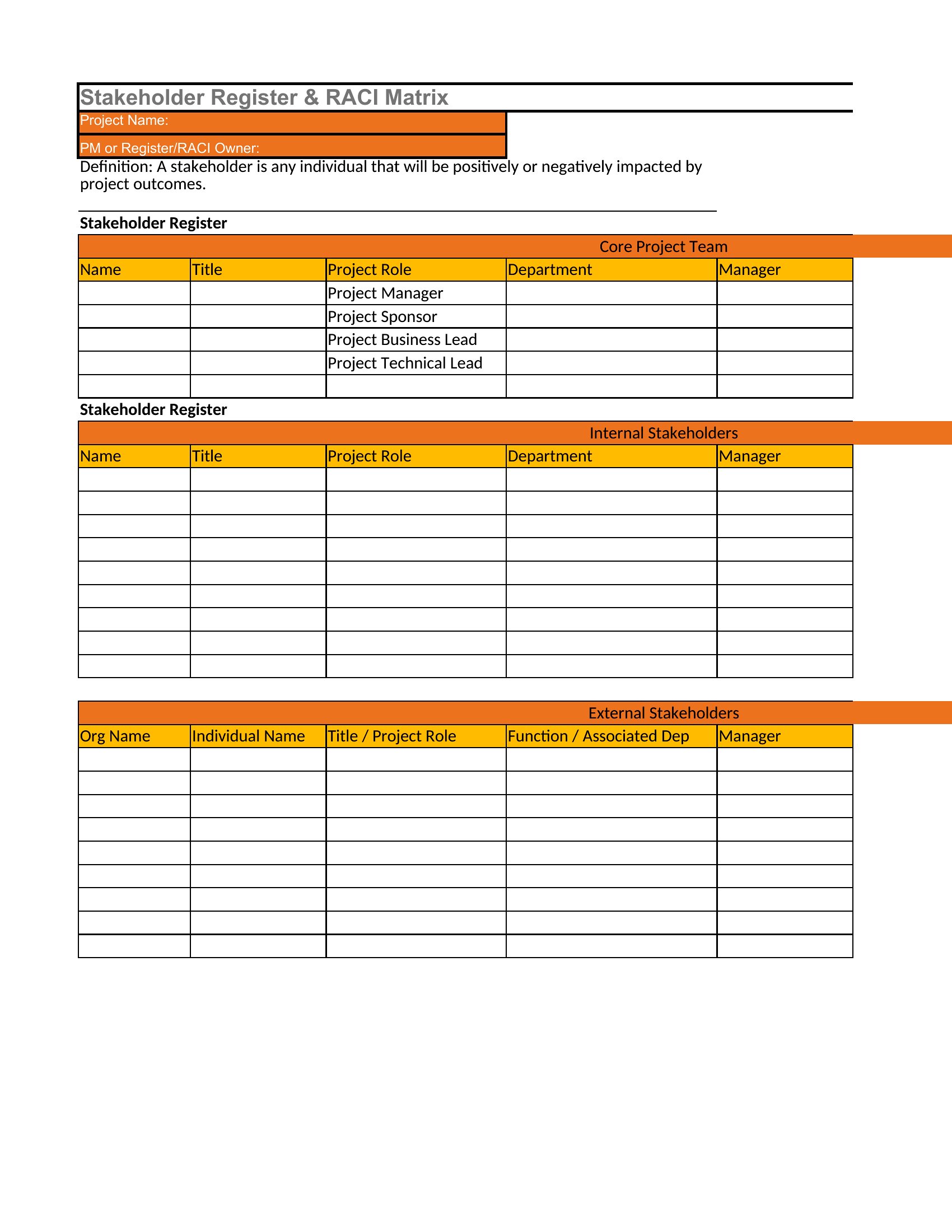
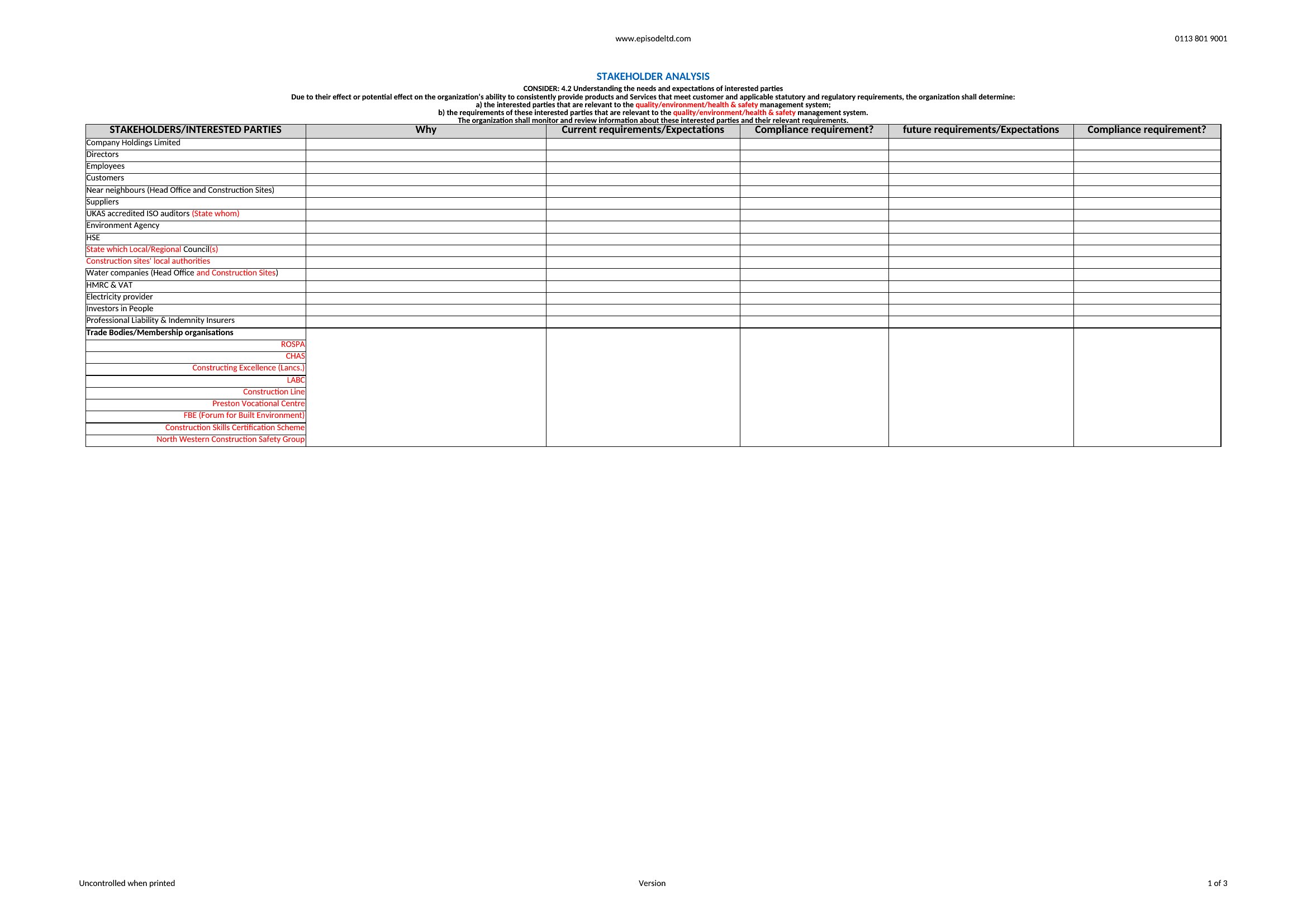
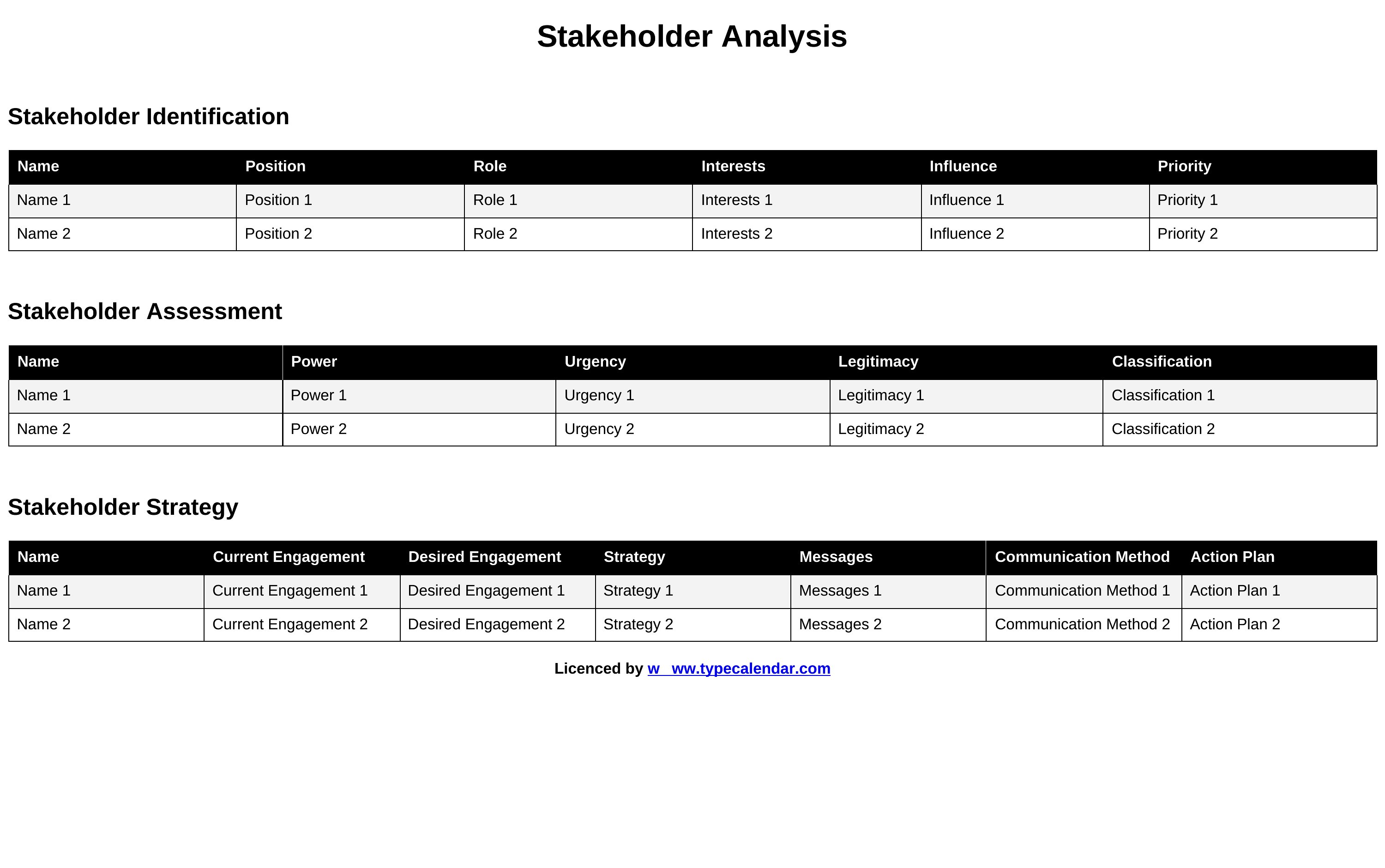
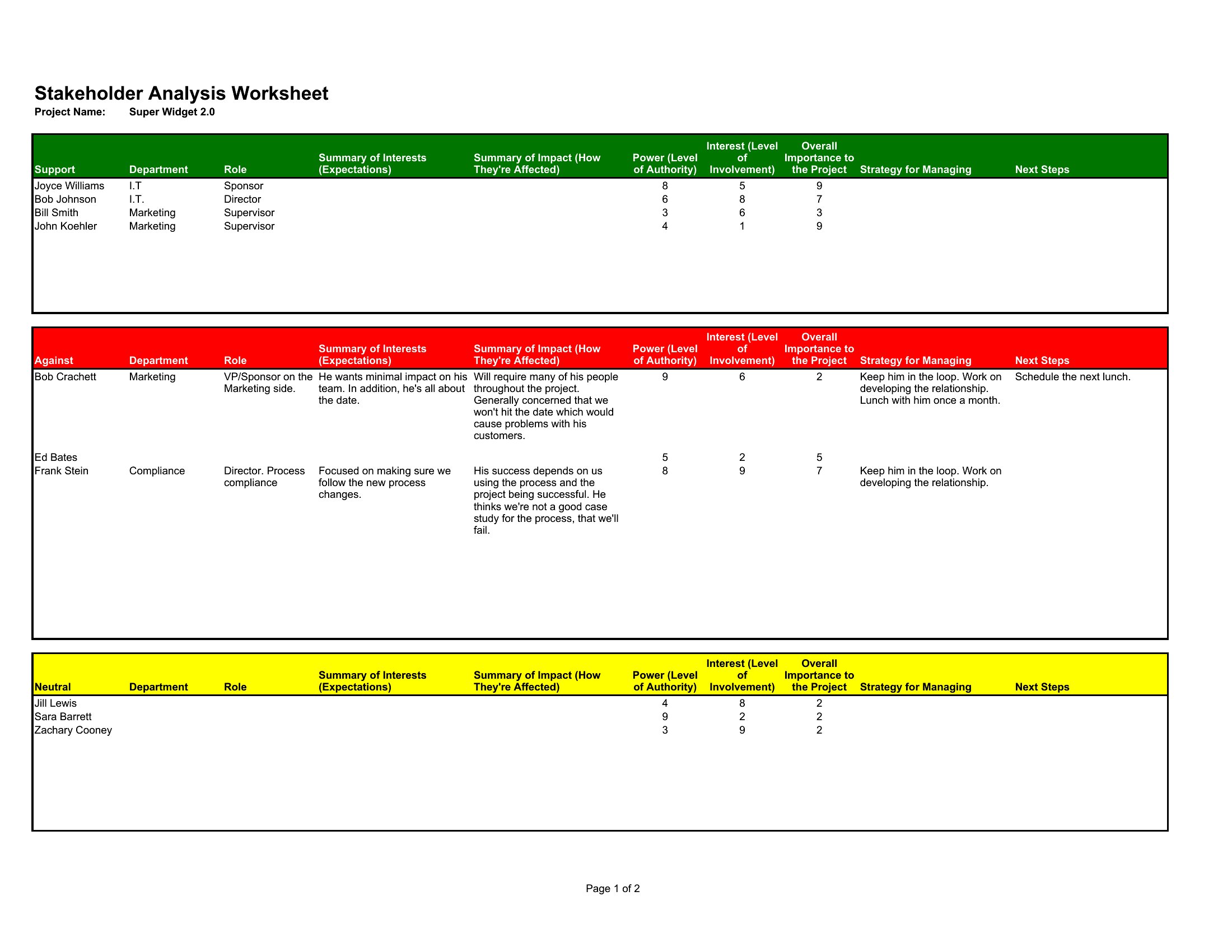
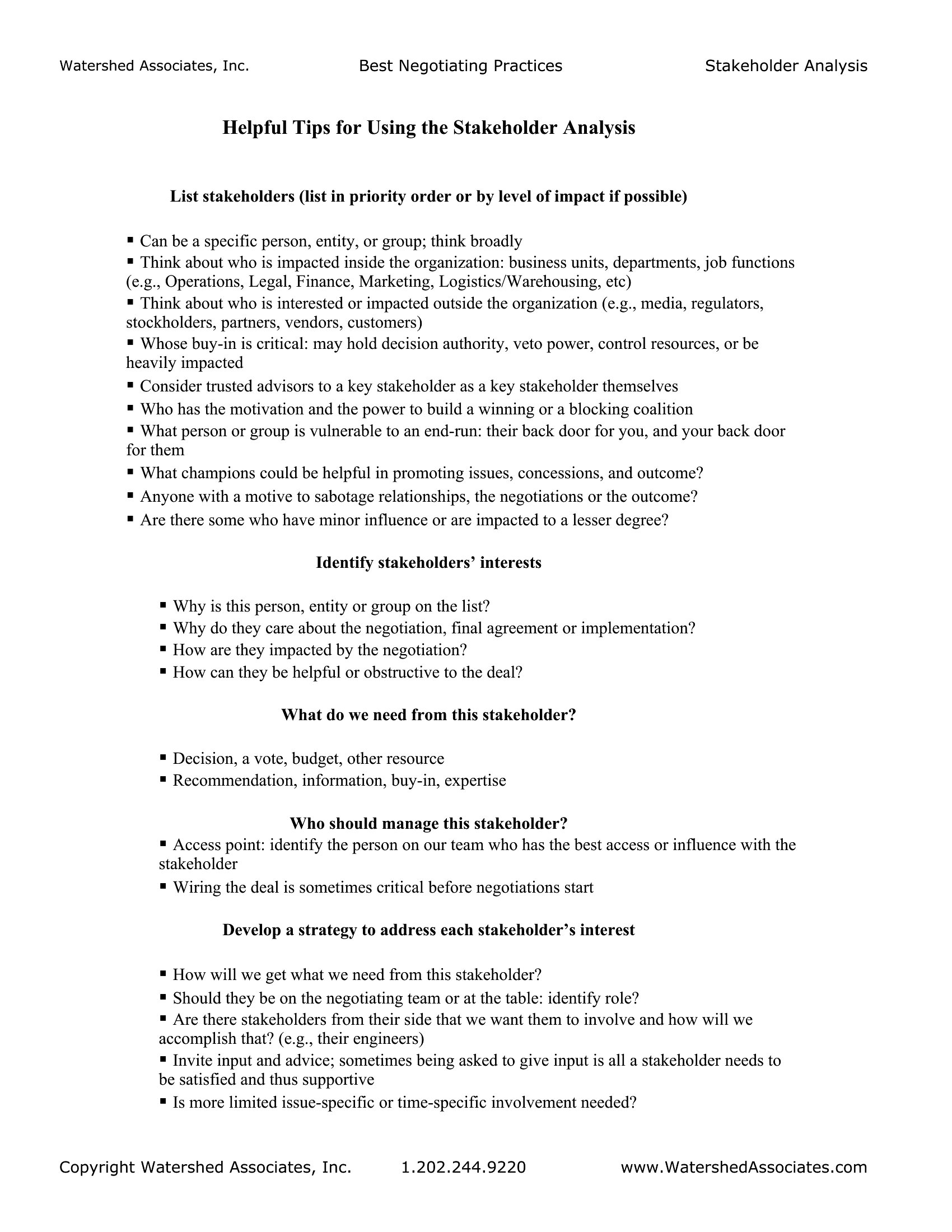
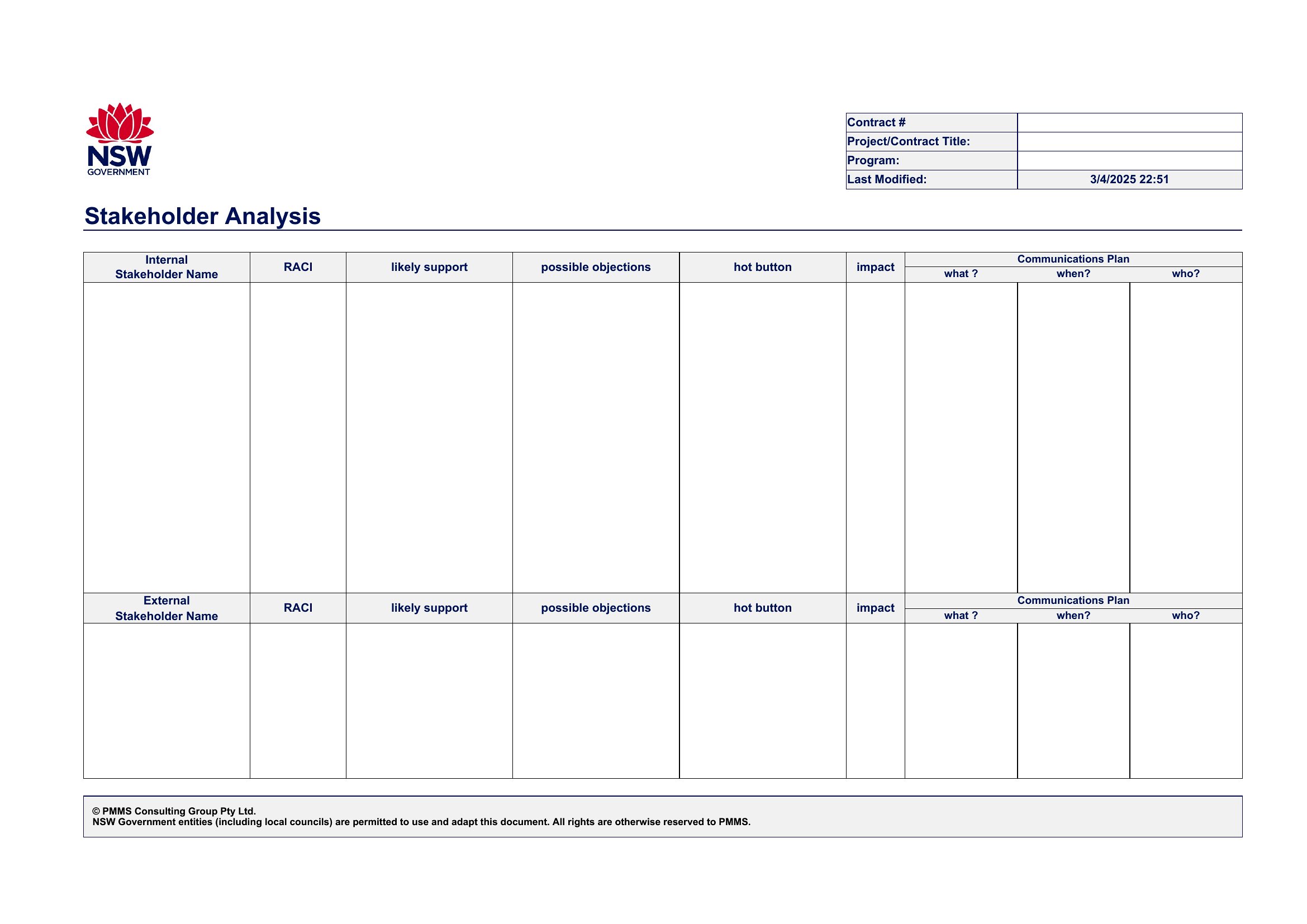
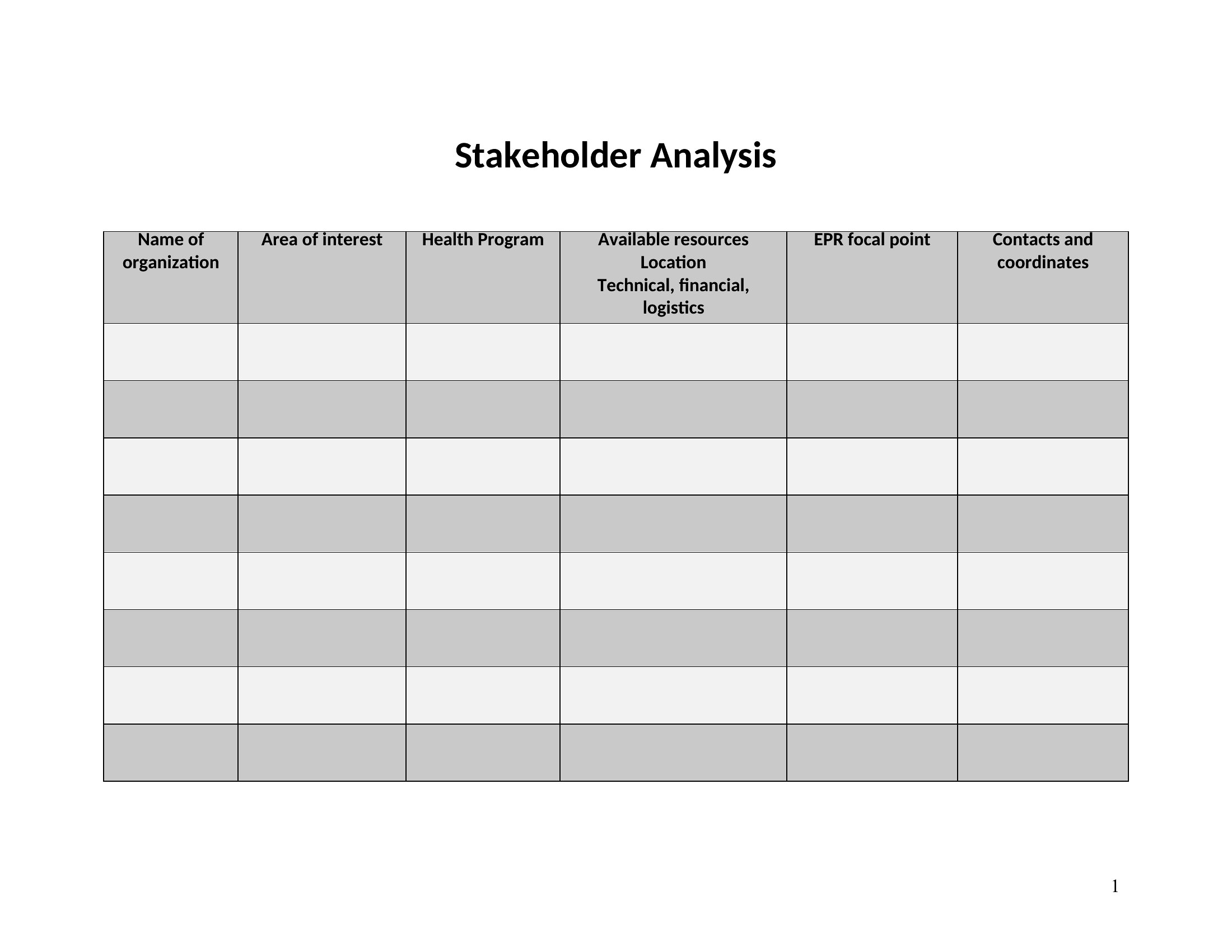
Yes. Use the ‘Internal Stakeholder Analysis’ templates to brainstorm through prompts like ‘Who benefits from the status quo?’ or ‘Who might lose visibility if this project succeeds?’ Also review meeting minutes, budget allocations, and informal team networks. Hidden stakeholders often emerge as the ones who quietly challenge assumptions in early discussions.
What’s the best way to use this analysis if my project is still in the idea phase and stakeholders keep changing?
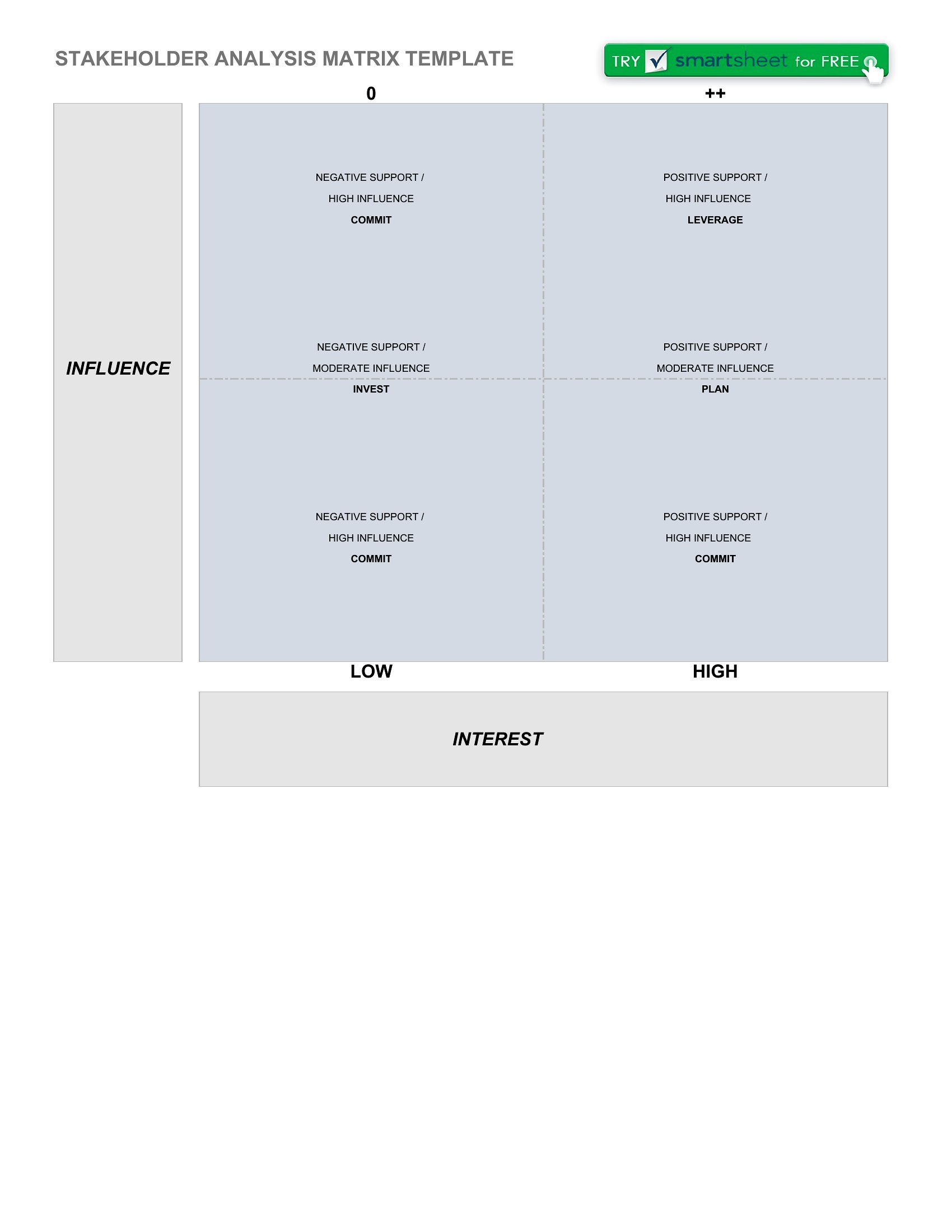
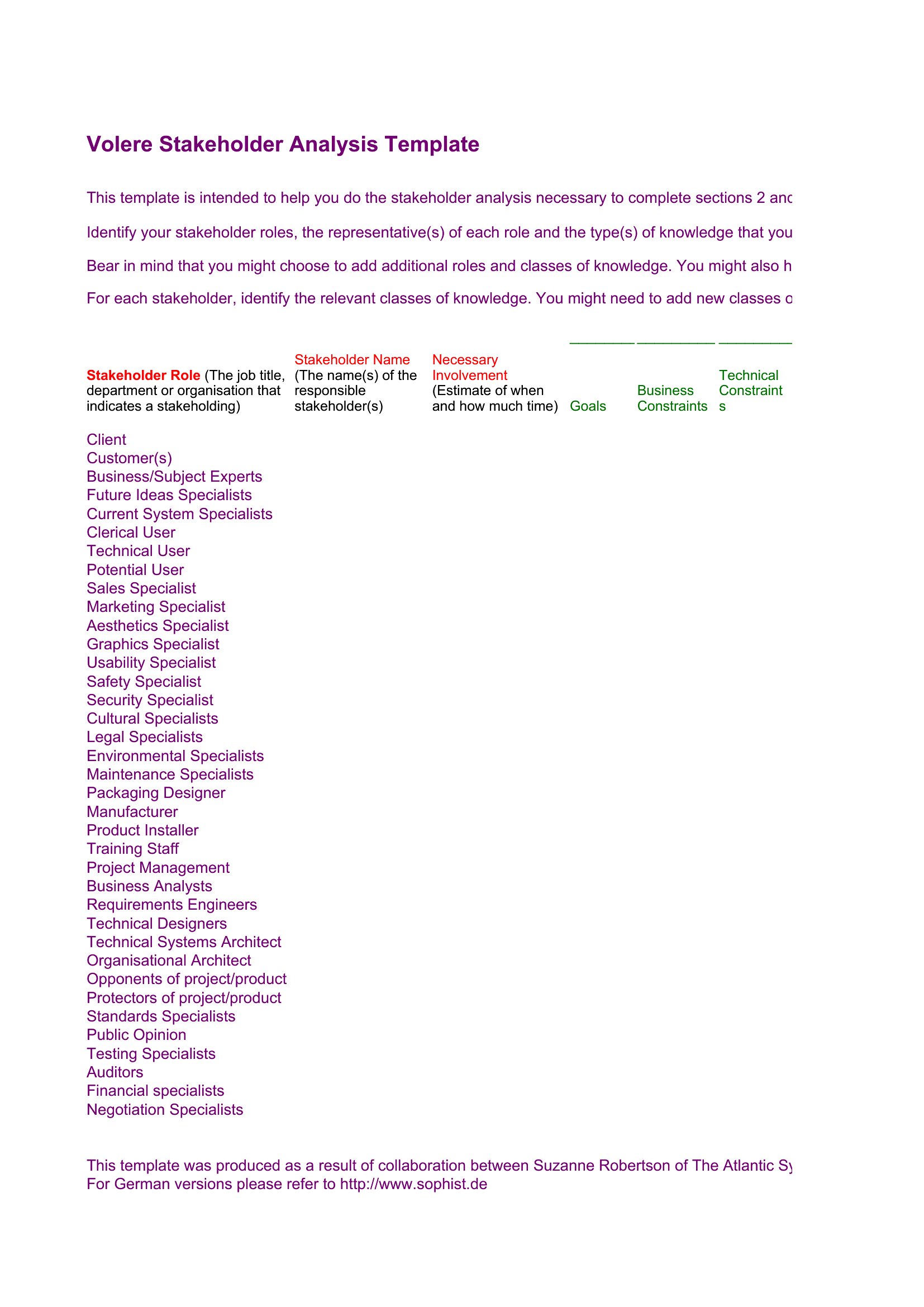
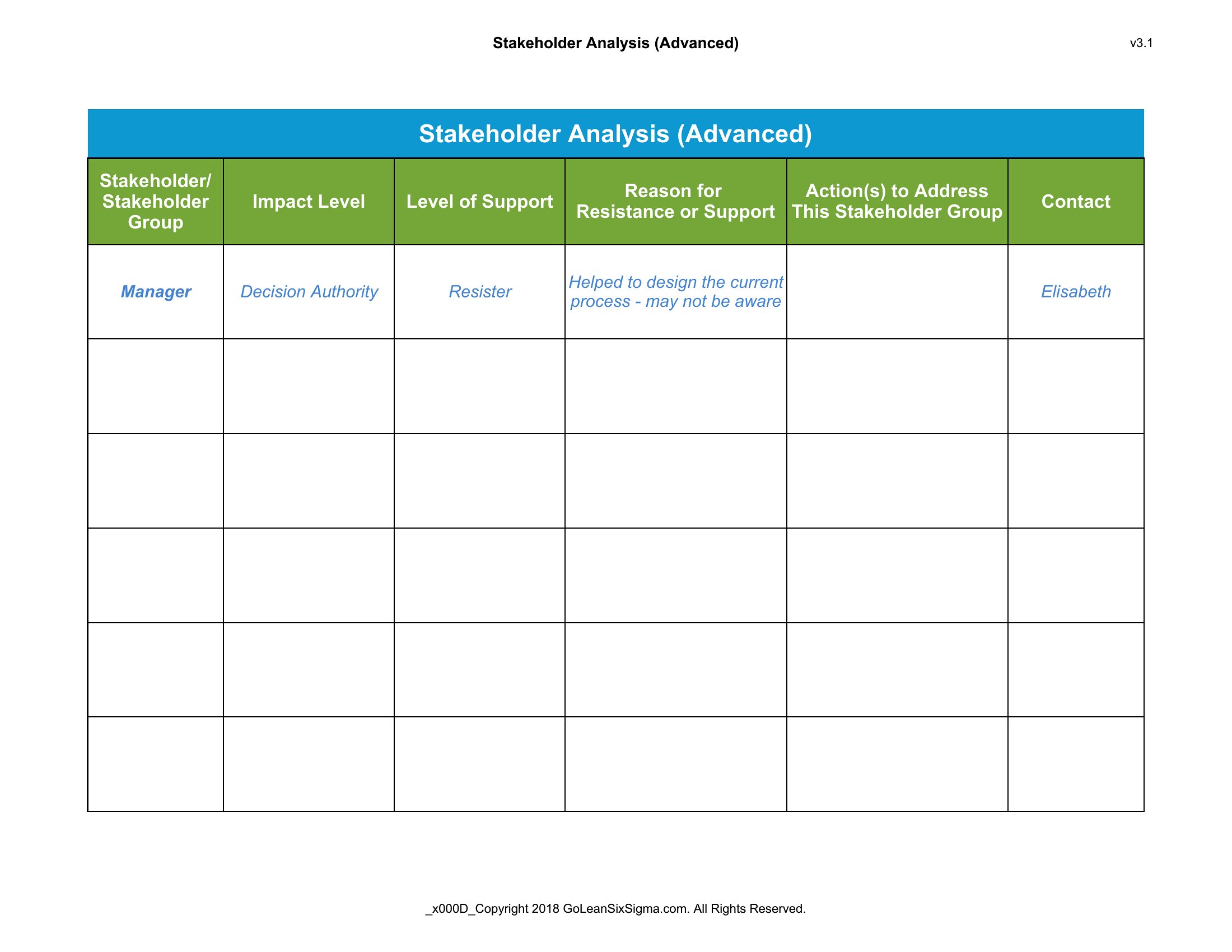
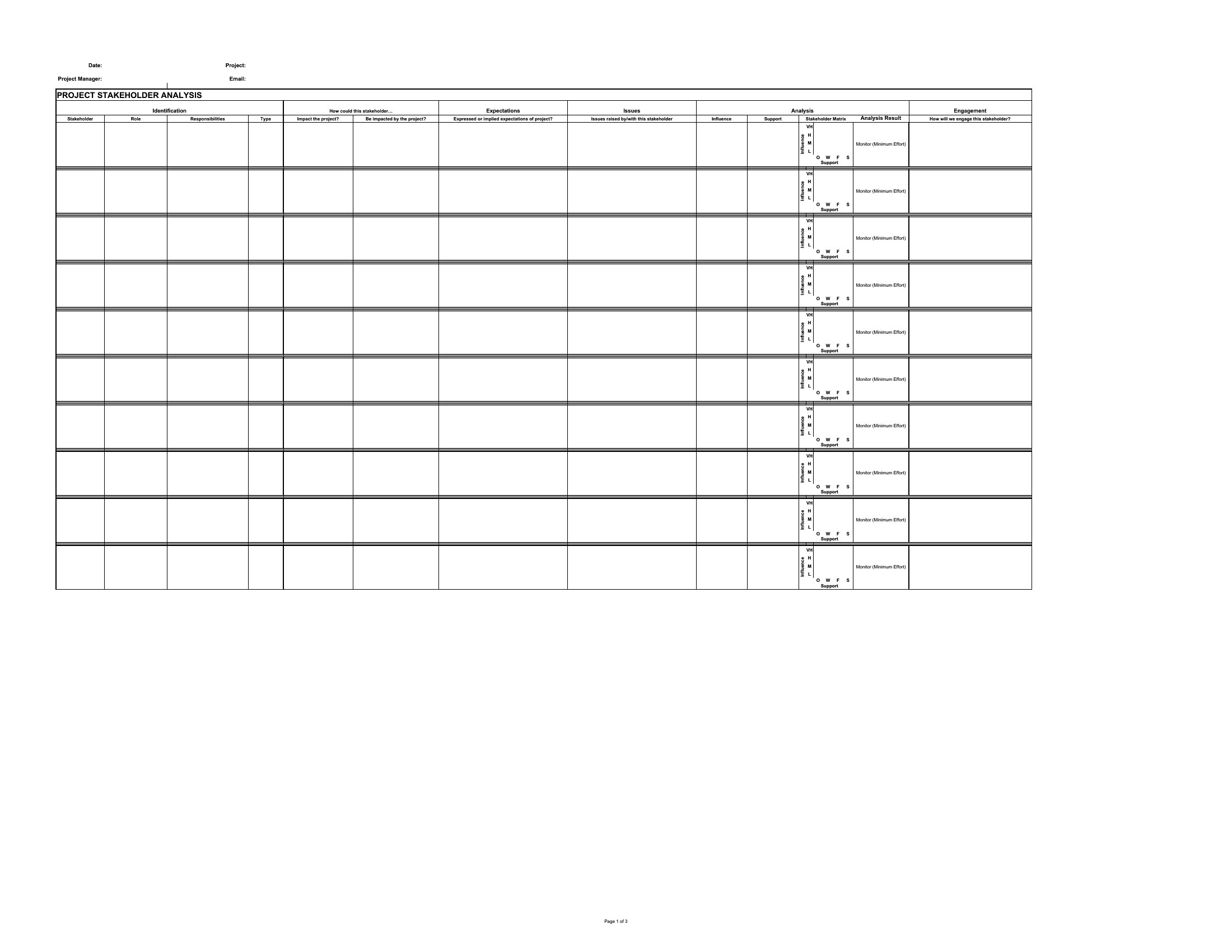
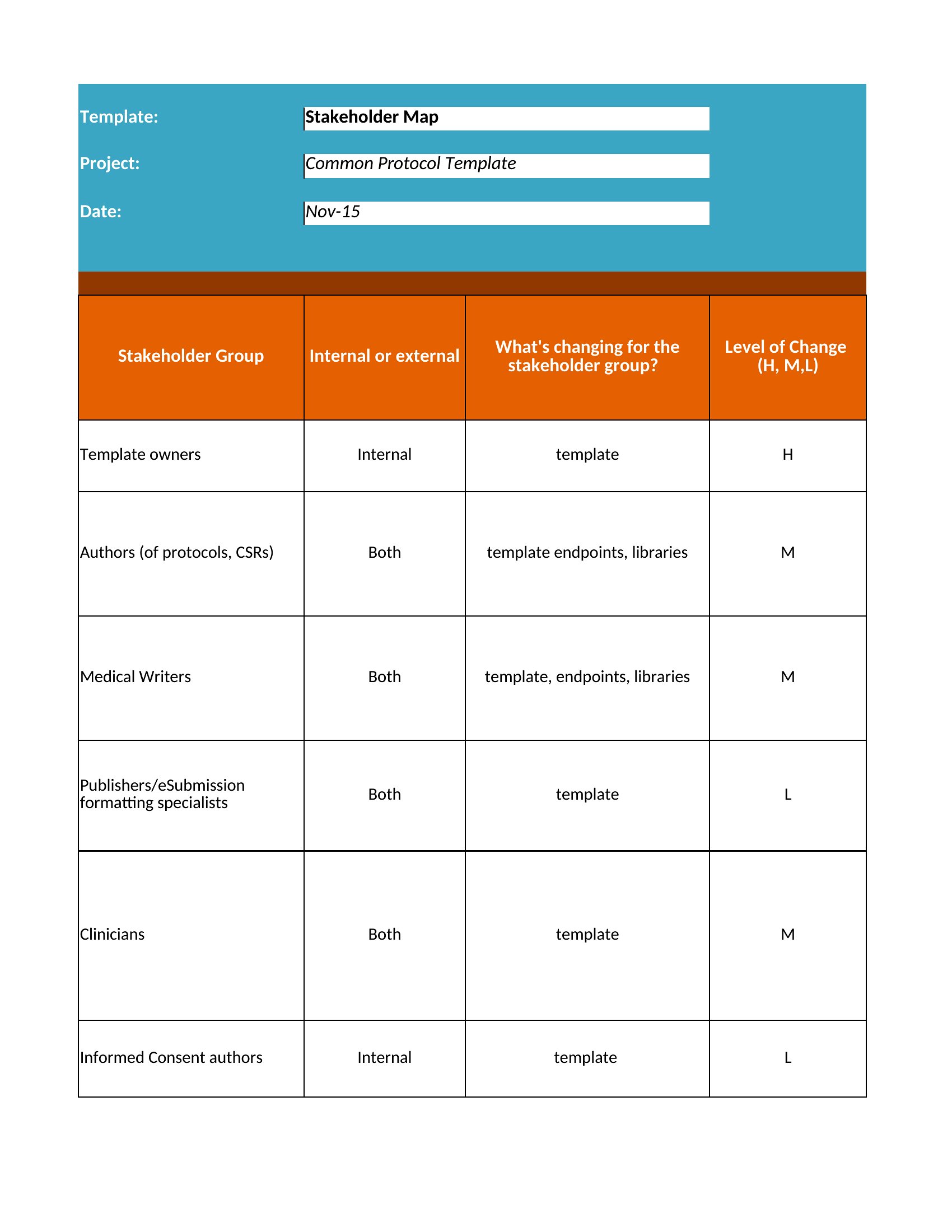
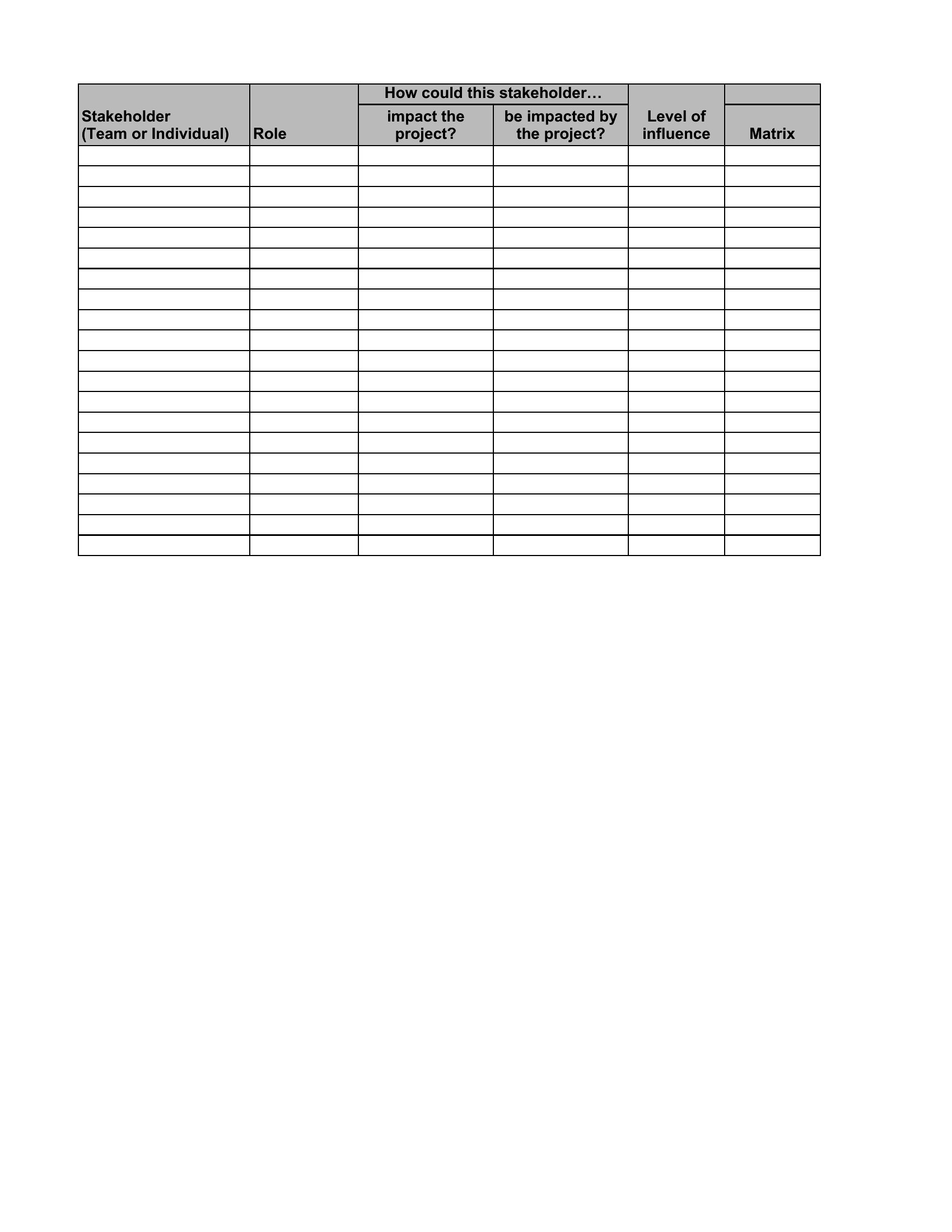
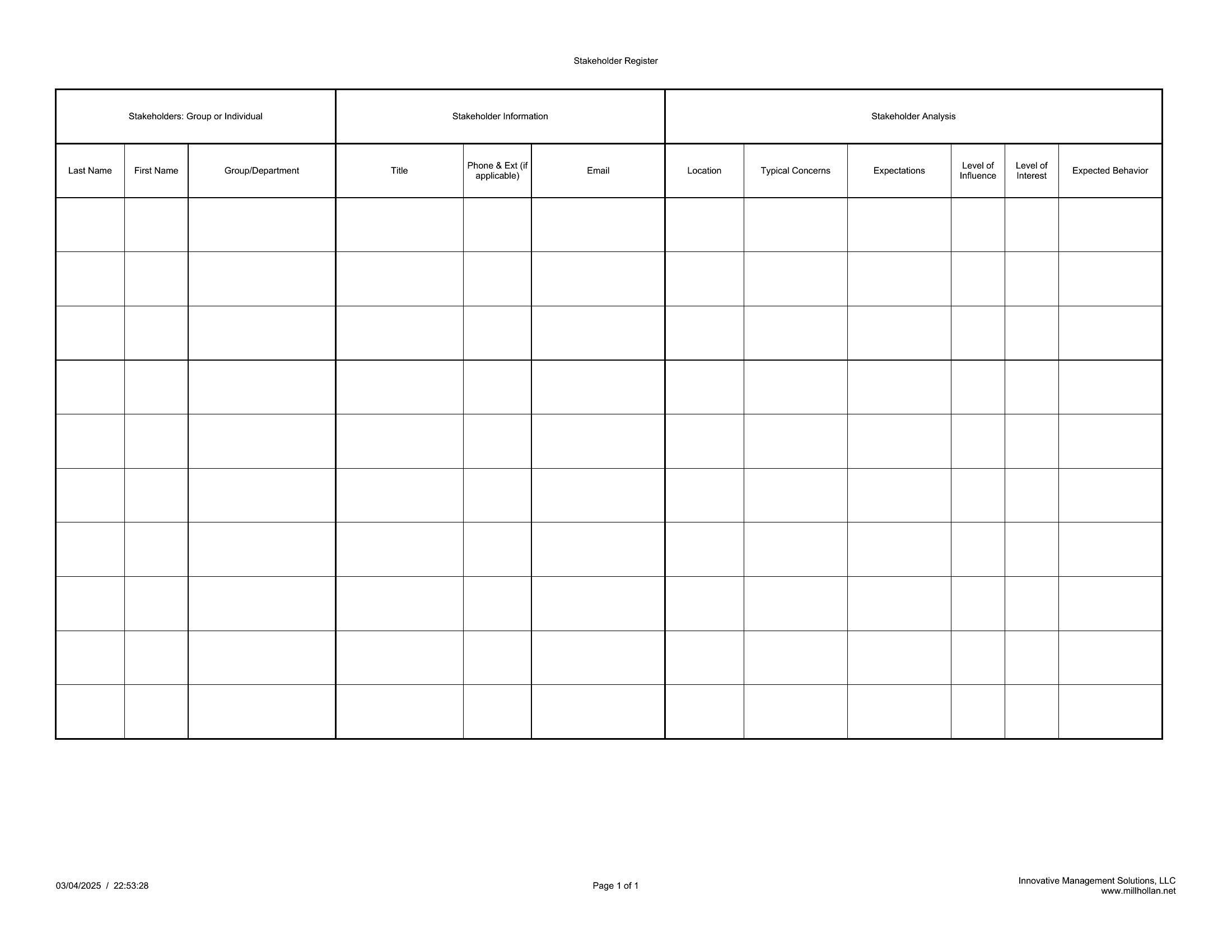
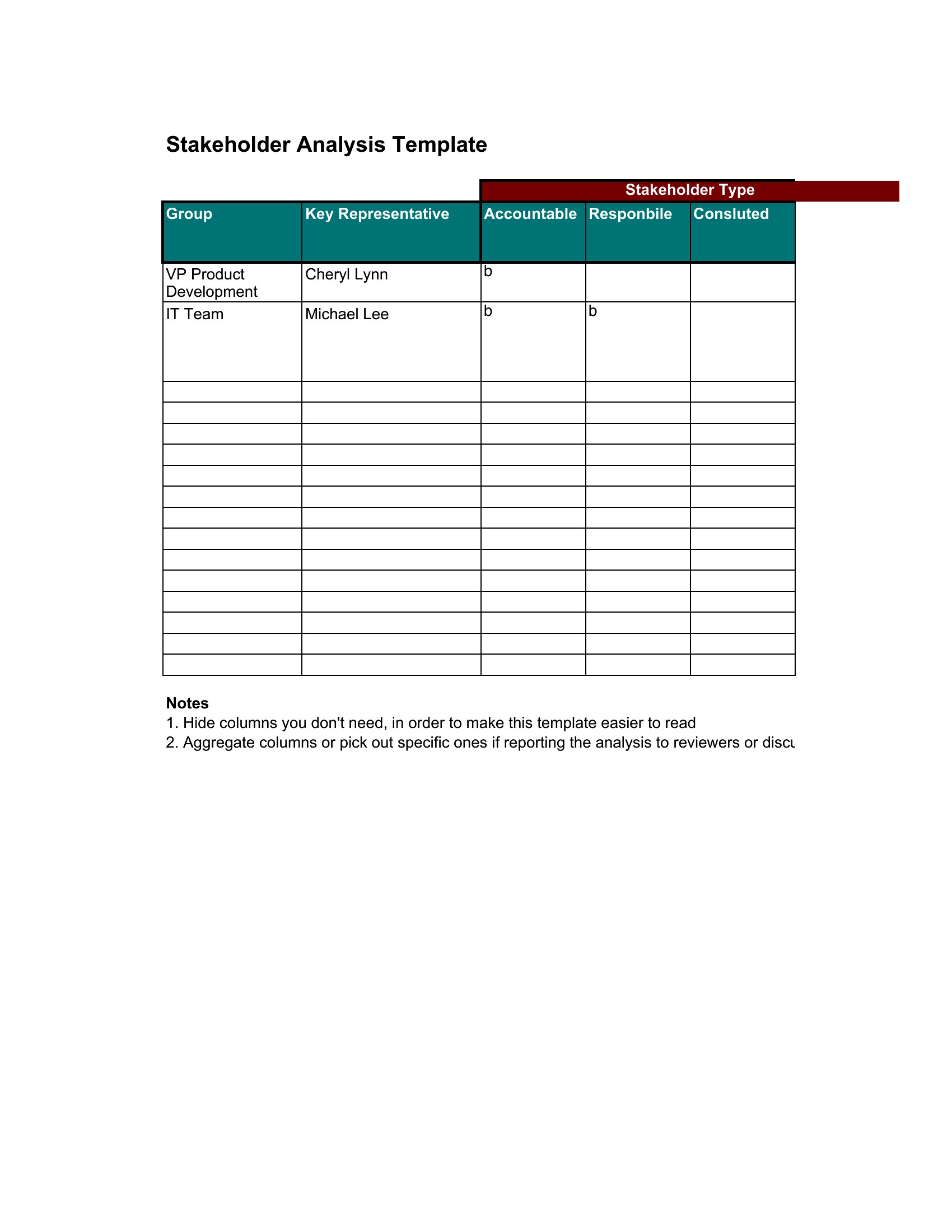
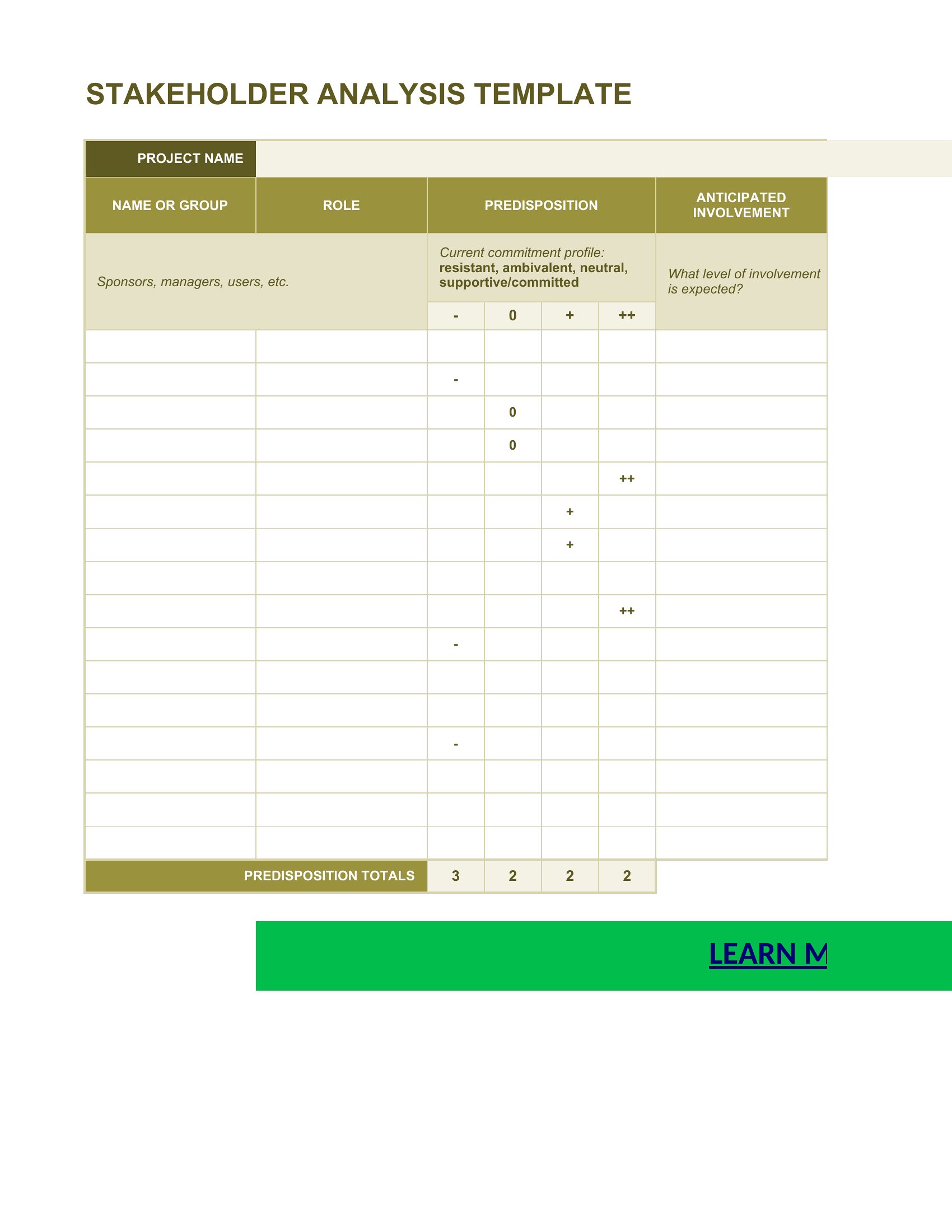
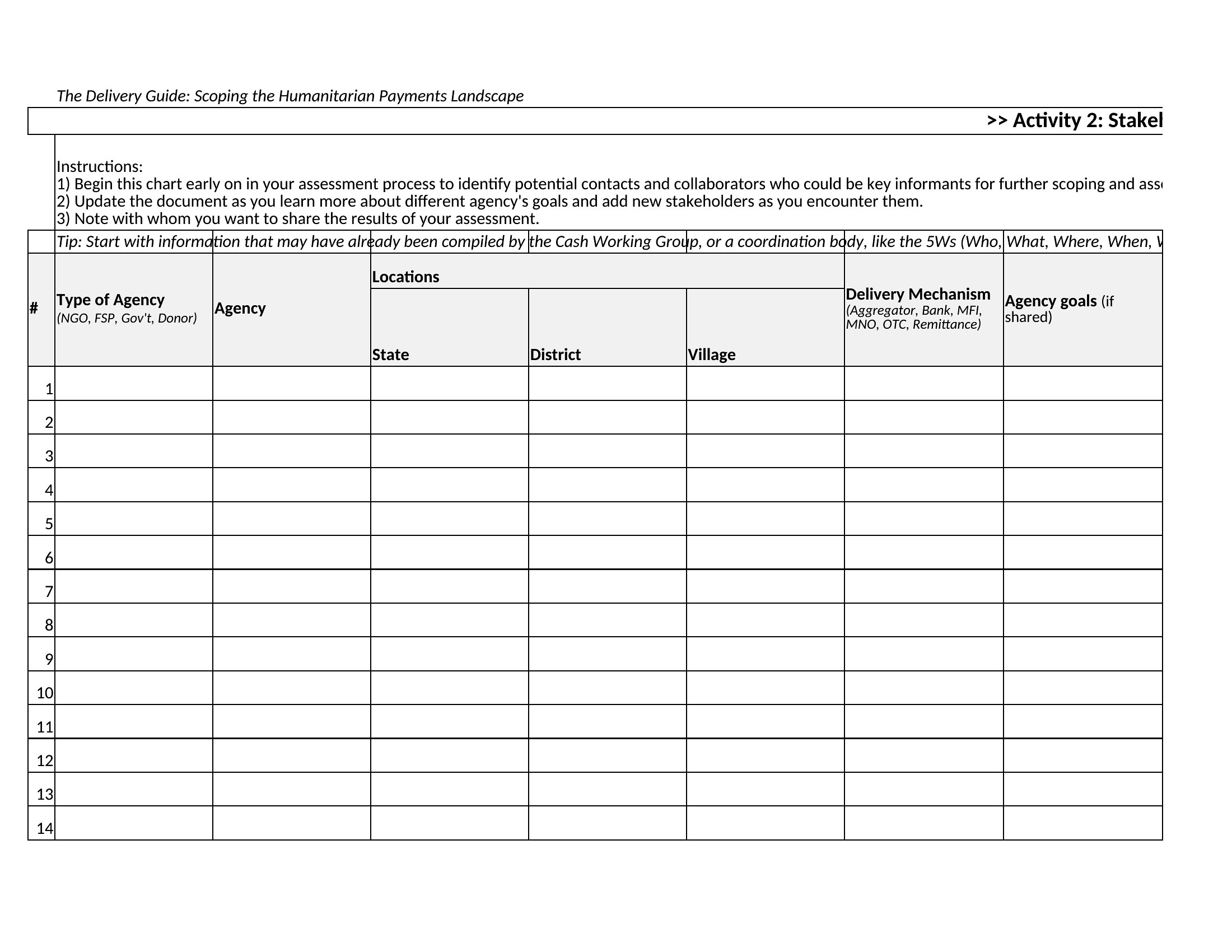
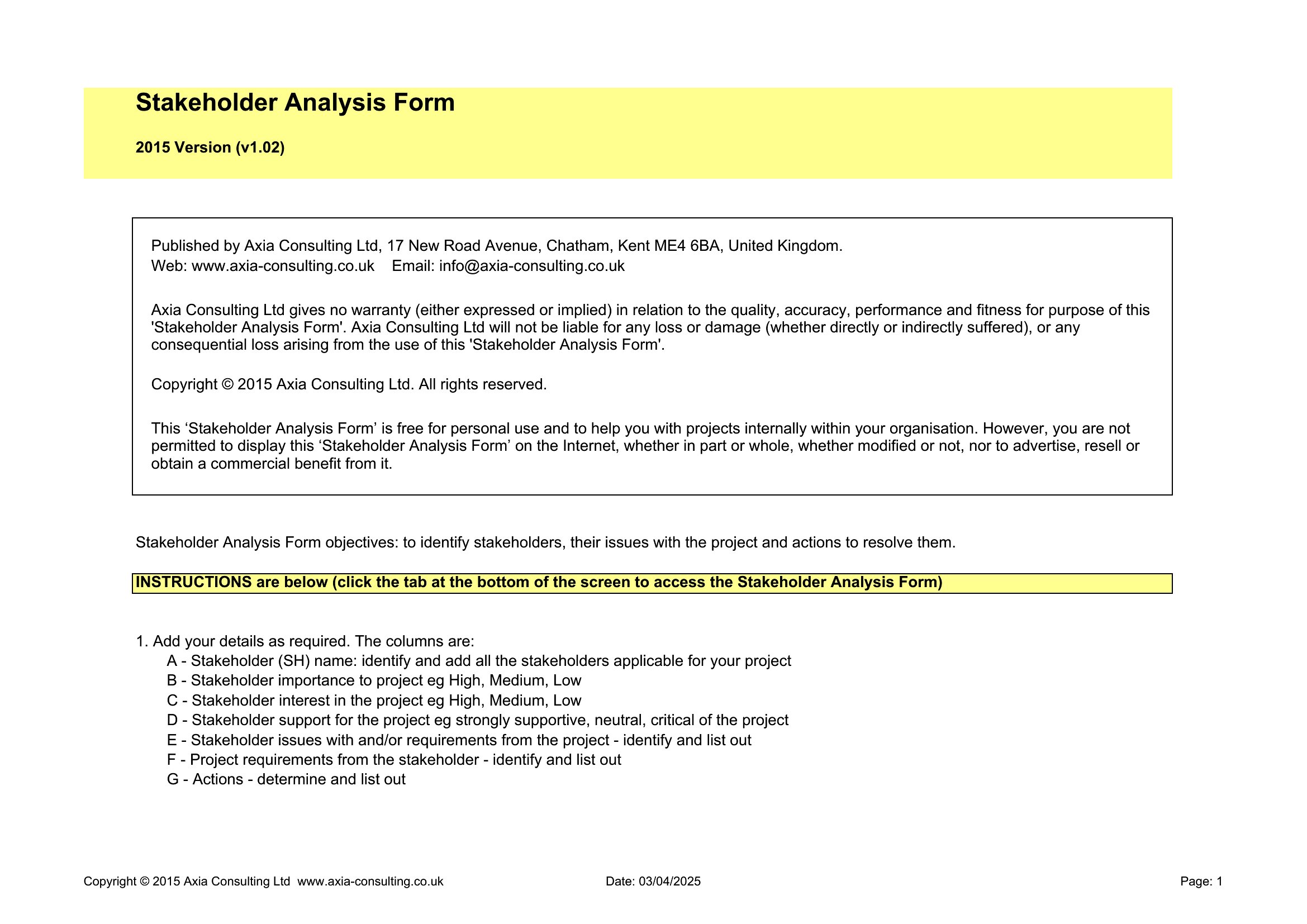
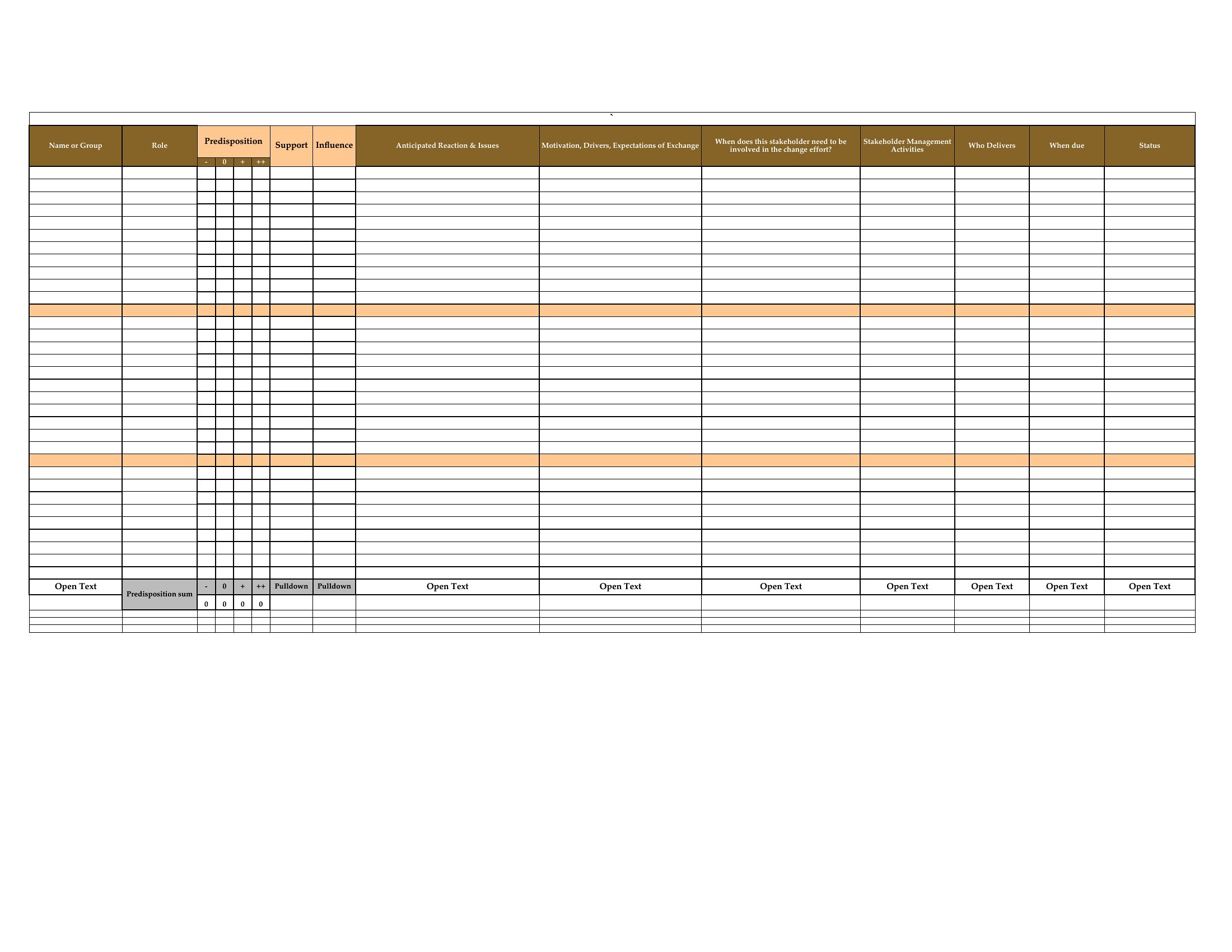
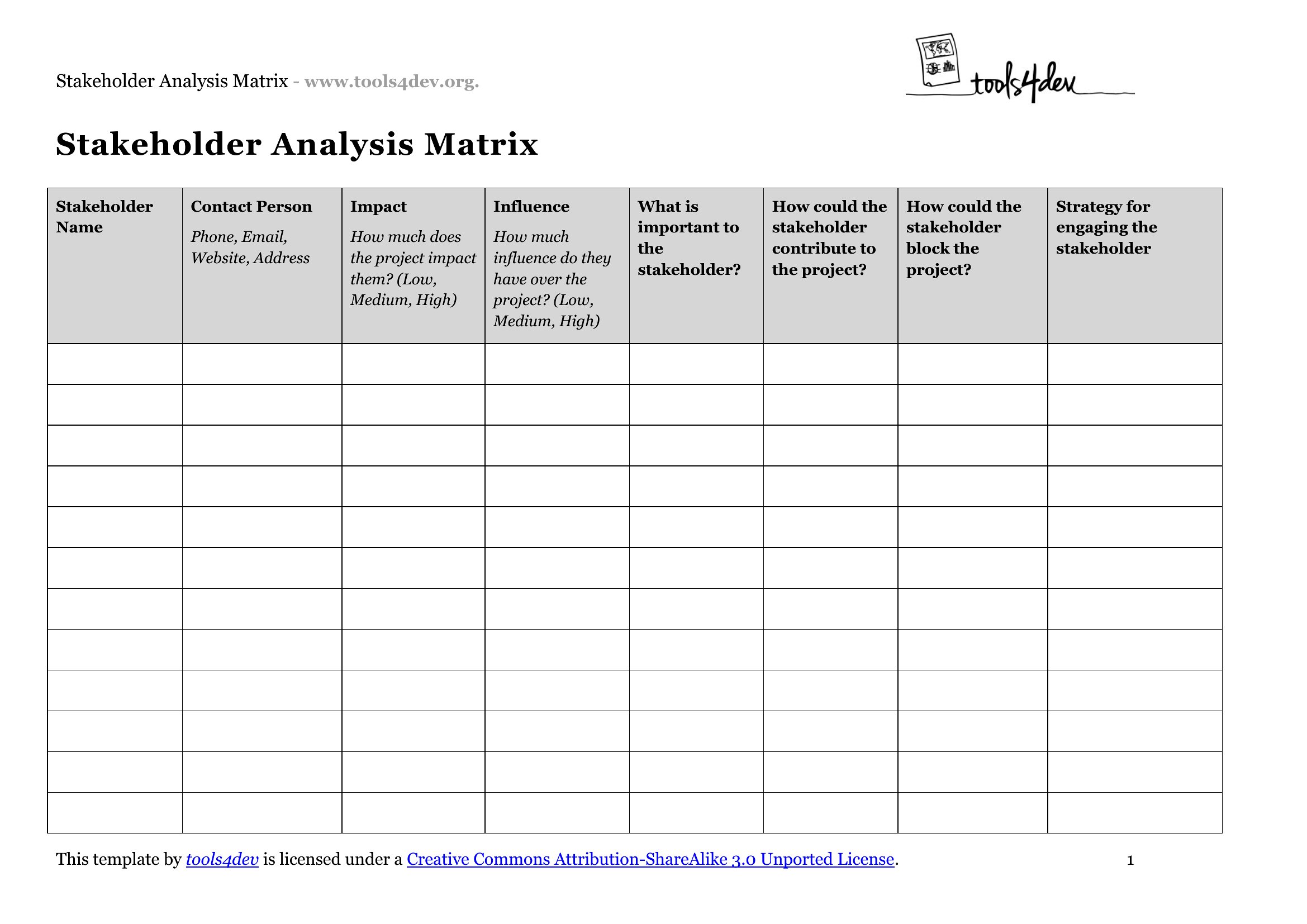
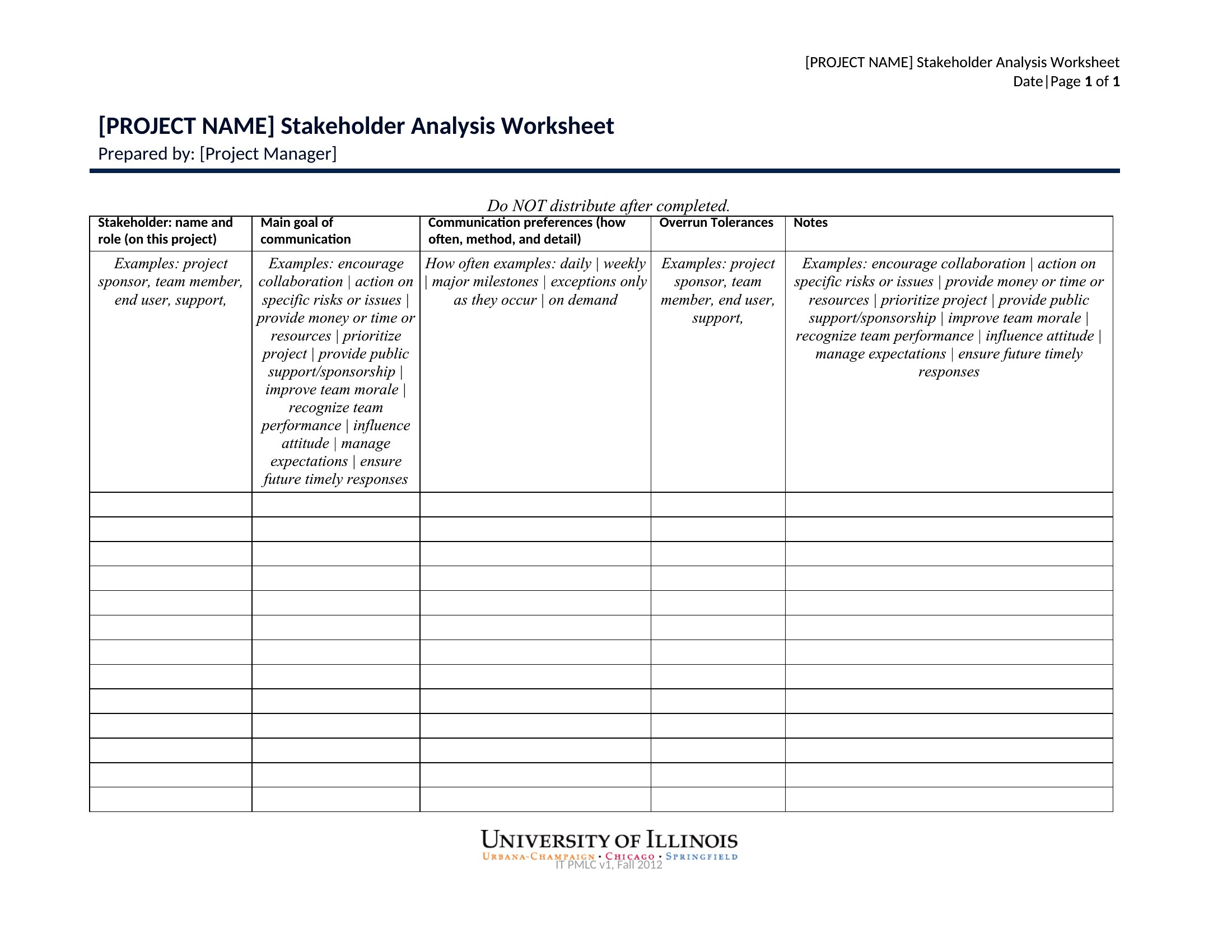
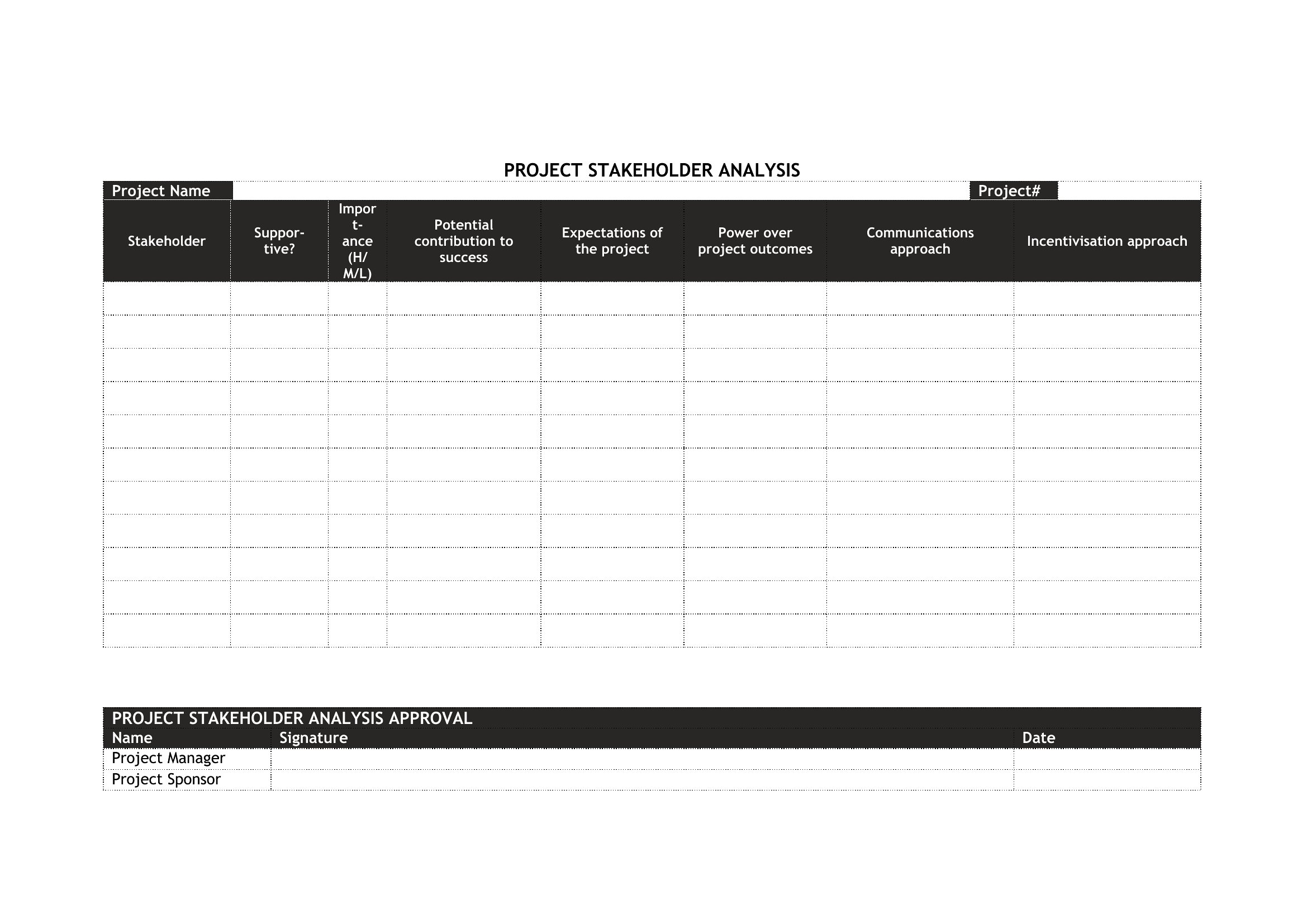
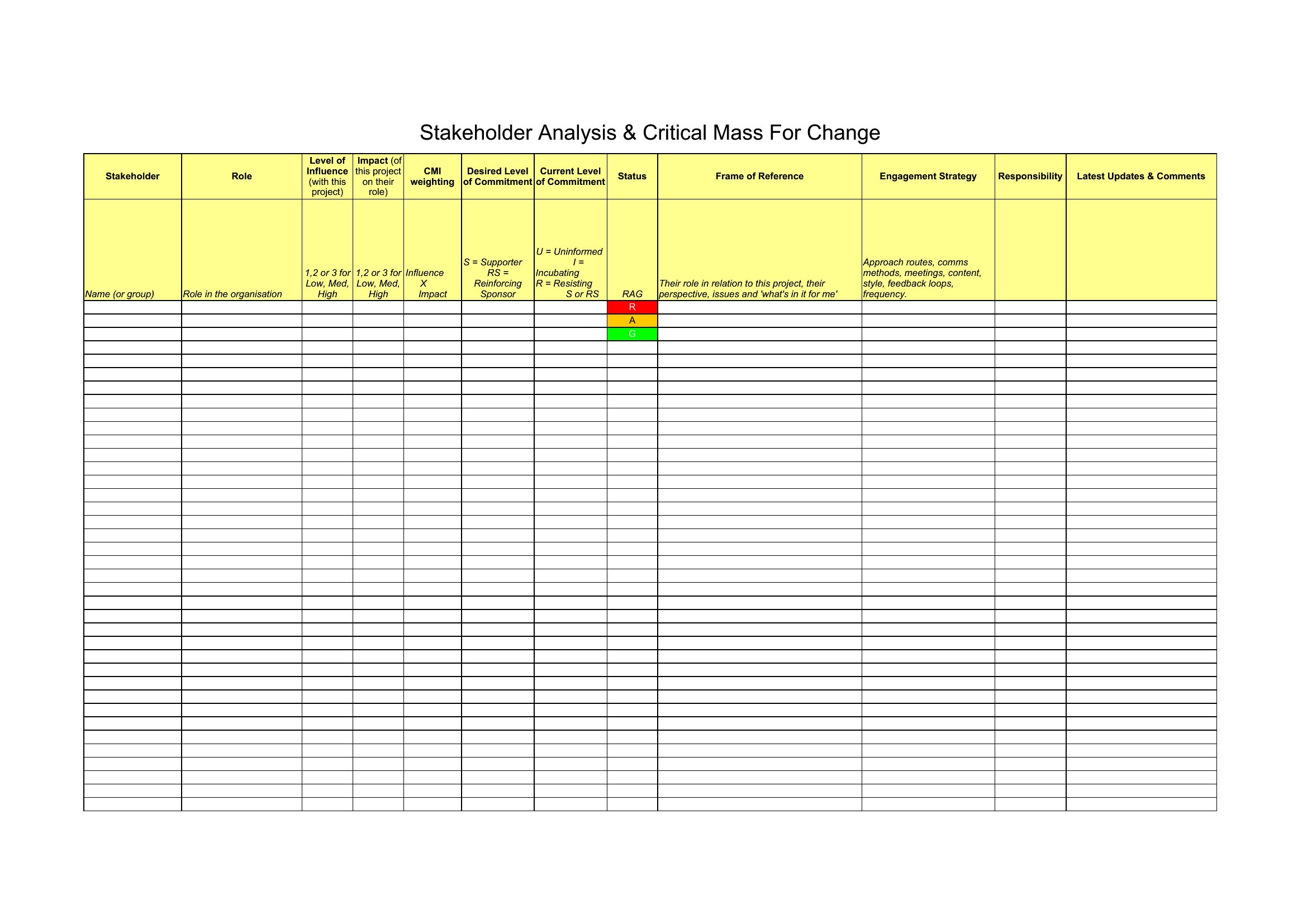
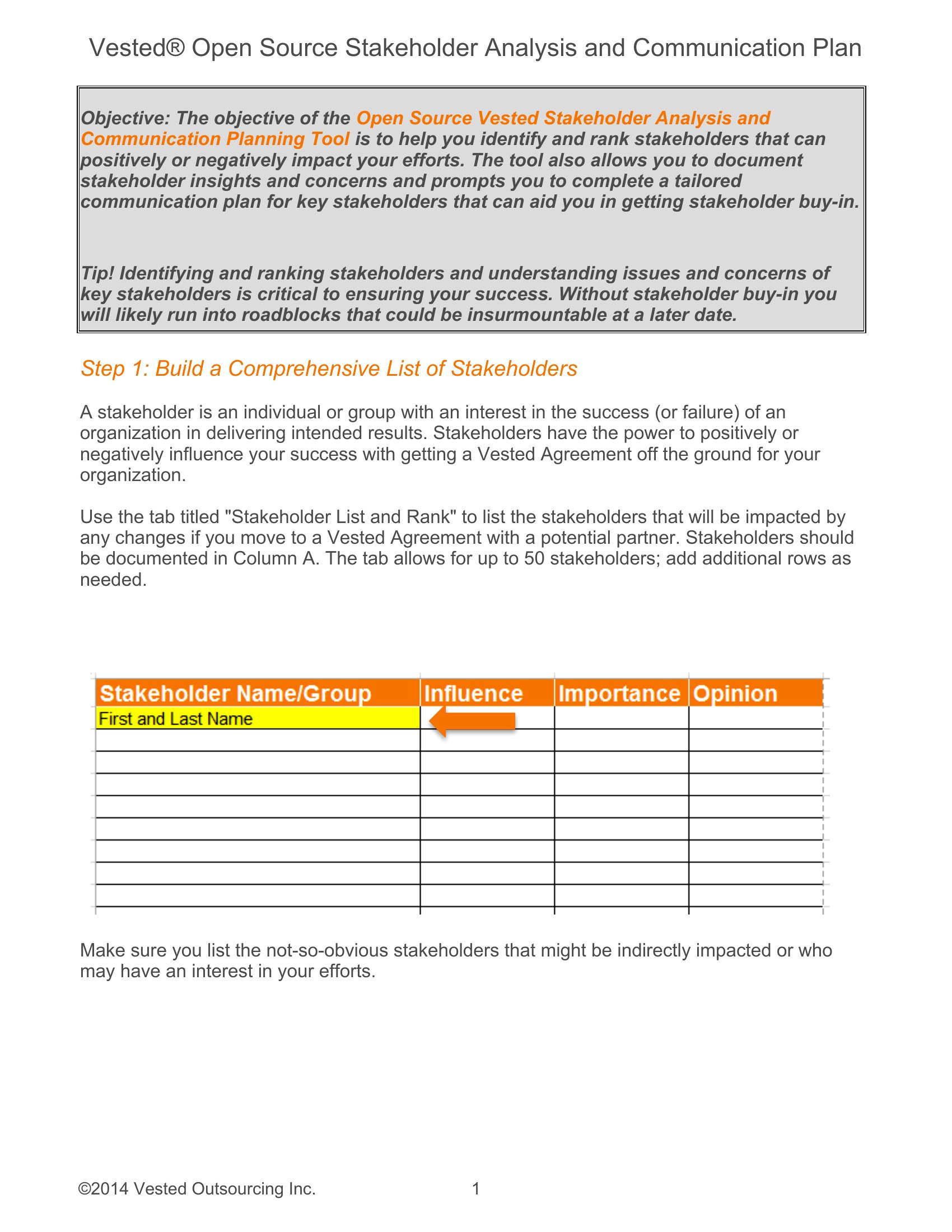
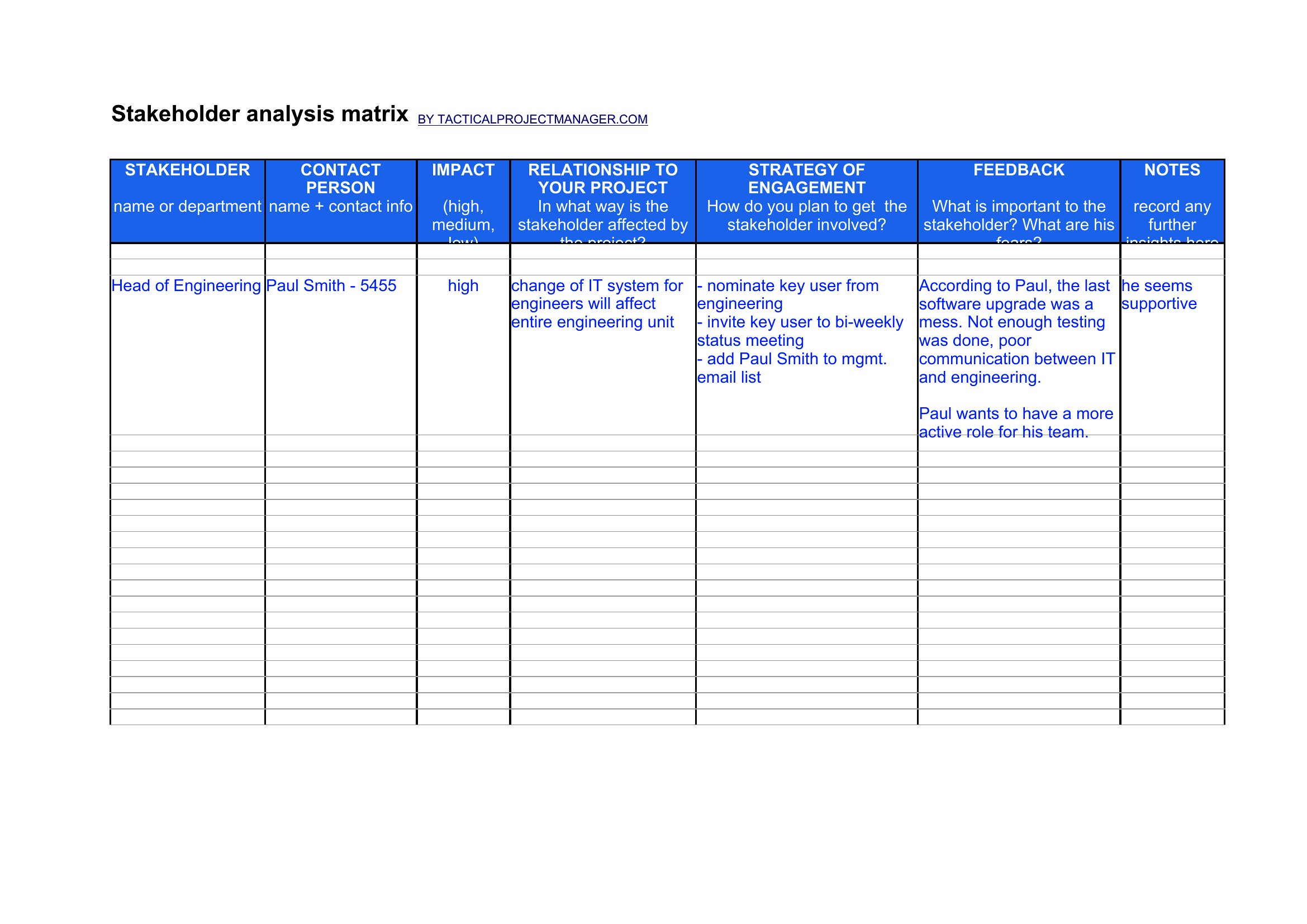
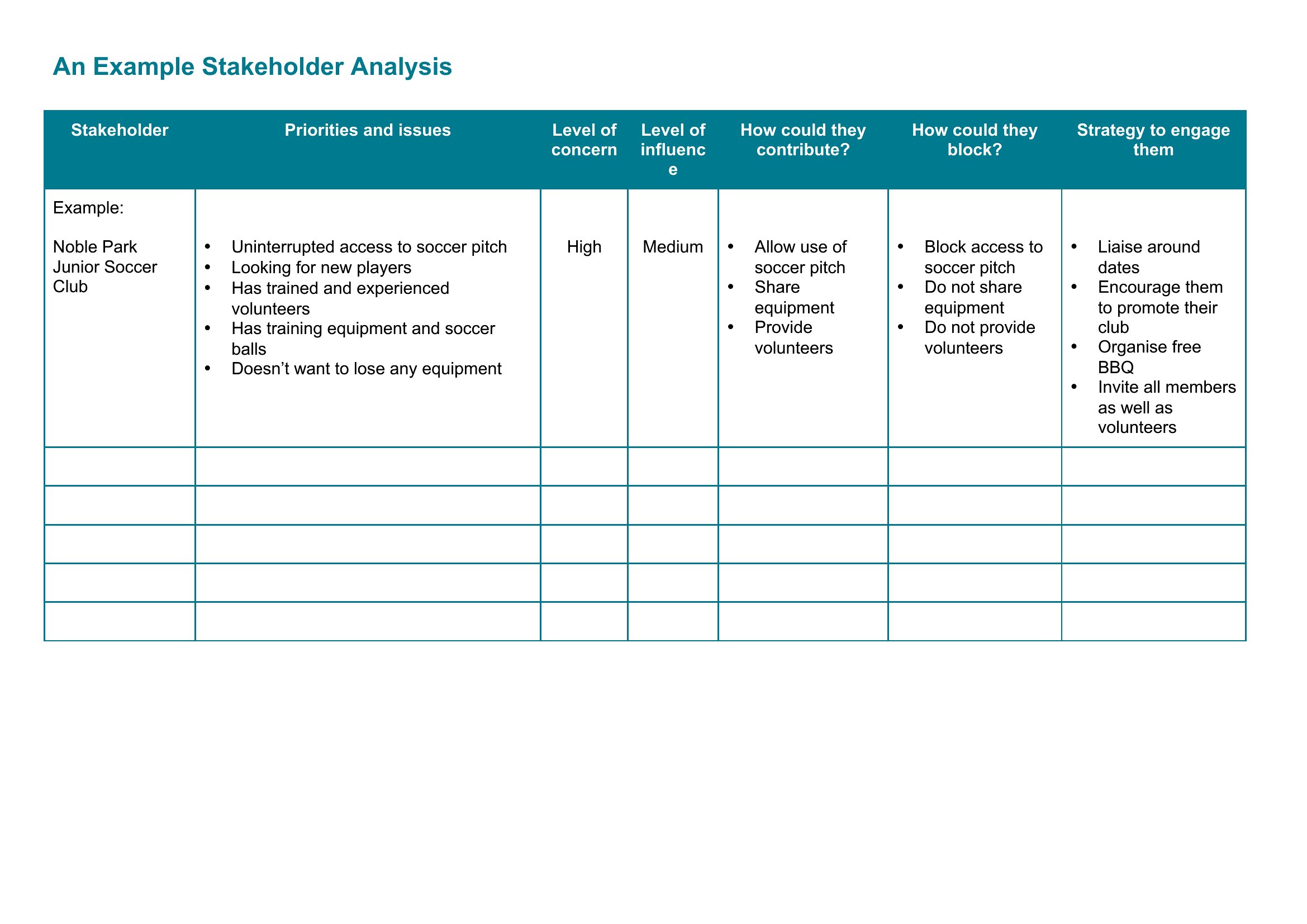
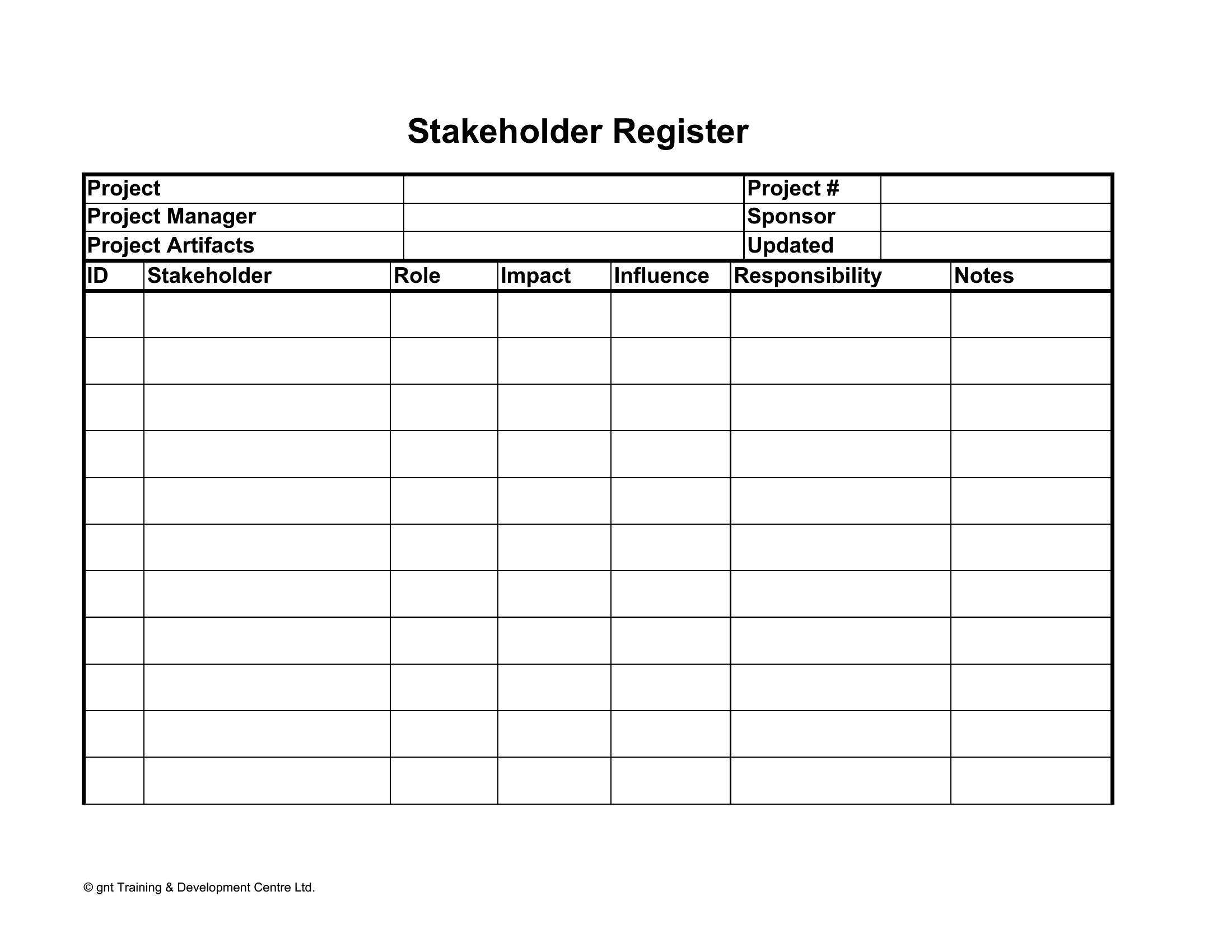
Treat the analysis as a living document. Start with a broad Excel template to log potential stakeholders by role (e.g., ‘budget approvers,’ ‘end users’), then revisit it monthly. Flag ‘unknown’ or ‘emerging’ stakeholders in a separate tab and revisit their influence as the project gains traction. The ‘Stakeholder Analysis Chart’ format lets you visually track shifts without rewriting reports.
Comments
Join the conversation
Sign in to share your thoughts and leave a comment on this resource.