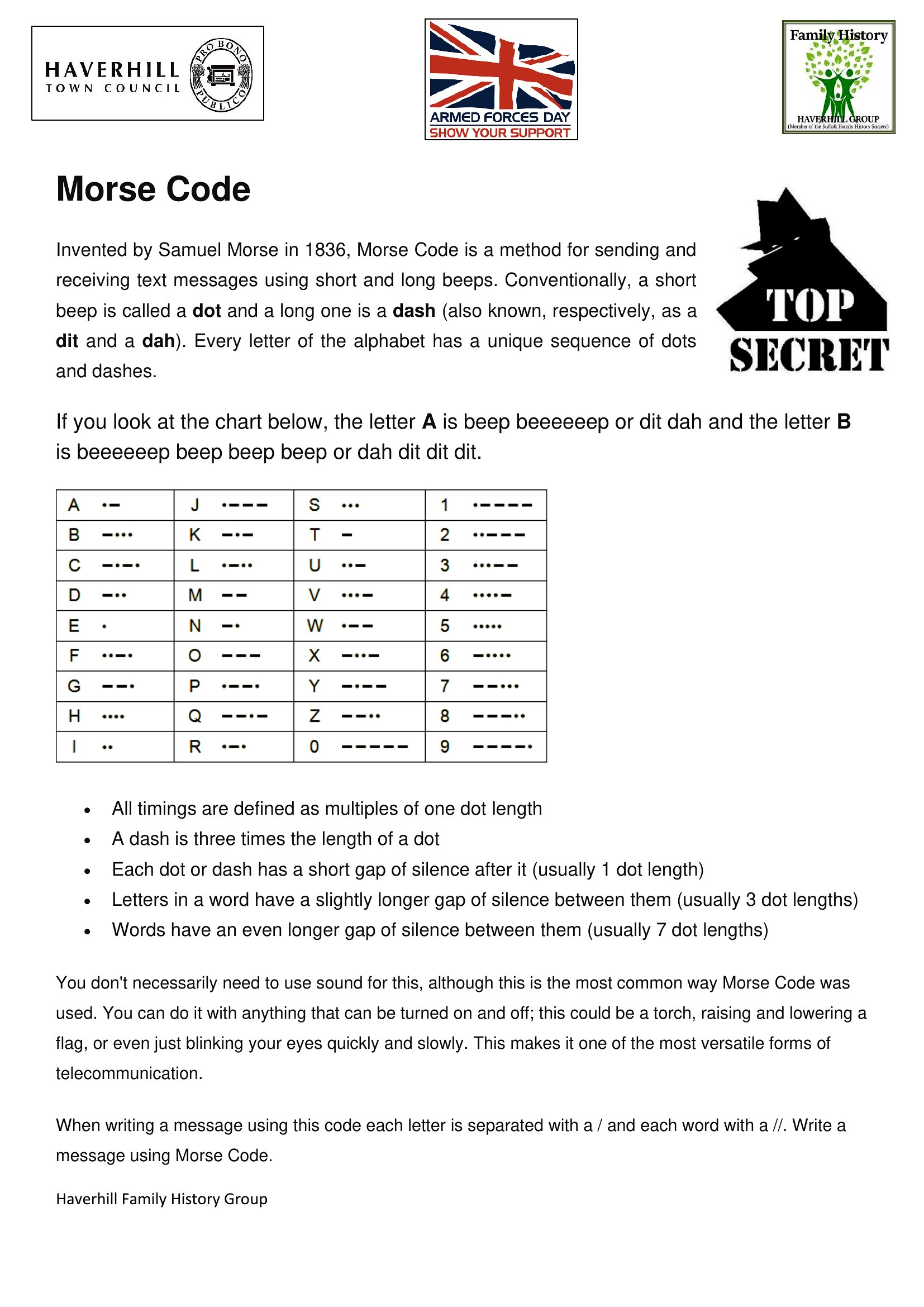
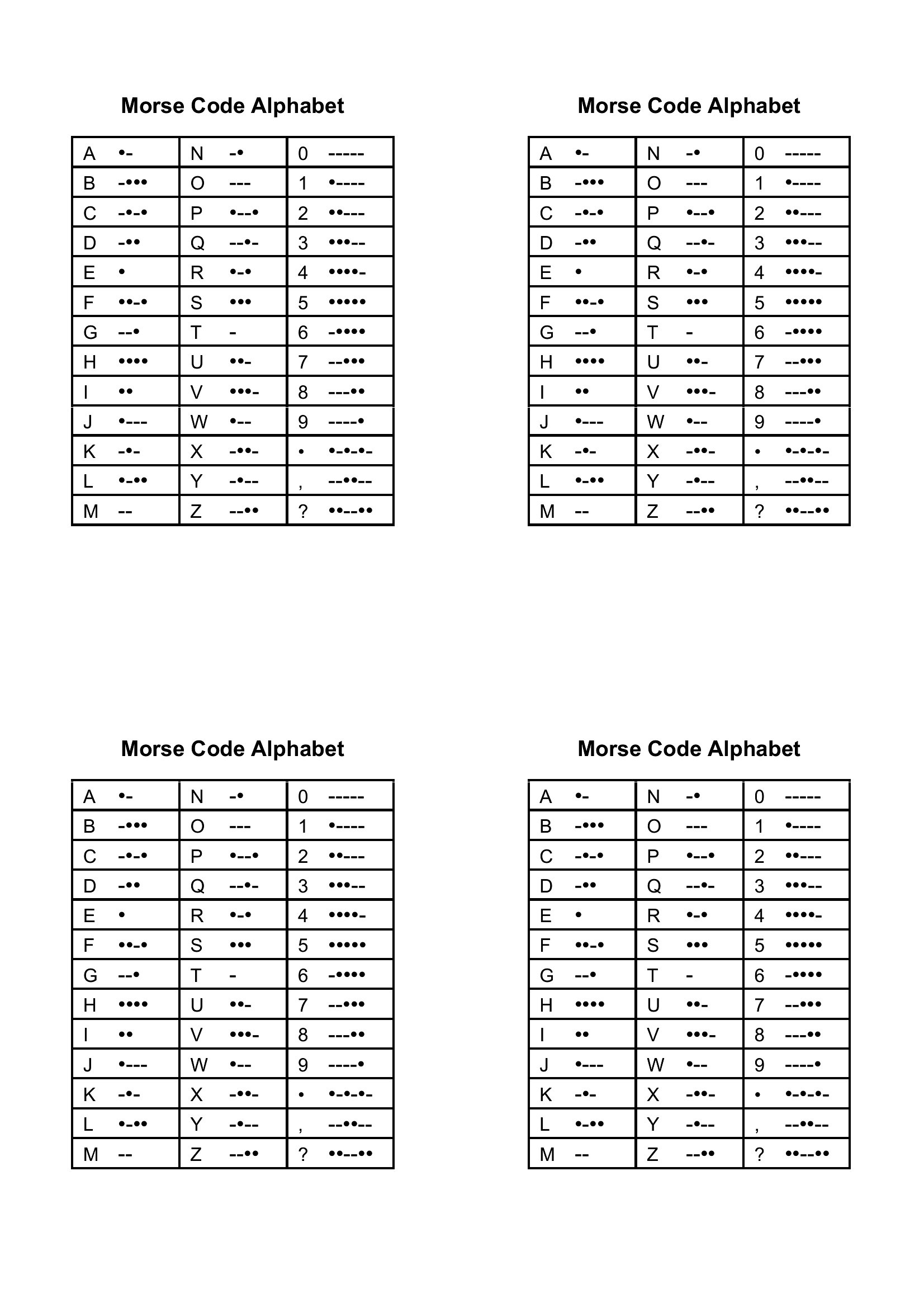
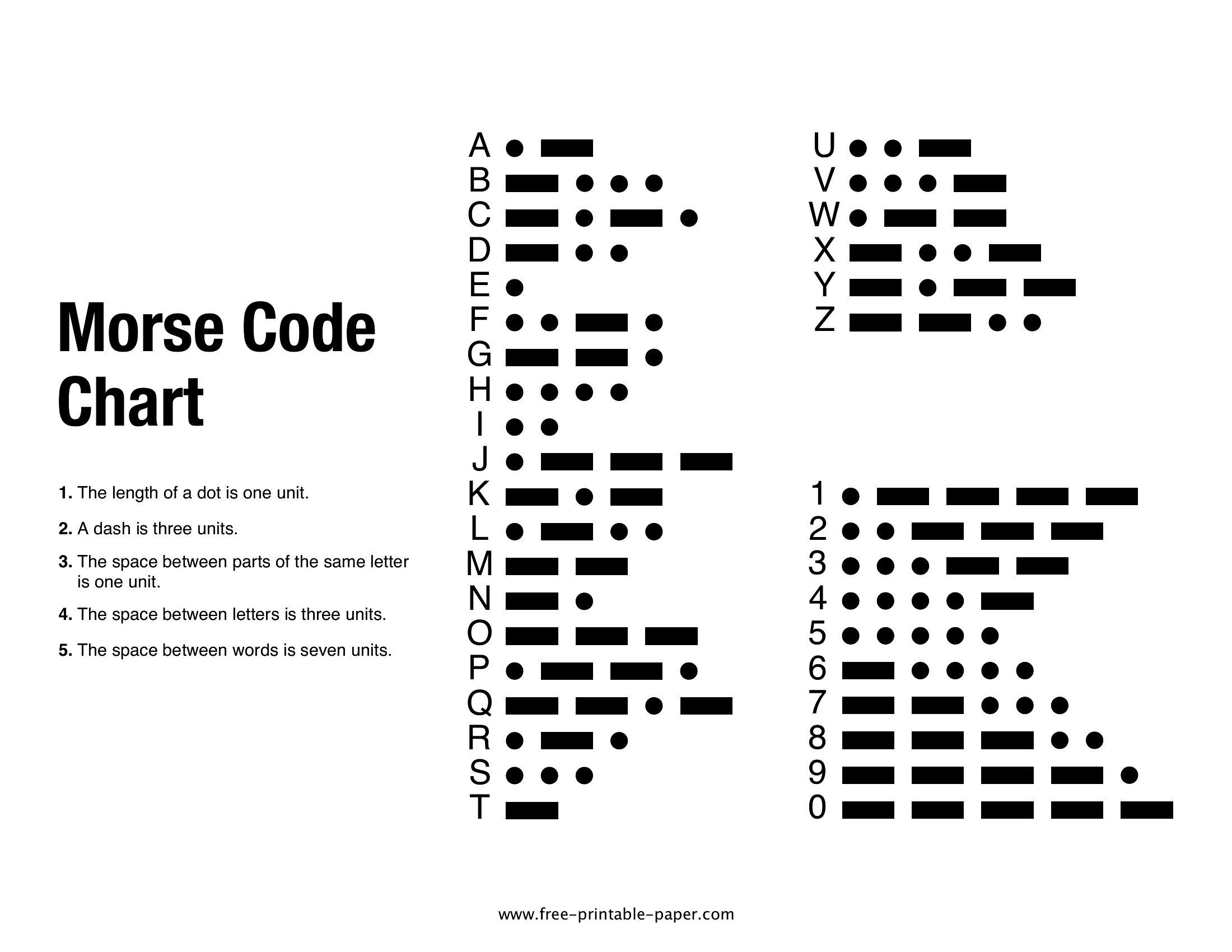

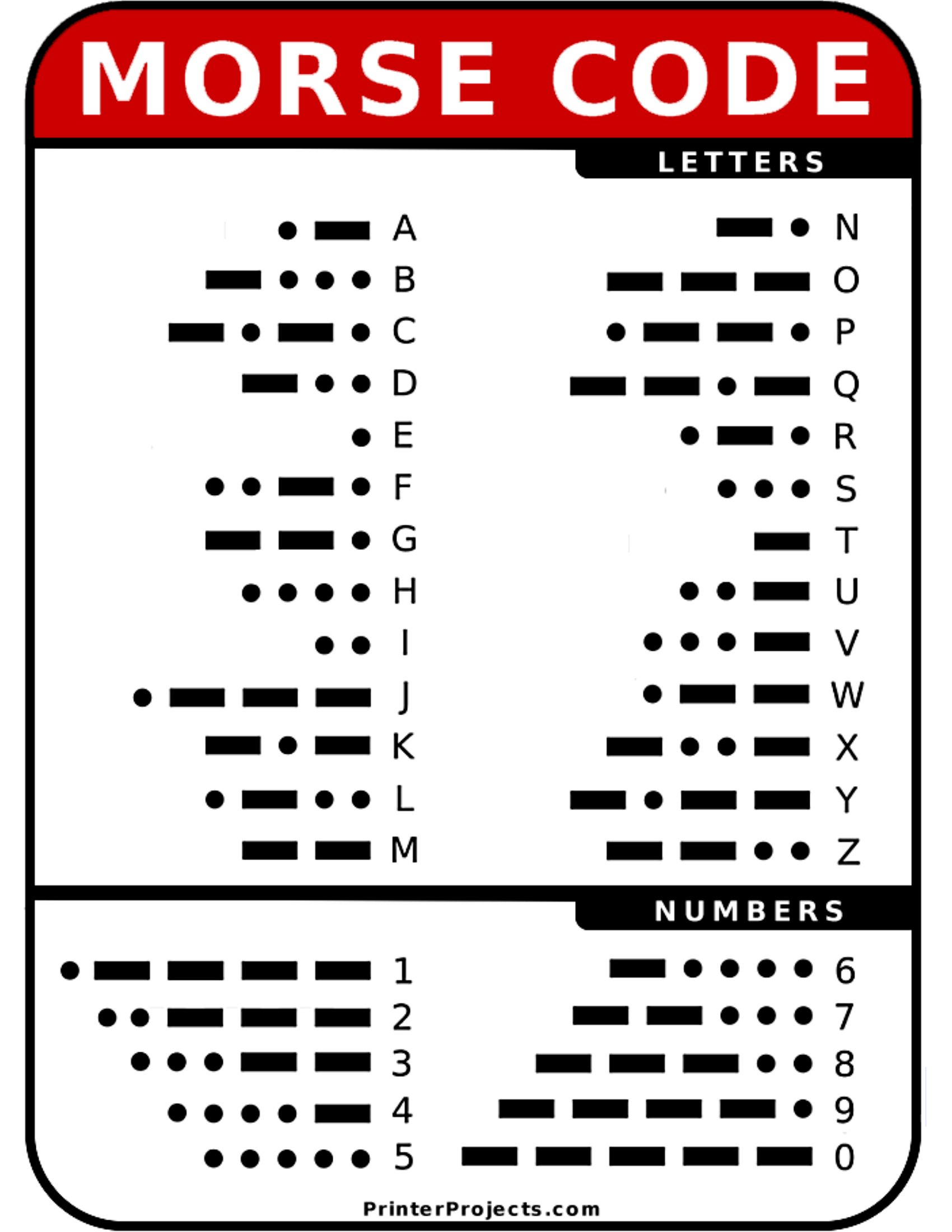
FAQ
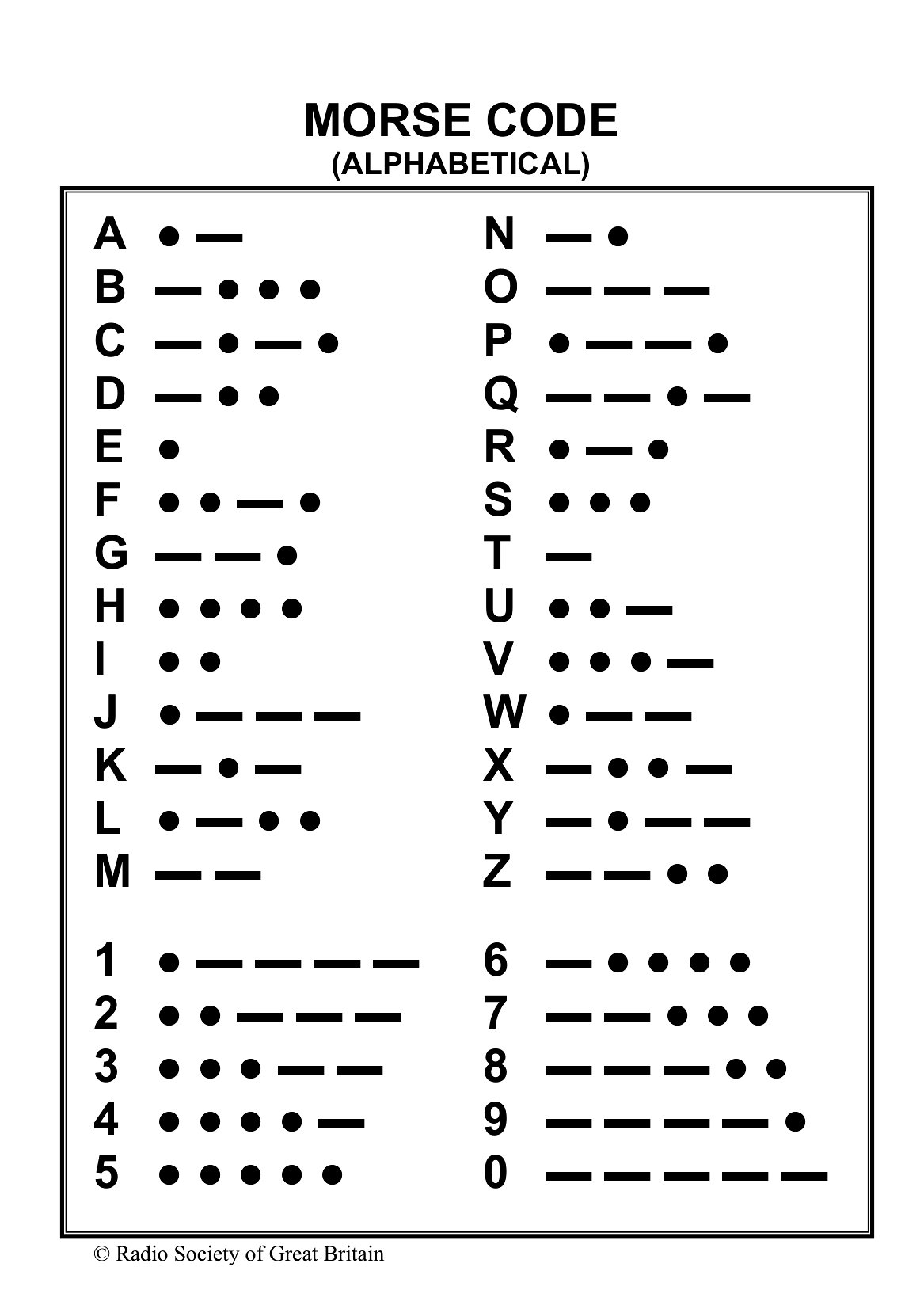
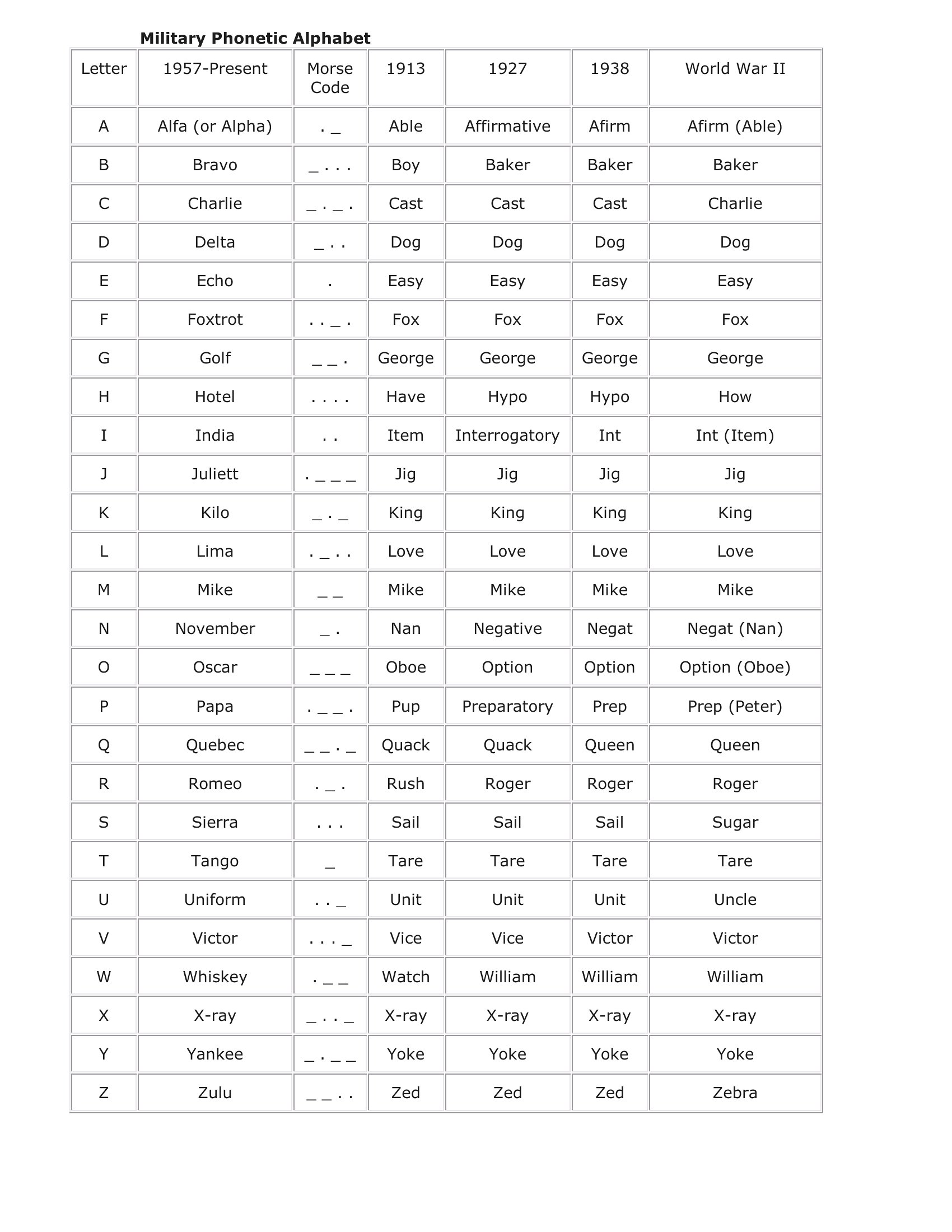
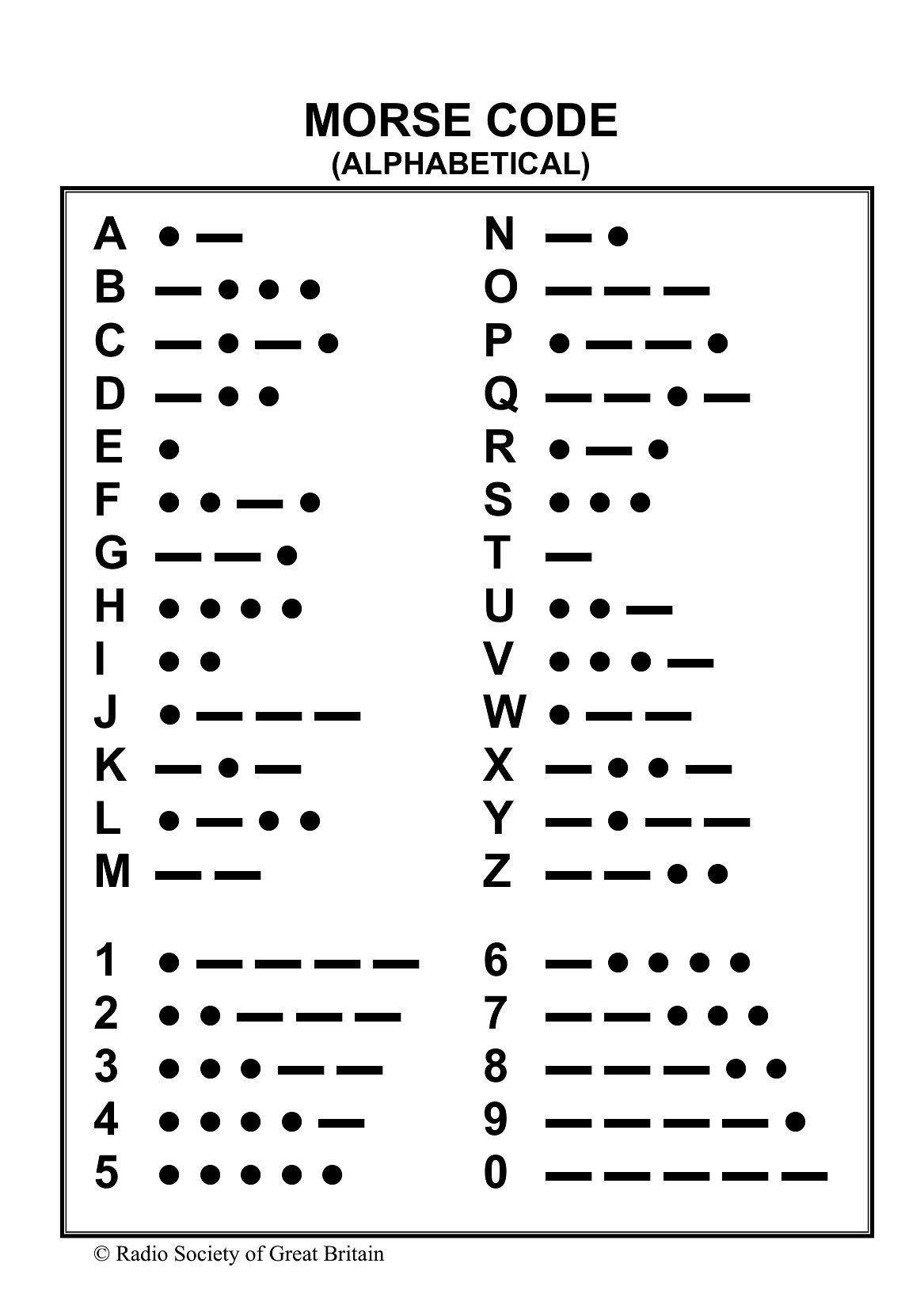
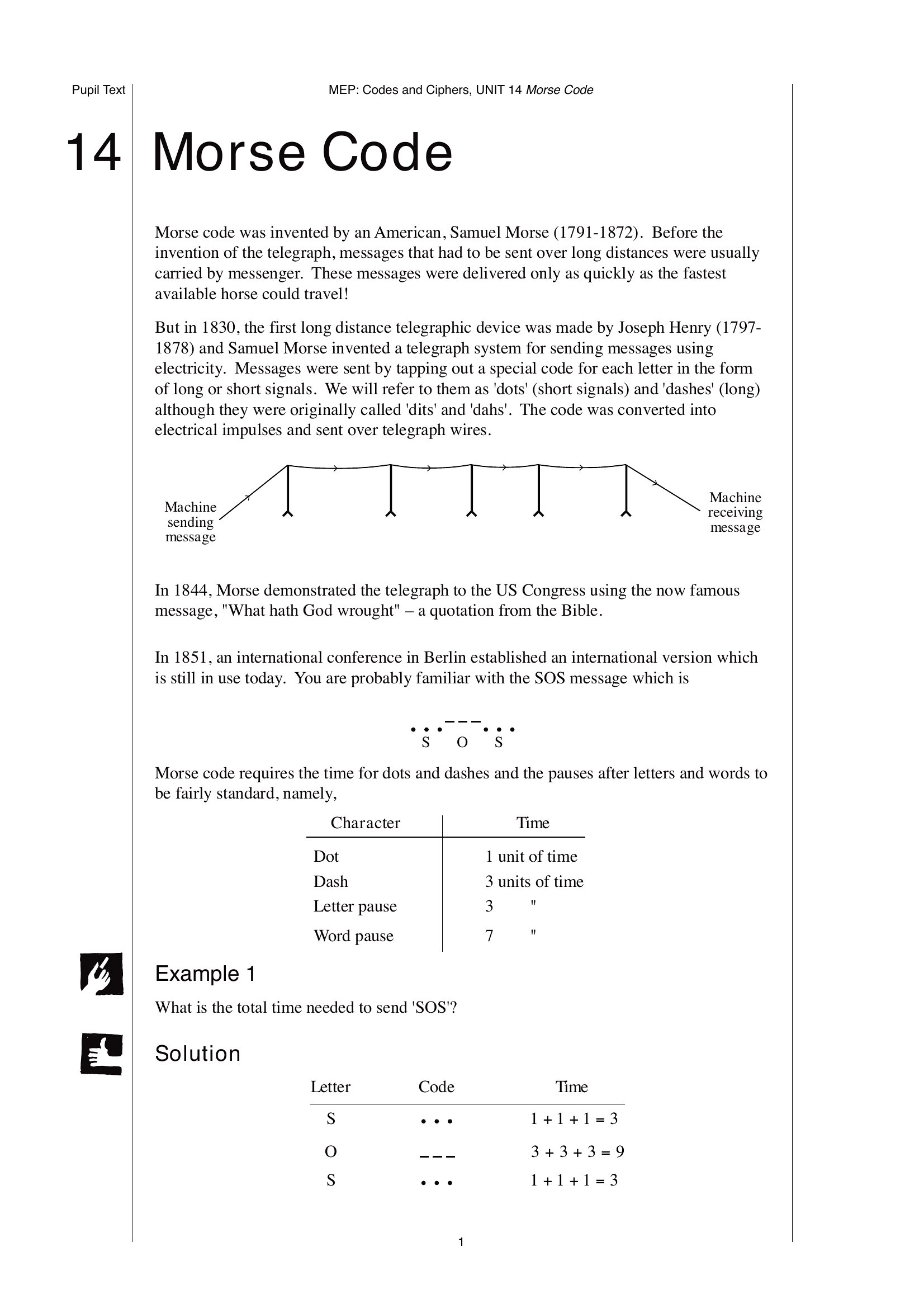
How do I decide which Morse code chart layout works best for my learning style?
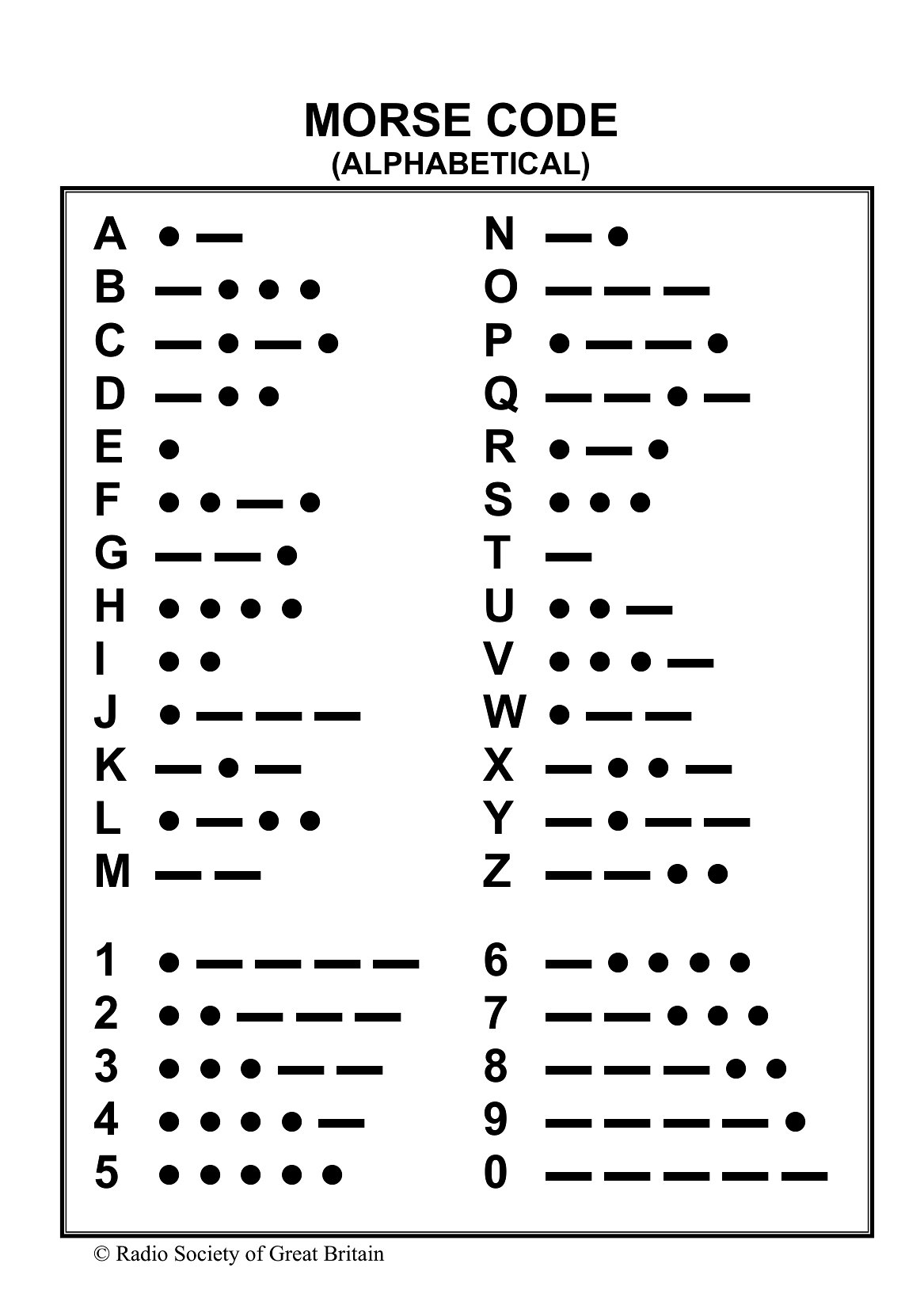
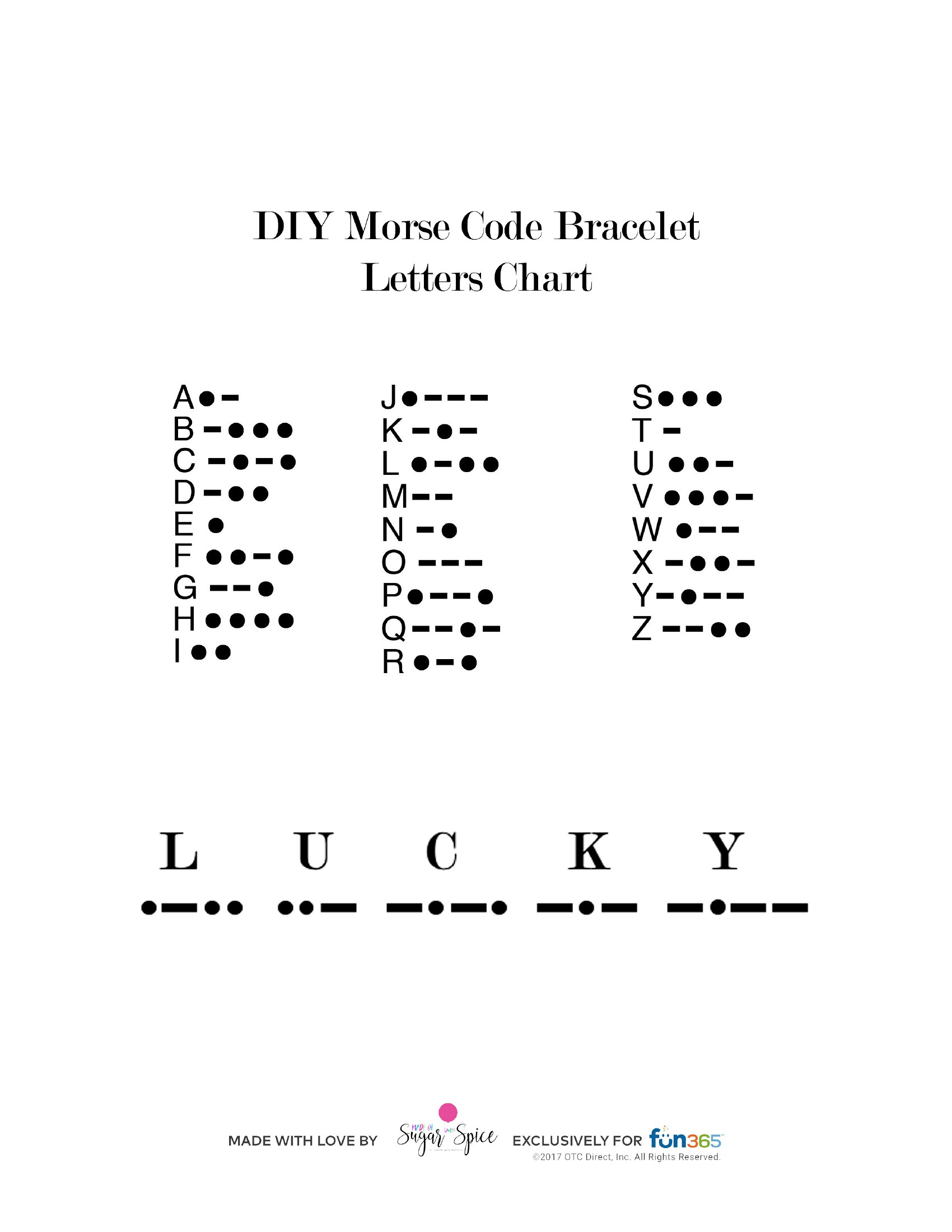
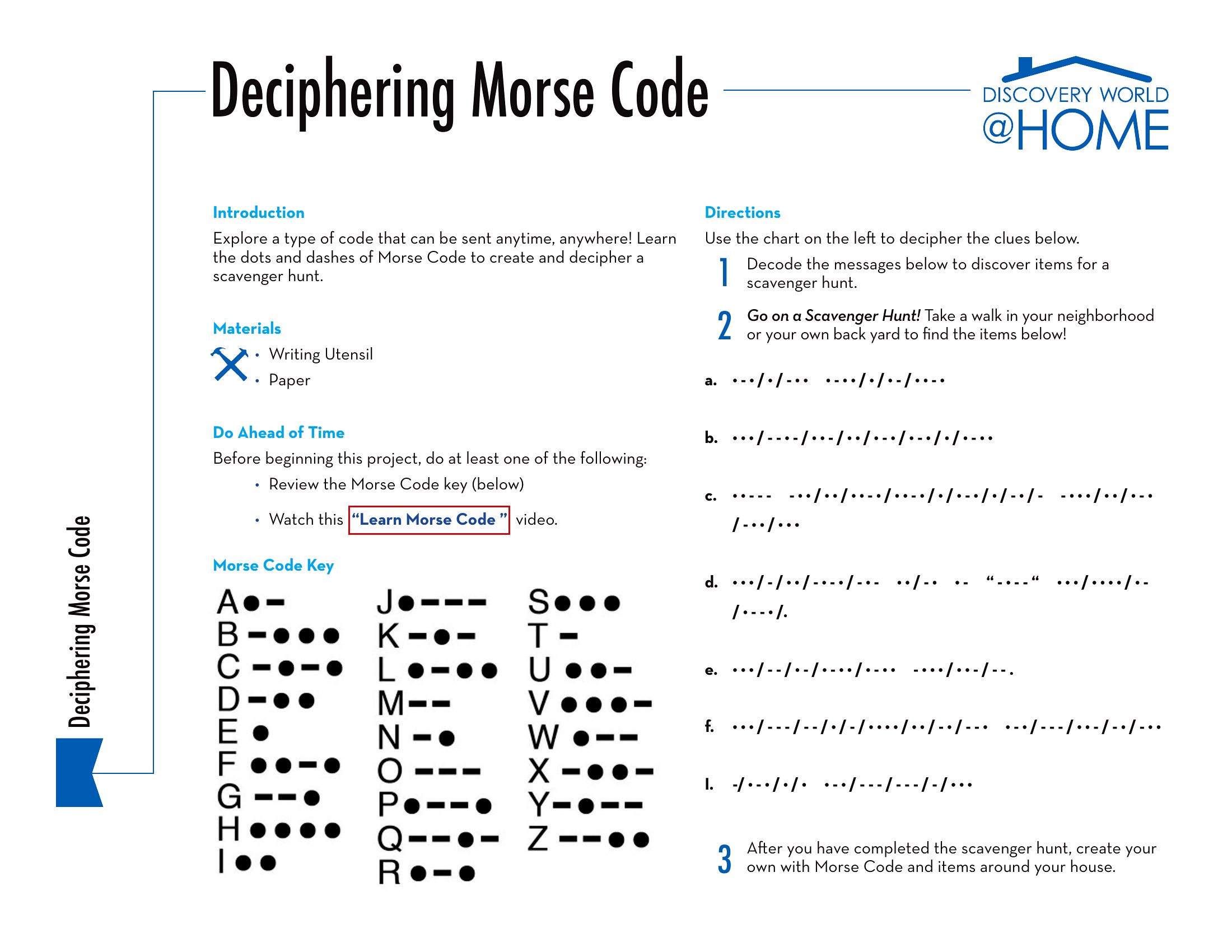
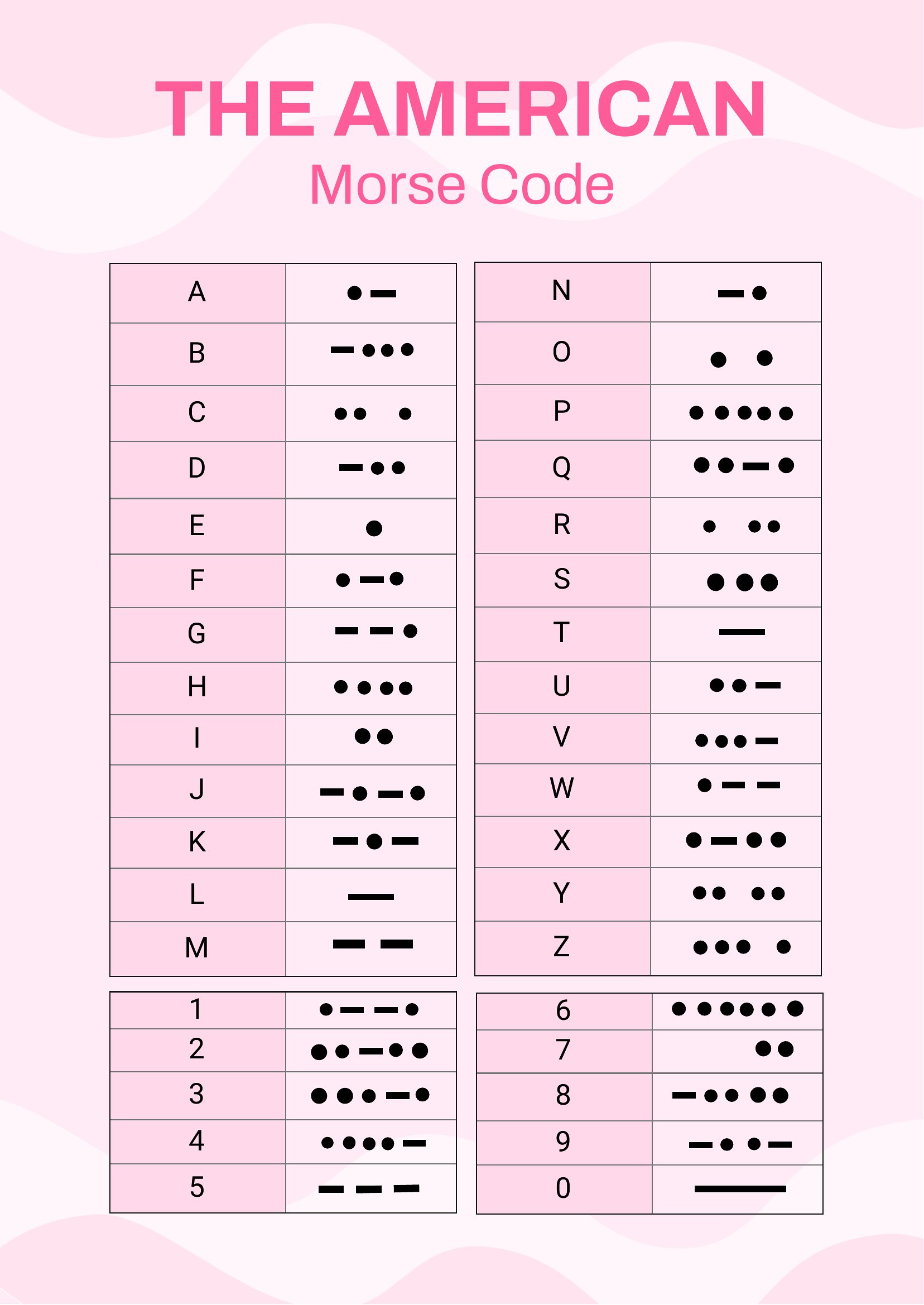
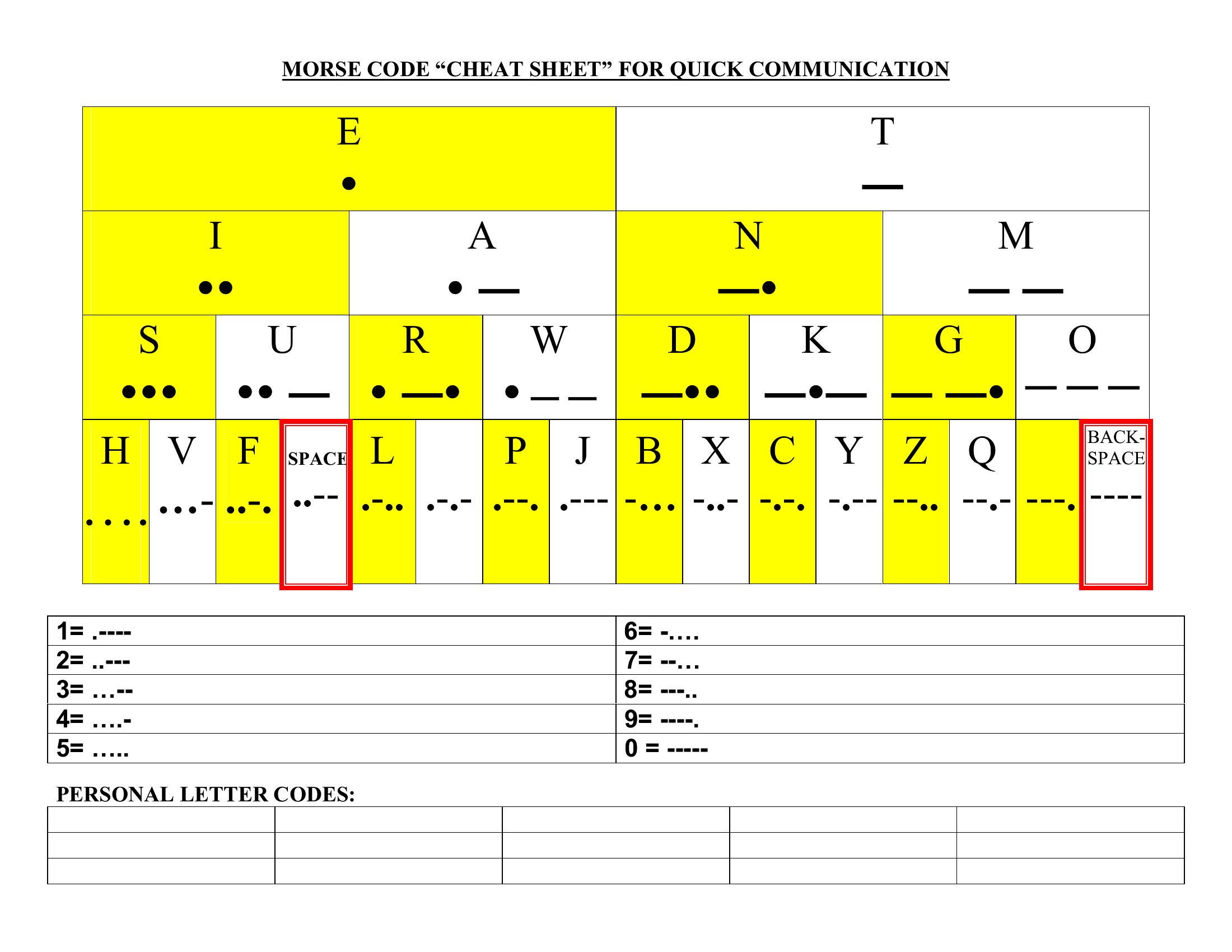
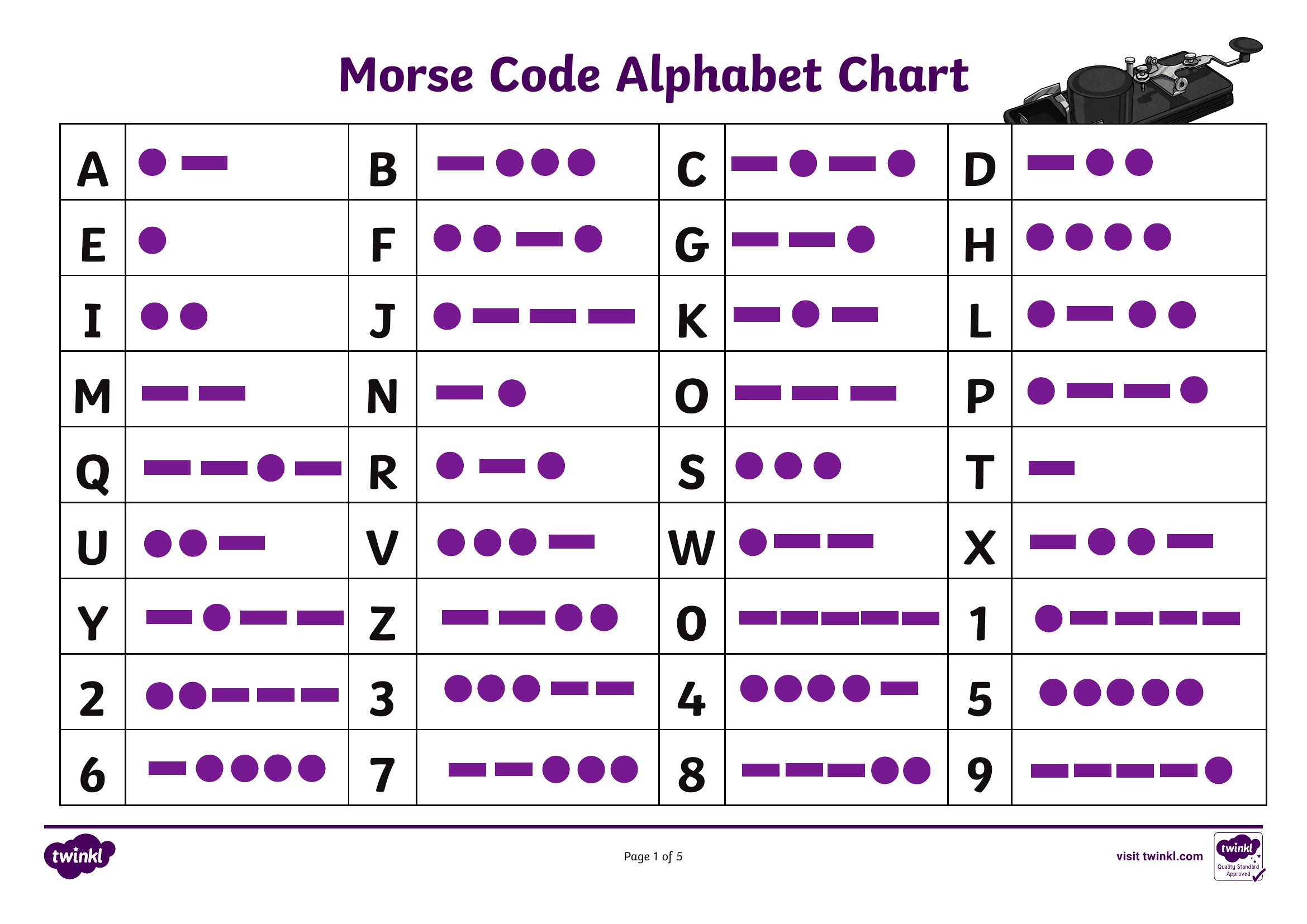
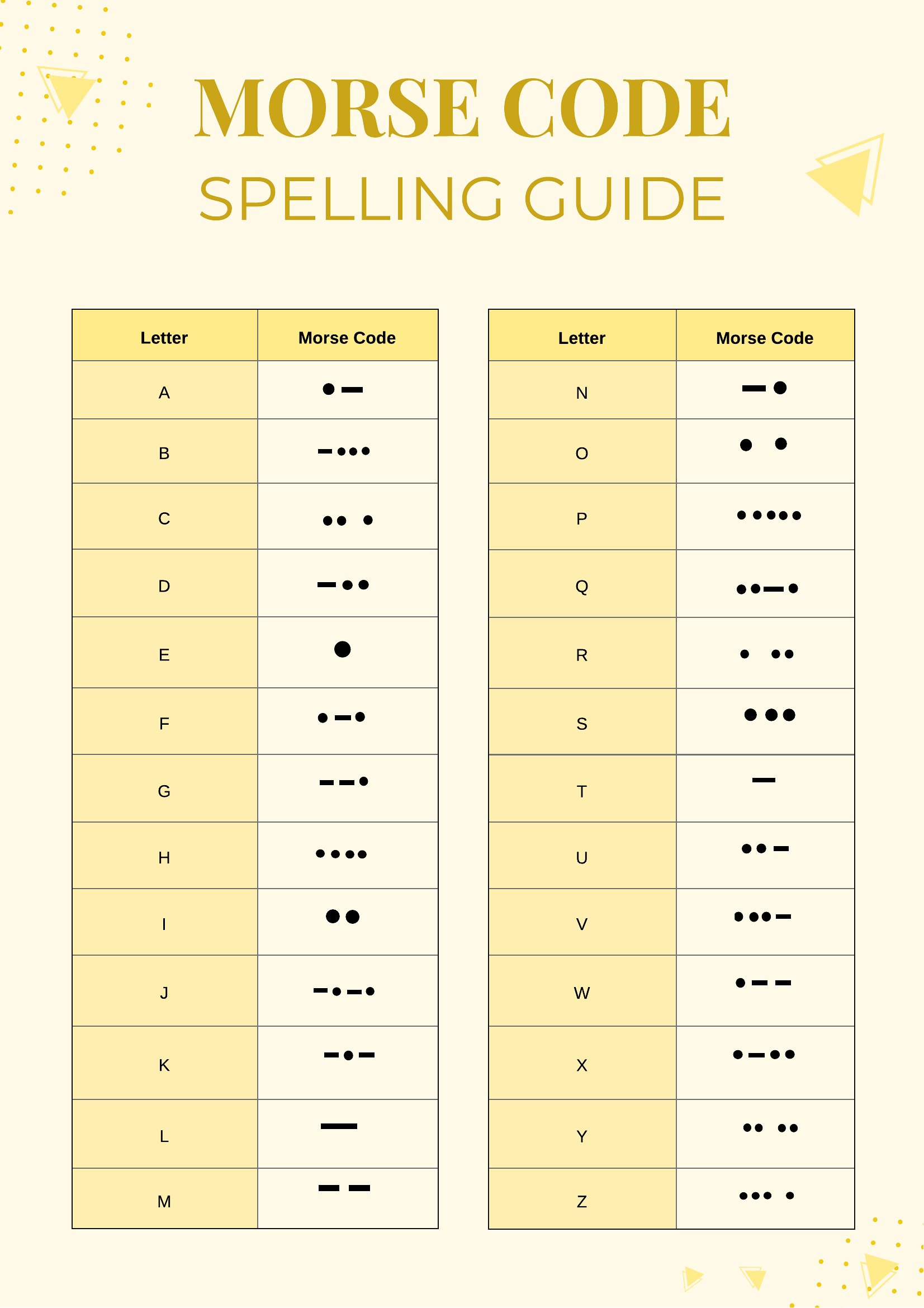
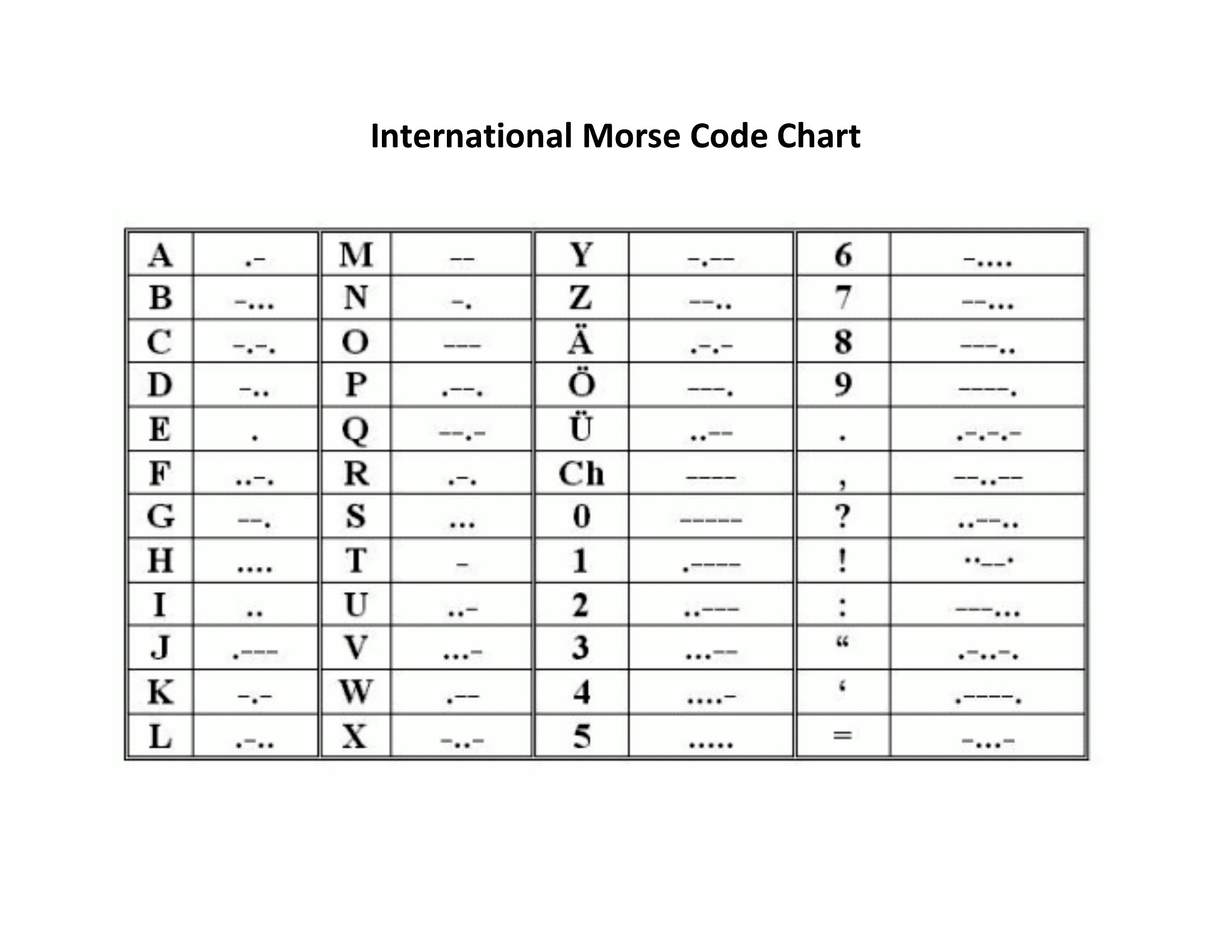
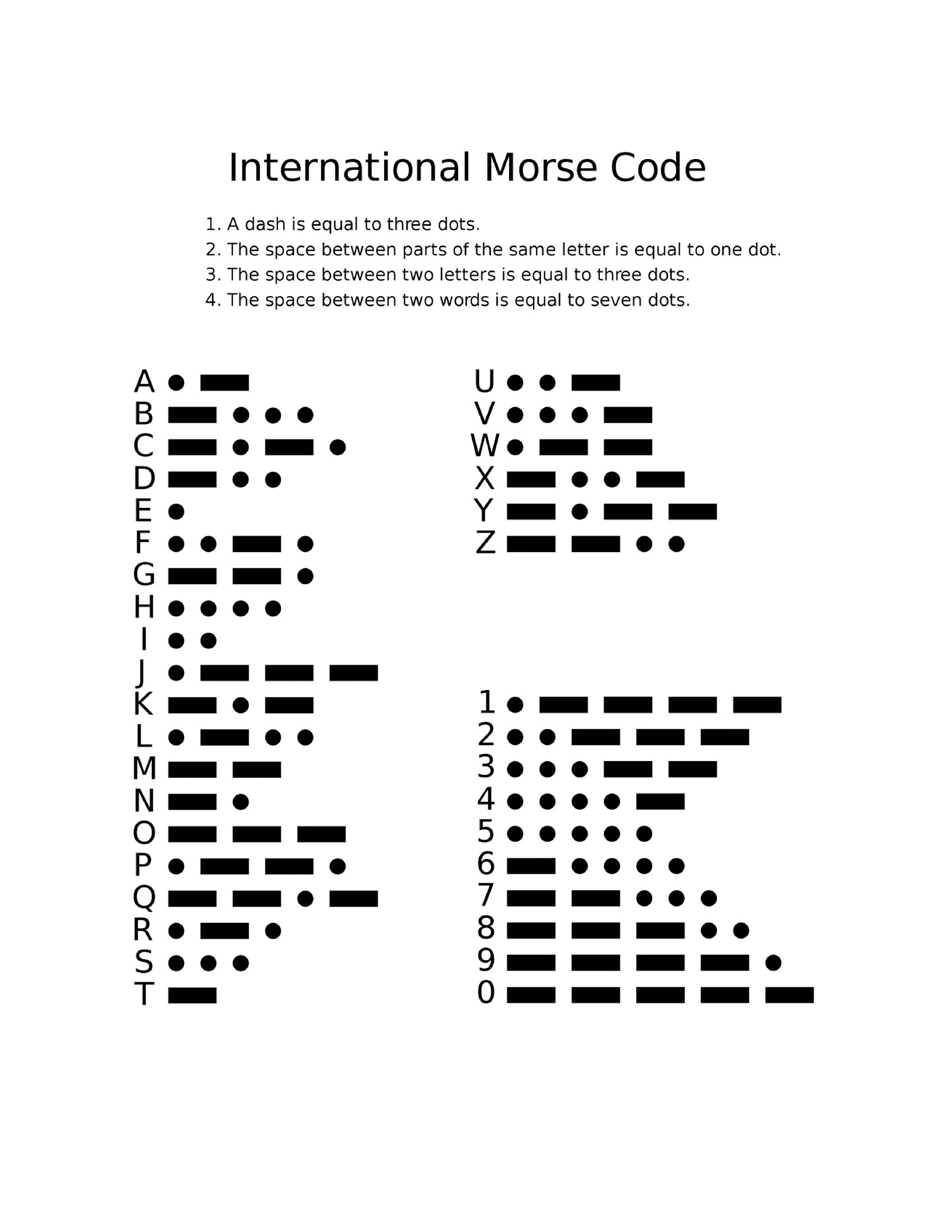
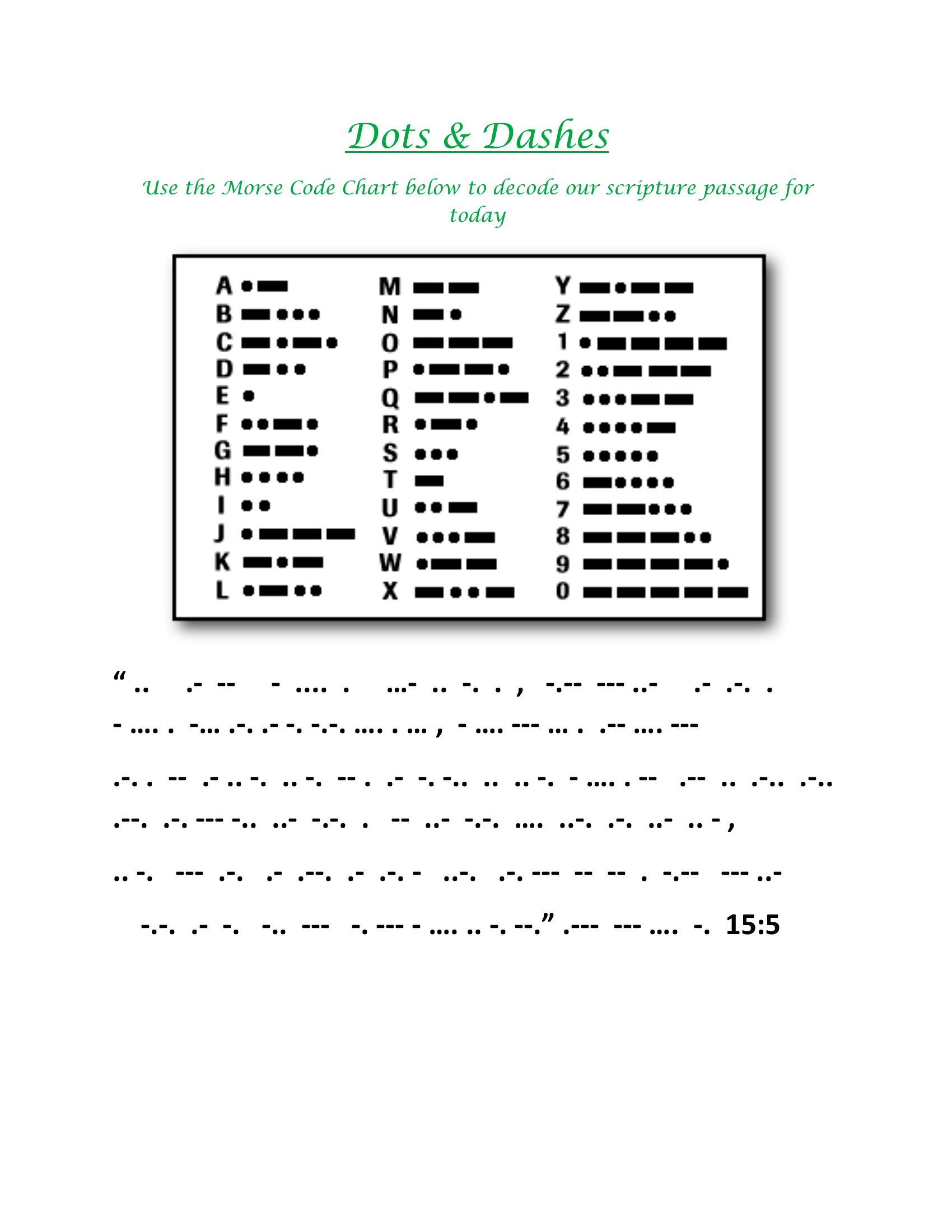
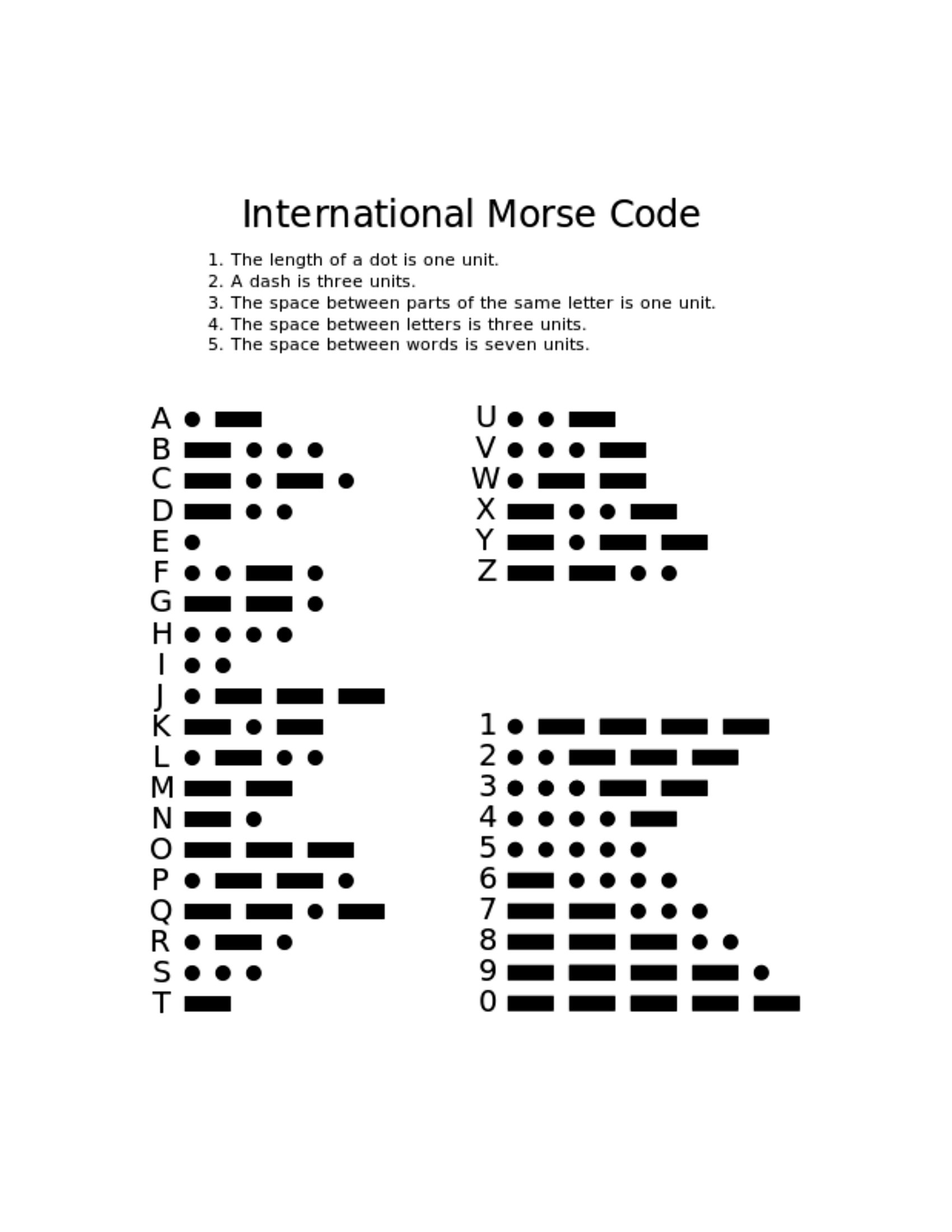
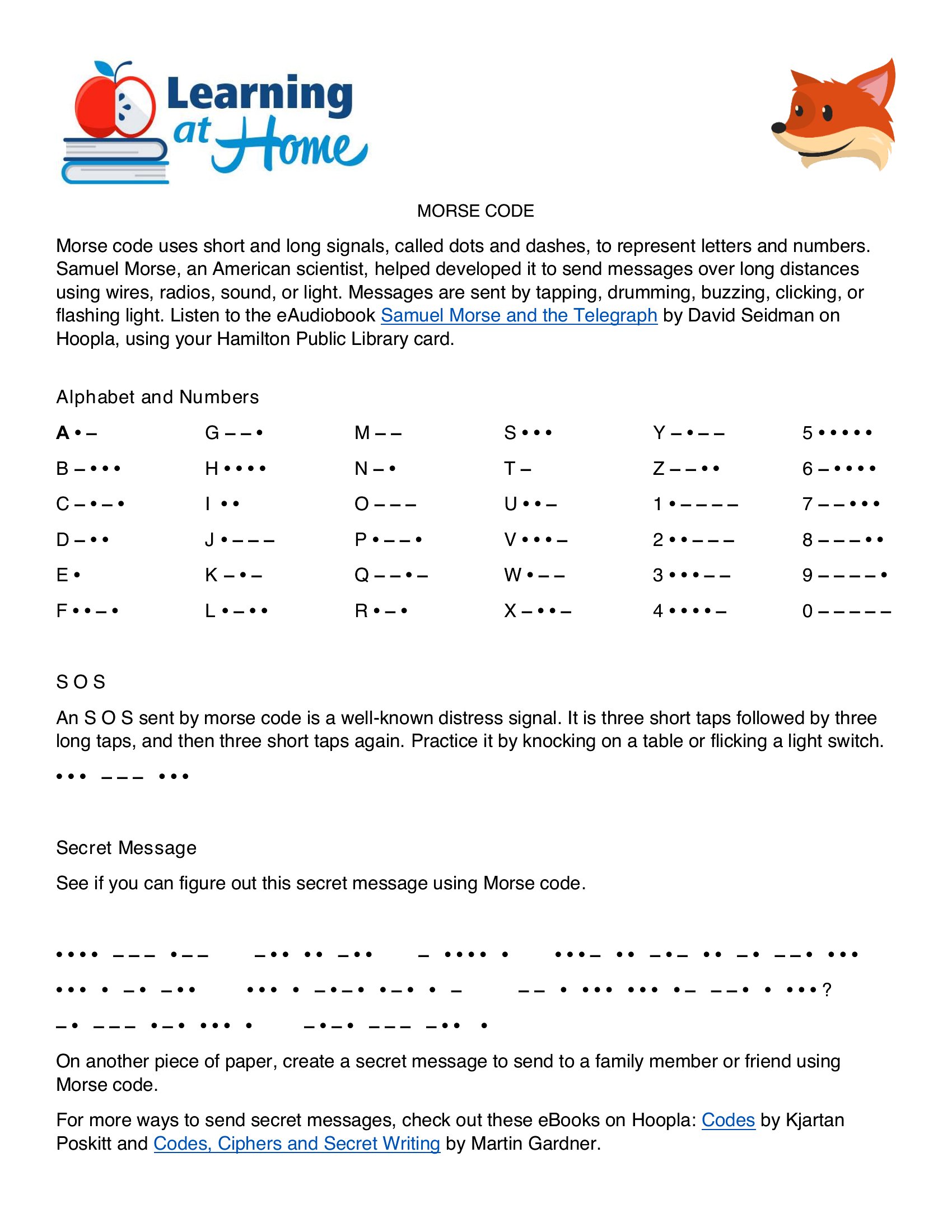
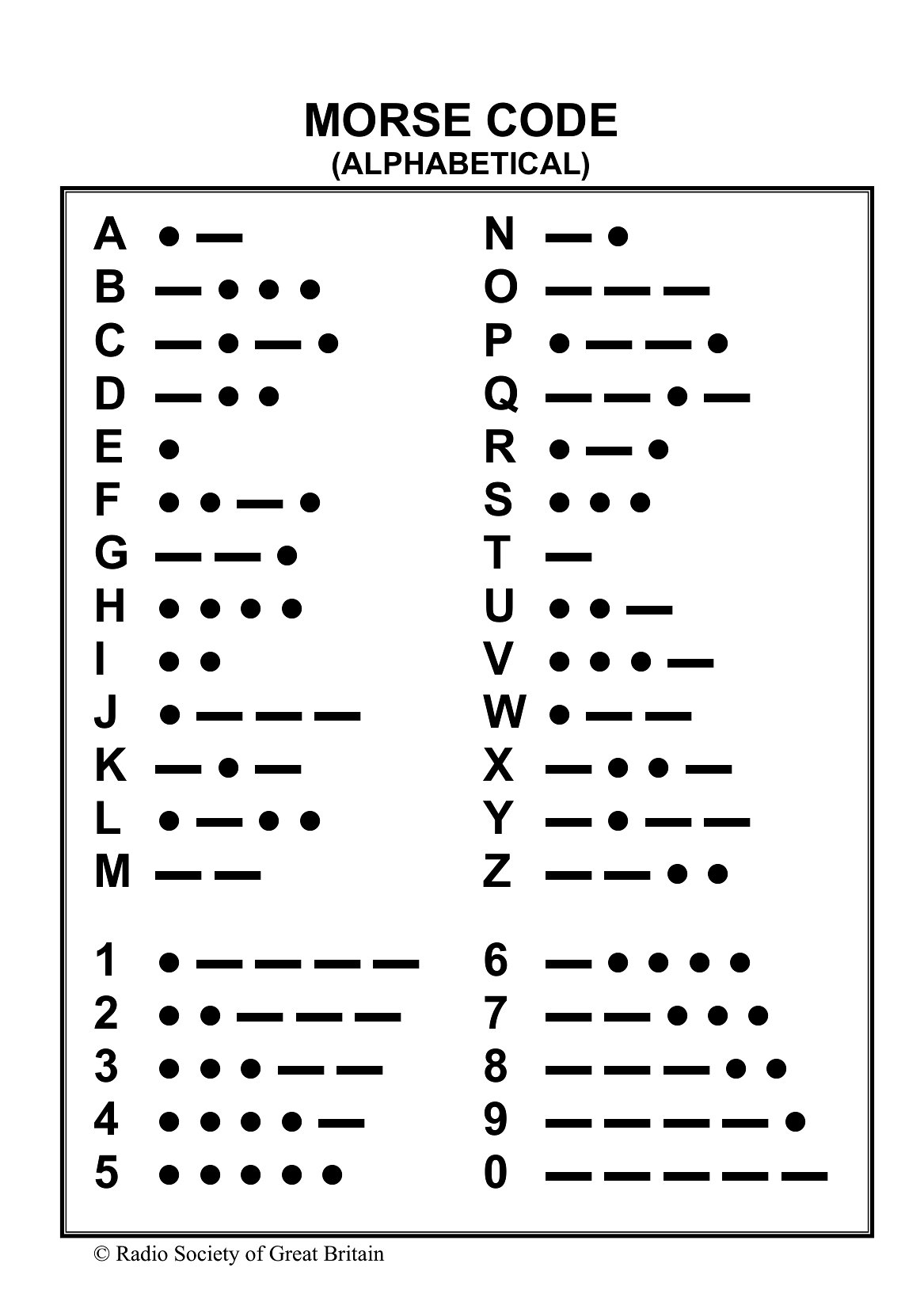
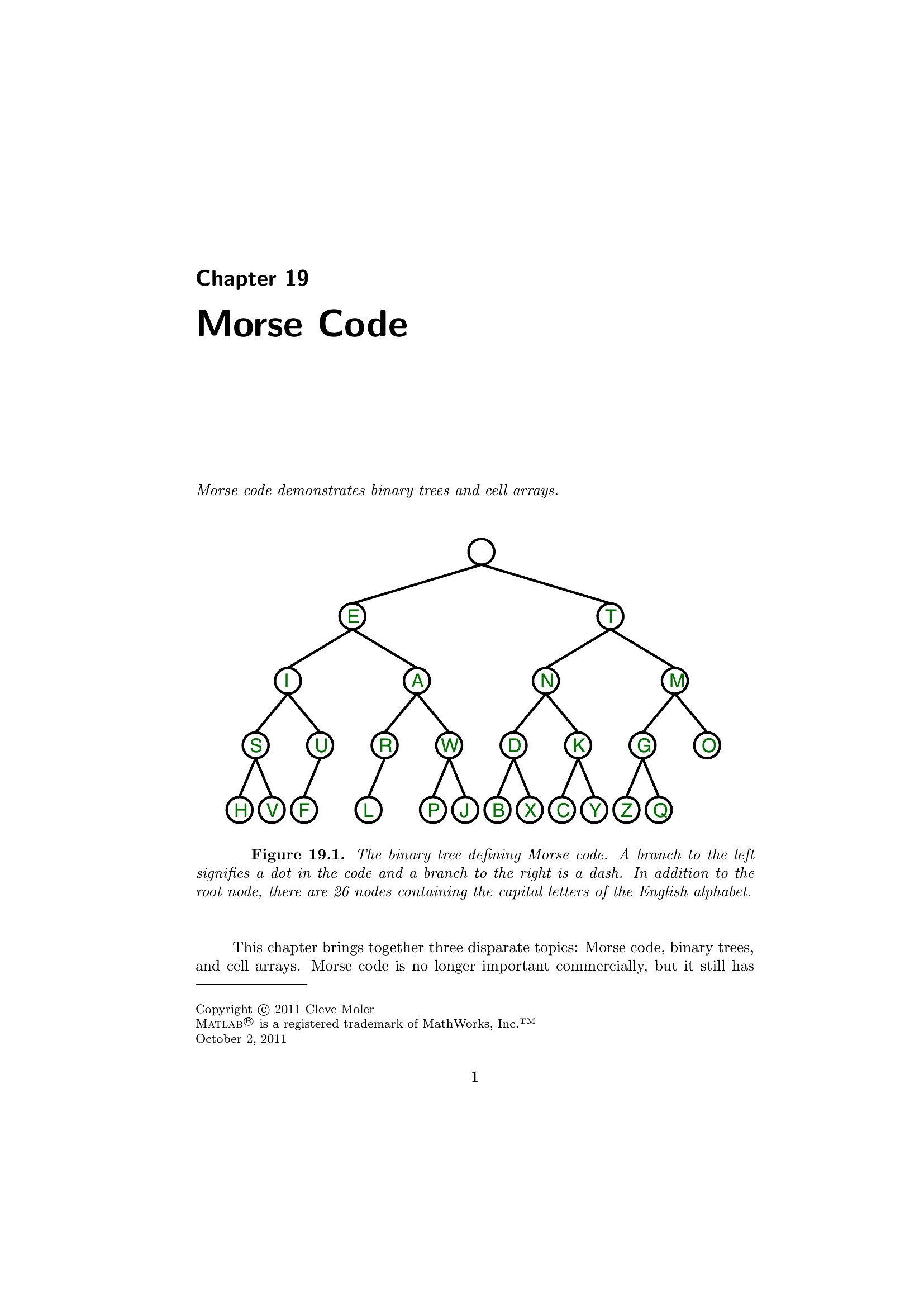
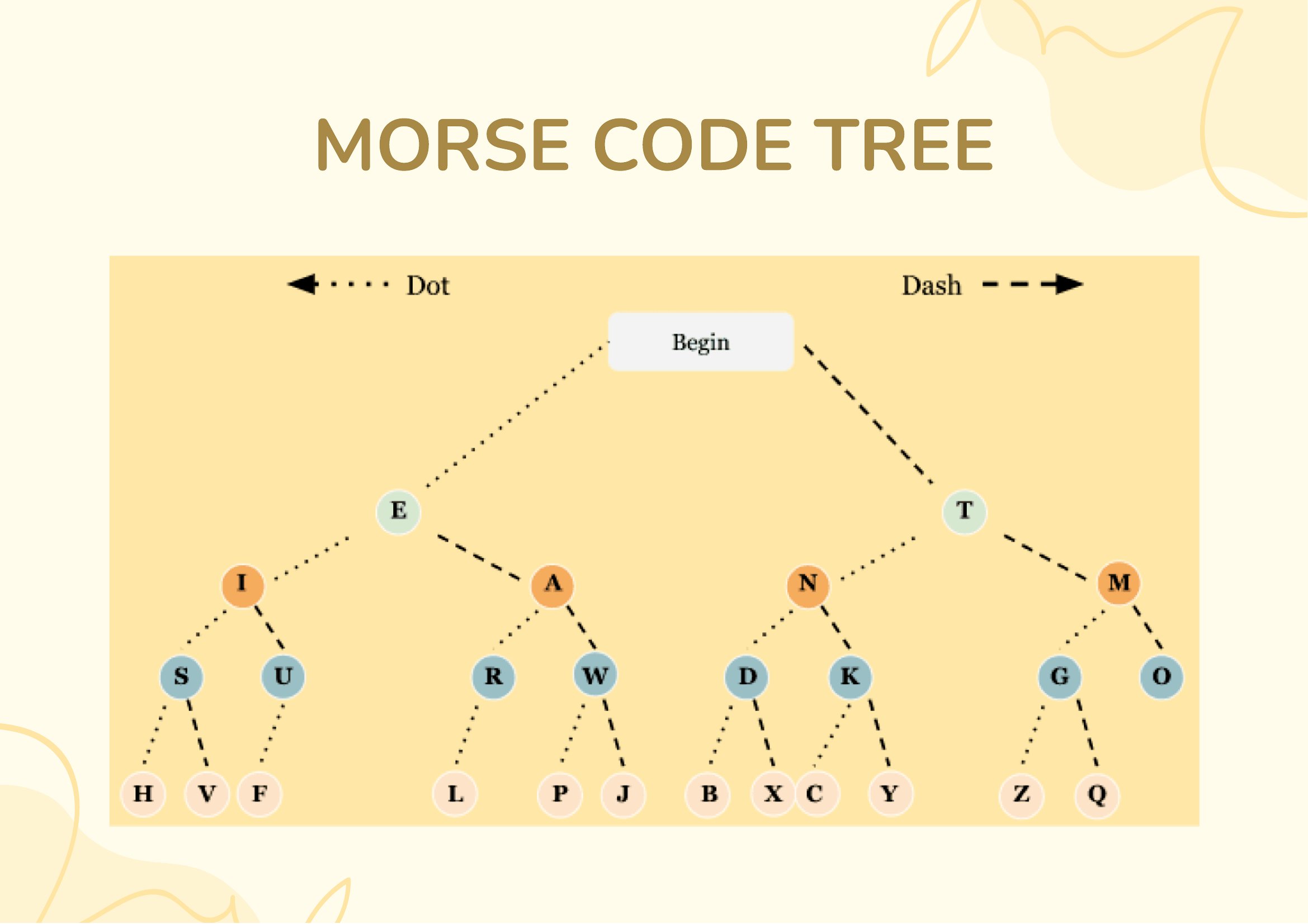
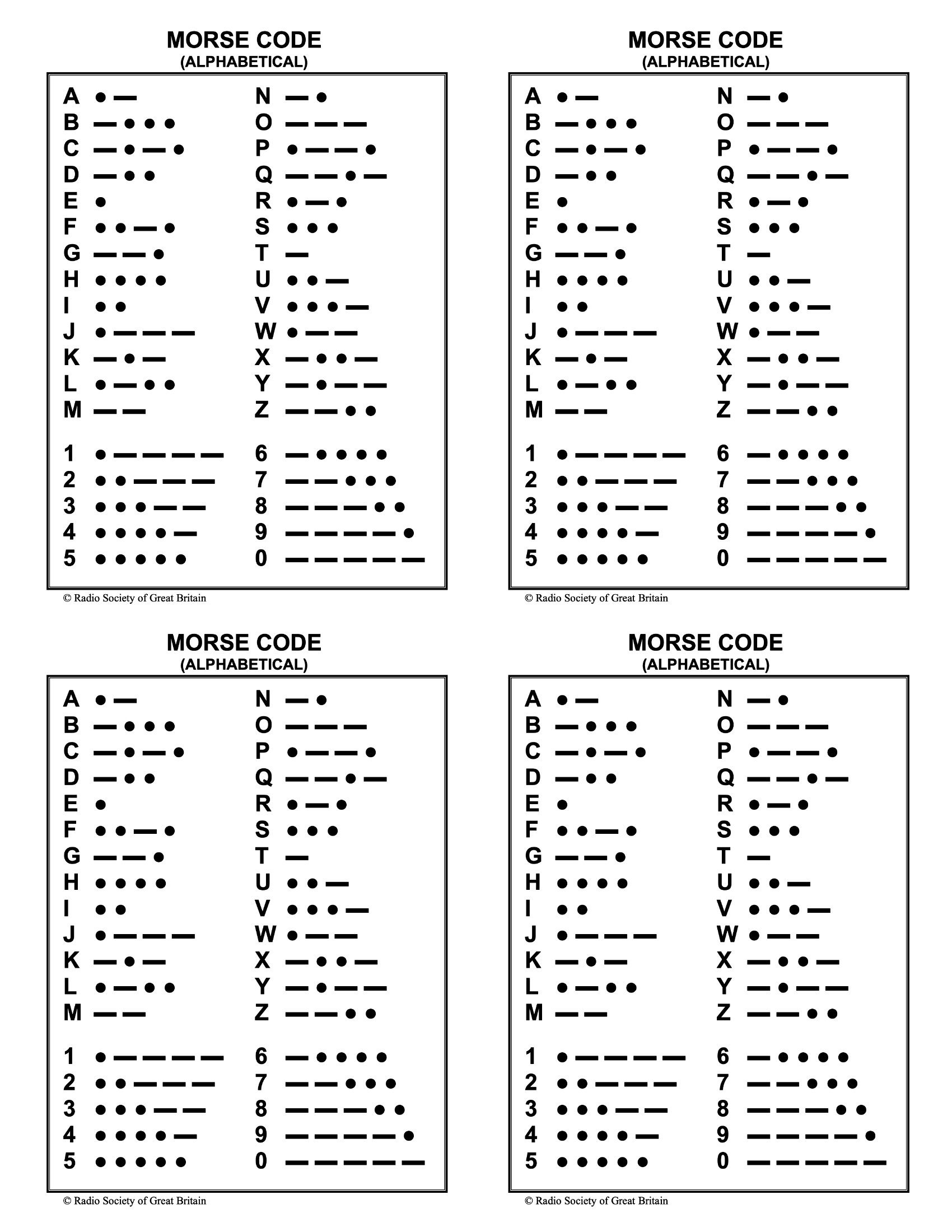
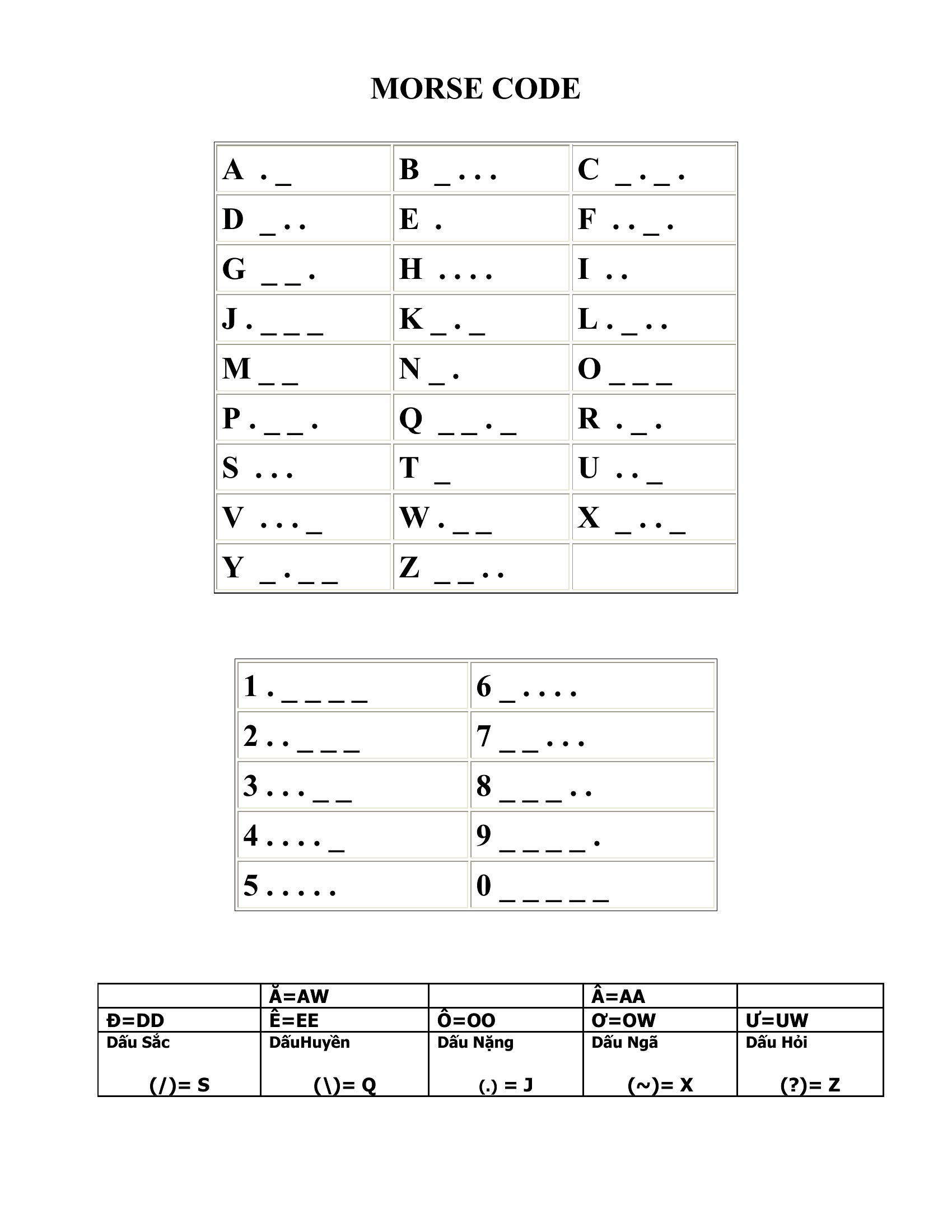
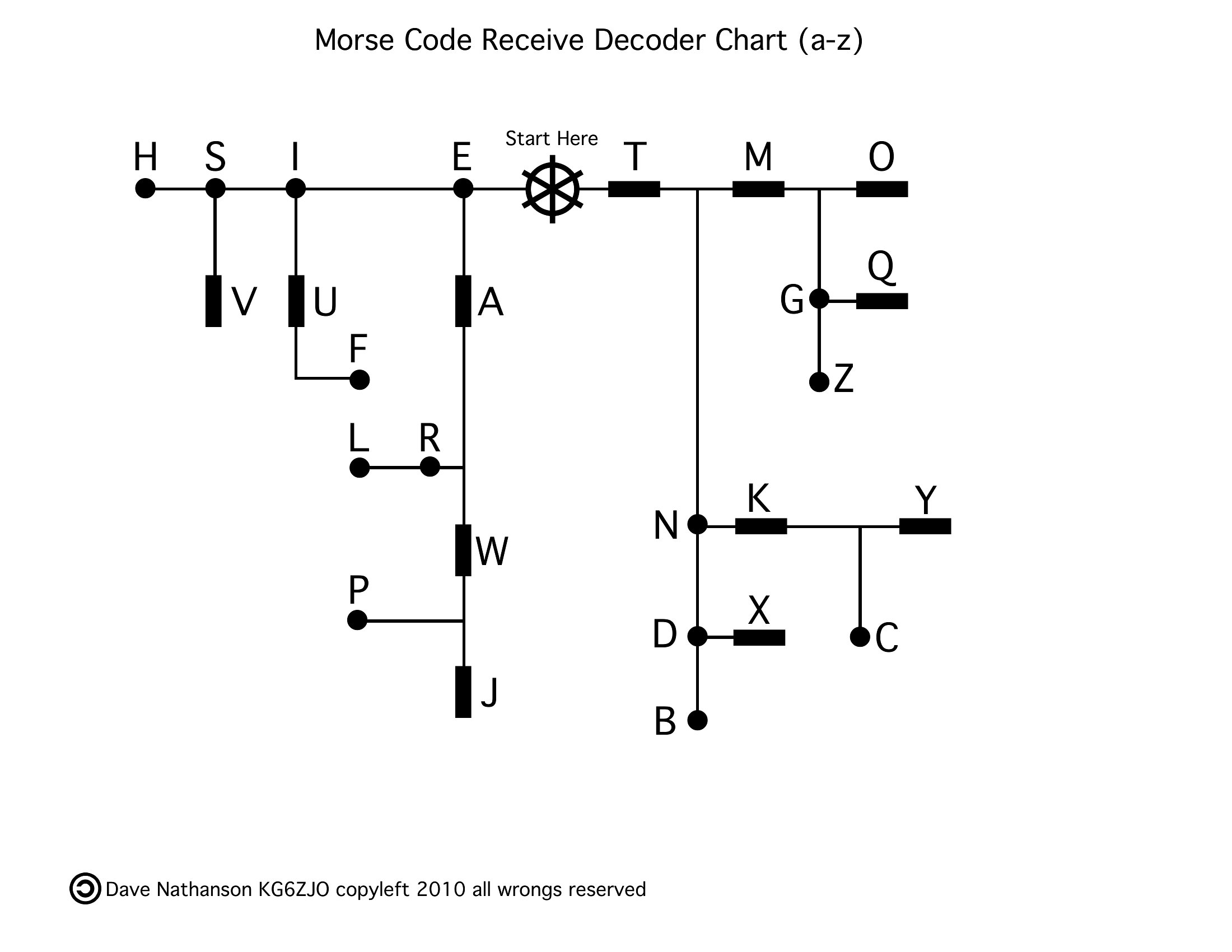
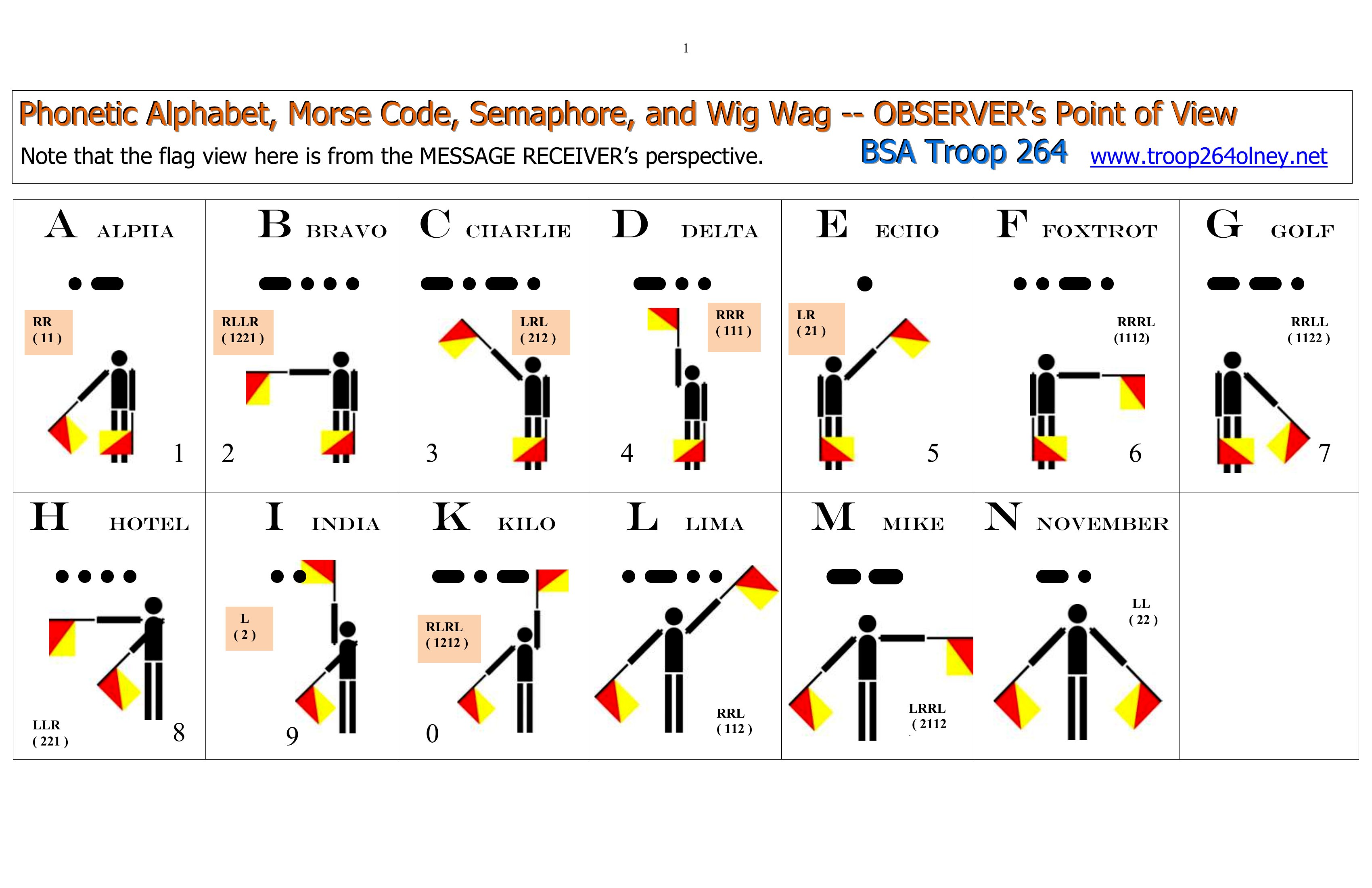
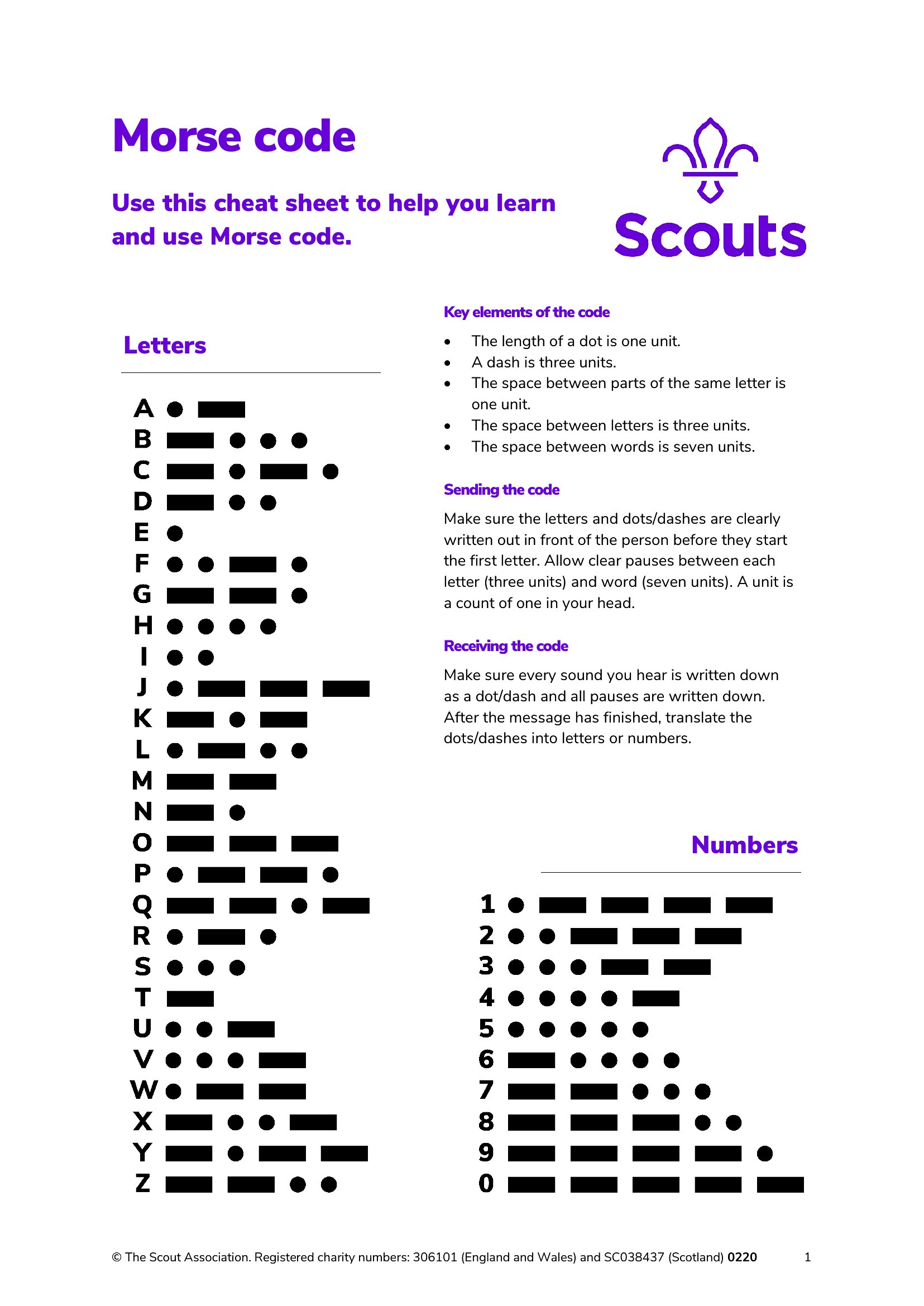
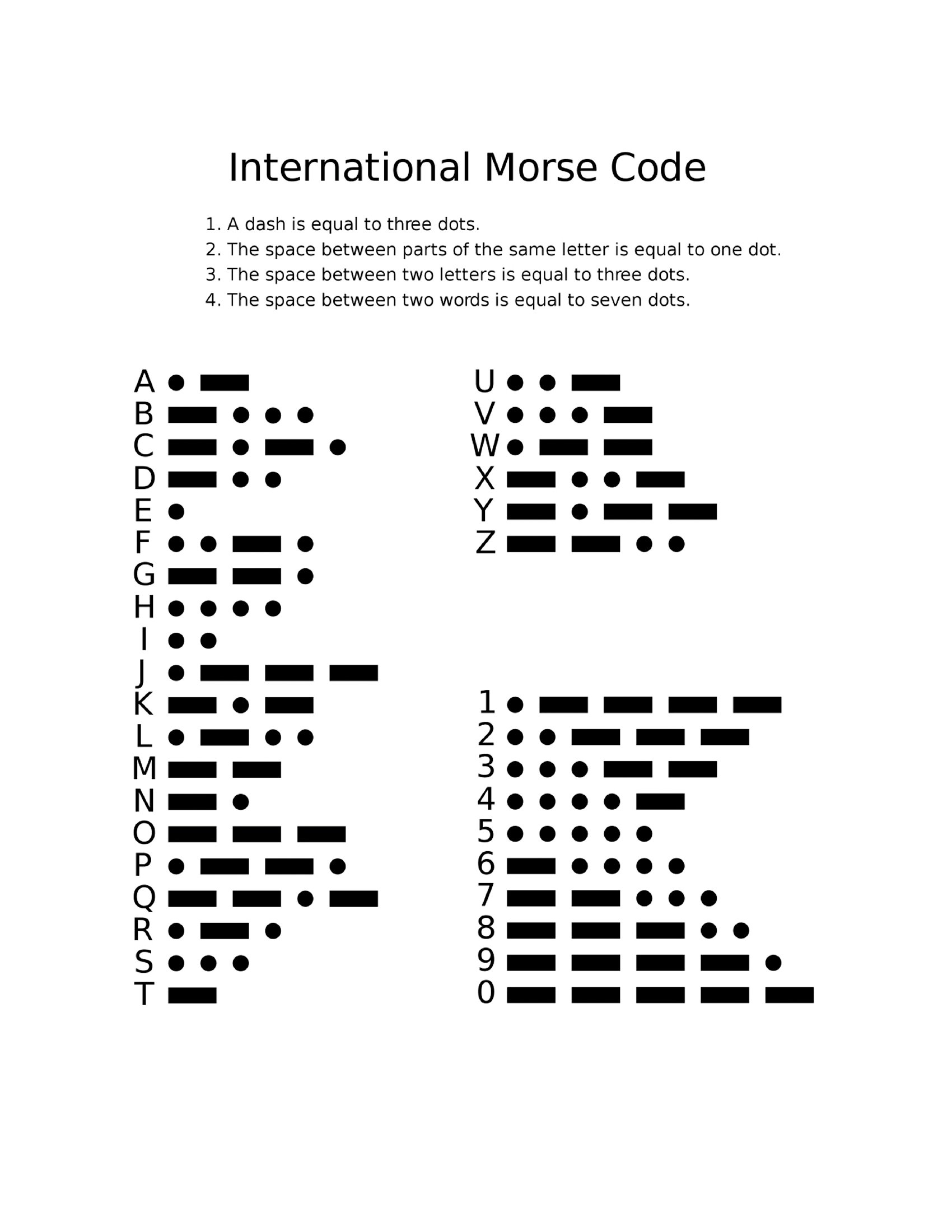
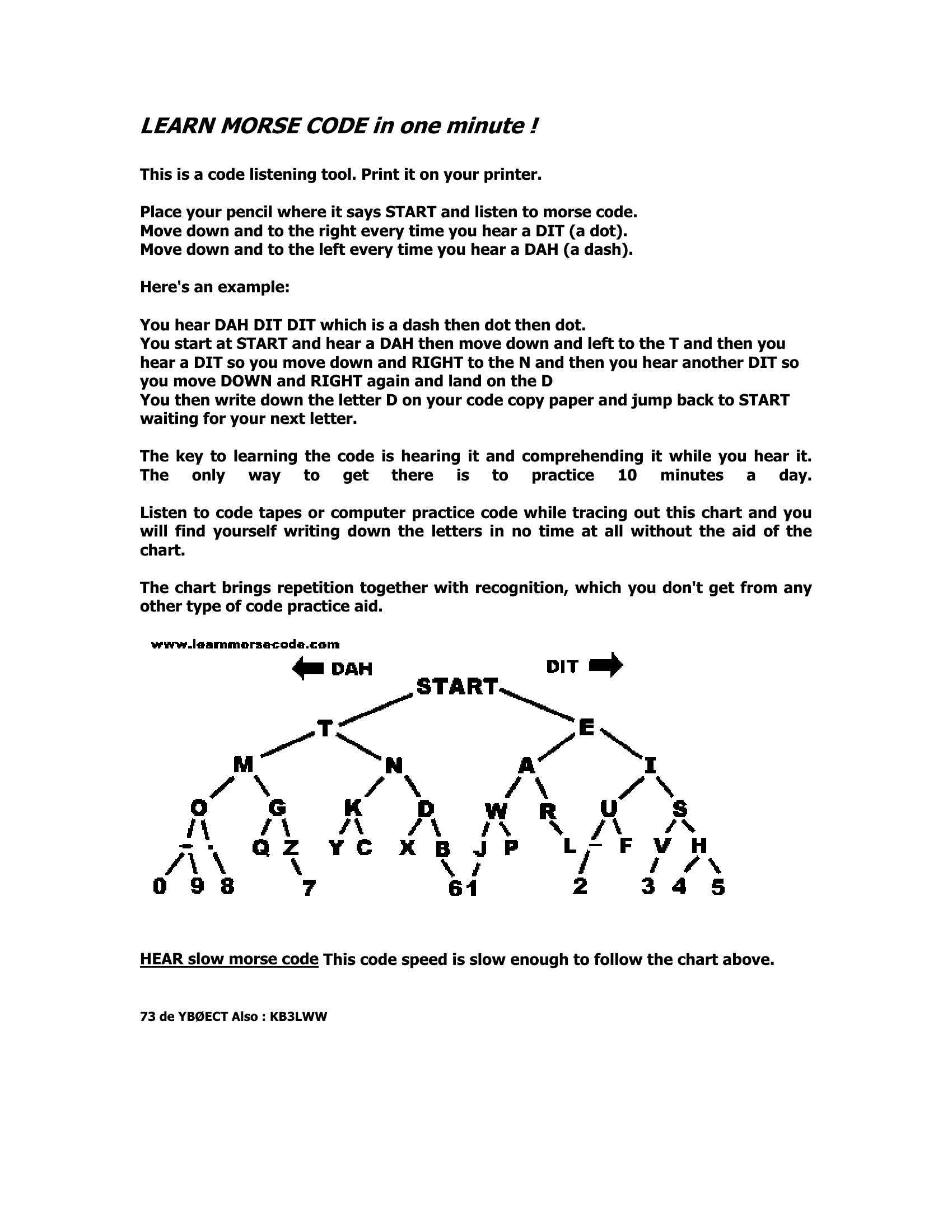
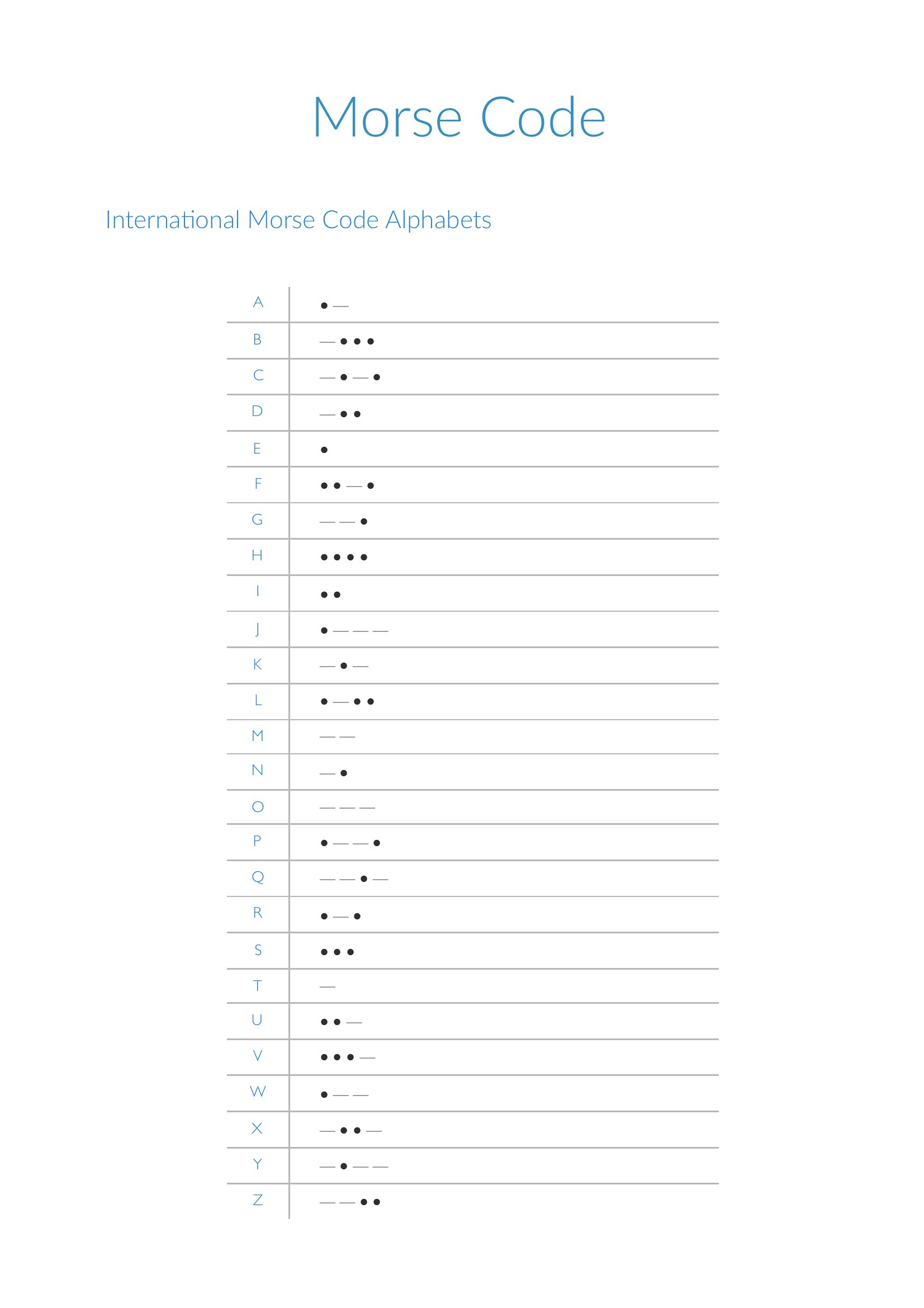
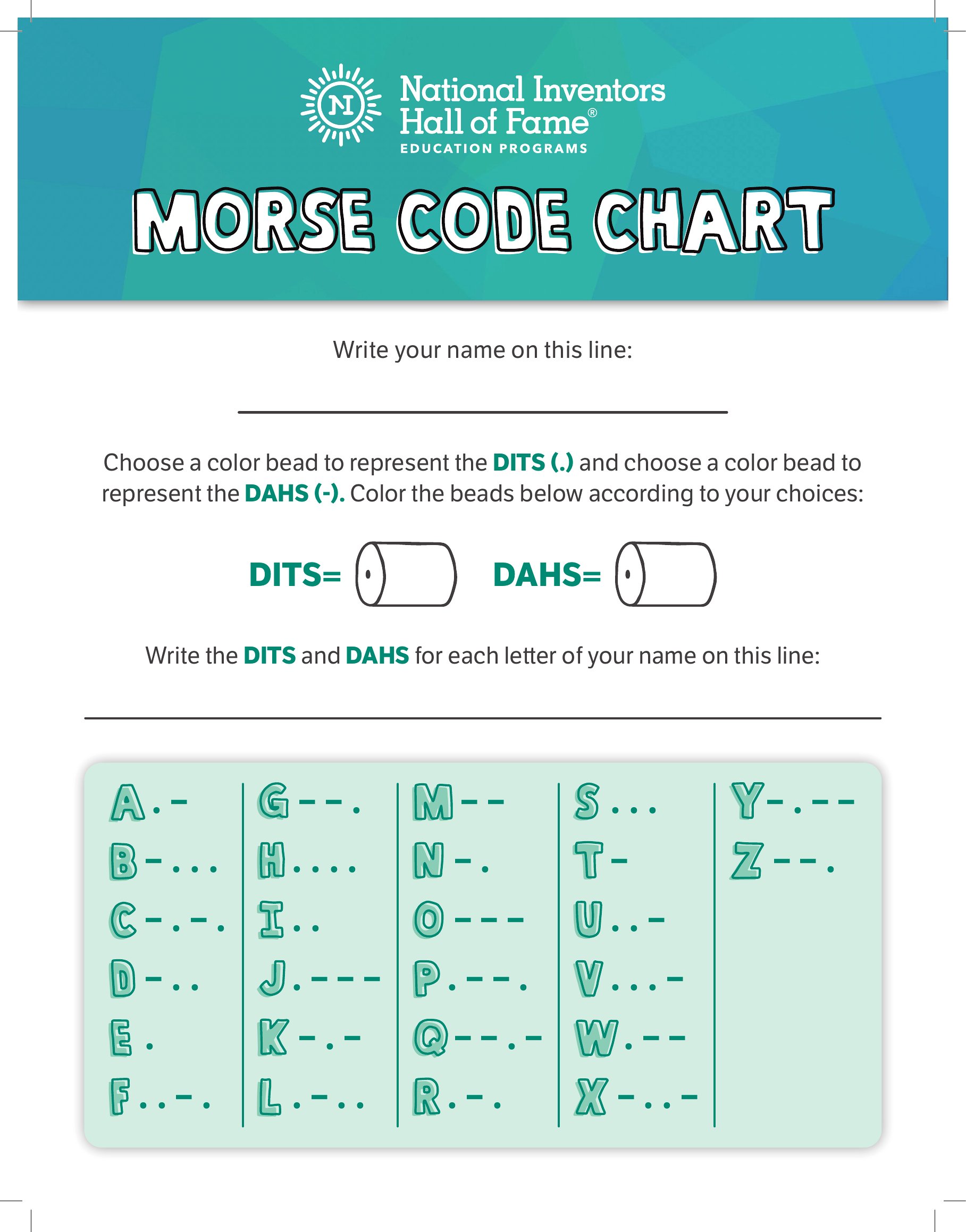
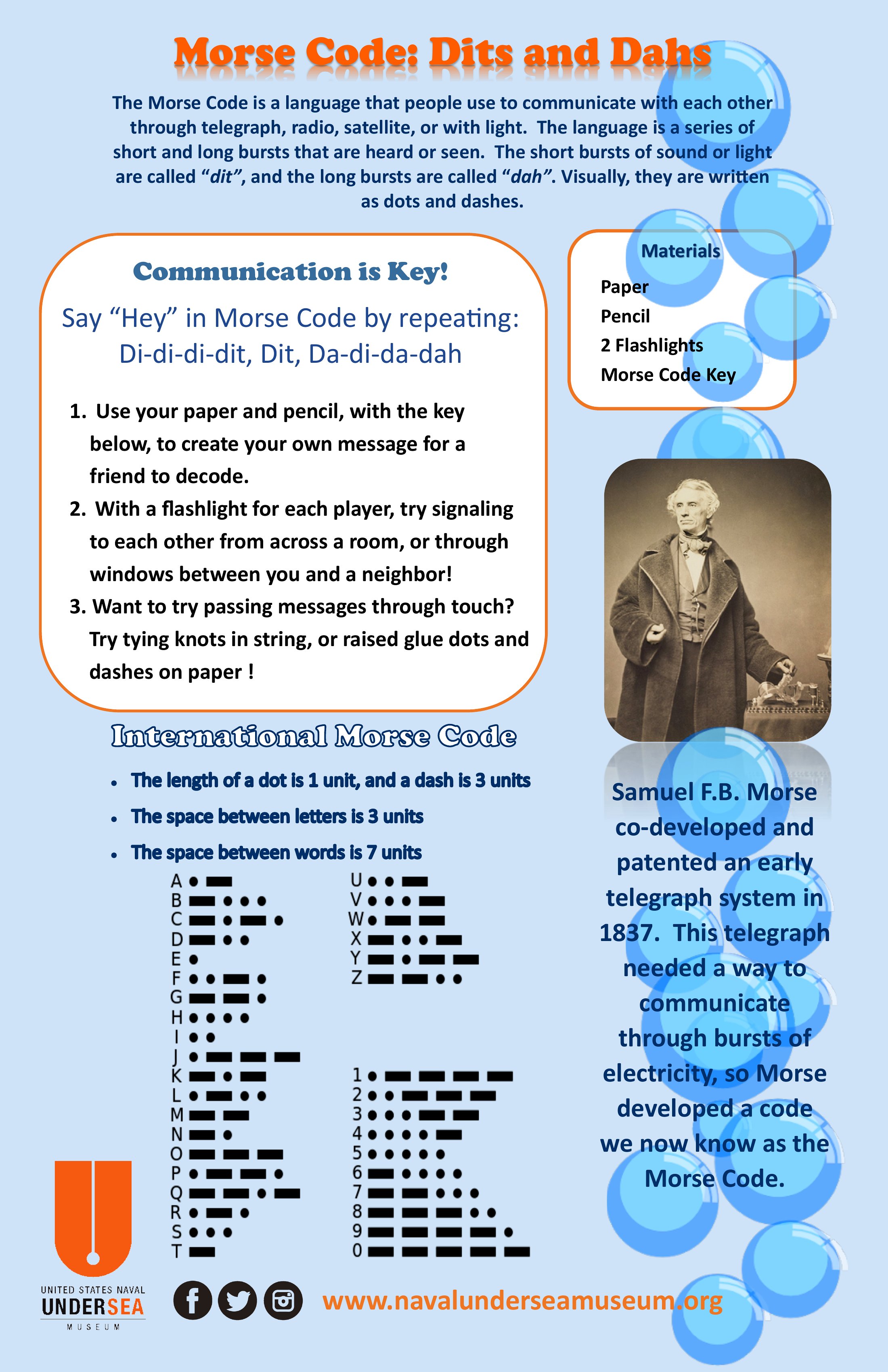
If you’re a visual learner, pick a chart with color-coded letters or grouped by frequency (e.g., vowels first). For auditory learners, select a chart that pairs symbols with their sounds, like ‘E’ = dot. Kinesthetic learners may prefer tracing dotted lines or using a grid to practice writing sequences by hand. Start with a simple design and switch if it feels overwhelming.
Can I use these charts for teaching Morse code to people with visual impairments?
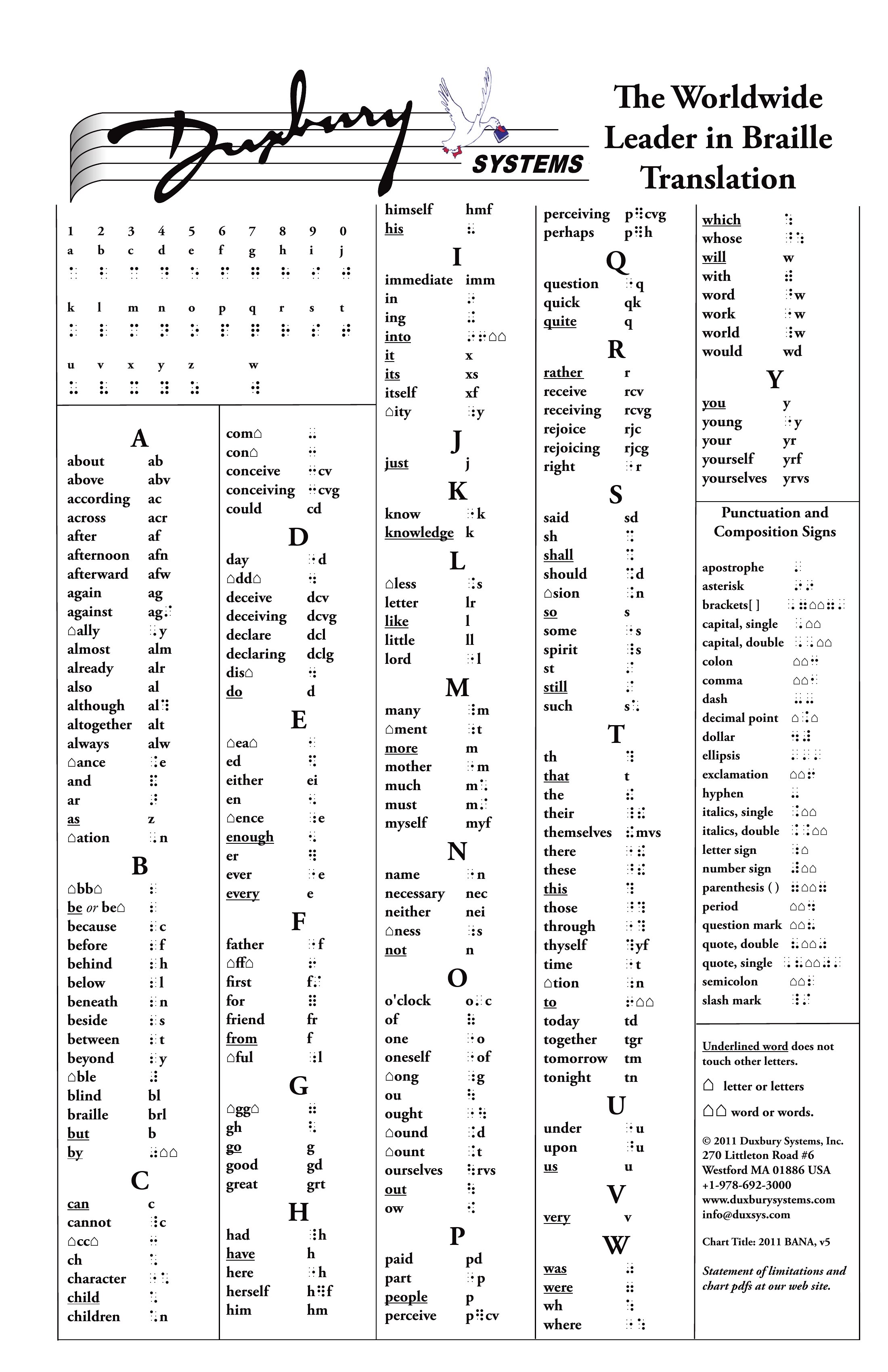
These charts are designed for visual reference, but you can adapt them by pairing them with tactile methods like braille dots or audio recordings. For example, print a large-format chart with raised letters or use a high-contrast black-and-white PDF to improve visibility. Always combine visual aids with hands-on practice, like tapping rhythms on a table, to reinforce learning.
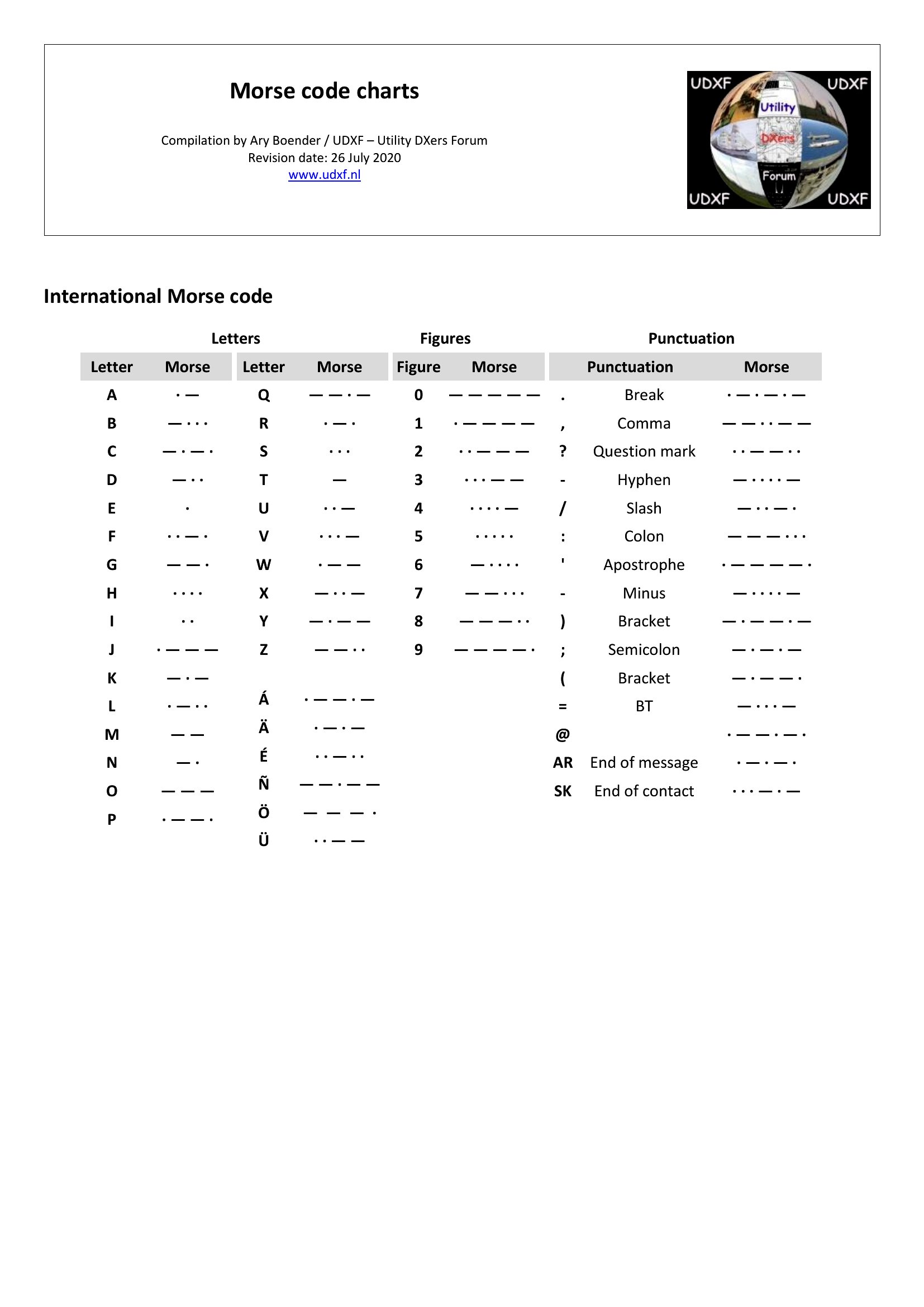
Are there charts that include prosigns (prosignals) like ‘SK’ for end of transmission or ‘AR’ for ‘end of message’?
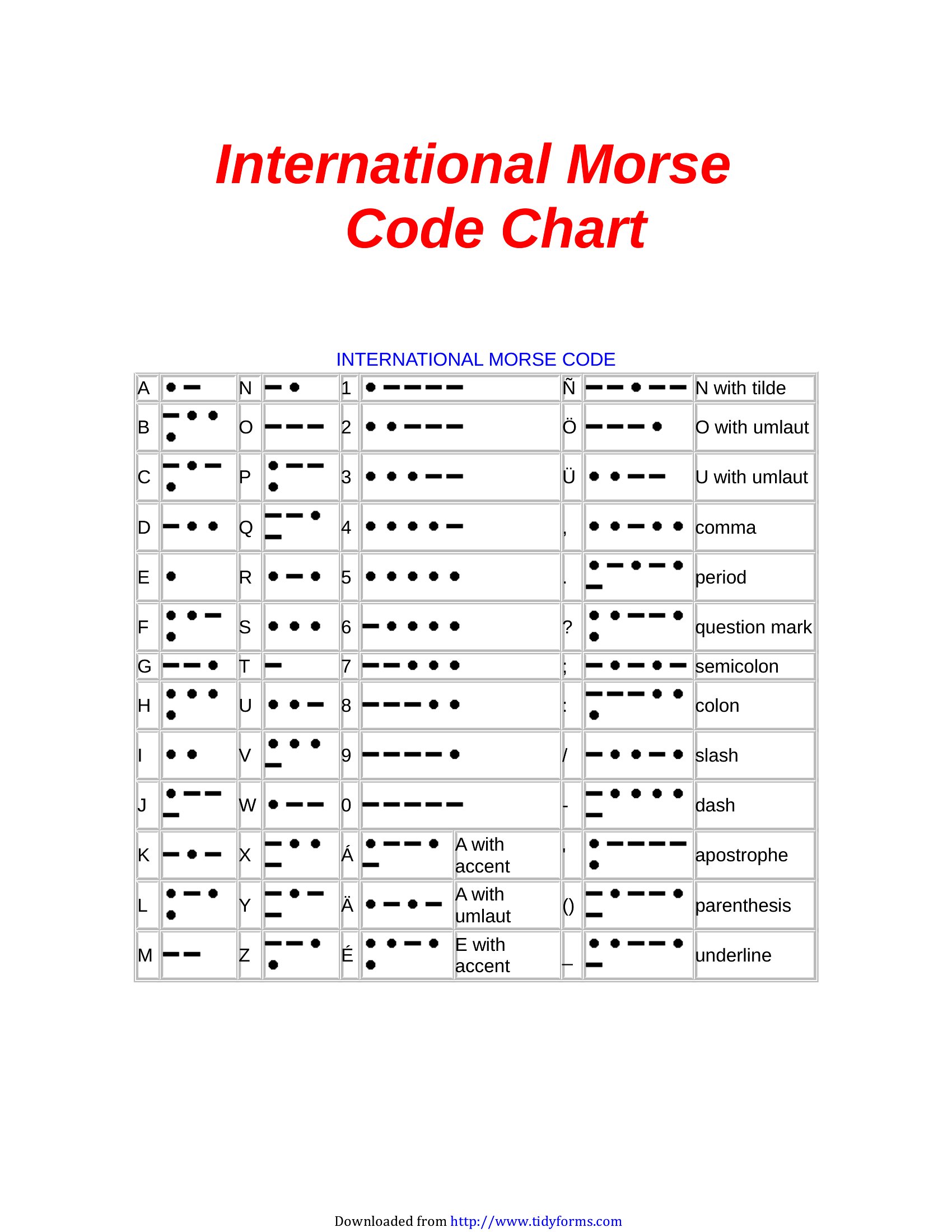
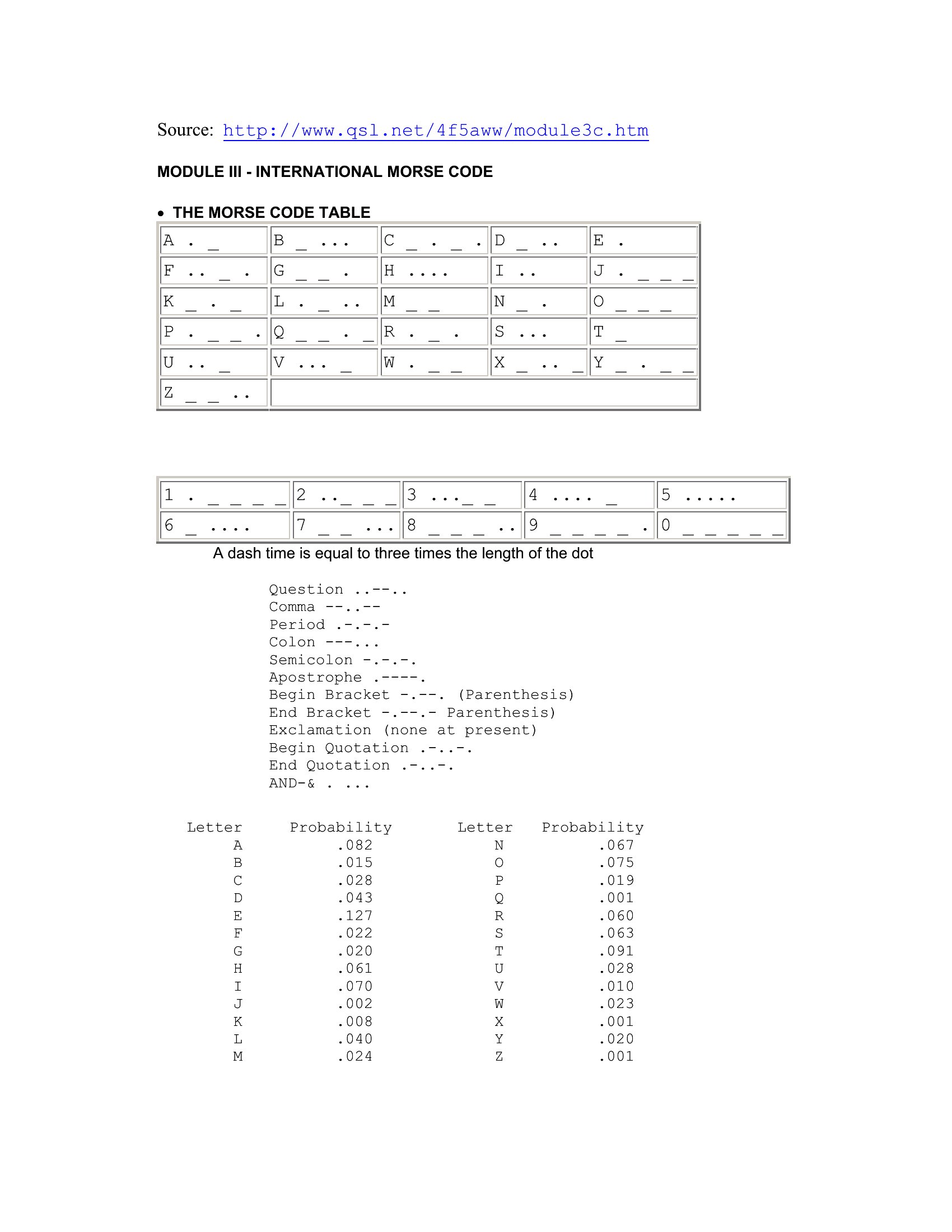
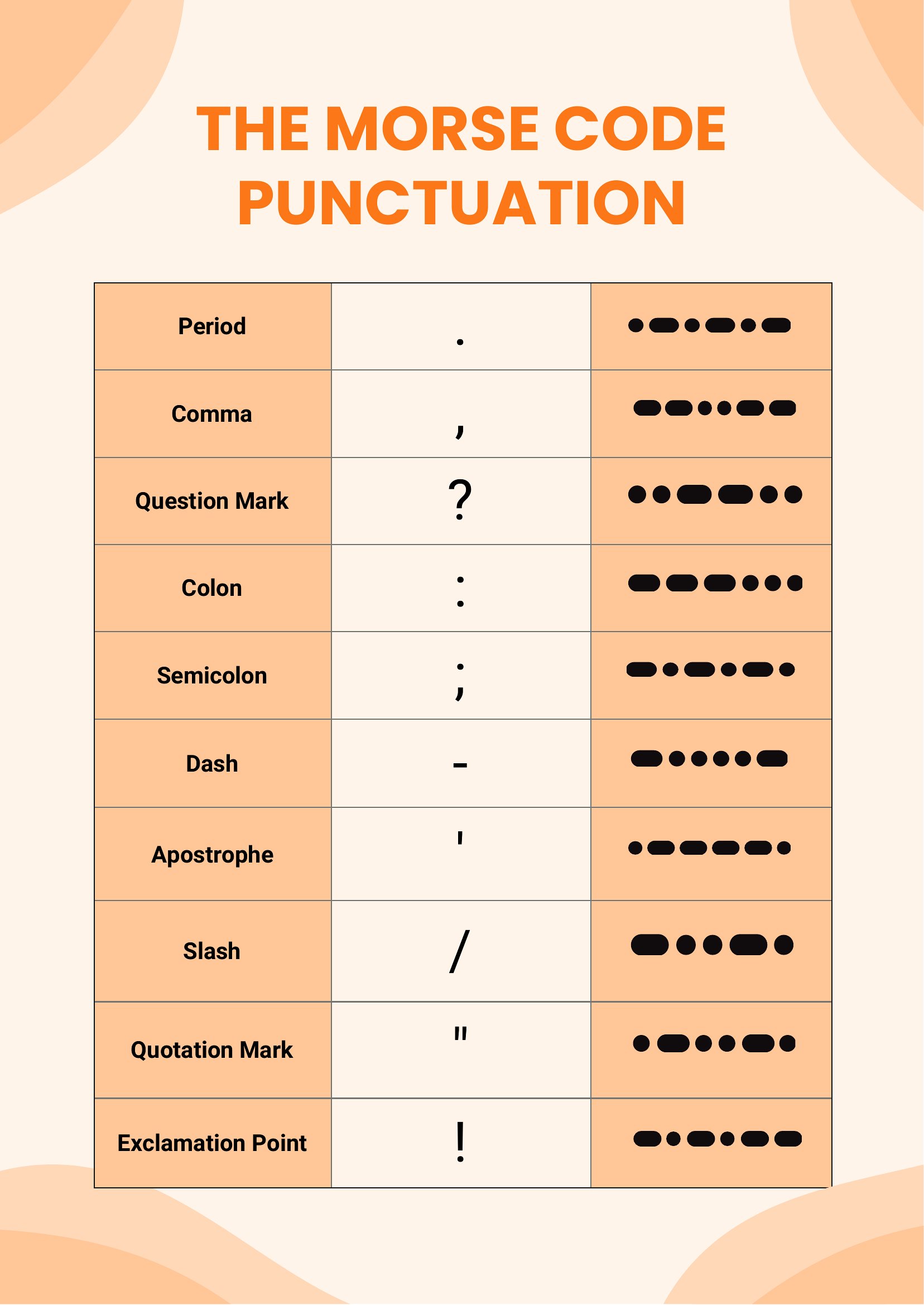
Some advanced templates in this collection include common prosigns alongside letters and numbers, often grouped under a ‘Special Symbols’ section. Look for charts labeled ‘Advanced’ or ‘Radio Operator’—these typically cover distress signals, punctuation, and prosigns used in formal transmissions. For beginners, start with the basic alphabet and numbers before adding these symbols.
Comments
Join the conversation
Sign in to share your thoughts and leave a comment on this resource.