

FAQ
What details should we include beyond the basic permission to film?
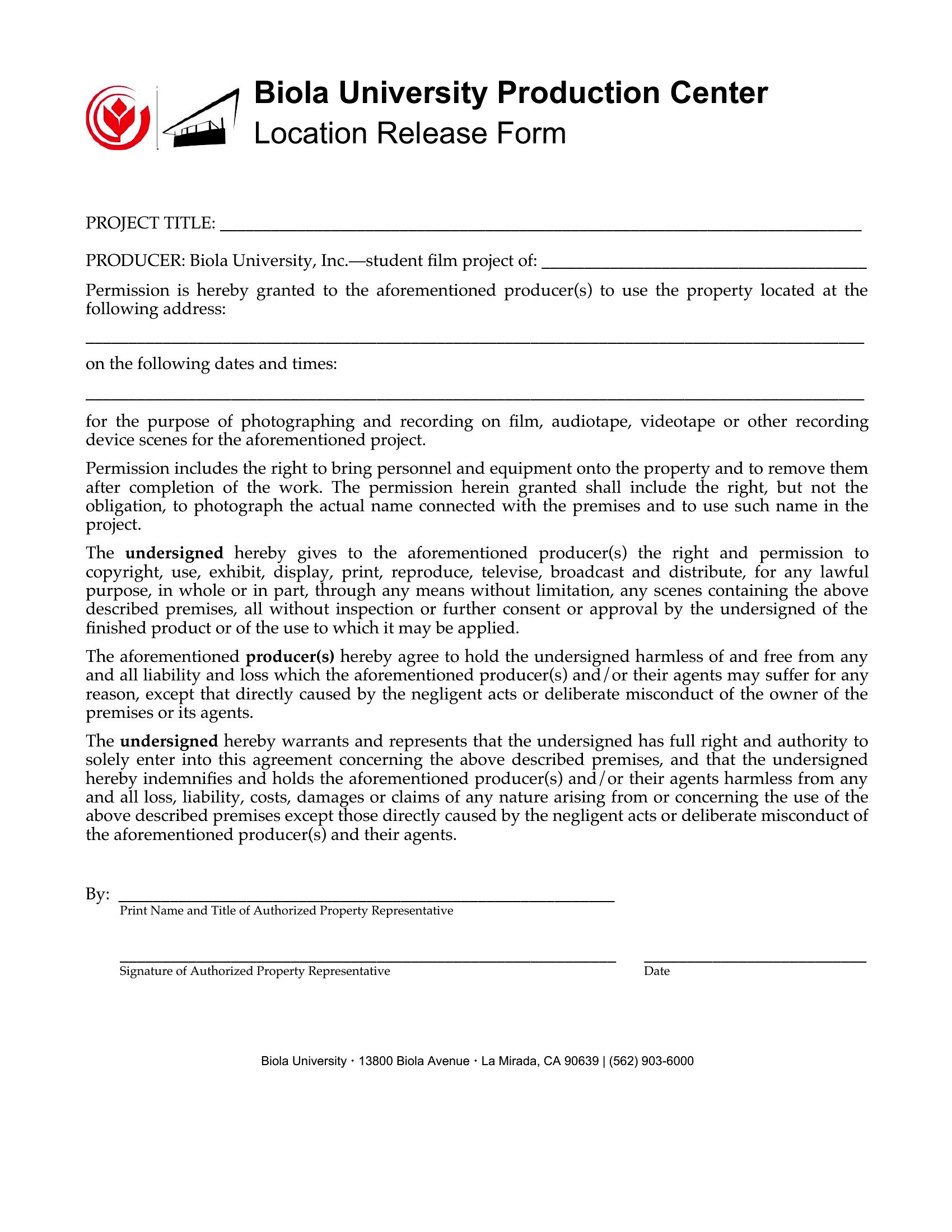
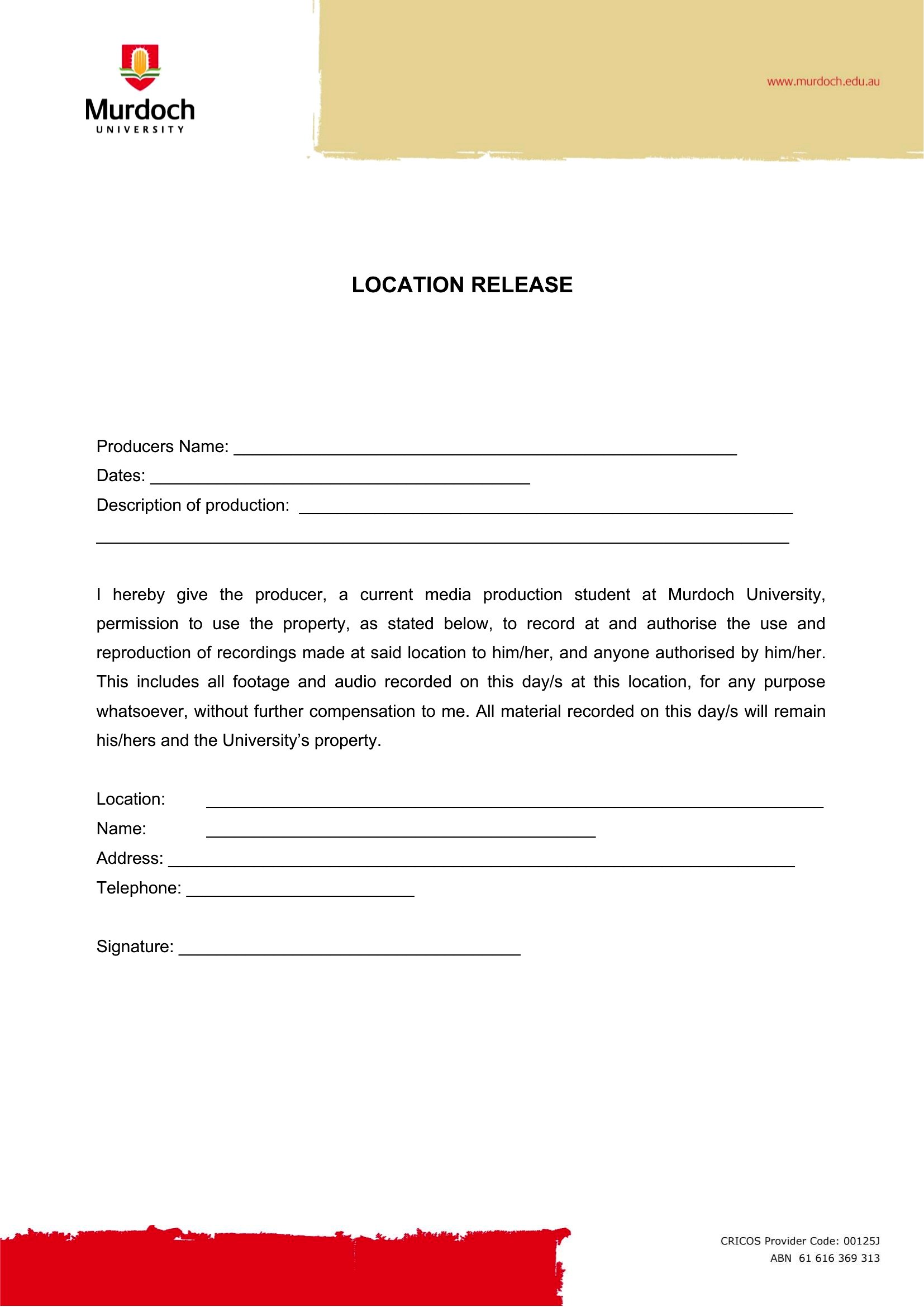
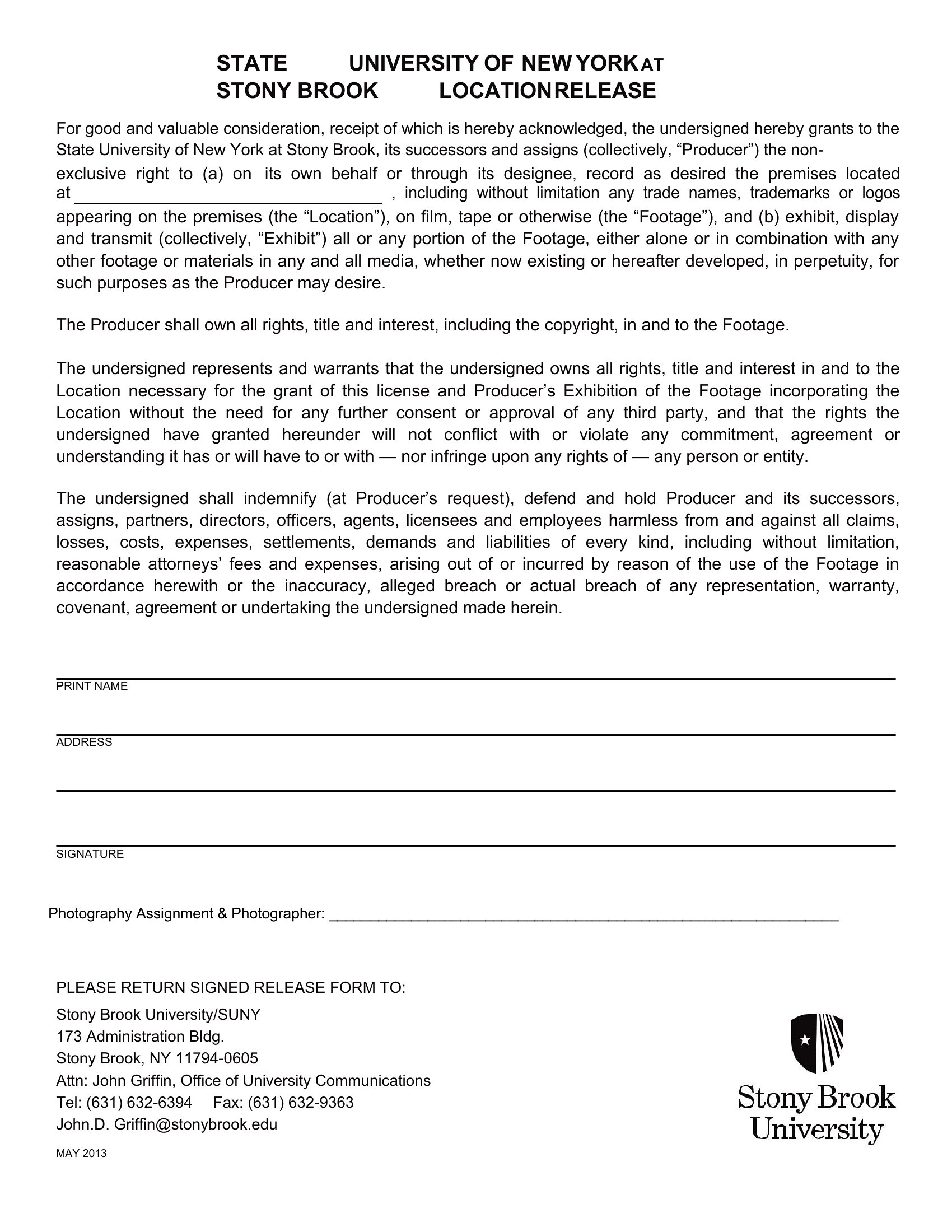
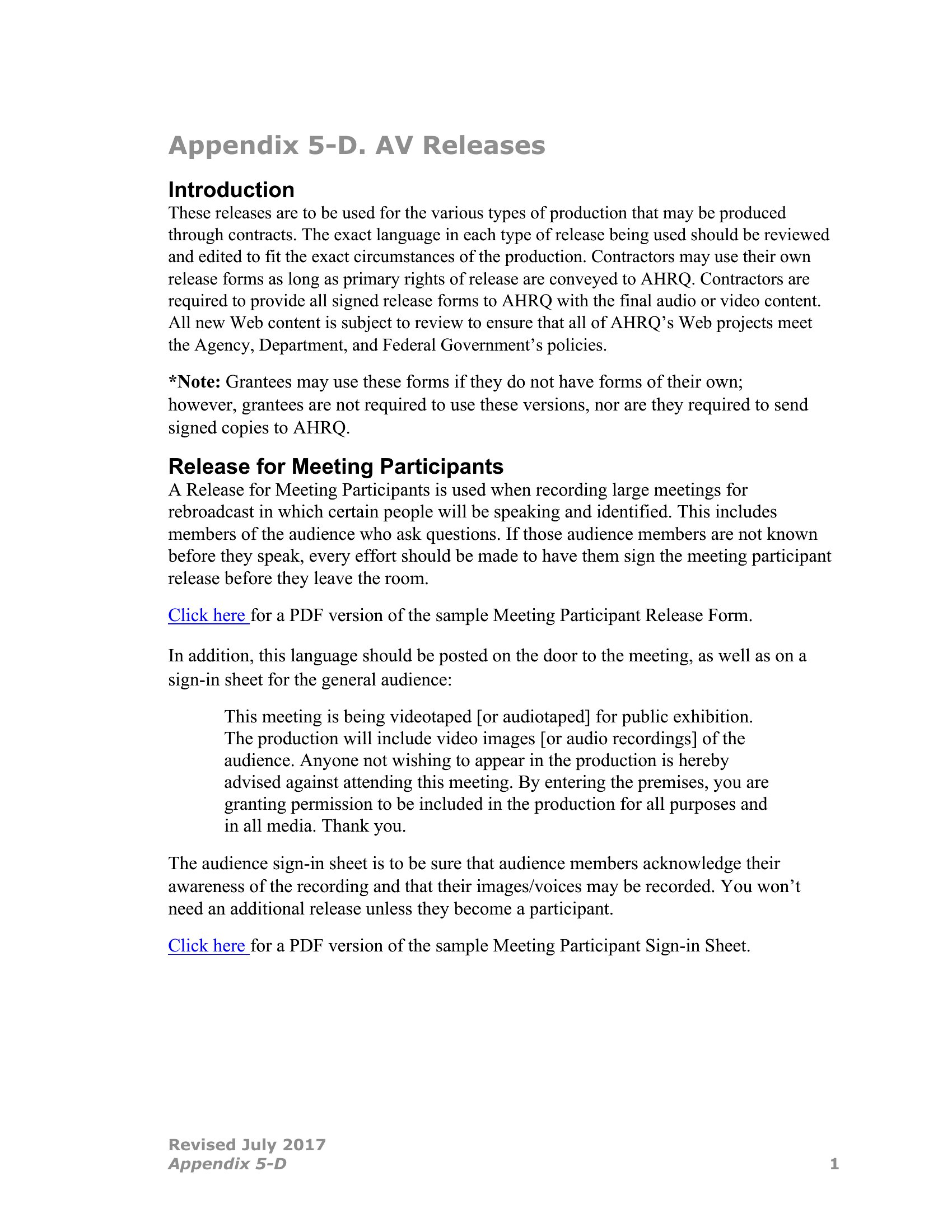
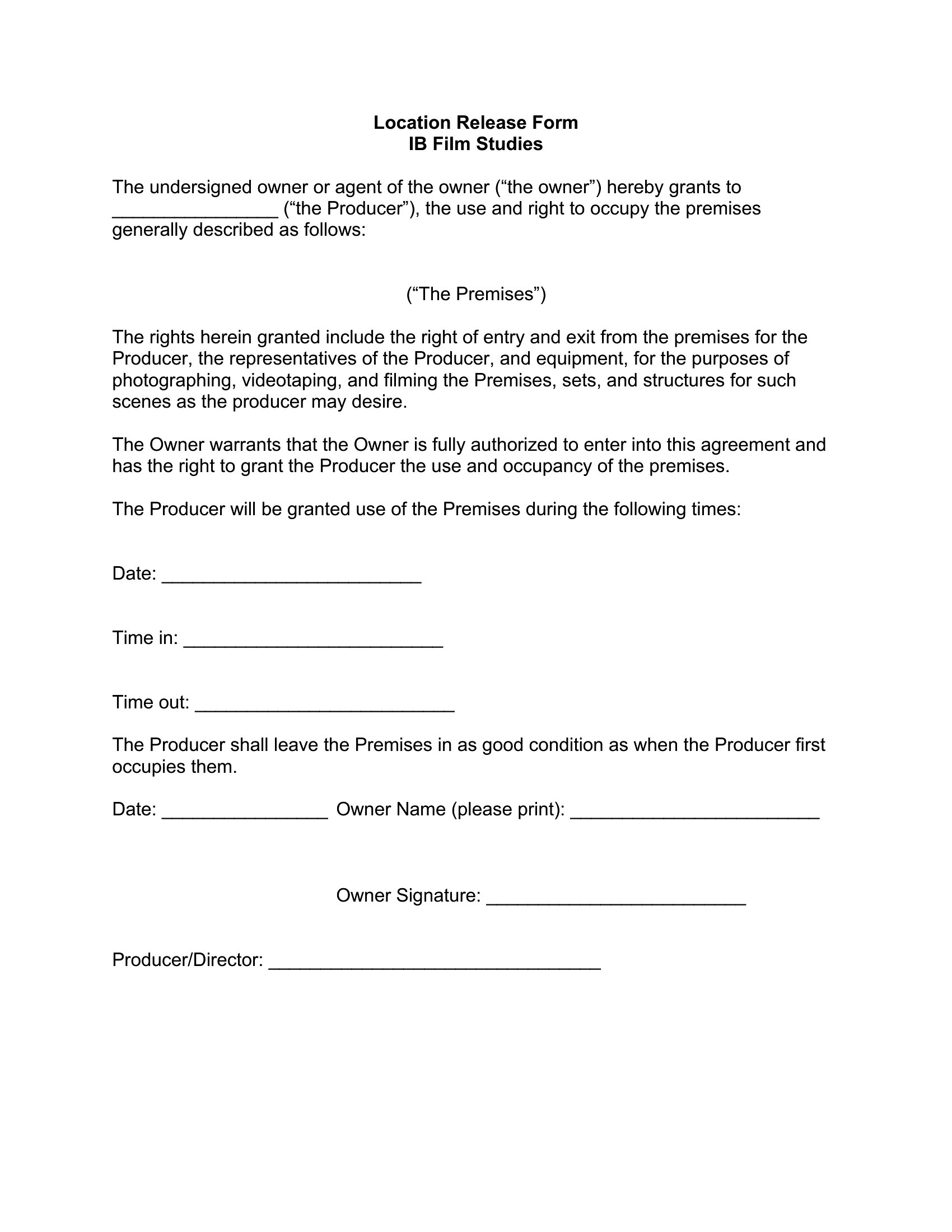
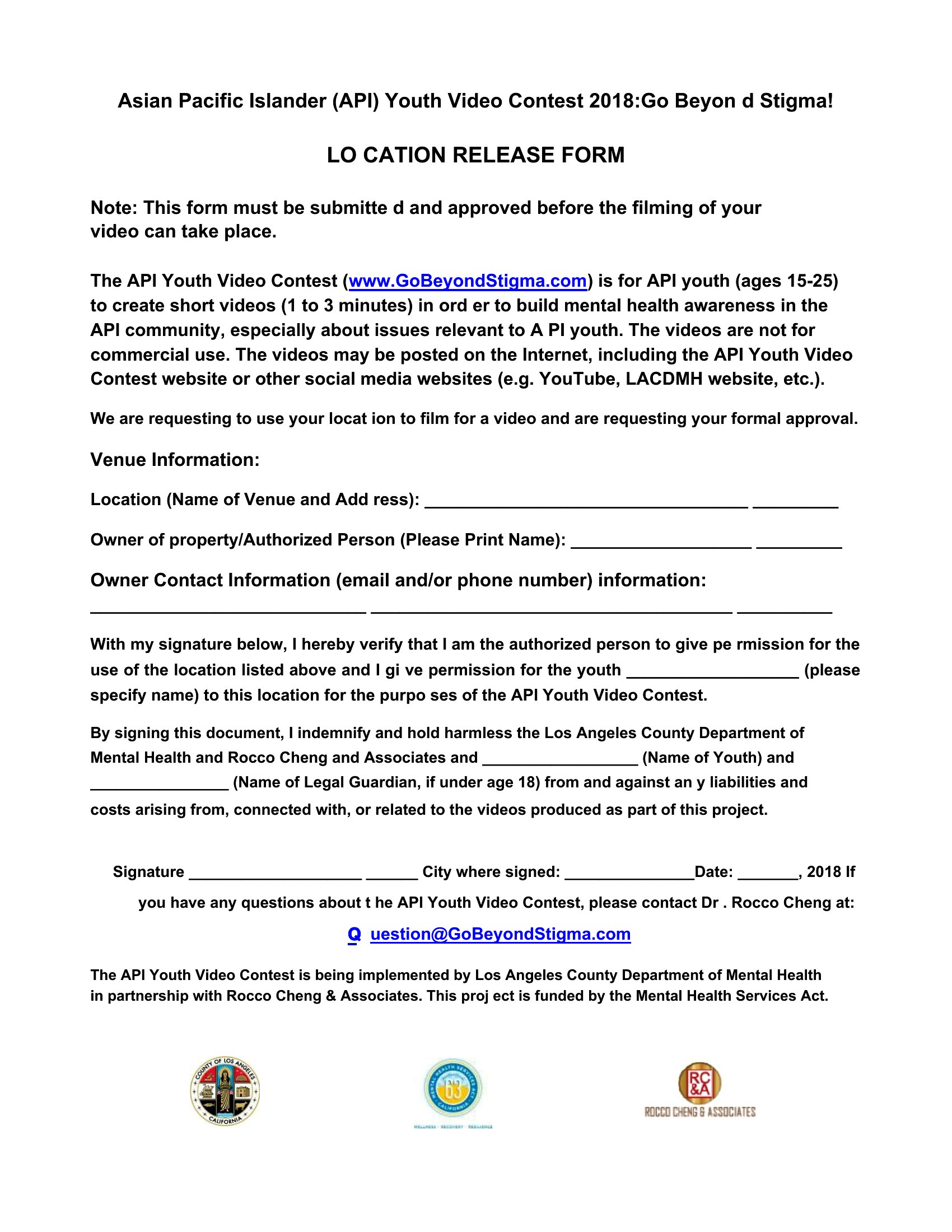
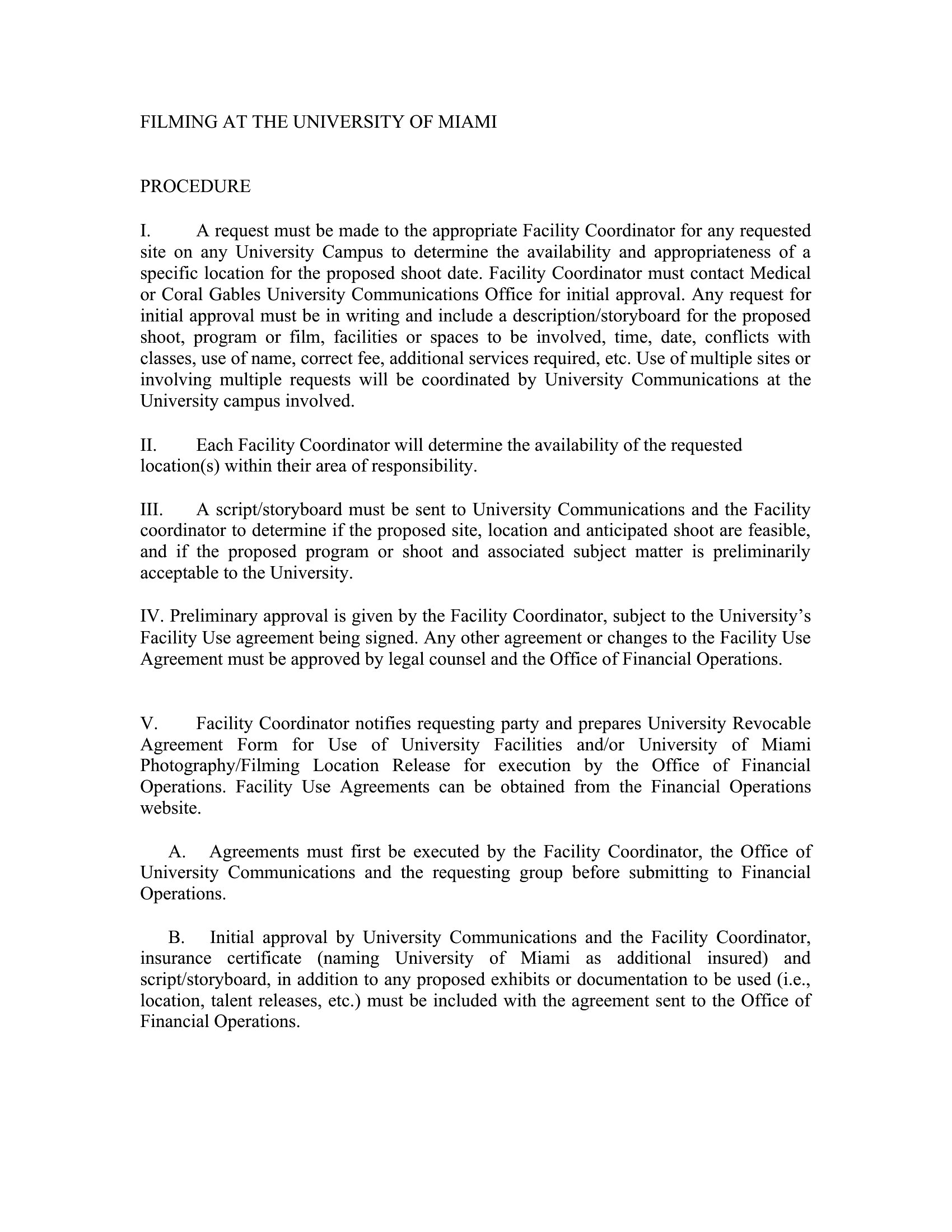
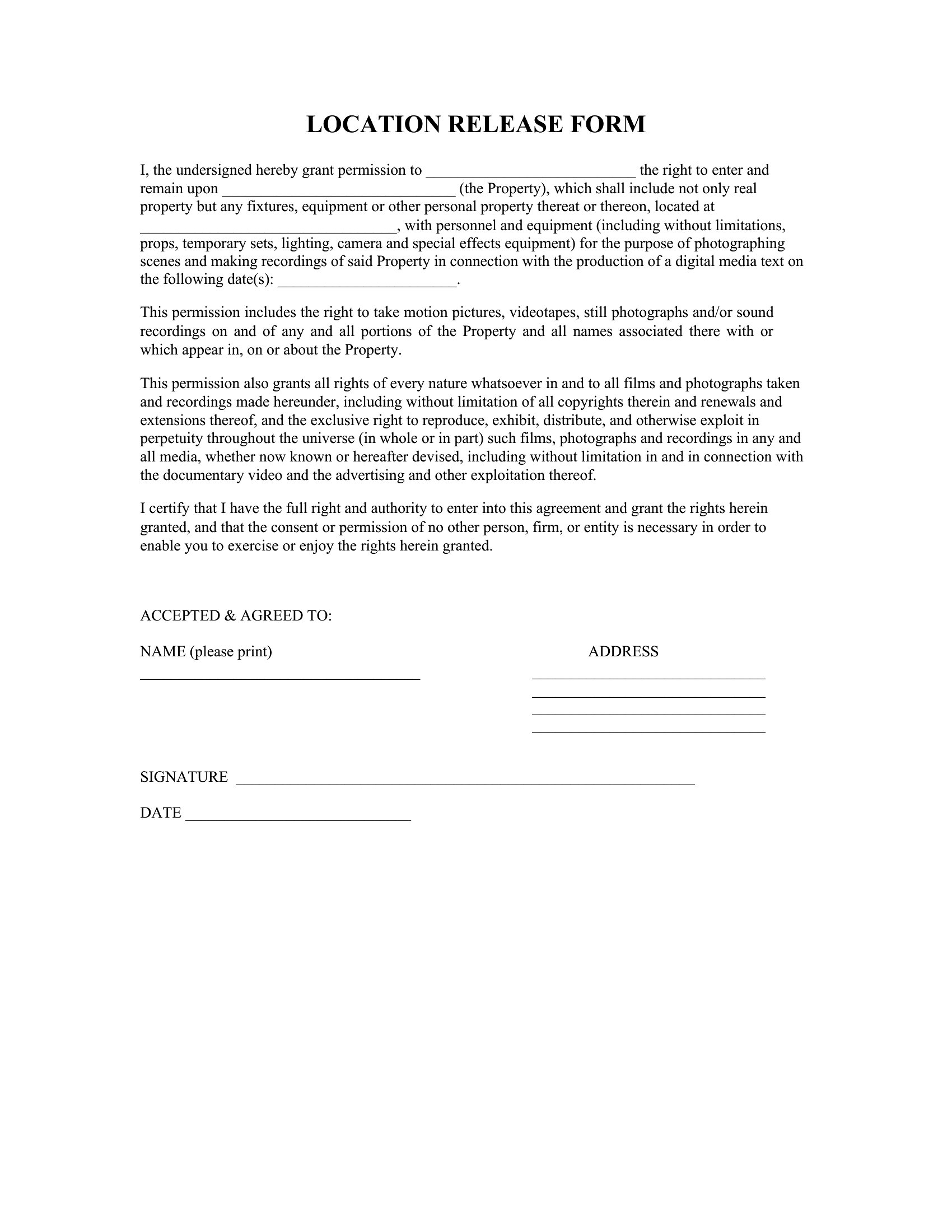
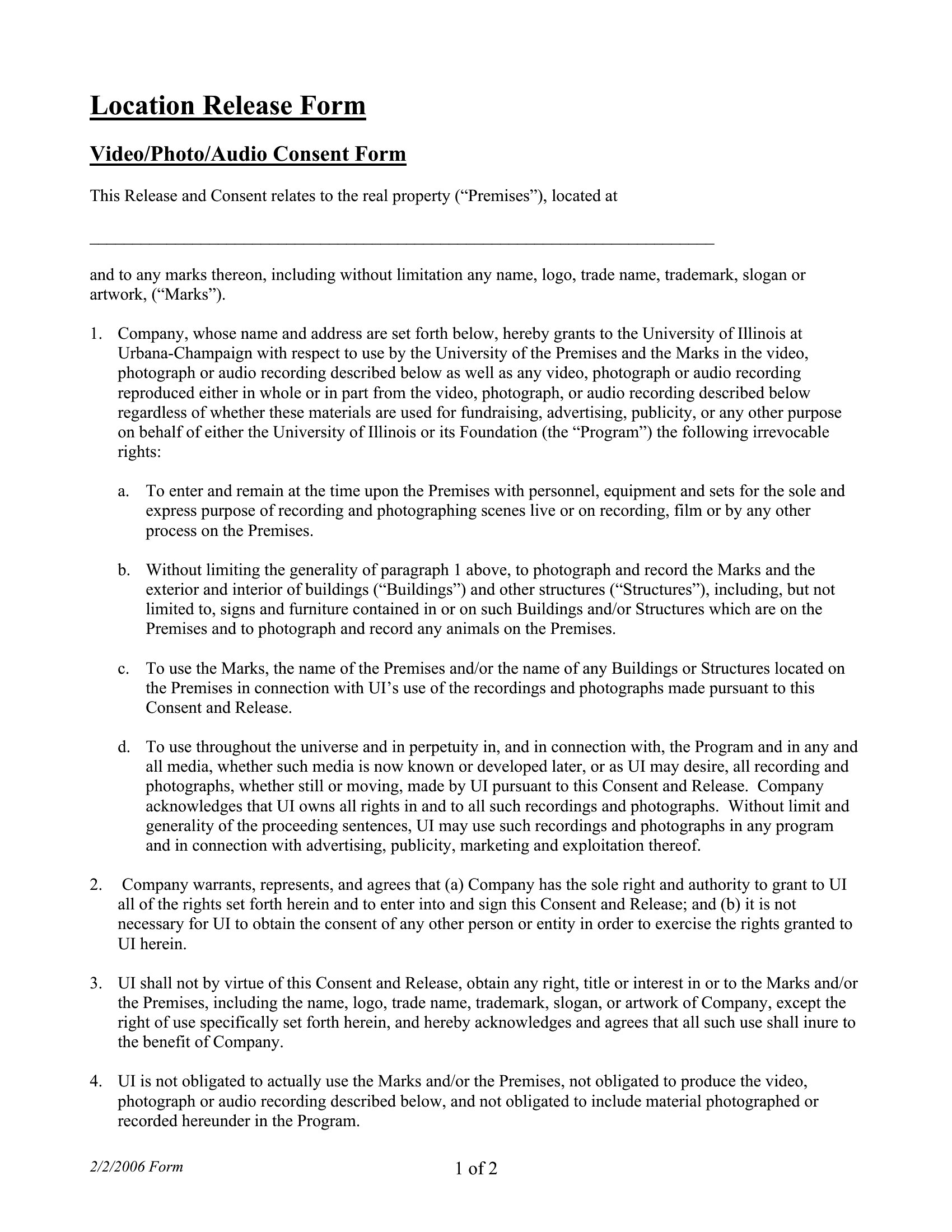
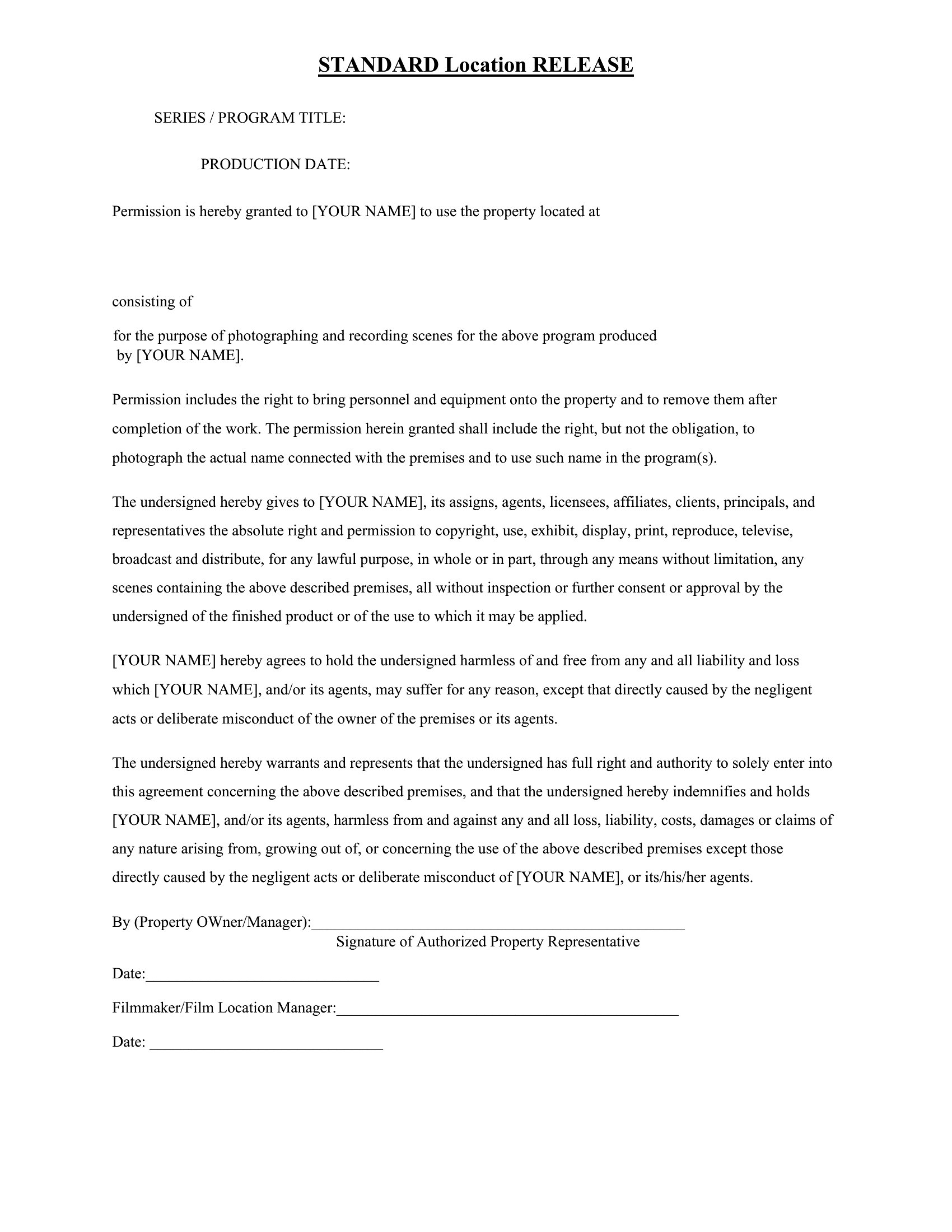
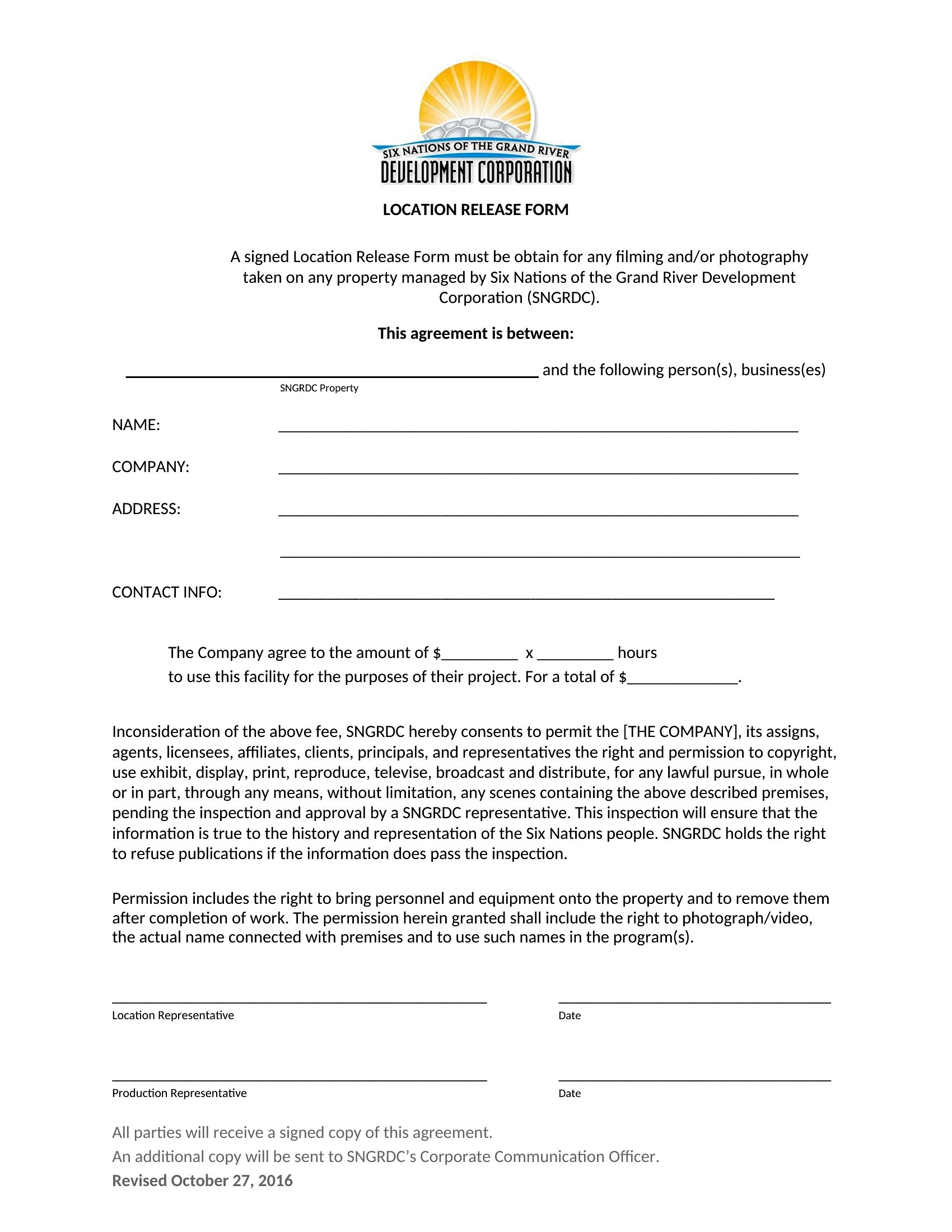
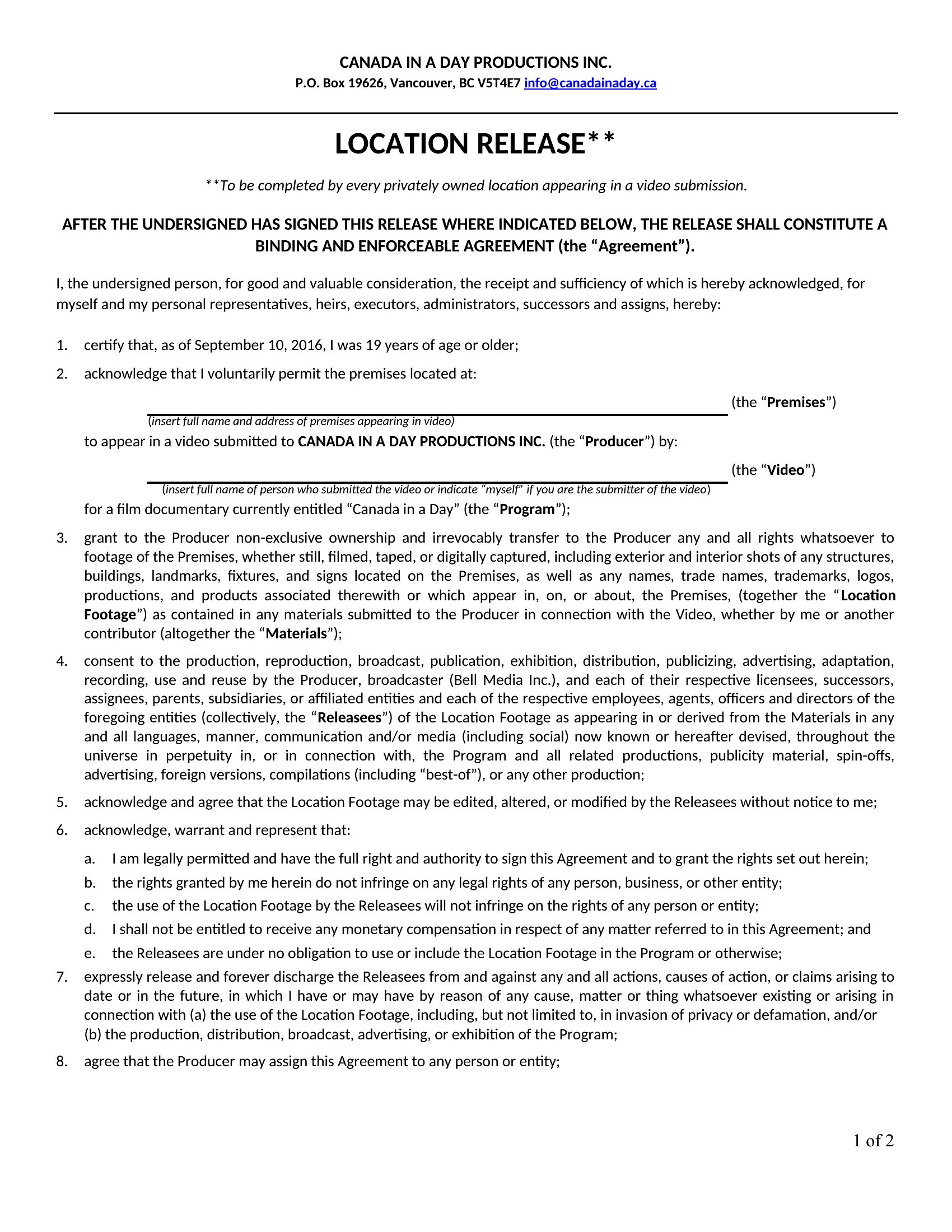
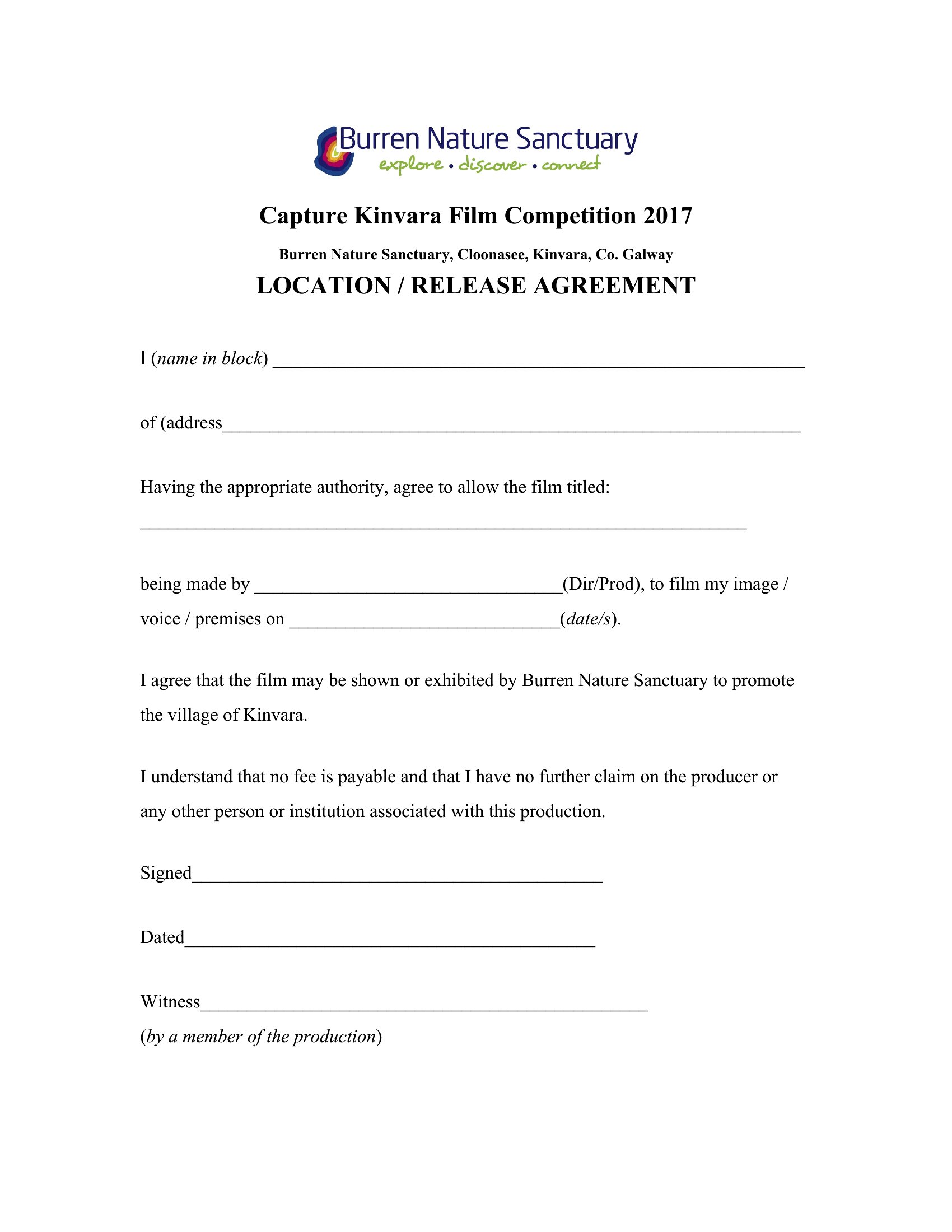
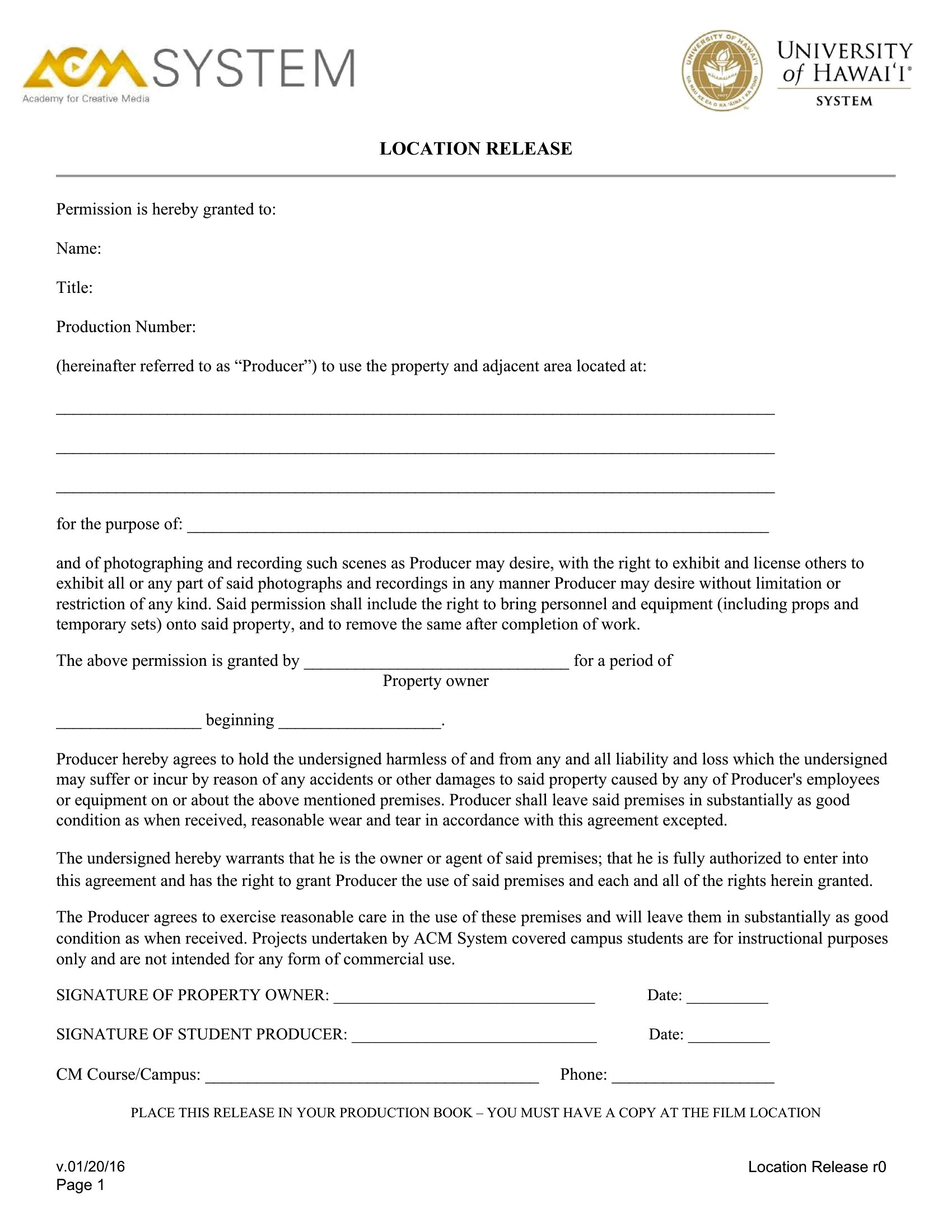
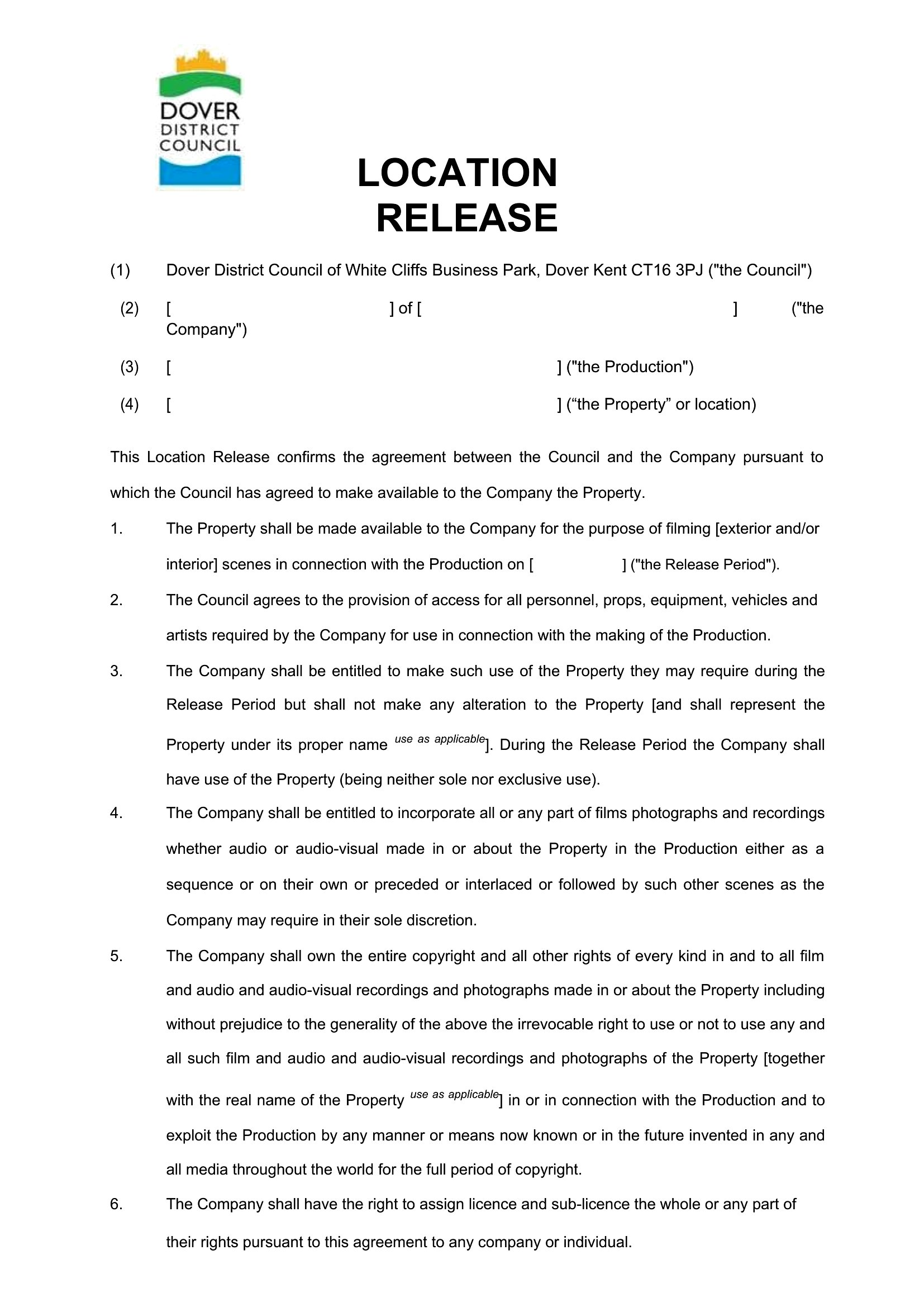
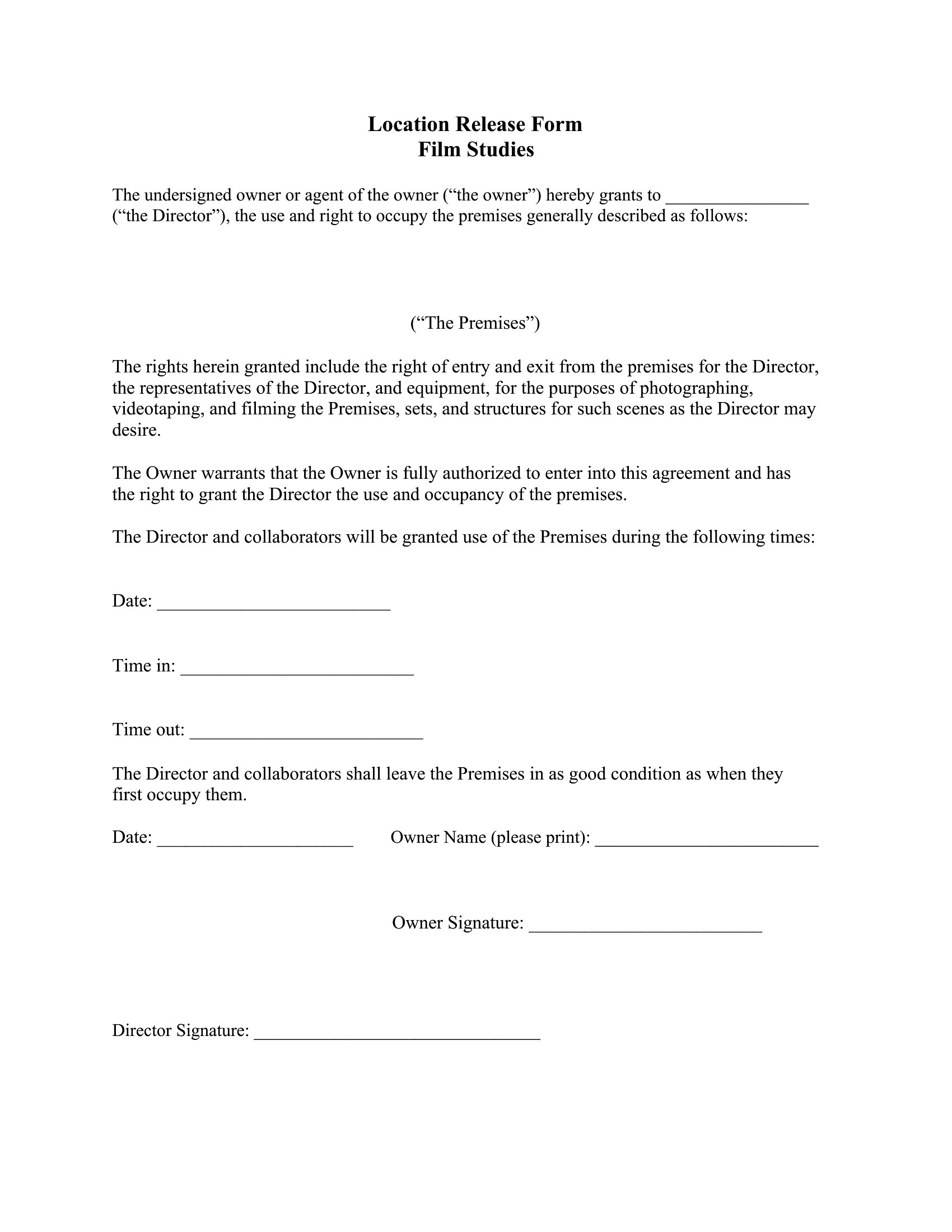
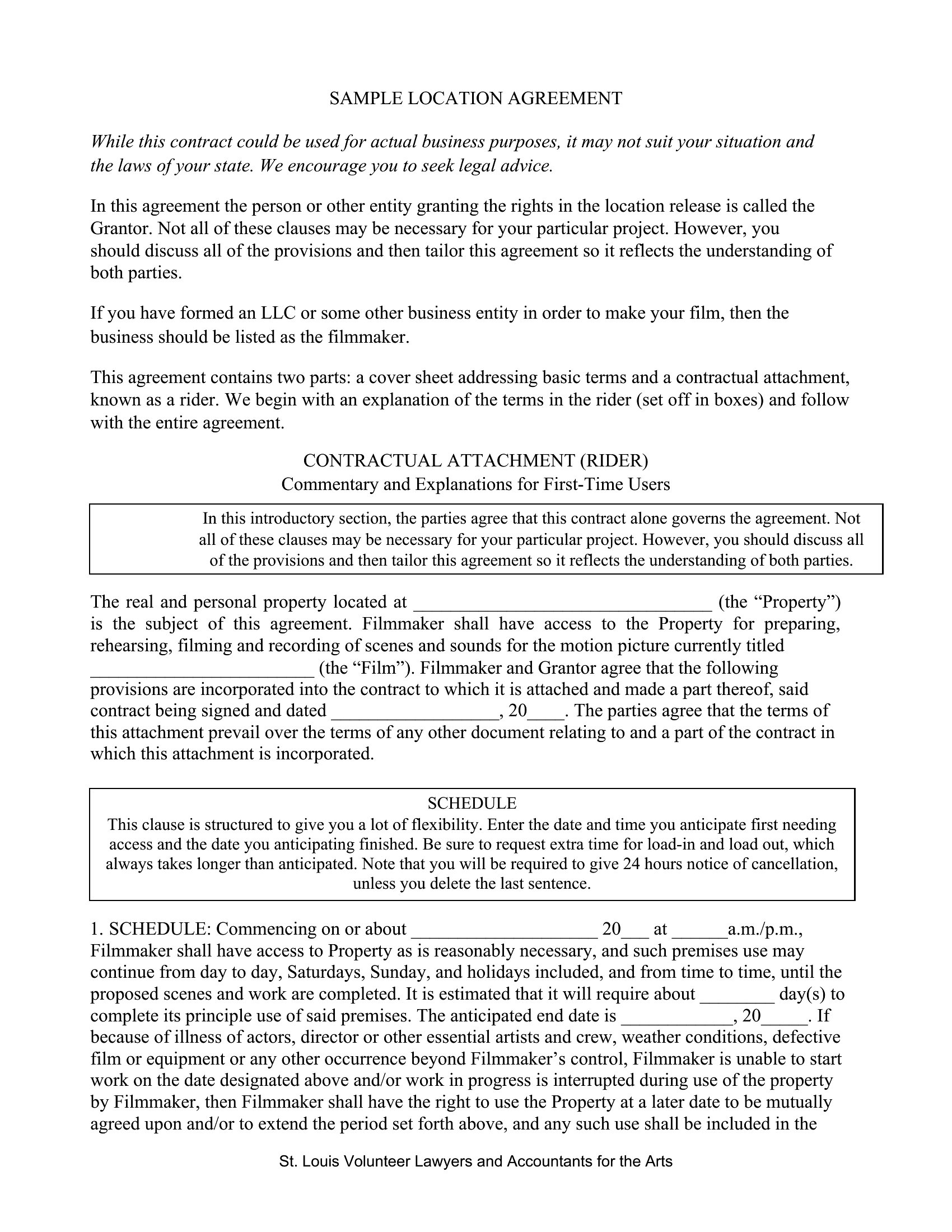
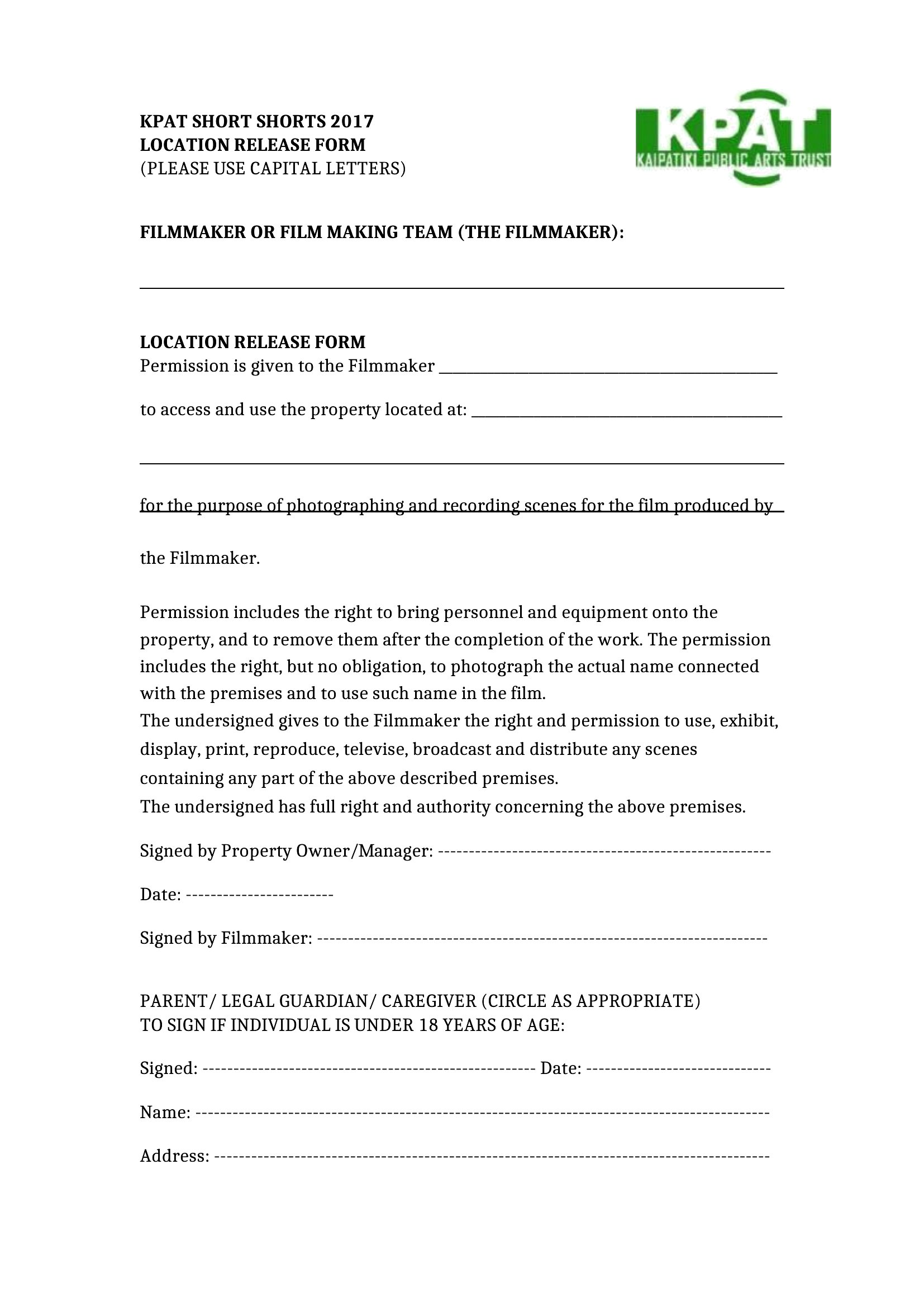
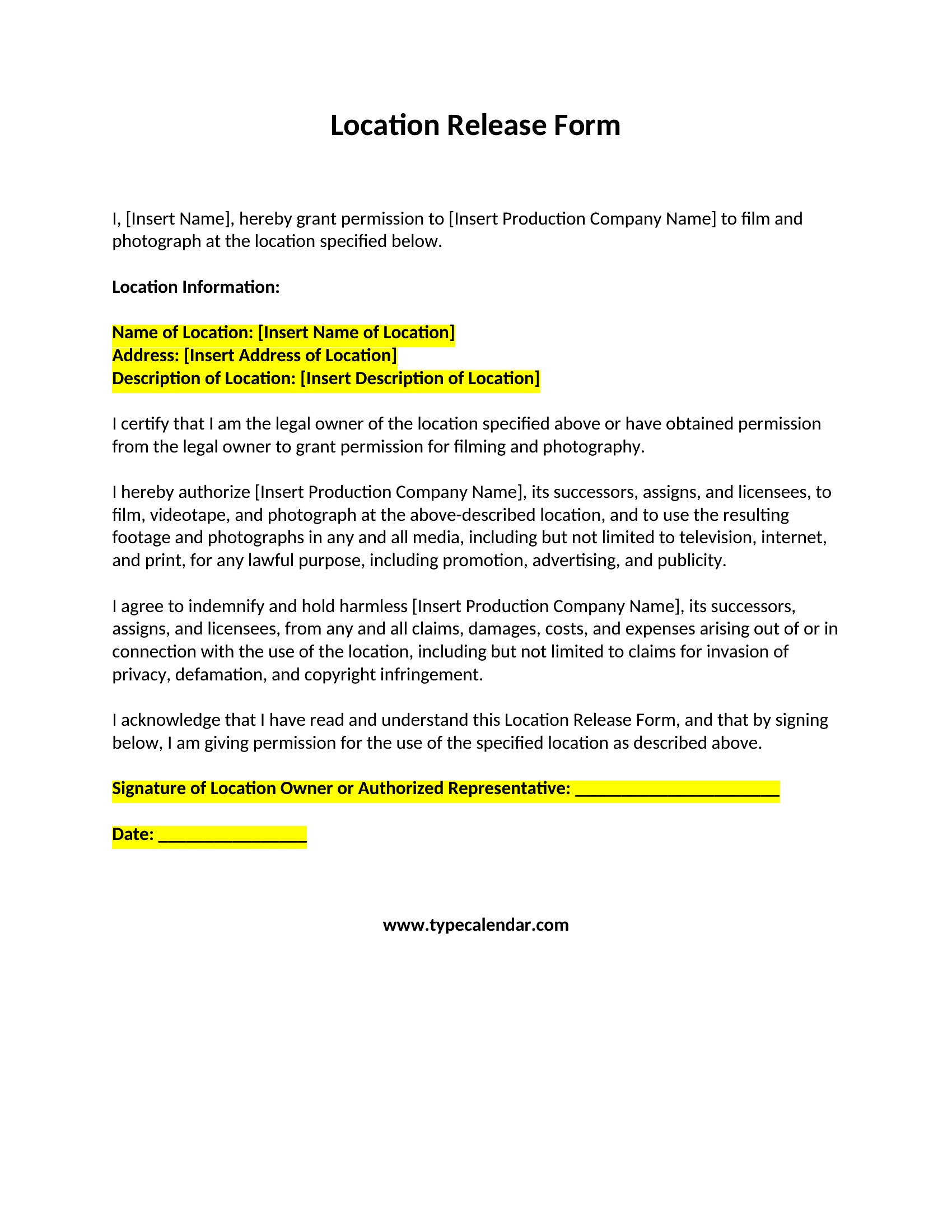
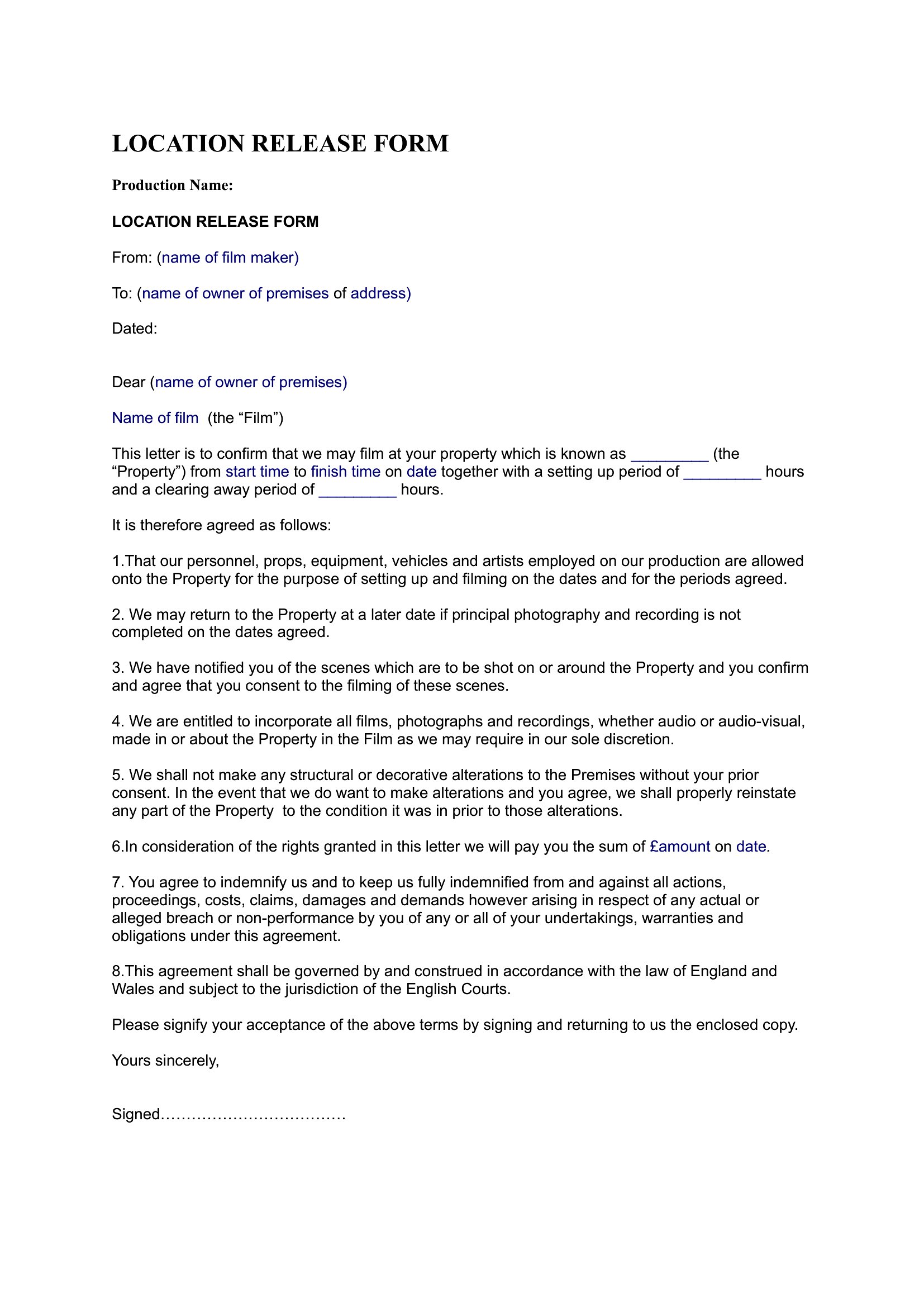
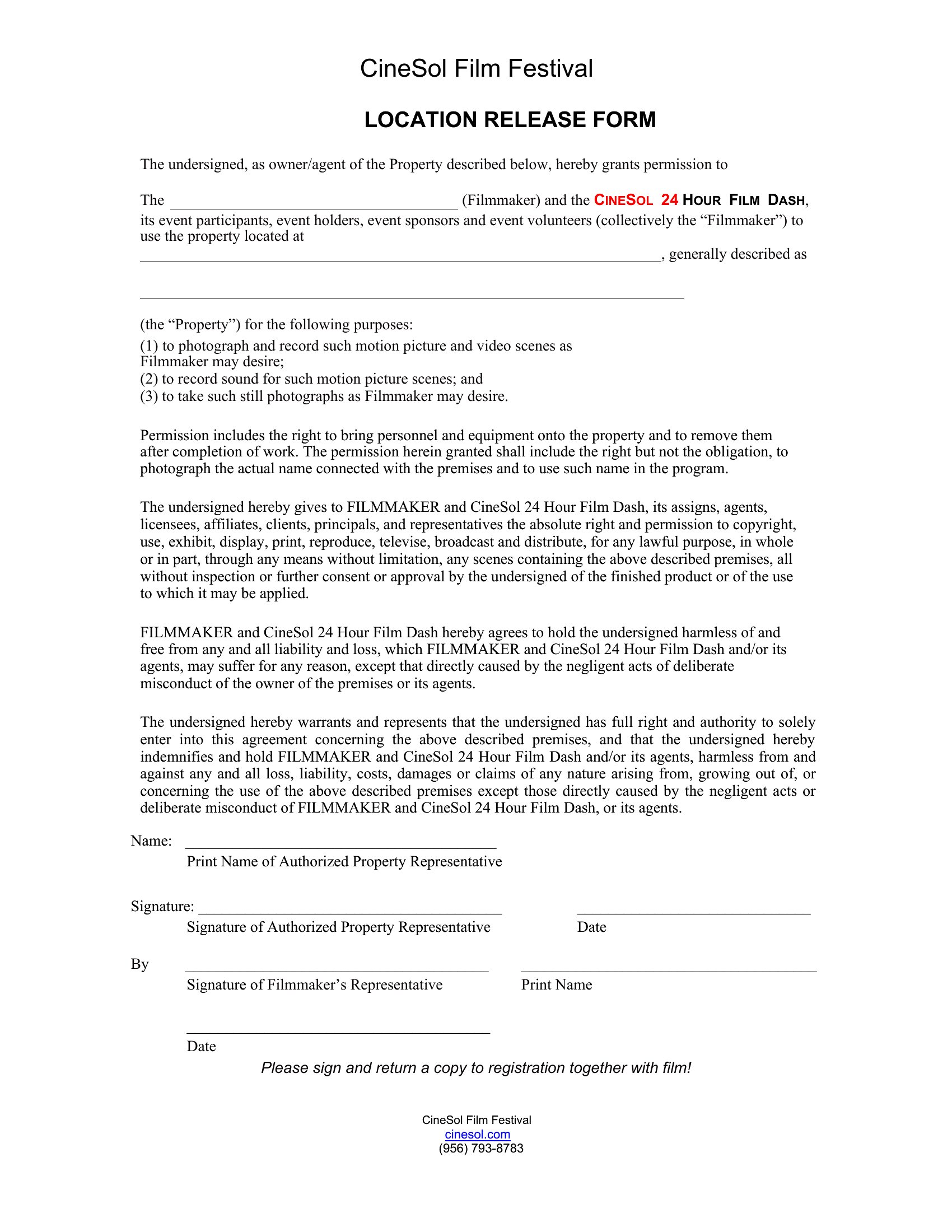
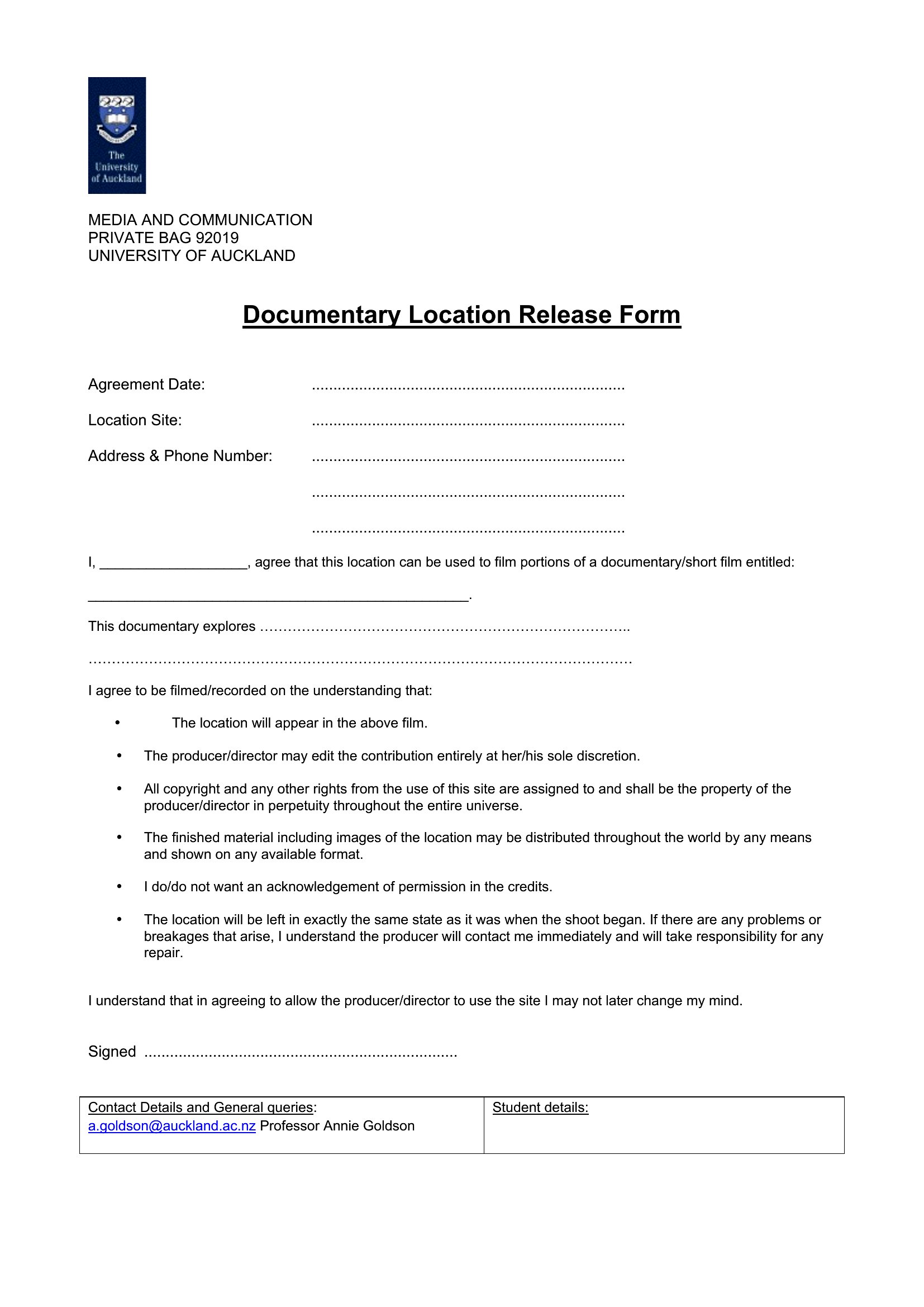
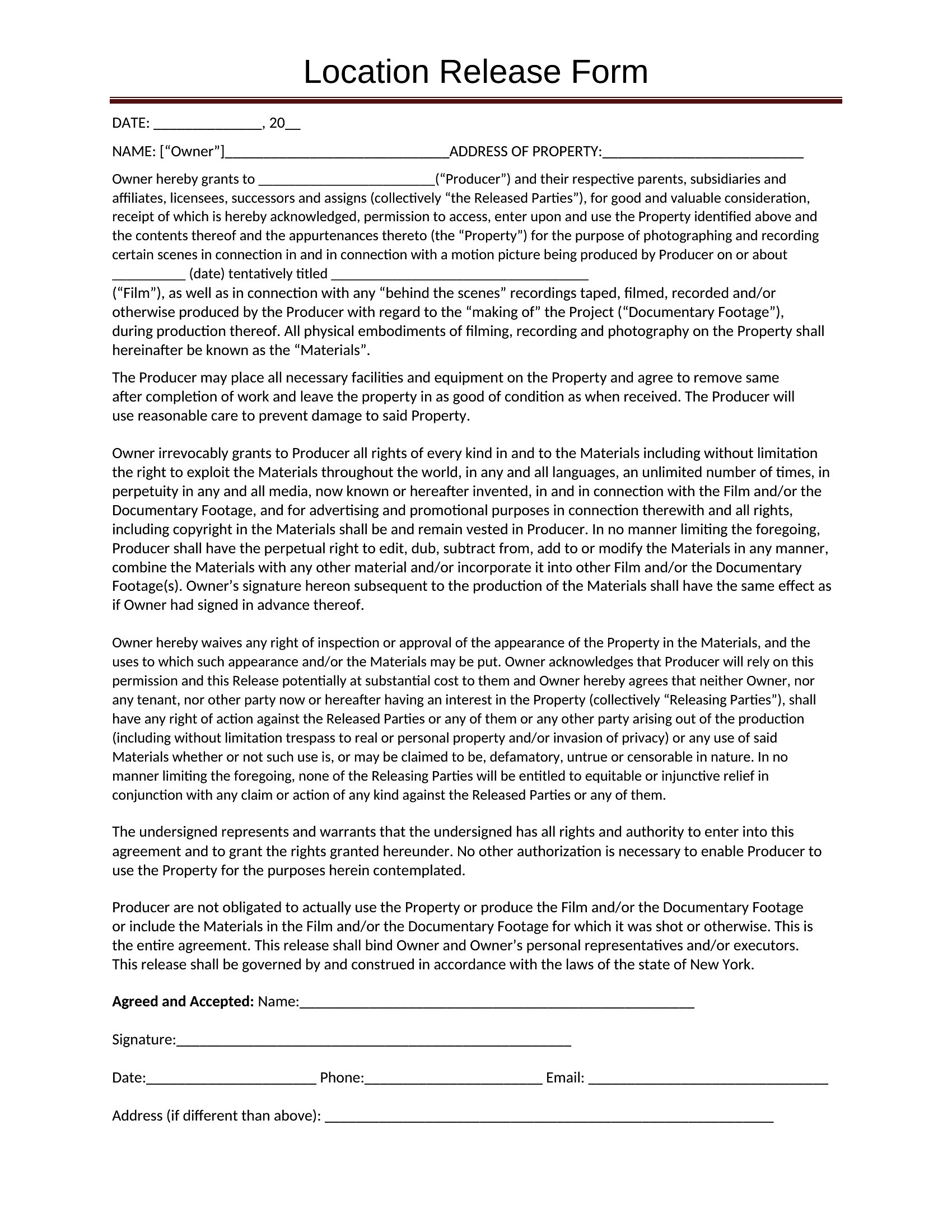
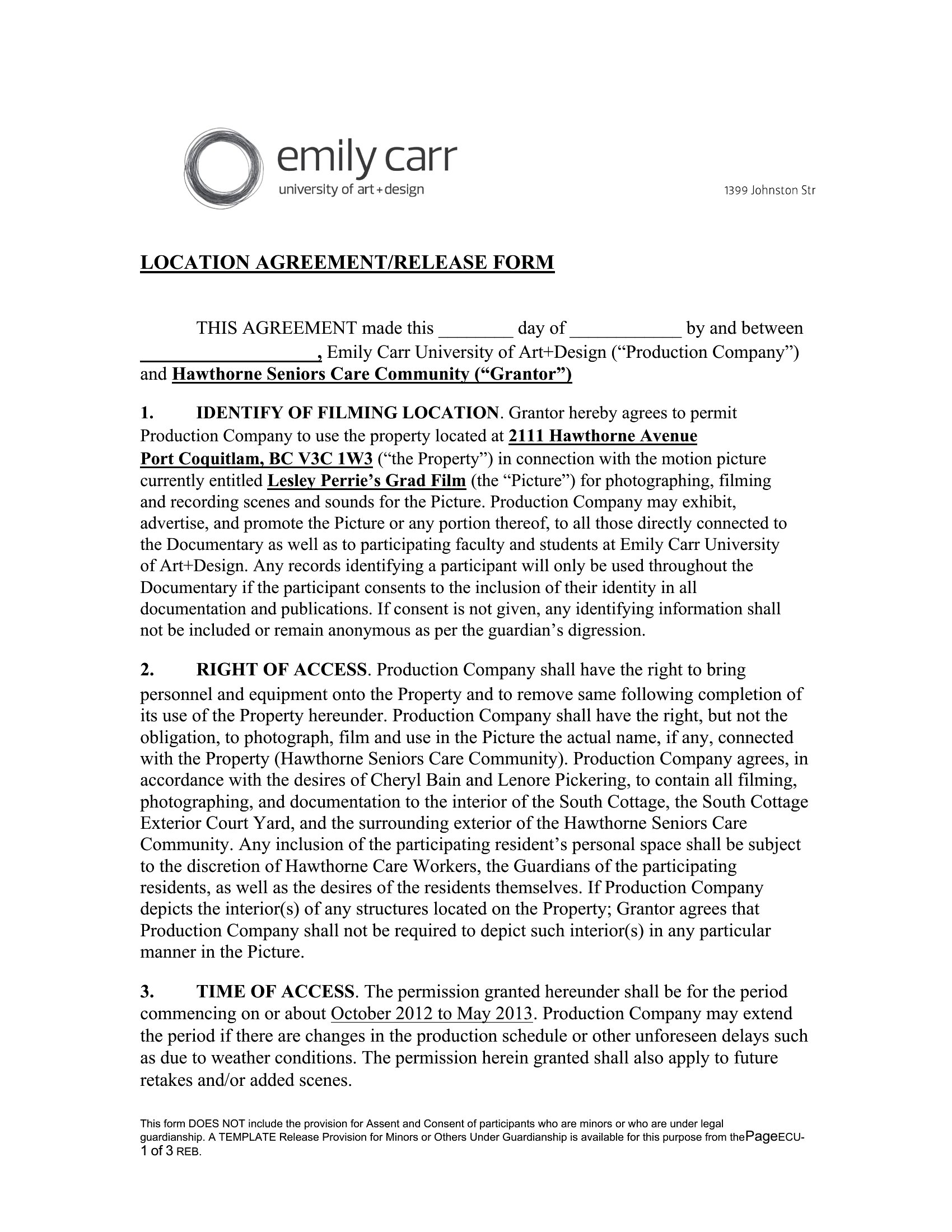
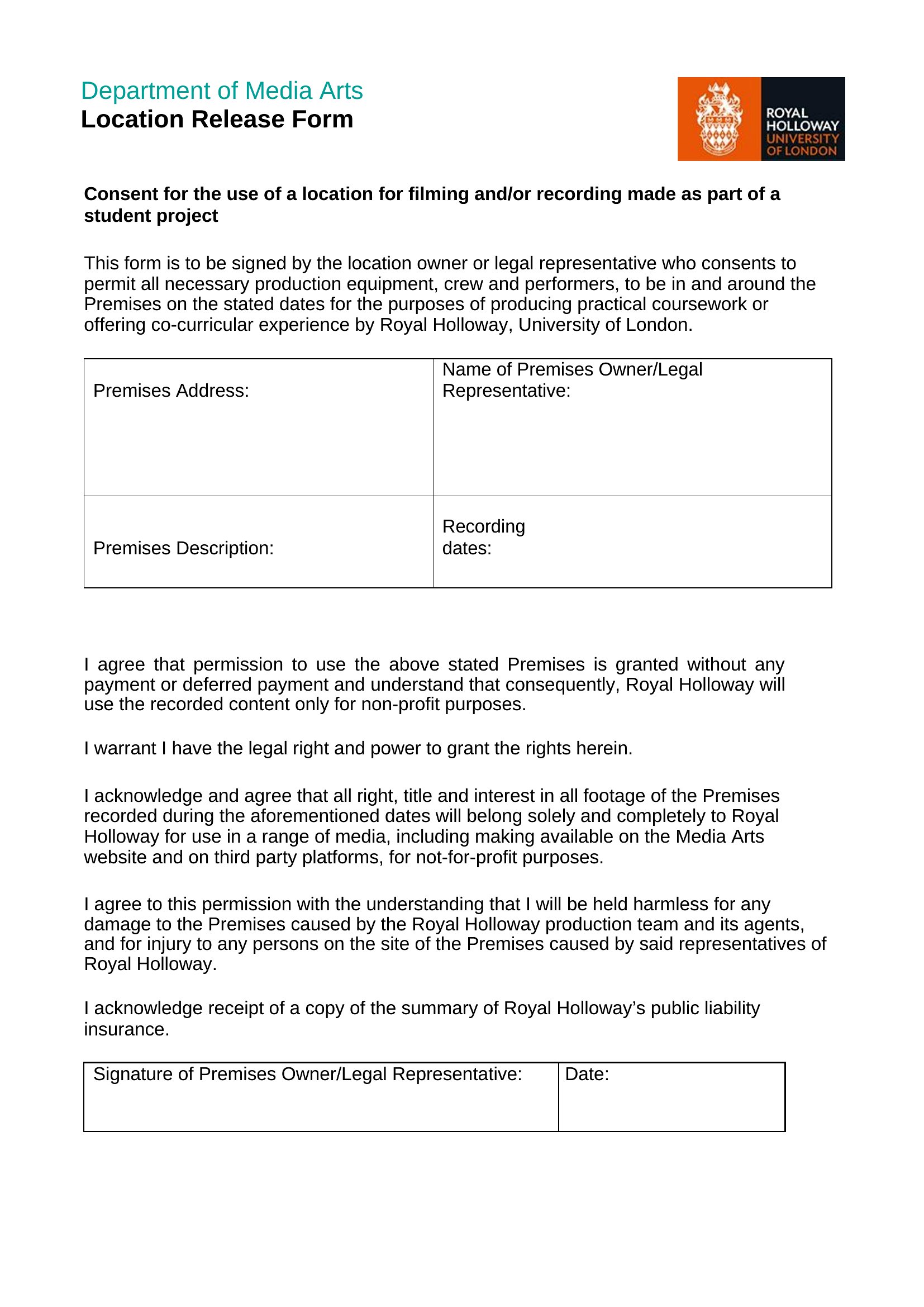
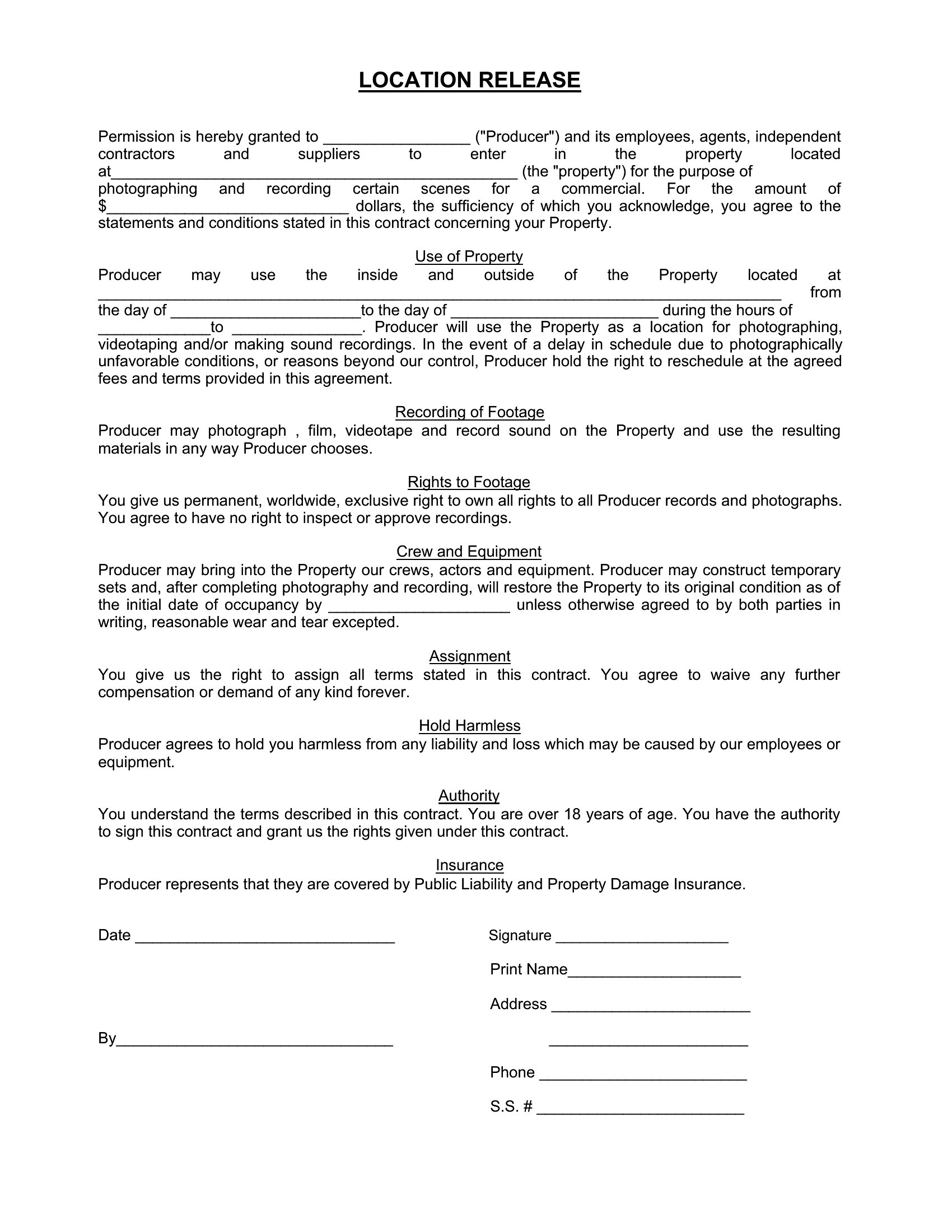
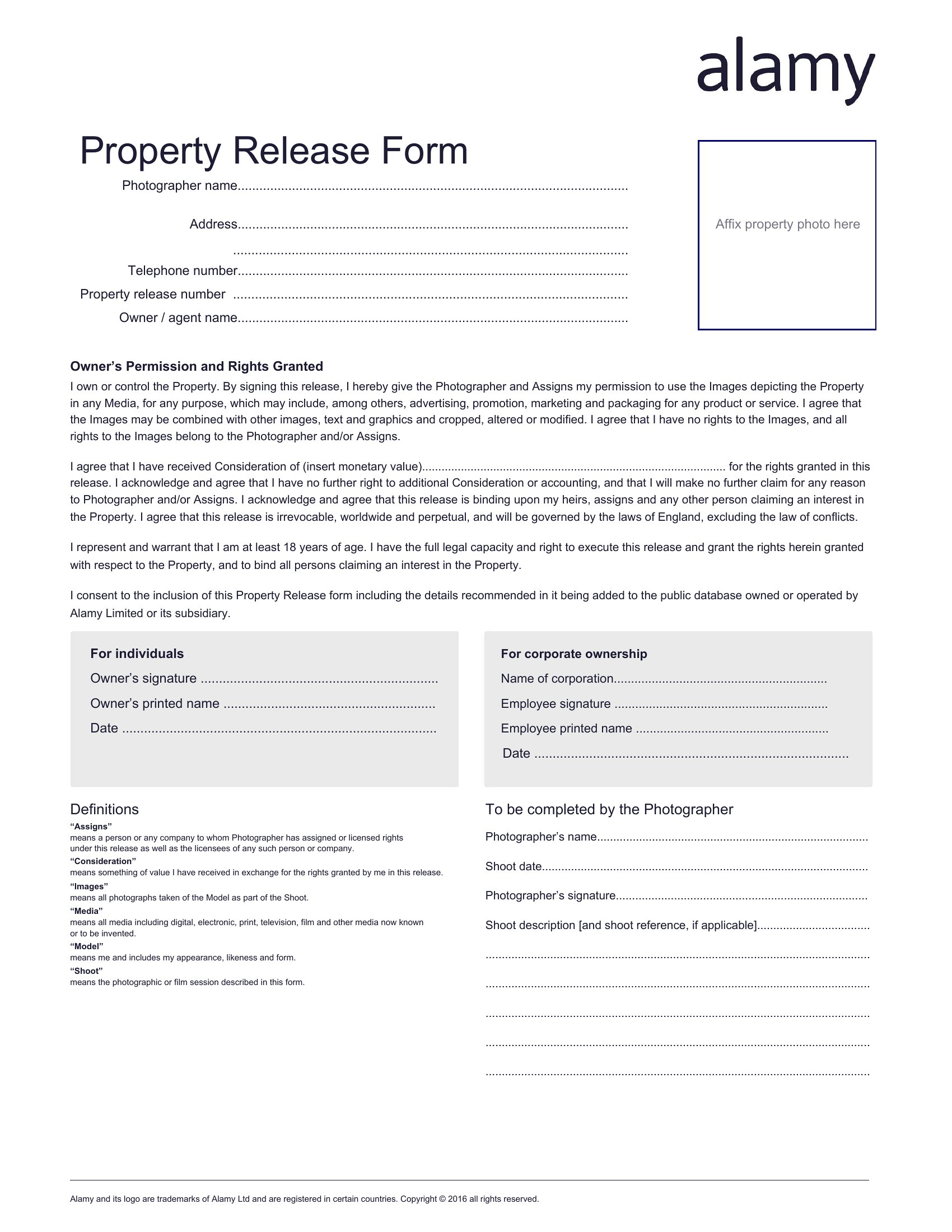
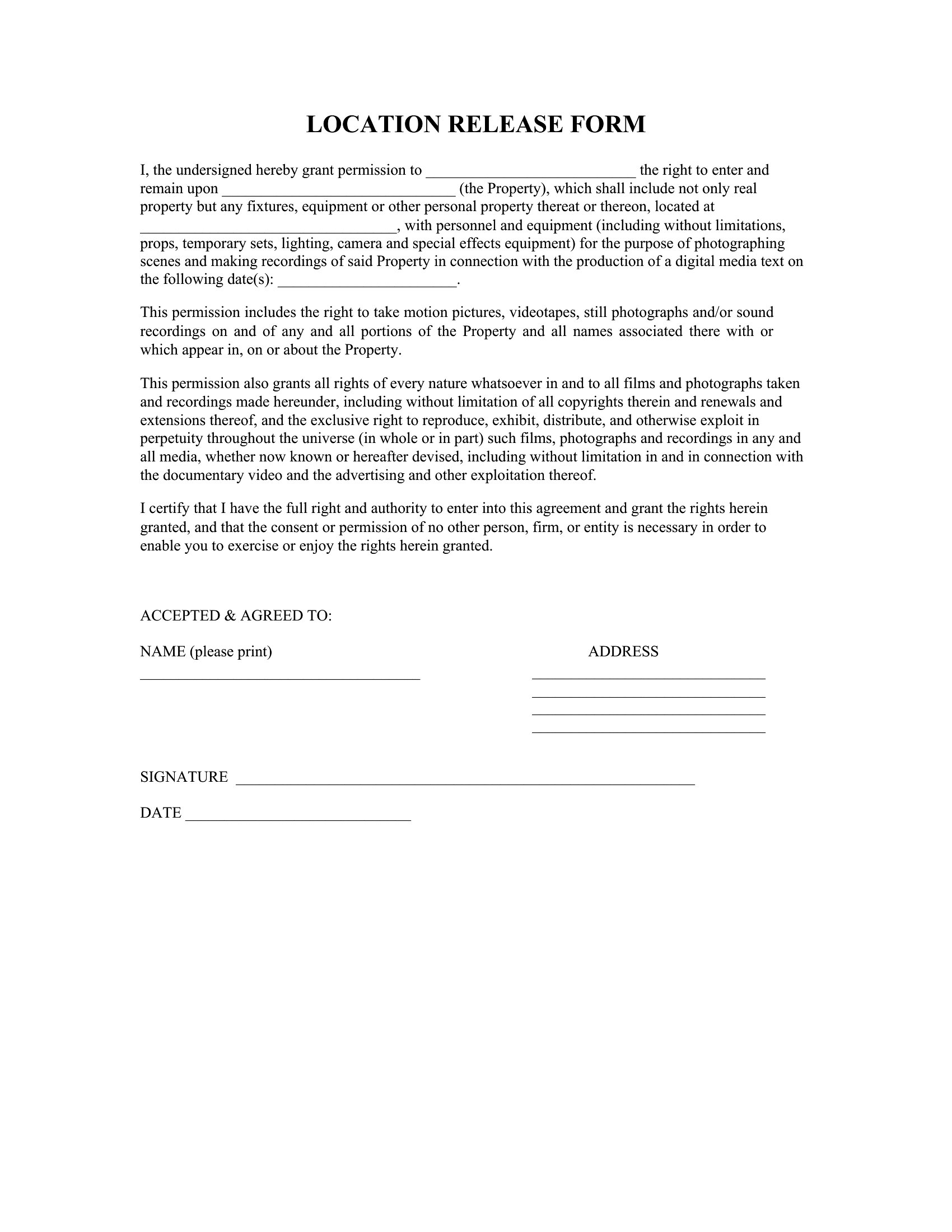
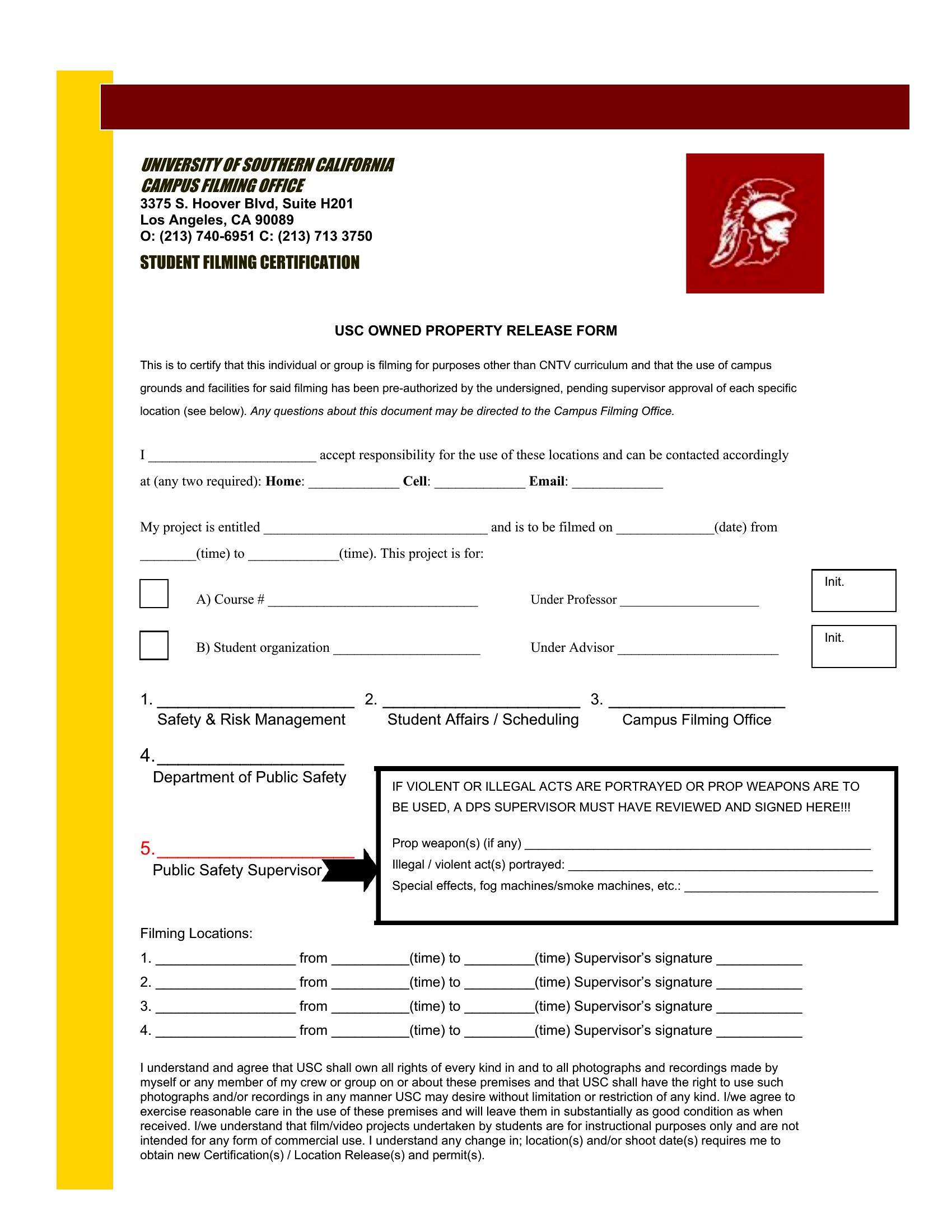
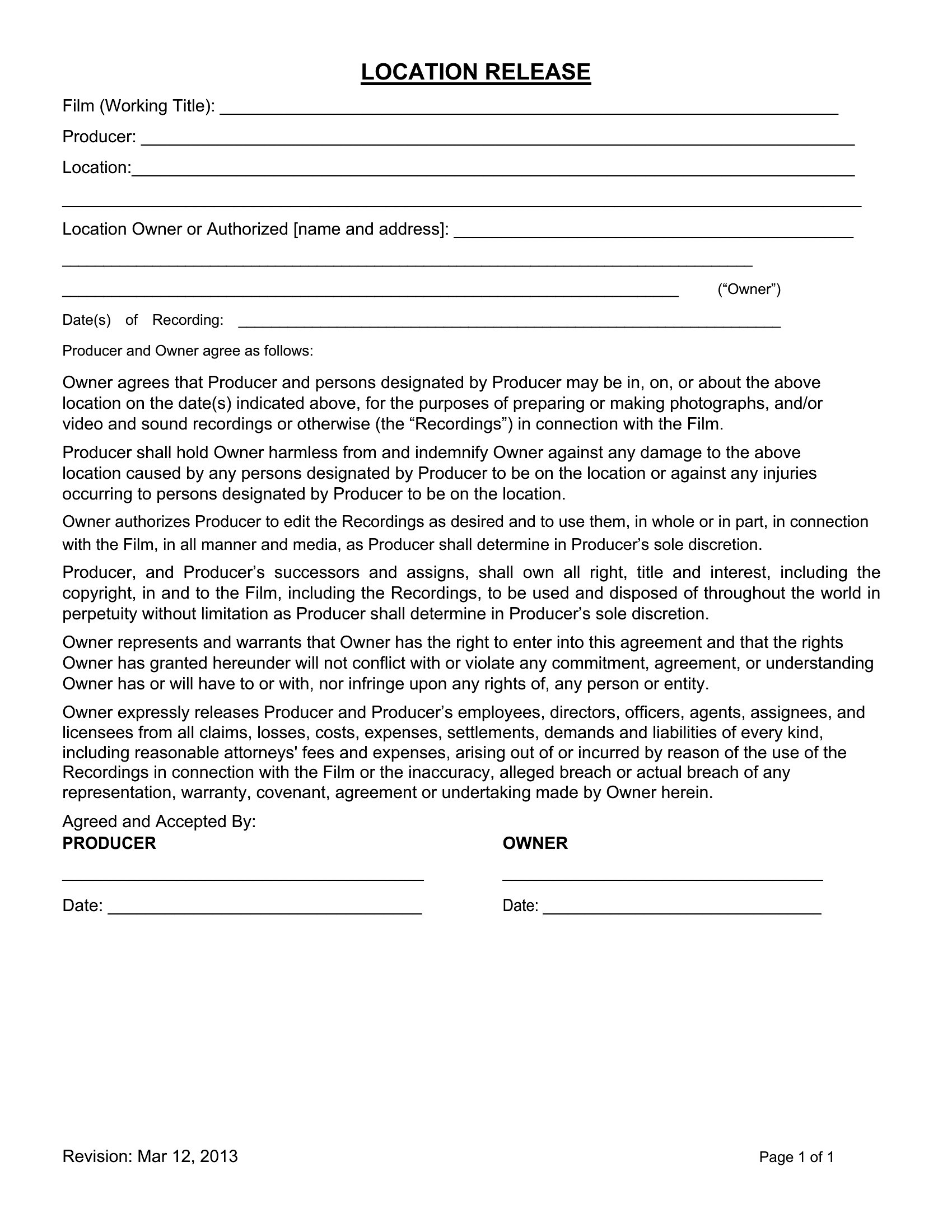
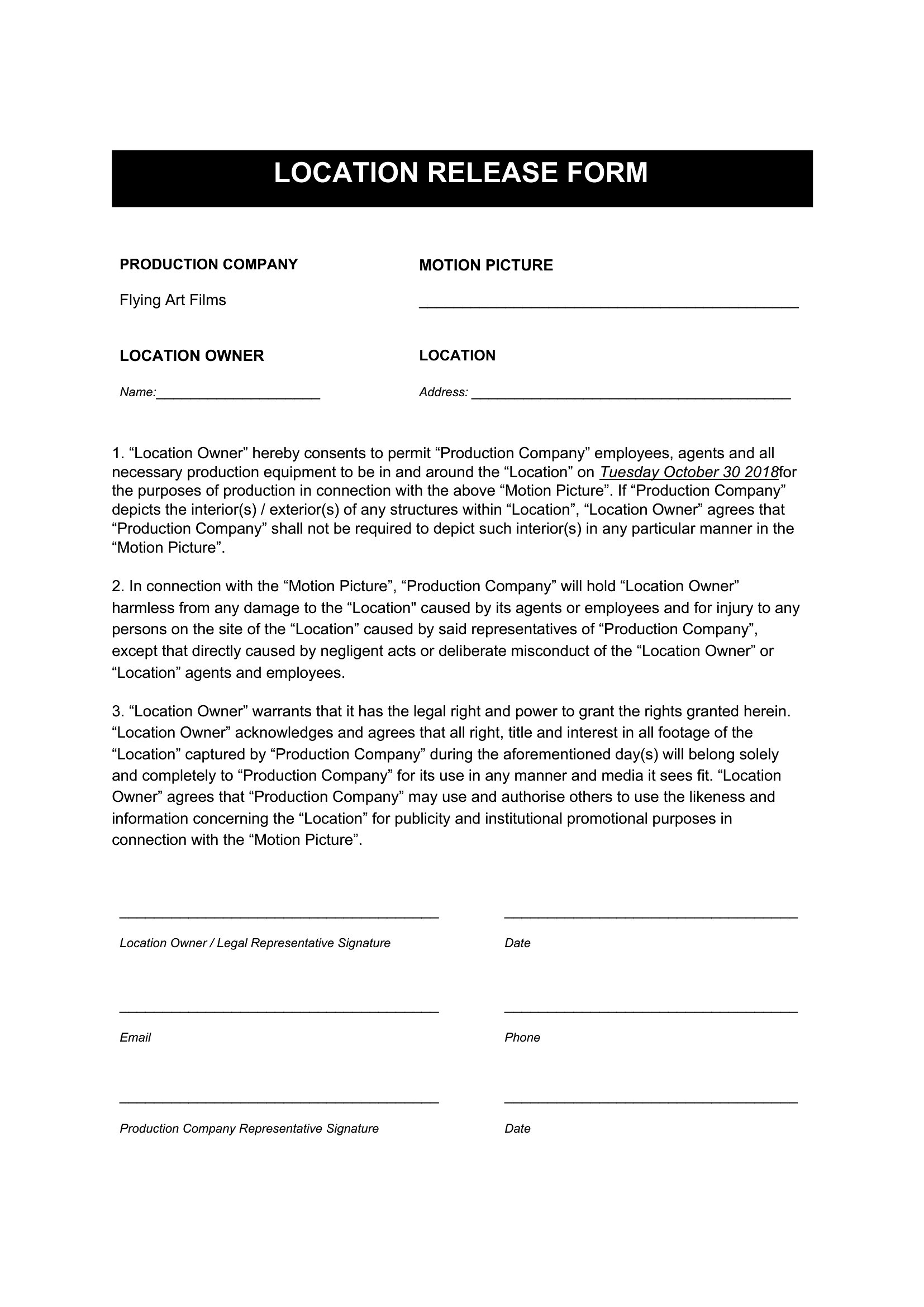
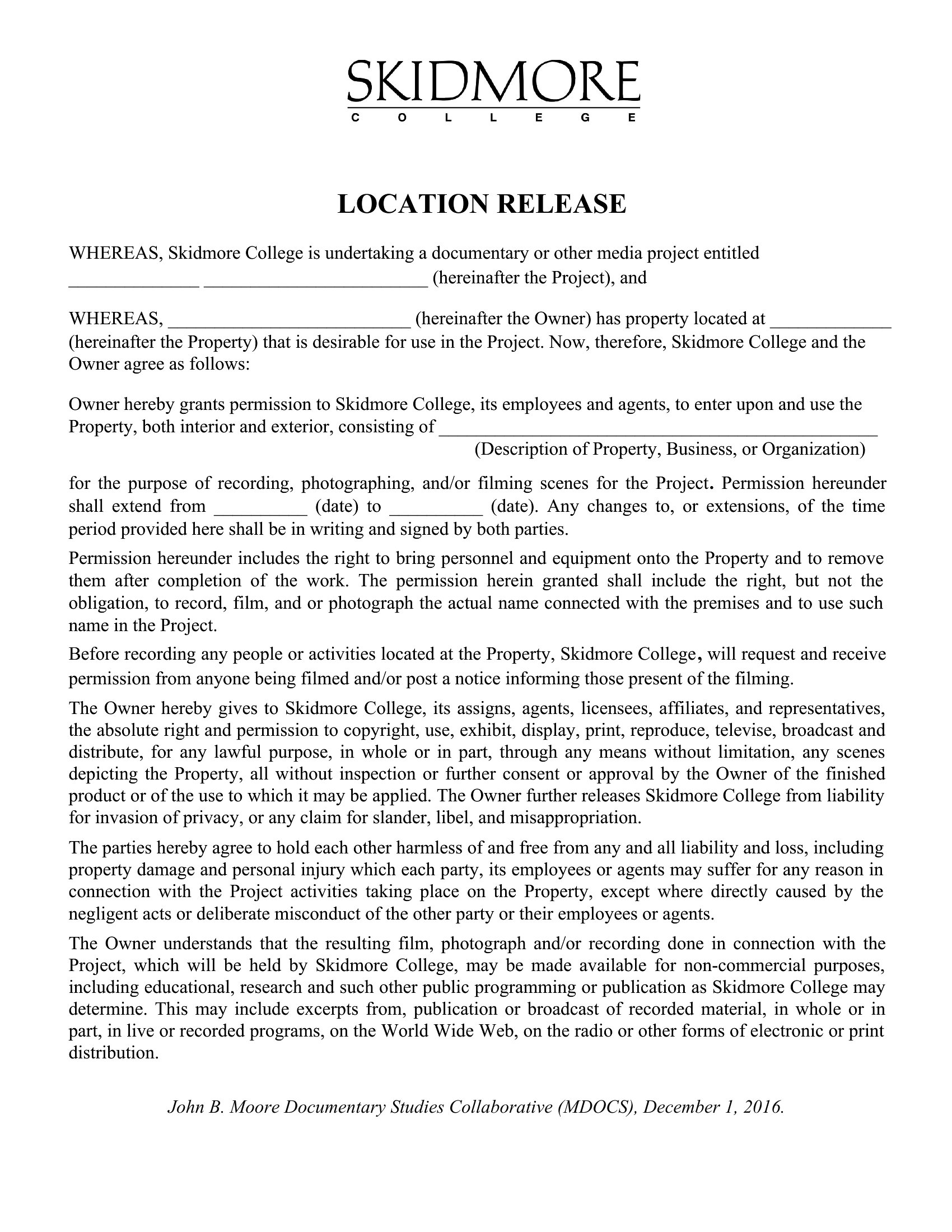
Always specify the exact dates of filming, the purpose of the footage (e.g., commercial, editorial), and whether the property owner retains any rights. Clarify if the release covers still images or video, and include a description of the location to avoid ambiguity. This helps prevent disputes about unauthorized use later.
Do we need a separate release if filming in a public space like a park?
Public spaces often have different rules, but if you’re filming on private property within a park (e.g., a historic home or gated area), you’ll still need a release from the property owner. For open public spaces, check local laws—some cities require permits, while others allow filming without permission unless signs prohibit it.
What happens if the property owner only gives verbal permission?
Verbal permission isn’t legally binding, so always get a signed written release. If the owner is uncomfortable signing, ask for written confirmation (e.g., an email or text) stating their permission. Keep this documentation with your footage to protect your project from legal challenges over ownership or trespassing claims.
Comments
Join the conversation
Sign in to share your thoughts and leave a comment on this resource.