Free Policy Brief Templates (Word, PDF)
AnalysisTemplates
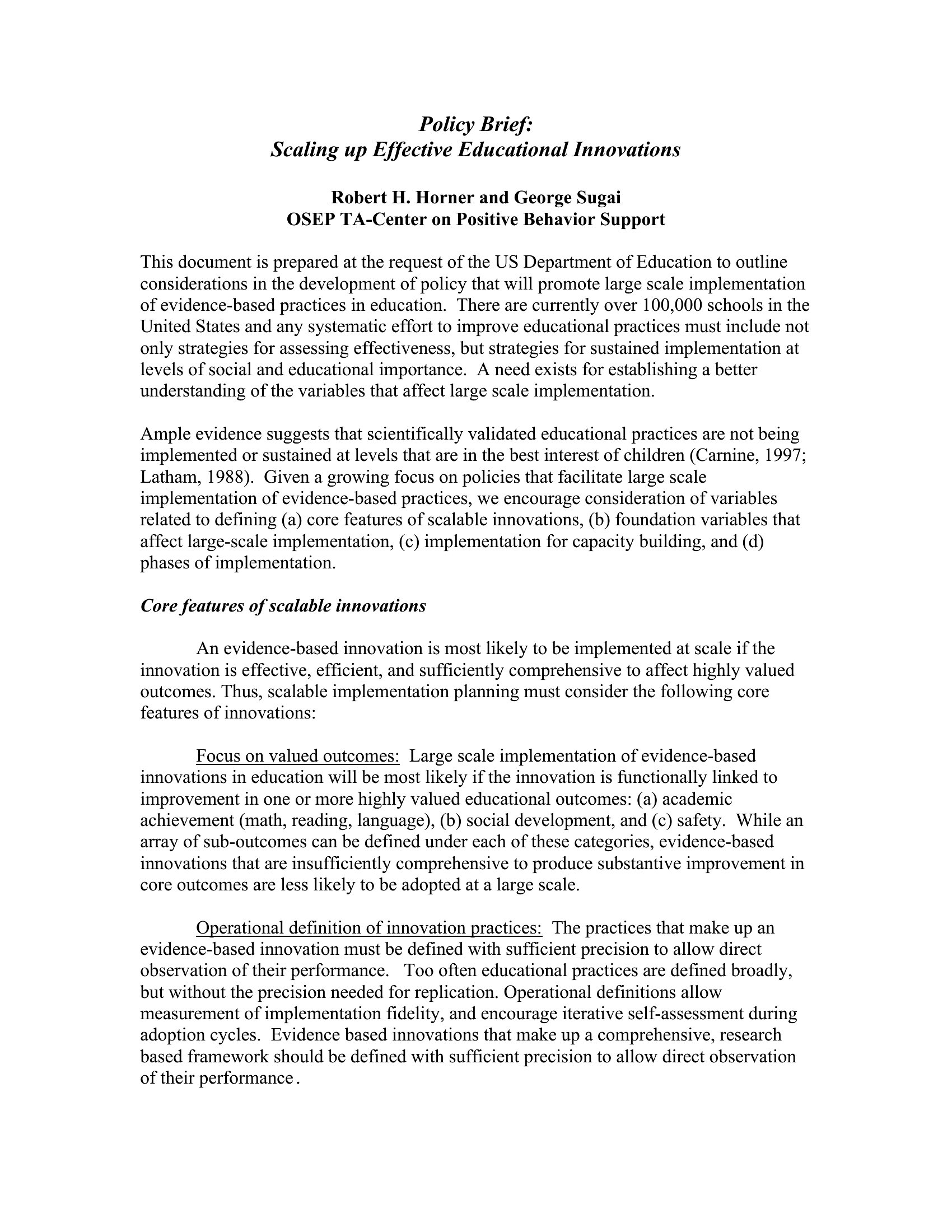
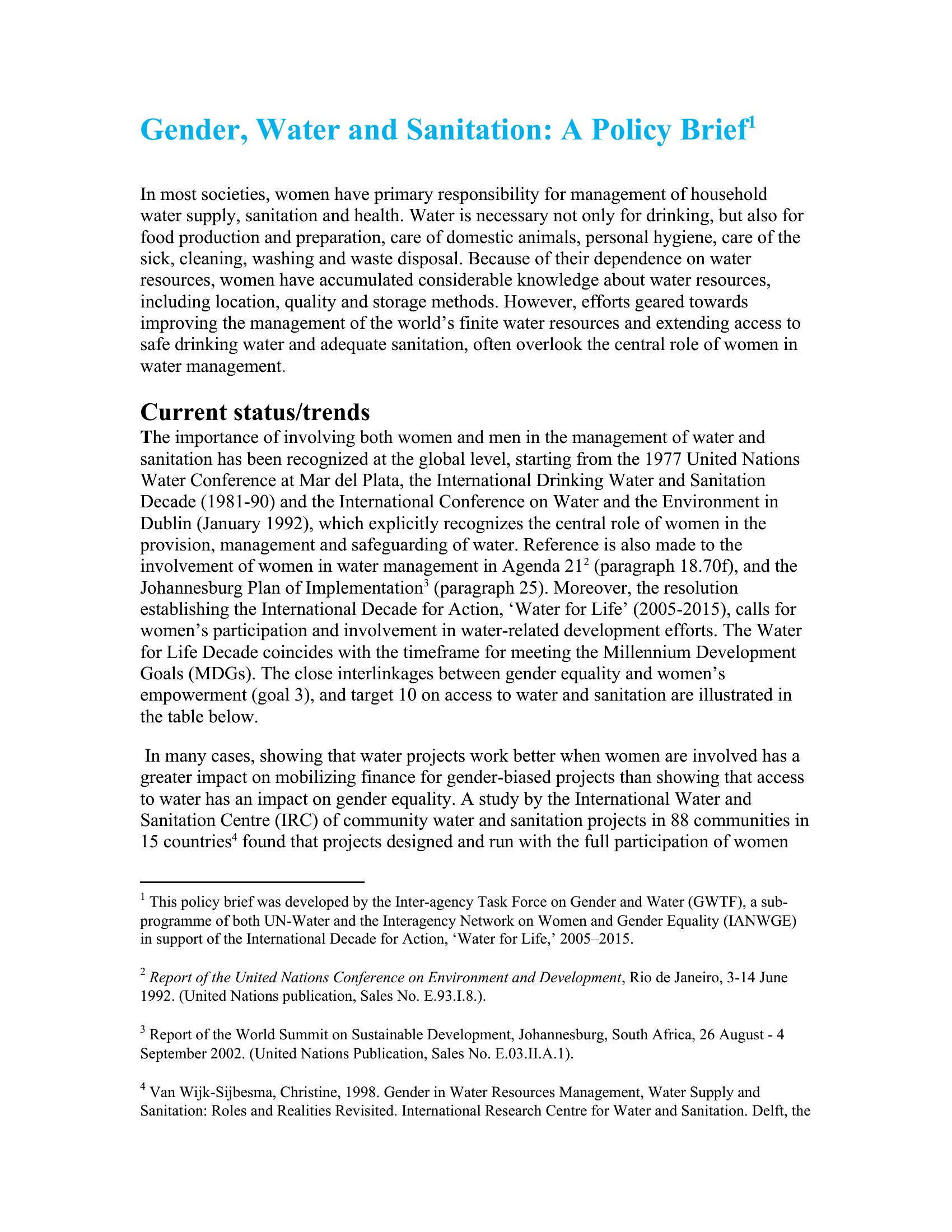
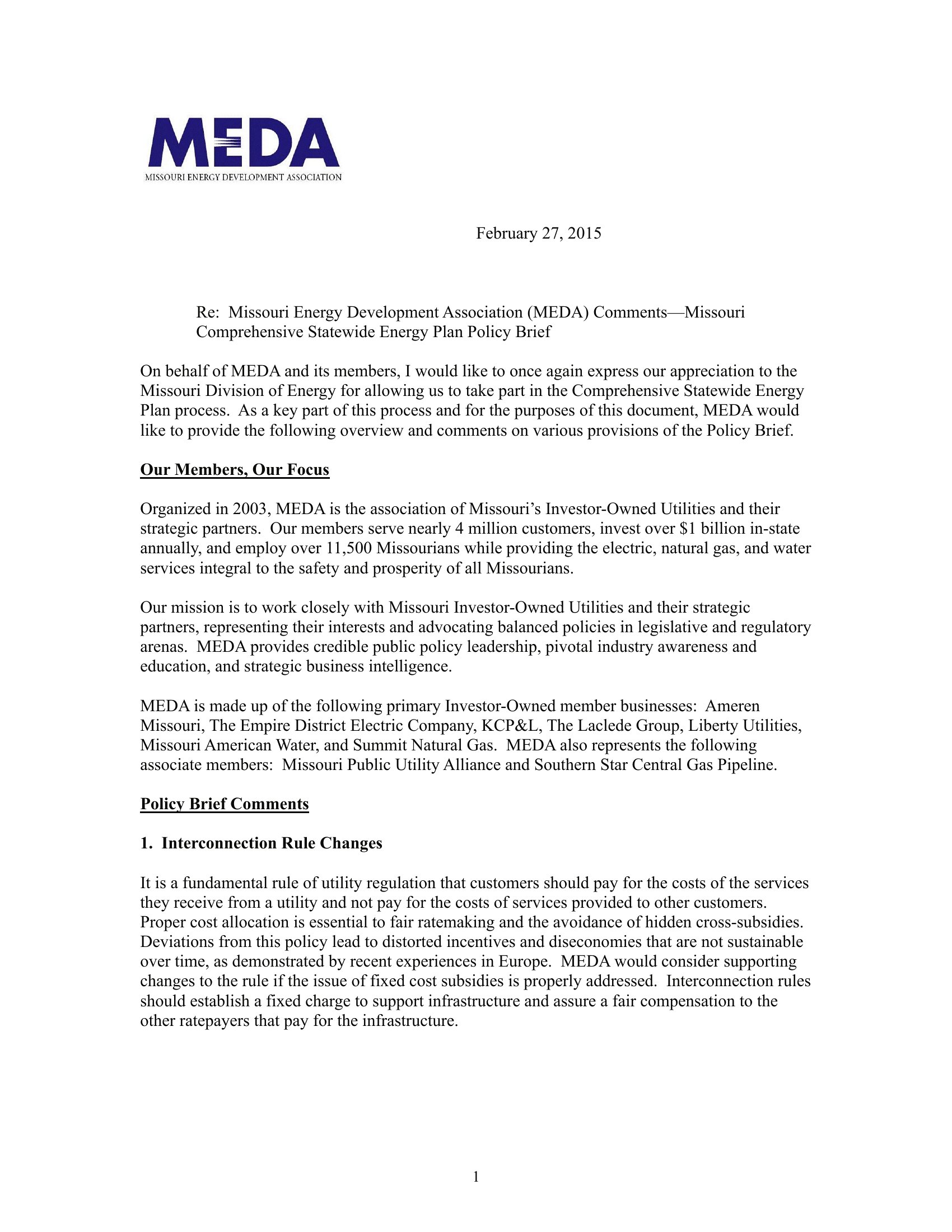
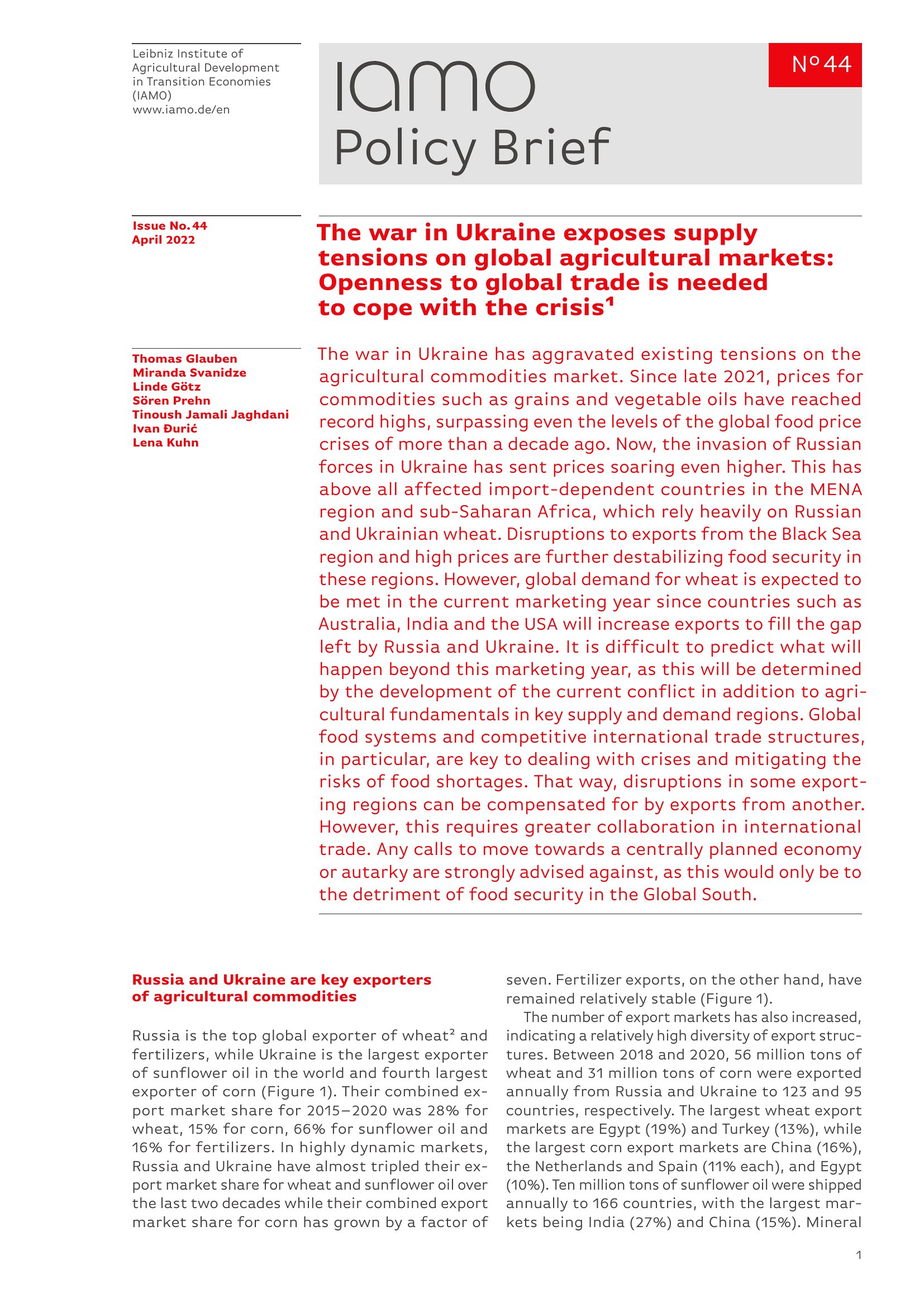
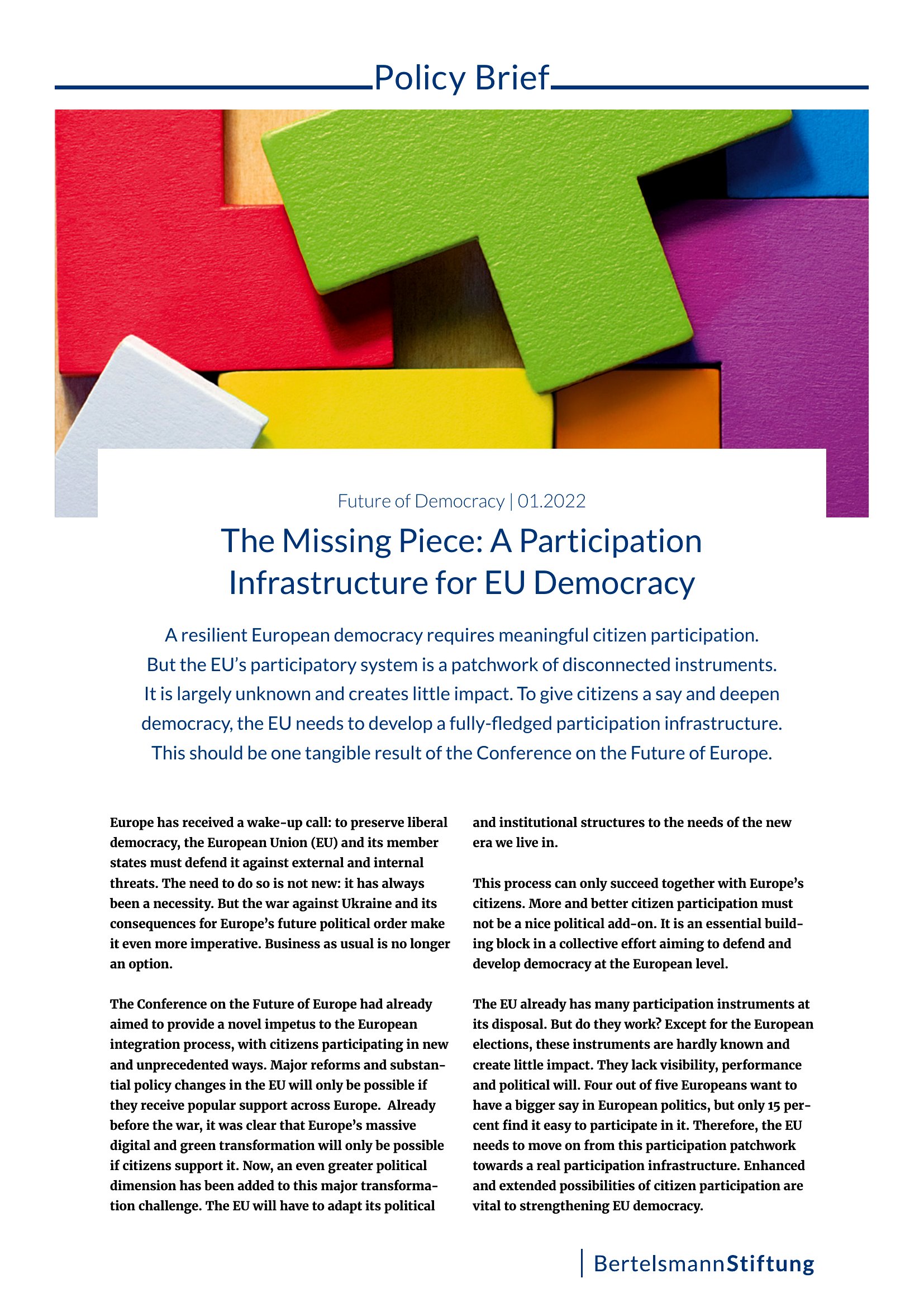
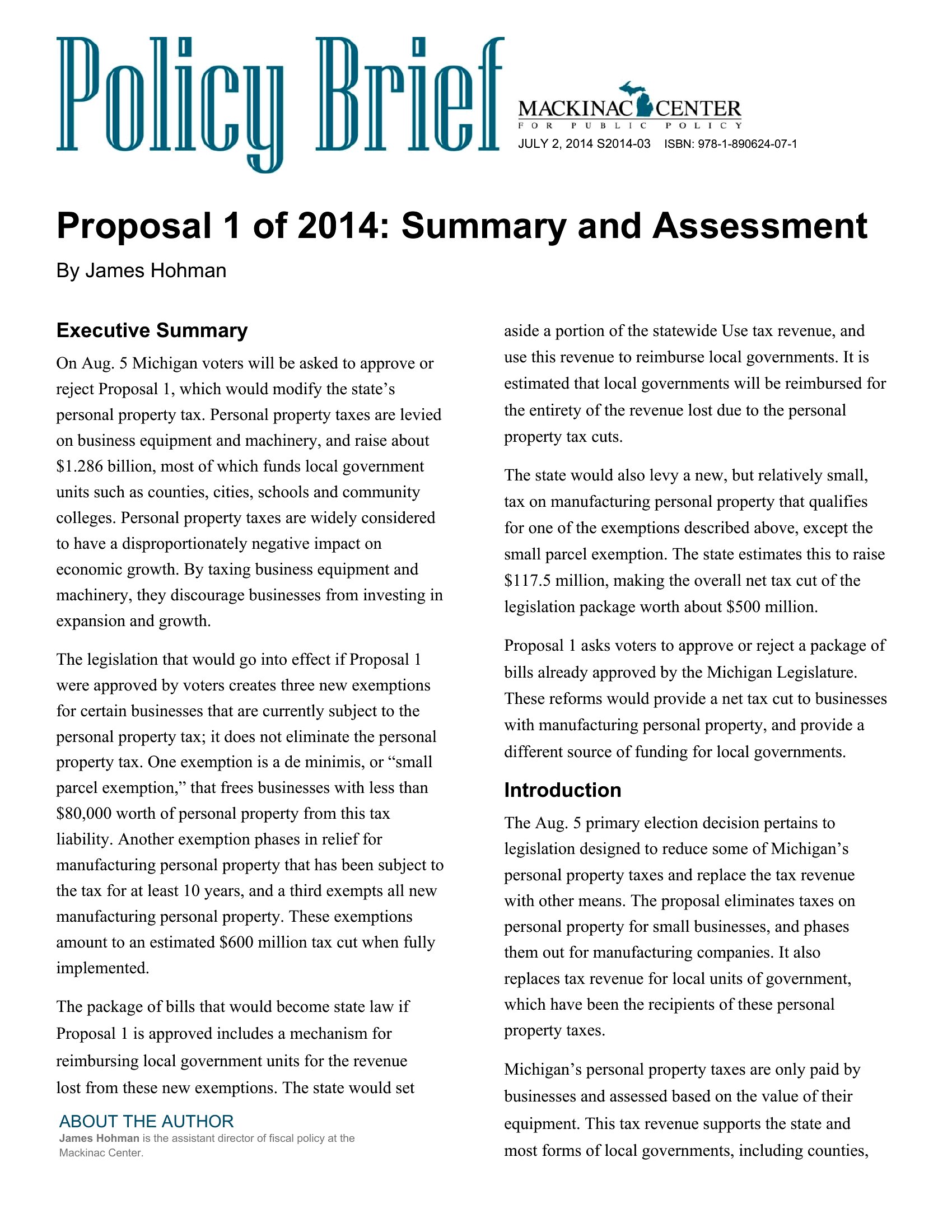
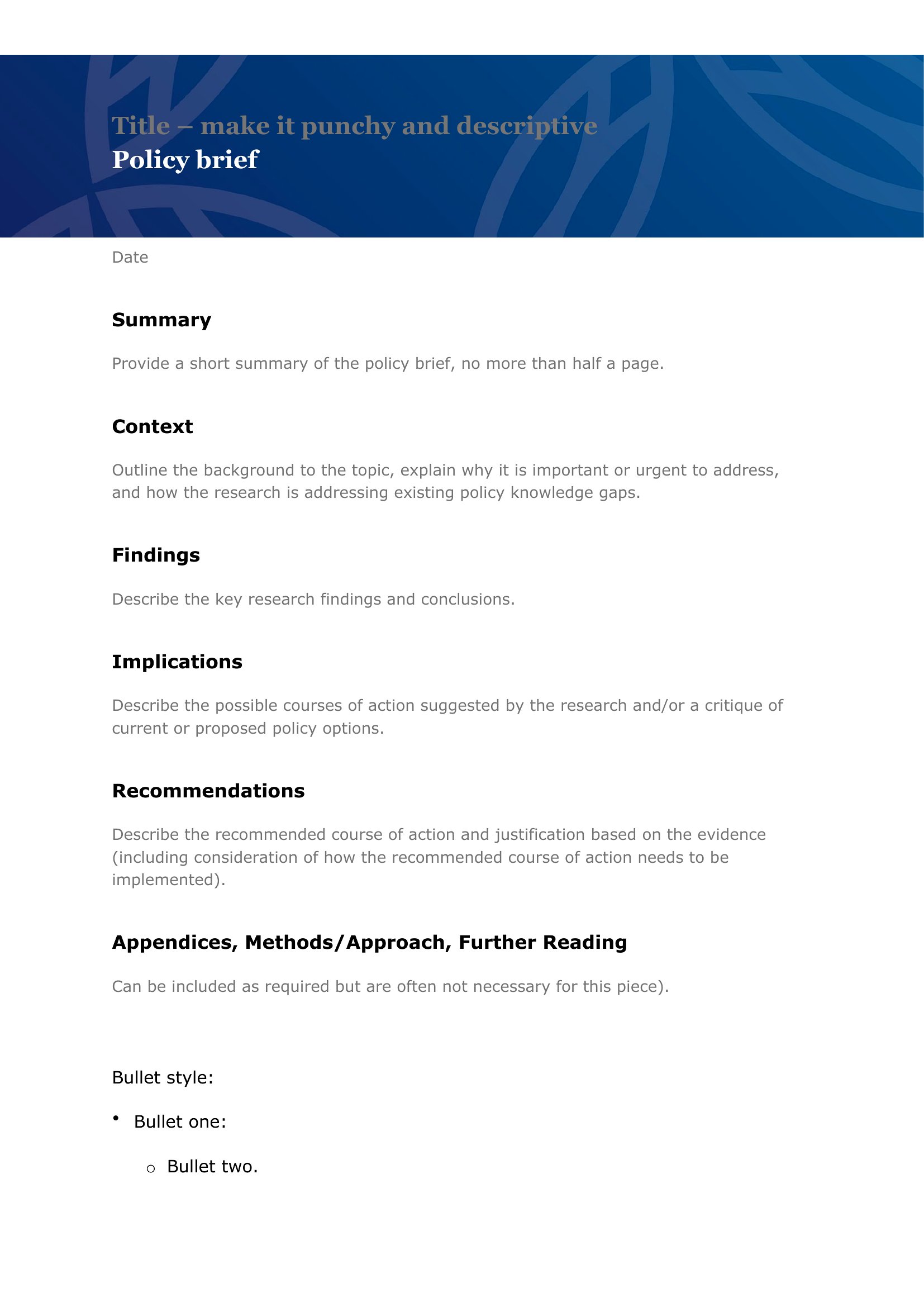
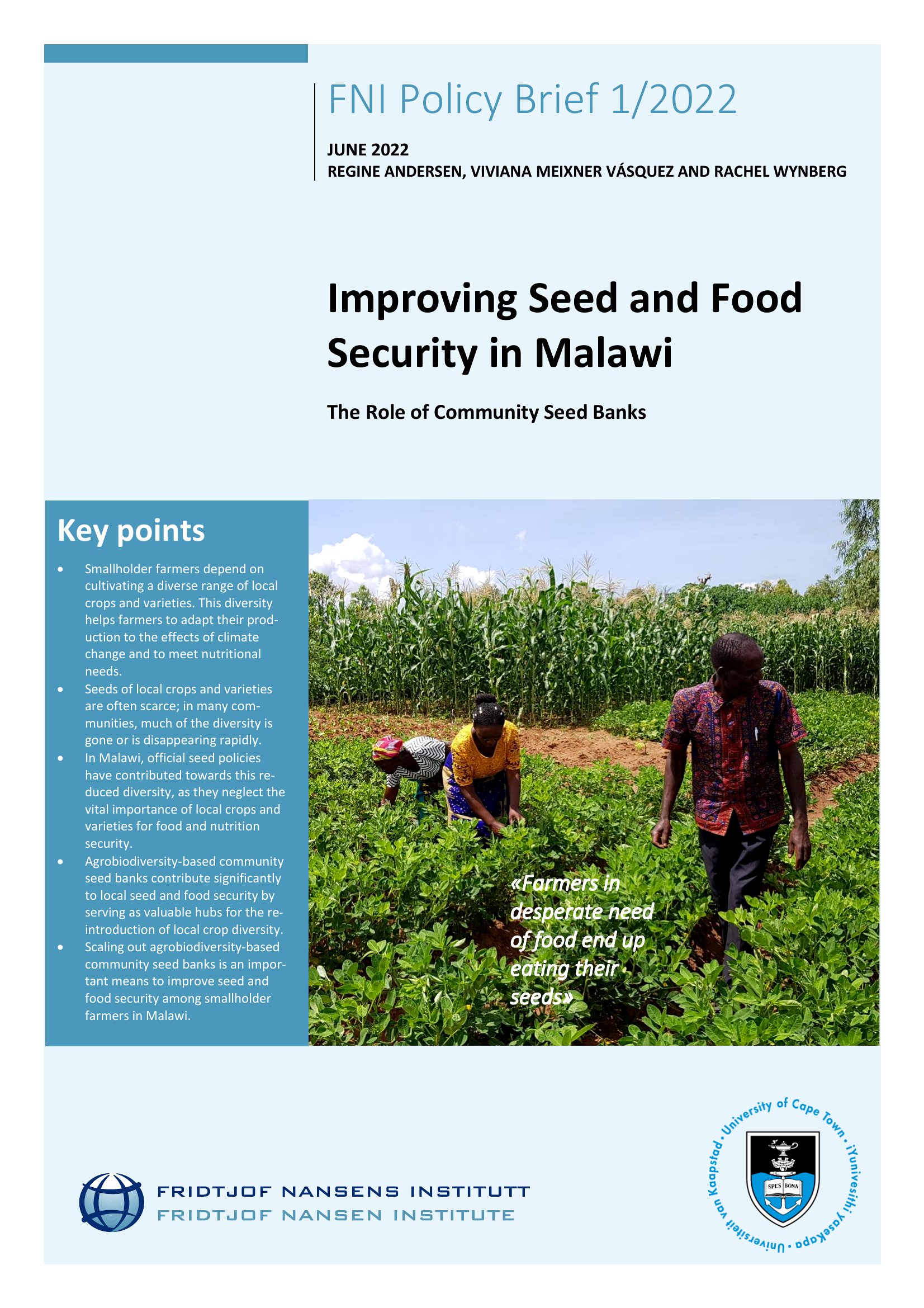
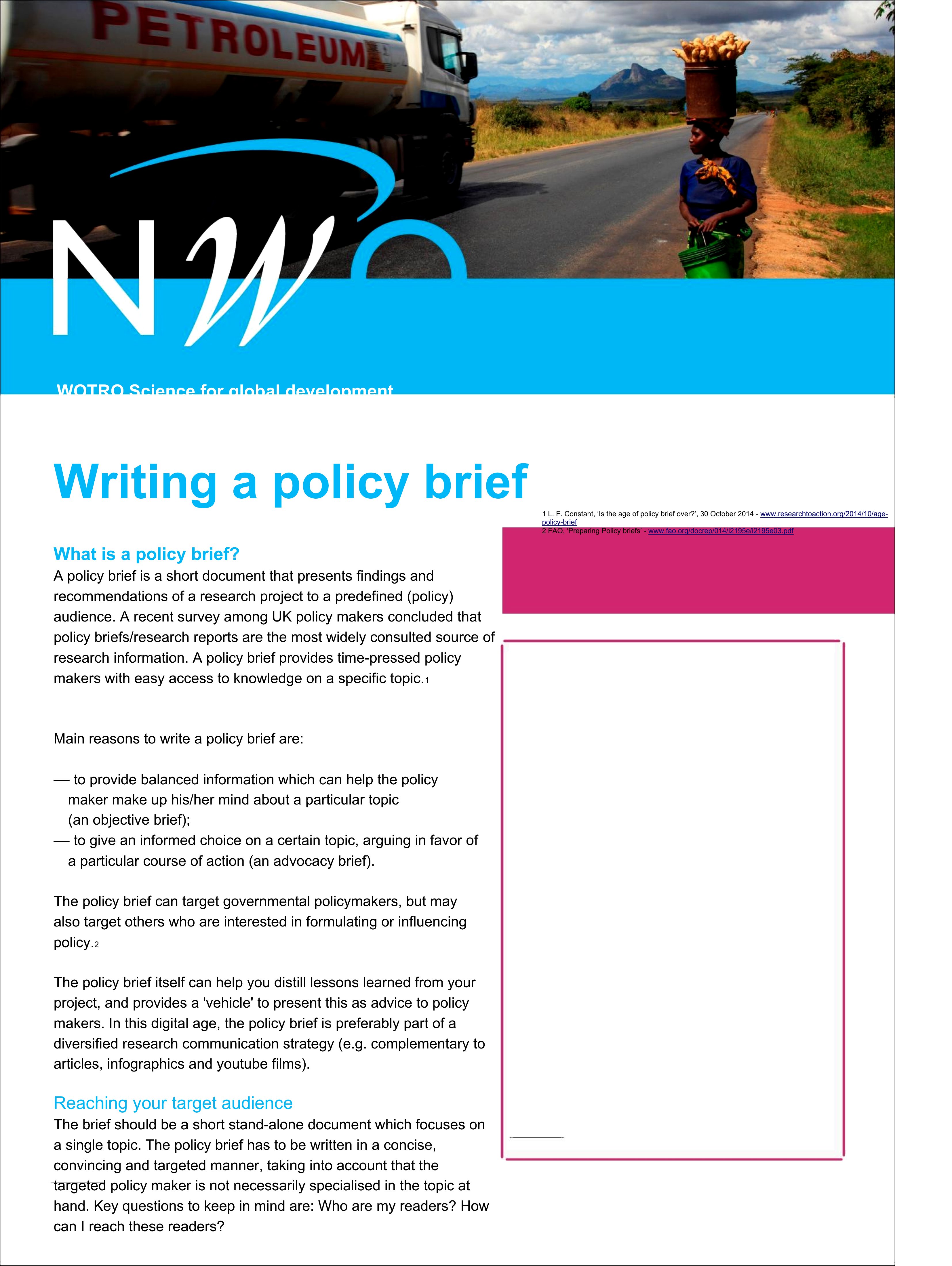
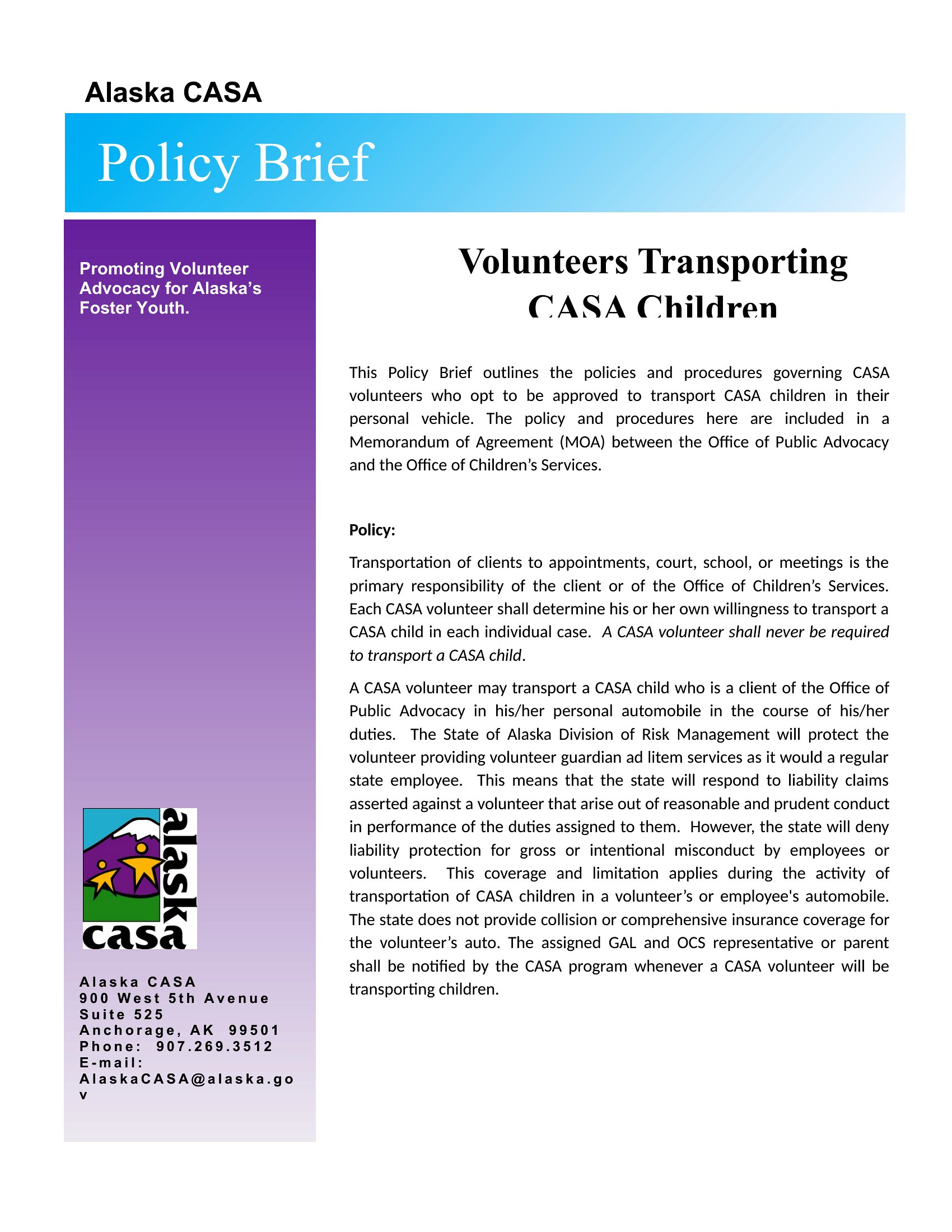
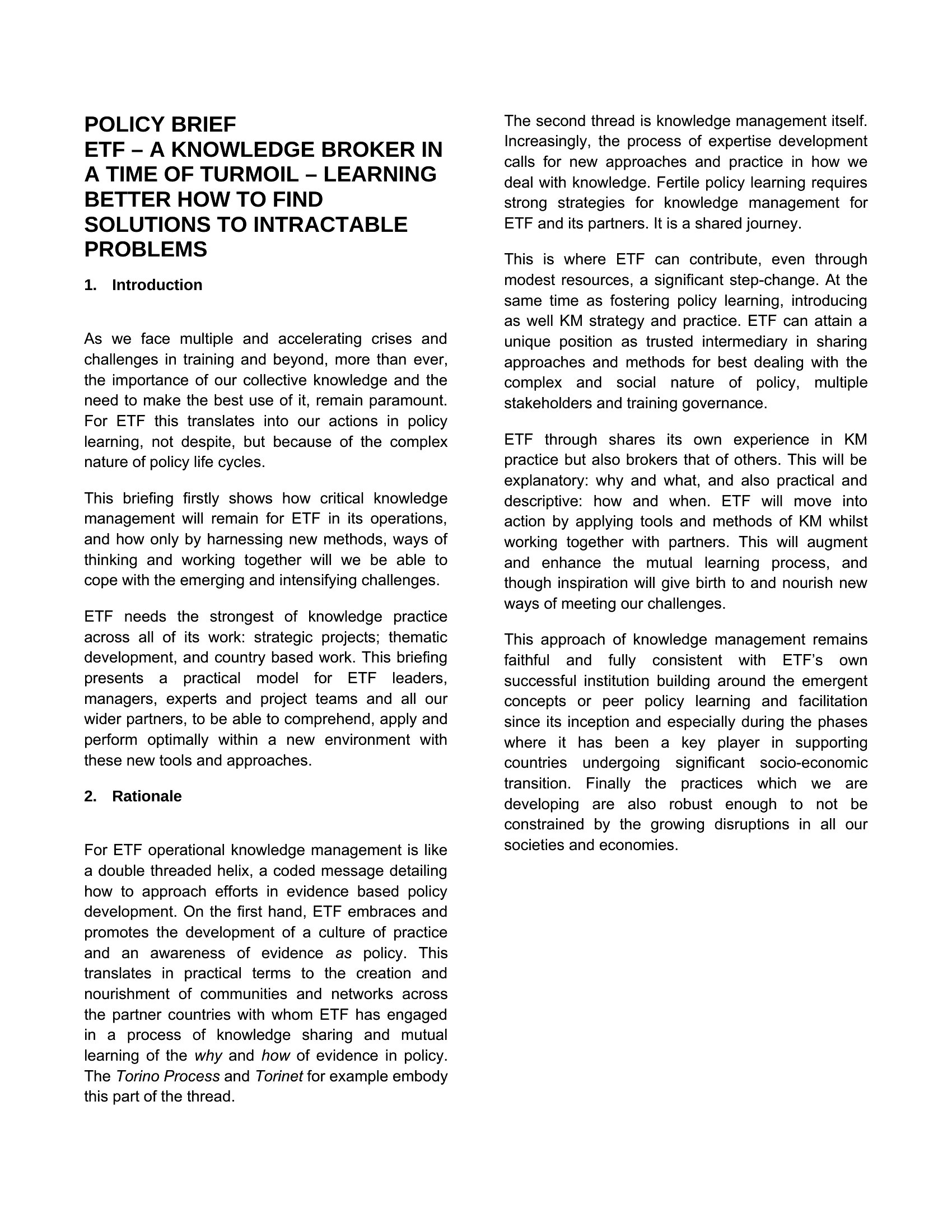

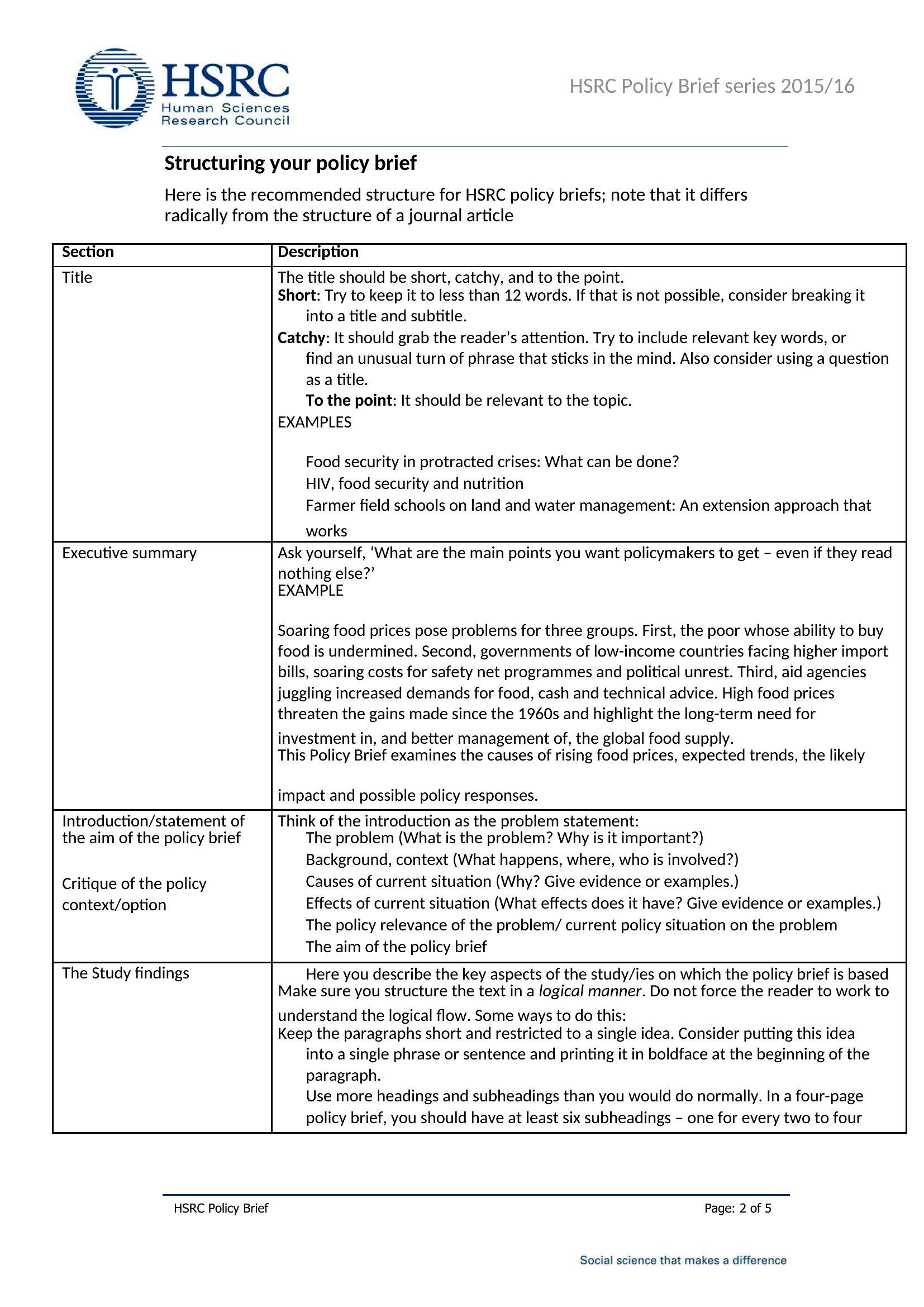
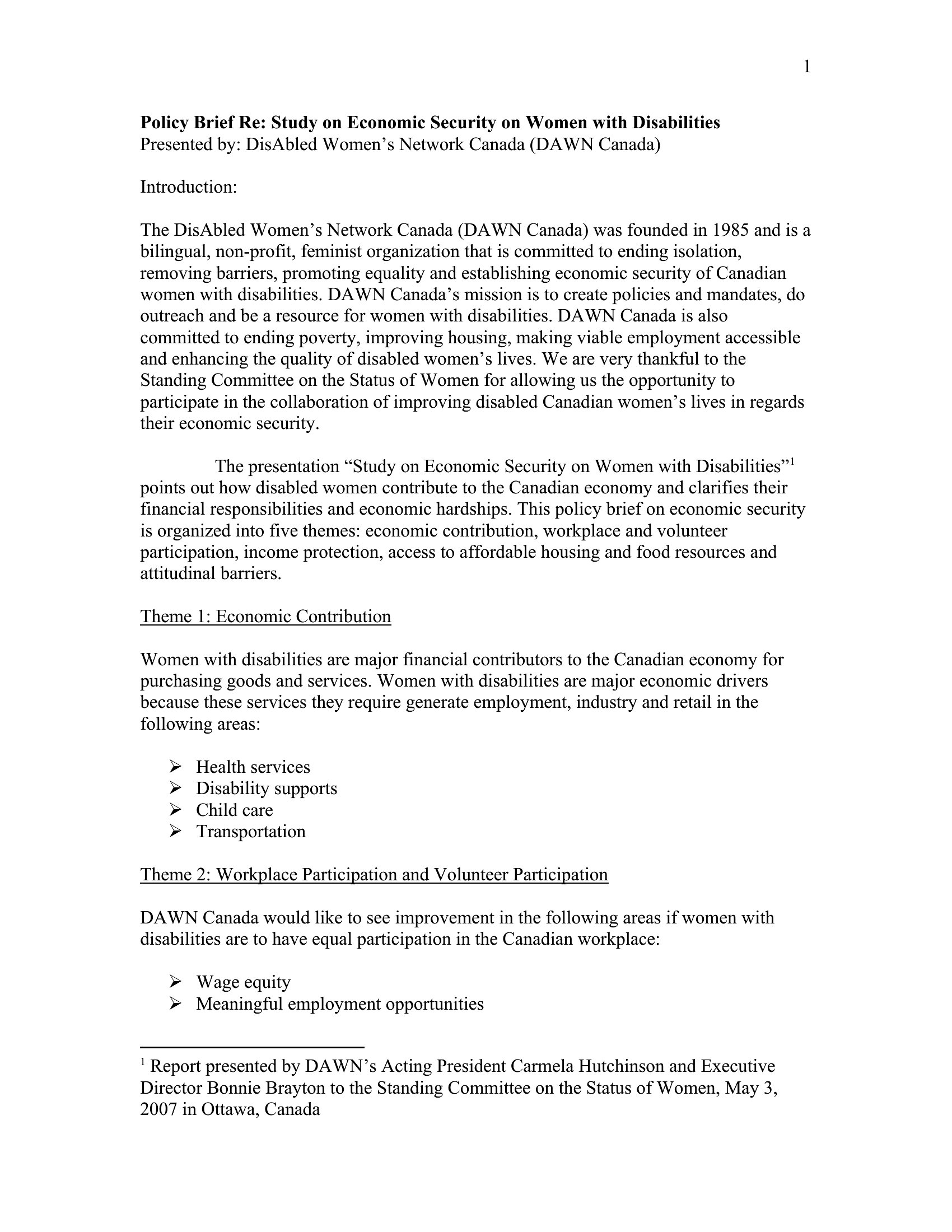
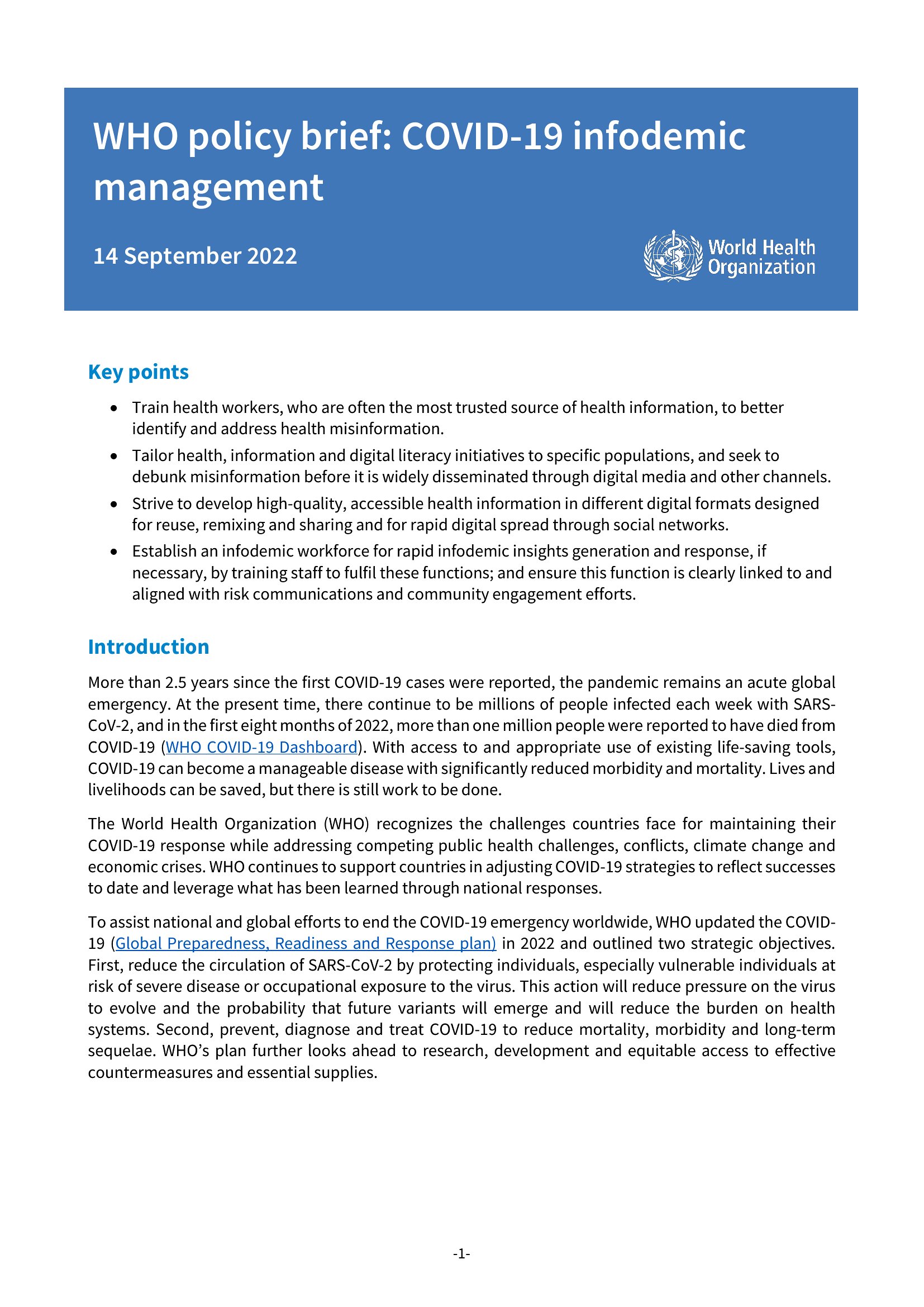

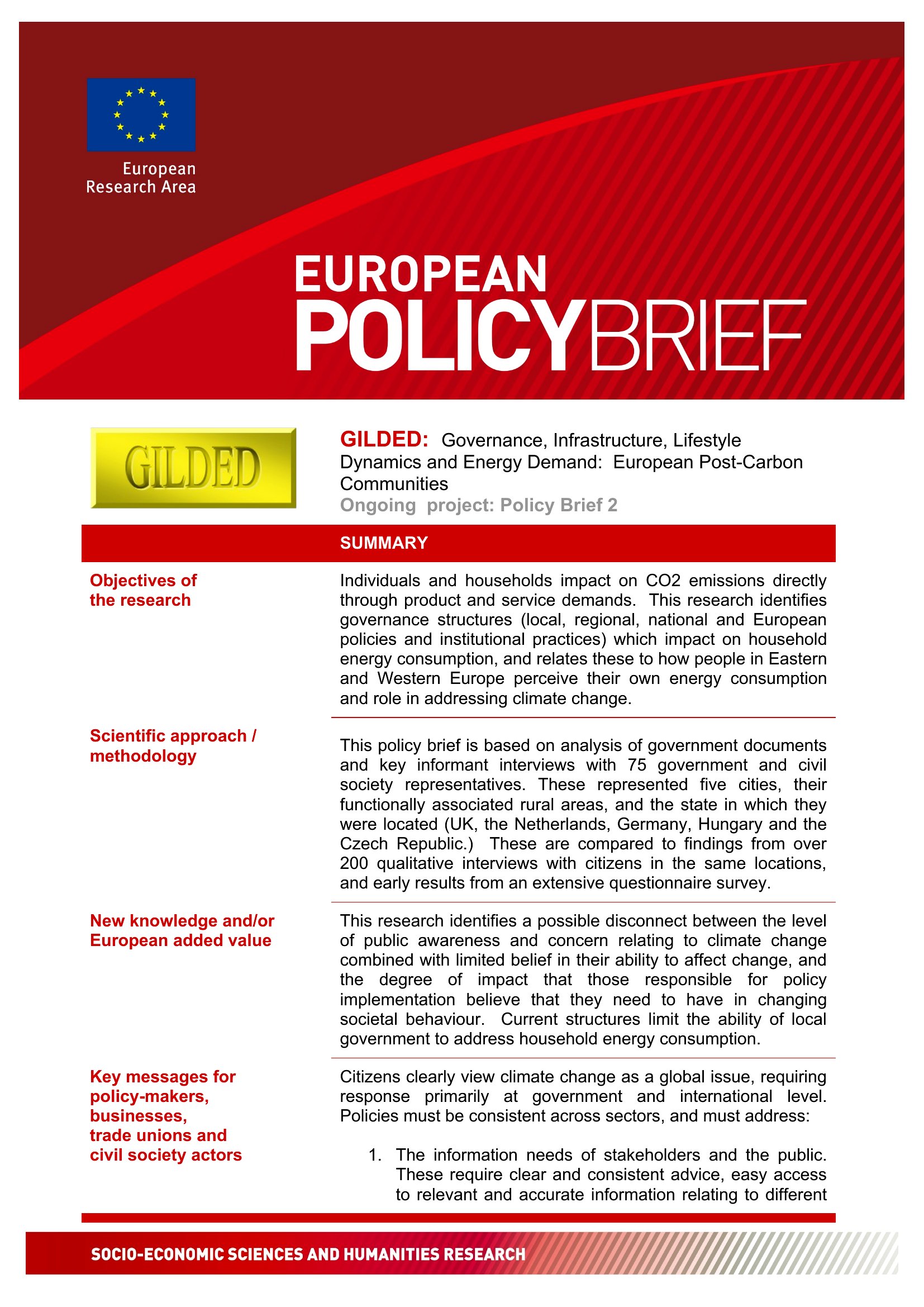
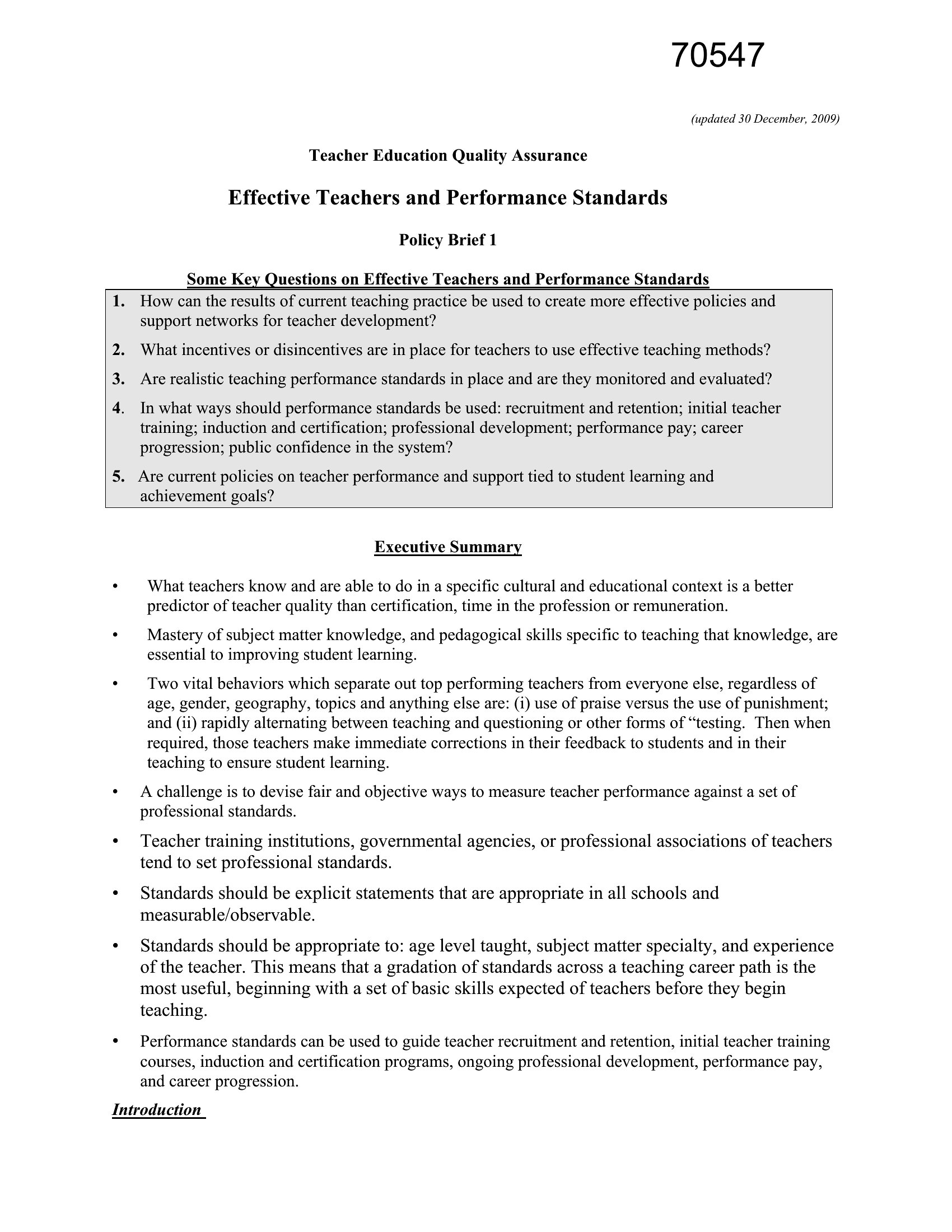
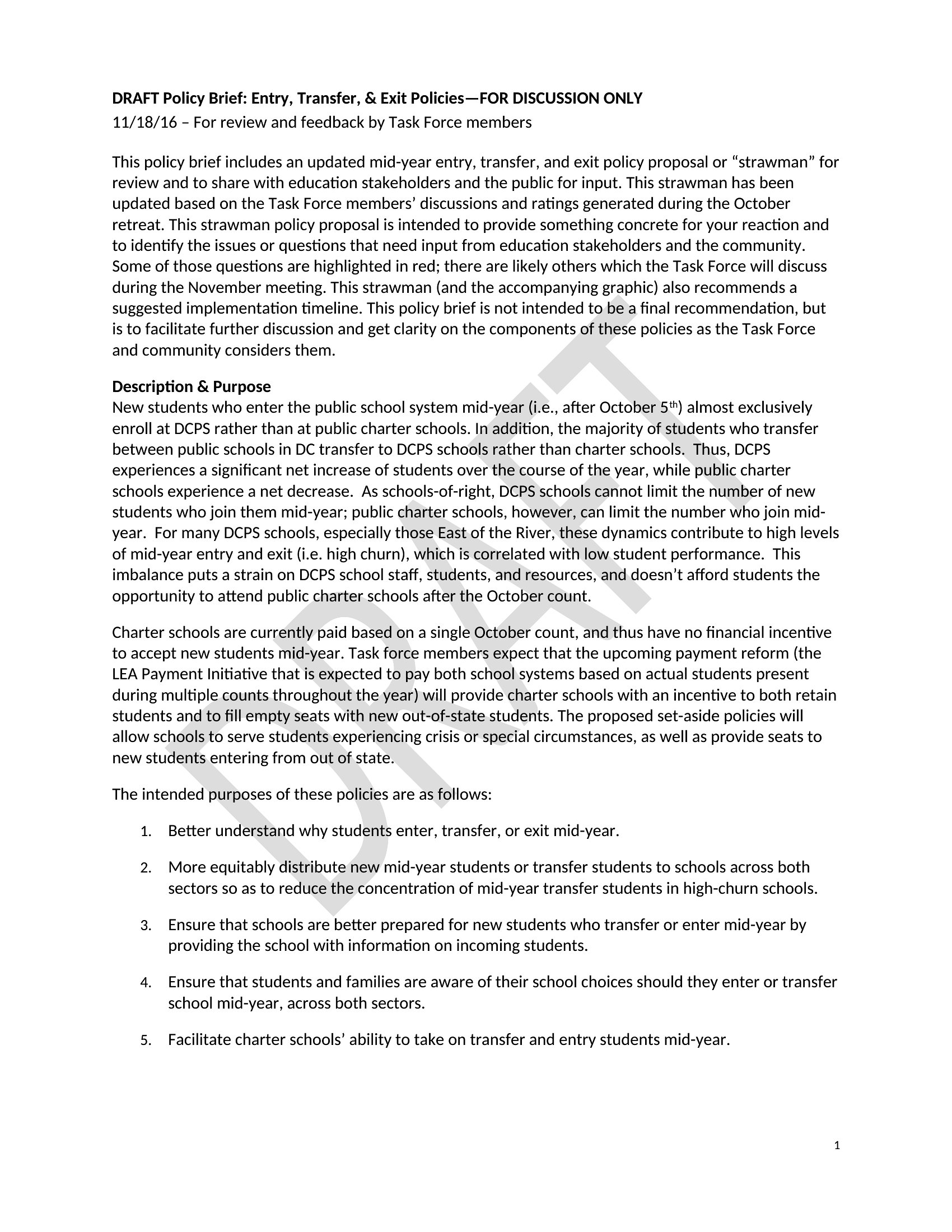
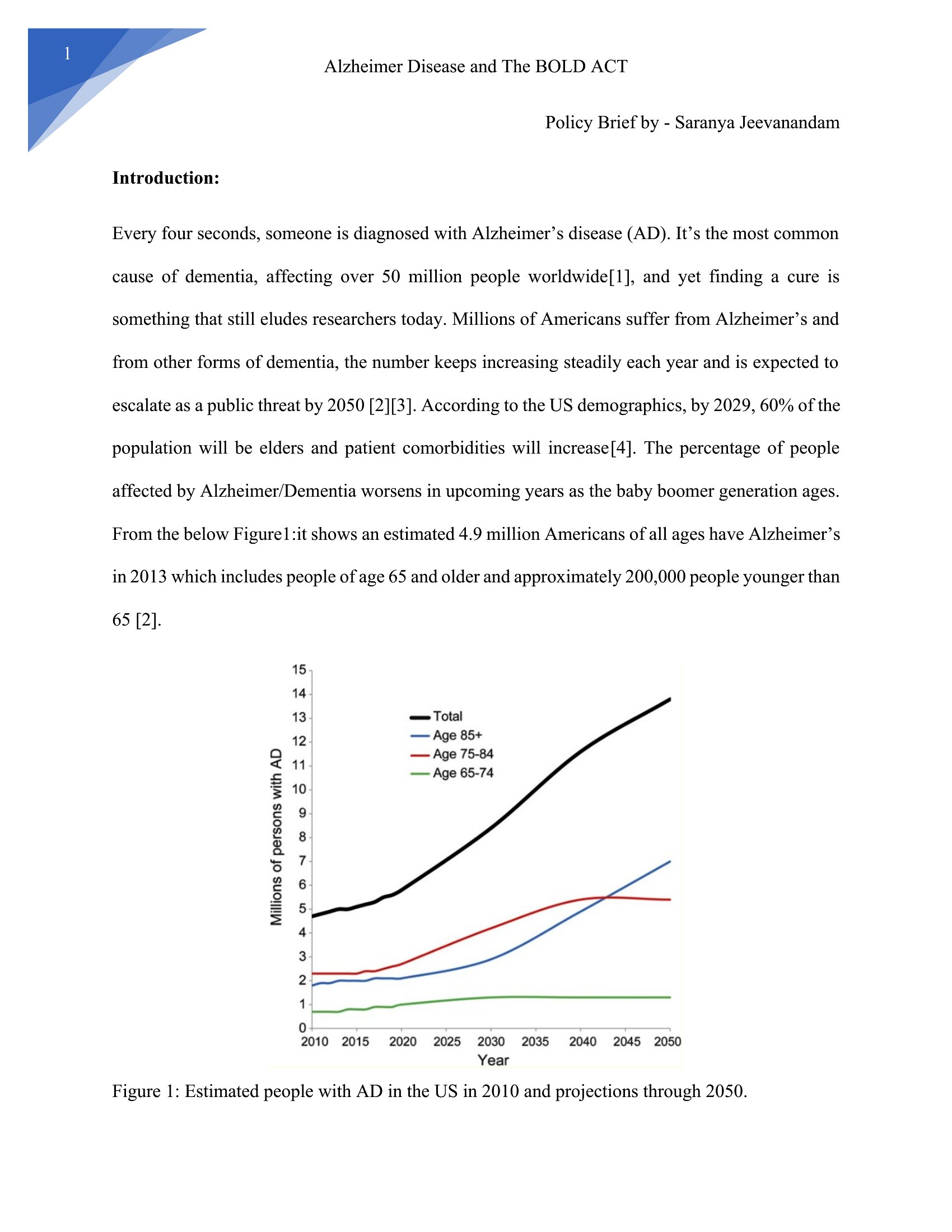
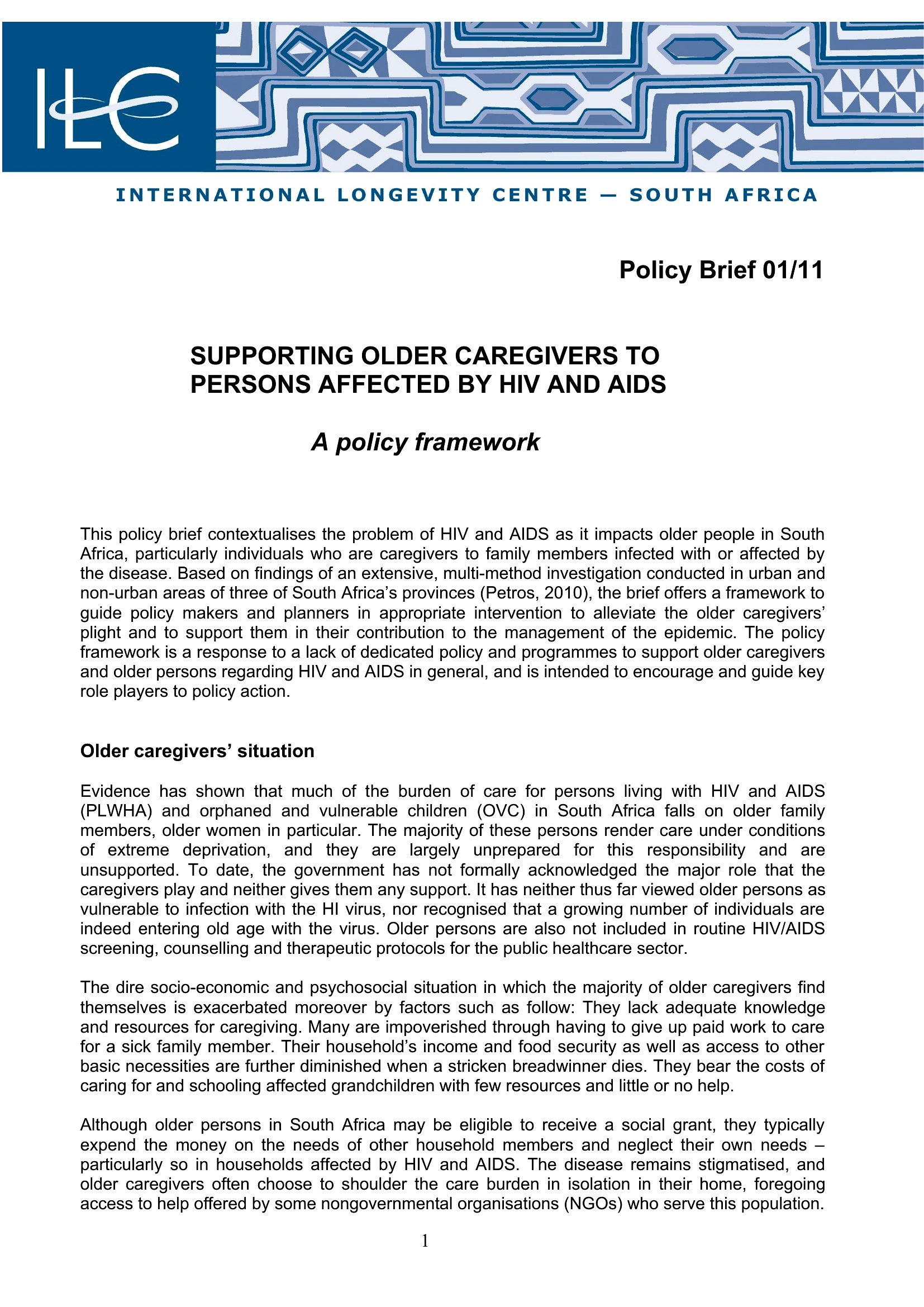
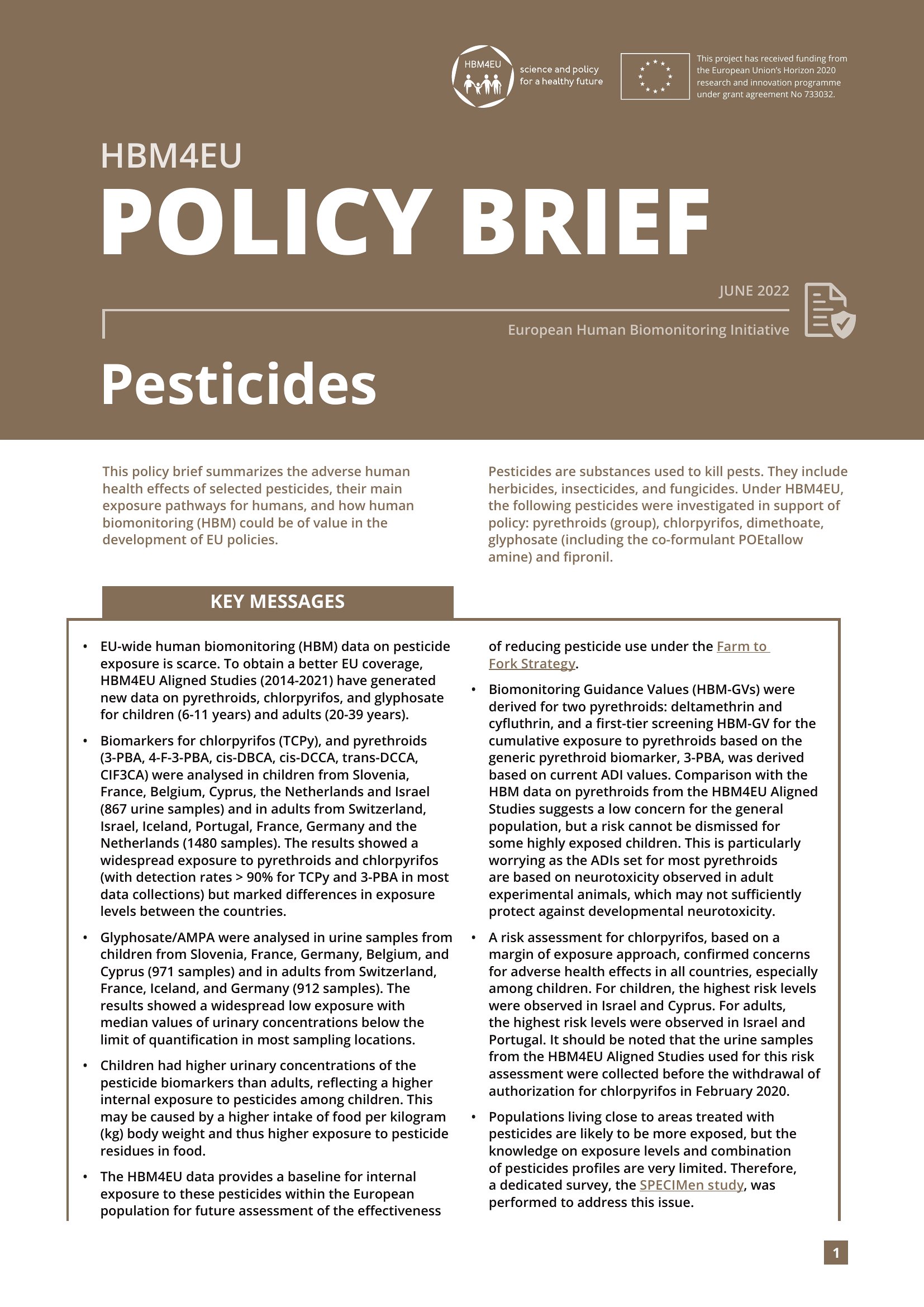
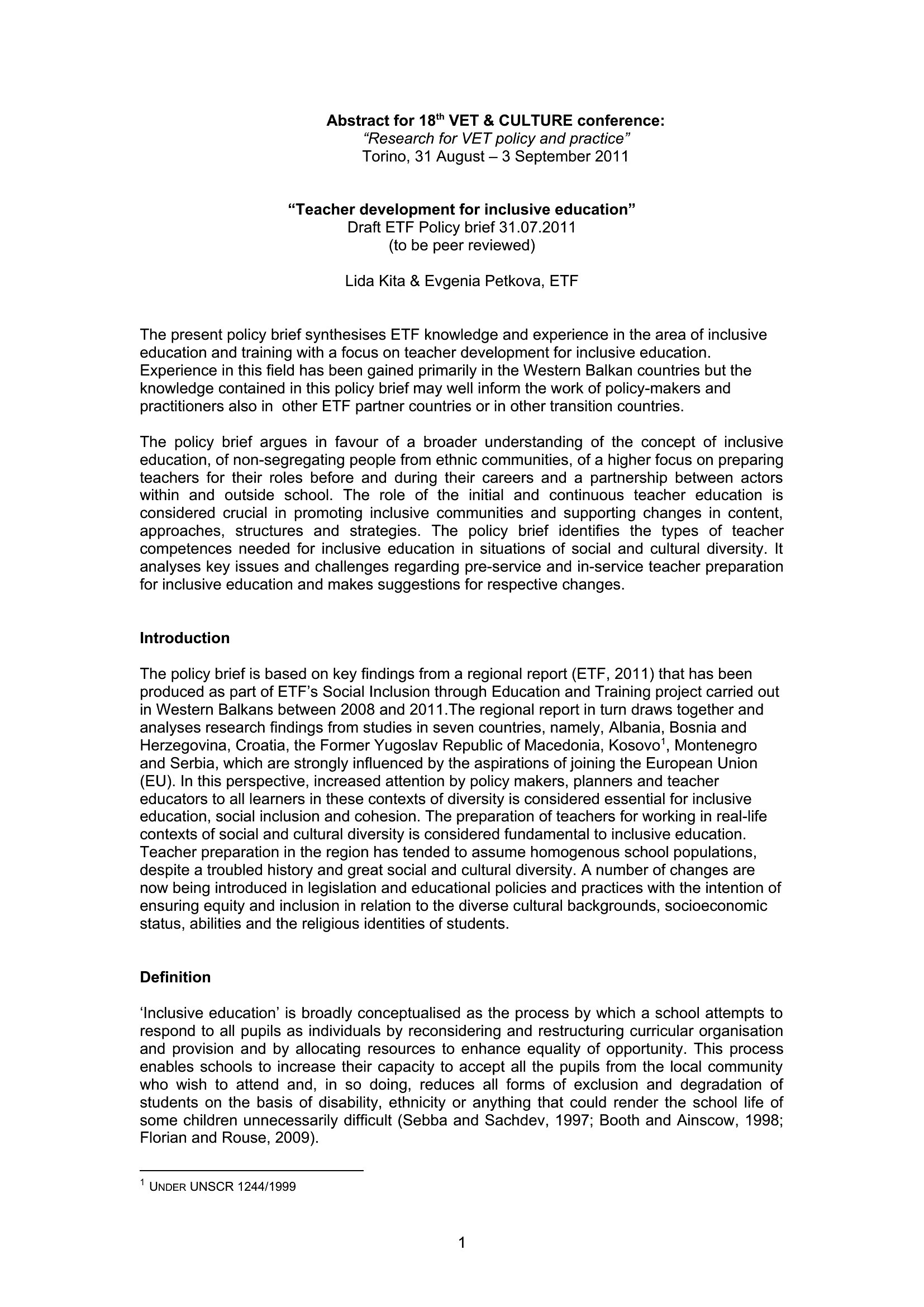
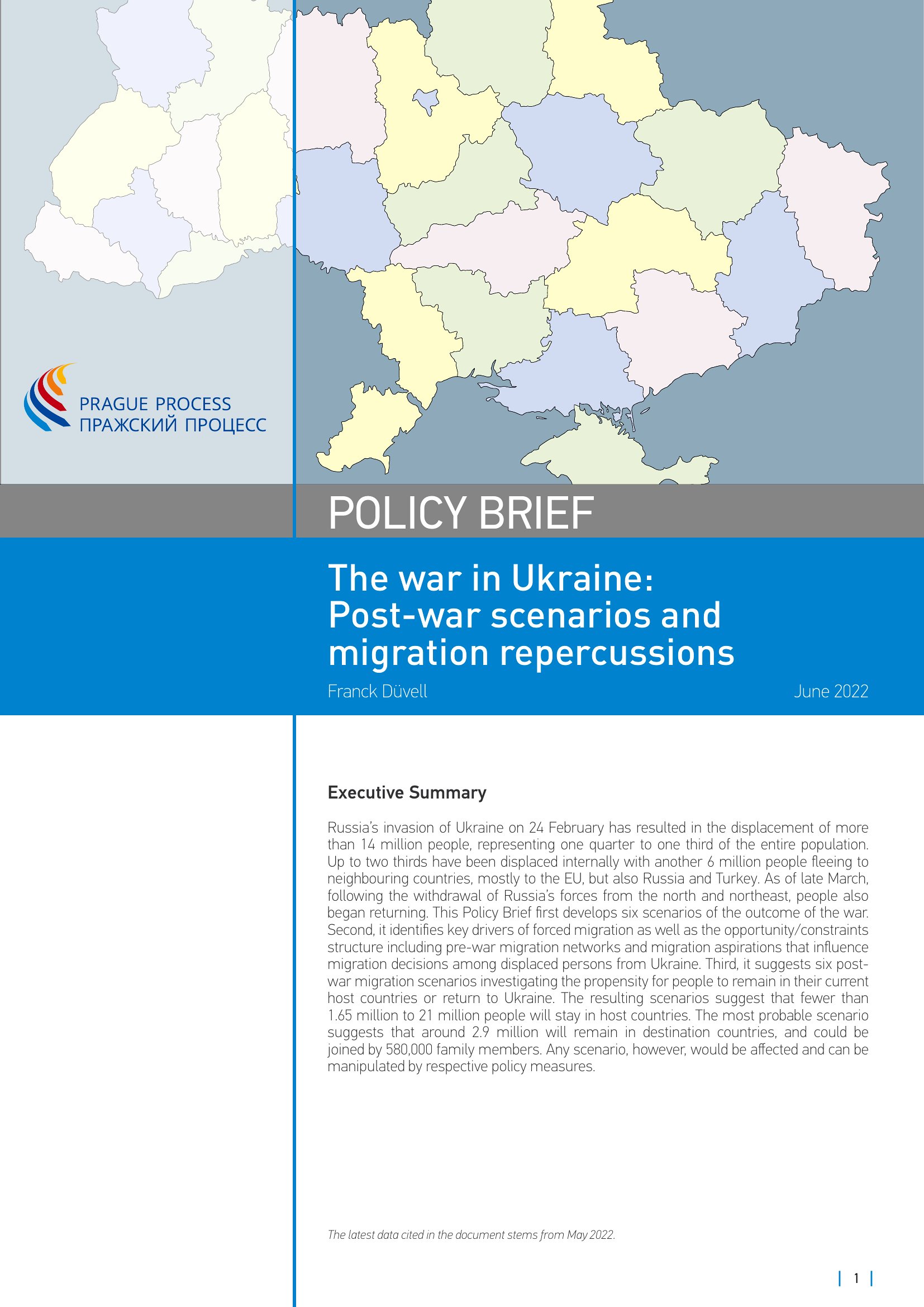
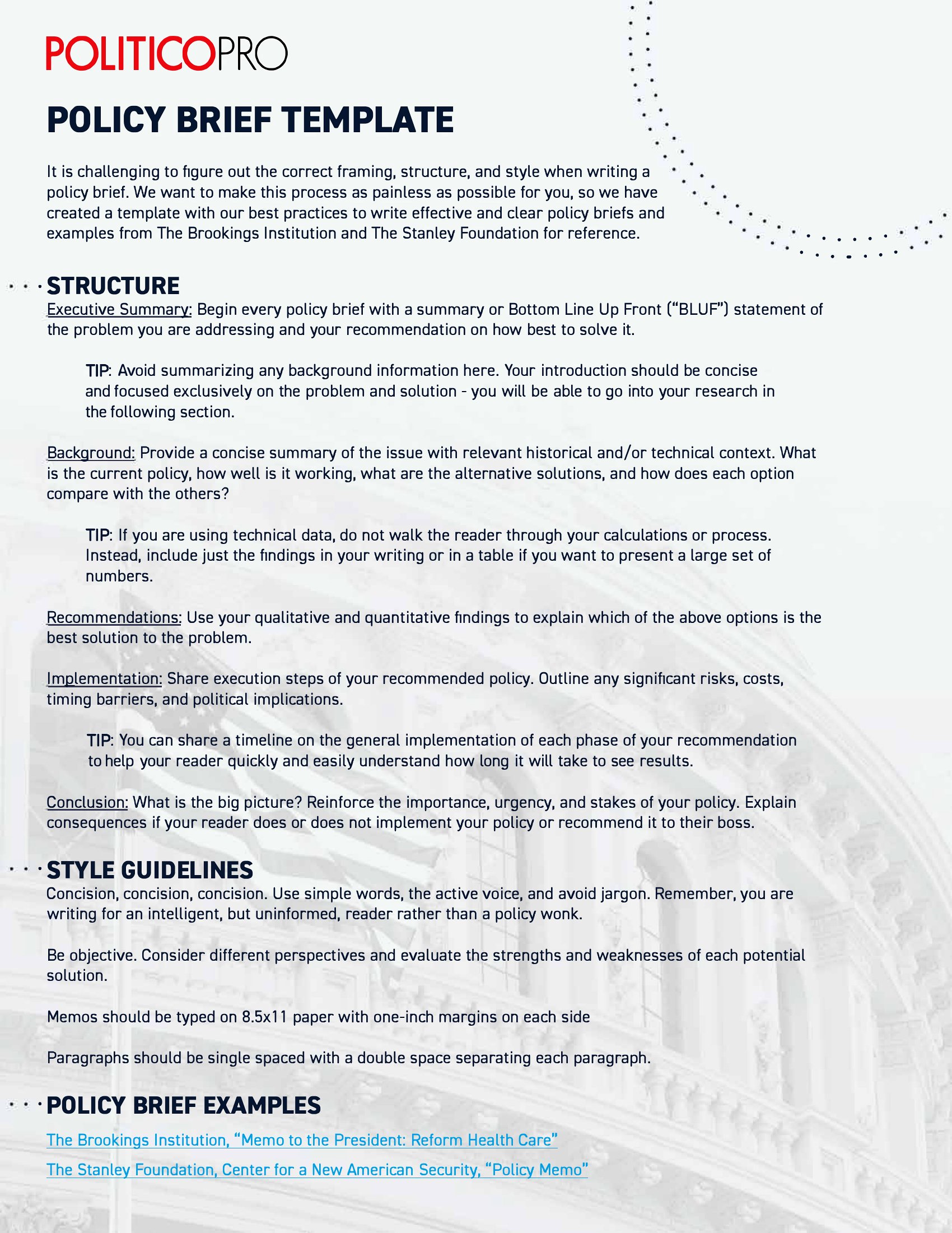
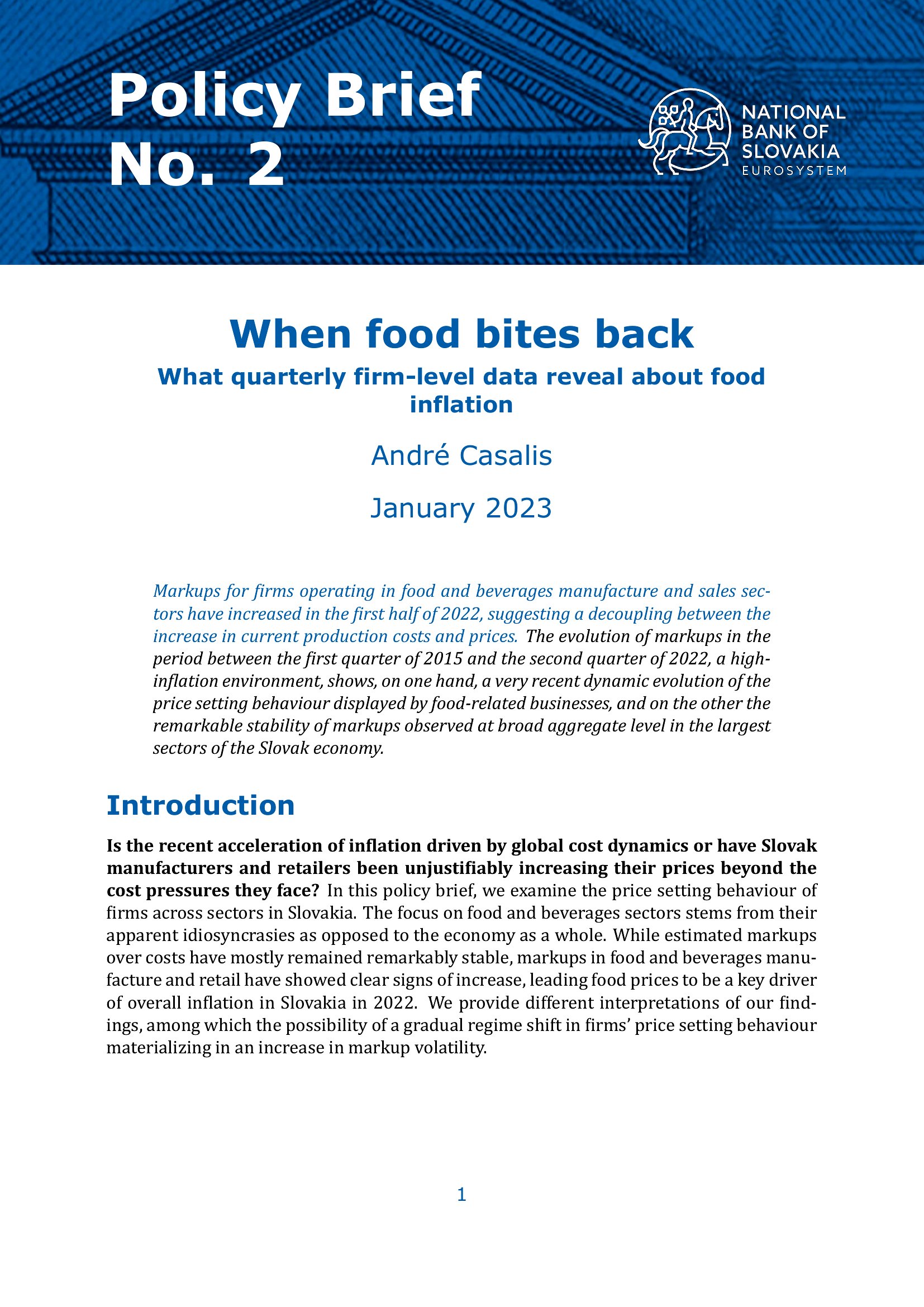
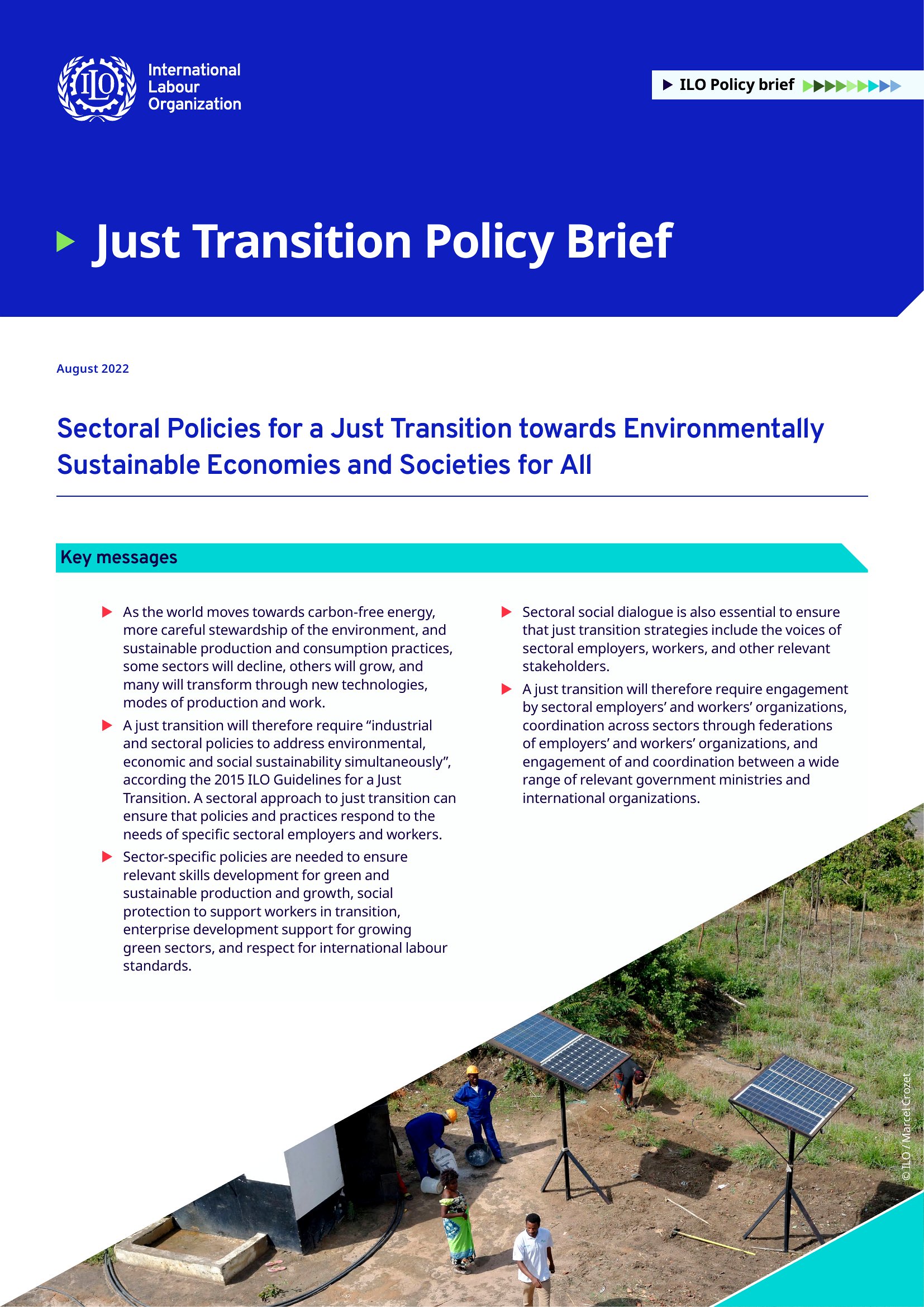
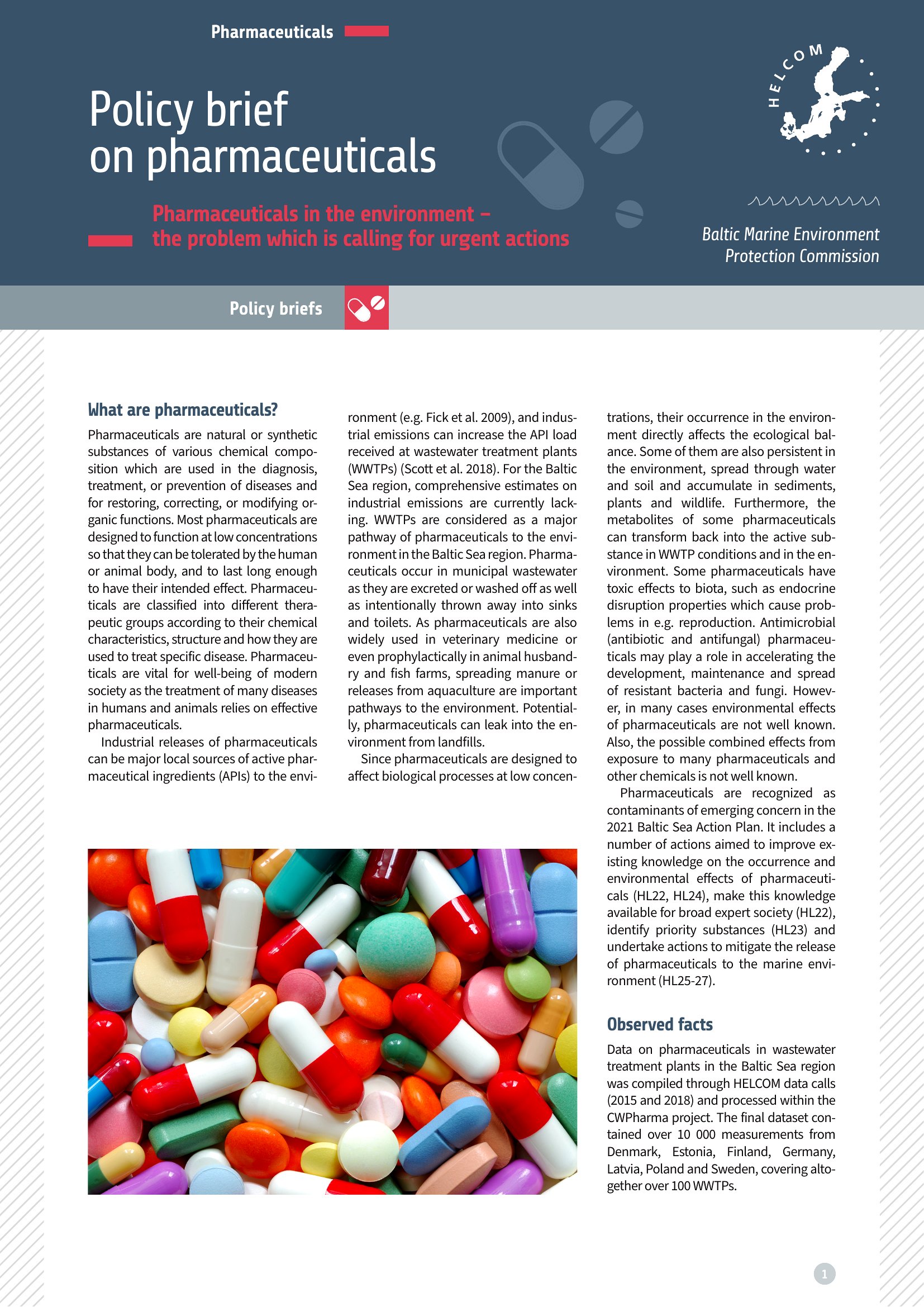
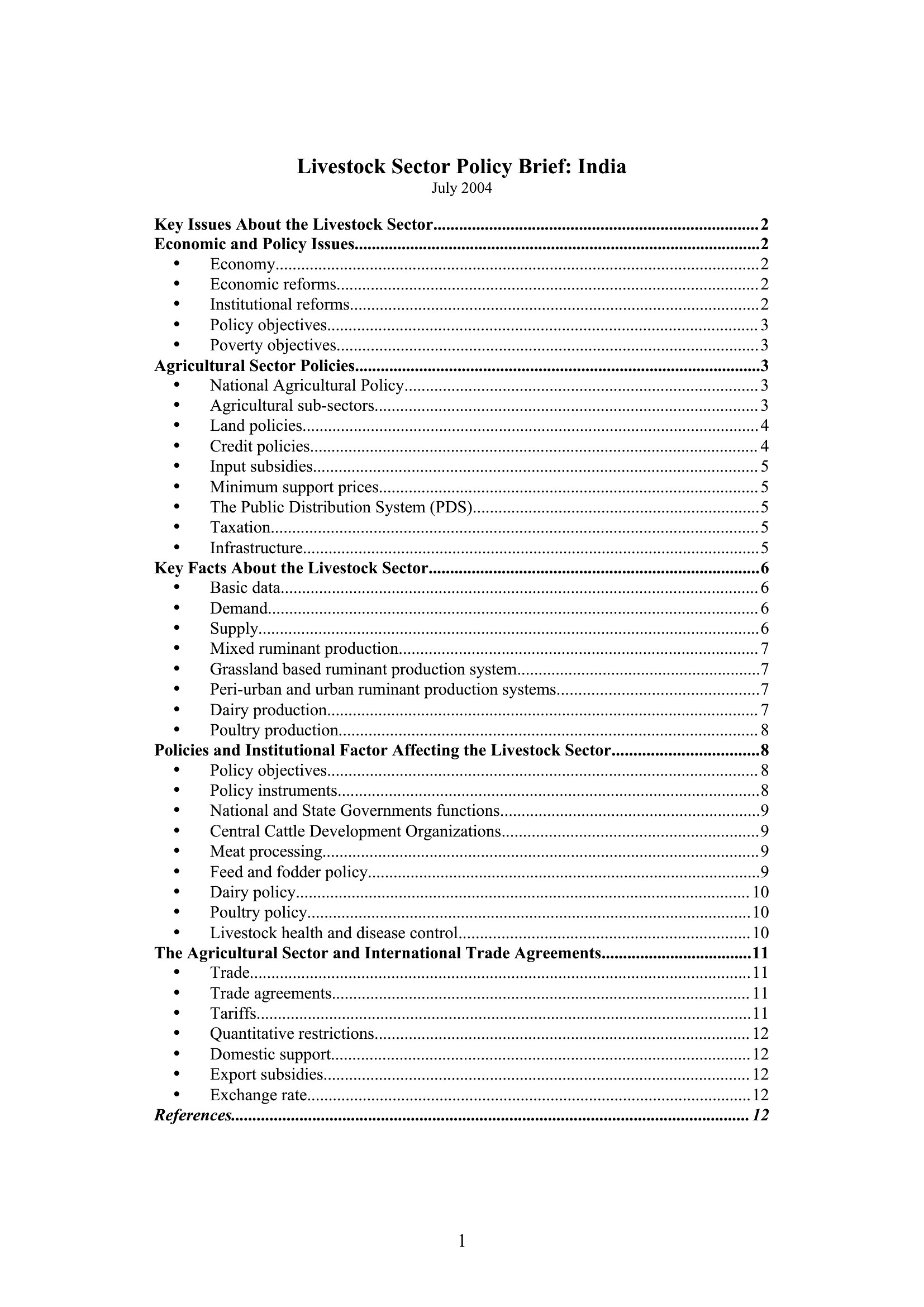
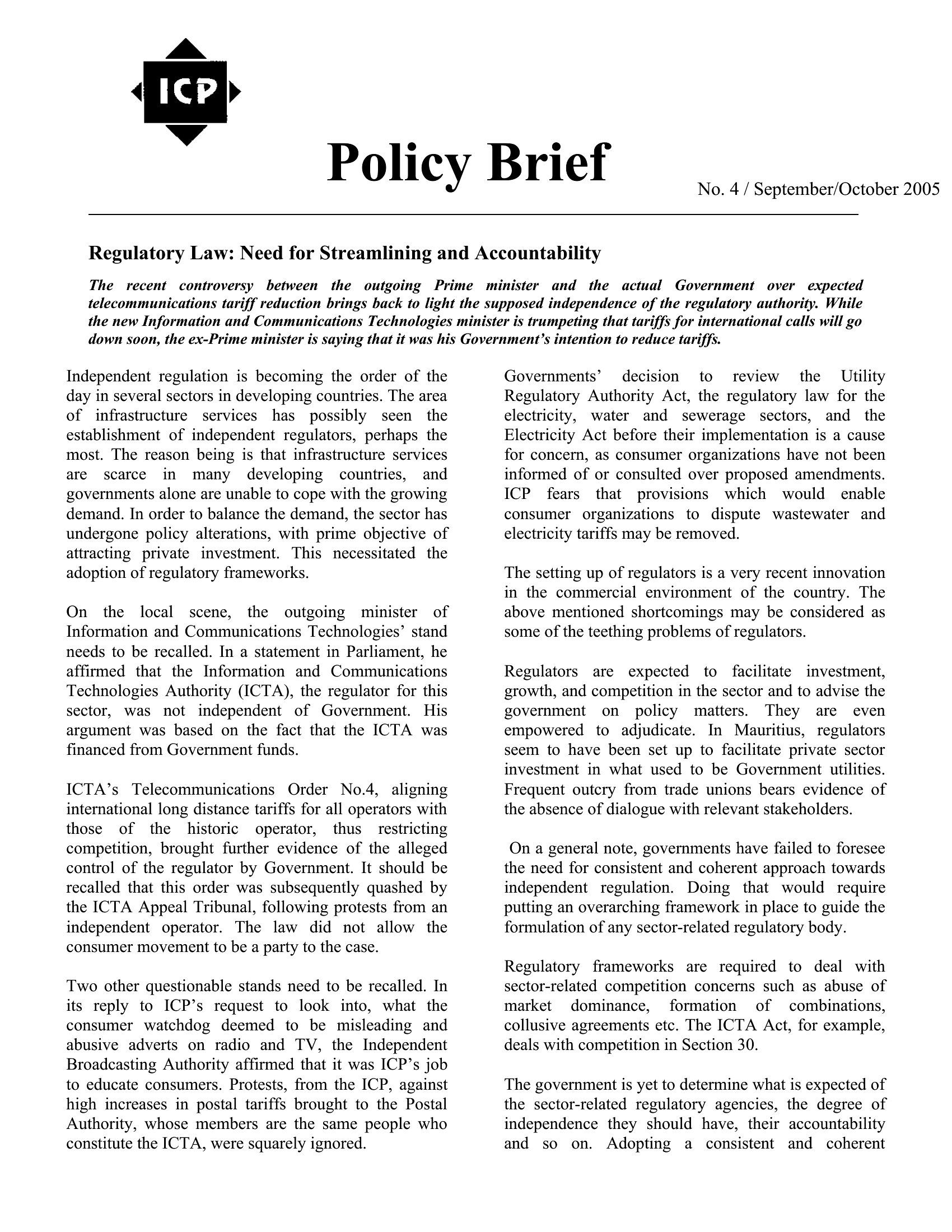
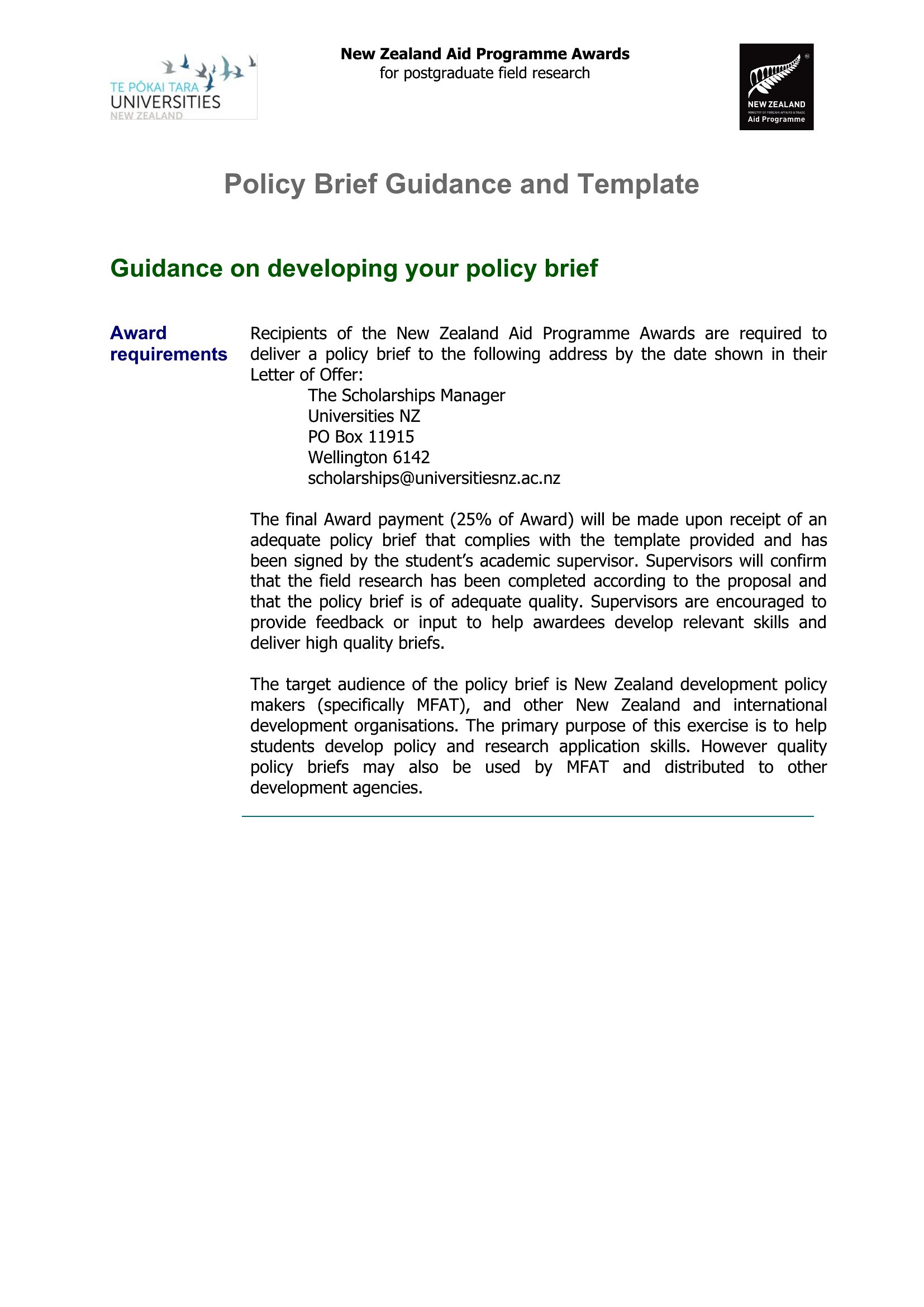
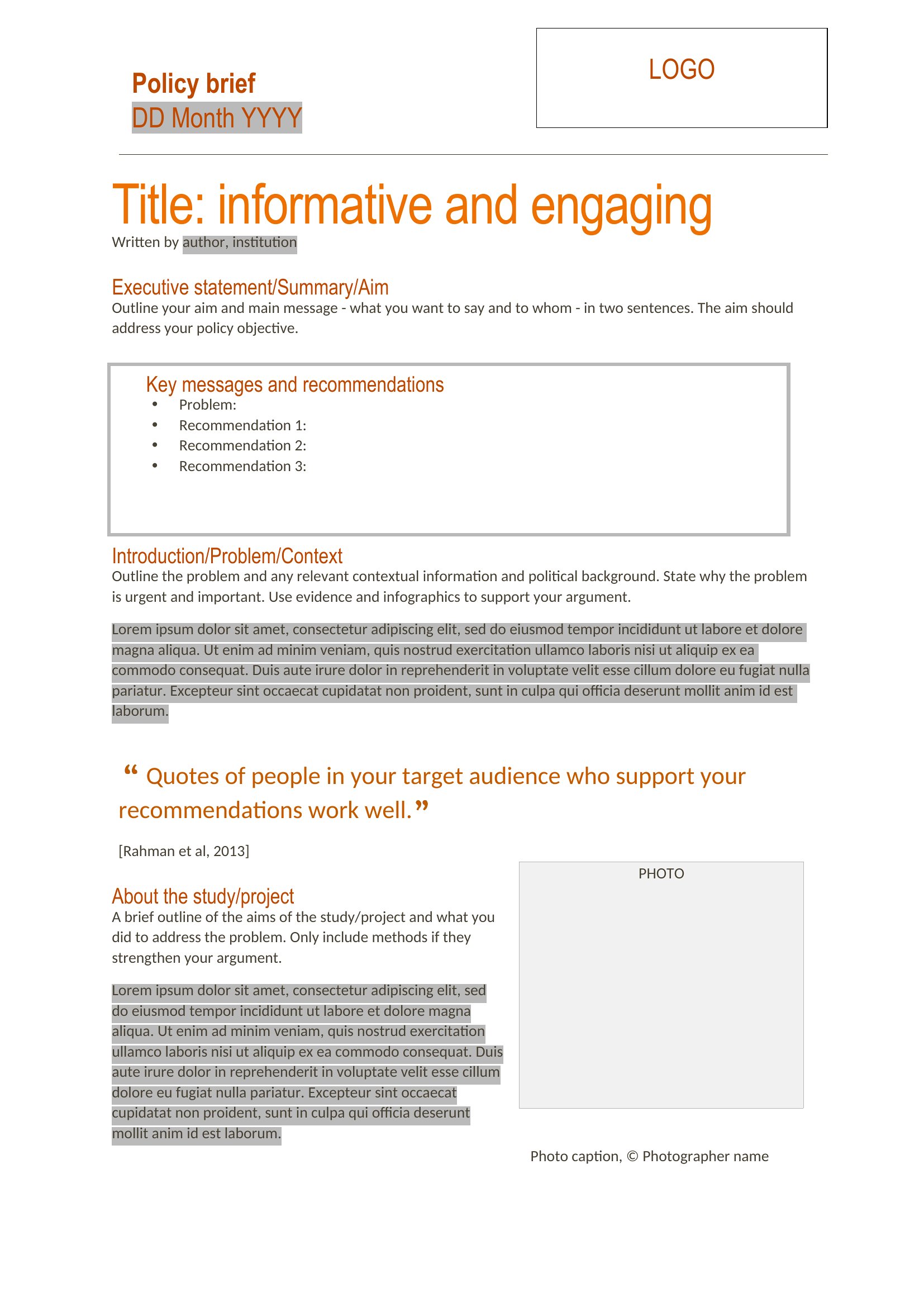
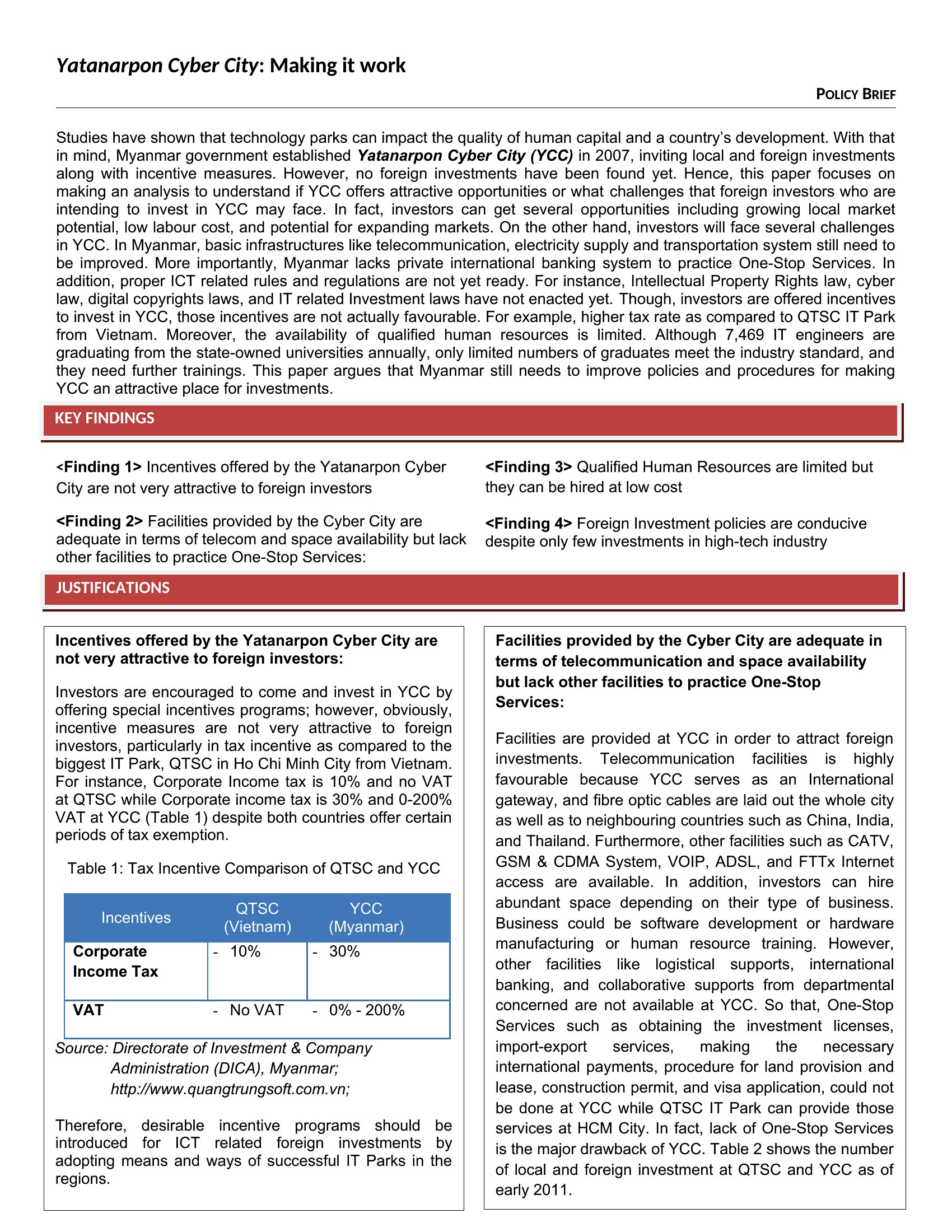
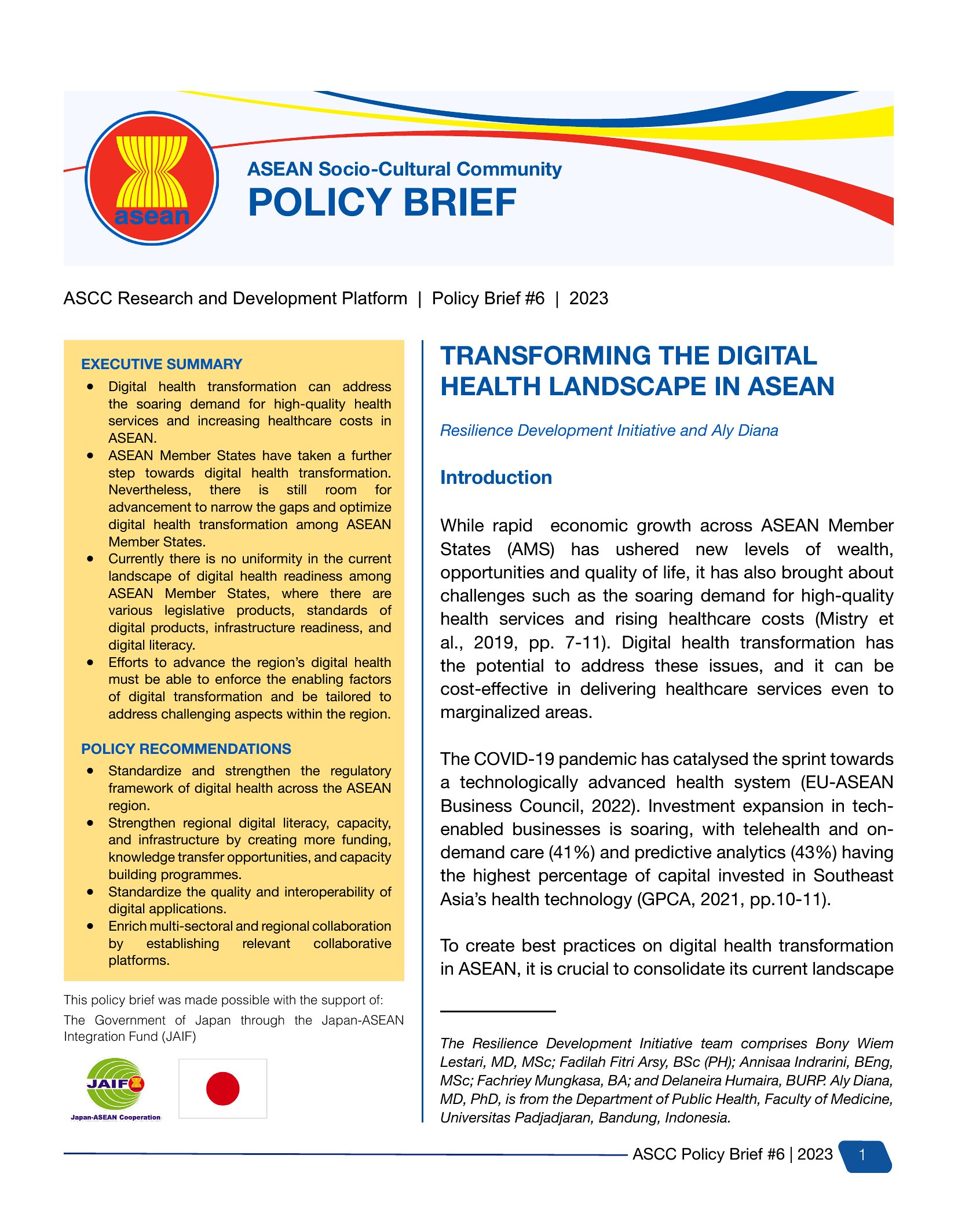

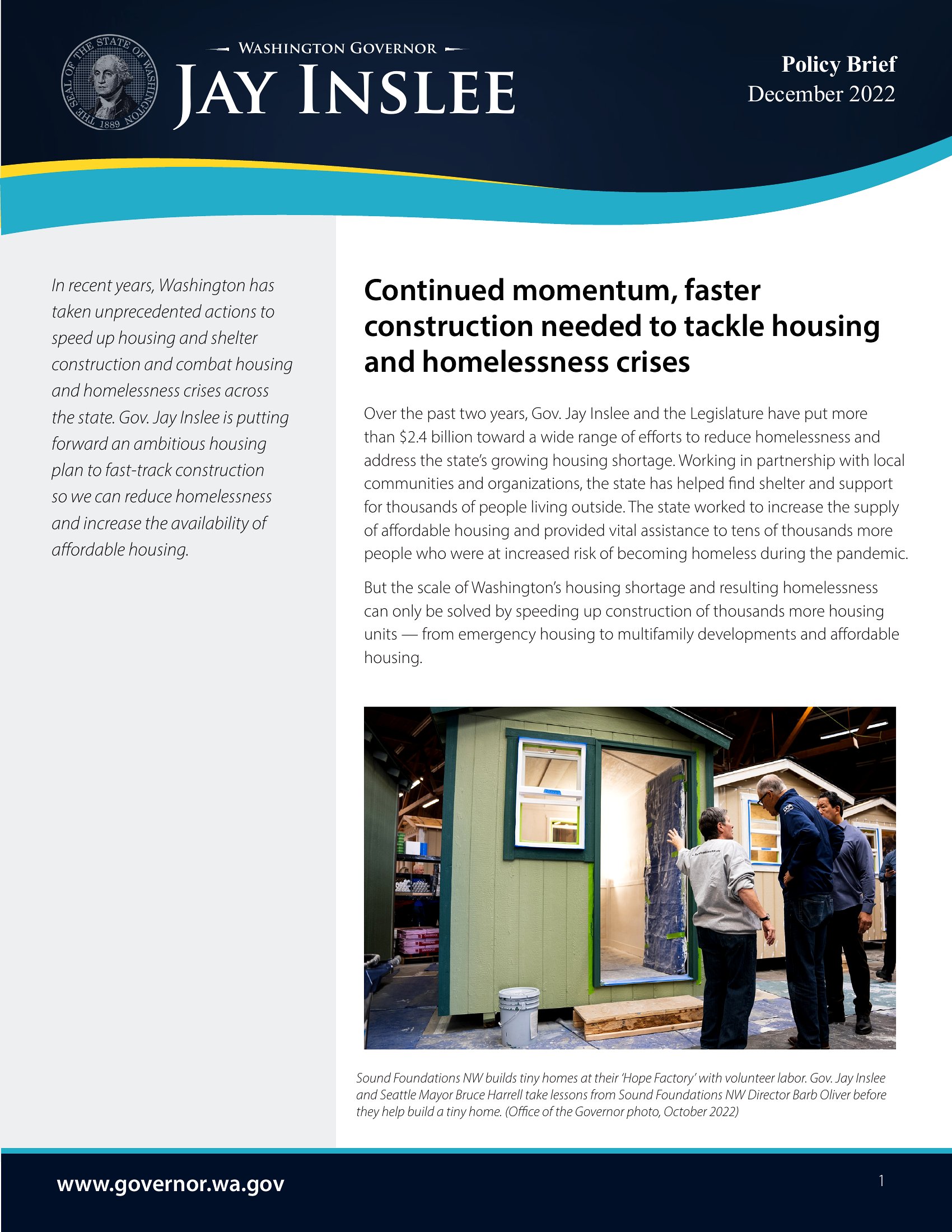
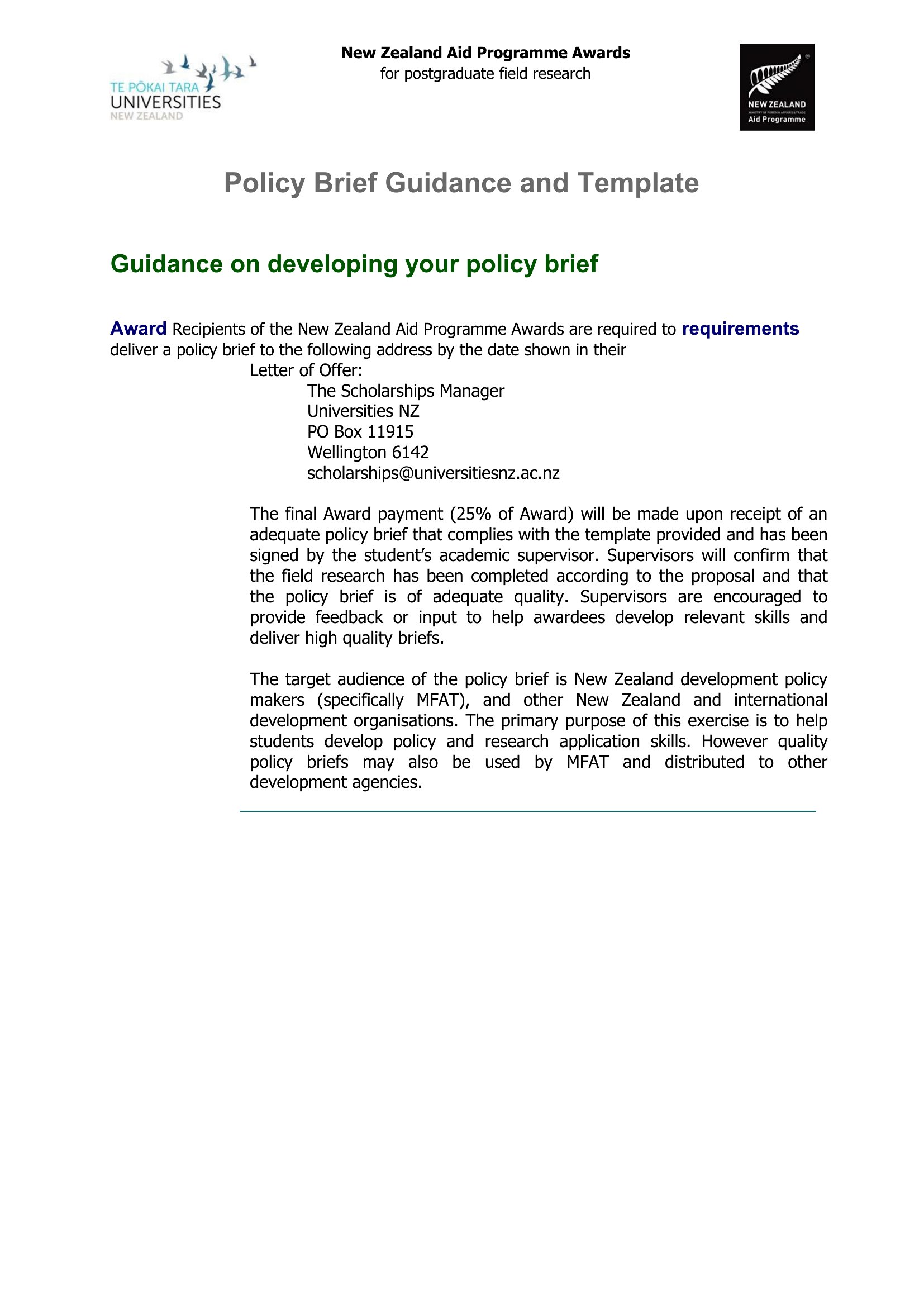
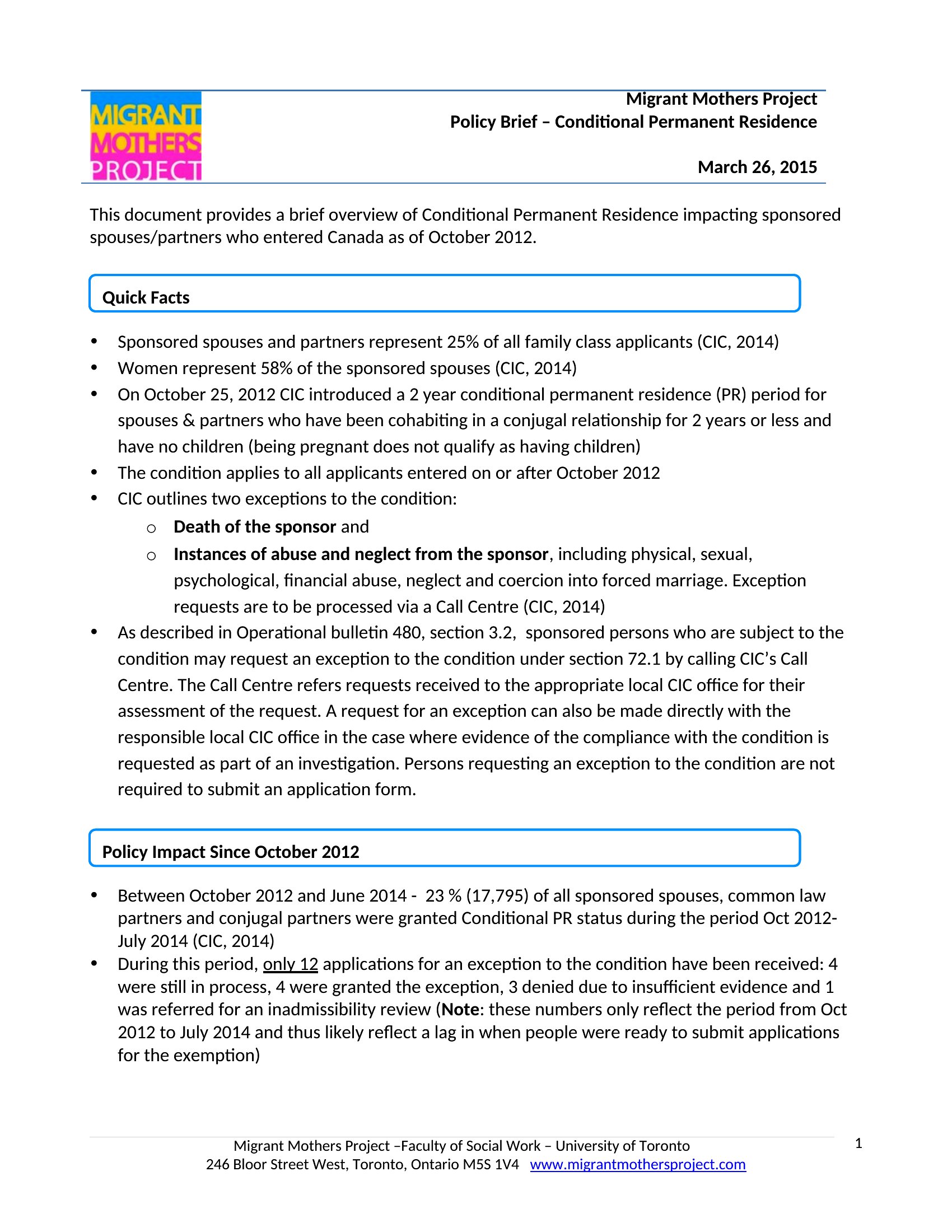
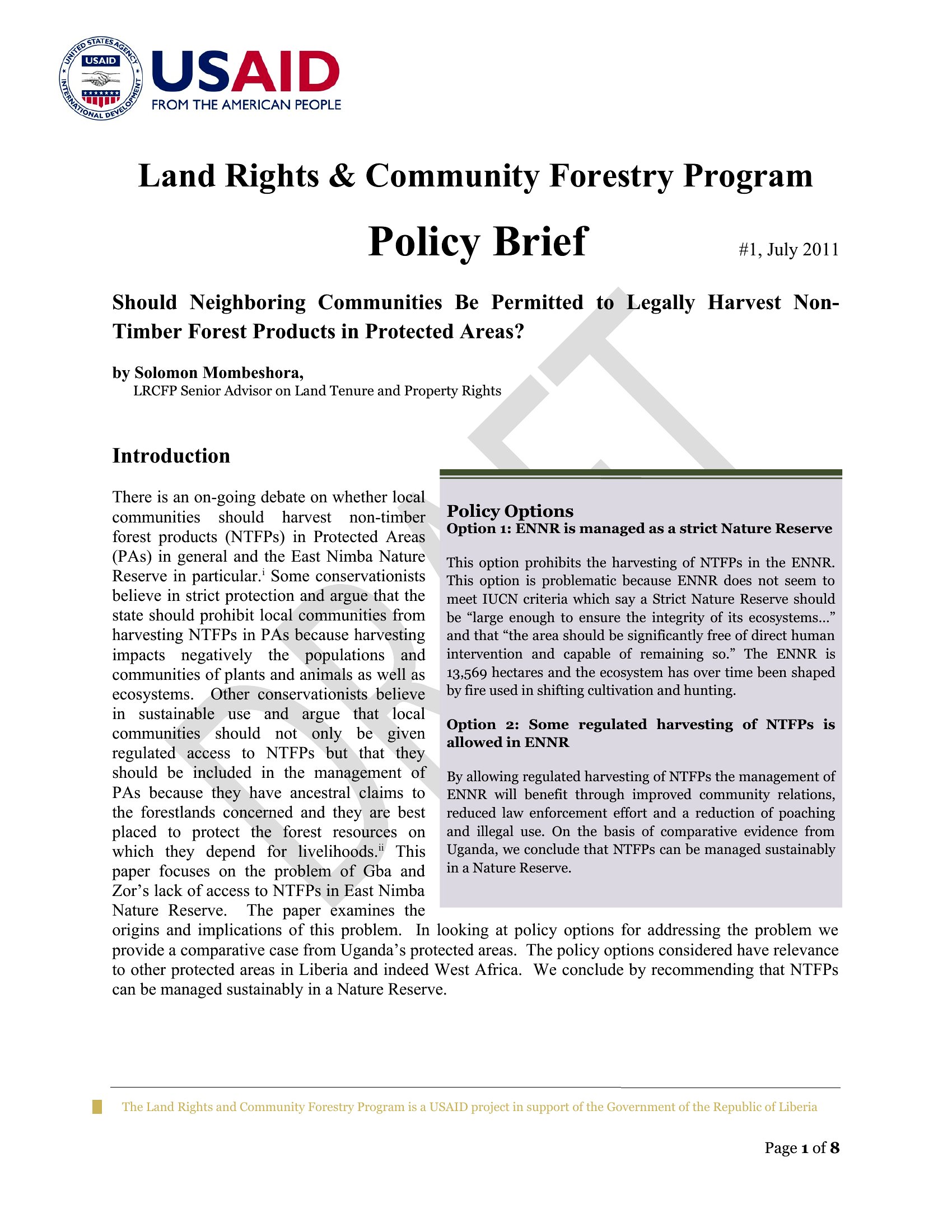

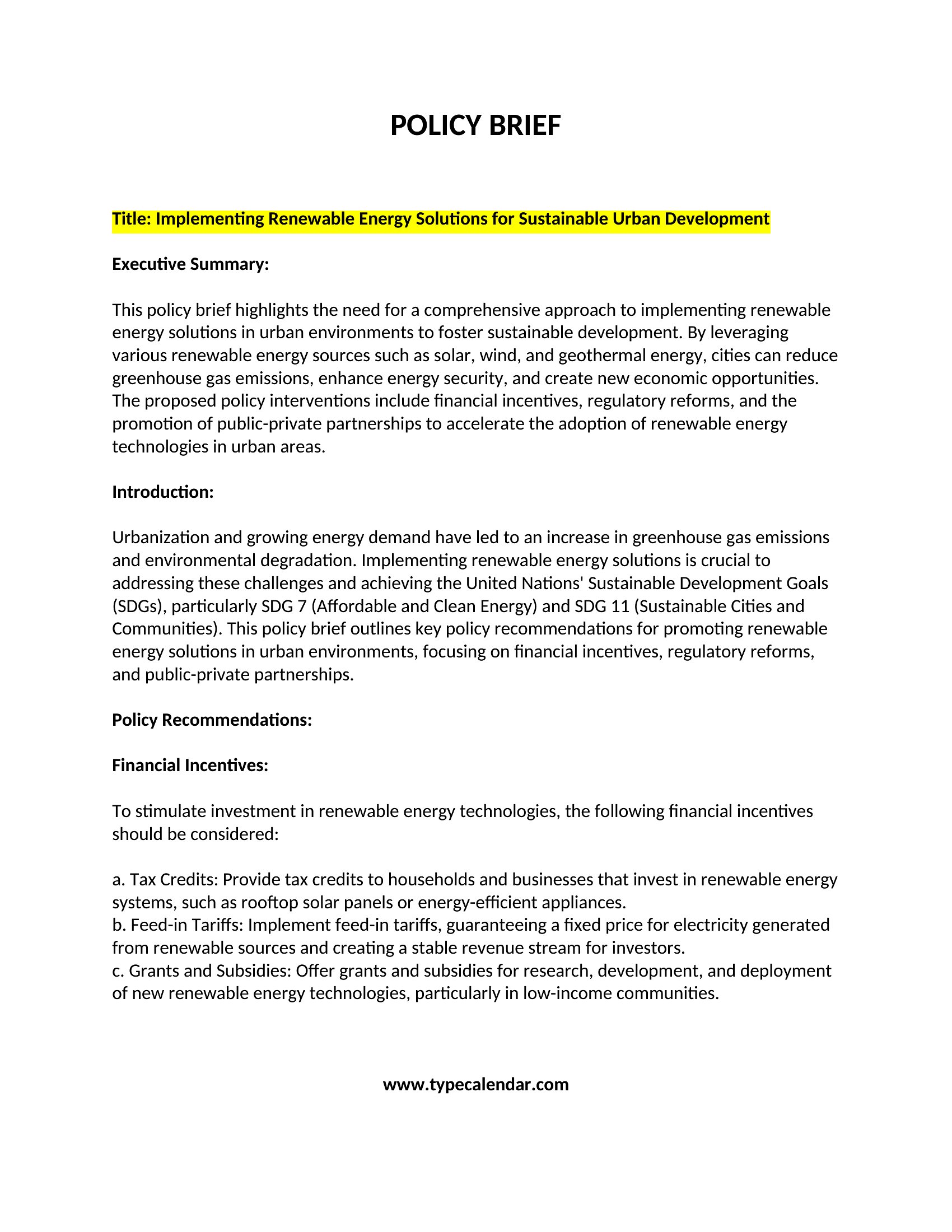

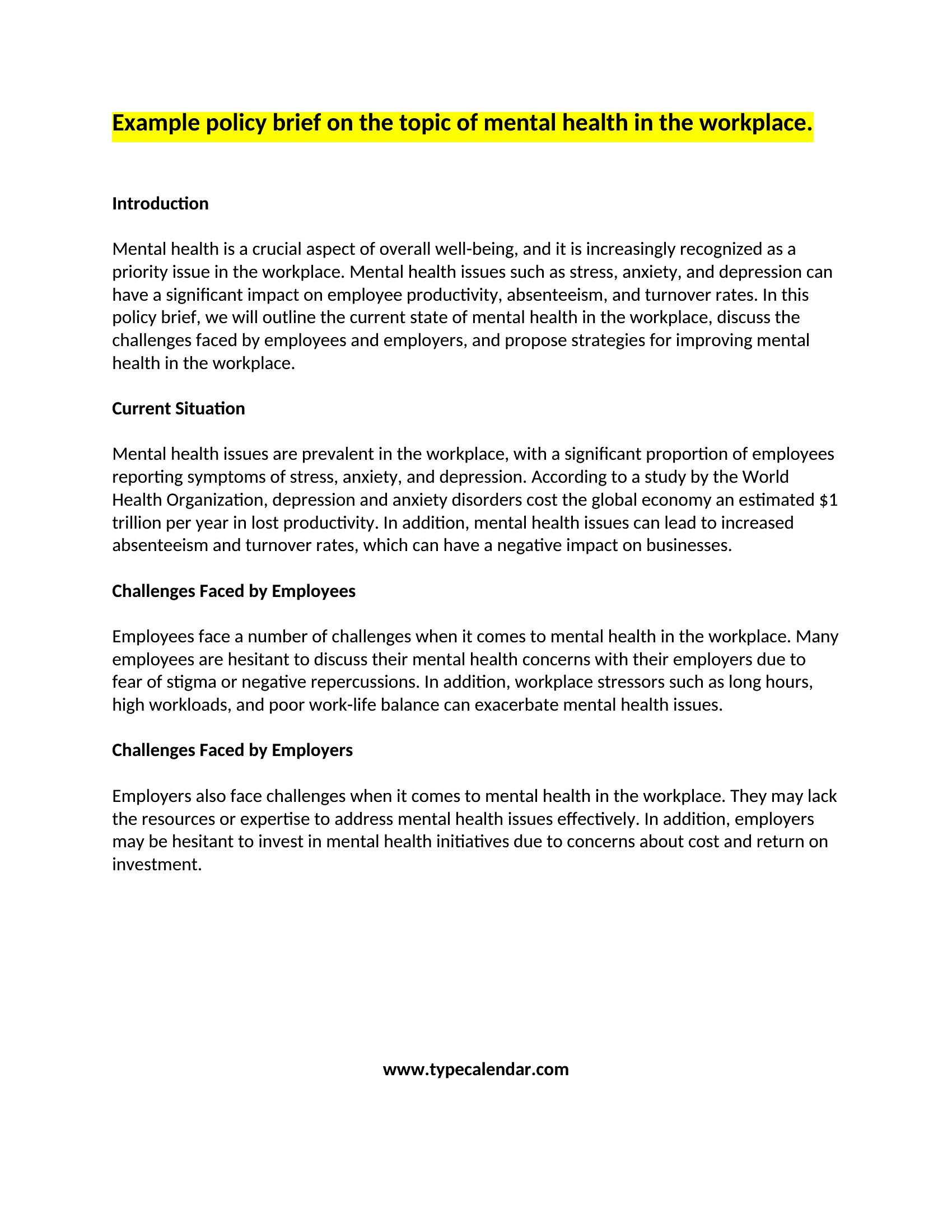
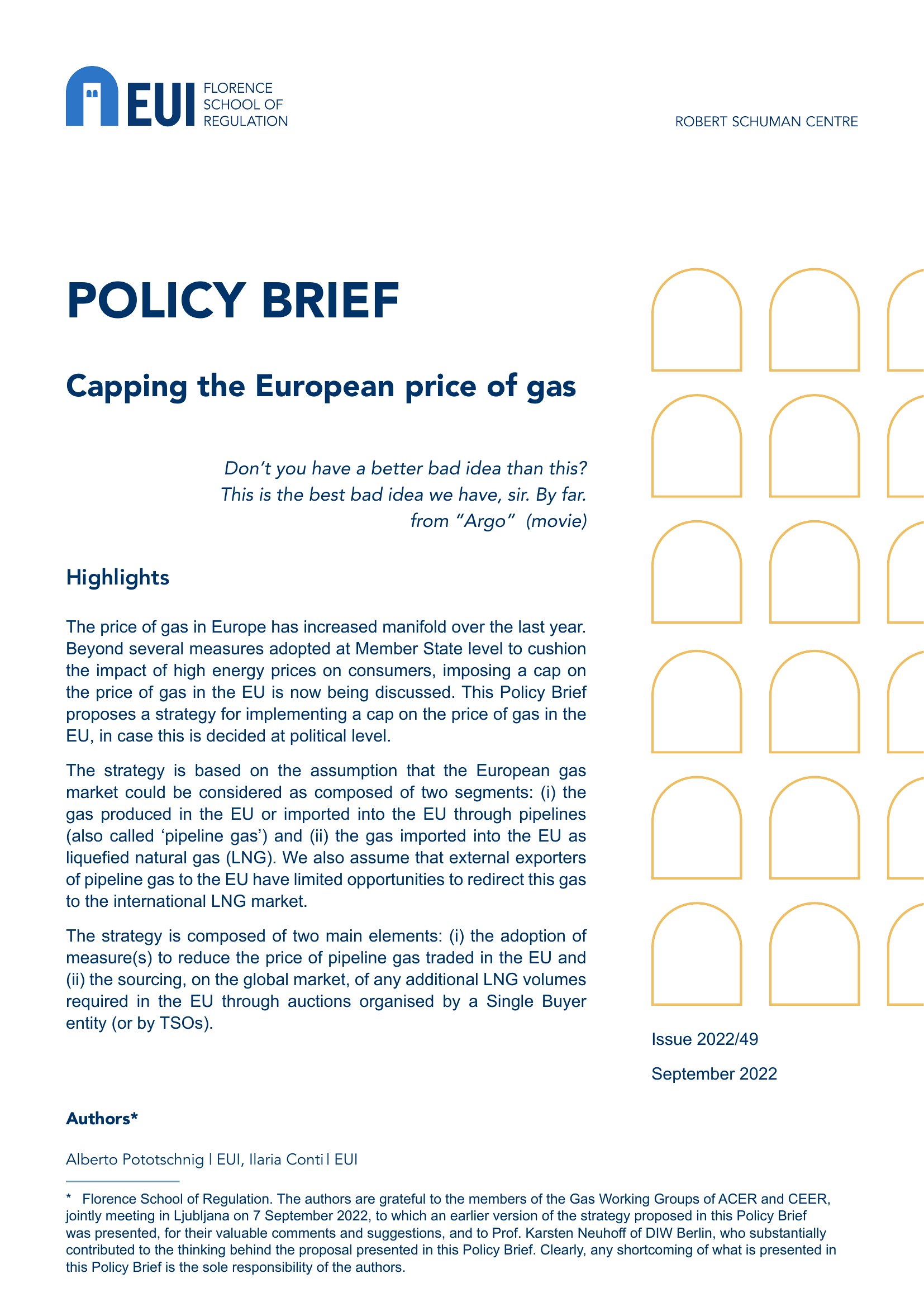
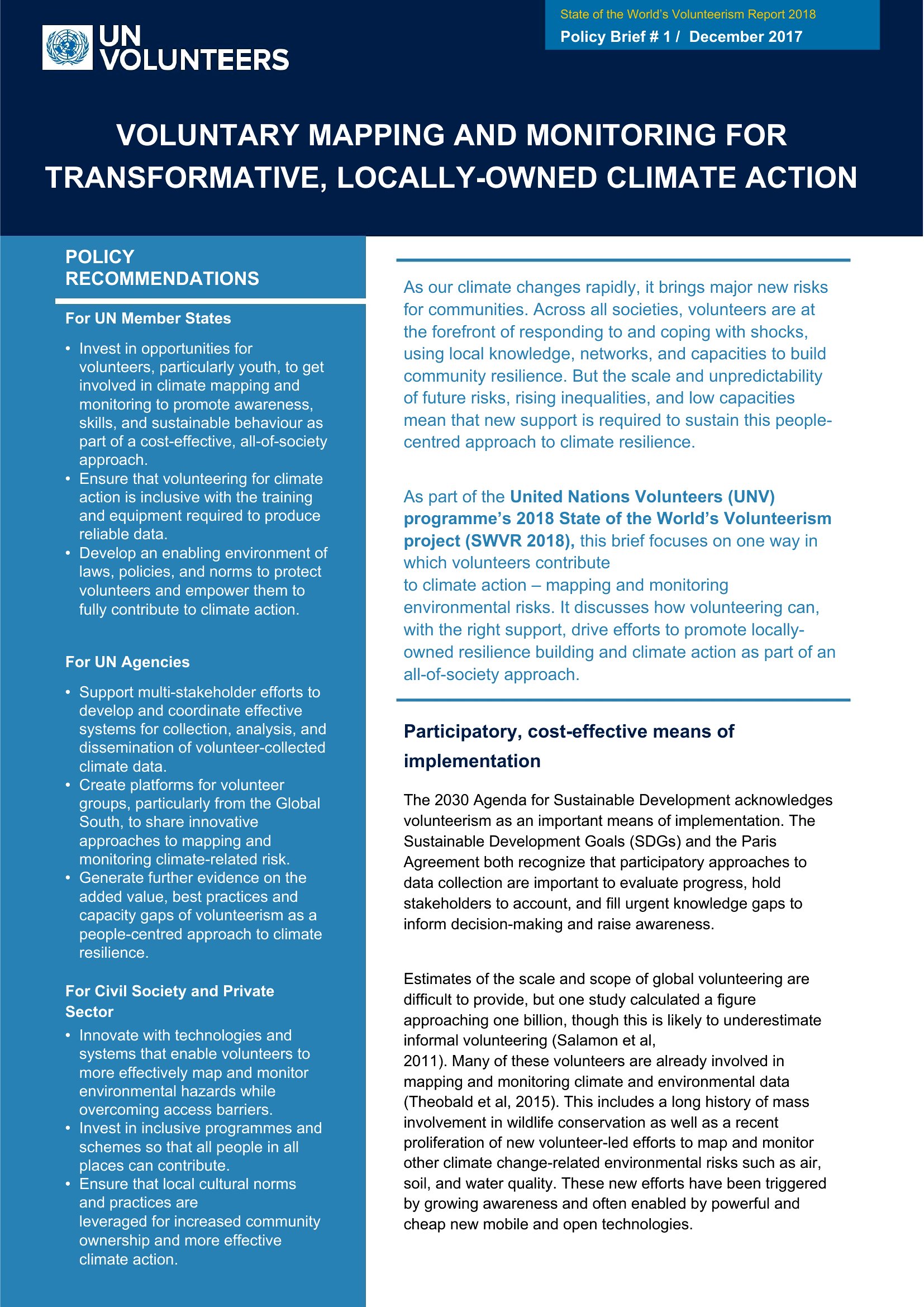
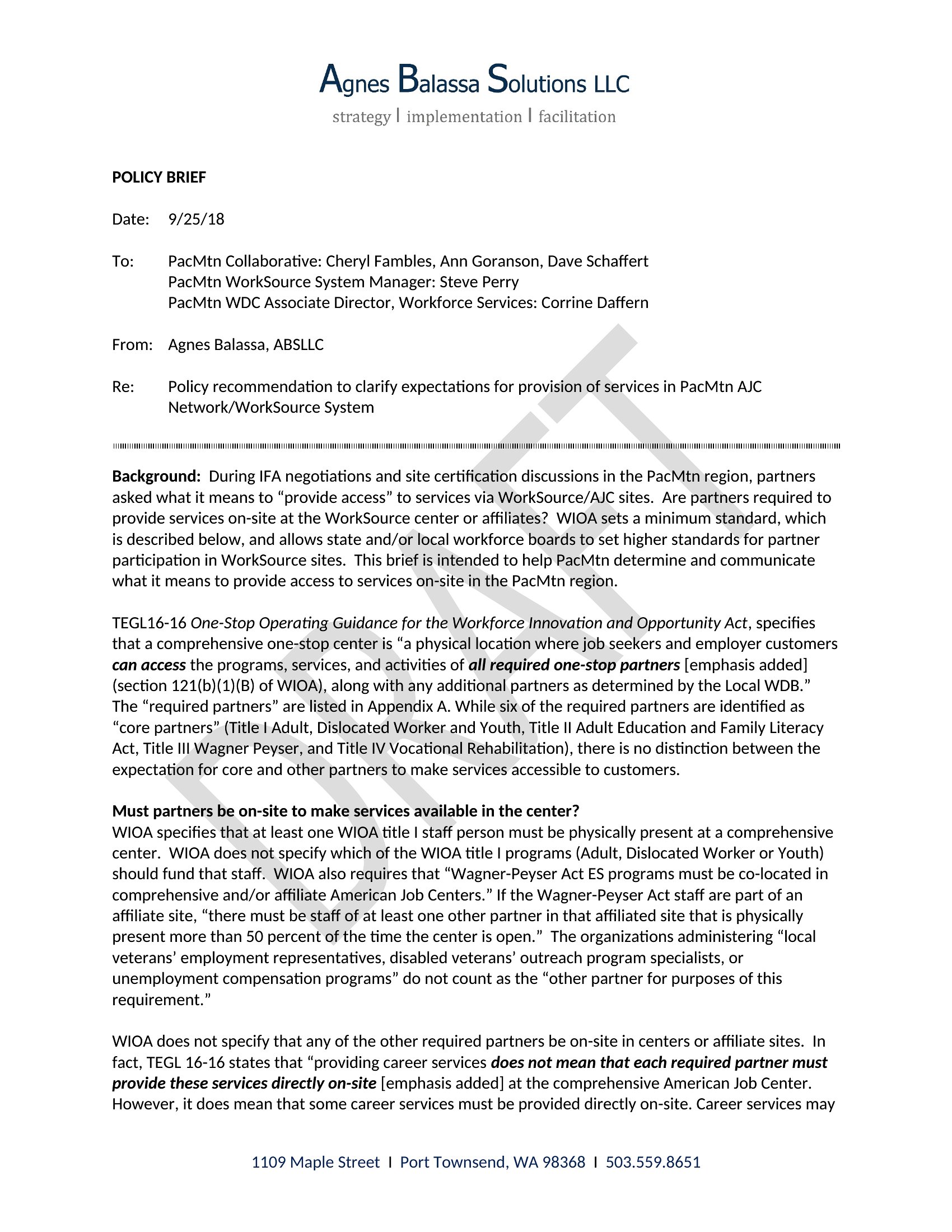
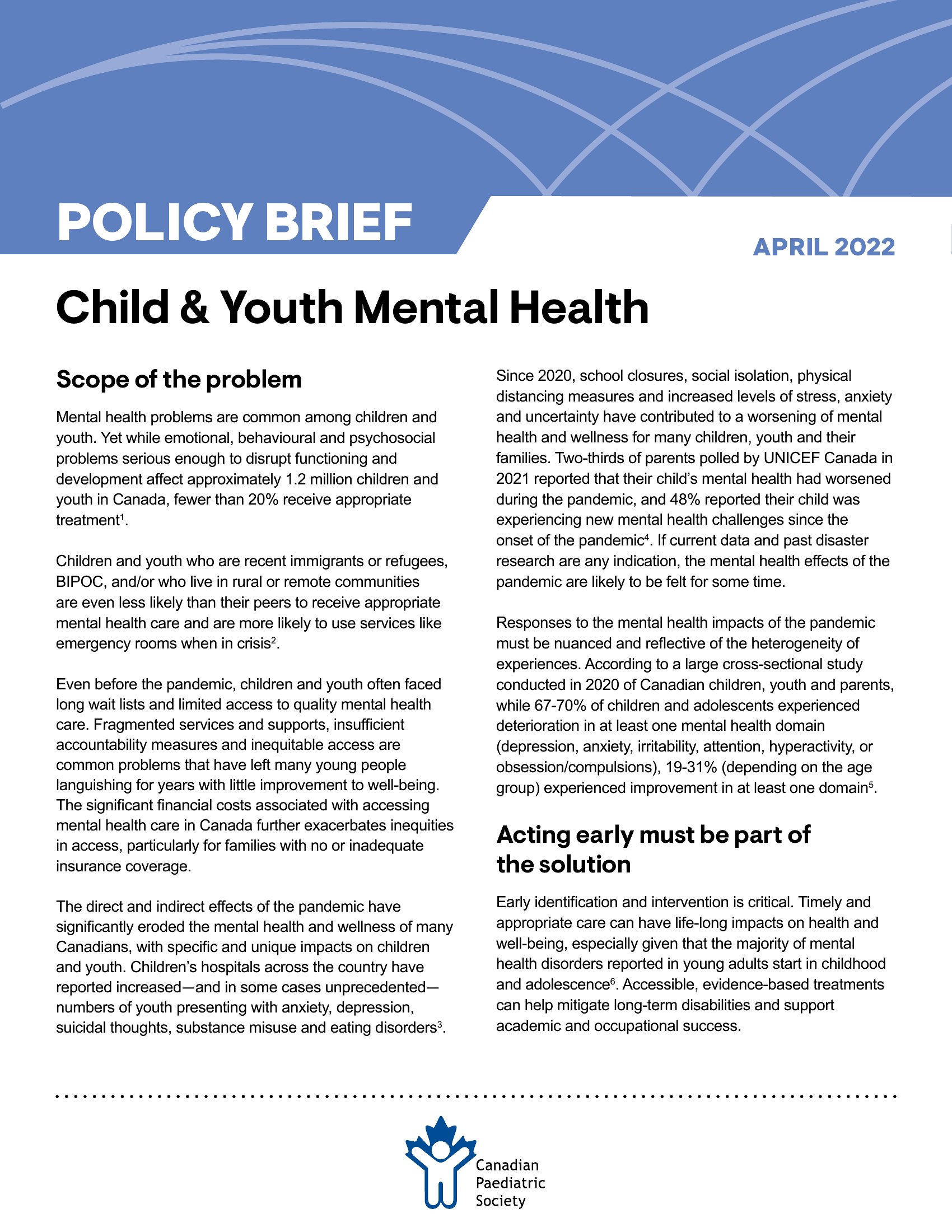
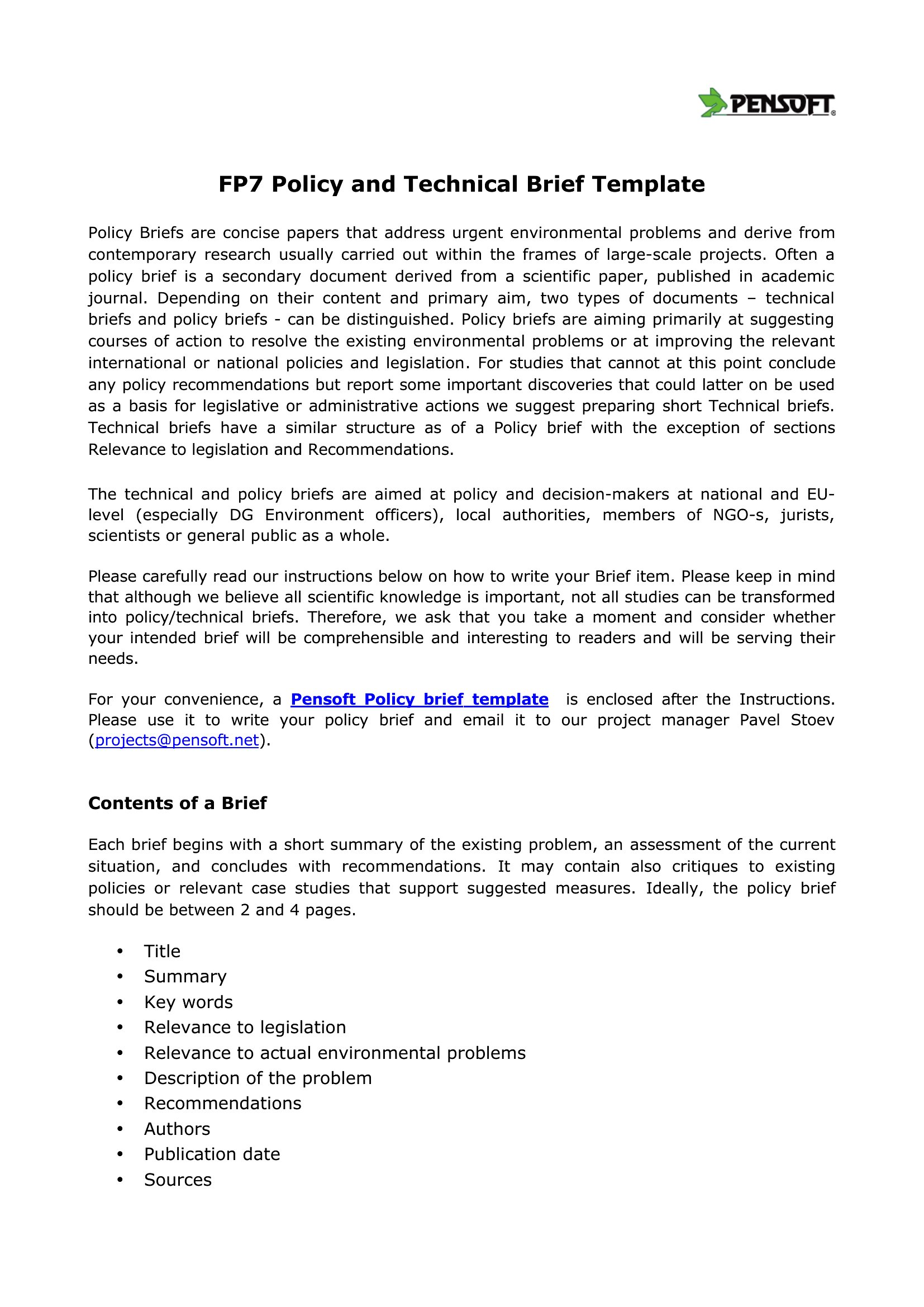
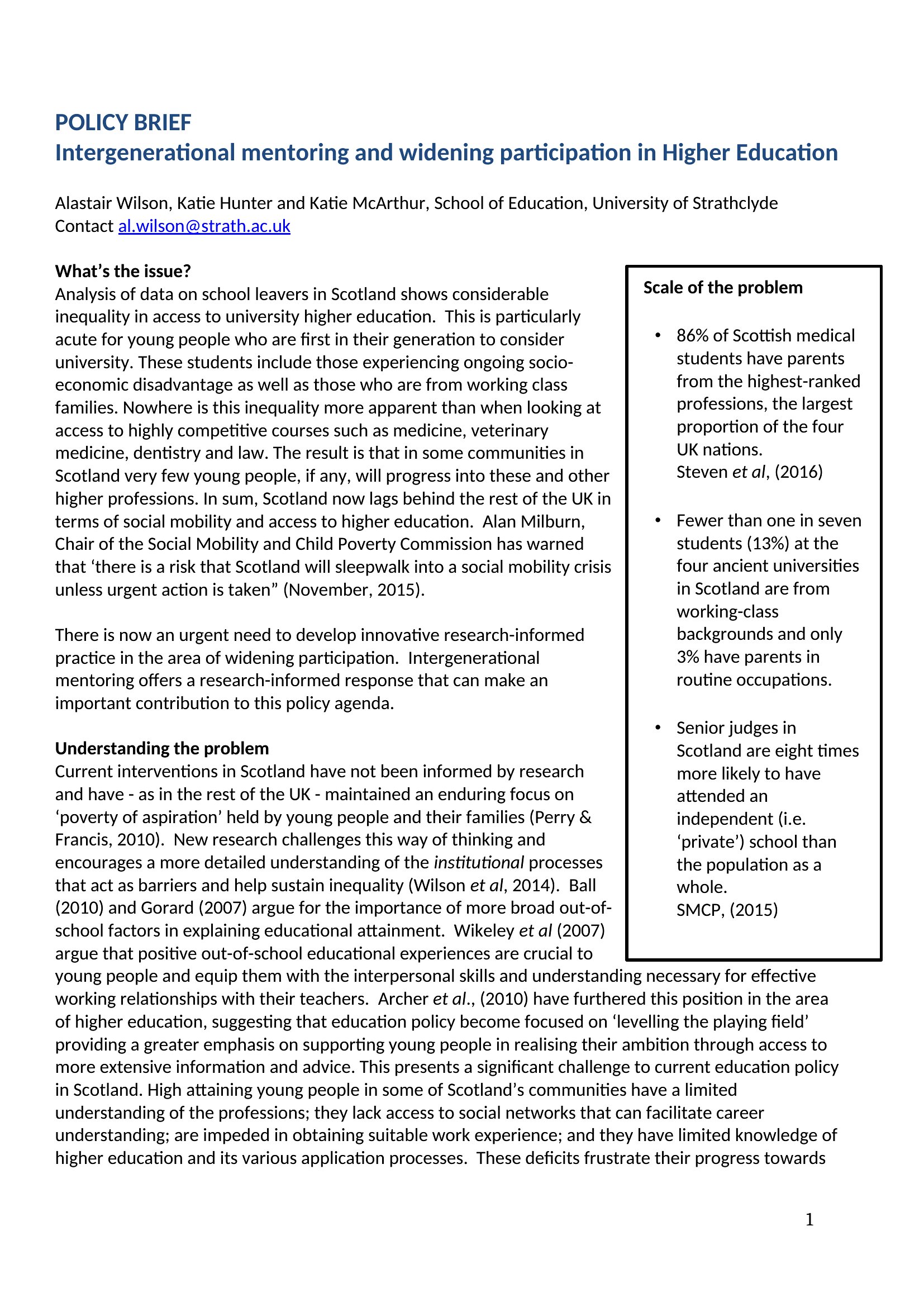
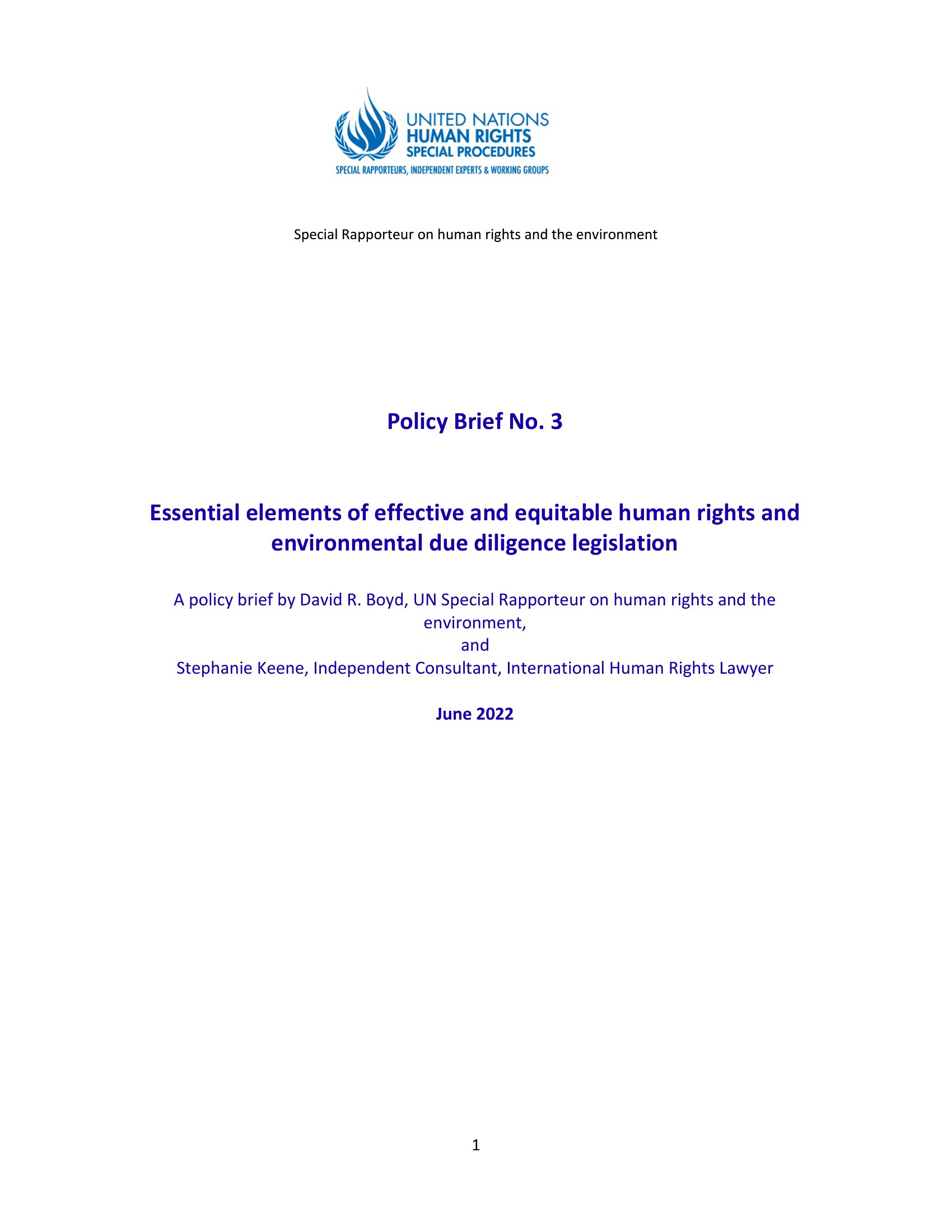

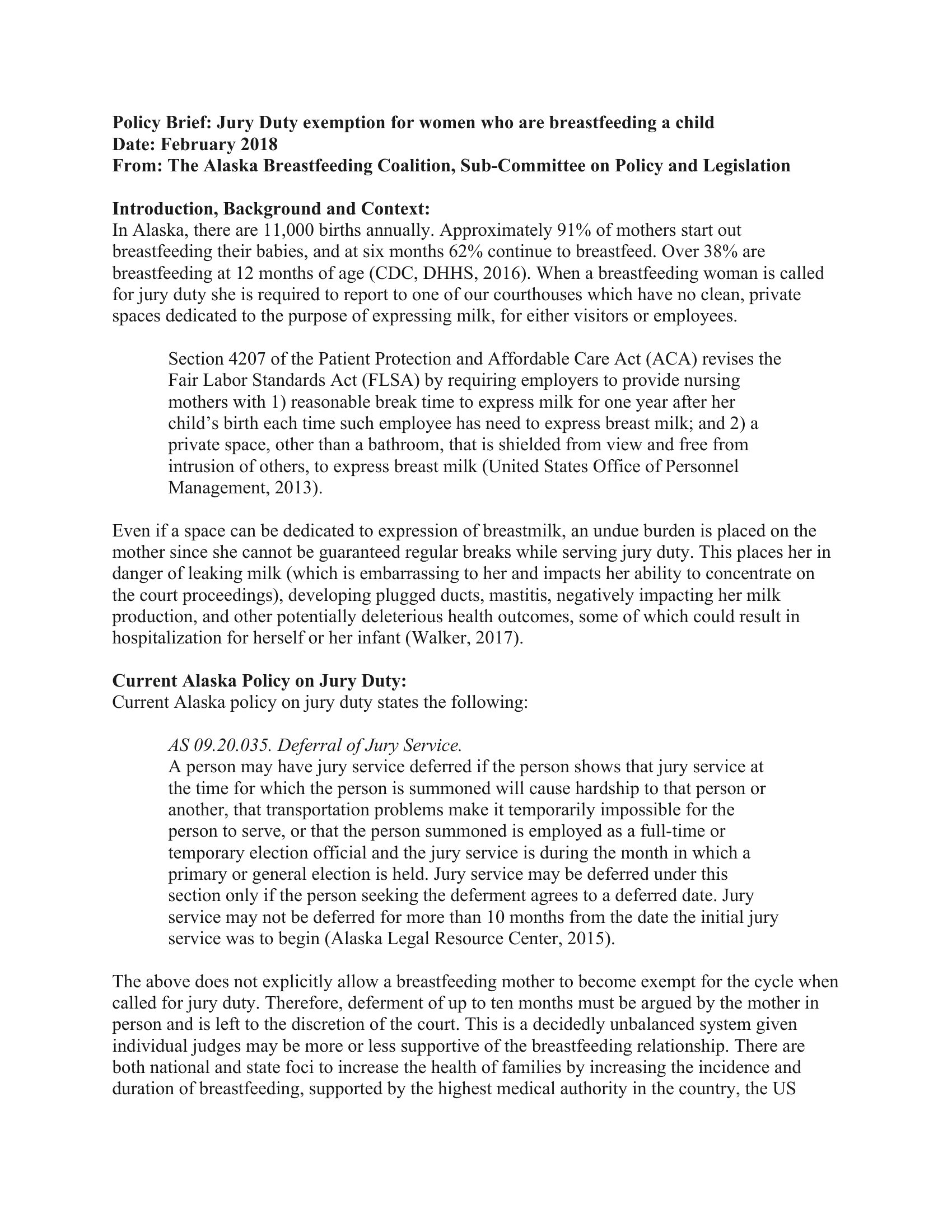
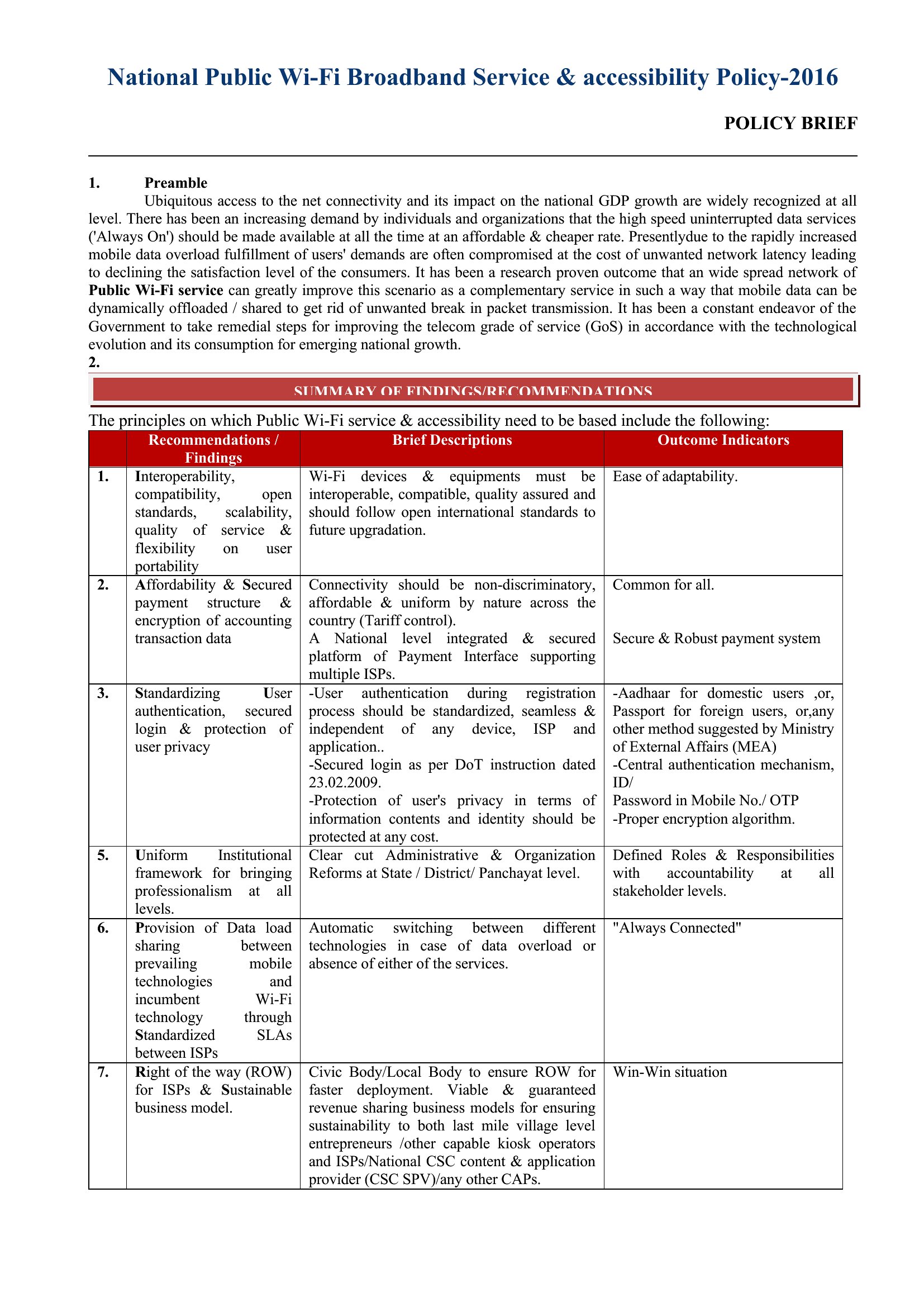
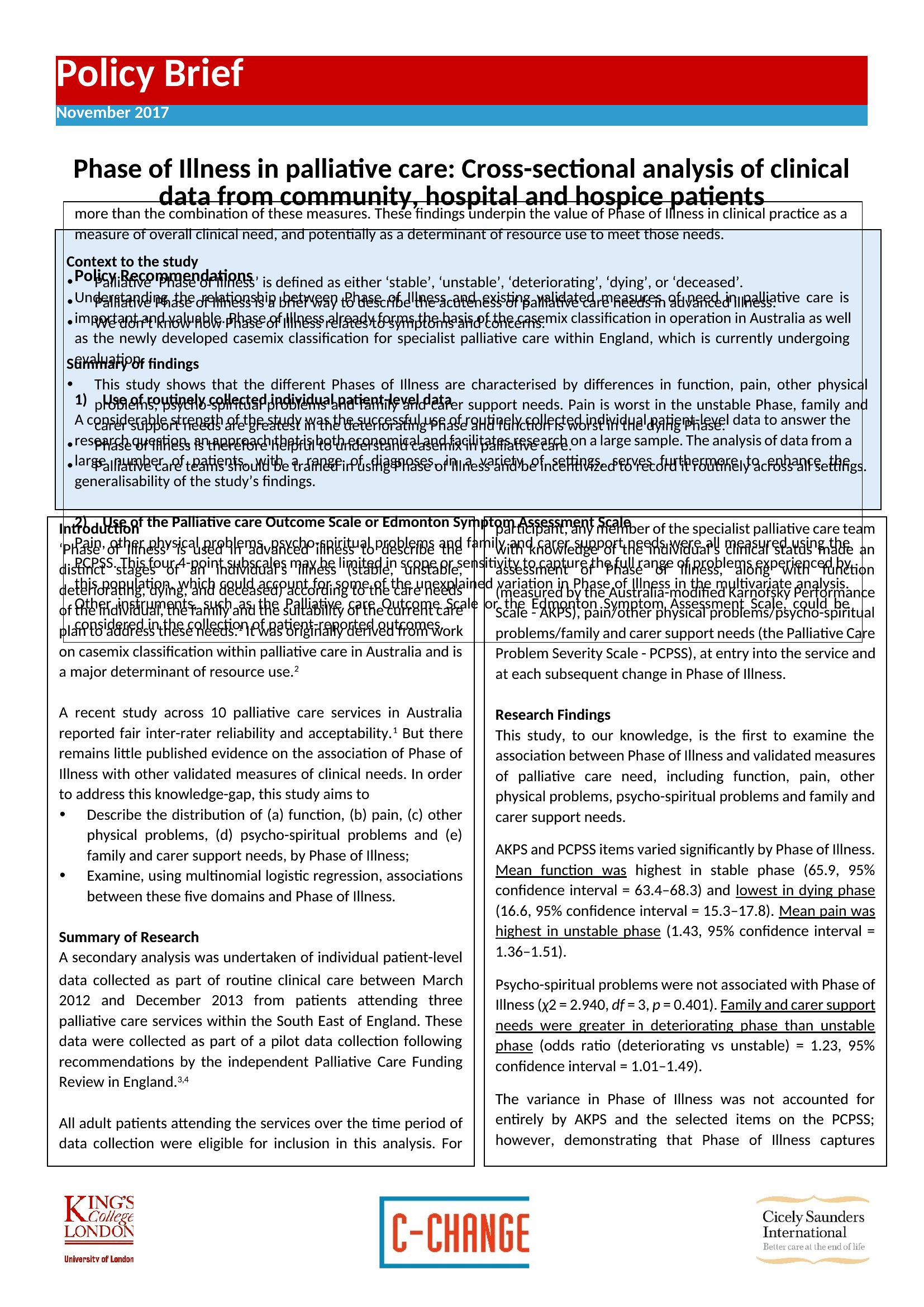
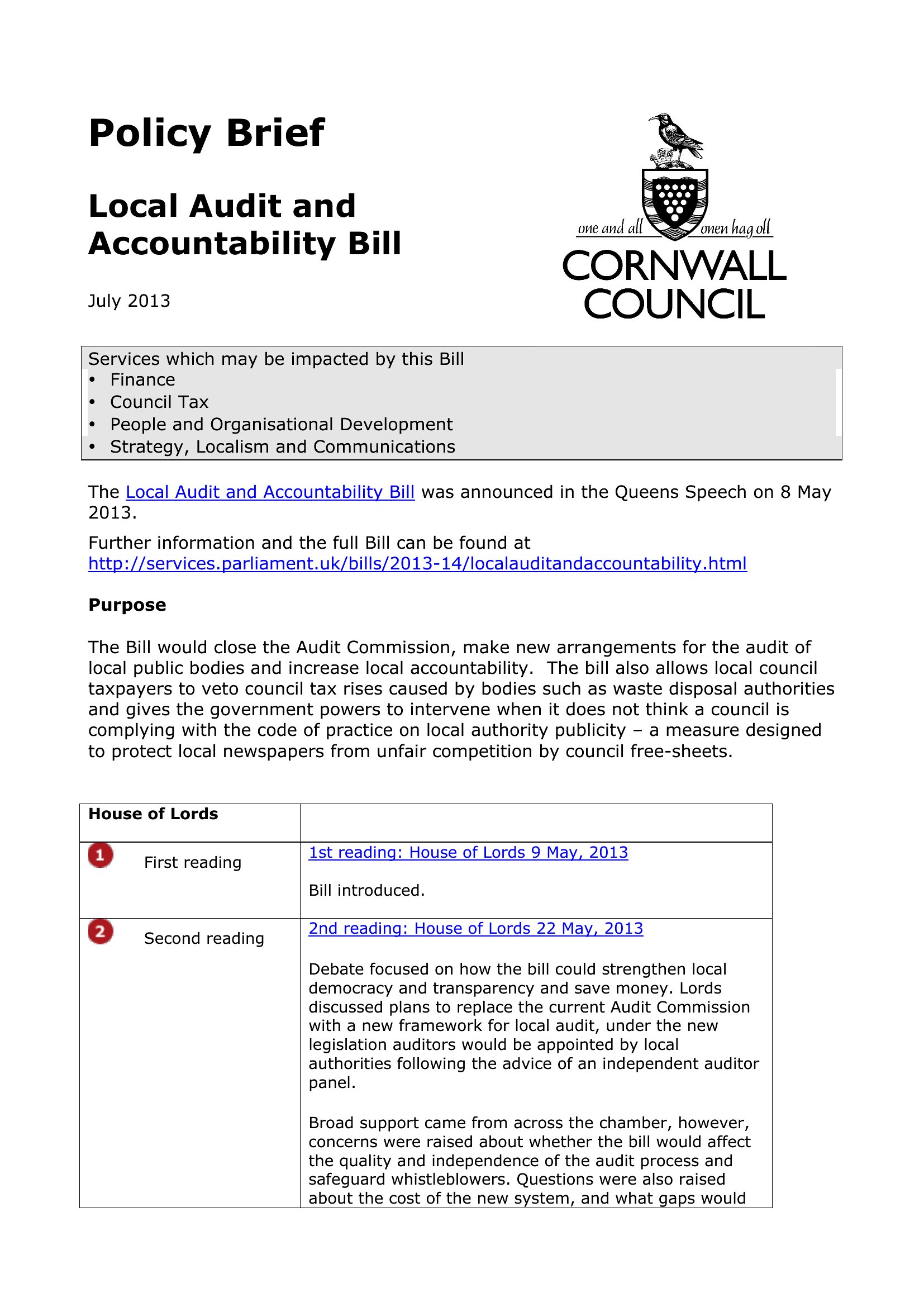
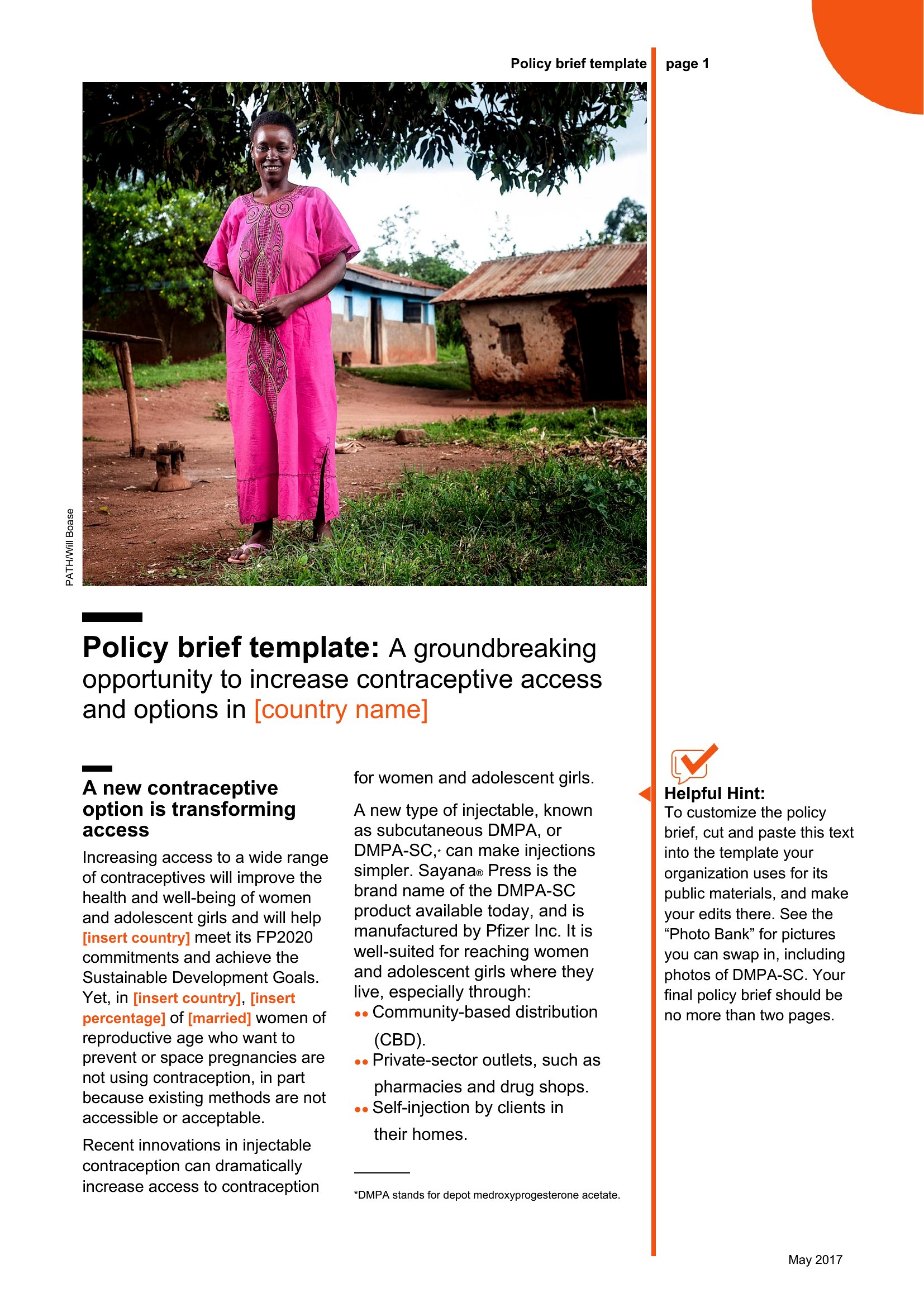
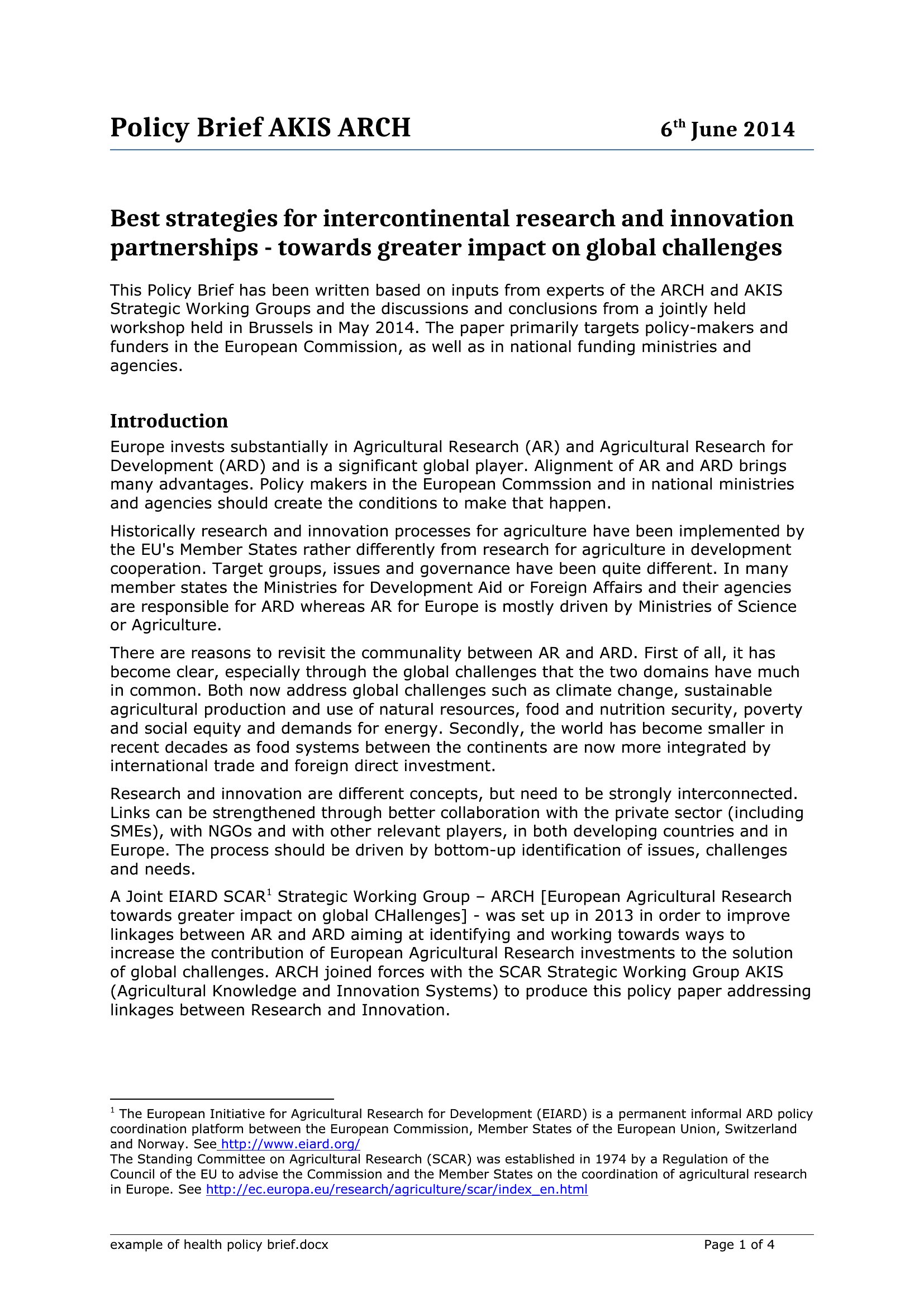
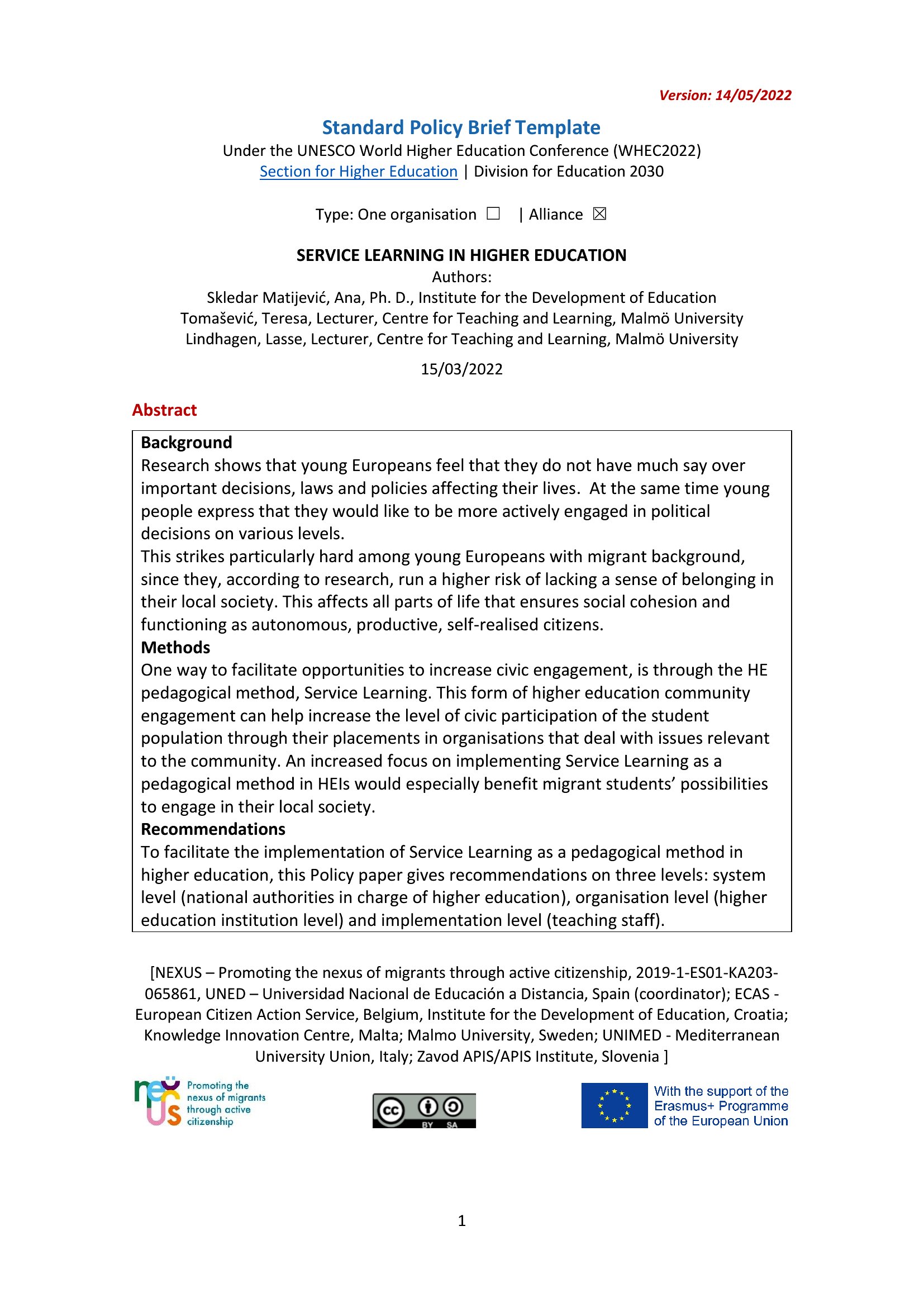
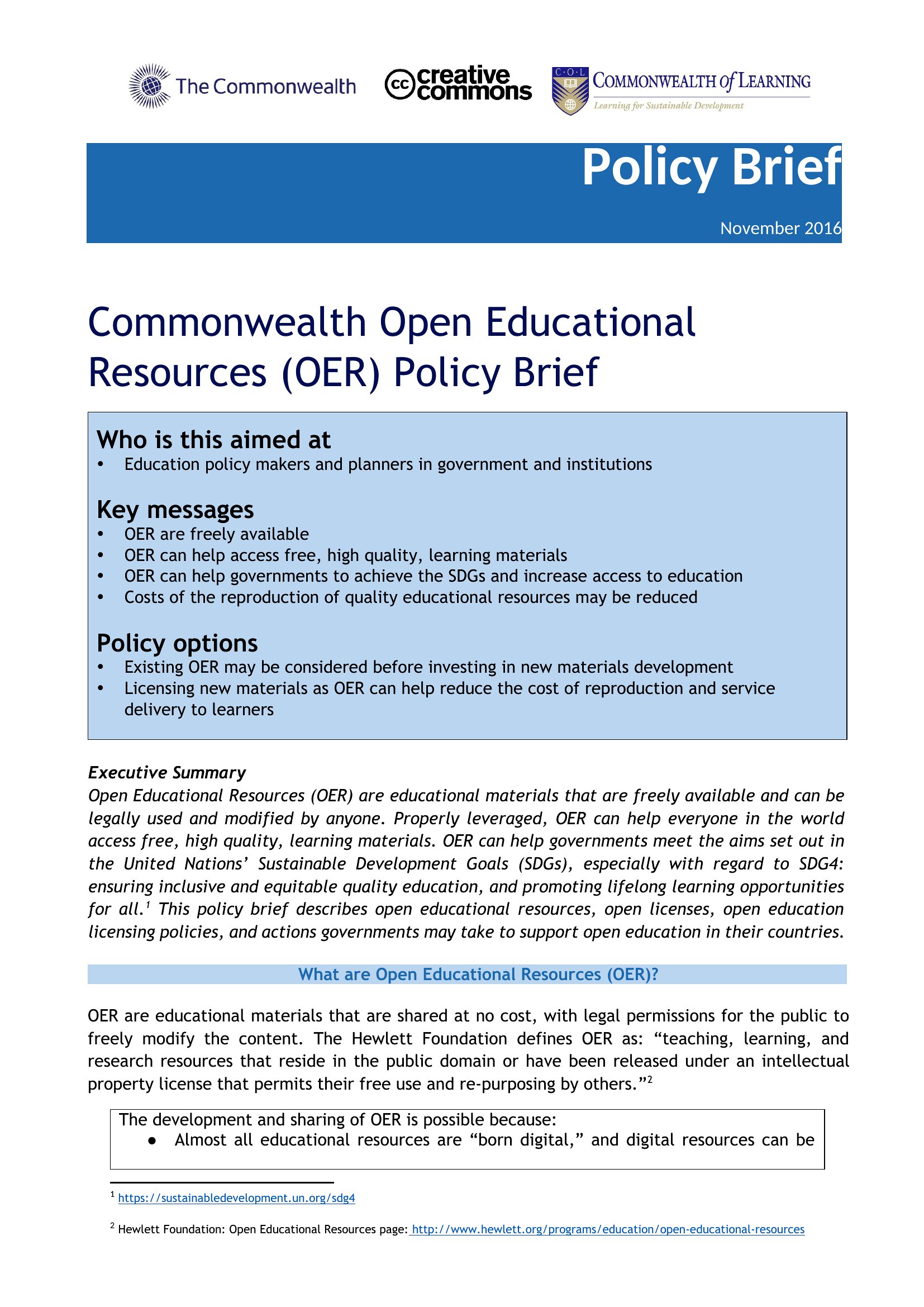
Policy Brief
FAQ
How do I decide between a straightforward problem-solution structure and one that includes counterarguments?
Use a counterarguments section when your audience includes skeptics—like skeptical regulators or opponents of your policy goal. Otherwise, focus on problem-solution if your goal is to convince a receptive but busy audience quickly. The templates include both approaches; match the tone to your reader’s likely resistance level.
Can I use these templates to adapt a technical research paper into a policy brief without rewriting the entire study?
Yes. Start by extracting the executive summary and key findings from your paper, then repurpose the methods and results sections into concise evidence sections. The templates’ structured layouts help bridge dense research with policy-relevant takeaways. Avoid dumping jargon—translate technical details into plain-language impacts for decision-makers.
What’s the best way to make recommendations stand out in a policy brief for a skeptical audience?
Frame recommendations as ‘actionable steps’ tied directly to the evidence presented, and use bold or bullet points to highlight them. In Word templates, consider adding a ‘priority’ label (e.g., ‘High-Impact’ or ‘Low-Cost’) to help readers quickly assess feasibility. Avoid vague calls to action—specify who should act, by when, and with what resources.
Comments
Join the conversation
Sign in to share your thoughts and leave a comment on this resource.