FAQ
Do these templates include language for notarization or legal validation?
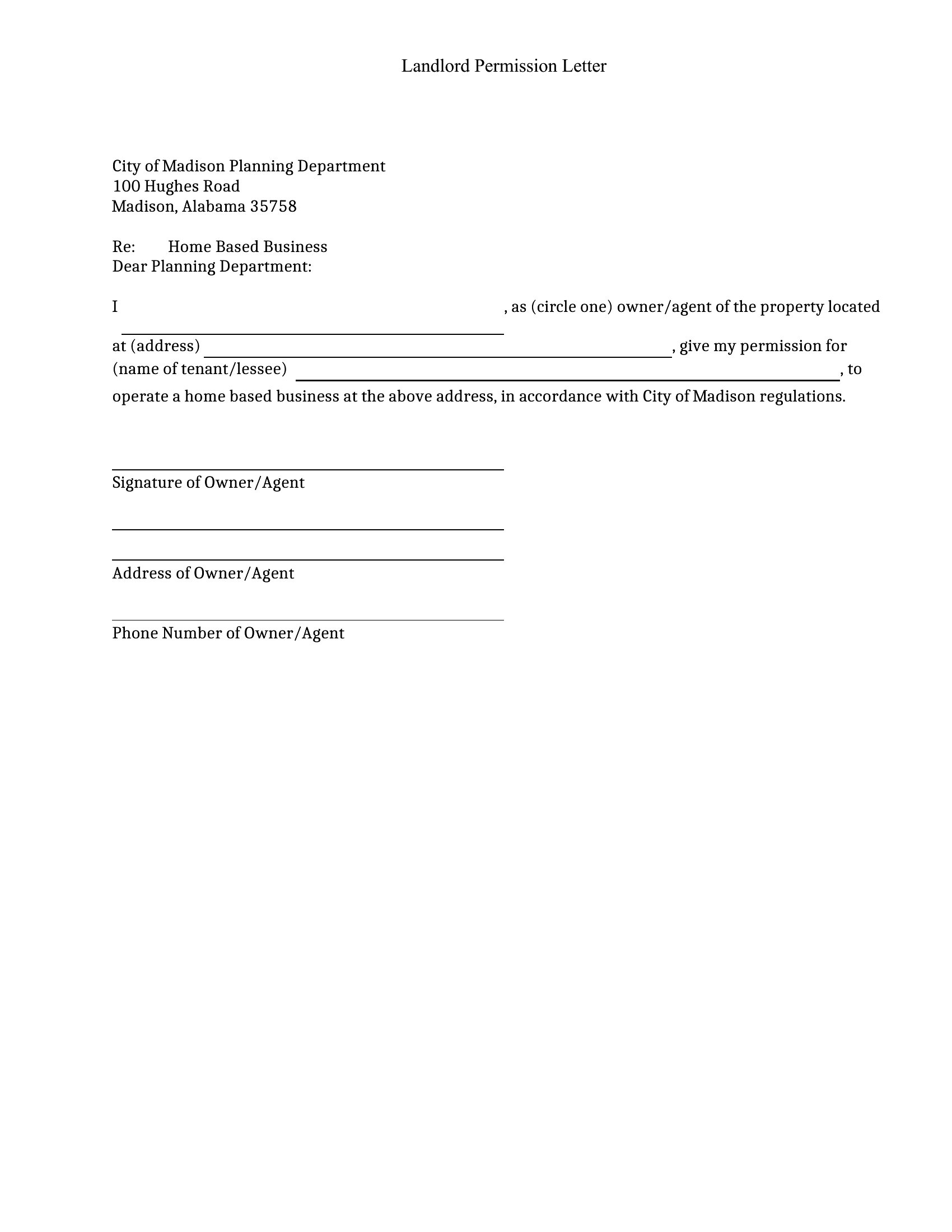
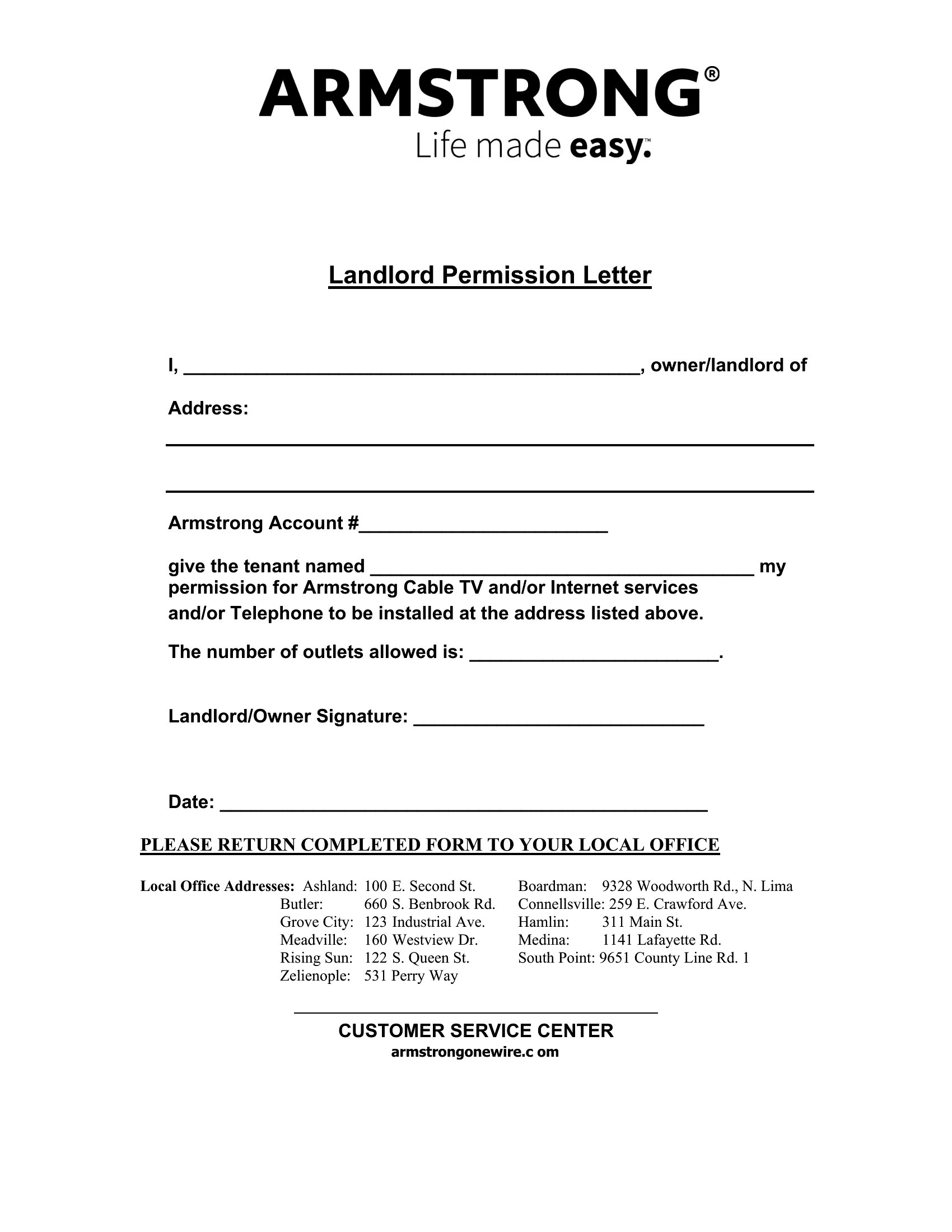
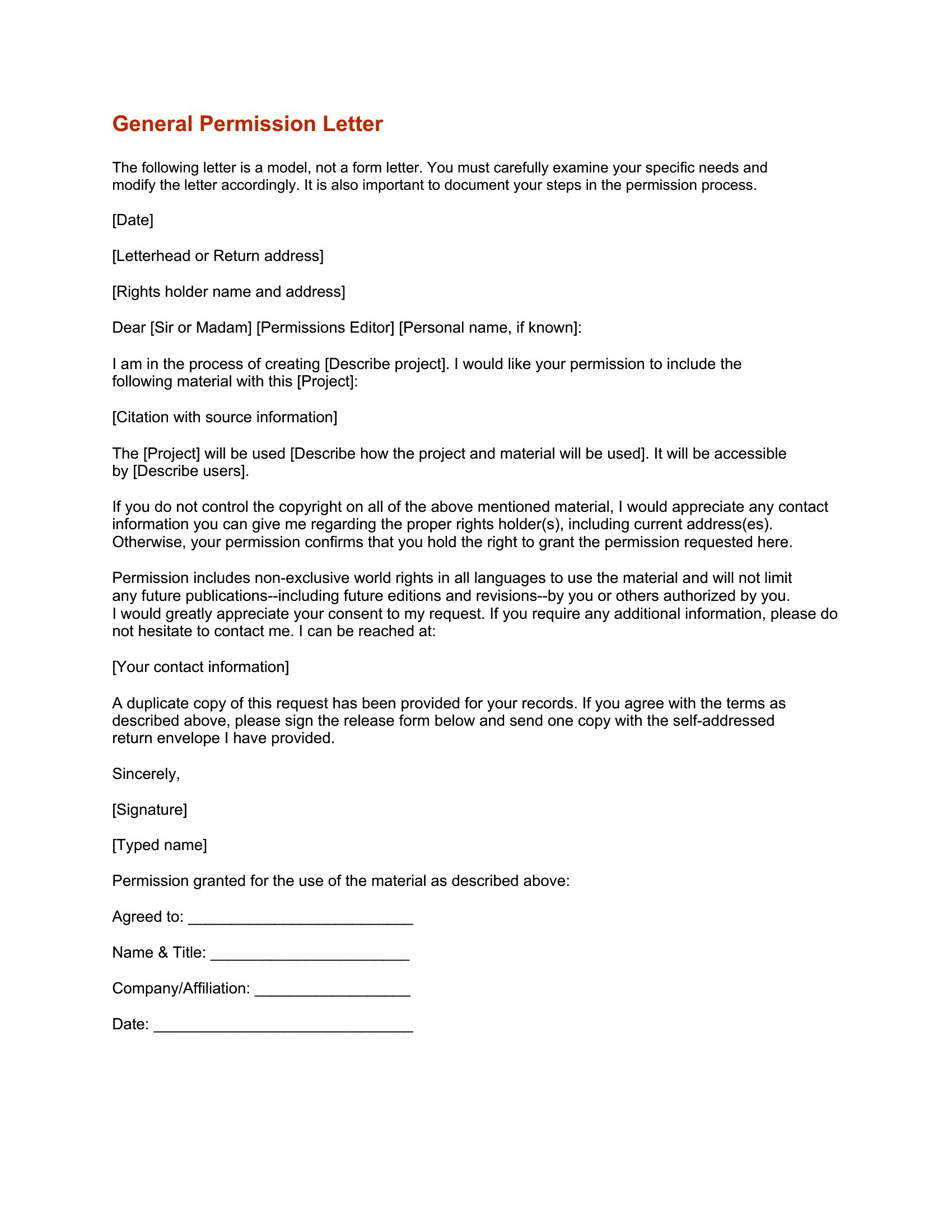
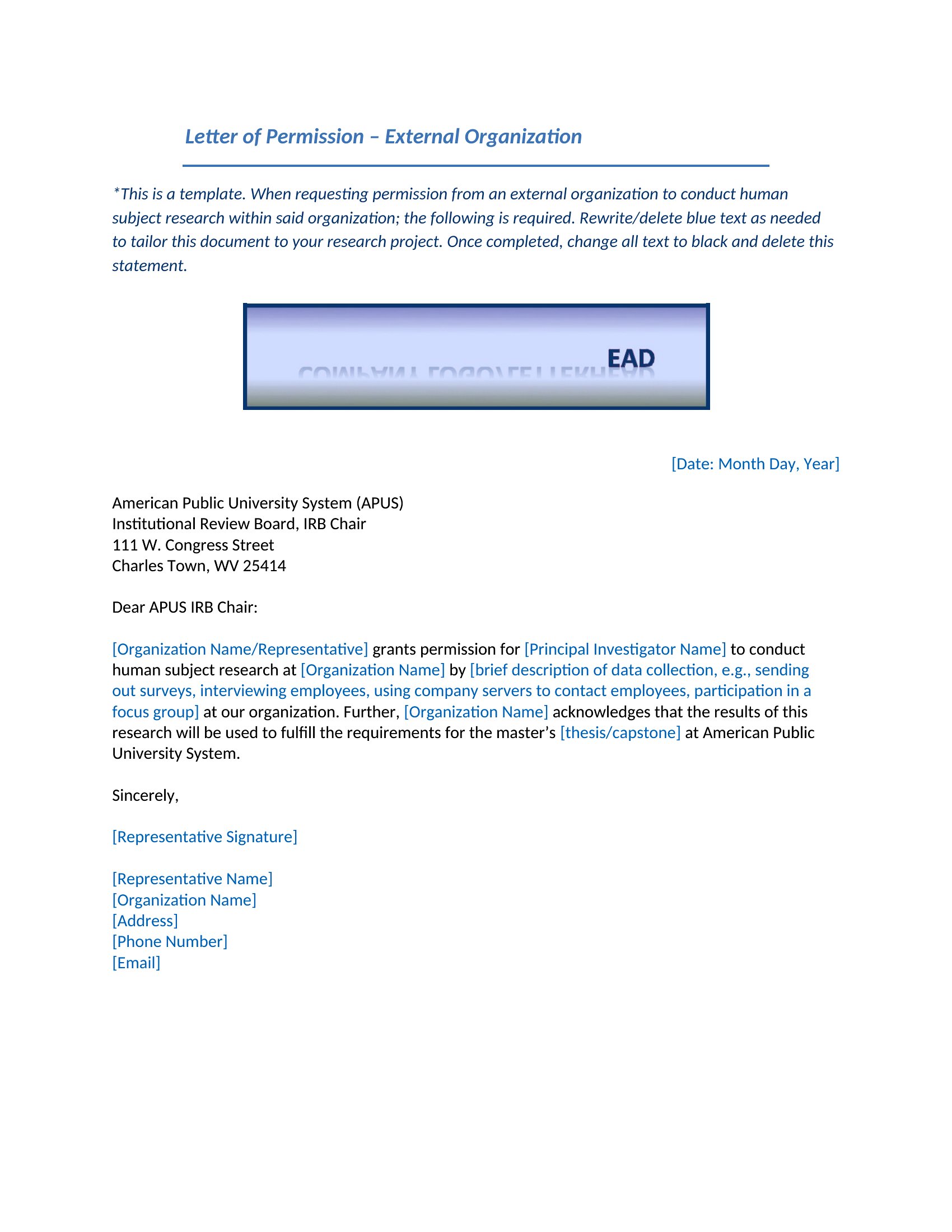
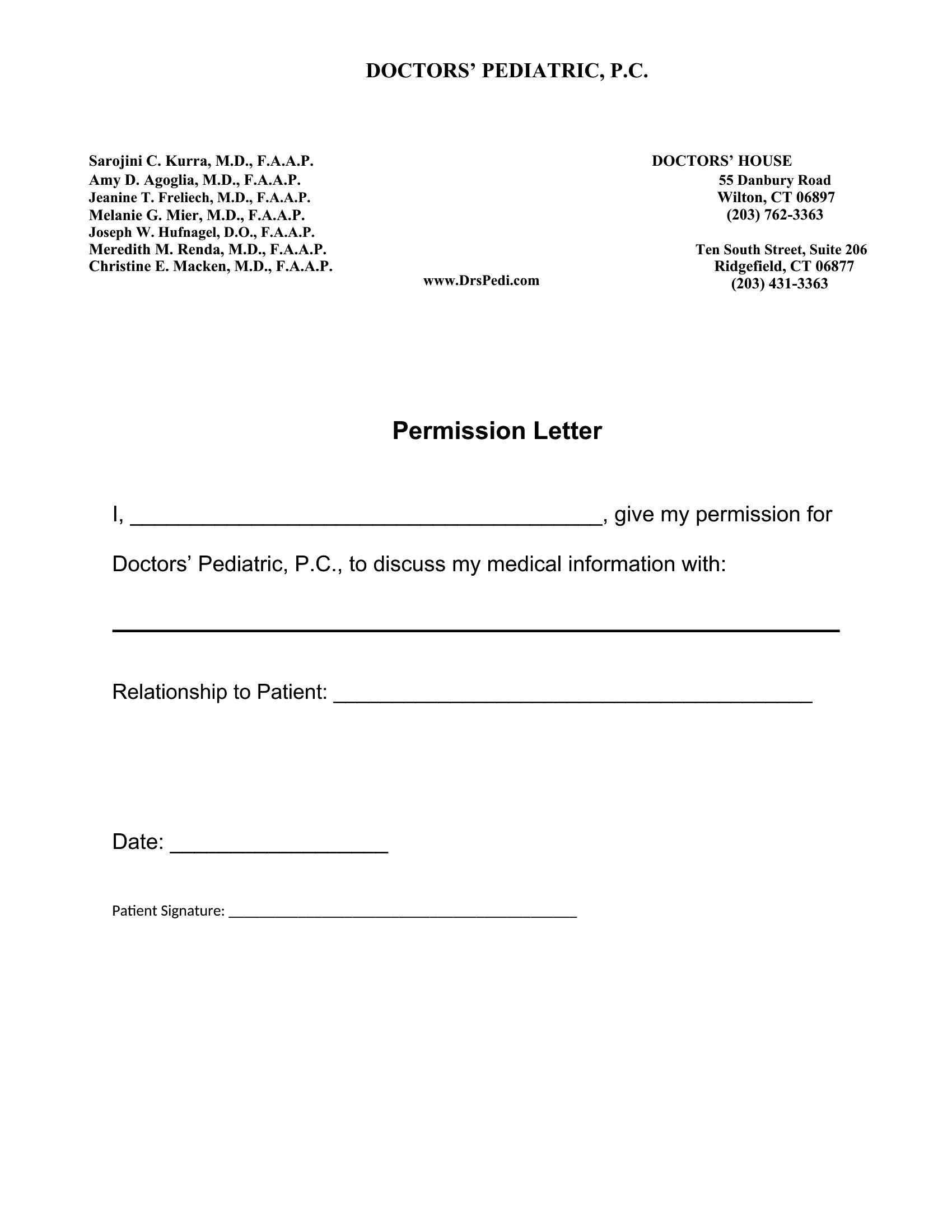
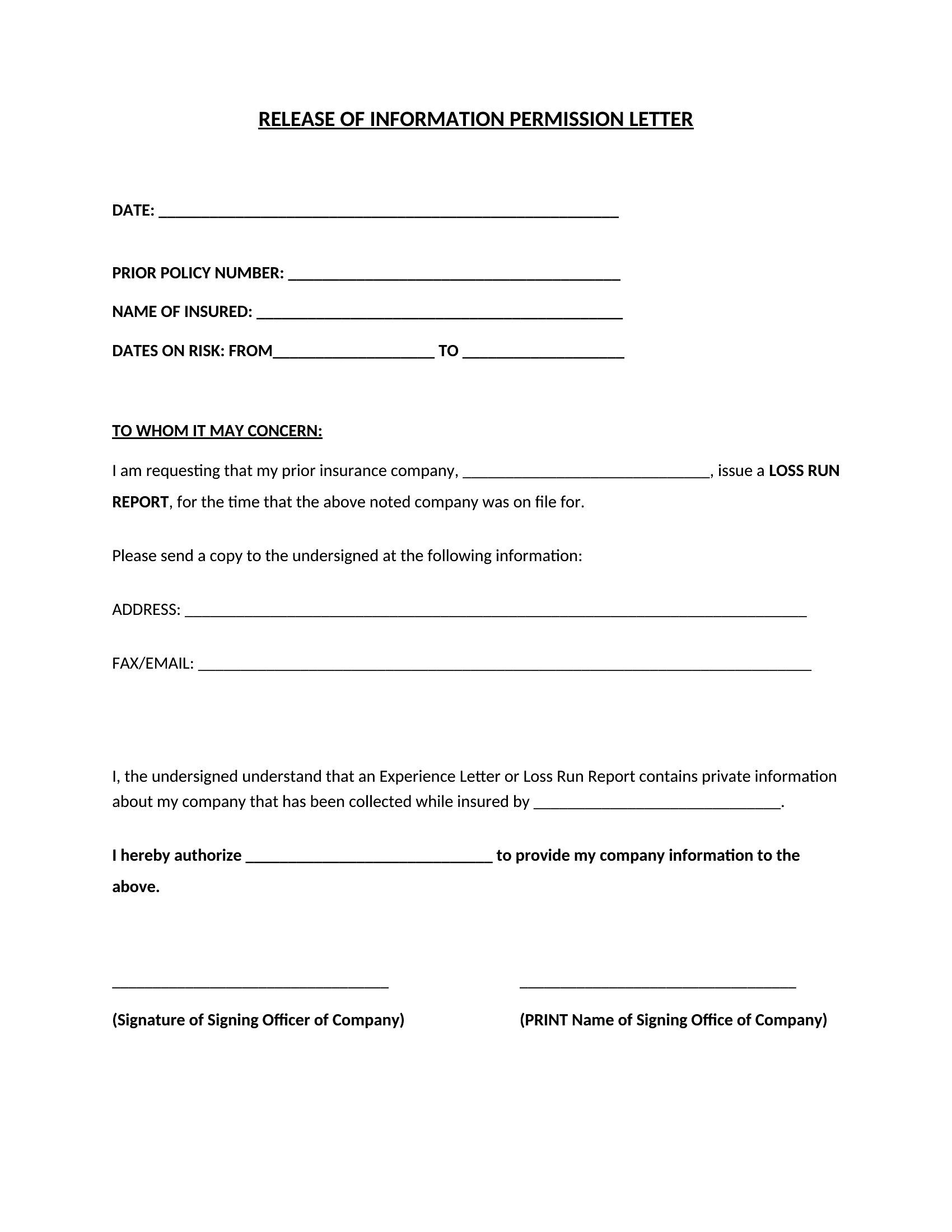
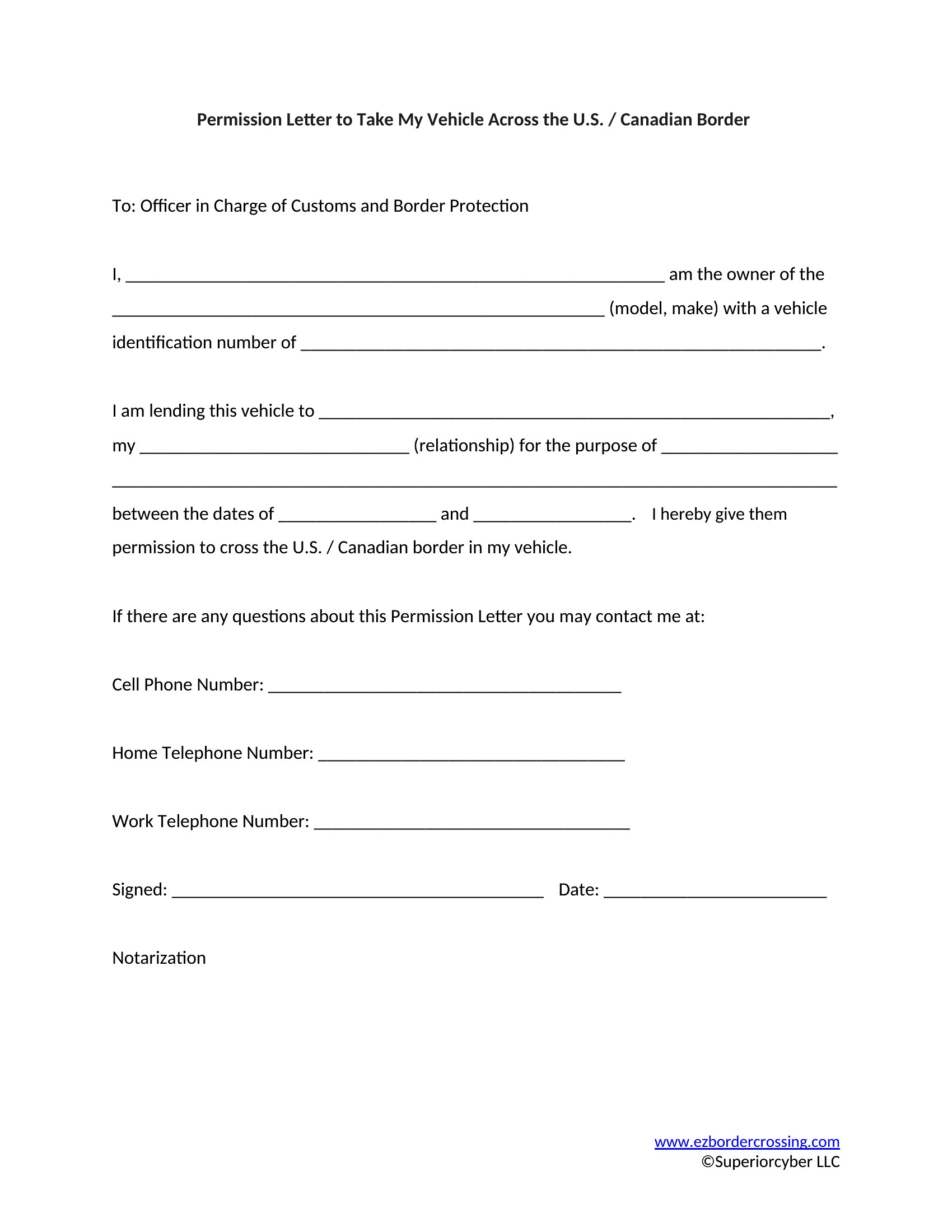
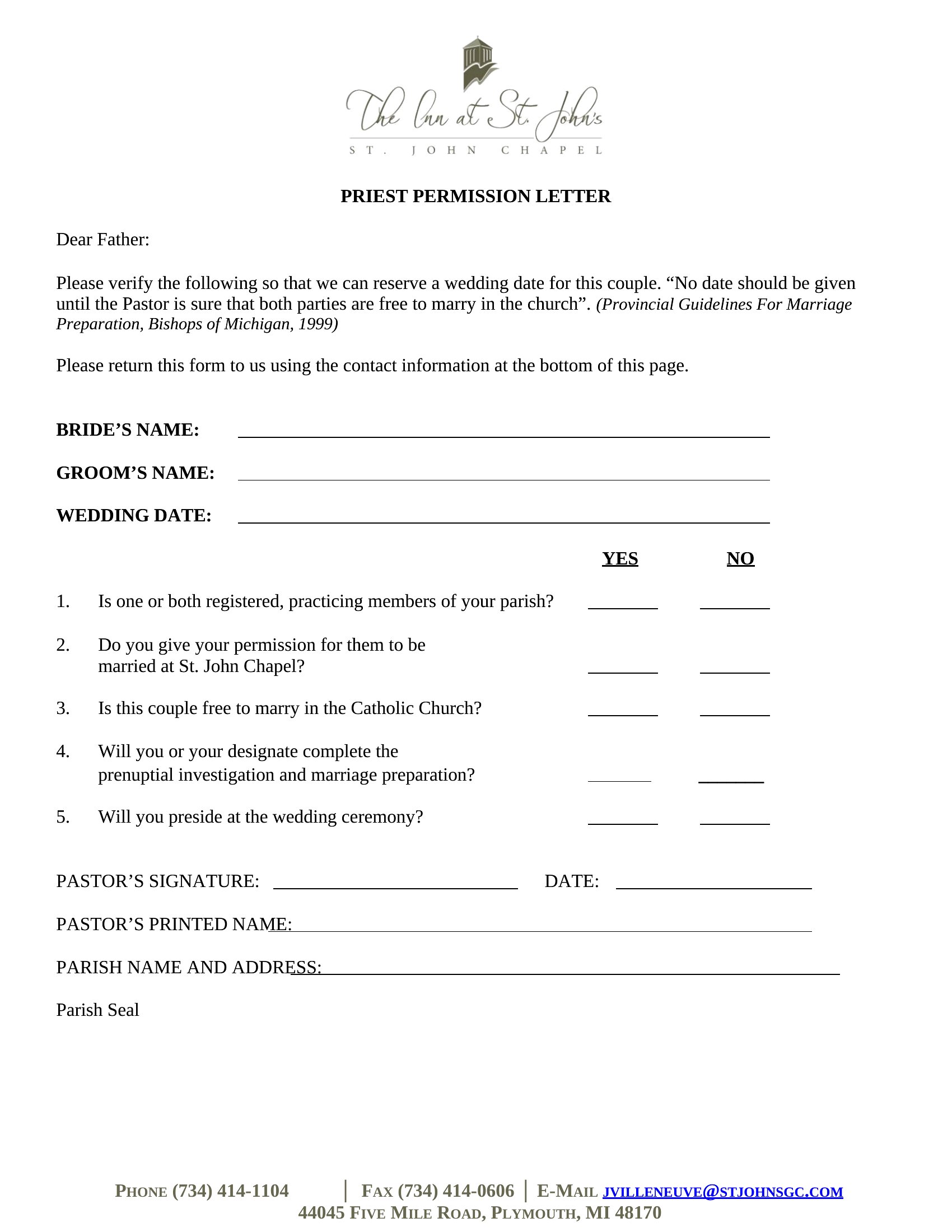
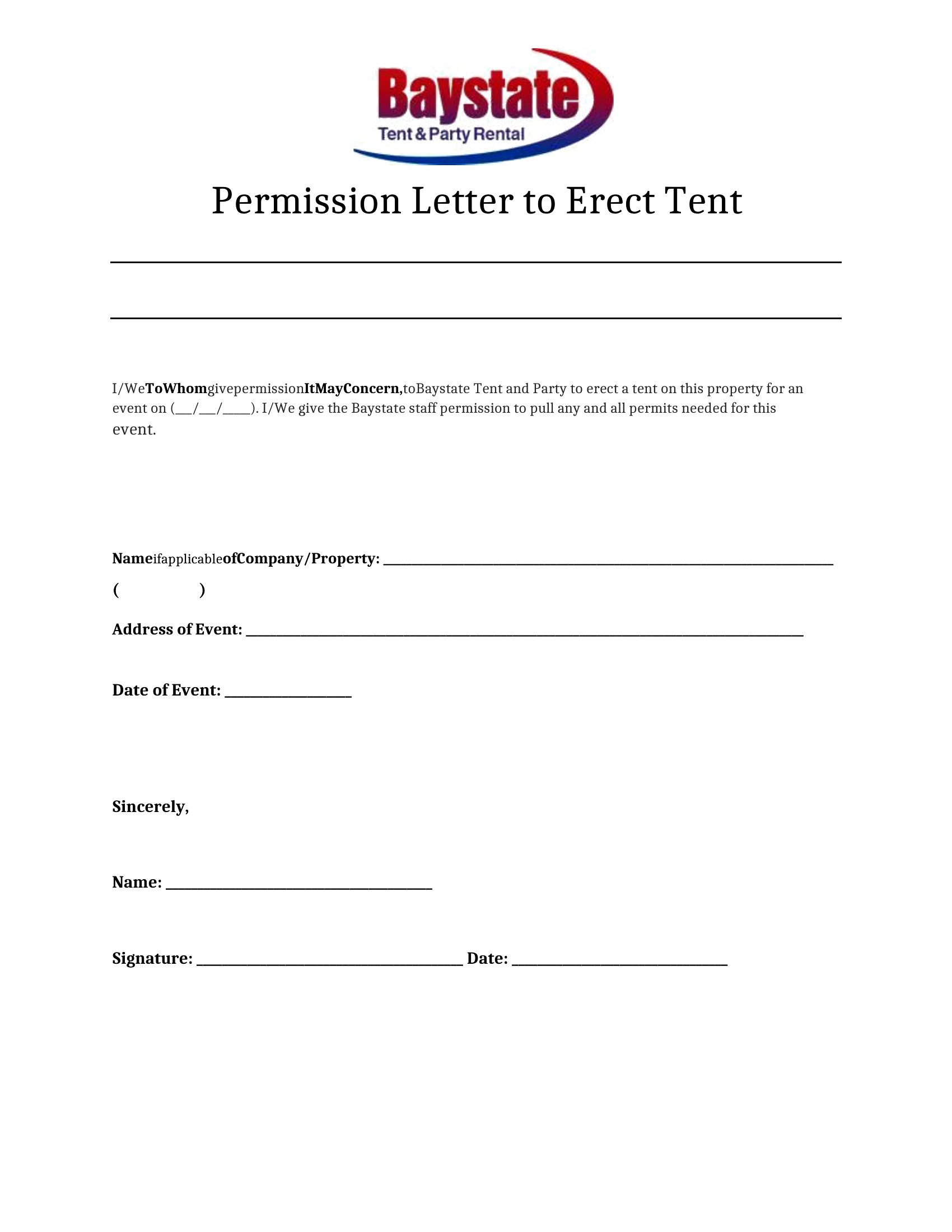
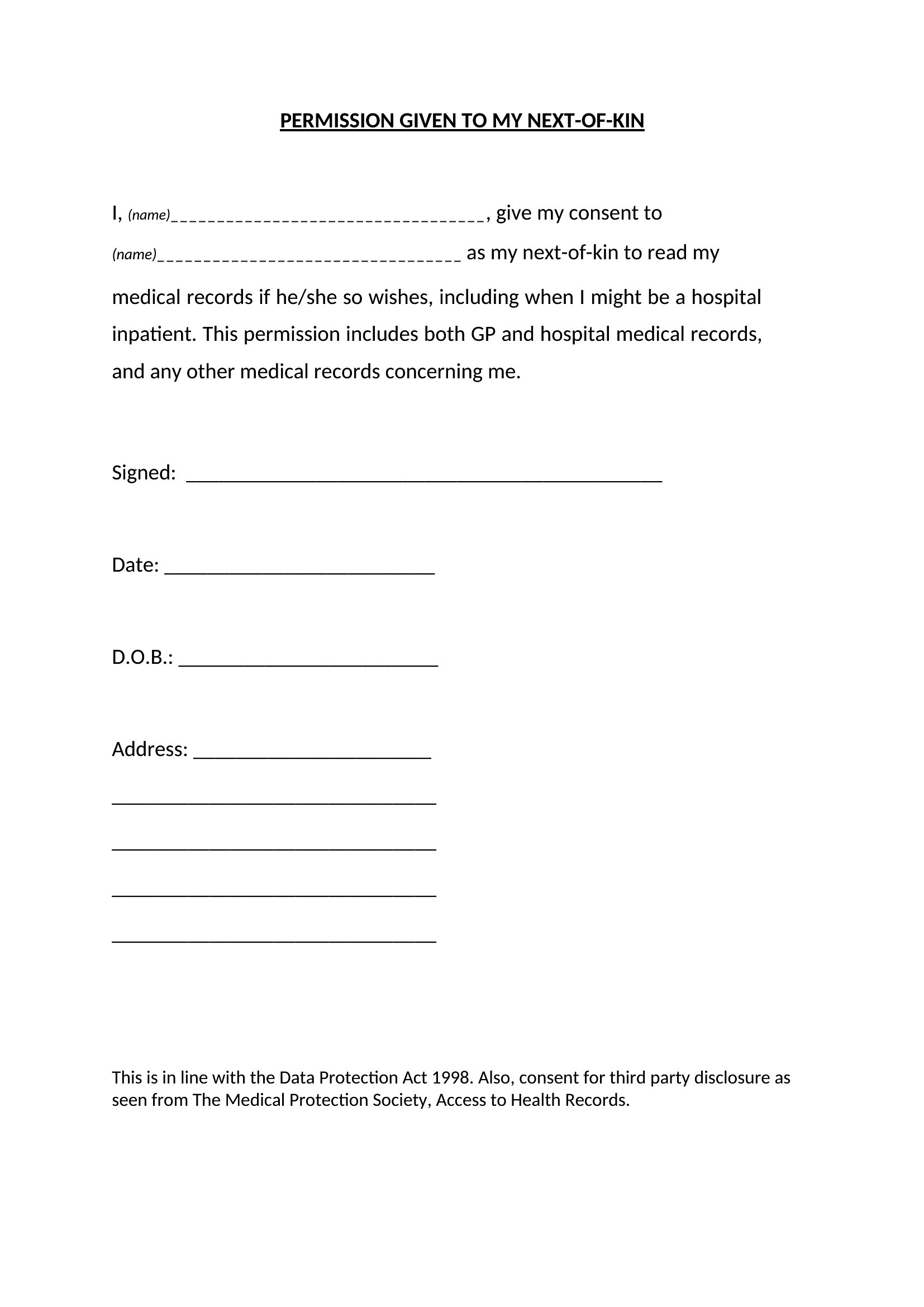
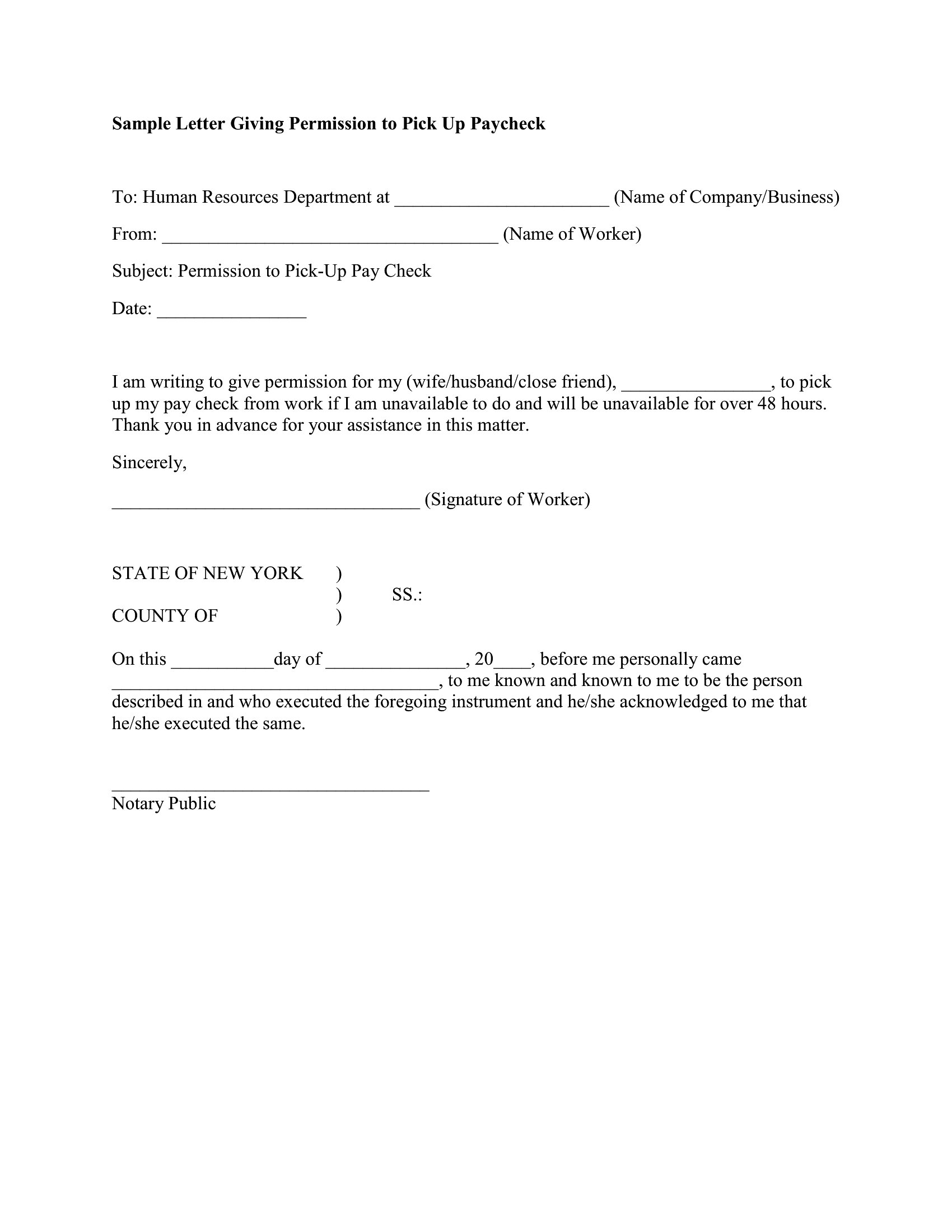
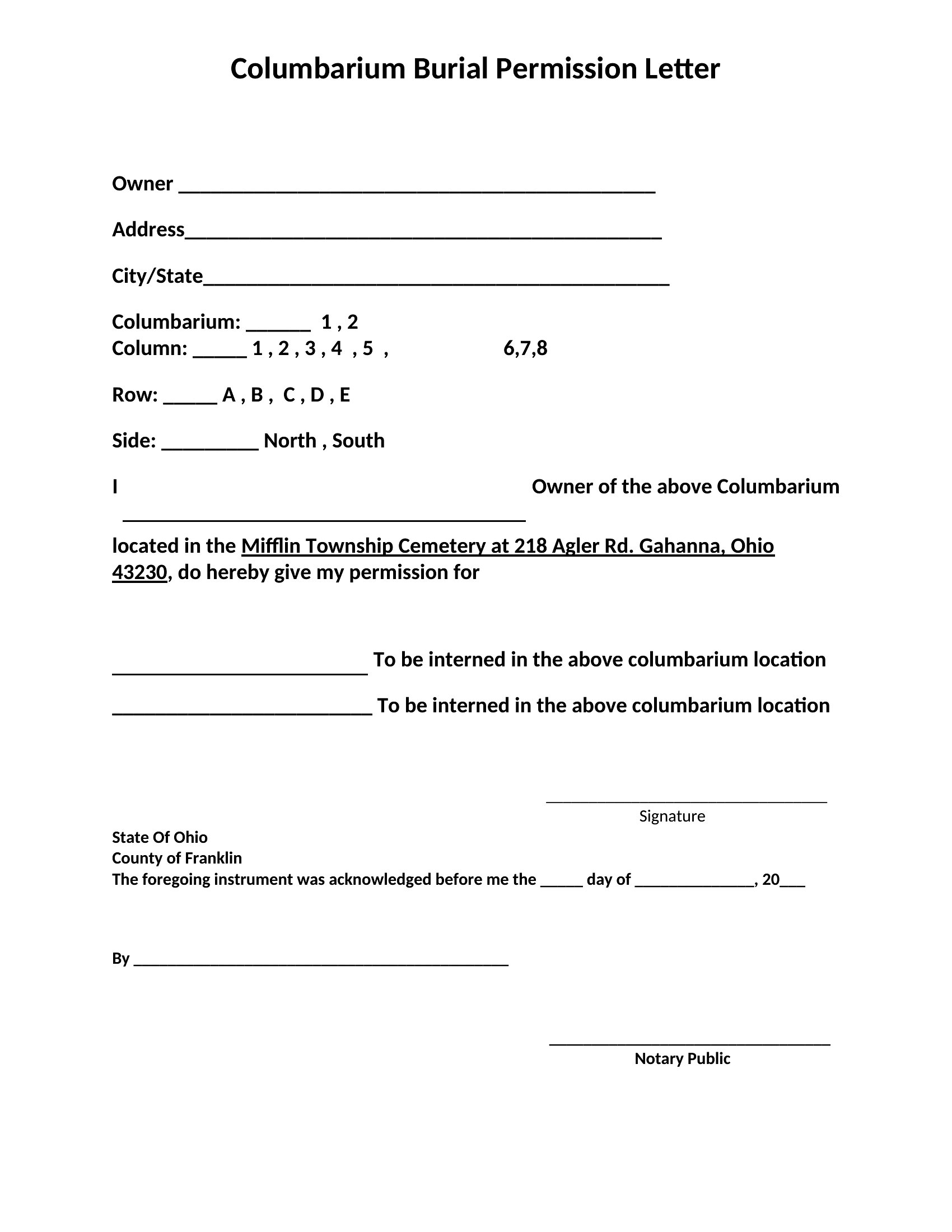
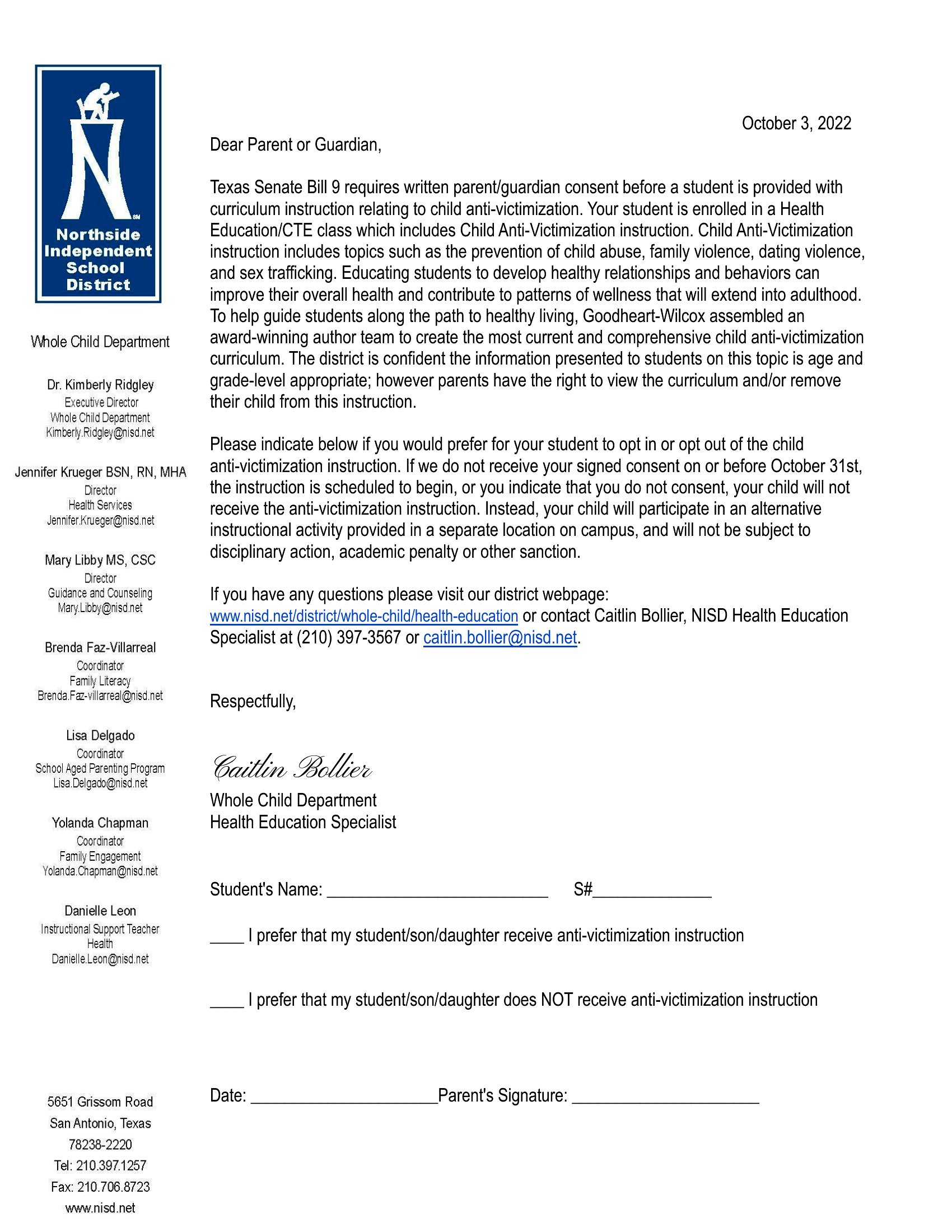
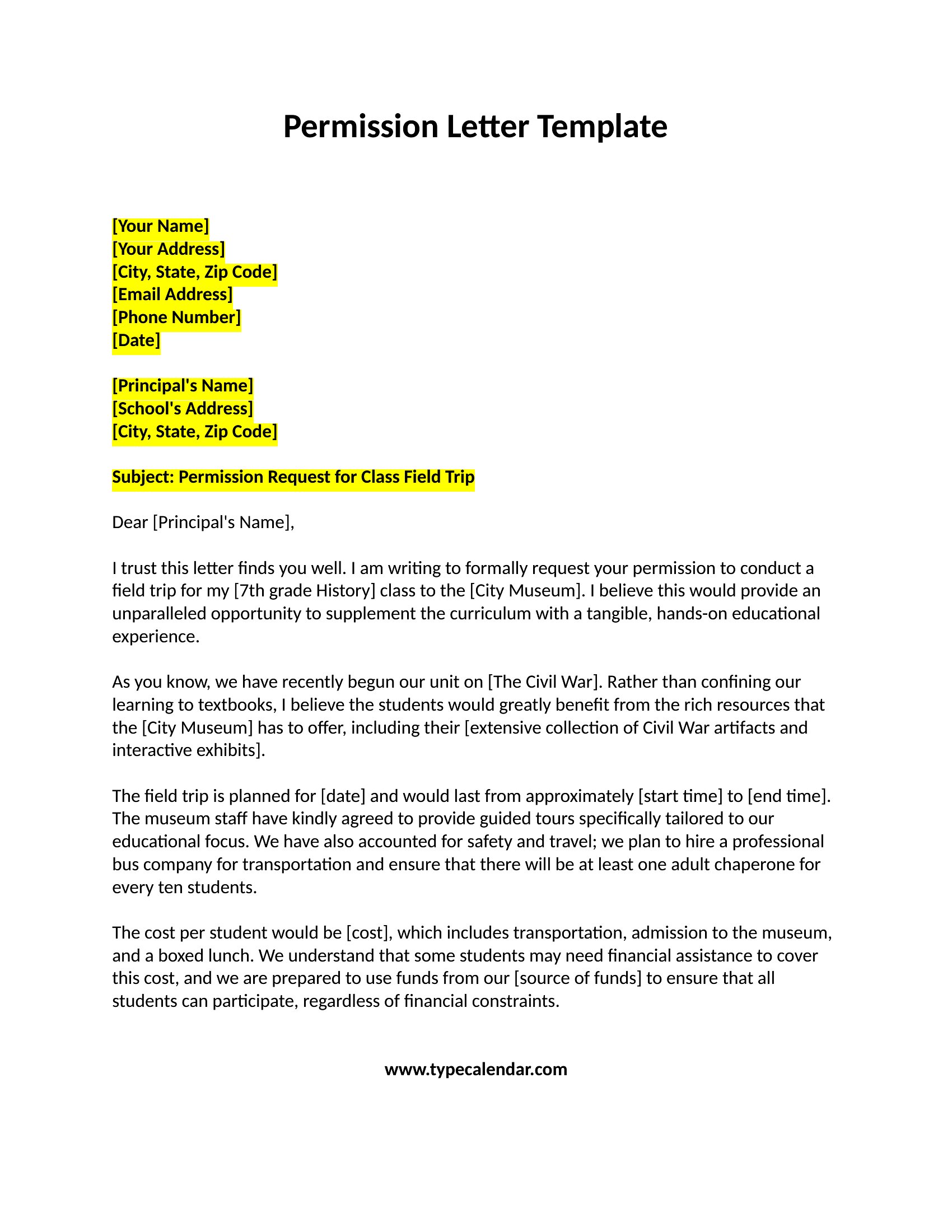
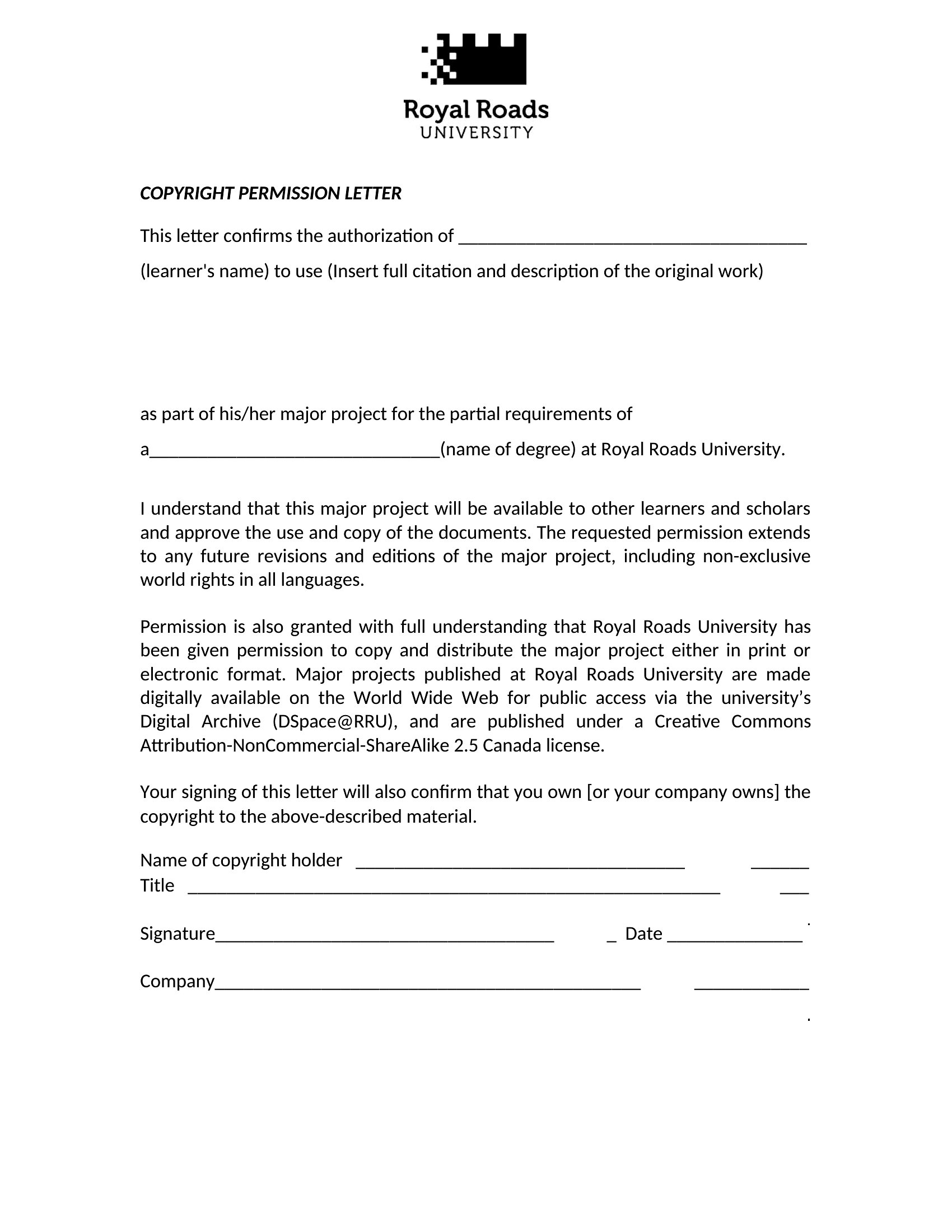
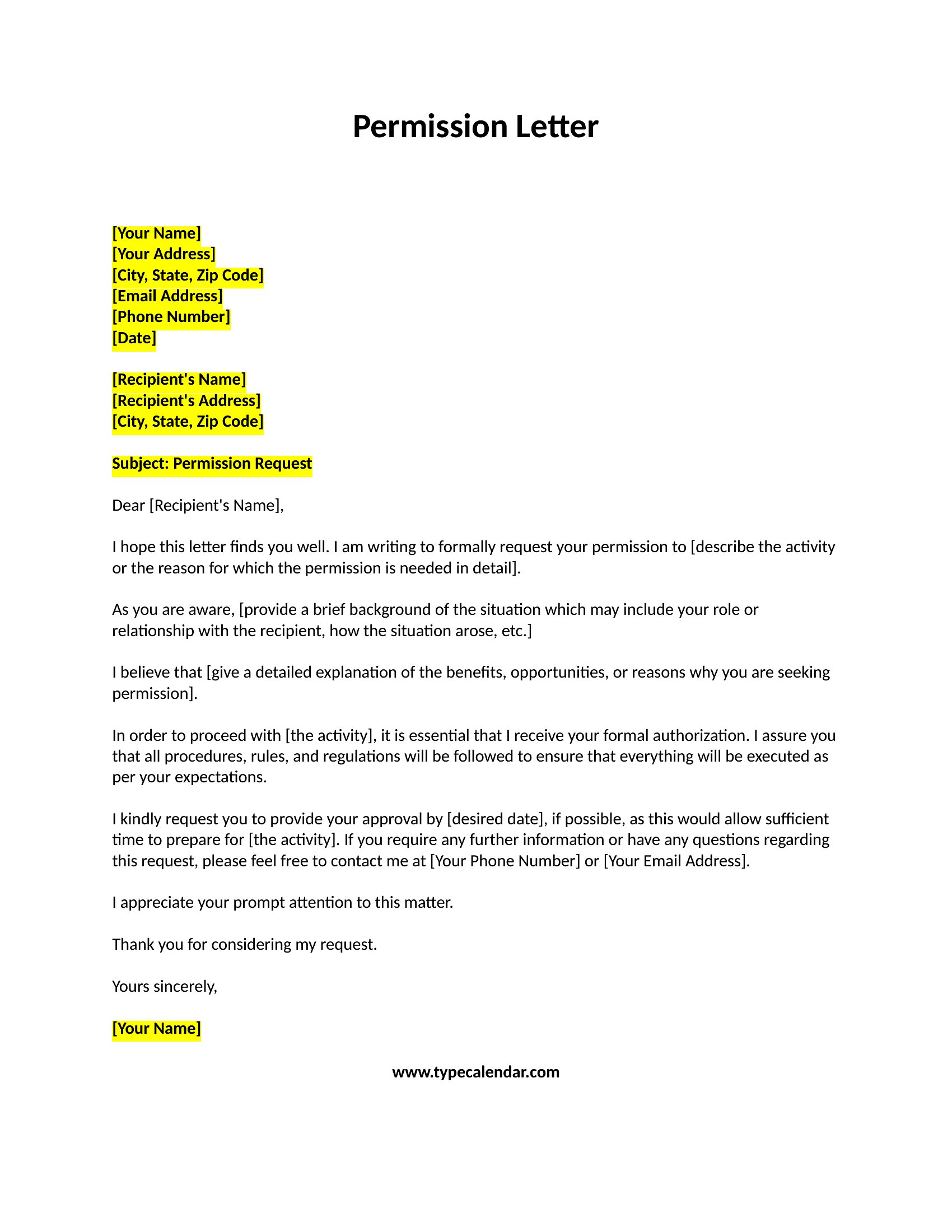
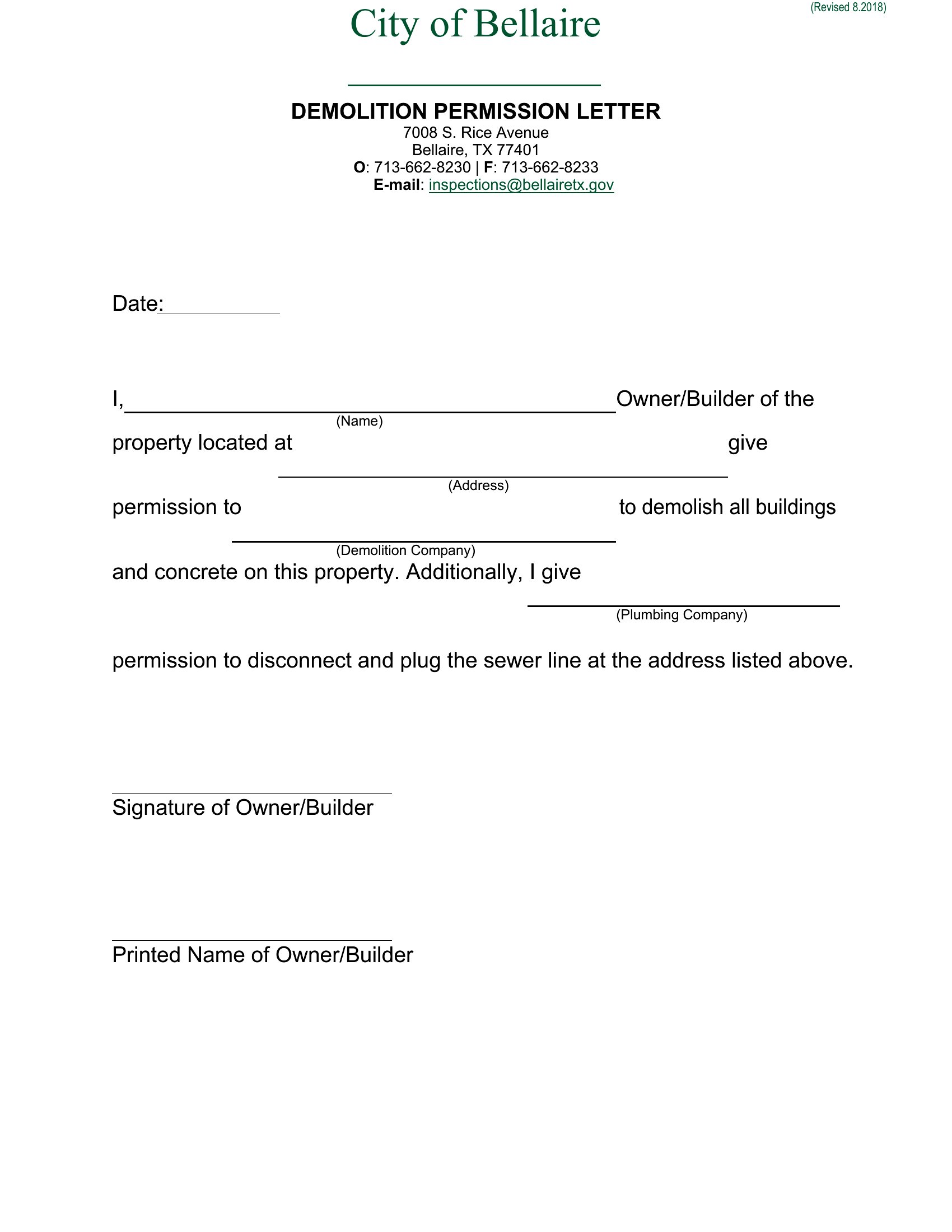
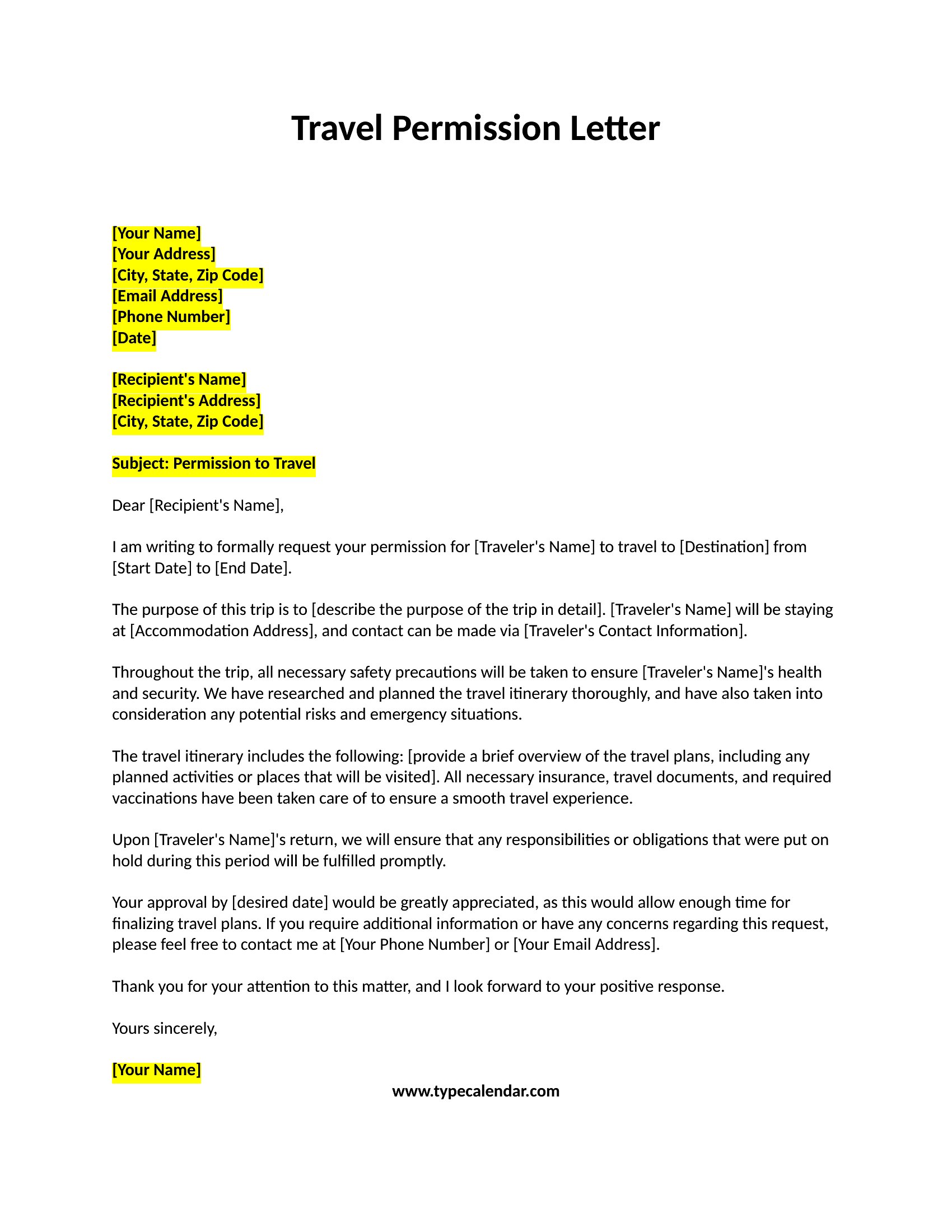
The templates provide a framework for permission letters that *may* require notarization, such as travel consents or medical authorizations. However, they are not legally binding documents—always consult a legal professional to ensure compliance with local laws or organizational policies. Some templates include placeholders for a notary’s seal, but you’ll need to complete those steps separately.
Can I use these for a child’s permission to stay overnight with a friend’s family?
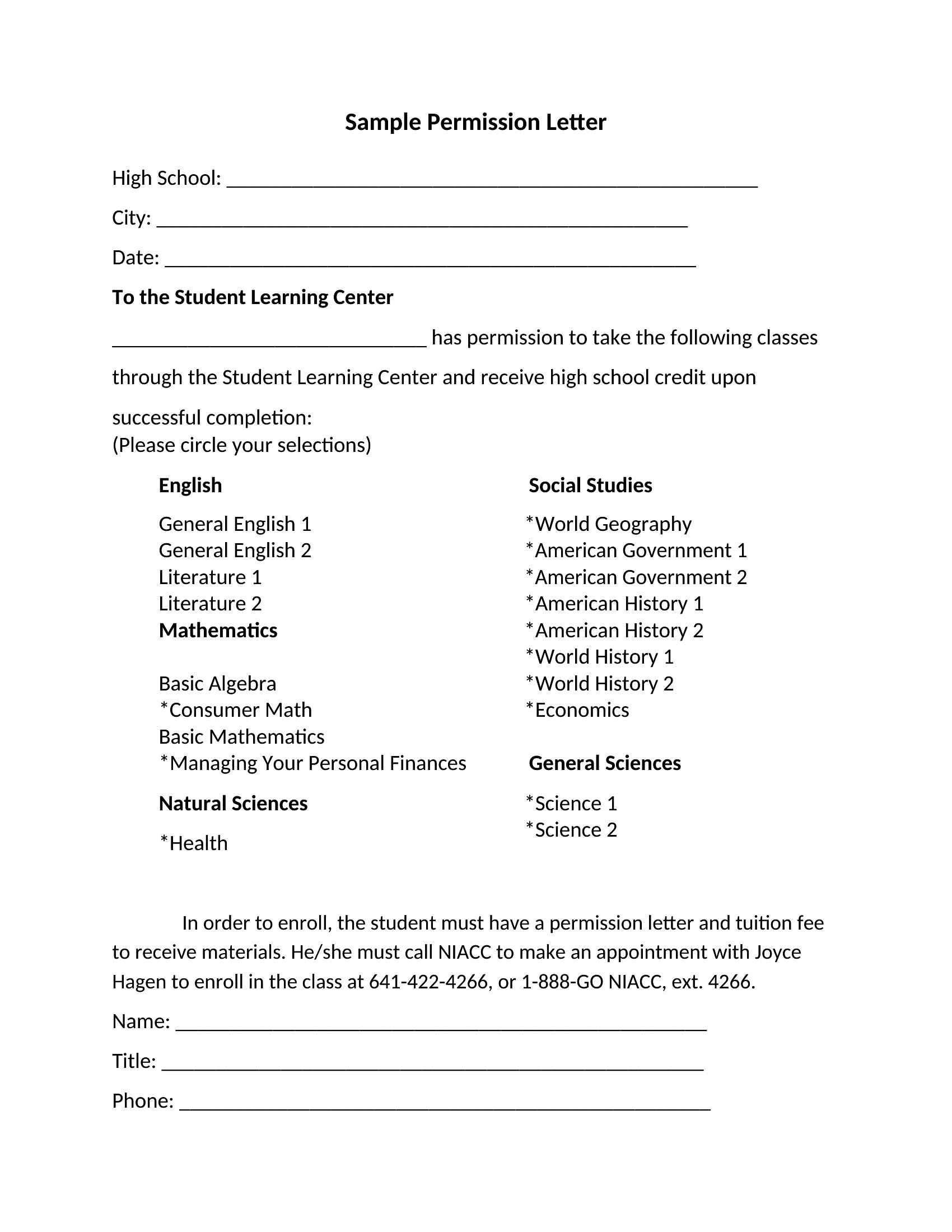
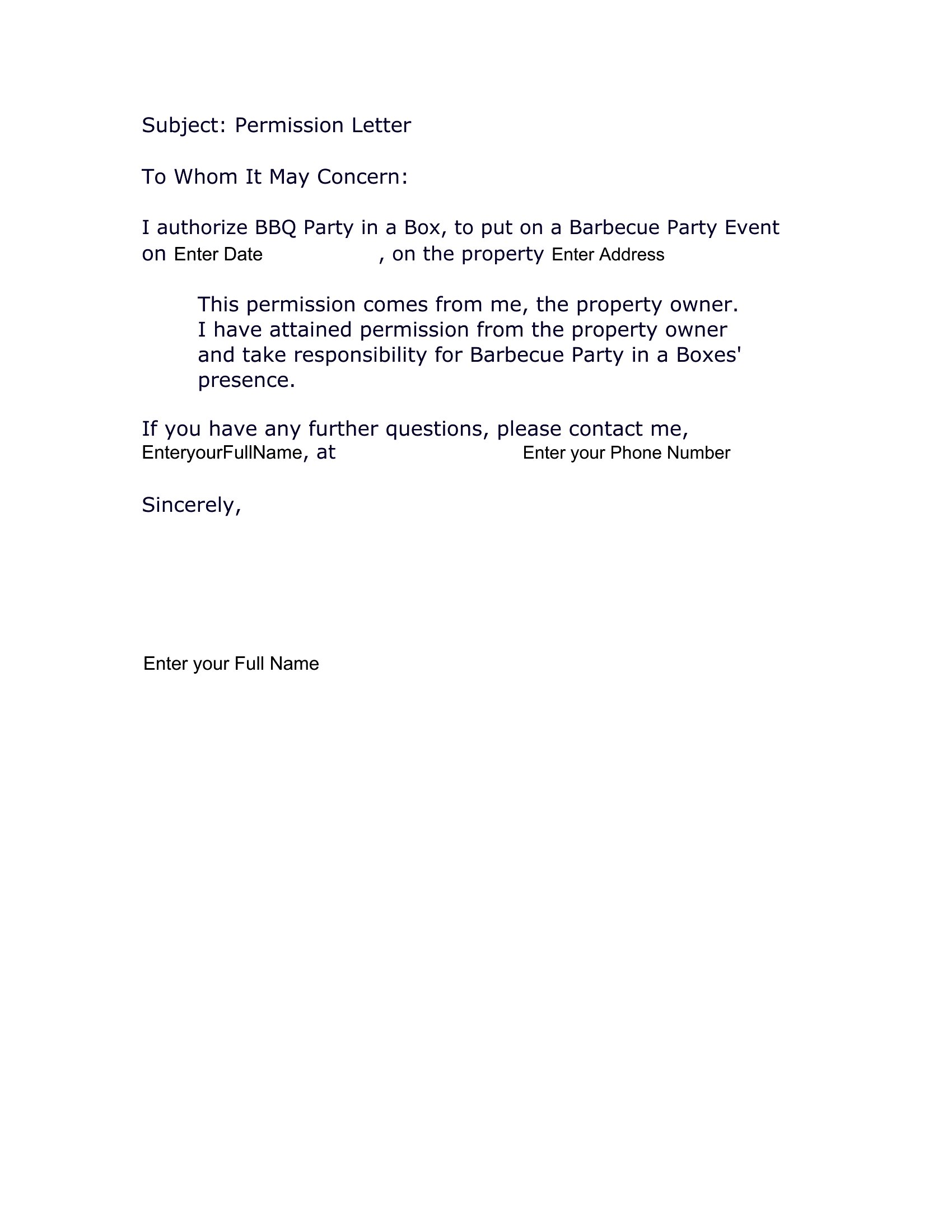
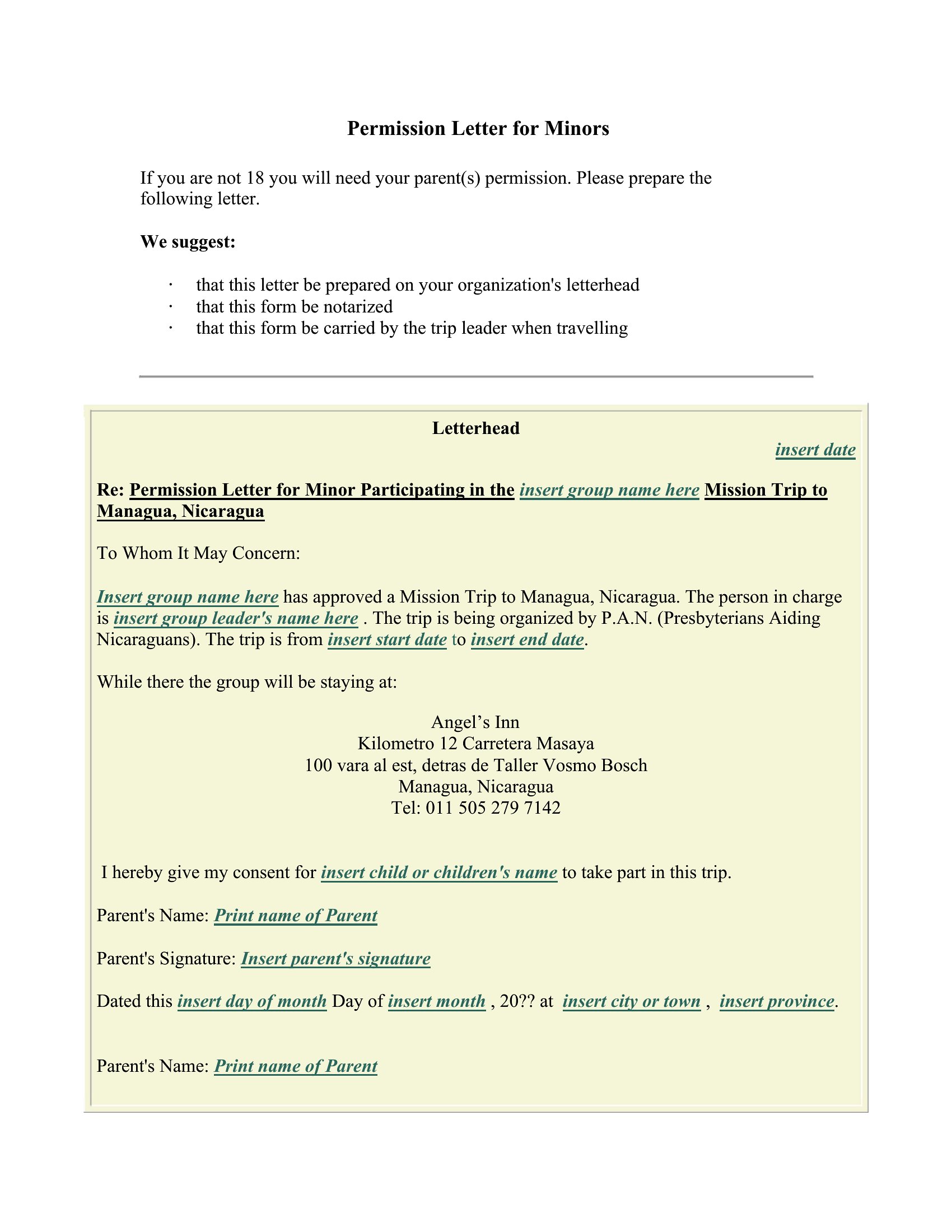
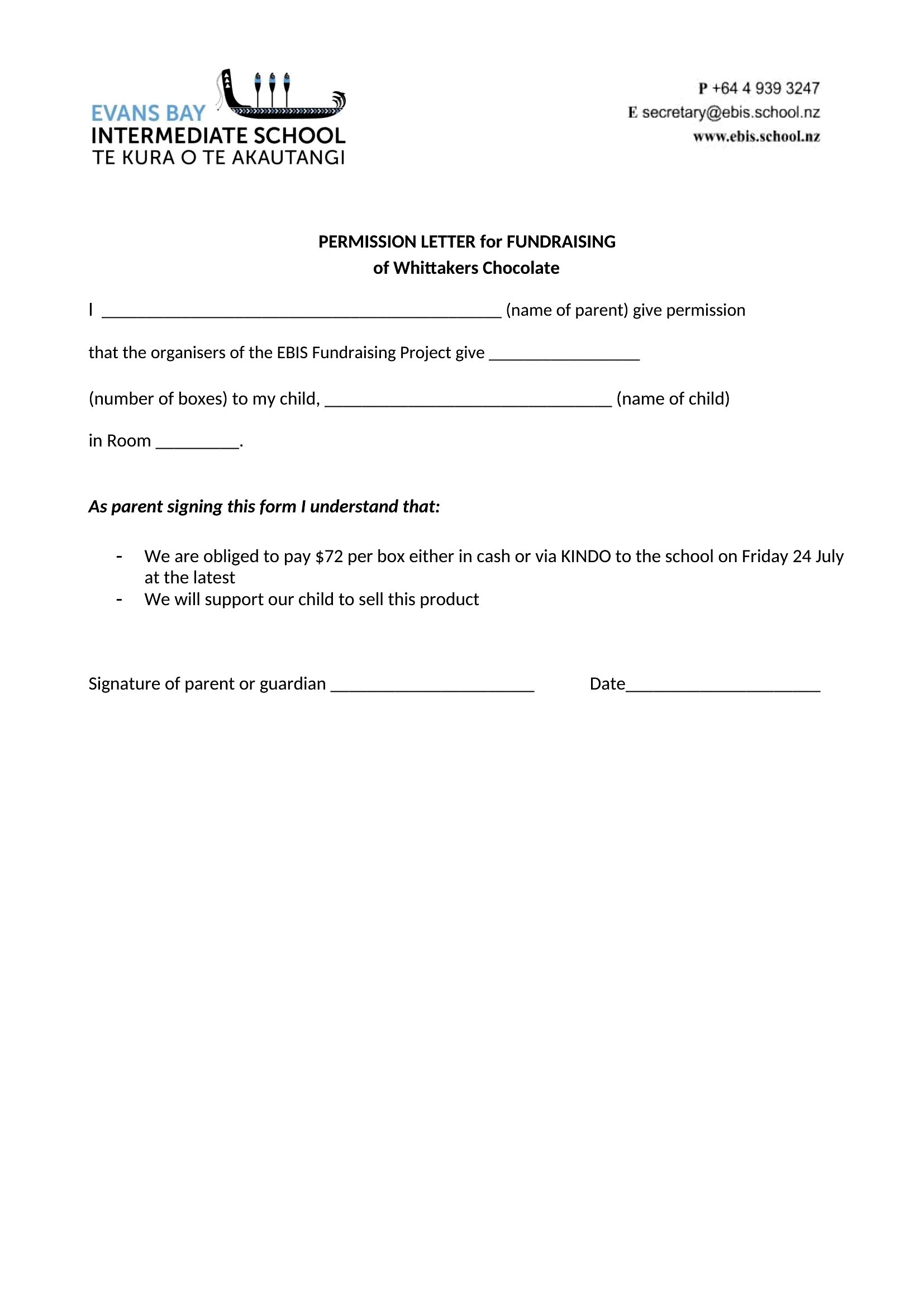
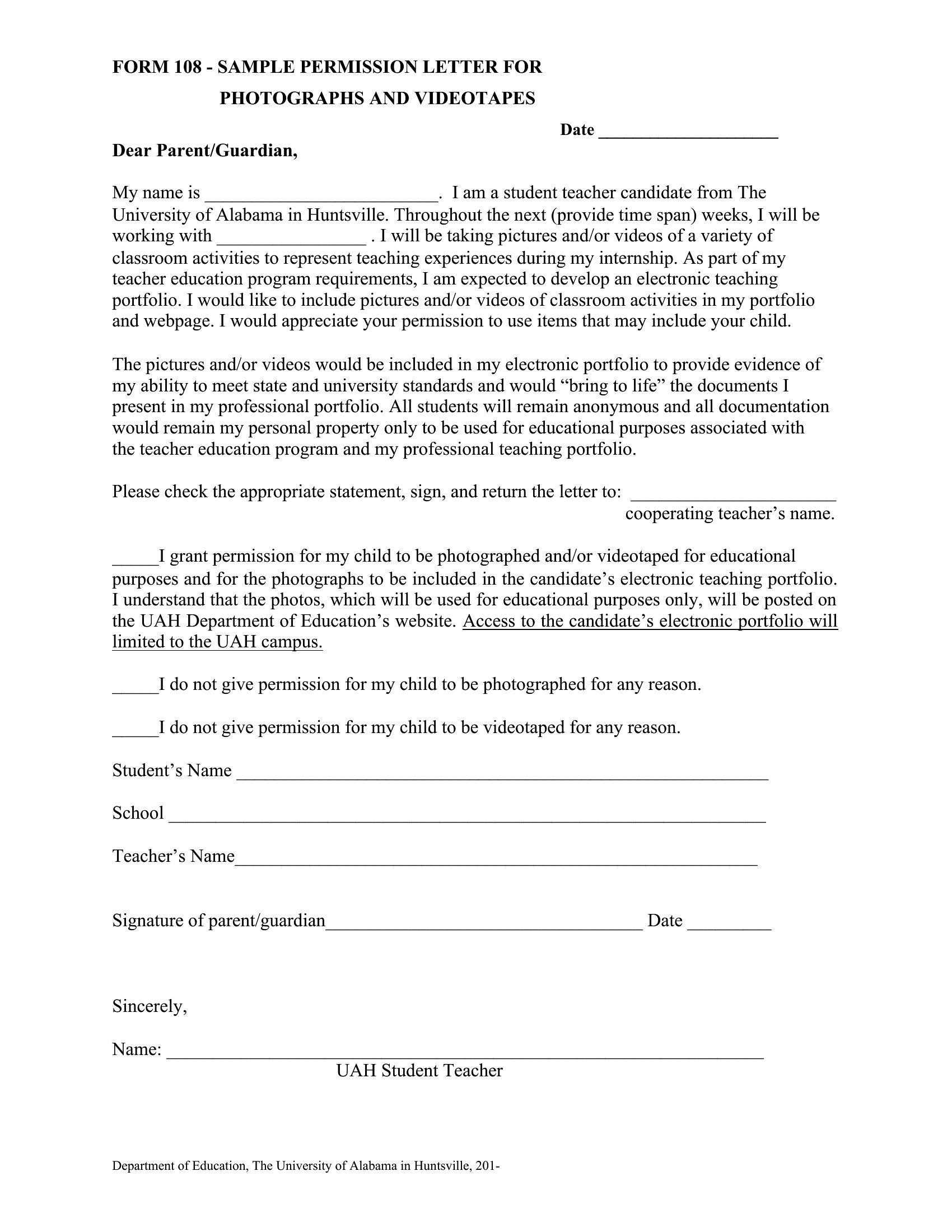
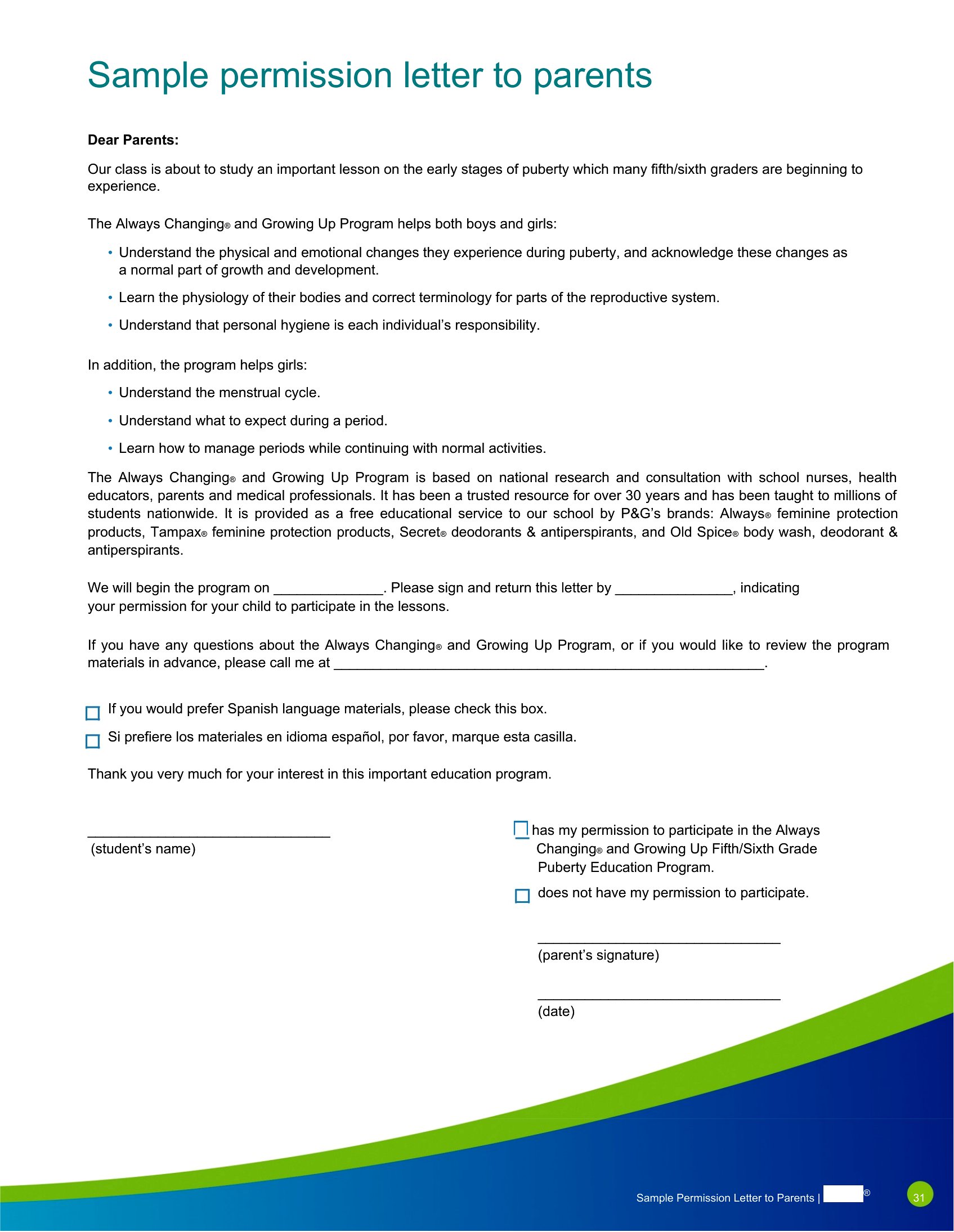
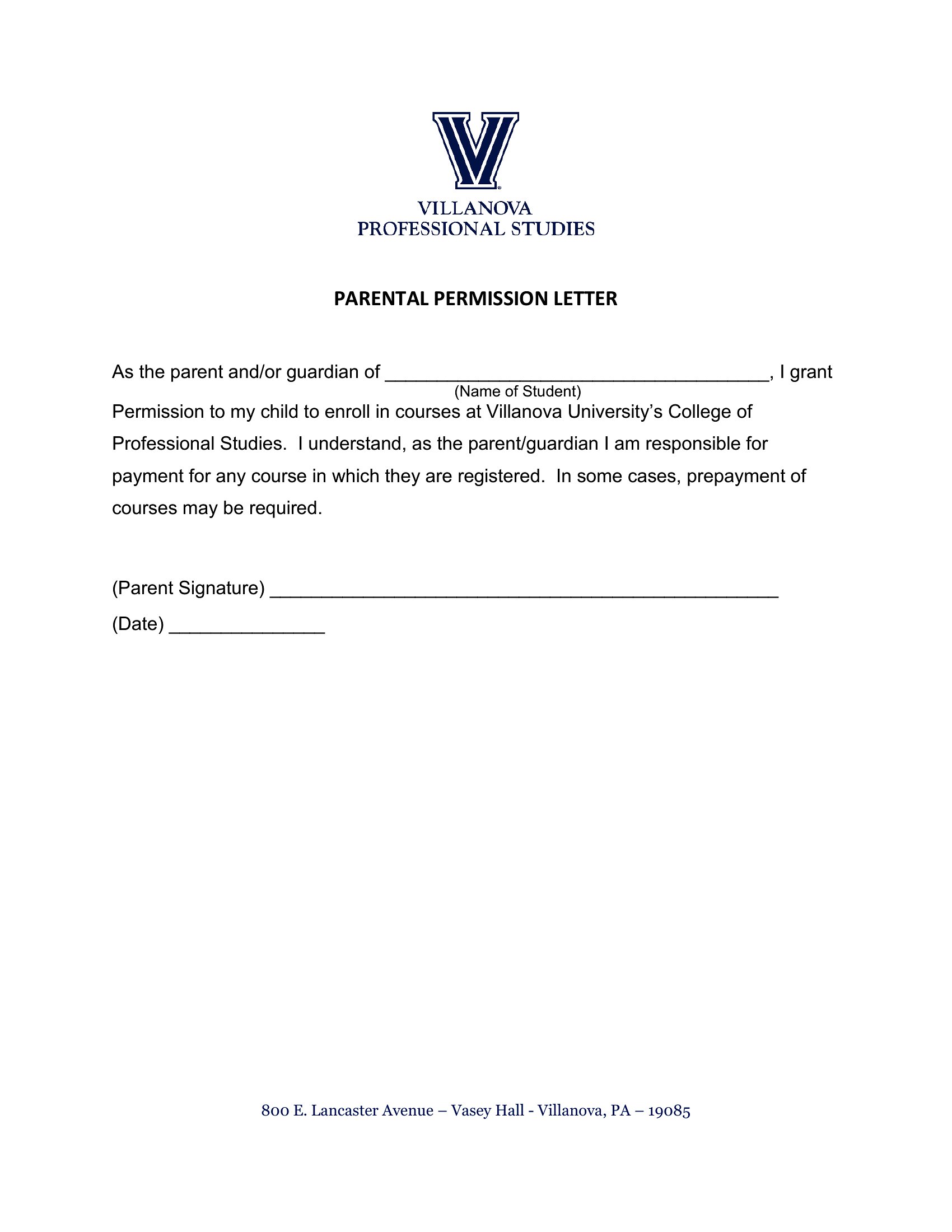
Yes, these templates include layouts for minor consent letters, such as overnight stays or sleepovers. Look for samples labeled ‘parental consent’ or ‘custody-related.’ Be sure to include the child’s name, the host’s details, dates, and a clear statement of permission. Some schools or youth organizations may have their own forms, so check their guidelines first.
What’s the difference between a ‘permission letter’ and a ‘consent form’ in these templates?
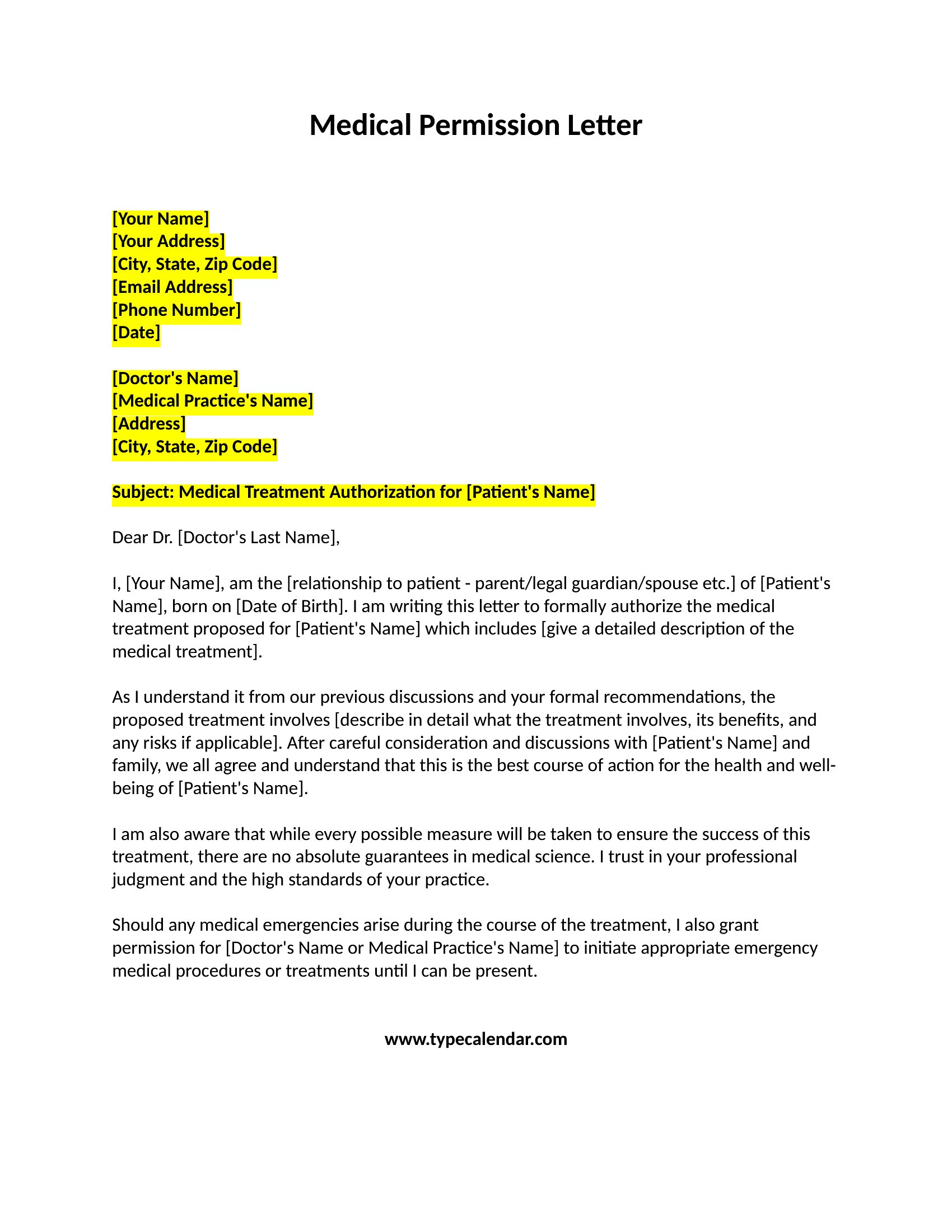
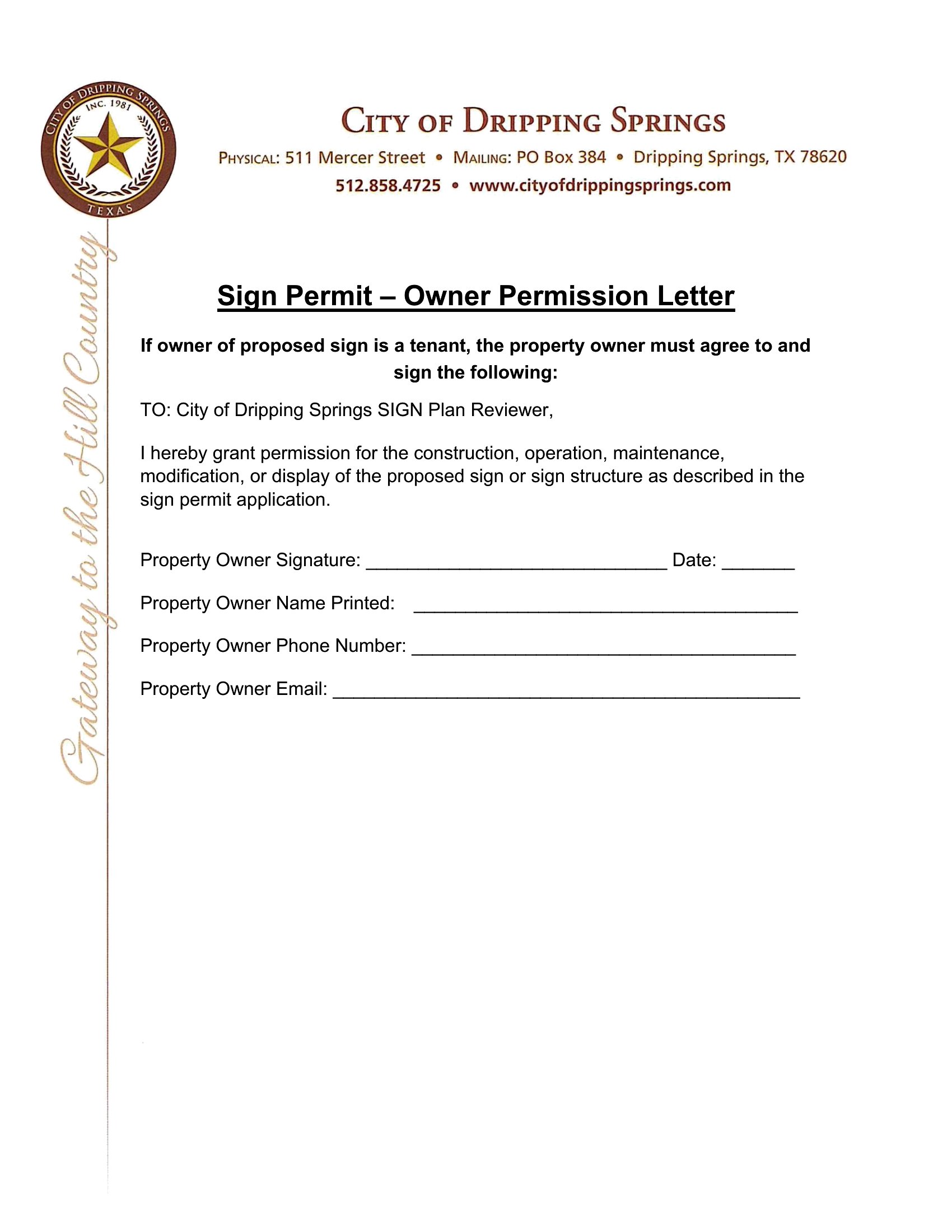
Permission letters are typically broader, like authorizing a trip or activity, while consent forms focus on specific actions (e.g., medical treatment, participation in research). Some templates blend both—for example, a ‘travel and emergency contact’ letter. If unsure, review the sample wording: consent forms often include checkboxes for acknowledgment, whereas permission letters emphasize approval for a defined scenario.
Comments
Join the conversation
Sign in to share your thoughts and leave a comment on this resource.