FAQ
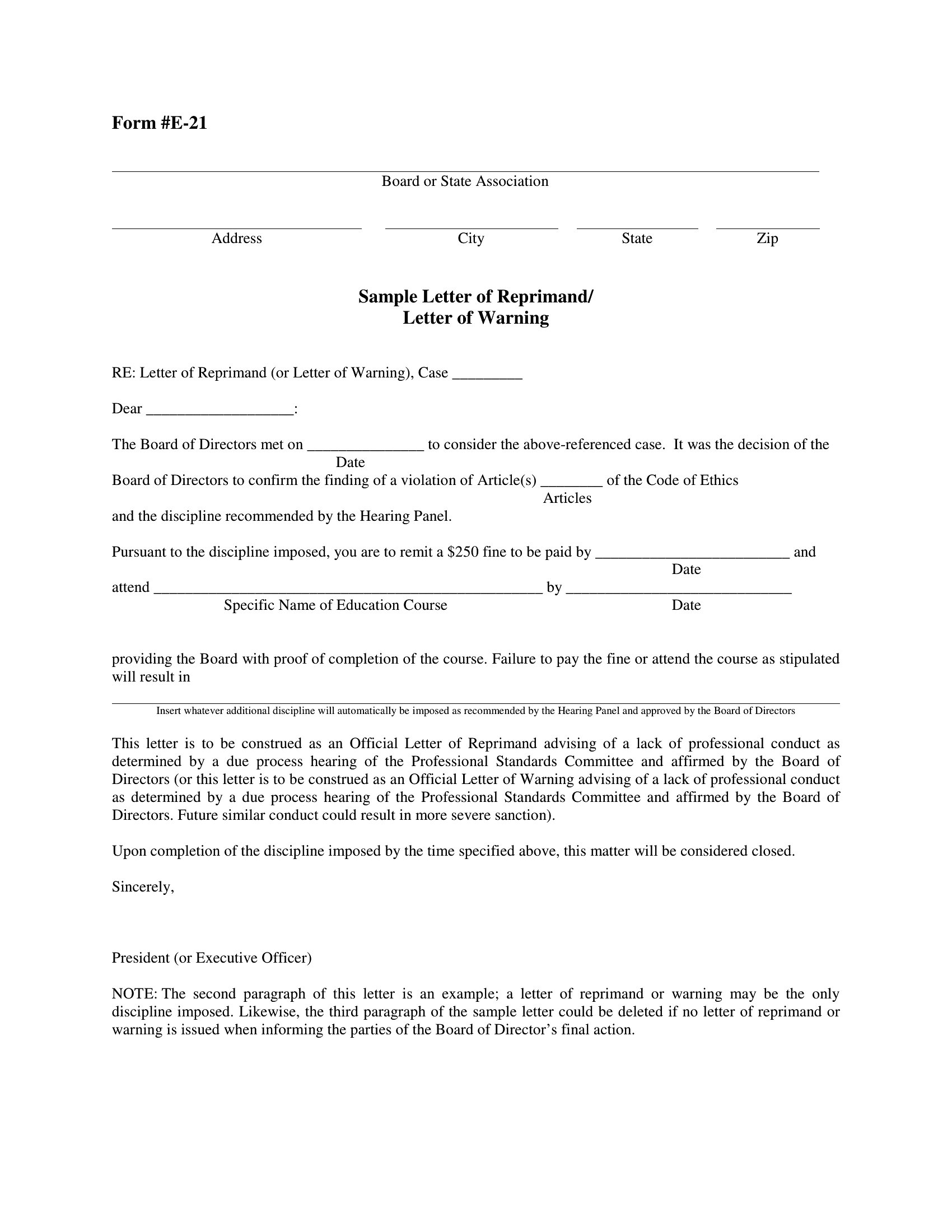
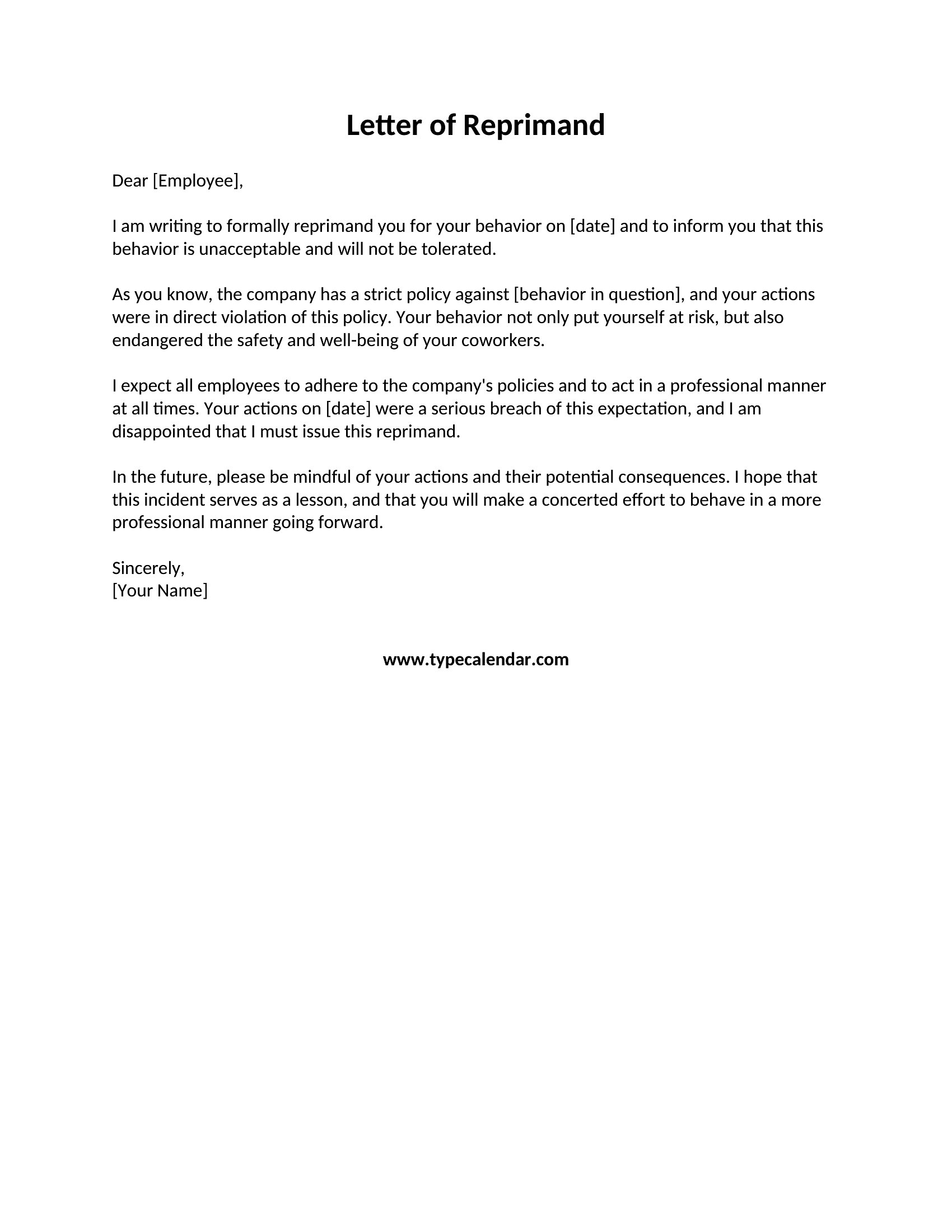
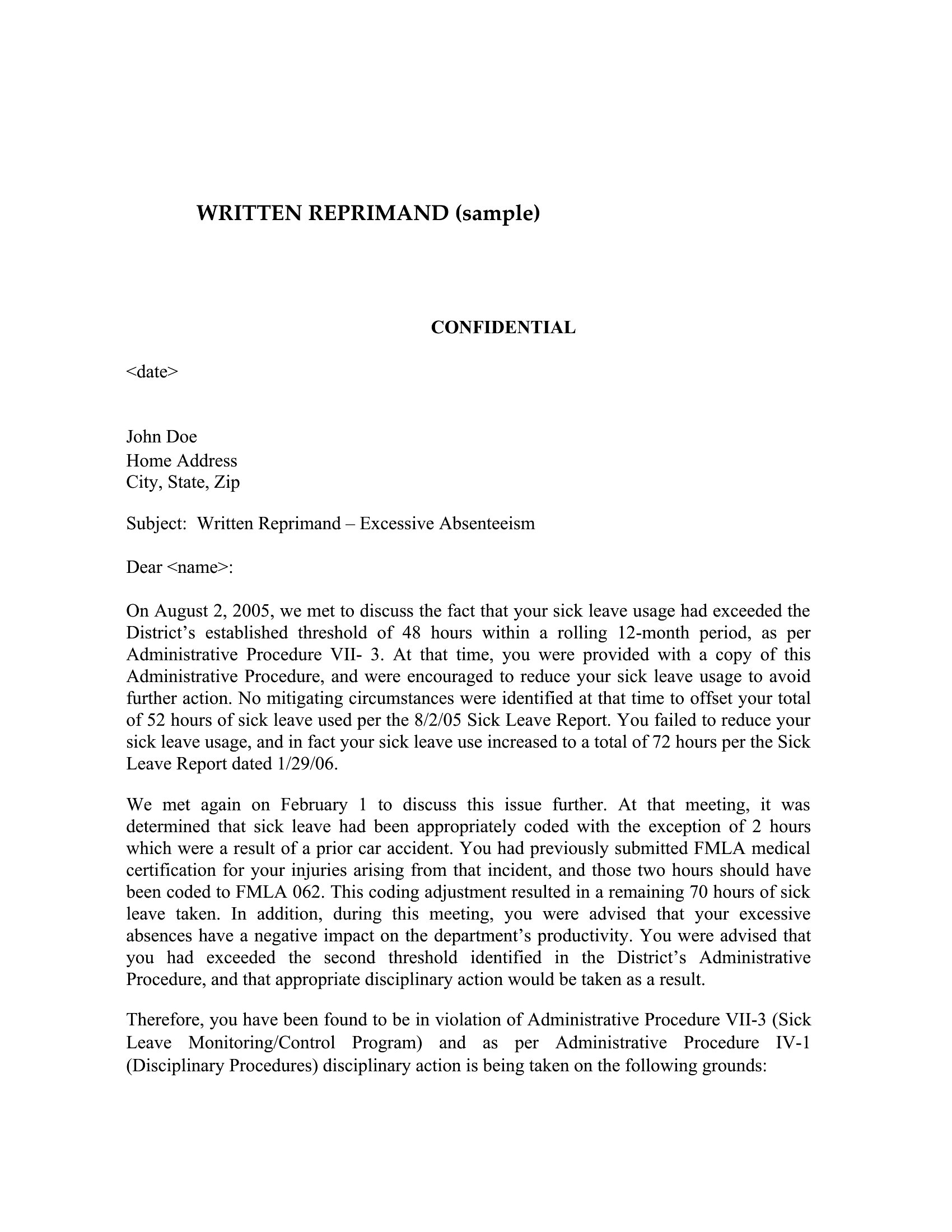
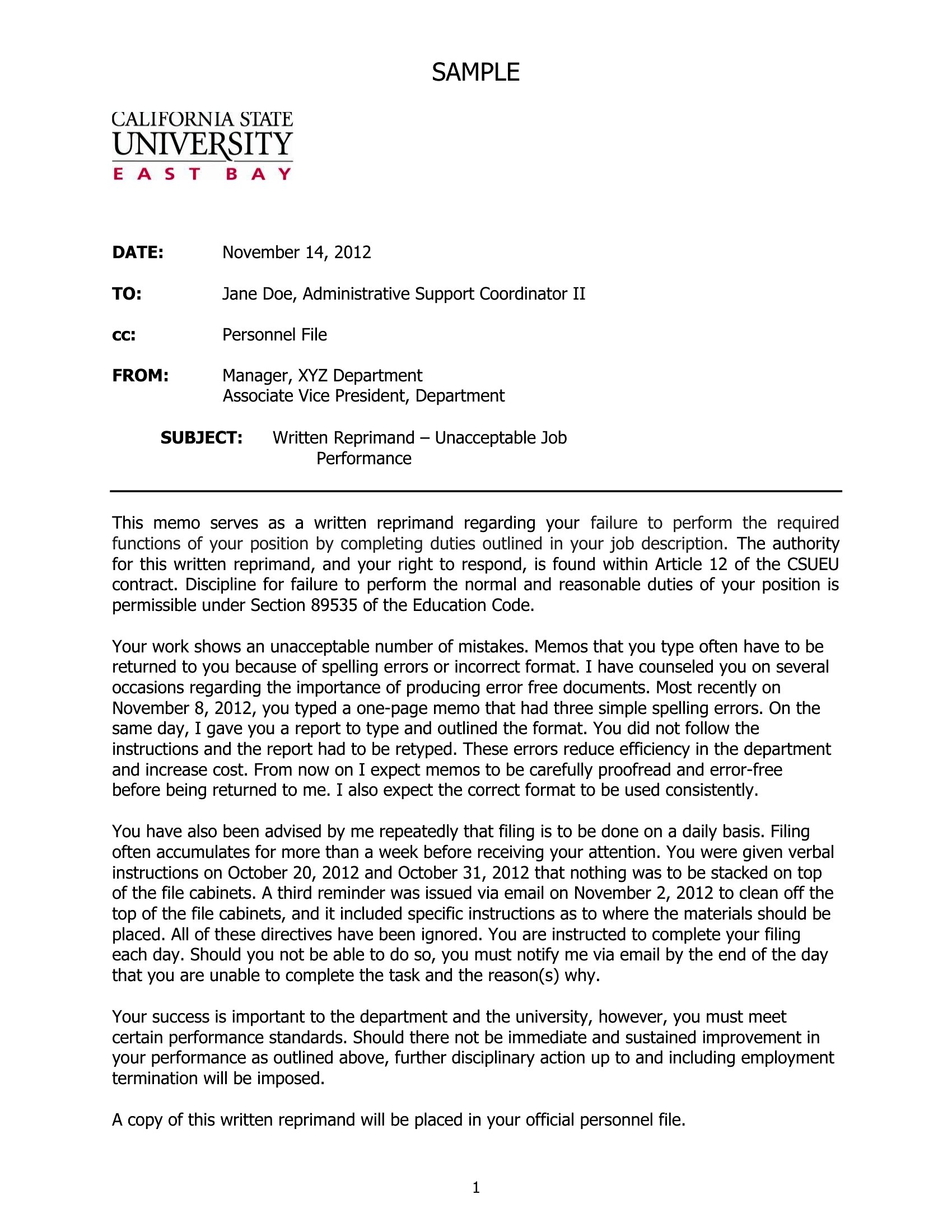
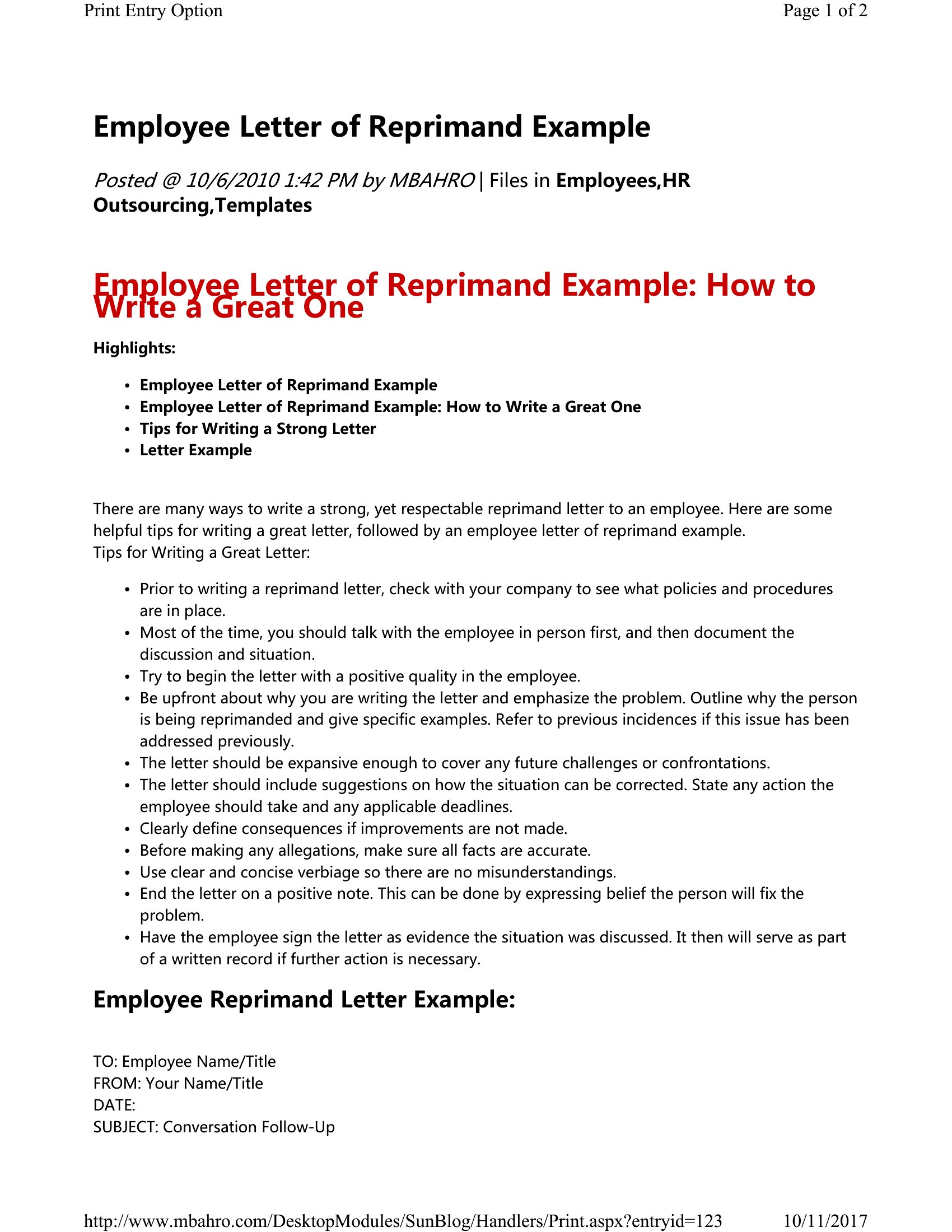
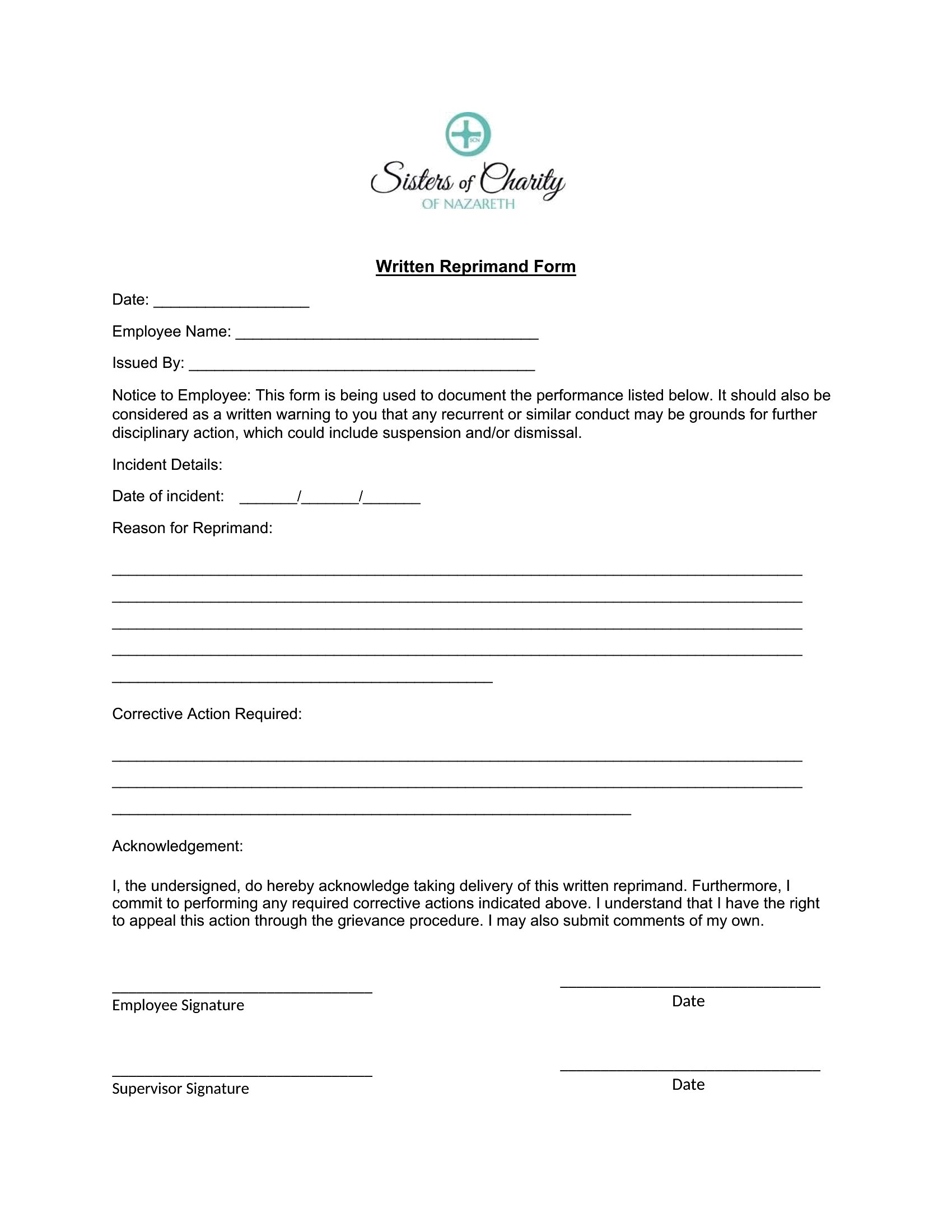
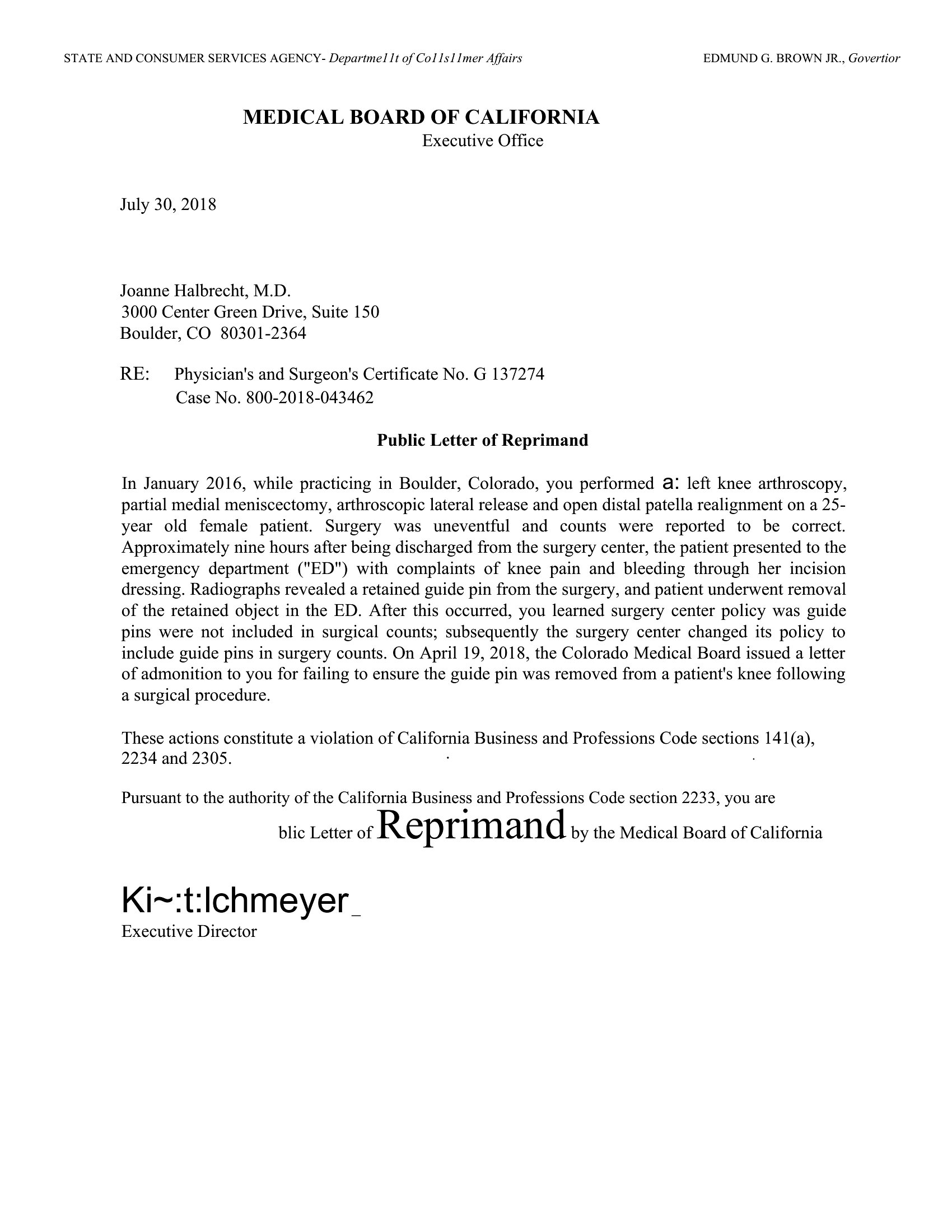
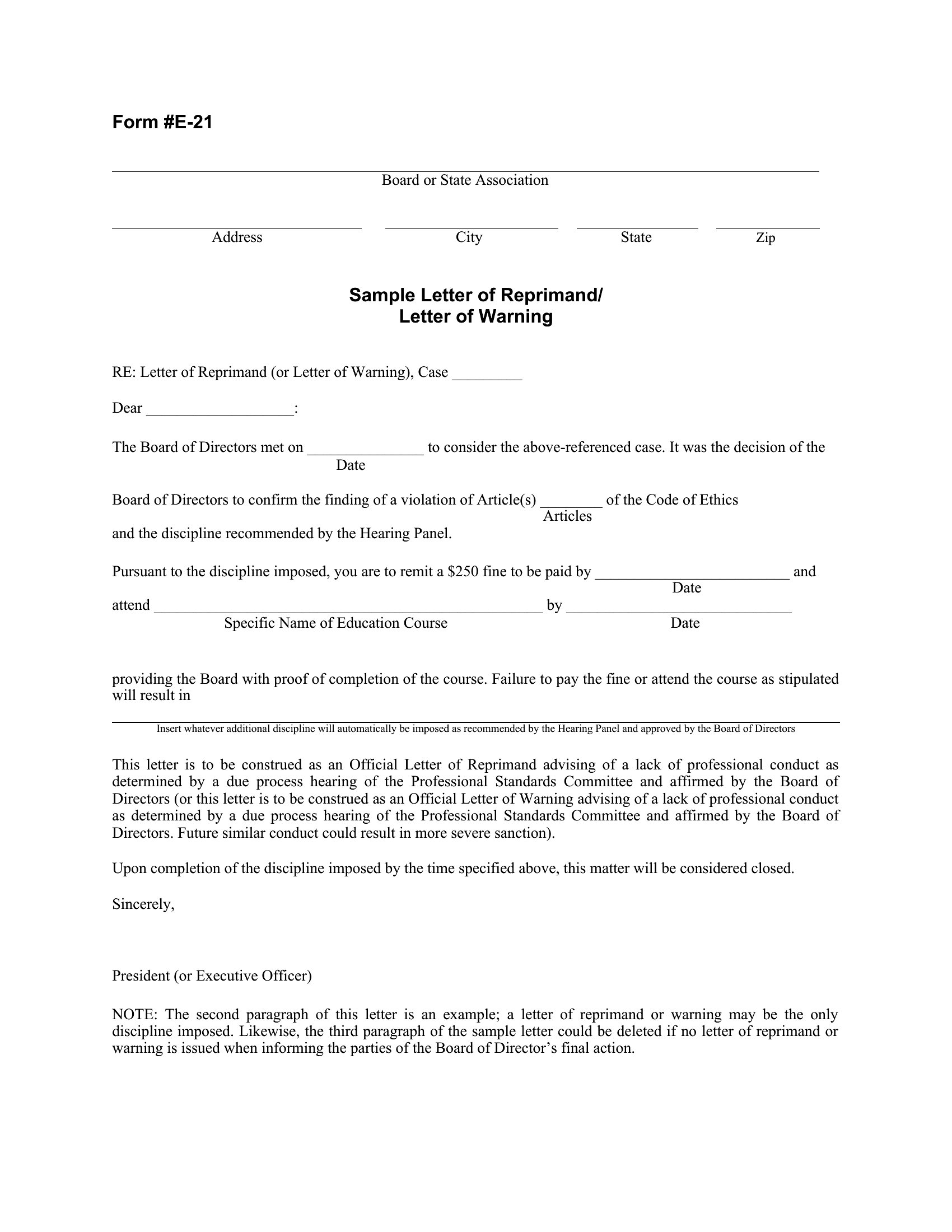
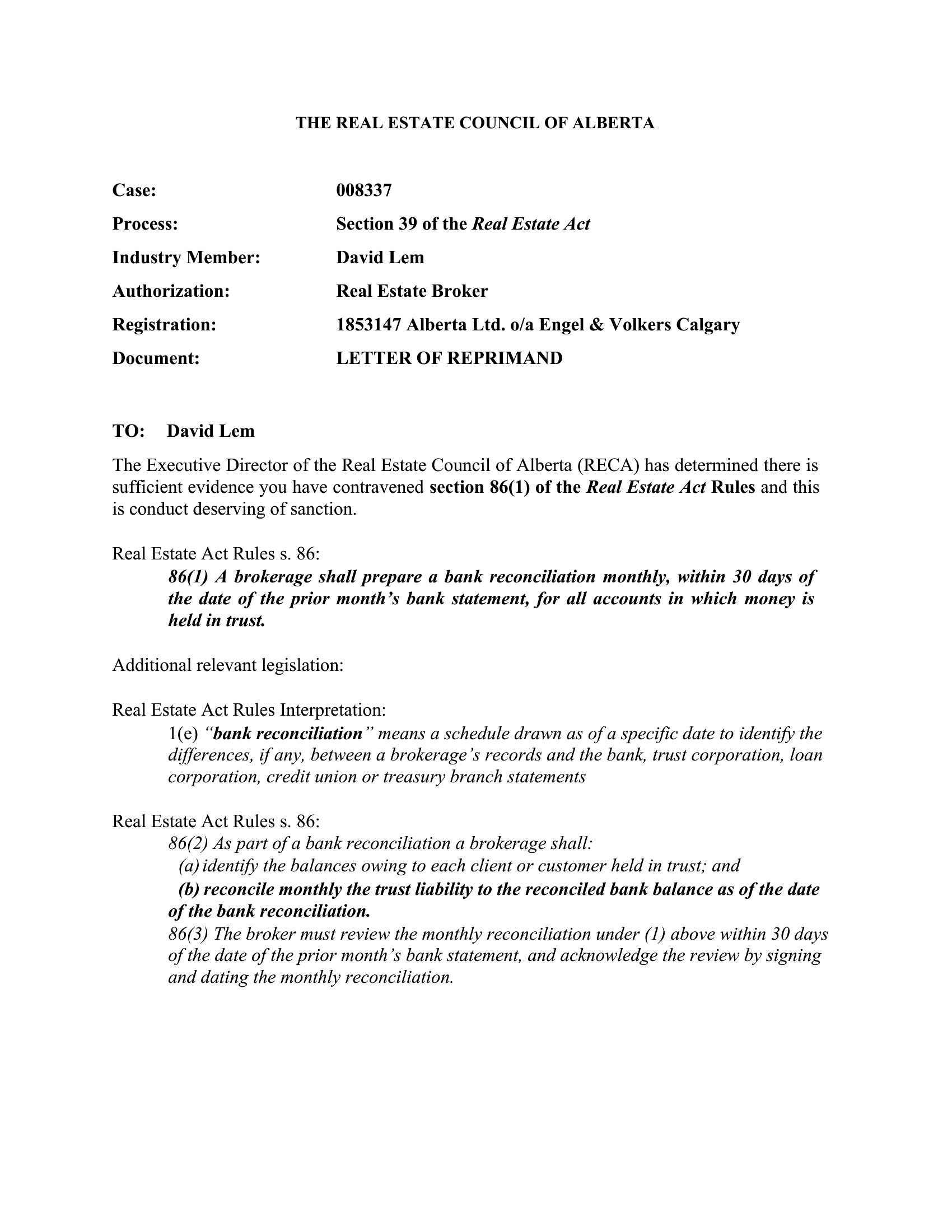
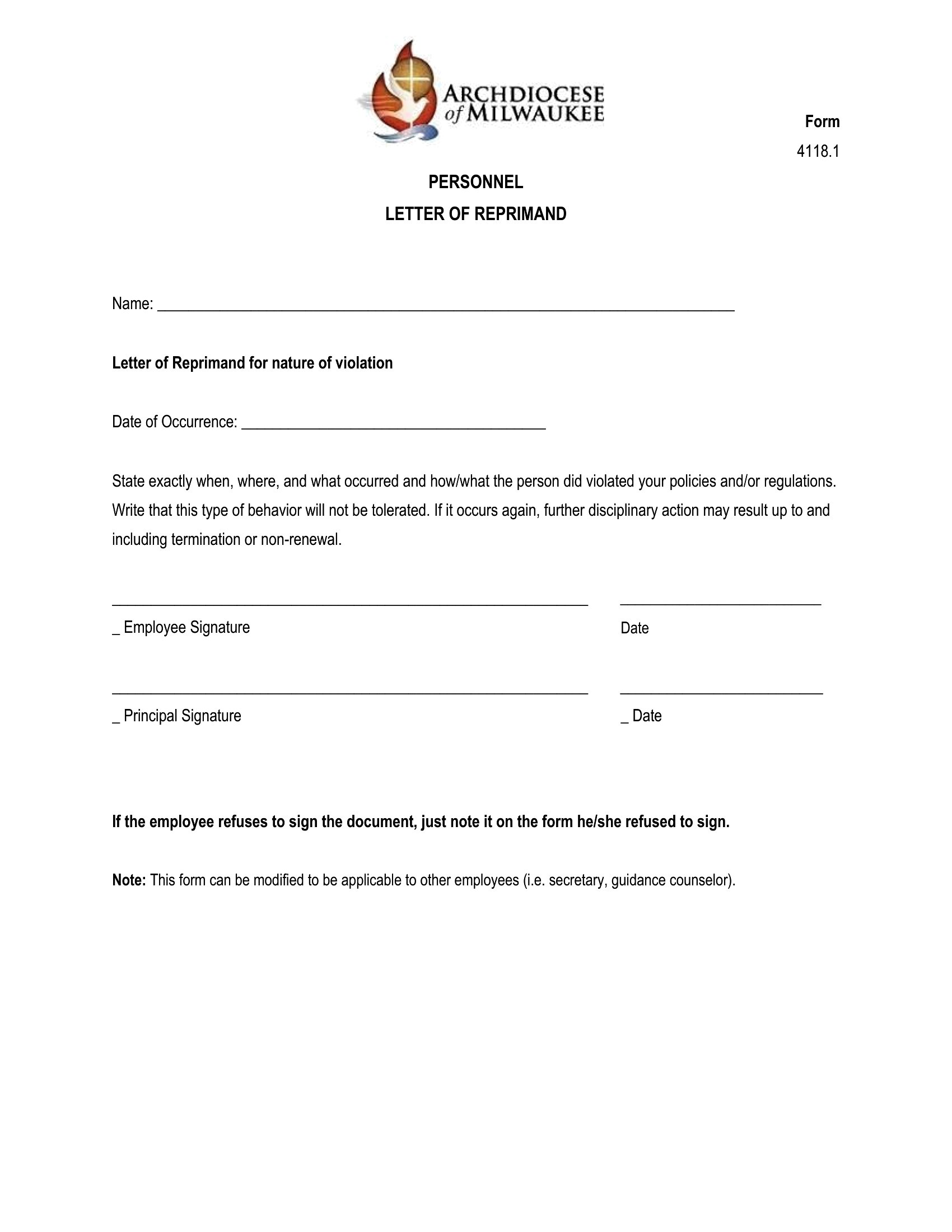
Should I include specifics about the incident in a reprimand, or keep it general?
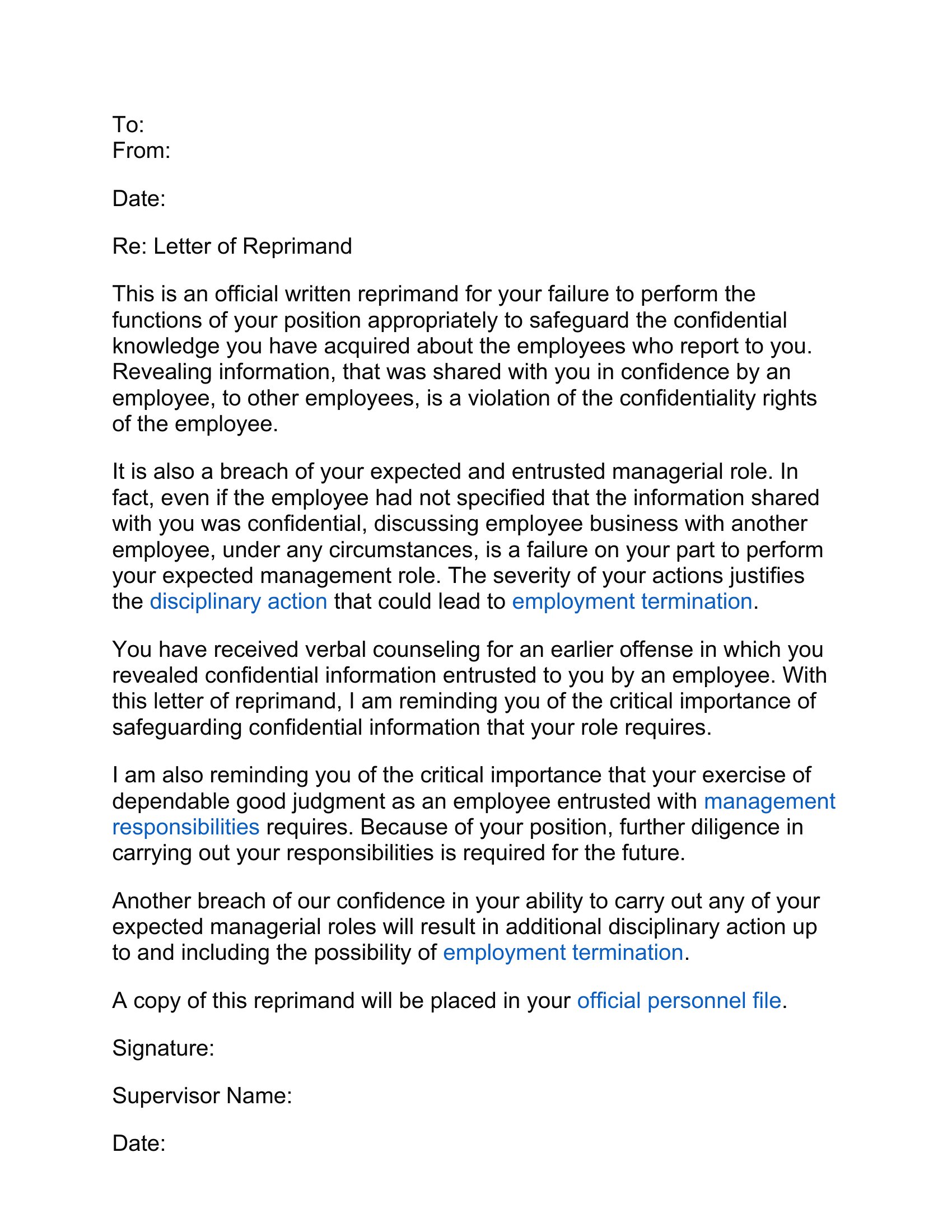
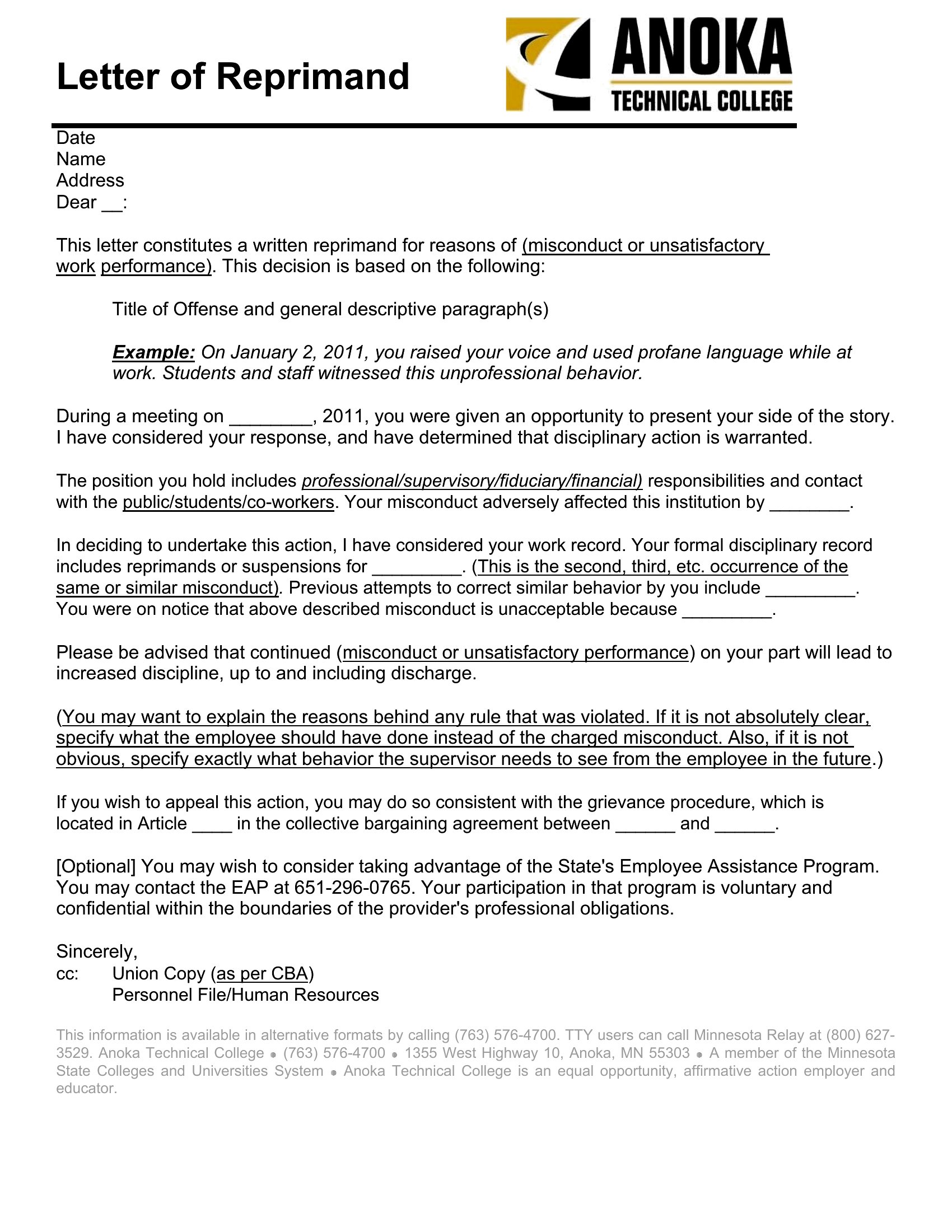
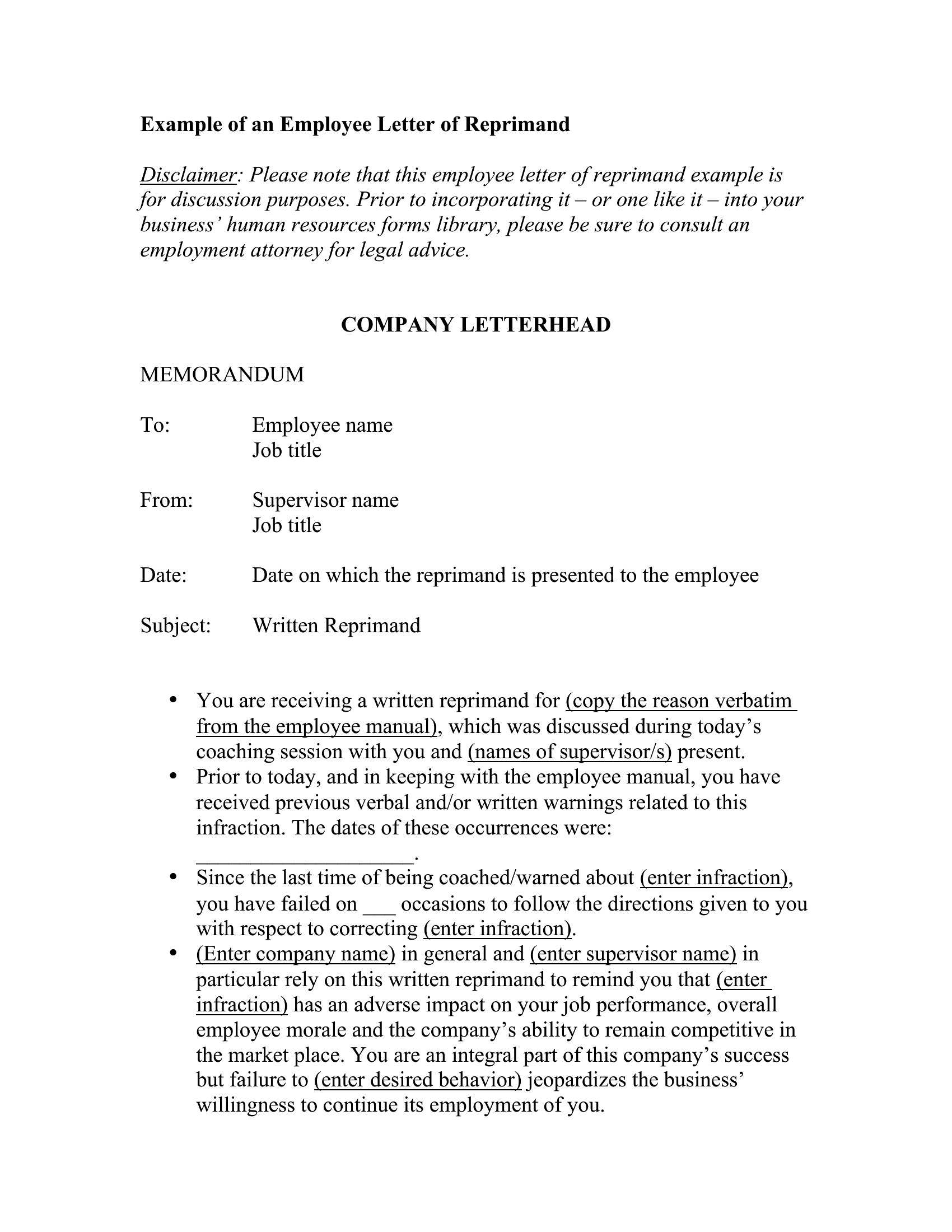
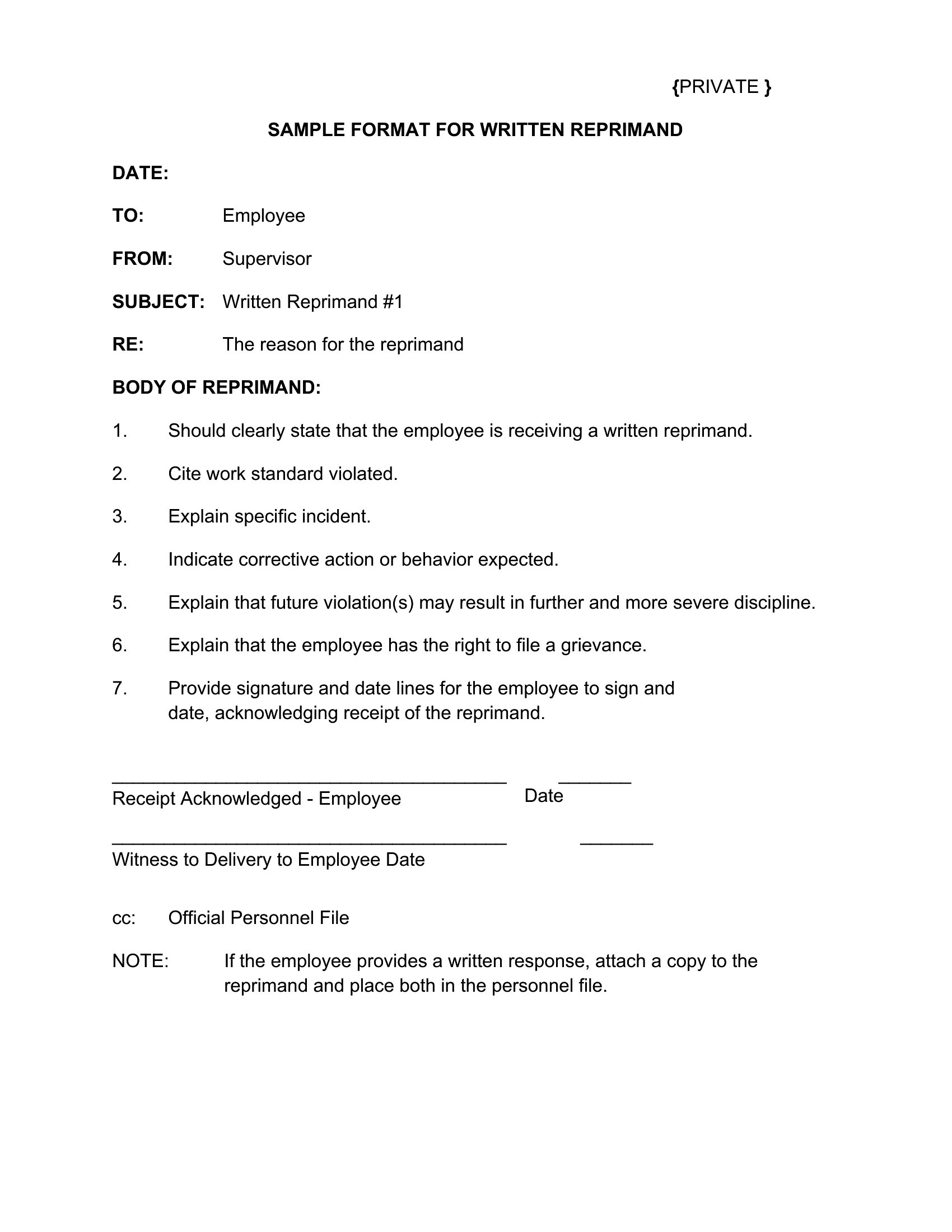
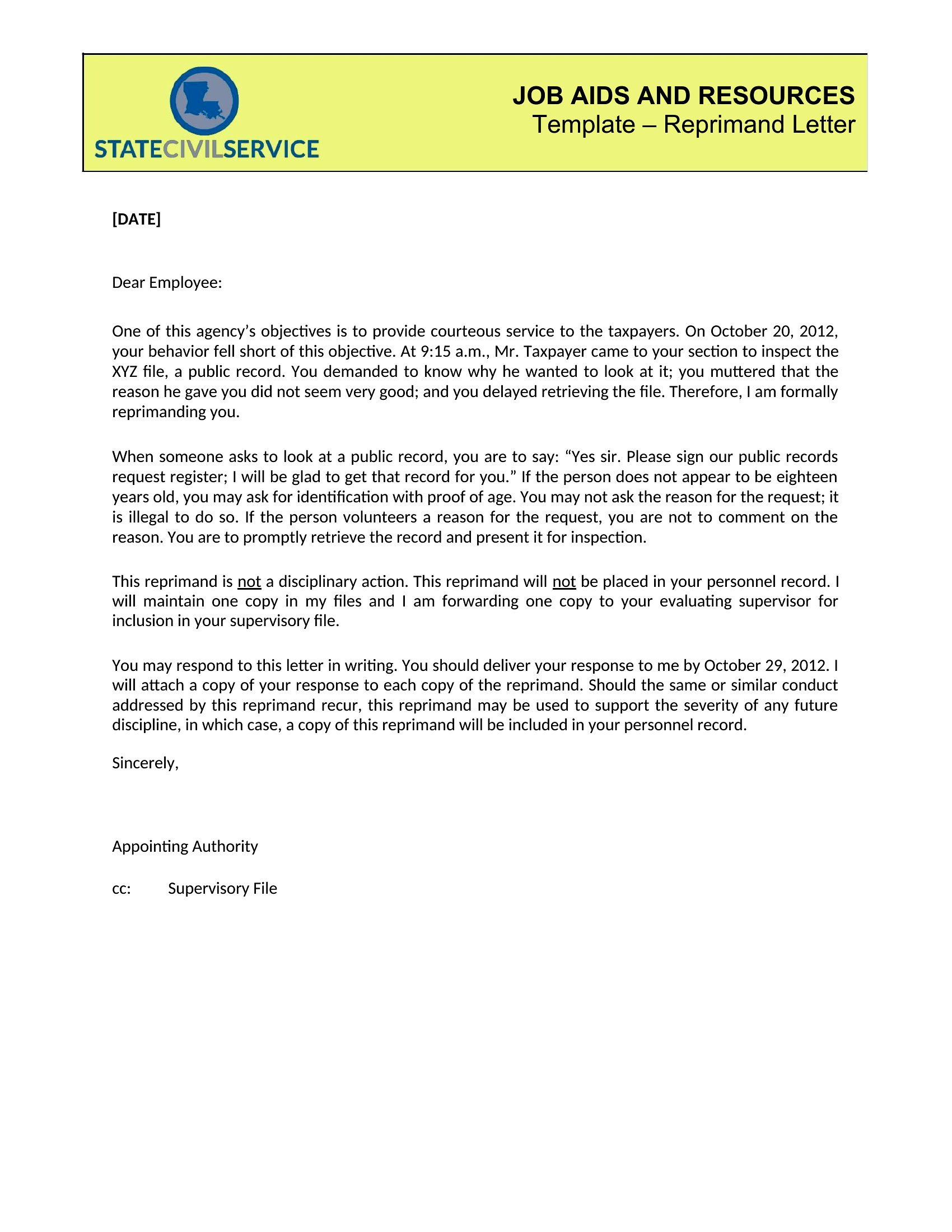
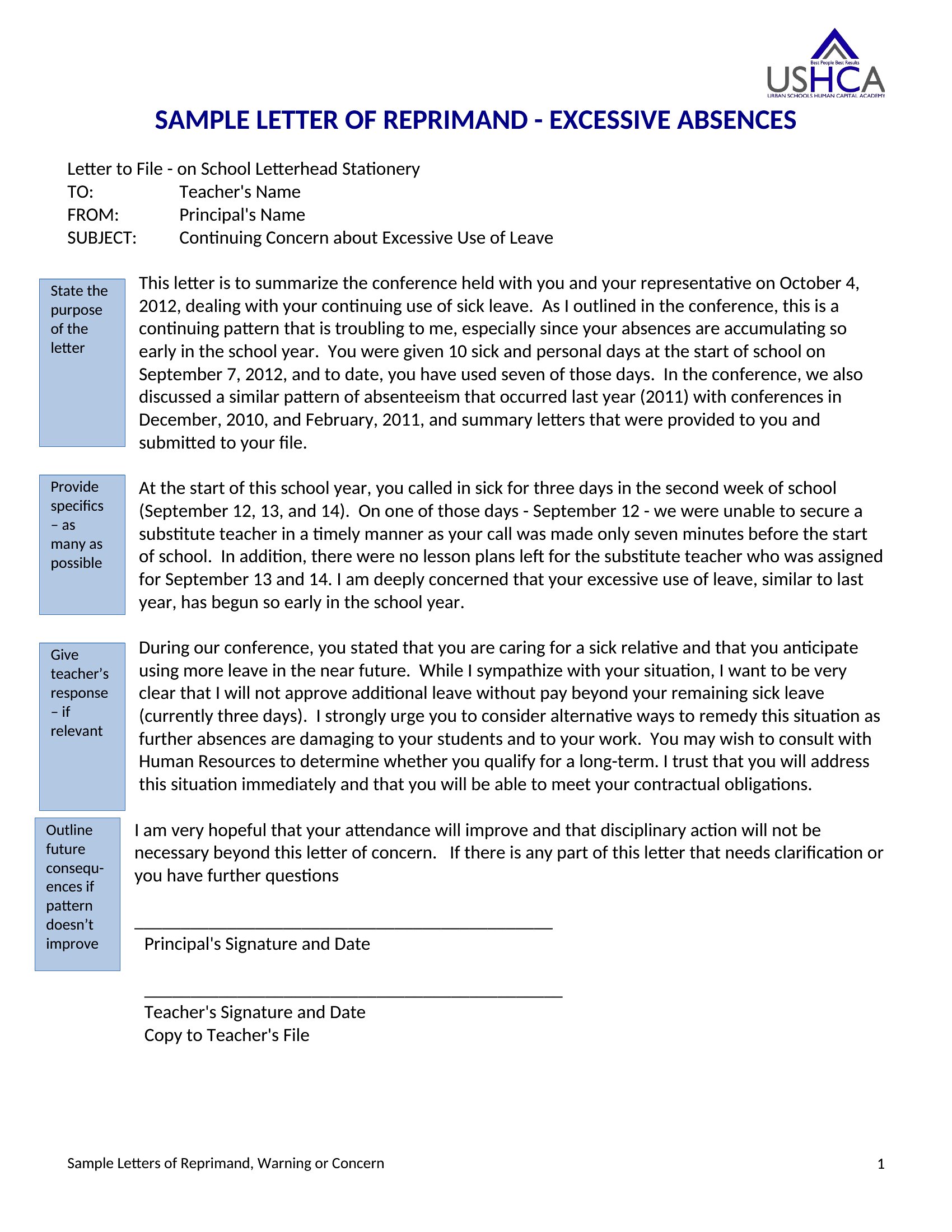
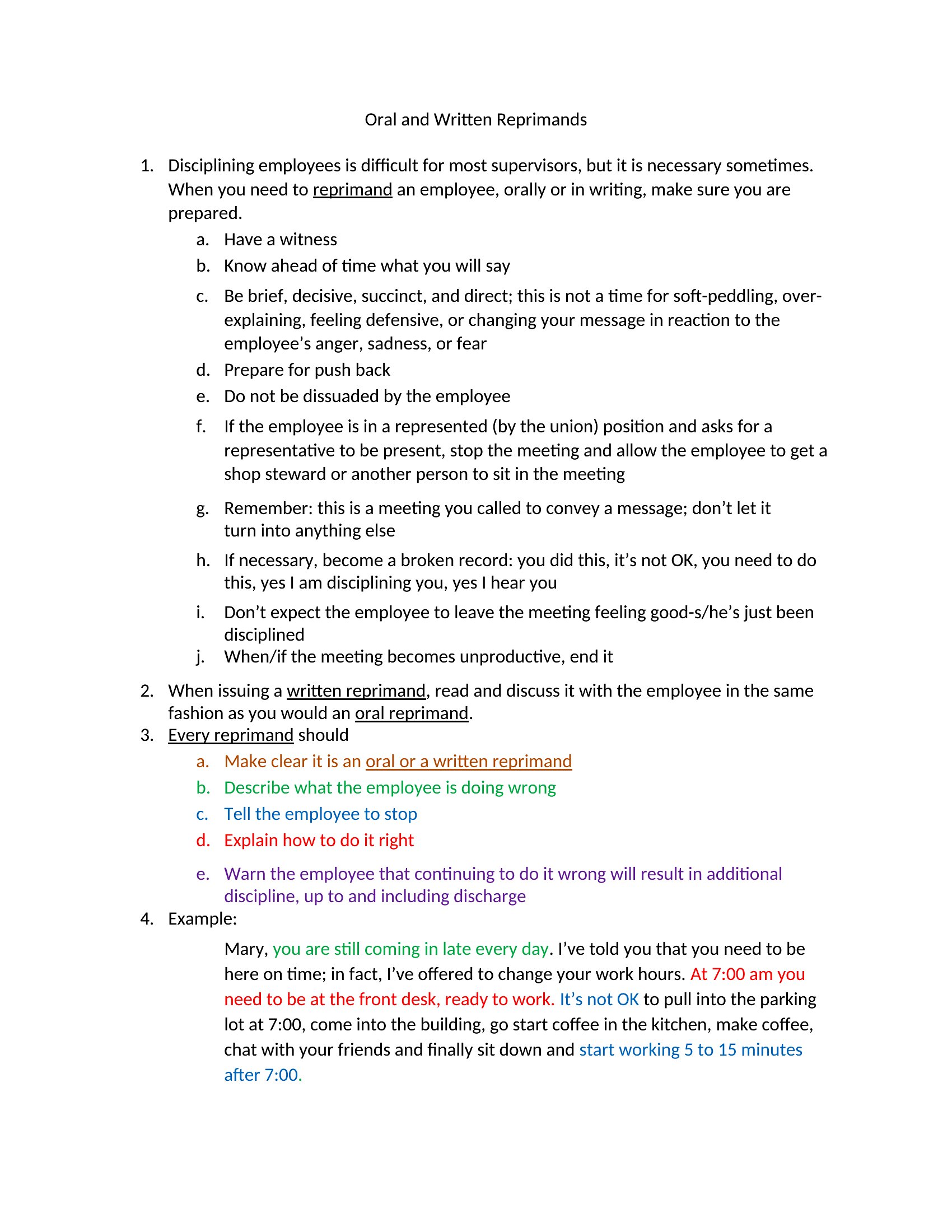
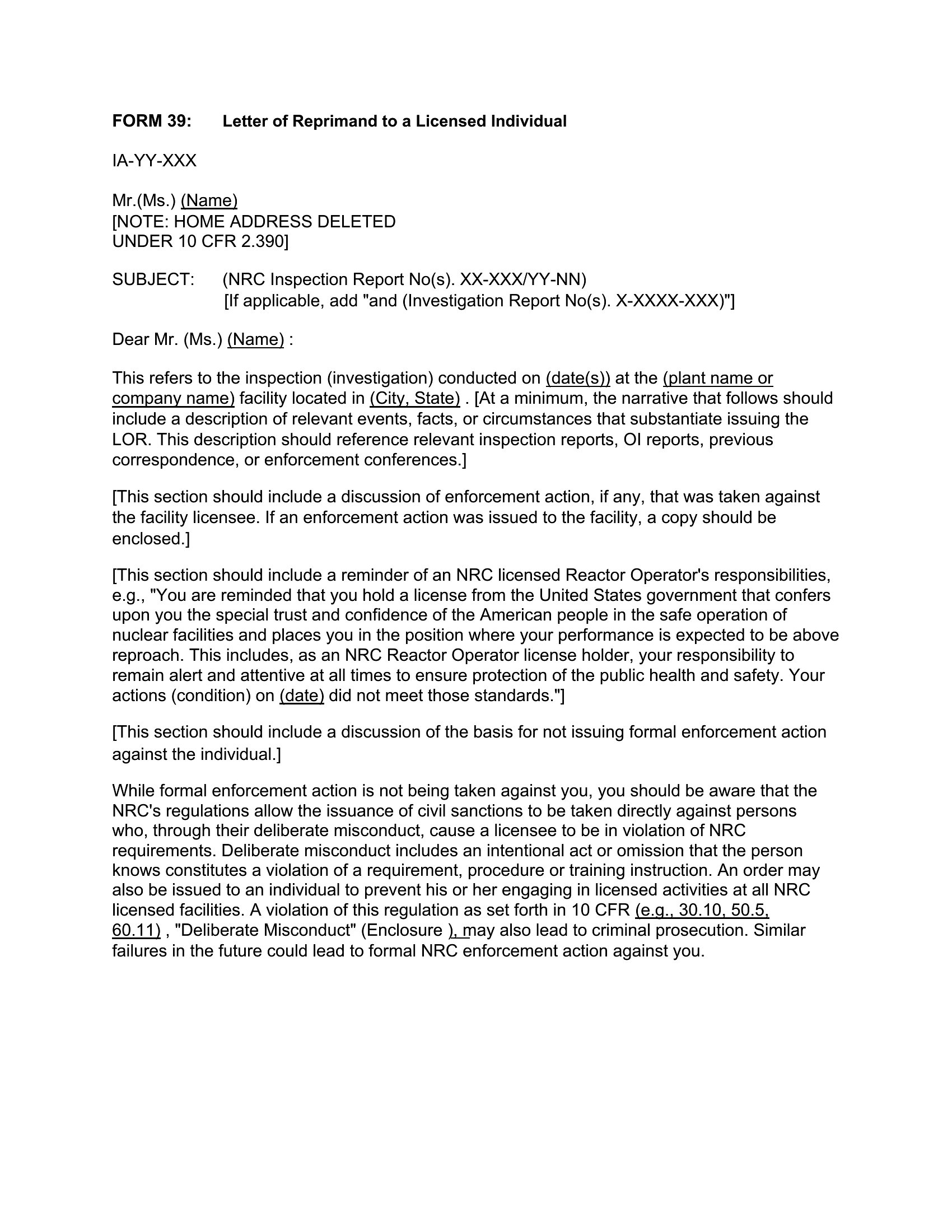
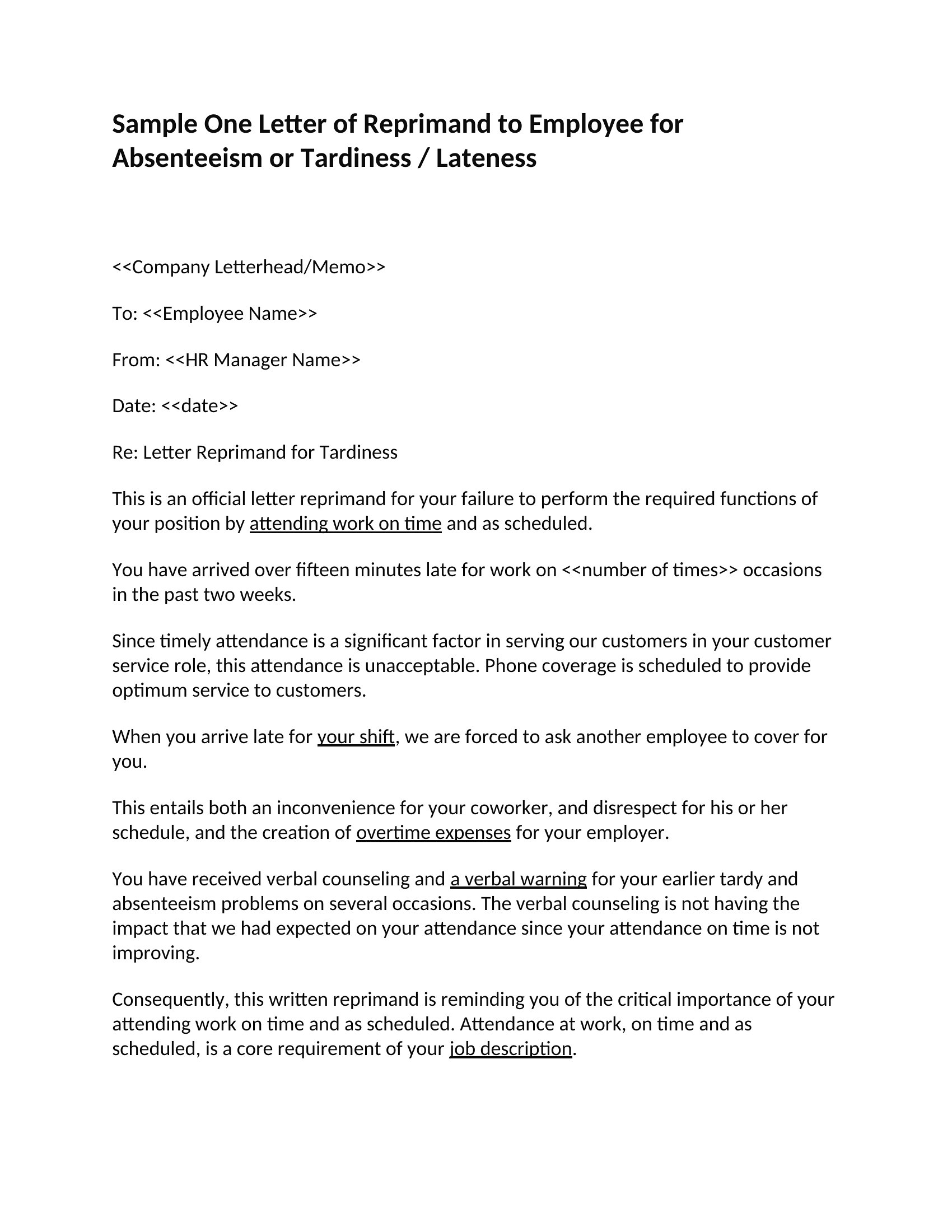
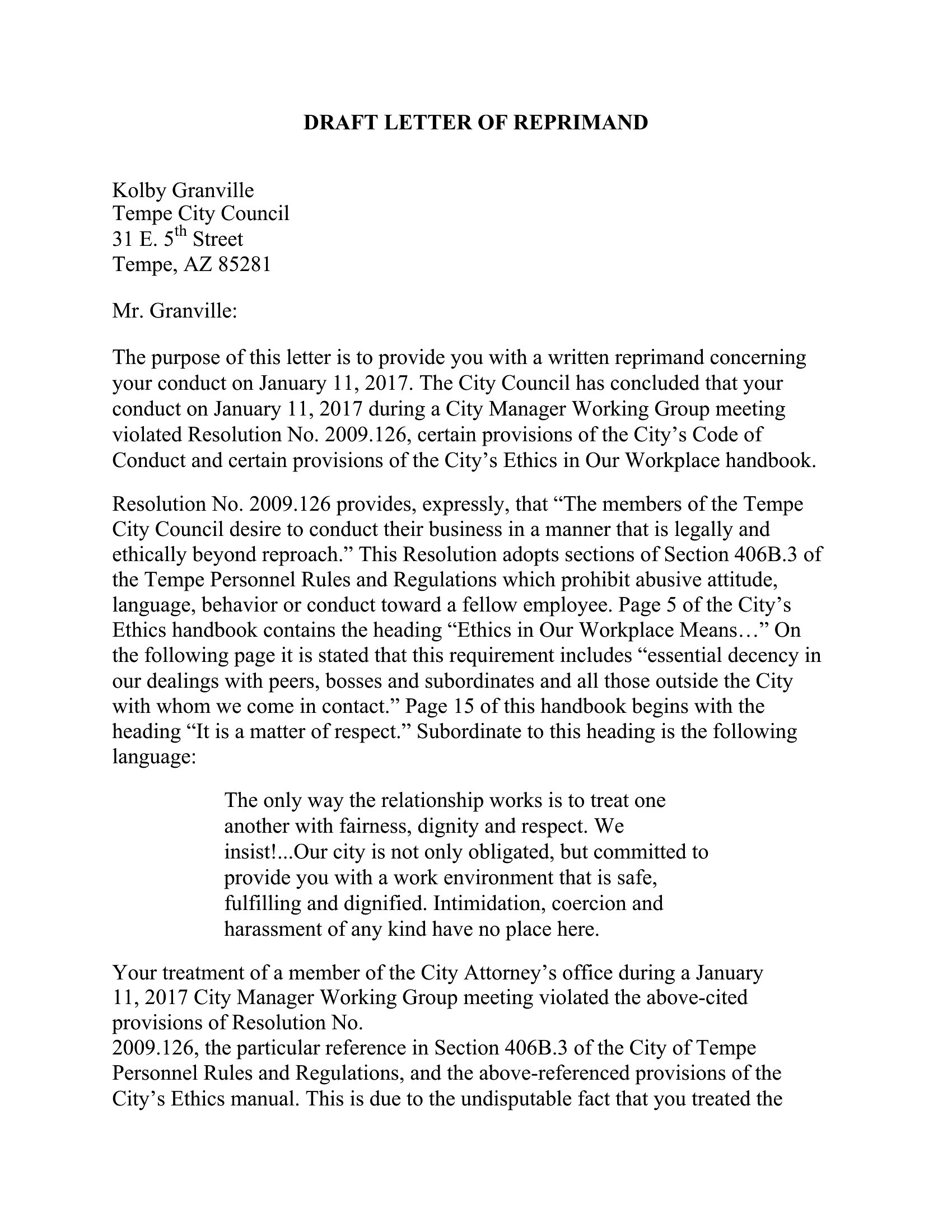
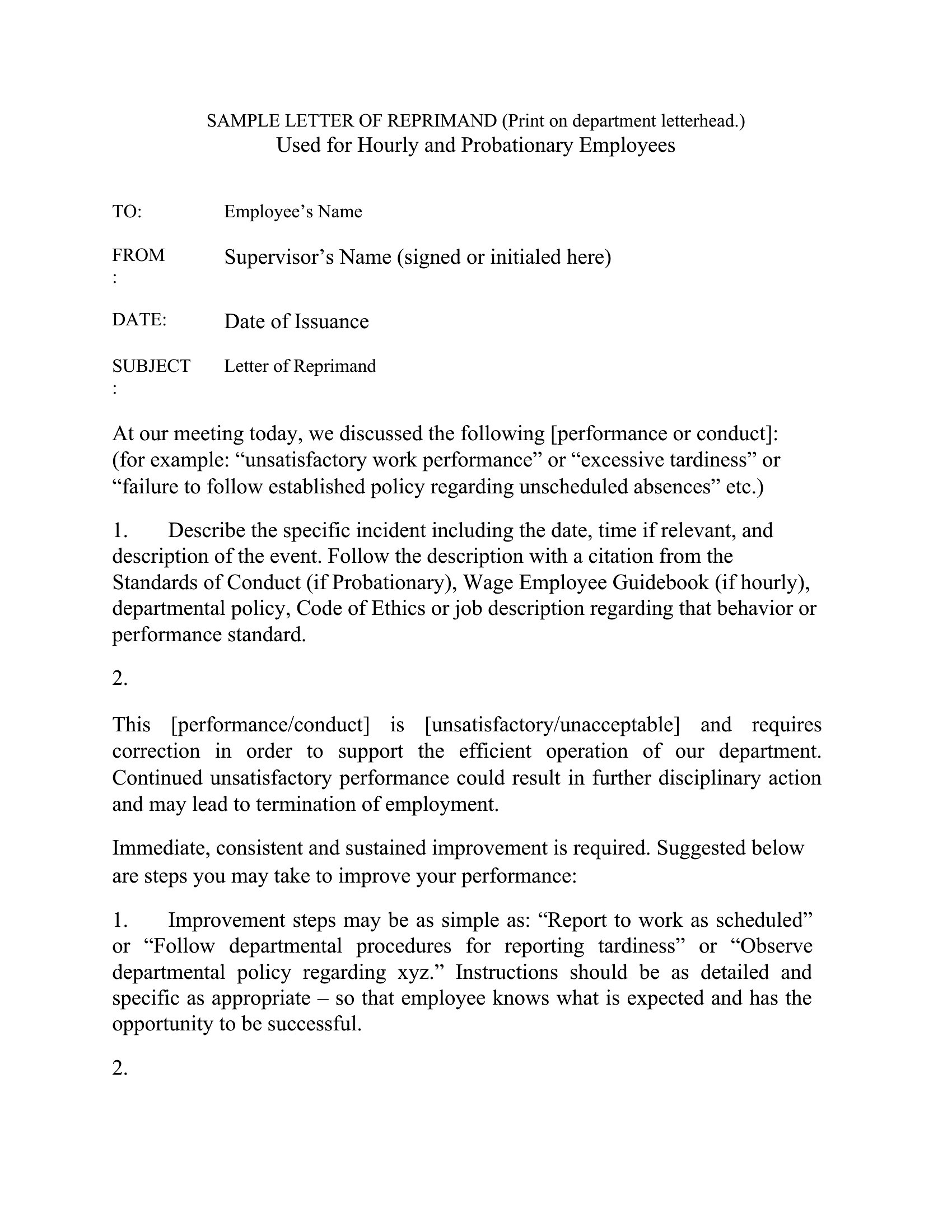
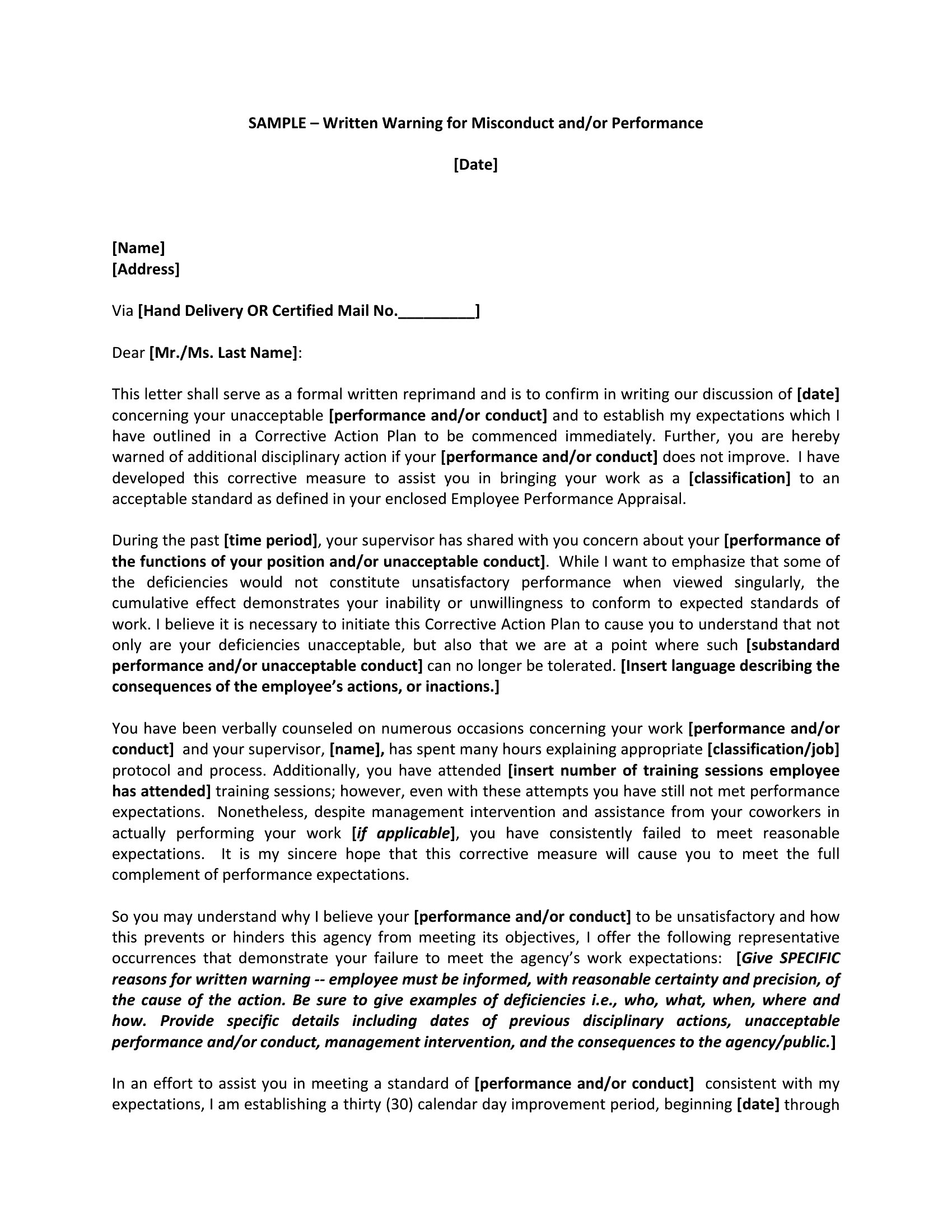
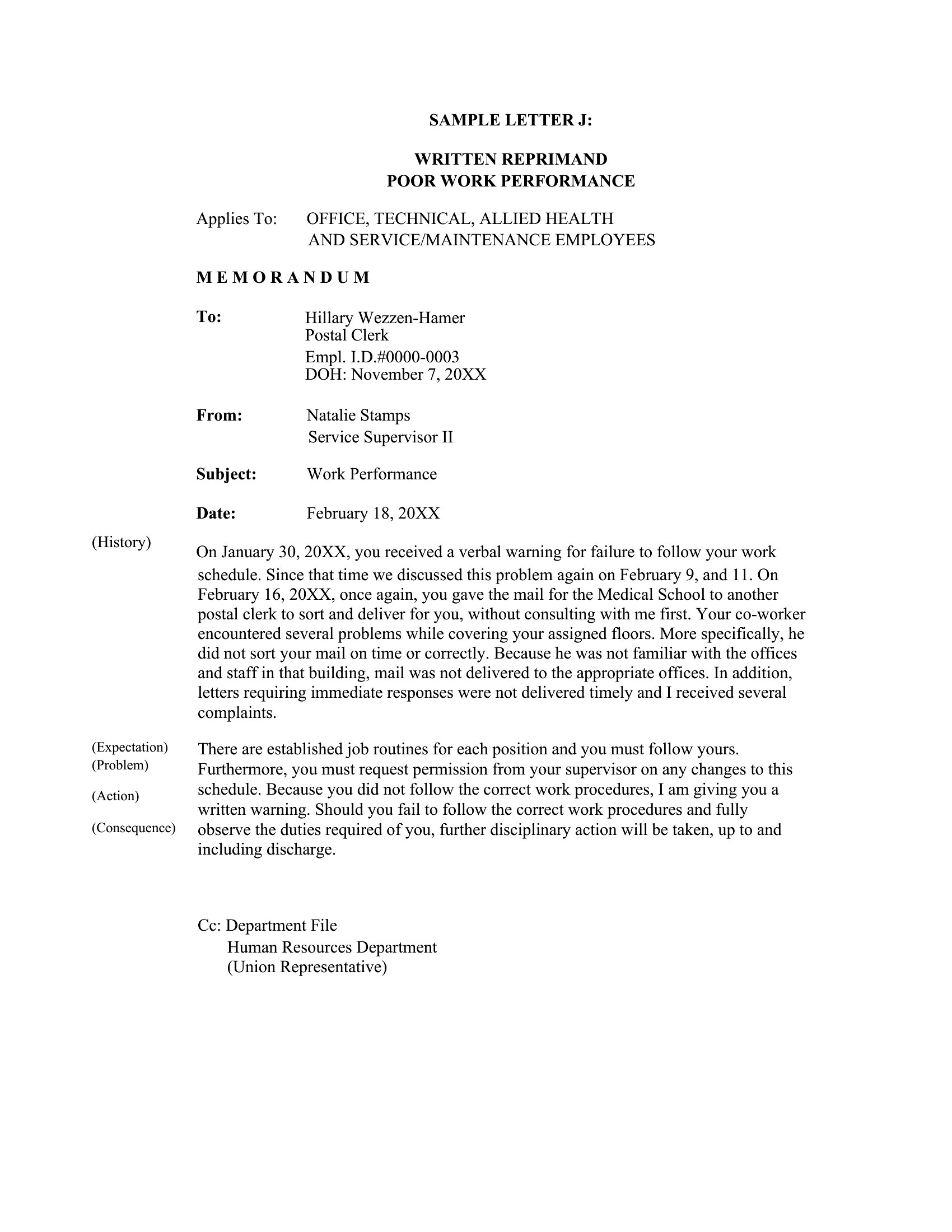
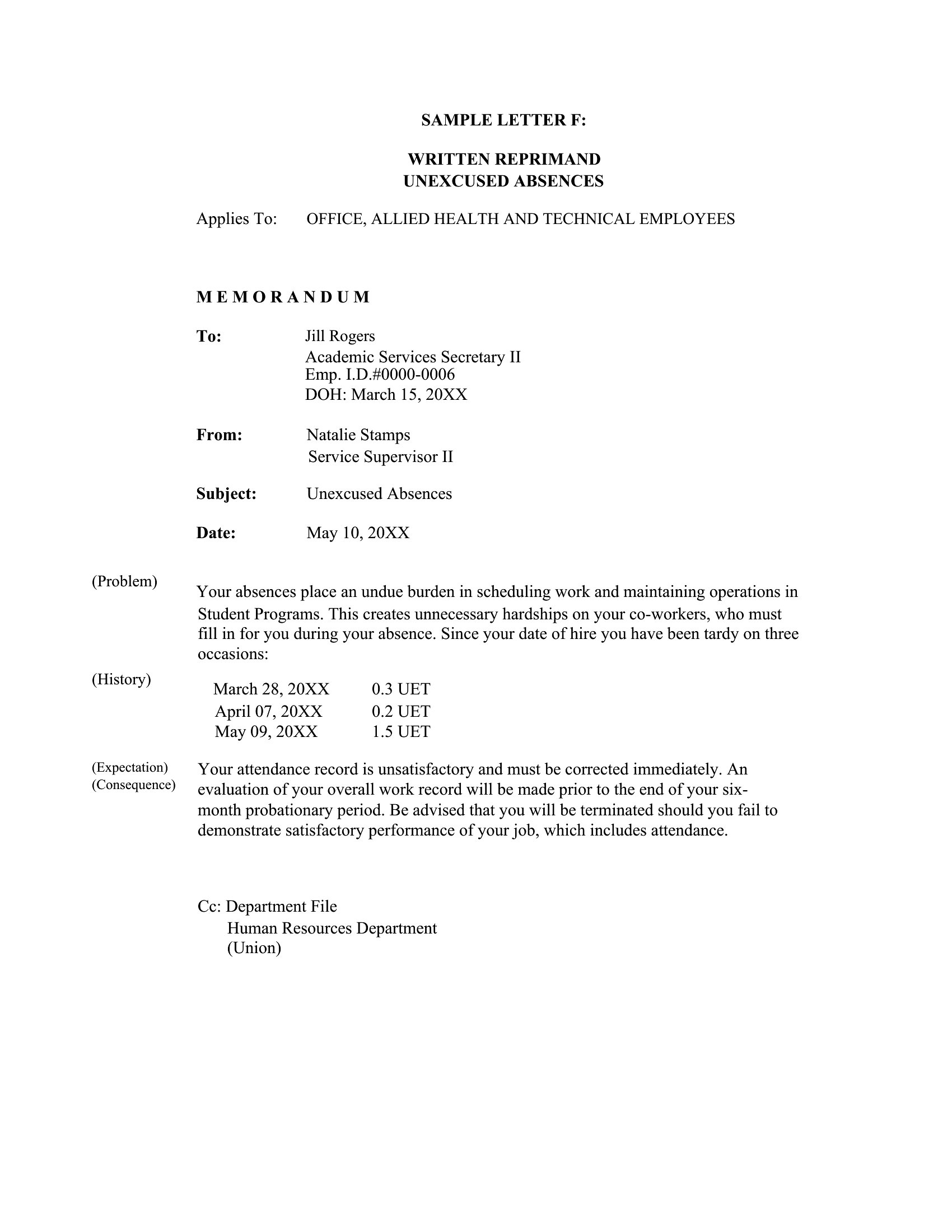
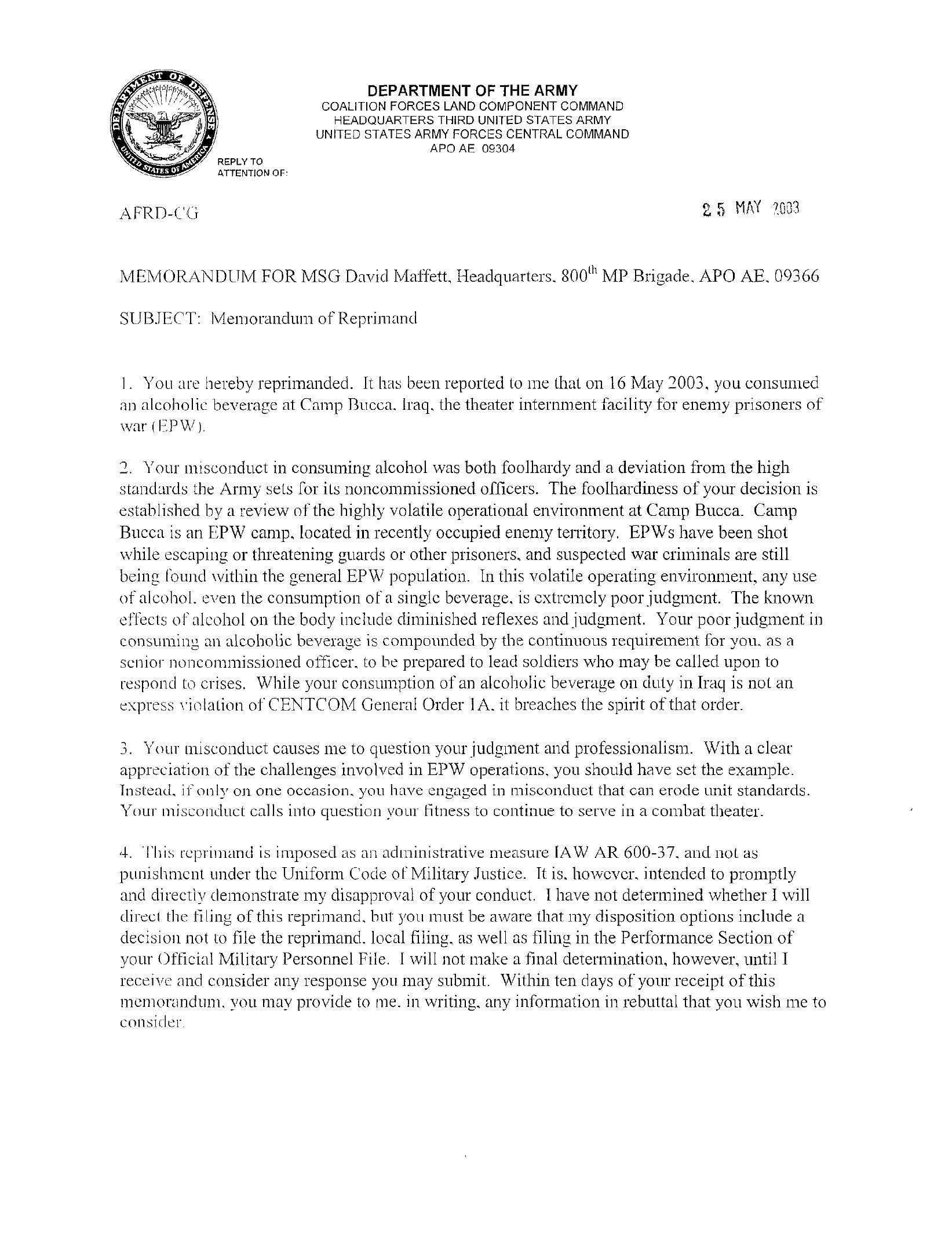
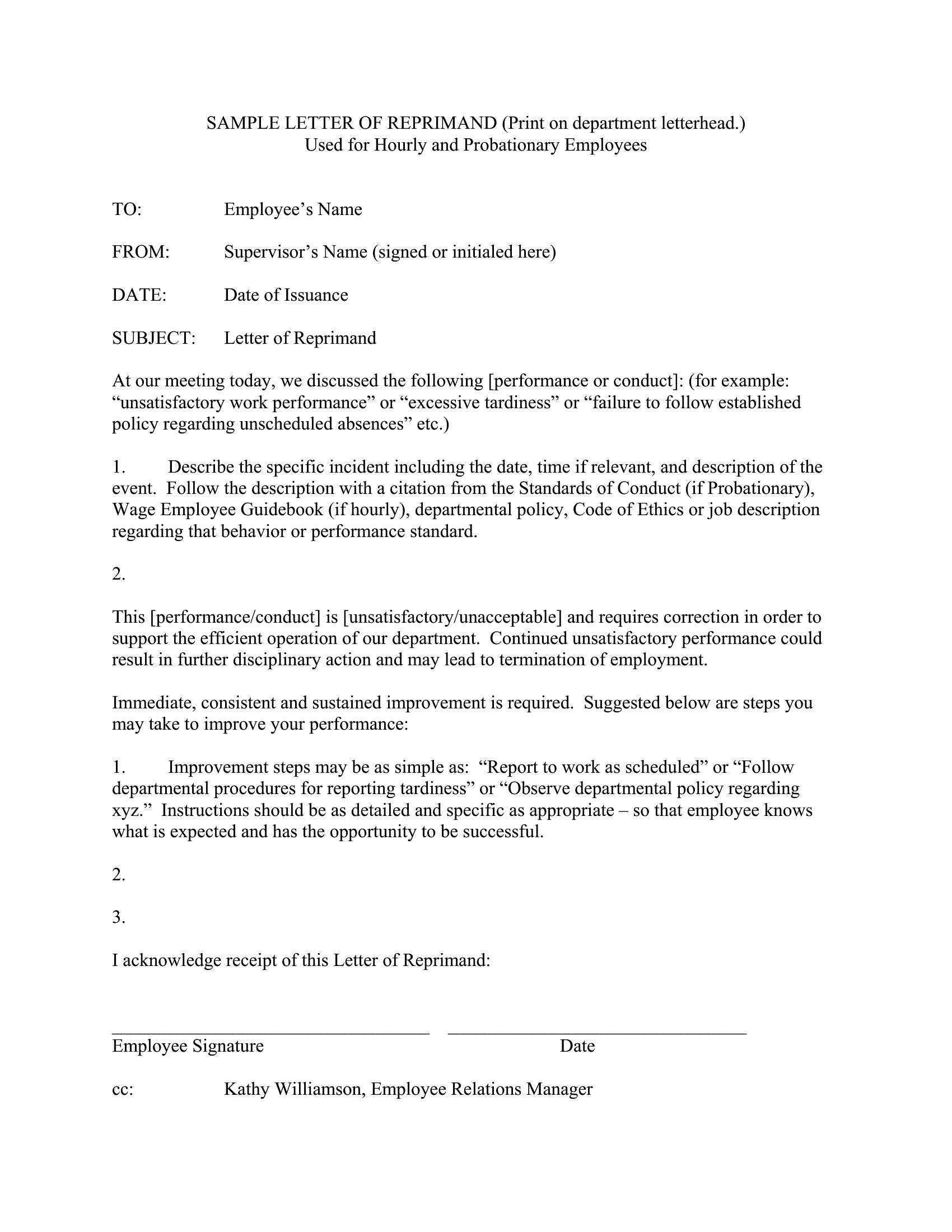
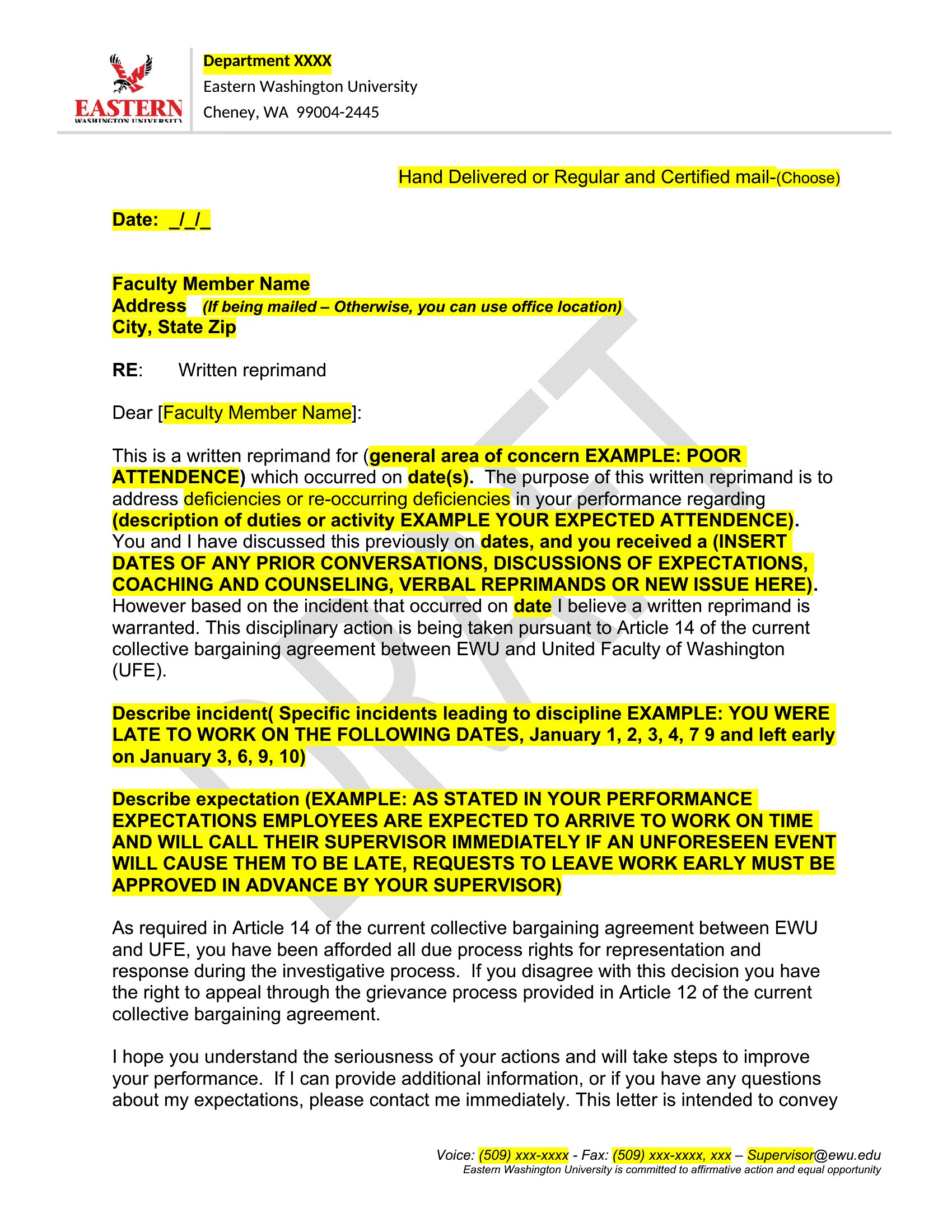
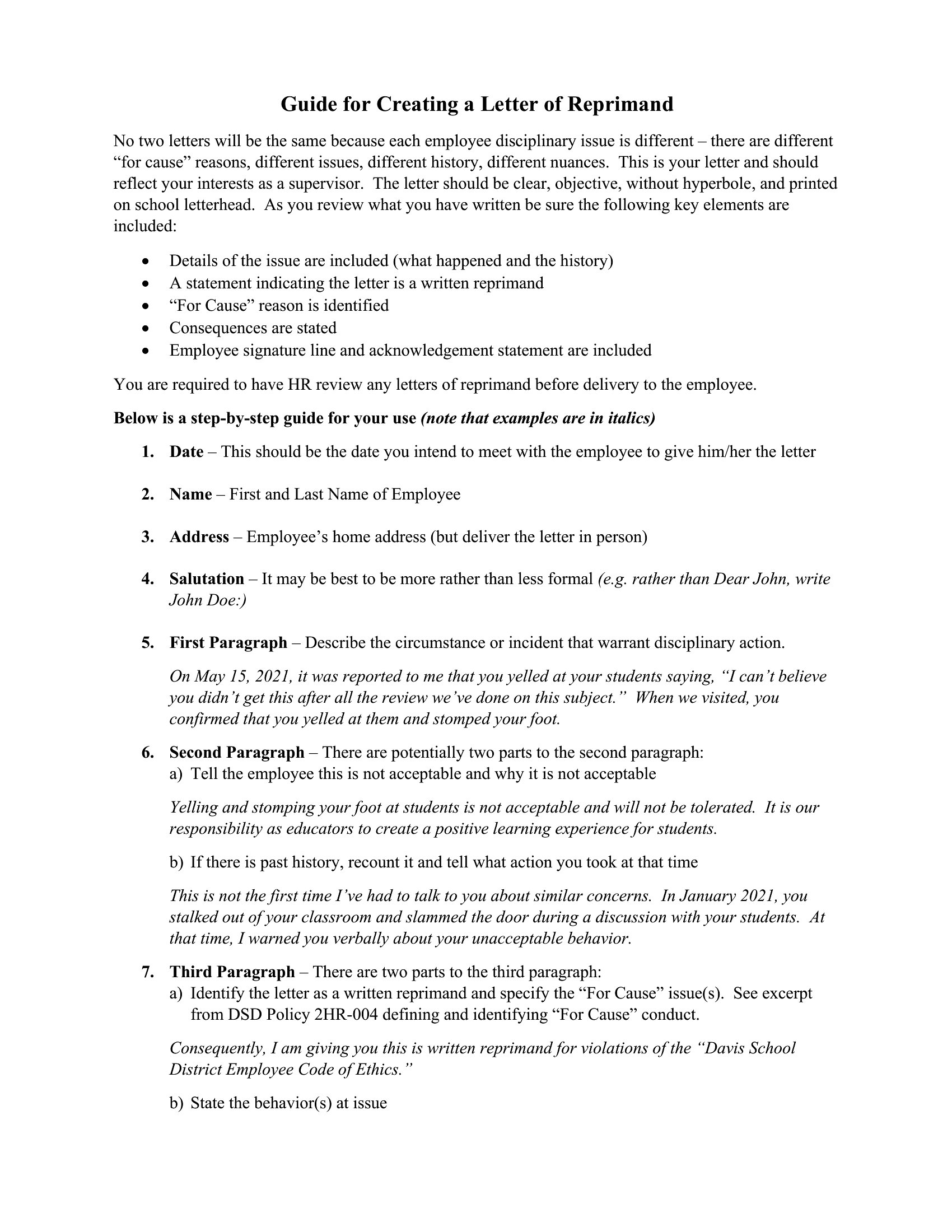
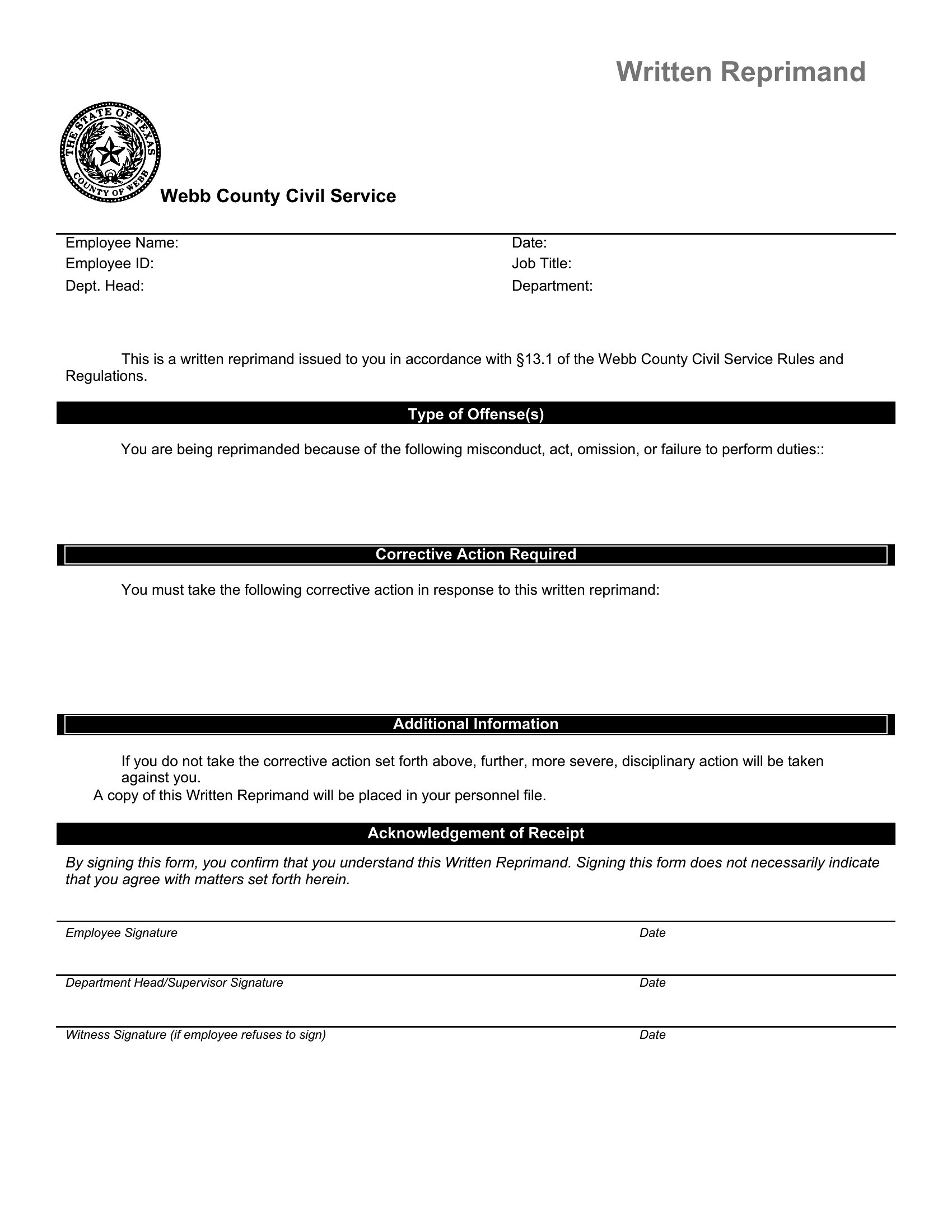
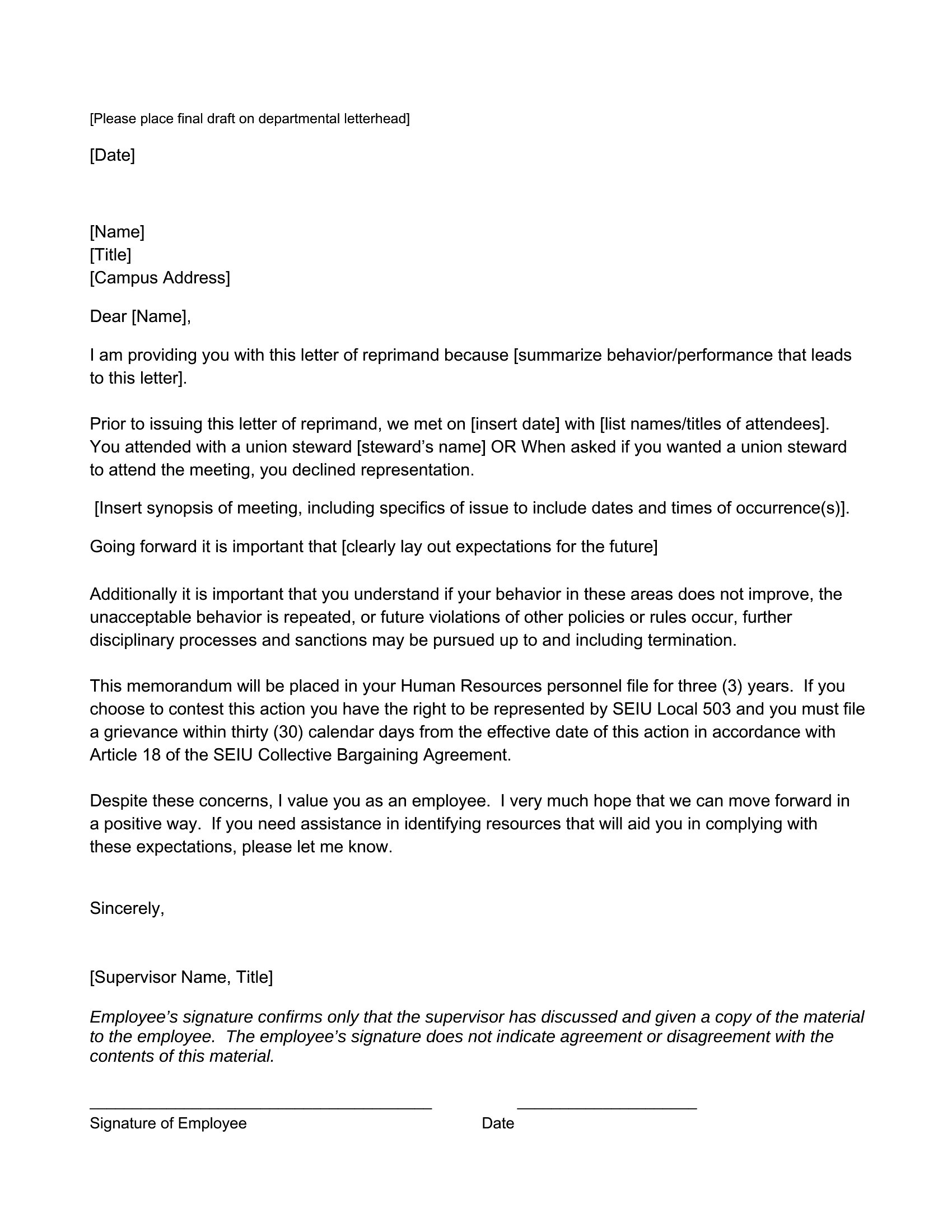
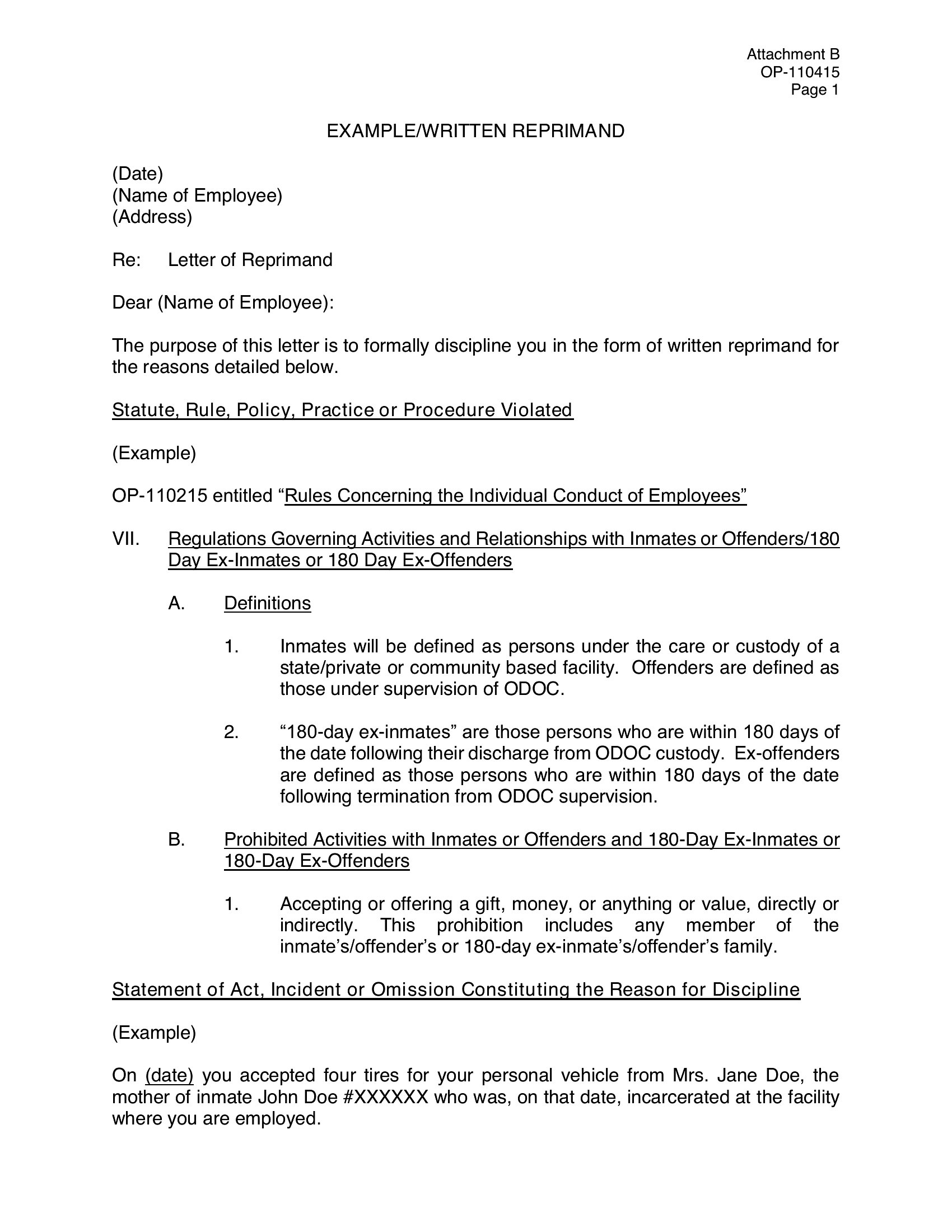
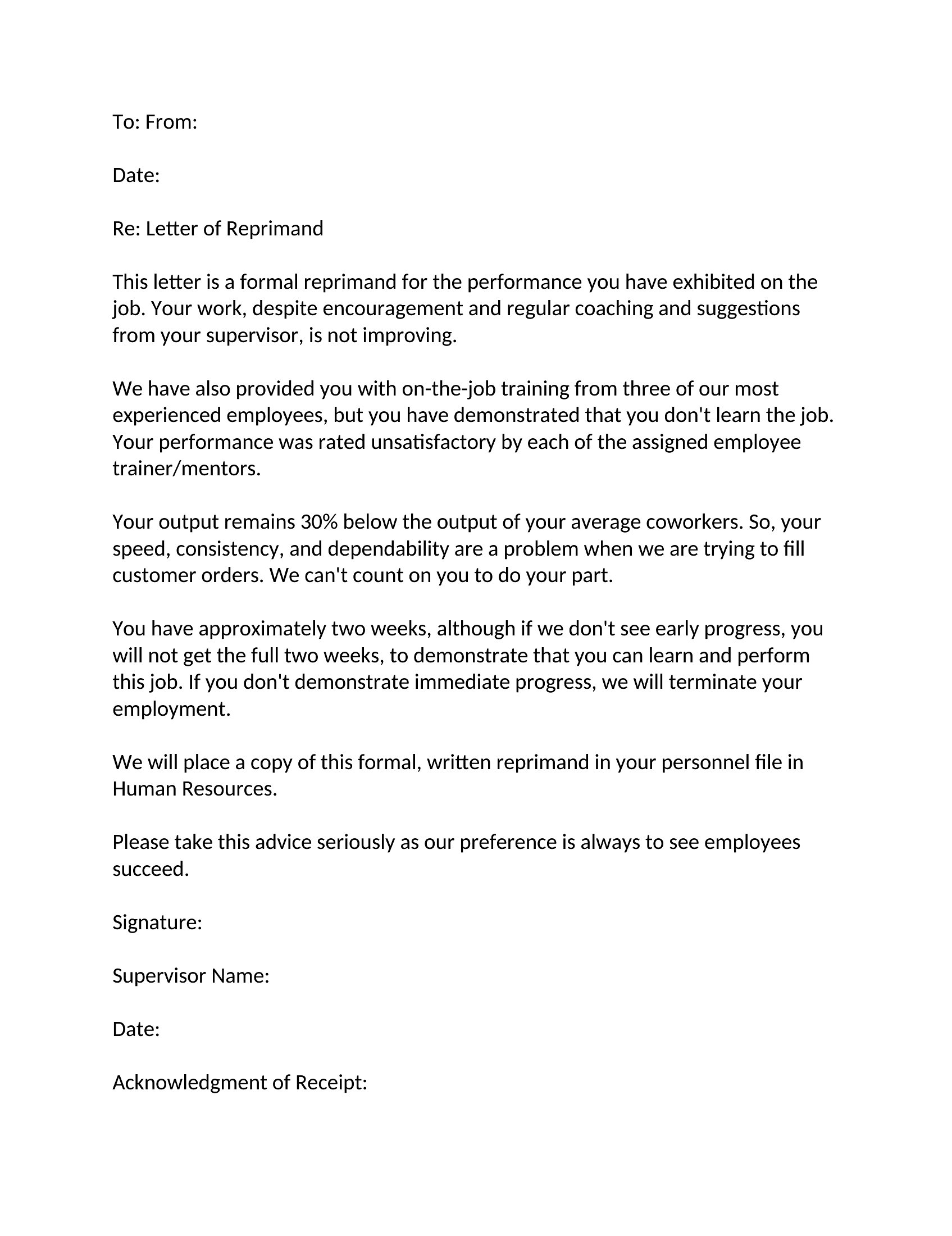
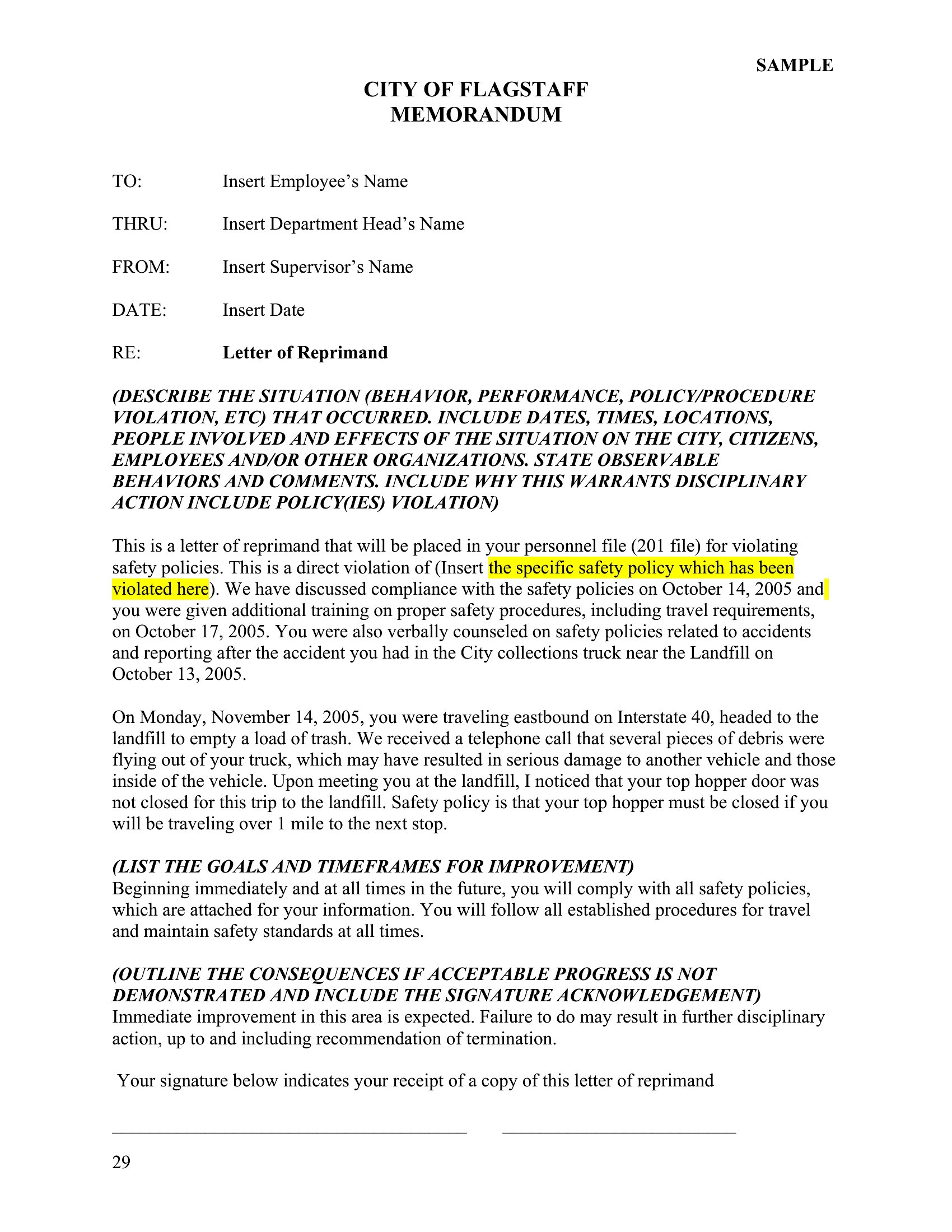
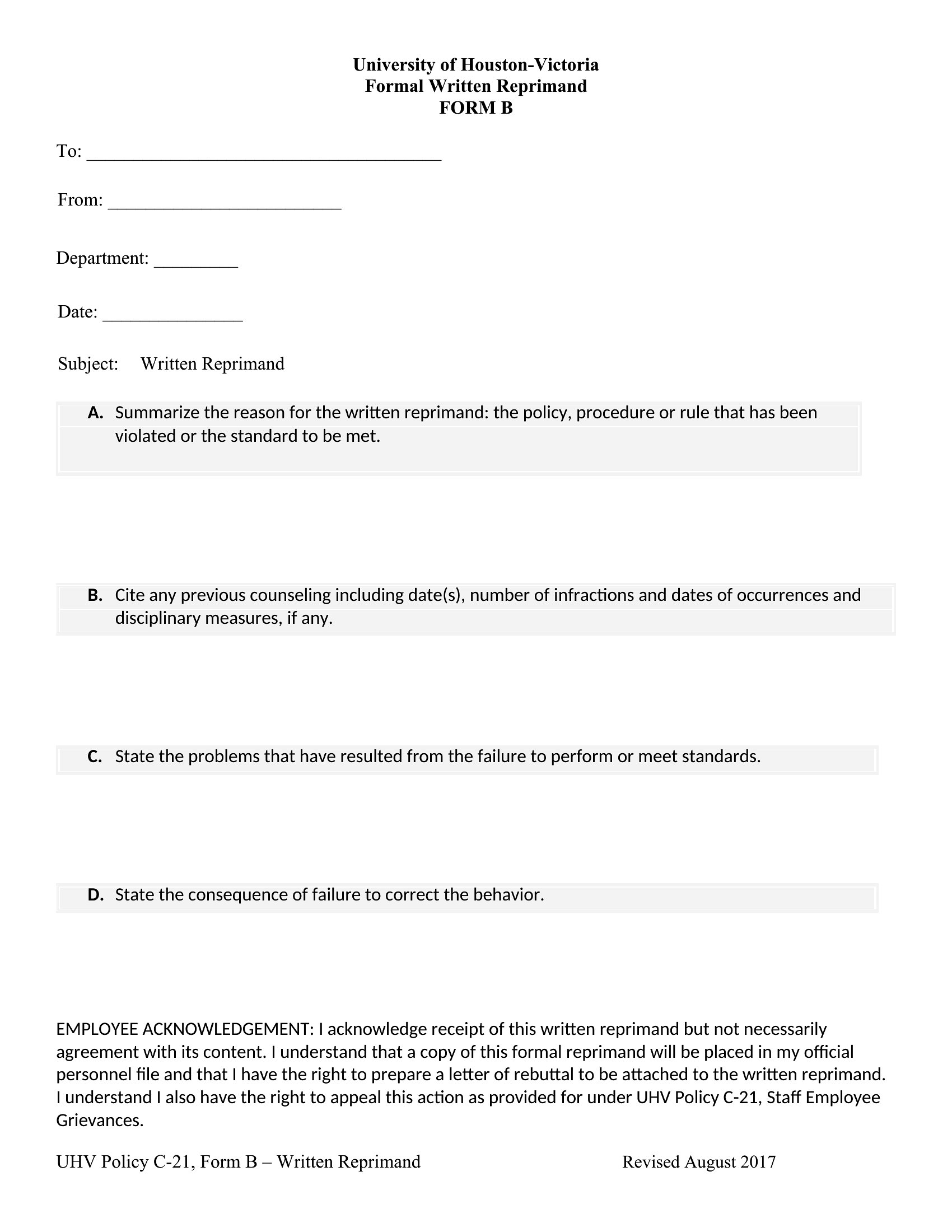
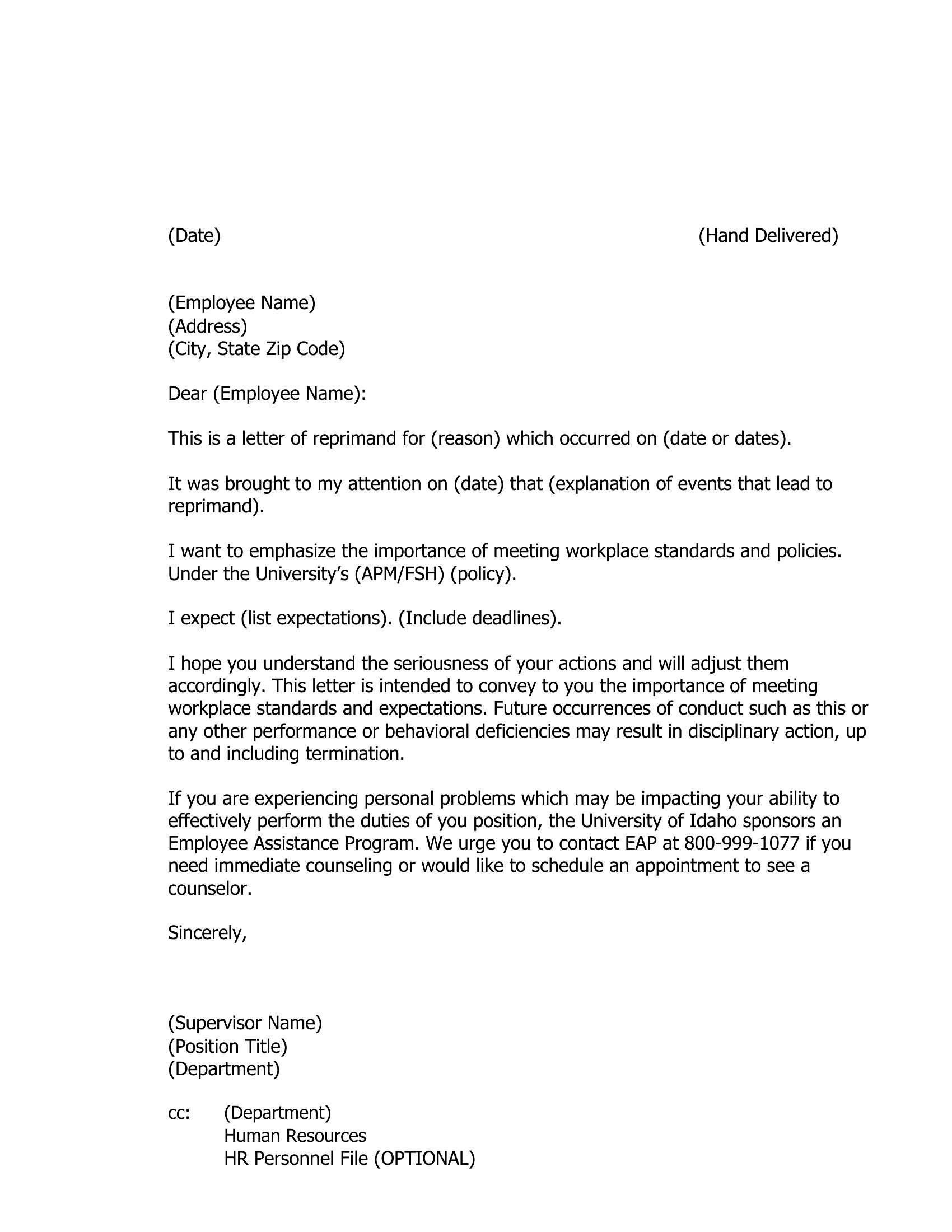
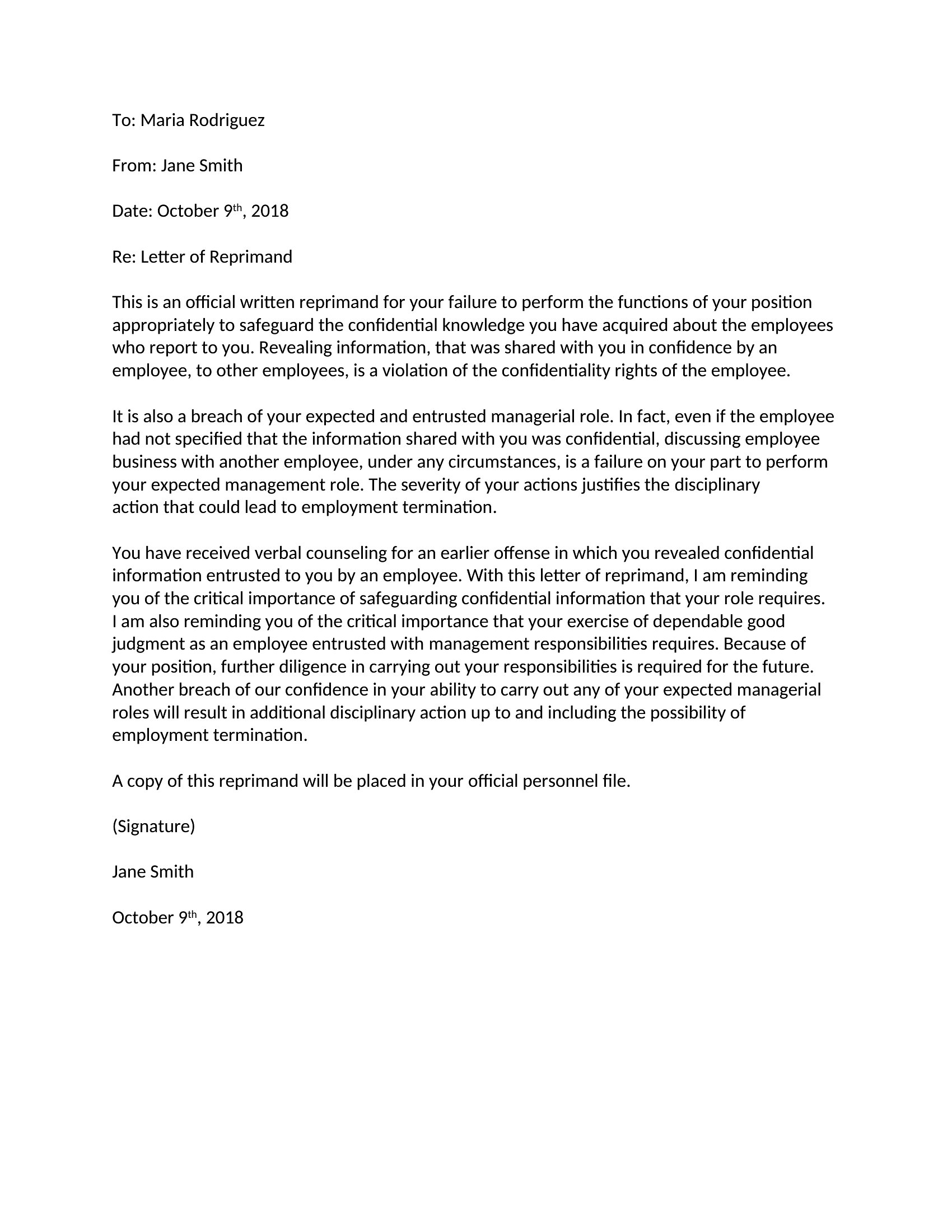
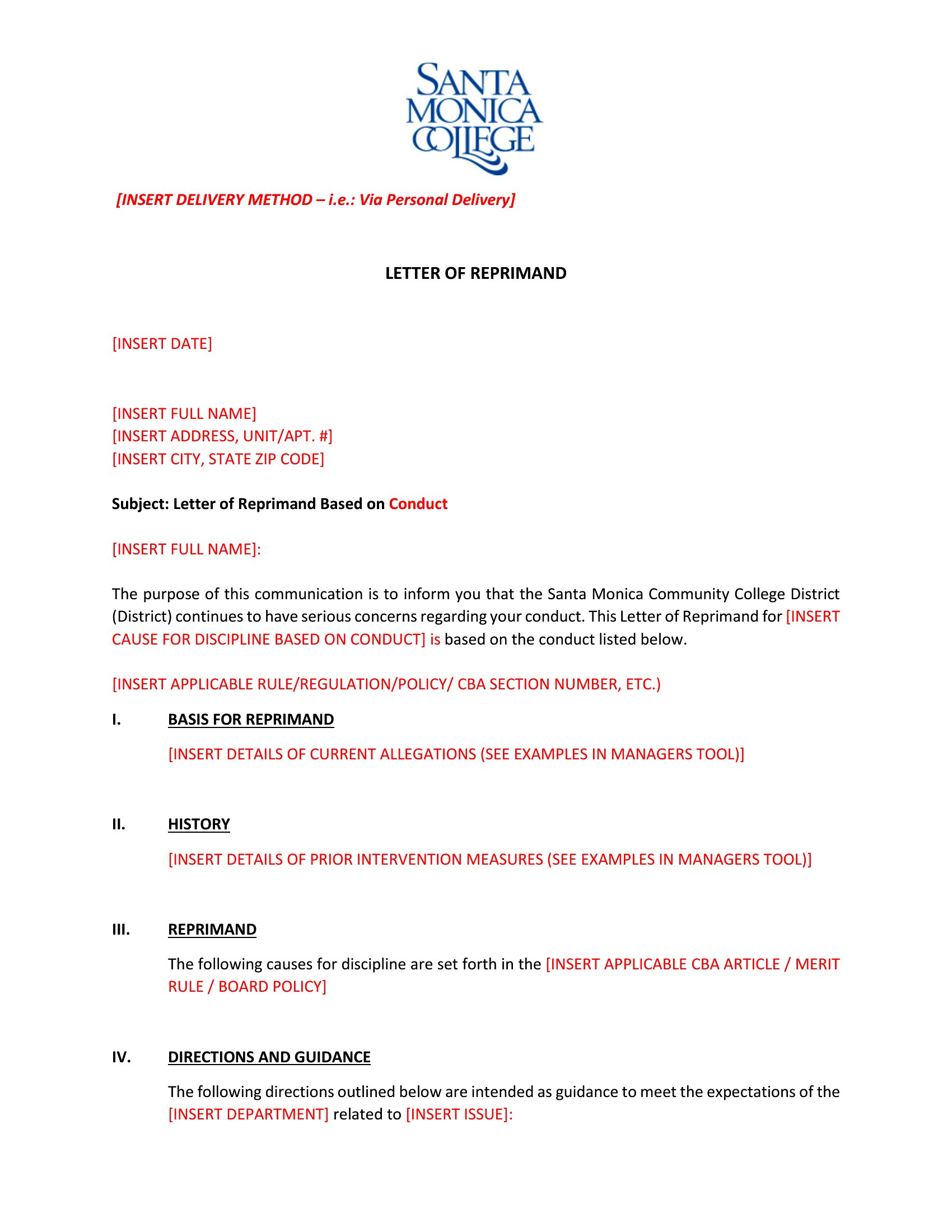
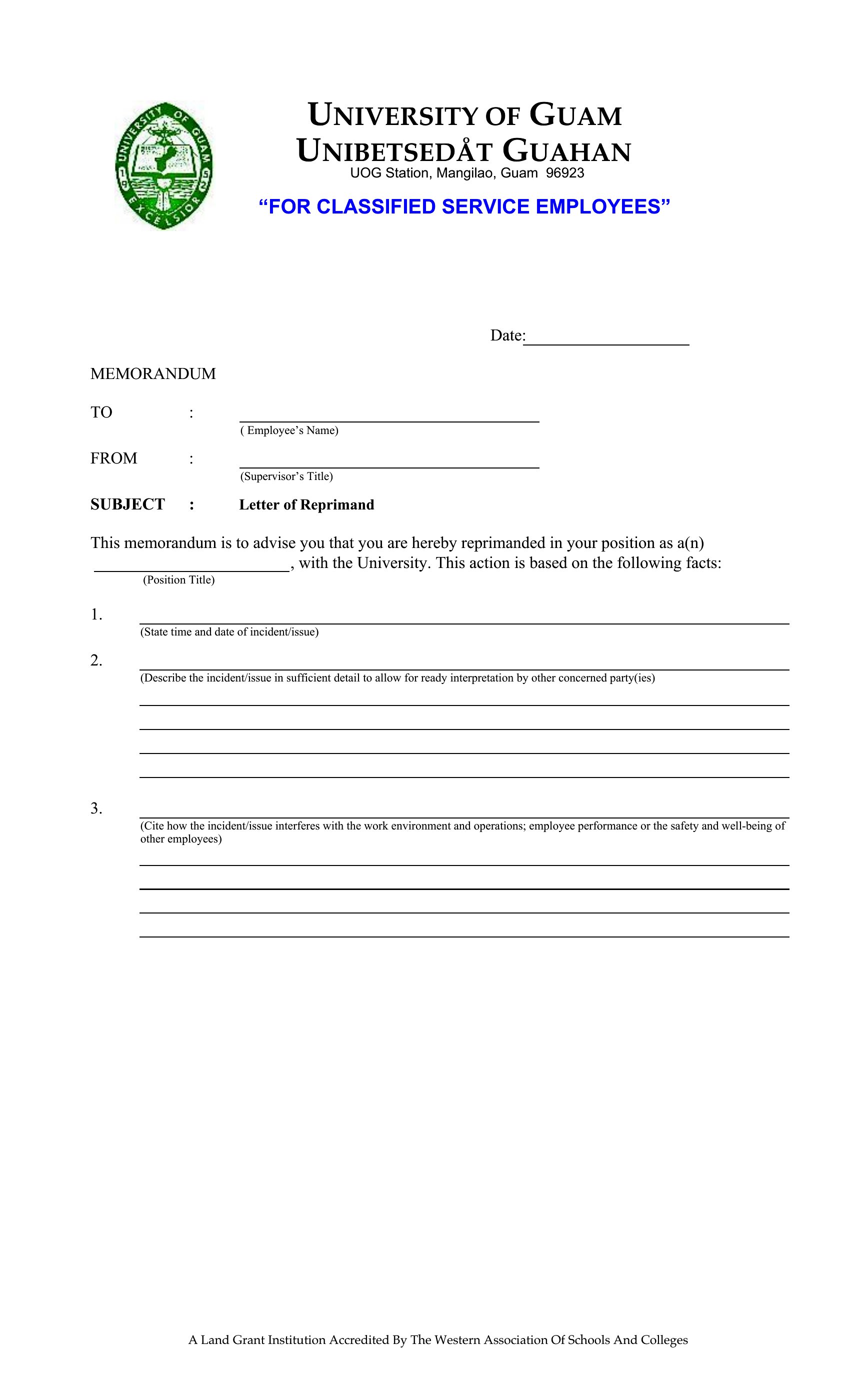
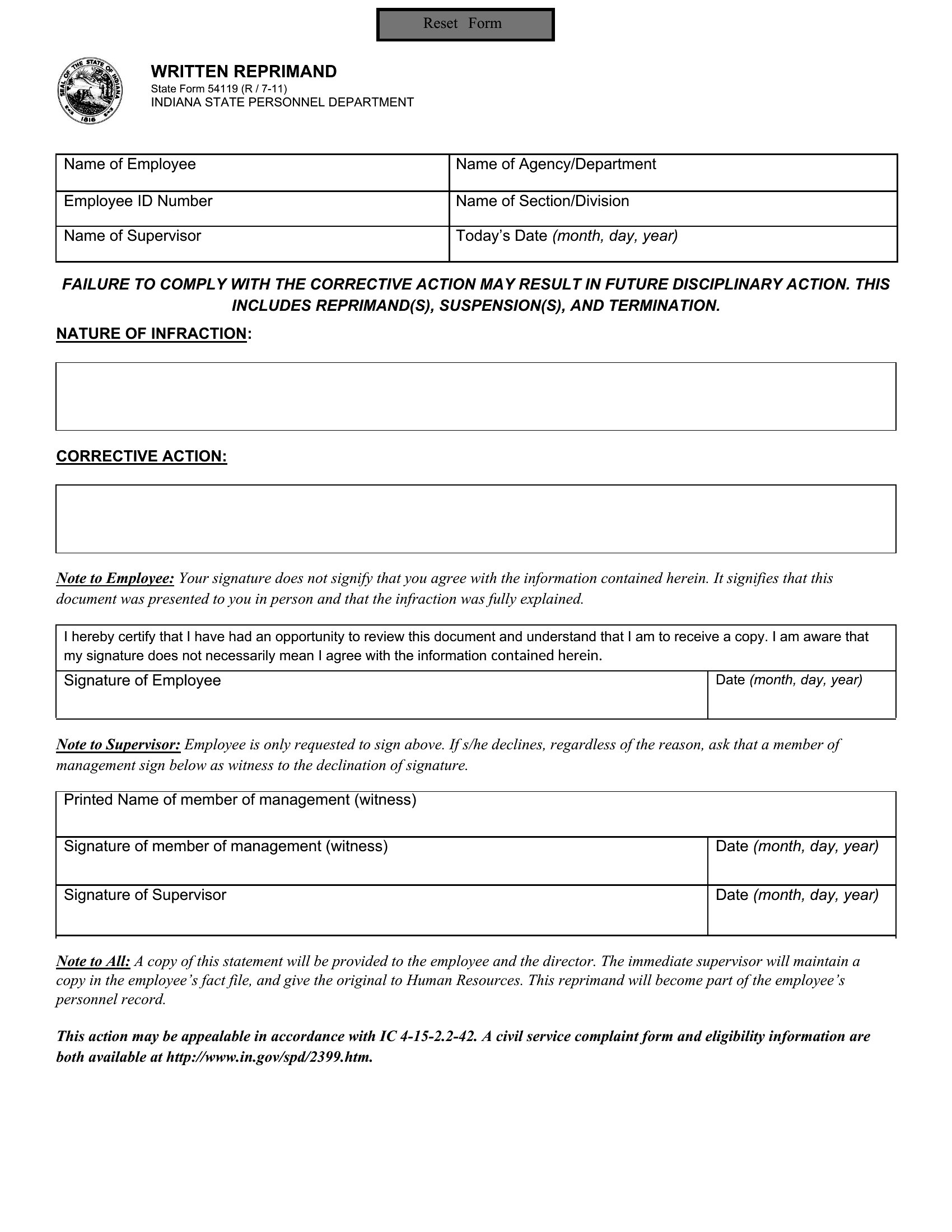
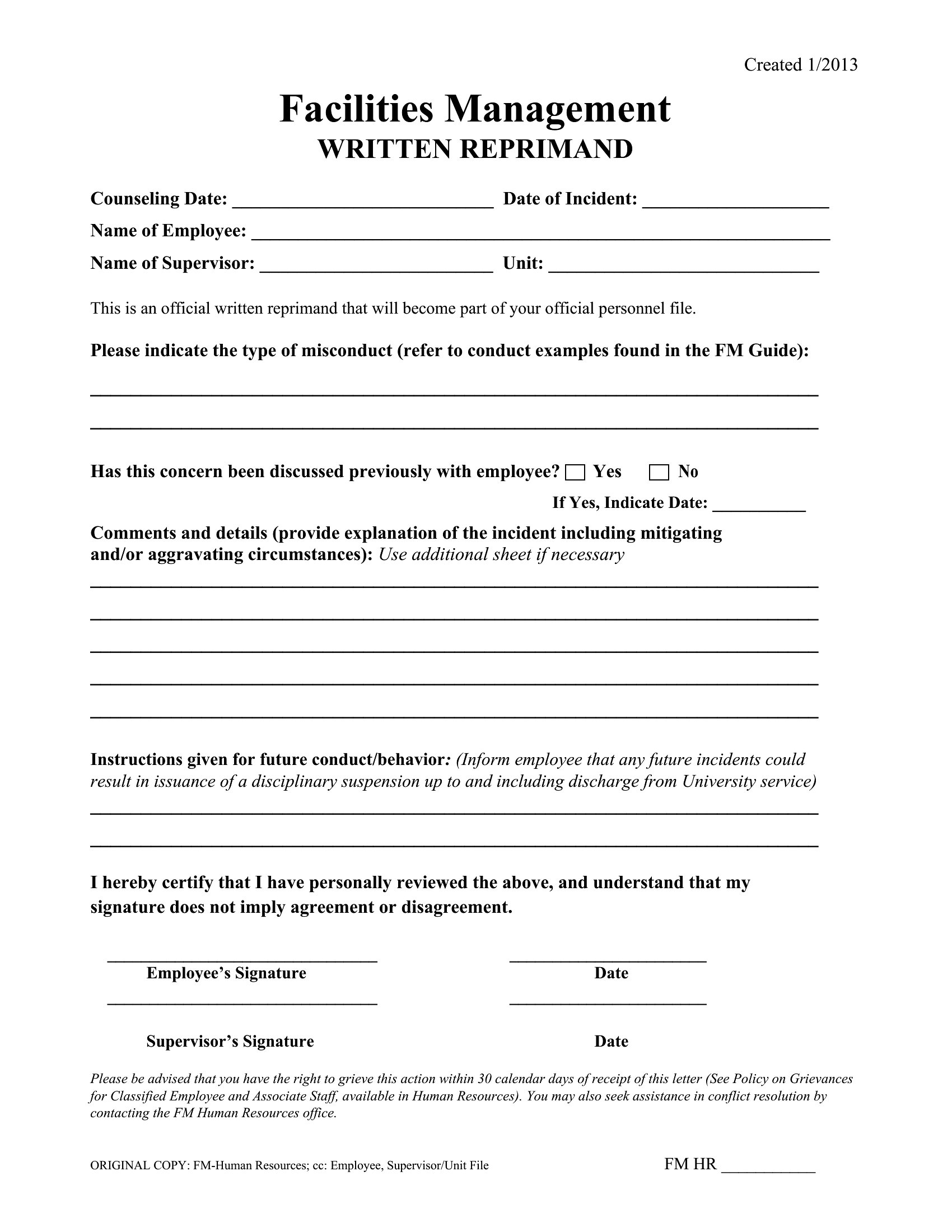
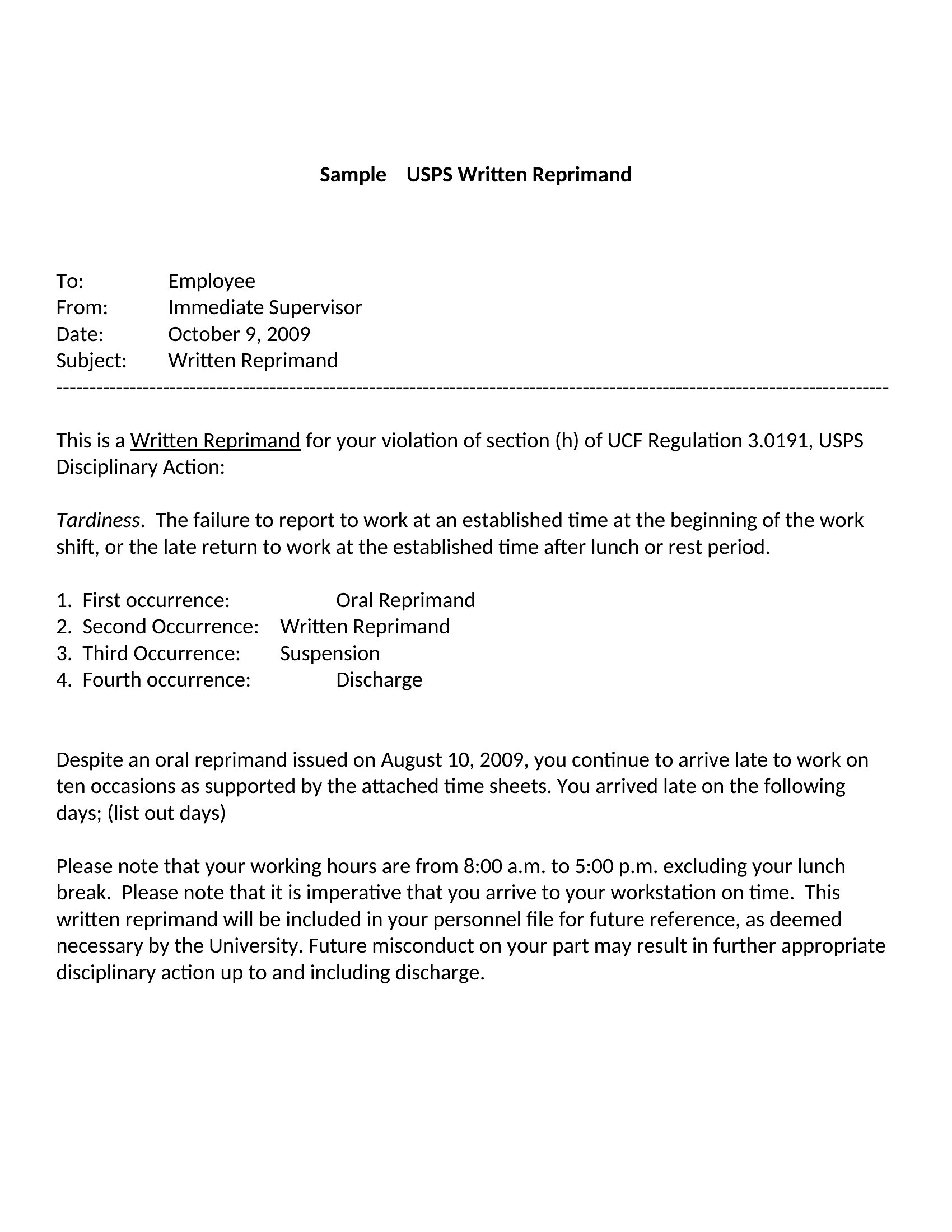
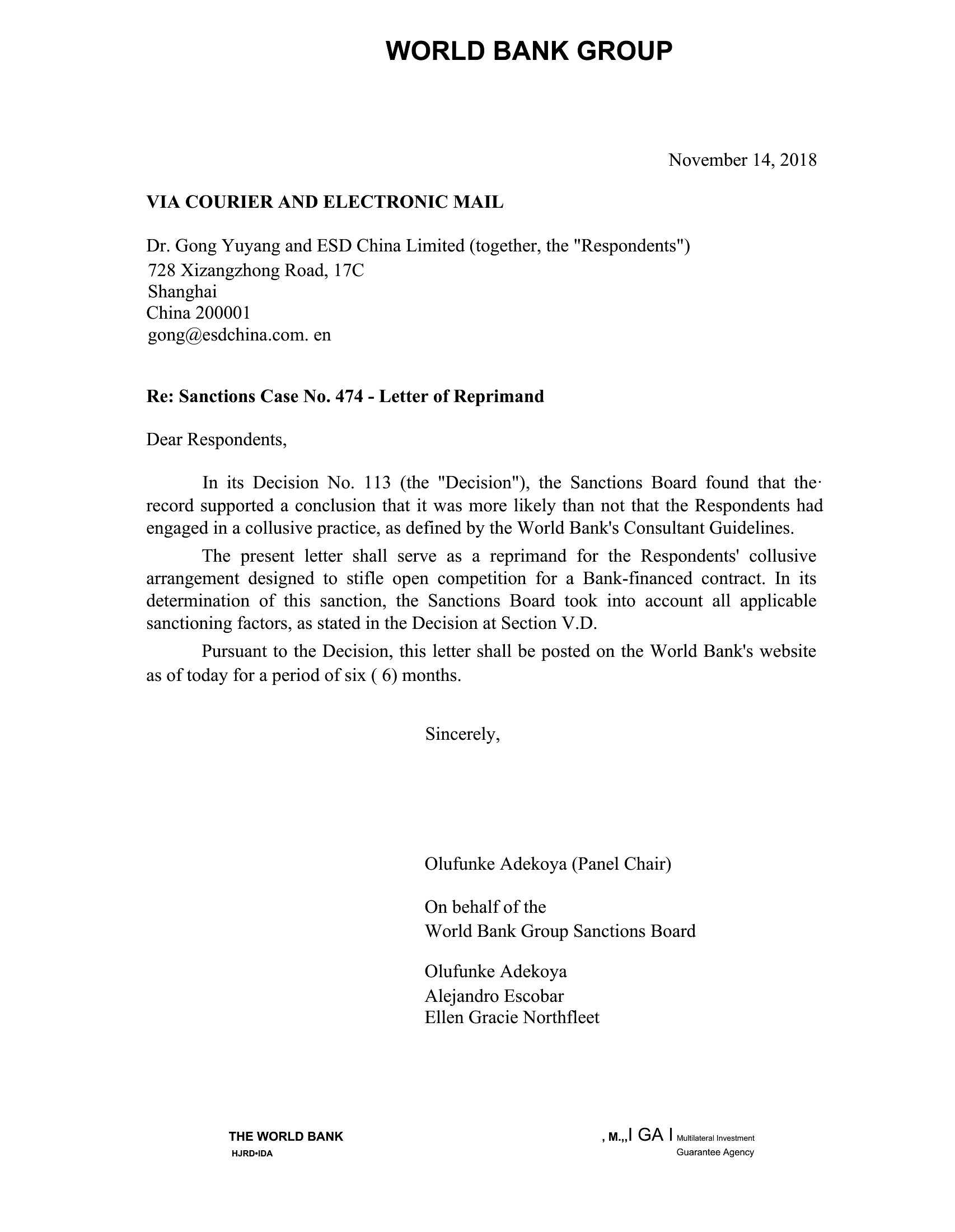
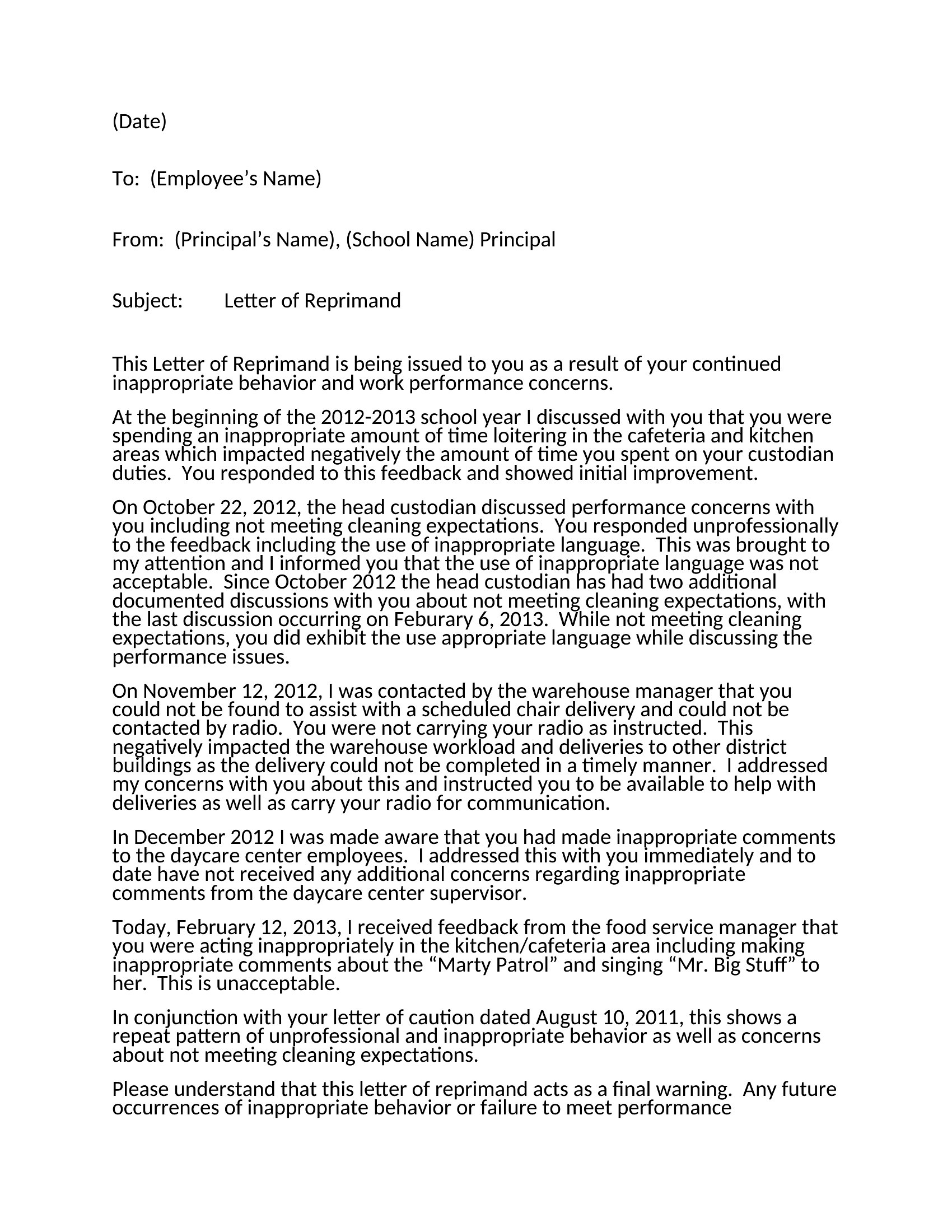
Always include clear but concise details about the behavior, date, and any witnesses to ensure fairness and accountability. Vague language can undermine the reprimand’s purpose or lead to disputes later. Avoid emotional wording—stick to facts and observed actions.
How can I make a reprimand feel constructive rather than punitive?
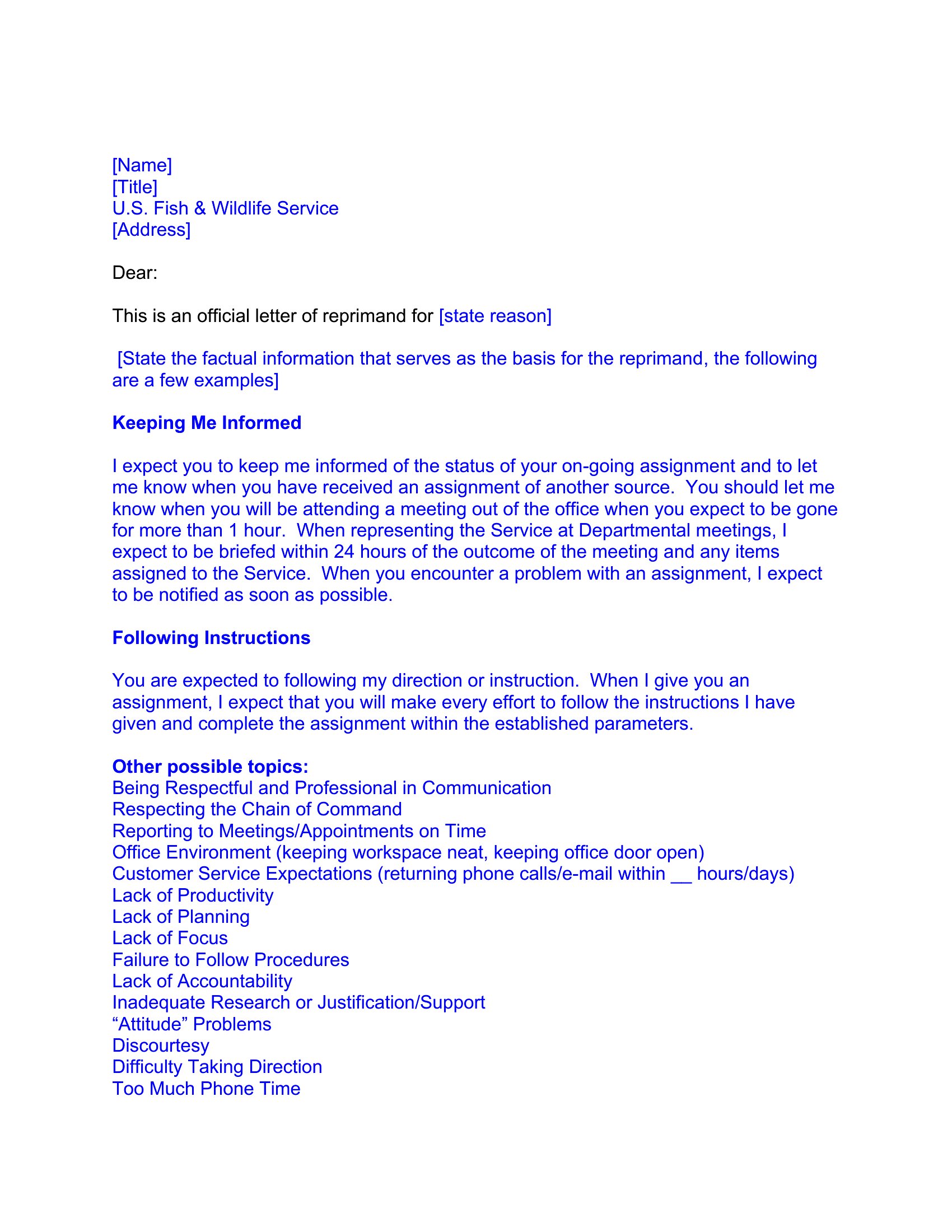
Frame the letter around correcting behavior, not just criticizing it. Include a section outlining expected improvements, support offered (e.g., training), and a timeline for reassessment. Phrases like ‘to help you succeed’ or ‘align with company values’ soften the tone while maintaining professionalism.
Is it appropriate to copy higher-ups on an employee’s reprimand?
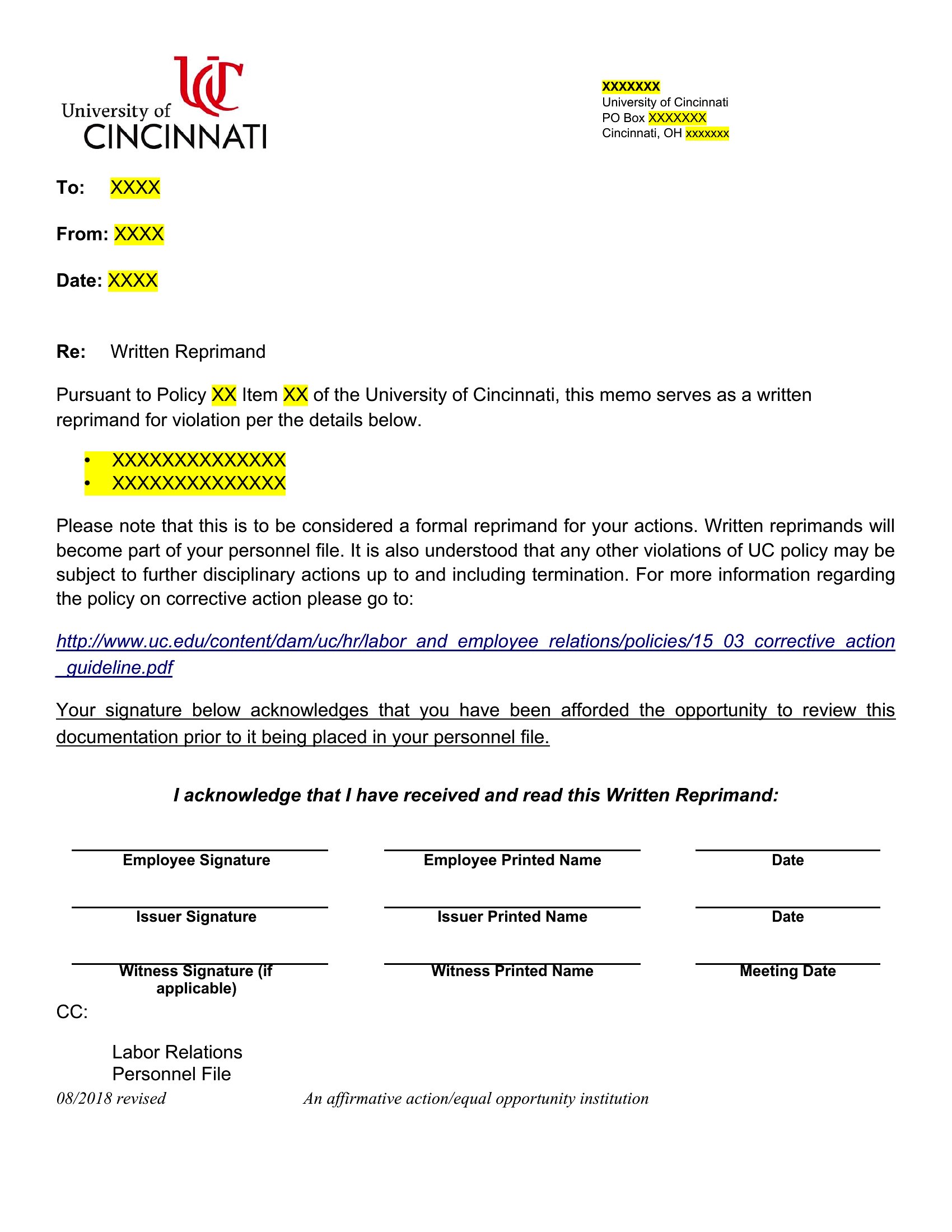
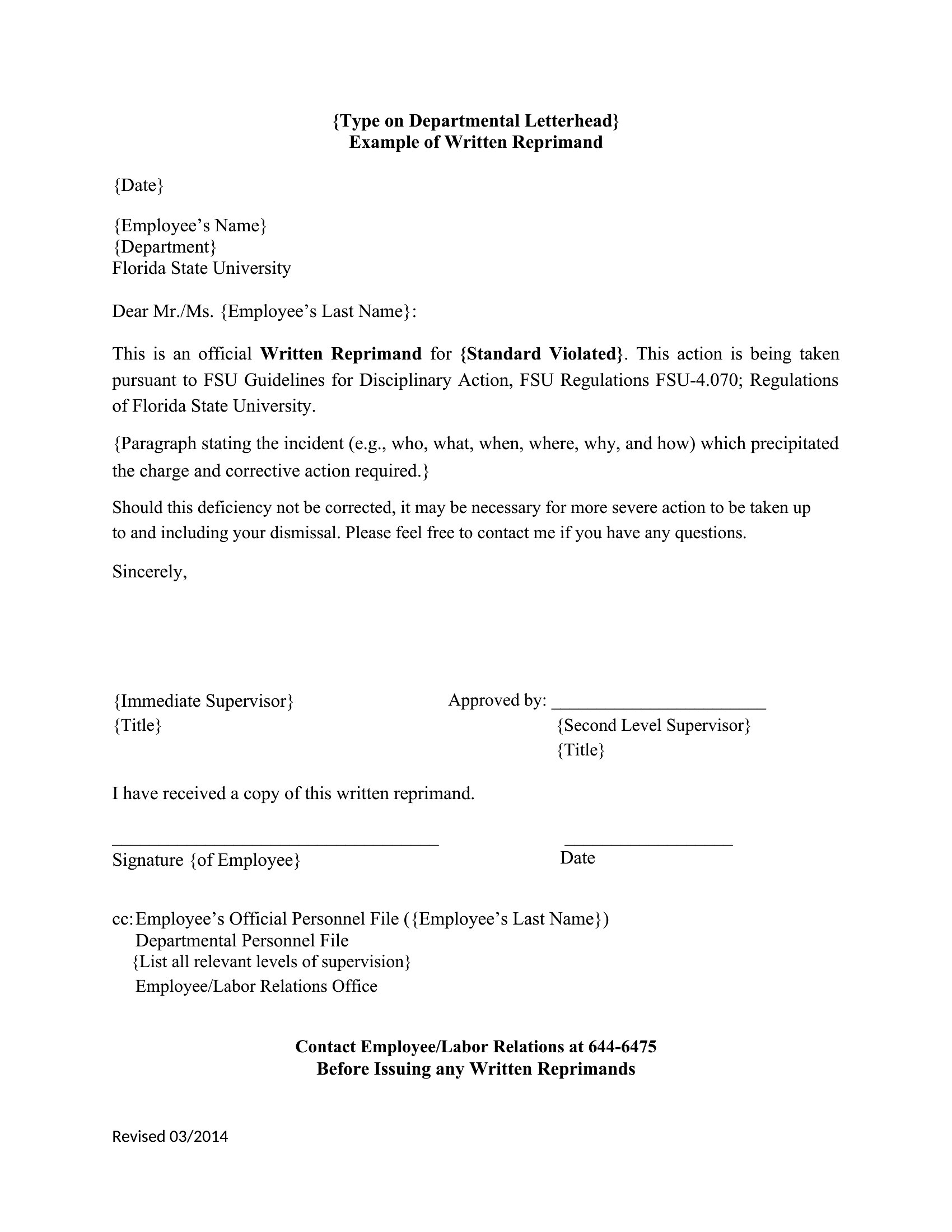
Yes, if your company policy or HR protocol requires it—for example, when documenting a formal warning or escalating disciplinary action. Always follow internal chain-of-command rules to avoid unintended consequences, like violating confidentiality for sensitive cases.
Comments
Join the conversation
Sign in to share your thoughts and leave a comment on this resource.