
FAQ
How do these templates help someone who struggles with writer’s block or doesn’t know where to start?
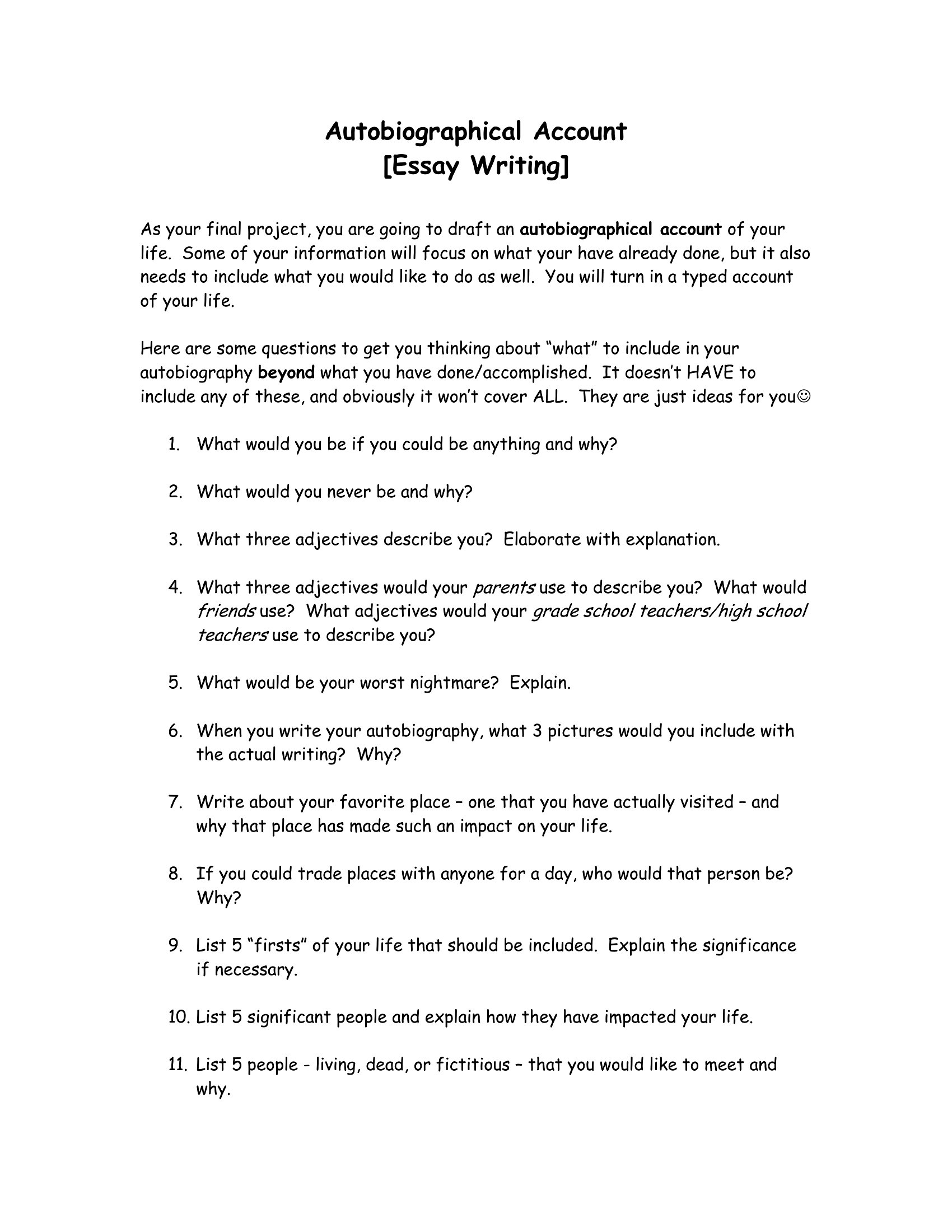
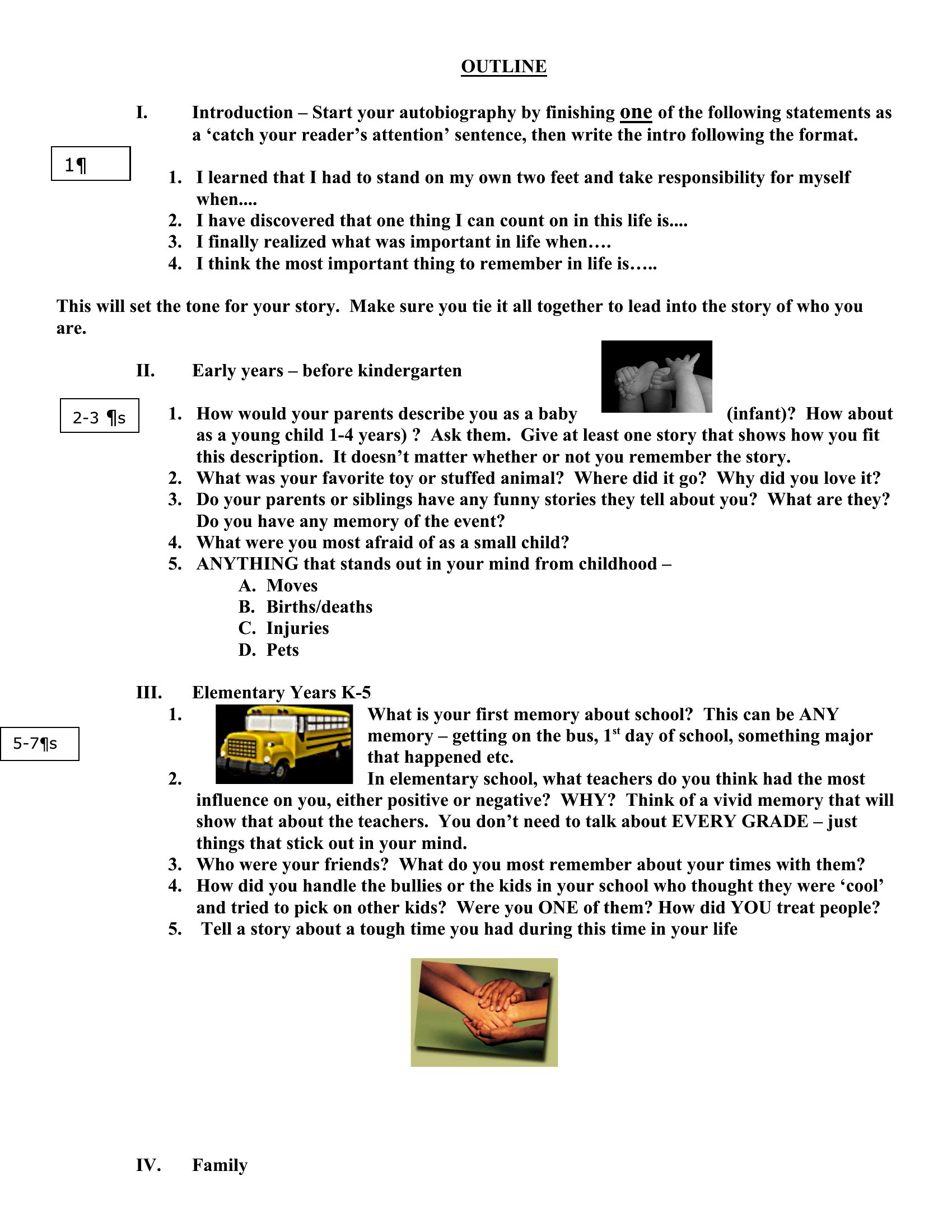
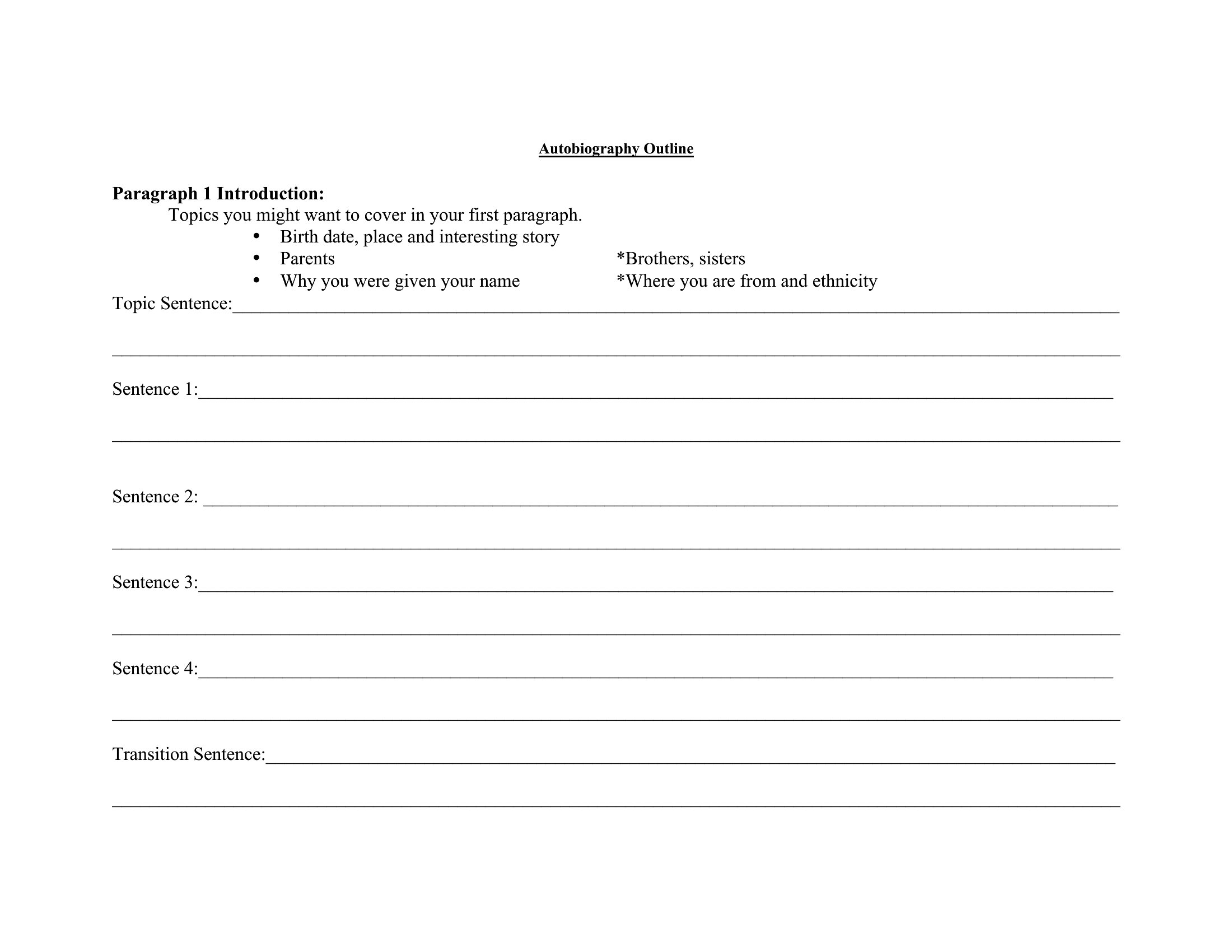
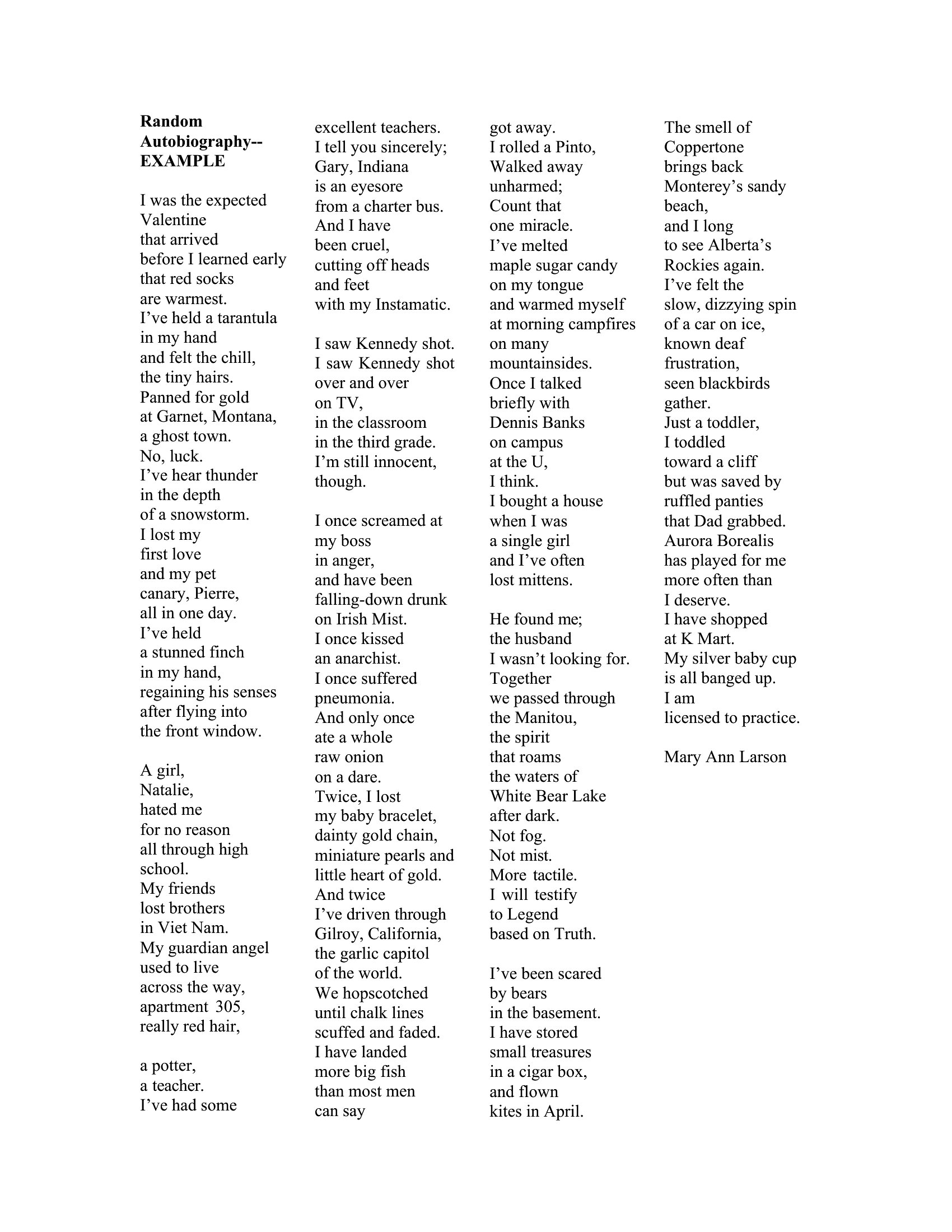
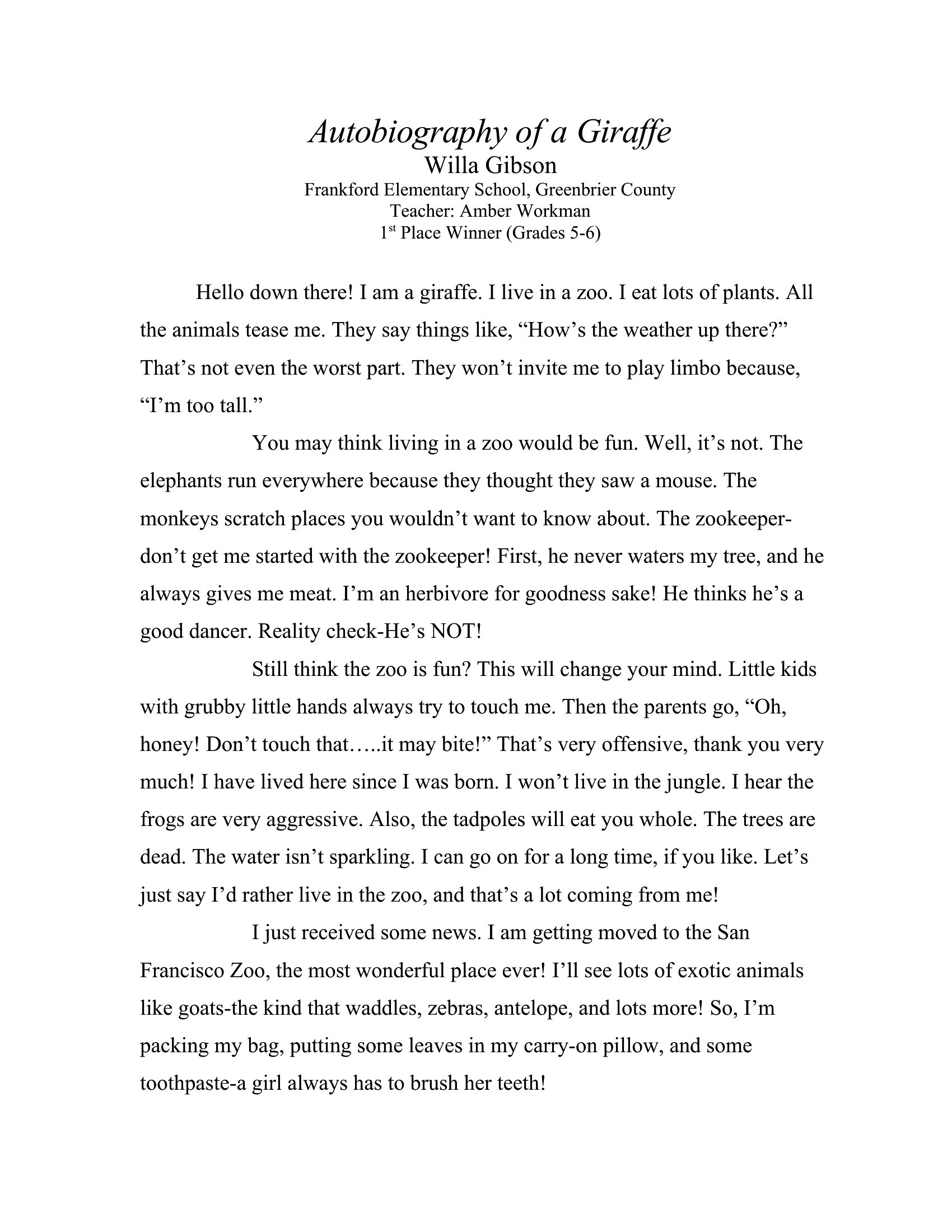
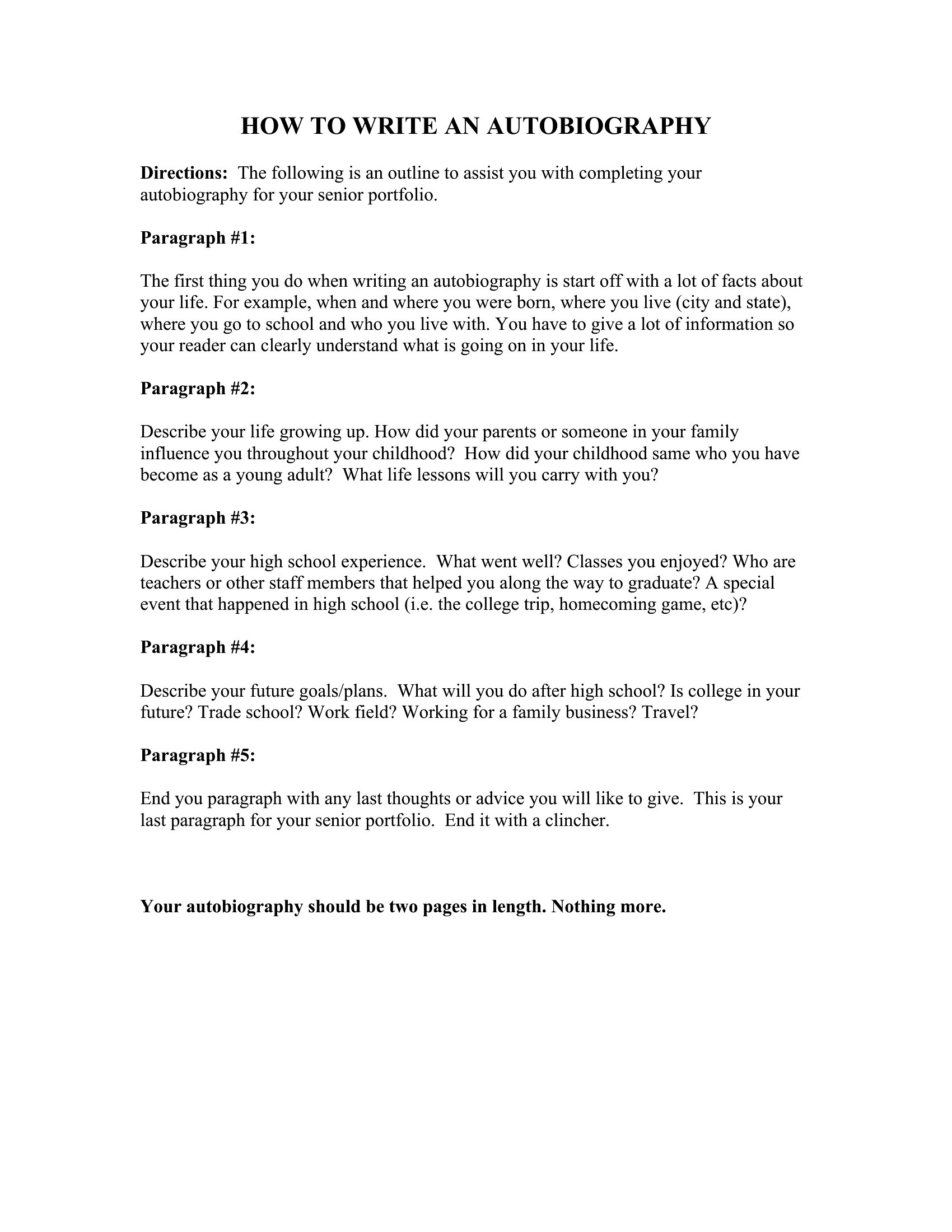
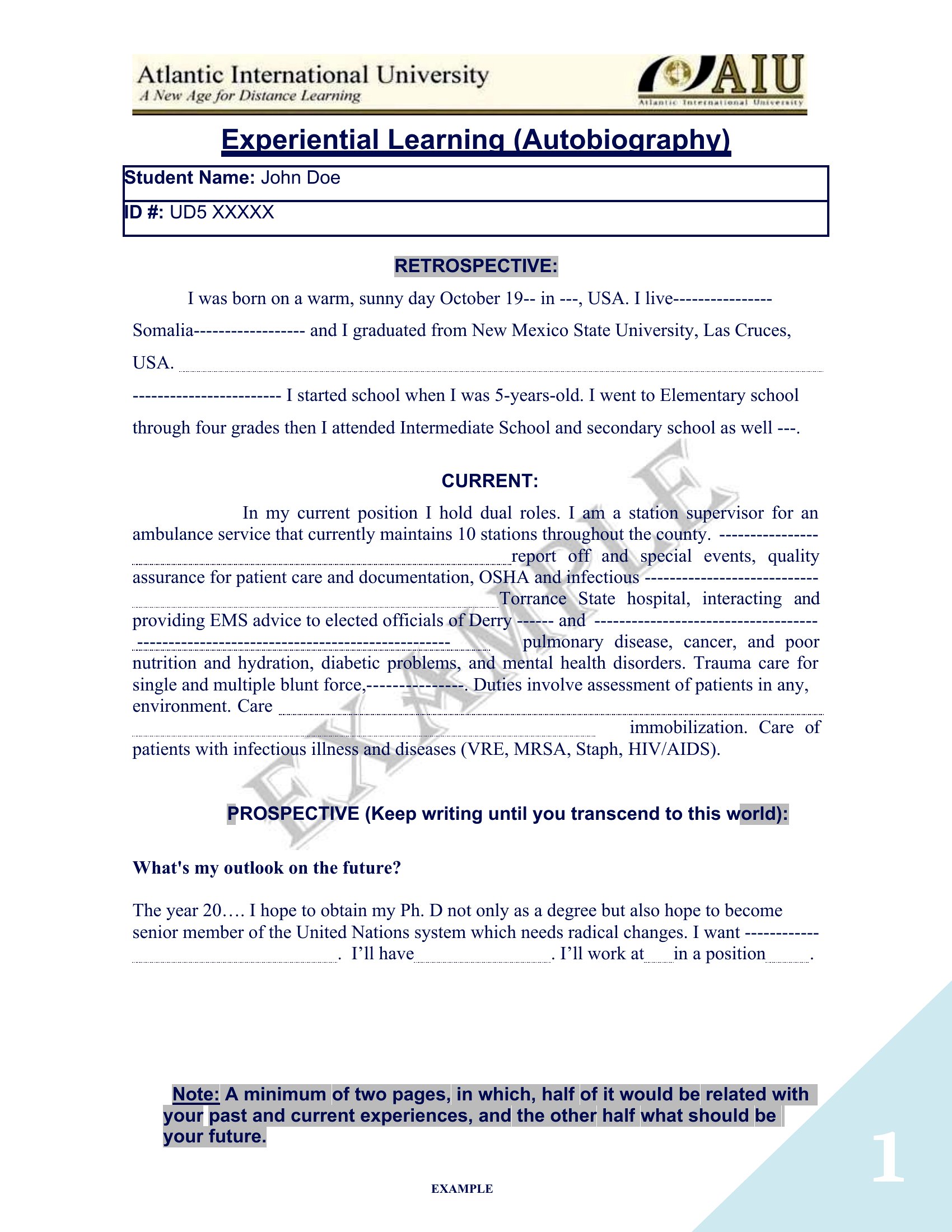
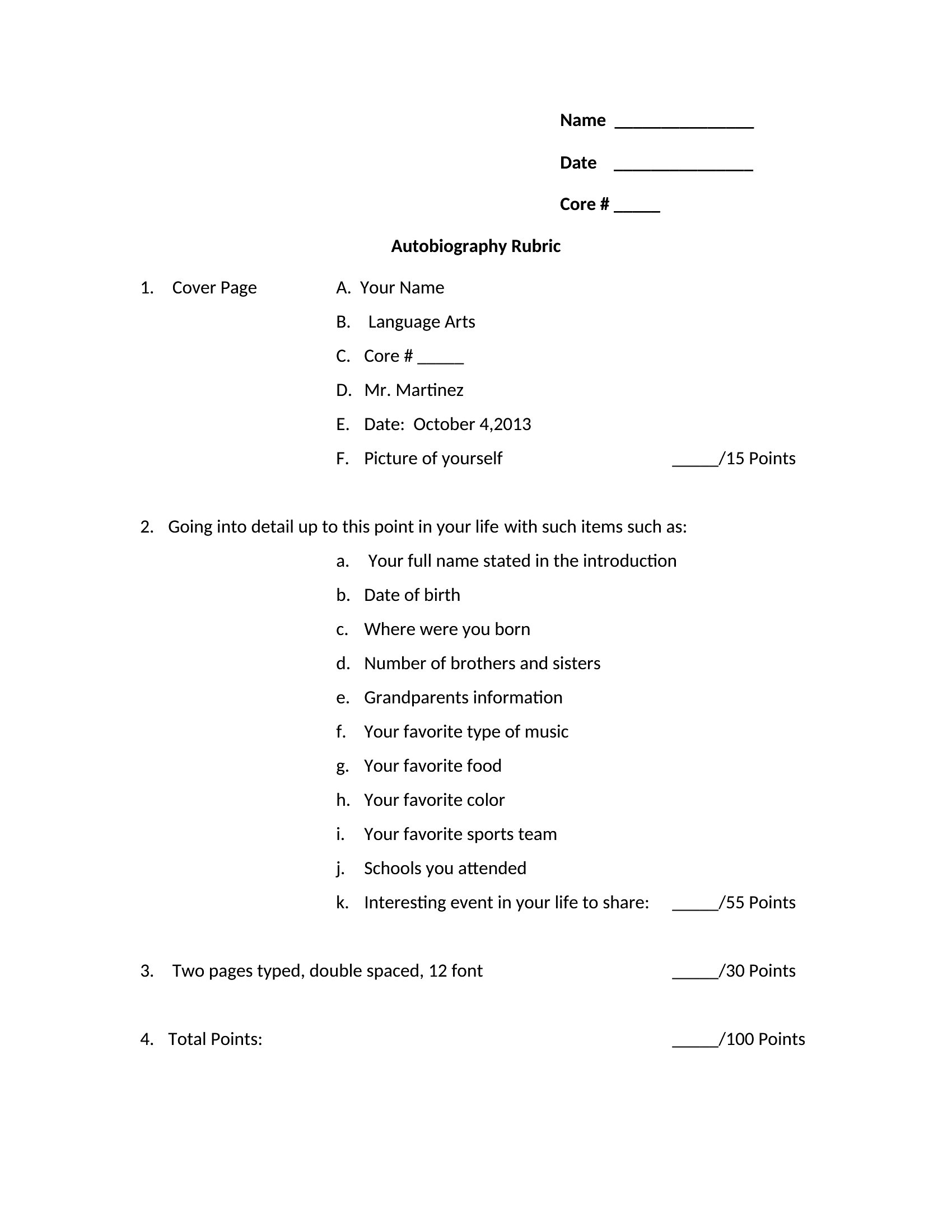
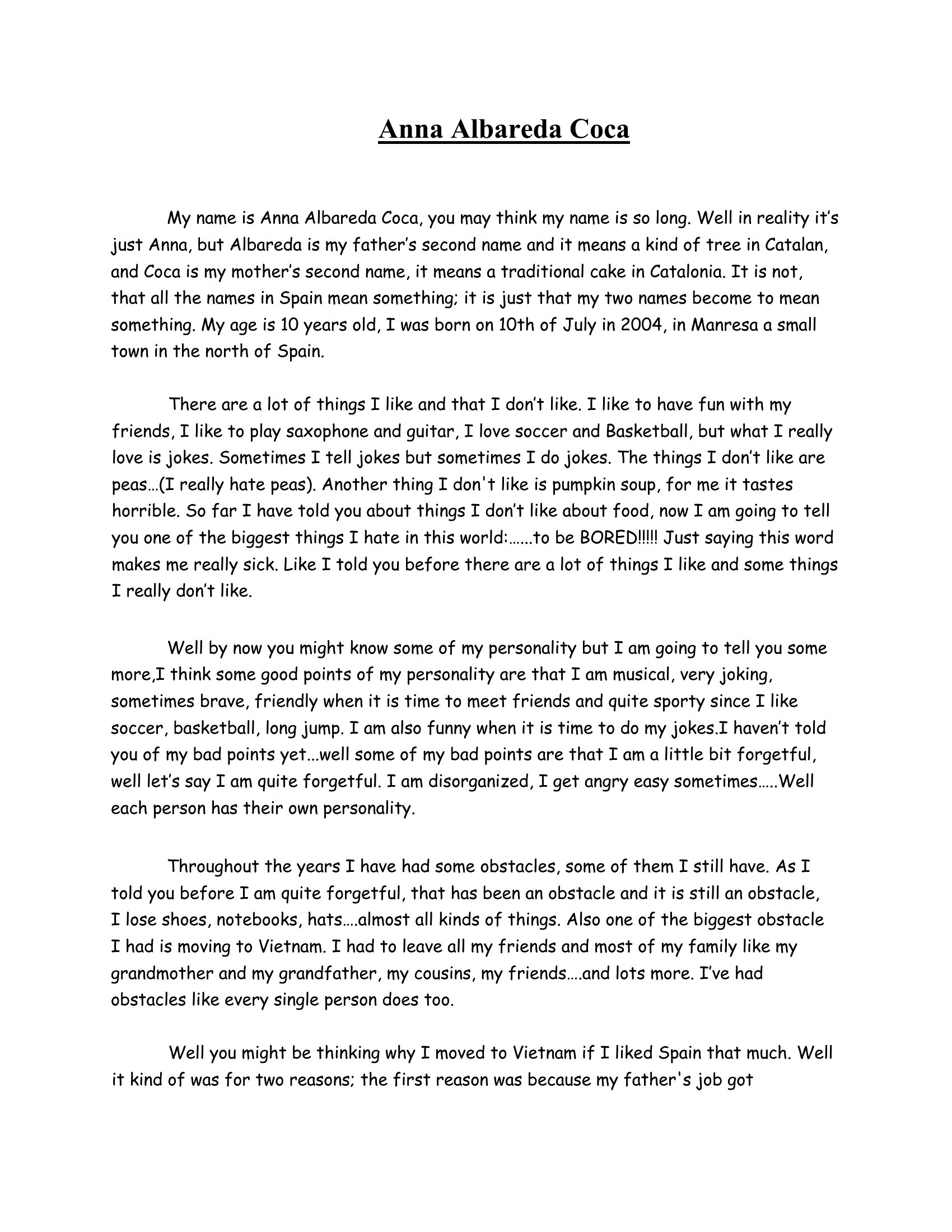
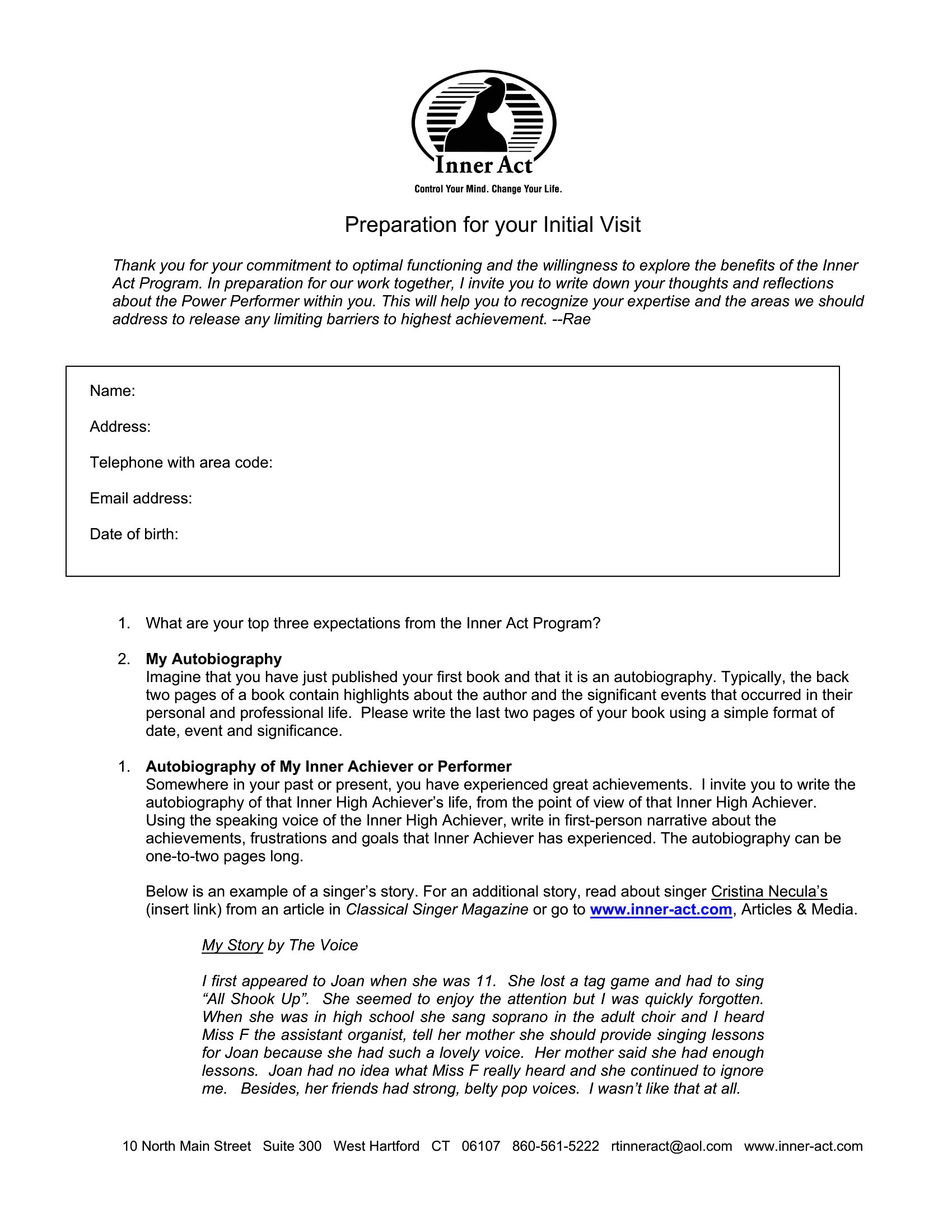
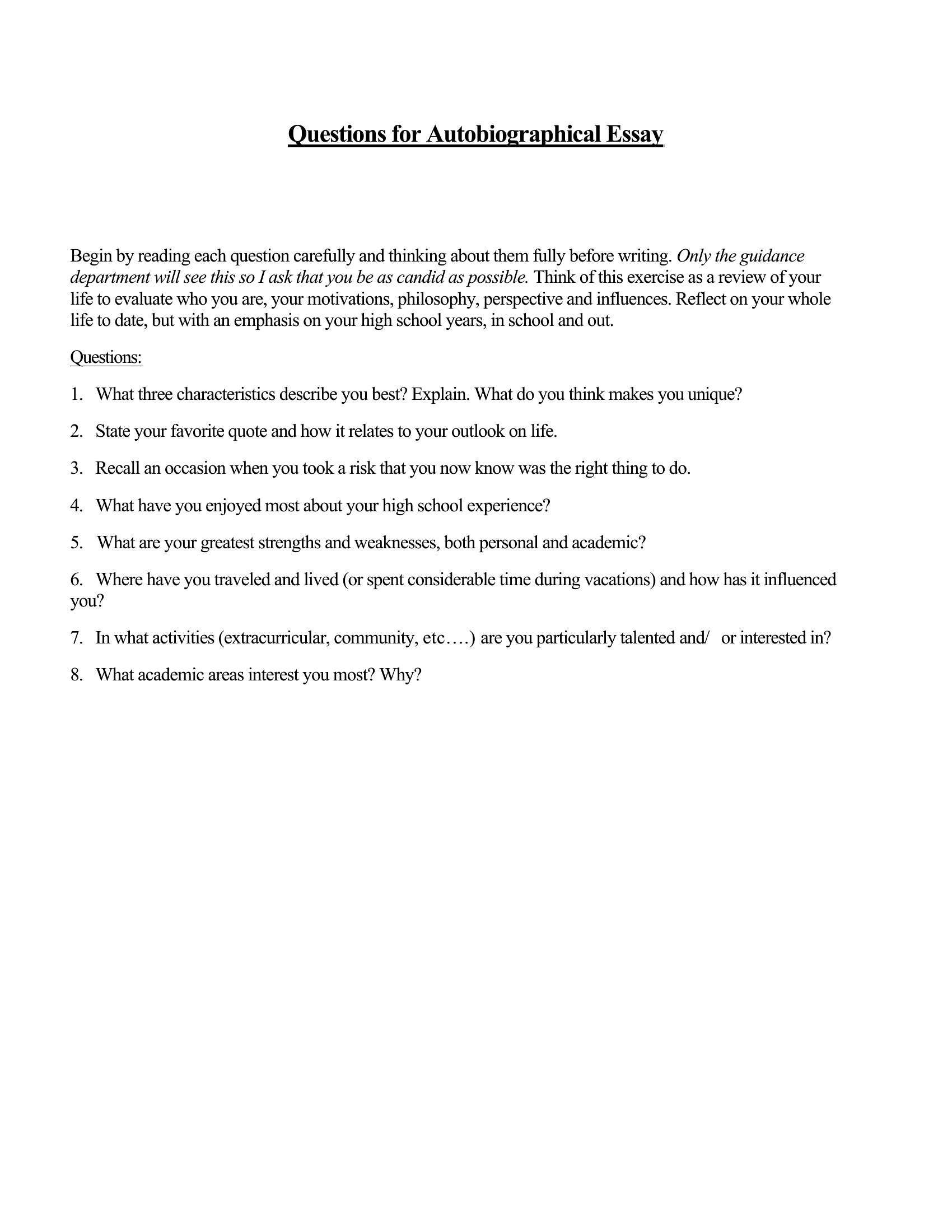
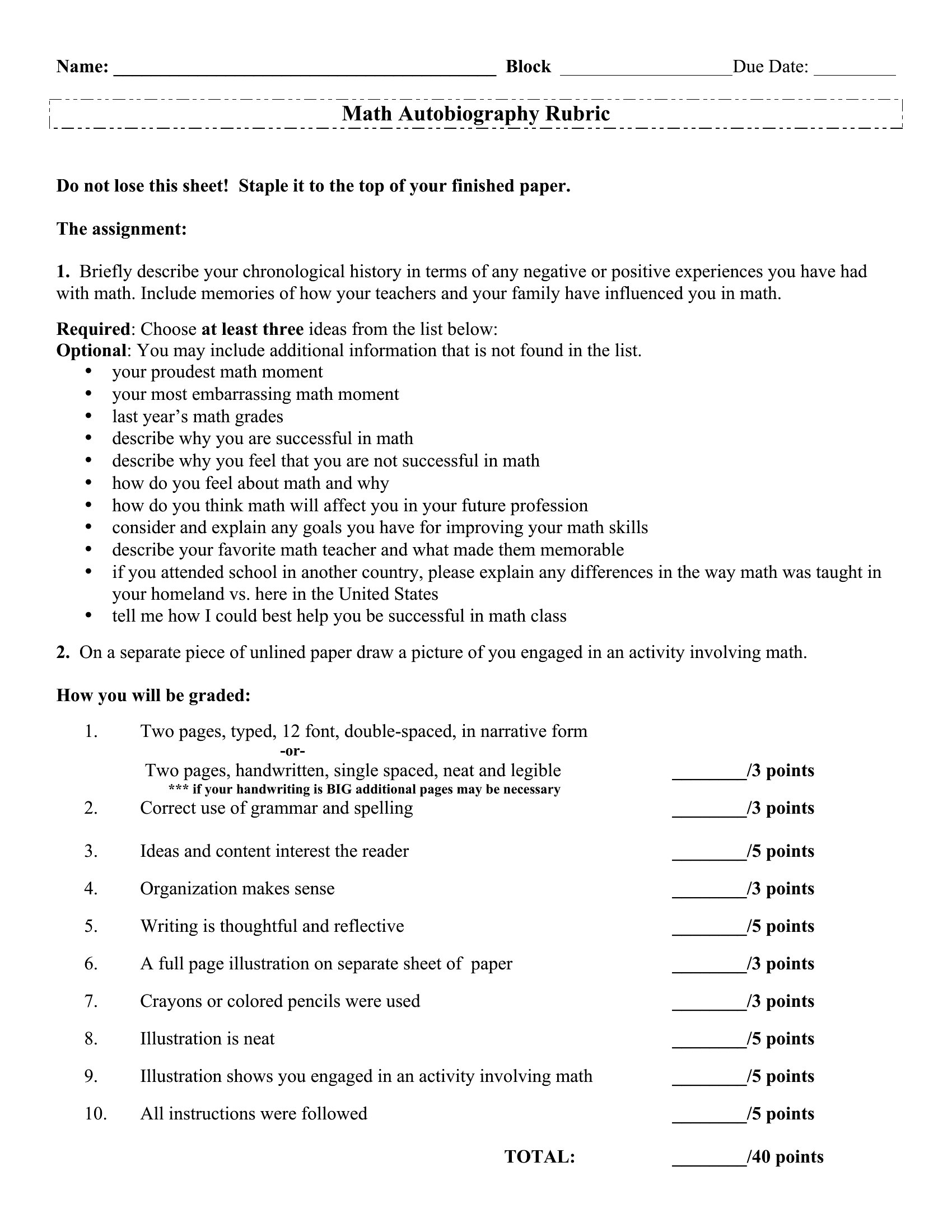
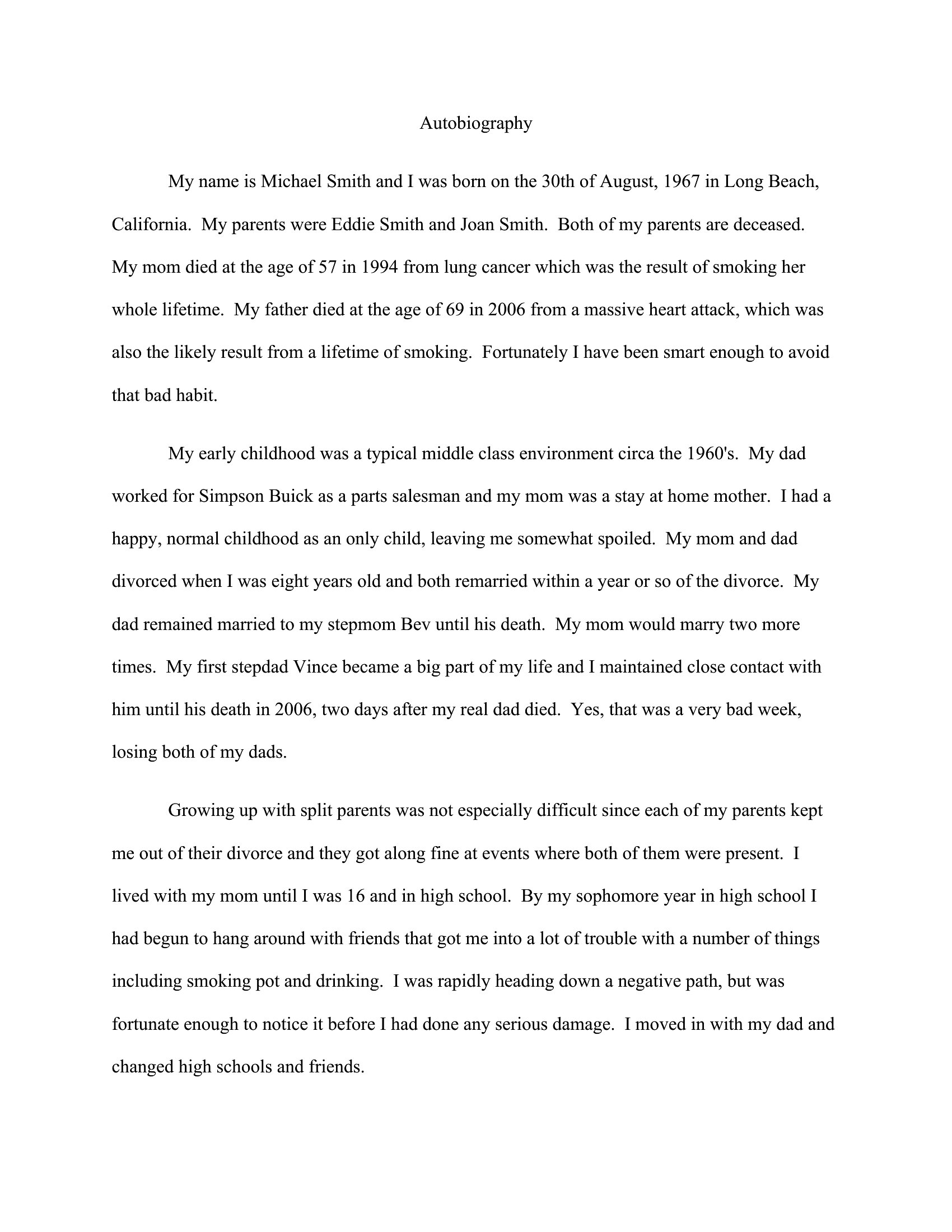
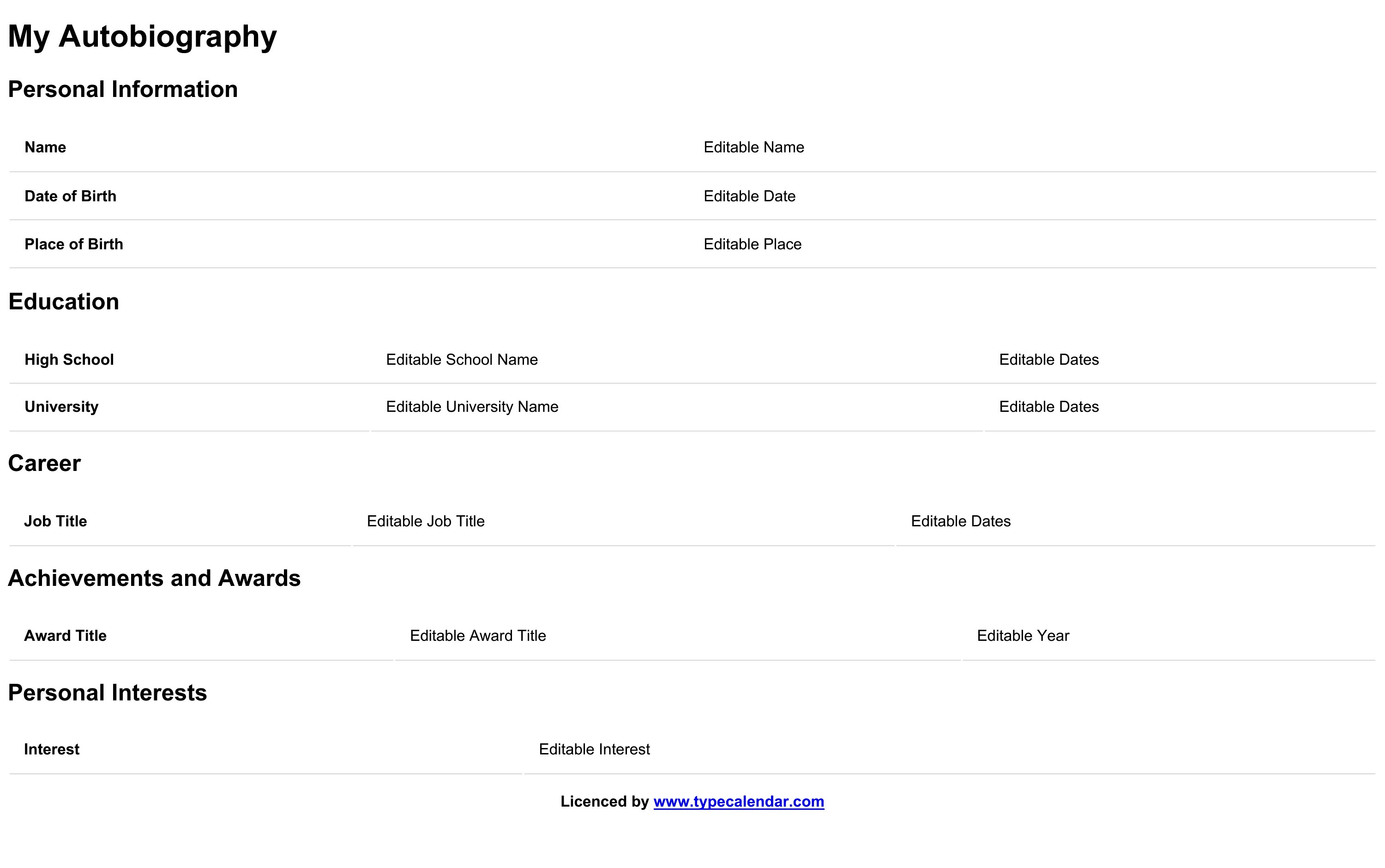
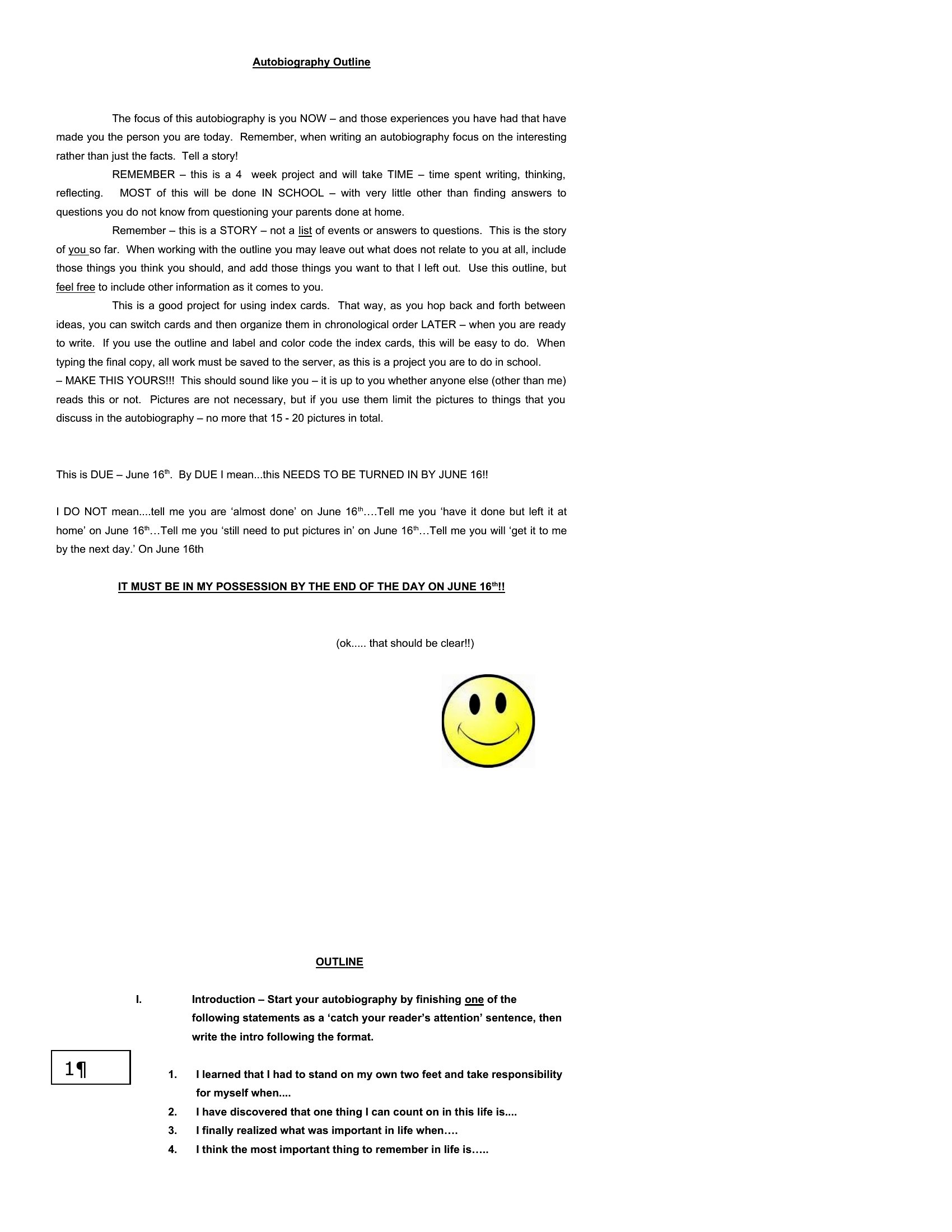
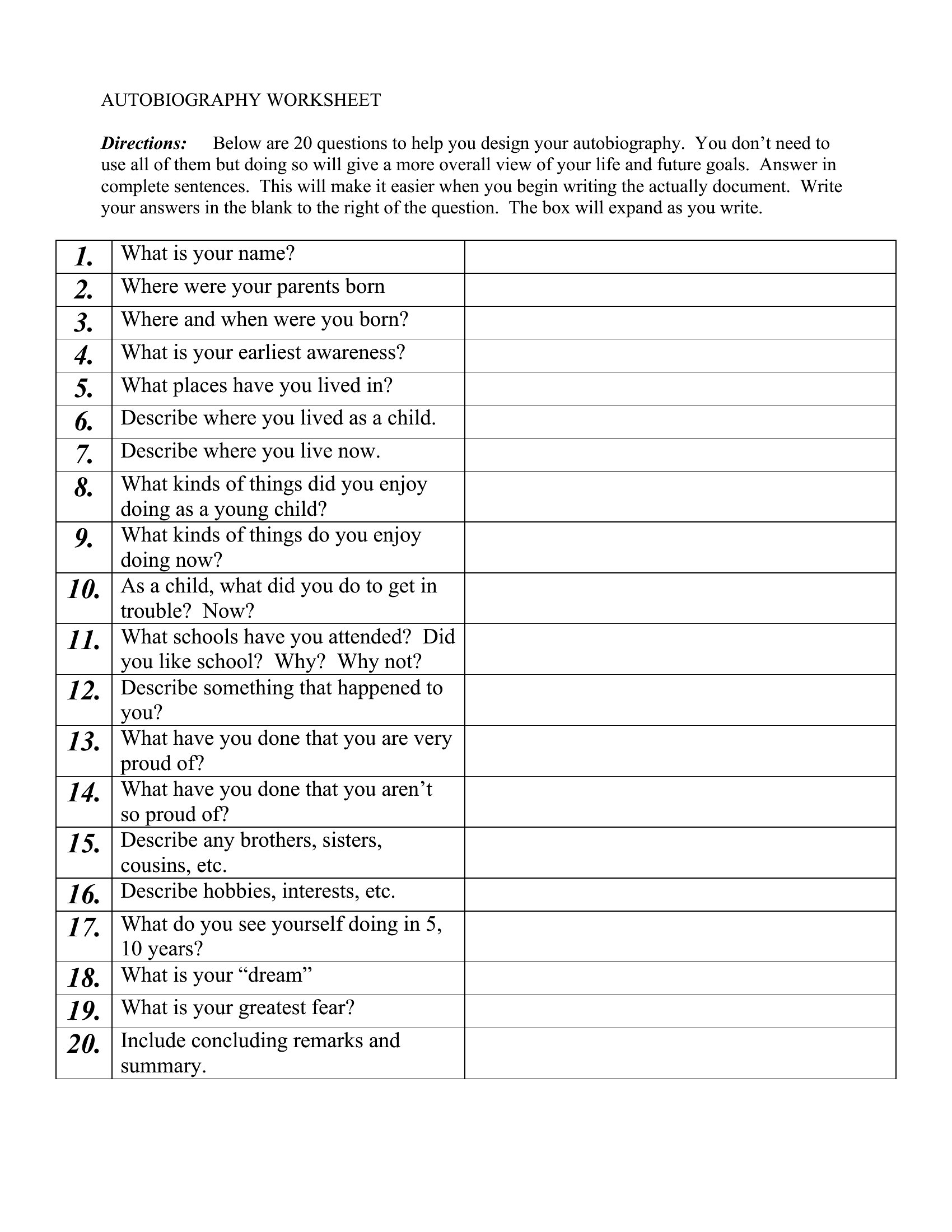
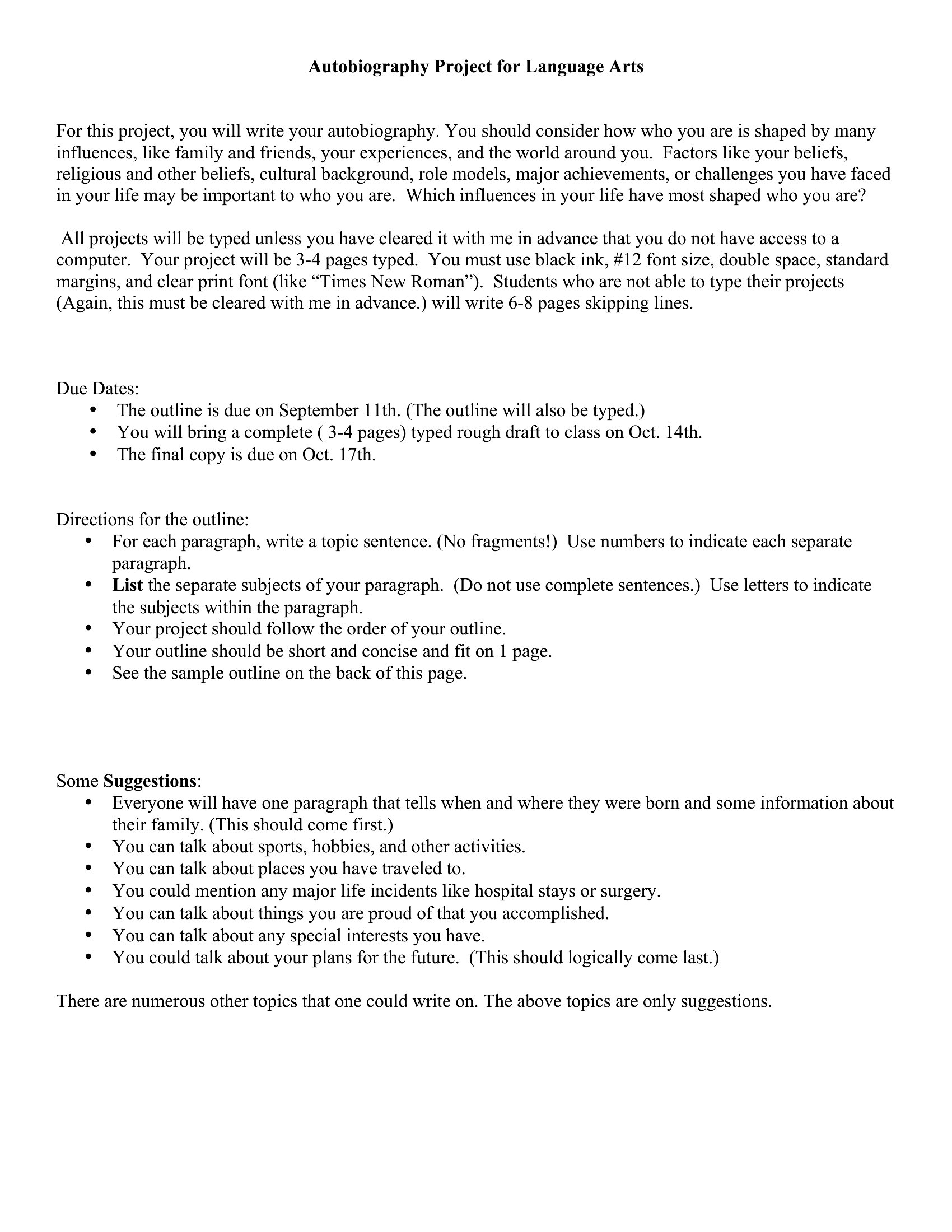
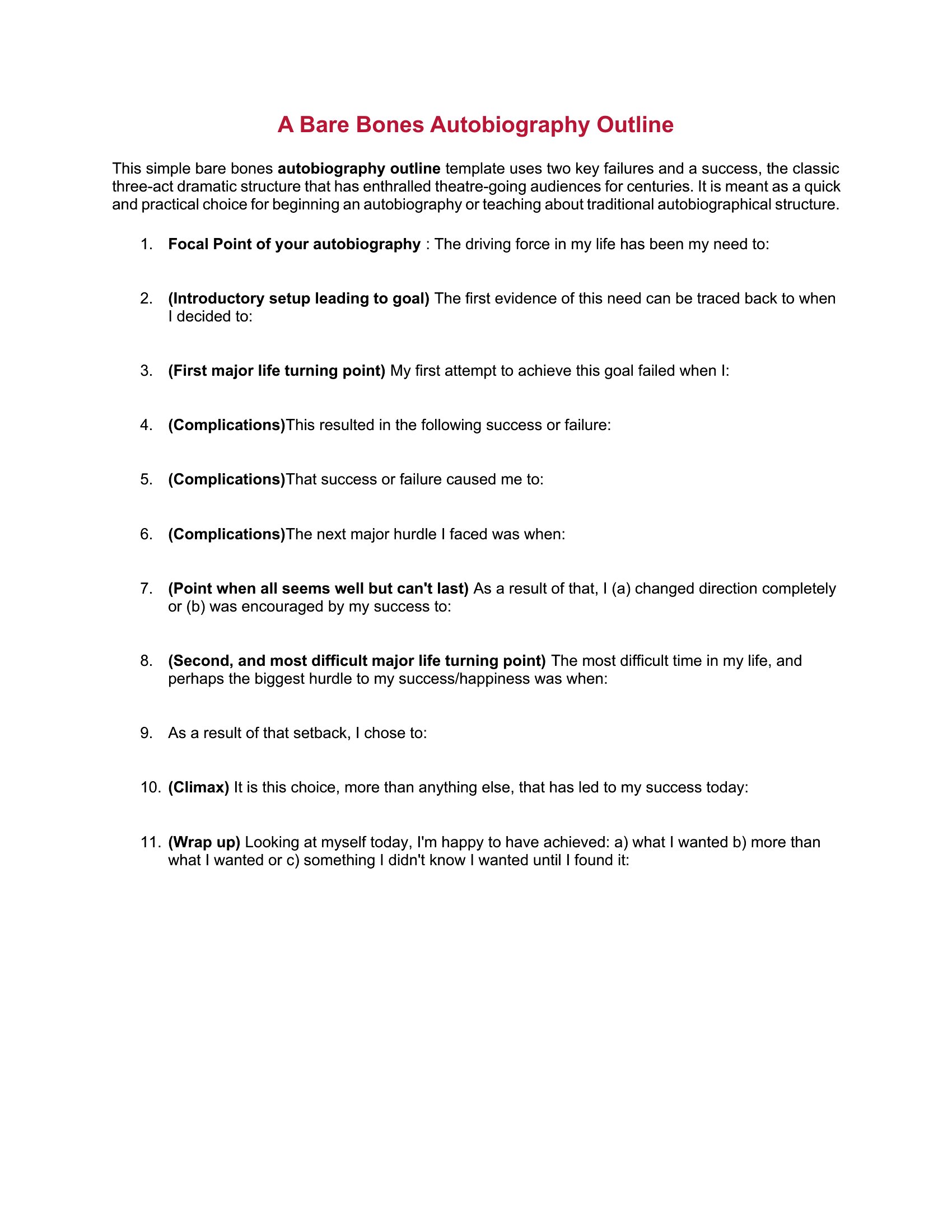
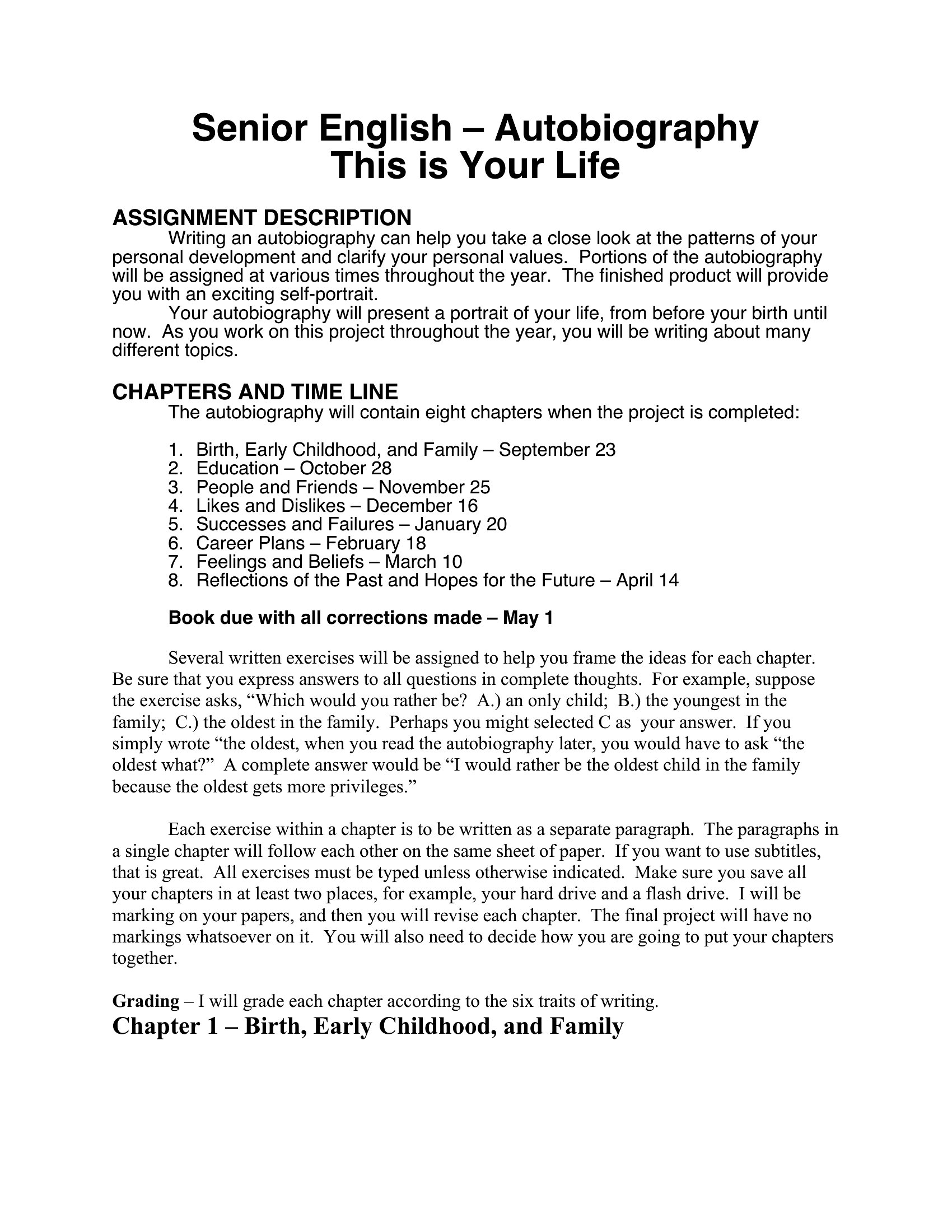
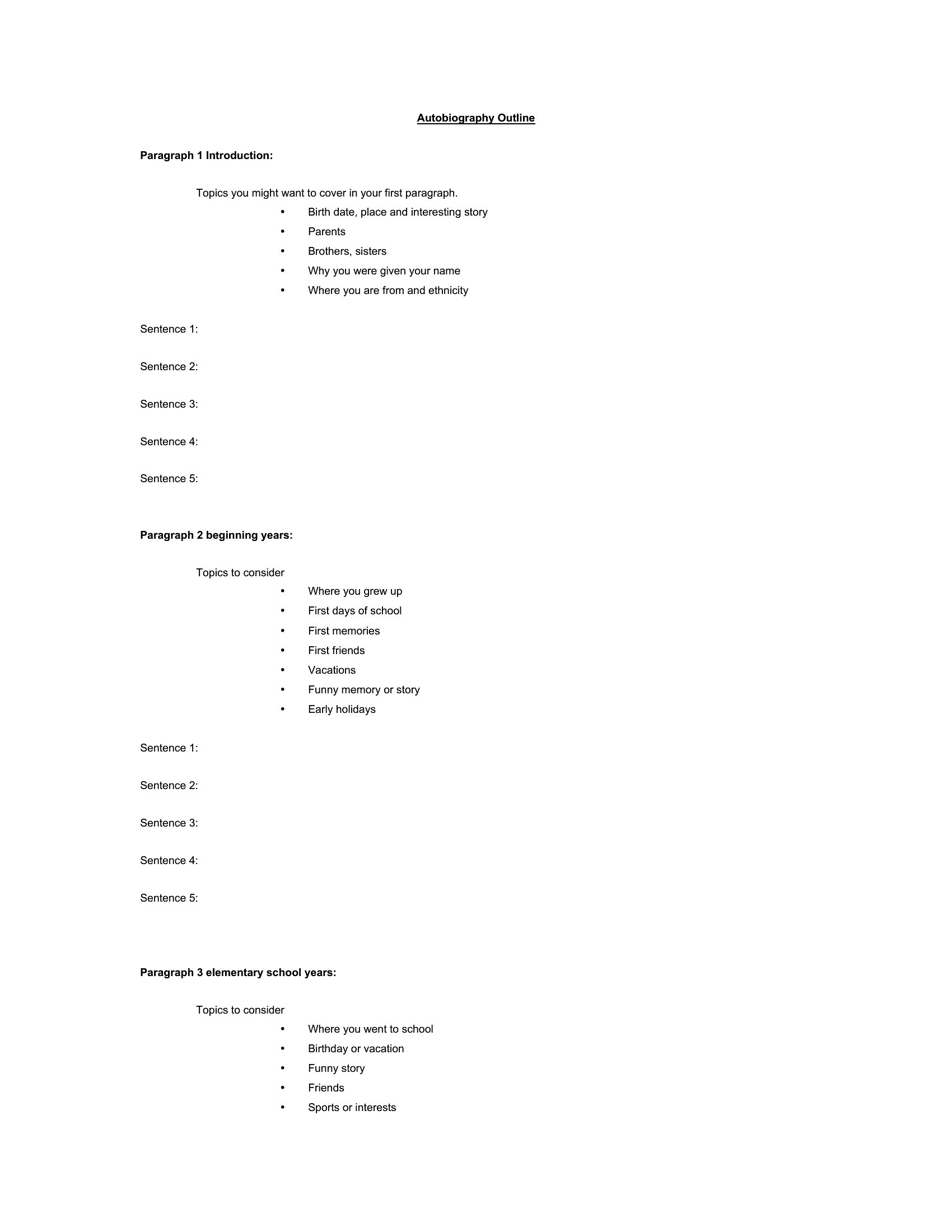
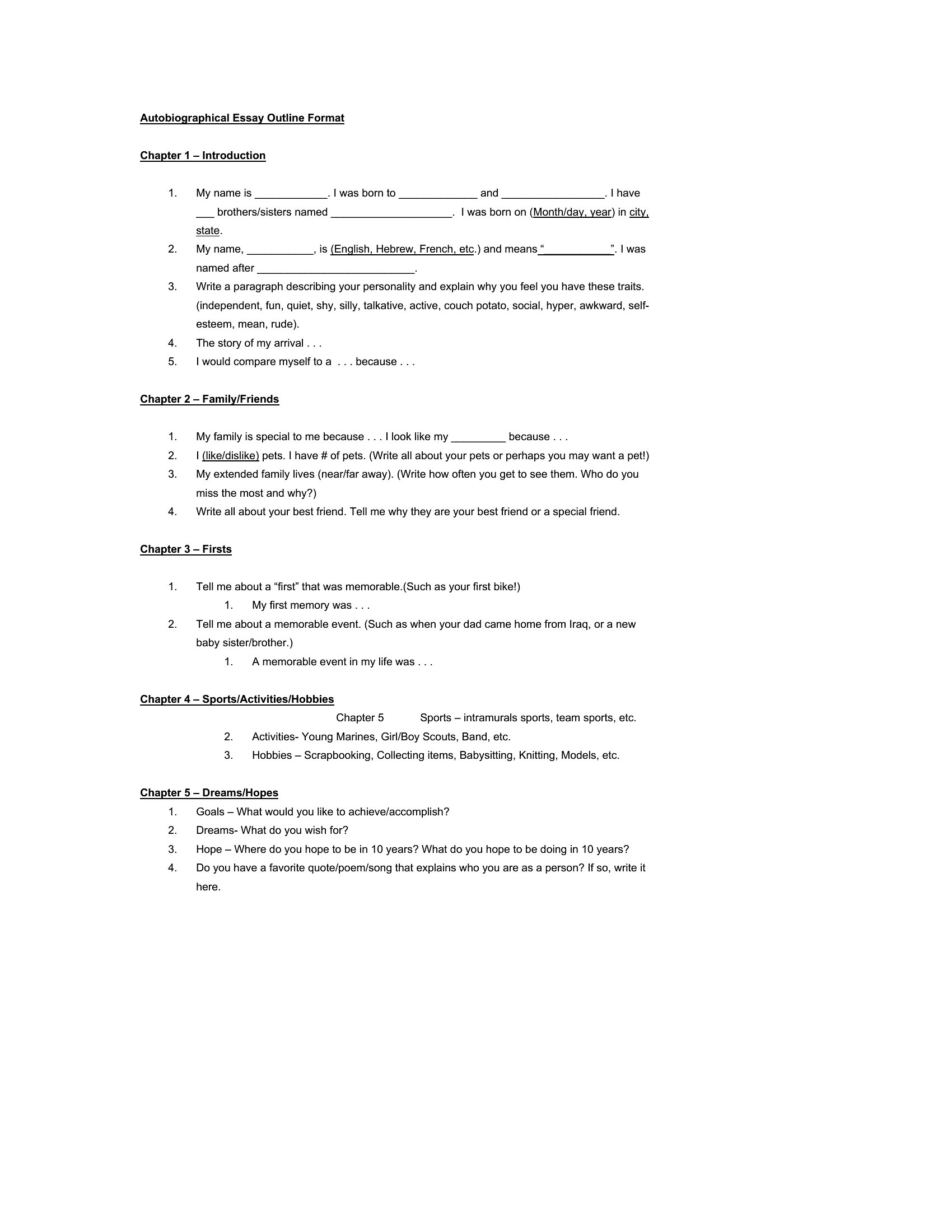
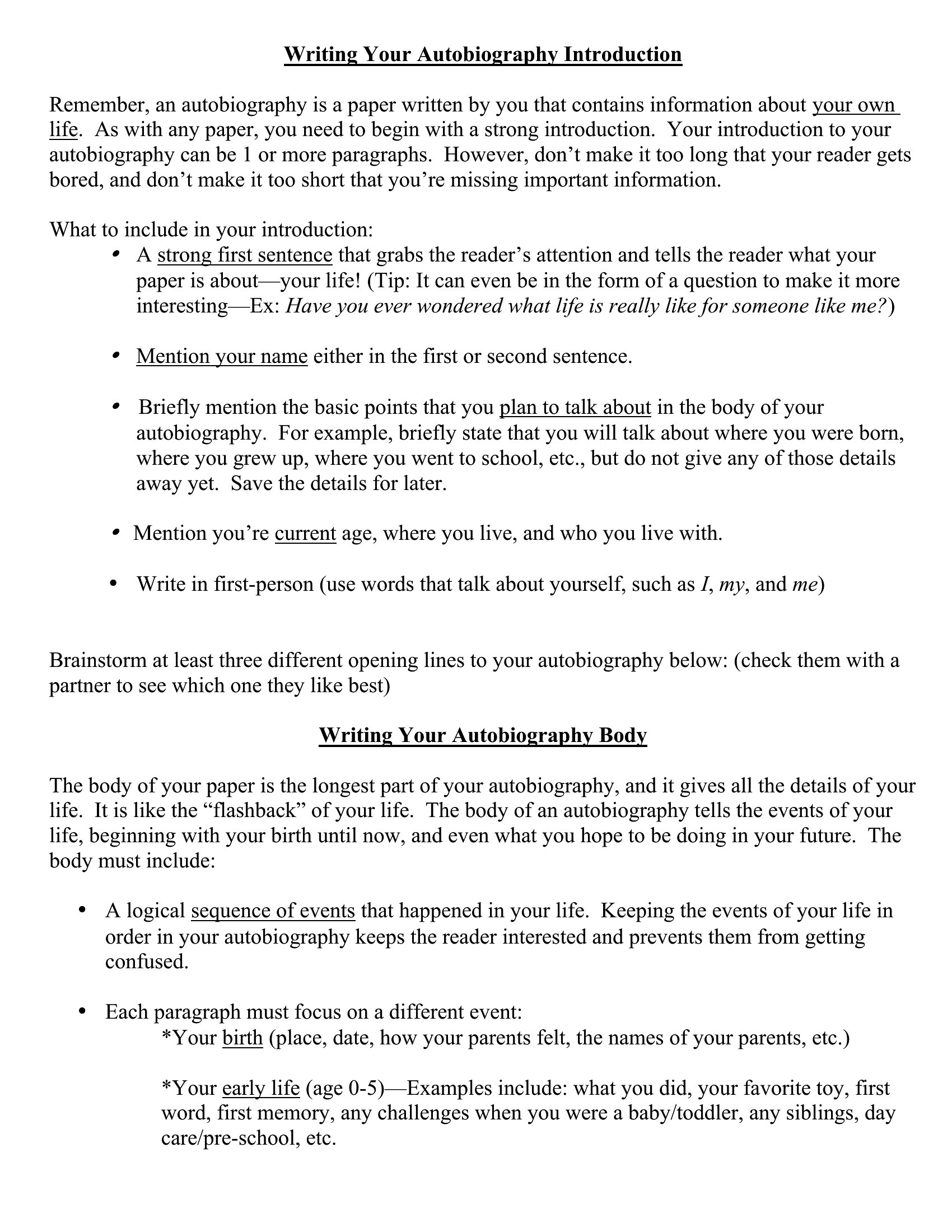
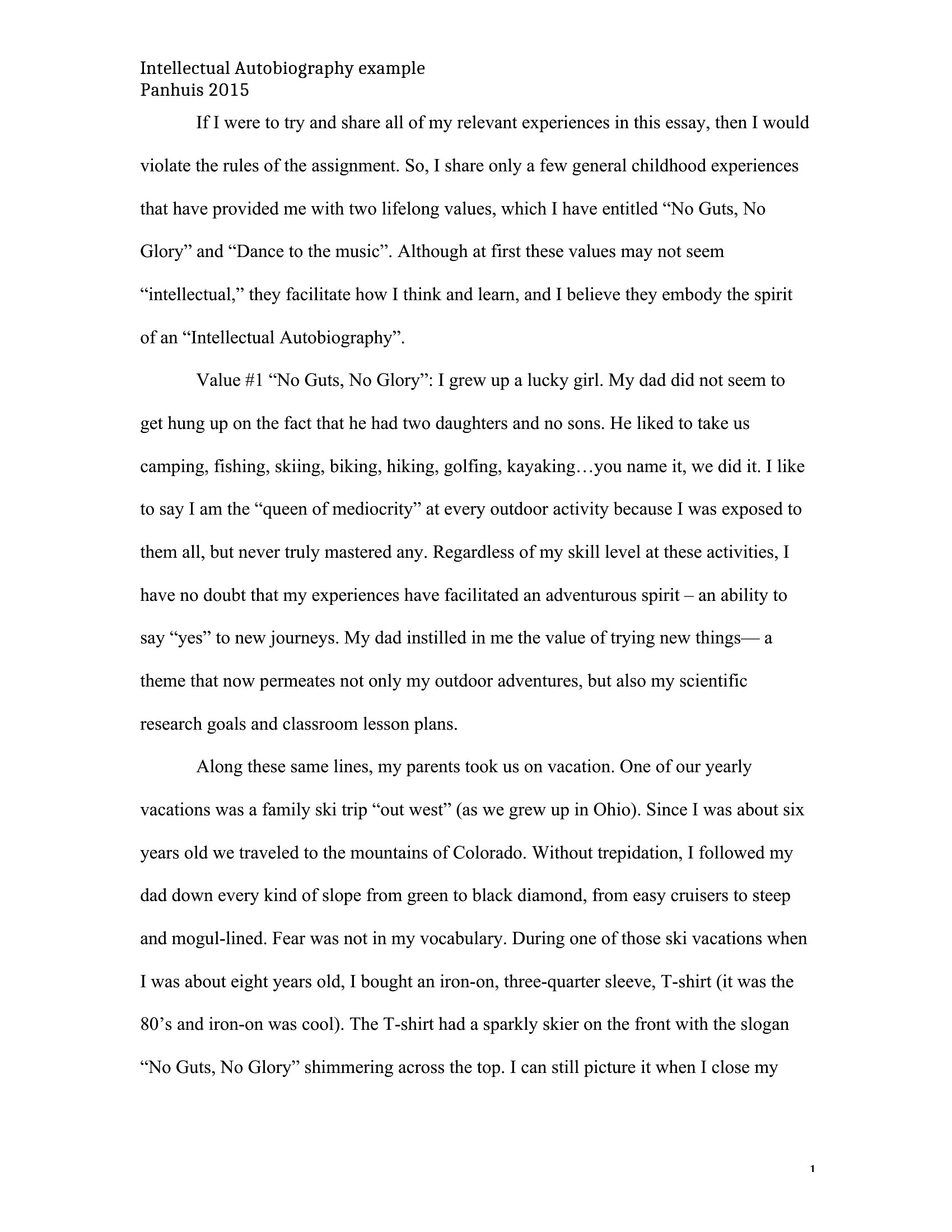
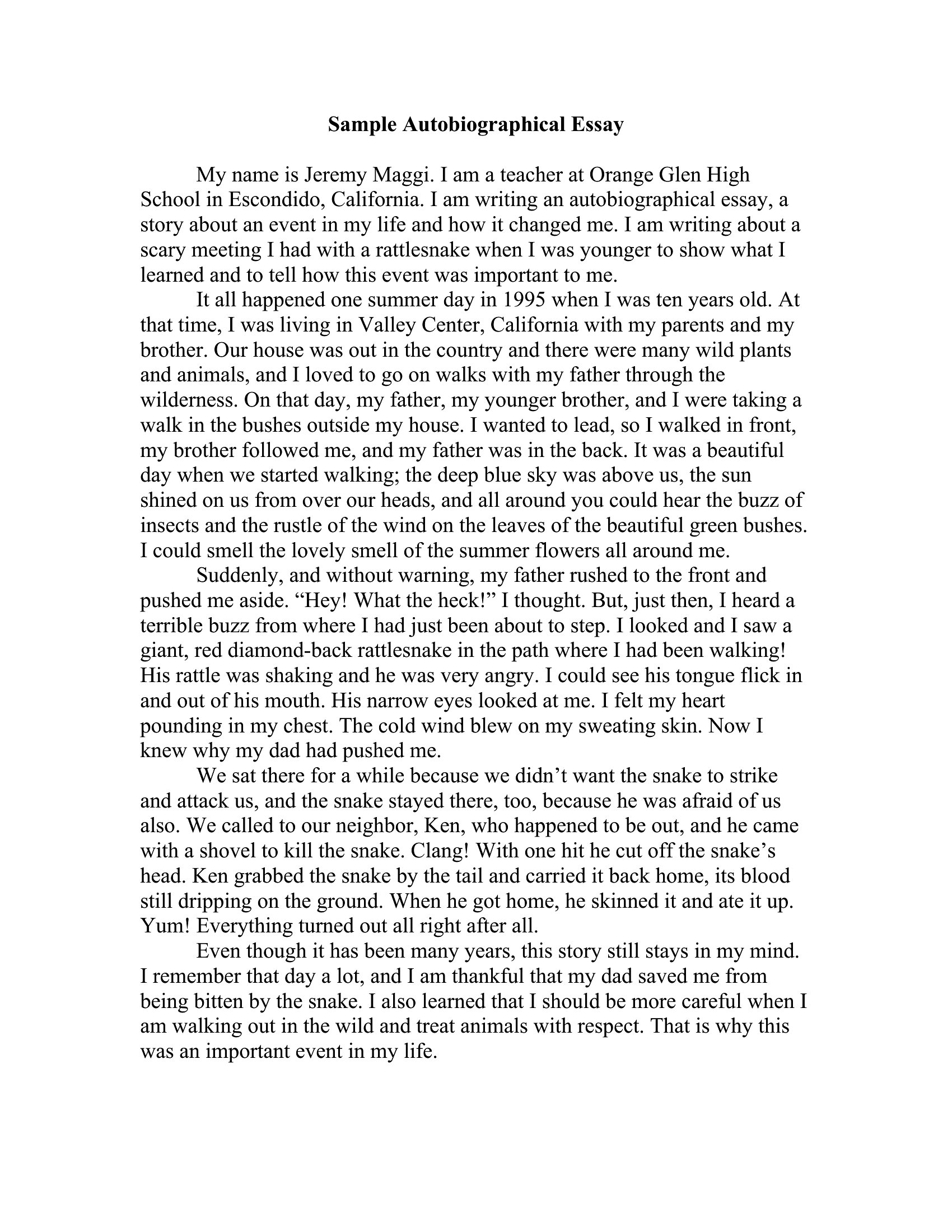
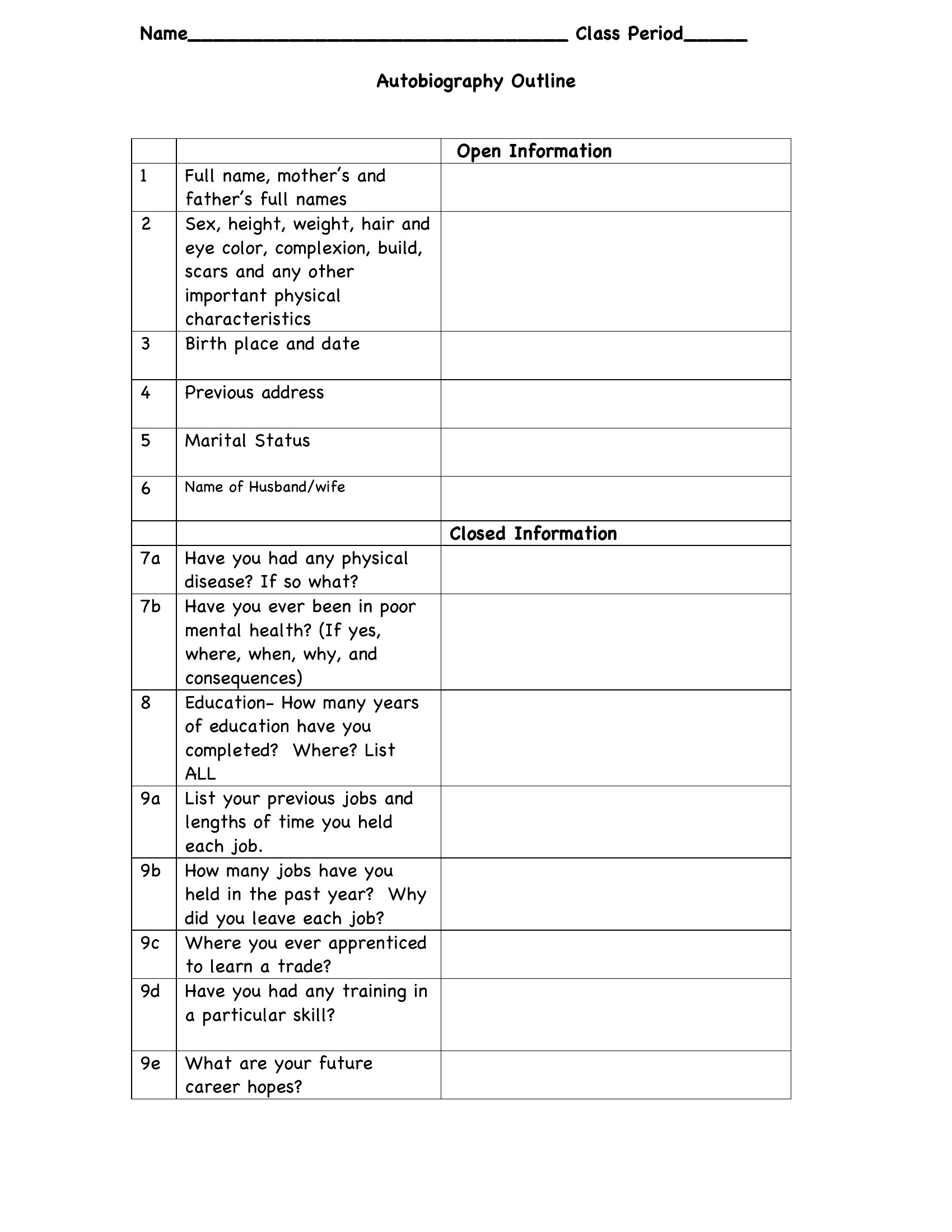
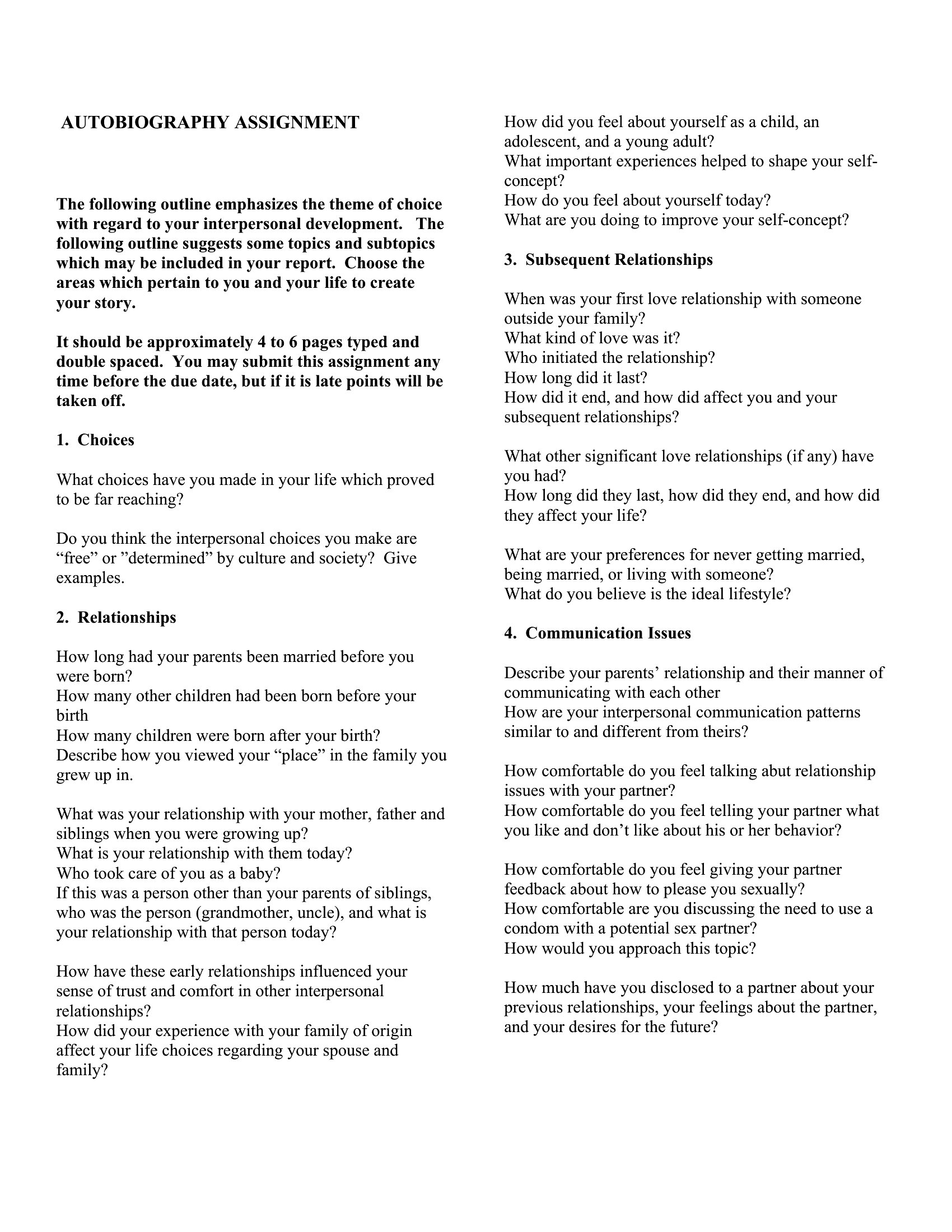
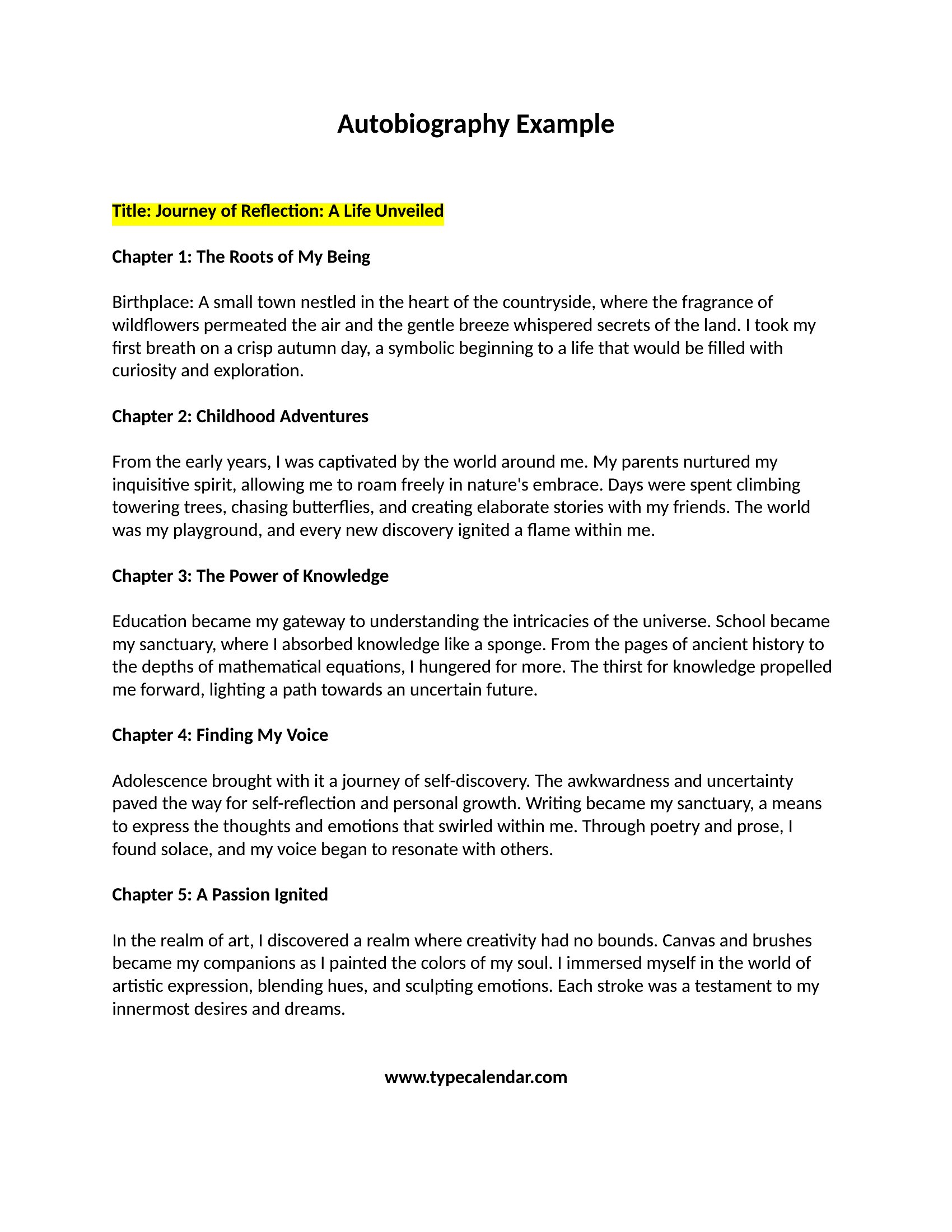
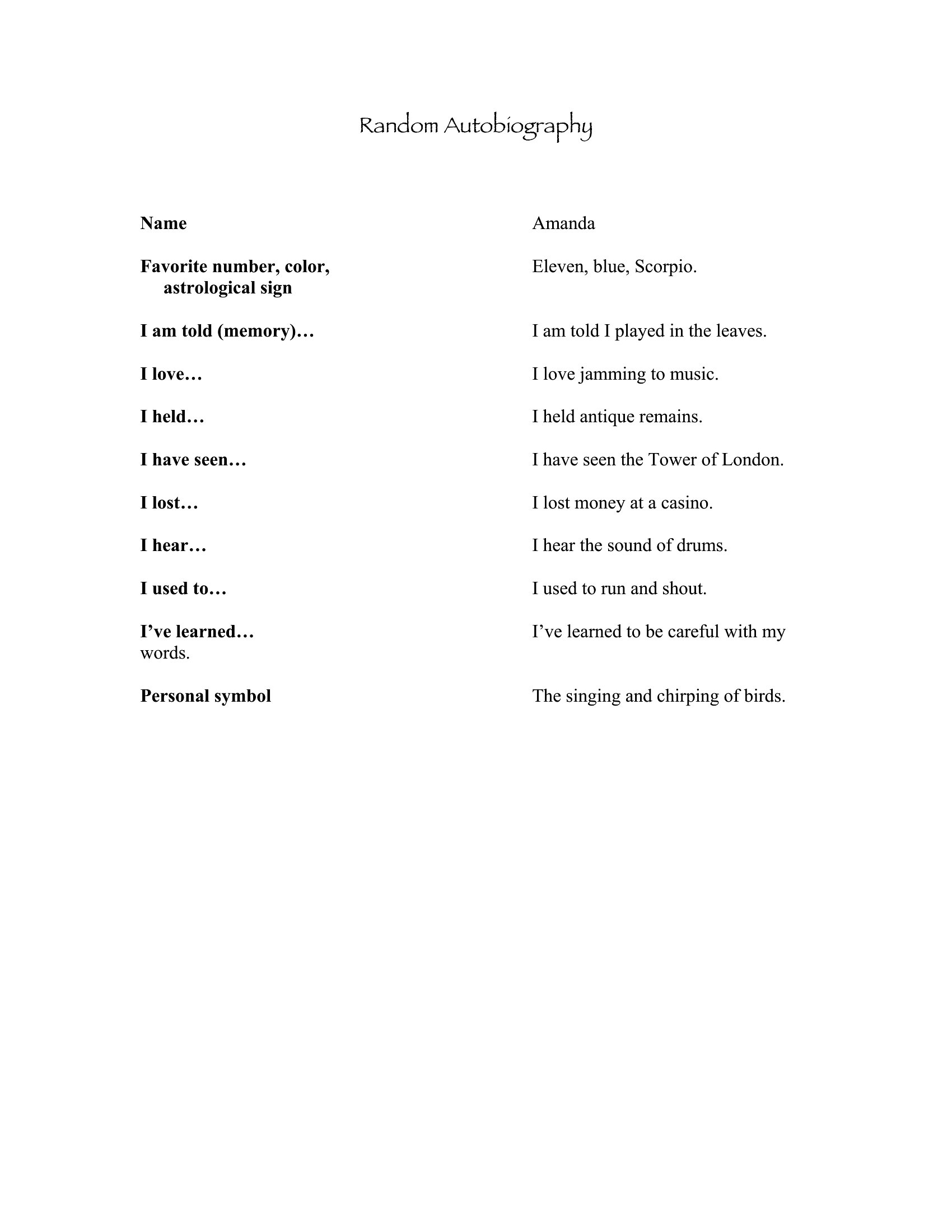
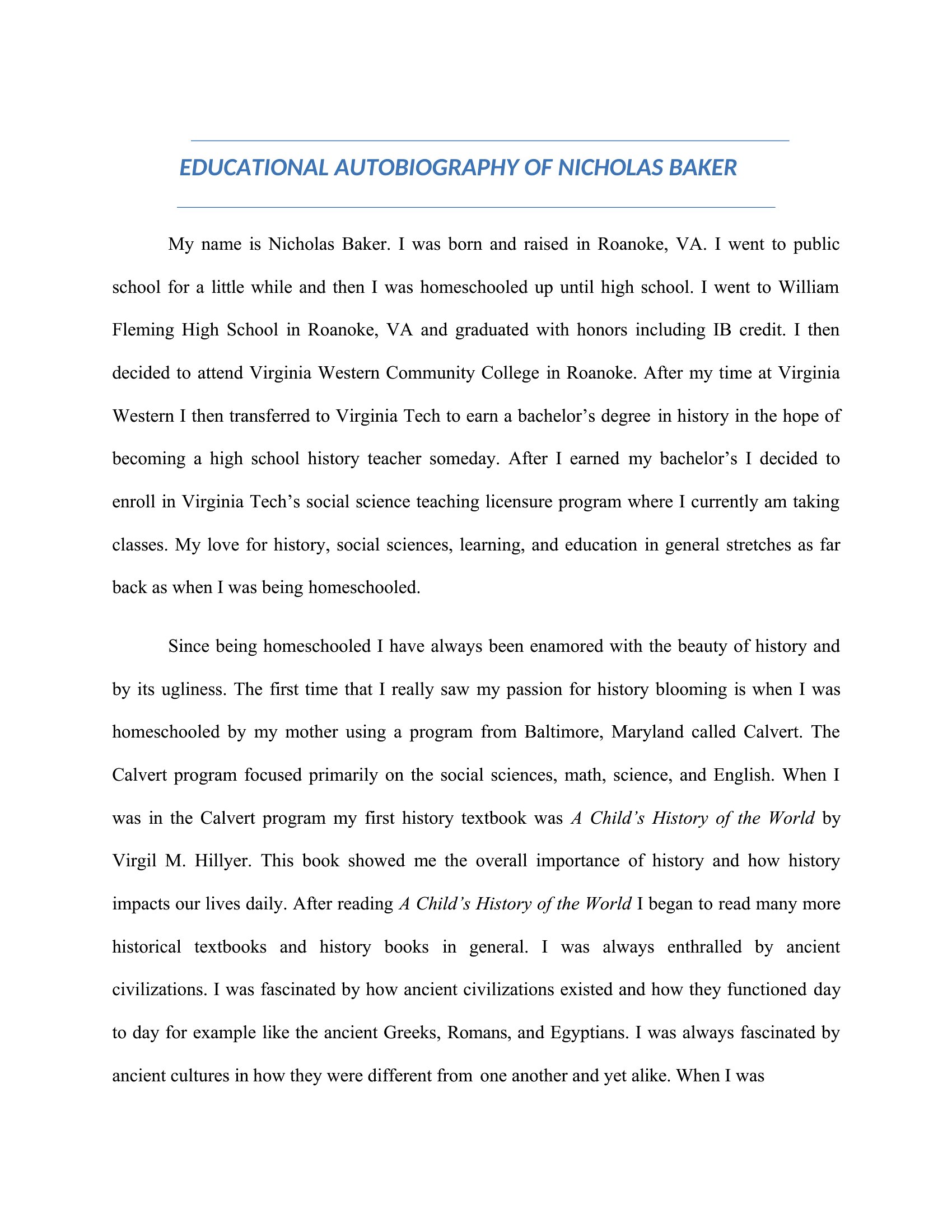
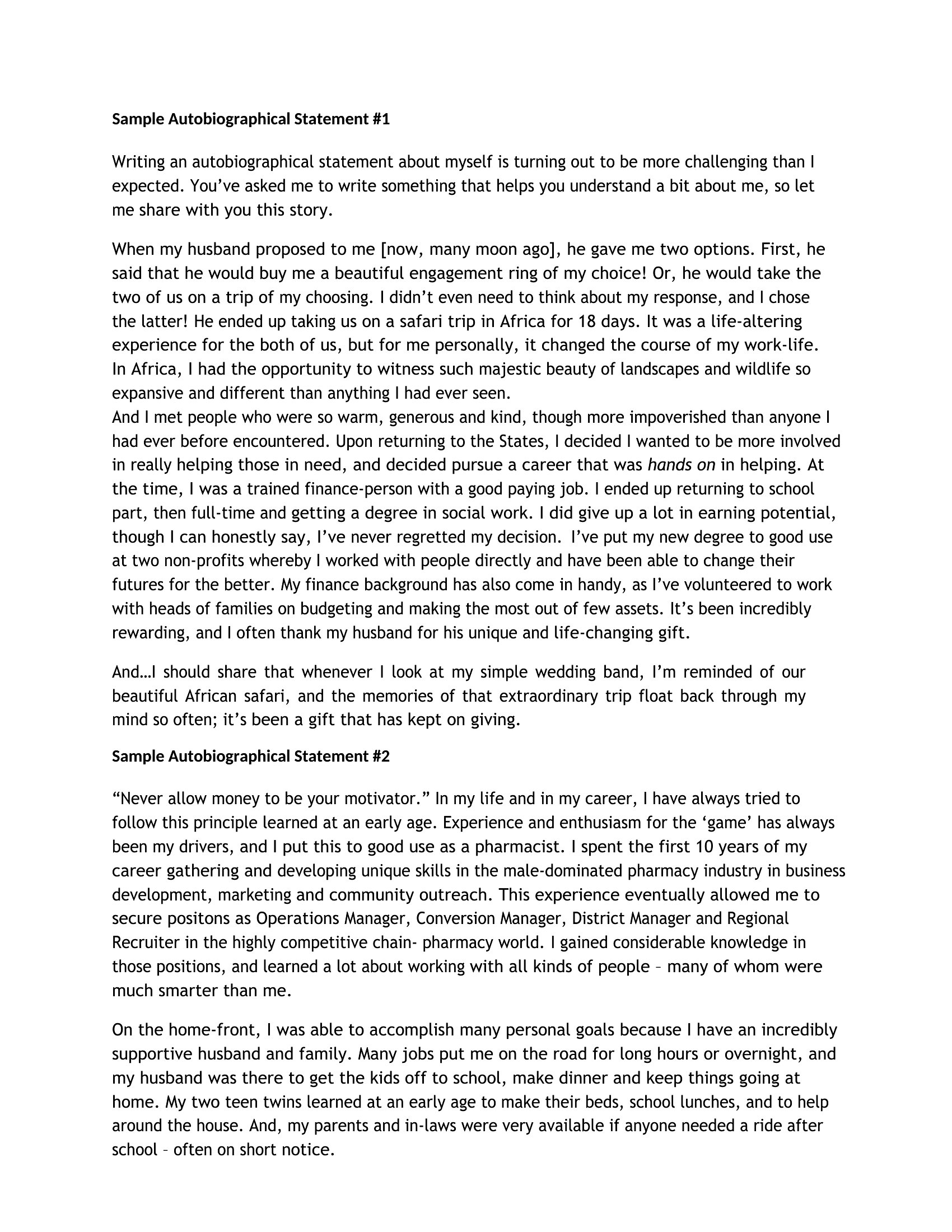
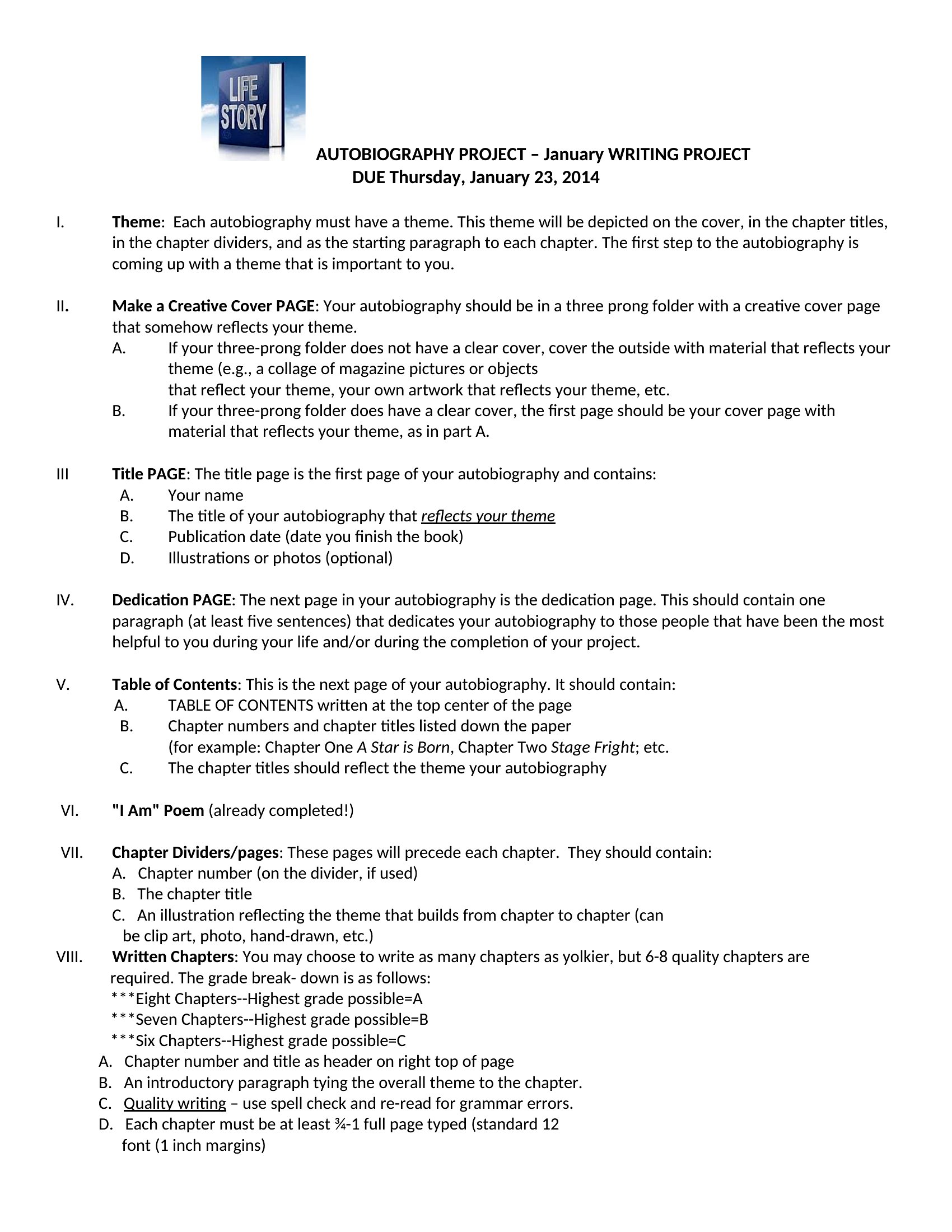
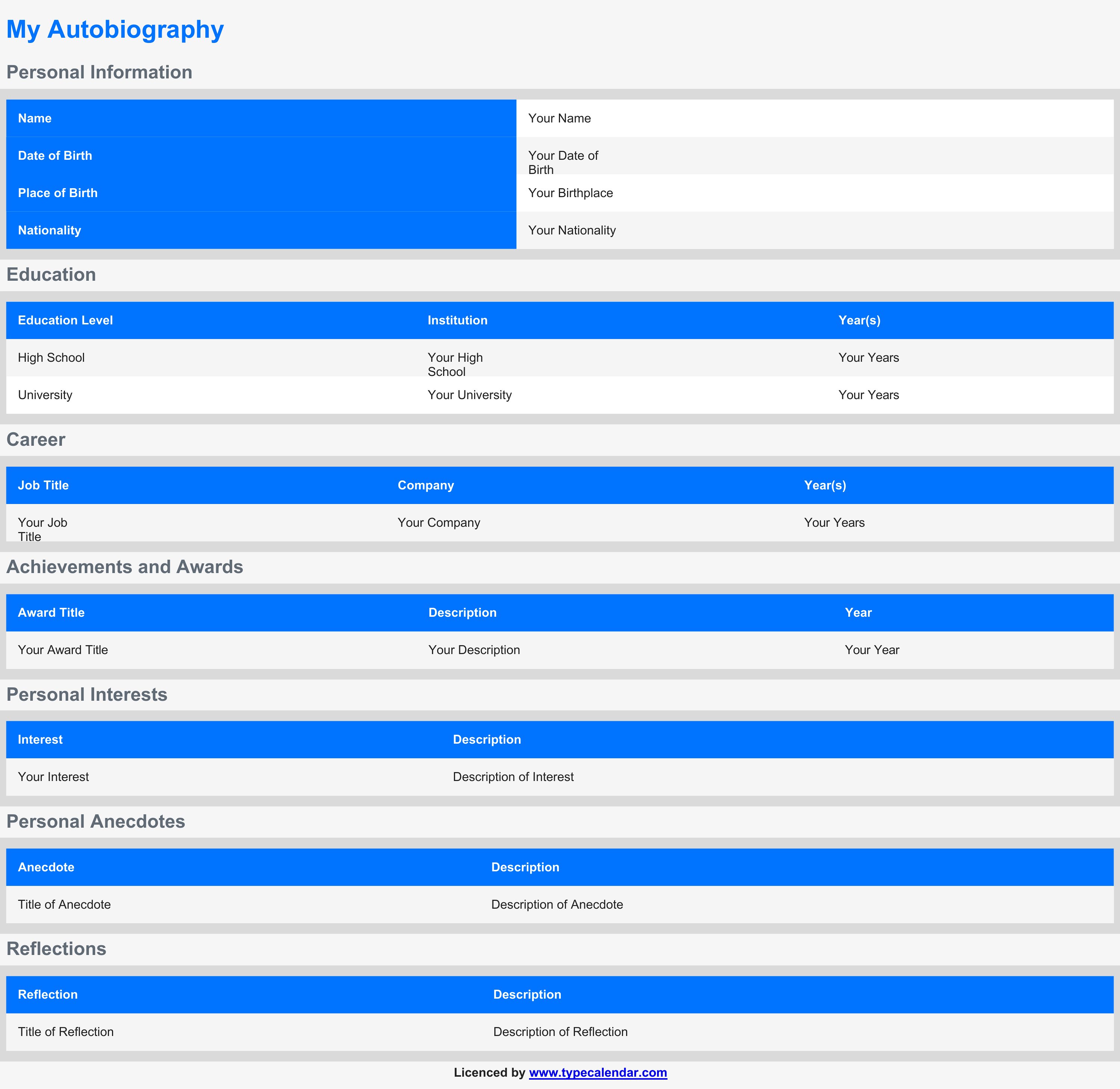
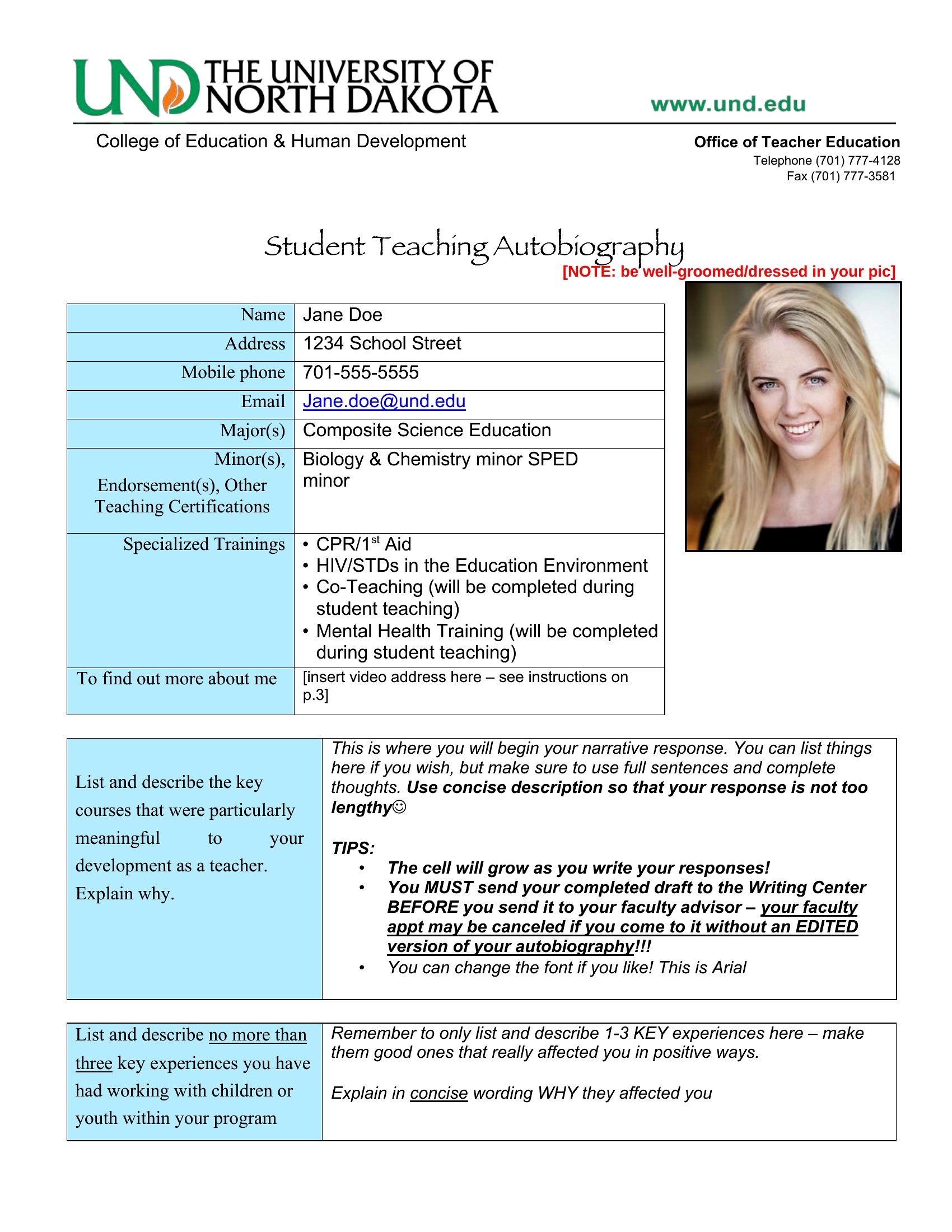
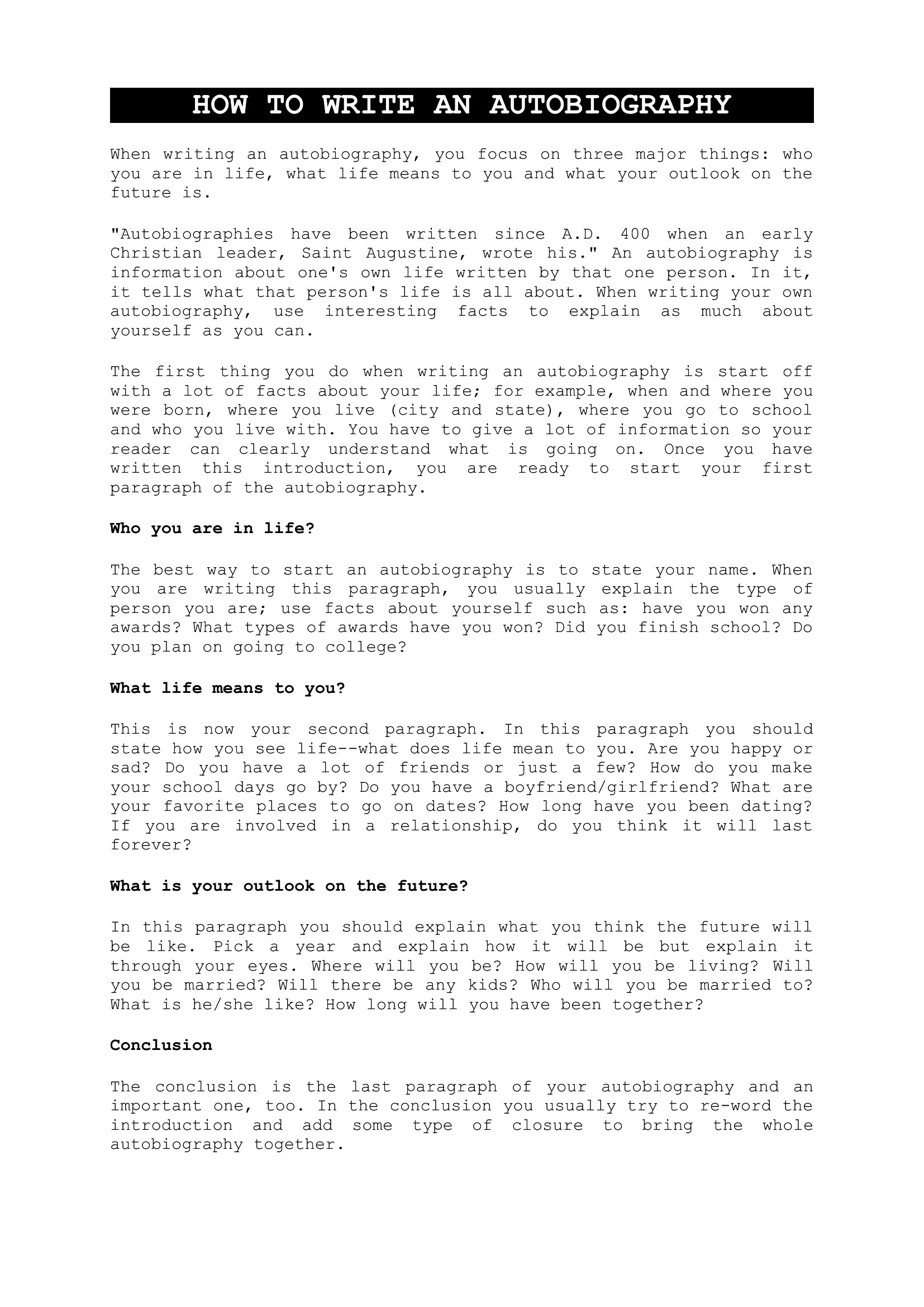
Each template includes section headers and targeted prompts—like ‘Describe a time you overcame fear’ or ‘What’s a lesson you’d pass to your younger self?’—to spark ideas. The structured outlines also prevent overwhelming blank pages by breaking the project into manageable chunks, so you can focus on one memory or theme at a time without feeling lost.
Can I use one of these templates to write an autobiography for someone else, like a family member who’s nonverbal?
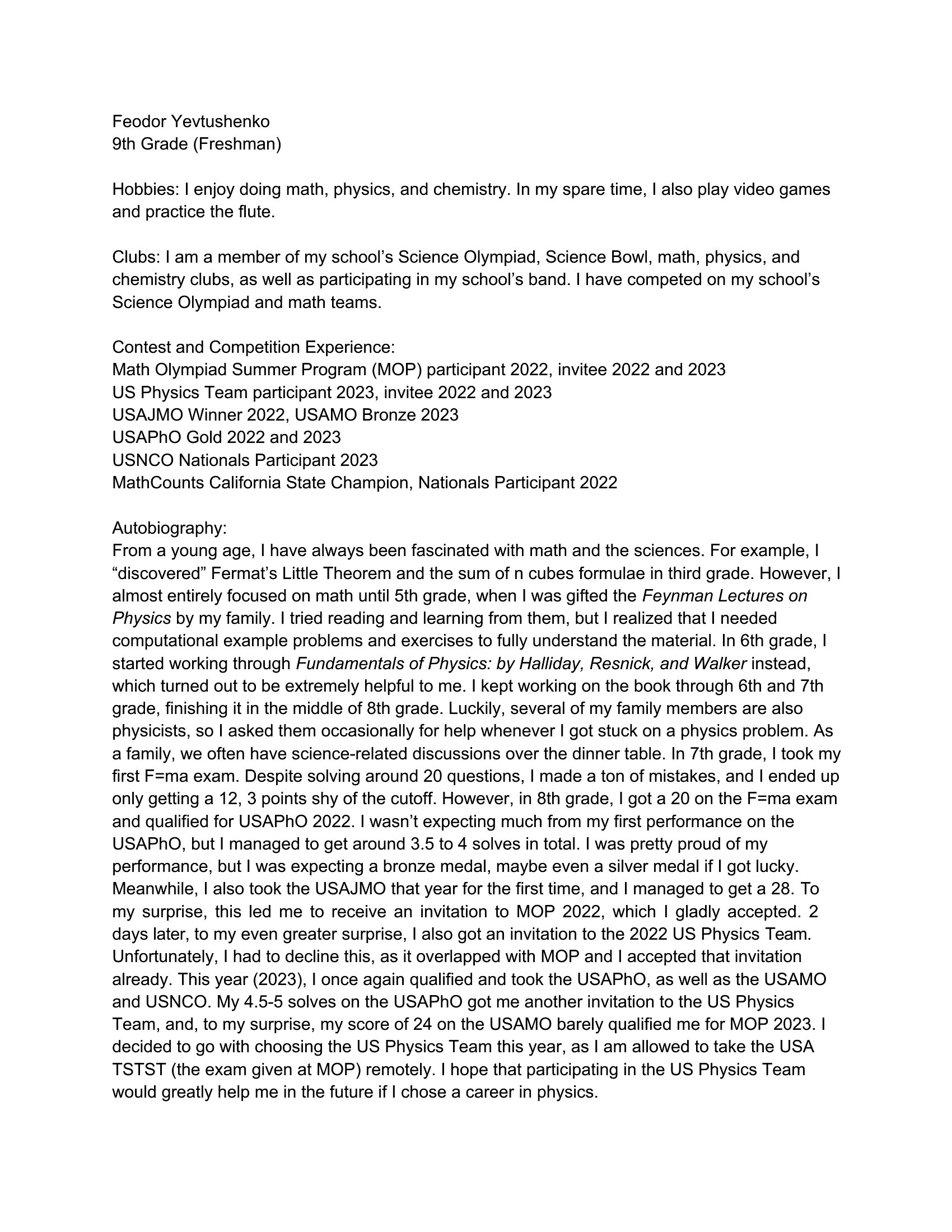
Yes, but with care. These templates are starting points to organize *their* words, experiences, or symbols (e.g., photos, objects) into a narrative you compile. For nonverbal individuals, pair the template with conversation guides or visual aids to capture their perspective authentically. Avoid filling gaps with assumptions—treat it as a collaborative tool, not a replacement for their voice.
What’s the best template to choose if I want to blend my professional life with personal stories, like for a memoir-style autobiography?
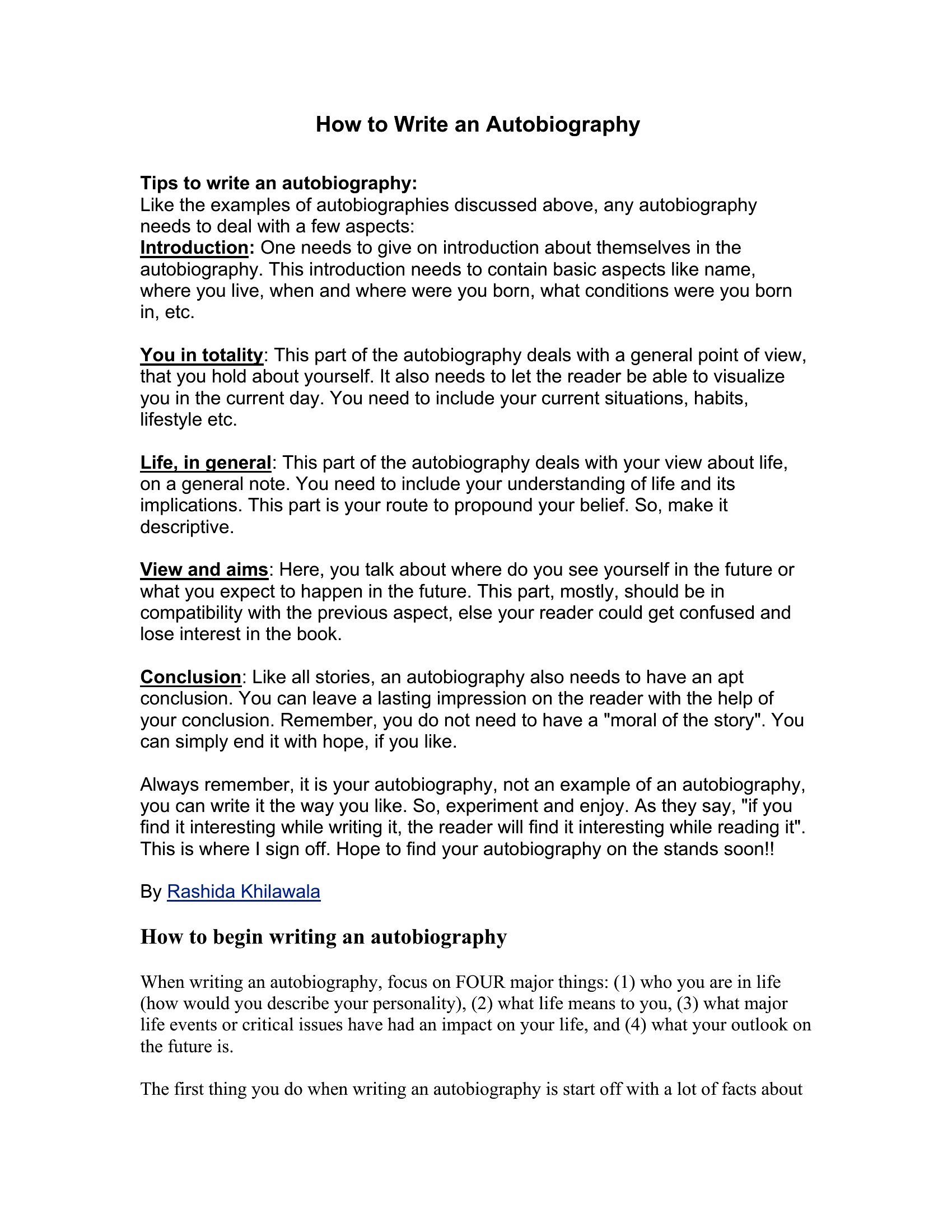
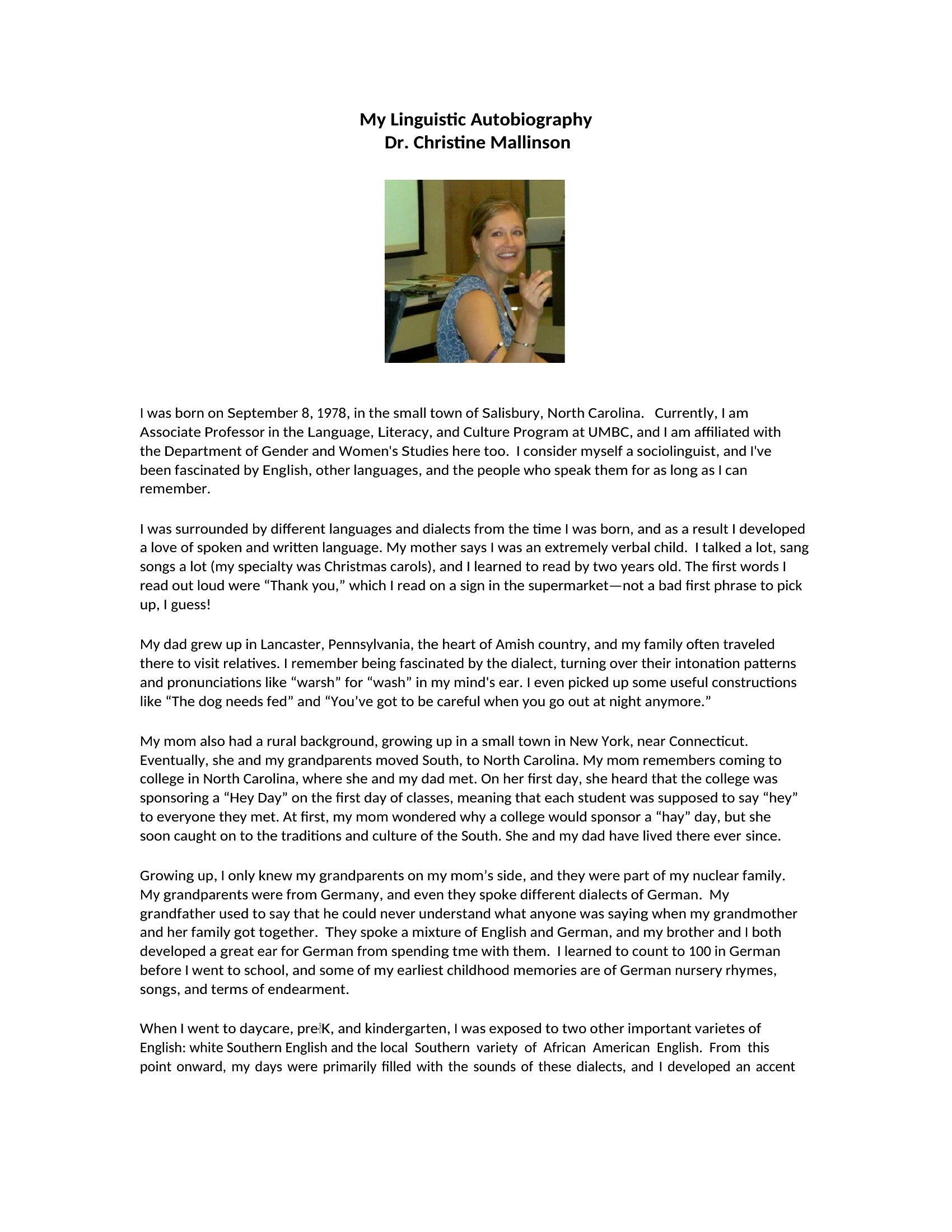
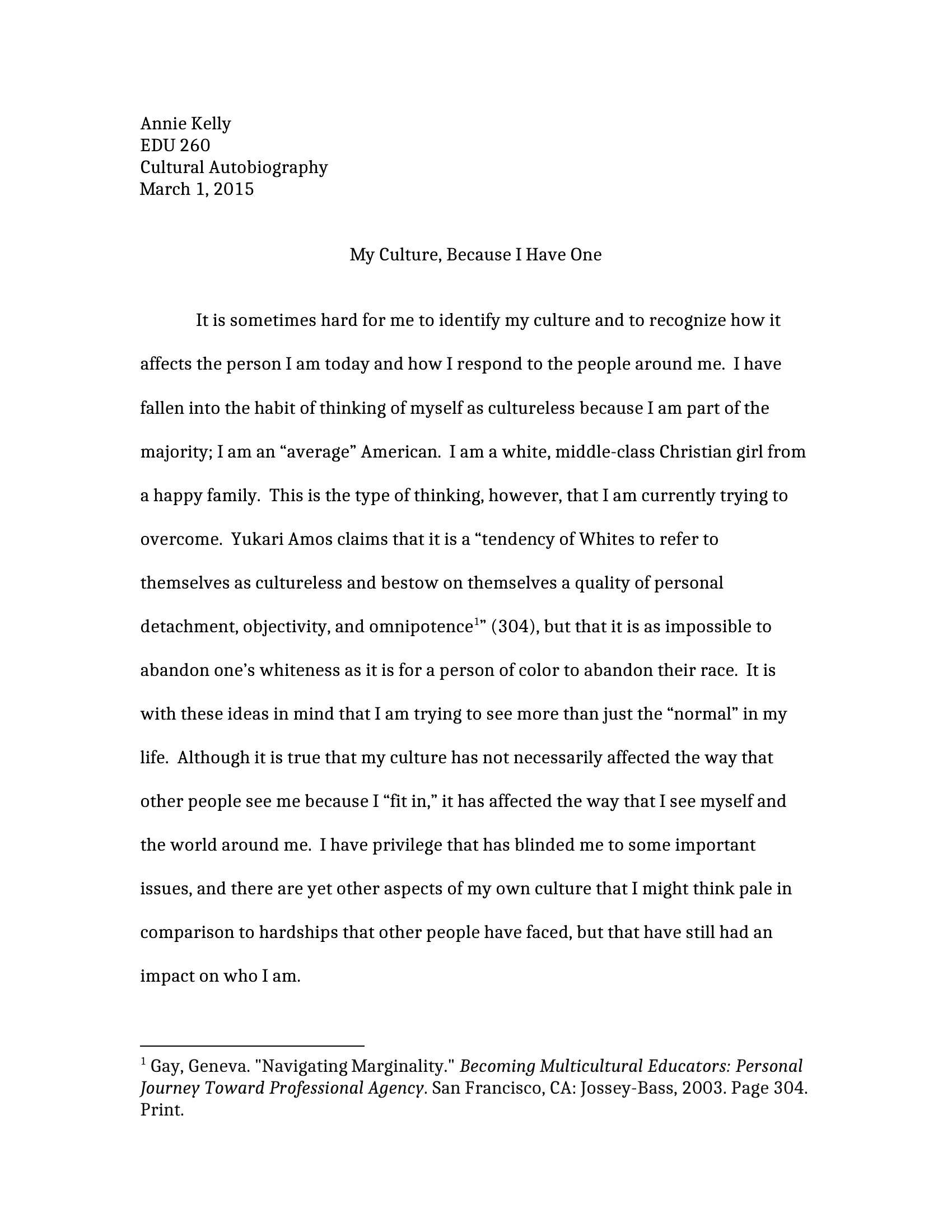
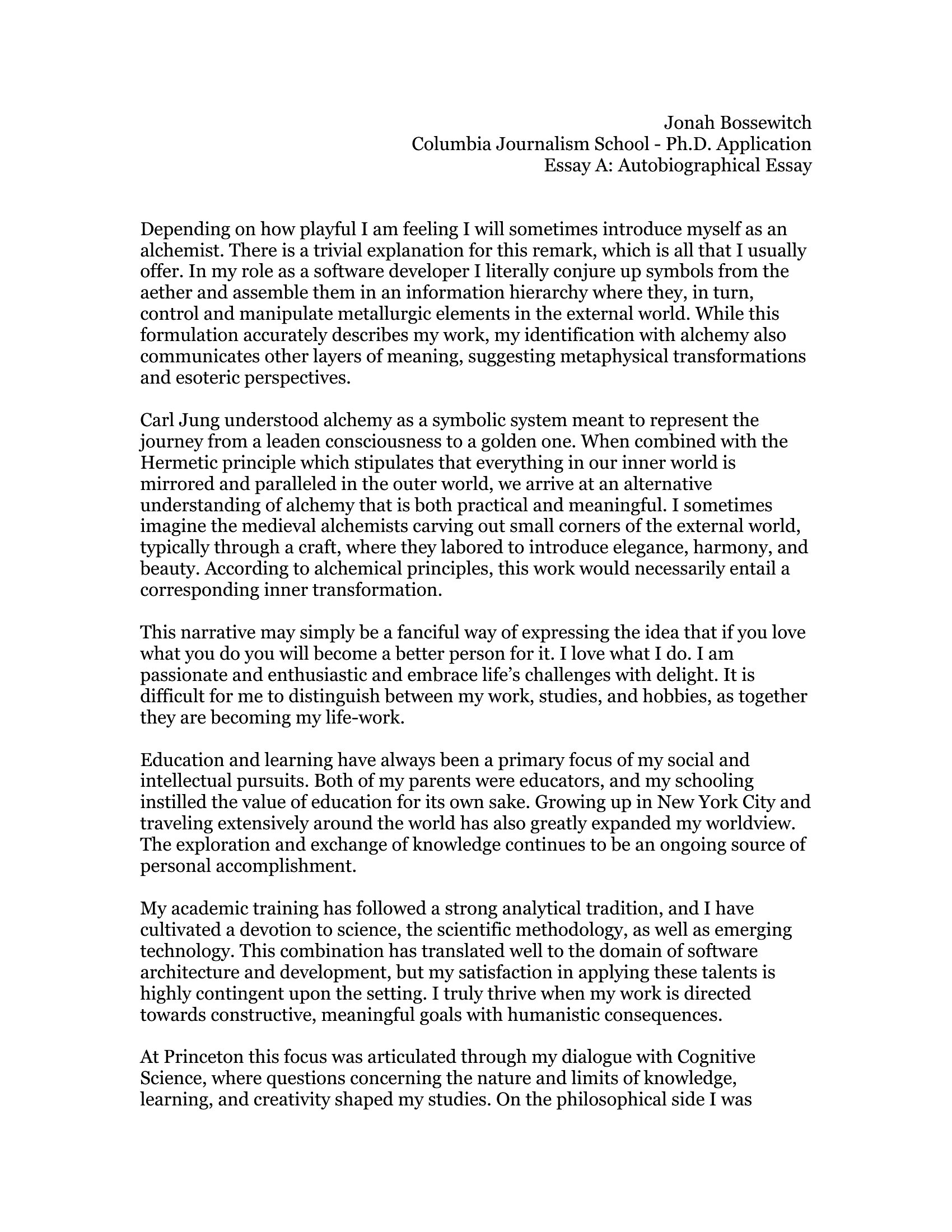
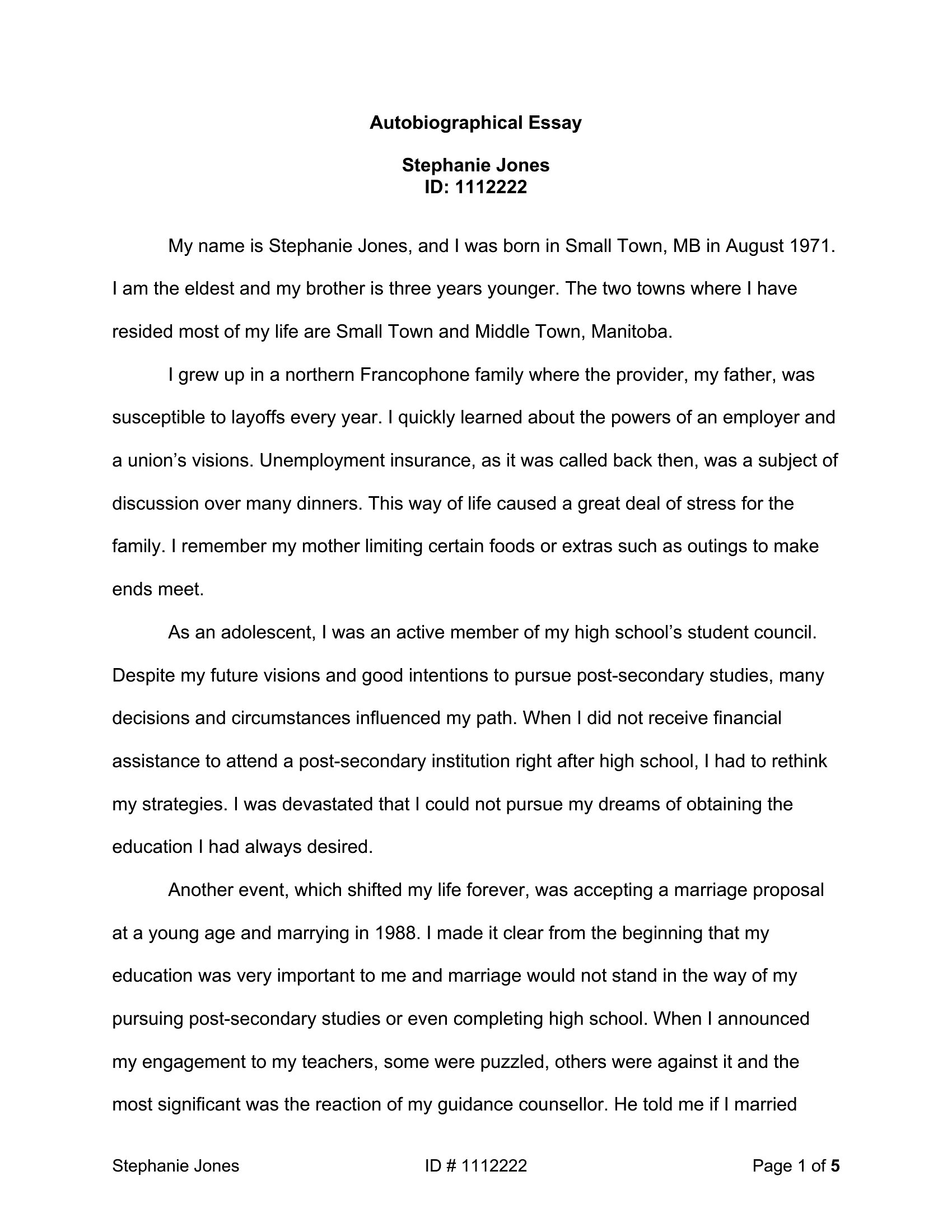
Look for templates labeled with themes like ‘Career Journey’ or ‘Life Lessons,’ which often include sections for both work milestones (e.g., ‘Turning Points’) and personal growth (e.g., ‘How Failure Shaped Me’). These strike a balance by letting you weave achievements with the relationships, challenges, or passions that gave them meaning—critical for a memoir that feels holistic, not just a resume in story form.
Comments
Join the conversation
Sign in to share your thoughts and leave a comment on this resource.