FAQ
Should I use a shorter or longer review of systems for a patient with multiple chronic conditions?
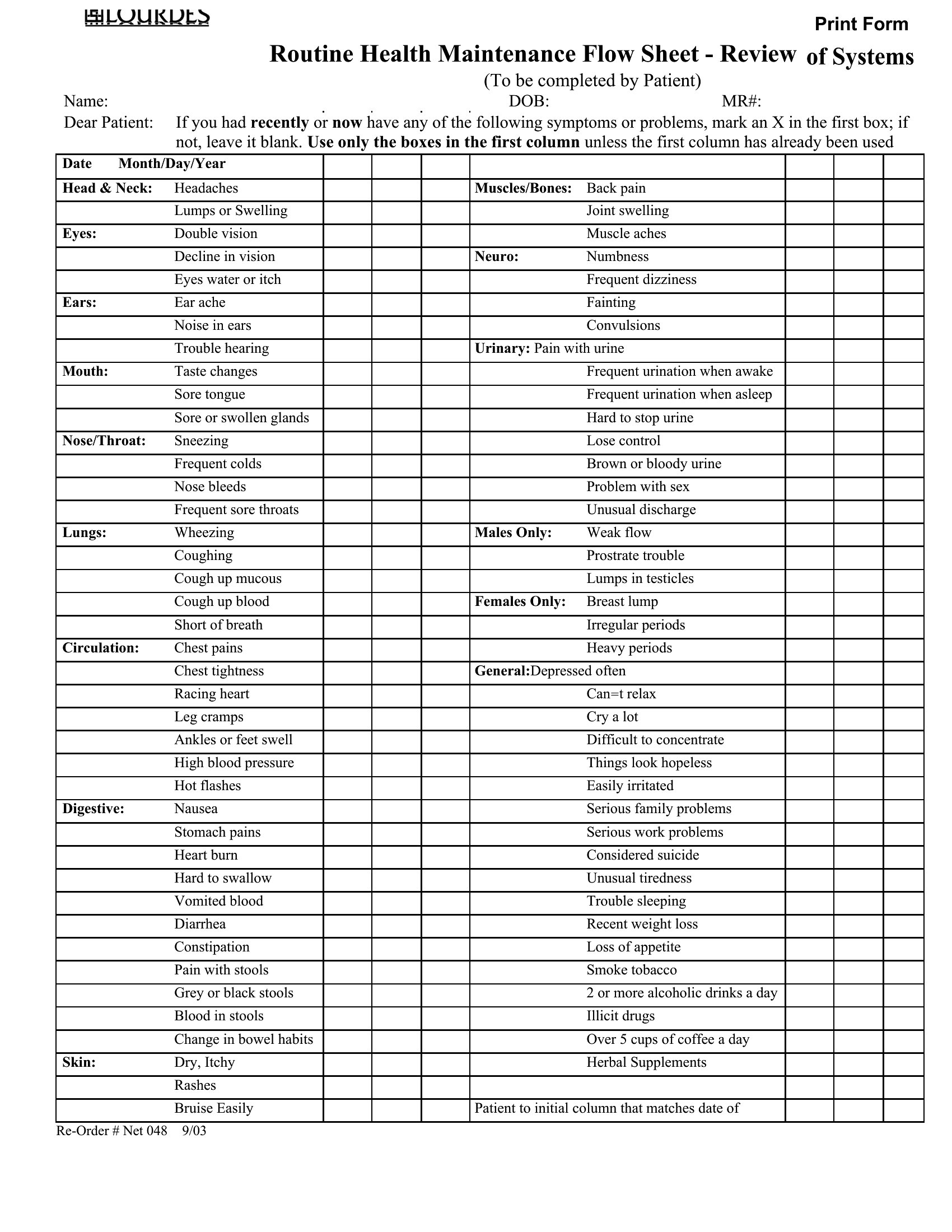
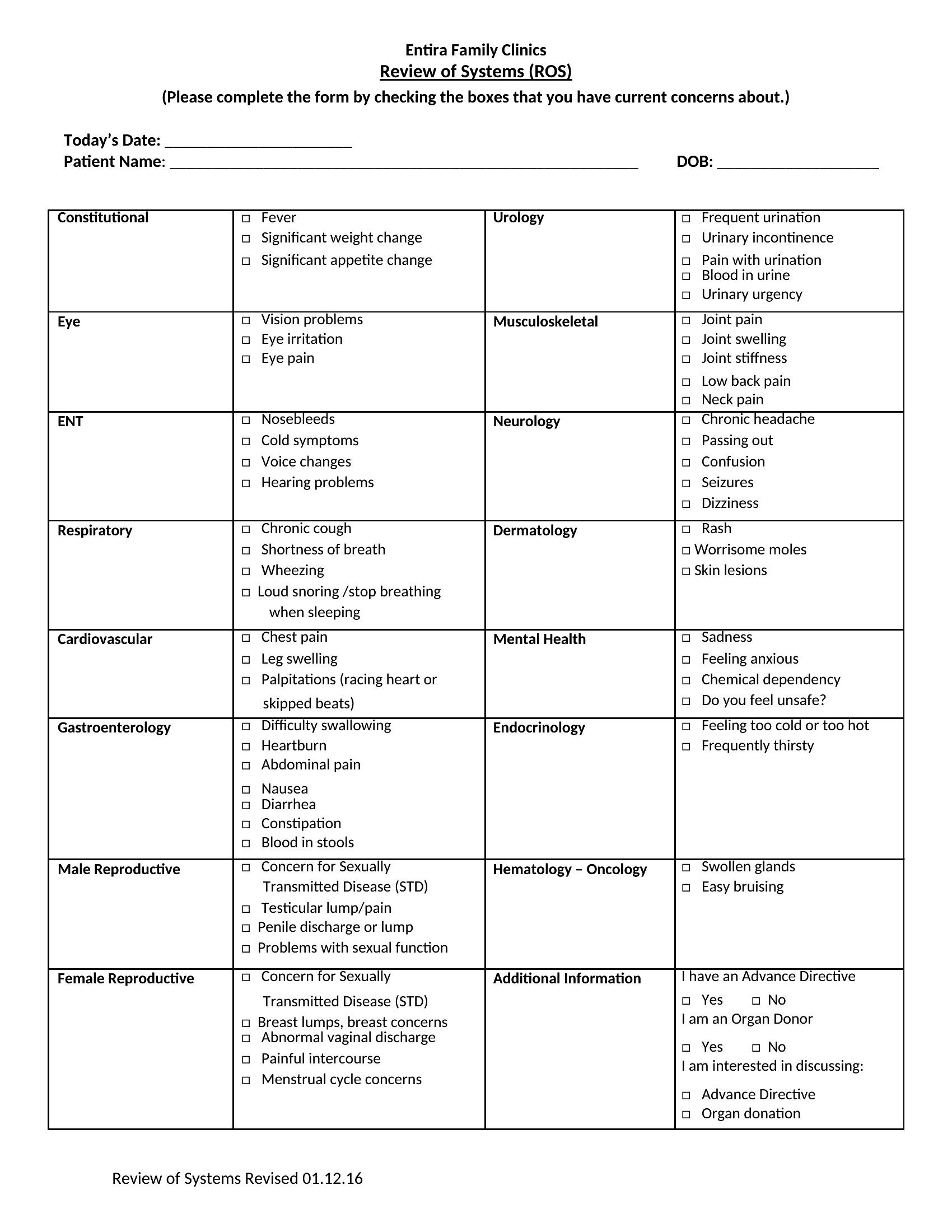
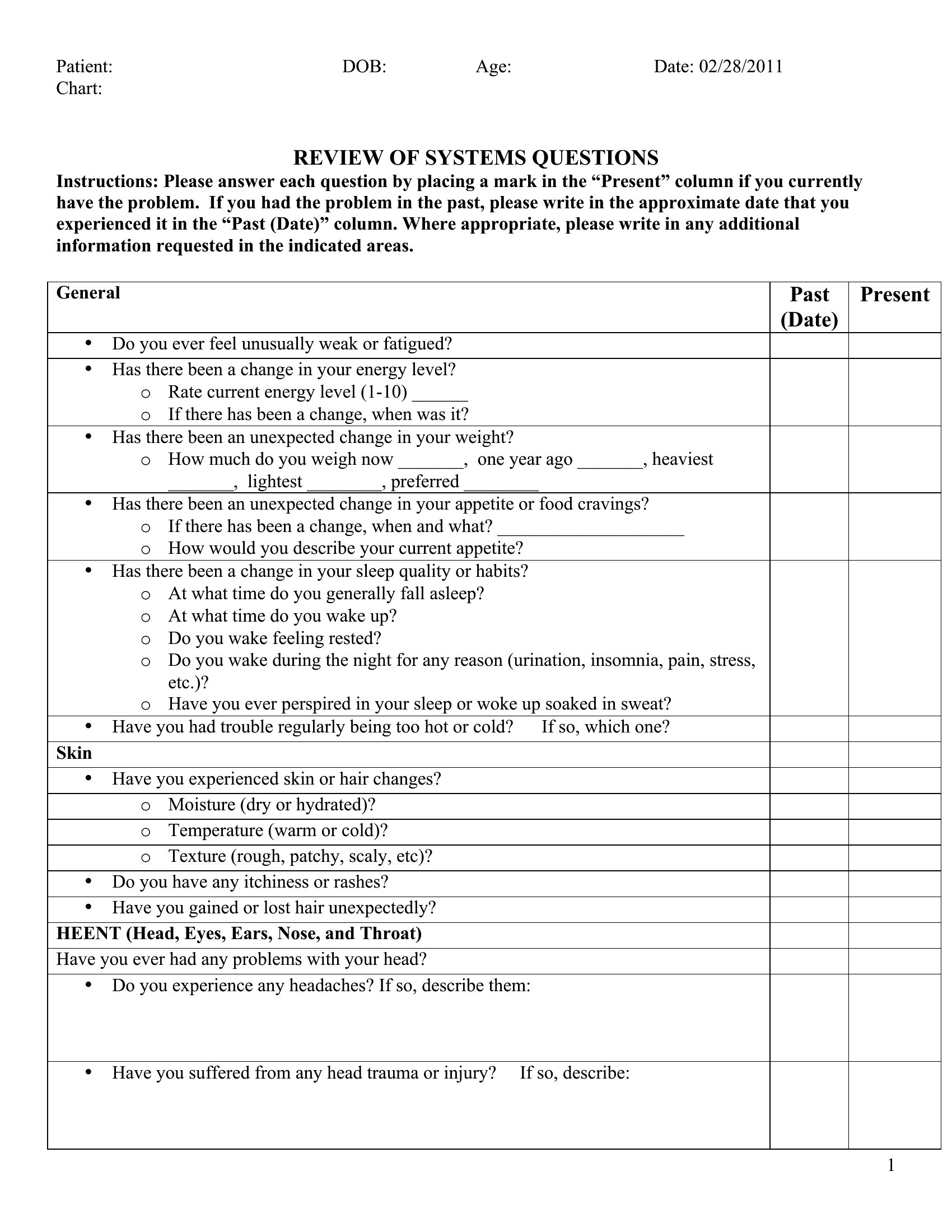
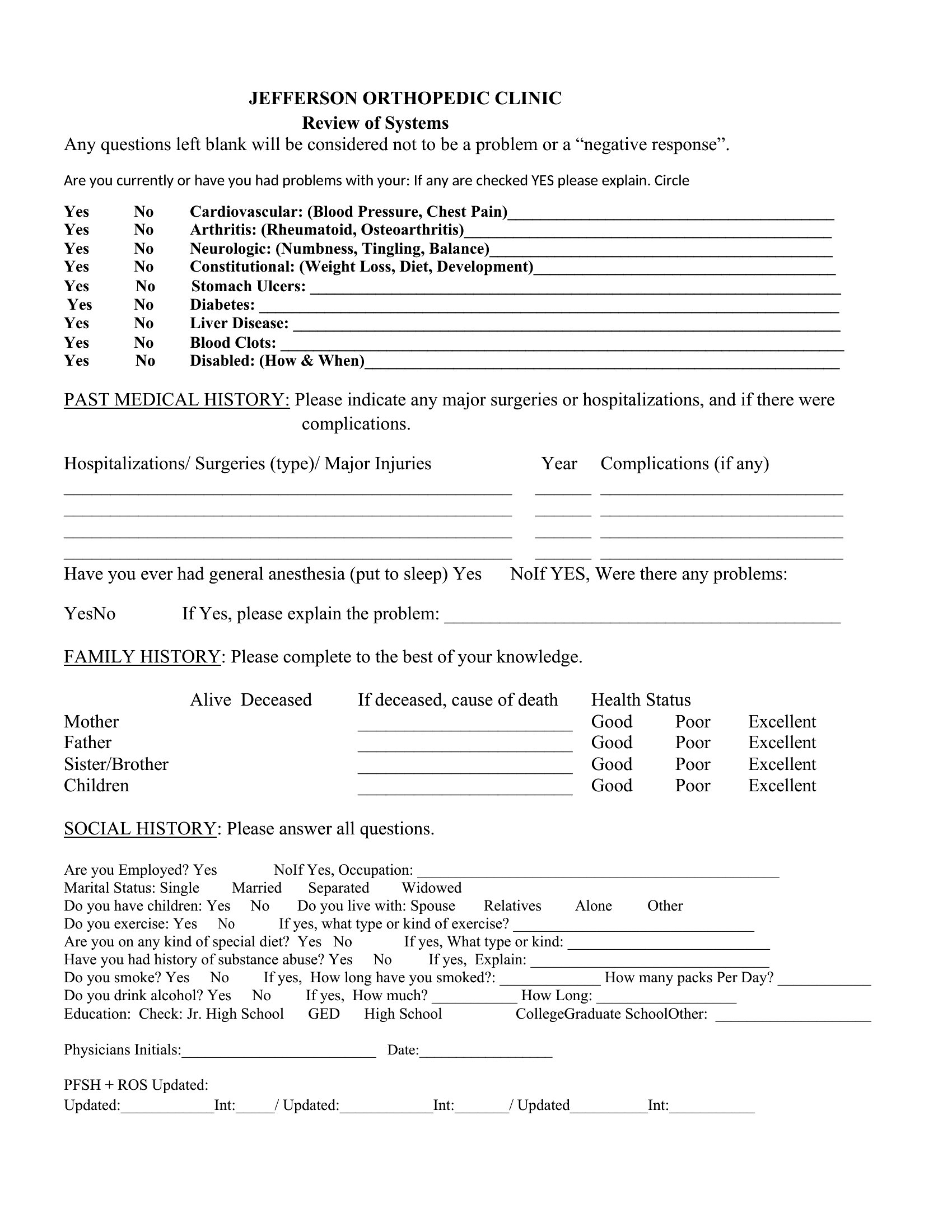
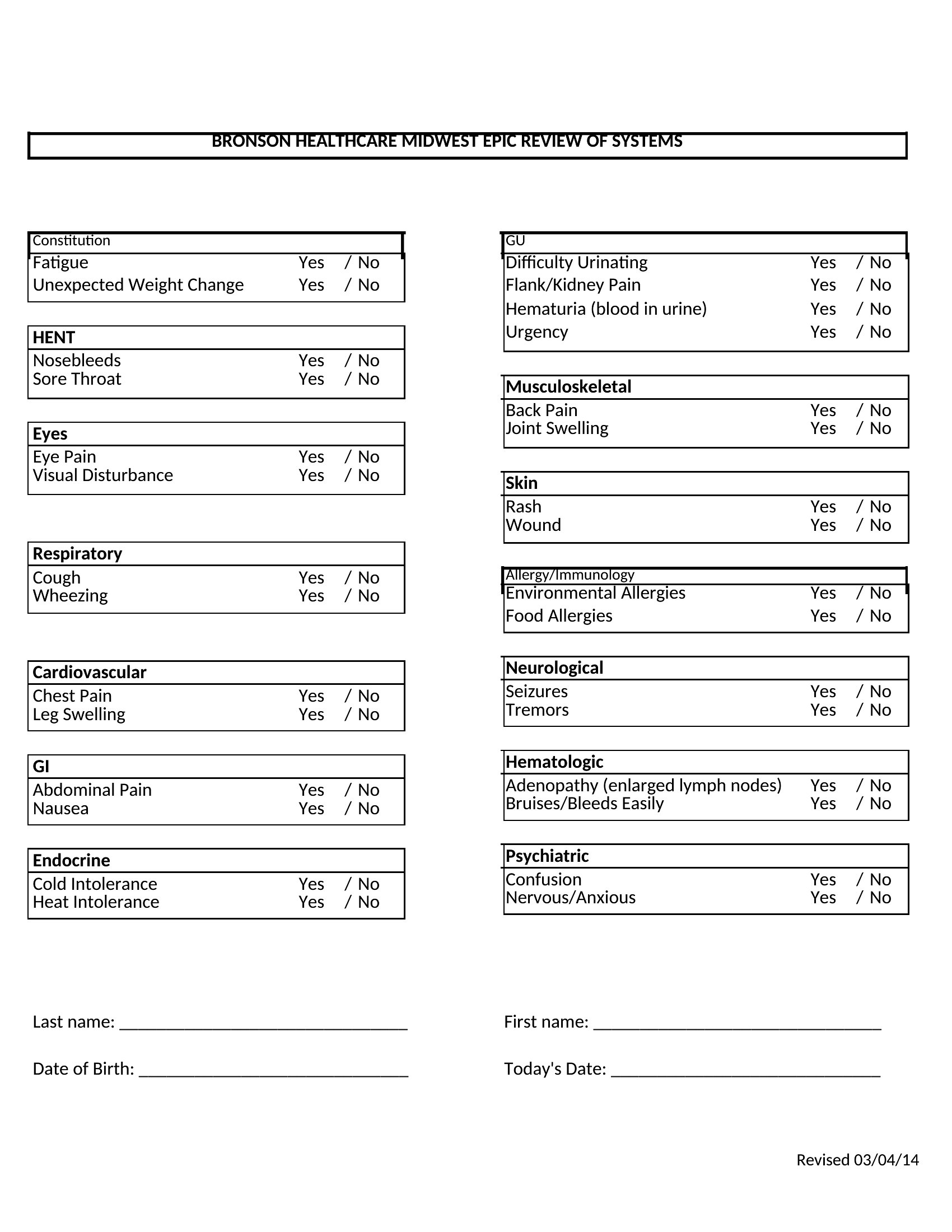
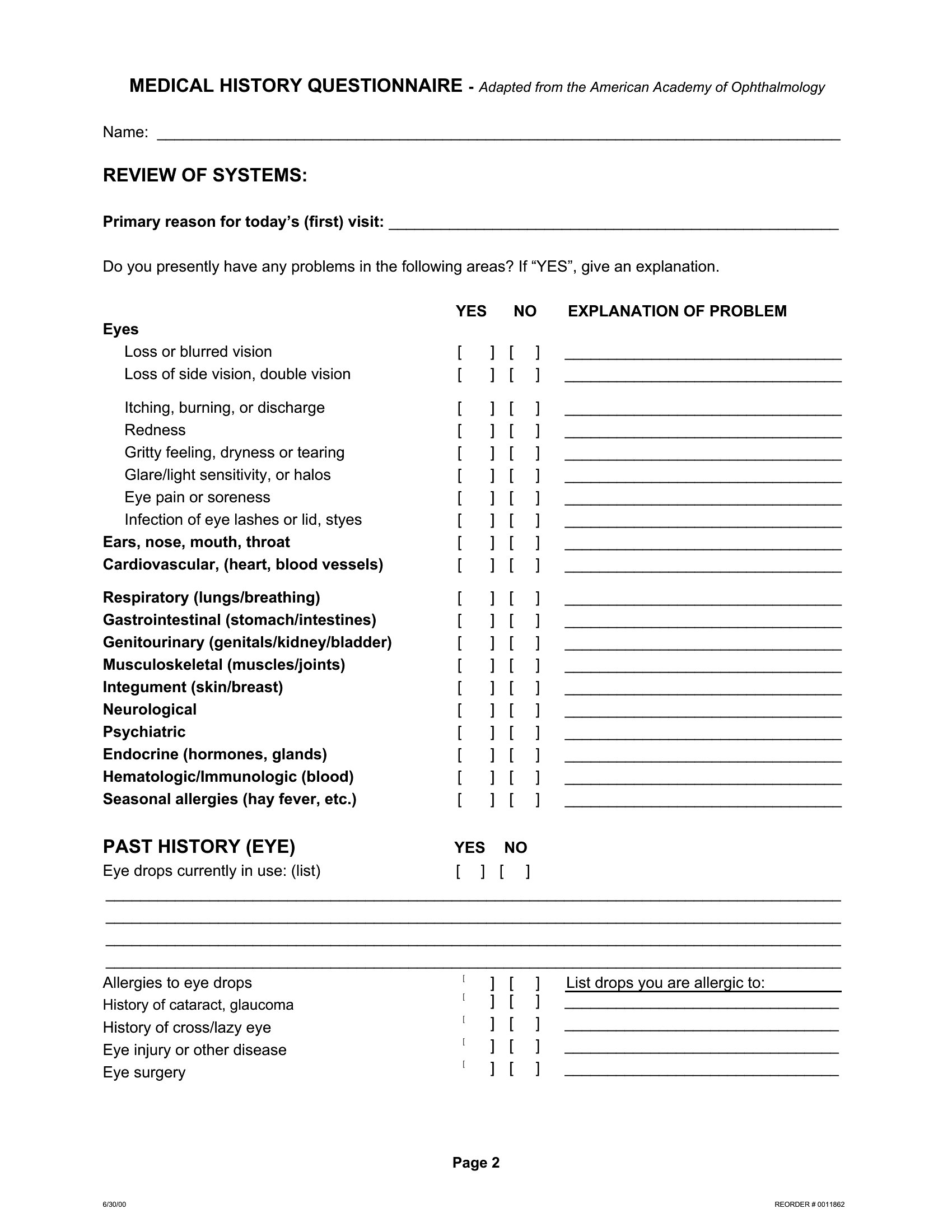
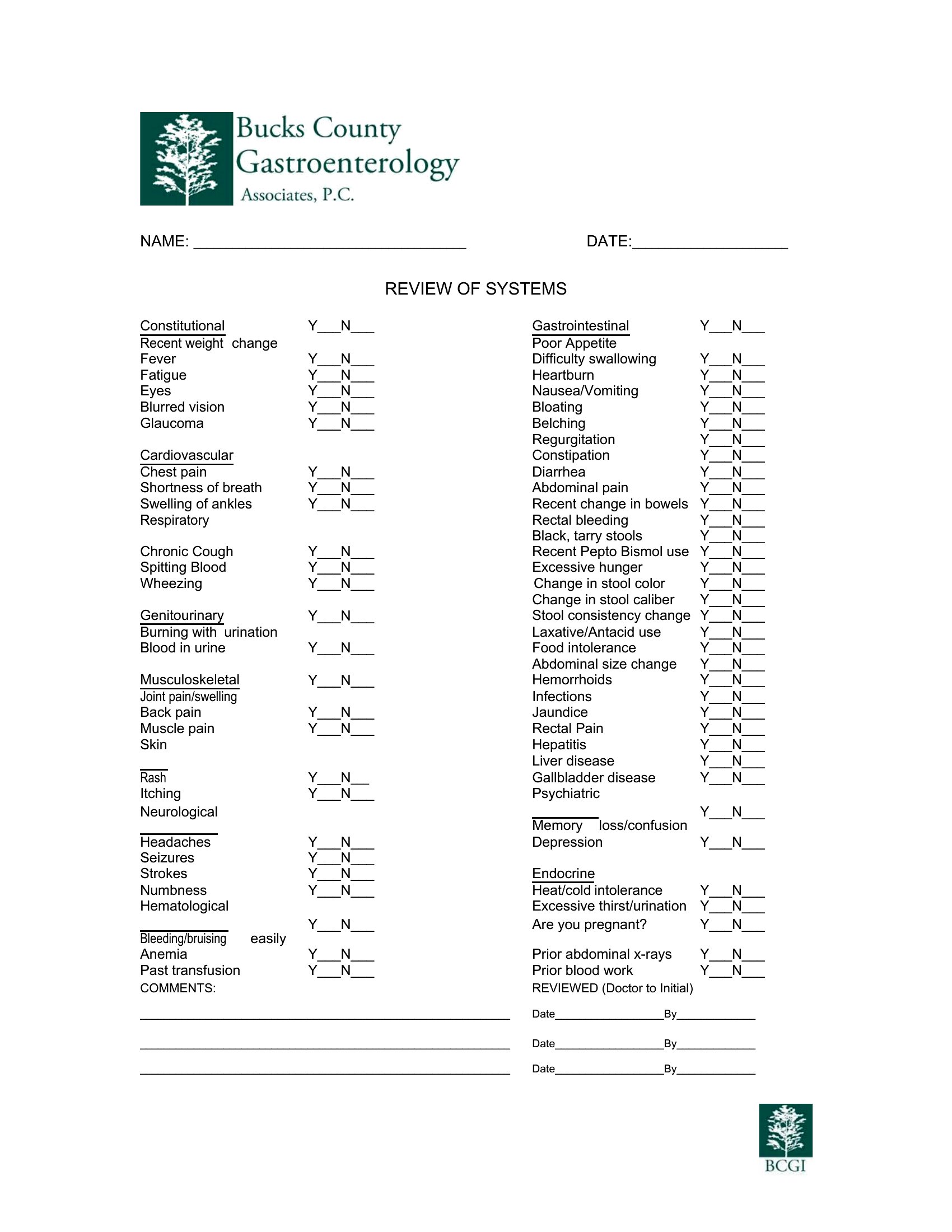
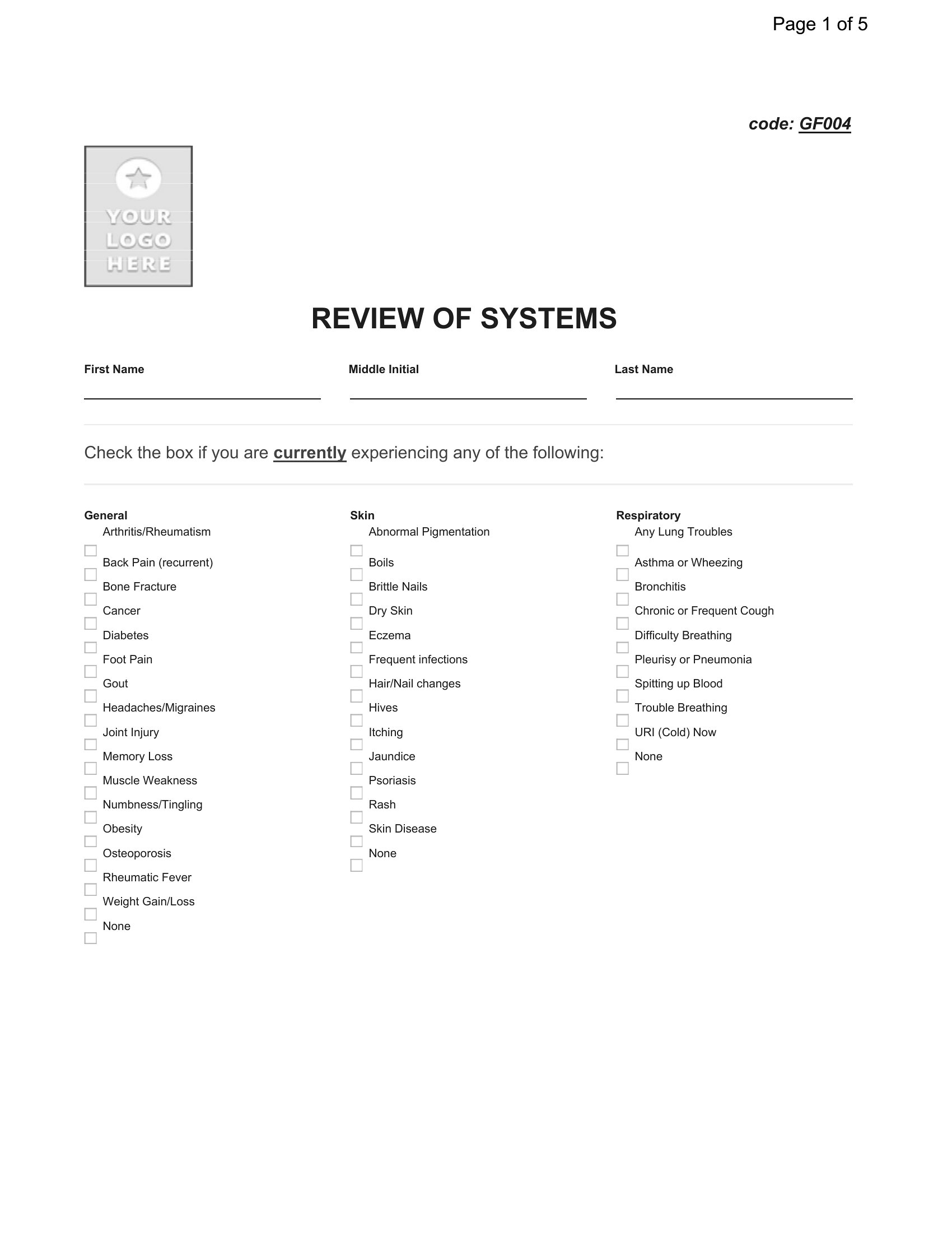
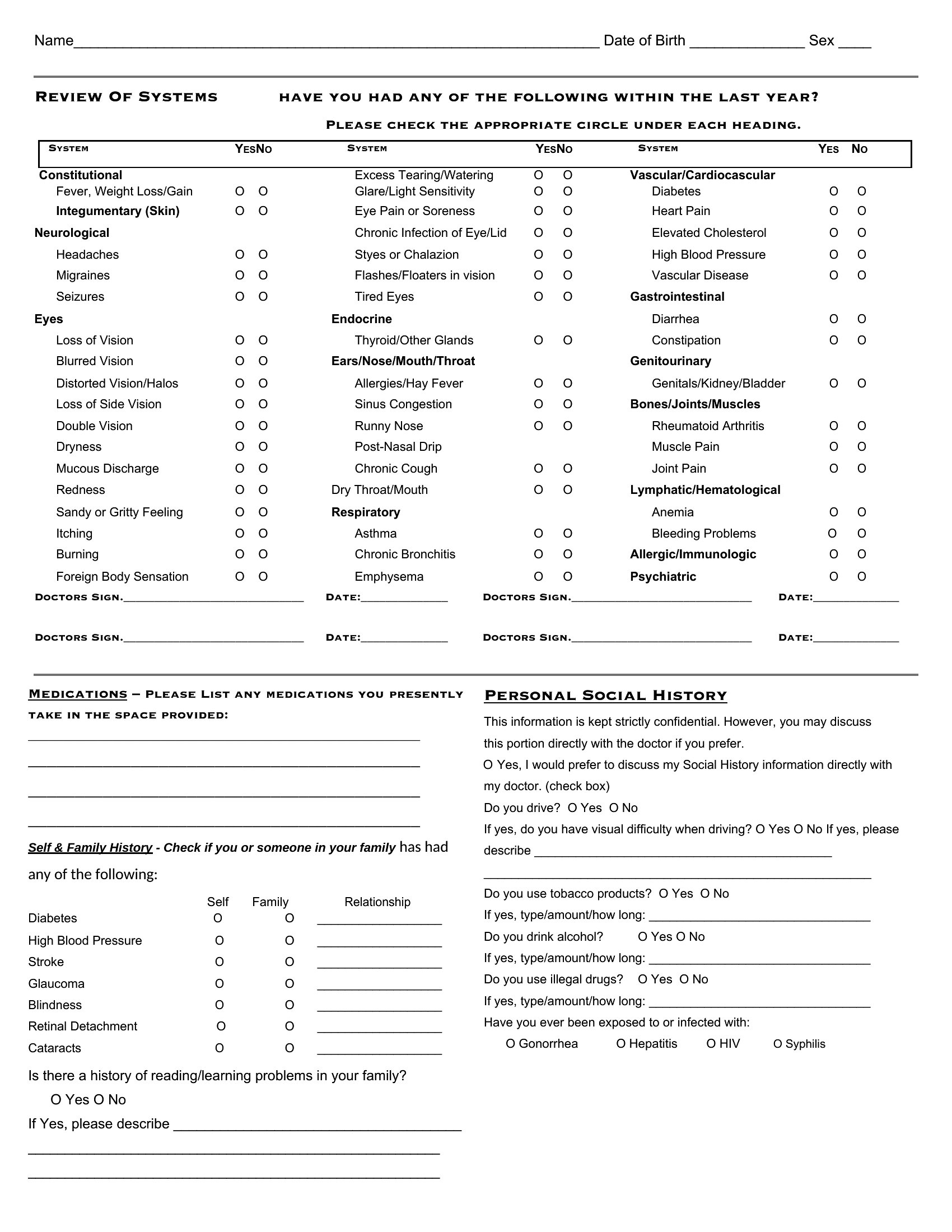
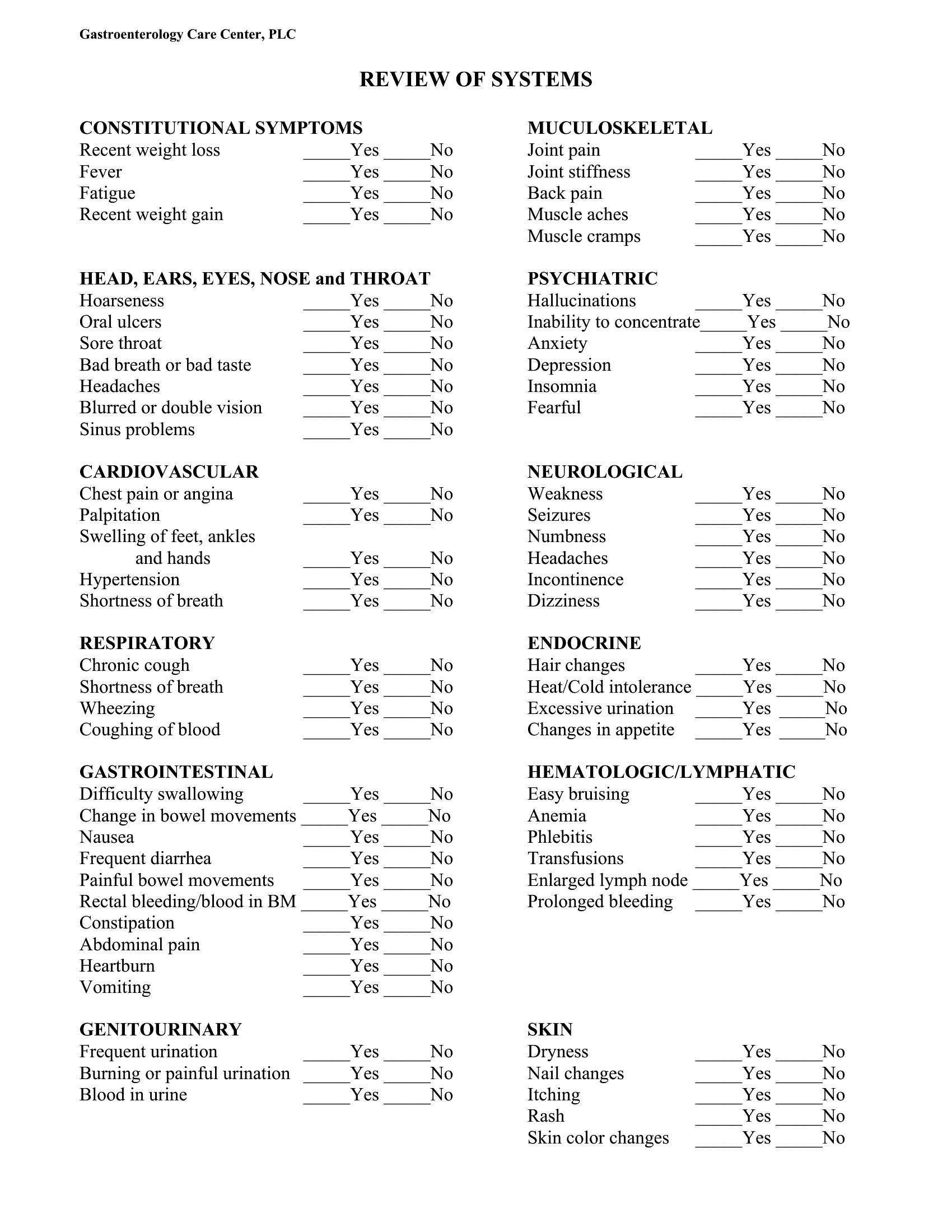
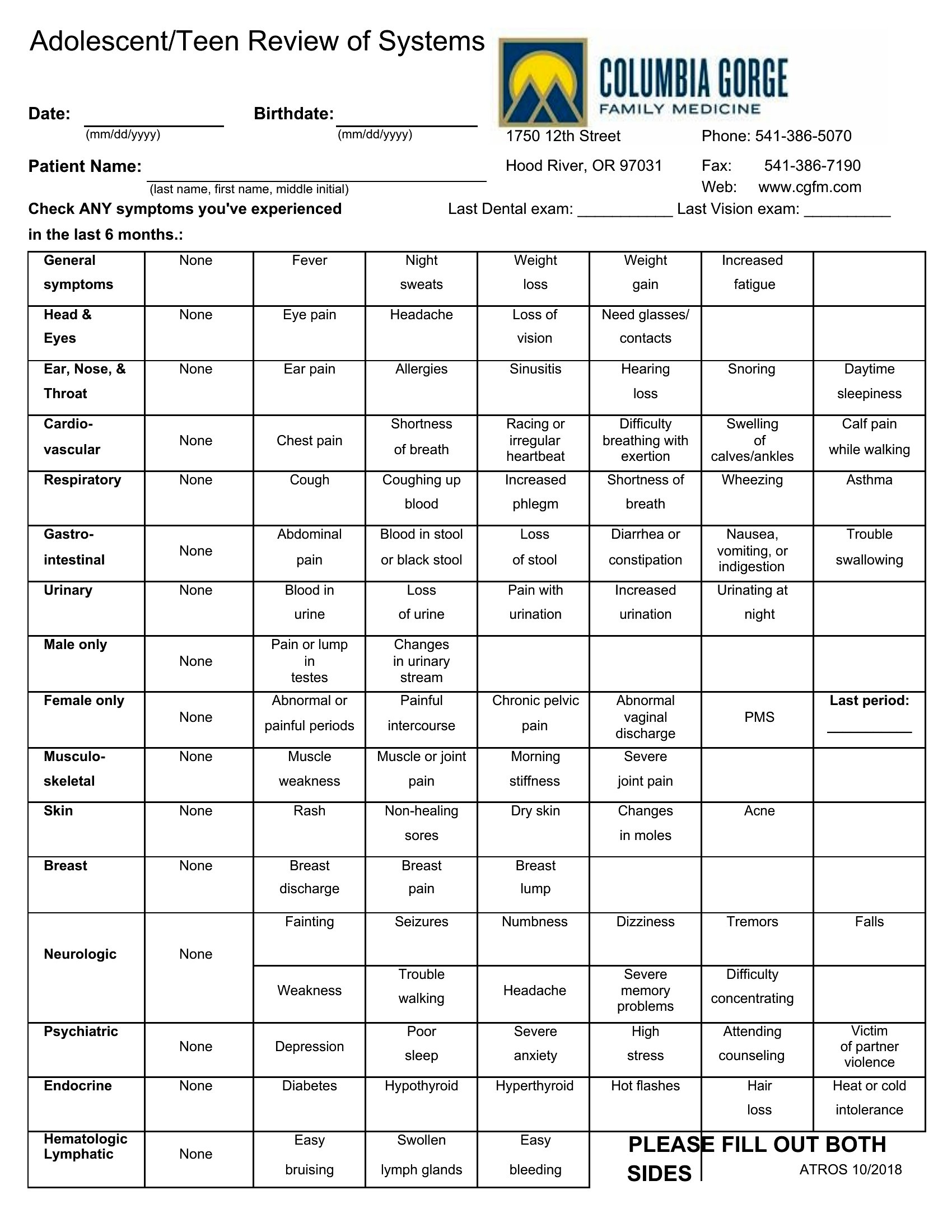
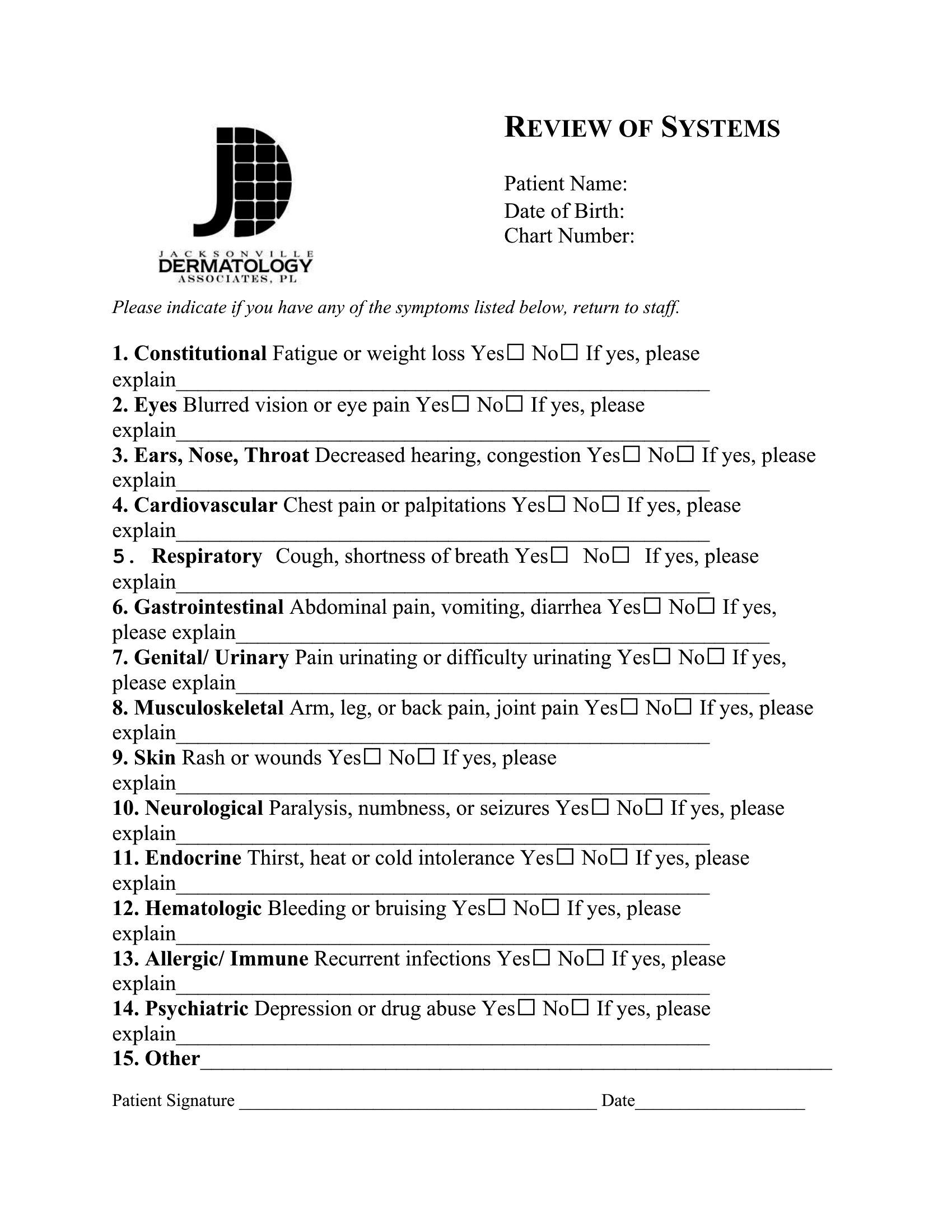
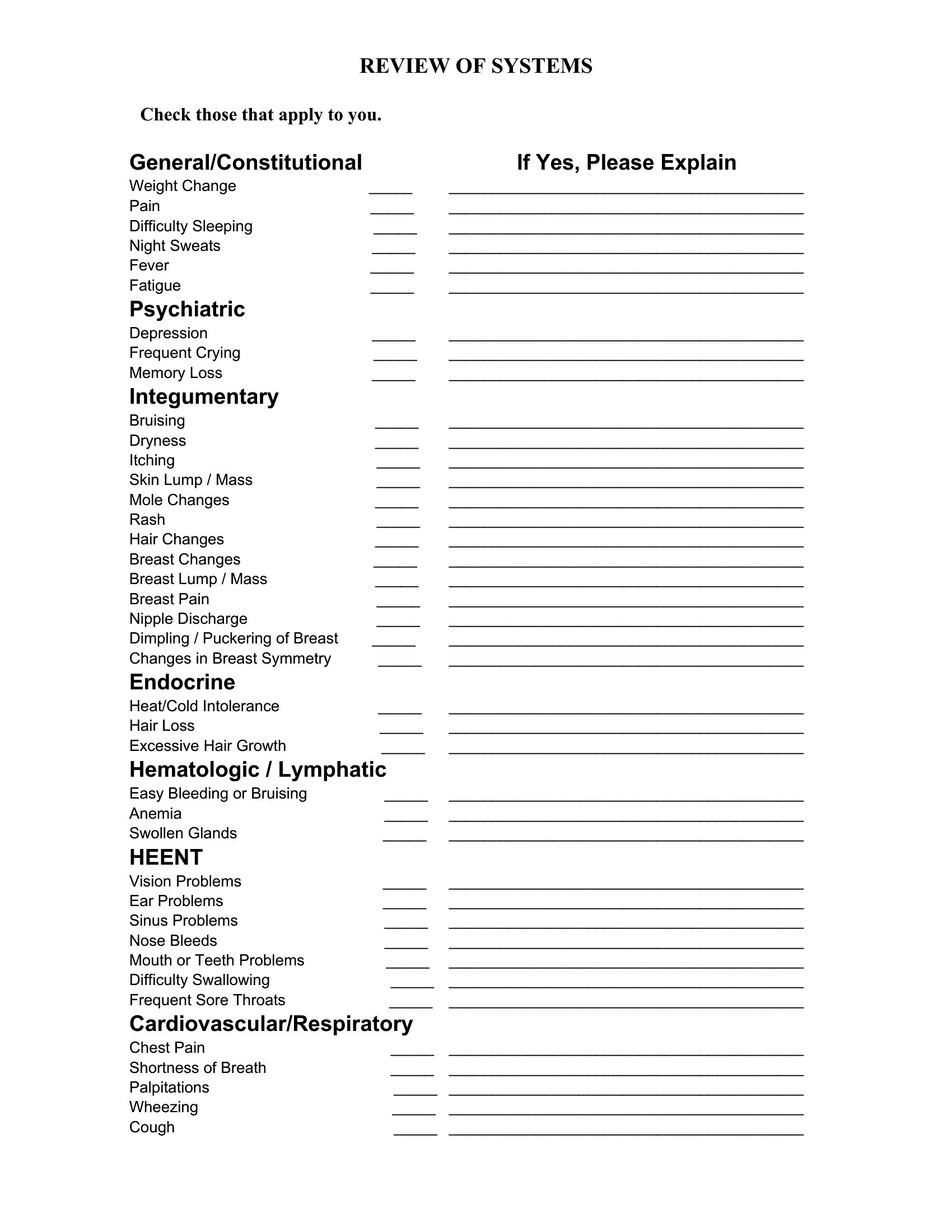
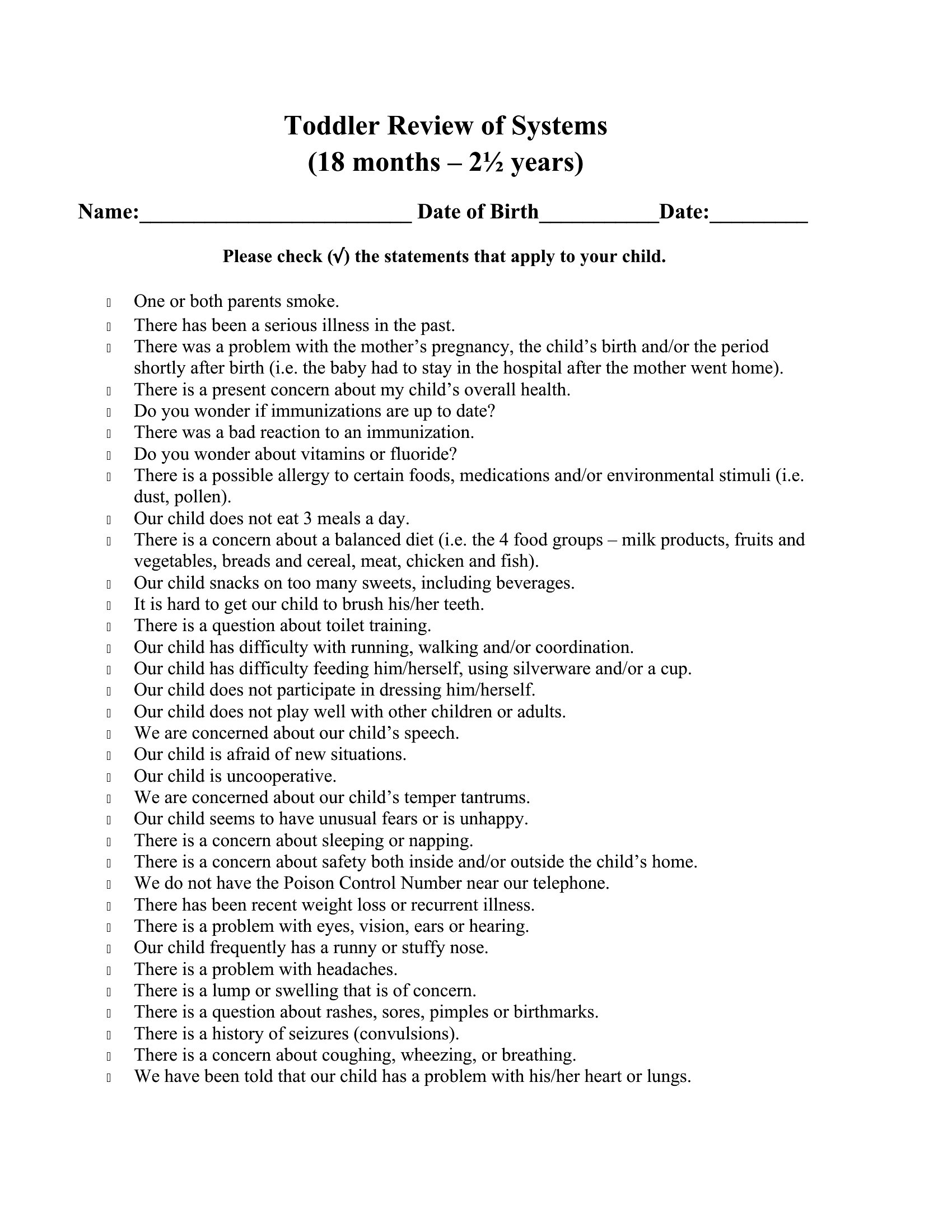
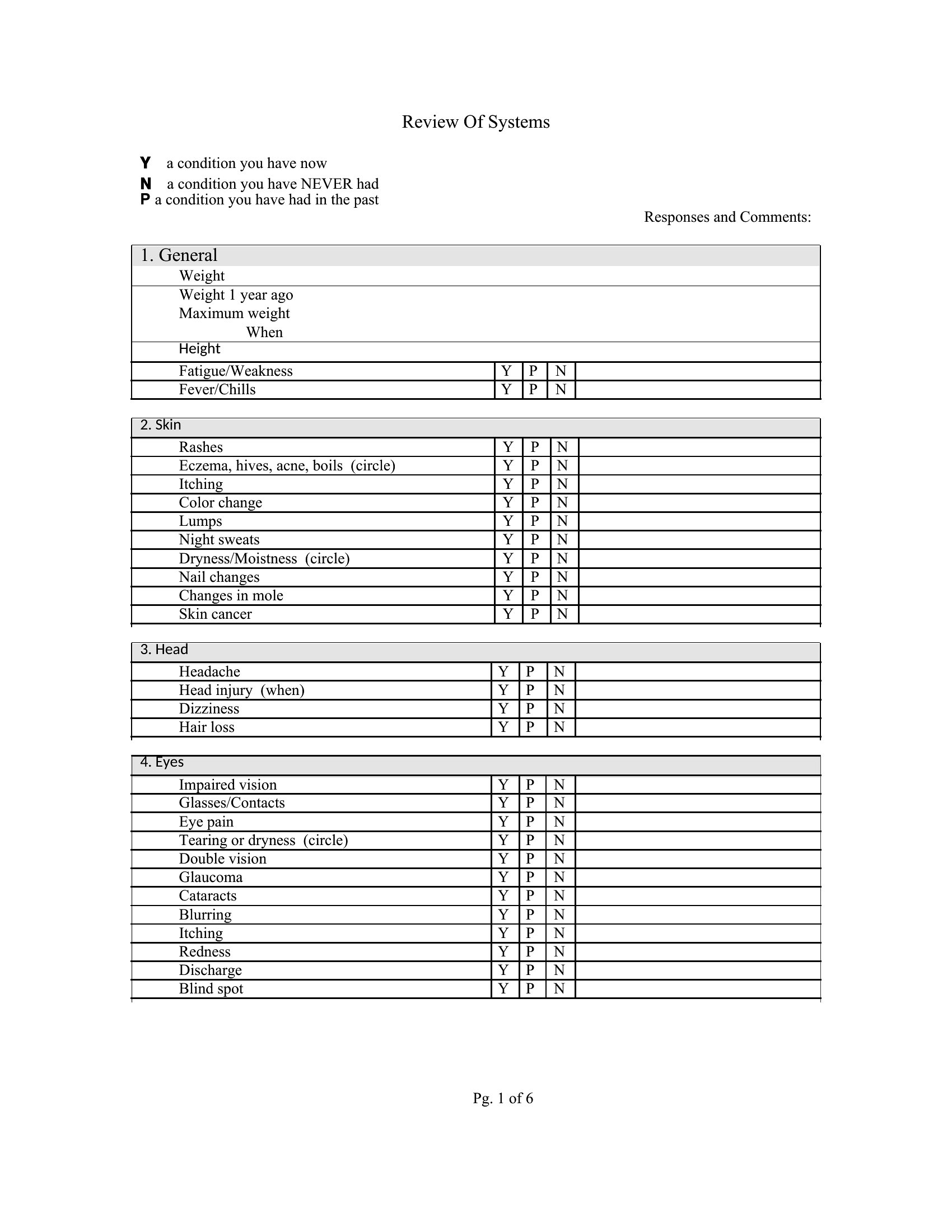
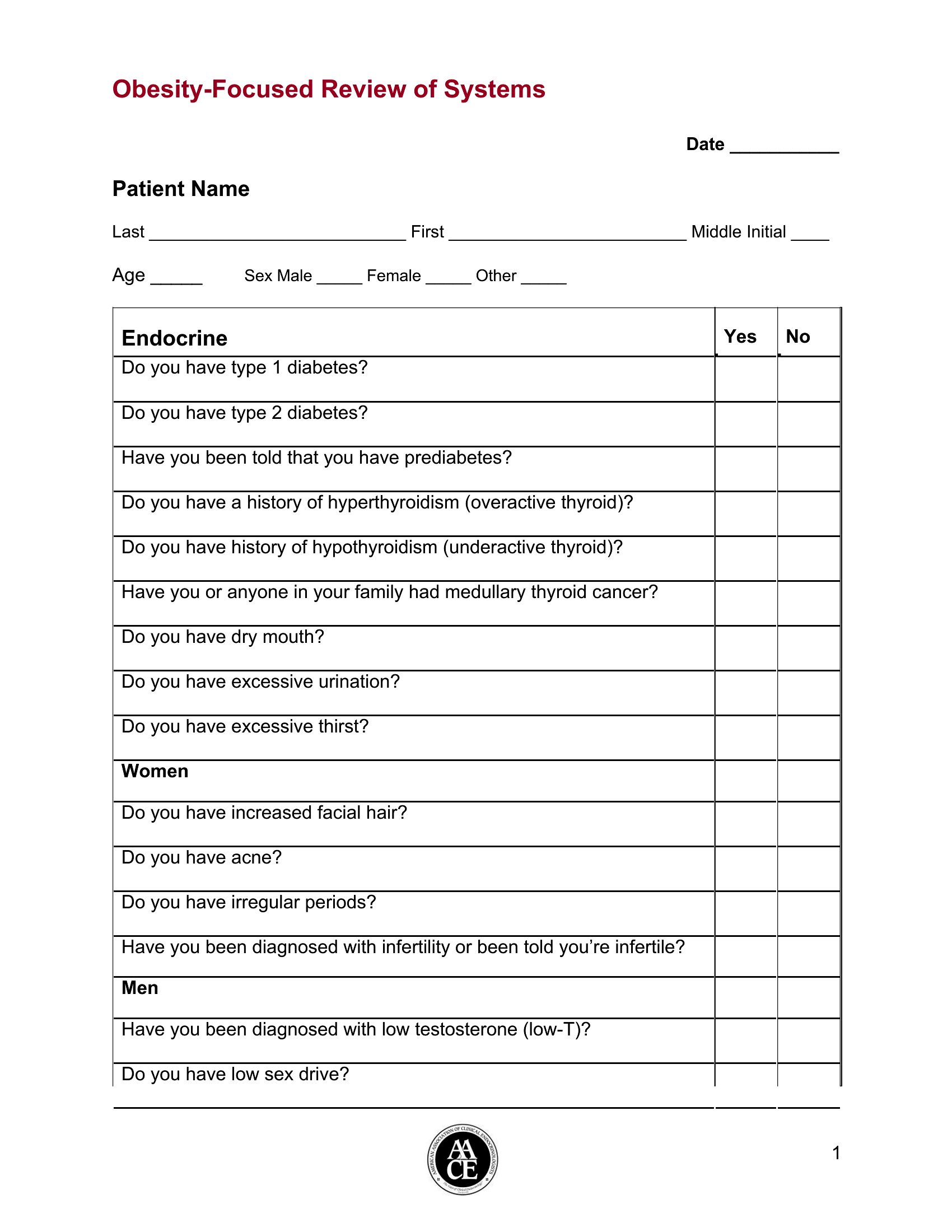
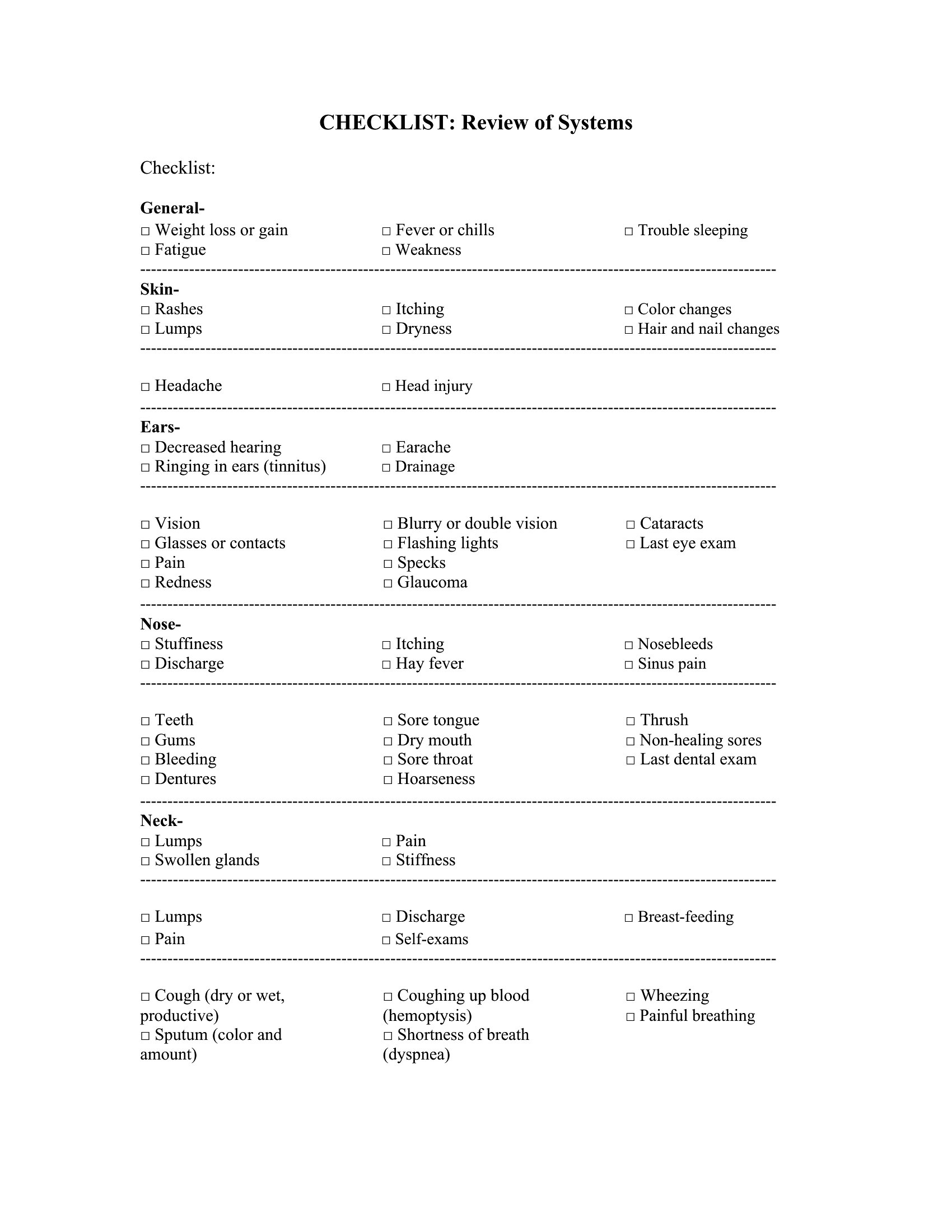
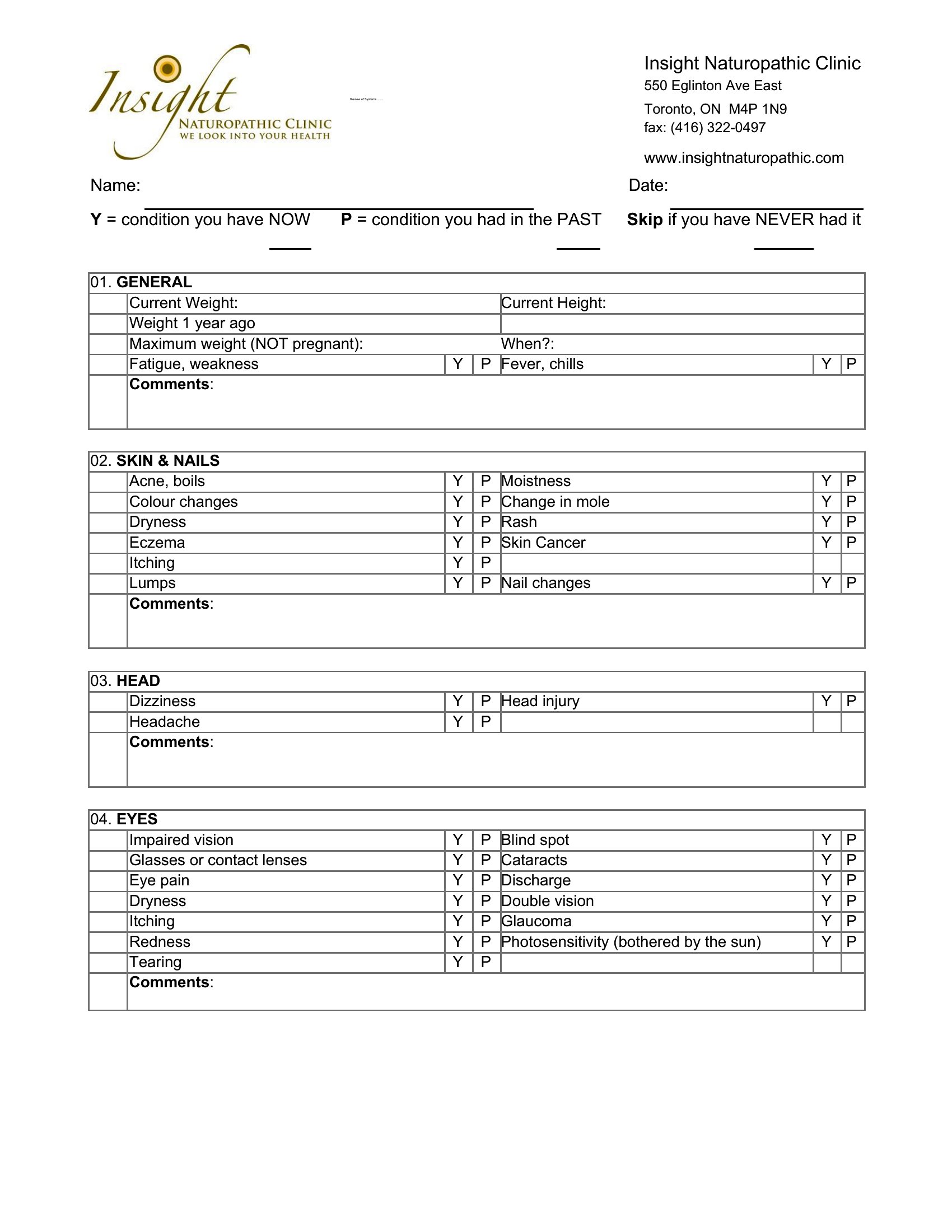
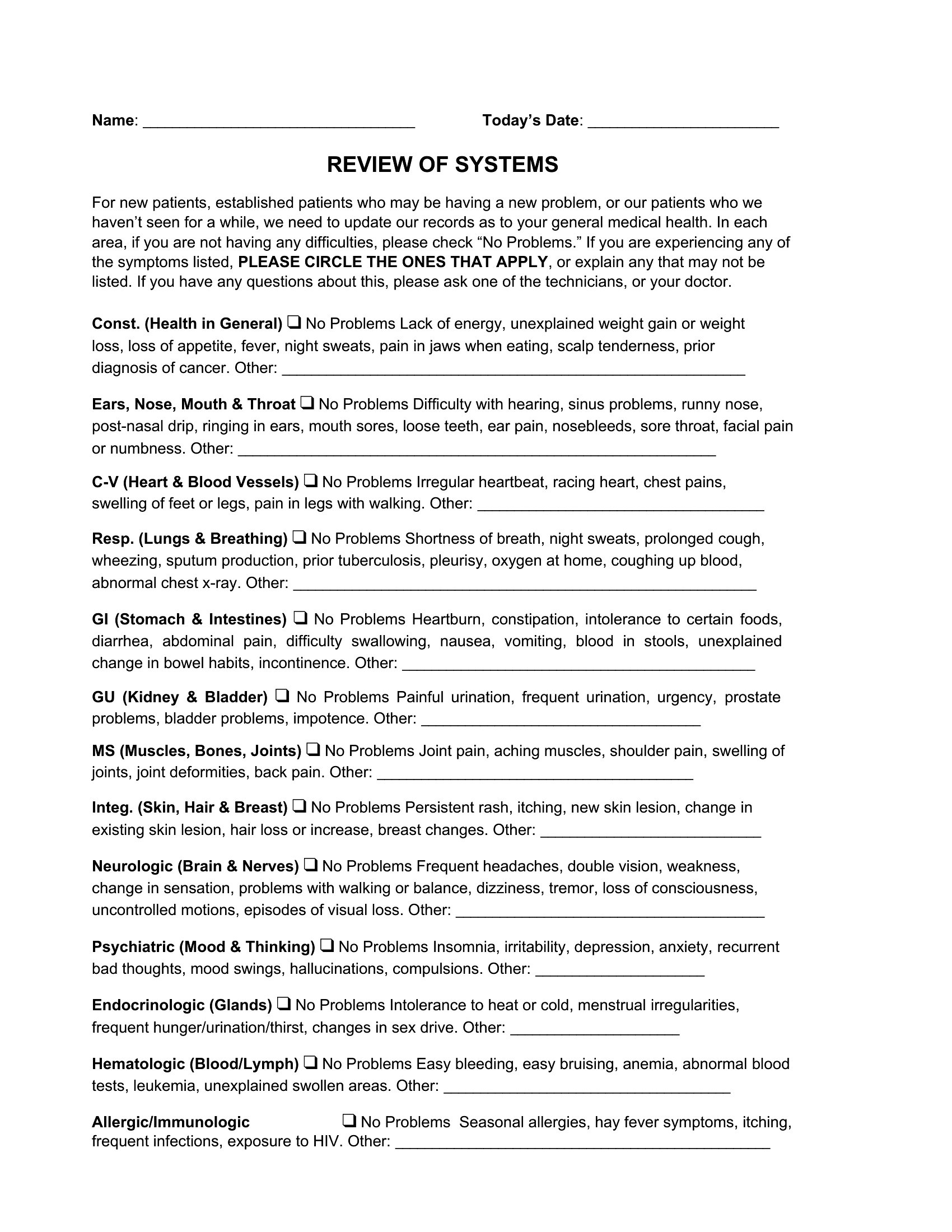
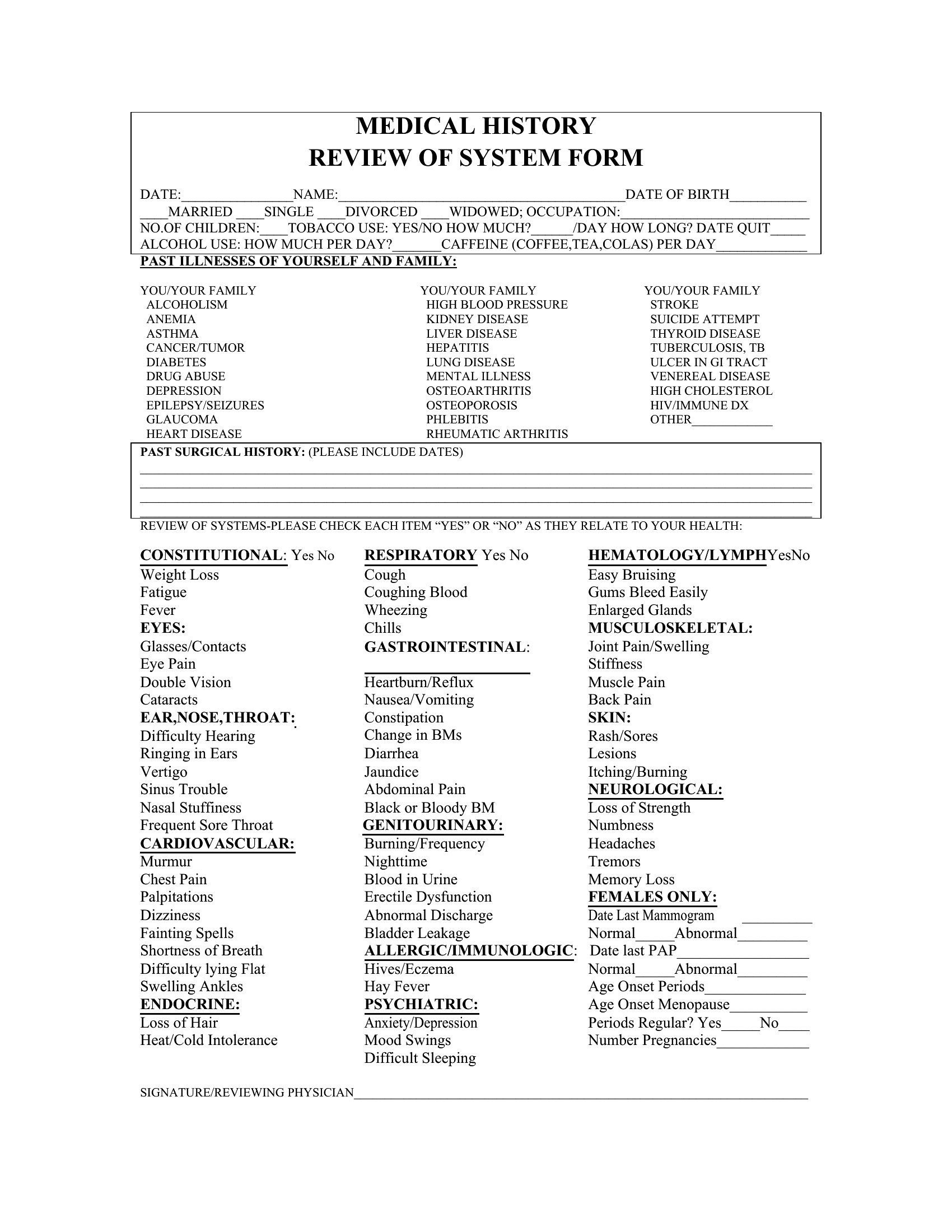
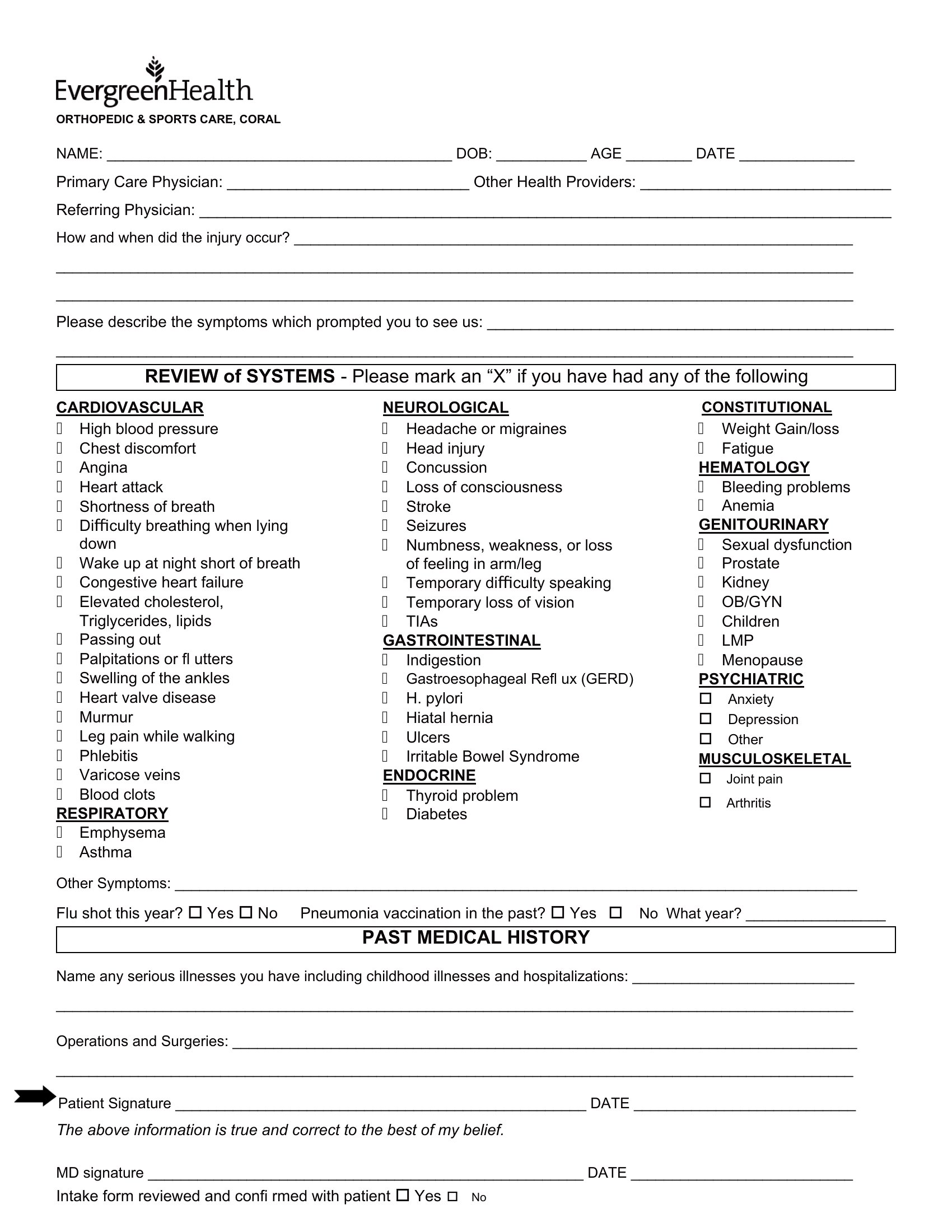
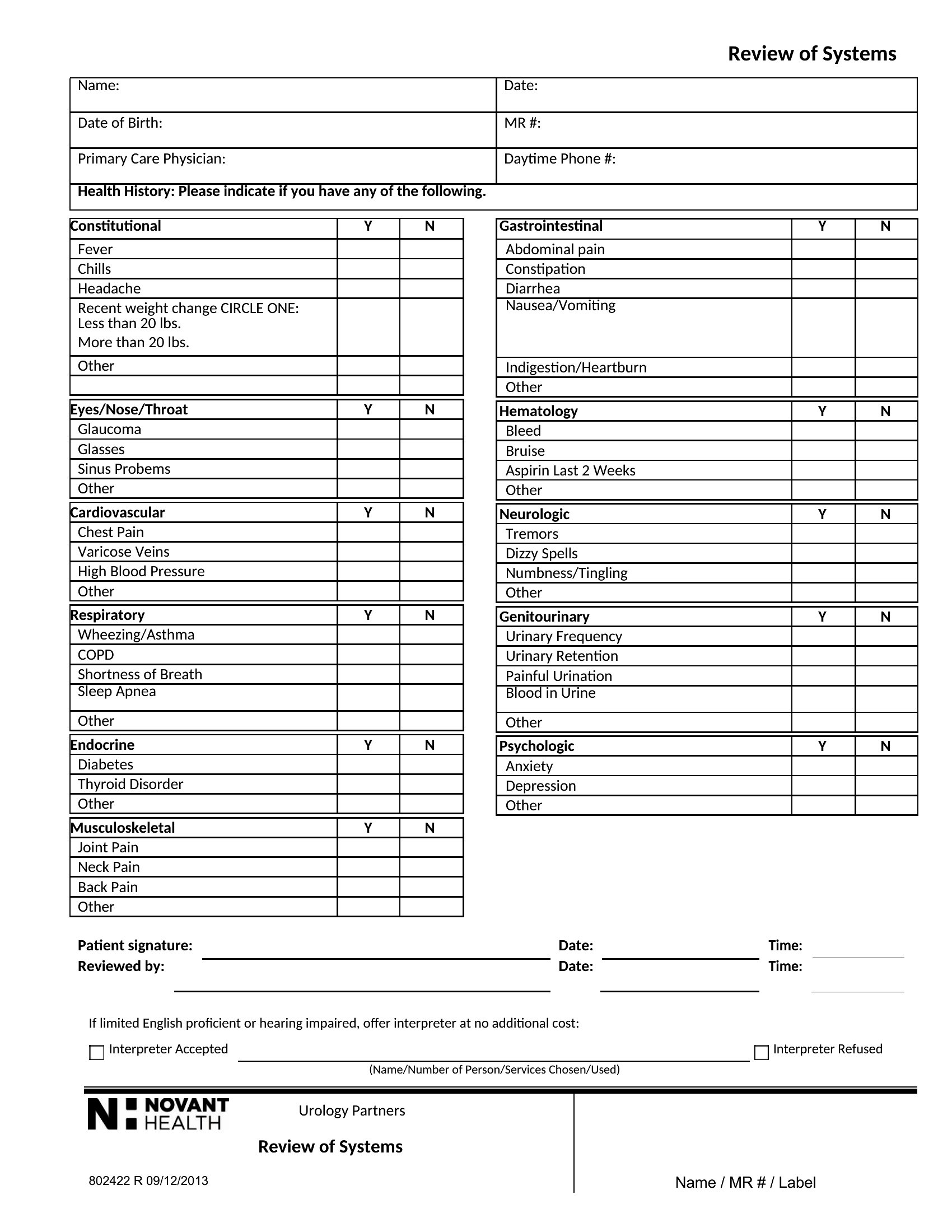
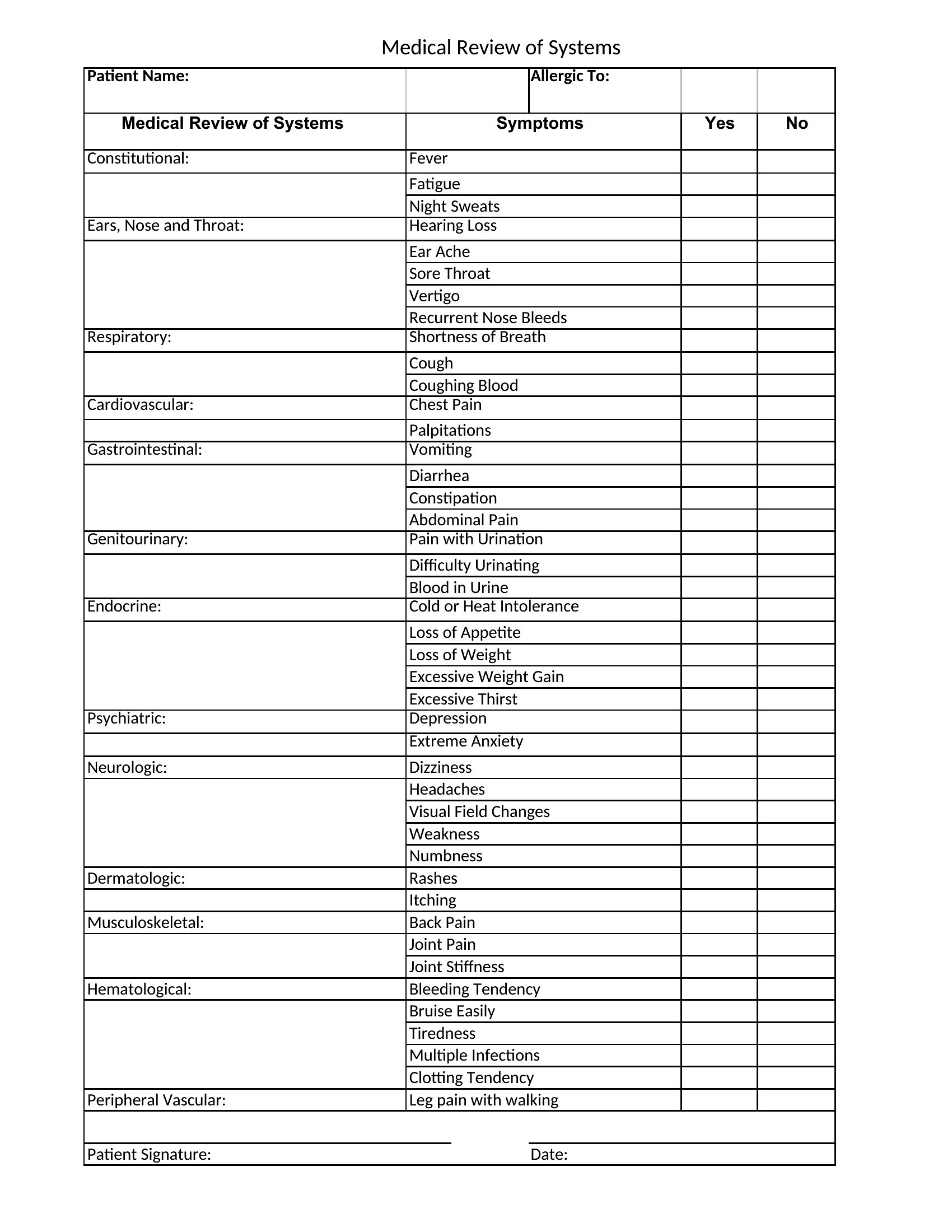
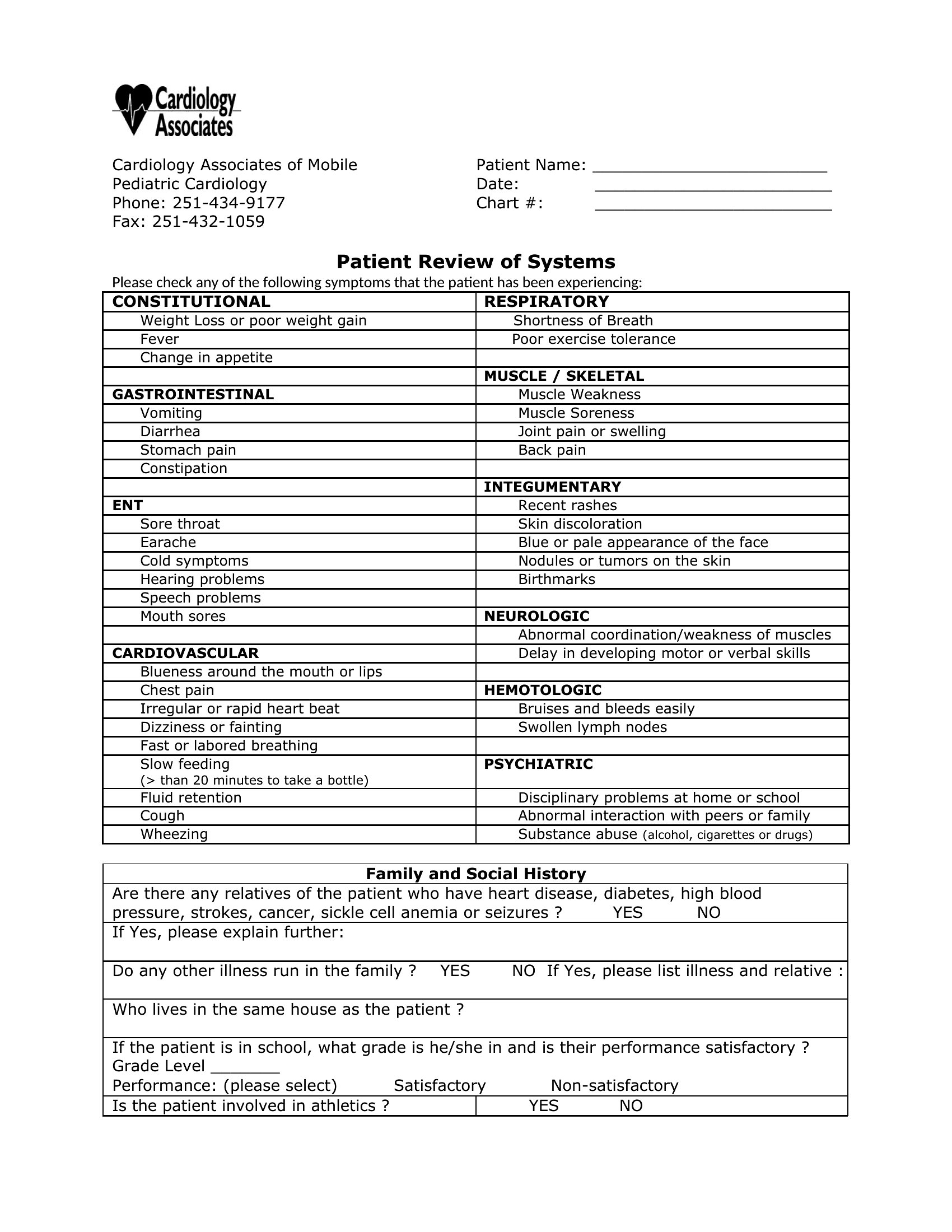
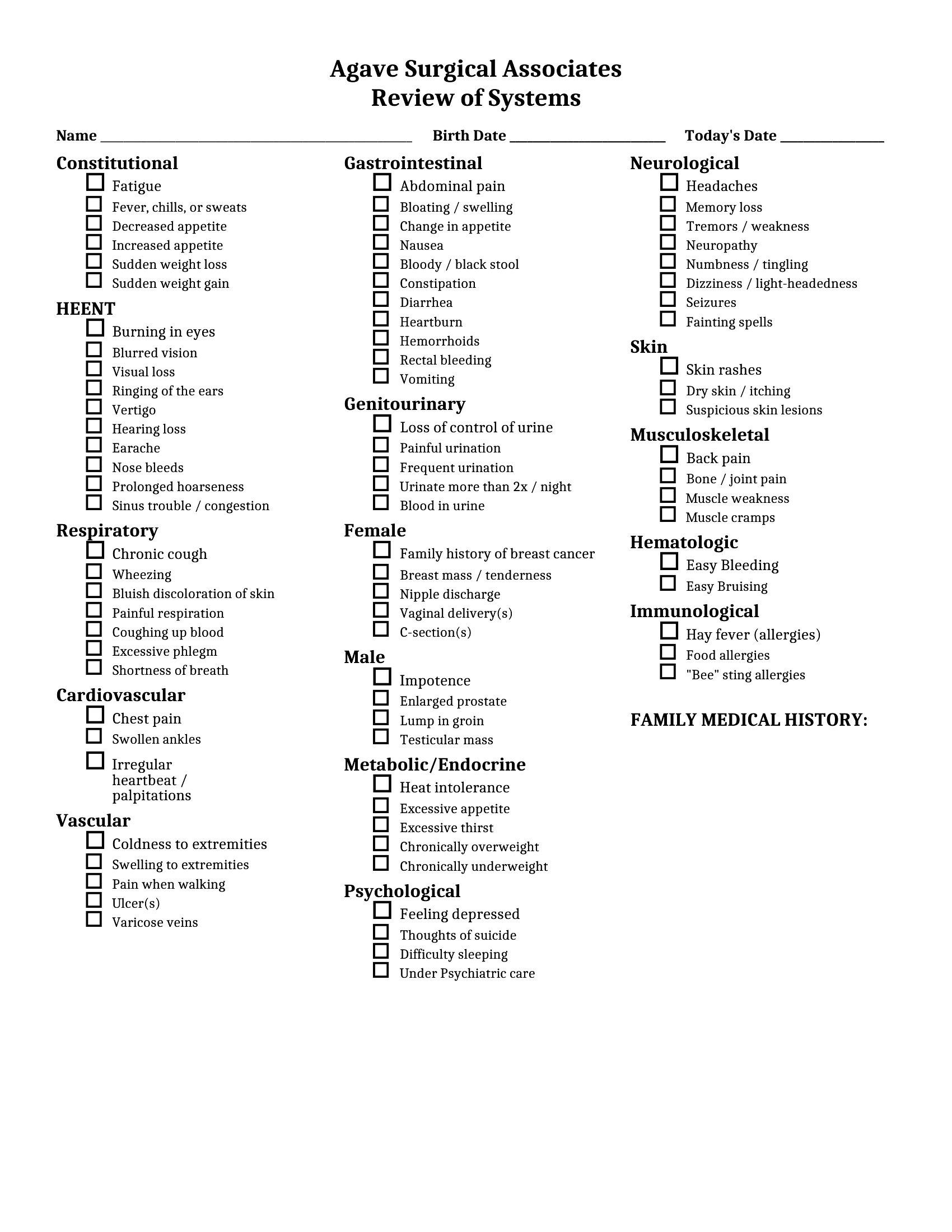
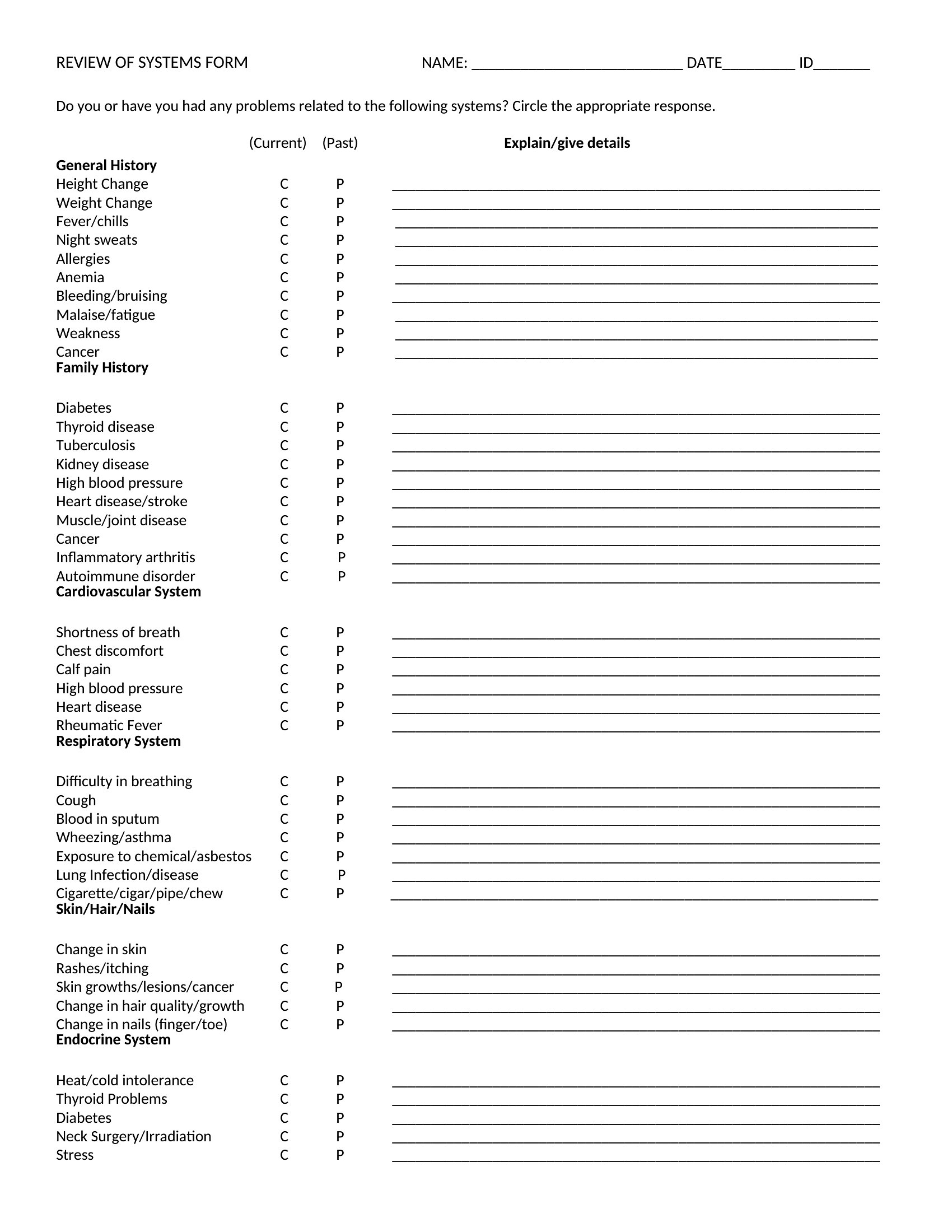
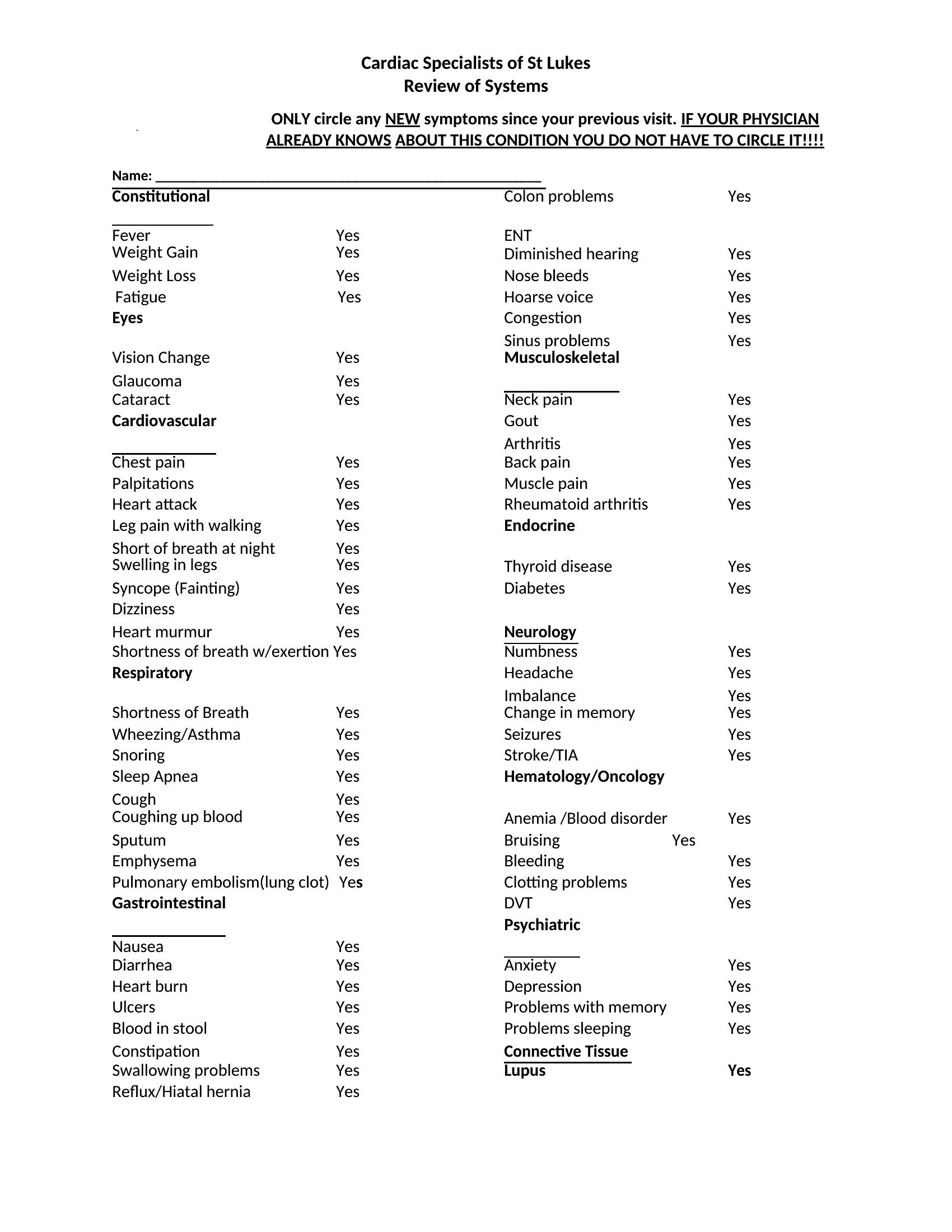
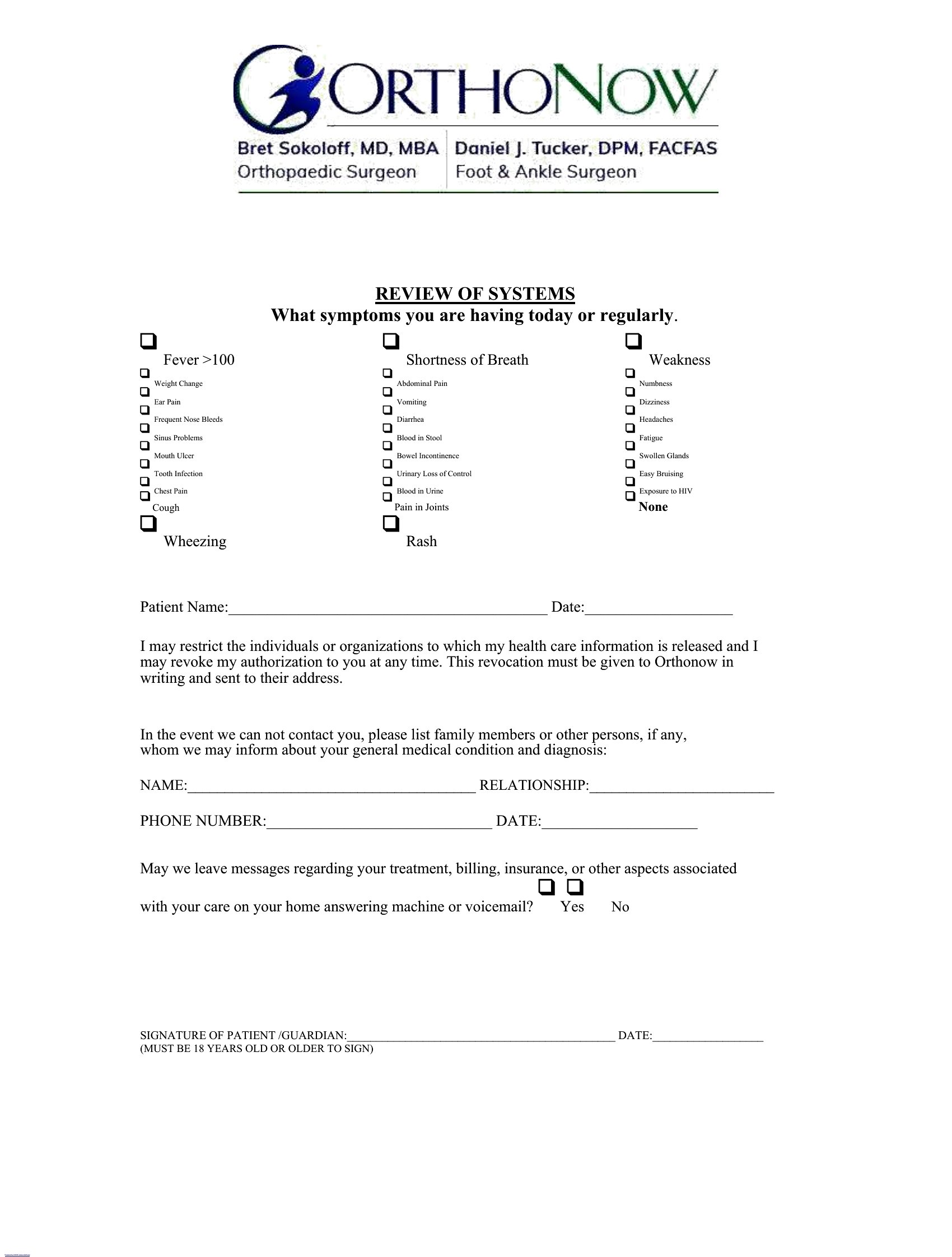
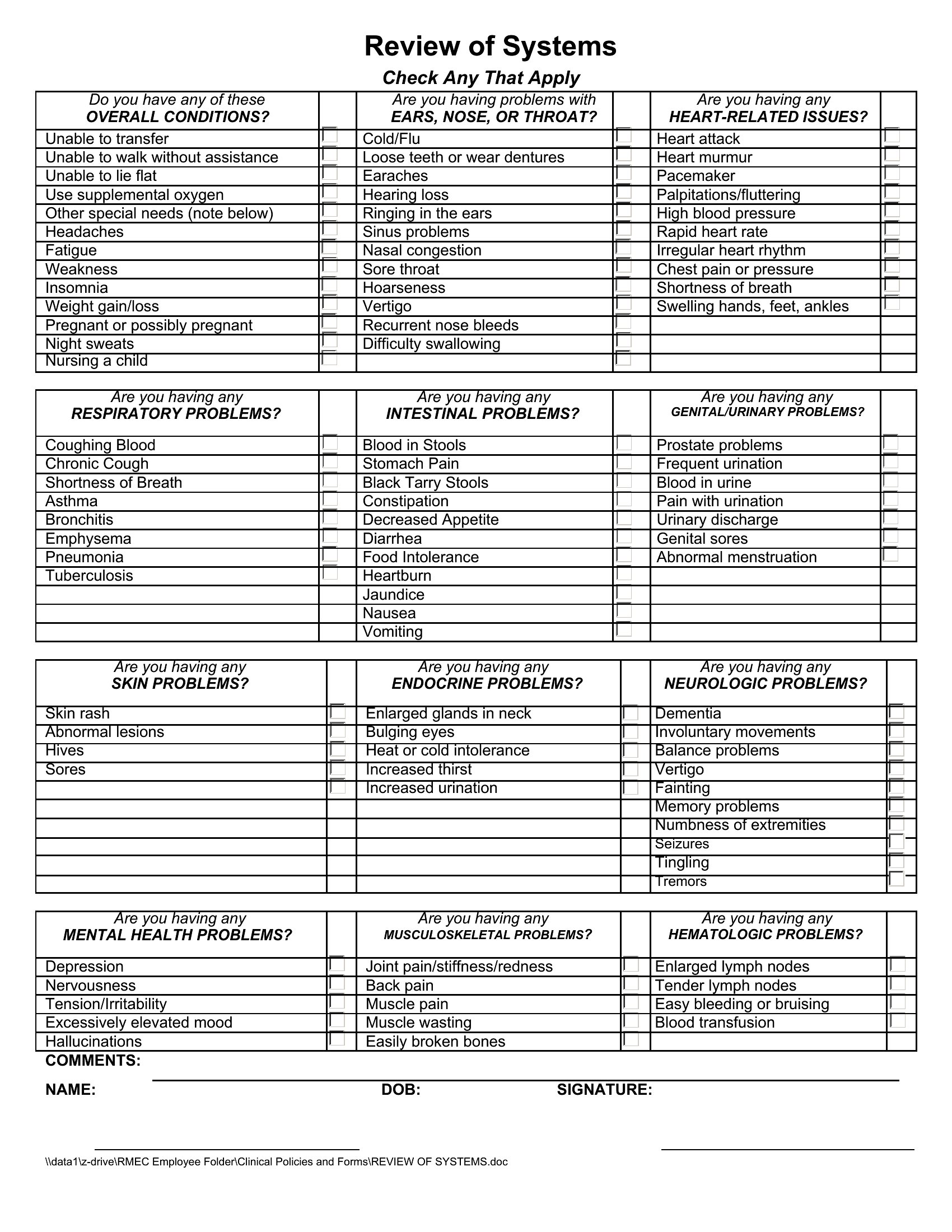
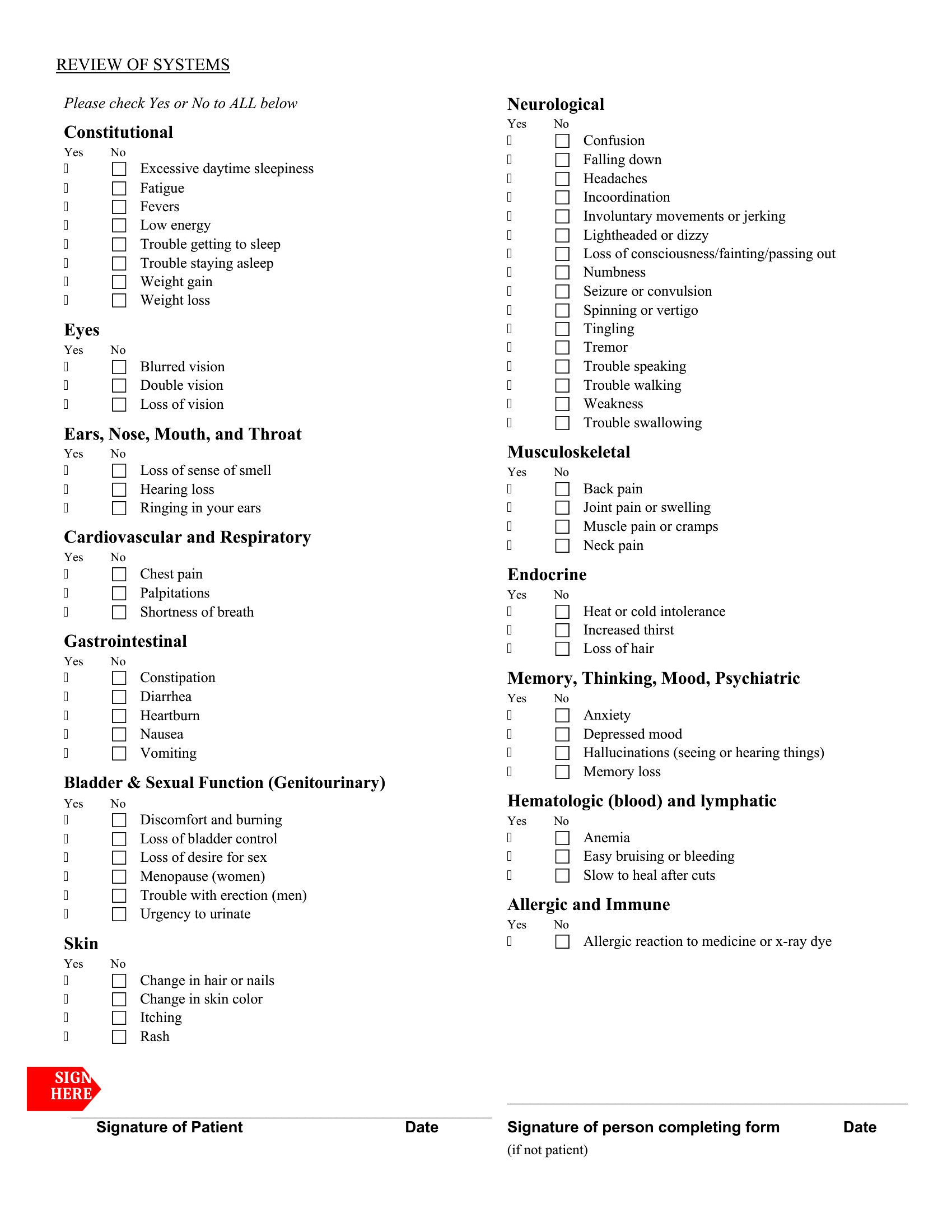
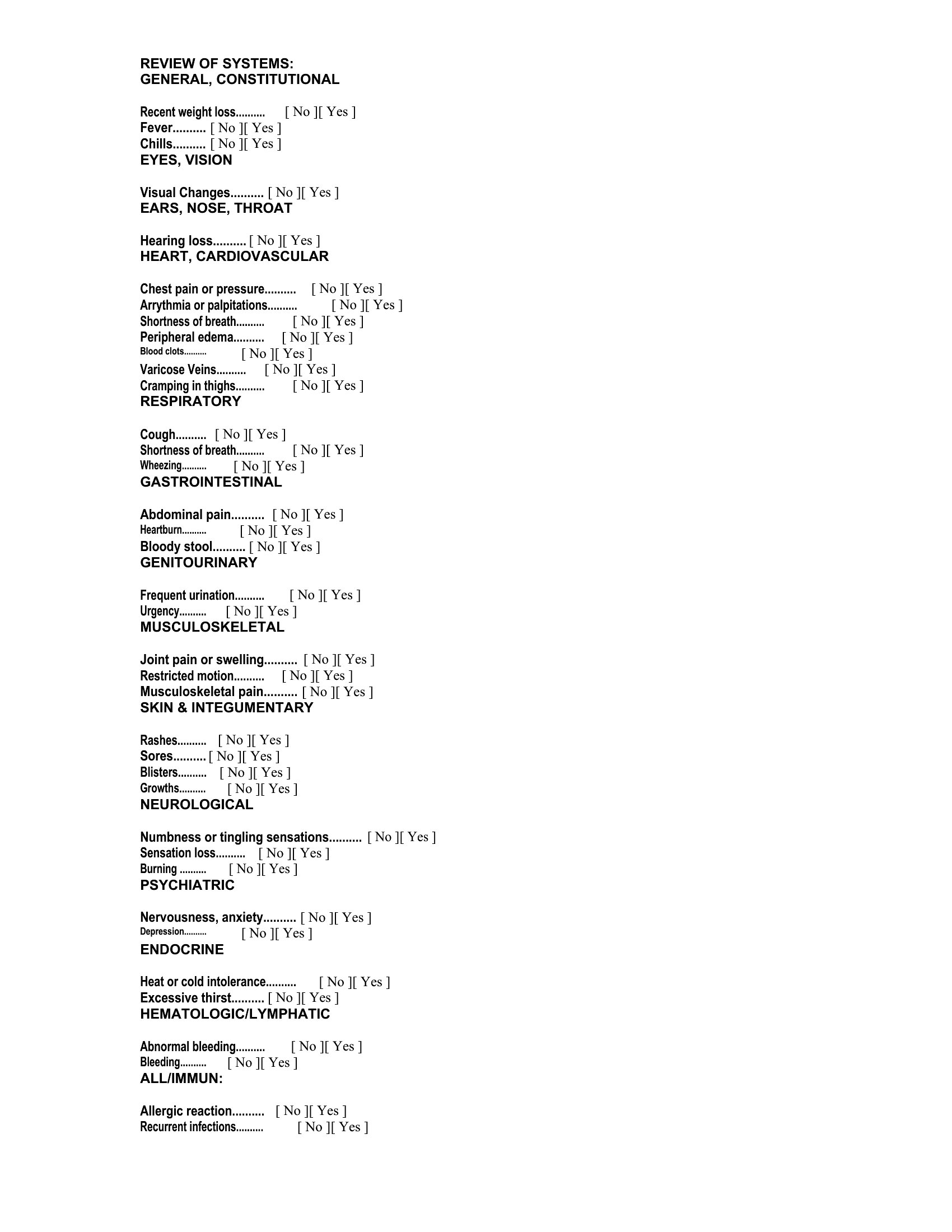
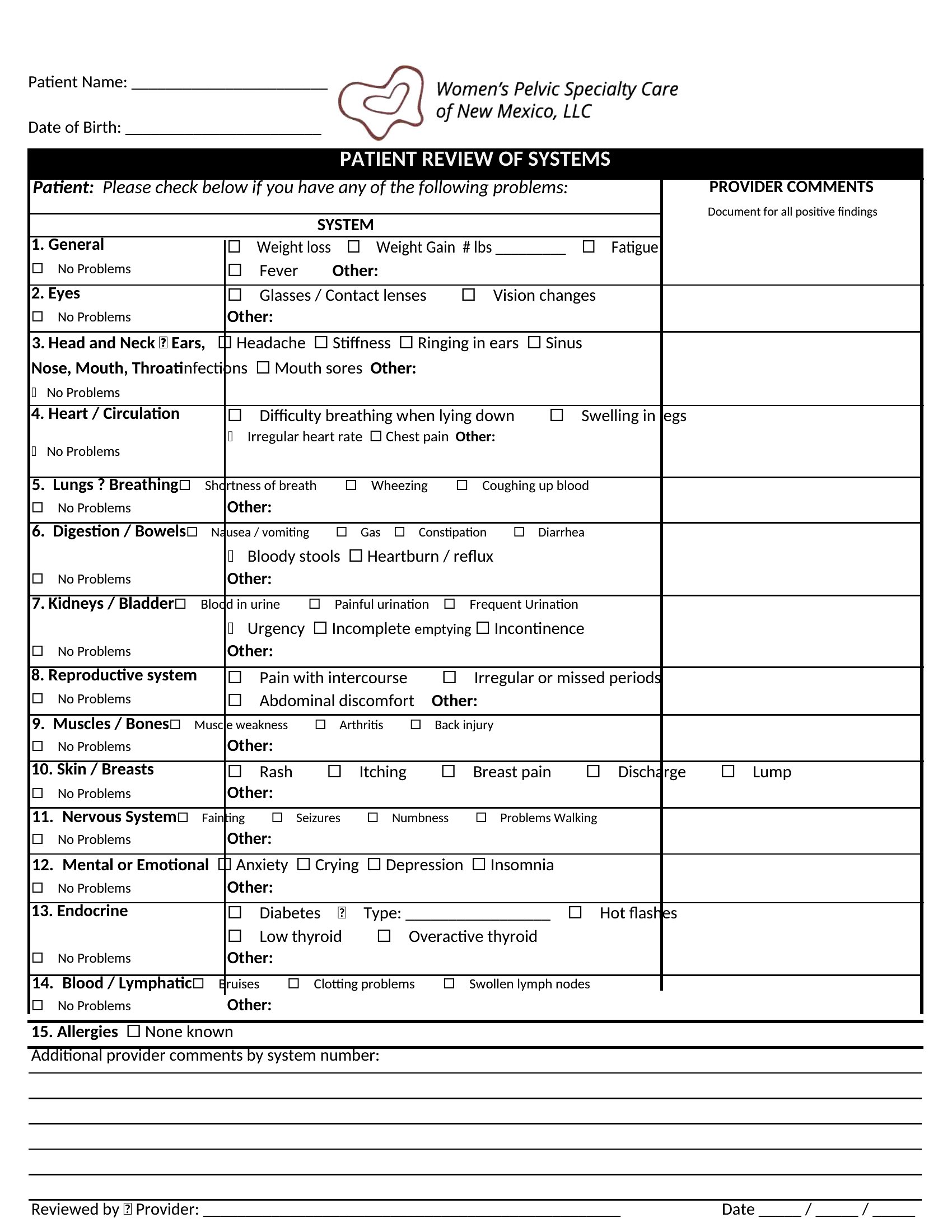
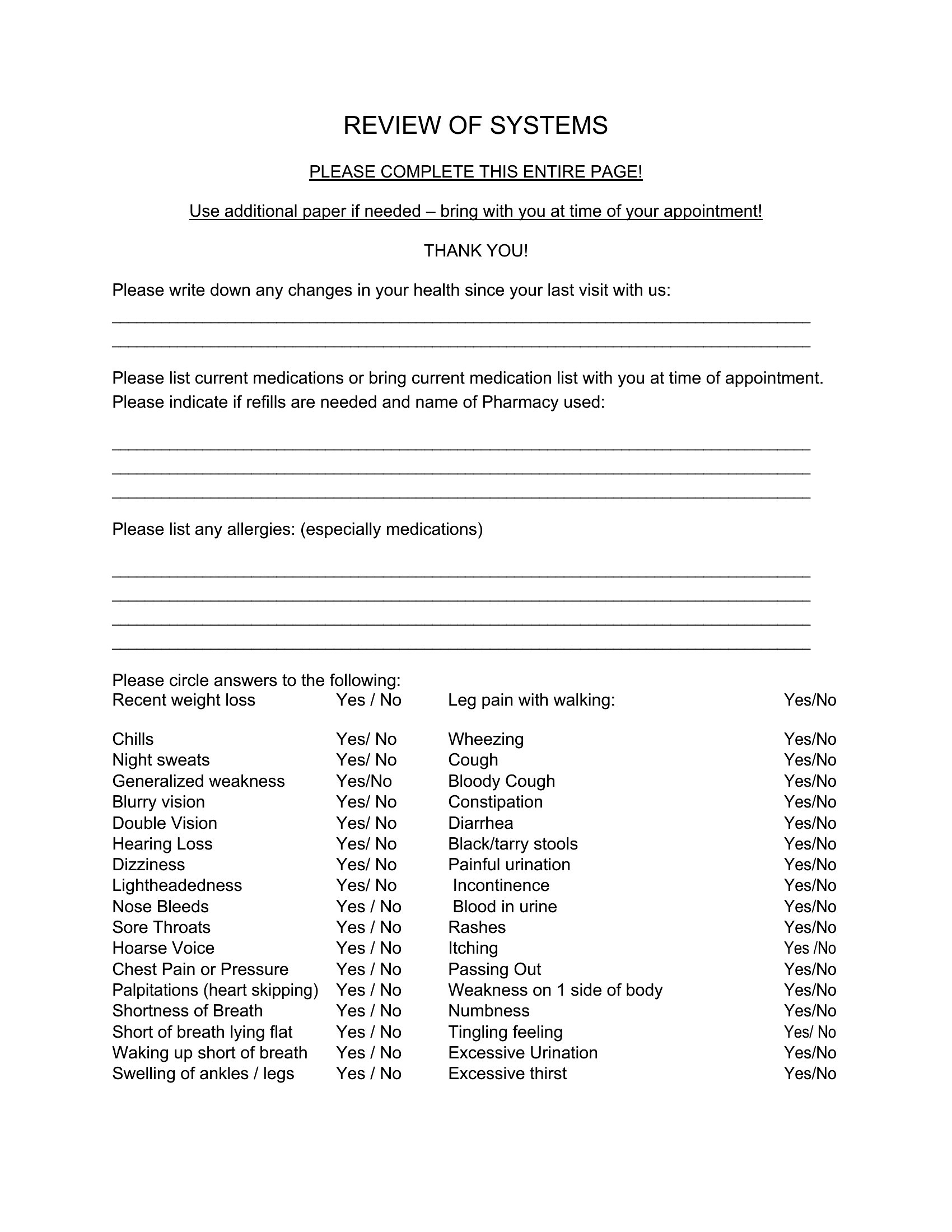
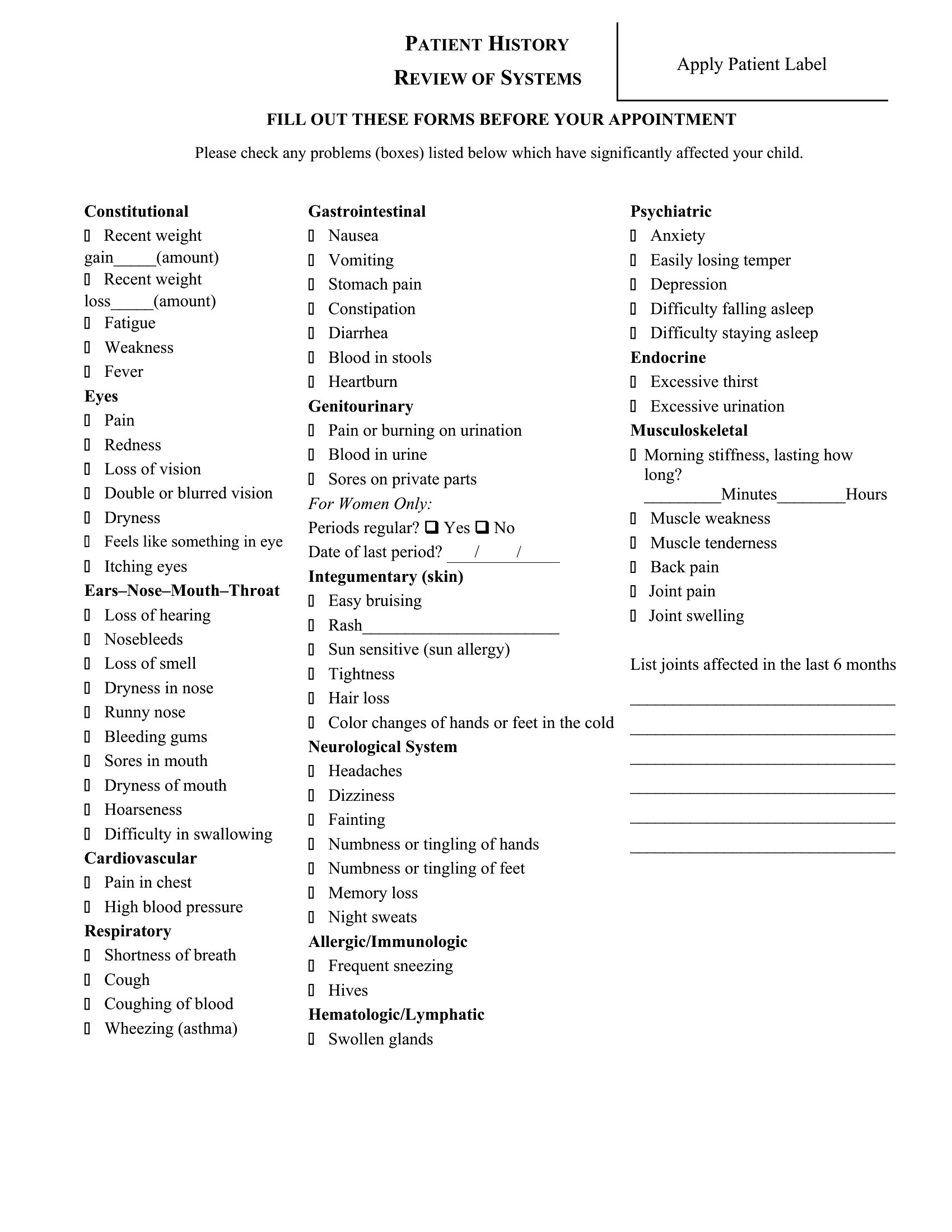
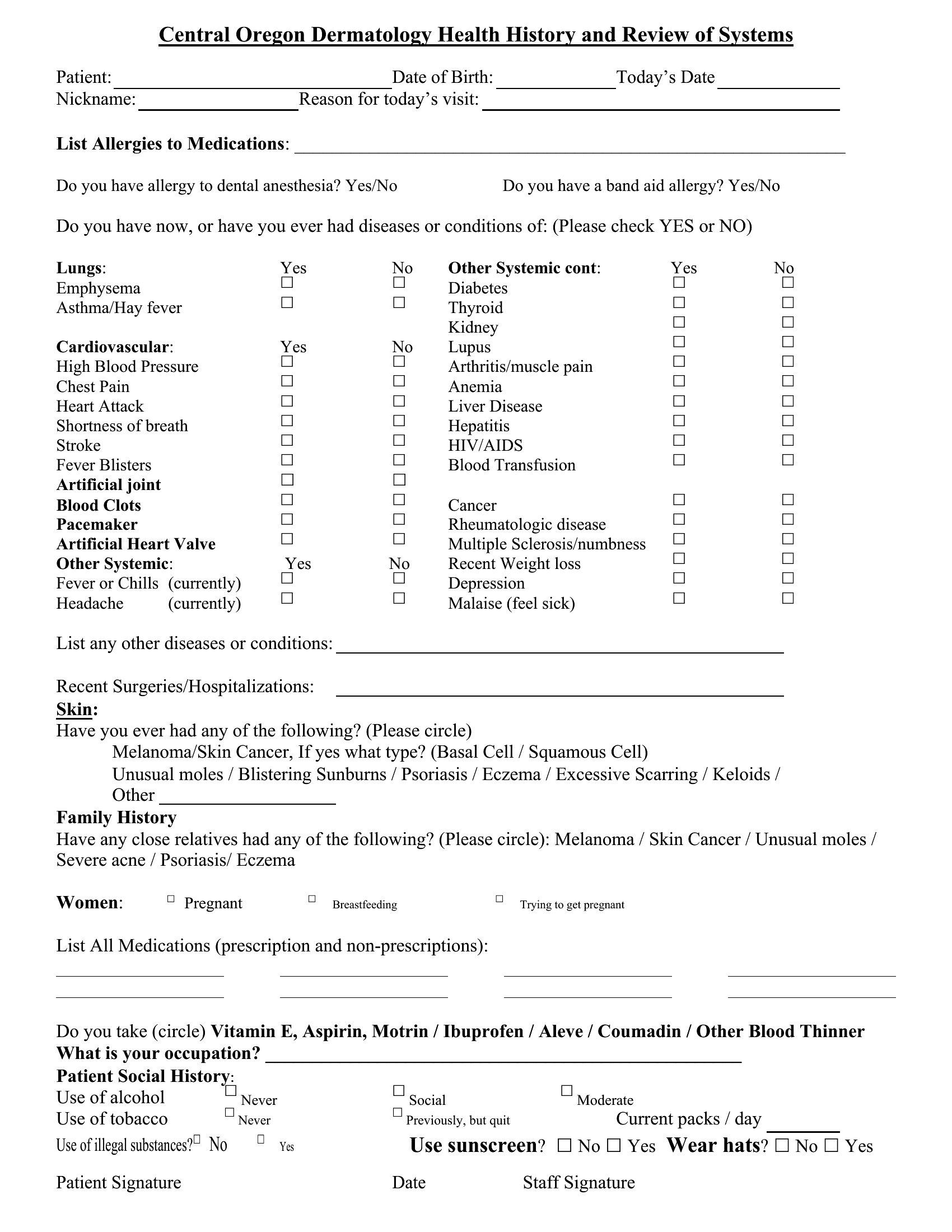
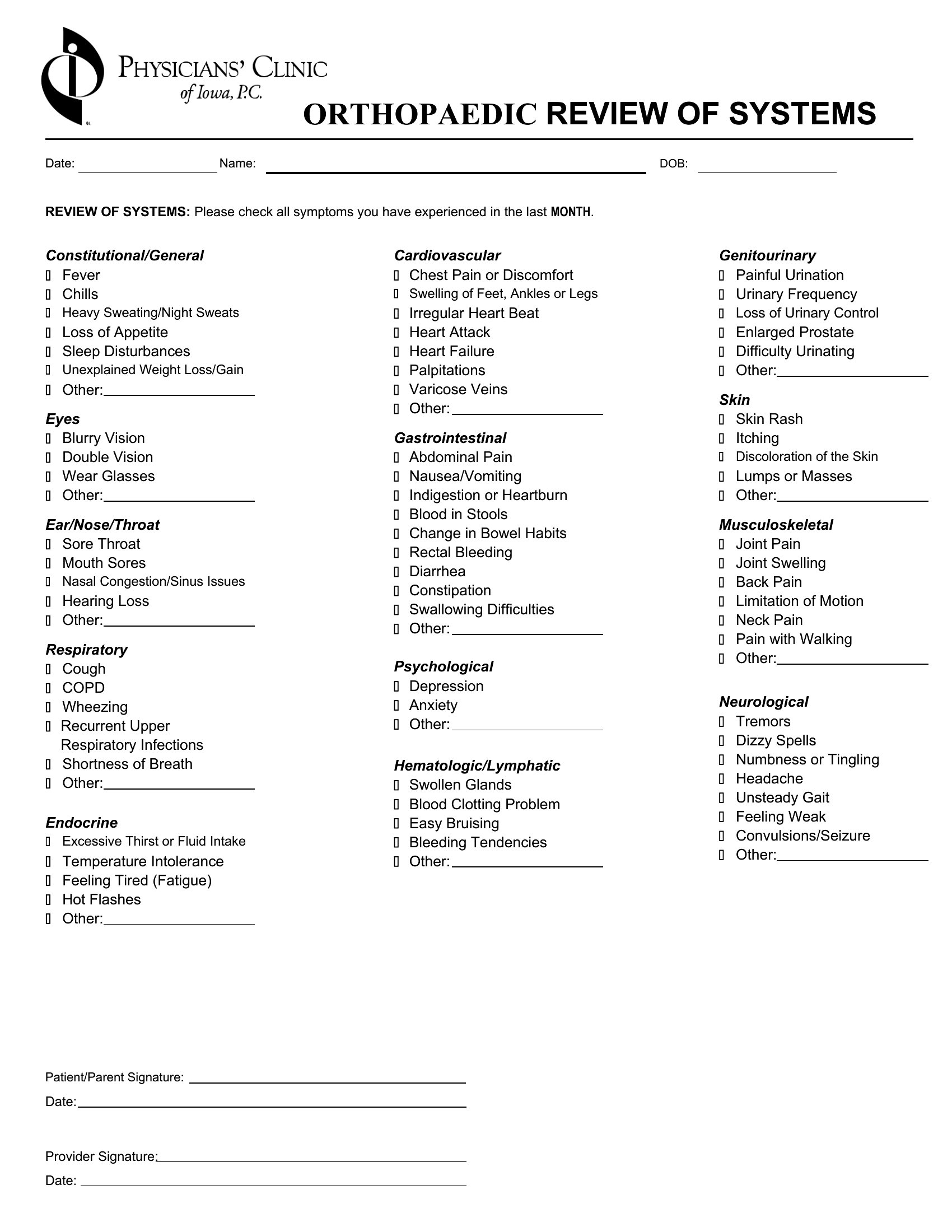
For patients with multiple chronic conditions, start with a mid-length template (covering 10–12 systems) to avoid overwhelming them while ensuring thoroughness. Focus on systems directly related to their conditions first, then add others if new symptoms emerge. Avoid exhaustive checklists that may cause patient fatigue or unnecessary anxiety.
How can I tailor these templates to screen for red flags in geriatric patients?
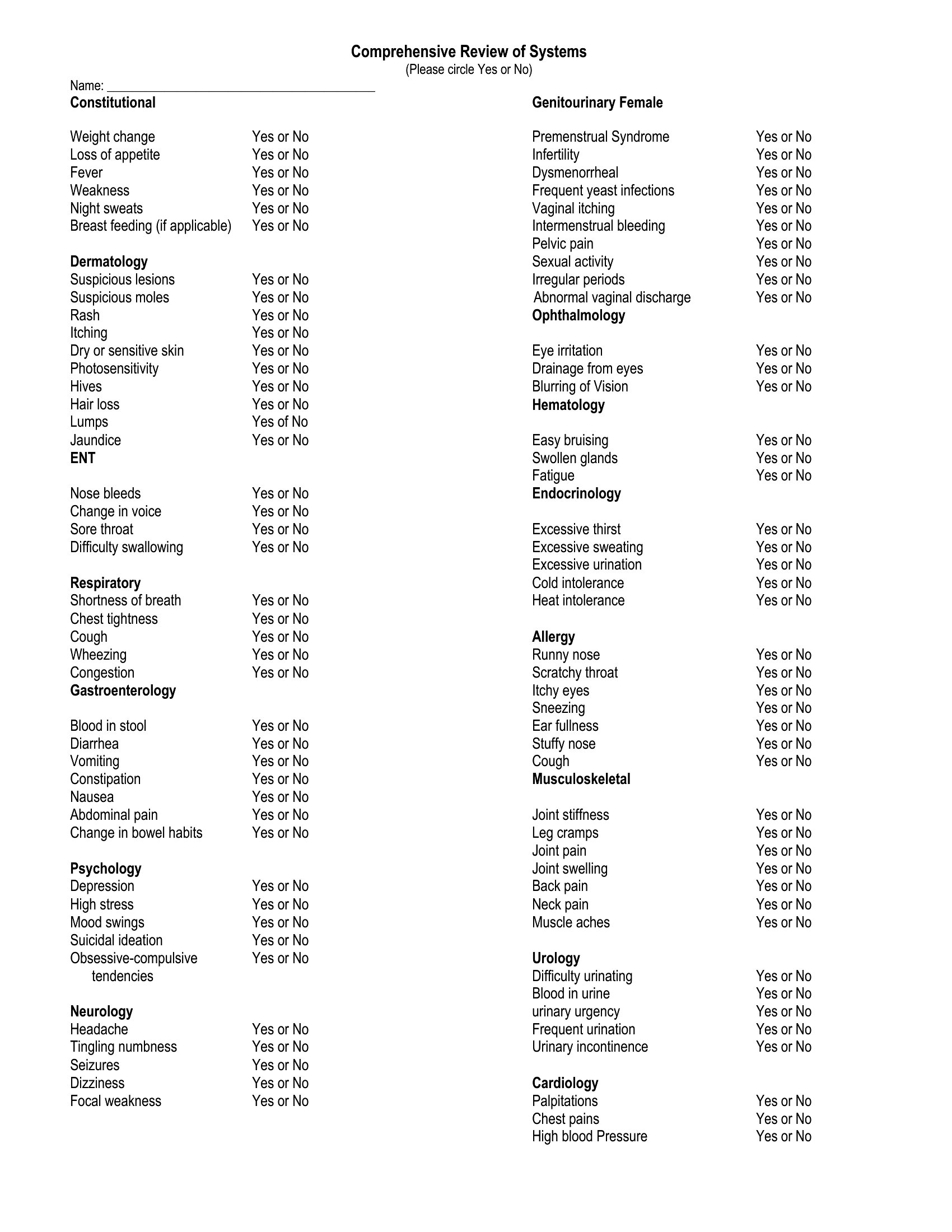
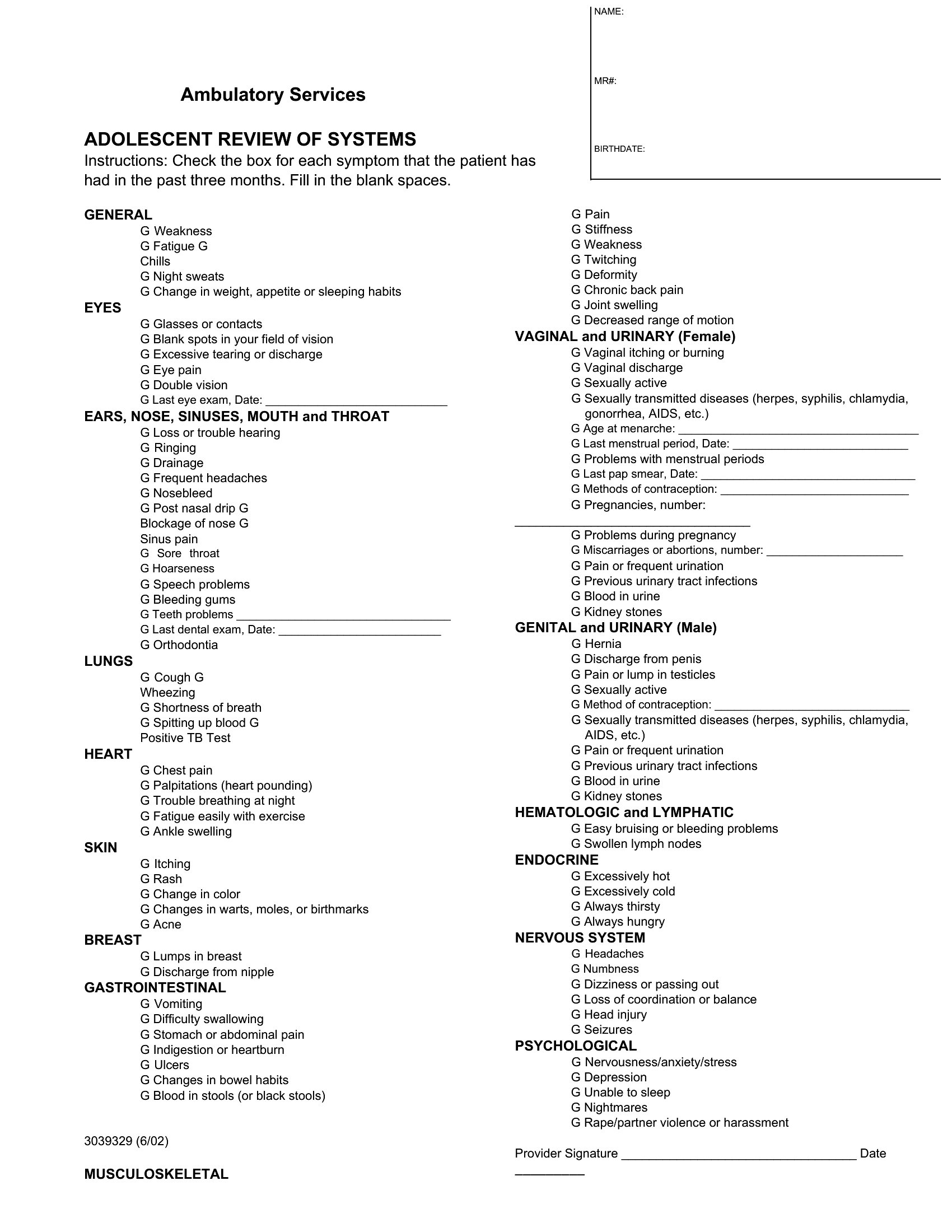
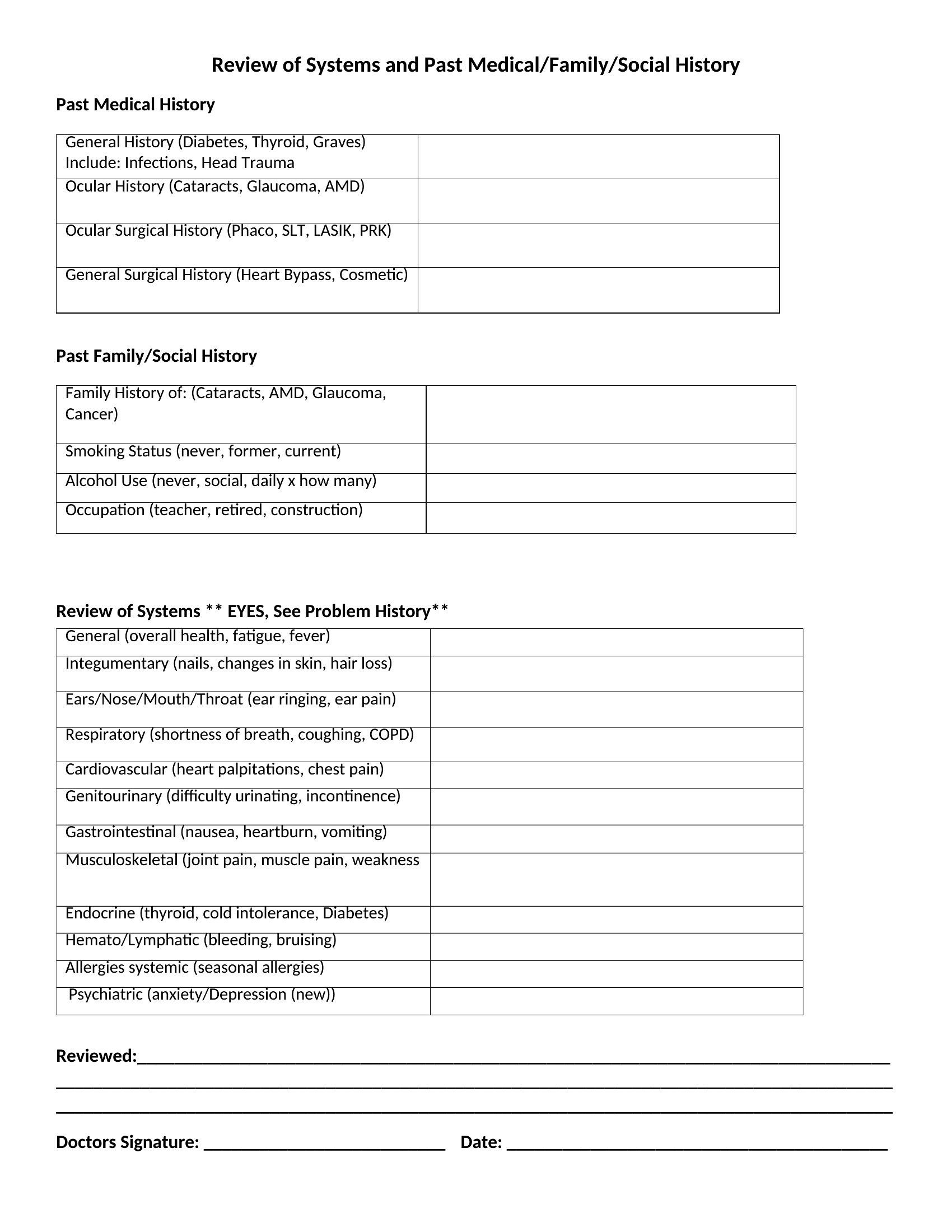
Modify a comprehensive template to highlight geriatric-specific systems like cognitive function, falls history, and polypharmacy effects. Add prompts for functional status (e.g., ‘Ability to perform ADLs’) and subtle symptoms like confusion or falls, which may indicate serious issues. Keep language clear to avoid confusion in patients with hearing or vision impairments.
Can I use these templates for mental health evaluations, even though they focus on physical systems?
Yes, but pair a general review of systems with a mental health-specific template to cover psychological systems like mood, anxiety, or sleep. Use the physical systems section to screen for comorbid conditions (e.g., thyroid disorders affecting depression) or somatic symptoms (e.g., headaches linked to stress). Document mental health findings separately for clarity.
Comments
Join the conversation
Sign in to share your thoughts and leave a comment on this resource.