Free Book Review Templates (Word)
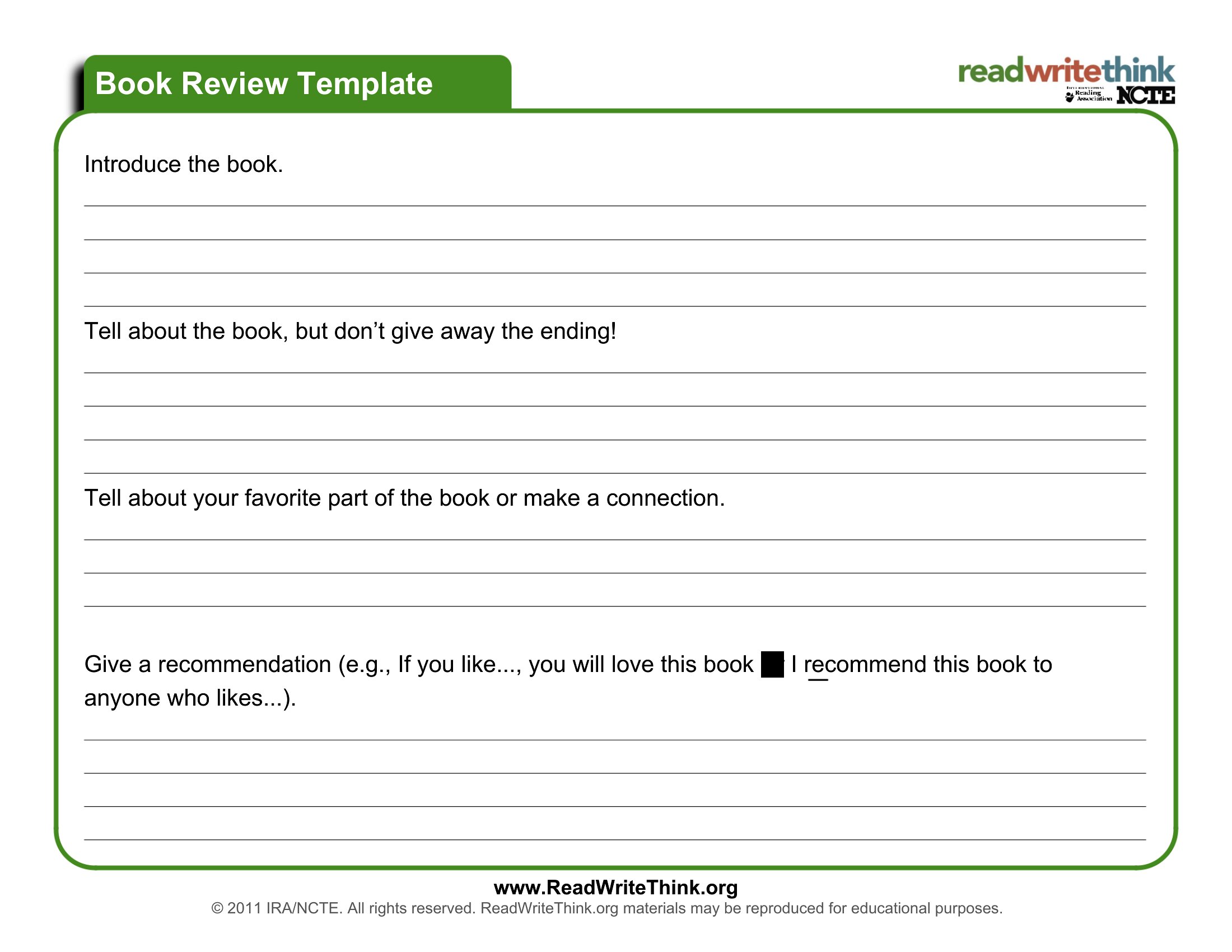
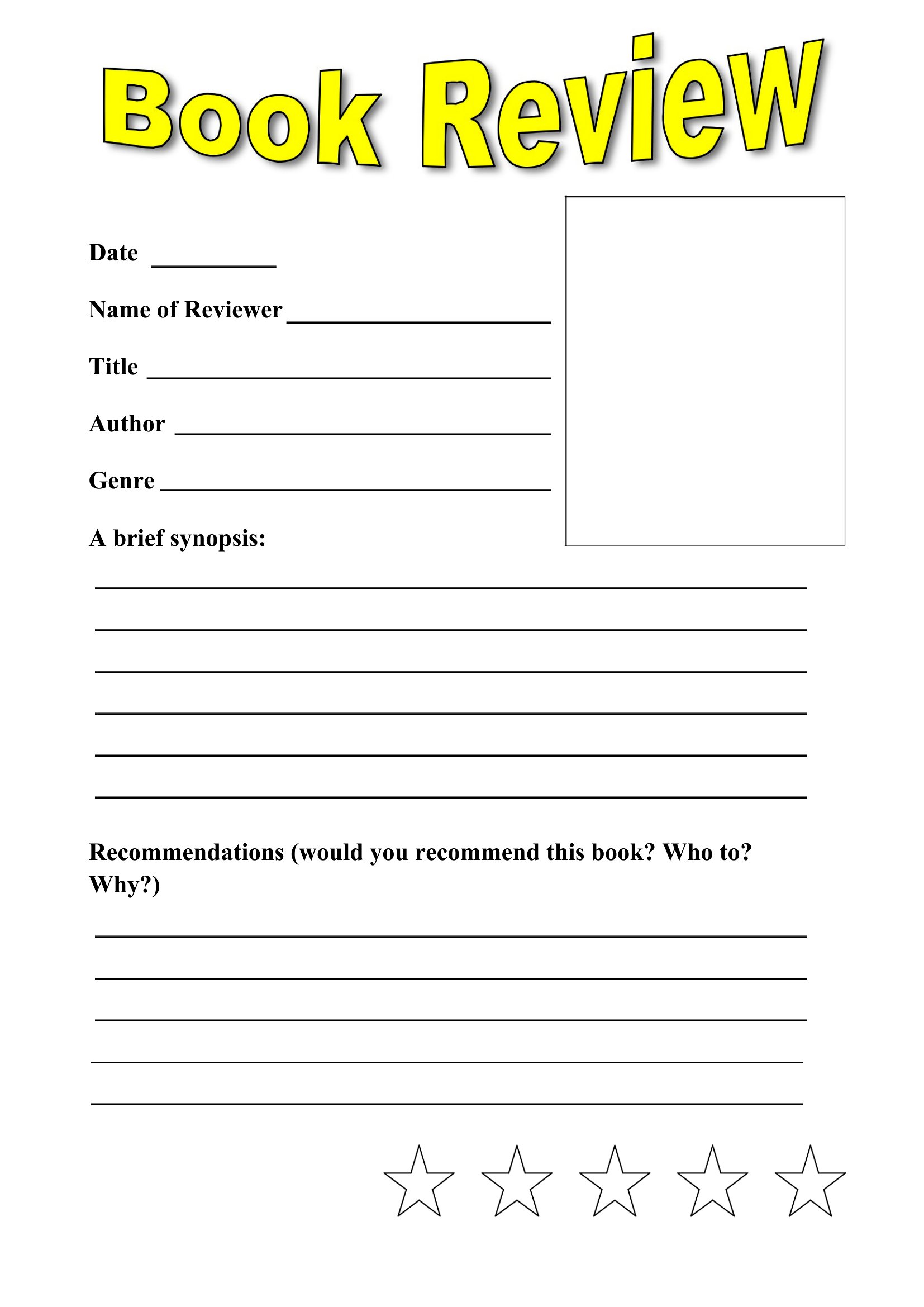
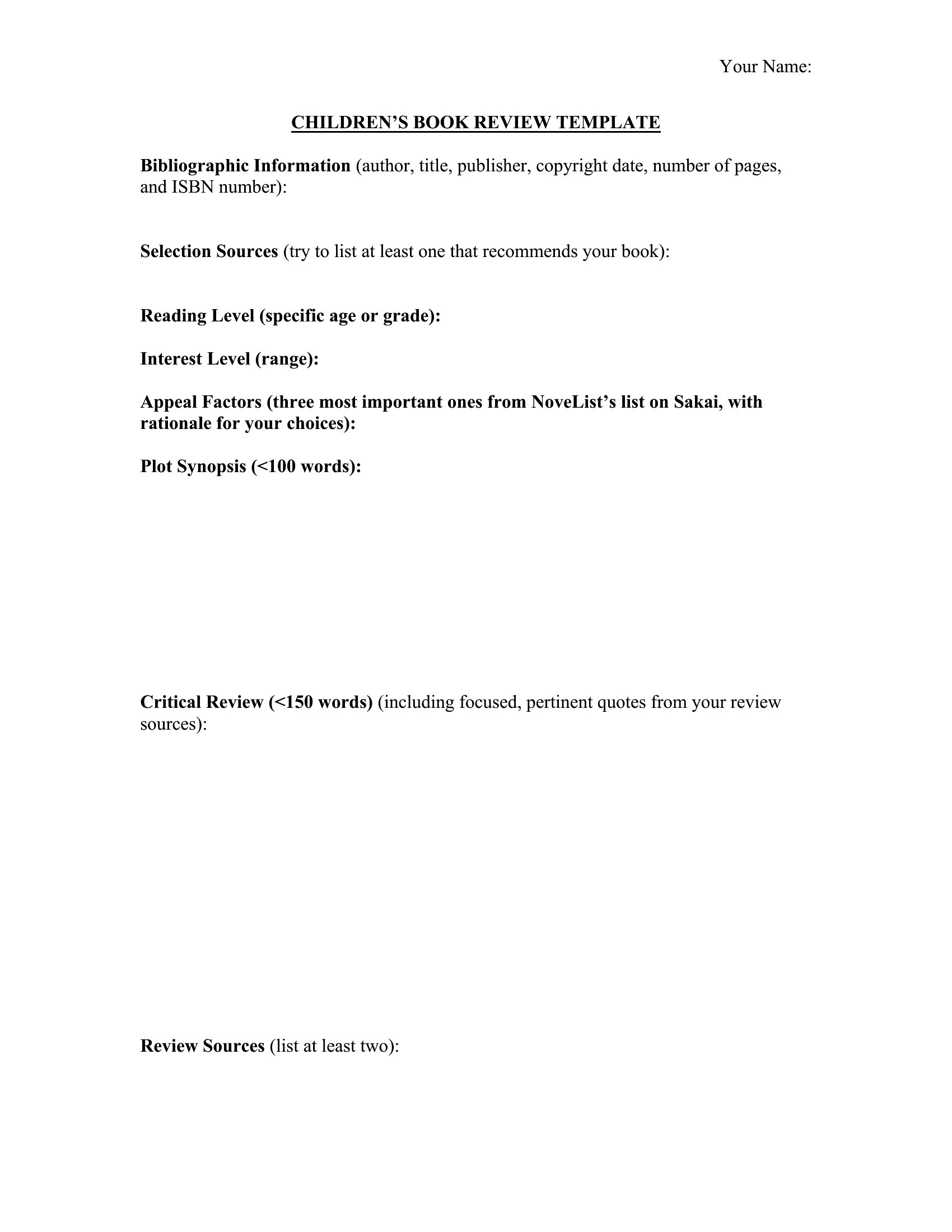
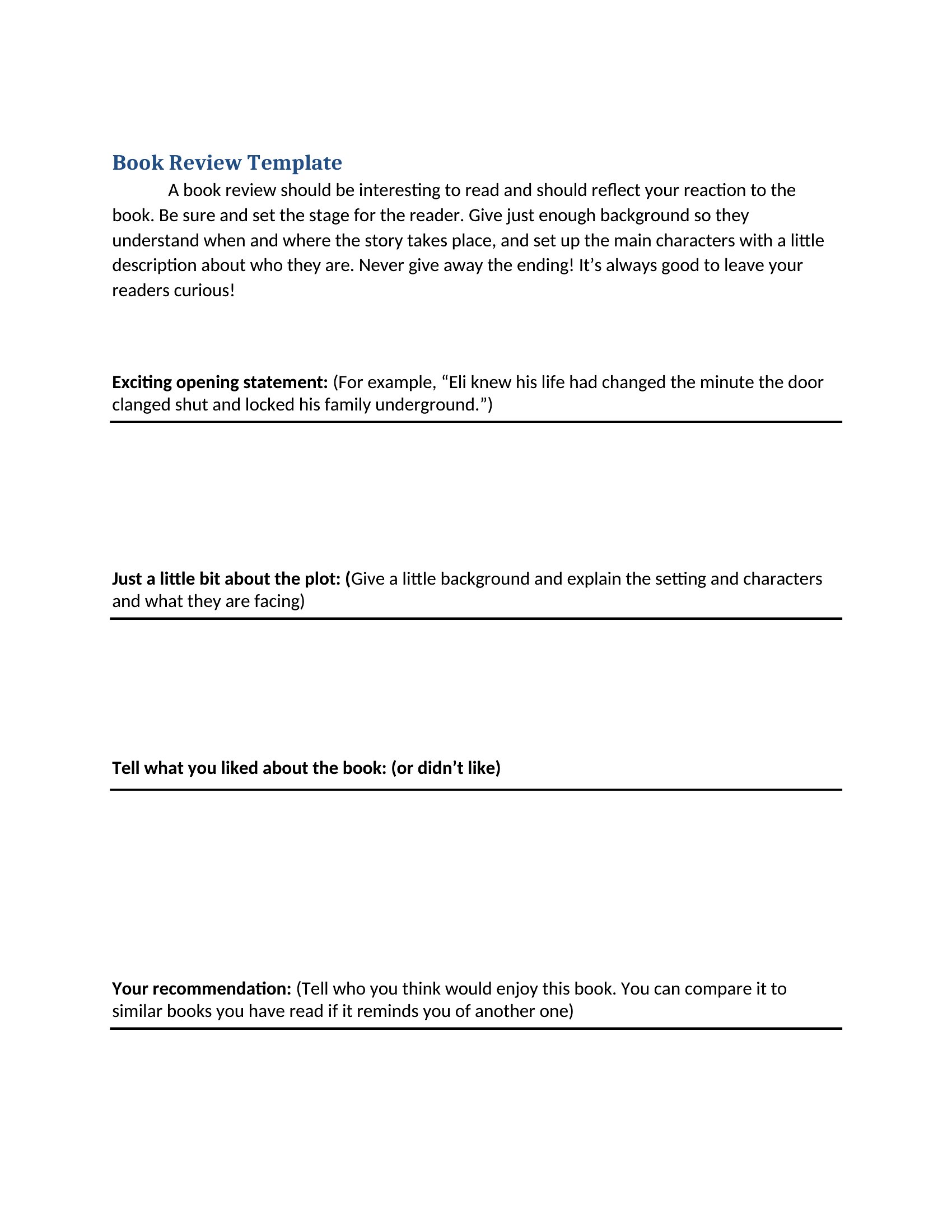
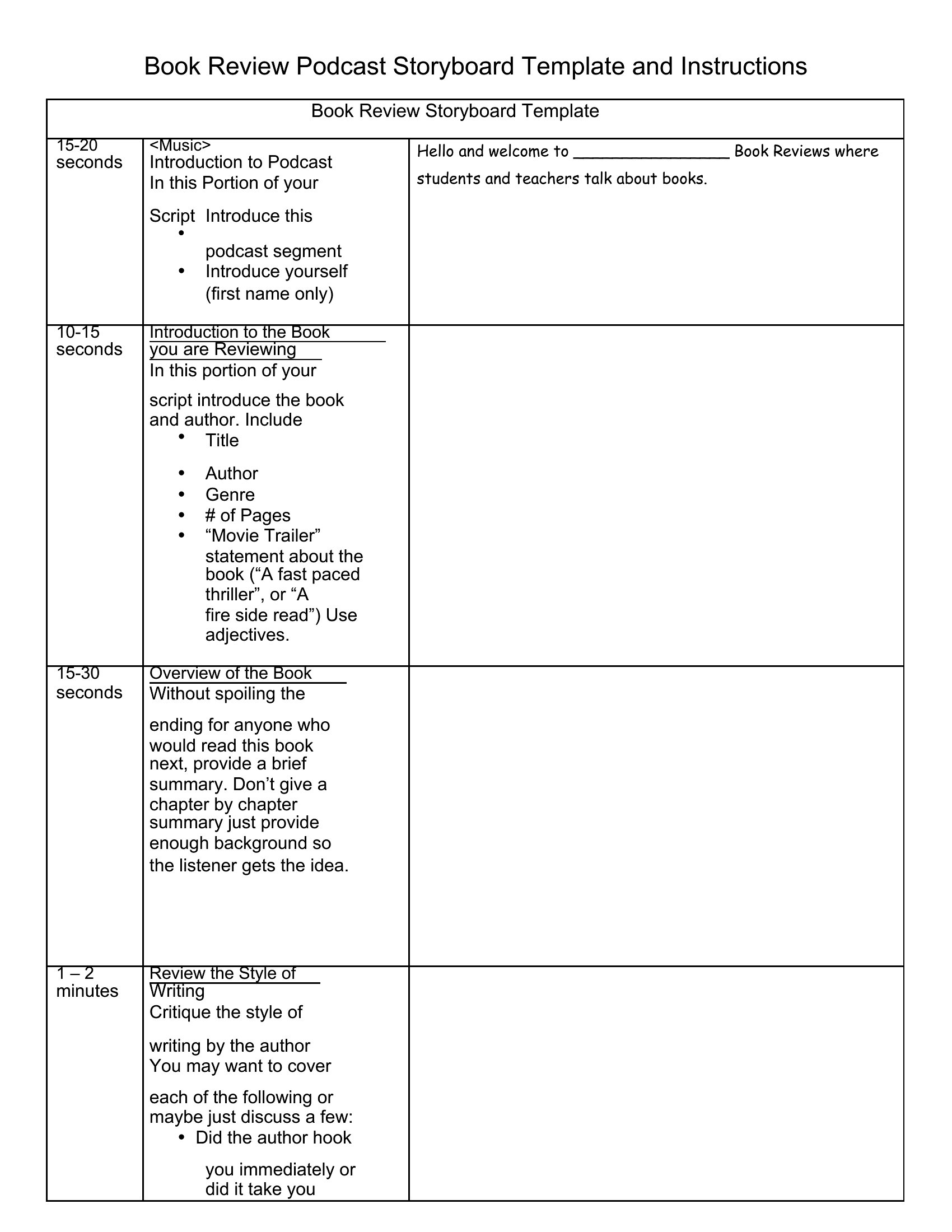
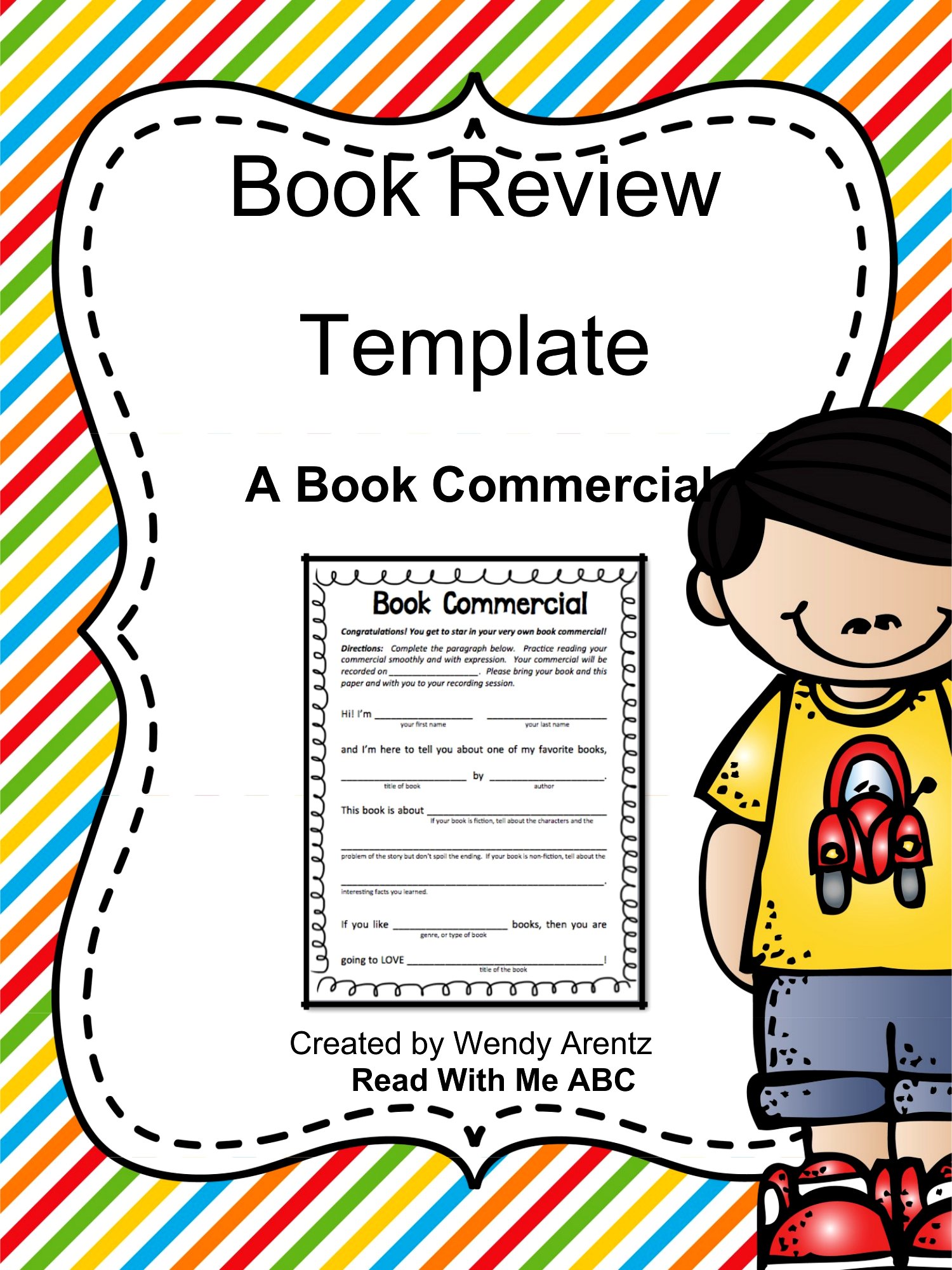
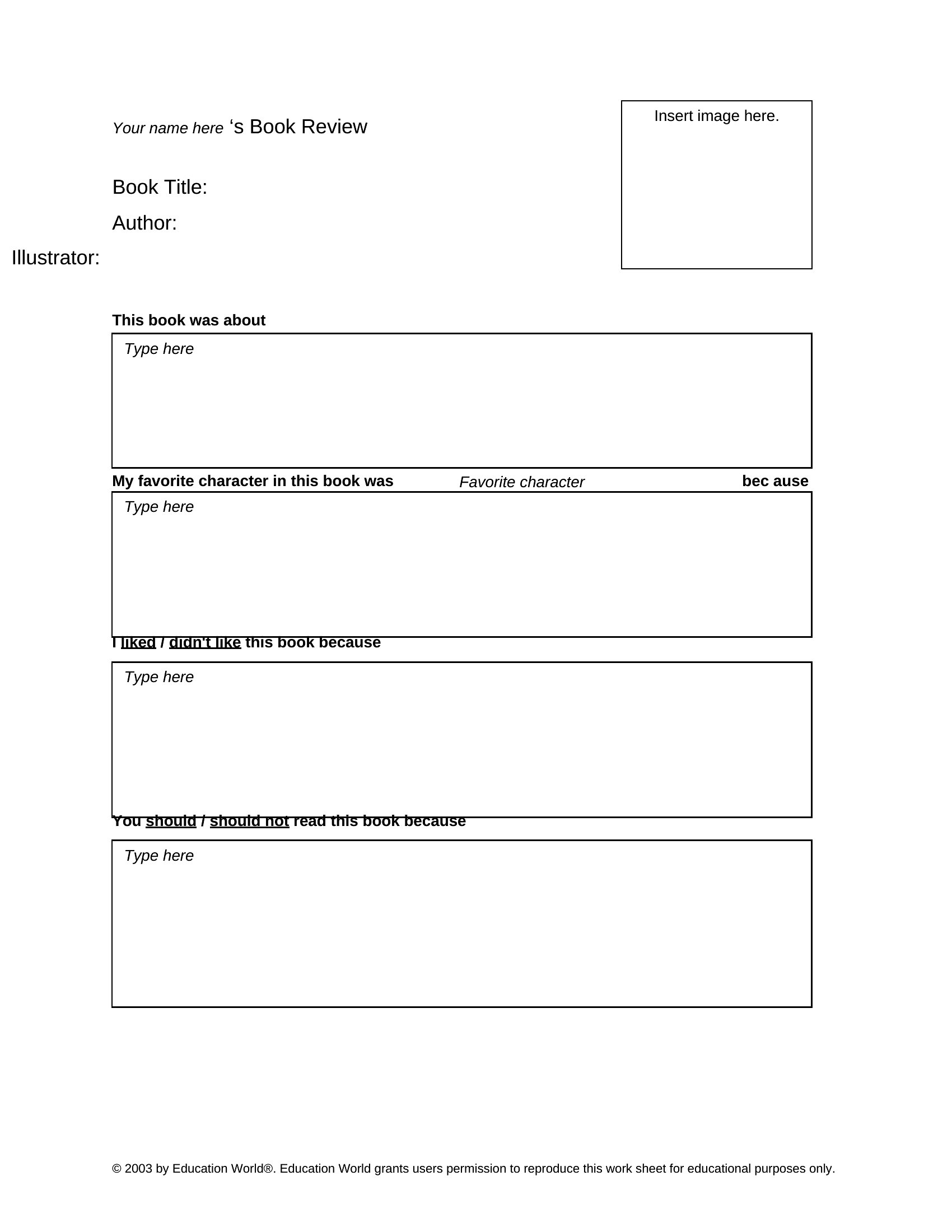
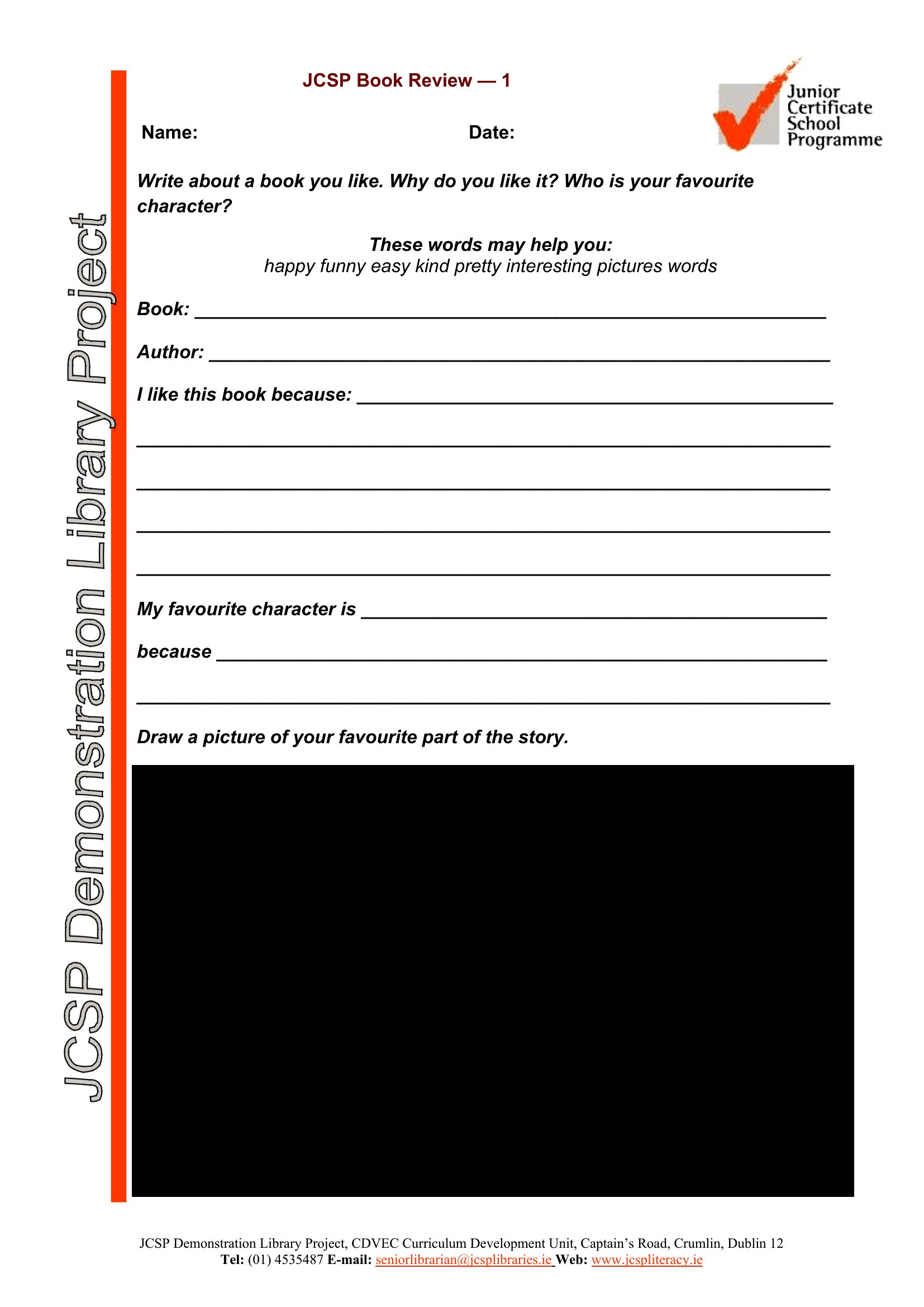
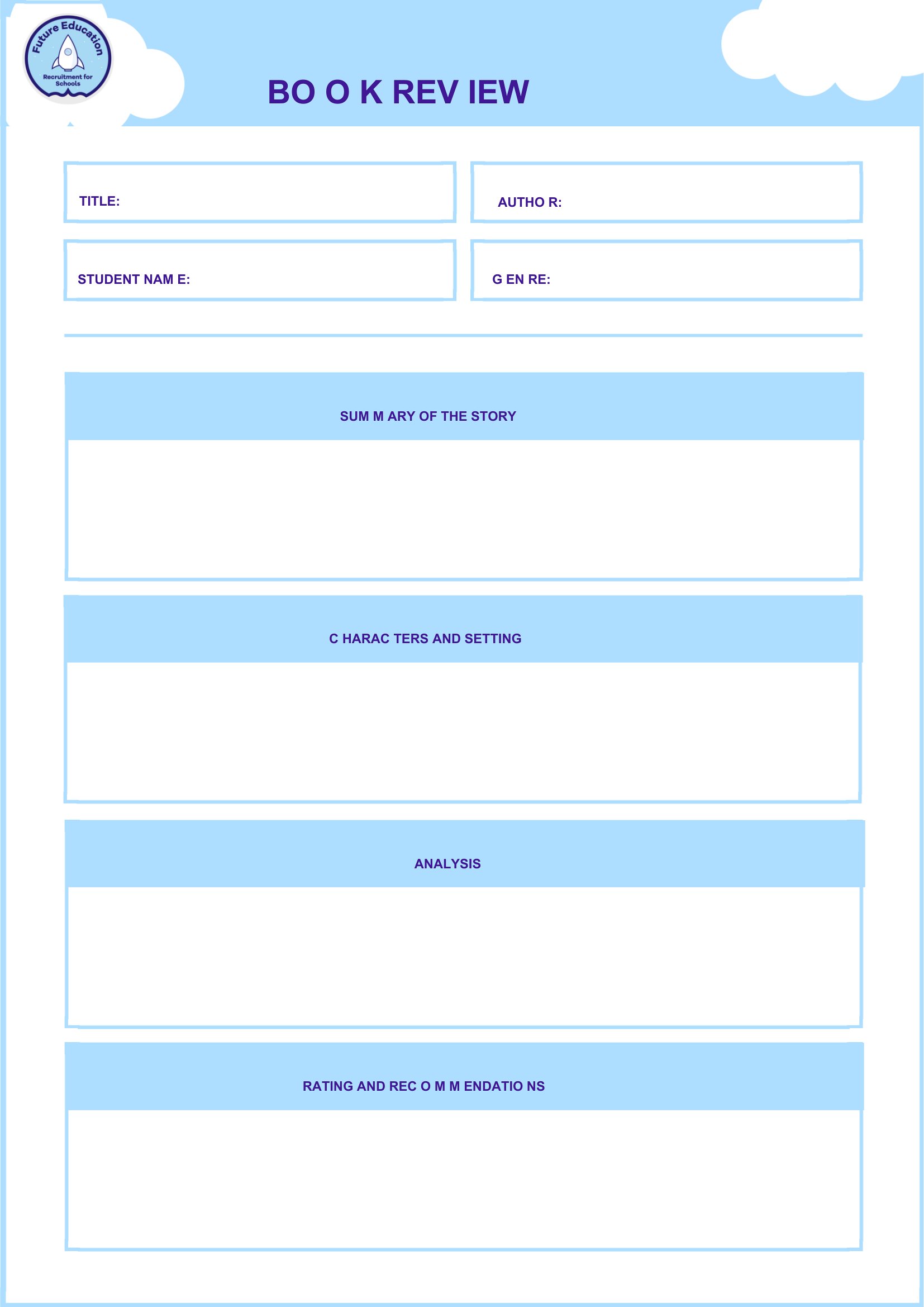
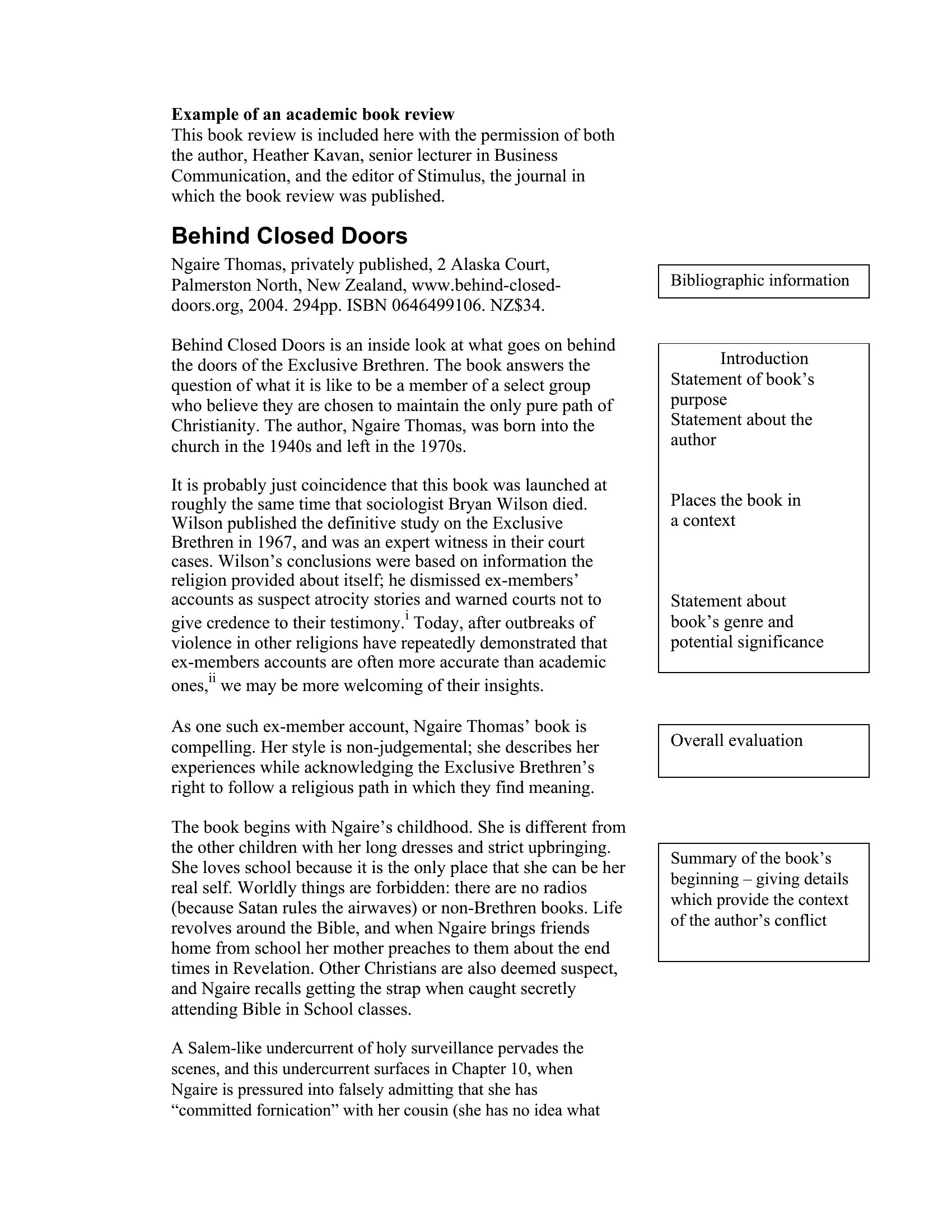
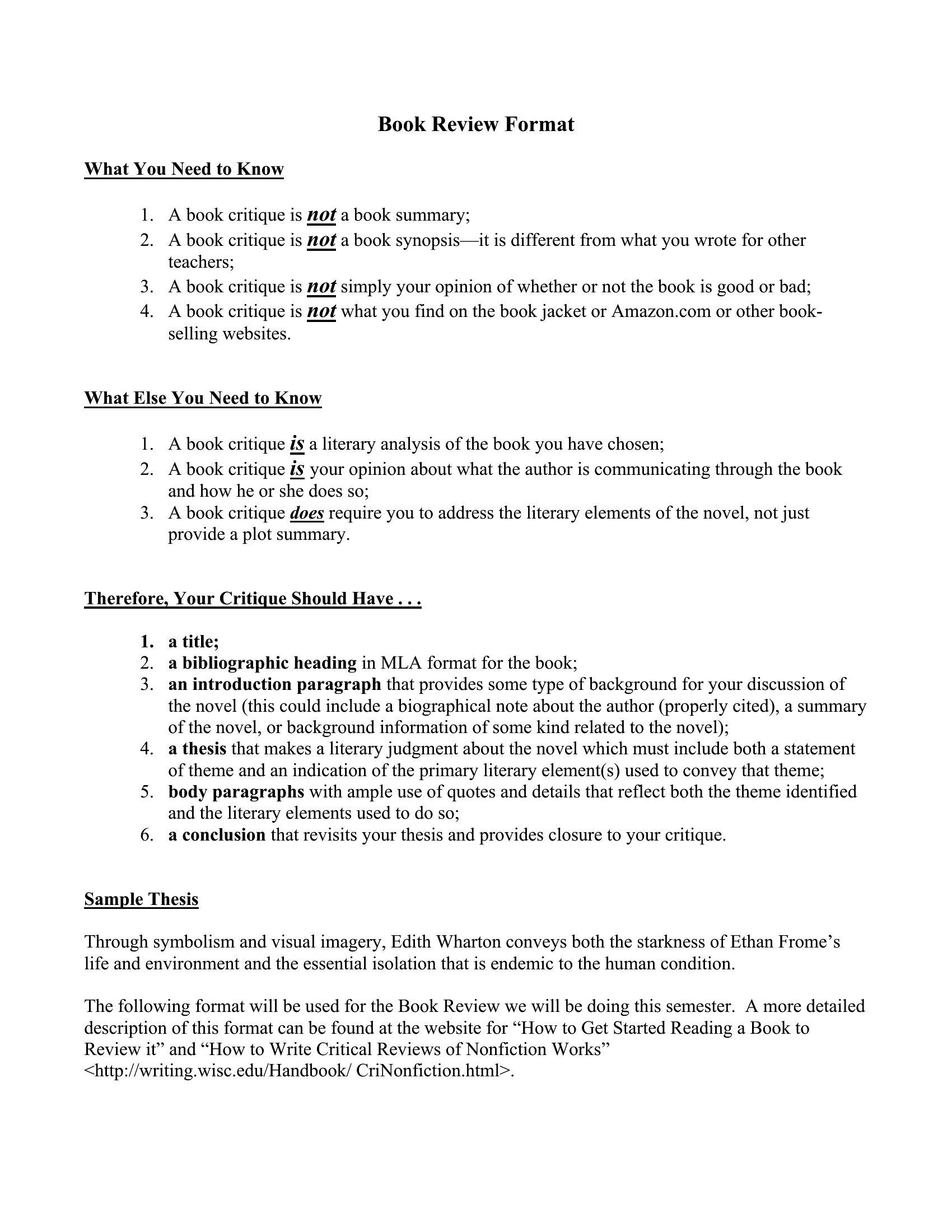
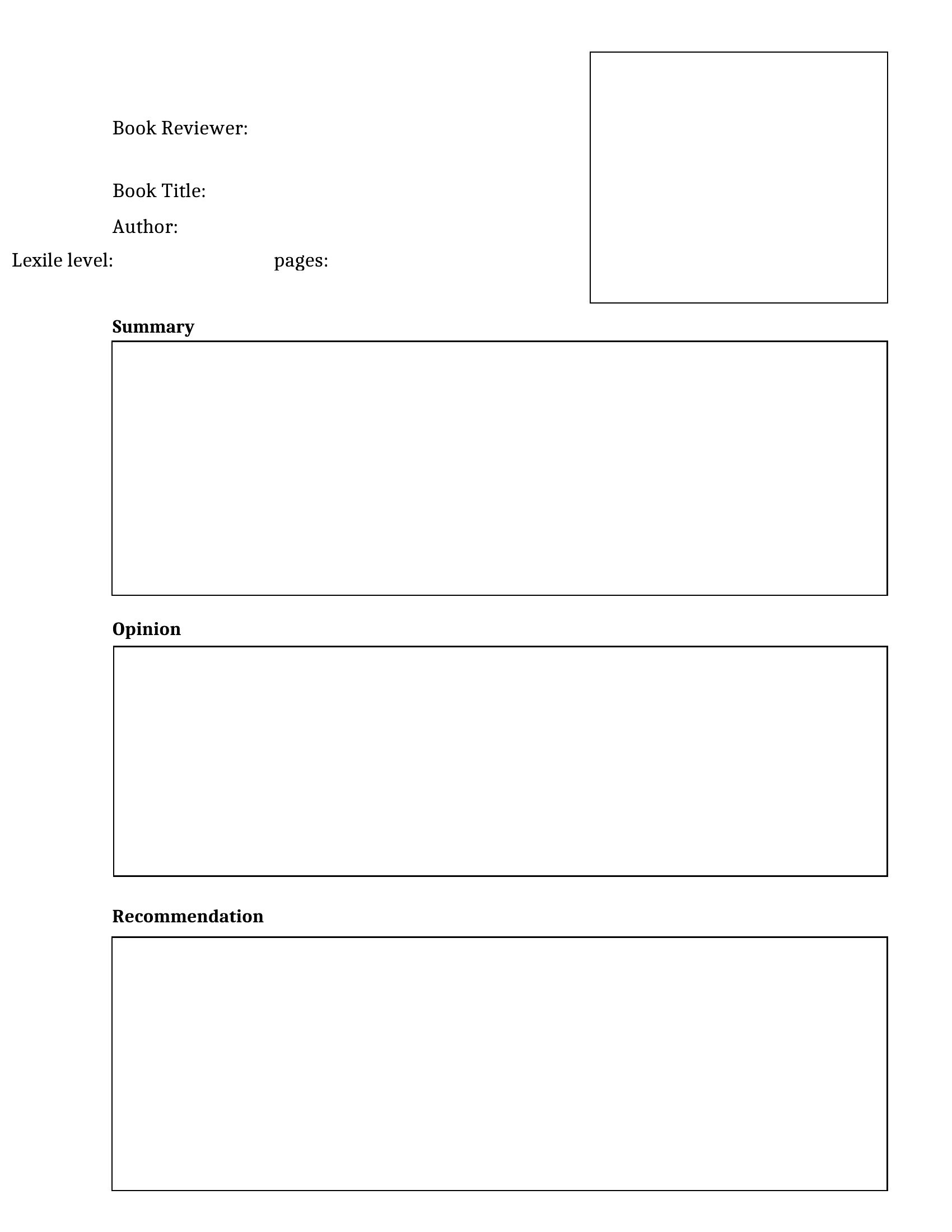
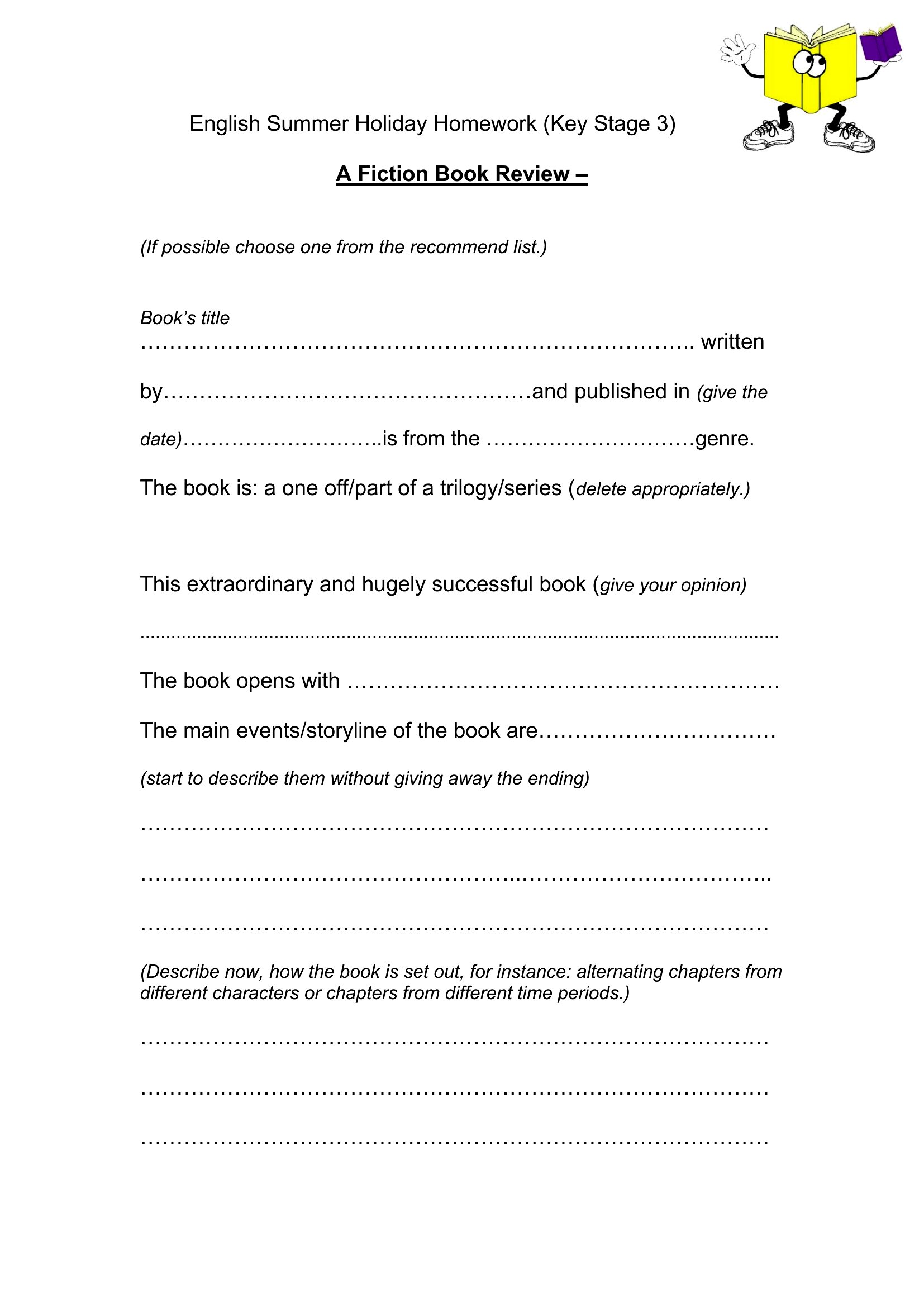
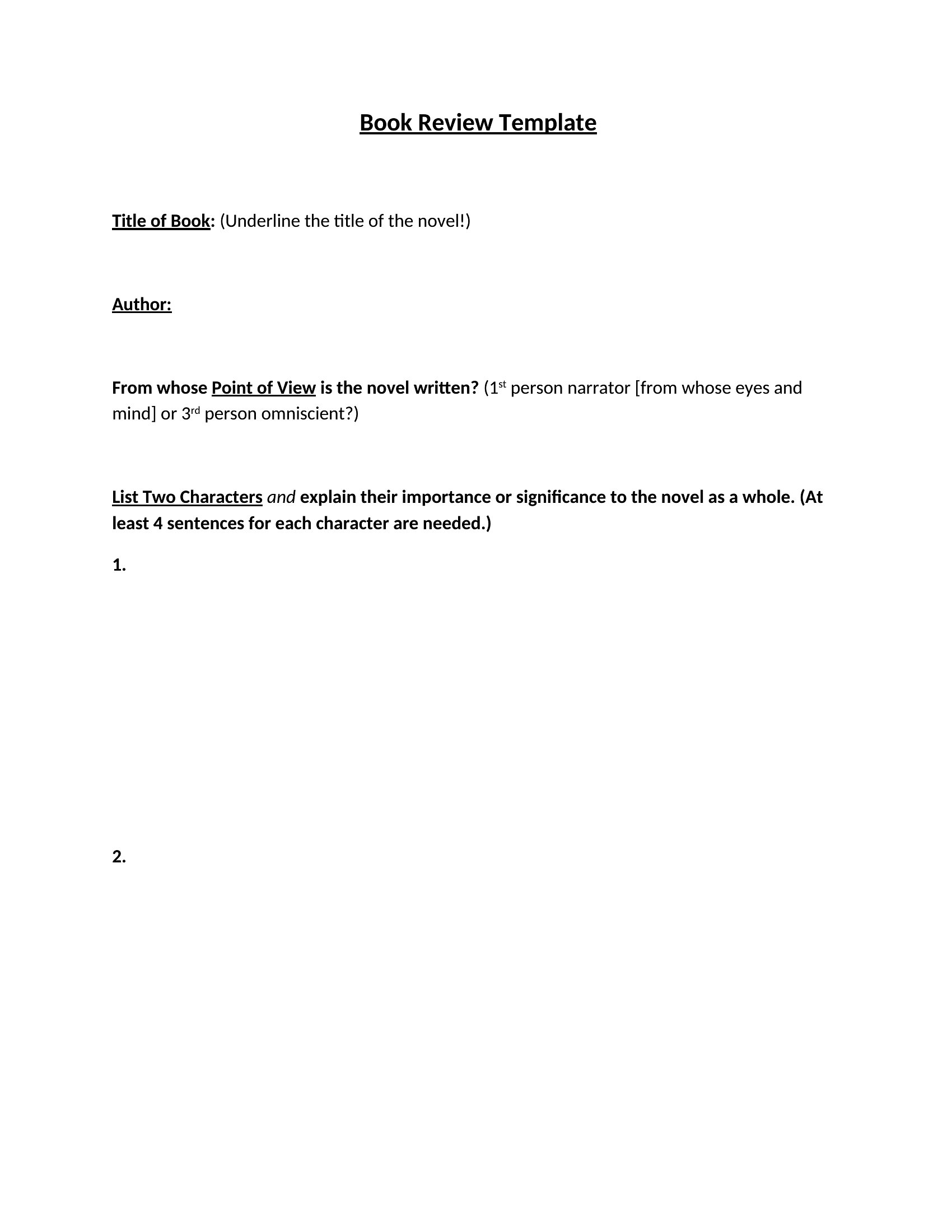
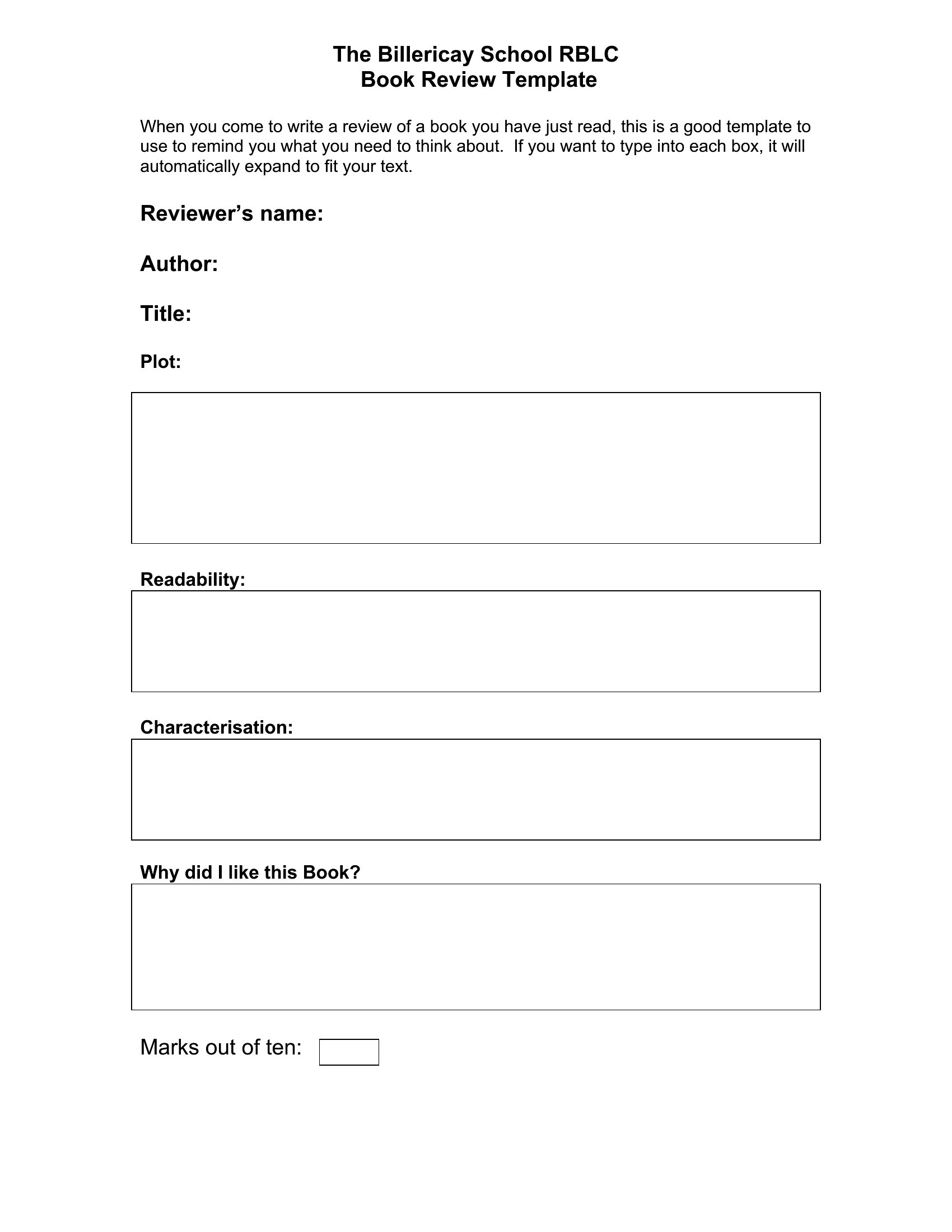
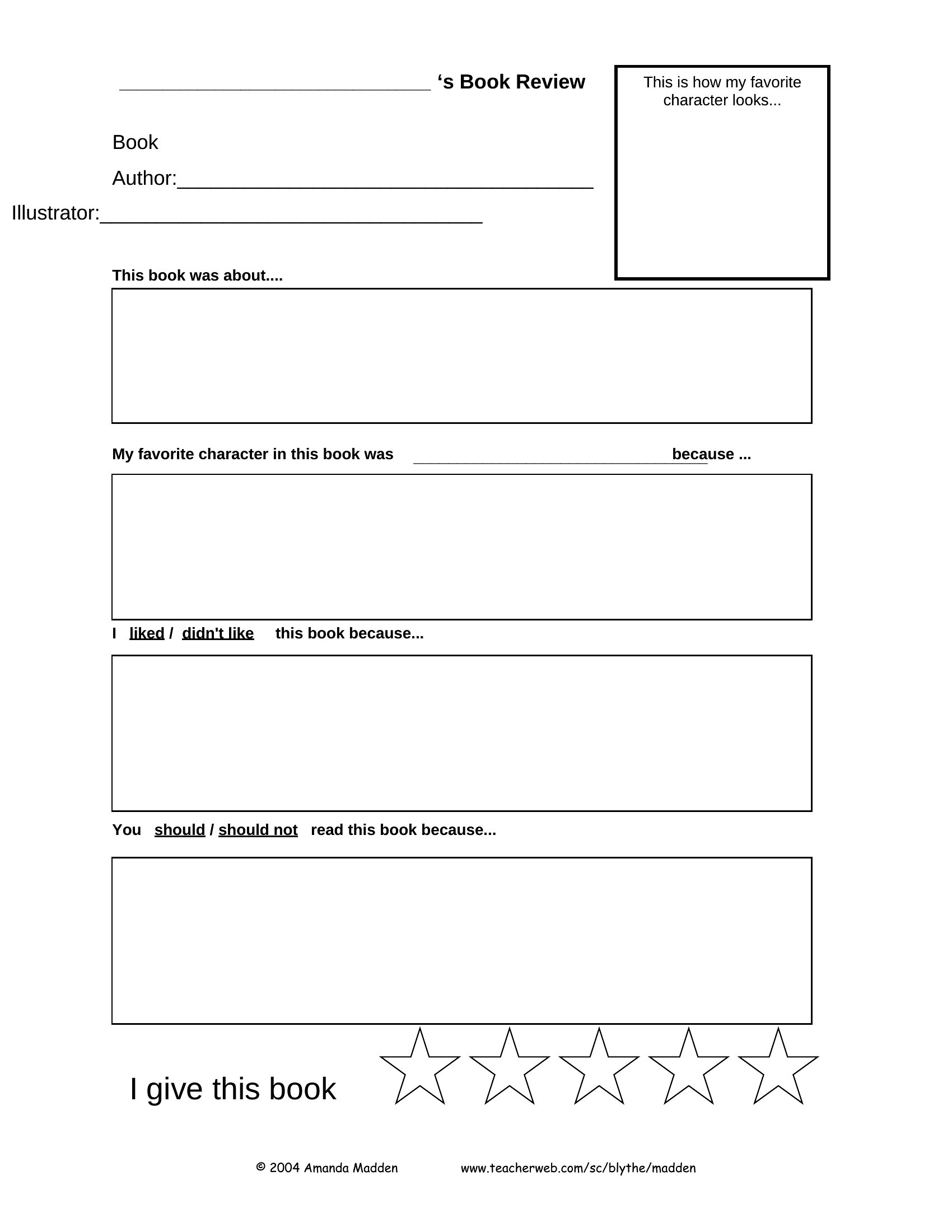
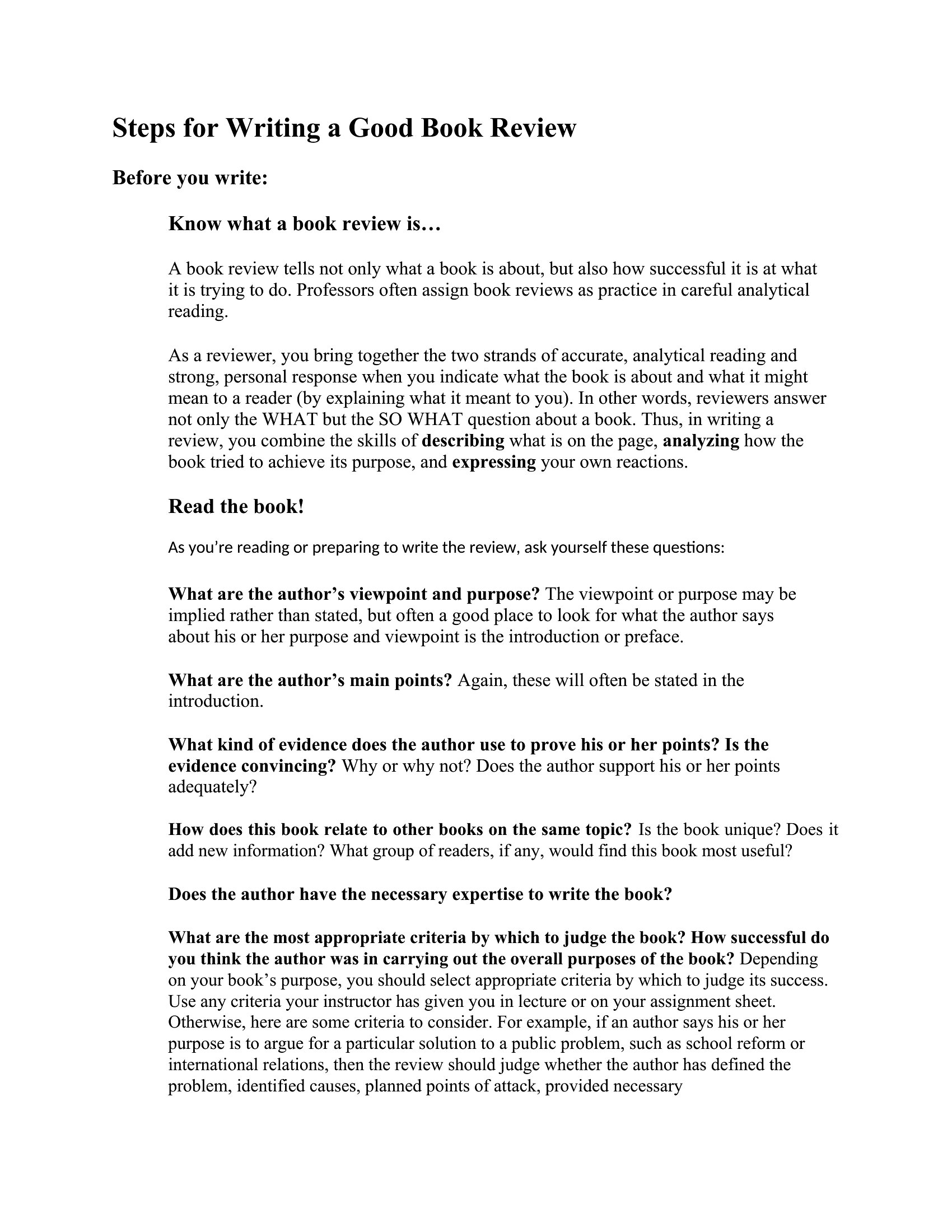
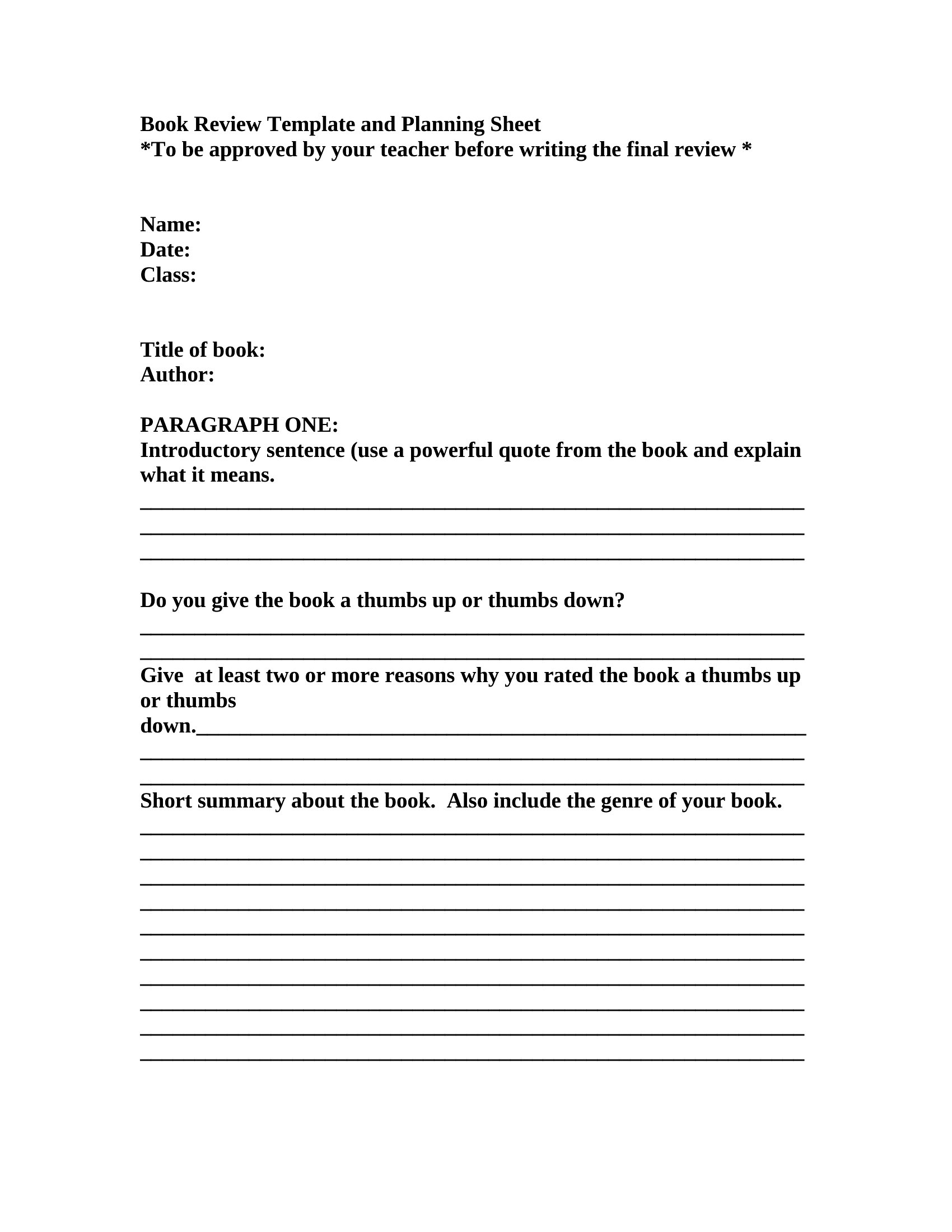
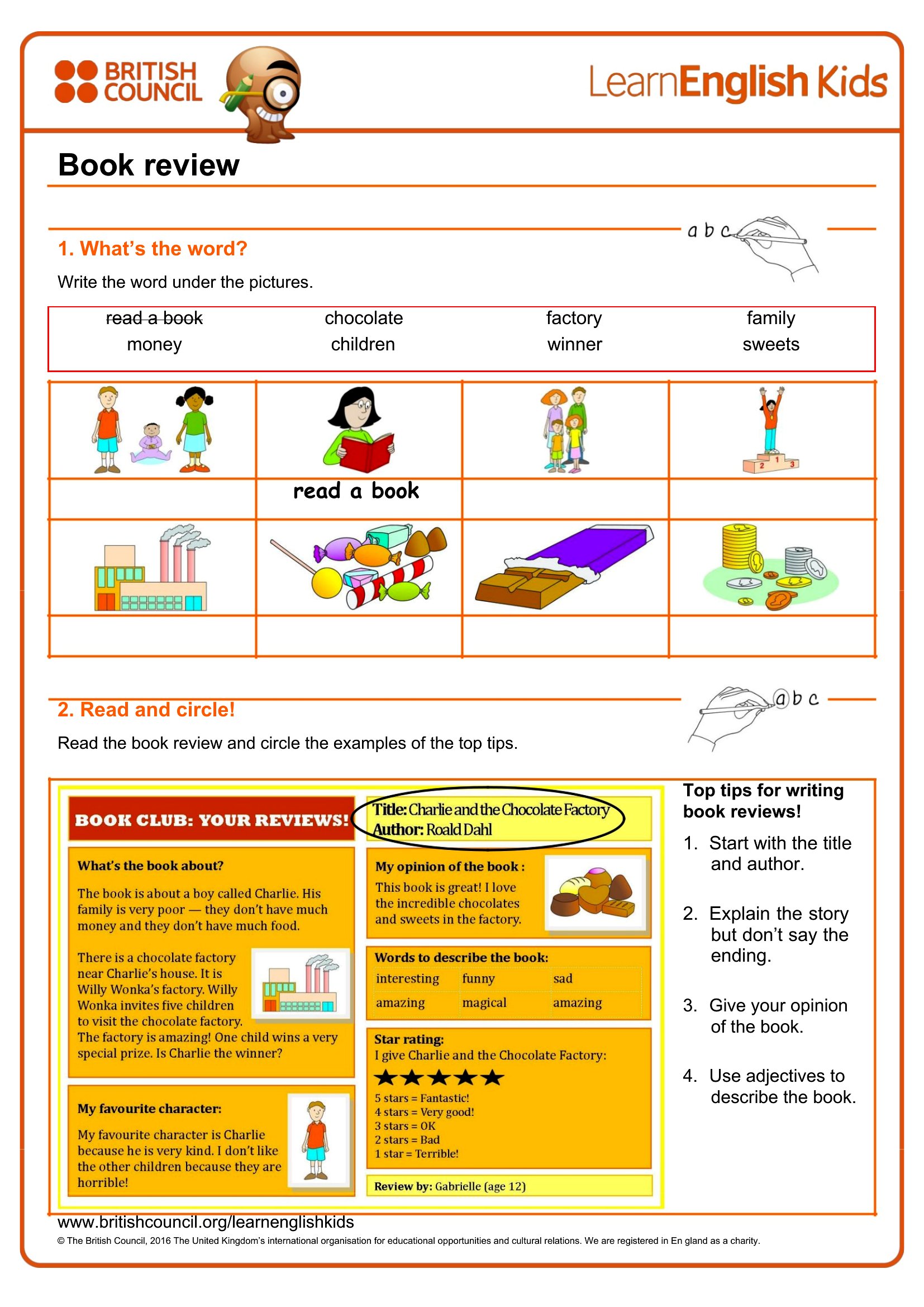
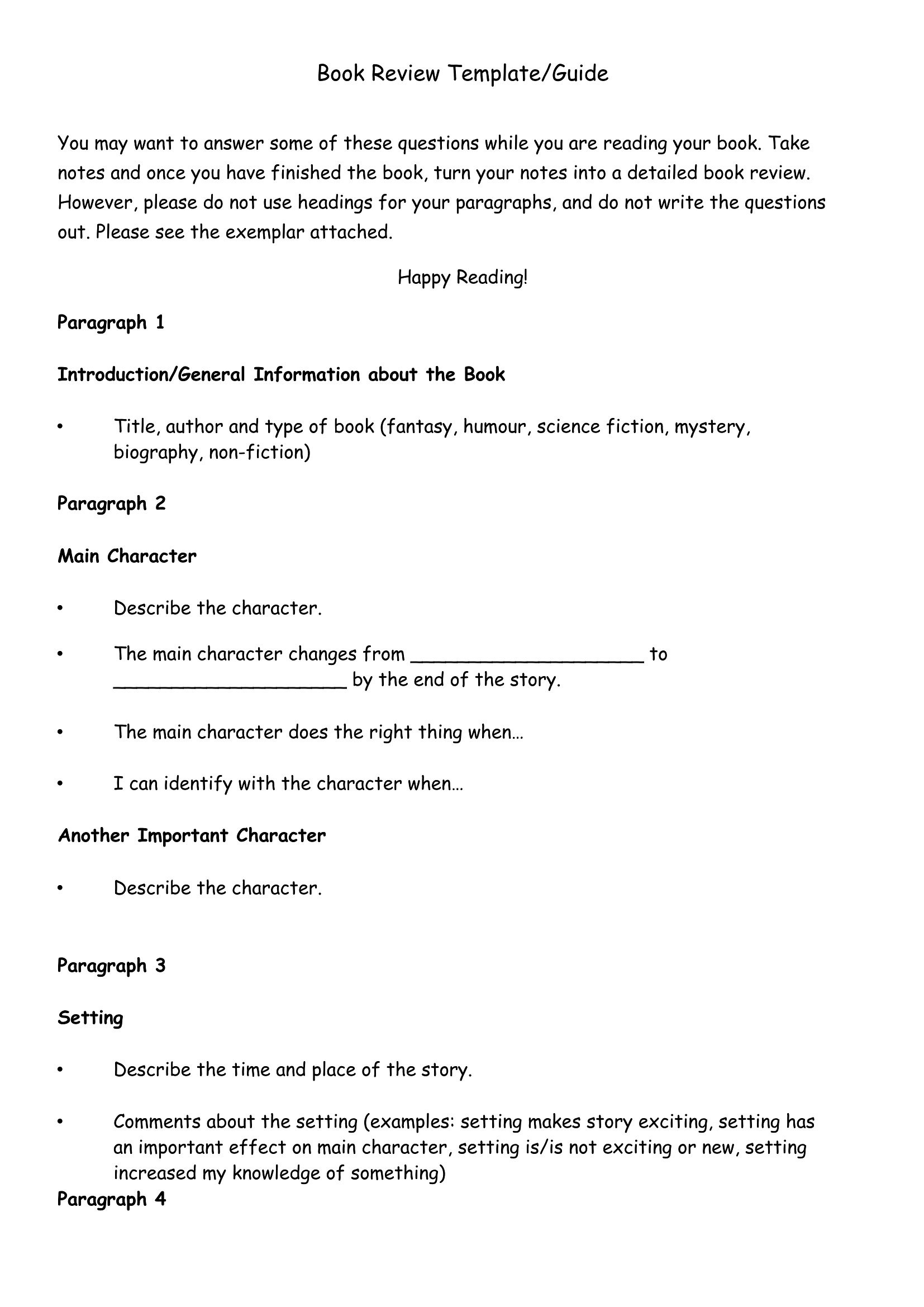
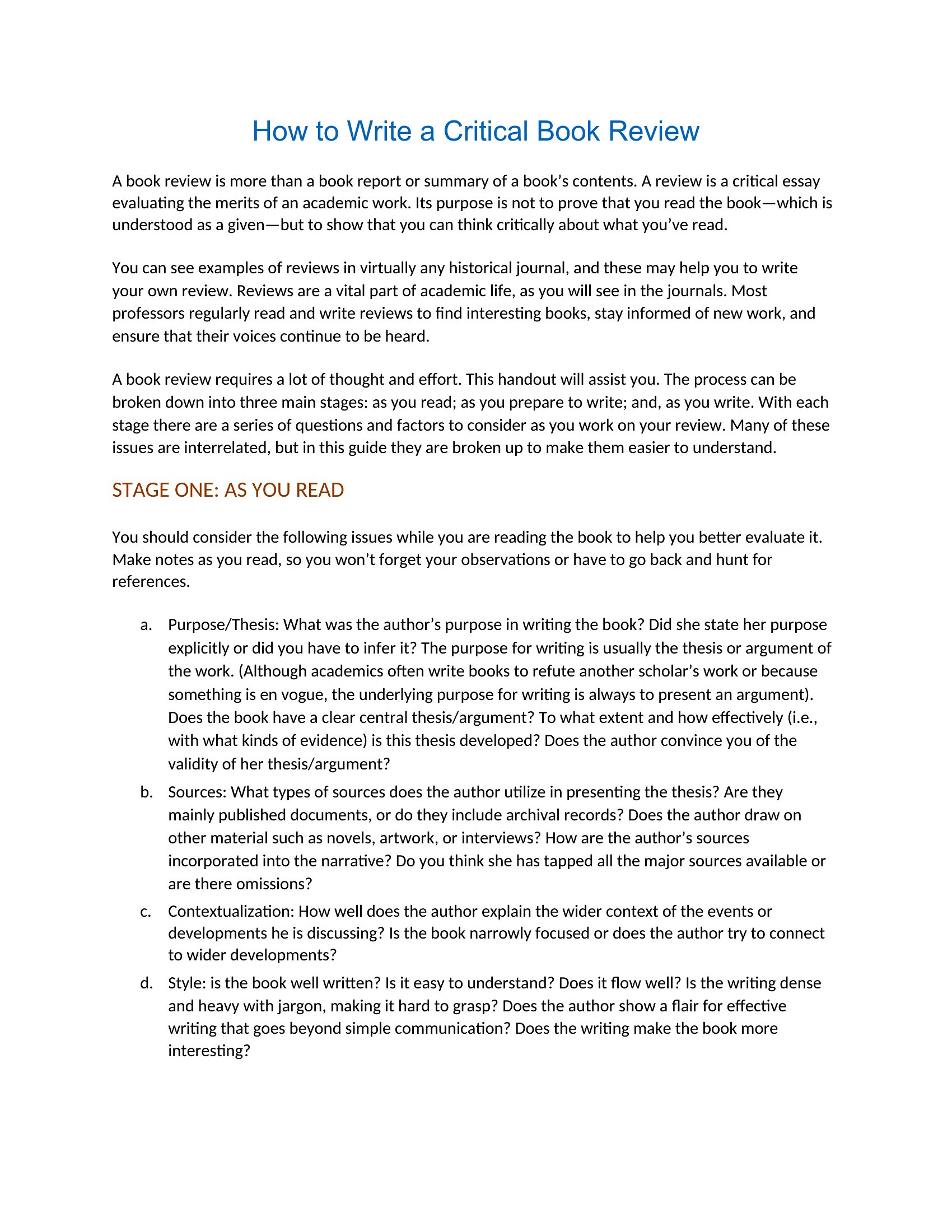
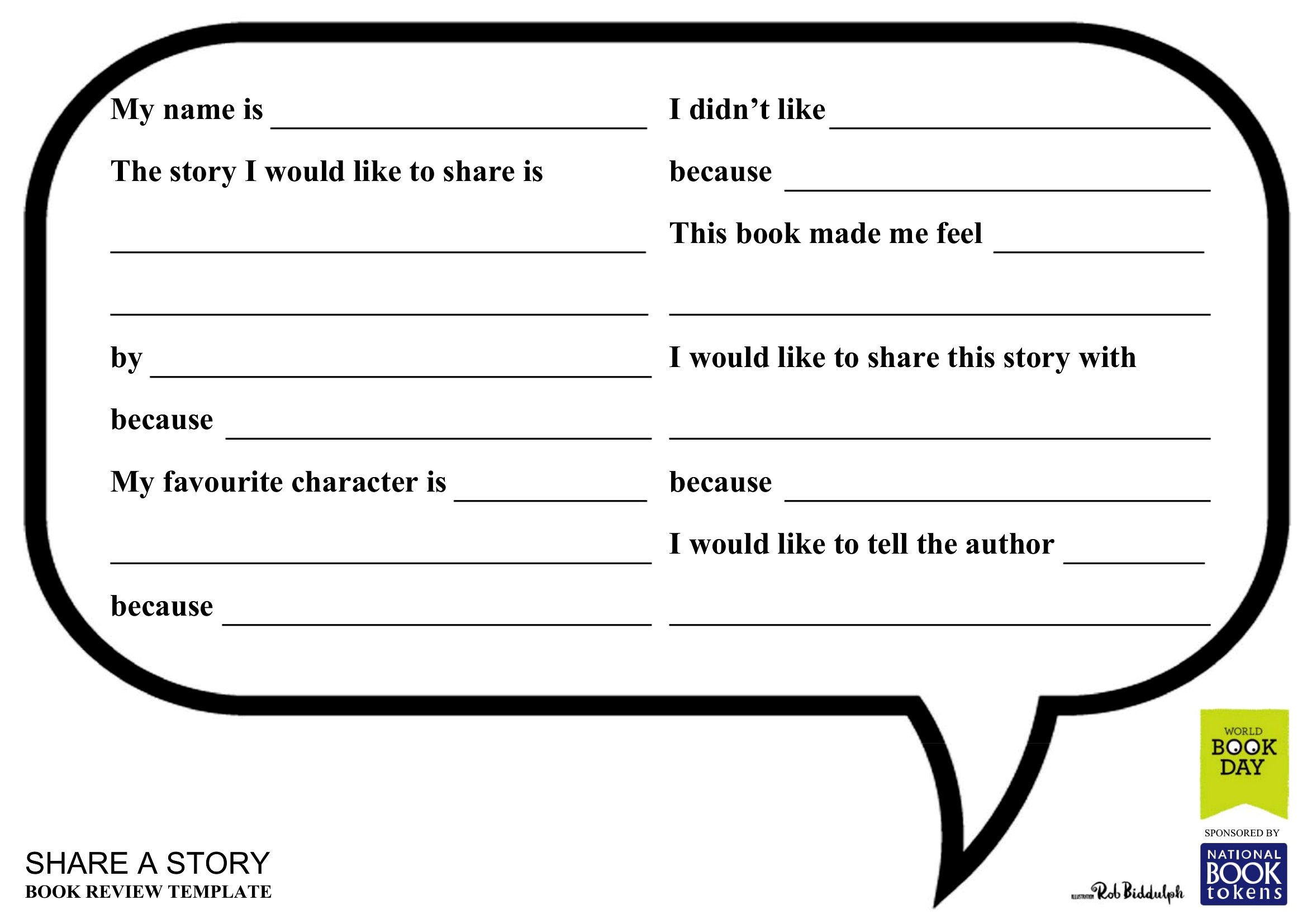
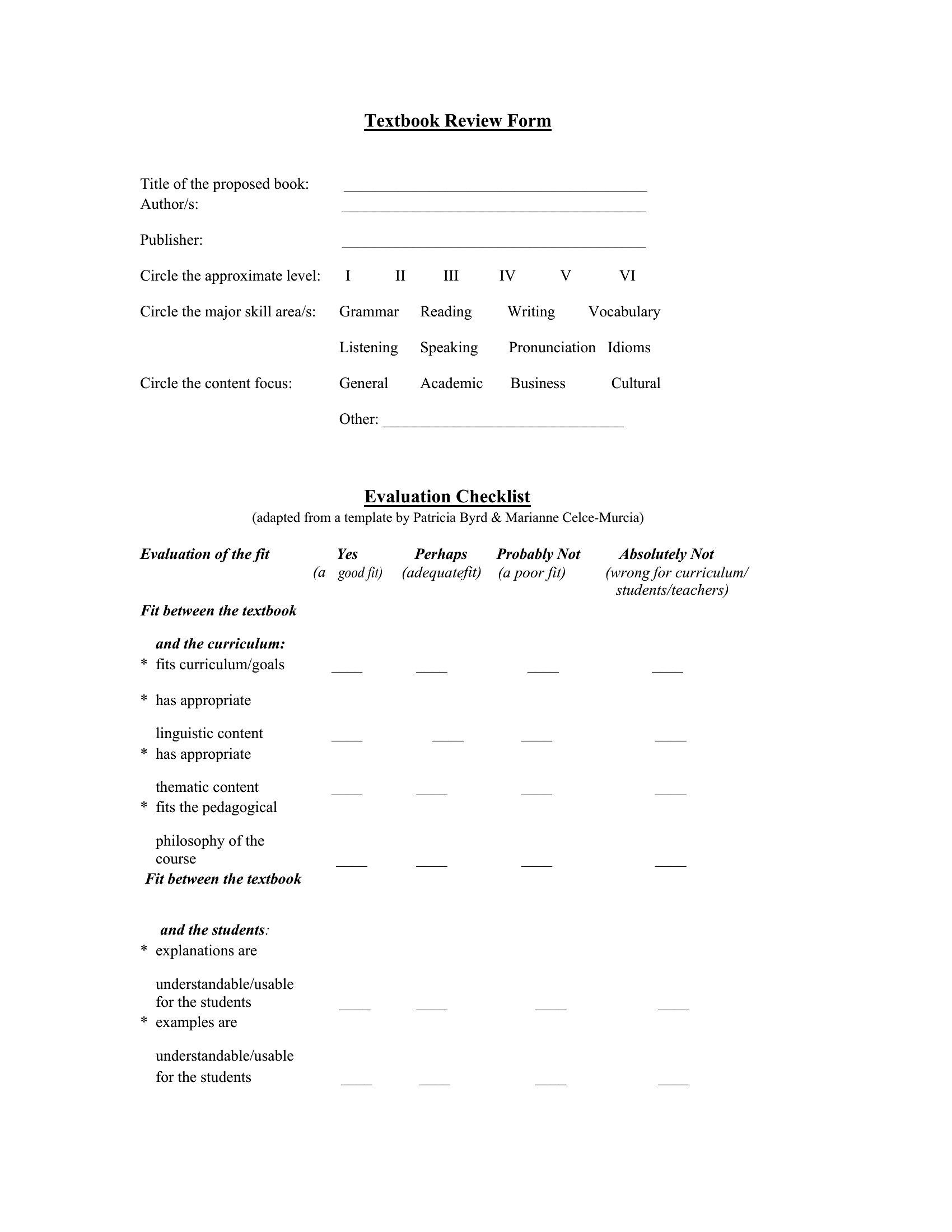
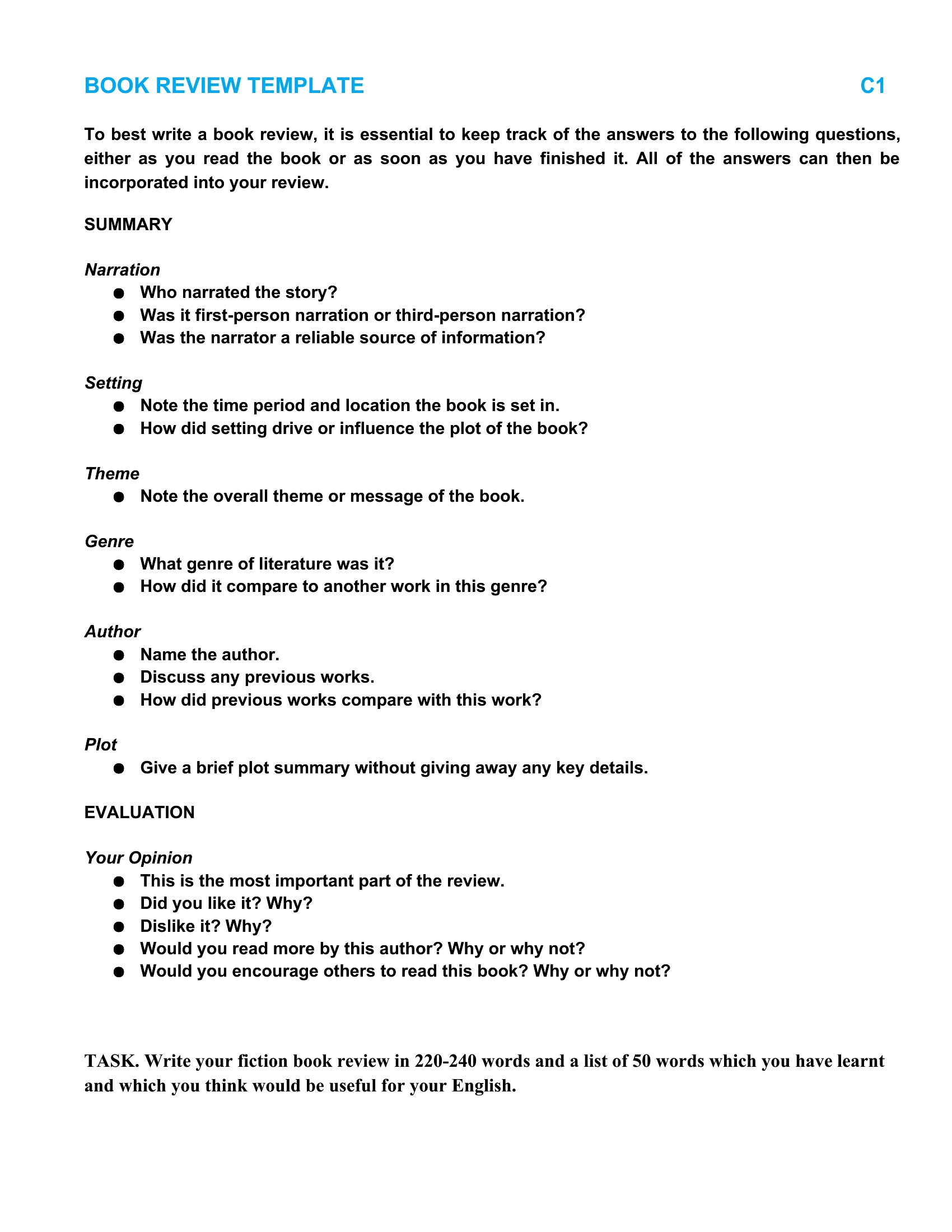
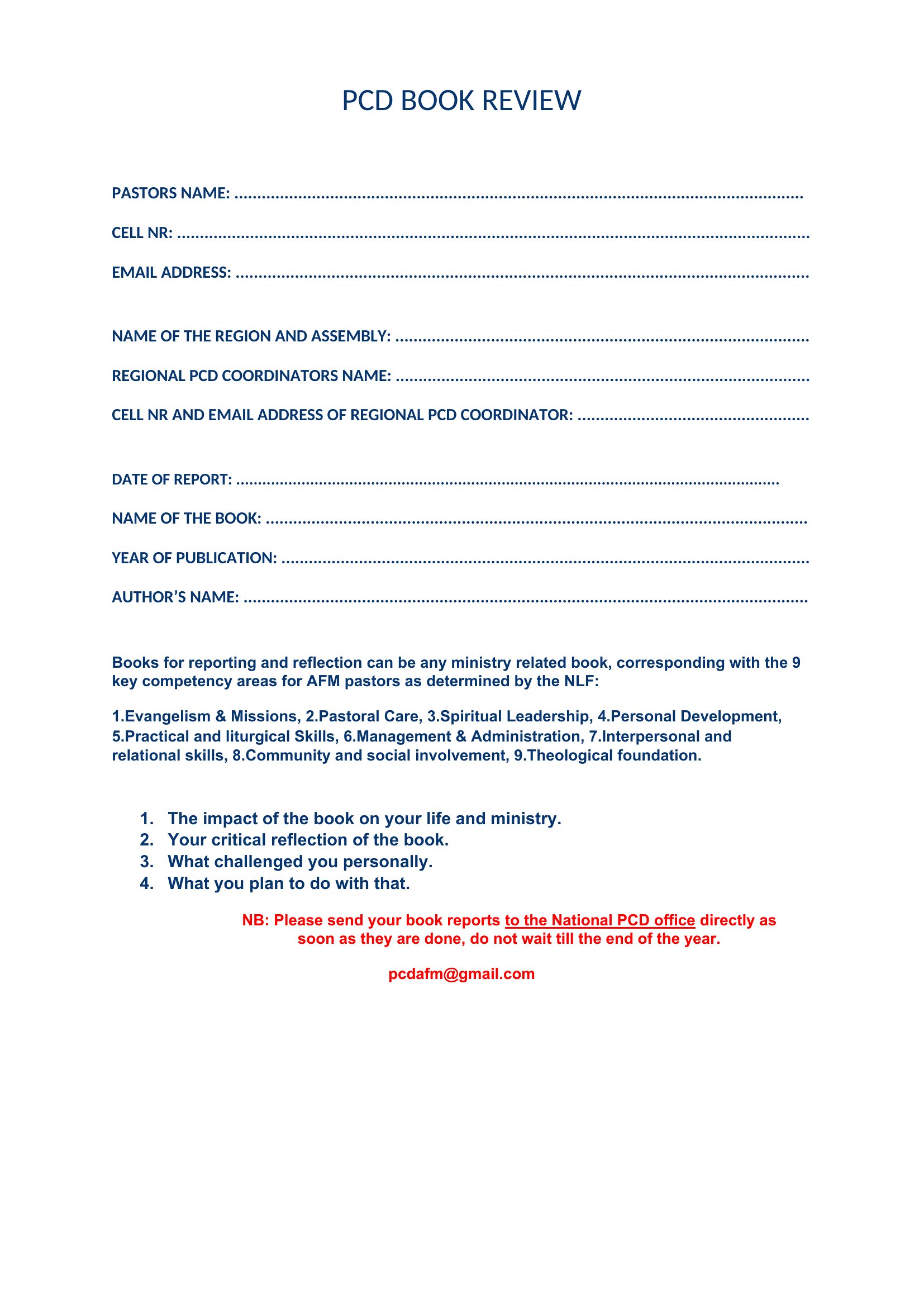
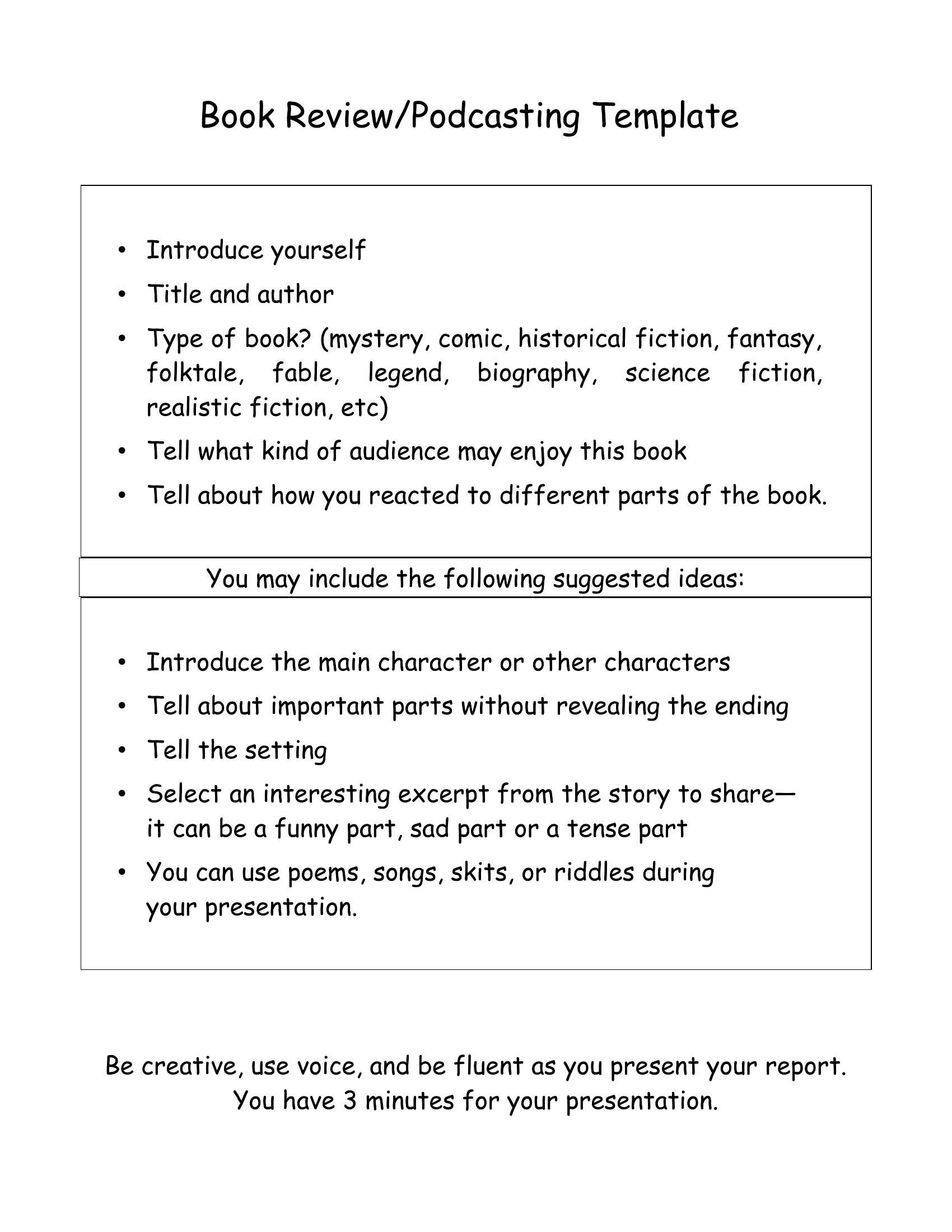
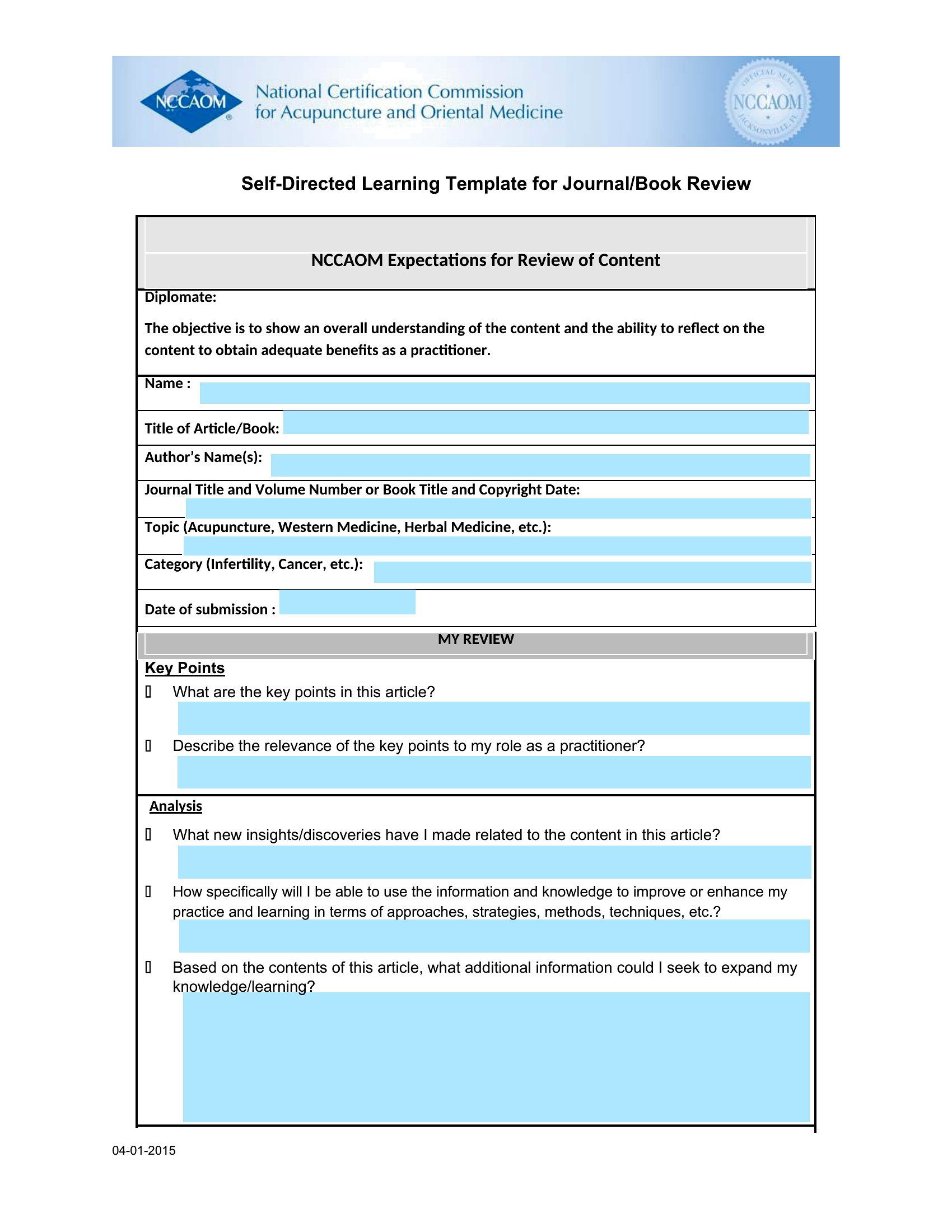
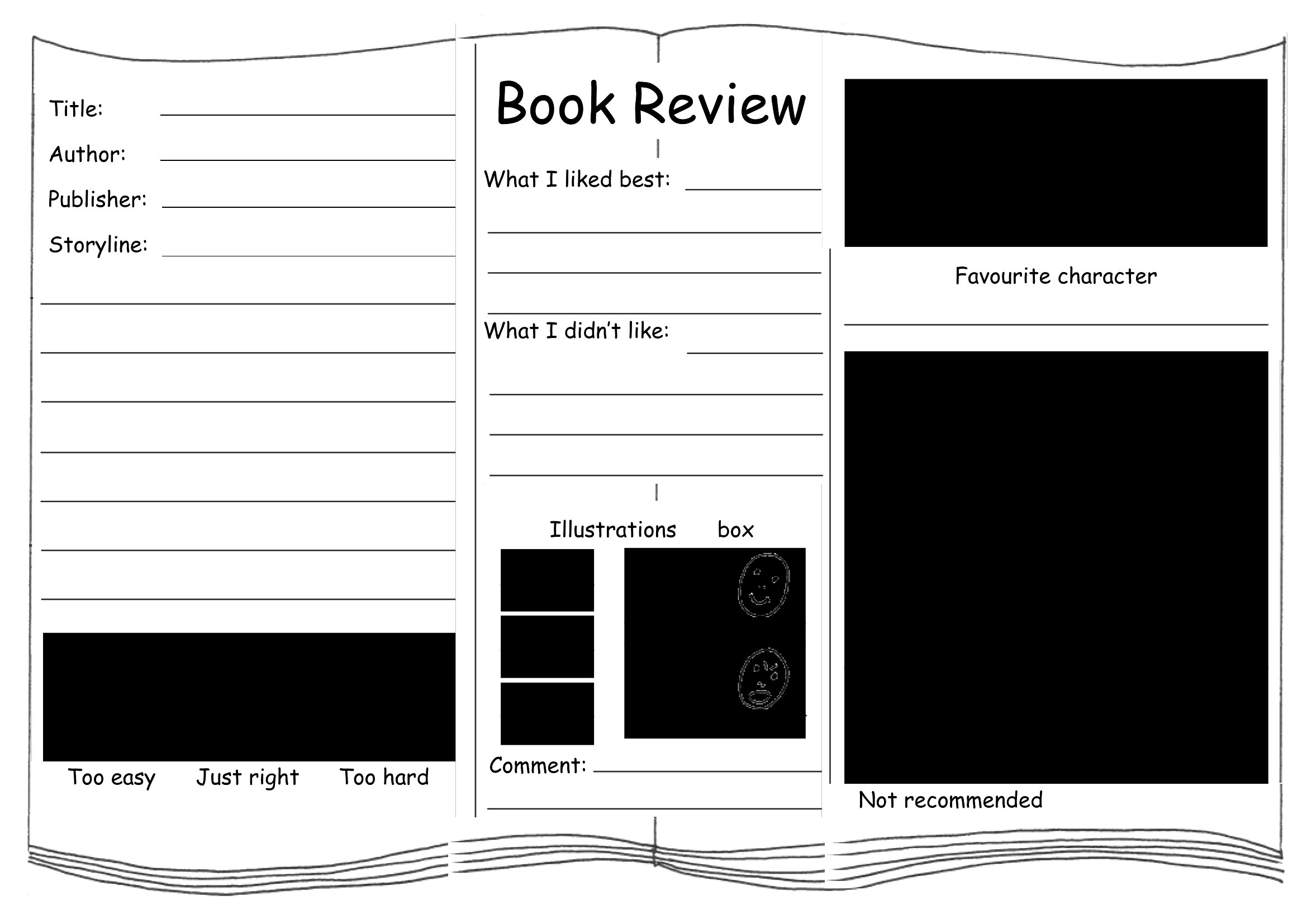
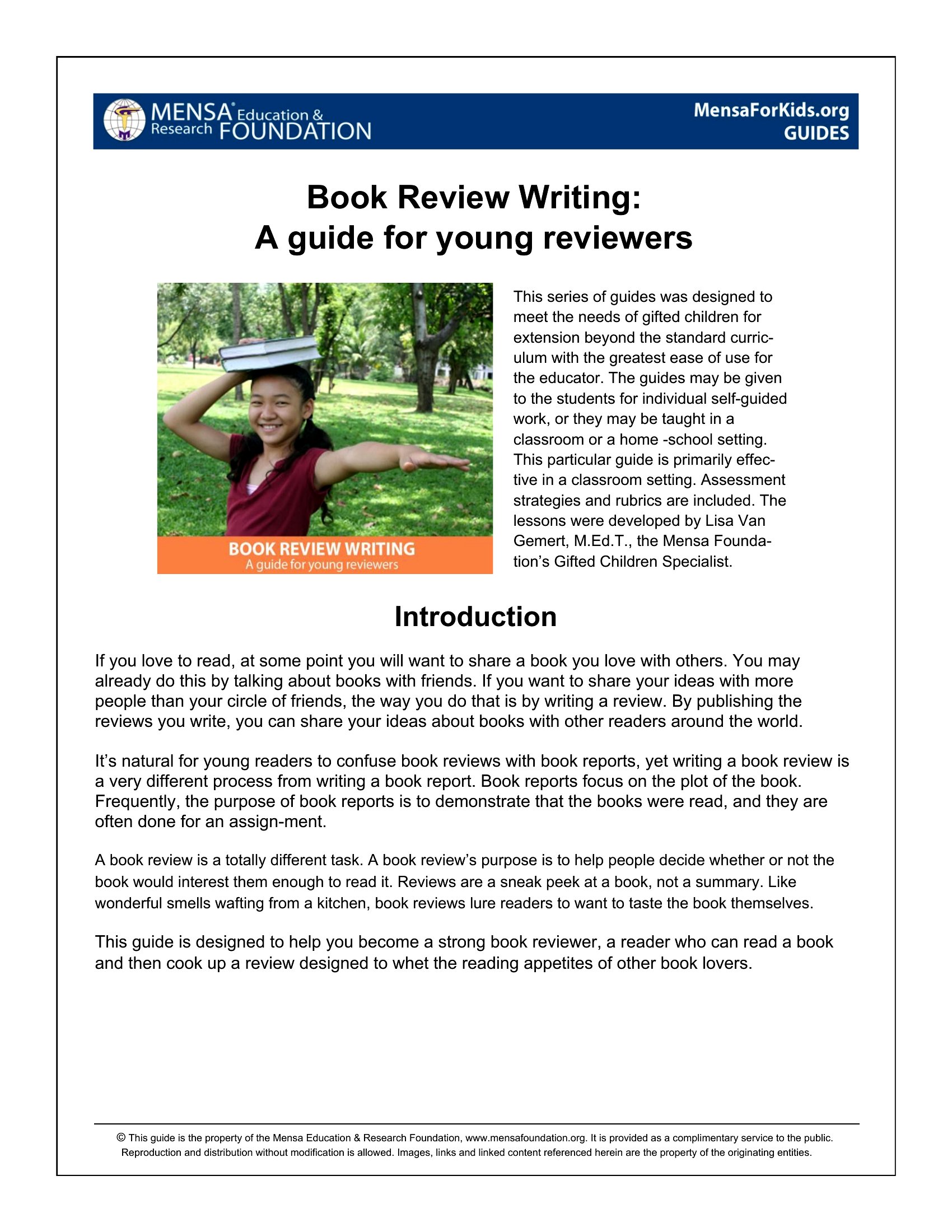
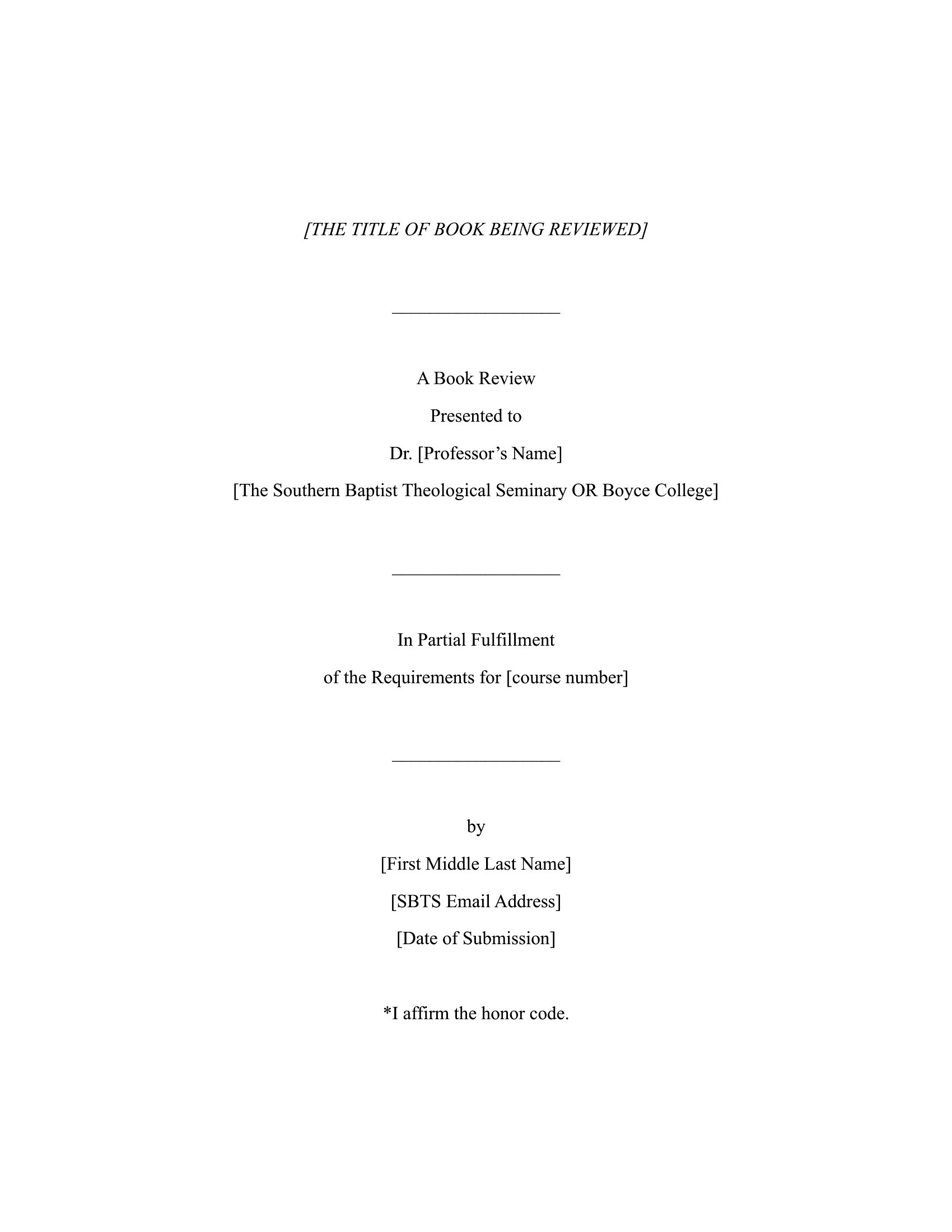
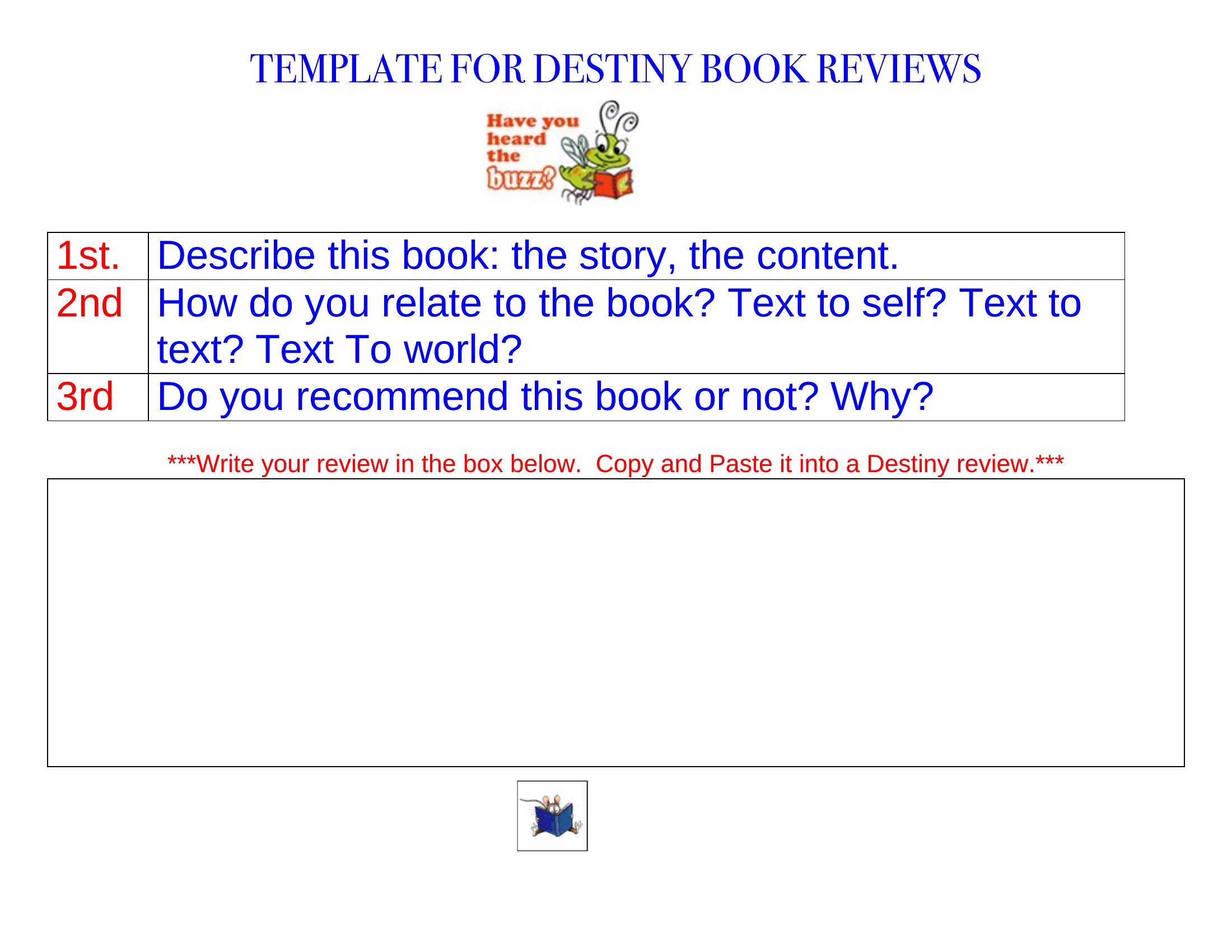
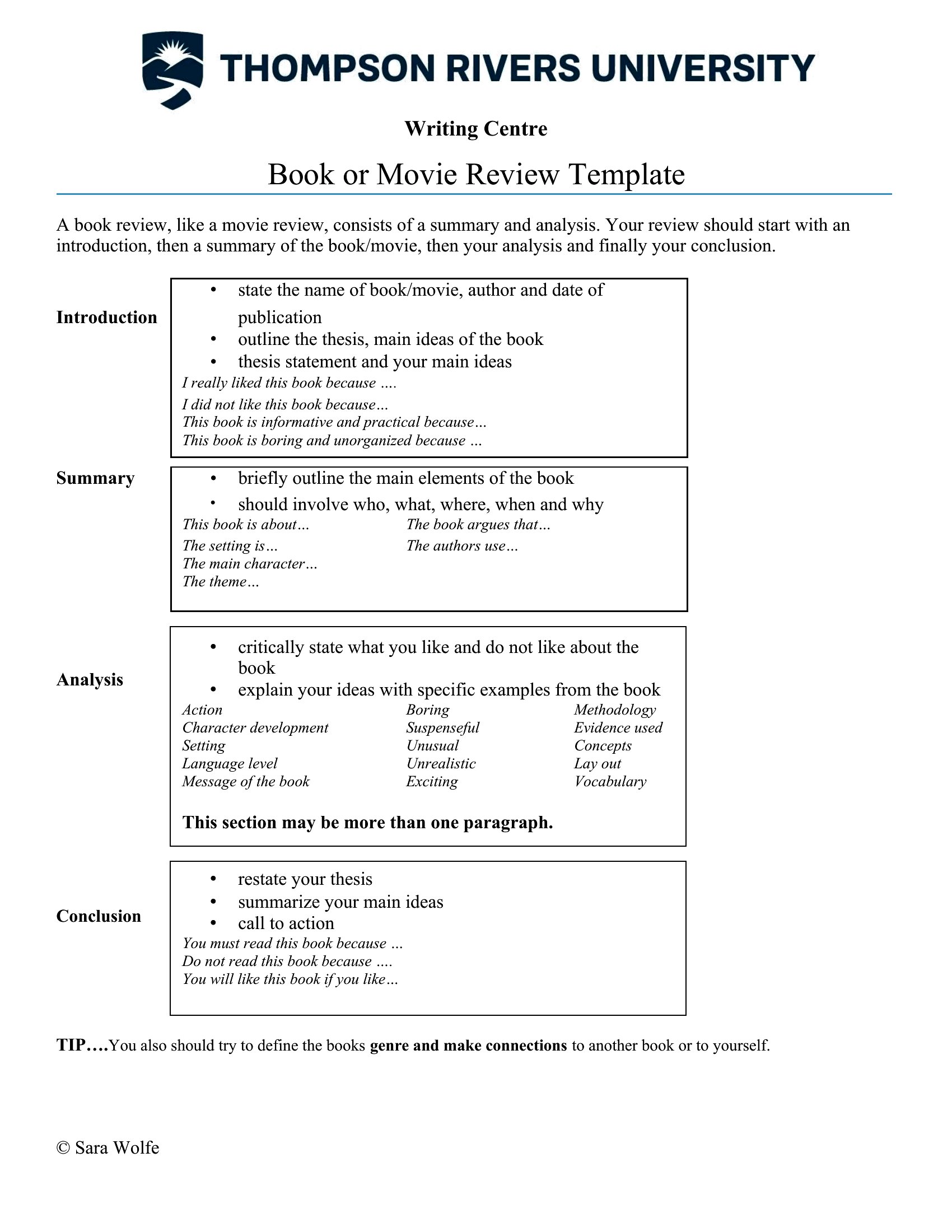
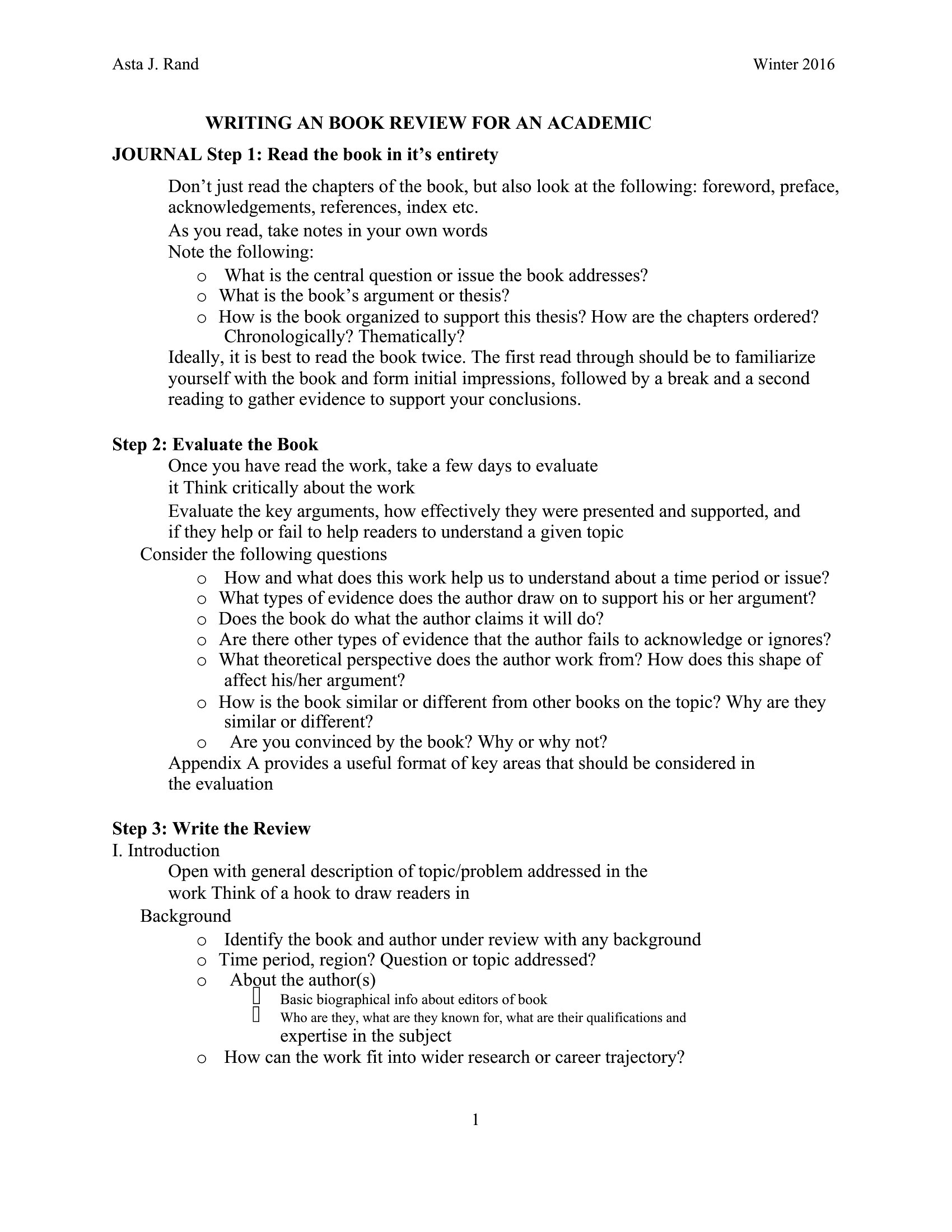
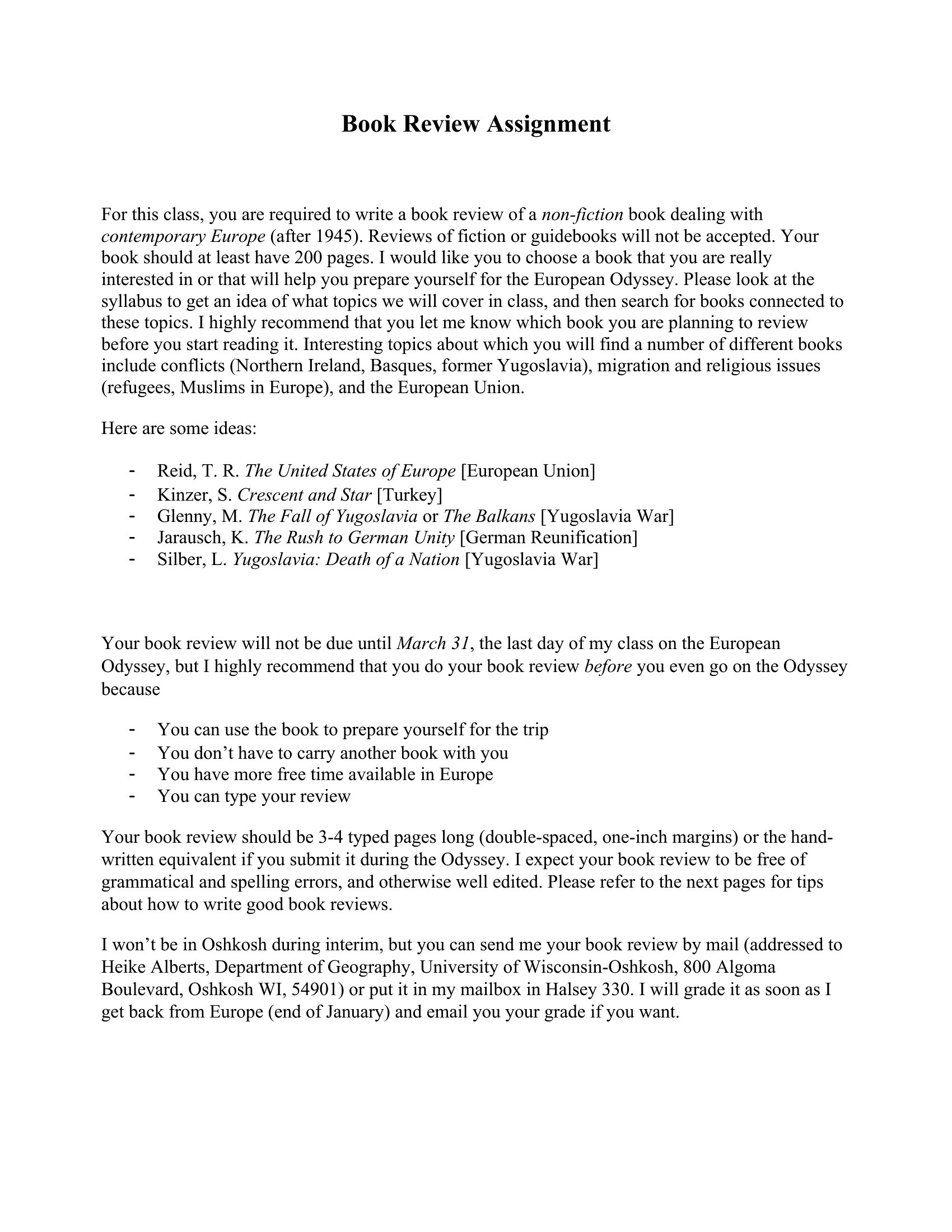
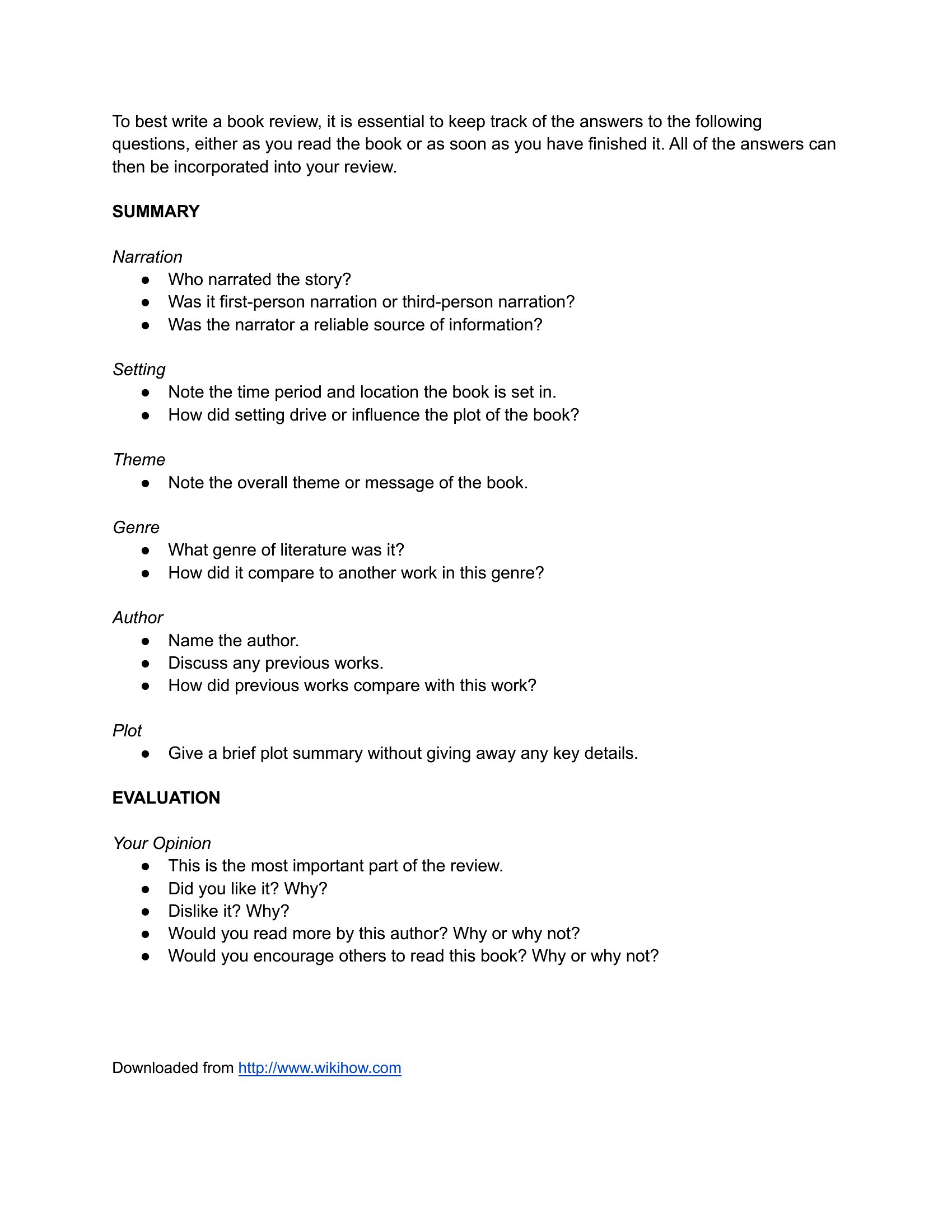
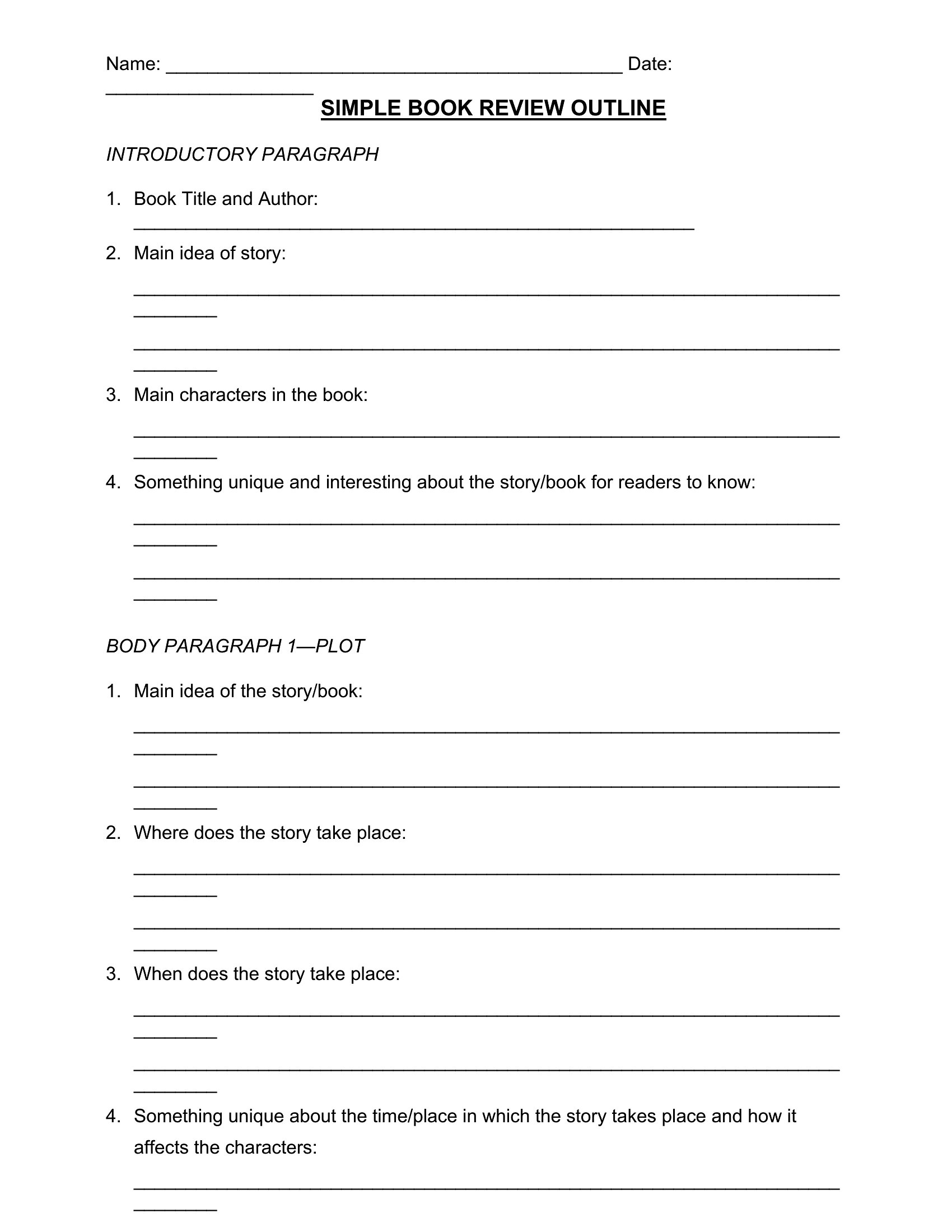
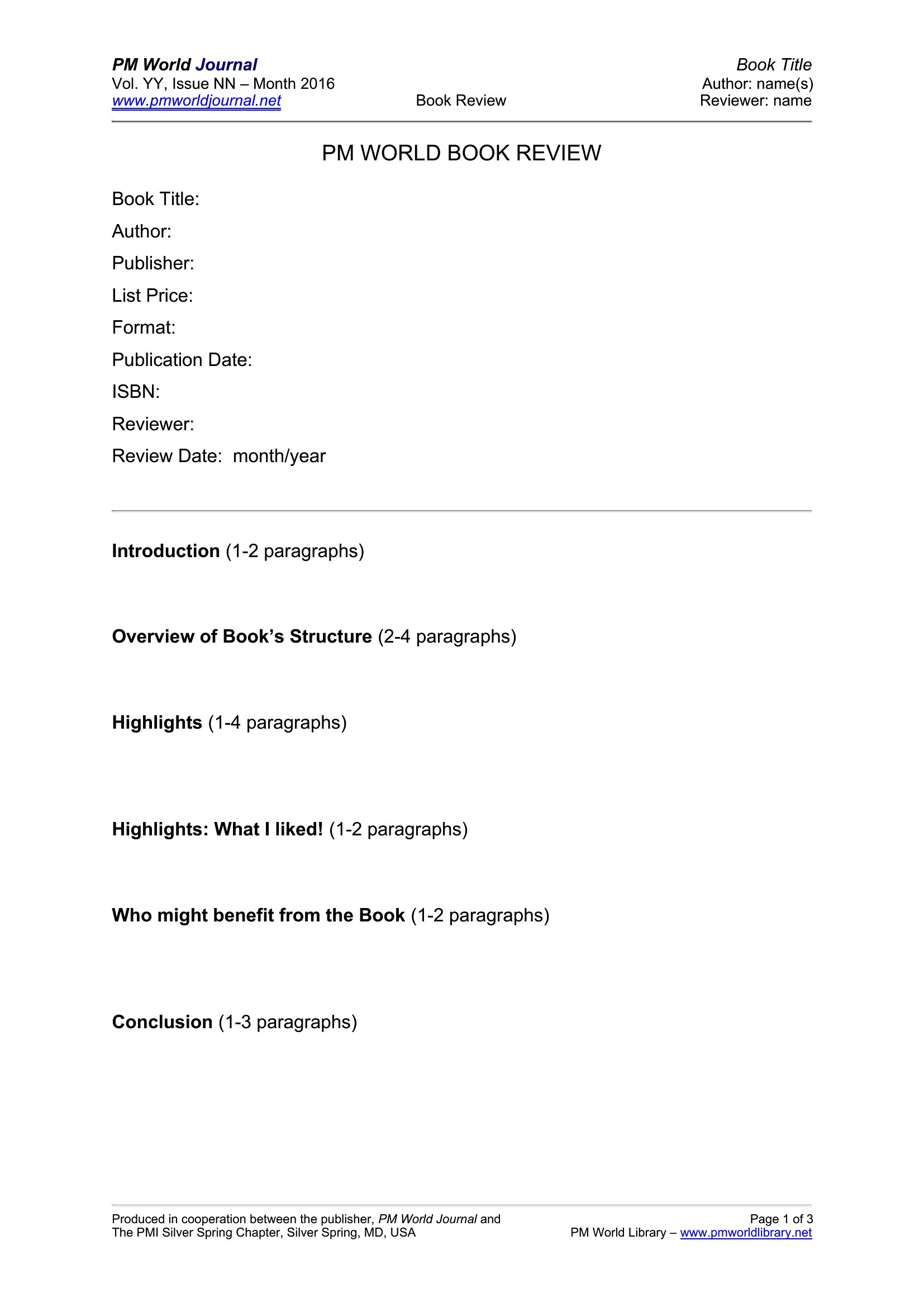
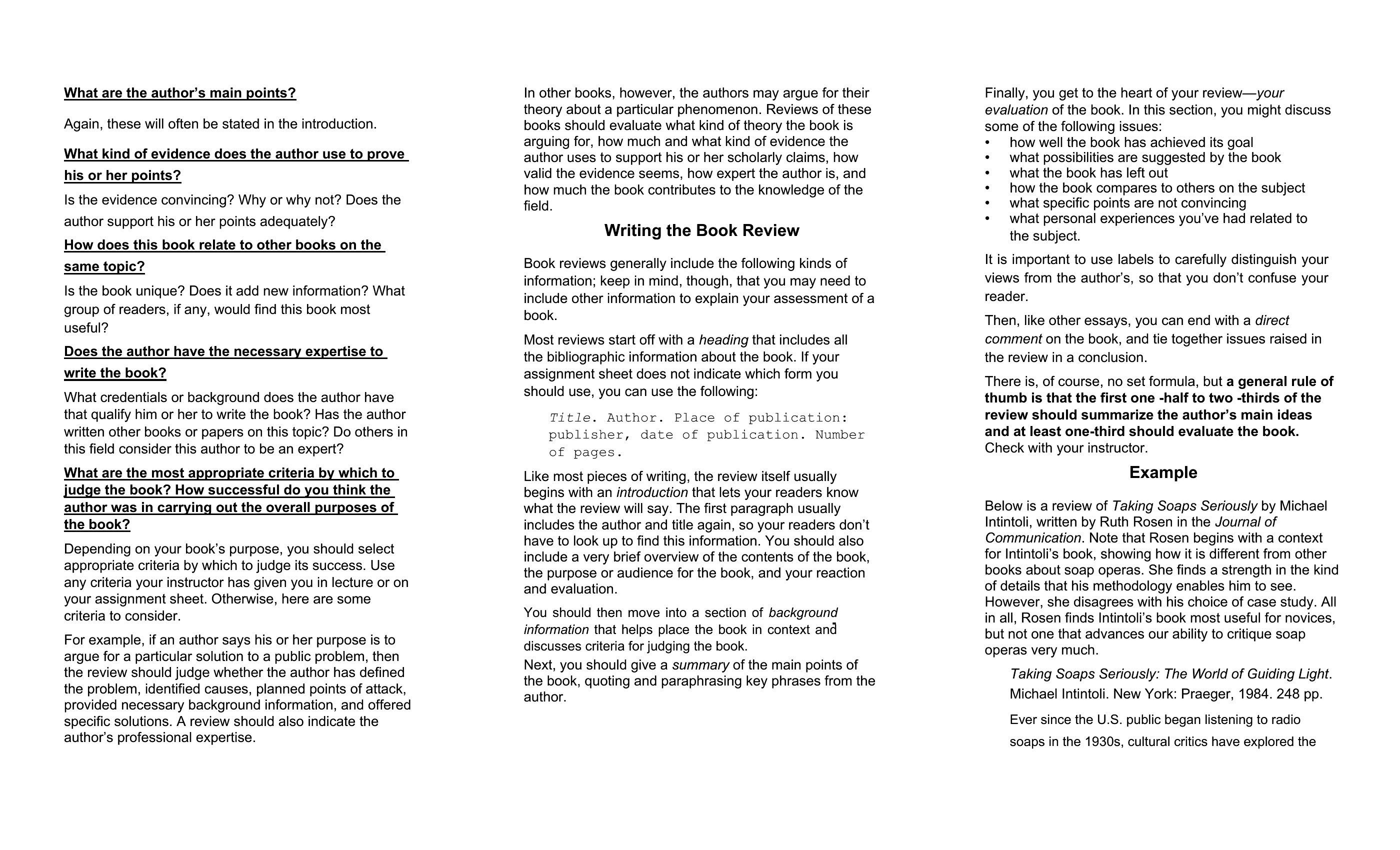
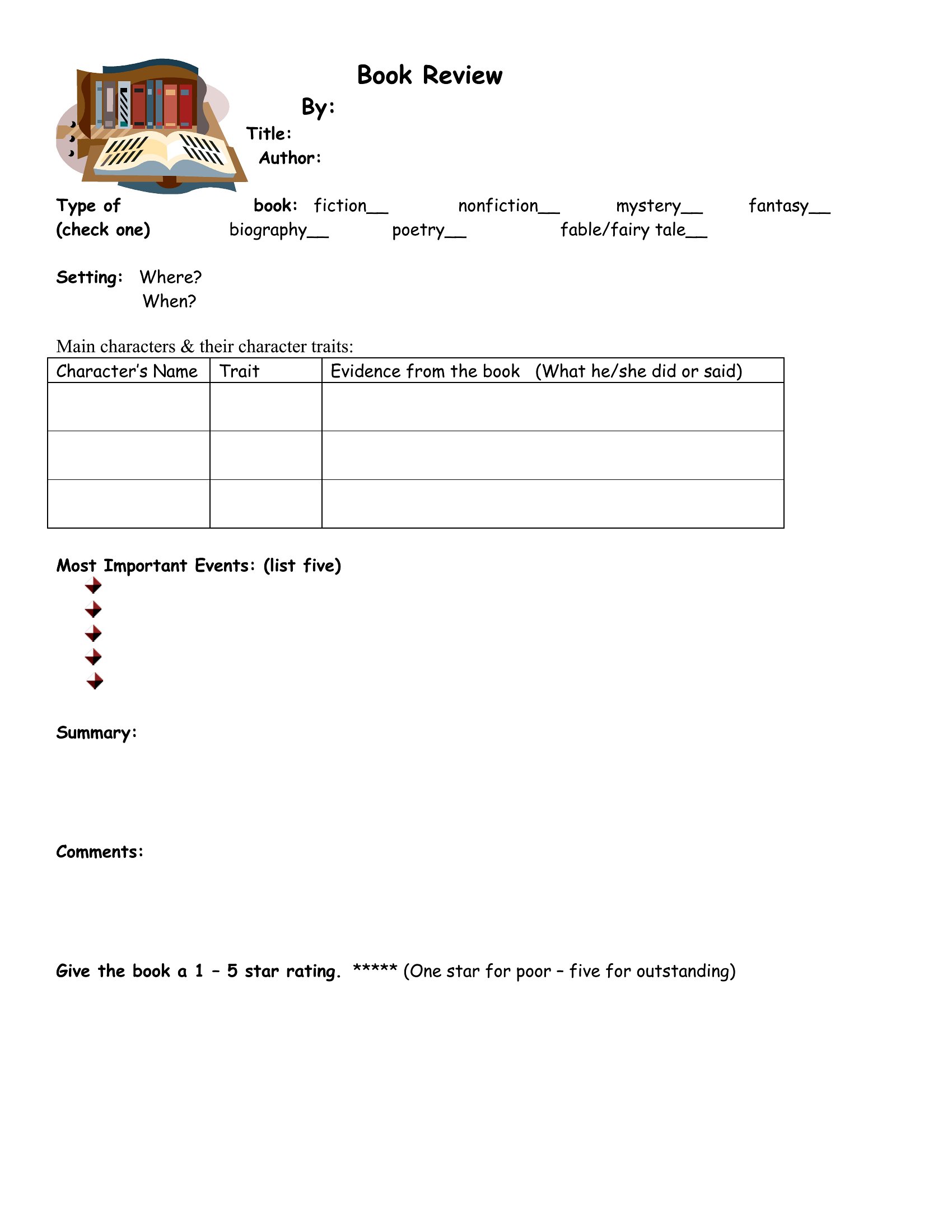
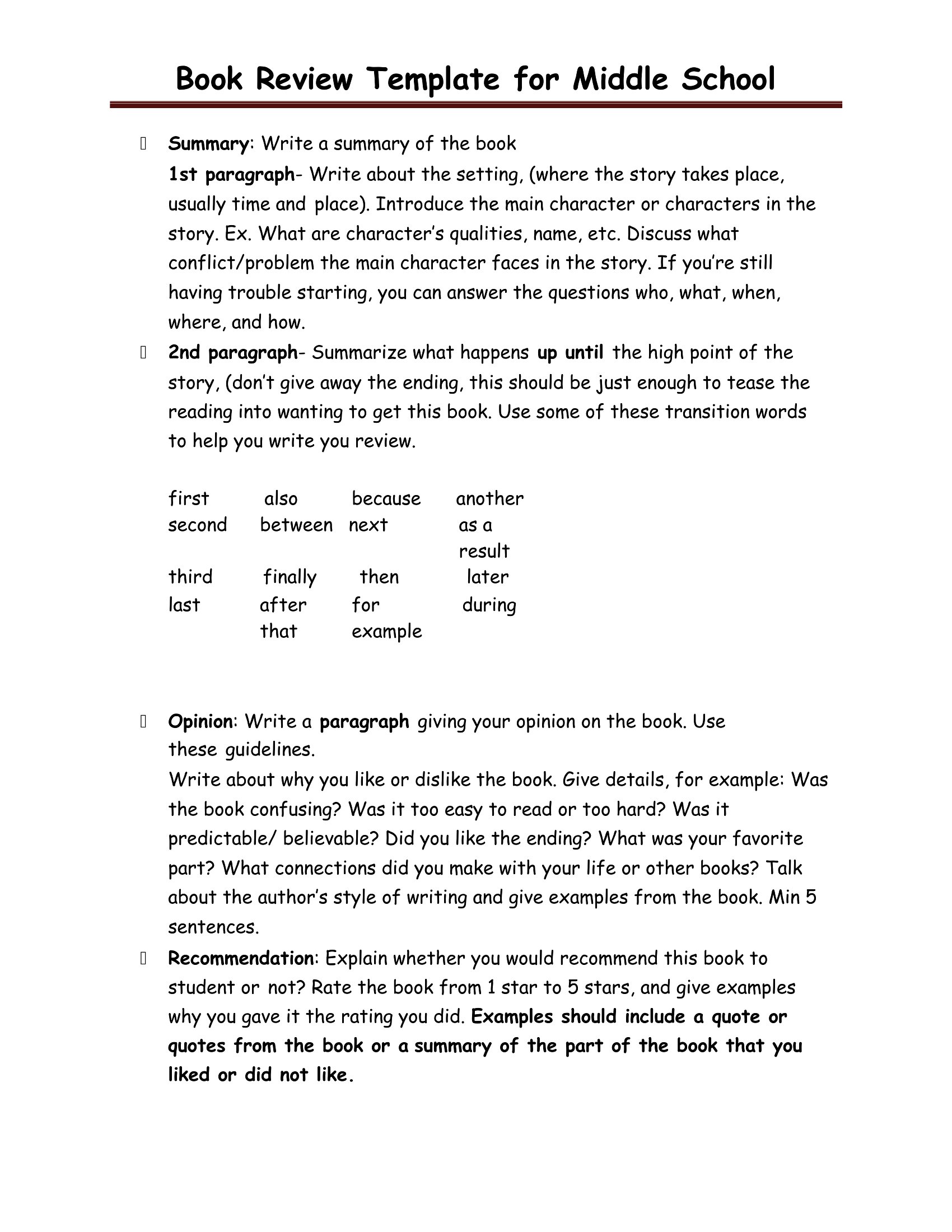
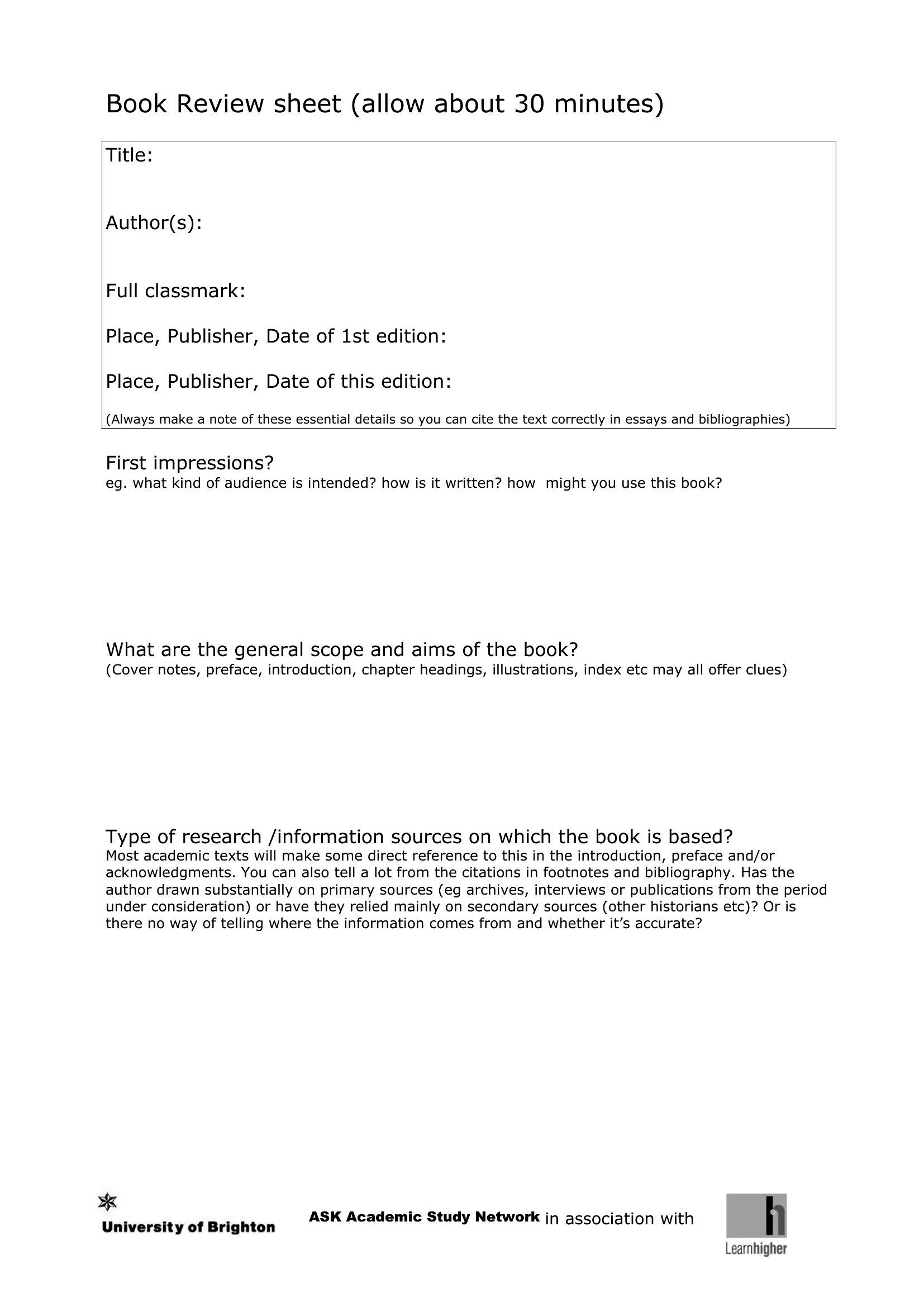
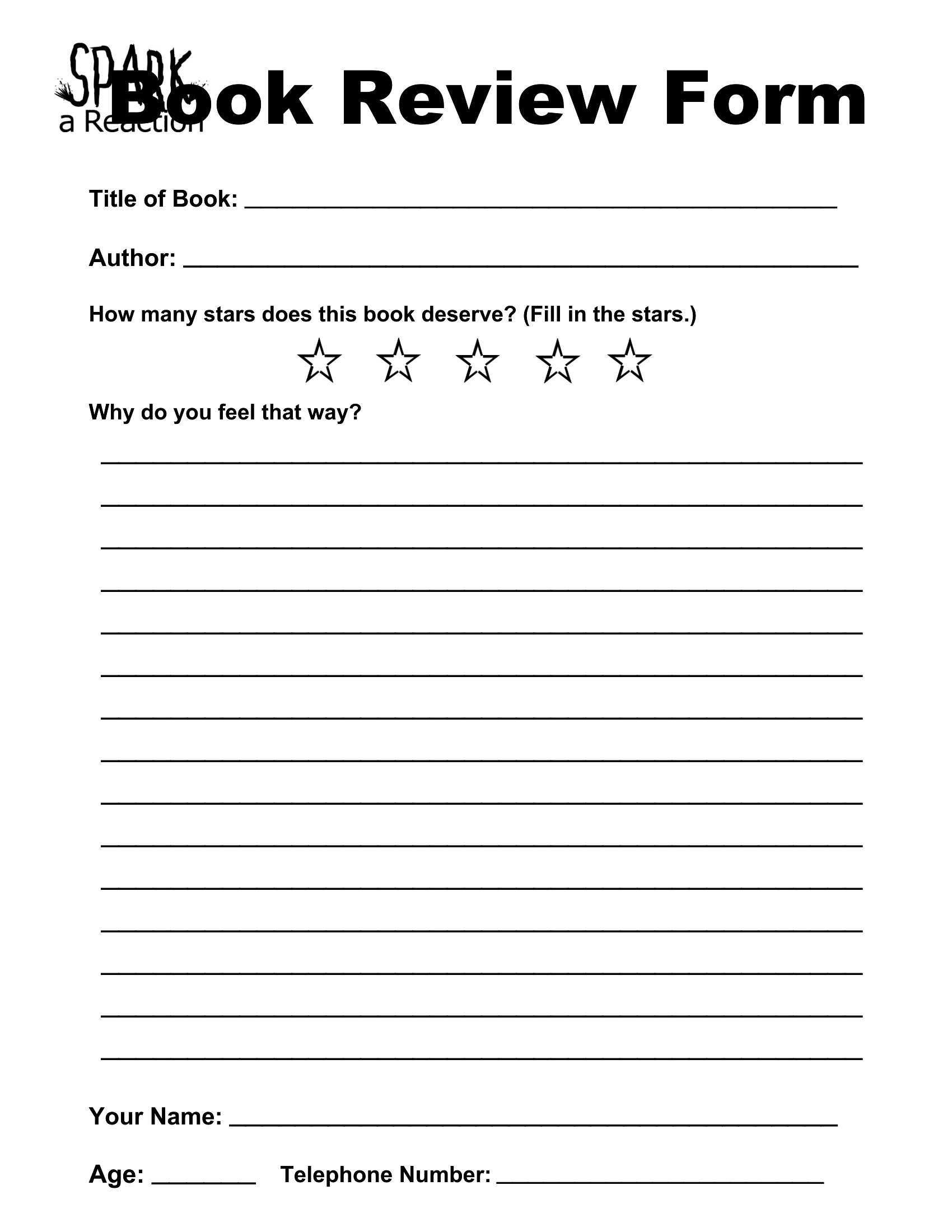
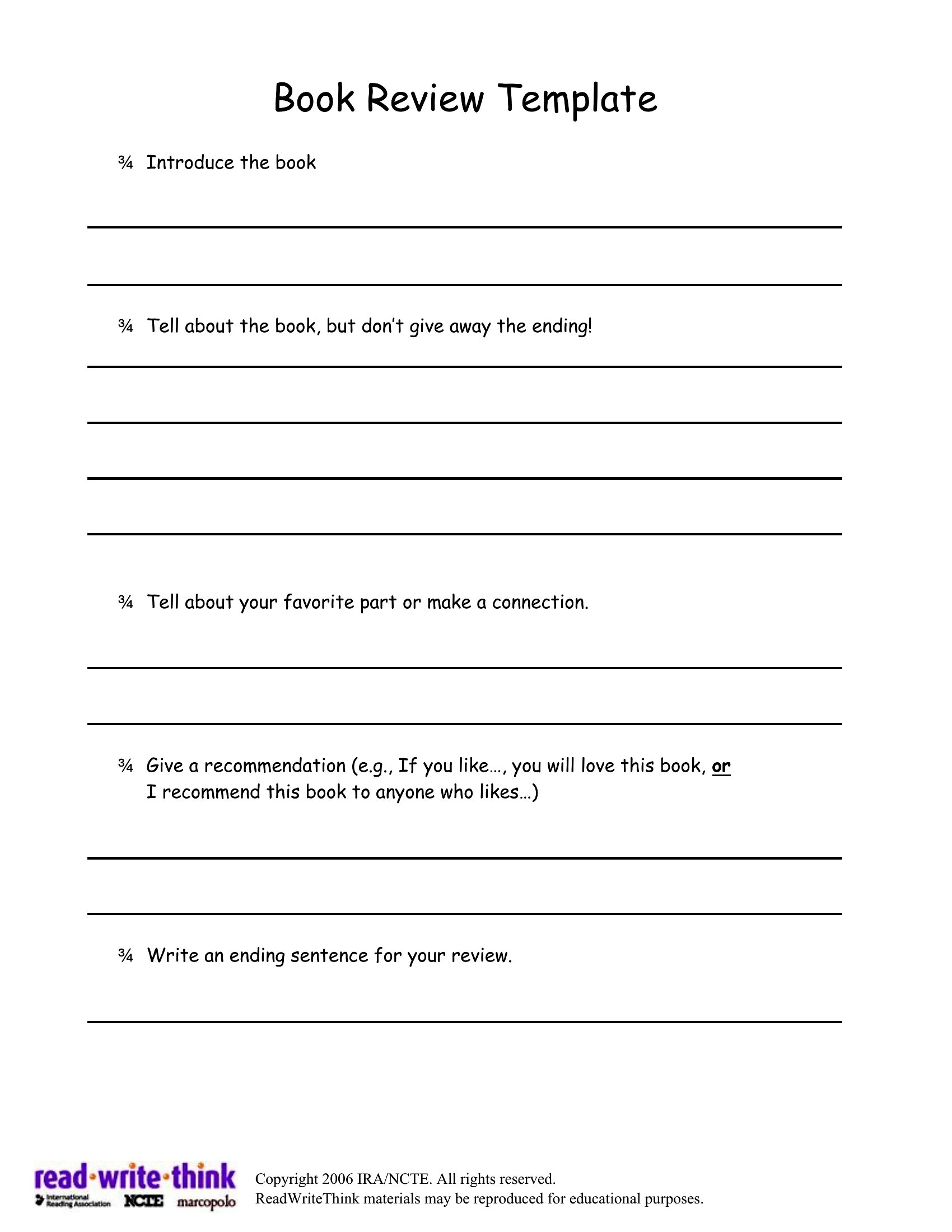
ReviewsA good book review does more than summarize the plot; it captures what worked, what fell flat, and who should read it next. This set of 50 book review templates gives students, teachers, and book club members a ready structure for organizing their thoughts. Each layout leaves room for the title and author, a short summary, favorite characters, and an honest rating, so reviews stay focused instead of rambling.
The templates open in Microsoft Word, which means you can rework the prompts, adjust the sections, and match them to a class assignment or a personal reading journal. Print a stack for the classroom or fill them in on screen and email them to a teacher. Pick the version that fits the grade level or the type of book and start writing your take.
When to use this Book Review template
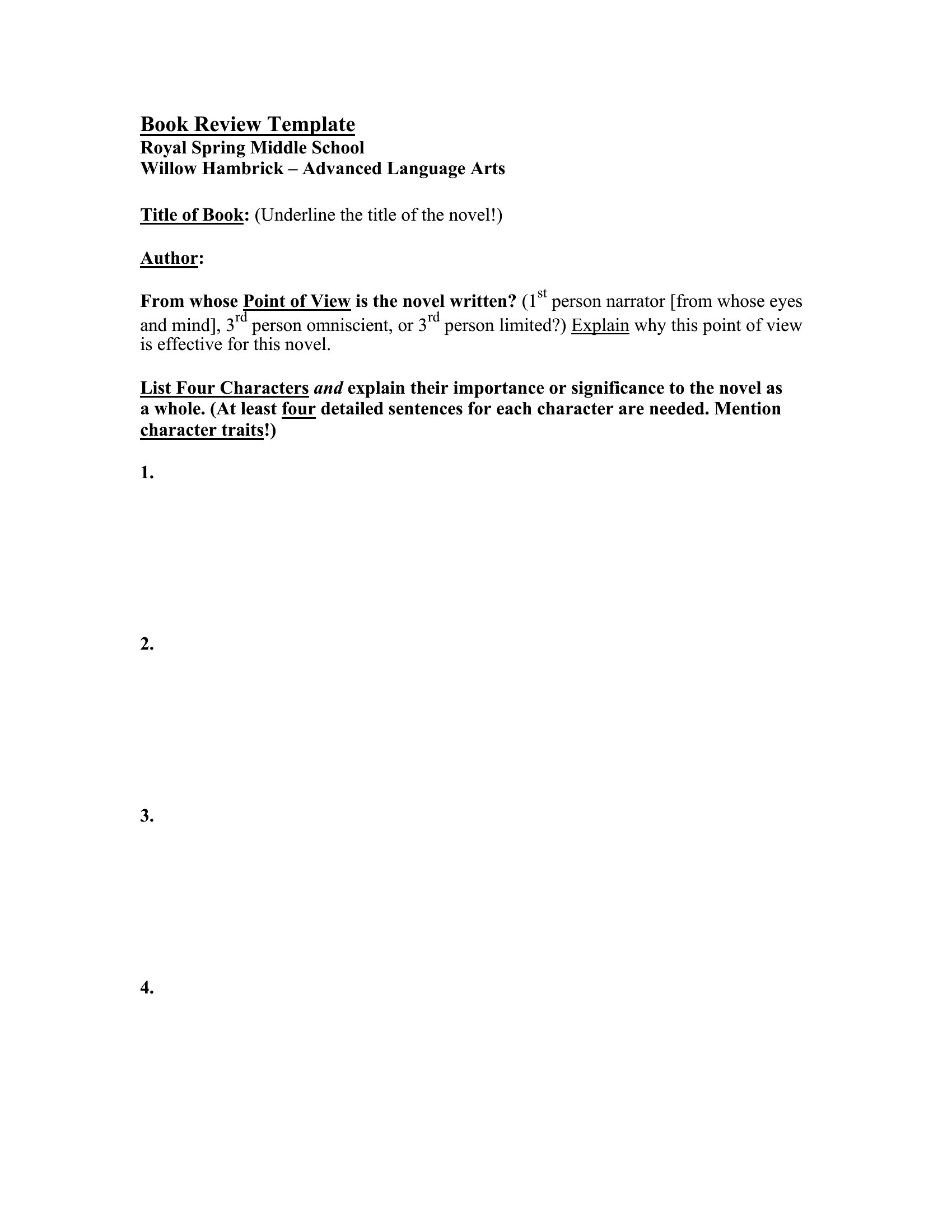
- High school English teachers assigning a 5-paragraph book review to evaluate students’ critical thinking after reading *Of Mice and Men*, using structured sections to guide analysis.
- Book club leaders planning a discussion on *The Midnight Library* who need a template to standardize member reviews before the next meeting, ensuring key themes are covered.
- Aspiring indie authors reviewing self-published fantasy novels for their blog, using a template to balance professionalism with engaging storytelling critiques for their audience.
- Parents helping their 10-year-old child write a review of *The Bad Guys* to practice summary, opinion, and recommendation skills in a simple, guided format.
Which format should I download?
Since all templates are in Word, this format is ideal for users who need to edit, save, or print their reviews while keeping the layout intact. Word’s compatibility ensures easy sharing with teachers, editors, or publishers. The templates are designed for quick customization—ideal for last-minute assignments or spontaneous book club discussions where formatting matters less than structure.
Choose from 50 Book Review Templates
How to use this Book Review template
Can these templates help students avoid common mistakes in book reviews, like only summarizing instead of analyzing?
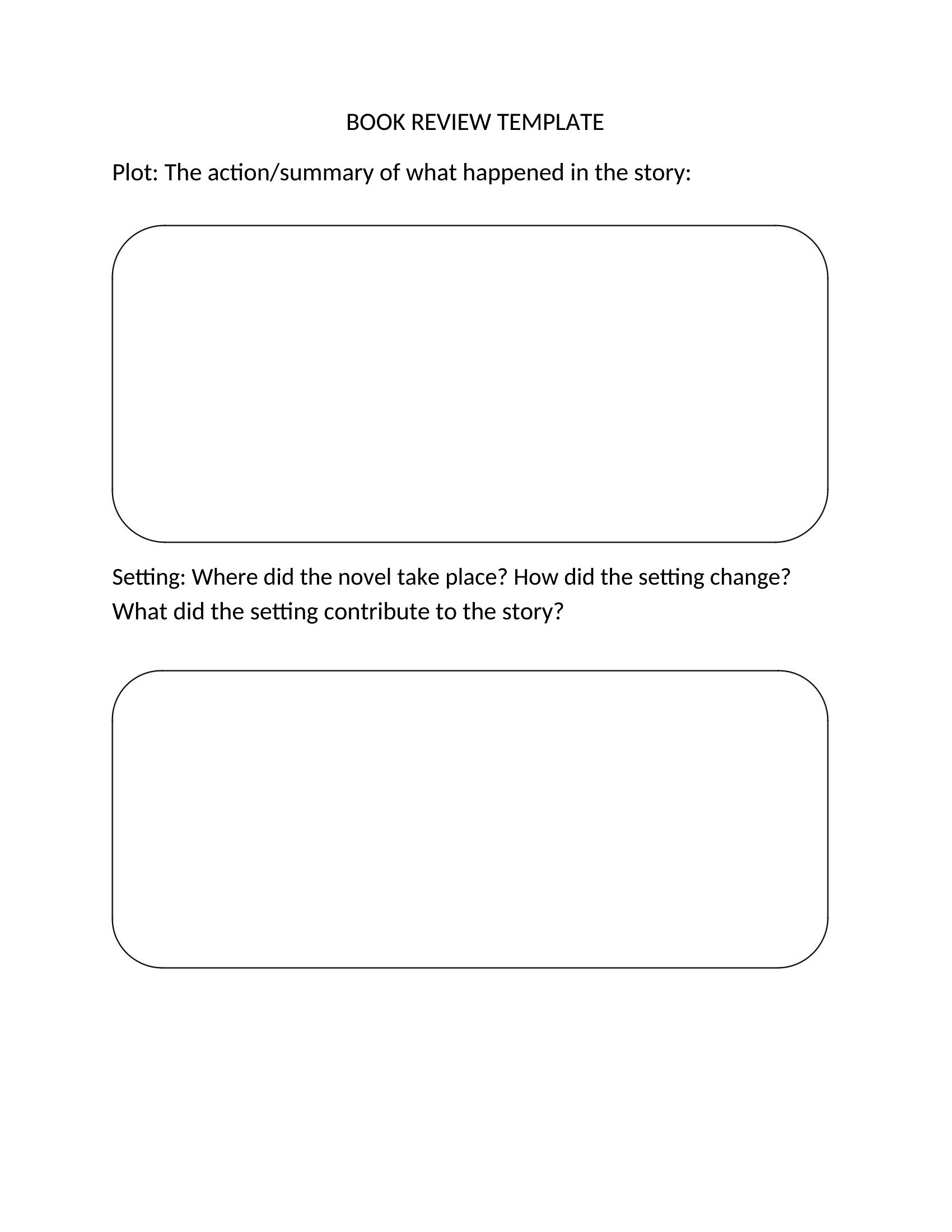
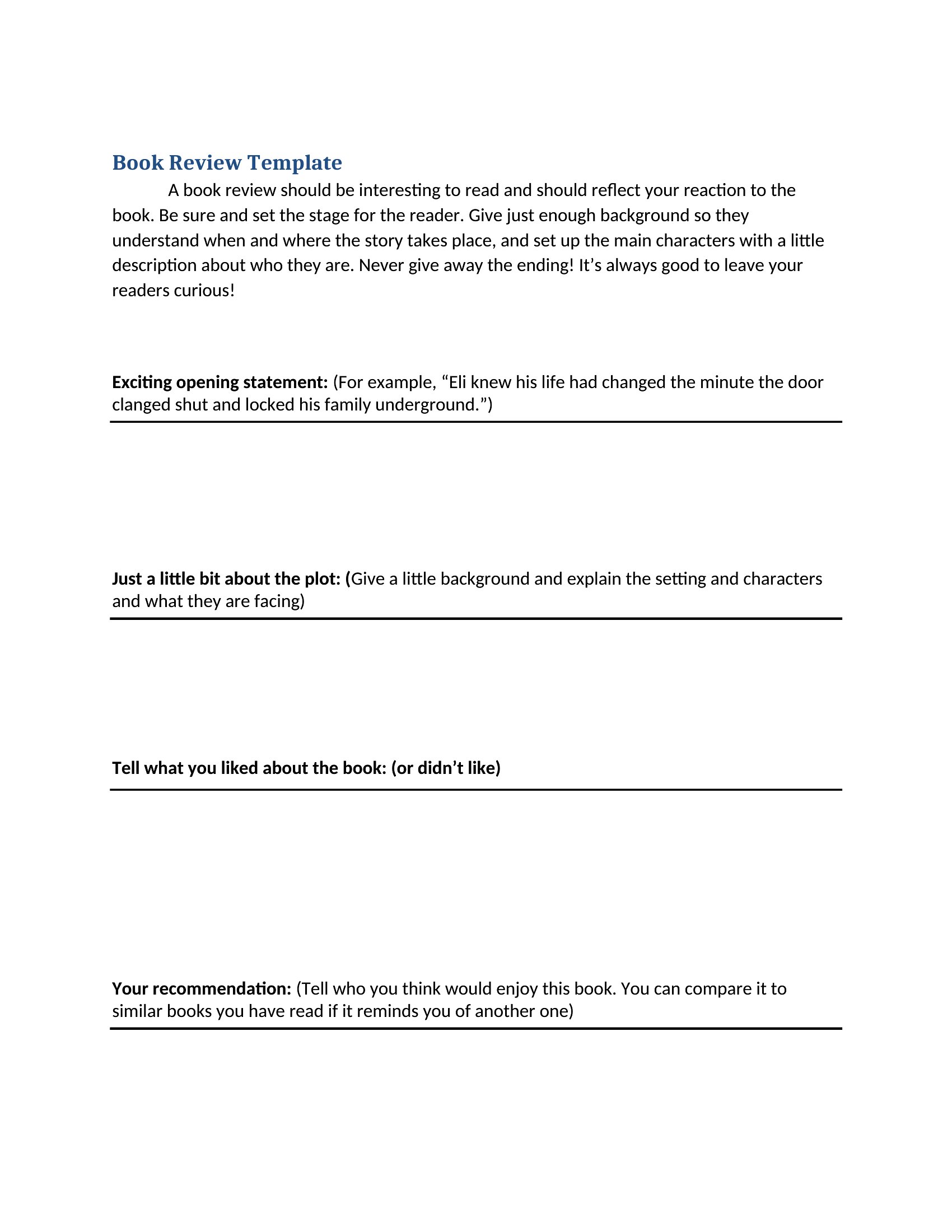
Yes. Each template includes dedicated sections for plot summary, character analysis, and personal opinion, which naturally guides students away from surface-level descriptions. The structured prompts—like ‘What worked?’ or ‘Who would enjoy this?’—force deeper engagement with the text.
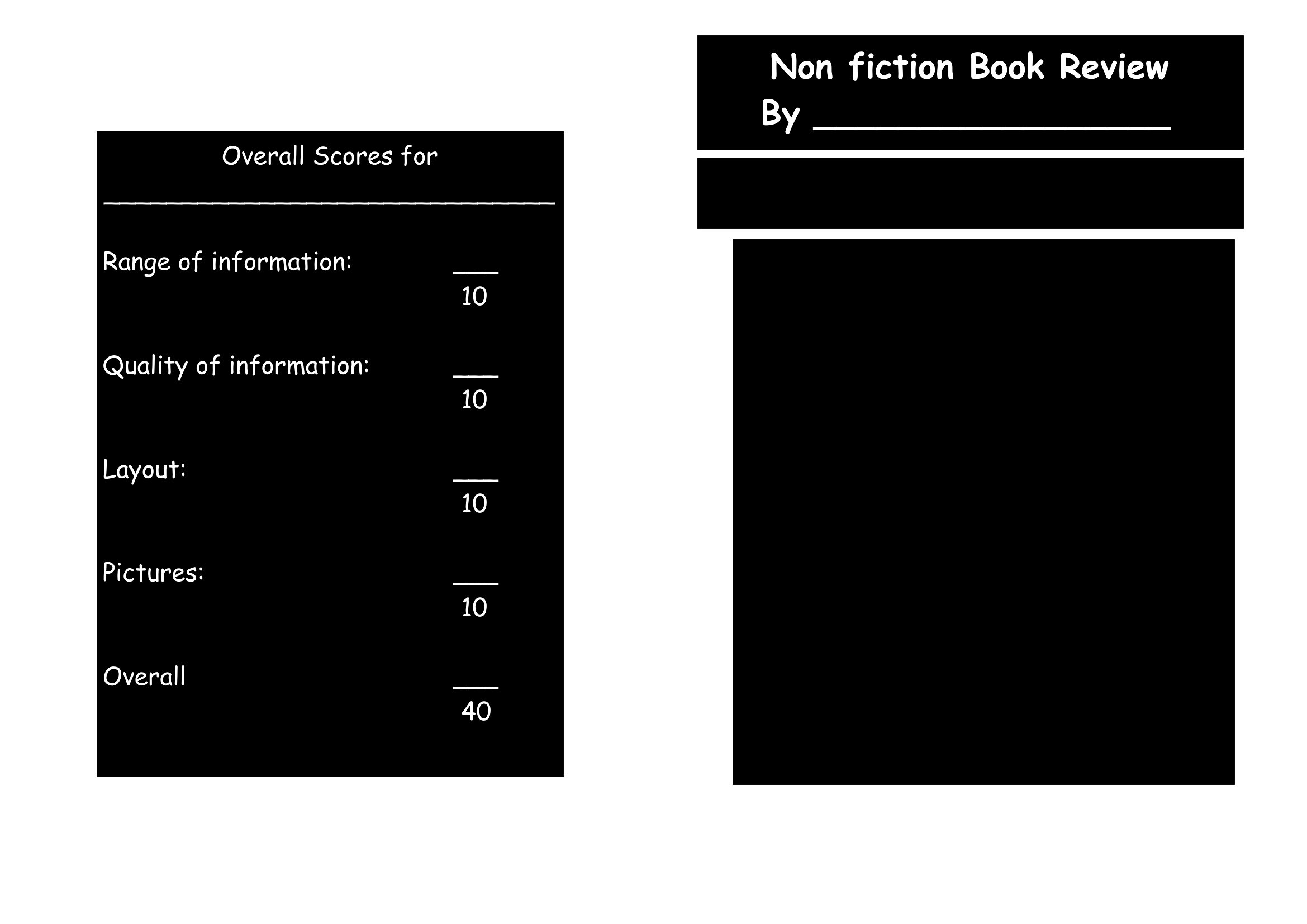
Are these templates suitable for reviewing non-fiction books, like biographies or self-help guides?
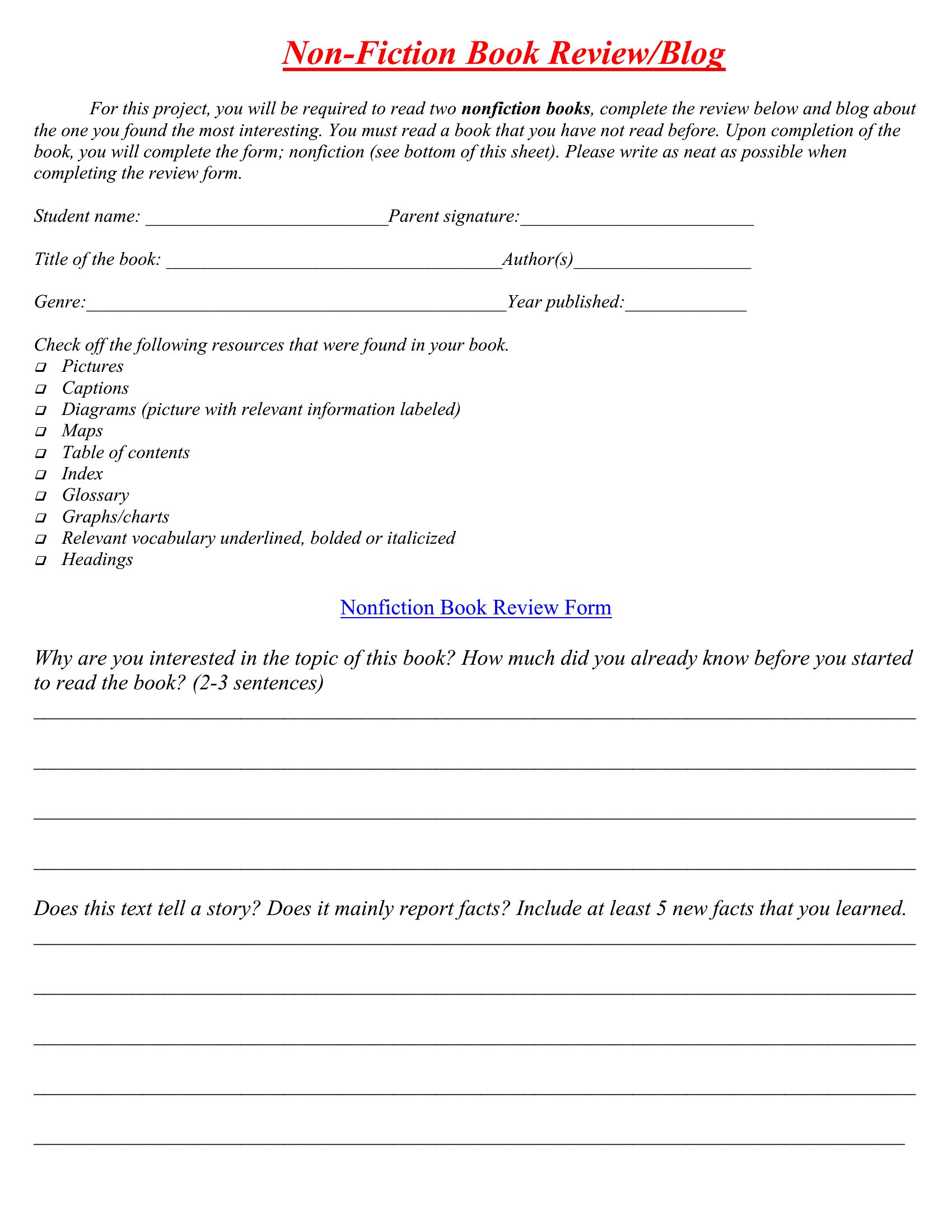
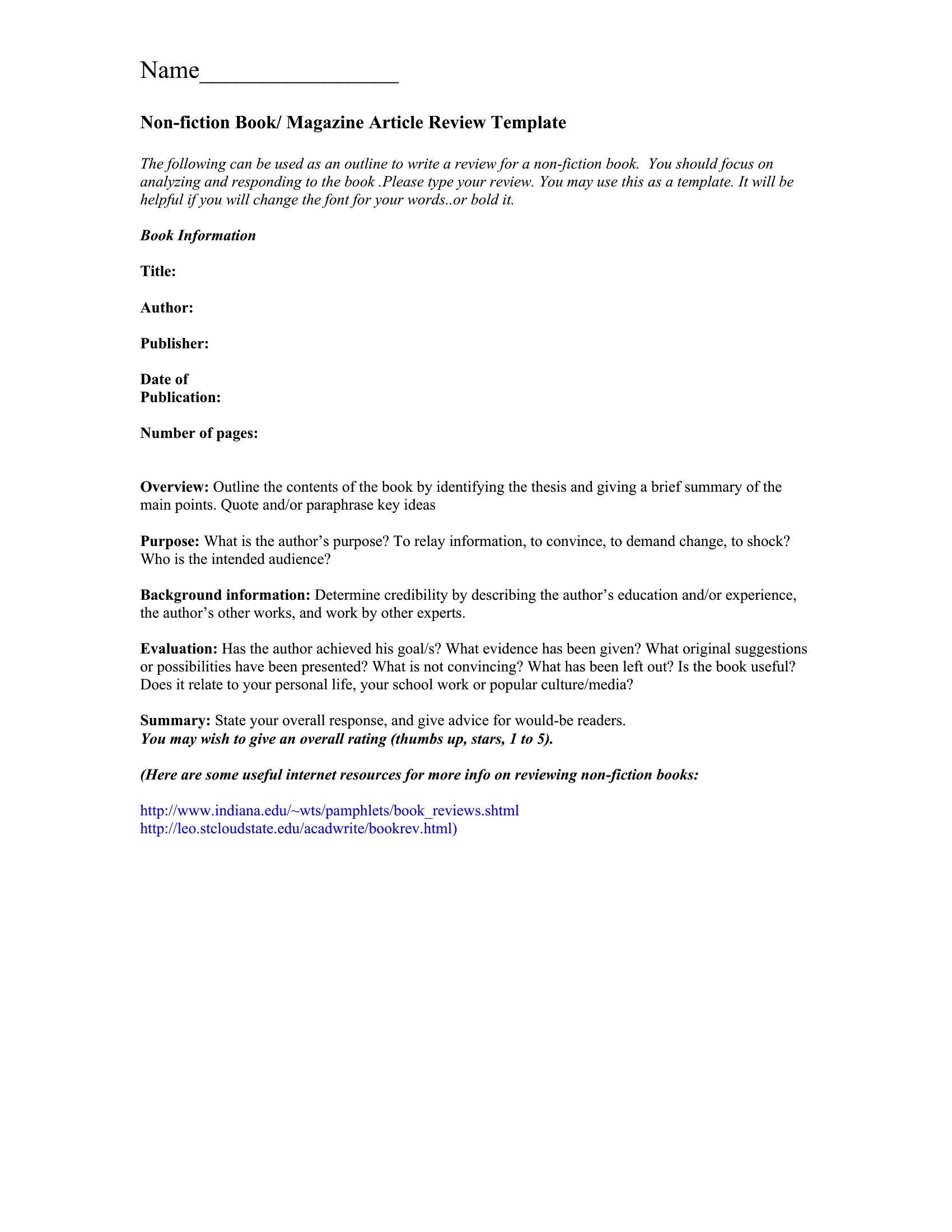
Absolutely. The templates focus on themes, arguments, and reader takeaways rather than plot, making them adaptable for non-fiction. For example, a biography review could use the ‘favorite characters’ section for key figures in the story, while self-help books might highlight actionable insights in the ‘rating’ or ‘recommendation’ areas.
How can book clubs use these templates to keep discussions focused and productive?
Book clubs can assign the same template to all members before a meeting, ensuring everyone addresses core elements like strengths, weaknesses, and audience appeal. This reduces off-topic tangents and creates a shared framework for deeper discussions. Leaders can also collect reviews in advance to spot recurring themes or debates.
Comments
Join the conversation
Sign in to share your thoughts and leave a comment on this resource.