Free Book Report Templates (Word, PDF)
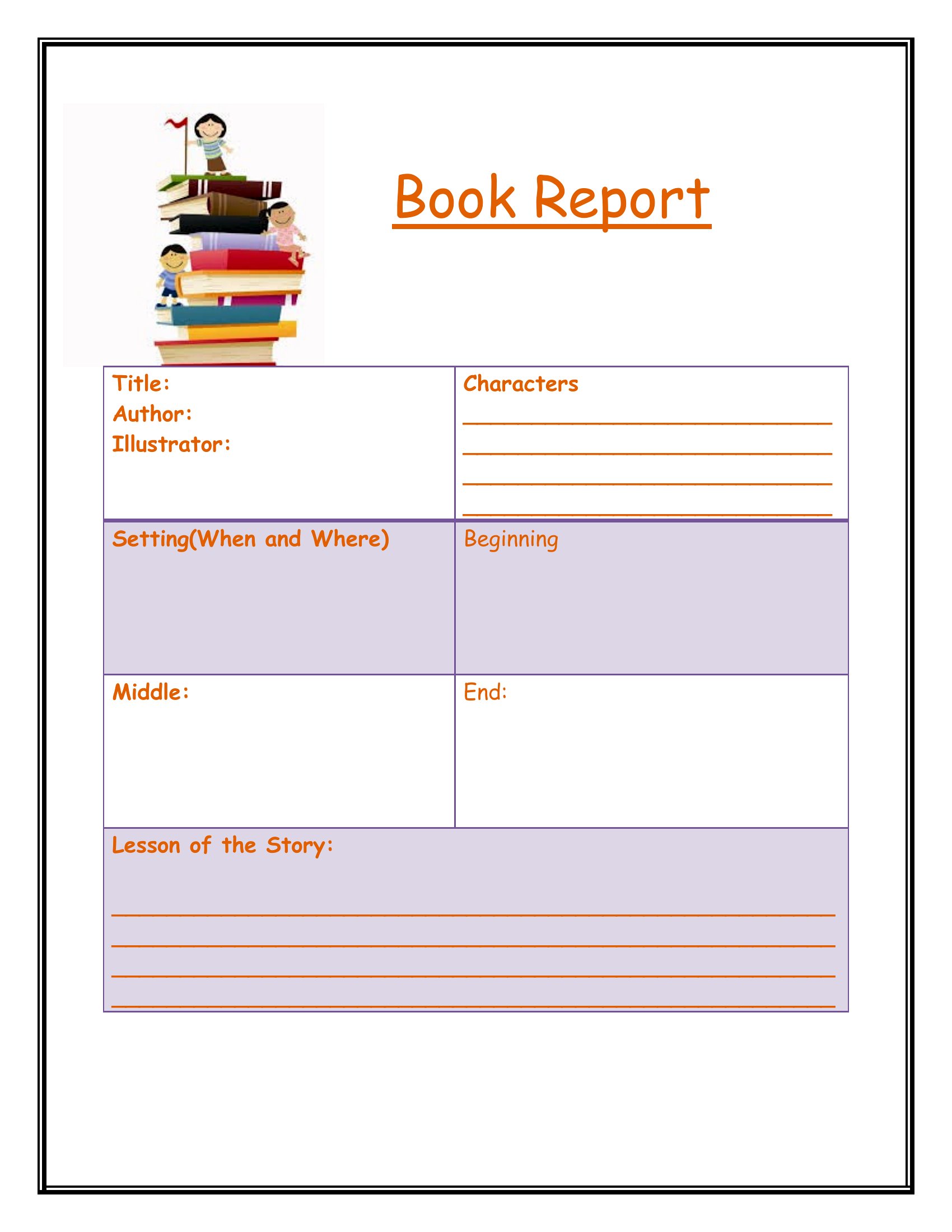
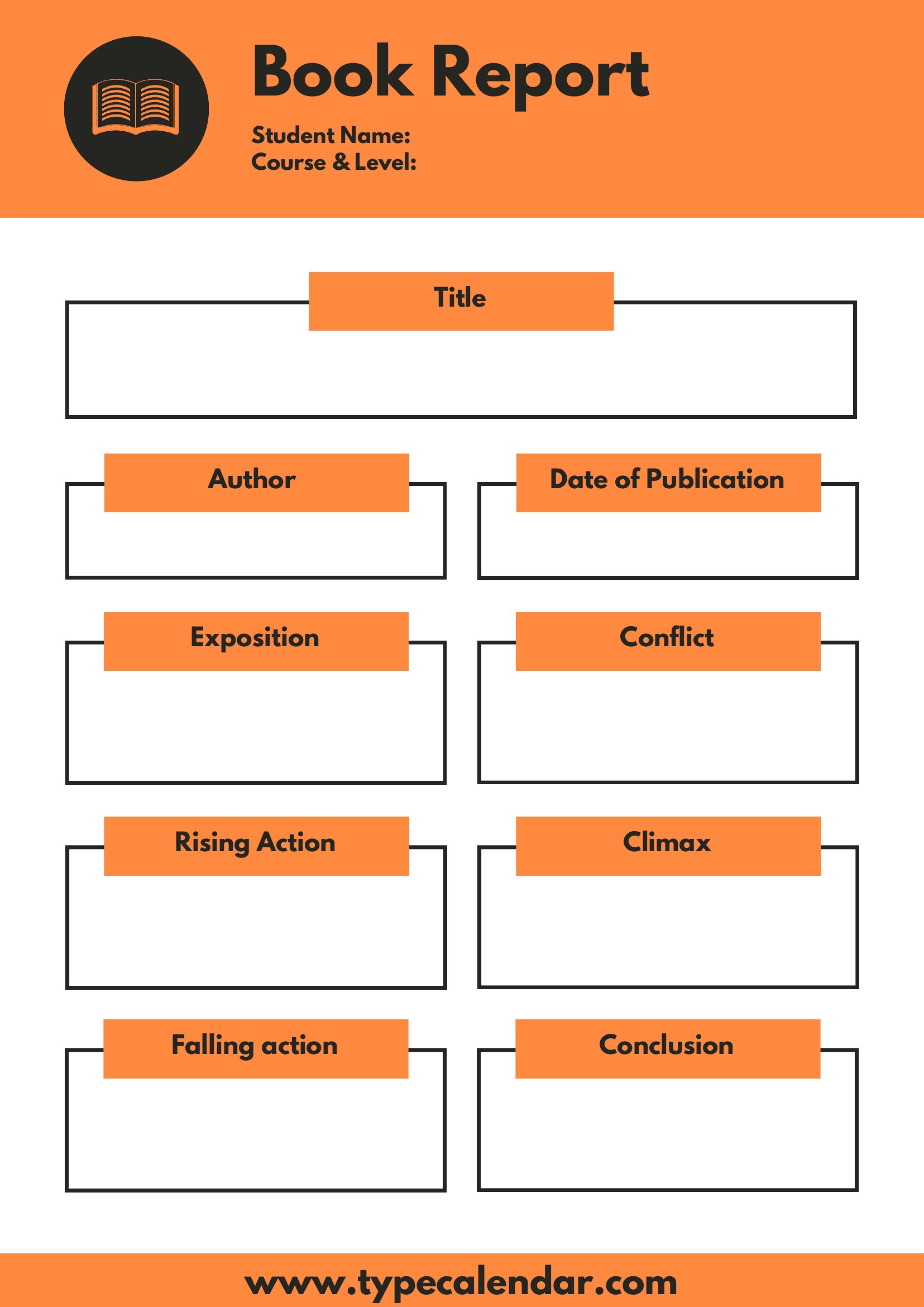
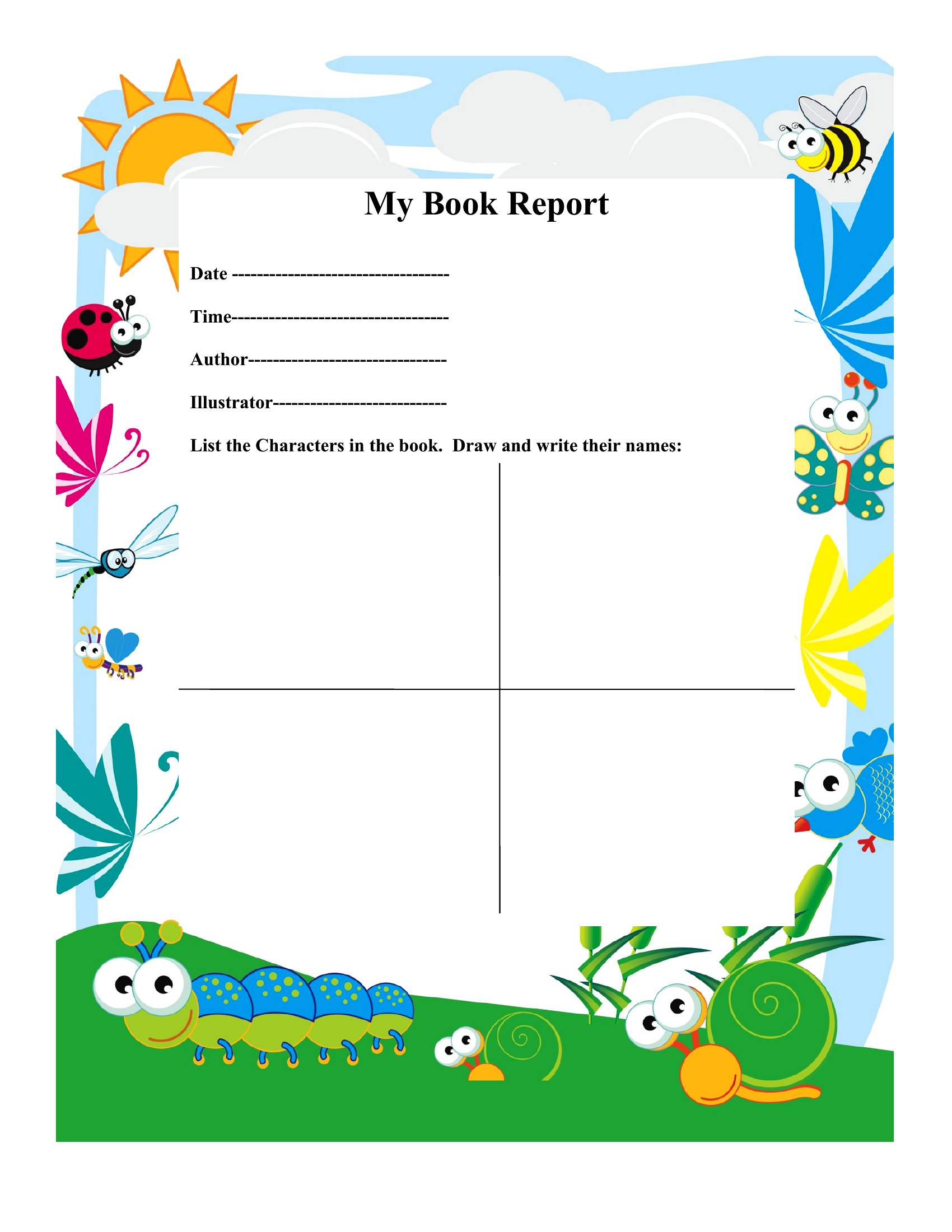
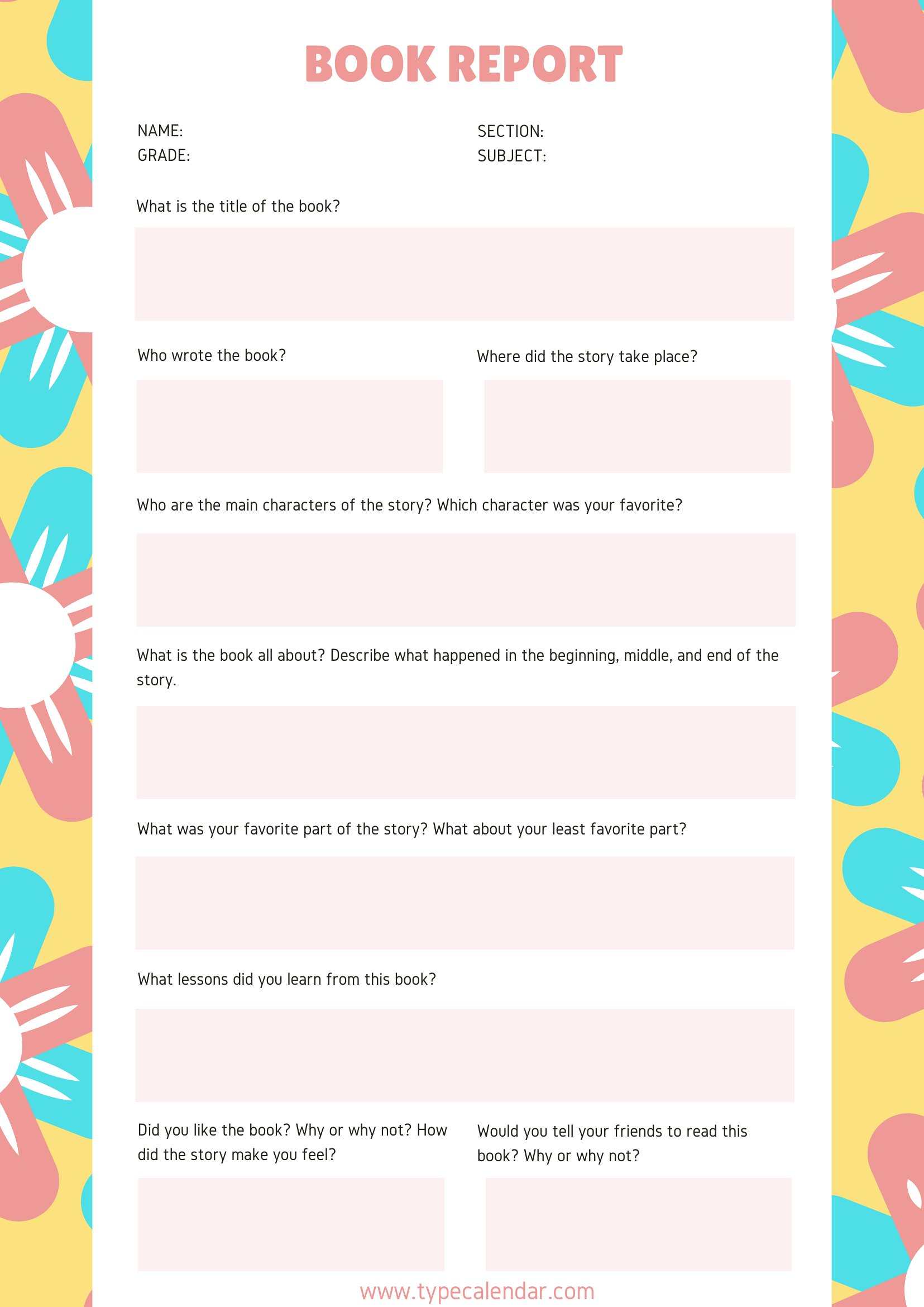
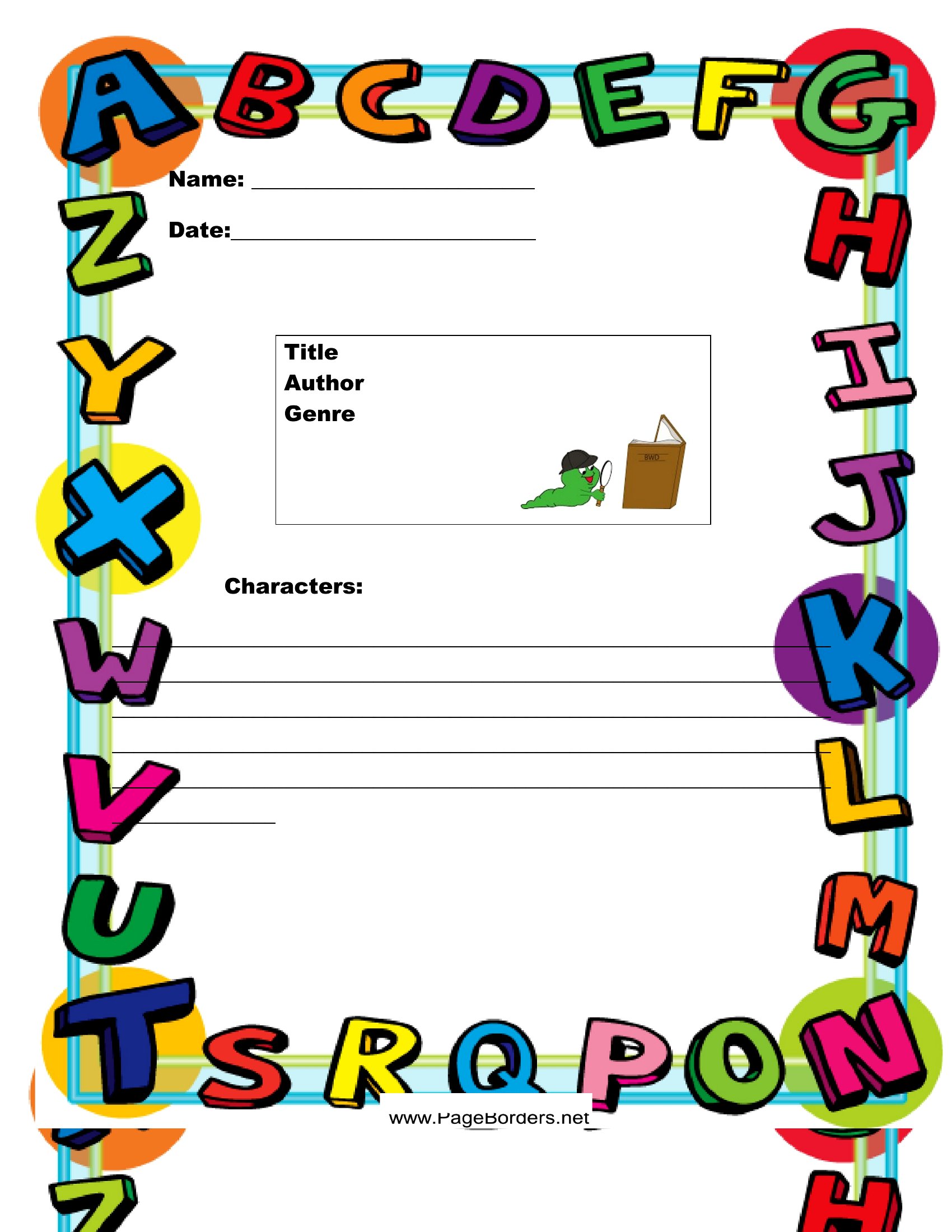
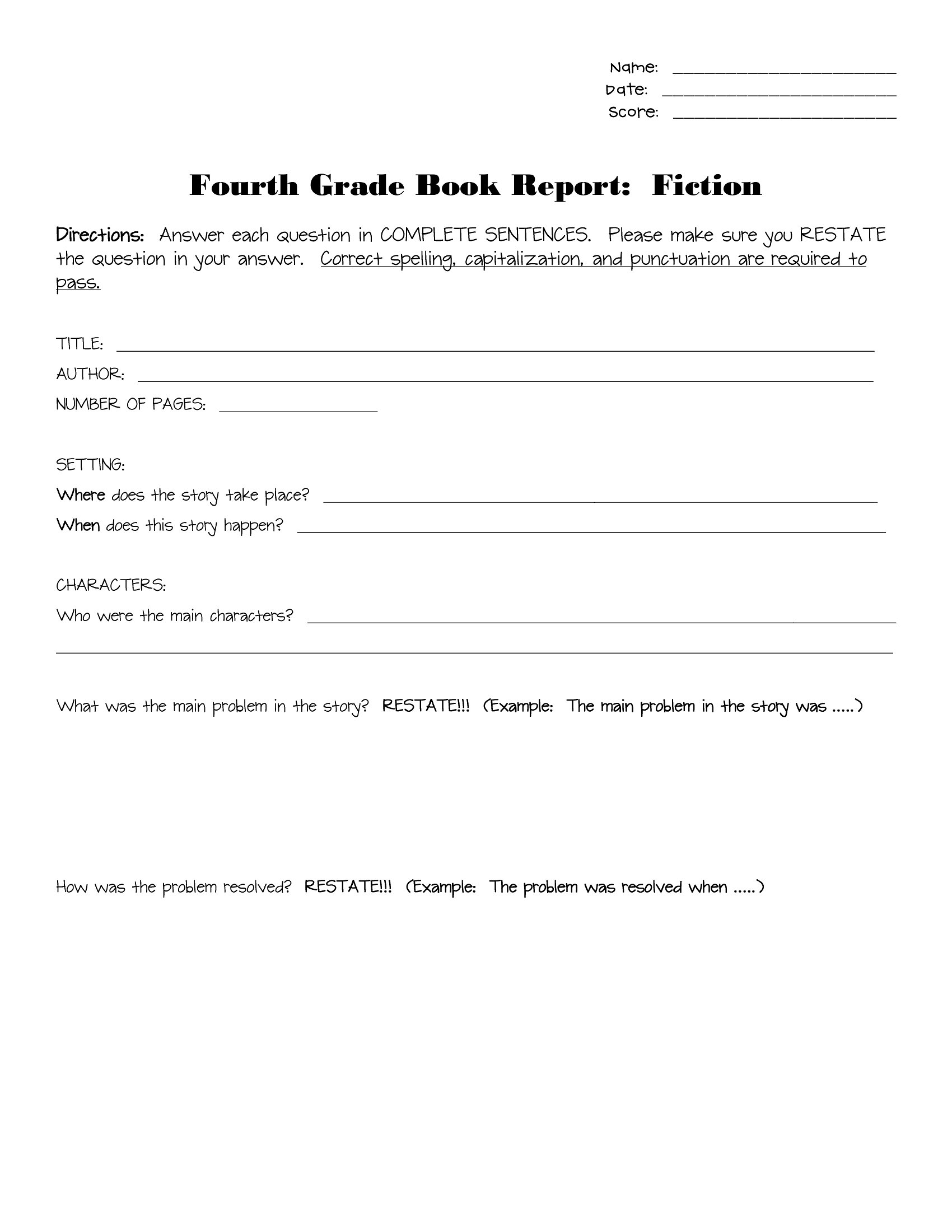
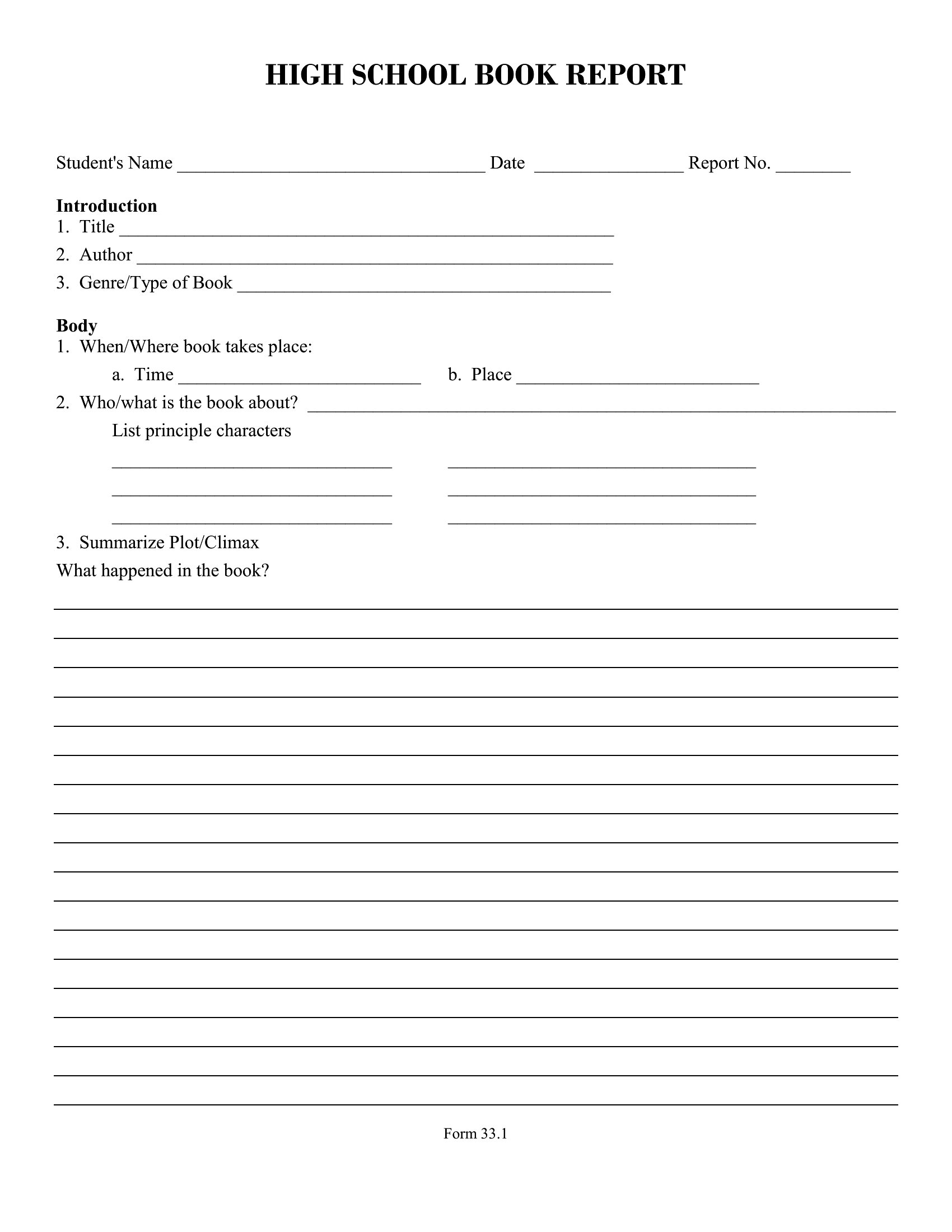
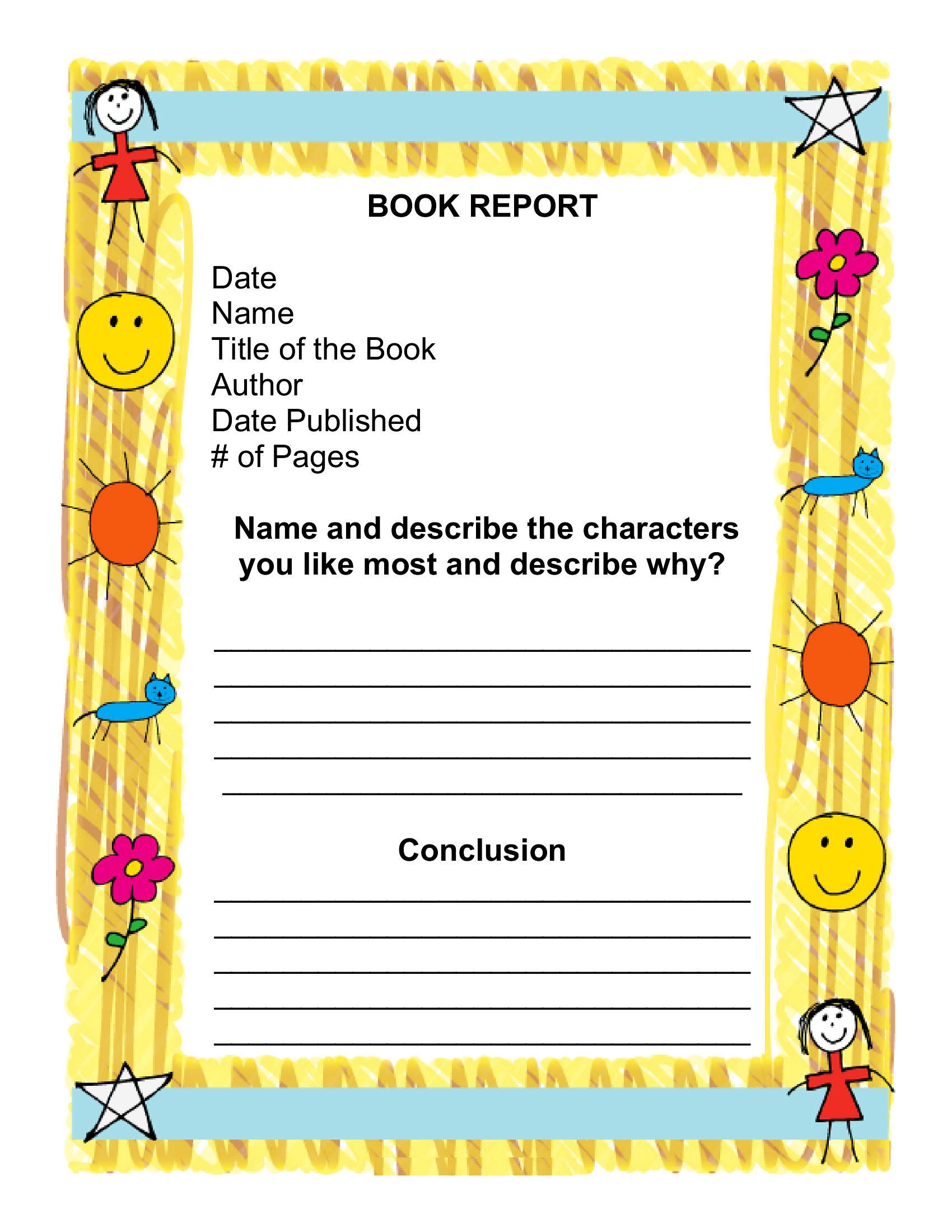
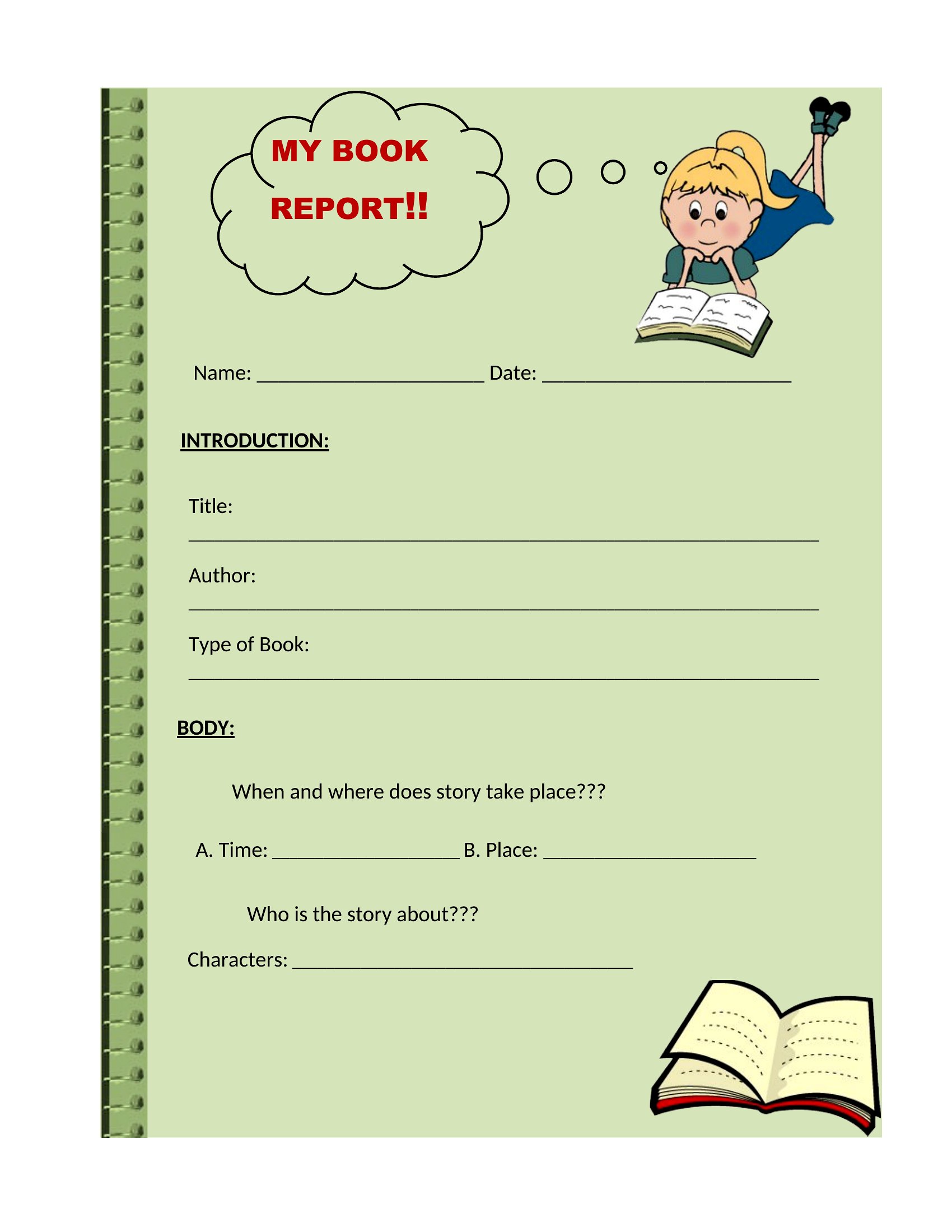
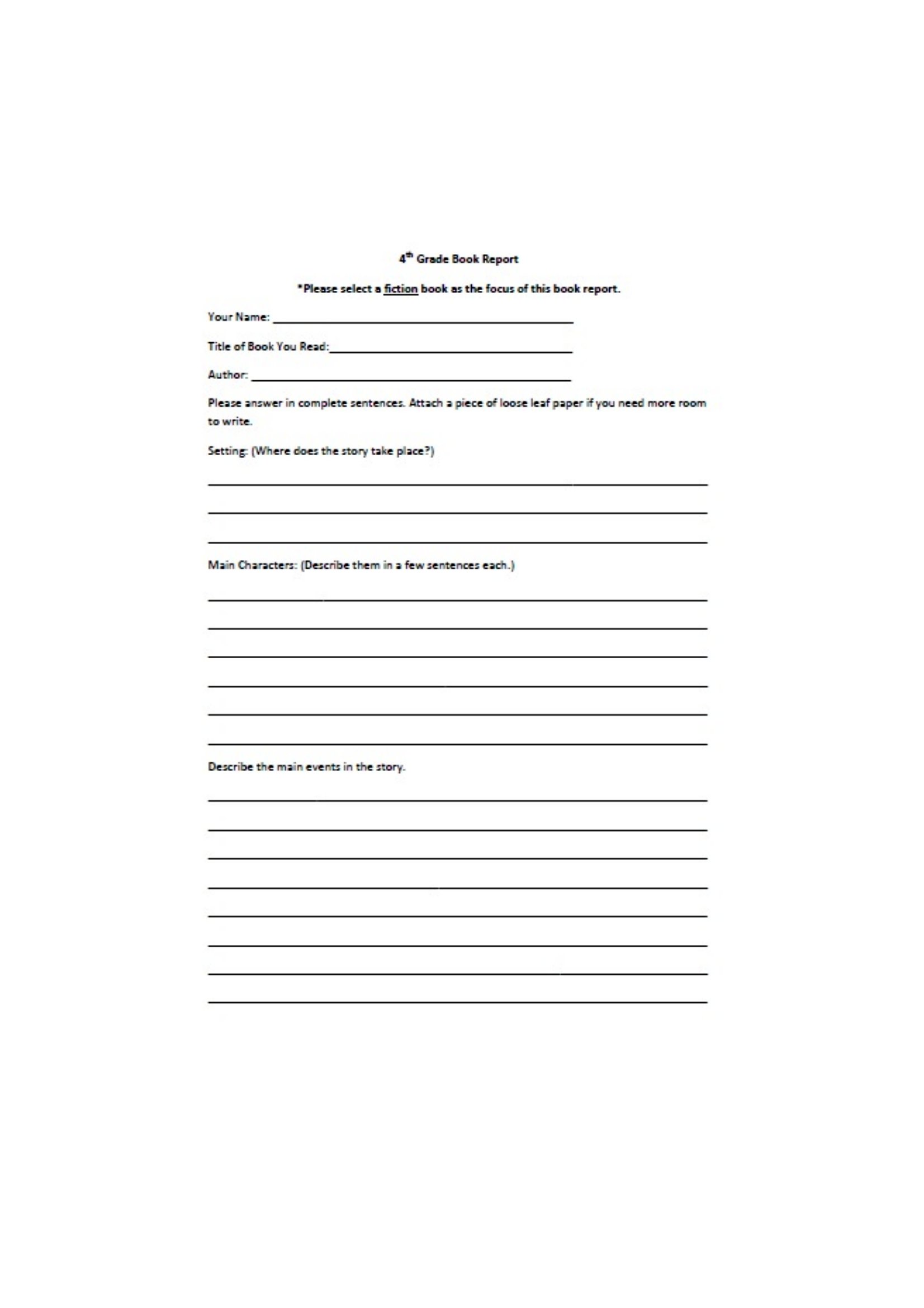
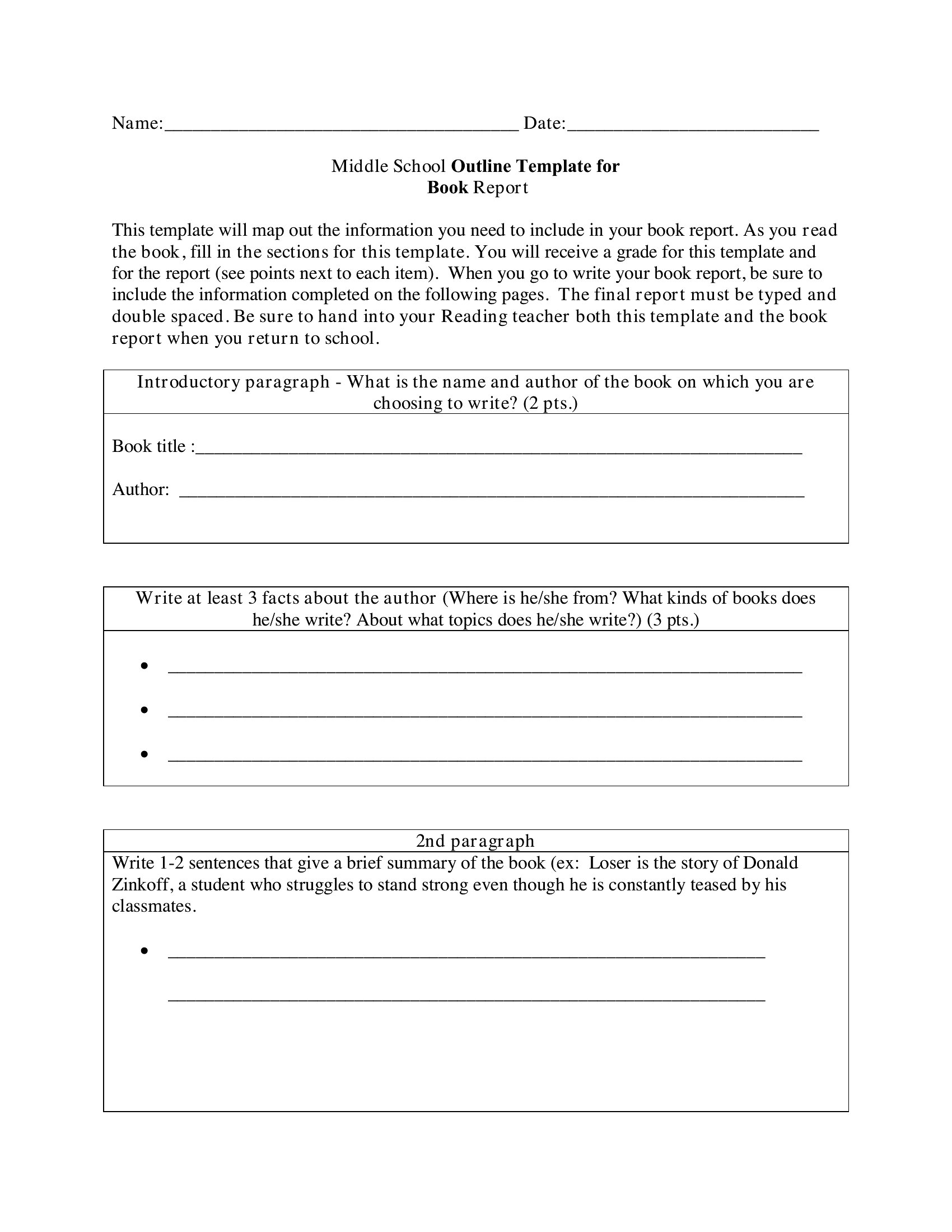
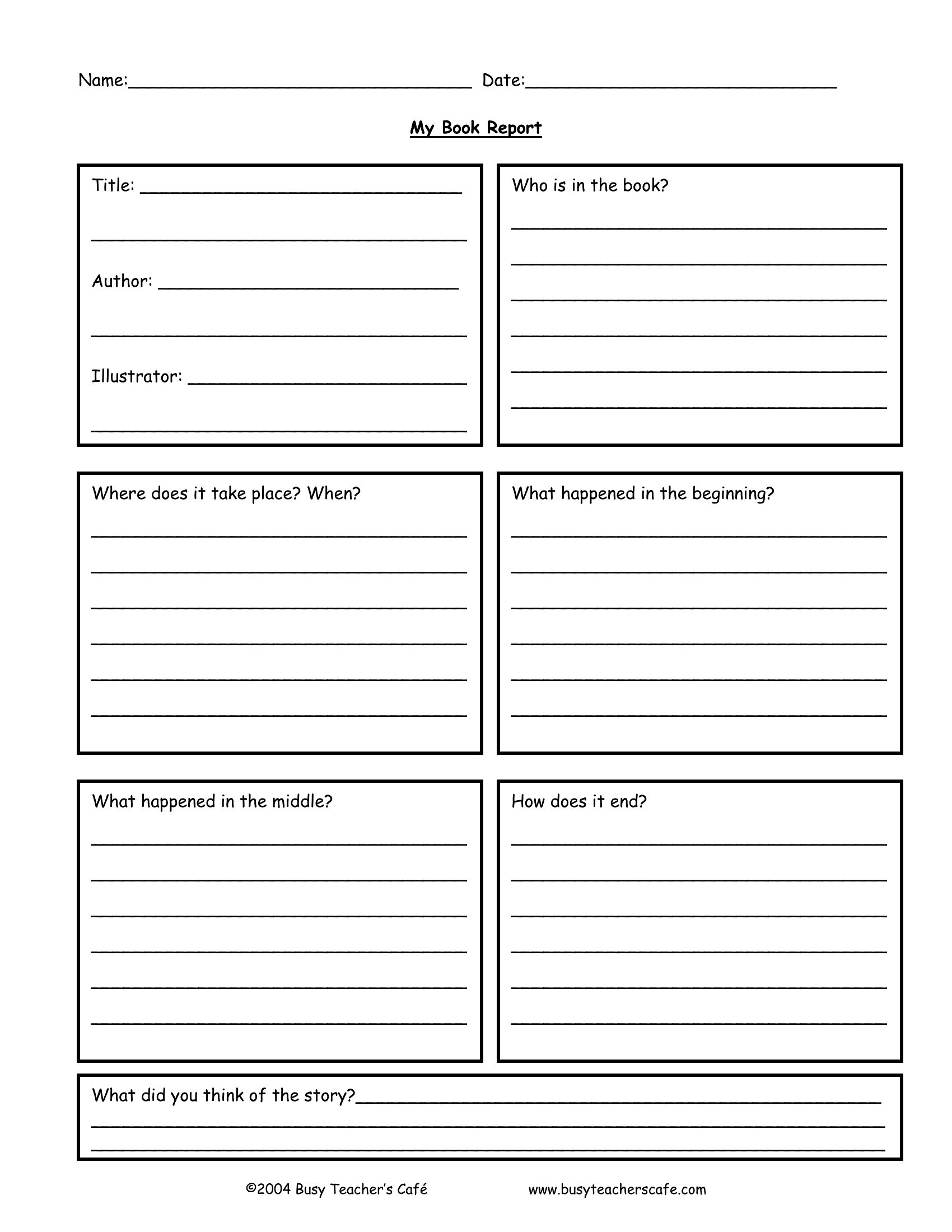
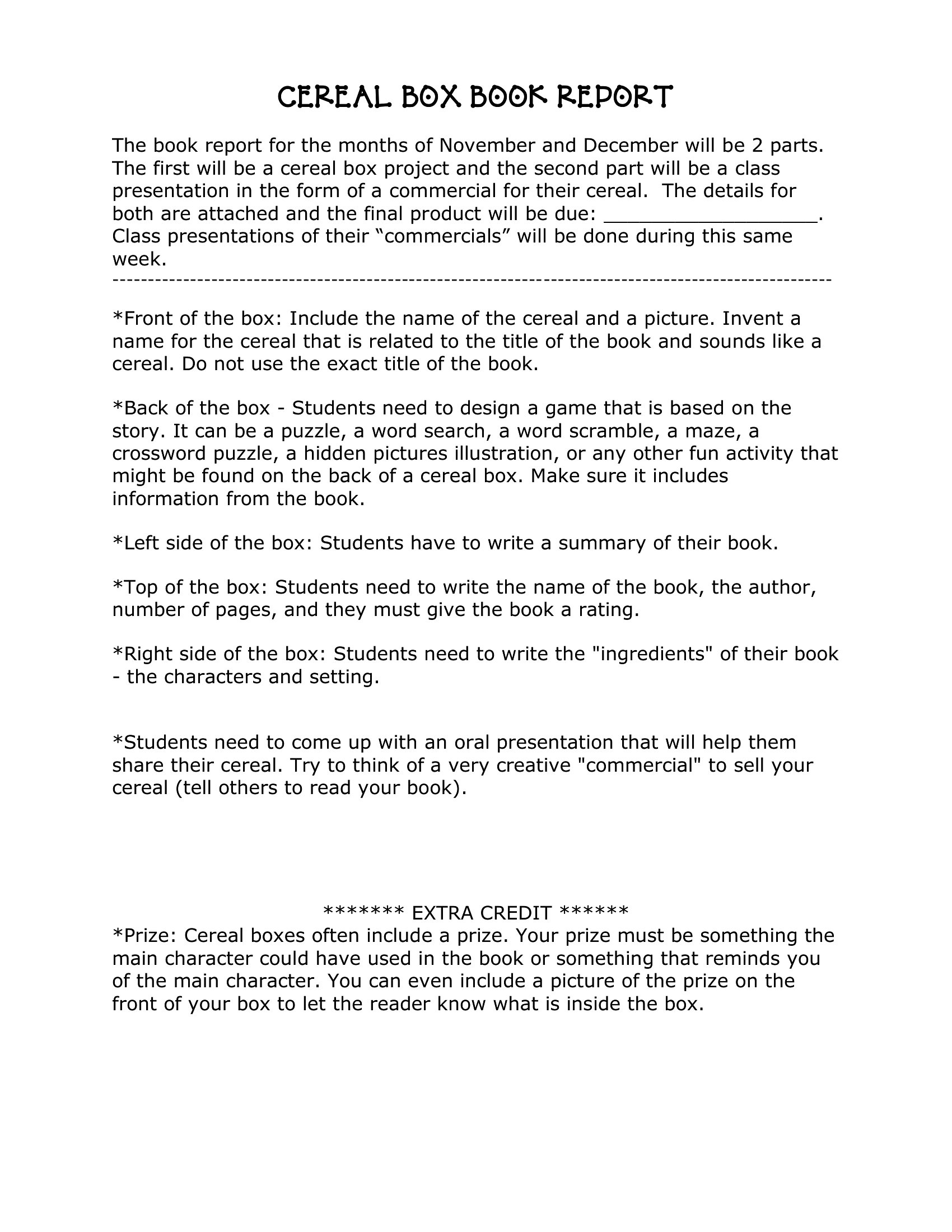
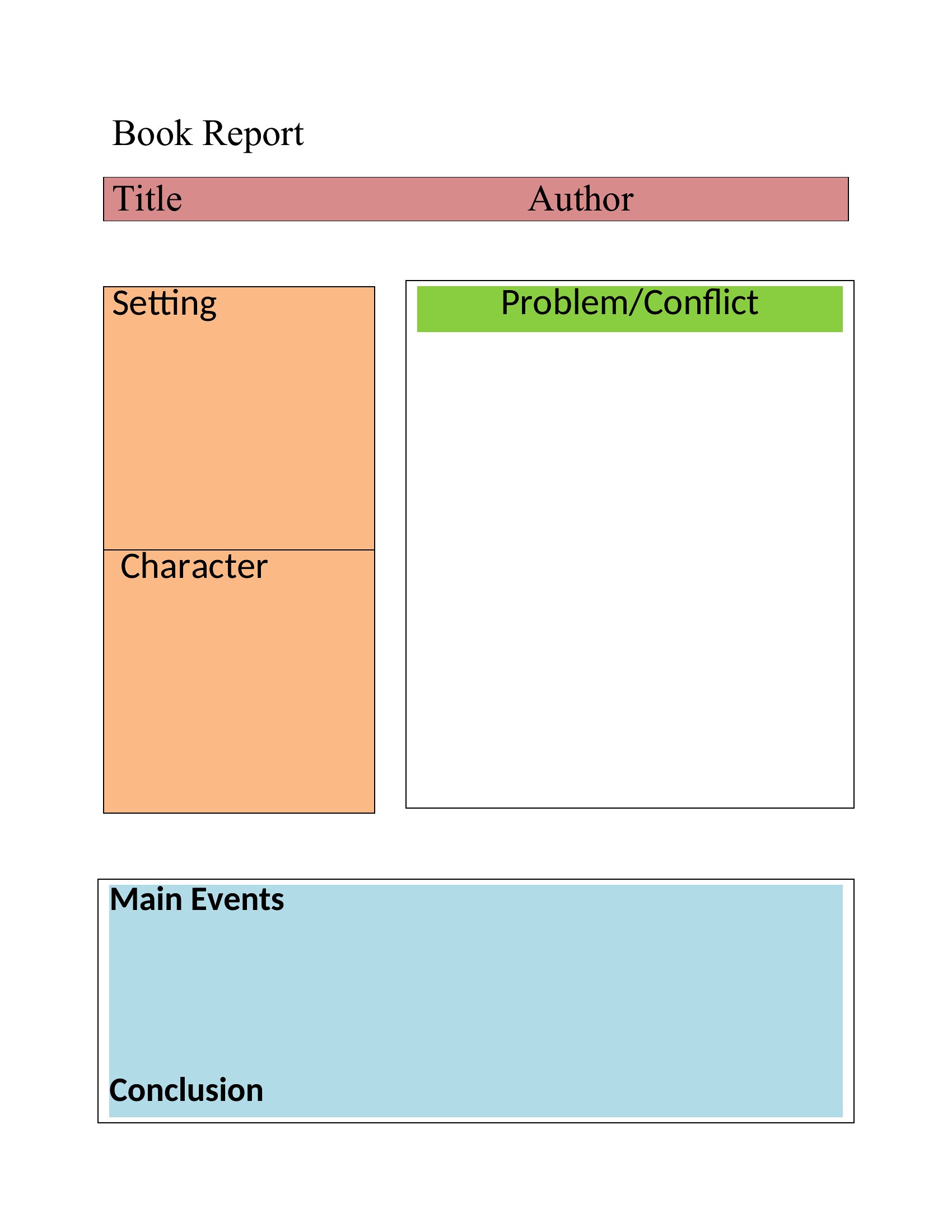
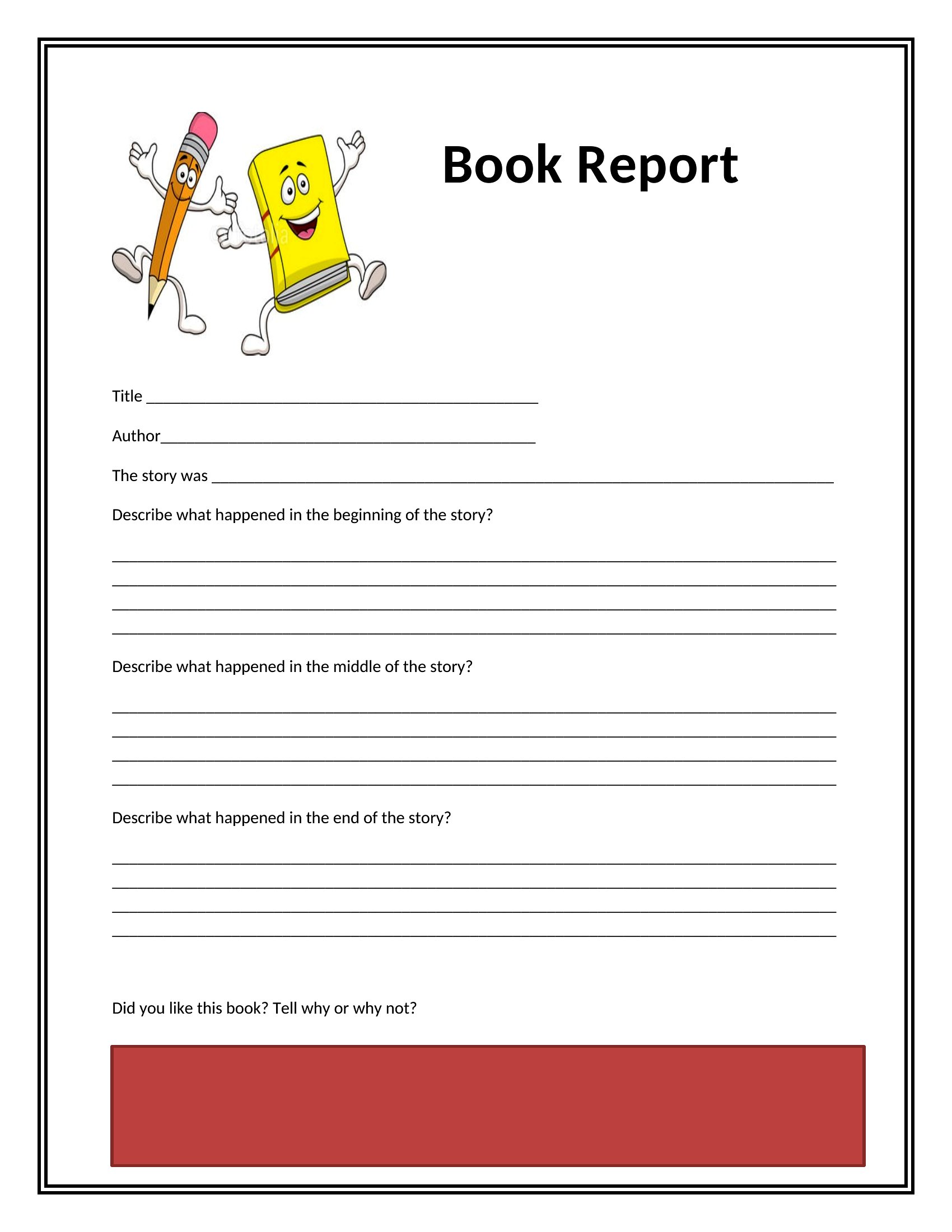
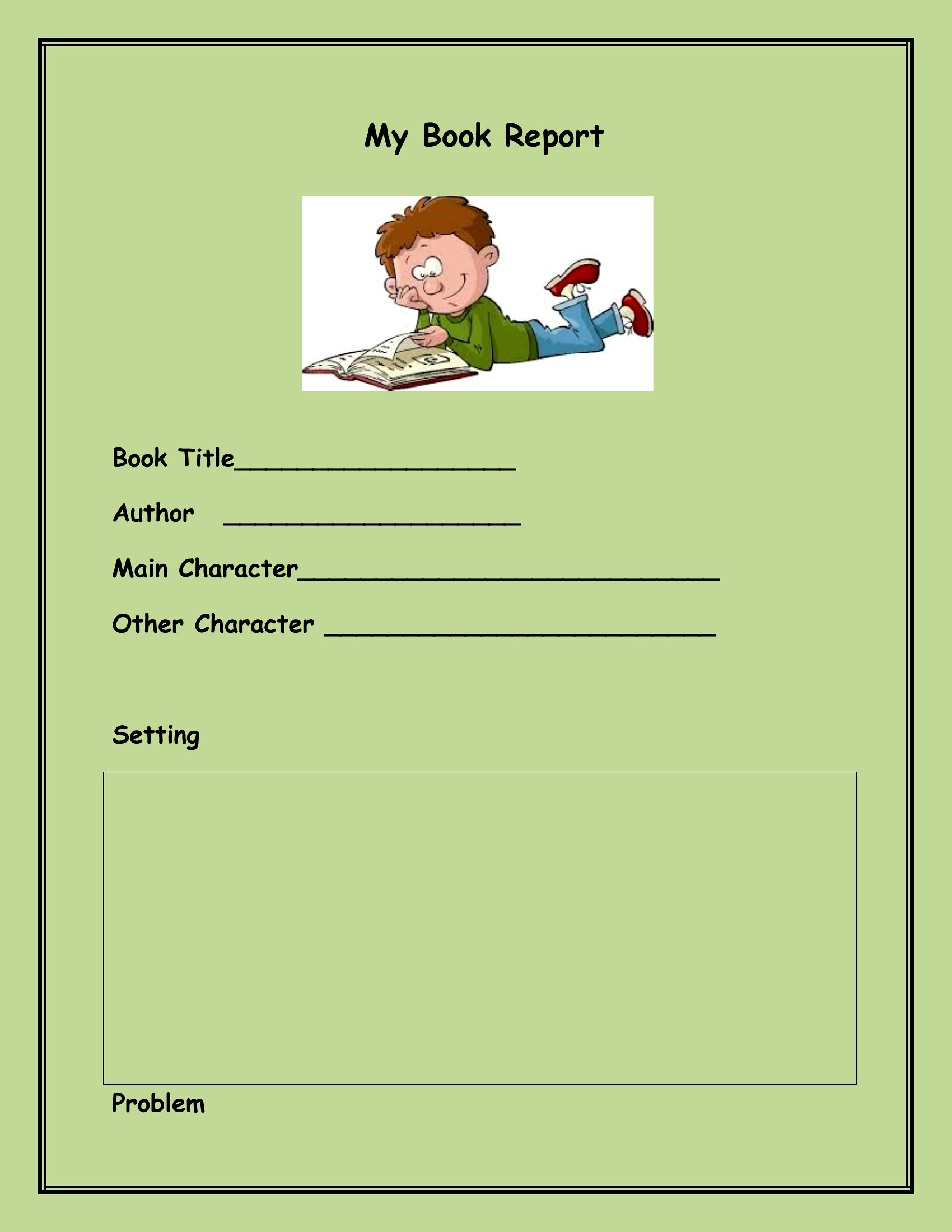
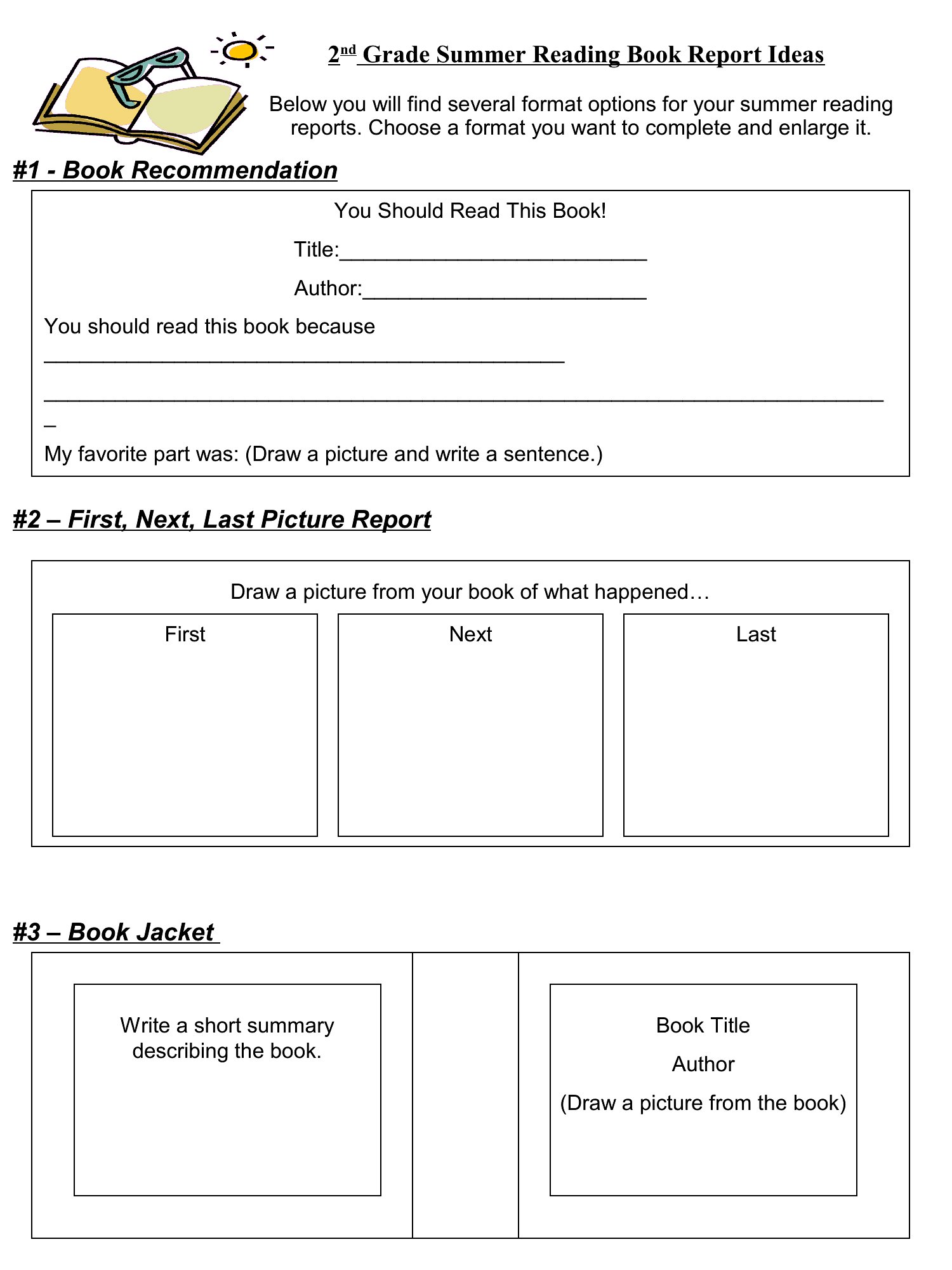
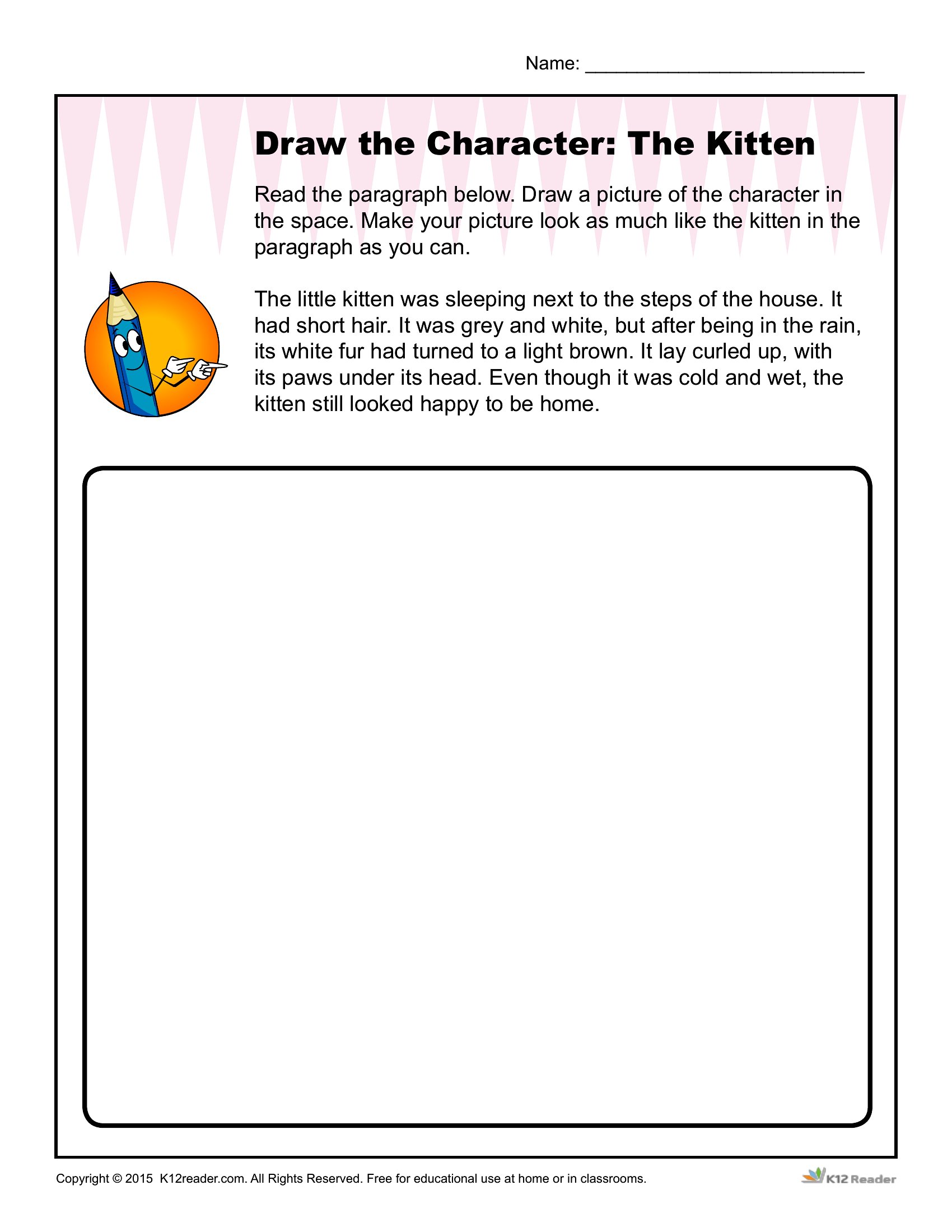
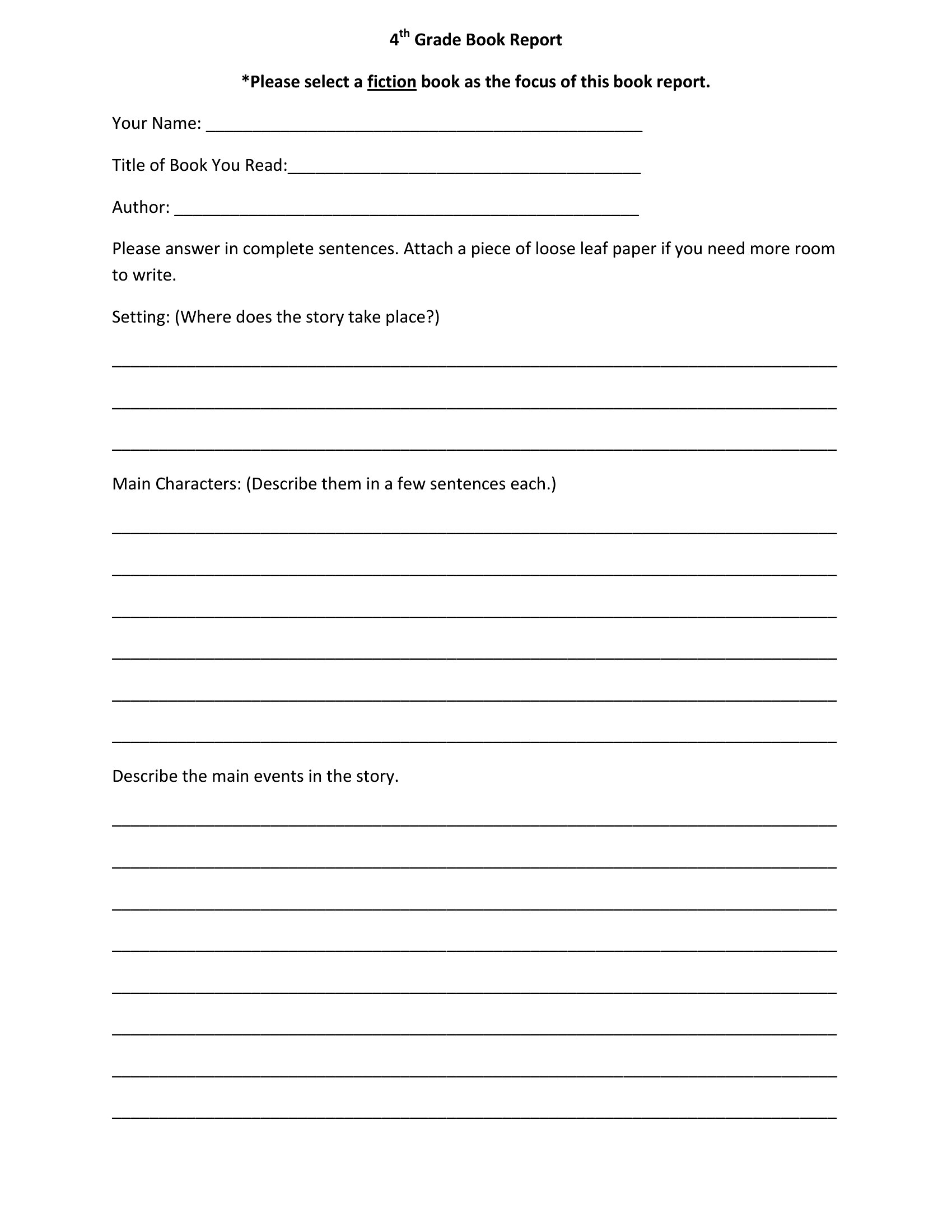
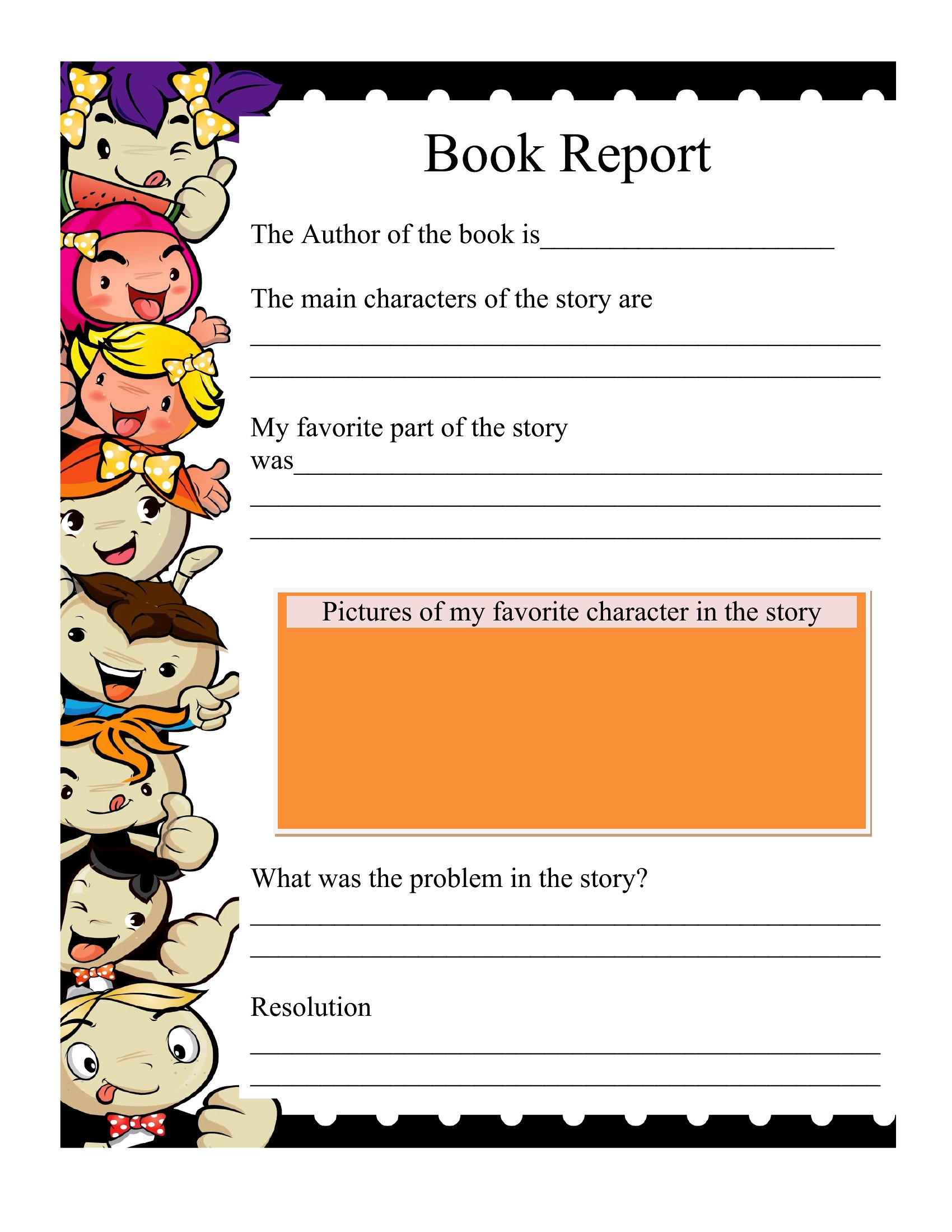
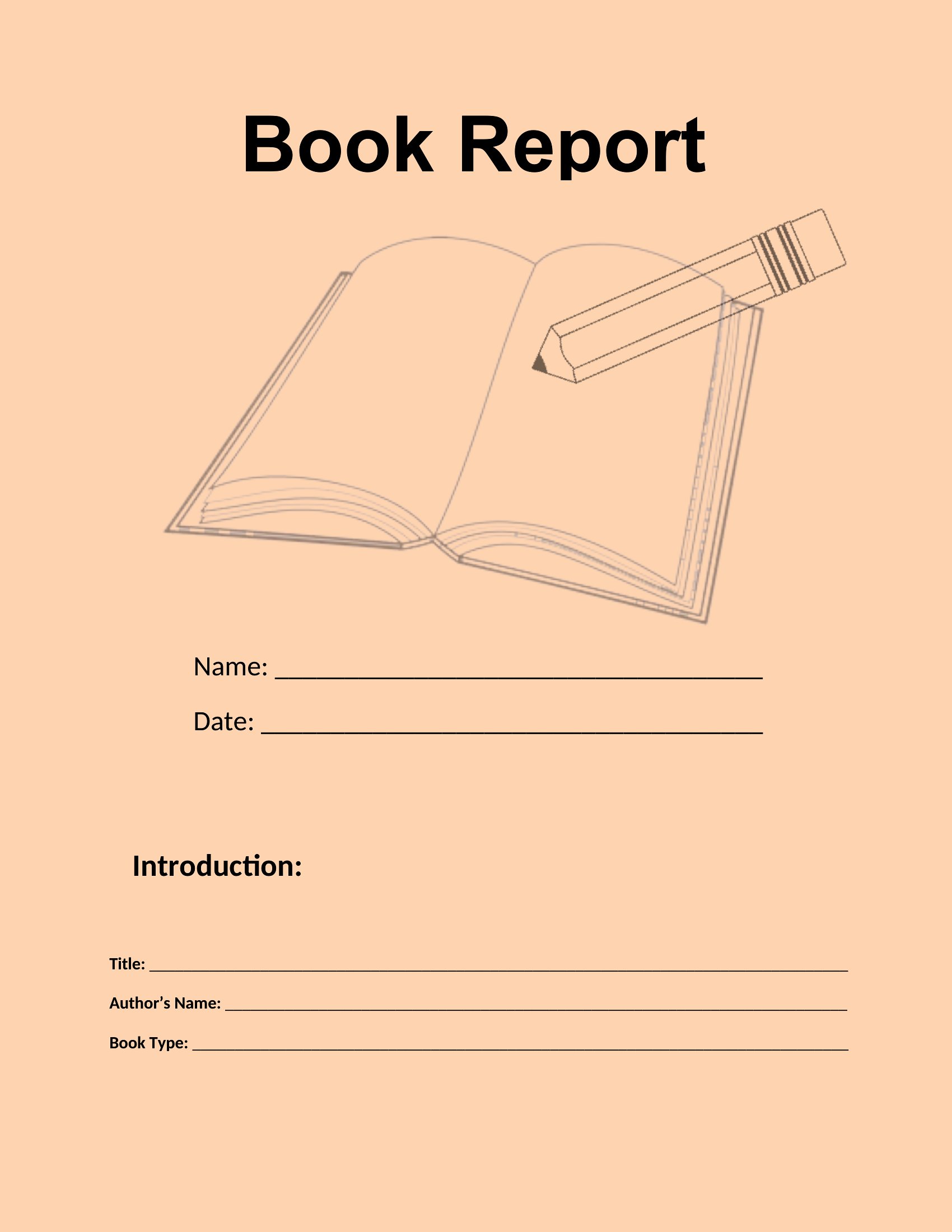
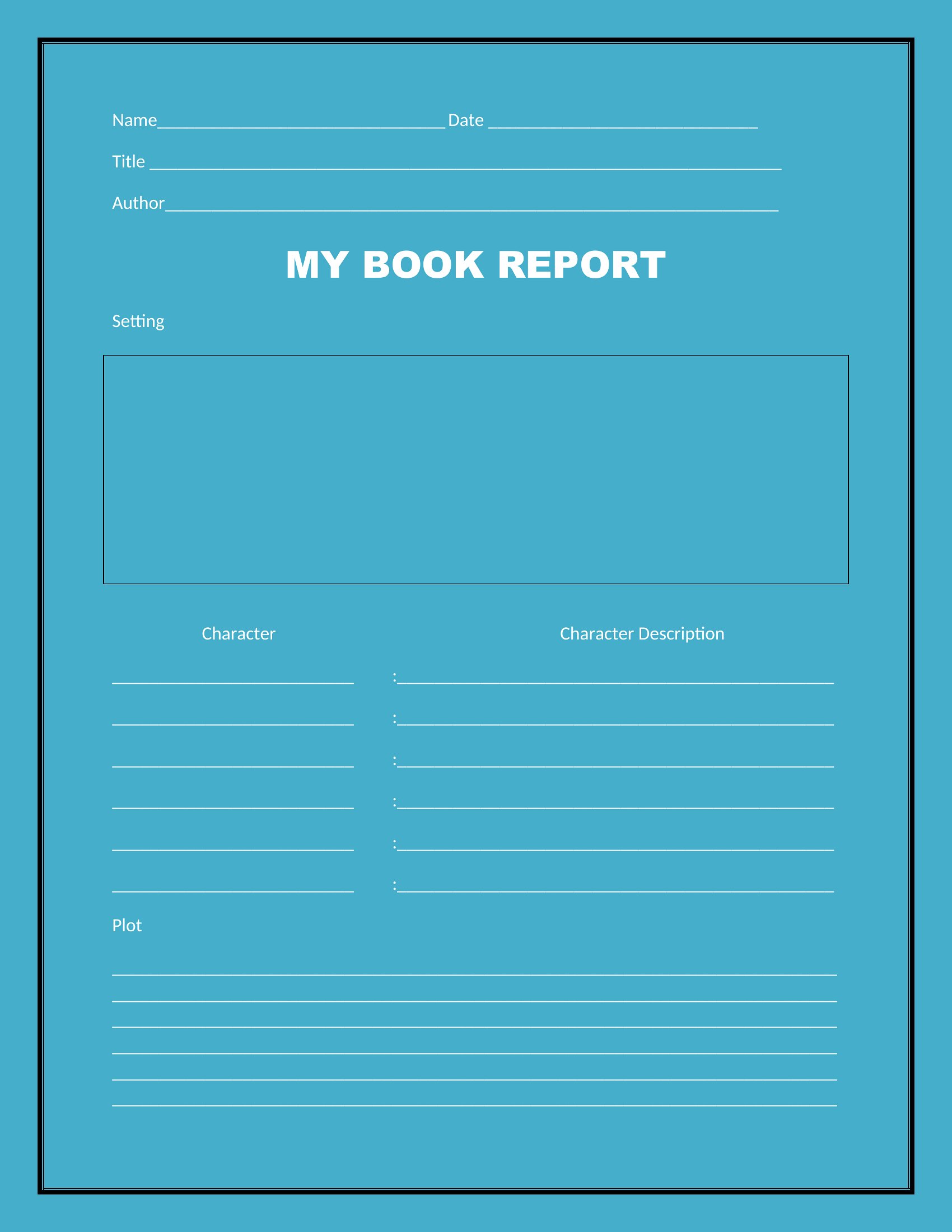
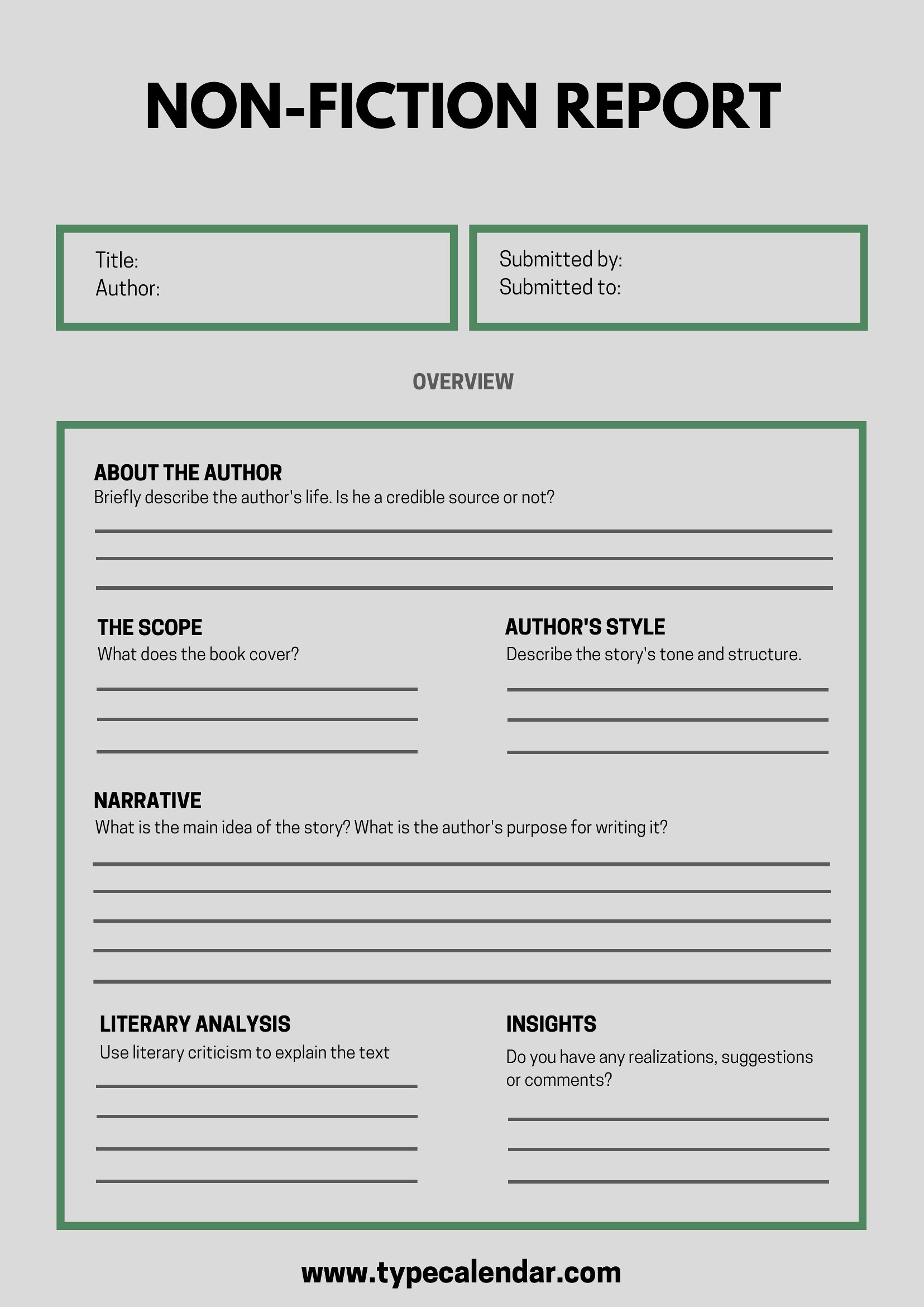
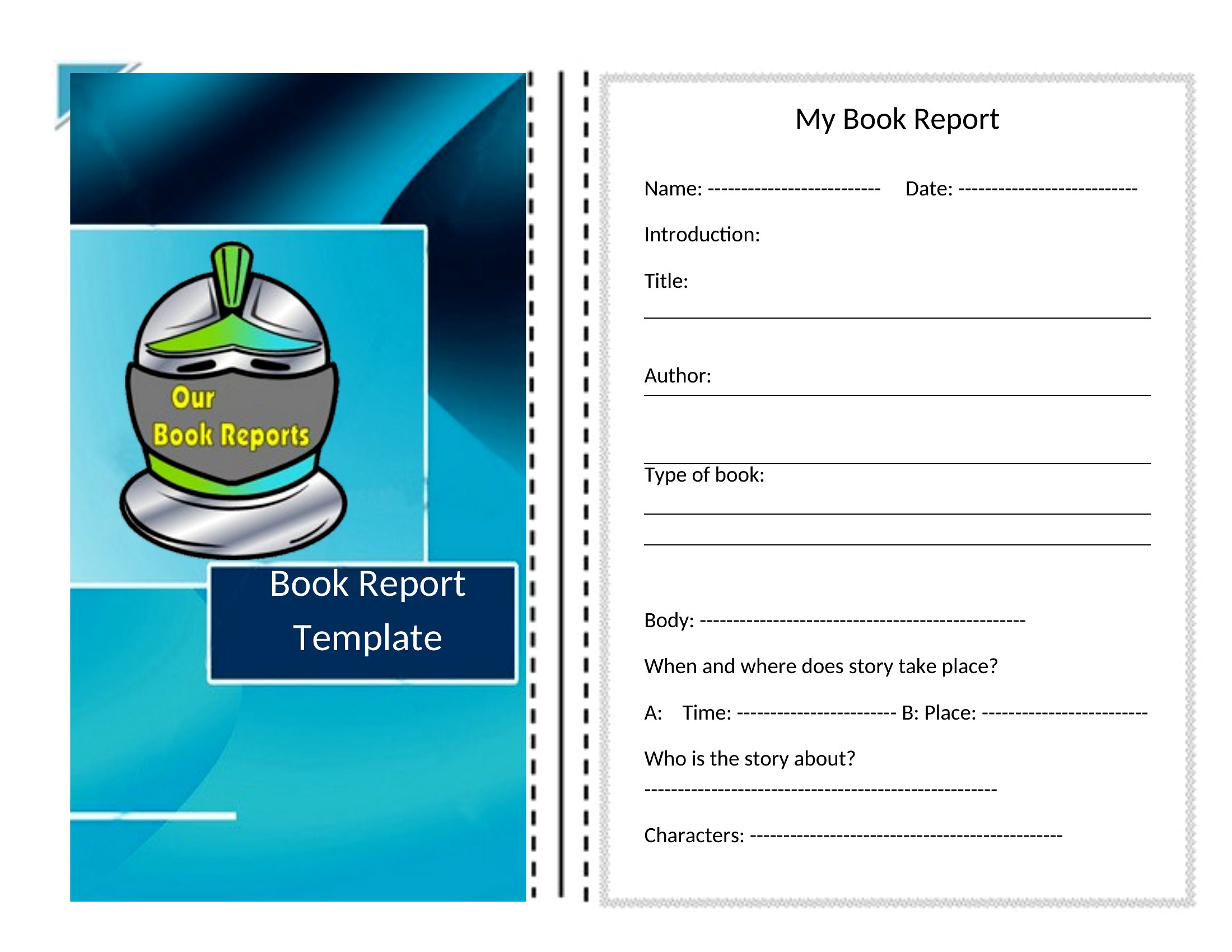
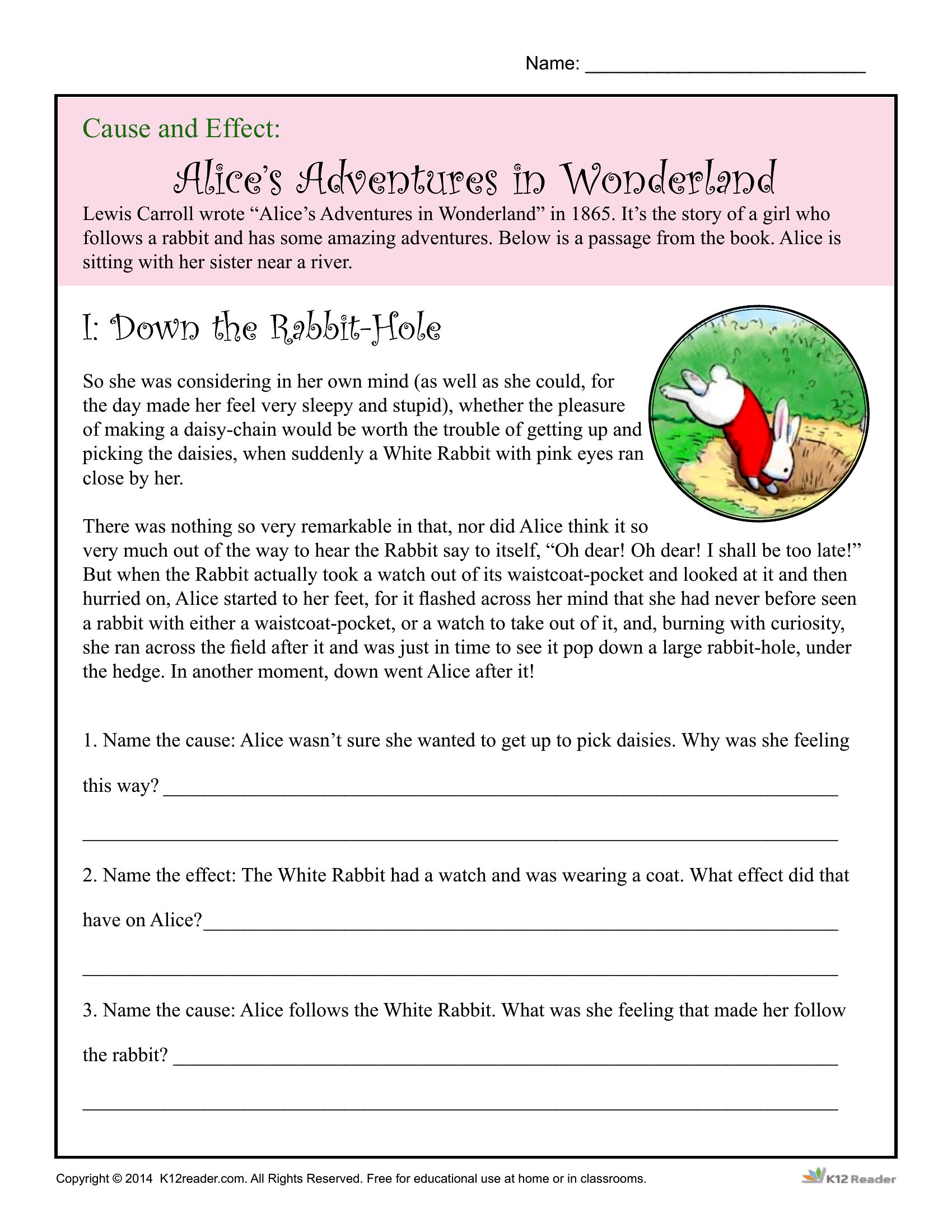
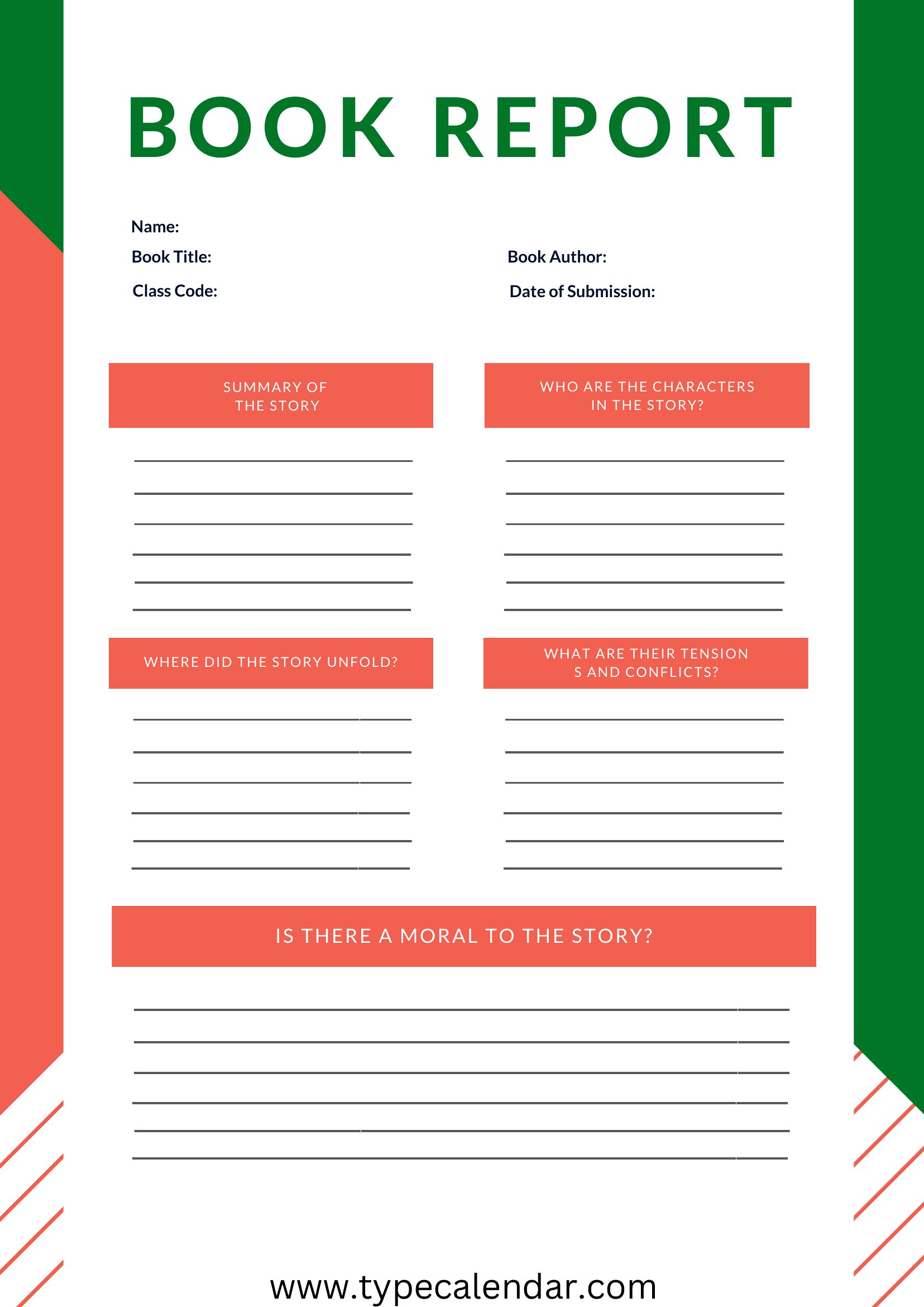
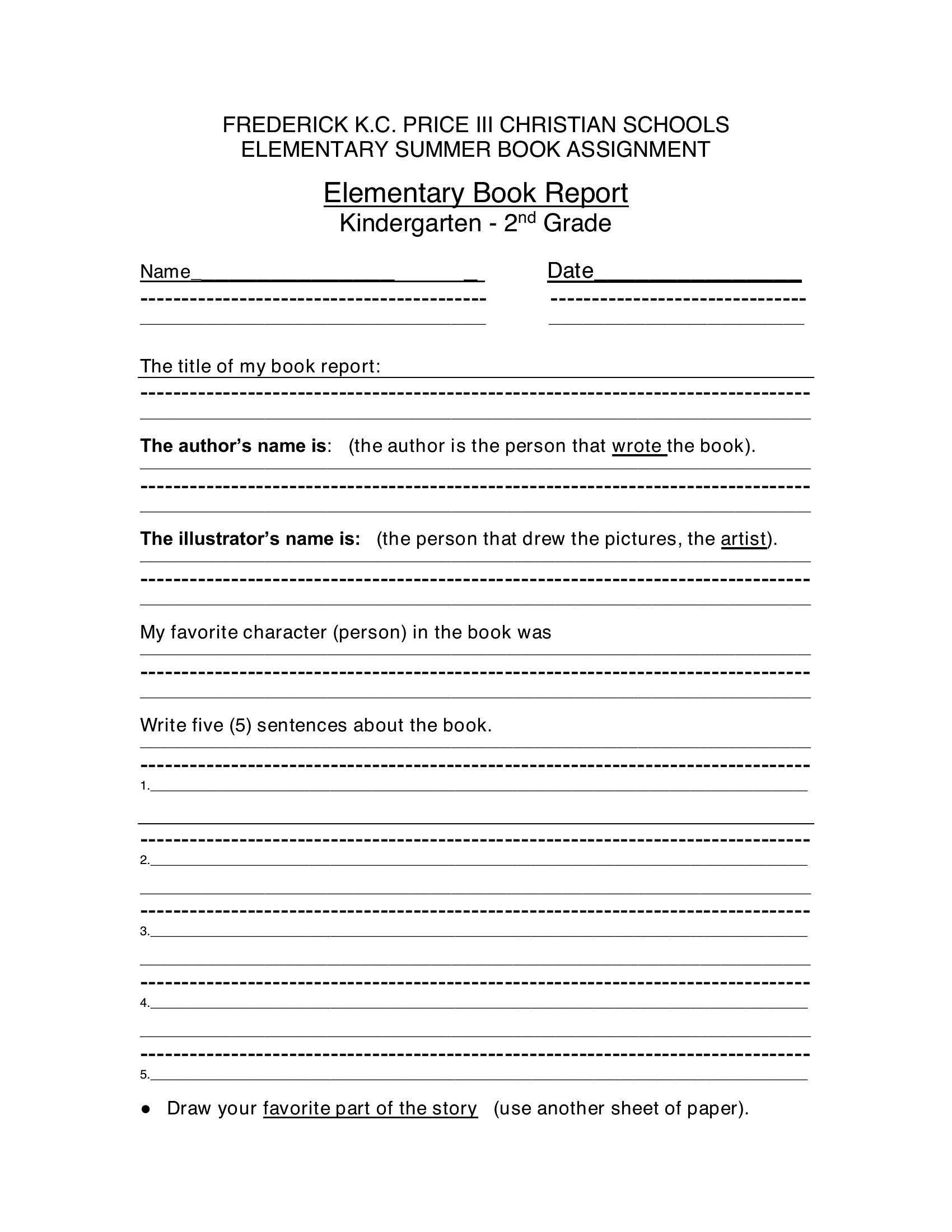
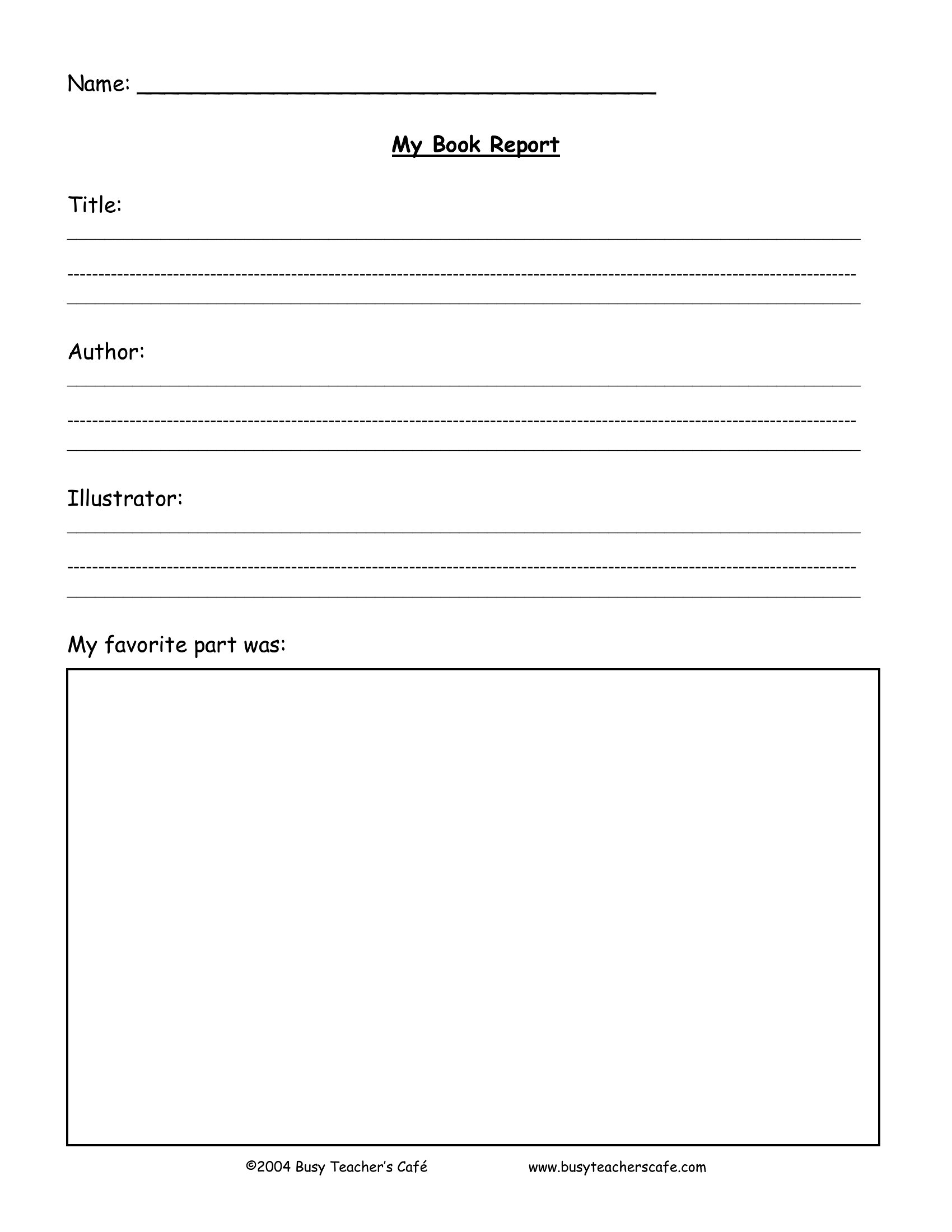
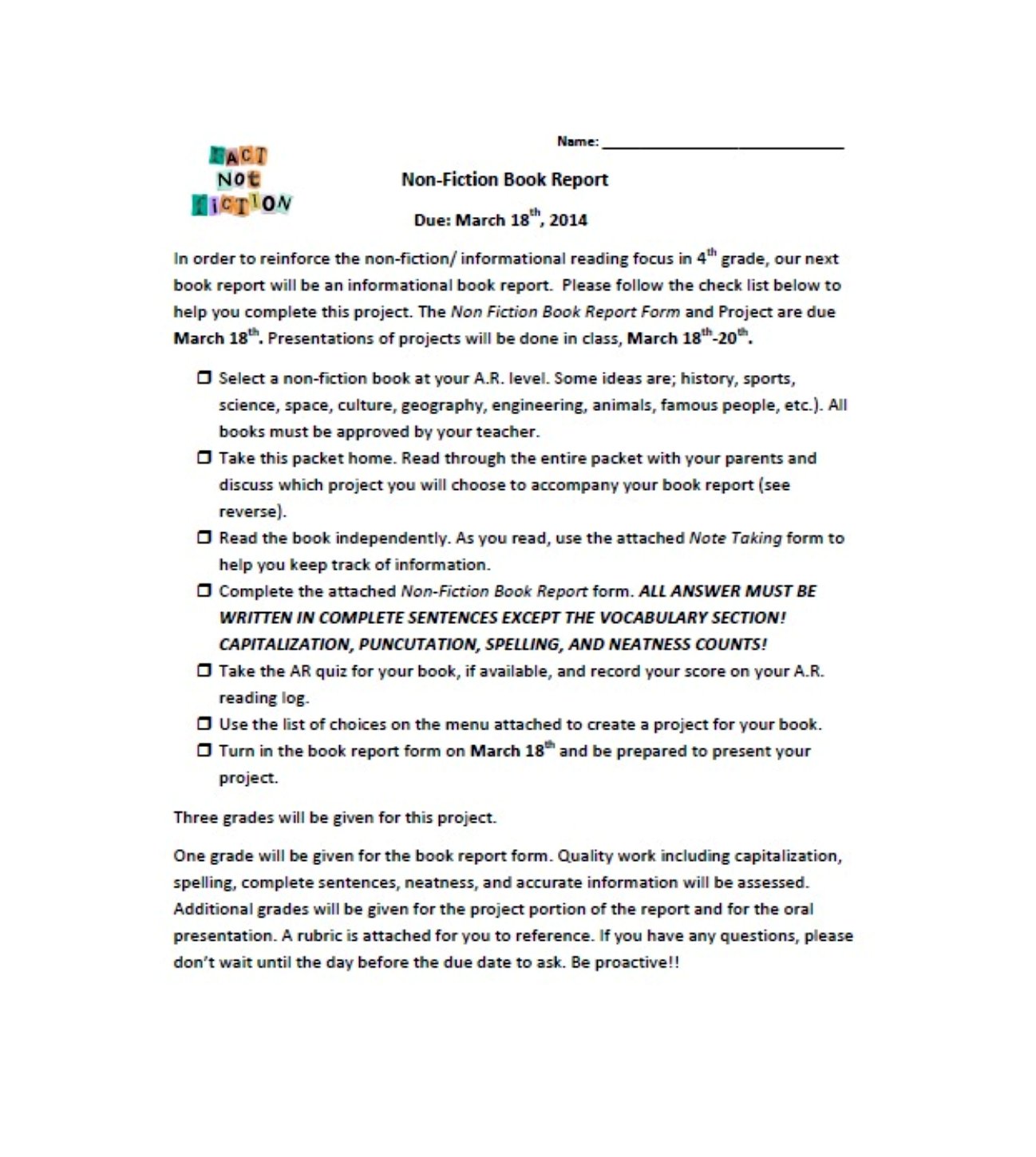
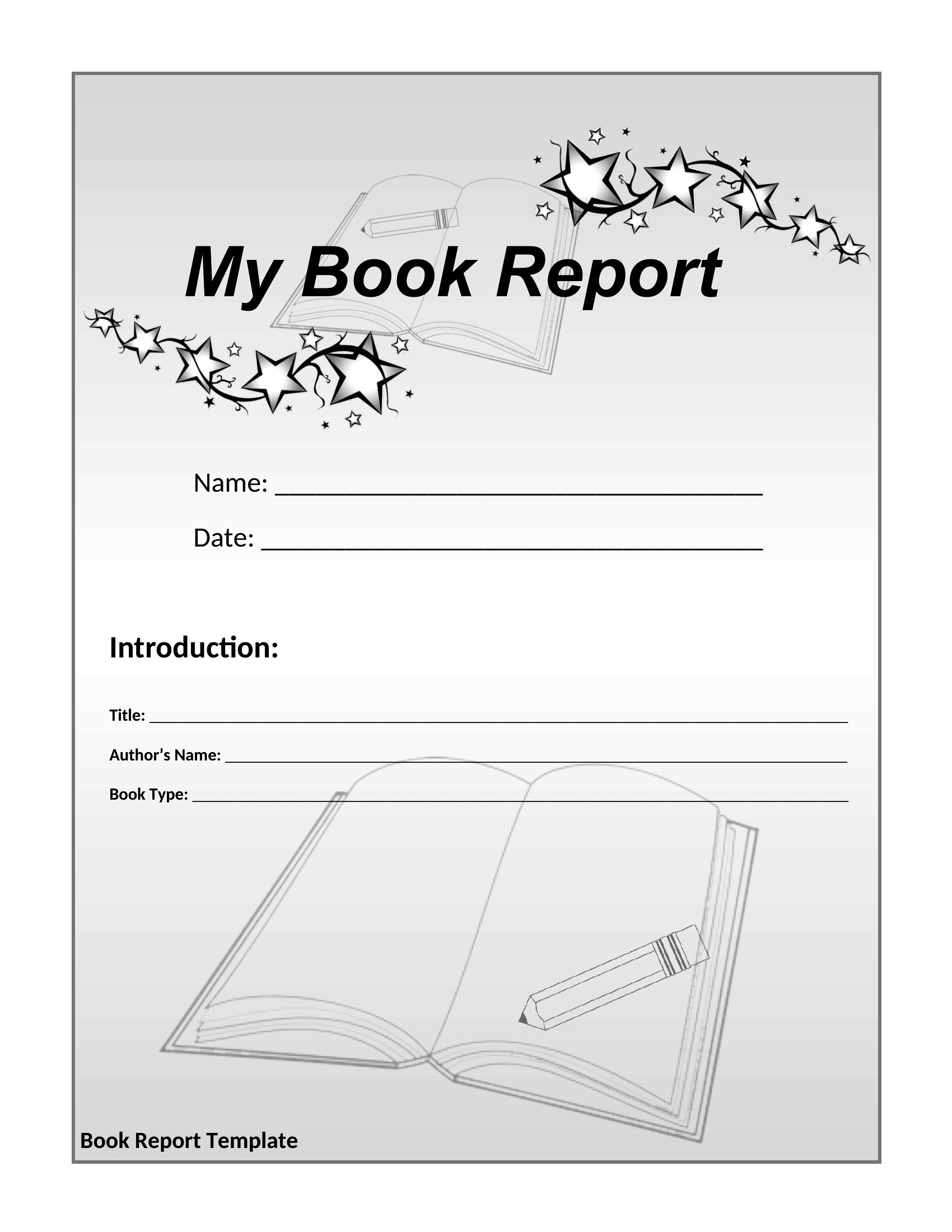
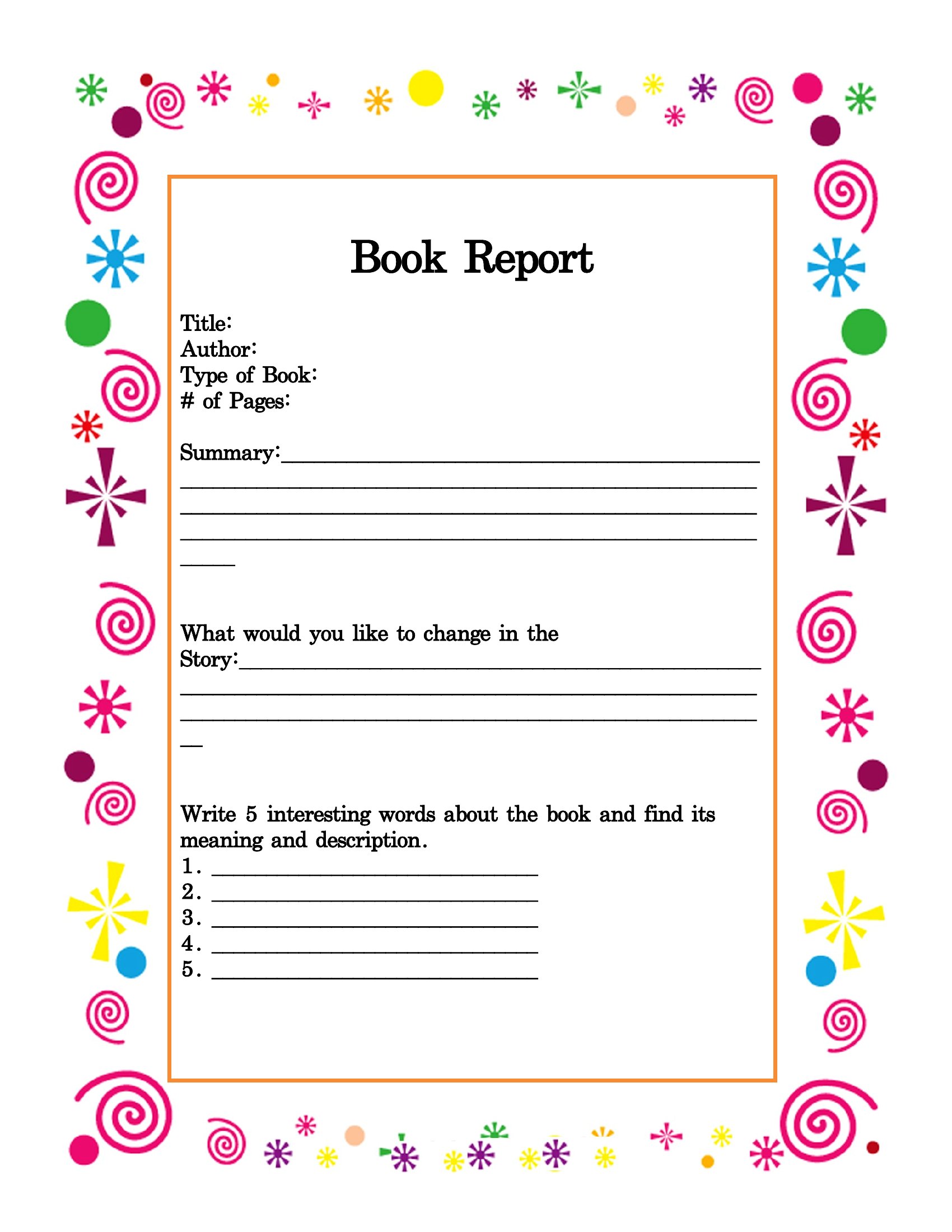
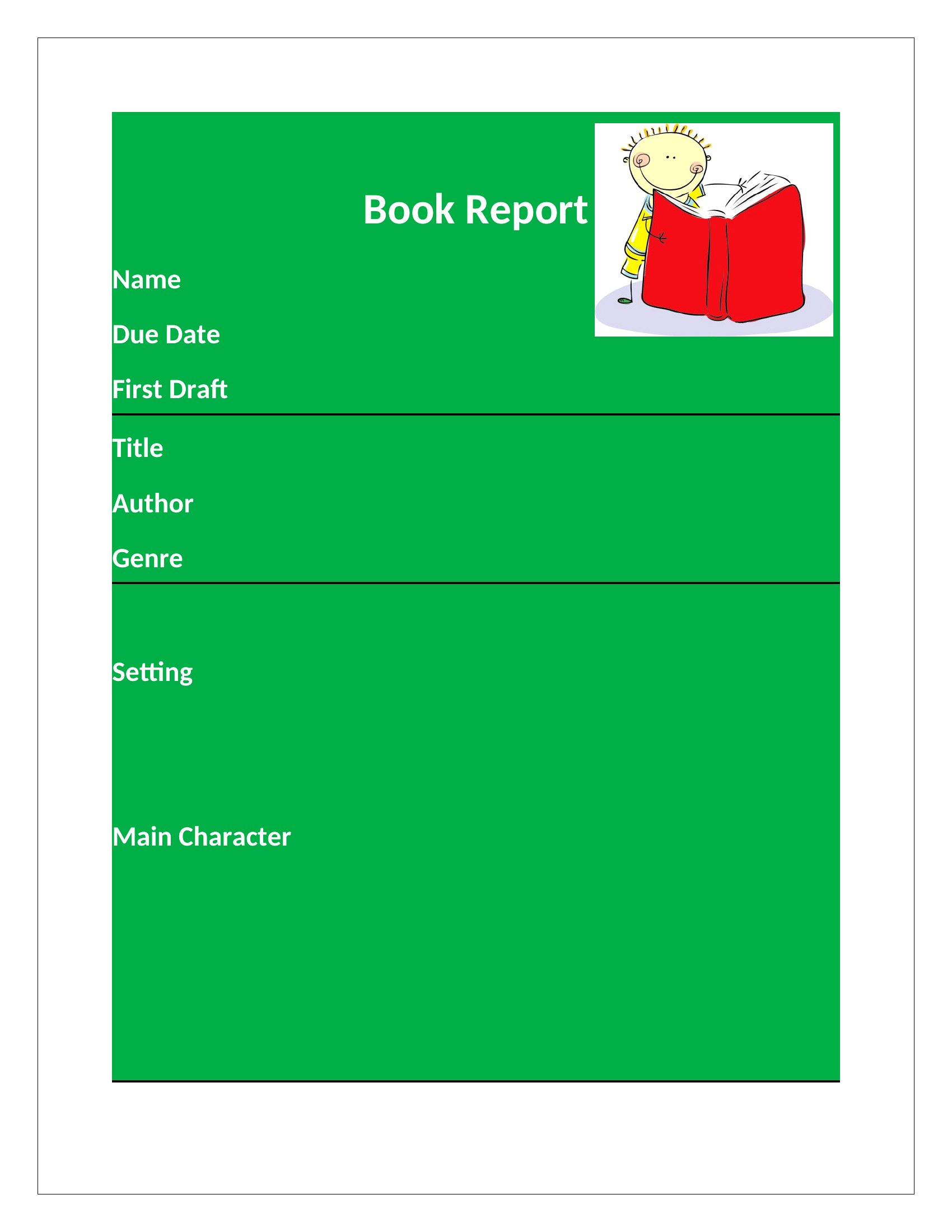
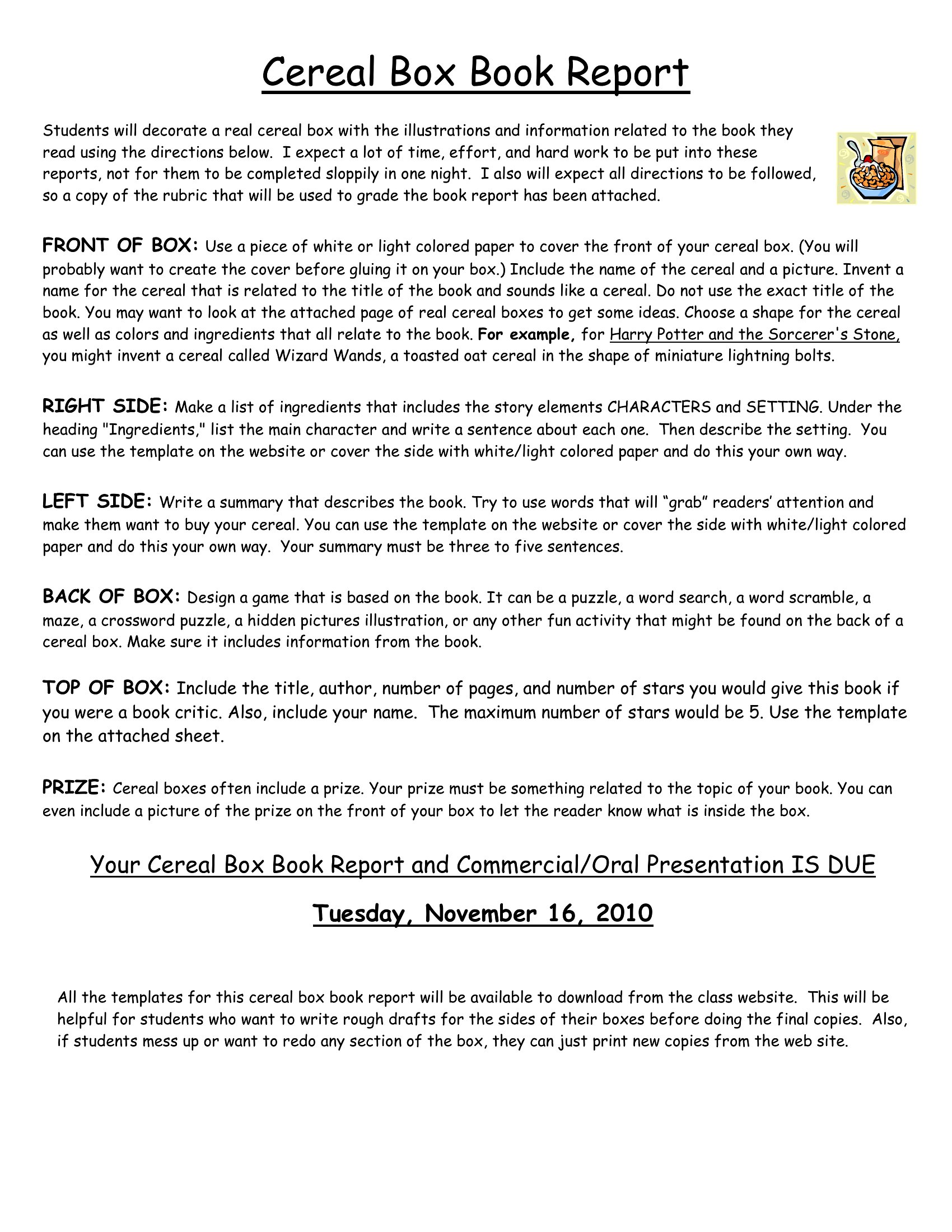
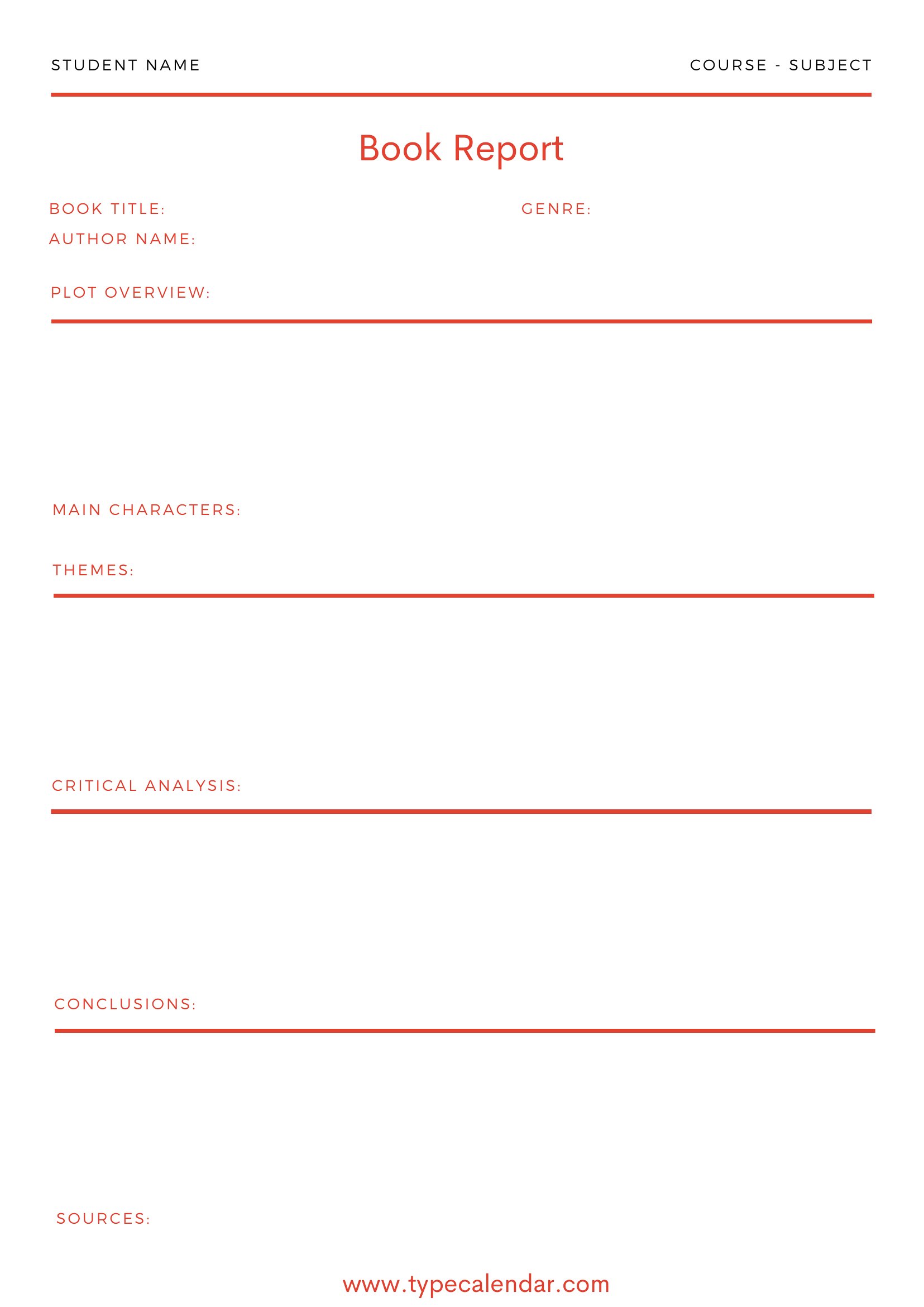
ResearchA good book report template gives students a clear path through summarizing a story, from plot and setting to characters and the lesson they took away. This set of 43 templates spans simple fill-in pages for younger readers and more detailed outlines for middle and high school, including formats for fiction, nonfiction, and creative projects. Teachers, parents, and students can match a sheet to the grade level and the assignment.
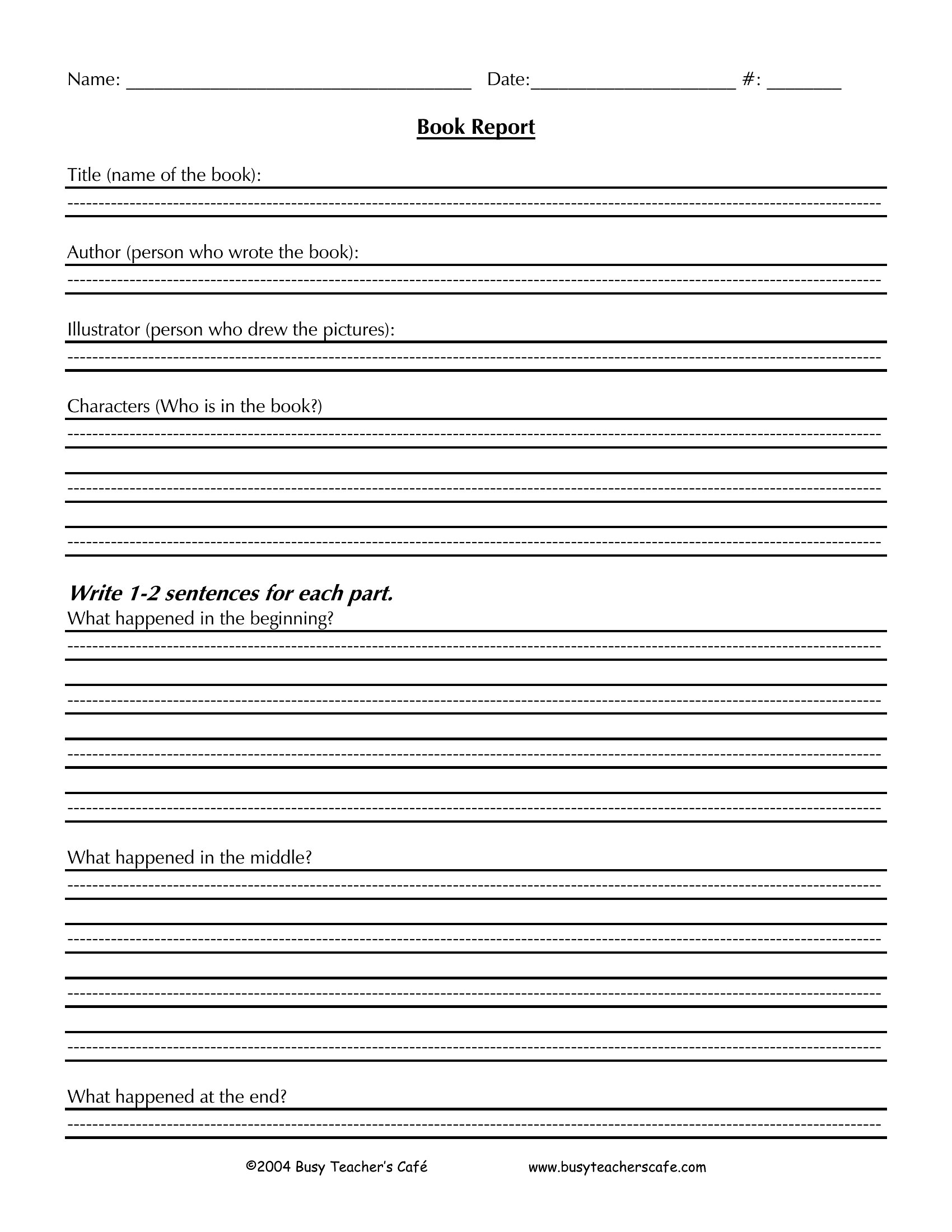
Every template is editable in Microsoft Word and ready as a printable PDF, so a class set or a single homework page is a quick print away. Fill in the title, author, and the prompts, and the report practically organizes itself. Print on plain paper and you're set for reading time. Download the format that fits your reader and make the next report easier.
When to use this Book Report template
- Middle school English teachers assign a book report template with guided questions to help students analyze theme and character development in *The Giver* by chapter 10, ensuring structured responses without overwhelming their writing process.
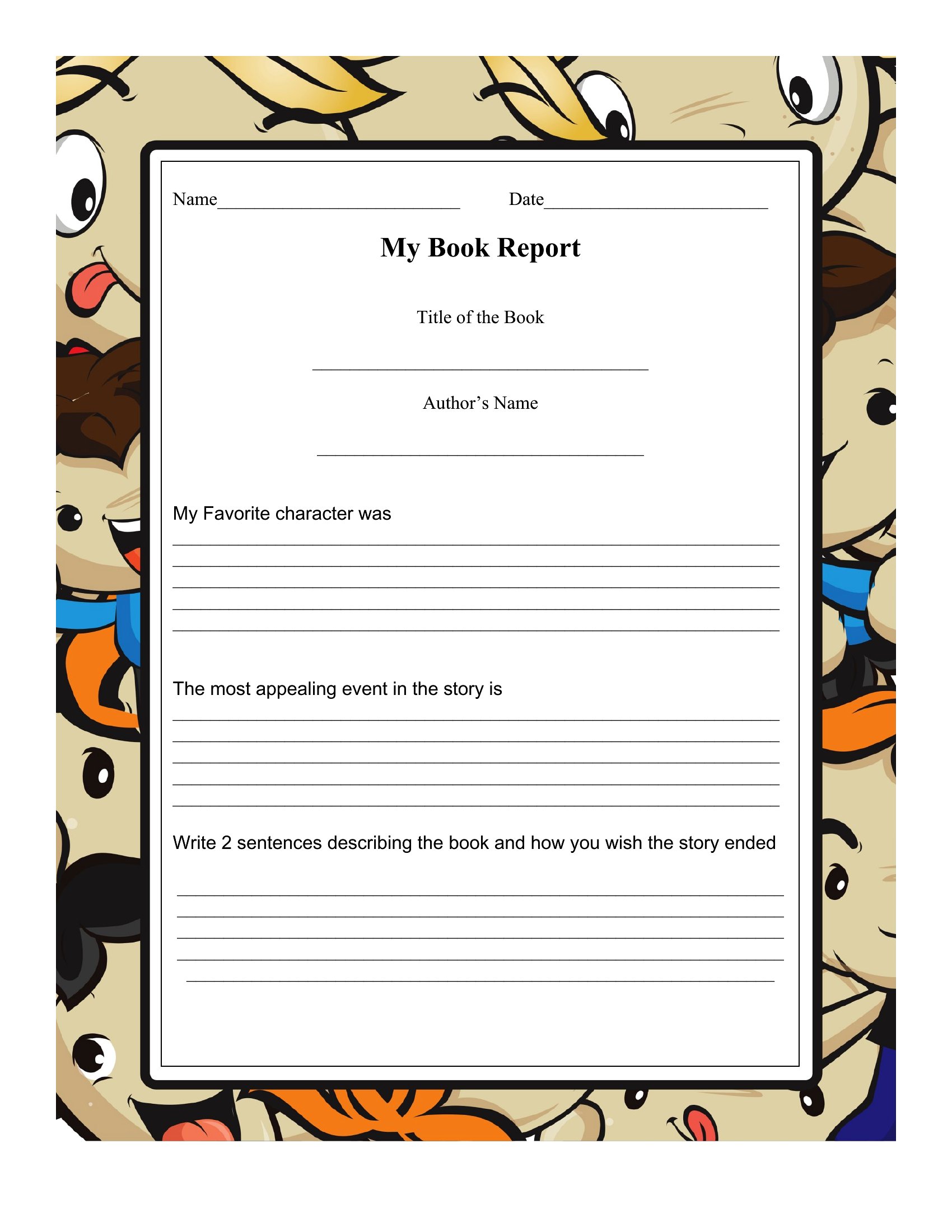
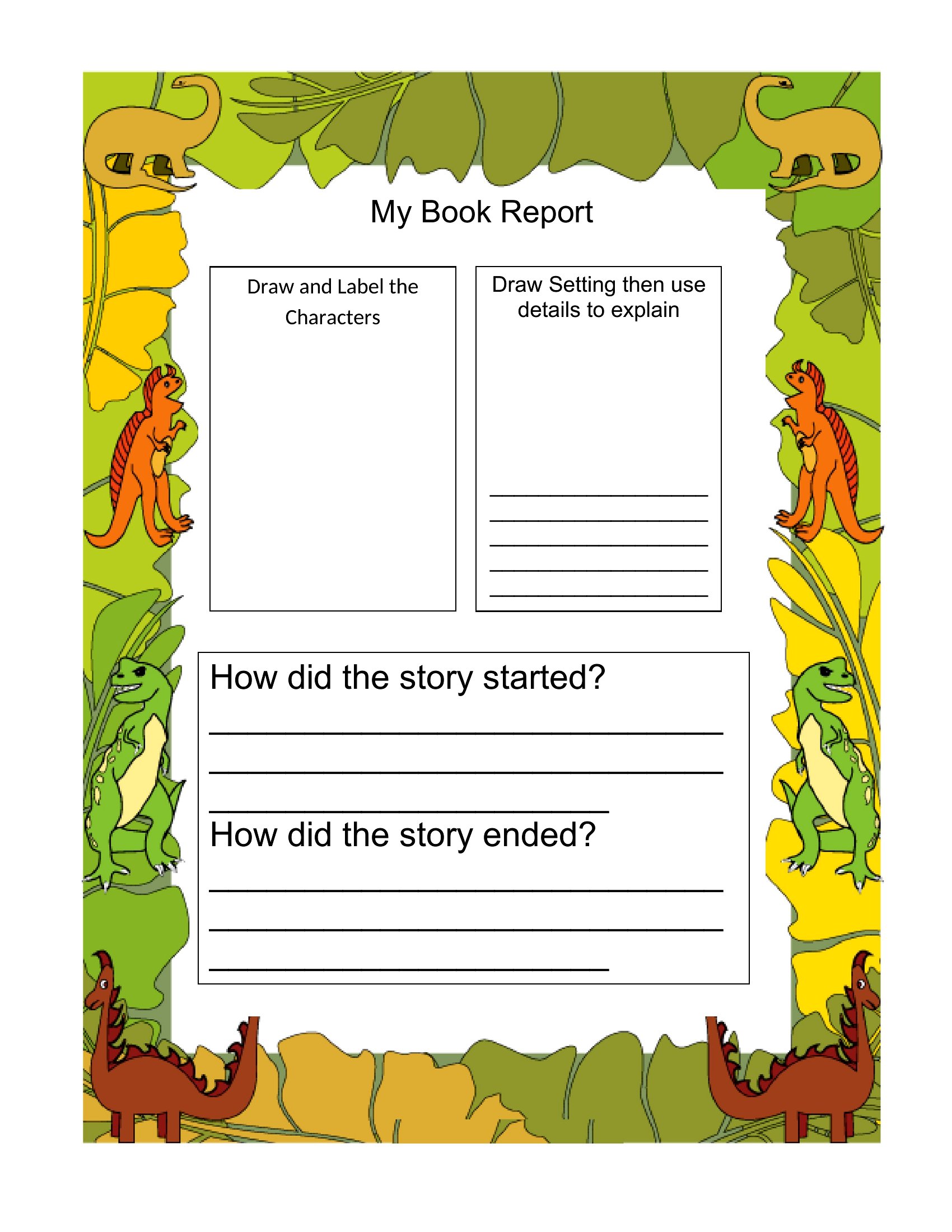
- Parents of 5th graders struggling with summarizing *Magic Tree House* books use a fill-in-the-blank PDF template to scaffold their child’s writing, breaking down key details like setting, main problem, and how it was solved.
- High school literature classes studying *To Kill a Mockingbird* pair a detailed Word outline template with a creative project prompt, requiring students to compare Scout’s perspective to Atticus’s through a side-by-side summary and analytical paragraph.
- Homeschooling families use a fiction vs. nonfiction book report template to compare a biography of Harriet Tubman with a historical fiction novel about the Underground Railroad, helping students distinguish between fact and interpretation.
Which format should I download?
For younger students (grades 1–5), use the PDF format—its printable structure keeps them focused on handwriting practice while filling in plot points, setting, and favorite scenes. Older students (grades 6+) benefit more from the Word format, as its editable sections allow them to expand on analysis, add citations for research-heavy reports, or adjust the template to fit creative projects like visual timelines. The PDF works best for standardized assignments where consistency is key, while Word is ideal for open-ended or collaborative work.
Choose from 43 Book Report Templates
How to use this Book Report template
How can I adapt these templates for a book that doesn’t fit the standard fiction/nonfiction categories?
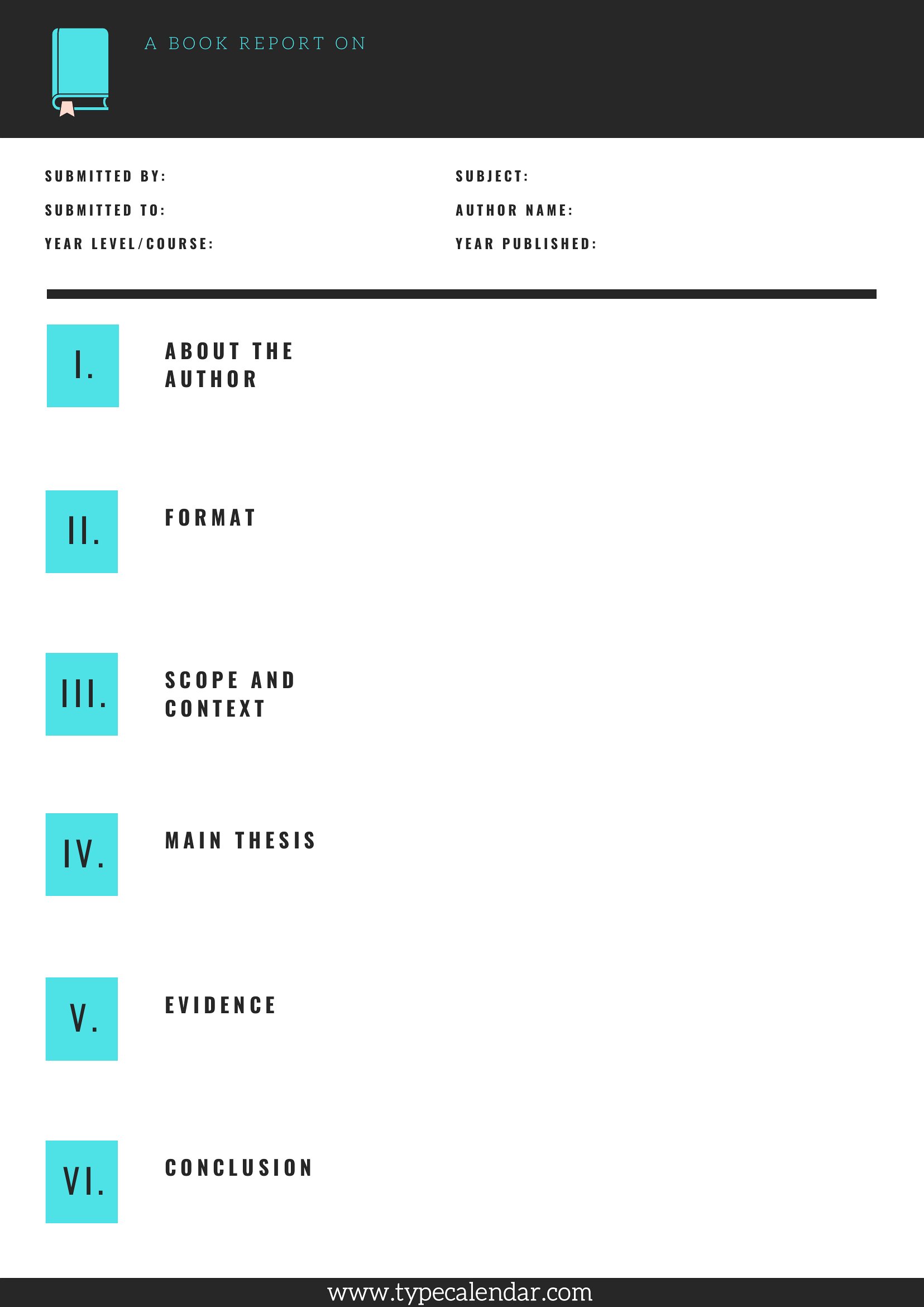
Start with the closest template (e.g., use the creative project outline for graphic novels or poetry collections) and modify the section headers in Word. Add open-ended prompts like ‘Describe the author’s use of [visuals/symbolism]’ or ‘How does this book challenge traditional storytelling?’ to guide students while keeping the structure familiar. For PDFs, print the template and handwrite adjustments next to sections.
Are there templates that help students differentiate between summarizing and analyzing a book?
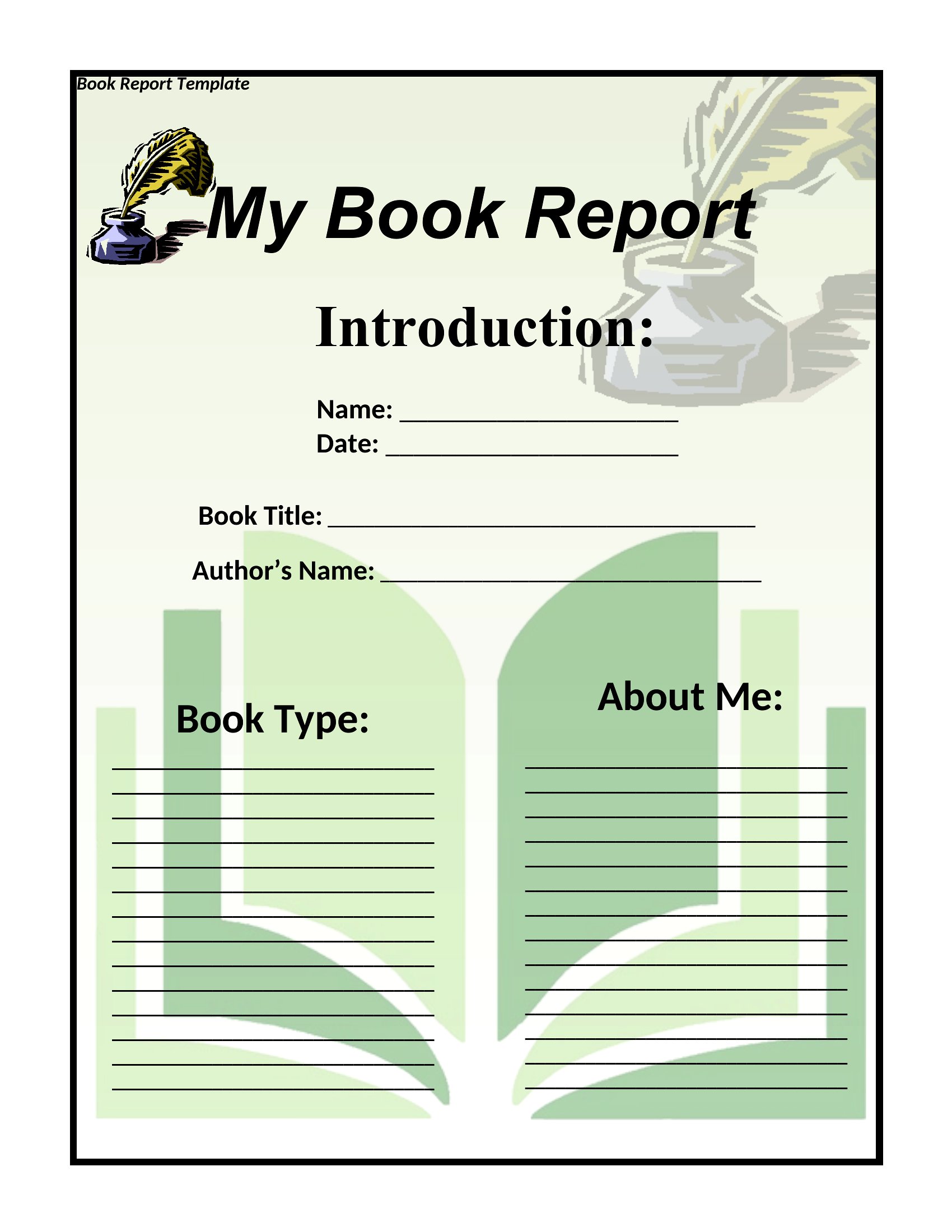
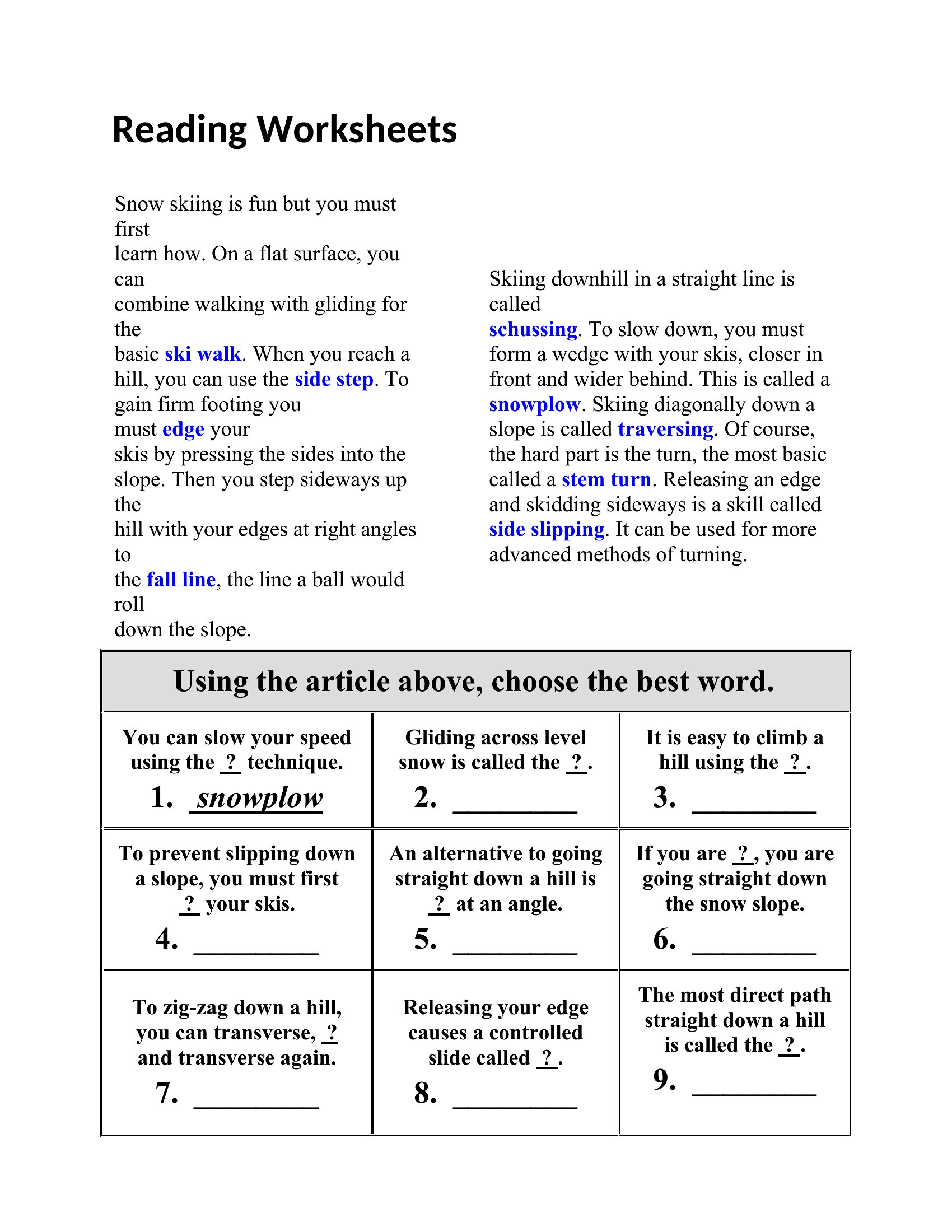
Yes—the middle and high school templates include a ‘Summary vs. Analysis’ section in Word, with the PDF versions labeling boxes for ‘What happened?’ and ‘Why did it matter?’. For younger grades, use the 5th-grade template’s ‘My Thoughts’ column to separate retelling from personal reactions, then scaffold upward by adding ‘Evidence from the text’ rows in later years.
What’s the best way to use these templates for book clubs where students discuss before writing?
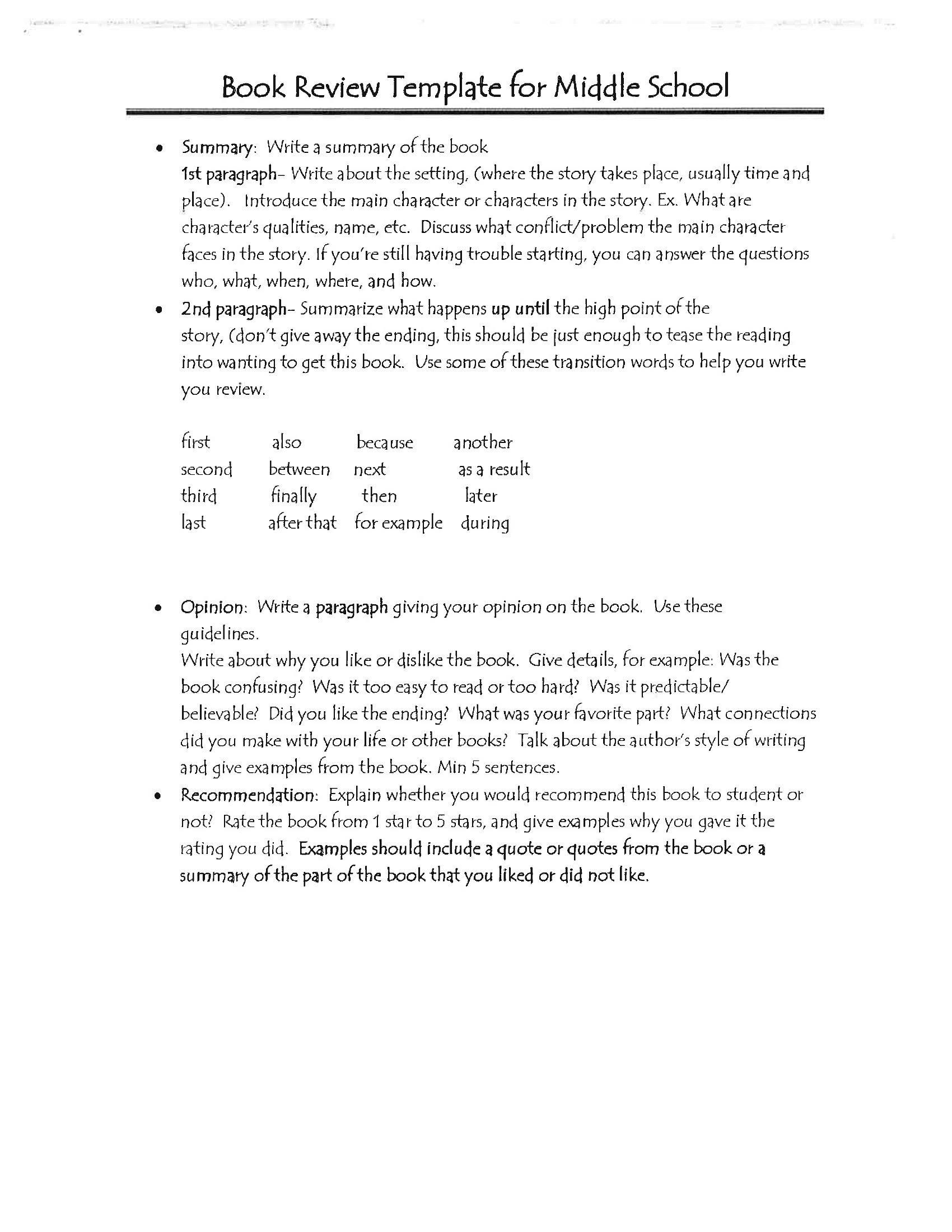
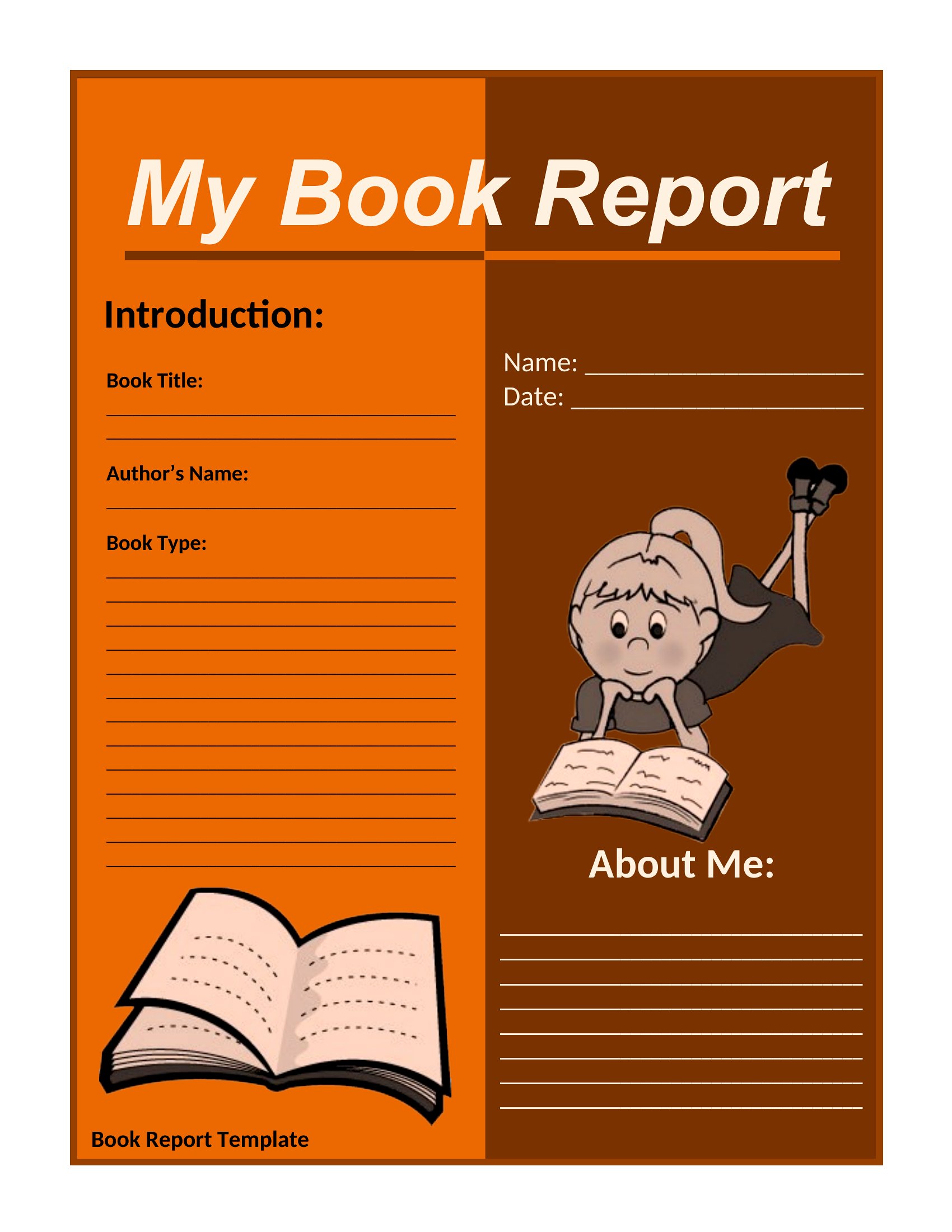
Assign the Word outline template as a pre-discussion worksheet, dividing the class into small groups to fill in sections together during meetings. After the discussion, students refine their notes into a polished report using the same template. For PDFs, use the creative project template to turn group discussions into collaborative posters or presentations, with each student contributing one analyzed section.
Comments
Join the conversation
Sign in to share your thoughts and leave a comment on this resource.