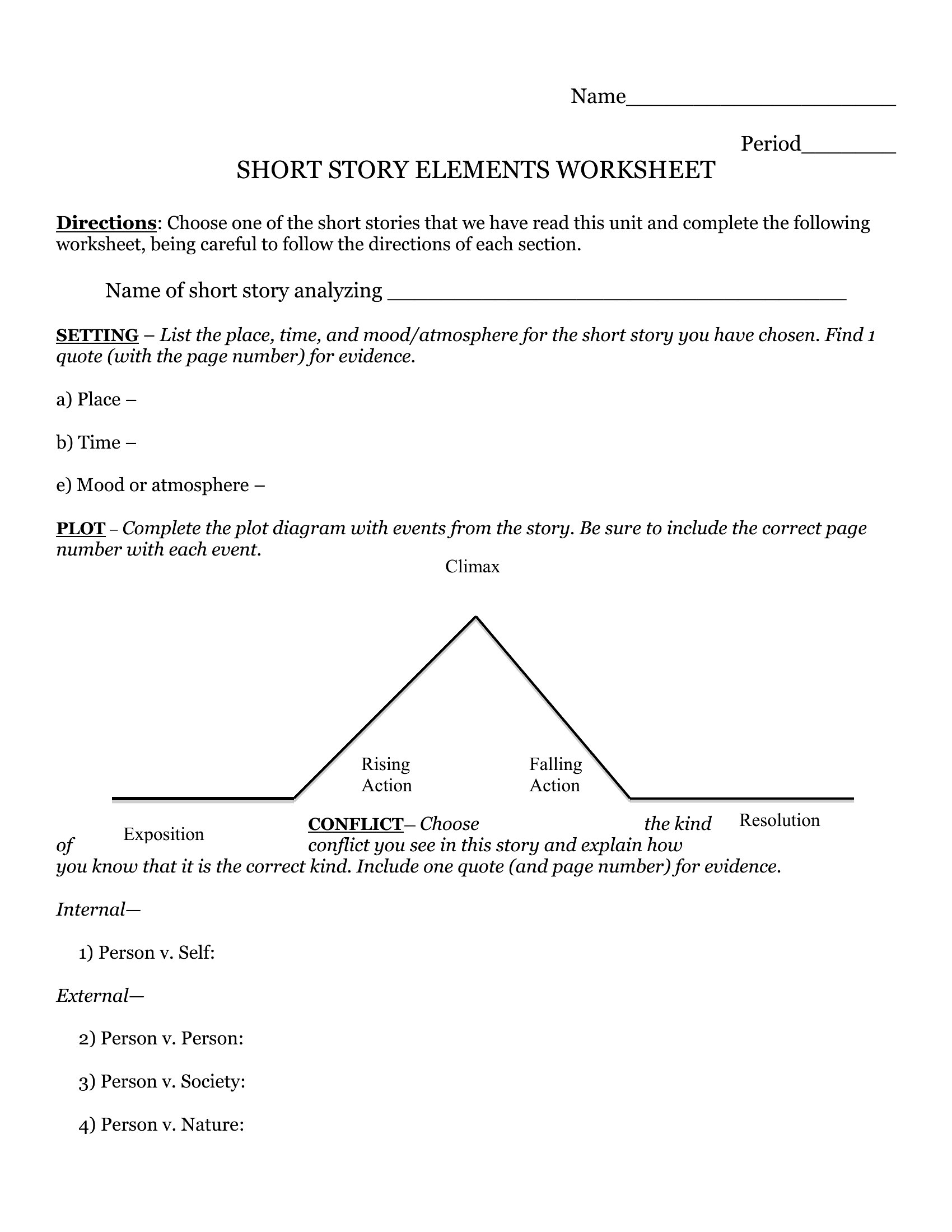
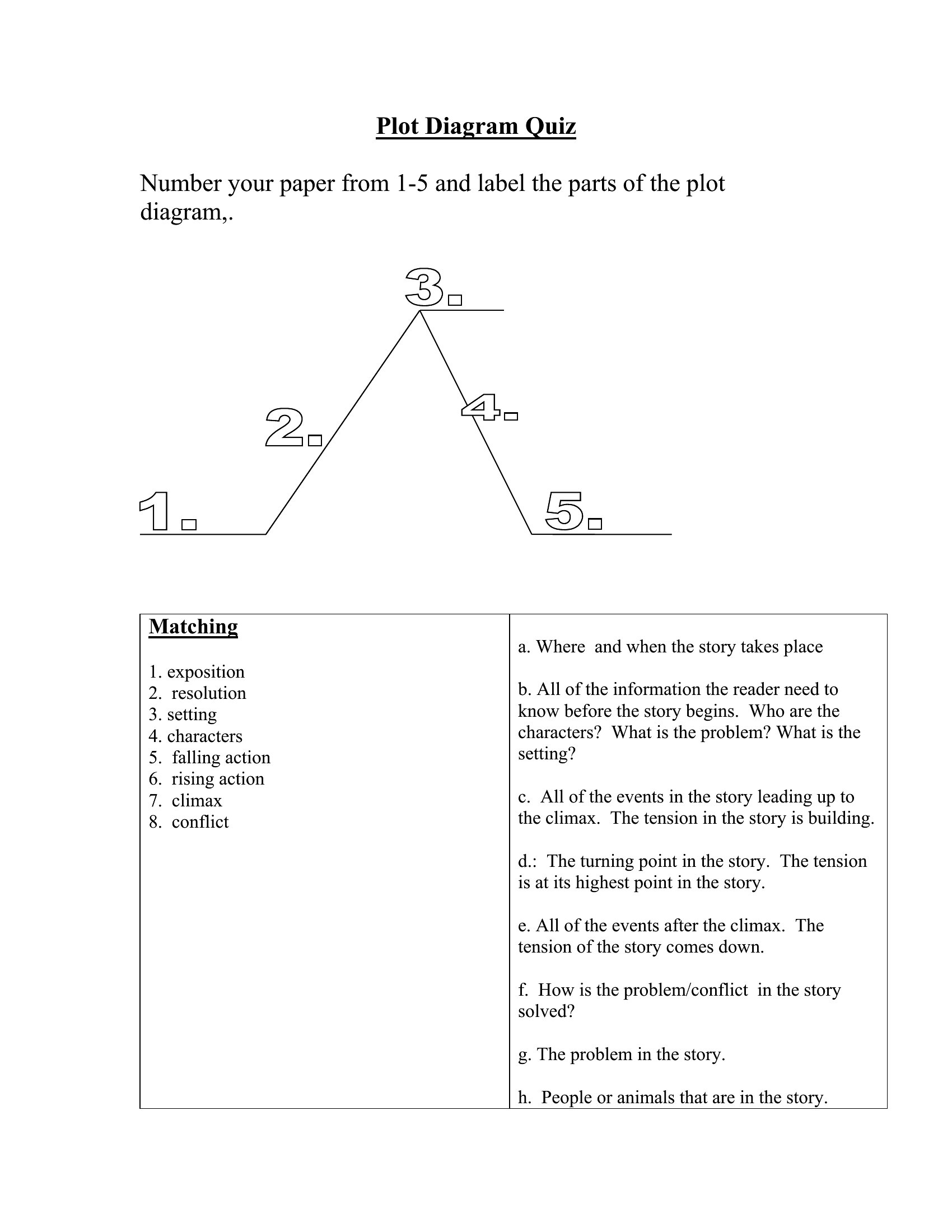
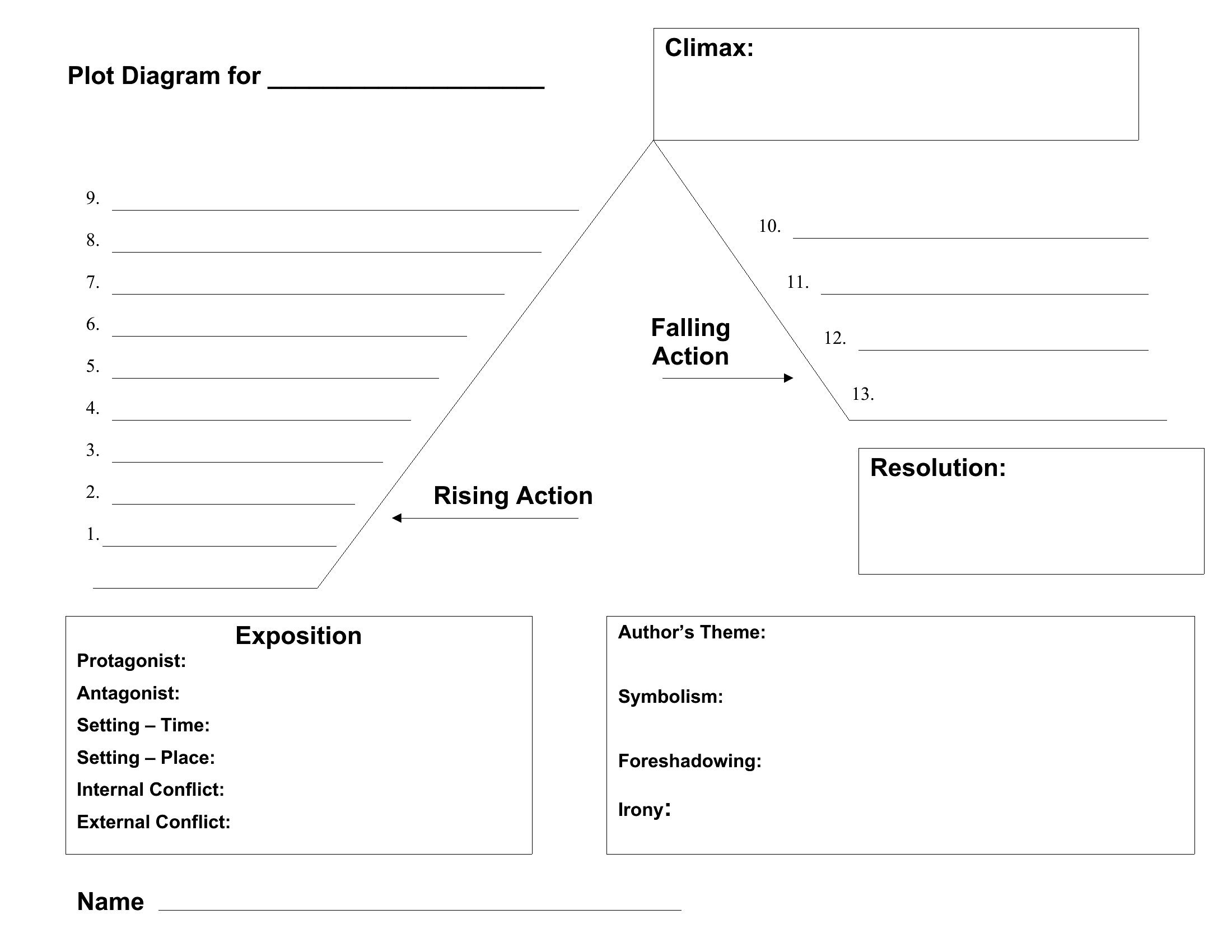
Free Plot Diagram Templates (Word)
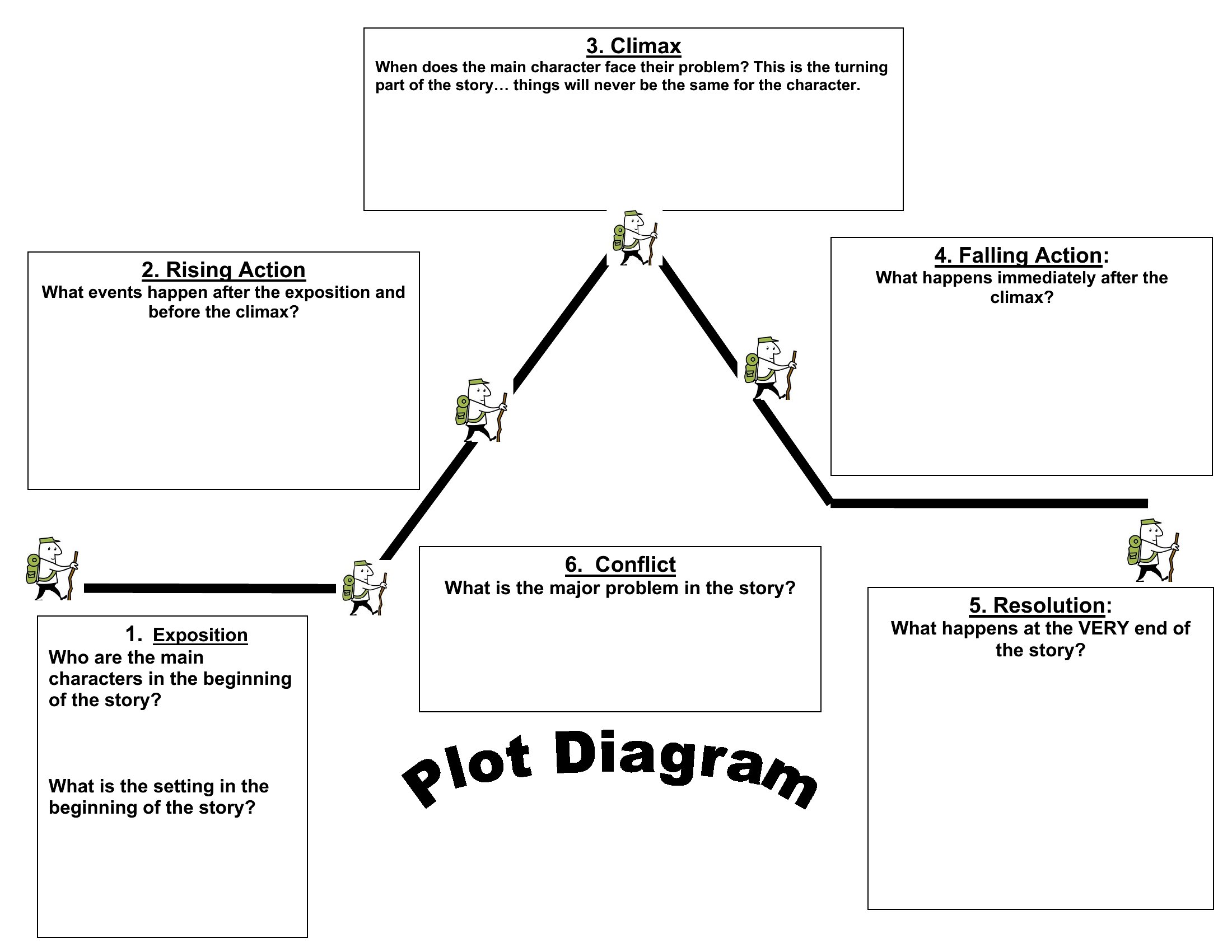
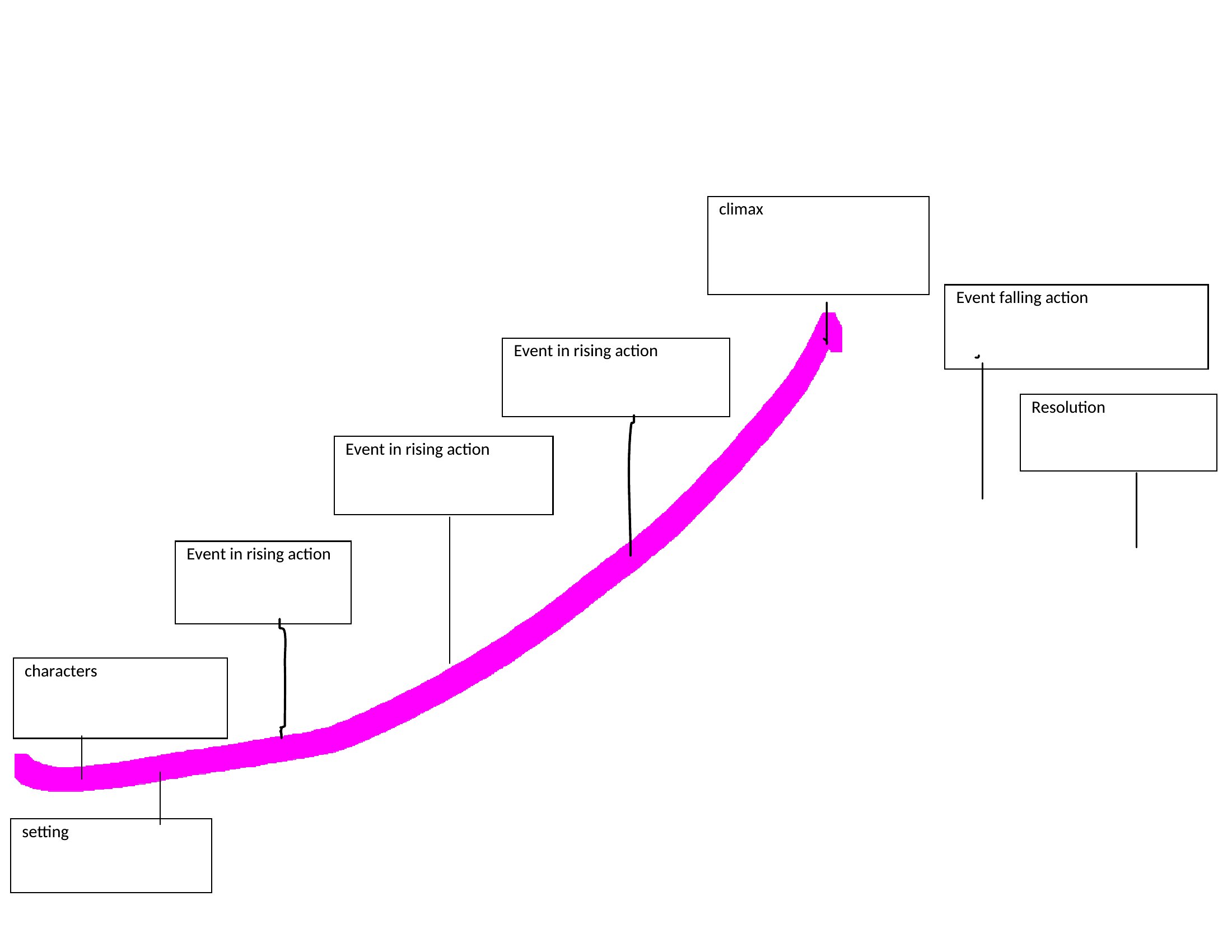
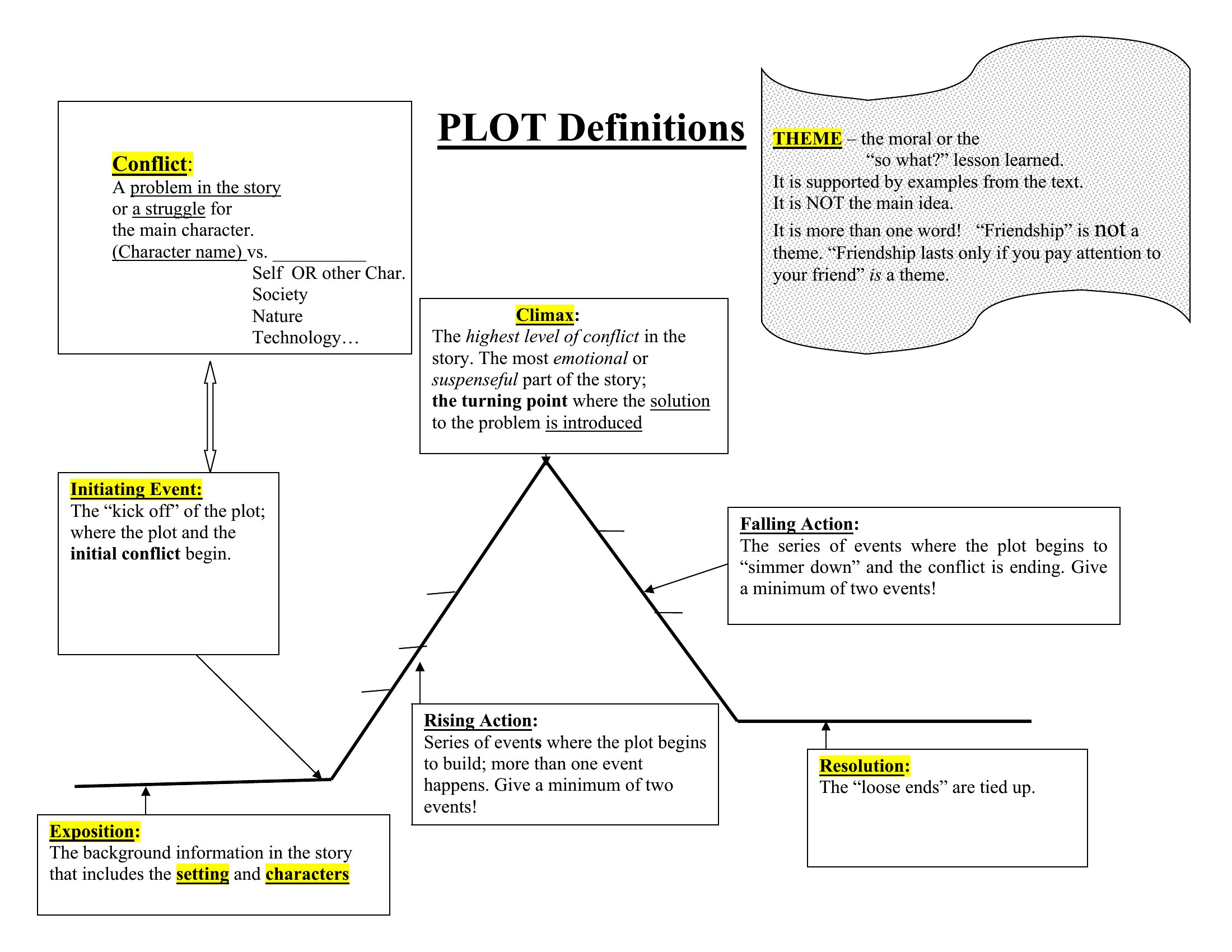
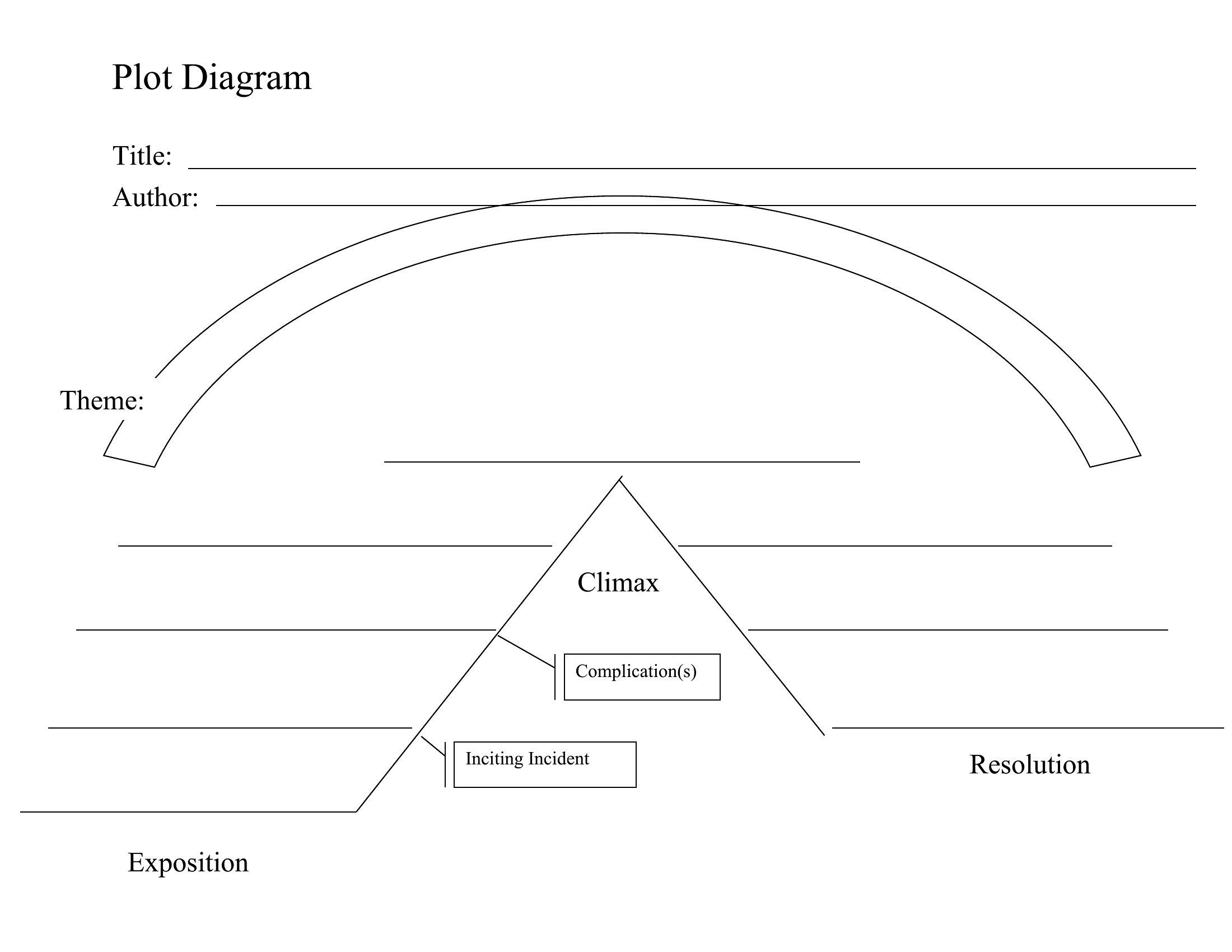
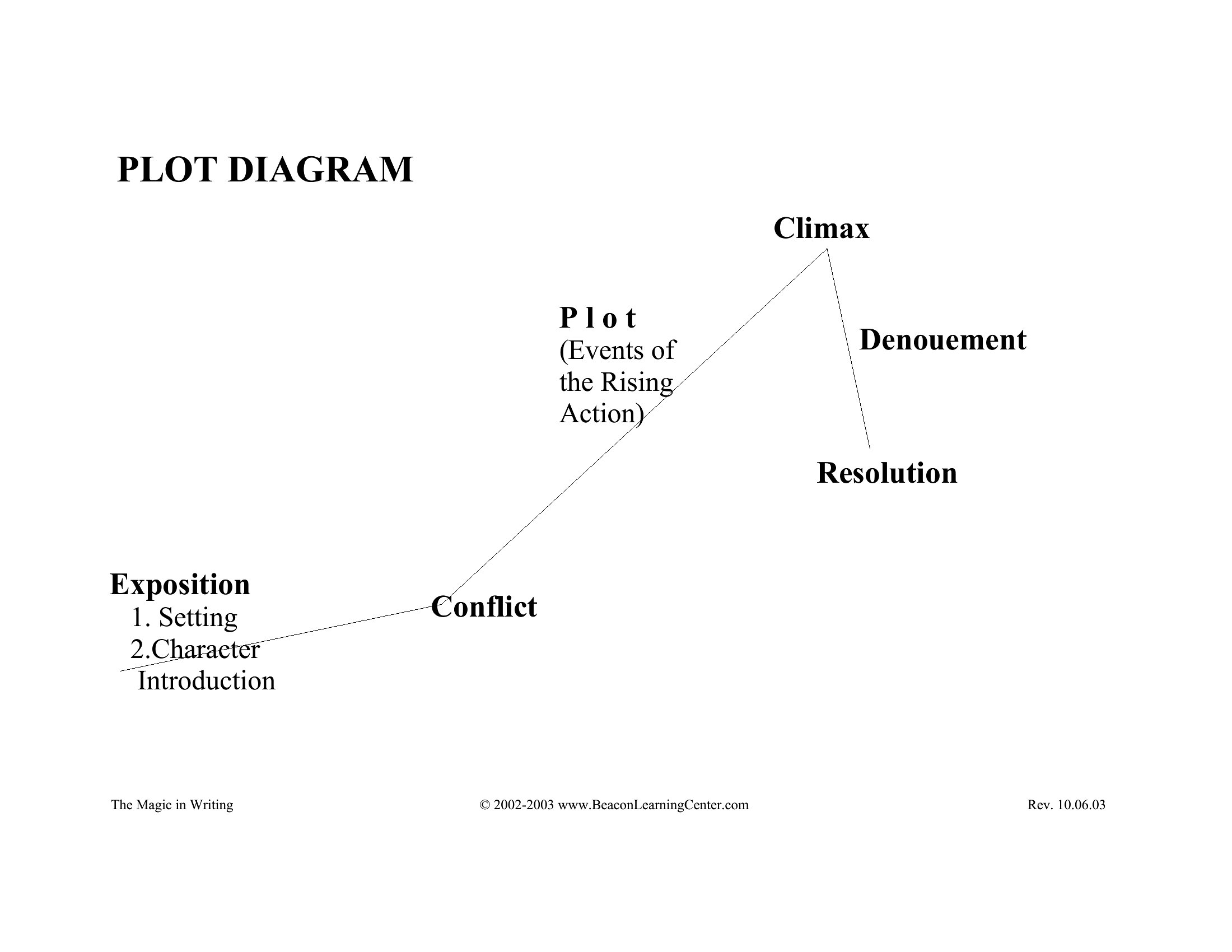
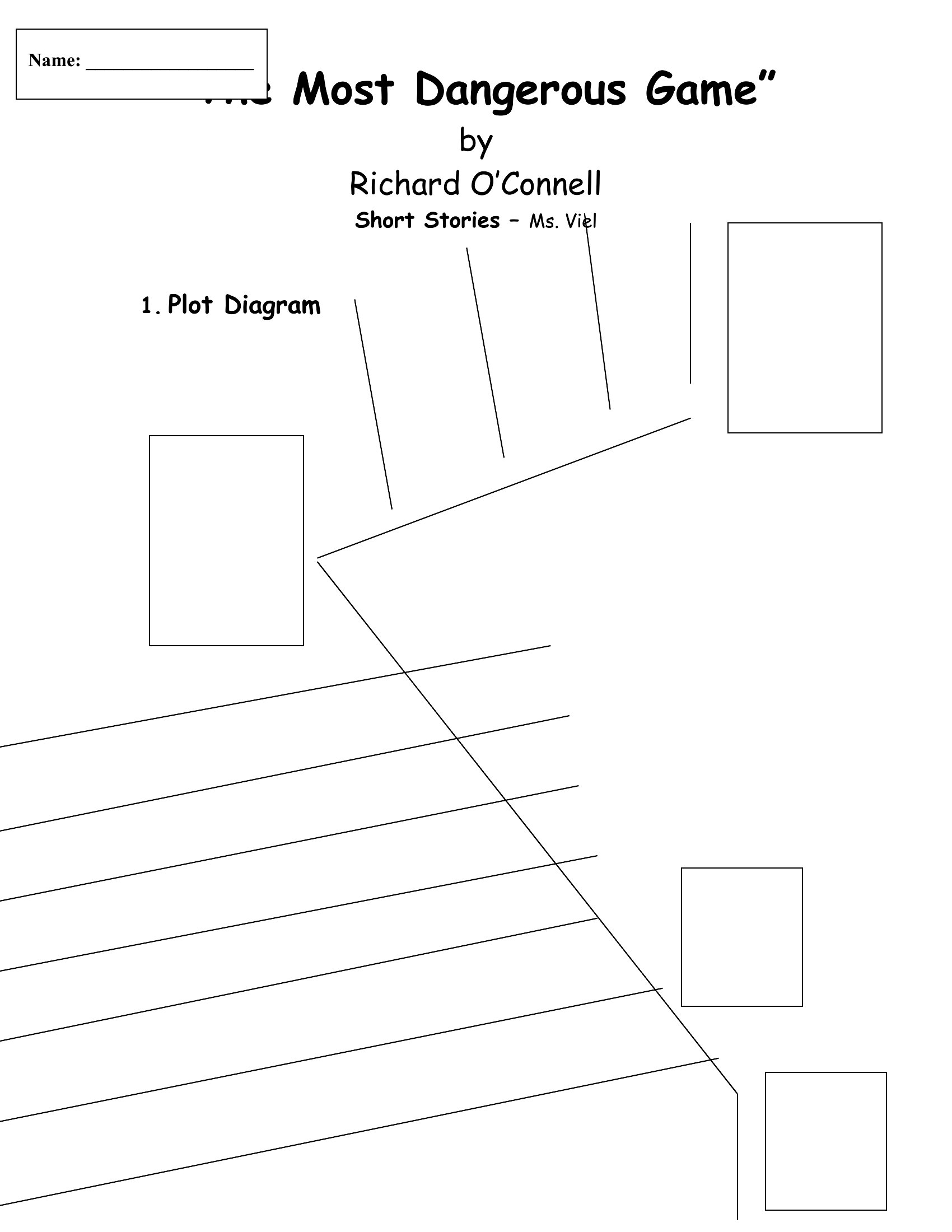
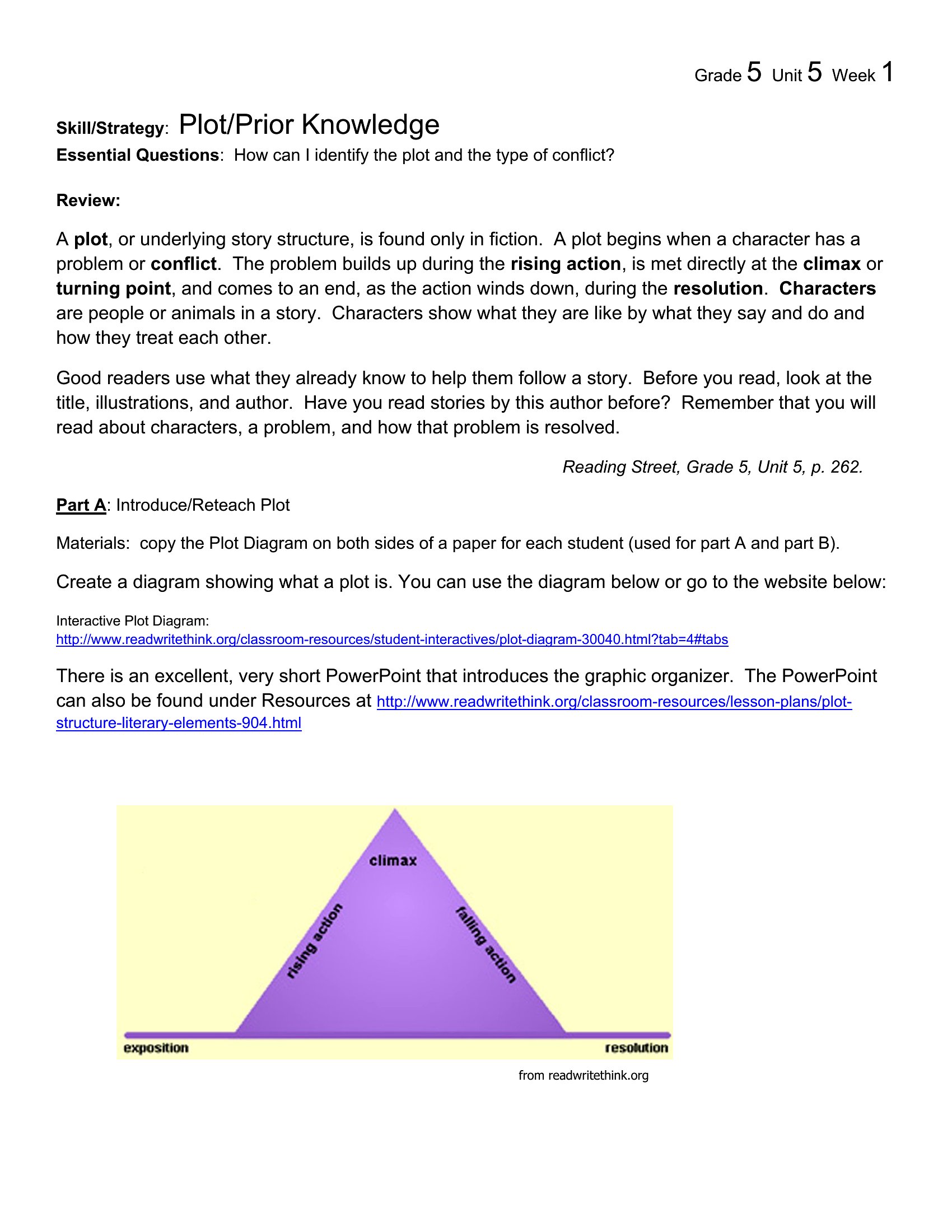
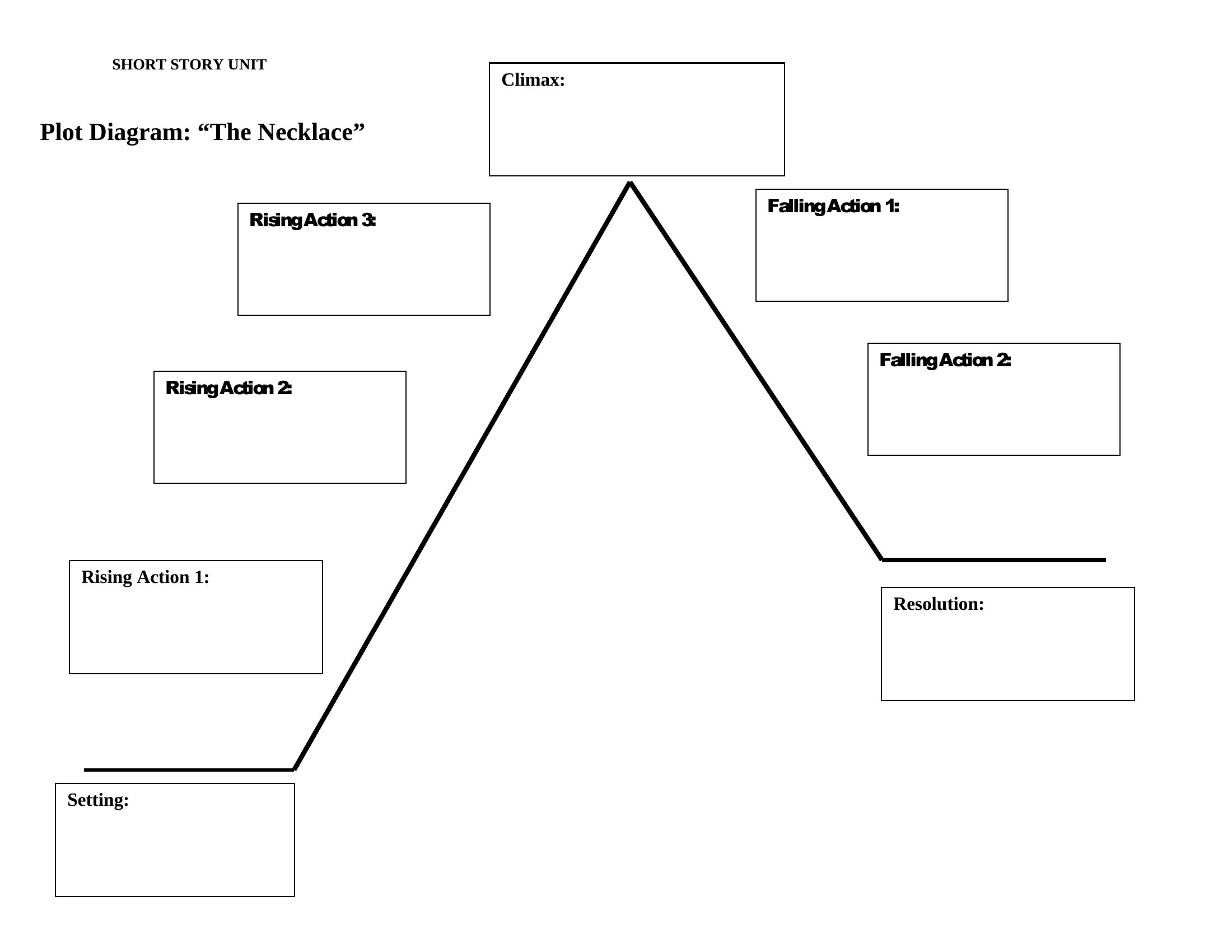
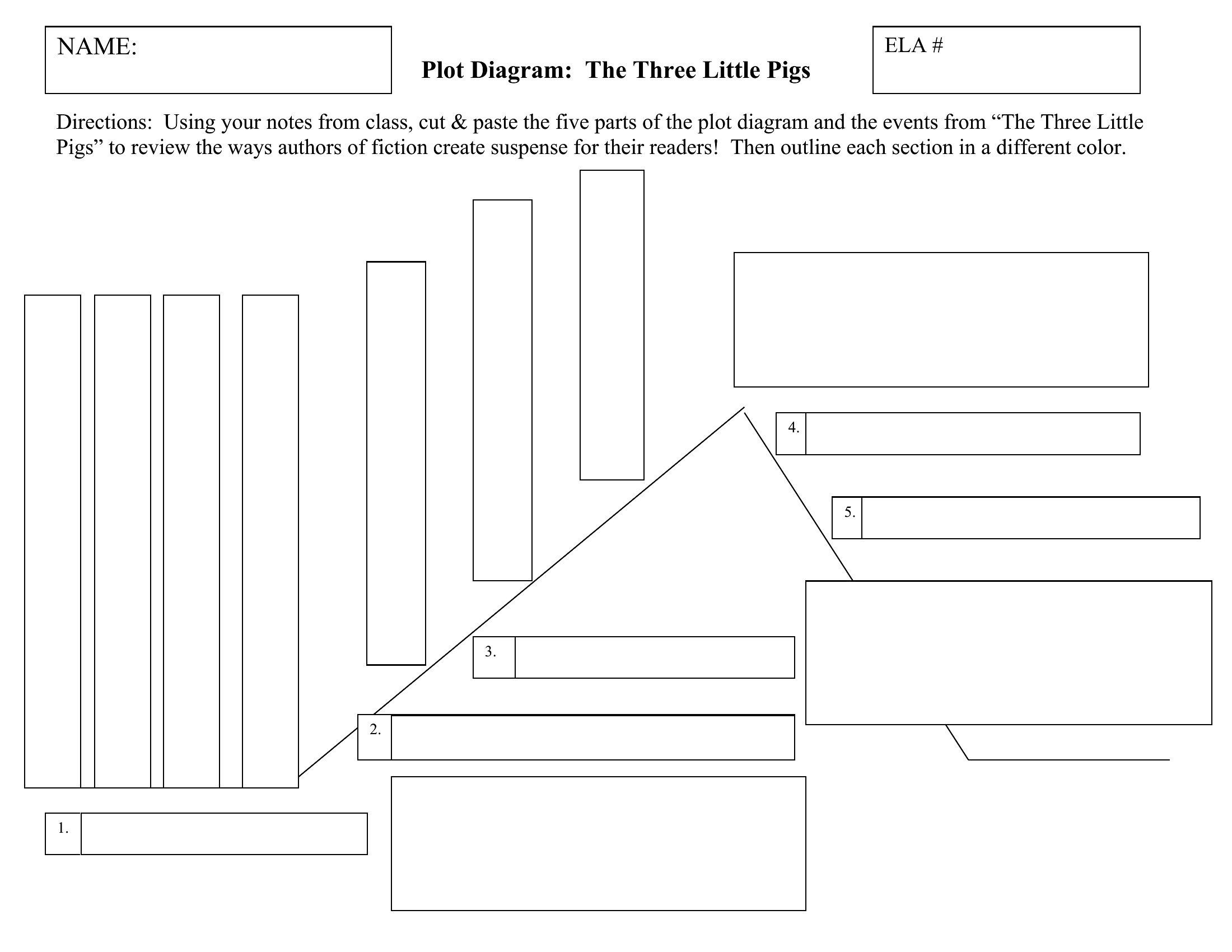
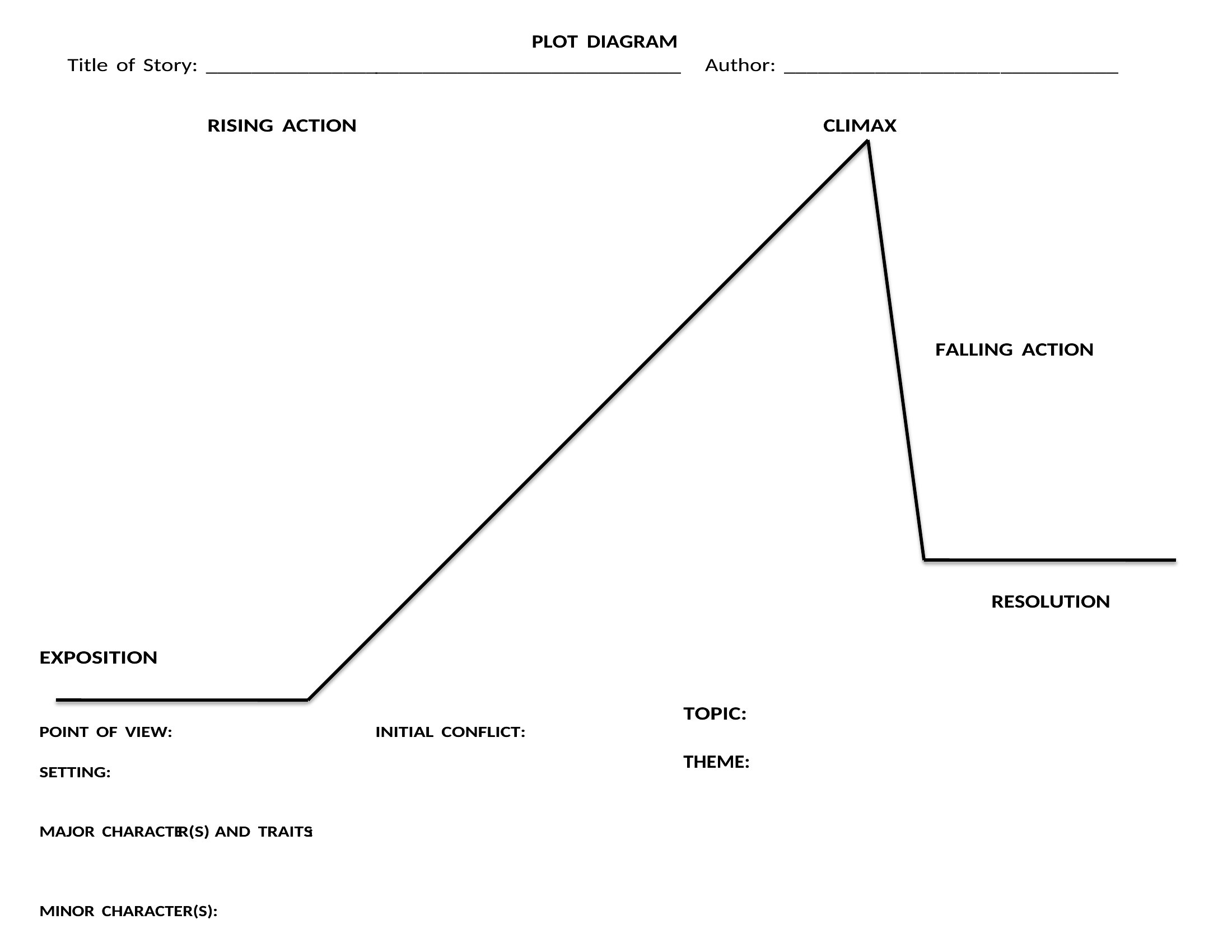
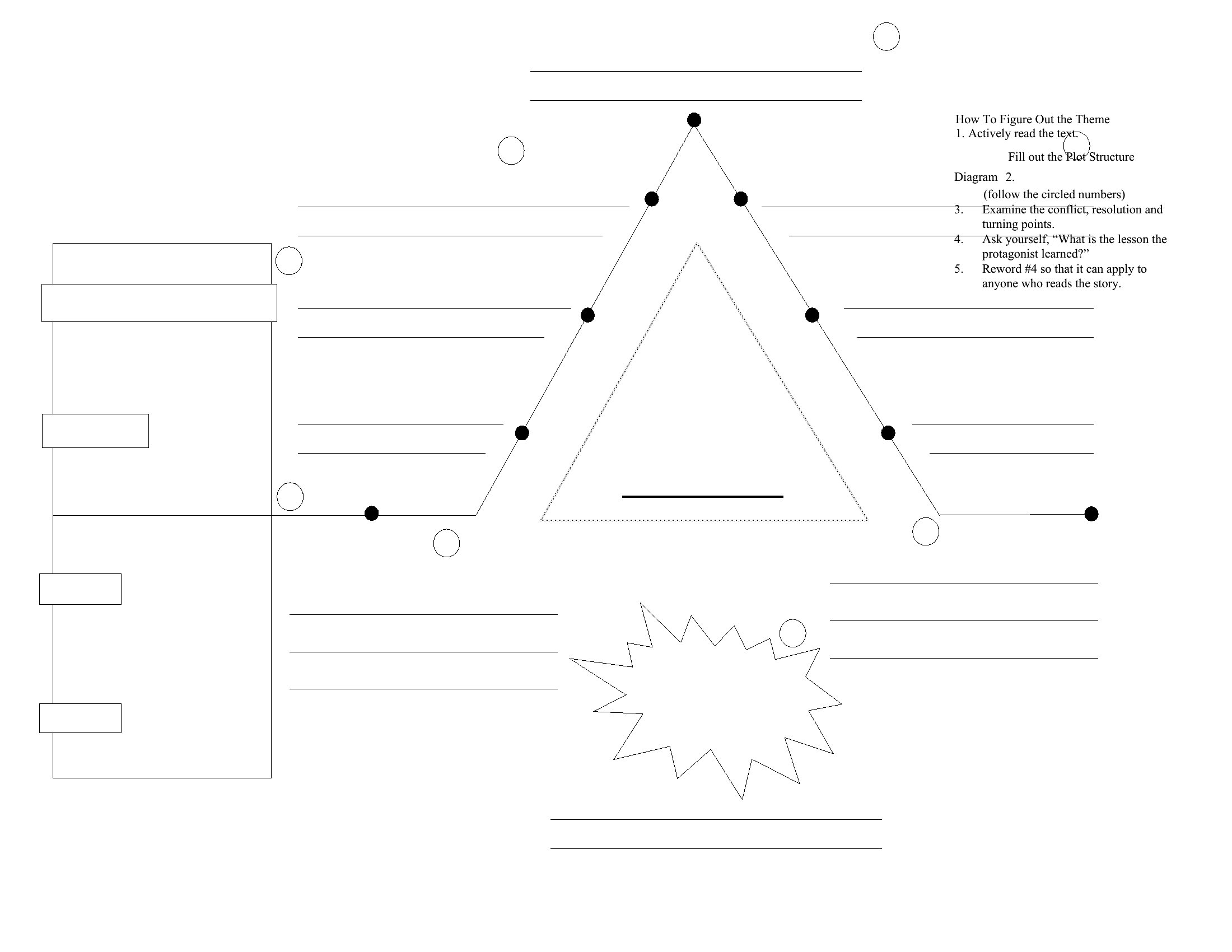
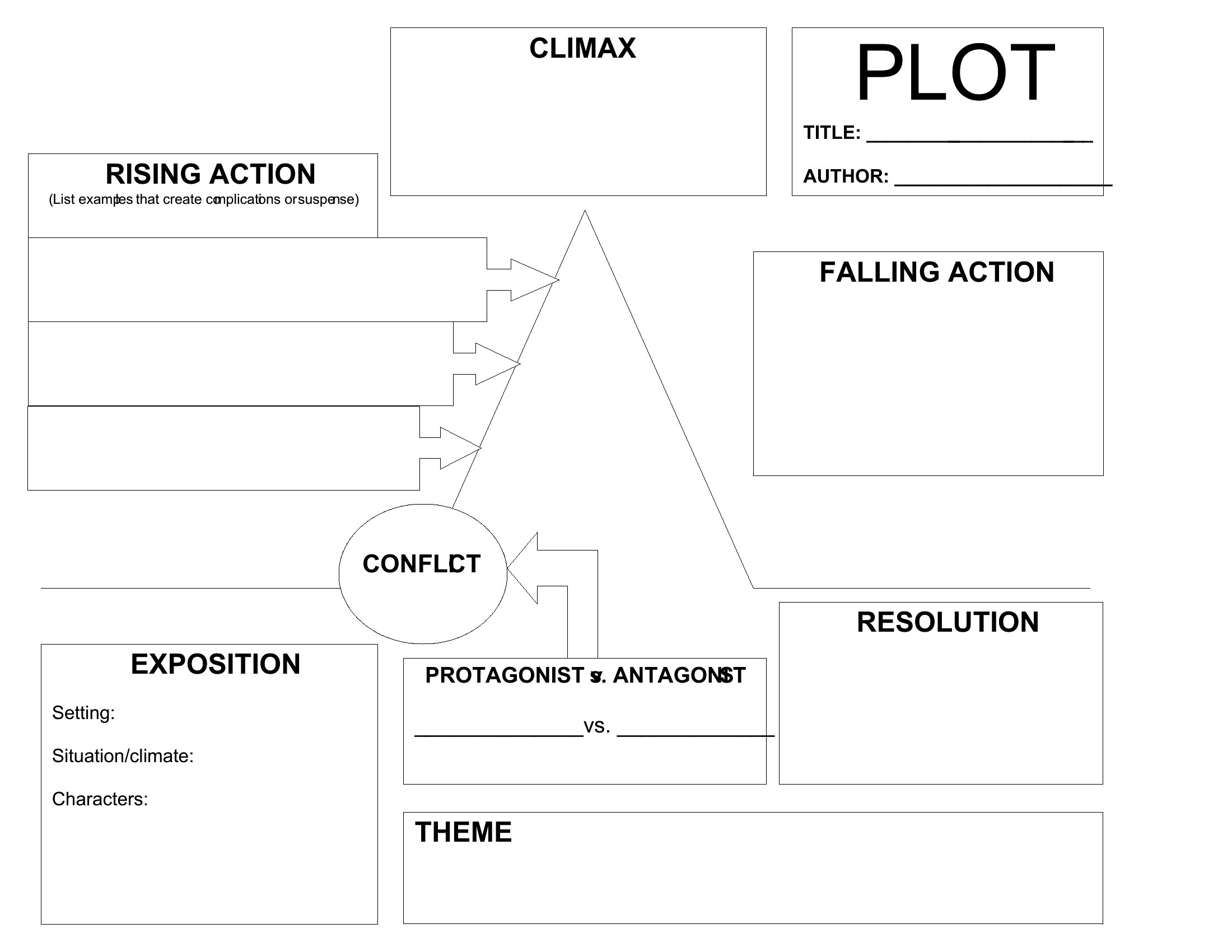
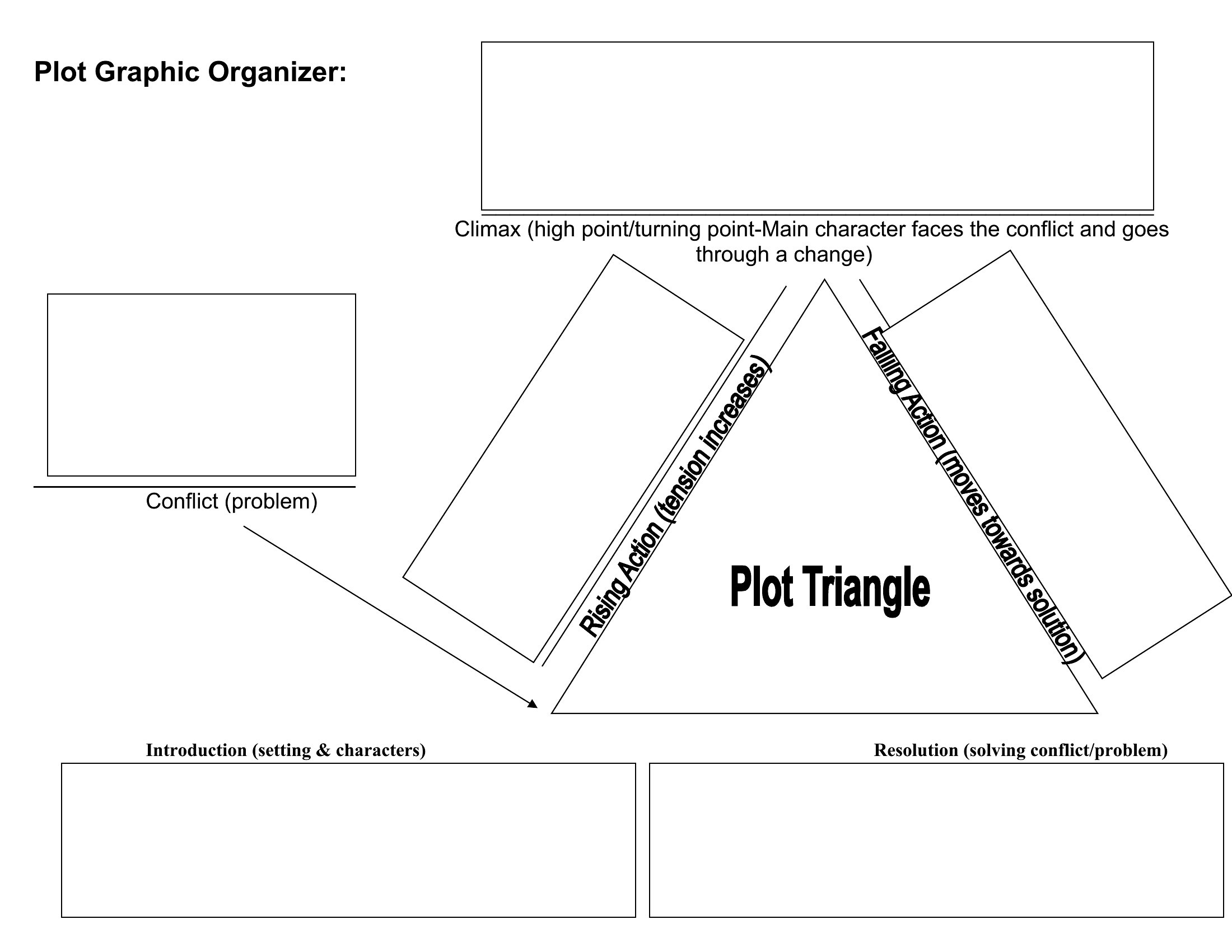
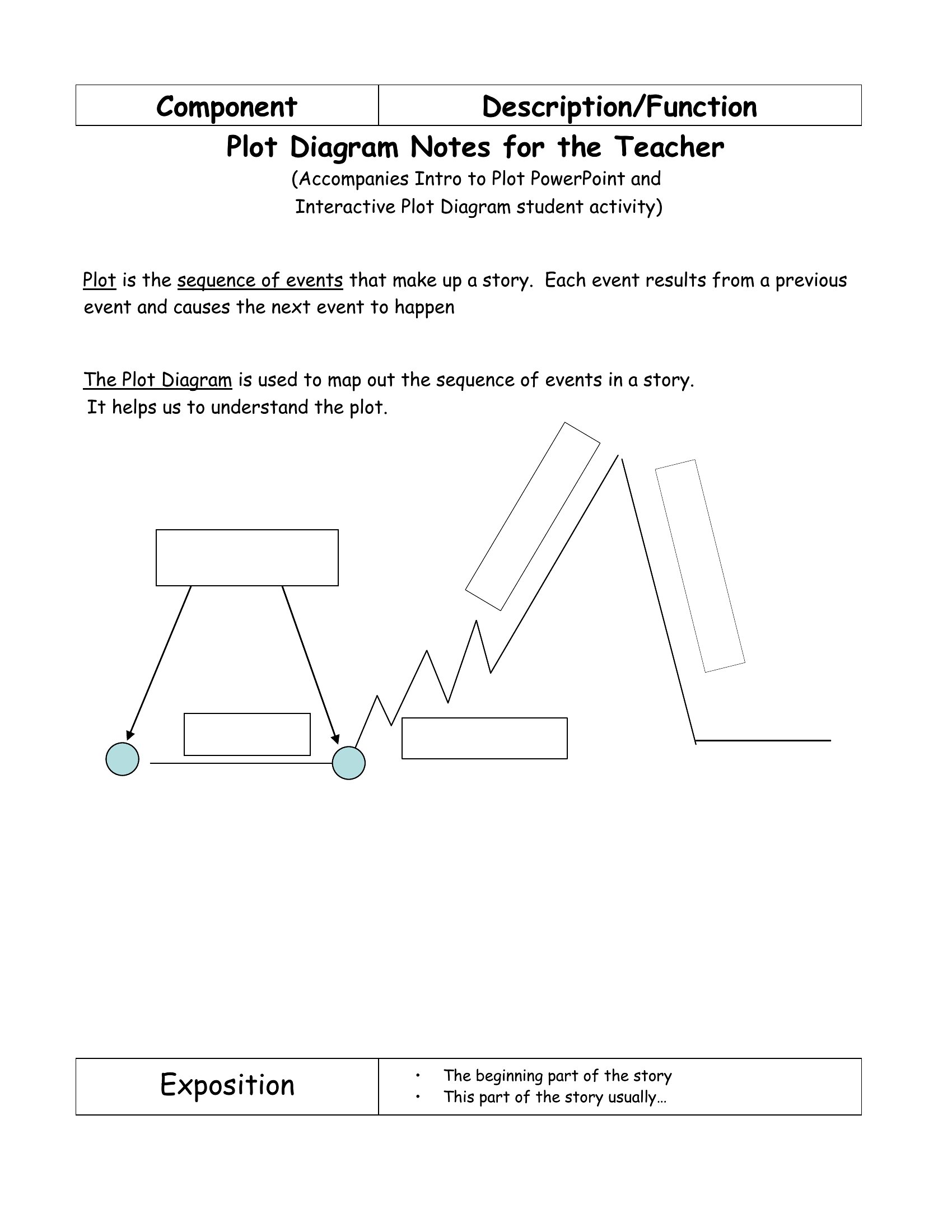
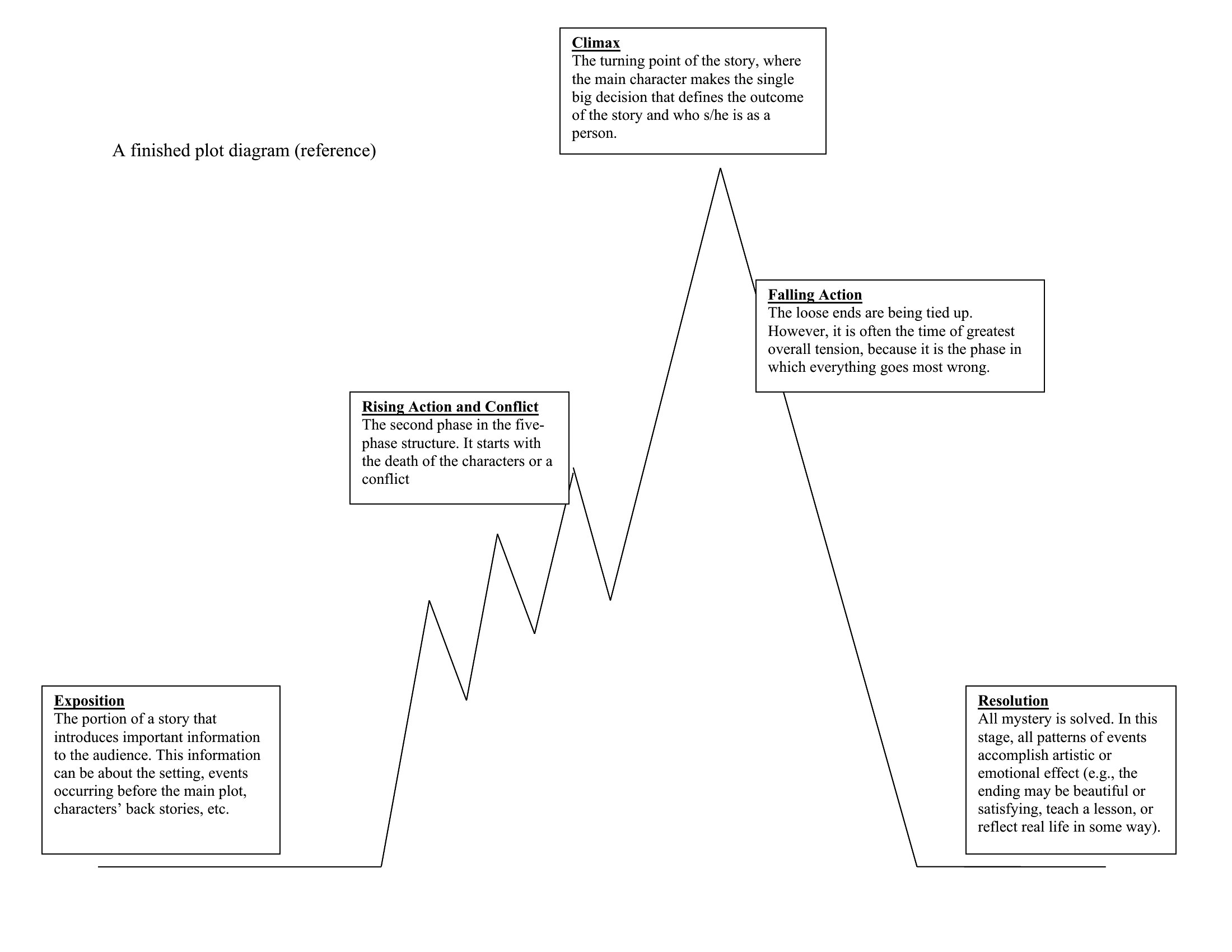
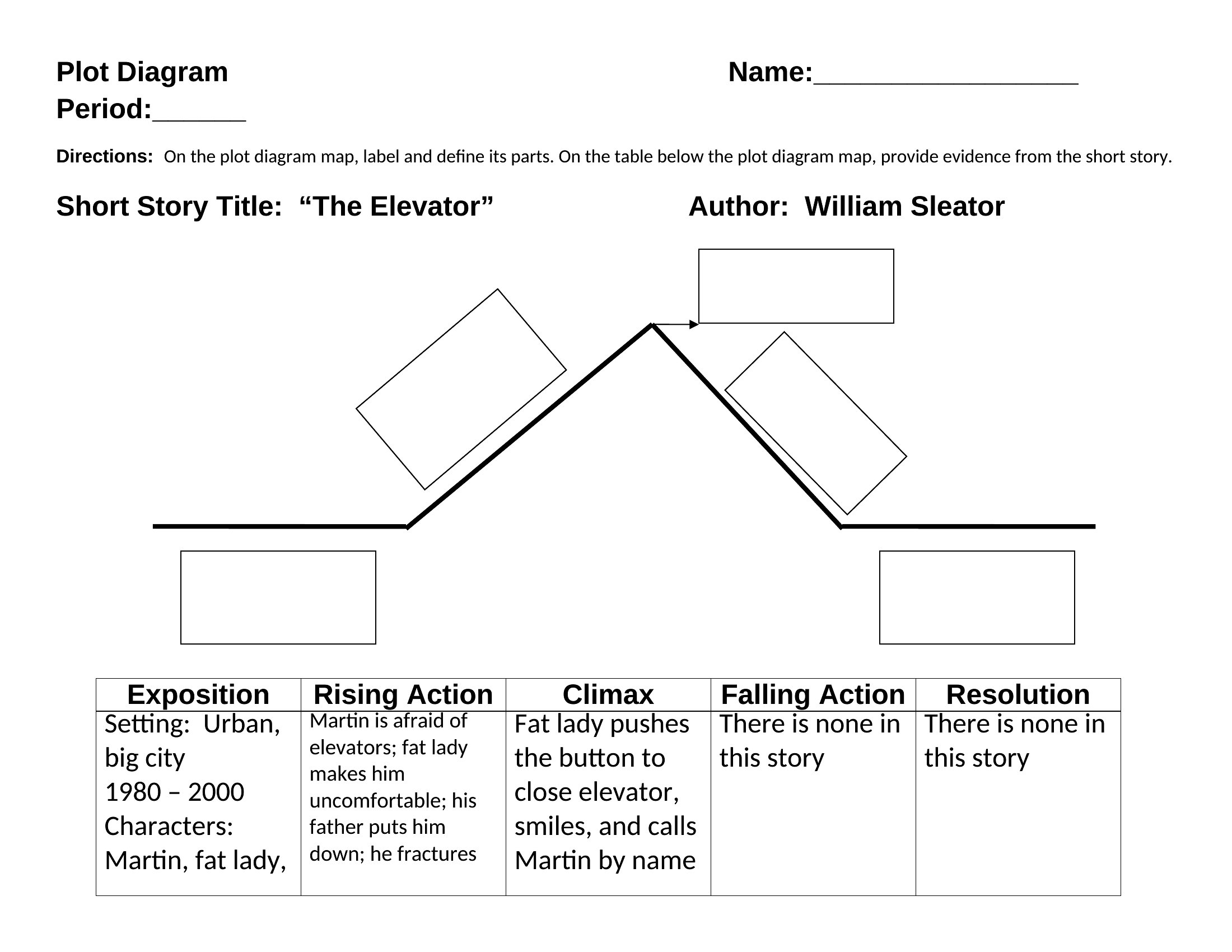
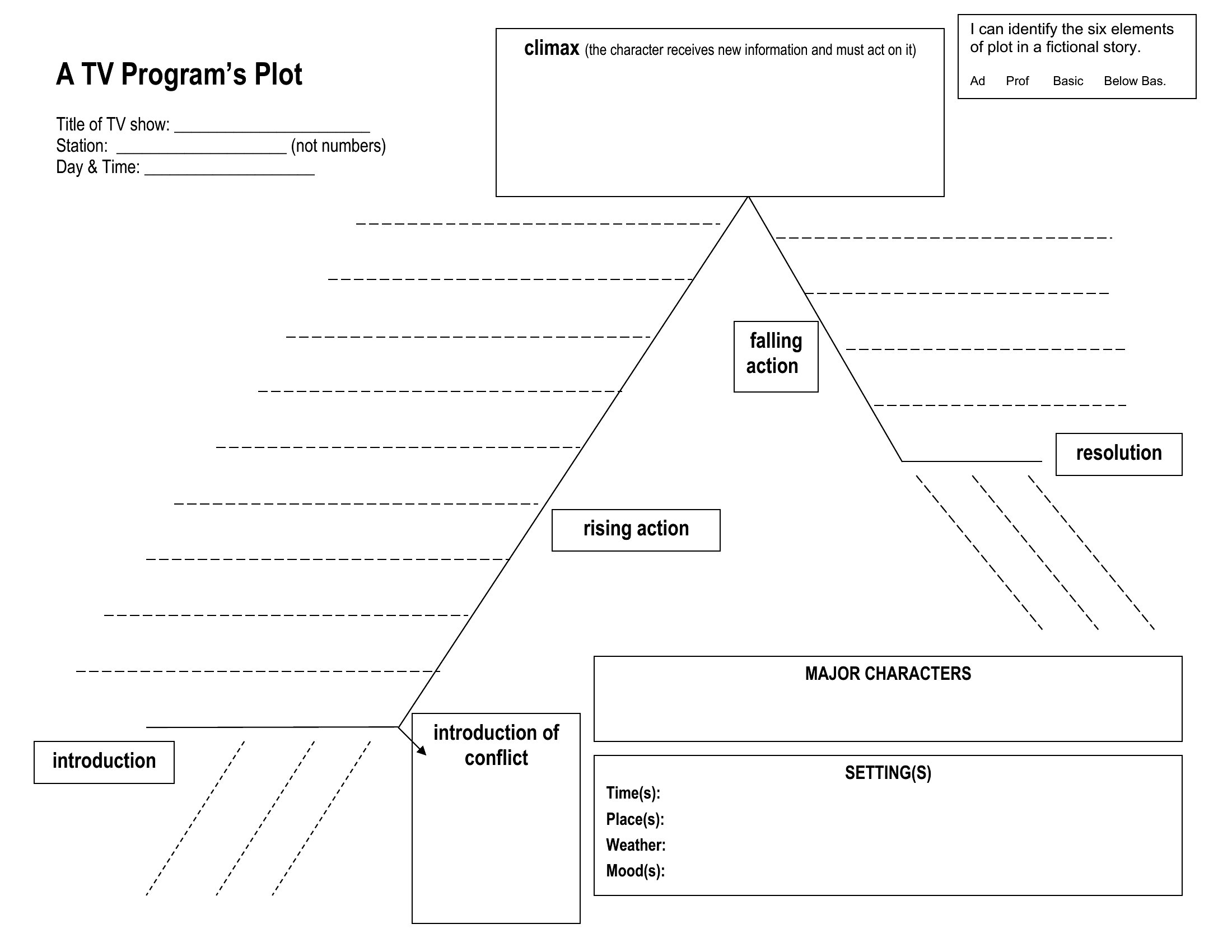
DiagramsMapping a story's exposition, climax, and resolution helps students see how a narrative is built, and a plot diagram gives them a frame to fill. These 42 templates support English teachers and readers analyzing short stories and novels, with classic mountain-shaped and linear layouts.
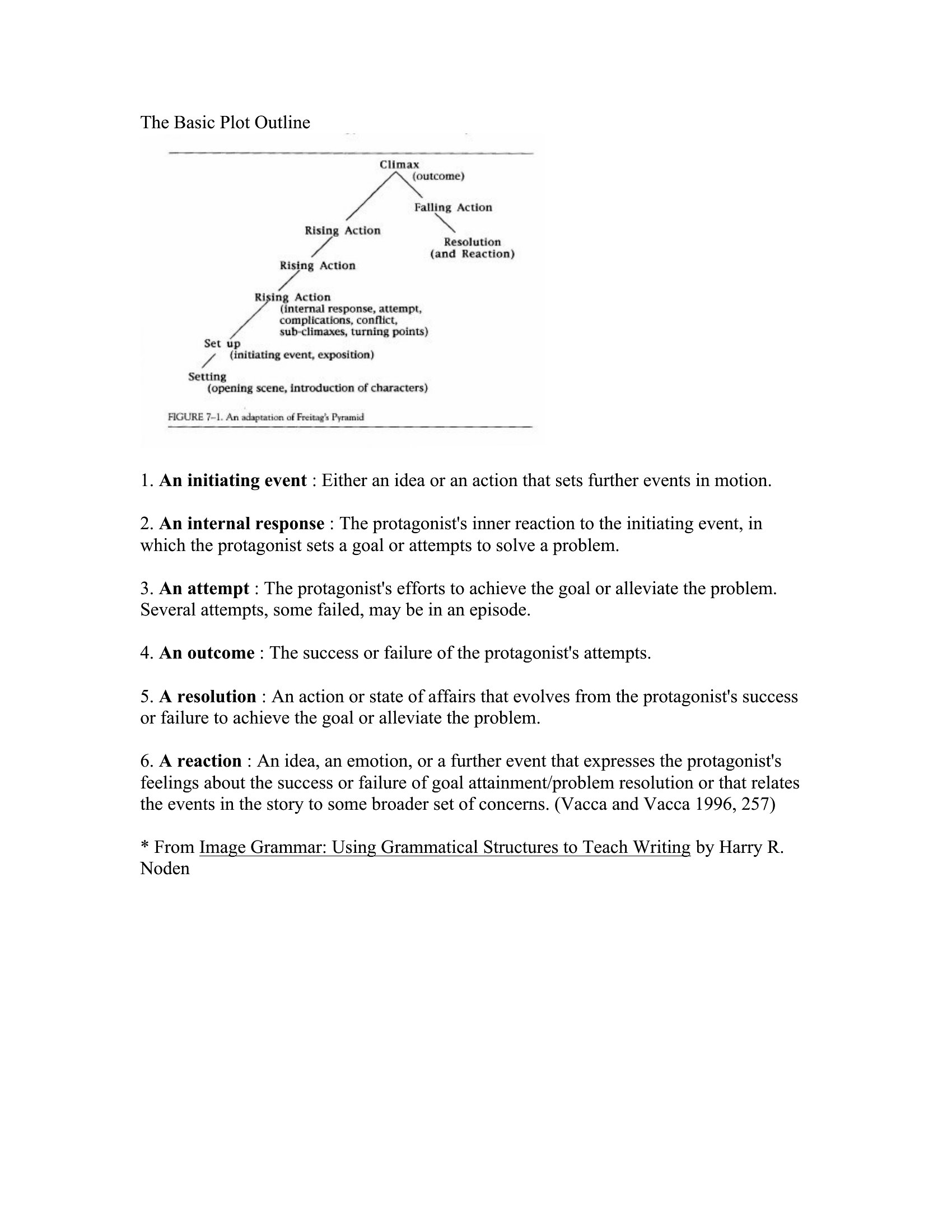
Each template is editable in Microsoft Word, so students can type or write in events at each stage and teachers can adapt them for any text. Print blanks for a lesson or fill them on screen for assignments. Everything is free and classroom-ready. Choose the diagram that fits the story and help readers see its structure.
When to use this Plot Diagram template
- High school English teachers use these during literature circles to break down short stories like *The Lottery* with students who struggle to identify key plot points in group discussions.
- AP Literature students analyze *Romeo and Juliet* by filling in the diagram’s rising action and climax stages to prepare for timed essay questions on narrative structure.
- Middle school reading coaches assign plot diagrams as exit tickets after novel studies to visually reinforce comprehension for ESL learners still building vocabulary.
- Creative writing workshops use blank mountain-shaped templates to help aspiring authors outline their own fiction drafts before drafting the first scene.
Which format should I download?
All 42 templates come in Microsoft Word format, which is ideal for classrooms with school-issued licenses. Choose Word because it’s fully editable—students can type or handwrite directly into the diagram’s stages, while teachers can easily modify layouts for different story structures. The format also supports saving as PDFs for printouts or digital submissions, making it the most versatile option for collaborative or independent work.
Choose from 42 Plot Diagram Templates
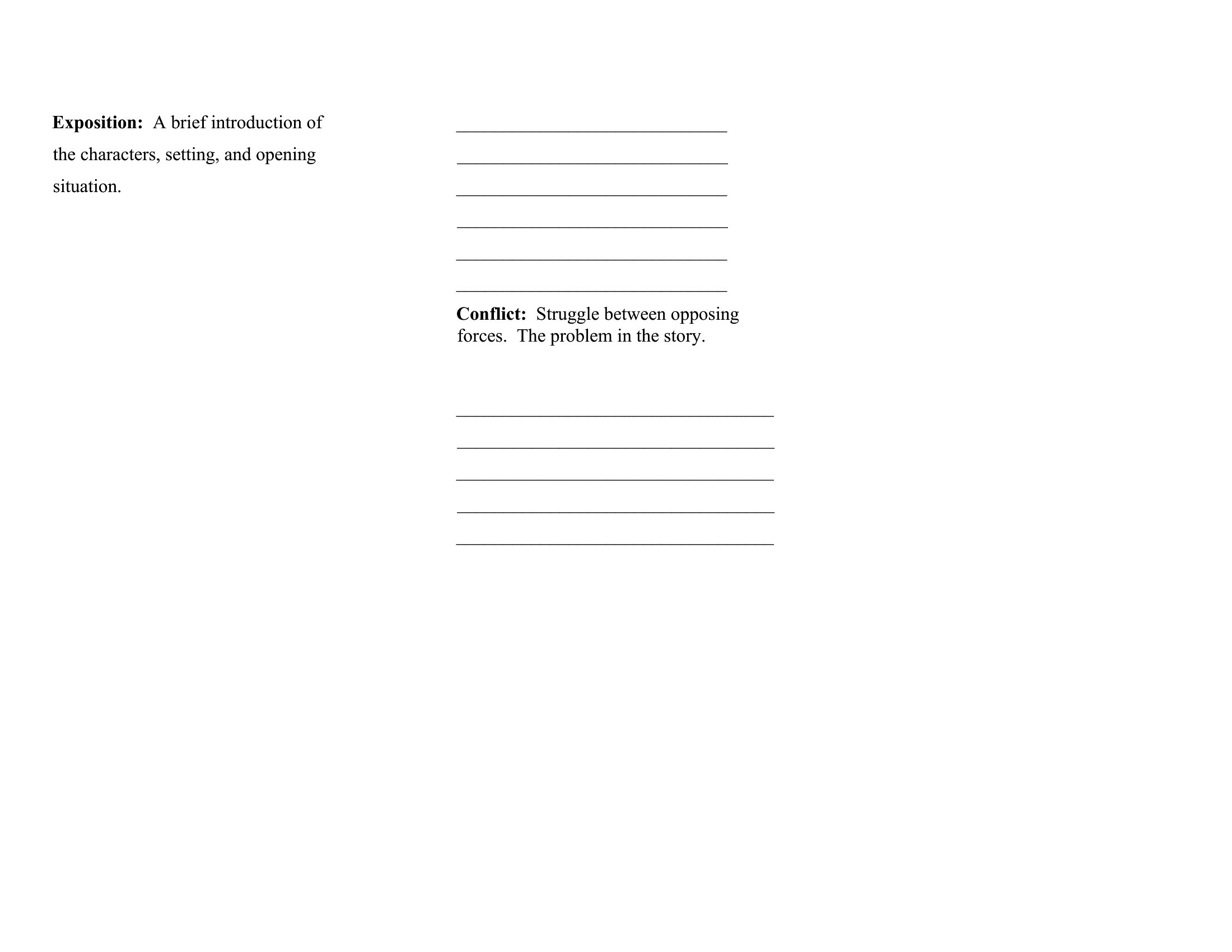
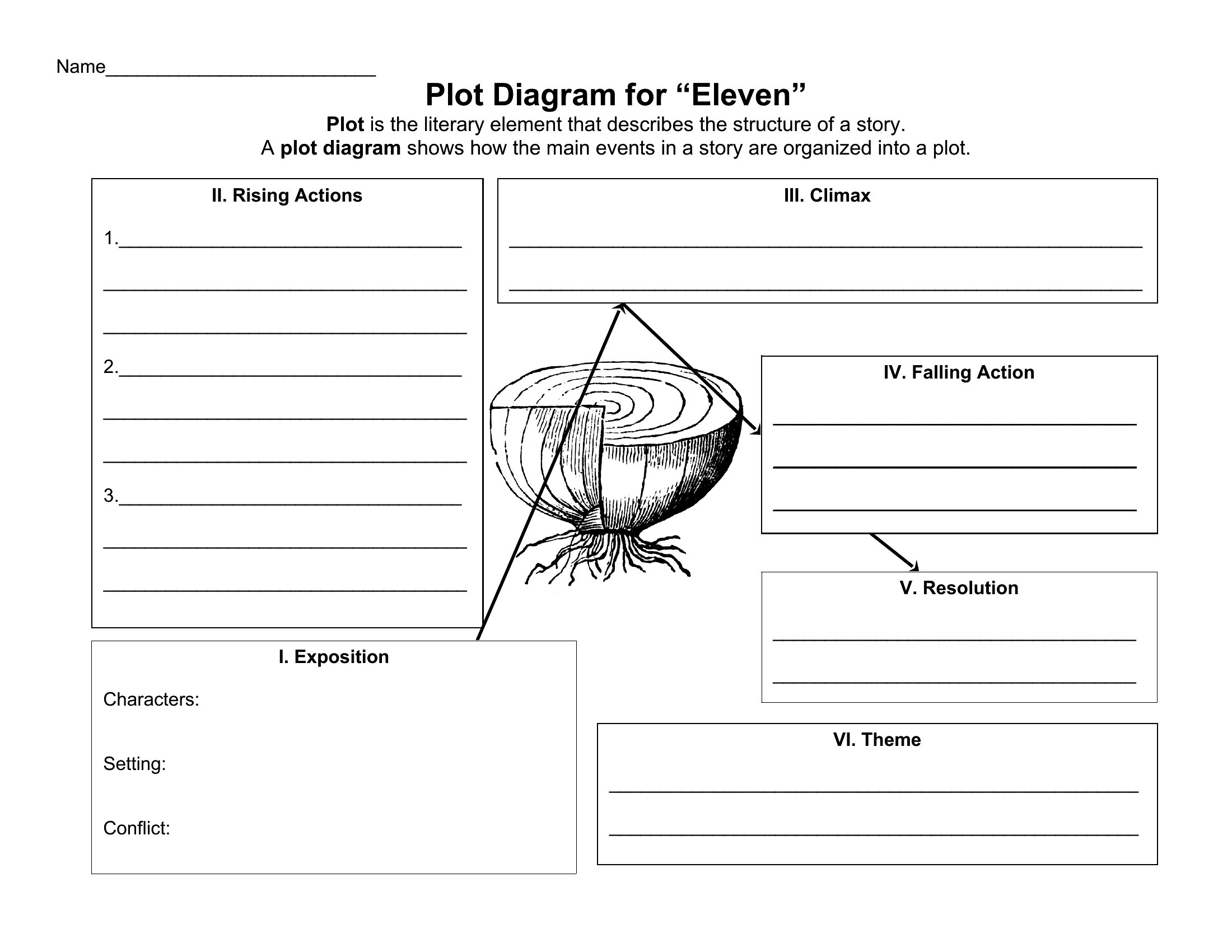
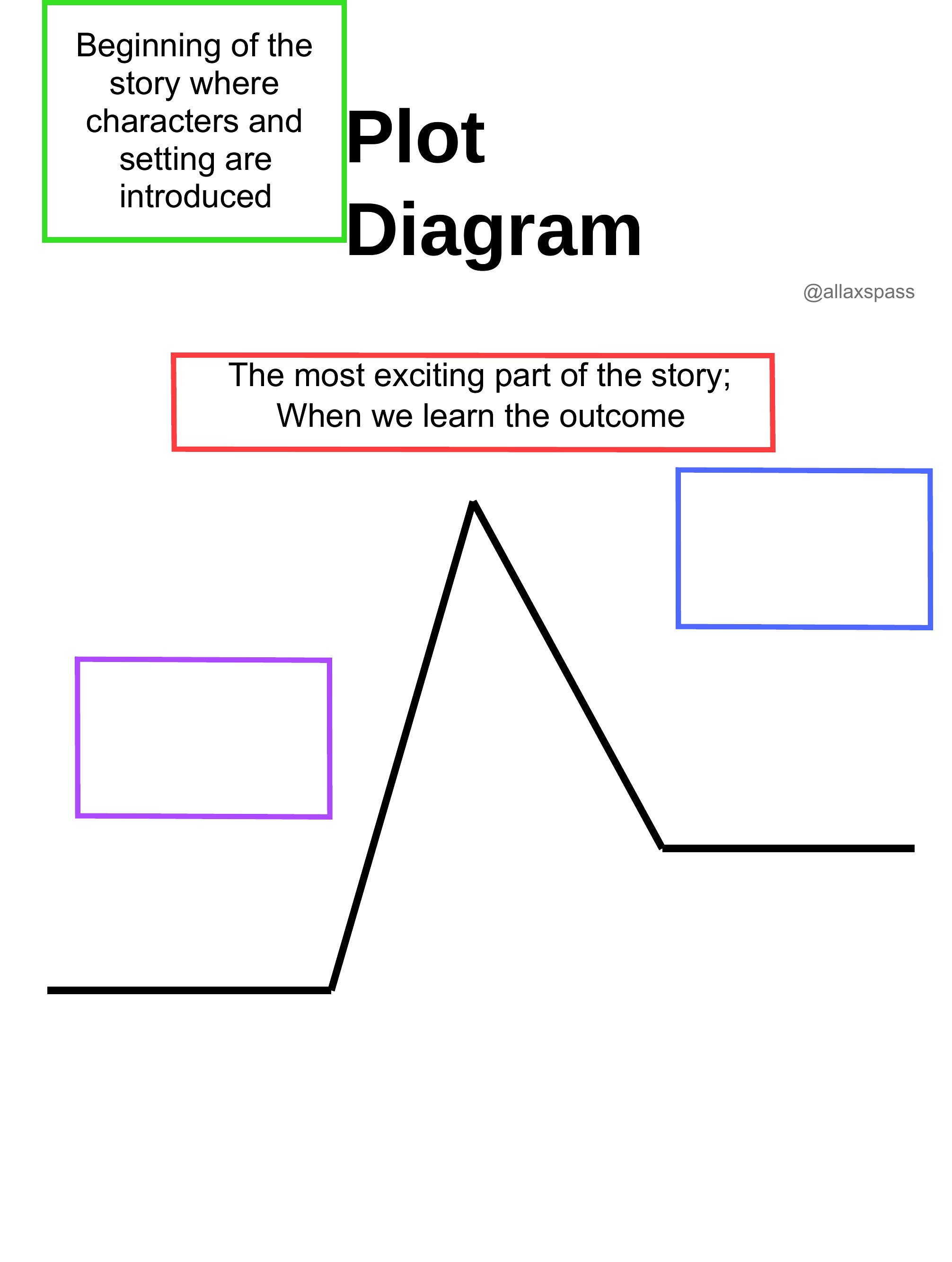
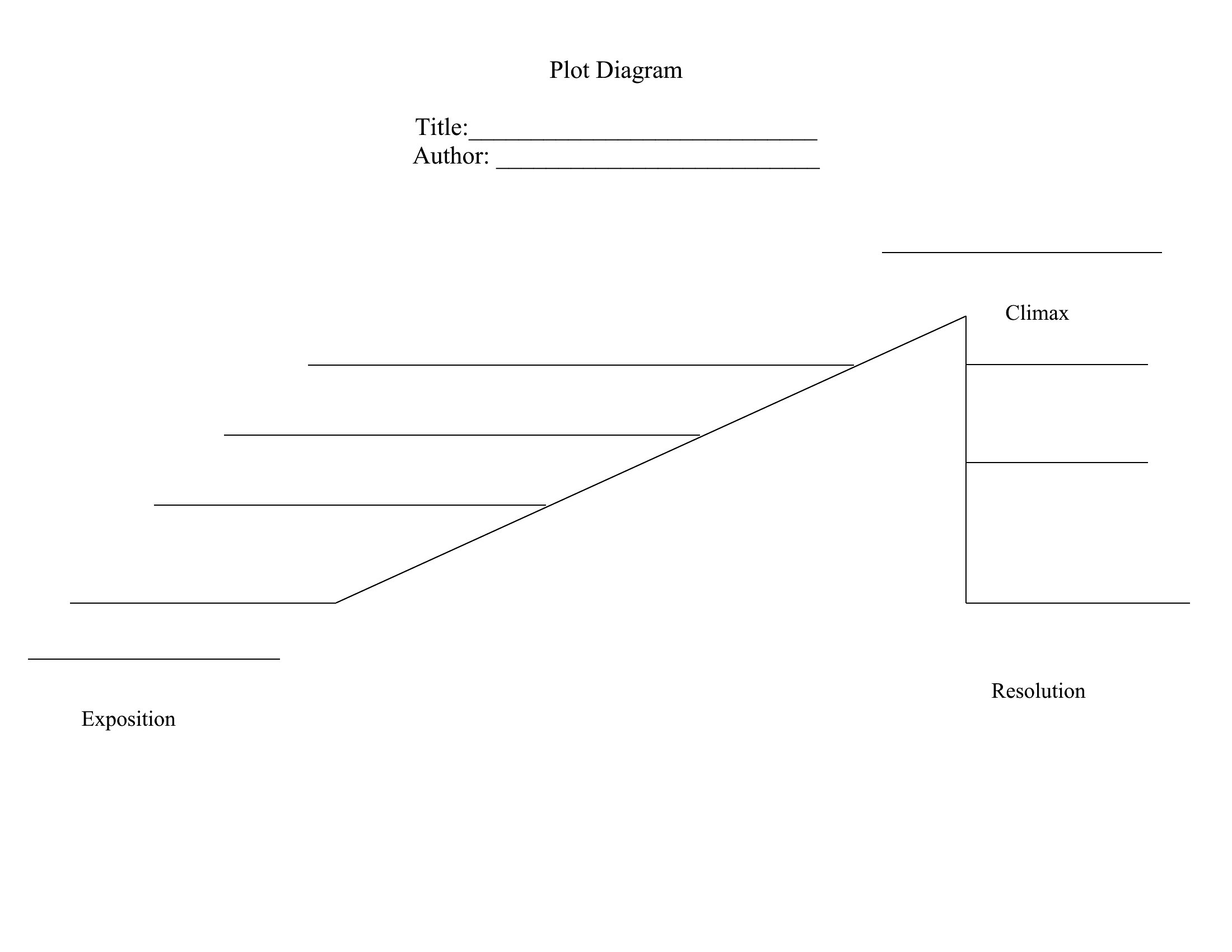
Plot Diagram
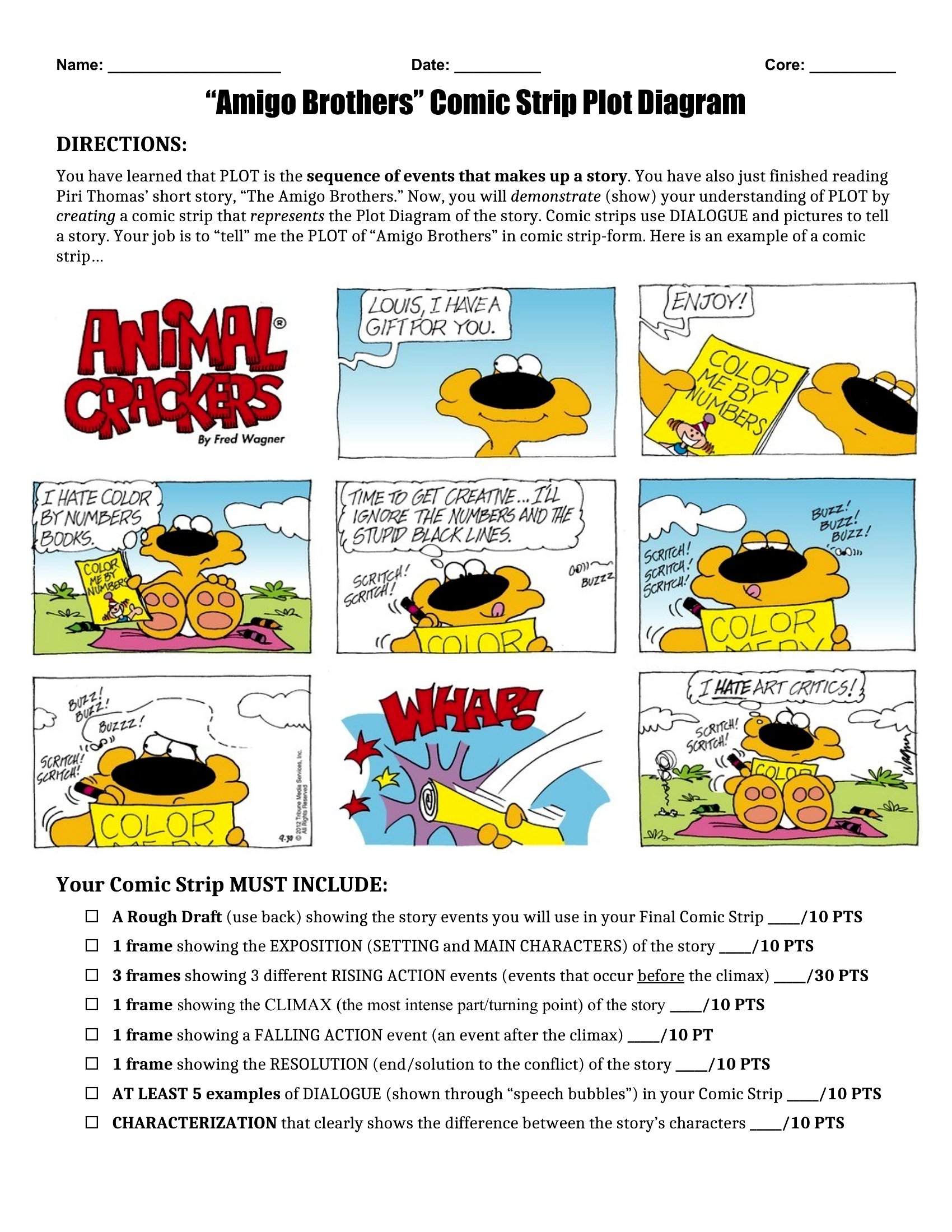
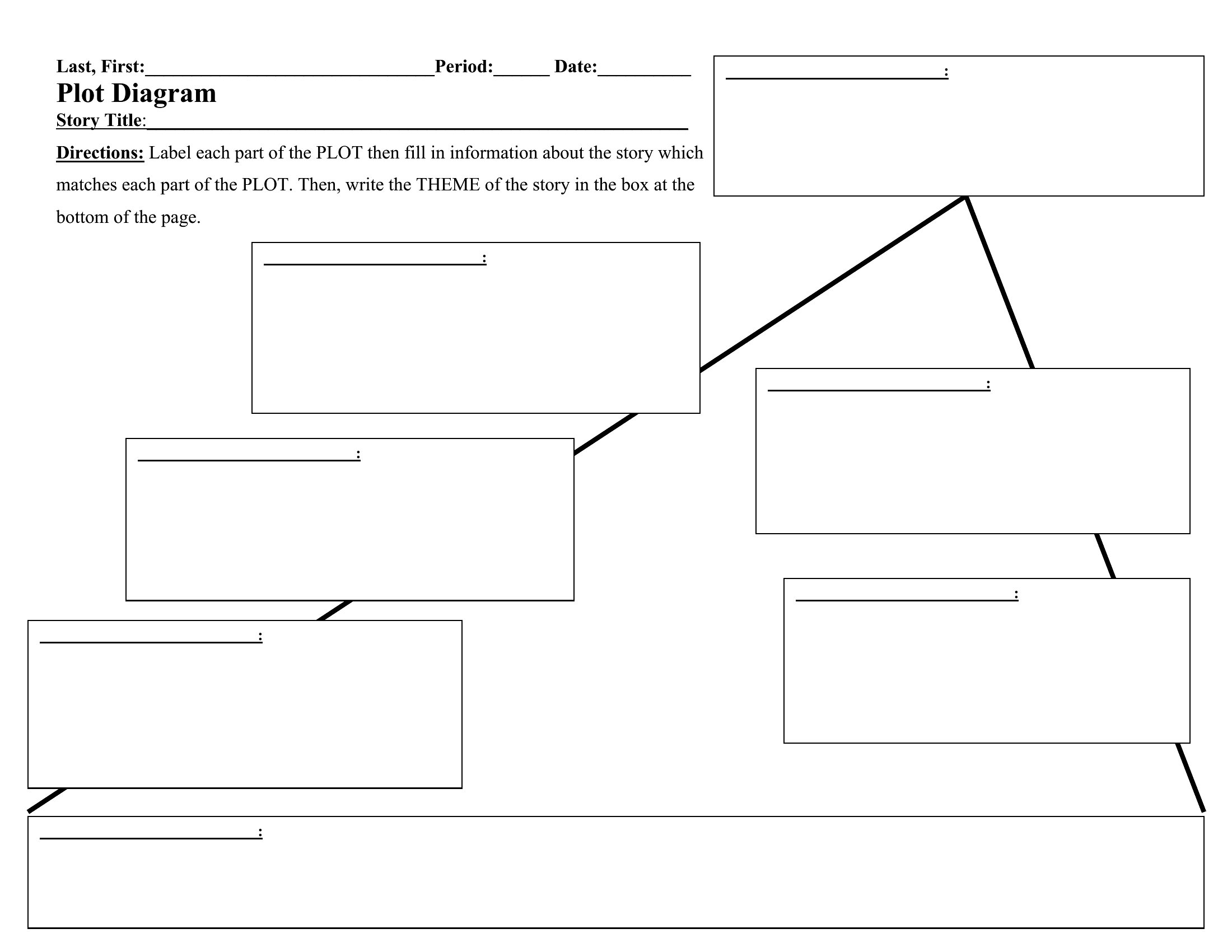
Box Plot Diagram
How to use this Plot Diagram template
Can I use these templates for analyzing nonfiction texts like speeches or historical events?
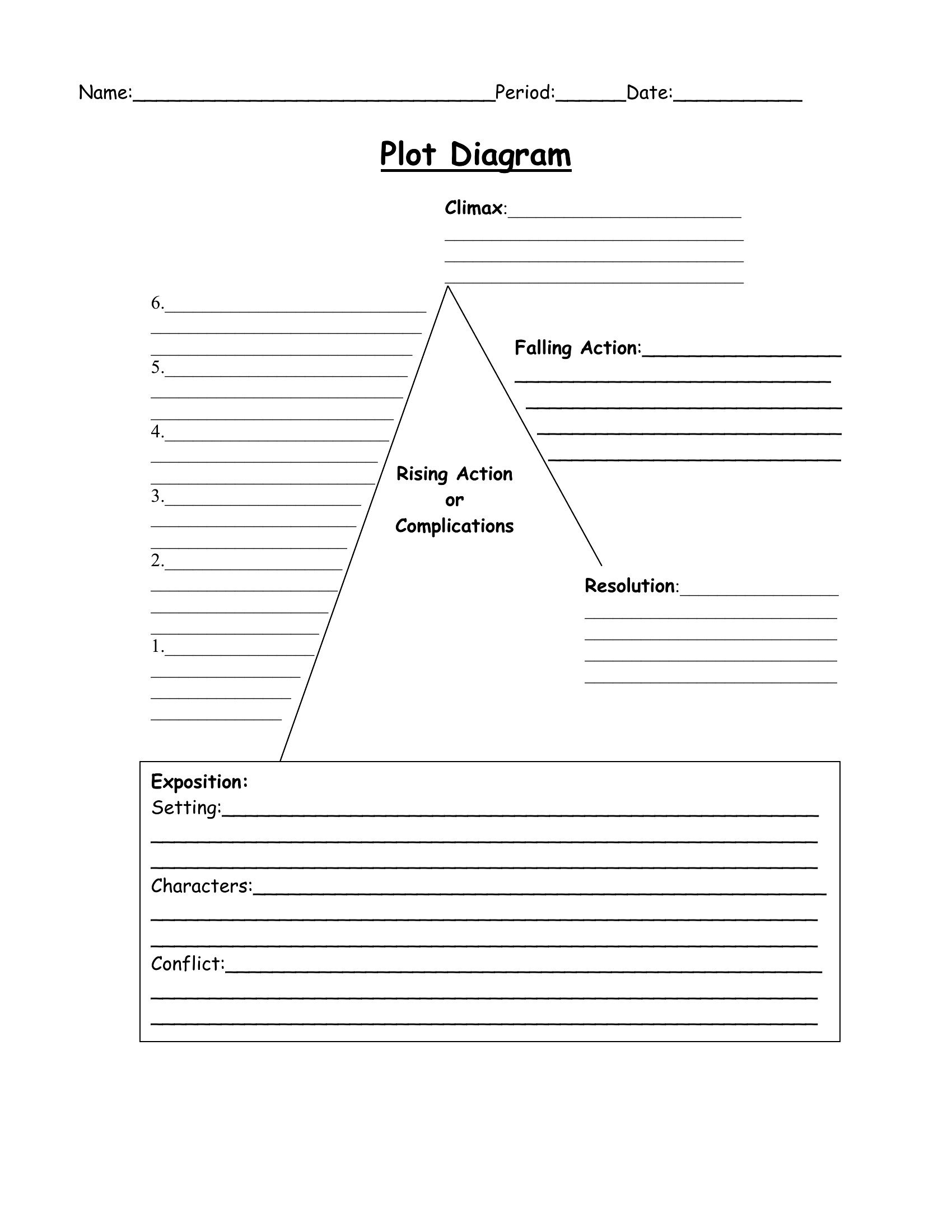
While designed for fiction, the diagrams work for nonfiction if you adapt the labels. For example, replace ‘climax’ with ‘turning point’ and ‘resolution’ with ‘outcome’ when analyzing a speech’s structure. Teachers often use this approach for persuasive texts in debate classes.
How do I help students who get confused about the difference between rising action and falling action?
Start by modeling the diagram with a familiar story (e.g., *The Tell-Tale Heart*), circling events that *build tension* for rising action and *winding down* for falling action. Provide color-coding—like red for rising, blue for falling—to reinforce the visual distinction in their own diagrams.
Are there templates that work better for complex novels with multiple subplots?
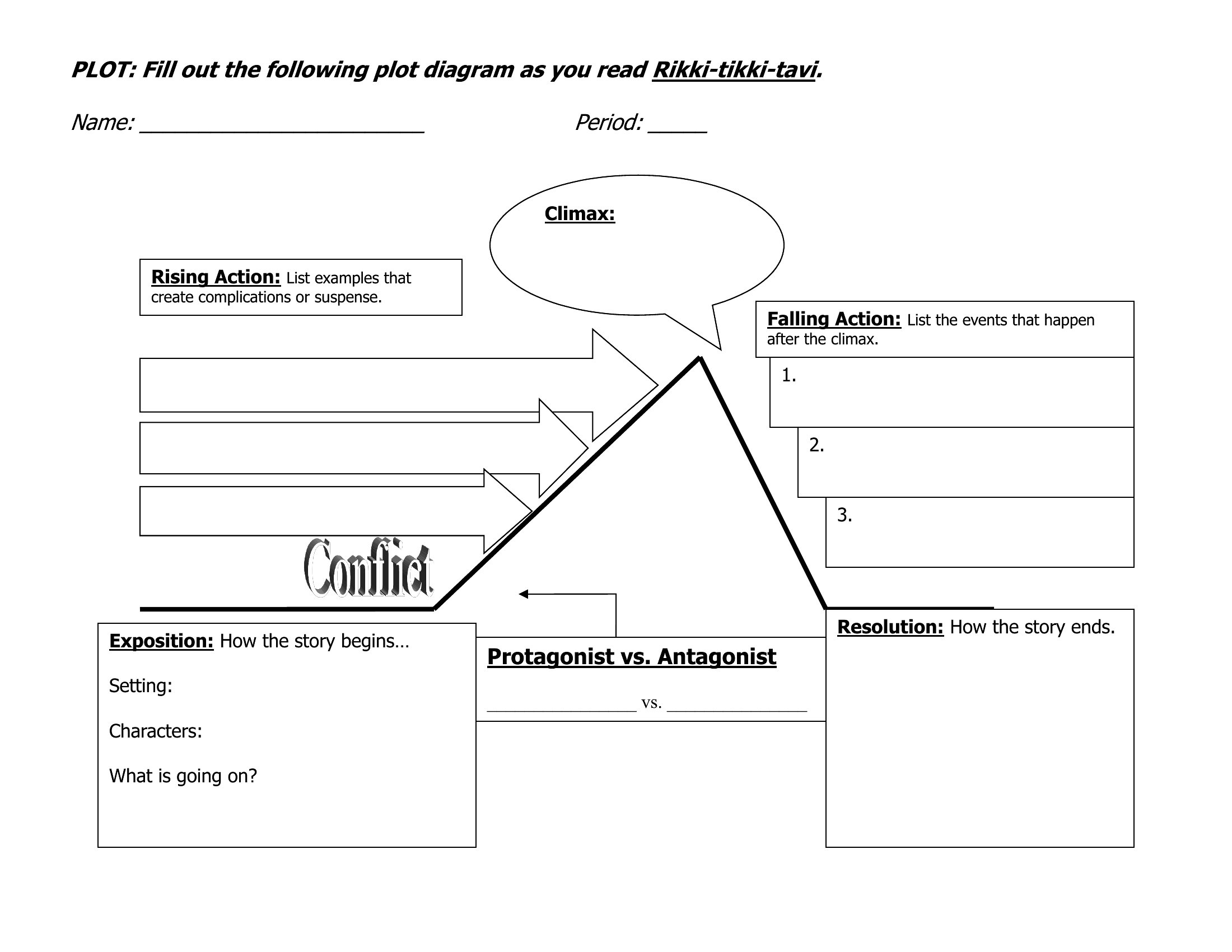
The linear layouts in this collection are more adaptable for multi-layered stories. Have students create a separate diagram for each subplot, then connect them with arrows to show how they intersect. For example, *The Most Dangerous Game*’s survival plot and romance plot can be tracked side by side.
Comments
Join the conversation
Sign in to share your thoughts and leave a comment on this resource.