Skip to content
50% off this one-time $1.99 pack with HALFOFF — or unlimited with Pro.HALFOFF
Premium

Free Fishbone Diagram Templates (PDF)

Diagrams
miguelhidalgo by miguelhidalgo
Updated 0 downloads Quality-checked template

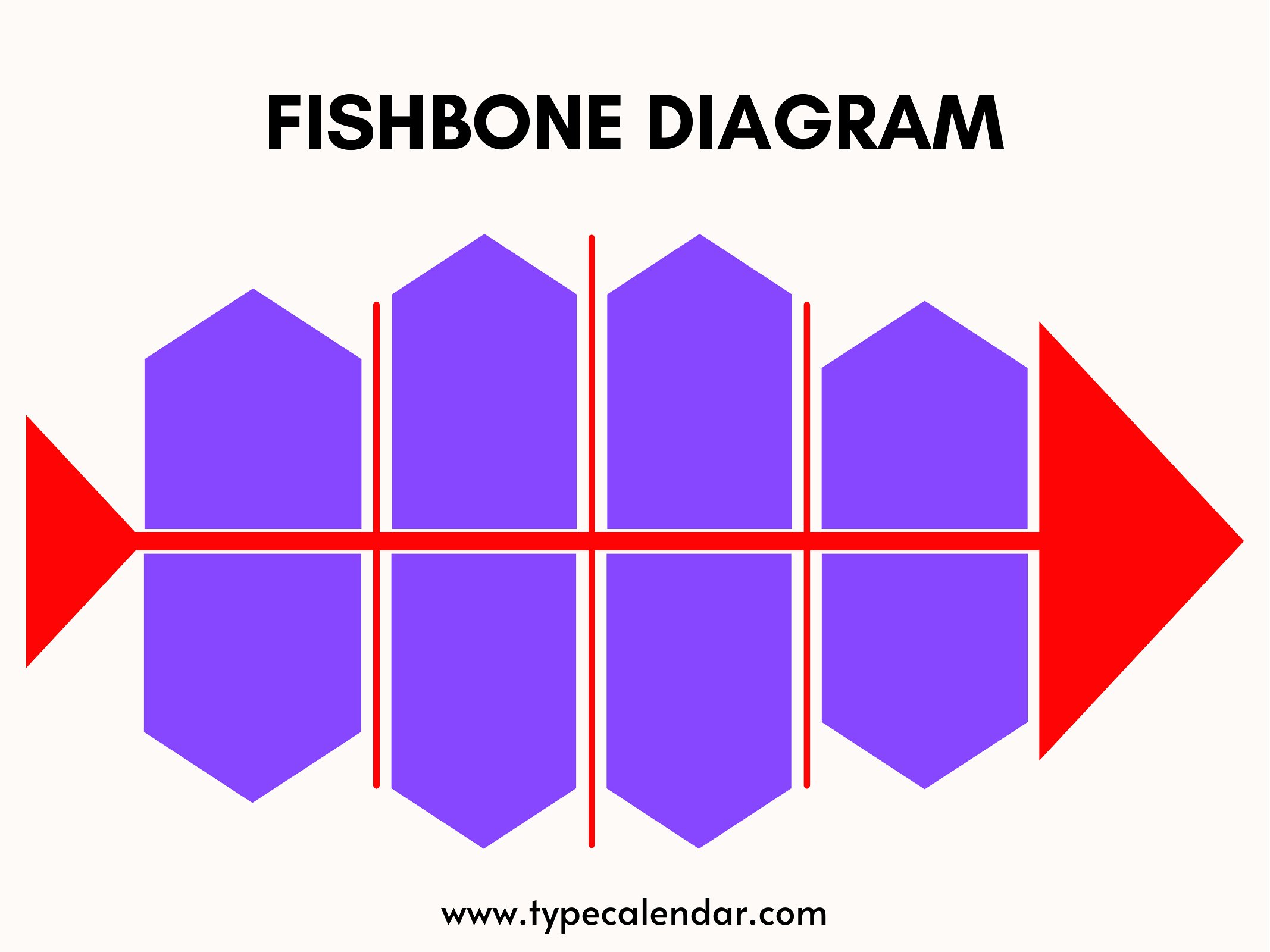
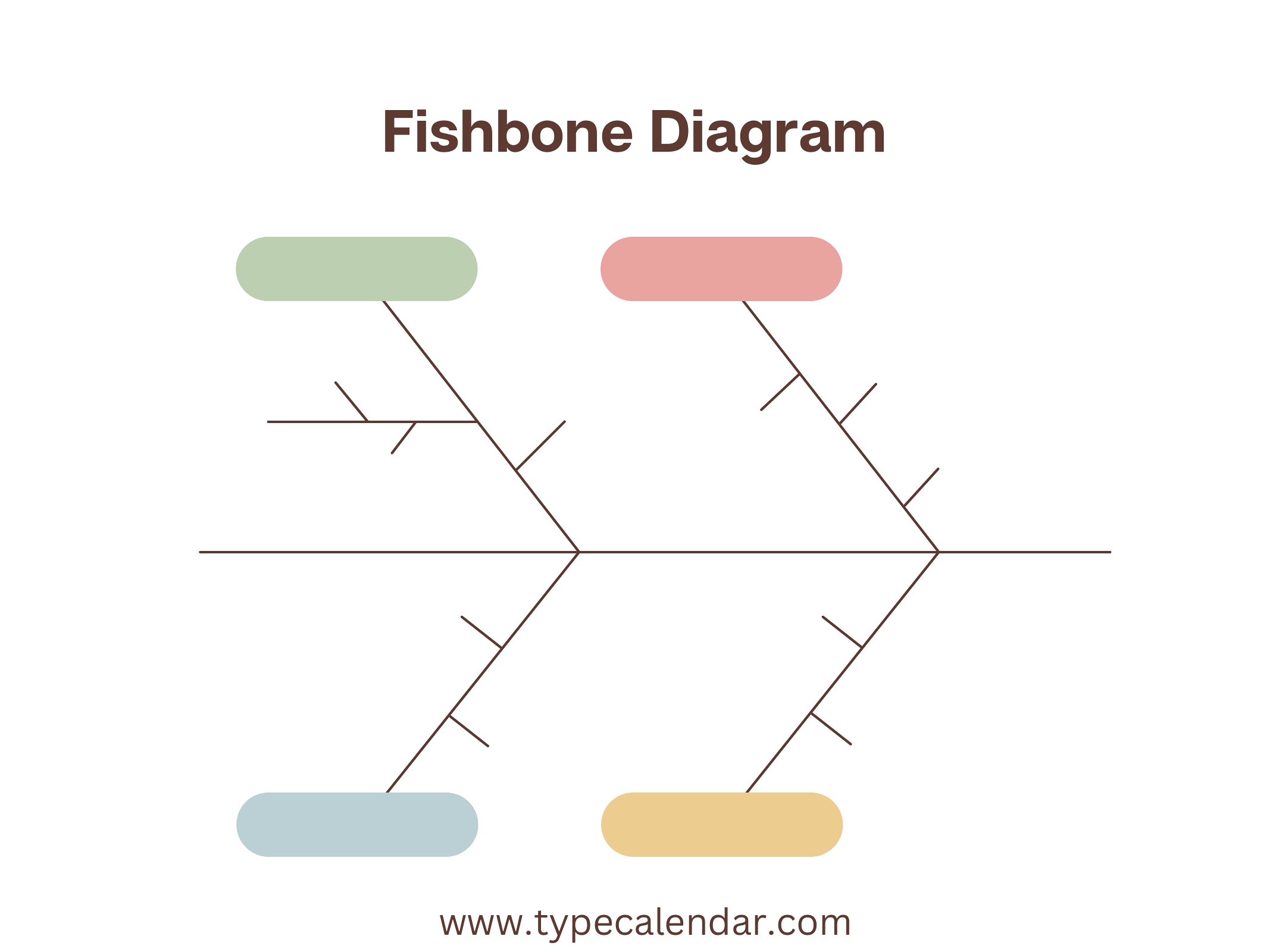
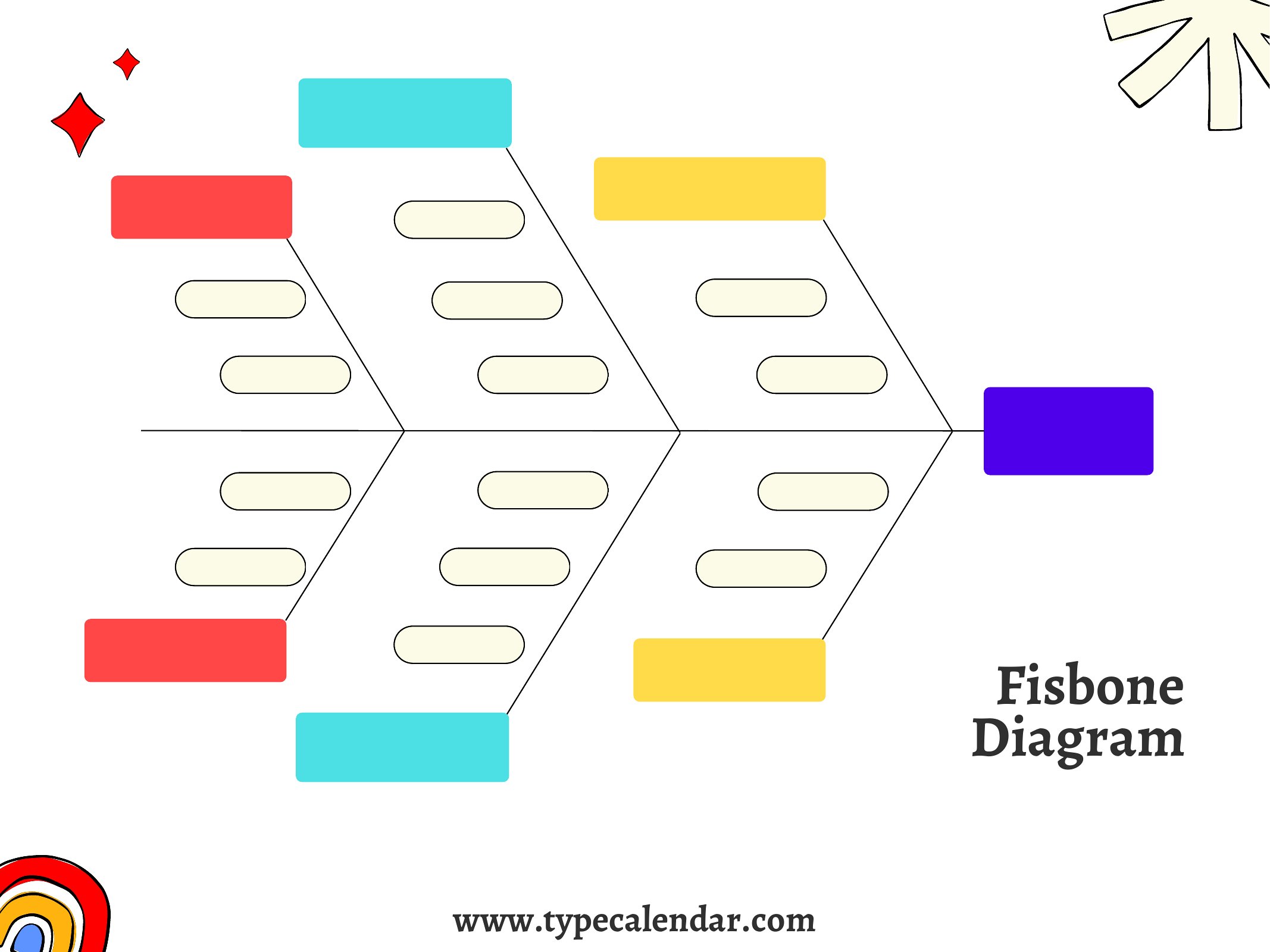
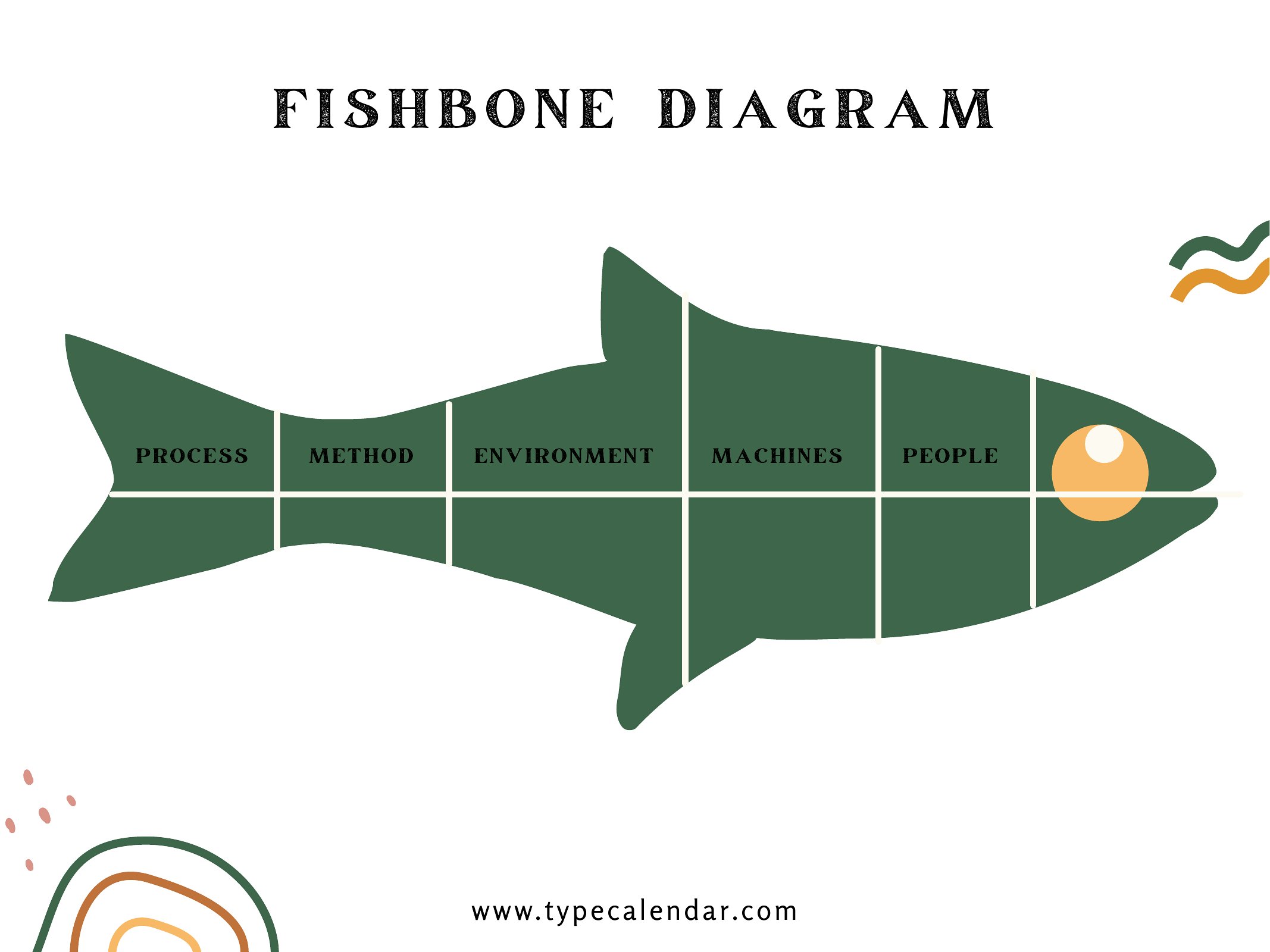
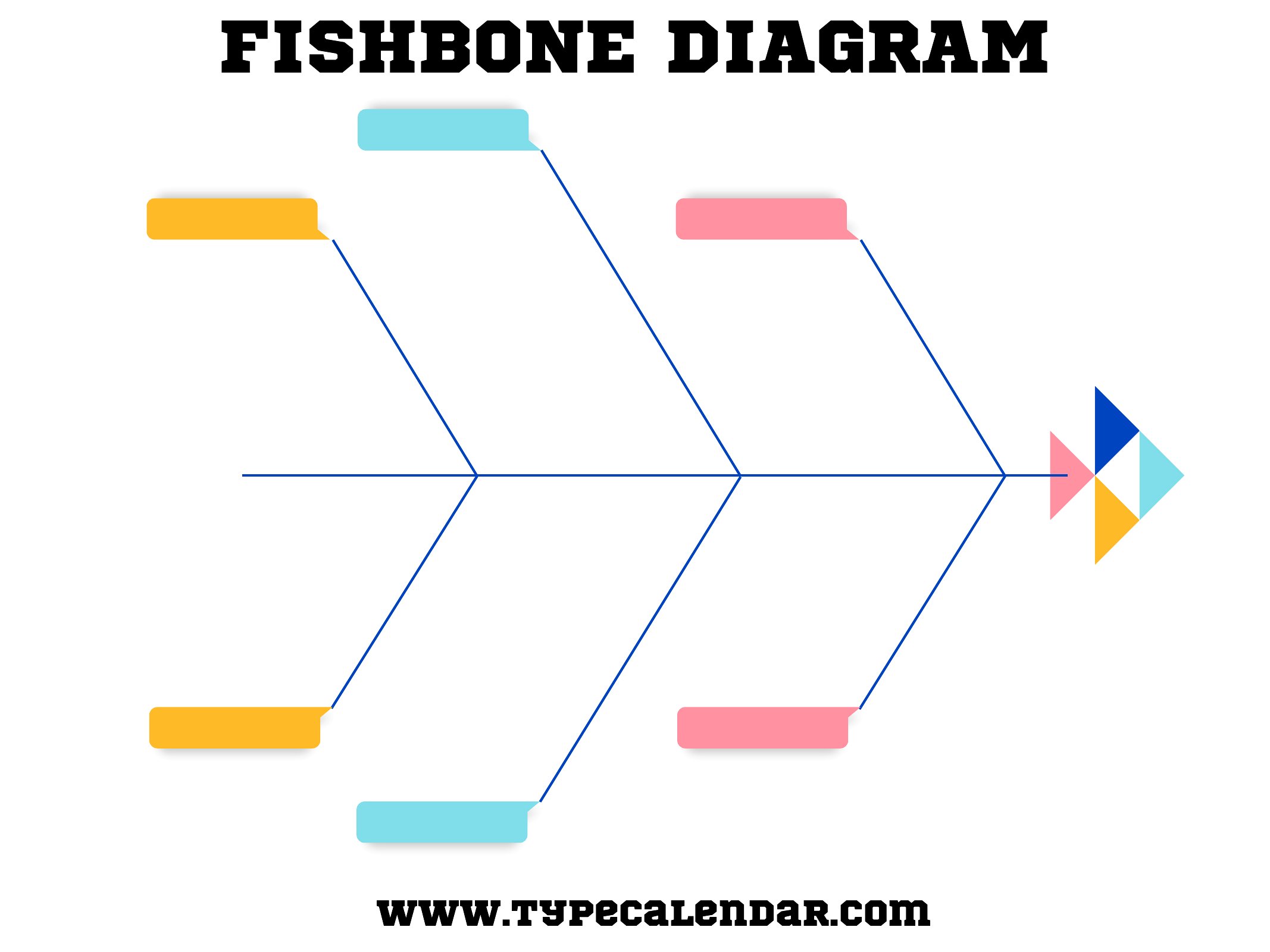
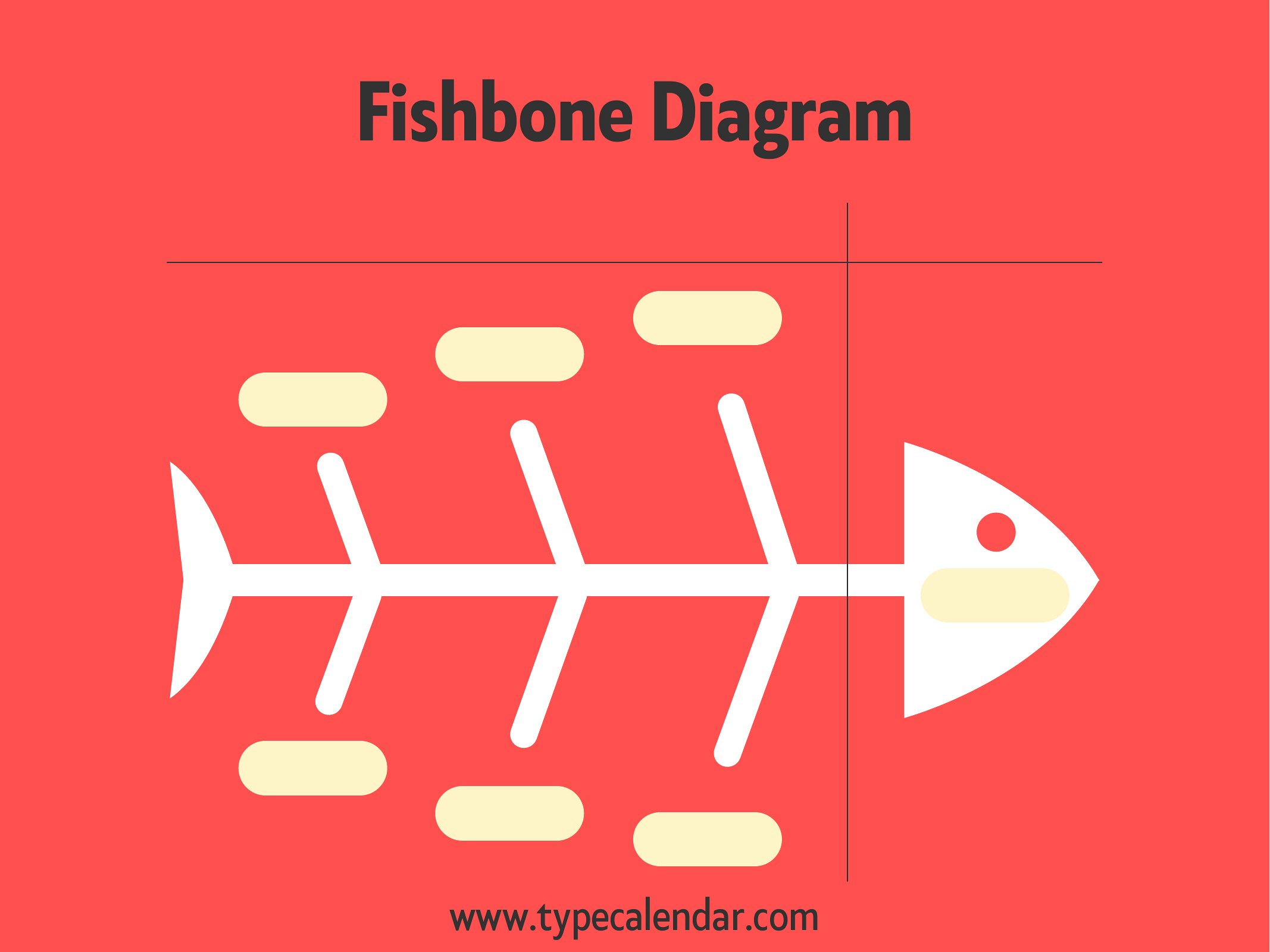
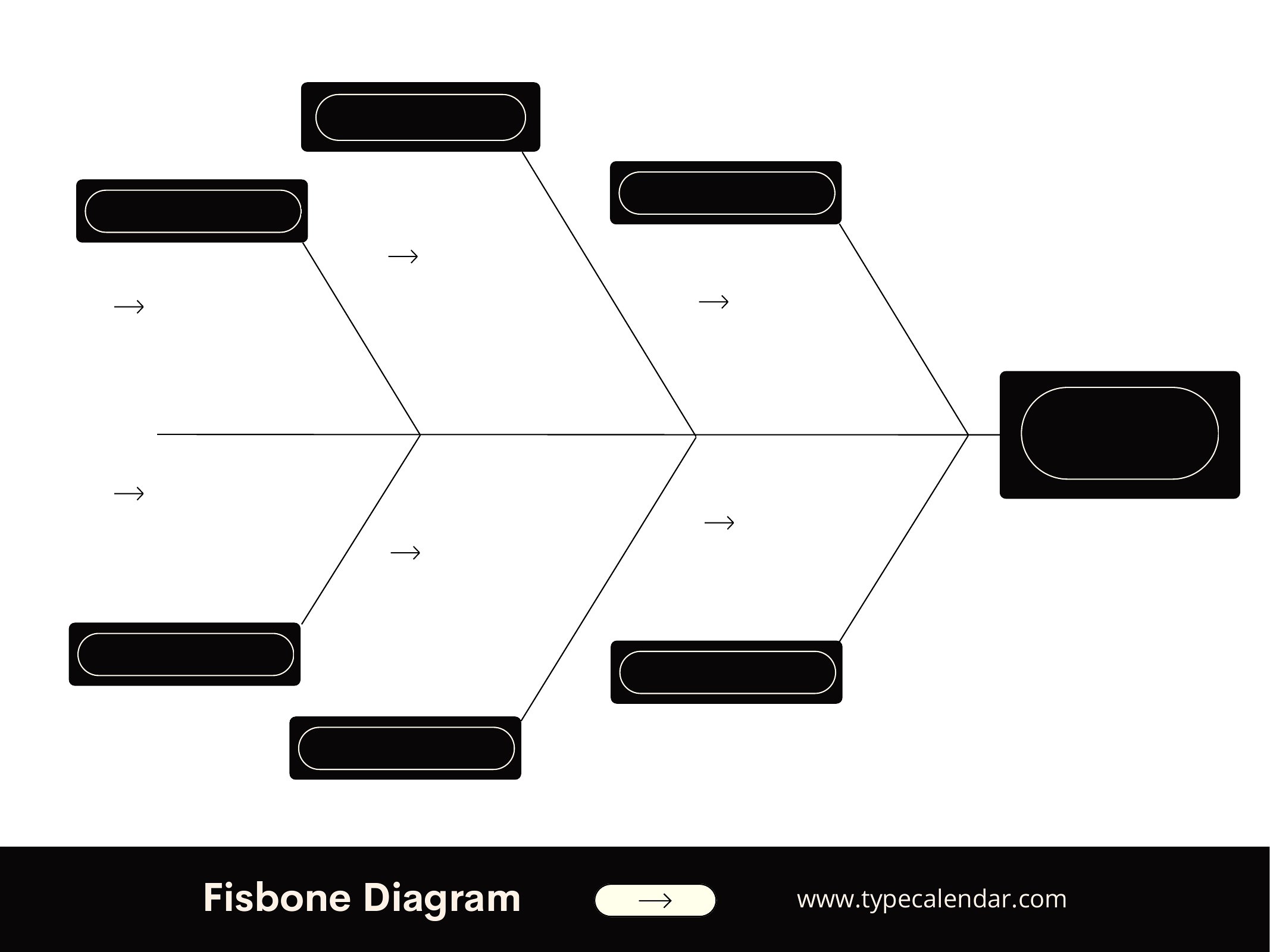
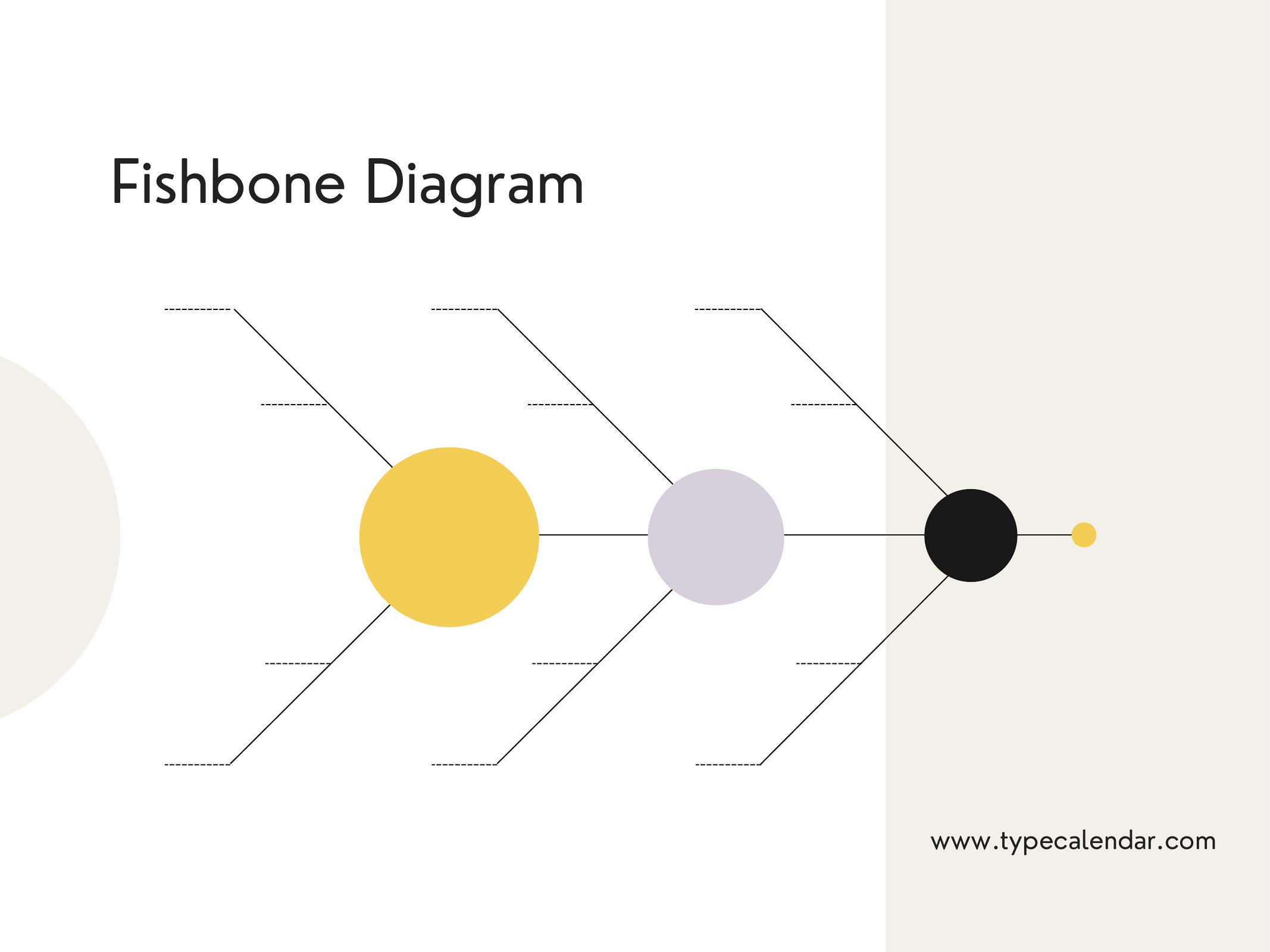
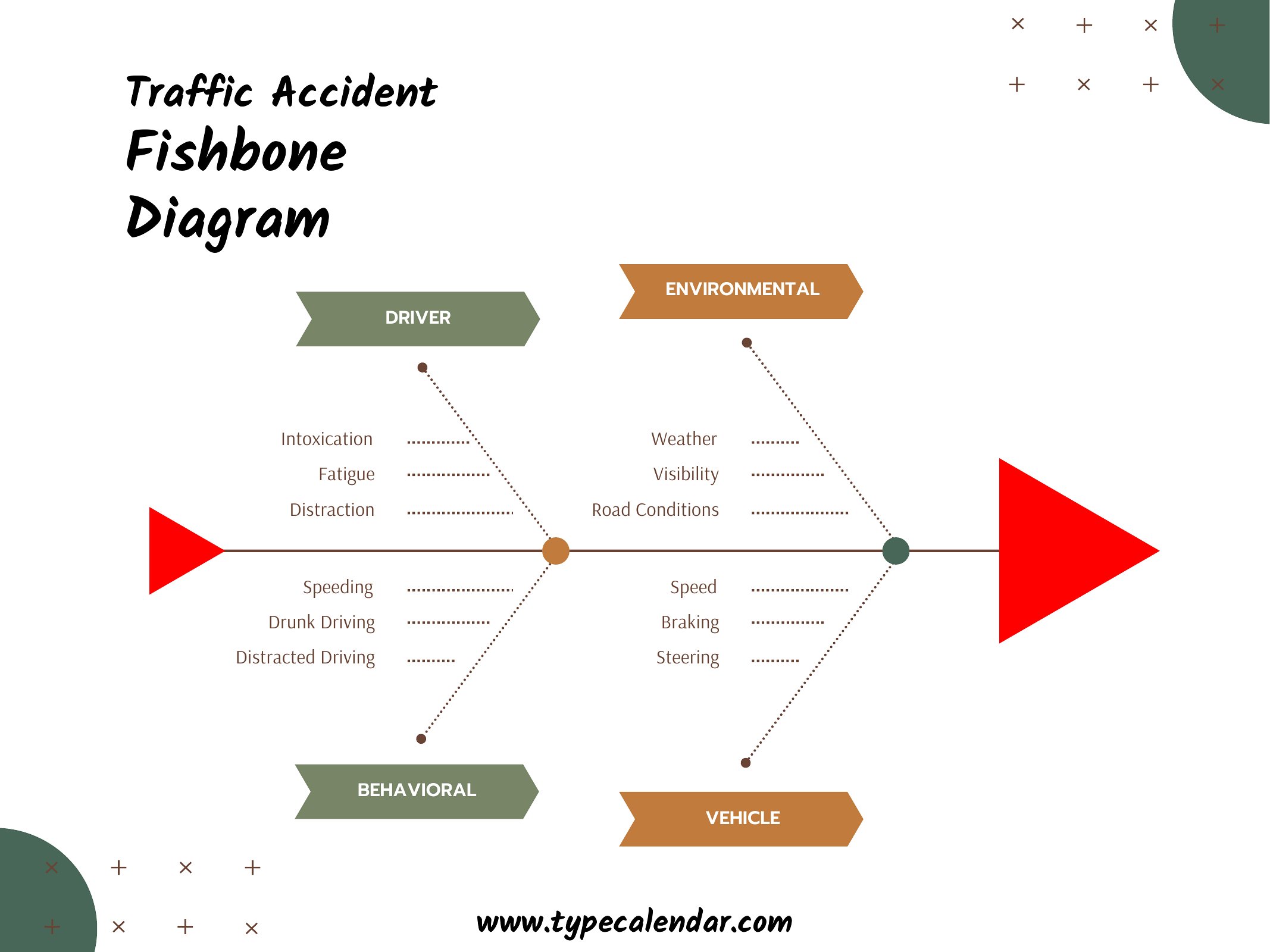
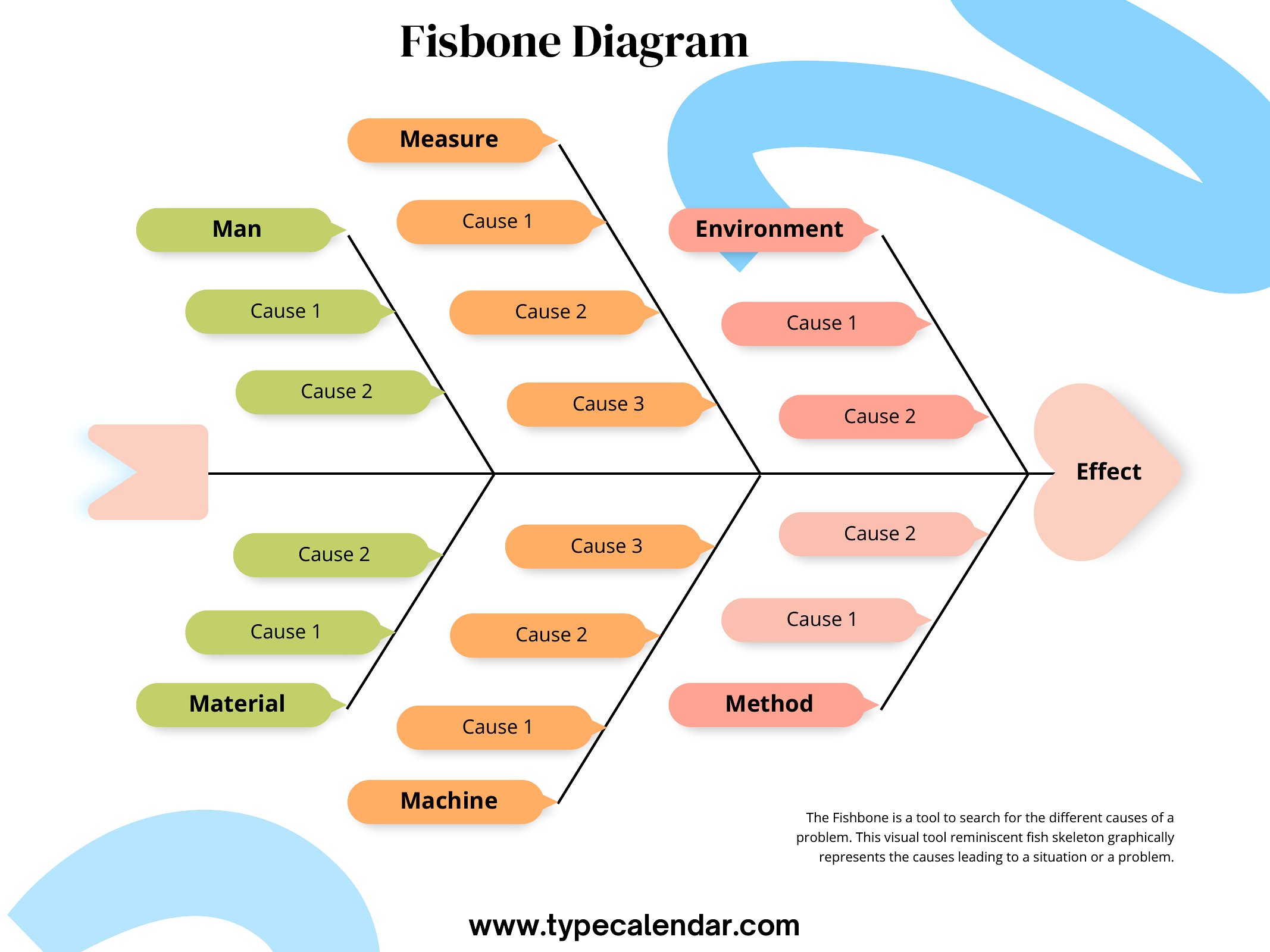
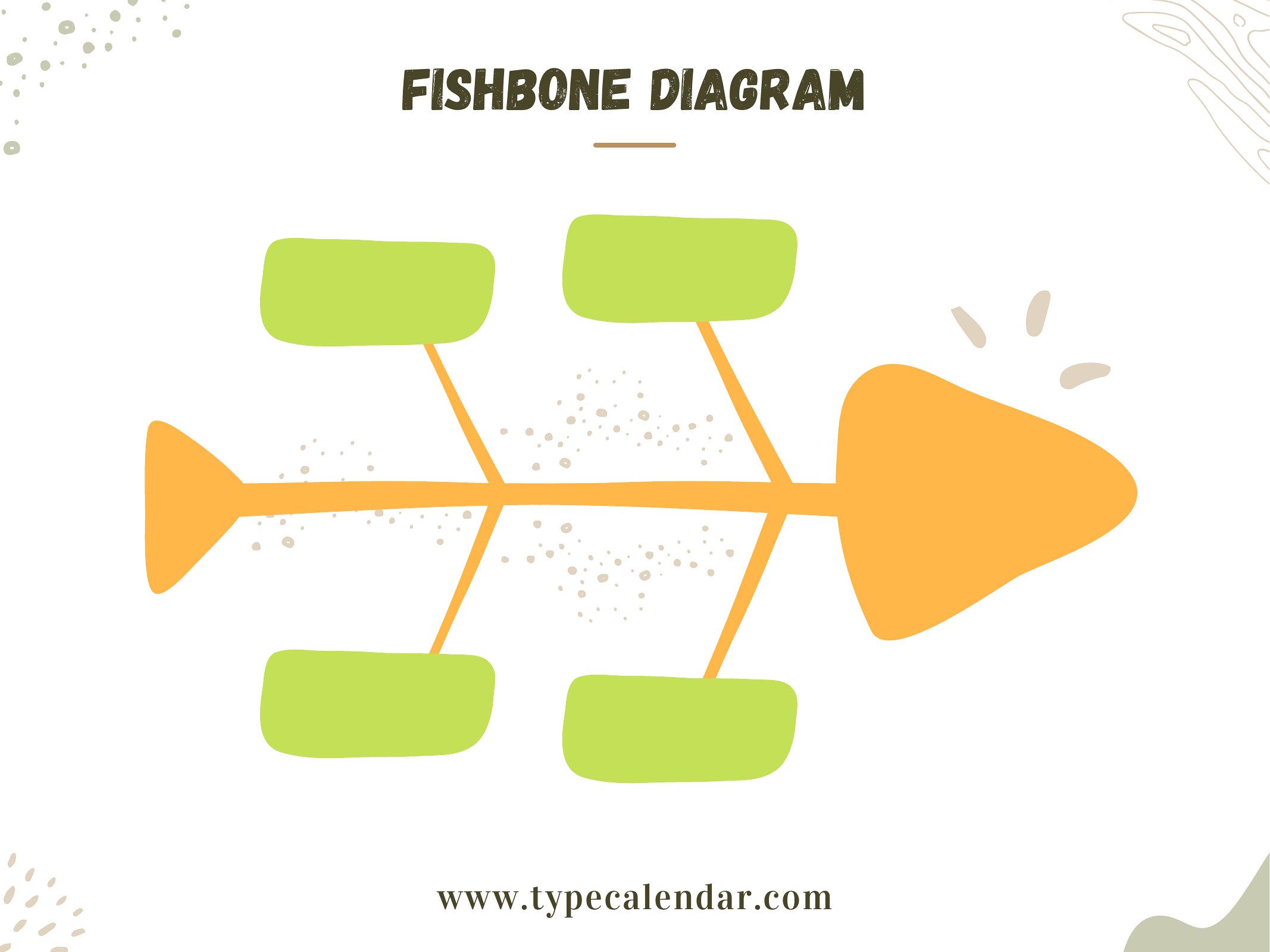
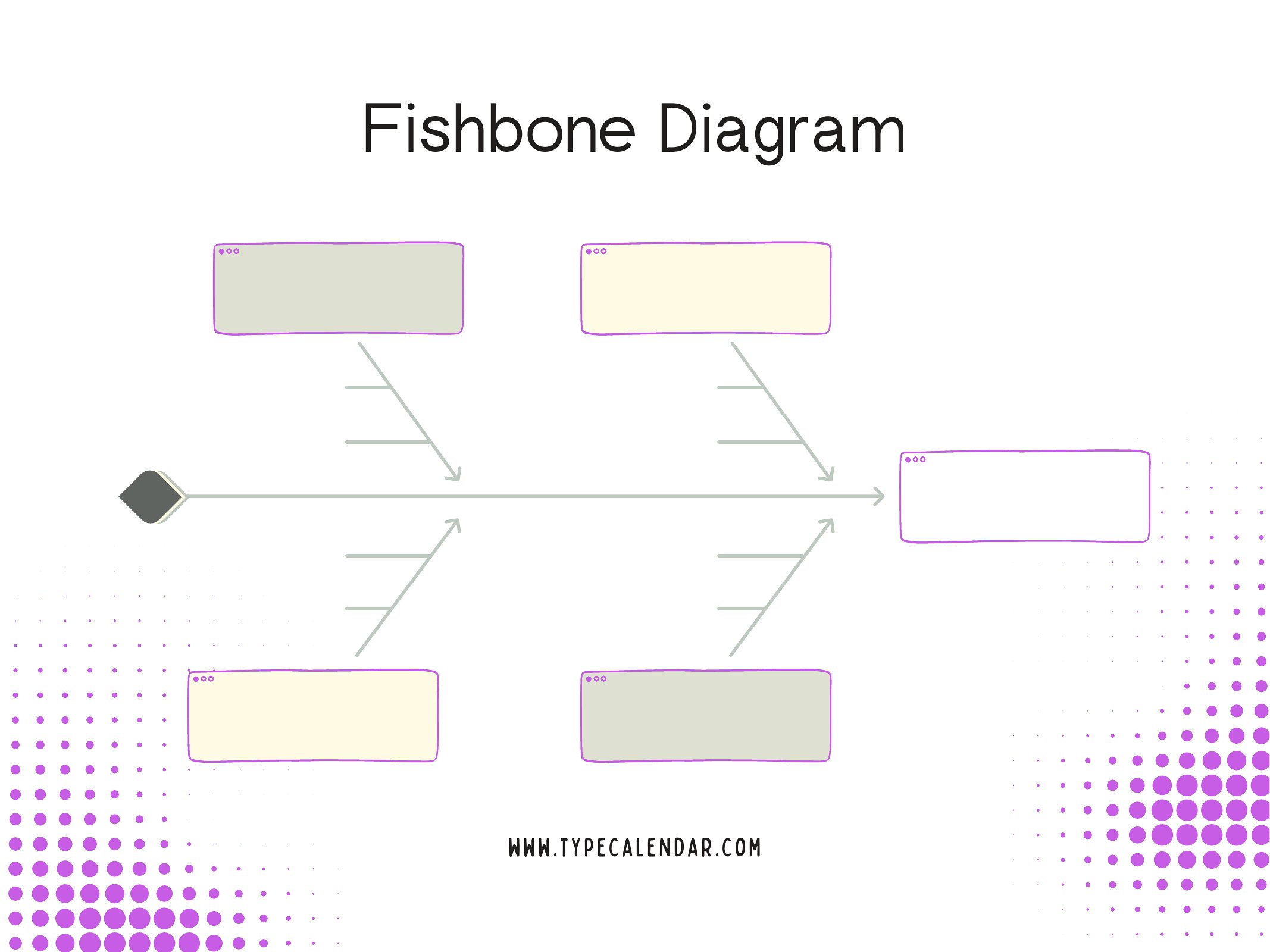
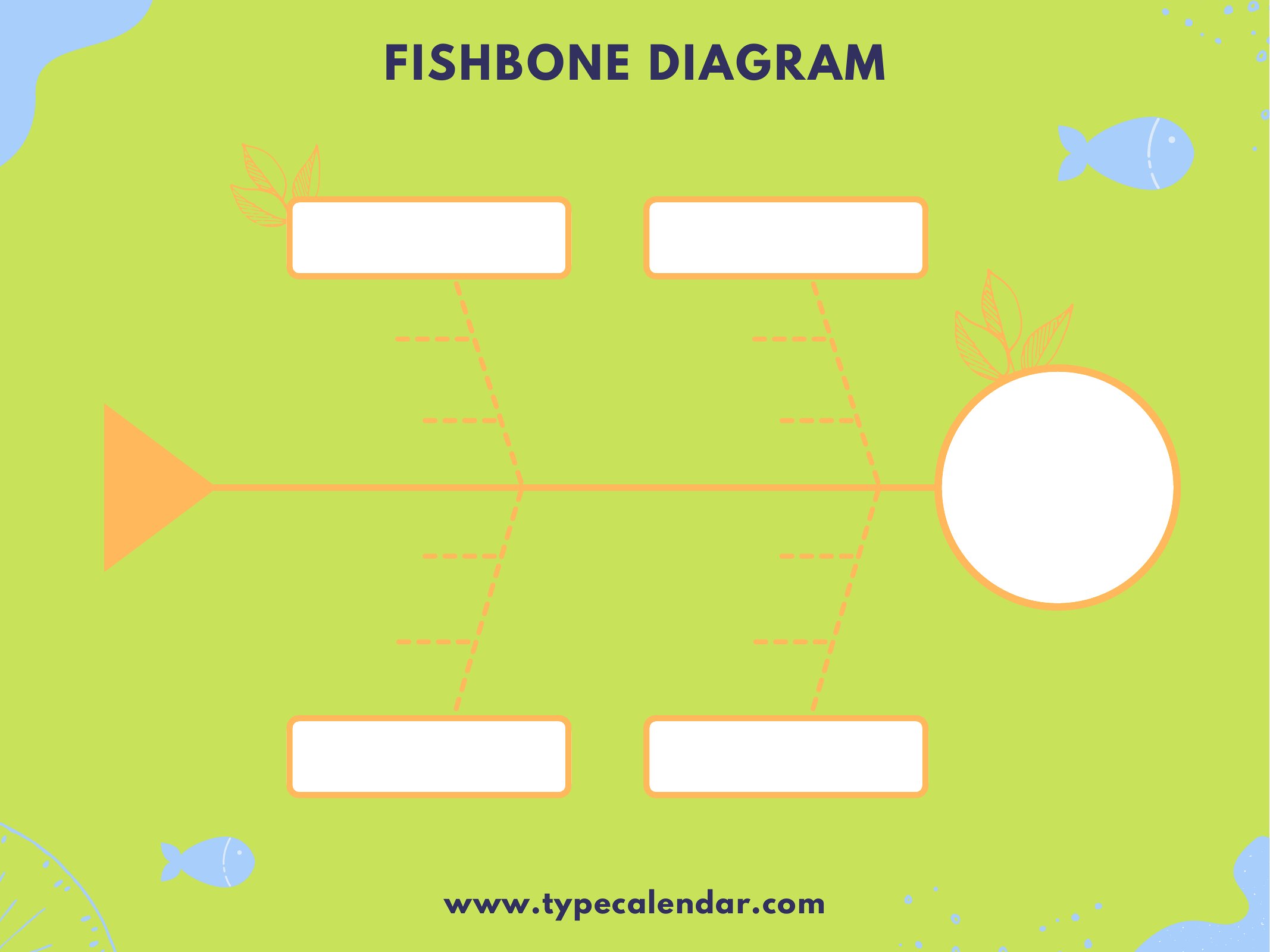
When a problem keeps coming back, a fishbone diagram helps a team trace it to root causes instead of symptoms. This set of 21 templates supports quality teams, students, and project managers running cause-and-effect analysis across categories like people, process, and equipment.

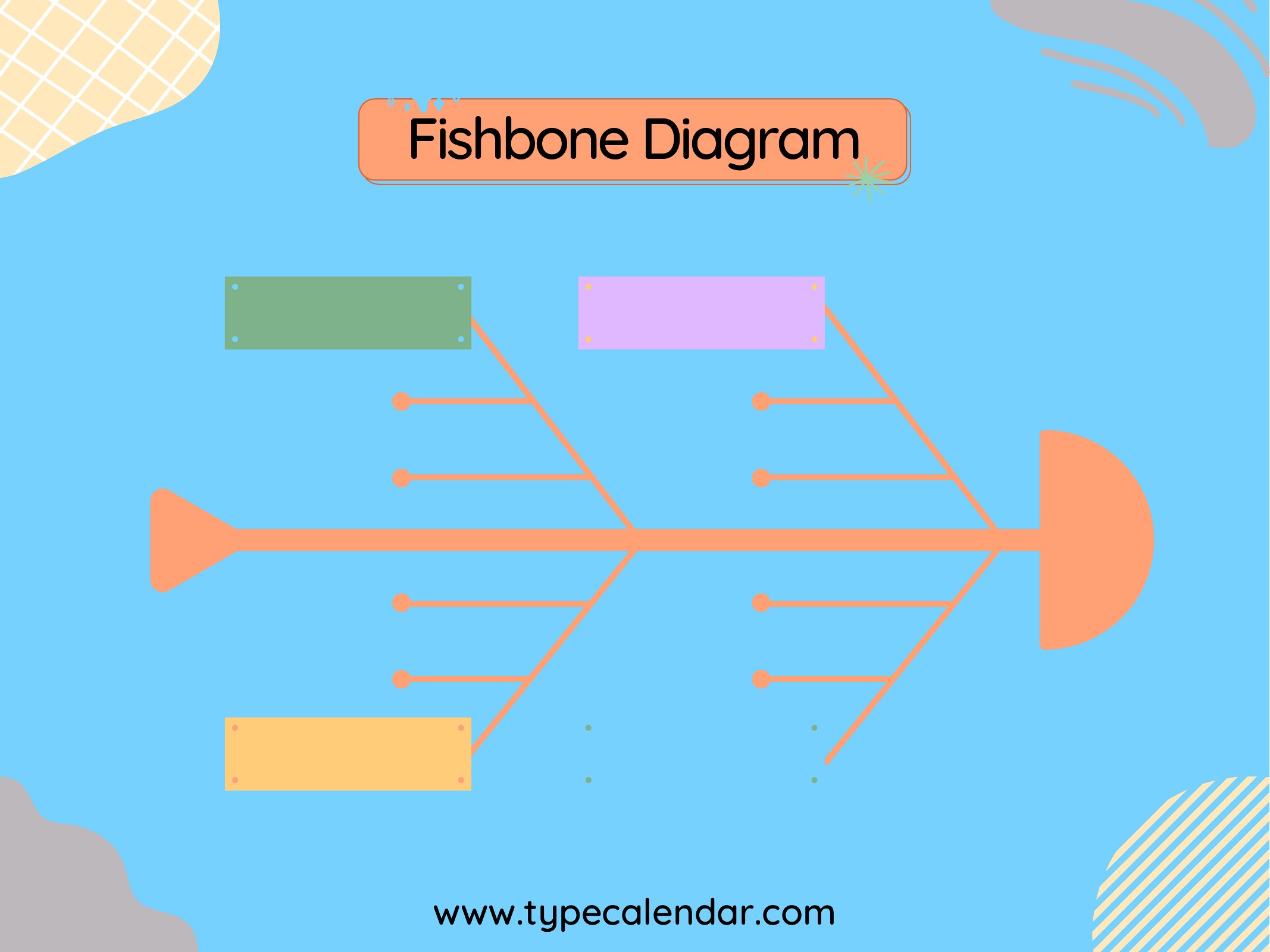
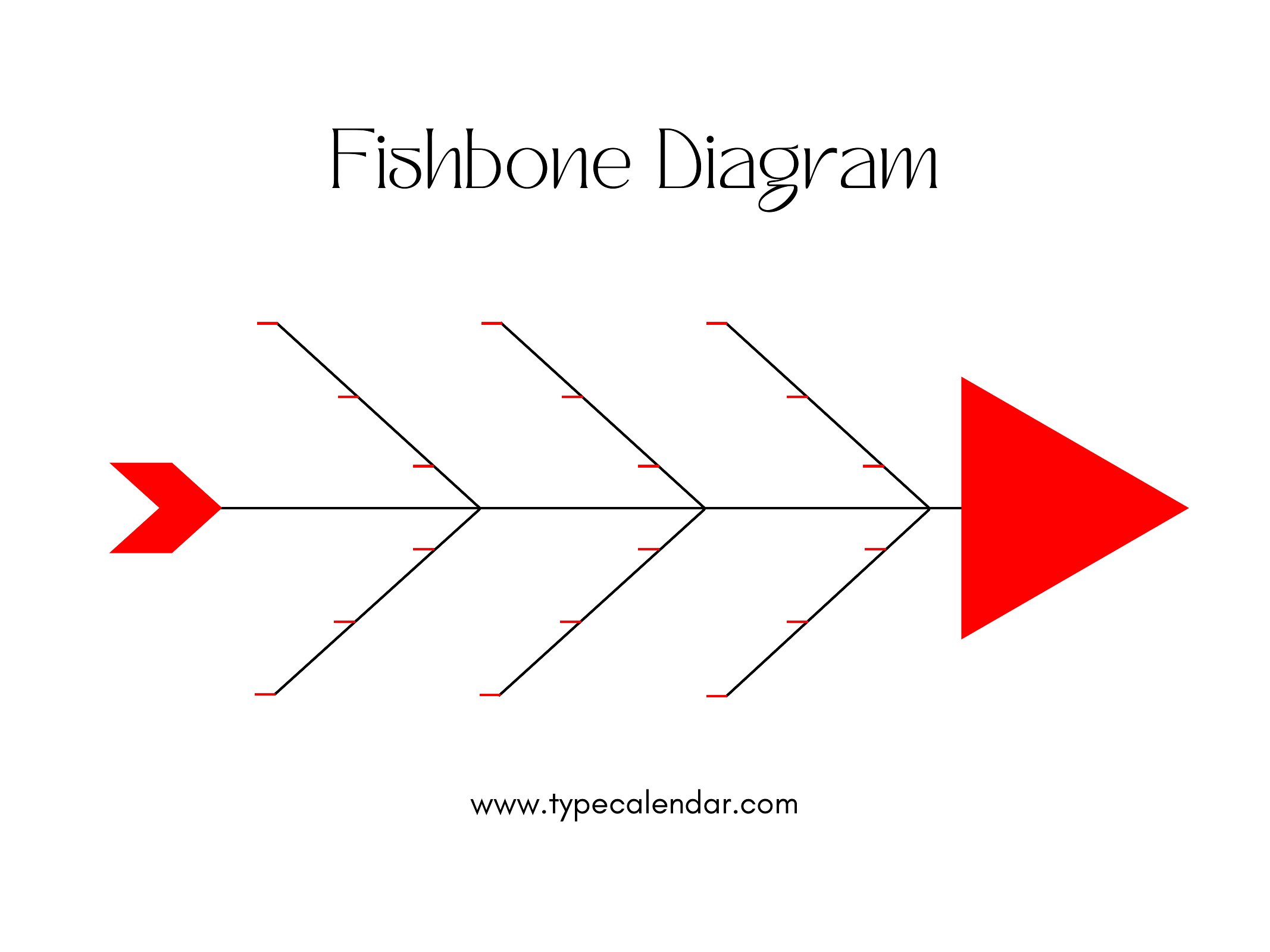
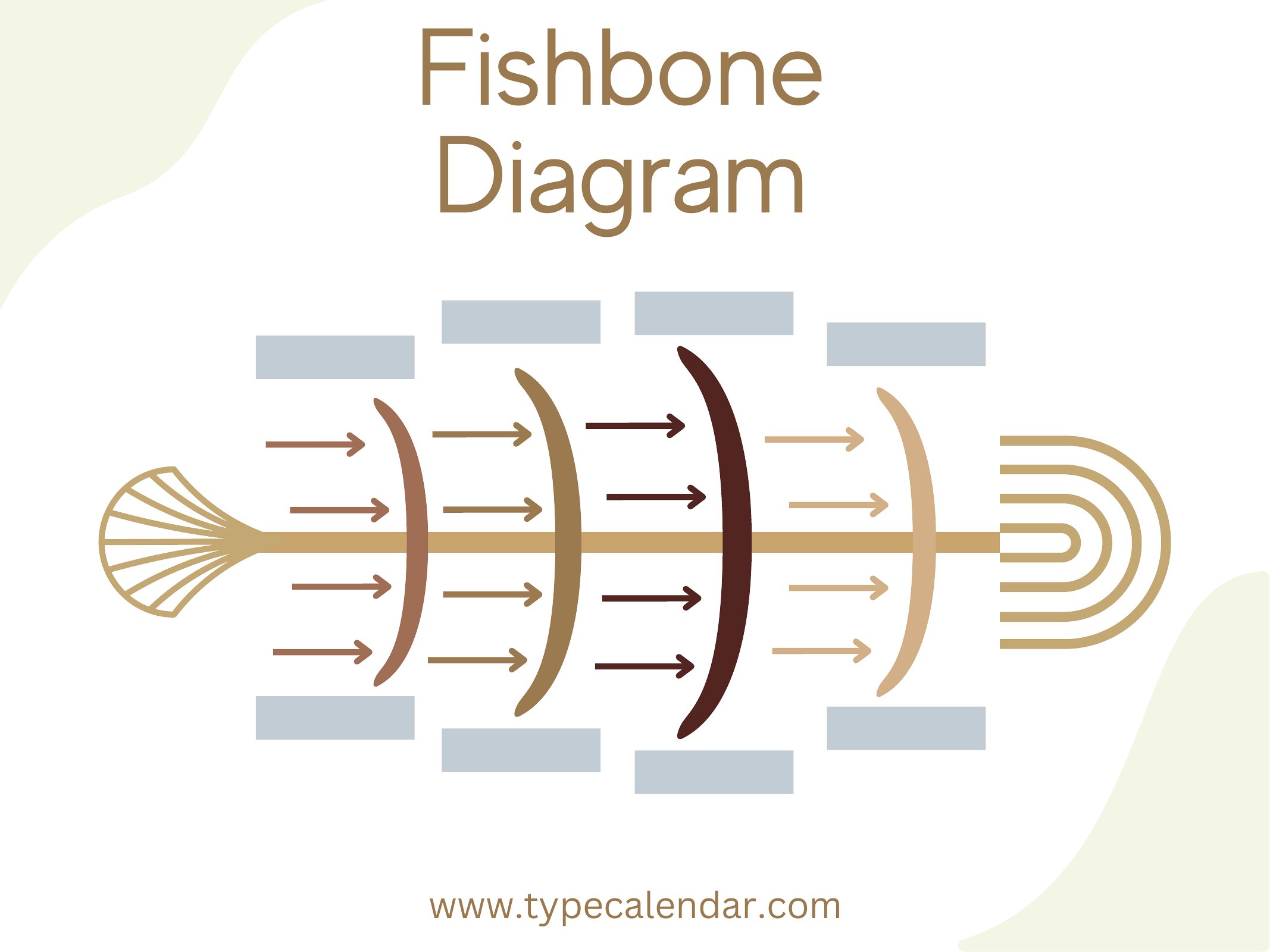
Each diagram is a print-ready PDF, ready for a whiteboard session or a handout. Print one, label the spine with your problem, and fill in the branches as the group brainstorms. Download the template that fits your analysis and turn a messy discussion into a clear picture of what's really going on.

When to use this Fishbone Diagram template

  • Quality assurance teams in manufacturing using these PDFs to map recurring defects in production lines back to machine calibration, operator training, or material inconsistencies during weekly root-cause workshops.
  • Medical device engineers analyzing device failures by systematically breaking down issues into categories like design flaws, user error, or environmental stress in compliance review meetings.
  • High school chemistry teachers printing these diagrams to guide student lab groups through troubleshooting inconsistent experiment results, with categories like reagent purity, equipment wear, or procedural steps.
  • Construction project managers in these templates to diagnose delays by categorizing causes like subcontractor coordination, permit approvals, or material shortages before presenting to stakeholders in progress reports.

Which format should I download?

PDF

These fishbone diagrams come exclusively in PDF format, which is ideal for teams needing crisp, print-ready visuals. Use this format when you require a clean, scalable diagram for whiteboard sessions, handouts, or presentations where annotations or whiteboard markings will be added later. The PDFs ensure consistent spacing and alignment, which is essential for collaborative problem-solving sessions where participants will actively label branches. Avoid digital editing formats unless you plan to use the diagram purely as a reference without adding notes or annotations.

Choose from 21 Fishbone Diagram Templates

How to use this Fishbone Diagram template

Can I use these fishbone diagrams for regulatory audits or compliance documentation?

While these templates provide a structured framework for root-cause analysis, they are starting points and not formal regulatory tools. Teams in highly regulated industries should adapt the diagram to include specific compliance categories and validate its use with internal auditors or legal advisors before submitting it as part of official documentation. The PDF format allows for easy printing and archiving, which may align with record-keeping requirements.

What’s the best way to organize the categories in a fishbone diagram for complex problems?

For complex problems, start by listing the most obvious categories (like people, process, or equipment) along the main branches. Then, break these into sub-branches for deeper analysis—for example, under 'process,' include steps like 'training,' 'checklists,' and 'procedures.' Use sticky notes or a whiteboard to rearrange categories dynamically during your session. The PDF templates provide space for expansion, so you can always add more branches as discussions unfold.

How can I make sure my team stays focused on root causes rather than symptoms?

Encourage your team to ask 'why' at least five times for each potential cause listed on the diagram. For example, if a symptom is 'machine downtime,' drill down to 'obsolete parts,' then 'lack of maintenance schedule,' and finally 'no clear responsibility assigned.' The PDF templates include space for annotations, so team members can jot down follow-up questions or action items directly on the diagram to keep the discussion grounded in root causes.

Comments

Join the conversation

Sign in to share your thoughts and leave a comment on this resource.

Newsletter

Get Weekly Design Updates

Join our community to receive curated resources and inspiration.

Weekly Tips Resources Early Access

We respect your privacy. Confirmation email required. Privacy Policy