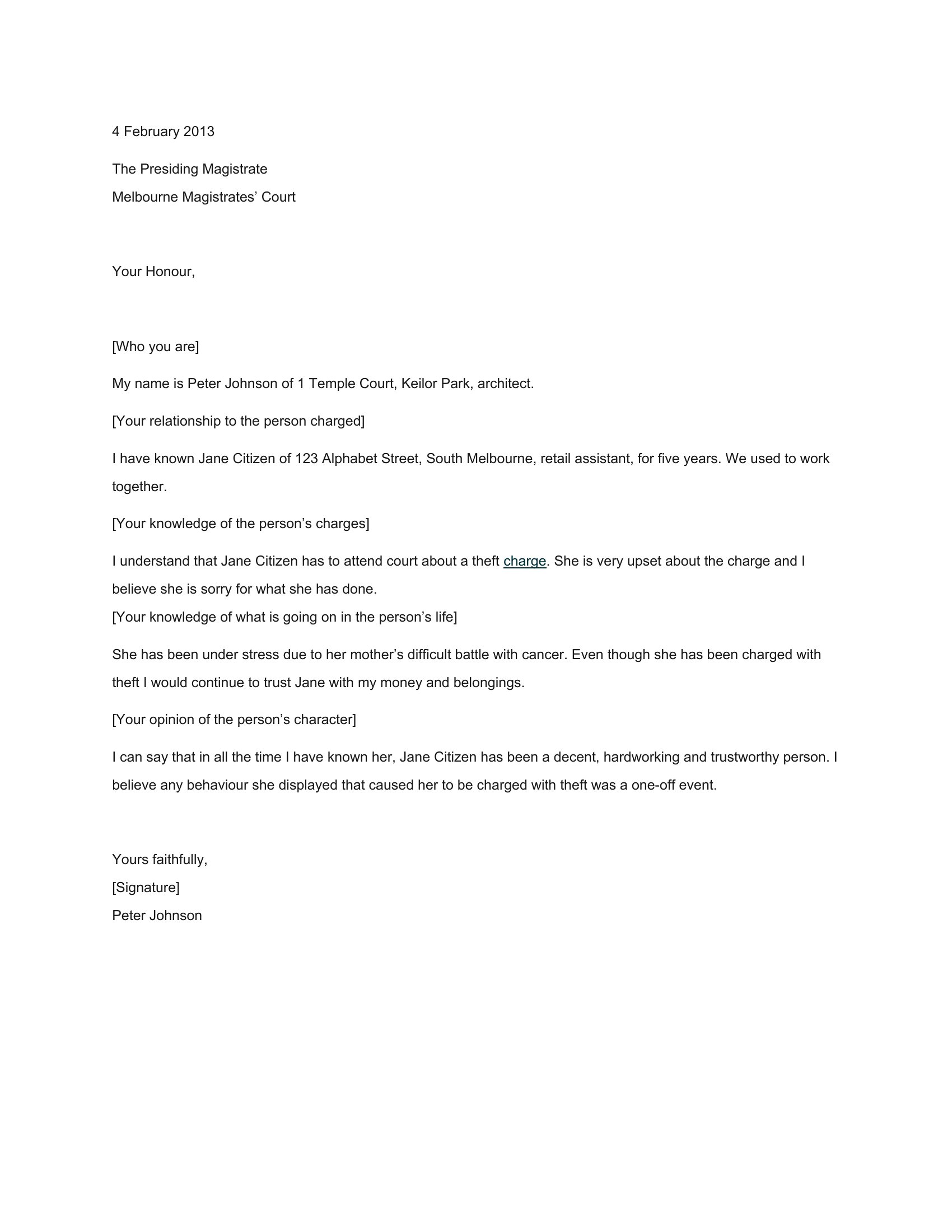
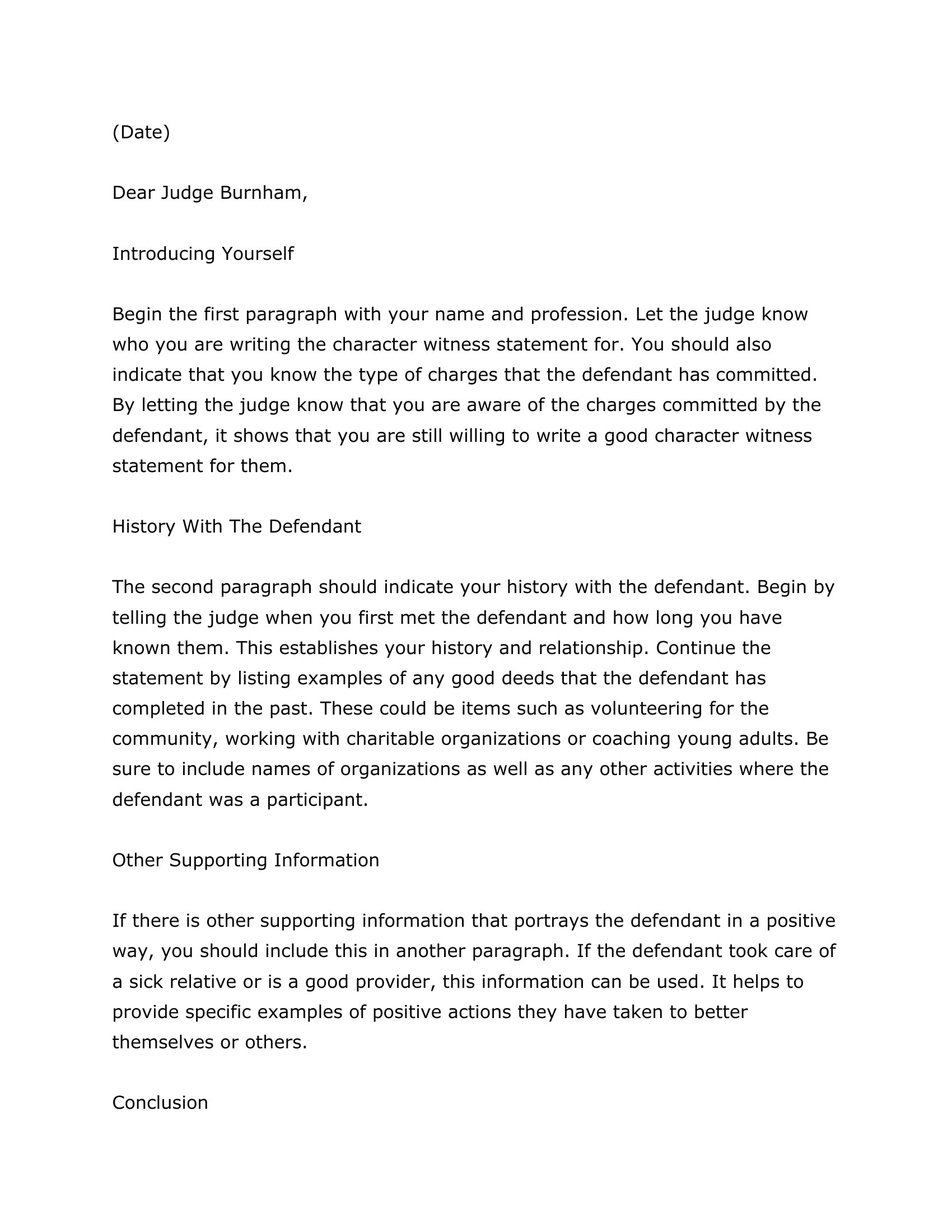
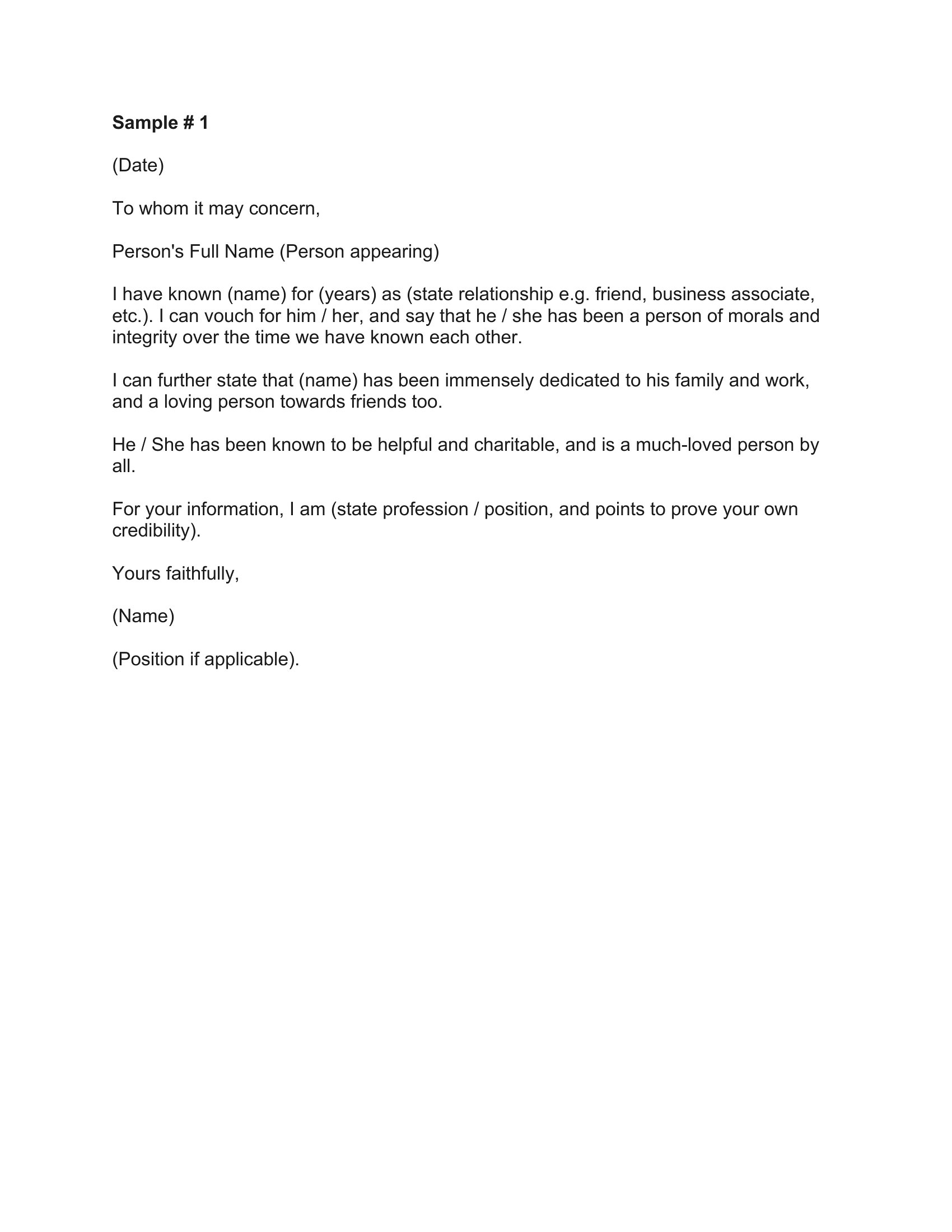
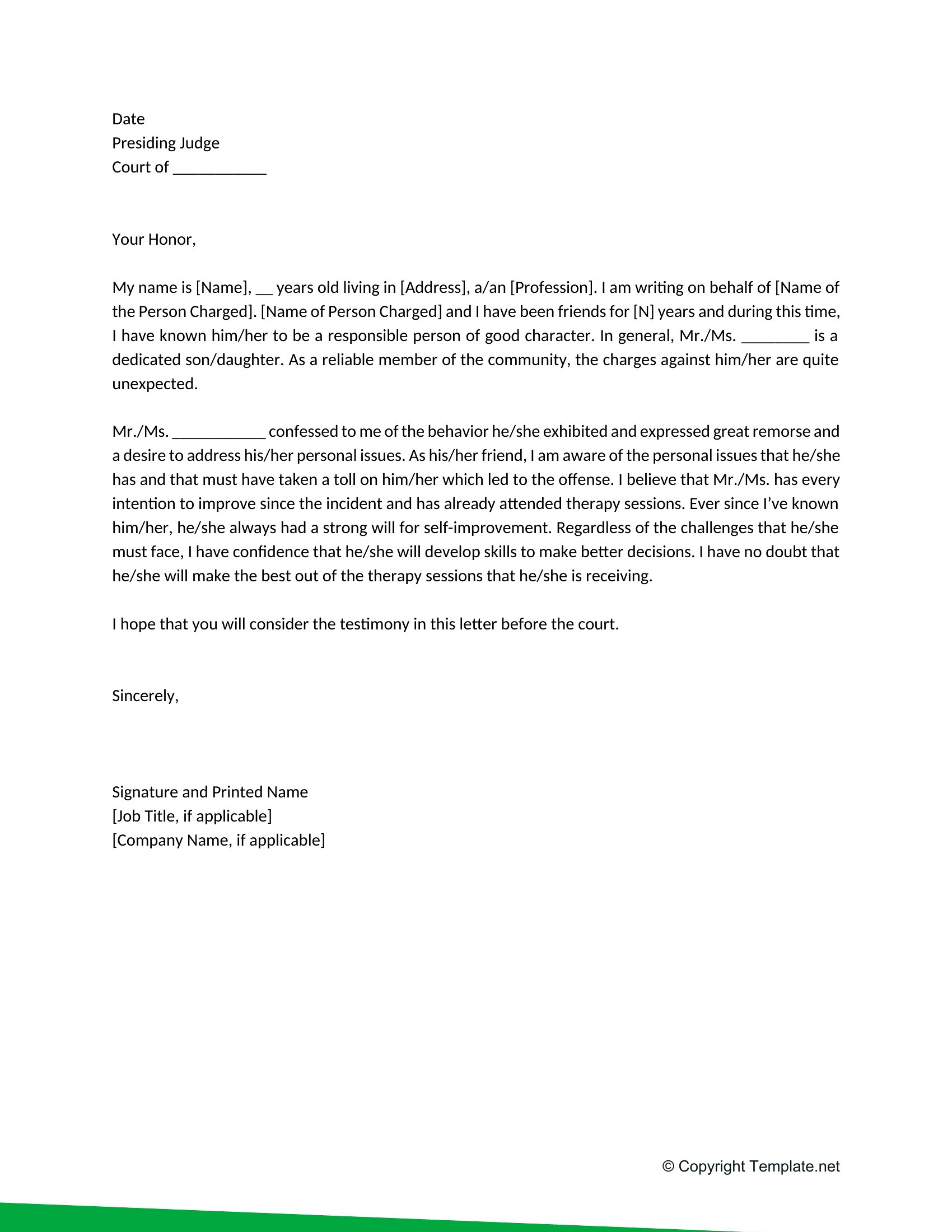
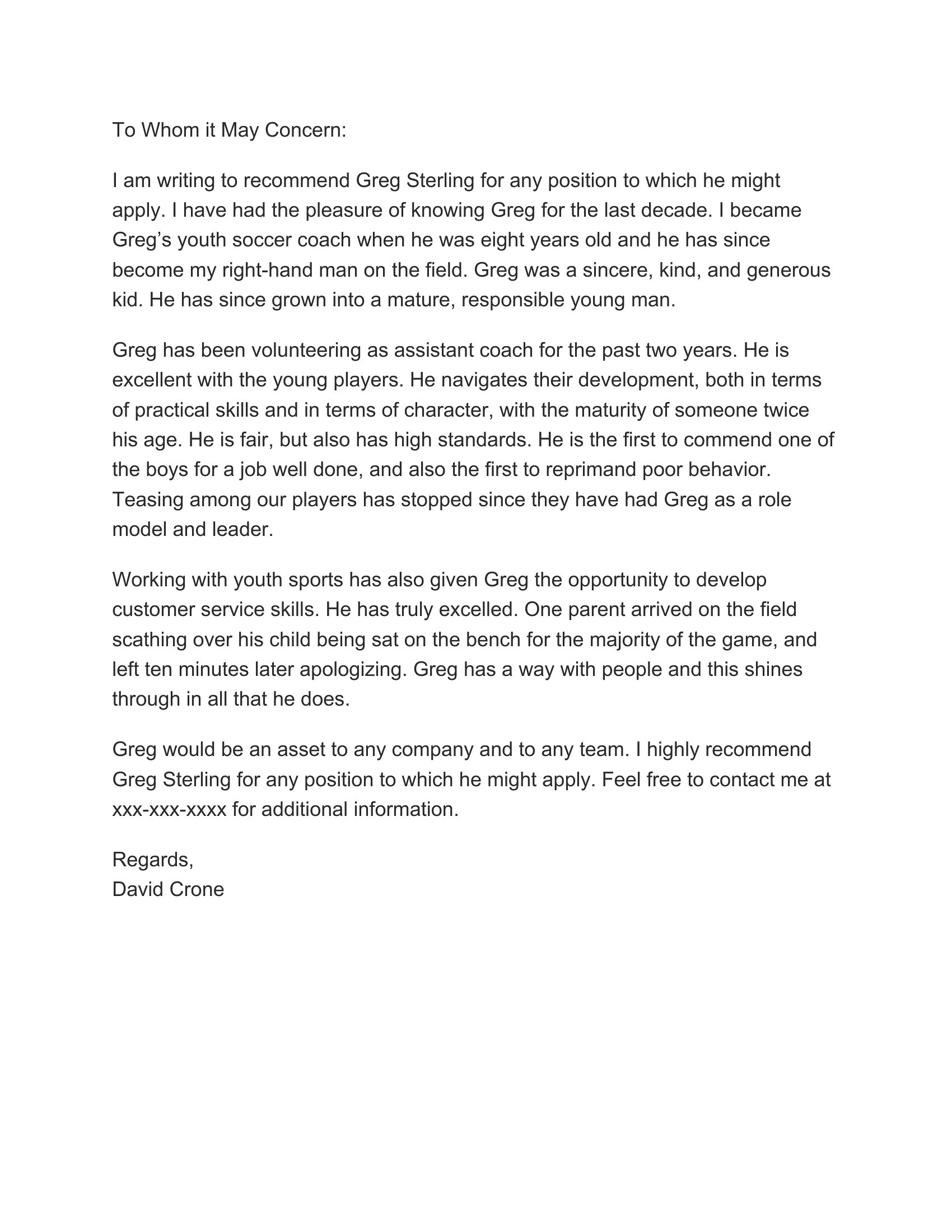
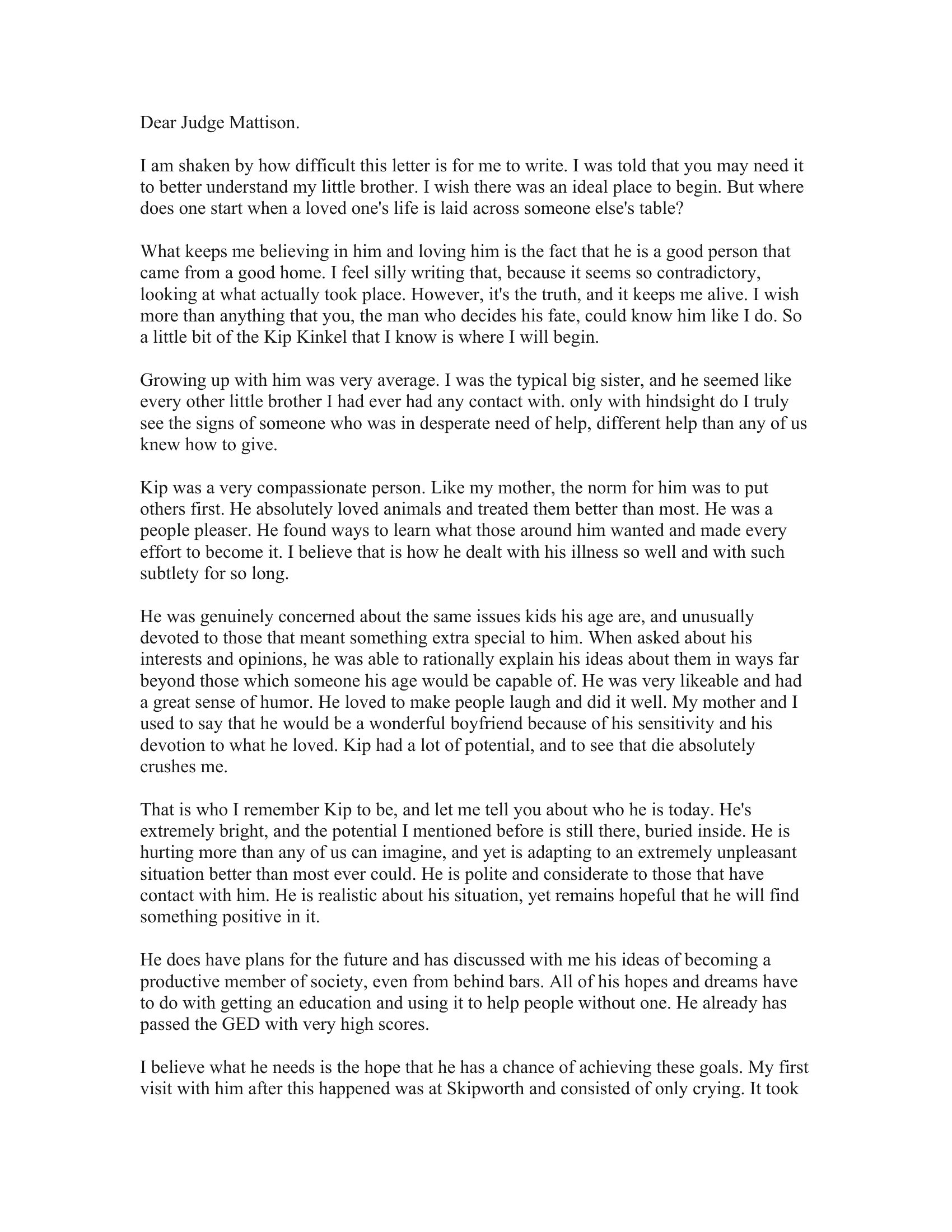
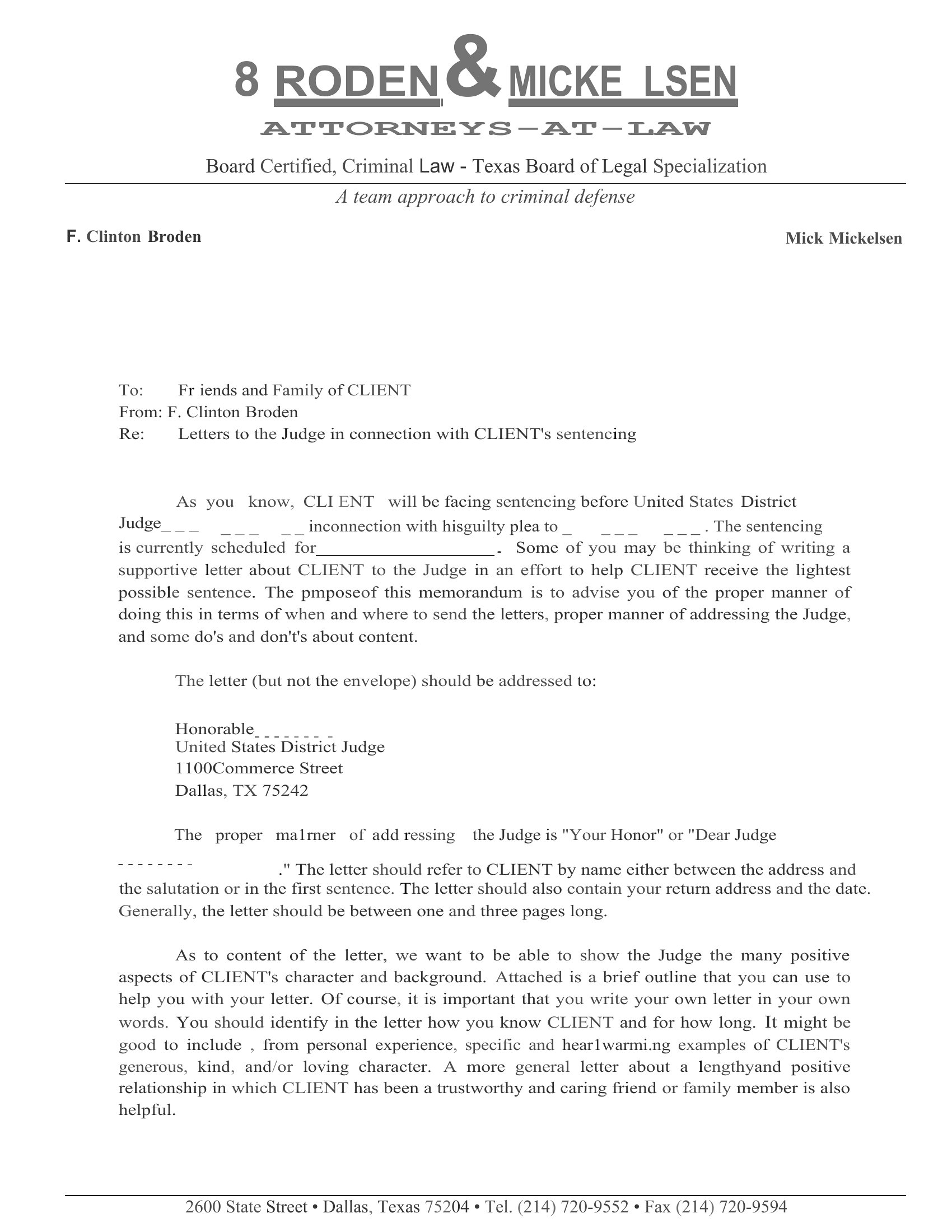
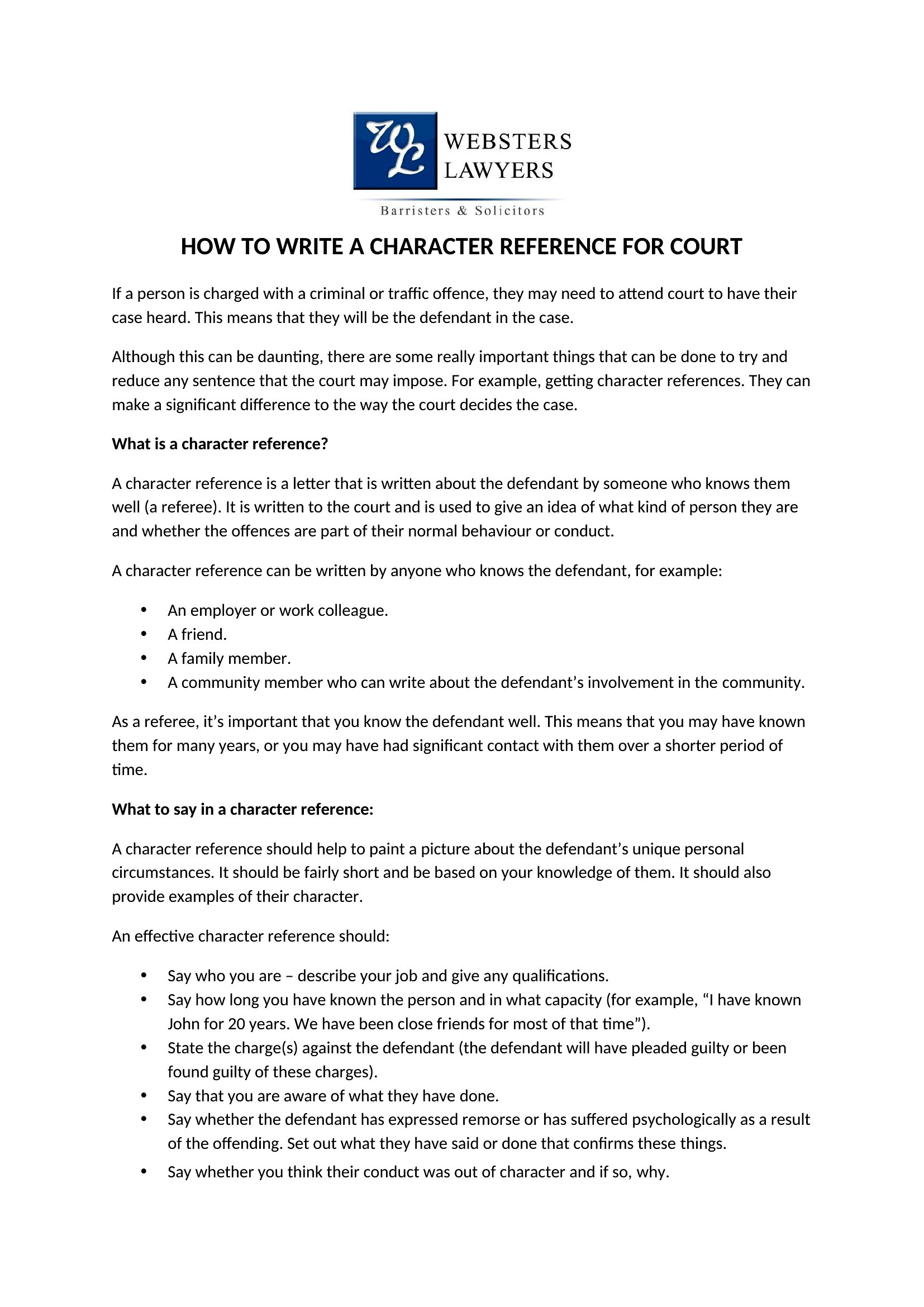
Free Character Witness Letters (Word)
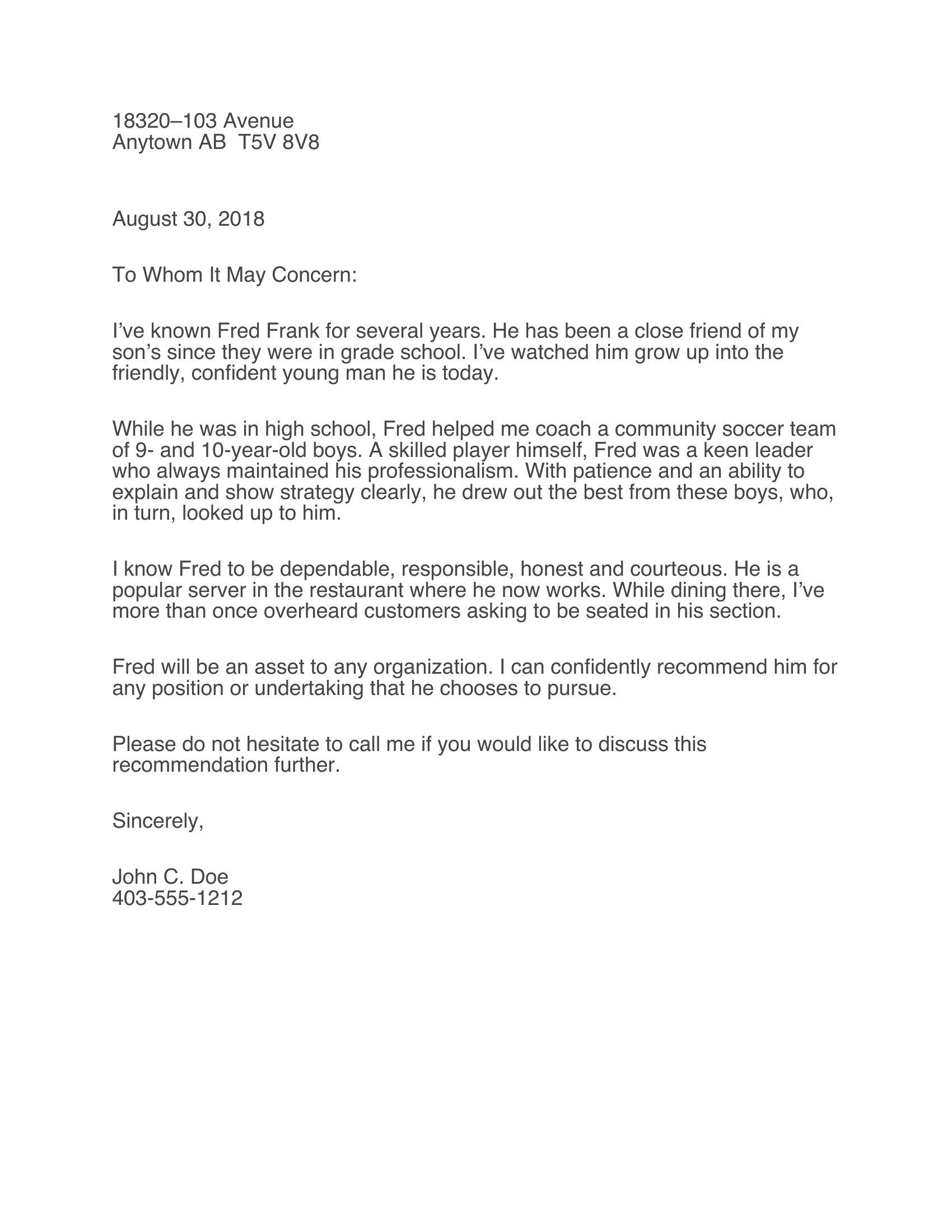
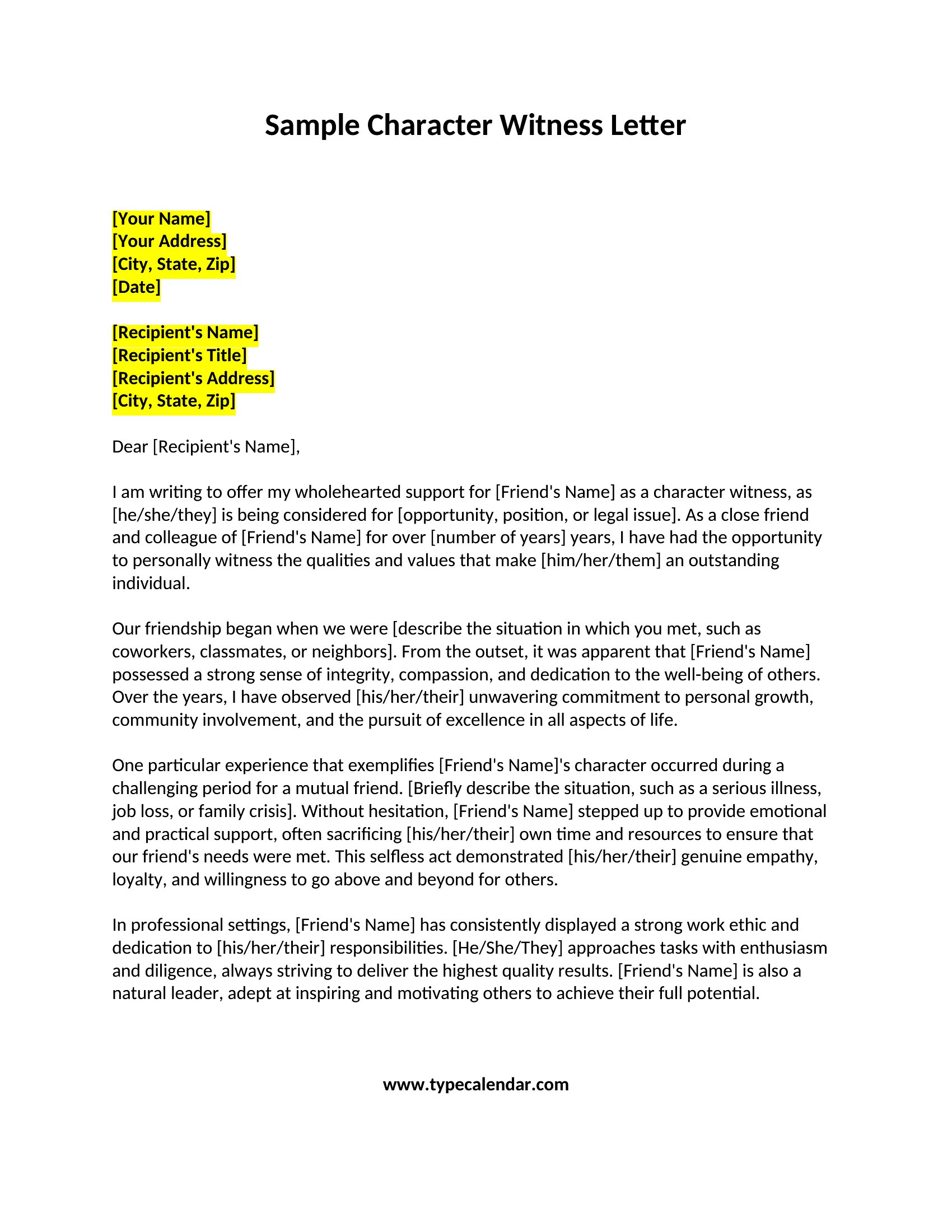
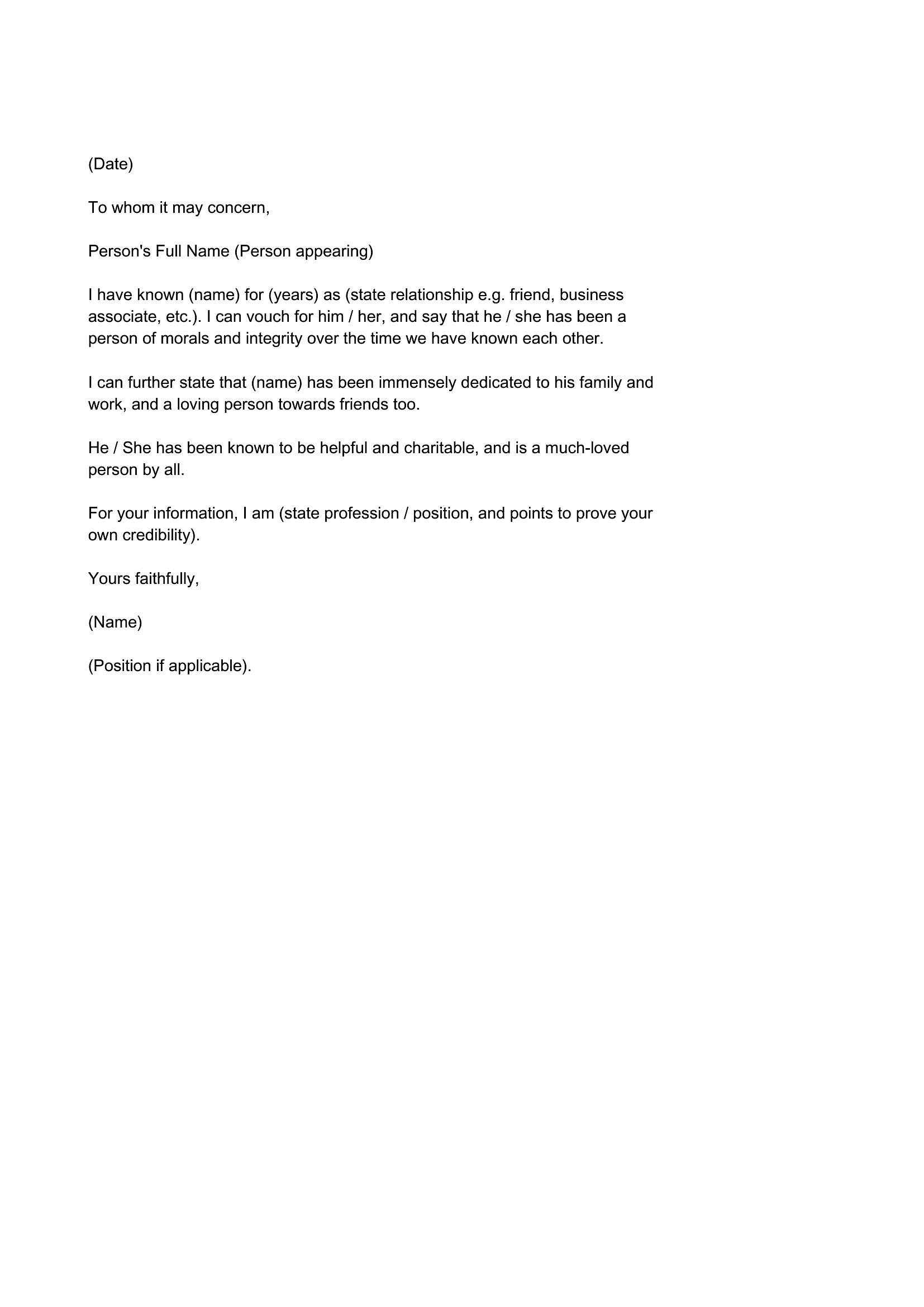
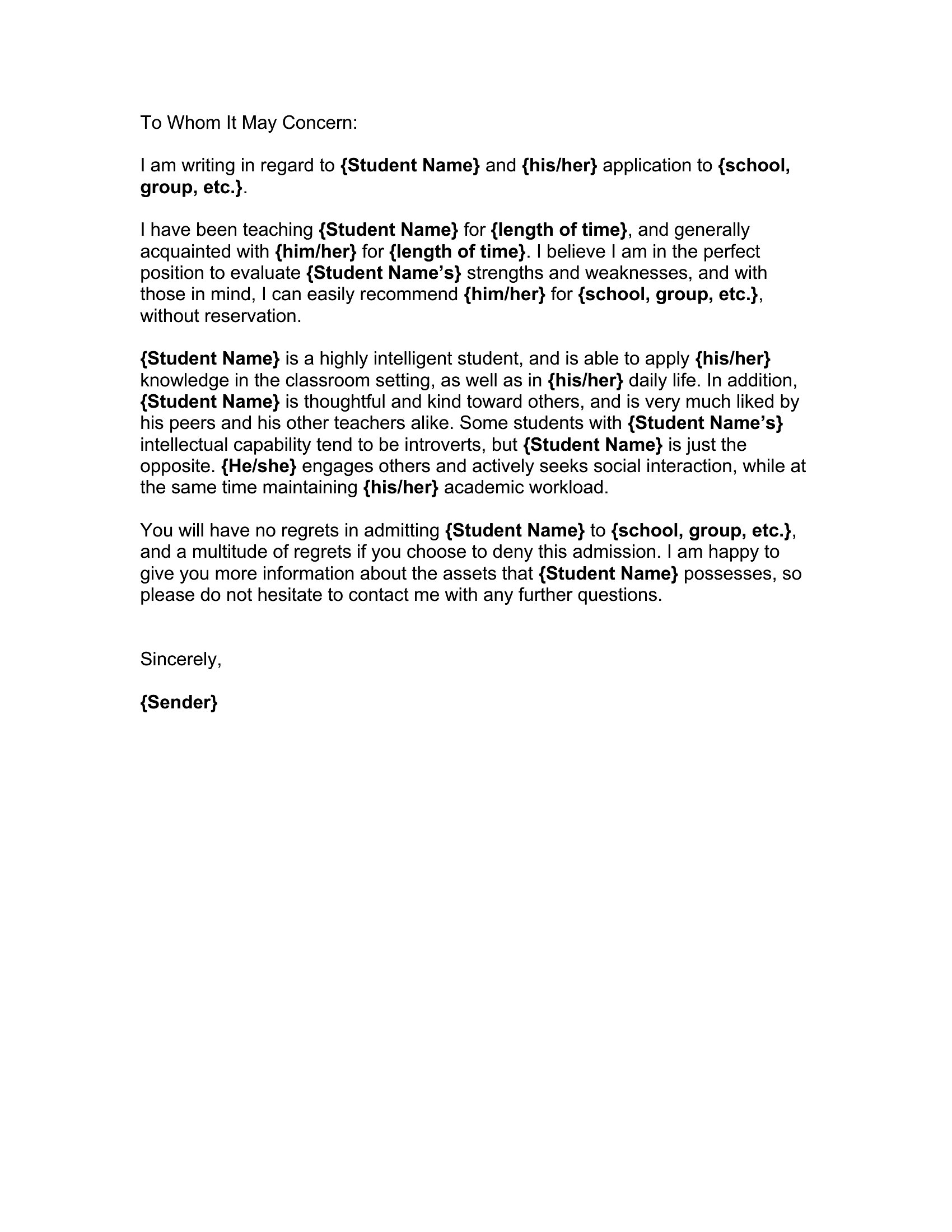
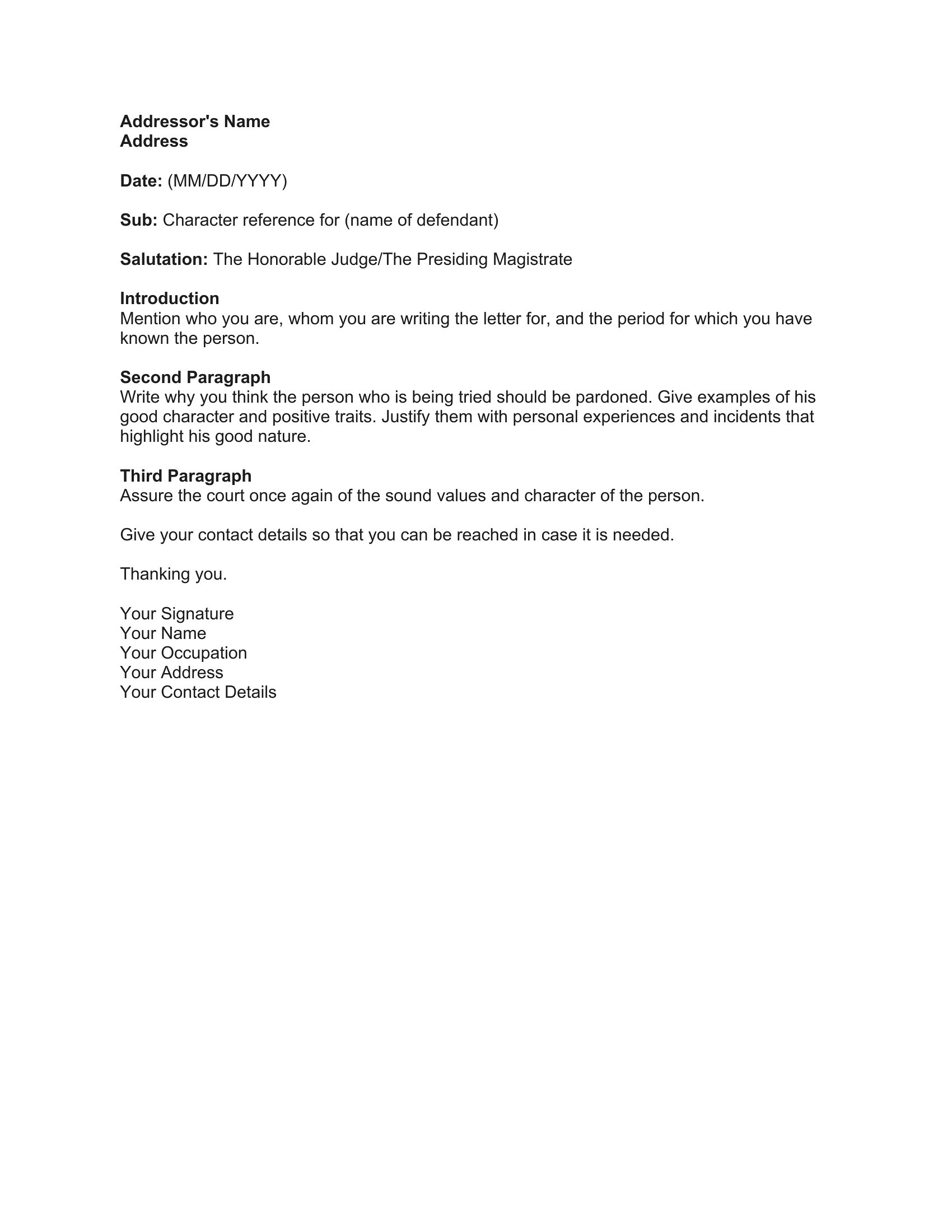
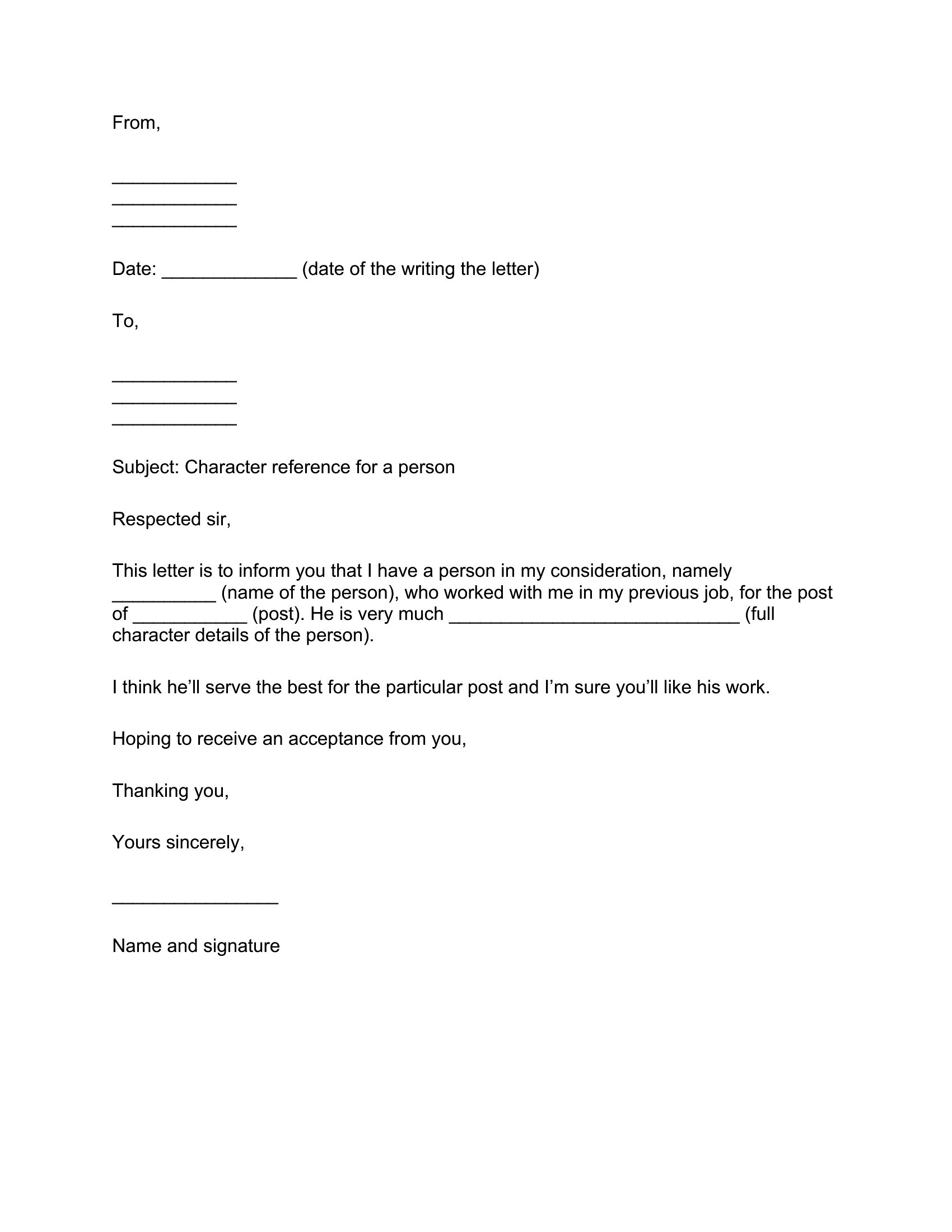
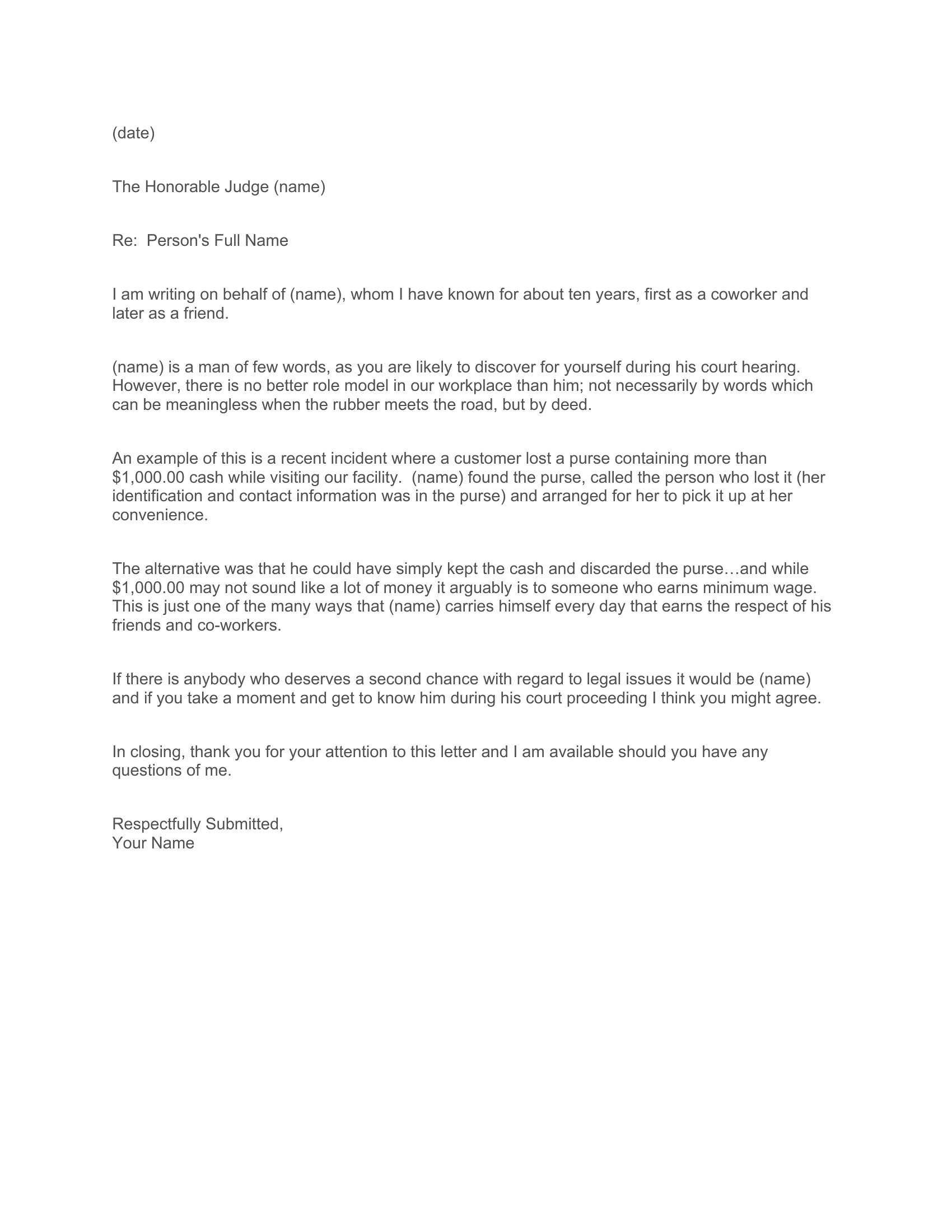
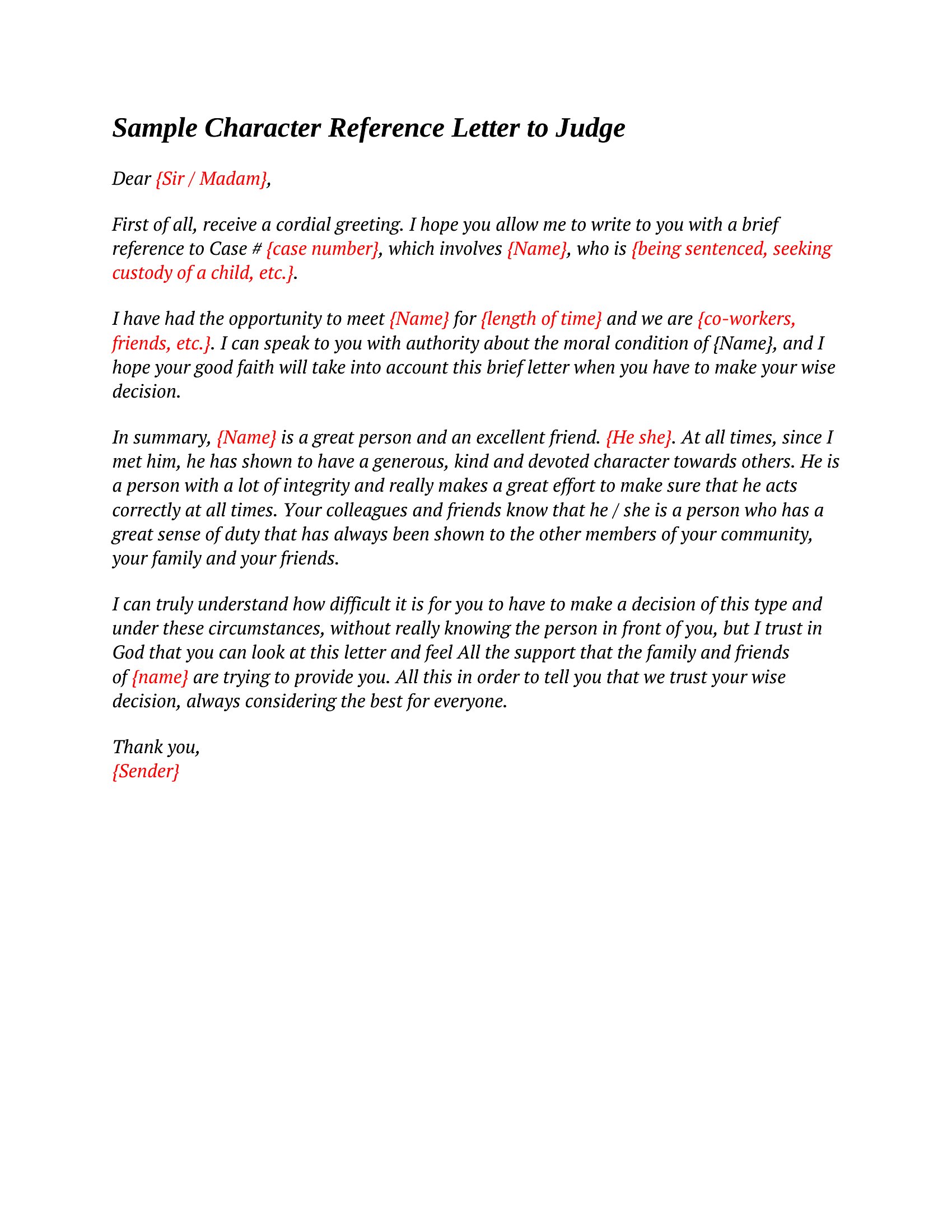
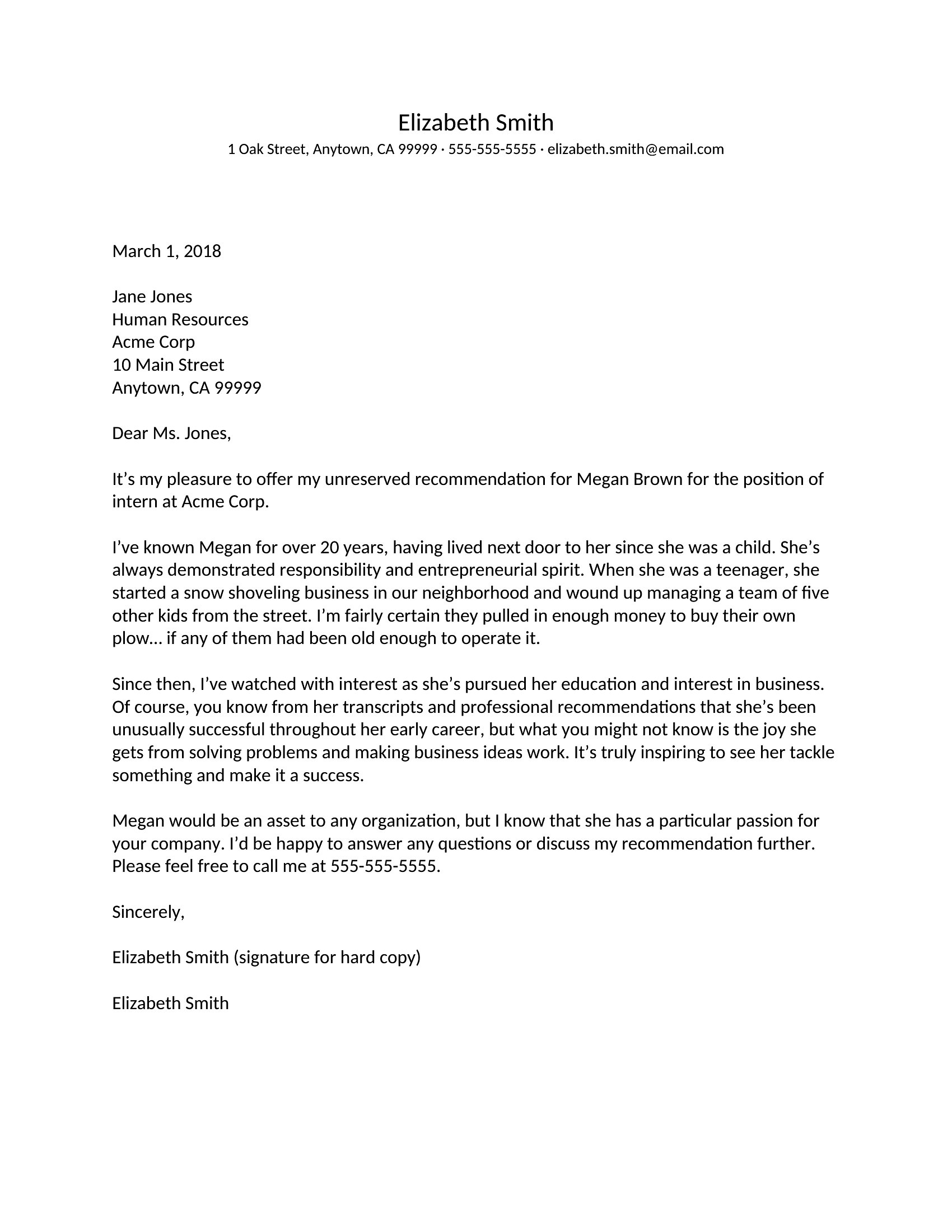
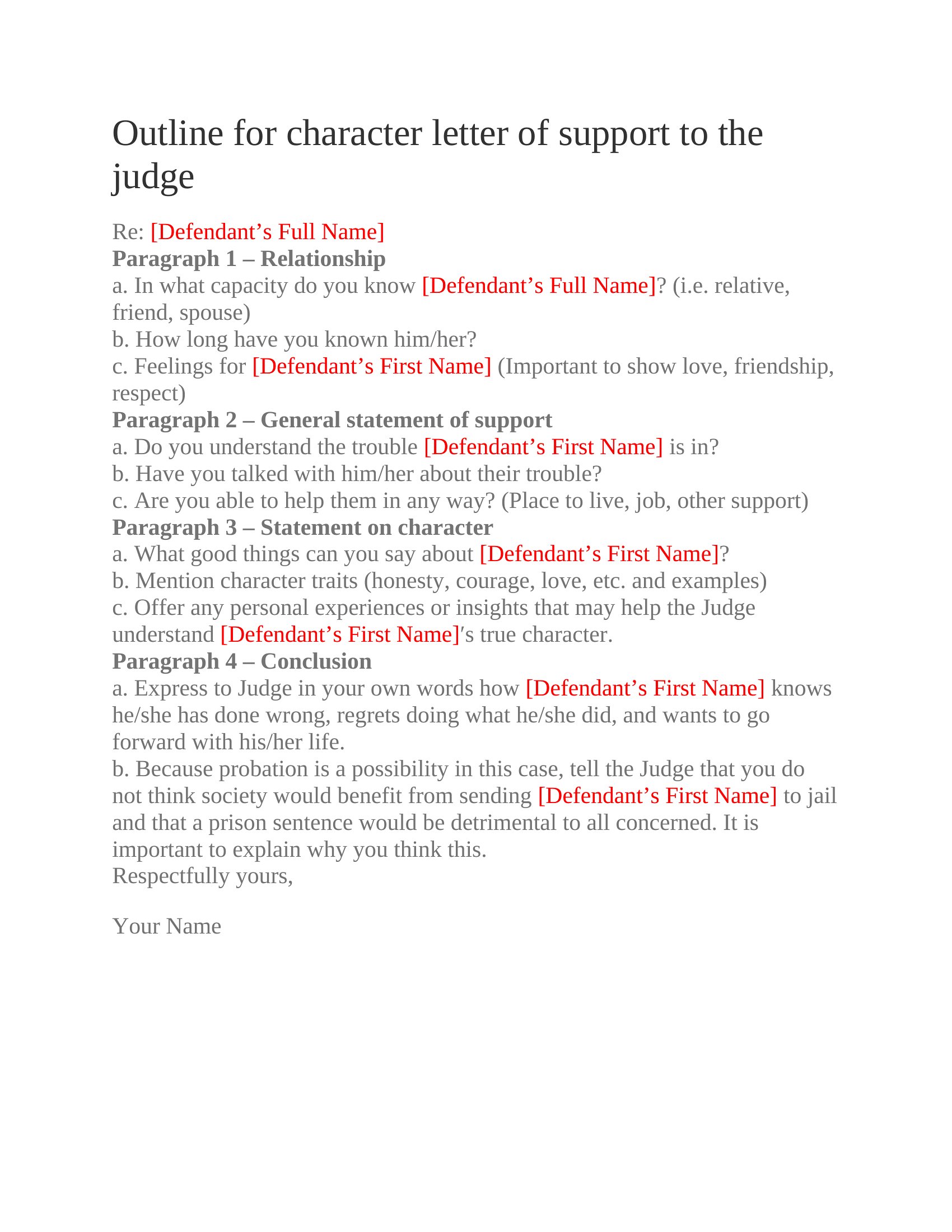
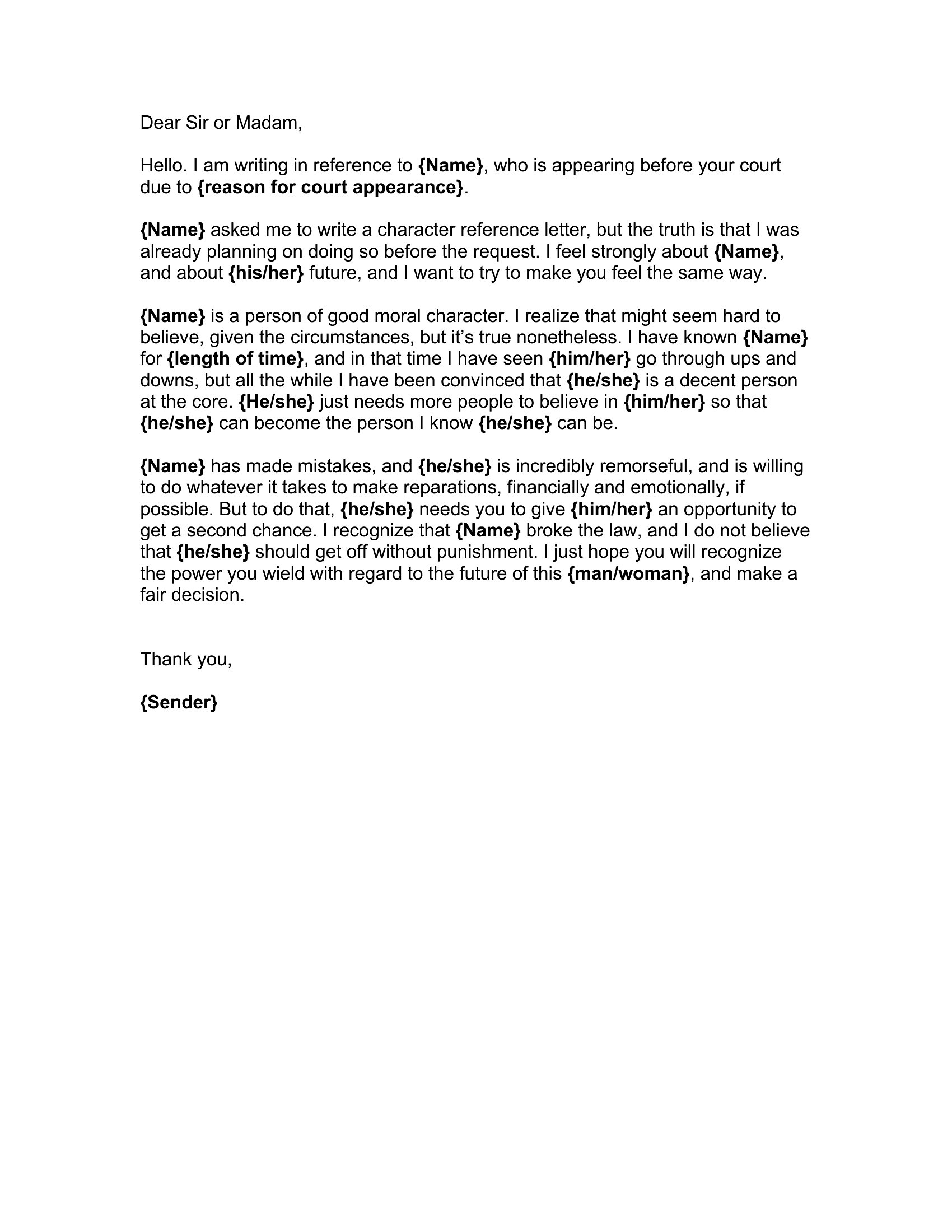
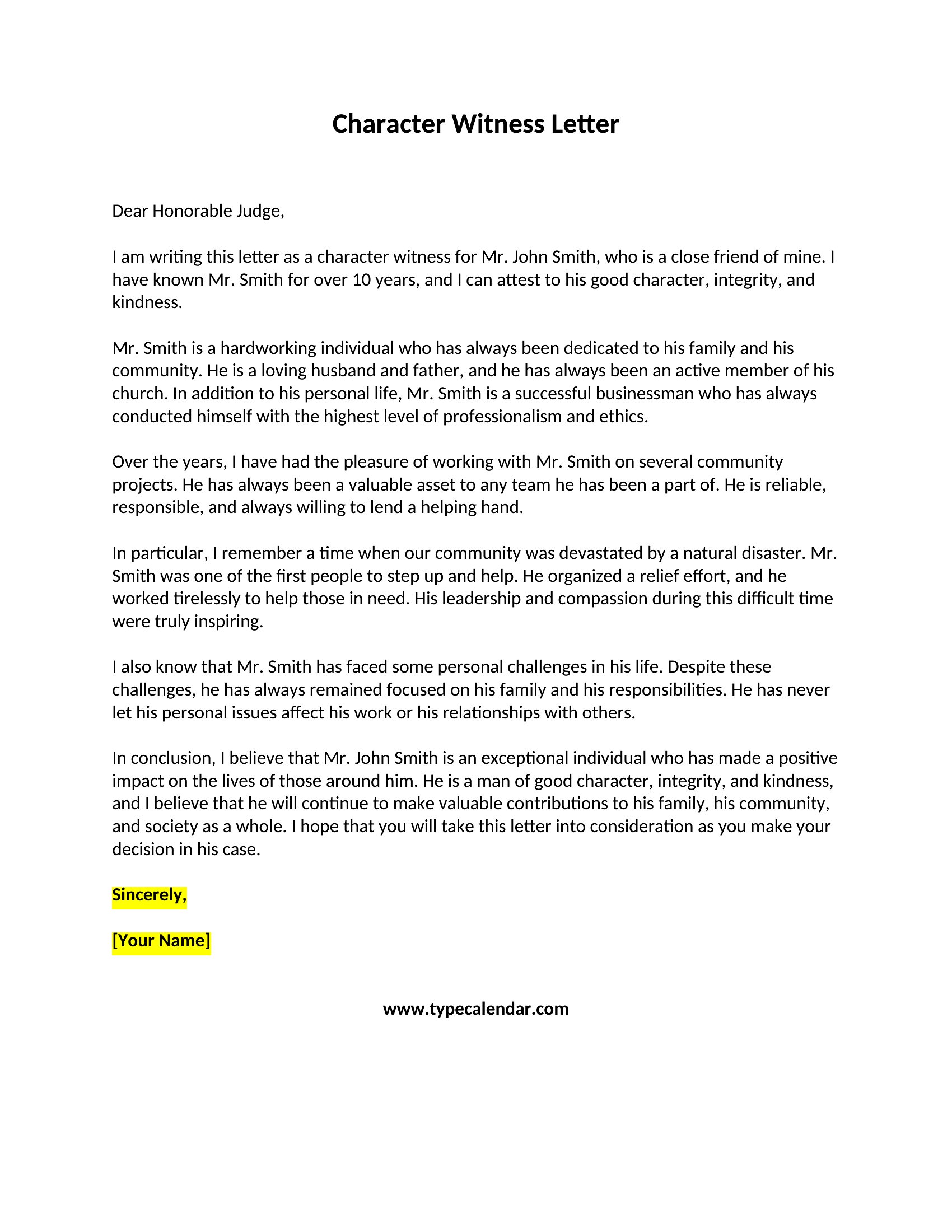
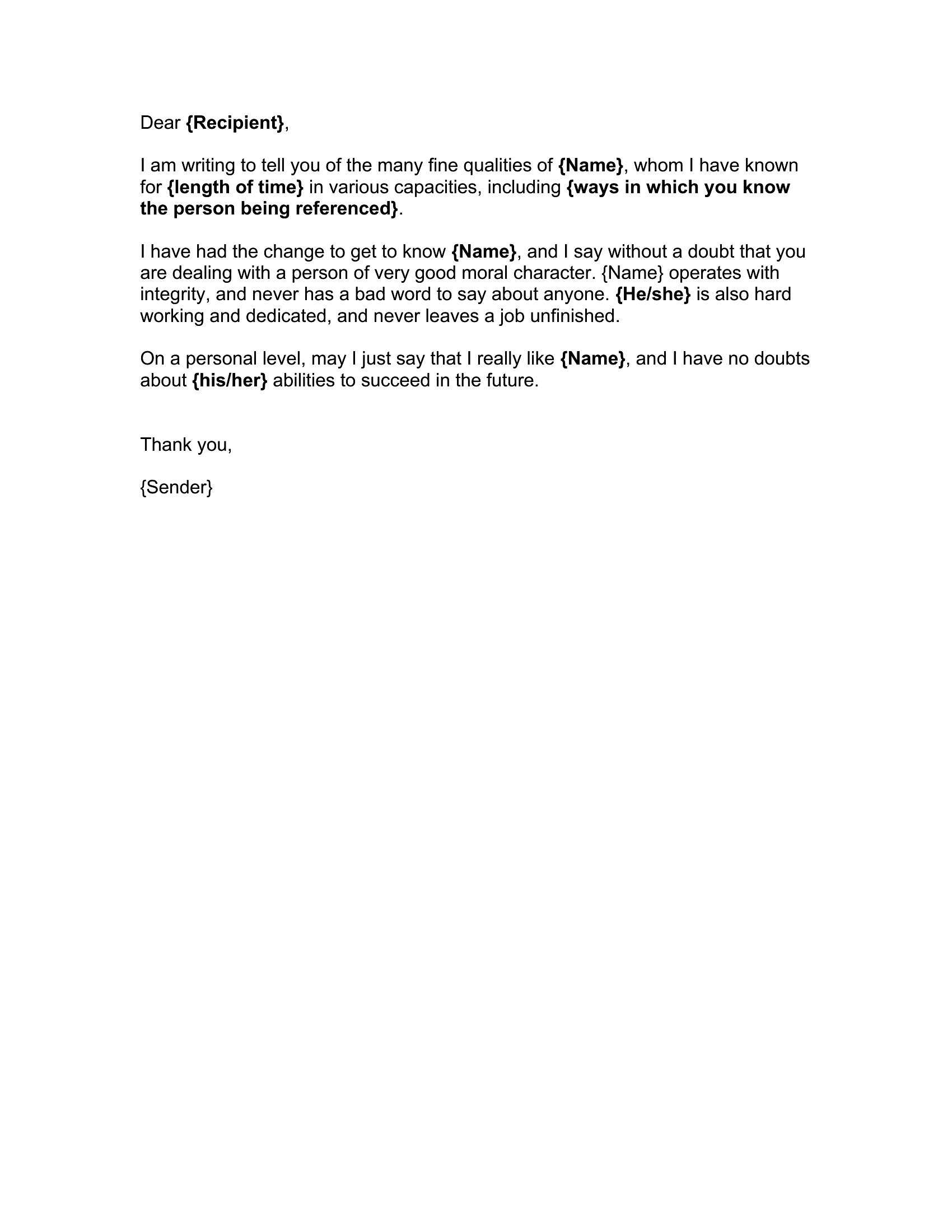
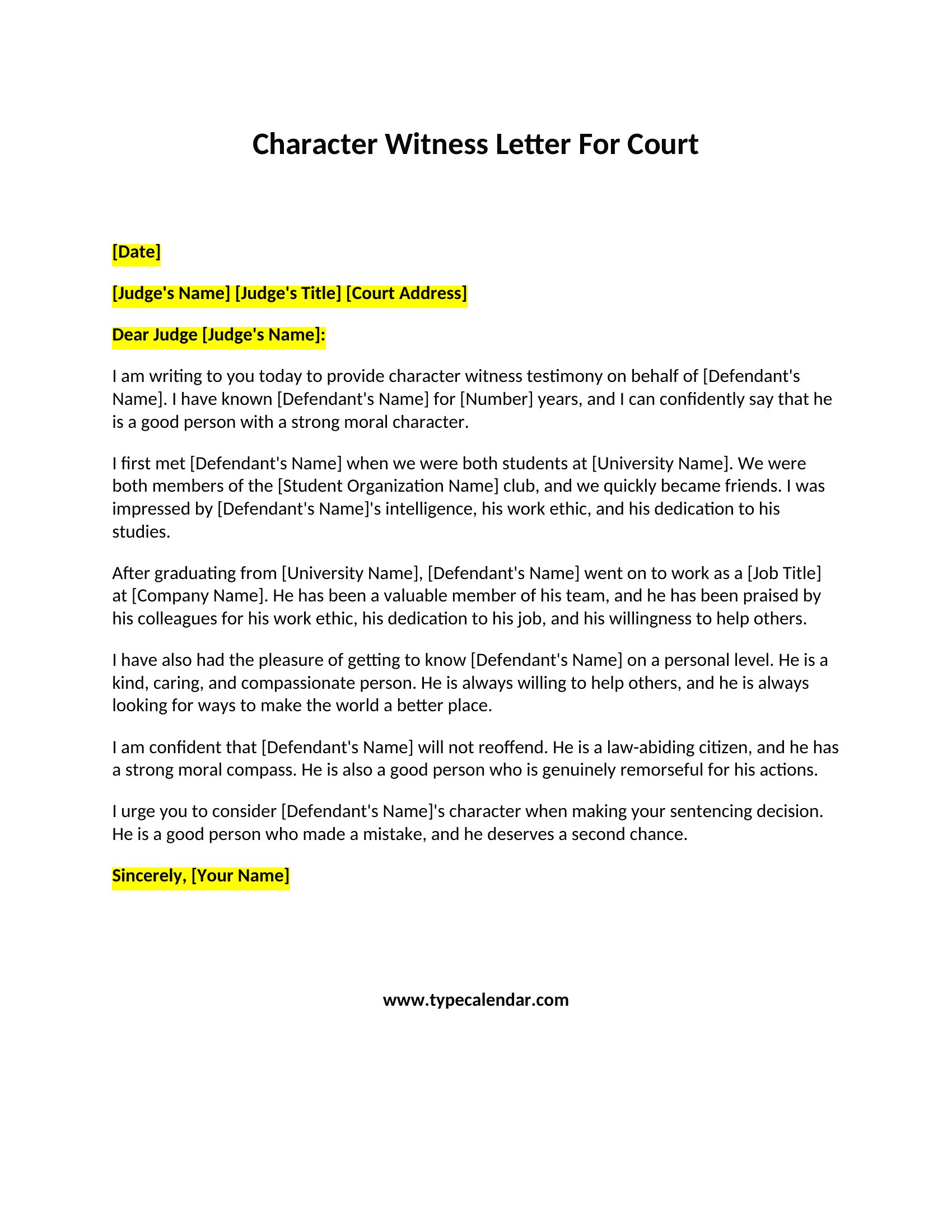
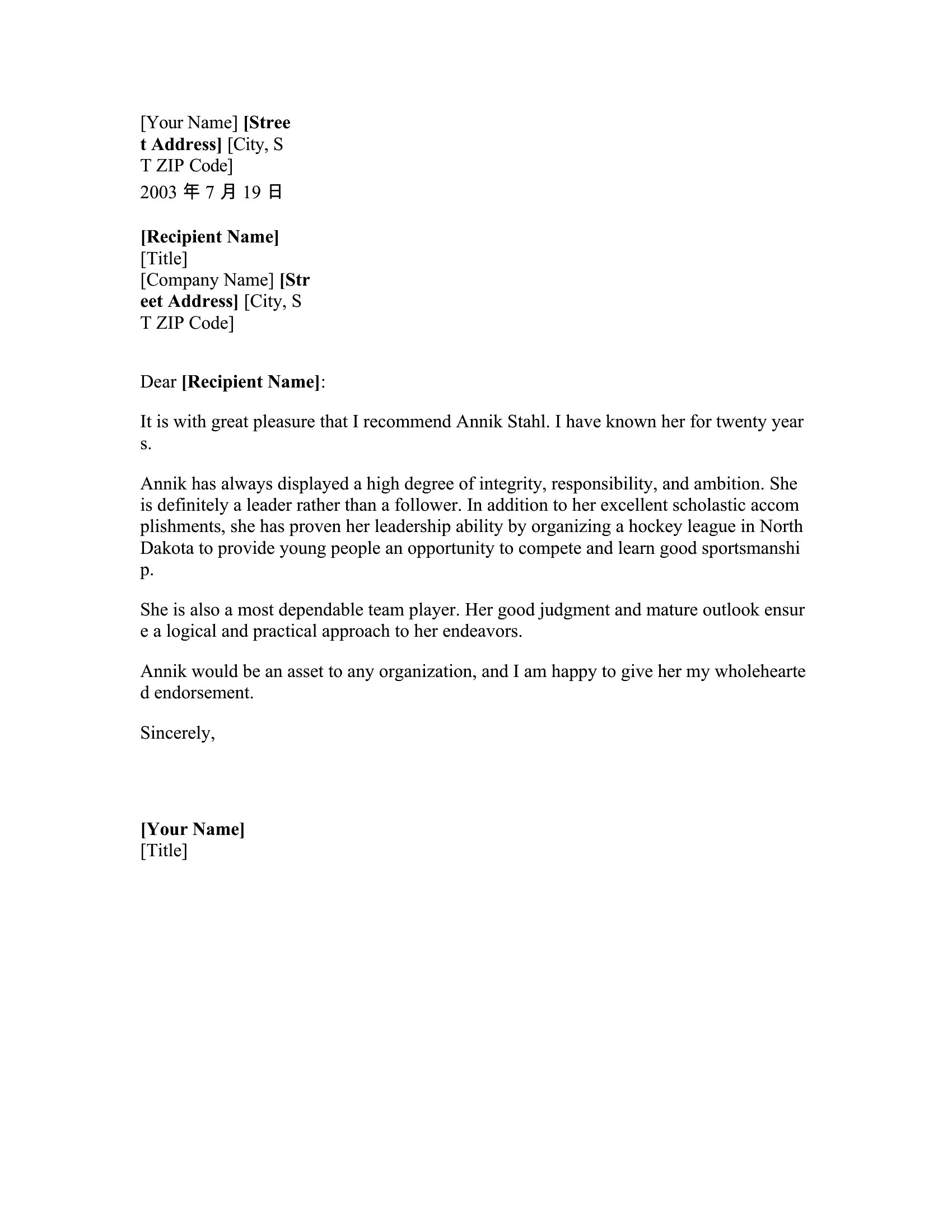
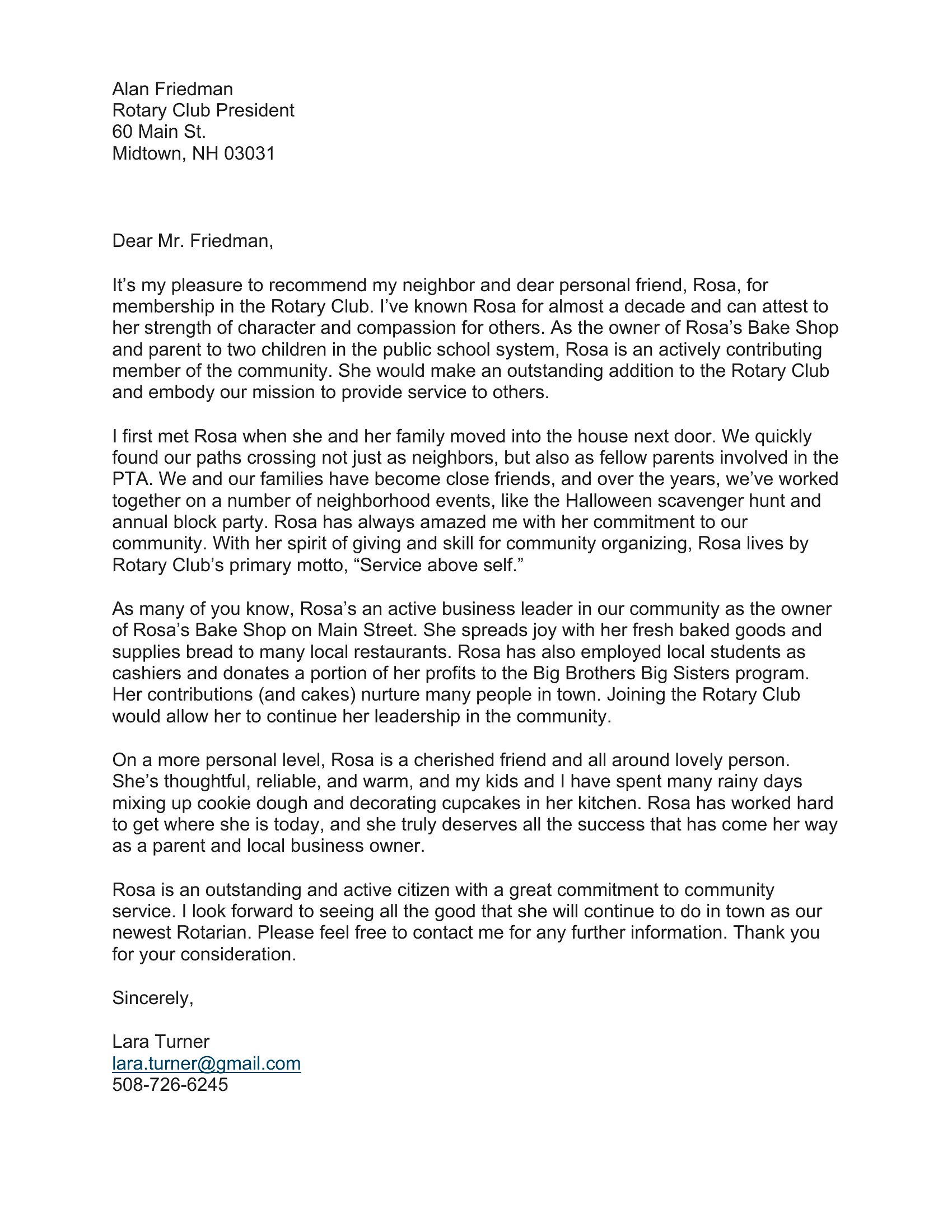
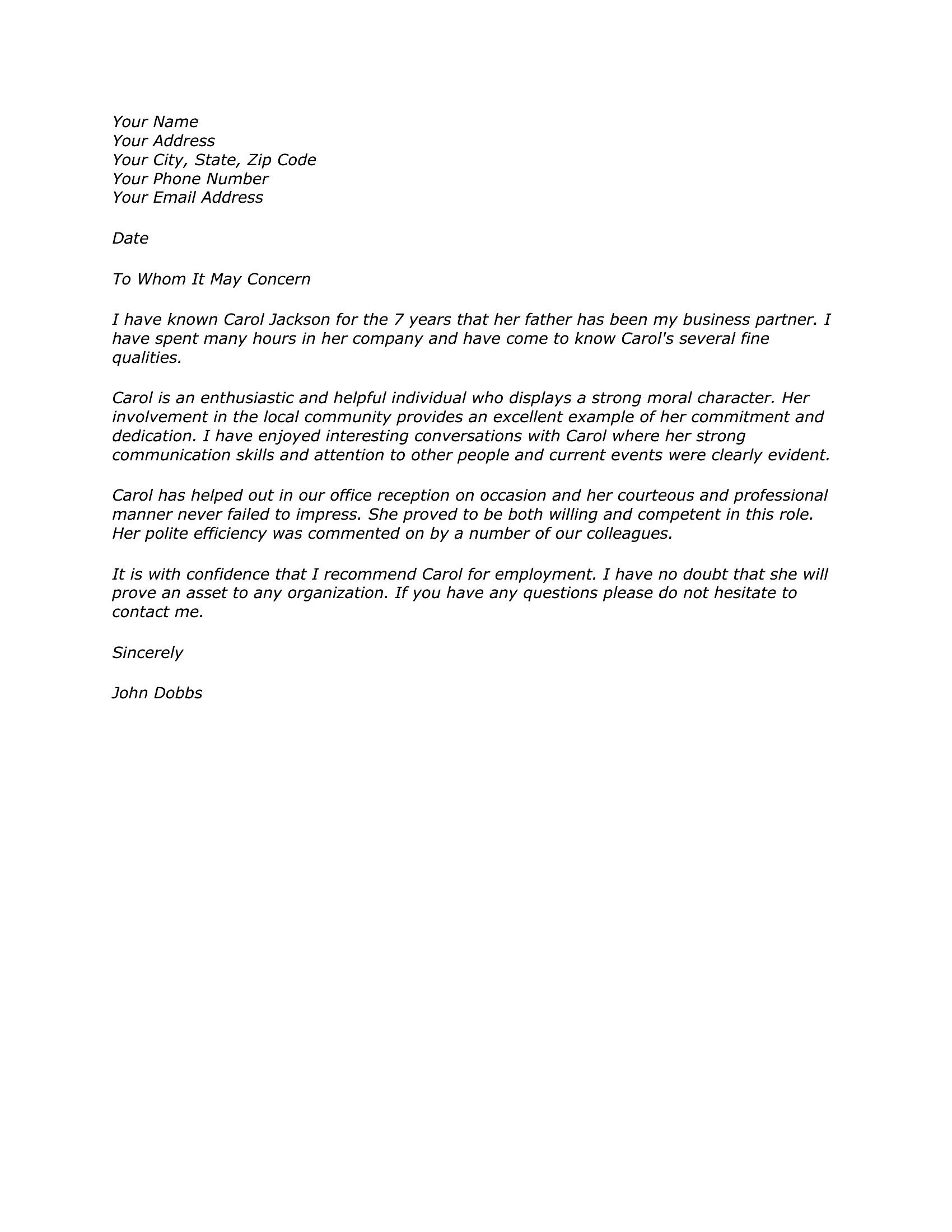
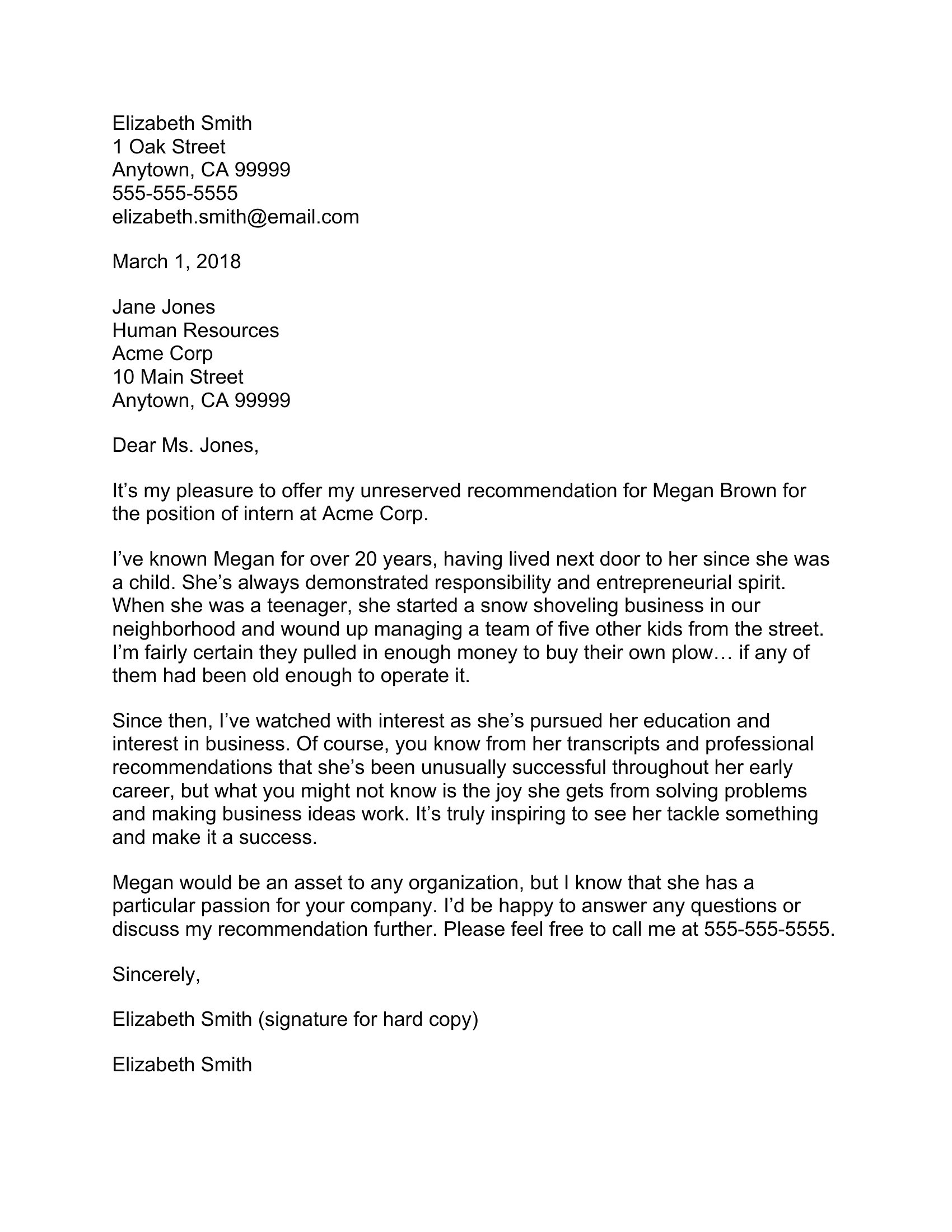
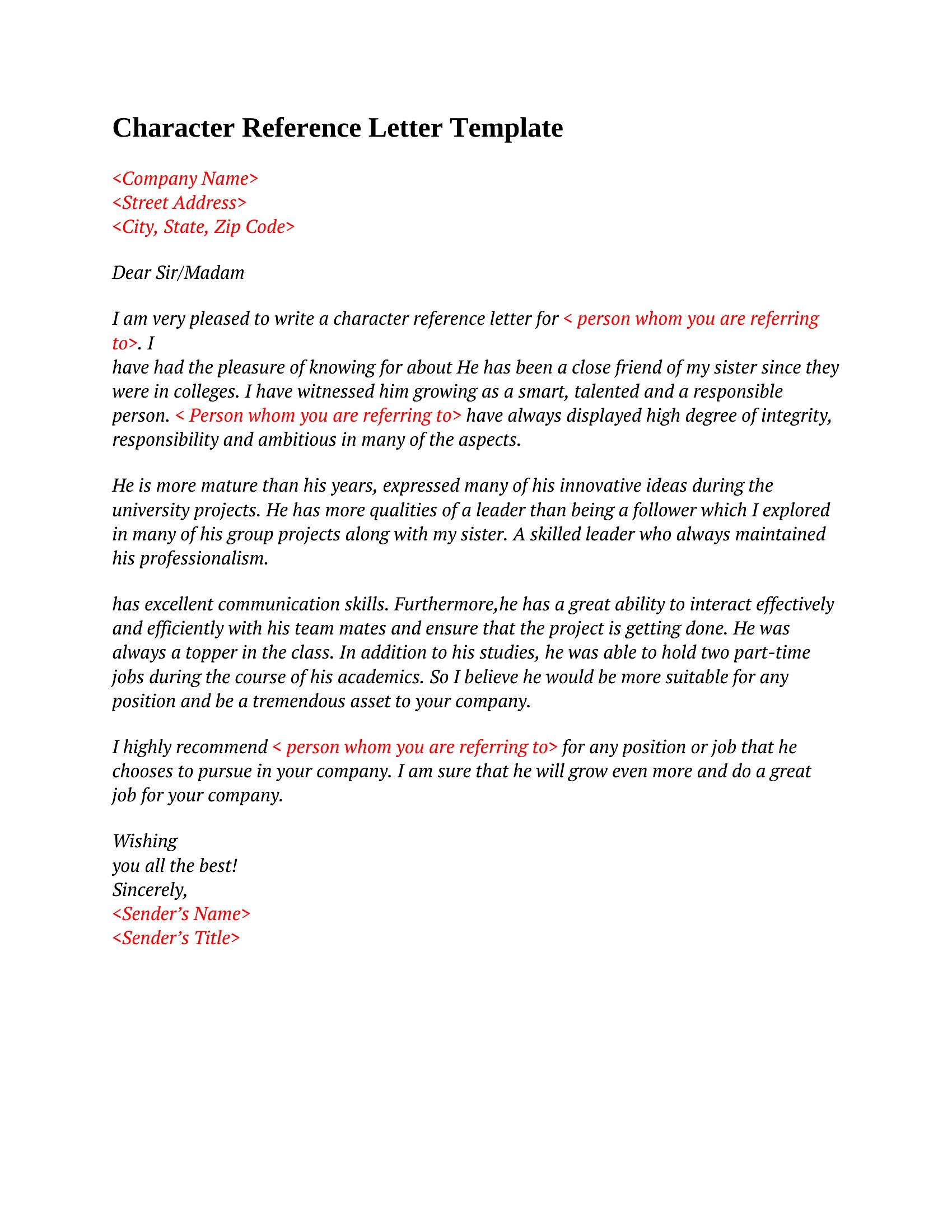
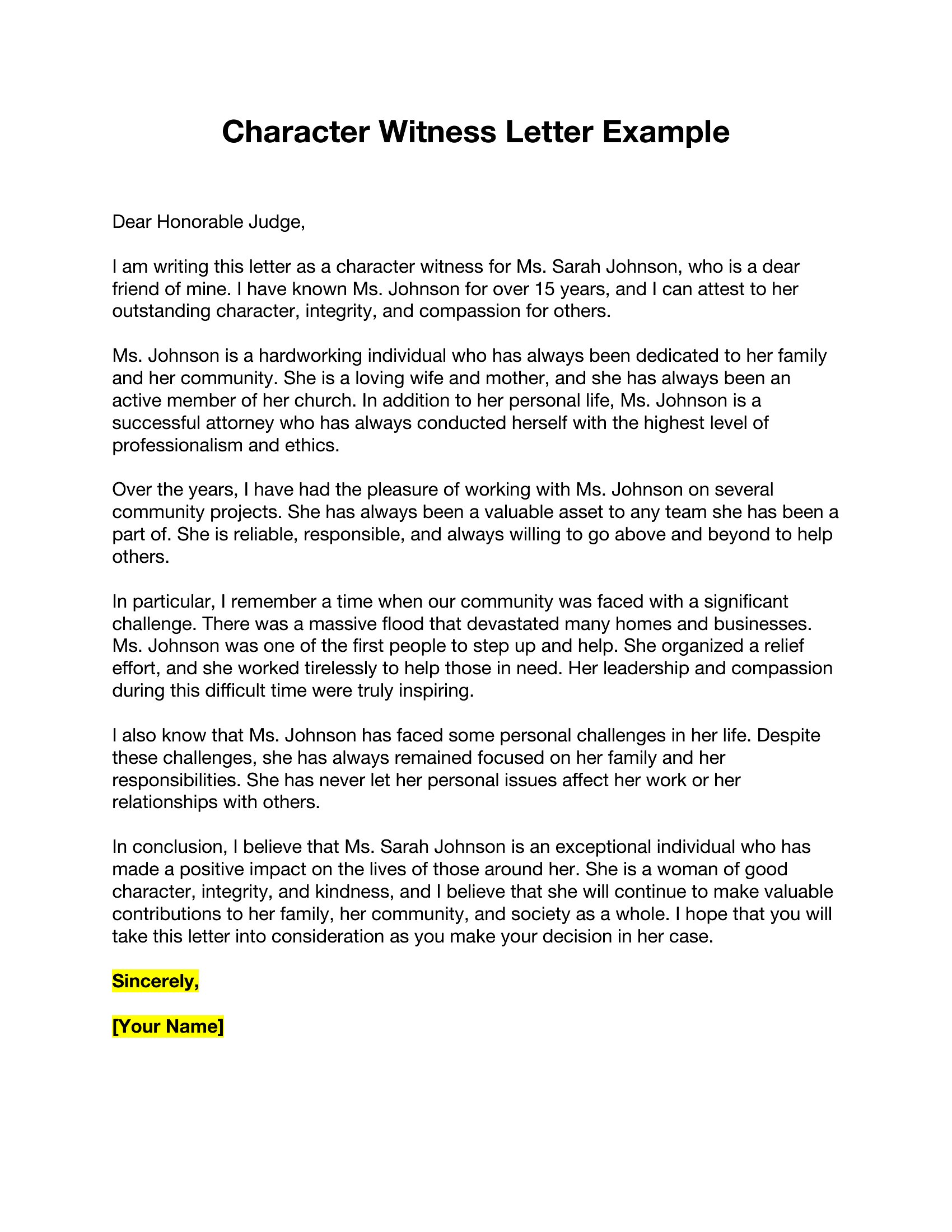
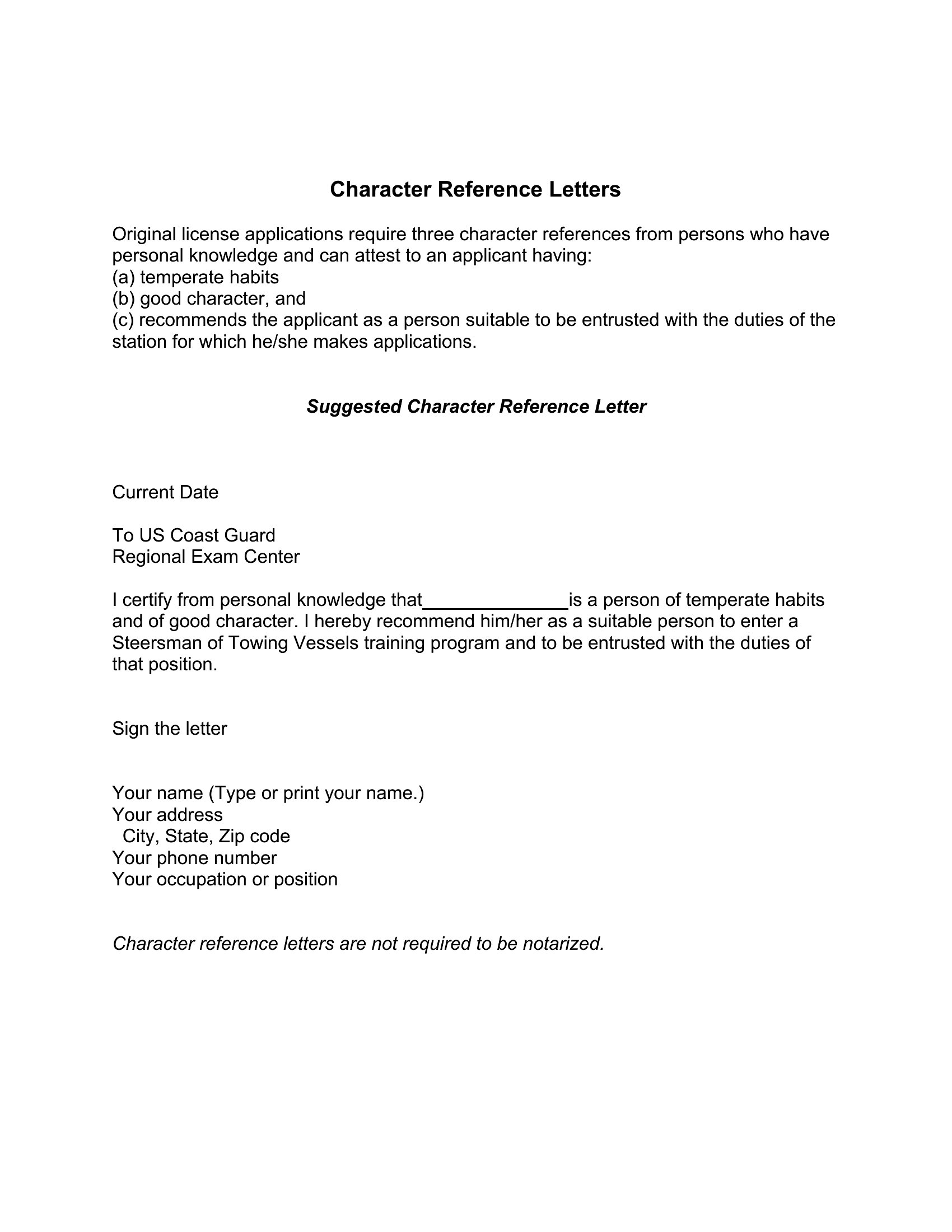
RecommendationsWhen someone faces court, a custody hearing, or a tough employment situation, a character witness letter speaks to who they really are. This set of 43 templates helps friends, family, employers, and colleagues vouch for a person's honesty, reliability, and character in a respectful, credible way. Share specific examples rather than empty praise, and the letter carries real weight with a judge or panel.
The templates are editable in Word, so you can add your relationship, your observations, and the specifics that matter to the case. Keep it honest and grounded, since exaggeration tends to backfire. Court expectations vary, so check any local guidelines before submitting. Download the format that fits and write a letter that genuinely helps.
When to use this Character Witness Letter template
- A close friend needs to write a letter for a coworker facing a workplace misconduct hearing, detailing their fairness and teamwork in collaborative projects over five years.
- A parent’s neighbor requests a character reference for a custody case, emphasizing the parent’s consistency, patience, and involvement in their child’s community events.
- A mentor writes a letter for a mentee’s visa application, highlighting their integrity and professional contributions during a two-year internship abroad.
- A supervisor drafts a letter for an employee’s background check, noting their reliability after years of punctuality, leadership in a crisis, and adherence to company ethics.
Which format should I download?
All templates here are in Word format because they’re designed for easy editing—adding personal anecdotes, specific dates, or job/relationship details. Use Word when you need to tailor the letter to someone’s unique story, like adjusting tone from formal (court) to warm (child custody). Avoid PDFs unless you’re printing a final version; Word keeps the focus on customization.
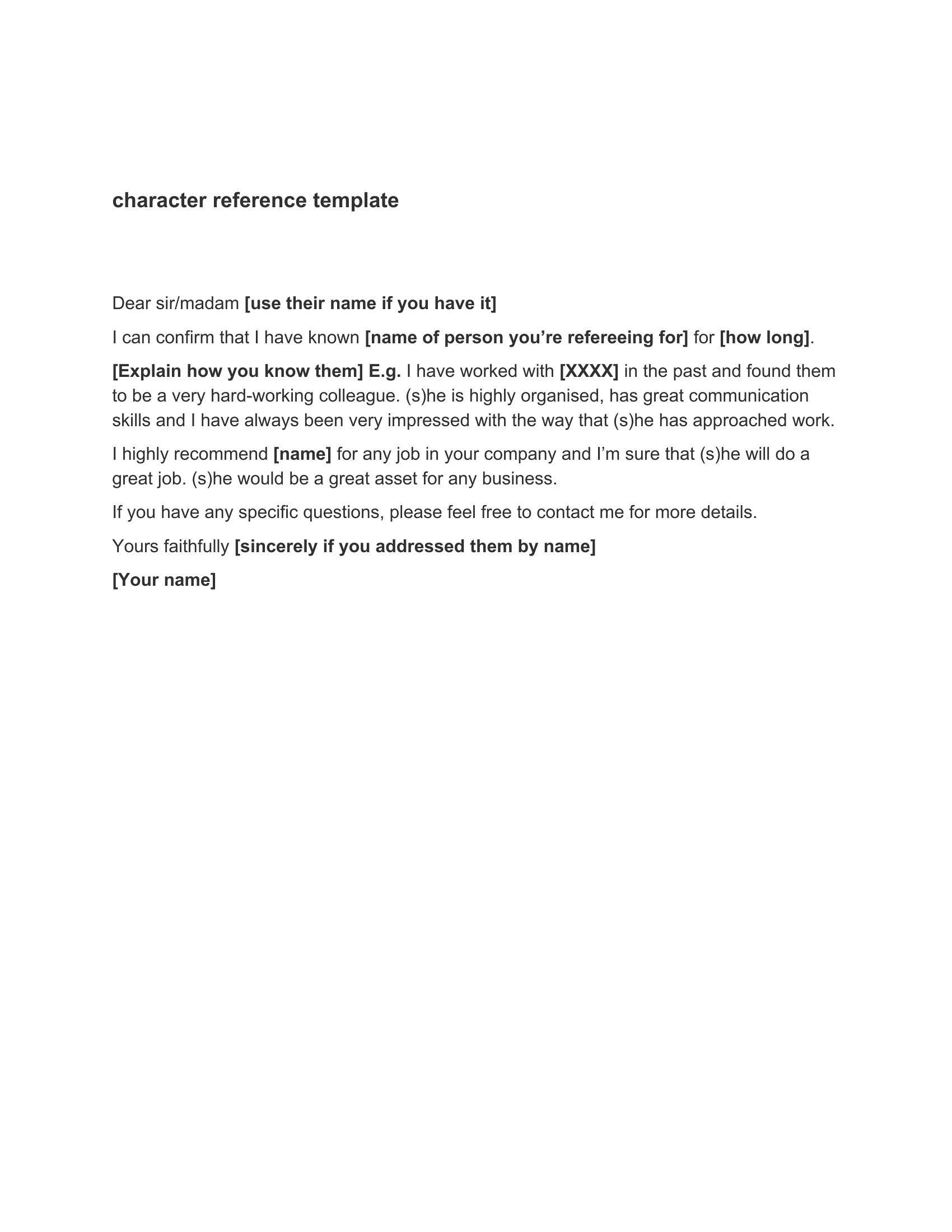
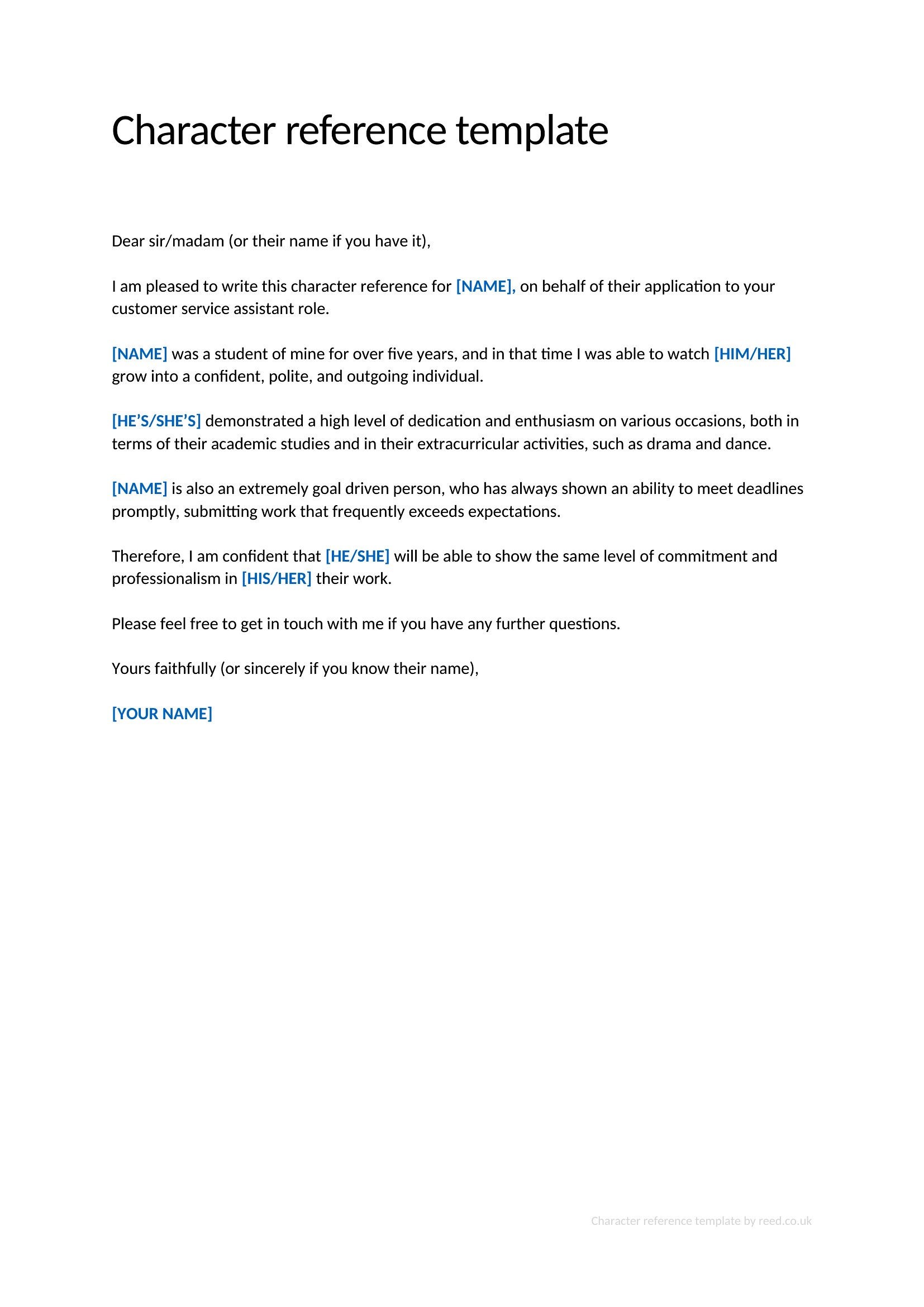
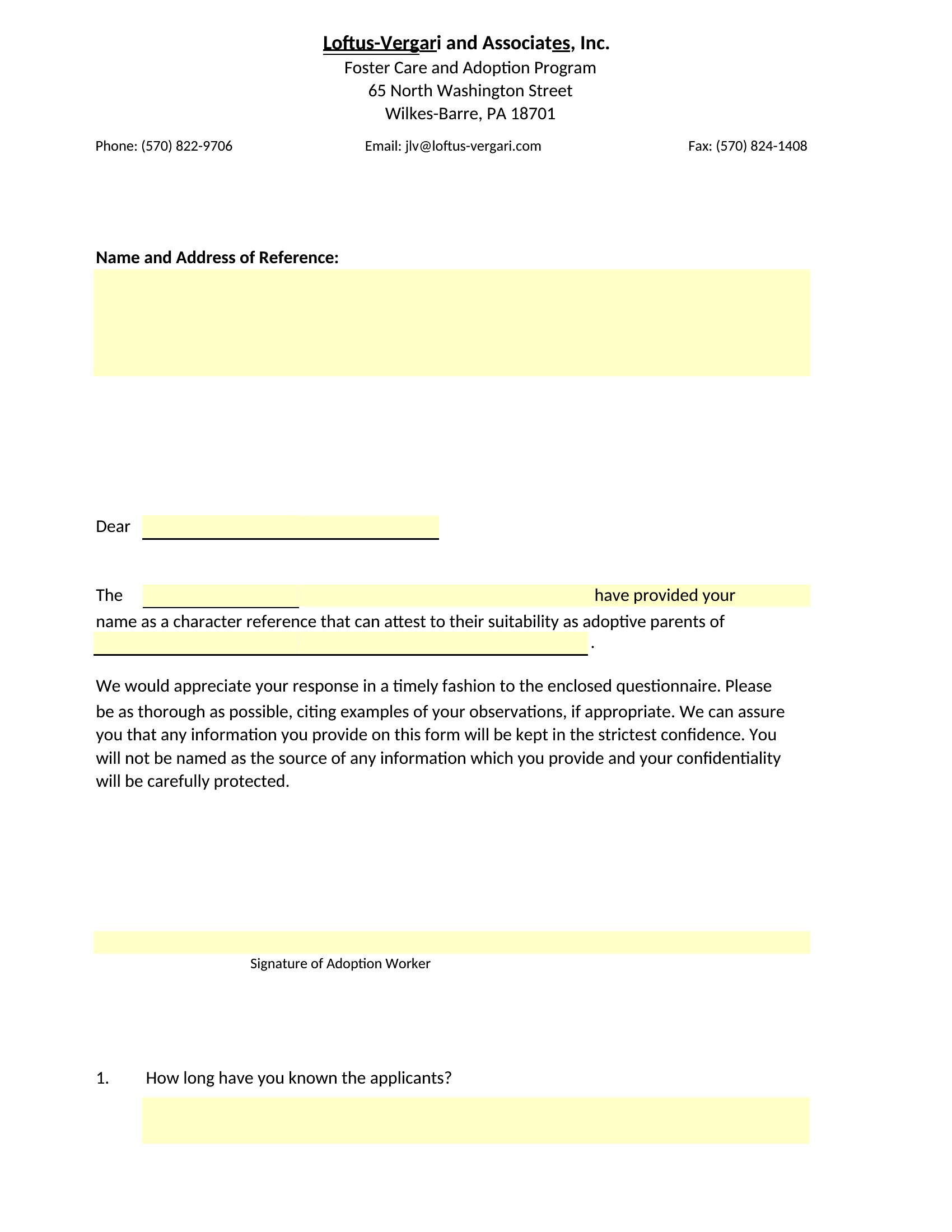
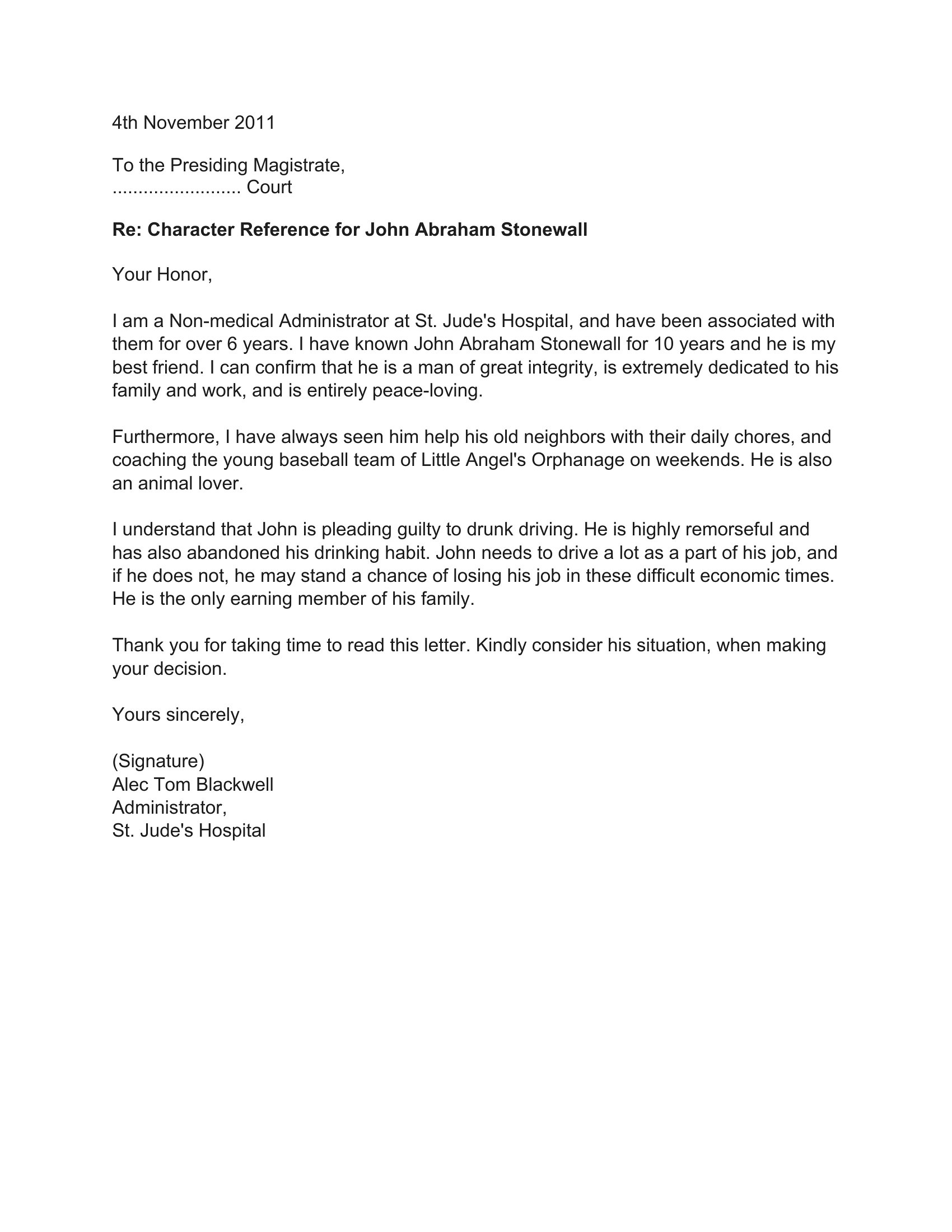
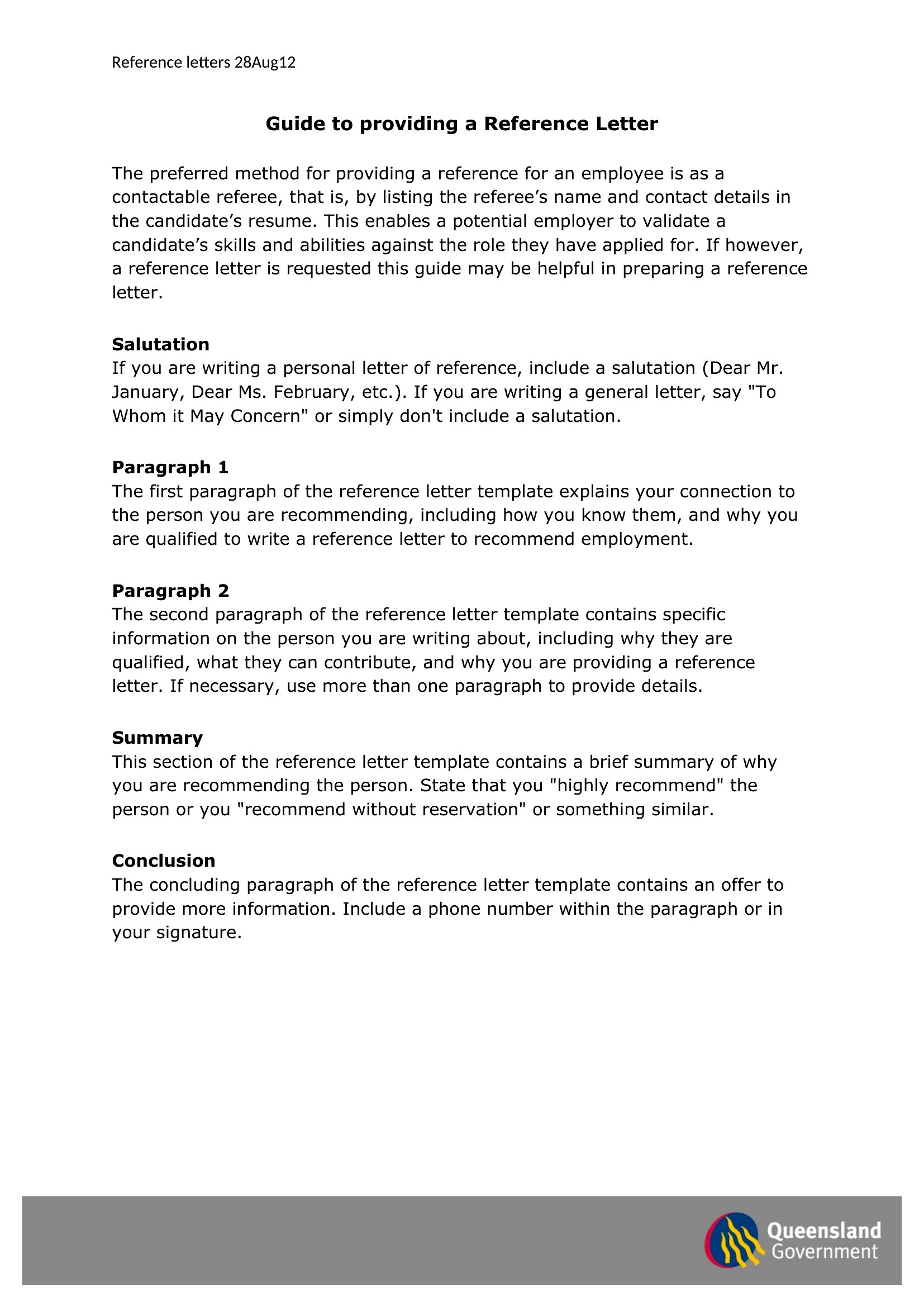
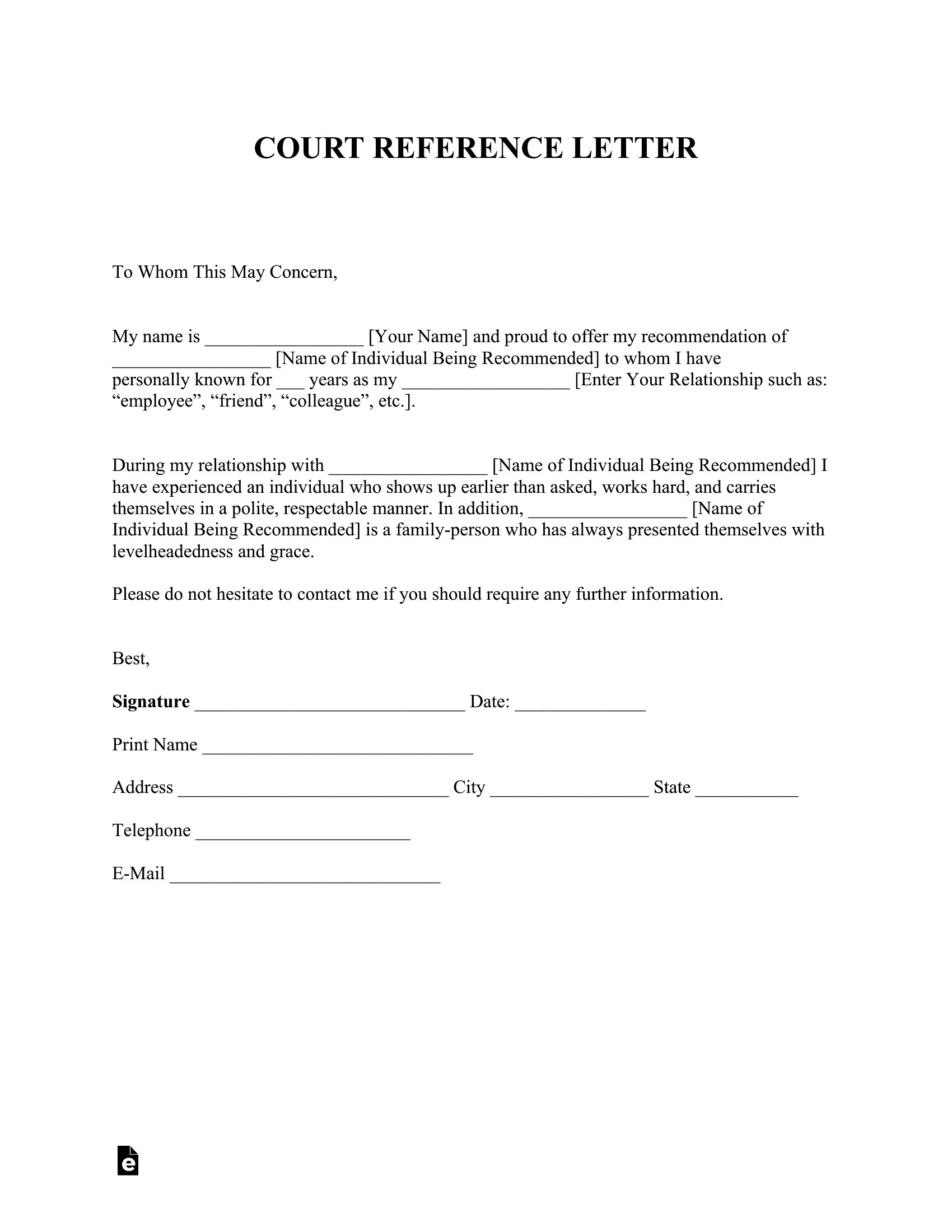
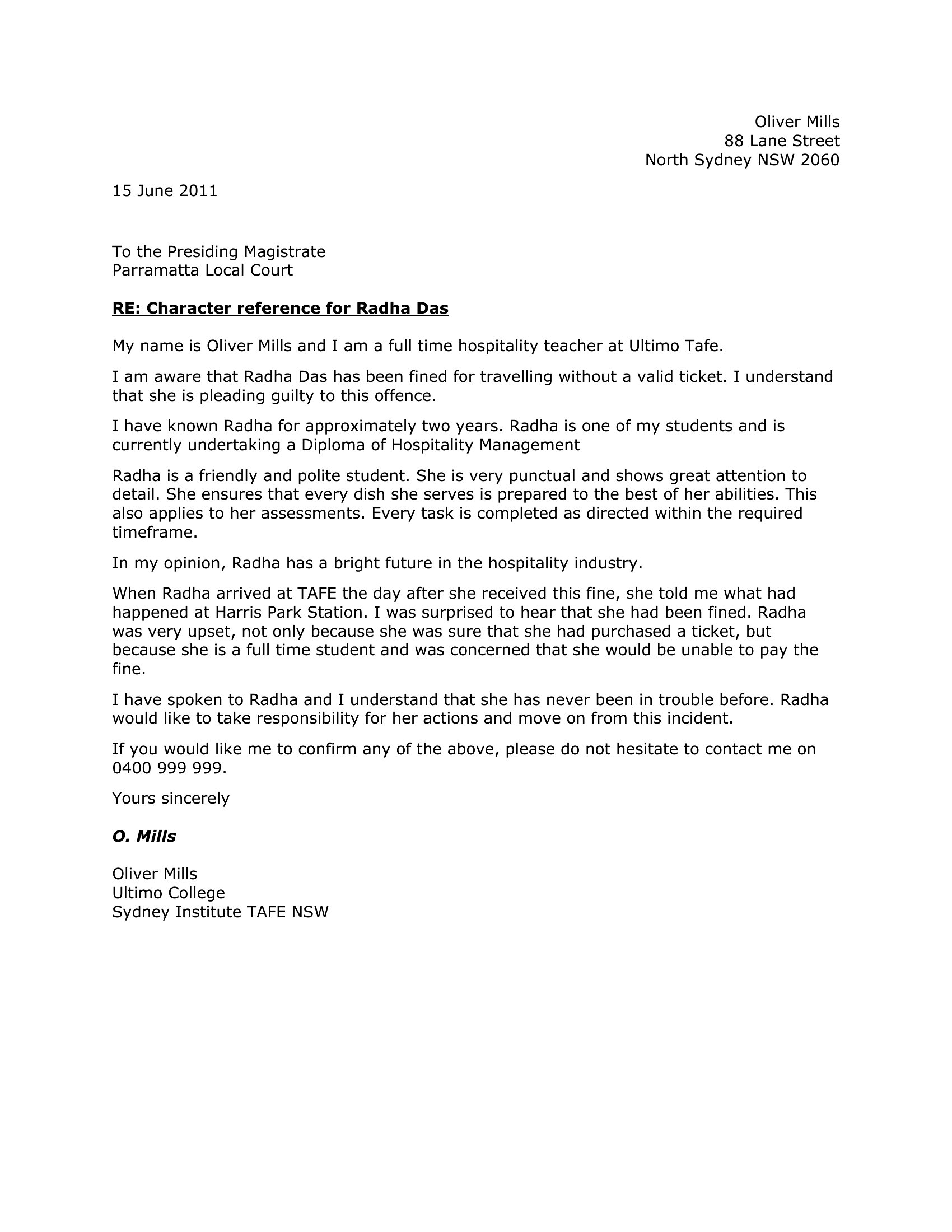
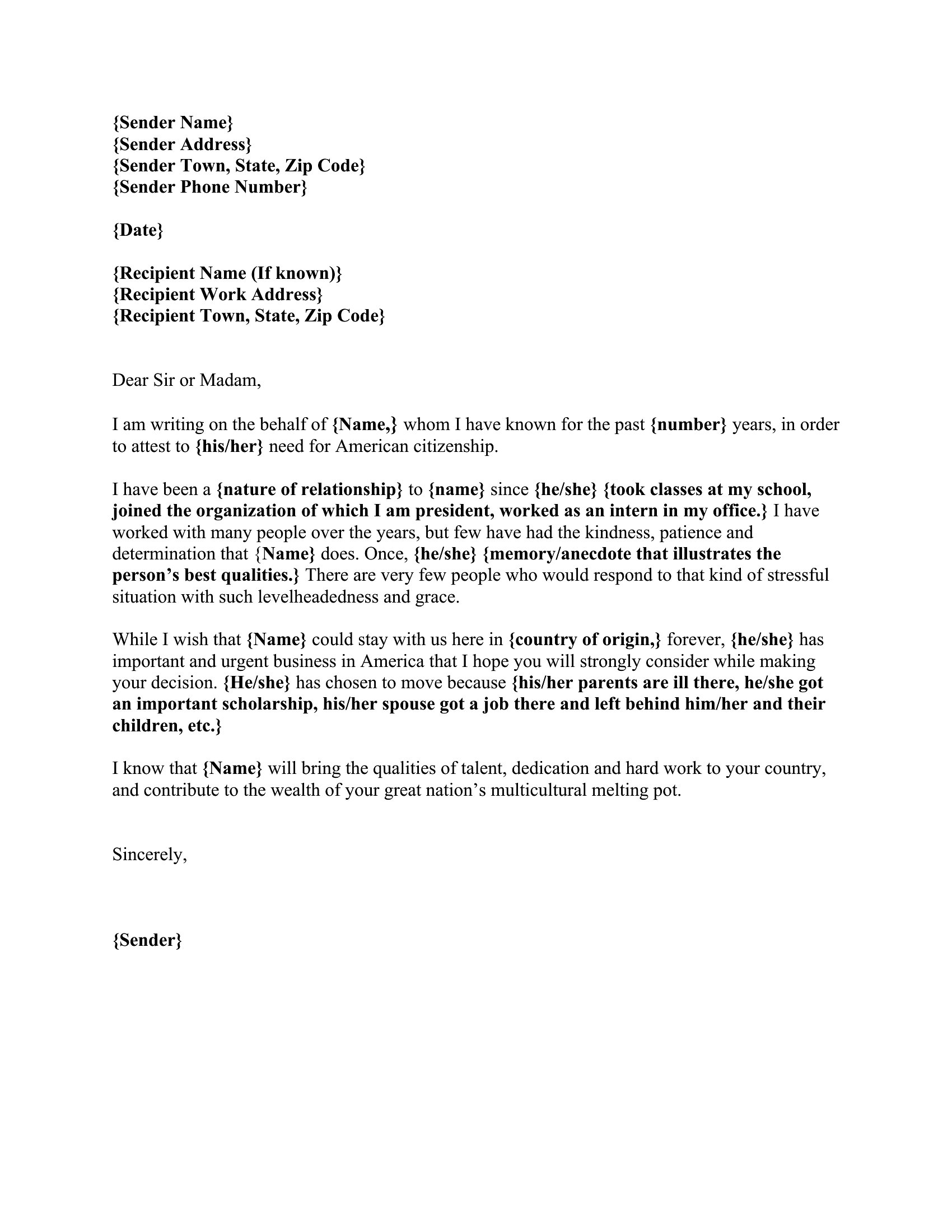
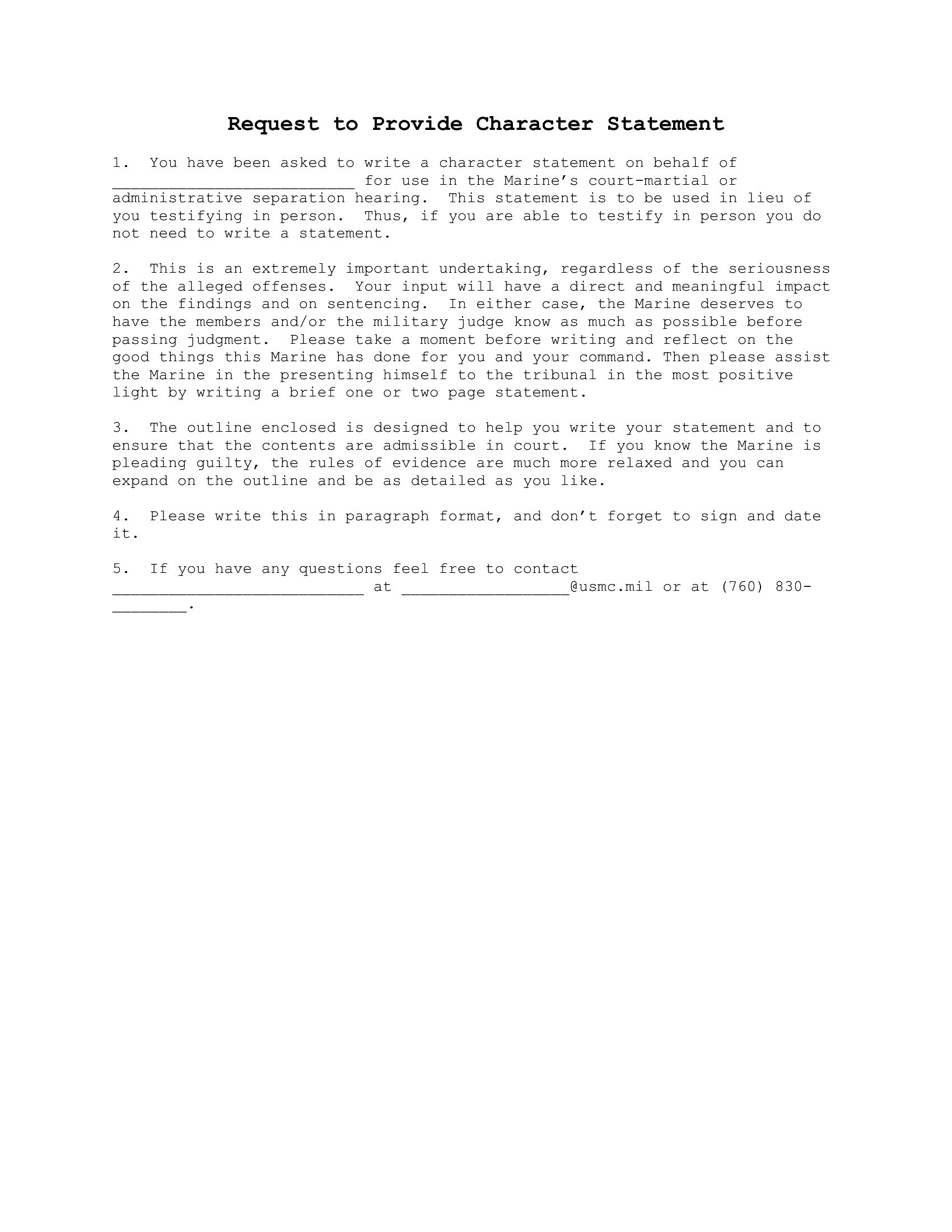
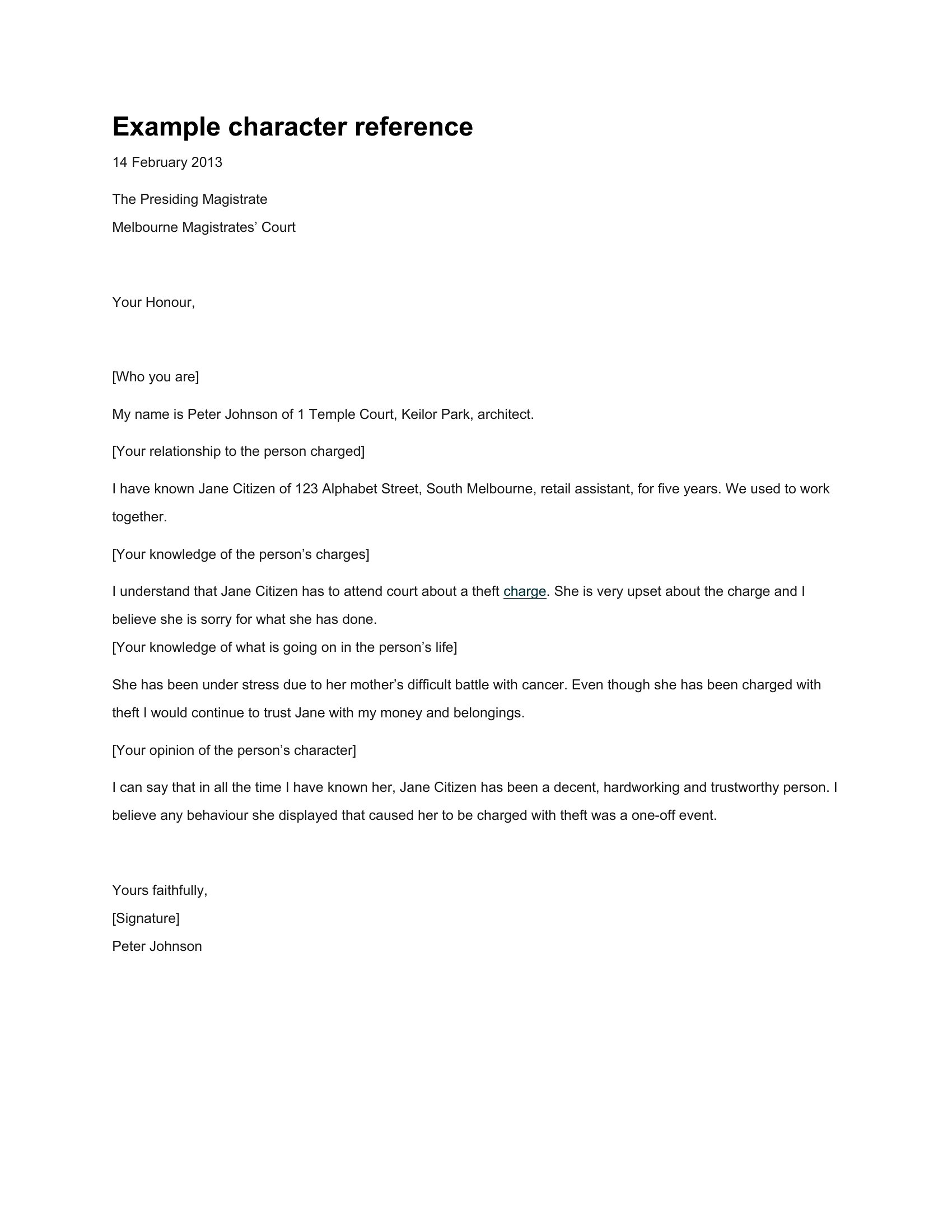
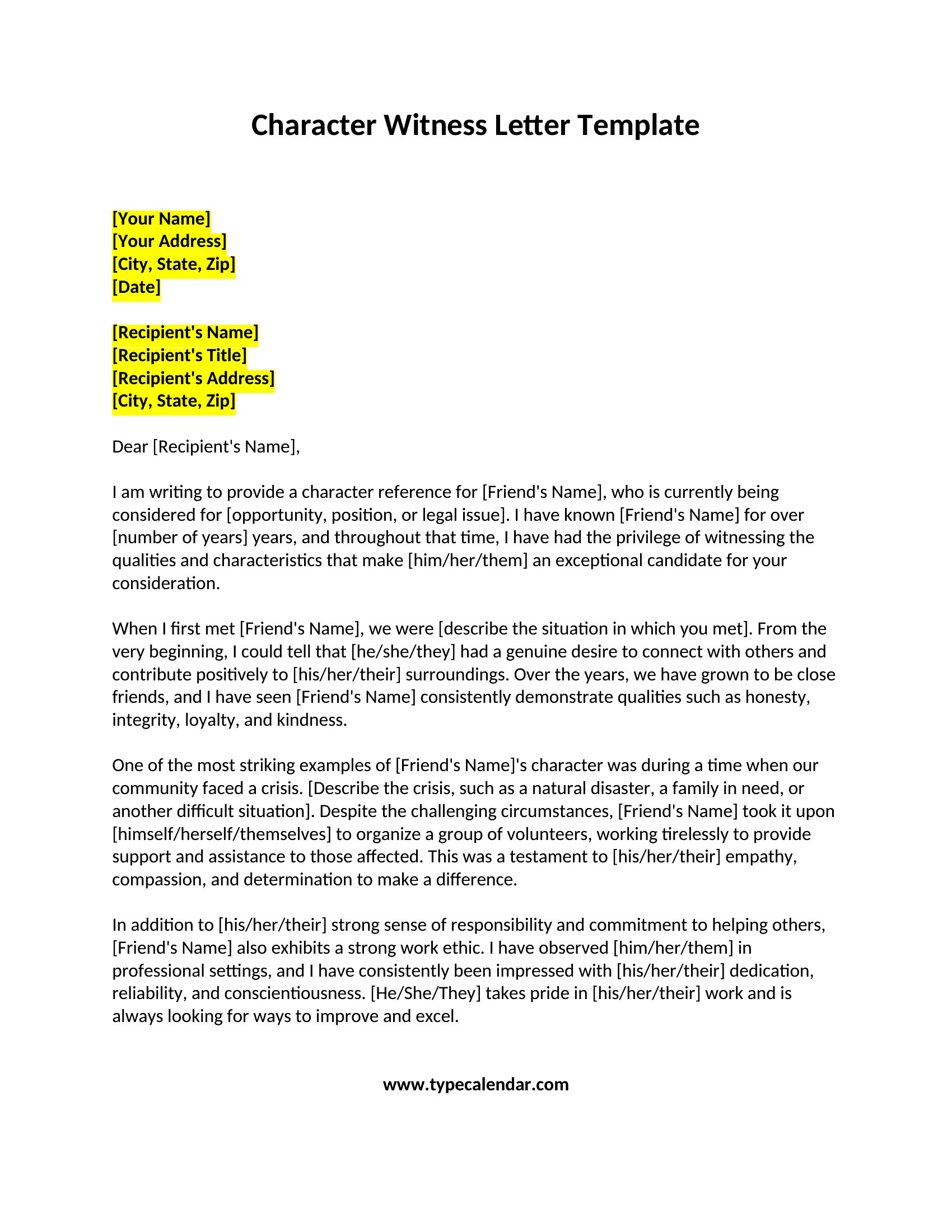
Choose from 43 Character Witness Letter Templates
How to use this Character Witness Letter template
What if I don’t know the person well, but still want to support them?
Stick to observable traits—like reliability or ethical behavior—rather than personal opinions. Mention specific instances, such as ‘I’ve seen Sarah arrive early every morning for three years’ or ‘John always resolves conflicts calmly.’ Avoid vague praise; judges value concrete examples over general statements.
Can I use one of these templates for a non-court situation, like a job promotion?
Yes, but adapt the tone and details. Focus on skills relevant to the promotion, like ‘Maria’s ability to streamline team workflows’ or ‘Tom’s dedication to client satisfaction.’ The structure works, but the content should align with professional growth, not legal defense. Avoid phrases like ‘character witness’—use ‘letter of support’ instead.
How specific should I be about negative incidents if the person has a history?
Address past issues briefly and honestly, but only if they directly relate to the current situation. For example, if writing for someone’s probation hearing, mention ‘John completed his community service on time’ or ‘He’s been sober for two years.’ Avoid defensive language; focus on progress and commitment to change. Never lie or omit relevant details.
Comments
Join the conversation
Sign in to share your thoughts and leave a comment on this resource.