FAQ
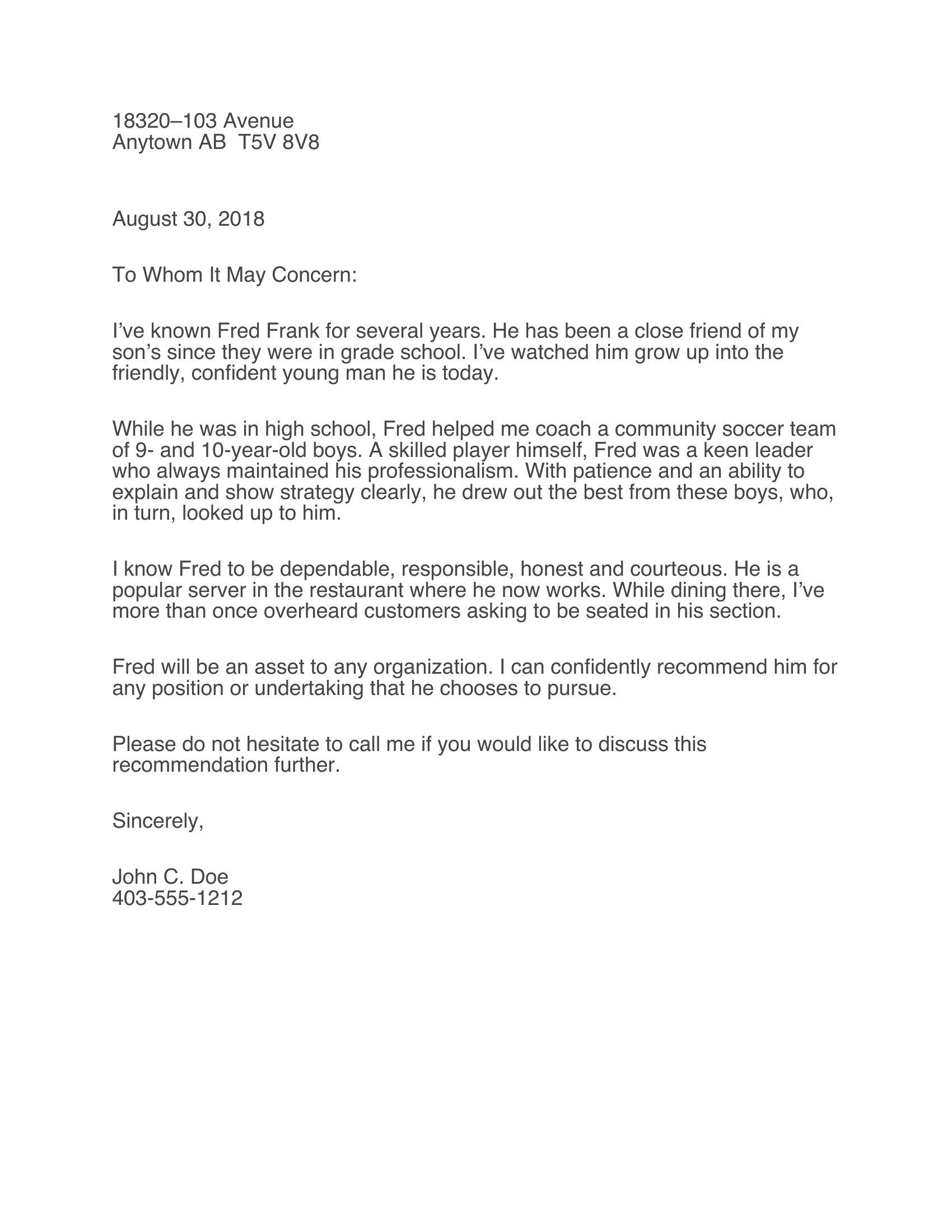
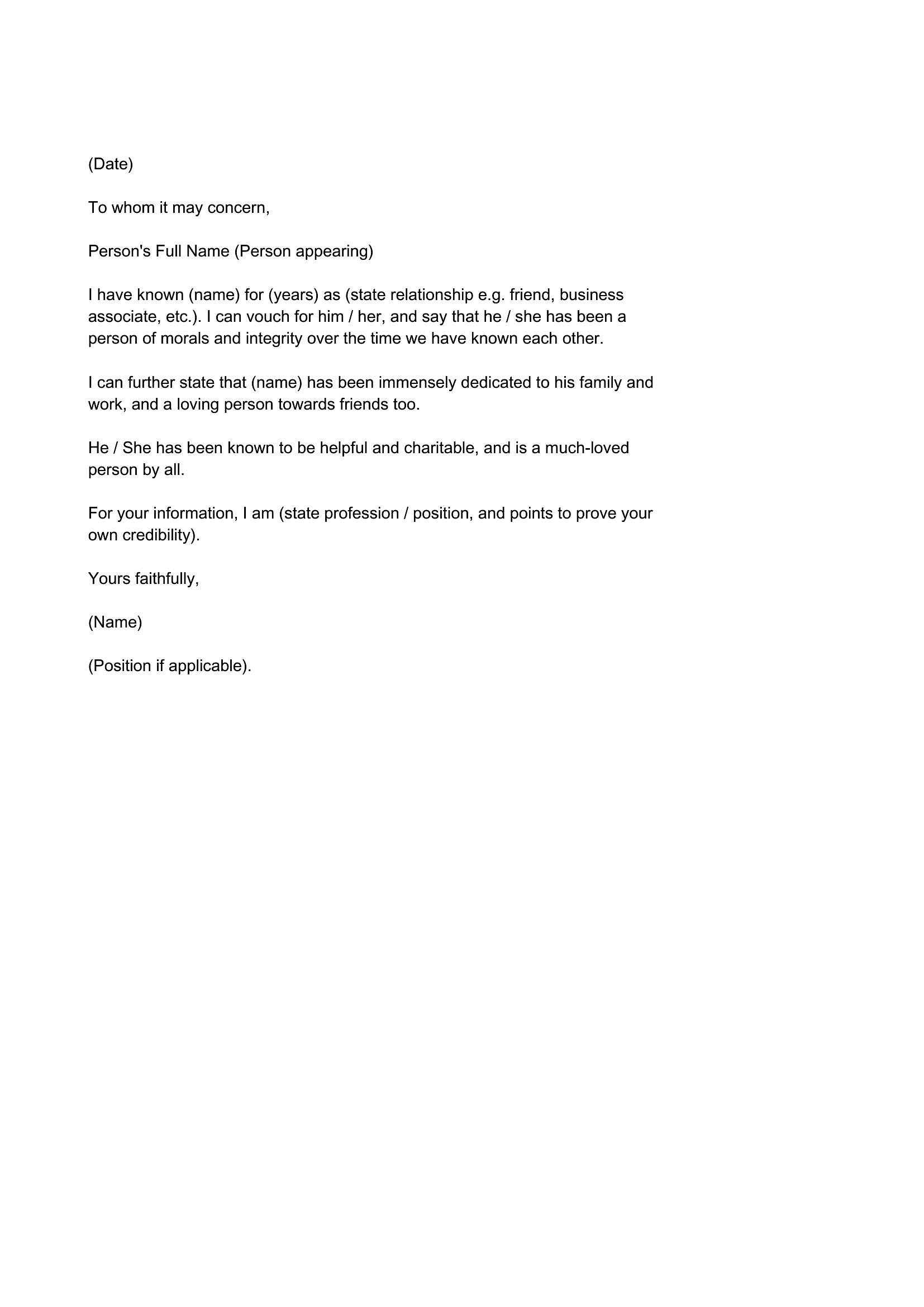
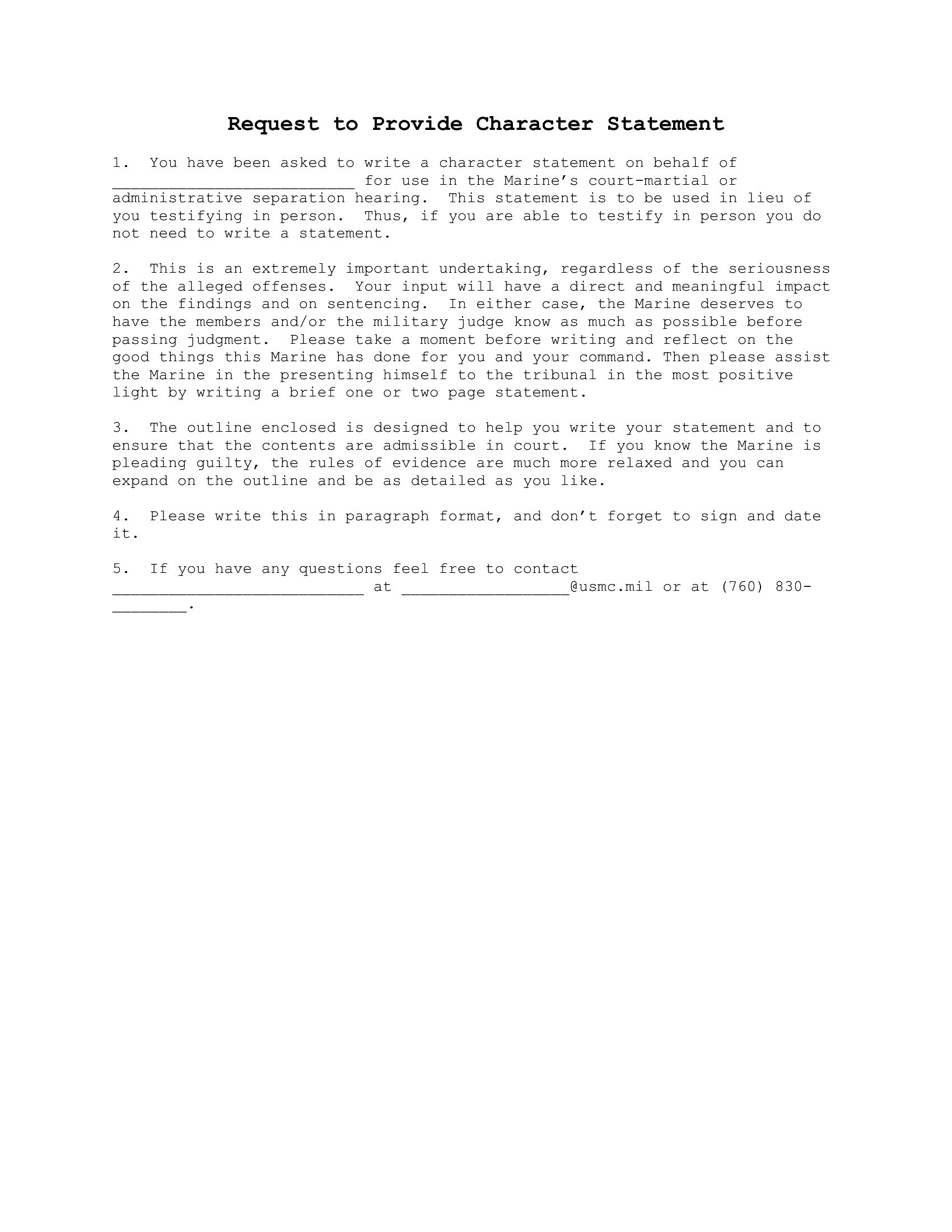
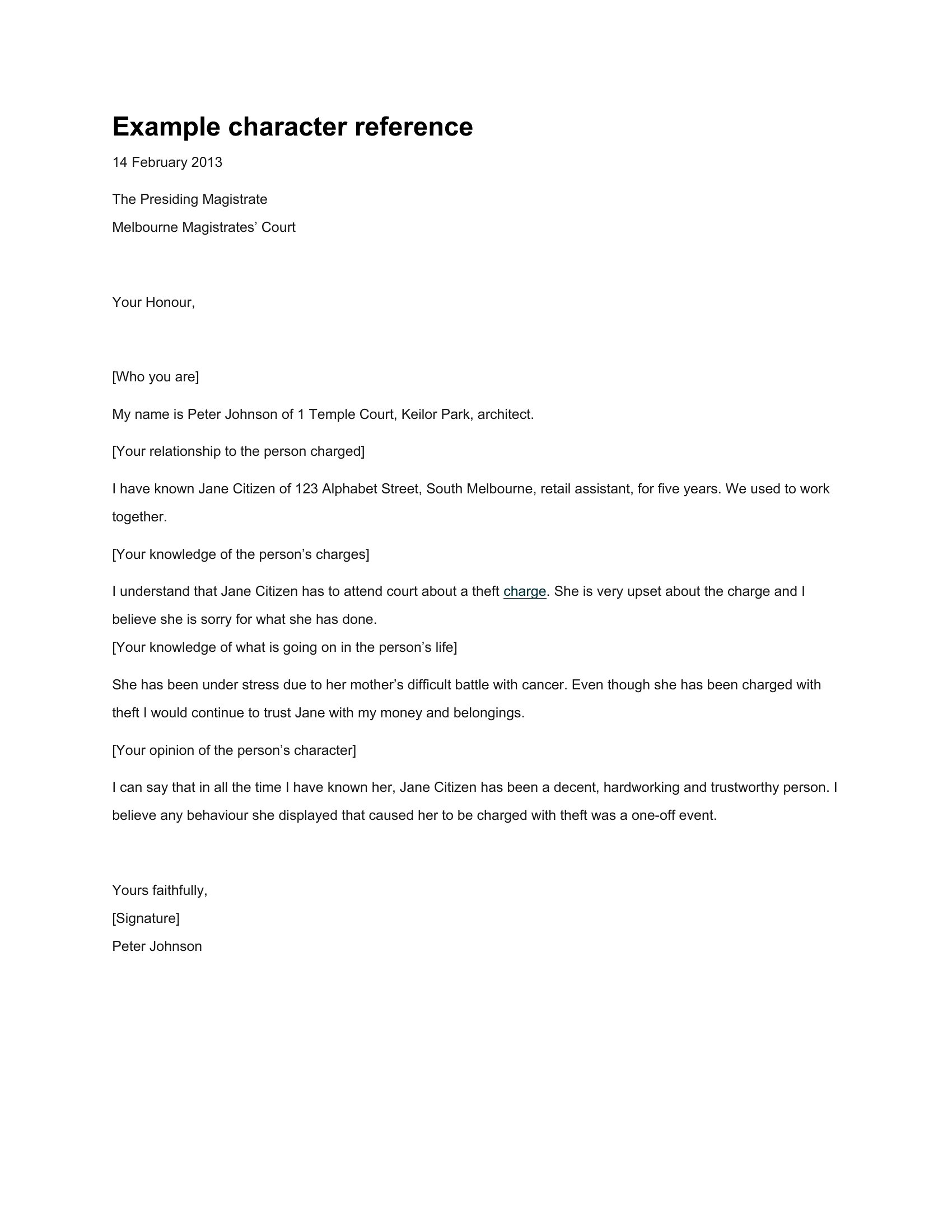
What if I don’t know the person well, but still want to support them?
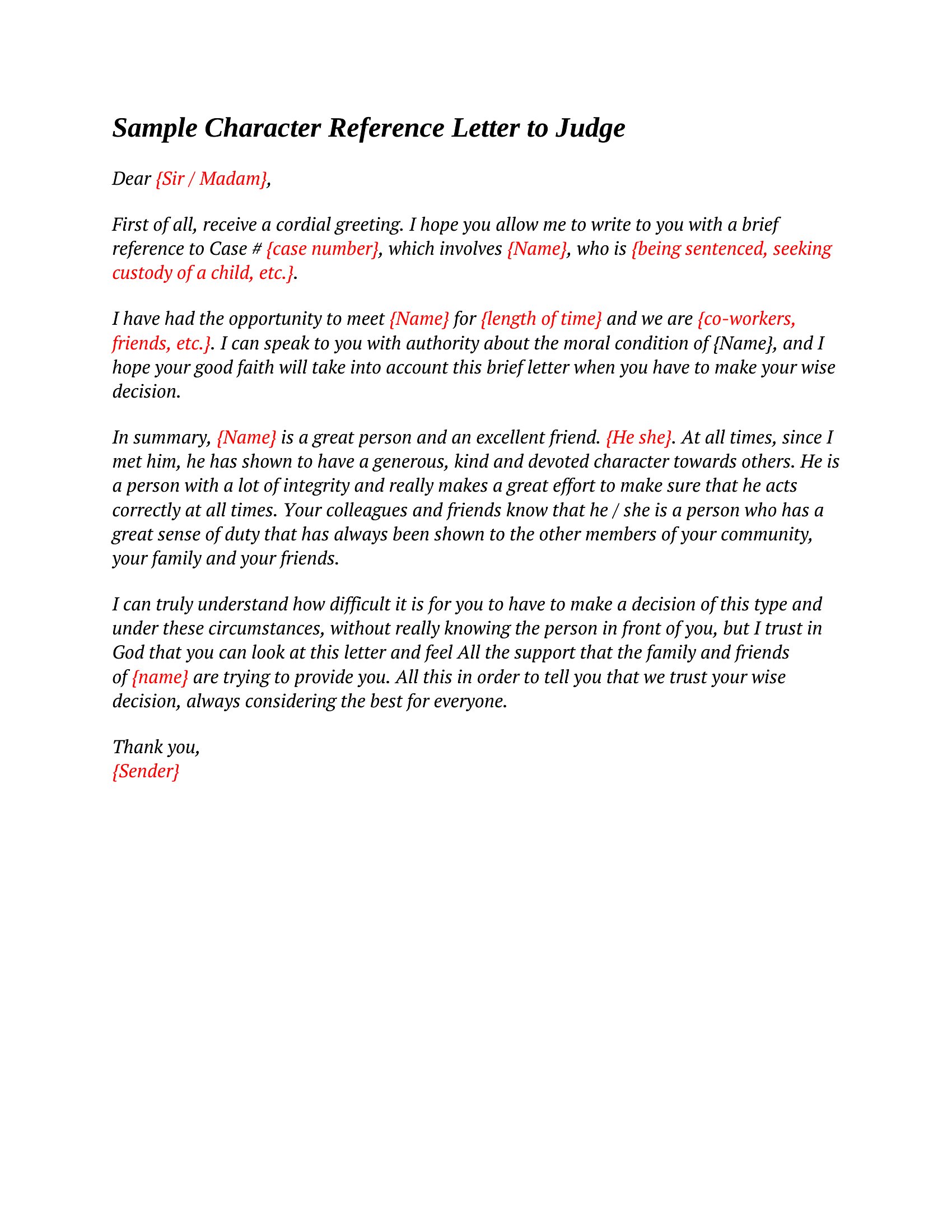
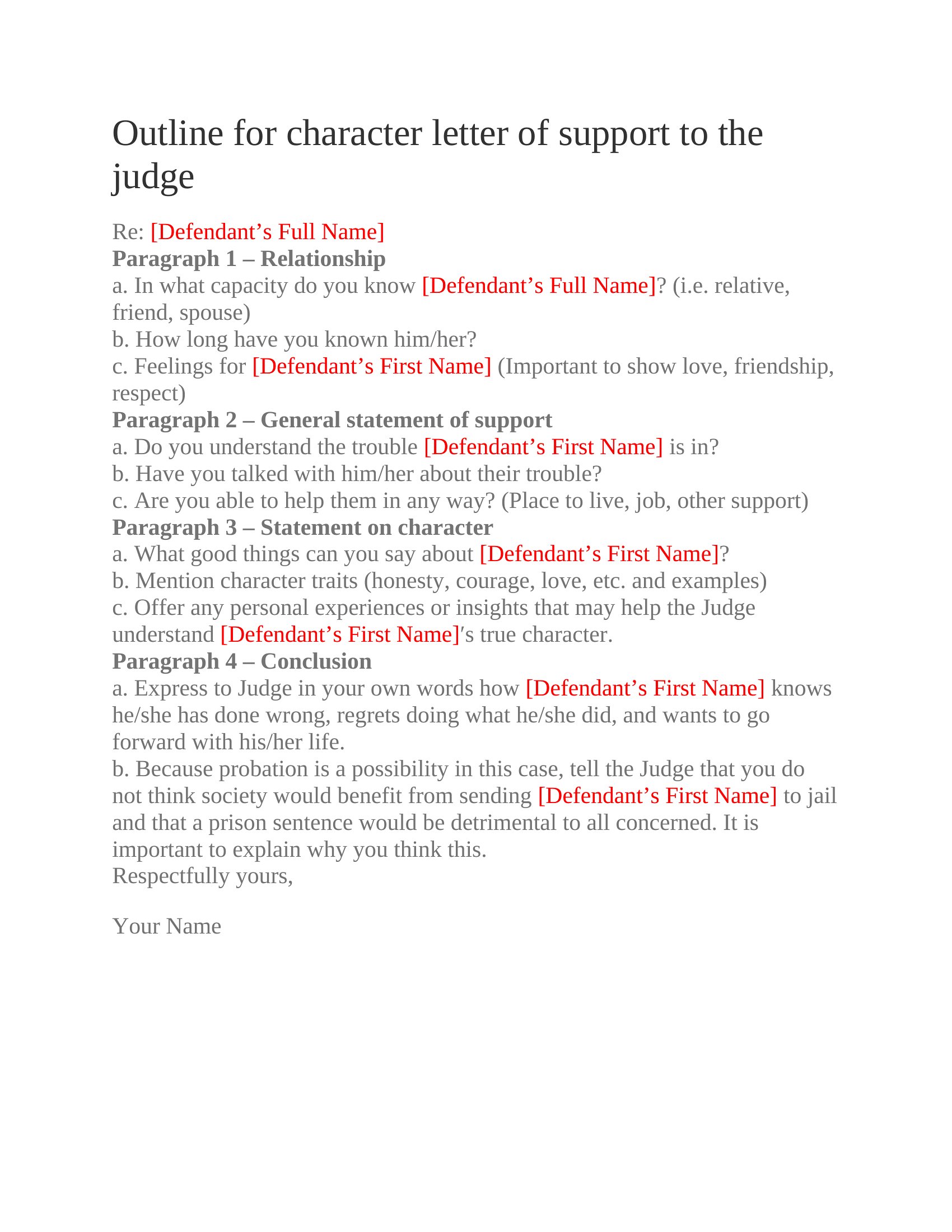
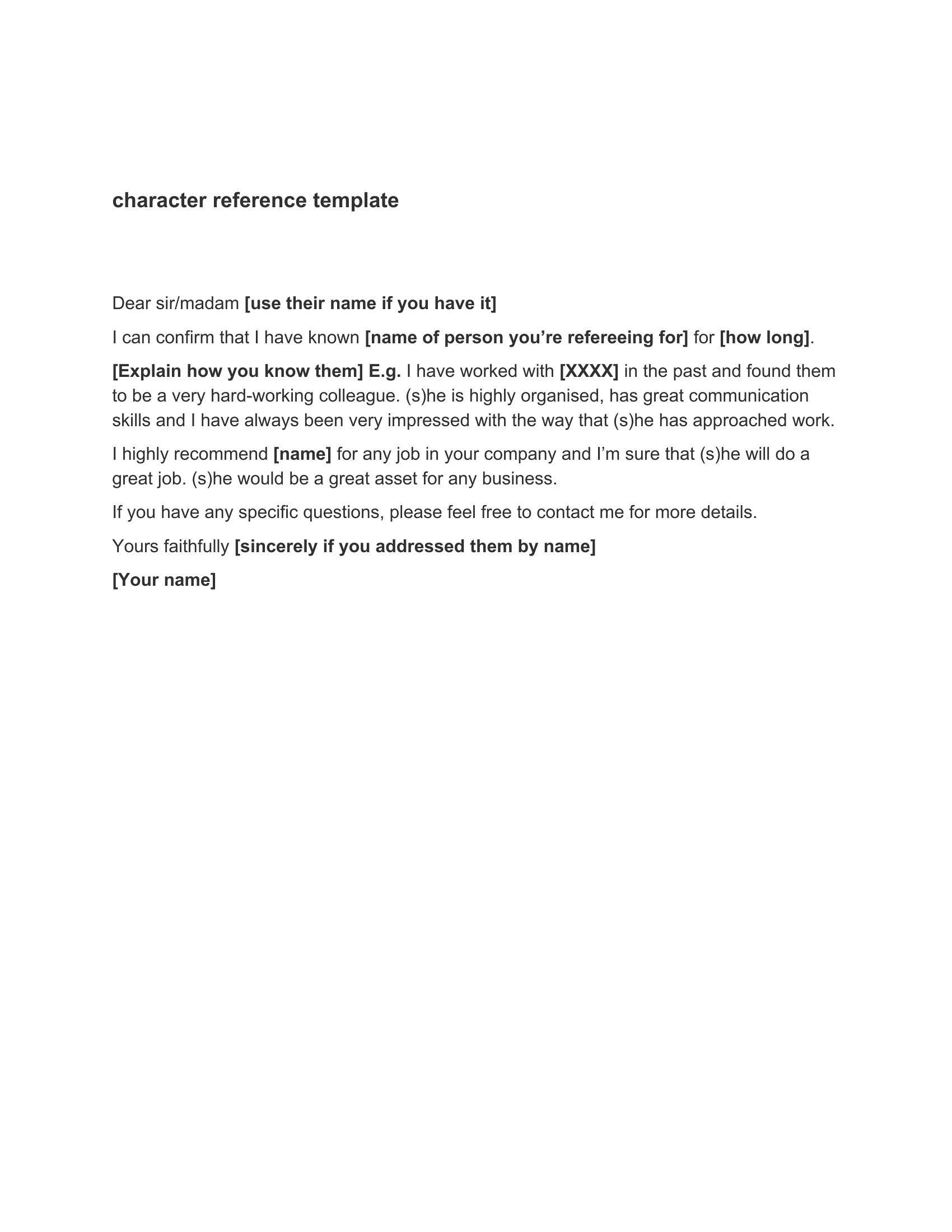
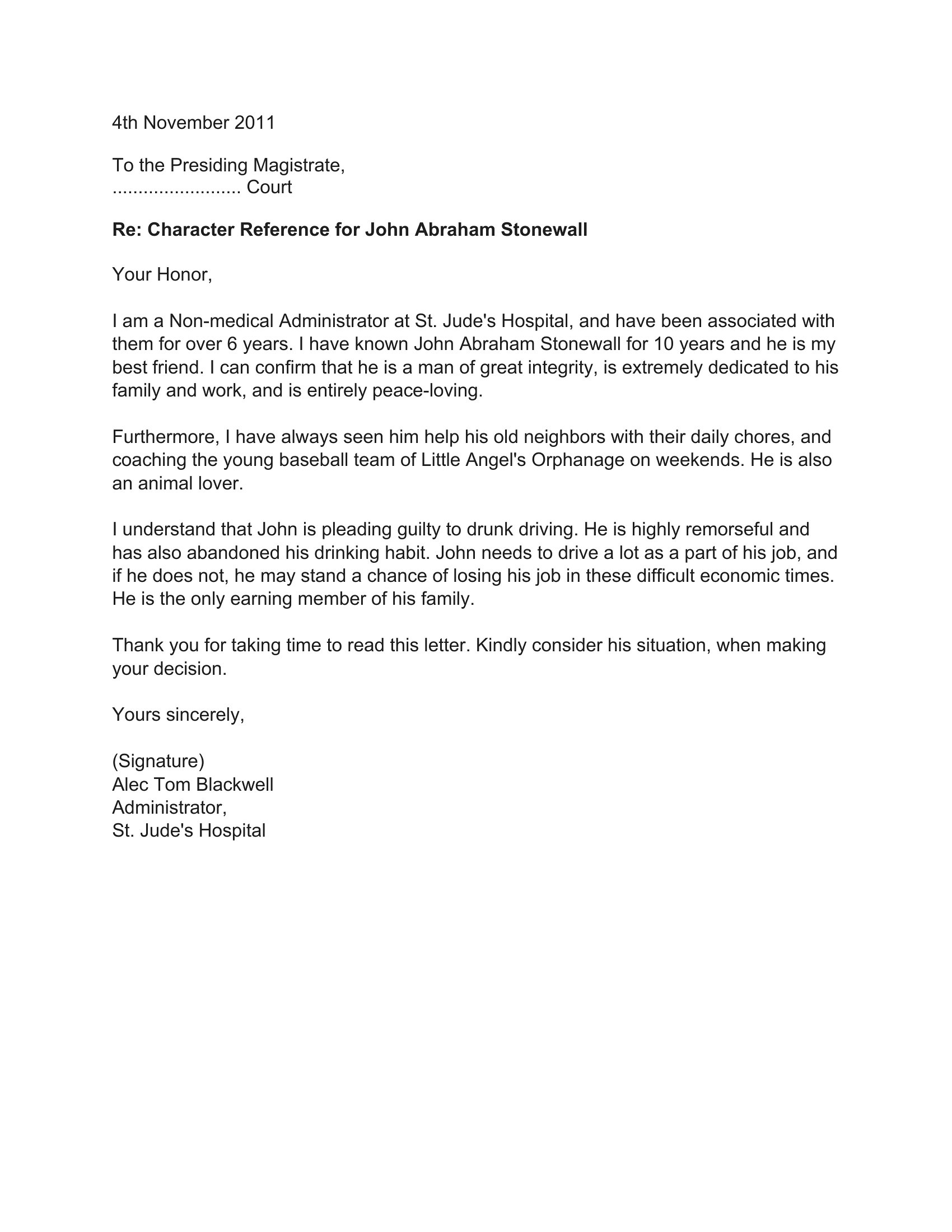
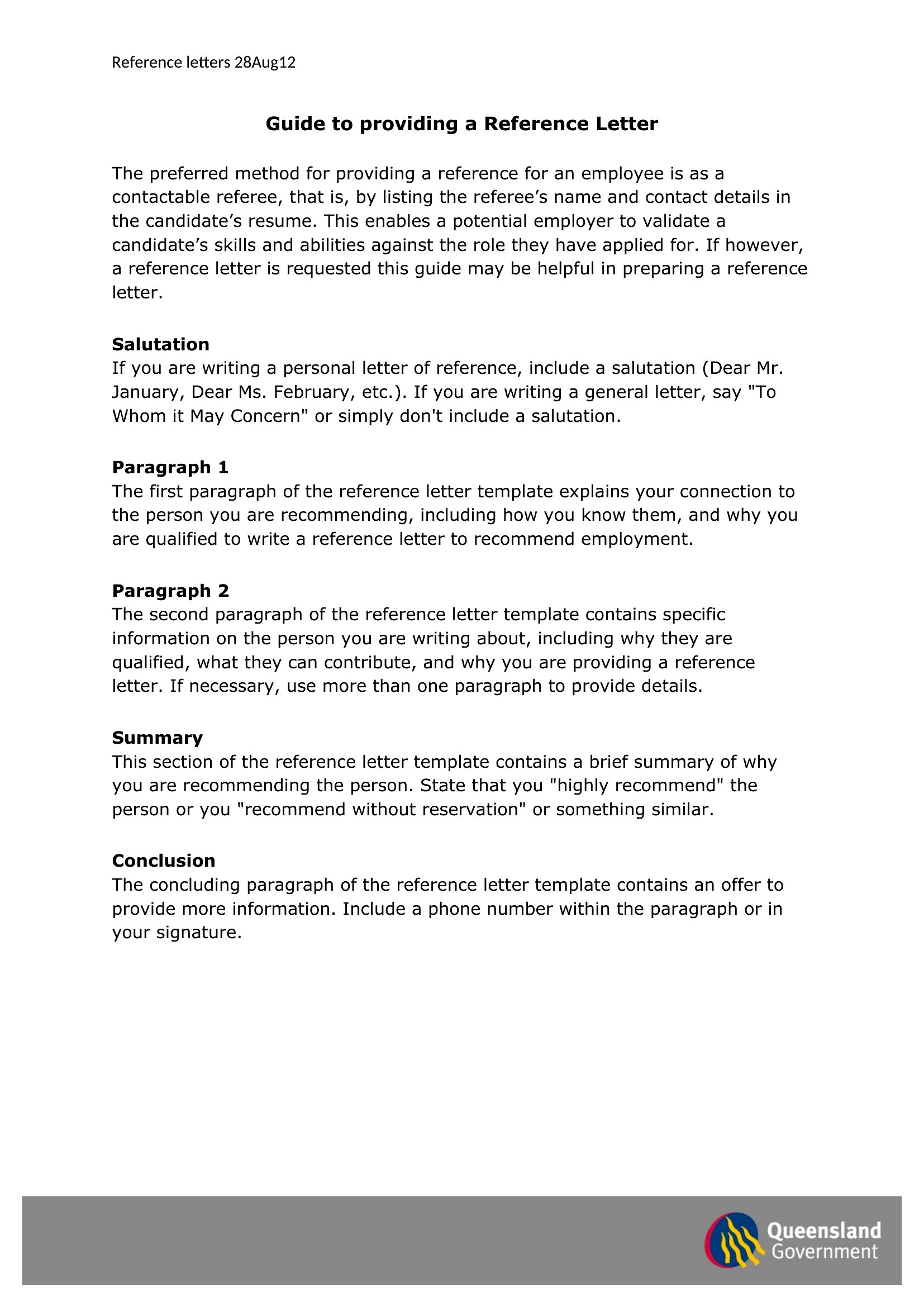
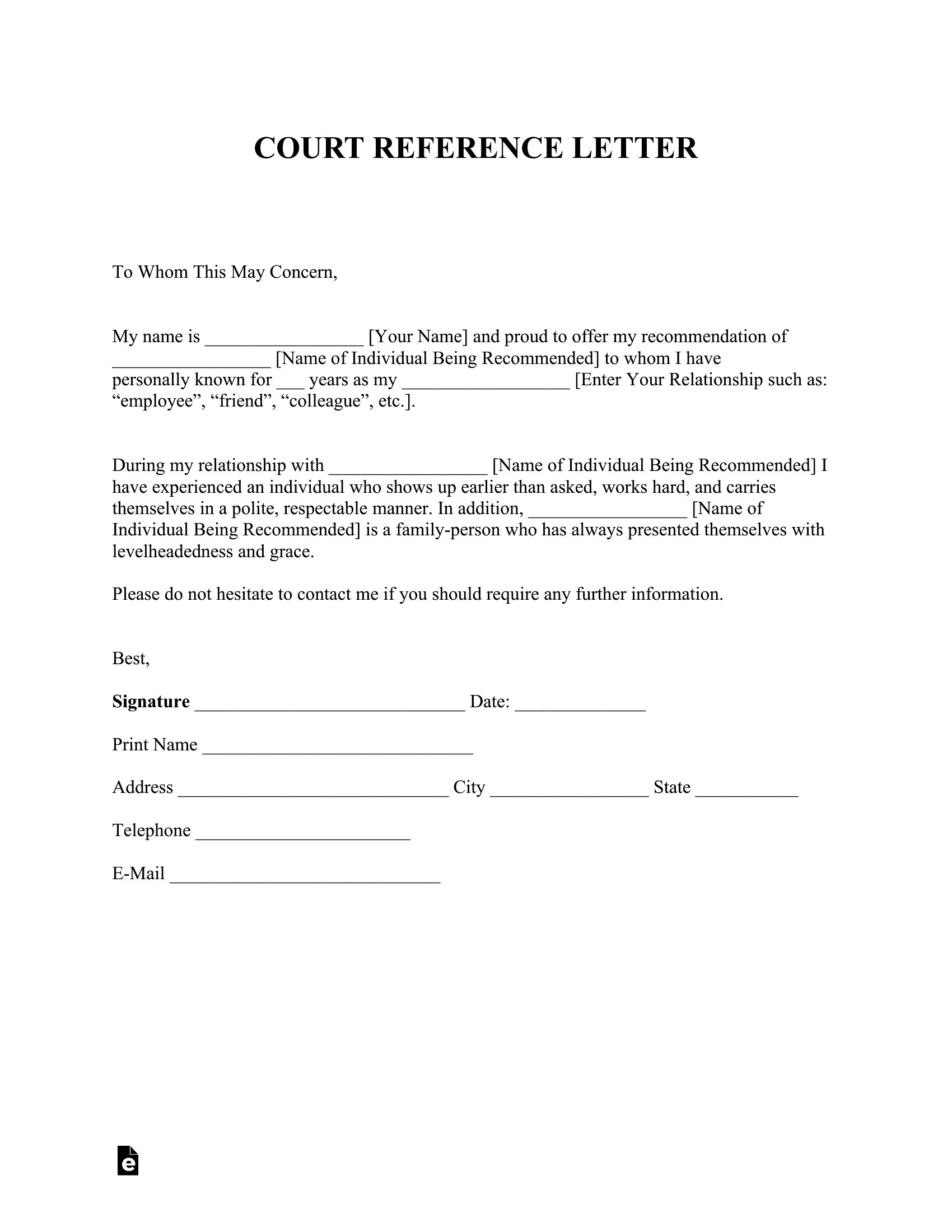
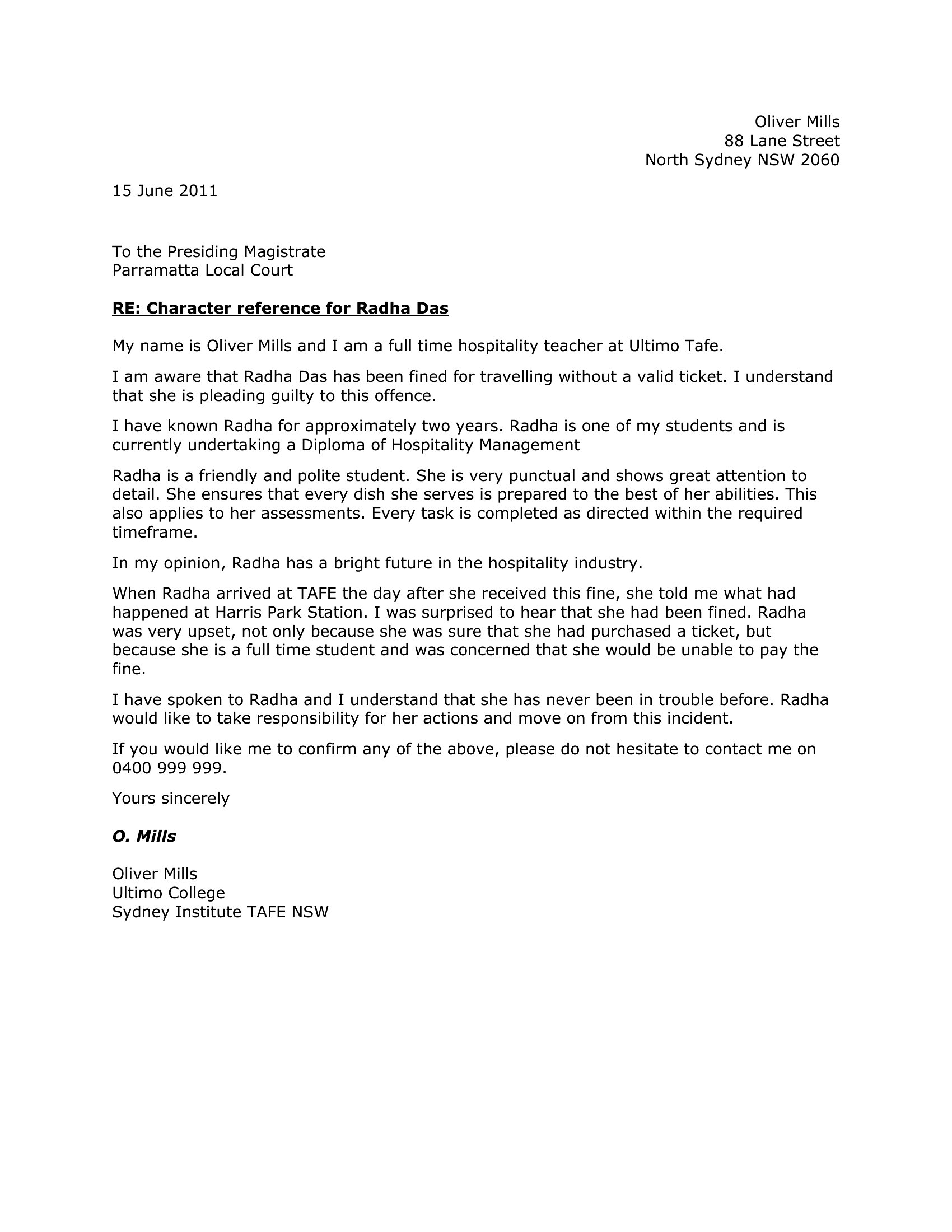
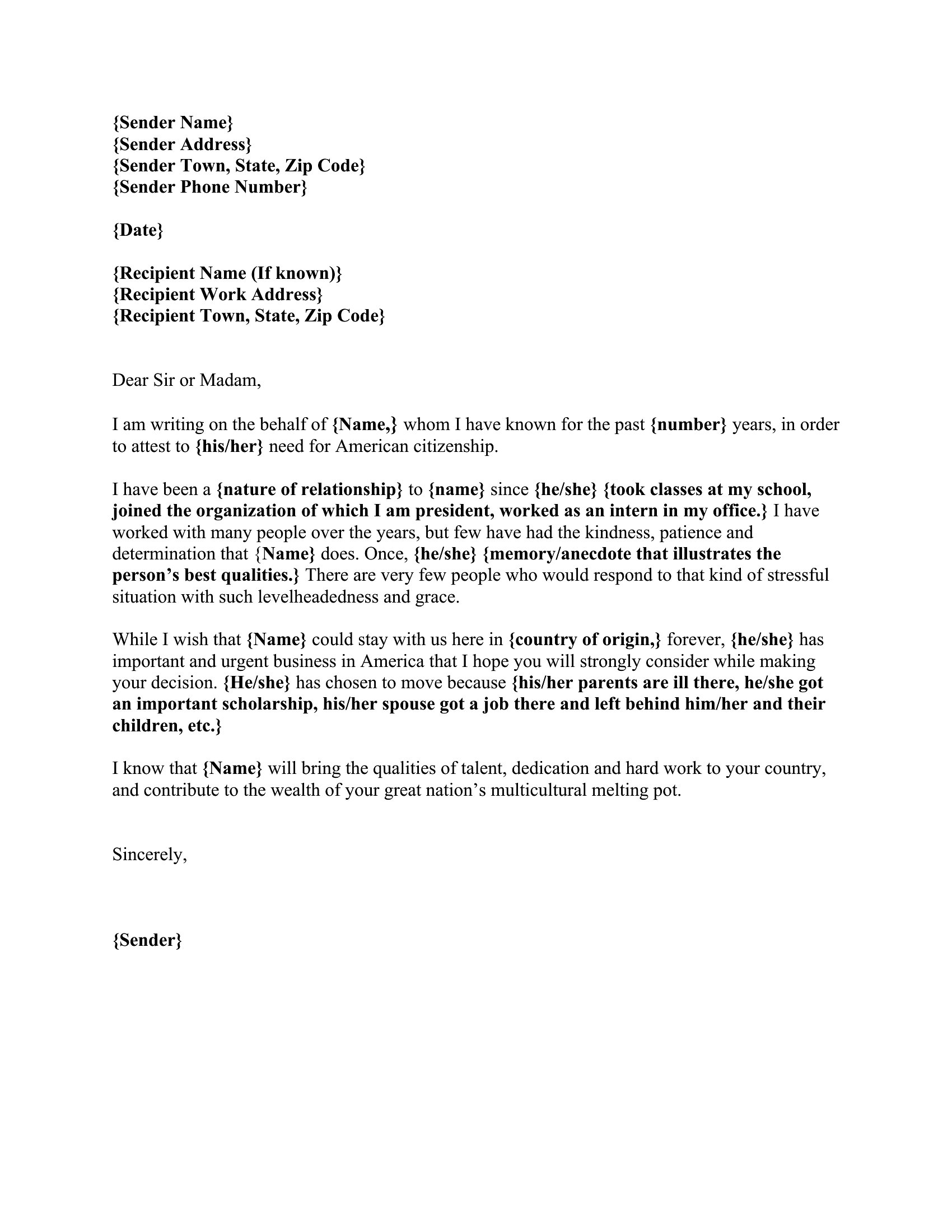
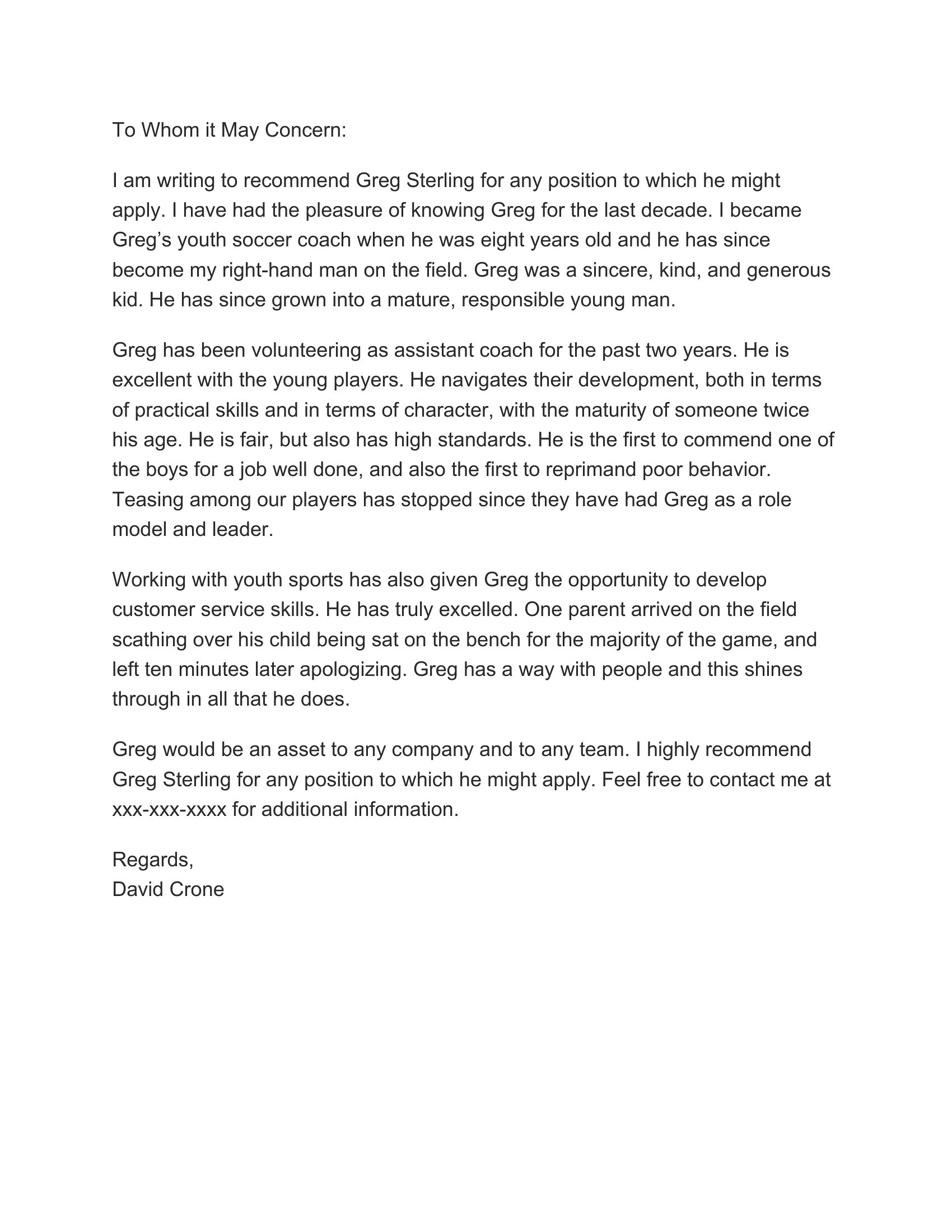
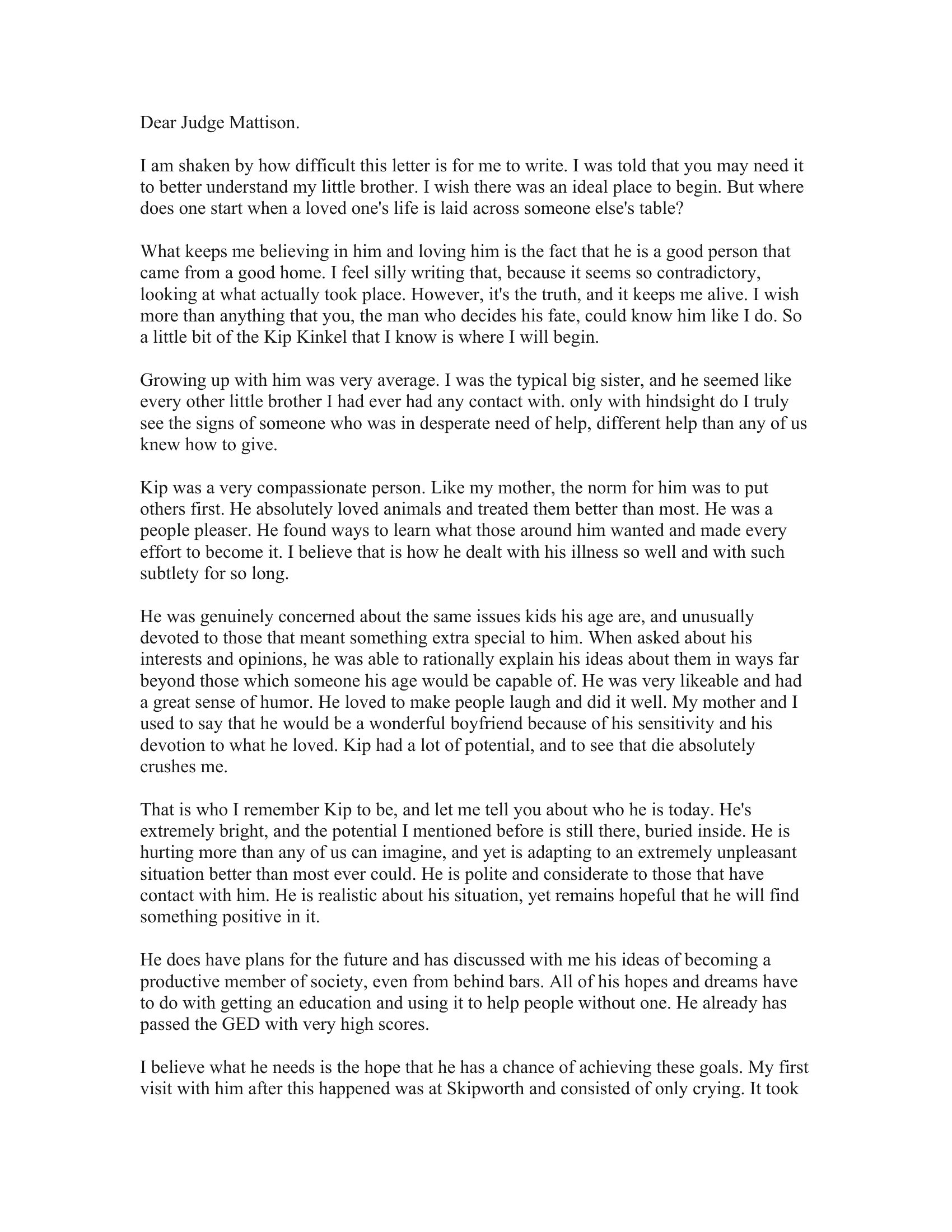
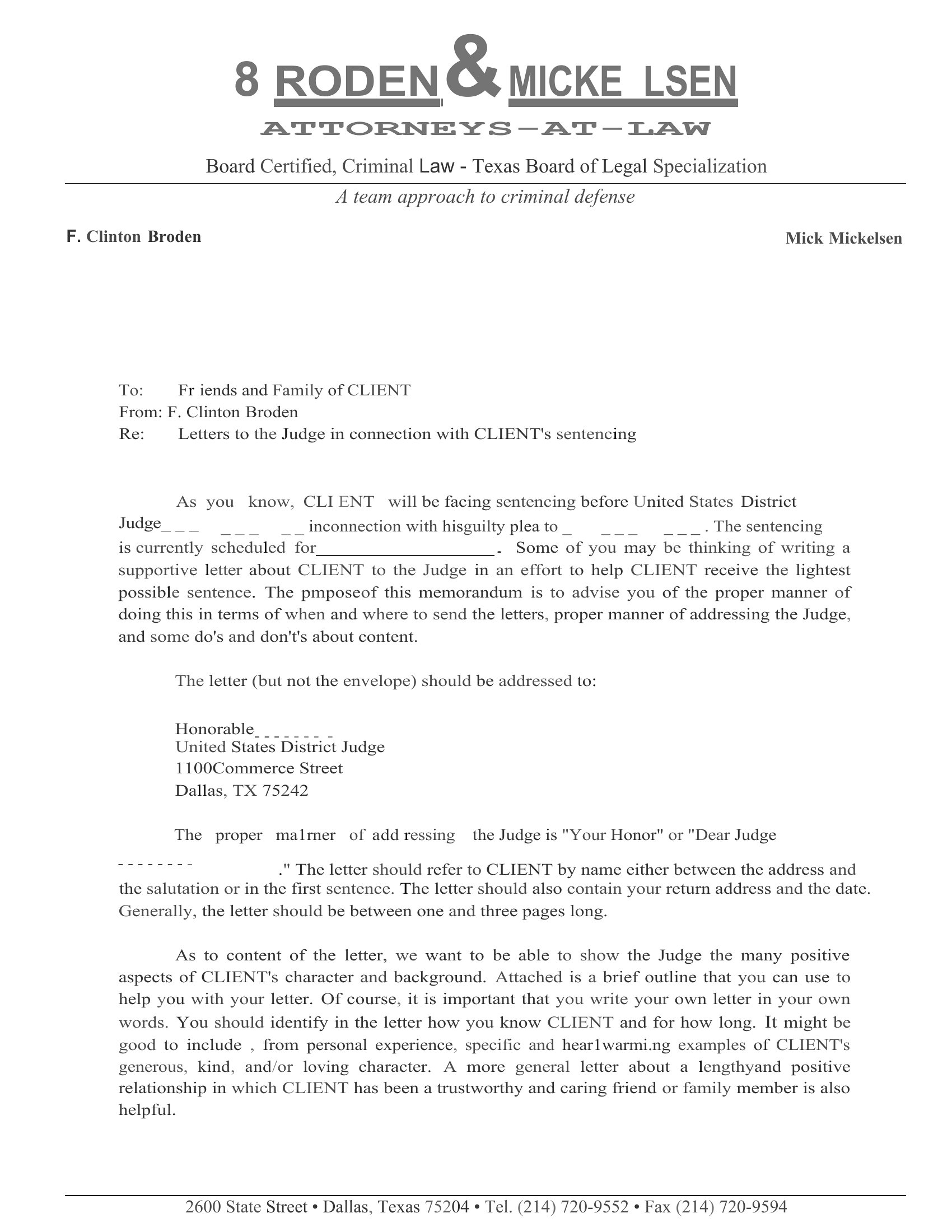
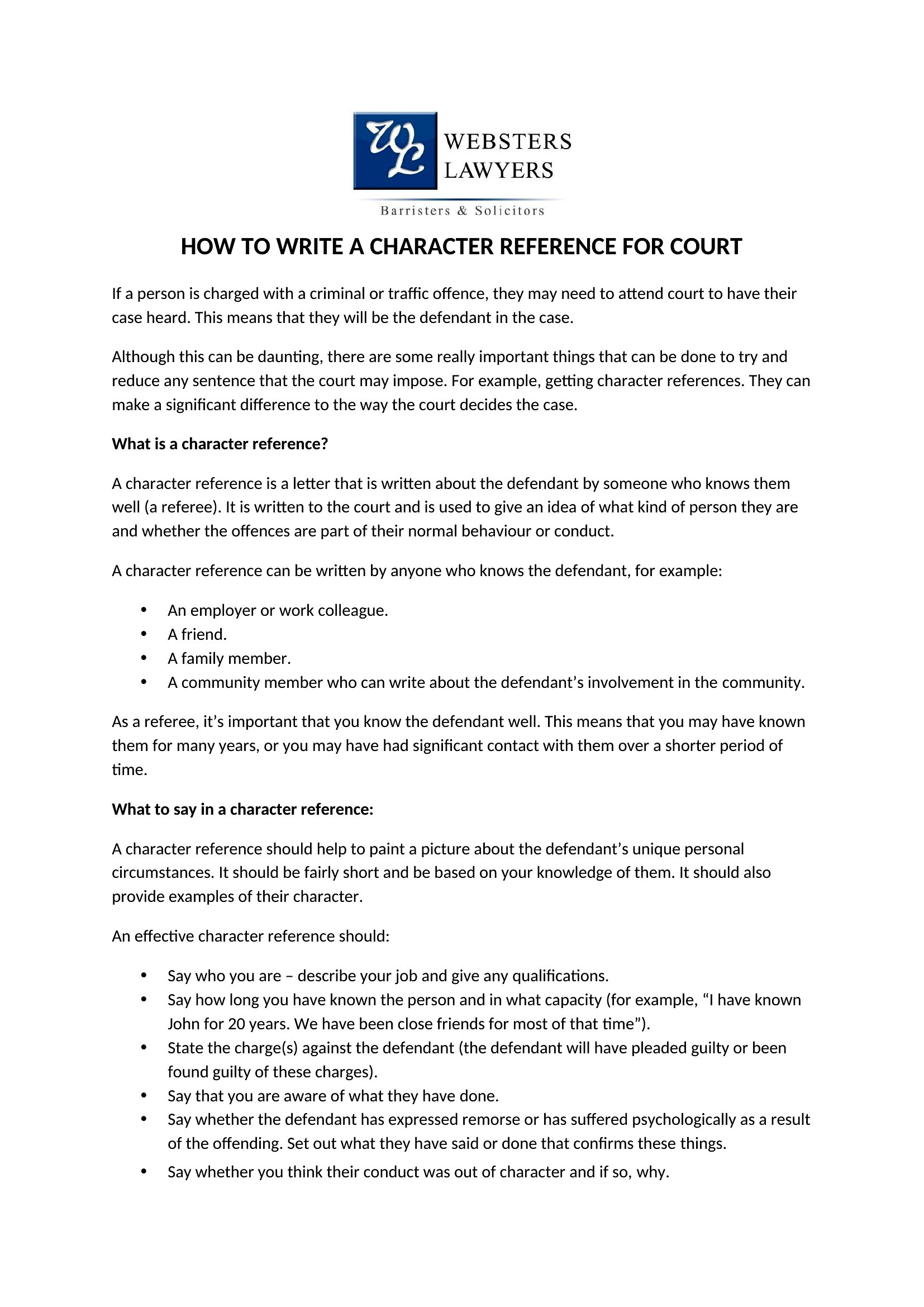
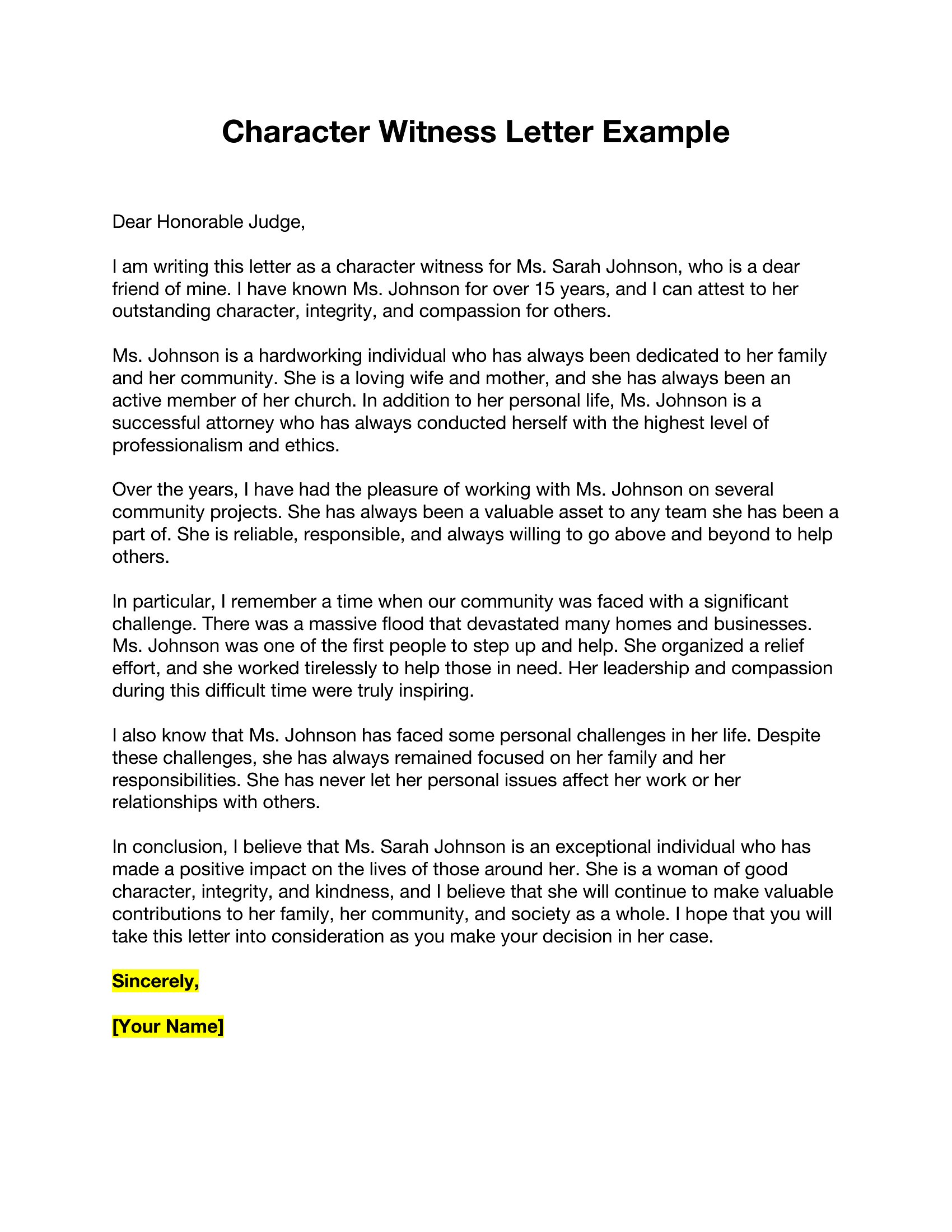
Stick to observable traits—like reliability or ethical behavior—rather than personal opinions. Mention specific instances, such as ‘I’ve seen Sarah arrive early every morning for three years’ or ‘John always resolves conflicts calmly.’ Avoid vague praise; judges value concrete examples over general statements.
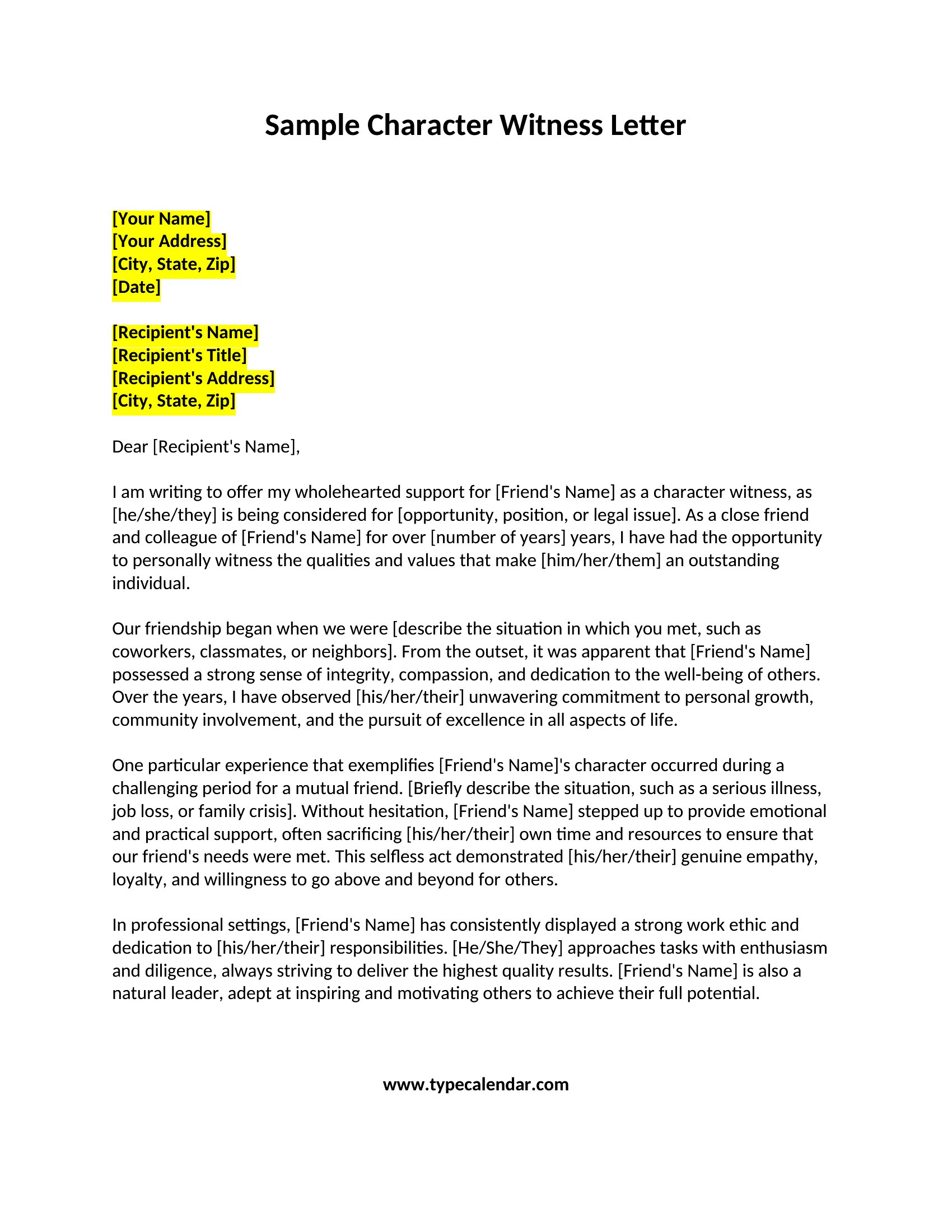
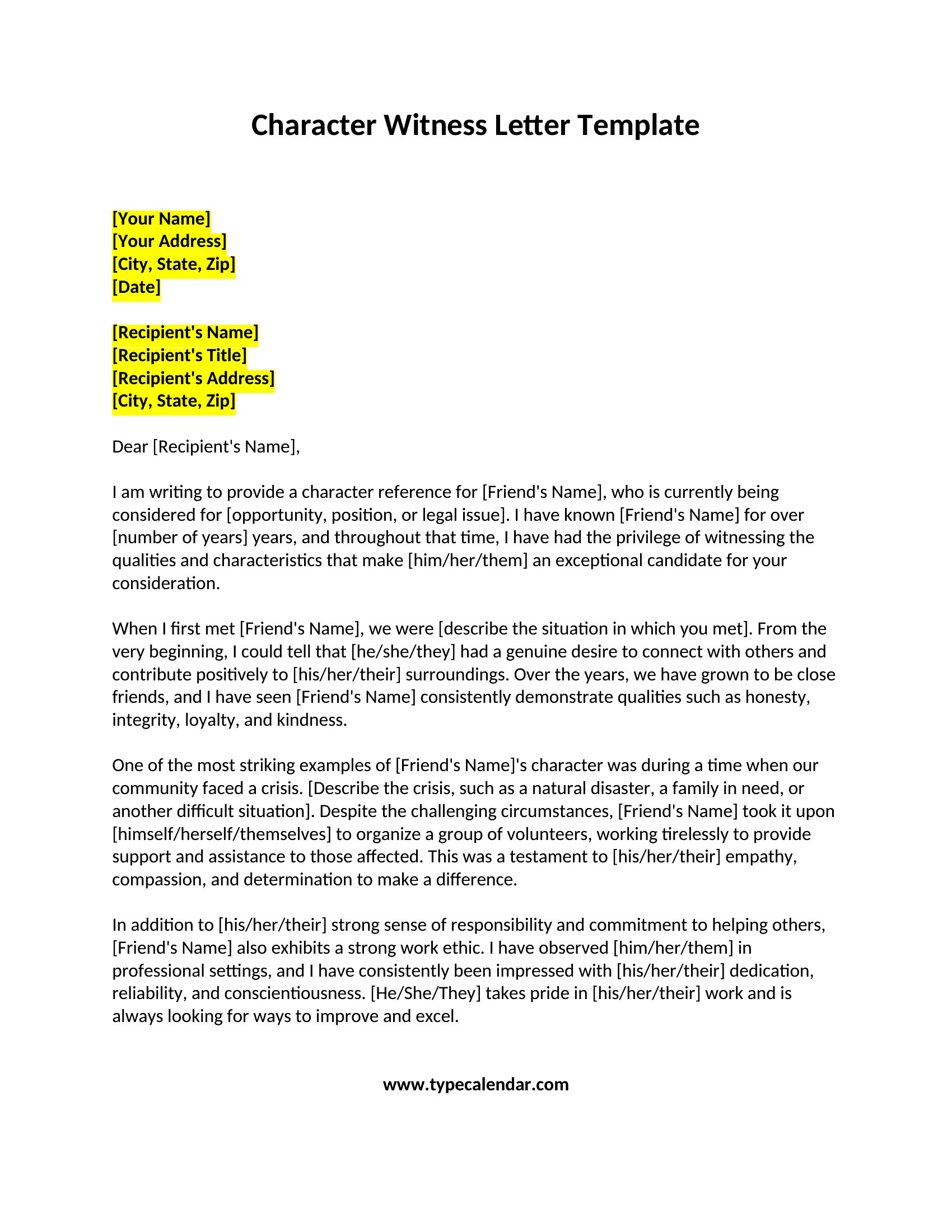
Can I use one of these templates for a non-court situation, like a job promotion?
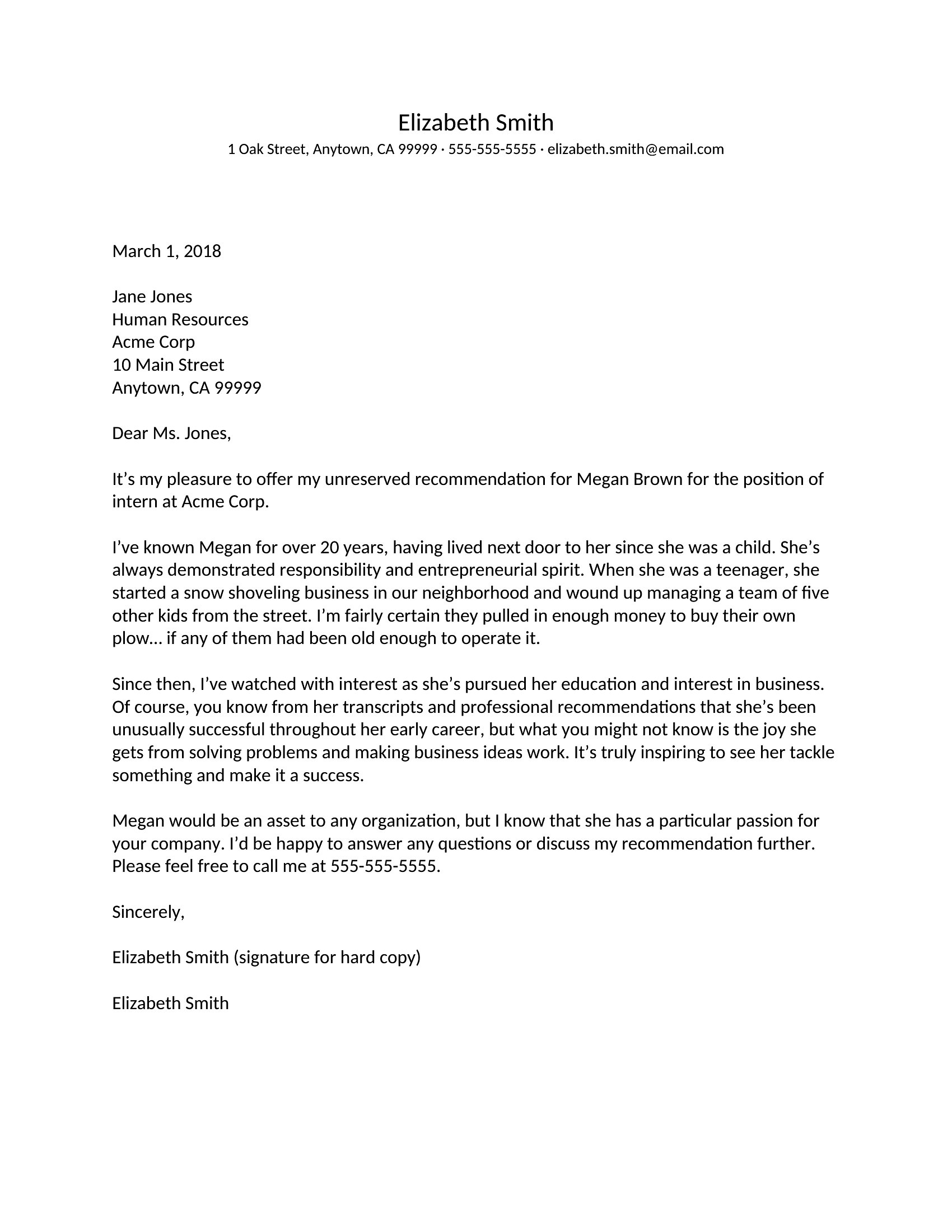
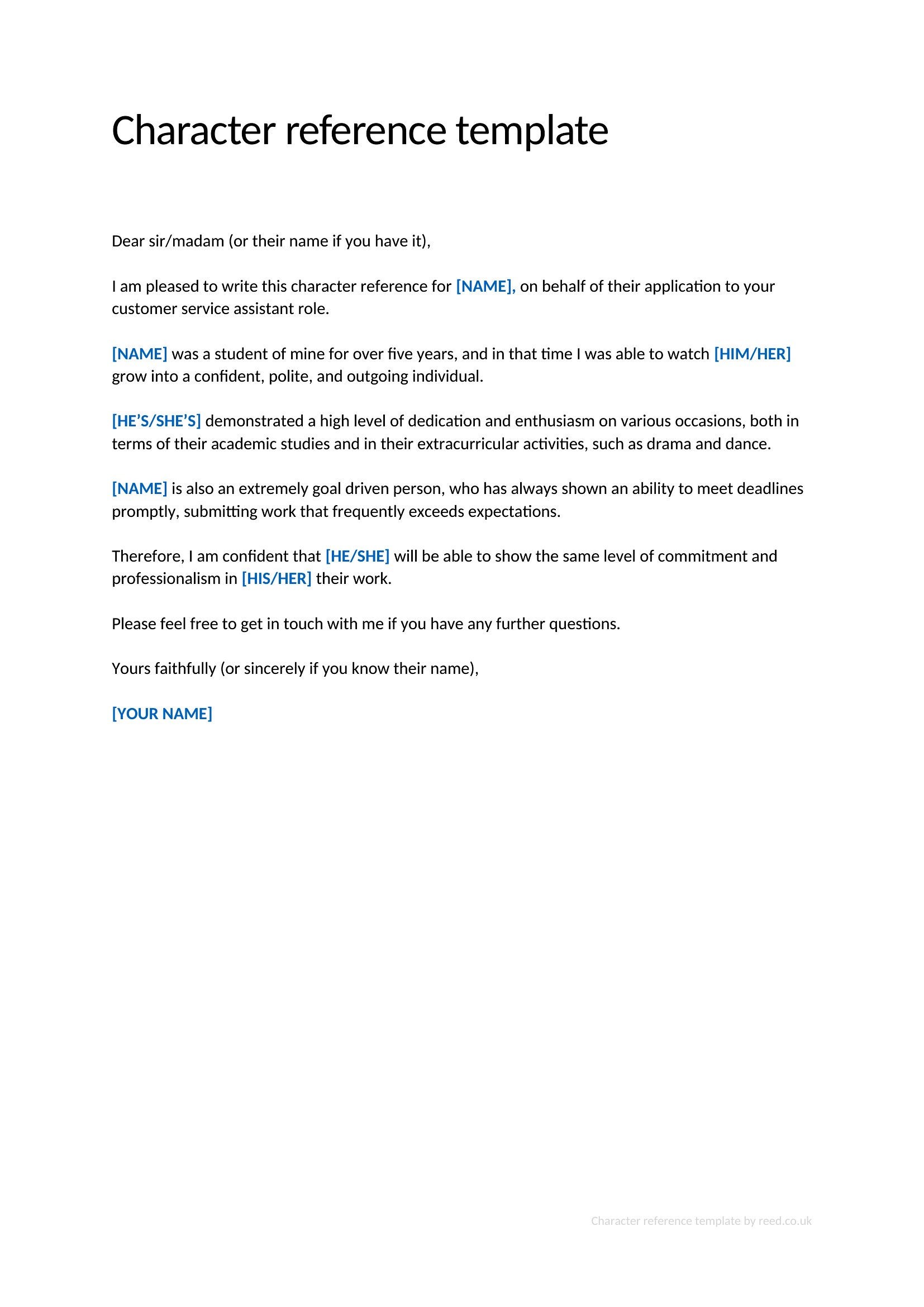
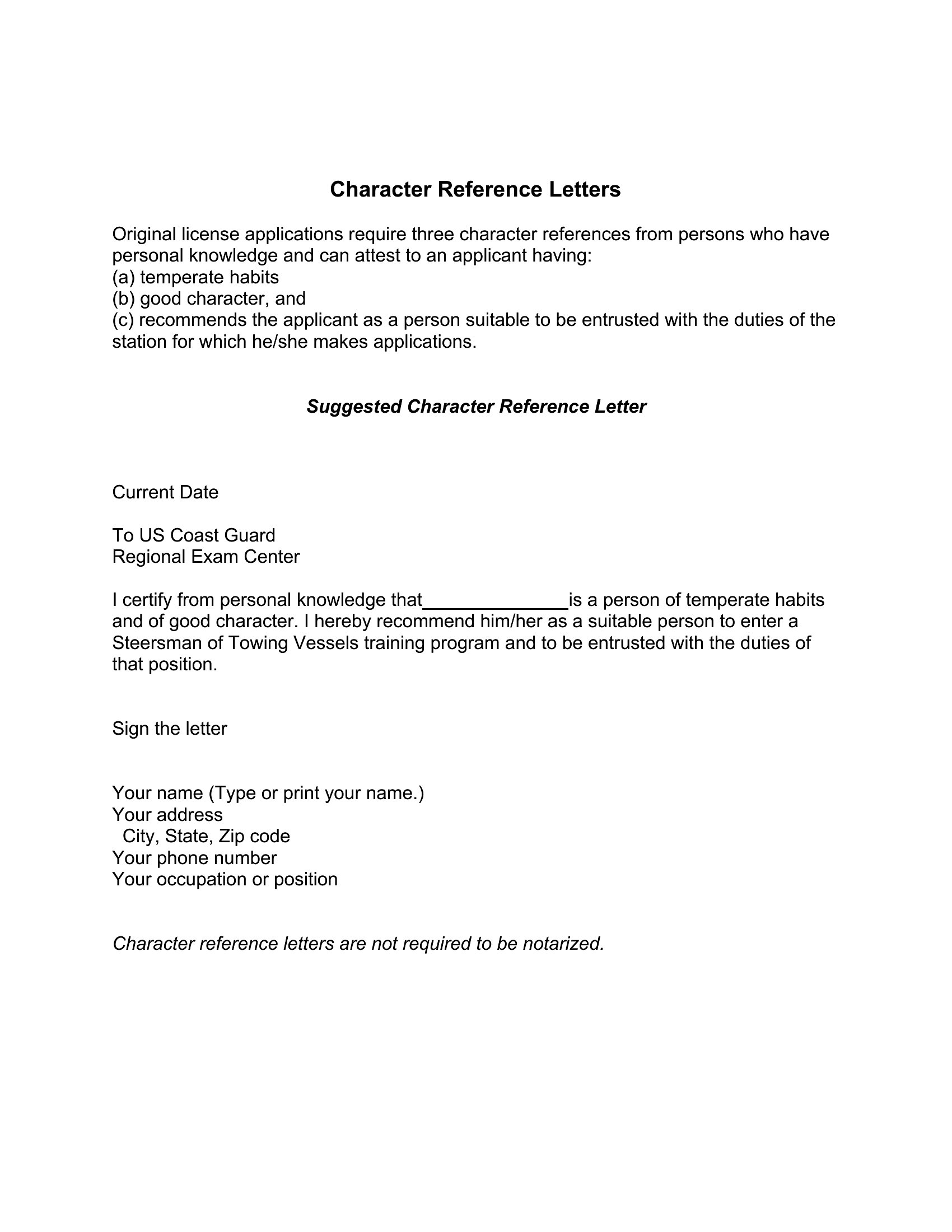
Yes, but adapt the tone and details. Focus on skills relevant to the promotion, like ‘Maria’s ability to streamline team workflows’ or ‘Tom’s dedication to client satisfaction.’ The structure works, but the content should align with professional growth, not legal defense. Avoid phrases like ‘character witness’—use ‘letter of support’ instead.
How specific should I be about negative incidents if the person has a history?
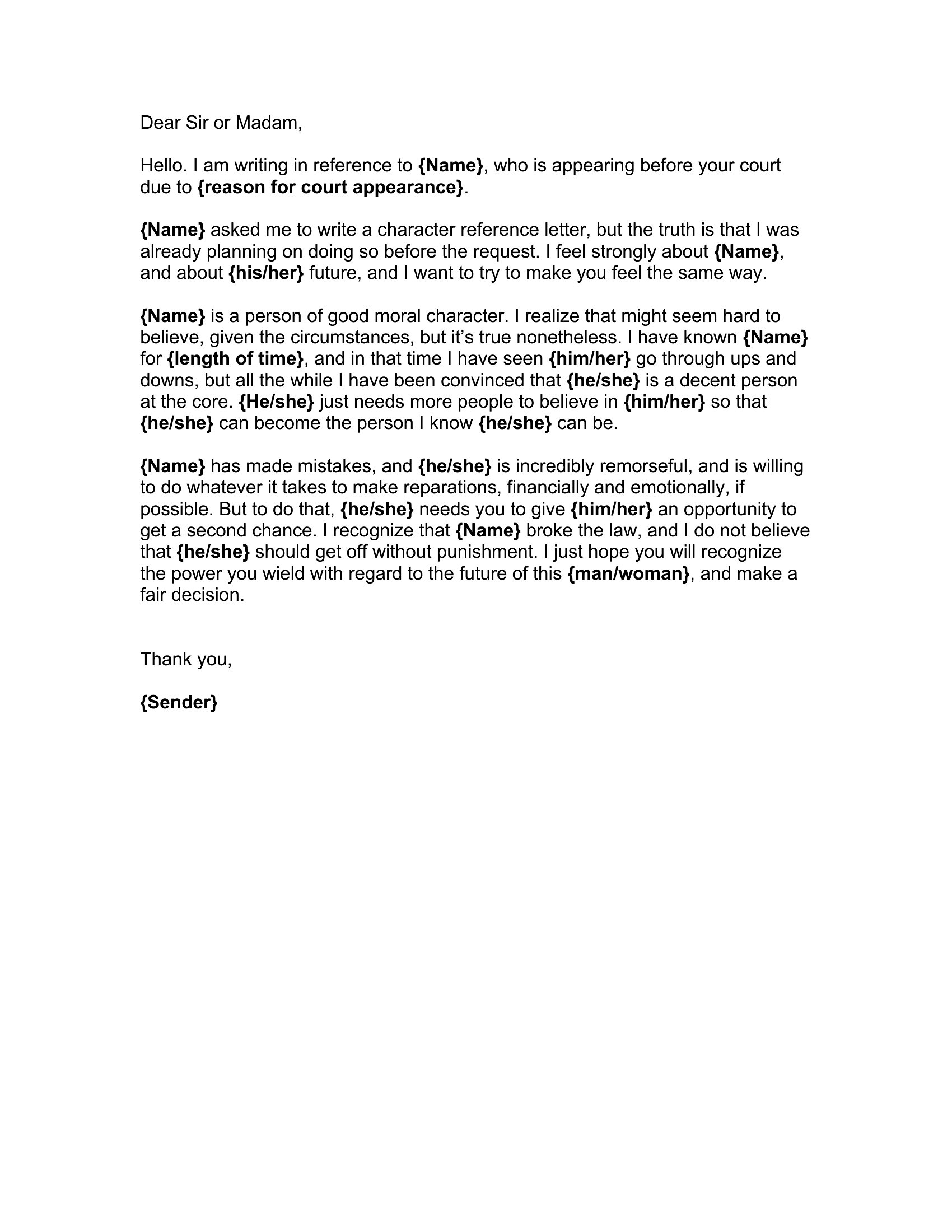
Address past issues briefly and honestly, but only if they directly relate to the current situation. For example, if writing for someone’s probation hearing, mention ‘John completed his community service on time’ or ‘He’s been sober for two years.’ Avoid defensive language; focus on progress and commitment to change. Never lie or omit relevant details.
Comments
Join the conversation
Sign in to share your thoughts and leave a comment on this resource.