Free Personal Letter Templates (Word)
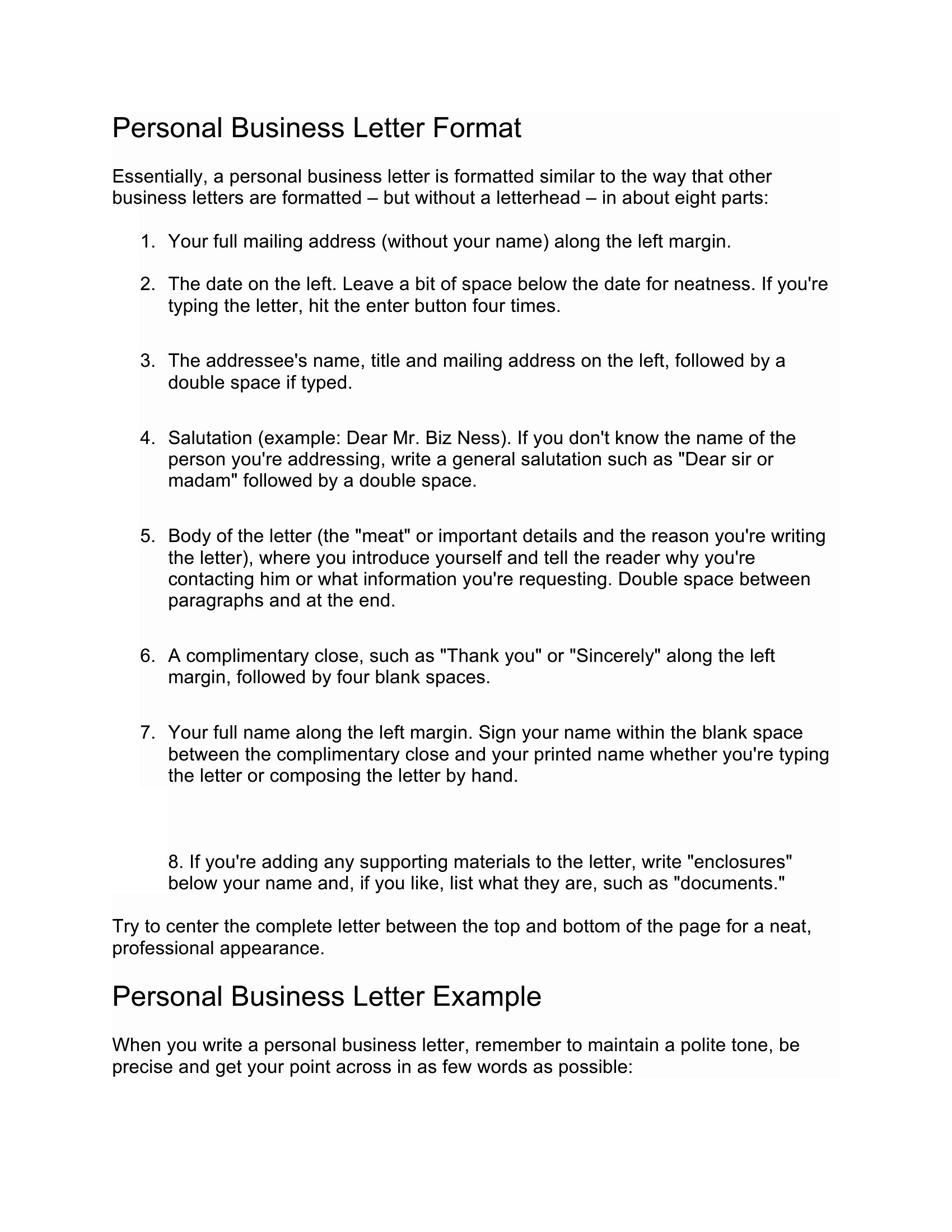
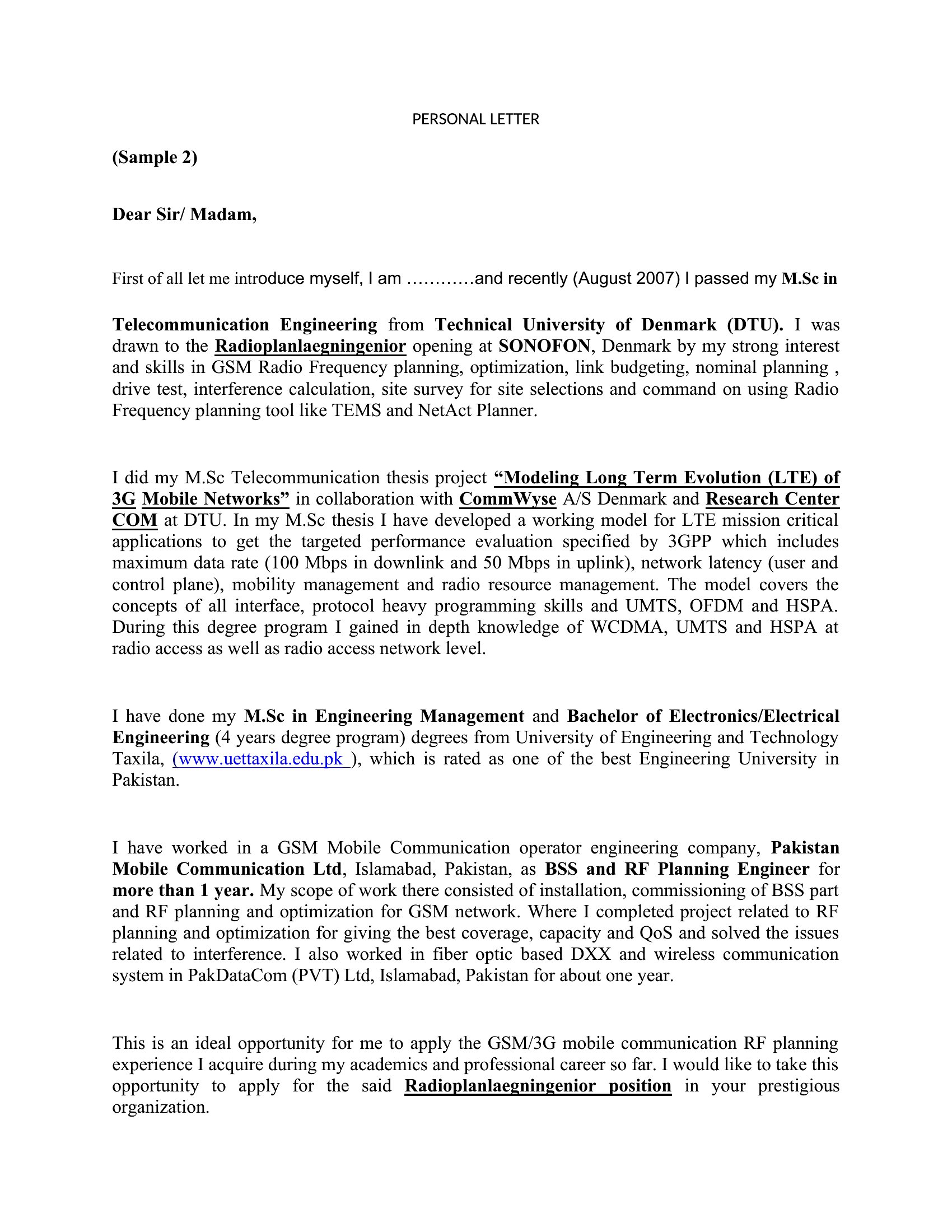
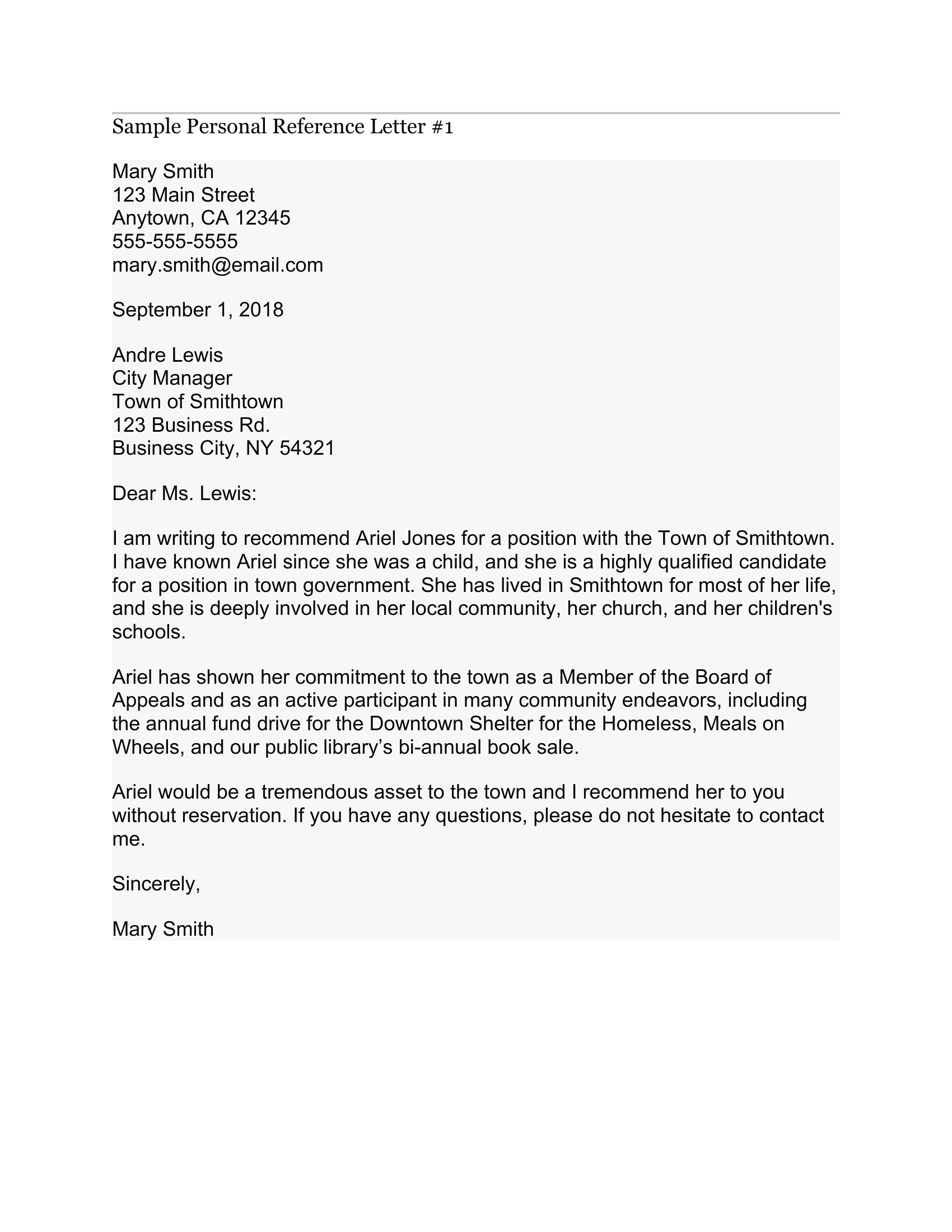
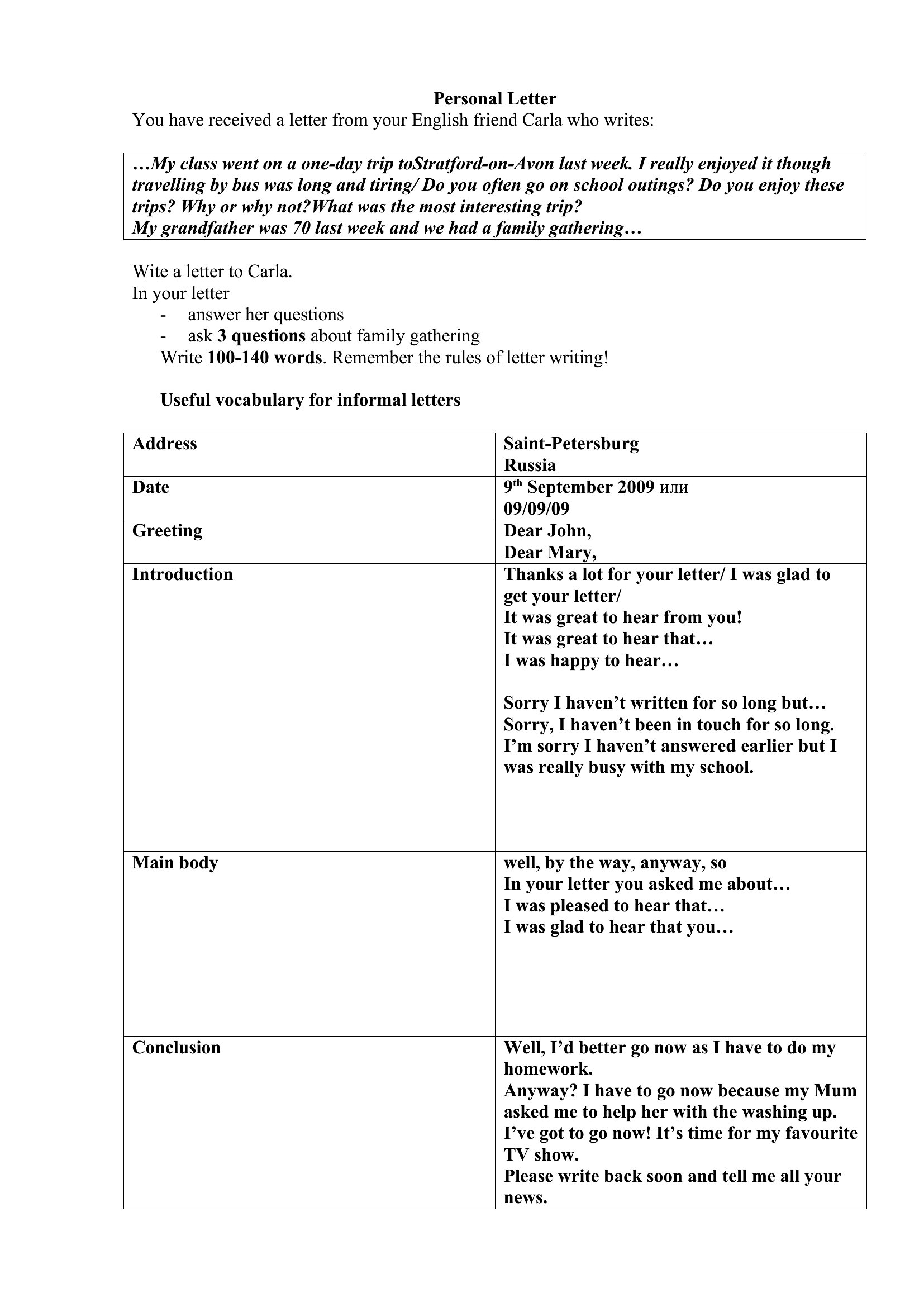
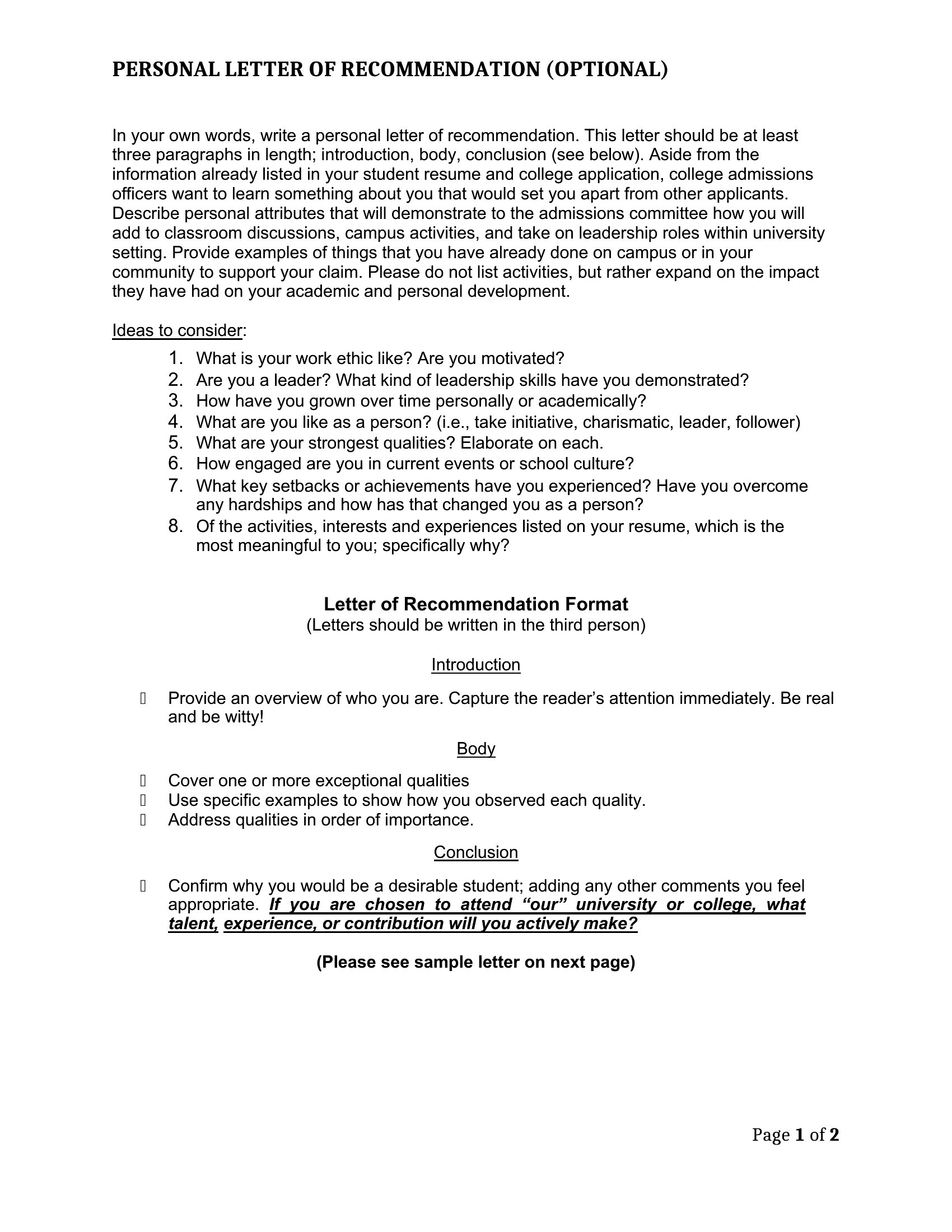
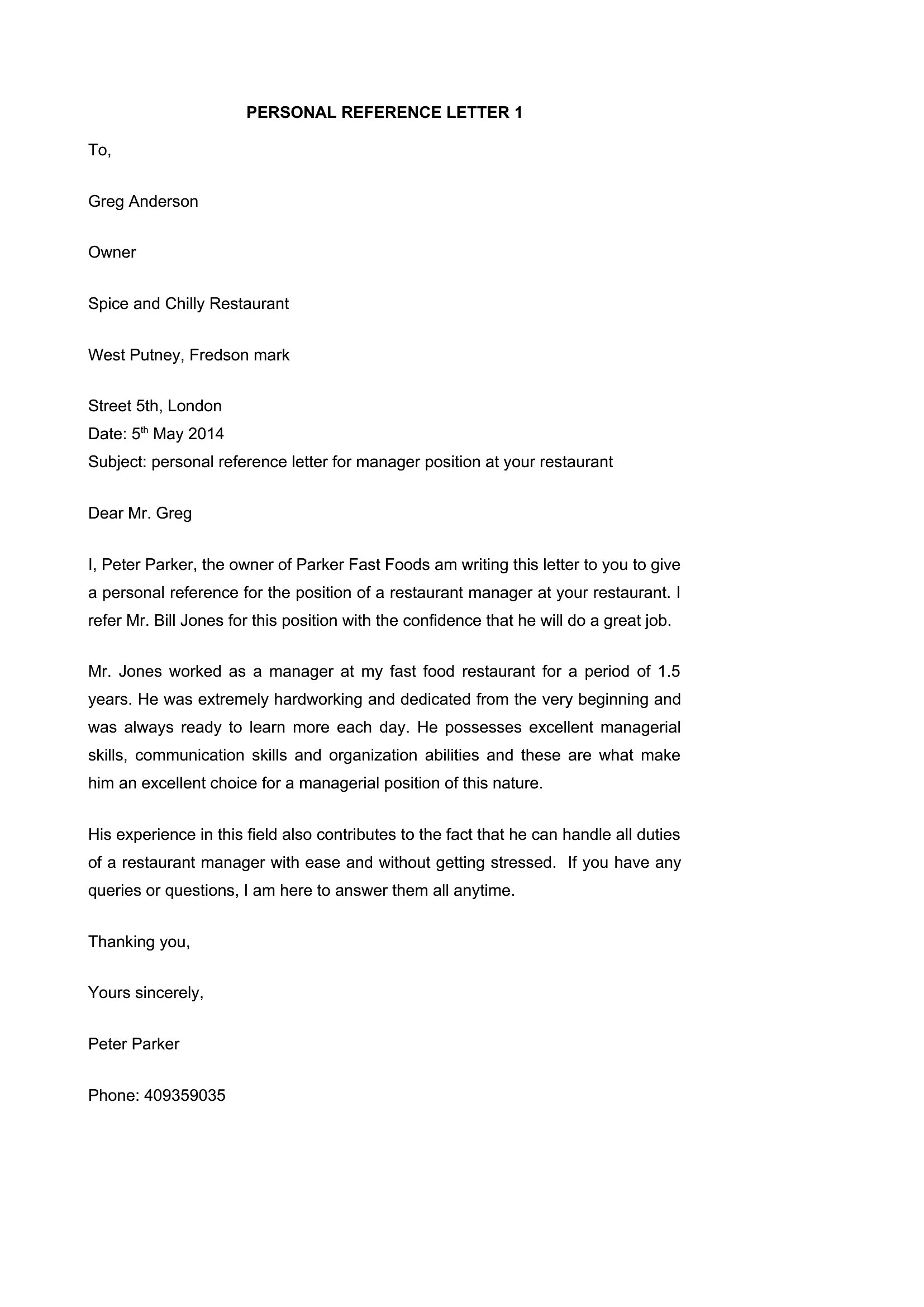
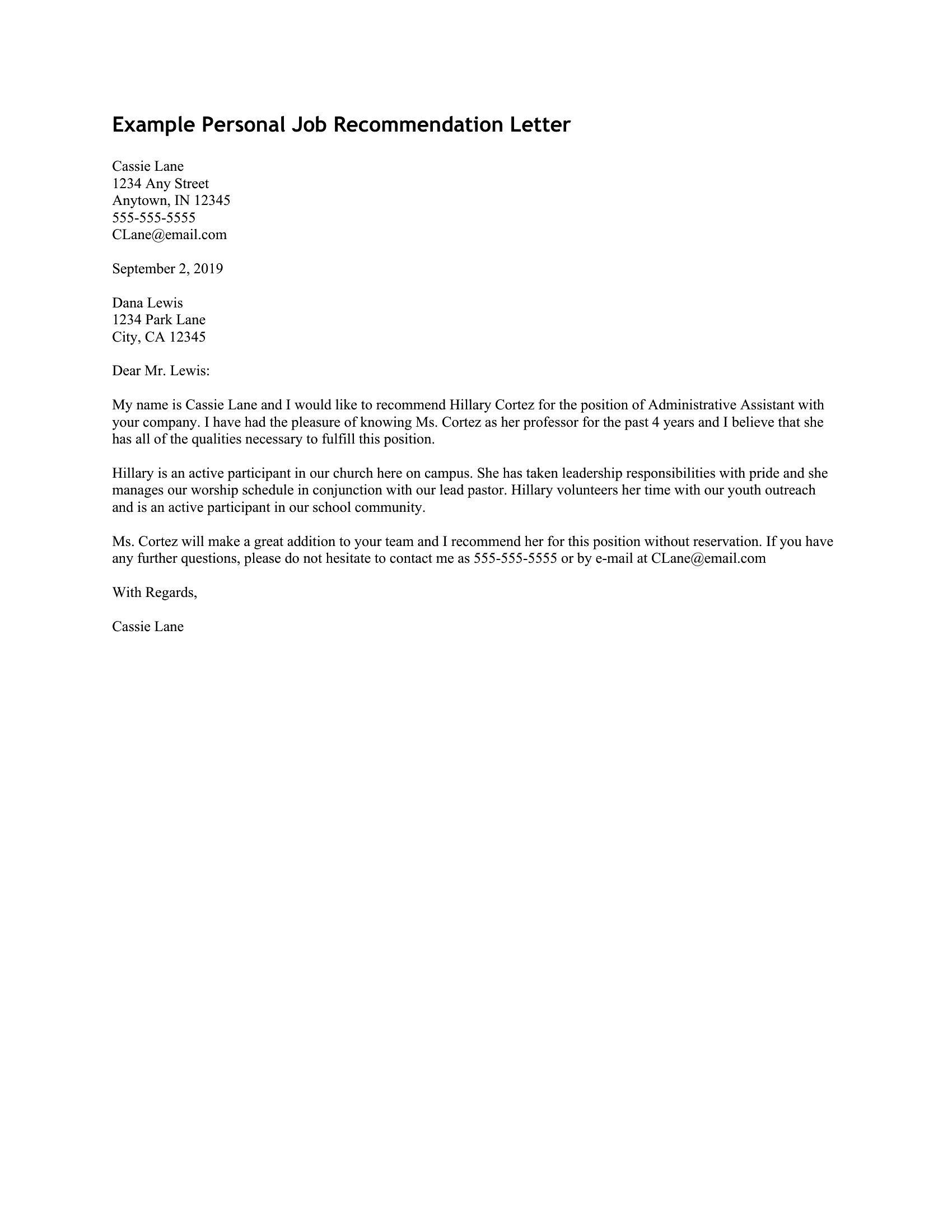
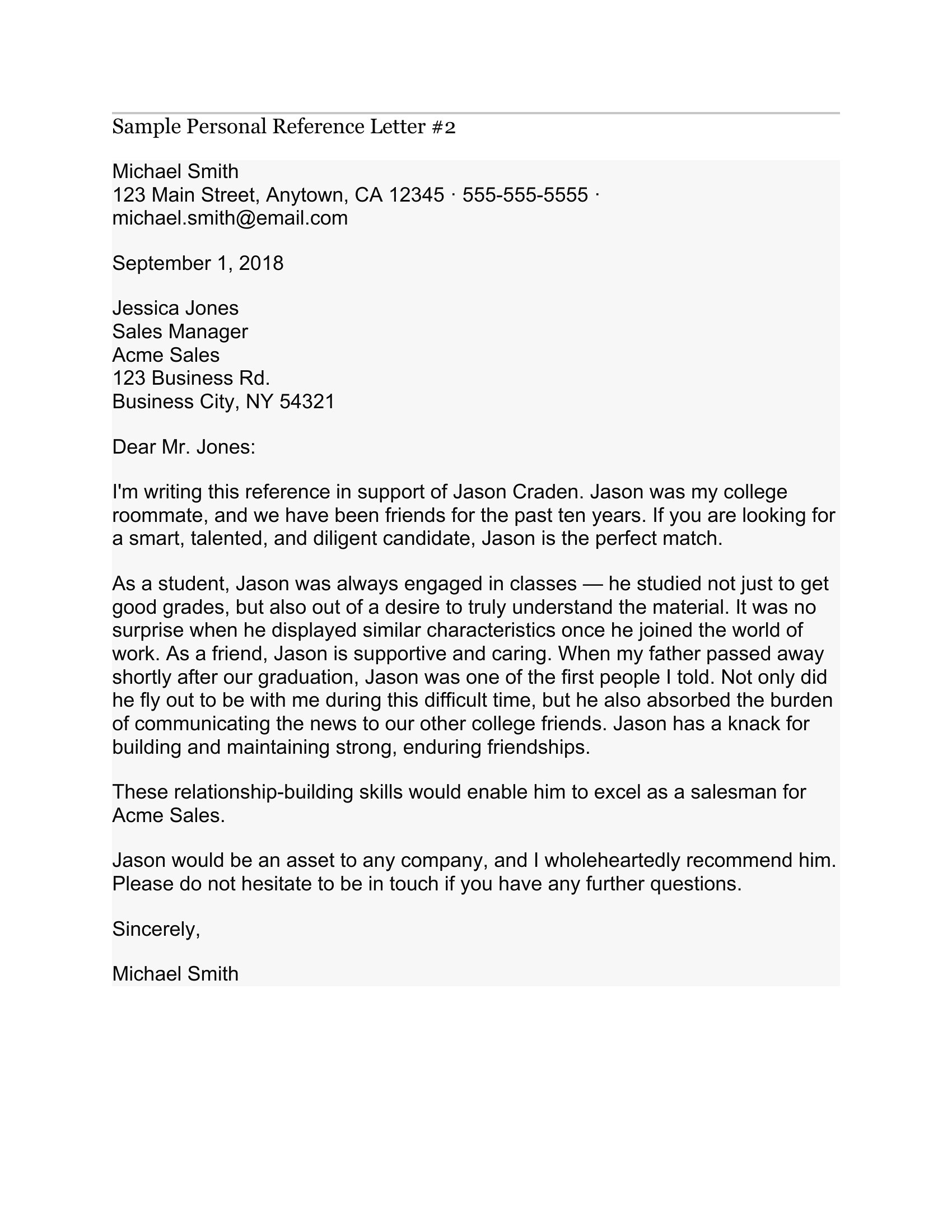
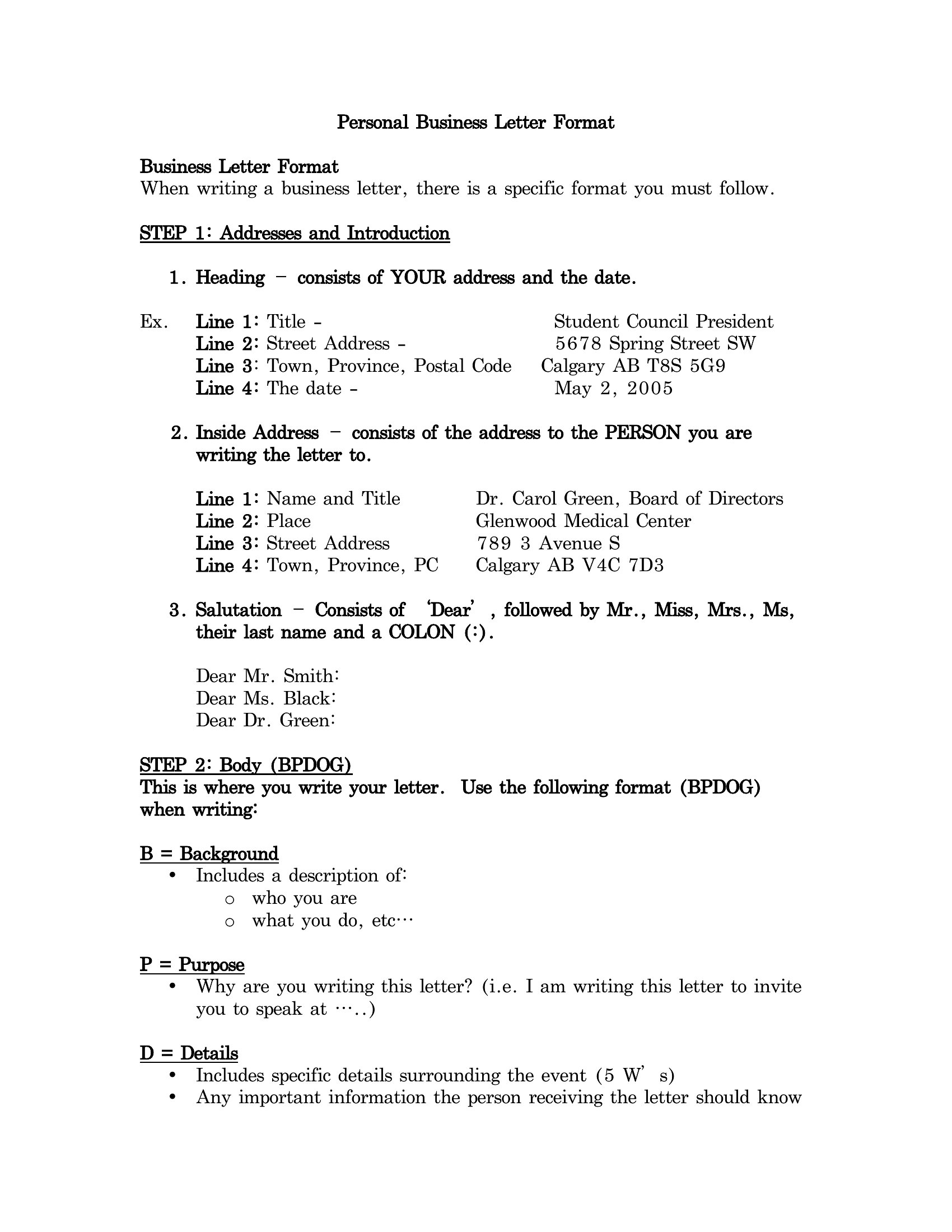
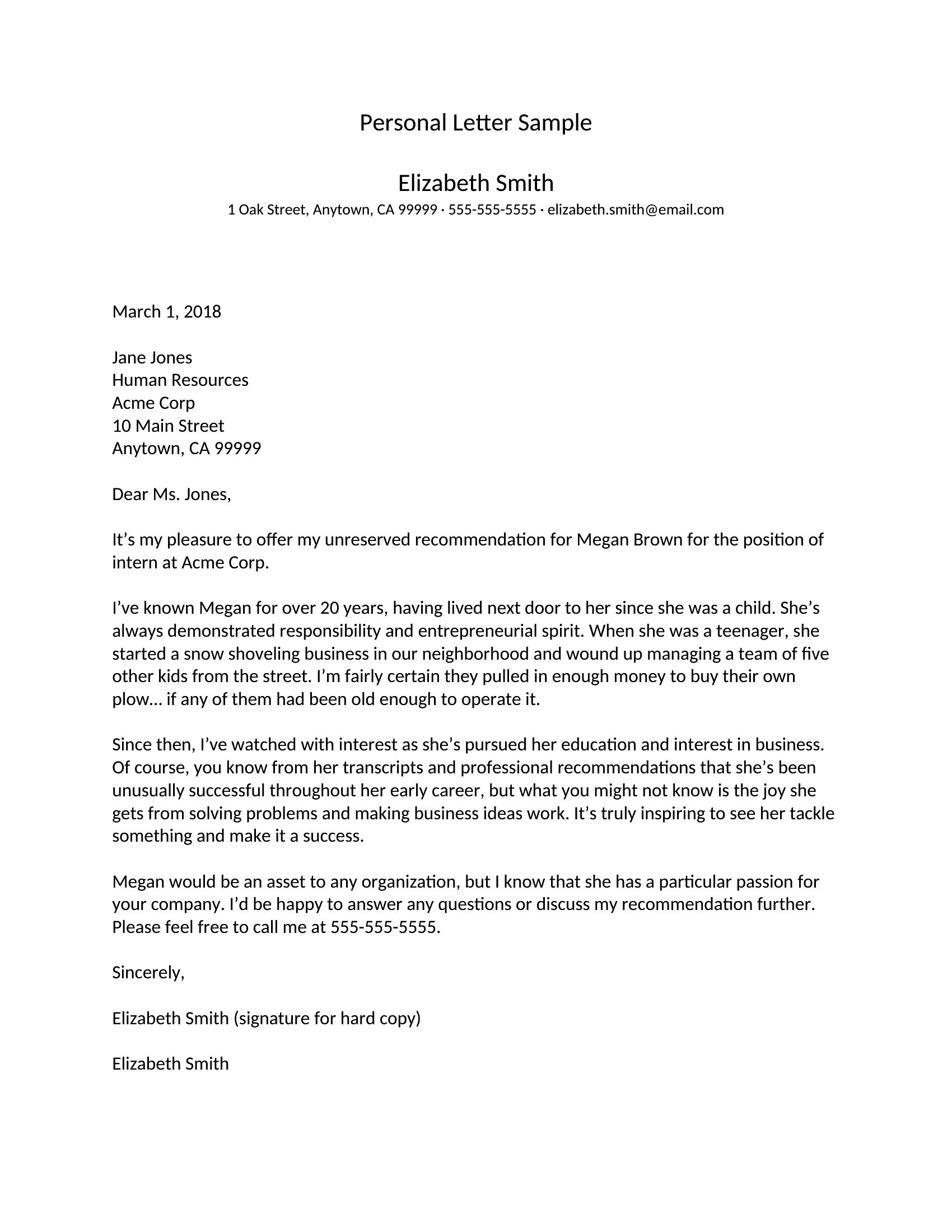
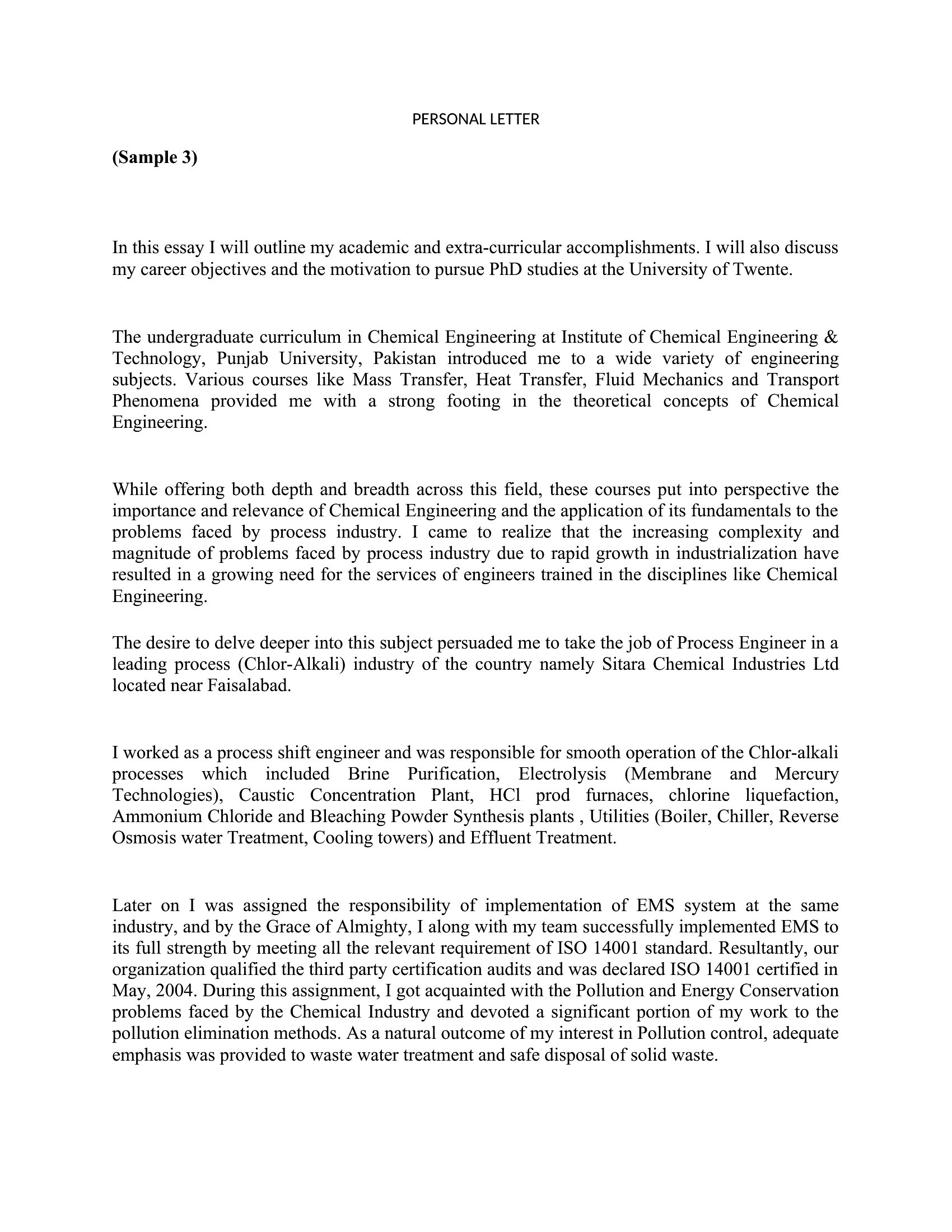
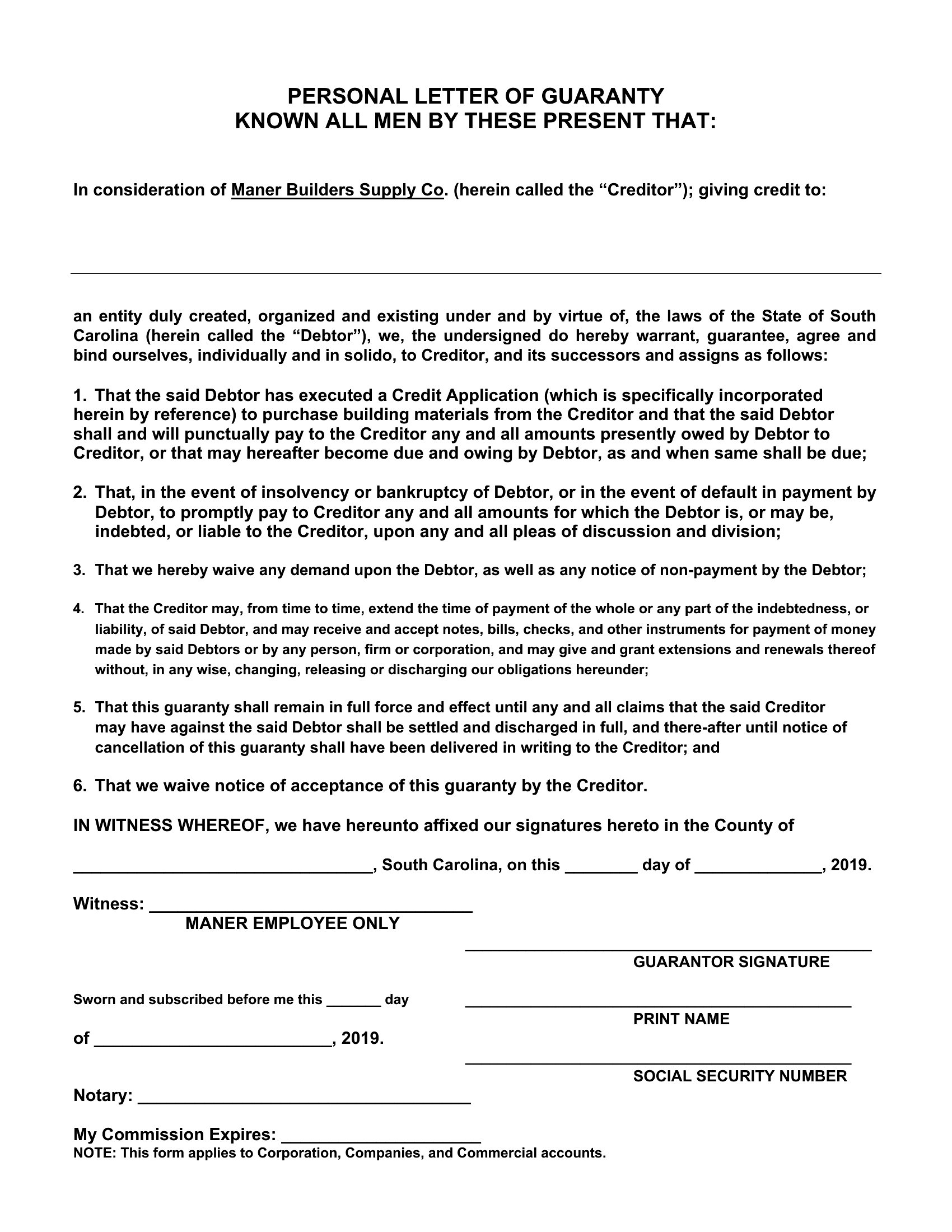
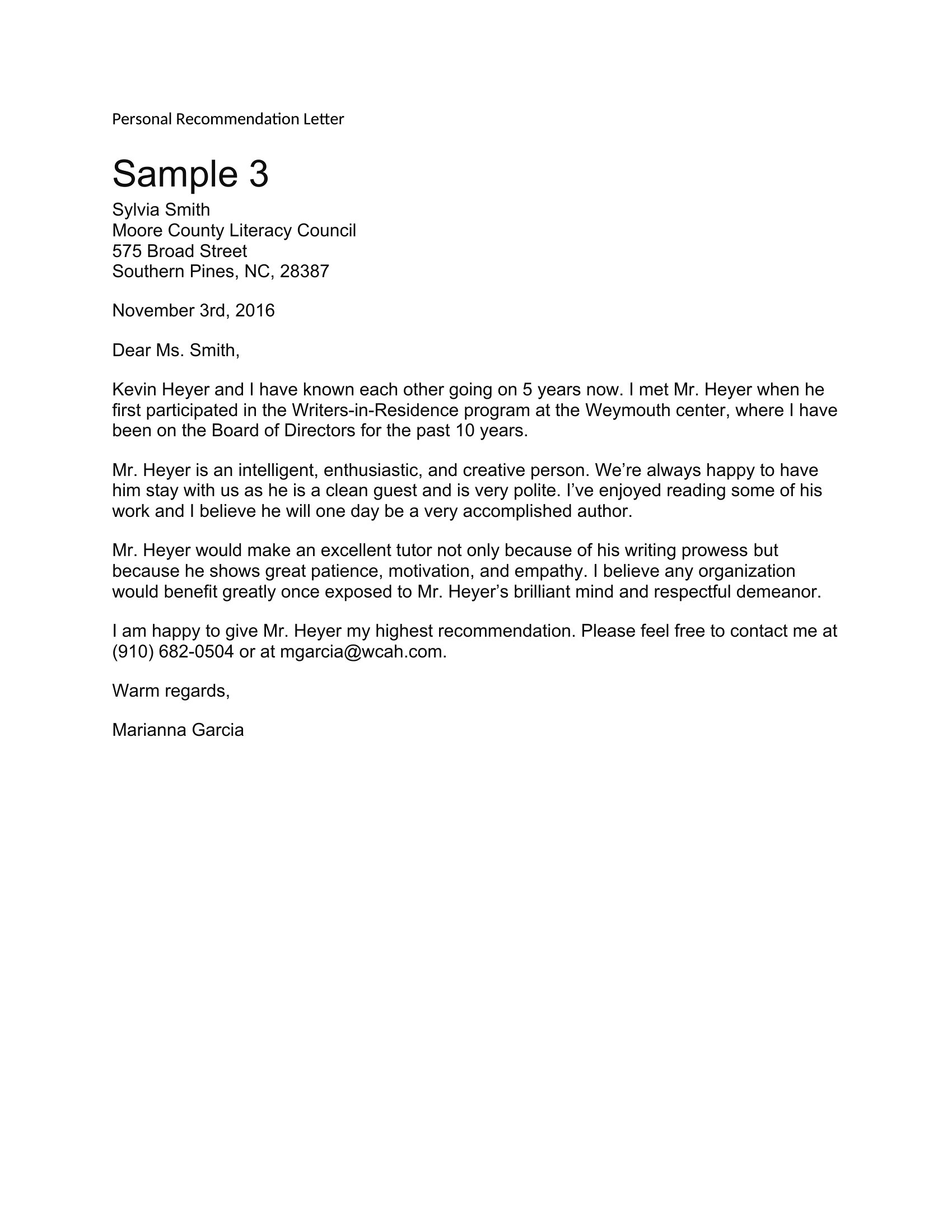
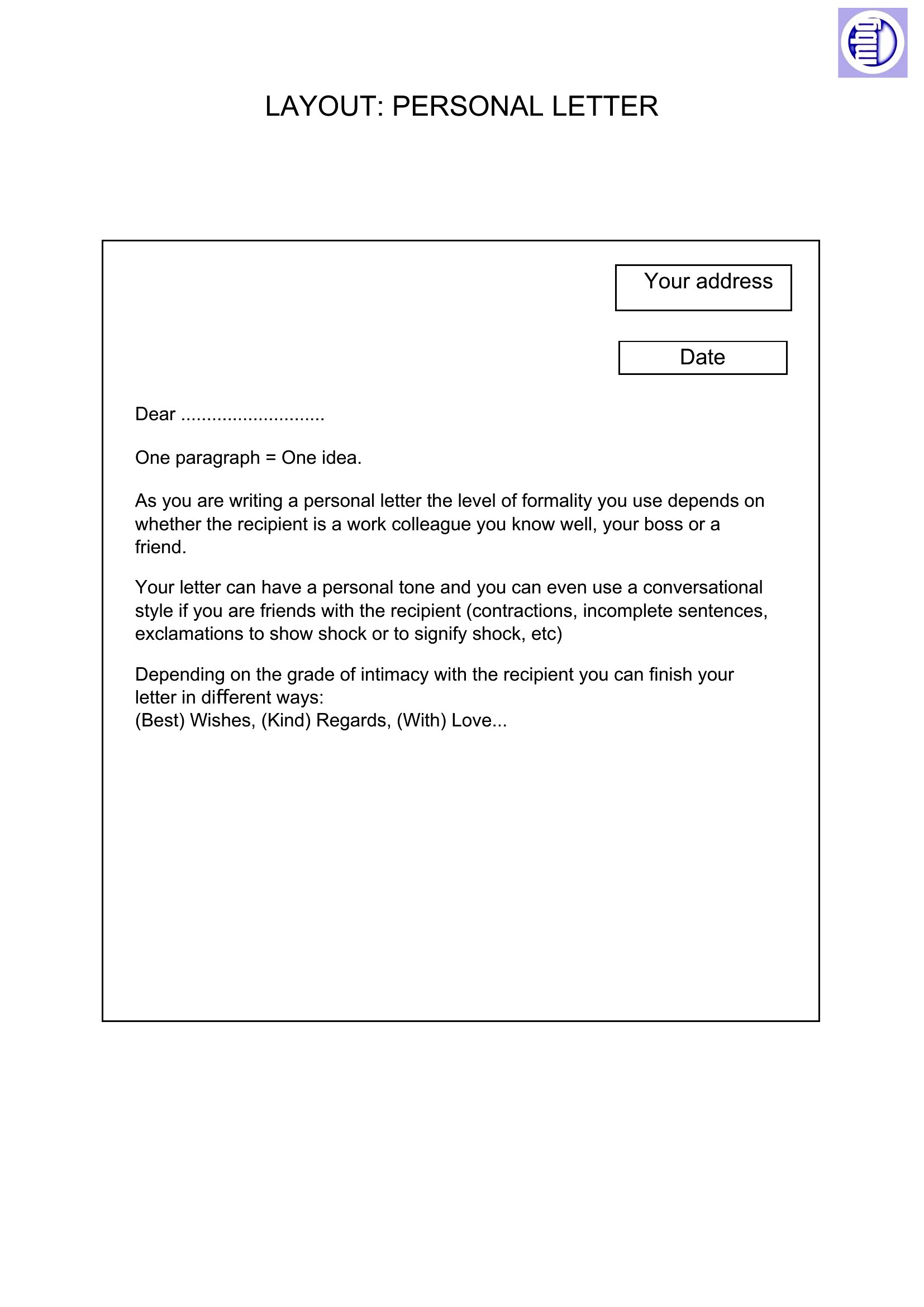
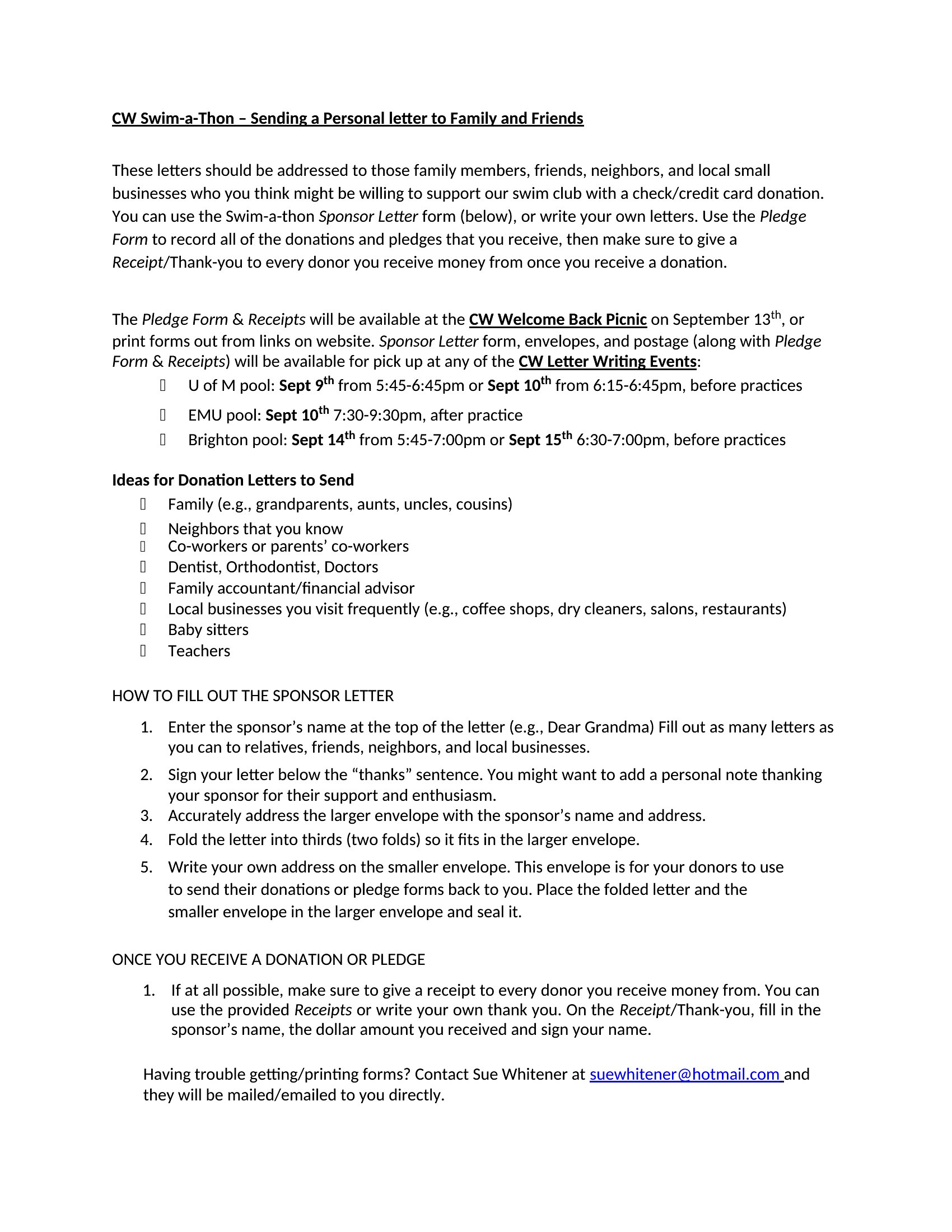
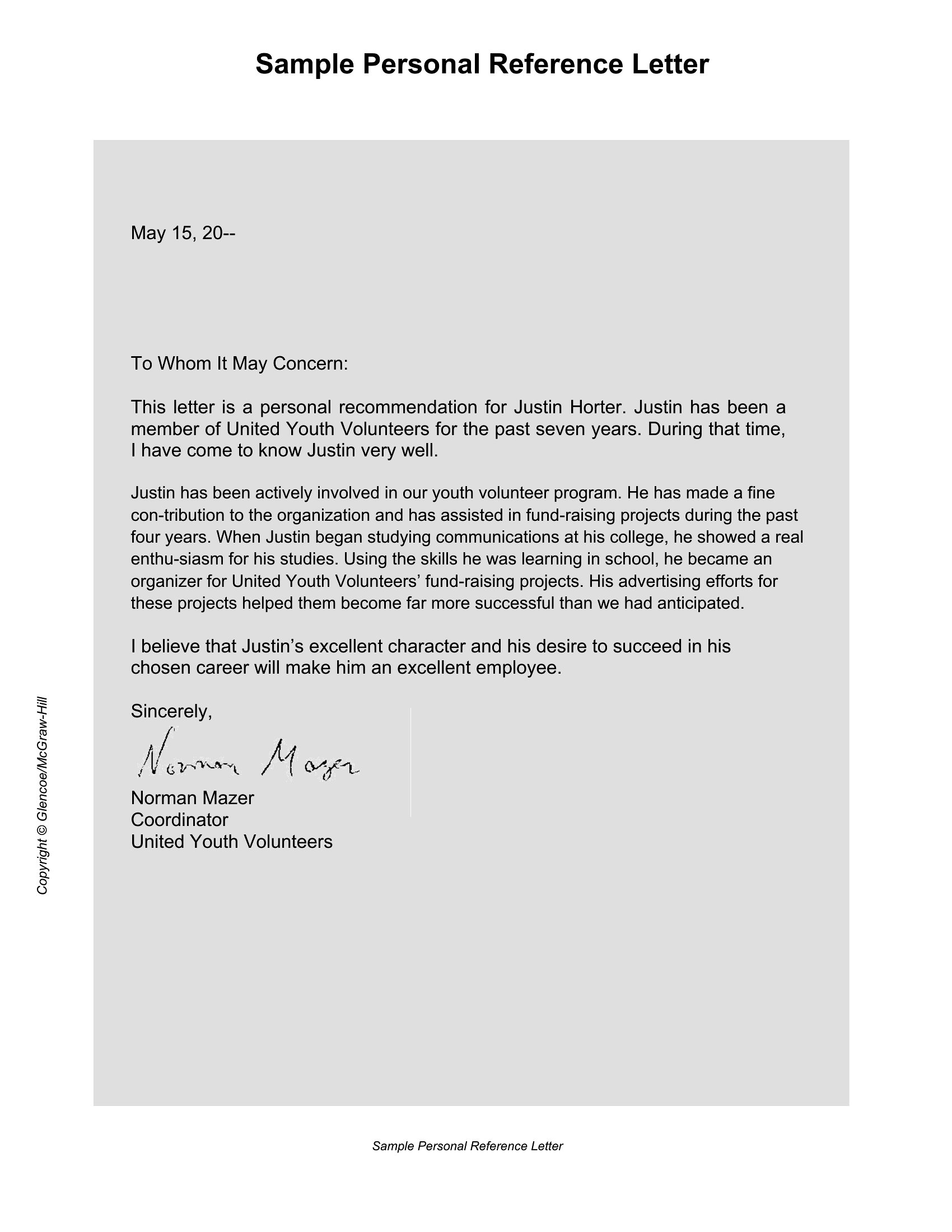
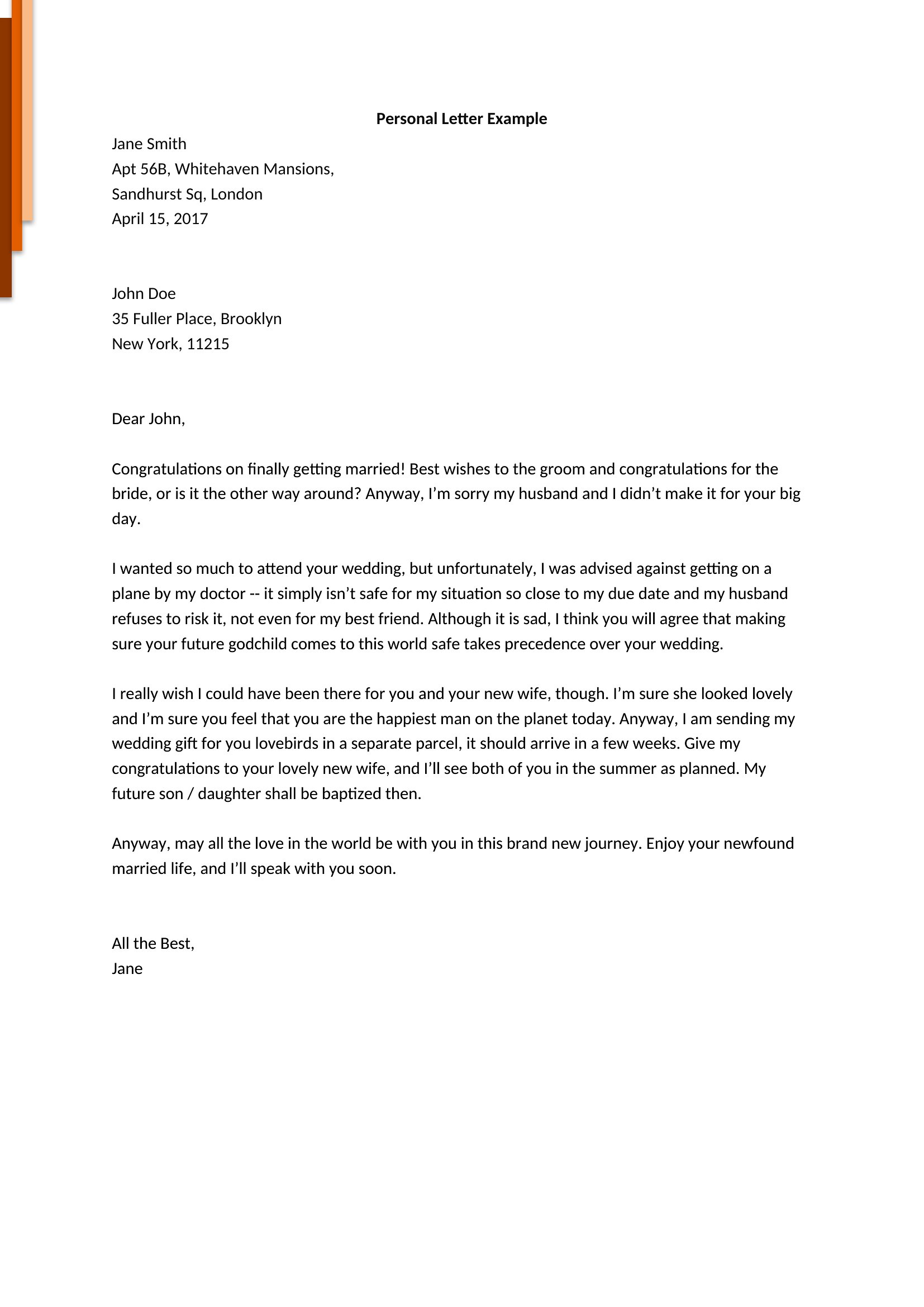
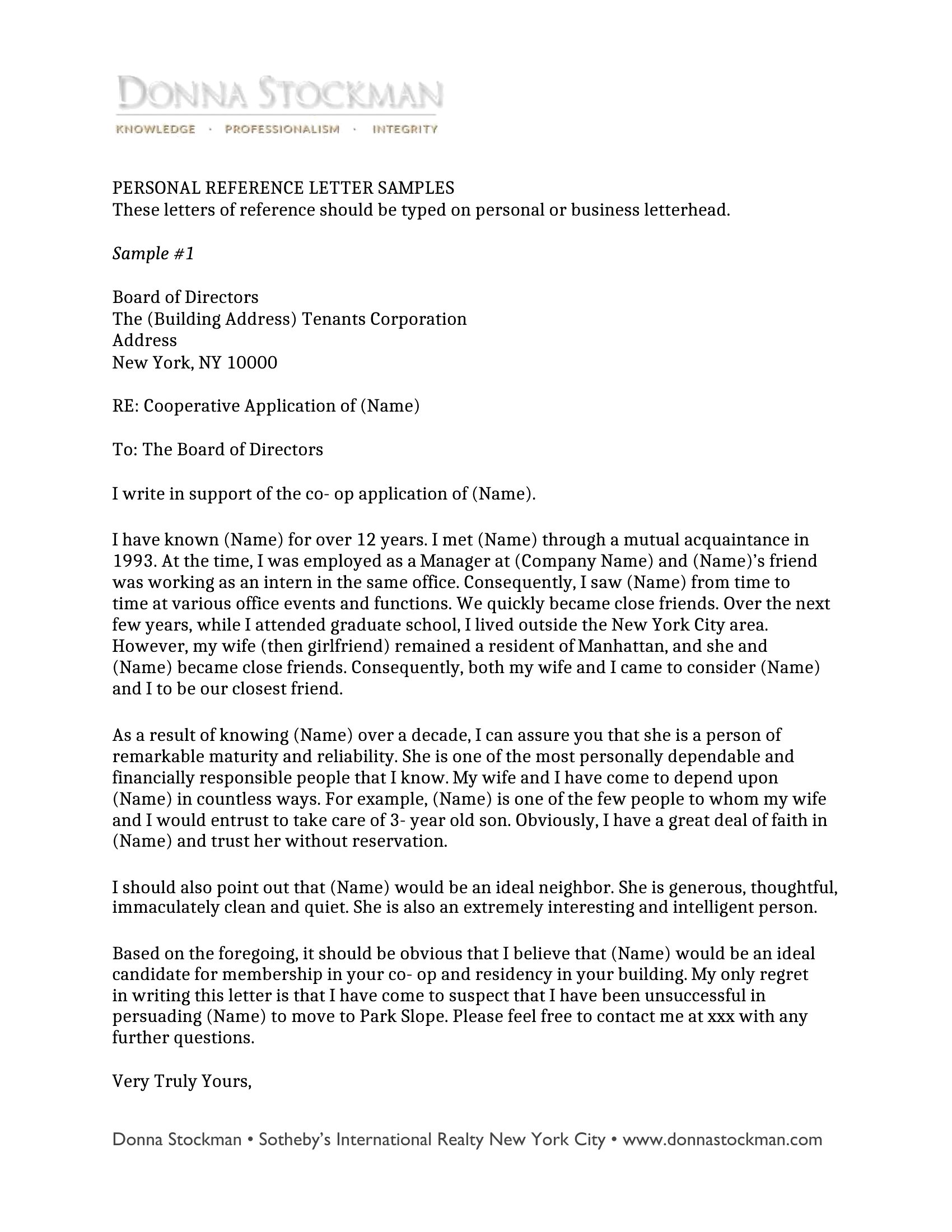
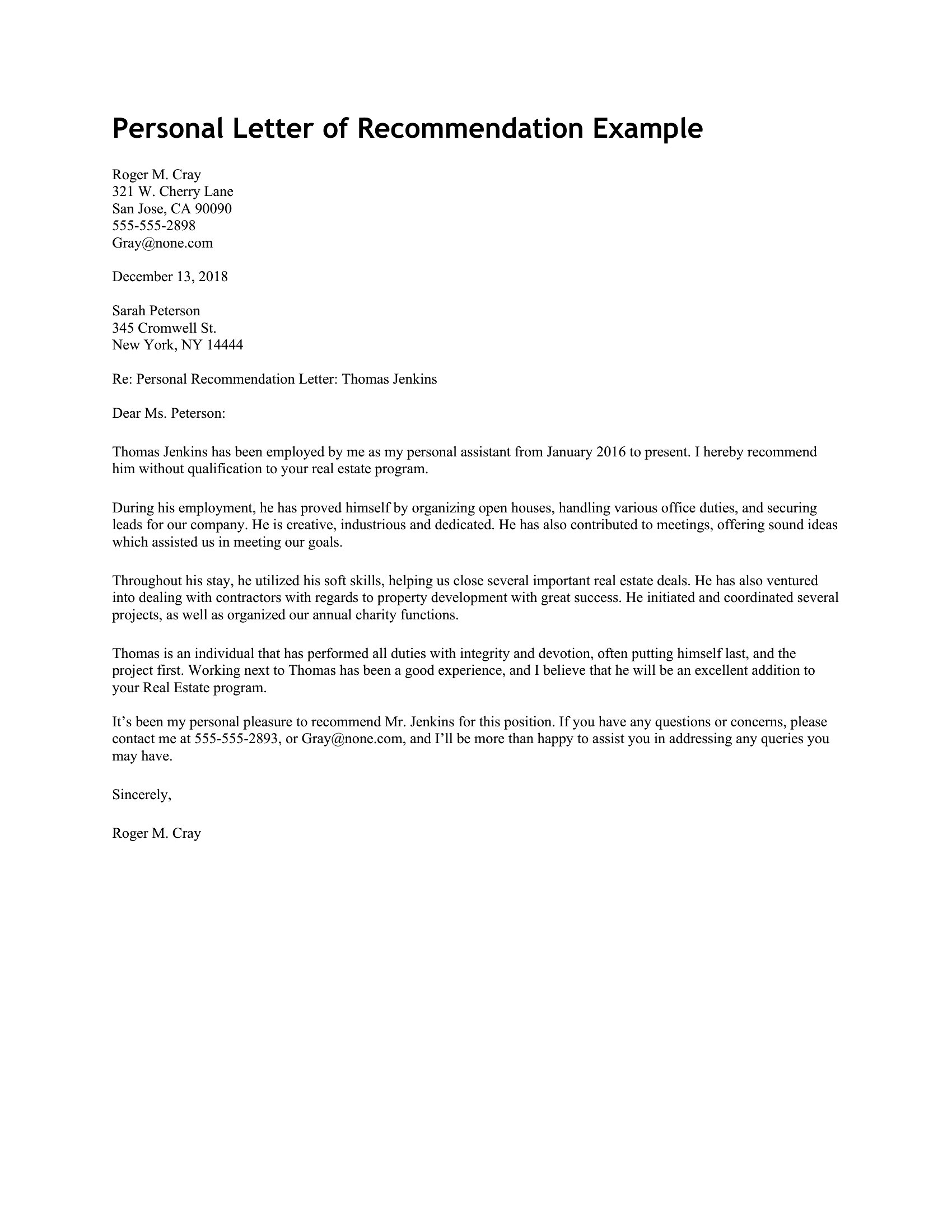
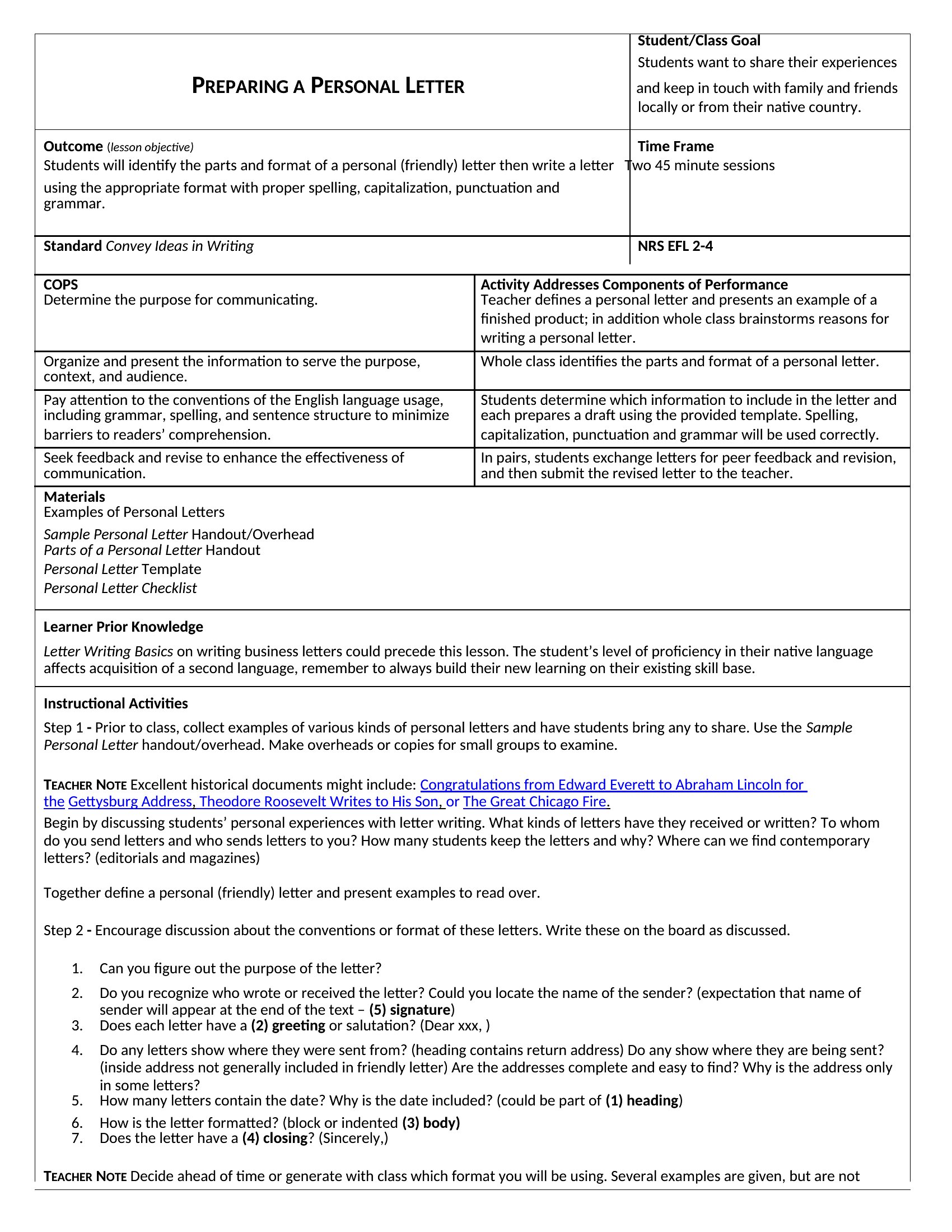
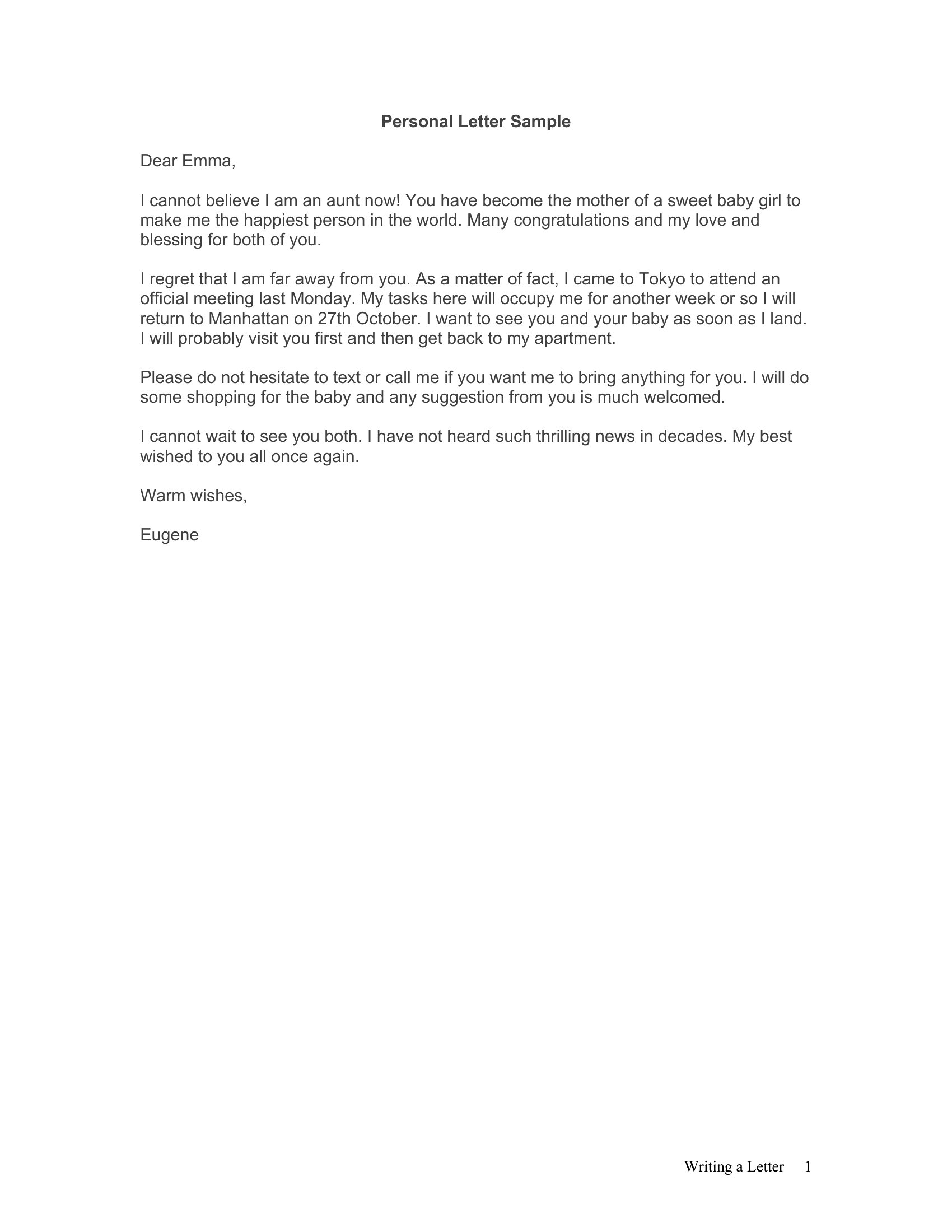
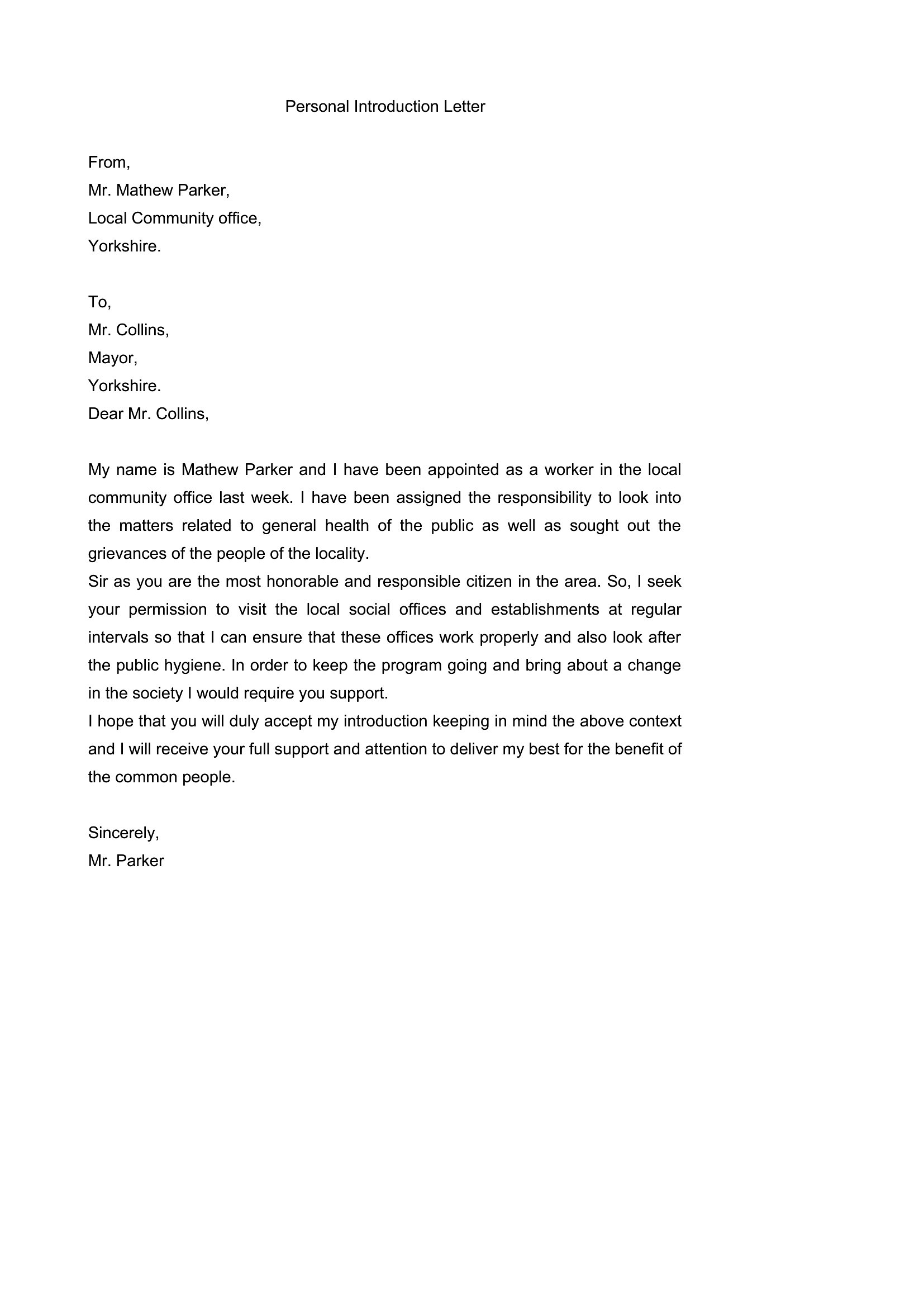
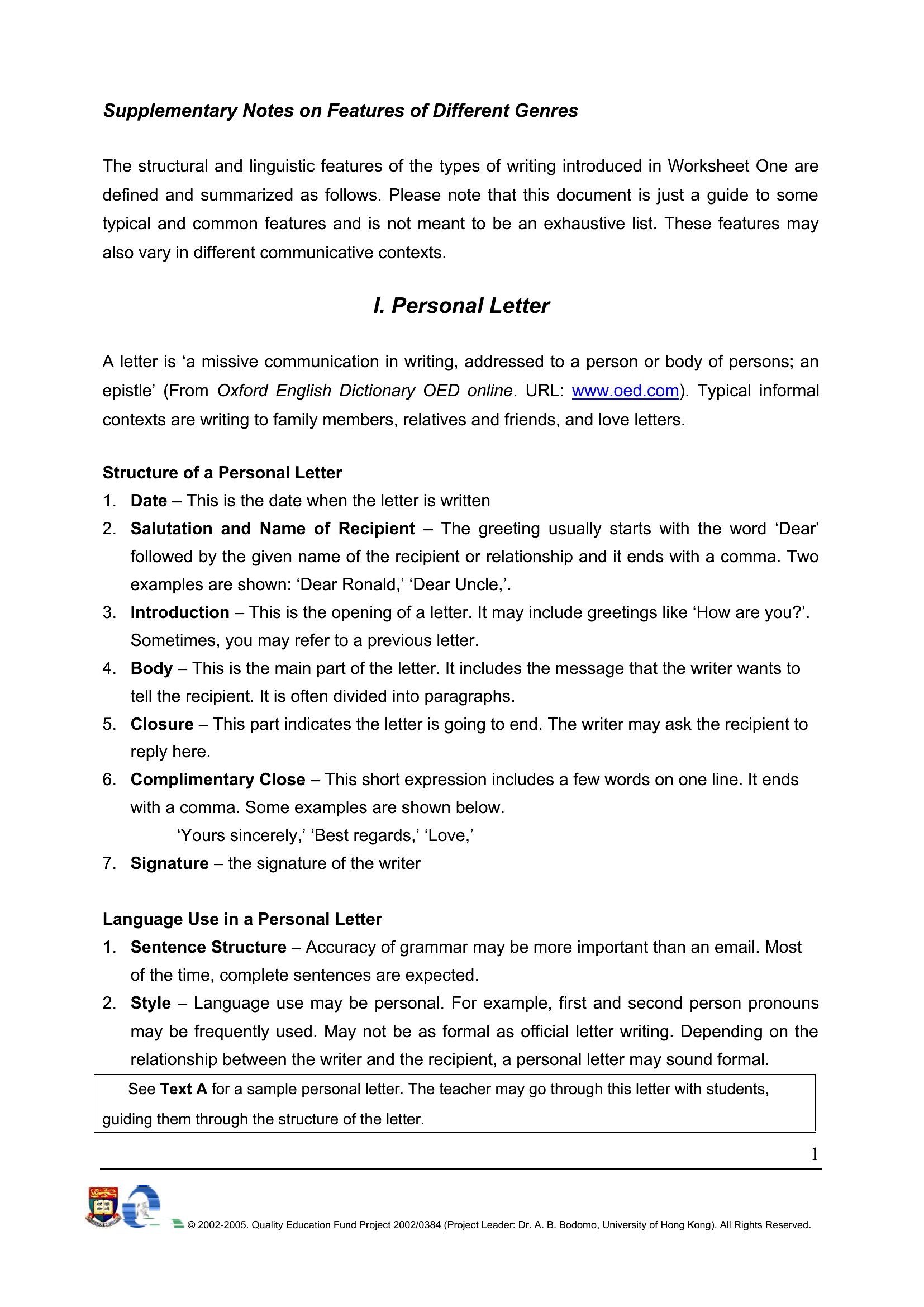
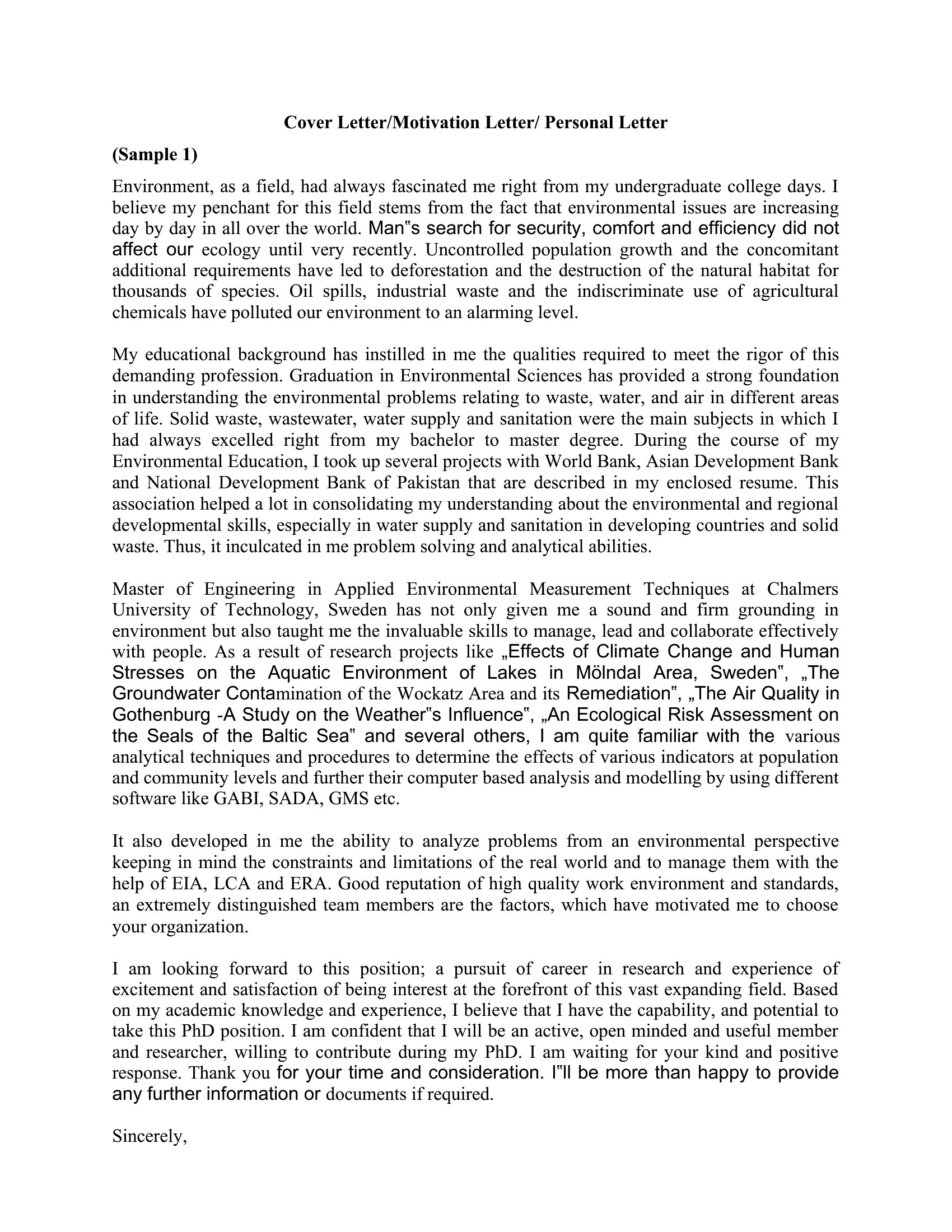
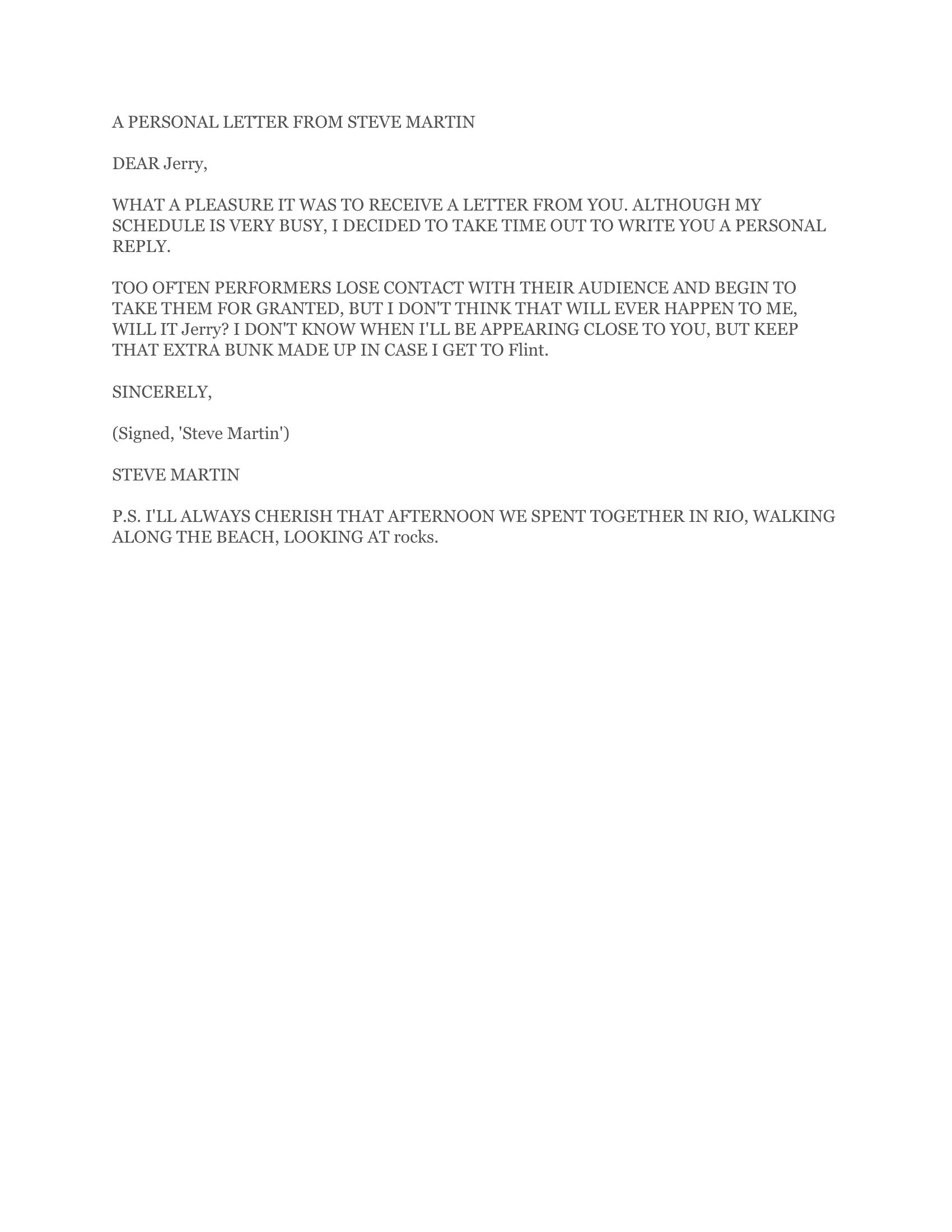
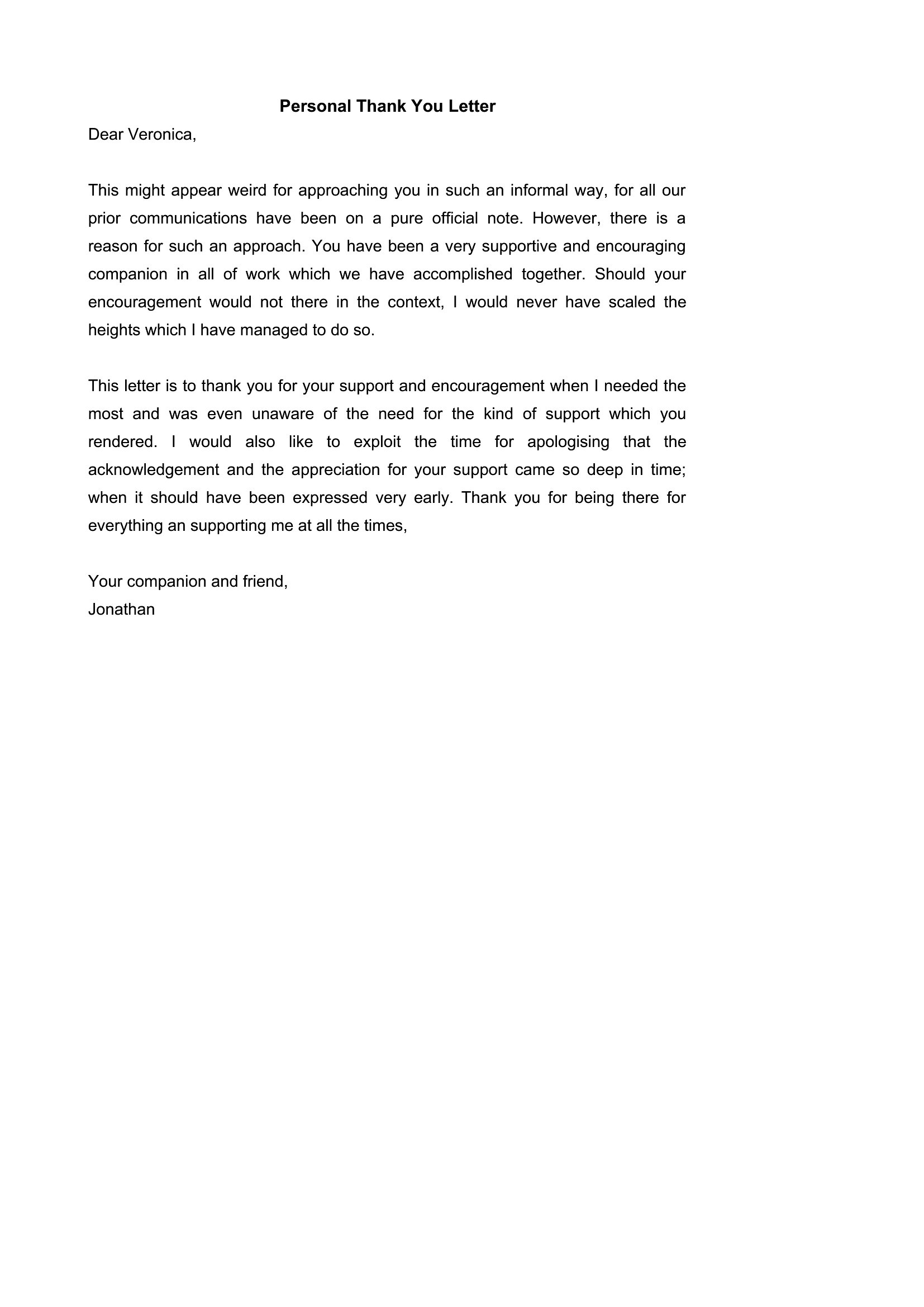
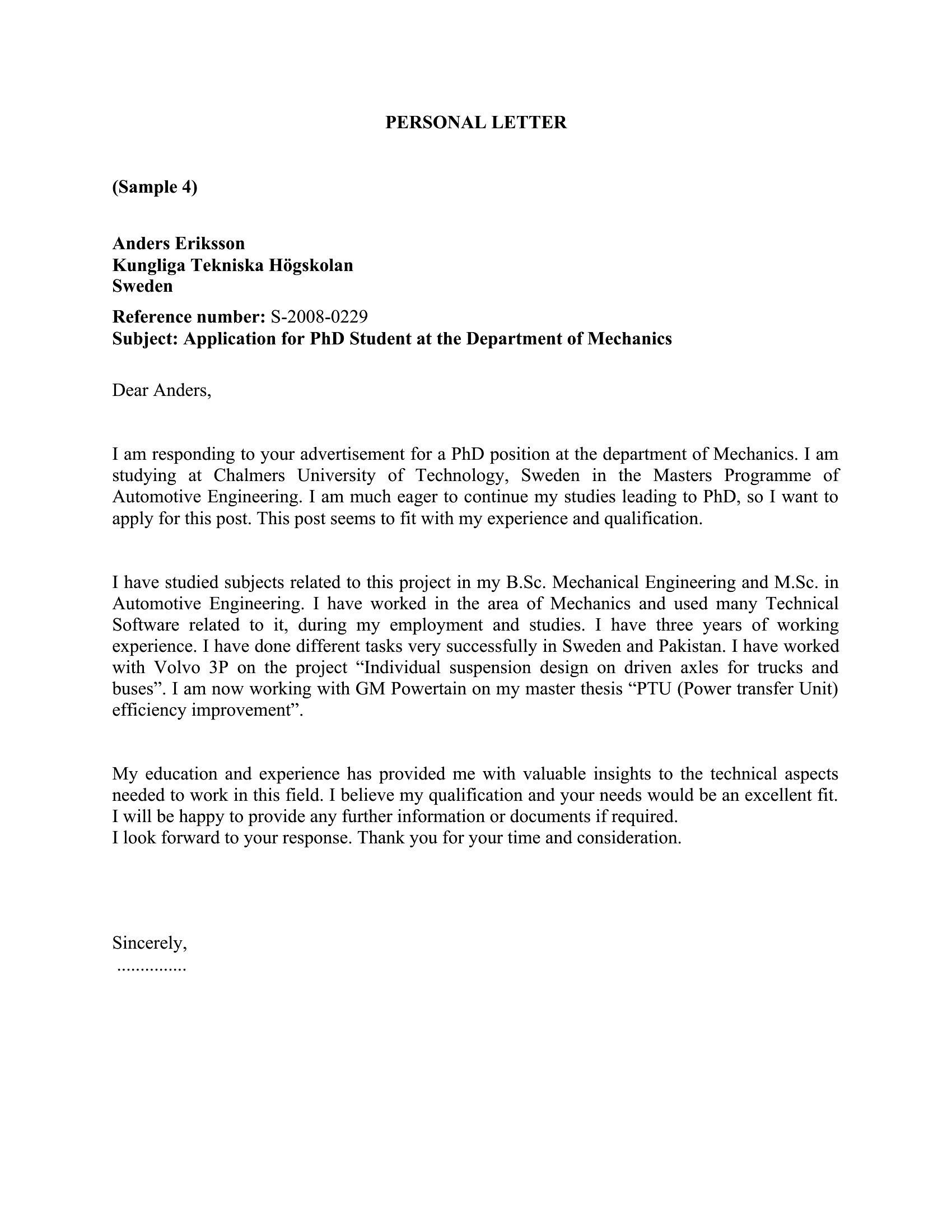
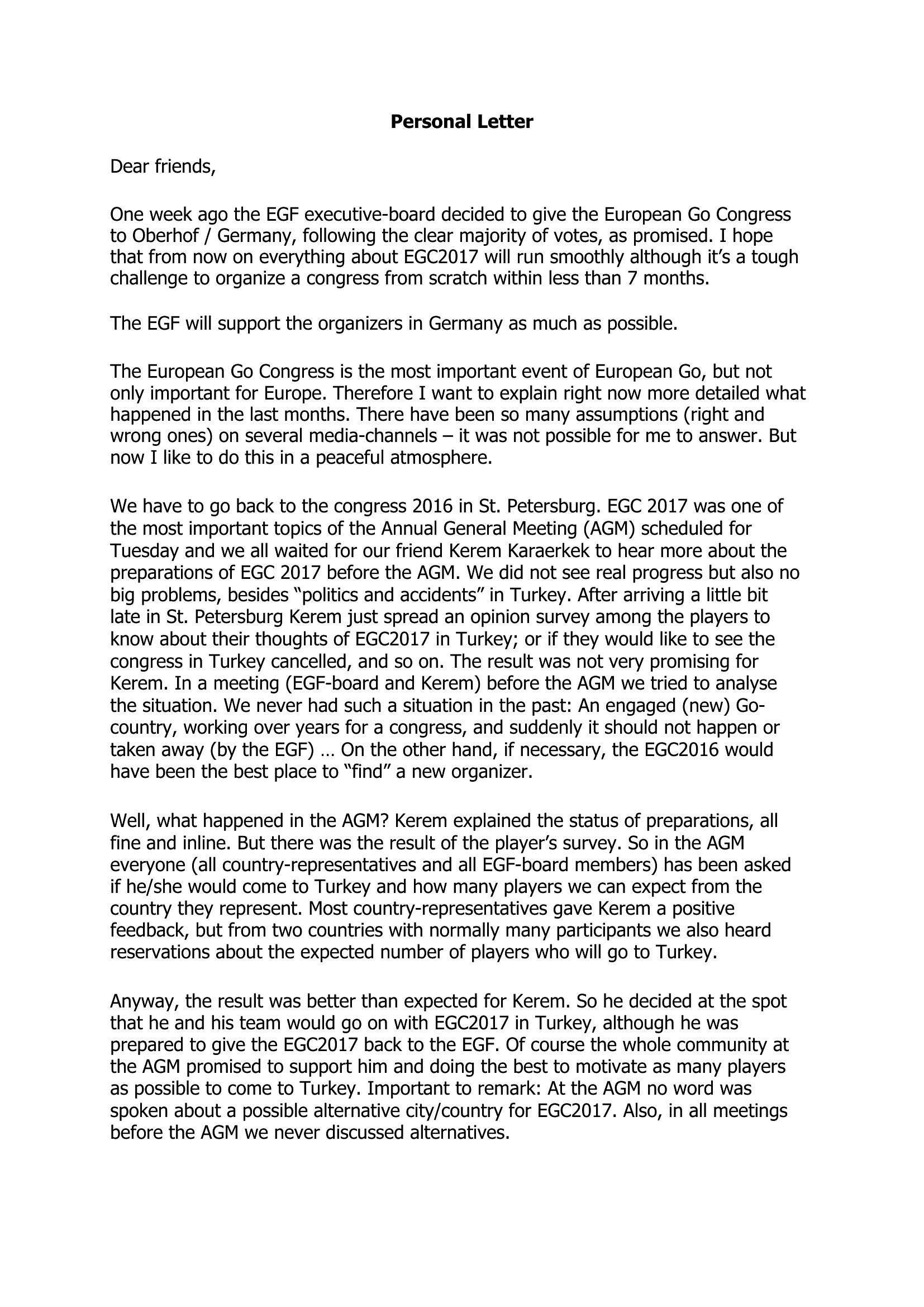
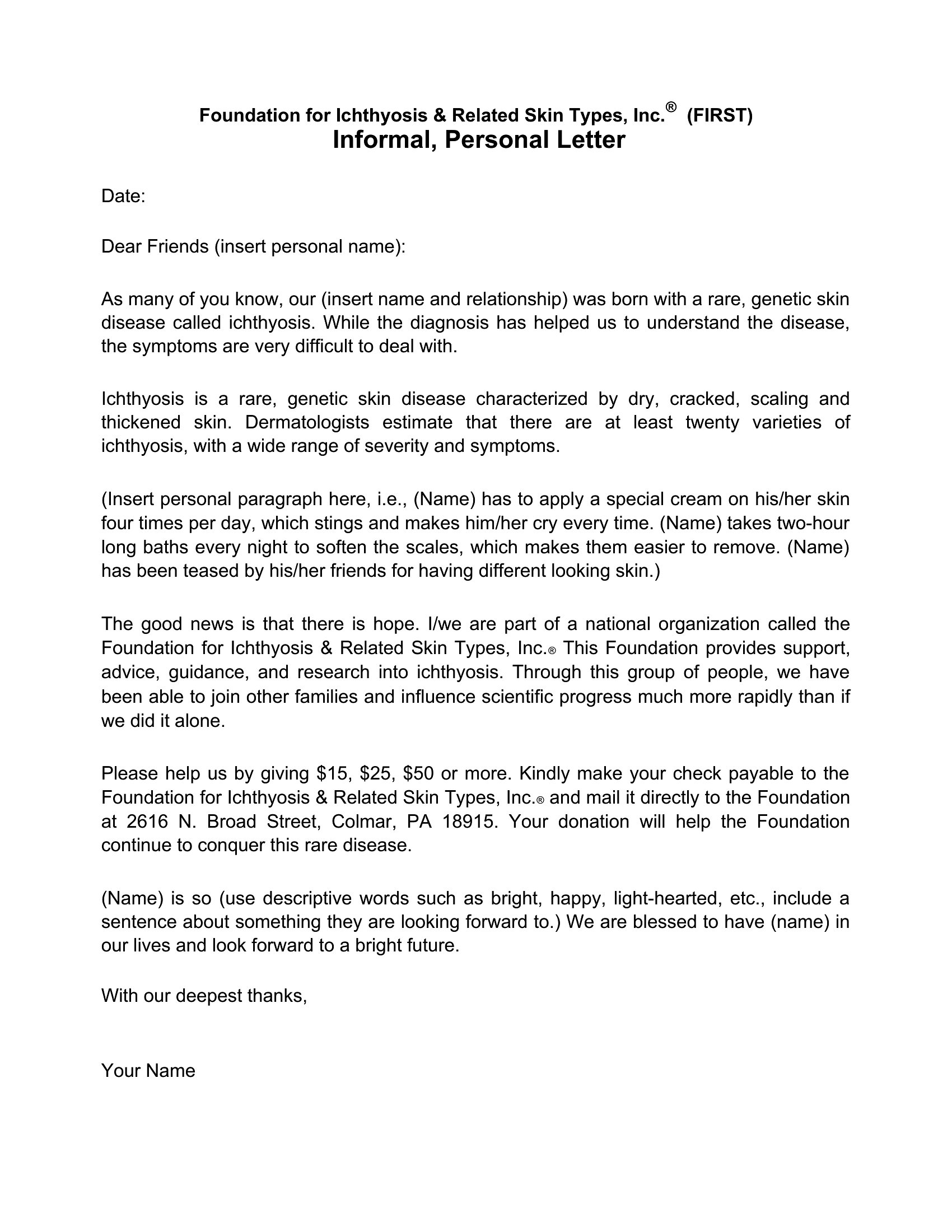
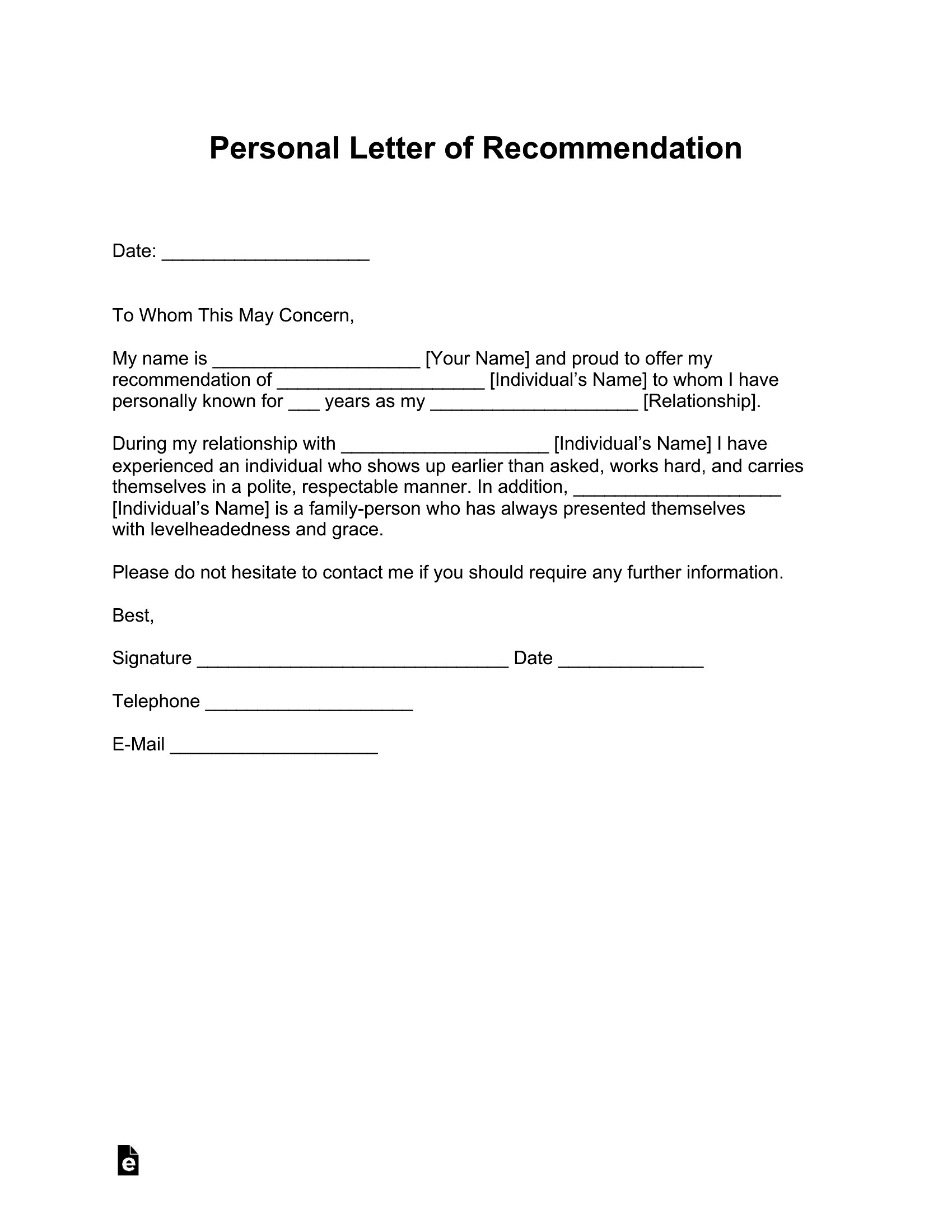
PersonalEven in a world of quick texts, a thoughtful personal letter still carries real weight. This set of 47 templates covers the kinds people write most, from personal references and character letters to heartfelt notes and formal personal correspondence. Anyone who wants to get the format and tone right, whether vouching for a friend or writing something meaningful, can start from a solid frame.
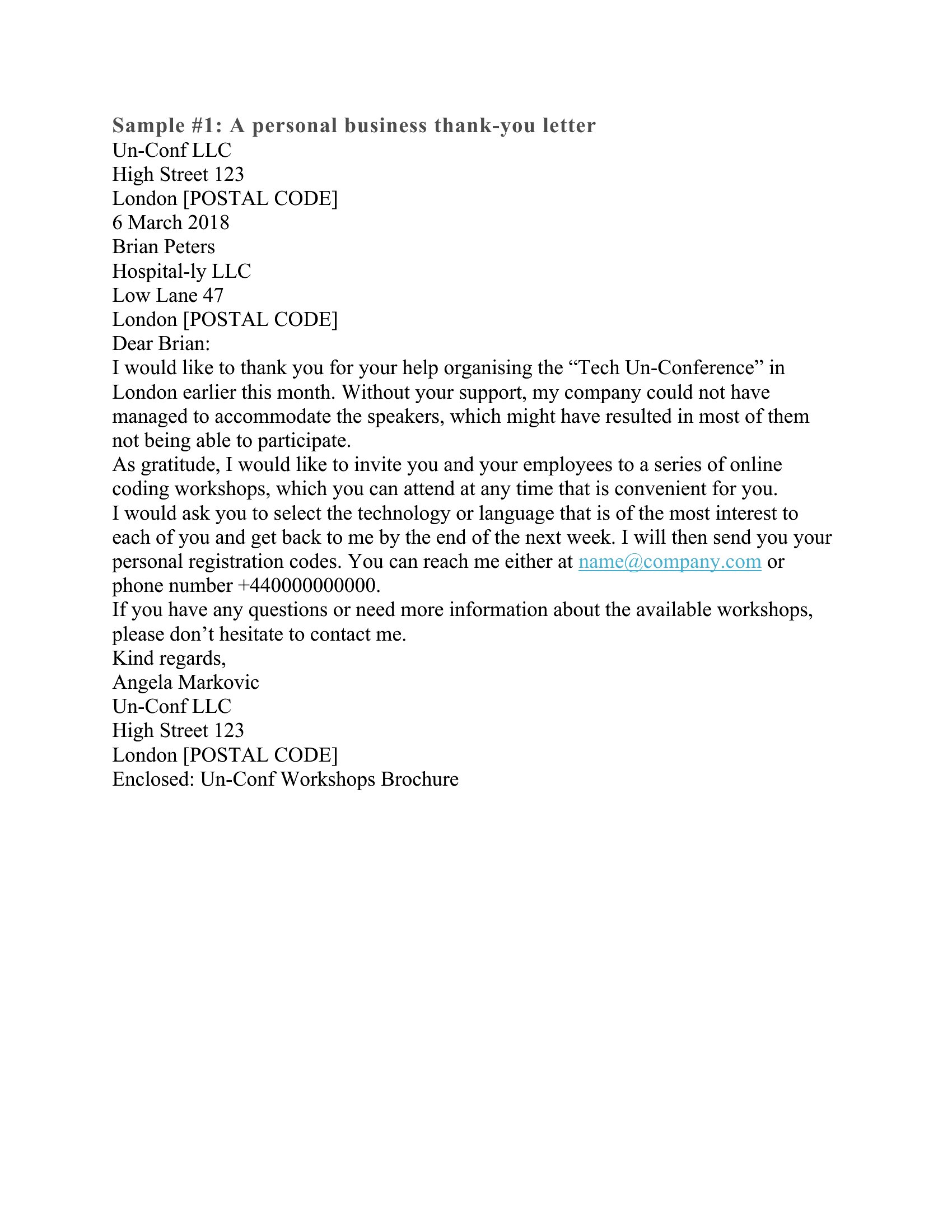
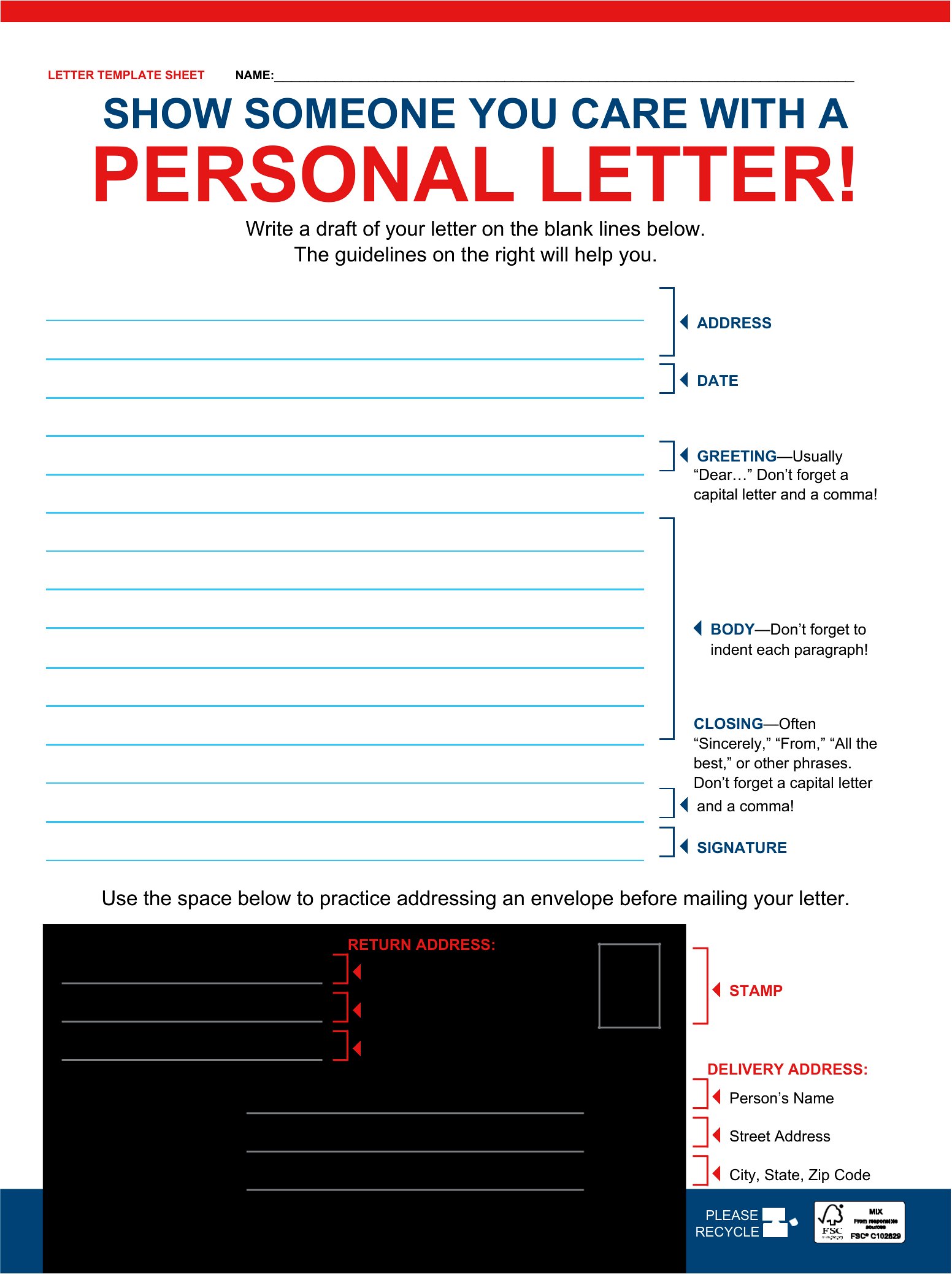
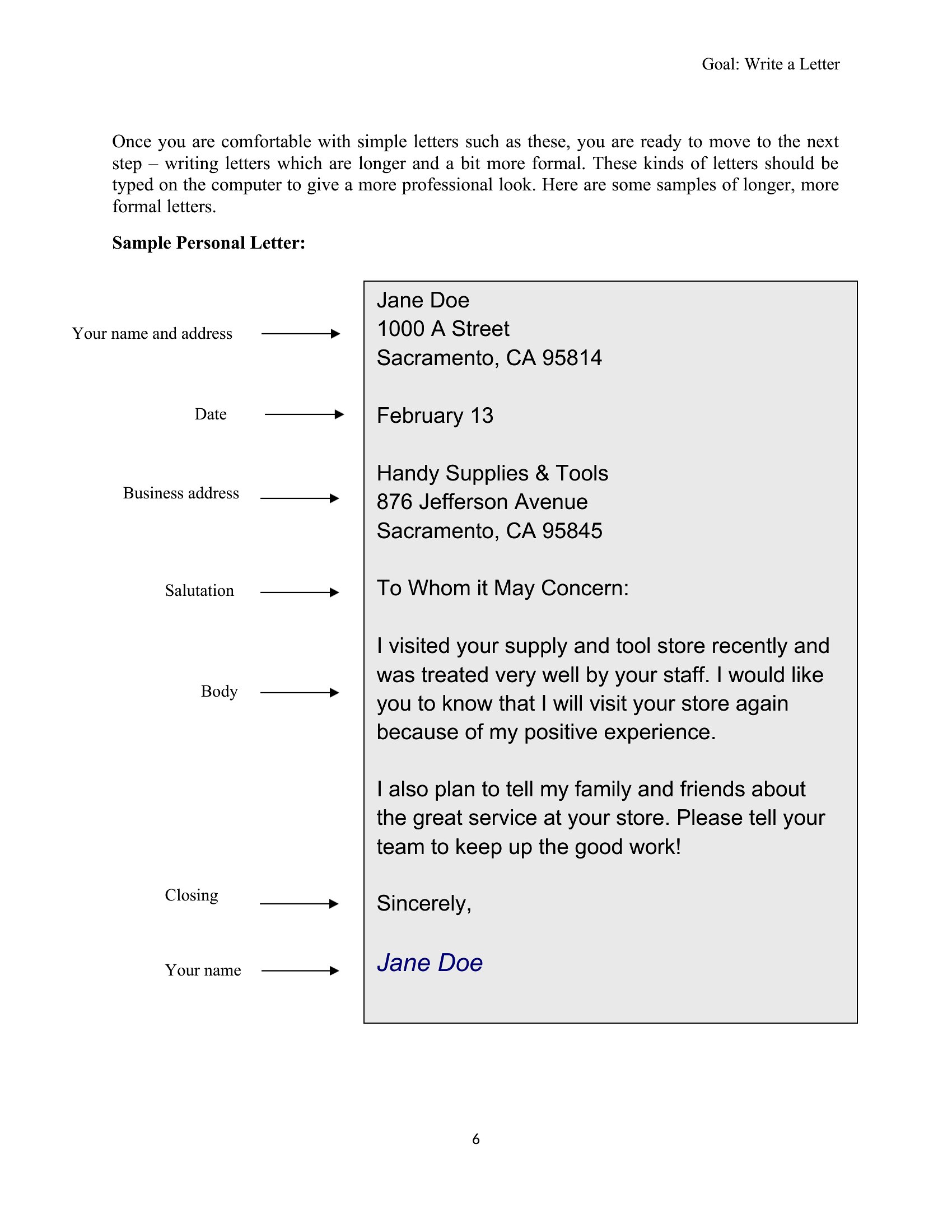
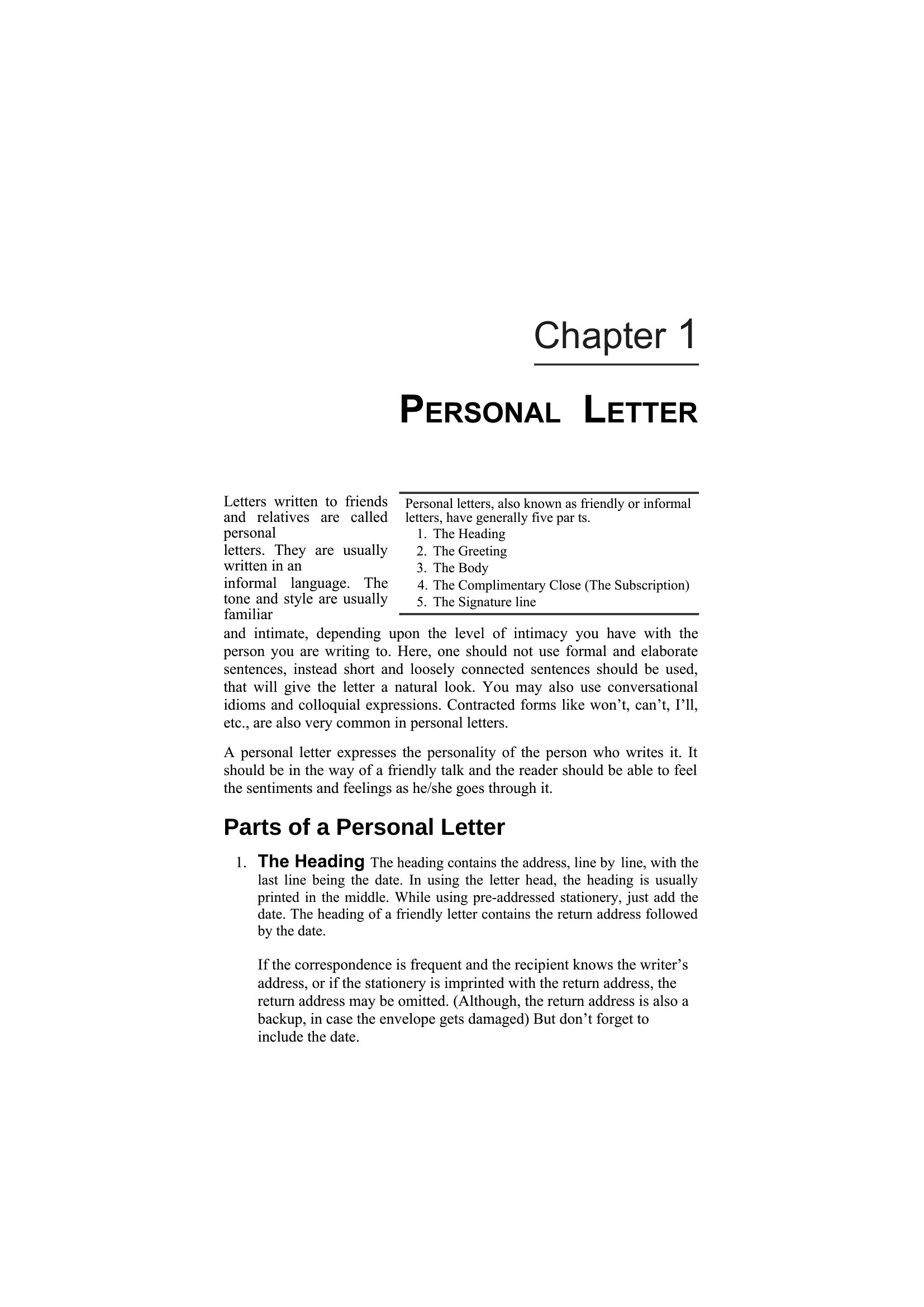
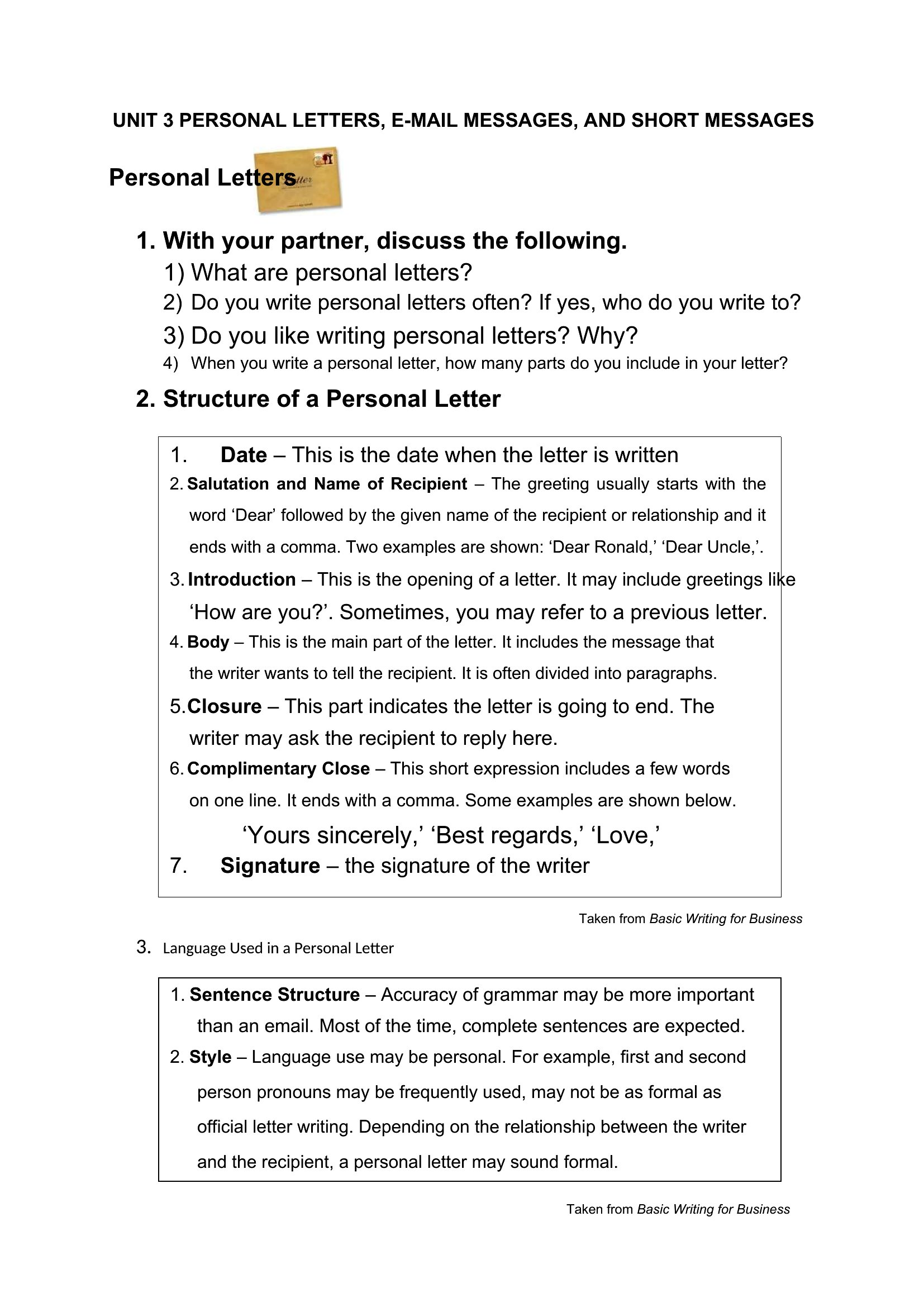
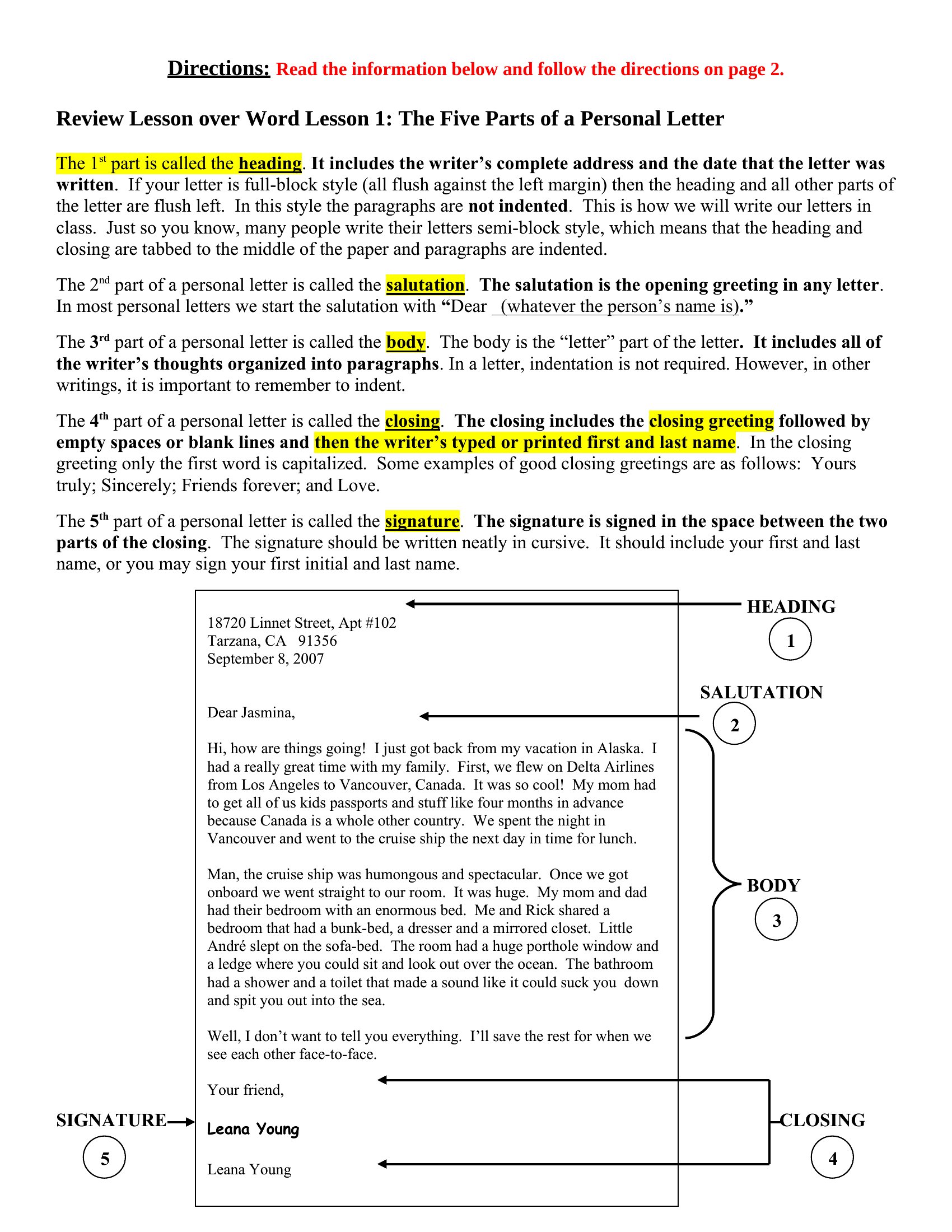
Each template is editable in Word, ready for you to set the greeting, body, and closing to fit the occasion. Adjust the warmth for a reference versus a personal note, then print it or send it along. The samples help with the small things, like structure and sign-offs, that are easy to second-guess. Pick the version that suits your purpose and make it your own.
When to use this Personal Letter template
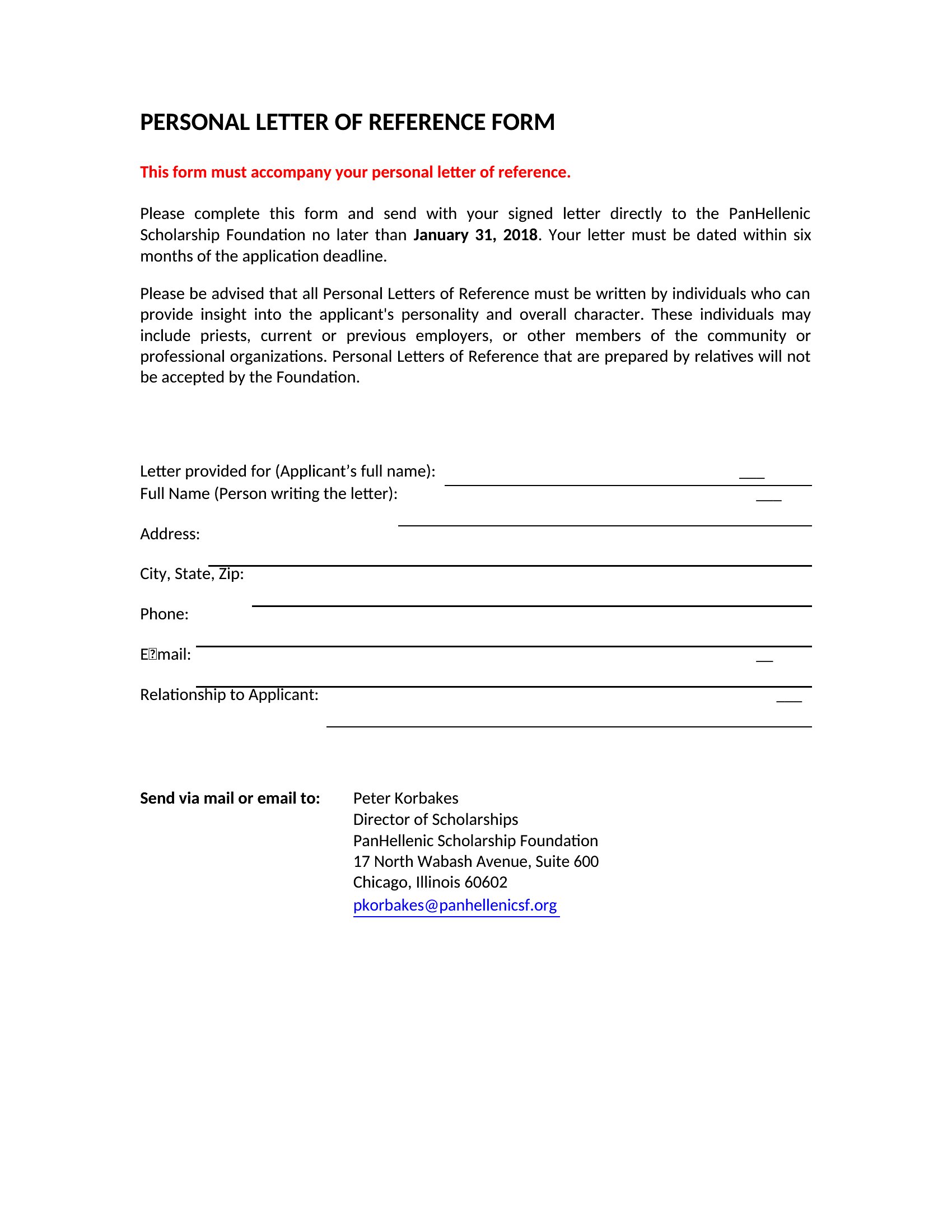
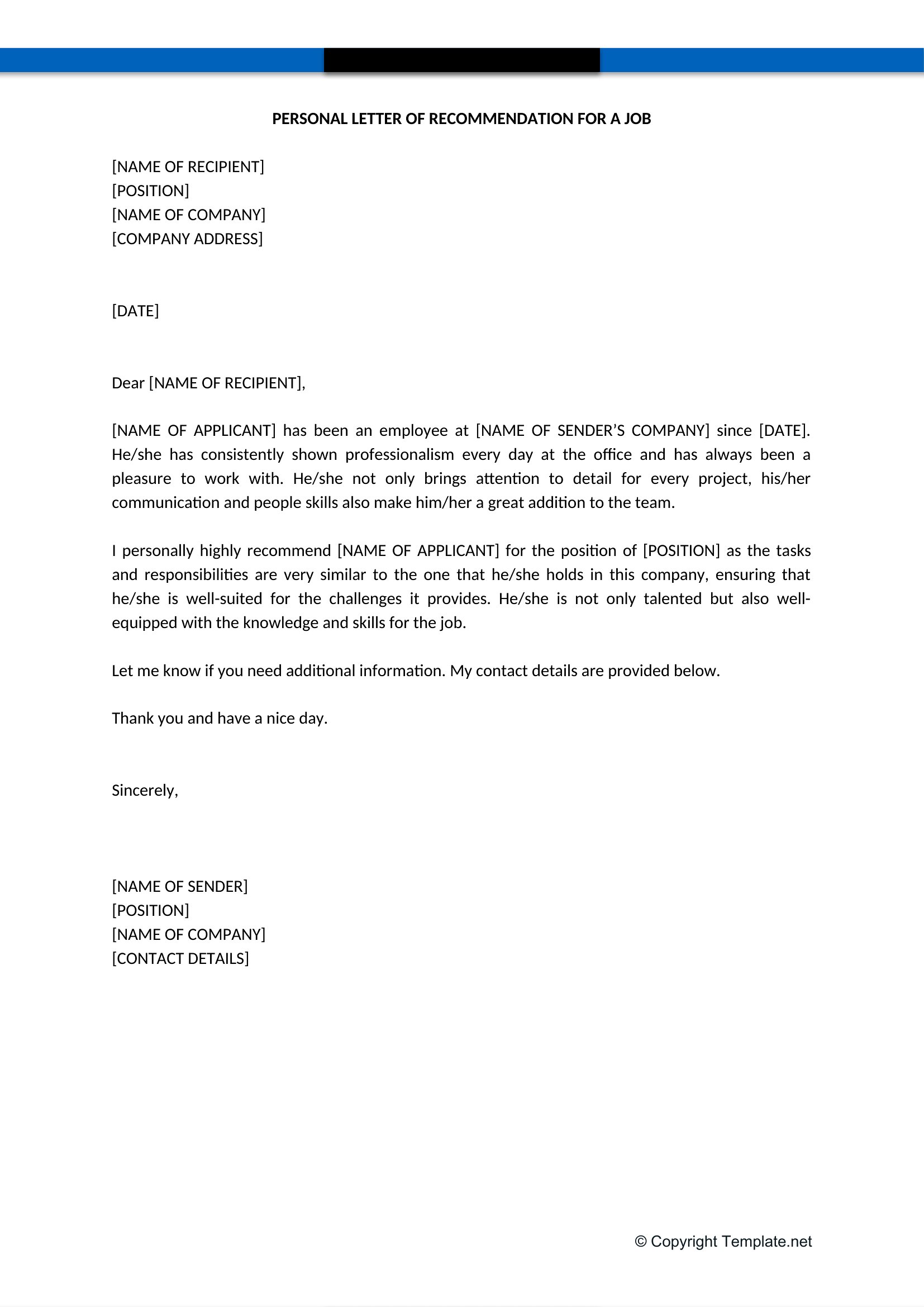
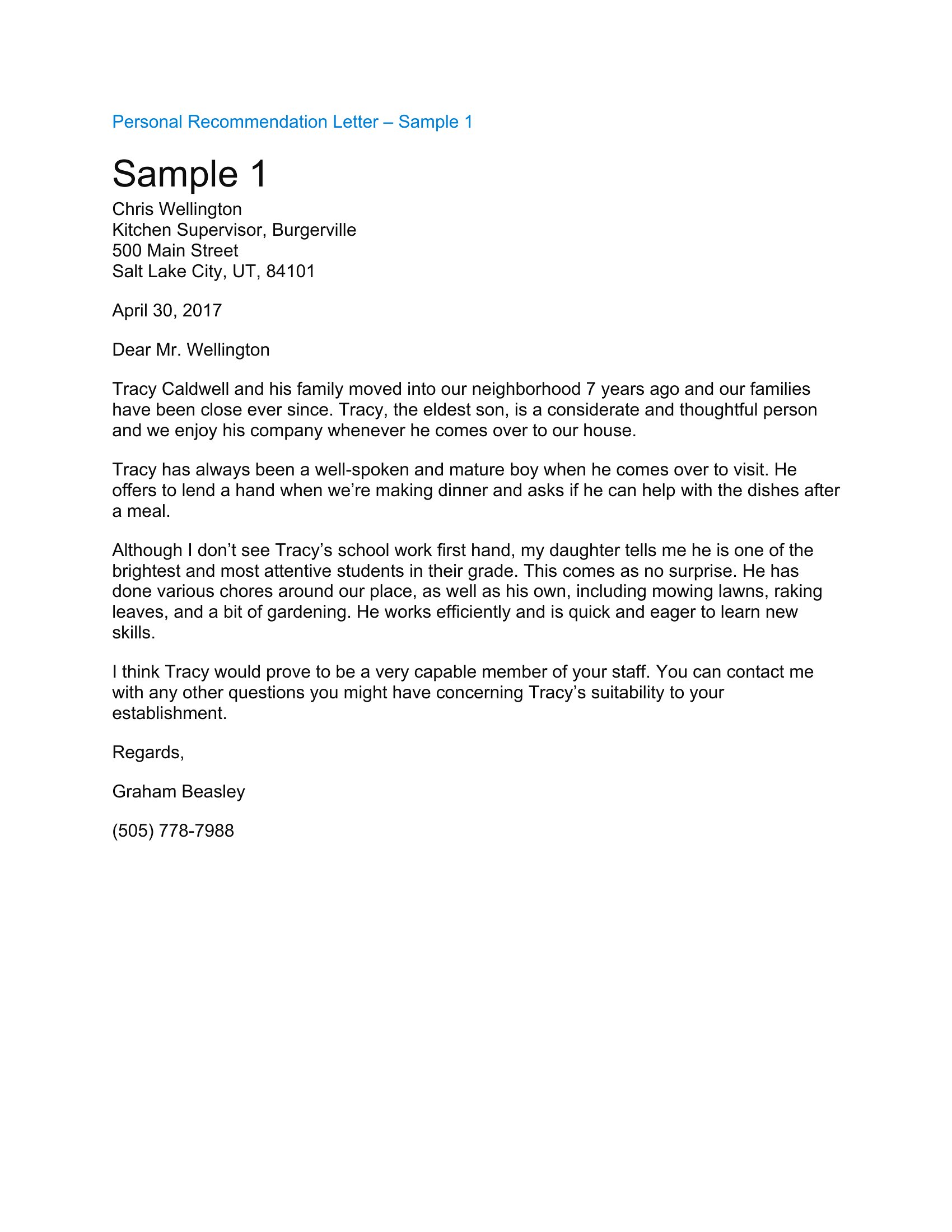
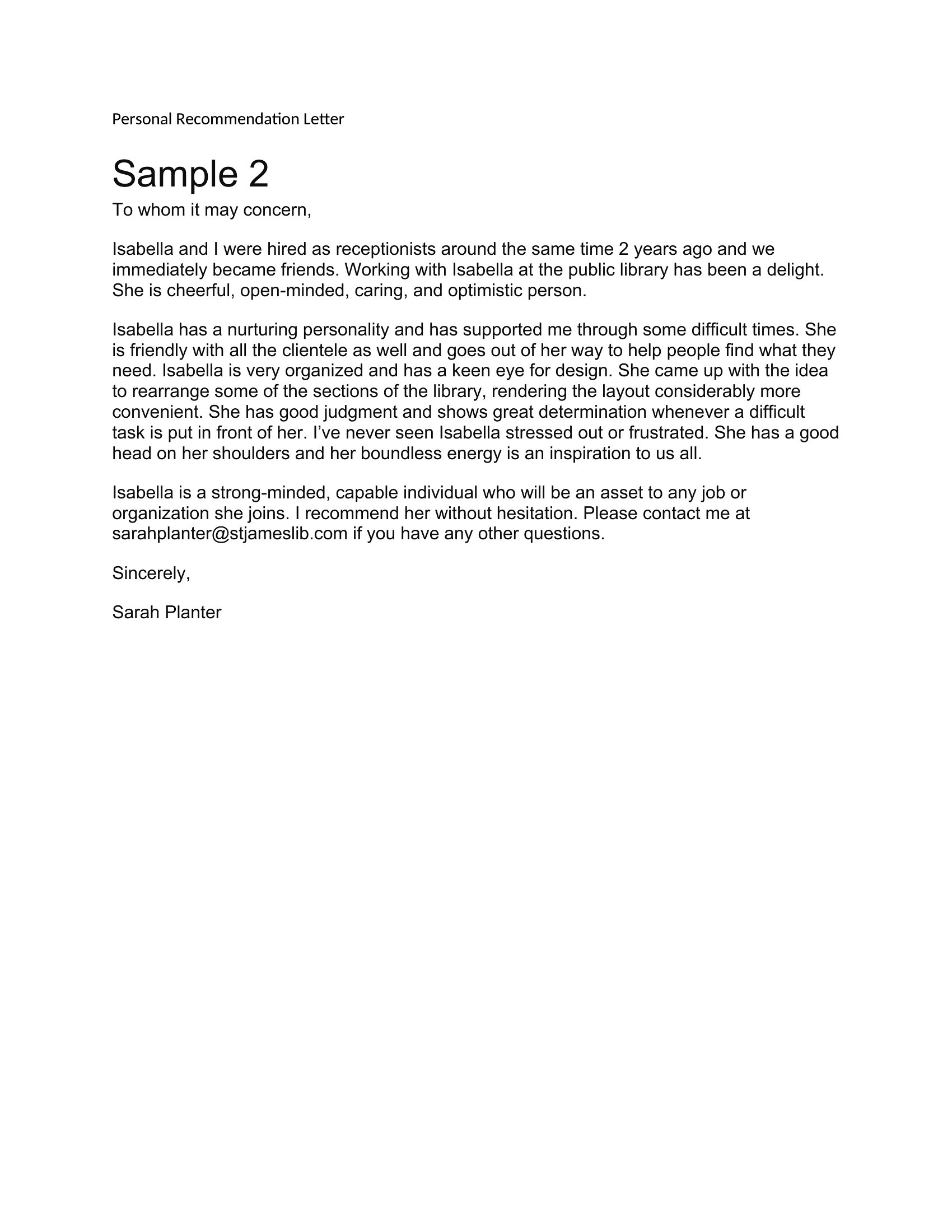
- A hiring manager writing a personal letter of recommendation for a former employee they worked closely with, needing a polished but warm tone to highlight character as well as skills.
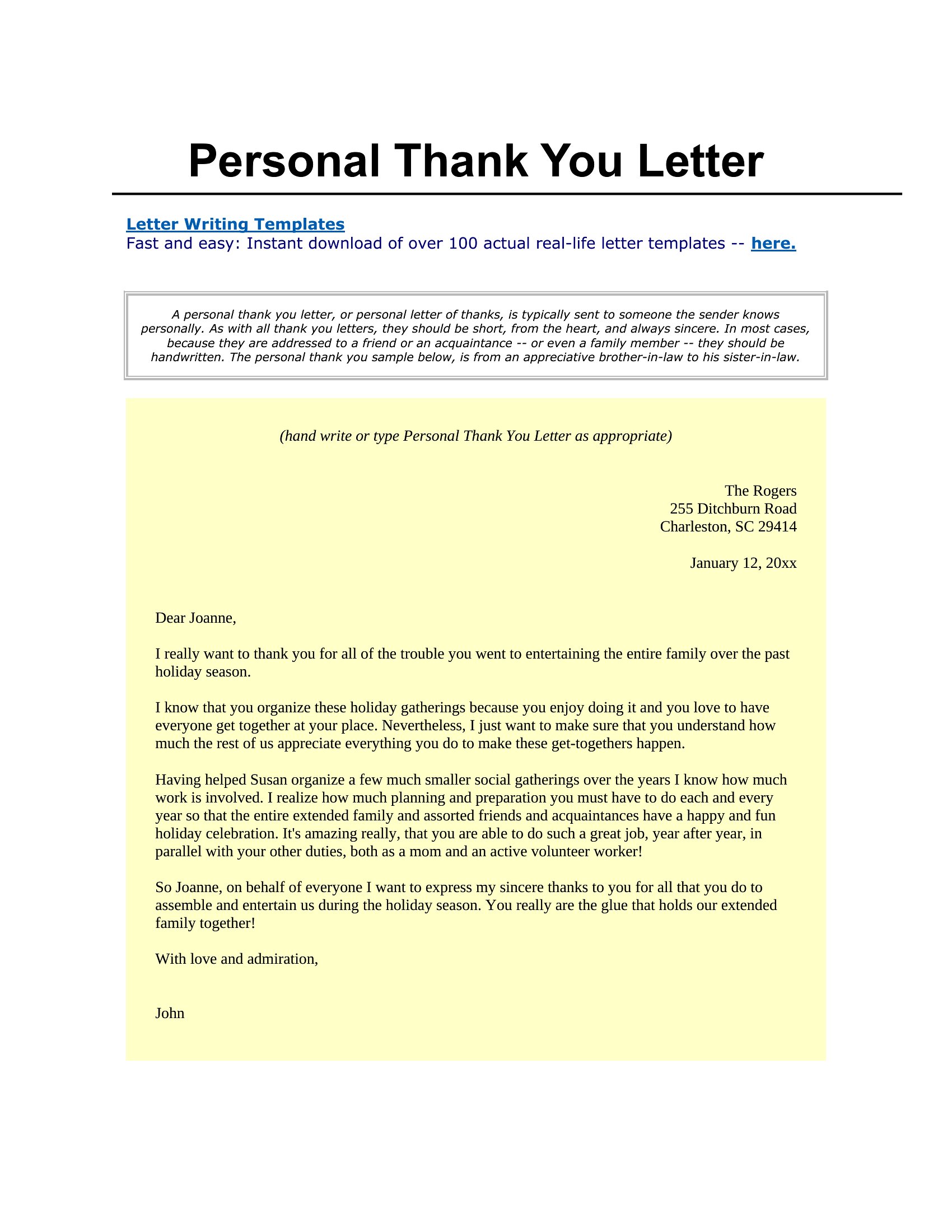
- A grieving family member drafting a private thank-you note to a neighbor who helped during difficult times, wanting to express heartfelt gratitude without awkwardness or over-formality.
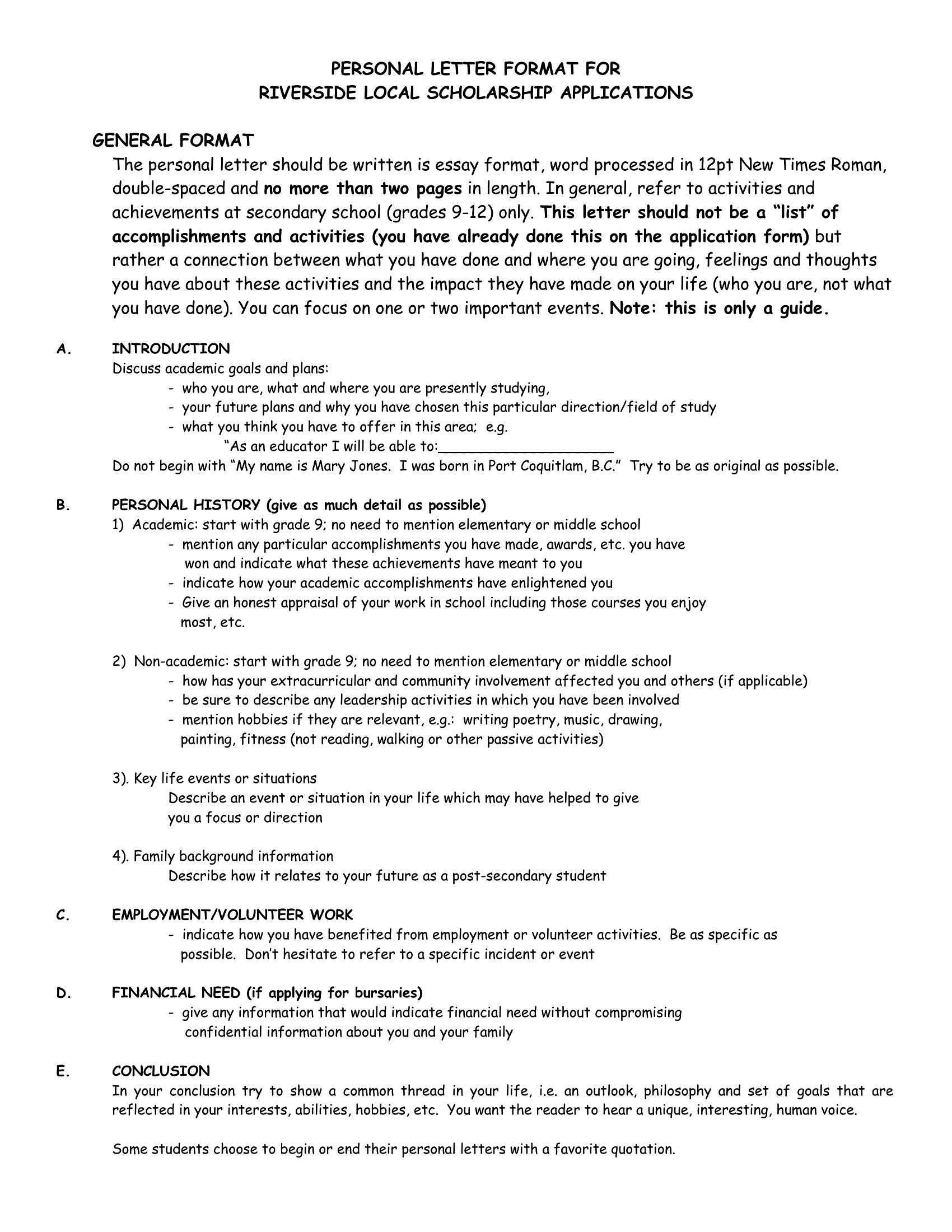
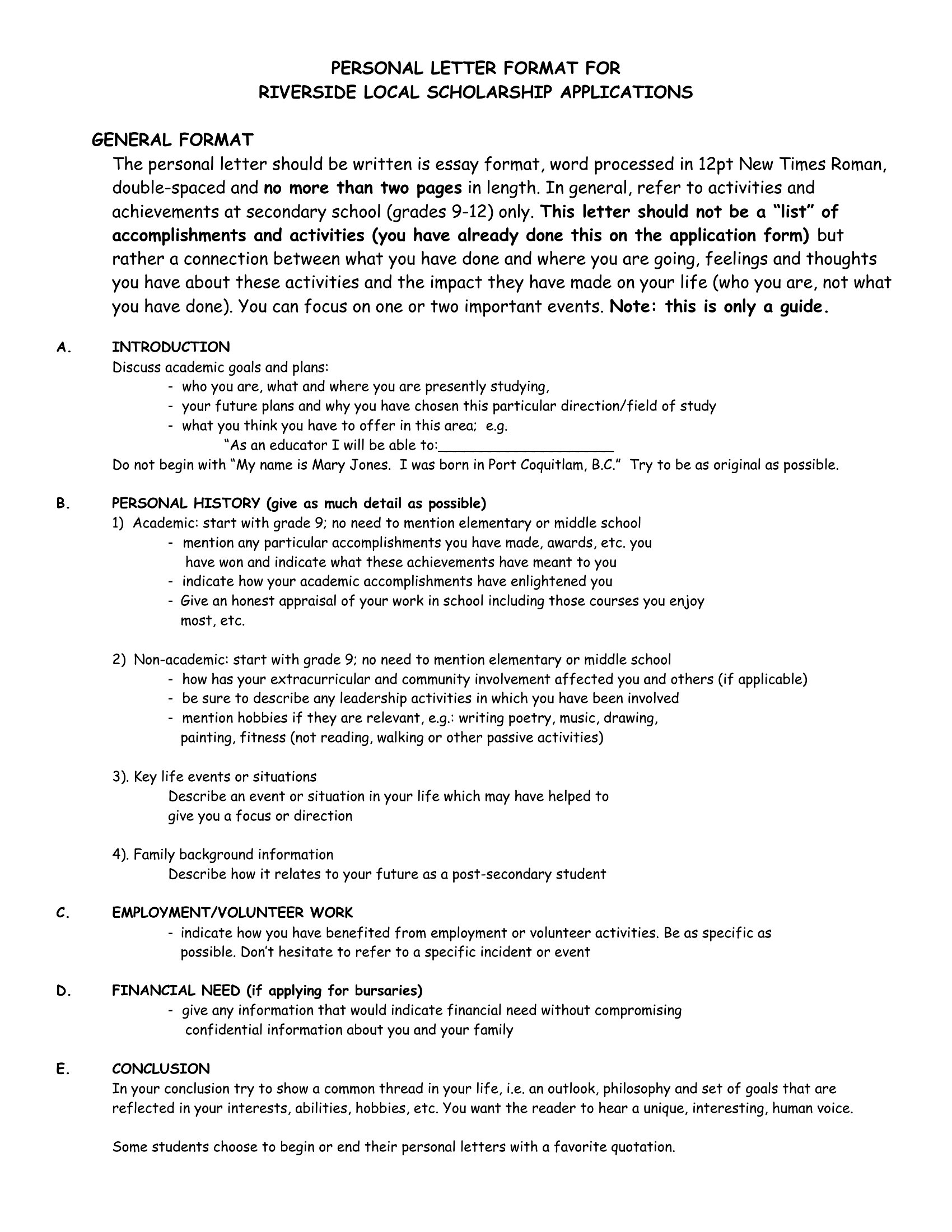
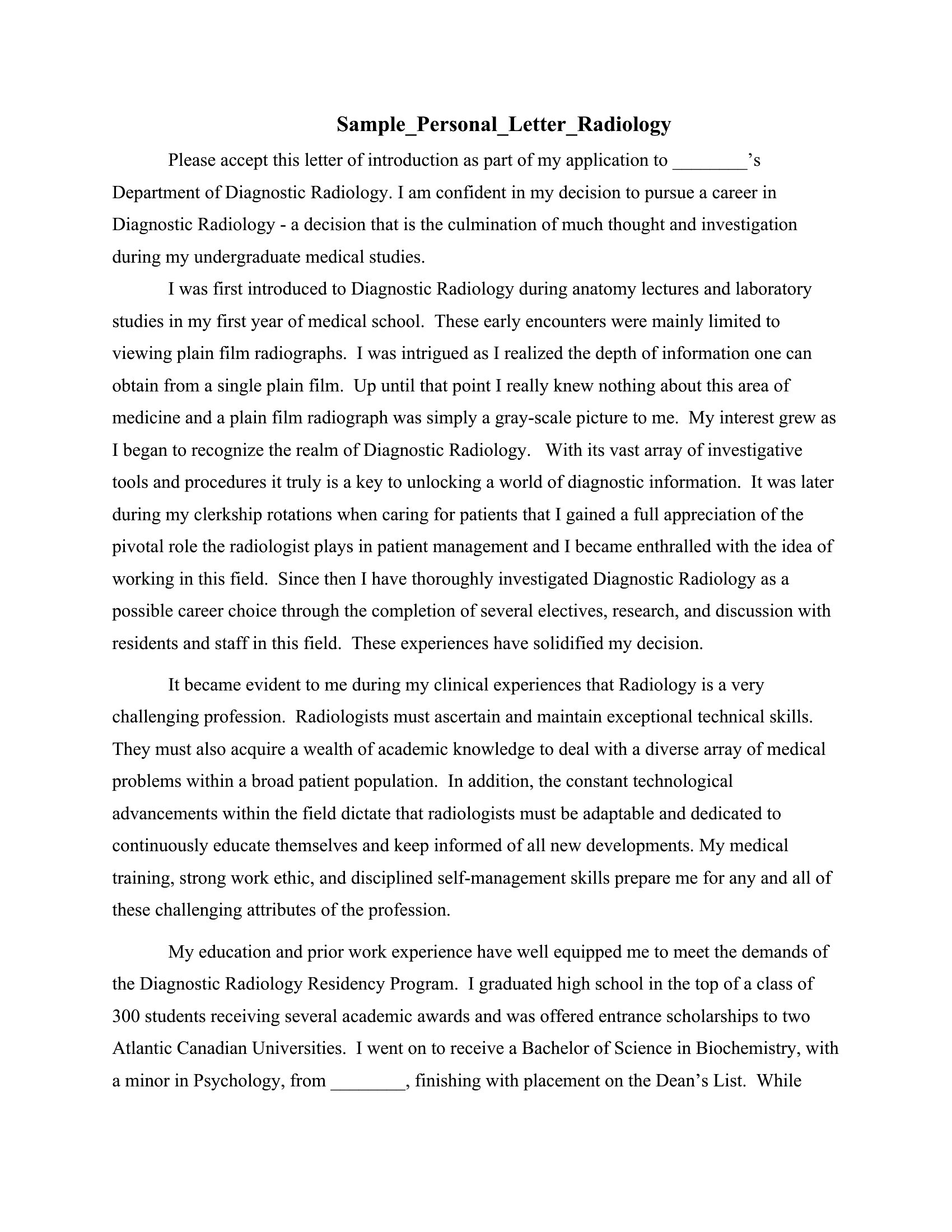
- A student composing a personal statement for a scholarship, where a structured yet conversational letter helps organize stories about personal growth into a compelling narrative.
- A caregiver writing to a family member who’s helping from afar, explaining financial or emotional challenges in a clear but sensitive way that avoids guilt or defensiveness.
Which format should I download?
Word is the only format here, and it’s ideal because it keeps the letter’s tone natural while allowing easy customization with fonts, spacing, and simple design touches. Use Word when you need a balance of professionalism and personal warmth—it’s straightforward for handwritten-feel letters (like gratitude notes) but also adaptable for more formal correspondence (like references or resignations). Avoid layouts with rigid templates; instead, focus on adjusting margins, line spacing, and bullet points to match your voice.
Choose from 47 Personal Letter Templates
How to use this Personal Letter template
How do I make a personal letter feel more genuine without losing structure?
Start by choosing a template that matches your purpose—like a ‘heartfelt note’ instead of a formal recommendation—then replace placeholder text with specific anecdotes or details. For example, in a thank-you letter, swap generic phrases for a memory of how the recipient helped, like ‘I’ll never forget the way you stayed late to review my work.’ Keep handwriting-style fonts to a minimum; simplicity makes the personal content shine.
Can I use these templates for a letter that’s part apology, part explanation?
Yes, but begin with a blank or ‘personal reasons’ template to avoid sounding too scripted. Focus on the ‘why’ of your situation (e.g., ‘After careful thought, I realized my priorities had shifted’) and pair it with a sincere acknowledgment of impact (e.g., ‘I regret any inconvenience this caused’). Leave space for handwritten notes if you’re mailing it—this adds authenticity. Avoid templates labeled ‘formal’; they can come across as cold.
What’s the best way to organize a letter about a difficult conversation I need to have?
Use a ‘personal reasons’ or ‘blank’ template to structure it clearly: start with the context (e.g., ‘I’ve been struggling with…’), then the ask or explanation (e.g., ‘That’s why I need to…’), and end with a forward-looking step (e.g., ‘I’d love to discuss this in person’). Keep paragraphs short—no more than 3–4 sentences—and leave extra space between sections. If emotions run high, type it first, then print to edit by hand for a softer touch.
Comments
Join the conversation
Sign in to share your thoughts and leave a comment on this resource.