FAQ
What’s the best way to explain a career gap in this type of cover letter?
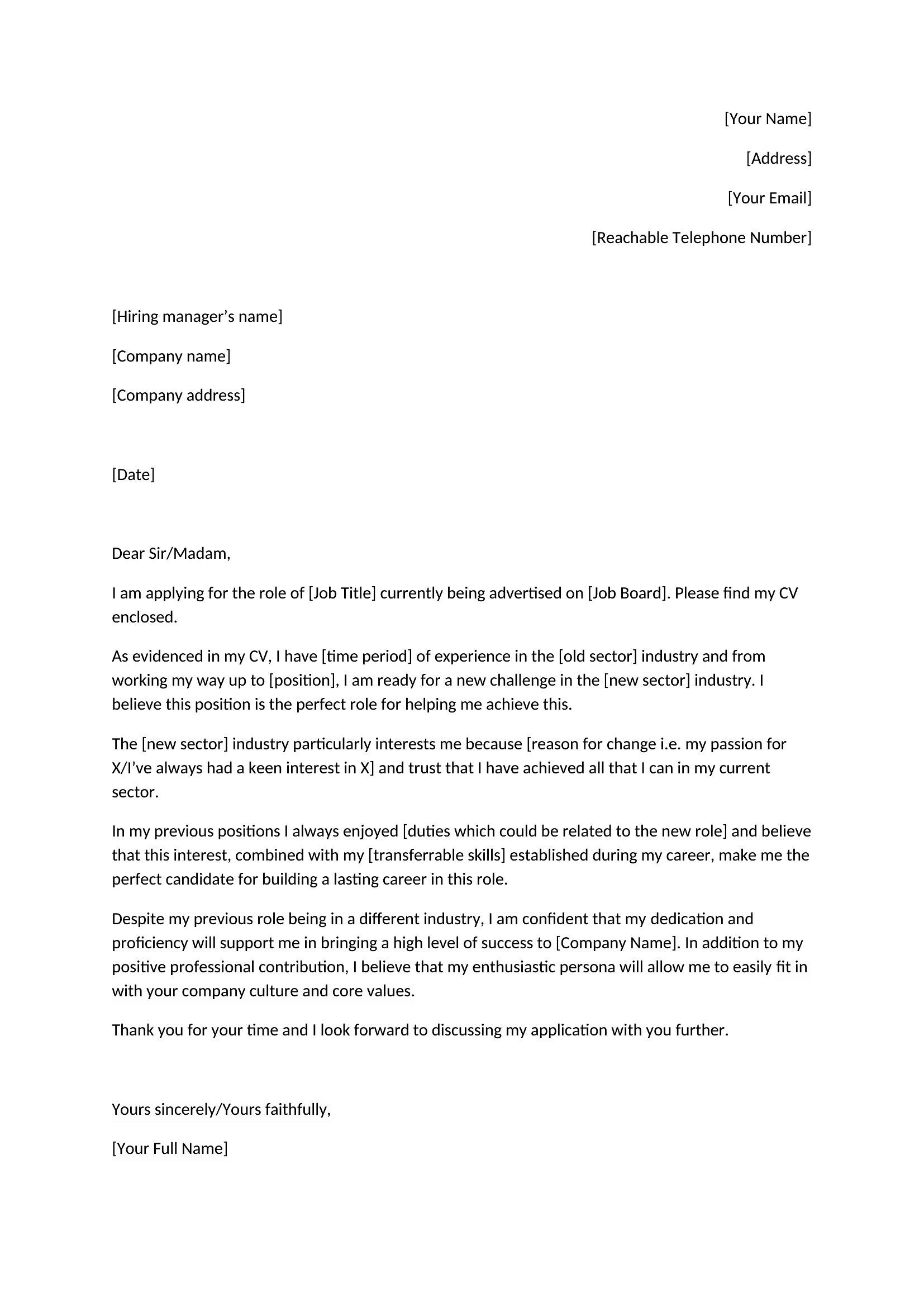
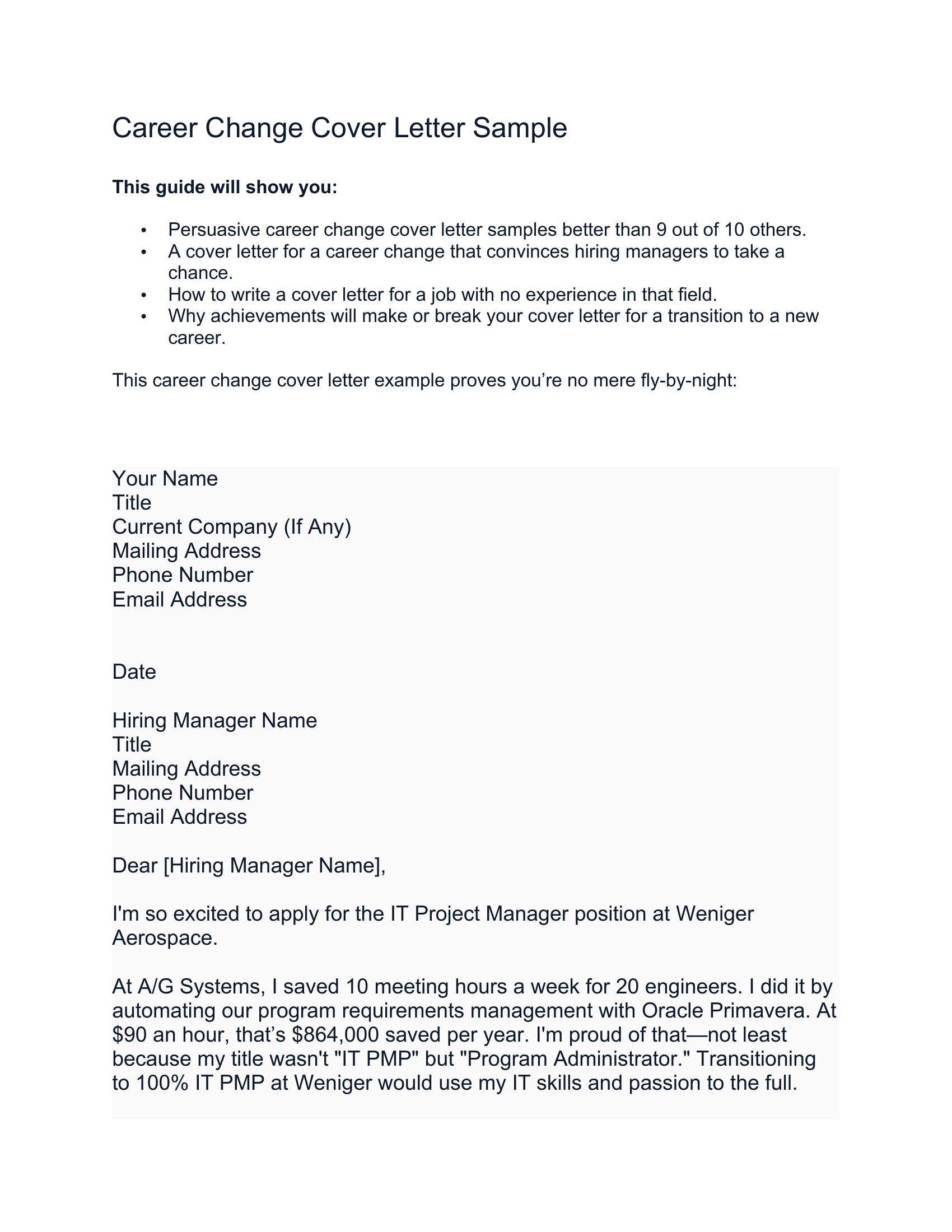
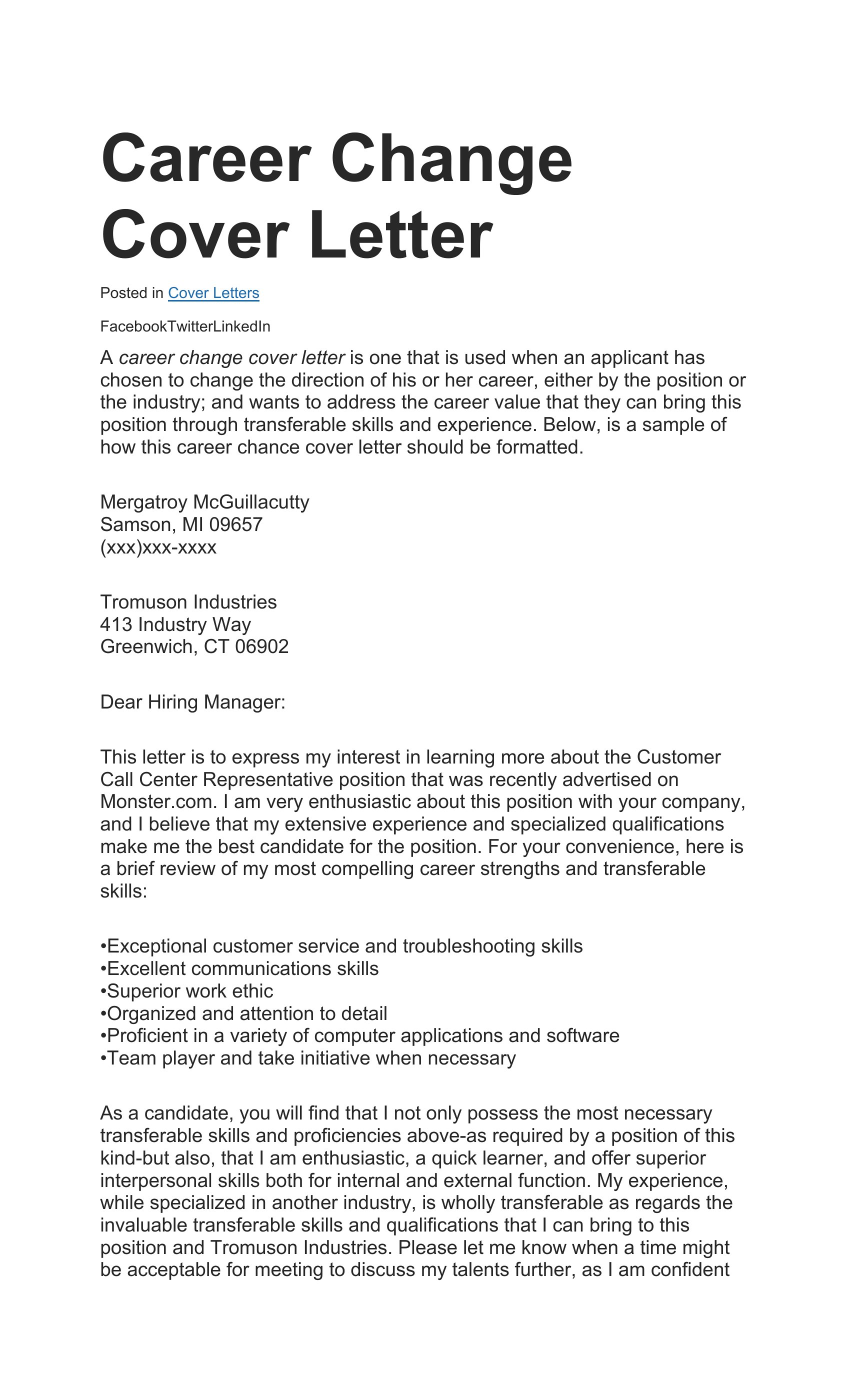
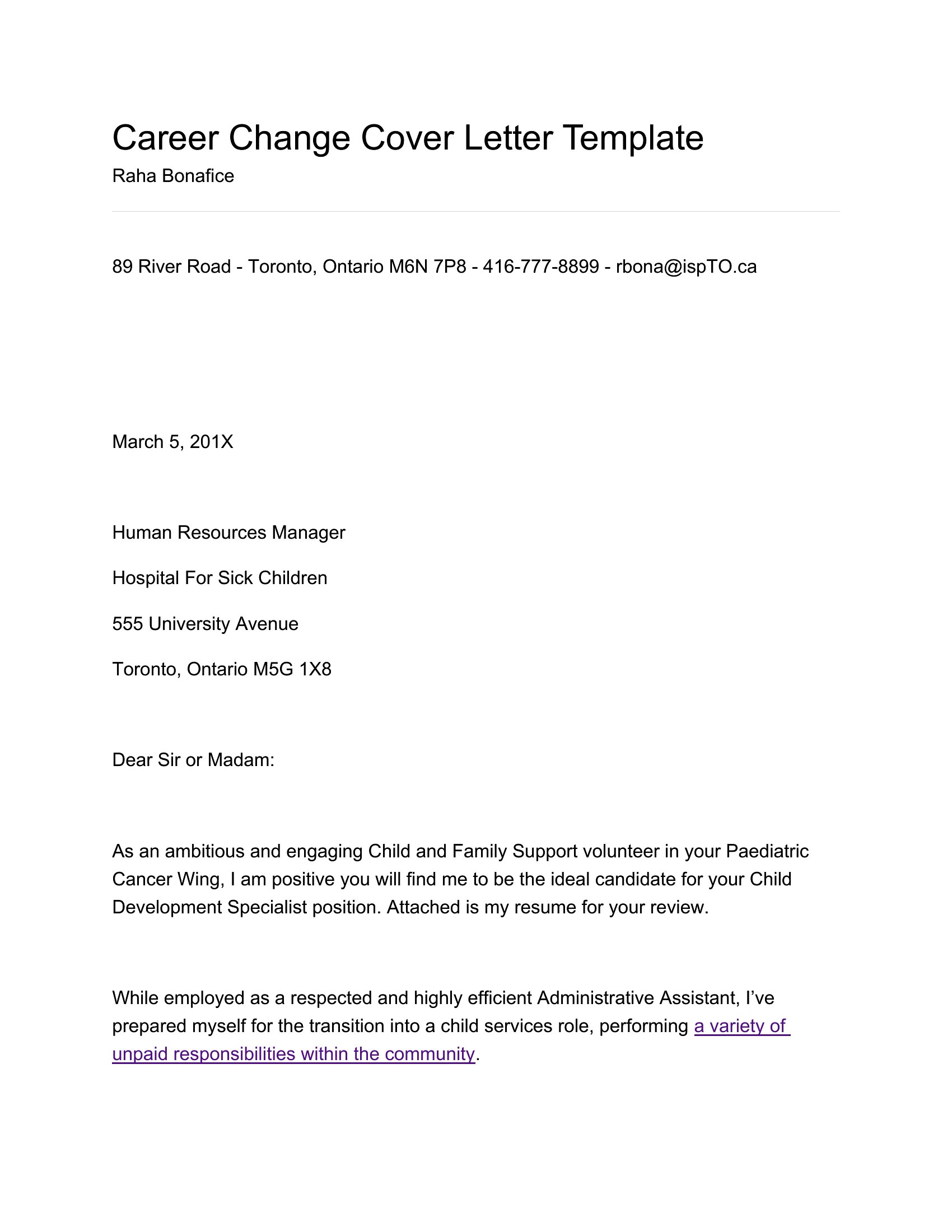
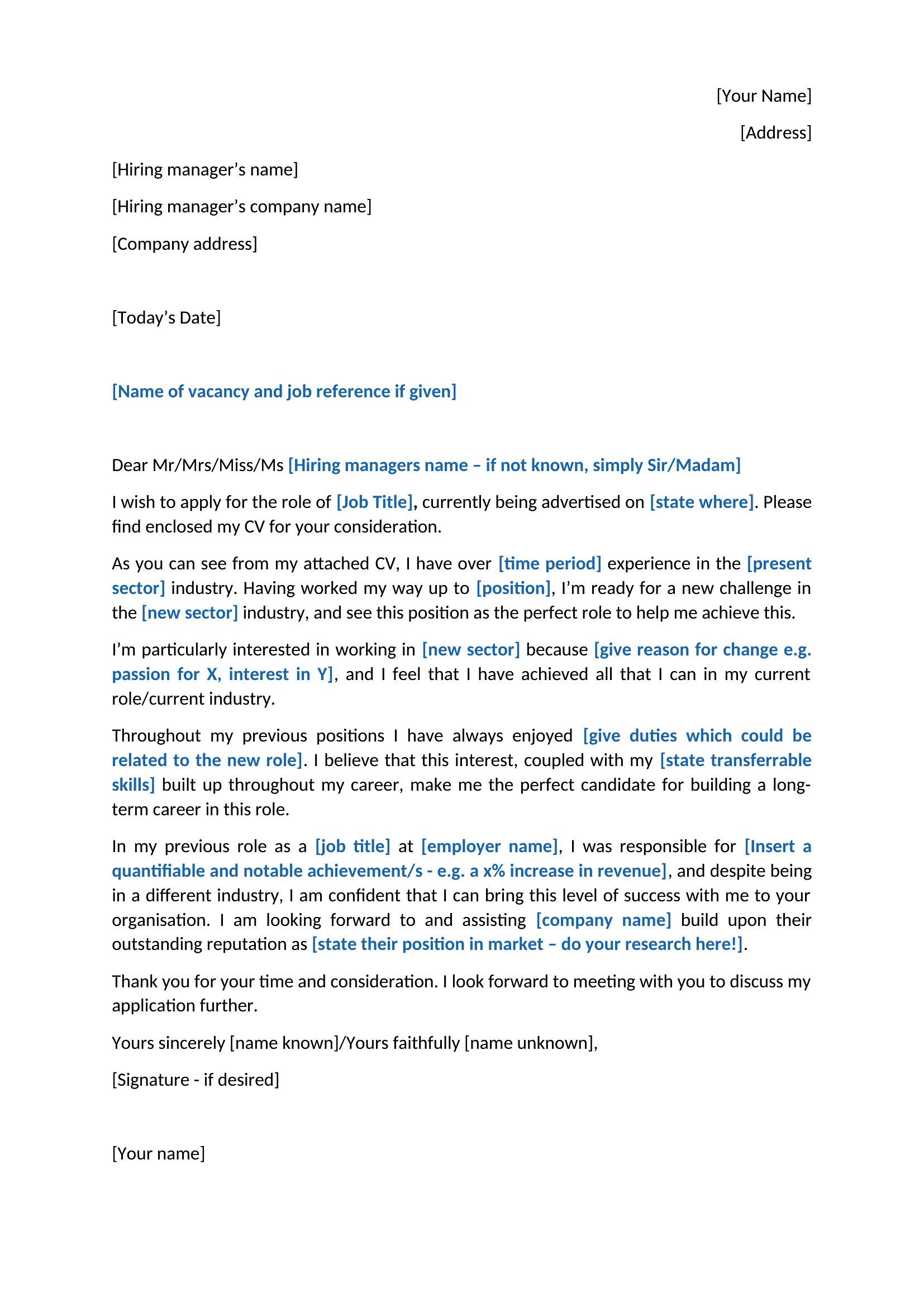
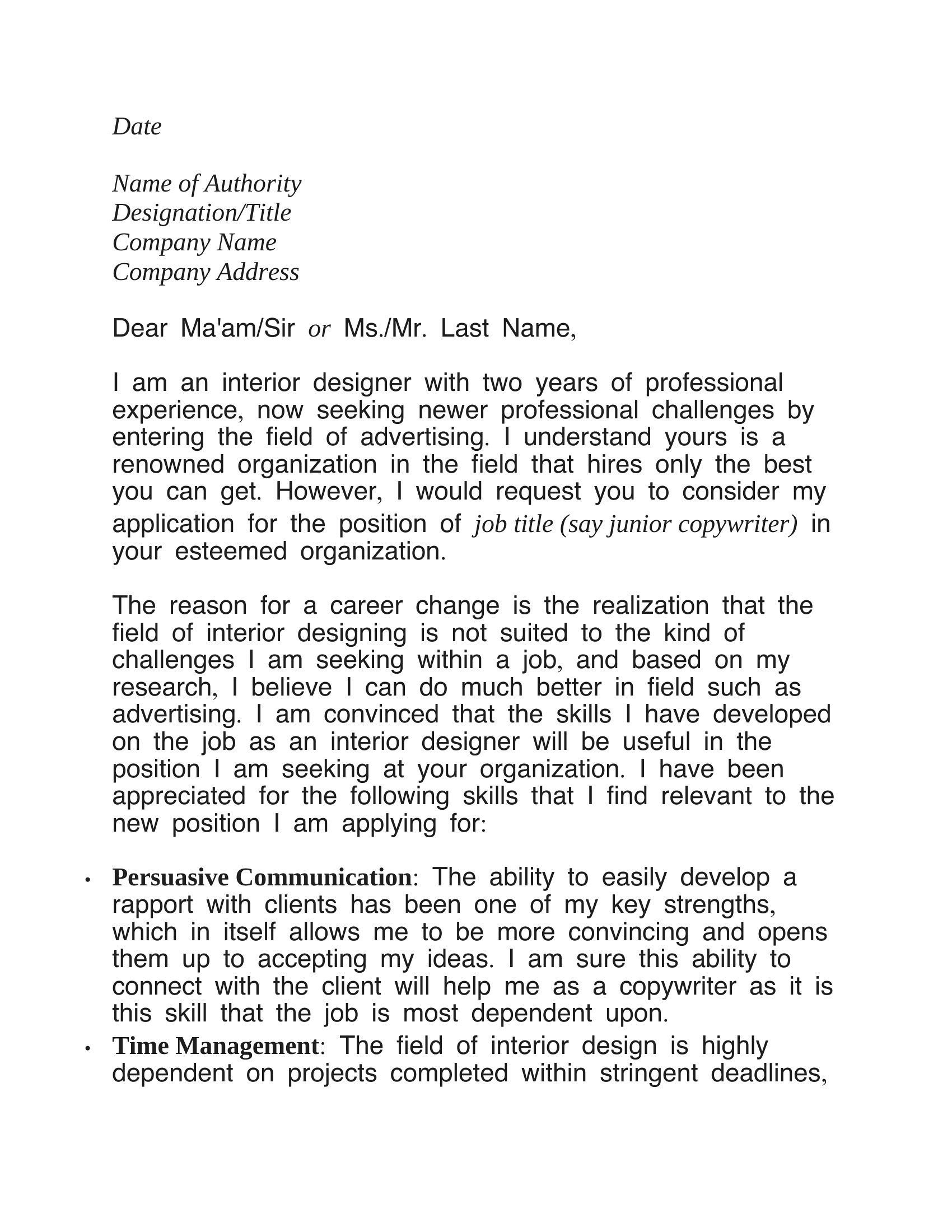
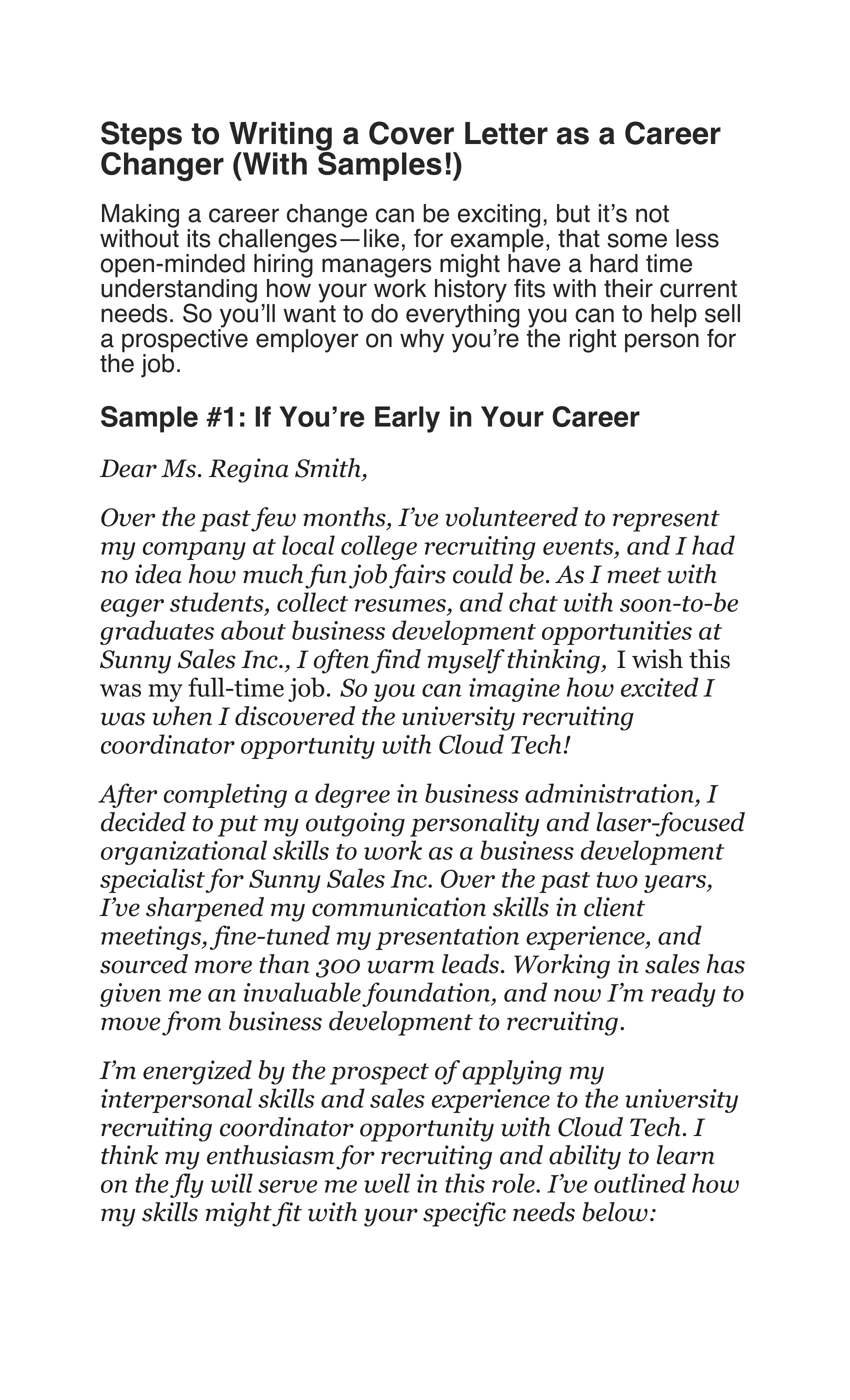
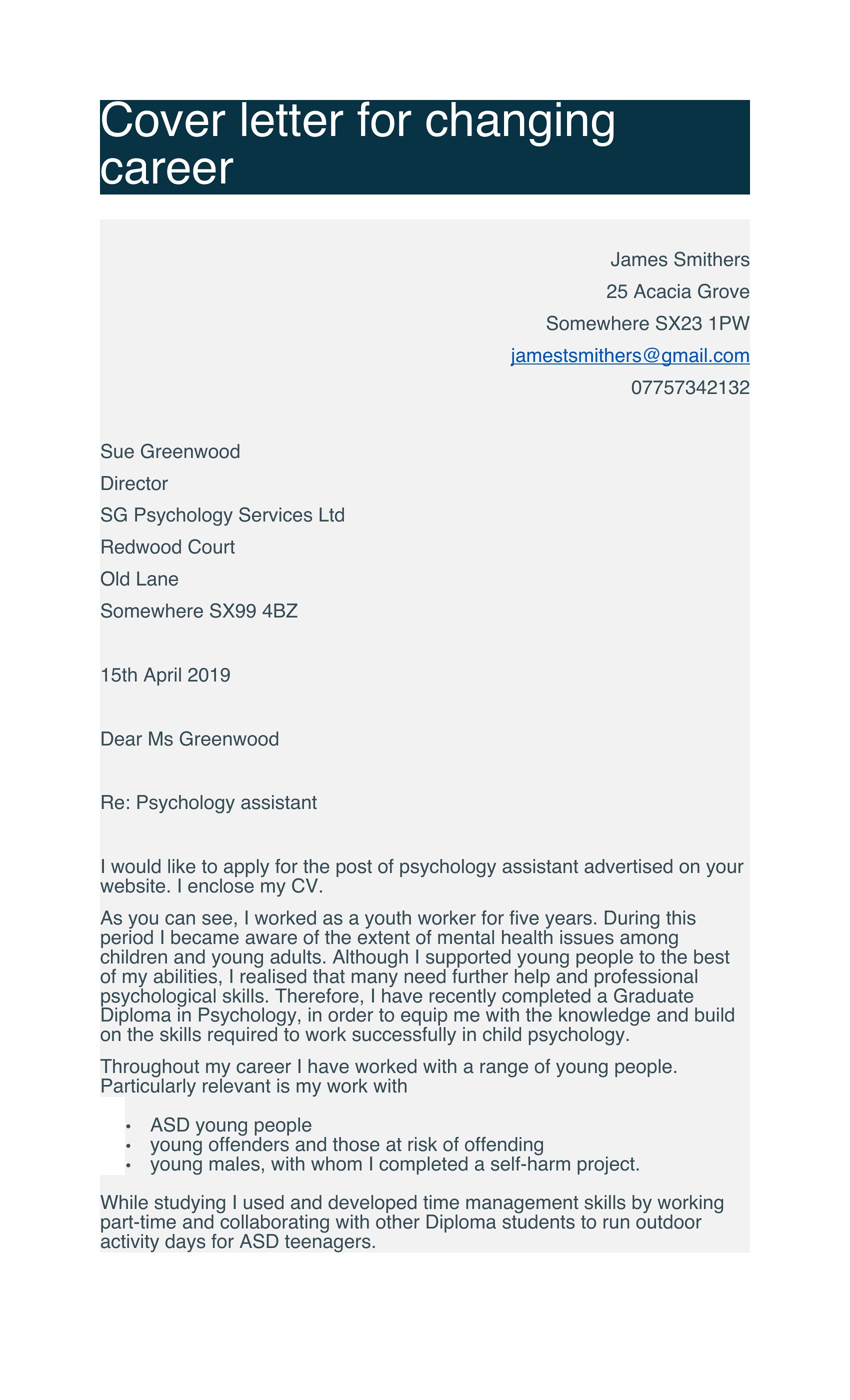
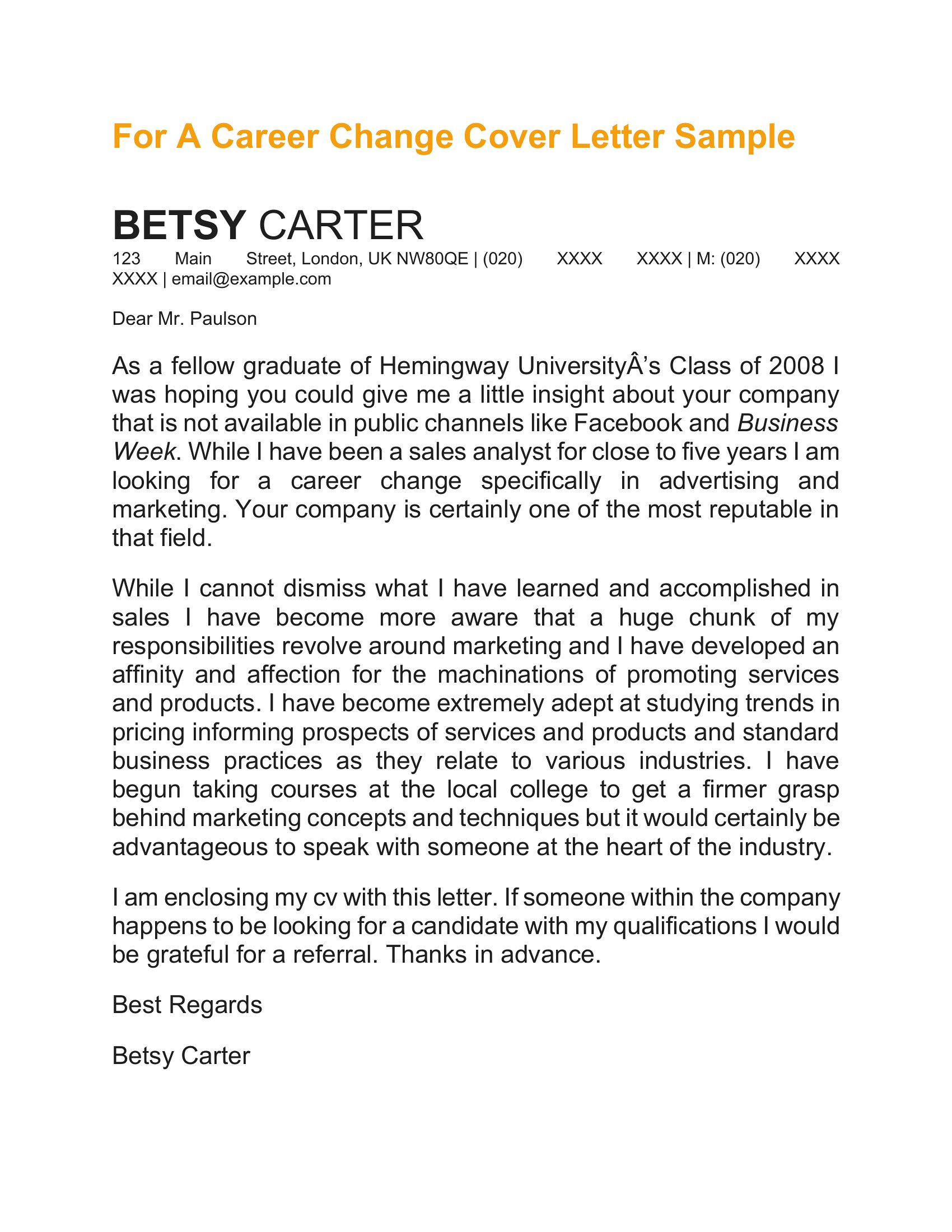
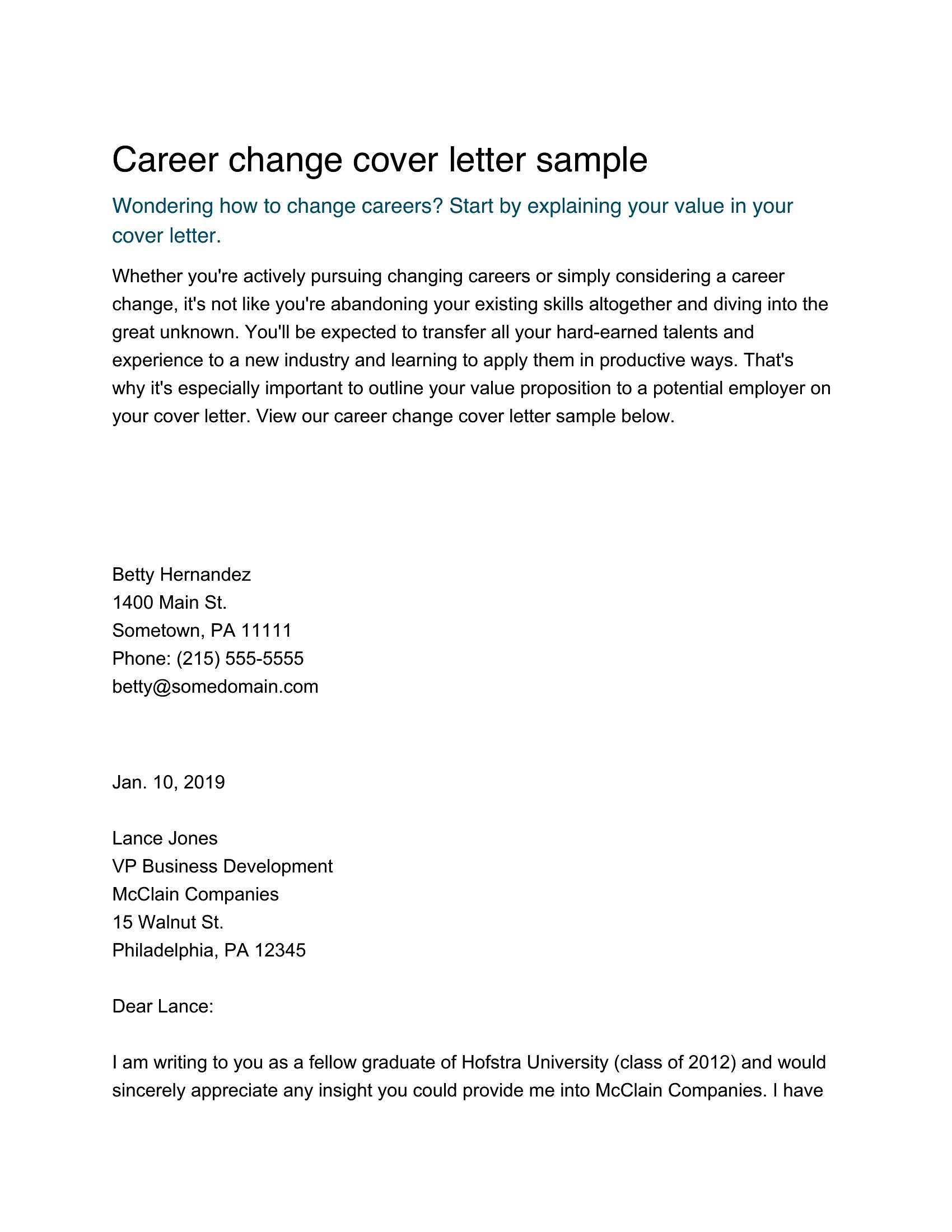
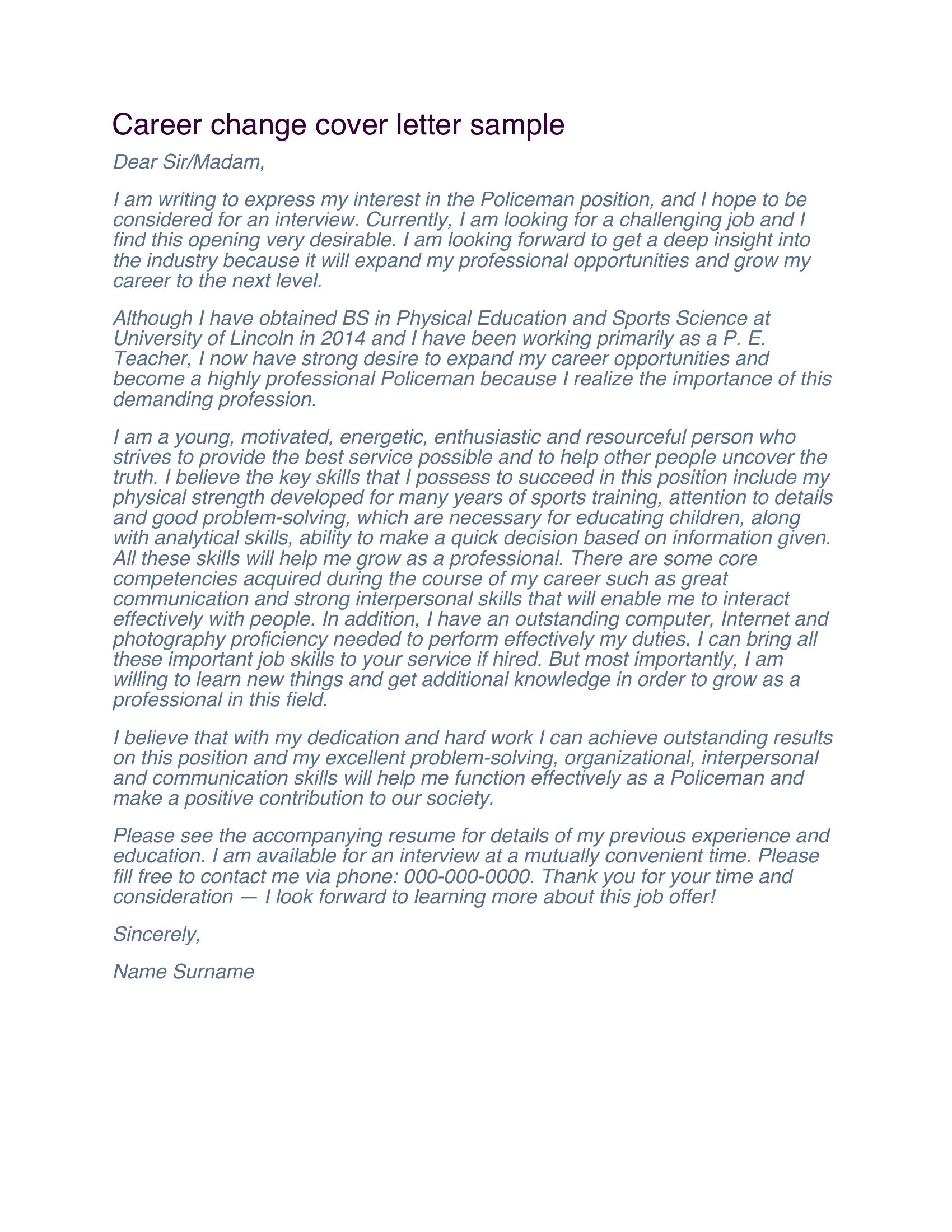
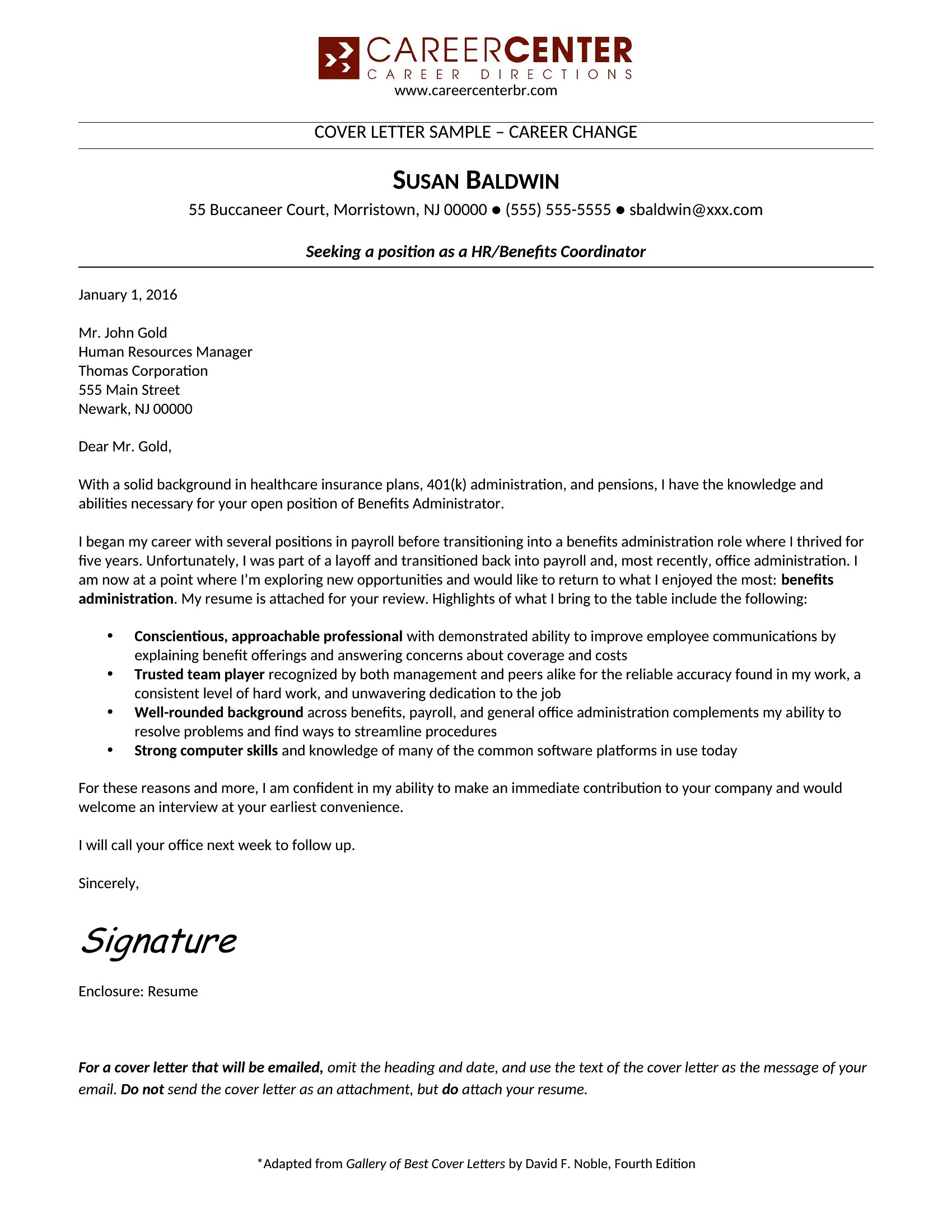
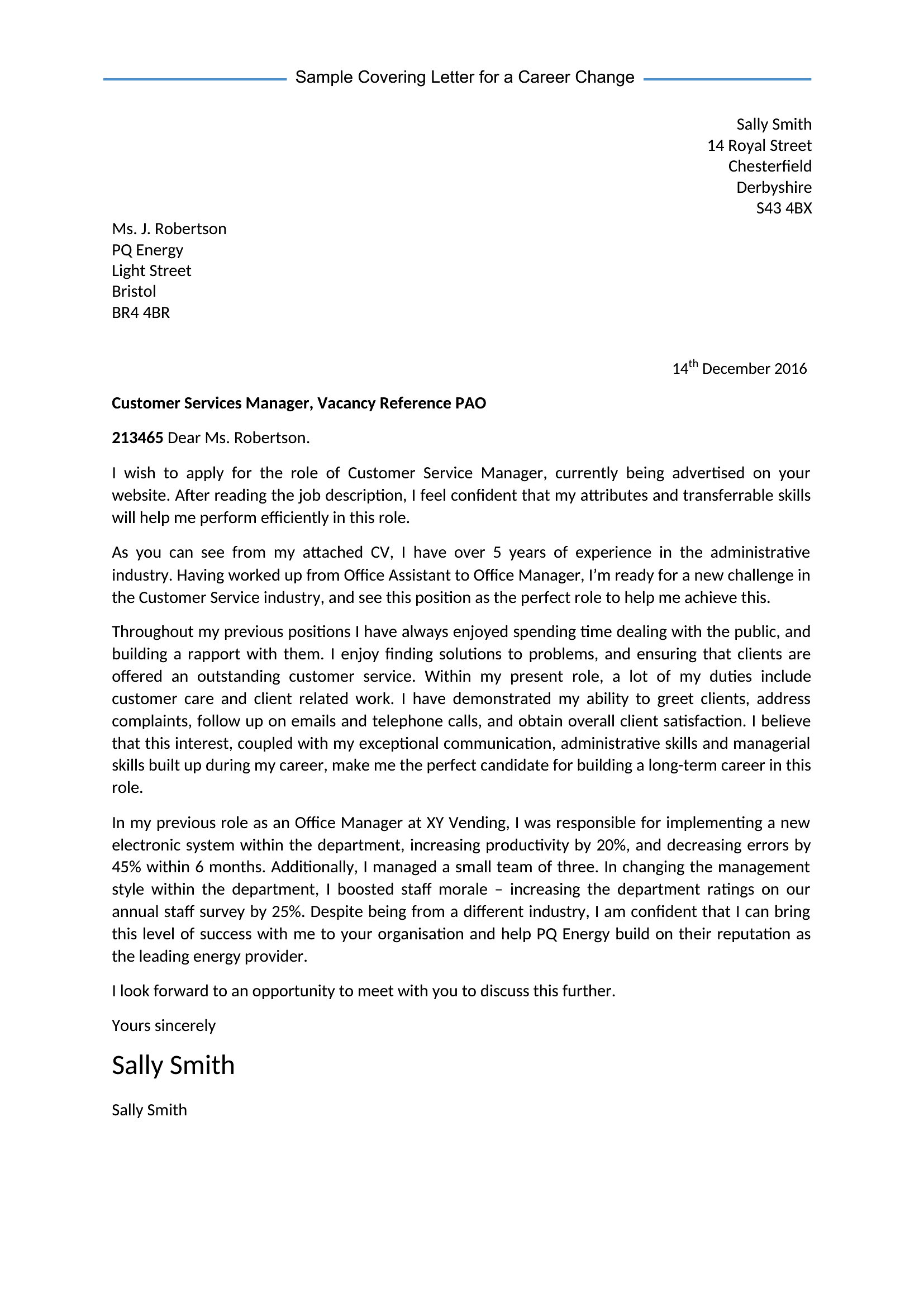
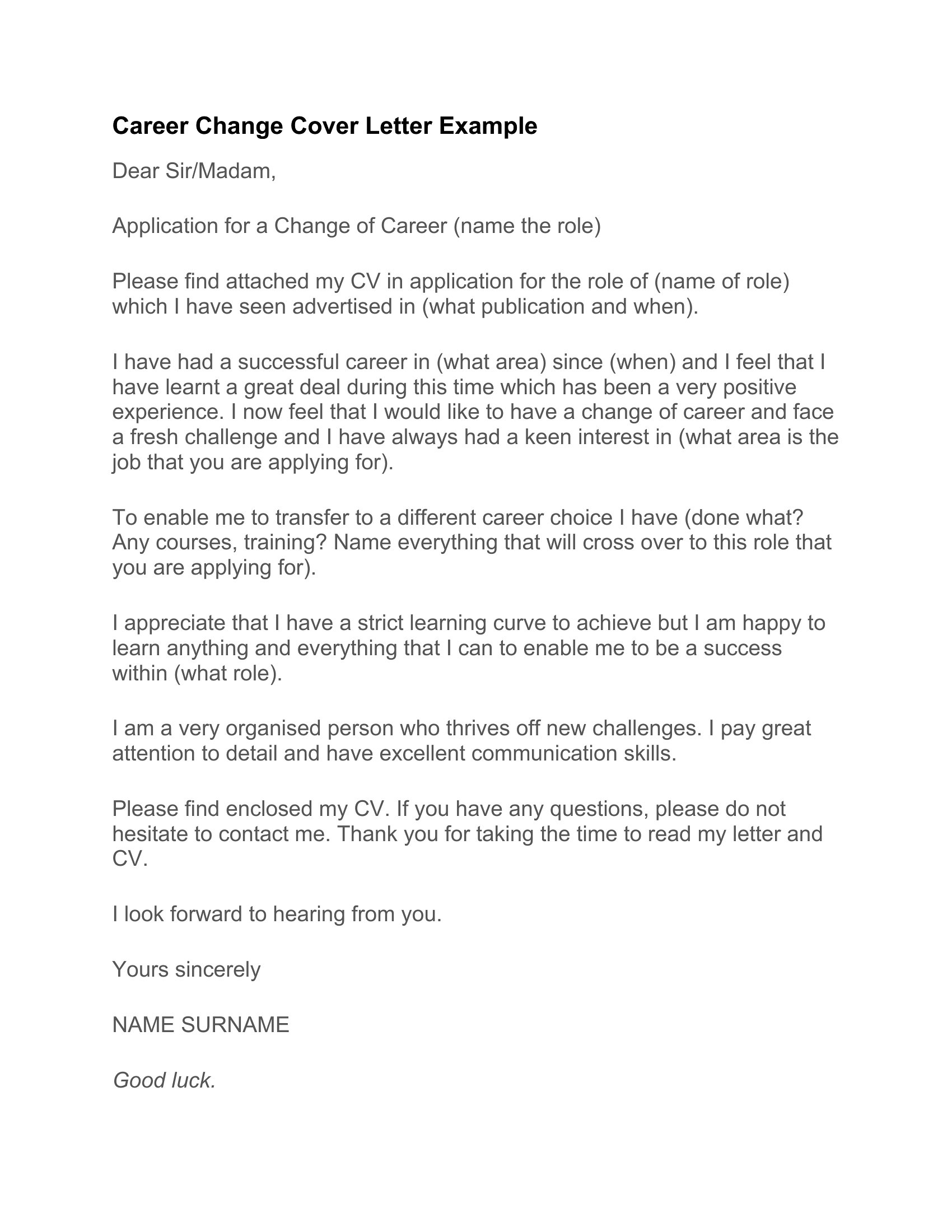
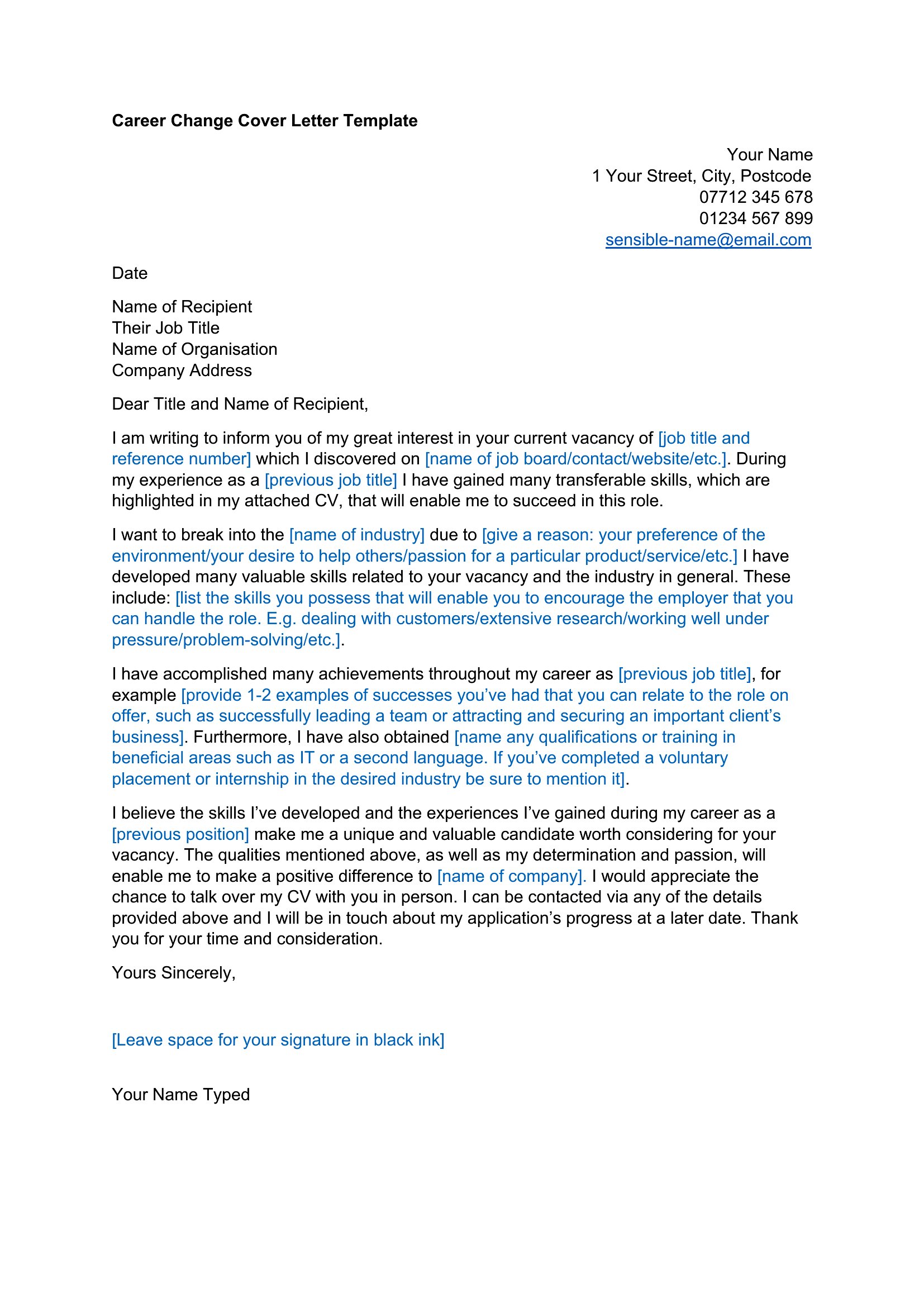
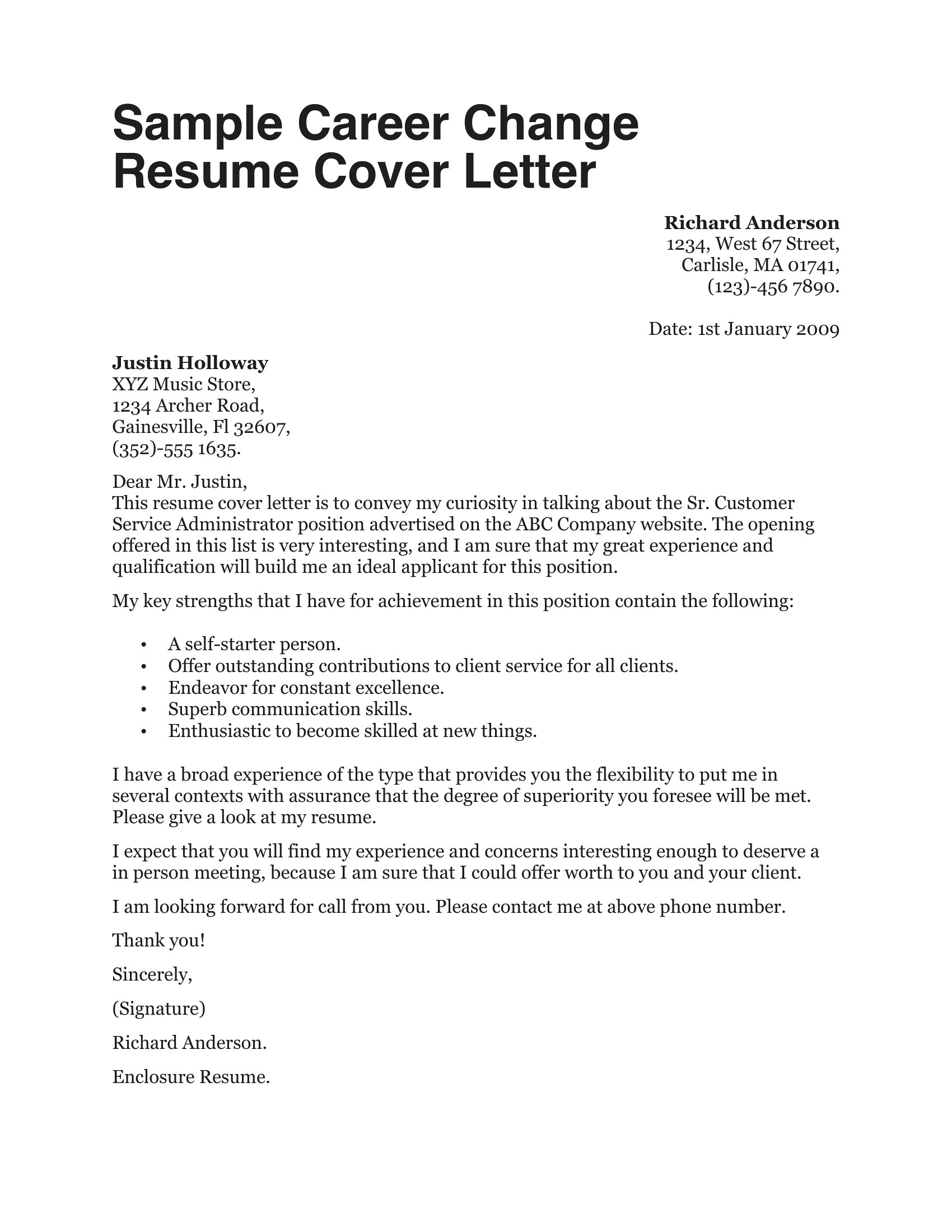
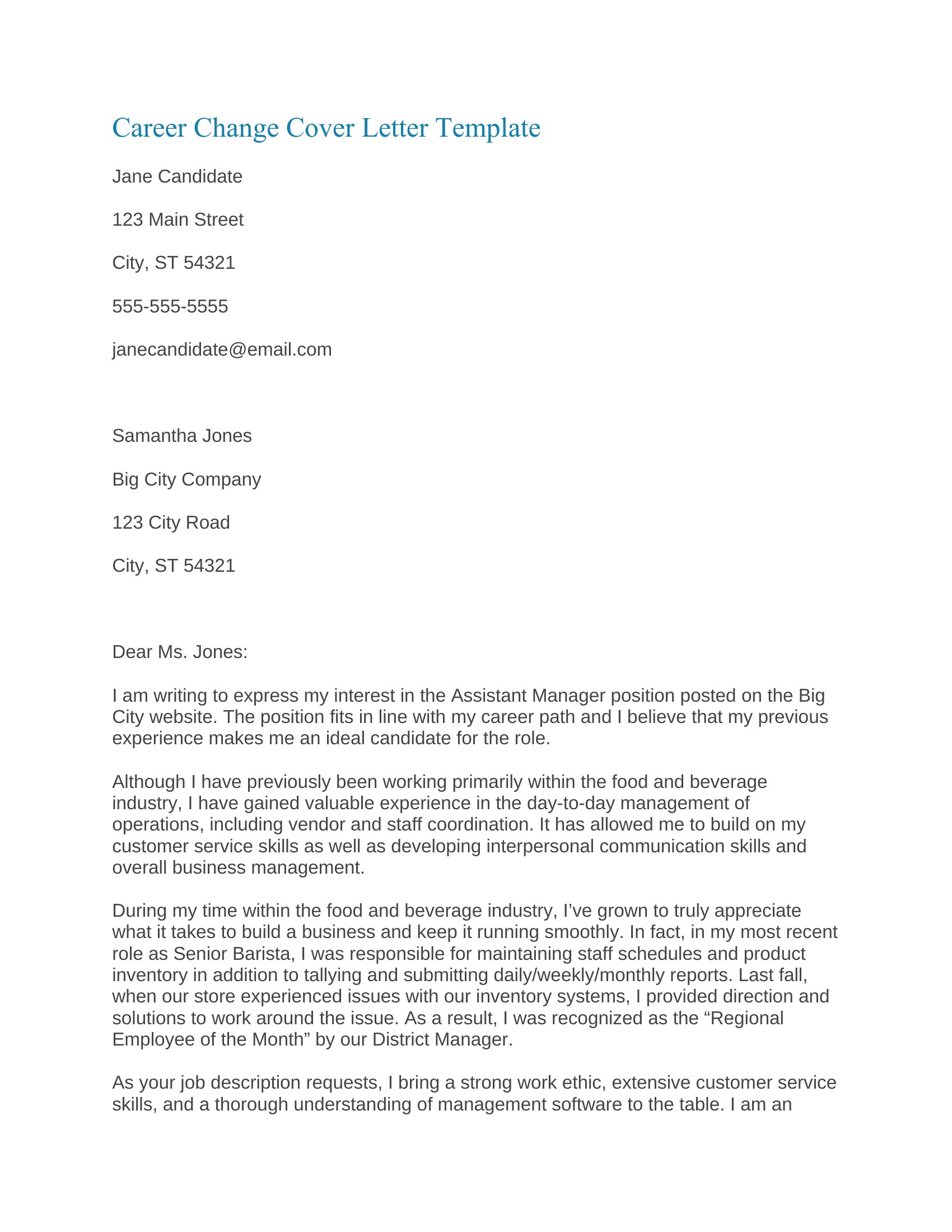
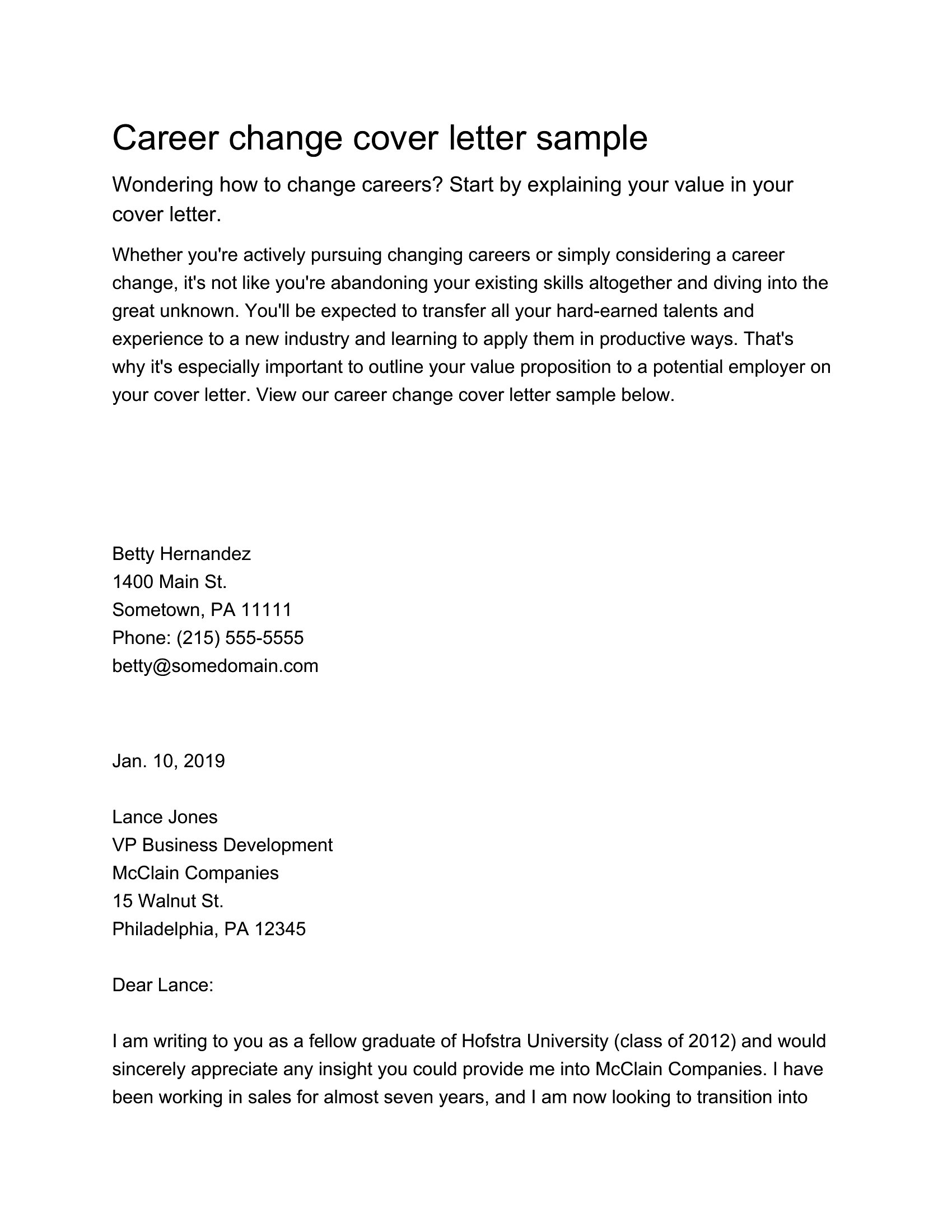
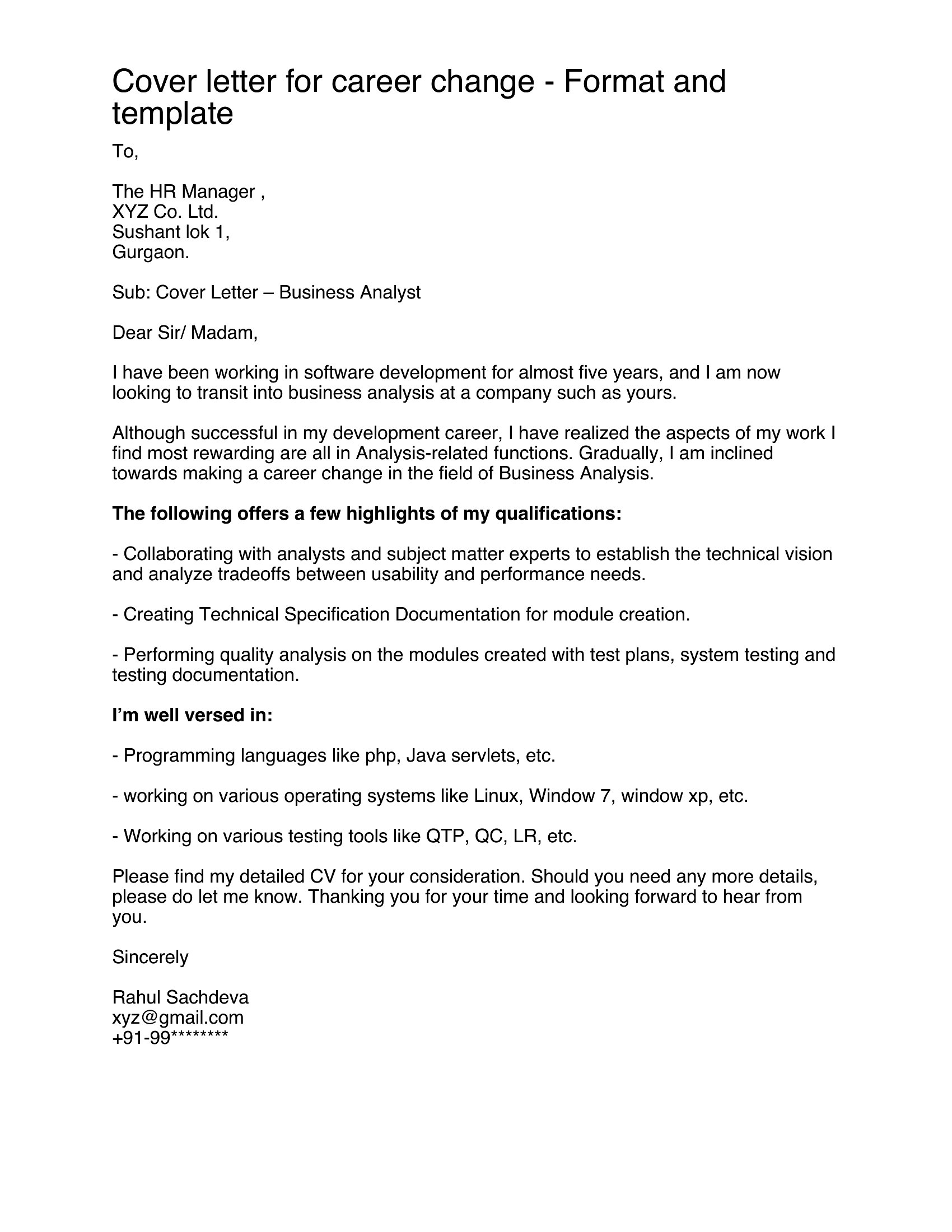
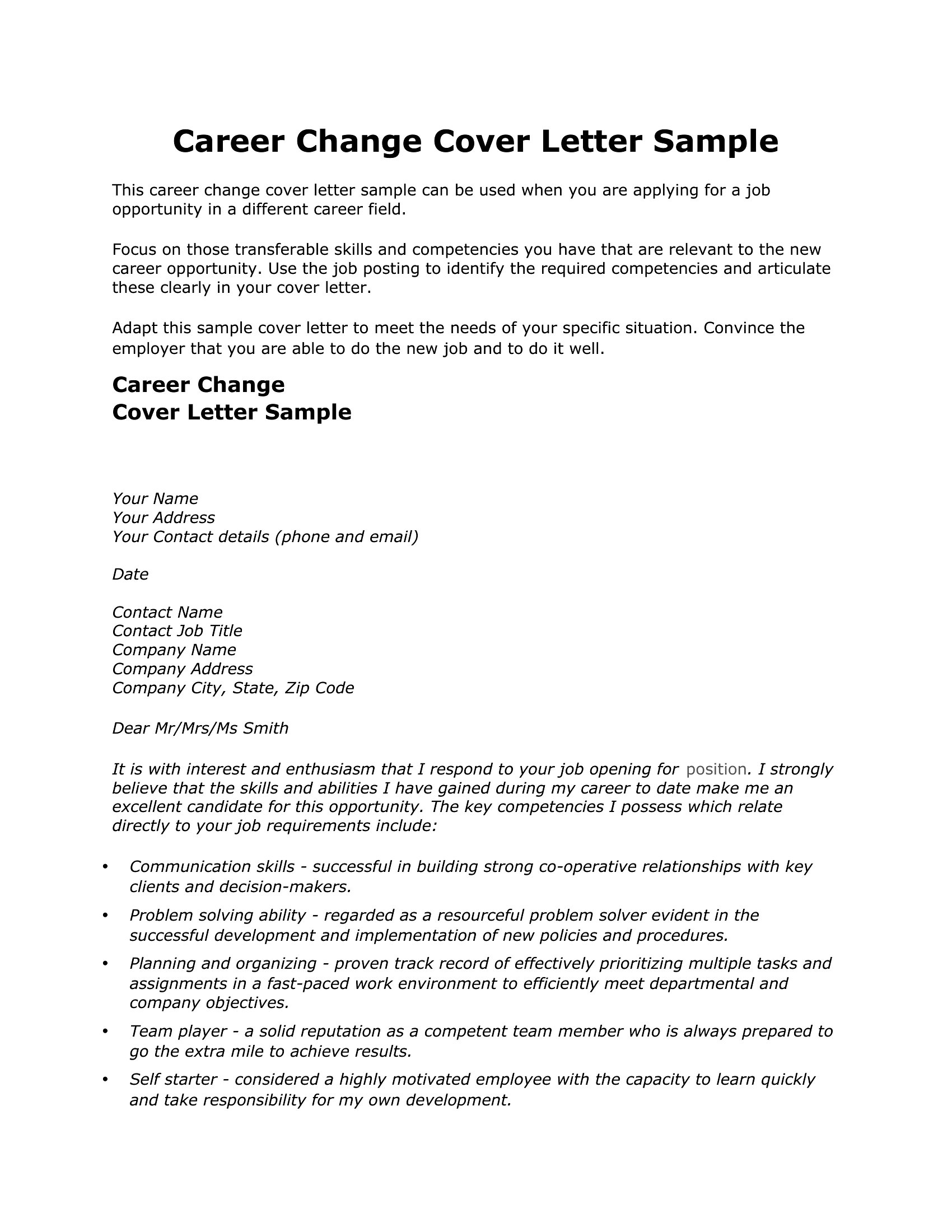
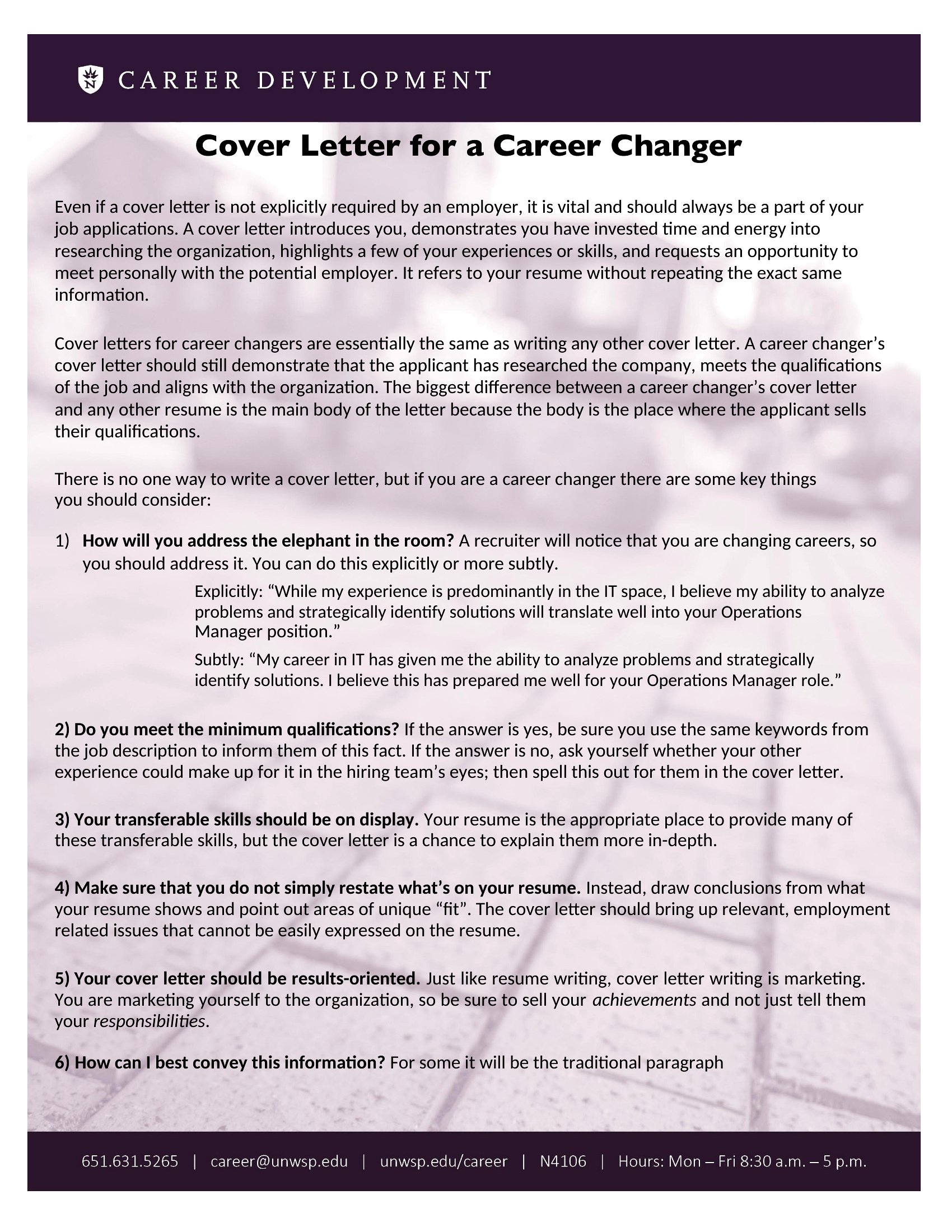
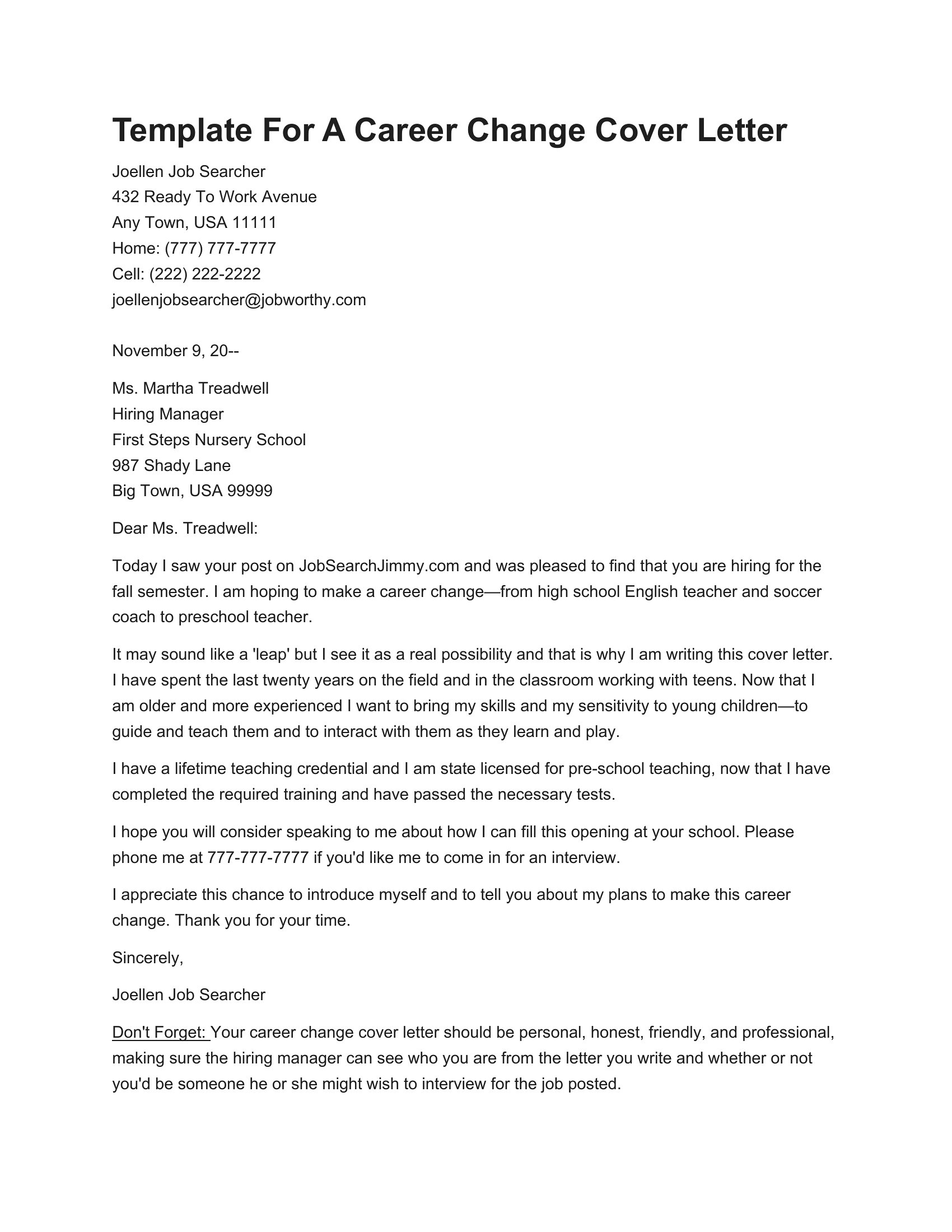
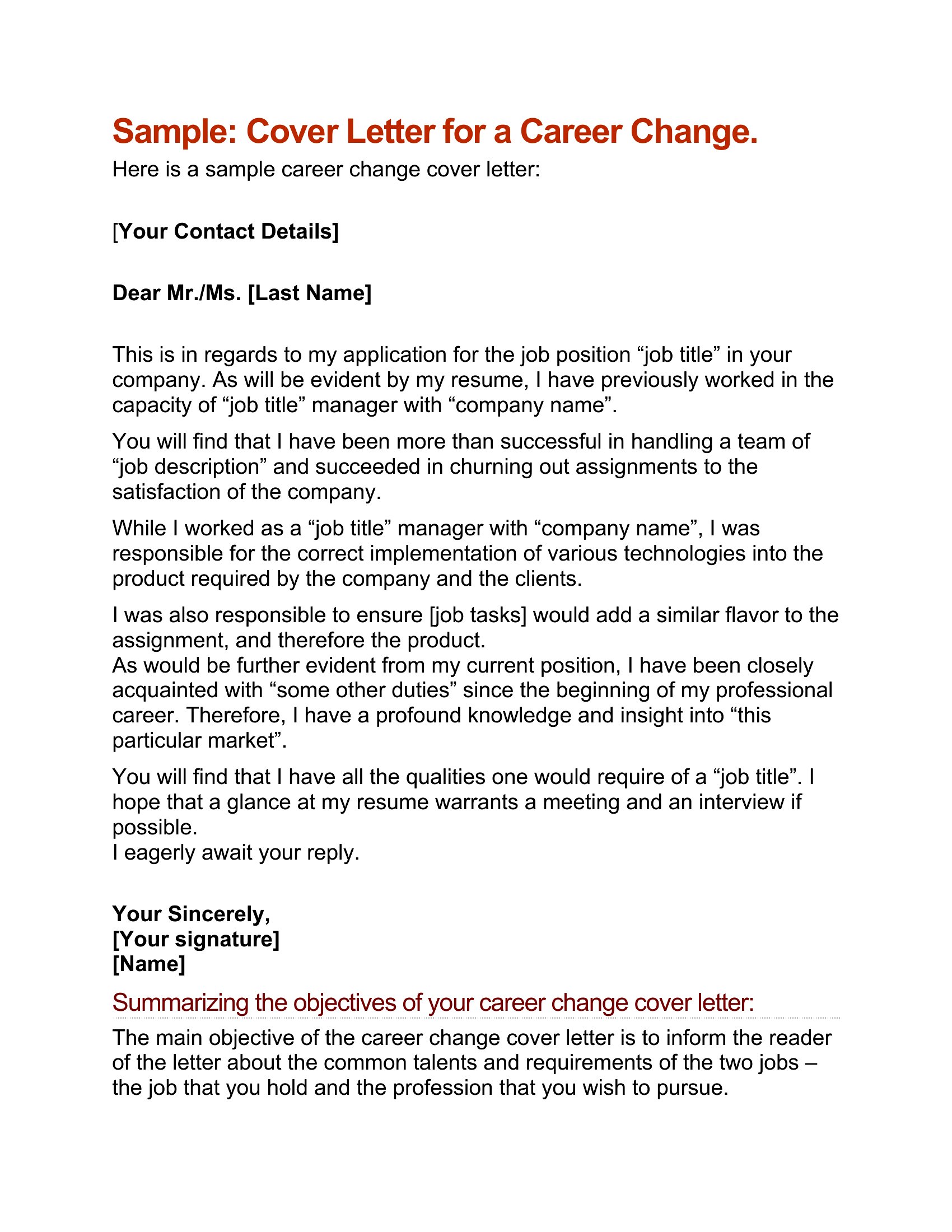
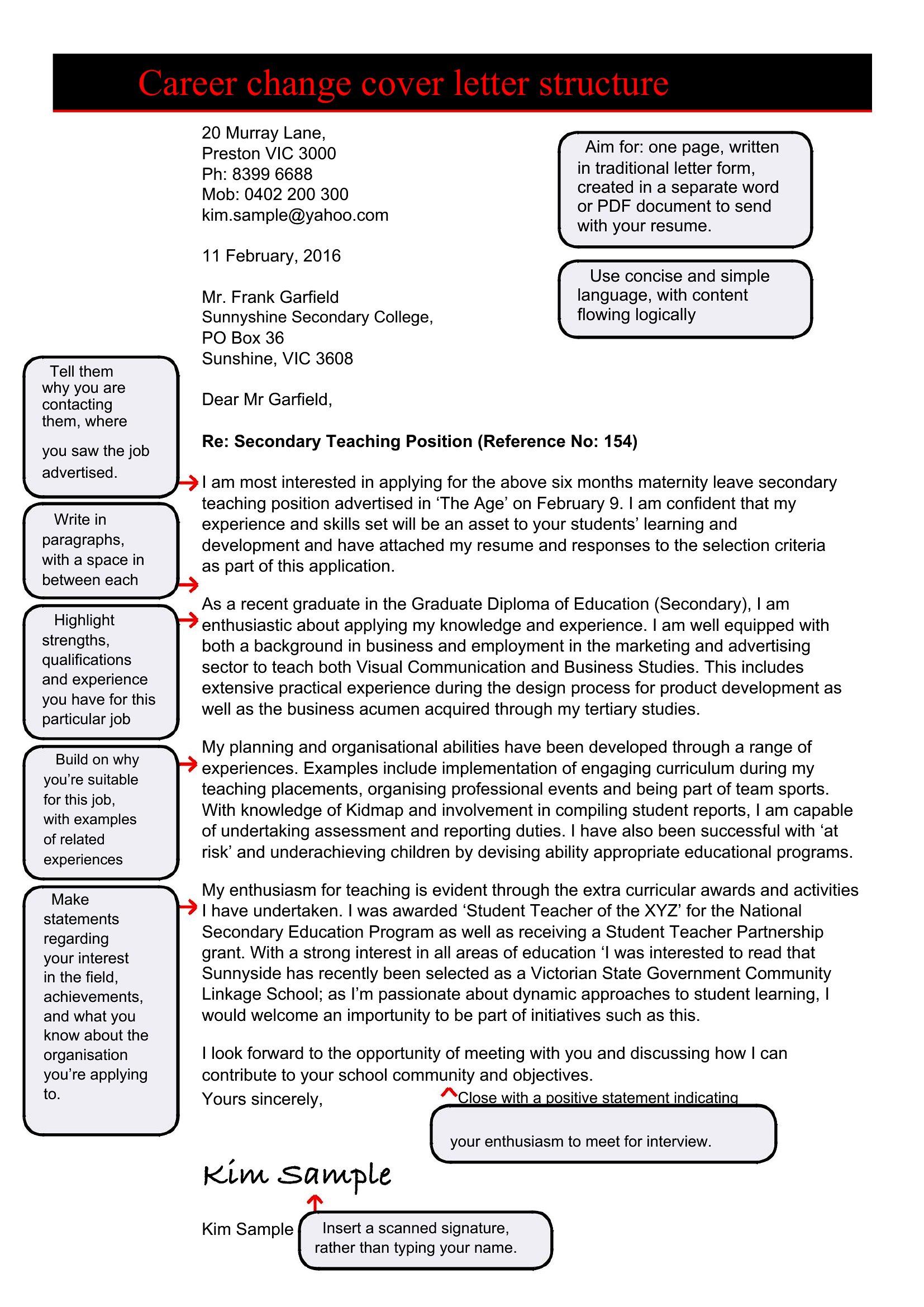
Briefly acknowledge the gap (e.g., “returning after a career break to pursue a new passion in X”) and immediately pivot to why your skills and experience now align with the role. Focus on transferable strengths—avoid oversharing personal reasons. These templates include phrases to help you transition smoothly.
How do I address concerns about lacking direct experience in the new field?
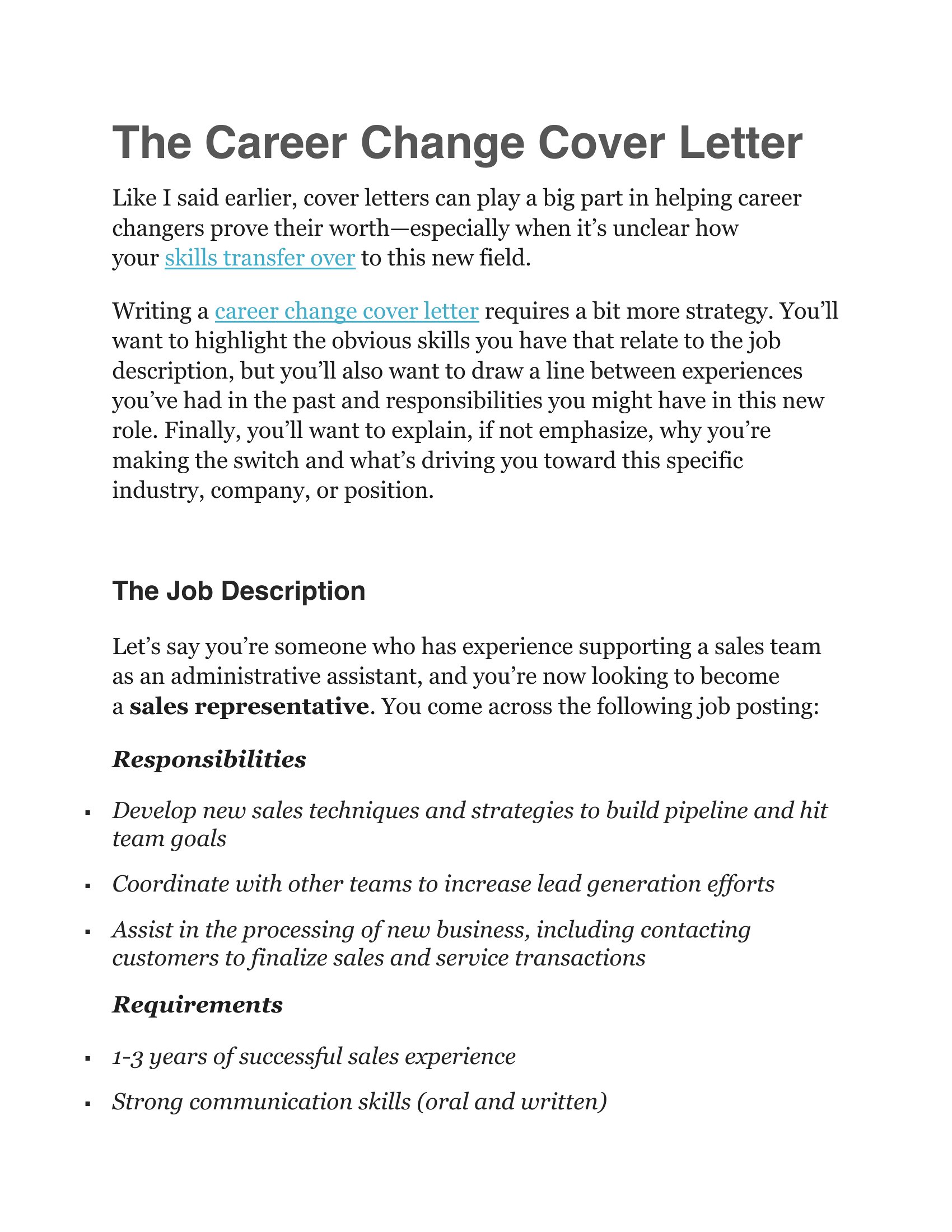
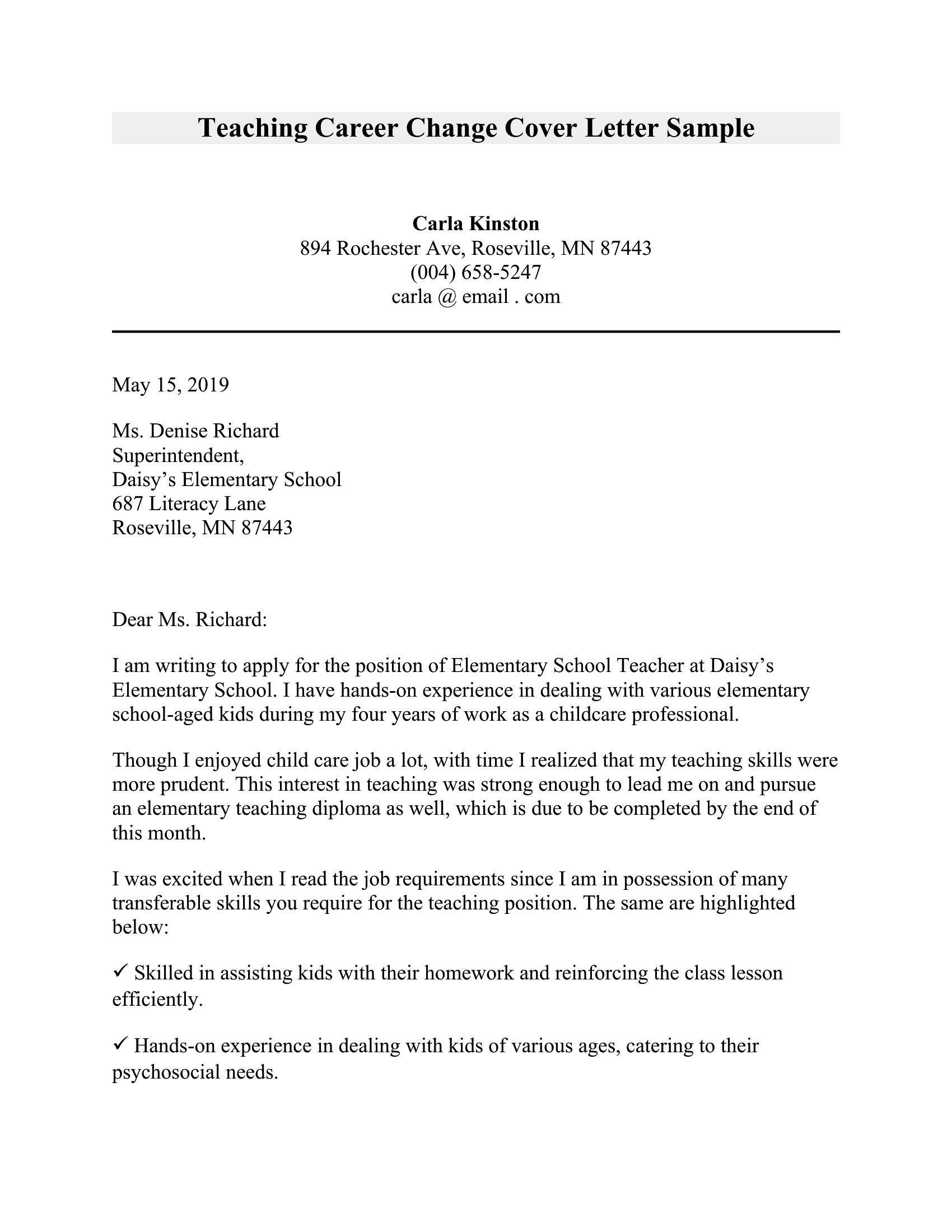
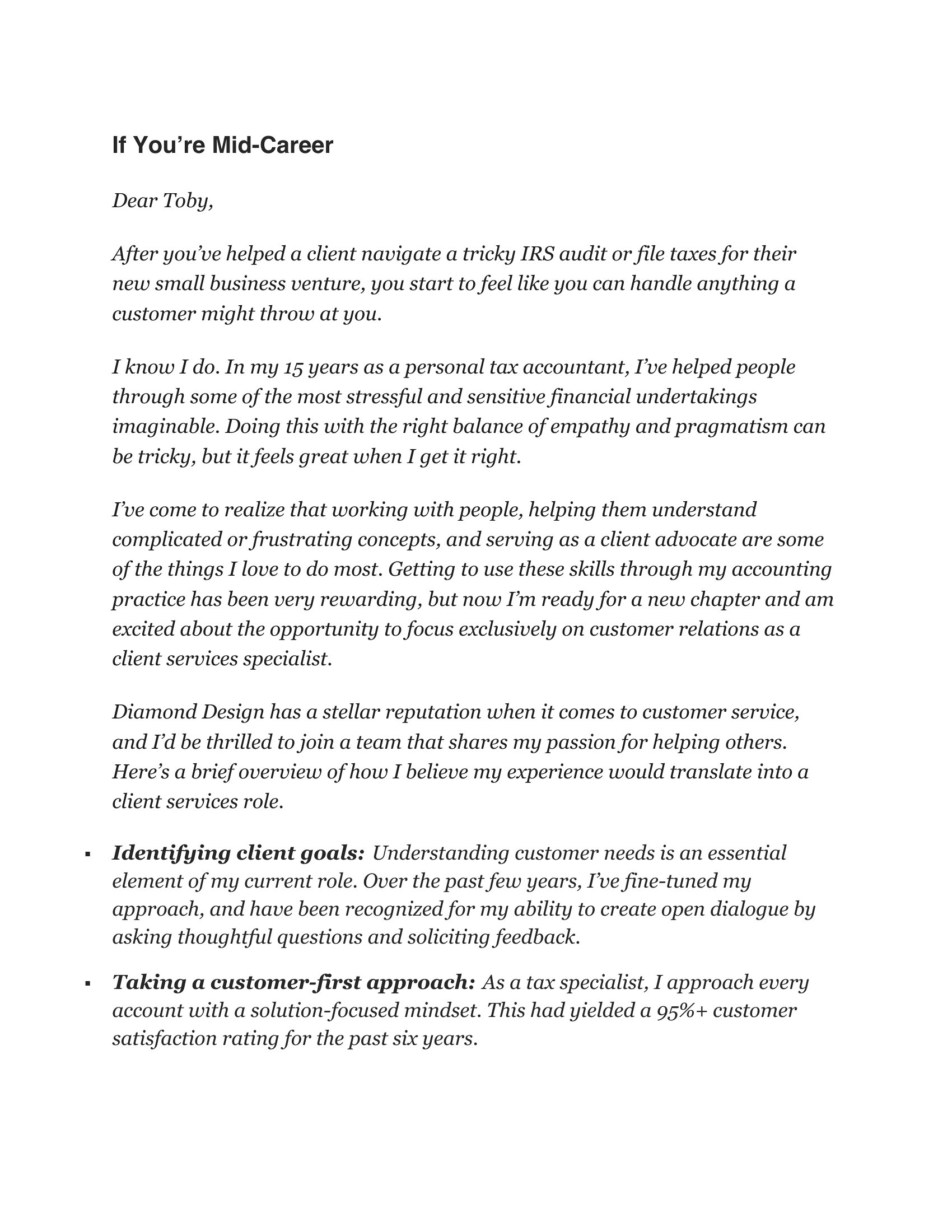
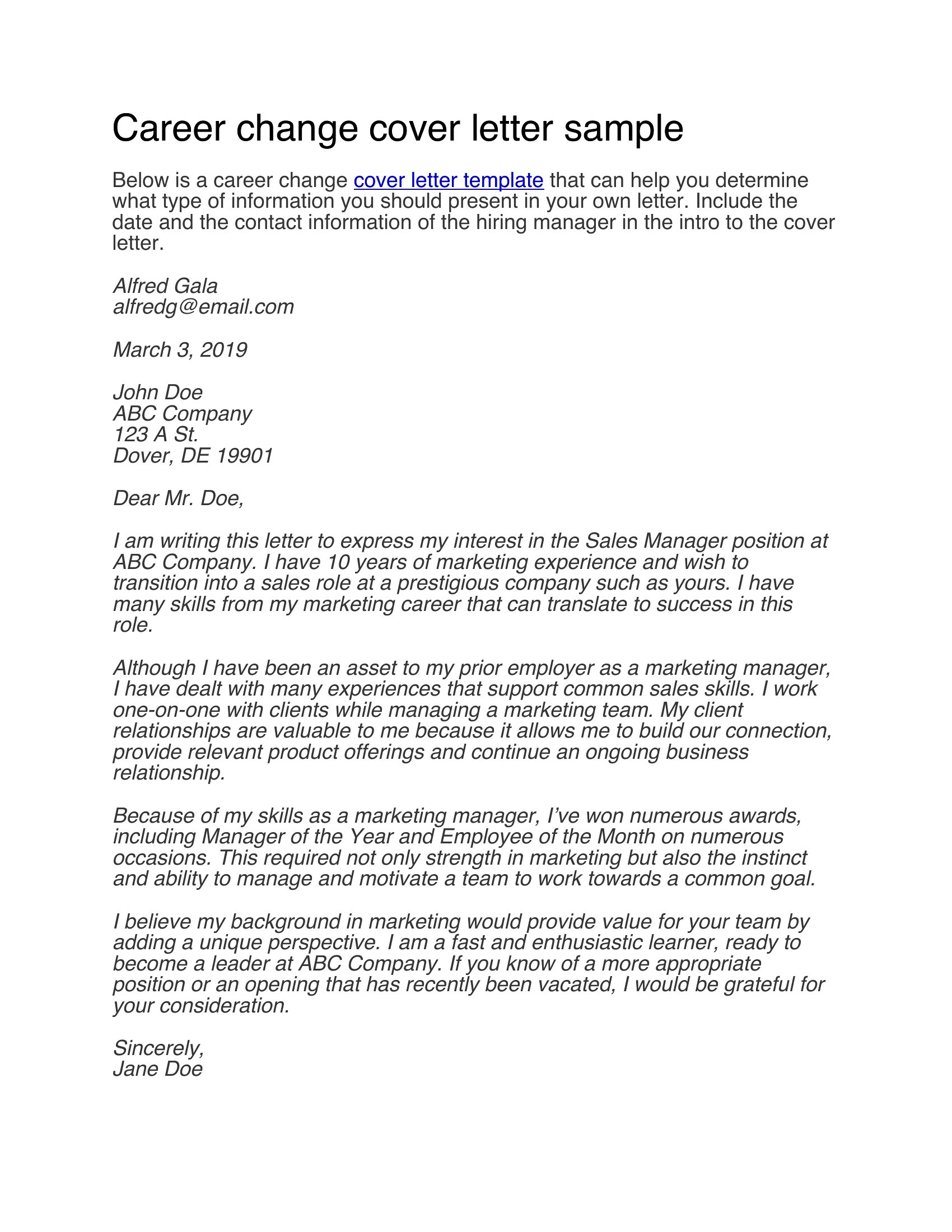
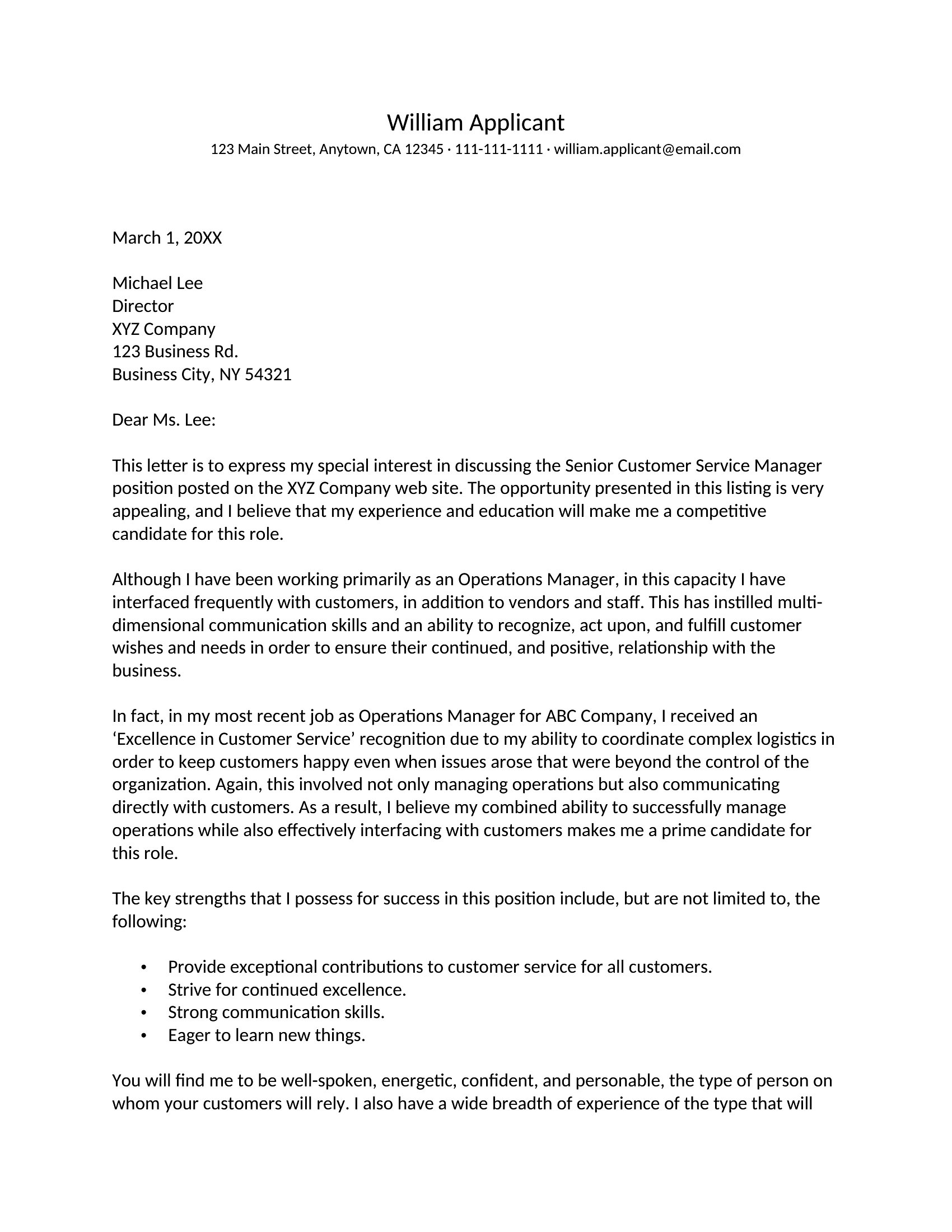
Use the “skills translation” section in these templates to map your past experience to the job’s requirements. For example, if switching from HR to operations, highlight process improvement, data tracking, and stakeholder coordination. Employers care more about outcomes than titles—show how your background delivers value.
Should I include a line about why I’m leaving my current field?
Only if it’s positive or neutral. Phrases like “seeking a role where my strengths in [skill] can be applied in a new context” work better than criticism. These templates avoid risky language; instead, they frame your move as strategic. If the gap is recent, focus on enthusiasm for the transition.
Comments
Join the conversation
Sign in to share your thoughts and leave a comment on this resource.