Free Behavior Contract Templates (Word)
DiagramsTemplates
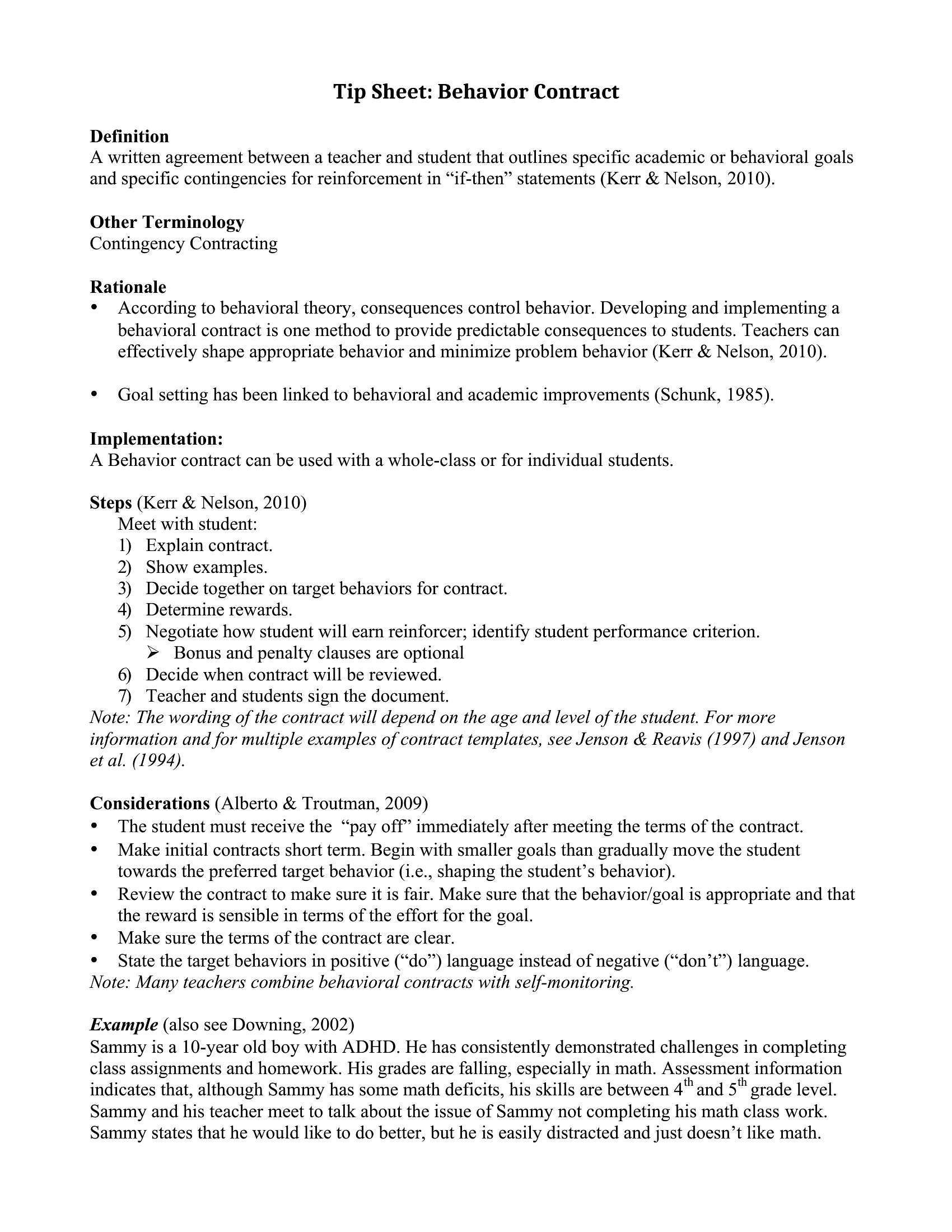
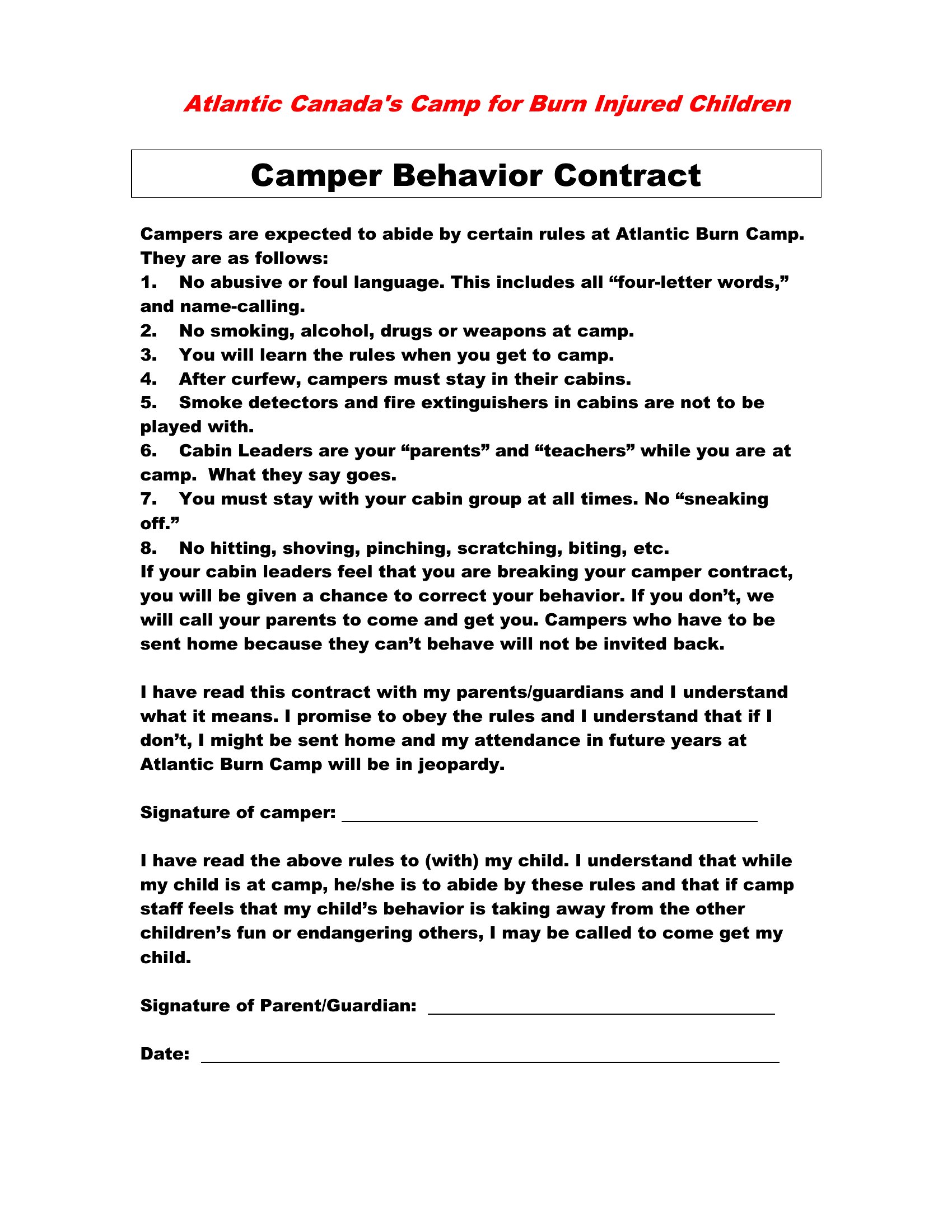
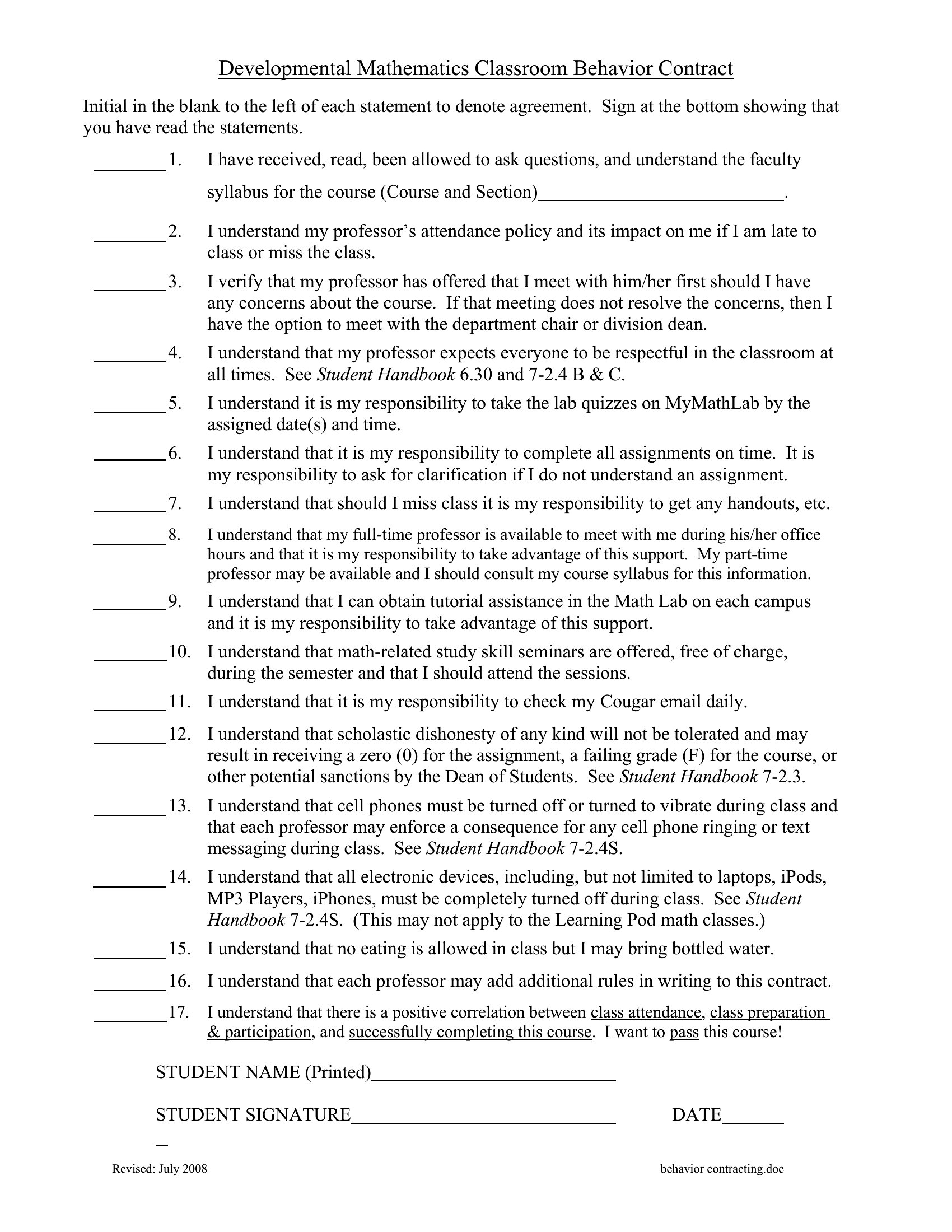
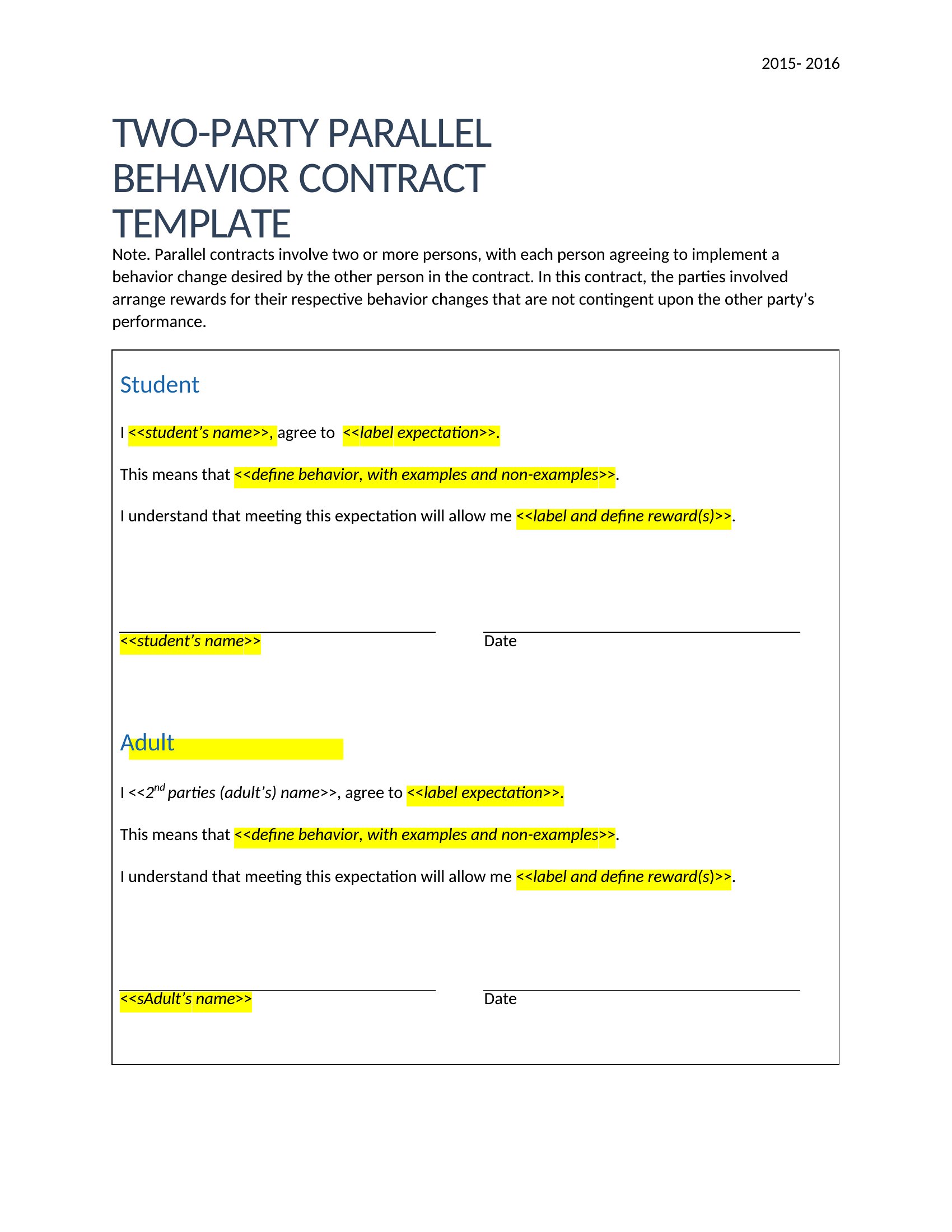
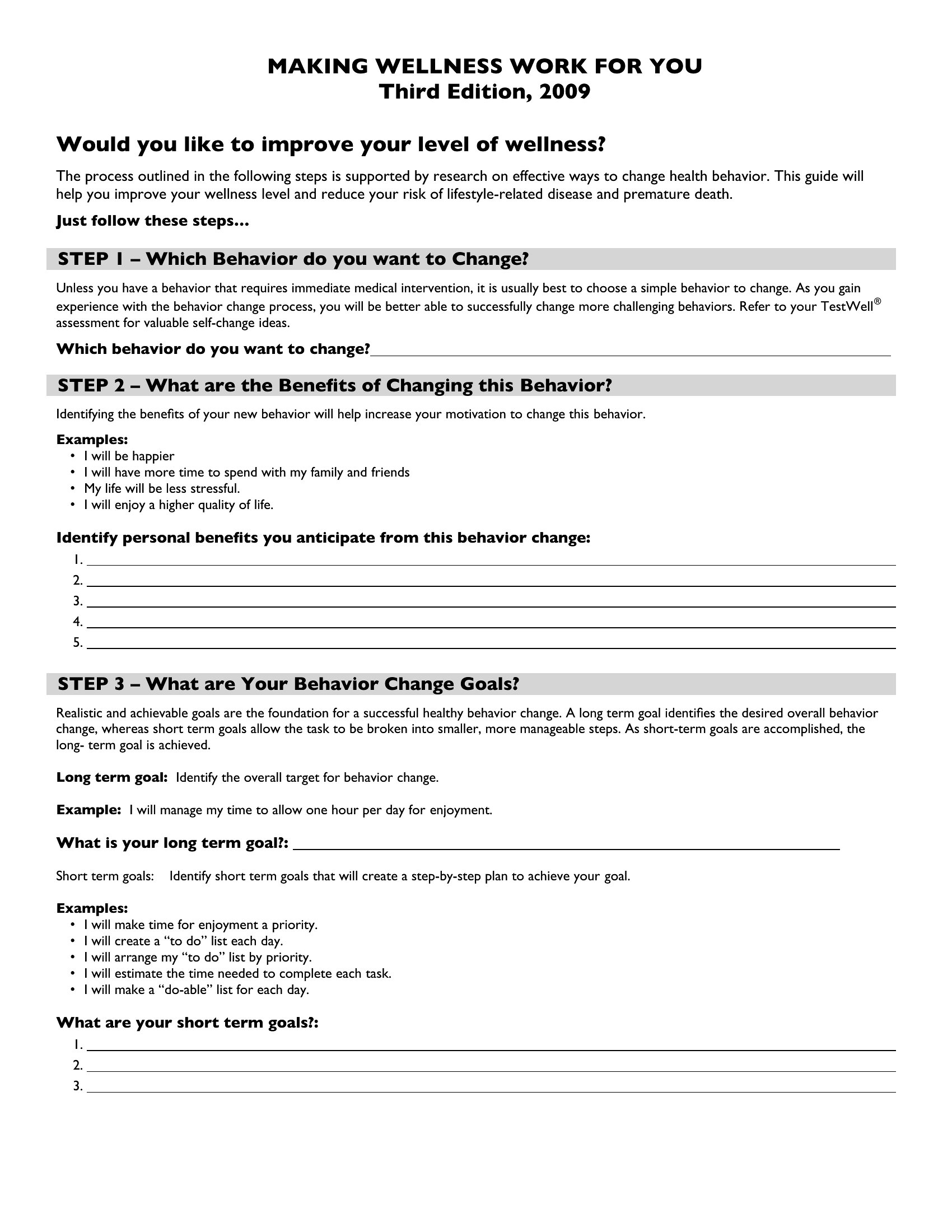
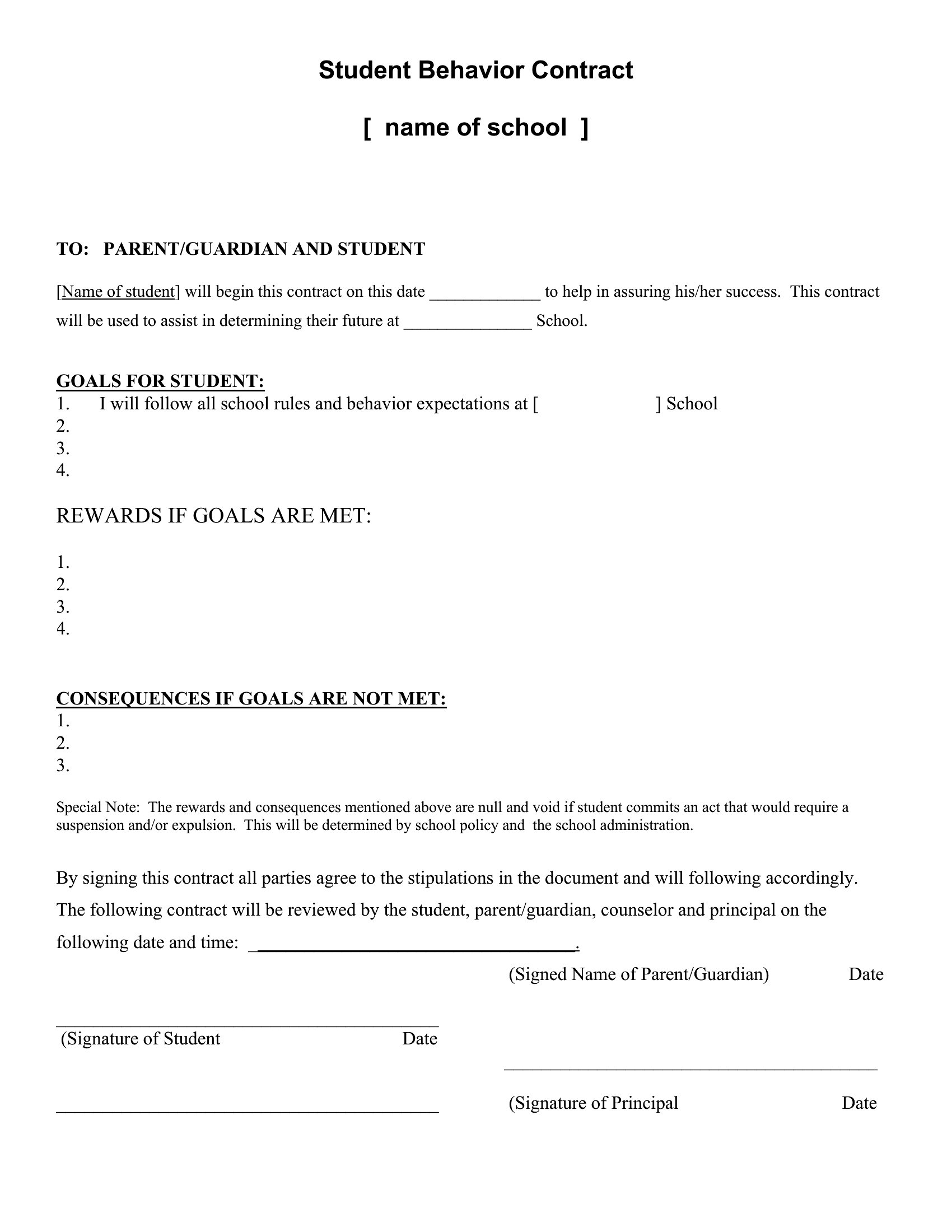
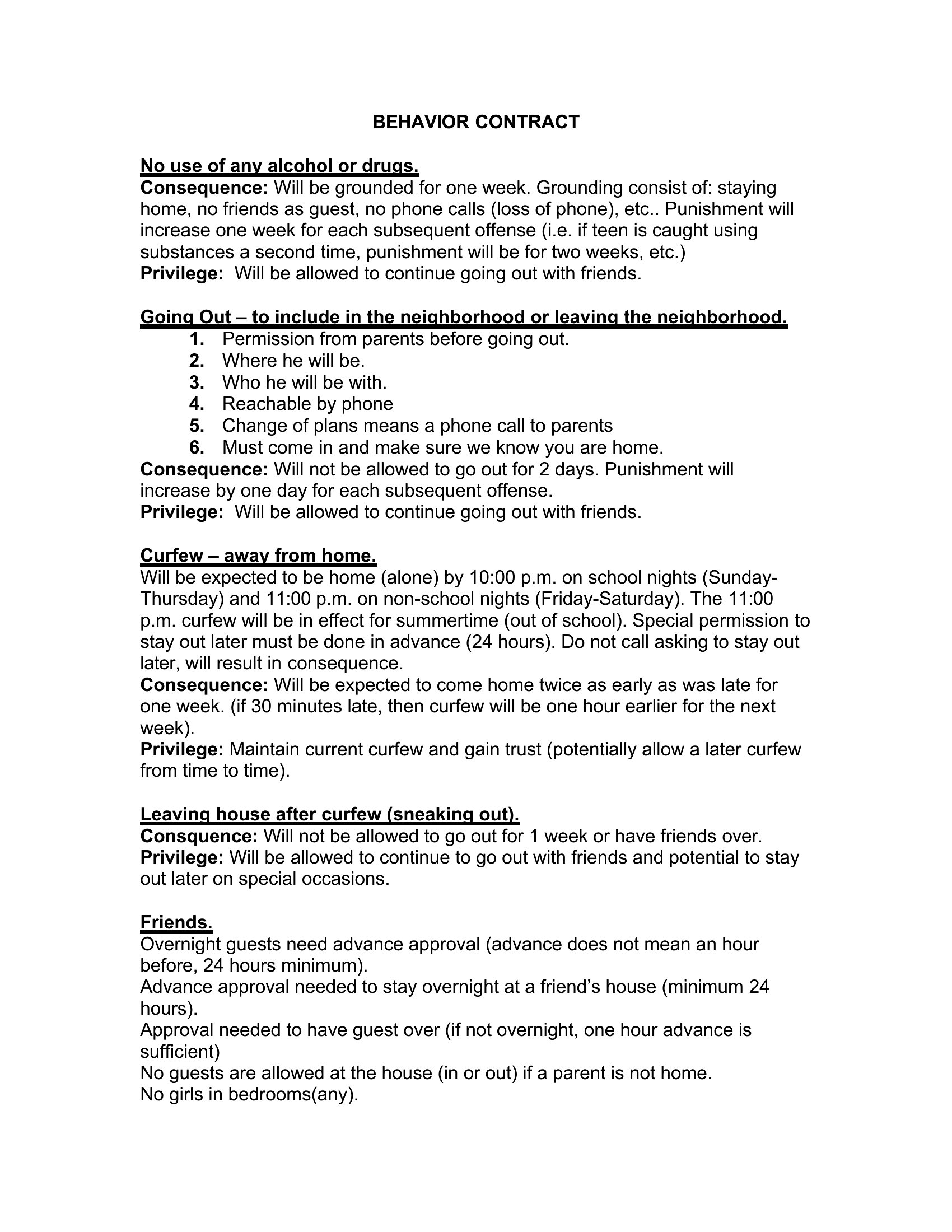
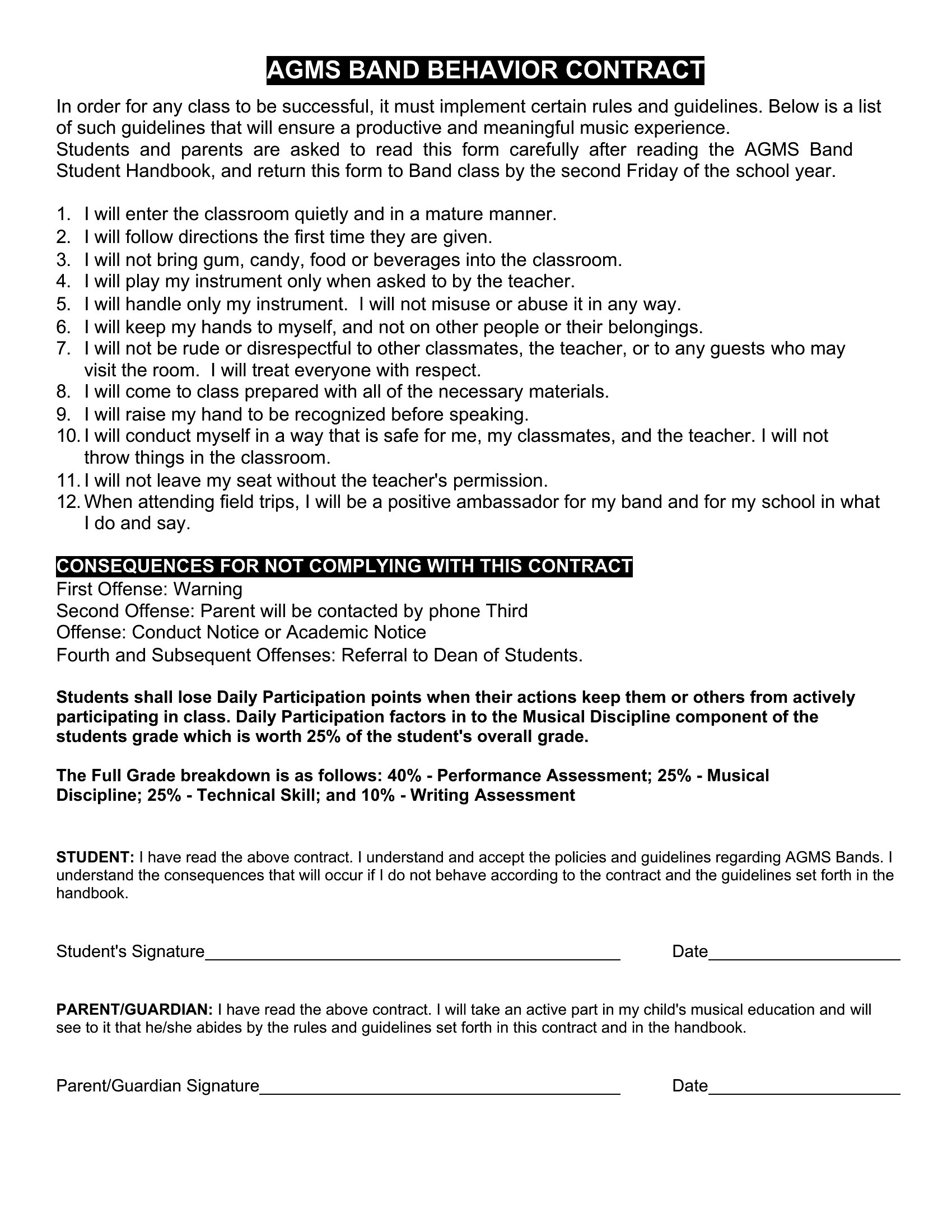
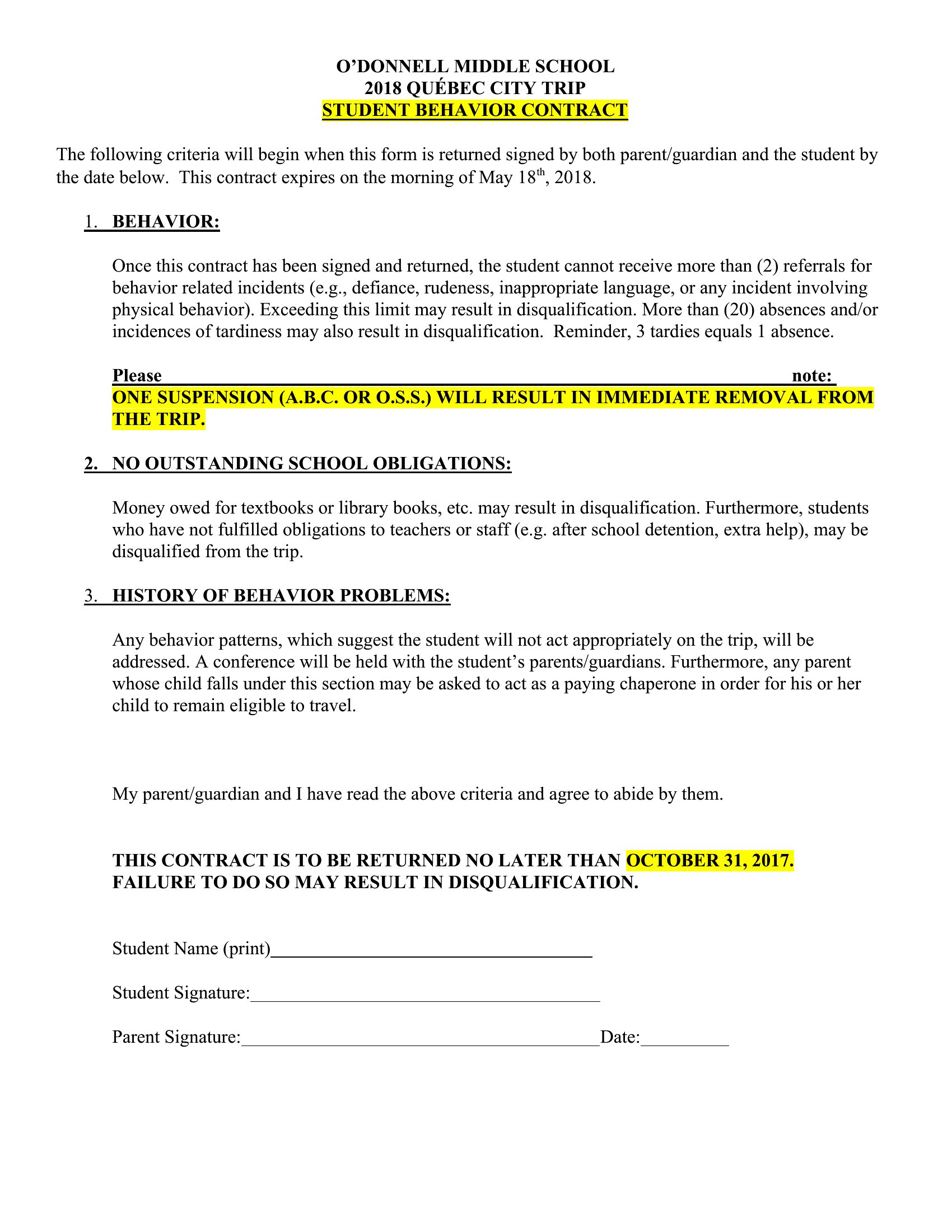
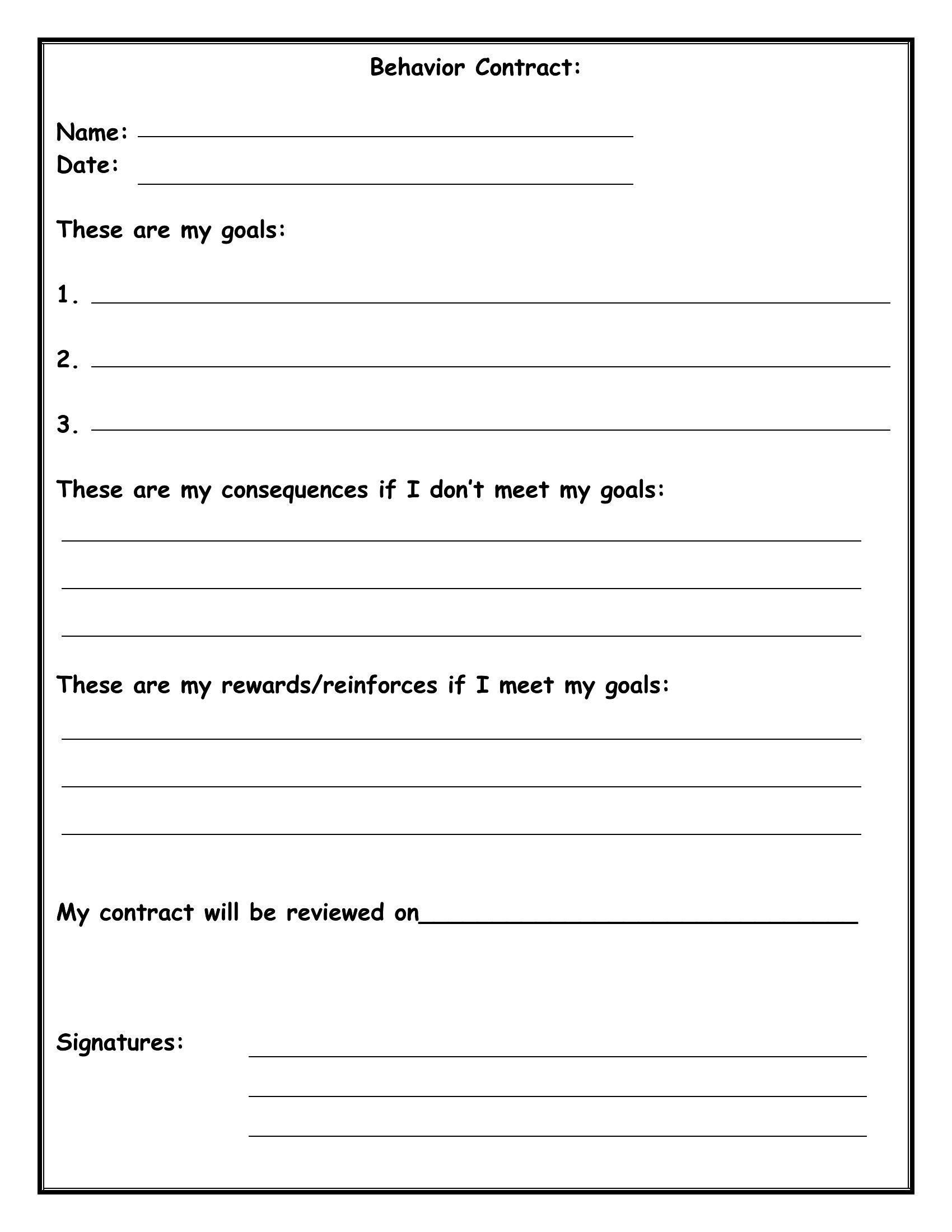
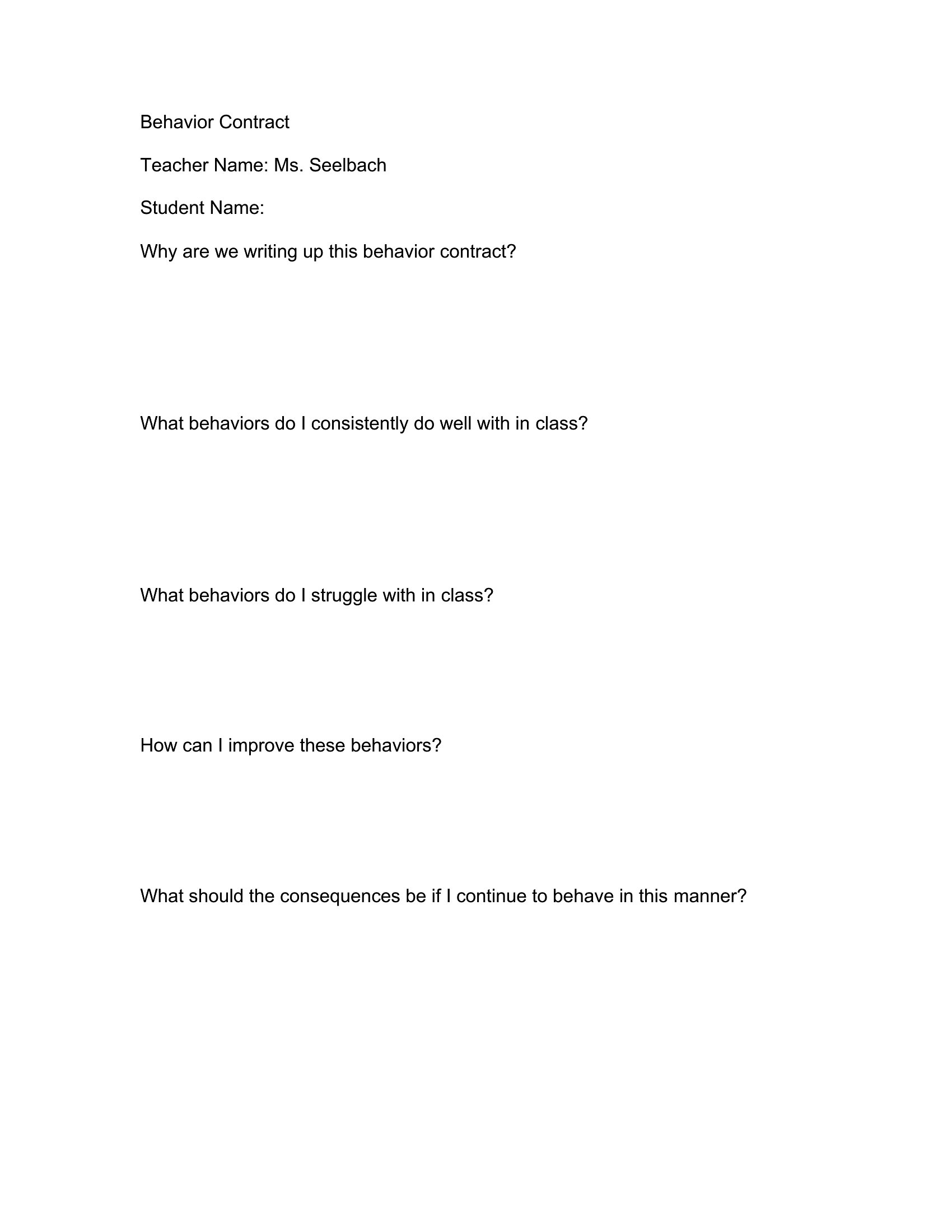
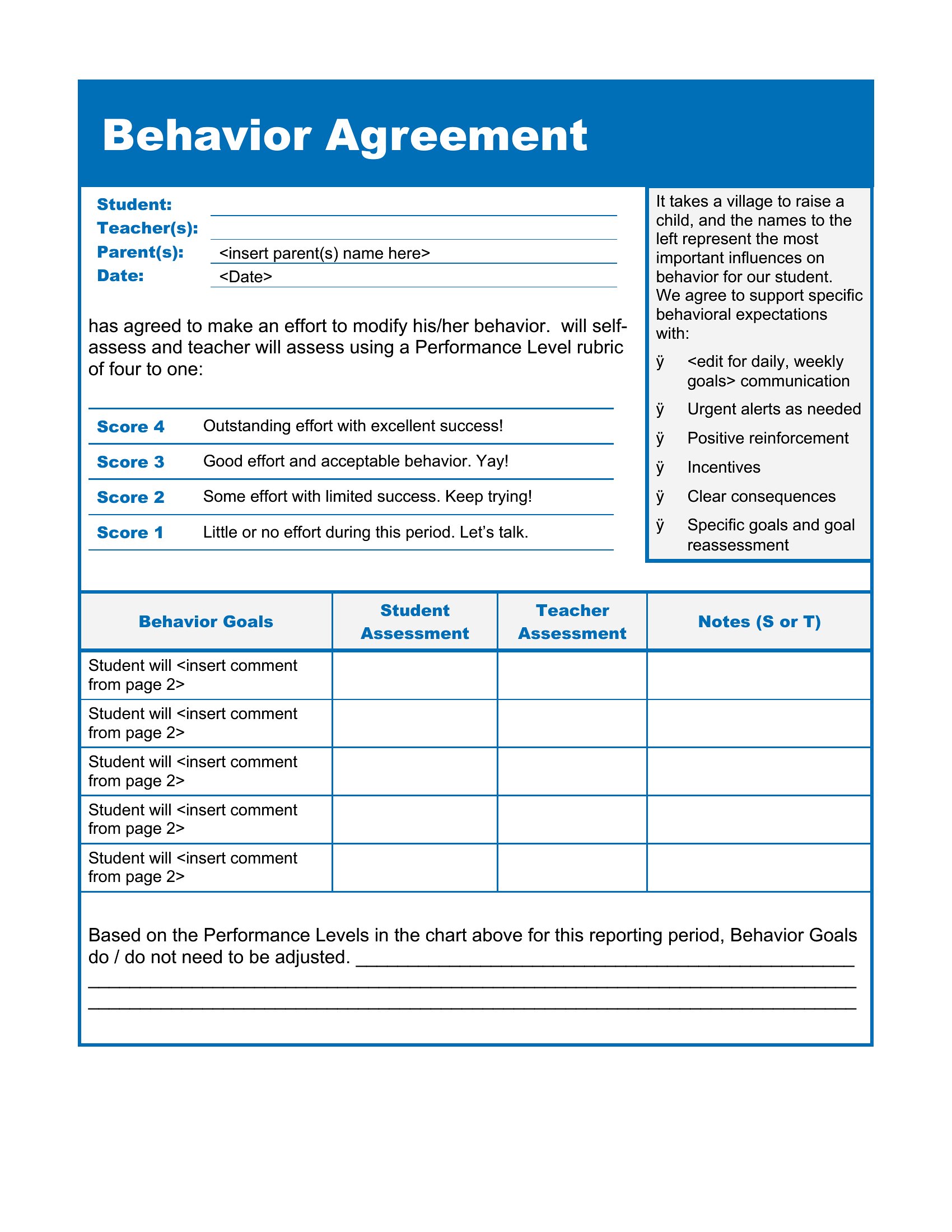
FAQ
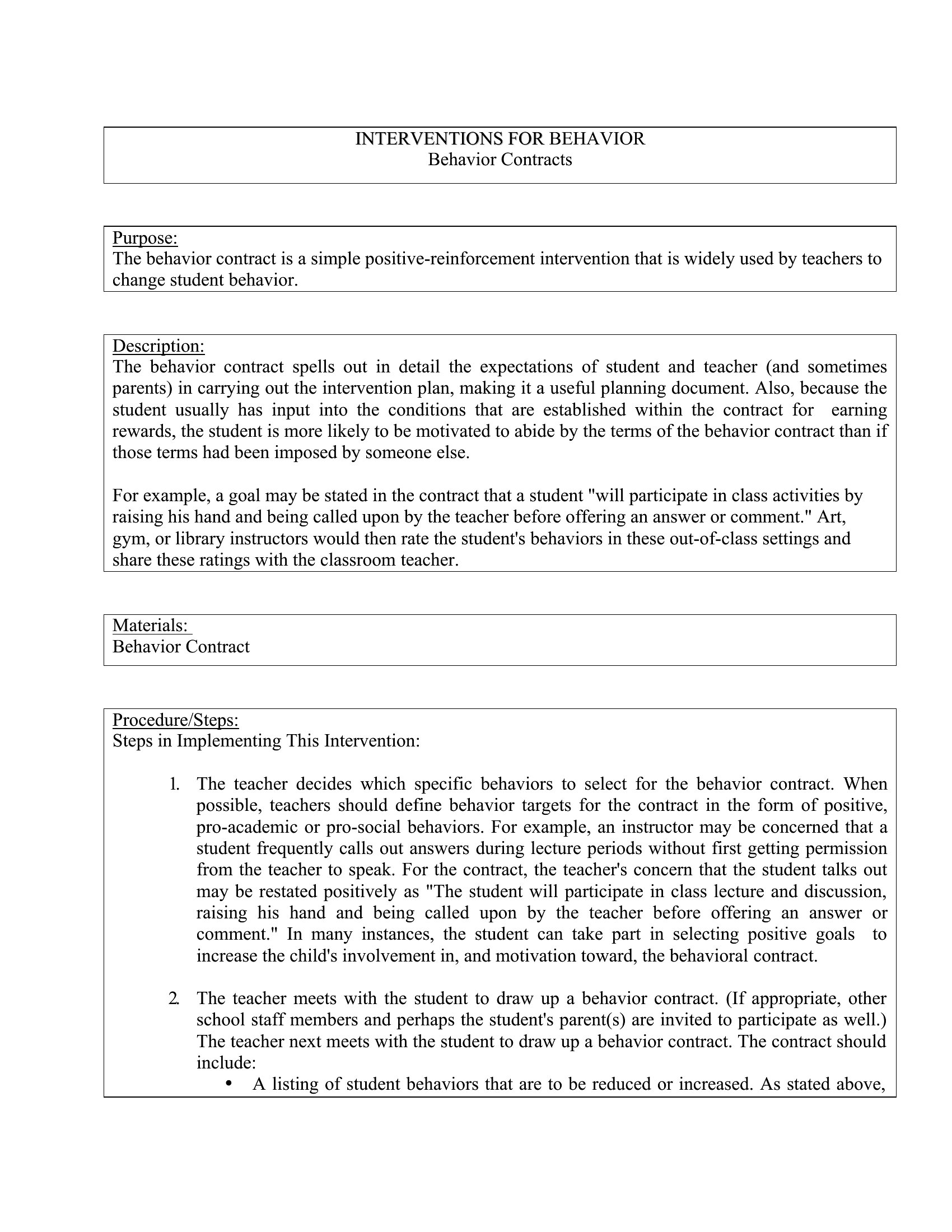
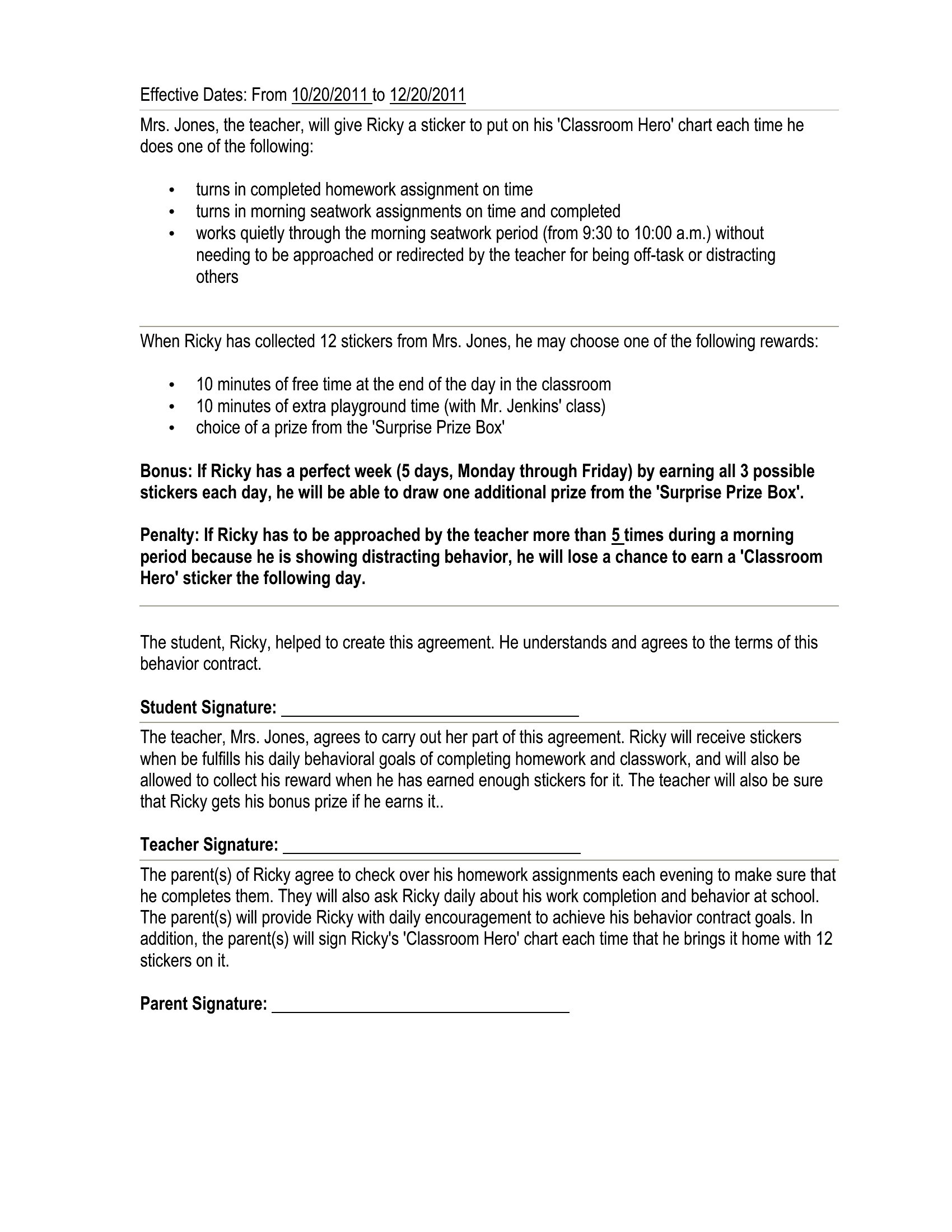
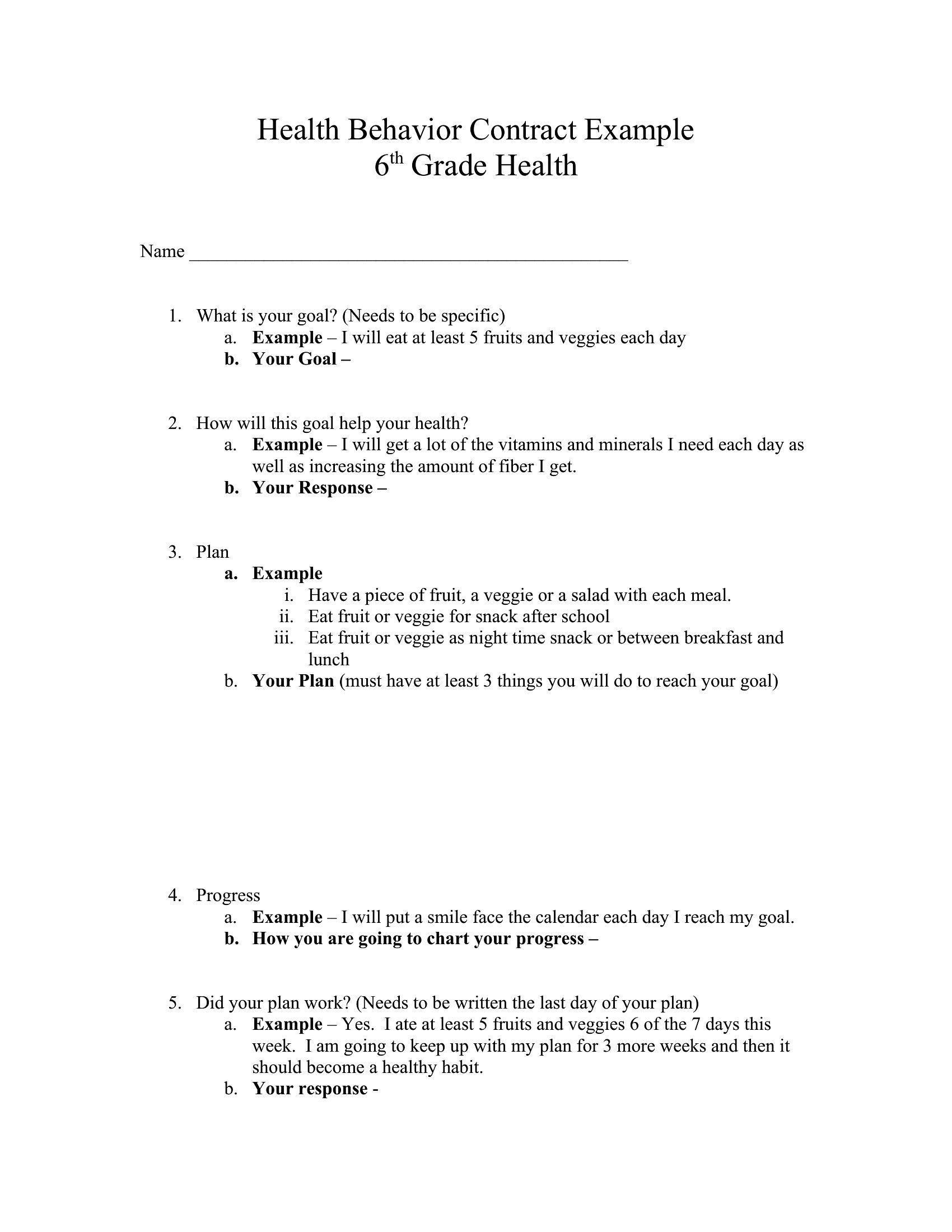
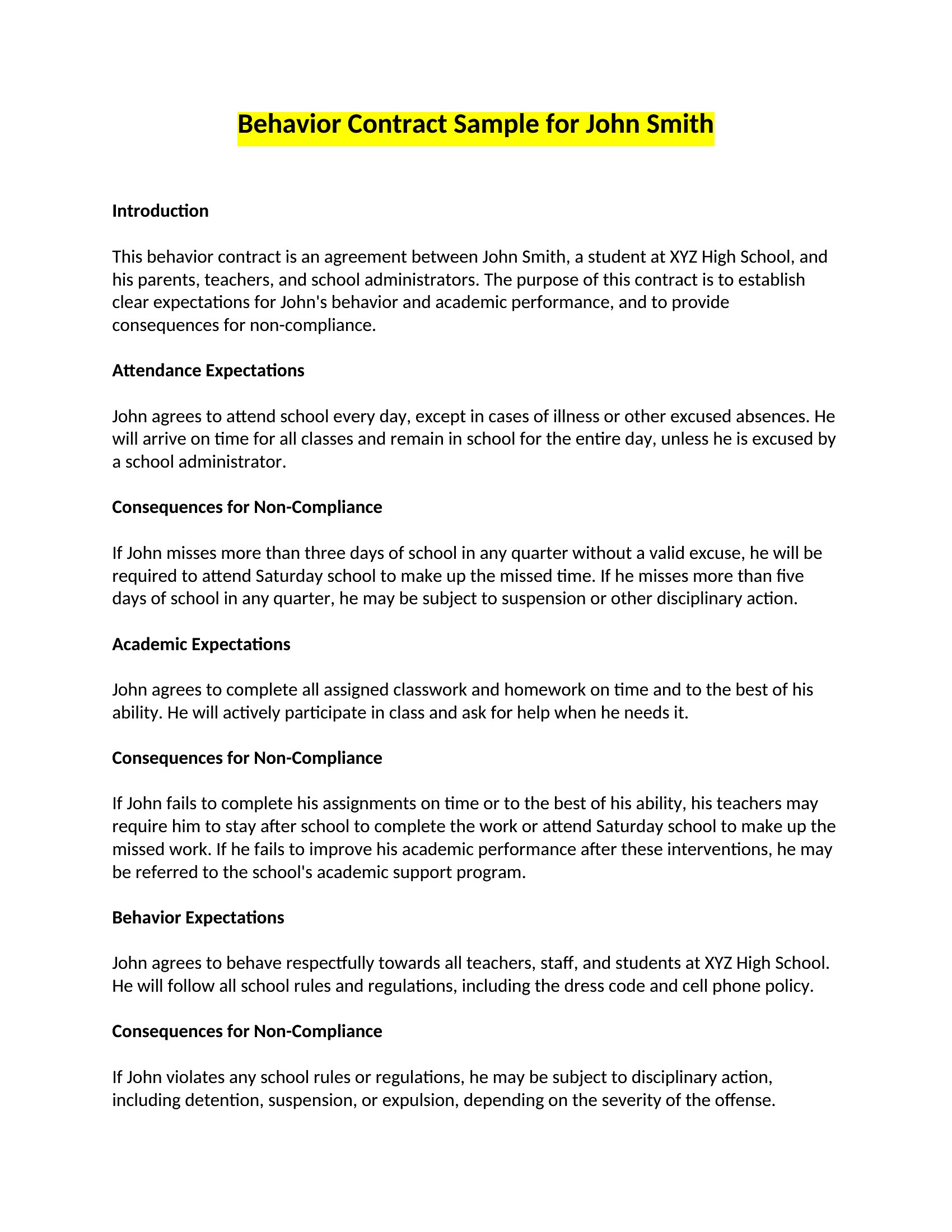
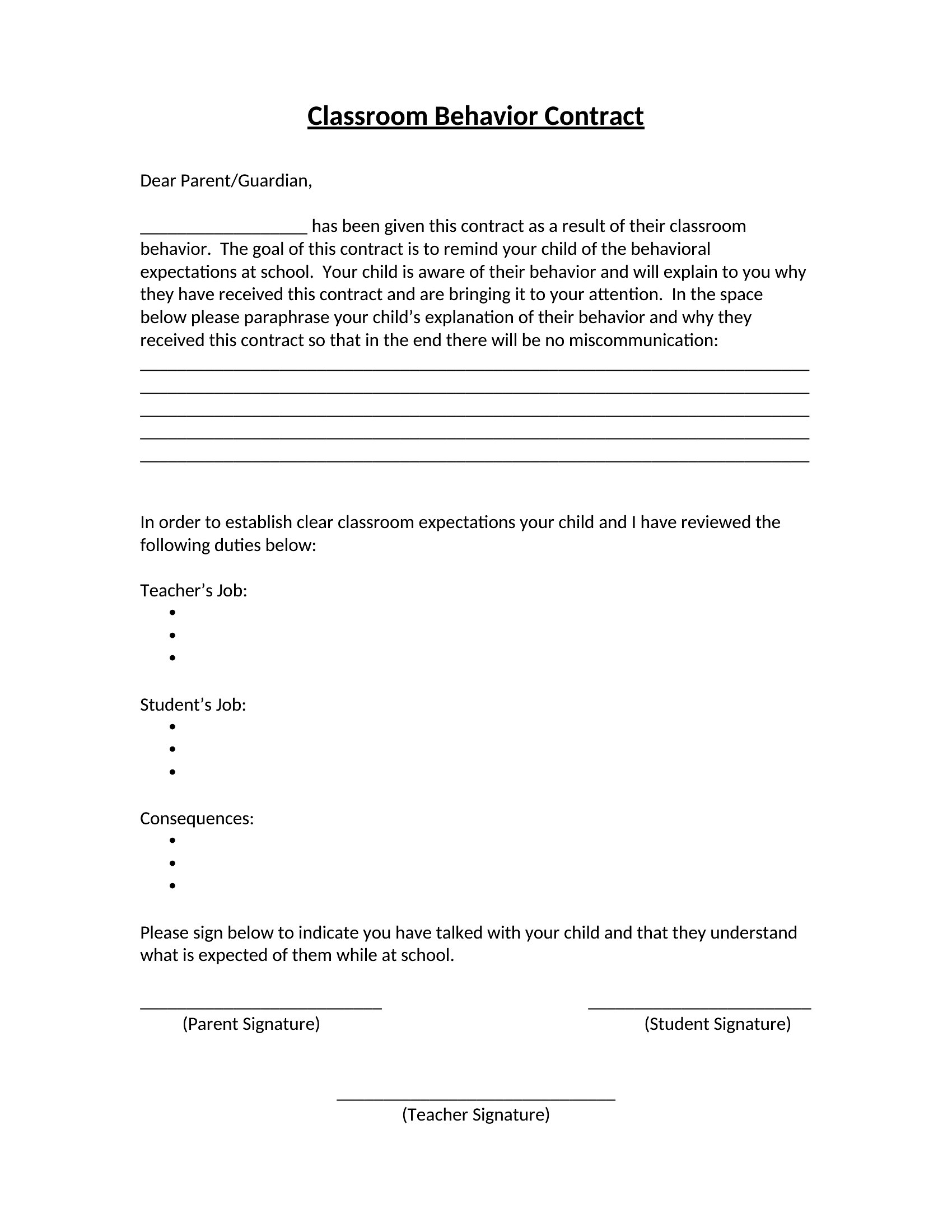
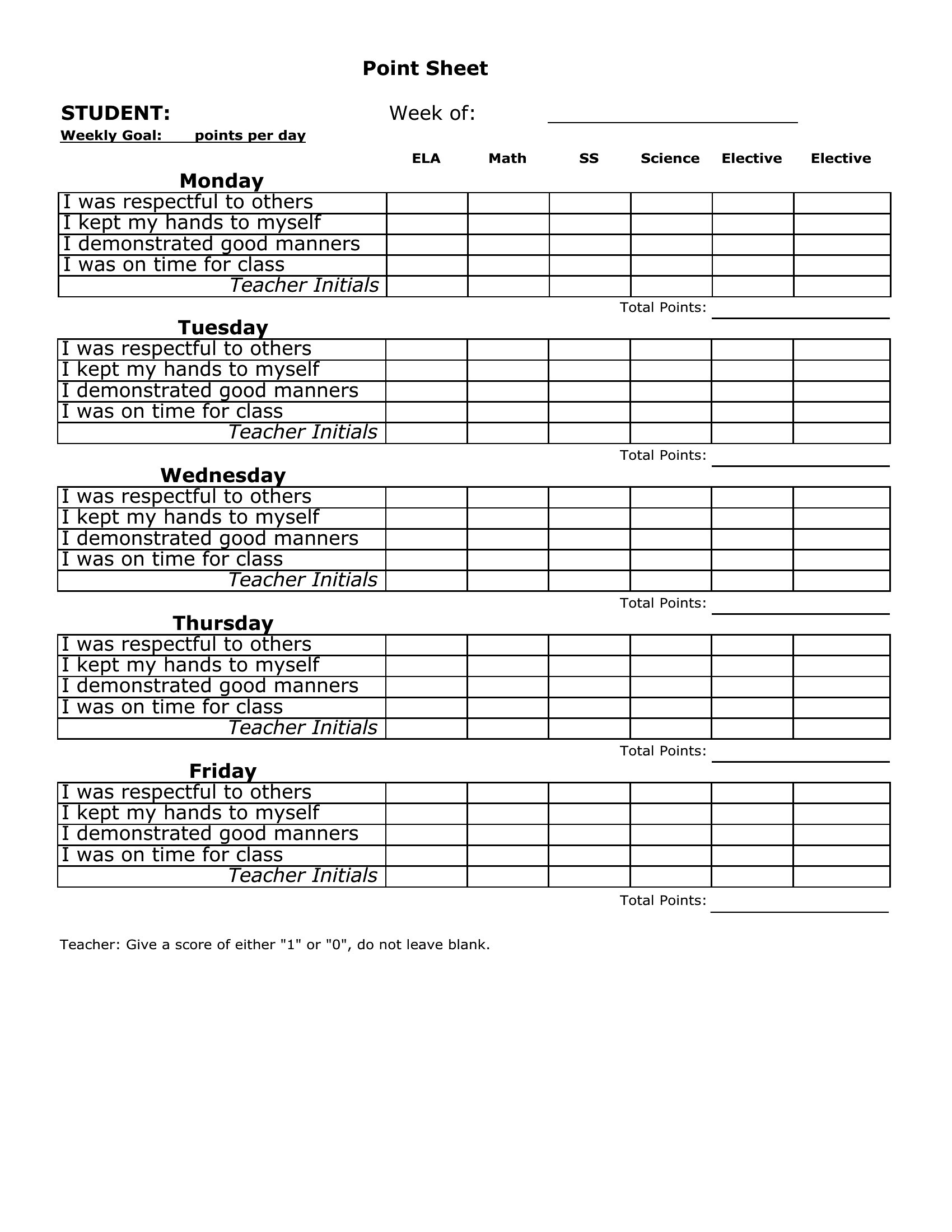
How detailed should the ‘target behaviors’ section be in a contract for a child with anxiety?
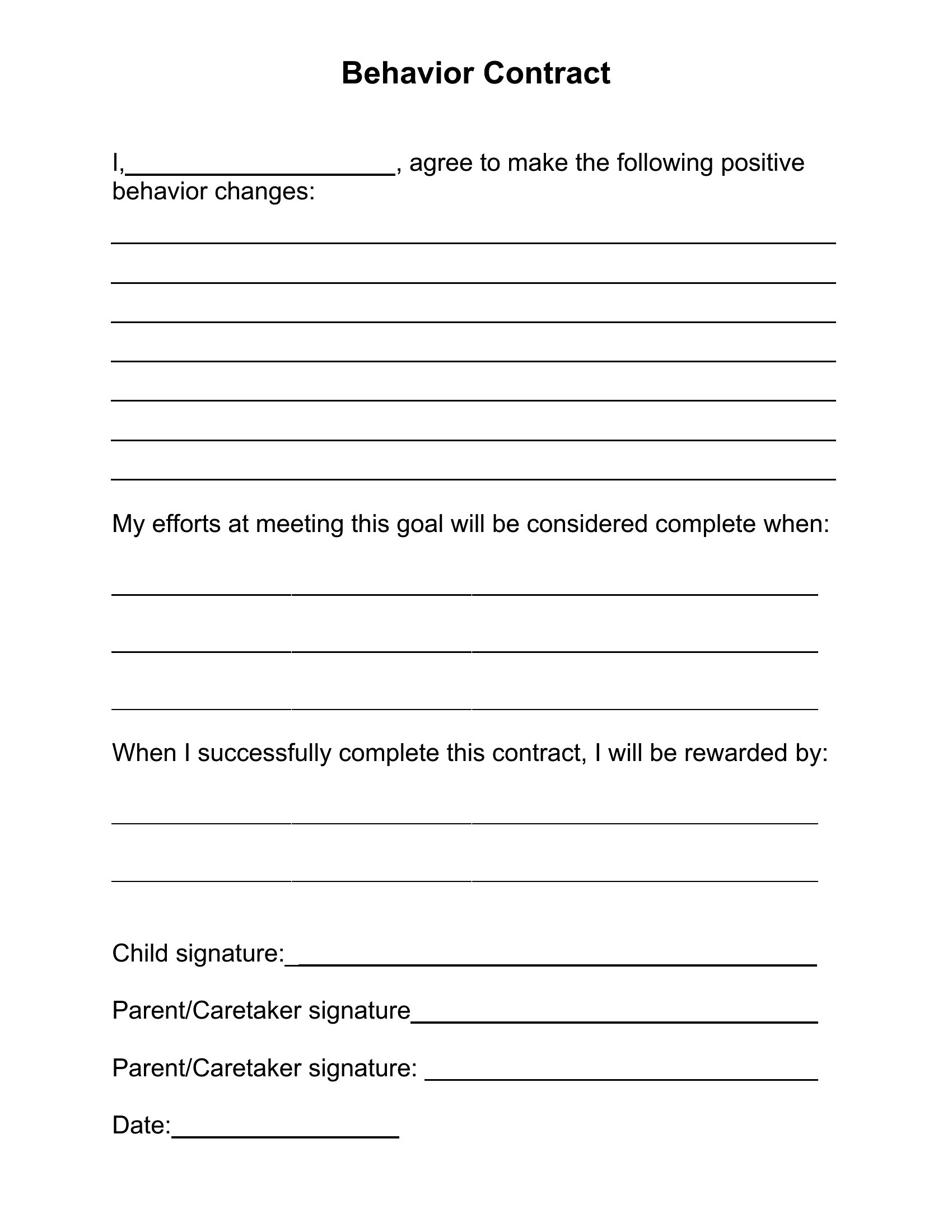
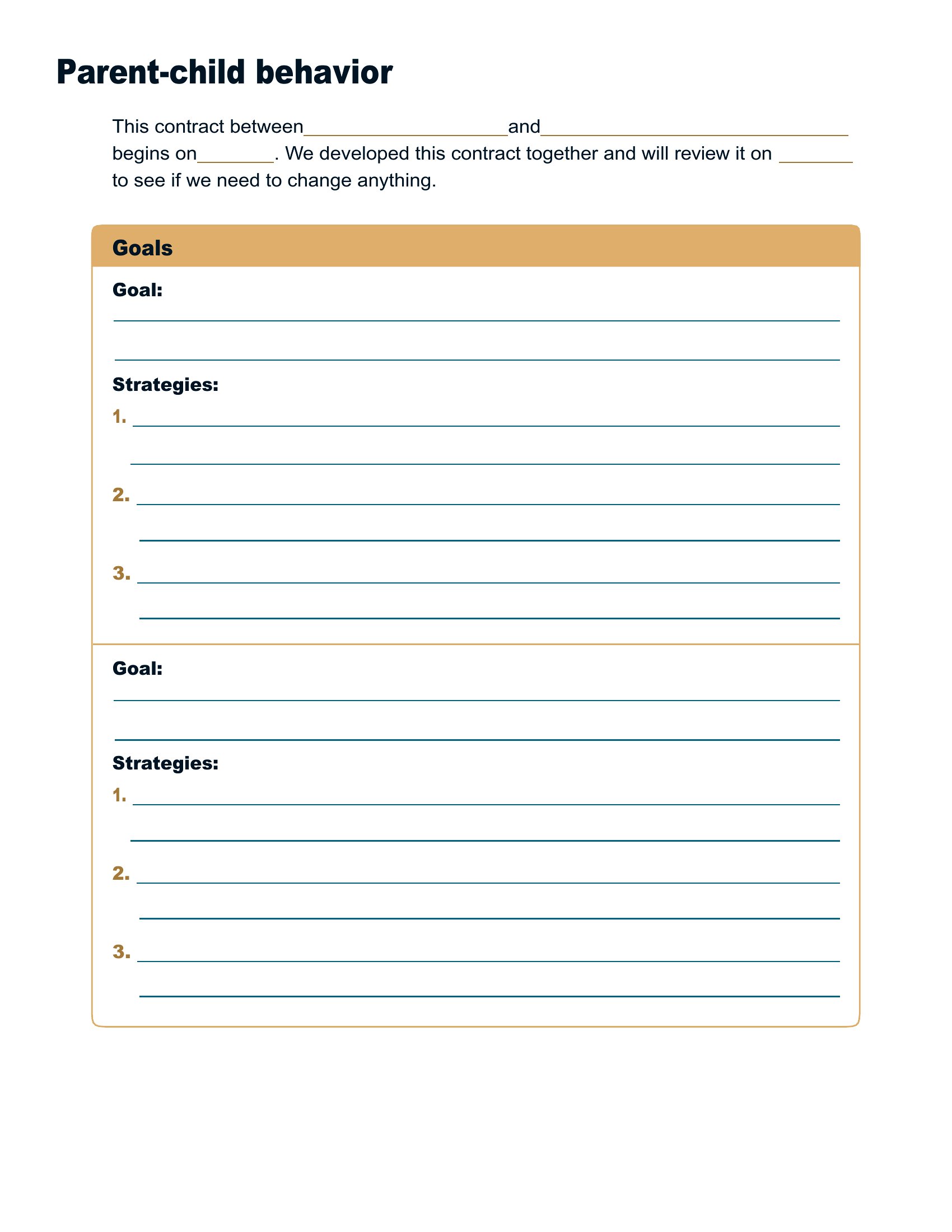
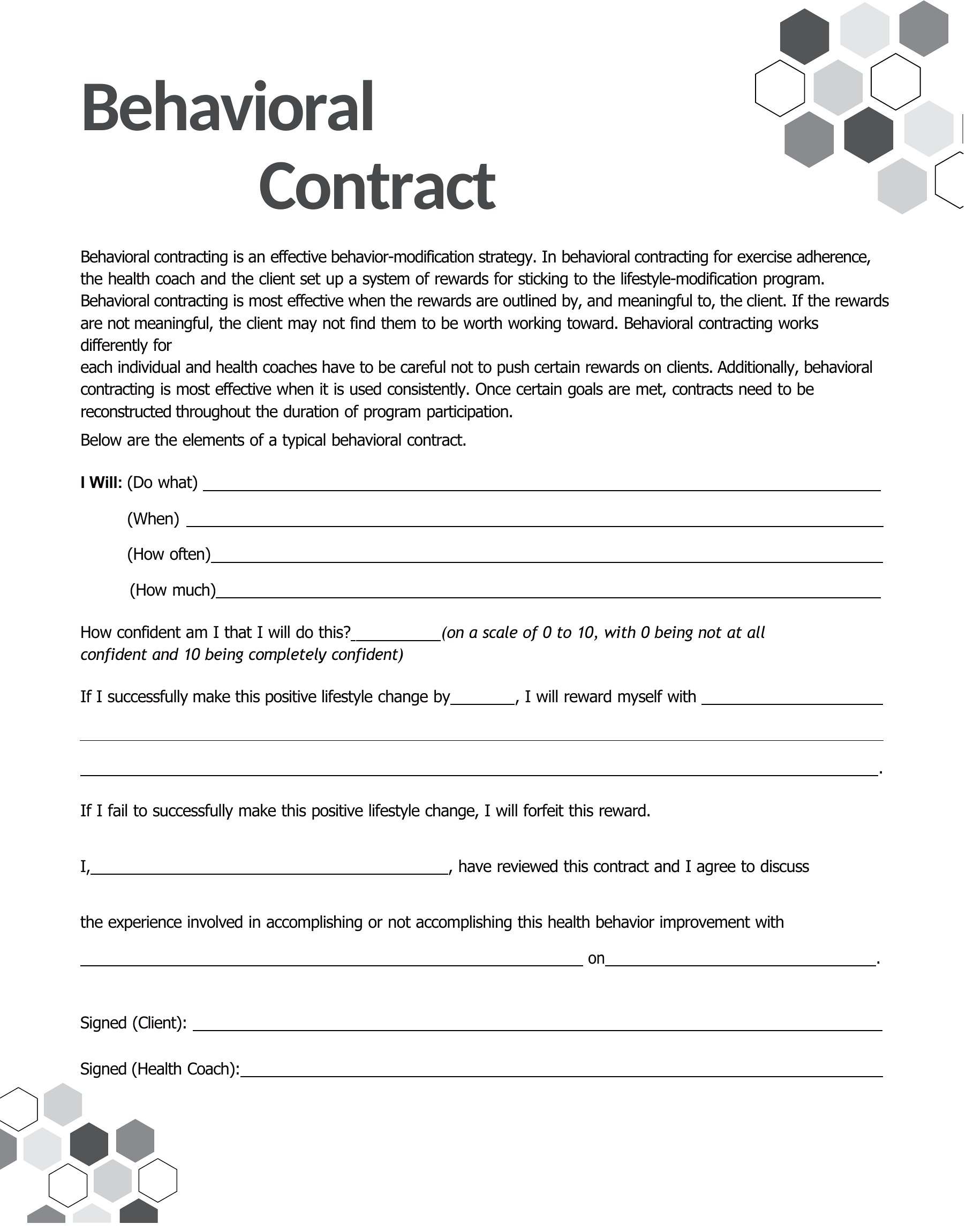
For anxiety-related behaviors, focus on clear, observable actions—like ‘raise hand before speaking’ or ‘take three deep breaths before a panic’—instead of vague terms like ‘calmer.’ Break these into small steps if needed, and pair them with rewards that reduce anxiety, such as a 10-minute break or a favorite activity. Avoid tying rewards to performance outcomes, which could increase stress.
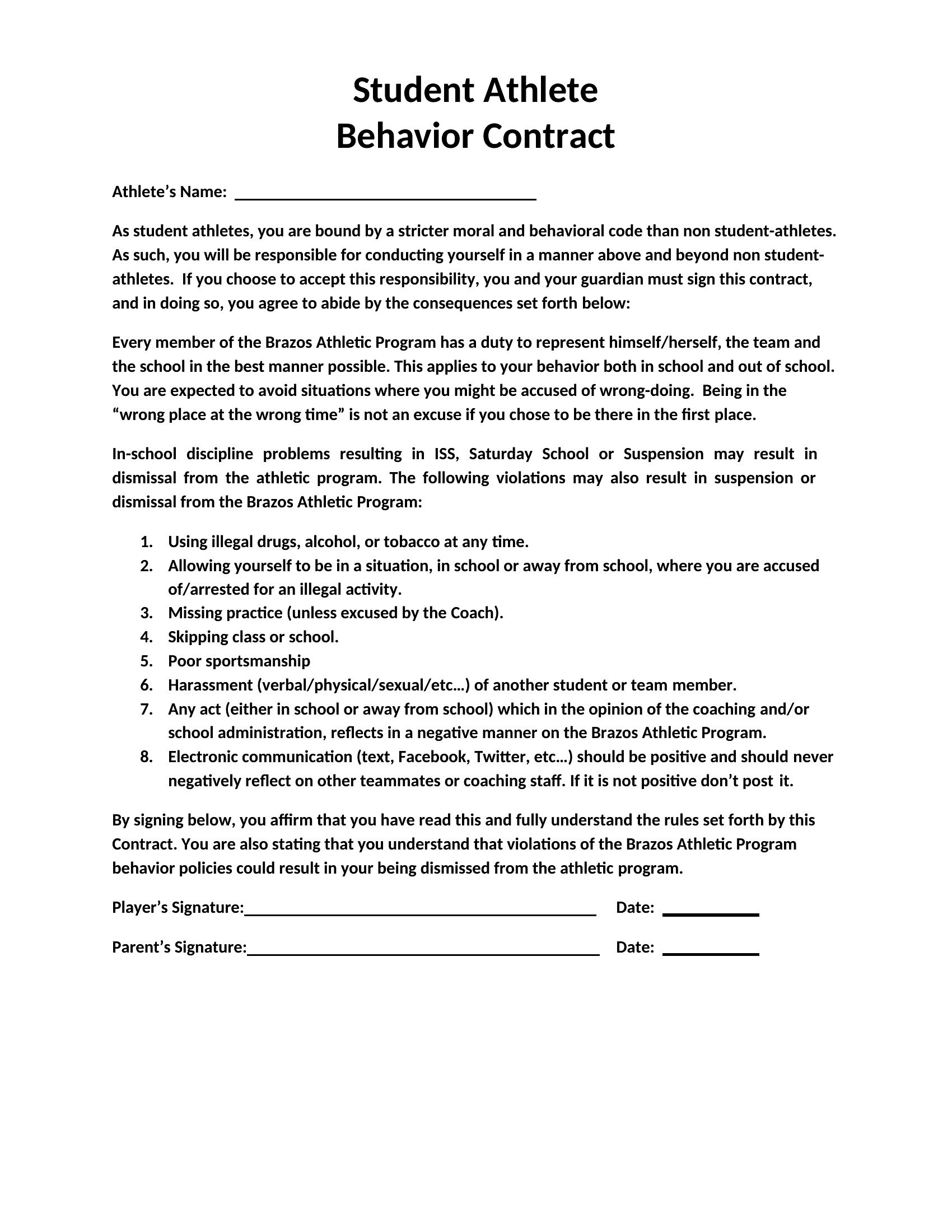
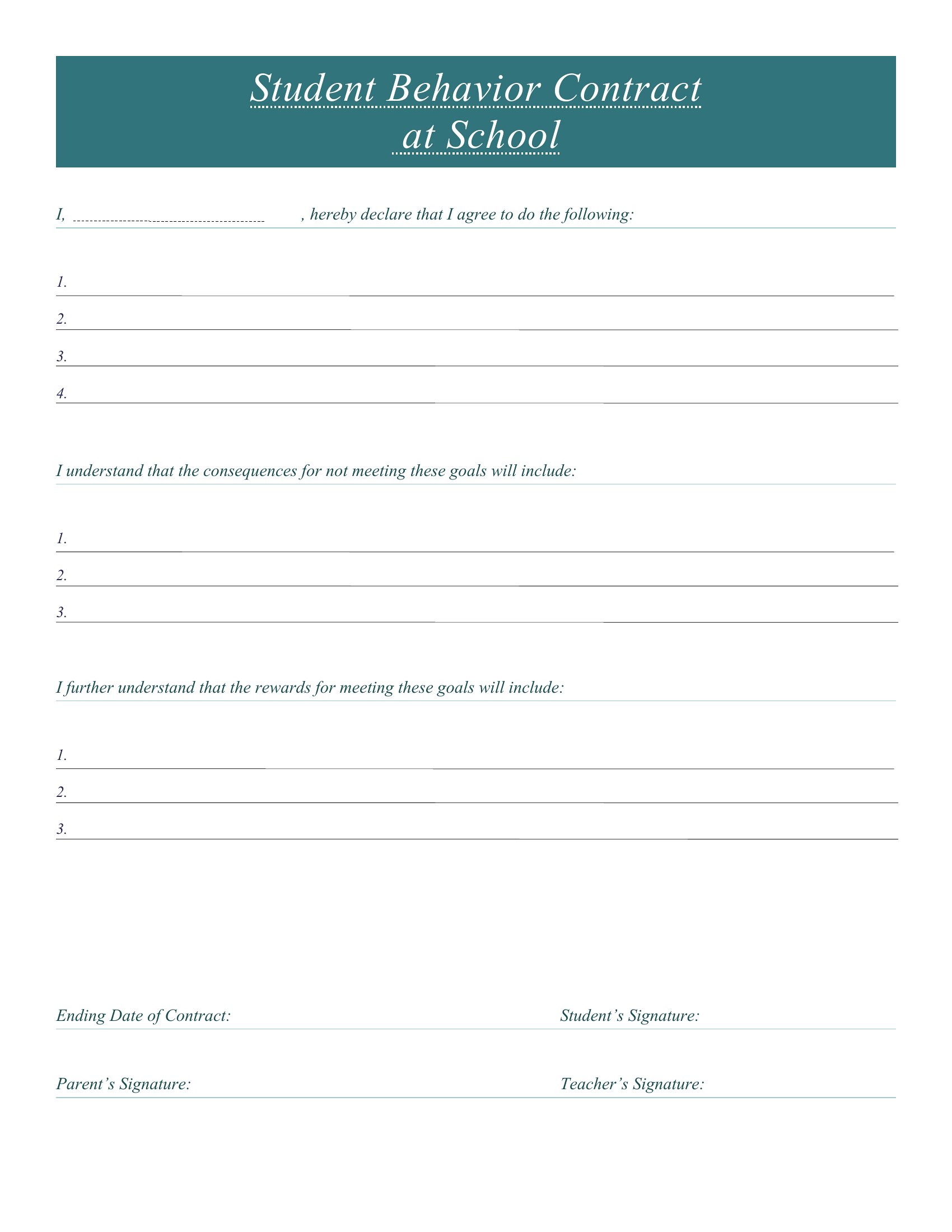
Can I use these templates to create a contract for a student with defiance, even if their behavior isn’t tied to a specific diagnosis?
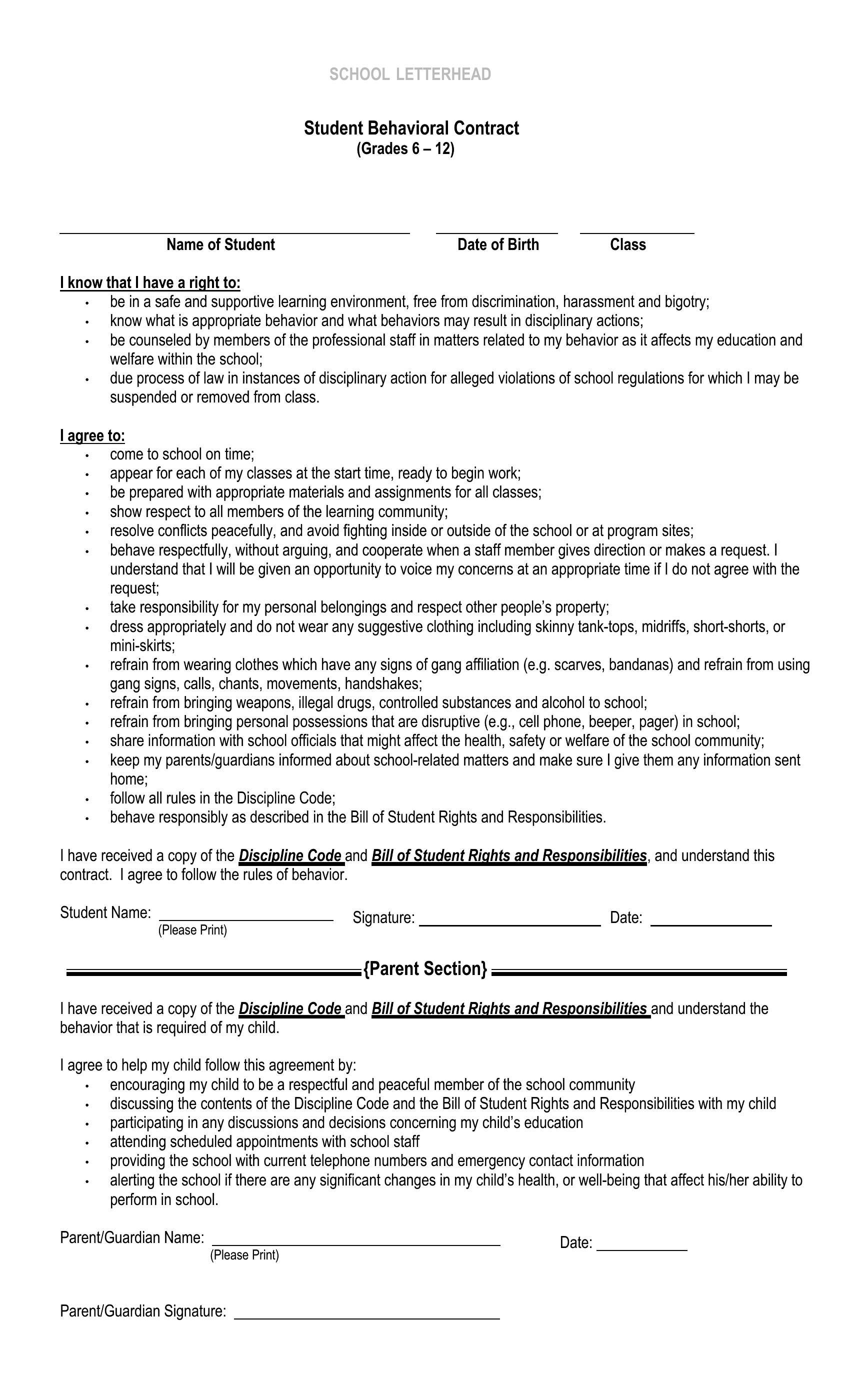
Yes, but tailor the language to avoid sounding punitive. Frame consequences as natural outcomes (e.g., ‘if homework isn’t done, we’ll revise the contract to add a 15-minute study check-in daily’) rather than punishments. Include the student in drafting the contract to build buy-in, and use positive reinforcement for small wins. If defiance escalates, consult a behavior specialist to adjust the approach.
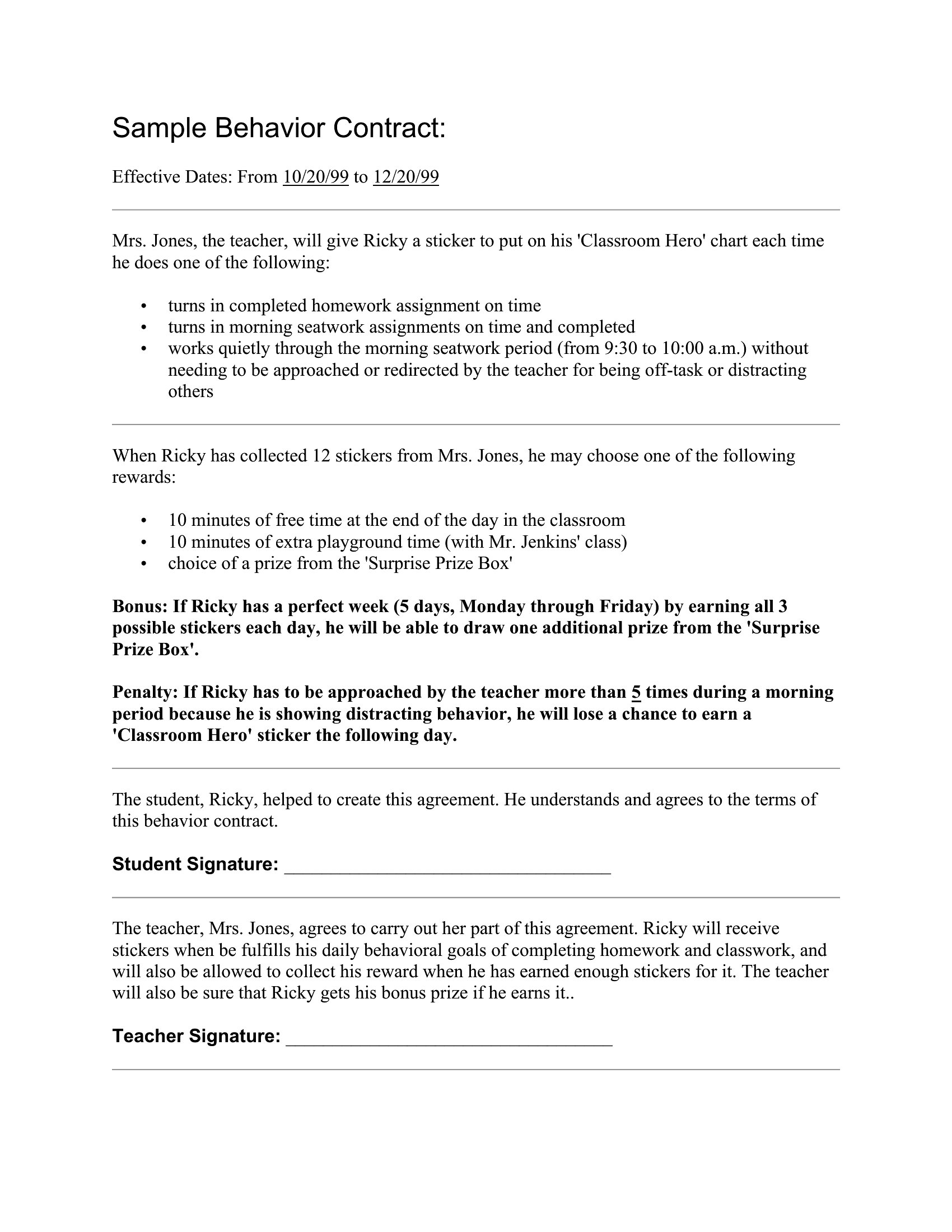
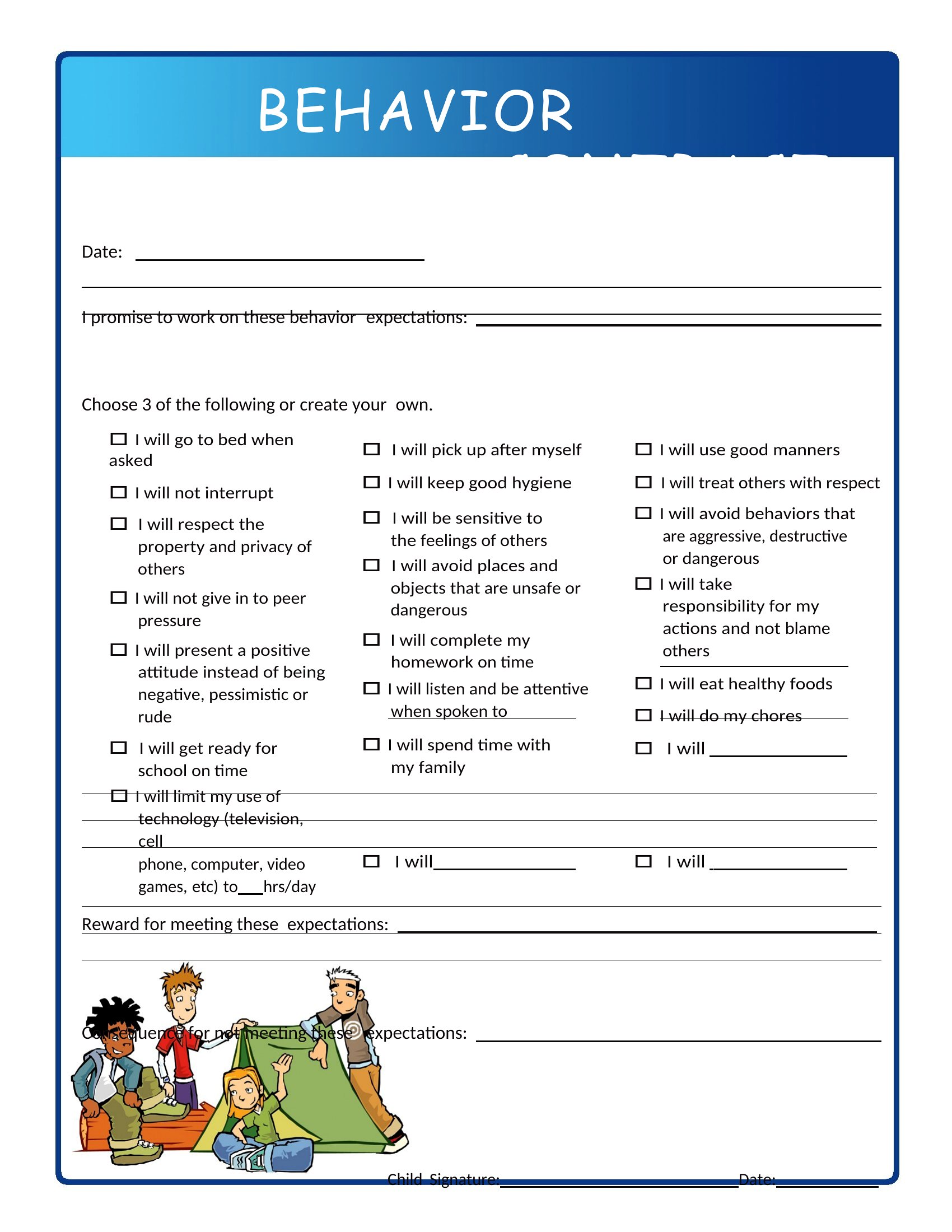
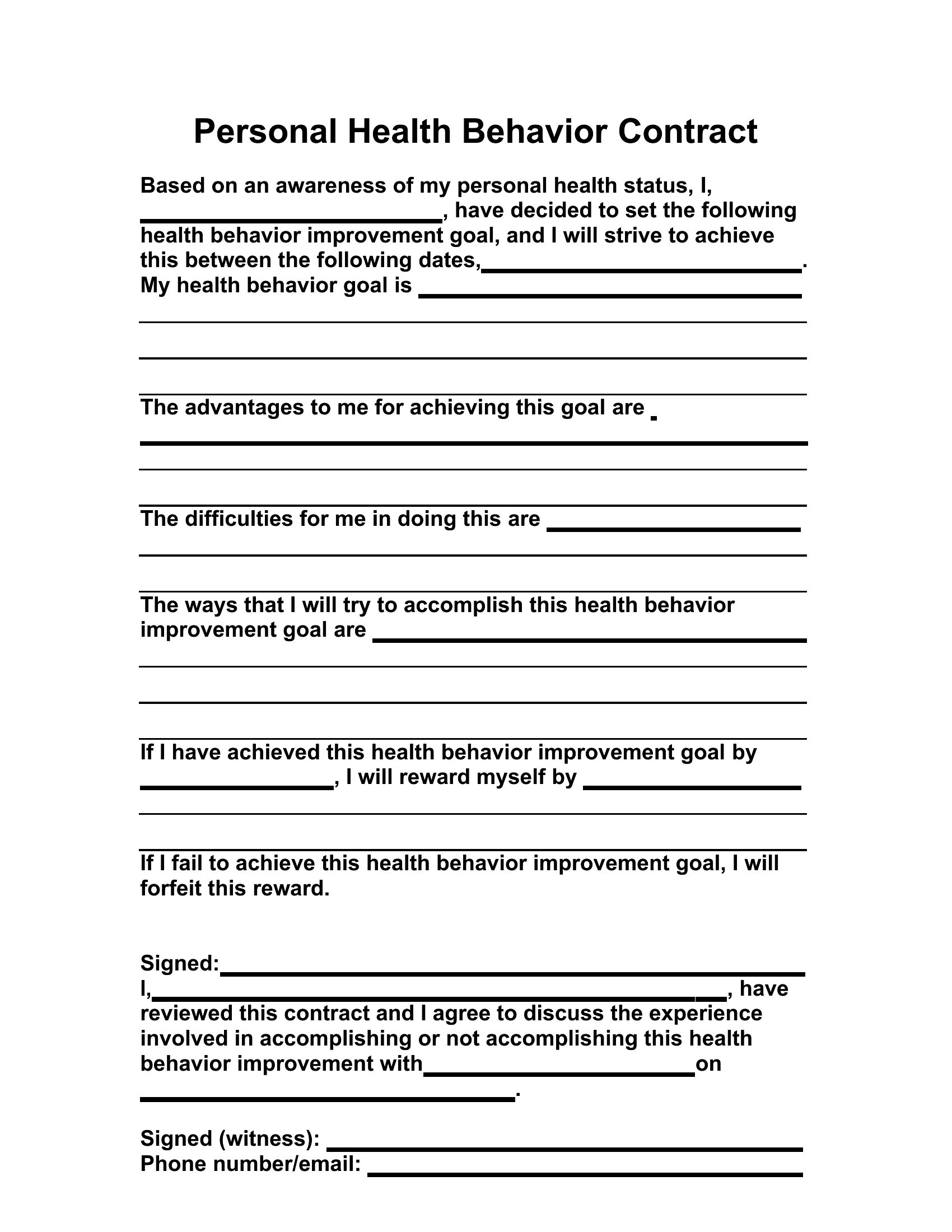
What’s the best way to handle a contract if the child meets all goals too quickly?
Build in a ‘level-up’ clause from the start, like adding a new challenge (e.g., ‘if you meet these goals for 2 weeks, we’ll add a new behavior to track’) or extending the contract with more complex expectations. Celebrate the progress publicly (e.g., a sticker chart or verbal praise) to maintain motivation. If the child loses interest, shift to a new contract topic entirely, like social skills or responsibility tasks, to keep it engaging.
Comments
Join the conversation
Sign in to share your thoughts and leave a comment on this resource.