Skip to content
50% off this one-time $1.99 pack with HALFOFF — or unlimited with Pro.HALFOFF
Premium

Free Printable Feelings Charts (Word)

Diagrams
sofiagibson by sofiagibson
Updated 0 downloads Quality-checked template

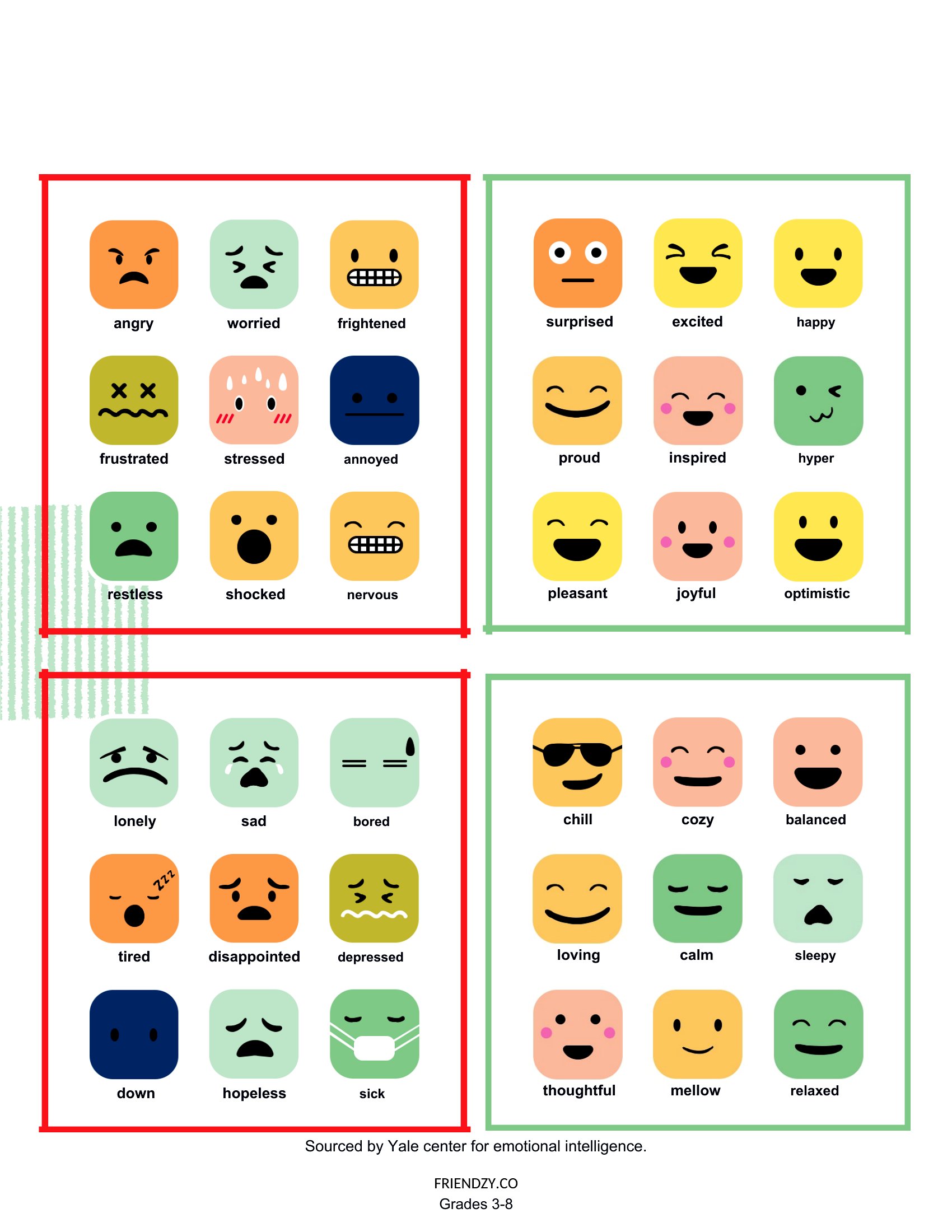
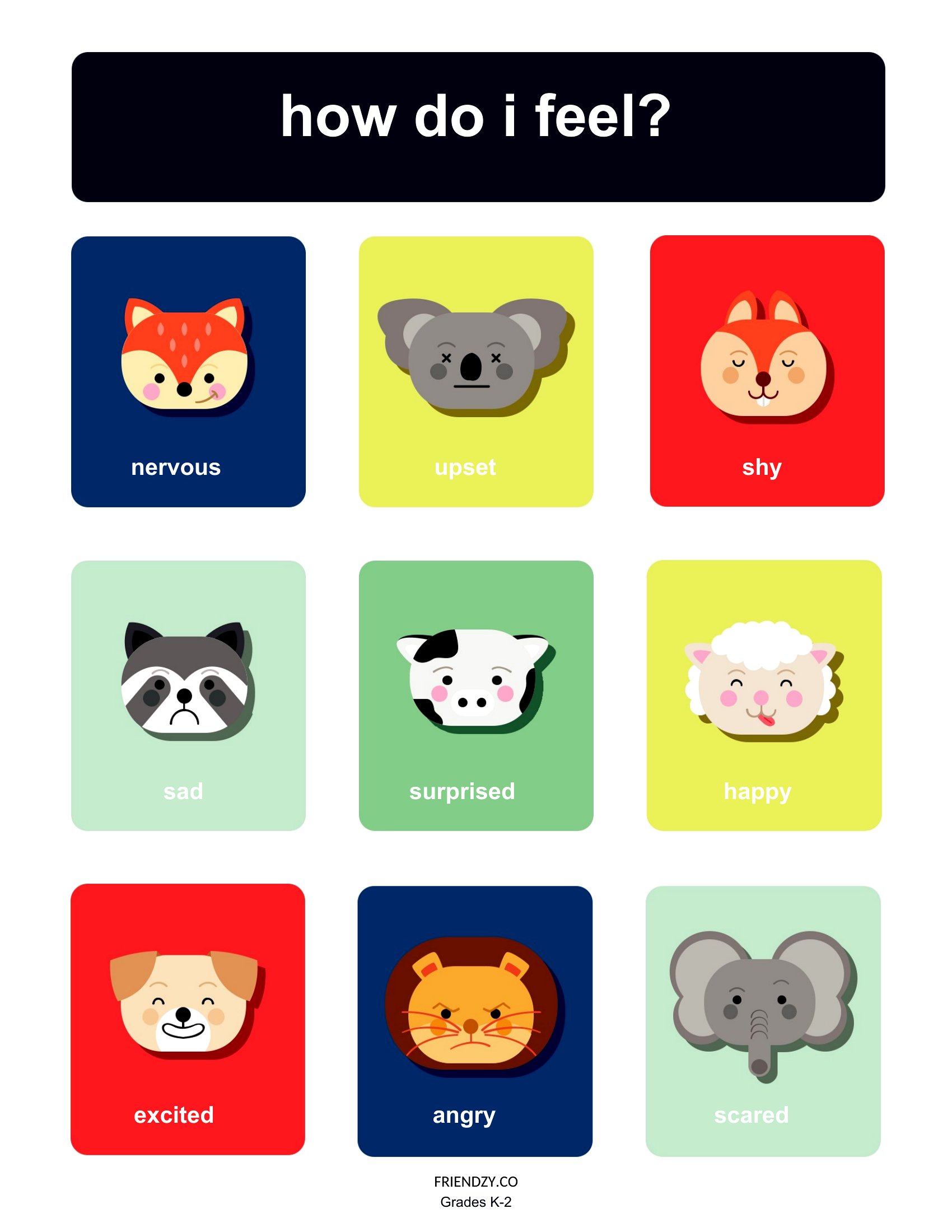
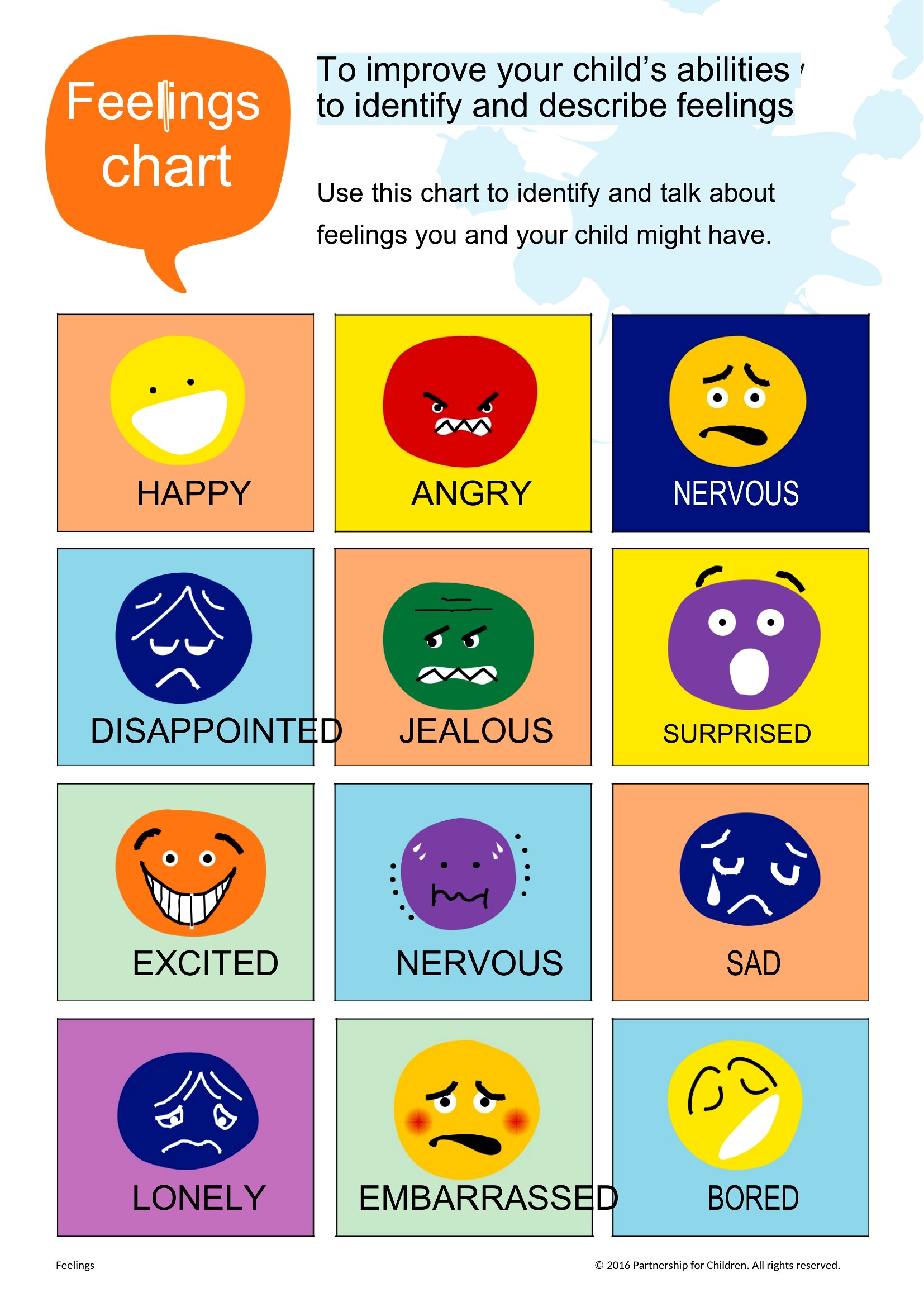
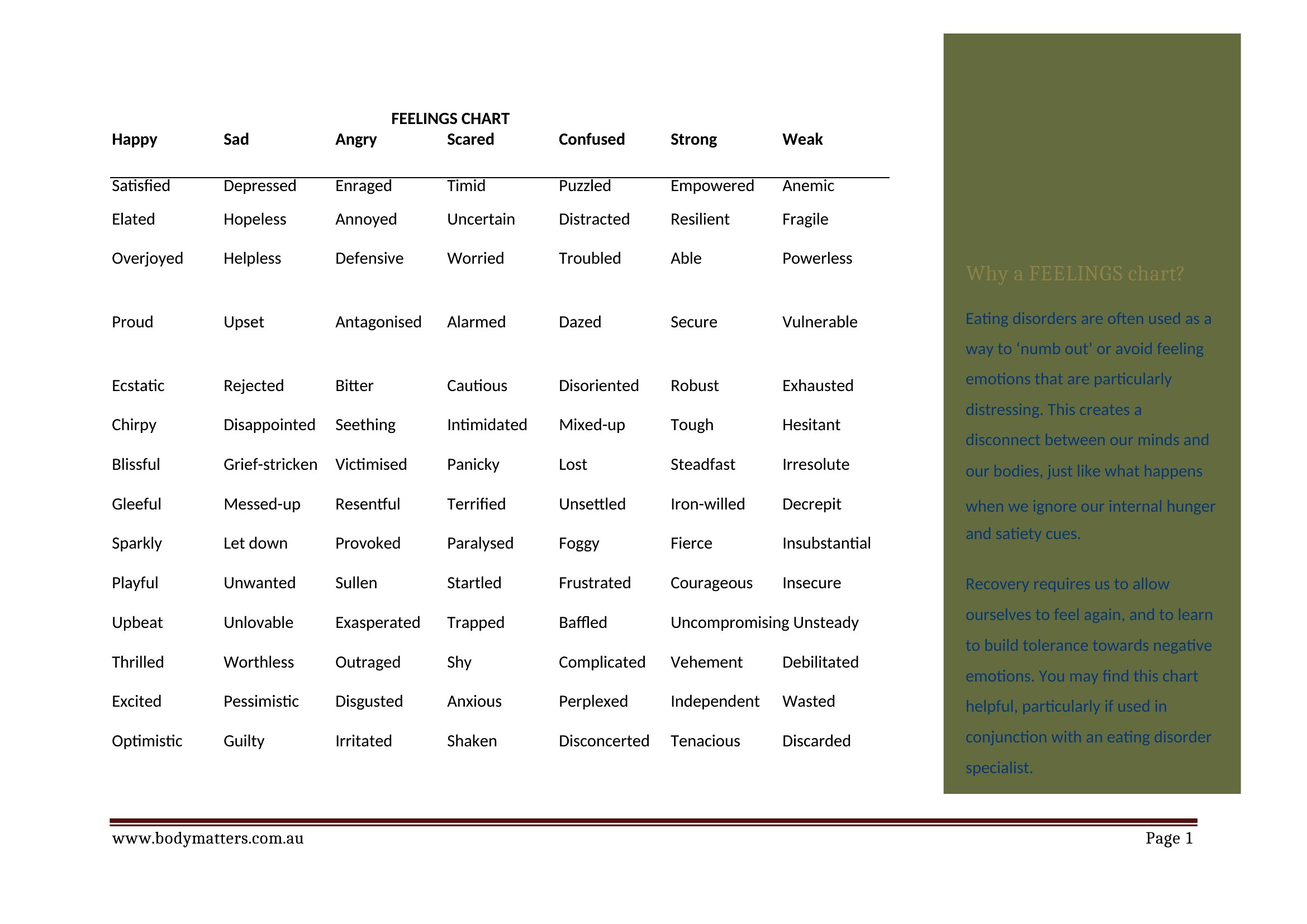
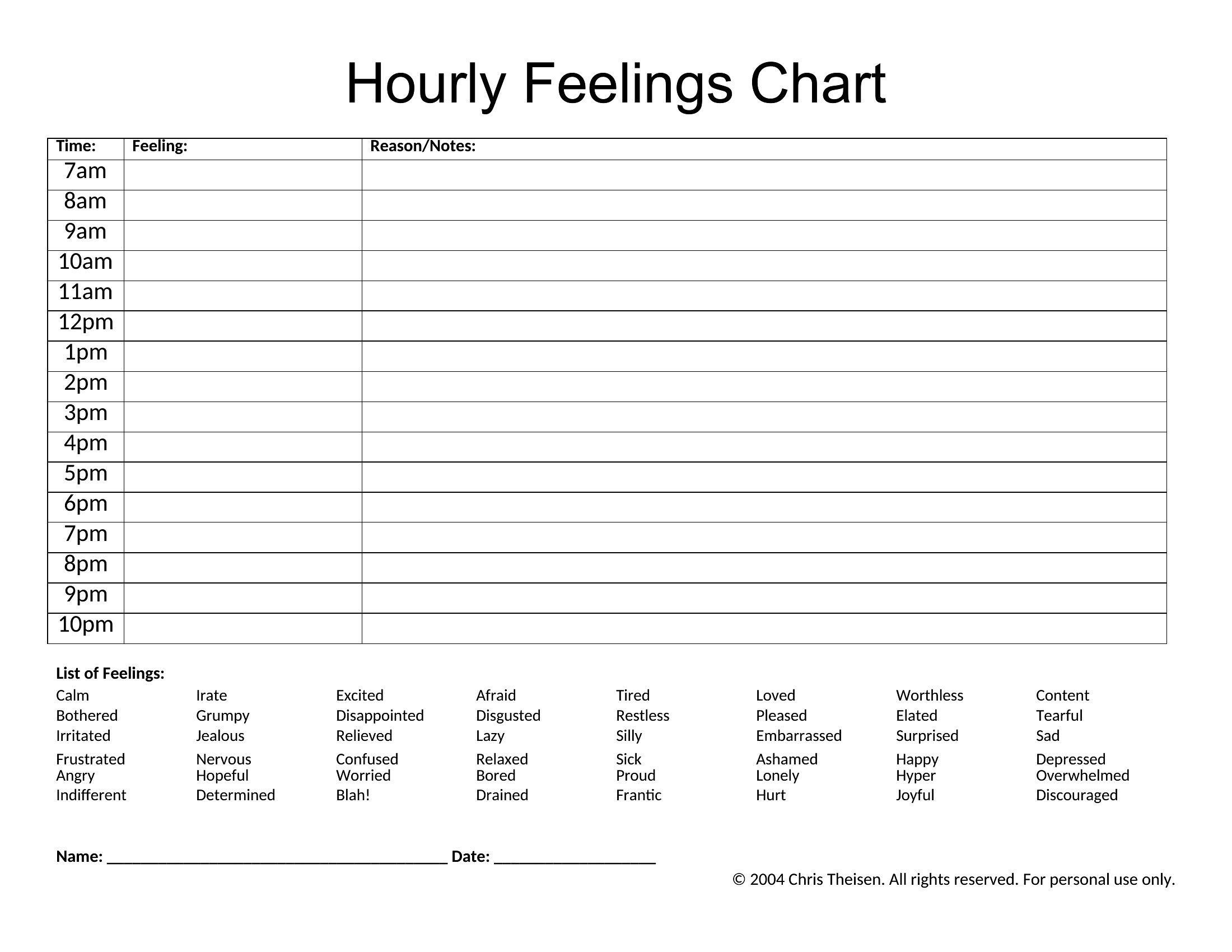
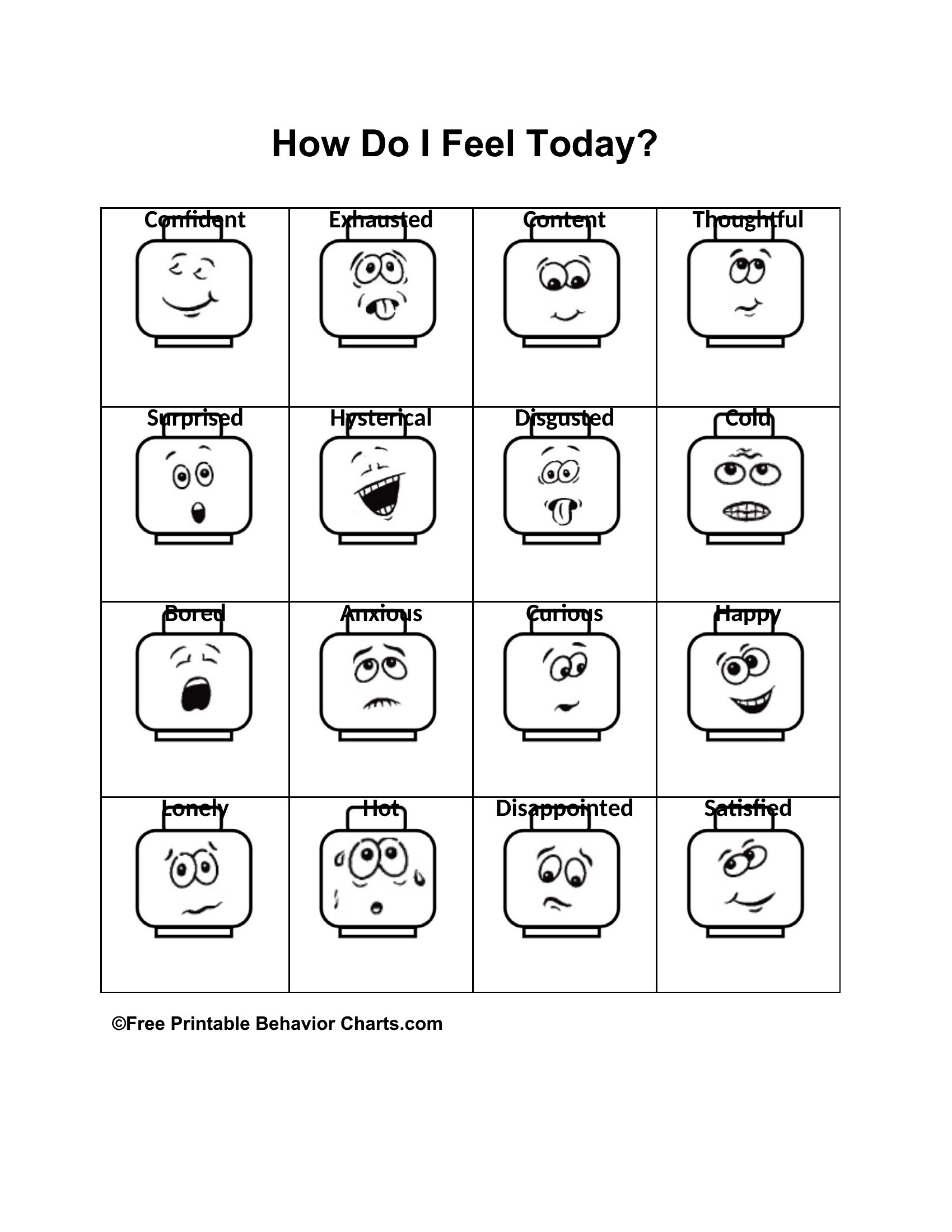
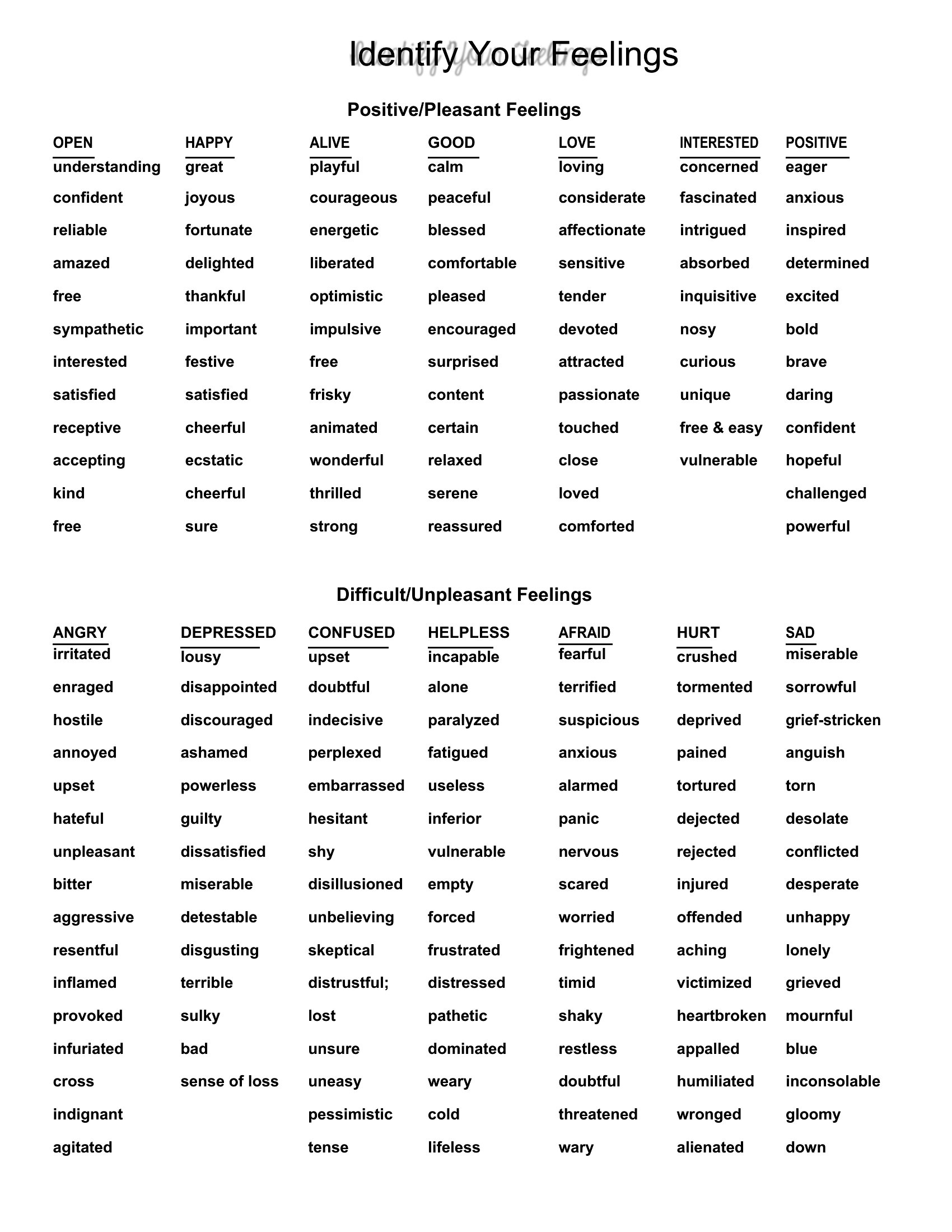
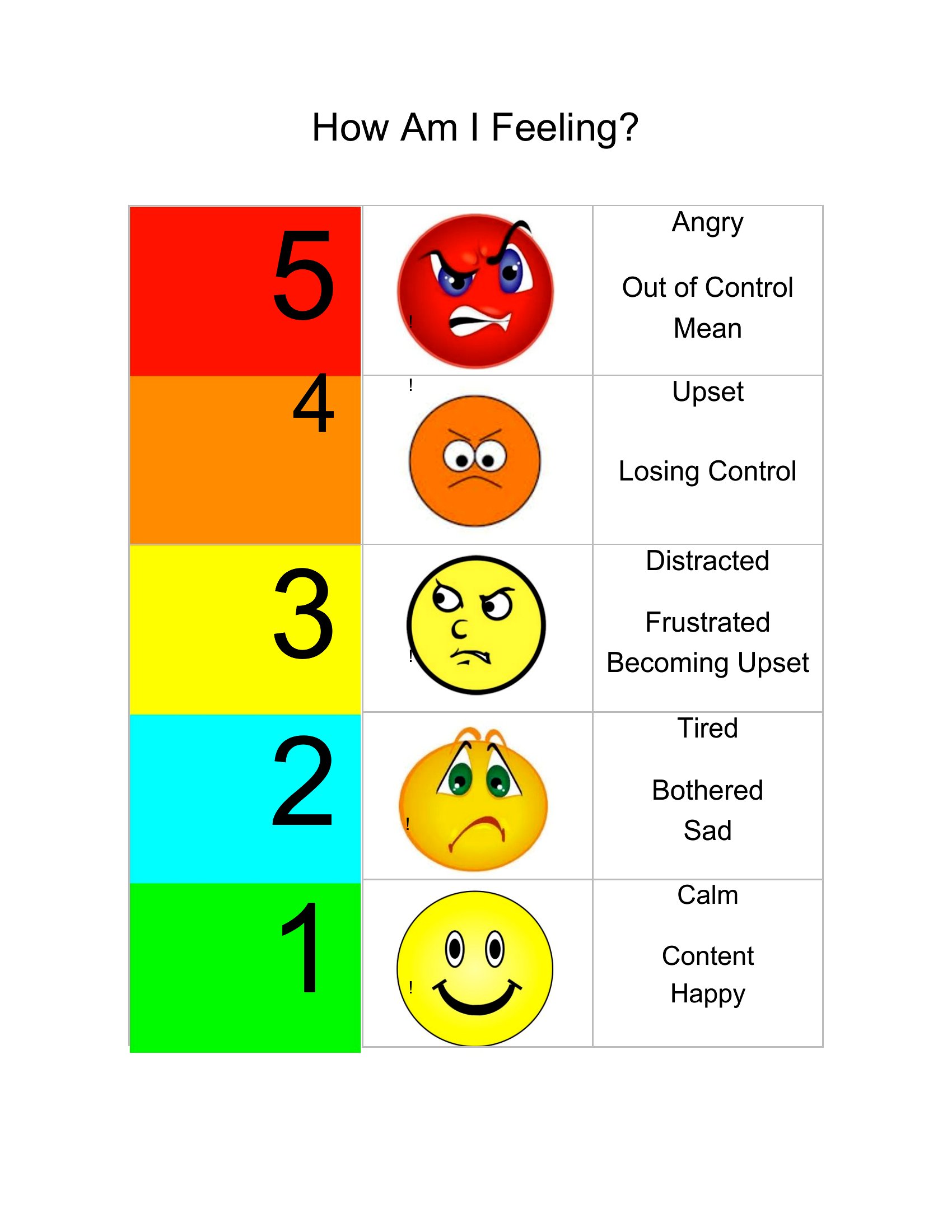
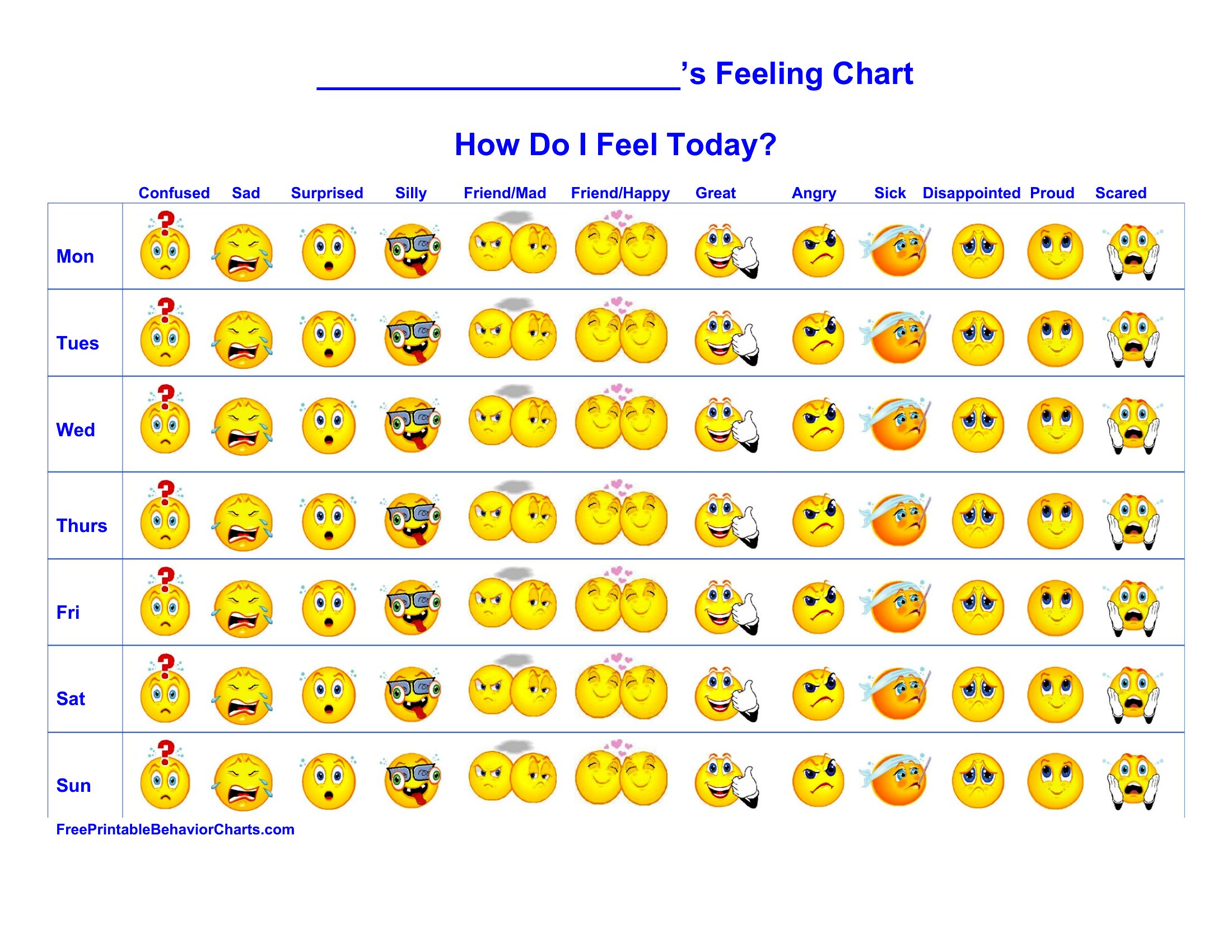
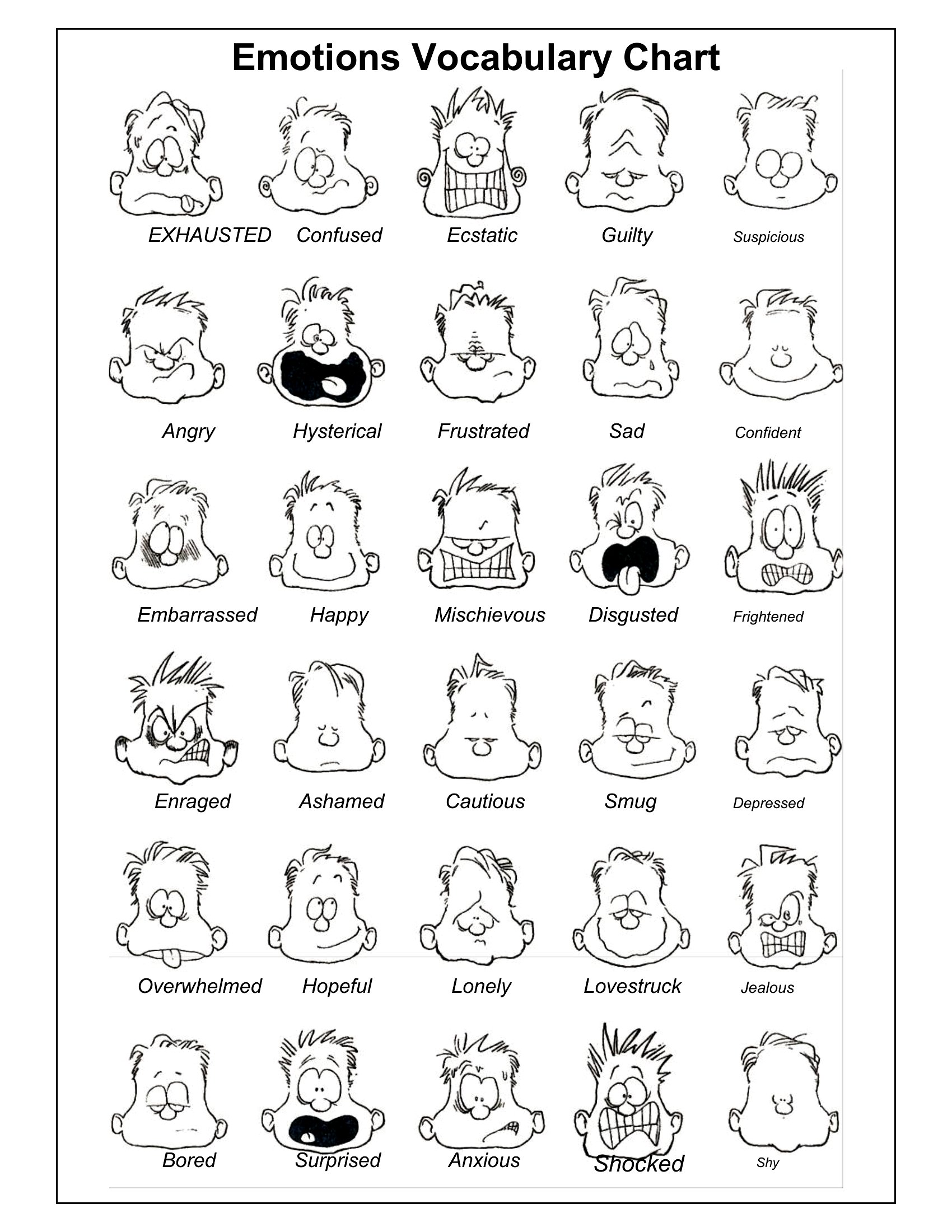
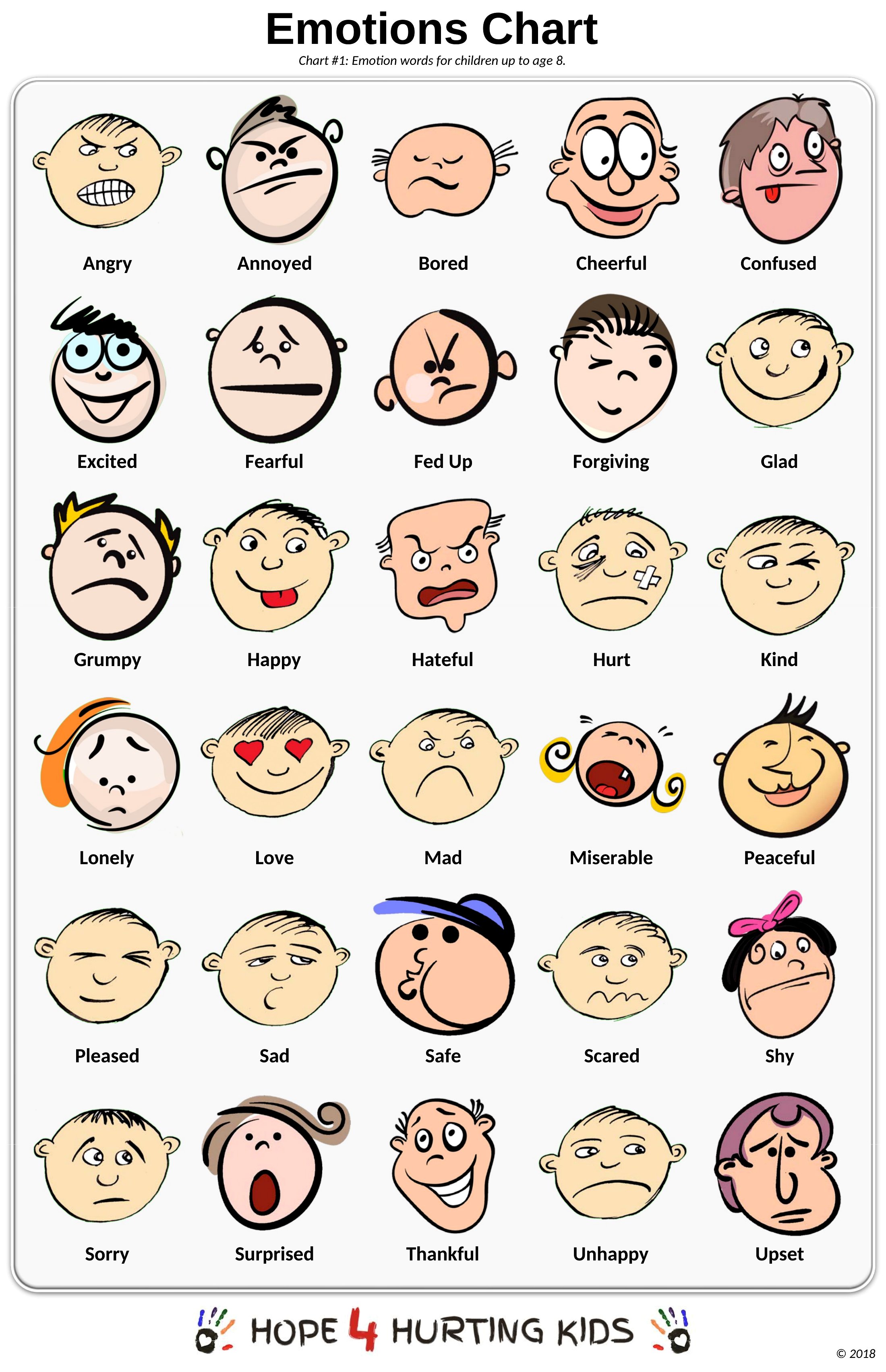
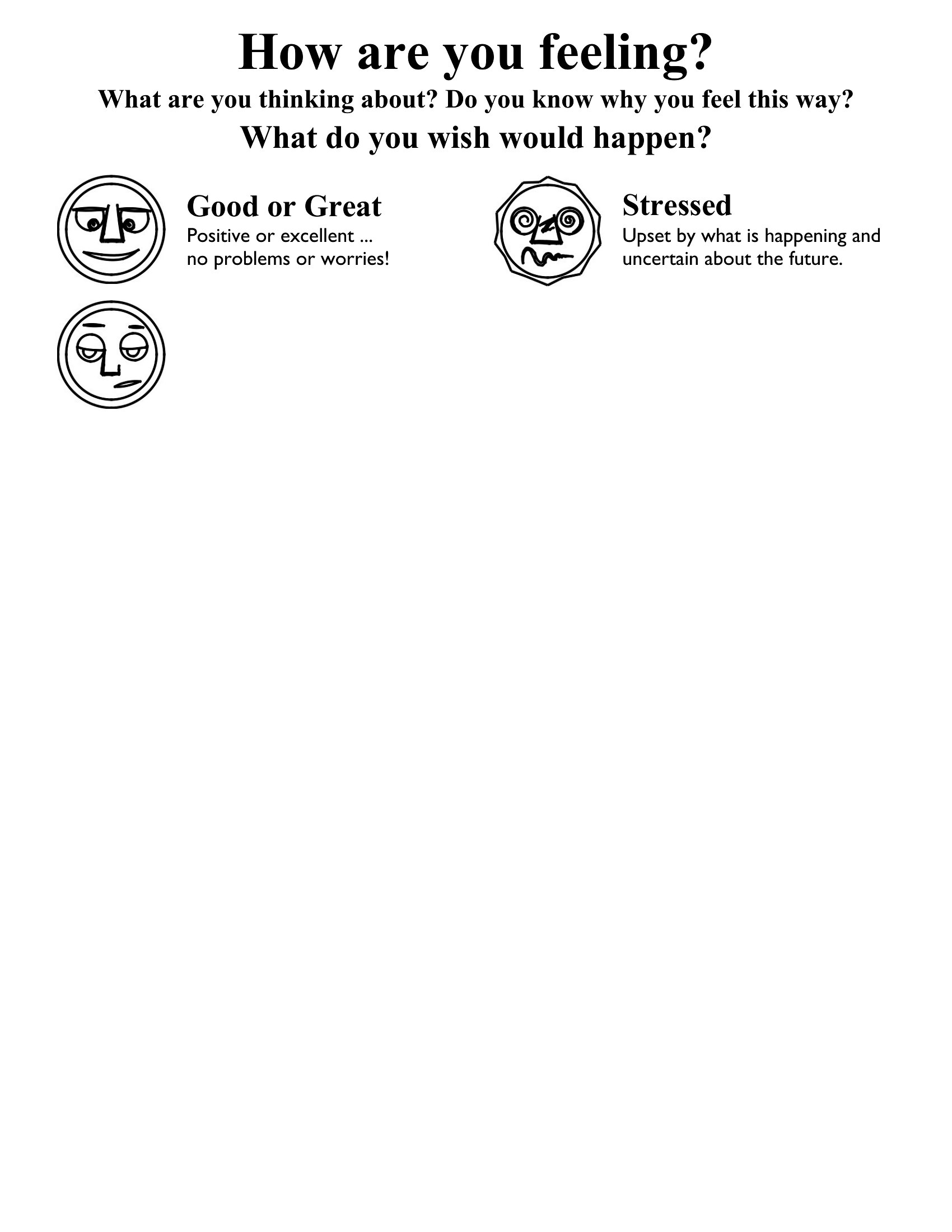
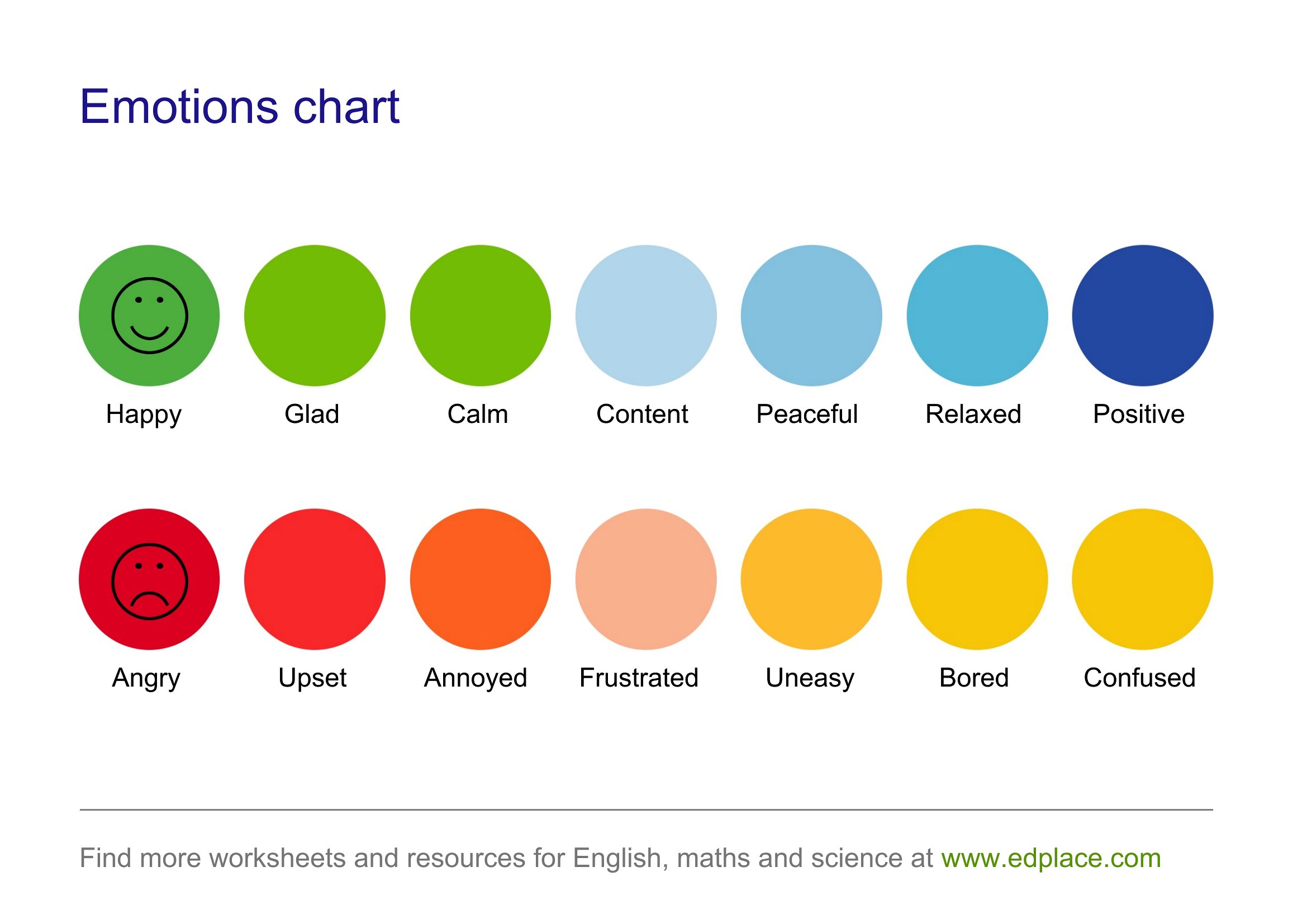
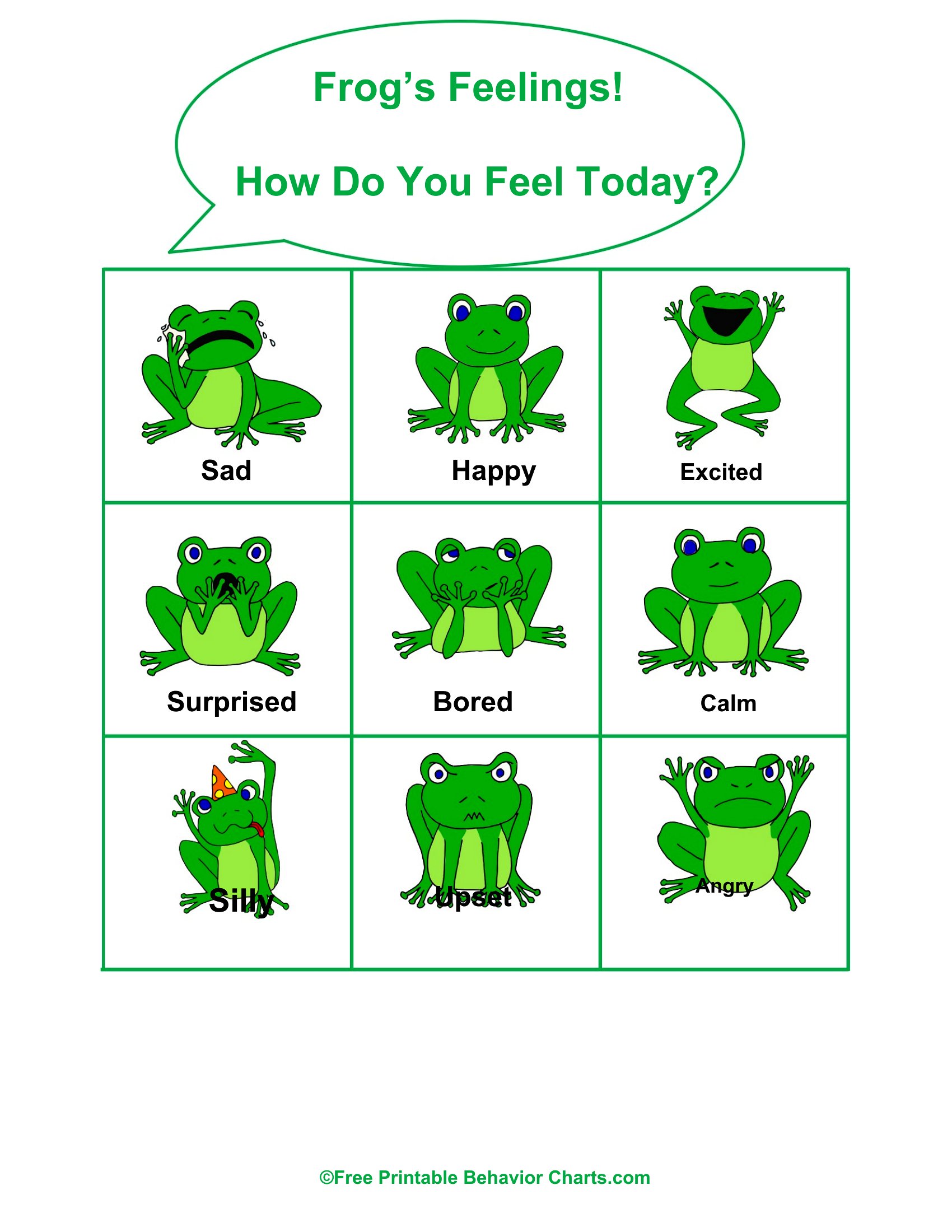
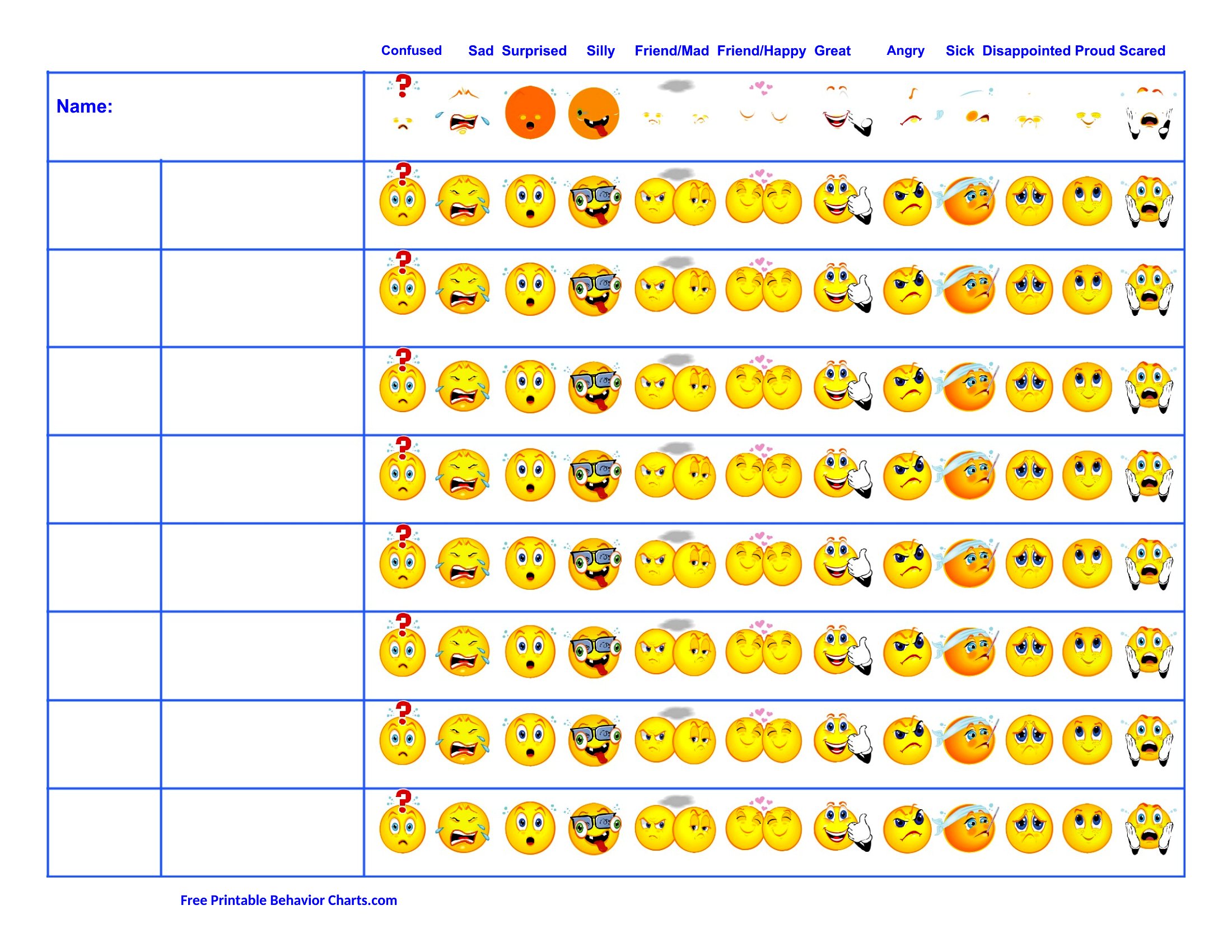
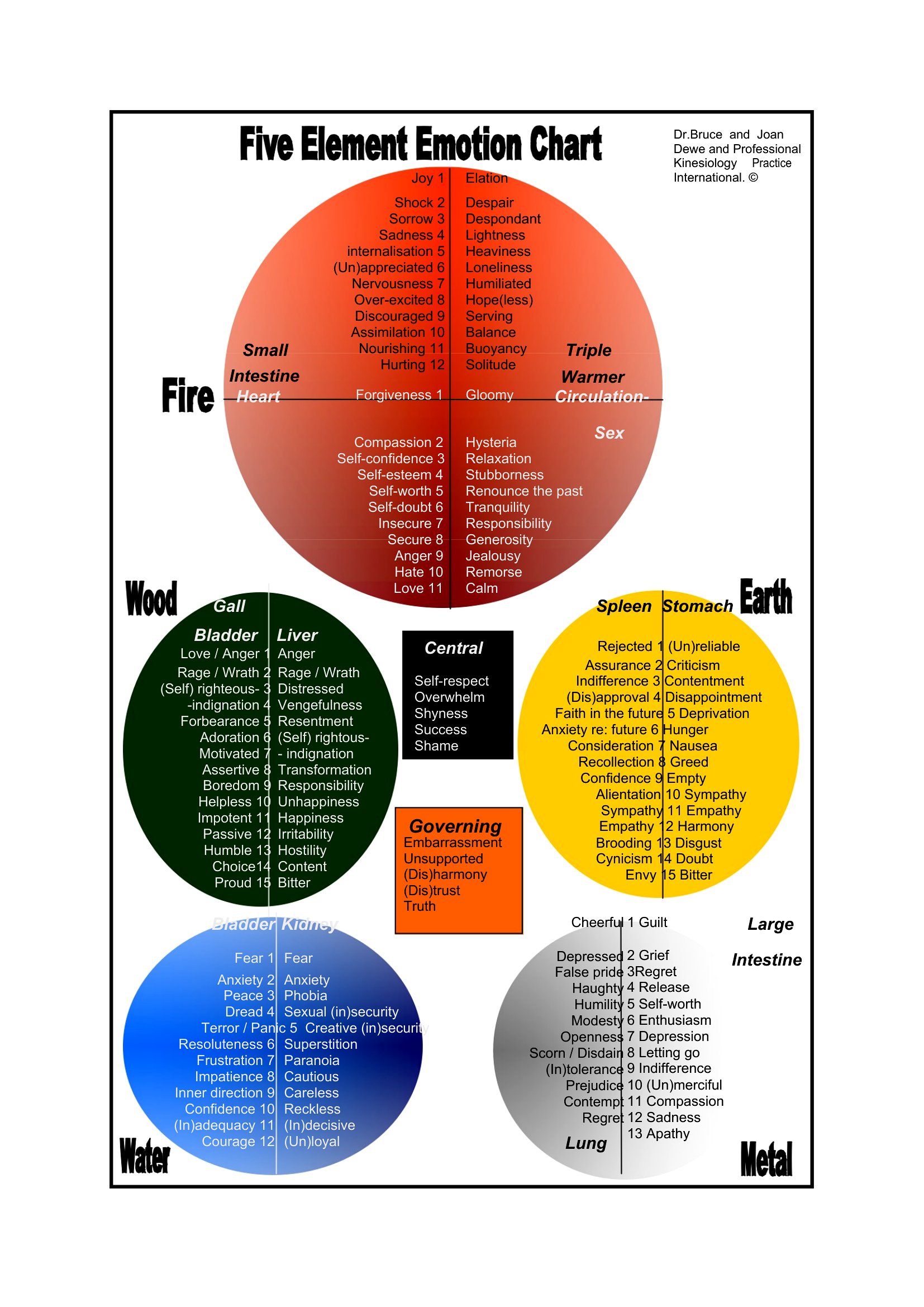
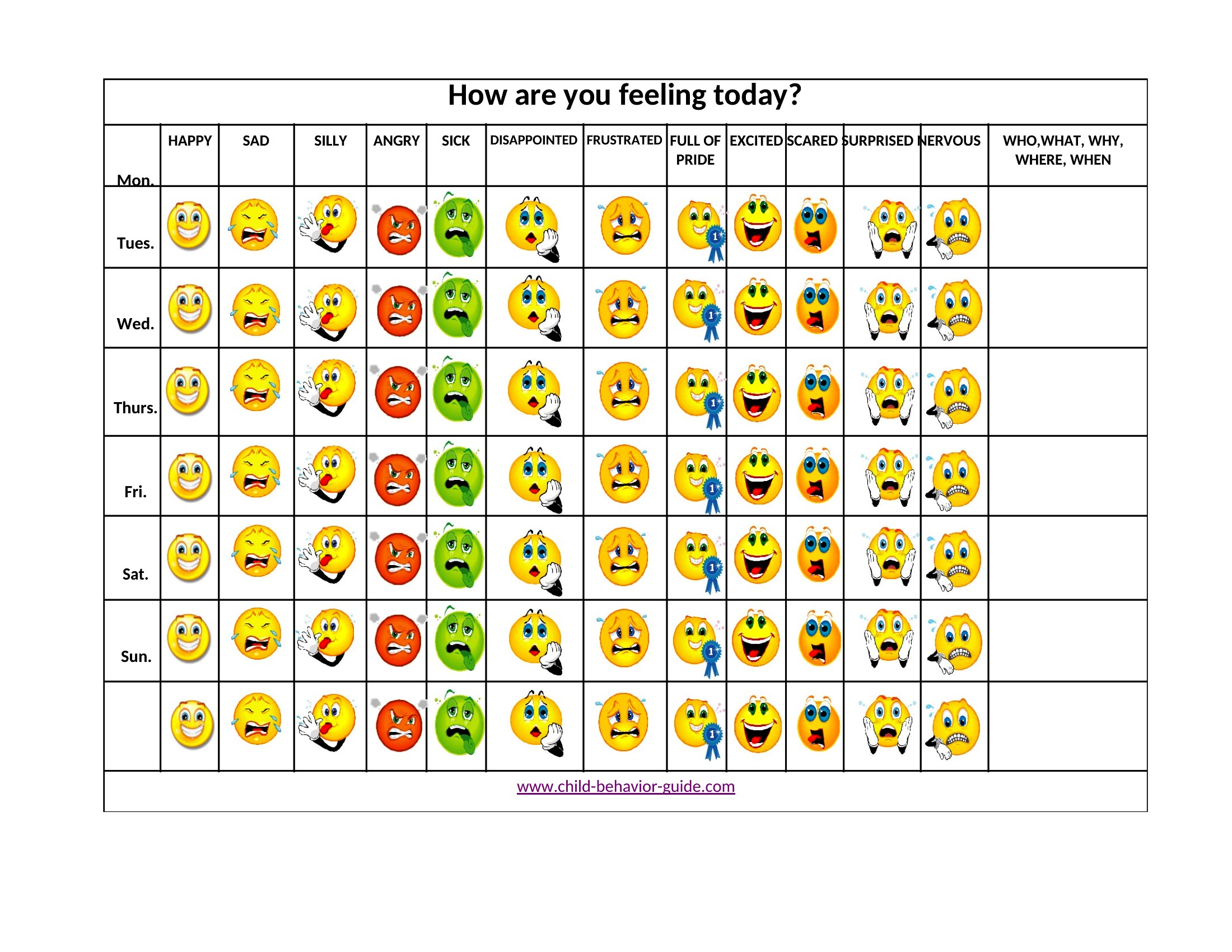
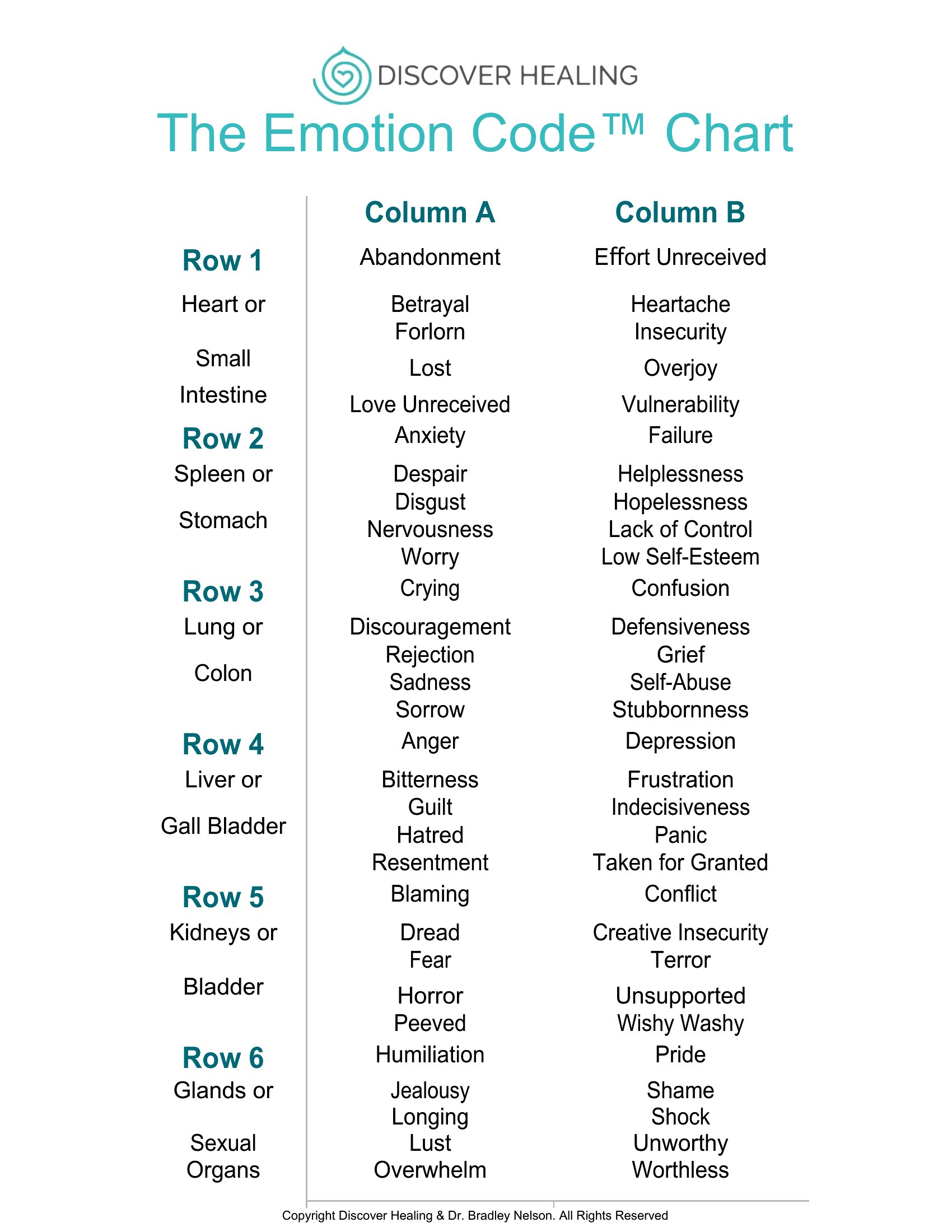
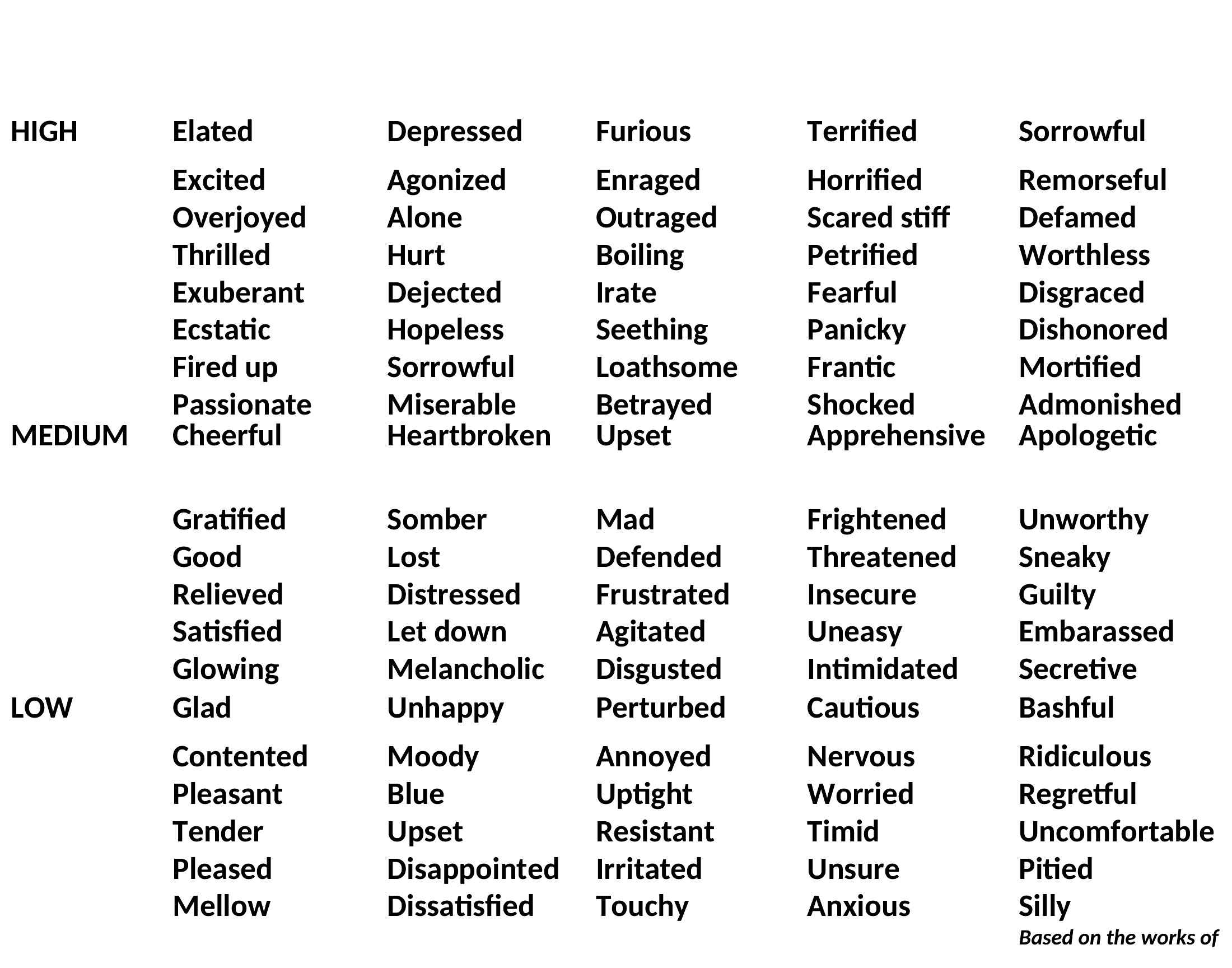
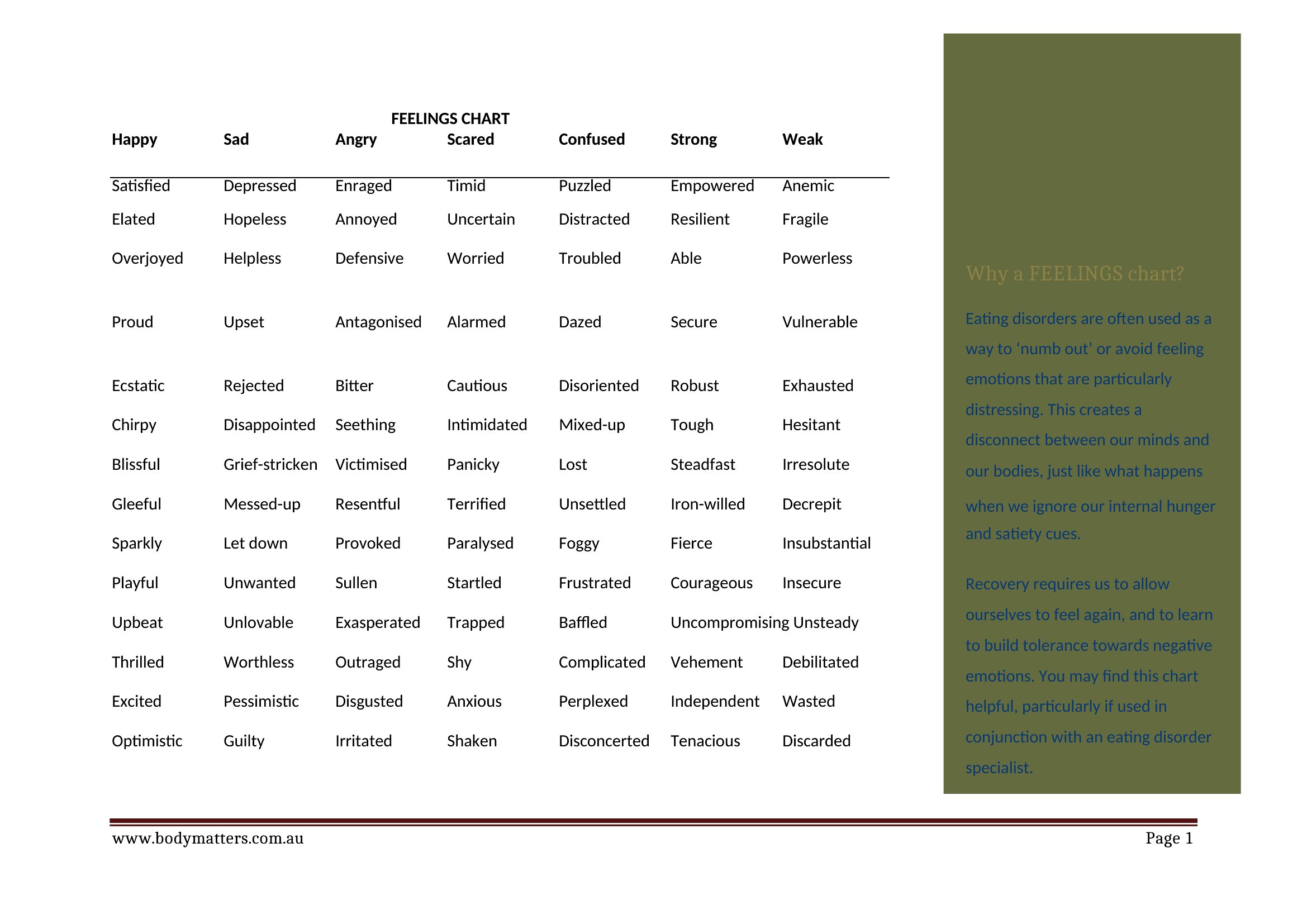
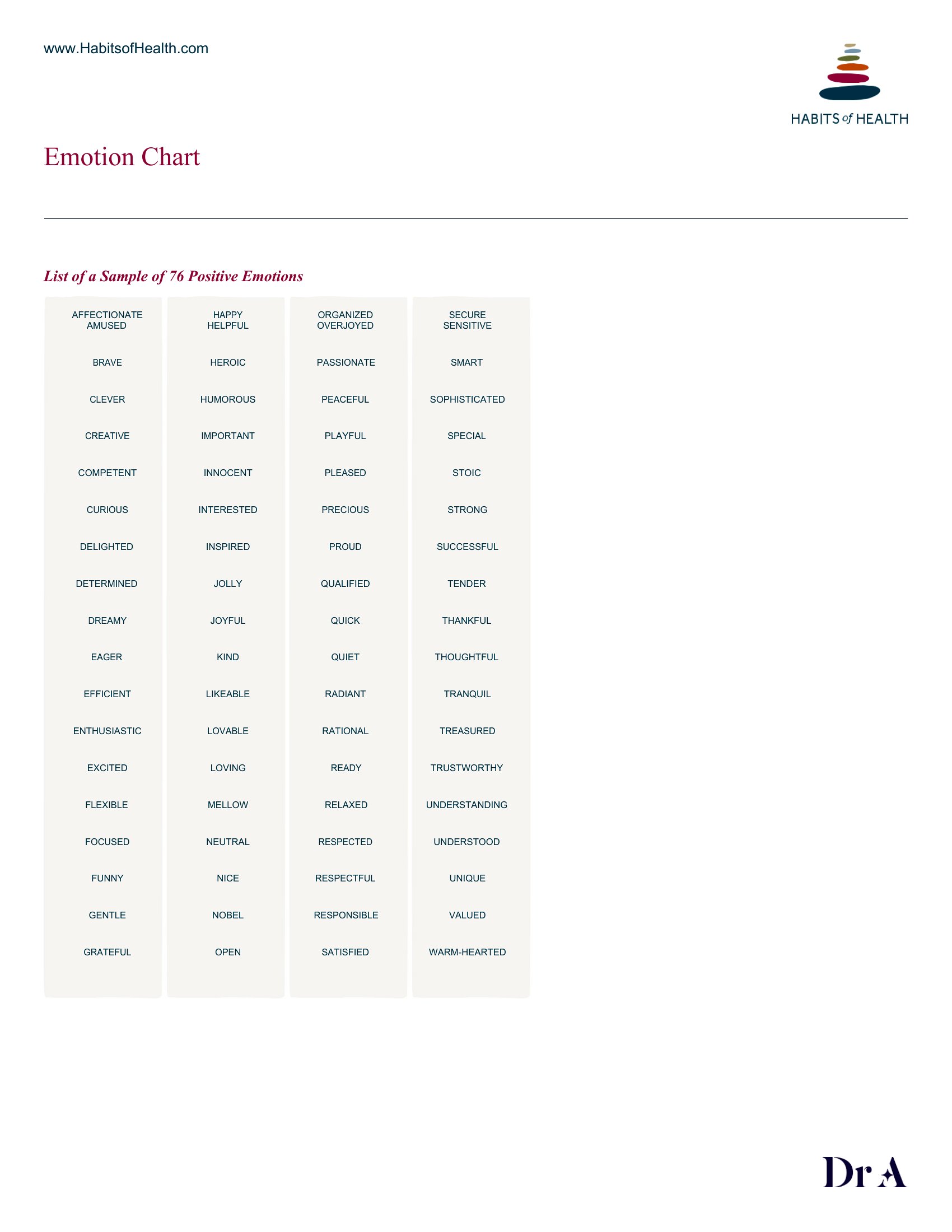
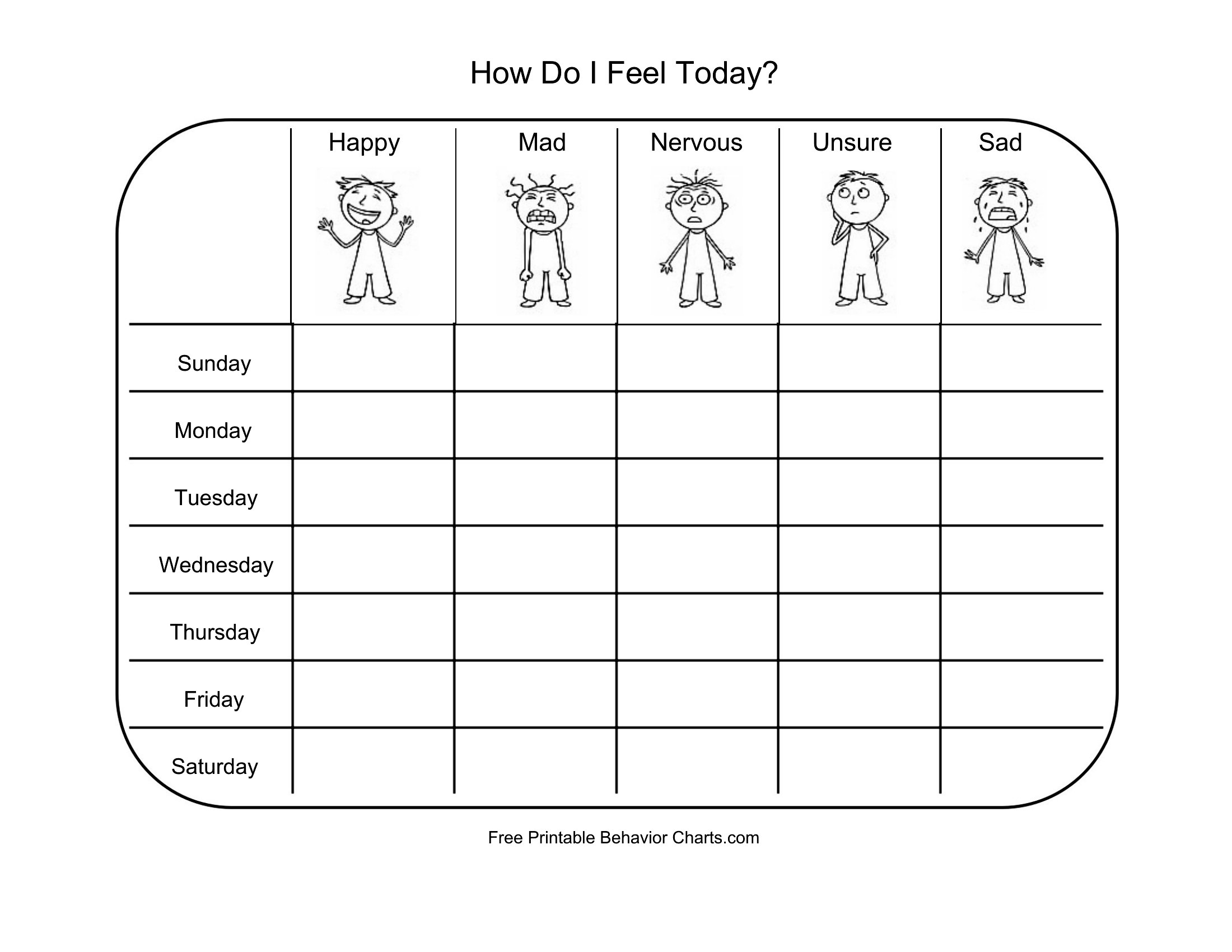
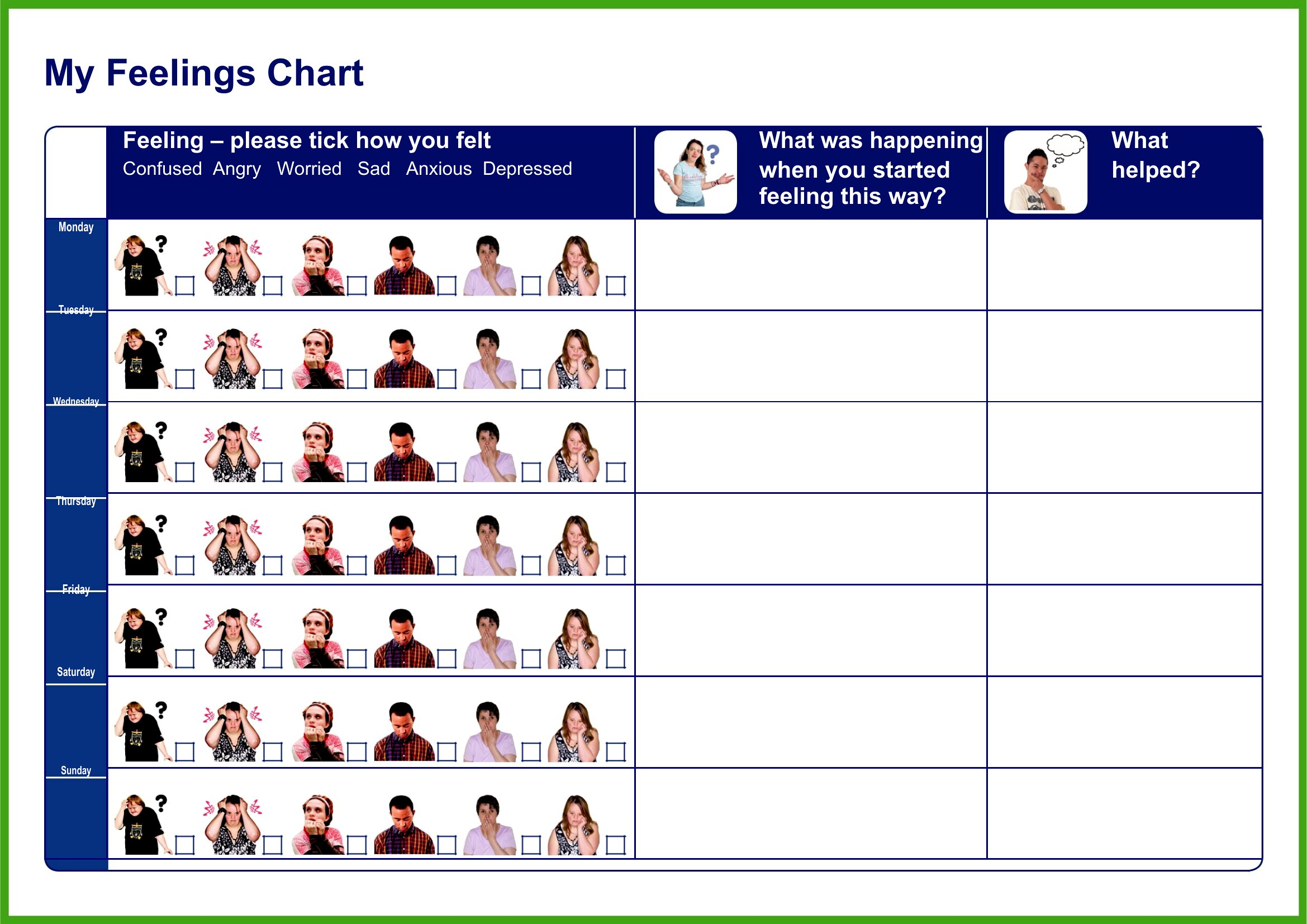
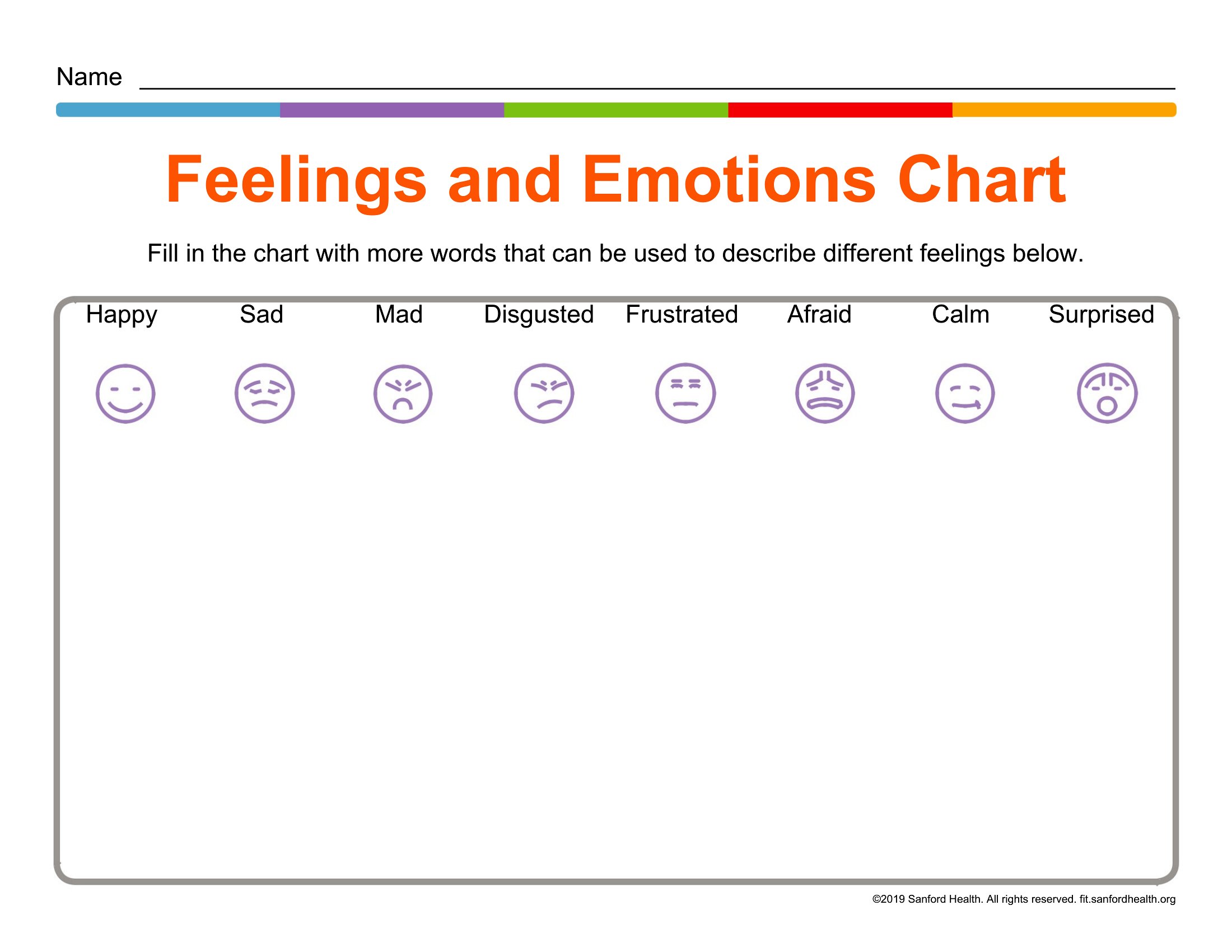
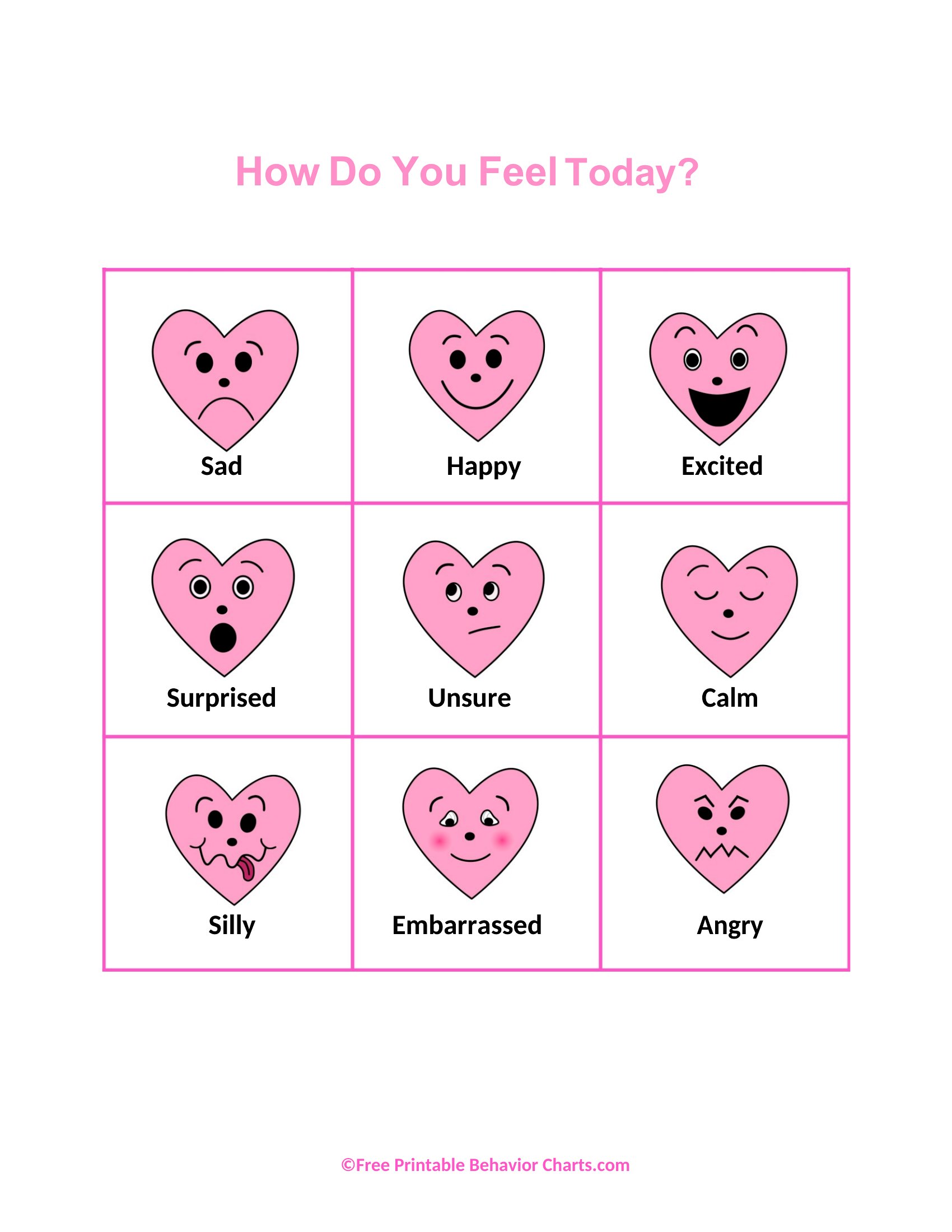
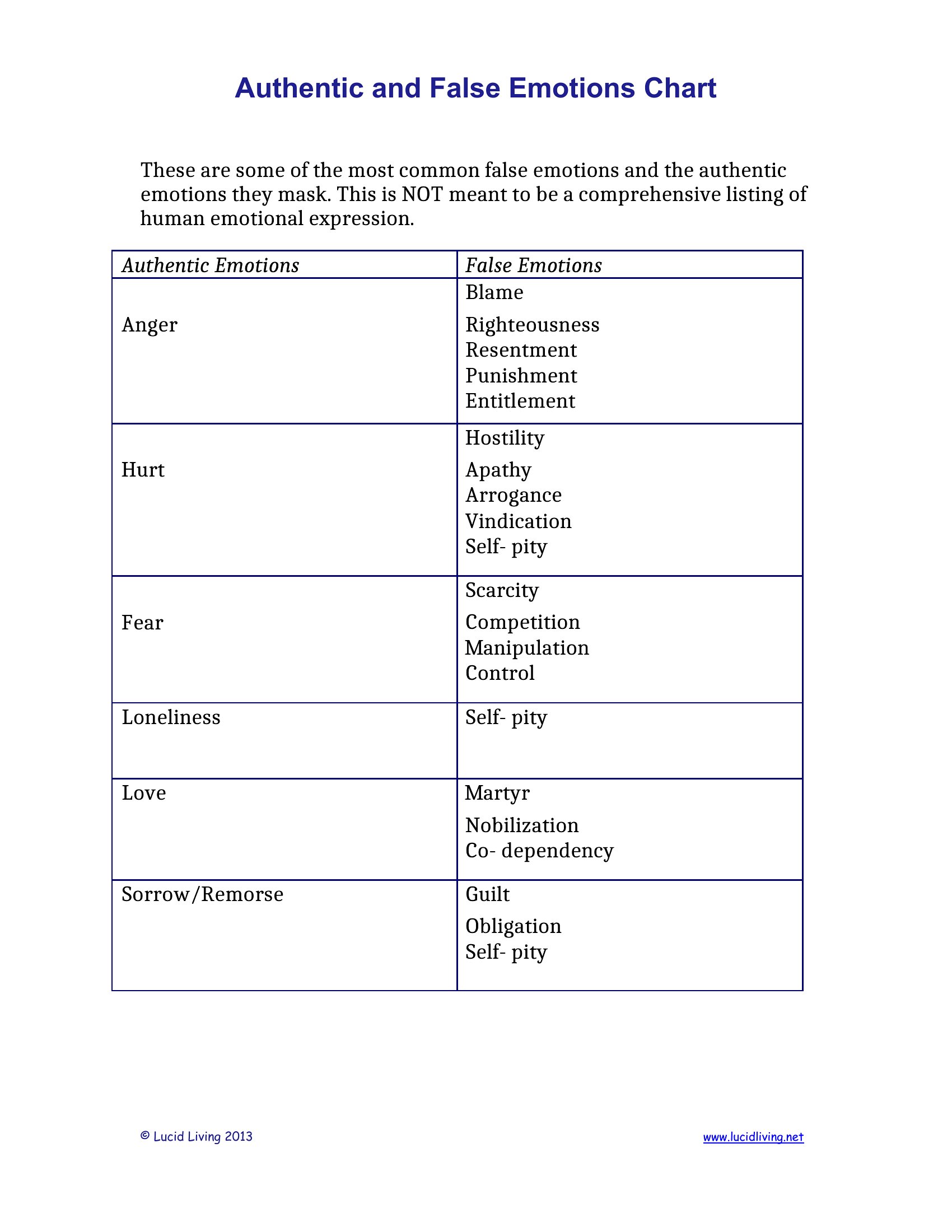
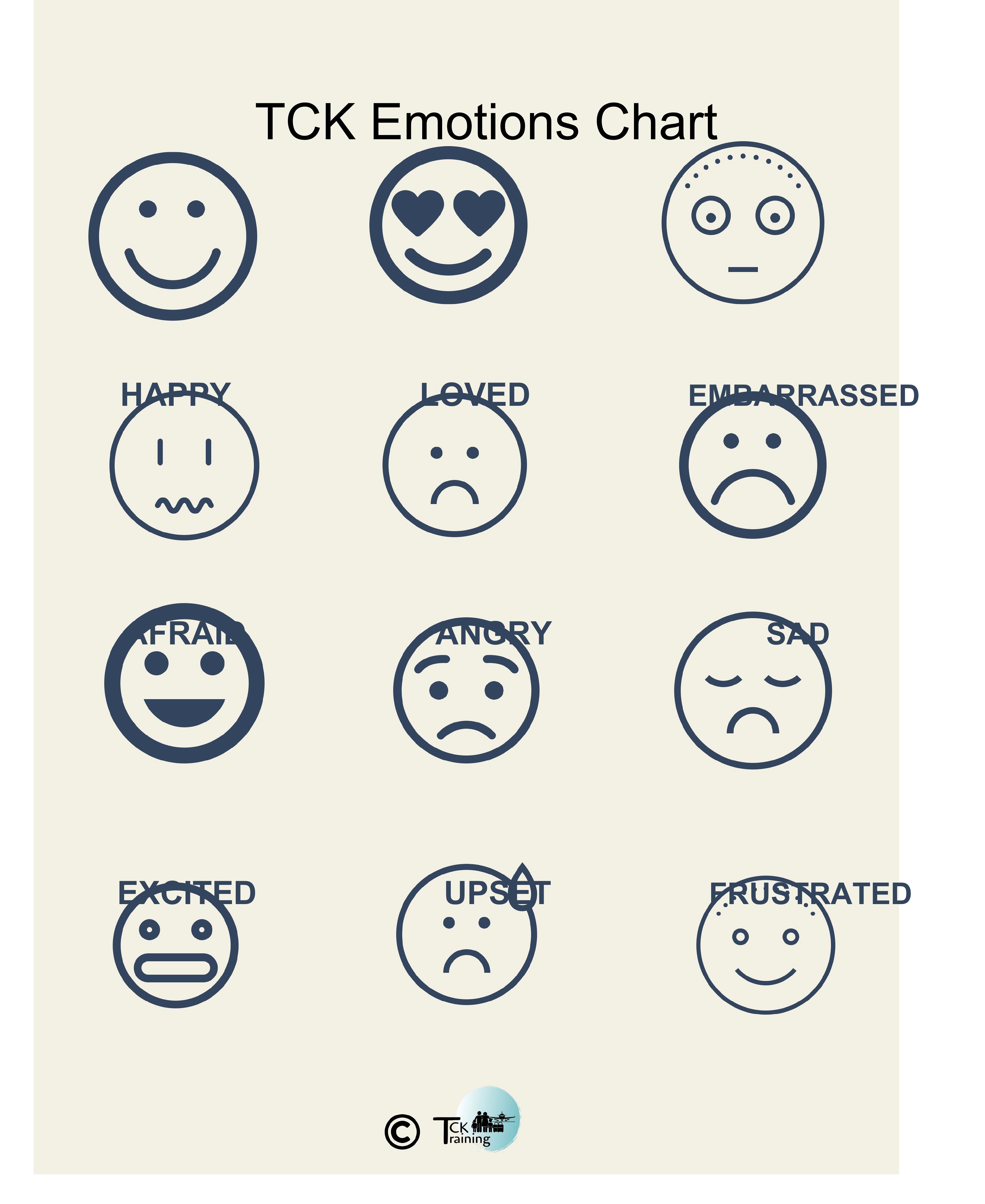
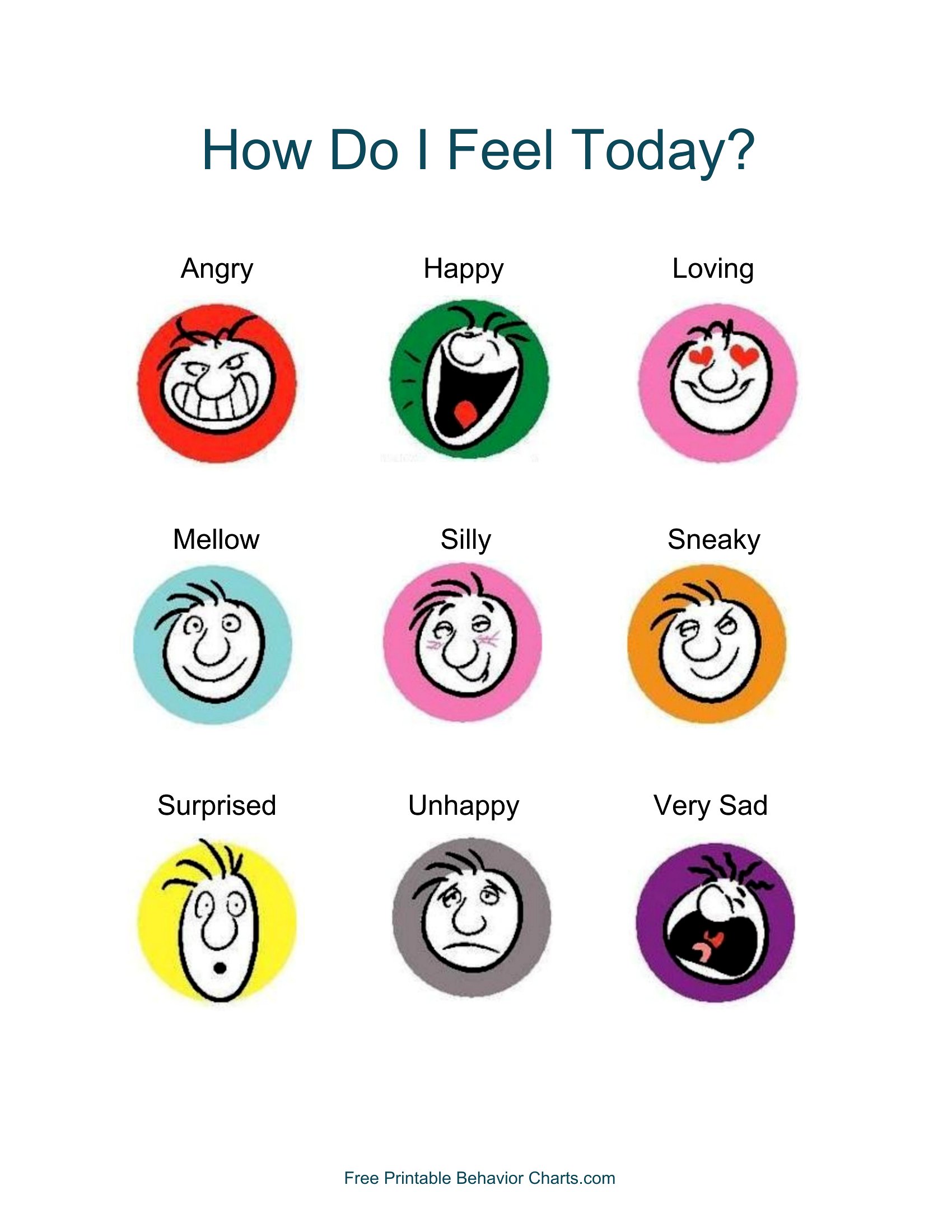
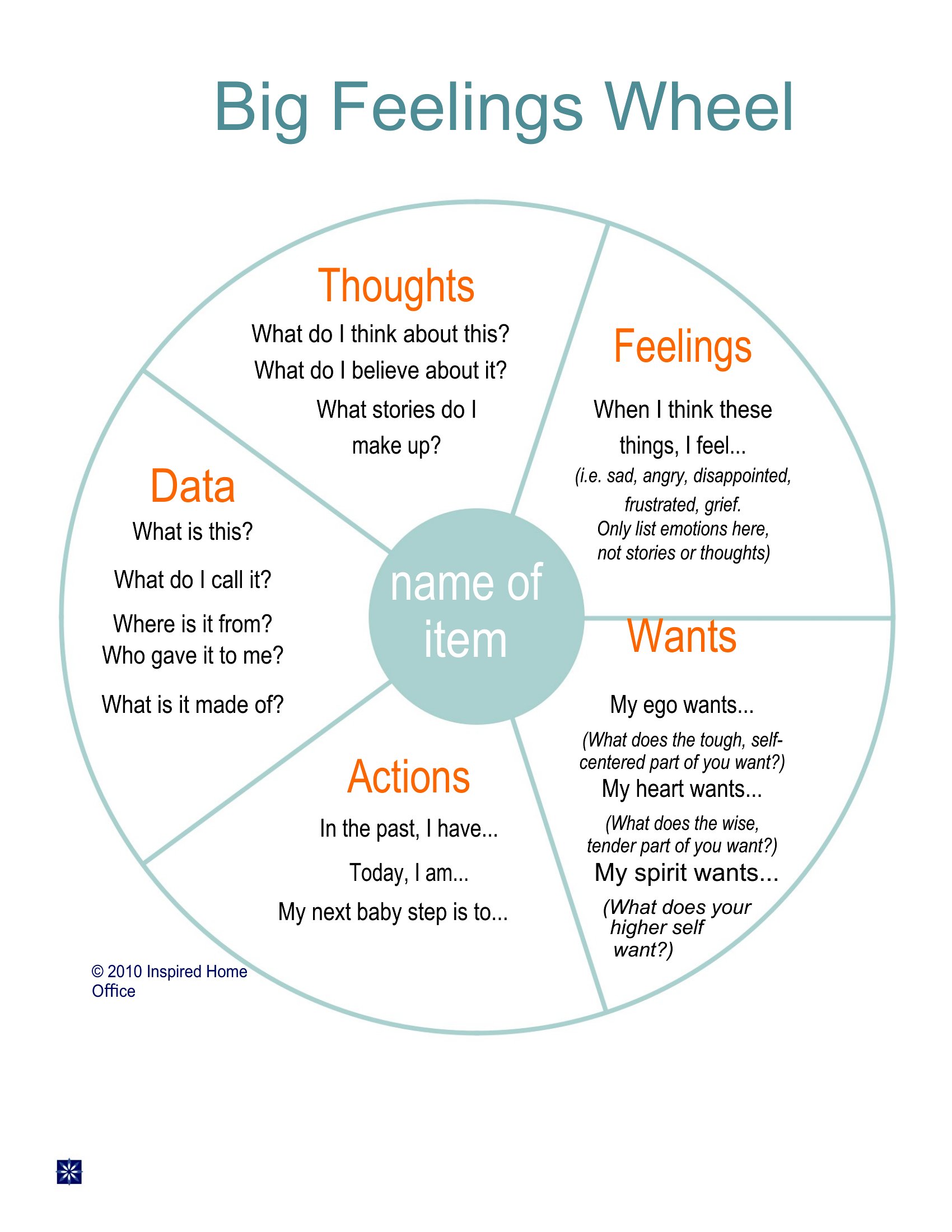
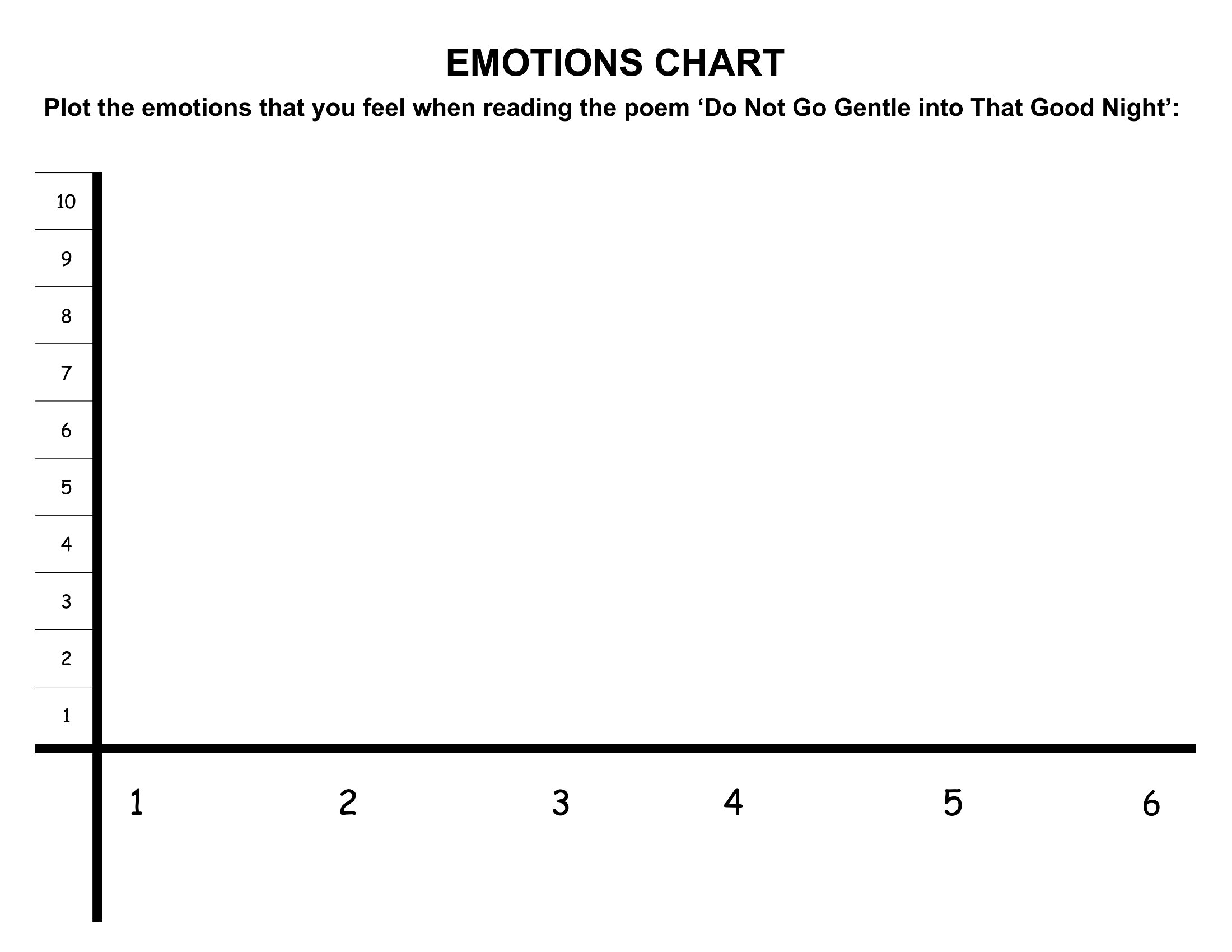
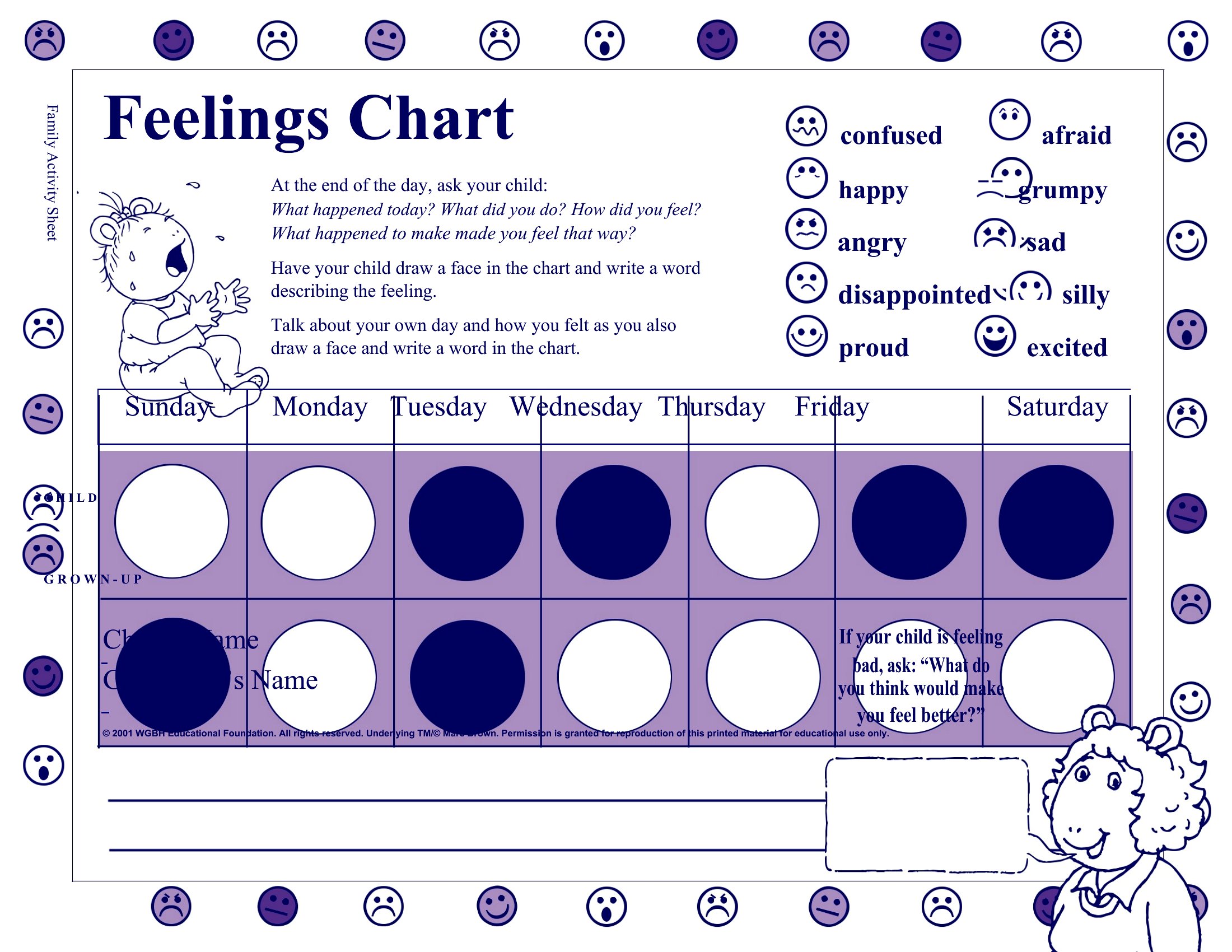
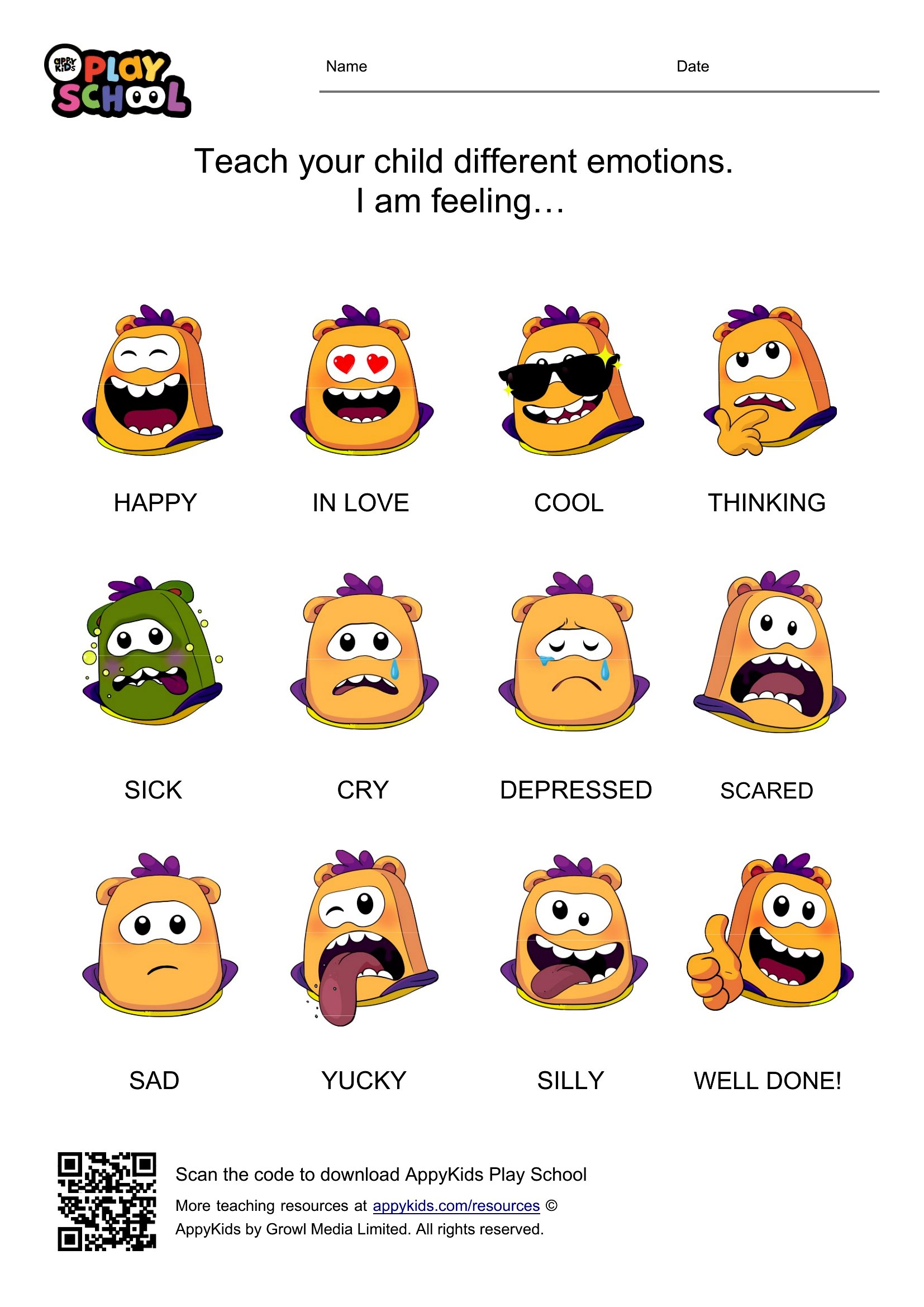
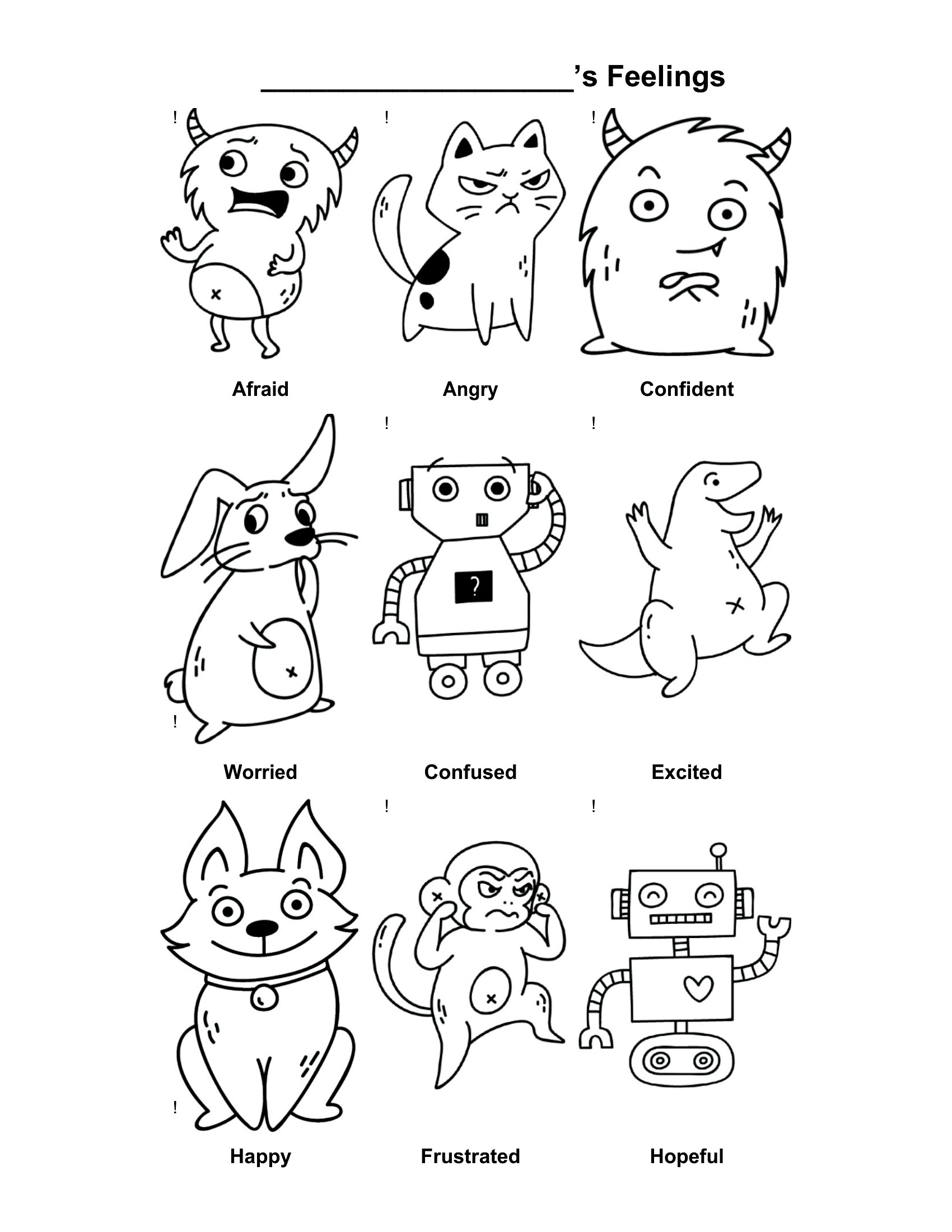
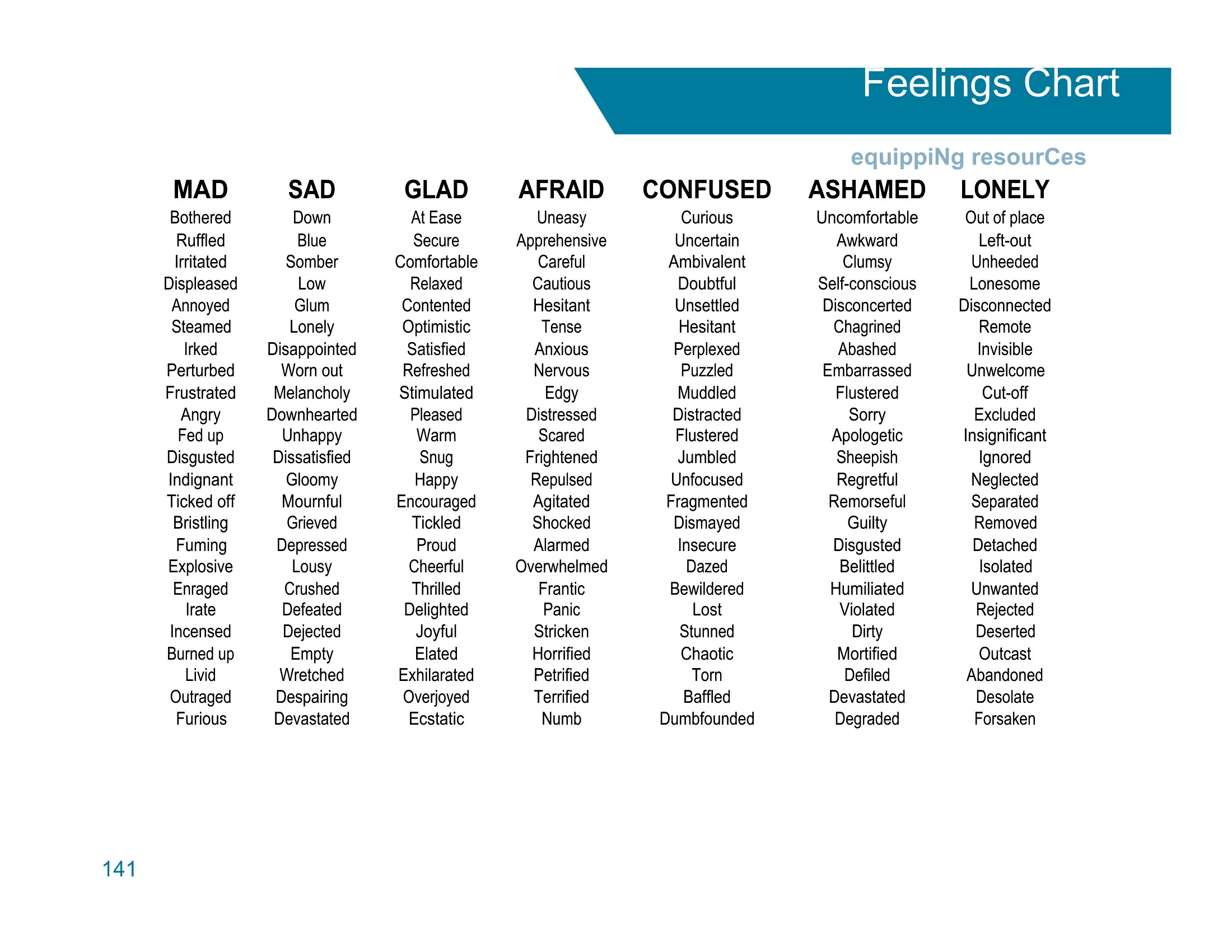
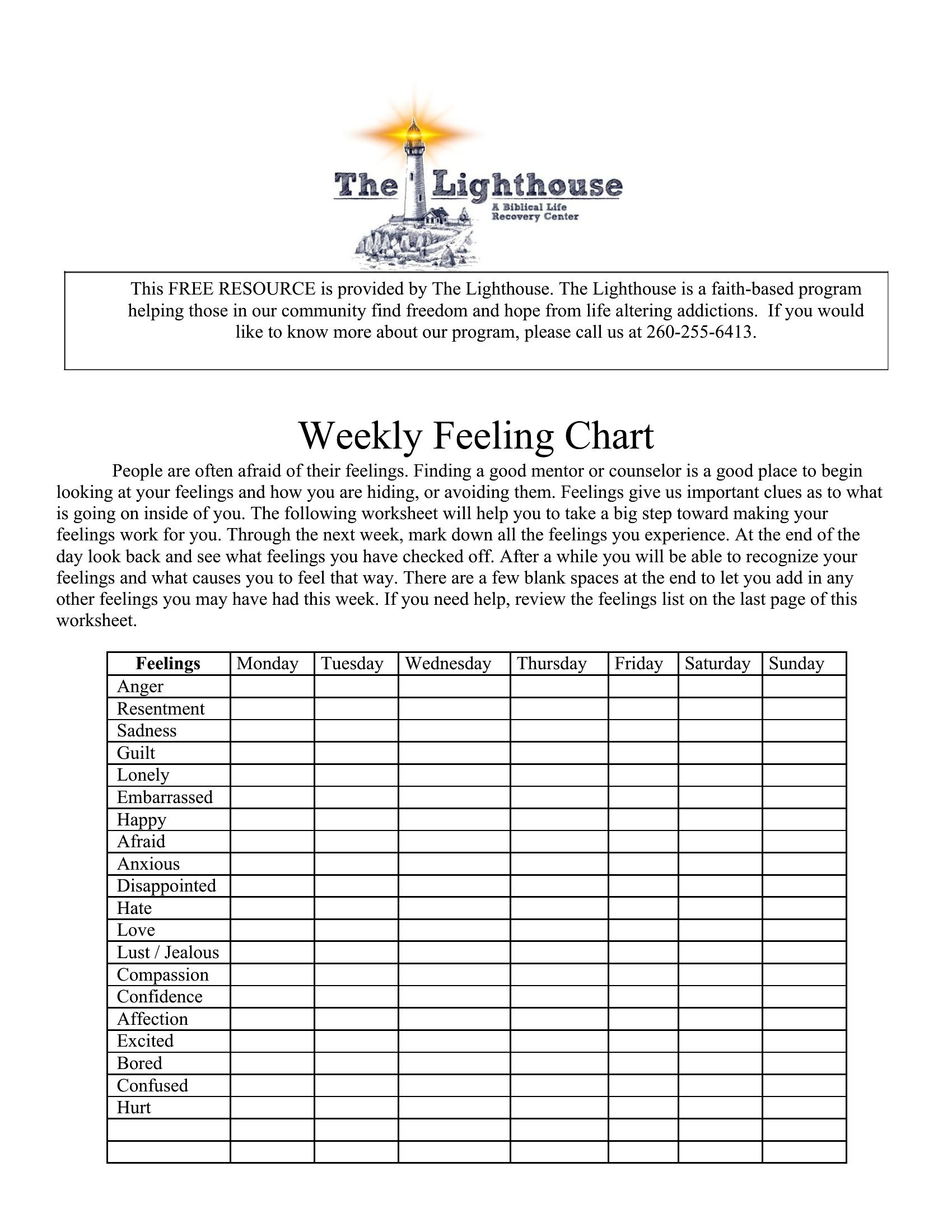
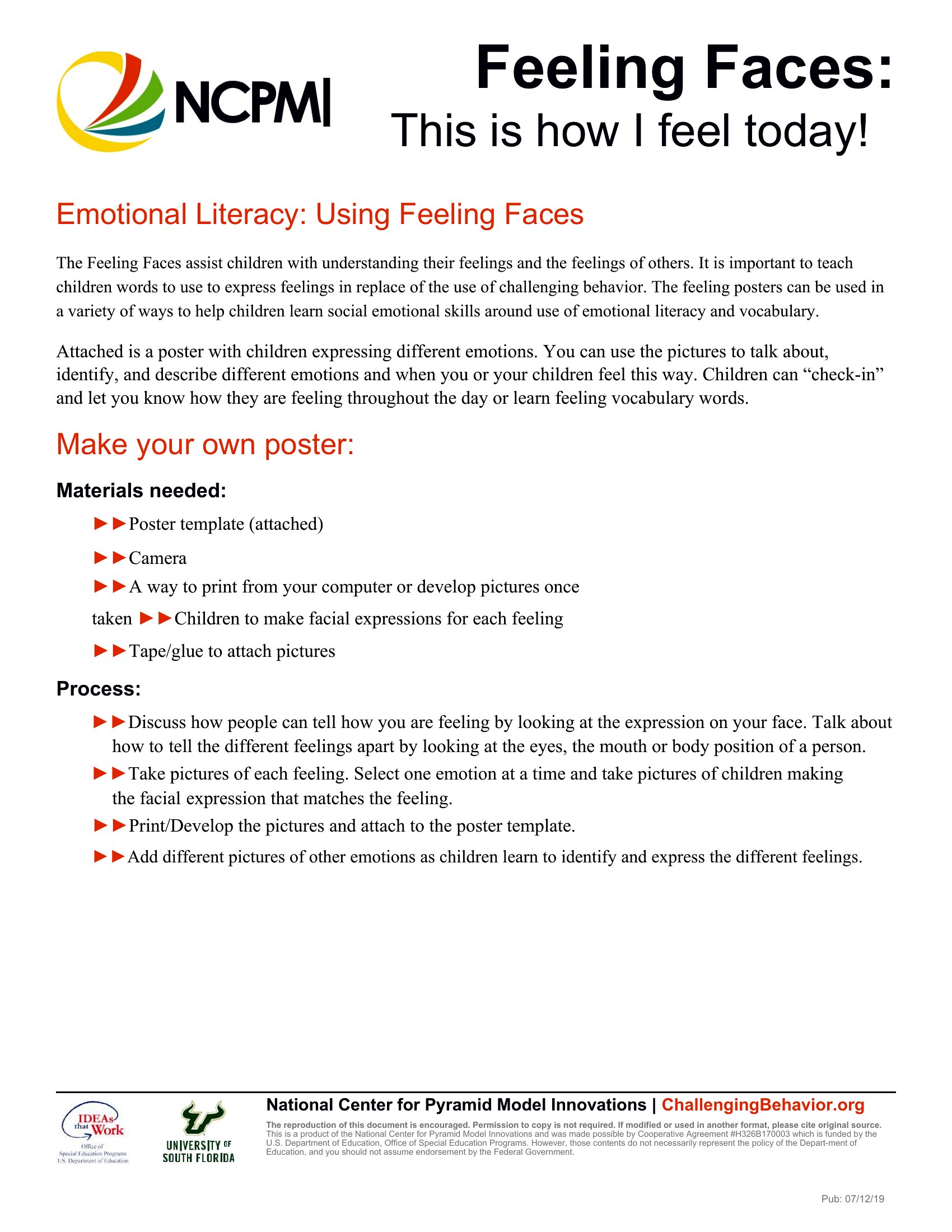
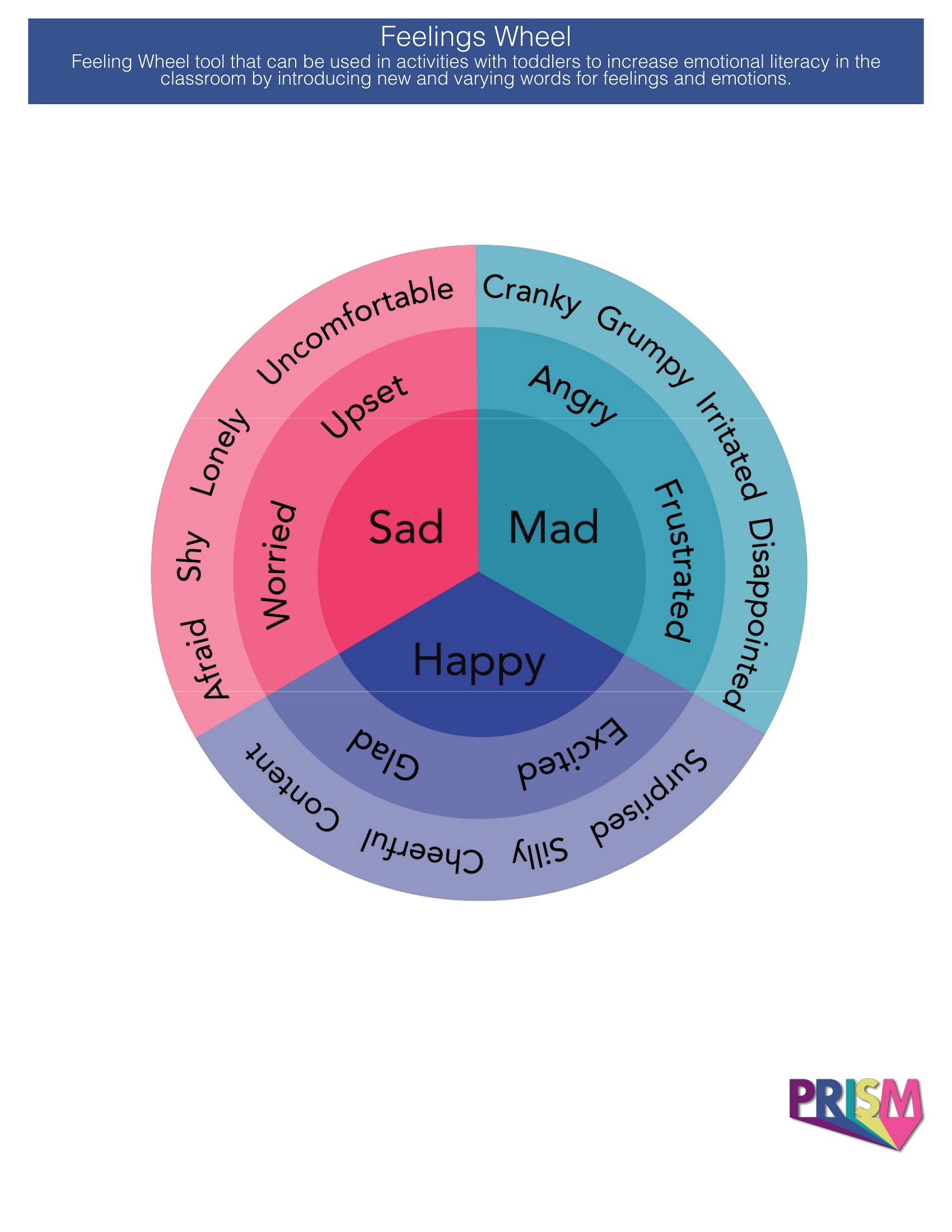
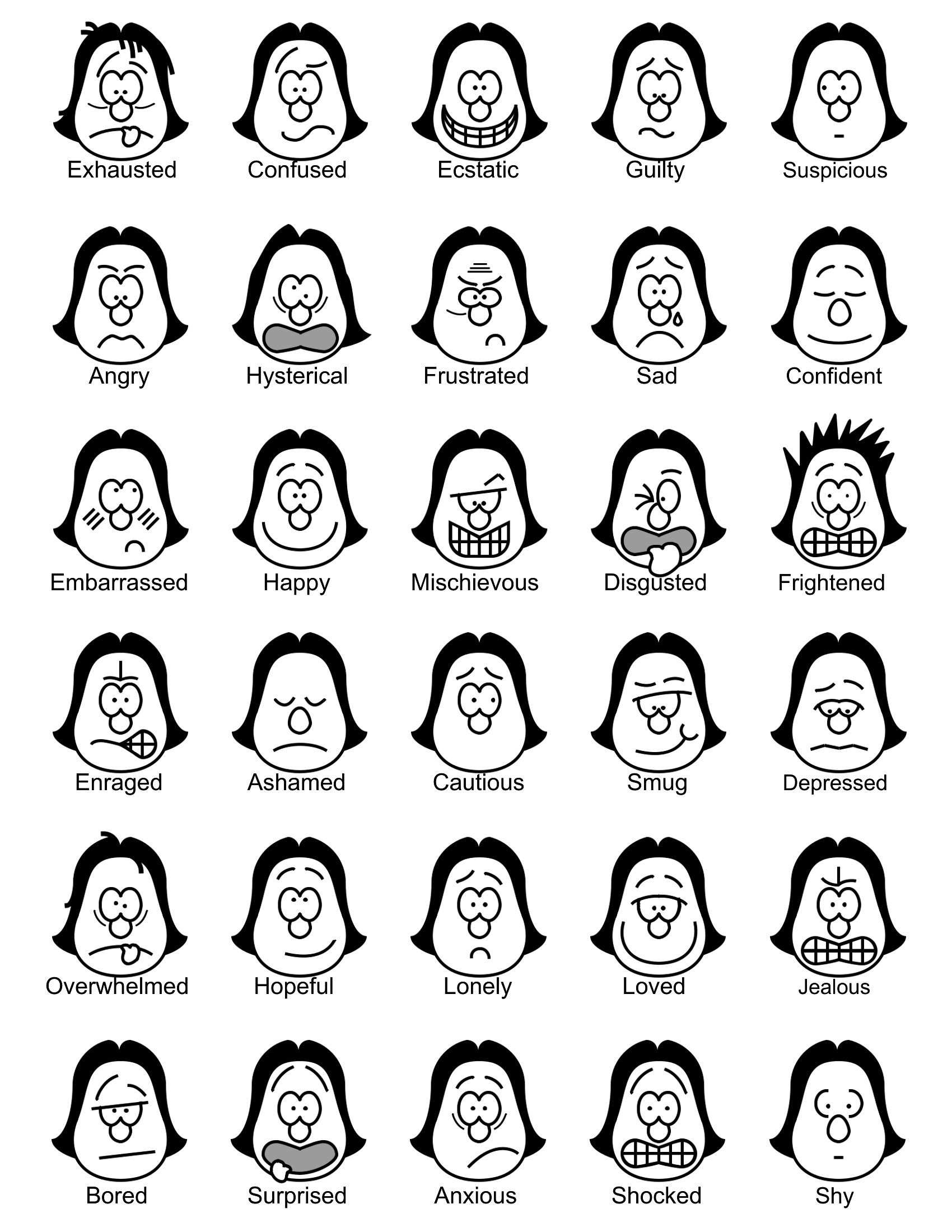
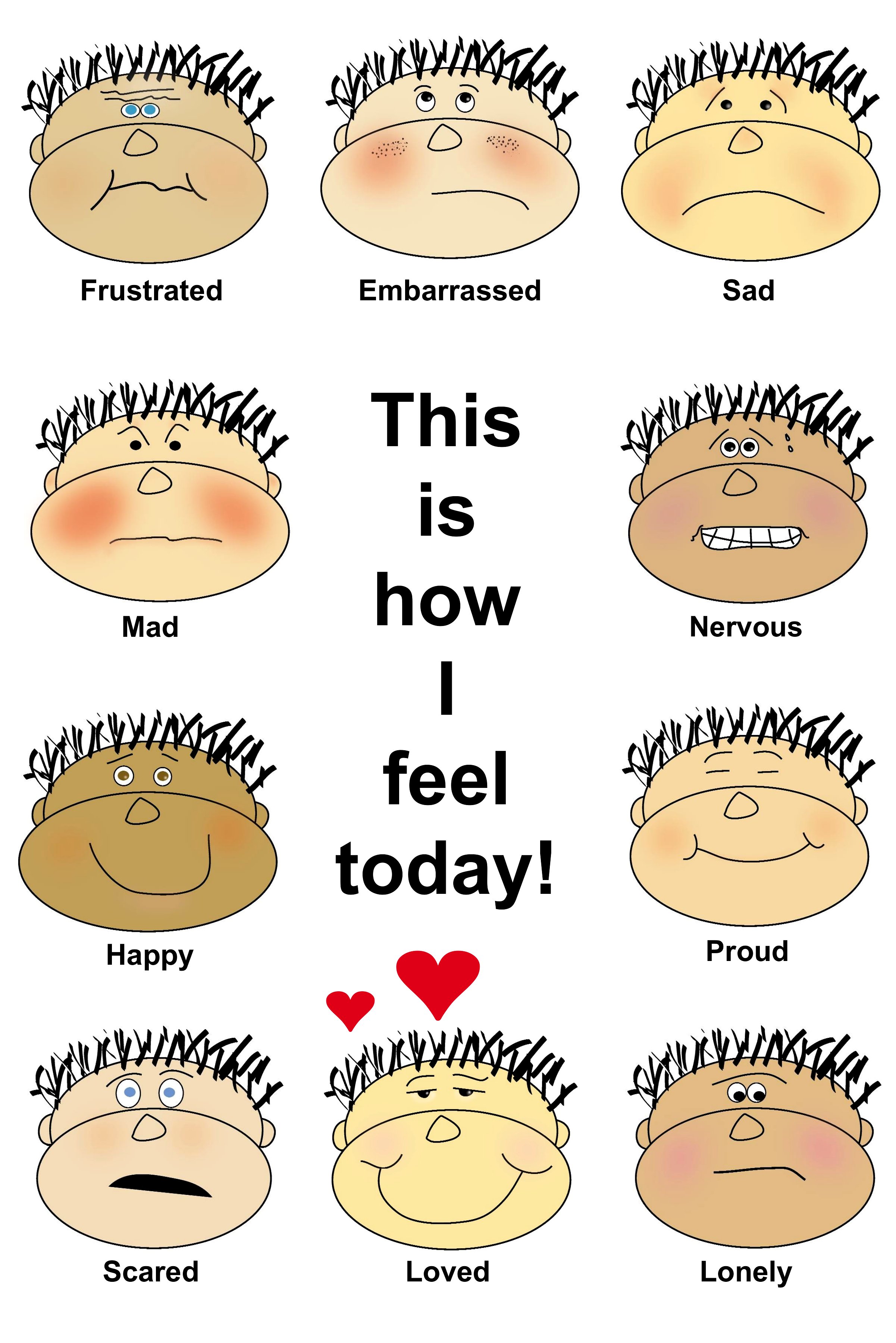
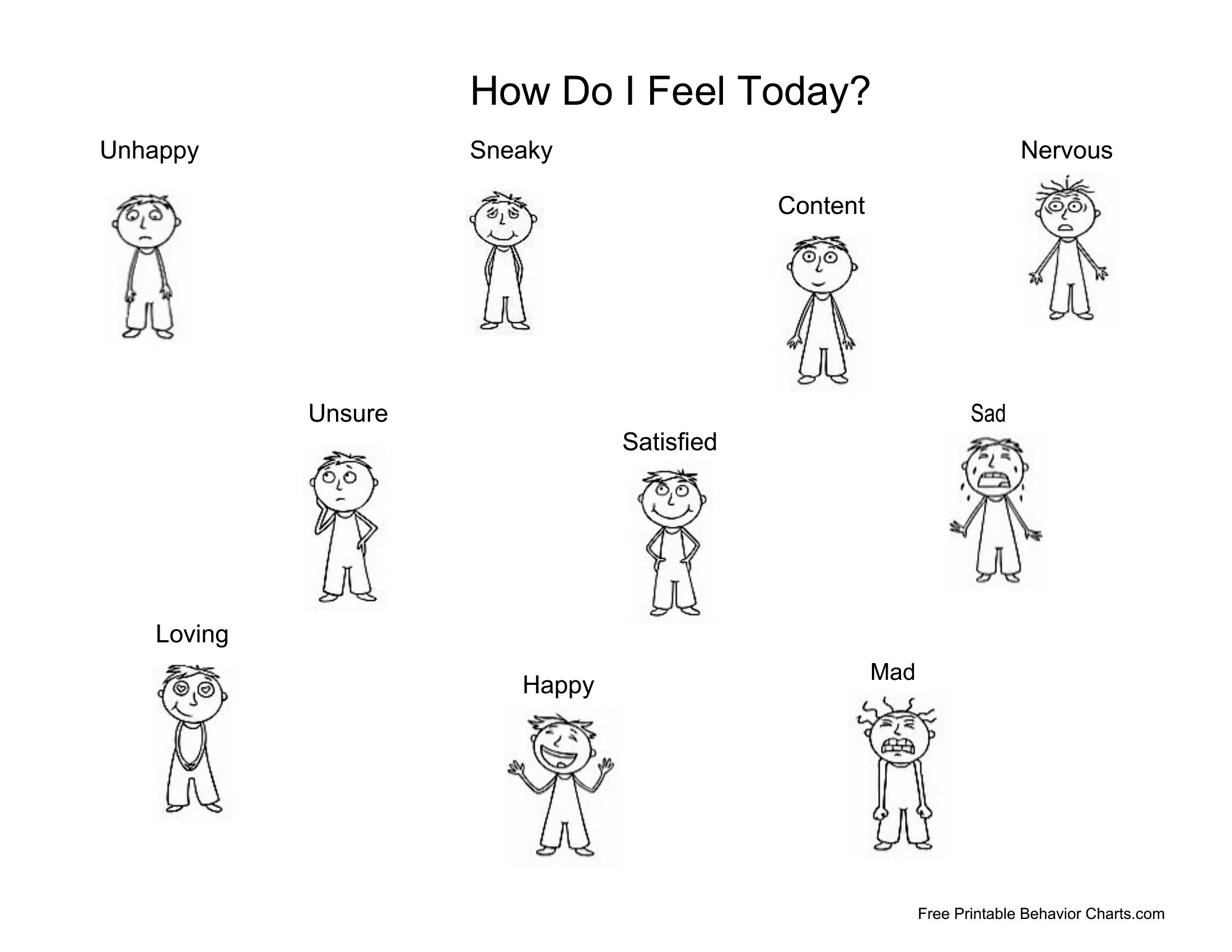
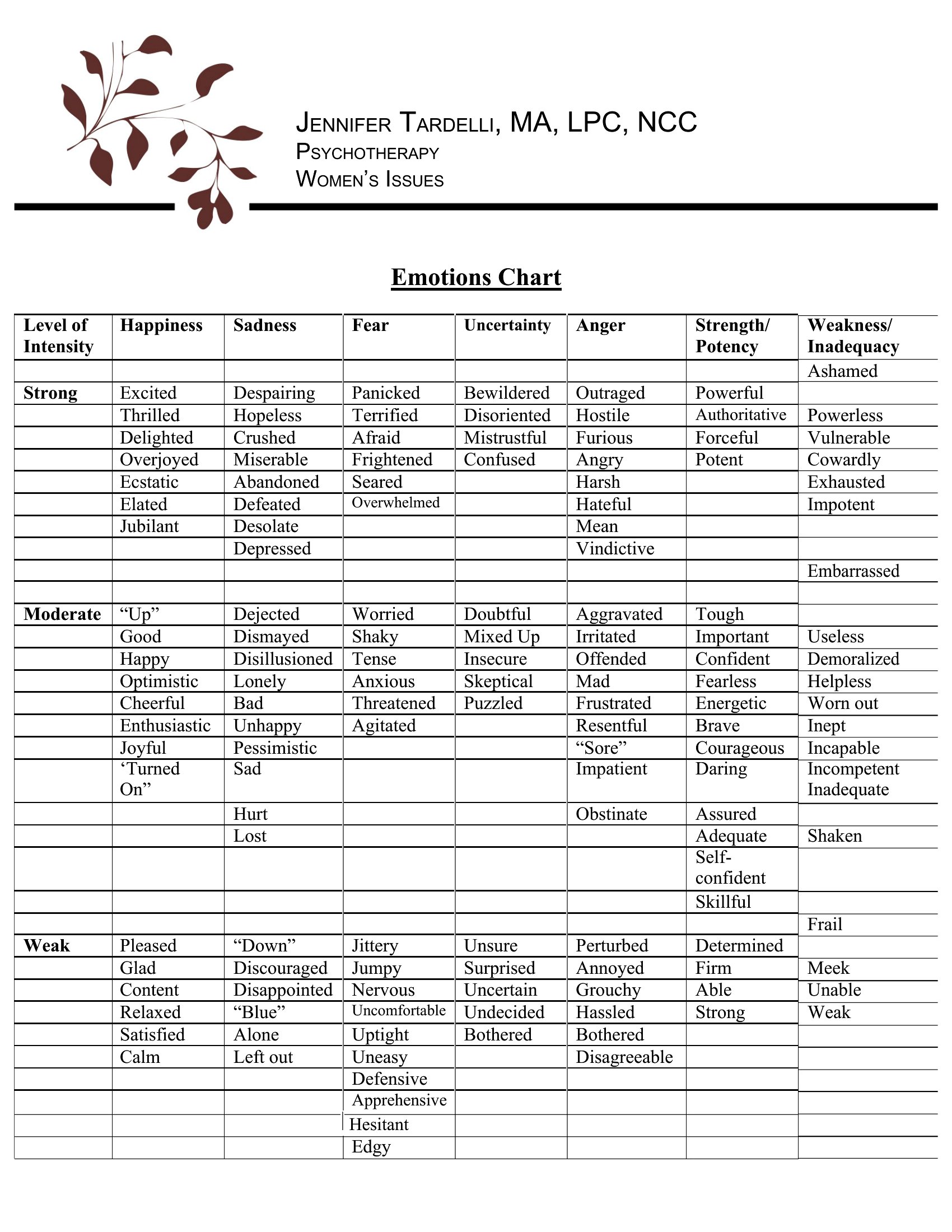
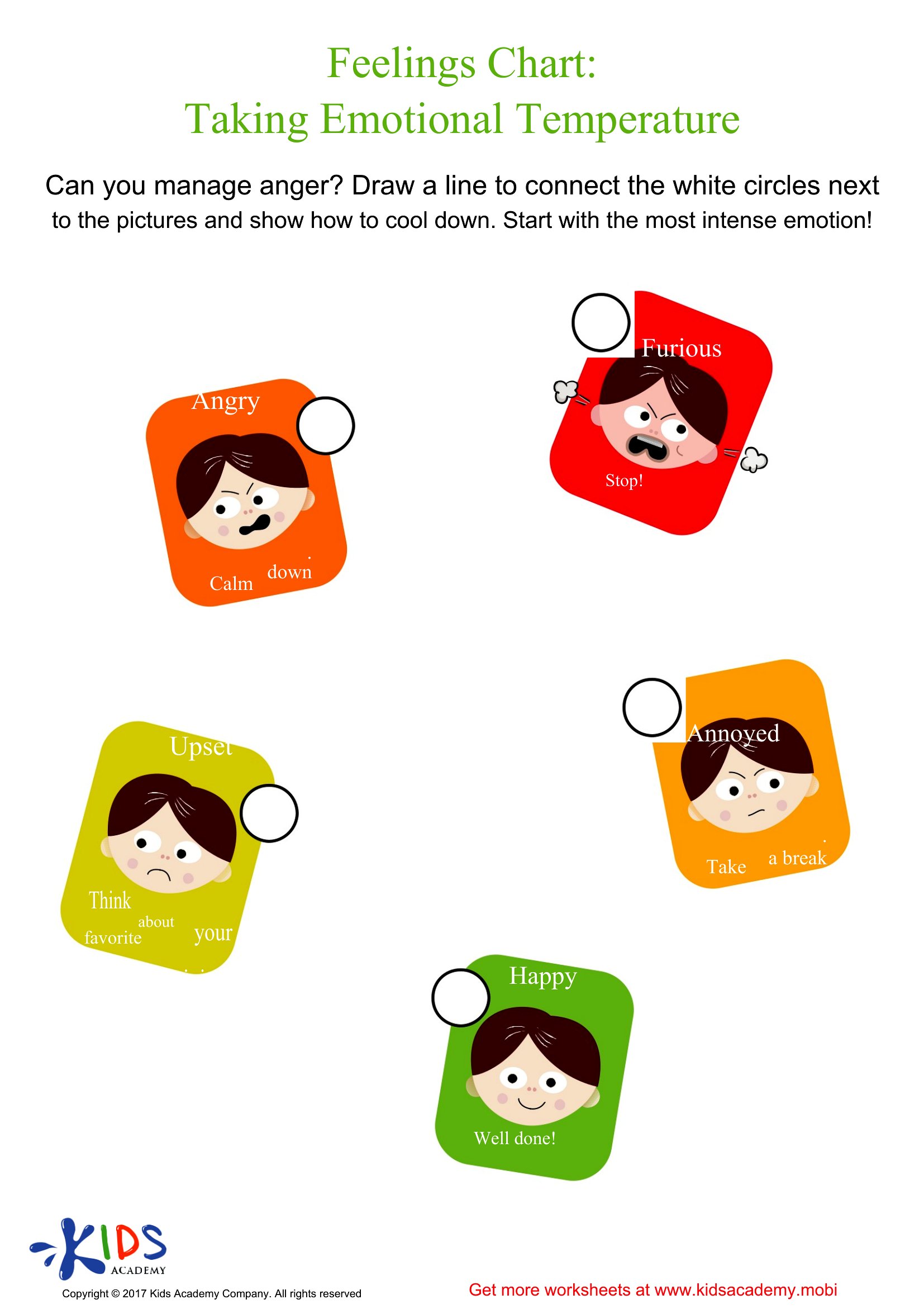
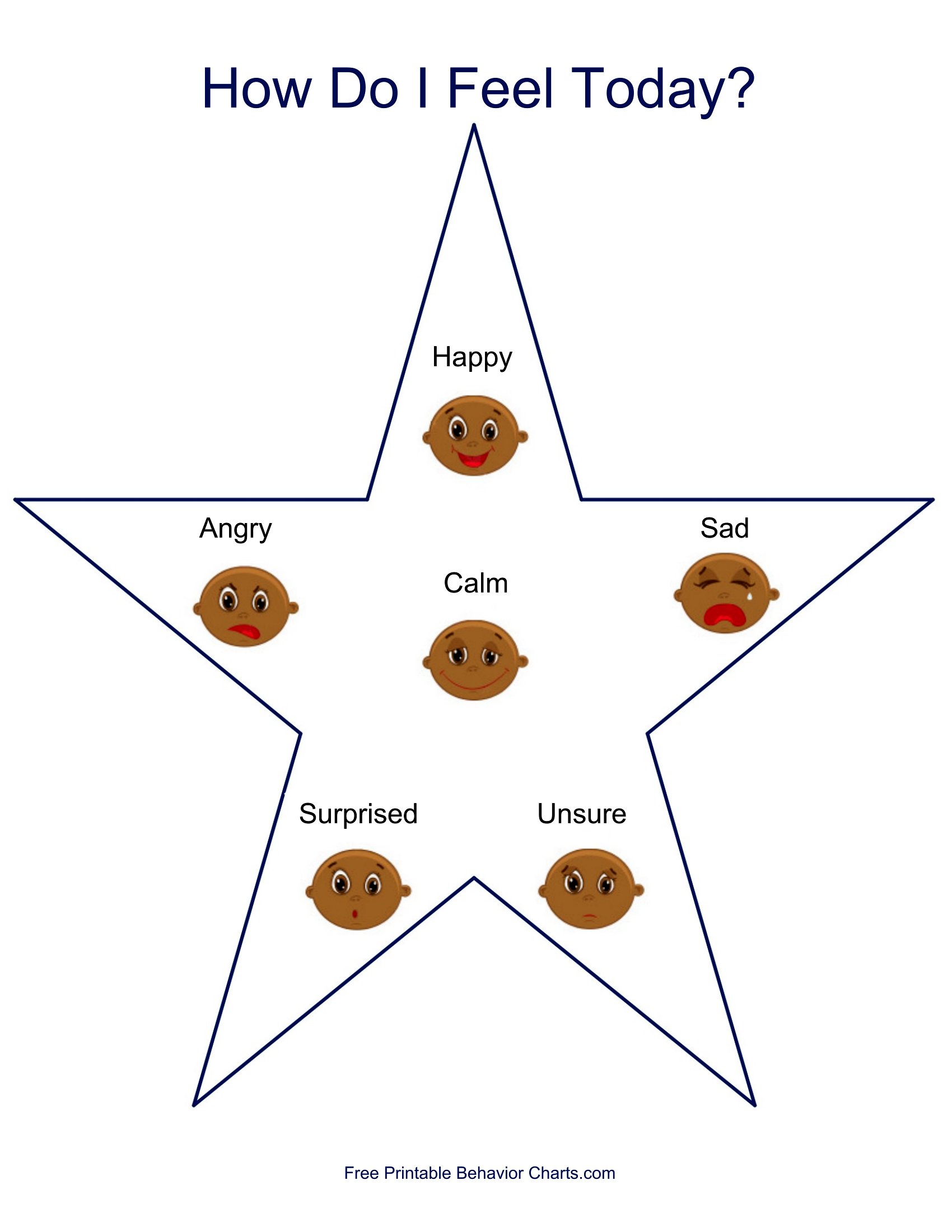
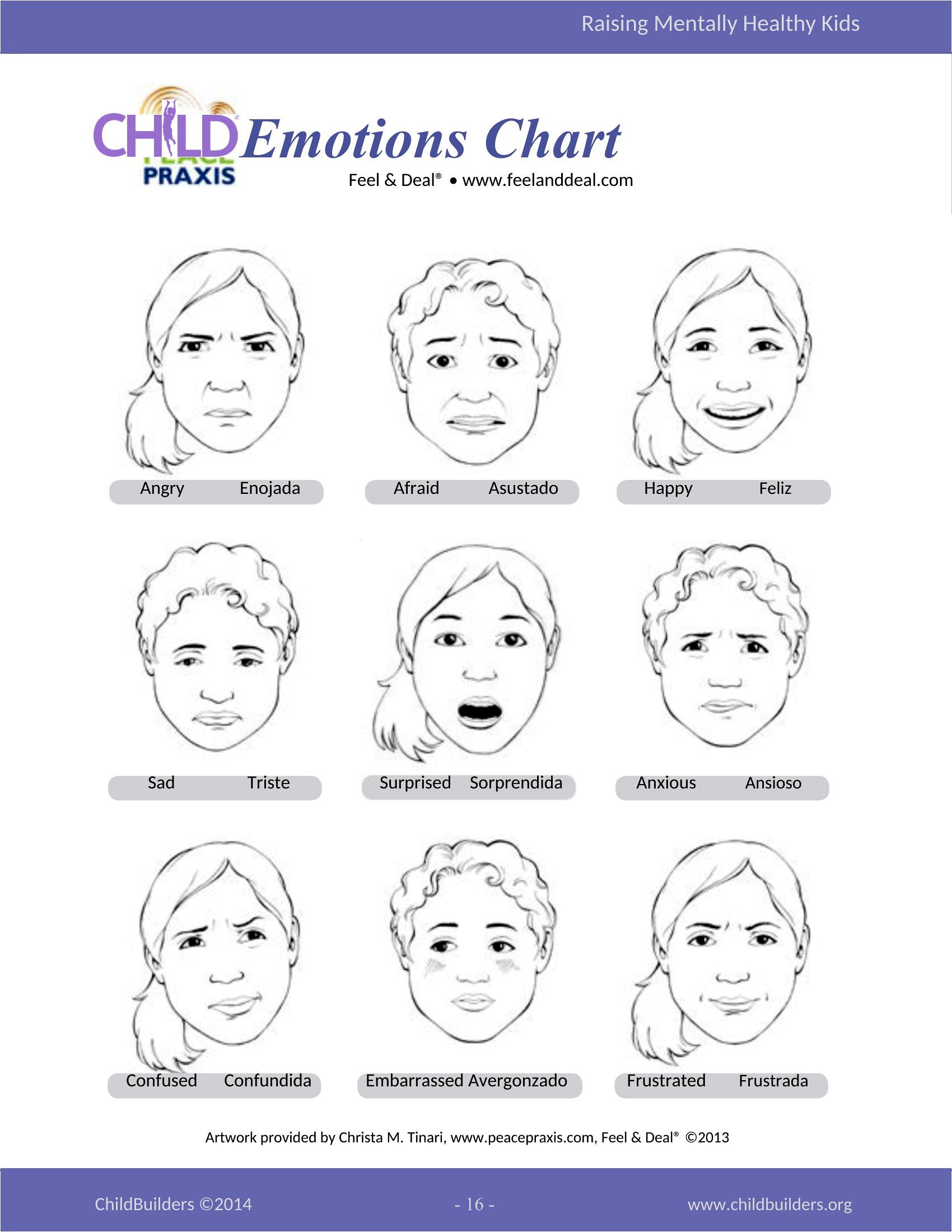
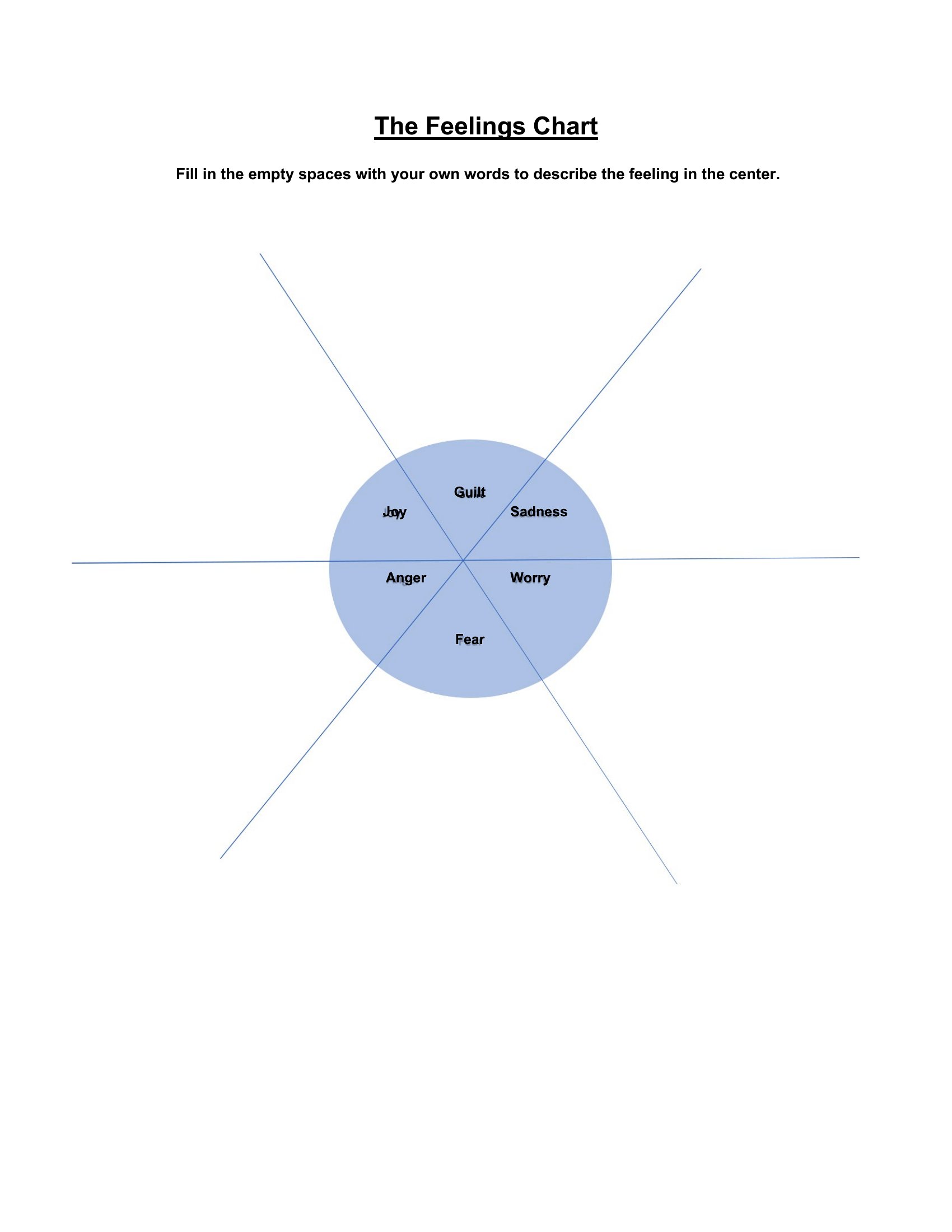
Naming an emotion is the first step to managing it, and a feelings chart gives kids and adults the vocabulary to do exactly that. This set of 50 charts pairs faces and words for everything from calm and proud to frustrated and worried, helping teachers, counselors, and parents start honest conversations. Point to how you feel today and the talking gets a whole lot easier.

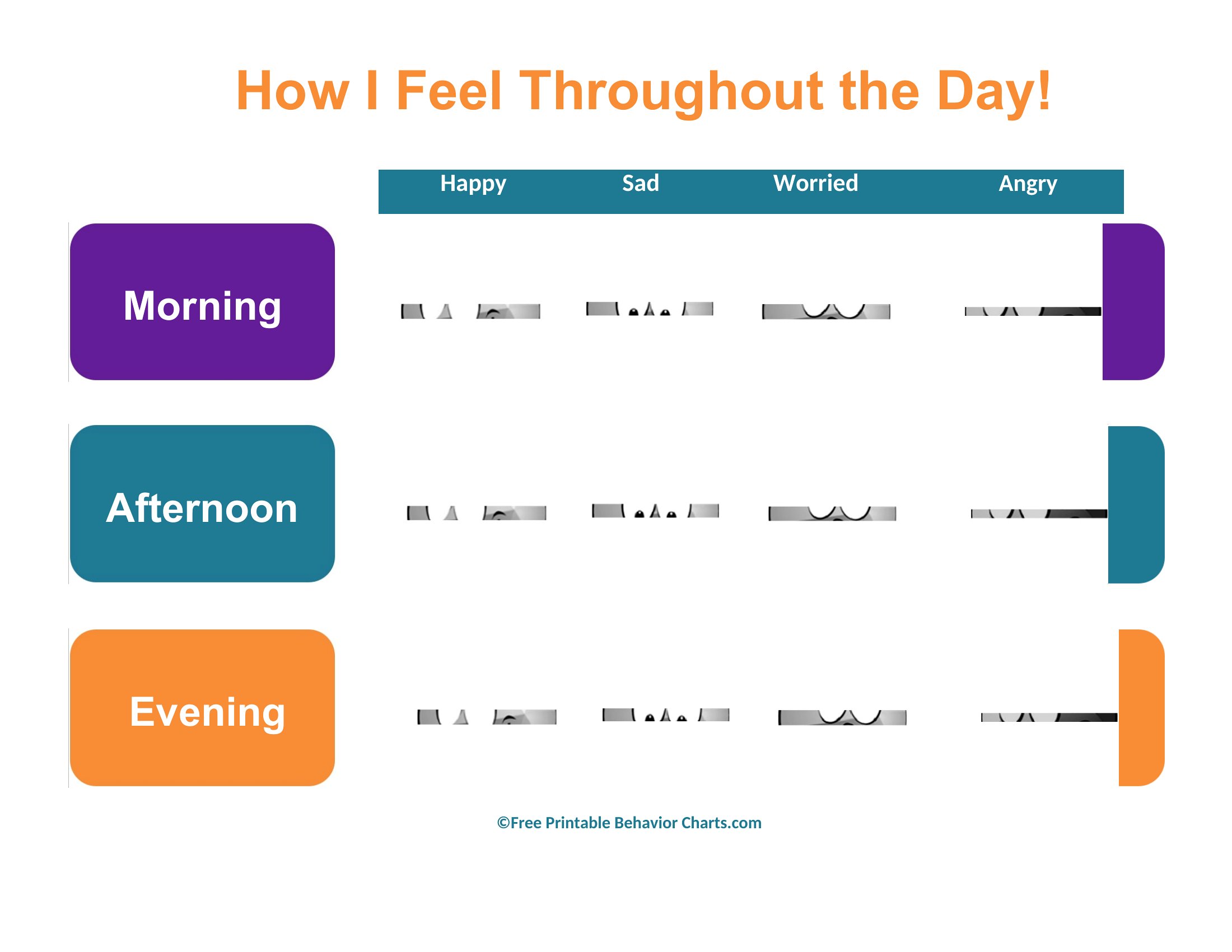
The charts are editable in Word, so you can adjust the wording, add your own emotions, and print copies for a classroom wall or fridge. Use one during a morning check-in, a therapy session, or a tough moment at home. Pick the chart that fits your group and download it free.

When to use this Feelings Chart template

  • School counselors use these charts during group sessions to help anxious elementary students identify emotions before discussing coping strategies, reducing fear of judgment when naming feelings like 'overwhelmed' or 'left out.'
  • Teachers in inclusive classrooms pair the visual charts with social-emotional learning lessons, letting nonverbal students point to 'happy,' 'angry,' or 'confused' to signal participation during circle time discussions about friendship conflicts.
  • Parents of neurodivergent teens print these charts to hang on bathroom mirrors or fridge doors, giving their child a quick reference when frustrated or upset—shortening meltdowns by clarifying 'disappointed' vs. 'furious' before problem-solving conversations.
  • Therapists working with trauma survivors incorporate the charts into check-ins, asking clients to circle their current emotion before processing triggers, which helps ground the session in present-moment awareness without overwhelming them with abstract language.

Which format should I download?

Word

The Word format is ideal for these charts because it lets users edit text, swap images, or adjust layout to match specific needs—like translating emotions into another language or adding cultural context. Use it if you need to customize faces, add your own vocabulary, or print multiple versions with slight variations for different age groups.

Choose from 50 Feelings Chart Templates

How to use this Feelings Chart template

Can these charts be used for adults struggling with emotional regulation, like those with ADHD or PTSD?

Yes, the charts are designed for all ages and can help adults bridge gaps in emotional vocabulary. For PTSD, focus on grounding the discussion by pairing the chart with breathing exercises when identifying intense emotions. For ADHD, use larger print or color-code sections to reduce decision fatigue when selecting feelings during high-stress moments.

How might a teacher modify the charts to address cultural differences in expressing emotions?

Edit the Word files to replace faces or terms with culturally relevant images or phrases—like swapping 'embarrassed' for a more locally understood word or using photos of familiar settings. Include a mix of individual and group emotions to reflect collectivist cultures where feelings may be tied to relationships, not just personal states.

Are there ways to use these charts beyond one-on-one conversations, like in classroom management?

Absolutely. Post a large printed chart on the wall and have students raise hands to point at their emotion silently—great for transitions or when verbal responses are challenging. Or, use it as a conflict-resolution tool: both parties point to their feelings first to depersonalize arguments and focus on needs rather than blame.

Comments

Join the conversation

Sign in to share your thoughts and leave a comment on this resource.

Newsletter

Get Weekly Design Updates

Join our community to receive curated resources and inspiration.

Weekly Tips Resources Early Access

We respect your privacy. Confirmation email required. Privacy Policy