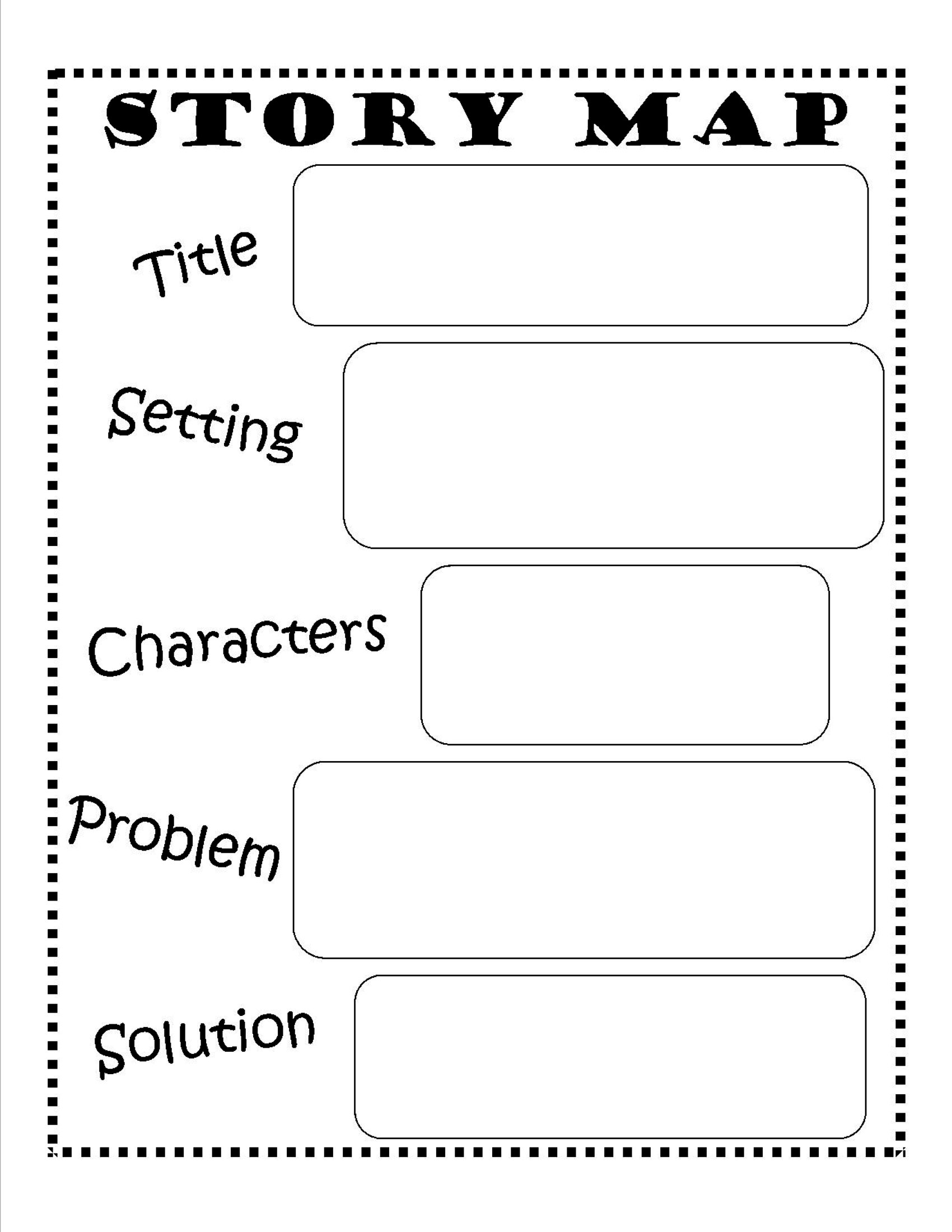
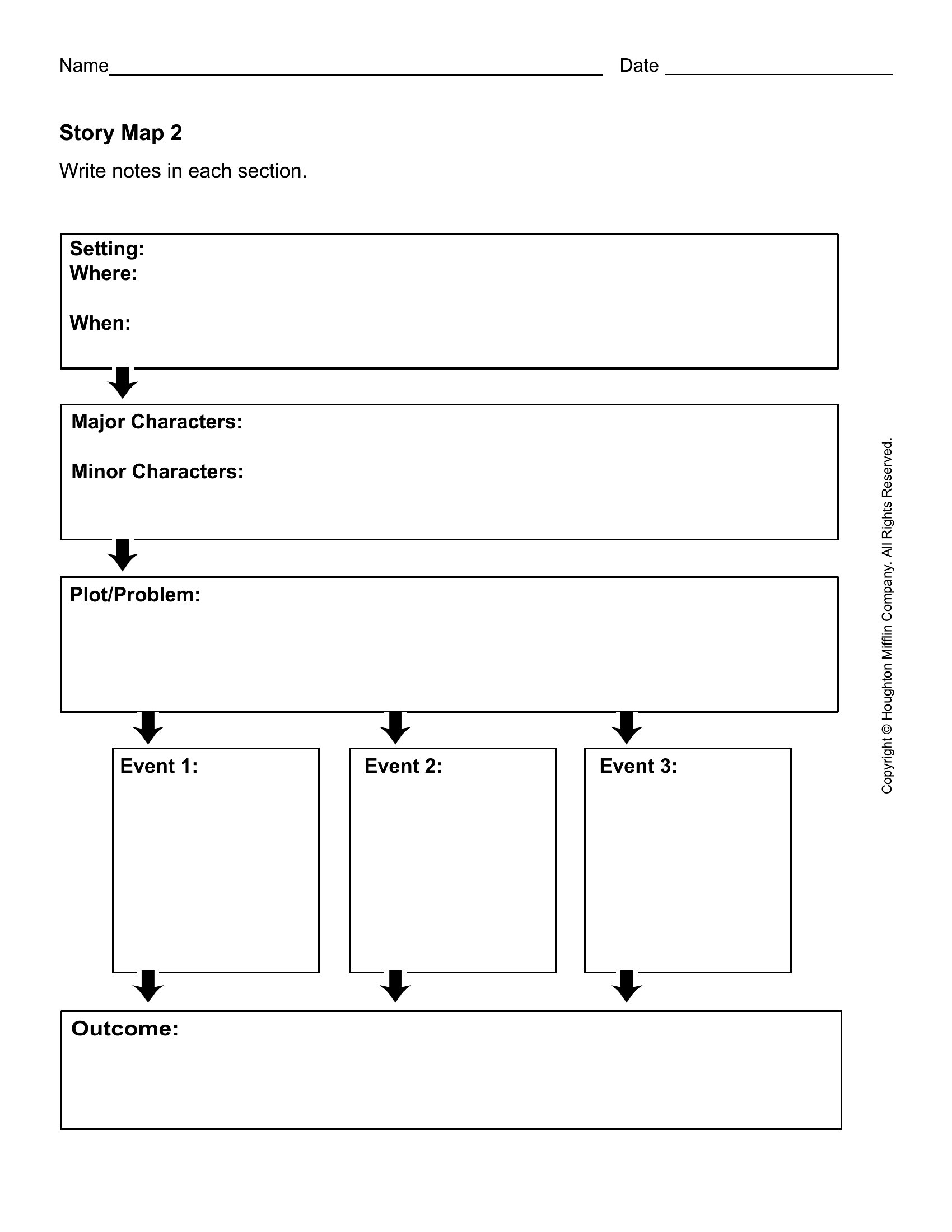
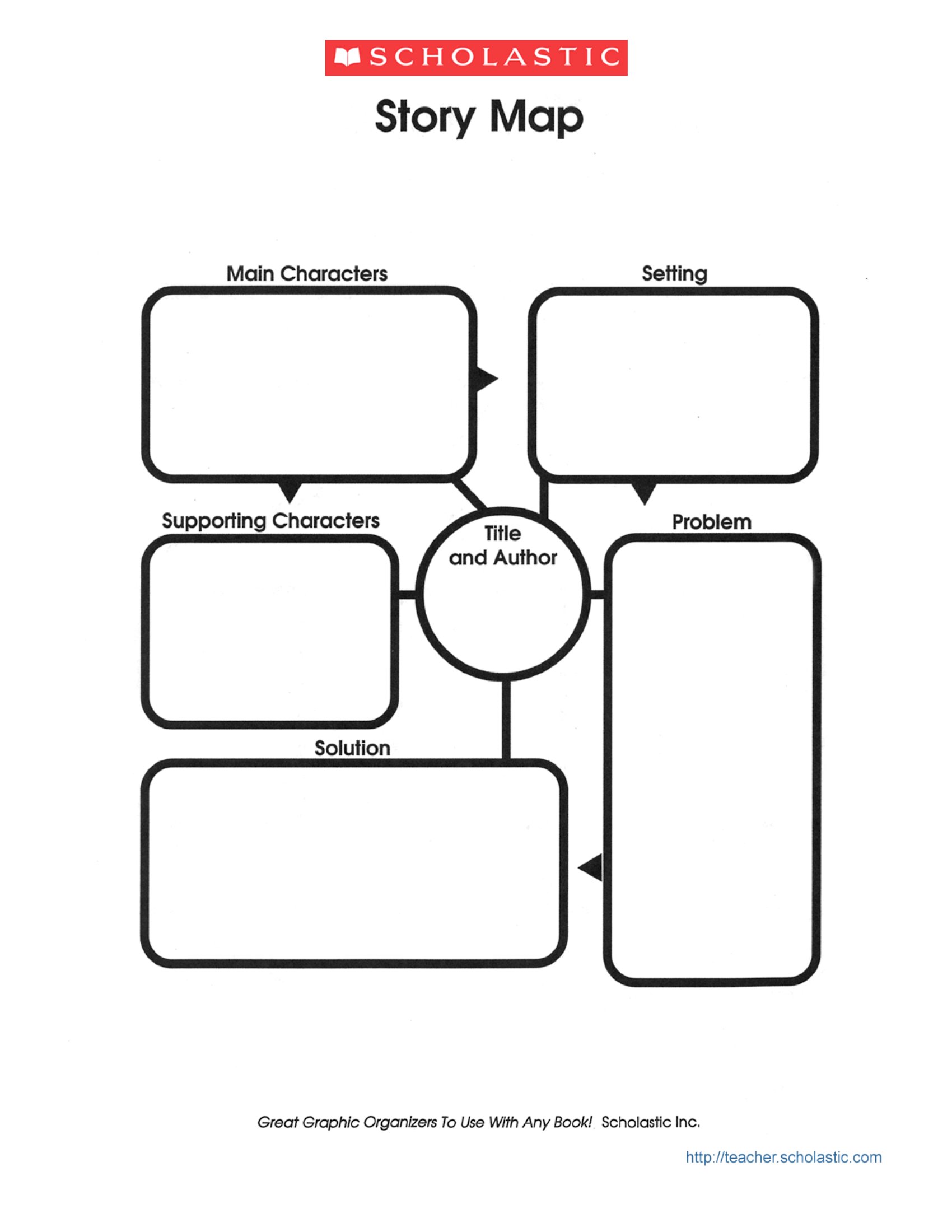
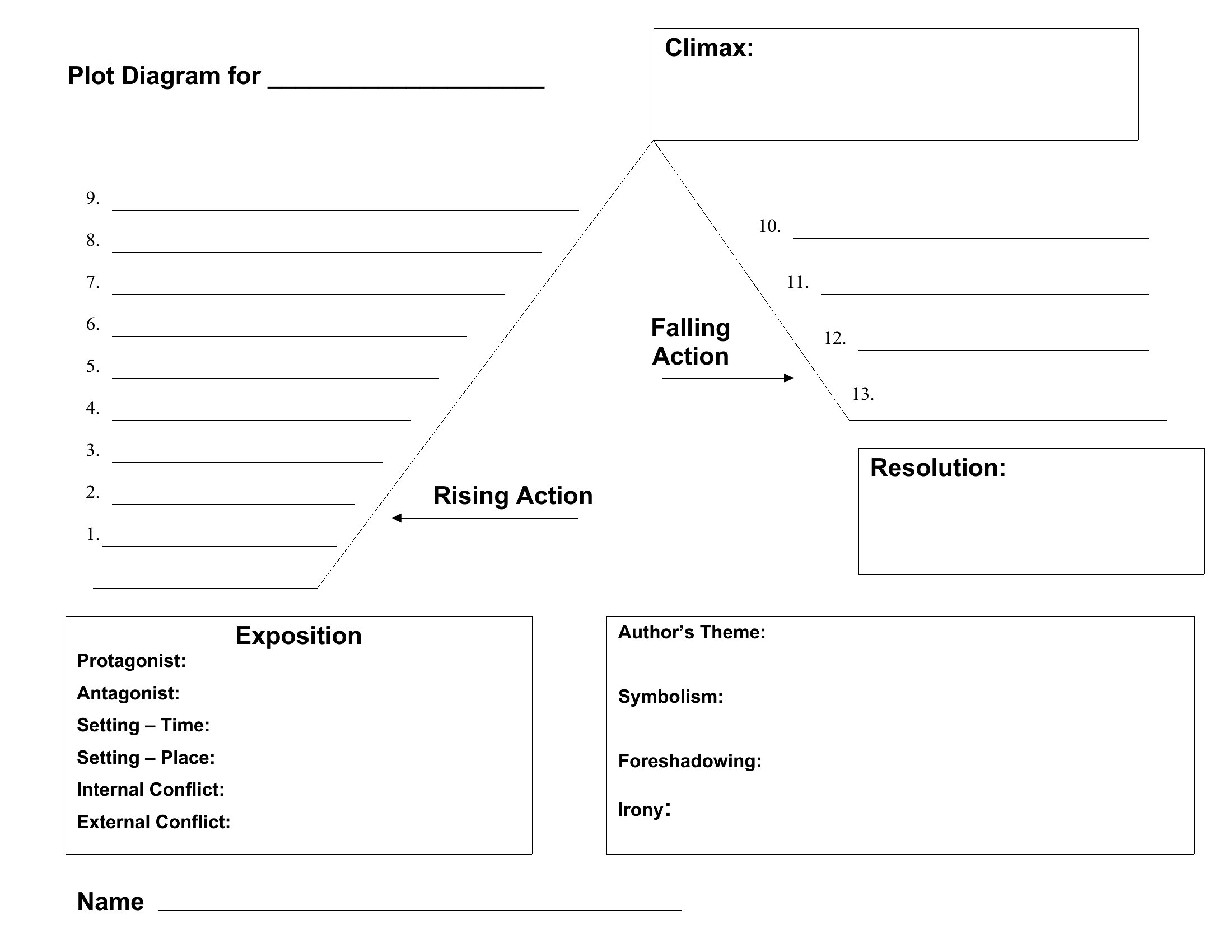
Free Story Map Templates (Word, PDF)
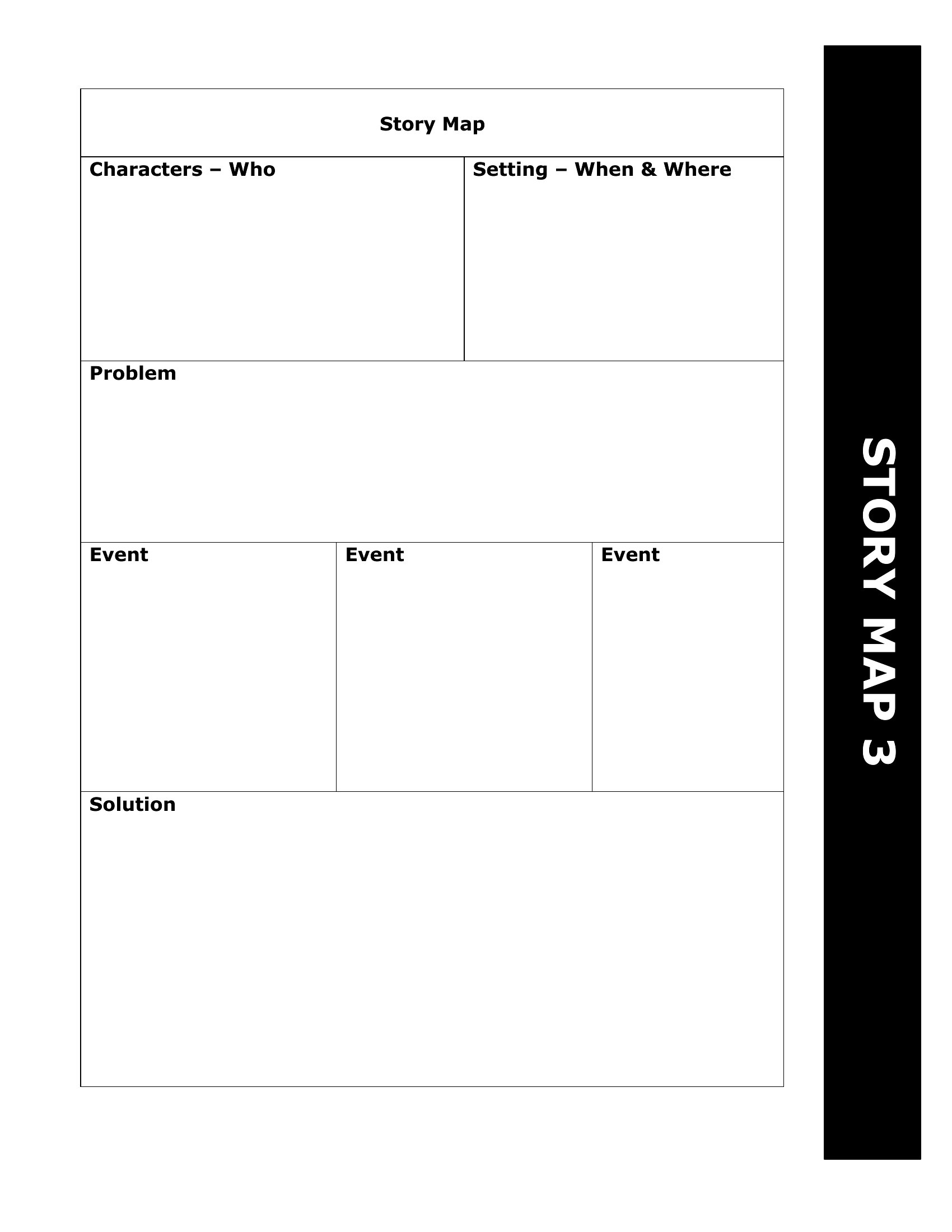
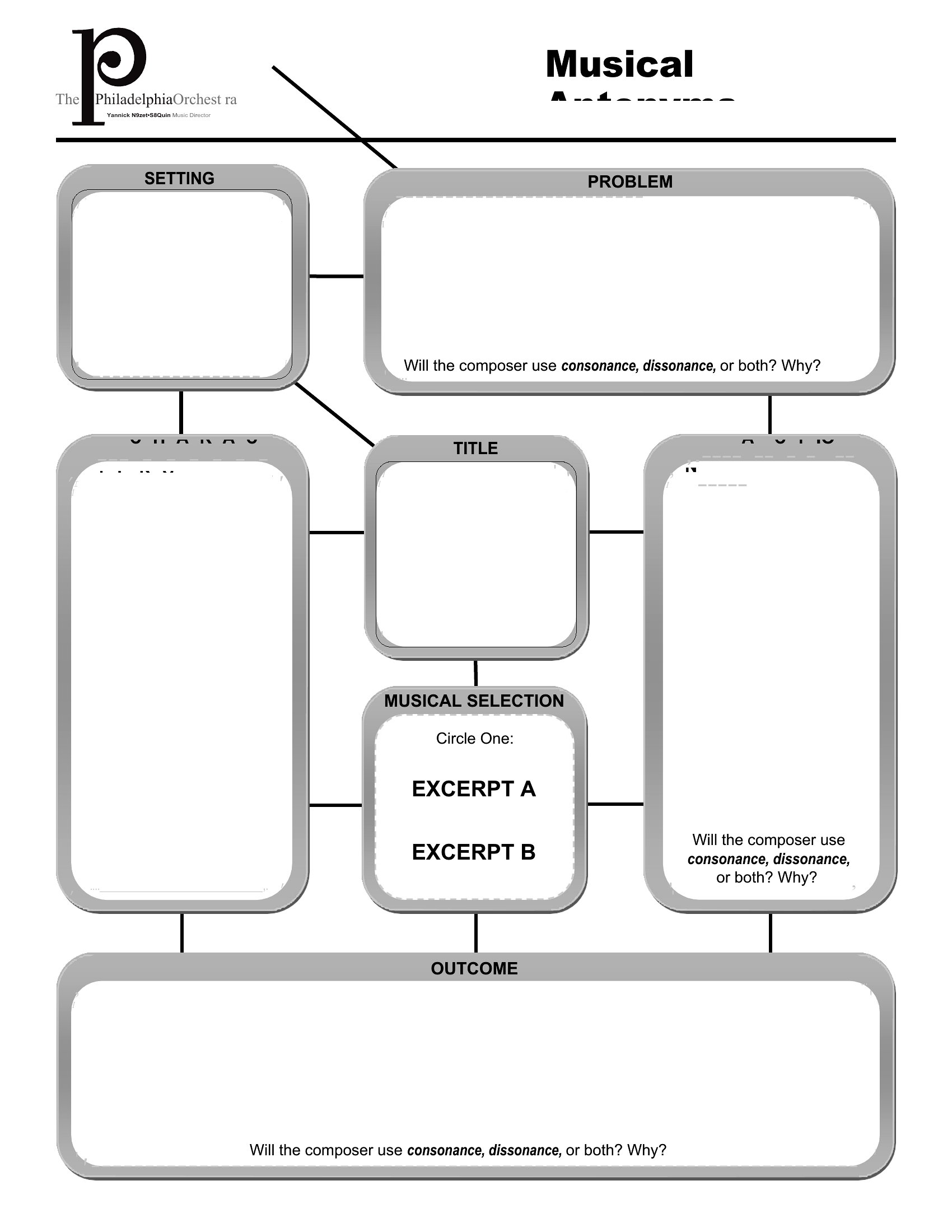
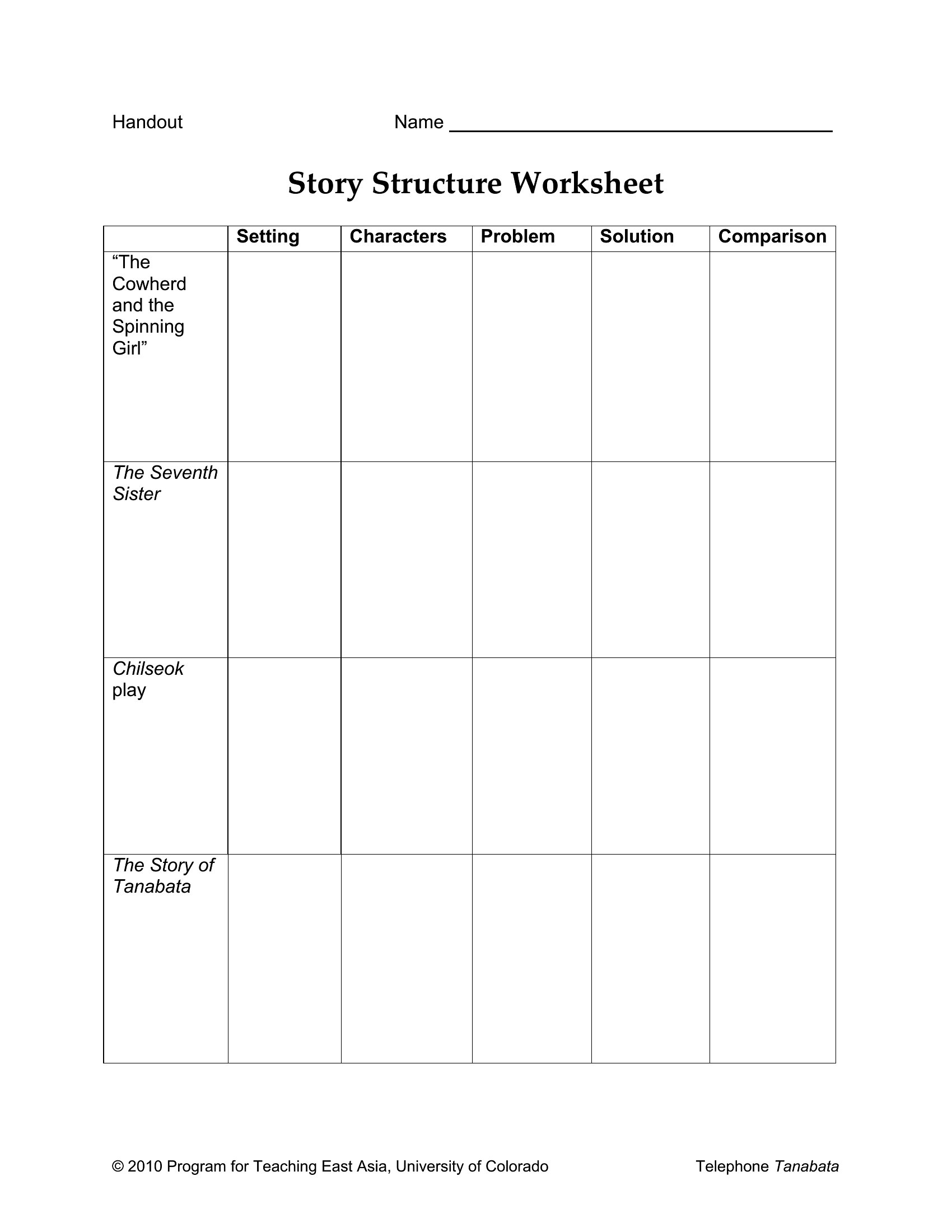
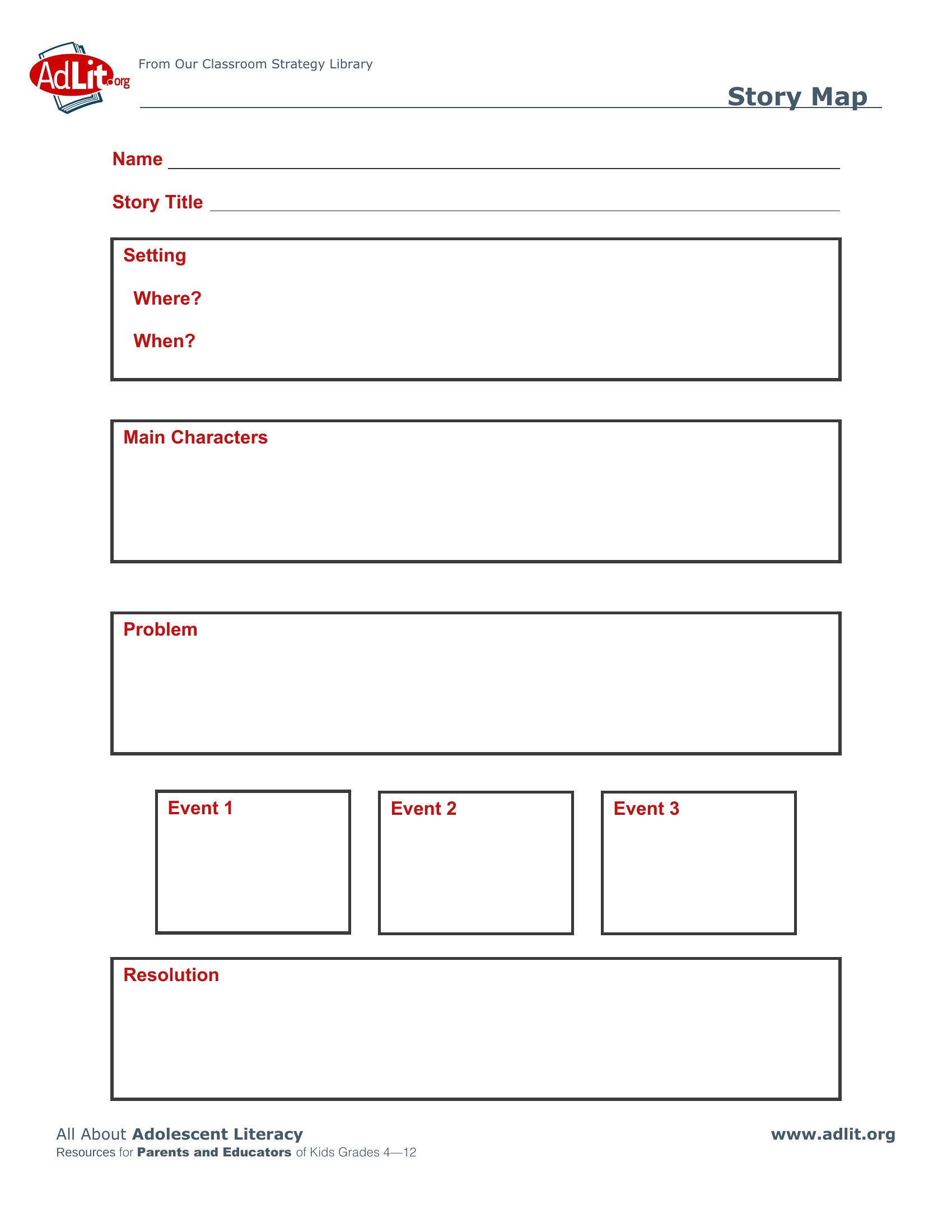
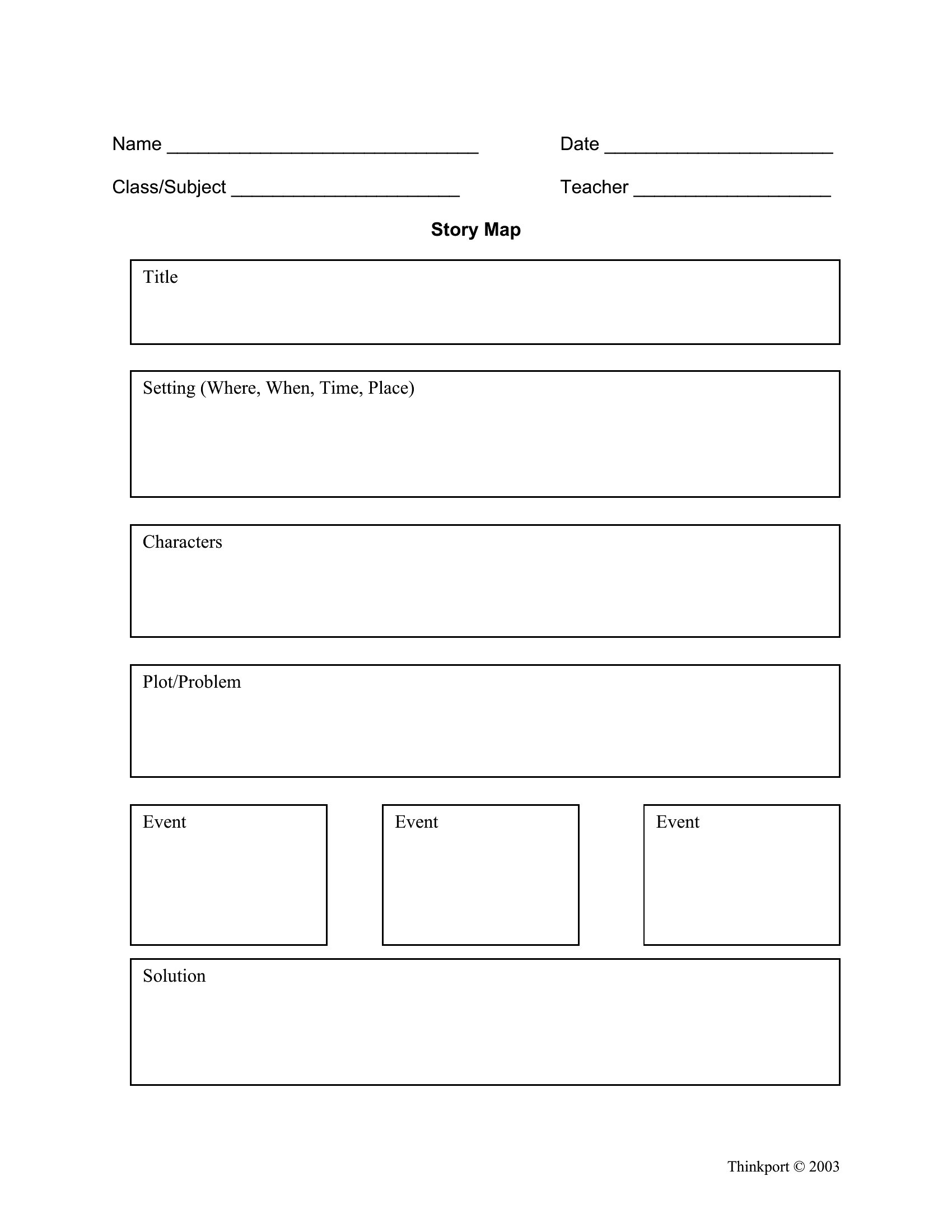
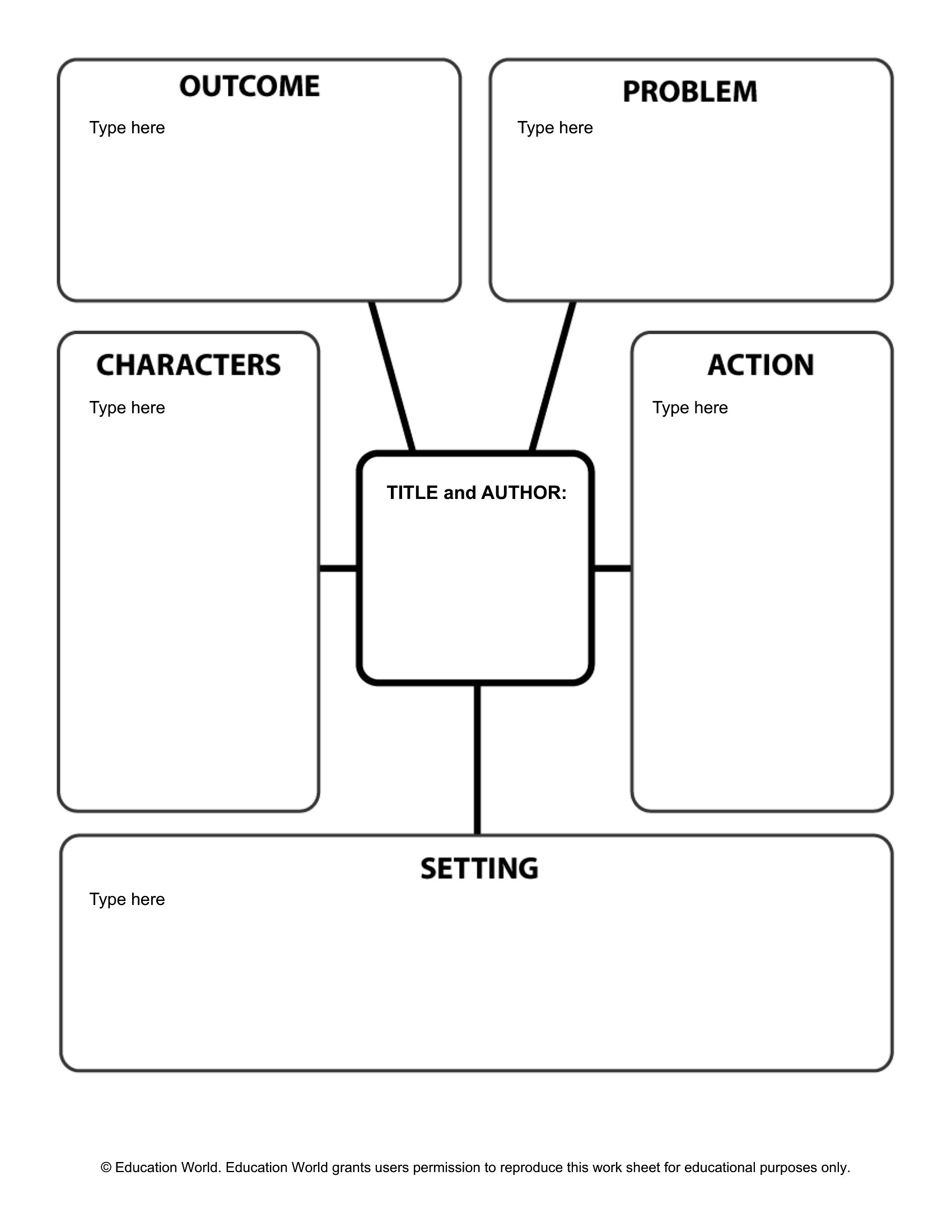
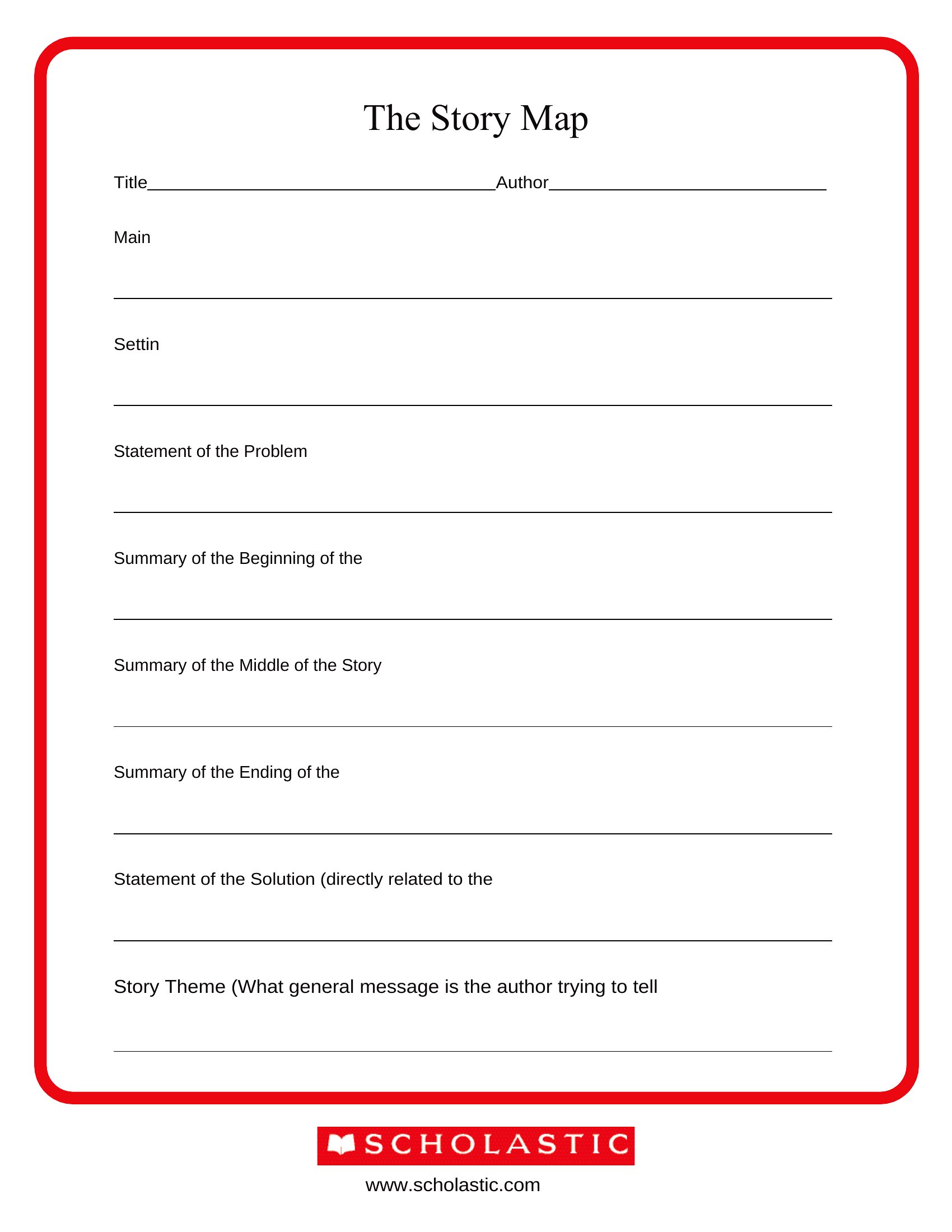
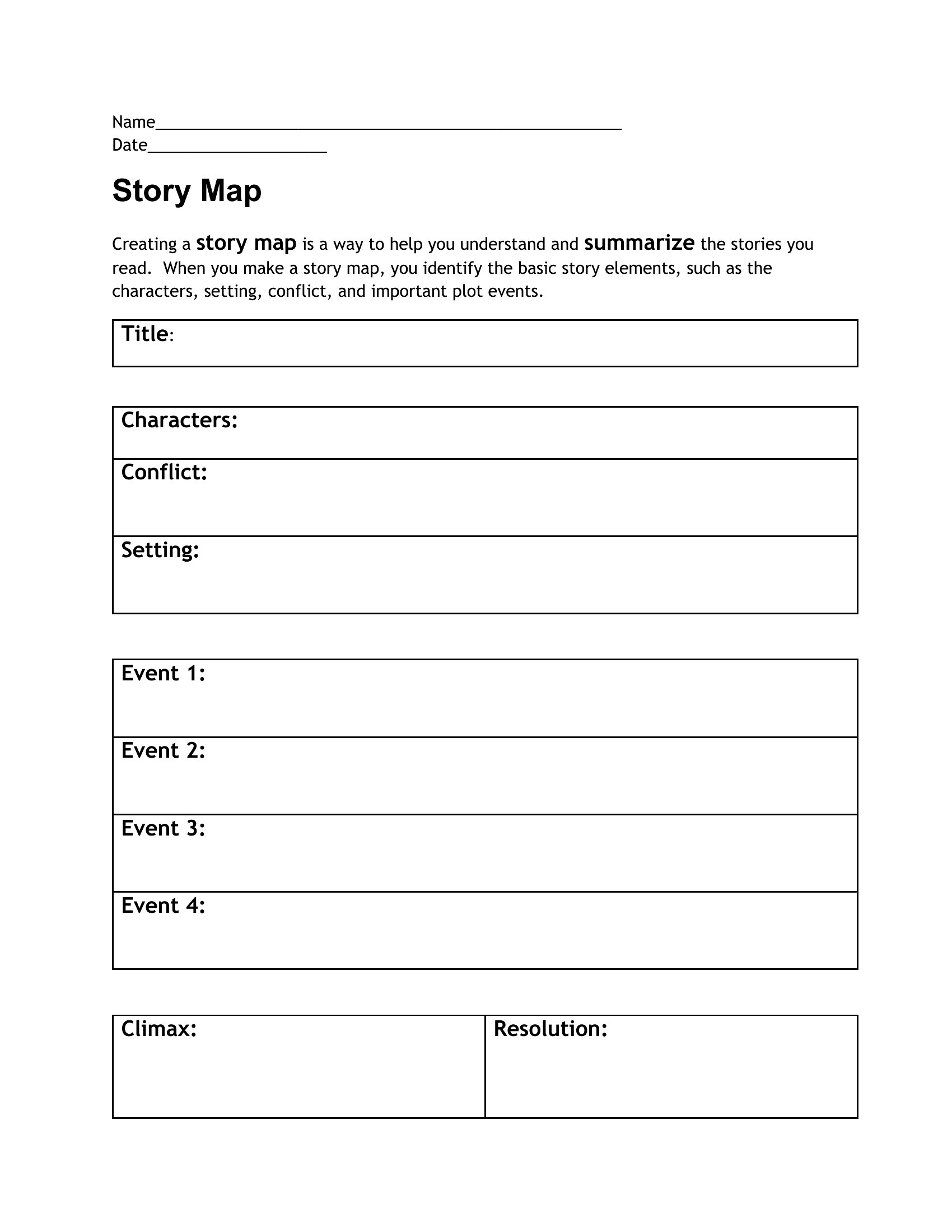
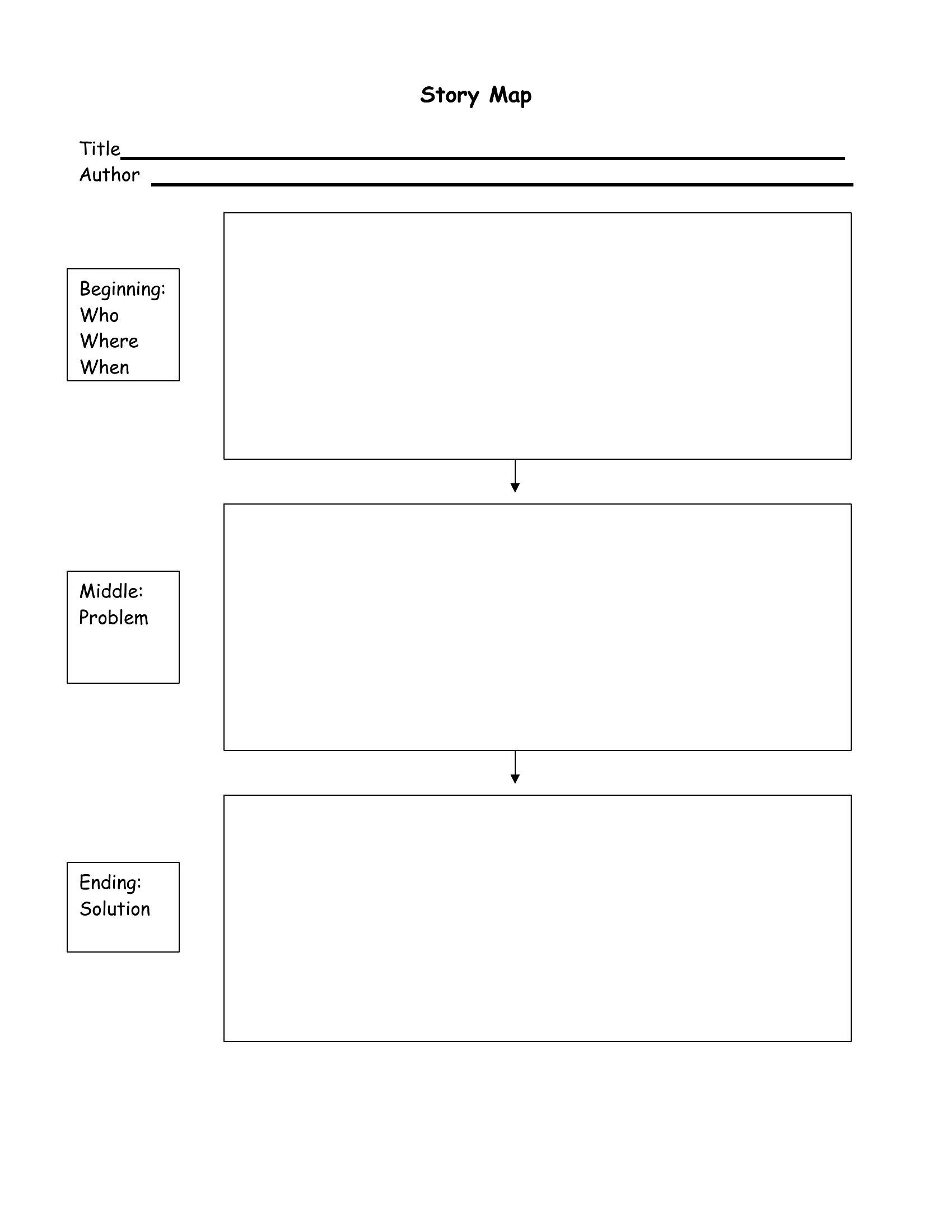
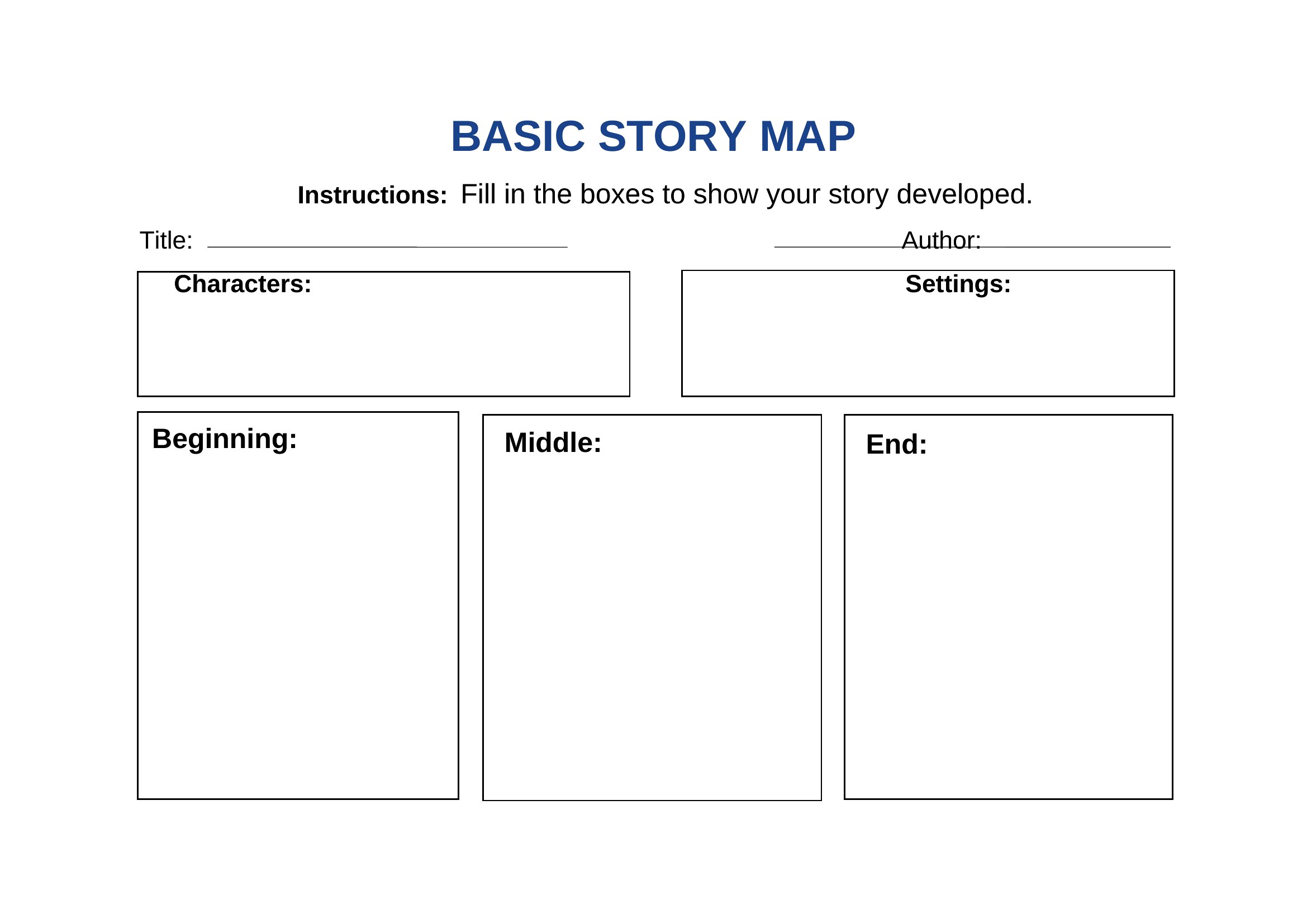
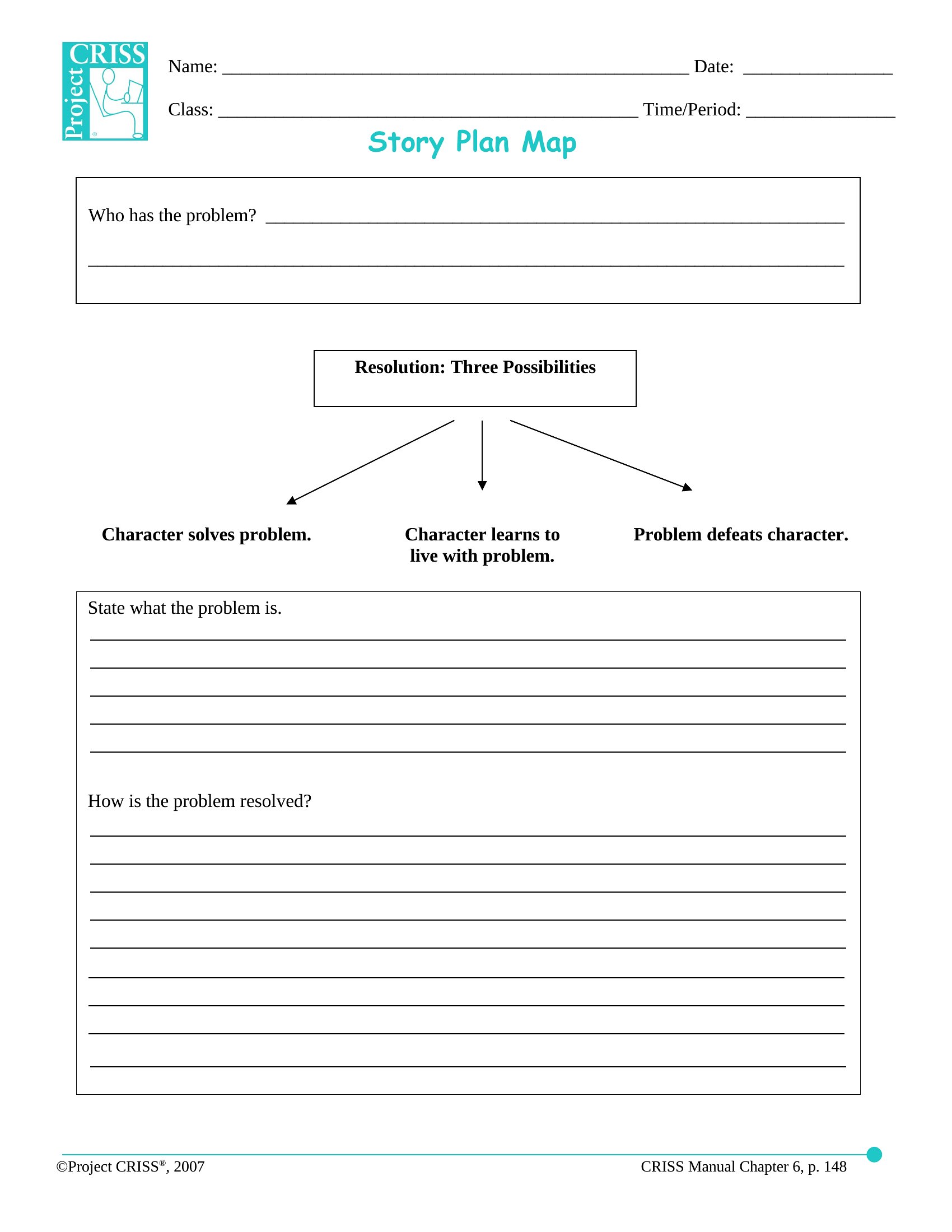
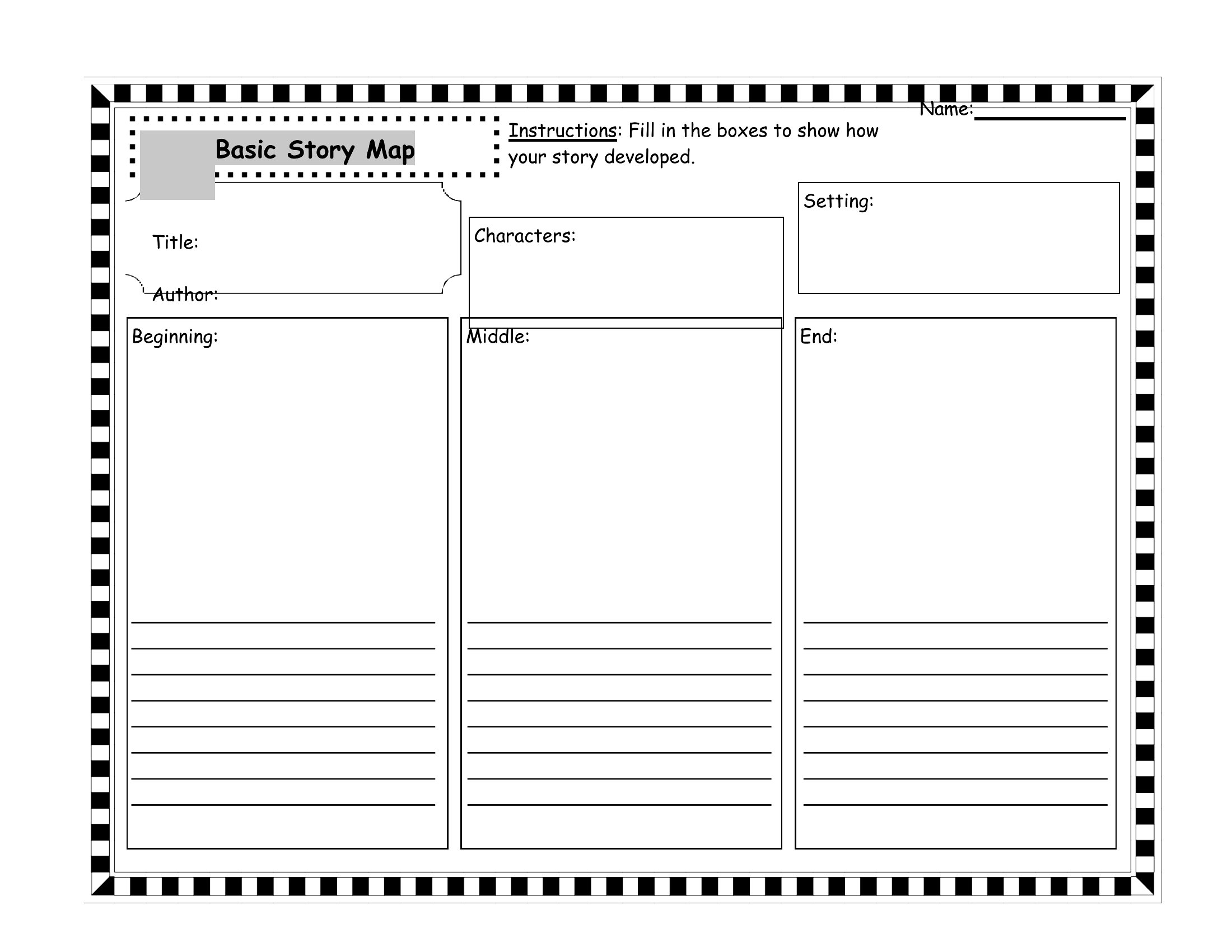
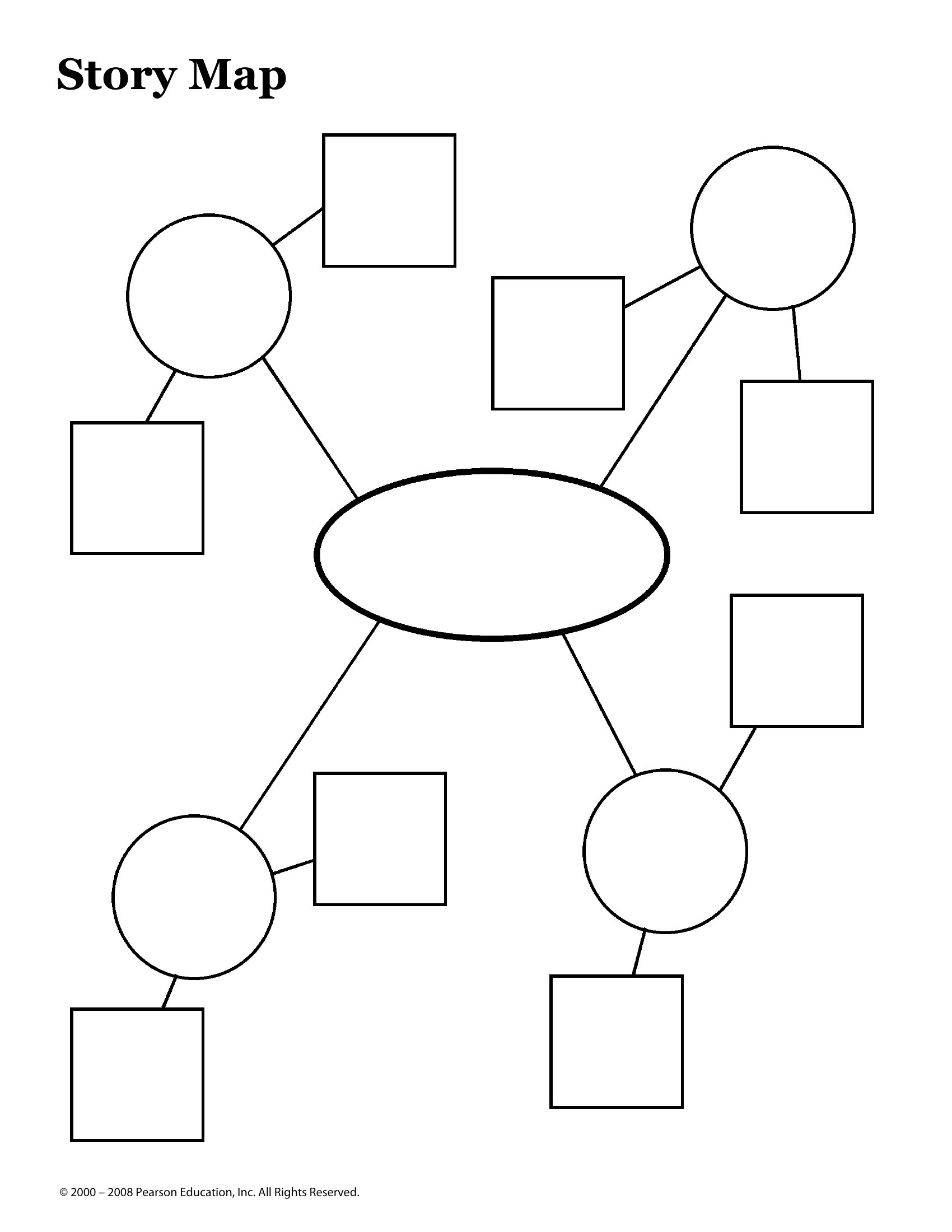
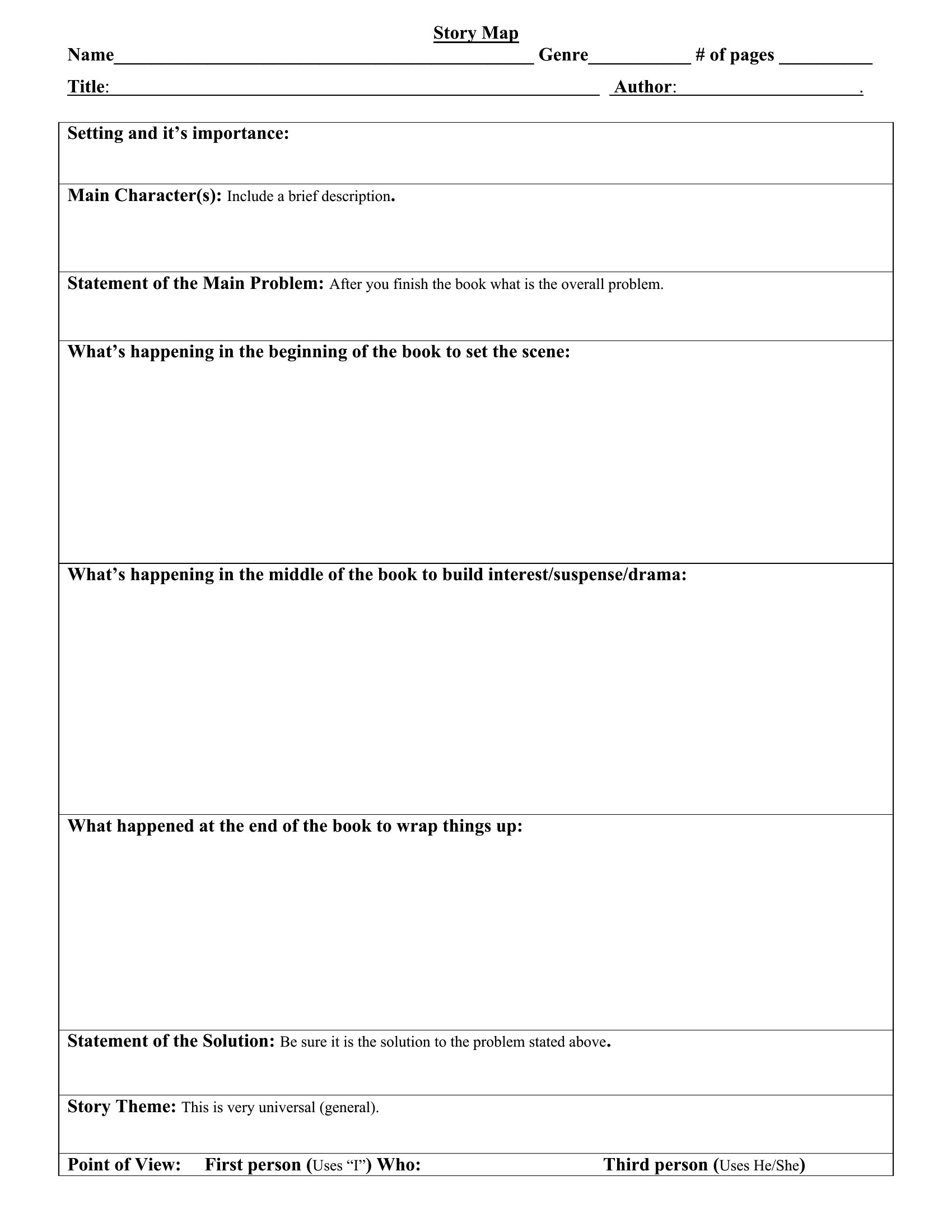
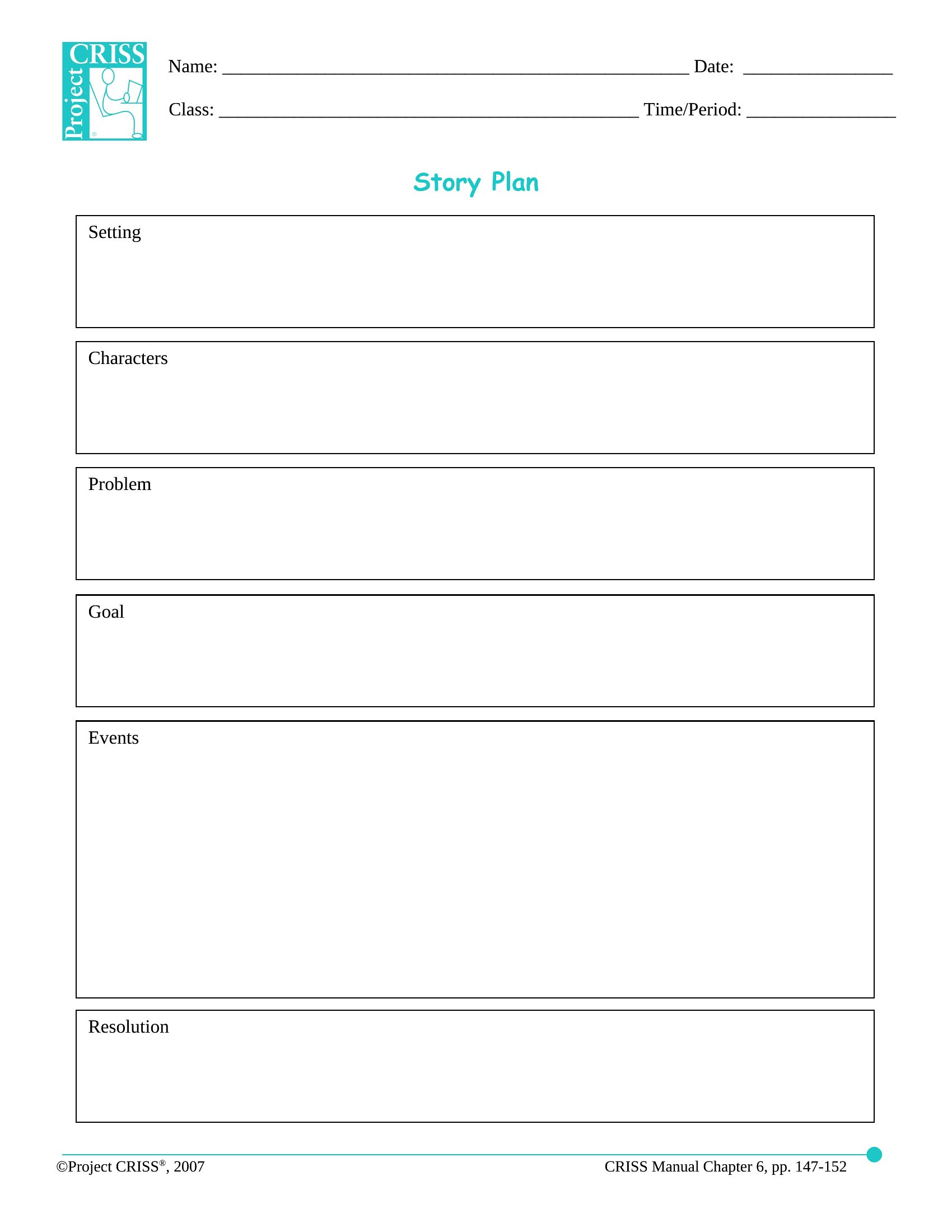
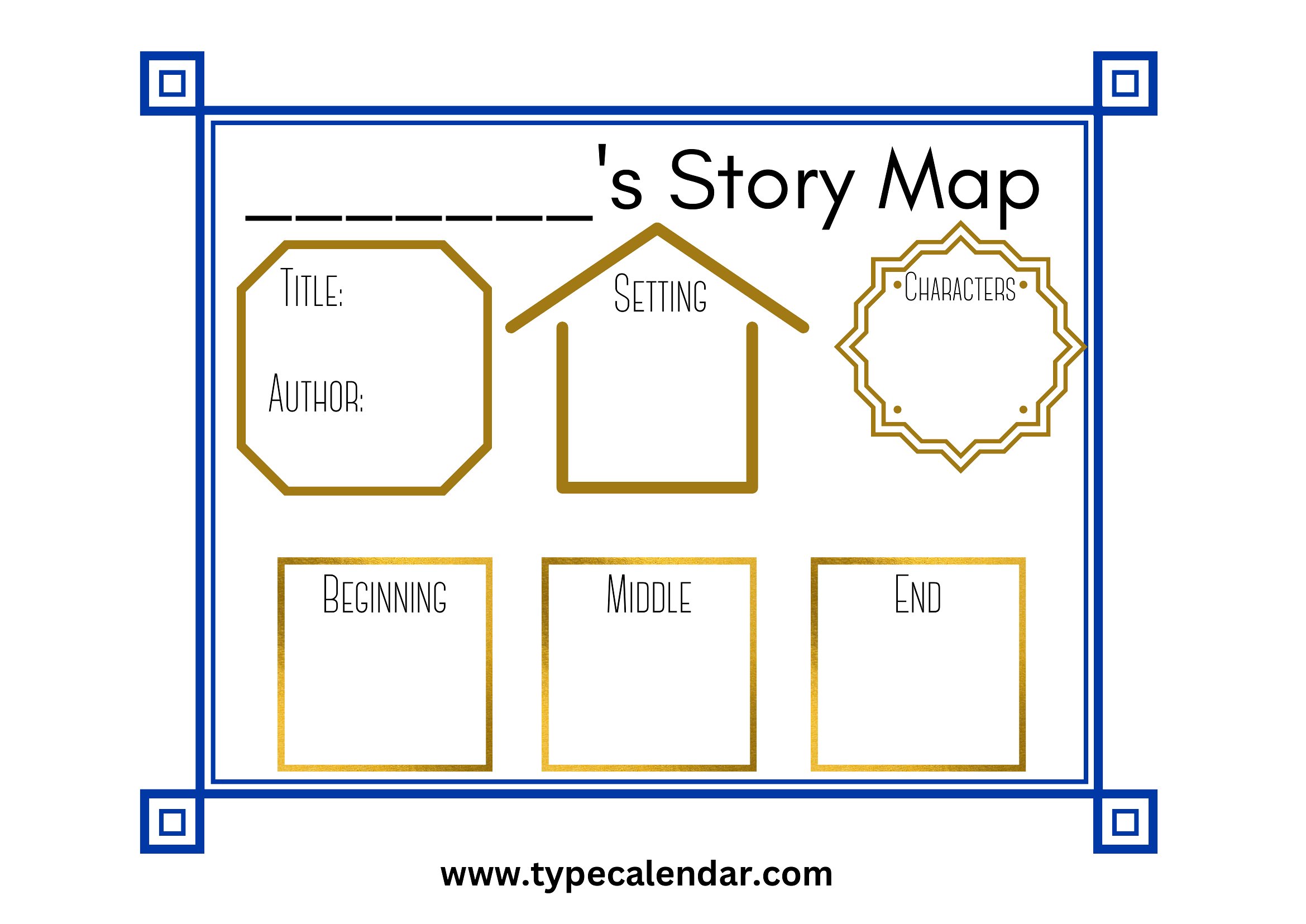
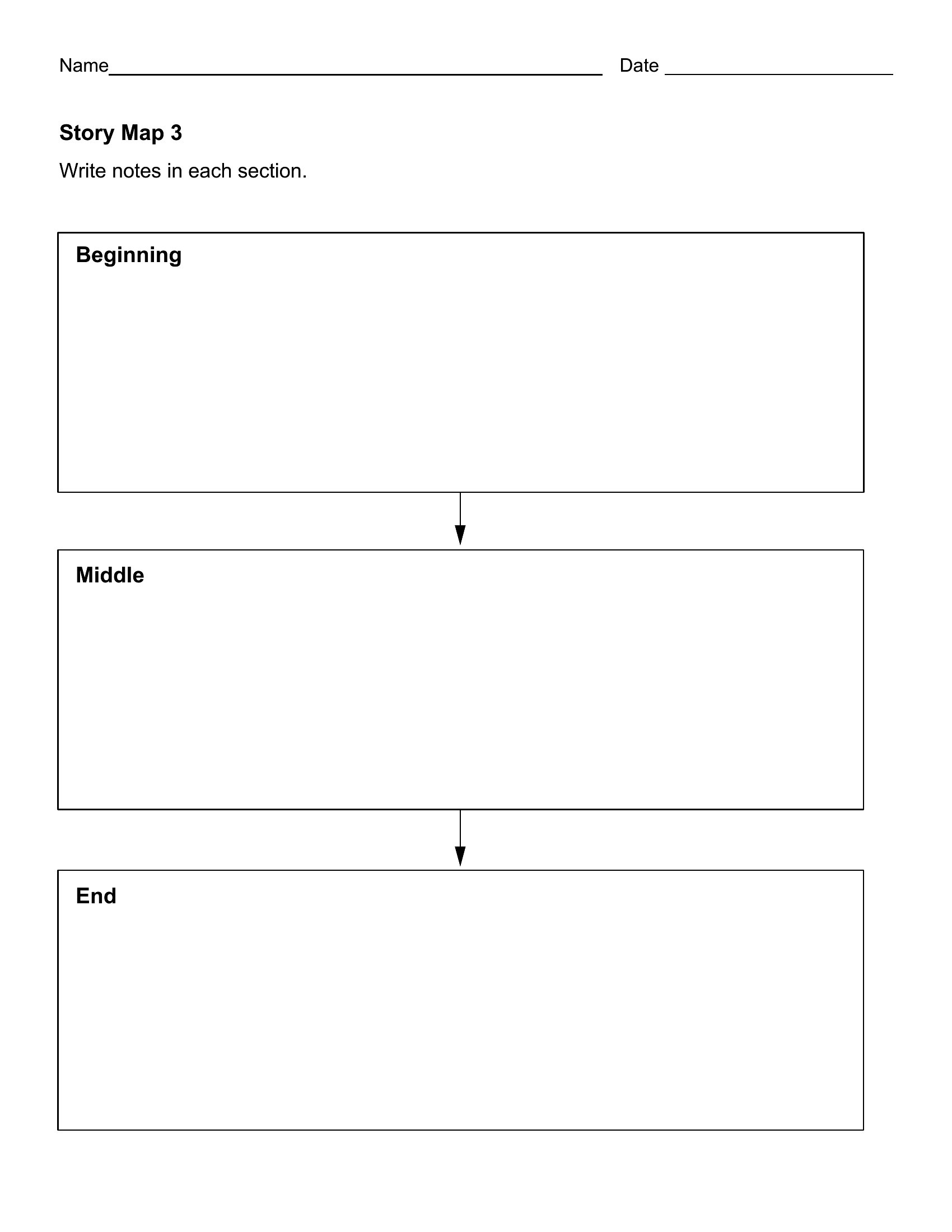
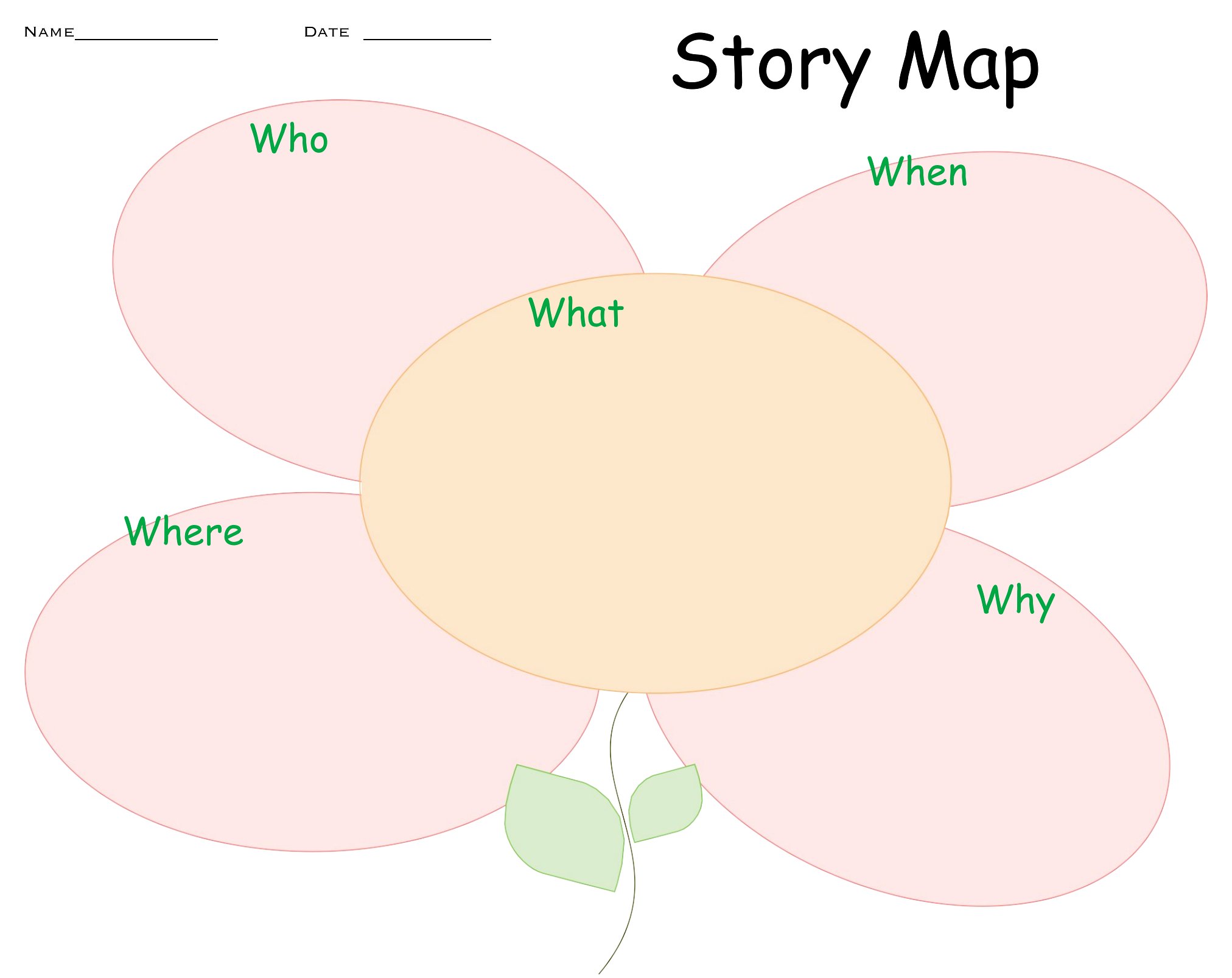
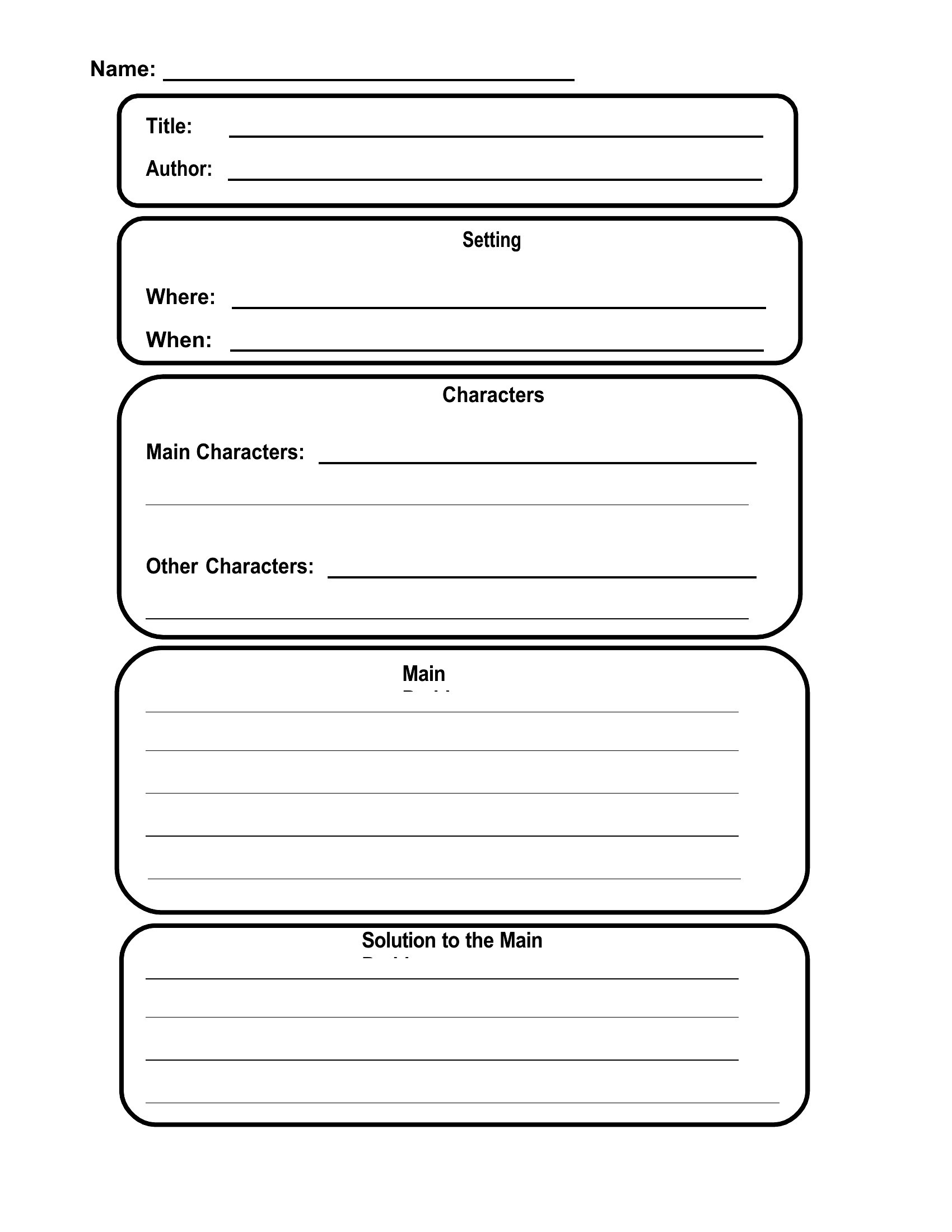
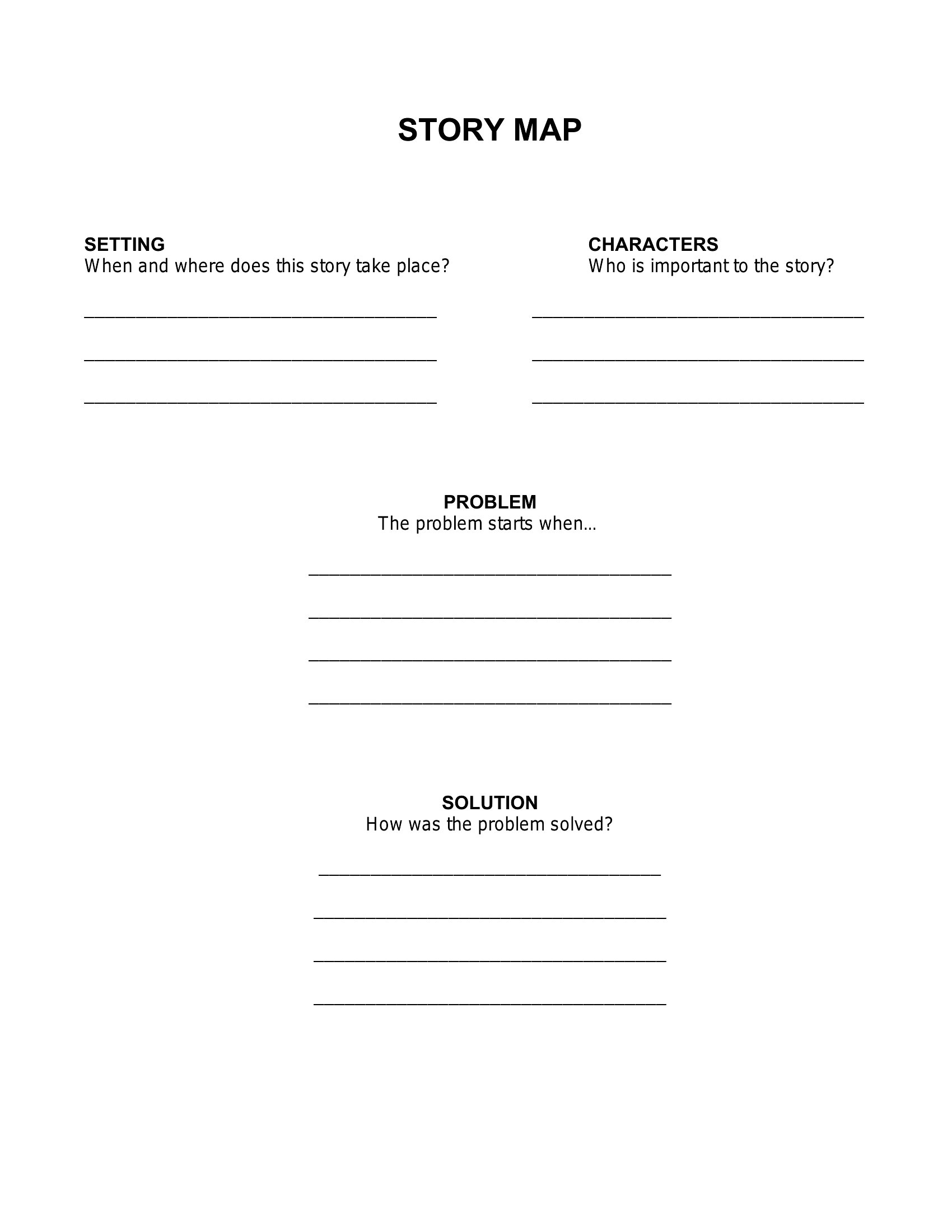
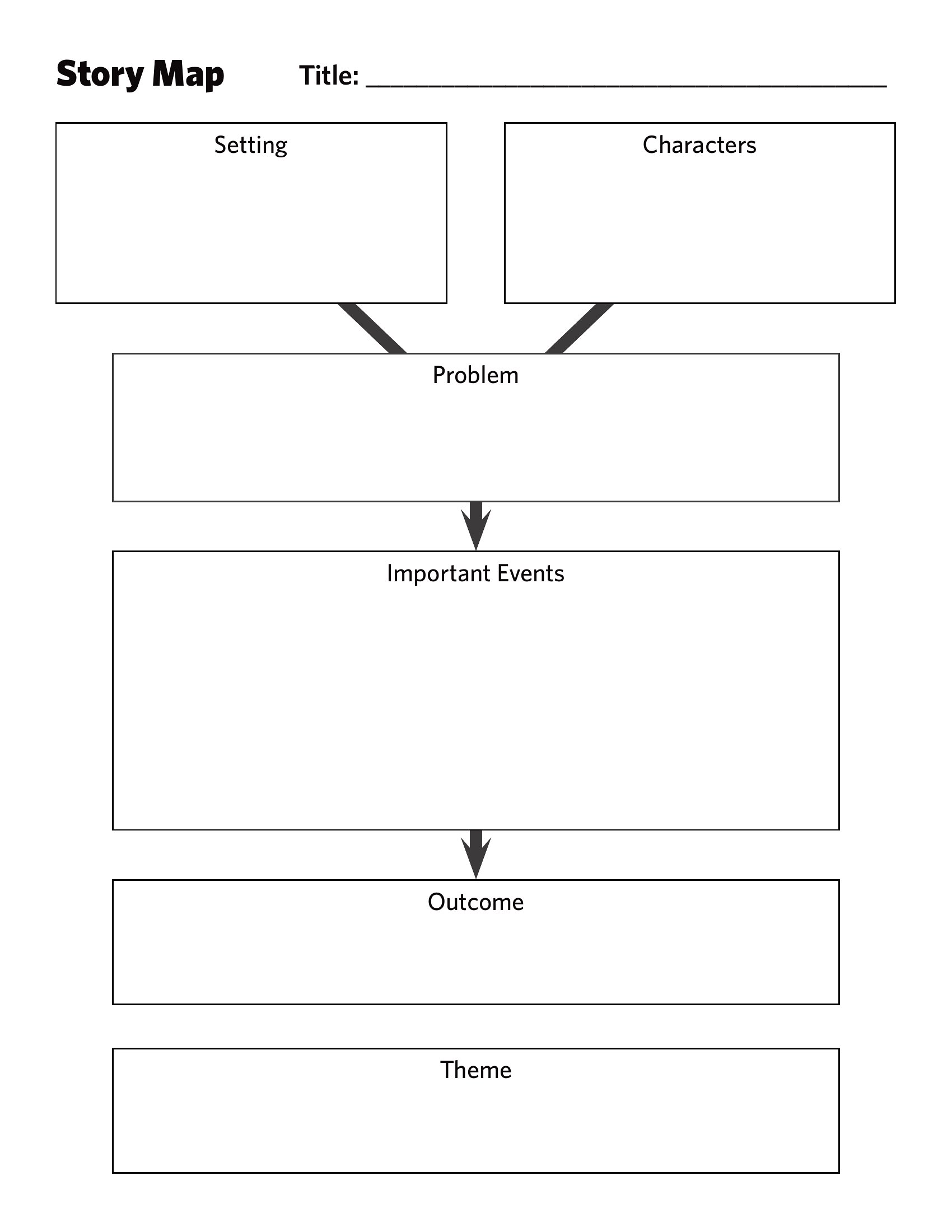
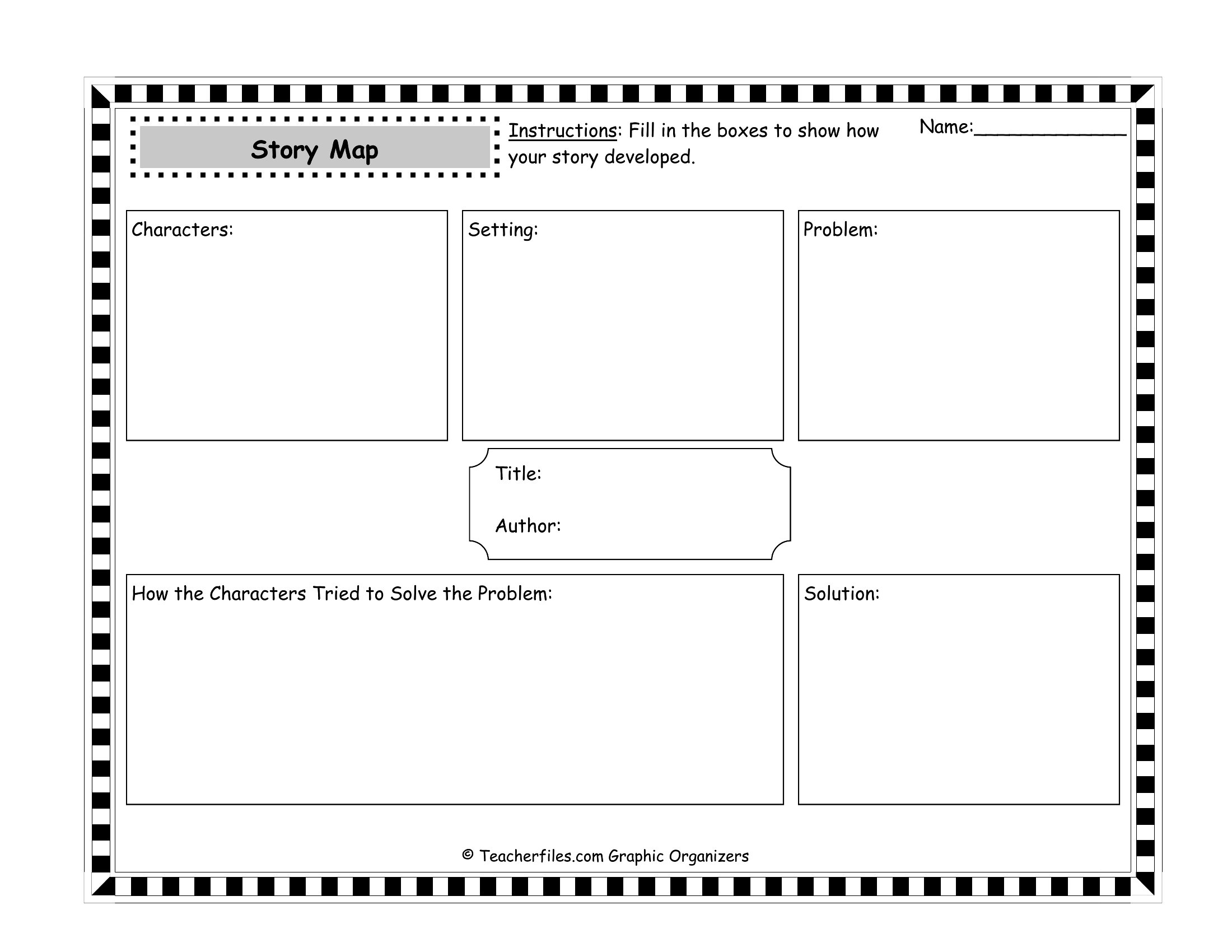
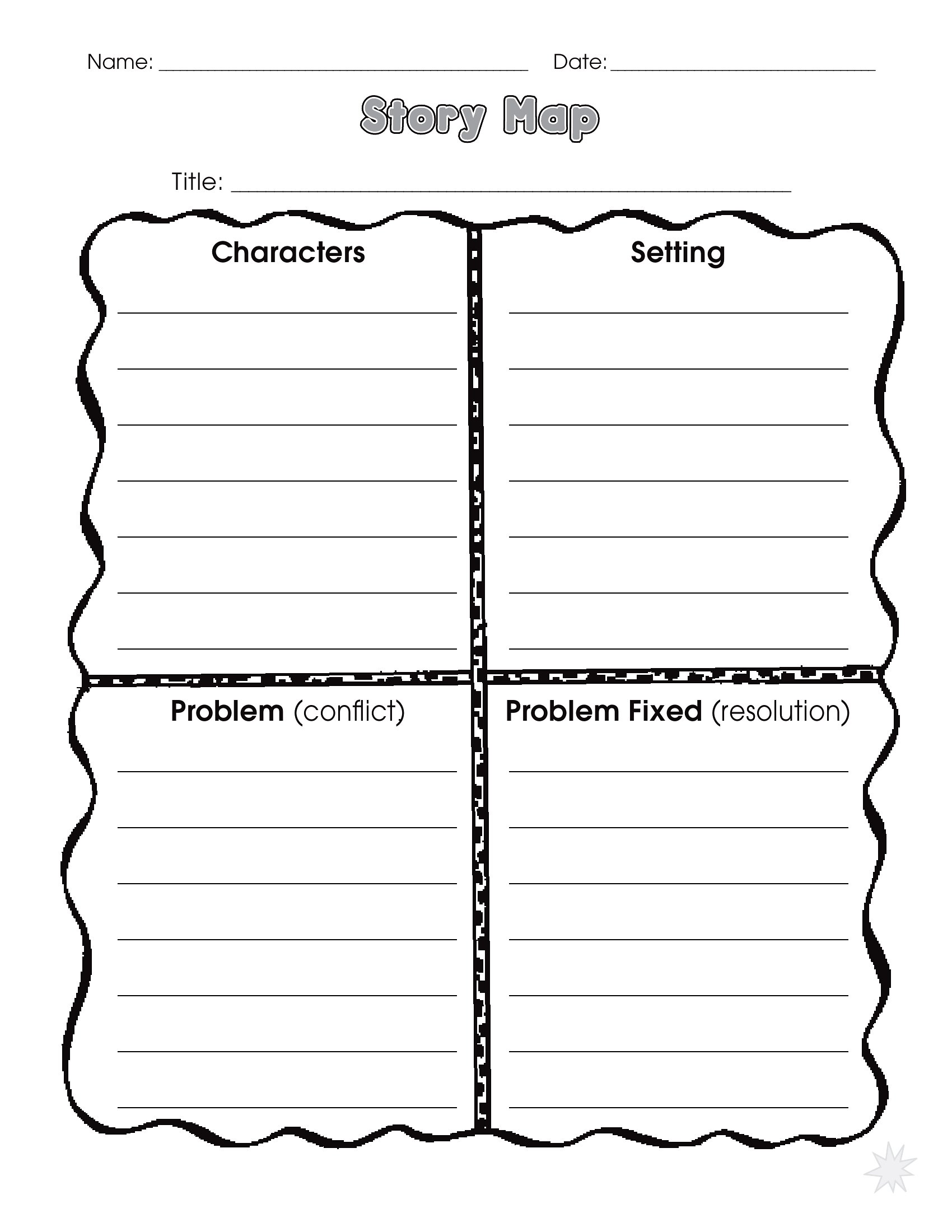
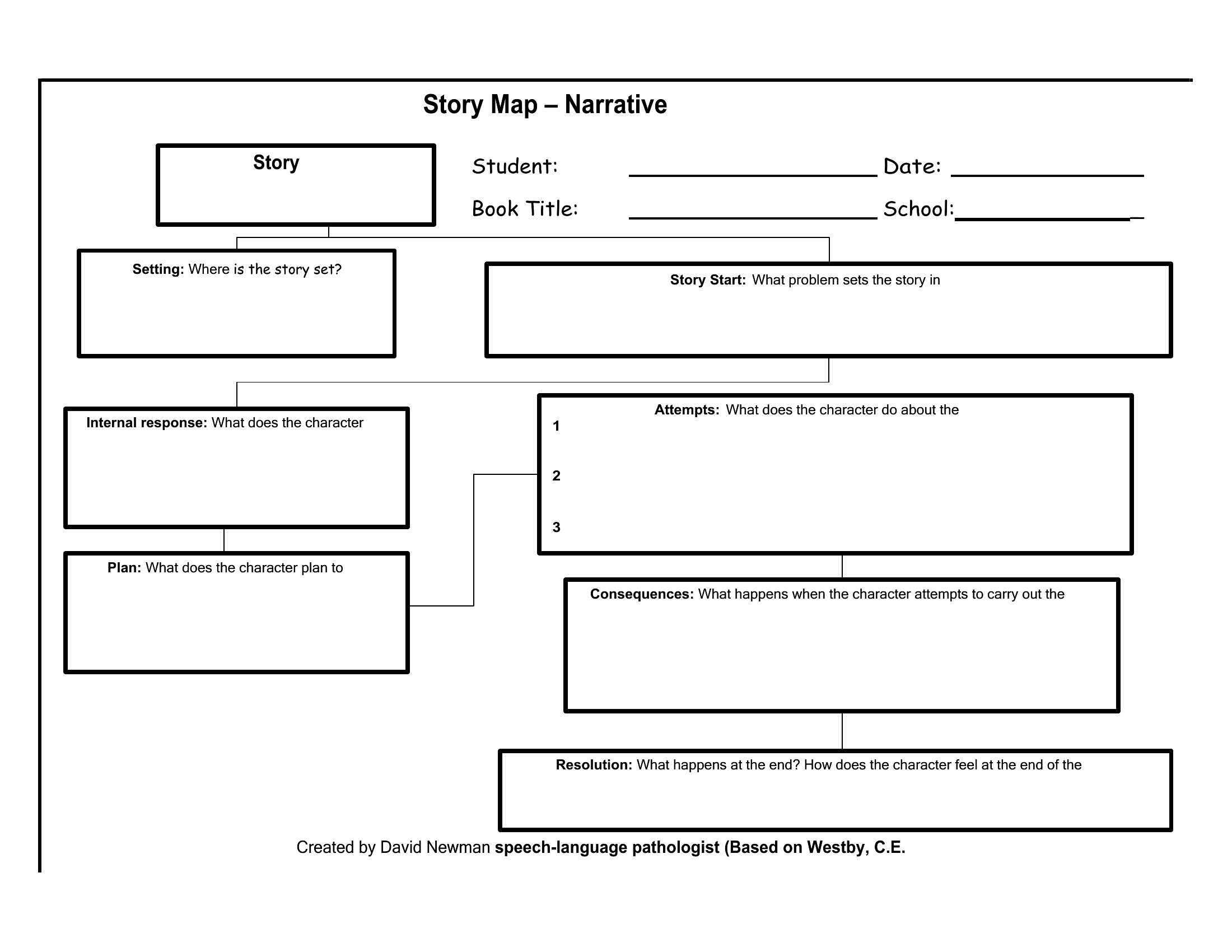
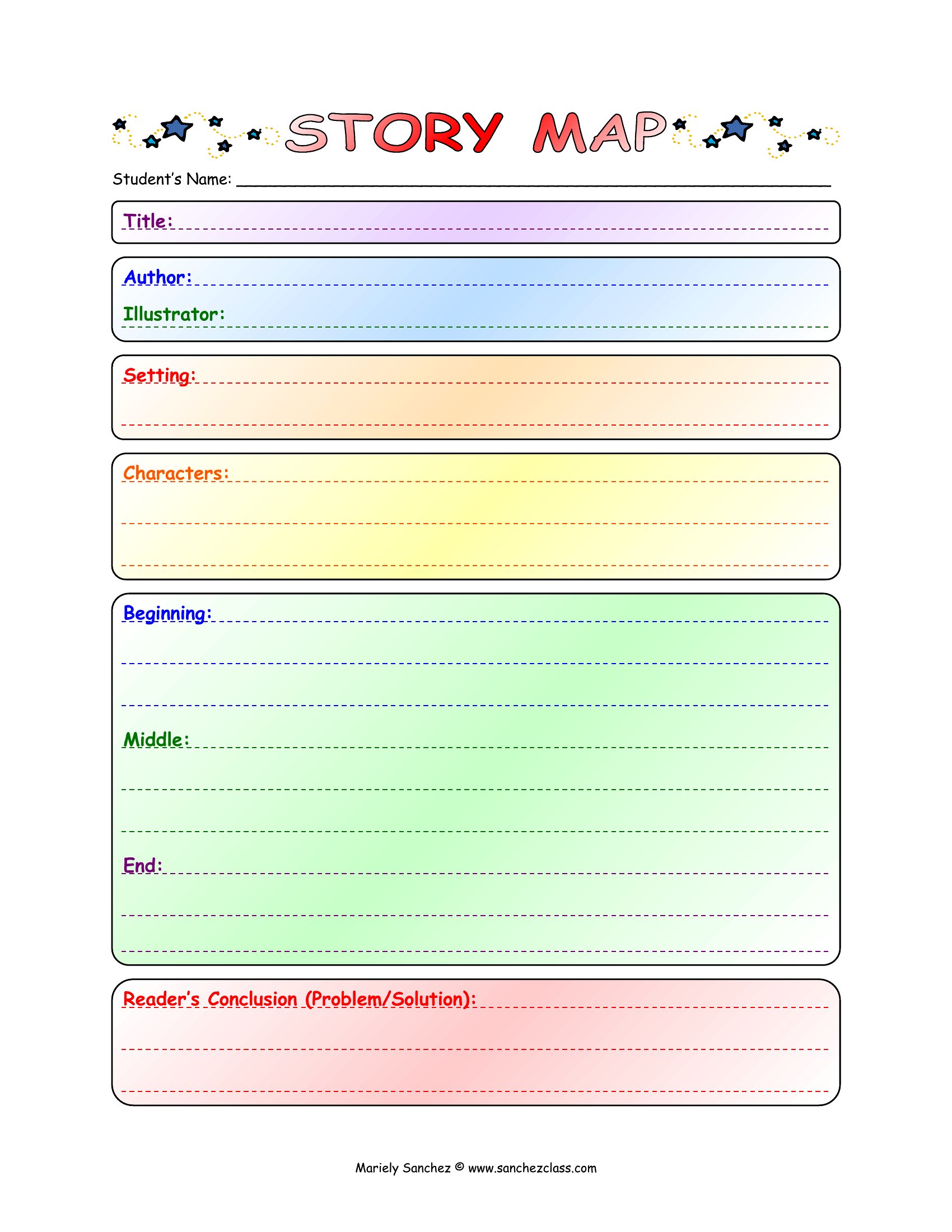
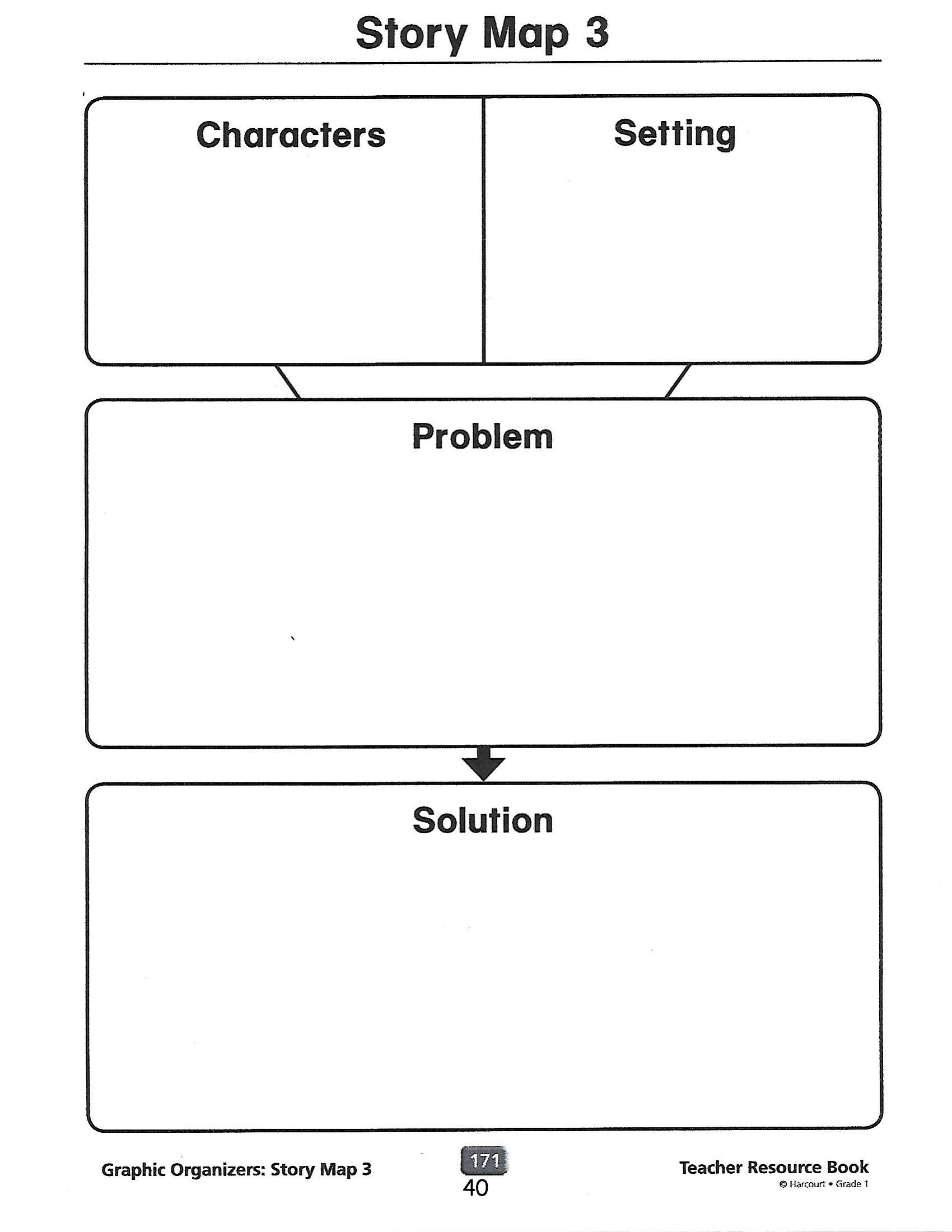
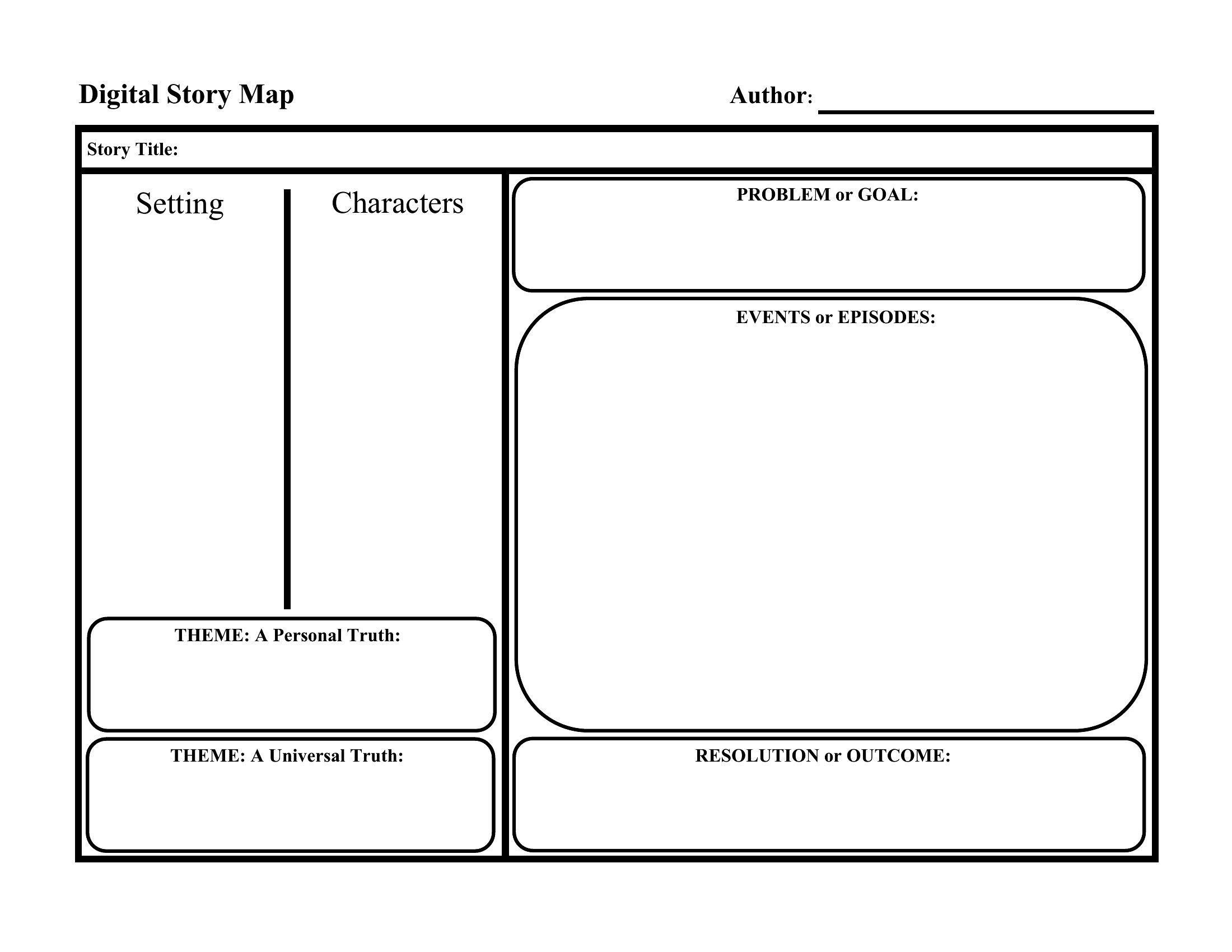
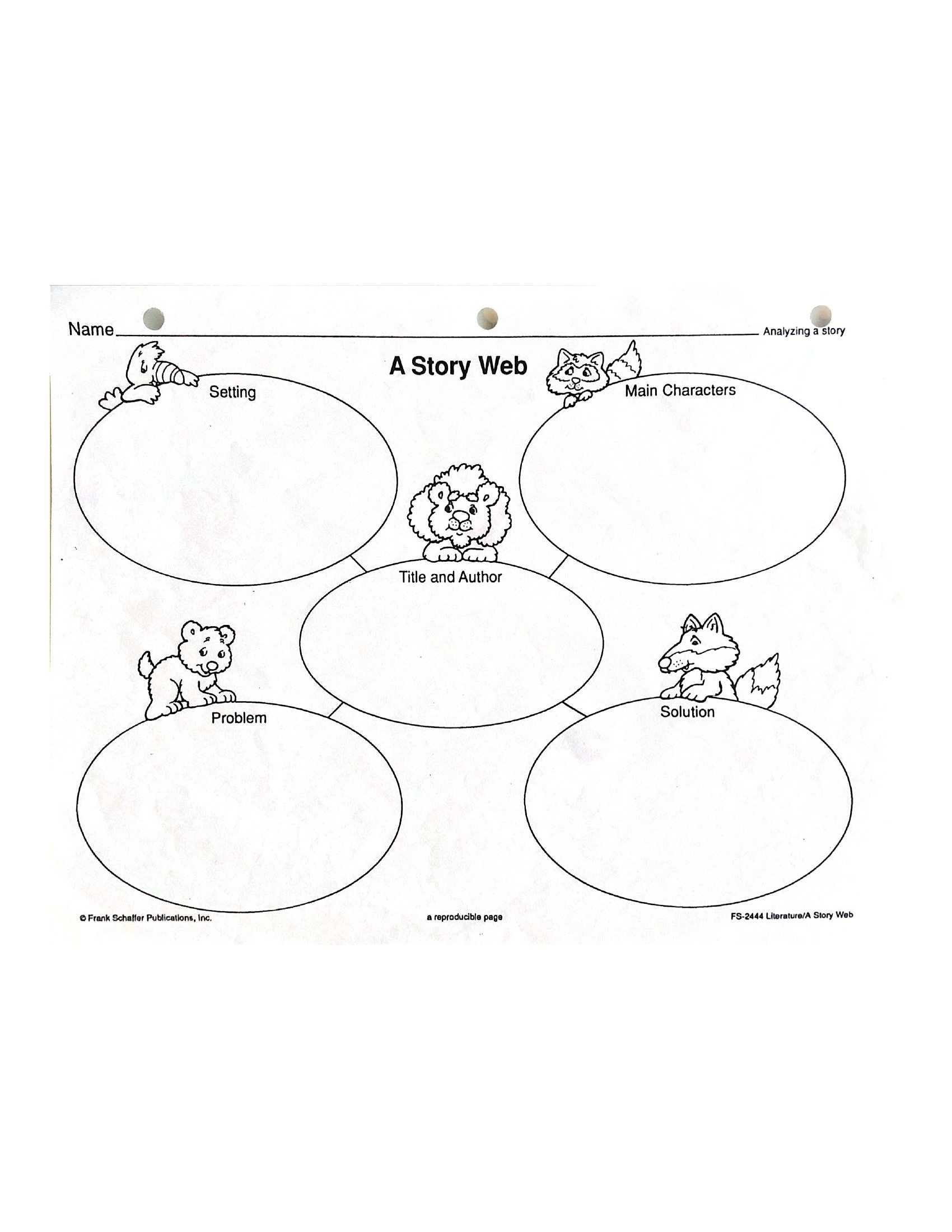
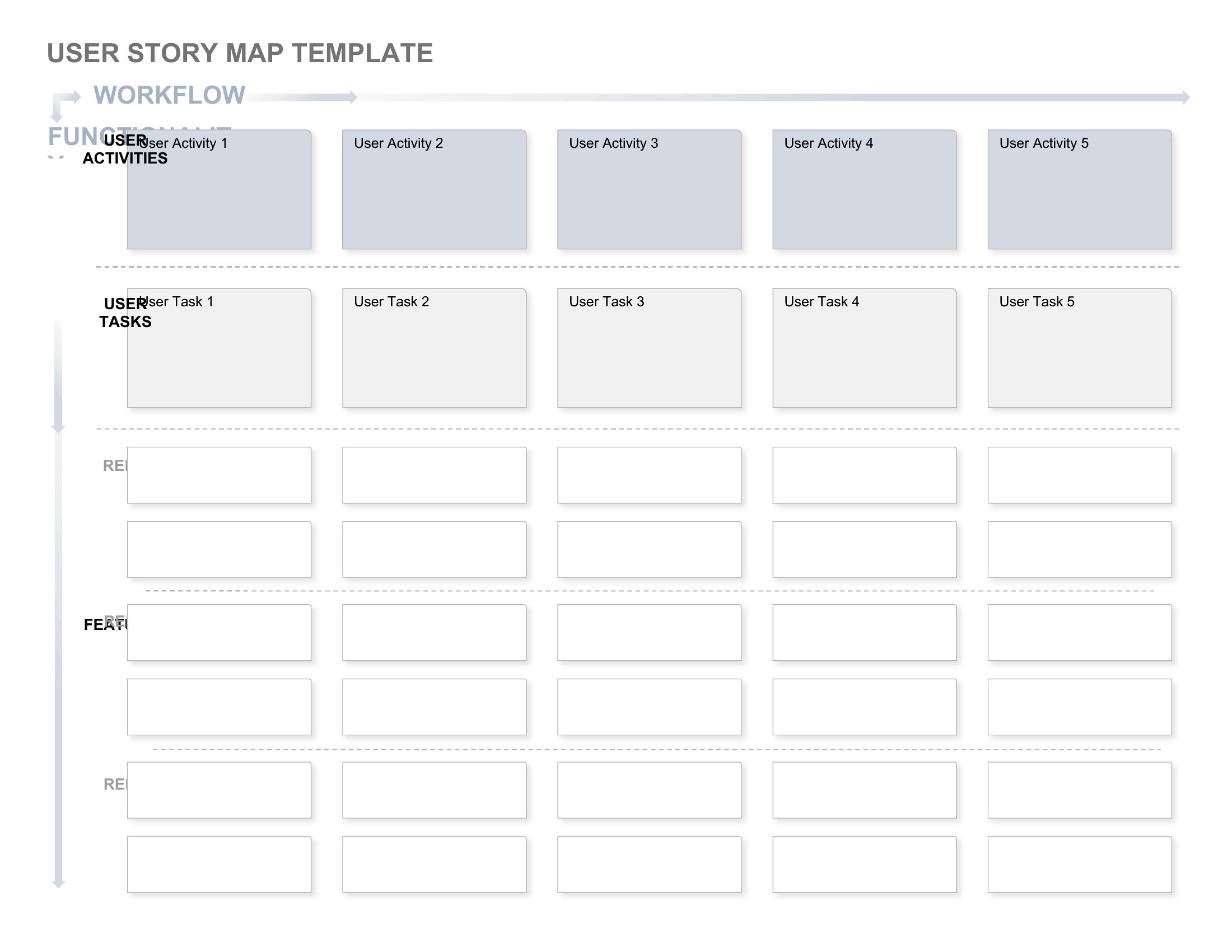
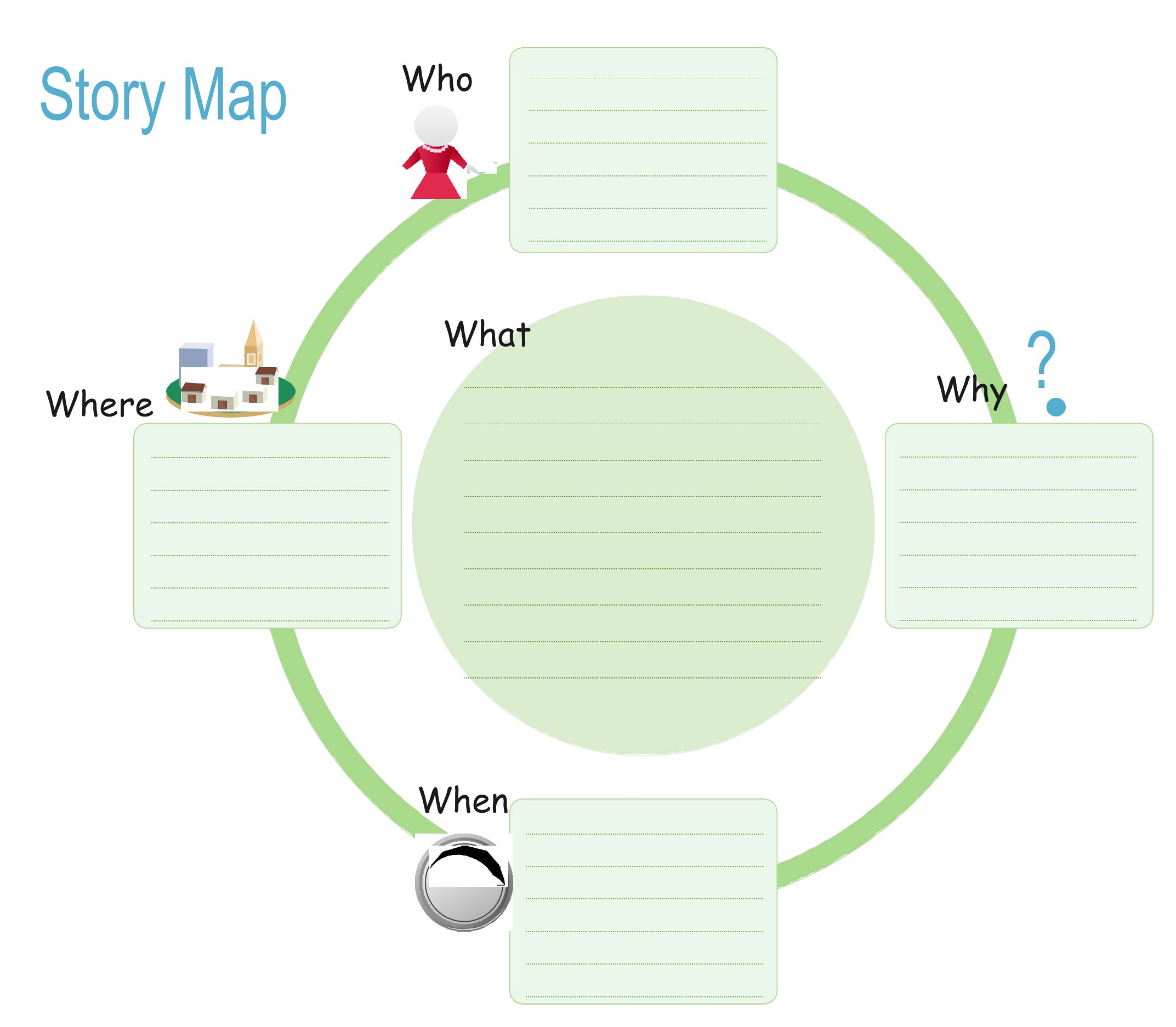
DiagramsA story map helps readers and writers break a tale into its parts, charting characters, setting, problem, and resolution. This set of 42 templates gives students a visual framework for understanding what they read or planning what they'll write. Elementary and middle-school teachers, tutors, and young writers use them to make plot structure click.
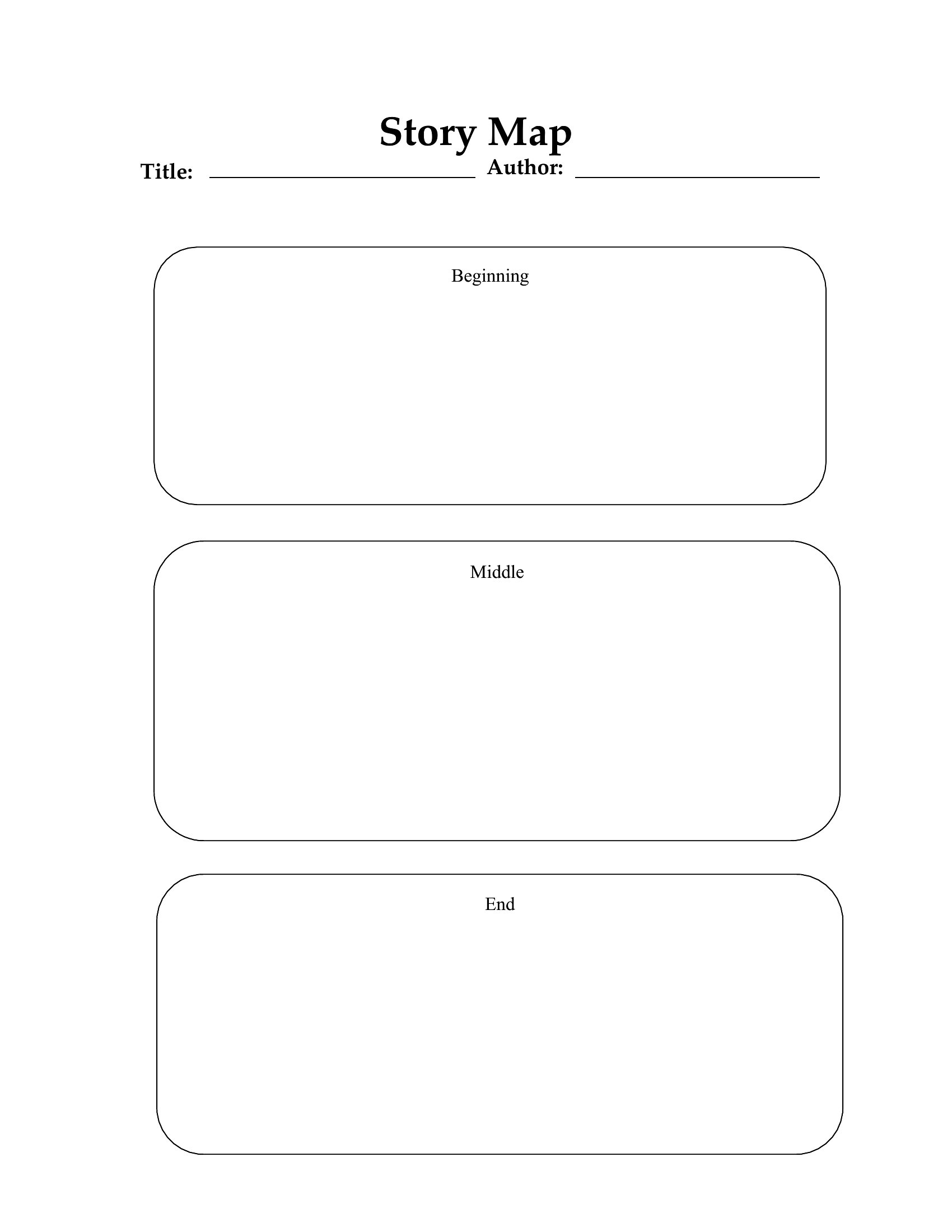
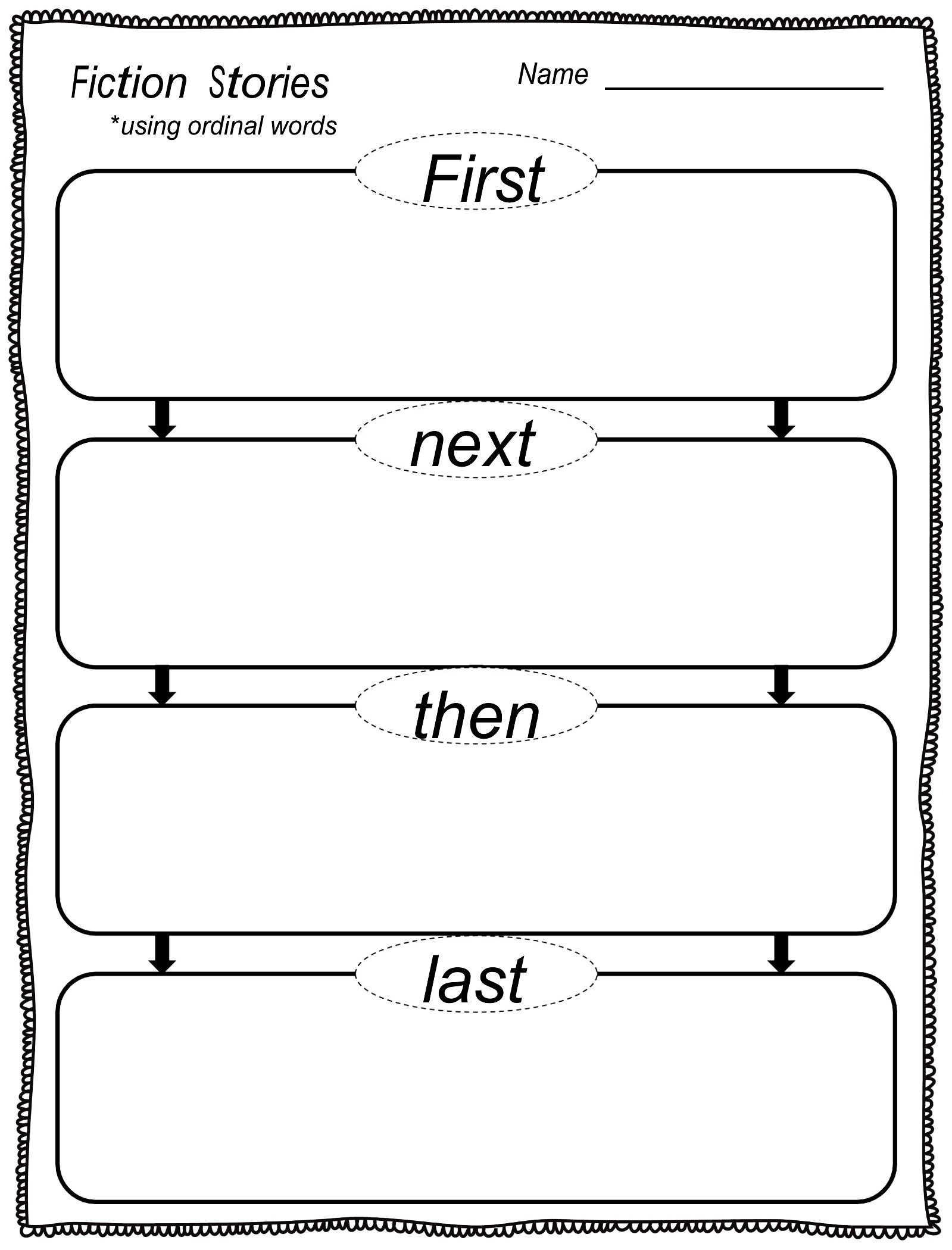
Print the PDFs for ready-to-use worksheets, or edit the Word files to fit a specific book or assignment. Kids fill in each section as they read, mapping the beginning, middle, and end in their own words. Choose the layout that matches the lesson and print enough for the whole class.
When to use this Story Map template
- Middle-school English teachers use these during close reading lessons to help students dissect novel chapters into key events, character arcs, and thematic connections in real time with printable PDFs.
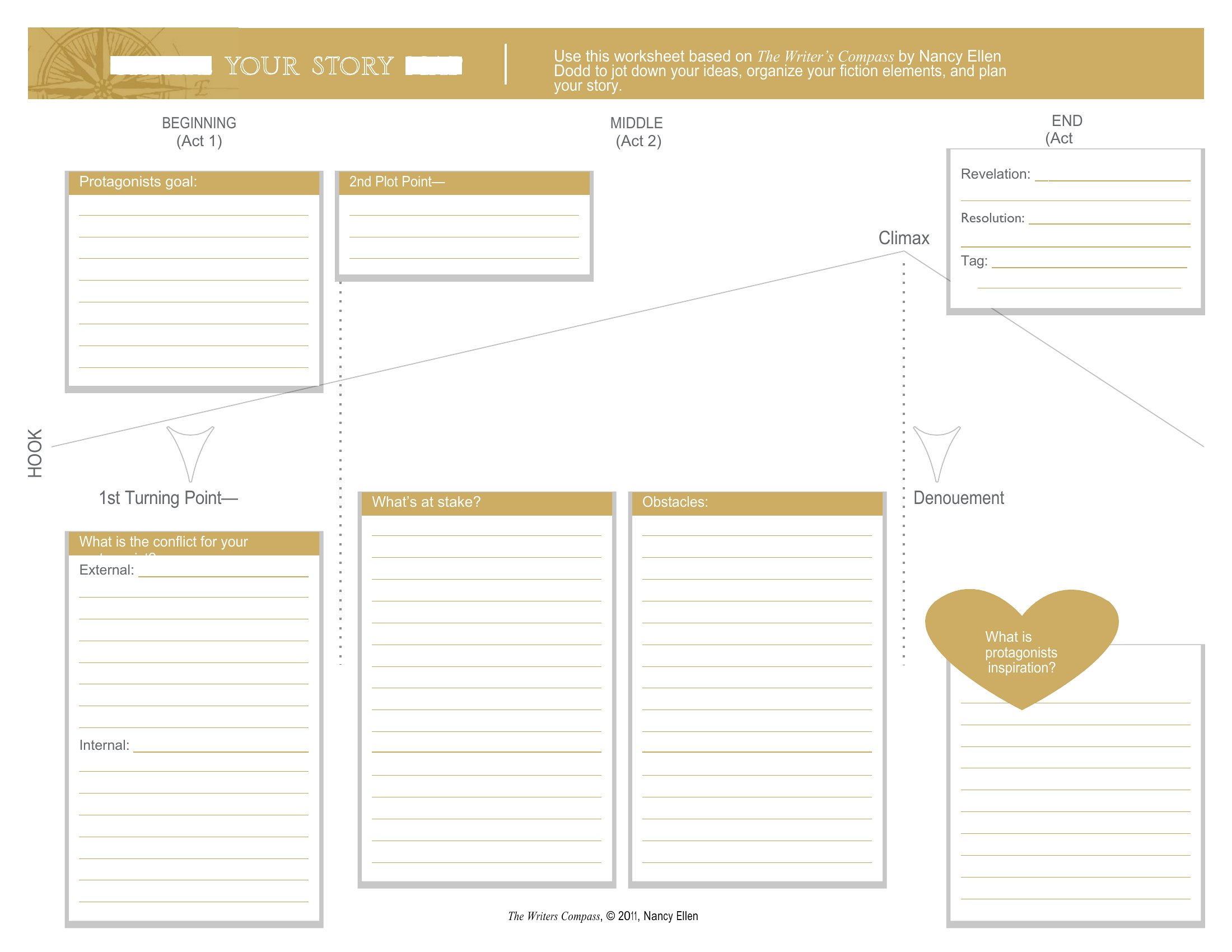
- Independent writers with plot holes draft their story maps in Word to rearrange scenes, spot pacing issues, and visualize how subplots intersect before committing to a full manuscript.
- Literacy tutors working with struggling readers print the graphic organizers in PDF to scaffold comprehension—students mark setting details, character motivations, and conflicts as they read aloud together.
- School librarians design summer reading challenges by distributing the free story map templates to elementary kids, asking them to track their favorite book’s beginning, middle, and end as they complete the program.
Which format should I download?
For classroom or group activities, choose the PDF format—it’s ready to print as reusable worksheets with no setup needed. If you’re guiding individual students or writers through iterative planning (like revising a draft), use the Word version. It lets you type directly into the map, add notes, and collaborate with comments. Word is also ideal for adapting templates (e.g., swapping the ‘problem/solution’ section for a ‘character goals’ focus). Avoid PDFs for editable work; they’re fixed for one-time use.
Choose from 42 Story Map Templates
Free Story Map
How to use this Story Map template
Do these templates include sections for modern storytelling elements like flashbacks or dual timelines?
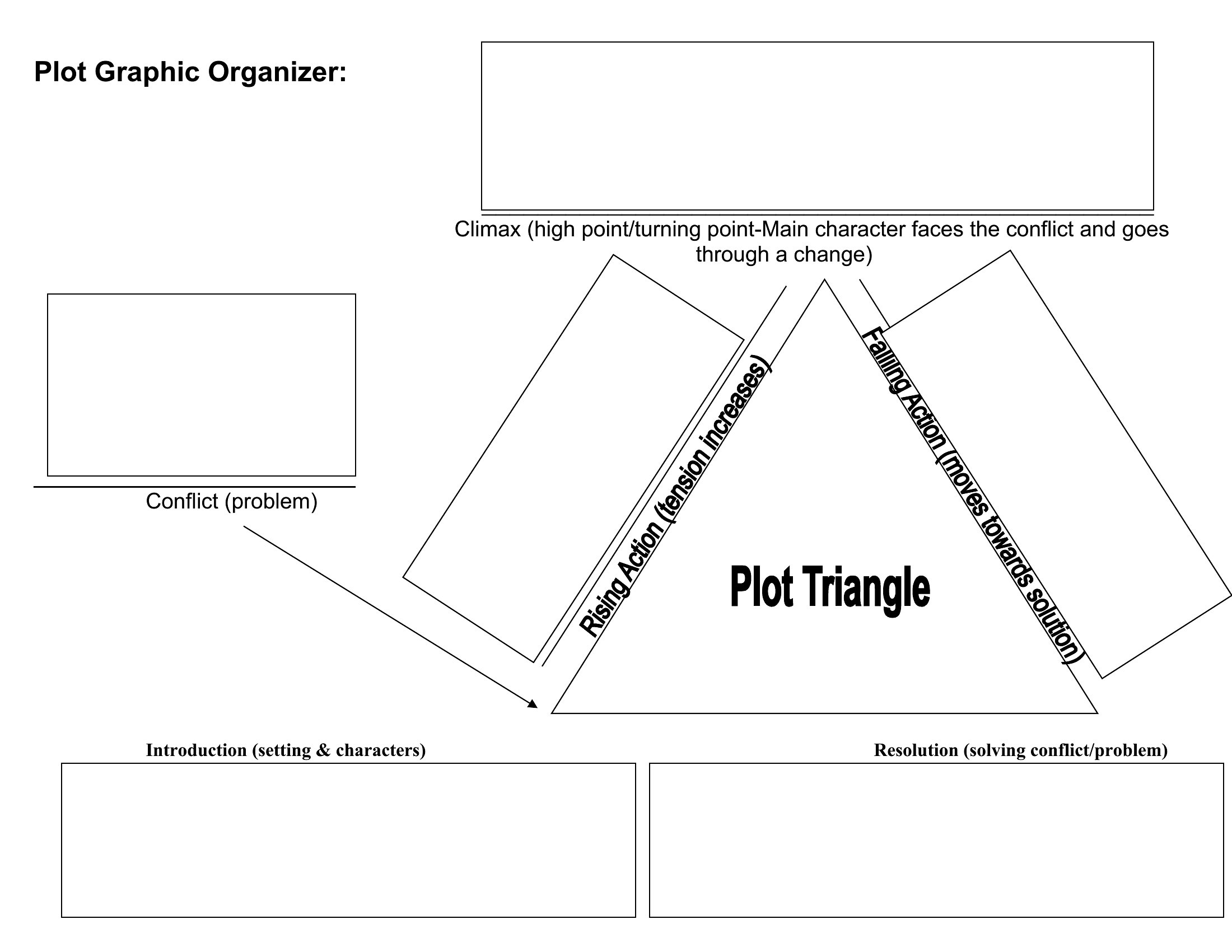
Some story maps—like the ‘Arc GIS Story Maps’ and ‘Graphic Organizer’ examples—offer flexible sections you can label yourself. Others focus on classic structure (exposition, climax, resolution). For non-linear narratives, start with a basic template and add custom headers (e.g., ‘Past Event:’ or ‘Parallel Story:’) in Word. PDFs are static, so edit the Word version first if you need extra boxes.
How can I use these to teach nonfiction writing, like biographies or historical events?
Treat the story map as a ‘chronology + themes’ tool. Label sections ‘Key Moments,’ ‘Turning Points,’ and ‘Legacy’ for biographies, or ‘Cause,’ ‘Effect,’ and ‘Significance’ for history. The ‘Free Printable Story Map’ in PDF works well for group projects where students fill in a shared timeline. For research papers, use Word to add a ‘Sources’ row alongside events to track evidence.
My students are visual learners—are there templates here that incorporate symbols or icons?
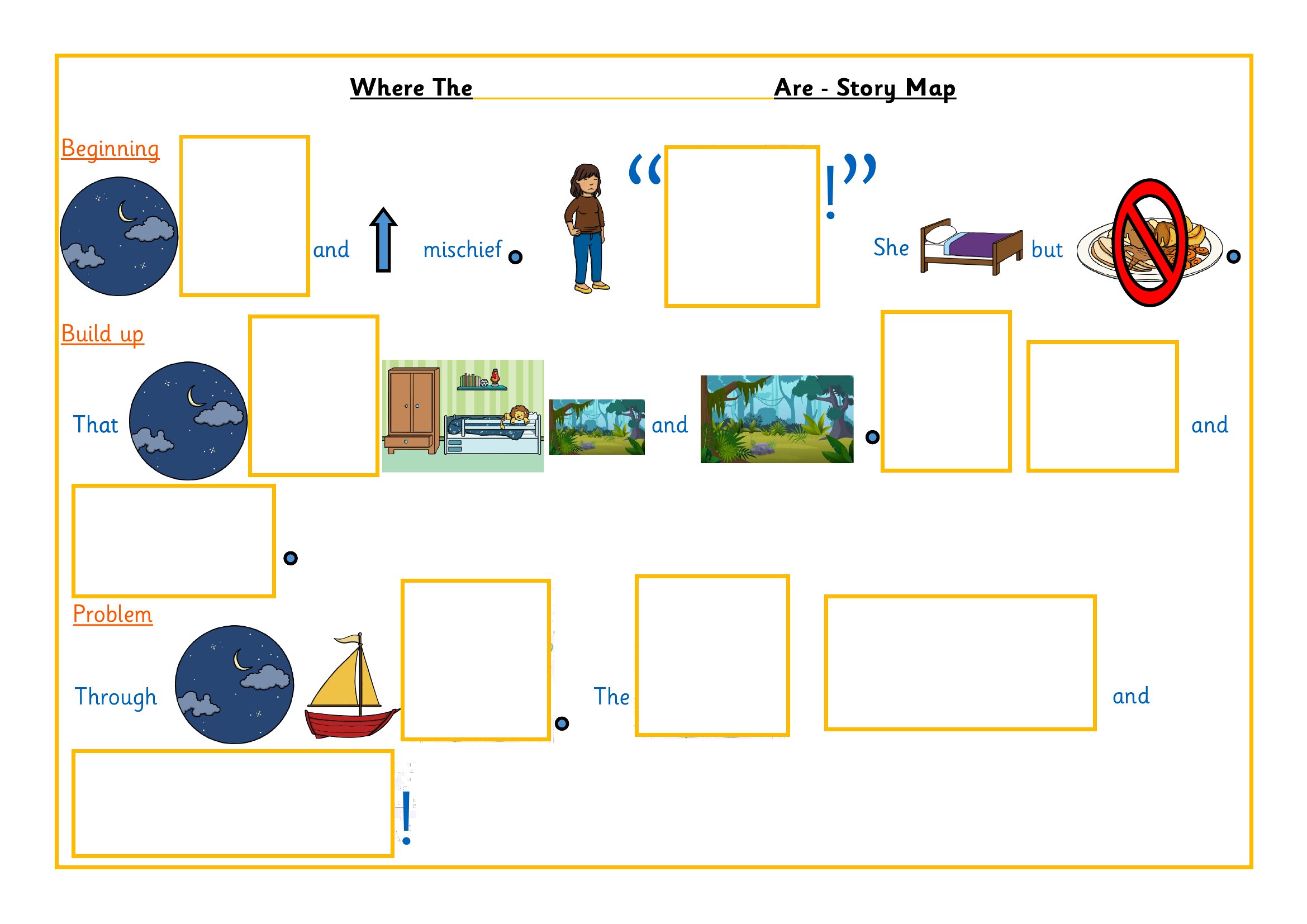
The ‘Graphic Organizer’ and ‘Arc GIS Story Maps’ templates include space for simple icons or stickers (print and paste your own). For digital use, open the Word versions in PowerPoint to add clipart, or overlay images onto the PDF as a background. Avoid relying on templates for pre-made icons—they’re text-based placeholders designed to work with any visuals you supply.
Comments
Join the conversation
Sign in to share your thoughts and leave a comment on this resource.