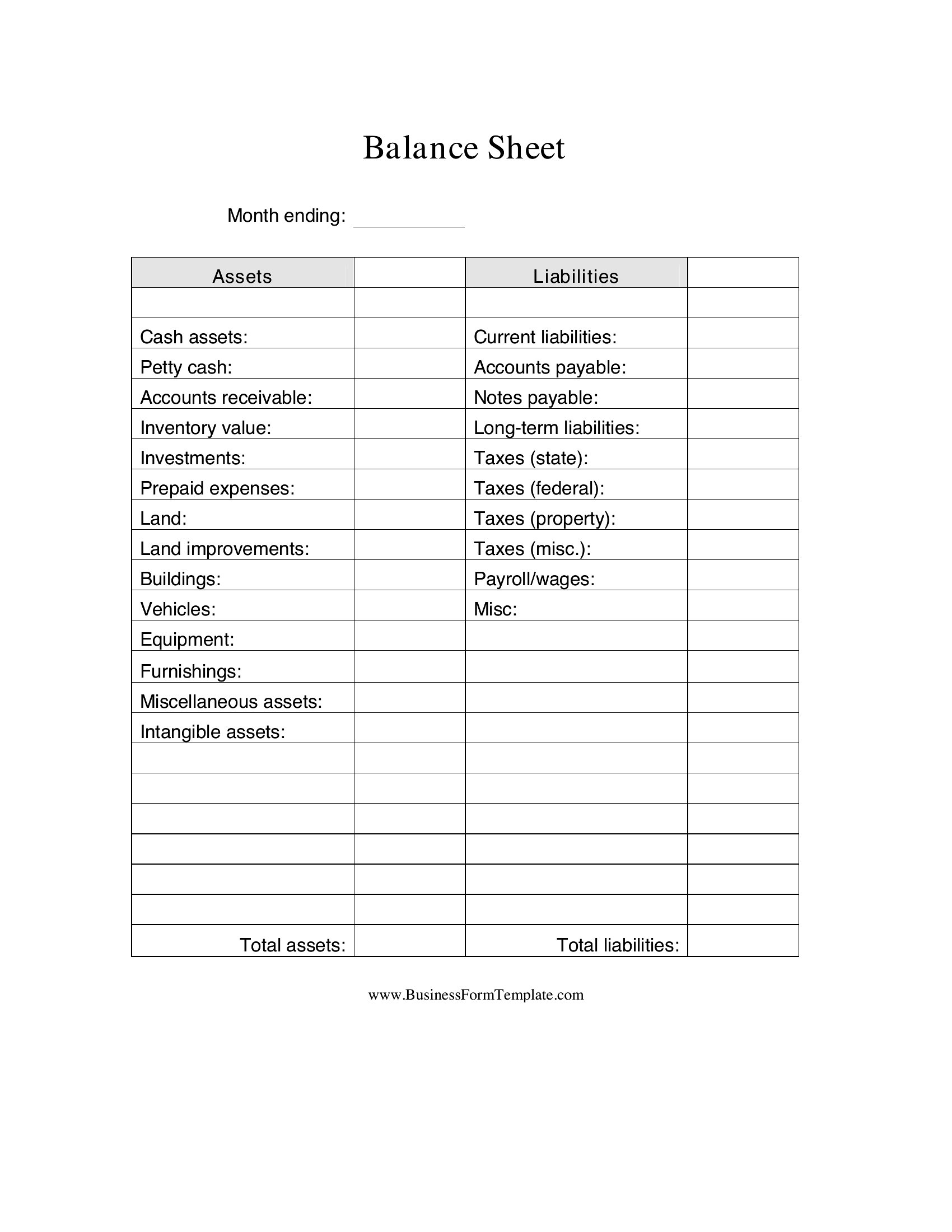
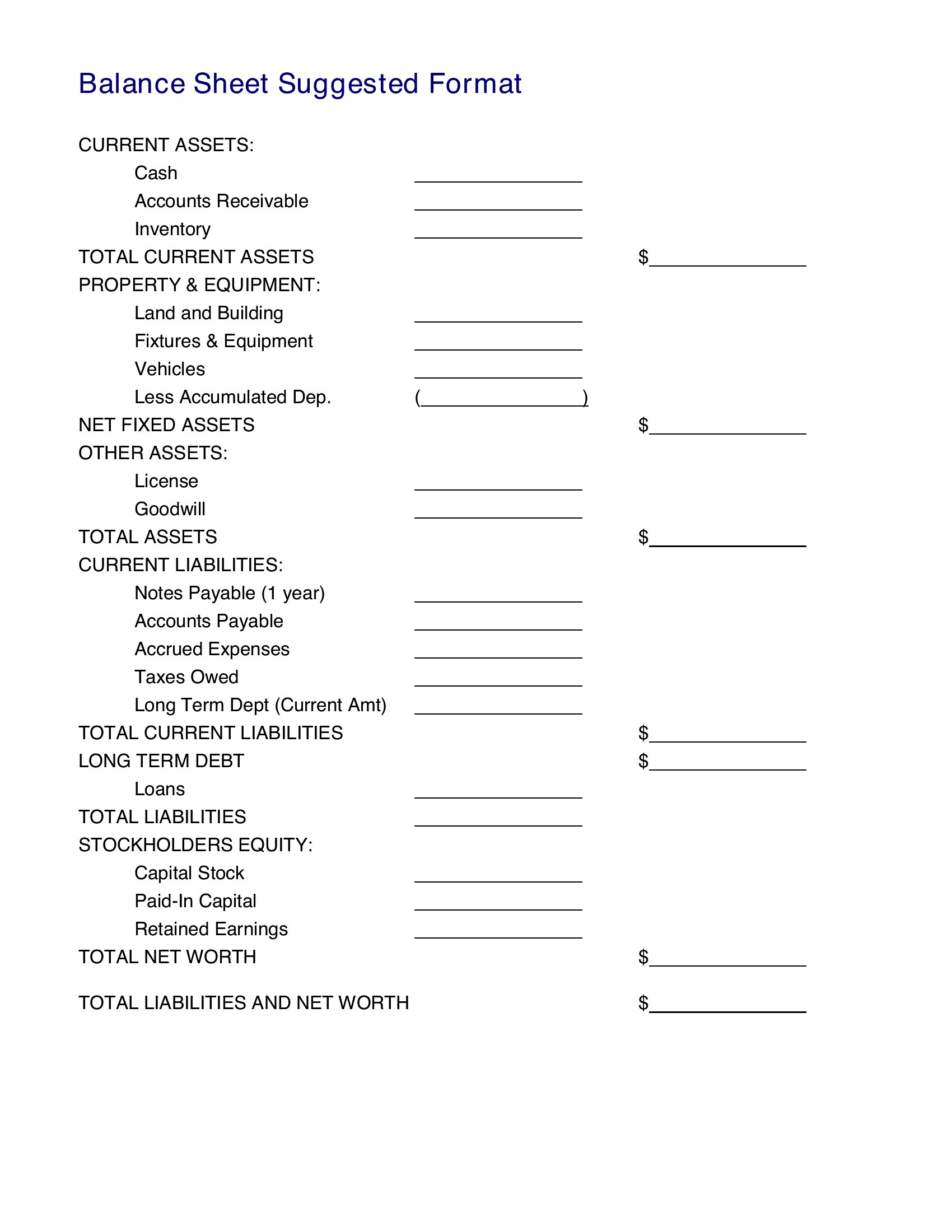
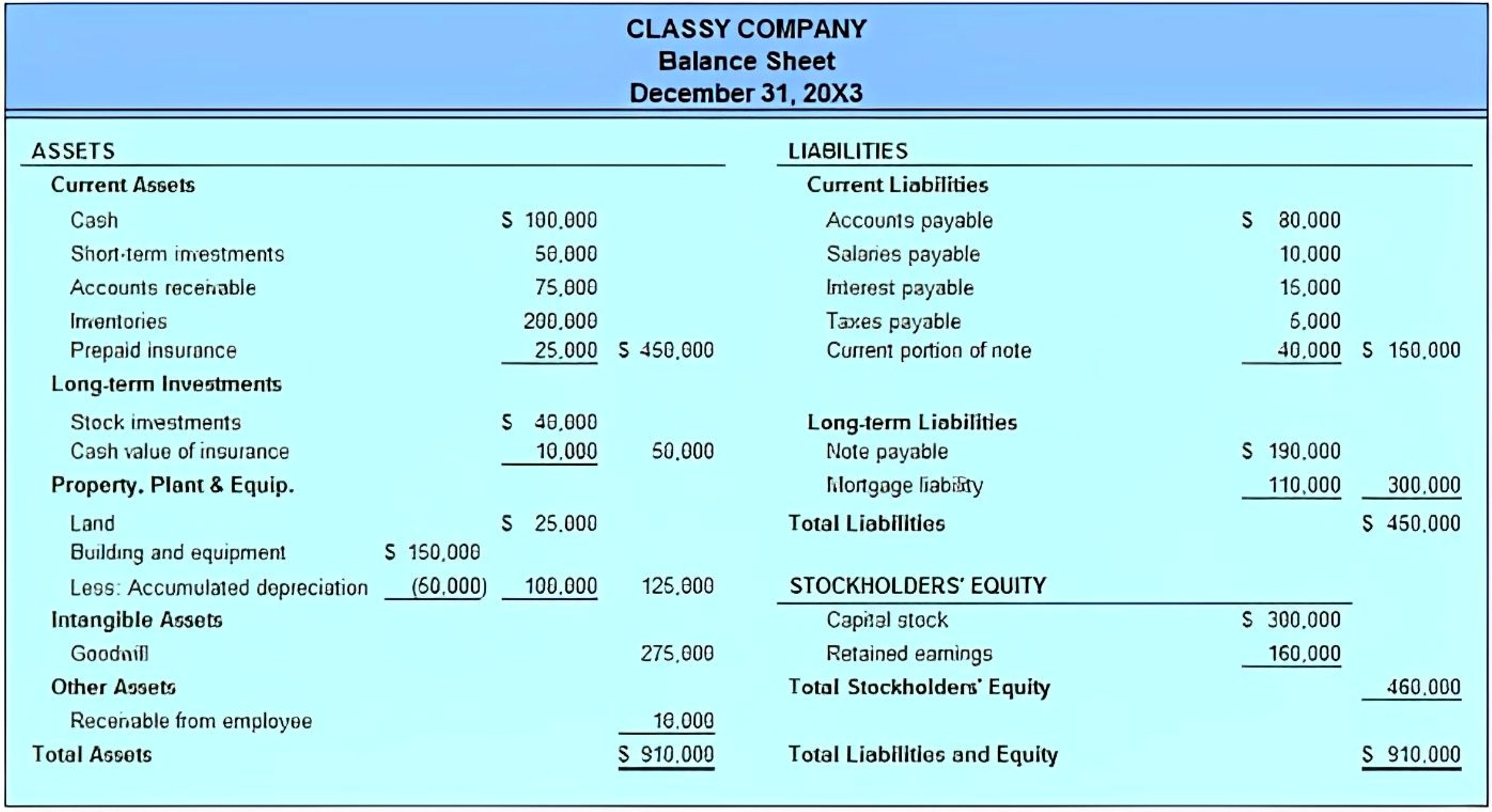
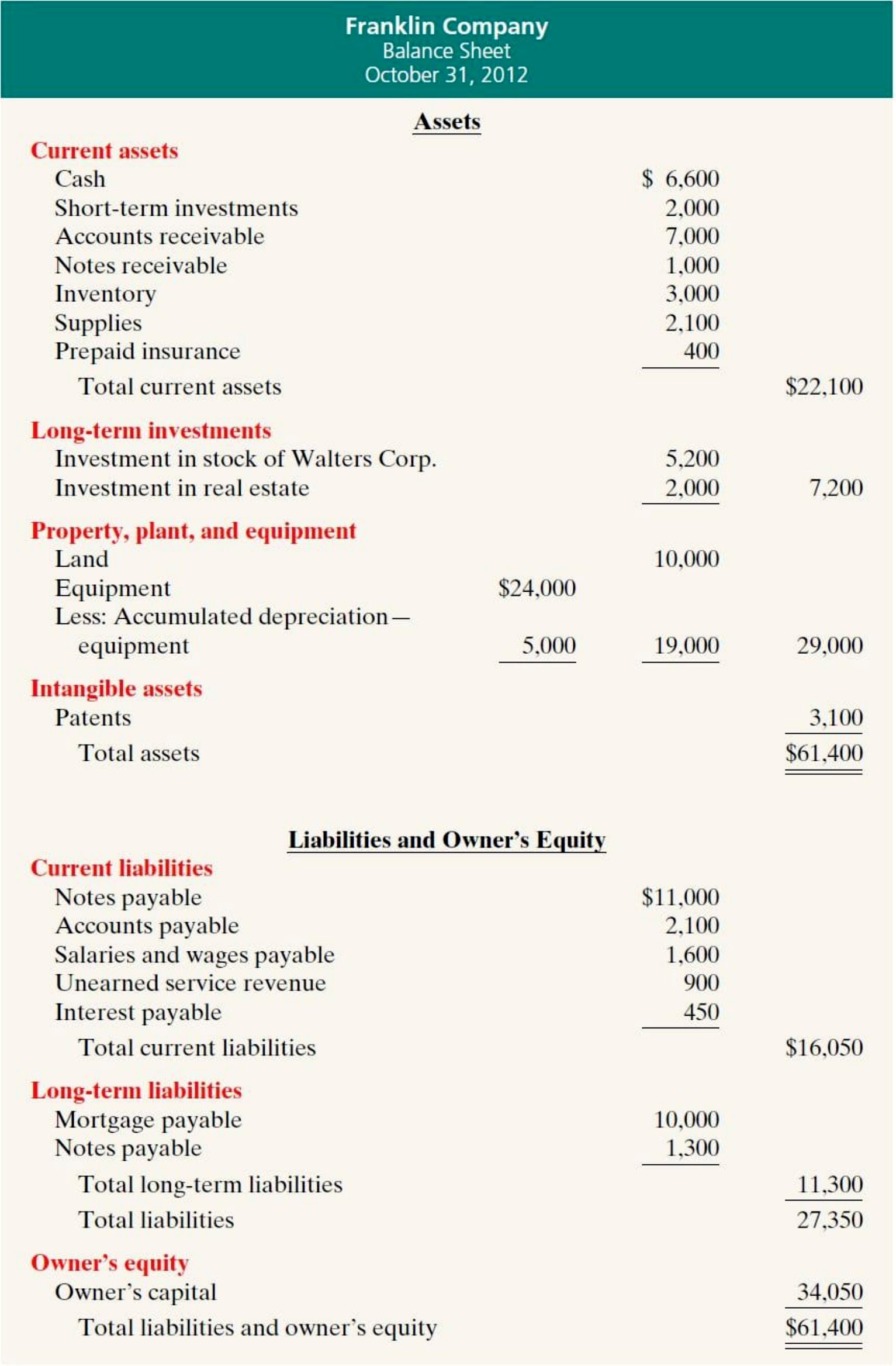
FAQ
How do these templates ensure the correct categories for current vs. long-term assets/liabilities?
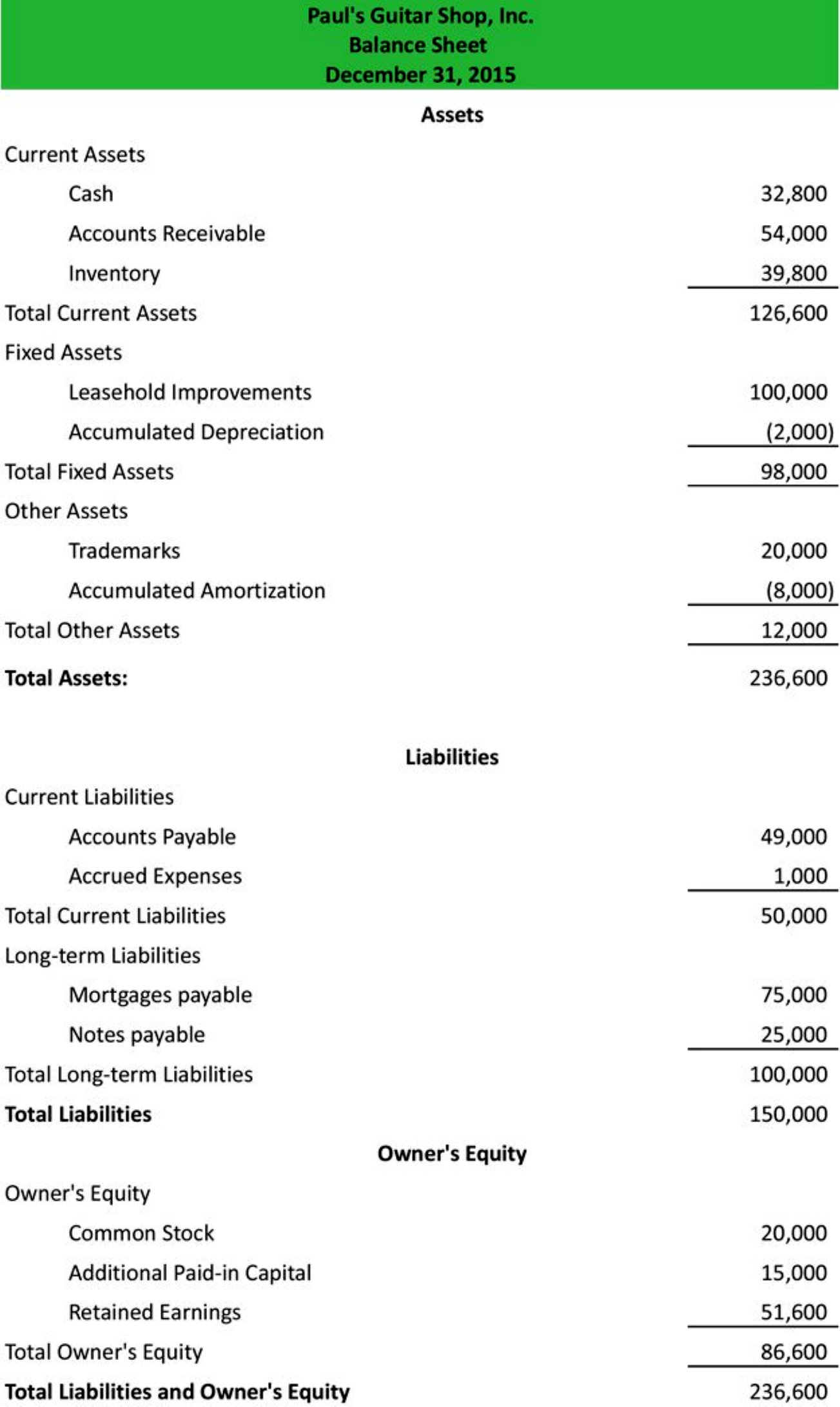
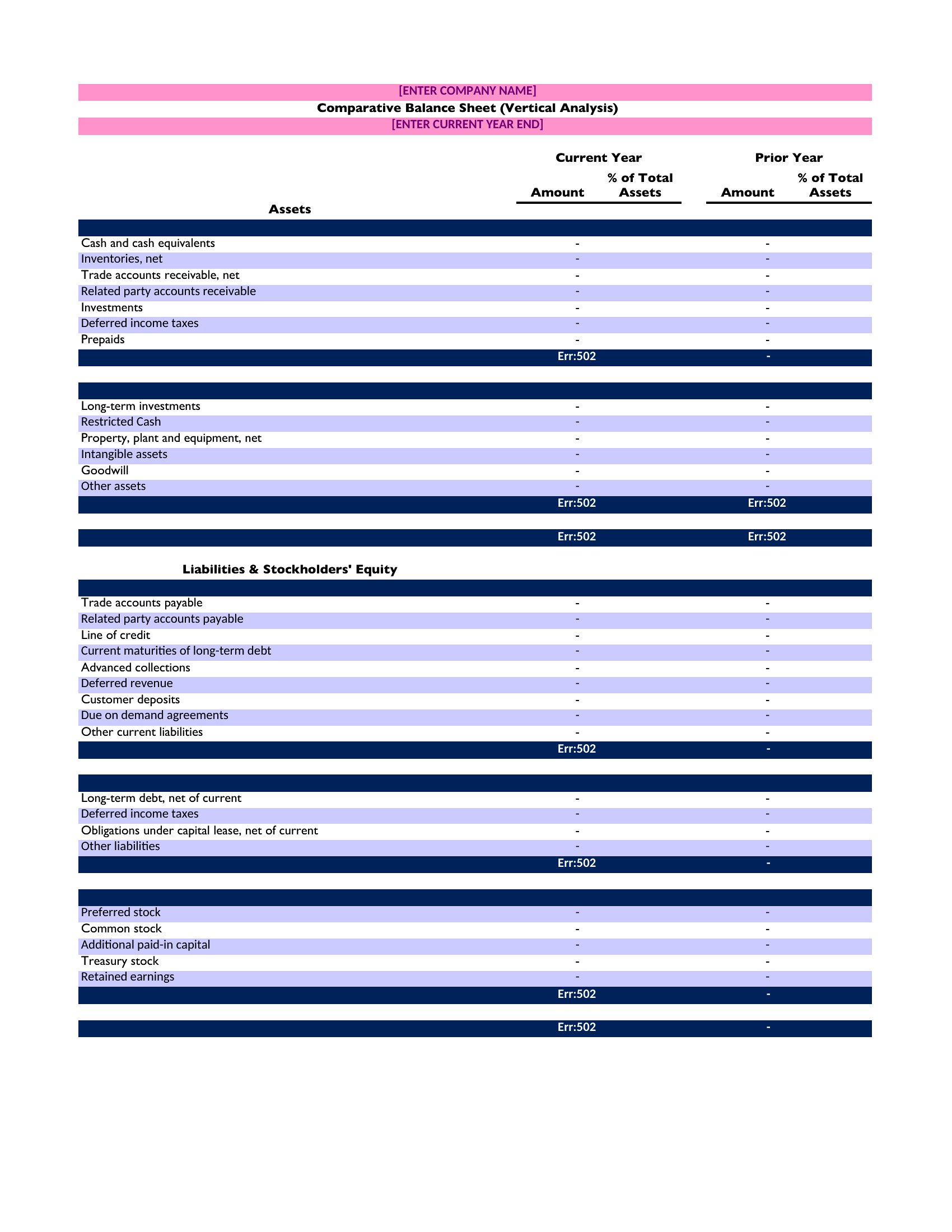
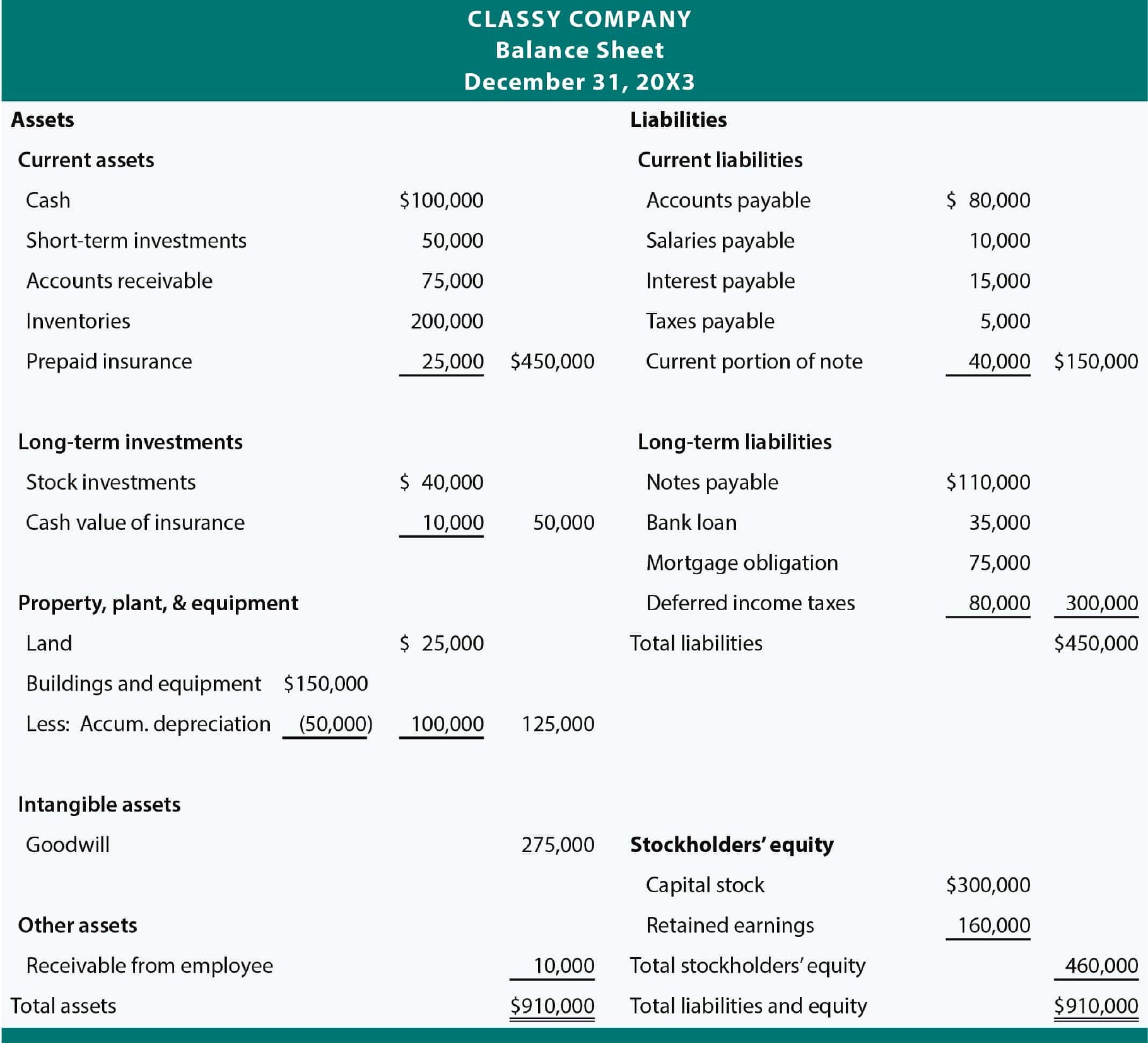
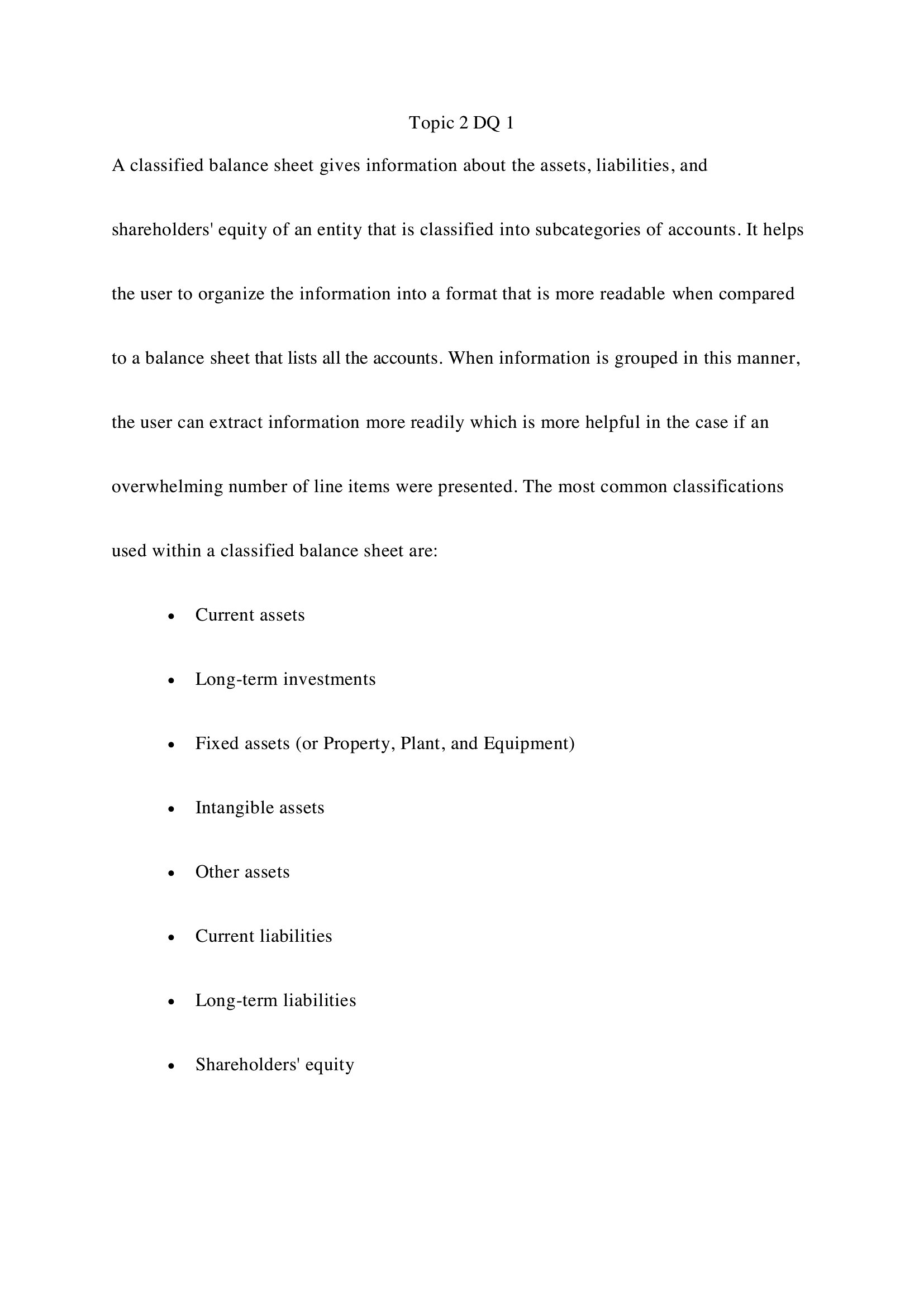
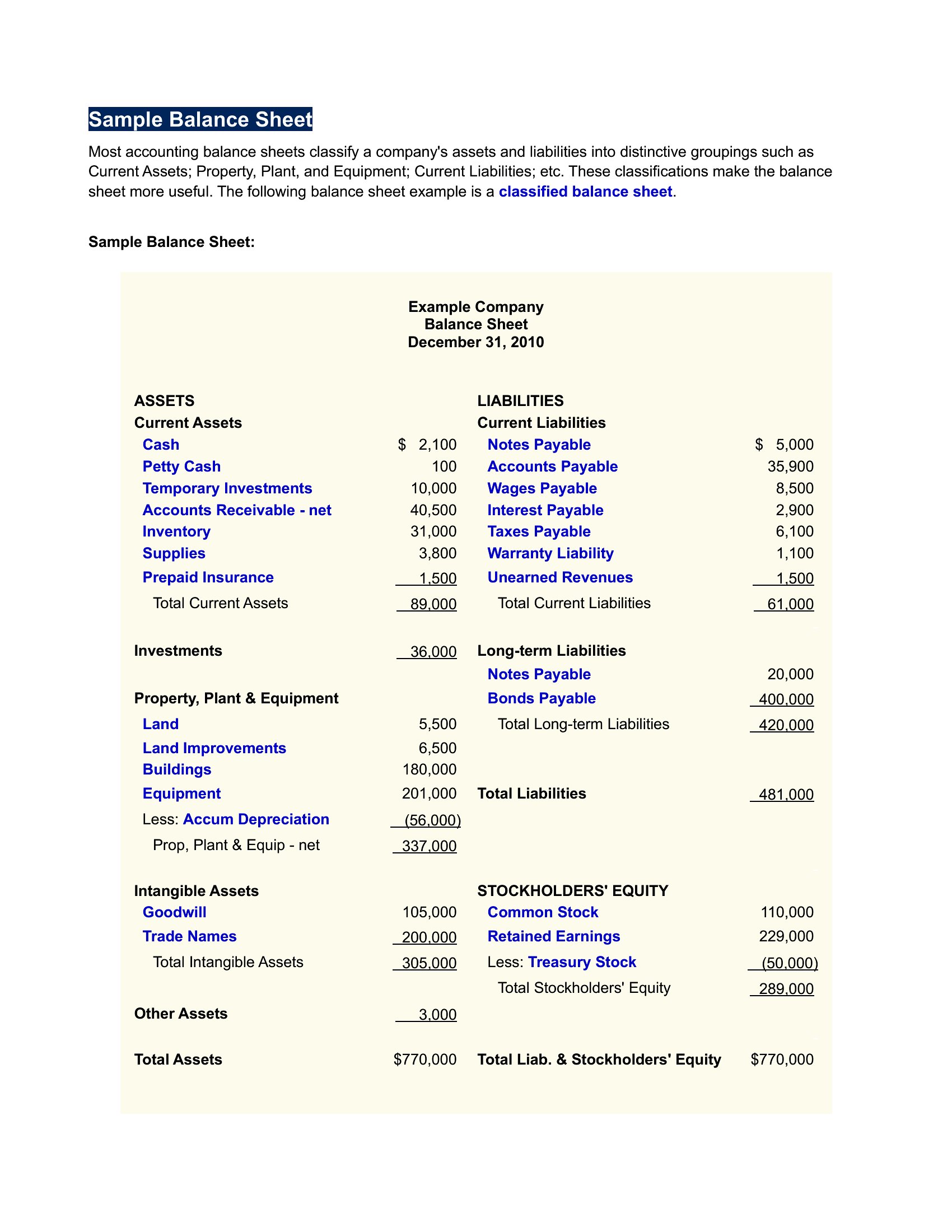
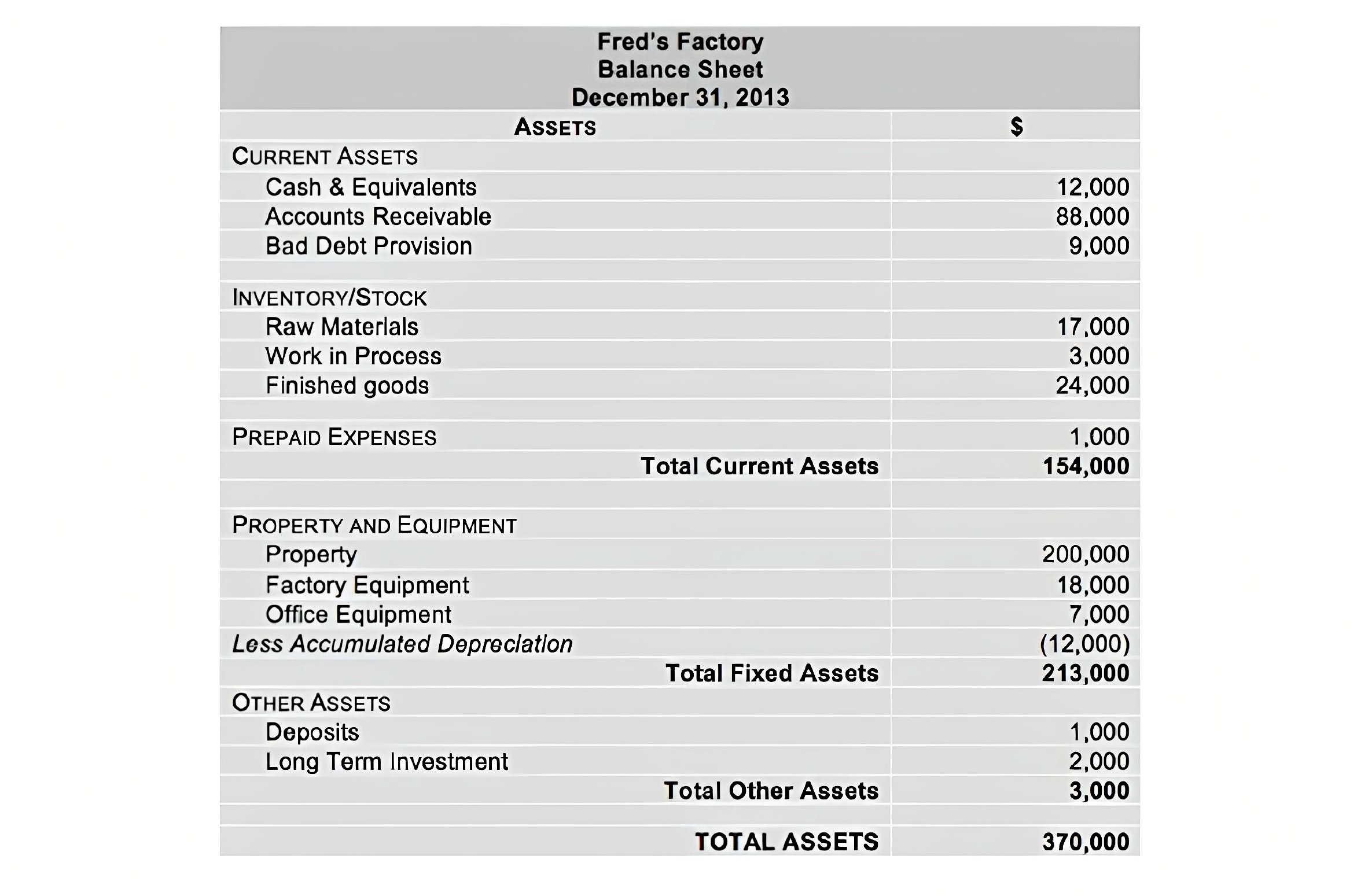
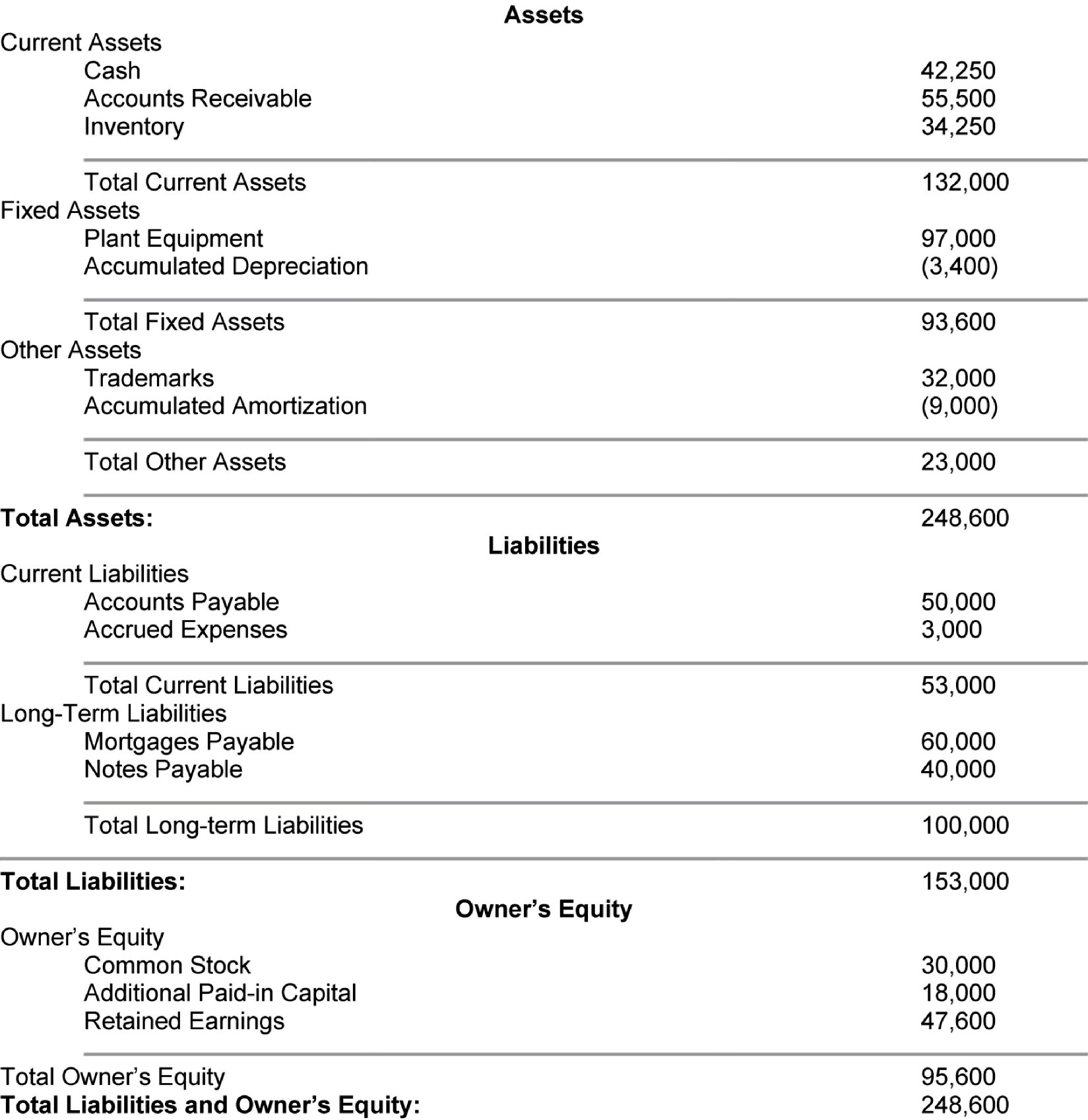
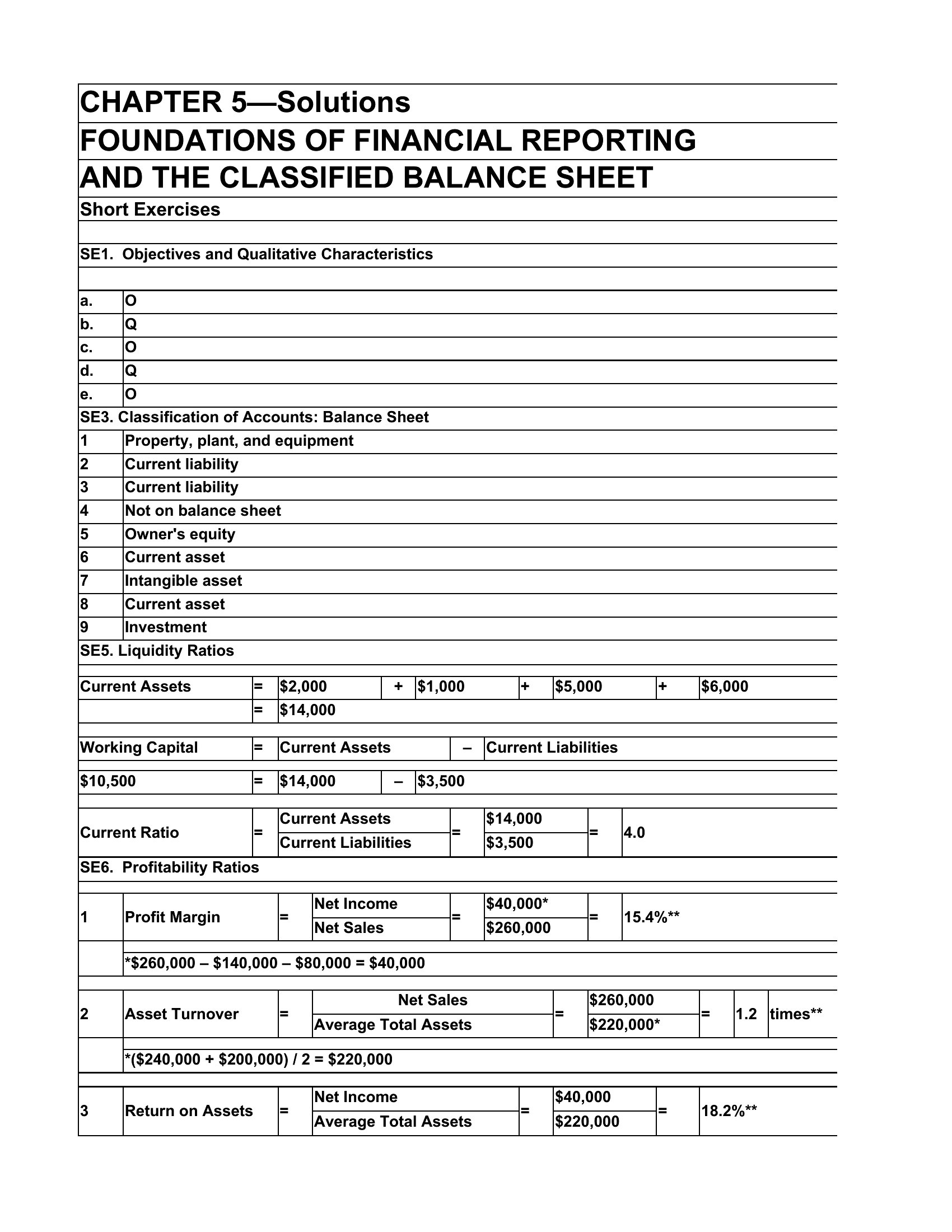
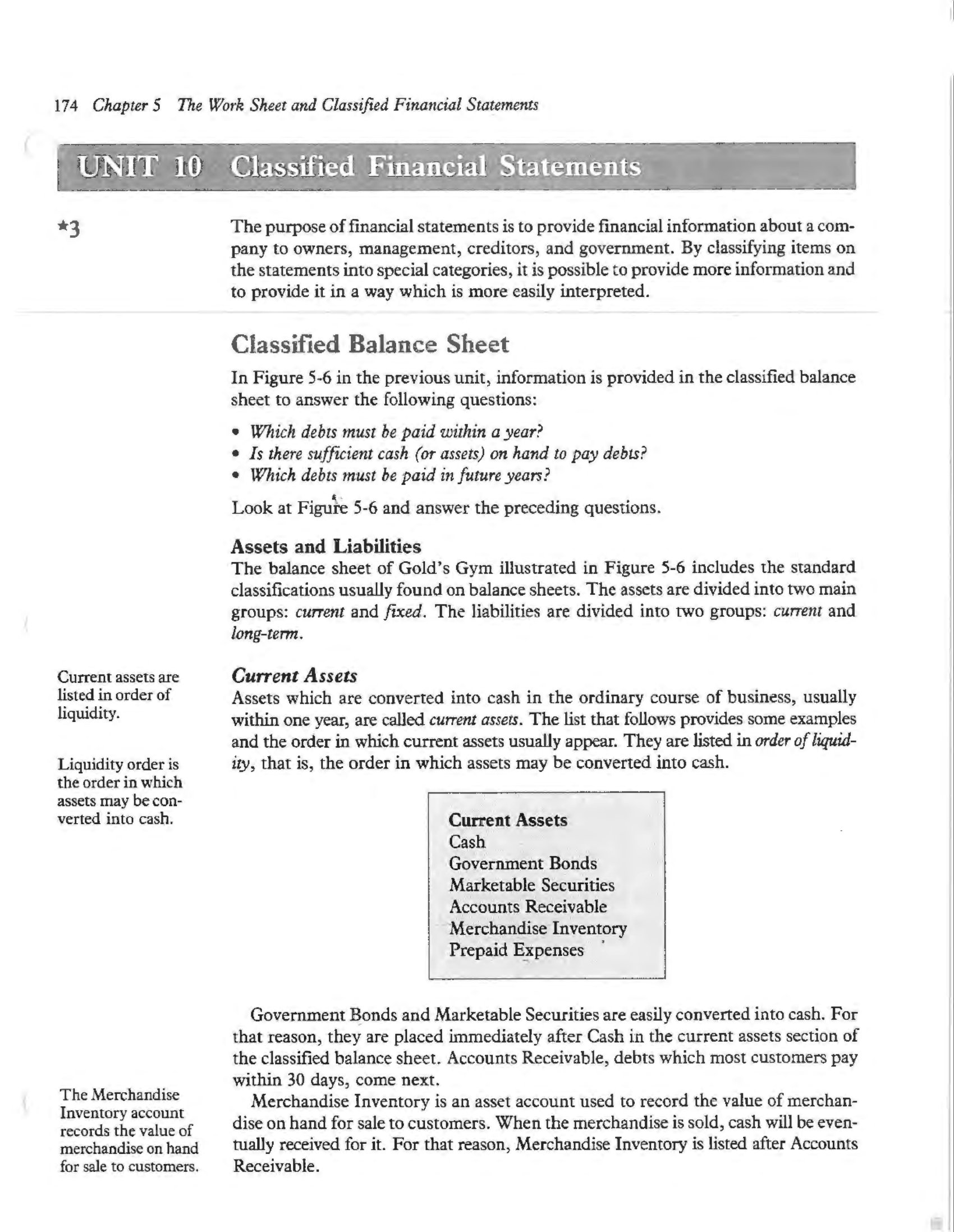
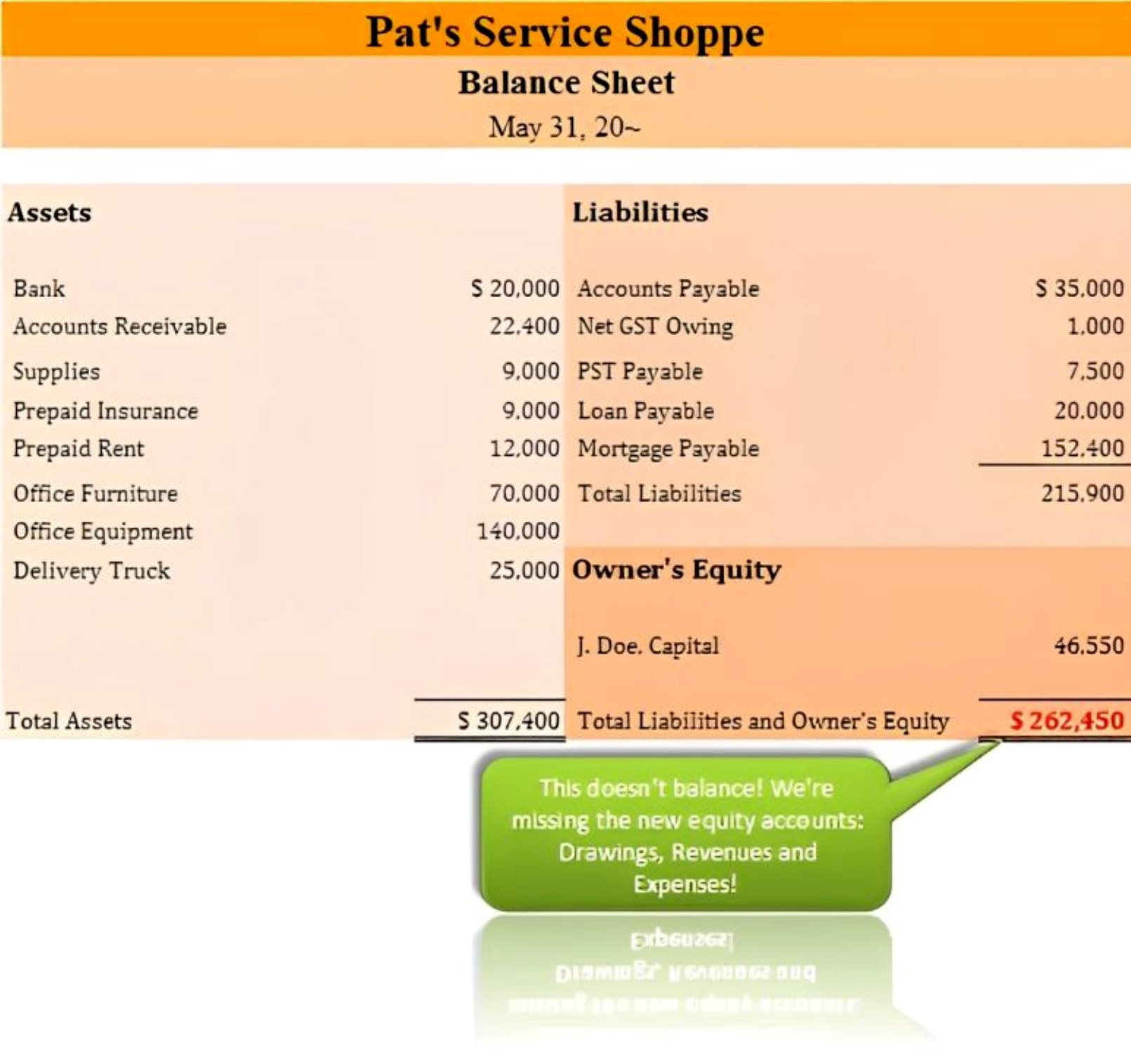
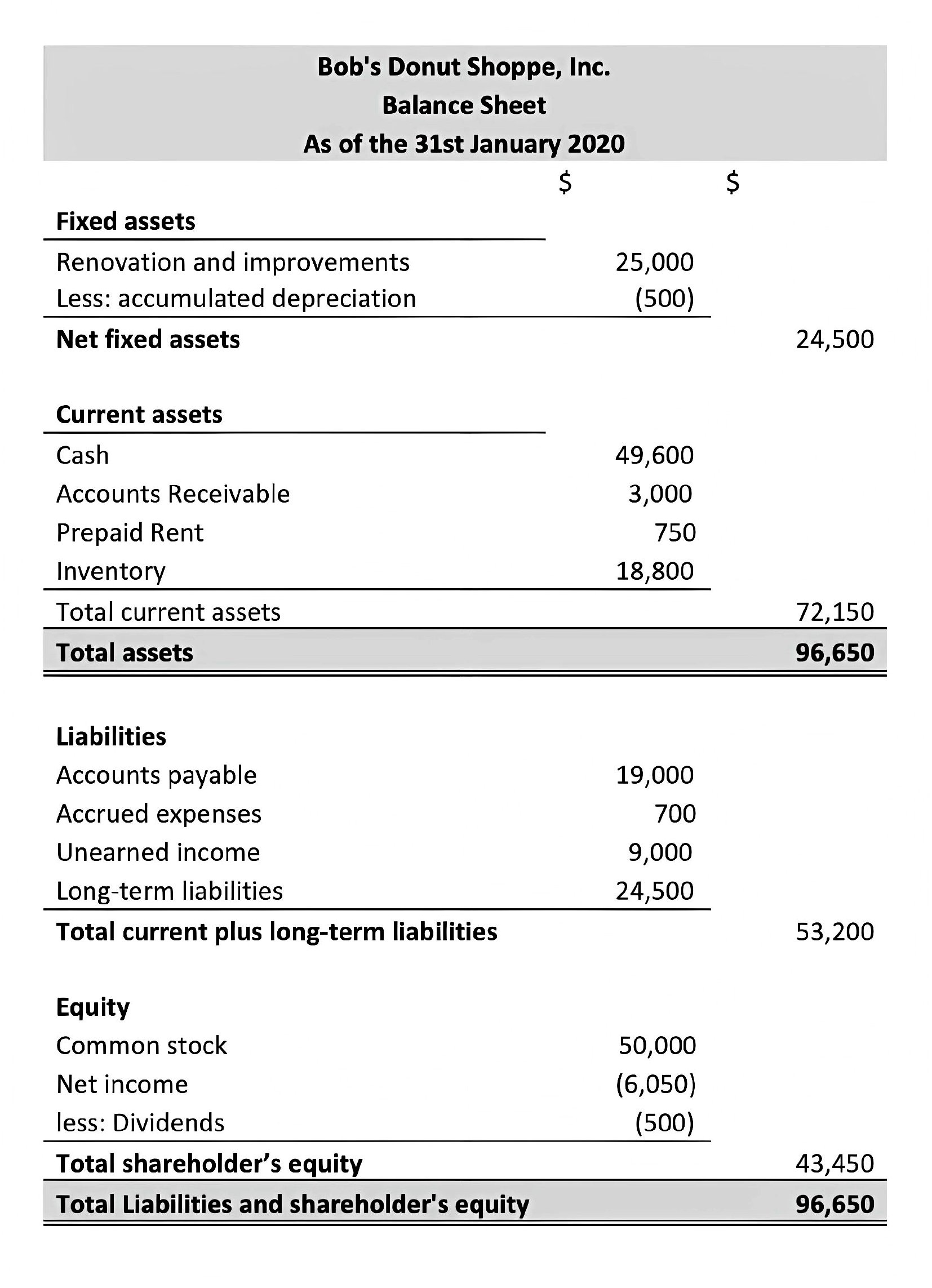
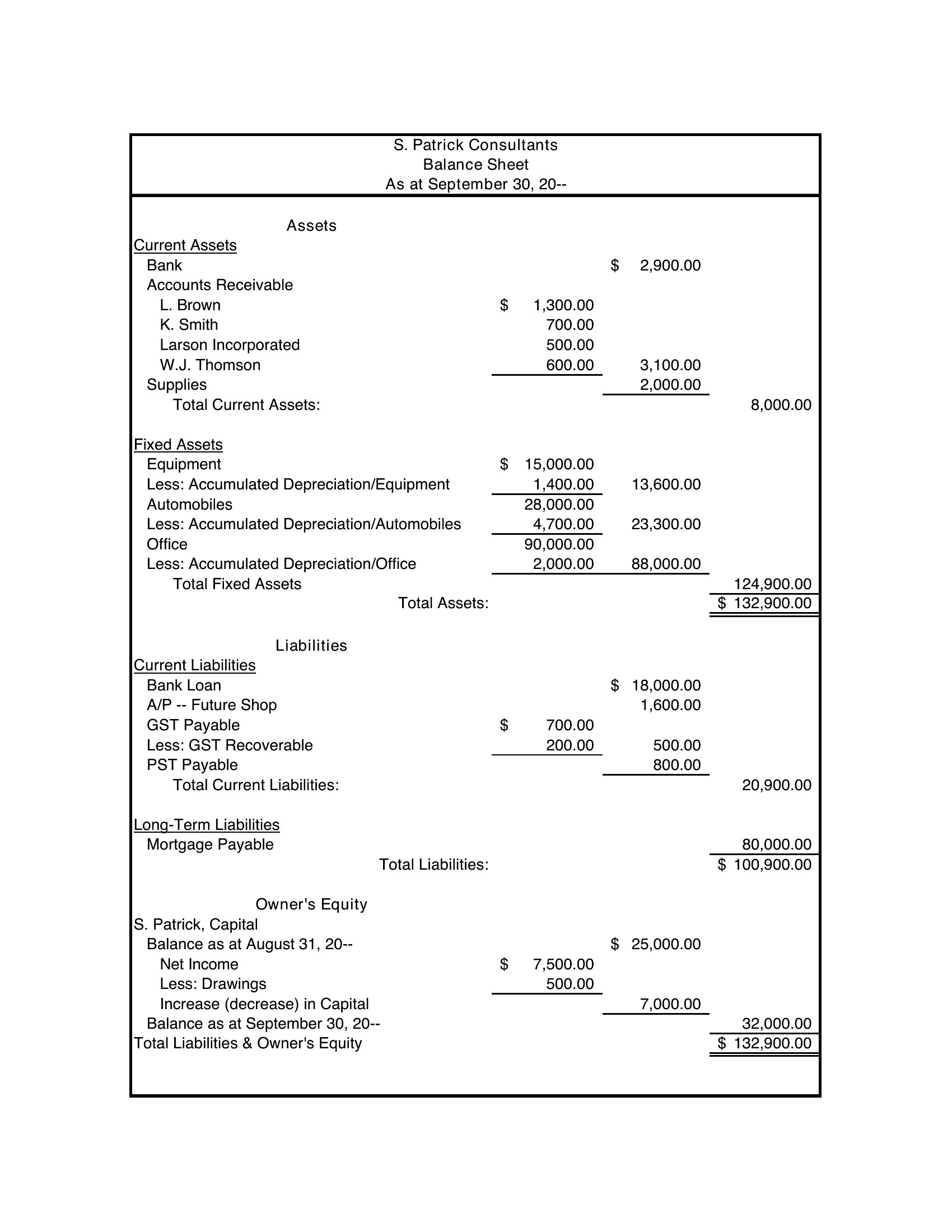
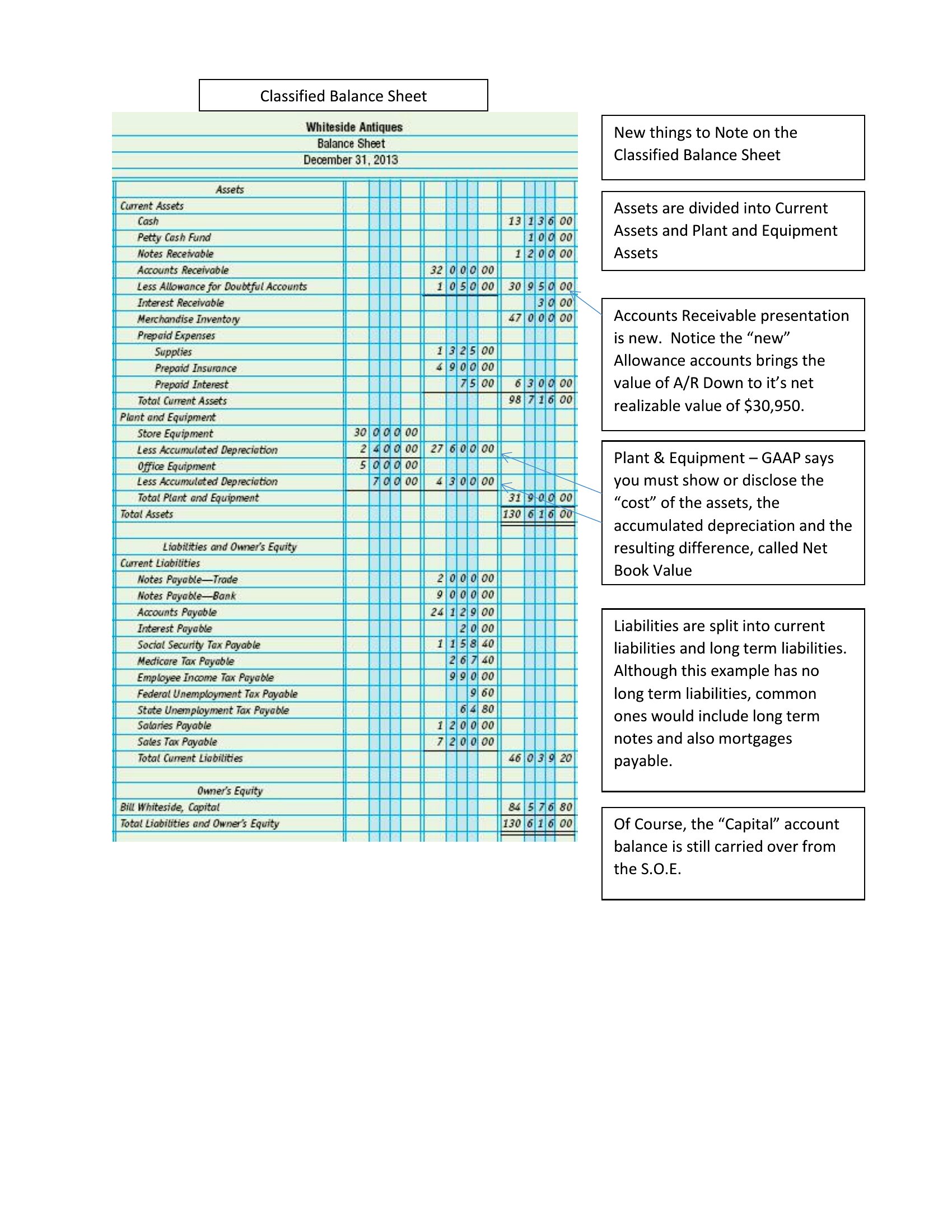
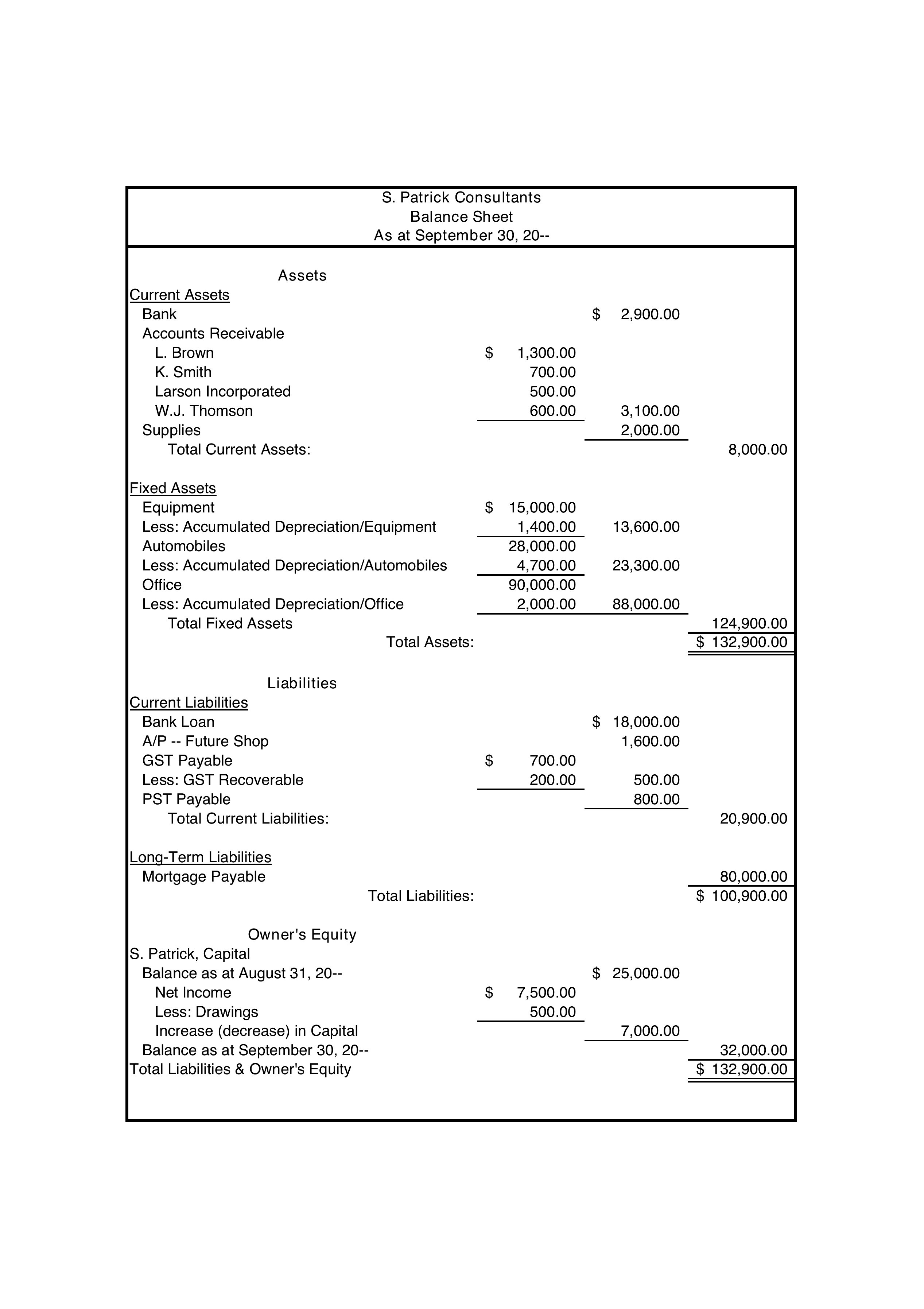
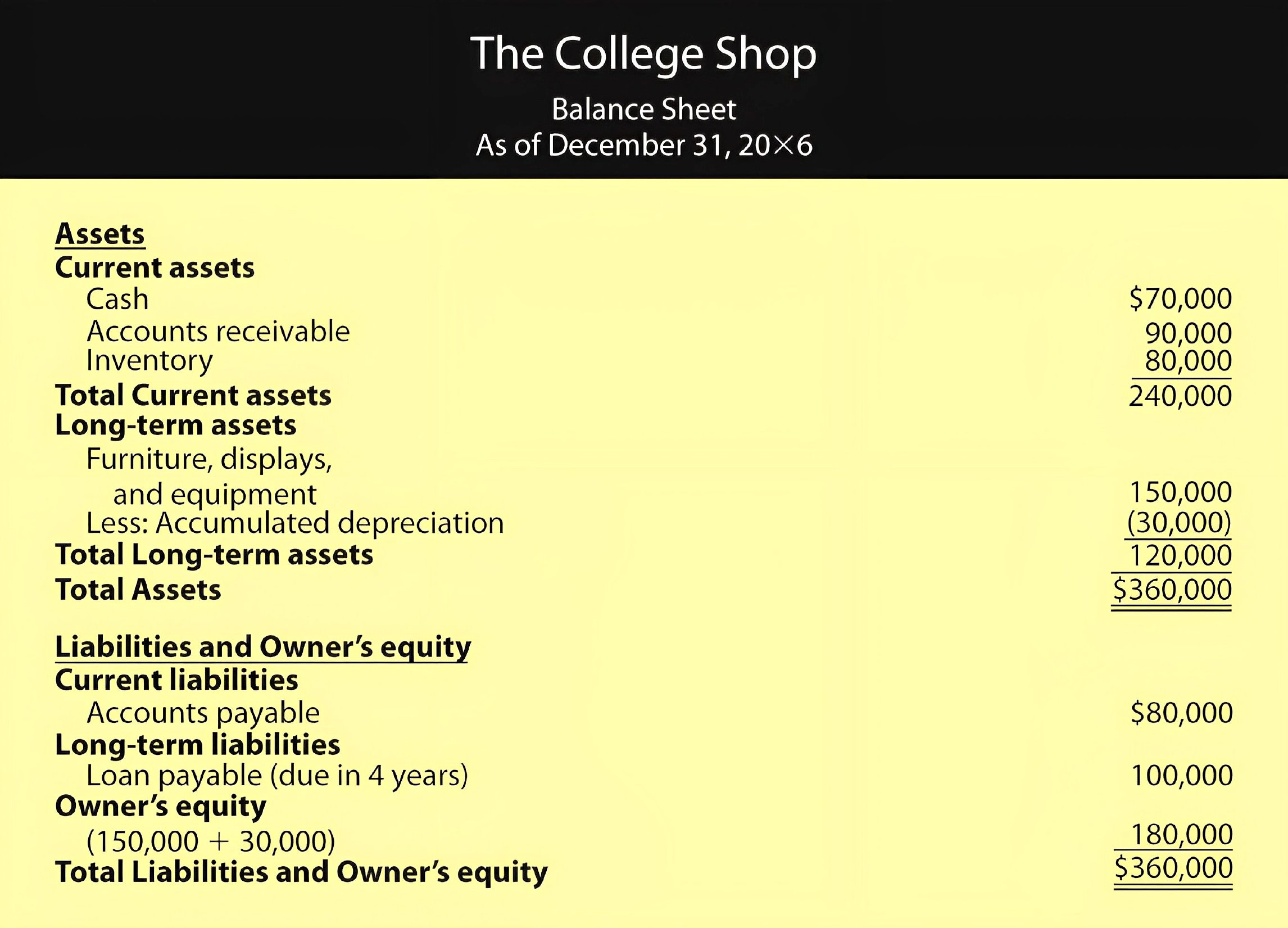
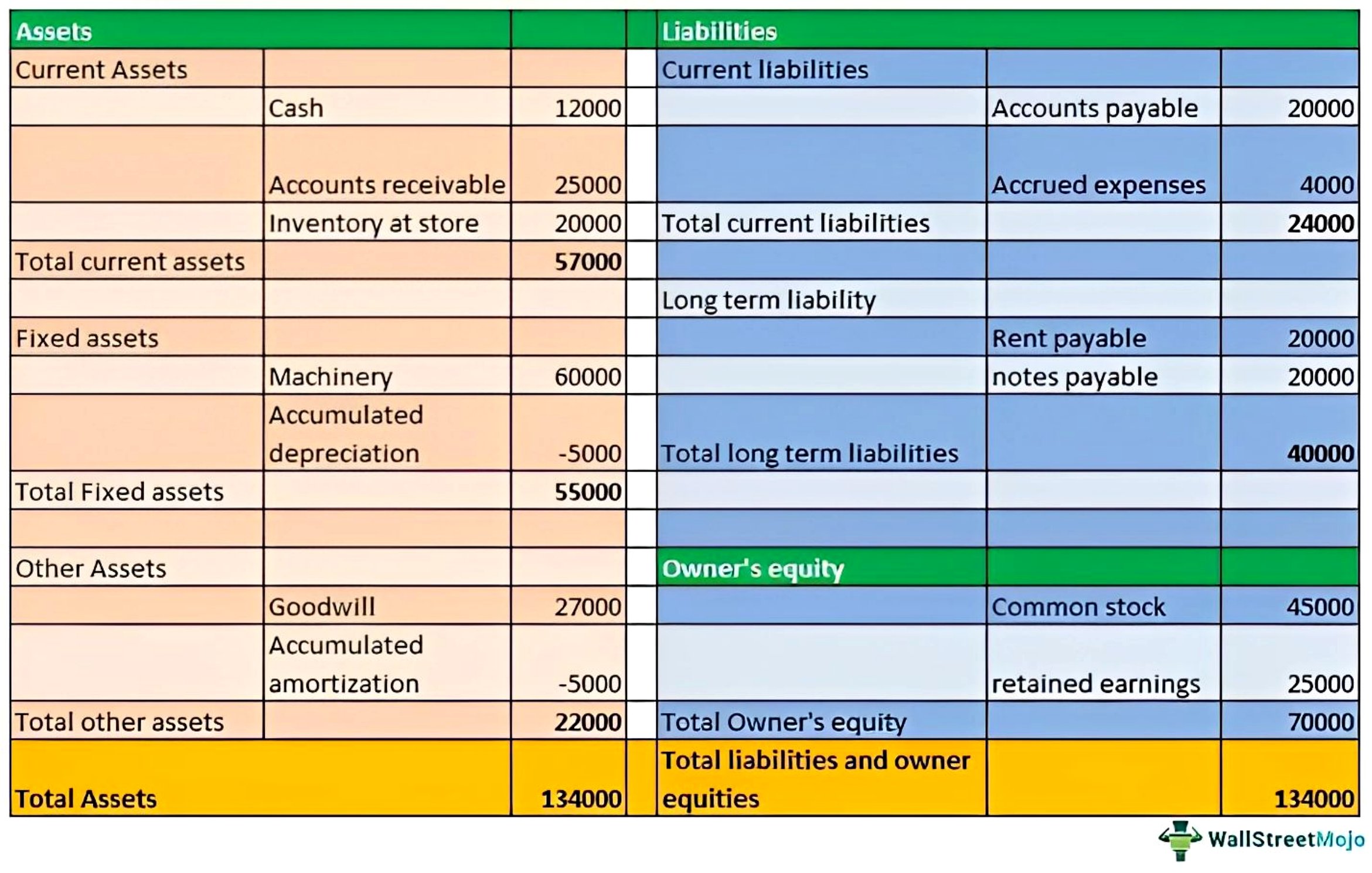
Each template follows standard accounting classifications, grouping items like cash and accounts receivable under current assets, and property or long-term loans under non-current. The subtotals are pre-set to clearly separate these sections, reducing manual errors for users unfamiliar with GAAP hierarchy.
Can I use these templates if my business has unique asset types, like intellectual property or prepaid expenses?
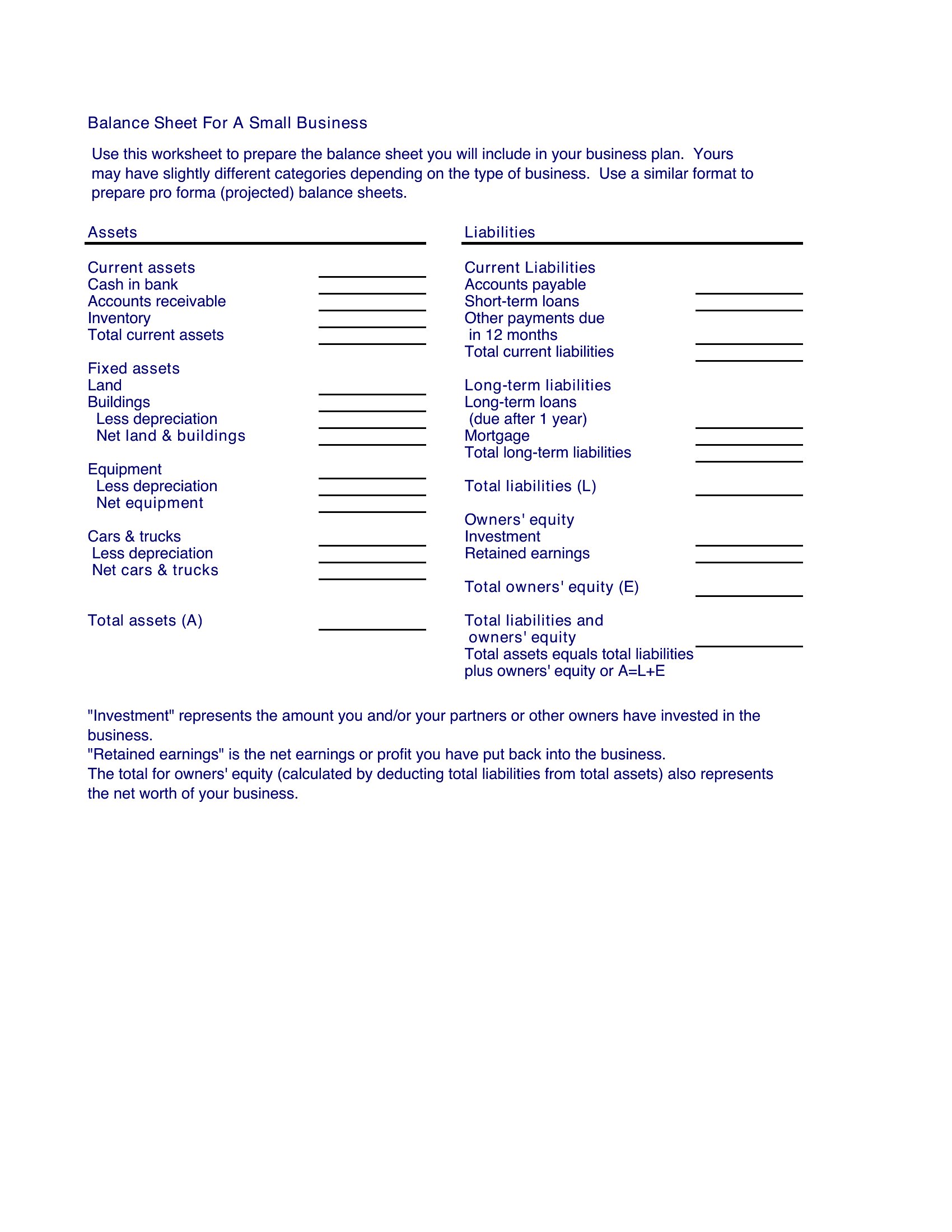
Yes, the Excel format allows you to add custom rows under the appropriate sections (e.g., intangible assets under non-current). The PDF version is static but includes placeholder lines for less common items—just replace the generic labels with your specifics. Always consult an accountant to ensure proper classification.
What’s the difference between a classified balance sheet and a standard one, and why does clarity matter?
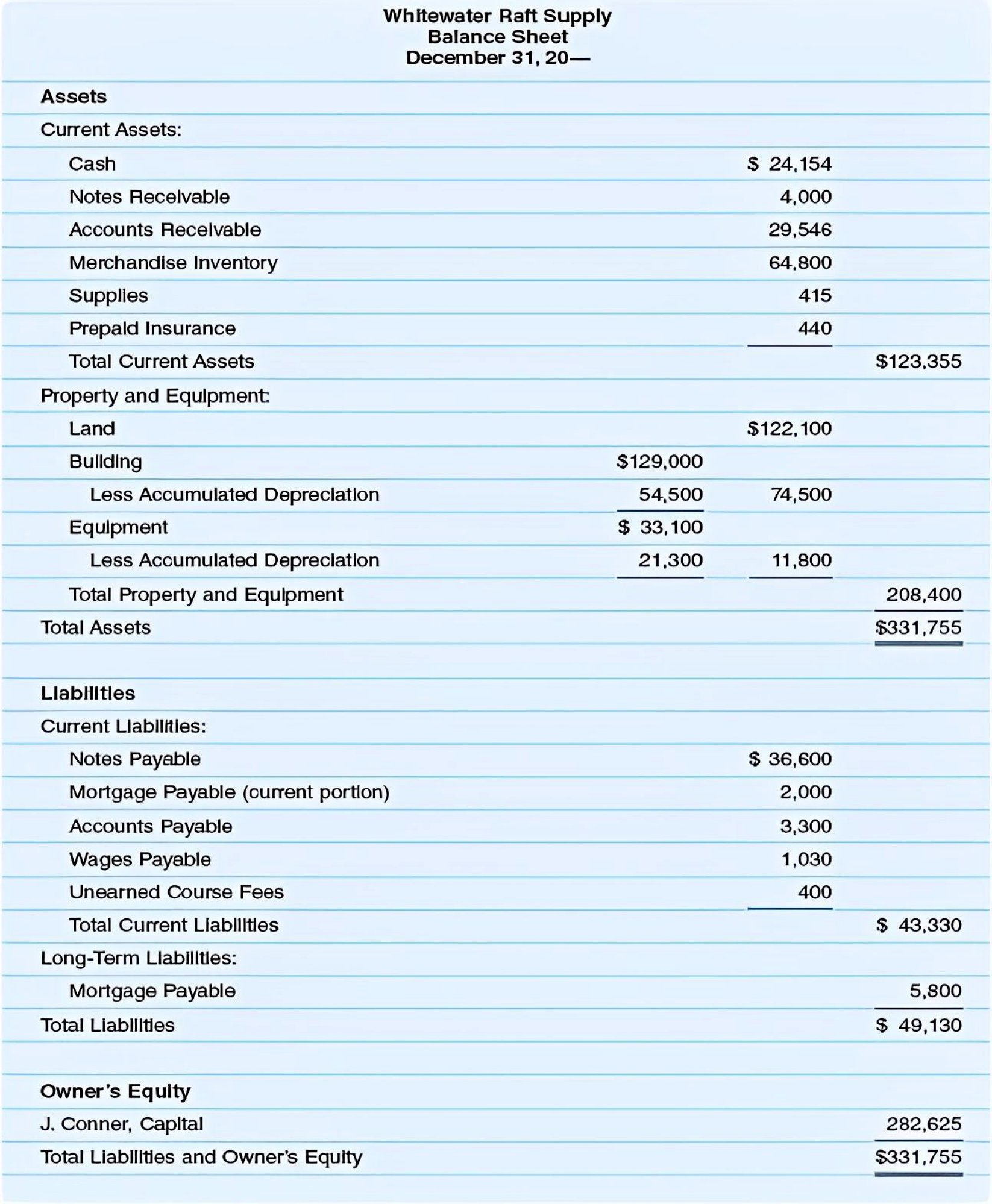
A classified sheet groups items by liquidity (current/long-term), while a standard sheet lists everything in one column. Clarity matters because lenders and investors quickly spot liquidity risks (e.g., high current liabilities) or hidden value (e.g., deferred revenue) when assets/liabilities are separated, aiding faster decision-making.
Comments
Join the conversation
Sign in to share your thoughts and leave a comment on this resource.