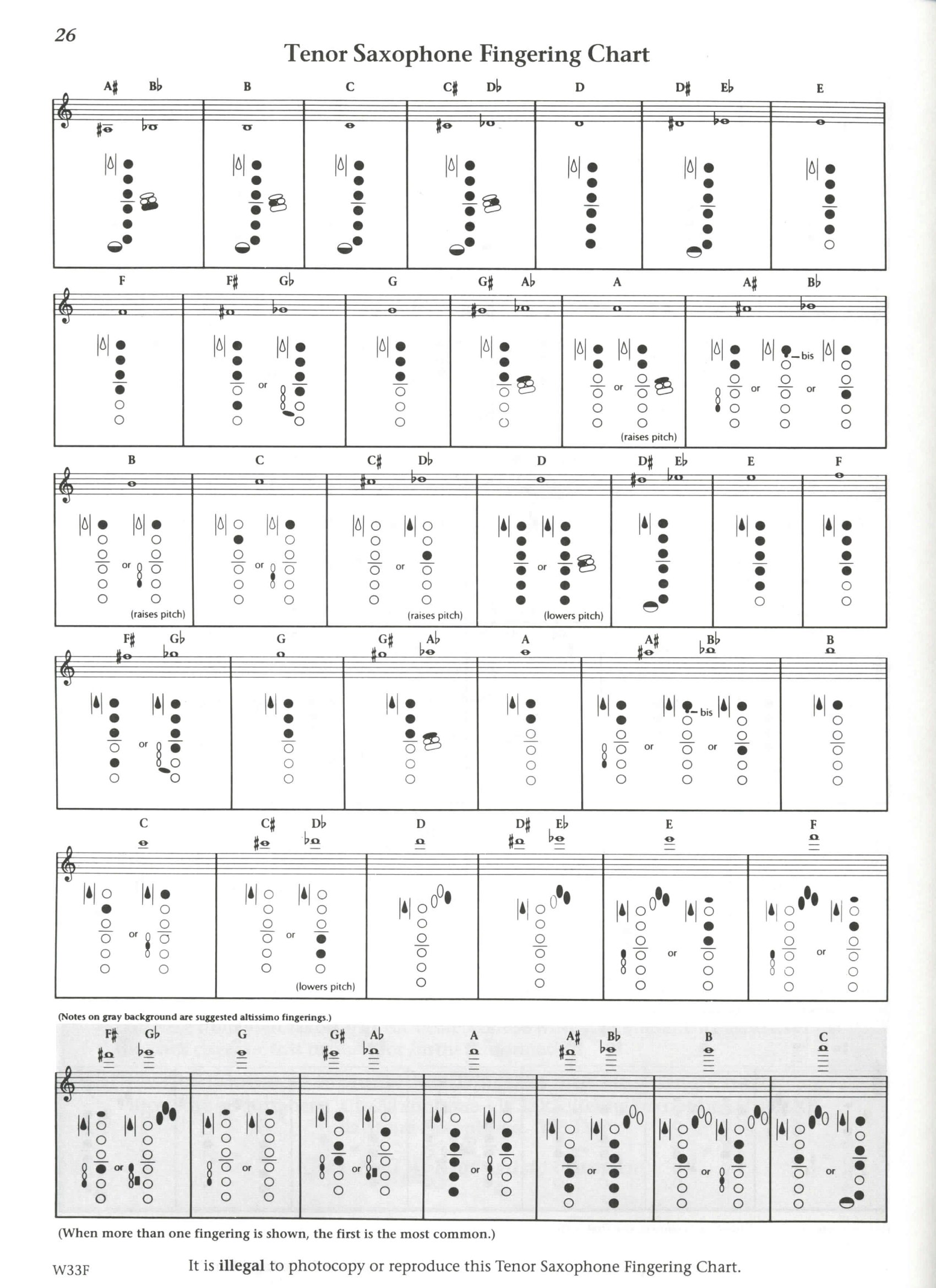
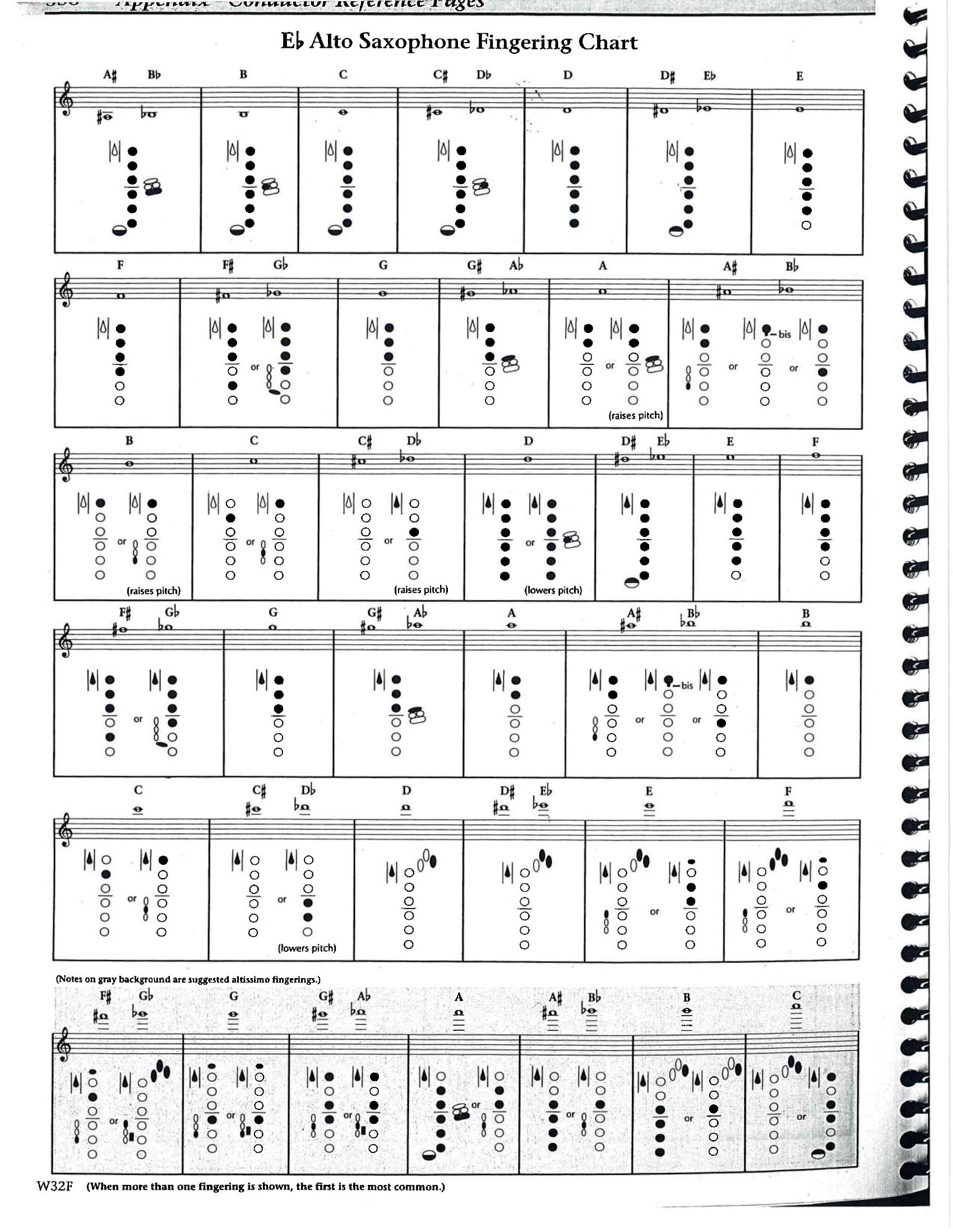
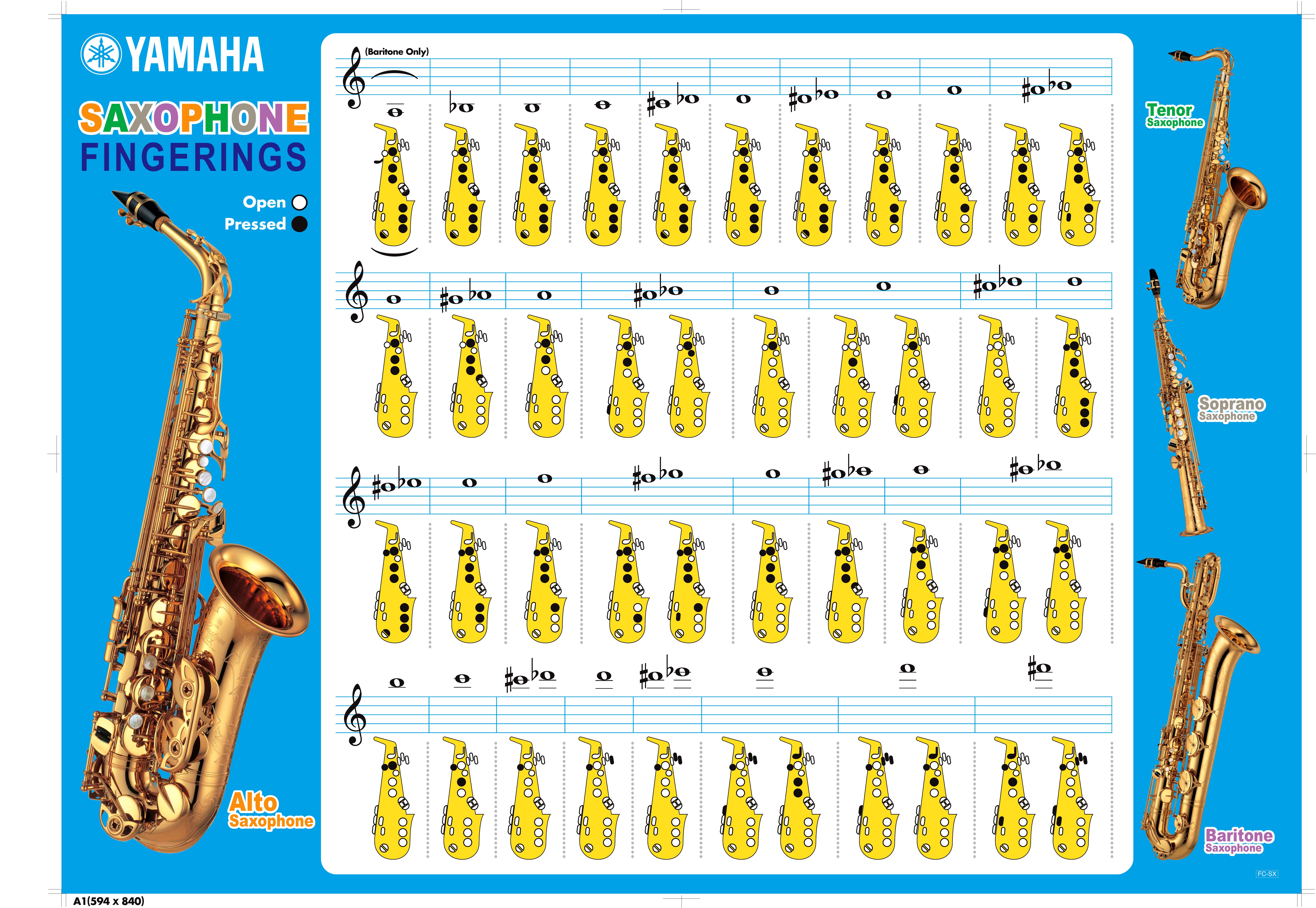
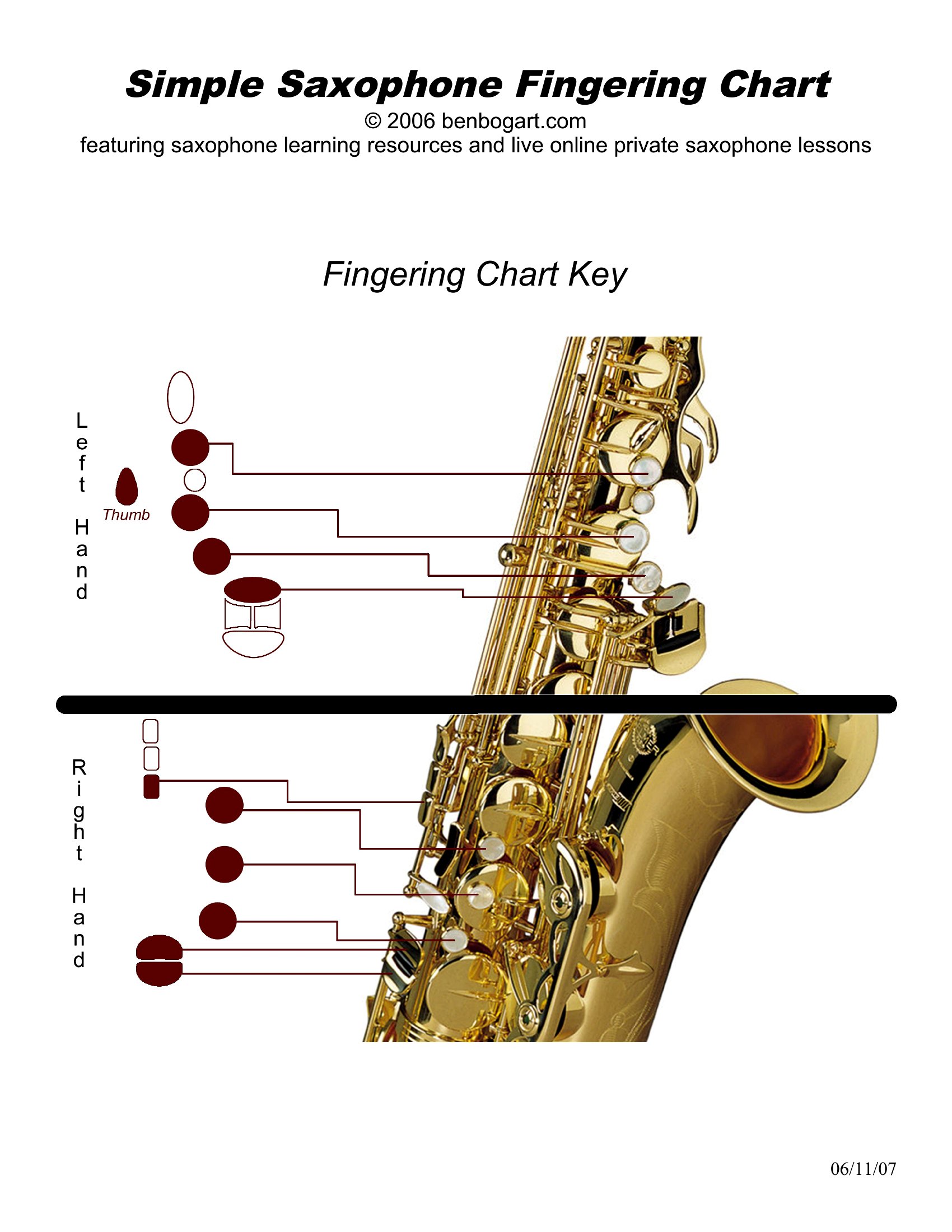
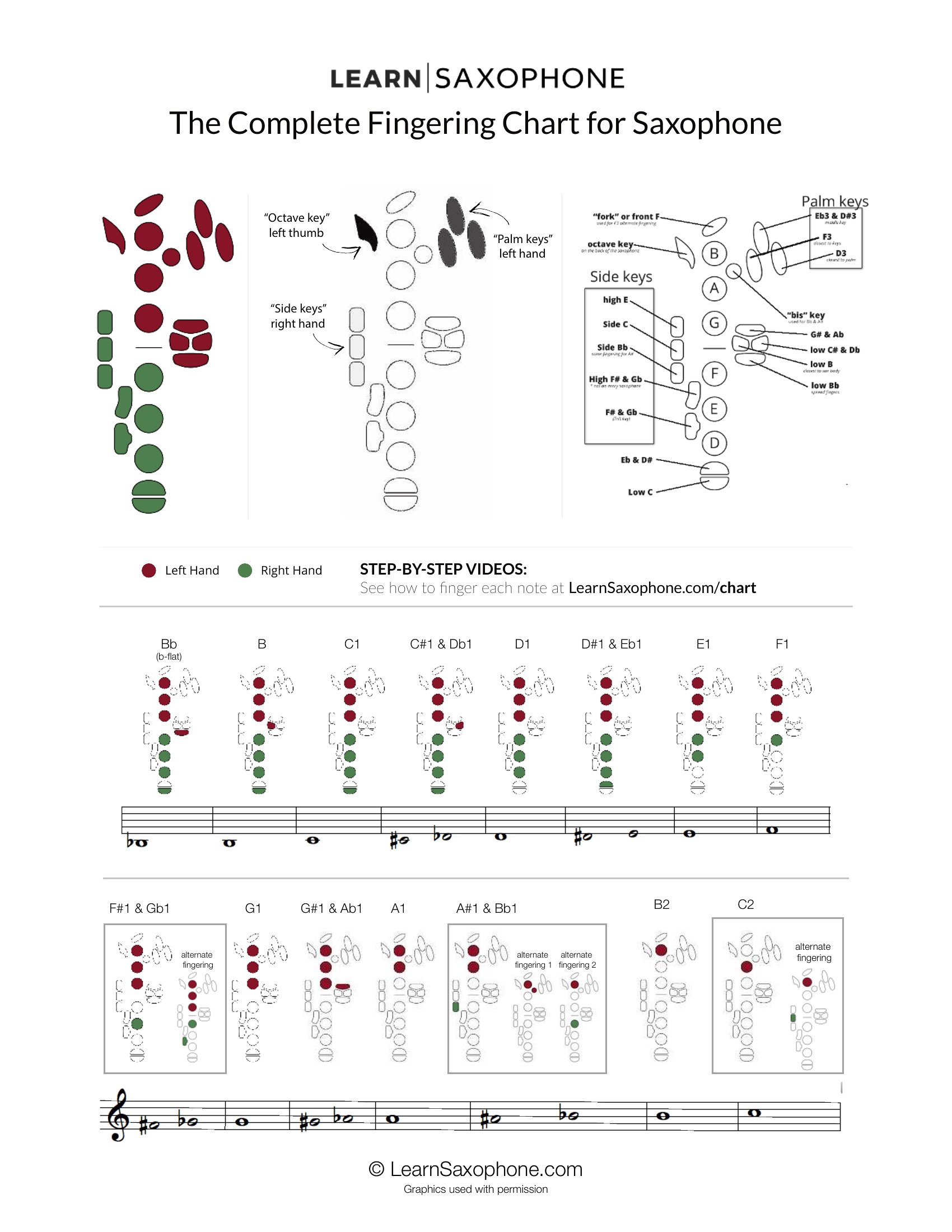
Free Tenor Sax Fingering Charts (PDF)
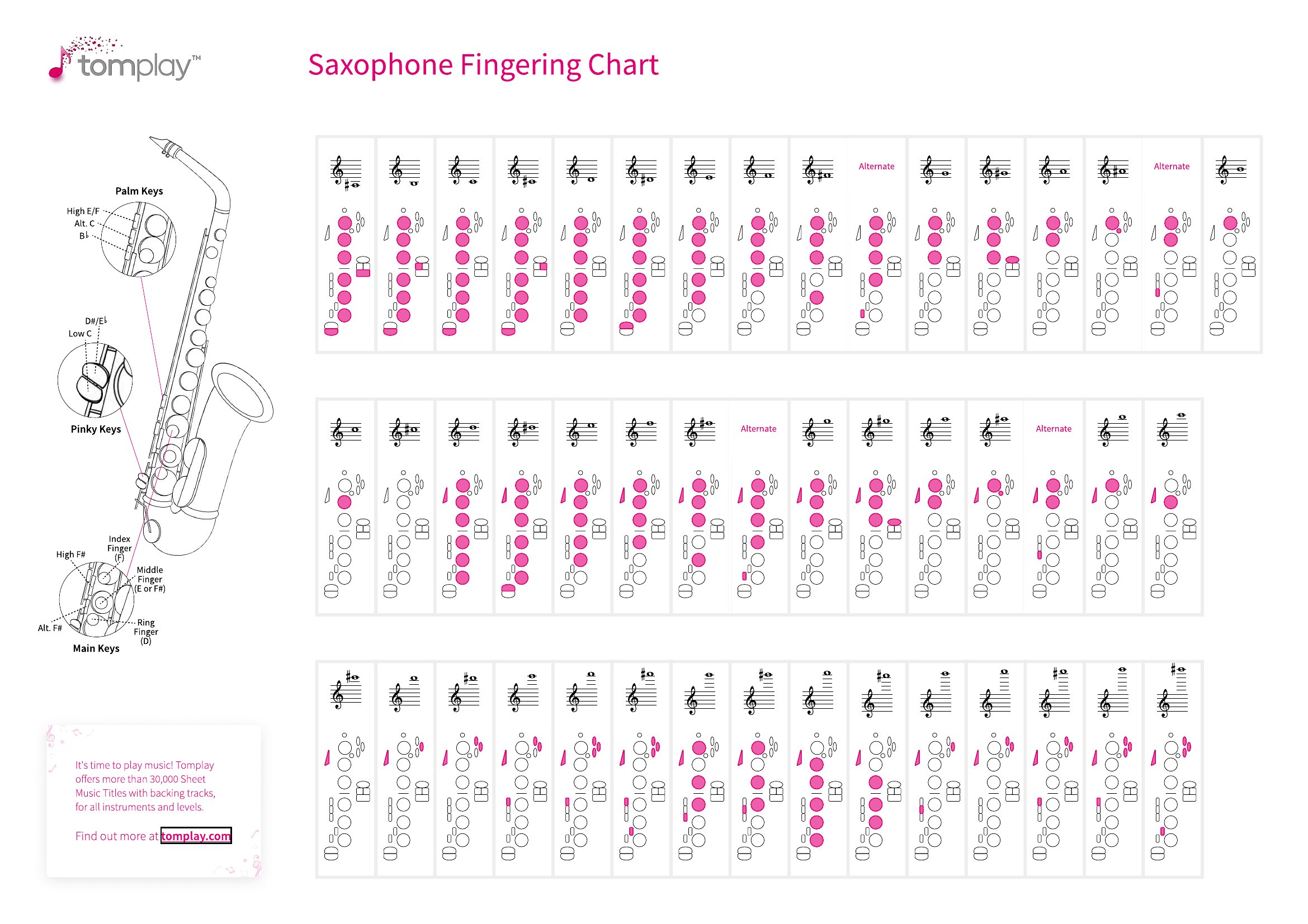
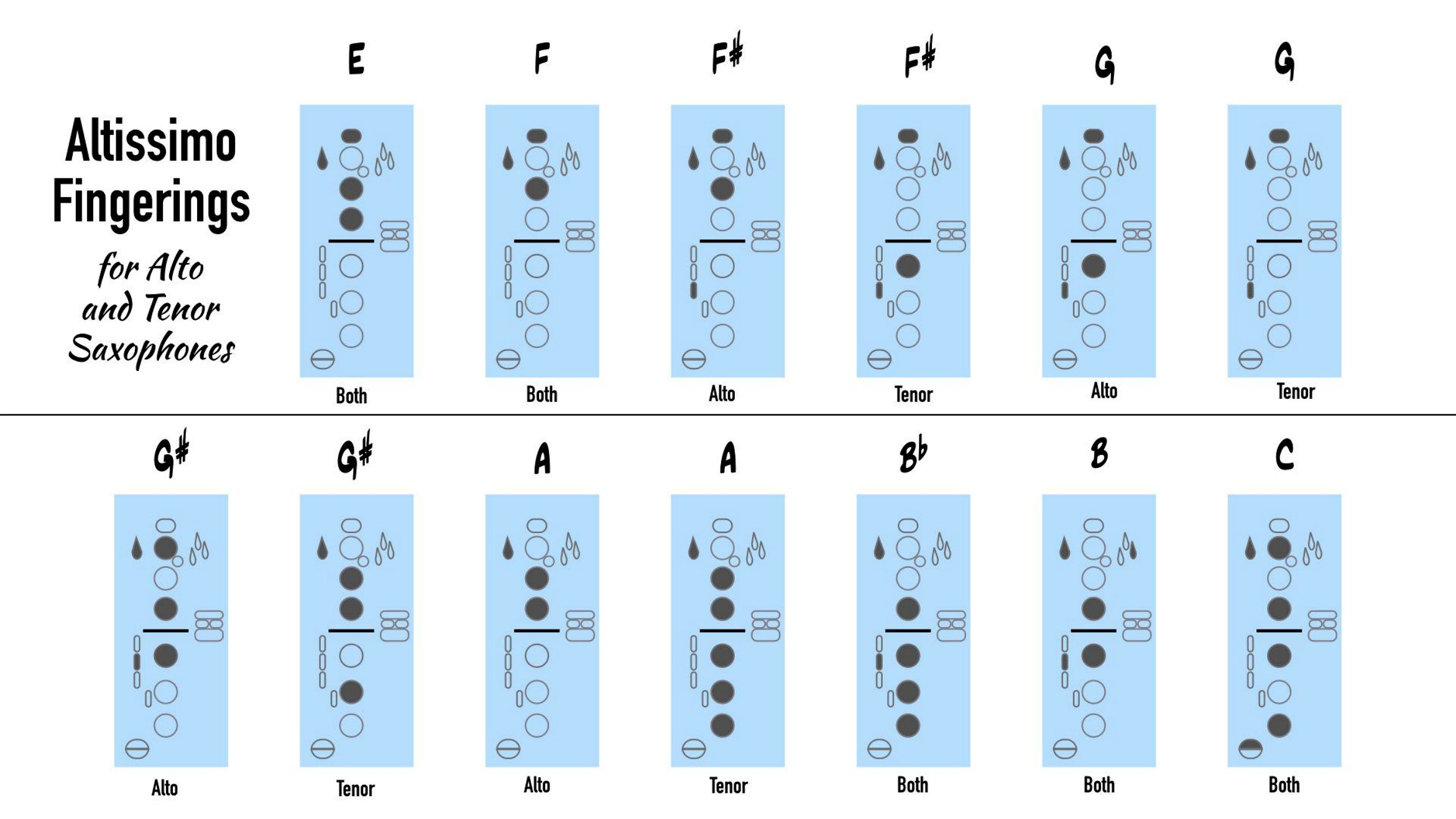
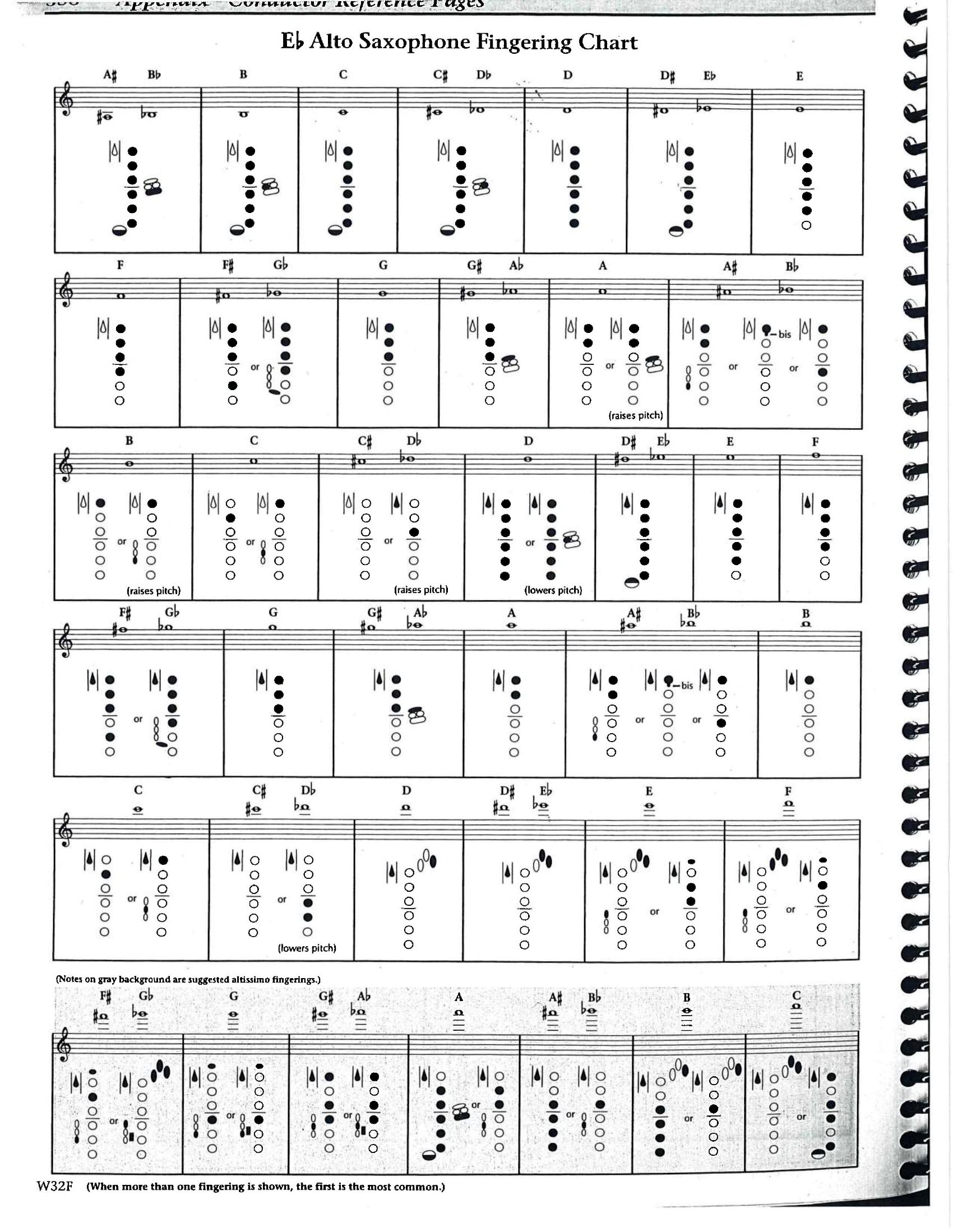
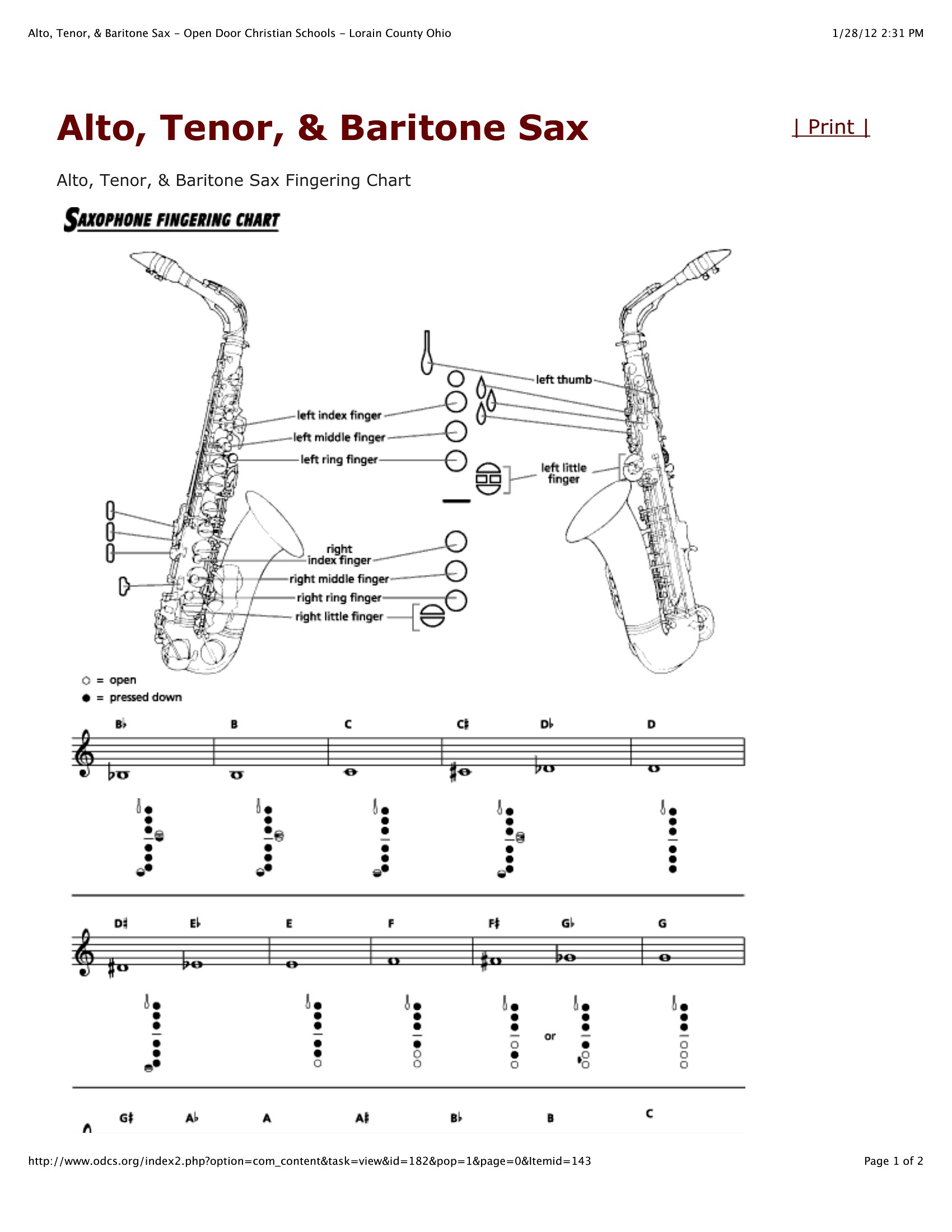
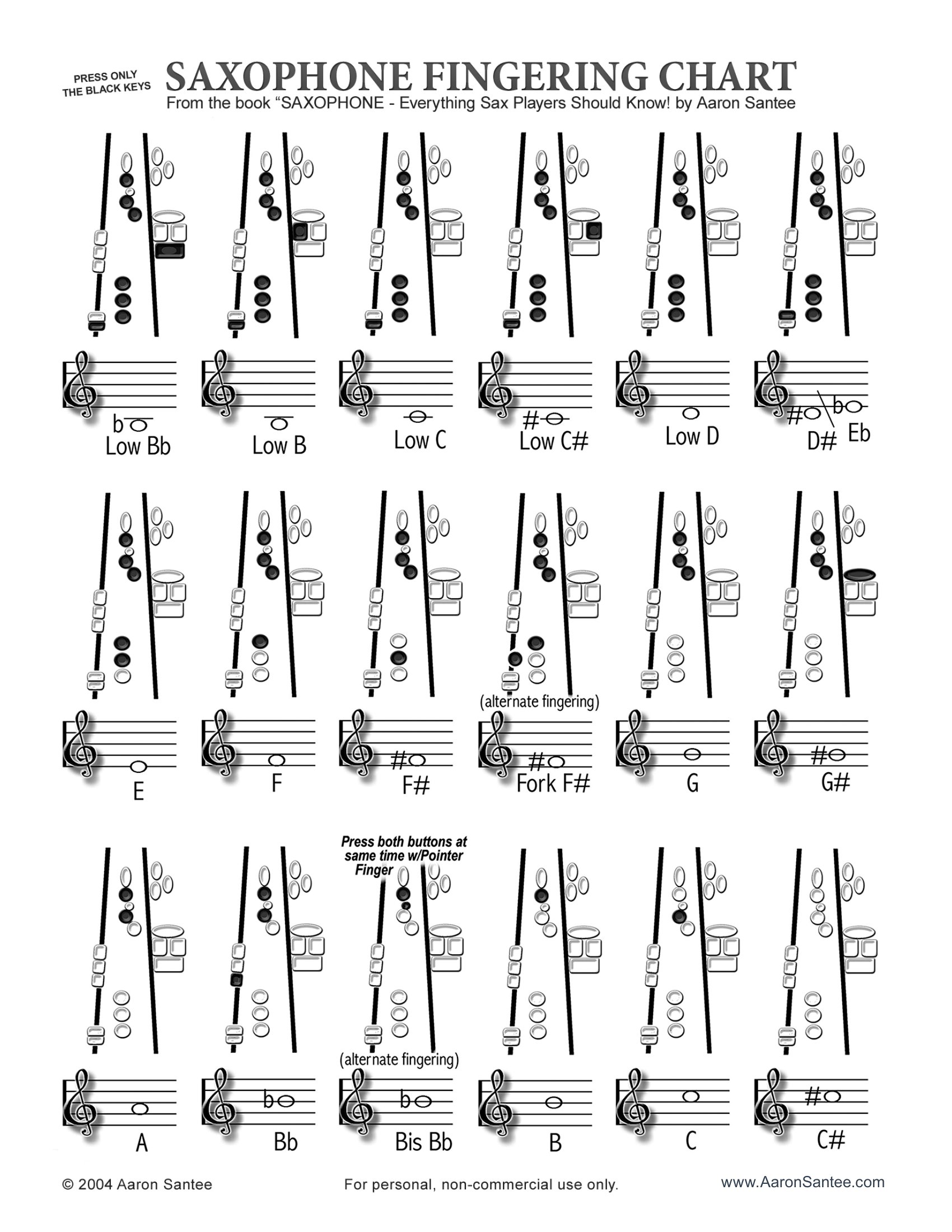
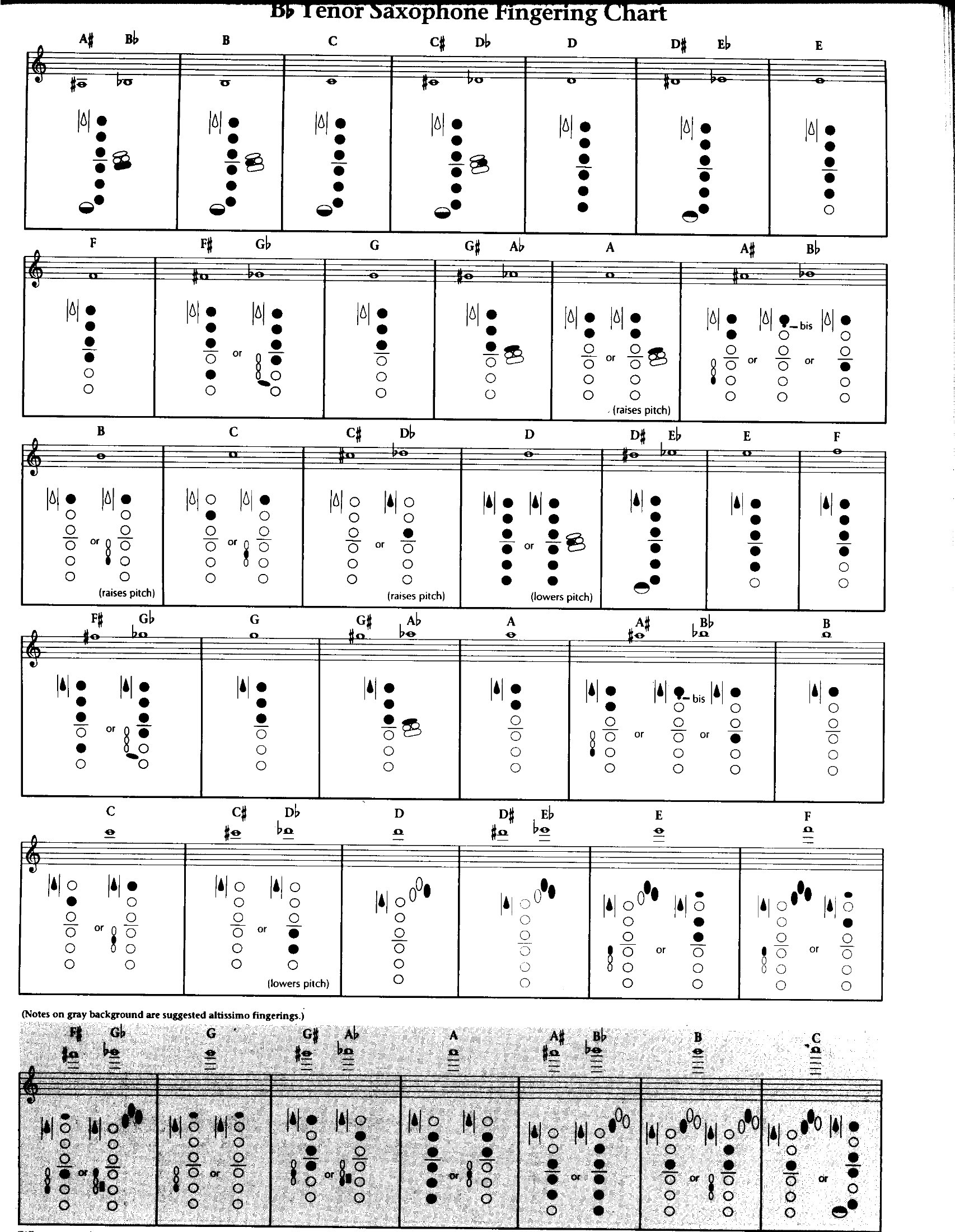
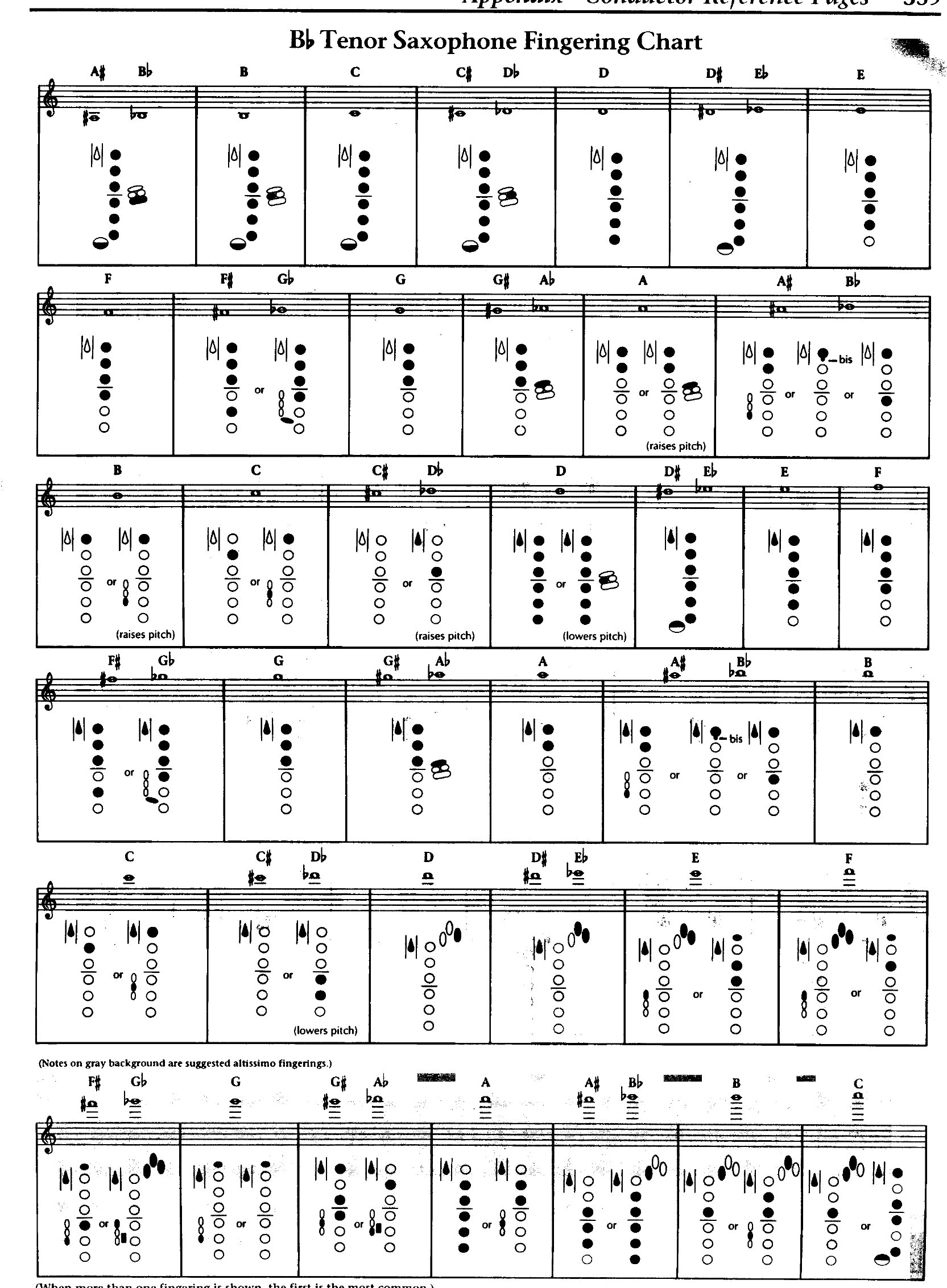
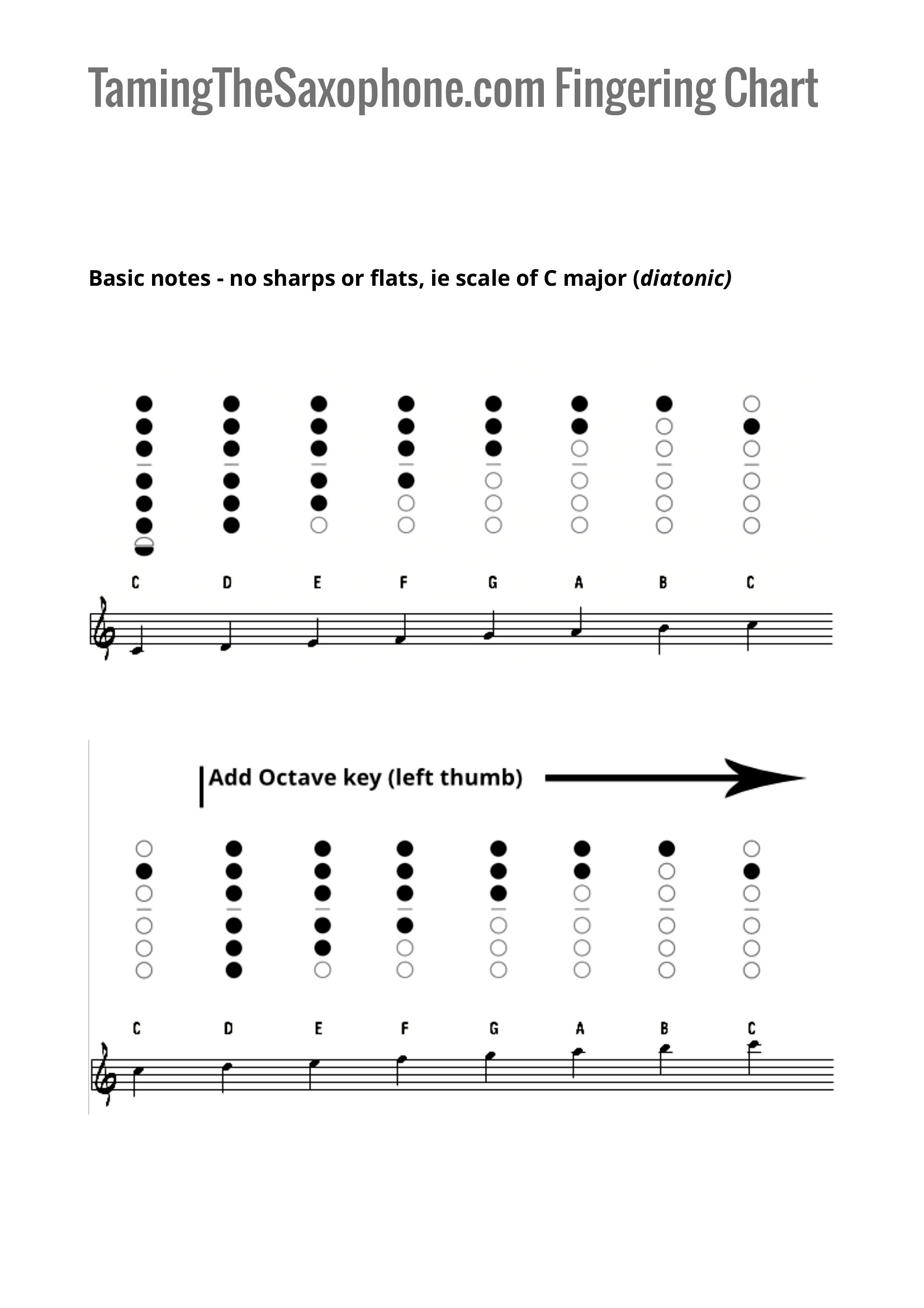
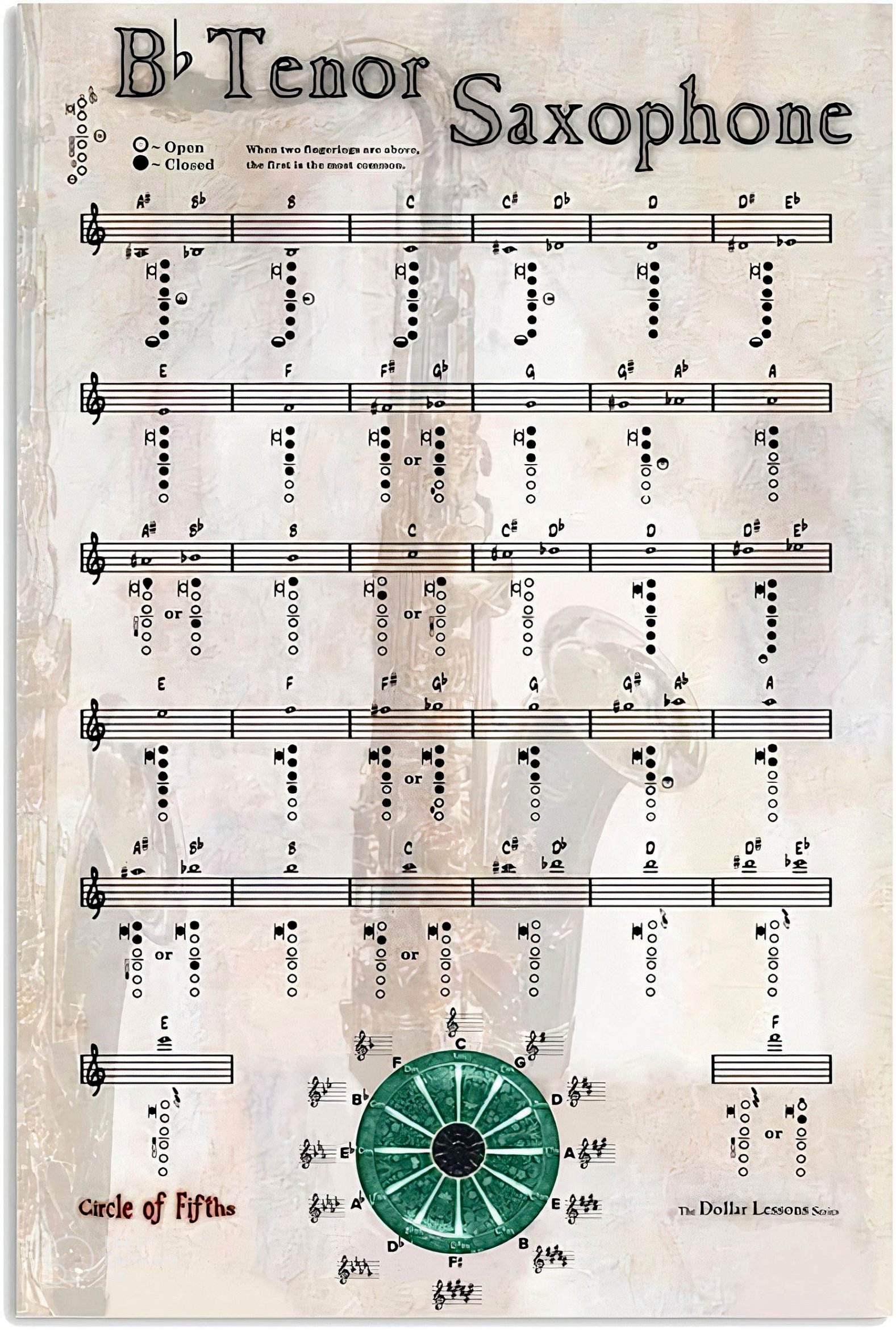
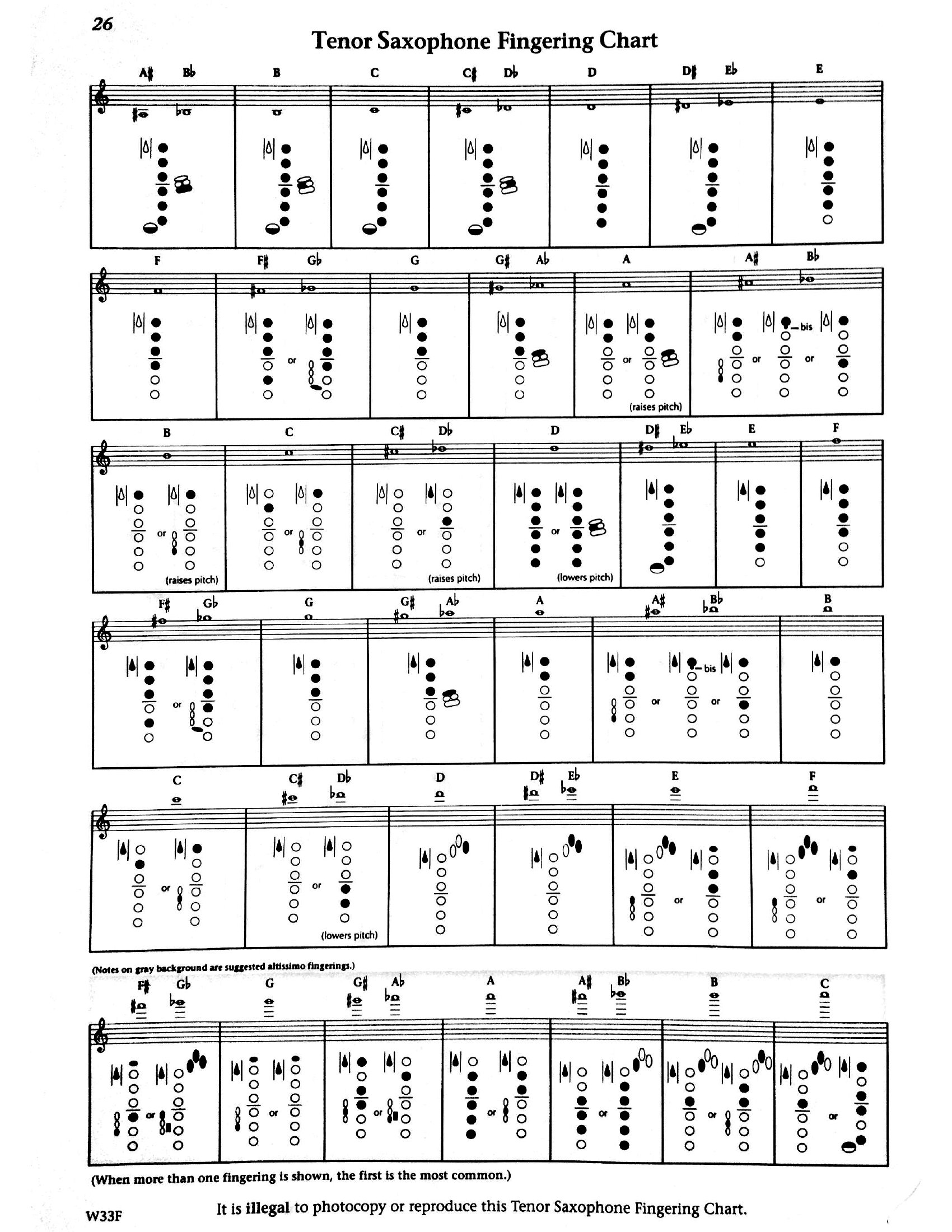
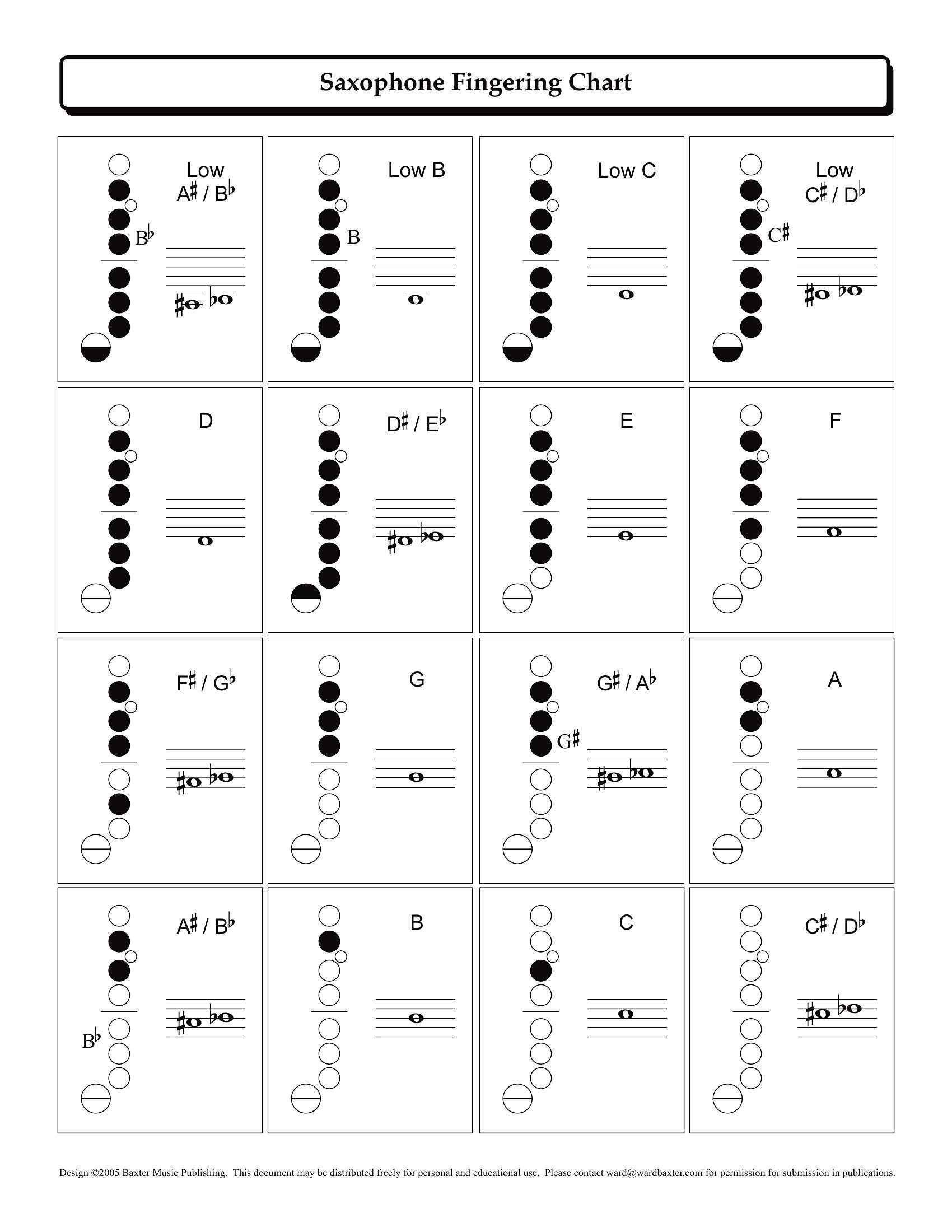
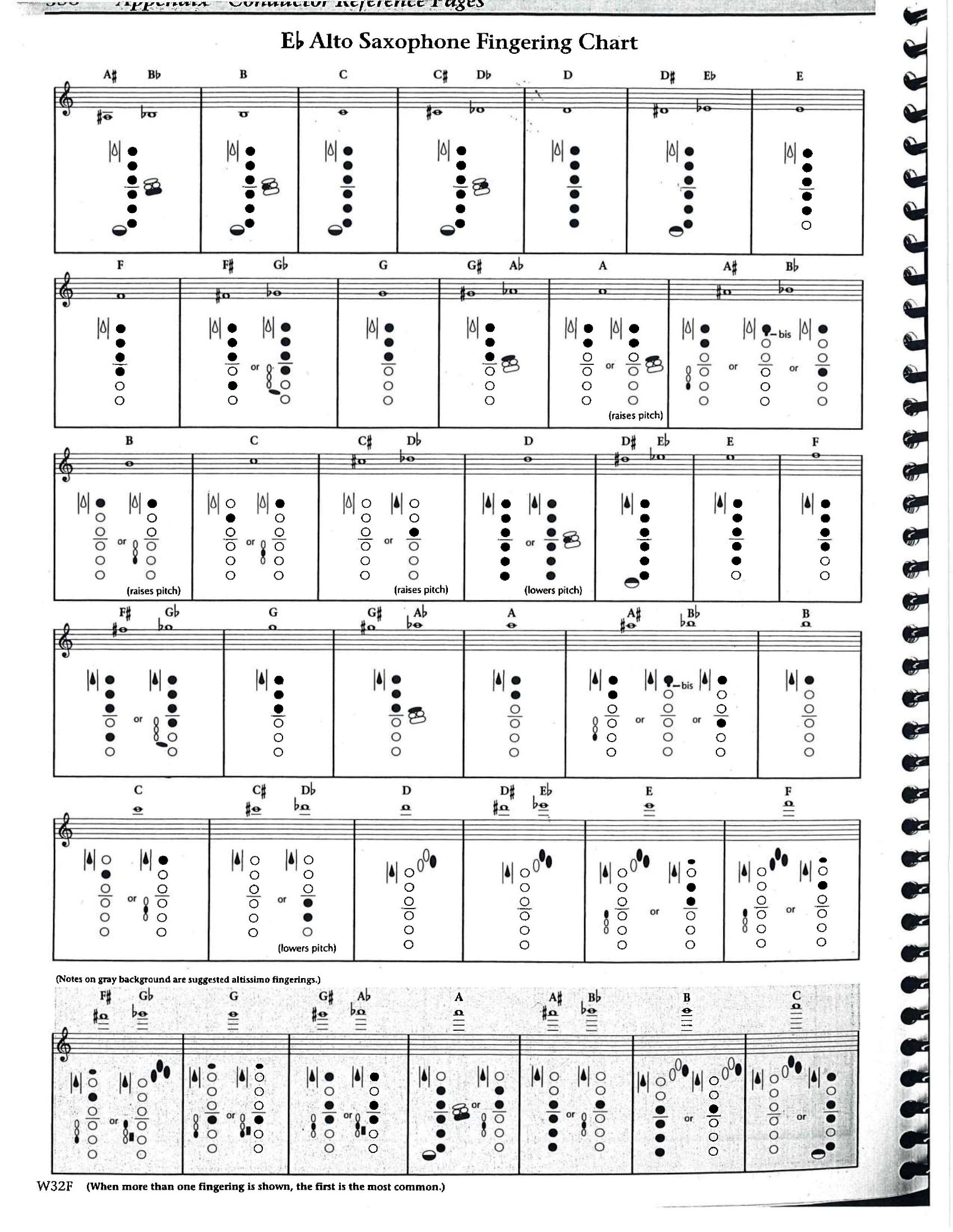
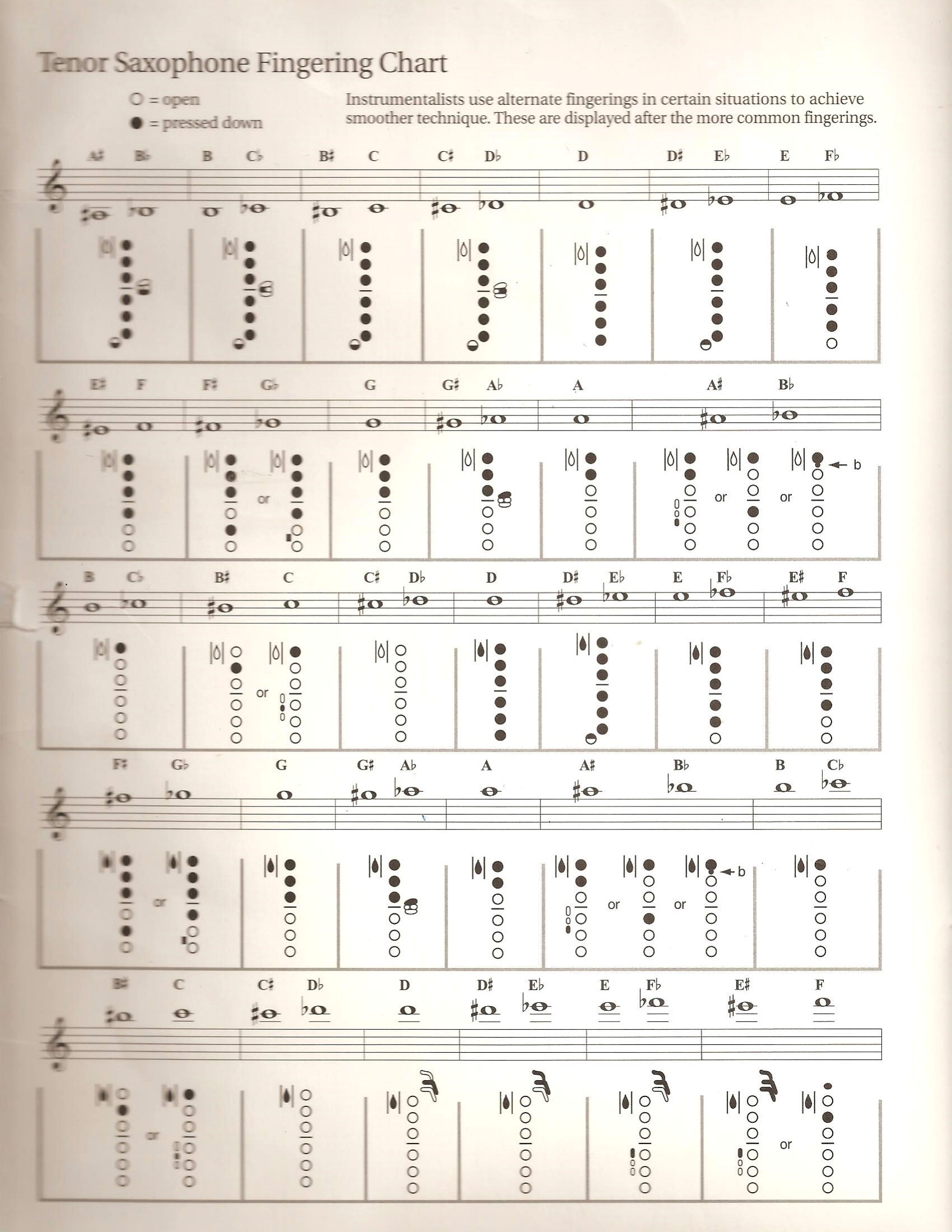
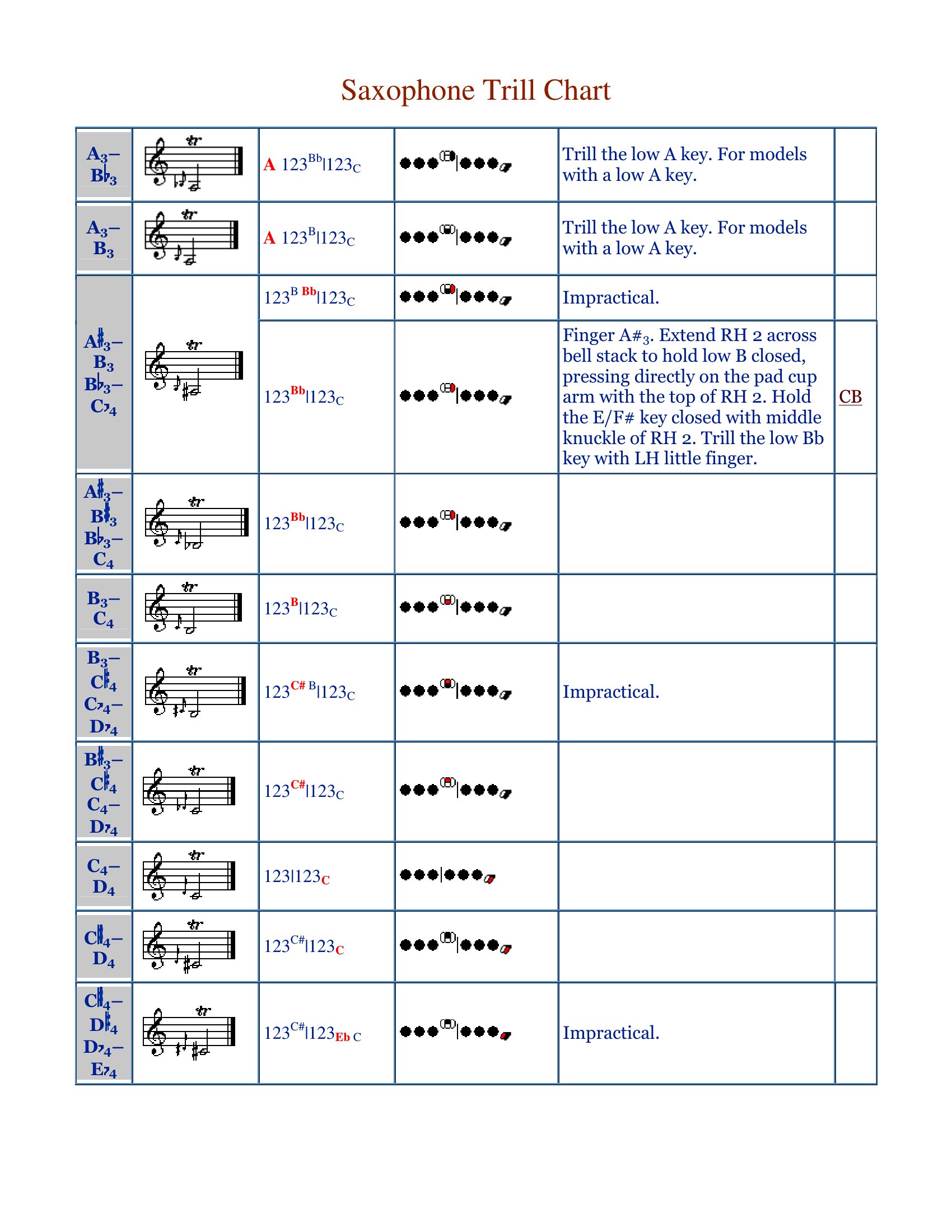
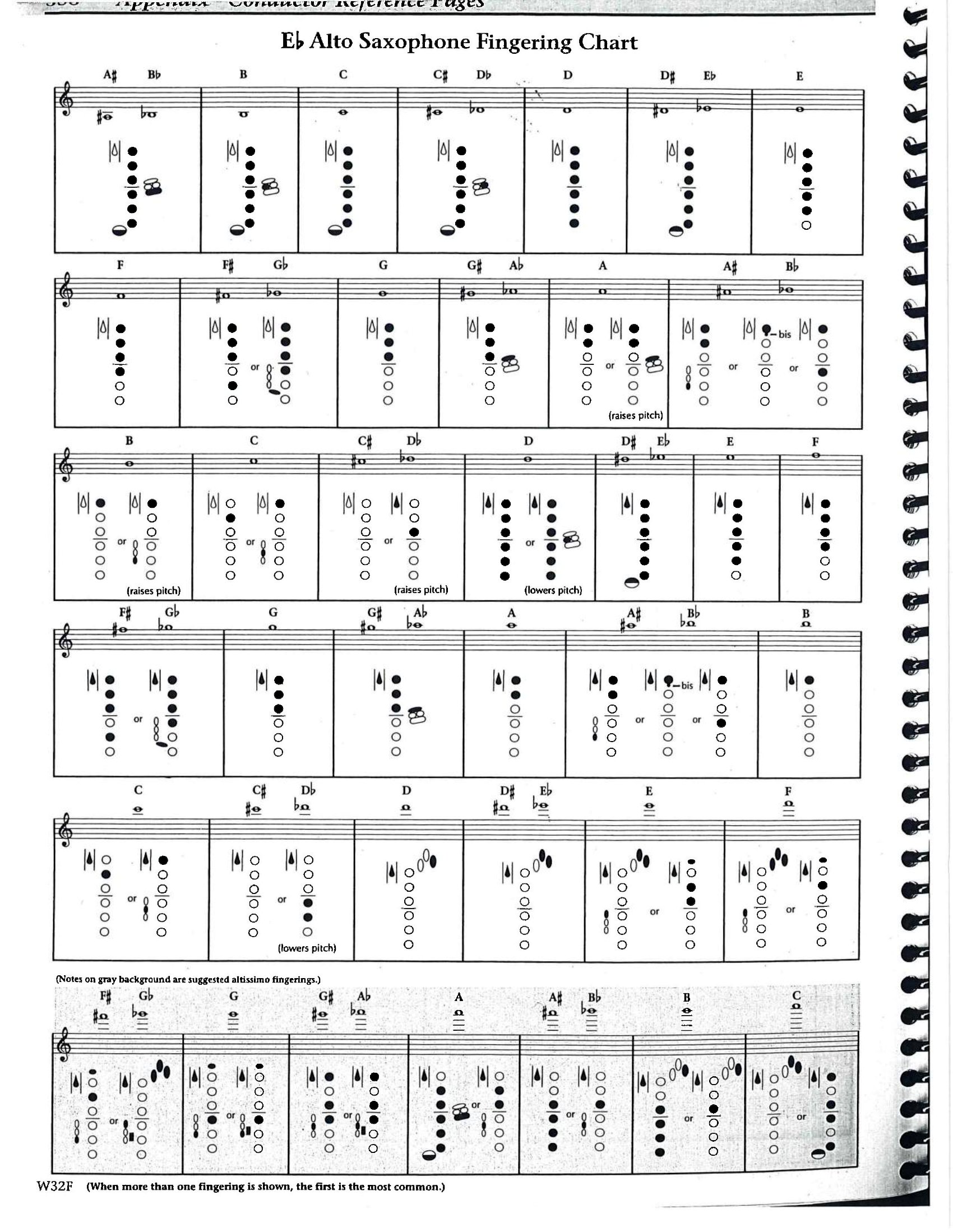
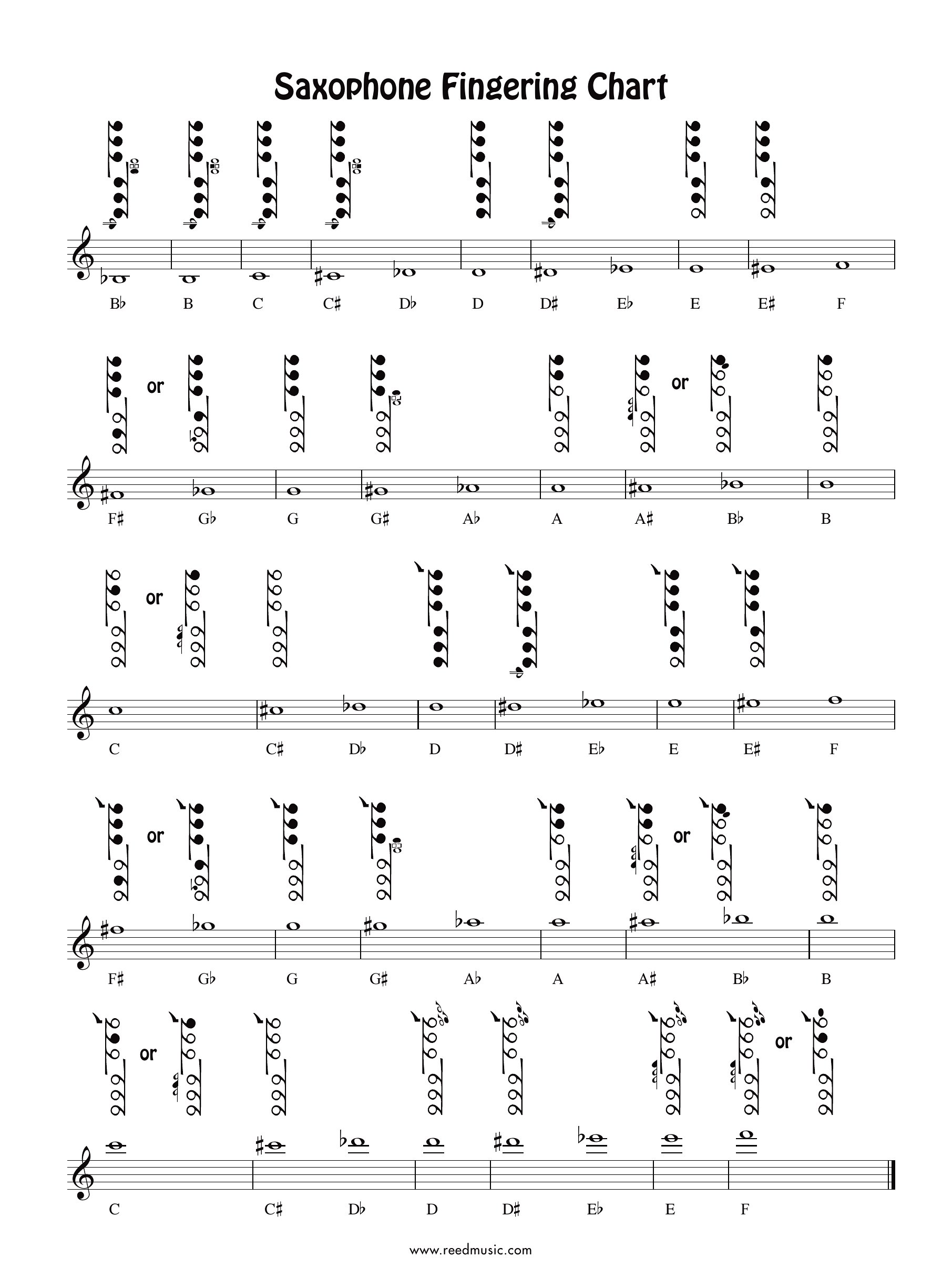
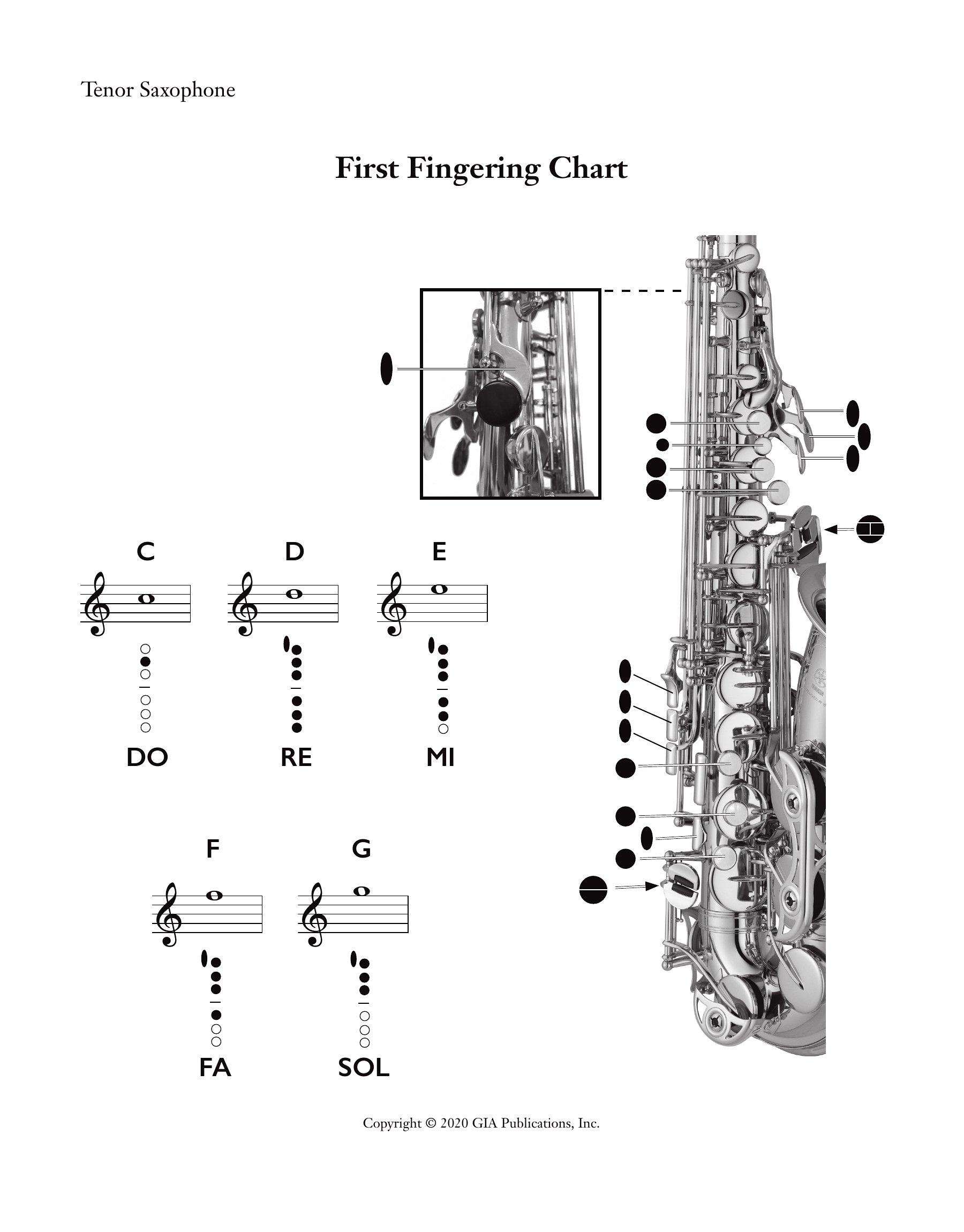
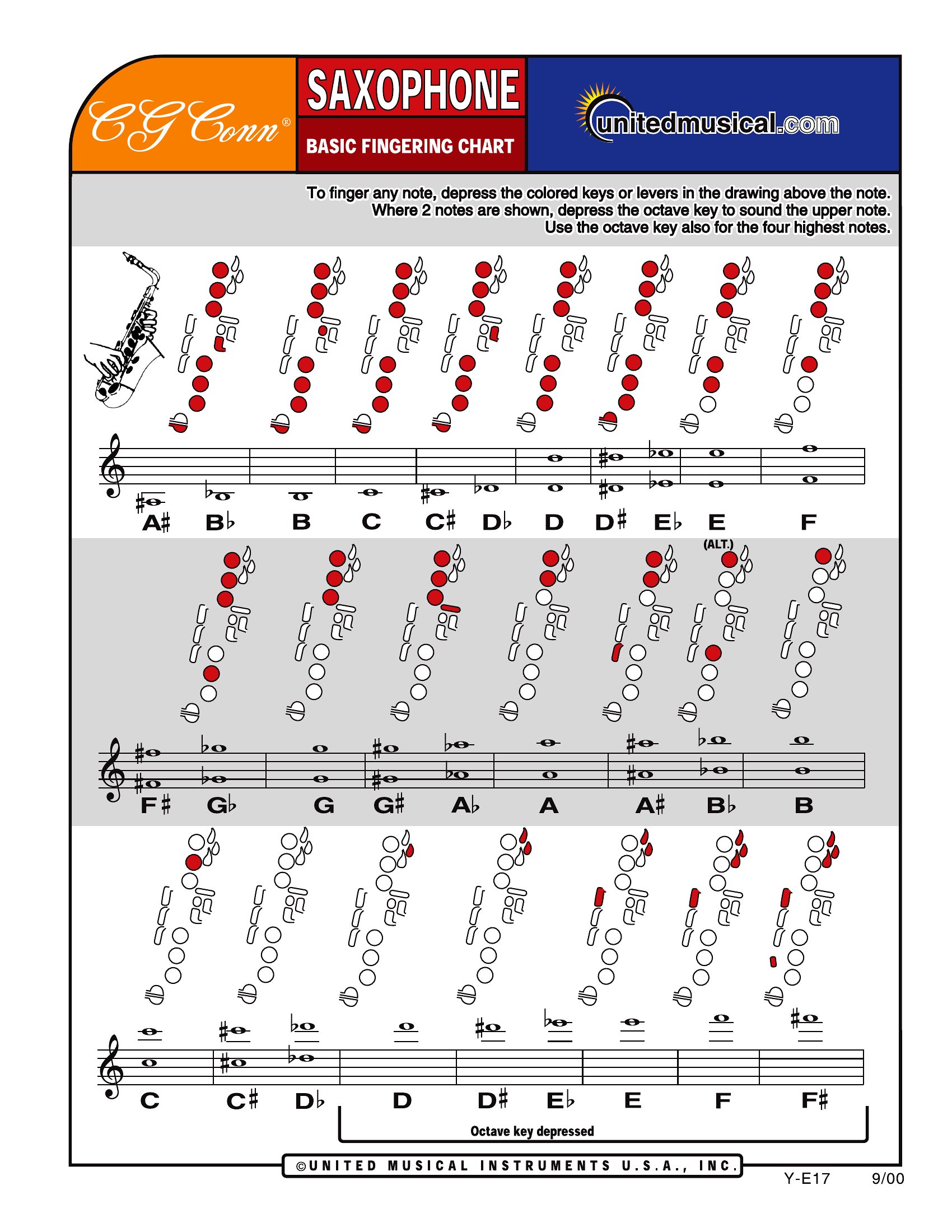
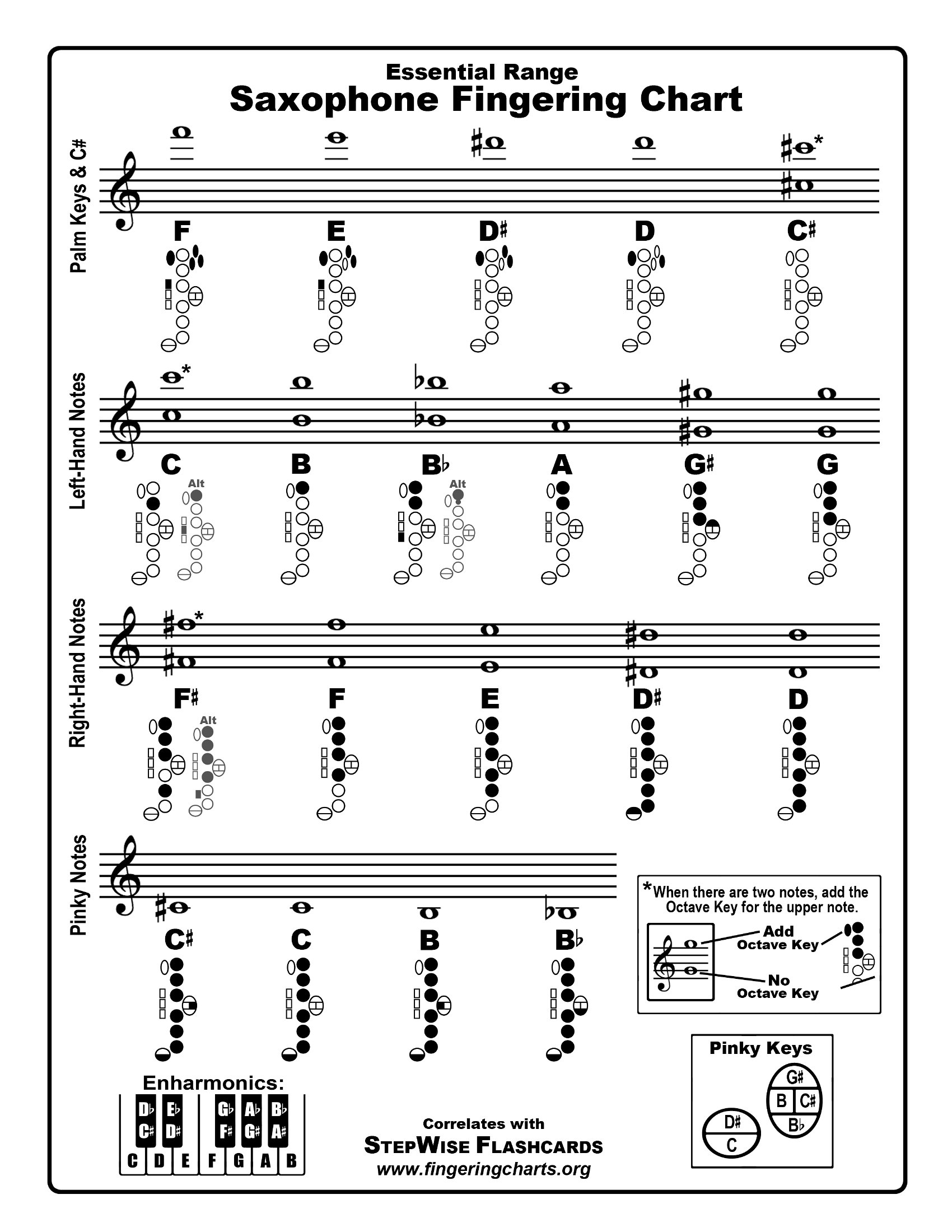
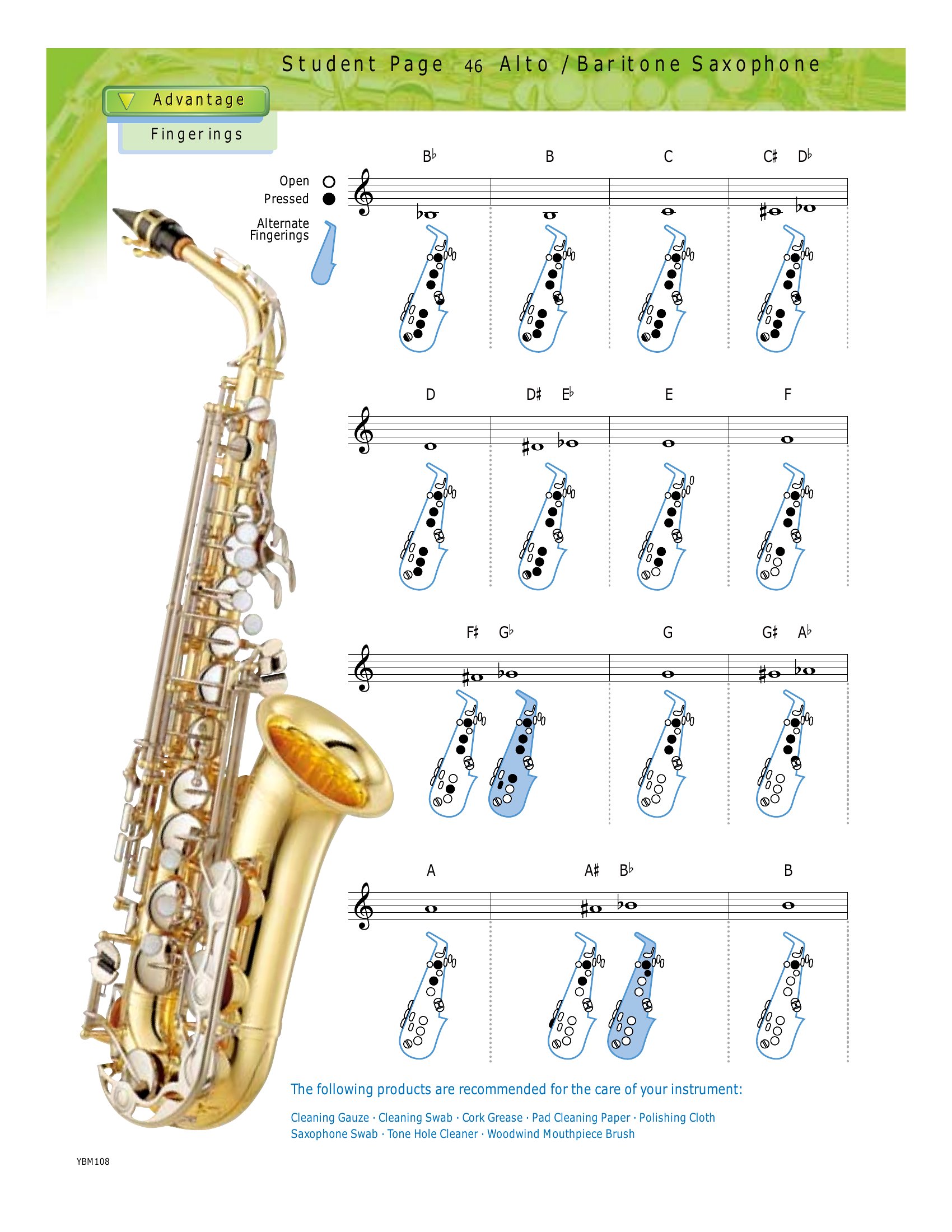
DiagramsA tenor sax player learning new notes moves faster with a chart that shows exactly which keys to press. This set of 29 fingering charts covers the saxophone's standard range, including the palm keys and alternate fingerings that smooth out fast passages. Beginners, band students, and teachers building handouts can keep one on the stand as a dependable reference.
The charts download as print-ready PDFs that print cleanly on letter paper. Some include blank diagrams so you can mark trill fingerings or notes for a specific tune. Slide one into your gig folder or tape it up where you practice. Choose the chart that fits your level and keep those fingerings close as you build your range.
When to use this Tenor Sax Fingering Chart template
- A middle school band director needs a clear, printable sax fingering chart for their beginner students who struggle with memorizing finger placements during warm-ups.
- A jazz saxophonist preparing for an audition wants to reference alternate fingerings for smooth chromatic passages and tricky runs in their repertoire.
- A college music theory student creating study materials for saxophone technique classes needs a professional-looking fingering chart to include in their handouts.
- A parent helping their high school sax player practice at home looks for an easy-to-read chart to place on the music stand for quick reference during scales.
Which format should I download?
PDF is the best format here because it preserves the precision of the fingering diagram while remaining print-ready for sax players. The fixed layout ensures keys and fingerings stay aligned, and it’s easy to share or embed in lesson plans. Unlike editable formats, PDFs prevent accidental formatting changes that could misalign the fingering layout. Choose PDF for durability and clarity in practice sessions or classroom settings.
How to use this Tenor Sax Fingering Chart template
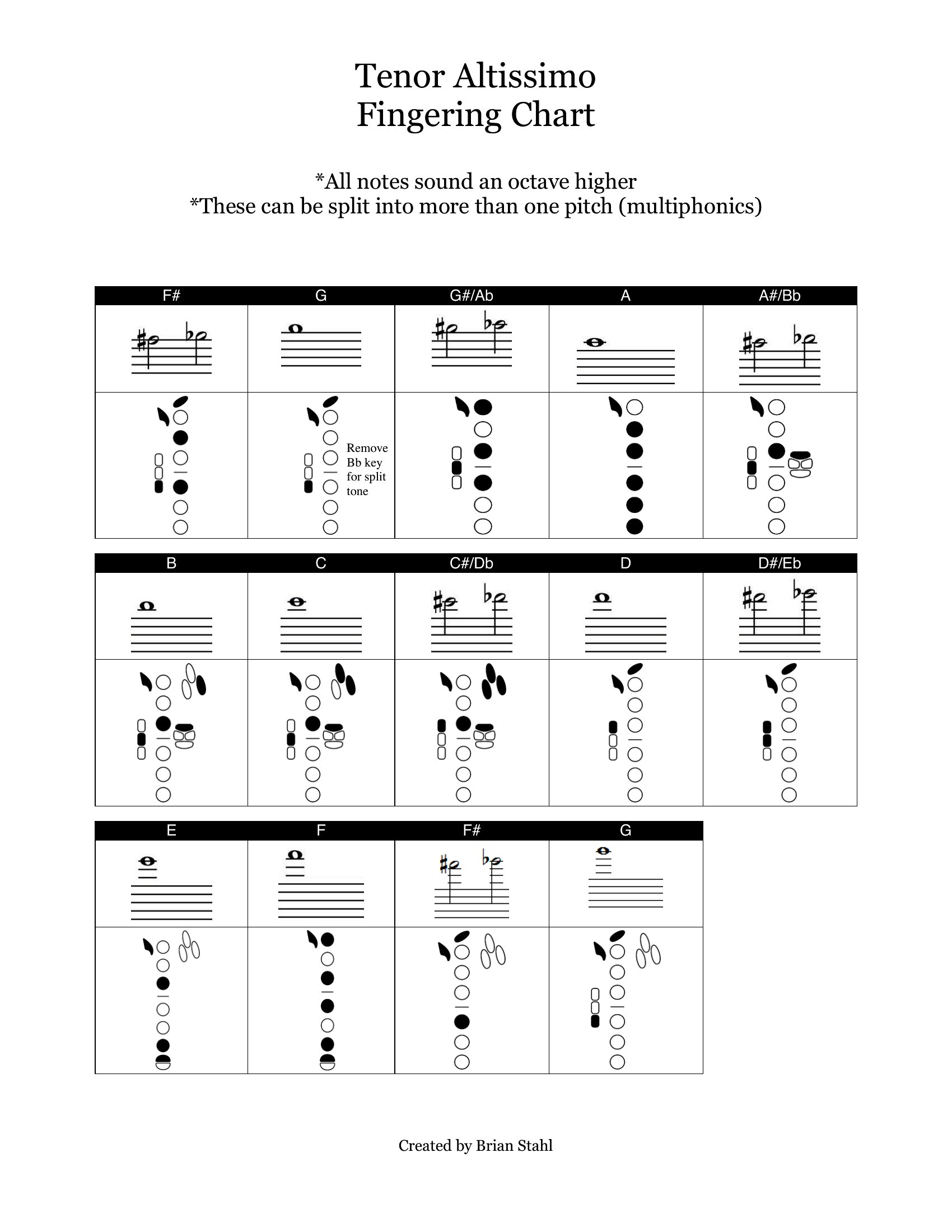
Do these charts include alternate fingerings for extended techniques or overblowing?
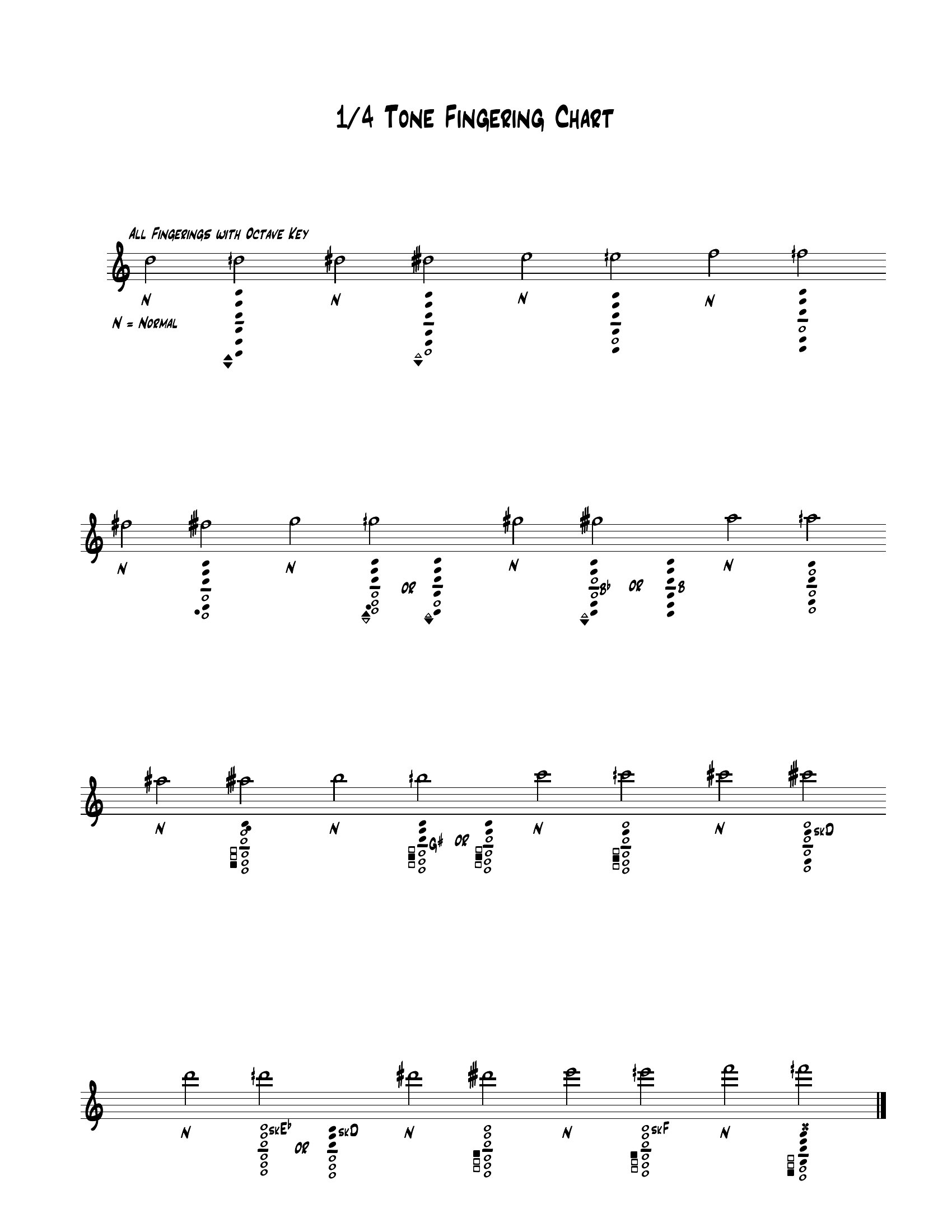
Yes, many of these charts cover alternate fingerings for smooth transitions, overblowing notes, and extended techniques. They’re designed to help players navigate fast passages or tricky runs without missing a beat. Always verify specific techniques with a qualified instructor for advanced playing.
Are the charts keyed to a specific tenor sax model or brand?
These charts follow standard tenor sax fingering conventions, which apply to most models. However, slight variations exist between brands (e.g., Selmer vs. Yanagisawa). For precise adjustments, consult your instrument’s manual or a teacher familiar with your specific sax.
Can I use these charts for teaching non-western saxophone techniques like circular breathing?
While these charts focus on standard fingerings, they can serve as a foundation for incorporating advanced techniques like circular breathing. Pair them with dedicated exercises or video tutorials to ensure proper integration. For specialized methods, consult a professional saxophonist or pedagogue.
Comments
Join the conversation
Sign in to share your thoughts and leave a comment on this resource.