
Free Problem Statement Templates (Word)
Analysis by briannalawrence
Trying to pin down exactly what's wrong before jumping to solutions? A sharp problem statement keeps a project, paper, or proposal focused on the real issue. This collection of 54 problem statement templates helps students, researchers, and project teams define the gap, its impact, and why it matters in a clear, concise way. Each one prompts you to frame the problem before anyone proposes a fix.
The templates are editable in Microsoft Word, so you can shape the statement for a thesis, a business case, or a research proposal. Fill in the current situation, the consequences, and the goal, and you've got a foundation the rest of the work can build on. Pick the format that fits your project and get the problem stated clearly.
When to use this Problem Statement template
- A university researcher struggling to articulate the core knowledge gap in their literature review before drafting a thesis proposal. They need a structured way to identify what’s missing in existing studies and why it matters to their field.
- A product development team at a tech startup reviewing customer complaints but unsure whether feedback reflects a systemic design flaw or isolated edge cases. They want to isolate the root issue before allocating resources to fixes.
- An academic advisor guiding a graduate student who keeps broadening their research topic beyond feasibility. A focused problem statement helps narrow the scope to a testable, impactful question aligned with their advisor’s guidance.
- A nonprofit program manager evaluating community feedback on a failing initiative but hesitant to pivot without proving the problem is systemic, not just anecdotal. They need a framework to distinguish between symptoms and the underlying cause.
Which format should I download?
The Word format is ideal here because it integrates seamlessly into research workflows—whether drafting a dissertation, a grant proposal, or an internal project brief. Use it when you need to collaborate with others who edit documents in Microsoft Word, or when your institution requires Word-compatible submissions. Its flexibility also allows you to incorporate visuals (like flowcharts or data tables) directly into the problem statement to clarify complex issues. Avoid this format if you’re working with stakeholders who only use Google Docs or need a fillable template for quick distribution.
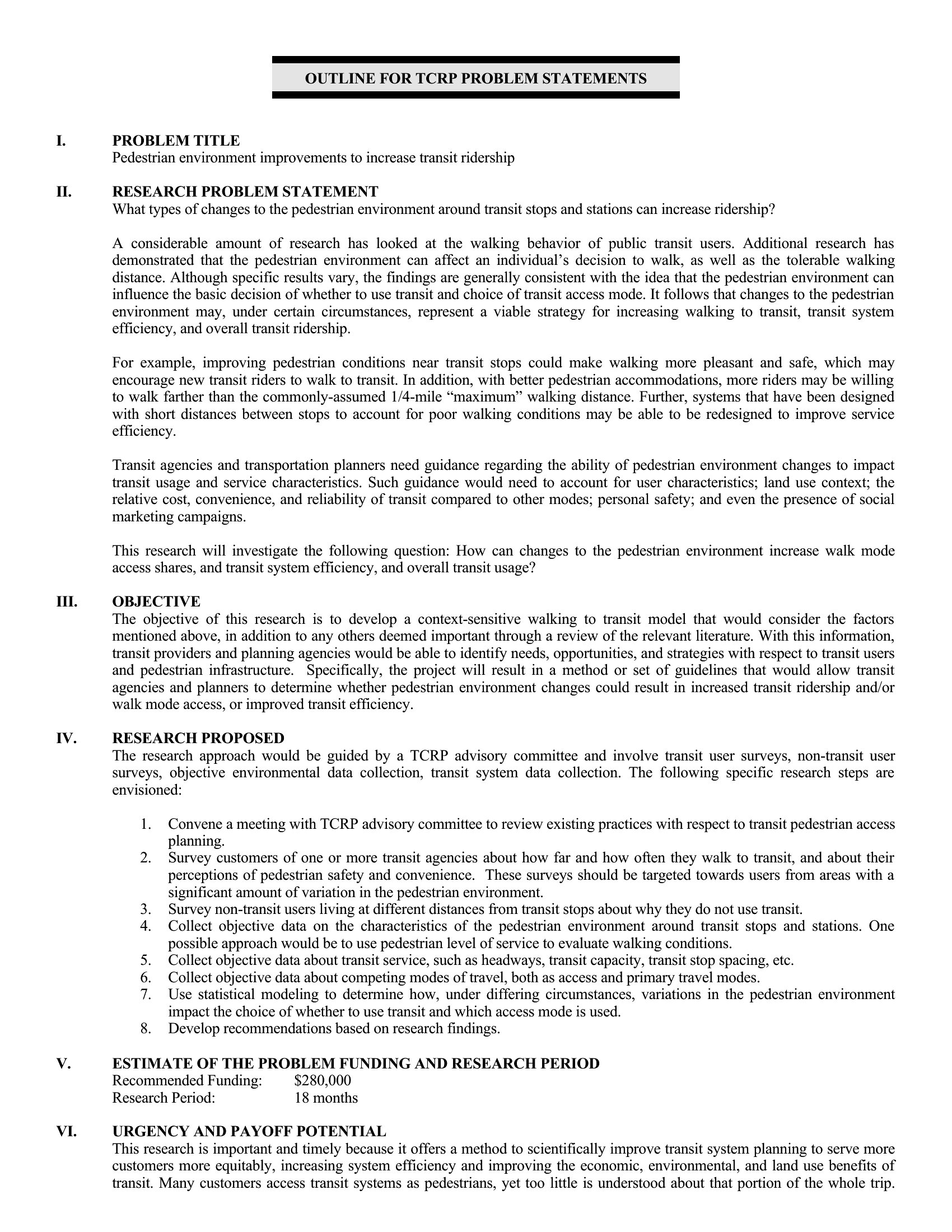
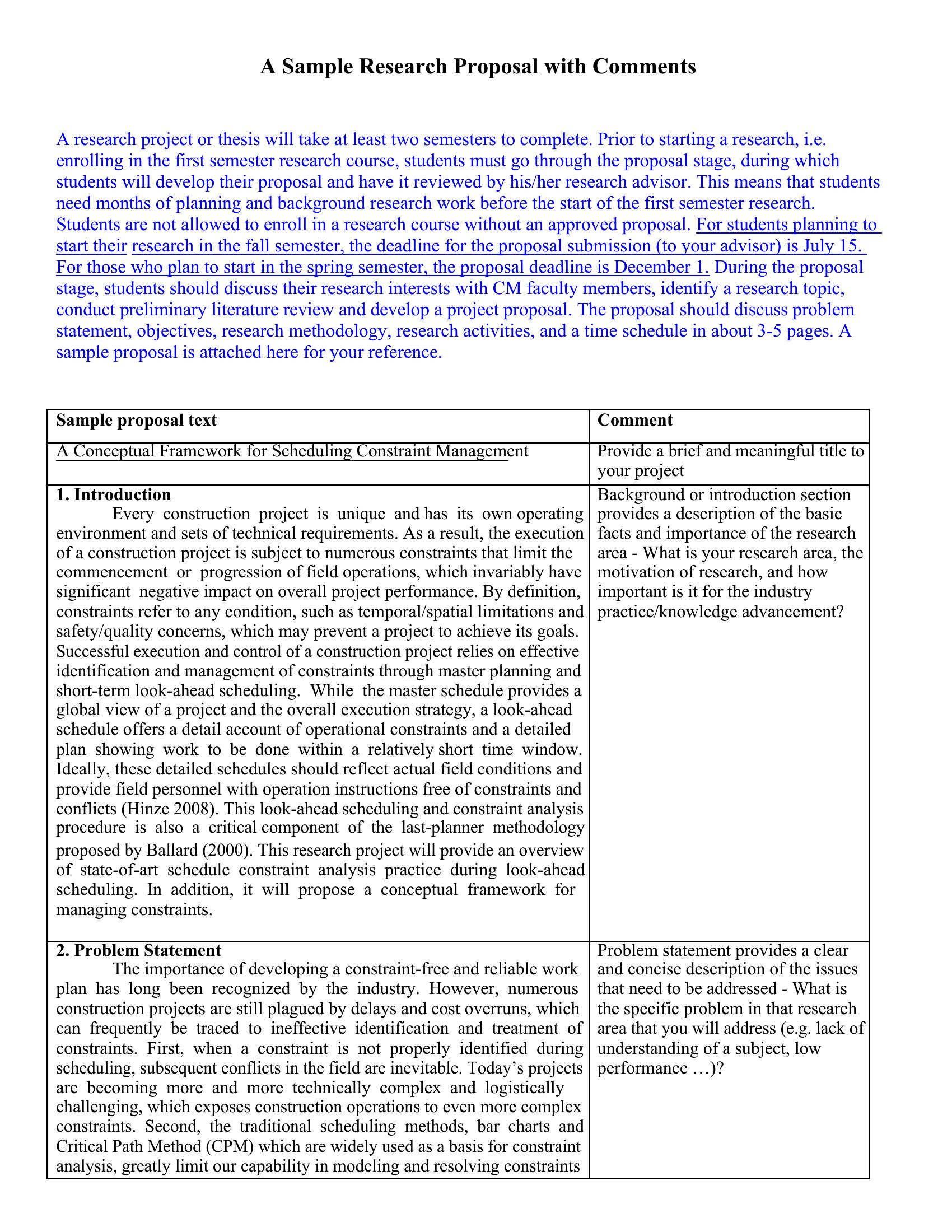
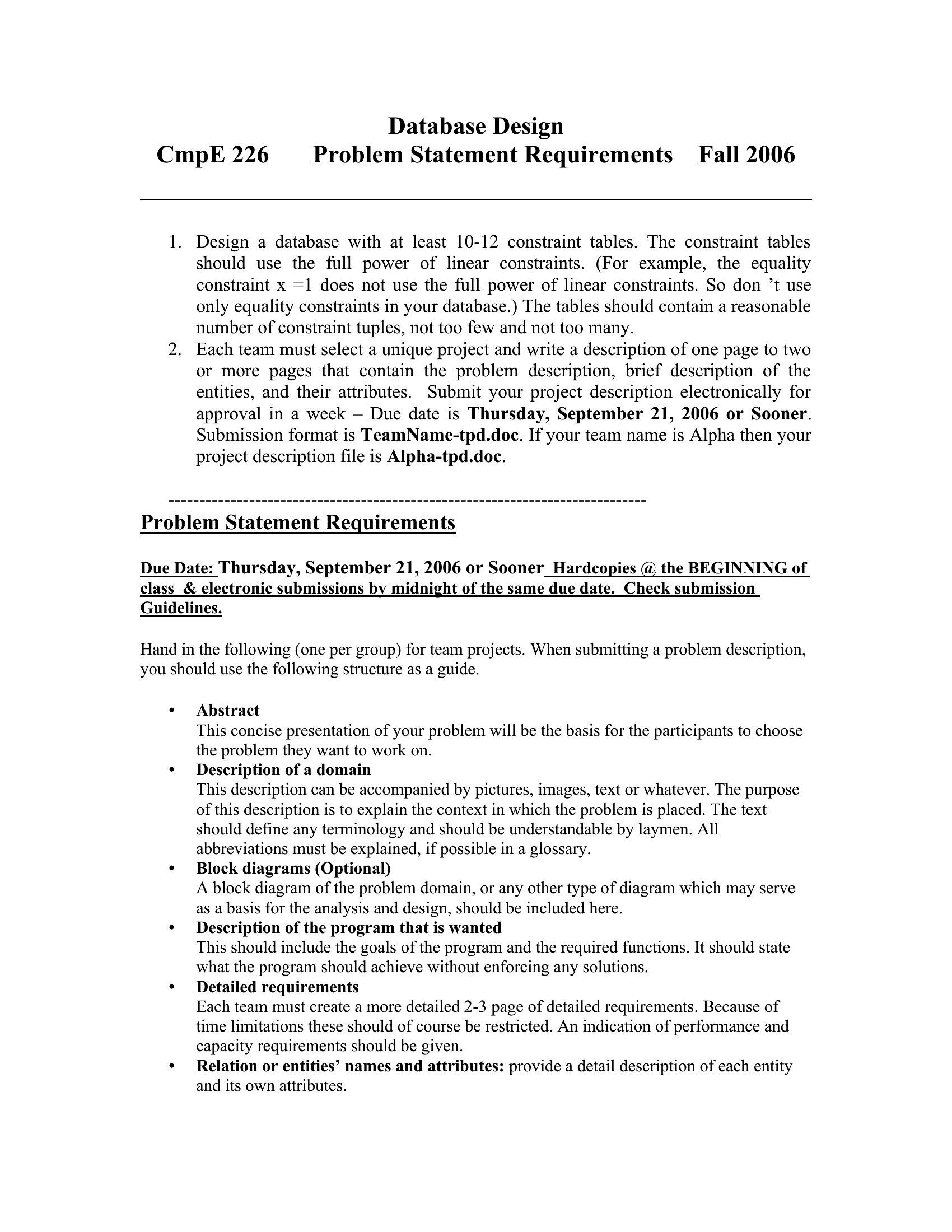
Choose from 54 Problem Statement Templates
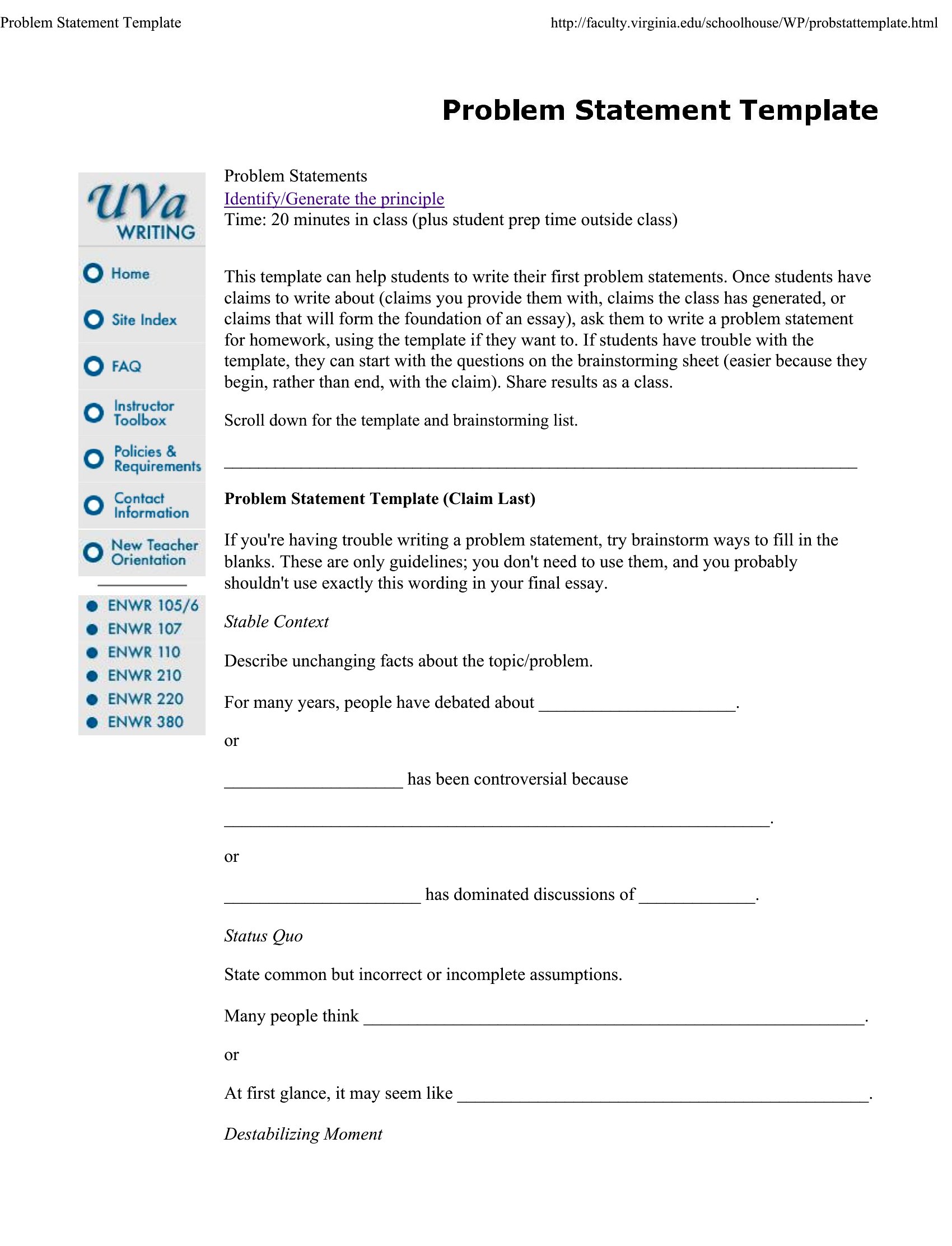
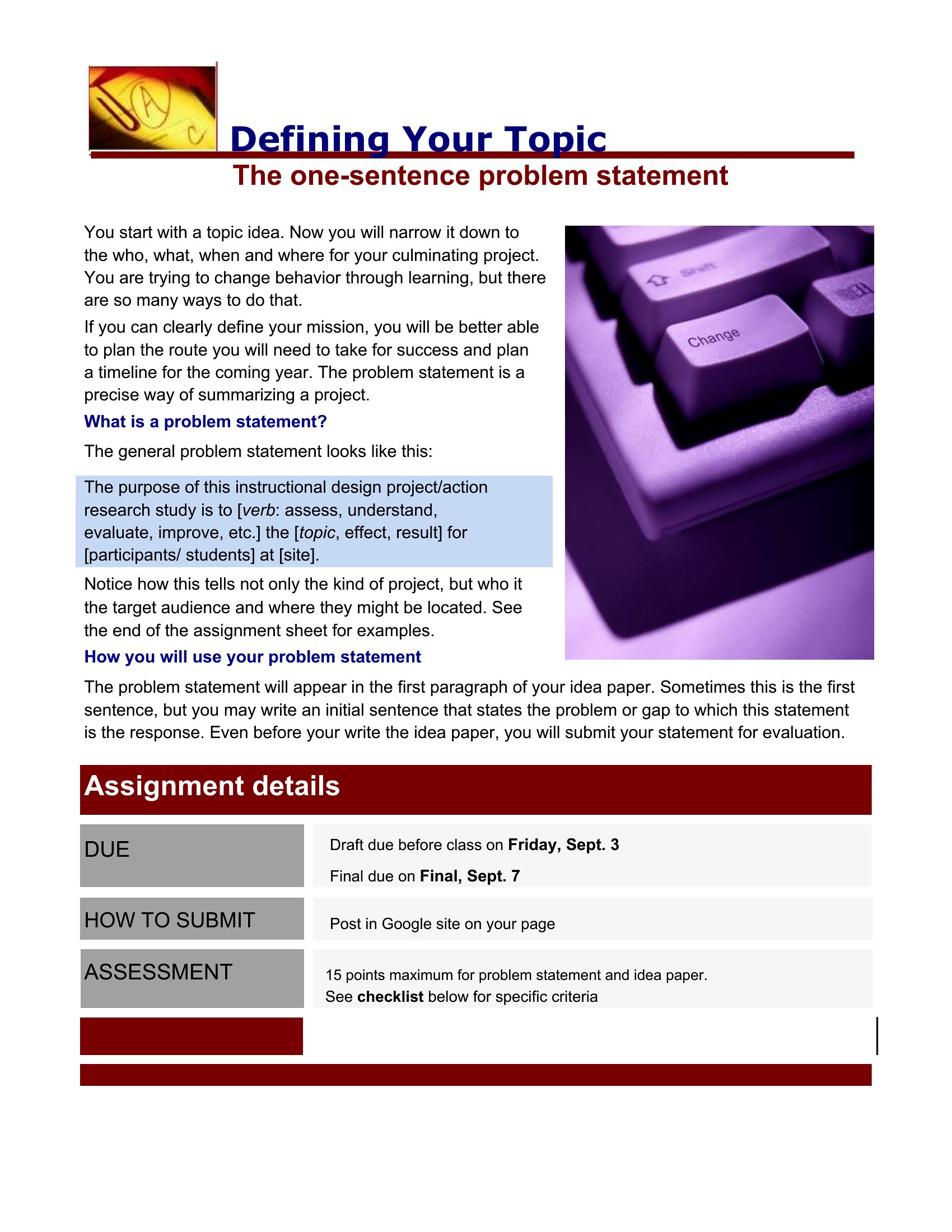
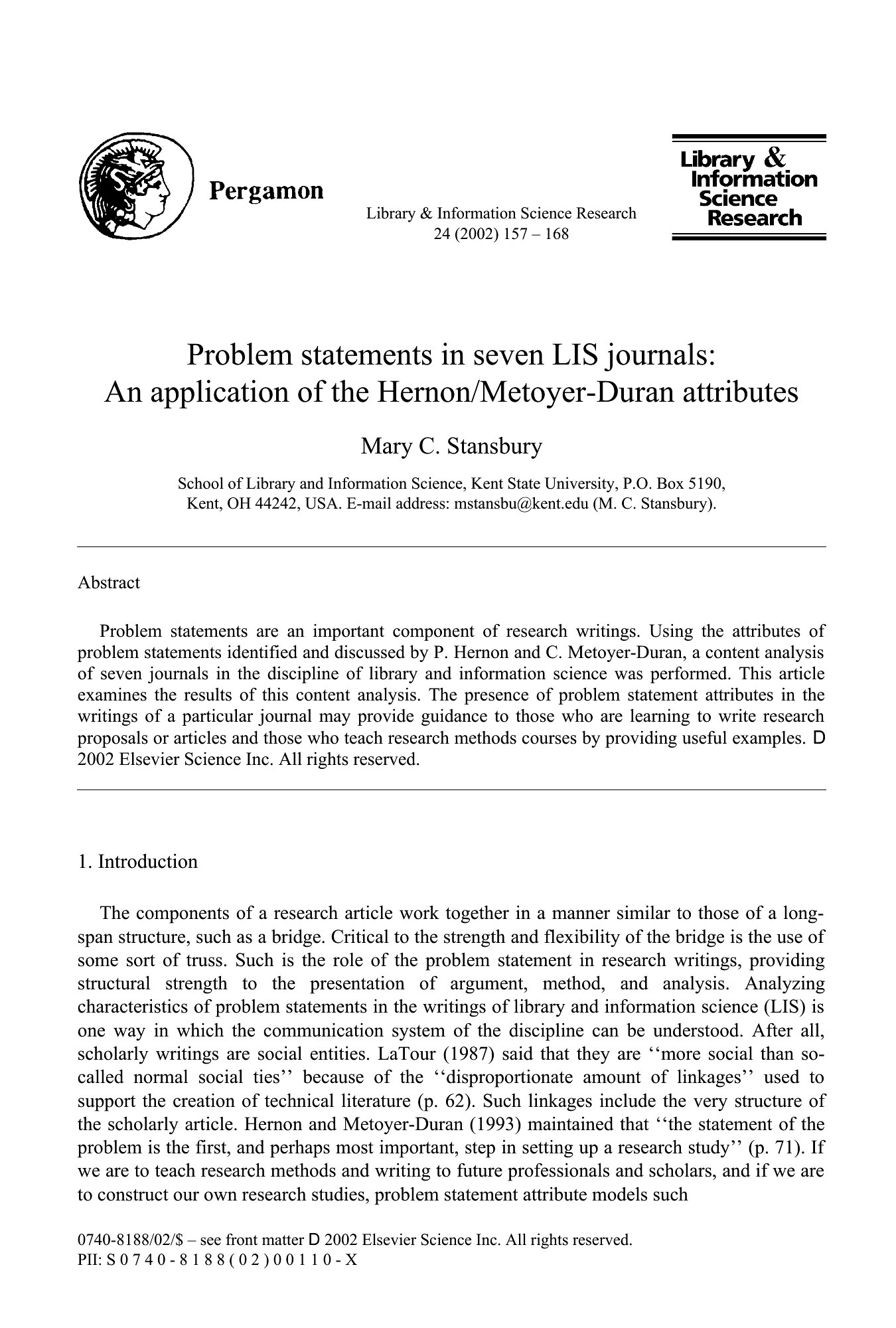

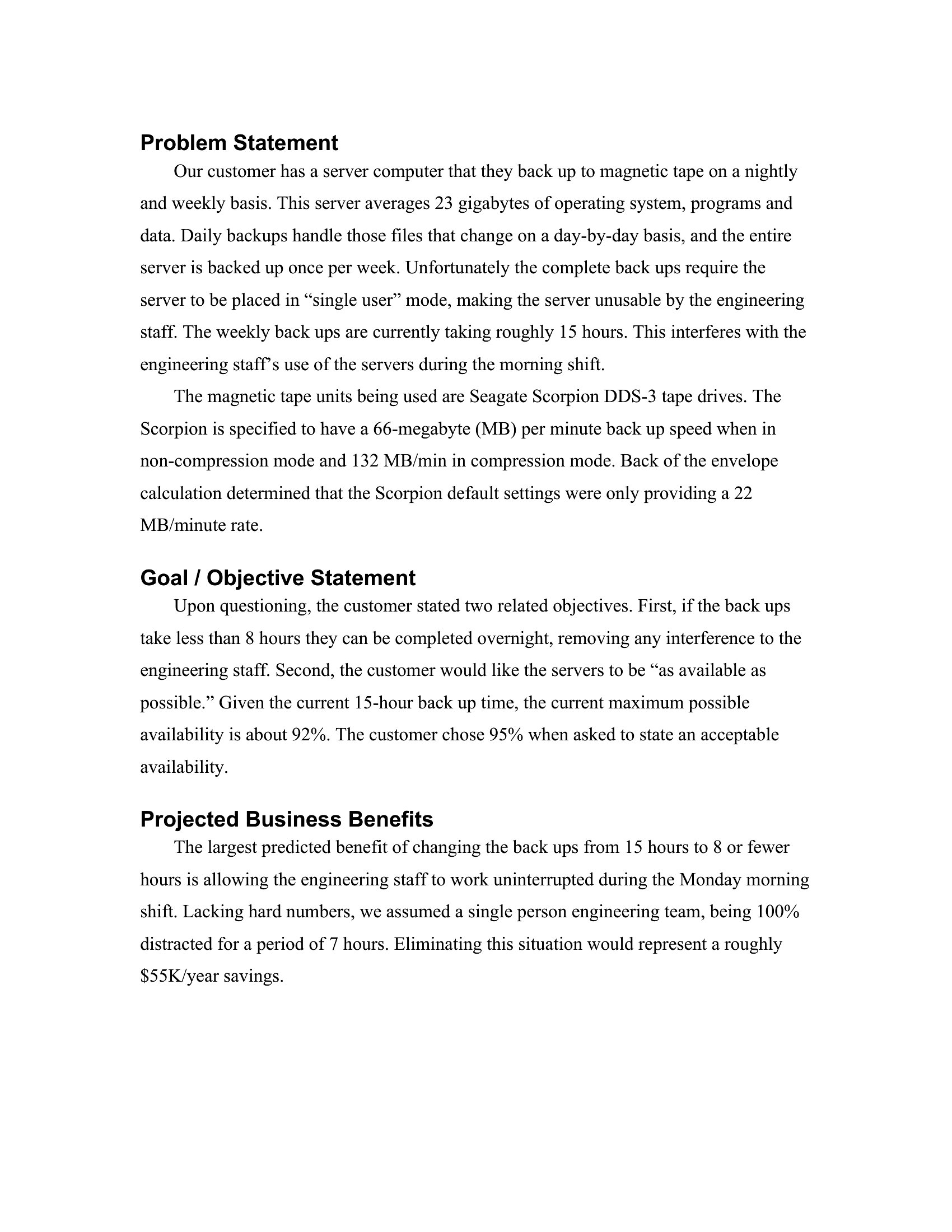
How to use this Problem Statement template
How do these templates help avoid vague problem statements like 'the system is slow'?
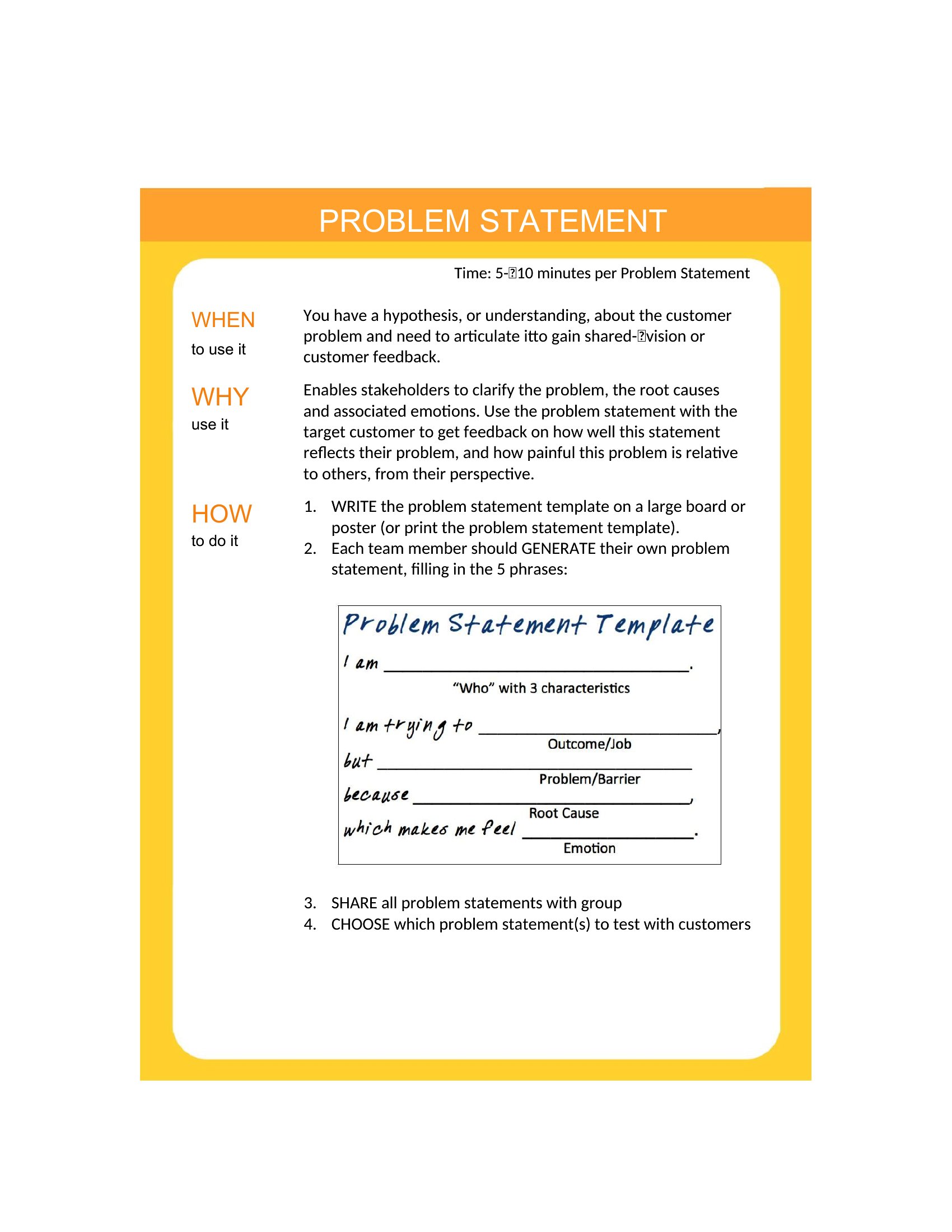
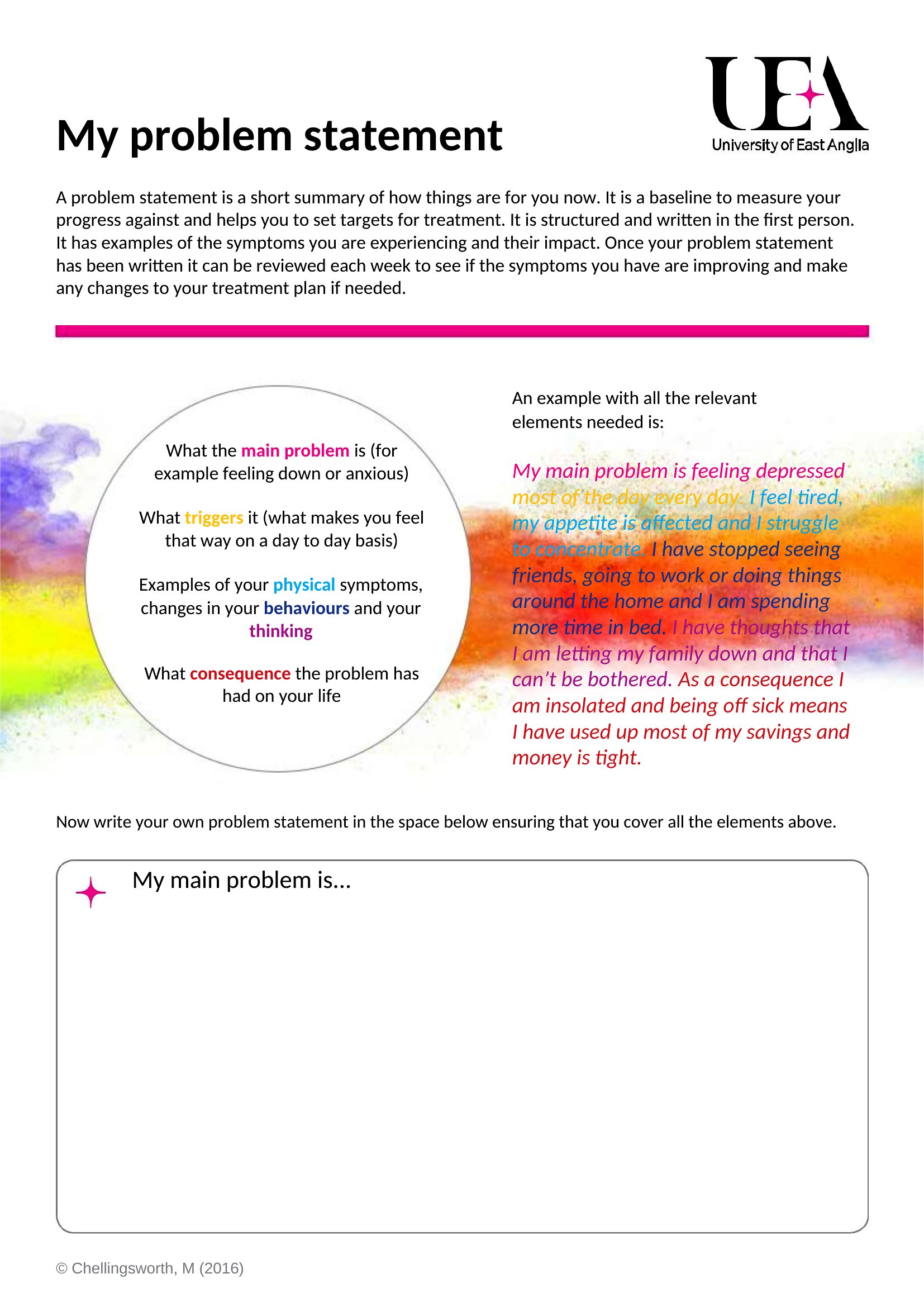
Each template includes specific prompts to force clarity, such as ‘Describe the measurable impact of this problem’ or ‘Identify the specific population affected.’ For example, ‘the system is slow’ might become ‘customer checkout takes 12+ seconds during peak hours, causing a 20% abandonment rate among mobile users.’ This shifts from subjective frustration to a quantifiable issue ripe for solutions.
Can I use these for a problem statement that’s part of a larger report or grant application?
Yes, these templates are designed to be modular. Extract the core problem section and integrate it into a broader document—just ensure you address the specific requirements of the larger format (e.g., grant applications often need a 1–2 page limit). The templates’ concise structure helps you avoid redundancy when combining with background or methodology sections later.
What if my problem is interdisciplinary, like a healthcare tech project blending clinical and engineering challenges?
Choose a template that emphasizes ‘stakeholder impacts’ or ‘cross-disciplinary gaps.’ For example, frame the problem by outlining how clinicians’ workflows and engineers’ design constraints both contribute to the issue (e.g., ‘Poor HIPAA-compliant API integration forces doctors to manually re-enter patient data, increasing errors by 30% while engineers lack real-time usage data to optimize the system’). This approach acknowledges multiple perspectives without diluting focus.
Comments
Join the conversation
Sign in to share your thoughts and leave a comment on this resource.