














FAQ
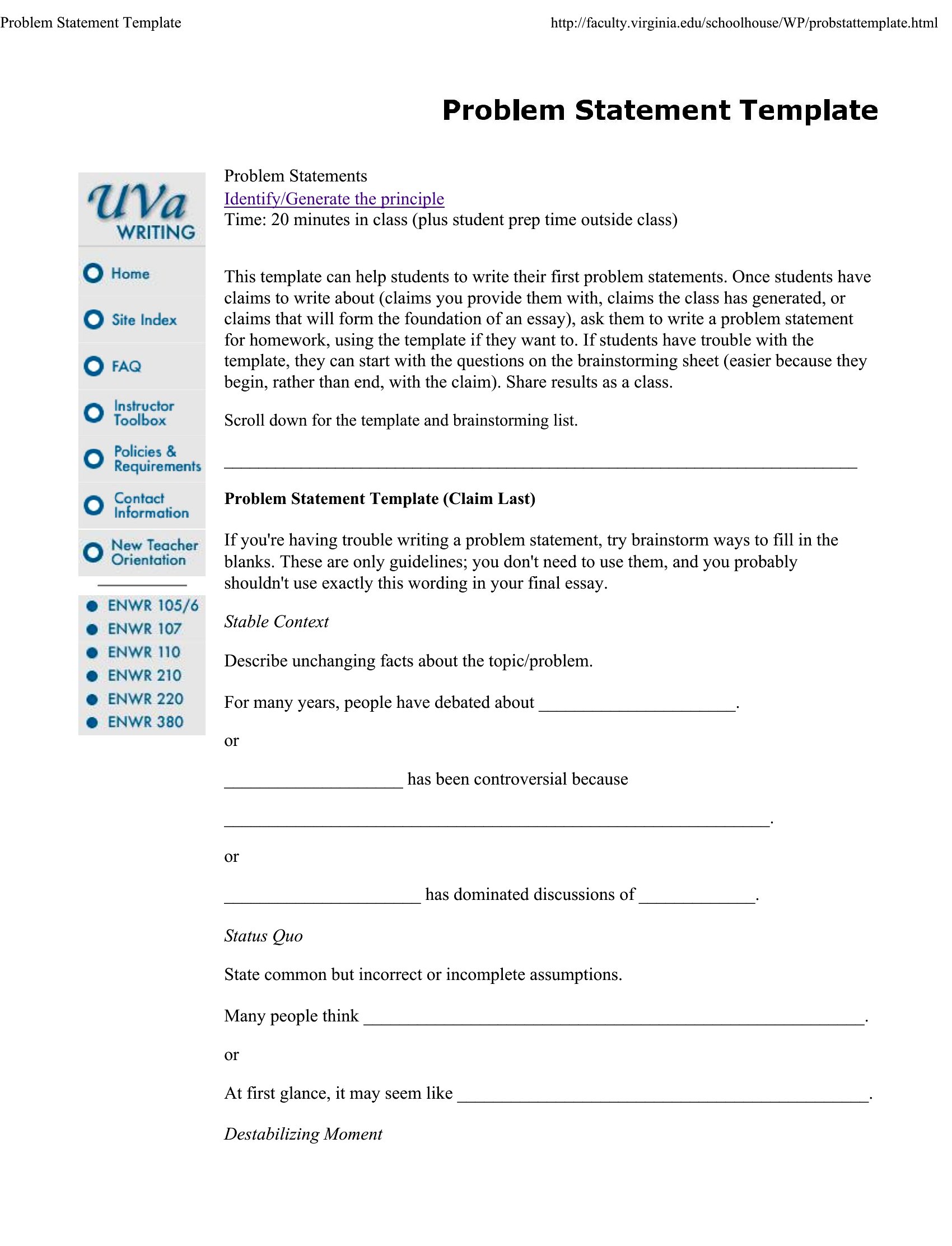
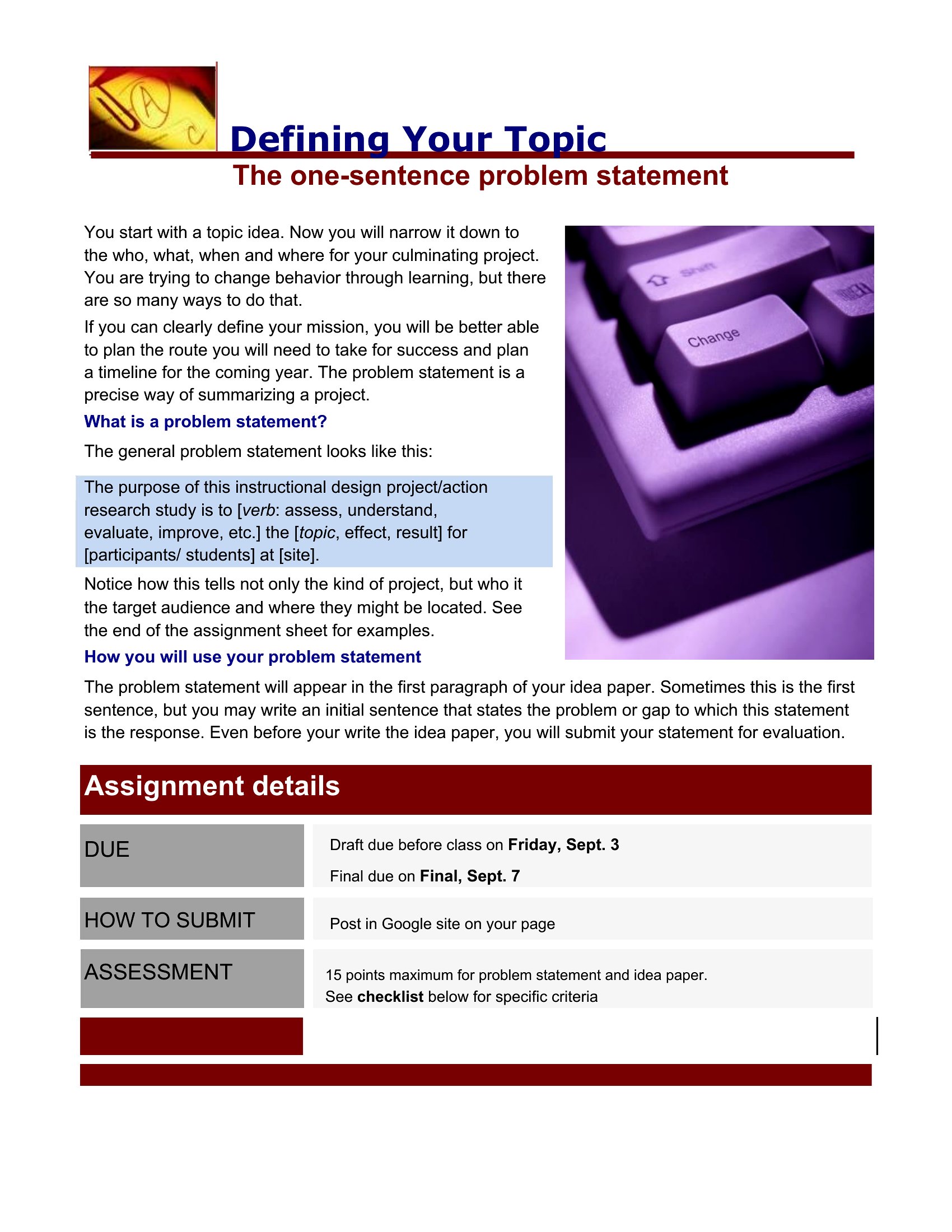
How do these templates help avoid vague problem statements like 'the system is slow'?
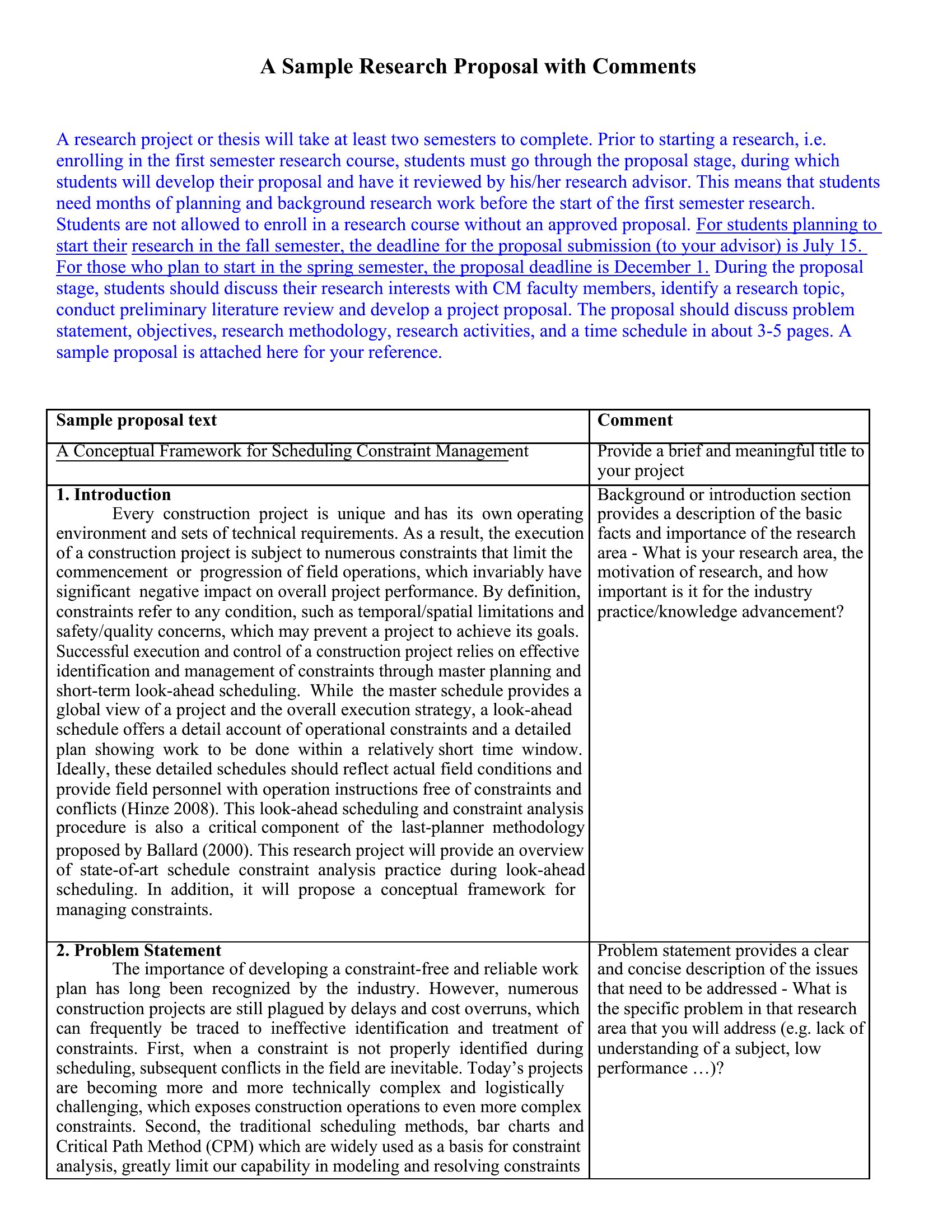
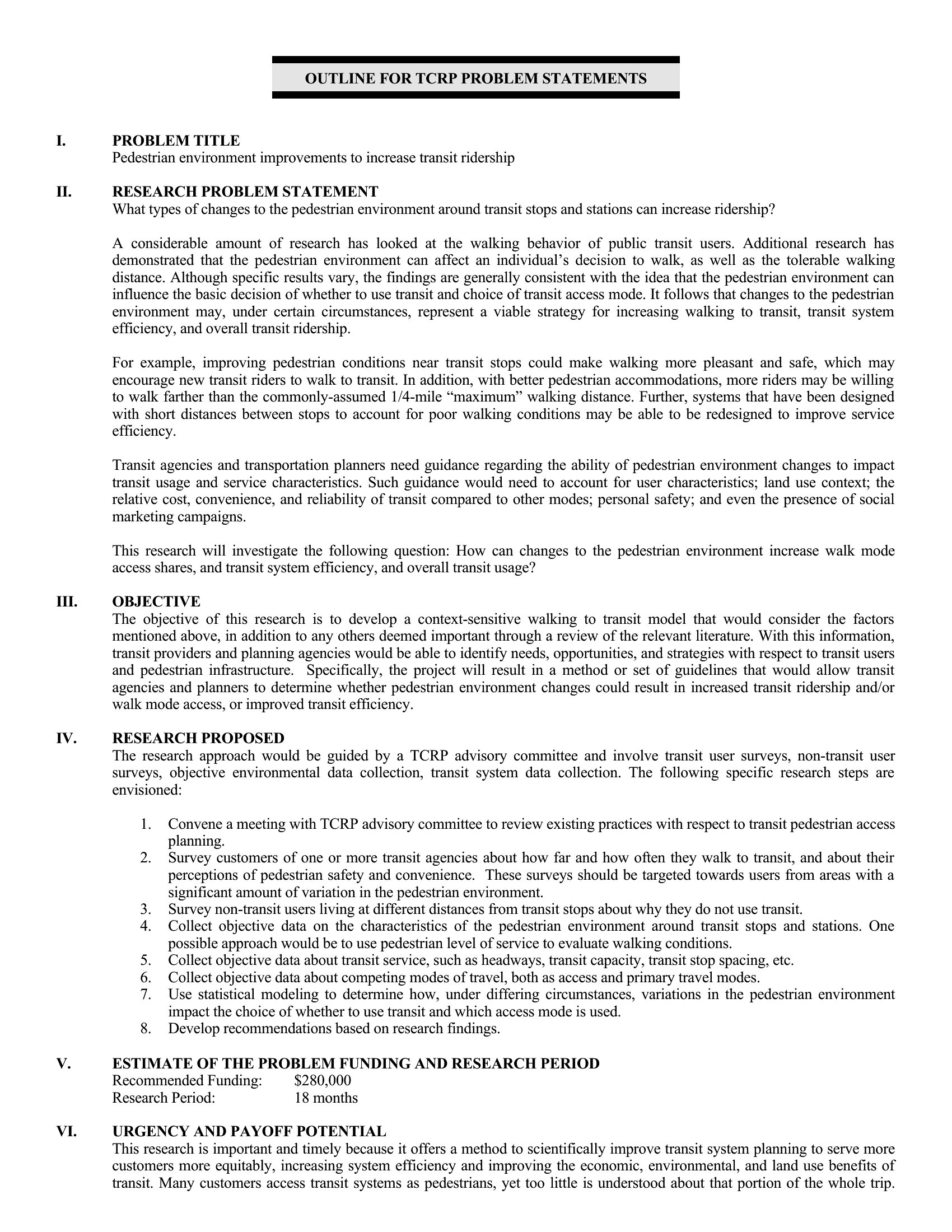
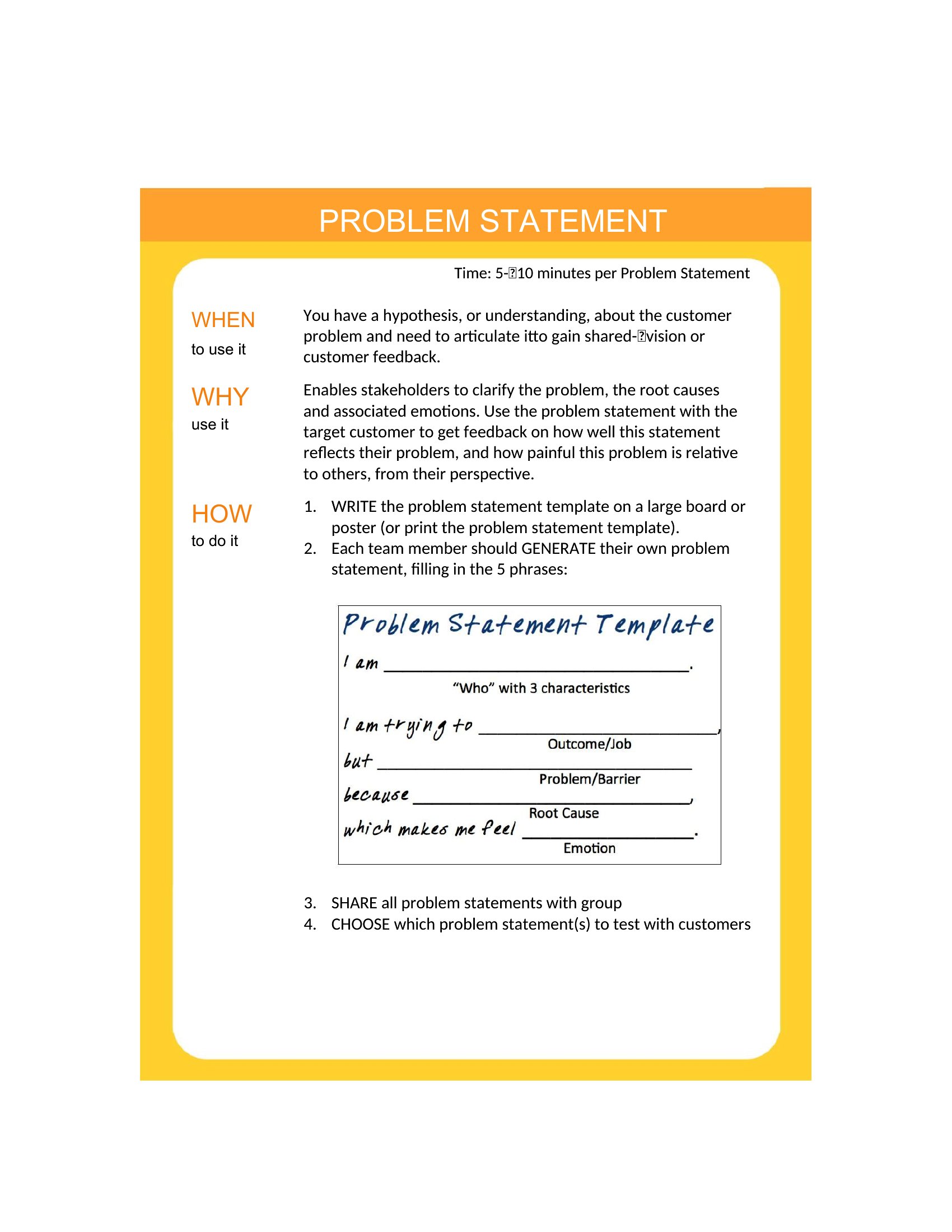
Each template includes specific prompts to force clarity, such as ‘Describe the measurable impact of this problem’ or ‘Identify the specific population affected.’ For example, ‘the system is slow’ might become ‘customer checkout takes 12+ seconds during peak hours, causing a 20% abandonment rate among mobile users.’ This shifts from subjective frustration to a quantifiable issue ripe for solutions.
Can I use these for a problem statement that’s part of a larger report or grant application?
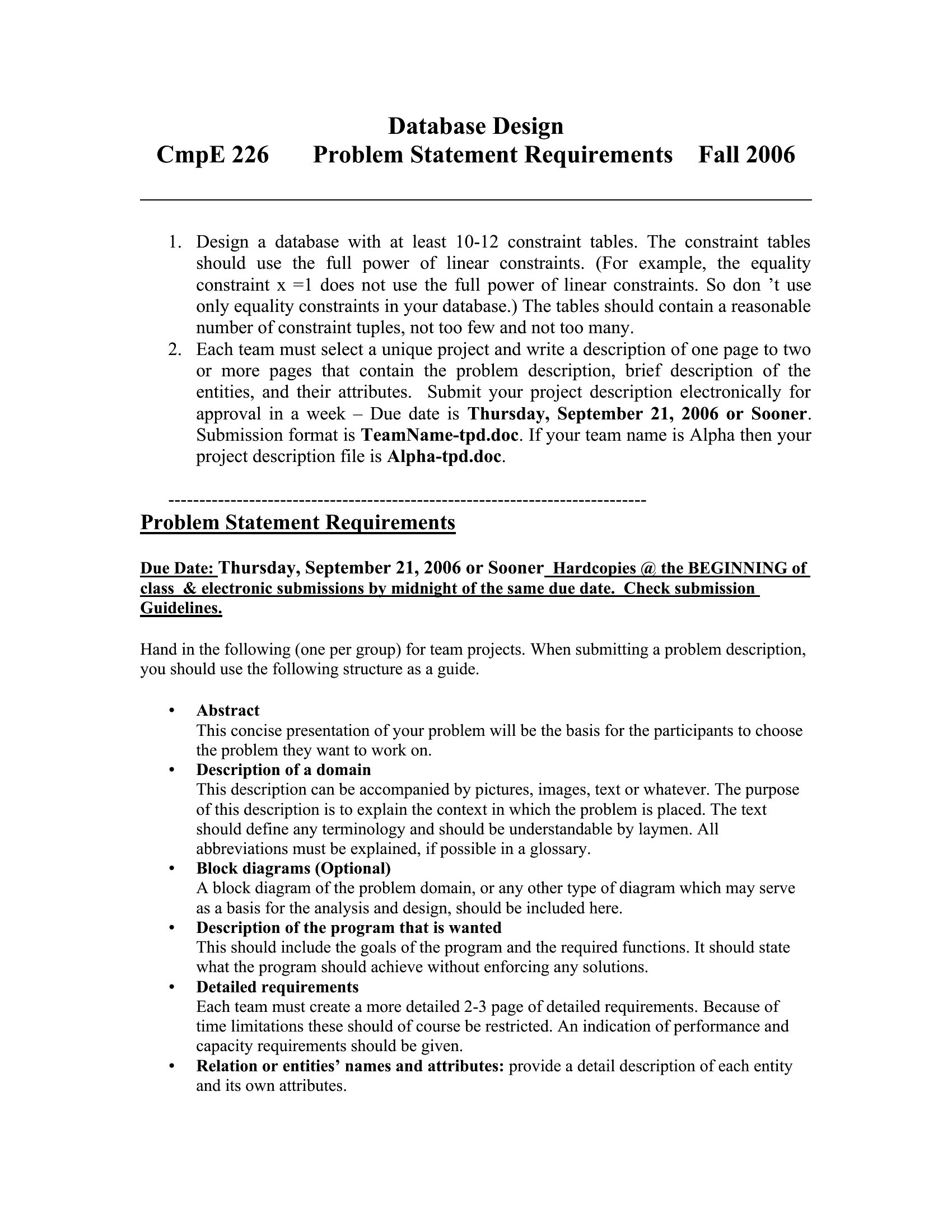
Yes, these templates are designed to be modular. Extract the core problem section and integrate it into a broader document—just ensure you address the specific requirements of the larger format (e.g., grant applications often need a 1–2 page limit). The templates’ concise structure helps you avoid redundancy when combining with background or methodology sections later.
What if my problem is interdisciplinary, like a healthcare tech project blending clinical and engineering challenges?
Choose a template that emphasizes ‘stakeholder impacts’ or ‘cross-disciplinary gaps.’ For example, frame the problem by outlining how clinicians’ workflows and engineers’ design constraints both contribute to the issue (e.g., ‘Poor HIPAA-compliant API integration forces doctors to manually re-enter patient data, increasing errors by 30% while engineers lack real-time usage data to optimize the system’). This approach acknowledges multiple perspectives without diluting focus.
Comments
Join the conversation
Sign in to share your thoughts and leave a comment on this resource.