


FAQ
How do I decide which expenses belong in ‘operating’ versus ‘non-operating’ sections?
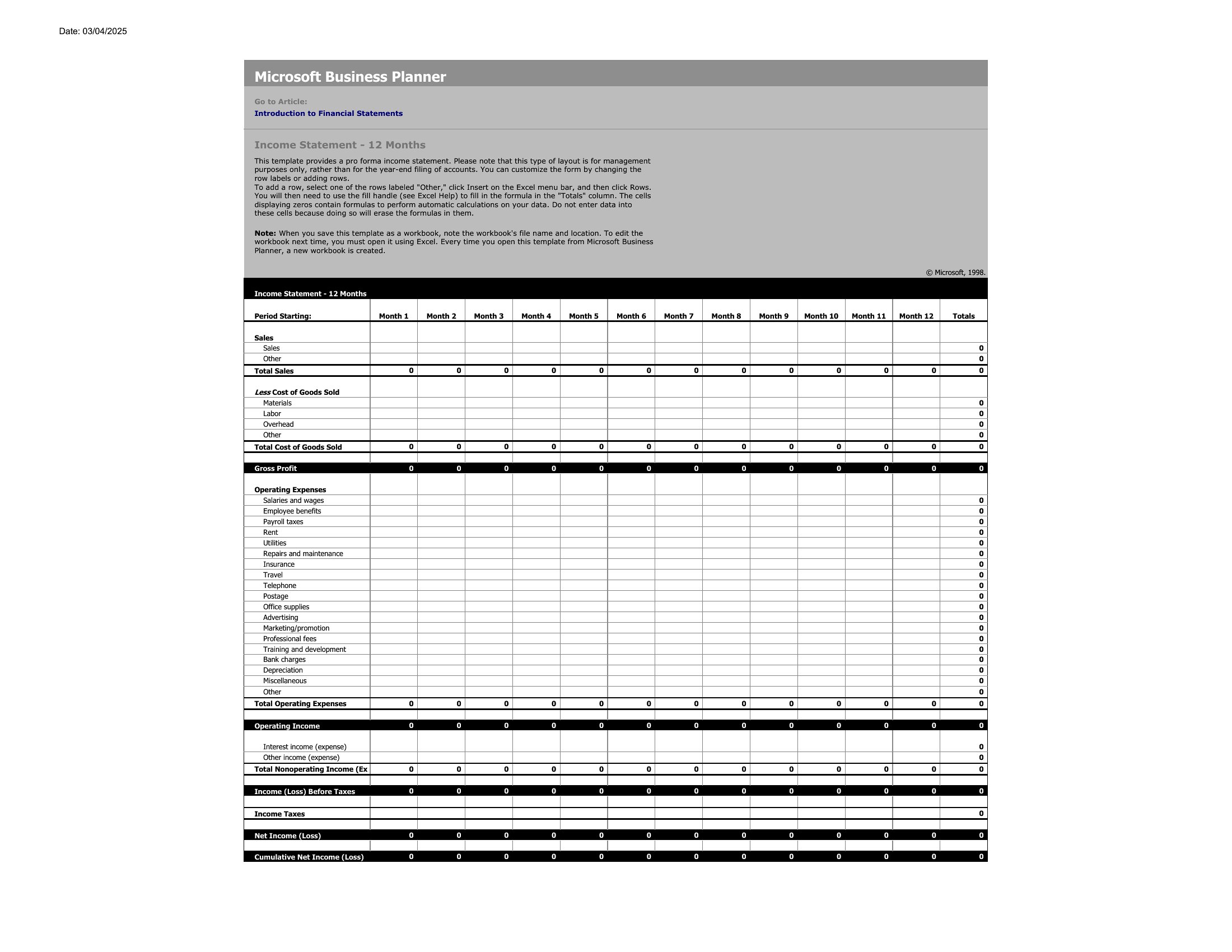
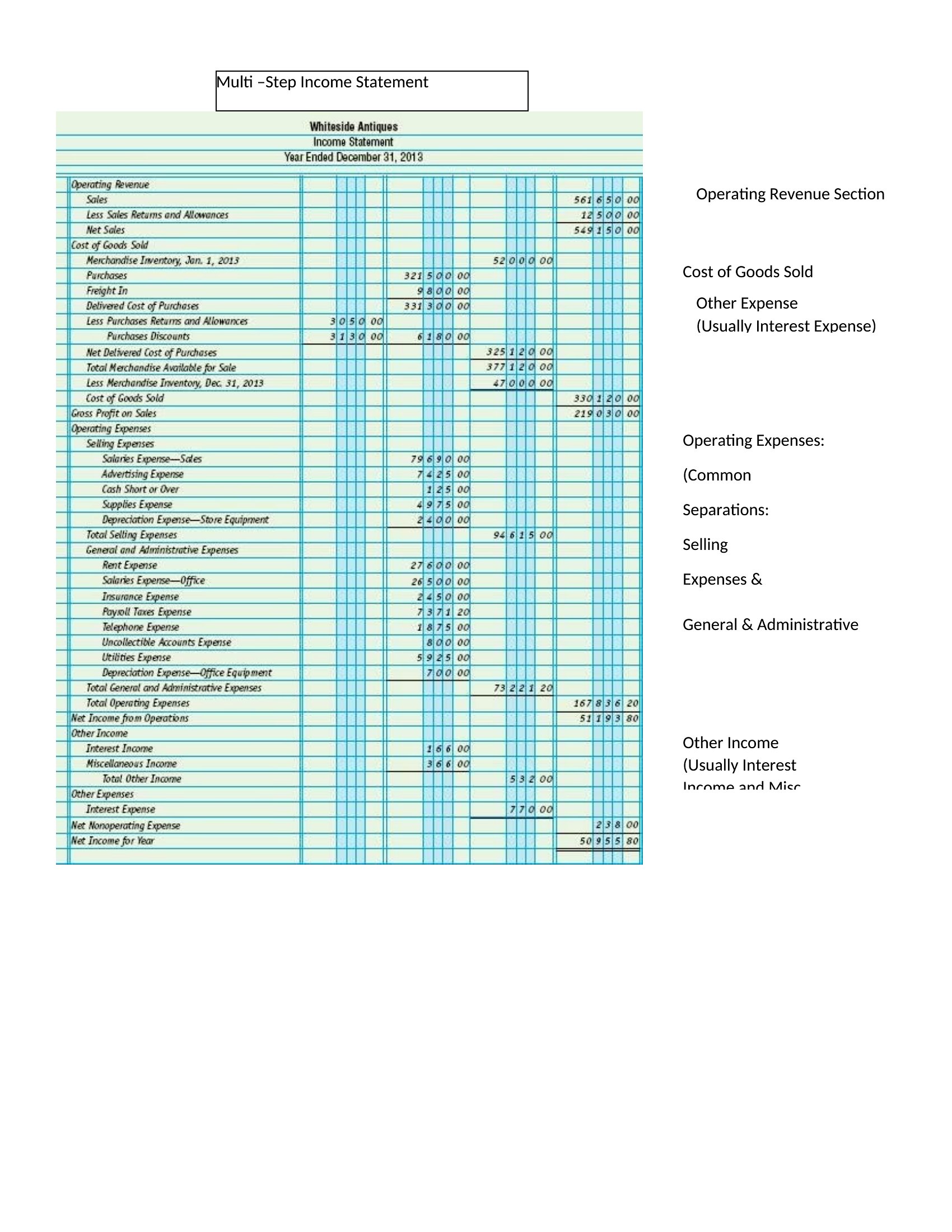
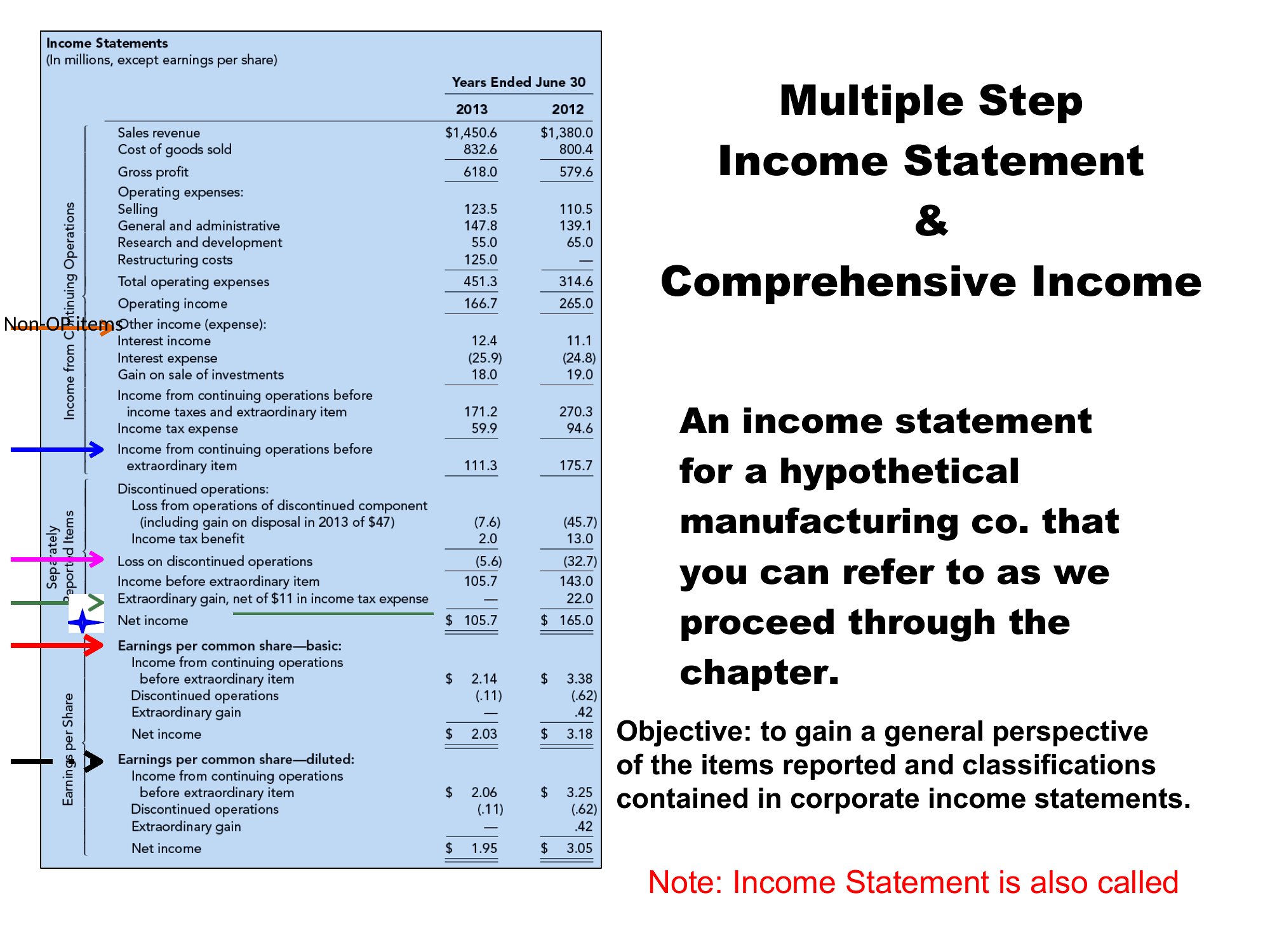
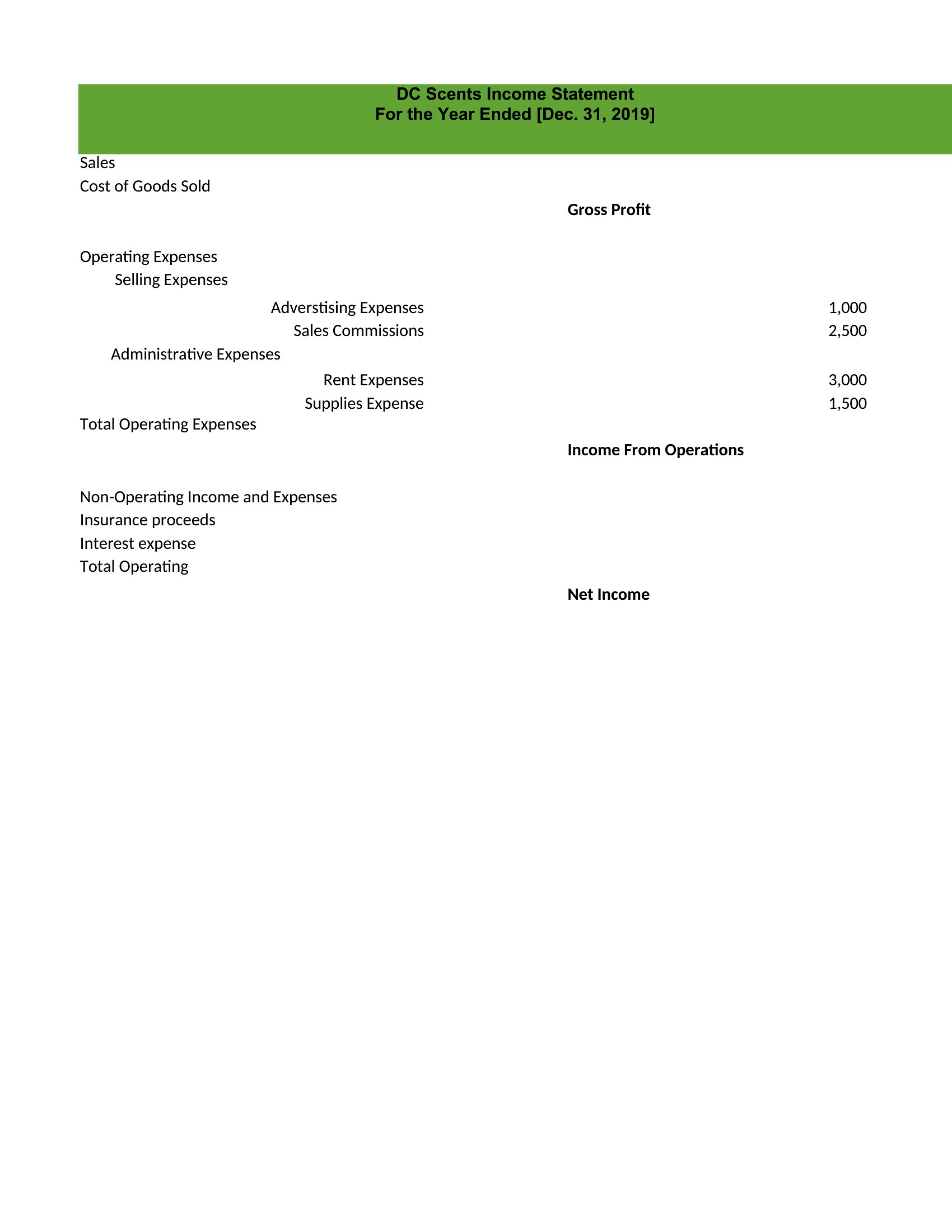
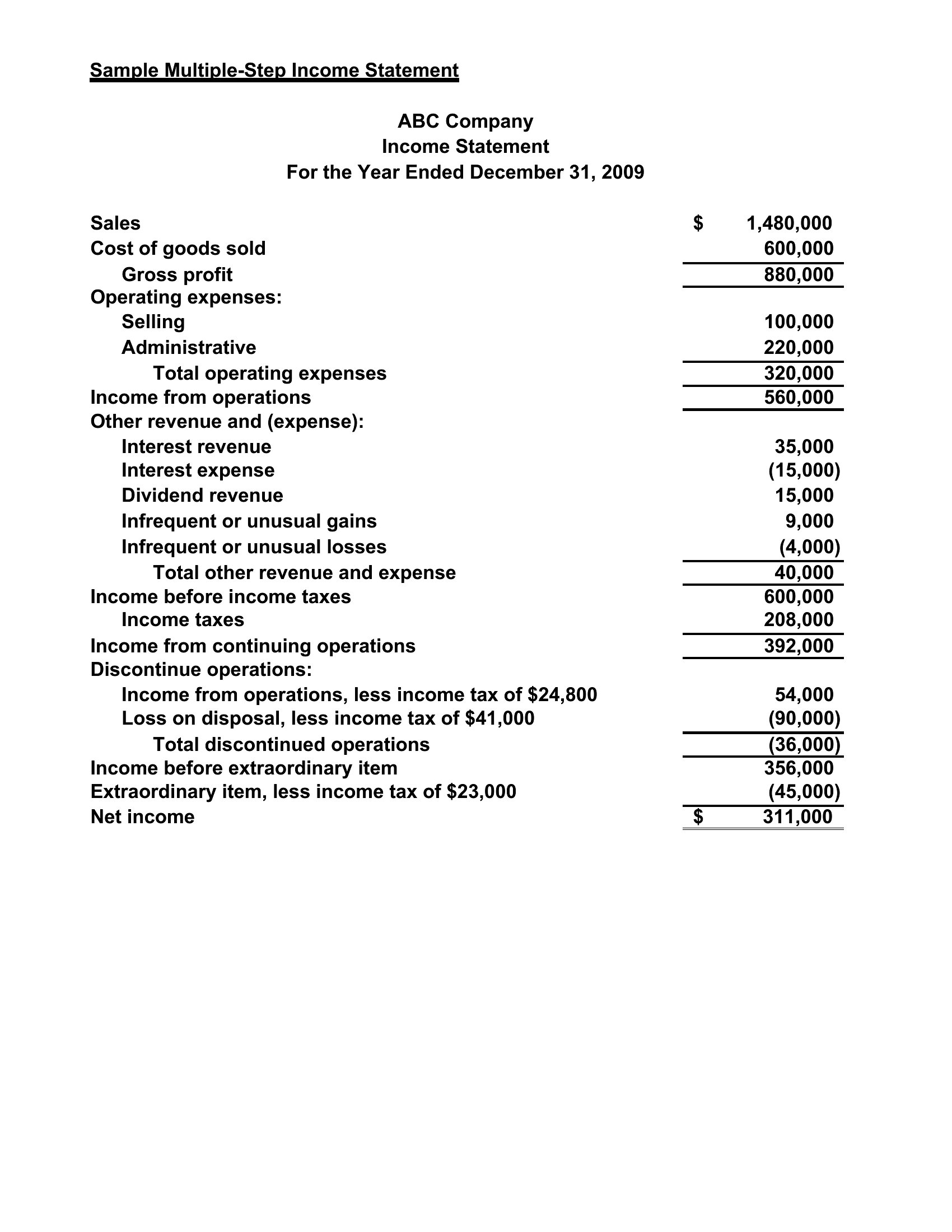
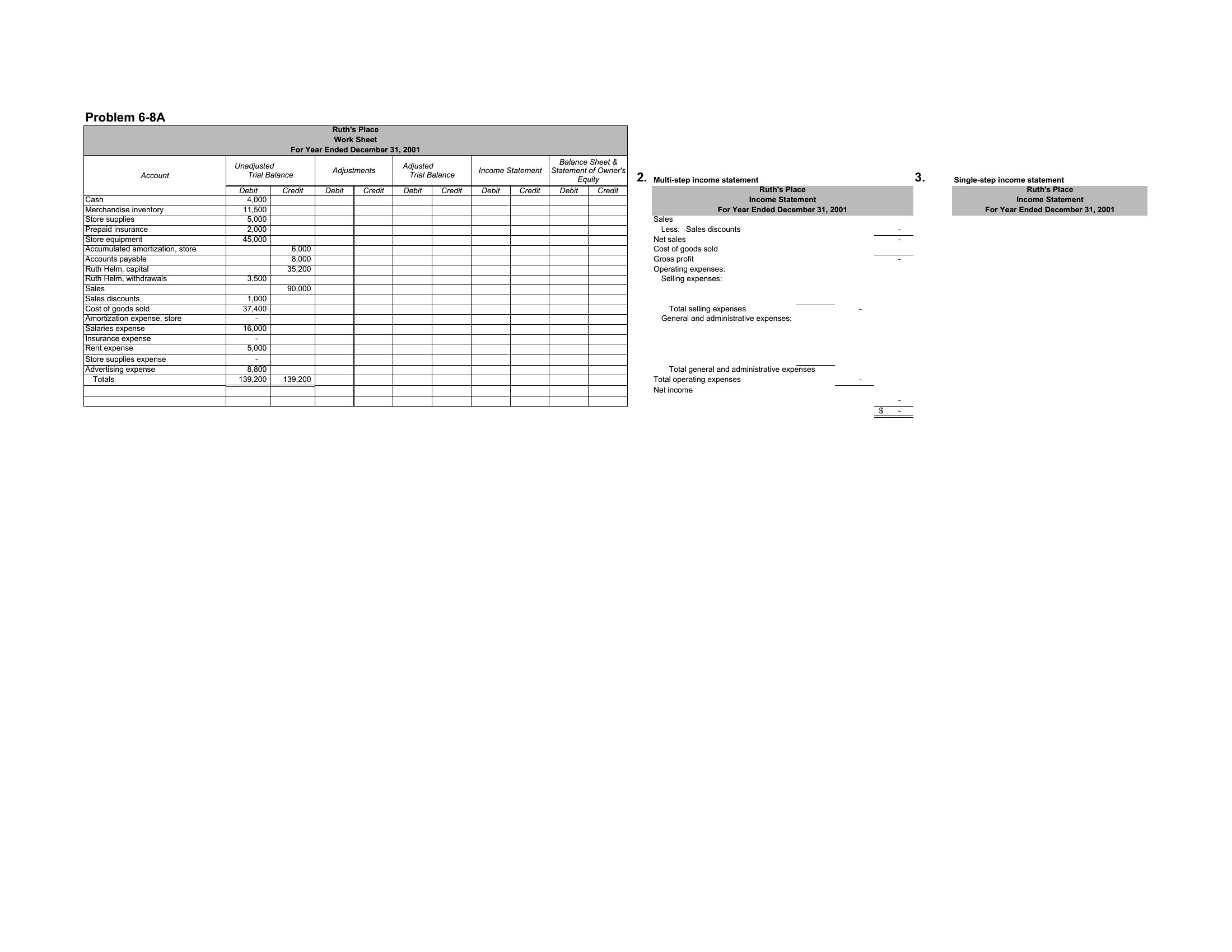
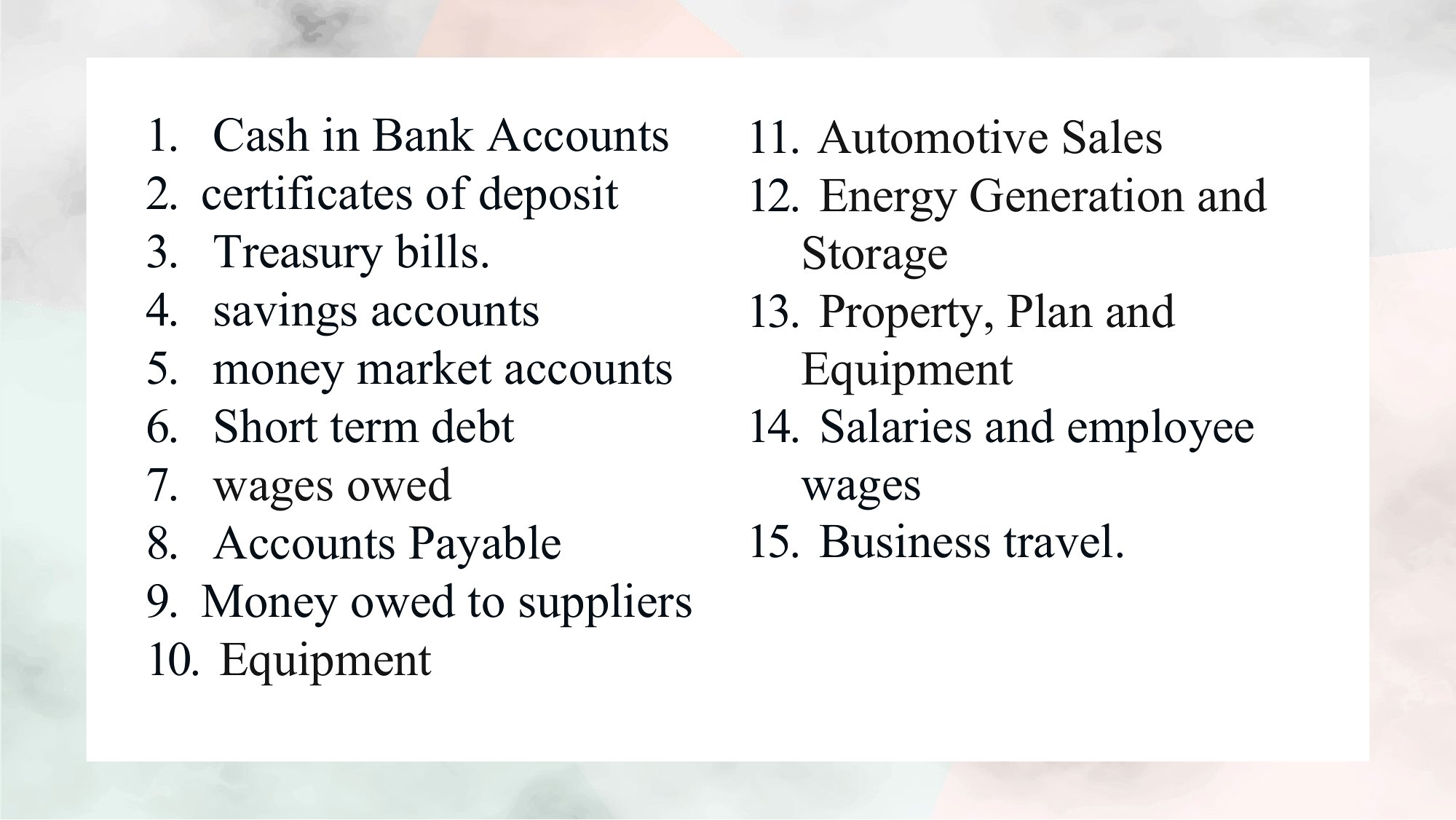
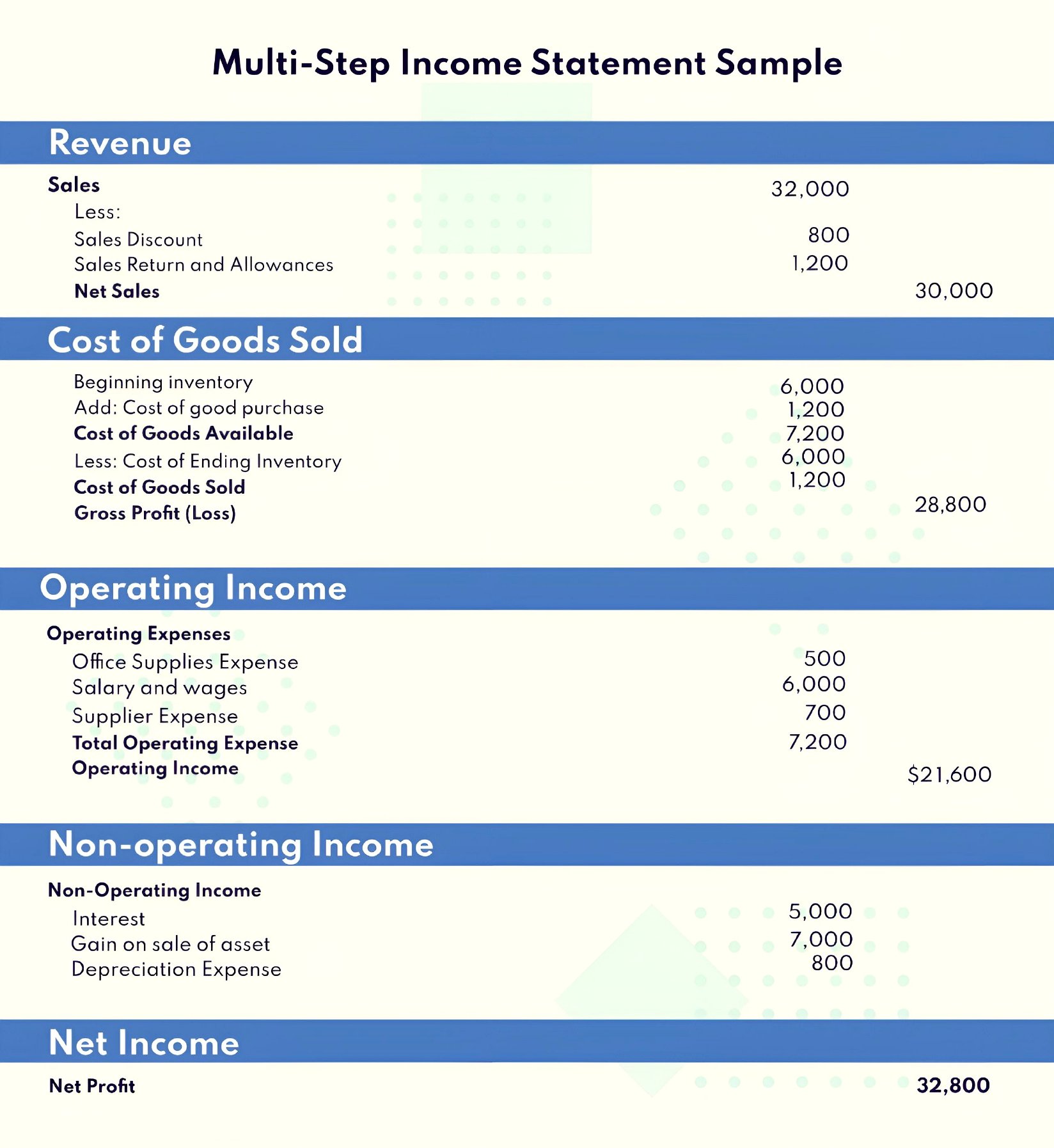
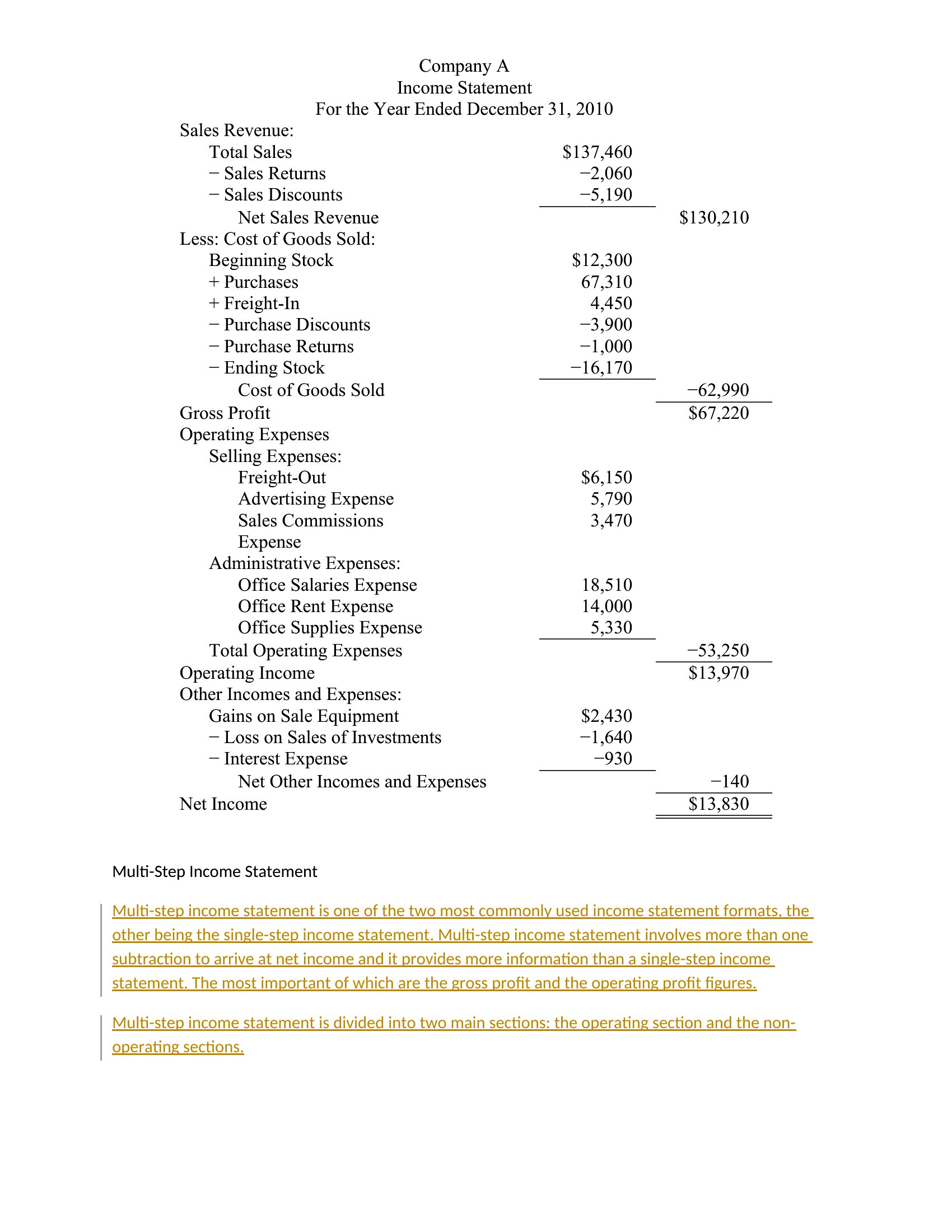
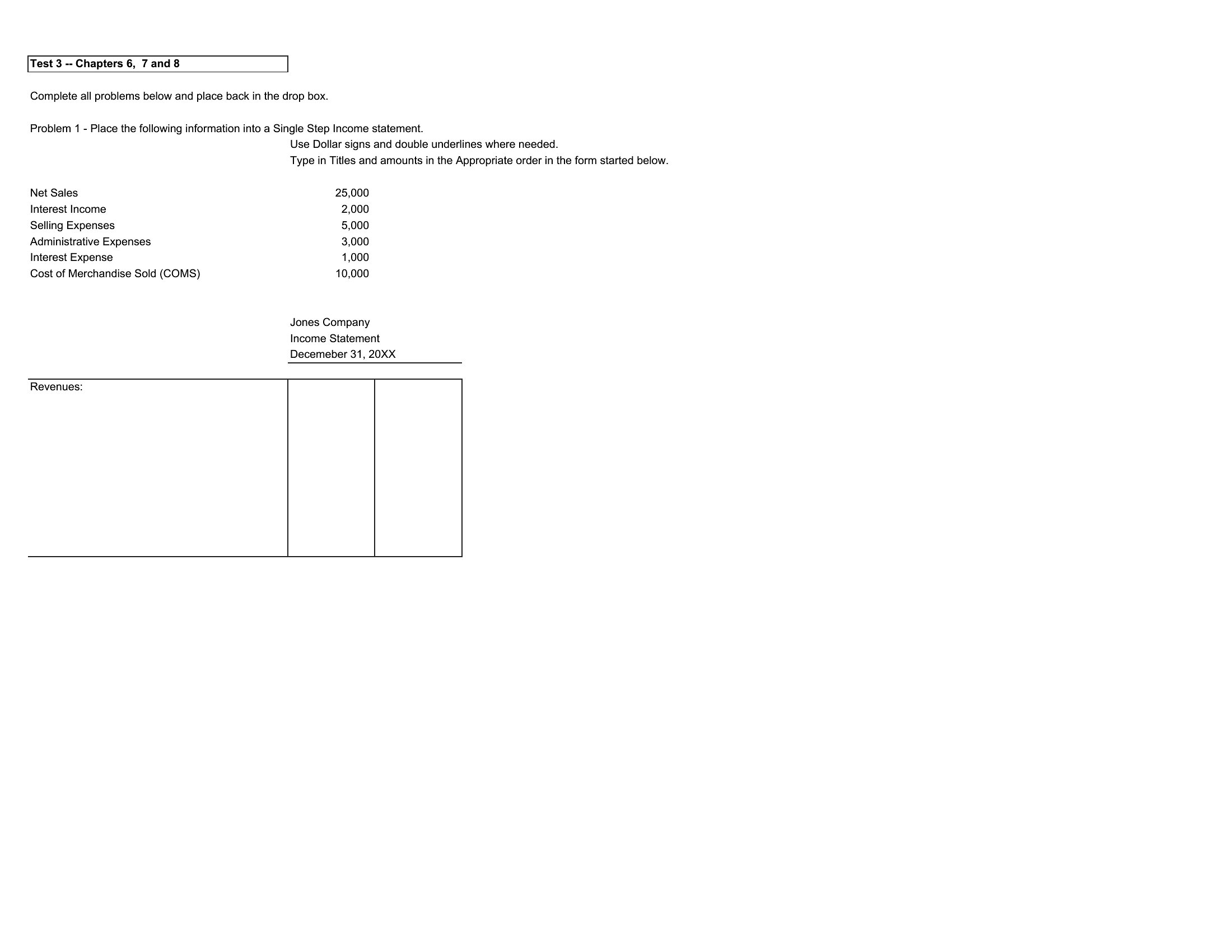
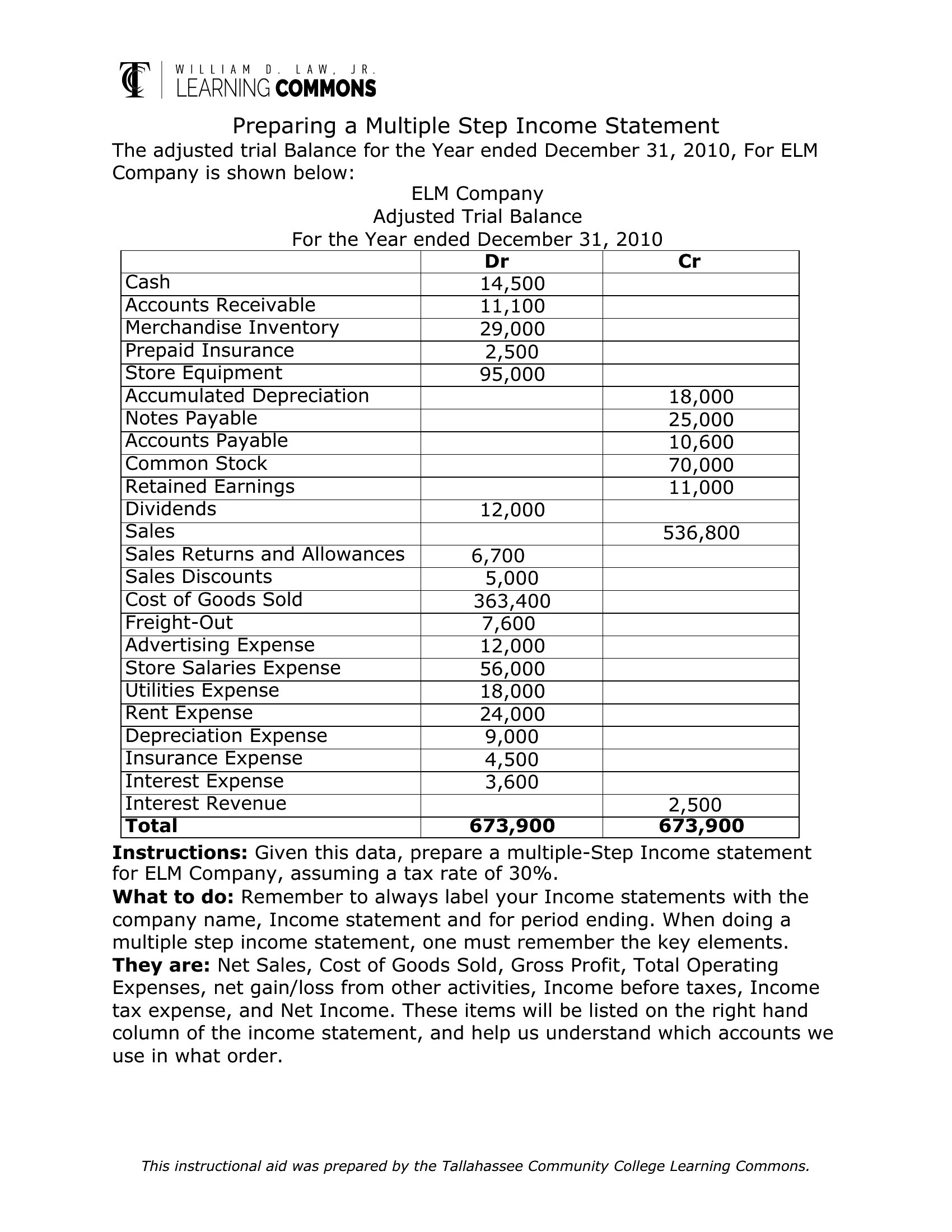
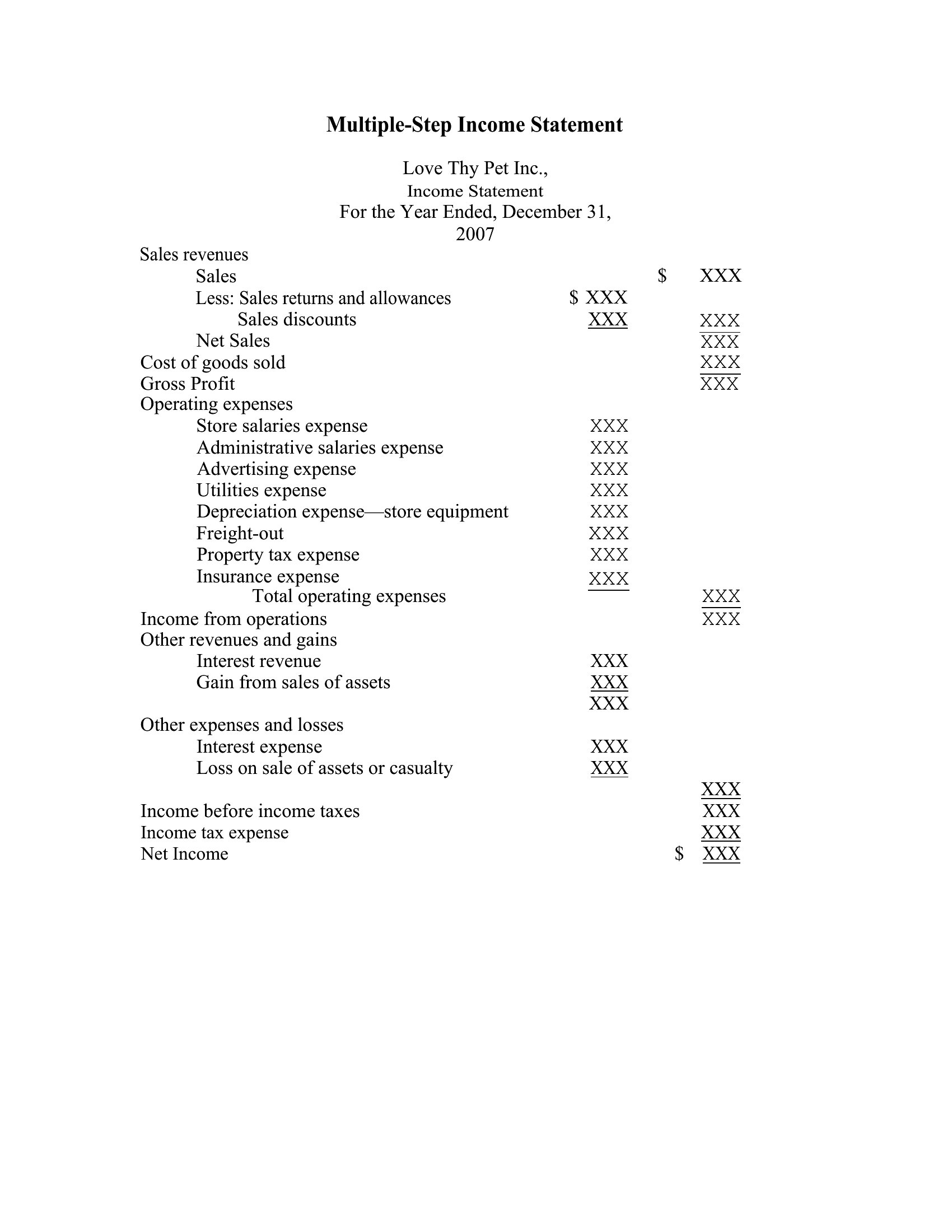
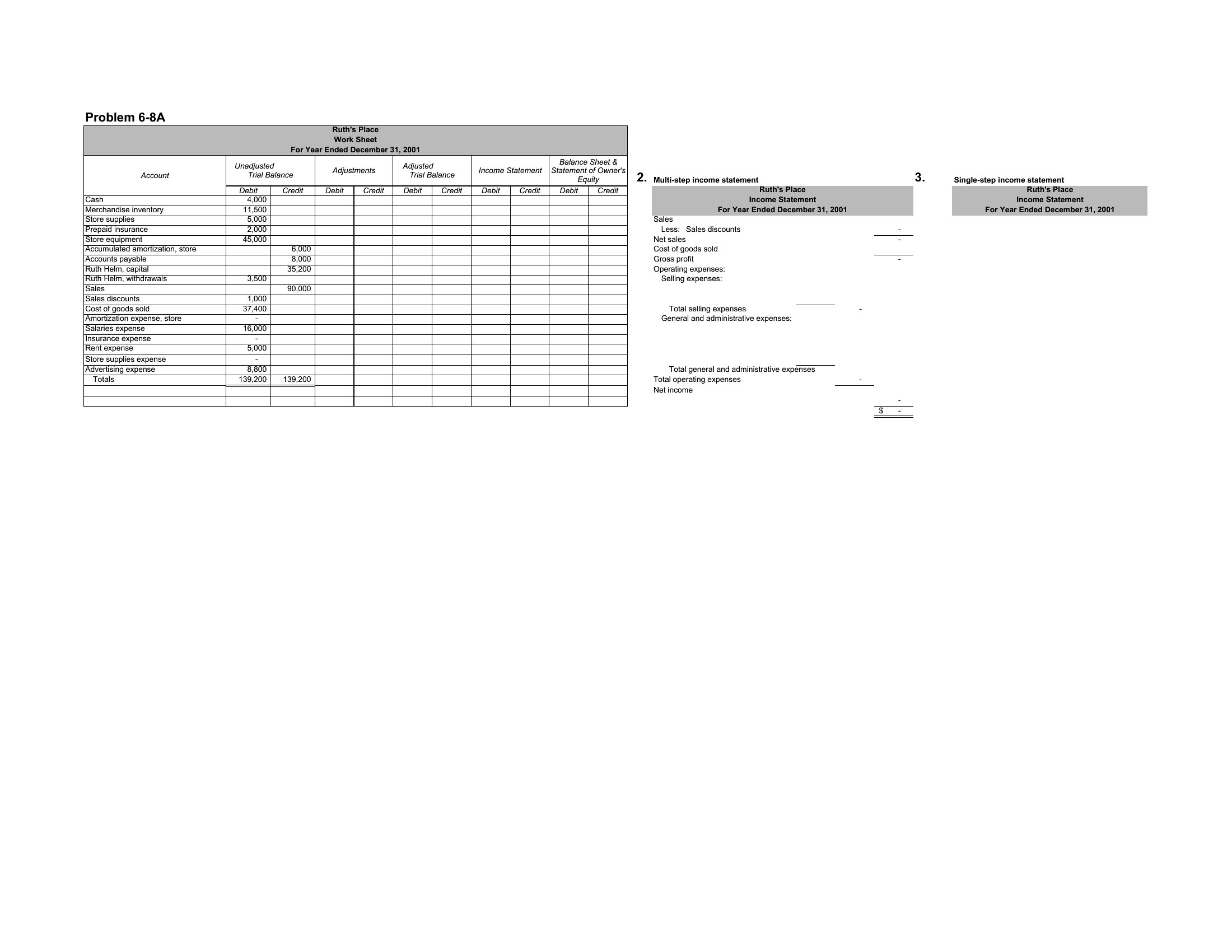
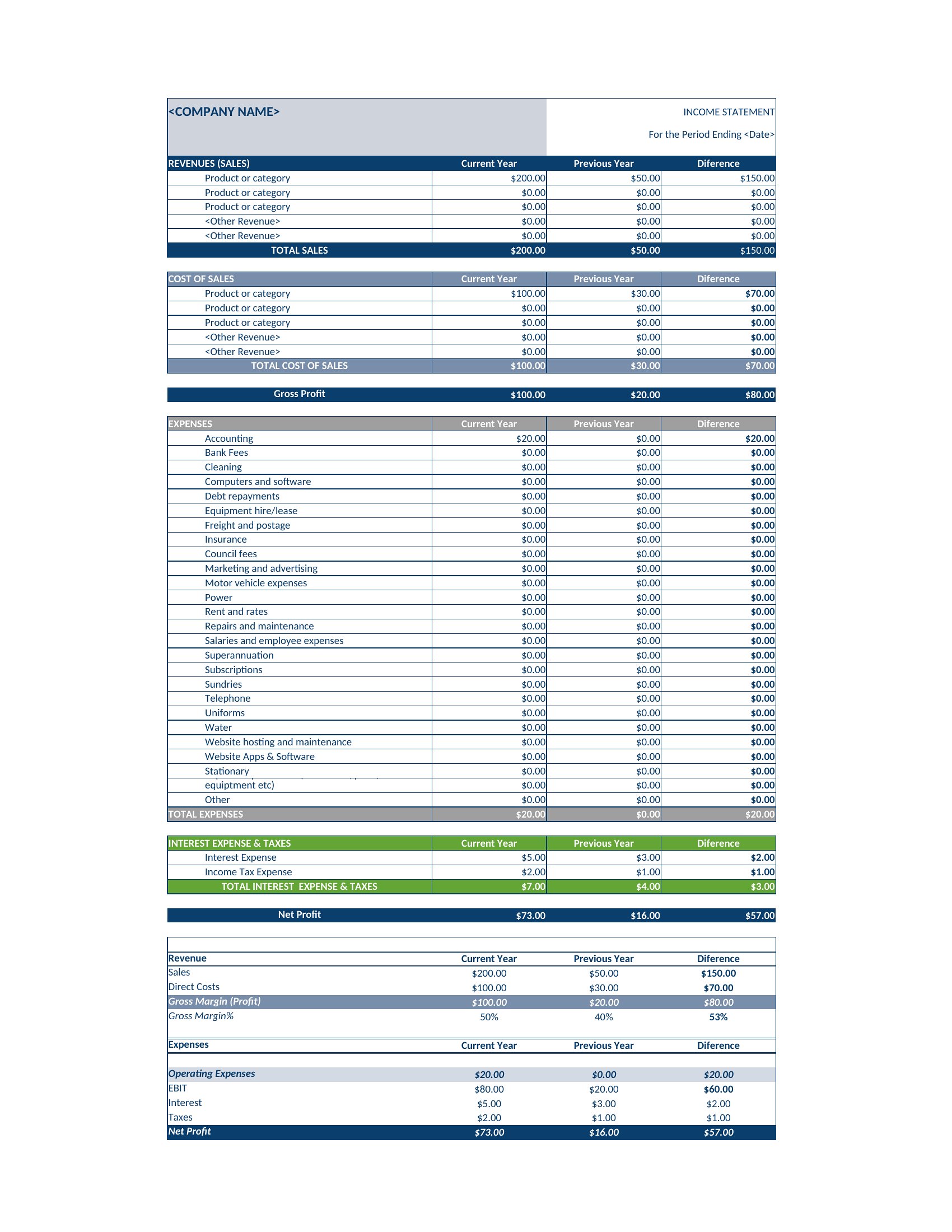
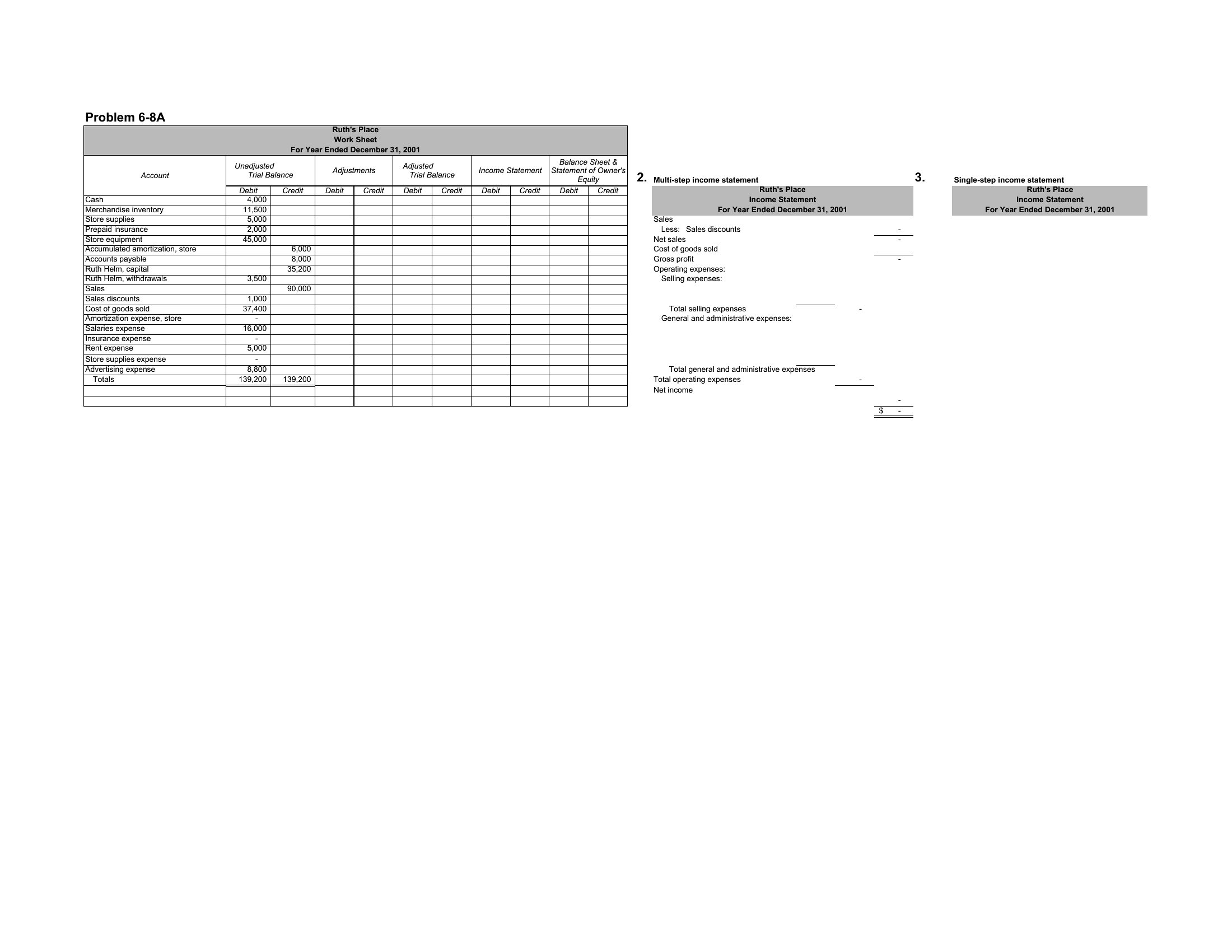
Operating expenses include direct costs tied to running your core business, like salaries for your team, rent for office space, or utilities. Non-operating expenses cover one-time or secondary items such as interest on loans or investment losses. Review your chart of accounts and group items by frequency and relevance to daily operations. For guidance, check IRS guidelines or consult a CPA before finalizing your template.
Can I use these templates to reconcile discrepancies between my actual income and what’s reported on the statement?
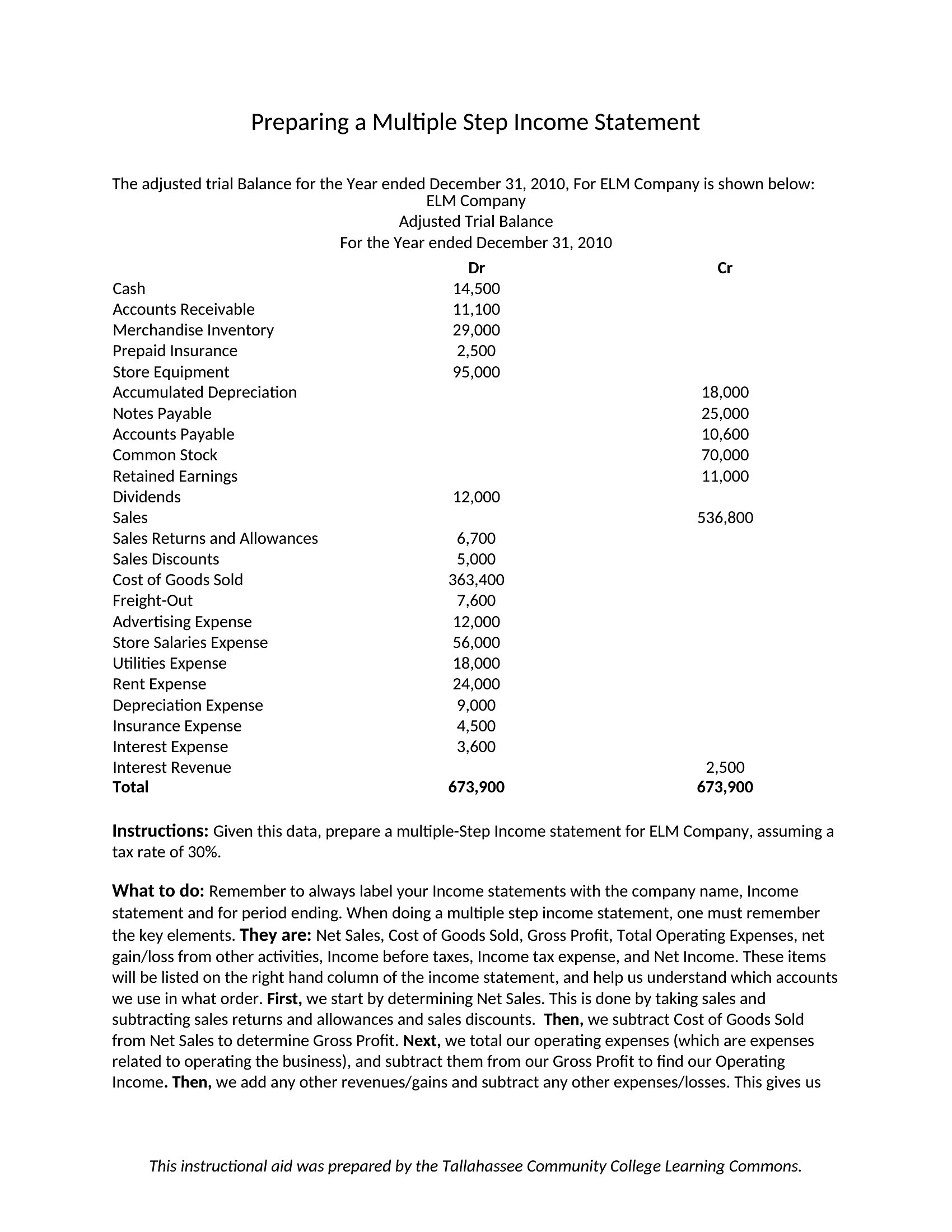
Yes, these templates help organize your figures so you can spot inconsistencies, like missing revenue streams or overstated expenses. For reconciliation, compare each line item to your bank statements or invoices. If you’re dealing with complex adjustments, consider using the Excel format to add columns for corrections or consult an accountant to review the final numbers.
What’s the difference between ‘gross profit’ and ‘operating income’ in this template, and why does it matter?
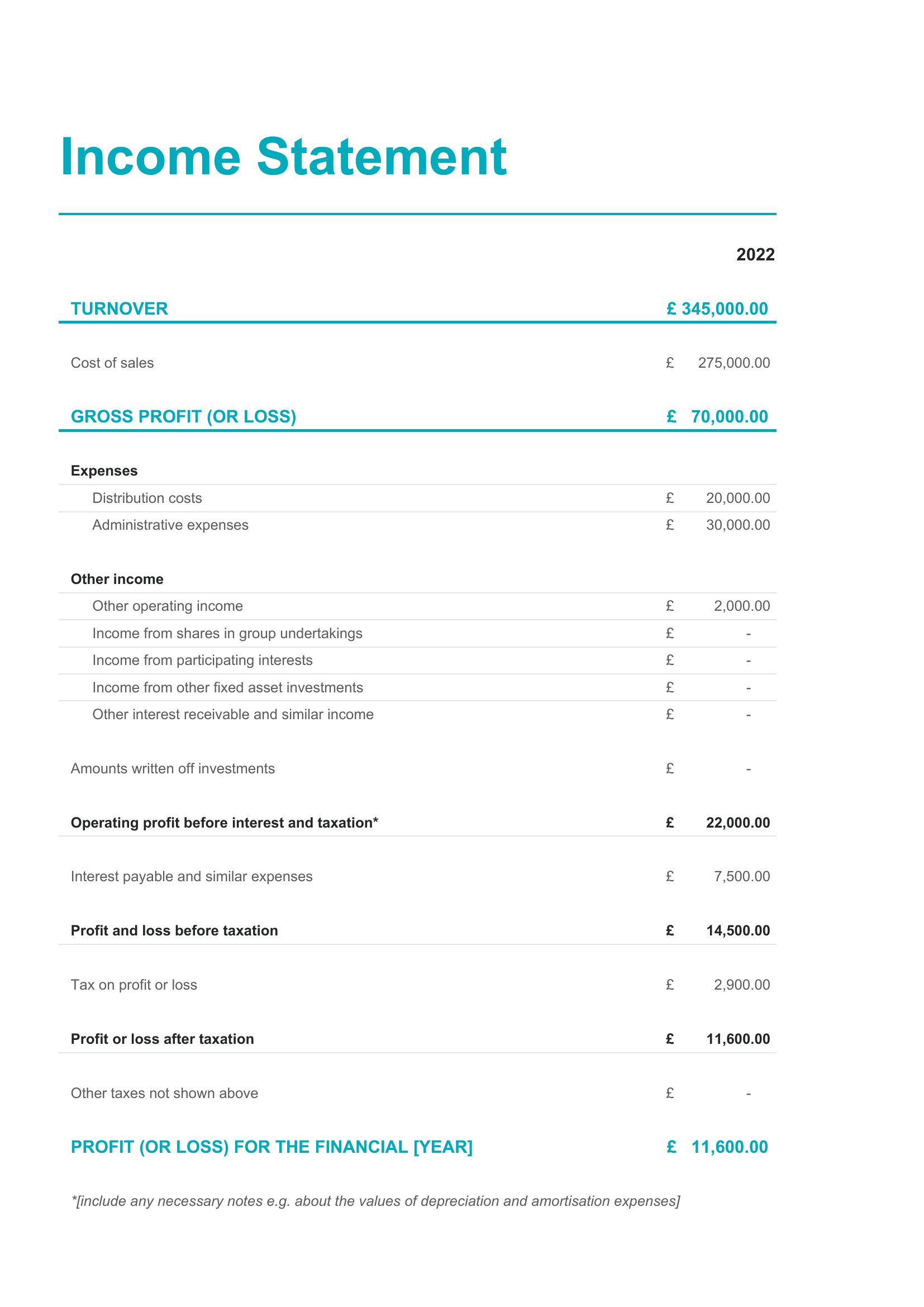
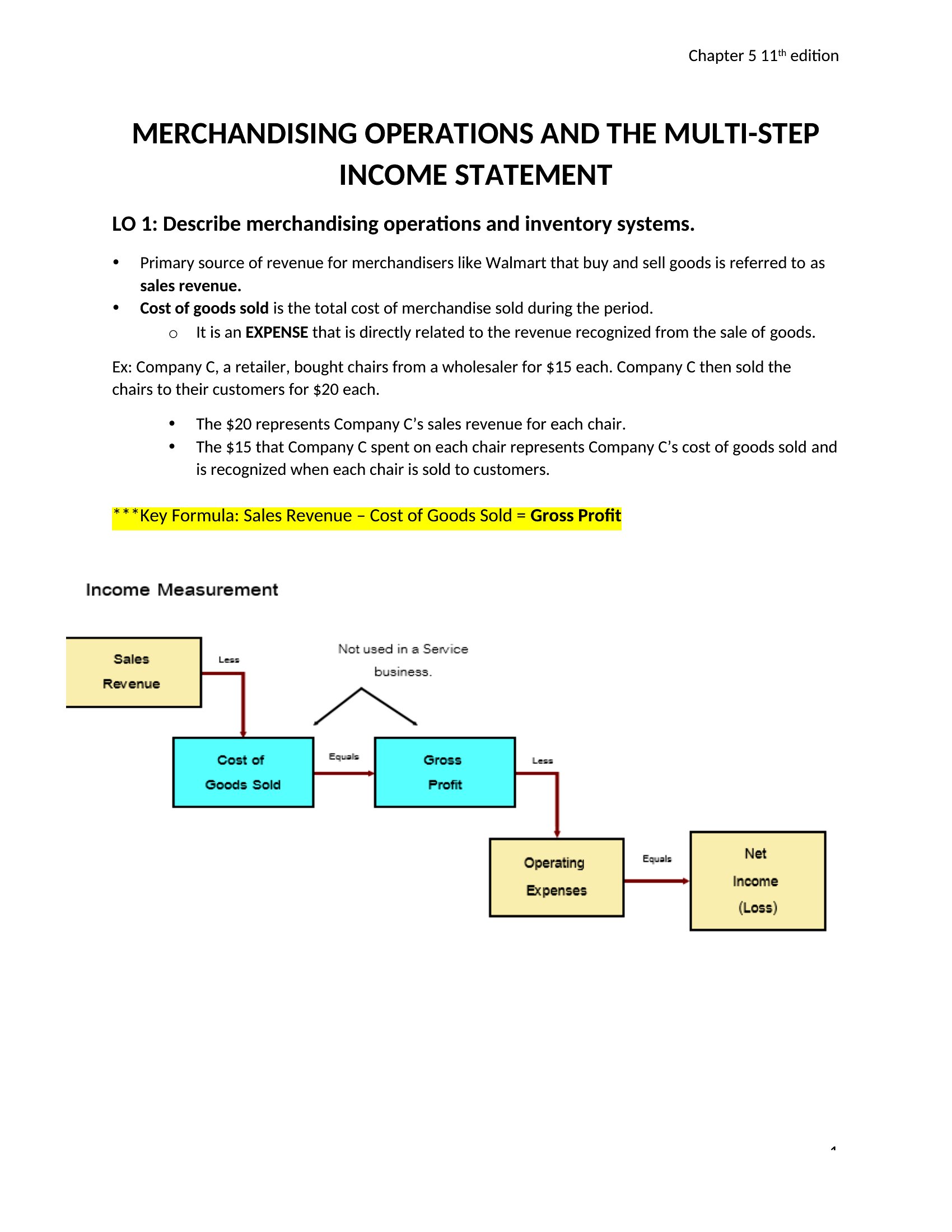
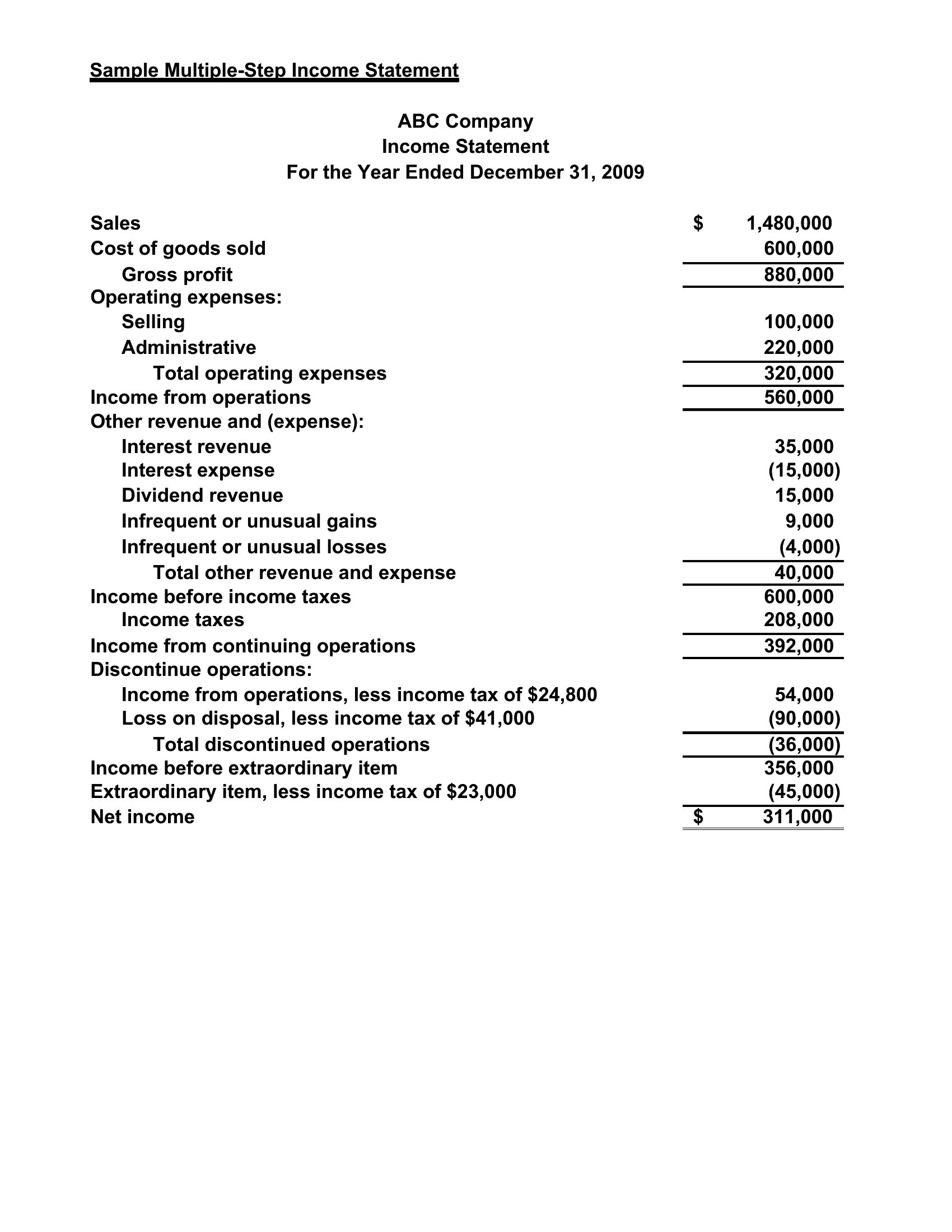
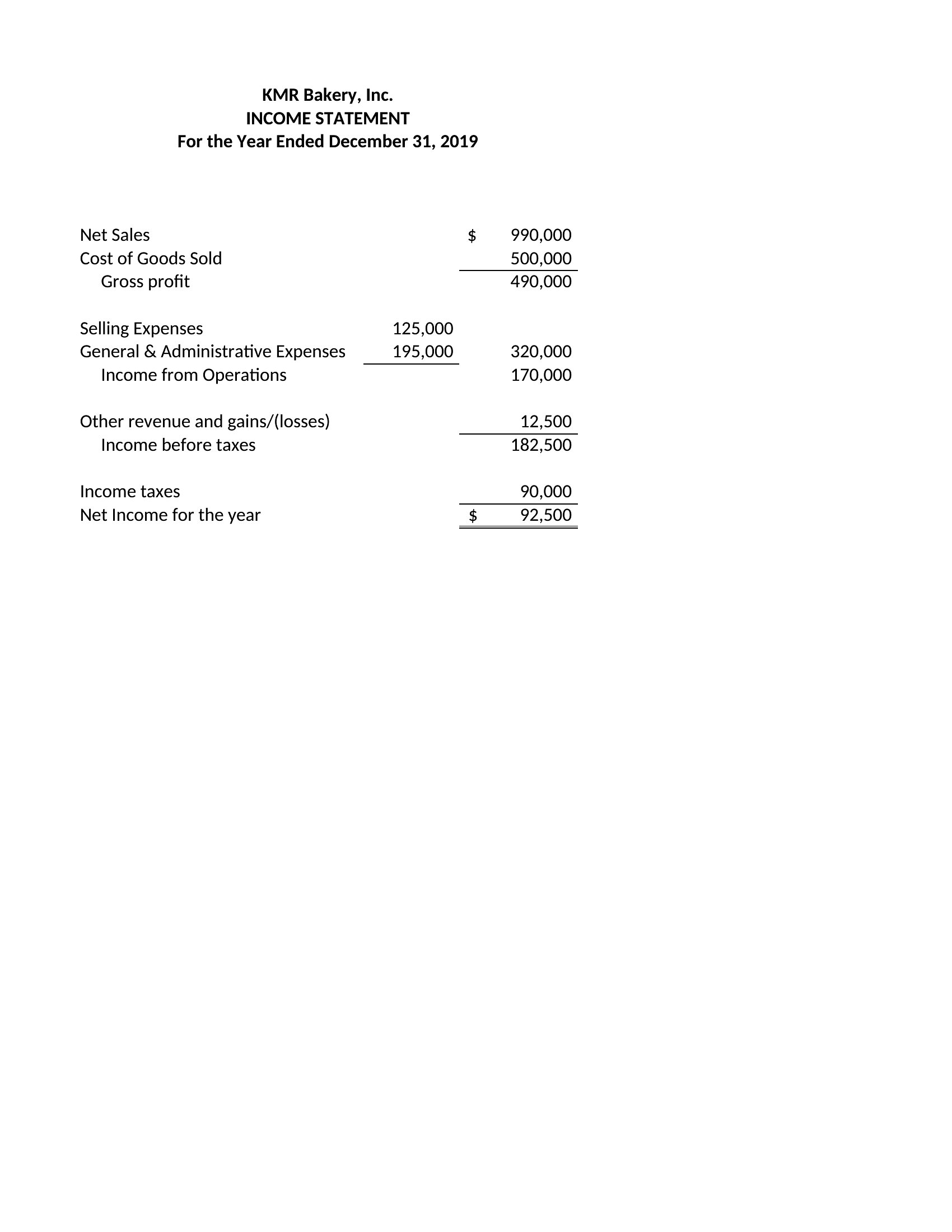
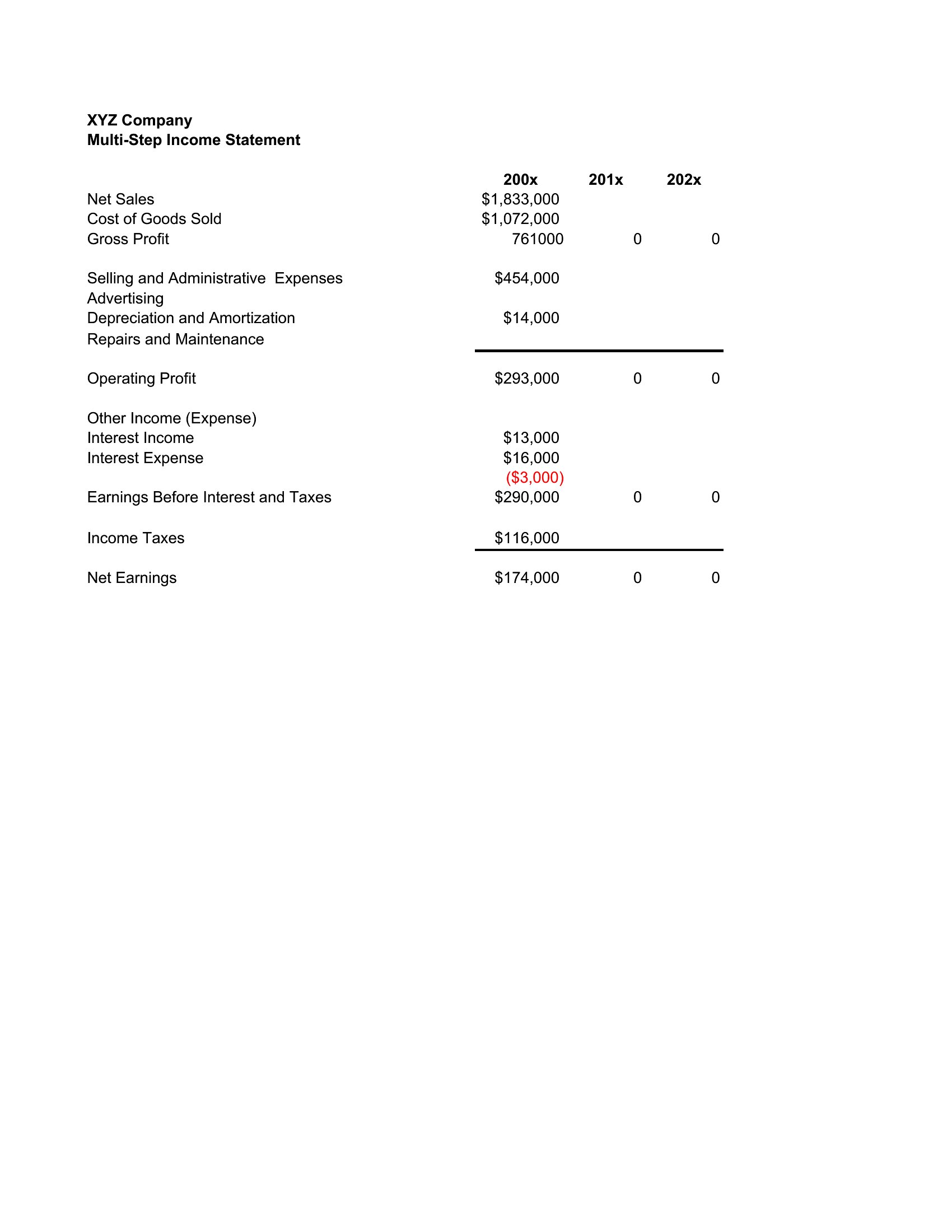
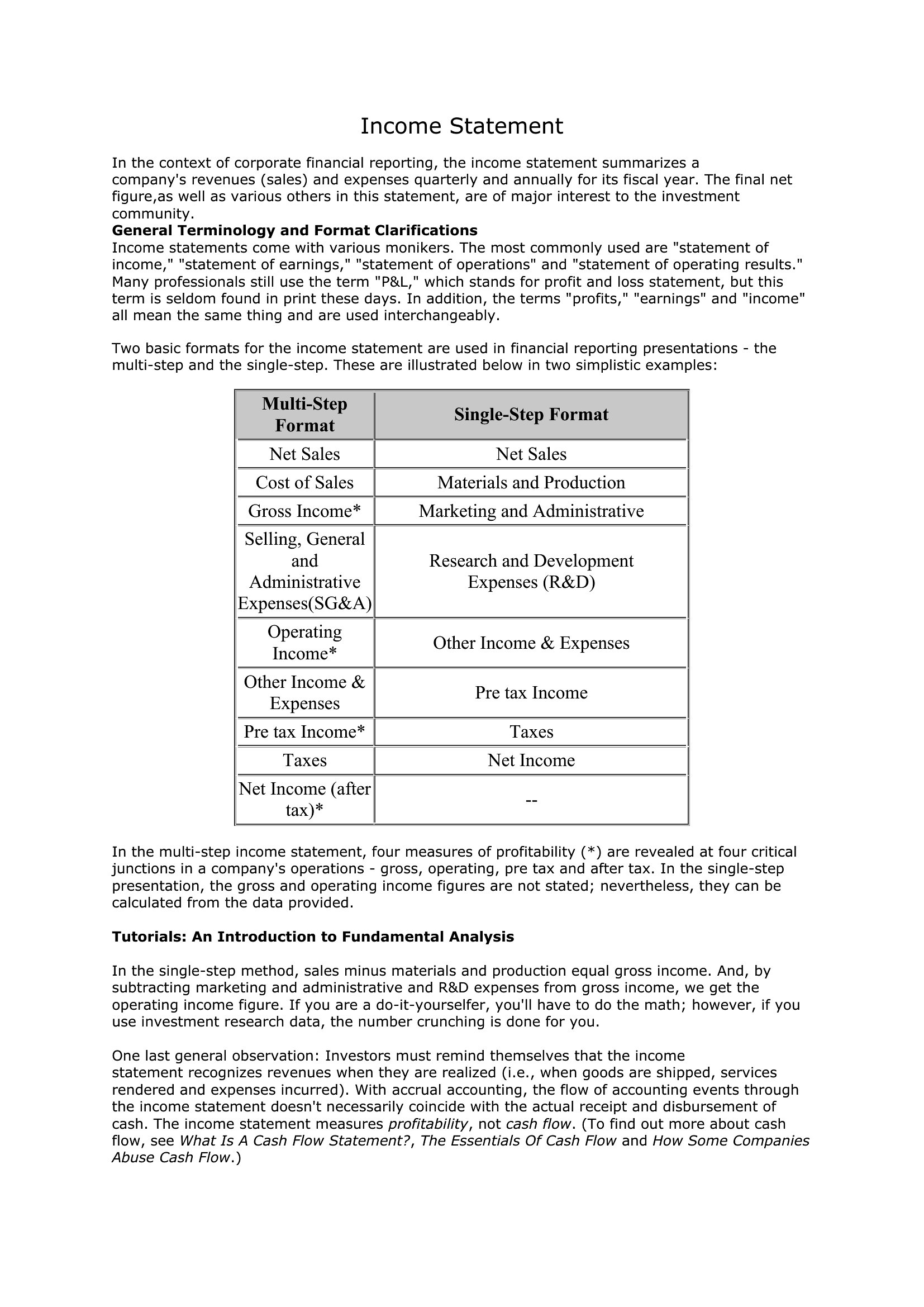
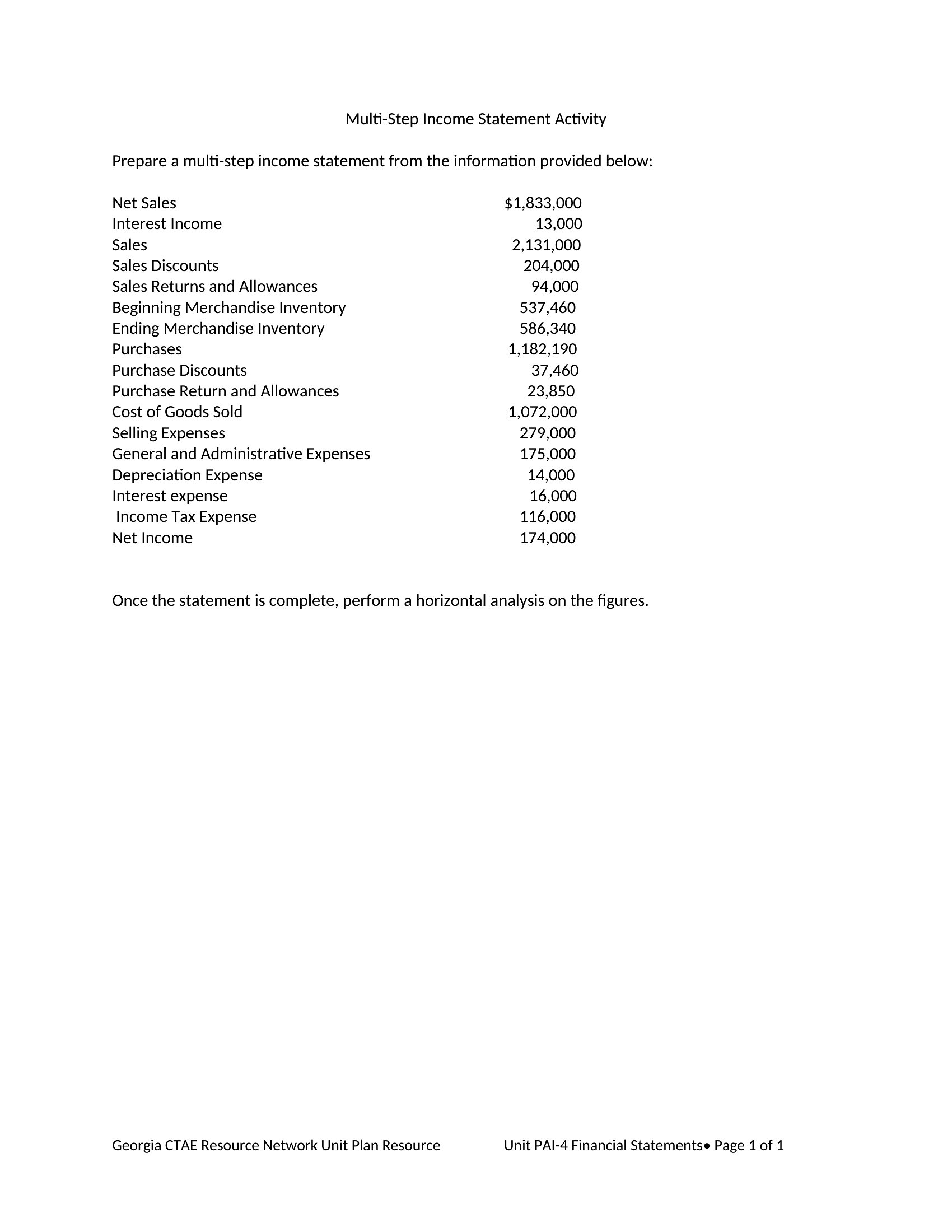
Gross profit subtracts only the cost of goods sold (COGS) from revenue—it shows how efficiently you produce or source your product. Operating income, meanwhile, deducts all operating expenses (like marketing or admin costs) from gross profit, revealing your core business profitability before taxes or interest. Investors and lenders care about both to assess sustainability and efficiency.
Comments
Join the conversation
Sign in to share your thoughts and leave a comment on this resource.