
FAQ
How do I set a fair hourly rate and material markup without pricing myself out of the job?
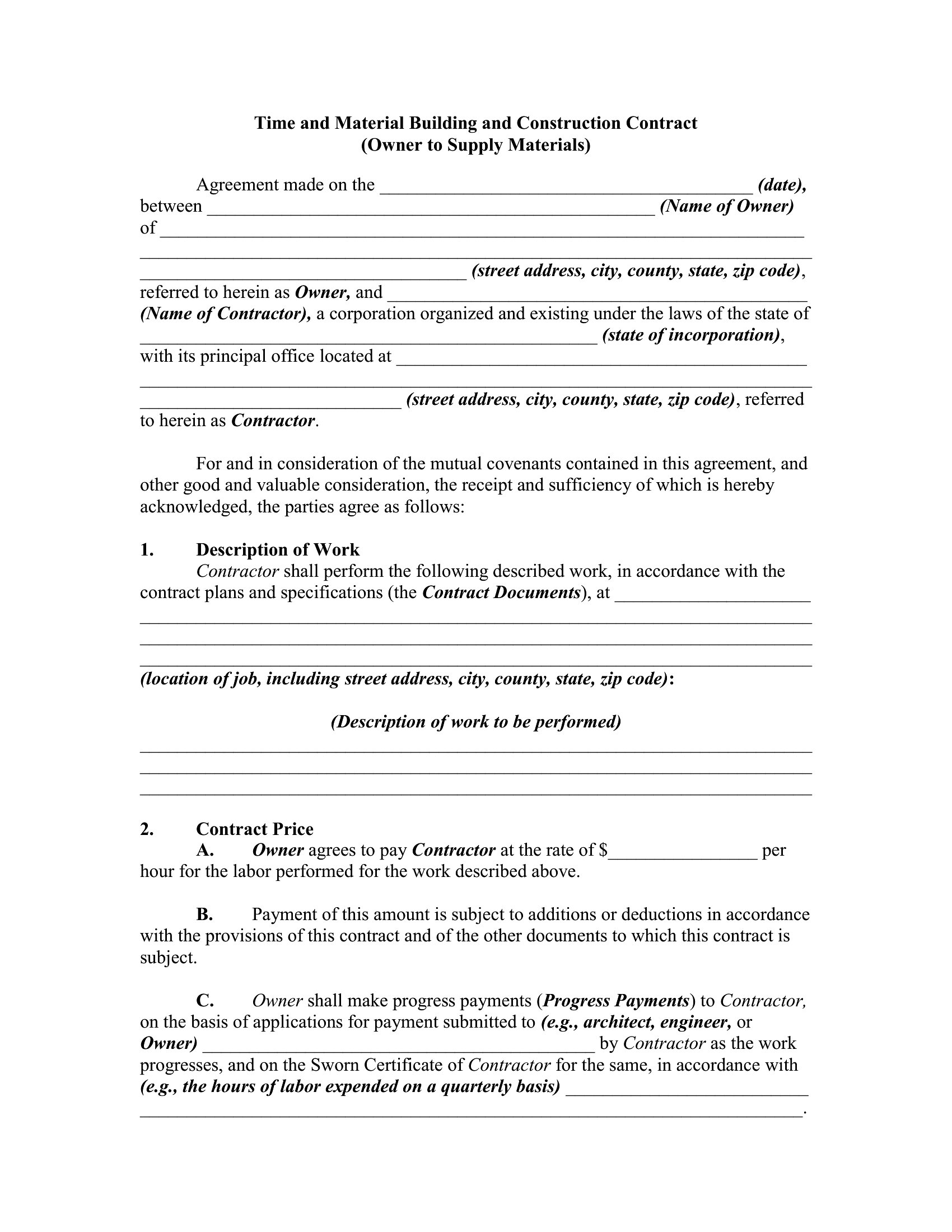
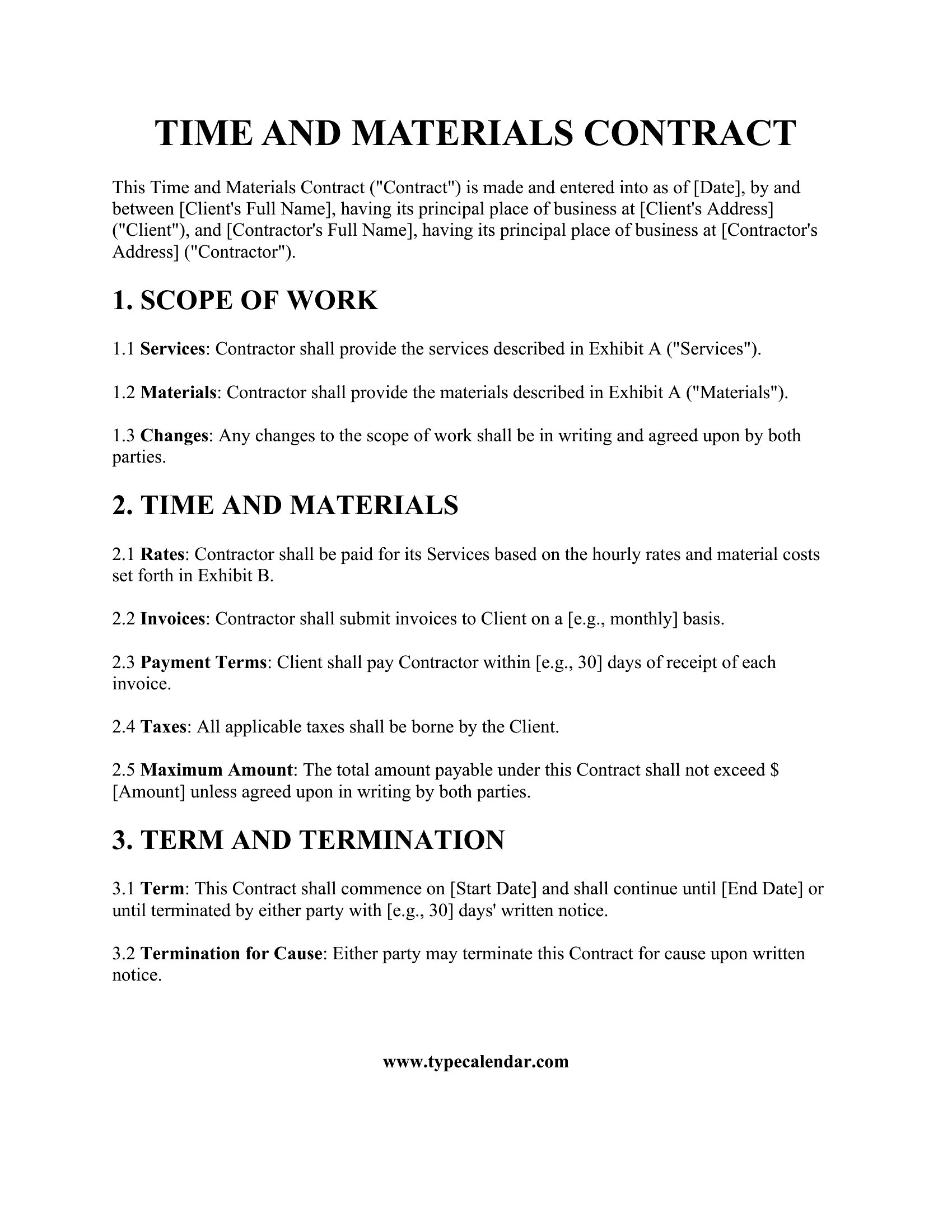
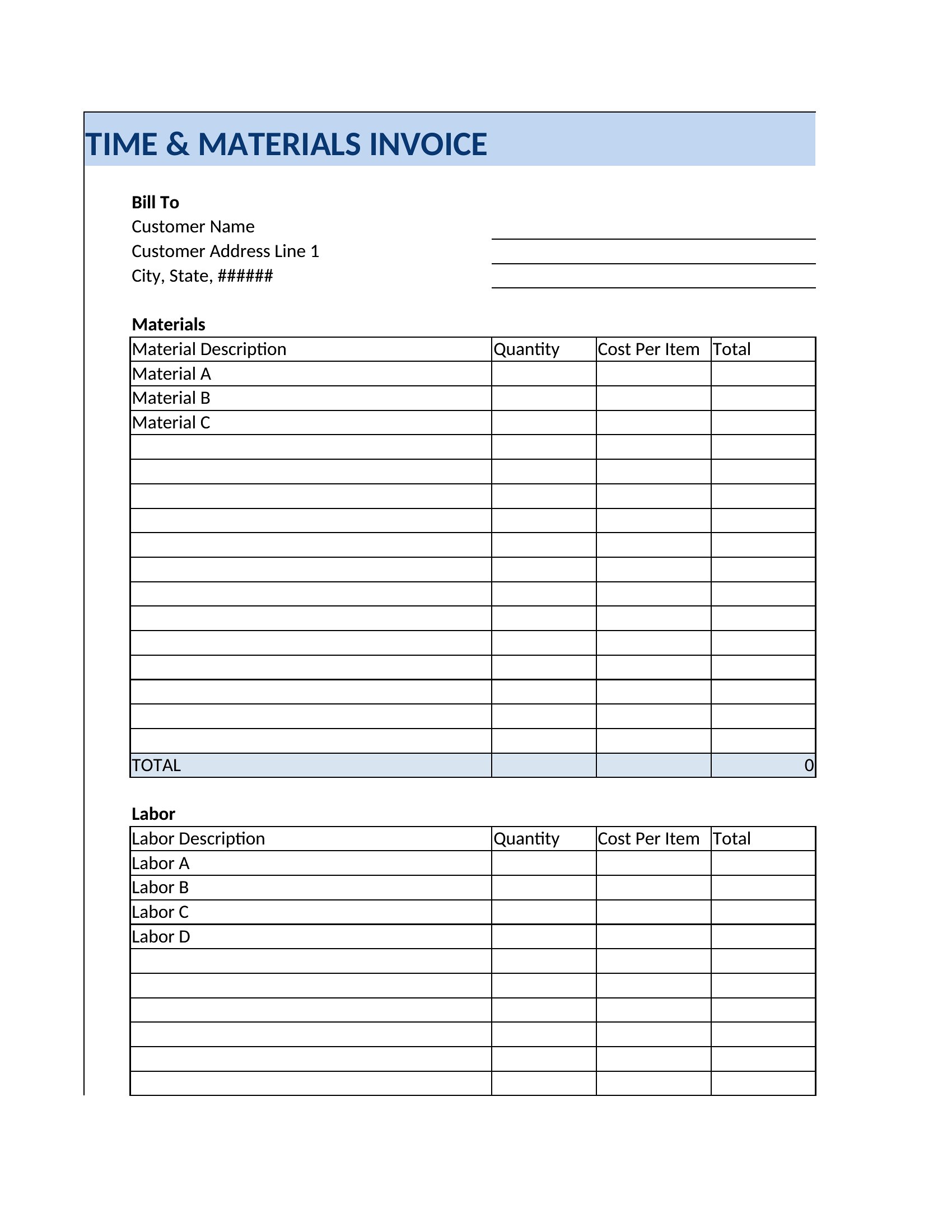
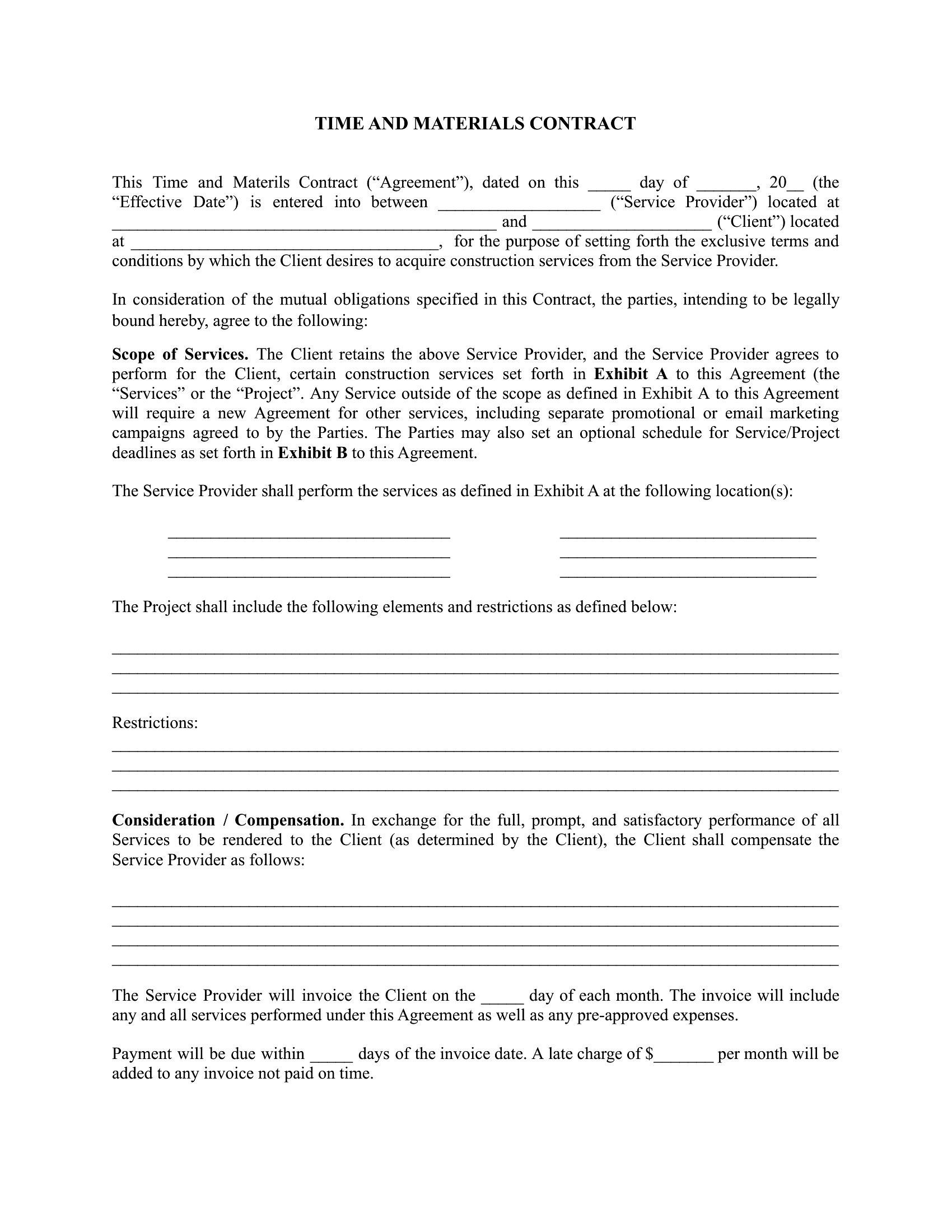
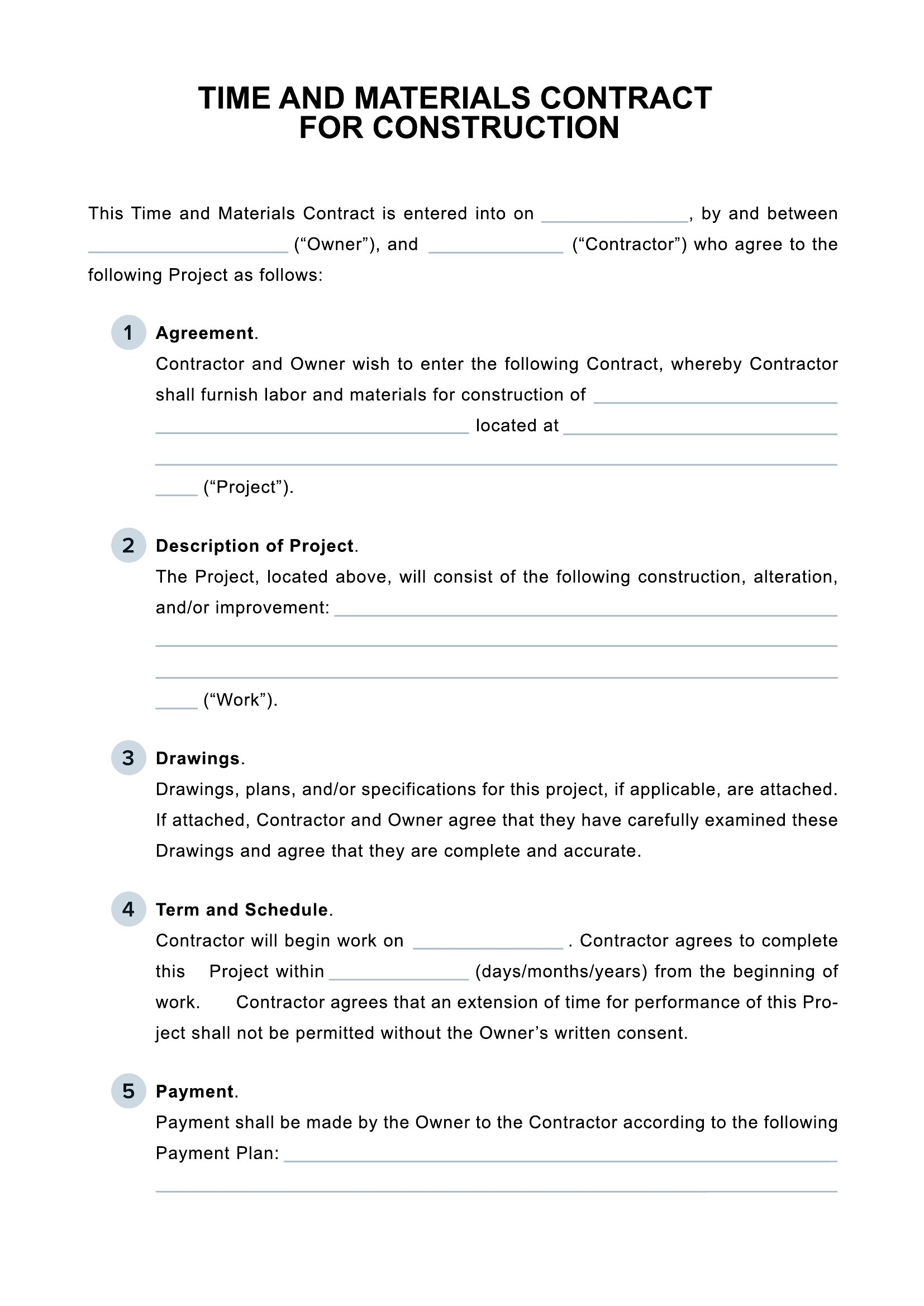
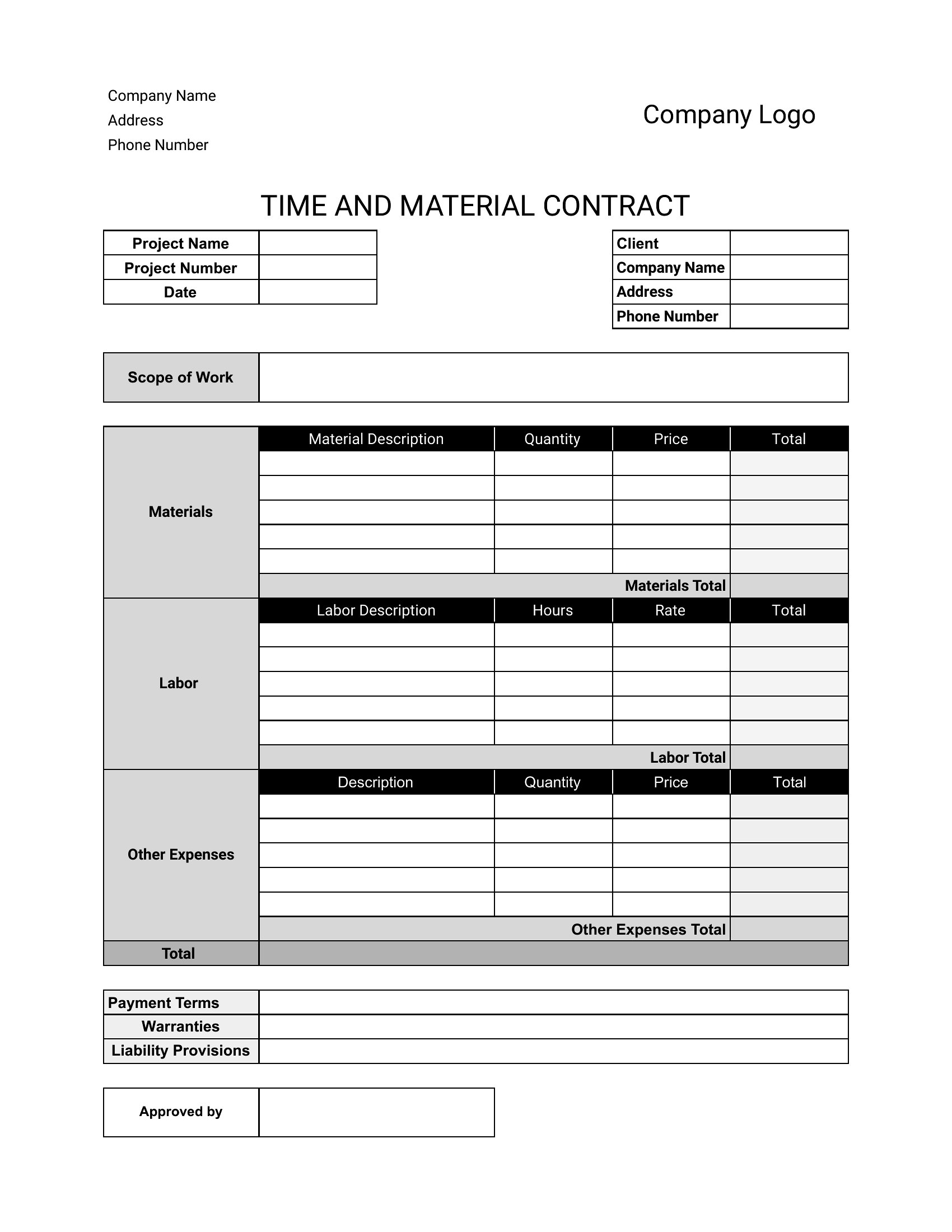
Compare industry standards for your role, then factor in overhead costs (software, tools, or workspace). Start with a modest markup on materials—typically 10–20%—to cover procurement hassles. The templates include fields to document these rates, so clients understand the breakdown upfront. Avoid undercutting yourself, but justify rates with clear descriptions of your expertise or the complexity of materials (e.g., specialty hardware).
What happens if a client disputes an invoice based on the time and materials charged?
The contract should include a clause requiring clients to review and approve time logs or material receipts within a set period (e.g., 7 days). If disputes arise, provide detailed records—timesheets or photos of purchased materials—and reference the agreed-upon caps in the contract. For high-value projects, consider adding a mediation step before litigation. These templates include optional dispute-resolution sections to help clarify expectations early.
Should I include a ‘not-to-exceed’ cap in every time and materials contract, even for small projects?
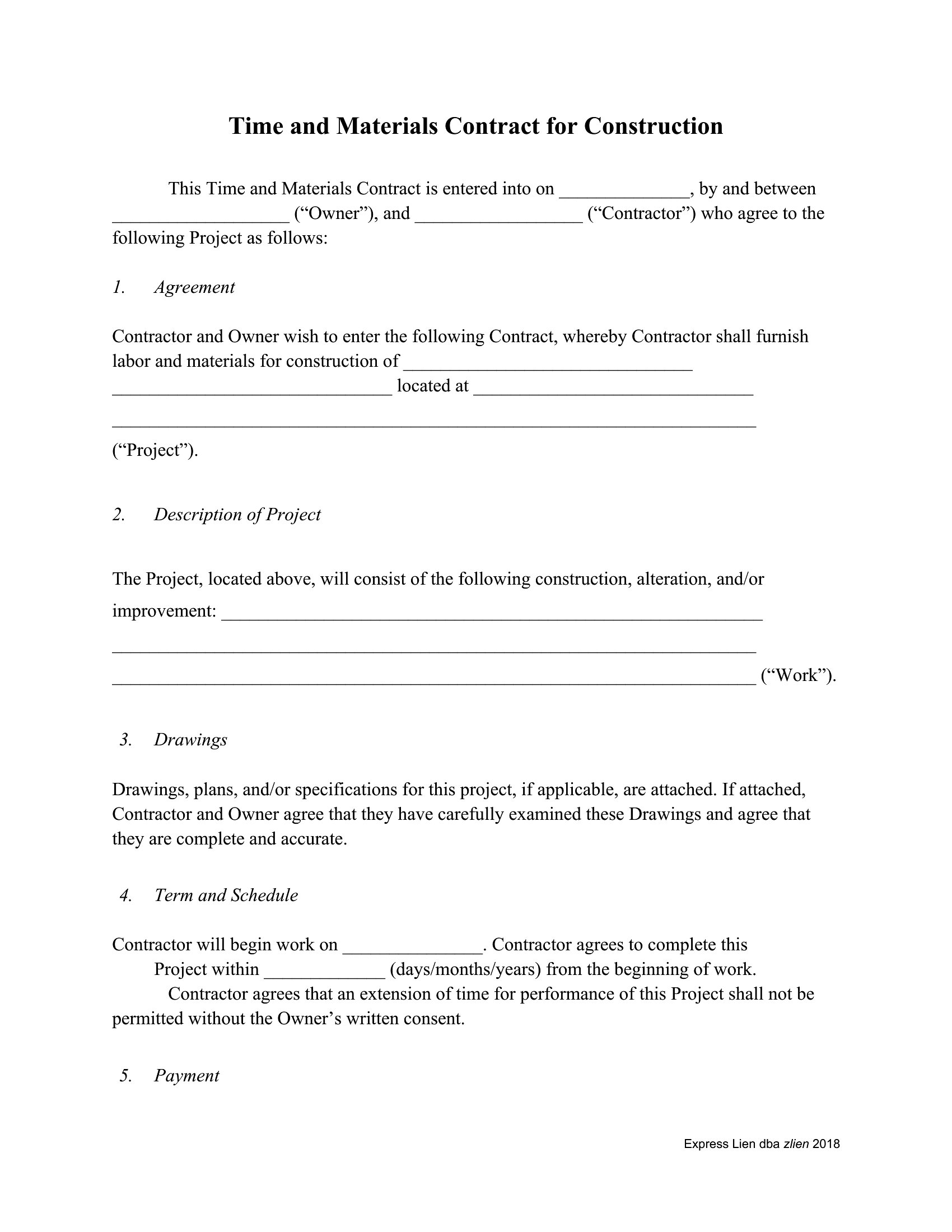
Yes, especially for small projects where clients may assume costs will stay low. A cap protects you from unbounded scope creep while giving the client a clear budget limit. For example, set a cap at 1.5x your initial estimate for labor. If costs exceed this, negotiate a revised scope or additional payment upfront. The templates include cap fields—use them even for freelancers, as they build trust by showing you’re managing risk alongside the client.
Comments
Join the conversation
Sign in to share your thoughts and leave a comment on this resource.