FAQ
What’s the difference between a letter of intent to purchase and a binding sales agreement?
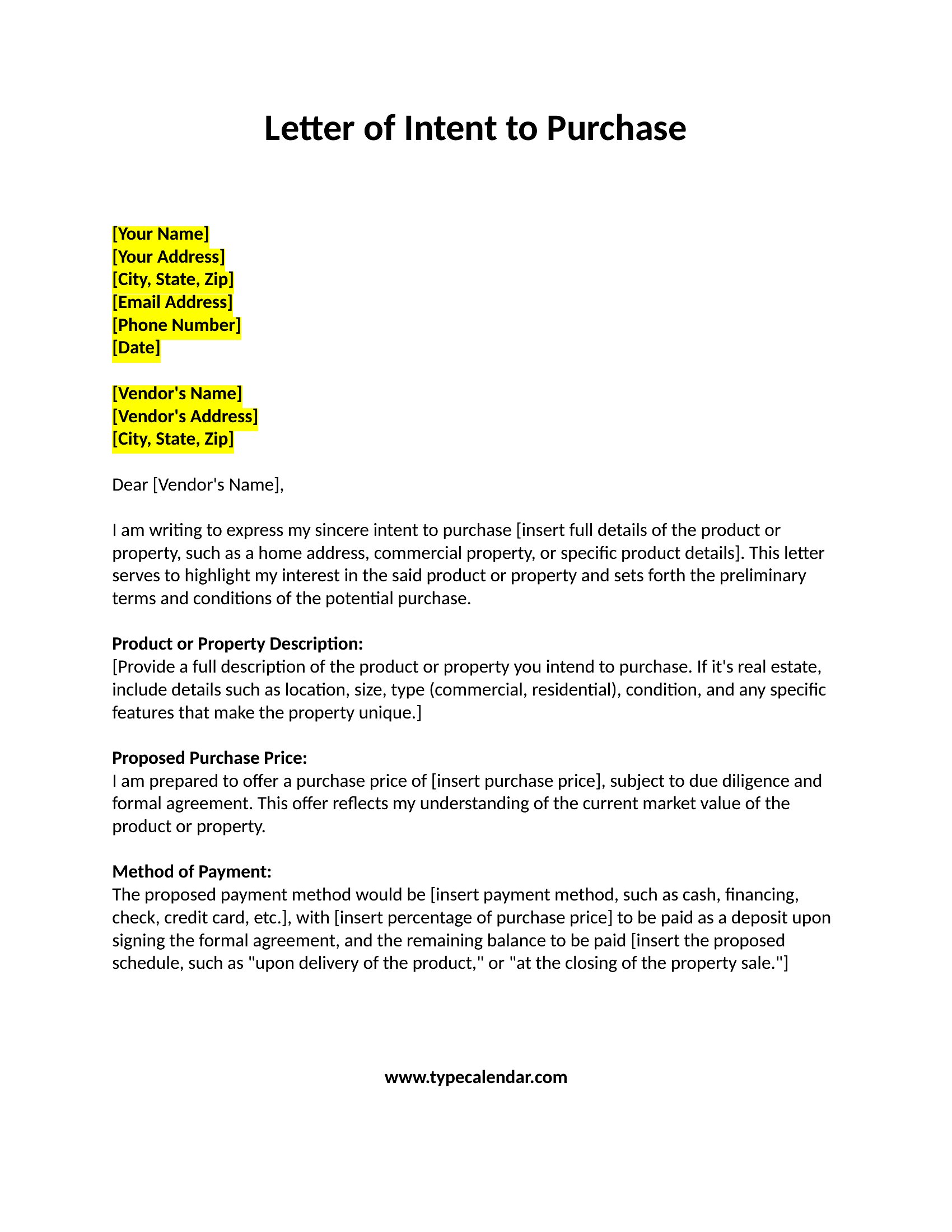
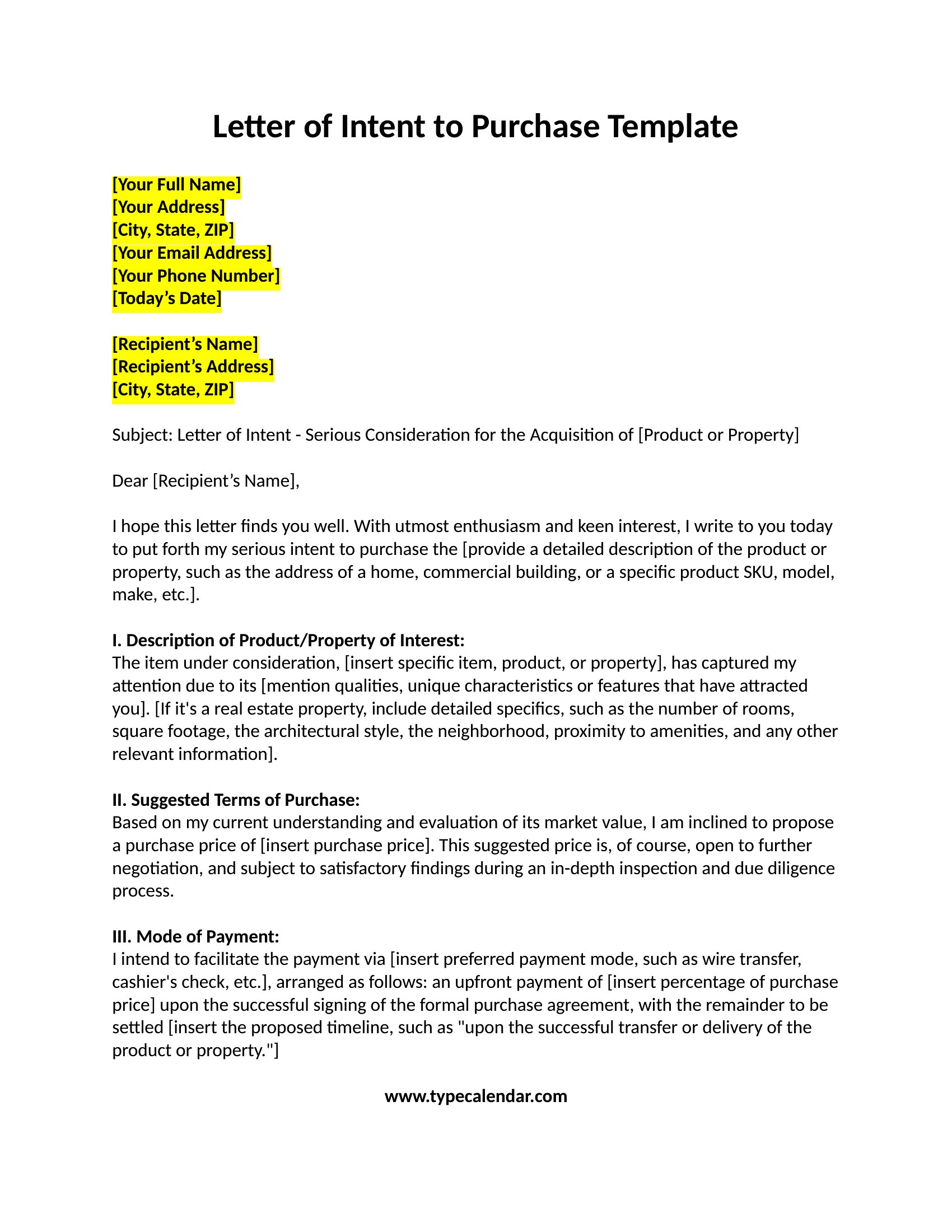
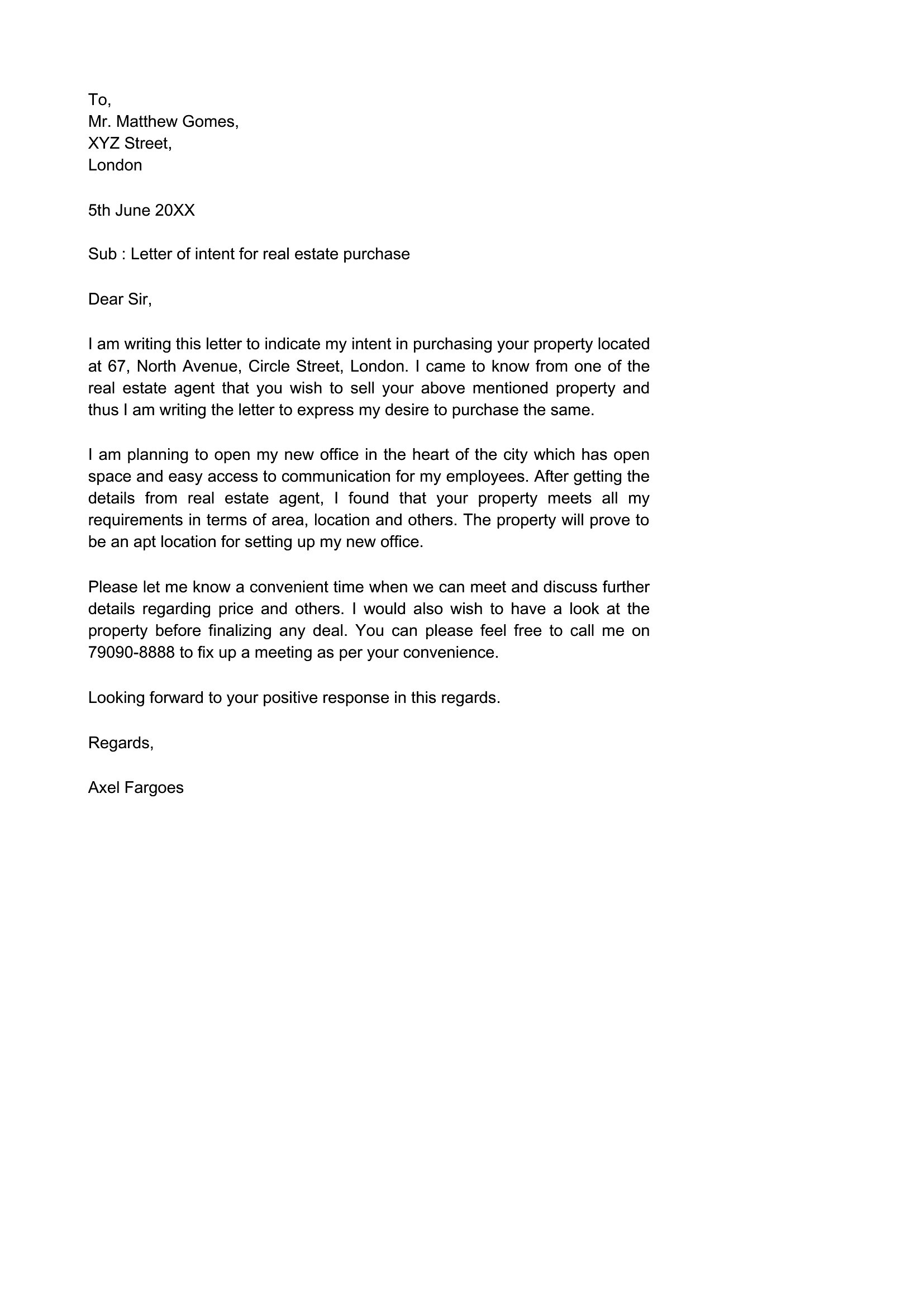
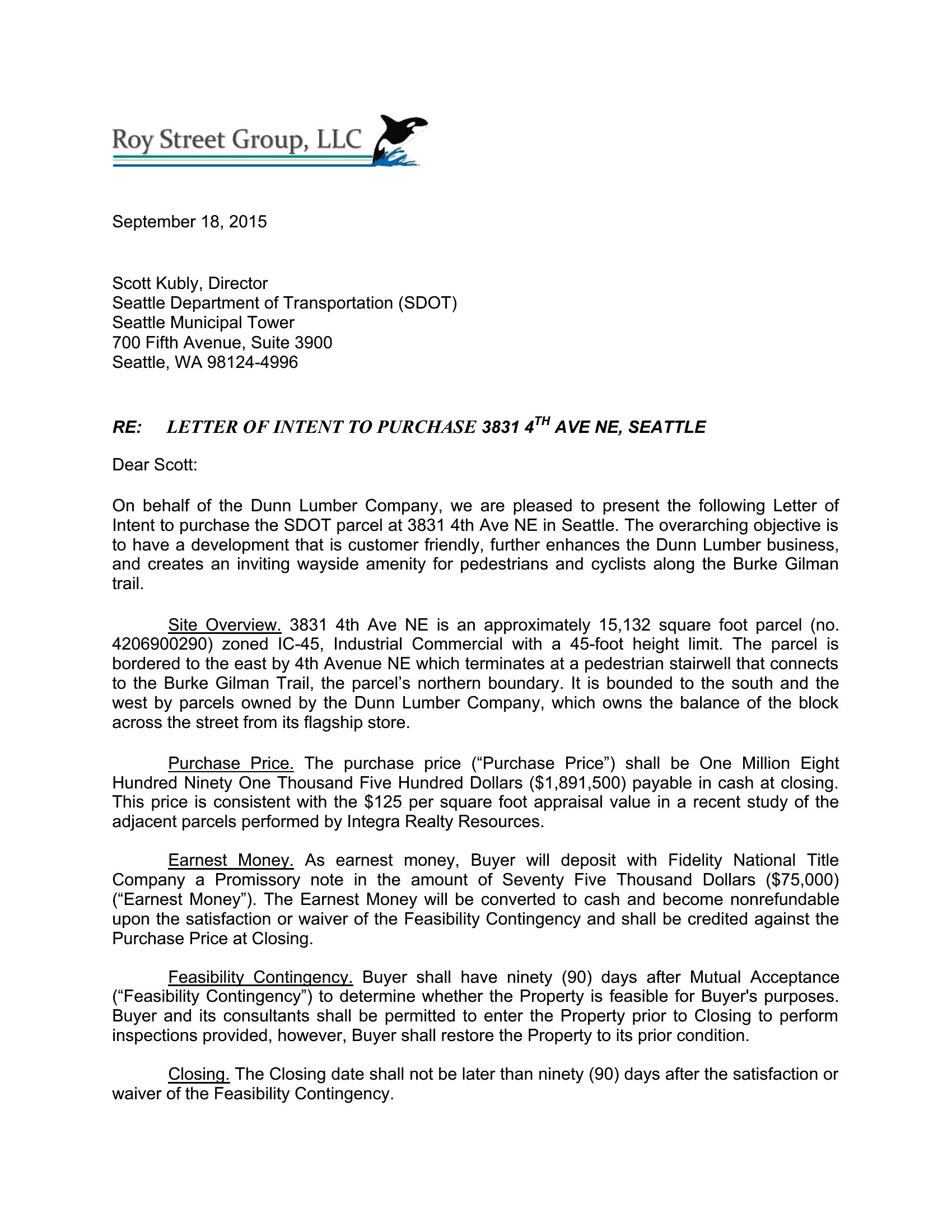
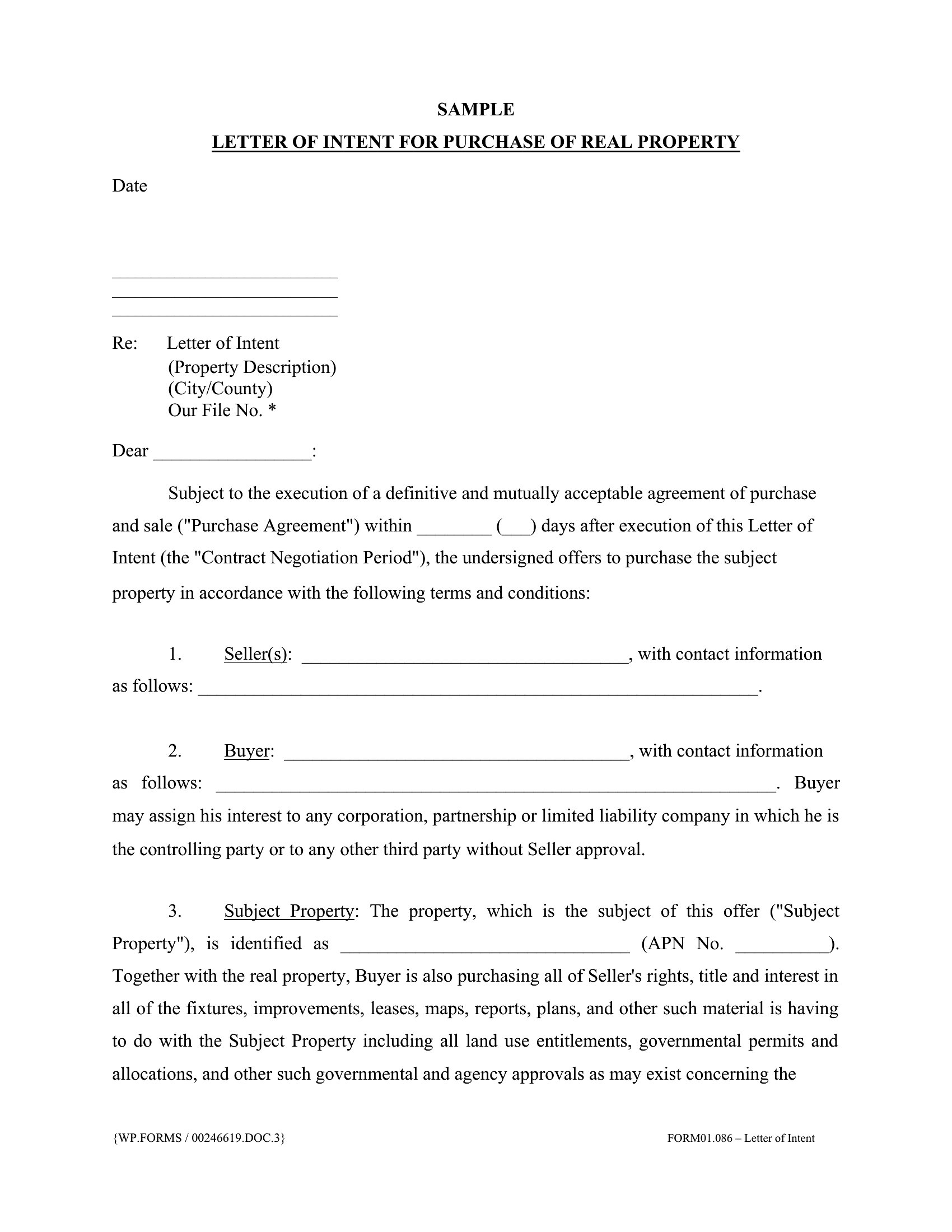
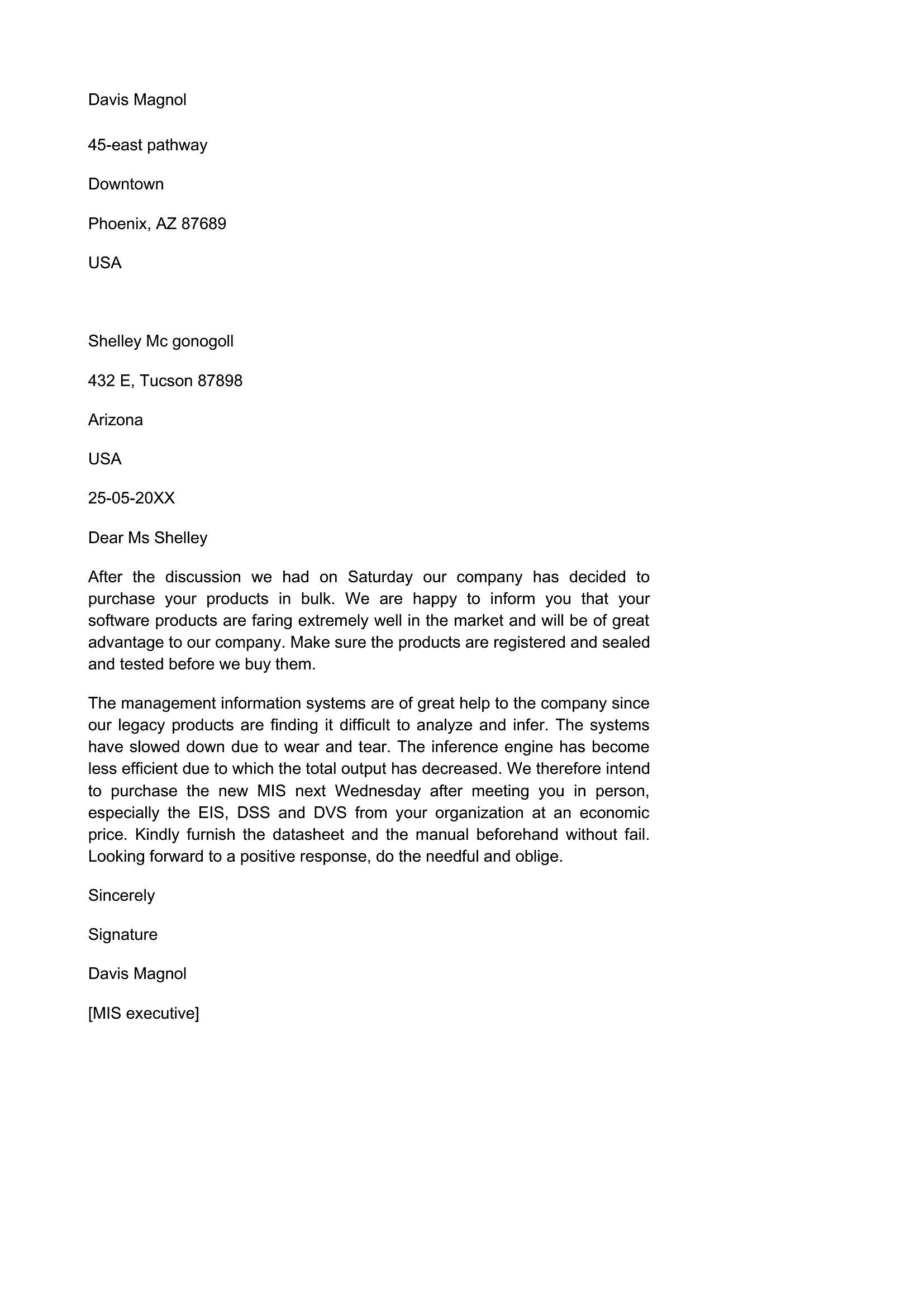
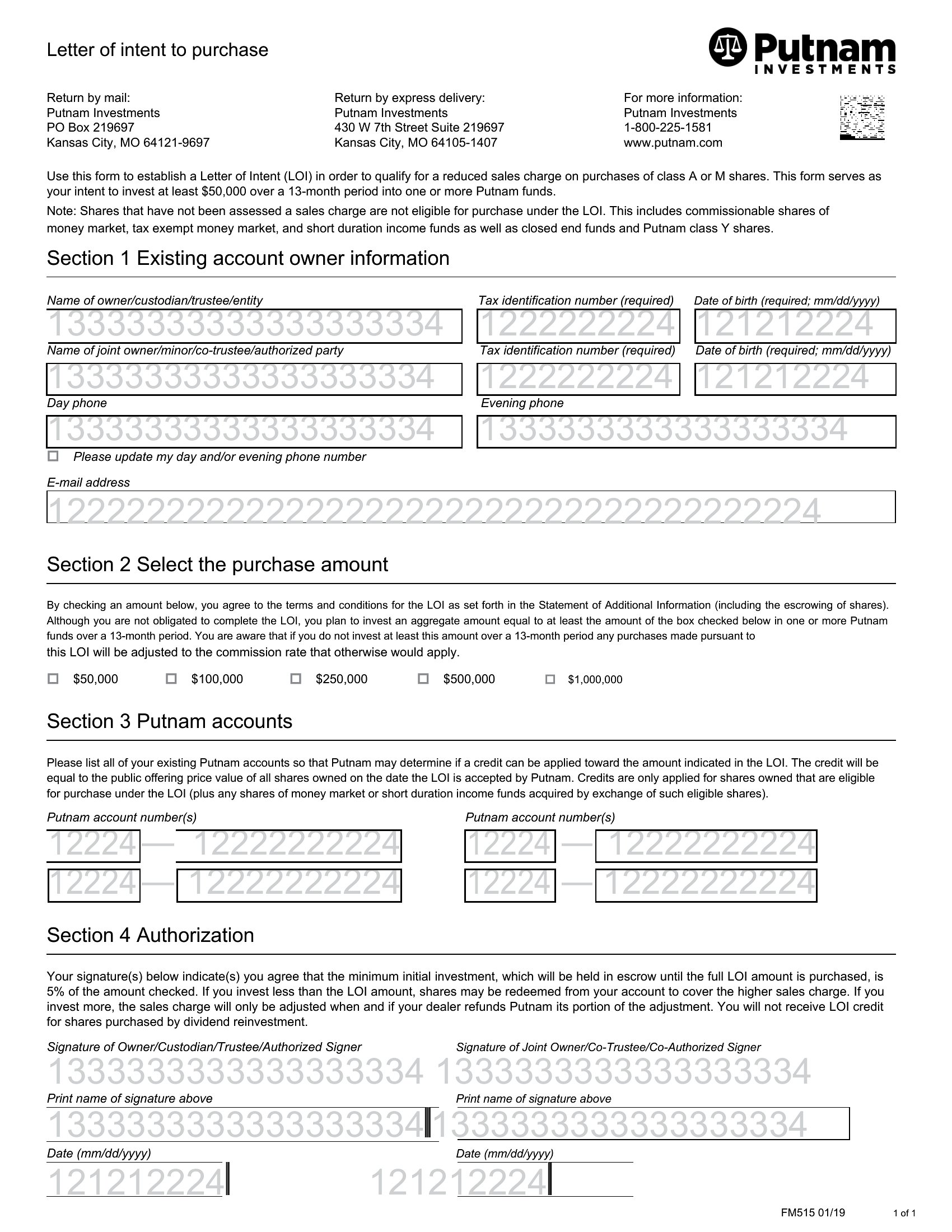
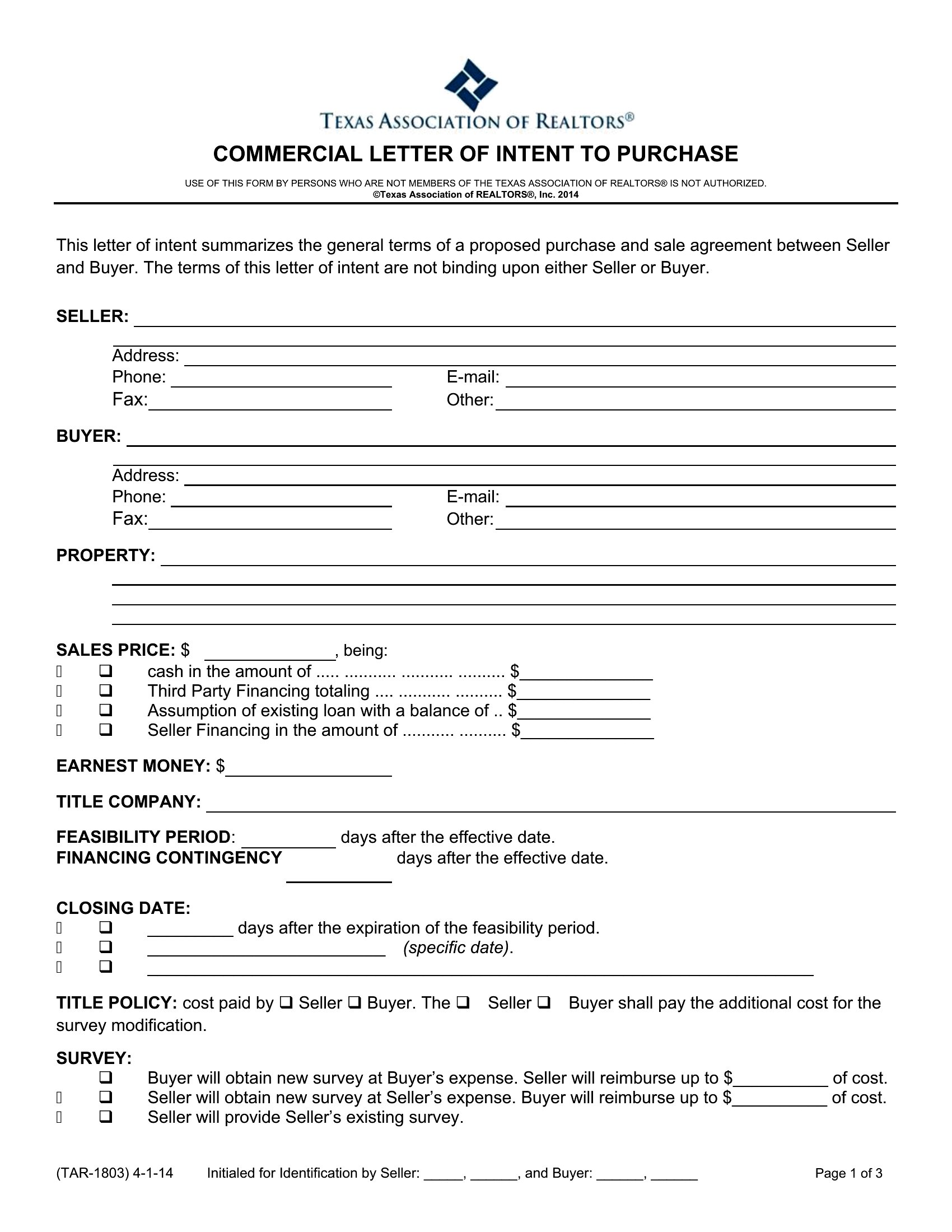
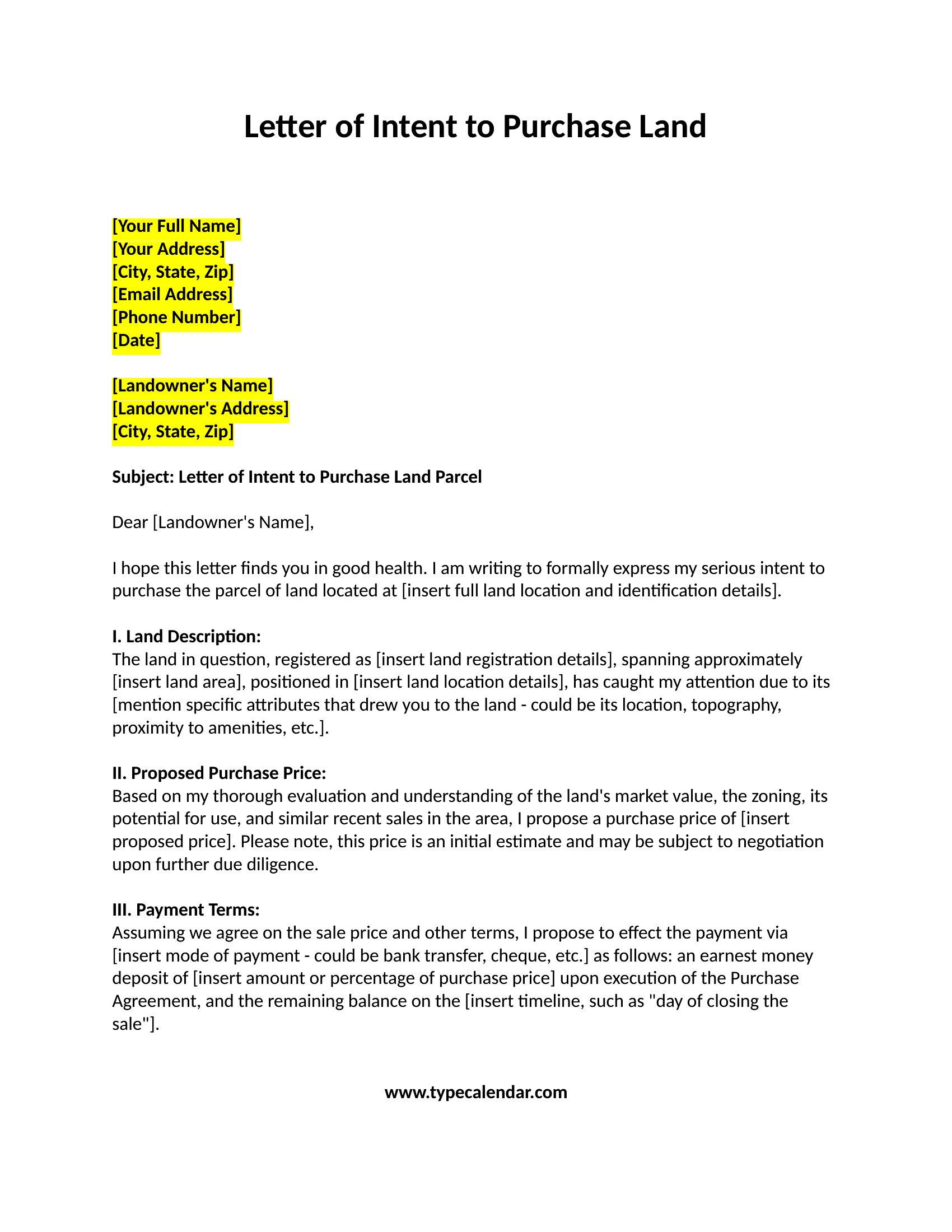
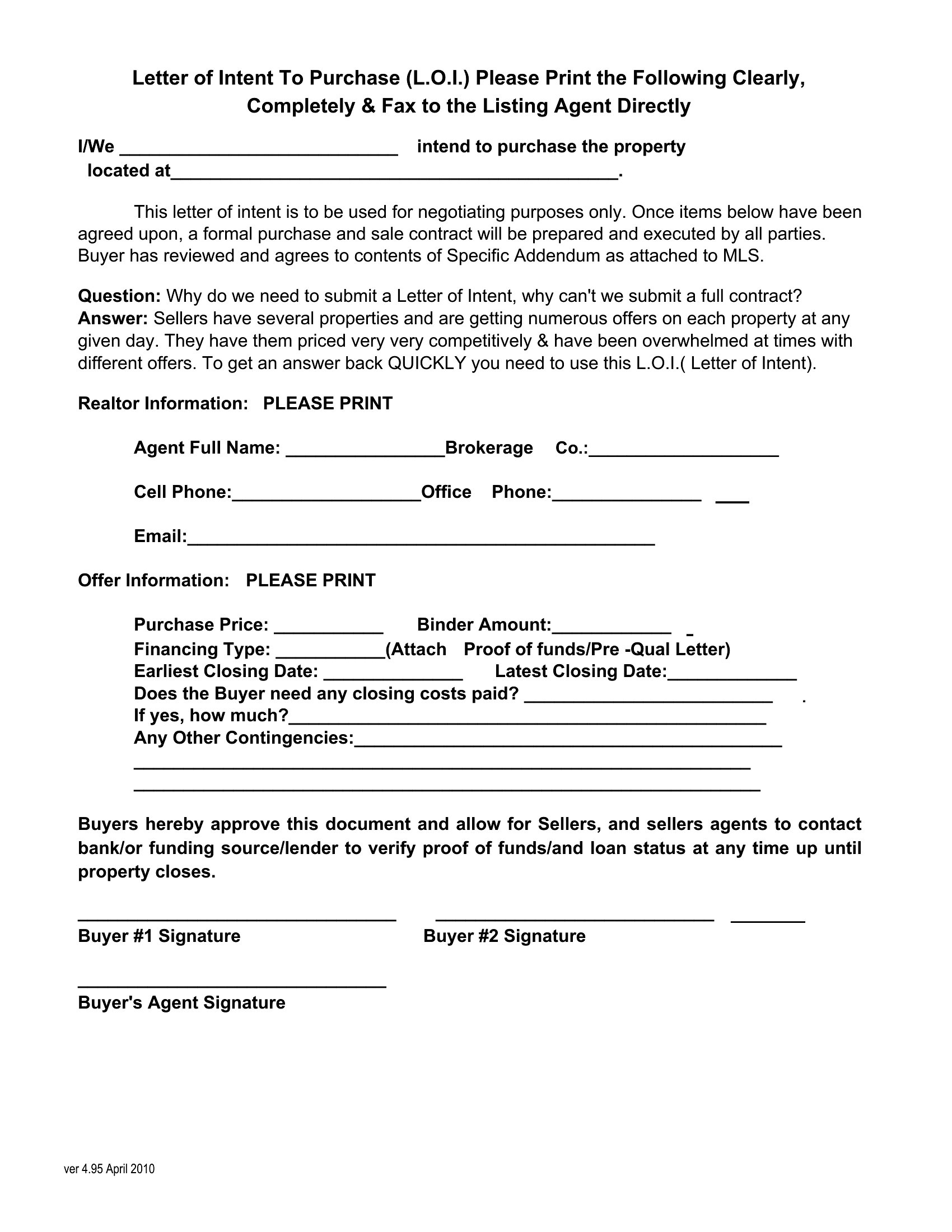
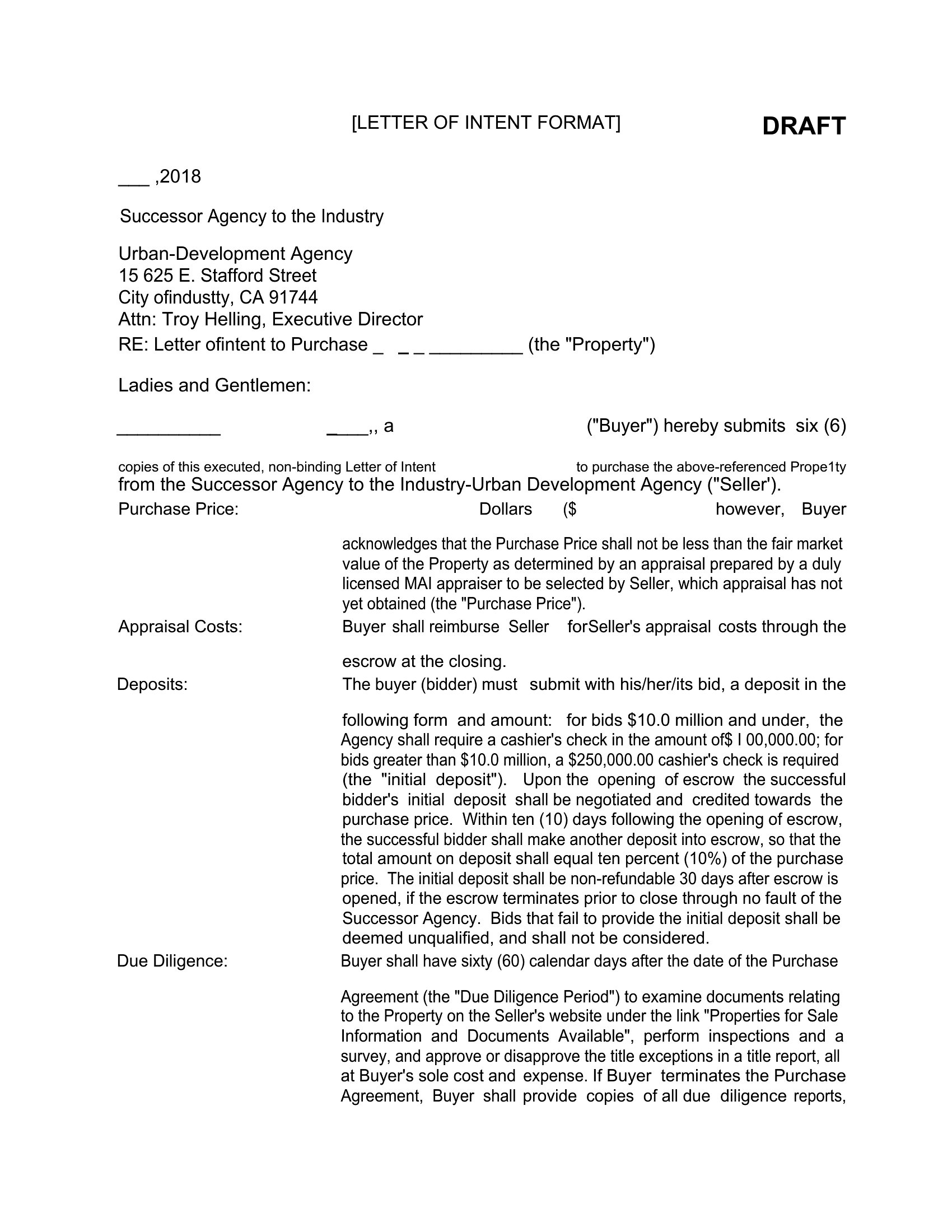
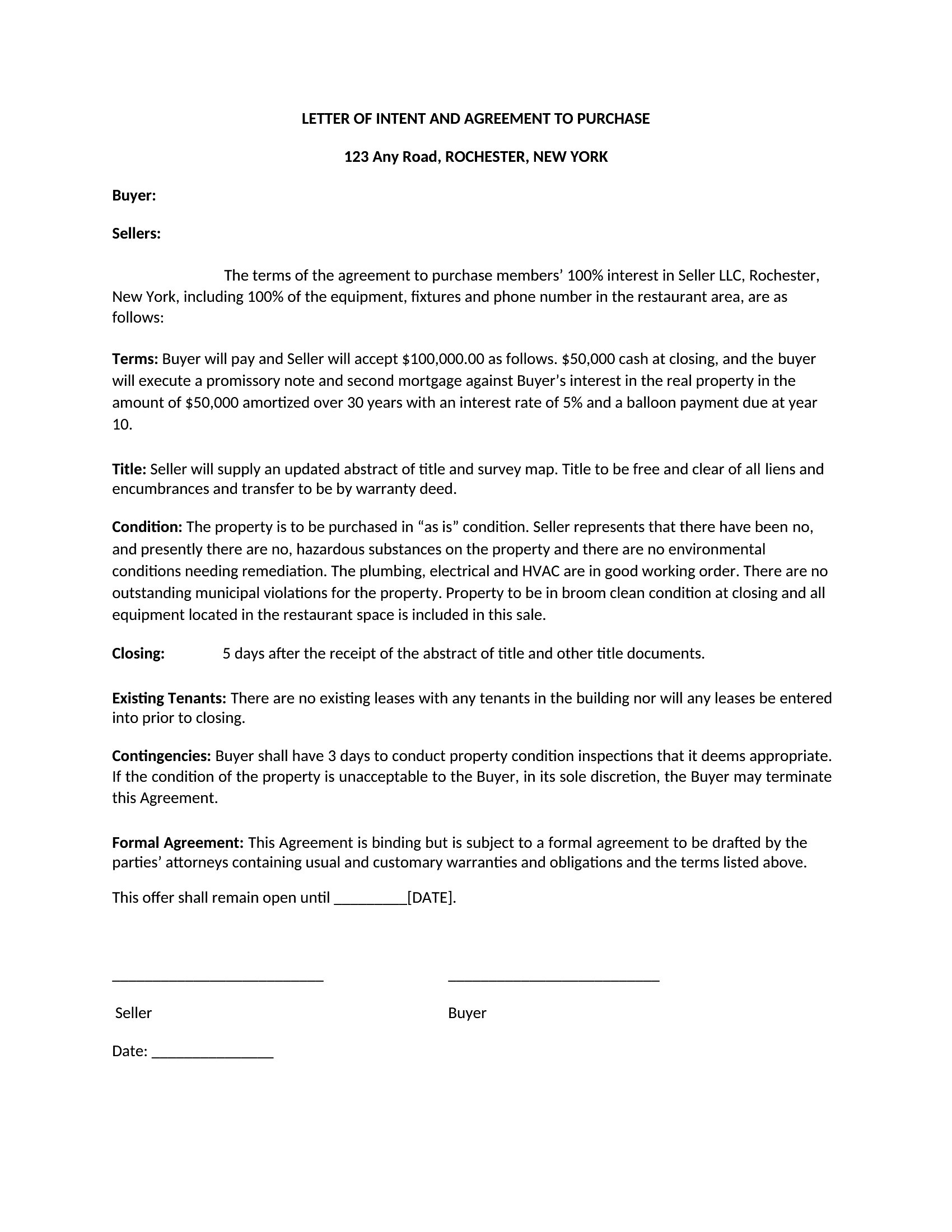
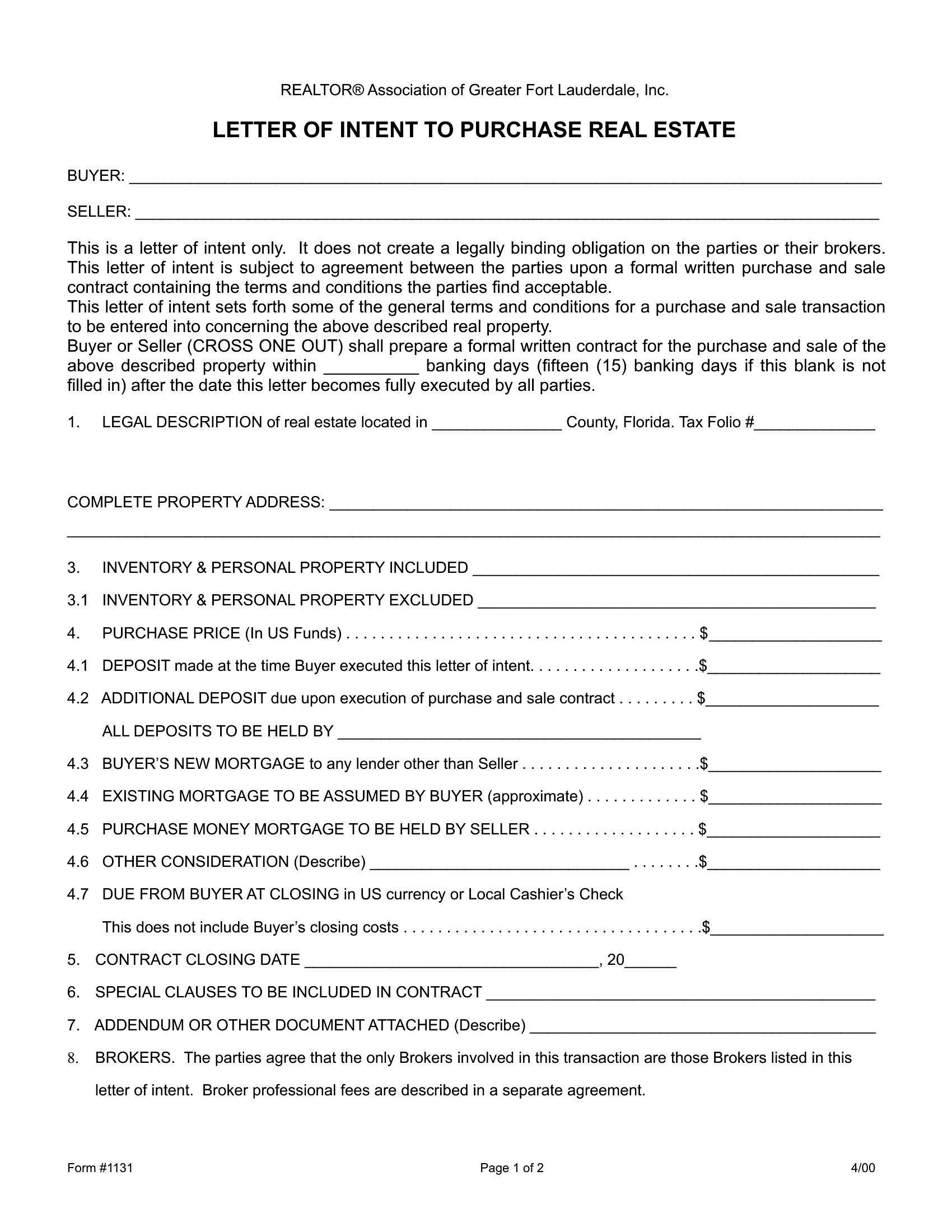
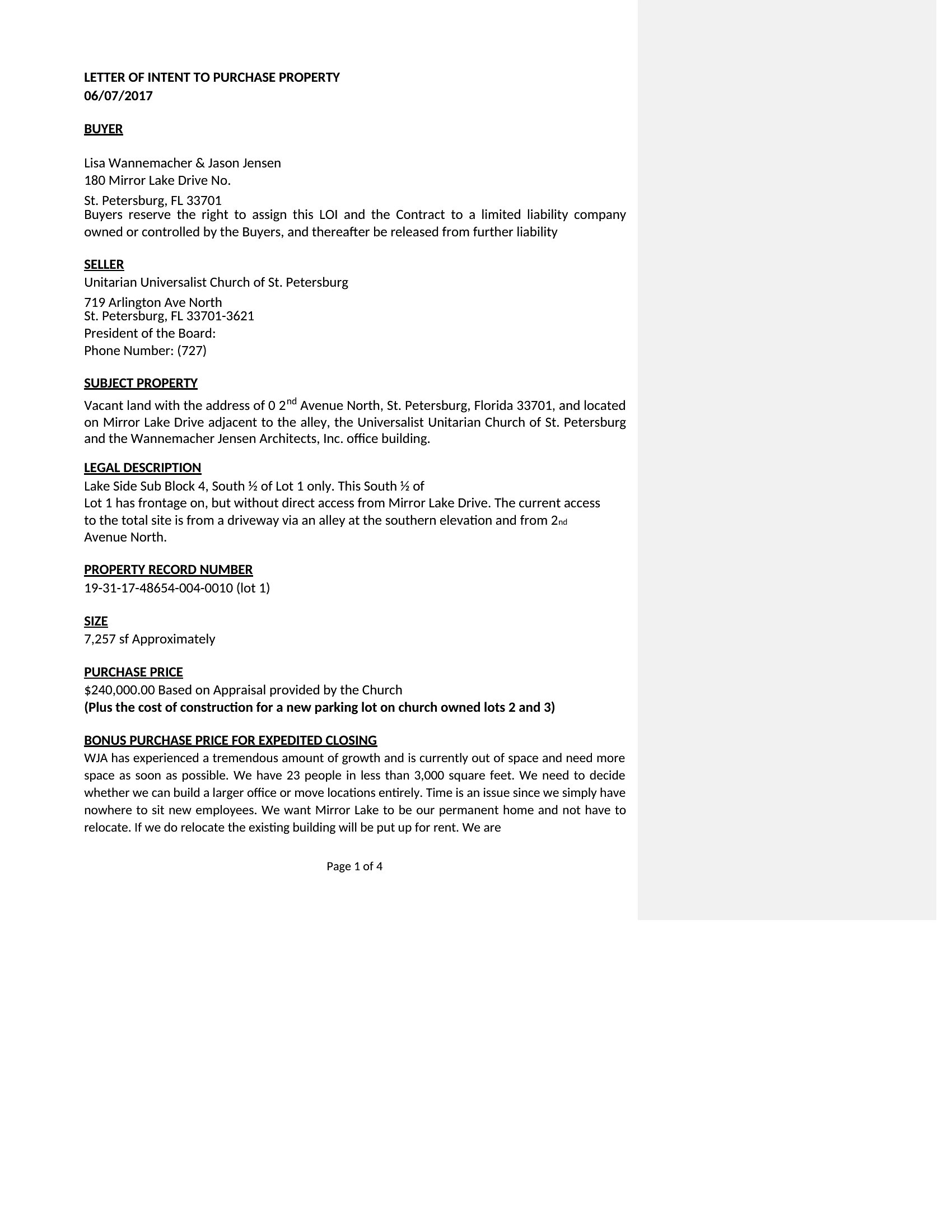
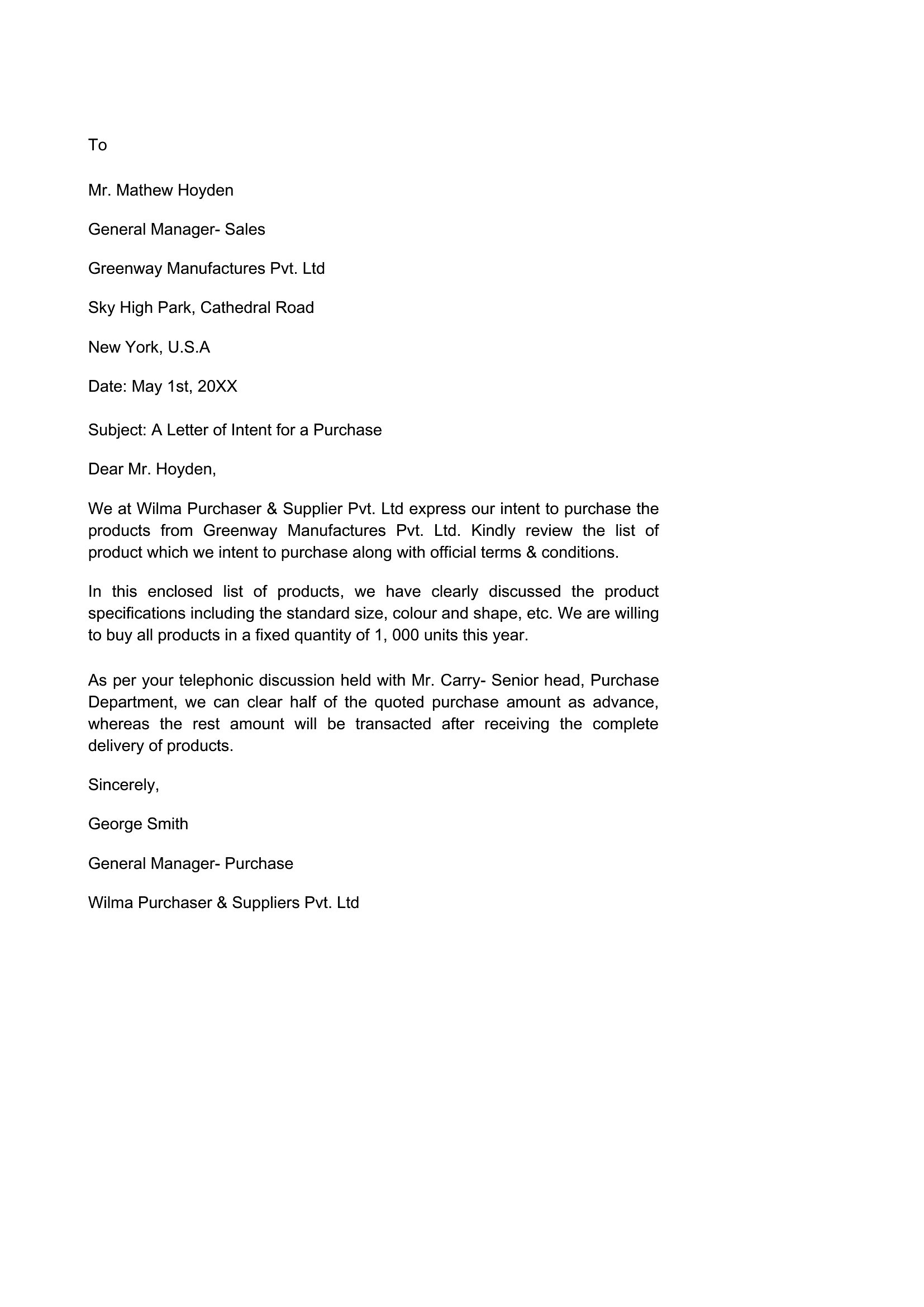
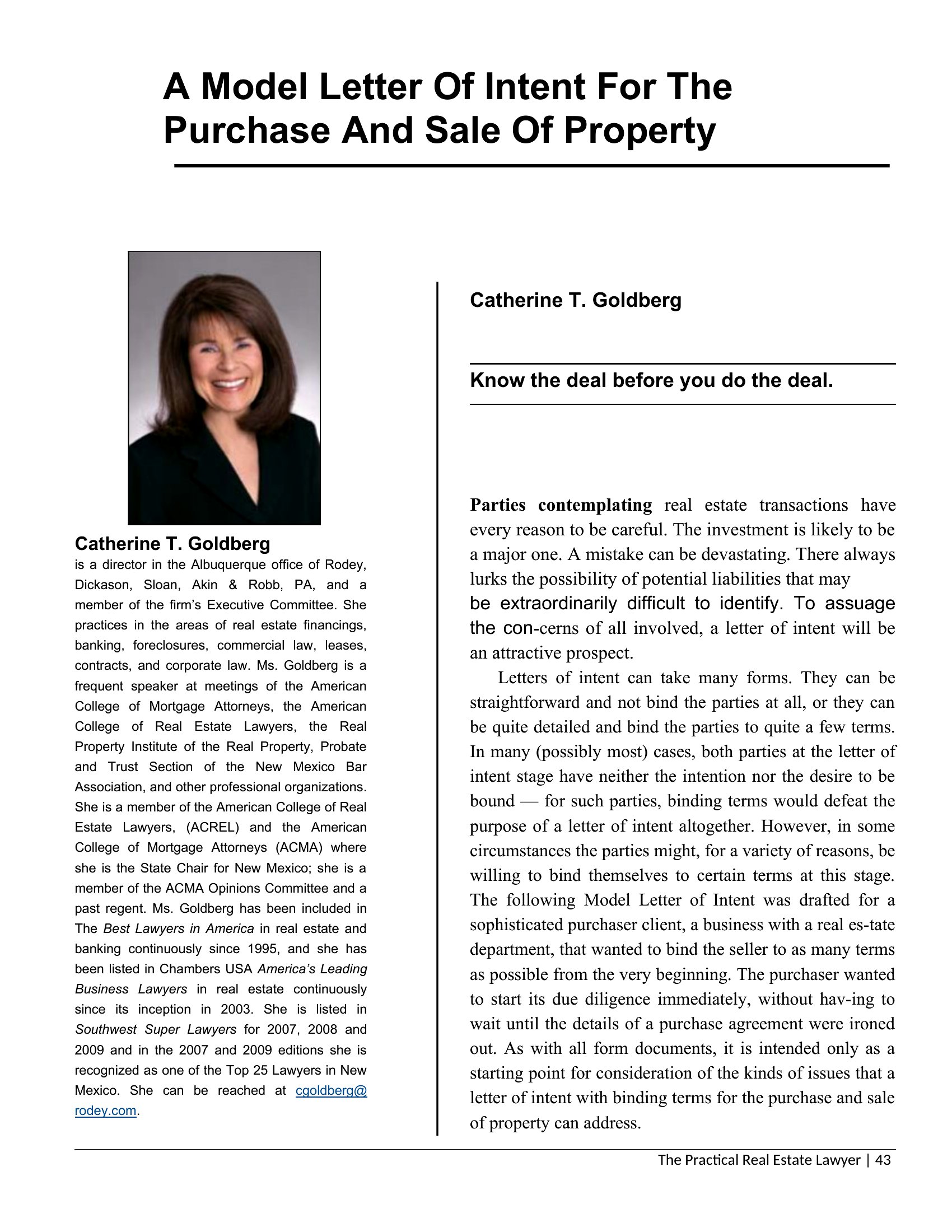
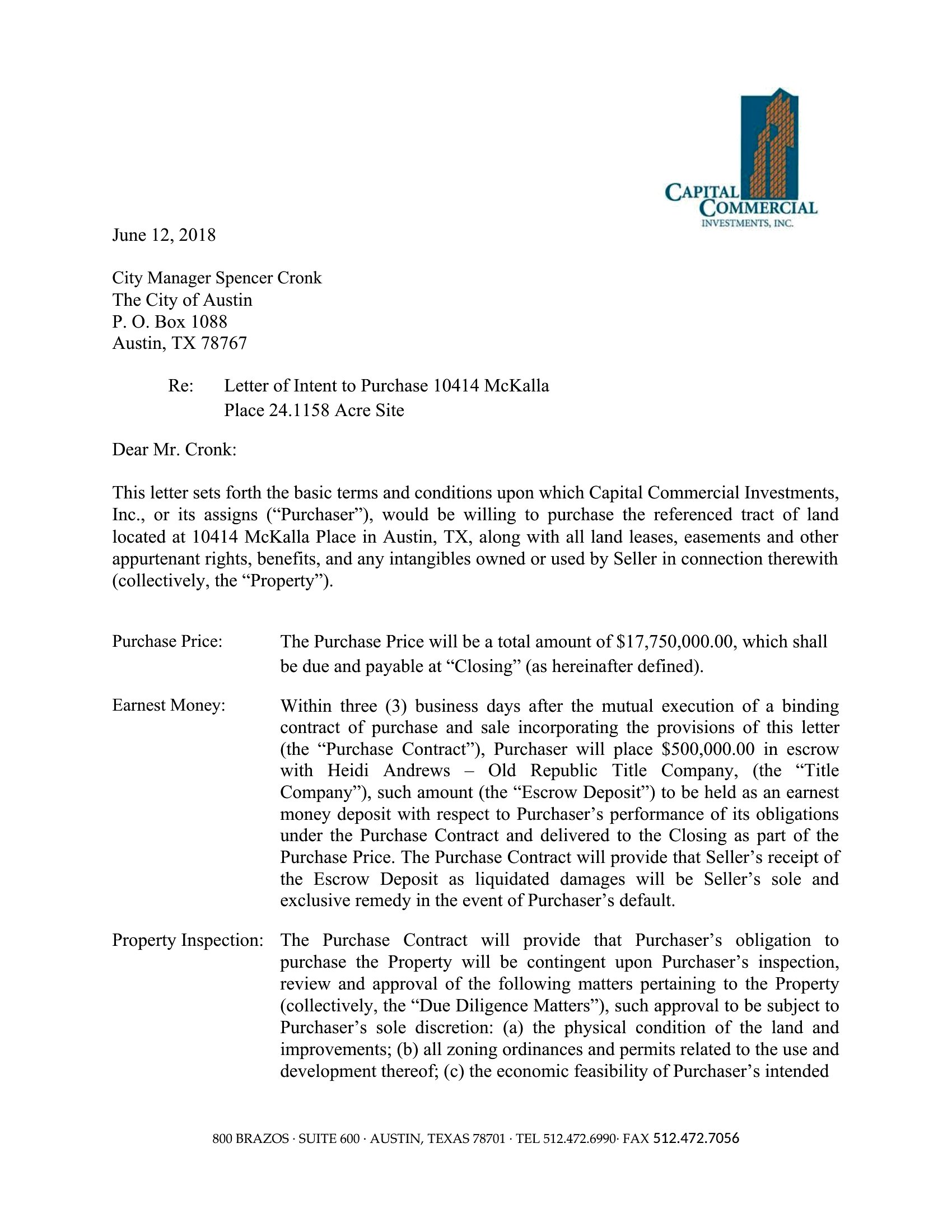
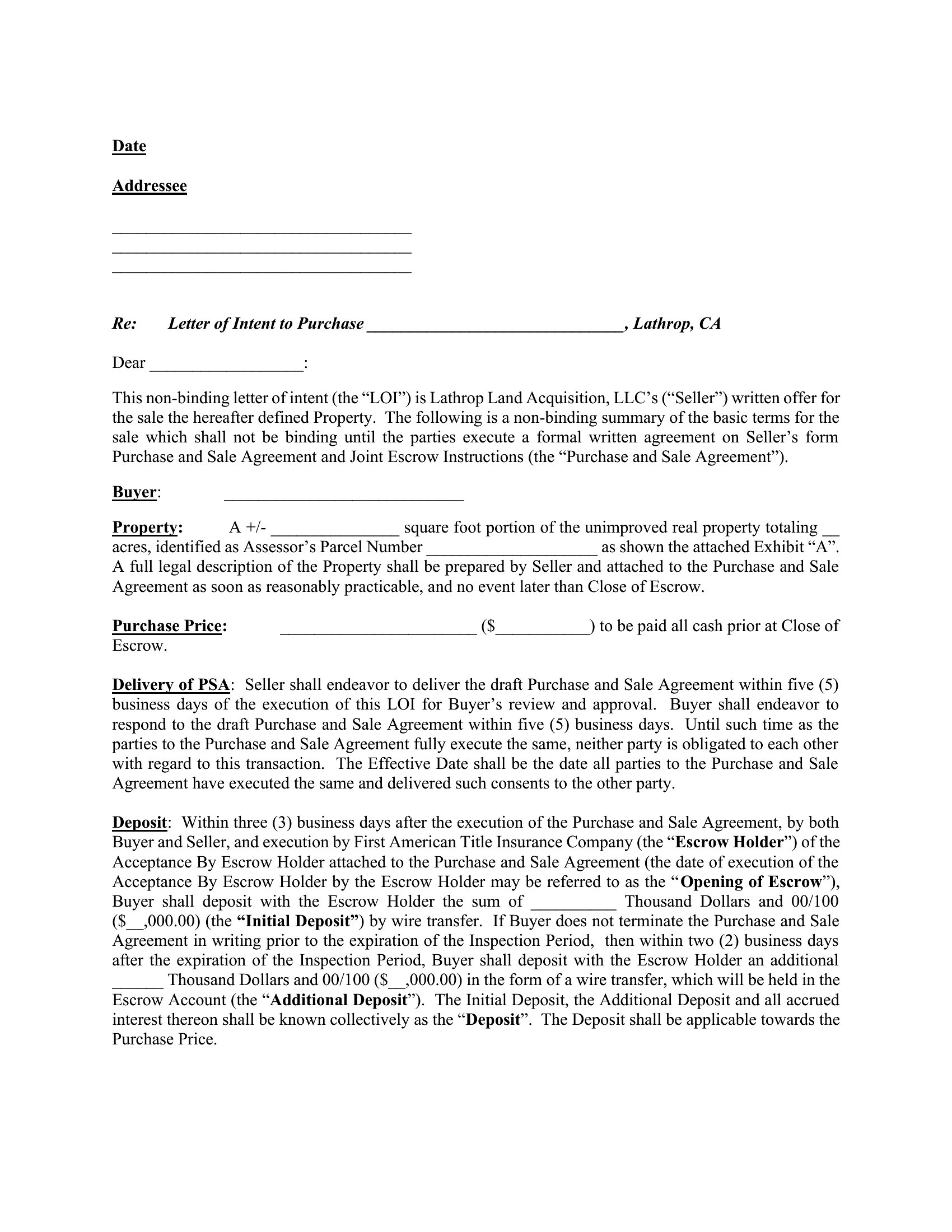
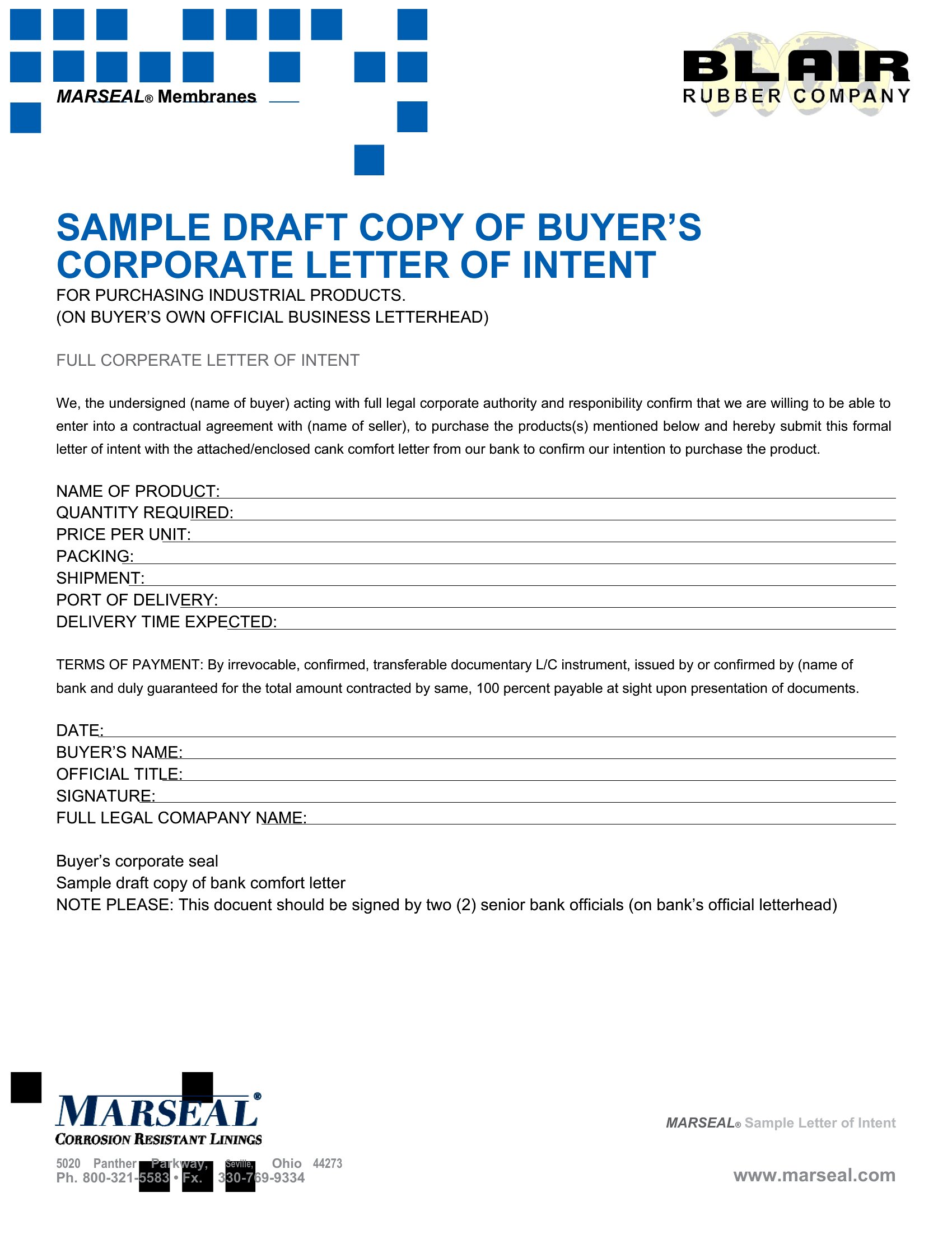
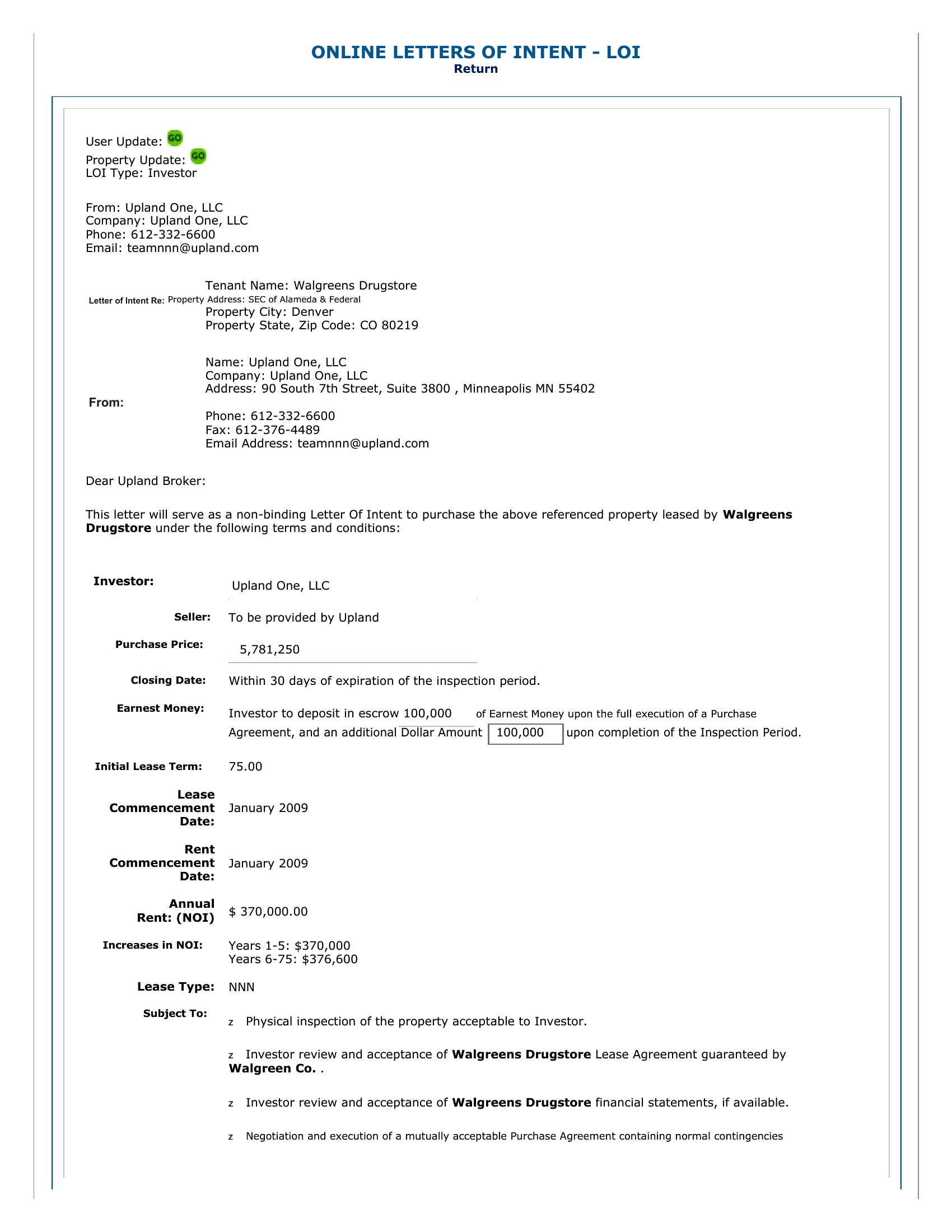
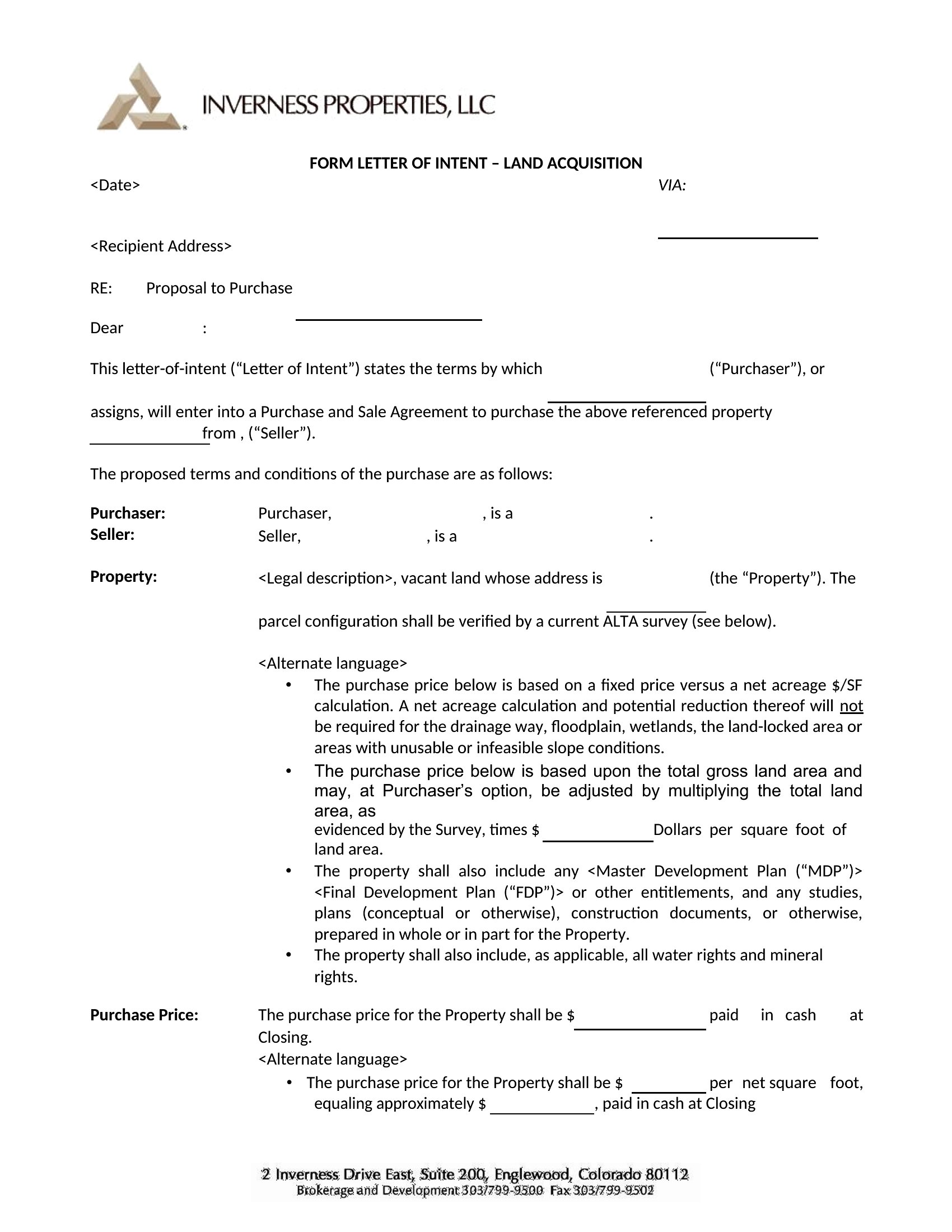
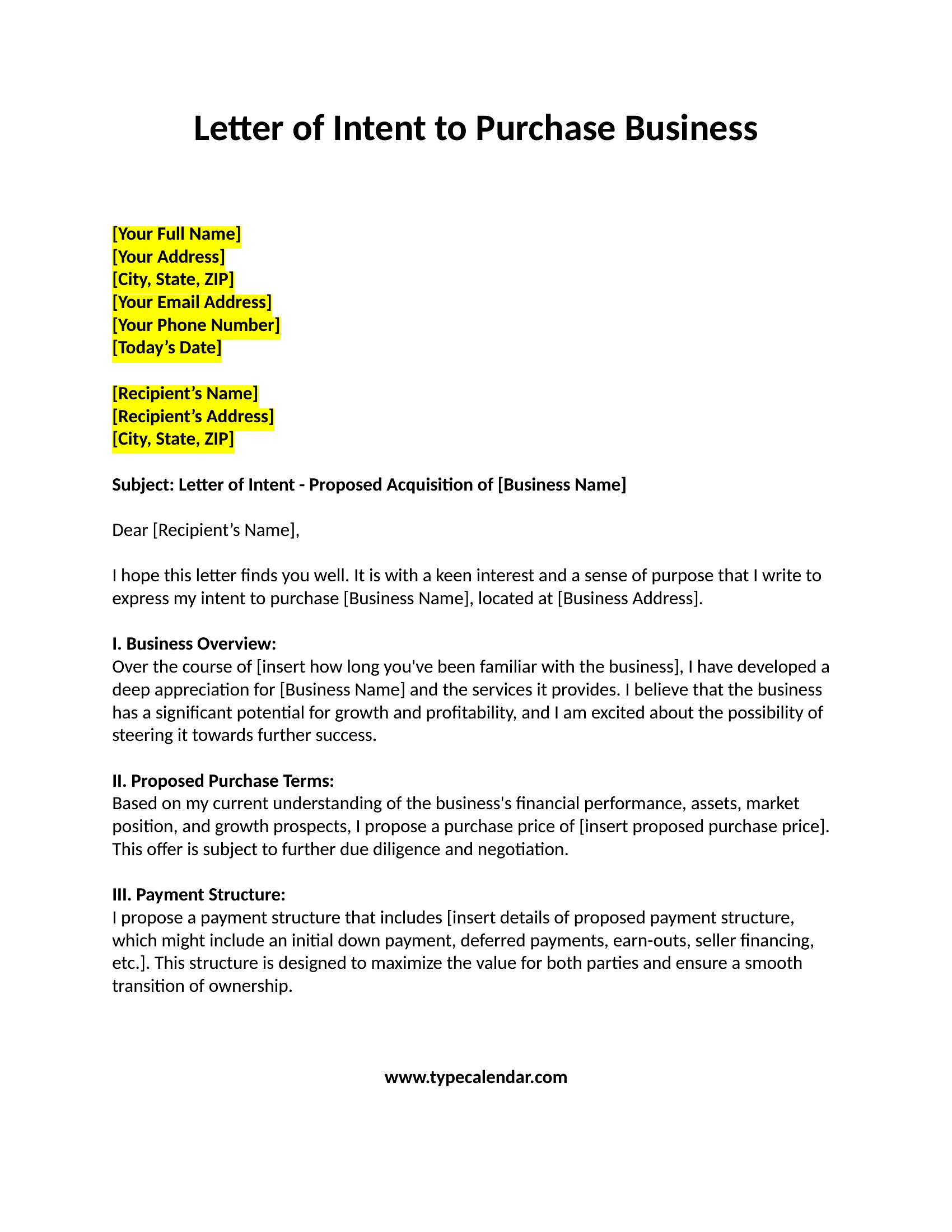
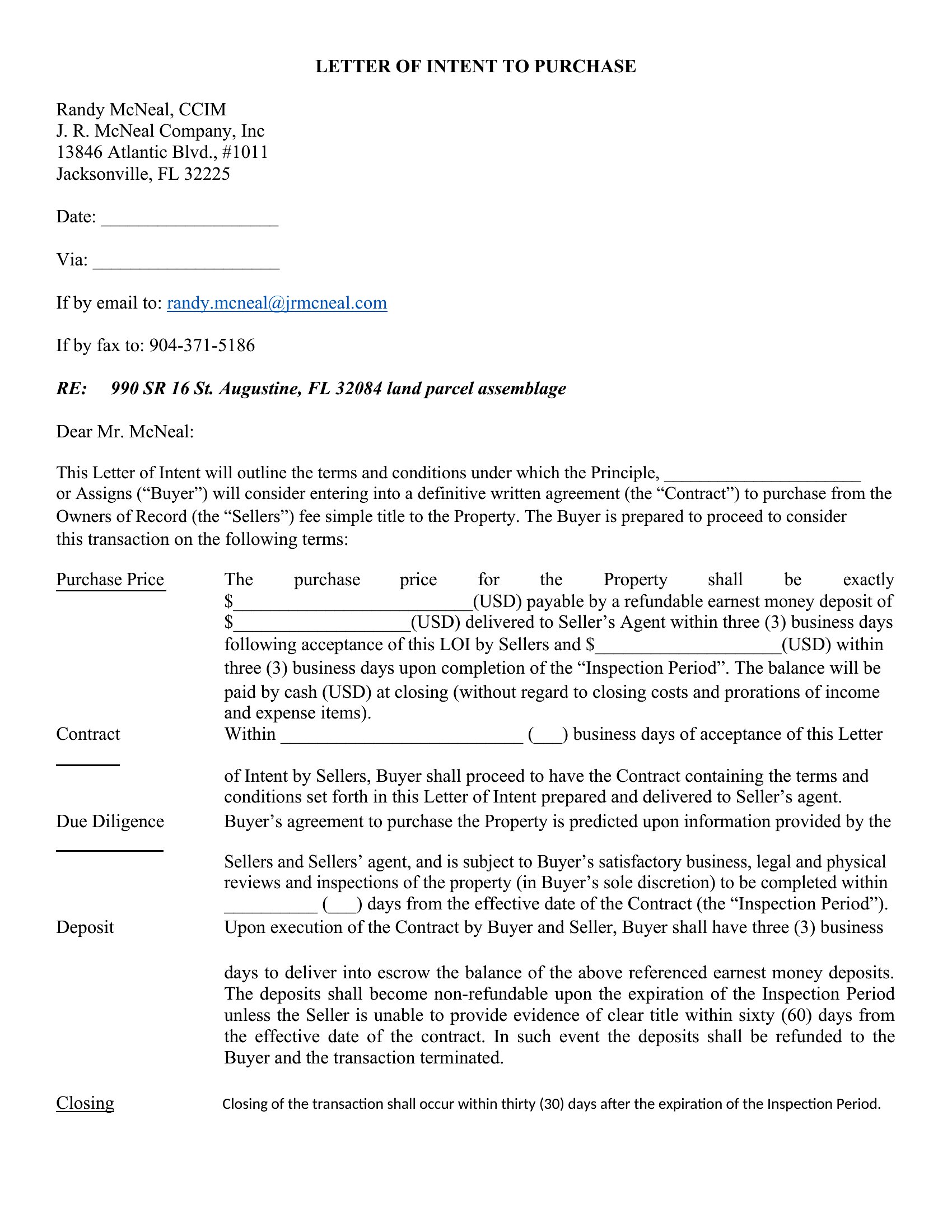
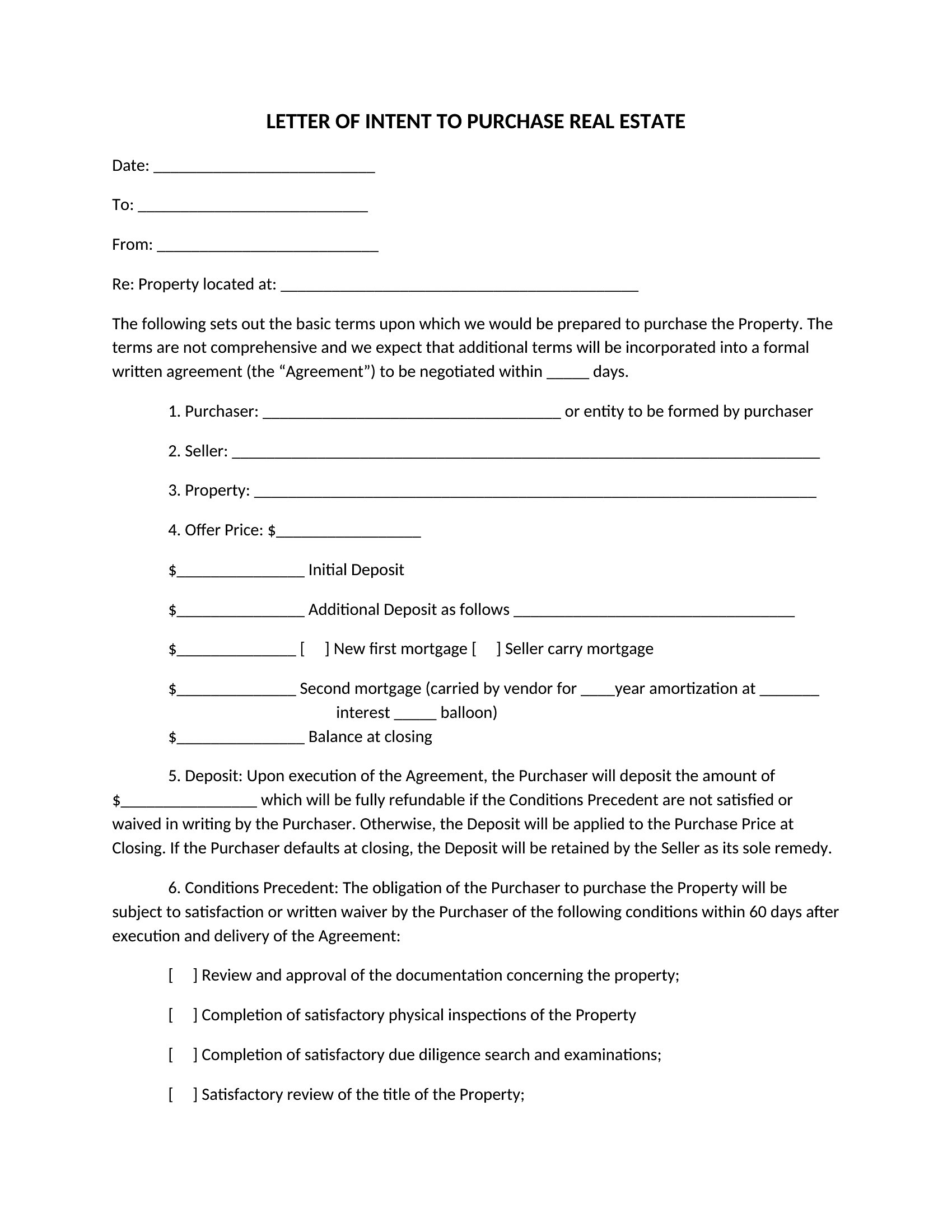
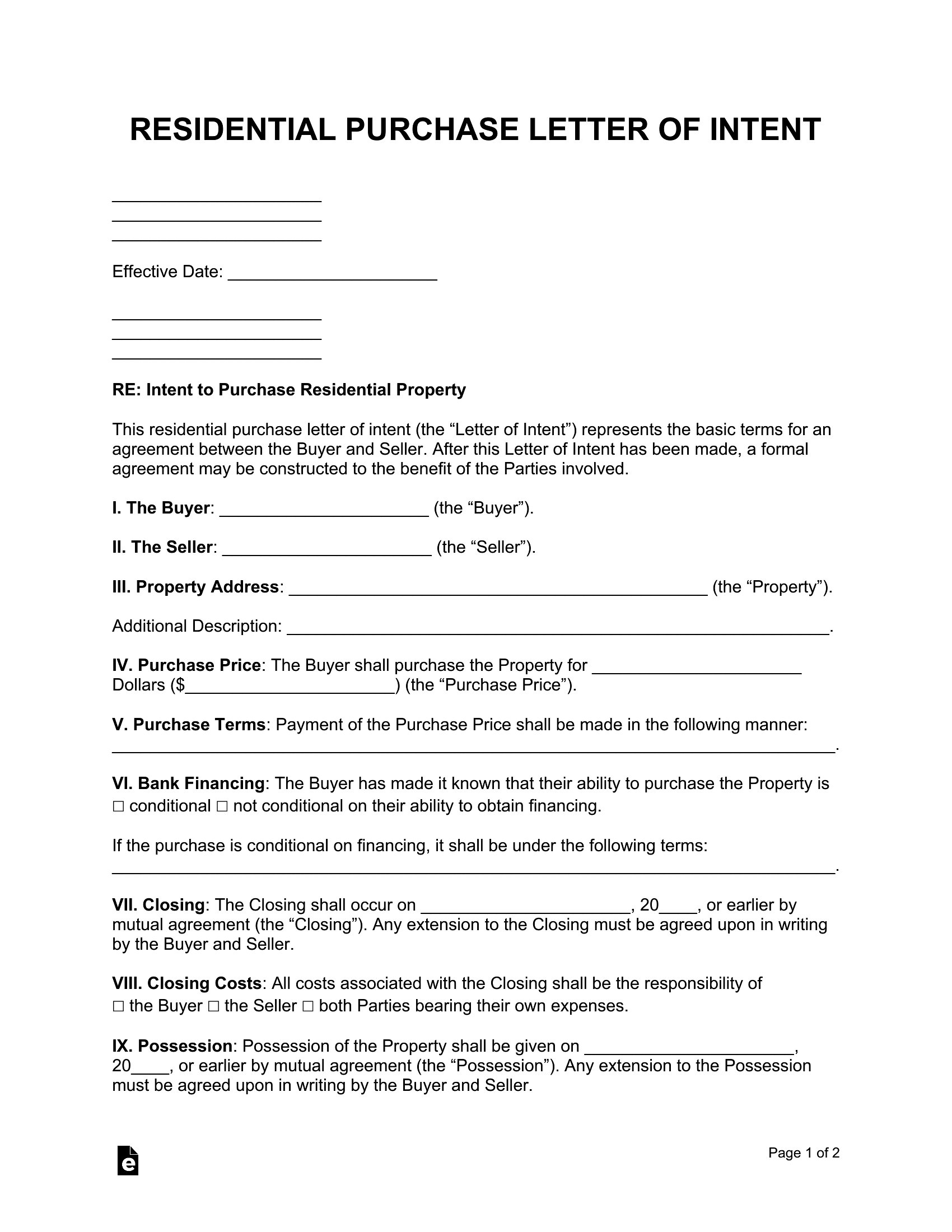
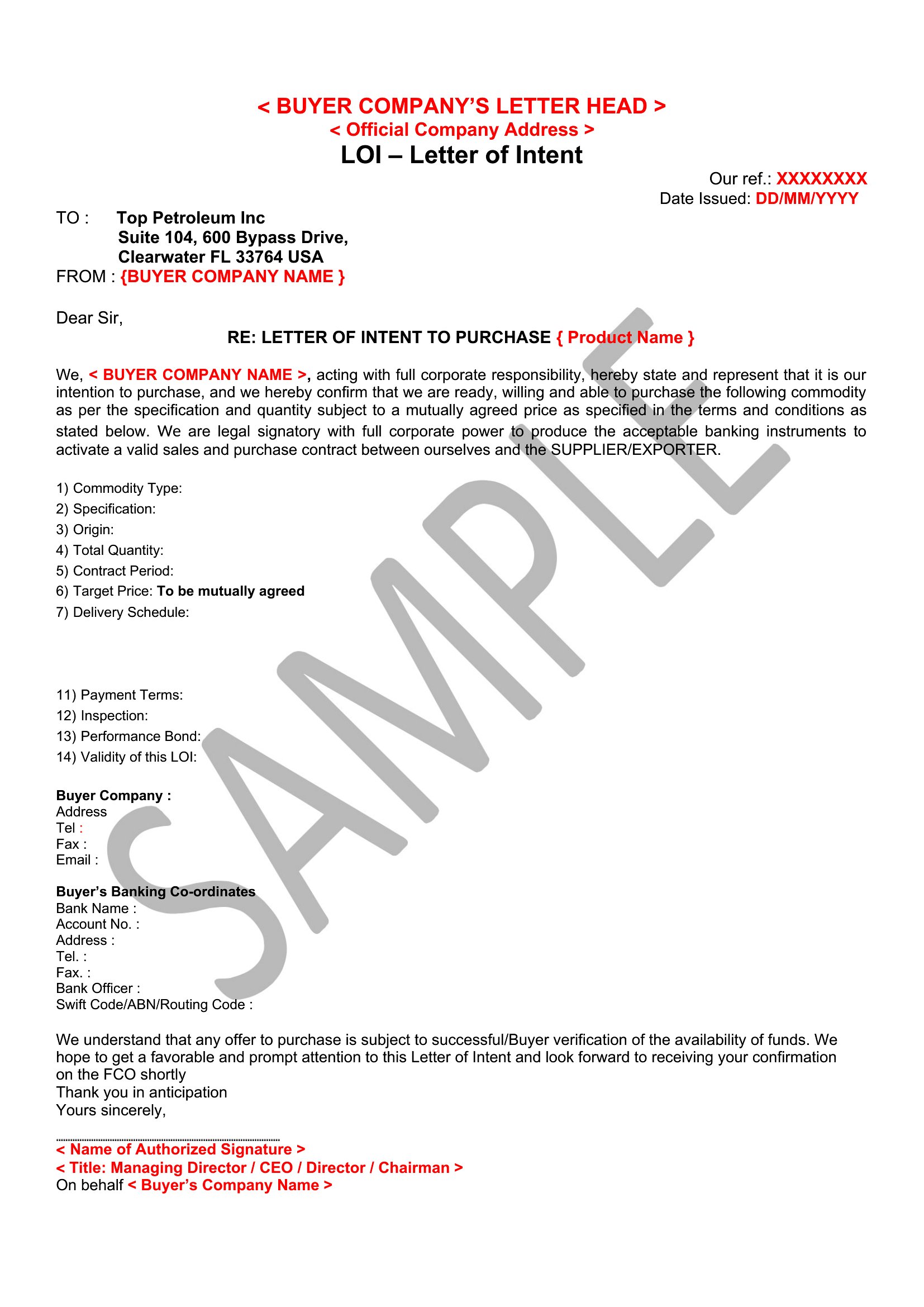
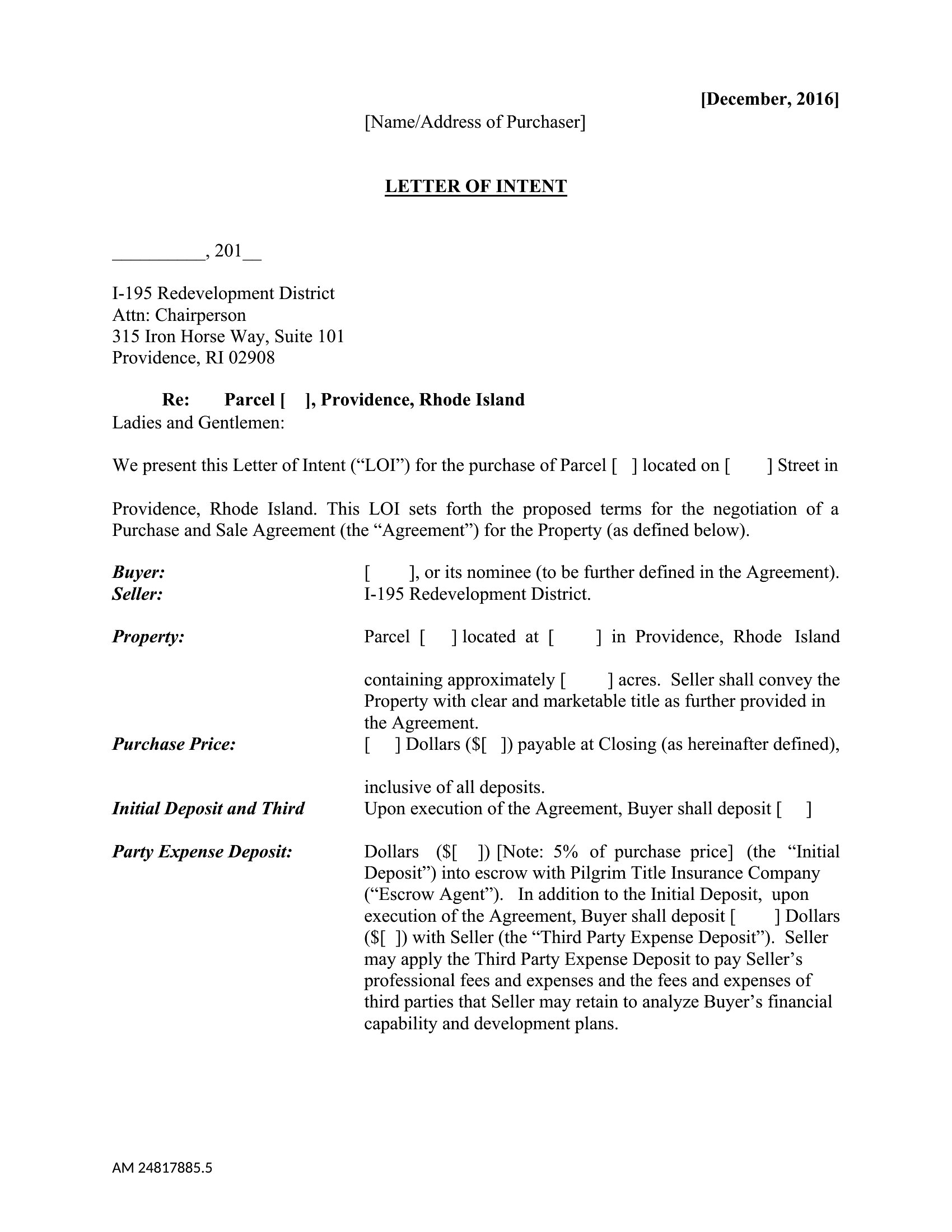
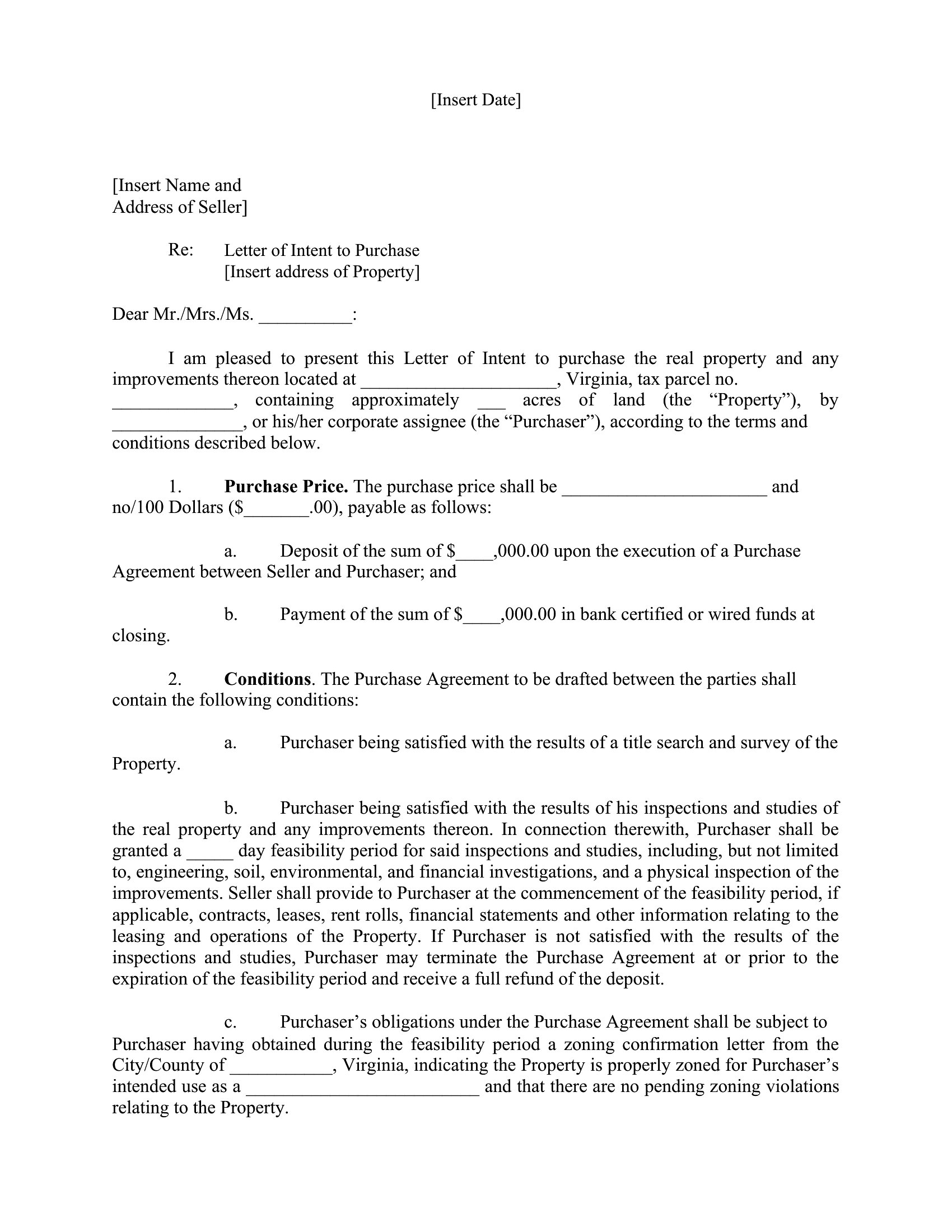
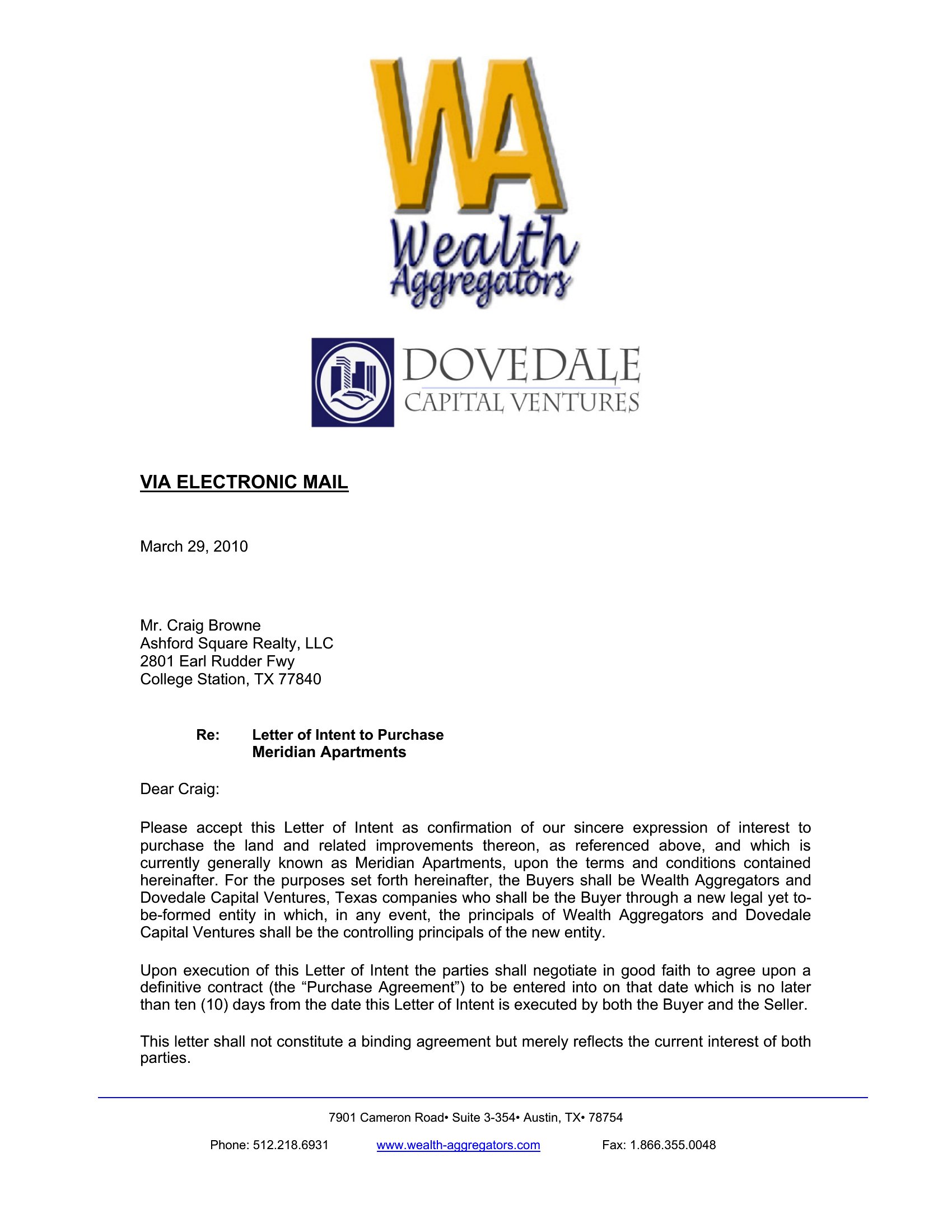
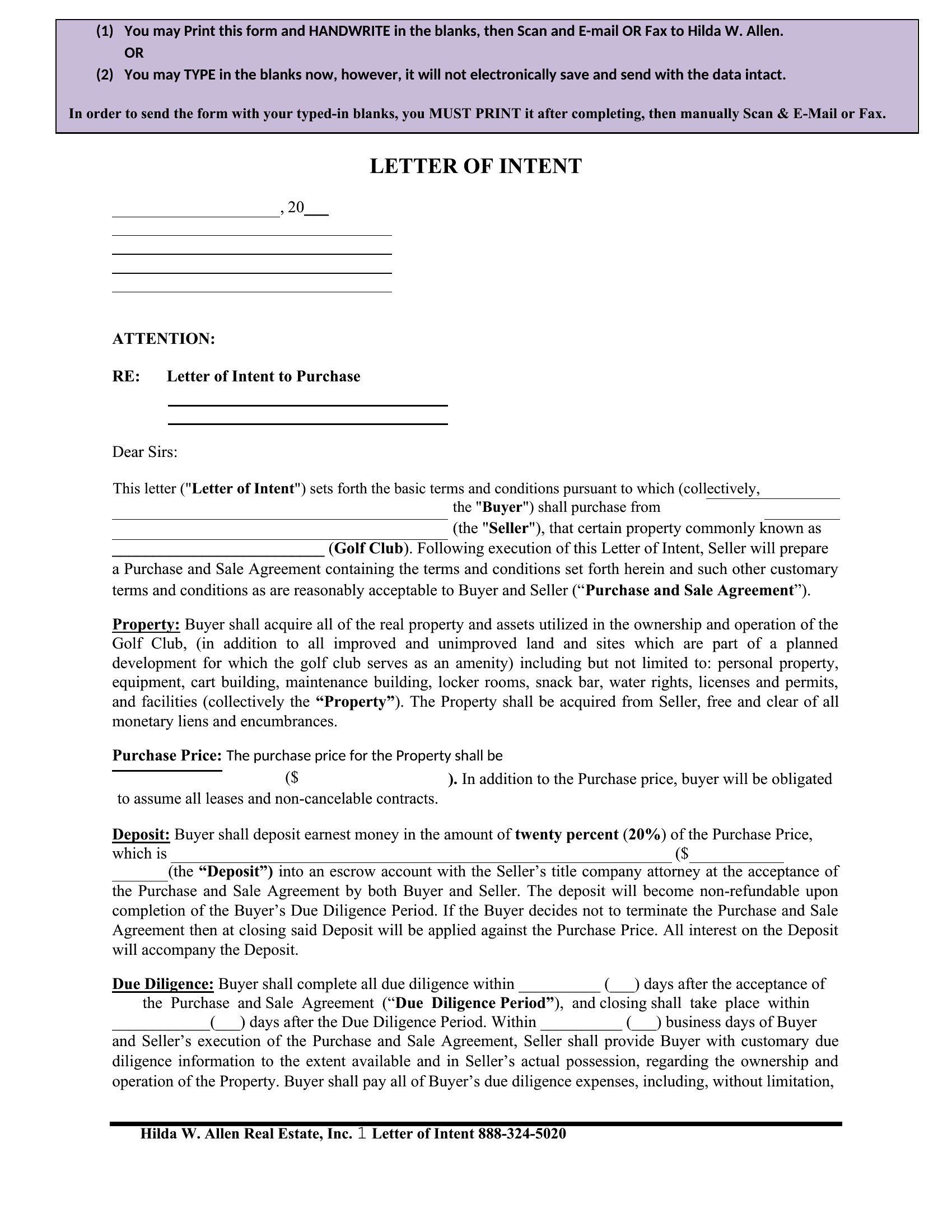
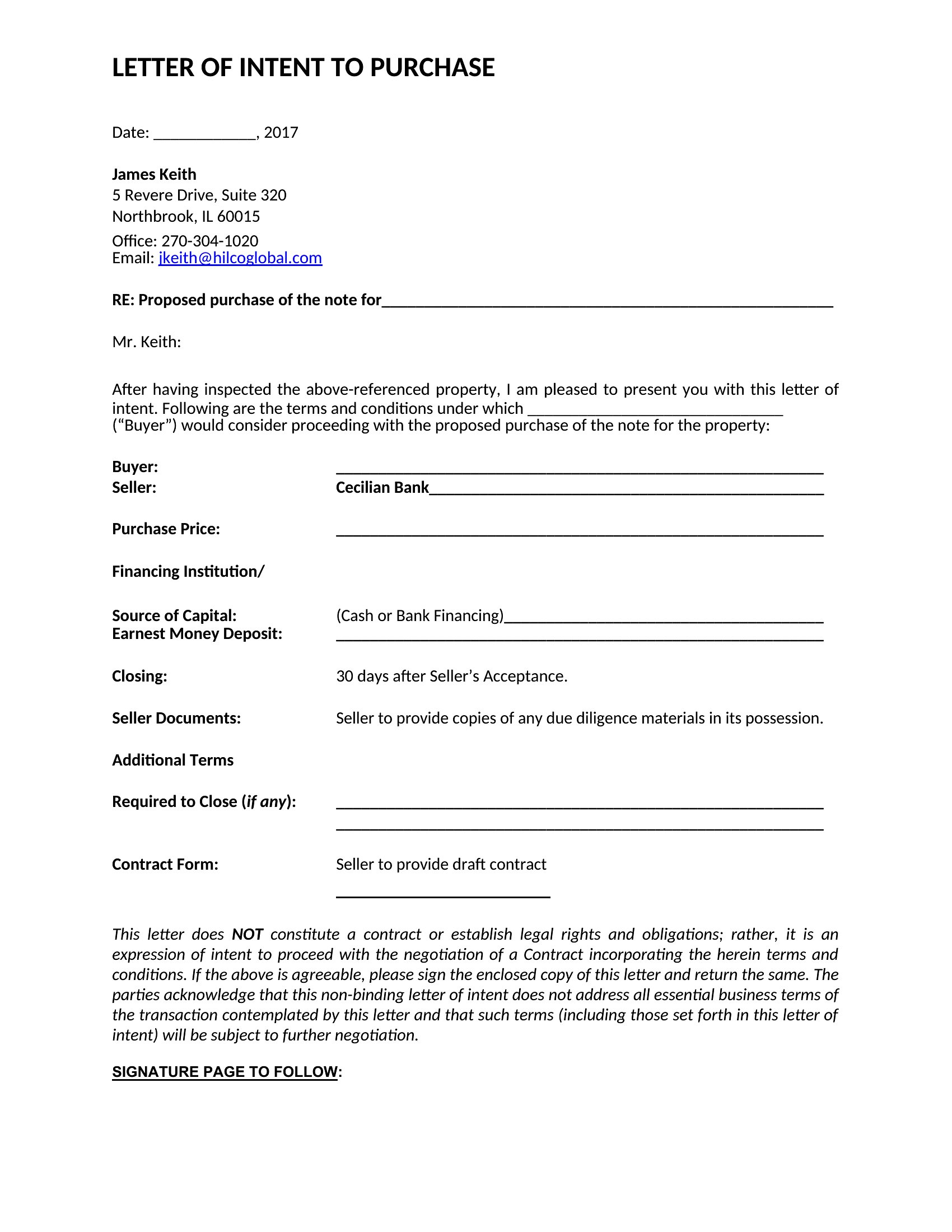
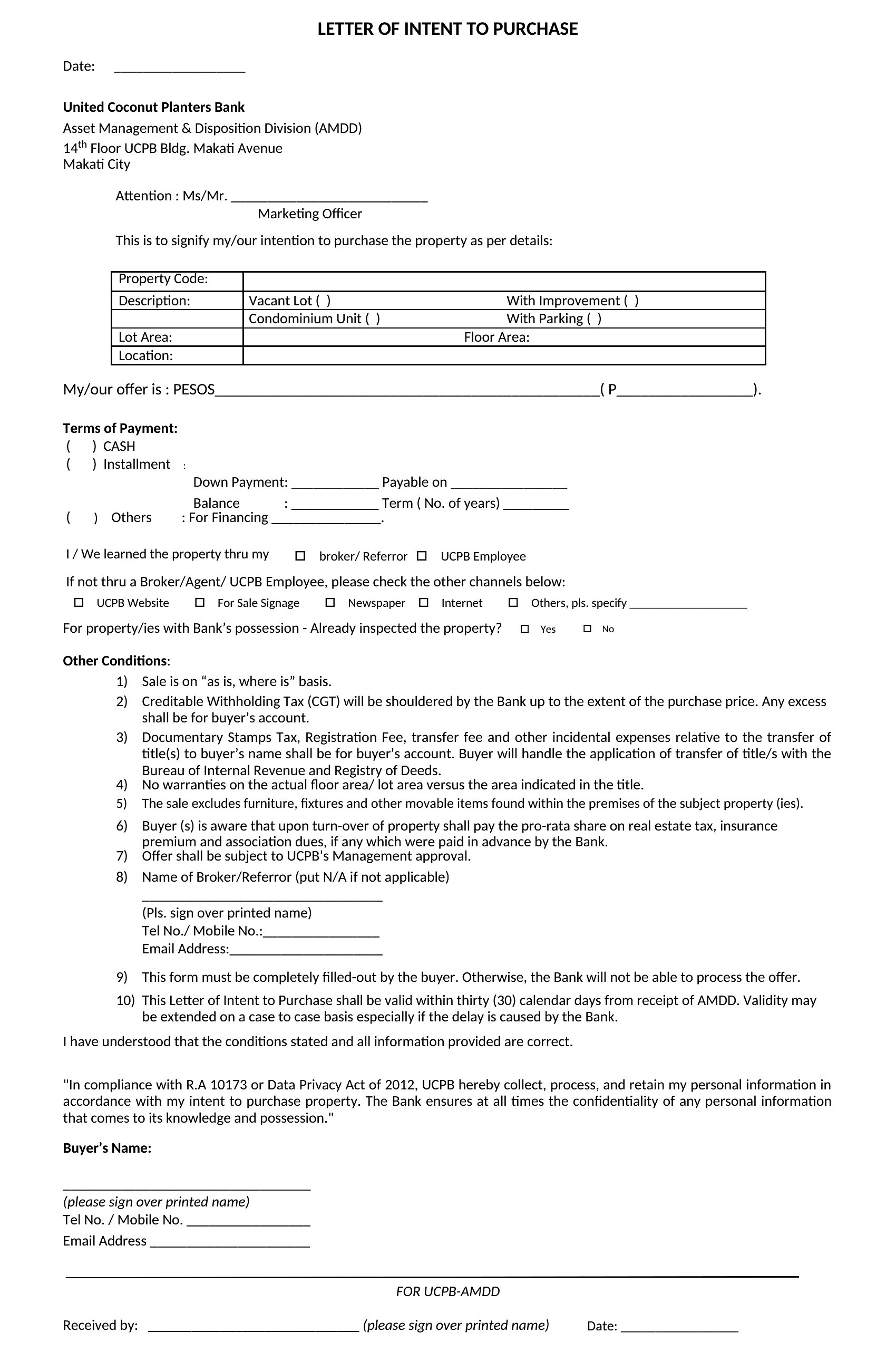
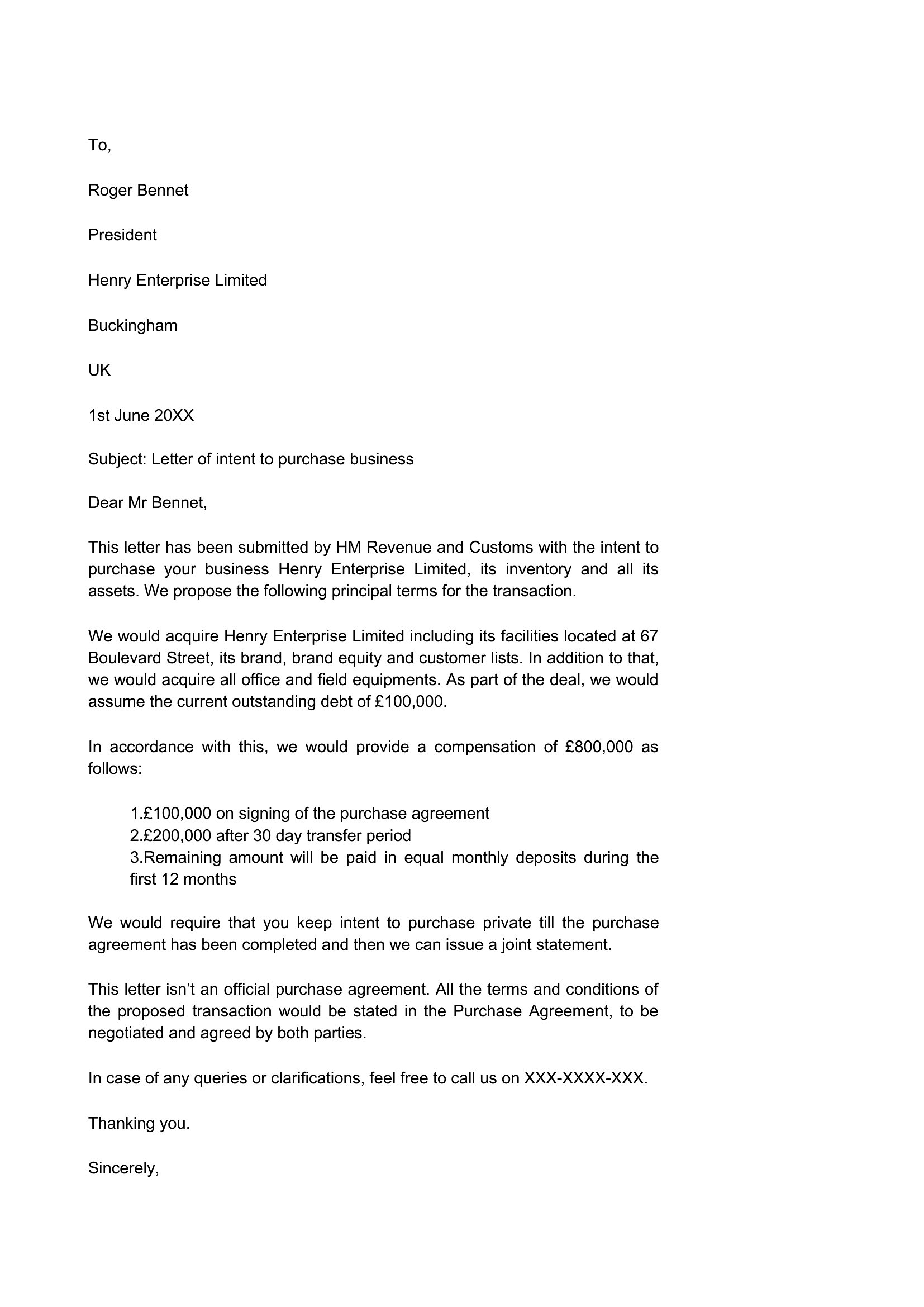
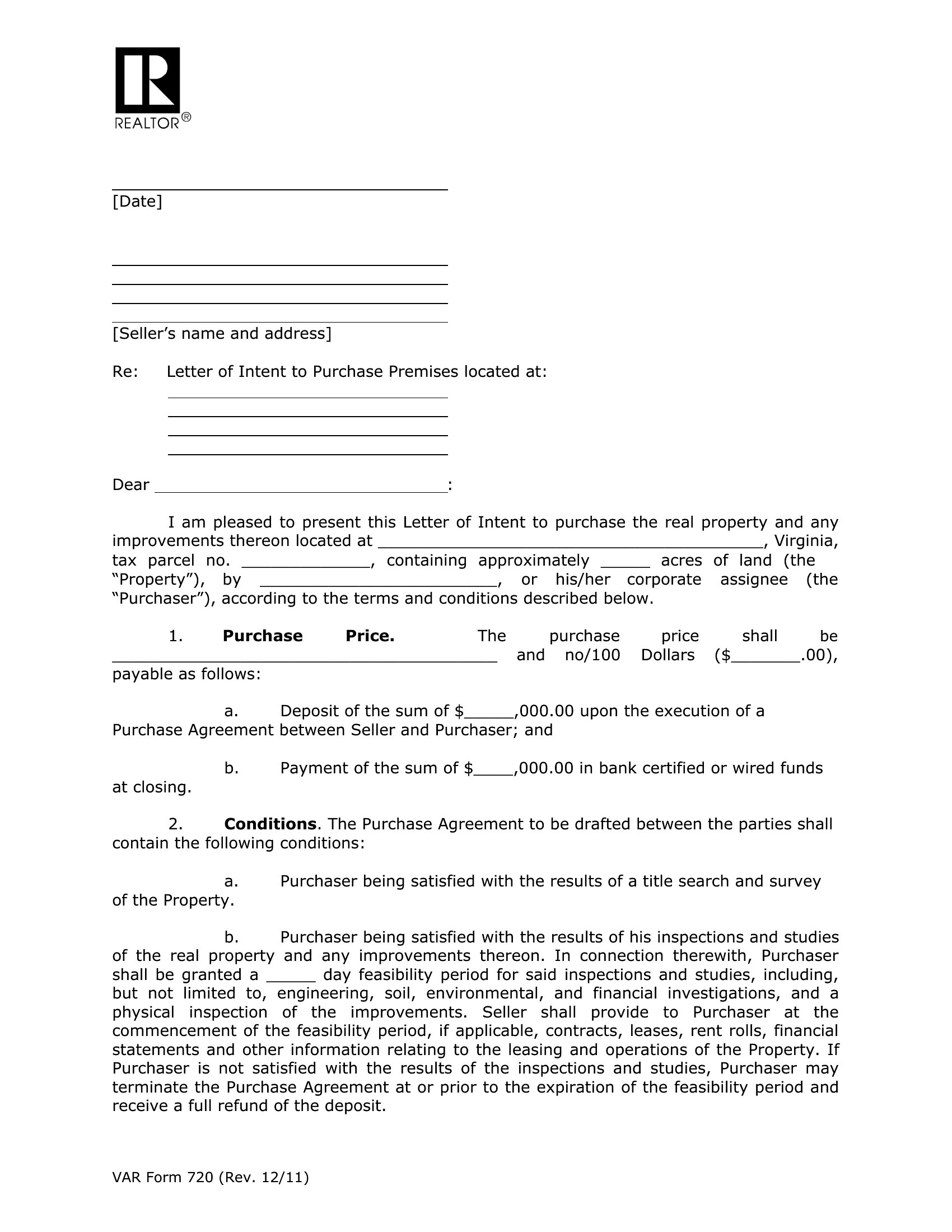
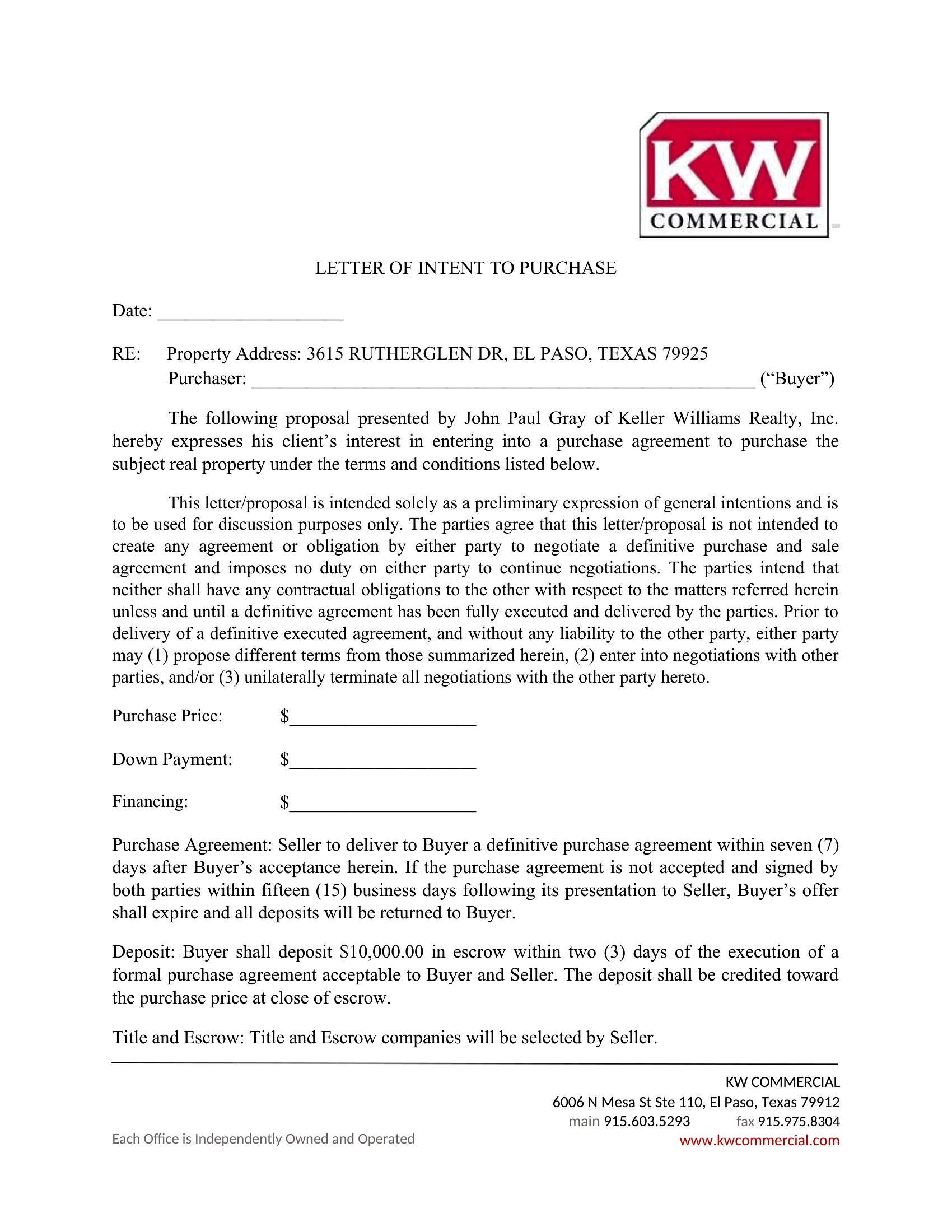
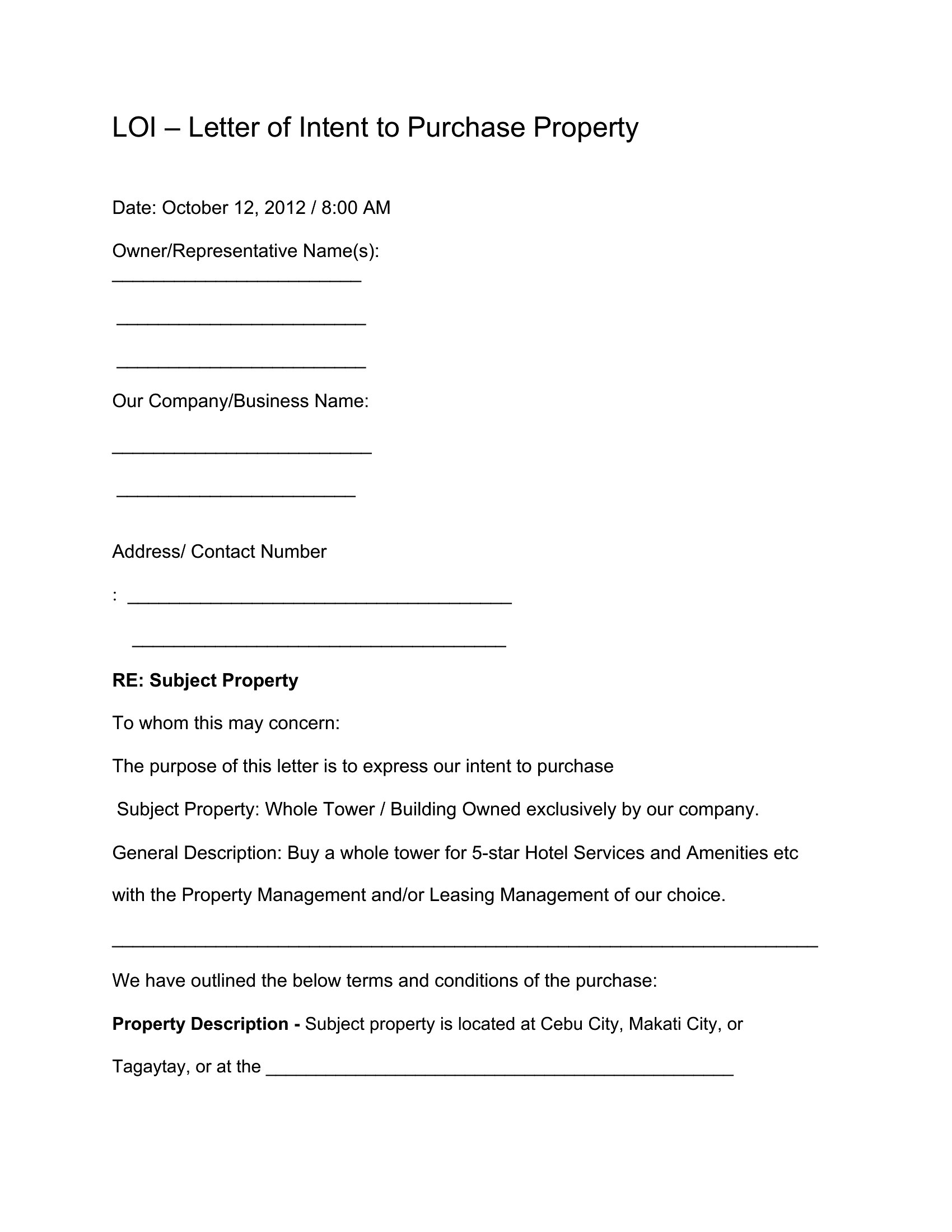
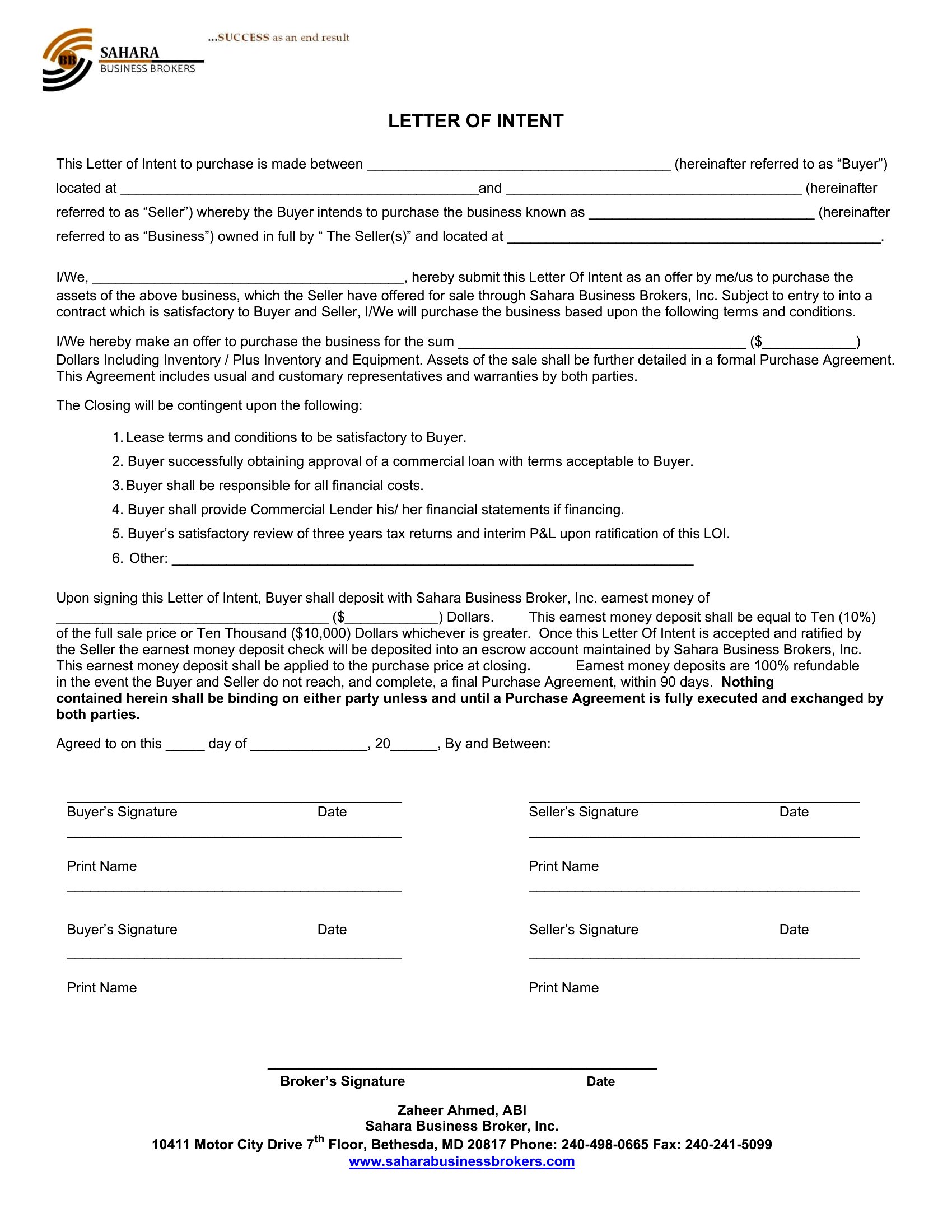
A letter of intent outlines preliminary terms—like price, conditions, or timelines—but isn’t legally binding unless both parties explicitly agree to treat it as such. A binding sales agreement, however, creates enforceable obligations. This template helps buyers document their intent while leaving room for negotiations, due diligence, or financing before committing to a full contract.
Should I include contingencies like financing or inspection clauses in a letter of intent?
Yes, including key contingencies is wise. For example, a buyer purchasing real estate might specify a financing contingency or an inspection clause to protect their interest. These clauses signal good faith while allowing you to exit negotiations if critical conditions aren’t met. Consulting a legal professional can help ensure these terms align with local laws and your specific transaction.
Can I use this template if I’m purchasing internationally or dealing with a vendor in another country?
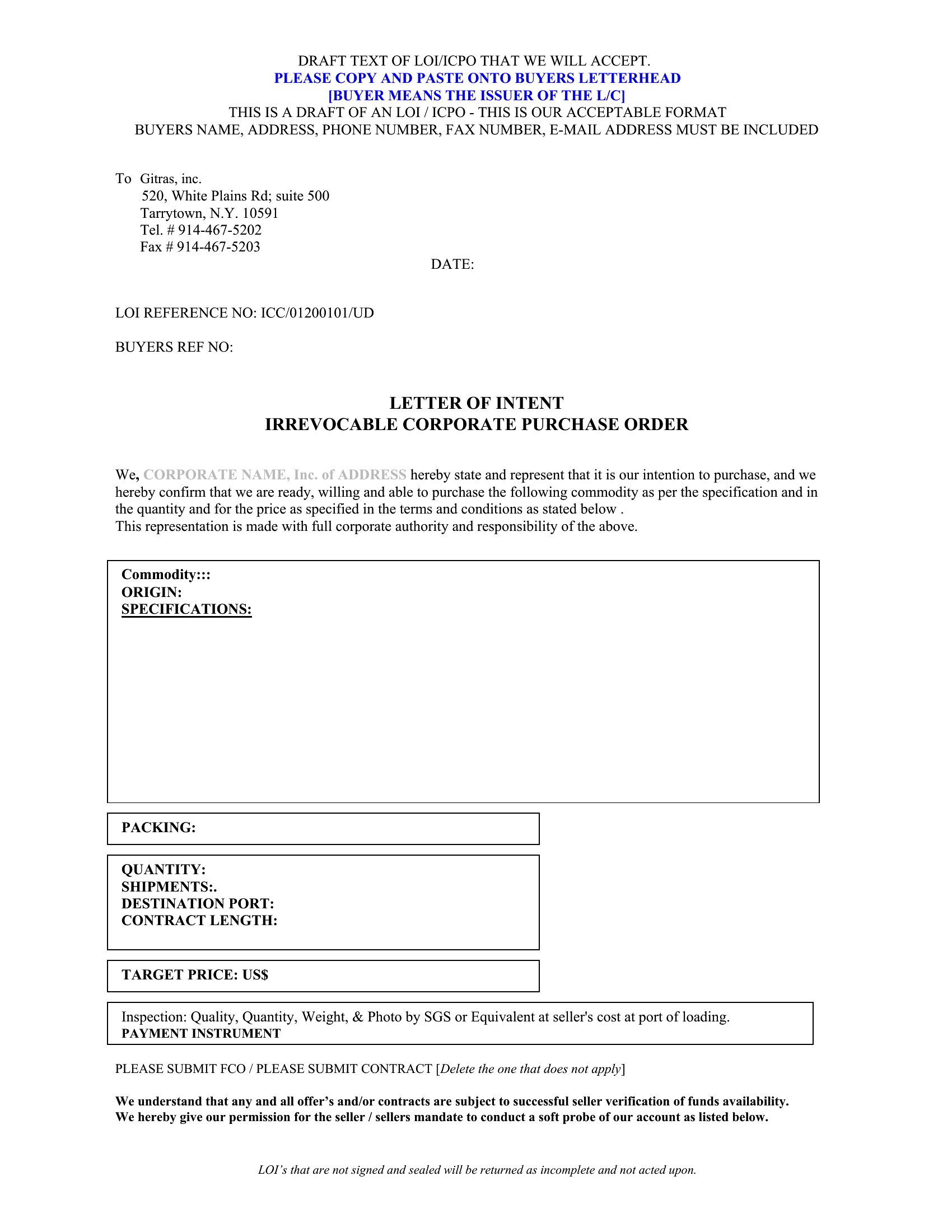
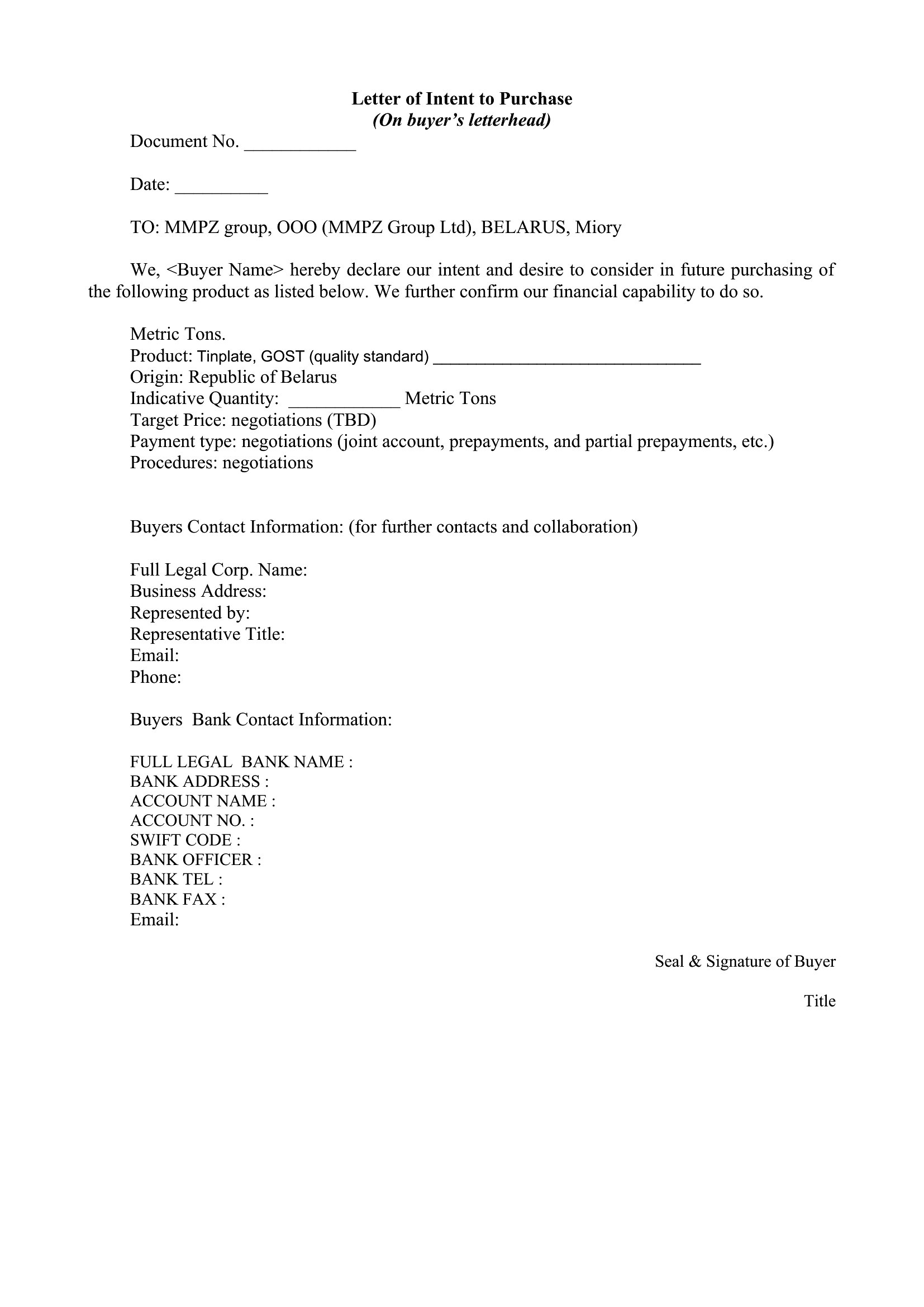
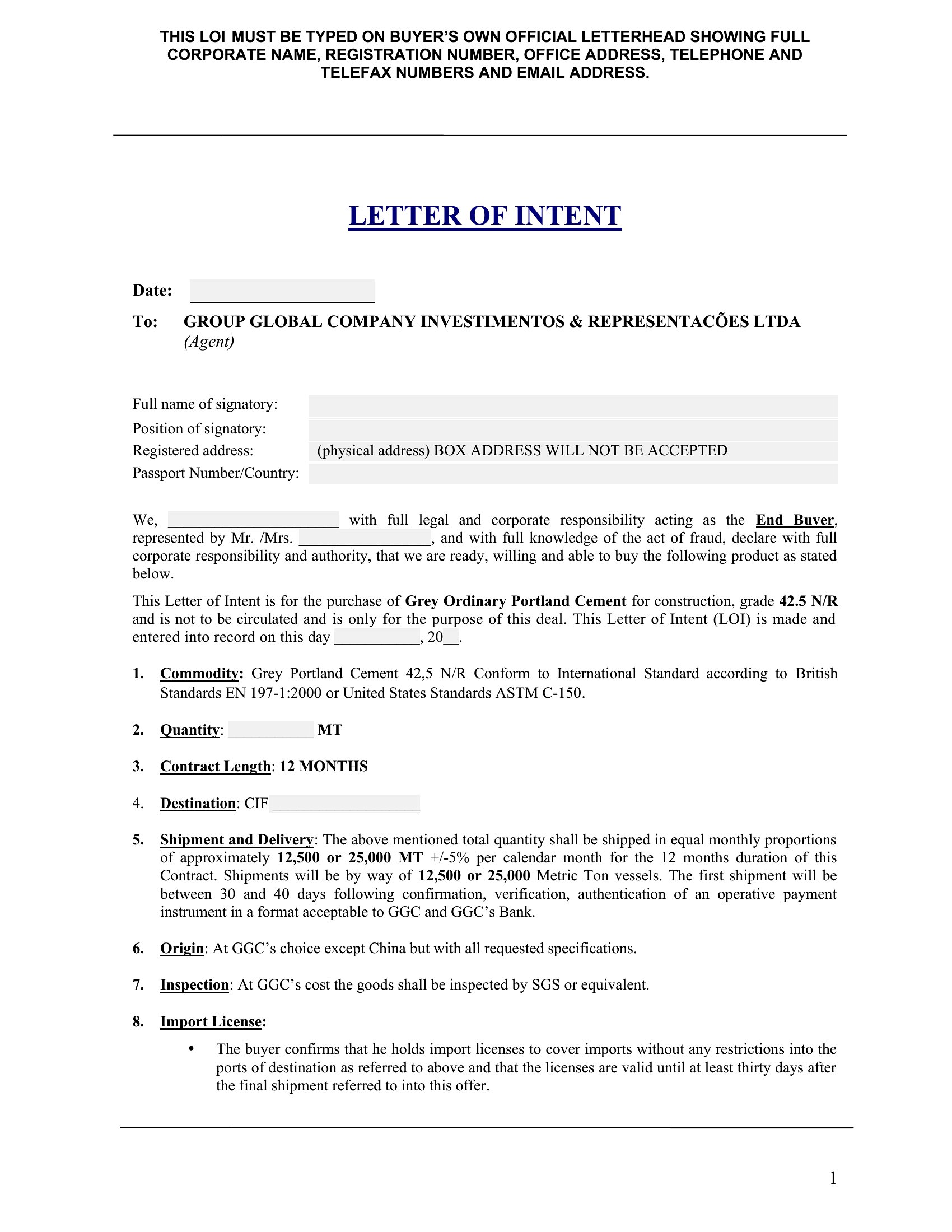
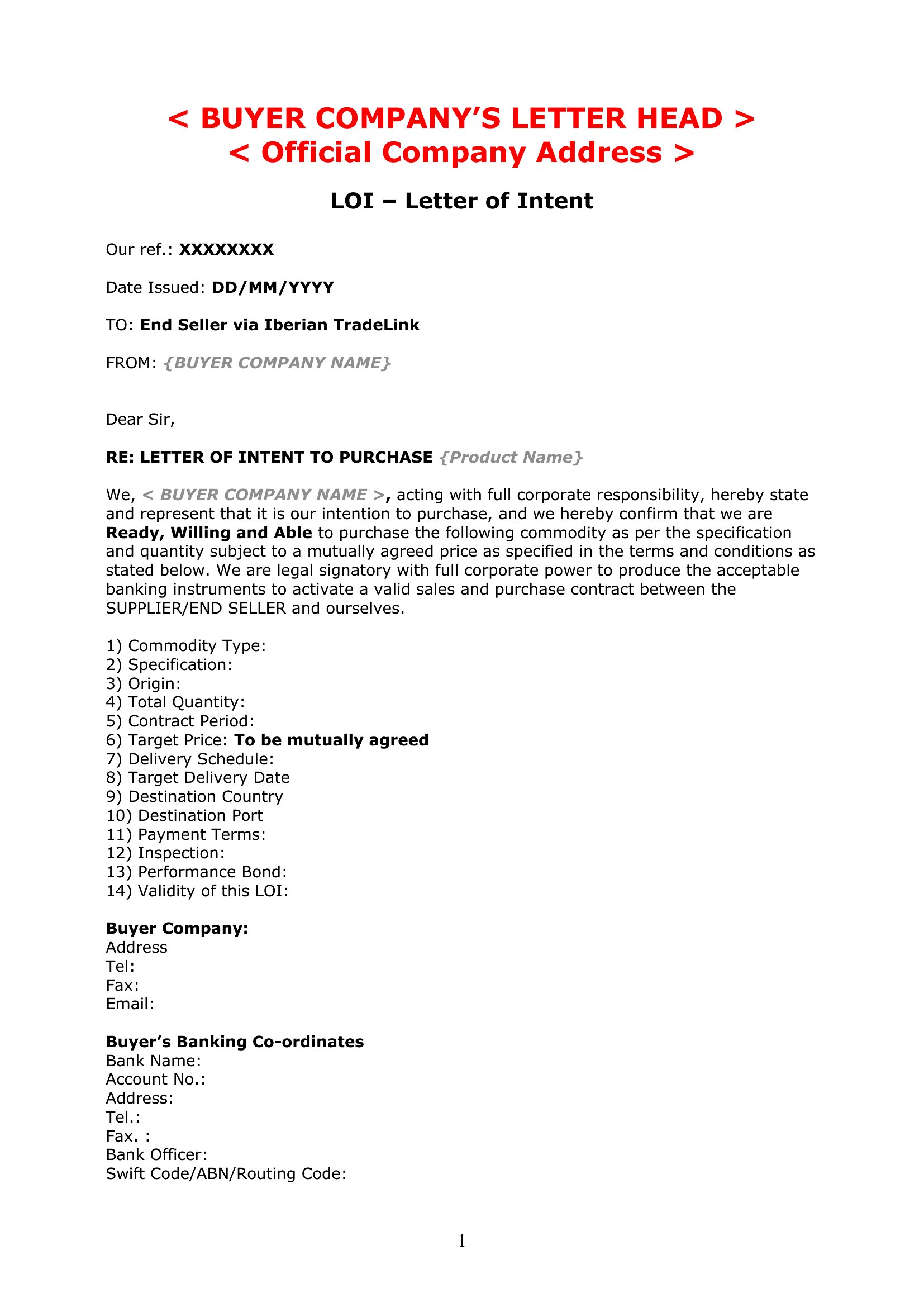
While this template provides a framework, international purchases often require additional legal considerations, such as governing law clauses, dispute resolution terms, or compliance with export/import regulations. Start with this template to outline basic terms, but work with an attorney familiar with cross-border transactions to address jurisdiction, currency, and logistical challenges unique to international deals.
Comments
Join the conversation
Sign in to share your thoughts and leave a comment on this resource.