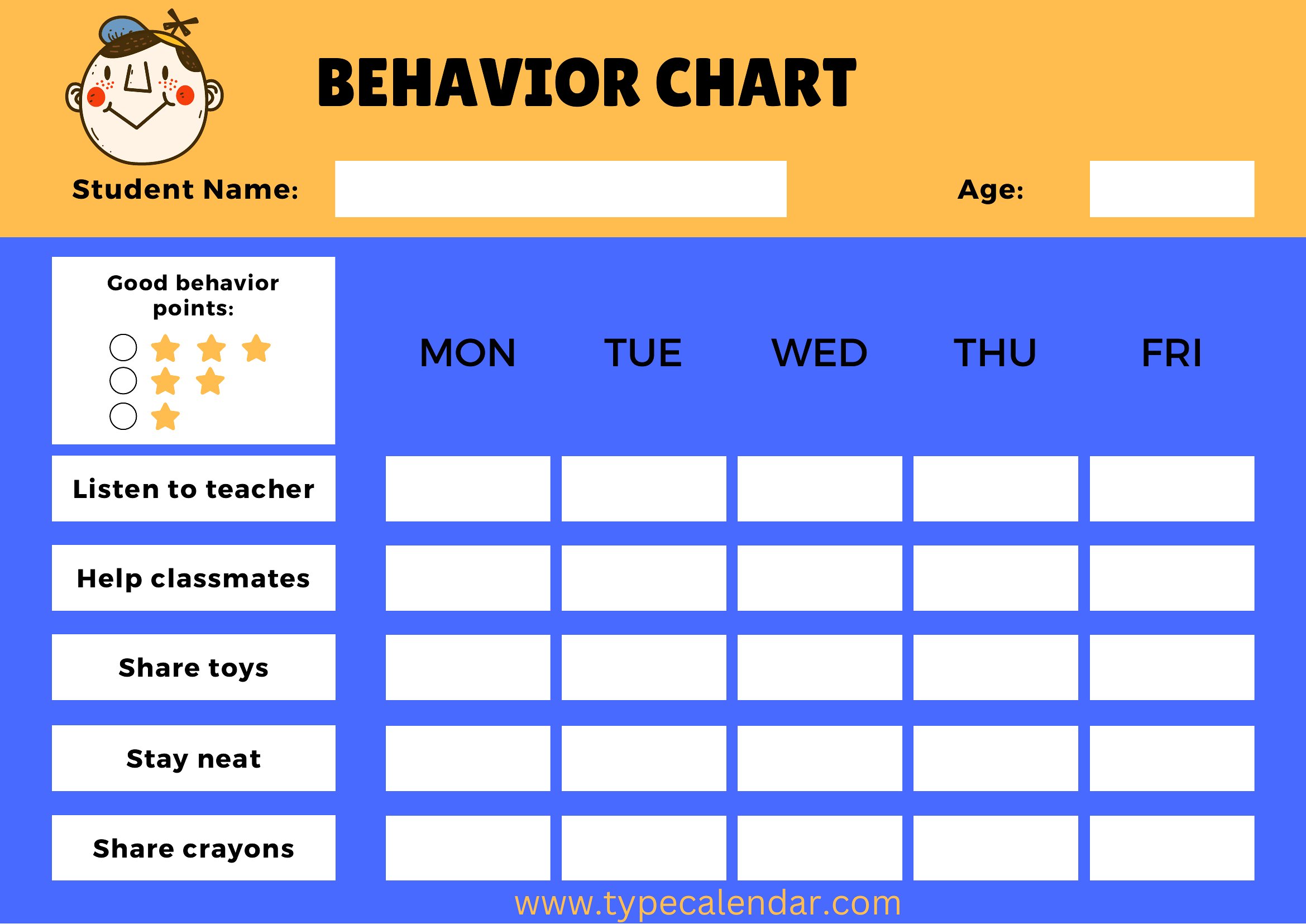
Free Printable Behavior Charts (Word, Excel, PDF)
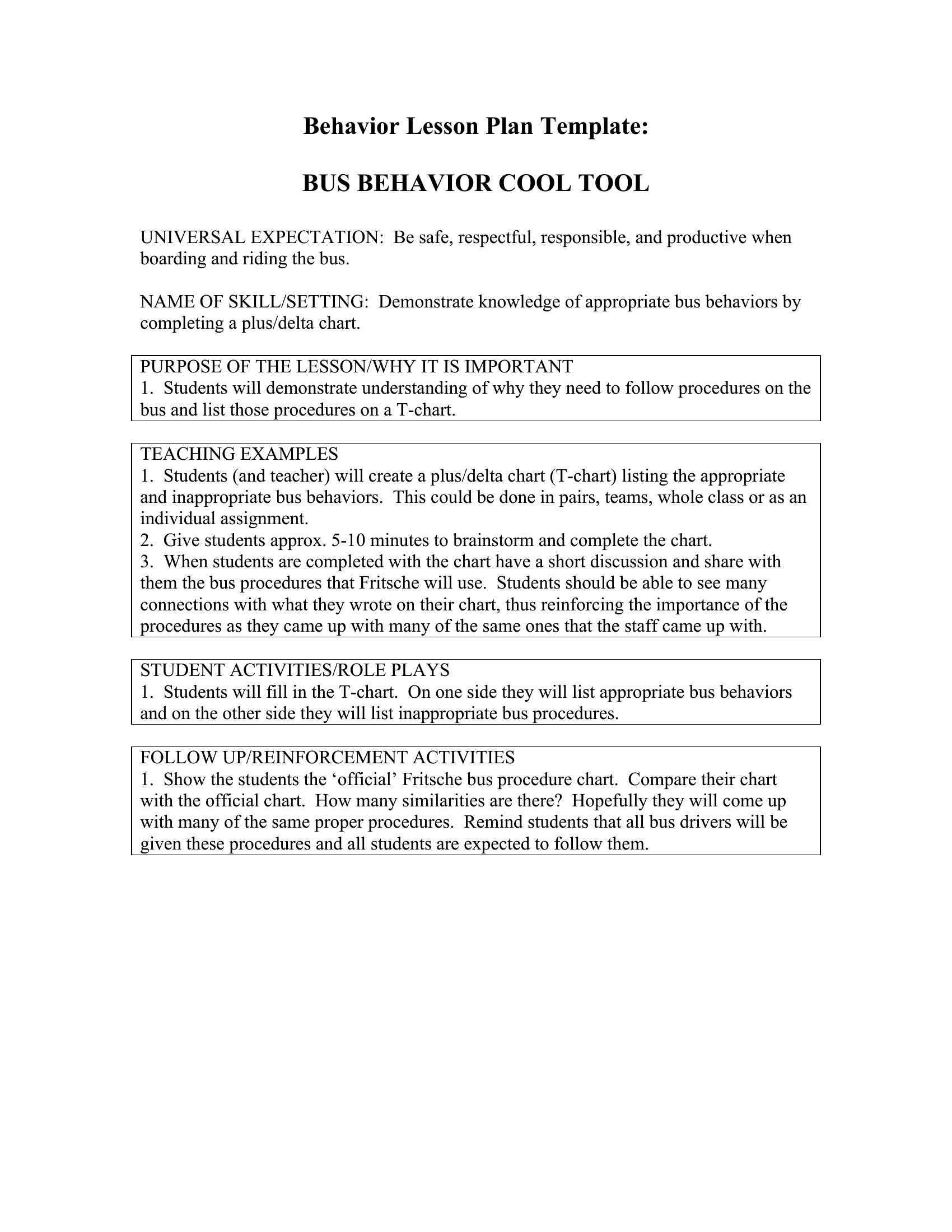
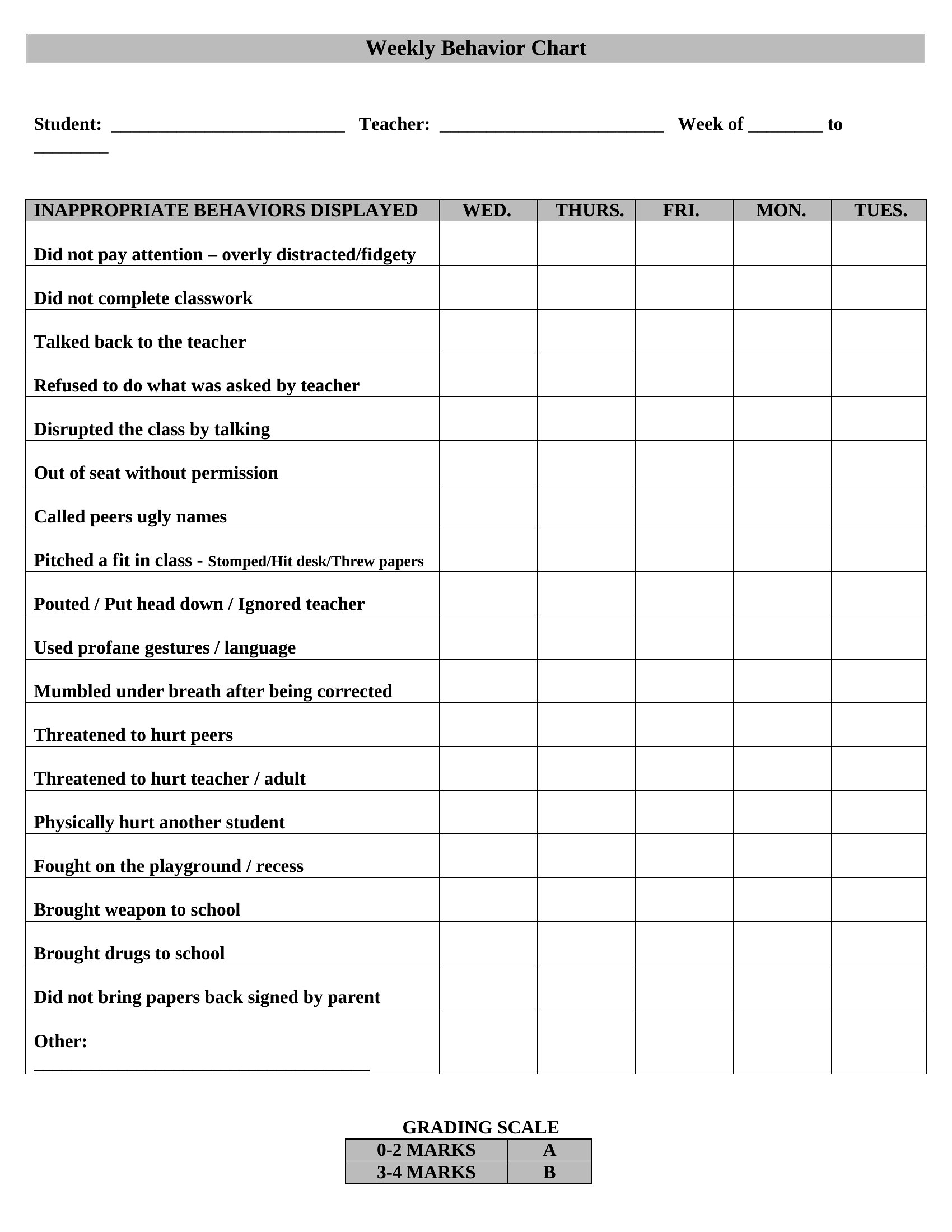
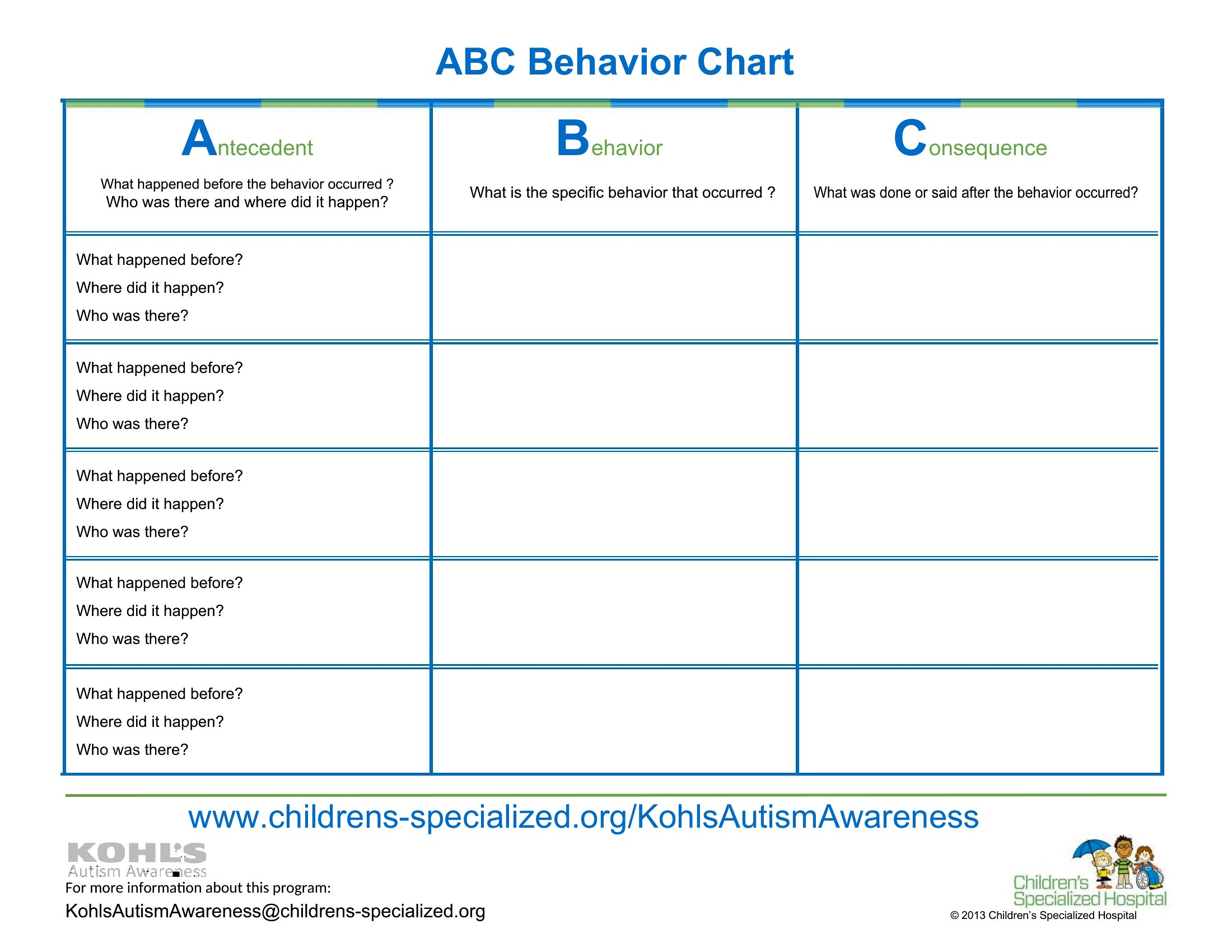
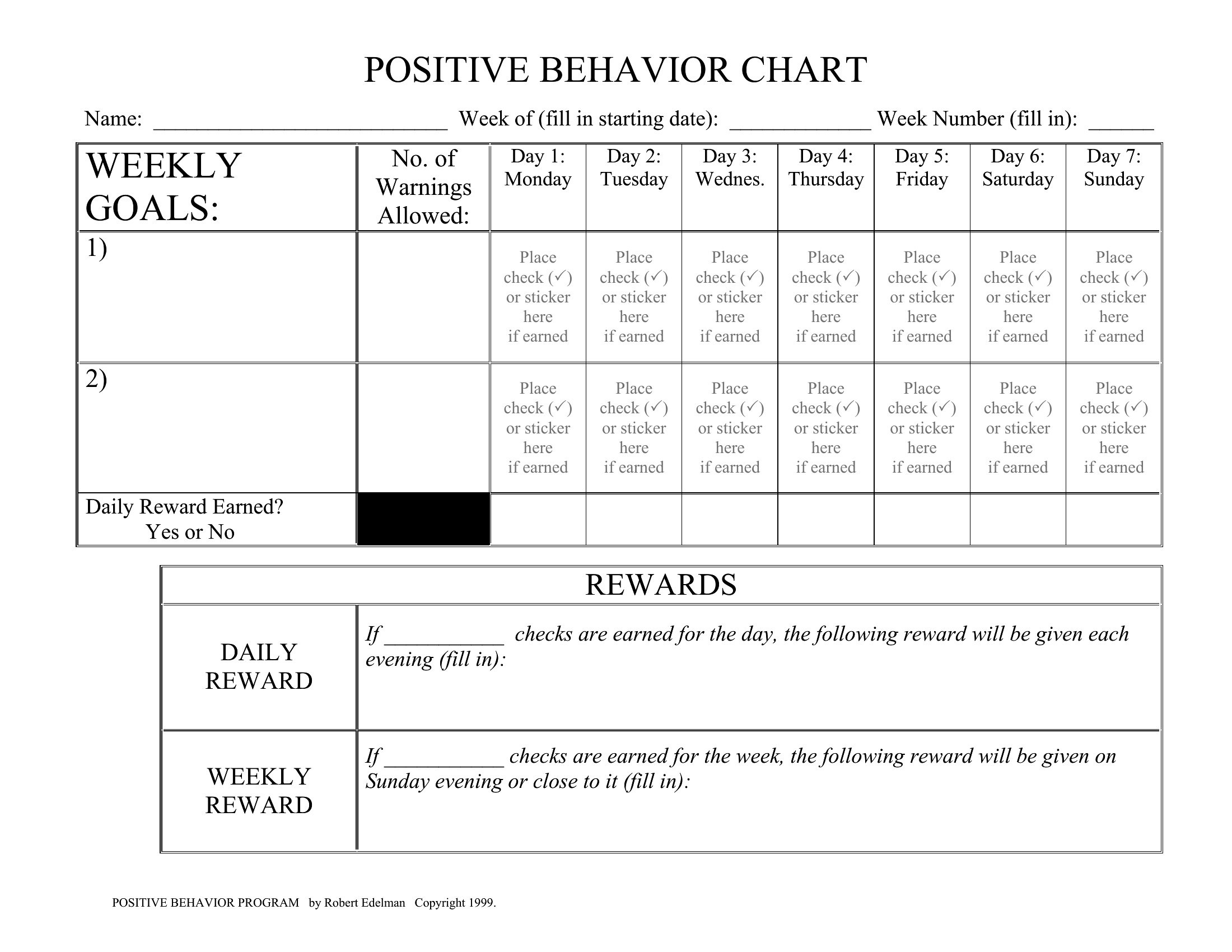
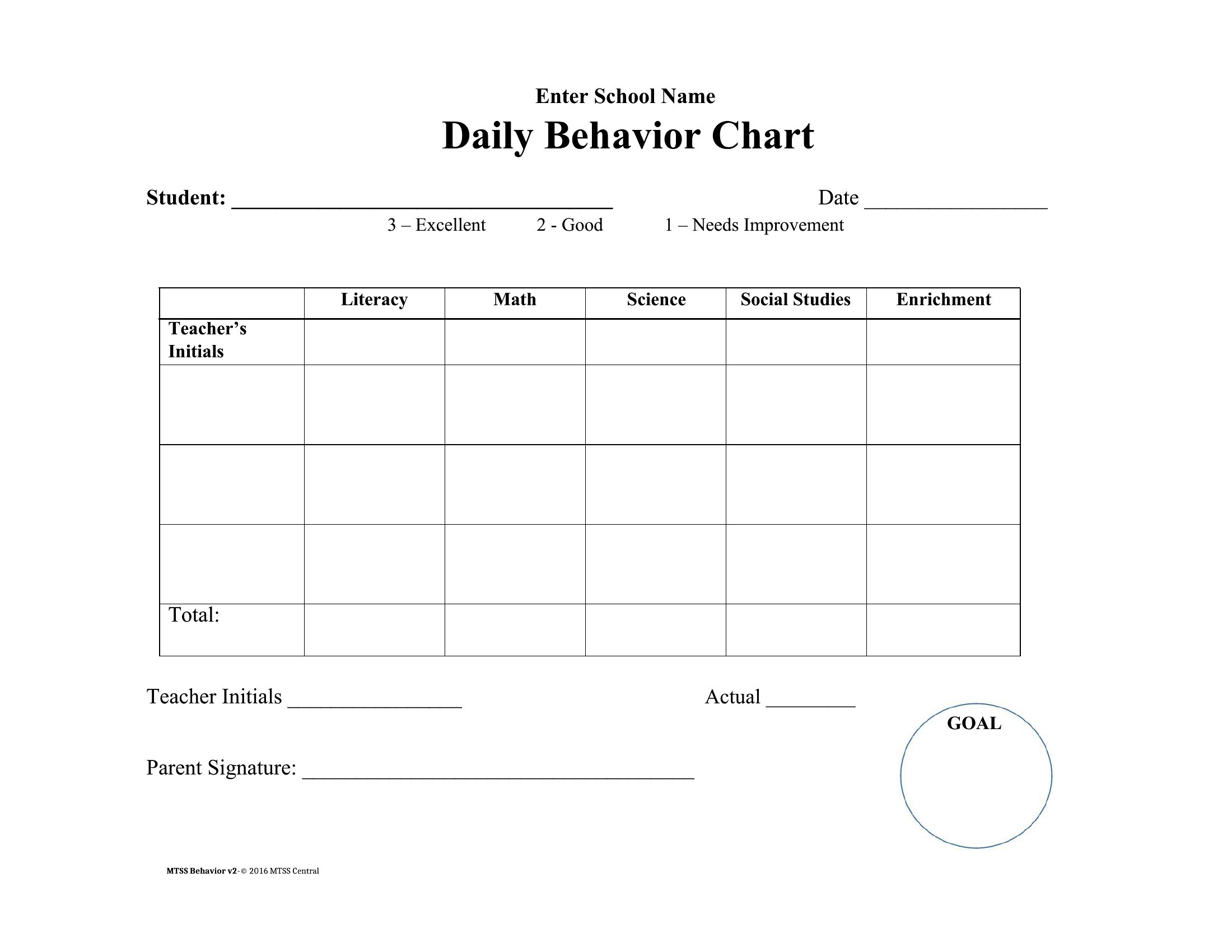
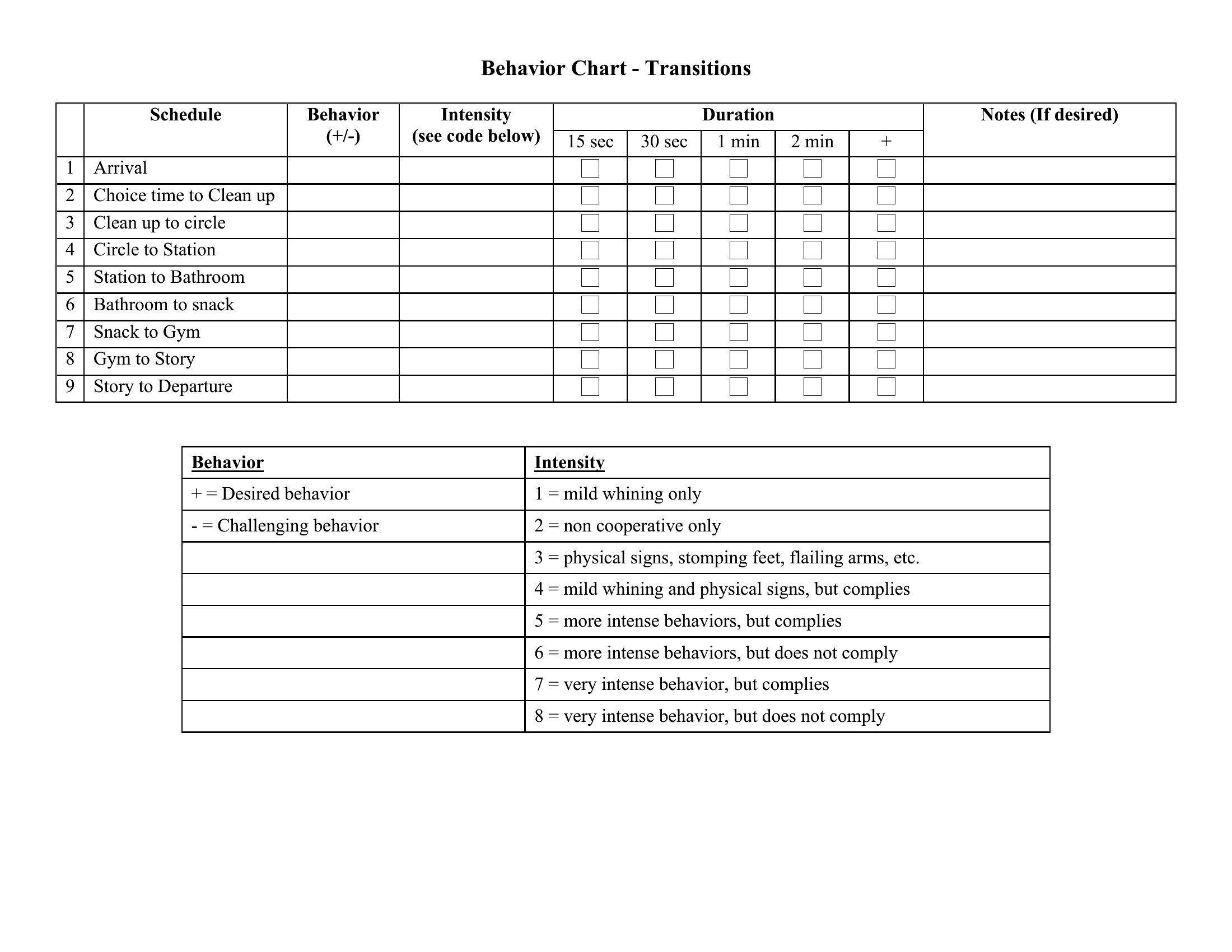
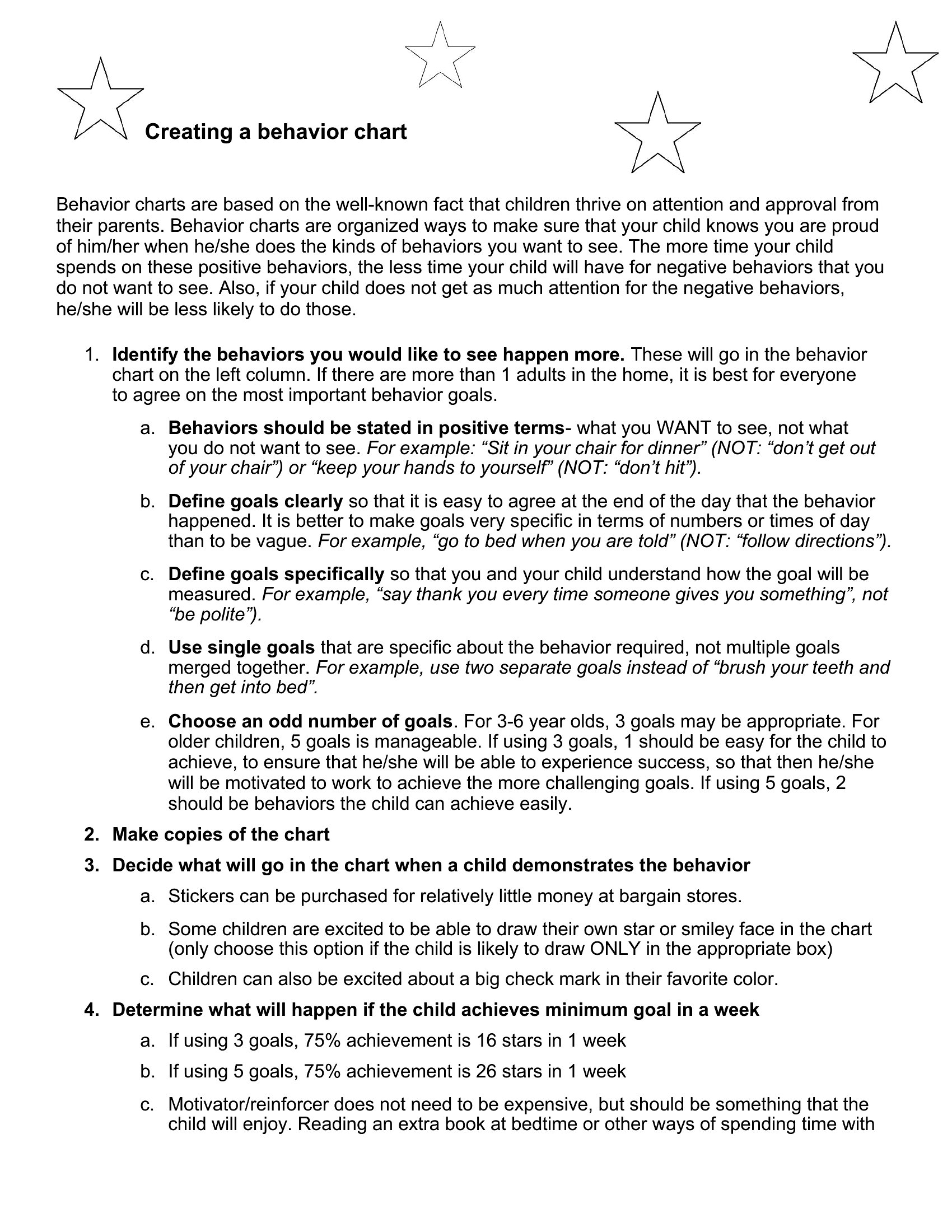
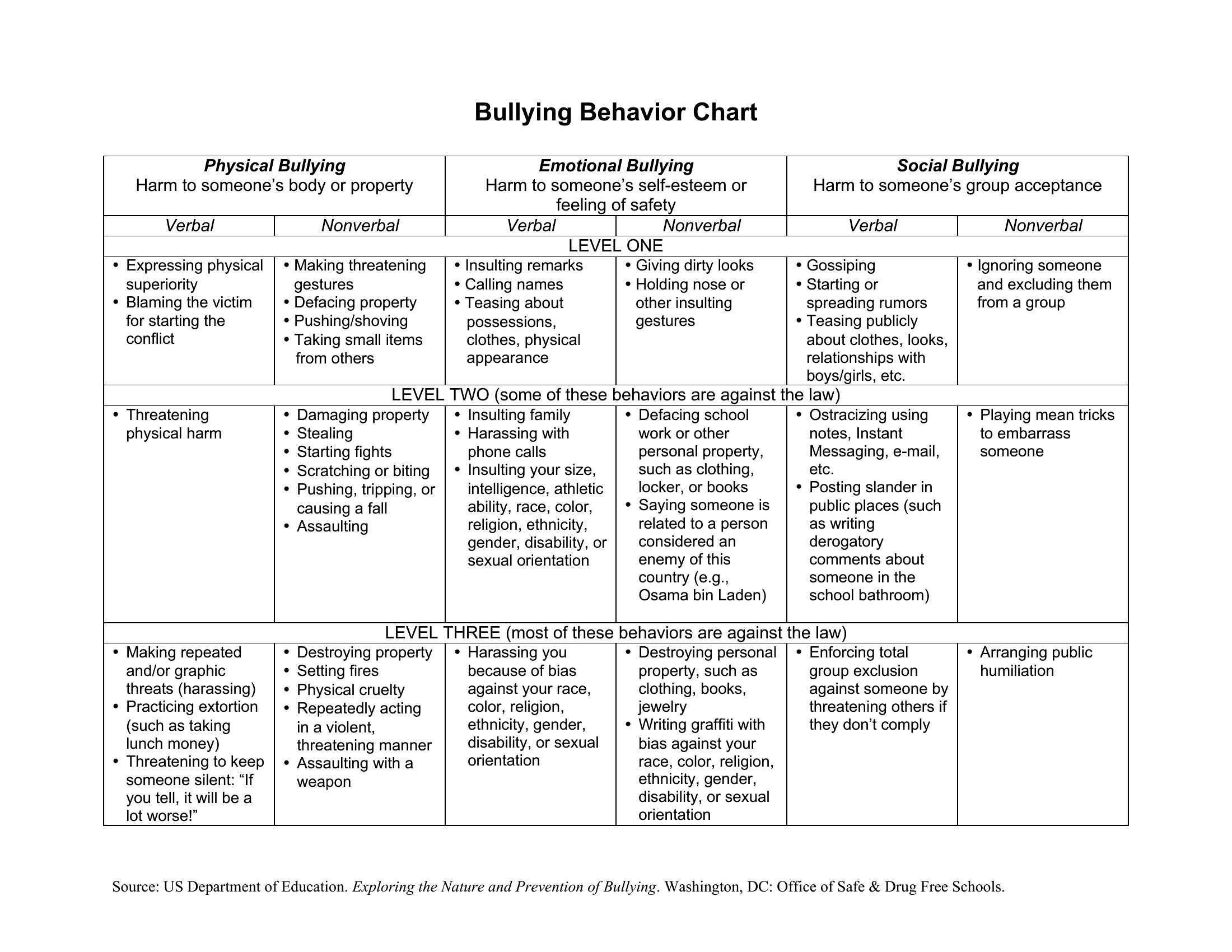
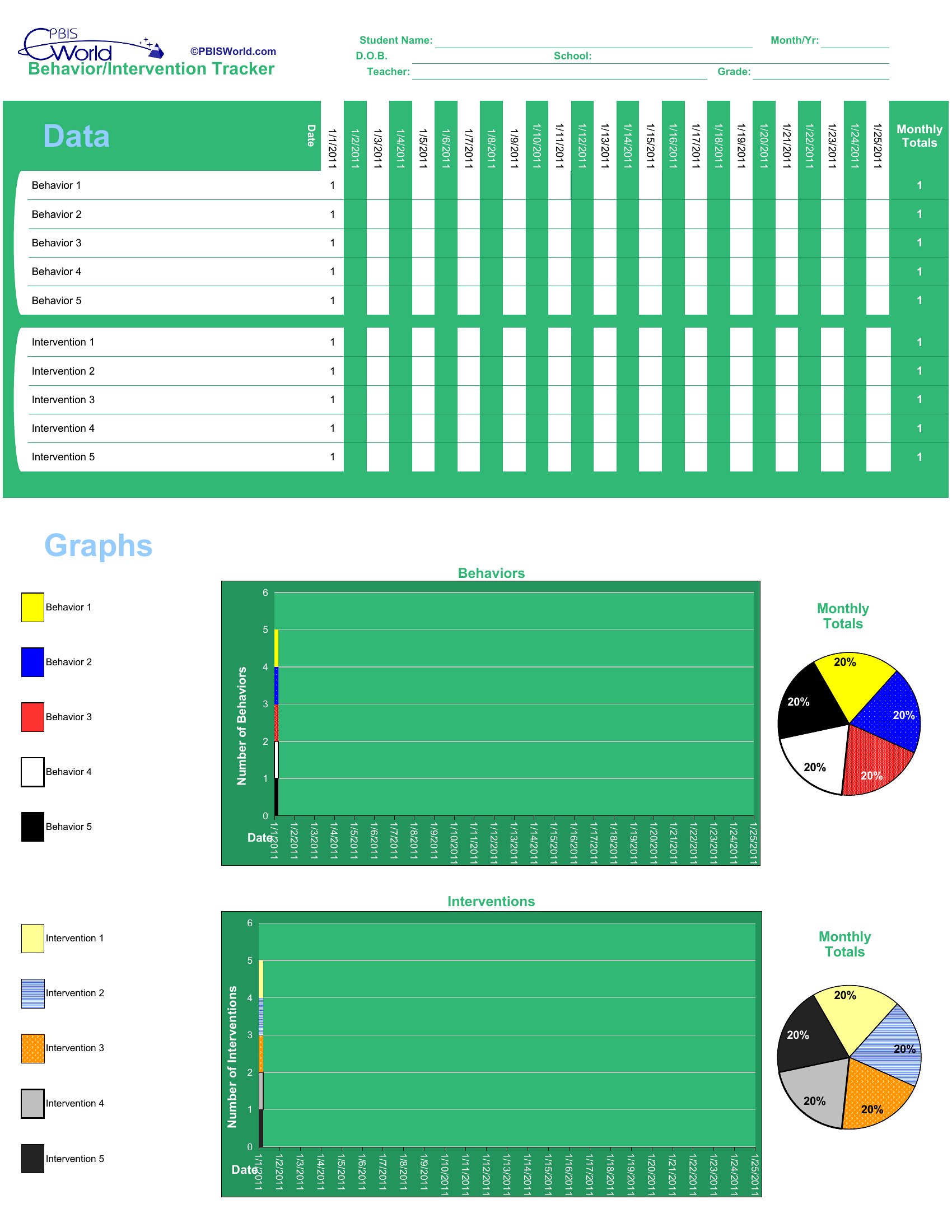
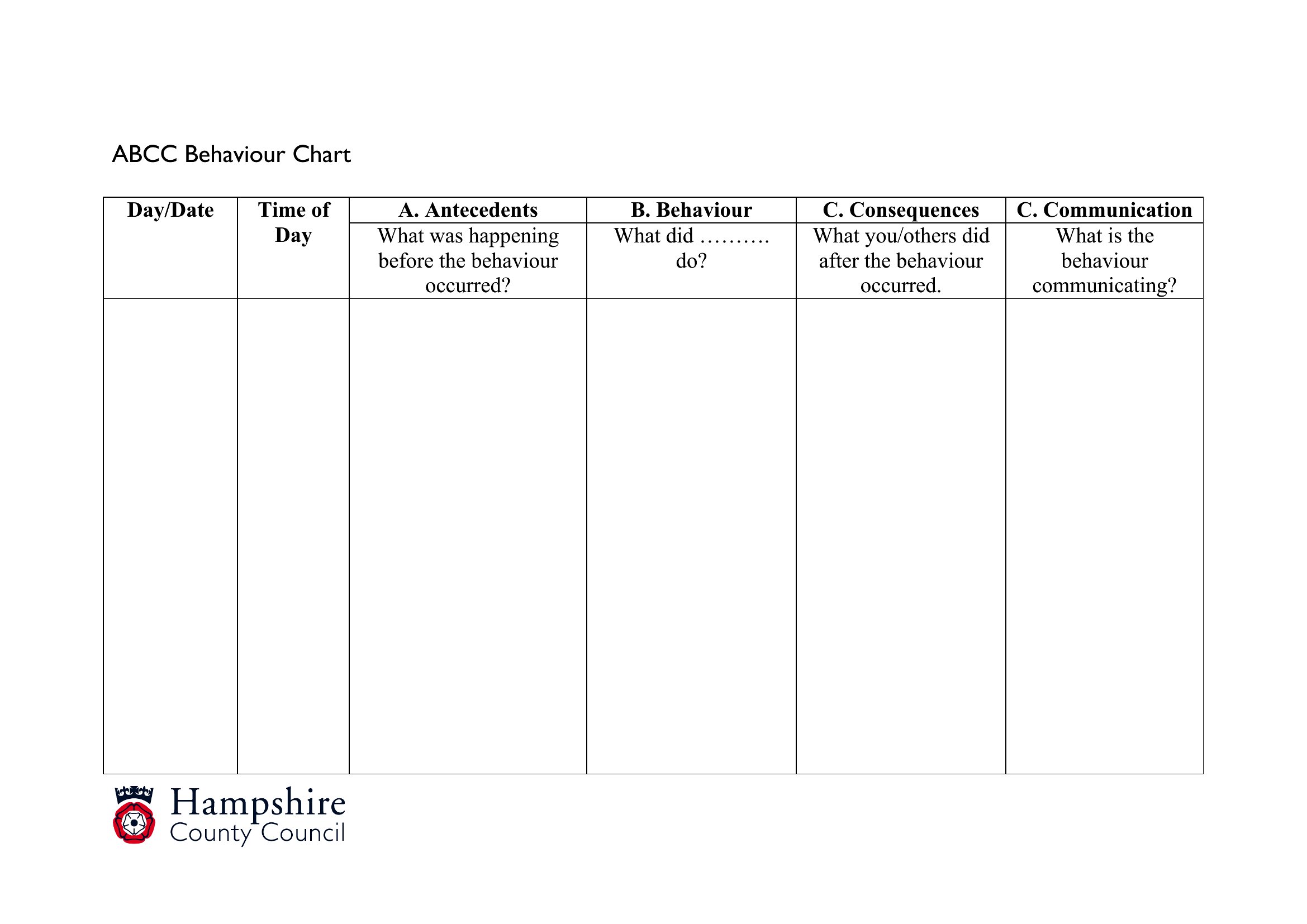
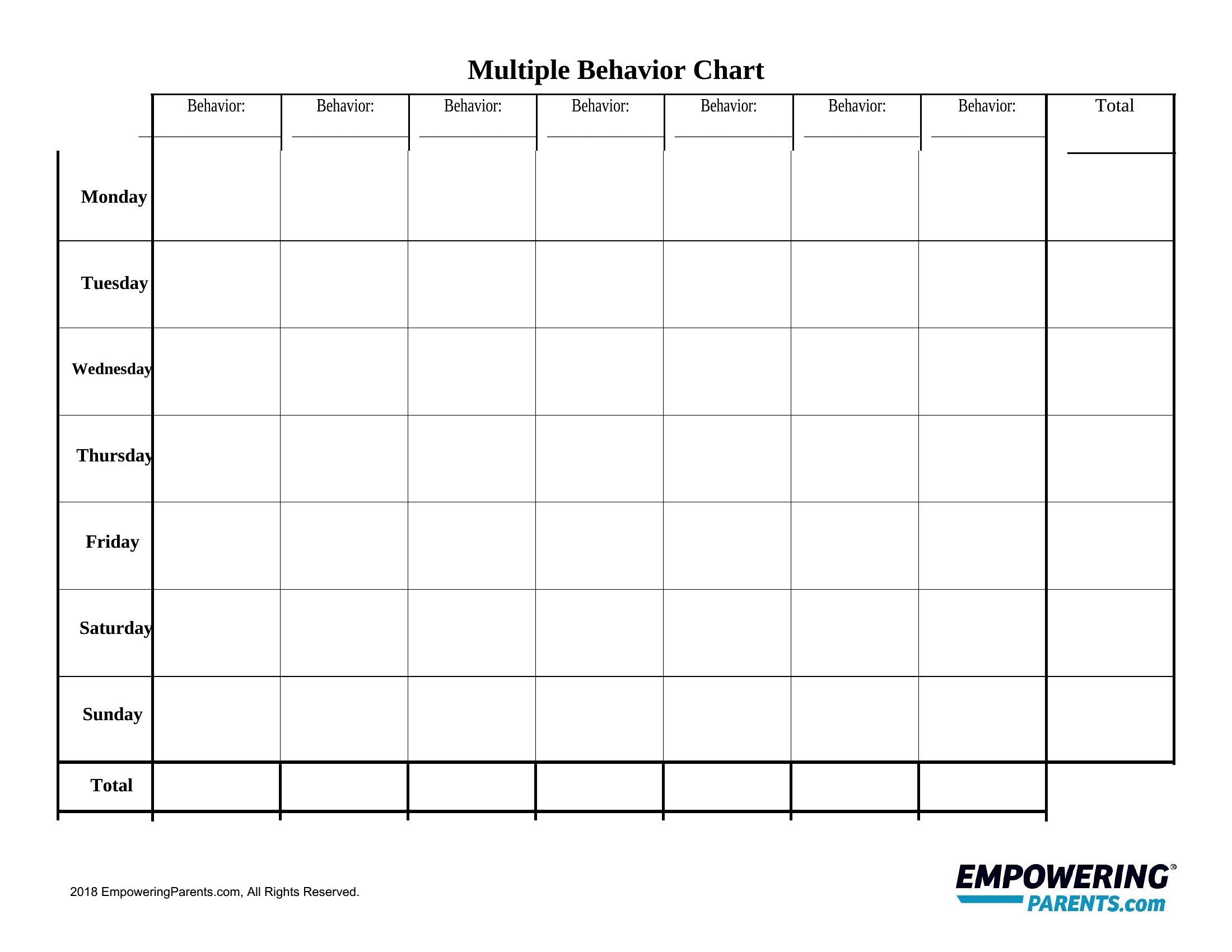
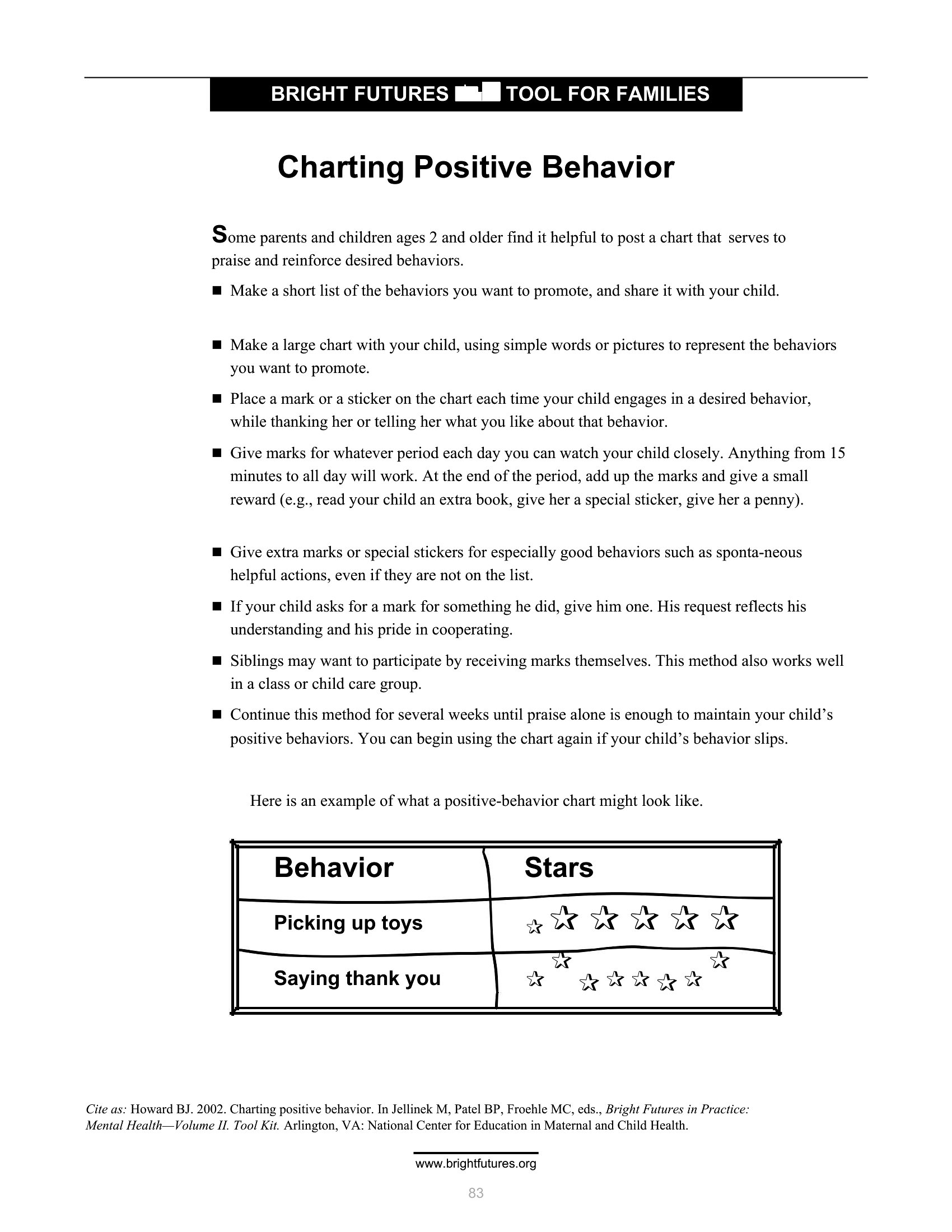
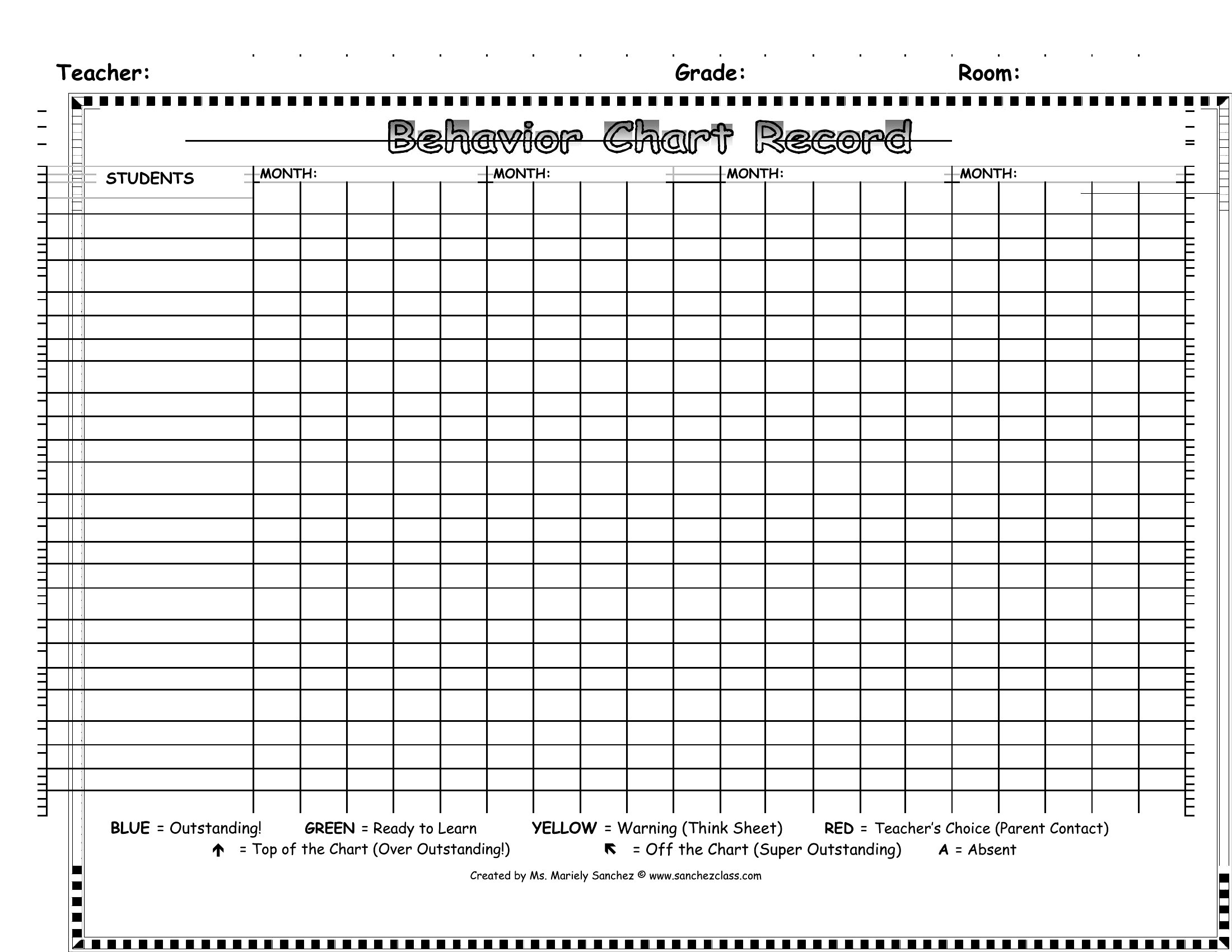
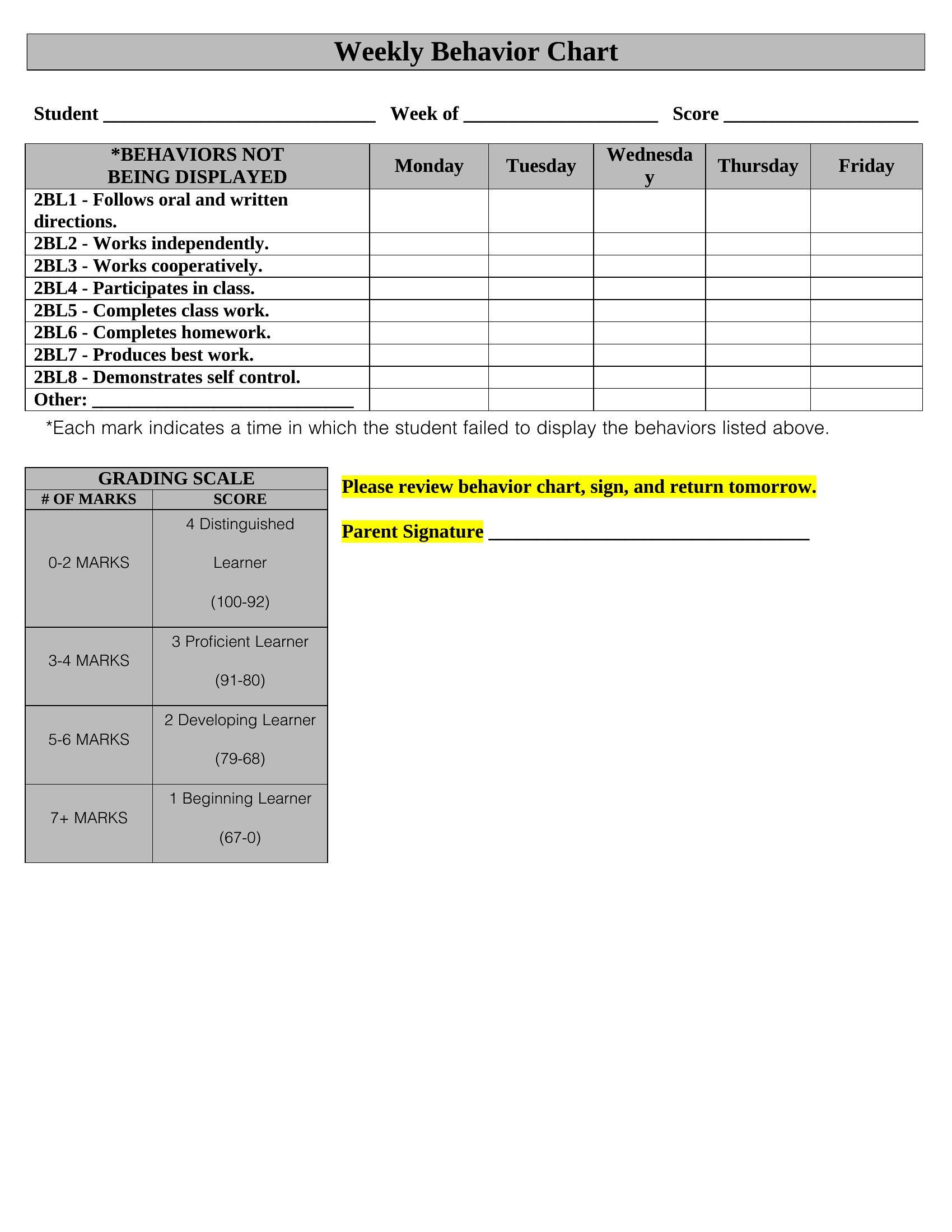
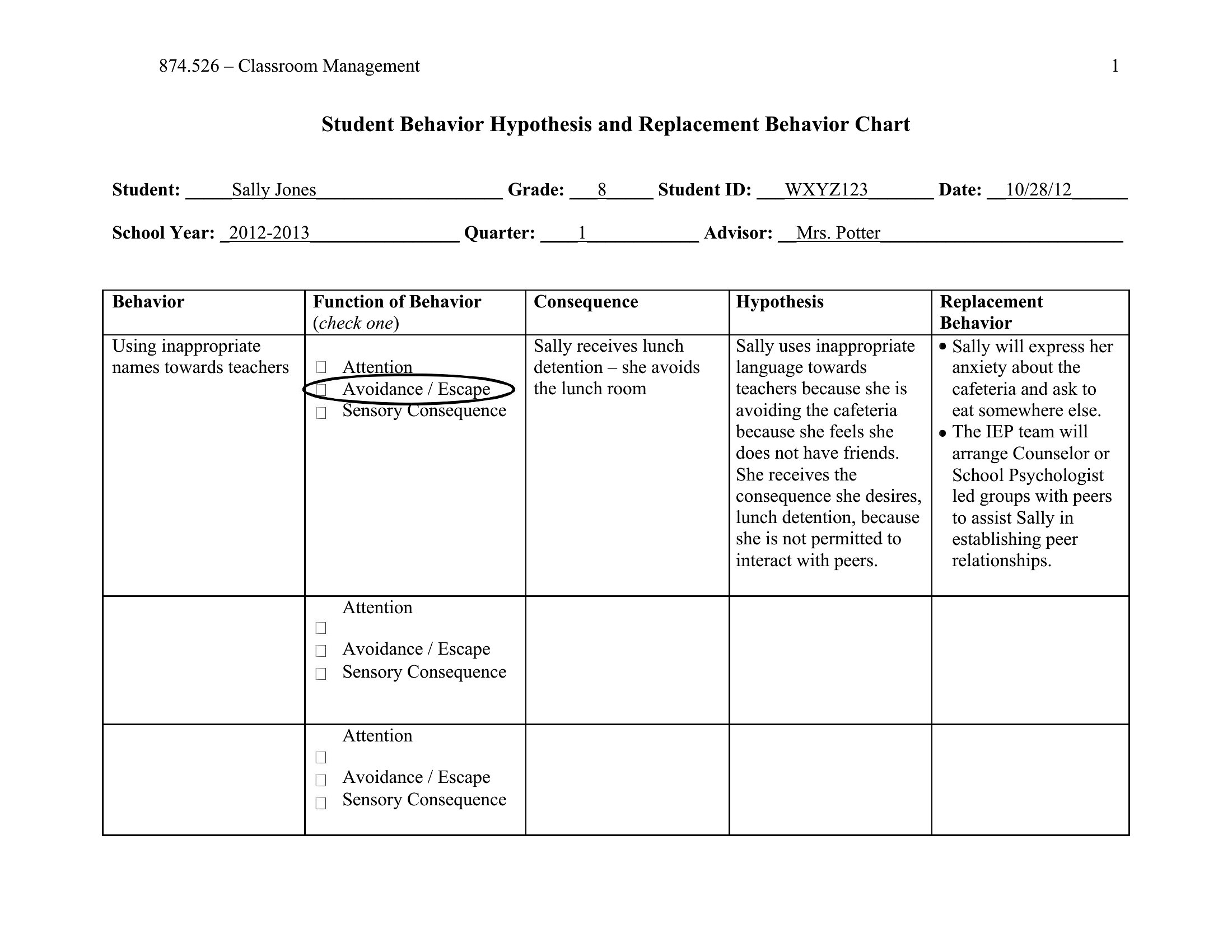
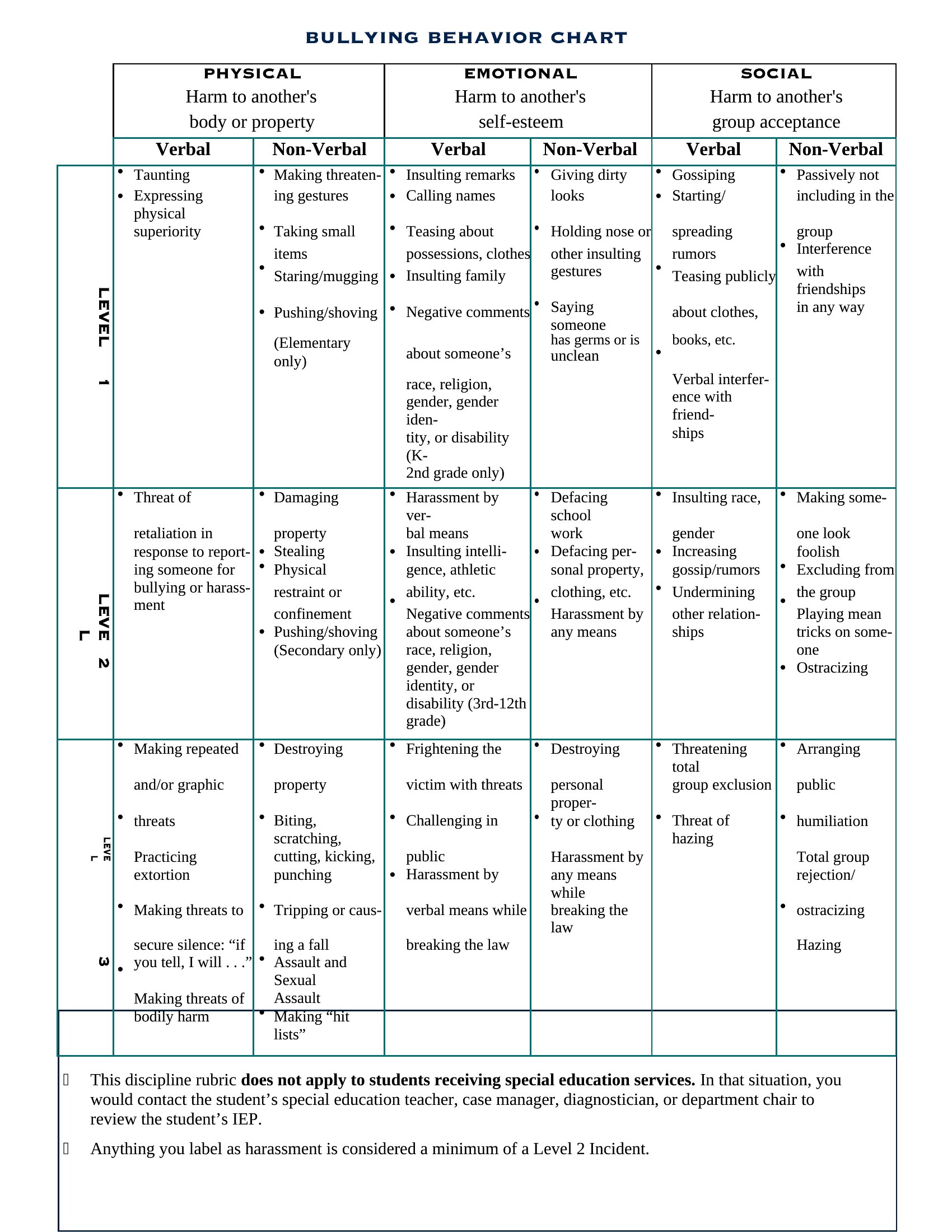
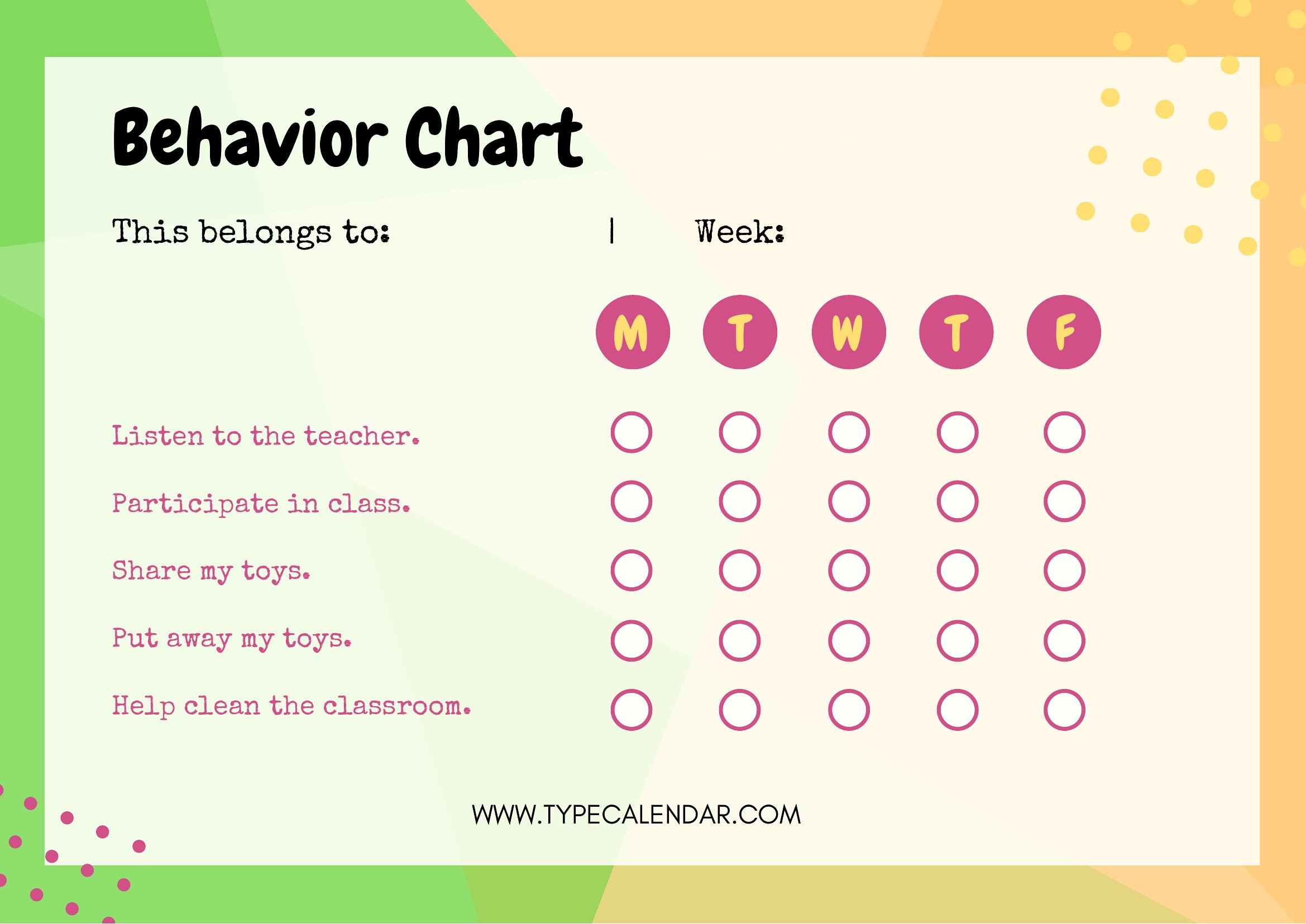
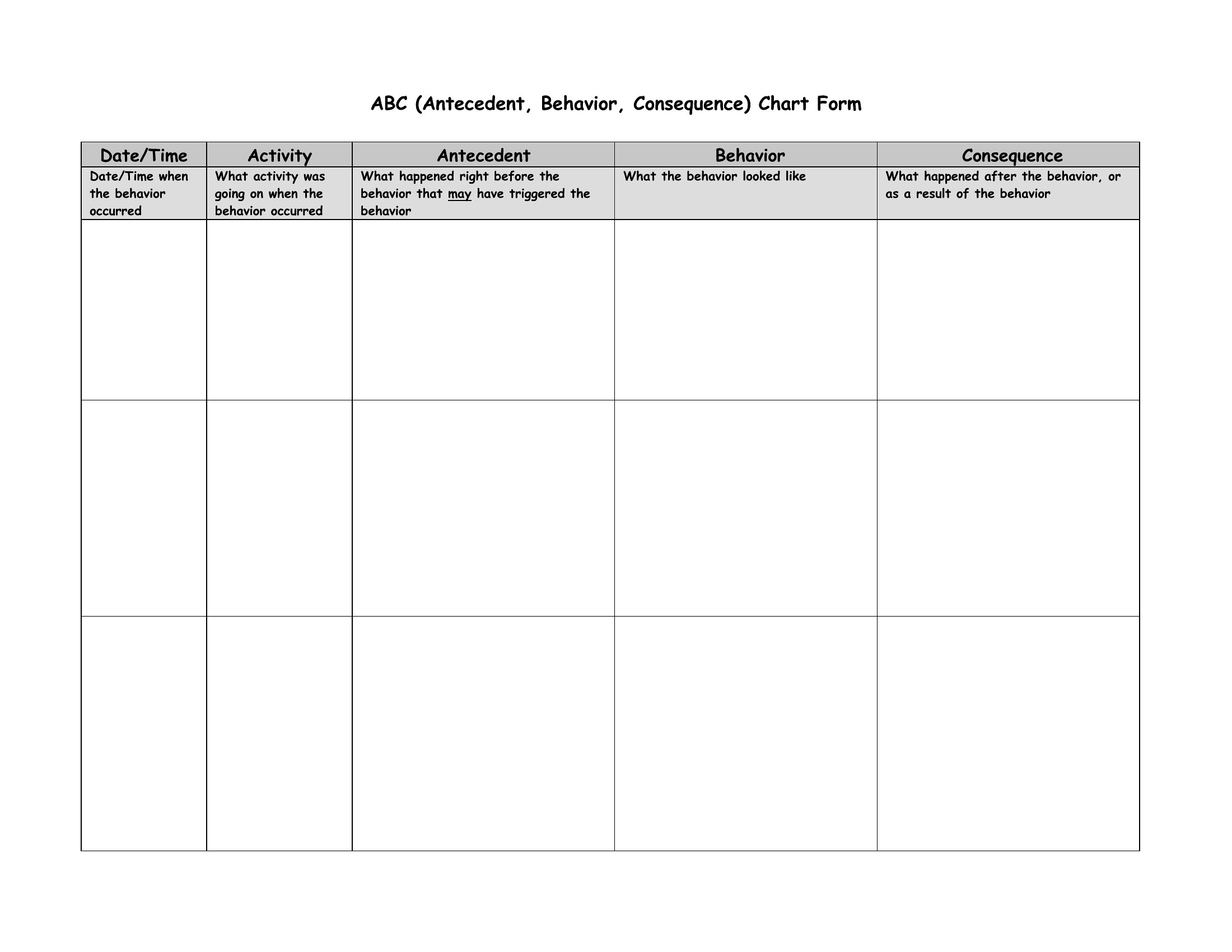
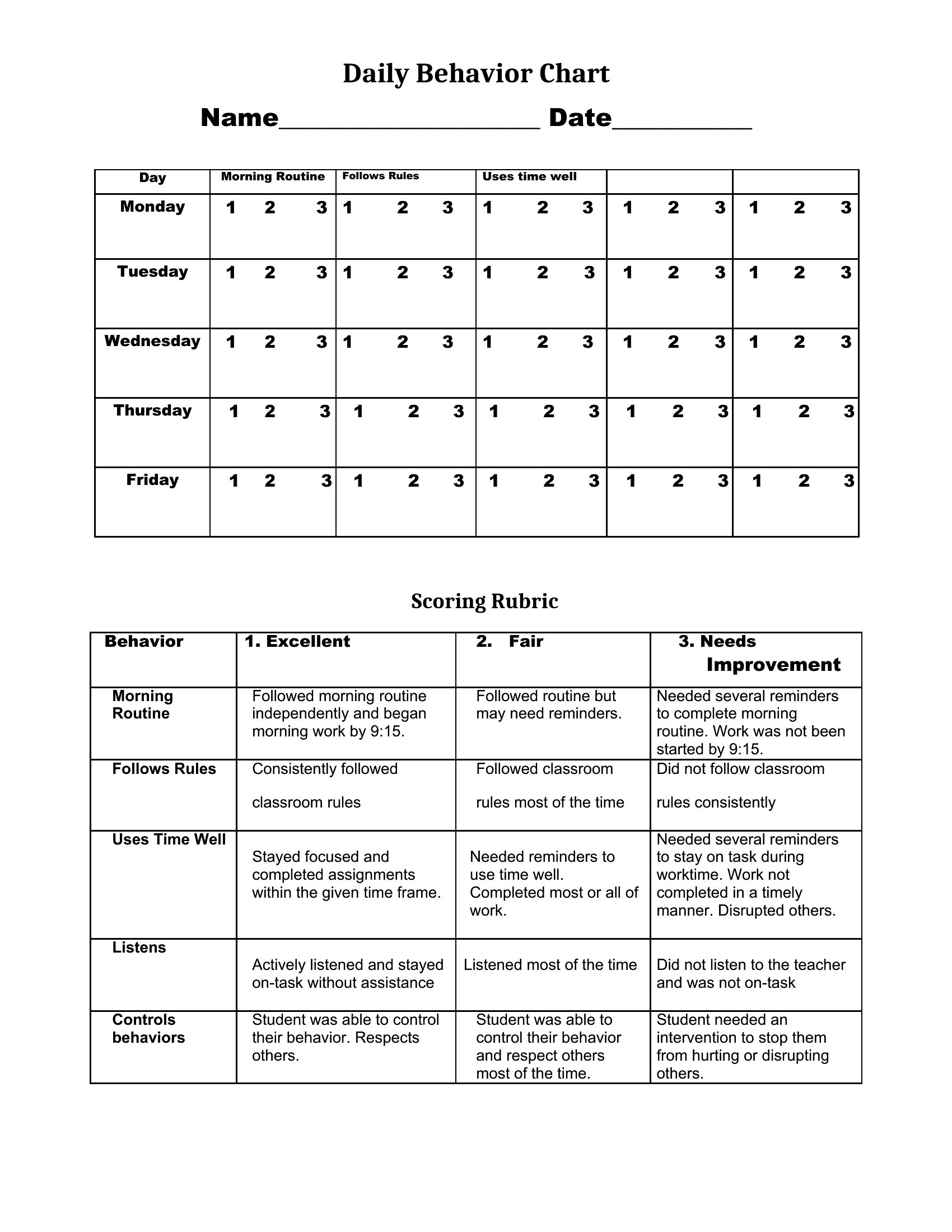
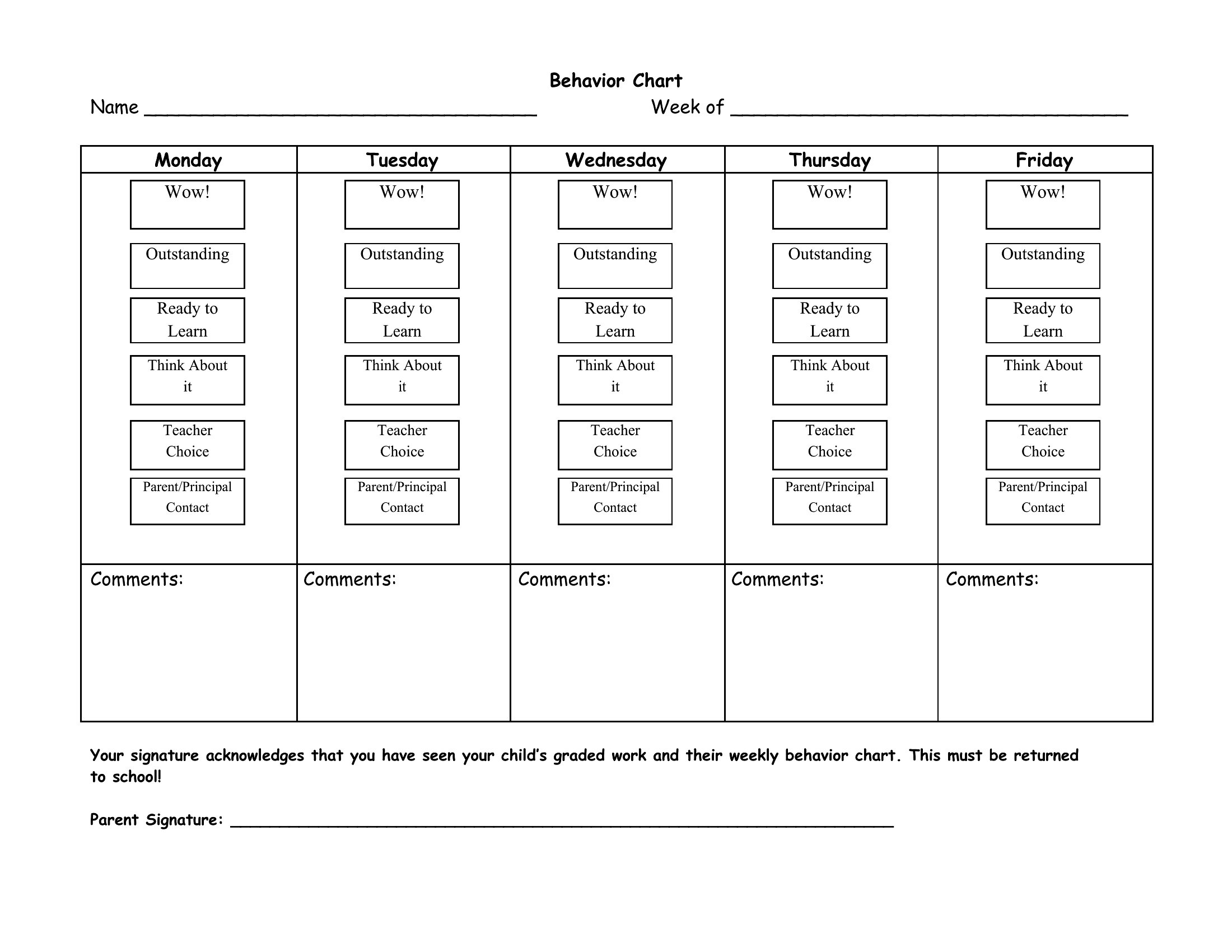
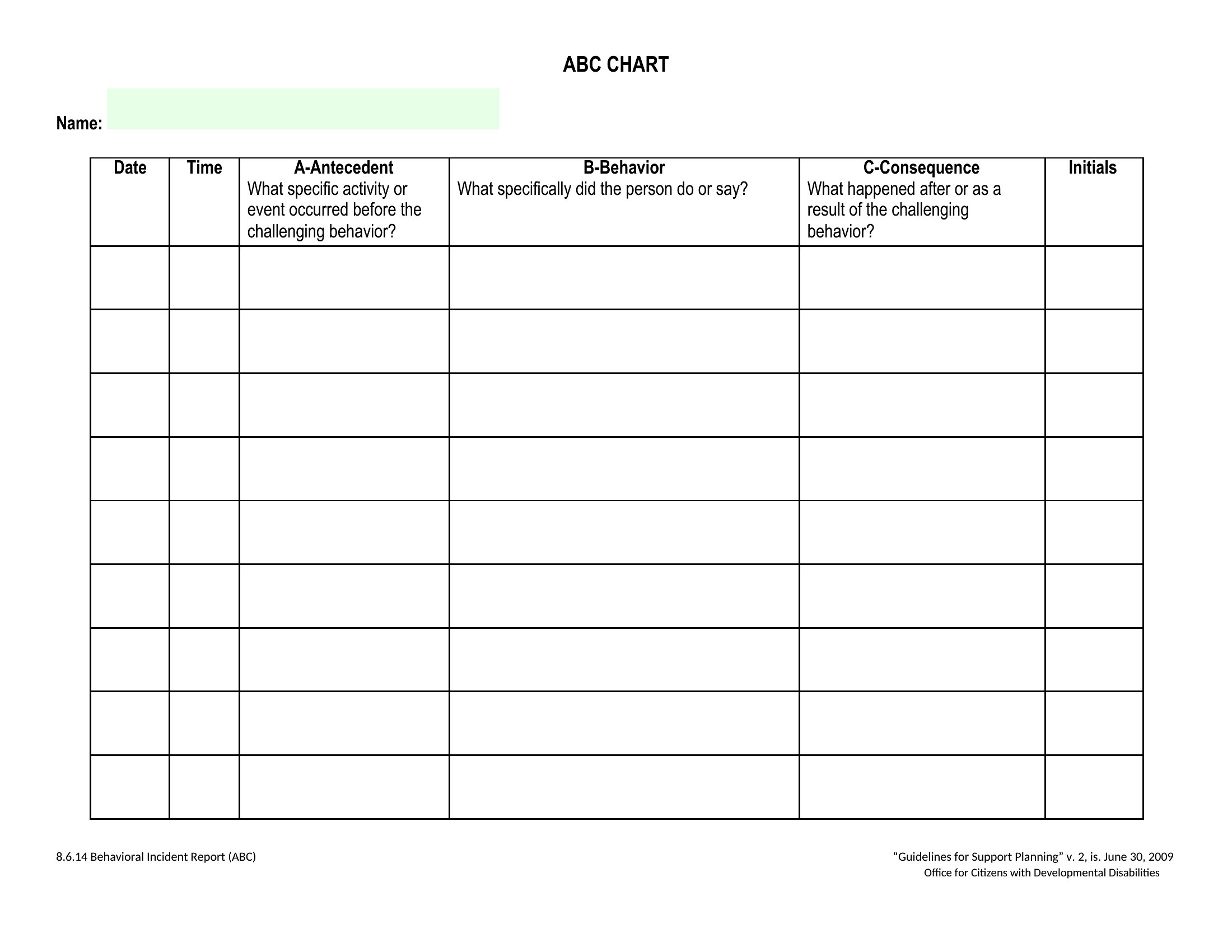
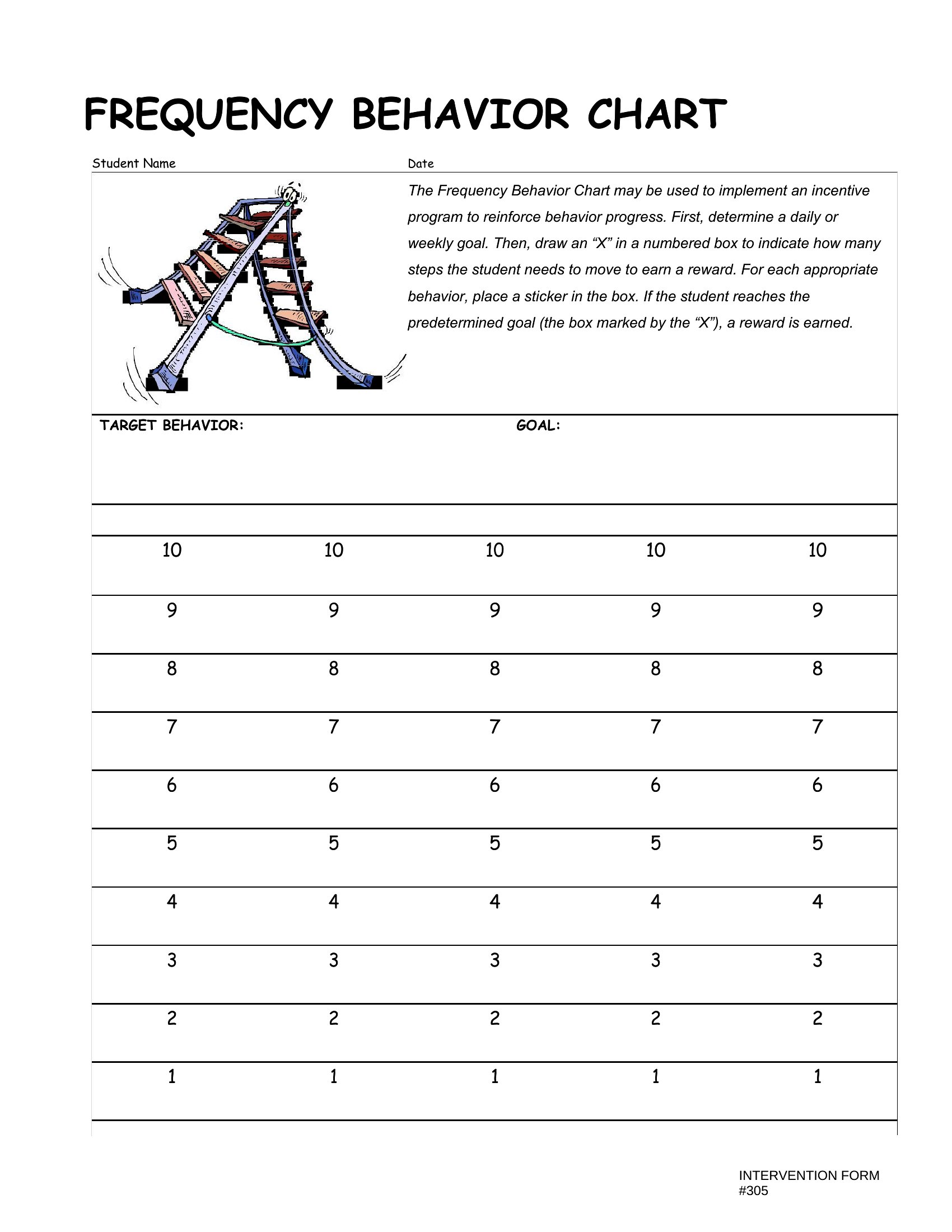
WorksheetsA behavior chart turns good habits into something kids can see and feel proud of as the stickers or checkmarks add up. This collection of 44 behavior chart templates helps parents and teachers track daily routines, chores, and classroom goals for one child or a whole group. The layouts cover weekly grids, color charts, and reward trackers suited to toddlers through older kids.
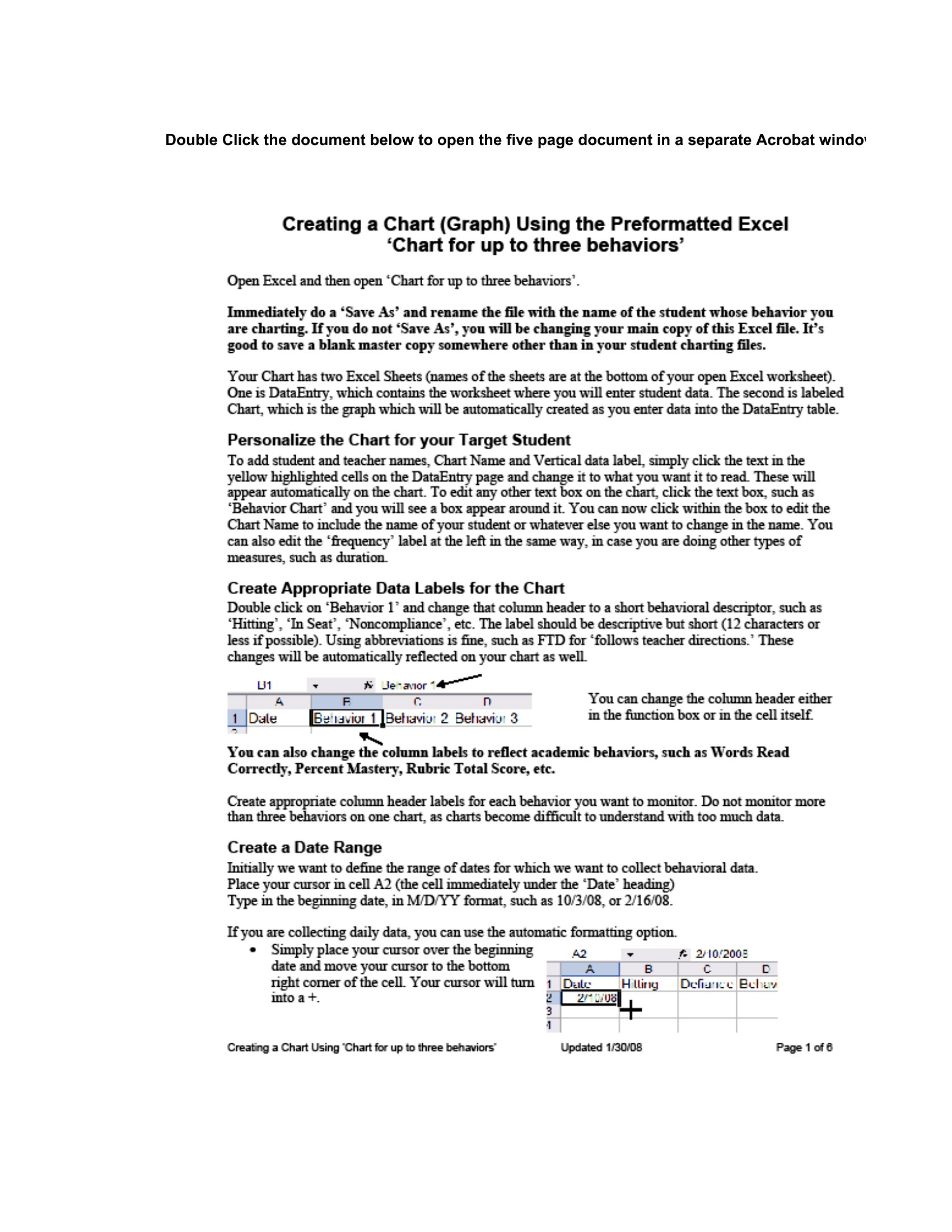
Print a PDF for the fridge or wall, fill in a Word version with your own goals, or use the Excel layout to track points over time. Pick the behaviors you want to encourage, set a small reward, and let your child mark their progress. Choose the chart that fits your routine and start building better habits today.
When to use this Behavior Chart template
- A kindergarten teacher tracking classroom participation and kindness rewards for students who struggle with emotional regulation during group activities.
- A single mother of a 6-year-old uses a visual weekly chart to reinforce bedtime routines and homework completion before screen time, reducing evening conflicts.
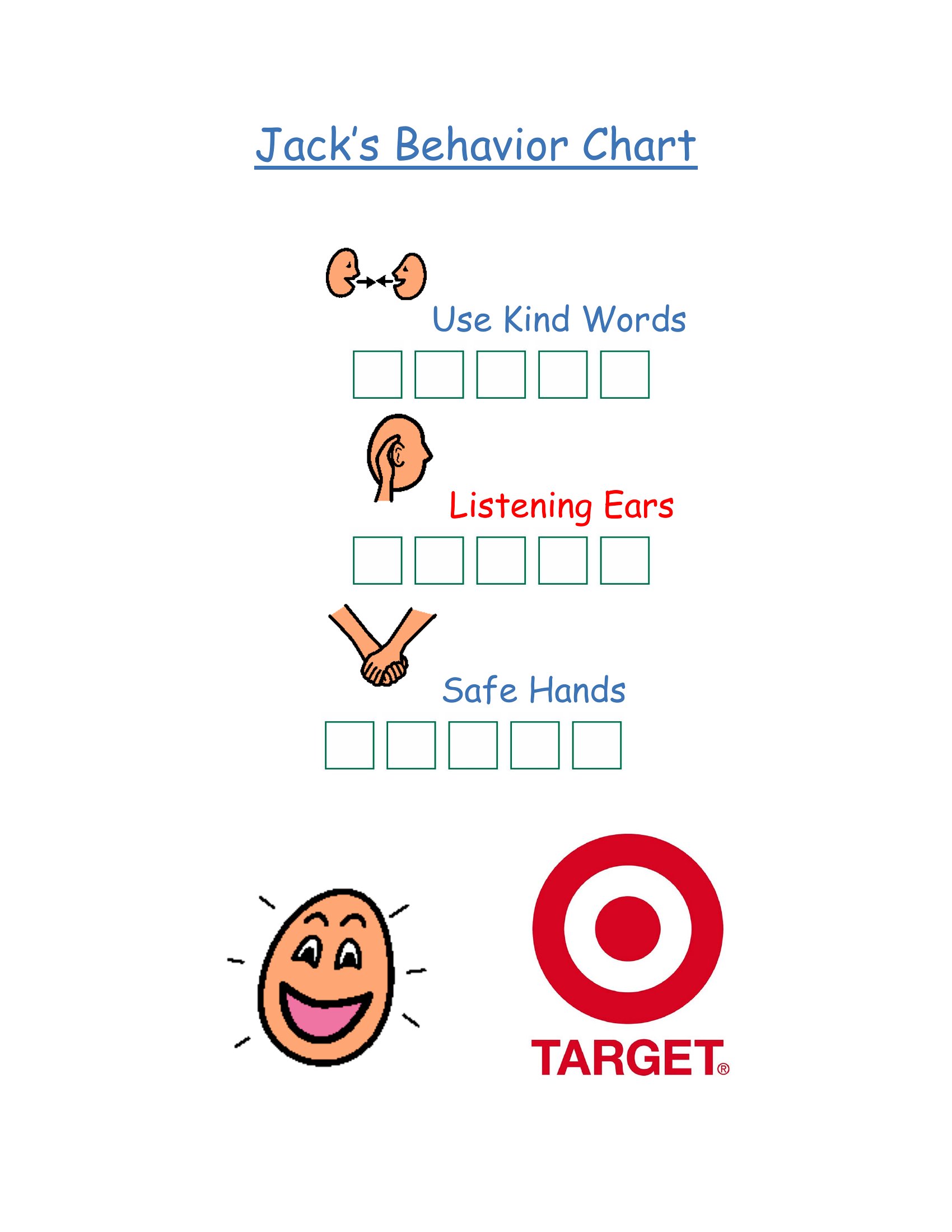
- A special education aide monitors progress for a nonverbal child with autism by marking small achievements in communication or self-care tasks on a simplified sticker chart with picture cues.
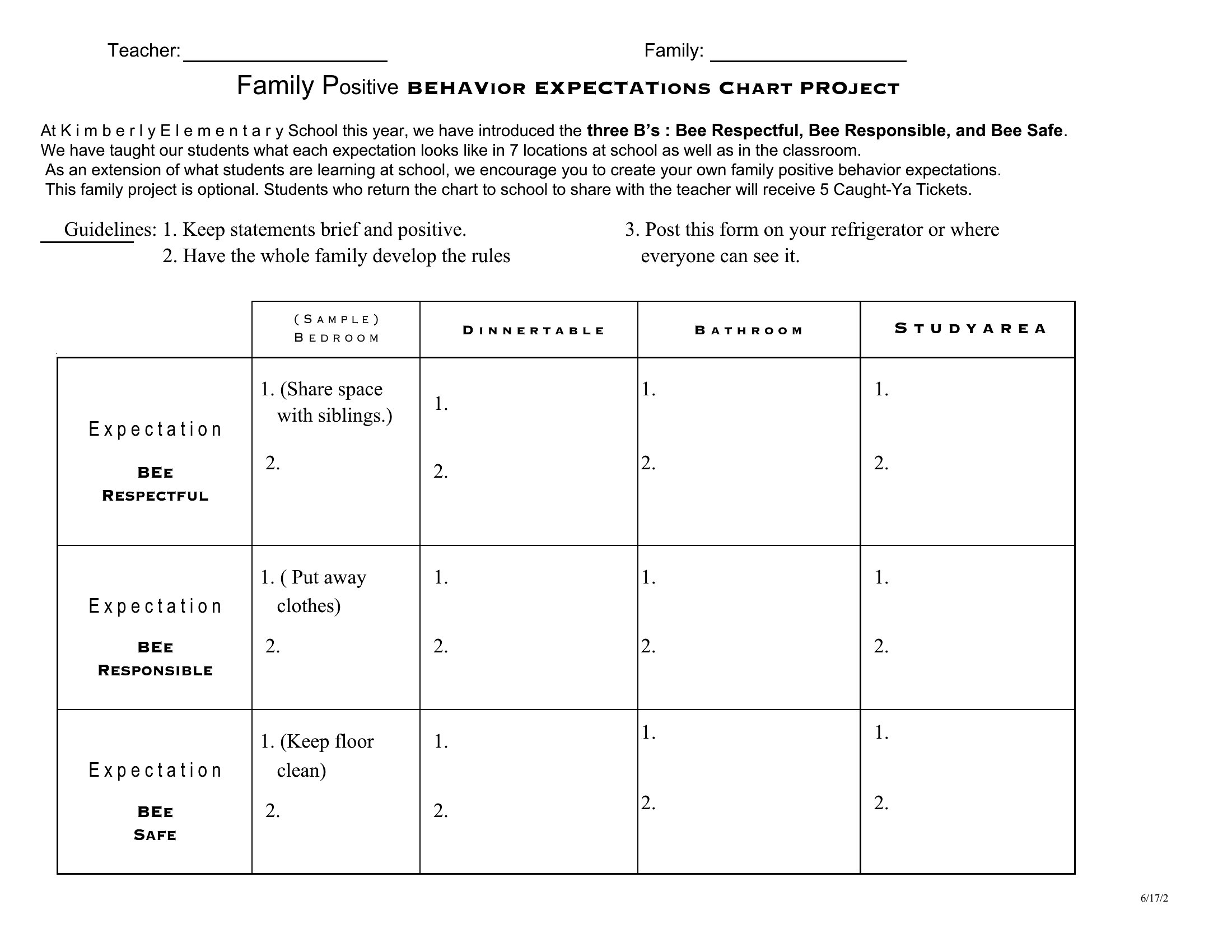
- A summer camp counselor implements a team-based behavior chart for cabin groups, where each child earns points for cooperation, which the group can exchange for a shared activity at the end of the week.
Which format should I download?
{'format_guide': 'Choose Word if you need to customize the chart’s wording, add personalized rewards, or adjust columns for specific behaviors—ideal for parents tailoring to their child’s unique habits. Use Excel when tracking data over time (like tallying points for multiple kids) or adding formulas to automate progress calculations, such as calculating weekly averages. Opt for PDF if you want a print-ready, shareable version for group use in classrooms or camps, where the template won’t be edited further.'}
Choose from 44 Behavior Chart Templates
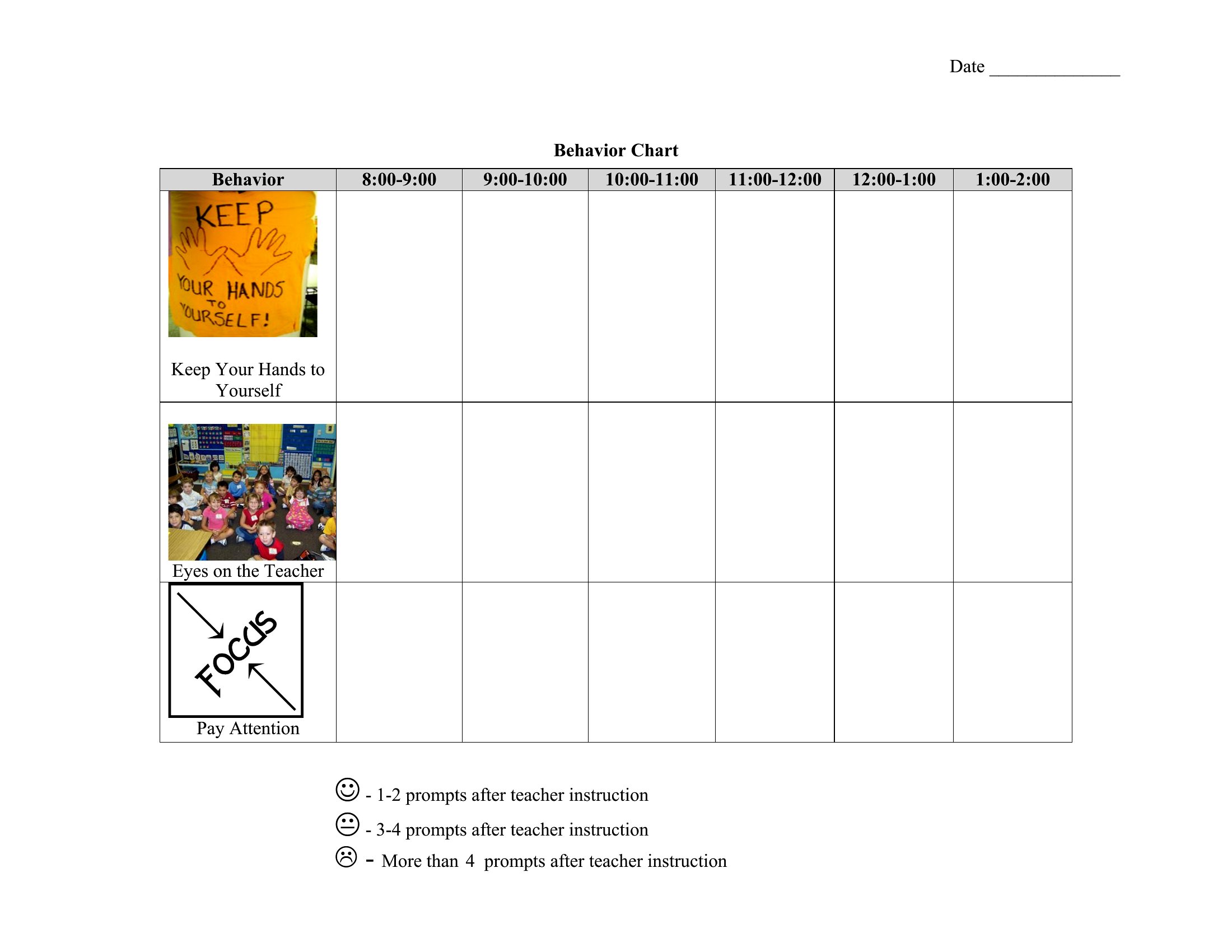
How to use this Behavior Chart template
How do I decide which behaviors to track on a chart for a child with ADHD?
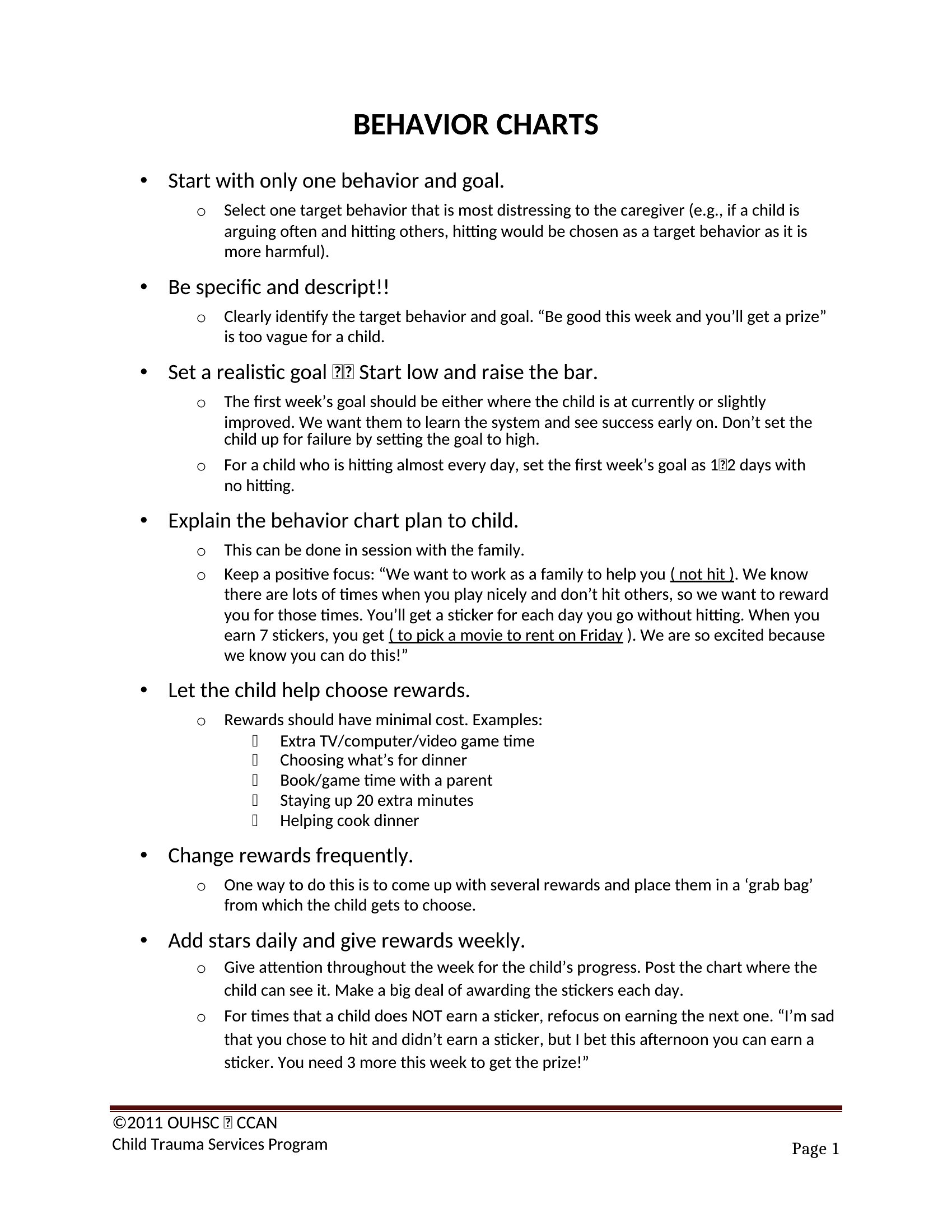
Start with 2–3 specific, positive behaviors tied to their challenges—like ‘listens when spoken to’ or ‘puts toys away’—and keep the language simple. Use visual cues (e.g., emoji stickers) and pair the chart with a verbal reminder before transitions. Short-term goals work best; adjust the chart weekly based on what’s manageable and rewarding for them.
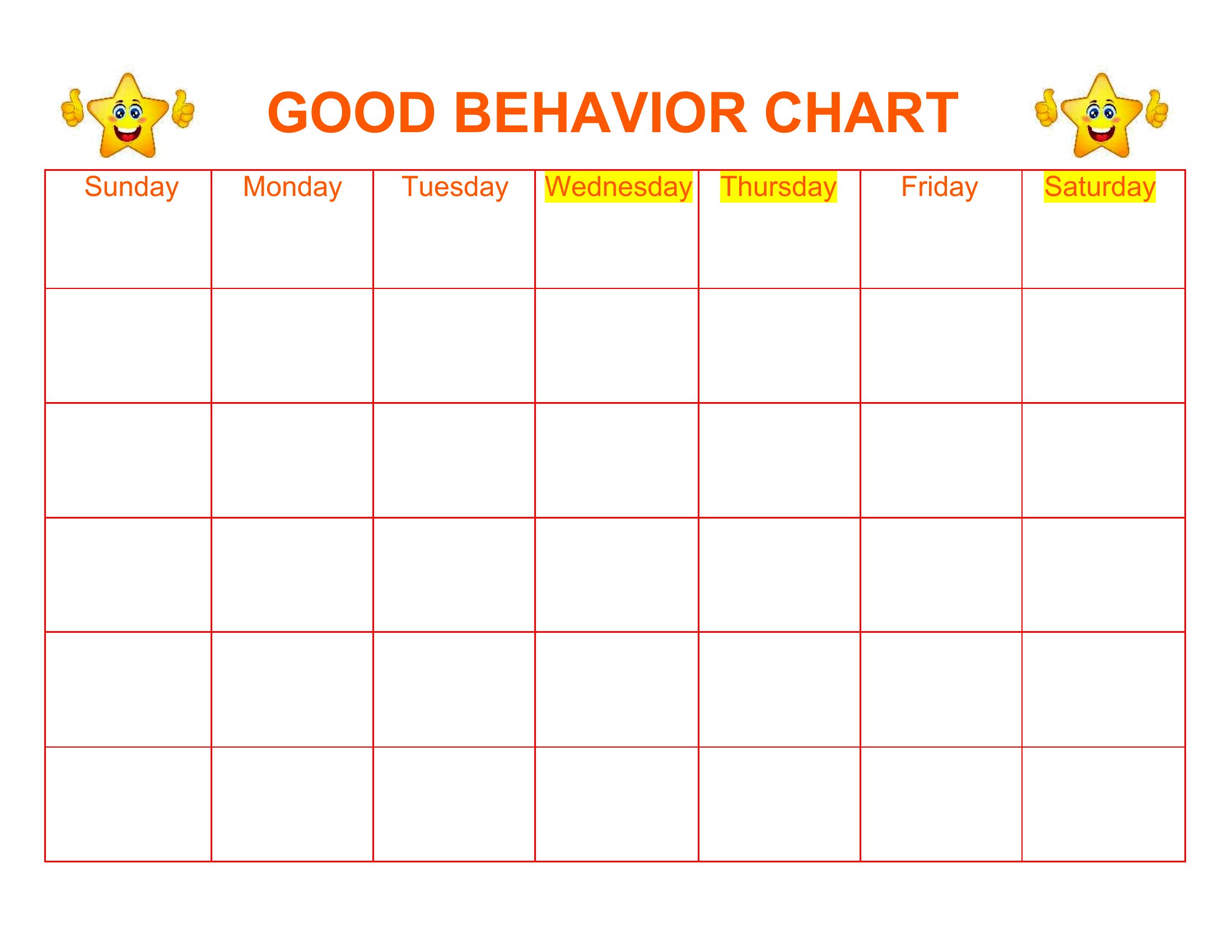
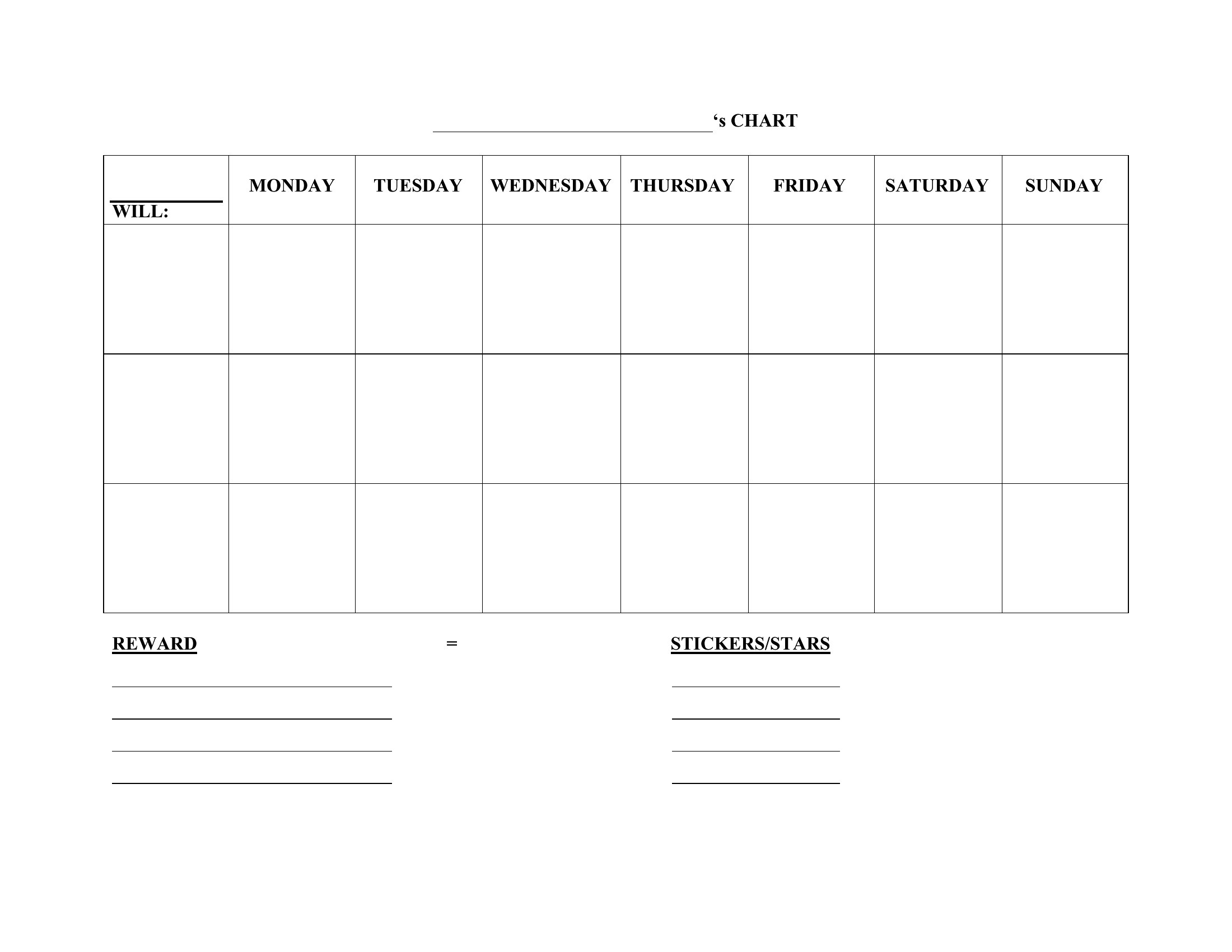
Can I use a group behavior chart for siblings who argue over rewards?
Yes, but structure it so rewards are non-competitive, like ‘earn 5 stickers as a team to pick a family movie.’ Assign each child 1–2 individual tasks (e.g., one sets the table, the other tidies shoes) and track their contributions separately before combining for the group goal. Avoid ranking or comparisons to prevent sibling conflict.
What’s the best way to introduce a behavior chart to a reluctant 4-year-old?
Let them help design it—show them the blank chart and ask, ‘What’s something you’d like to do more of?’ Use their favorite stickers or small, immediate rewards (like a high-five or extra storytime). Start with one behavior, celebrate tiny wins (e.g., ‘You brushed your teeth TWICE—amazing!’), and keep the chart in a high-traffic spot where they’ll notice their progress daily.
Comments
Join the conversation
Sign in to share your thoughts and leave a comment on this resource.