Free Competitive Analysis Templates (Word, Excel, PDF)
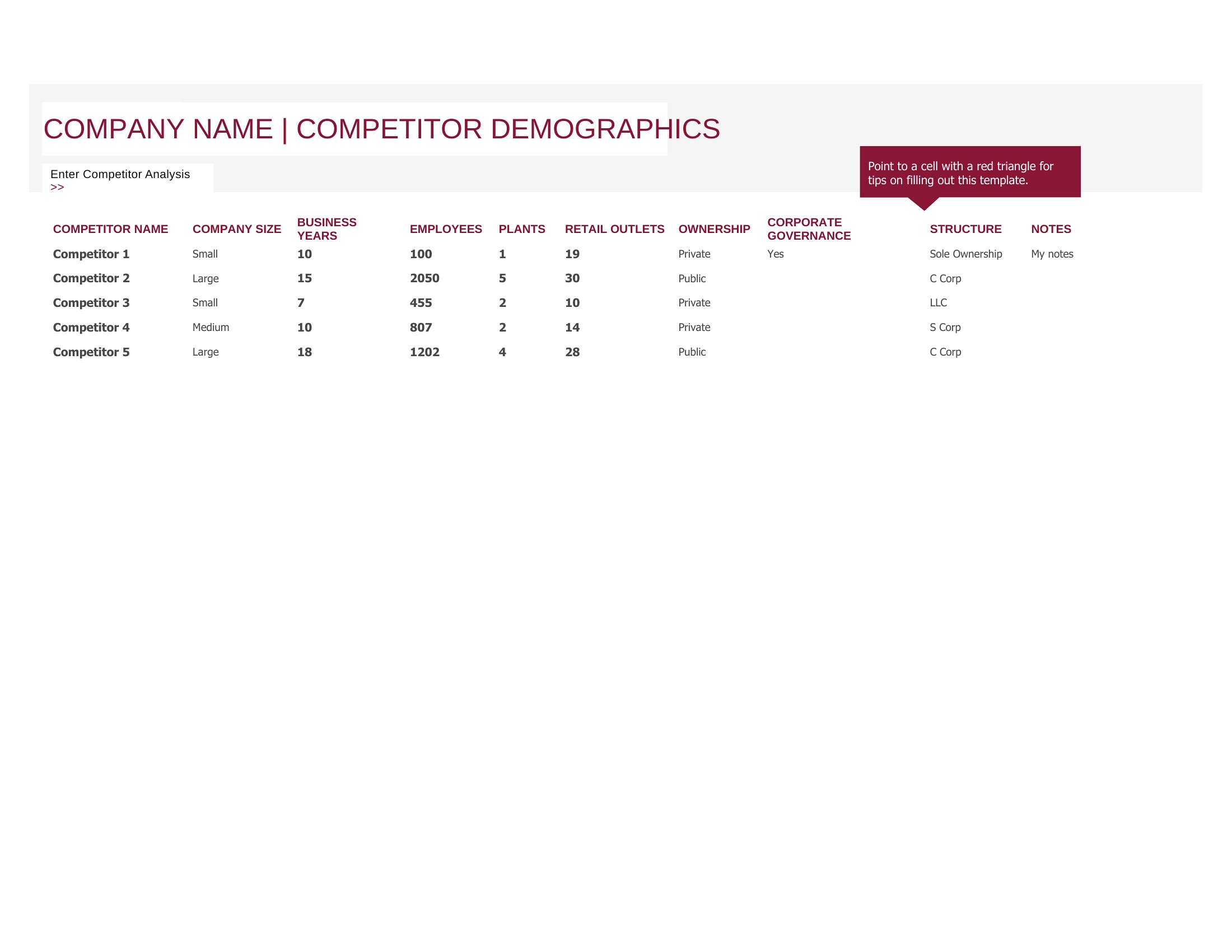
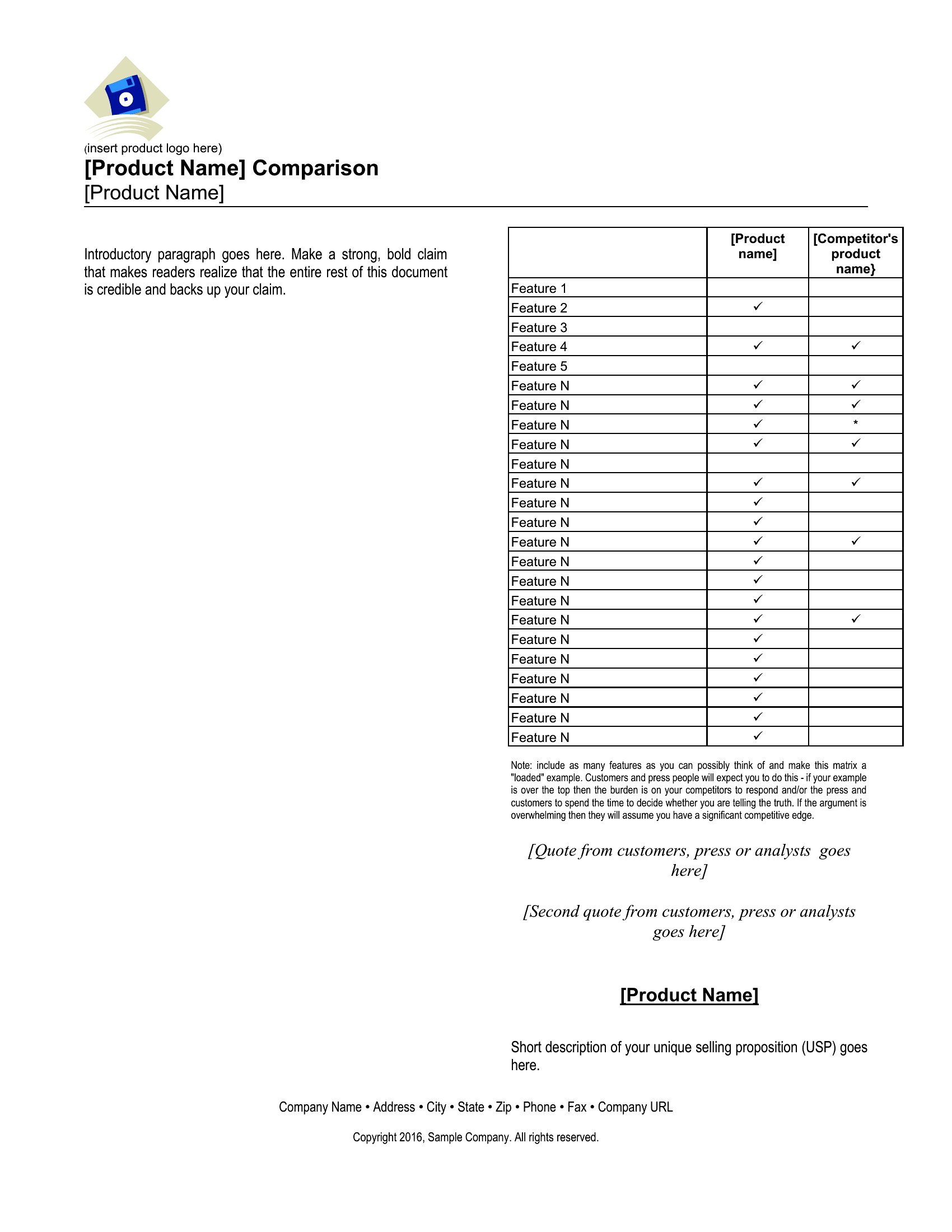
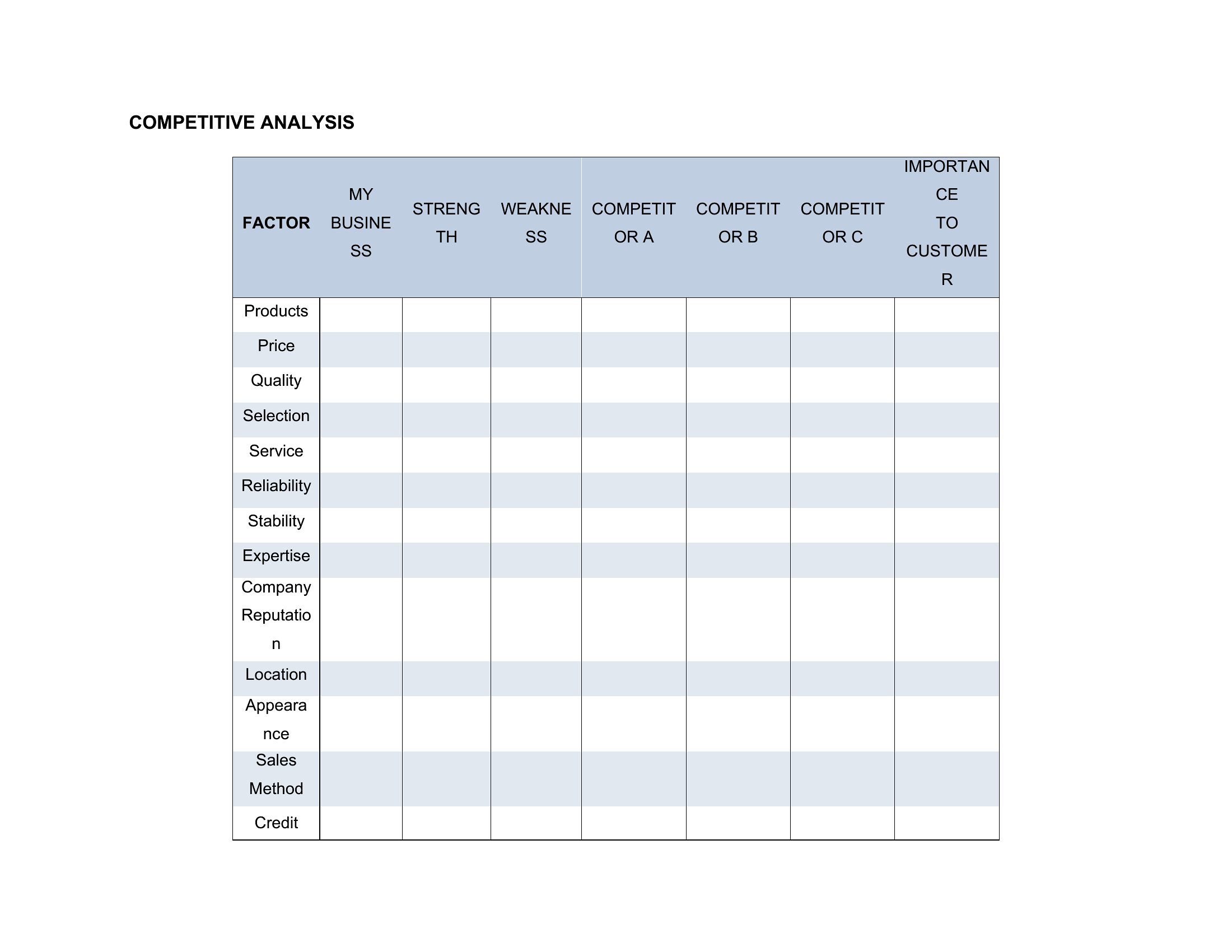
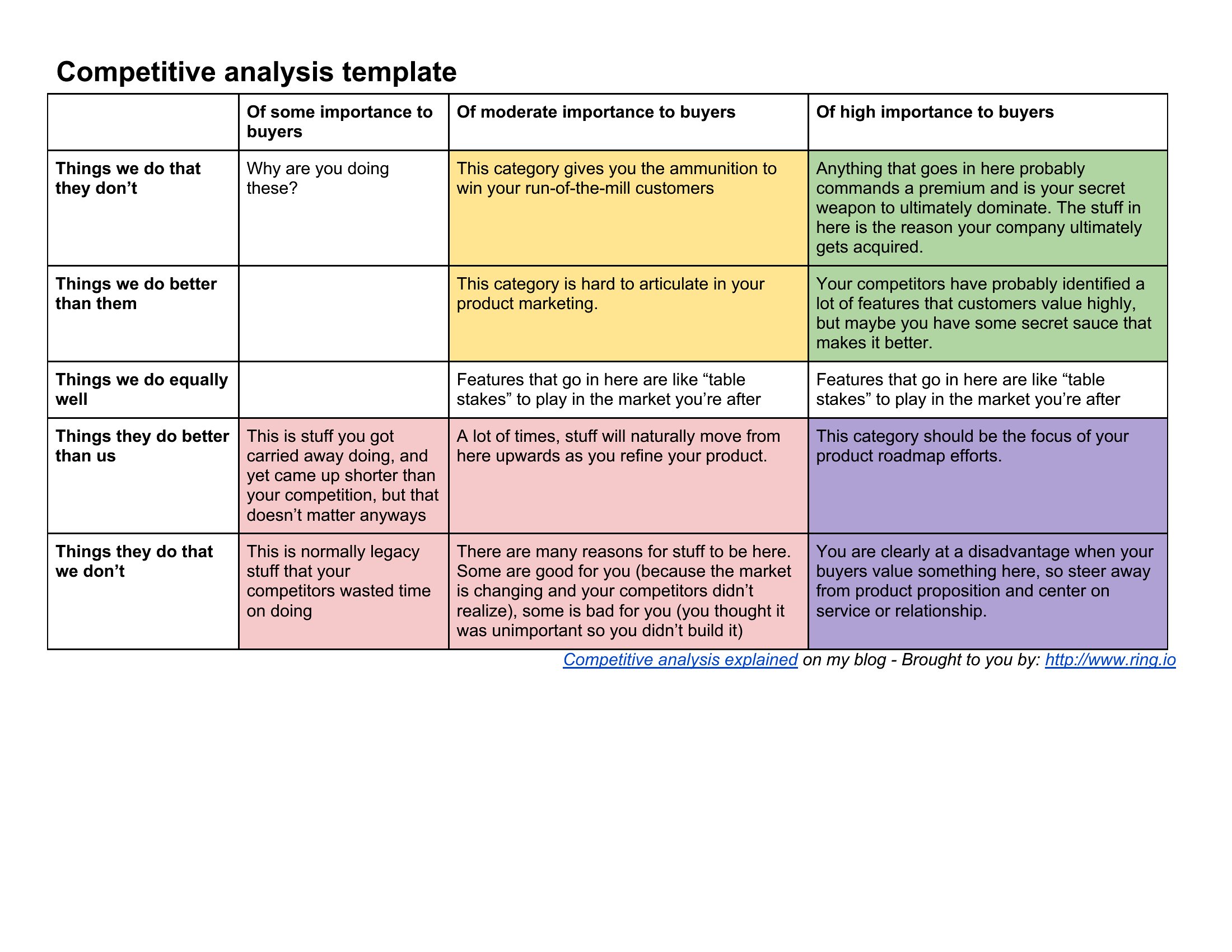
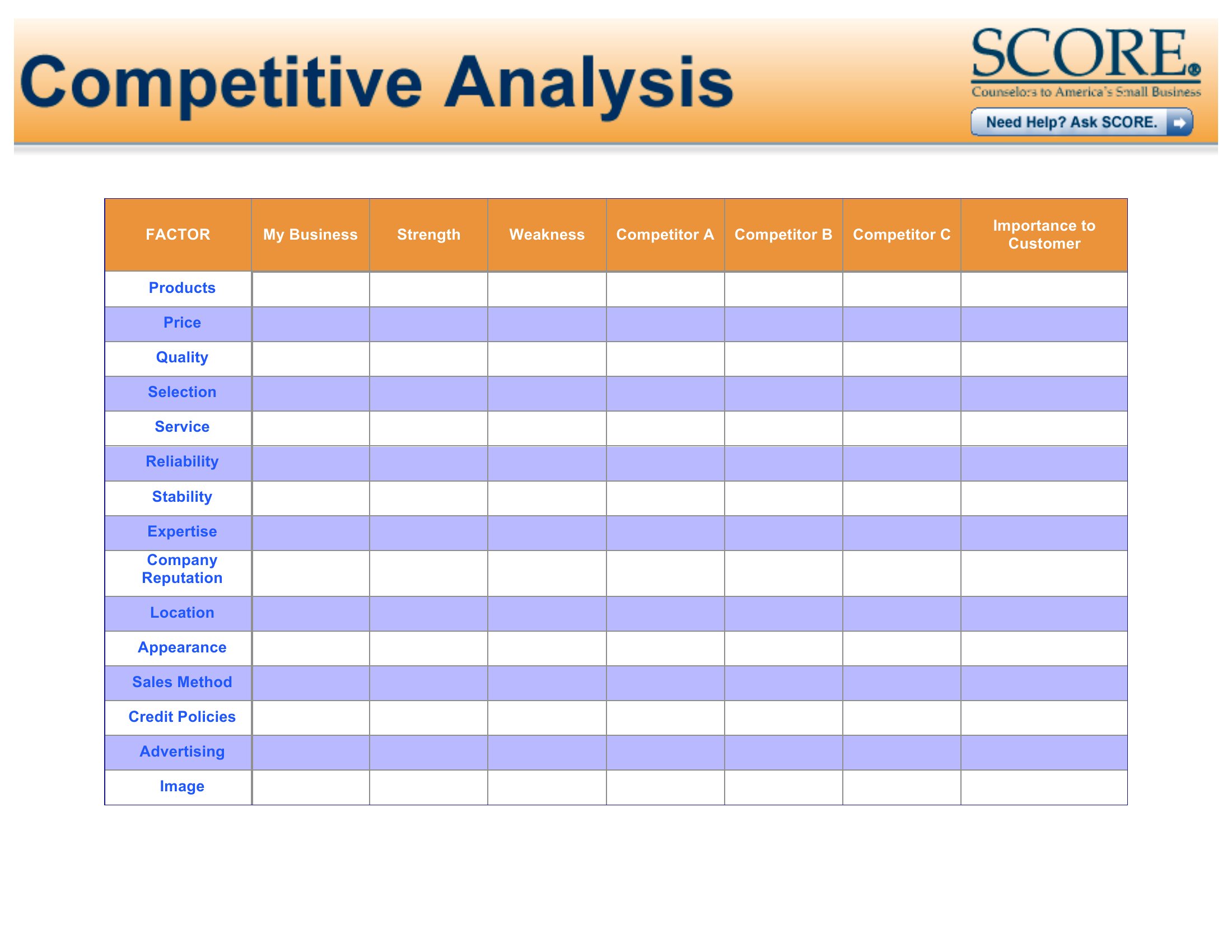
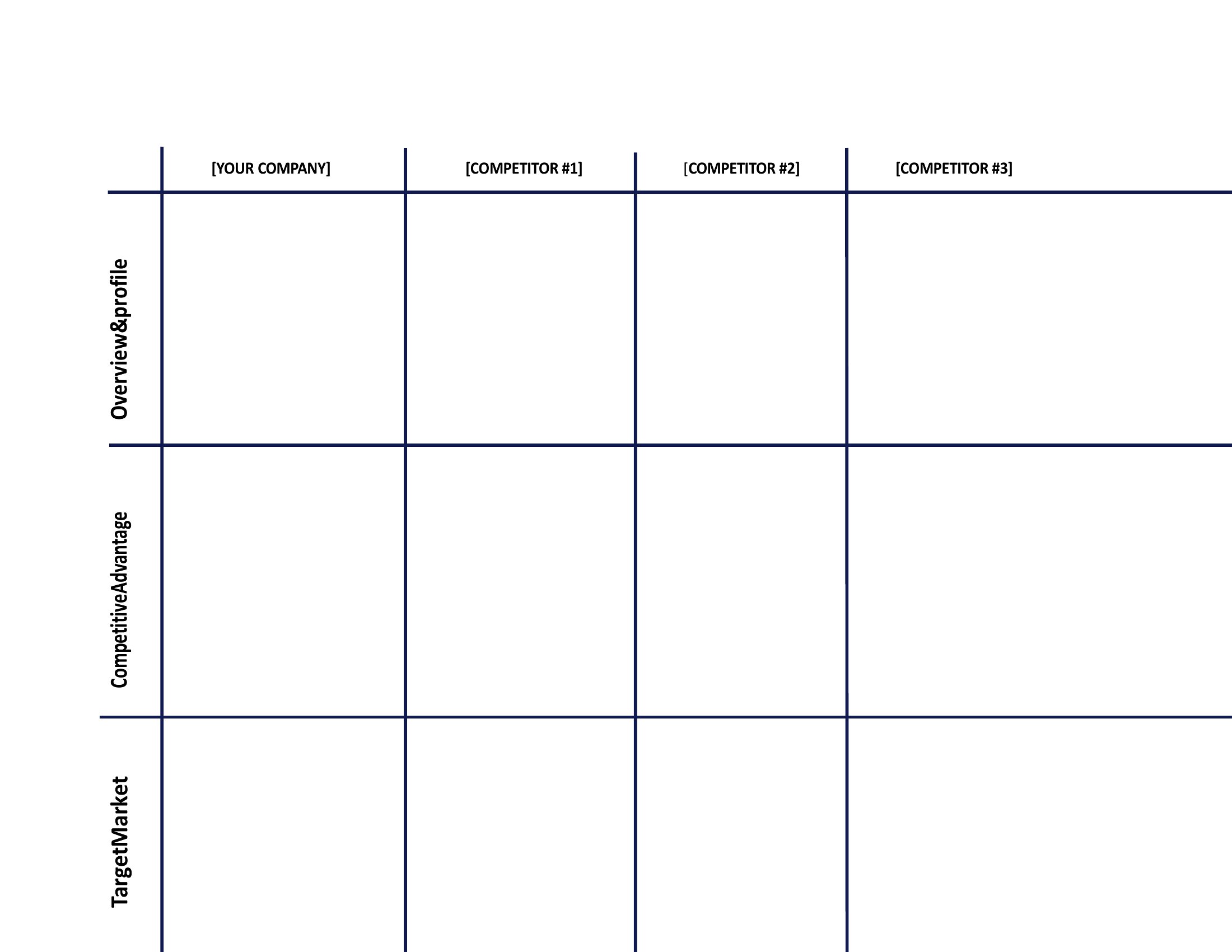
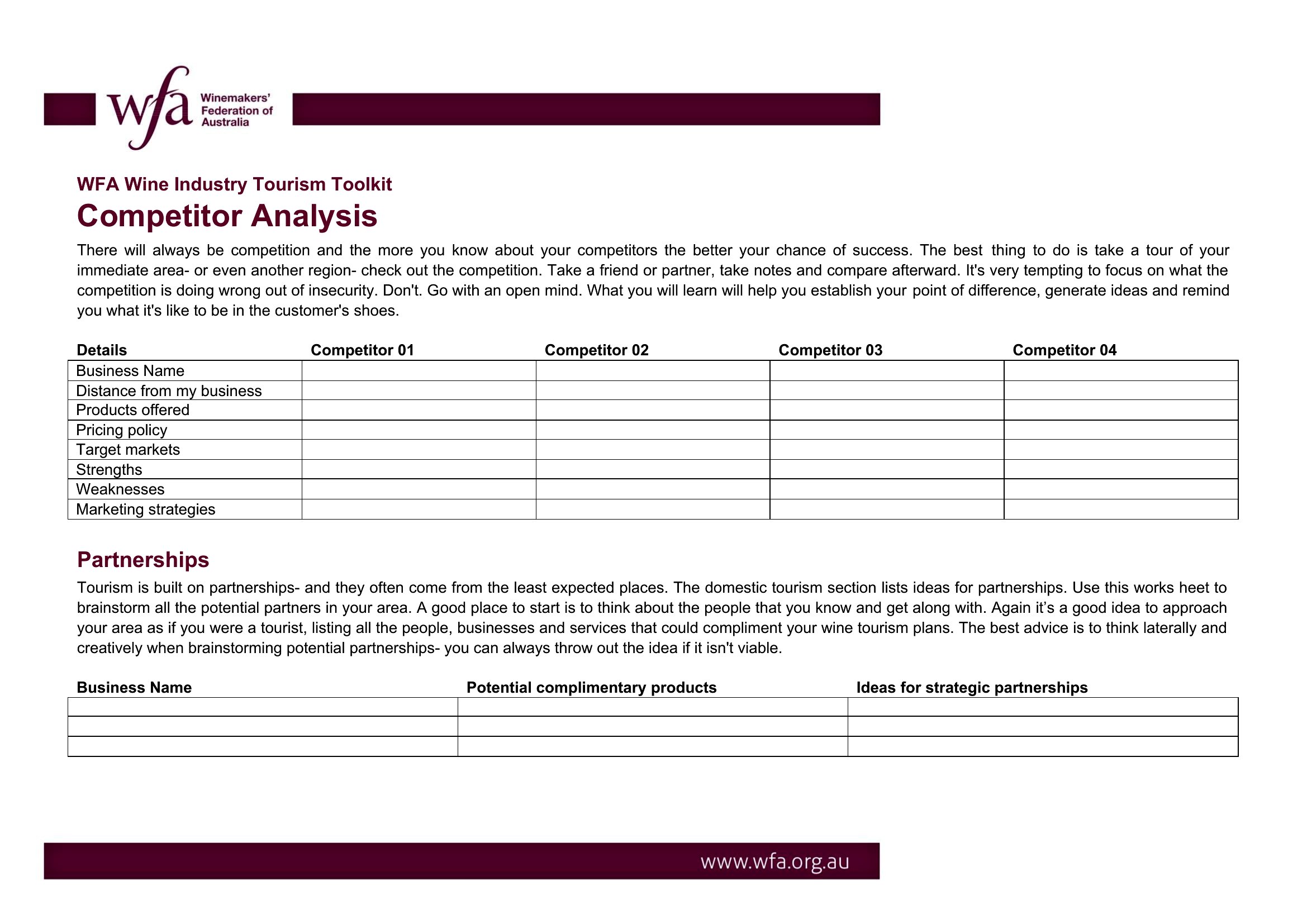
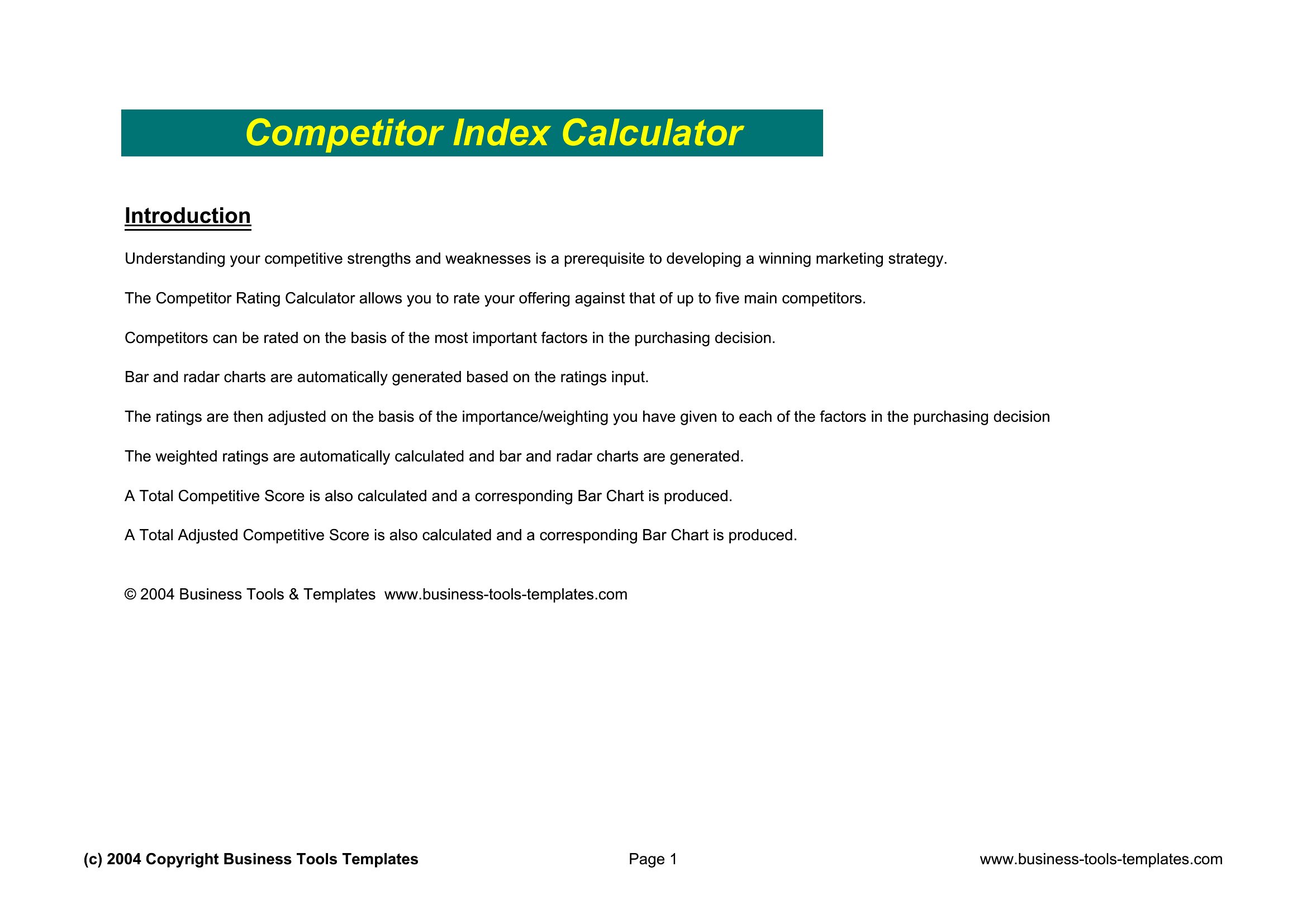
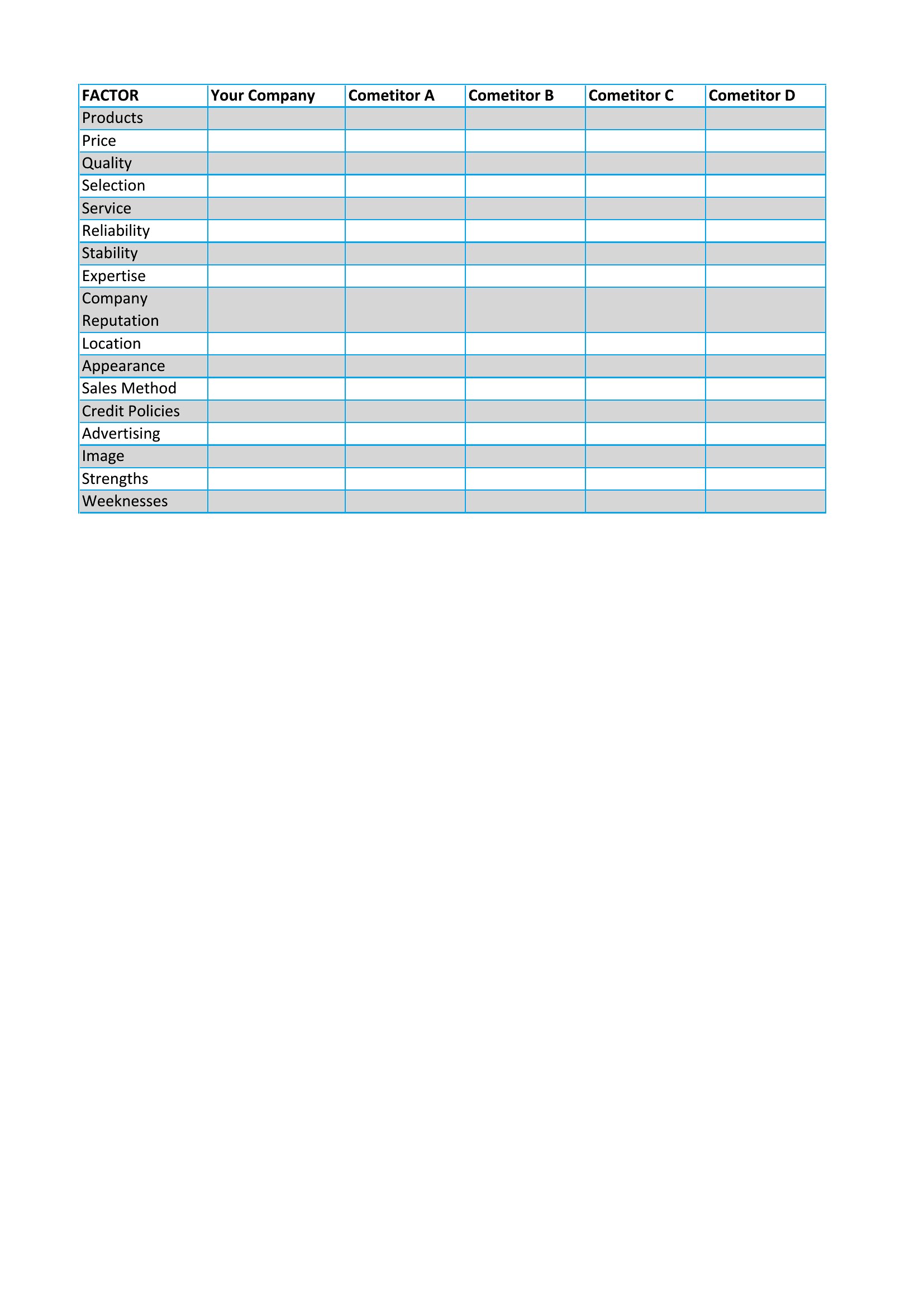
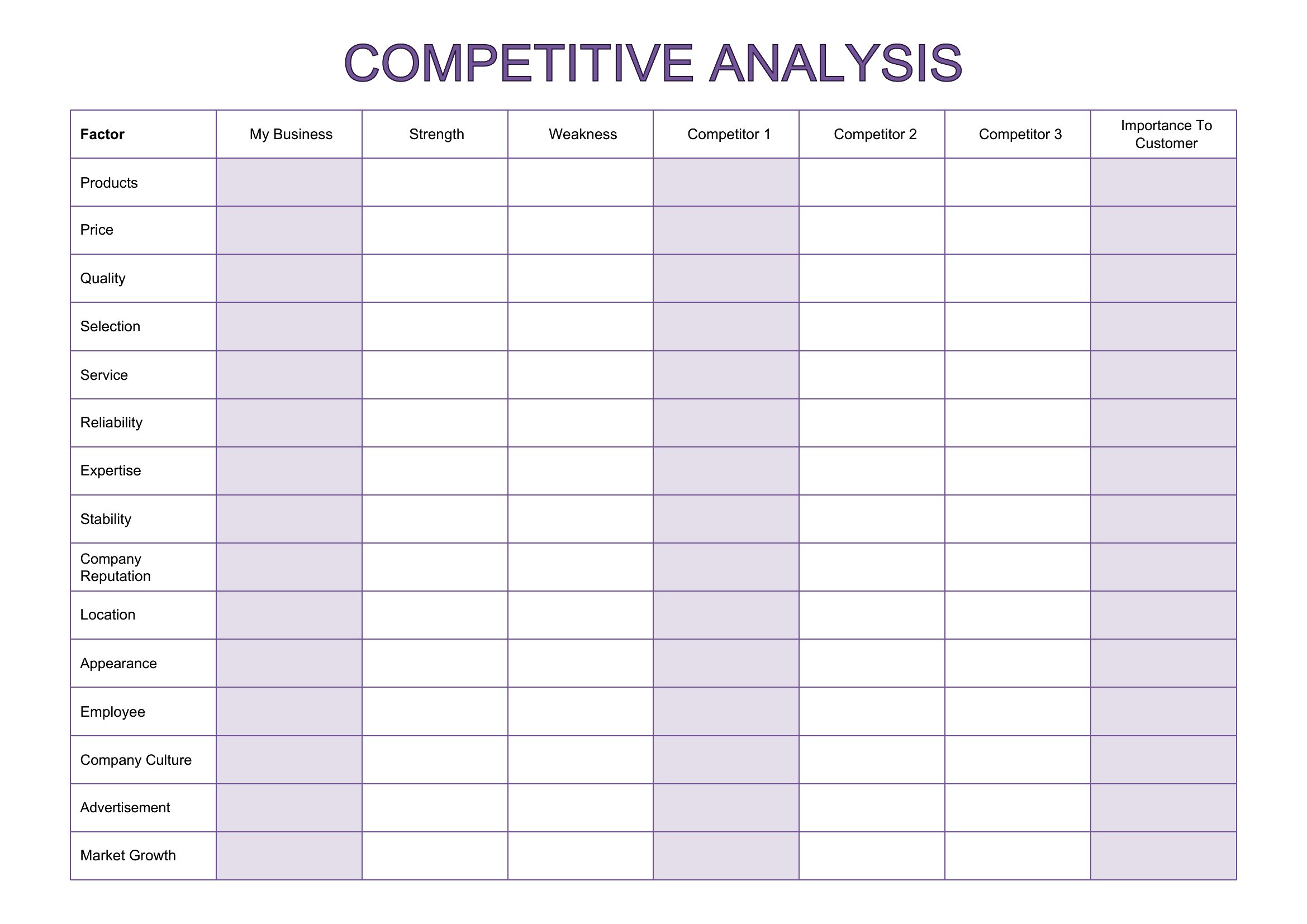
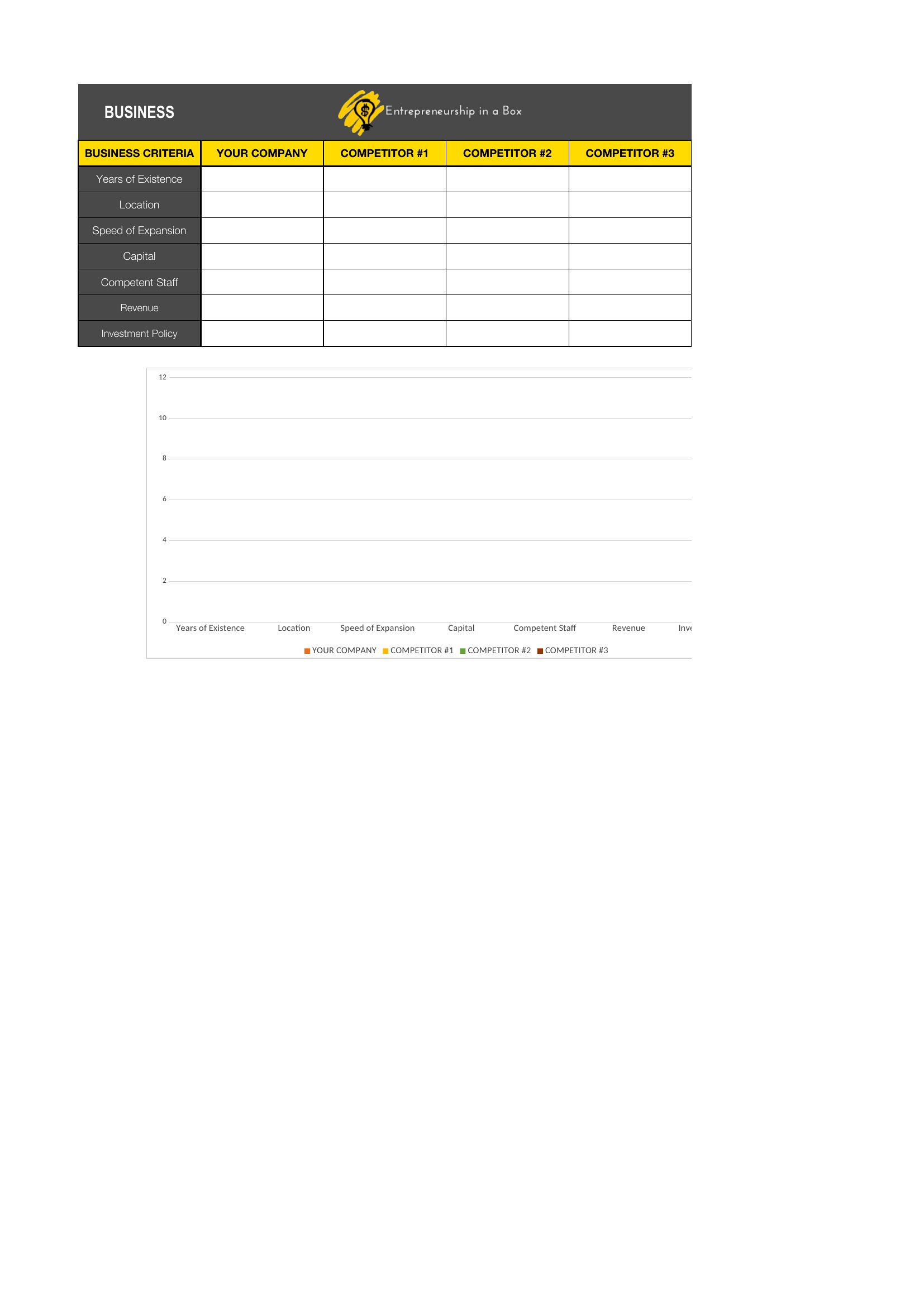
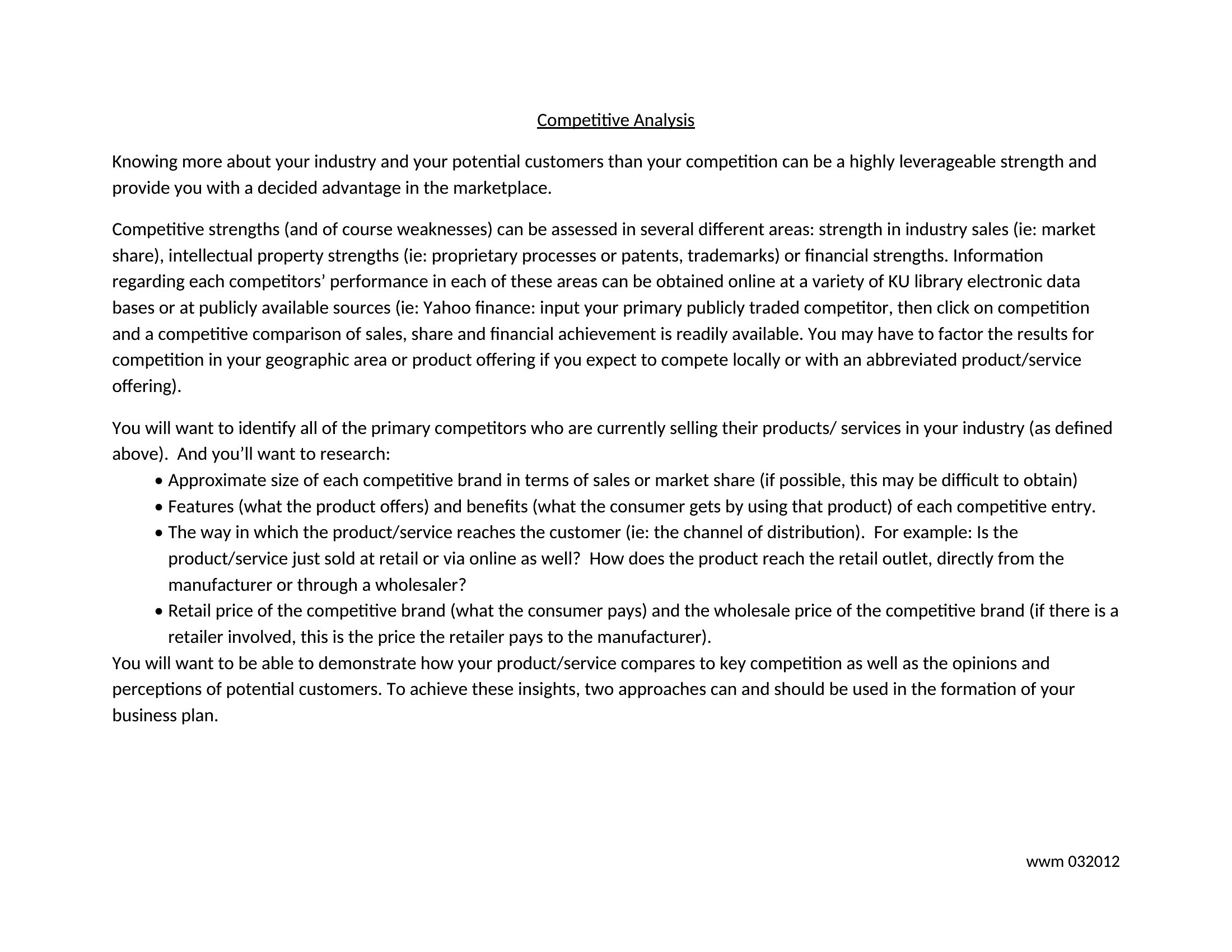
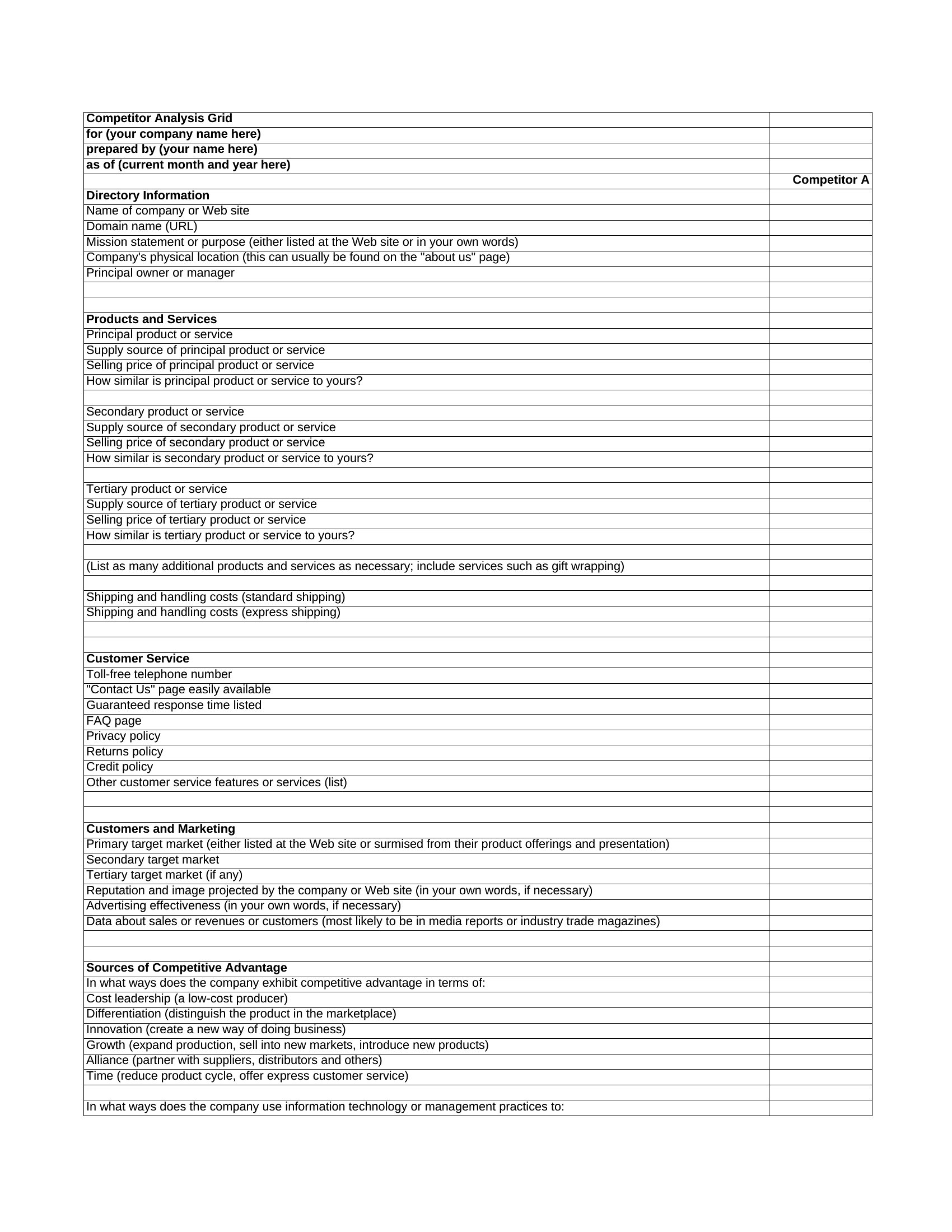
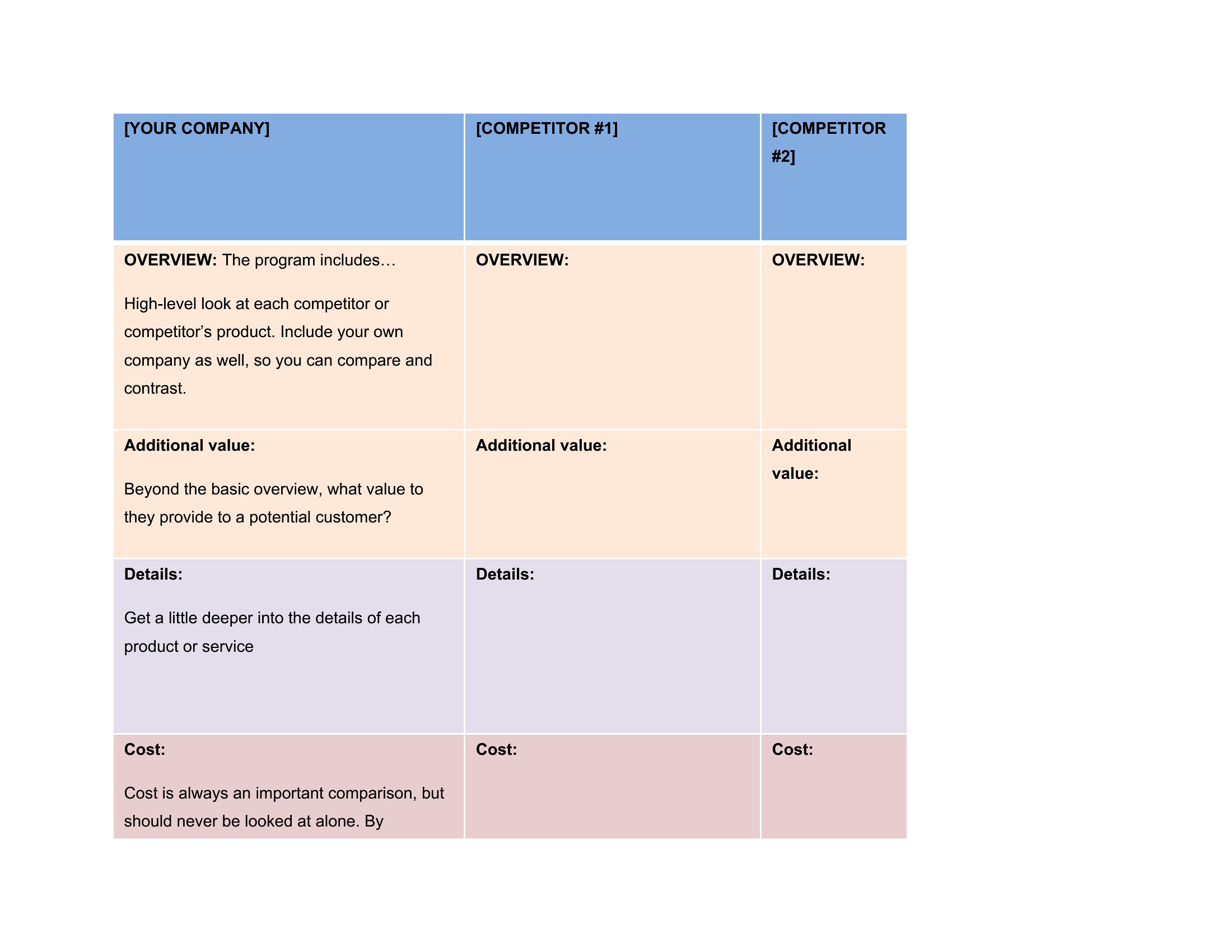
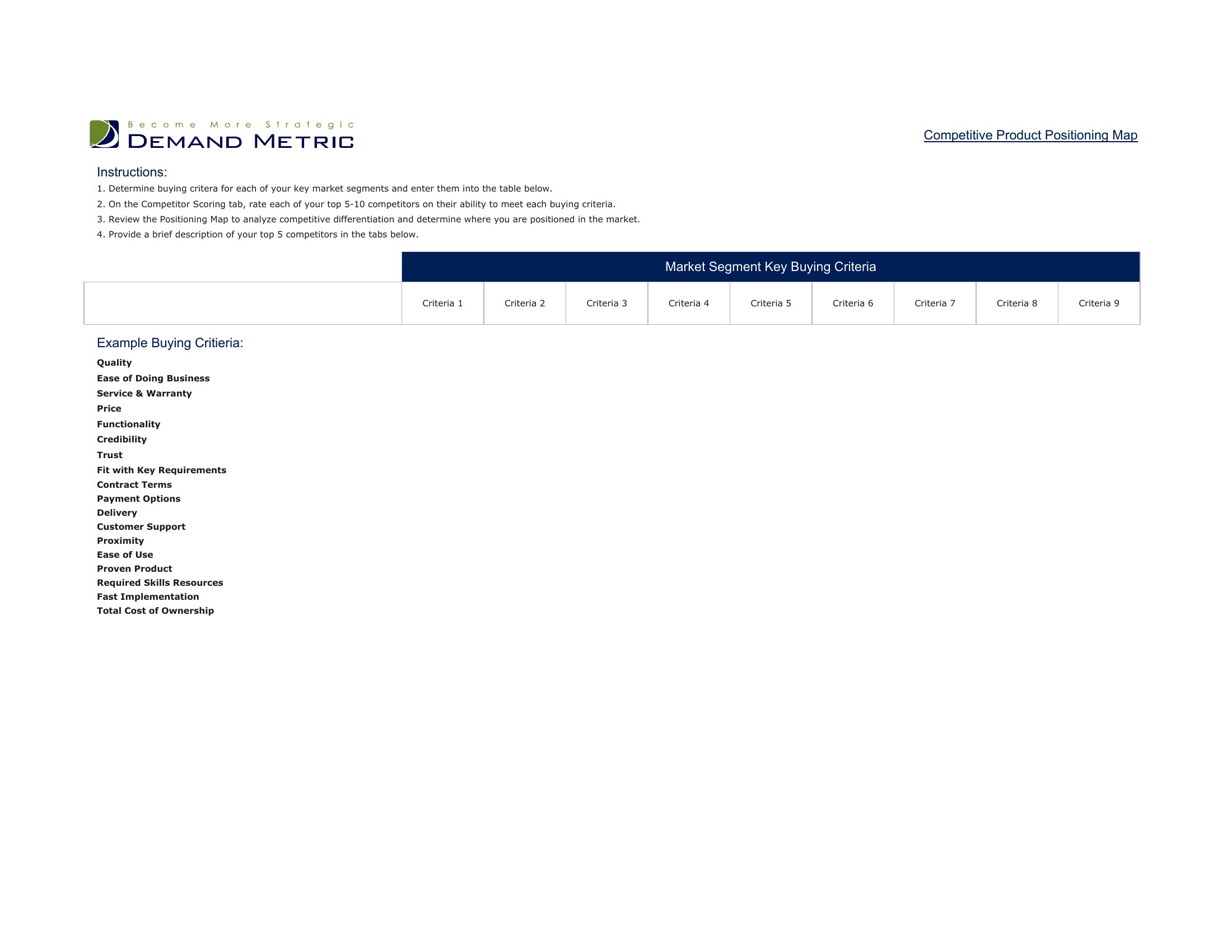
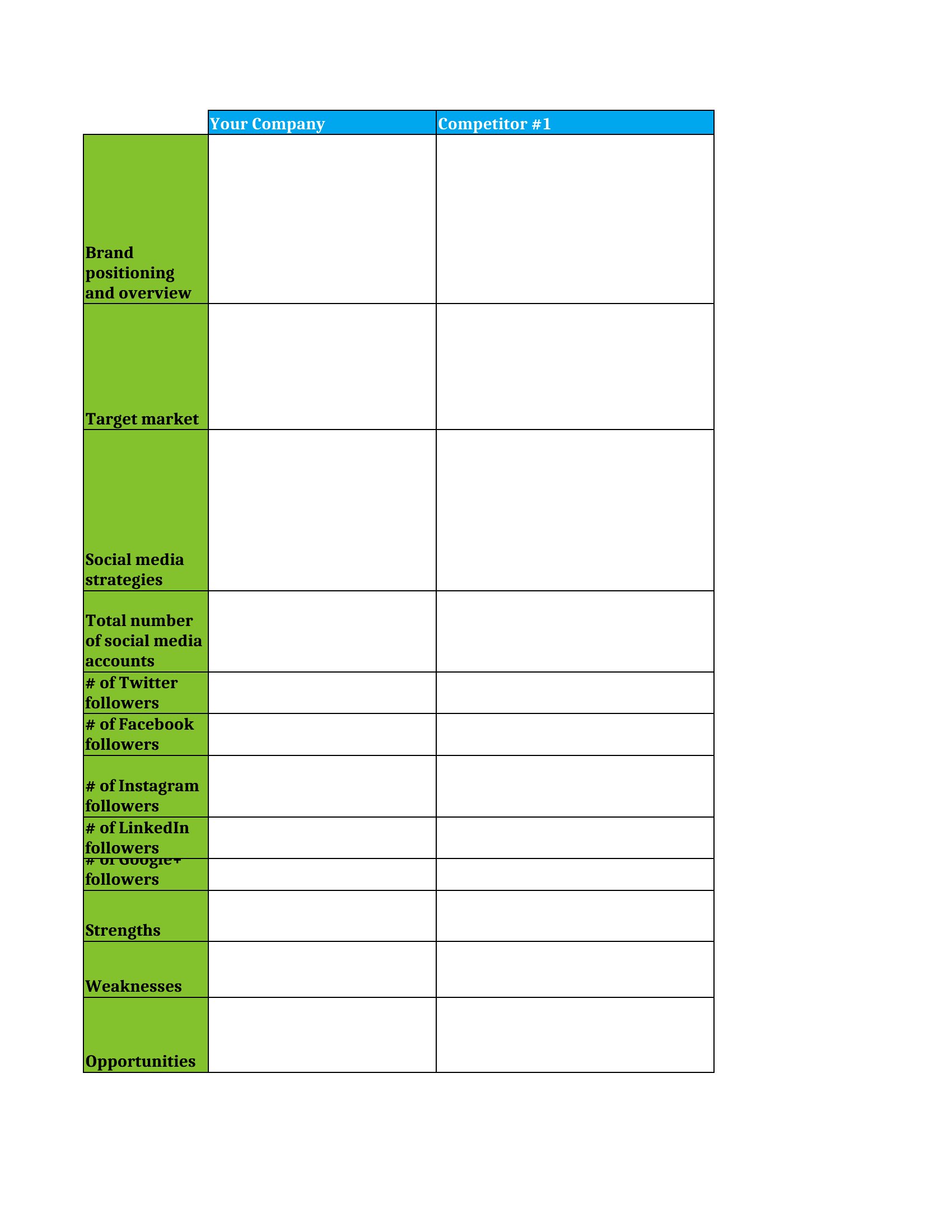
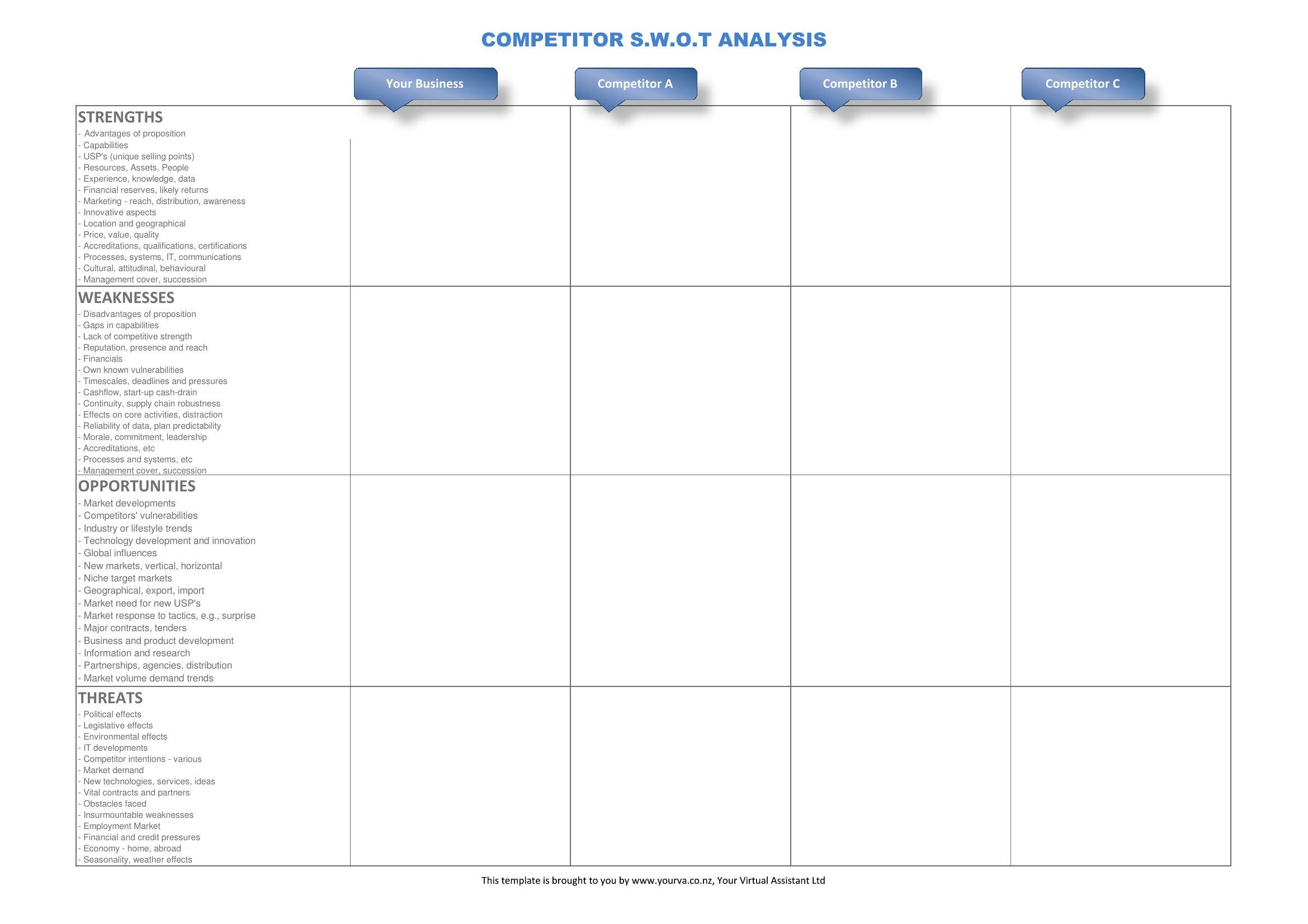
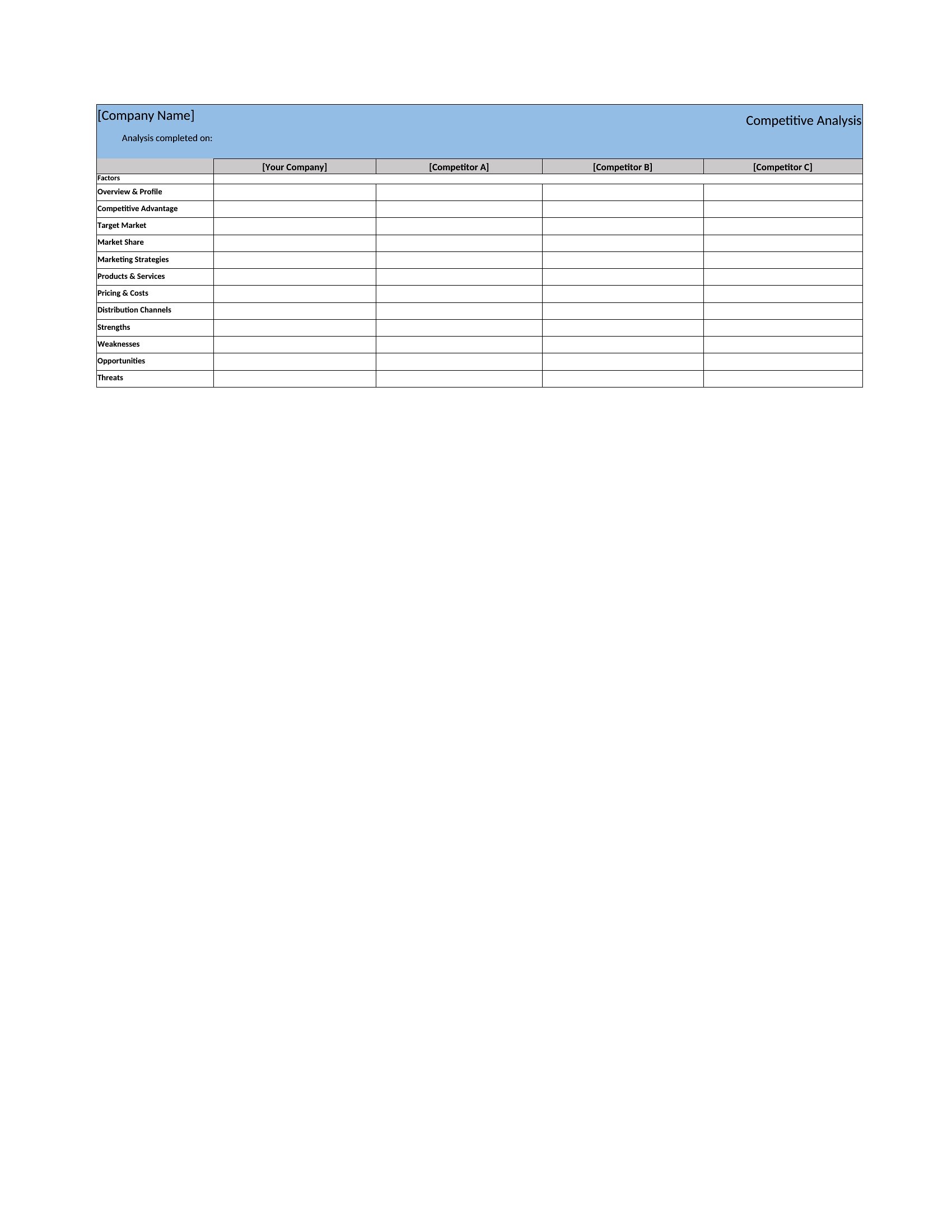
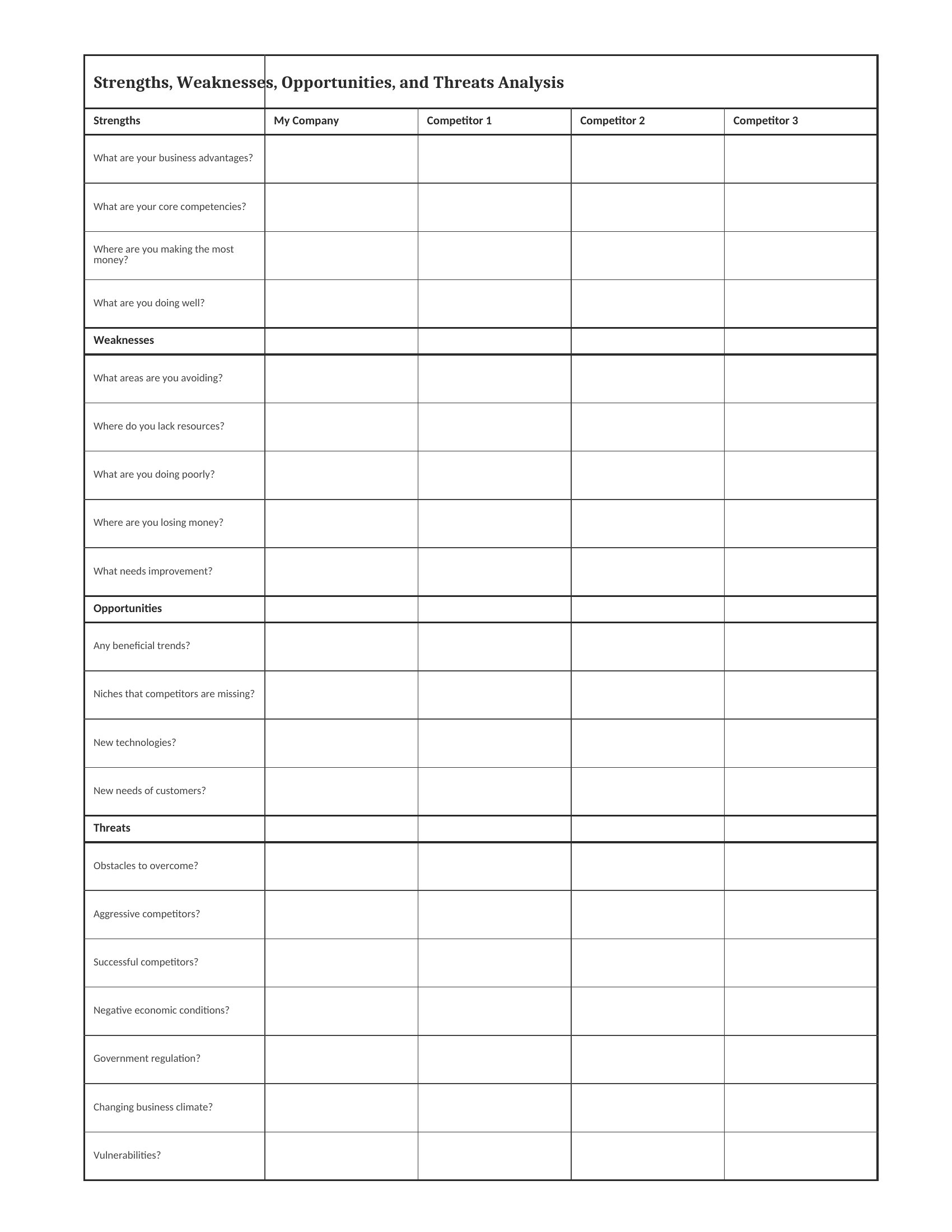
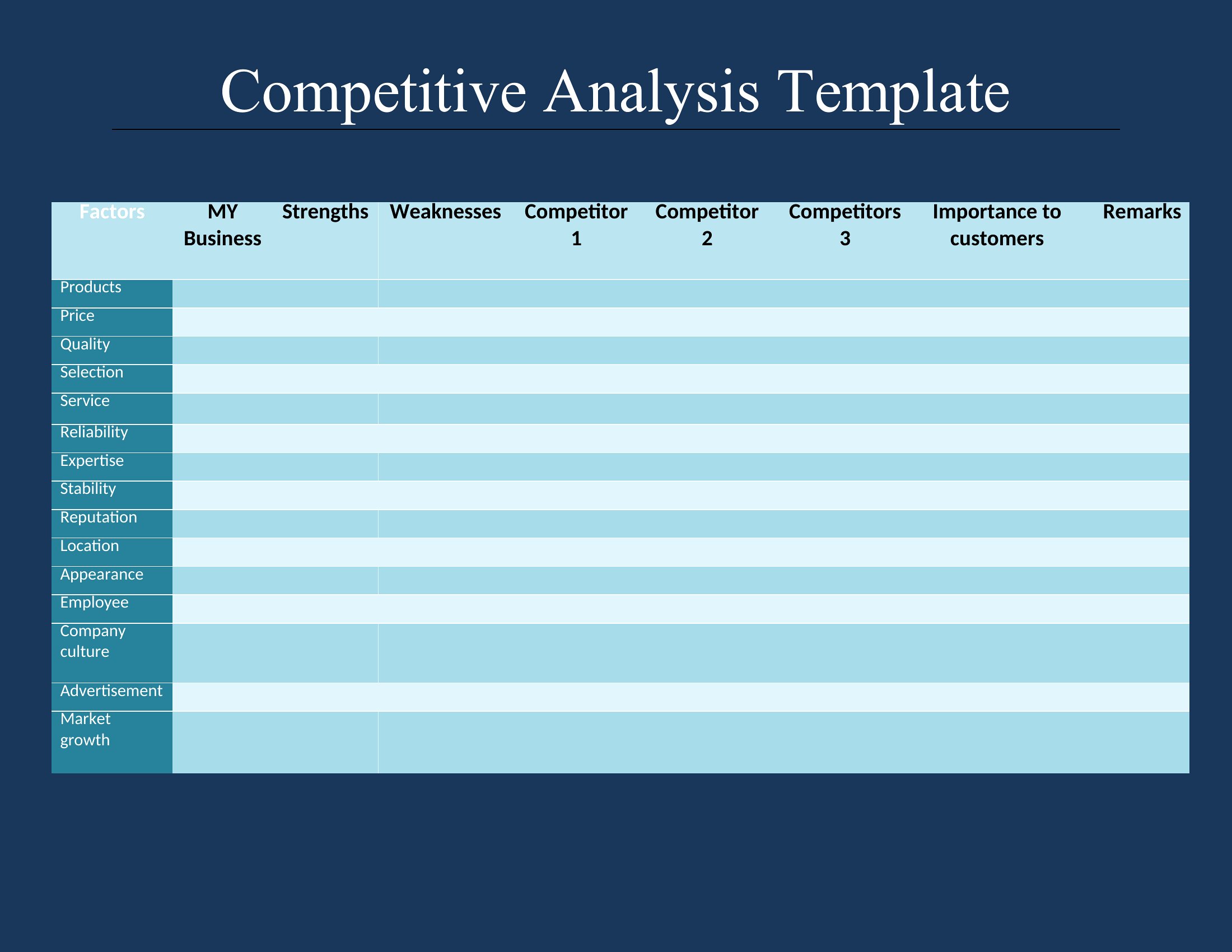
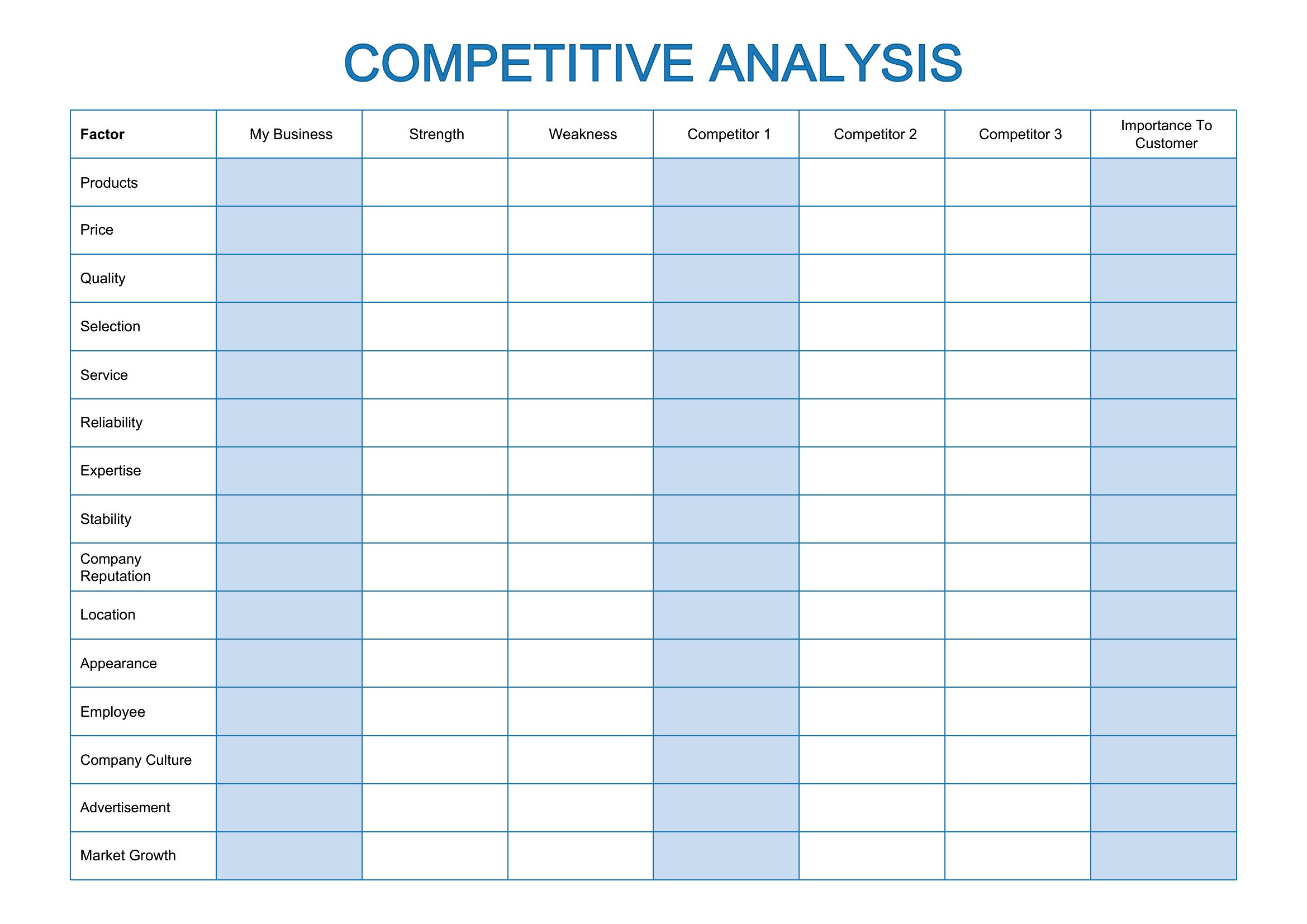
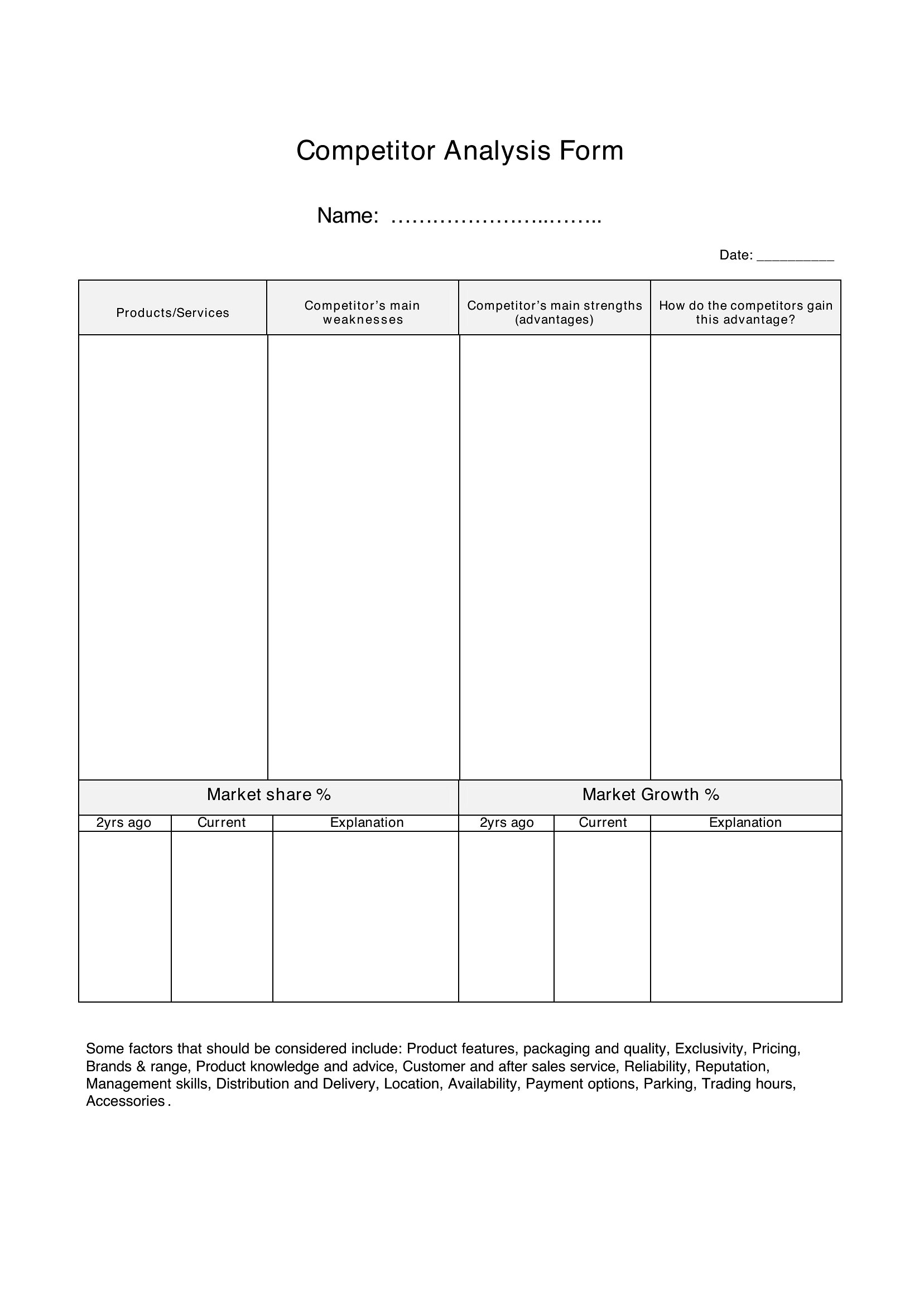
AnalysisKnowing how you stack up against rivals shapes smarter pricing, marketing, and product decisions. These 39 competitive analysis templates give a clear framework for comparing competitors on features, strengths, weaknesses, and market position. Founders, marketers, and business students can size up the landscape without building a spreadsheet from nothing.
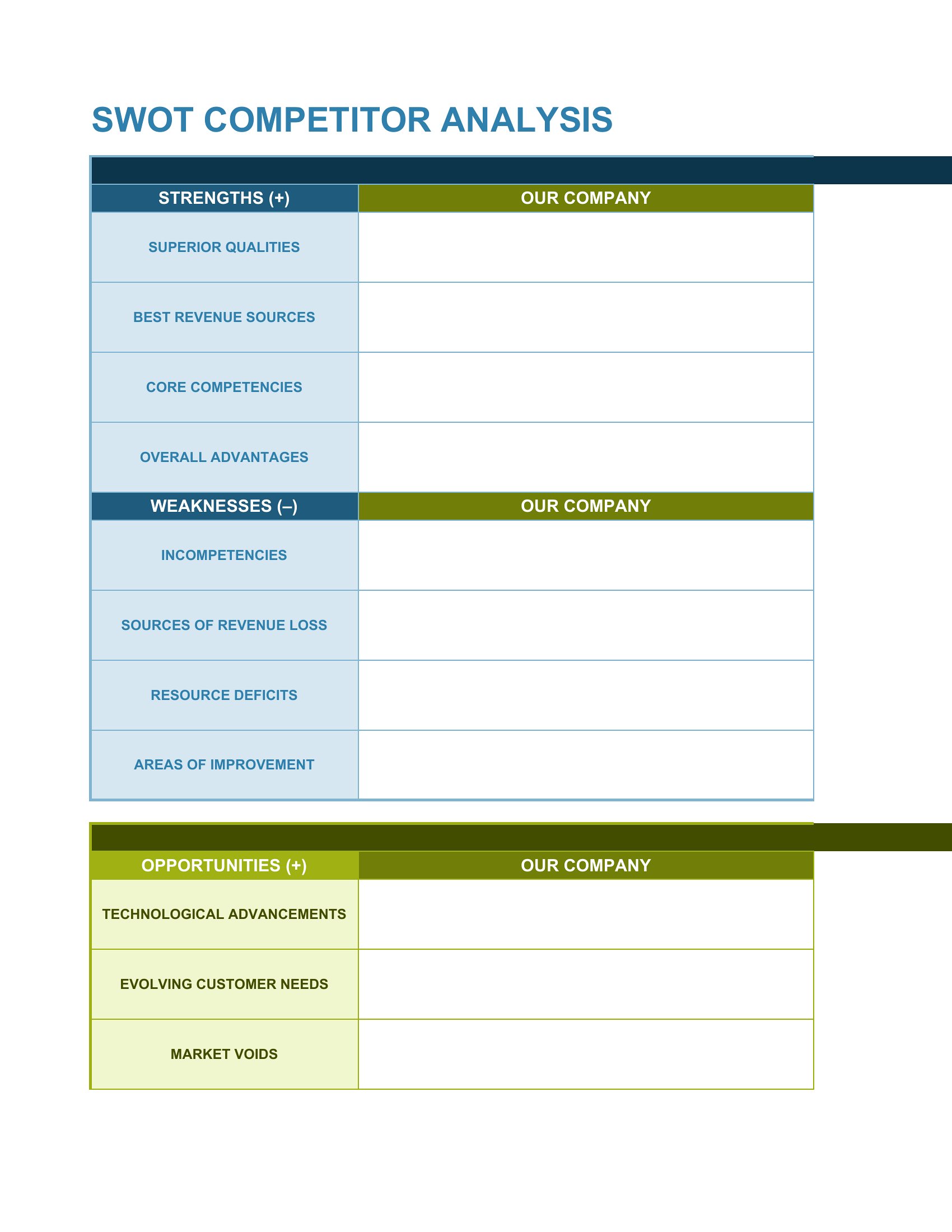
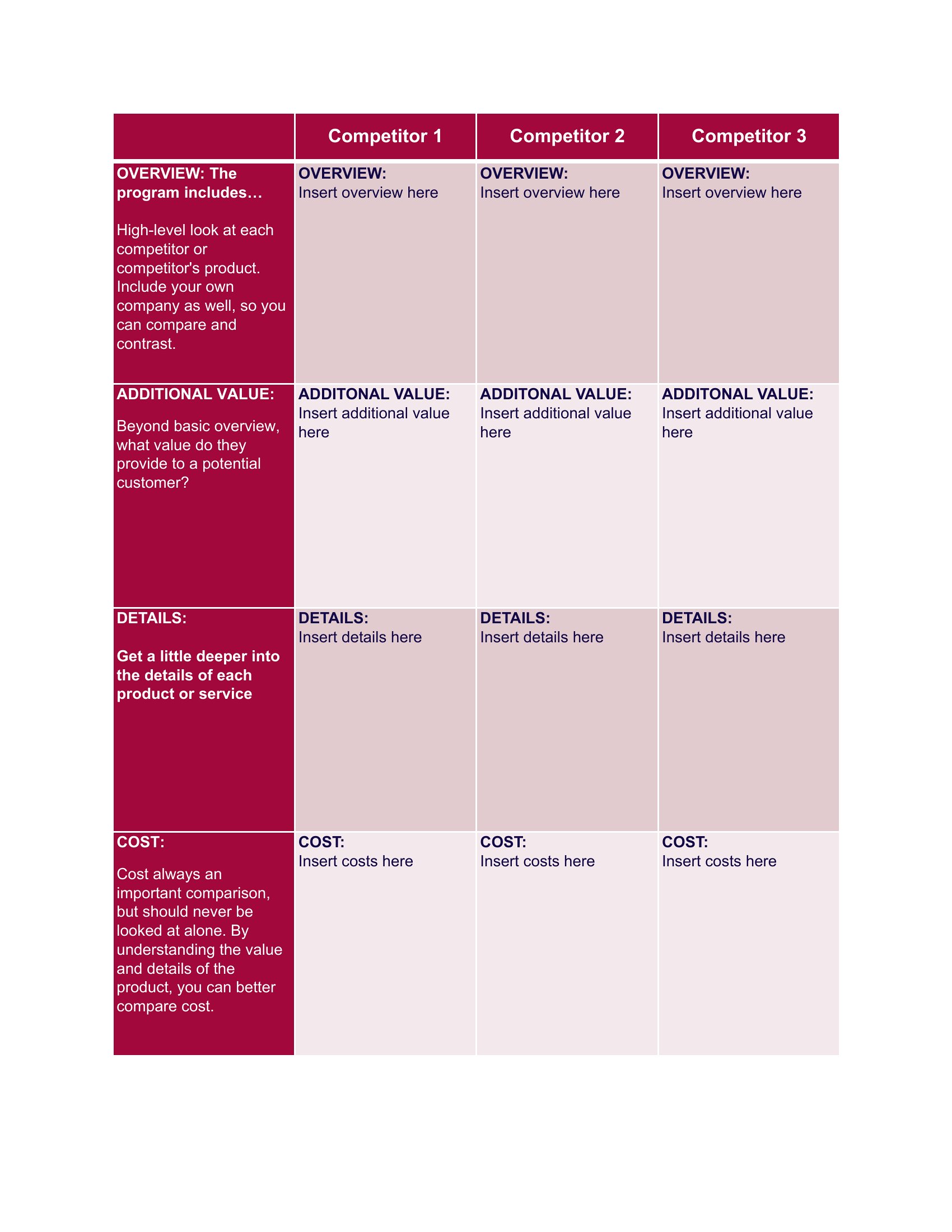
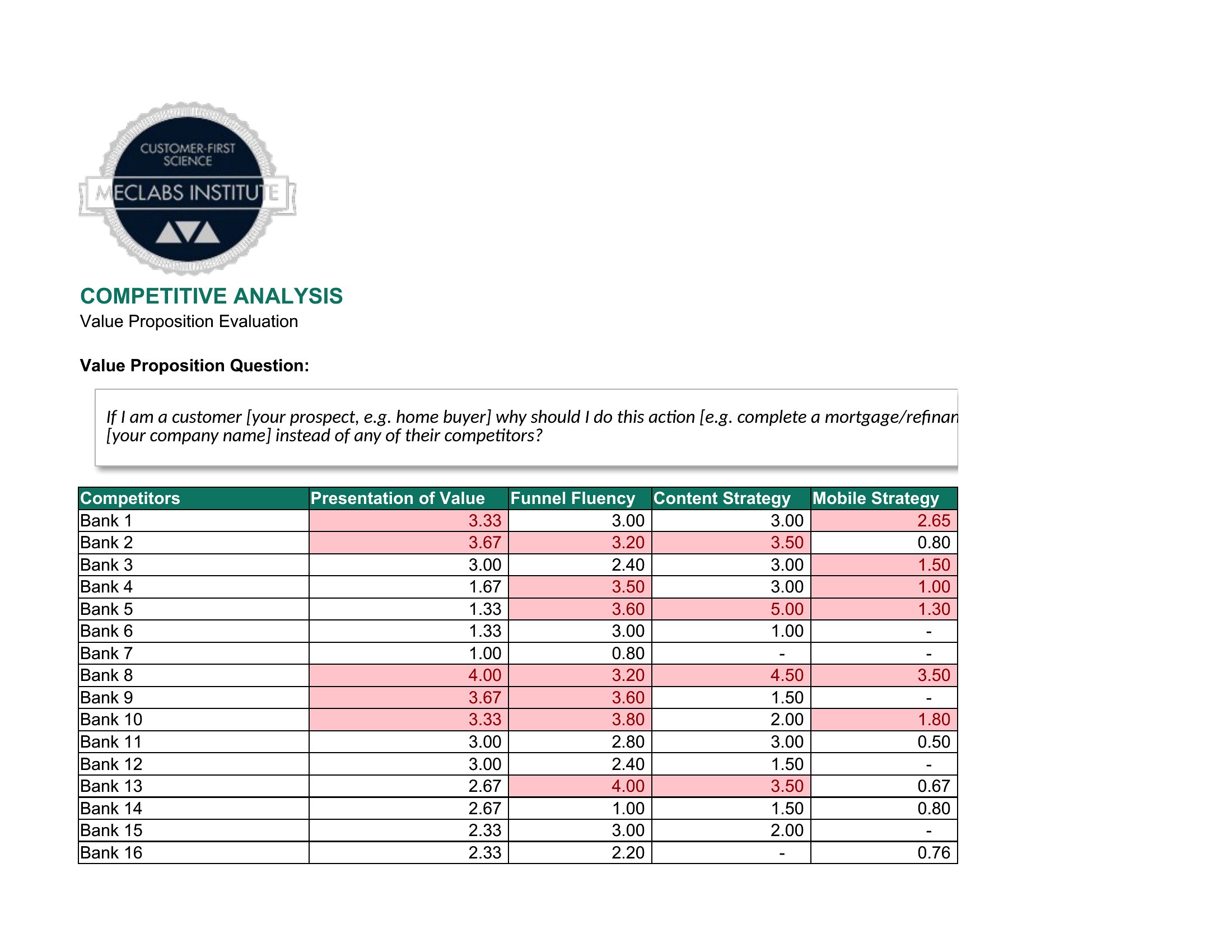
You'll find Word and PDF layouts for written reports plus Excel sheets for side-by-side scoring and charts. Plug in your competitors, fill in what you've researched, and the comparison takes shape quickly. Drop it into a business plan or a strategy deck. Download the format that fits your project and start mapping the field.
When to use this Competitive Analysis template
- A startup launching a SaaS tool should use these templates to benchmark competitor pricing tiers, customer reviews, and feature gaps before setting their own model.
- Marketing teams at mid-sized companies can organize competitive intelligence by channel—social media engagement, SEO rankings, and ad spend—to refine their campaigns.
- Small business owners entering a crowded niche will find structured frameworks to compare direct competitors’ product offerings, customer service policies, and local market presence.
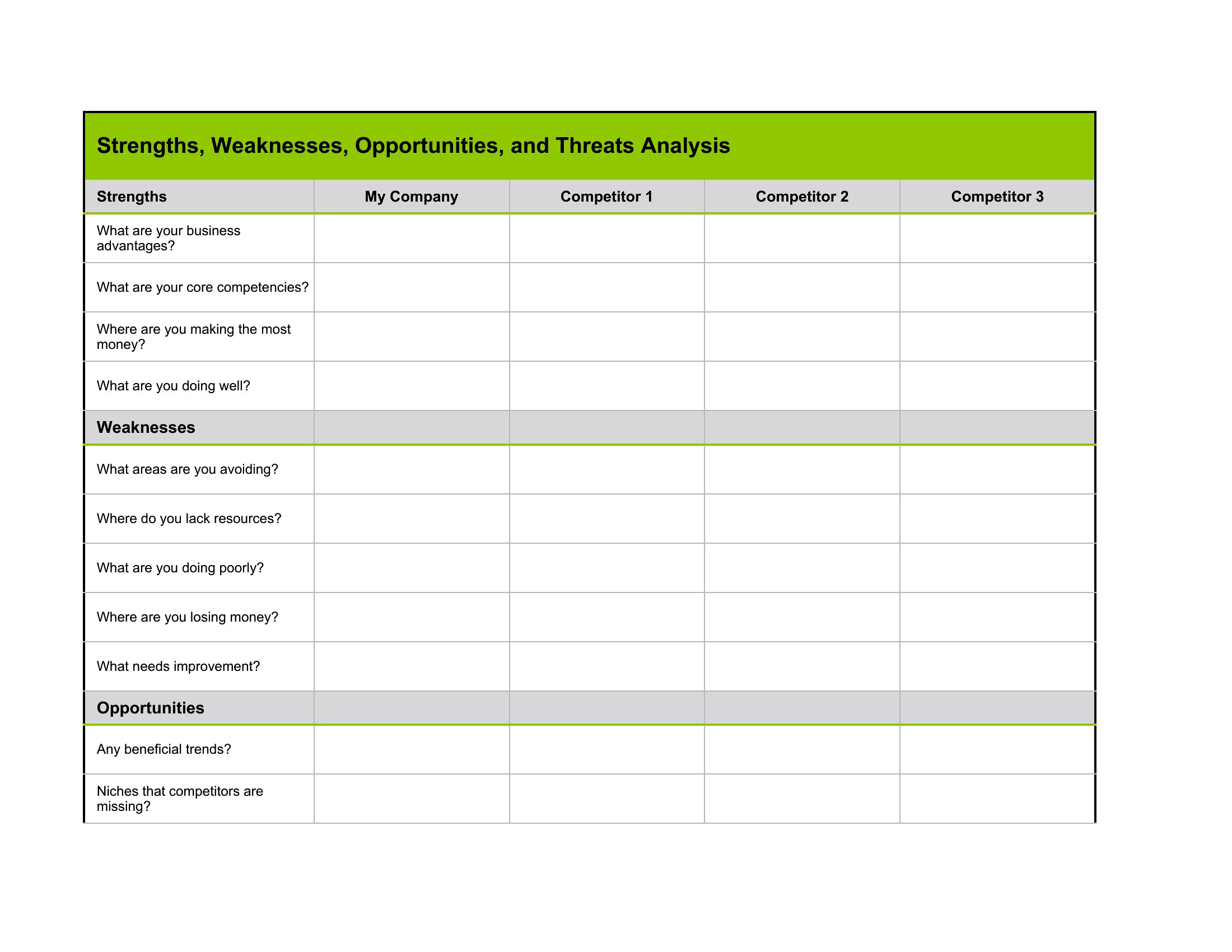
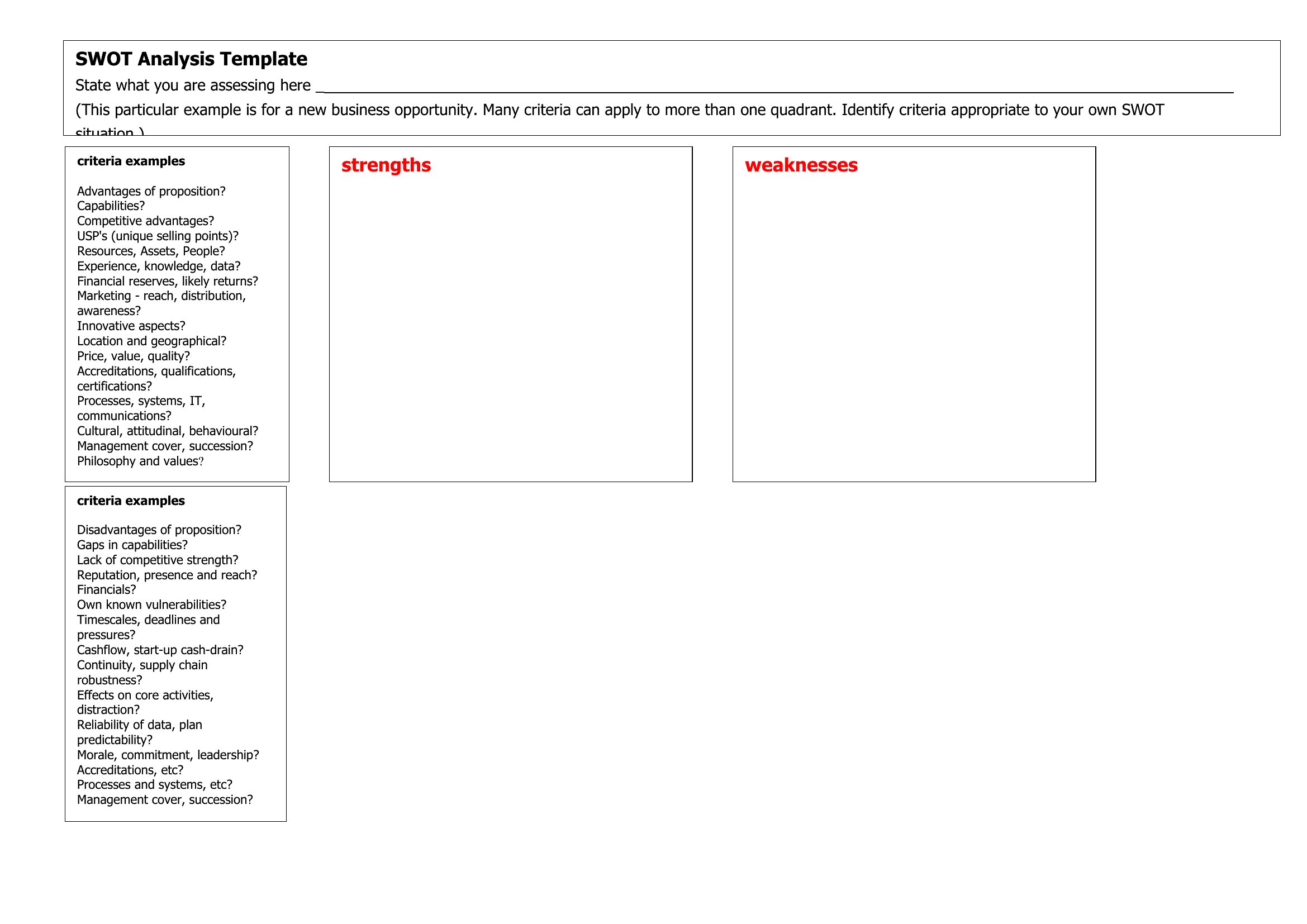
- Business students analyzing case studies need these templates to systematically compare industry players’ market share, growth strategies, and SWOT profiles for presentations.
Which format should I download?
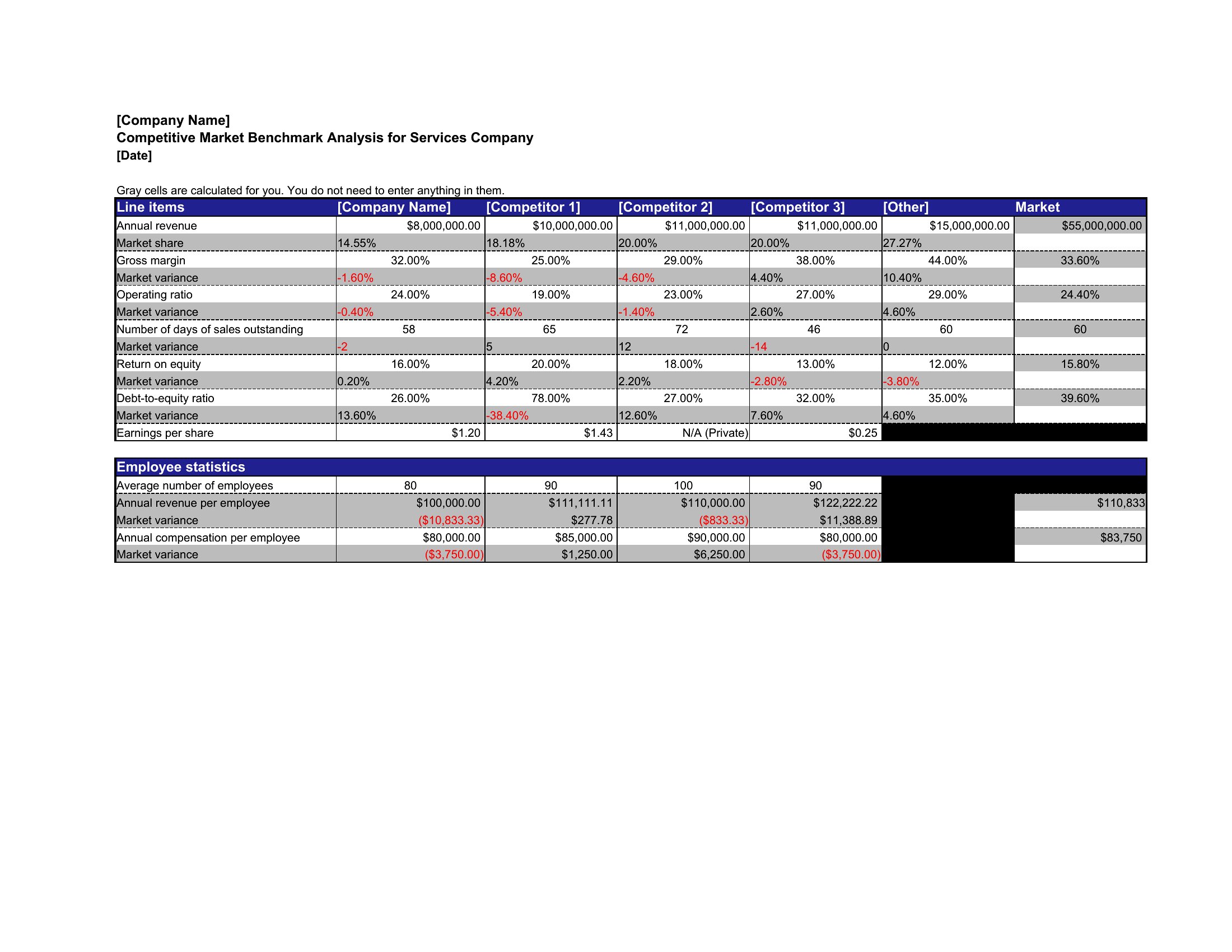
Use Word if you need to collaborate with stakeholders who prefer editing text-heavy insights, adding internal notes, or combining analysis with other reports. Excel is ideal for data-driven teams analyzing competitor metrics like pricing, customer acquisition costs, or feature adoption rates—sort, filter, or pivot tables for deep dives. PDF works best for finalized reports to share with clients or investors who don’t need to edit, prioritizing polished layouts and consistent branding. No single format stands out; choose based on your team’s workflow and whether the focus is on written analysis, numerical comparison, or presentation.
Choose from 39 Competitive Analysis Templates
How to use this Competitive Analysis template
How do I decide which competitors to analyze in these templates?
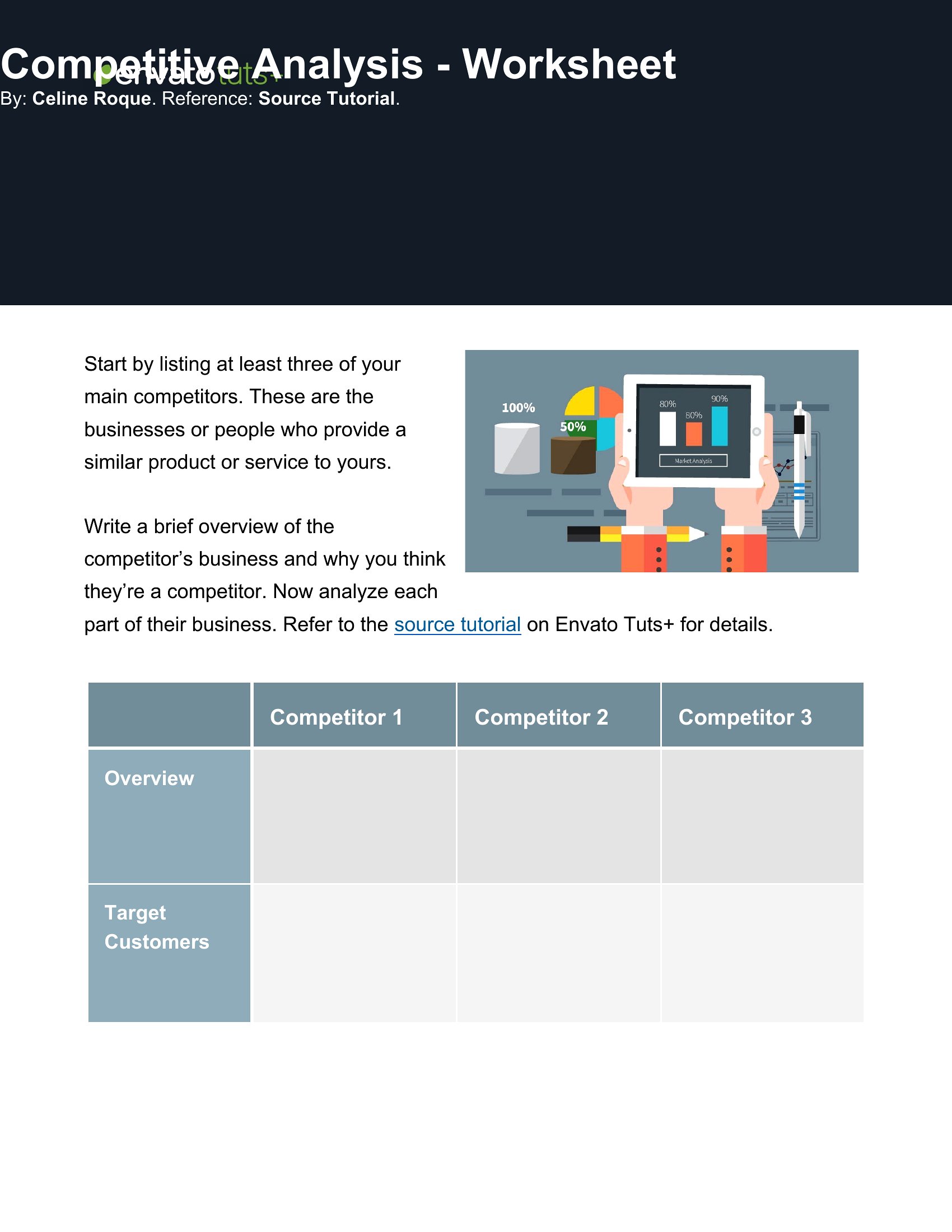
Start with direct competitors—businesses offering similar products or services to the same audience. Include indirect competitors like substitutes or companies targeting adjacent markets. Limit to 3–5 key players unless your niche is highly fragmented. The templates include sections to justify your selection, so prioritize those with clear market overlap or customer overlap.

Can these templates help me analyze competitors in international markets?

Yes, but you’ll need to adapt the frameworks to account for cultural preferences, local regulations, or regional pricing models. The templates include space for notes on market trends and barriers to entry—use these to document differences in consumer behavior or supply chain dynamics. For currency comparisons, the Excel format may require manual adjustments or formulas.
What if my competitors don’t publicly share pricing or features?
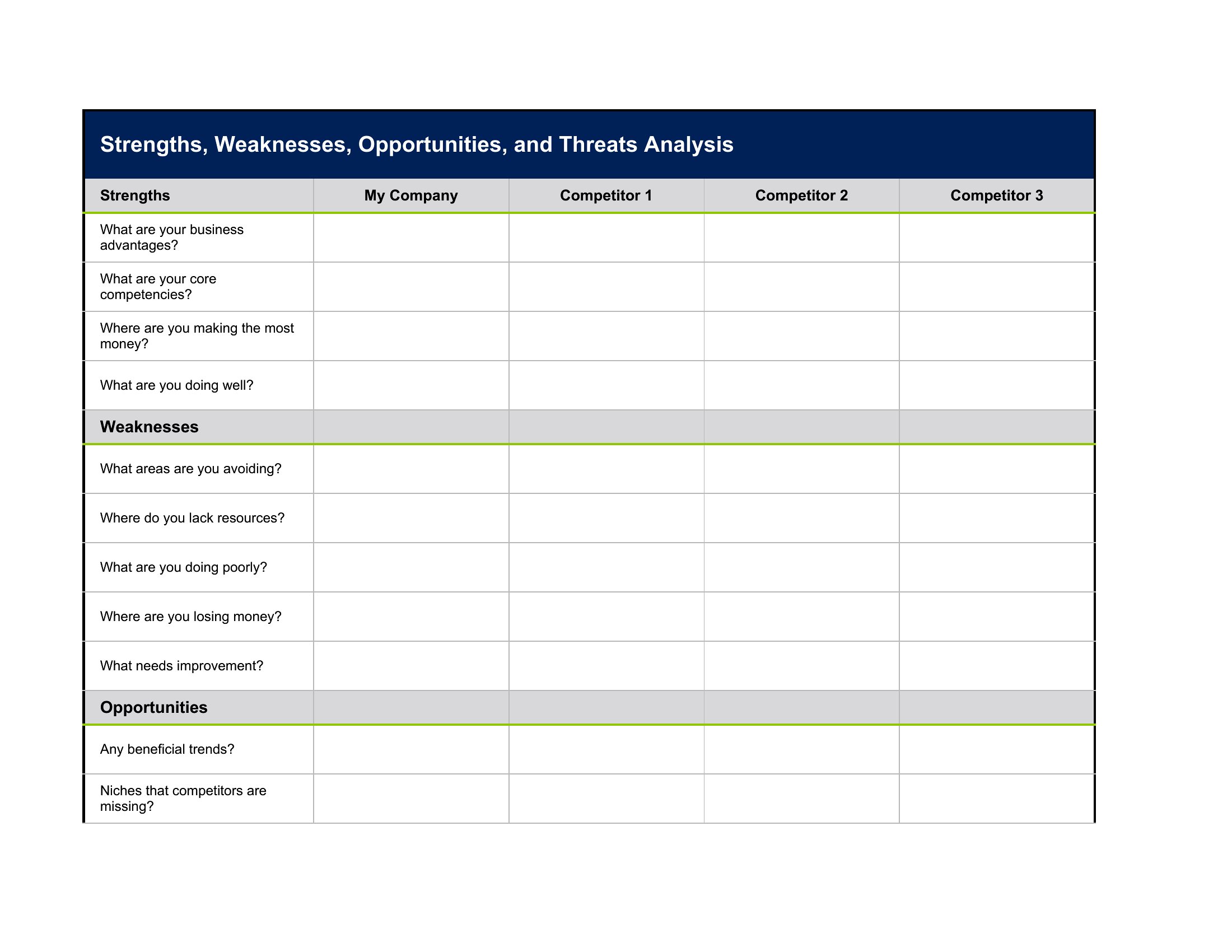
Use the SWOT or competitive matrix sections to document inferred data, such as estimated pricing based on customer testimonials, or features guessed from demos or reviews. Add a disclaimer in the notes section to clarify assumptions. For sensitive information, the Word or PDF templates allow you to redact or anonymize details before sharing reports externally.
Comments
Join the conversation
Sign in to share your thoughts and leave a comment on this resource.