Free Likert Scale Templates (Word, Excel, PowerPoint)
SurveysTemplates
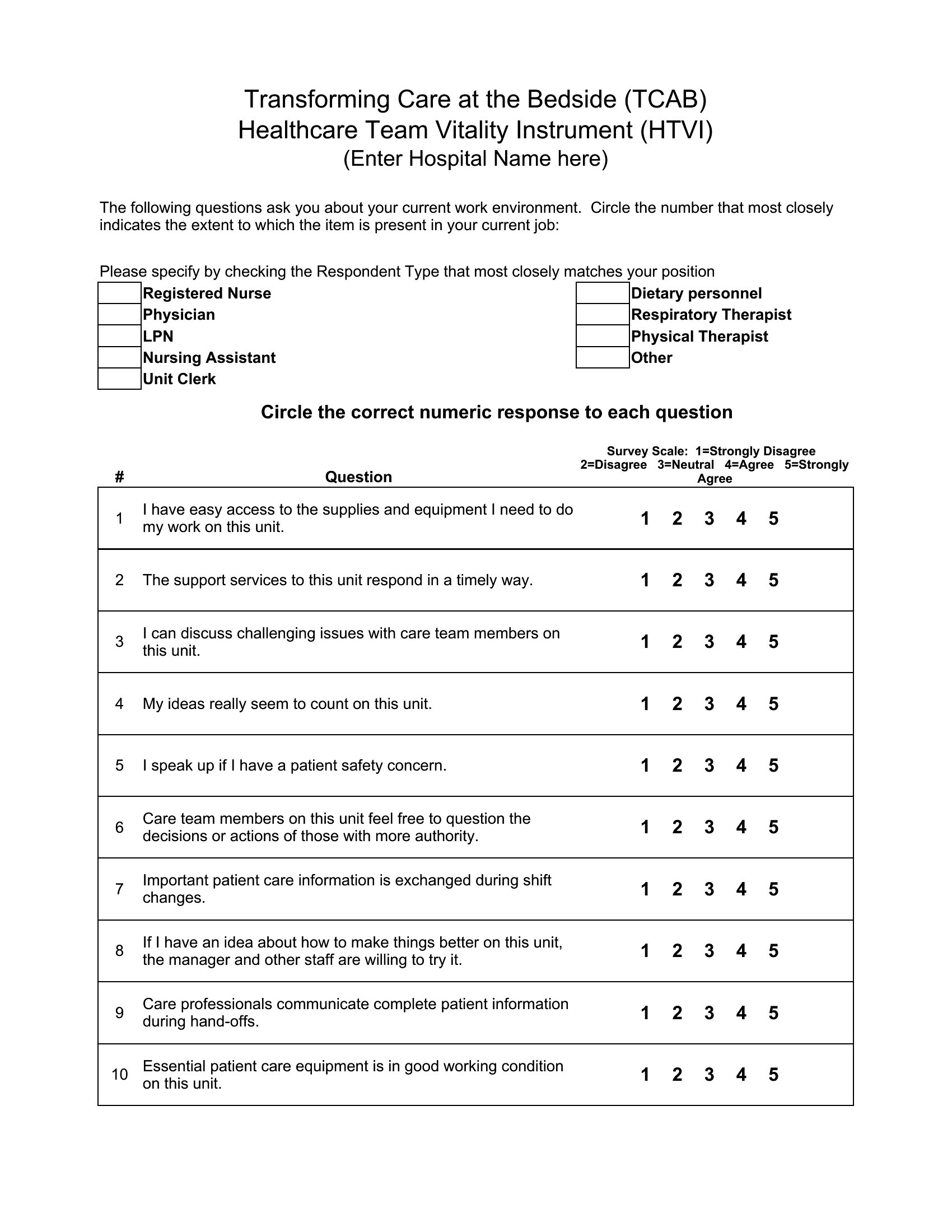
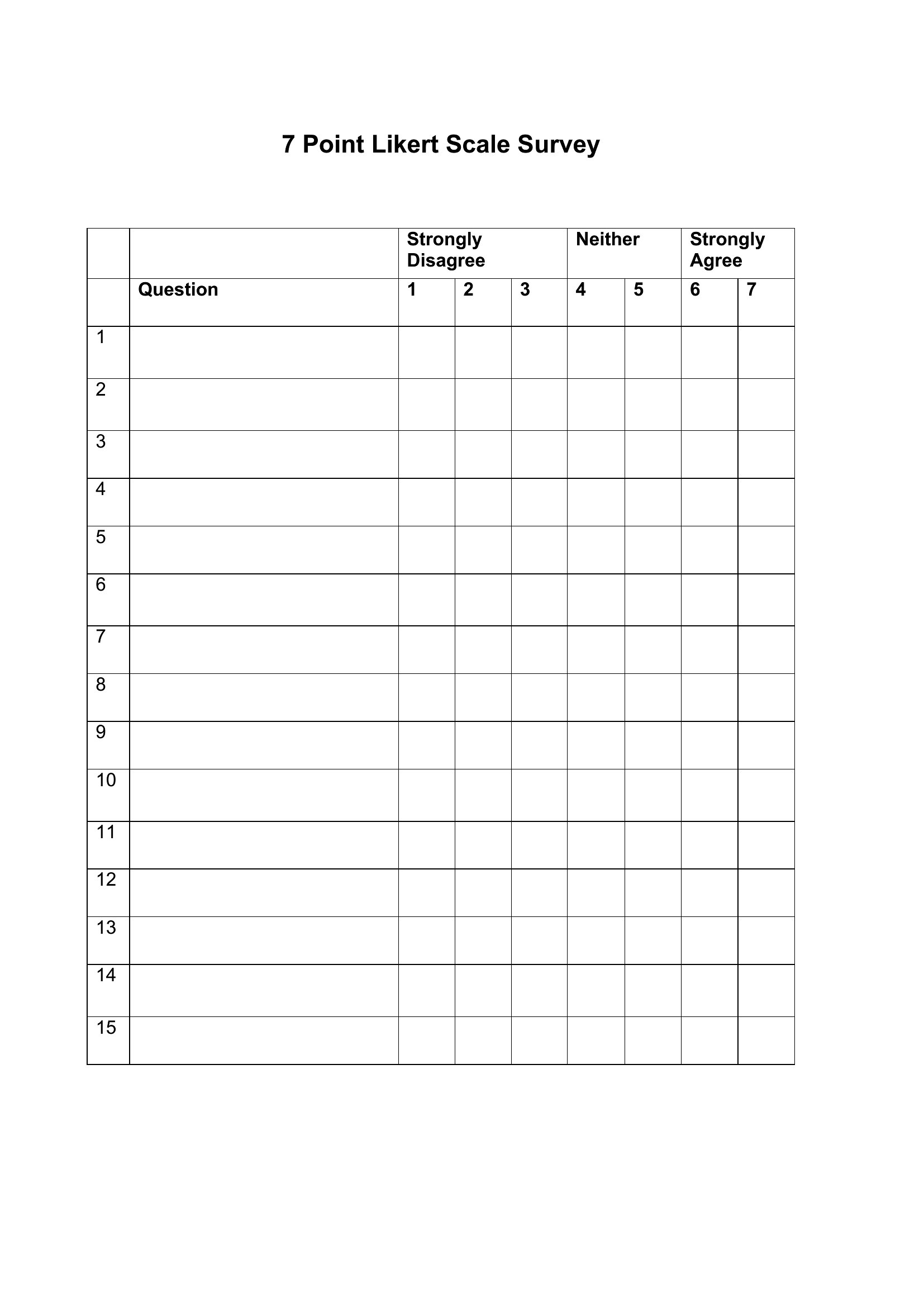
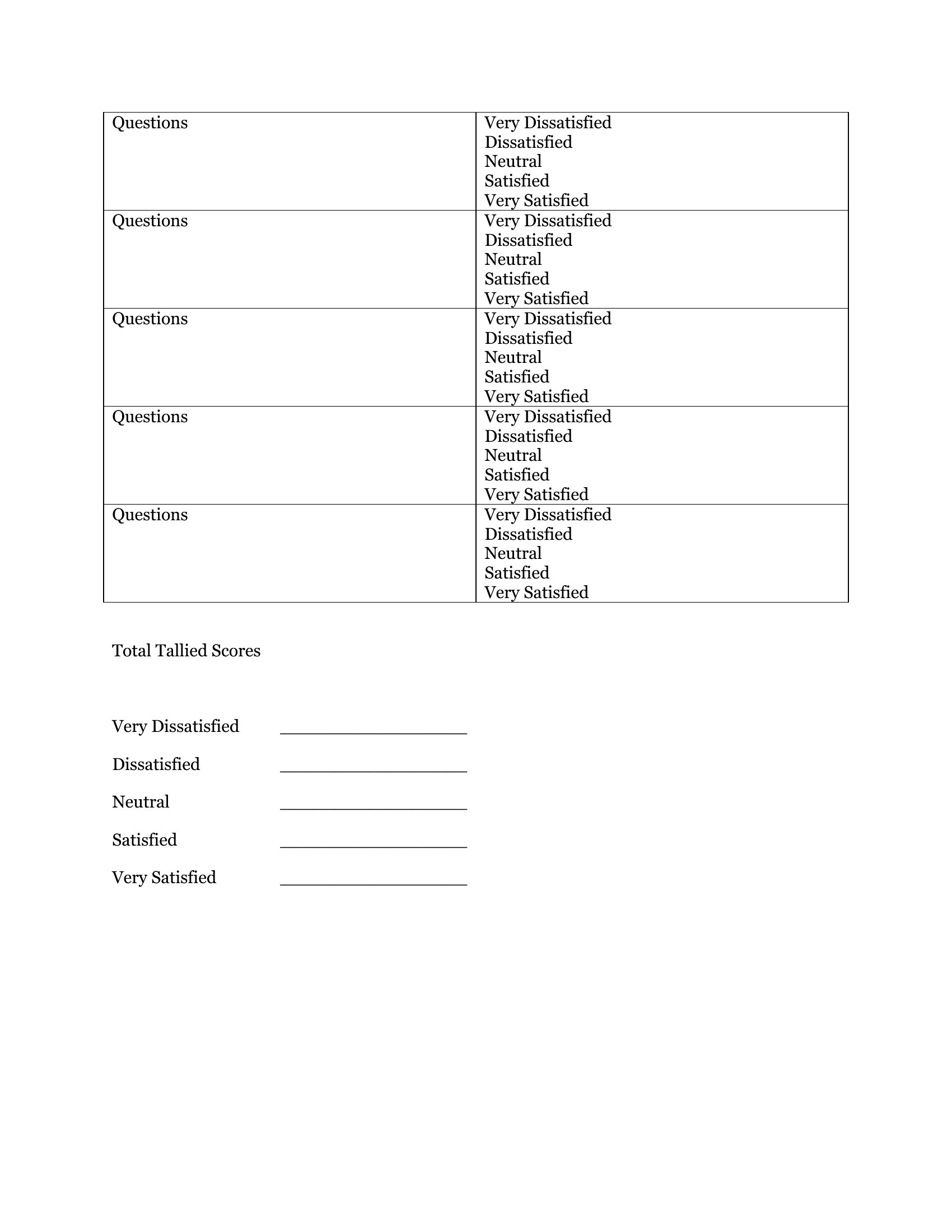
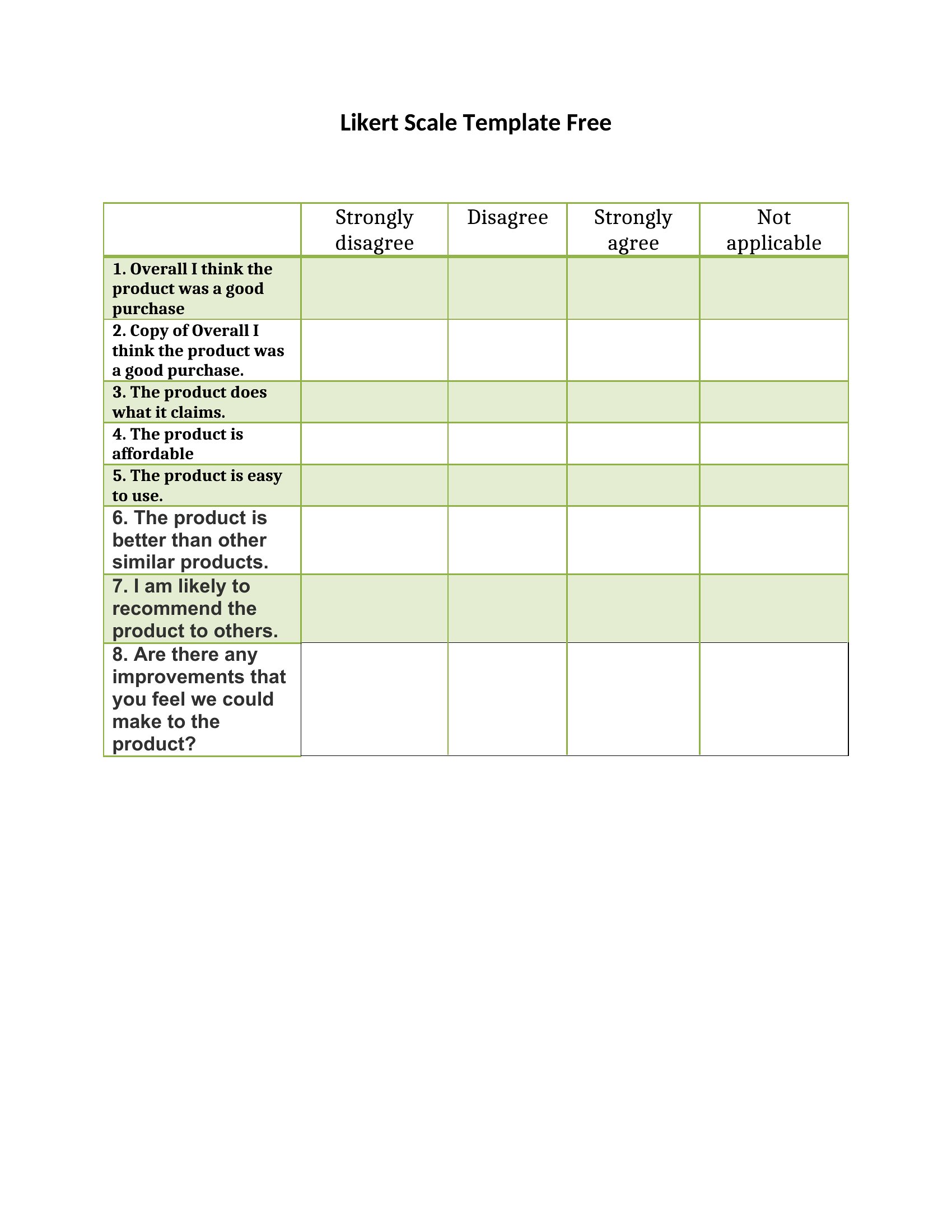
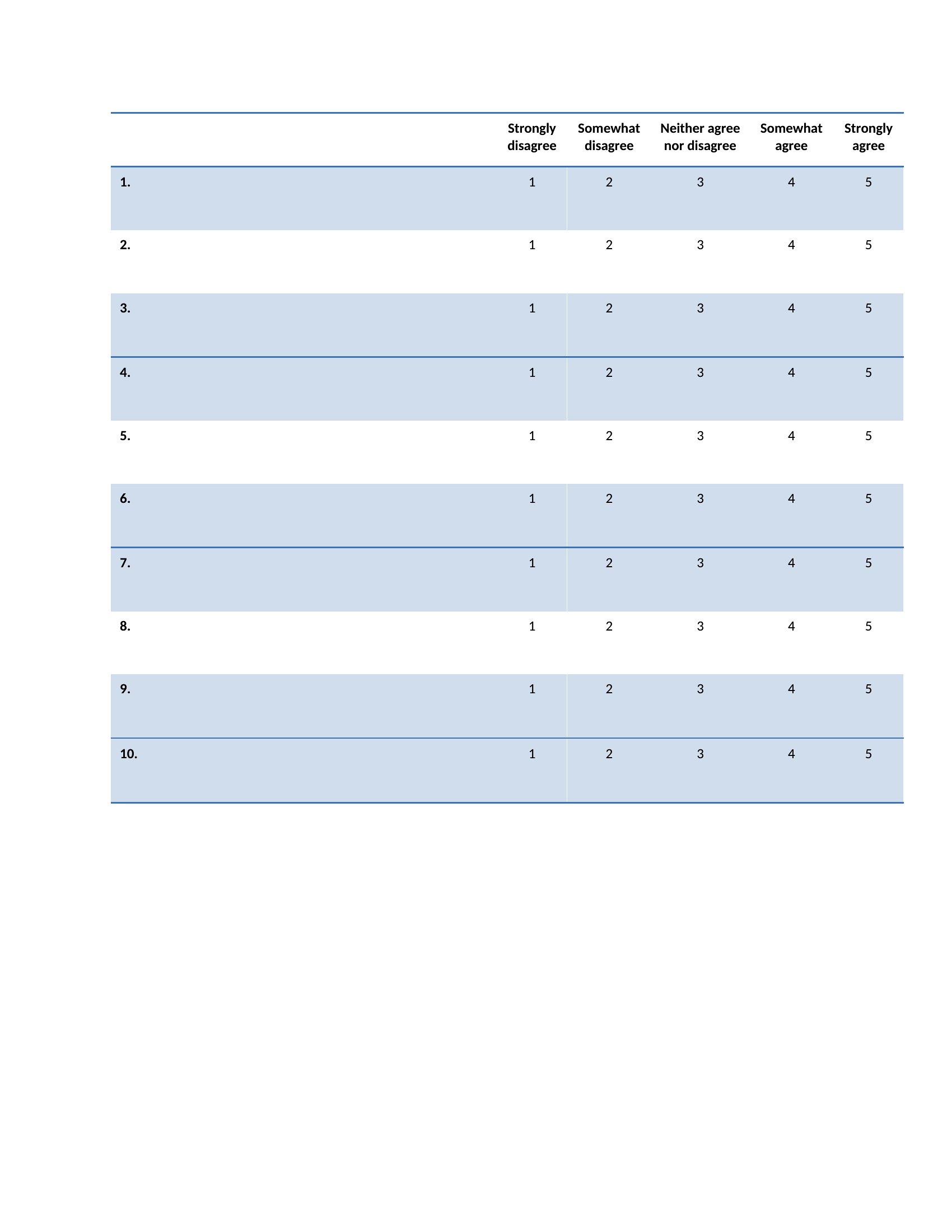
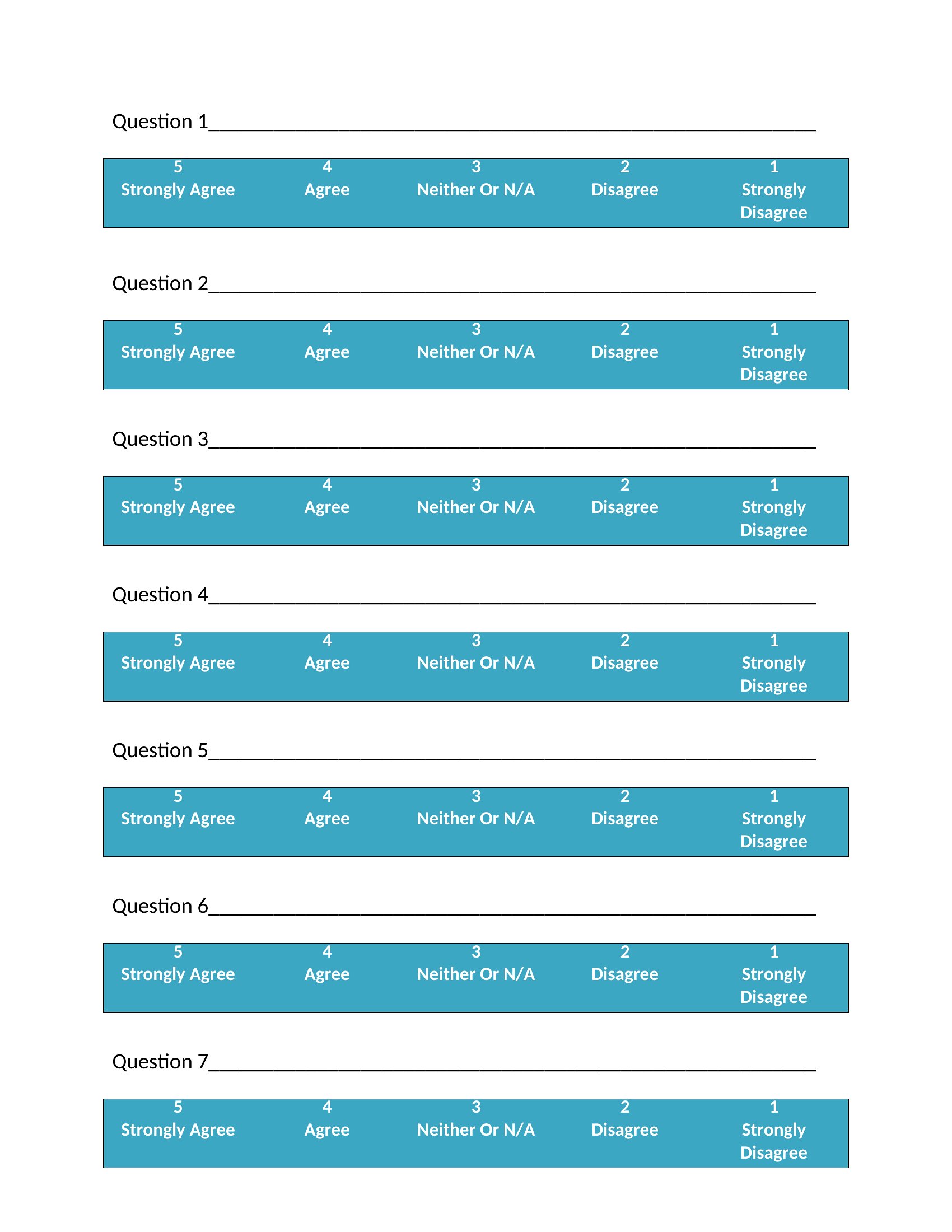
Likert Scales
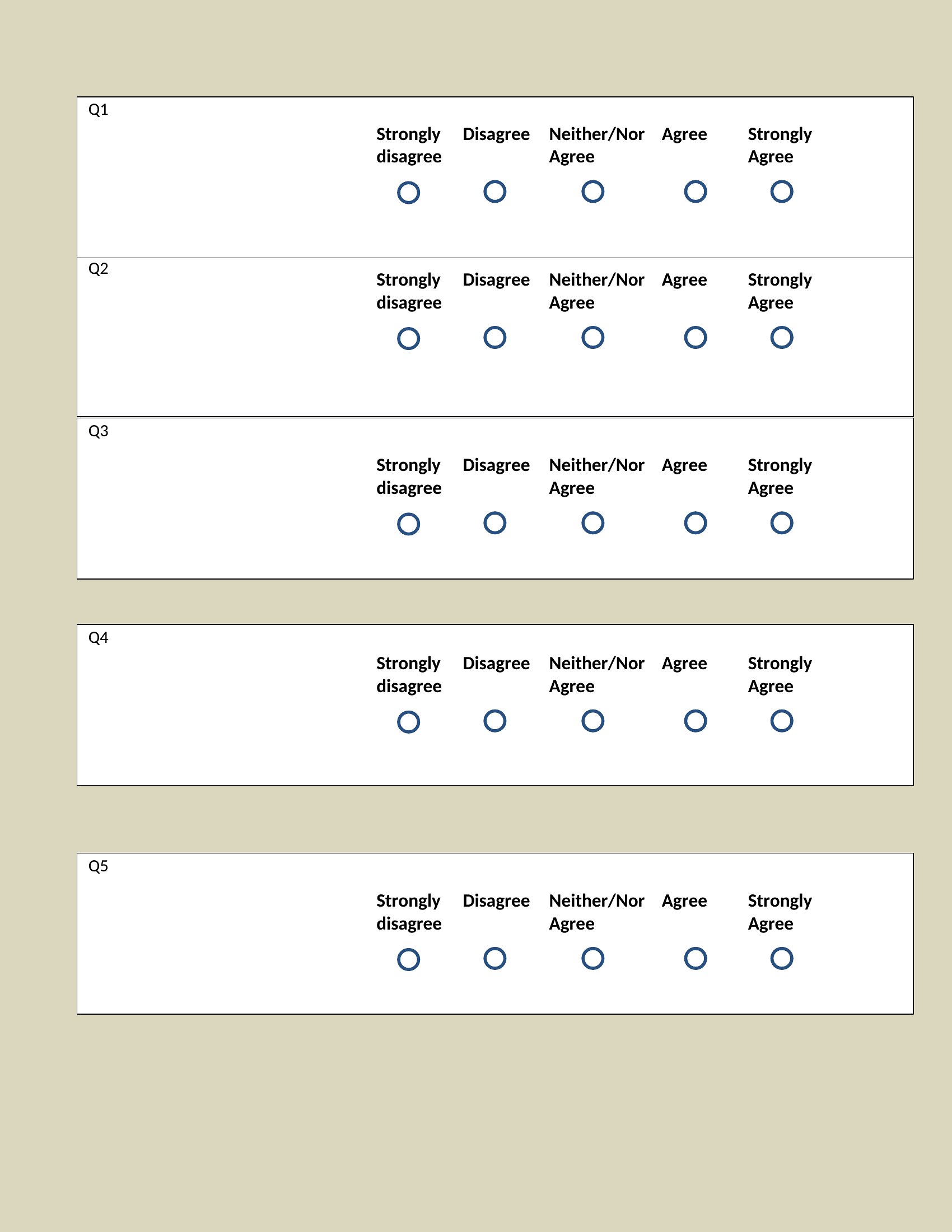
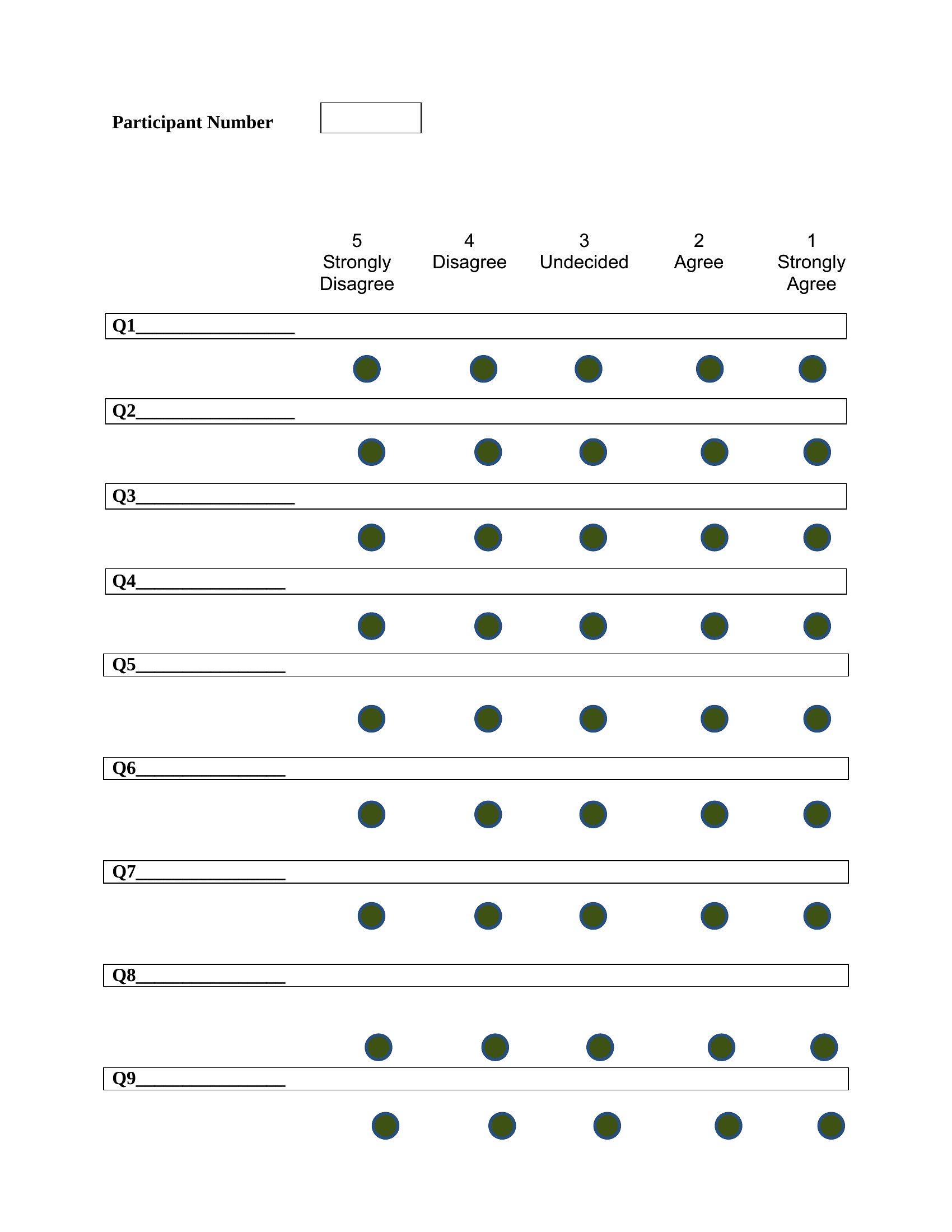
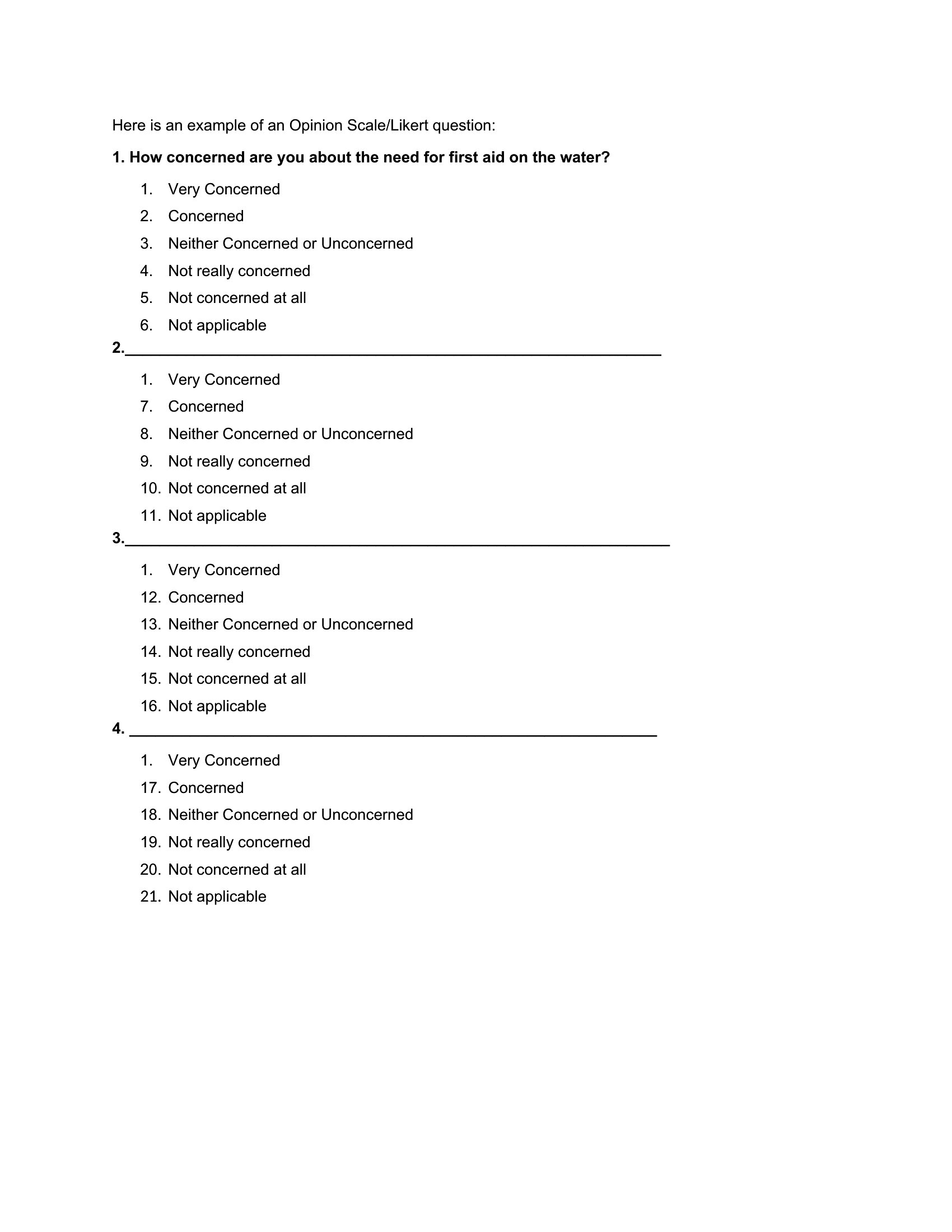
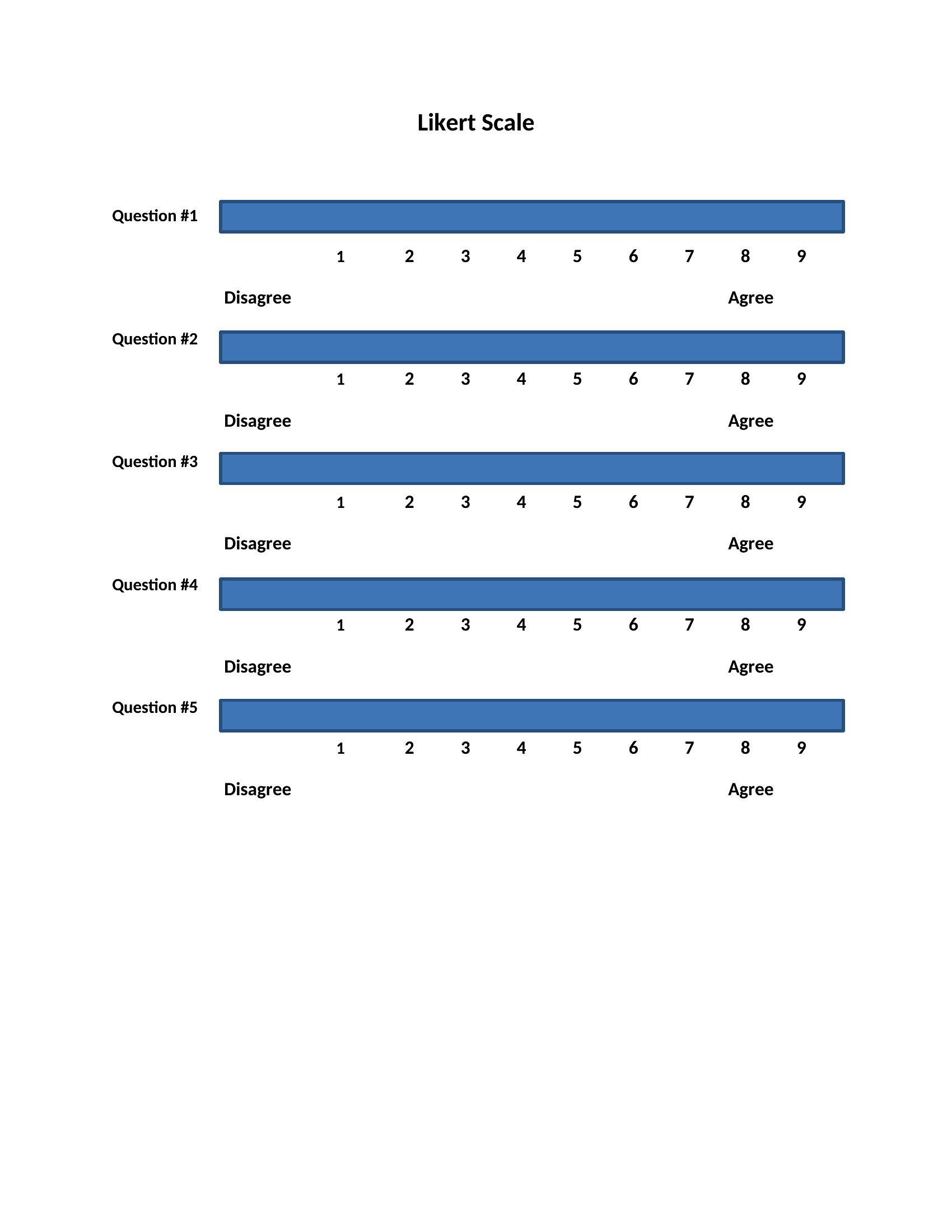
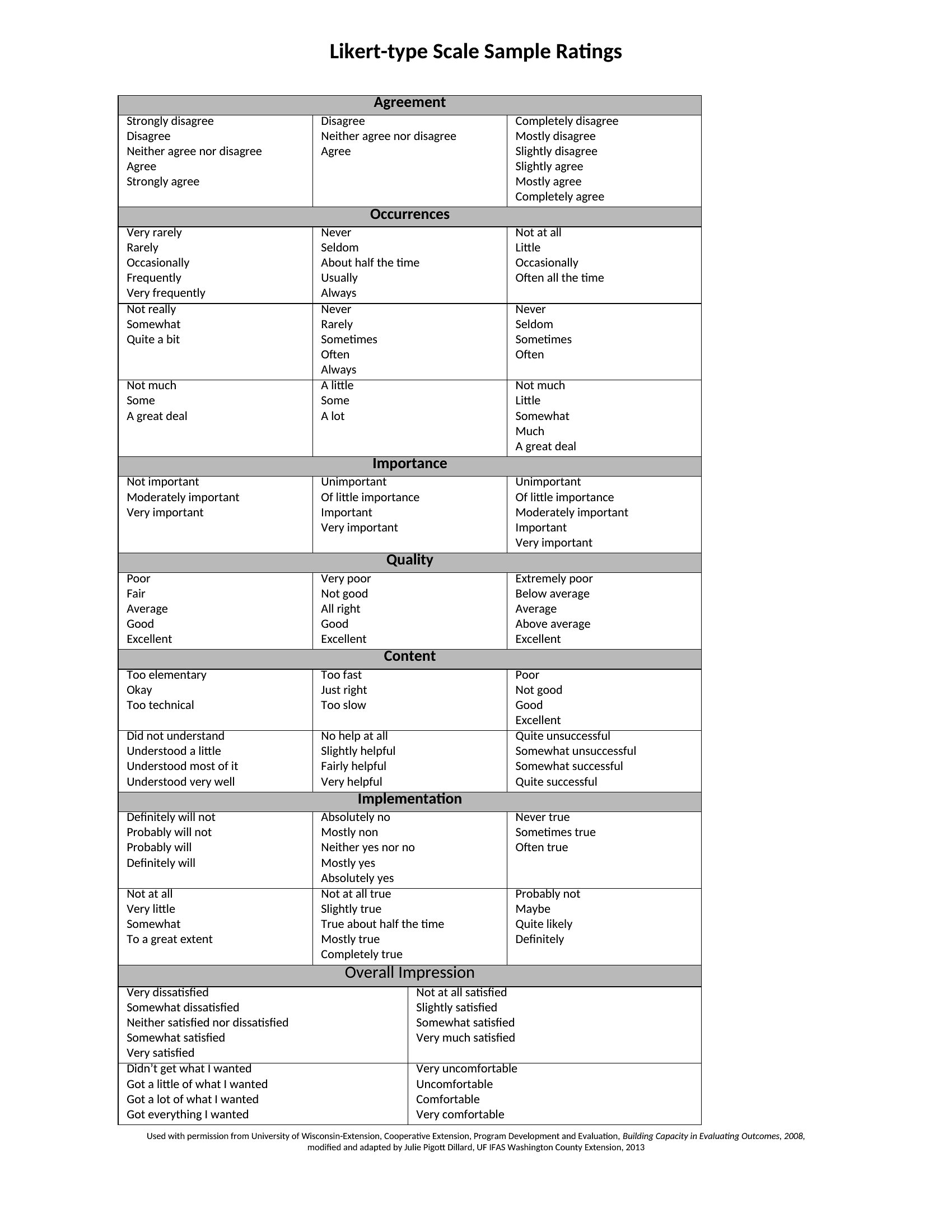
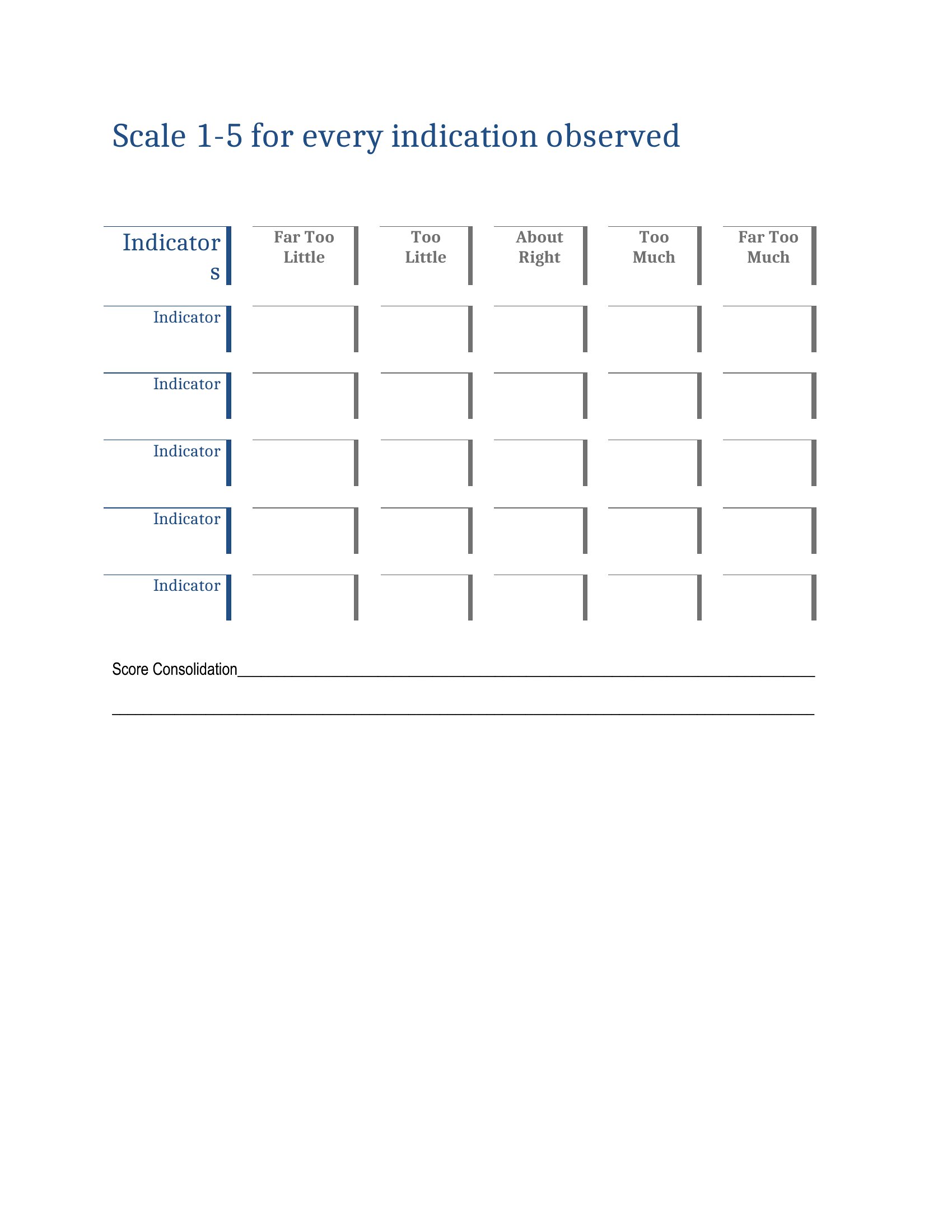
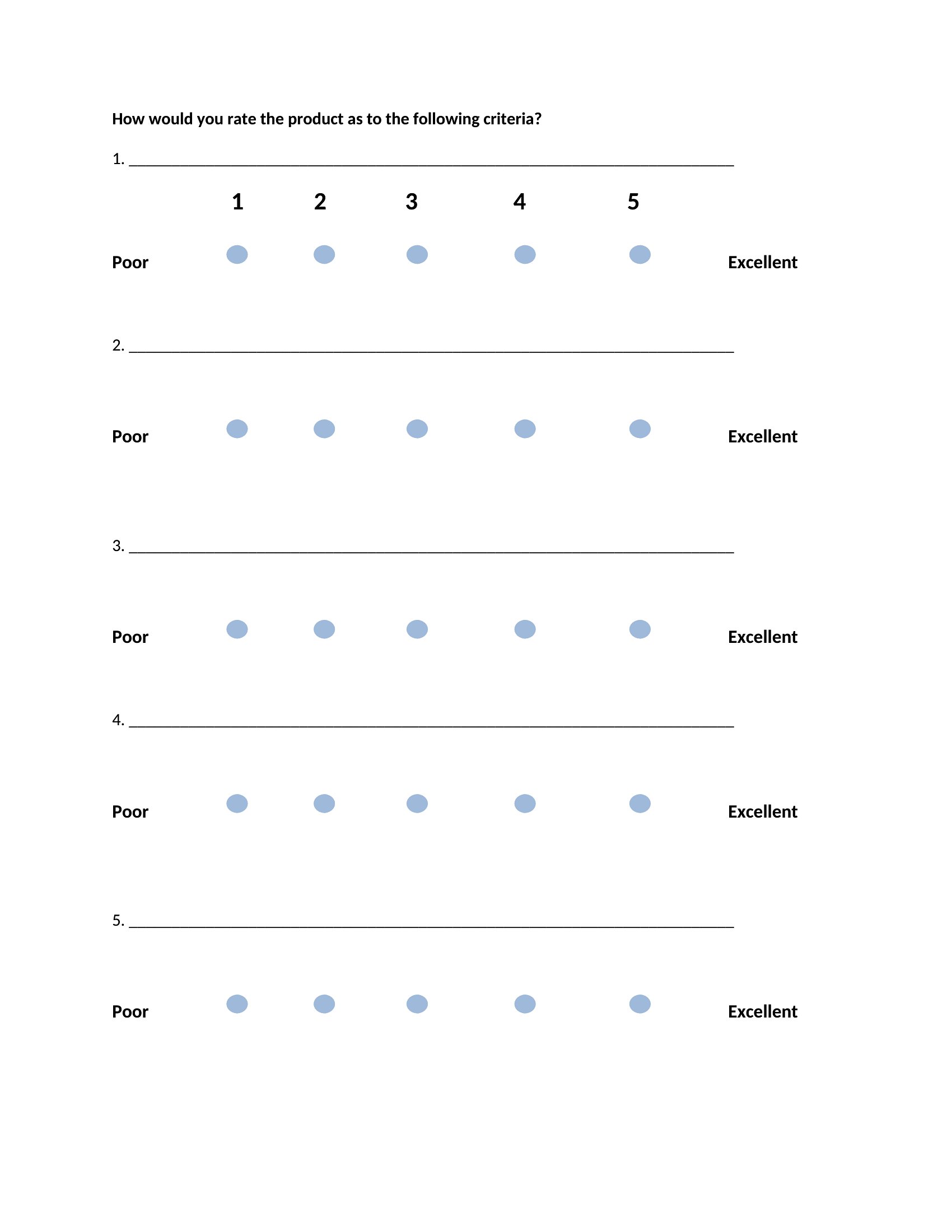
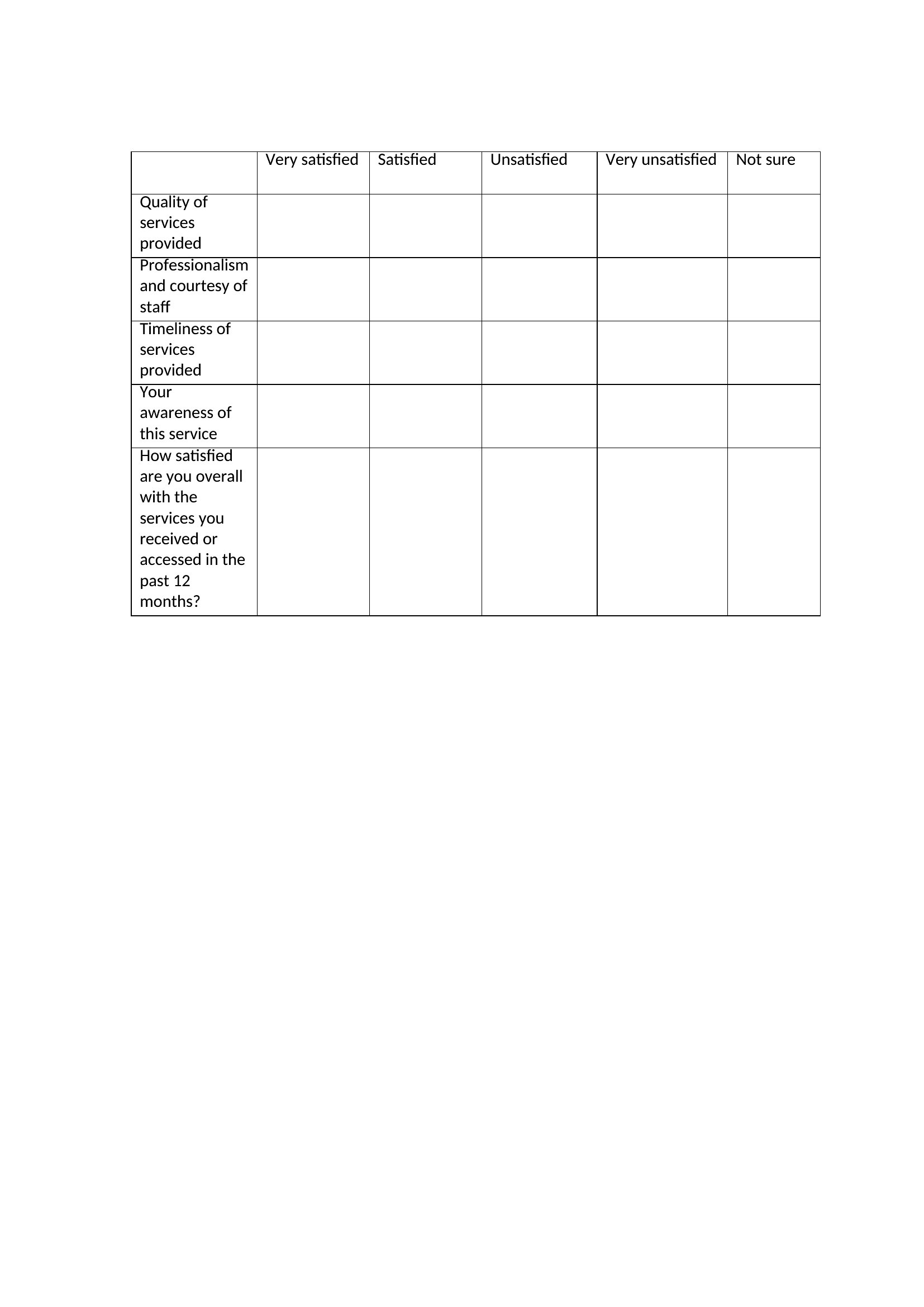
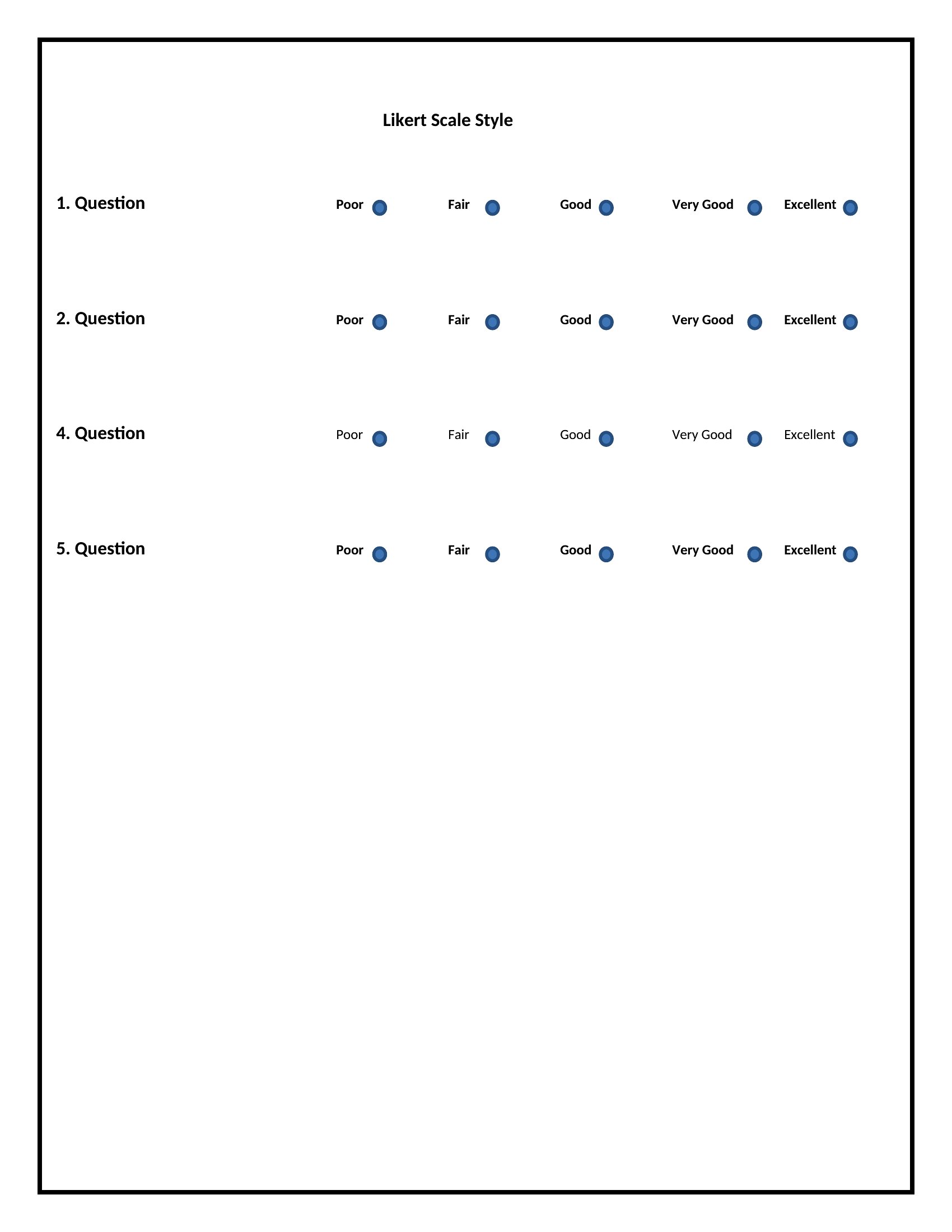
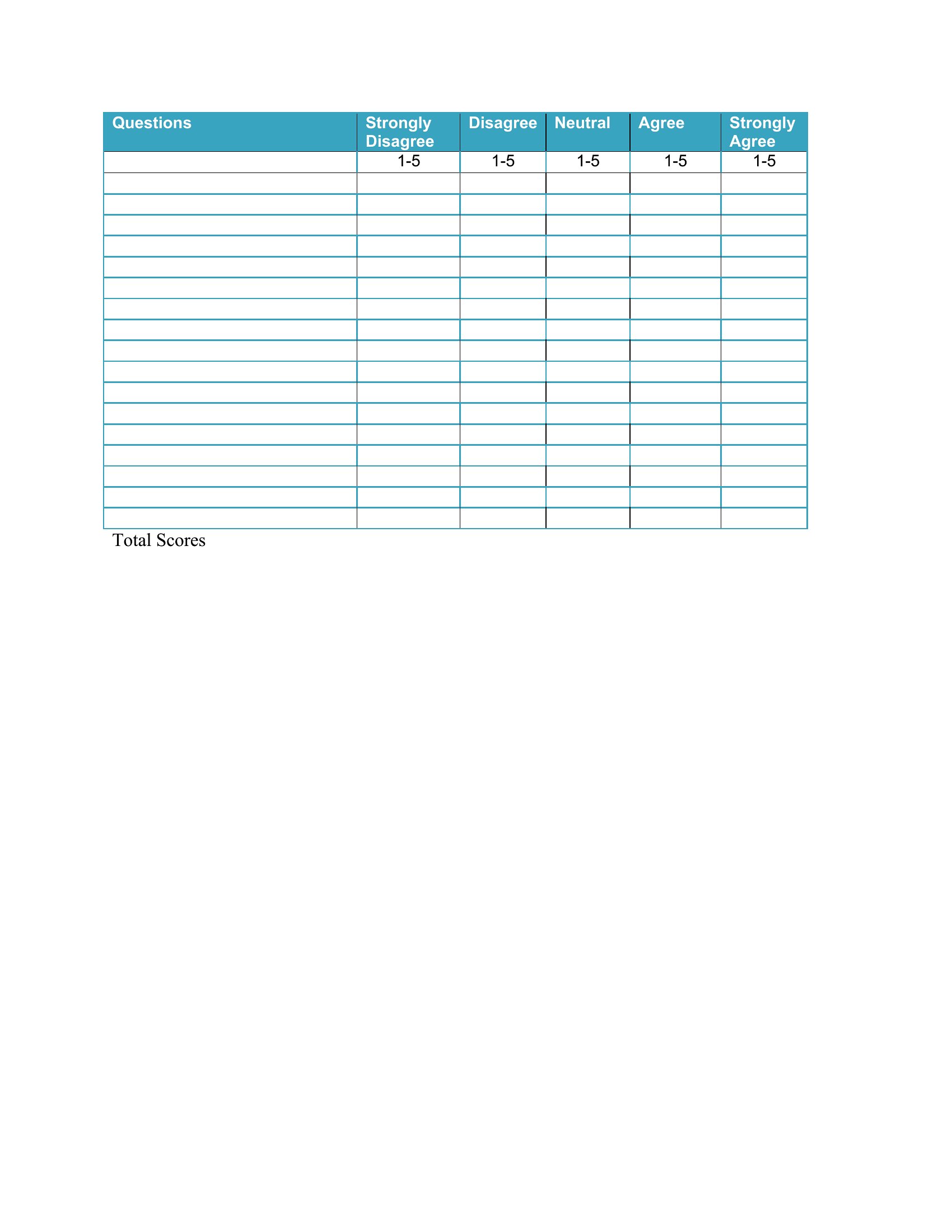
Likert Scale

FAQ
How do I decide between a 3-, 5-, or 7-point Likert scale for my survey?
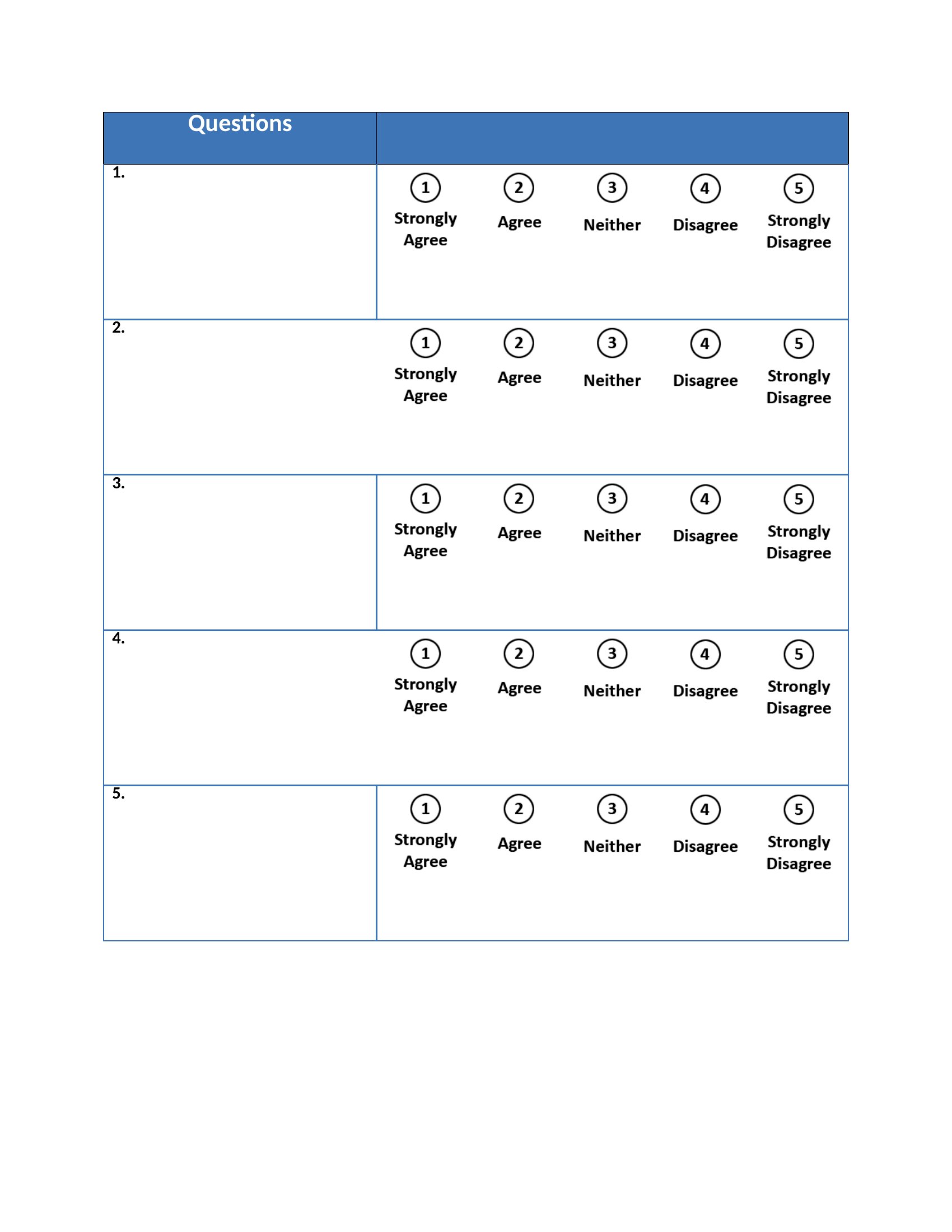
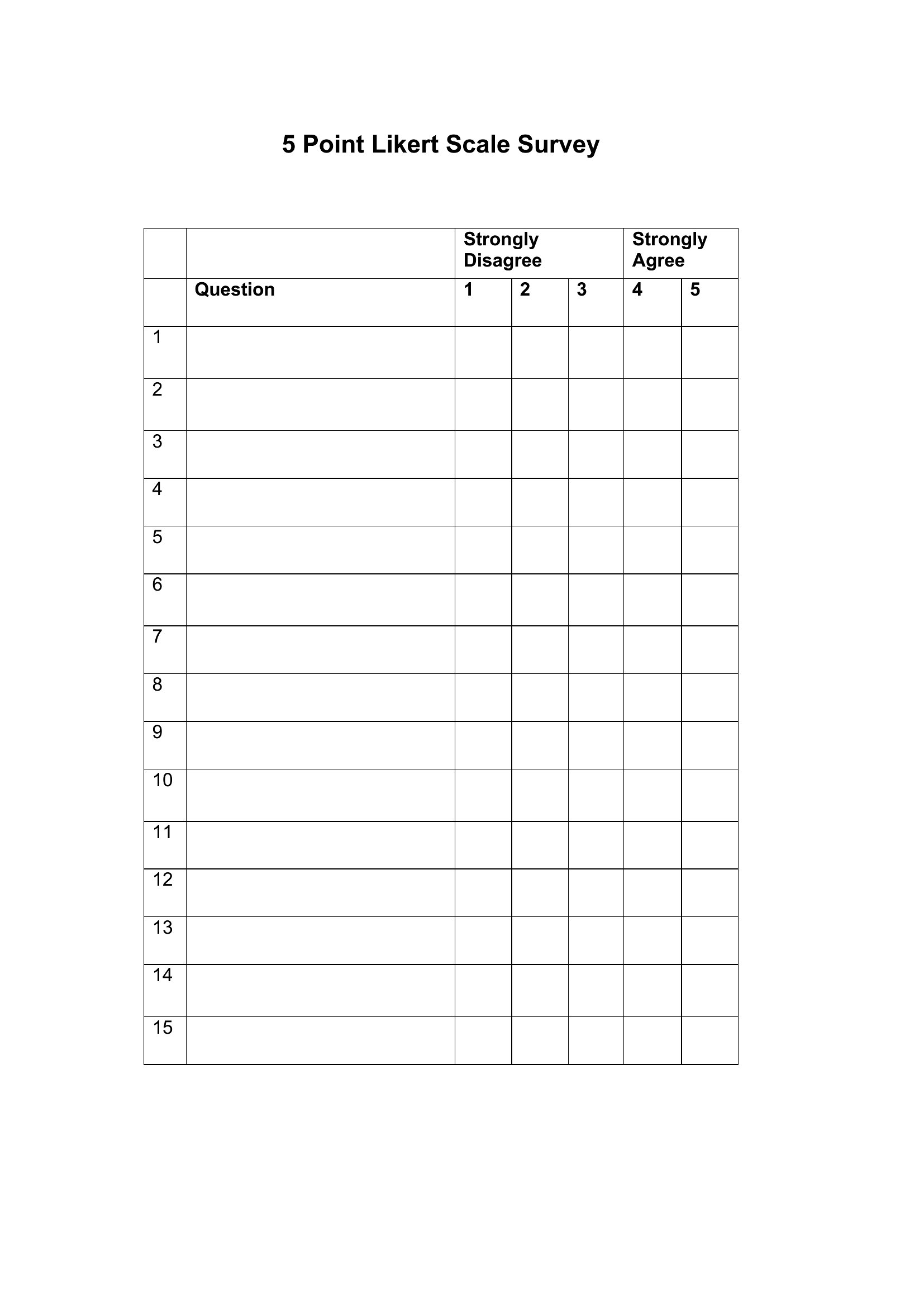
A 3-point scale (e.g., disagree/neutral/agree) works for quick, high-level feedback or when respondents may feel neutral. A 5-point scale balances detail and simplicity, making it the most common choice for general surveys. Reserve a 7-point scale for nuanced topics where respondents can distinguish finer gradations, like measuring confidence or complex attitudes.
Can I mix Likert scale questions with other survey question types, like multiple-choice?
Yes, Likert scales often pair well with multiple-choice or open-ended questions. Use Likert for measuring attitudes or opinions, then follow with multiple-choice to gather categorical data. Open-ended questions can clarify *why* respondents chose specific ratings. Keep Likert questions grouped together to avoid confusion, but alternate formats to maintain respondent engagement.
What’s the best way to phrase Likert scale statements to avoid bias?
Avoid leading language—phrase statements neutrally (e.g., ‘The customer support was helpful’ instead of ‘The customer support was *exceptionally* helpful’). Use balanced scales (e.g., include a midpoint like ‘neutral’ or ‘neither agree nor disagree’). Test statements with a small group first to ensure they don’t skew responses. Never assume respondents will interpret terms like ‘strongly agree’ the same way.
Comments
Join the conversation
Sign in to share your thoughts and leave a comment on this resource.