Skip to content
50% off this one-time $1.99 pack with HALFOFF — or unlimited with Pro.HALFOFF
Premium

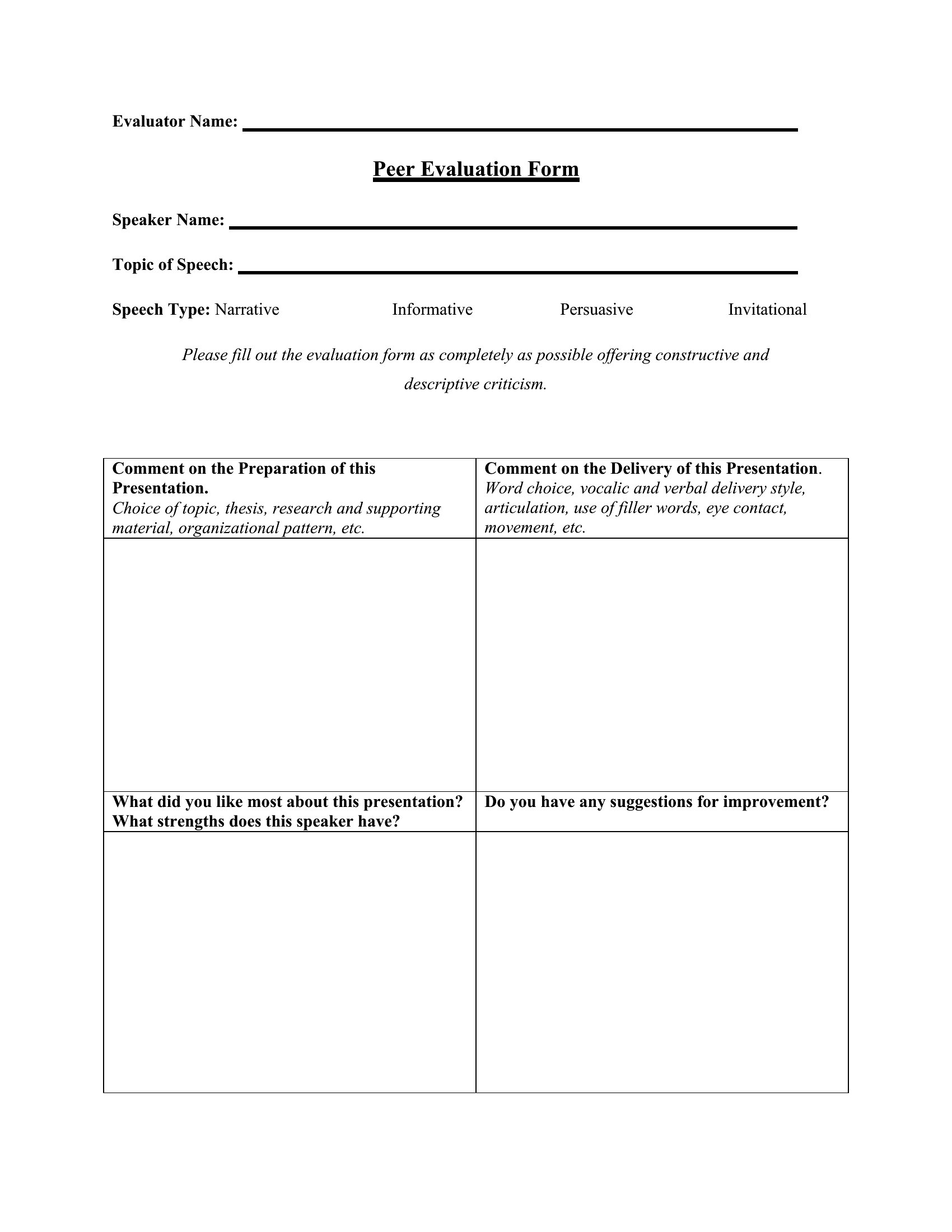
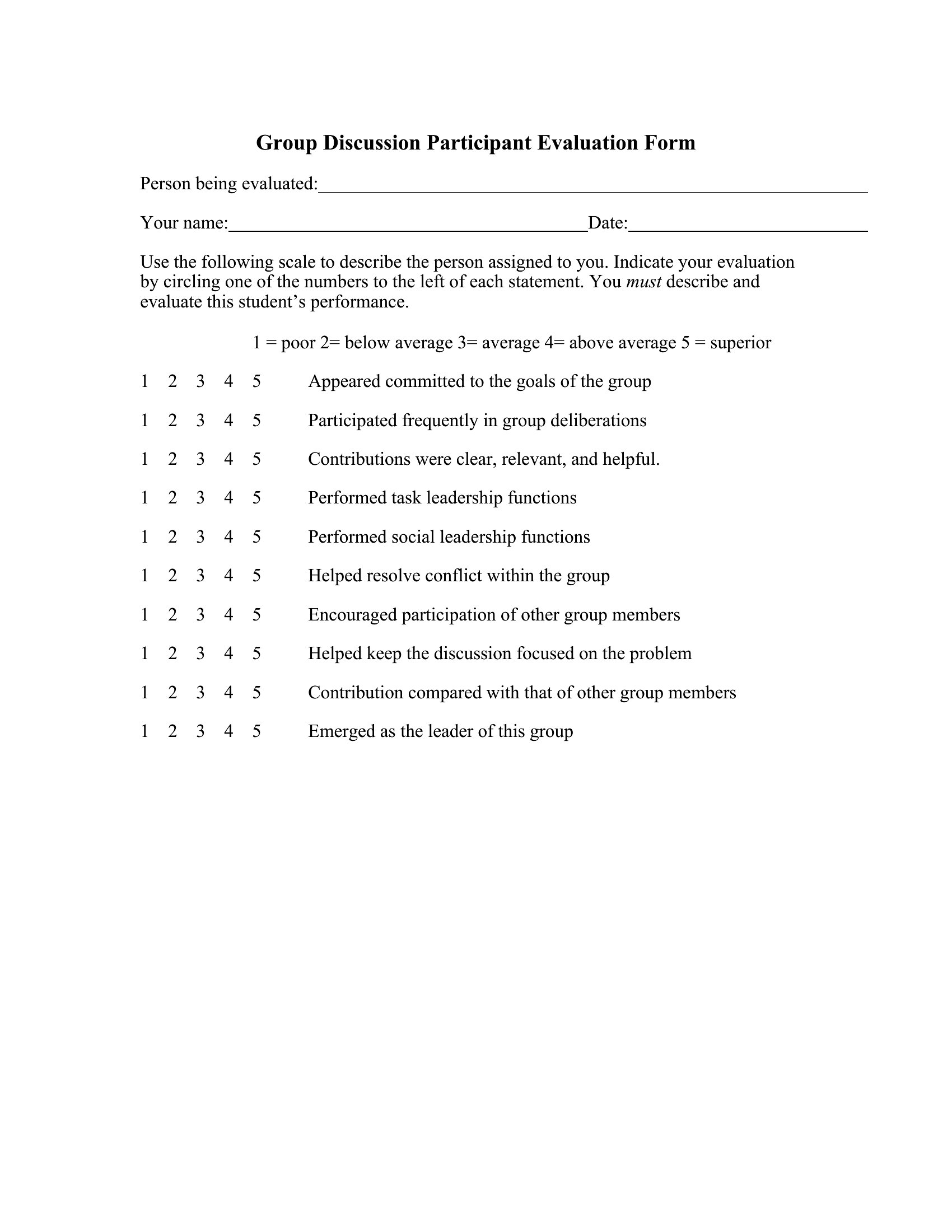
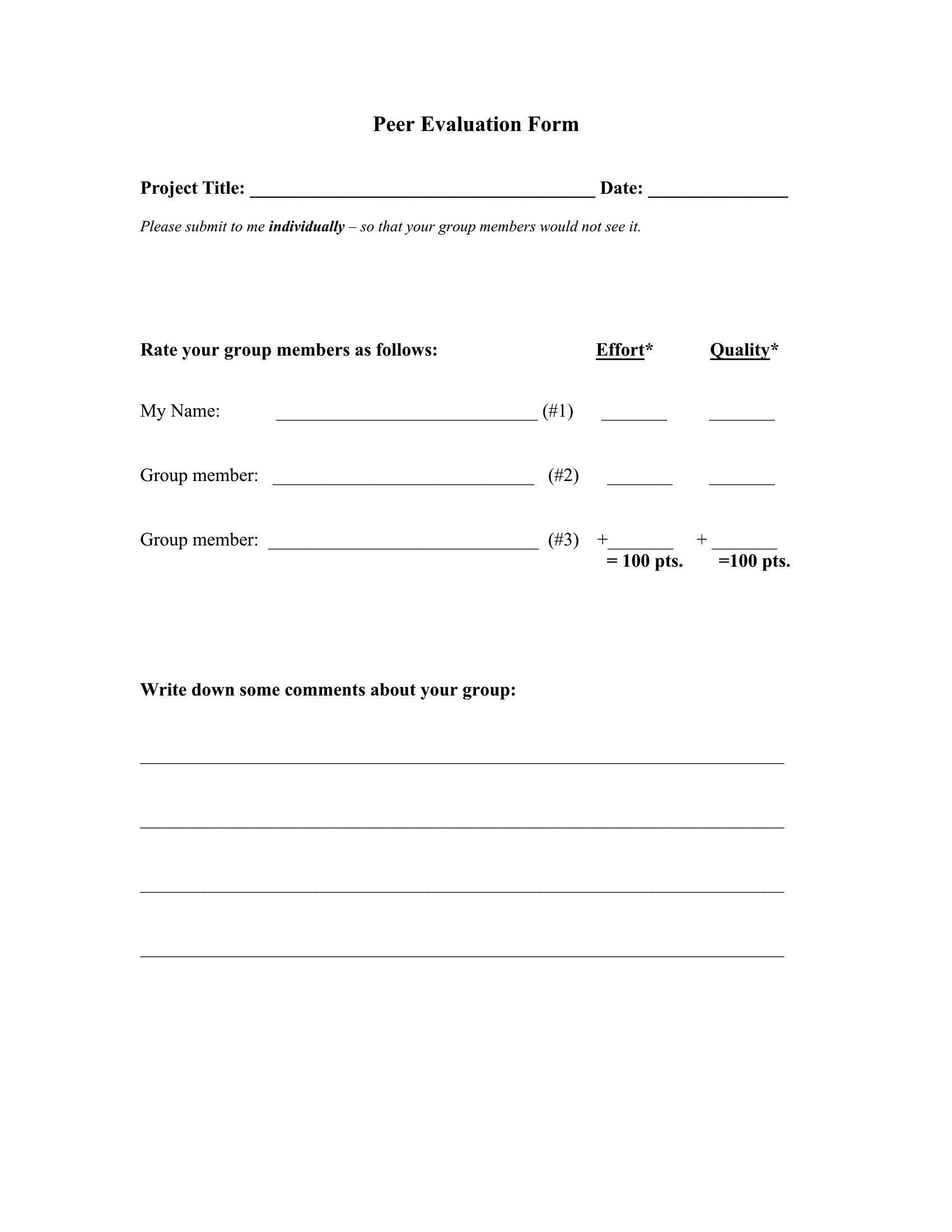
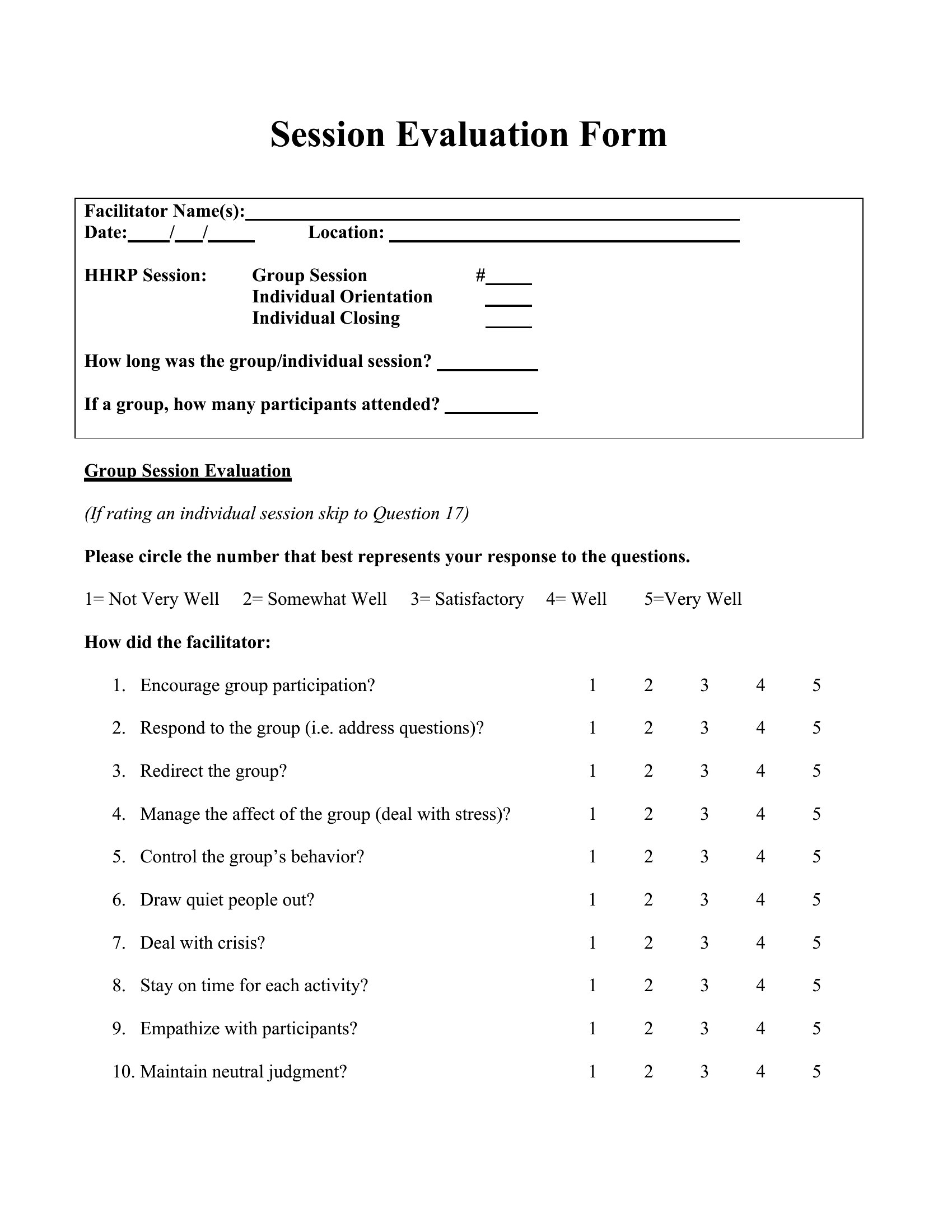
Free Peer Evaluation Forms (Word)

Surveys
davuttokatlioglu by davuttokatlioglu
Updated 0 downloads Quality-checked template

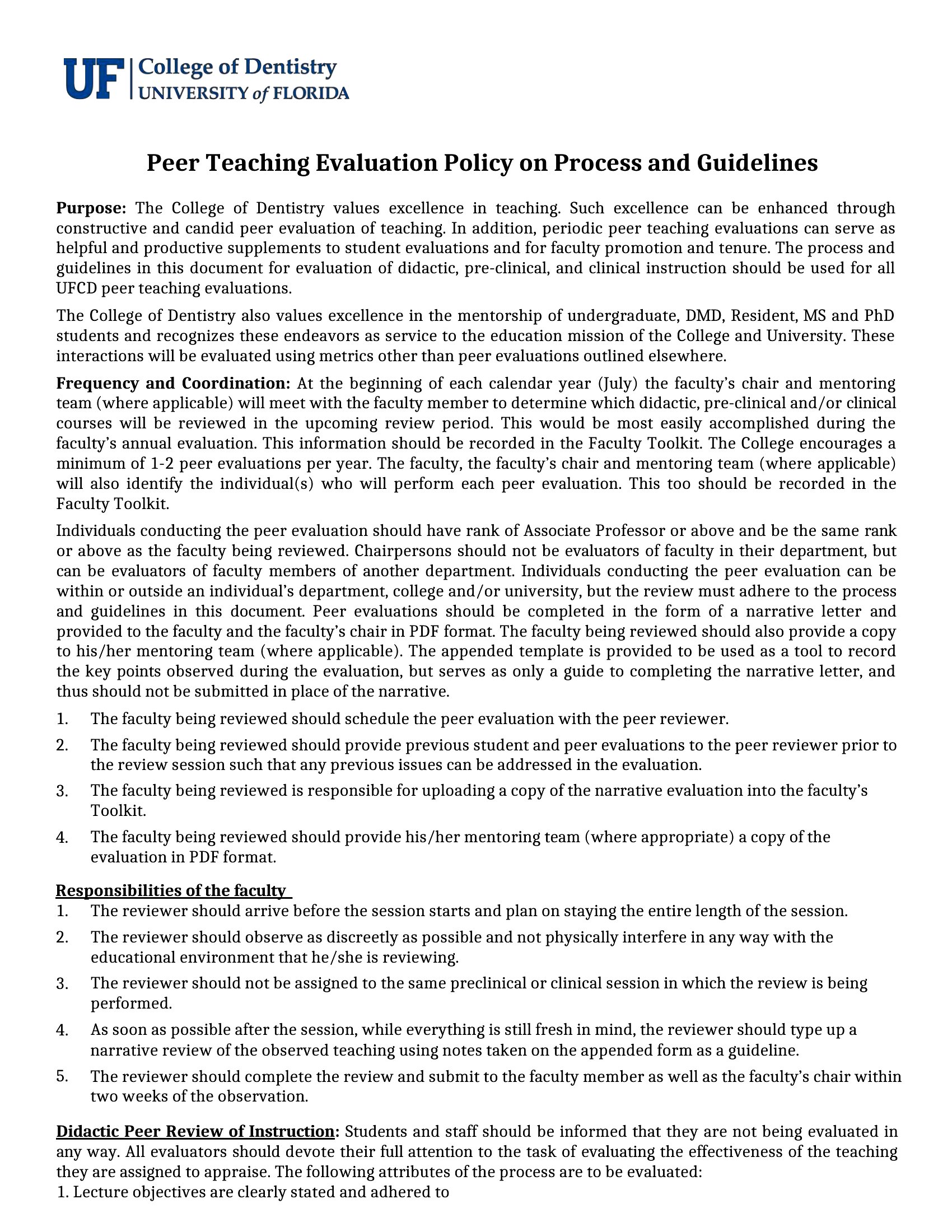
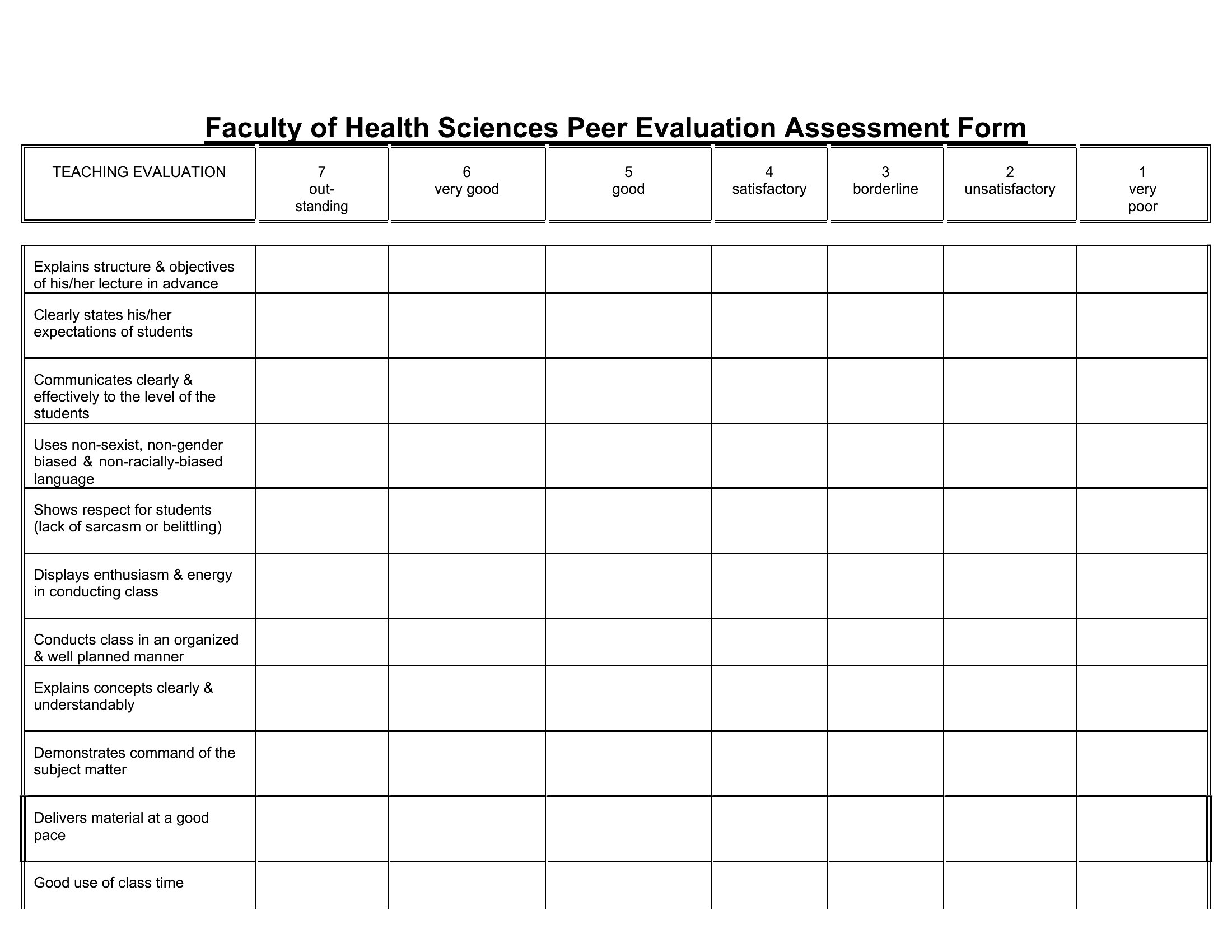
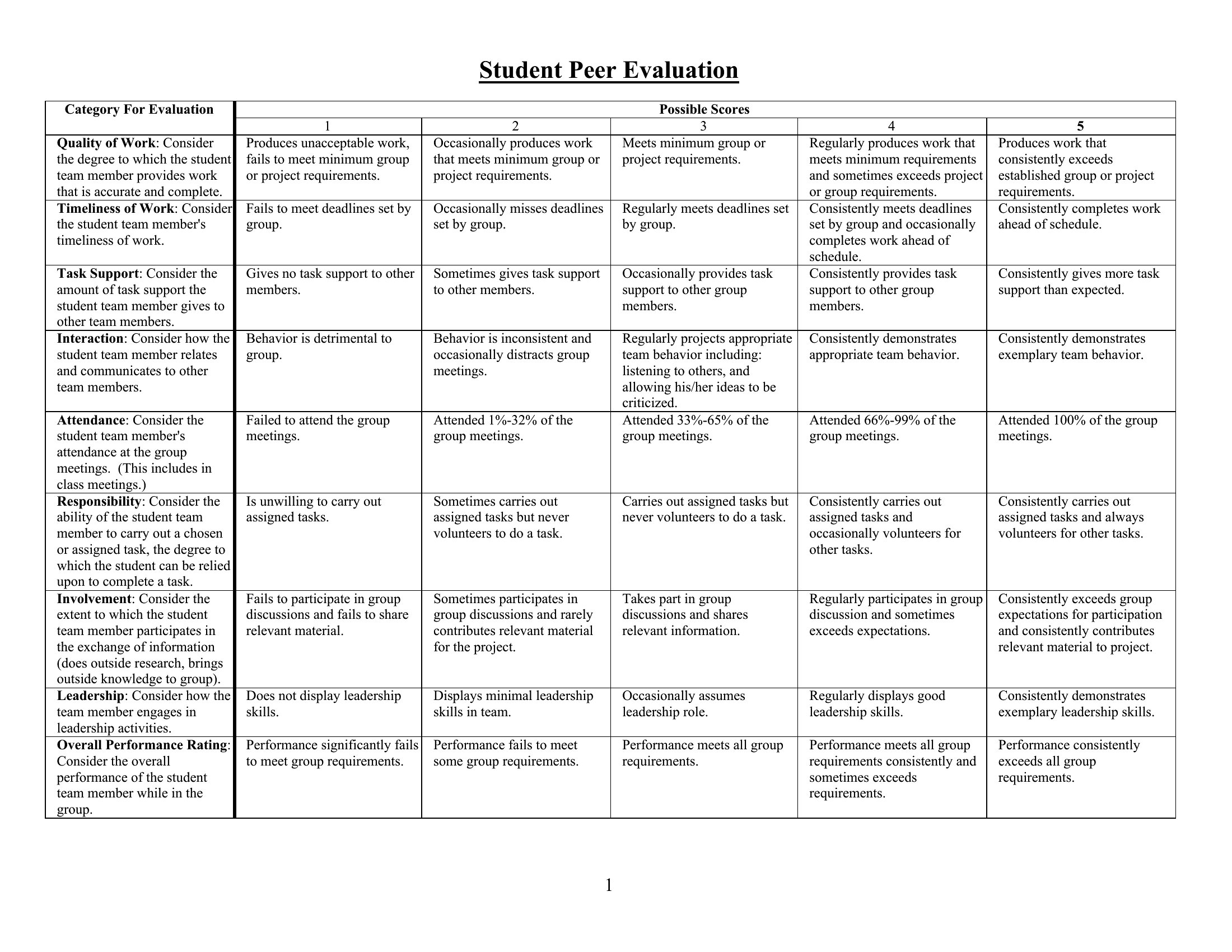
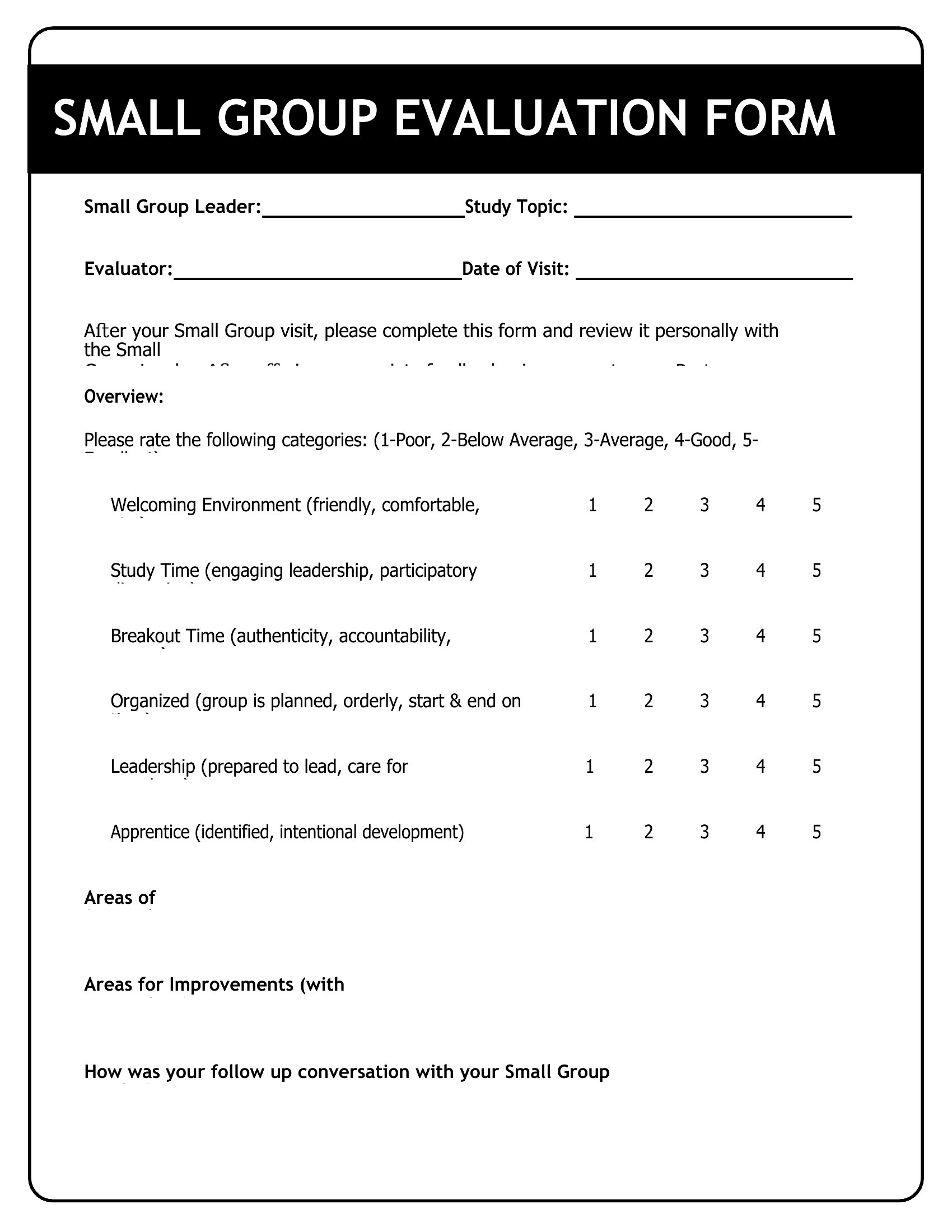
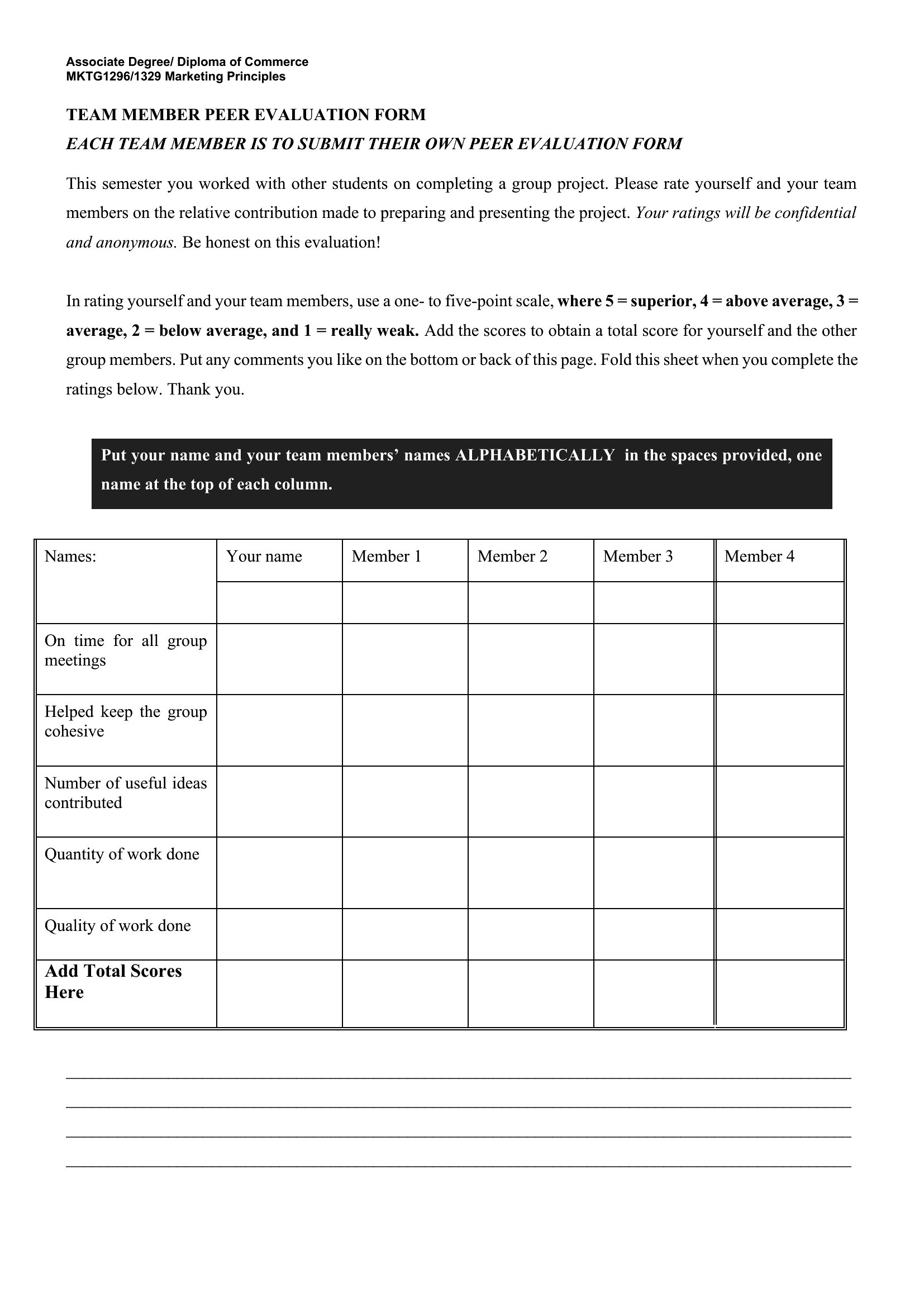
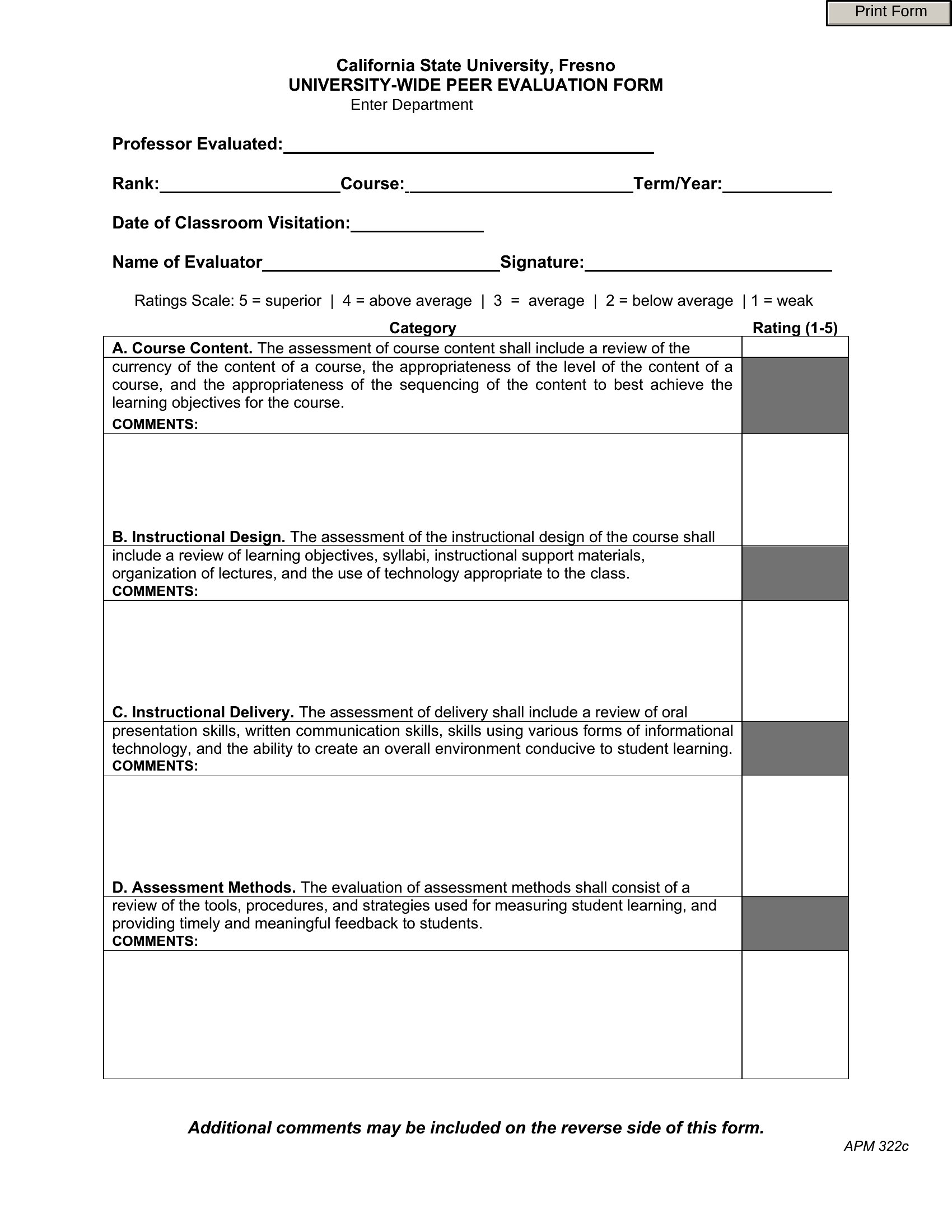
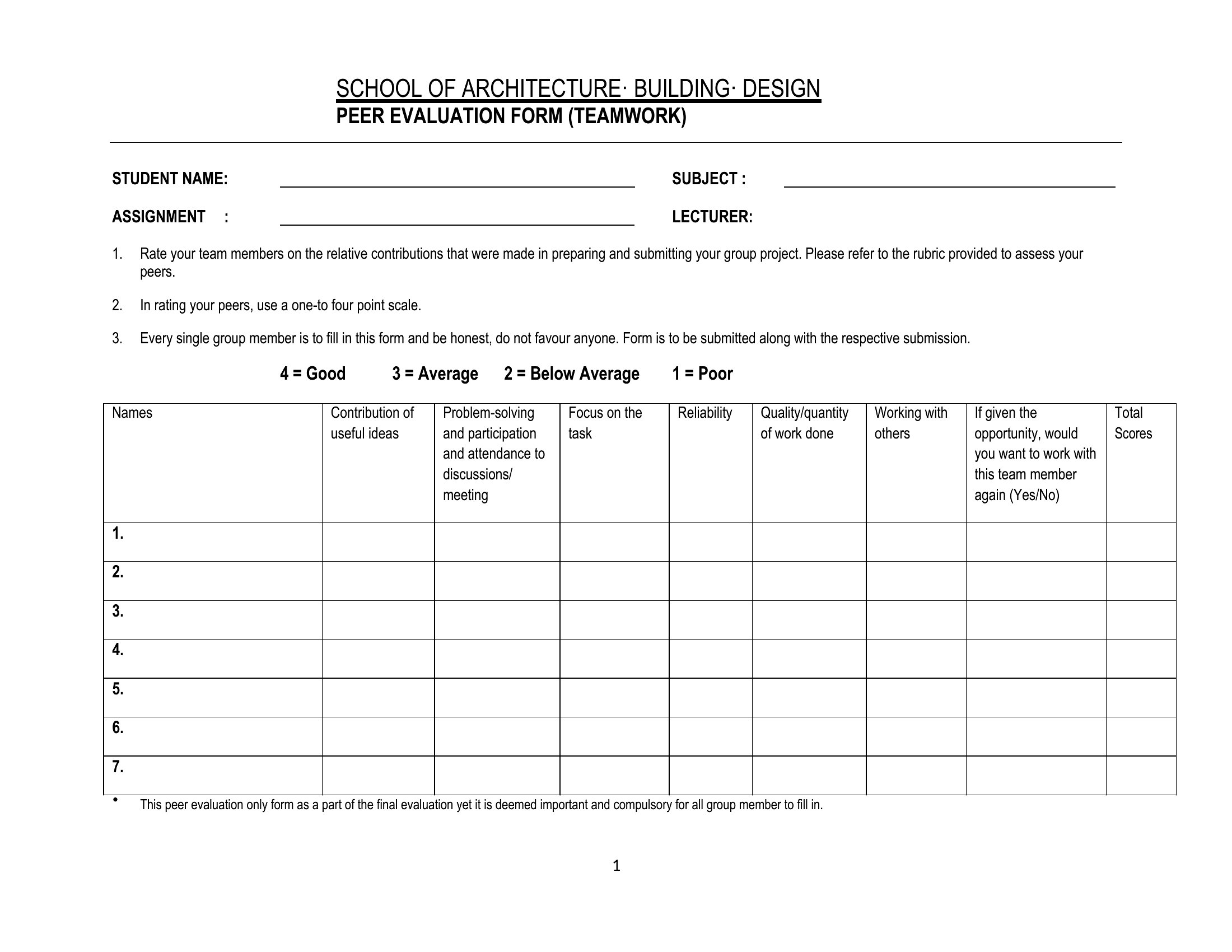
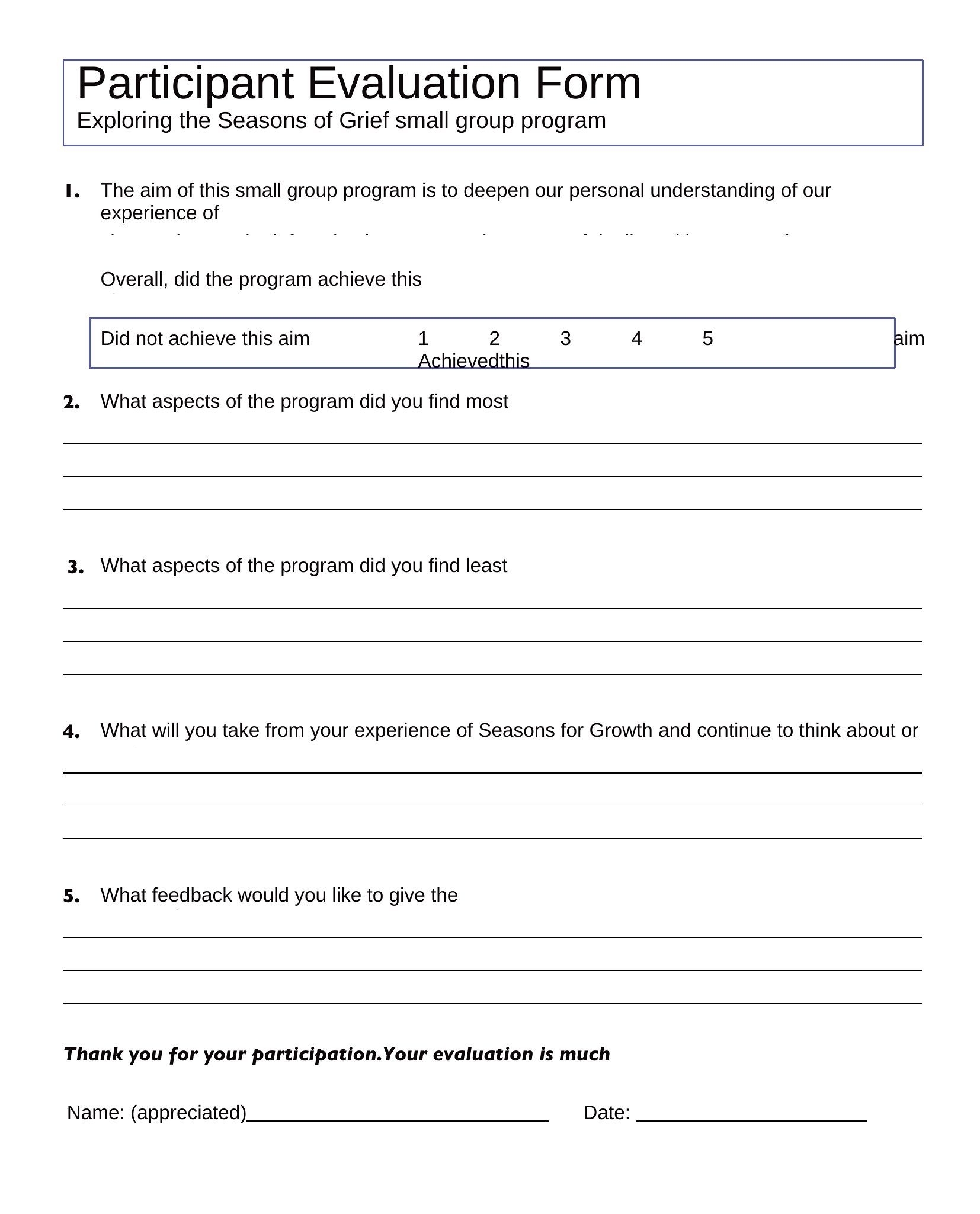
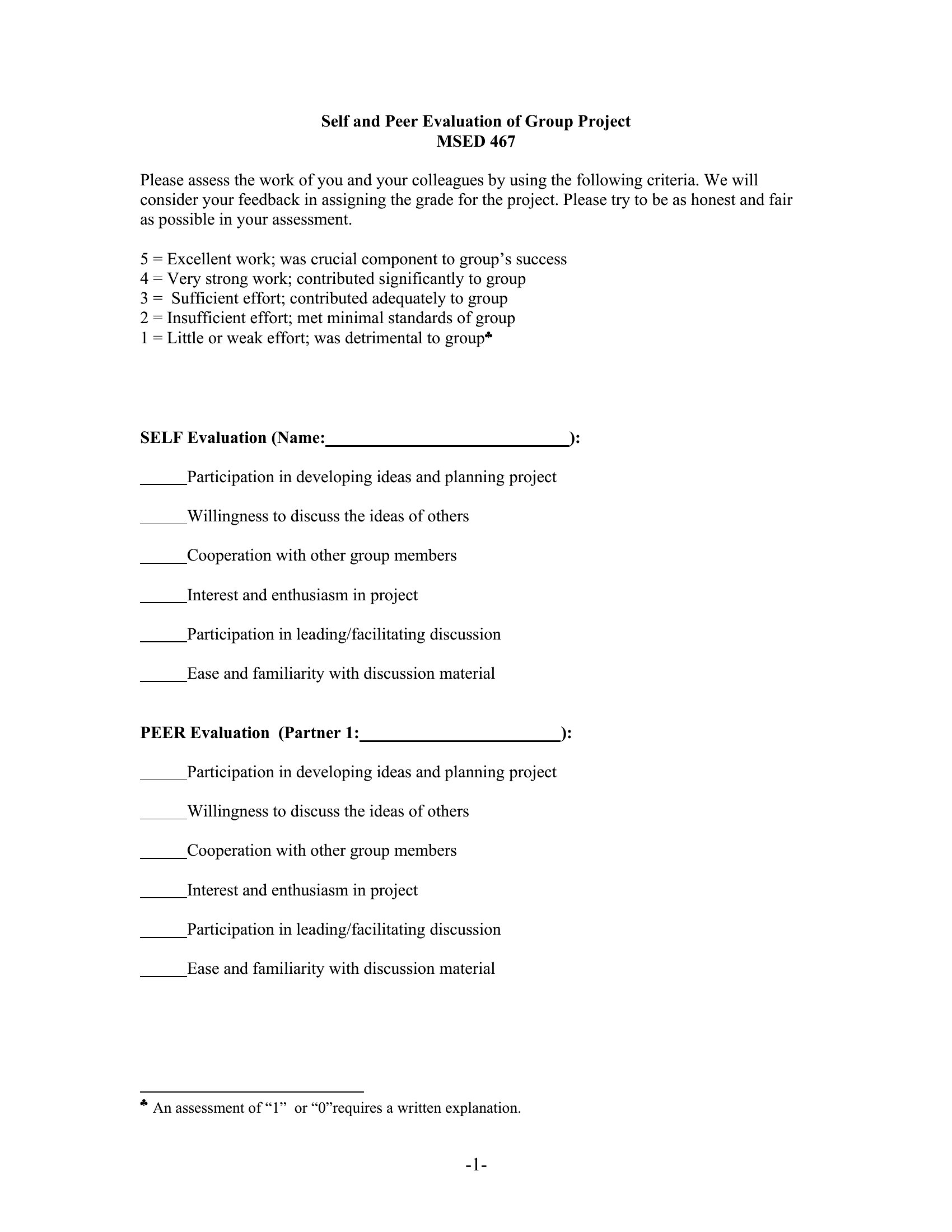
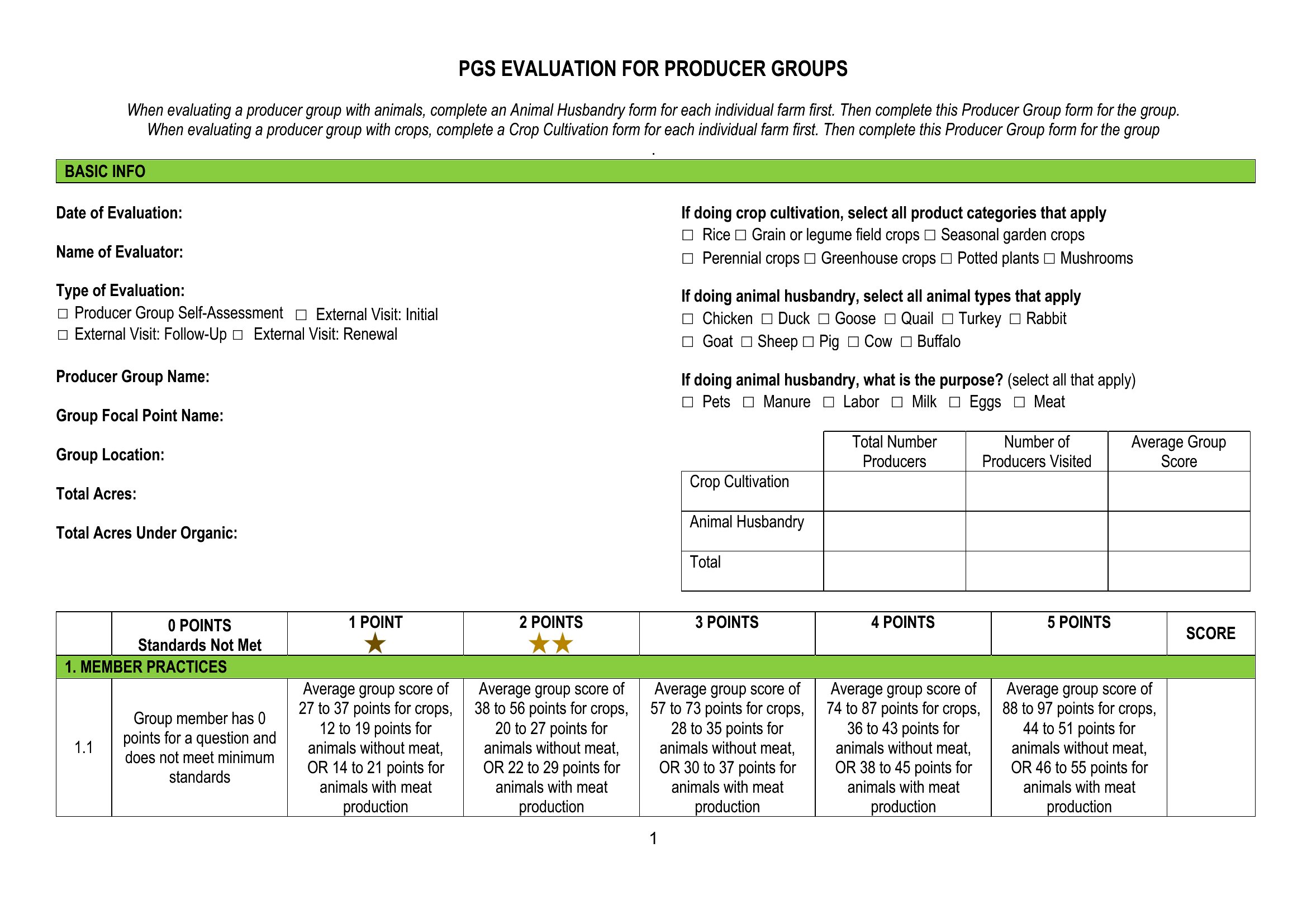
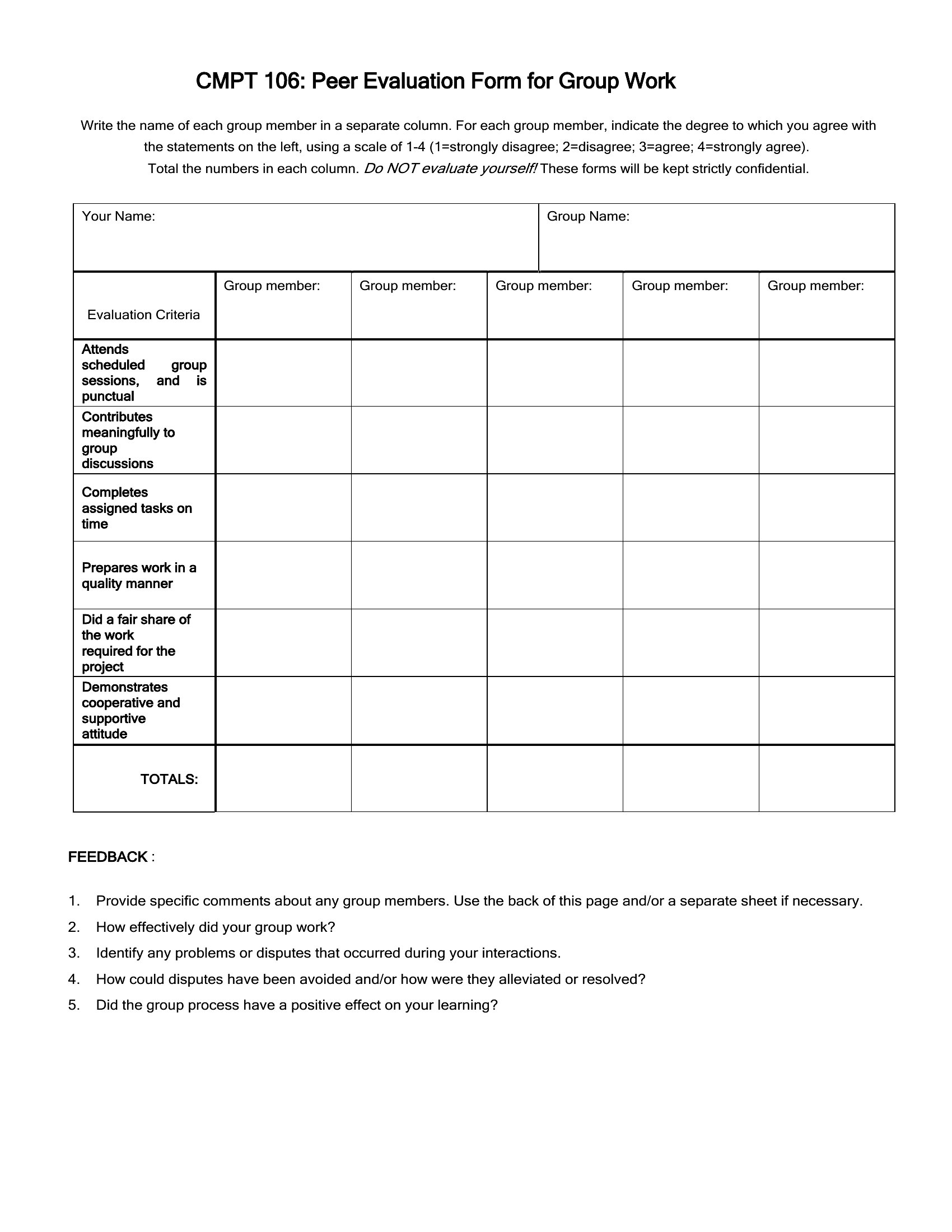
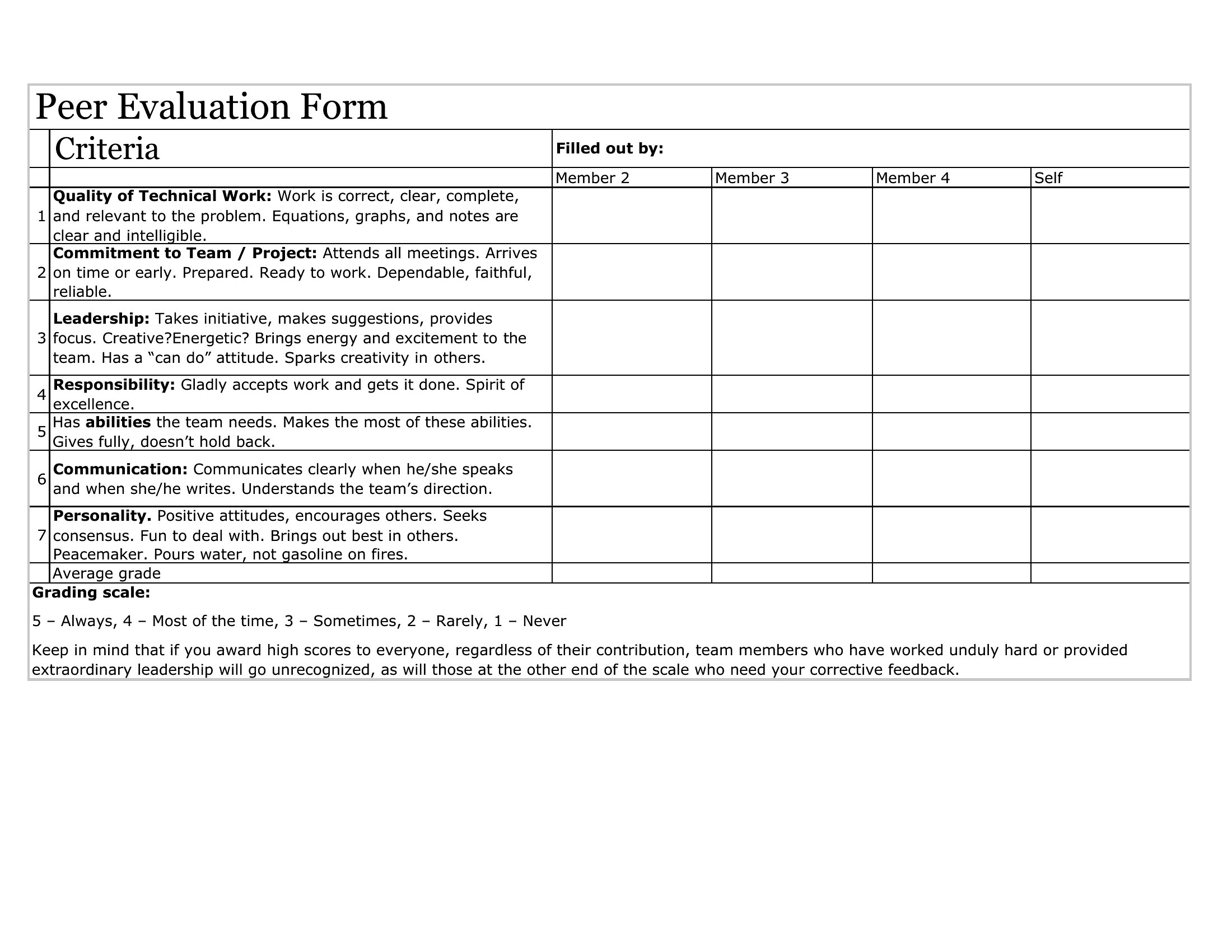
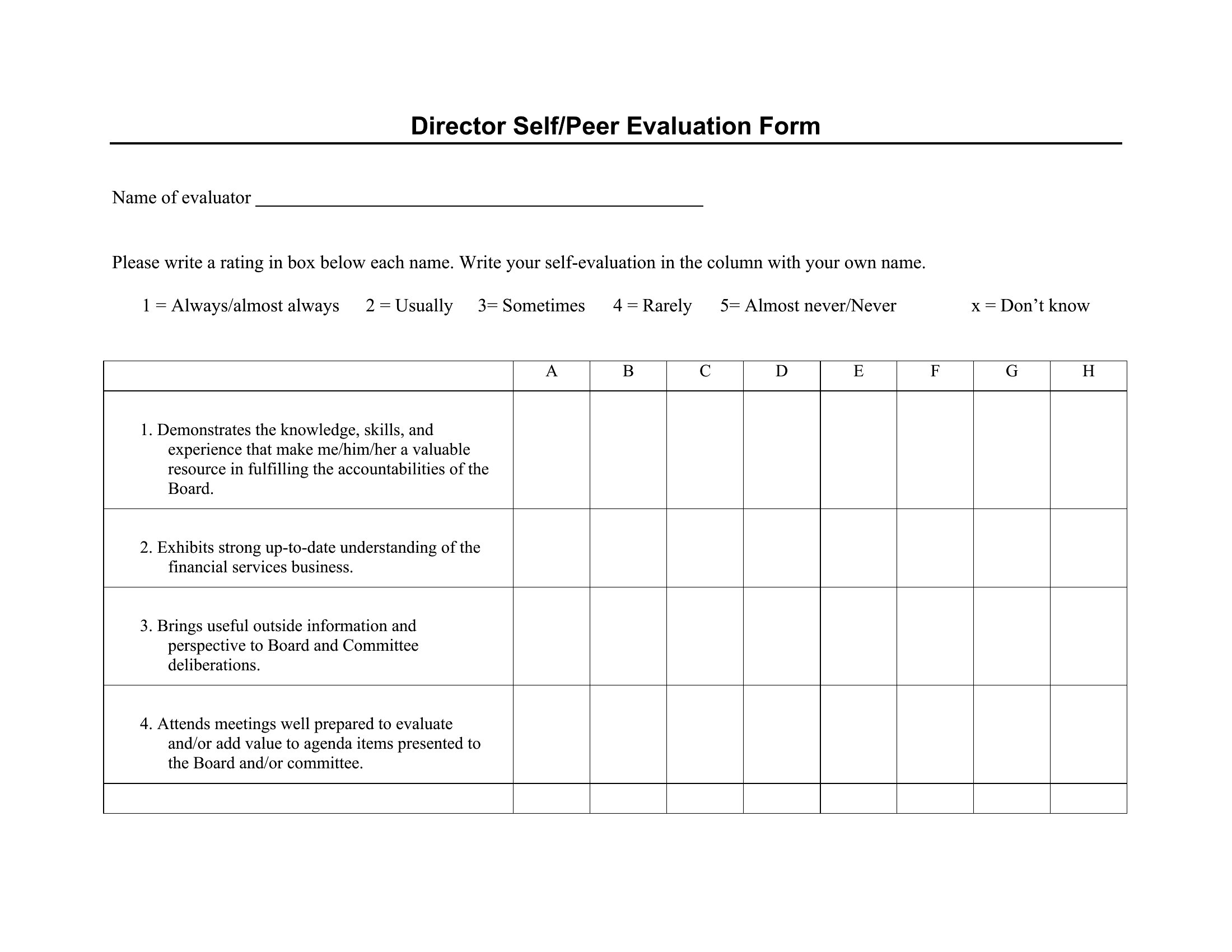
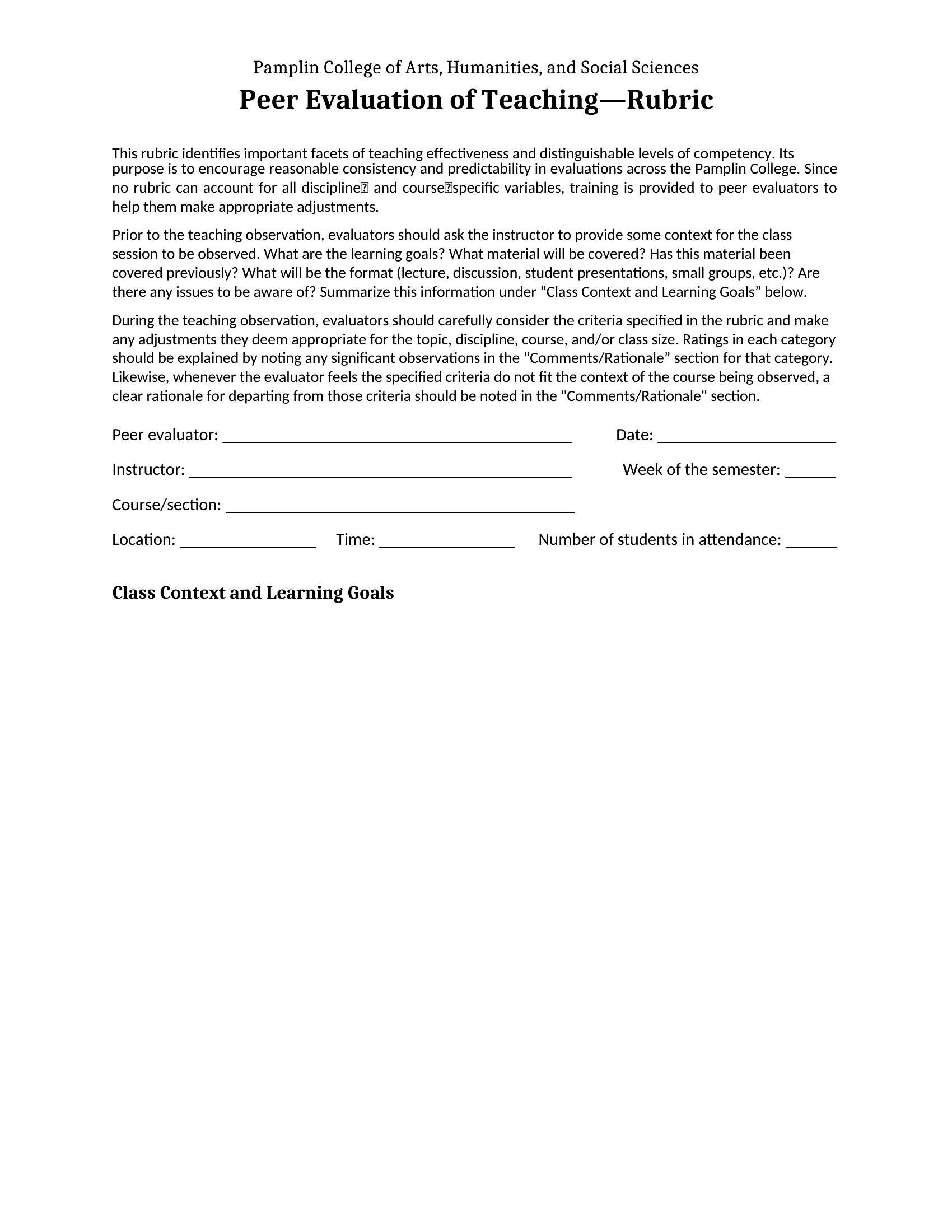
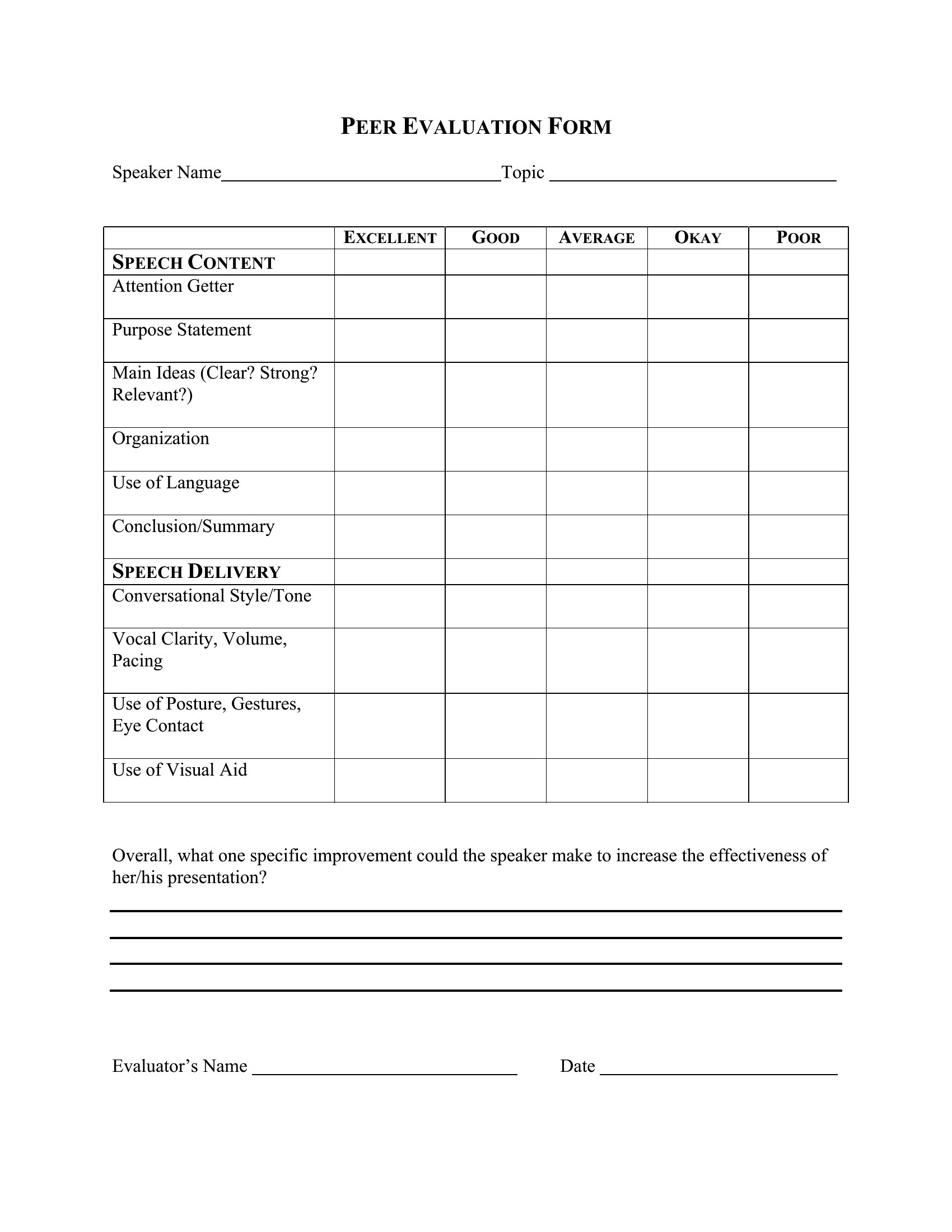
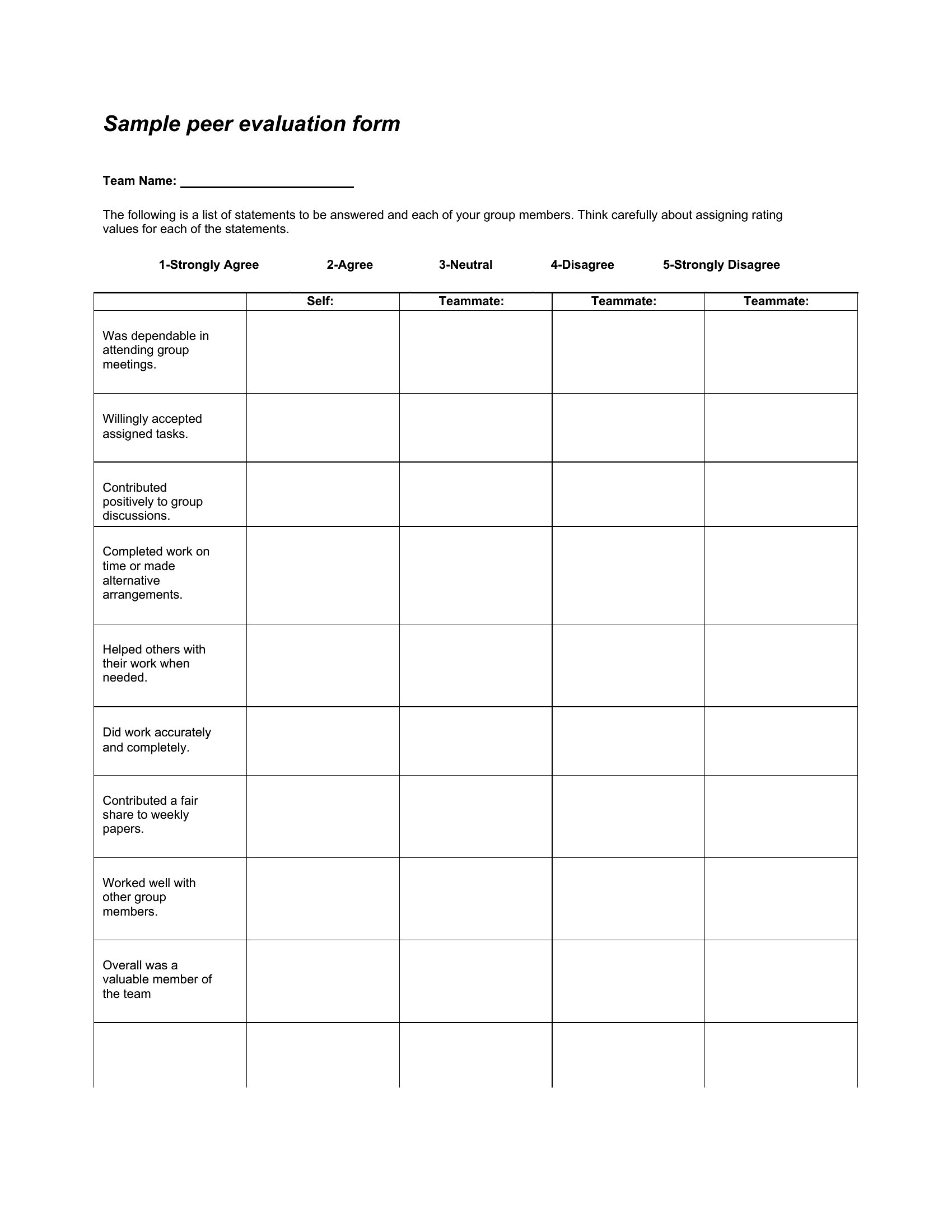
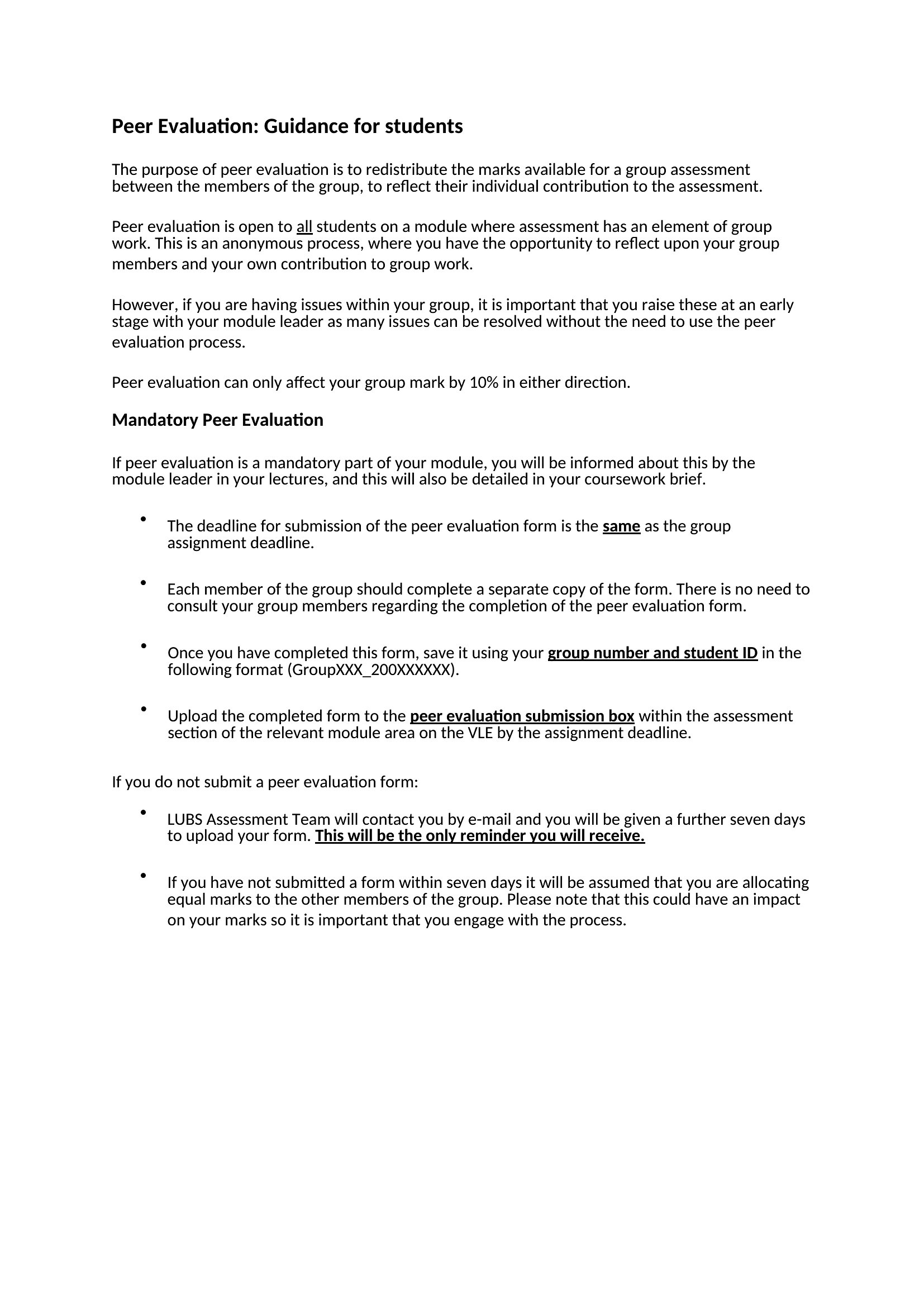
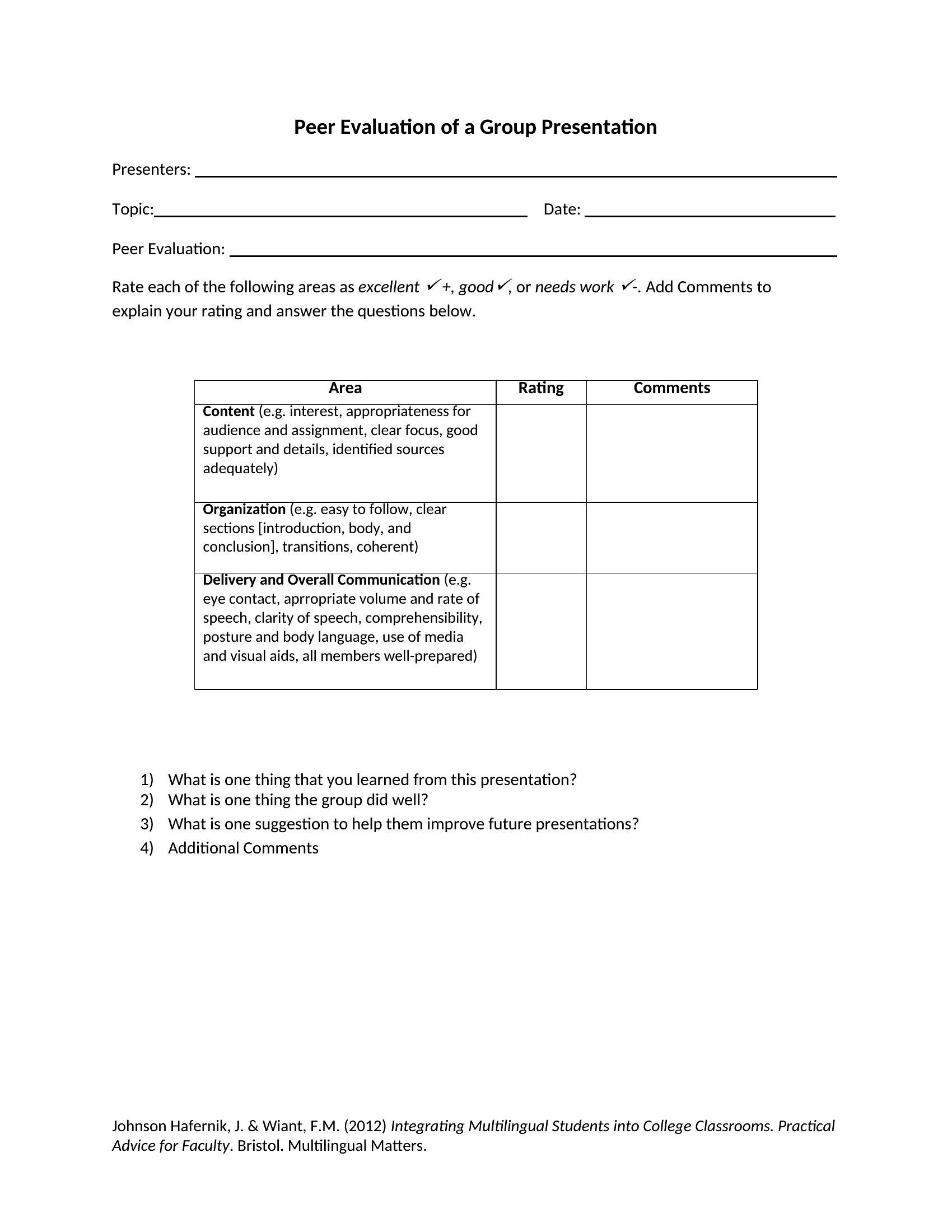
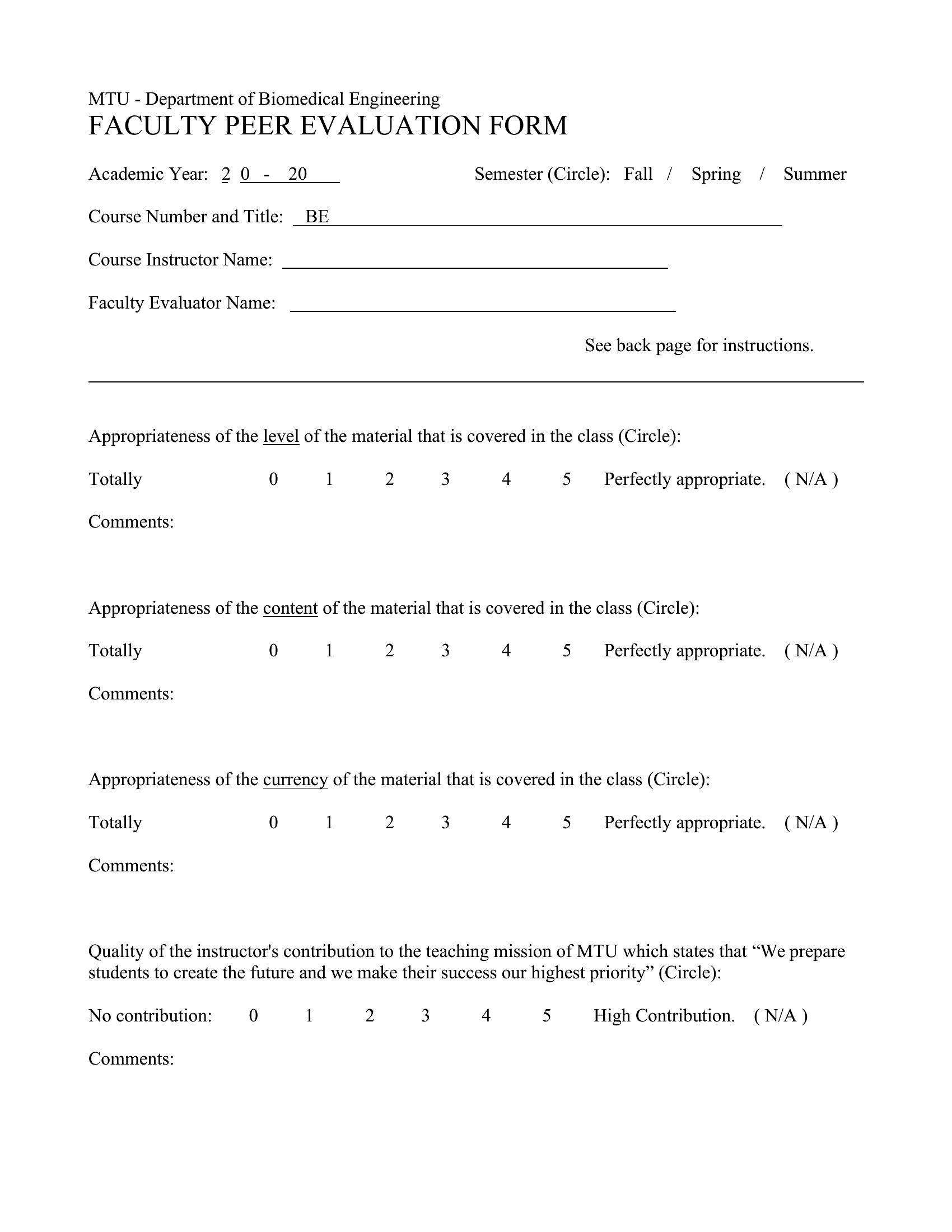
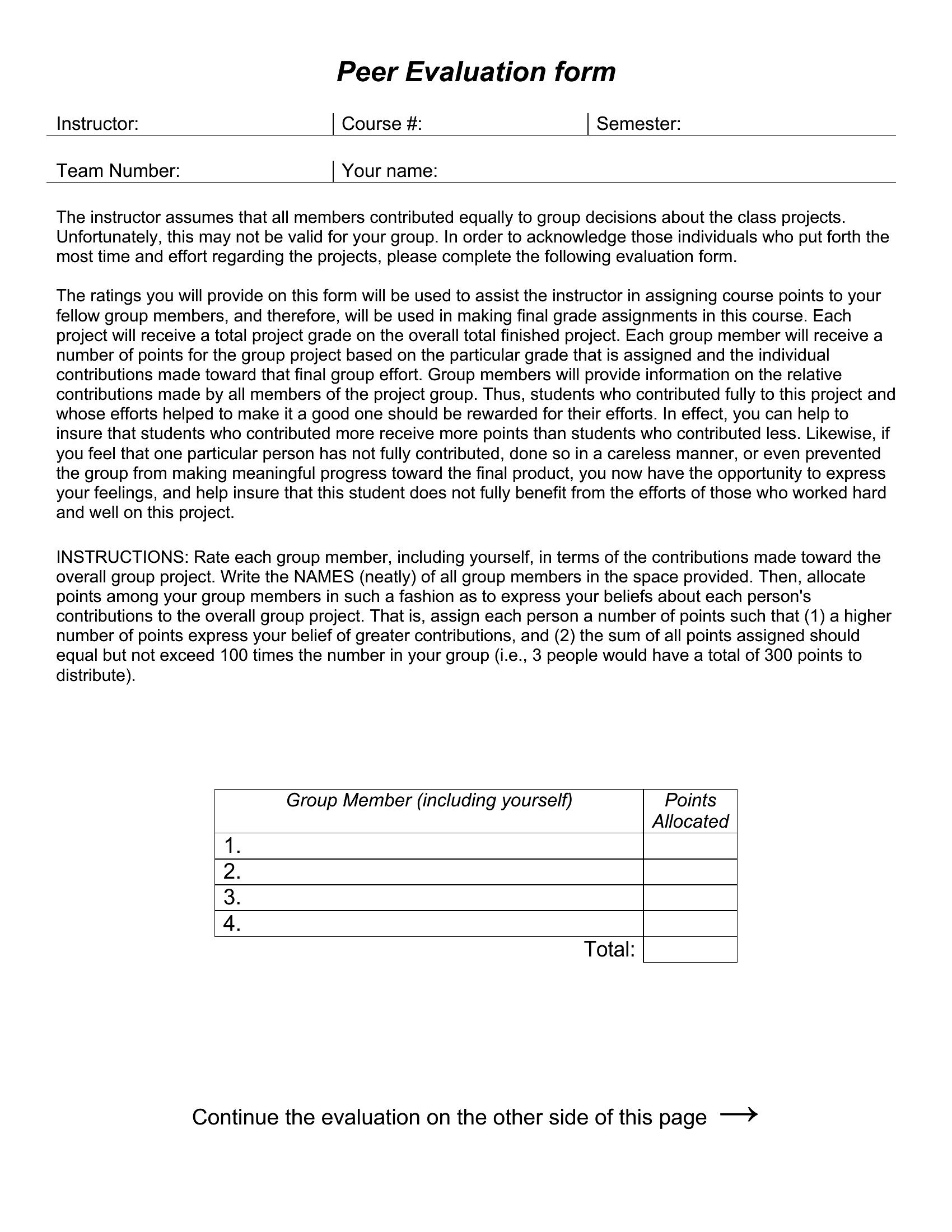
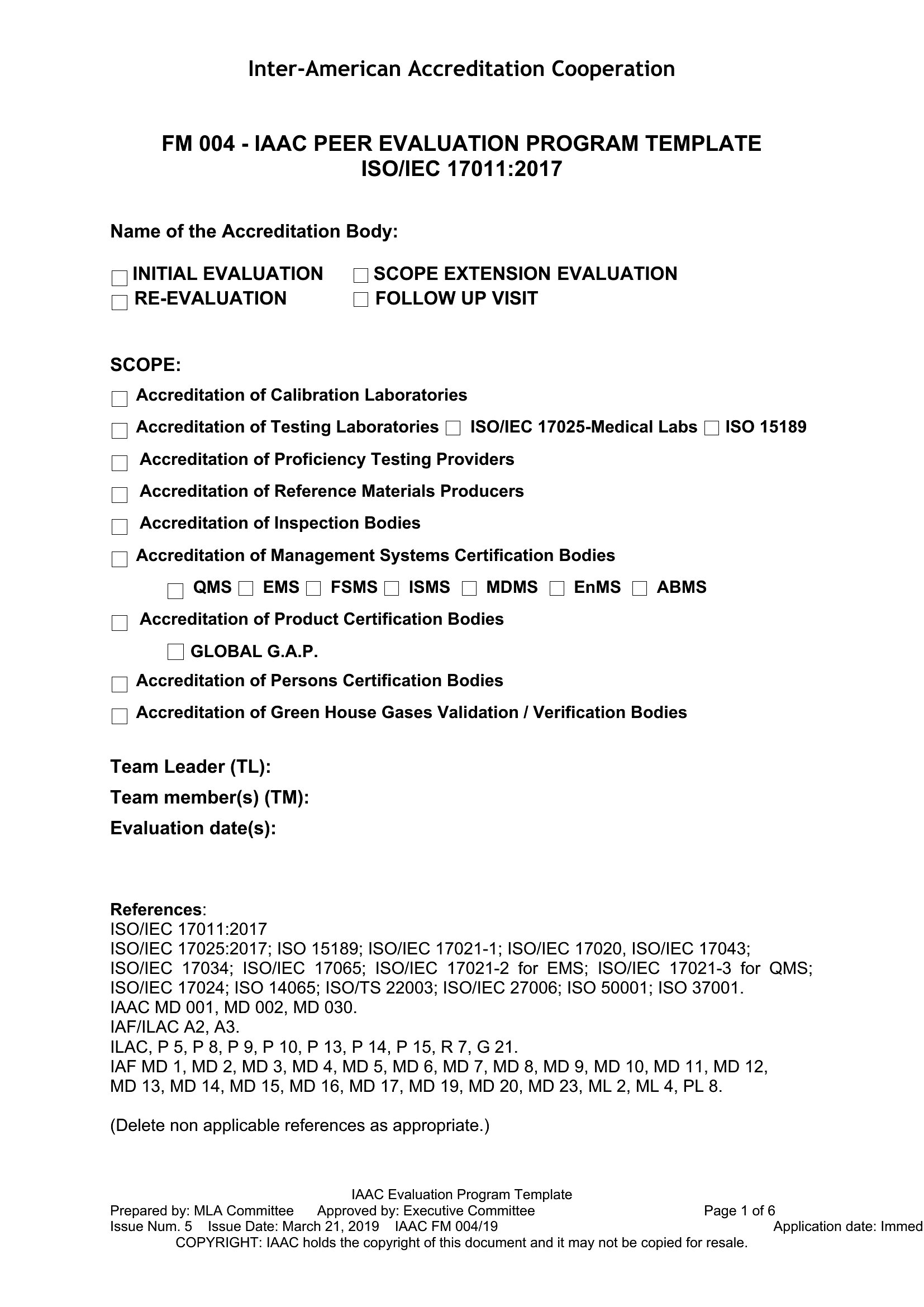
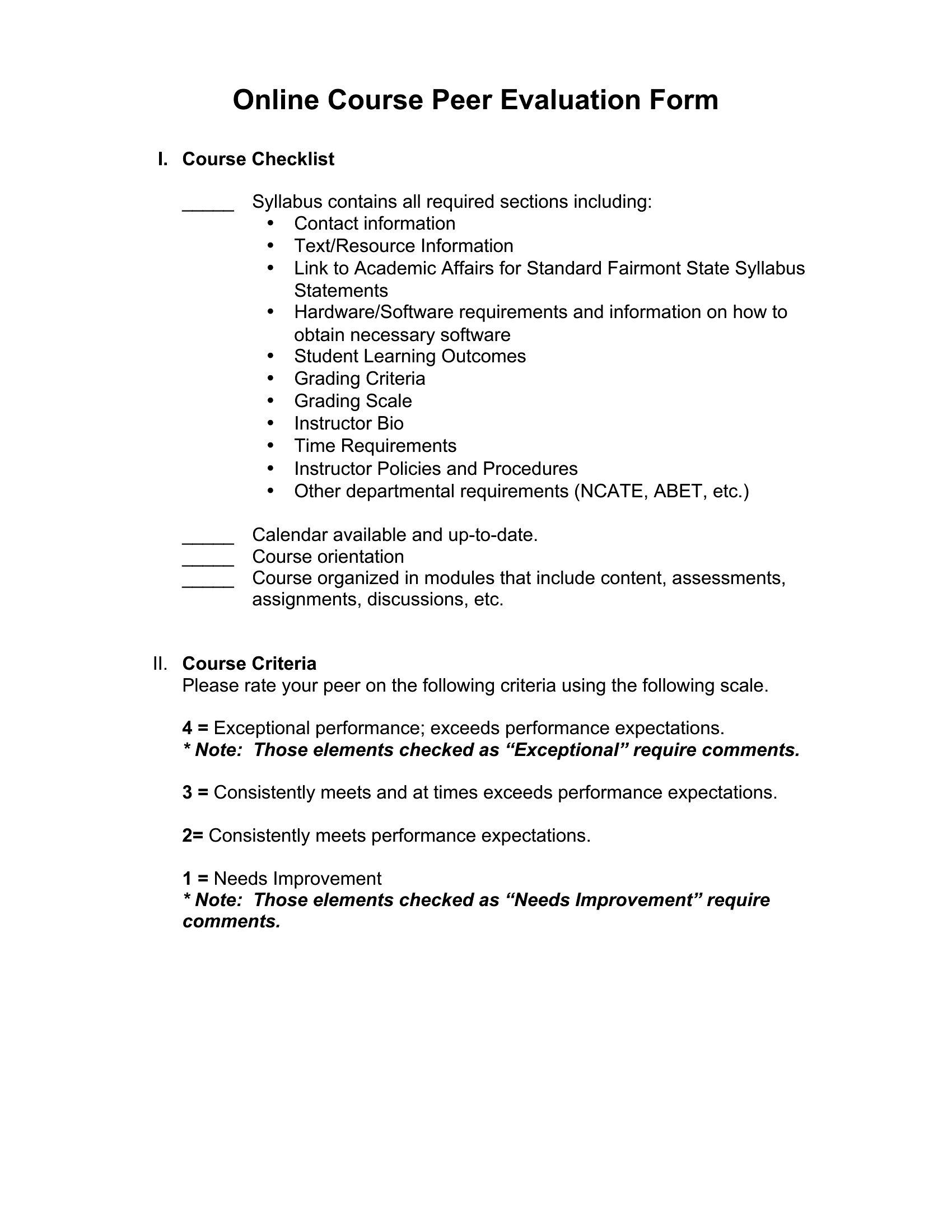
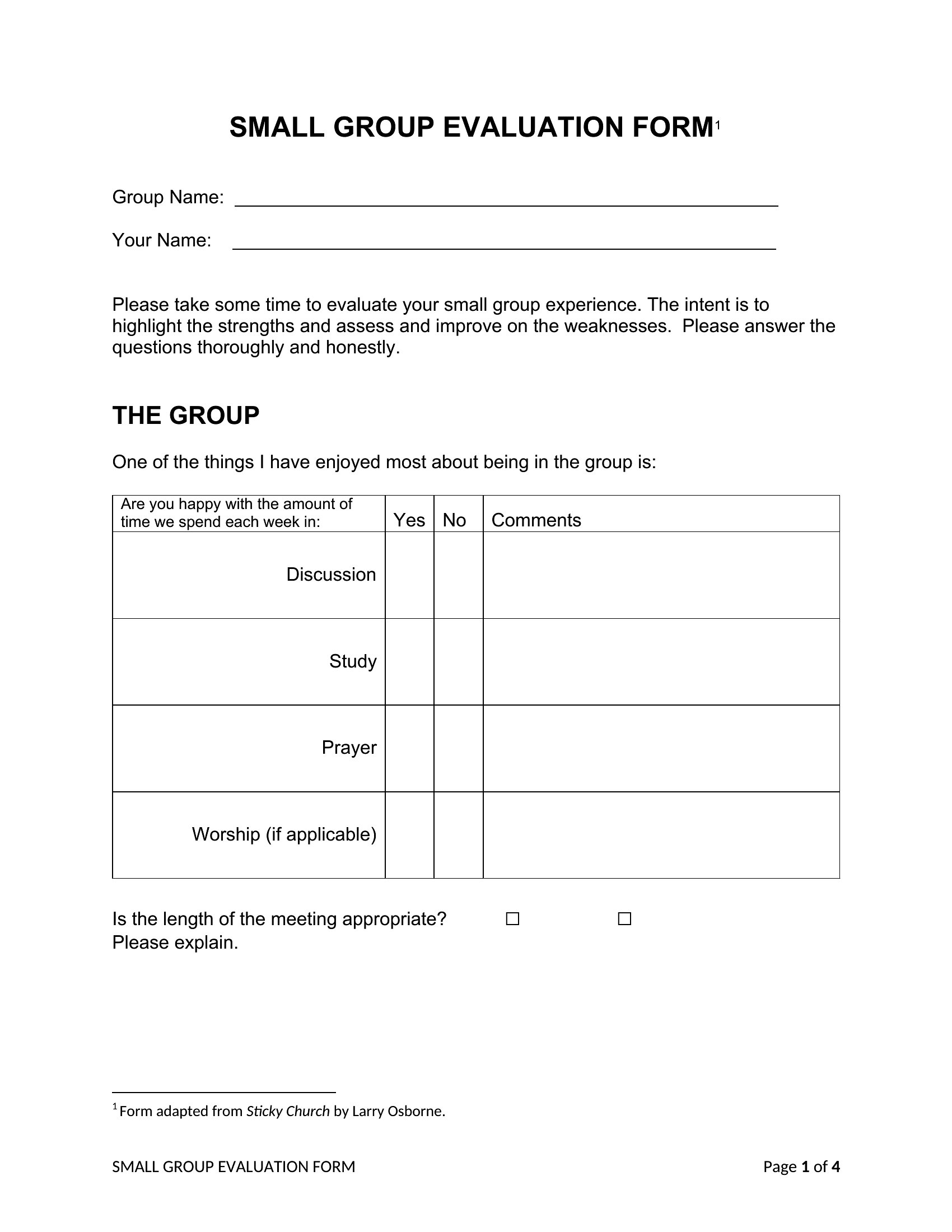
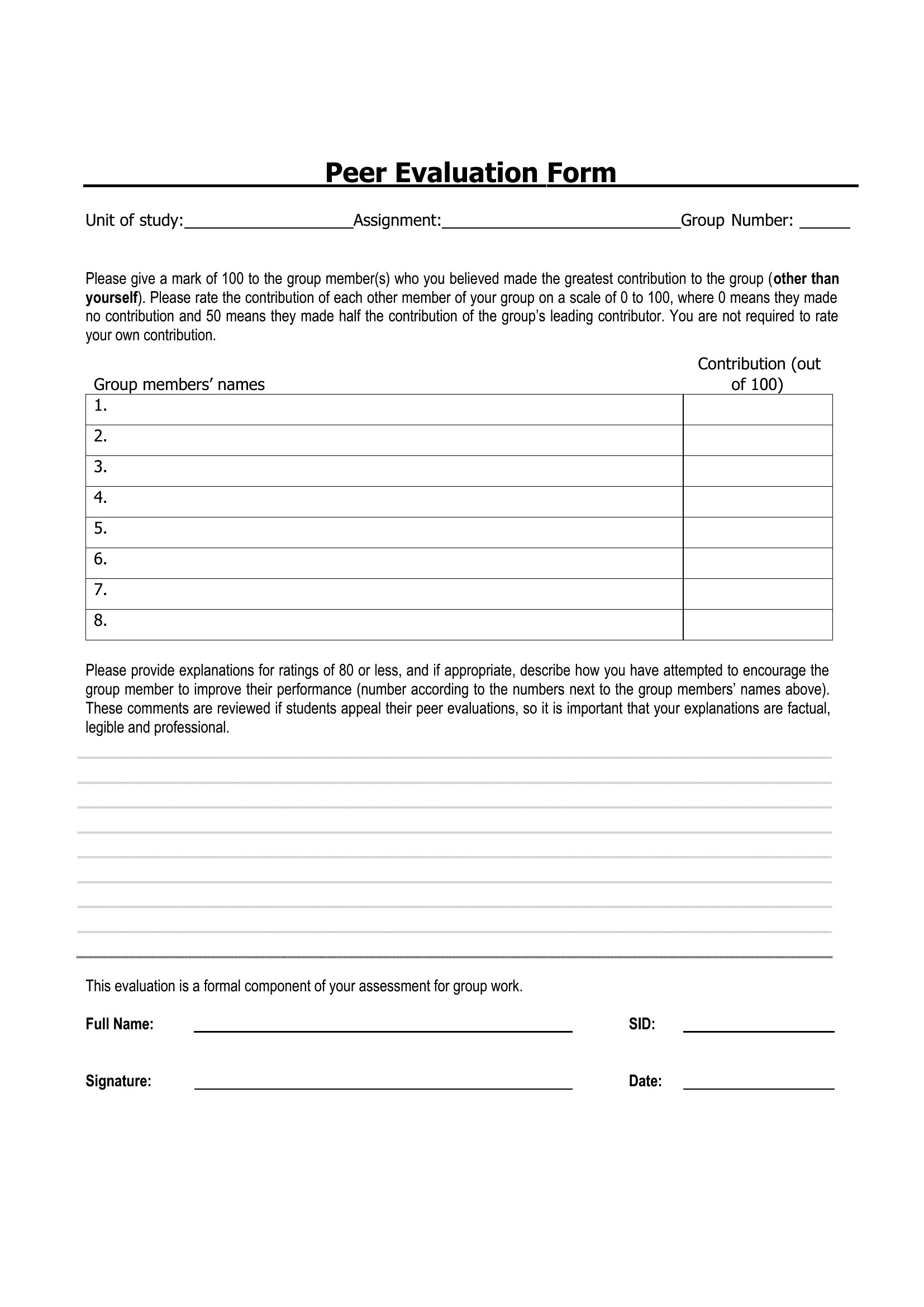
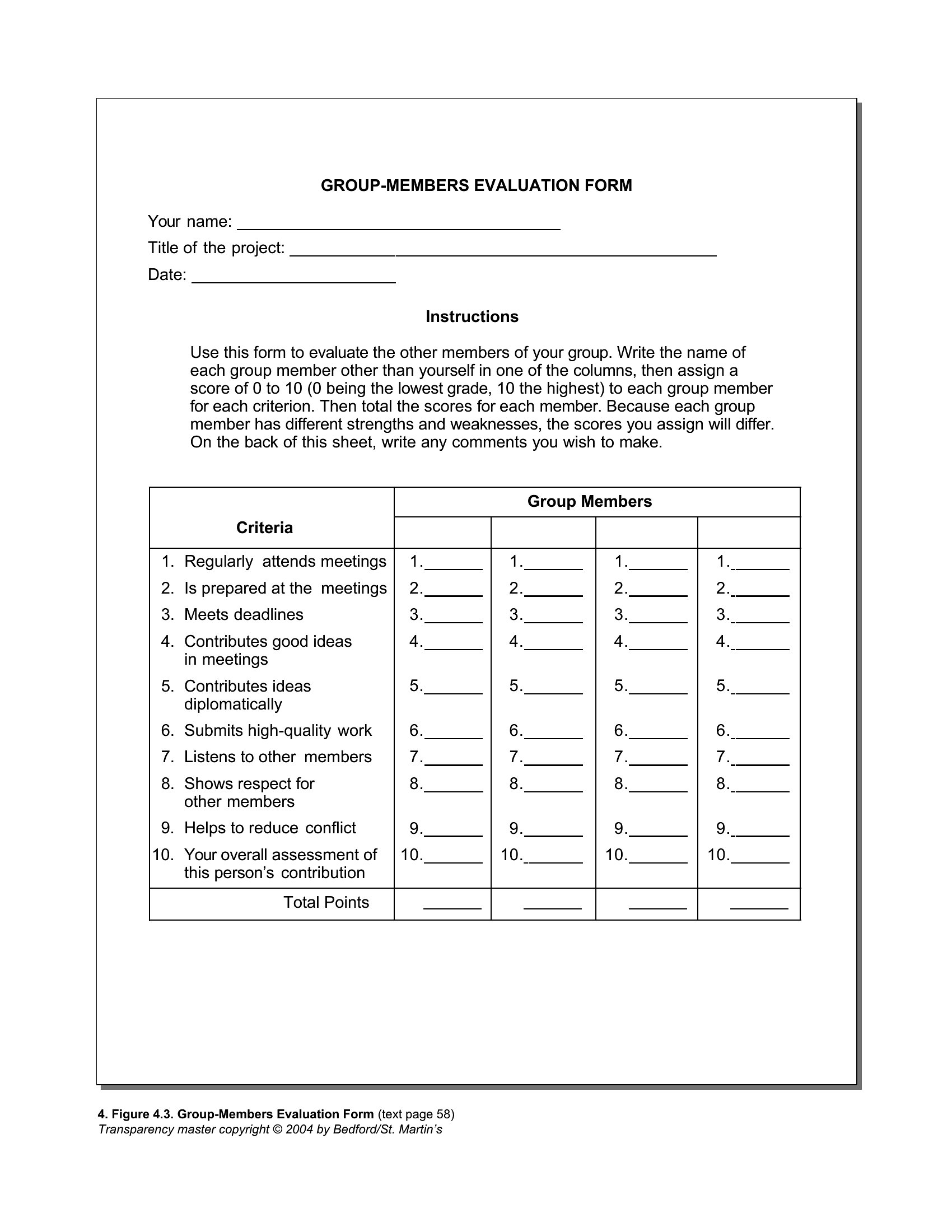
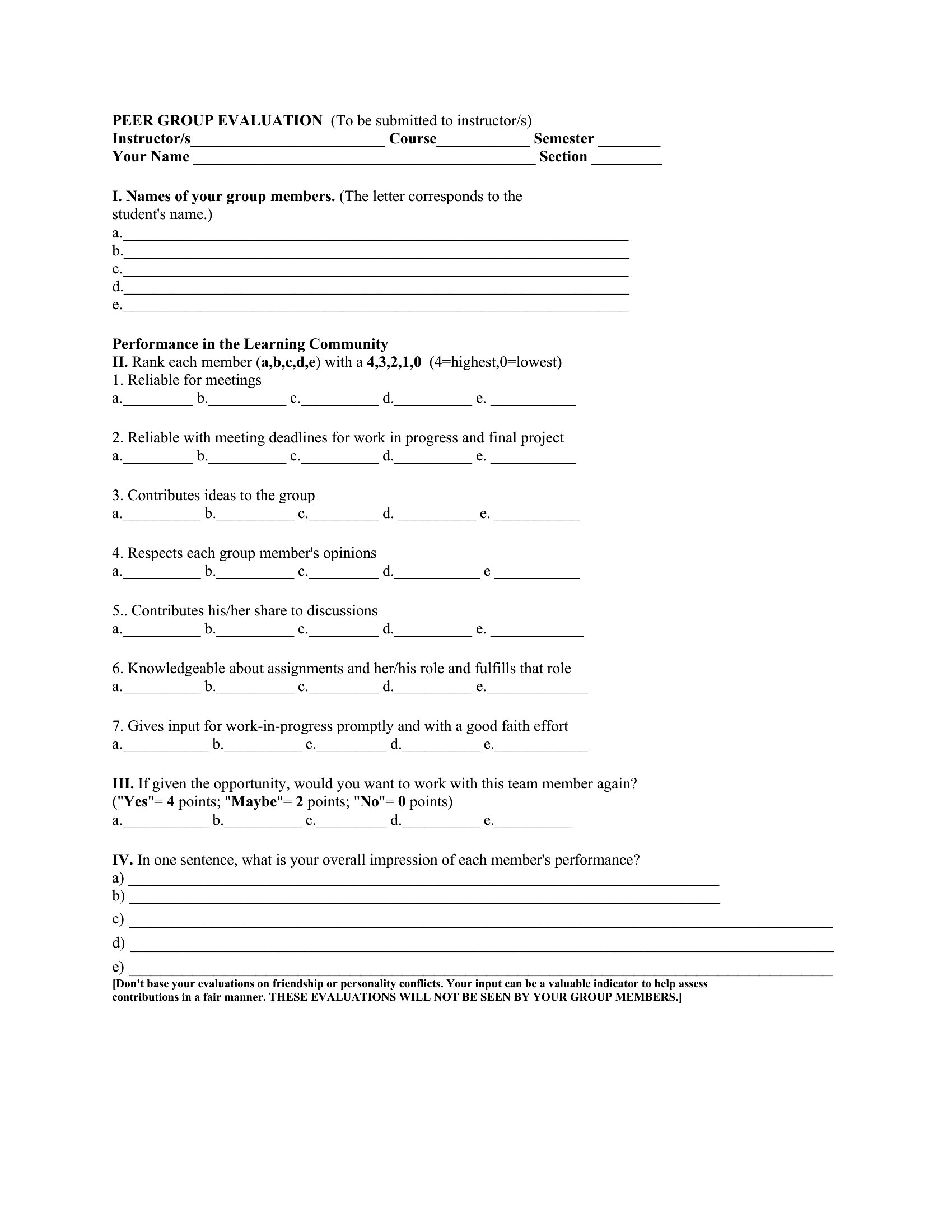
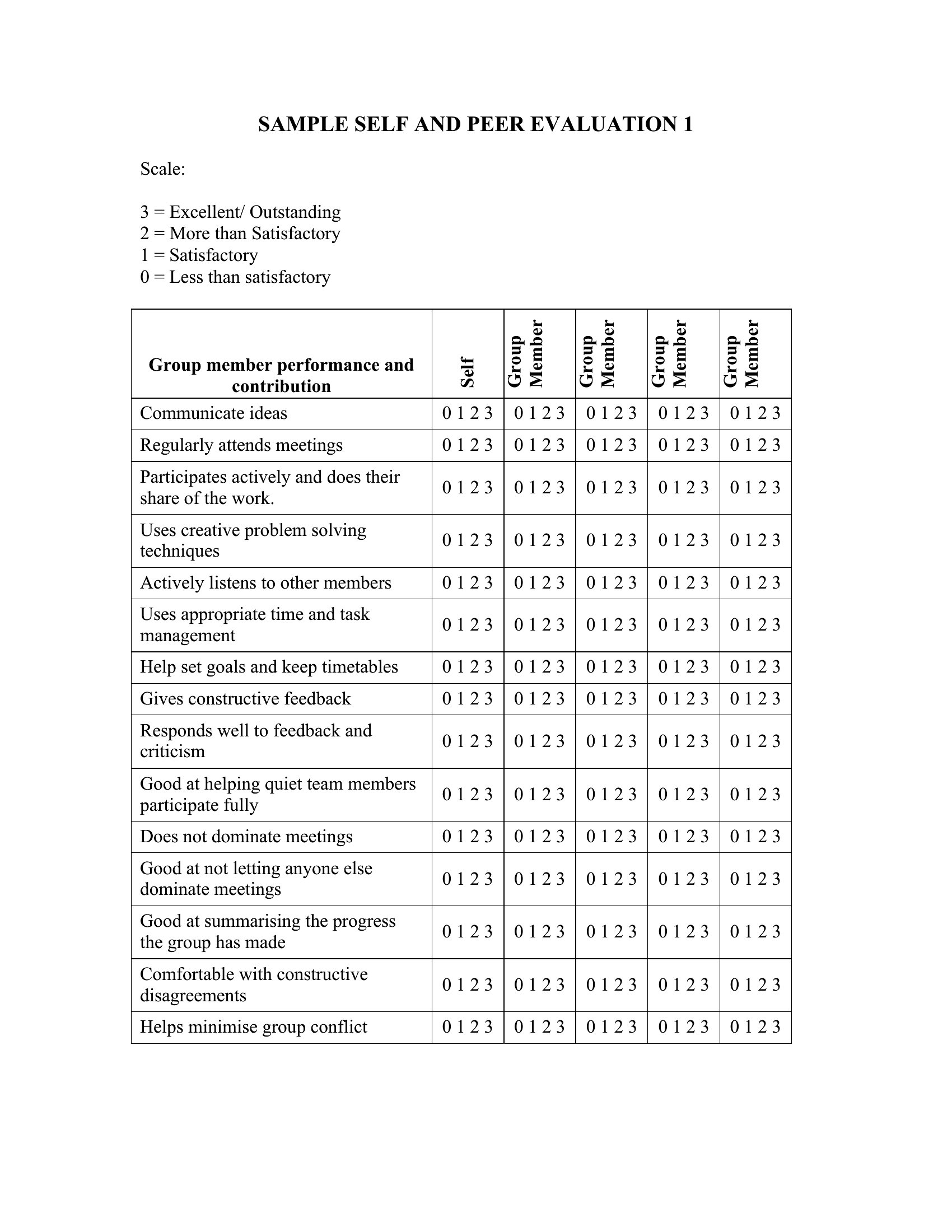
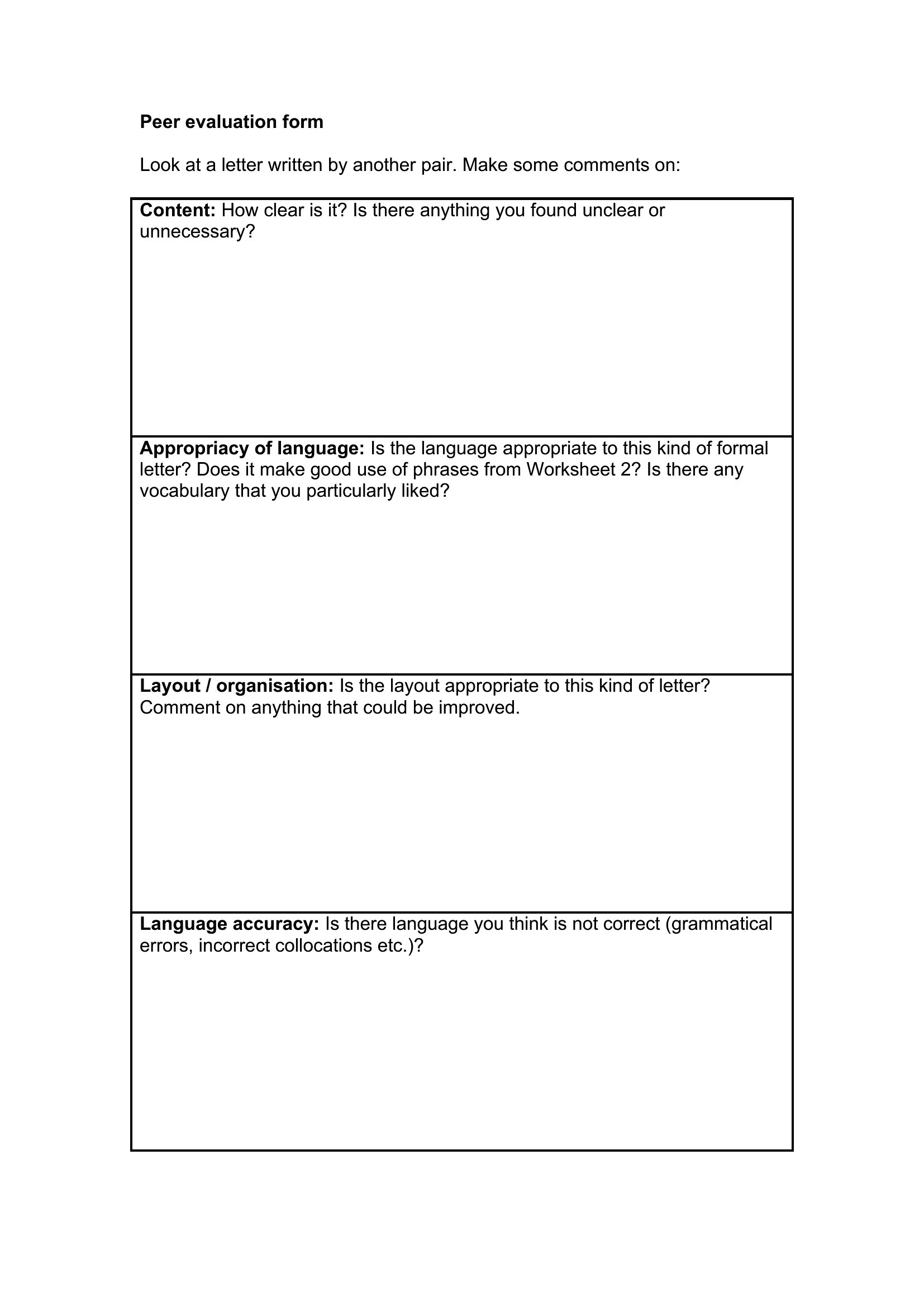
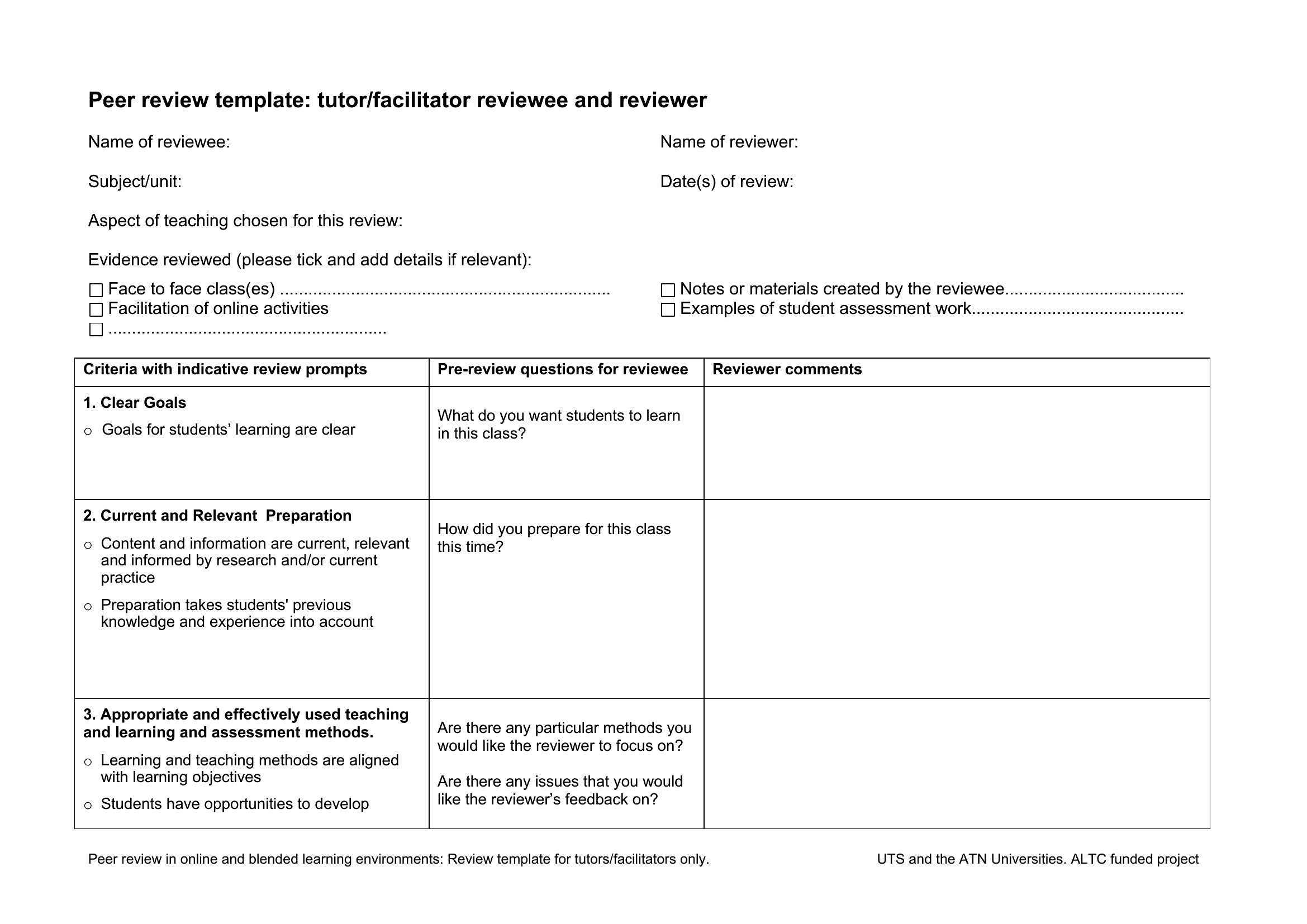
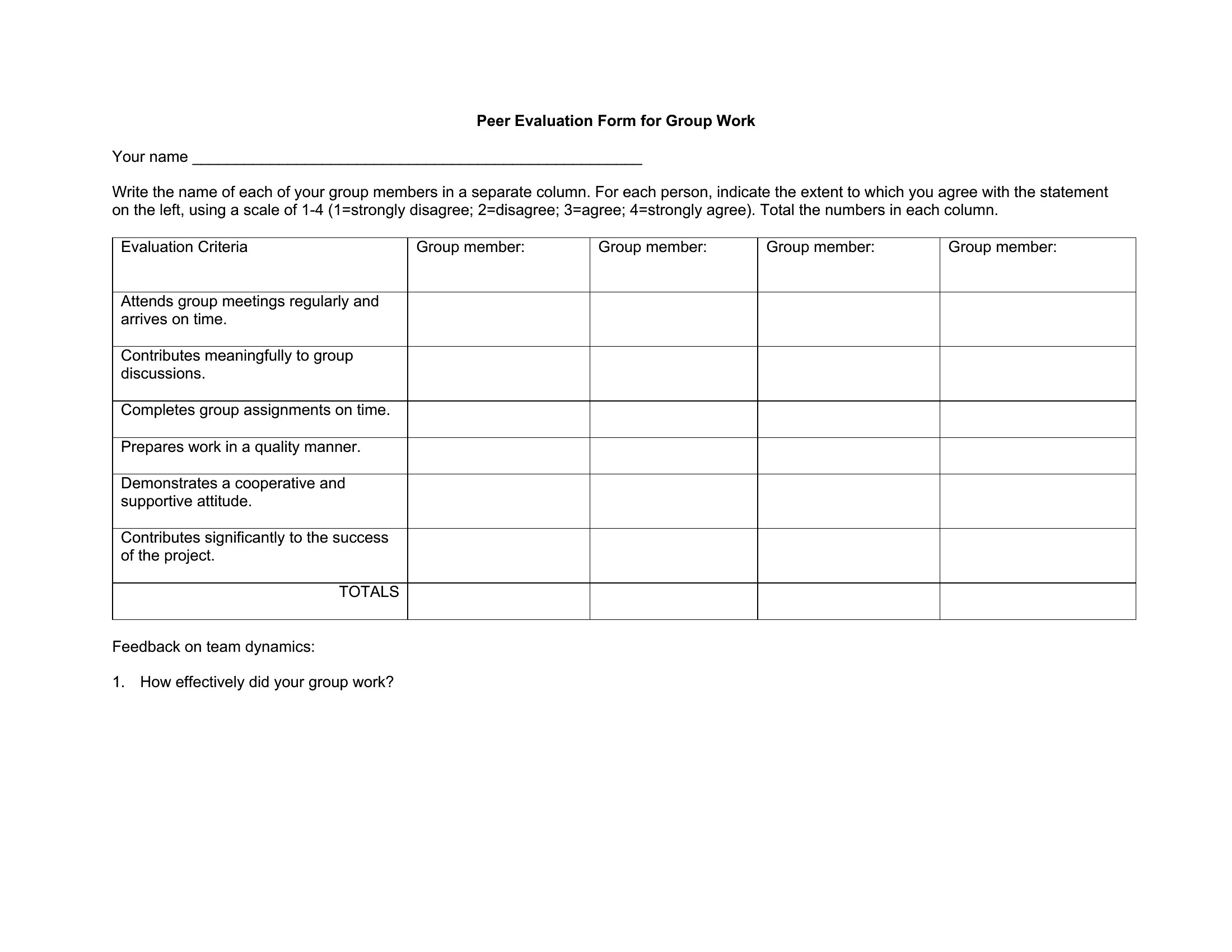
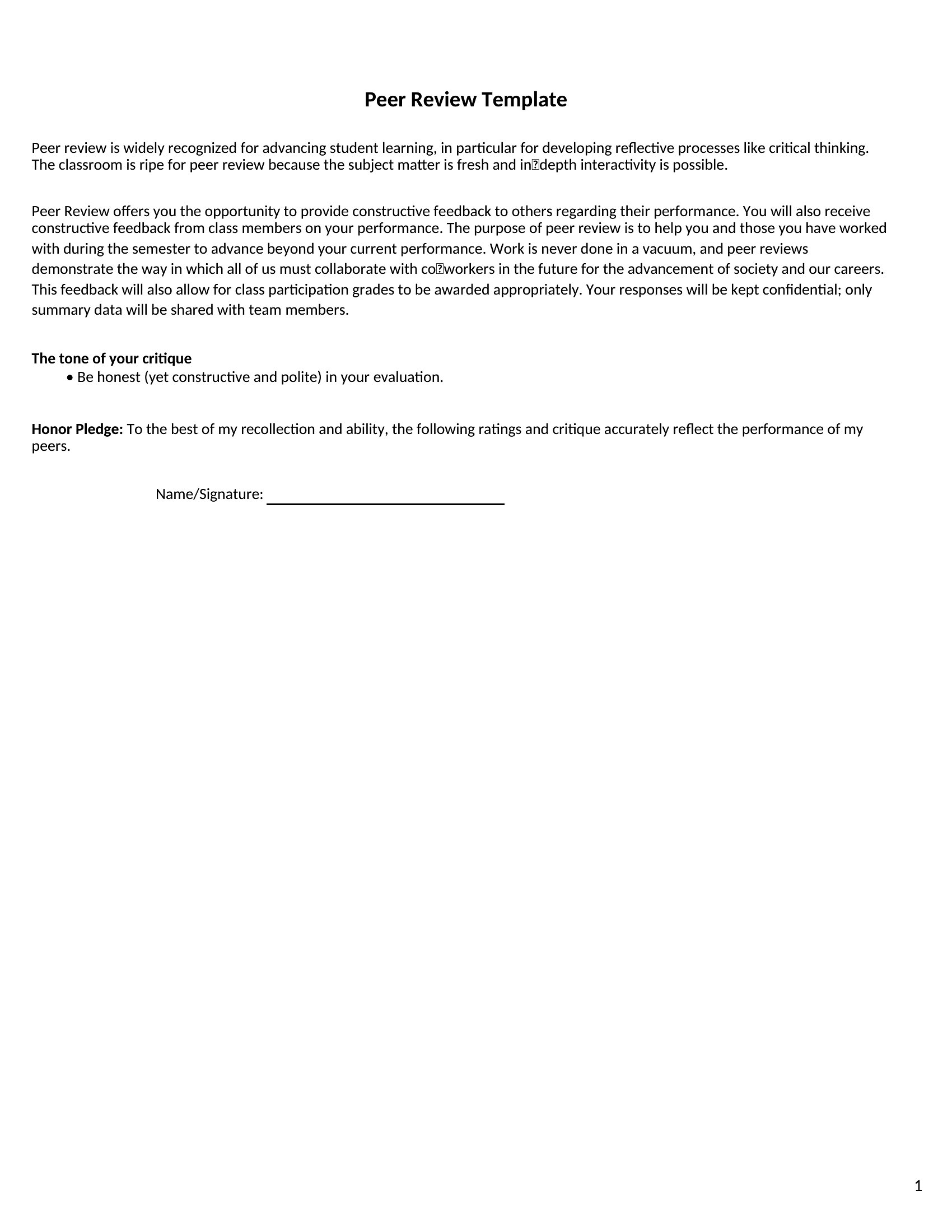
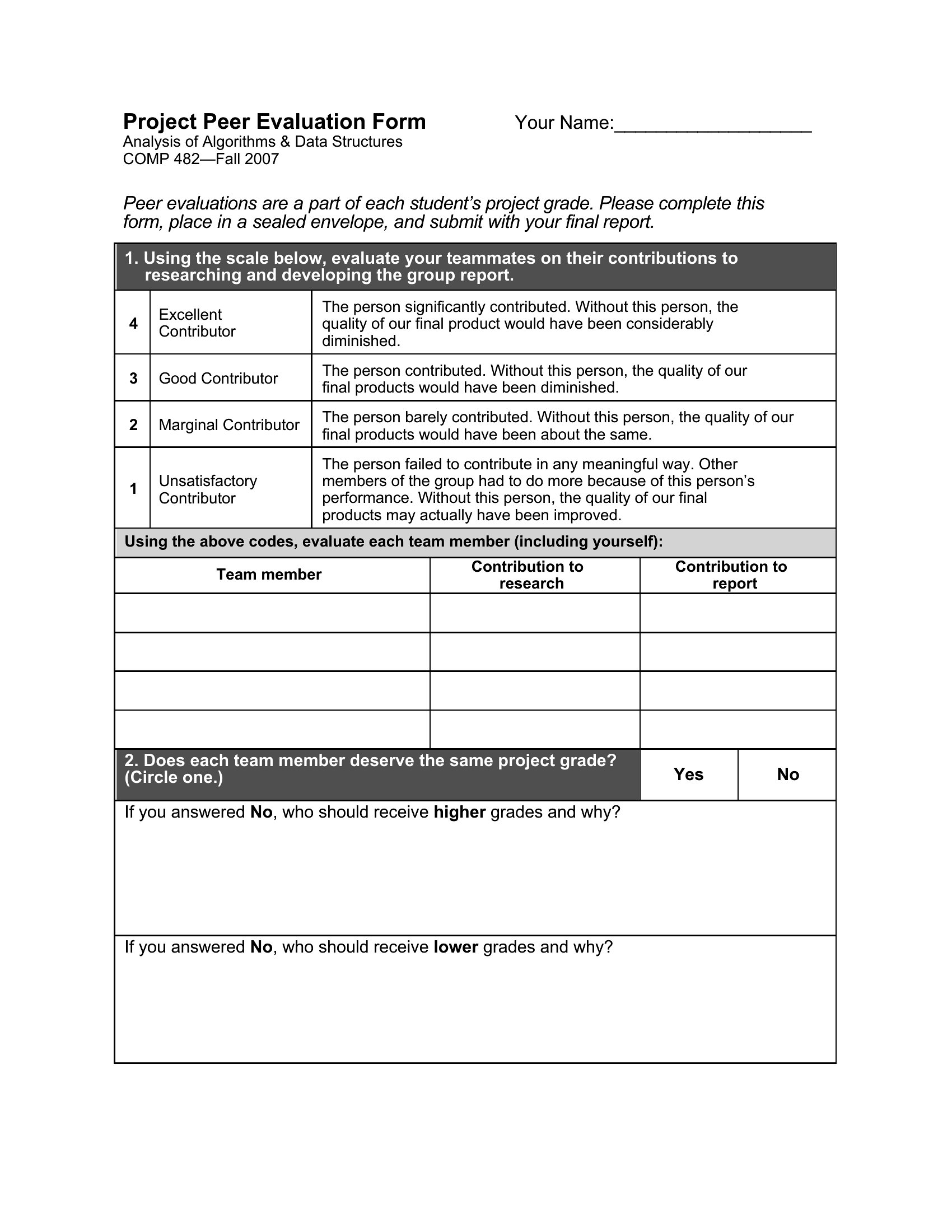
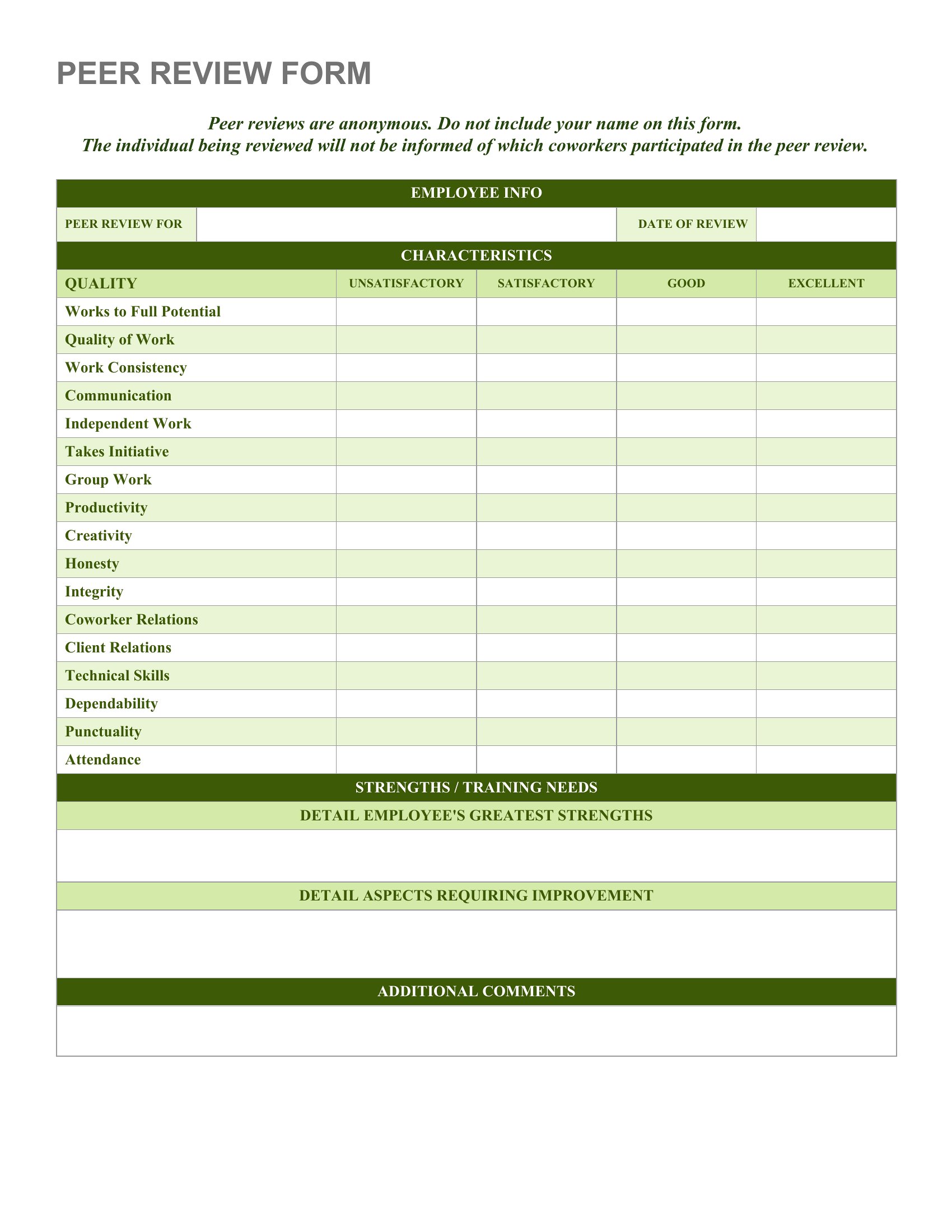
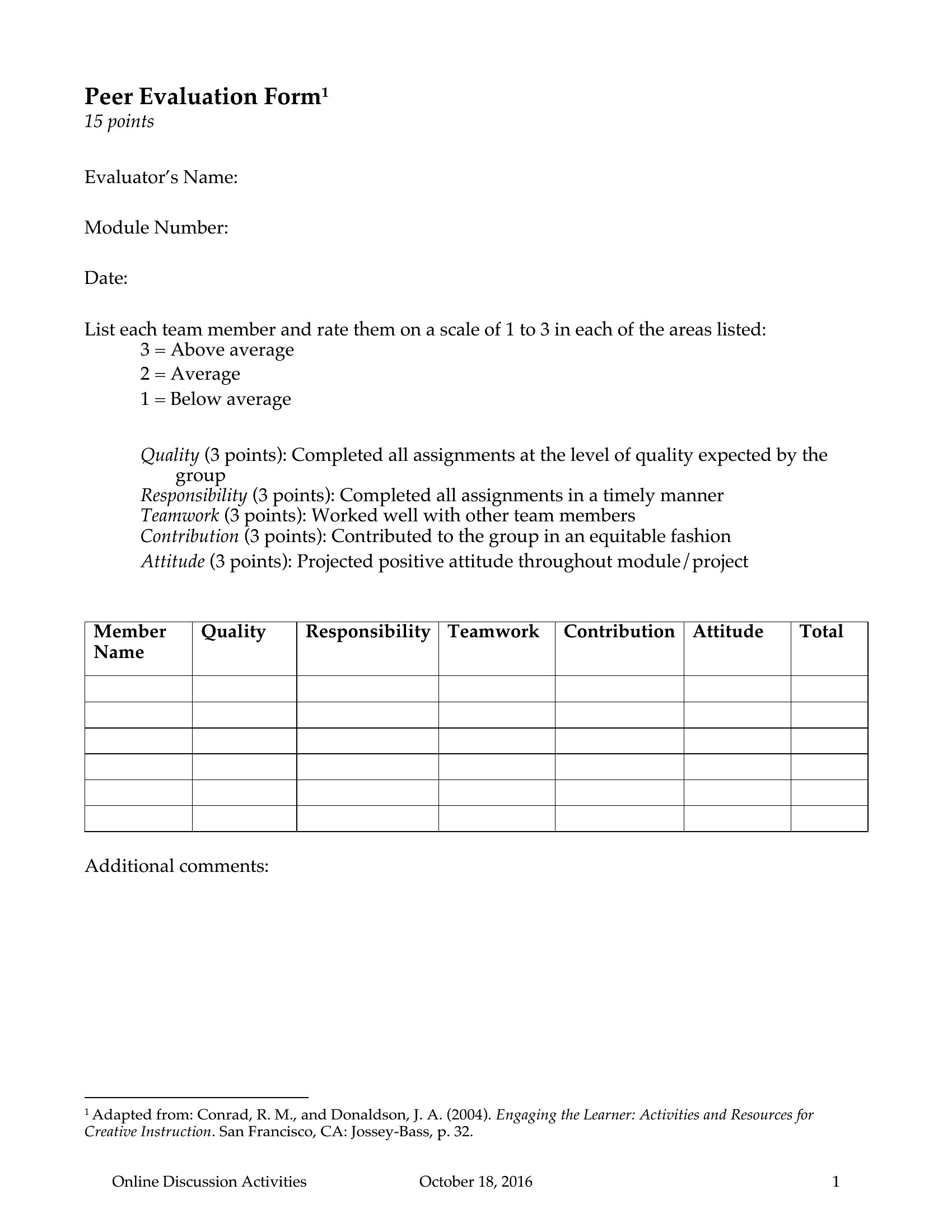
Honest peer feedback sharpens group work, and a structured form keeps it fair instead of personal. This set of 43 peer evaluation templates suits classrooms, team projects, and workplaces, with rating scales, contribution checklists, and comment sections that focus reviewers on specifics. Teachers and team leads can gather balanced input and give everyone a clear say in how the group performed.

Each template is editable in Microsoft Word, so you can adjust the criteria, then print copies or share the file for digital responses. Tweak the rating scale to match your rubric and collect consistent feedback every round. Download the version that fits your group and make peer review a useful part of the process.

When to use this Peer Evaluation template

  • College professors evaluating student-led research projects where team dynamics matter more than individual effort, using a Word template with contribution rubrics to identify strengths and gaps in collaboration.
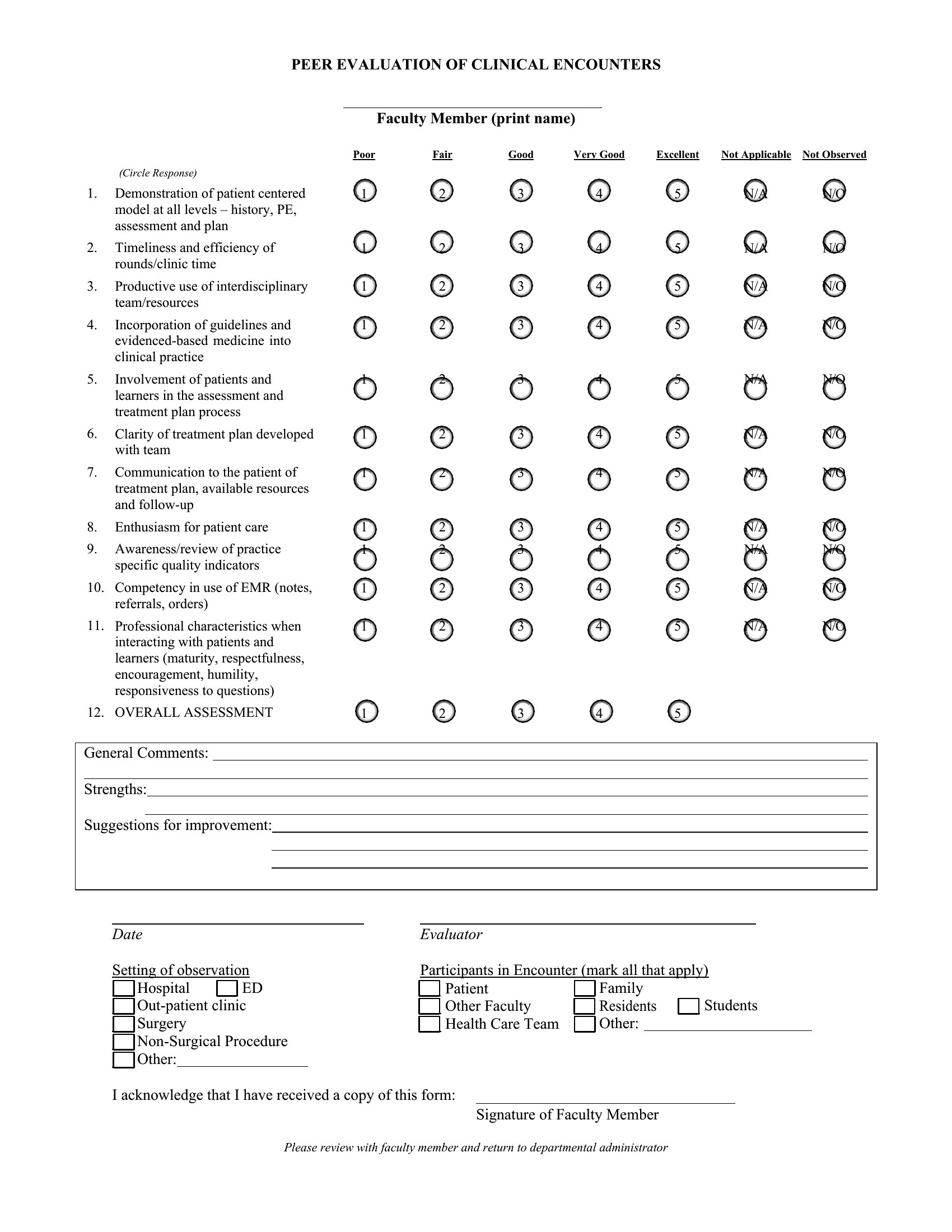
  • Medical residency programs assessing peer performance during group case studies, with templates that highlight communication, critical thinking, and accountability—key skills in high-stakes team settings.
  • Marketing agencies reviewing client campaign feedback from cross-department teams, applying templates that separate creative contributions from execution to pinpoint actionable improvements for future projects.
  • Nonprofit board members evaluating volunteer coordination efforts, using structured peer evaluations to measure reliability, initiative, and conflict resolution in roles where emotional labor often goes unnoticed.

Which format should I download?

Word

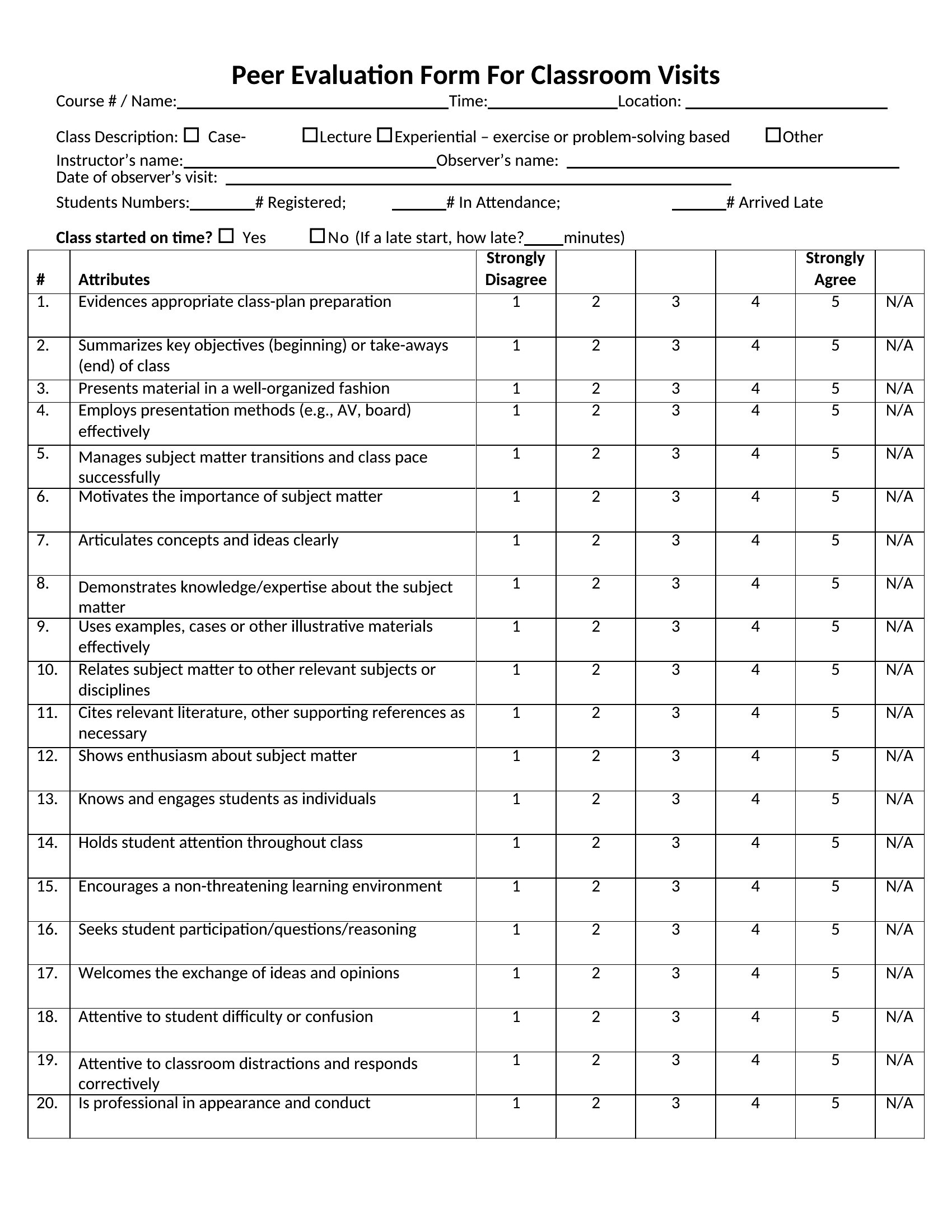
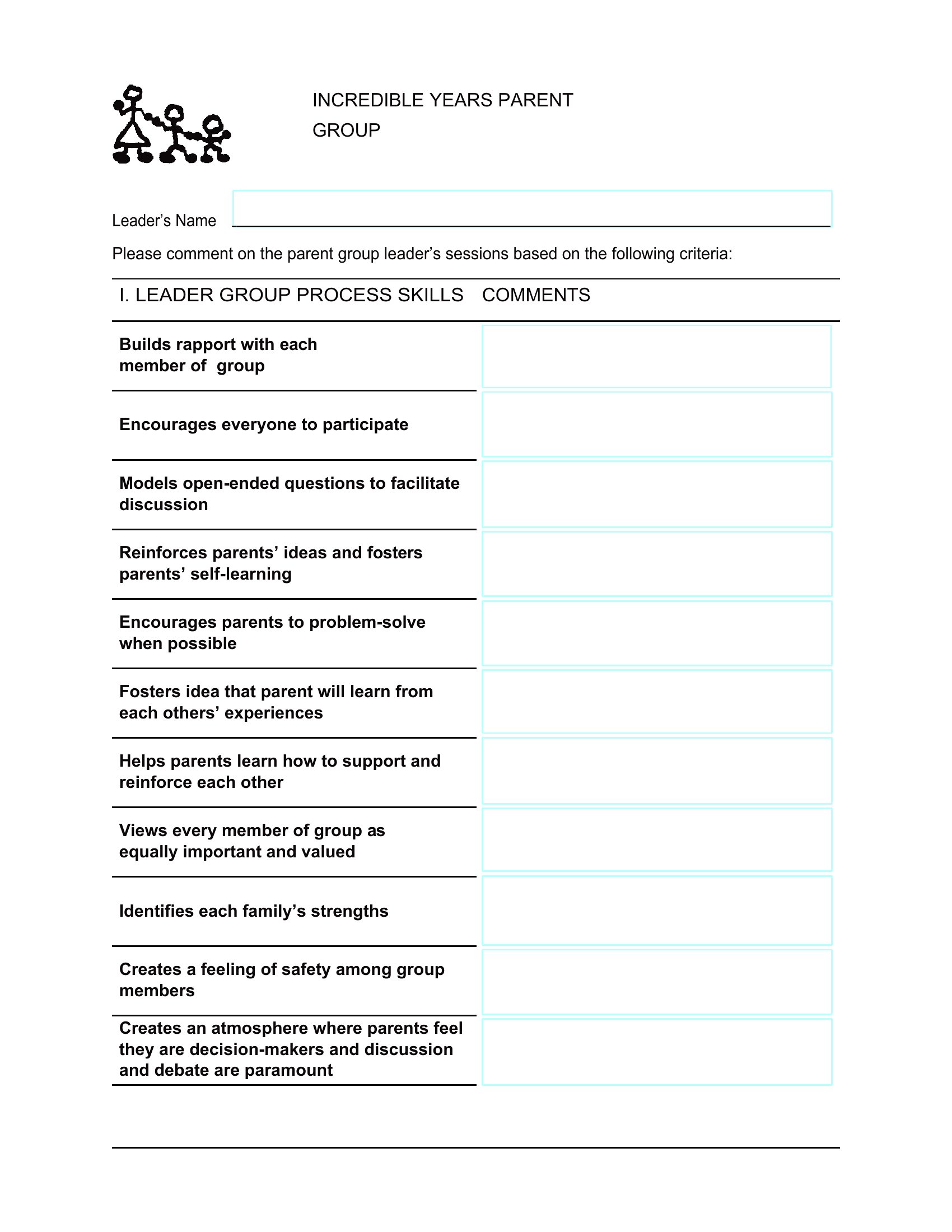
The Word format is ideal here because it balances structured evaluation with flexible adaptability. Use the rating-scale templates when you need clear, quantifiable feedback (e.g., grading teamwork in a classroom). Opt for checklist-style templates when tasks are discrete (e.g., tracking contributions in a group presentation). For open-ended discussions, the comment-section templates let reviewers elaborate on qualitative observations—useful in professional settings where context matters as much as scores.

Choose from 43 Peer Evaluation Templates

How to use this Peer Evaluation template

How can I make sure peer evaluations feel constructive rather than critical?

Start by framing the evaluation as a tool for growth, not a judgment. Use templates with balanced rating scales (e.g., 1–5) and include open-ended sections for context. For example, ask reviewers to note *one* strength and *one* area for improvement, paired with a suggestion. In group settings, model this tone in your instructions—phrases like ‘How can we support this person’s contributions?’ shift focus from blame to collaboration.

What’s the best way to handle anonymous peer evaluations while keeping them fair?

Anonymity helps honest feedback but risks vague or harsh comments. Mitigate this by designing templates with specific prompts—like ‘Describe a time when this peer demonstrated leadership’—rather than broad questions. Pair anonymity with a moderation step: have evaluators sign a separate pledge of respectful feedback before submitting. For teams, consider a two-phase process: anonymous input first, then a group discussion to clarify concerns.

Can these templates work for evaluating remote teamwork where interactions are mostly digital?

Absolutely, but adjust the wording to focus on observable outputs. Replace questions like ‘How often did they speak up in meetings?’ with ‘How consistently did they respond to Slack messages or draft feedback within 24 hours?’ Add a section for documenting specific examples (e.g., ‘List a time their input improved a shared document’). For remote teams, also include a self-reflection component to highlight where digital communication might have broken down.

Comments

Join the conversation

Sign in to share your thoughts and leave a comment on this resource.

Newsletter

Get Weekly Design Updates

Join our community to receive curated resources and inspiration.

Weekly Tips Resources Early Access

We respect your privacy. Confirmation email required. Privacy Policy