FAQ
Why do some shutter speed charts include aperture and ISO pairings?
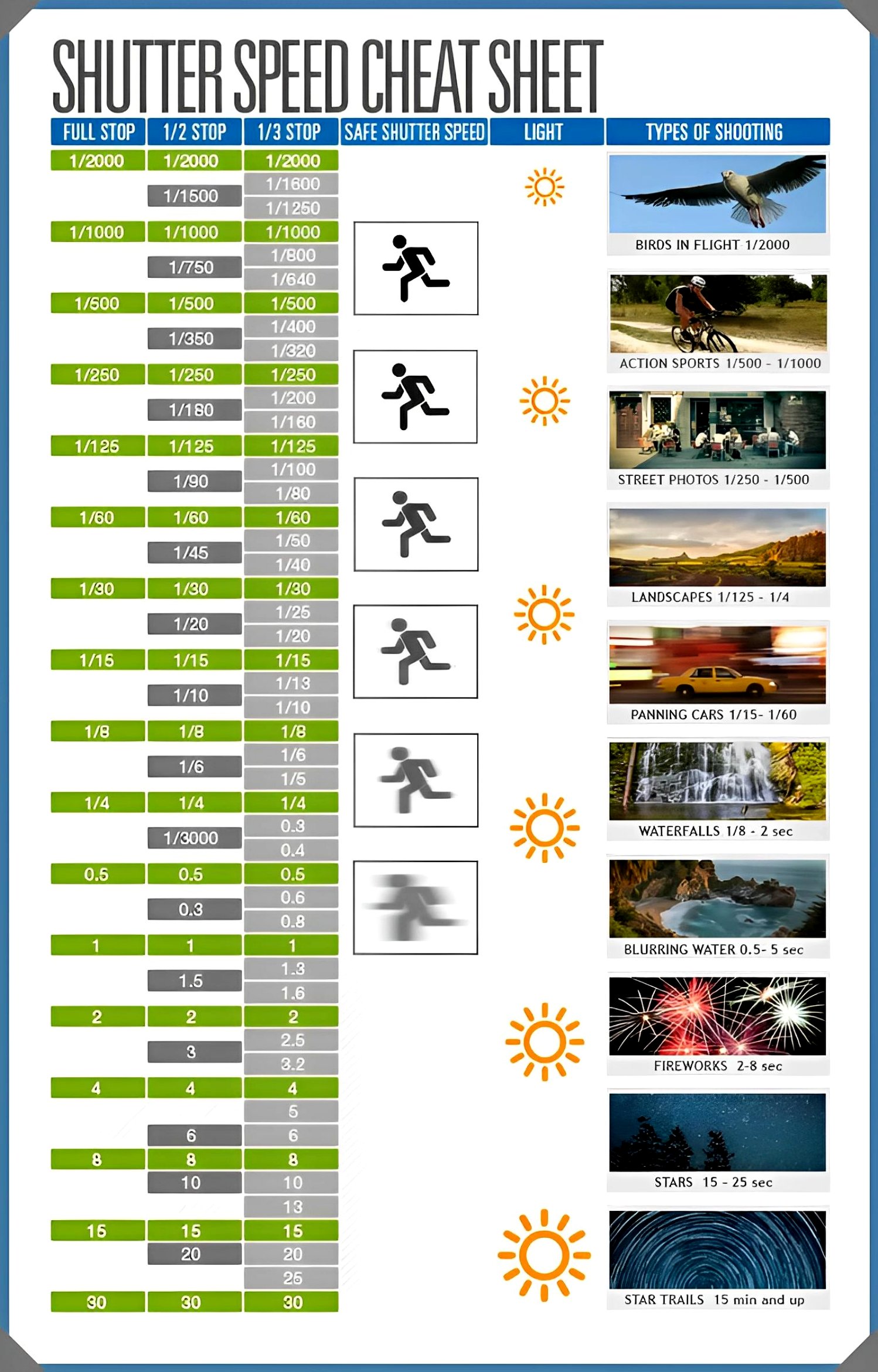
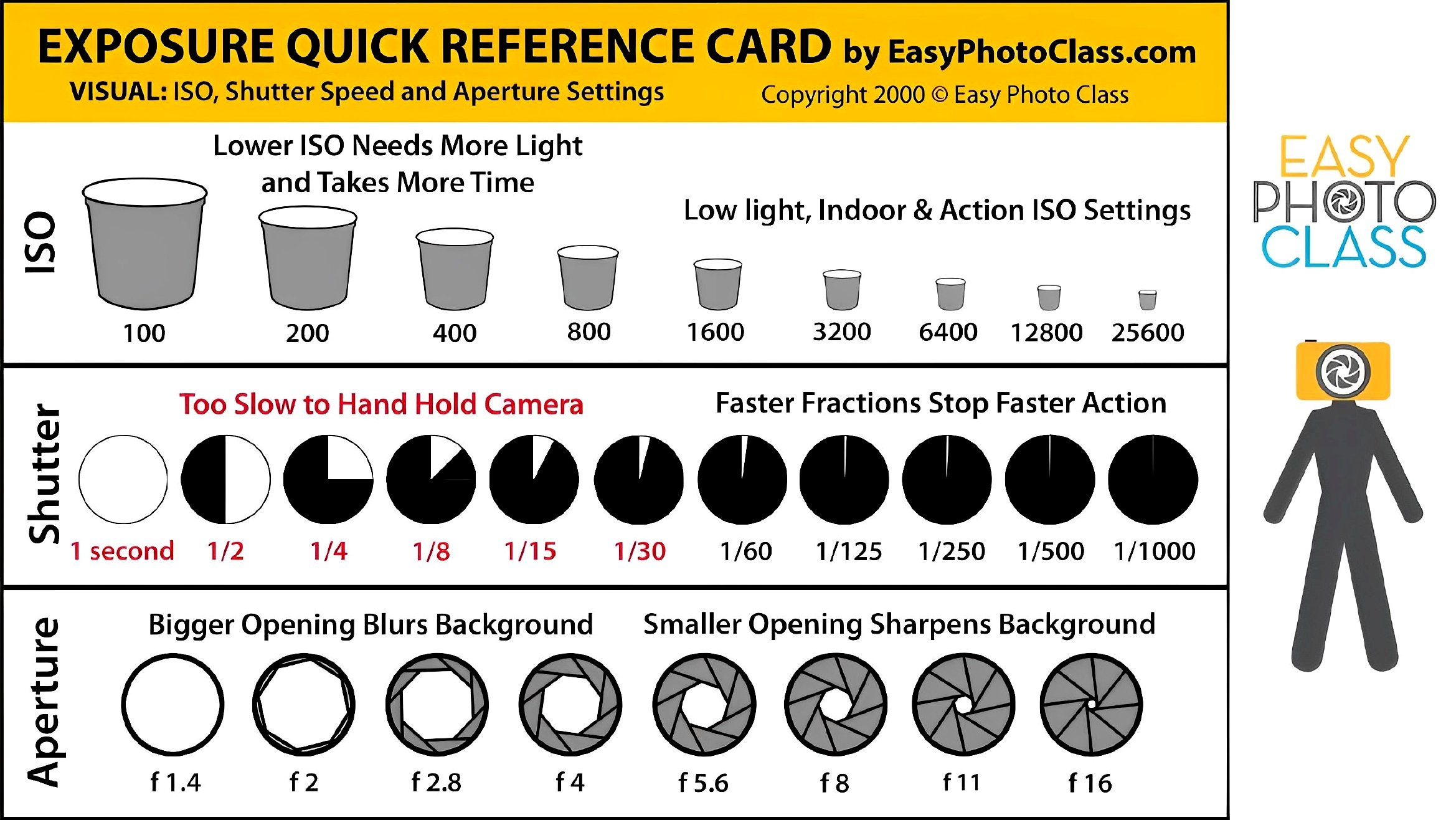
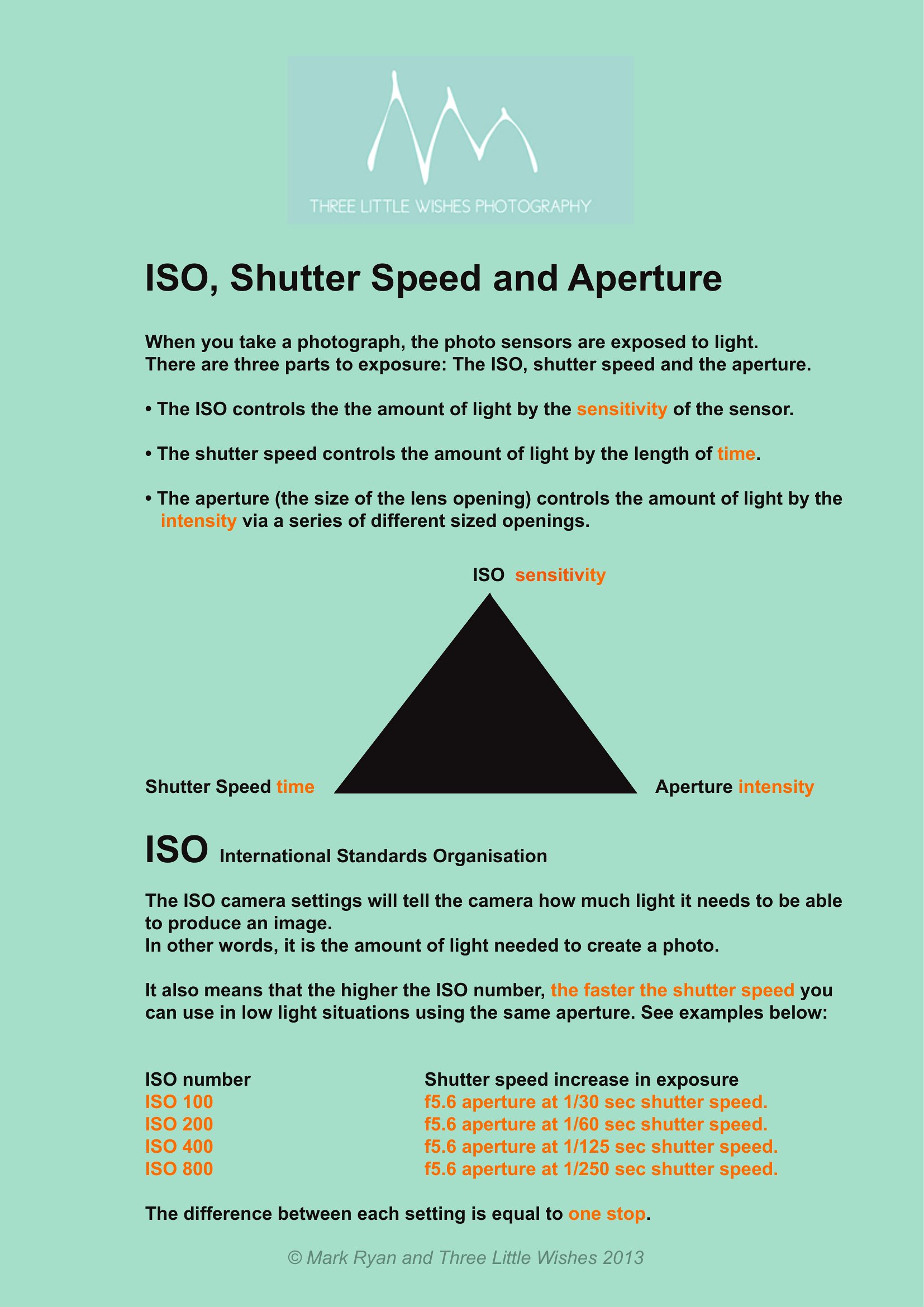
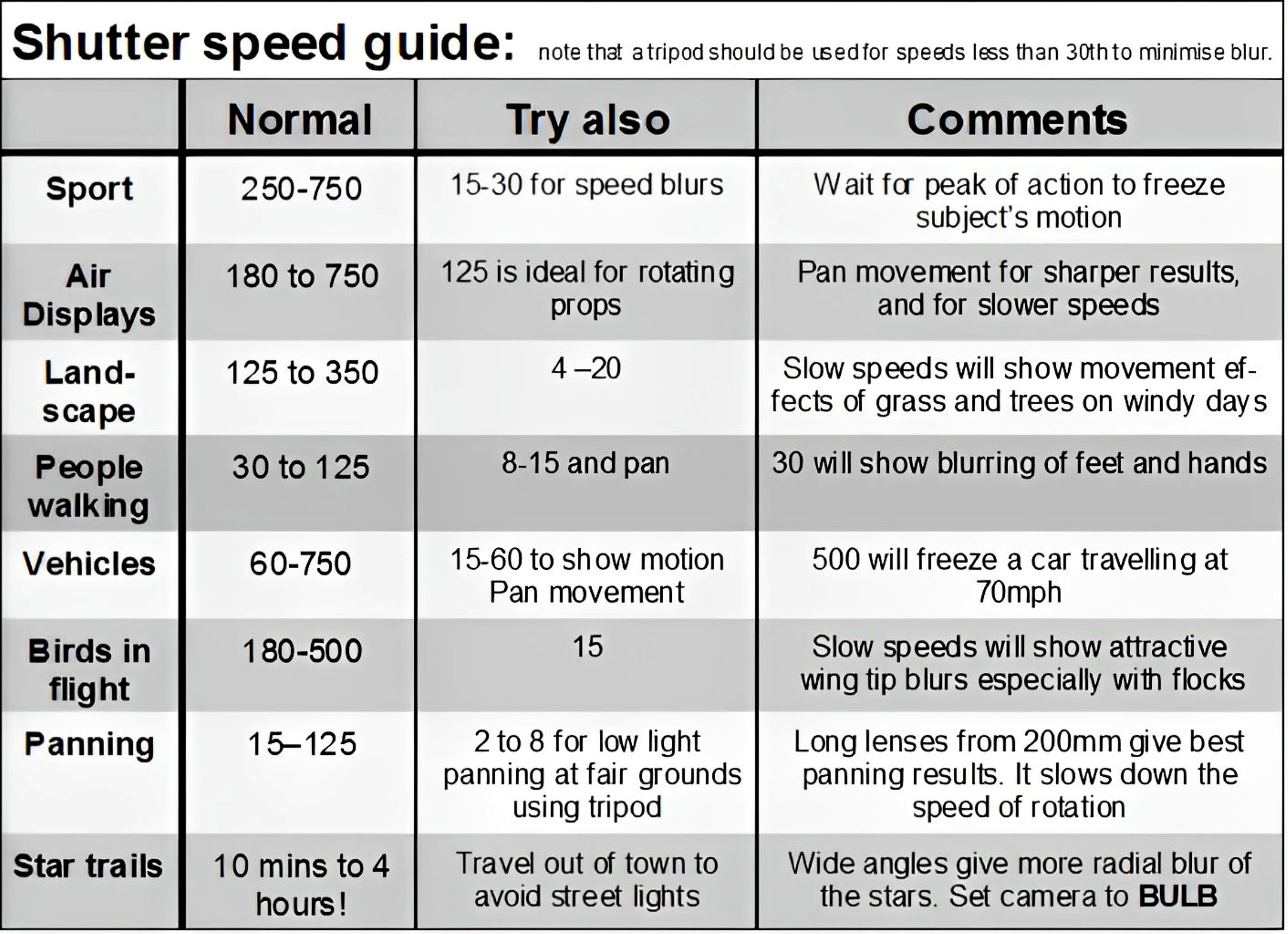
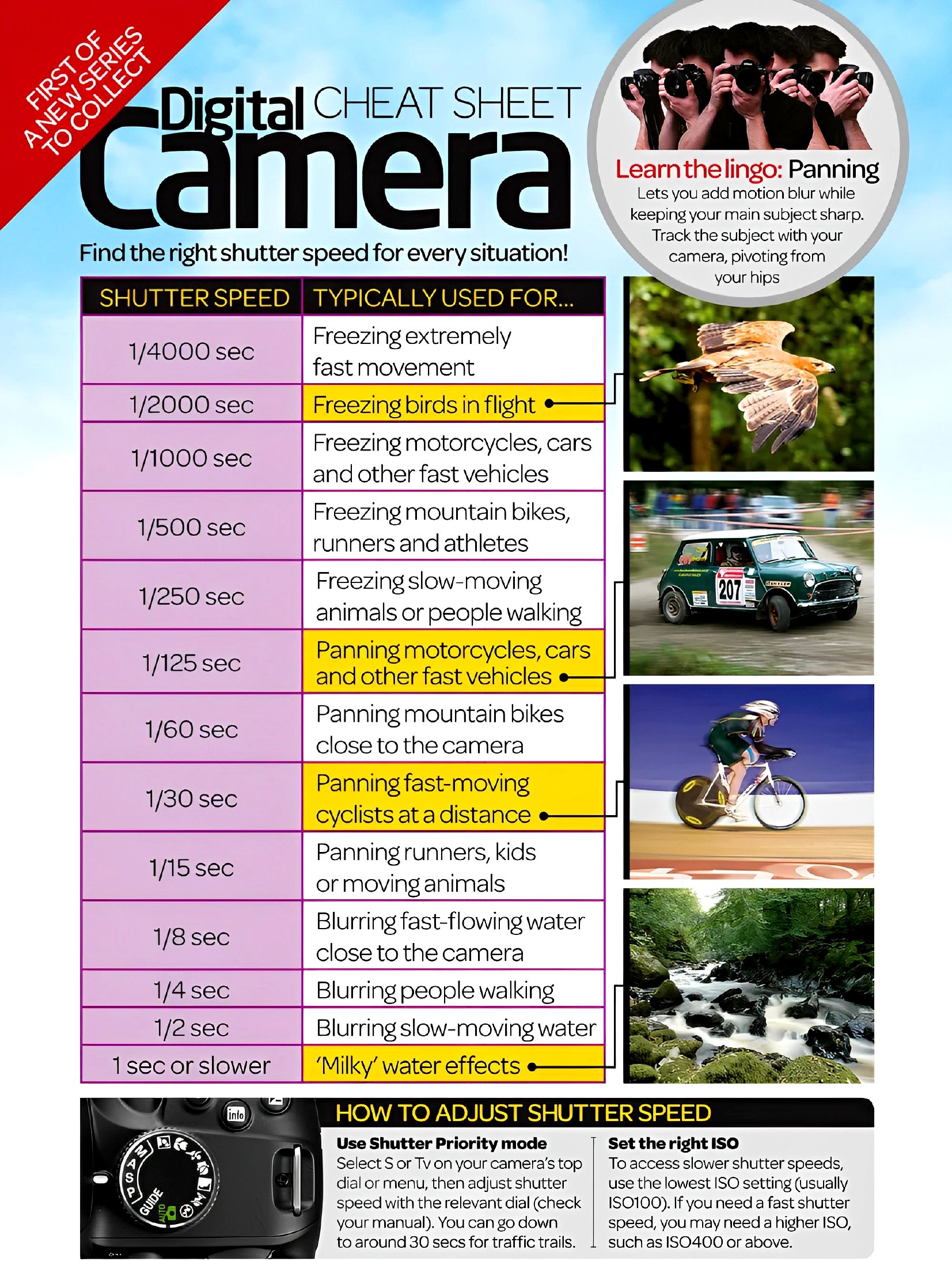
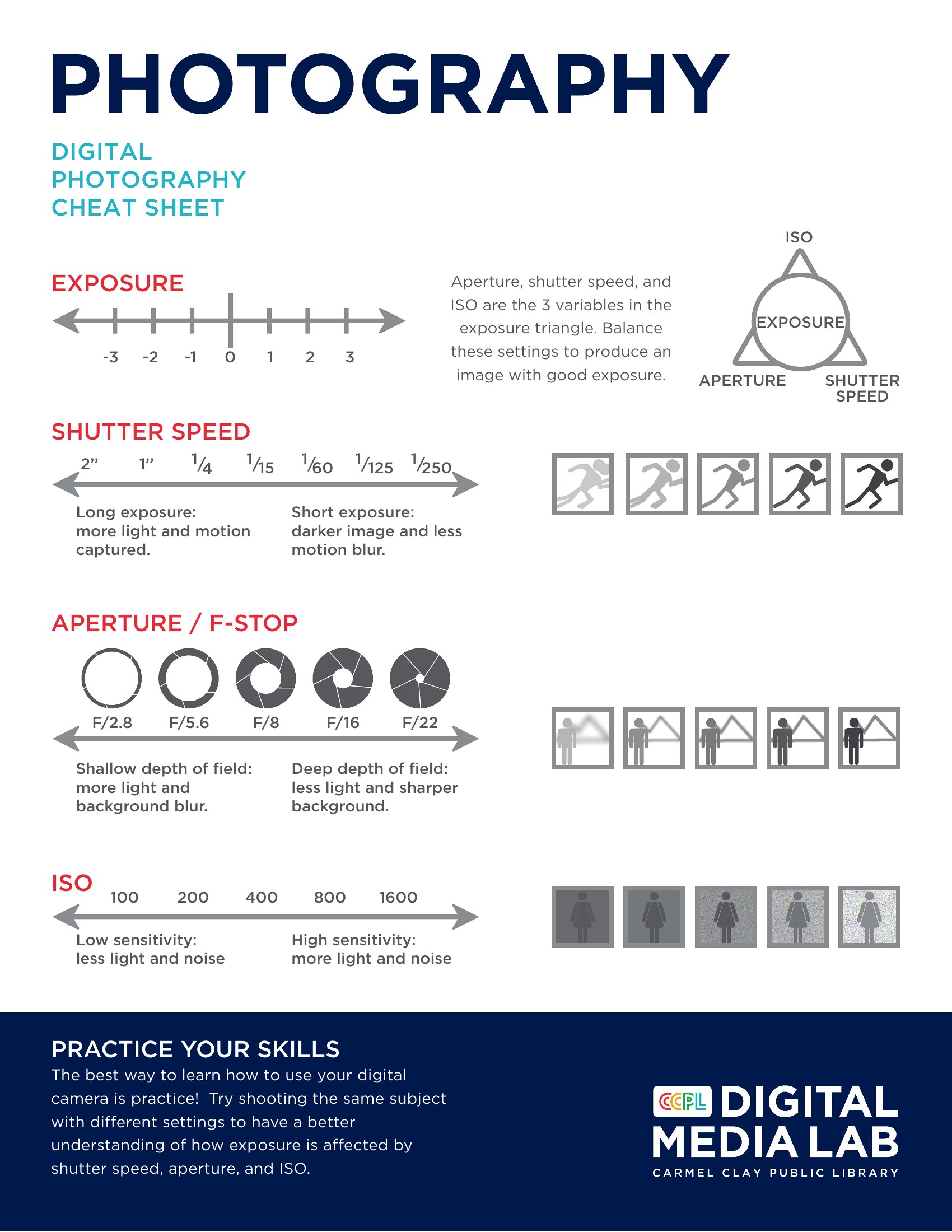
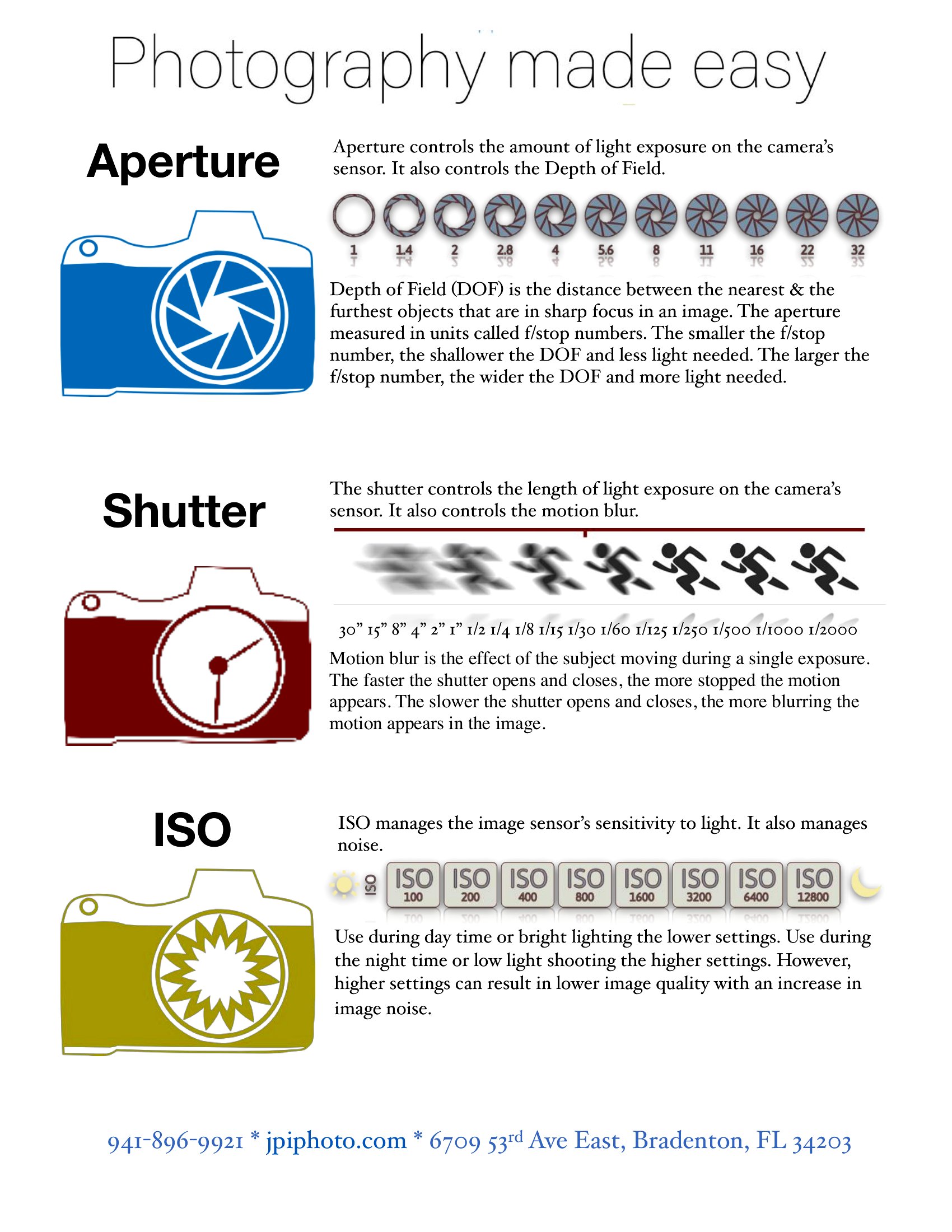
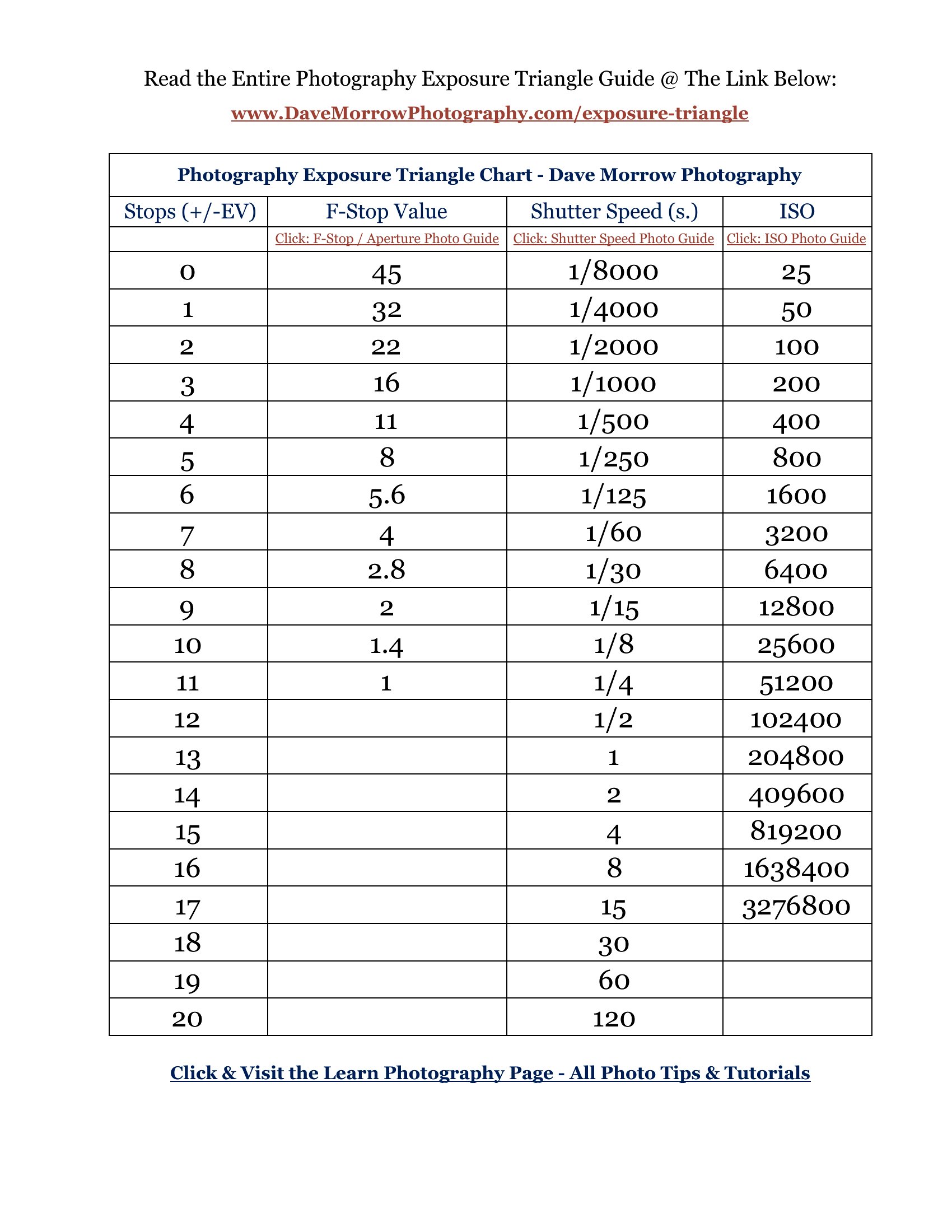
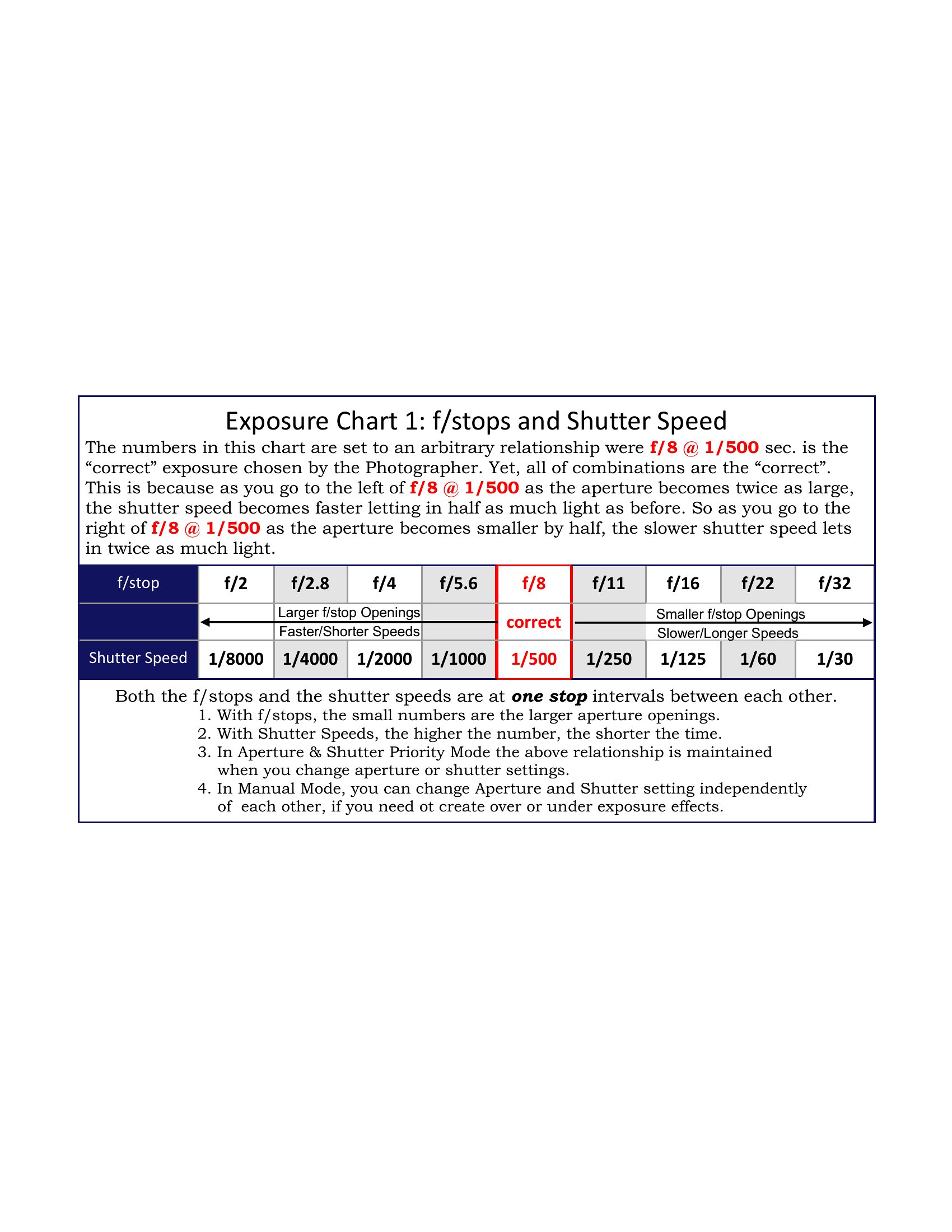
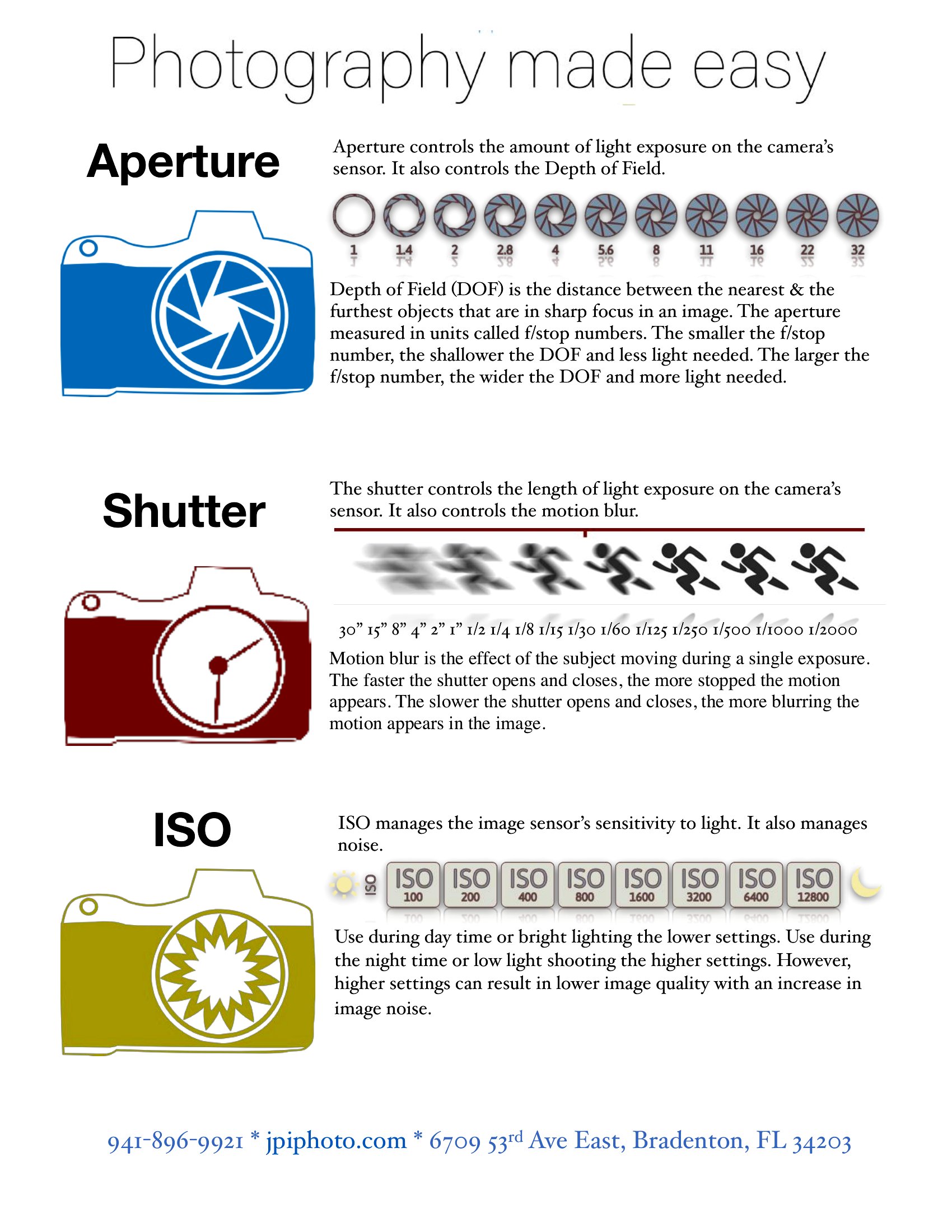
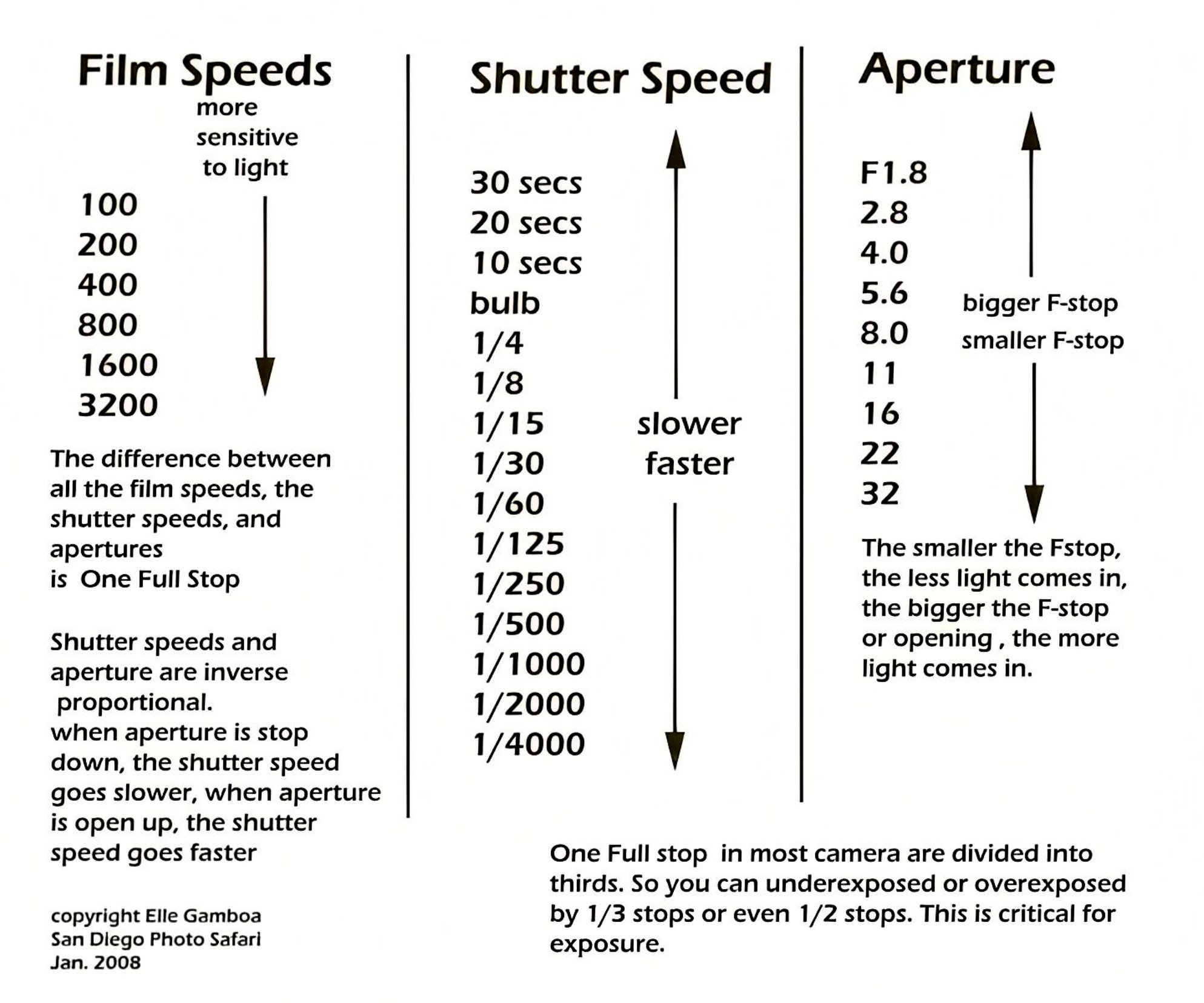
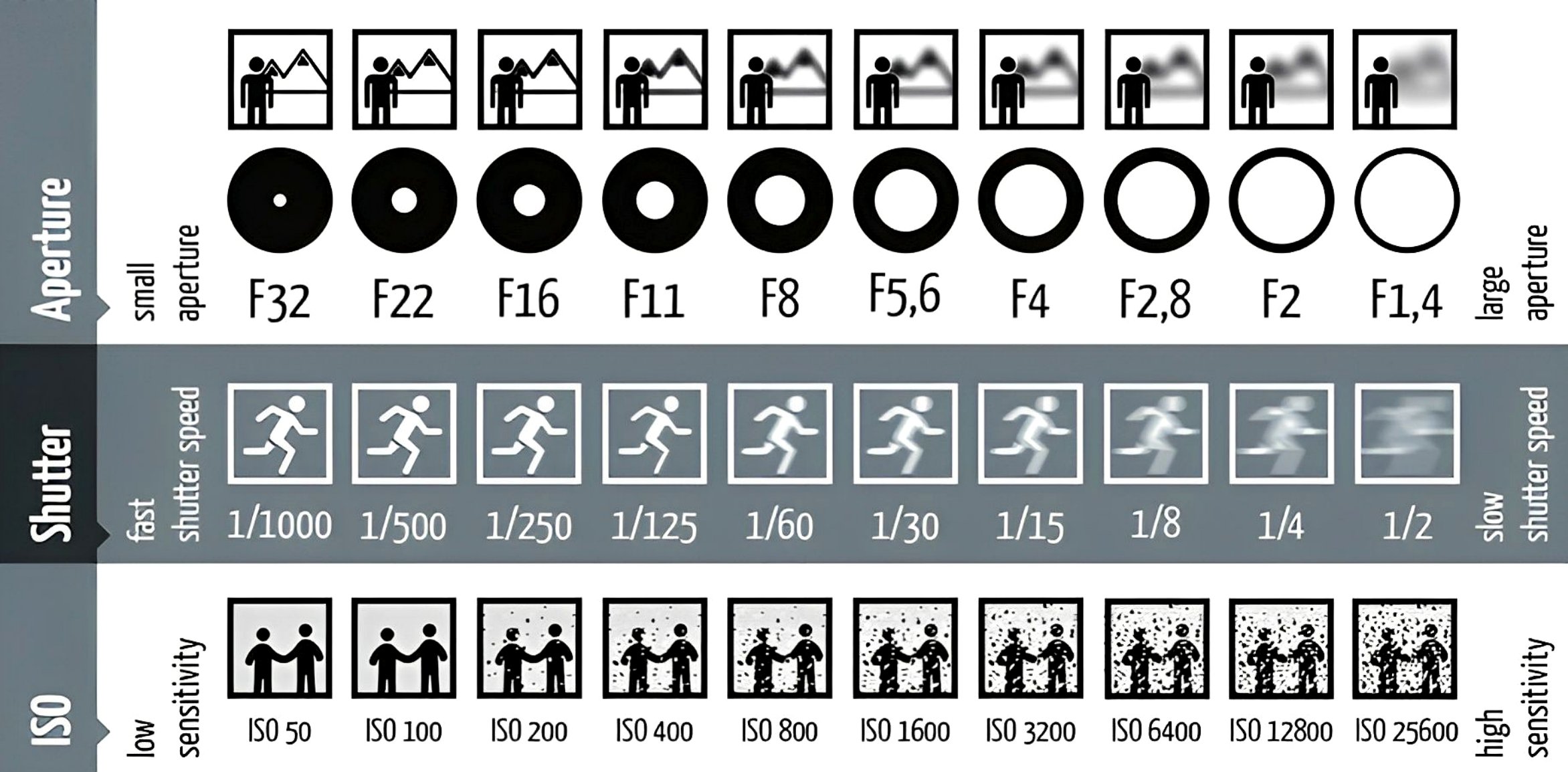
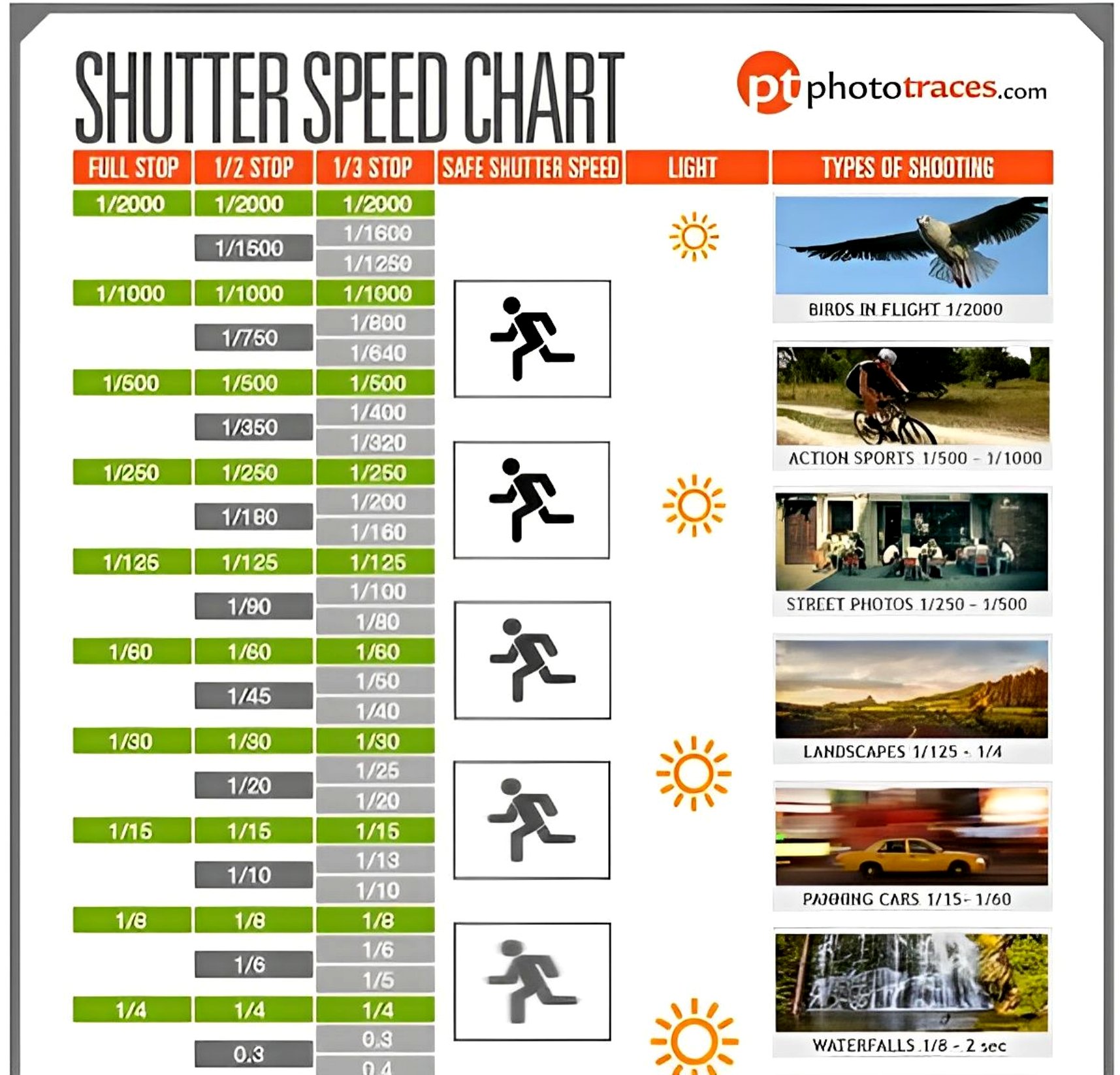
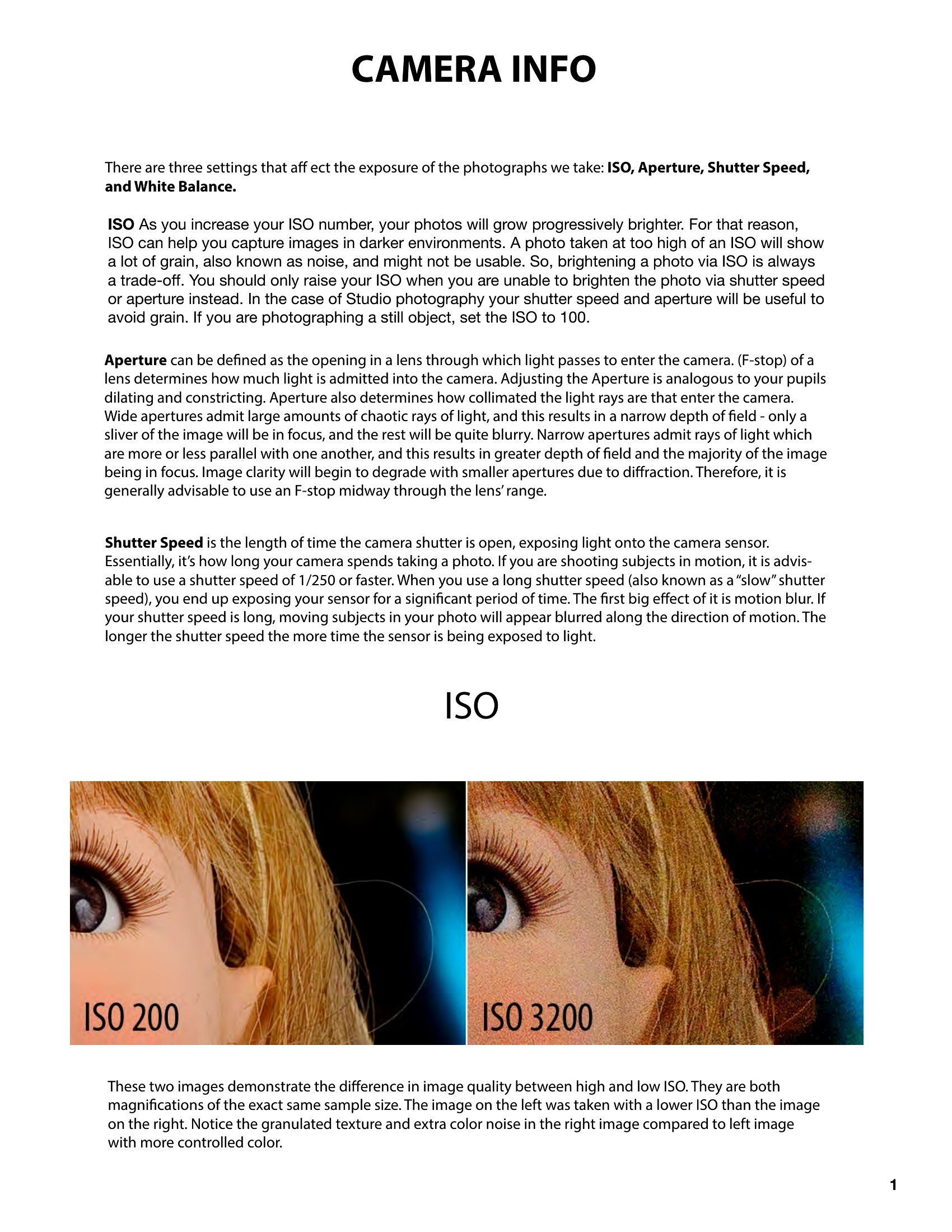
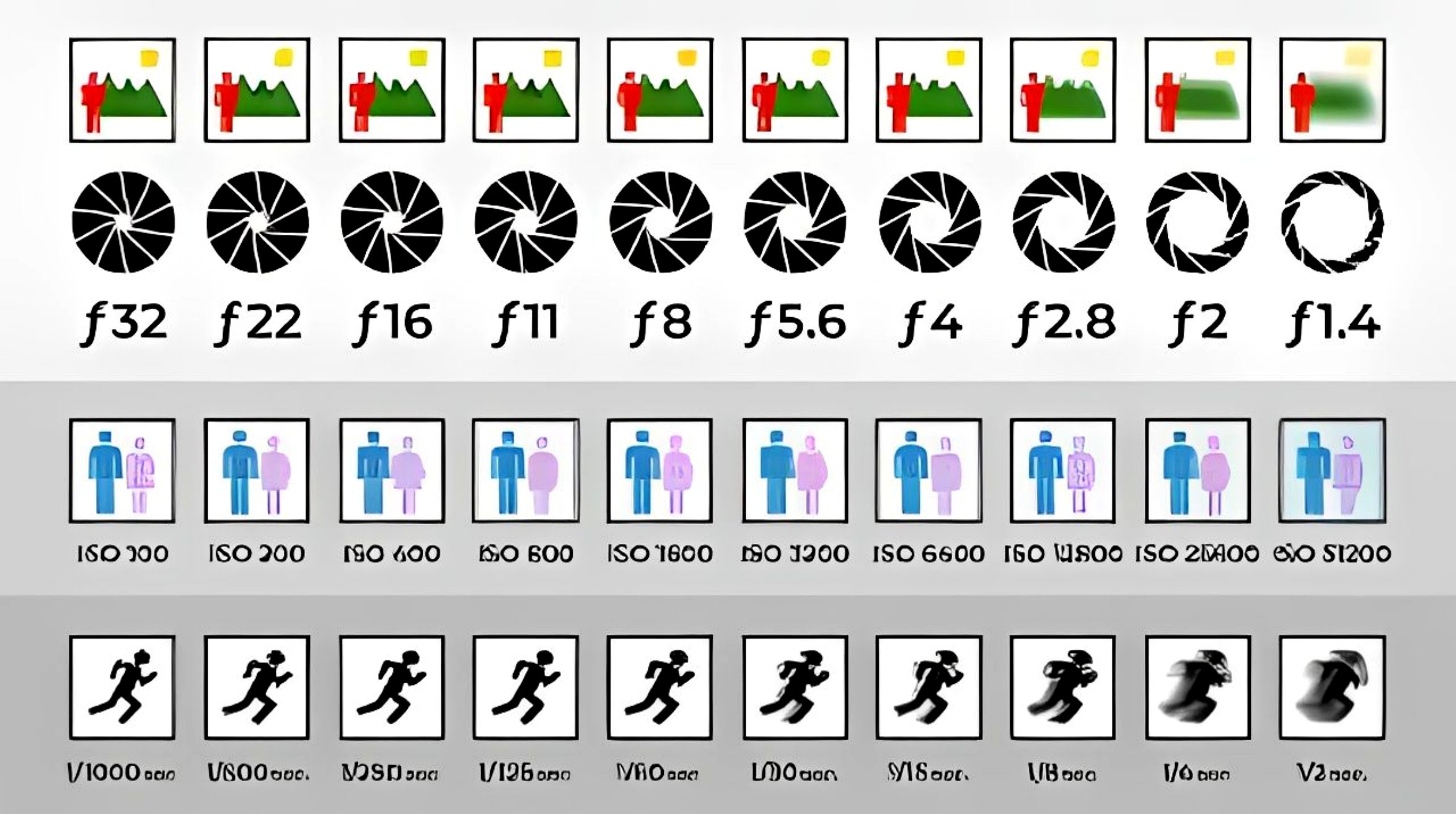
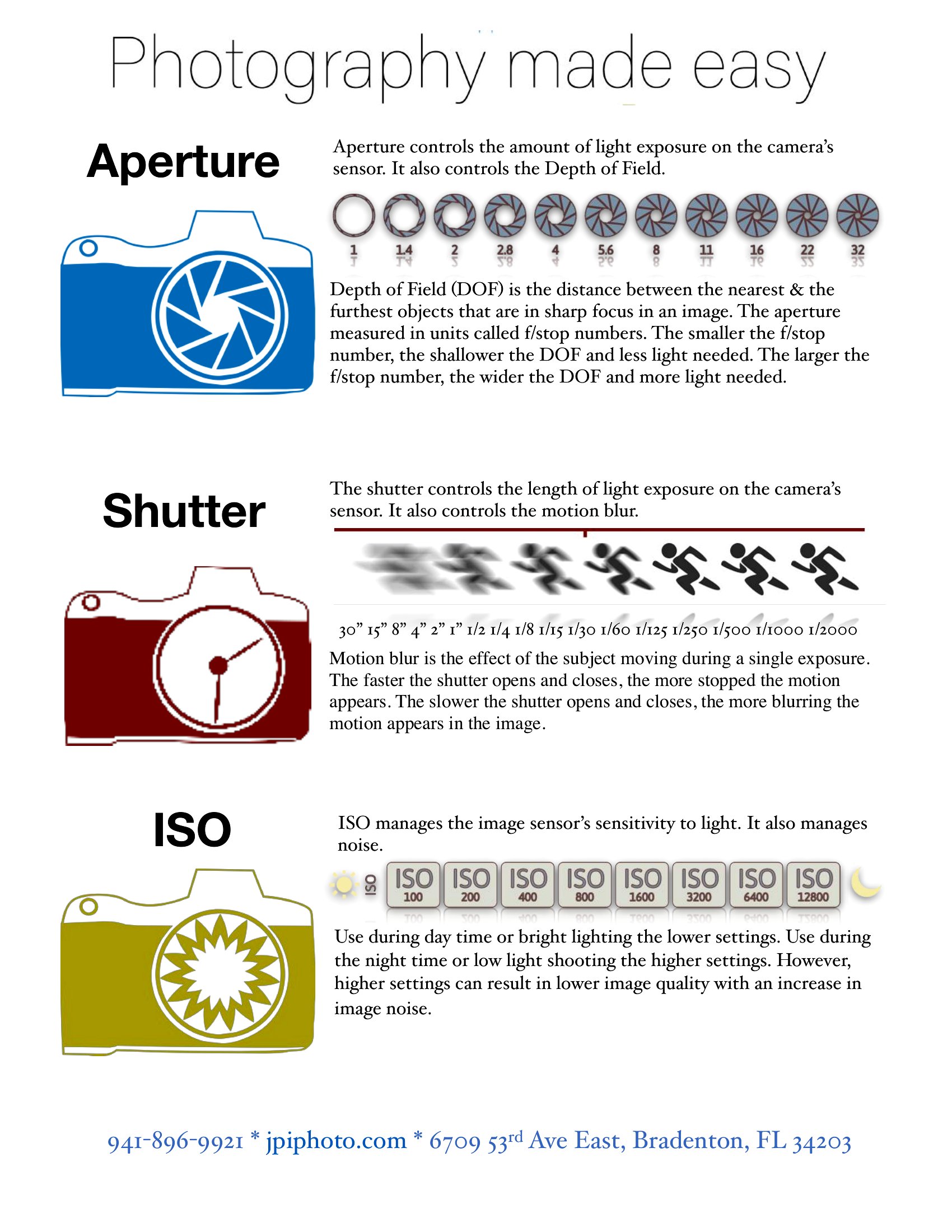
Aperture and ISO pairings help photographers balance the entire exposure triangle in real time. For example, a chart might note that 1/250s at f/8 and ISO 100 is a safe starting point for daylight portraits, reducing the need to guess adjustments while composing shots. These pairings act as a cheat sheet for consistency across different lighting conditions.
Can I use a shutter speed chart to estimate motion blur in video?
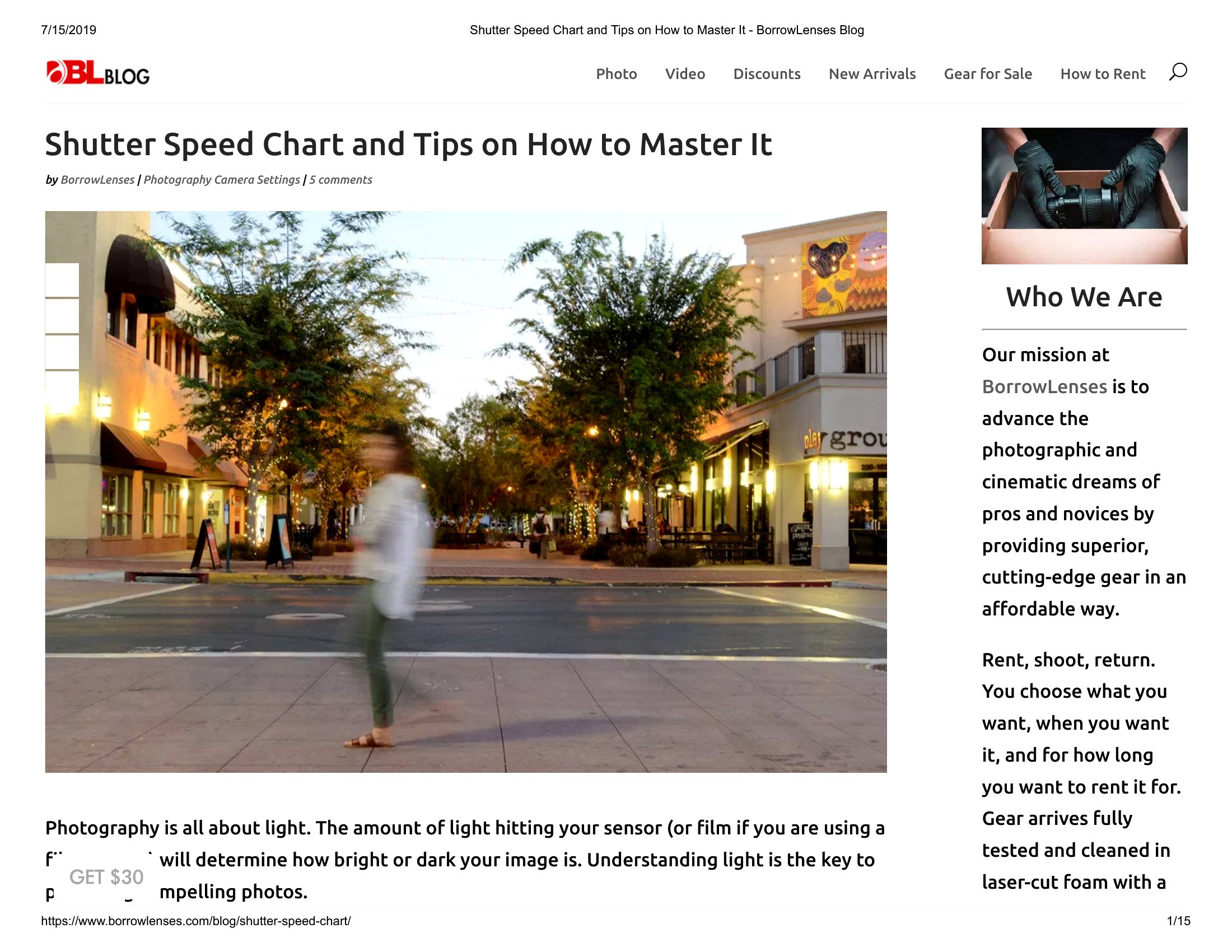
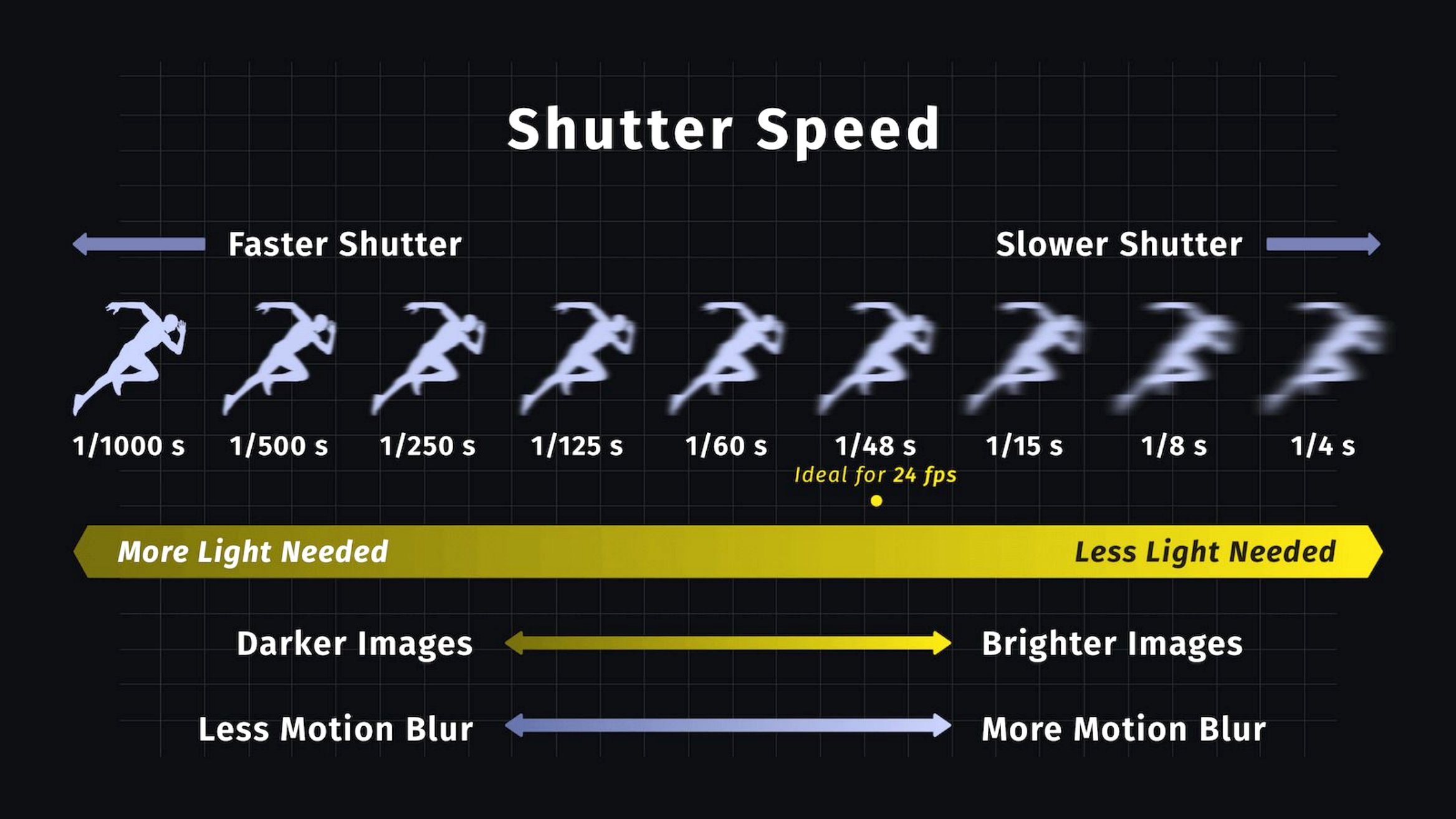
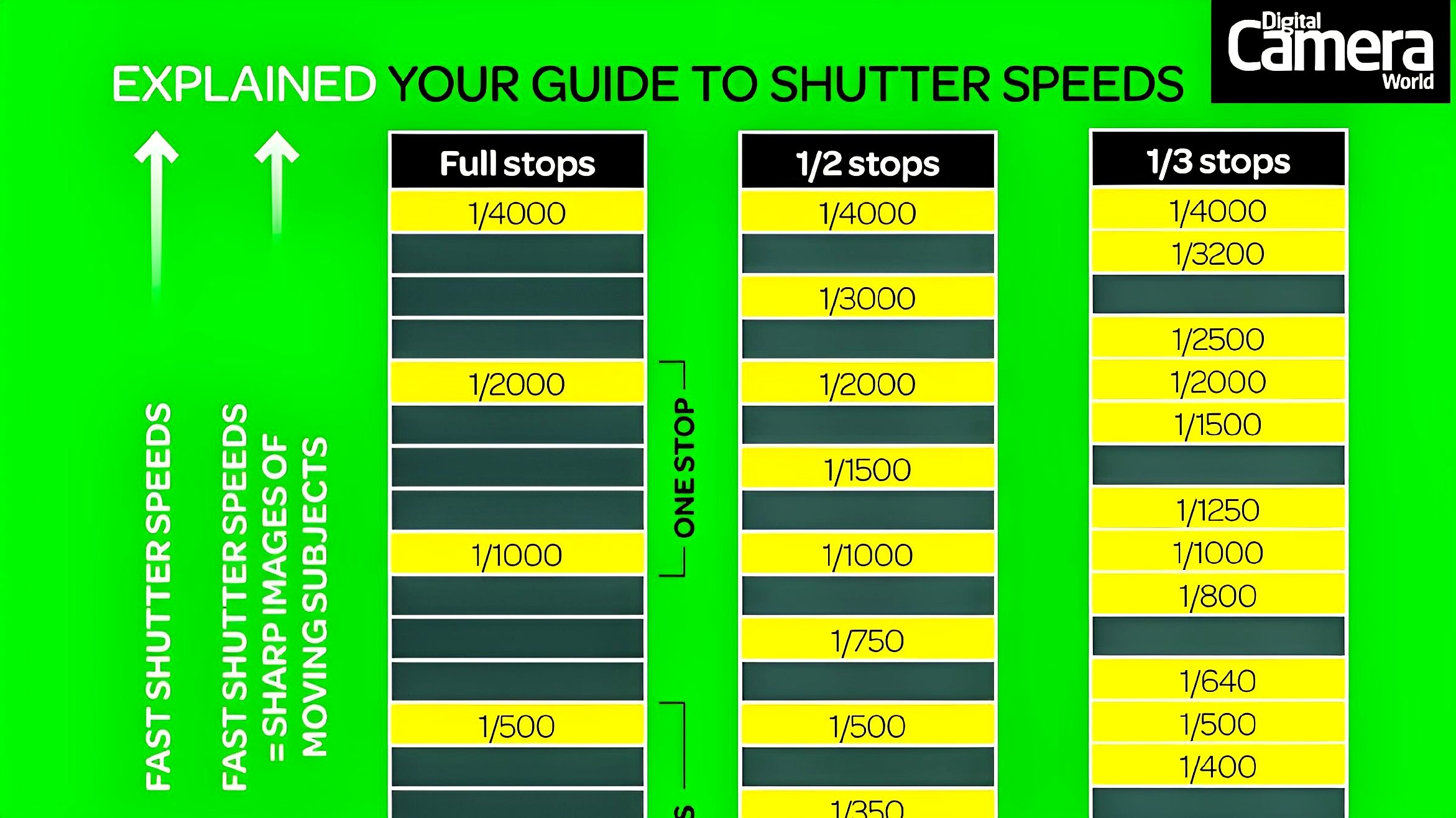
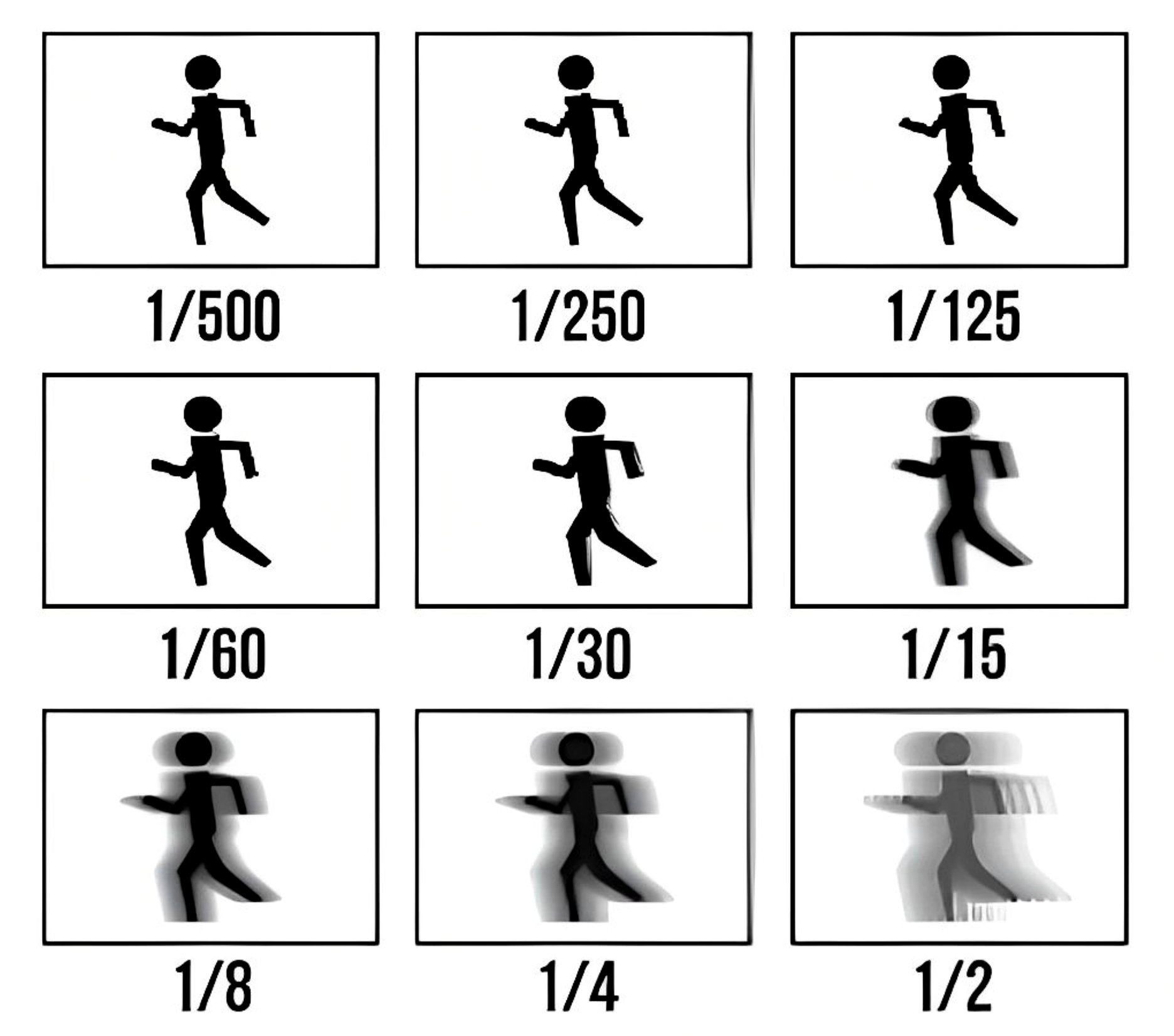
Yes, but with adjustments for frame rate. A chart designed for 24fps video will differ slightly from one for 60fps, as shutter speed should ideally be double the frame rate to avoid motion blur. Look for charts labeled ‘video-friendly’ or calculate your own by dividing 1 by your frame rate, then doubling it (e.g., 1/120s for 60fps).
How should I adjust this chart for long-exposure night photography?
For night shots, focus on shutter speeds longer than 1/60s (e.g., 1s, 2s, or longer) and pair them with a tripod to avoid blur. Note that ISO should stay low (100–400) to minimize noise, and aperture wide open (e.g., f/2.8) to gather more light. Some charts include a ‘night mode’ section—if not, add your own test exposures to document star trails or light painting effects.
Comments
Join the conversation
Sign in to share your thoughts and leave a comment on this resource.