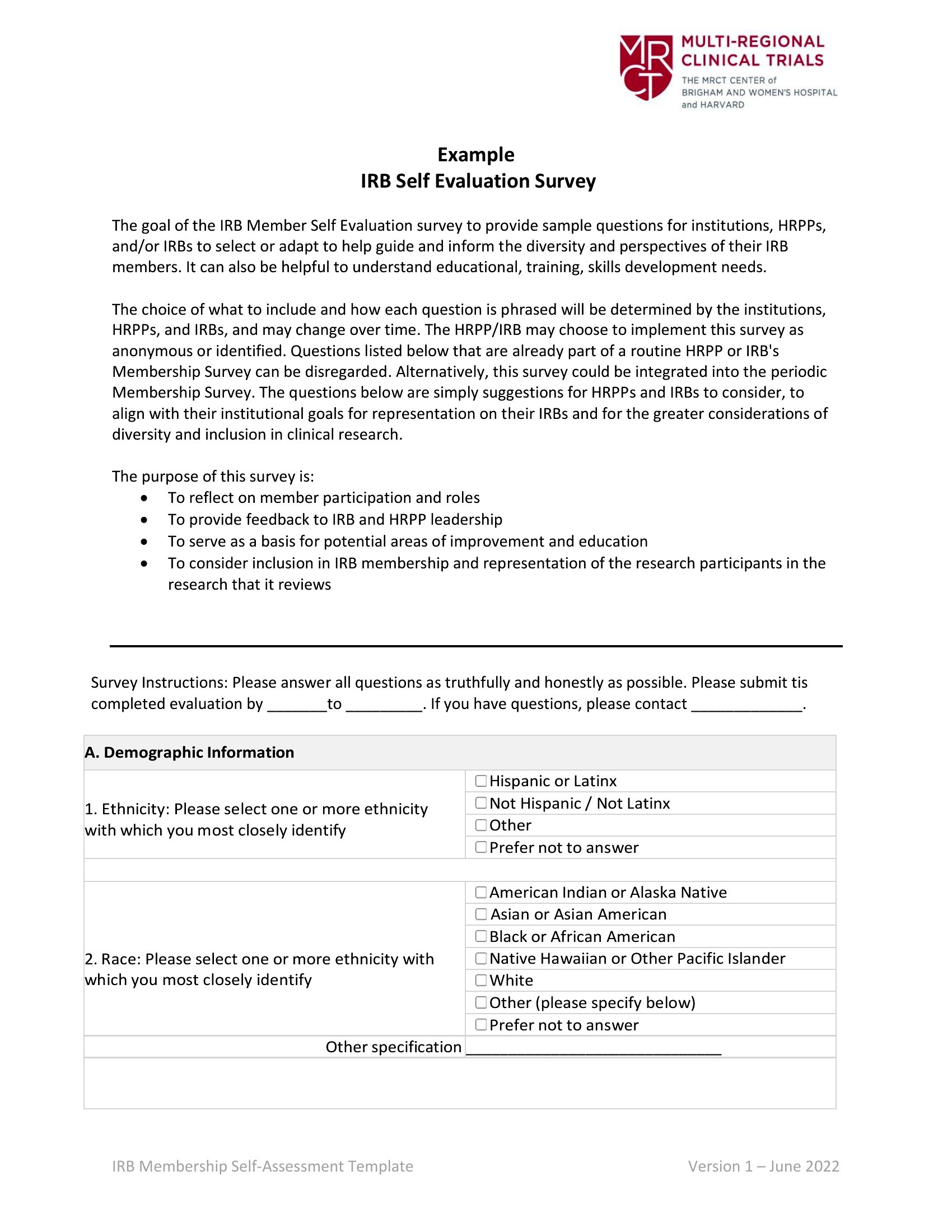
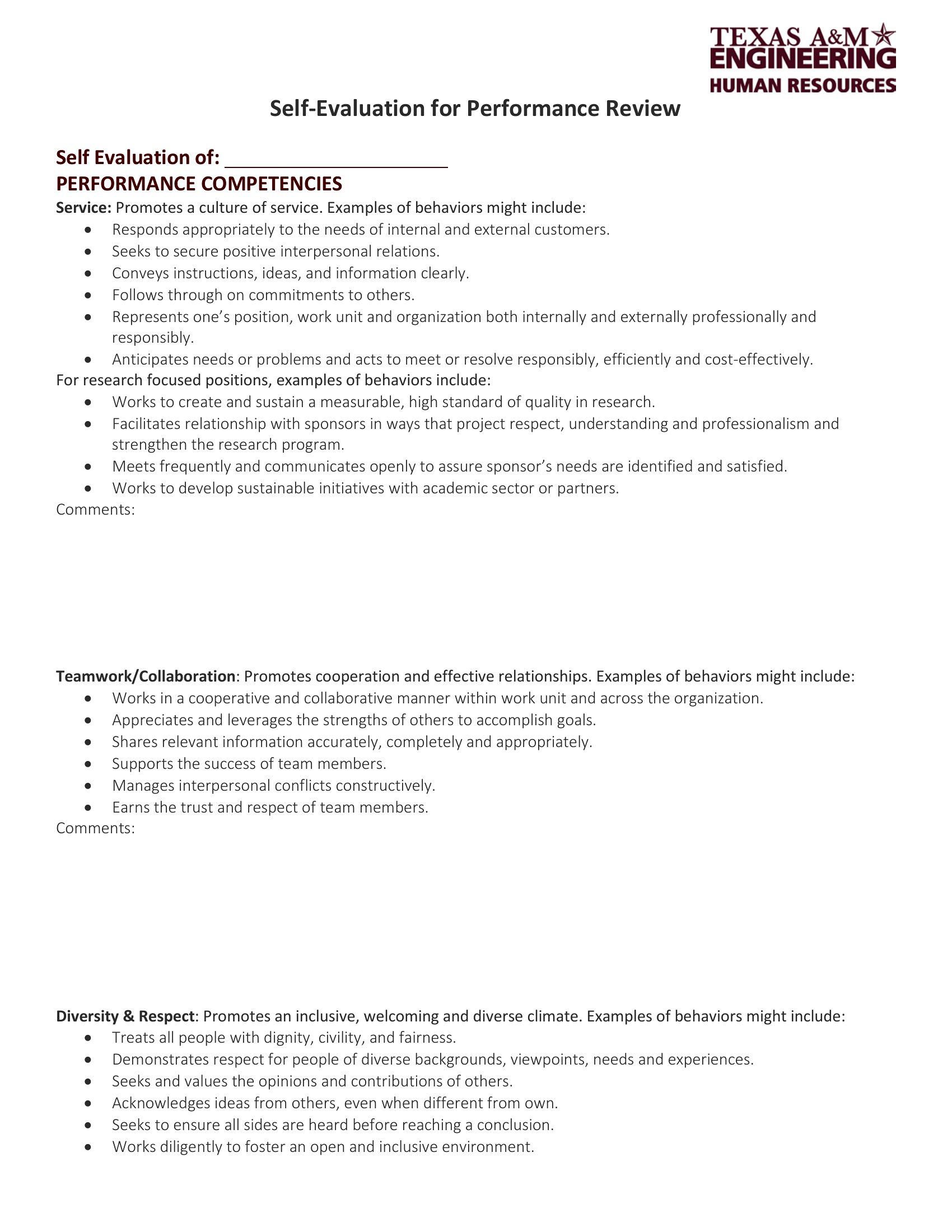
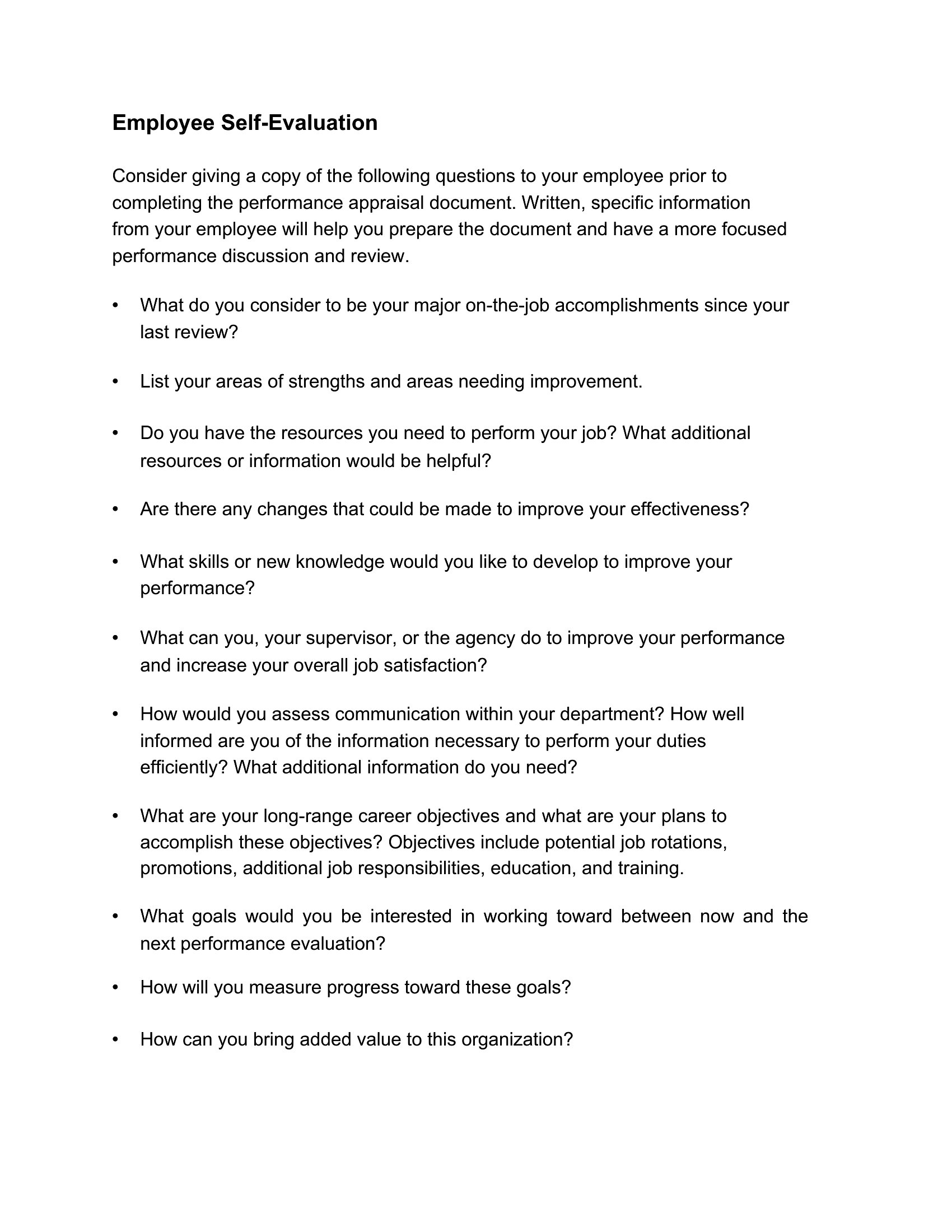
Free Self-Evaluation Templates (Word, PDF)
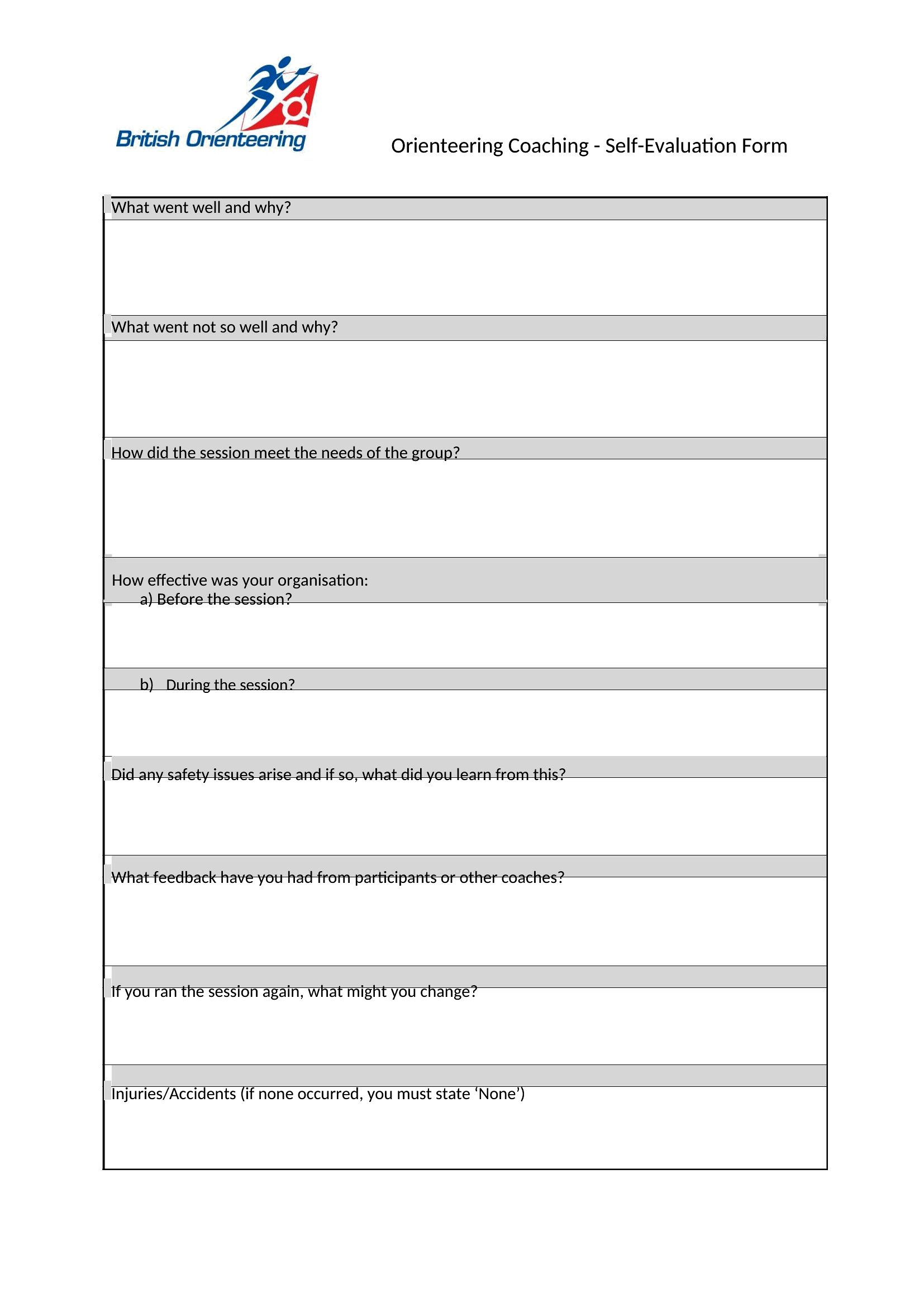
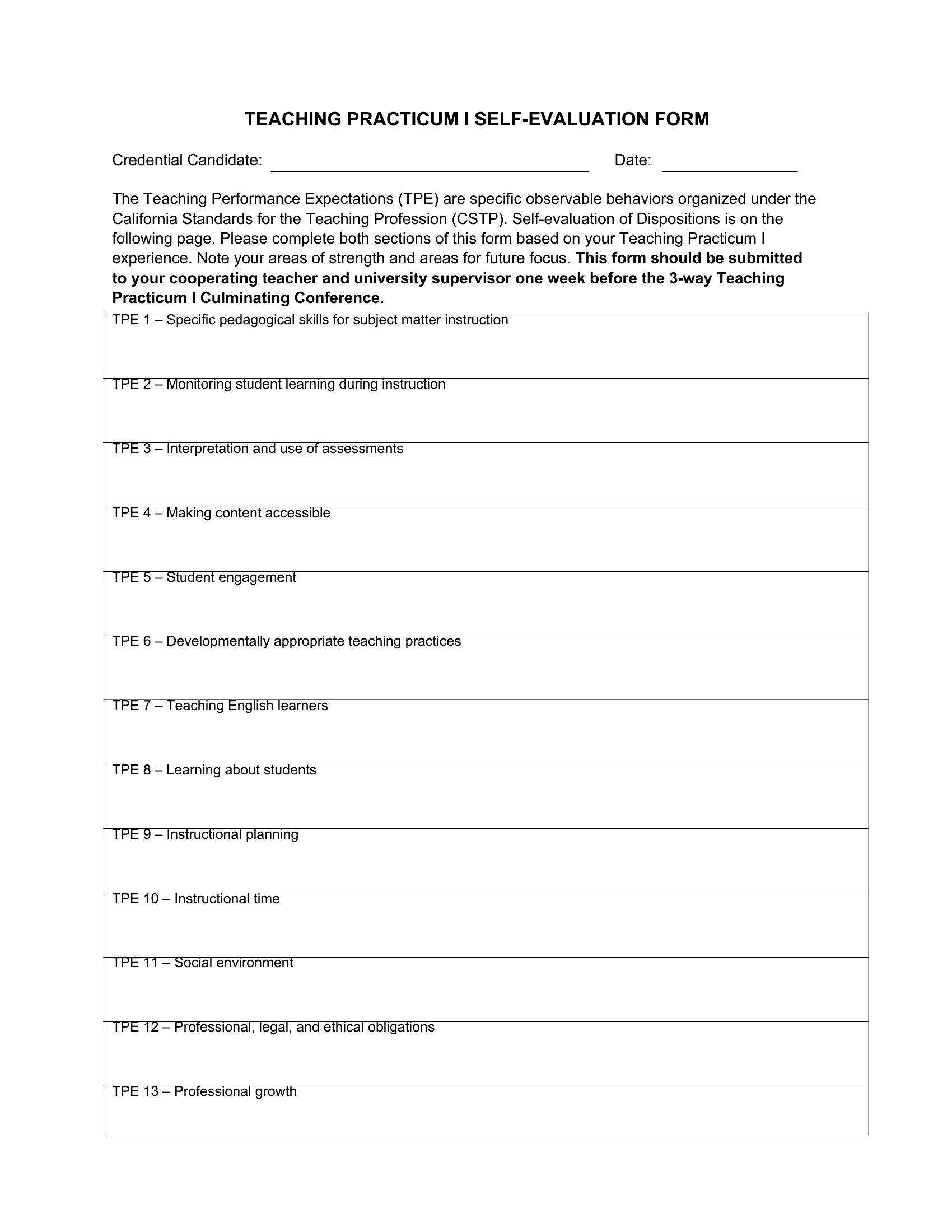
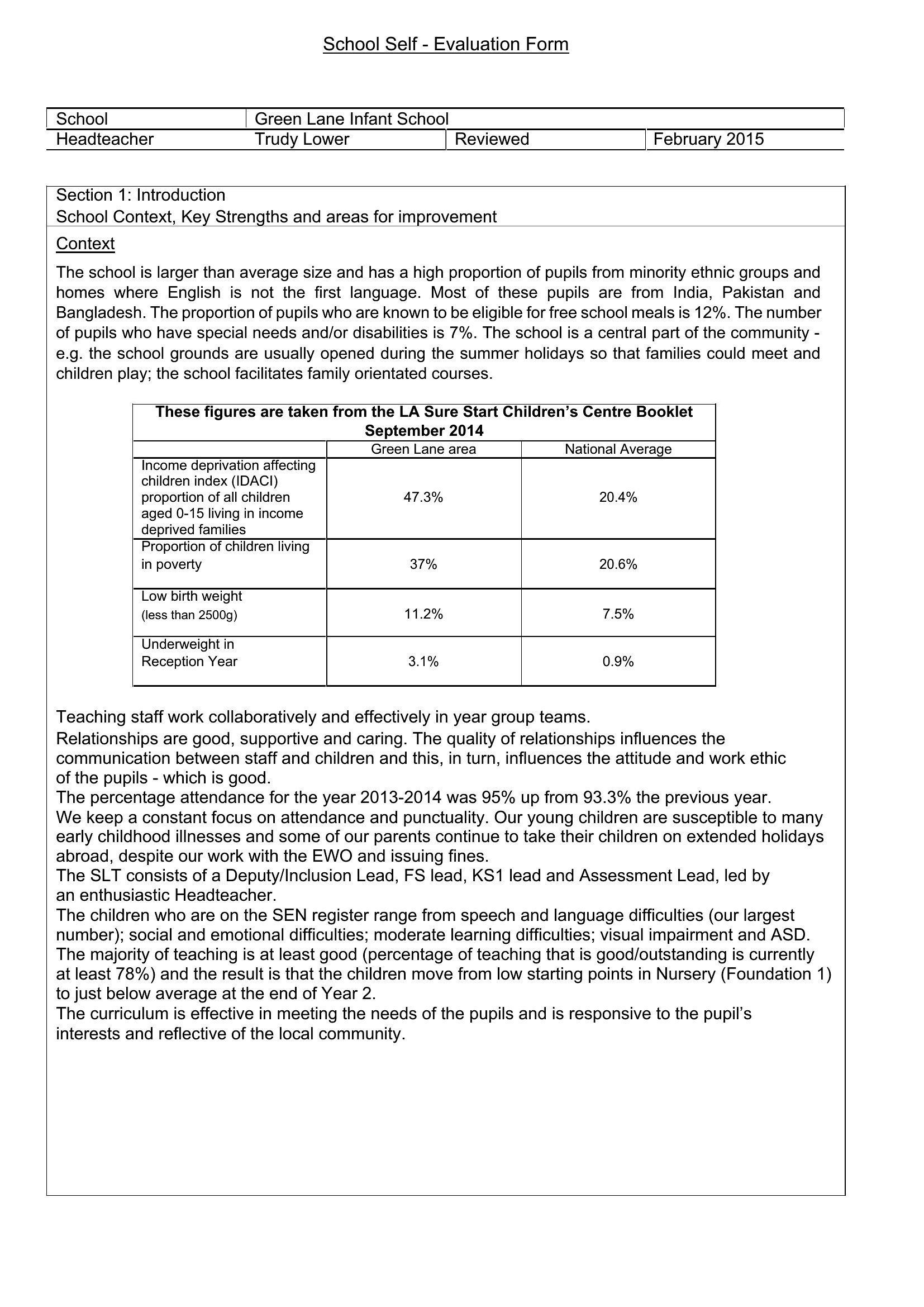
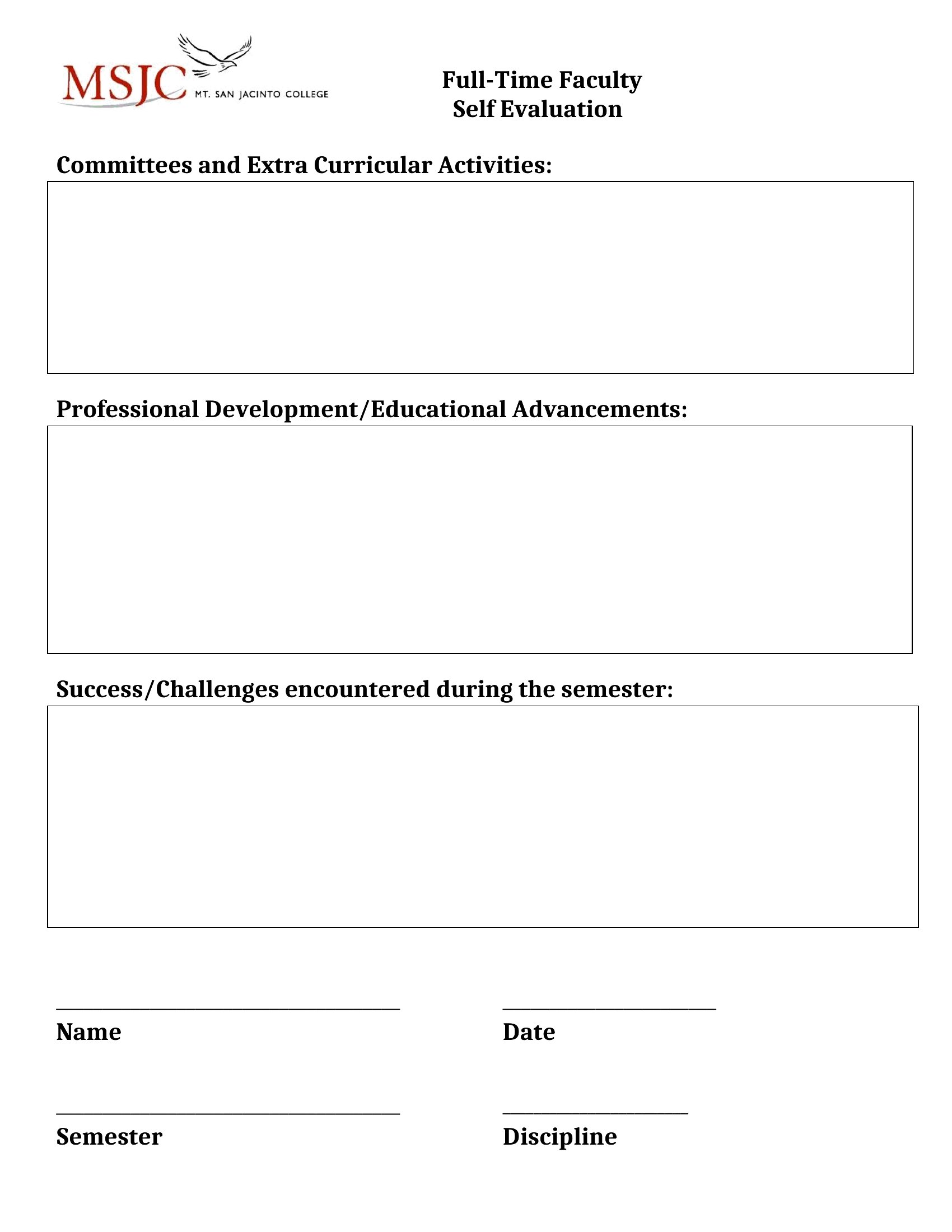
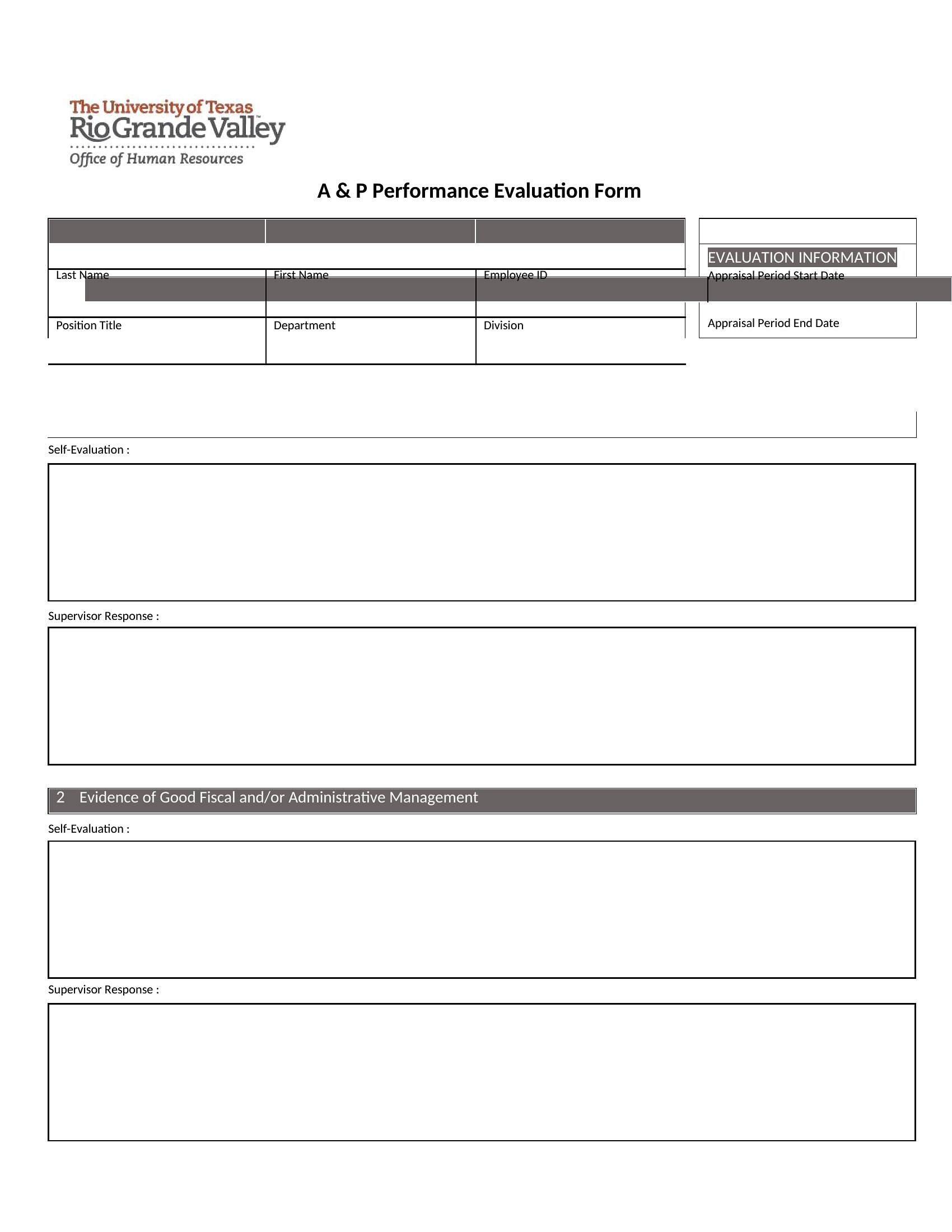
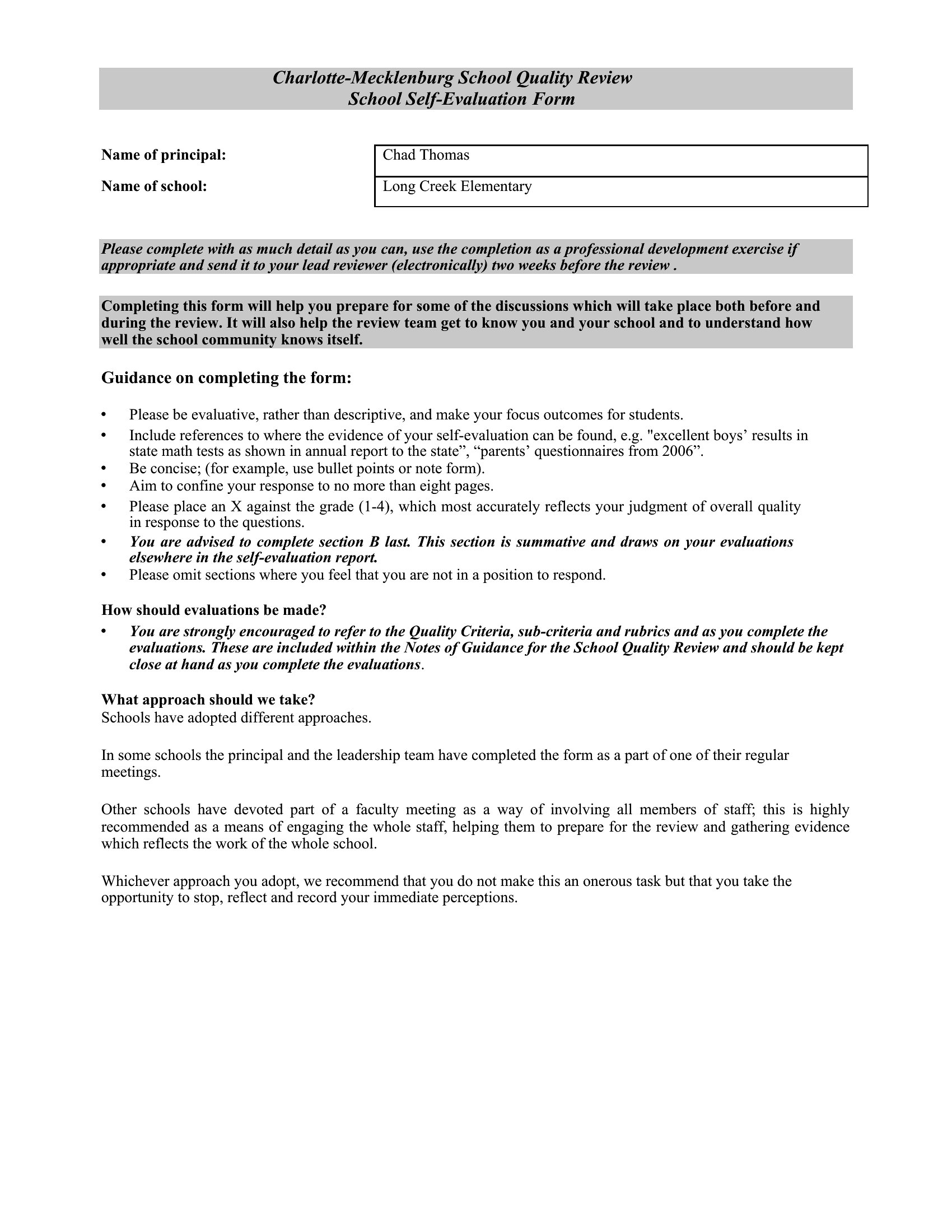
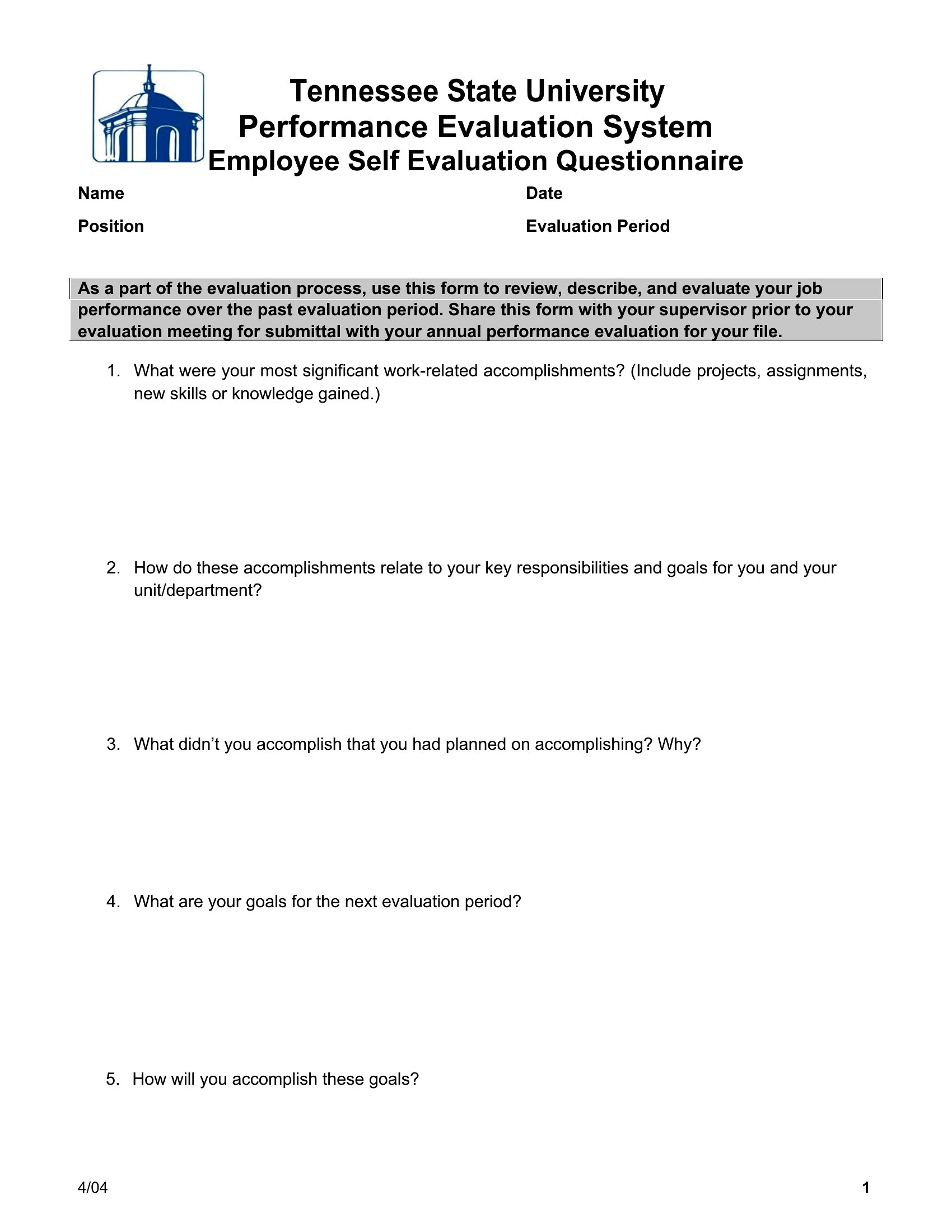
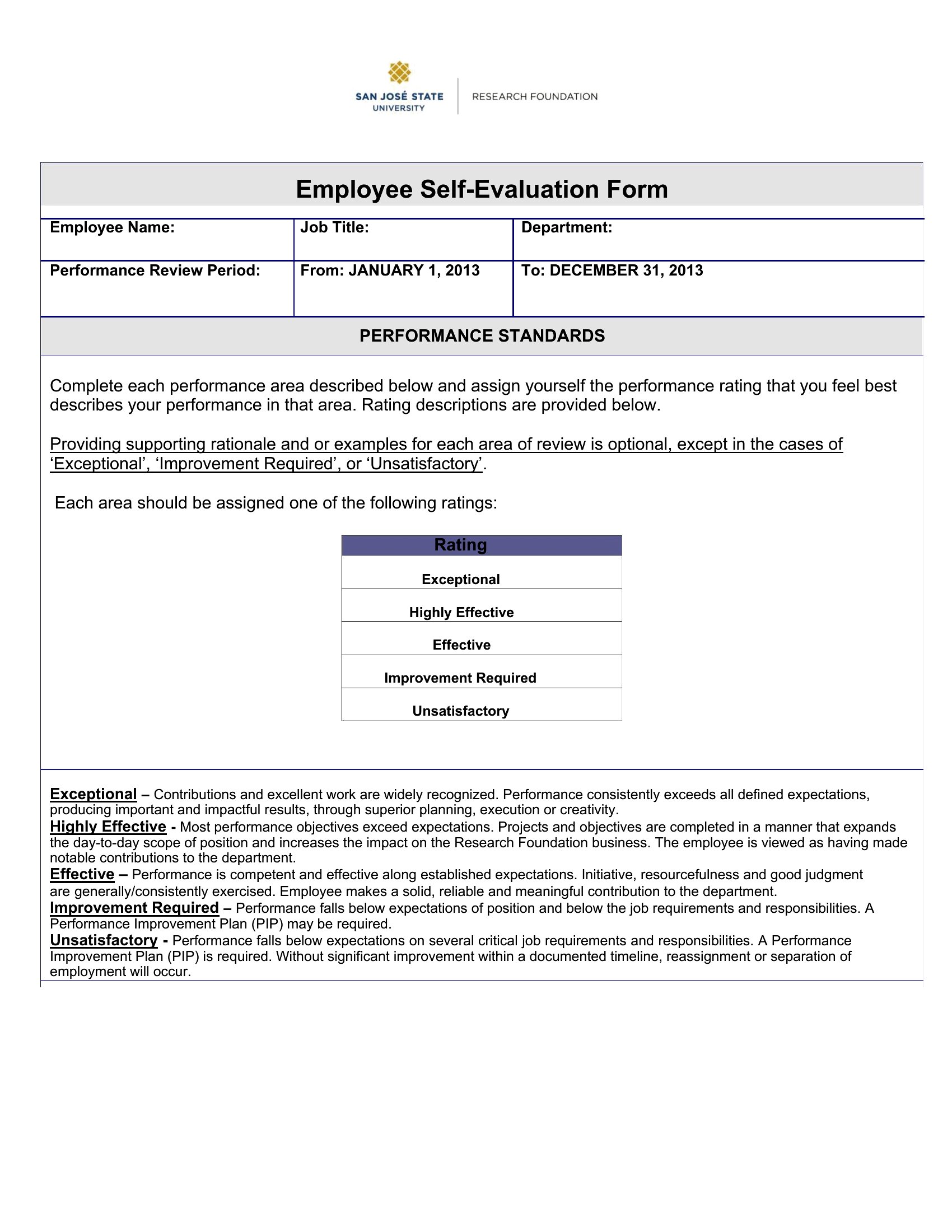
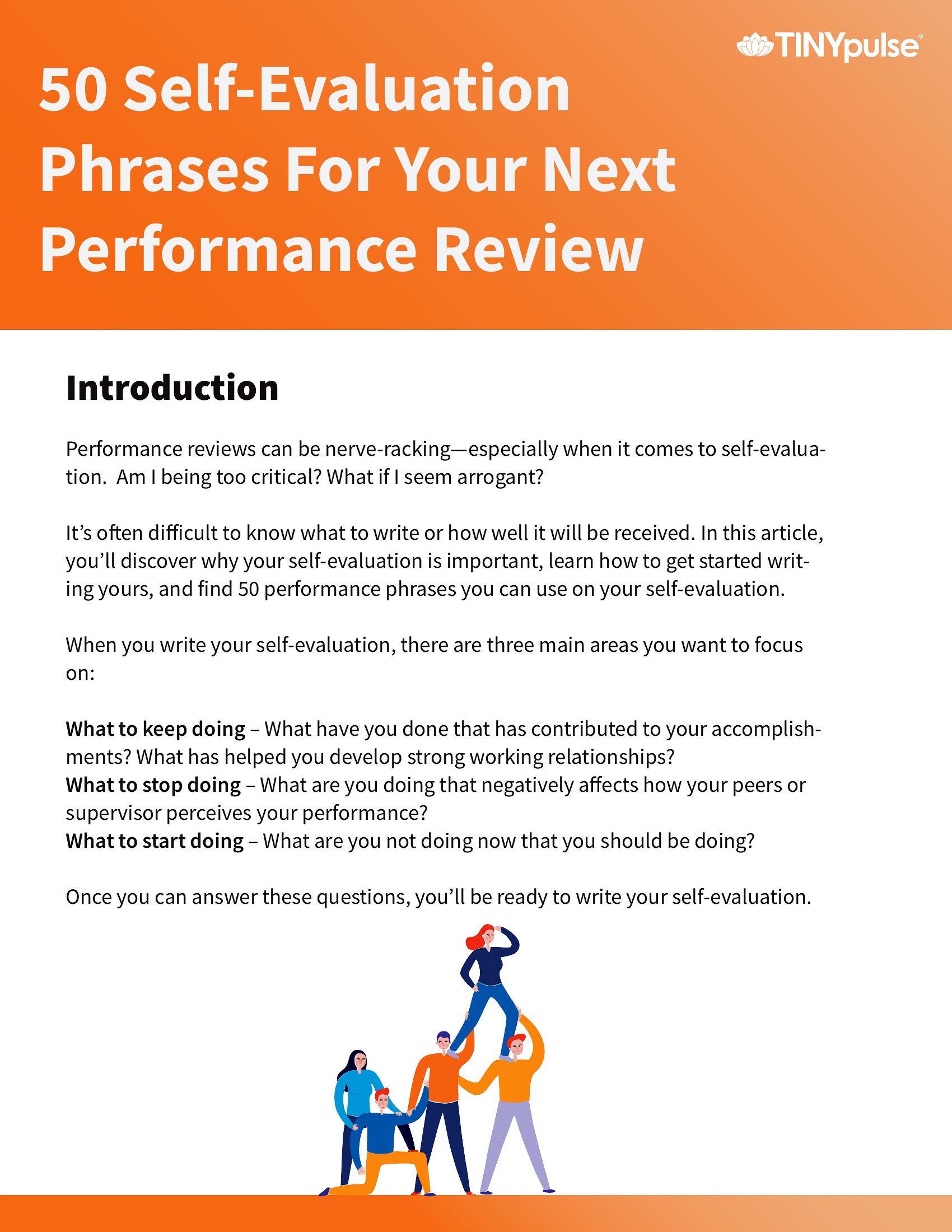
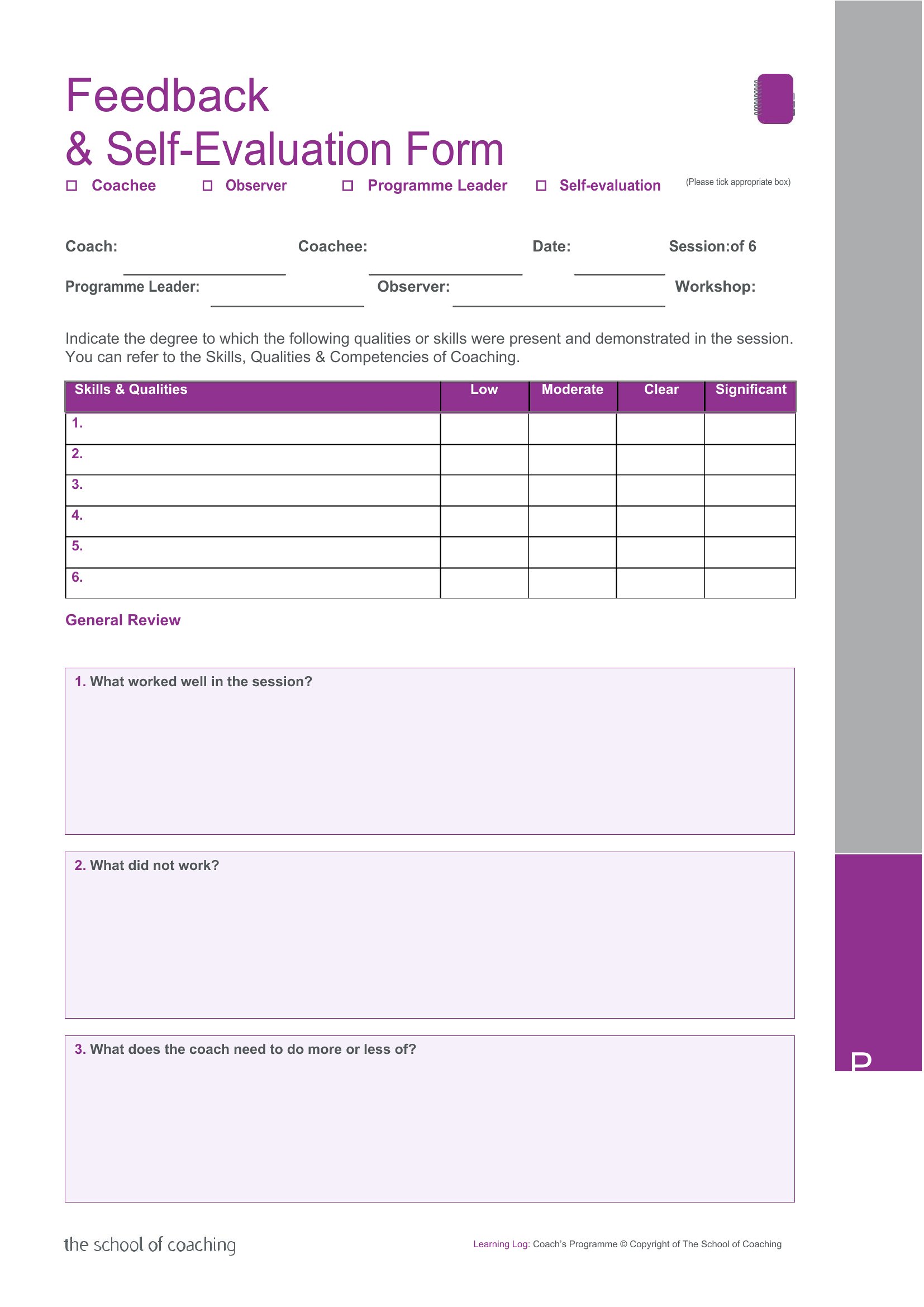
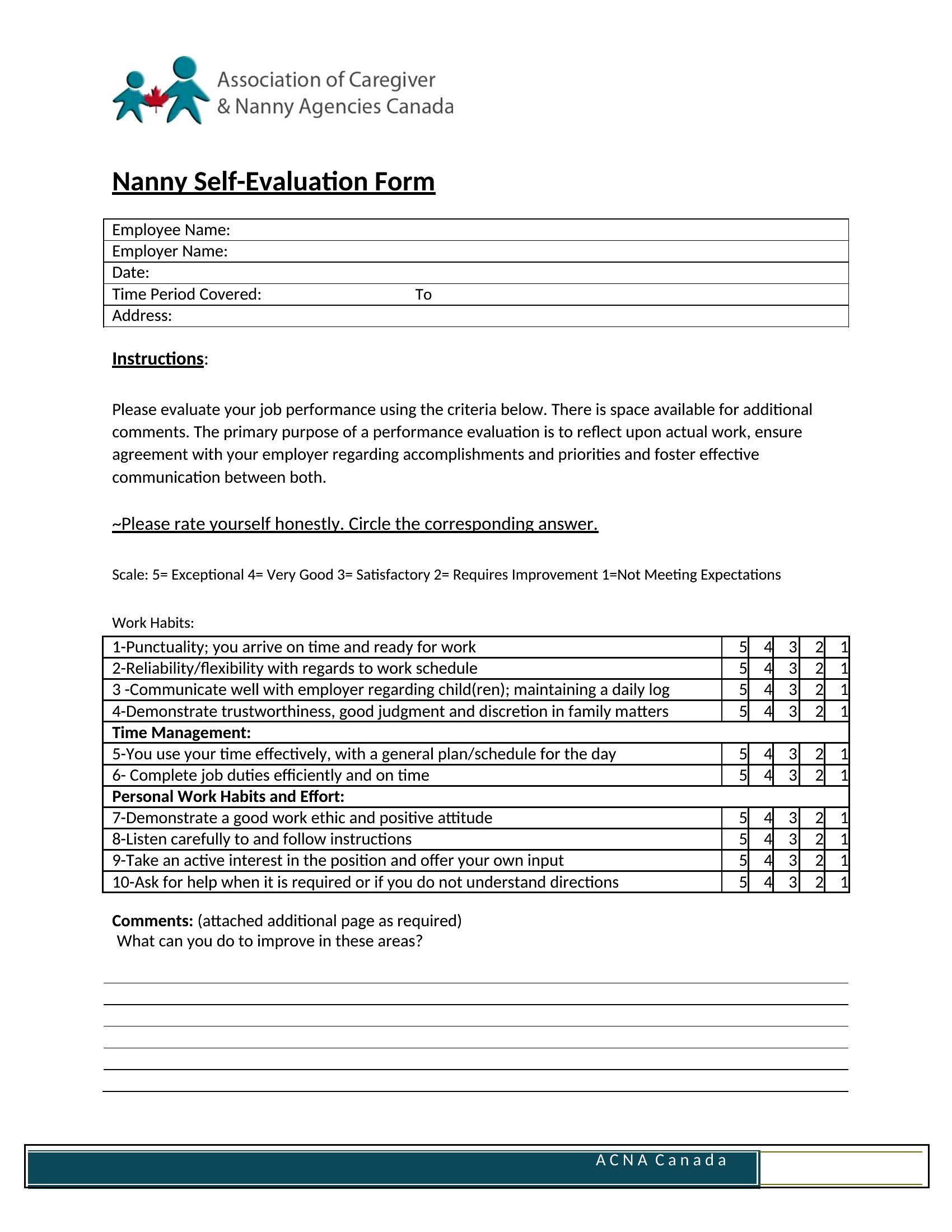
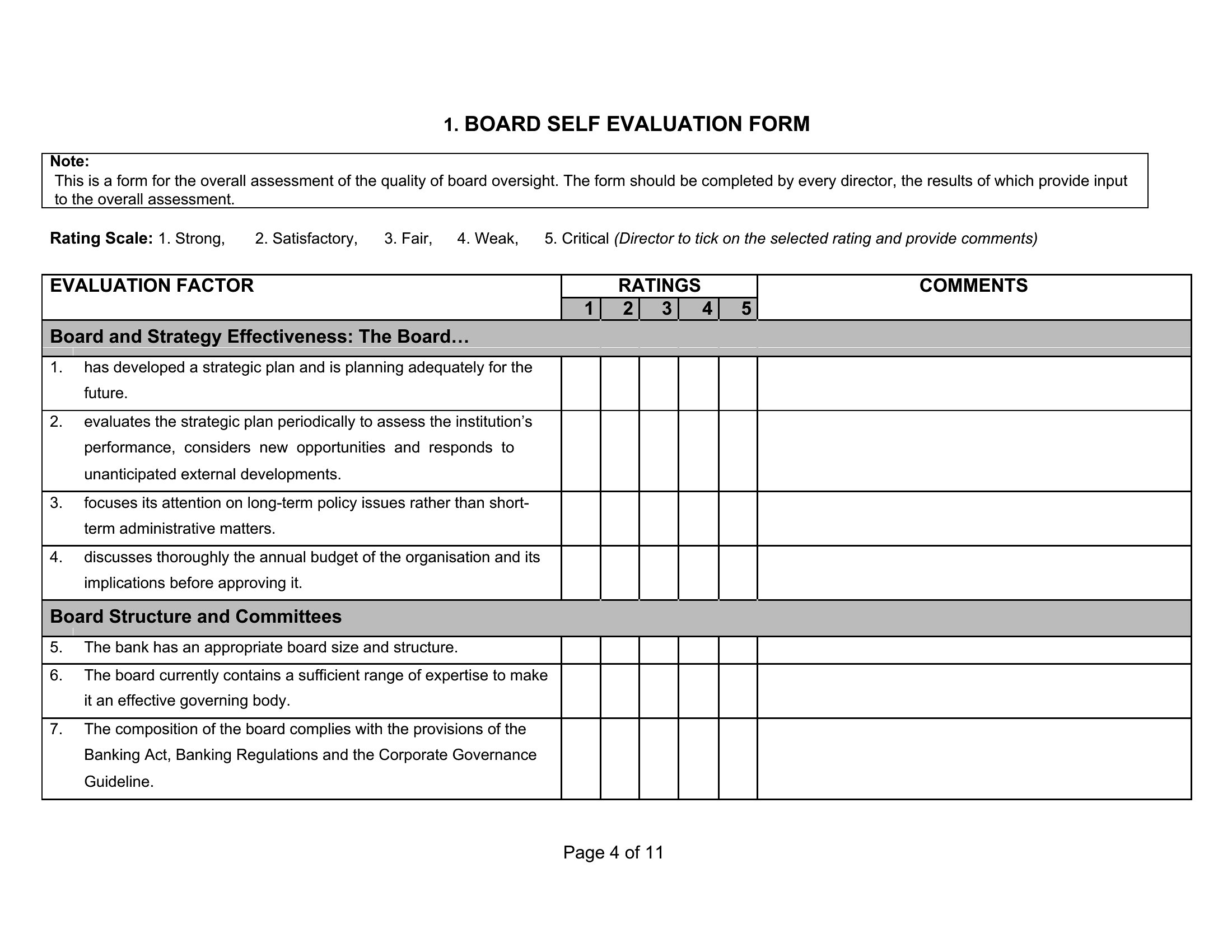
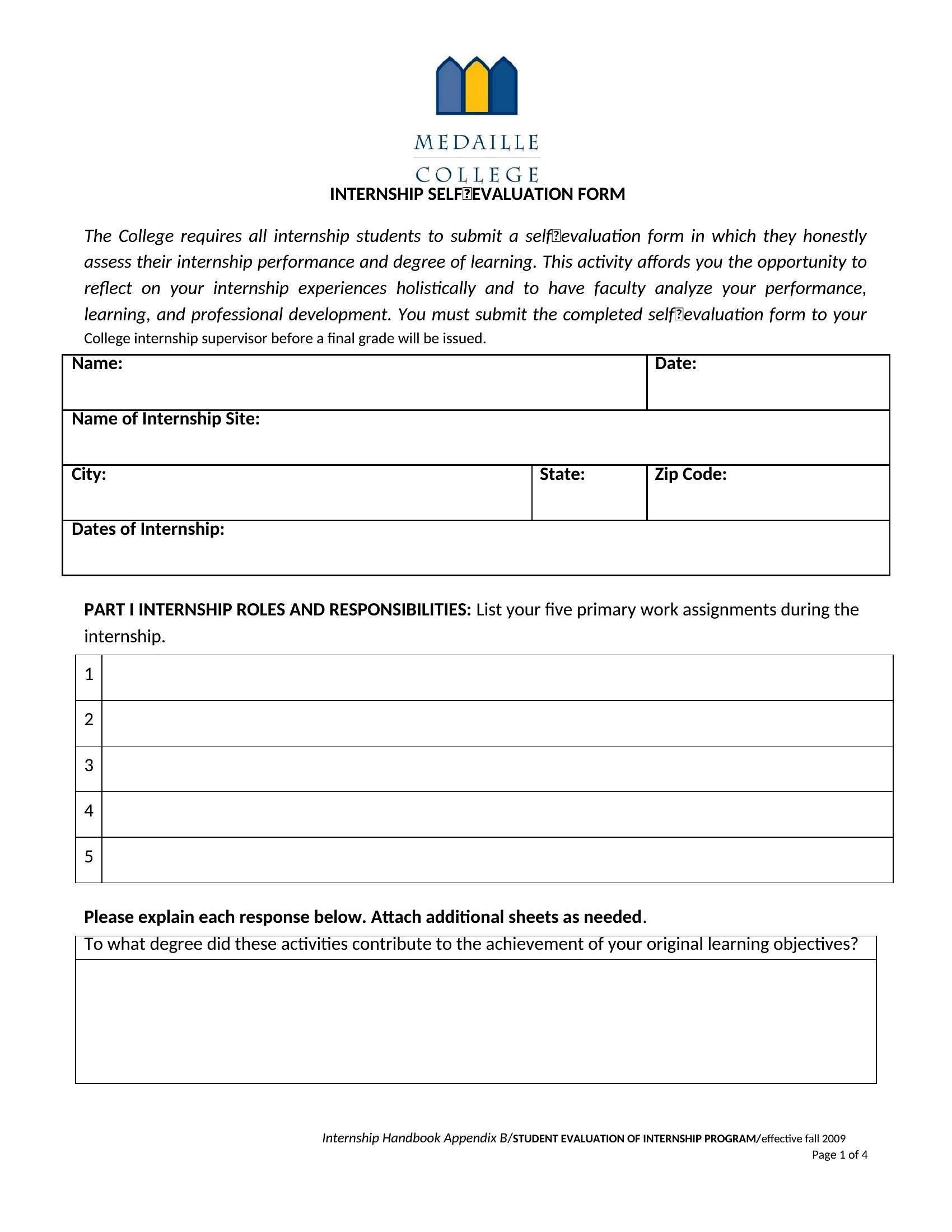
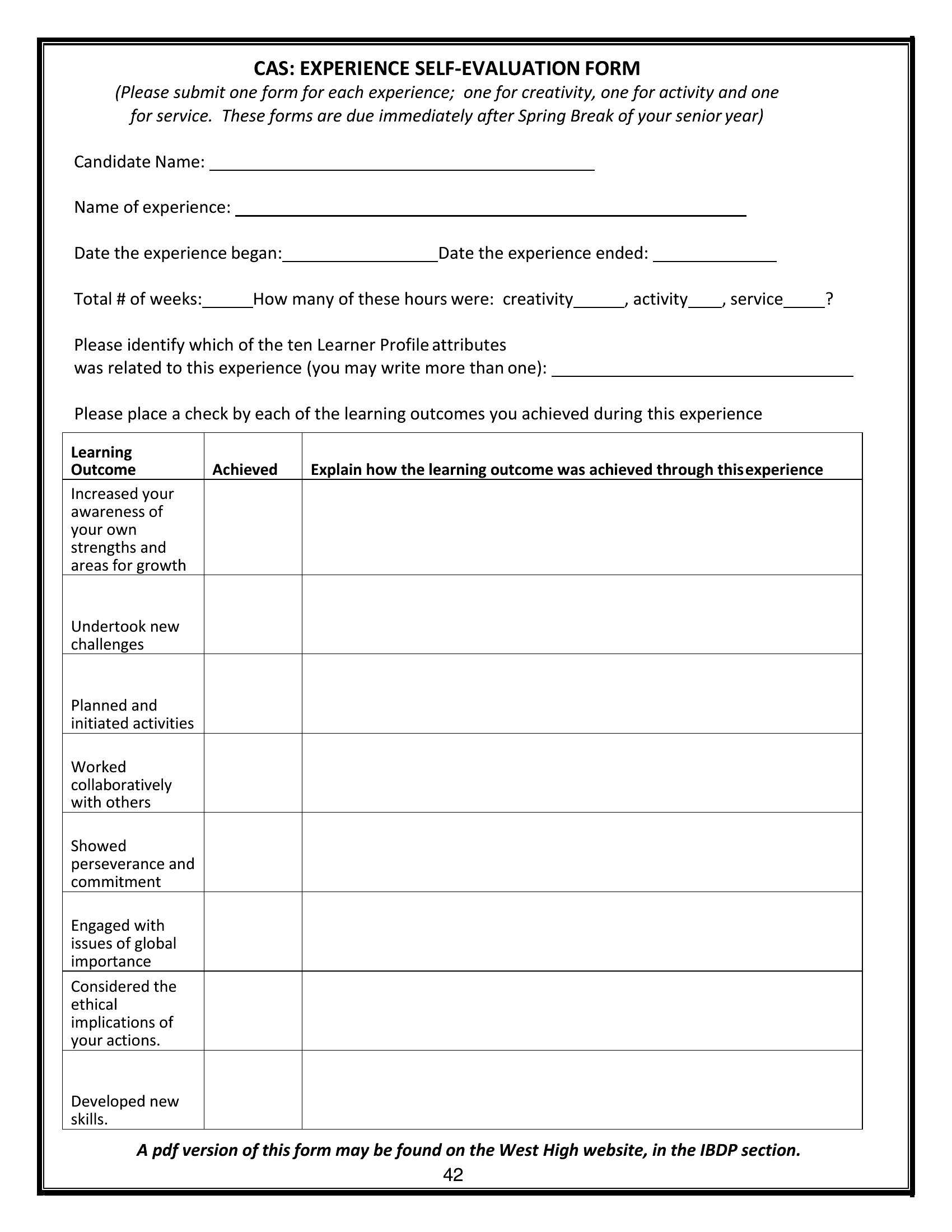
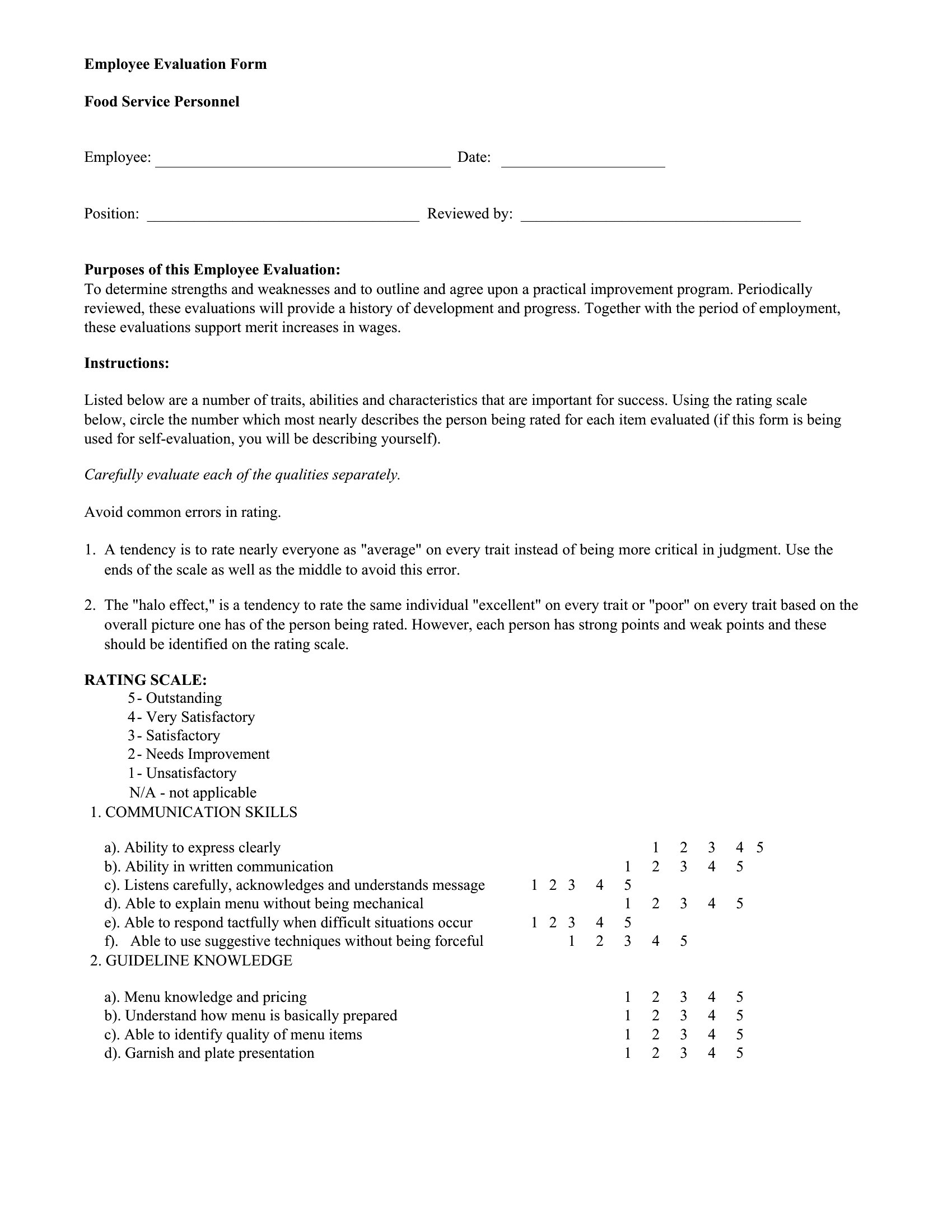
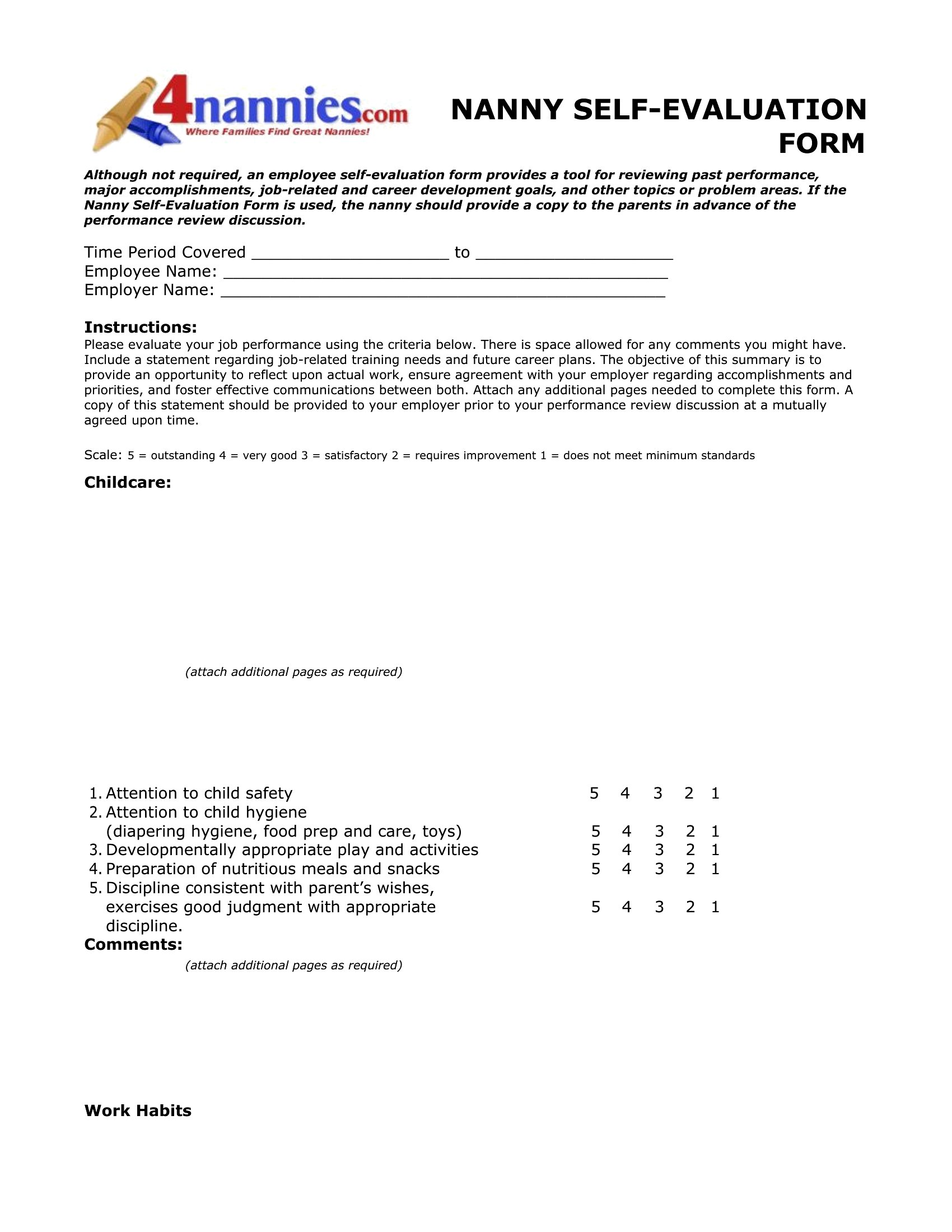
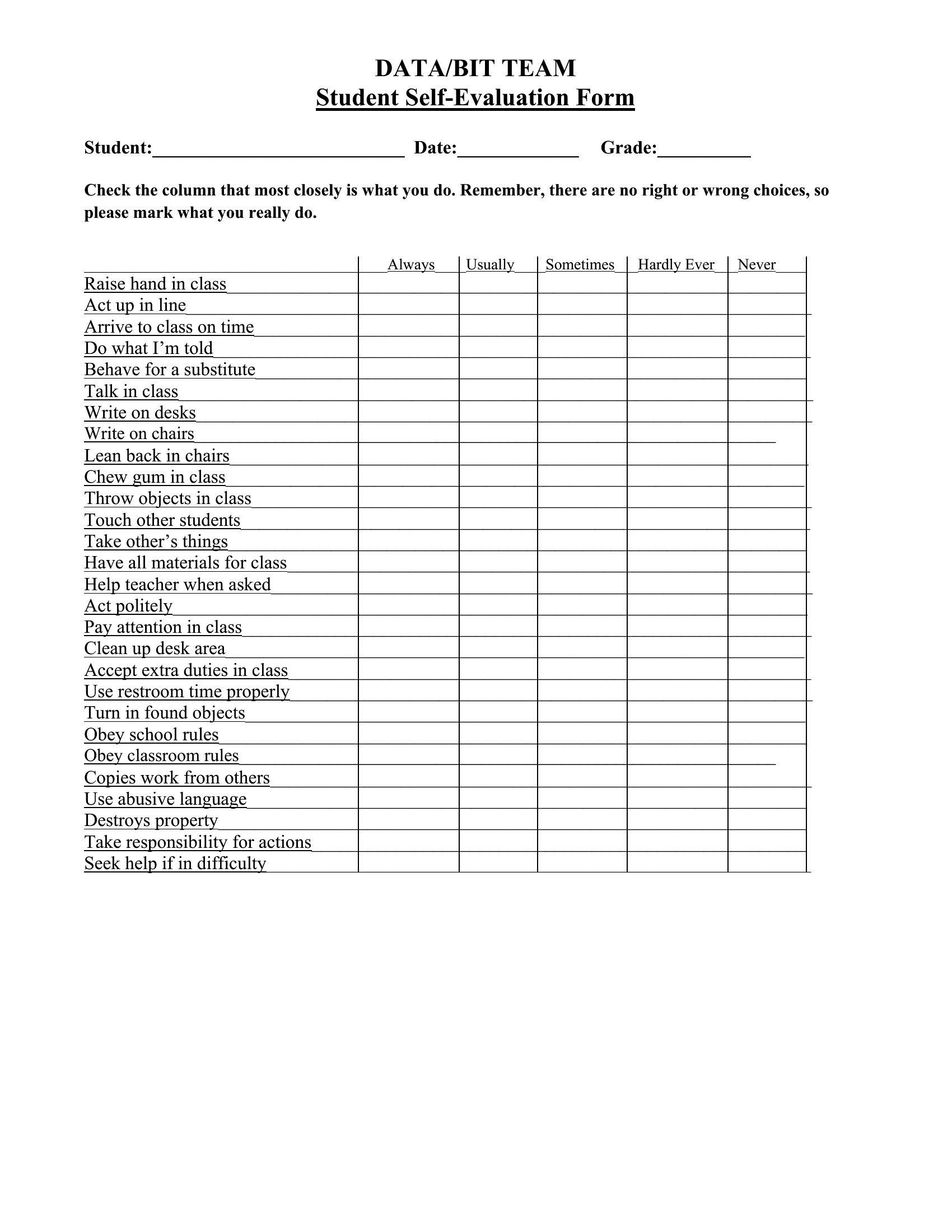
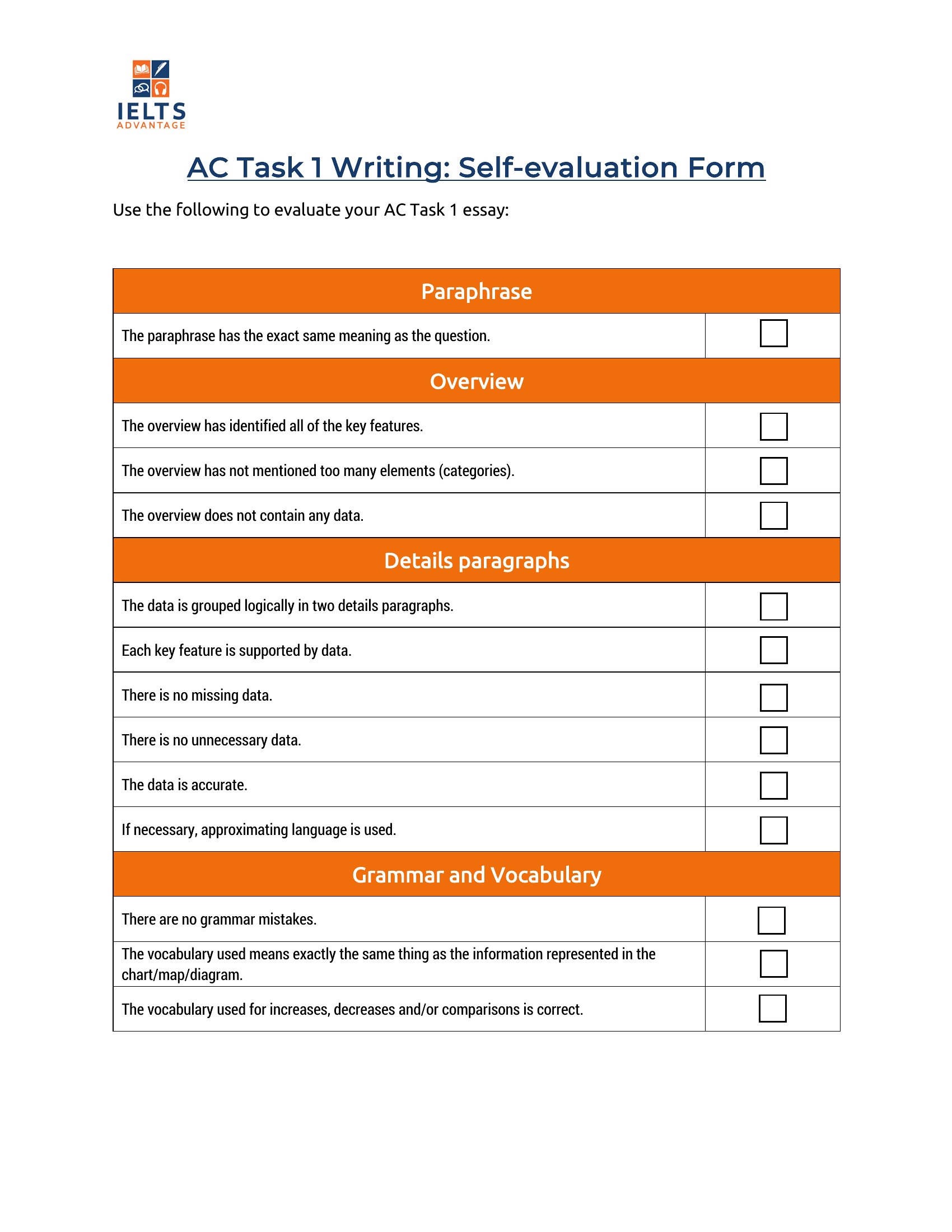
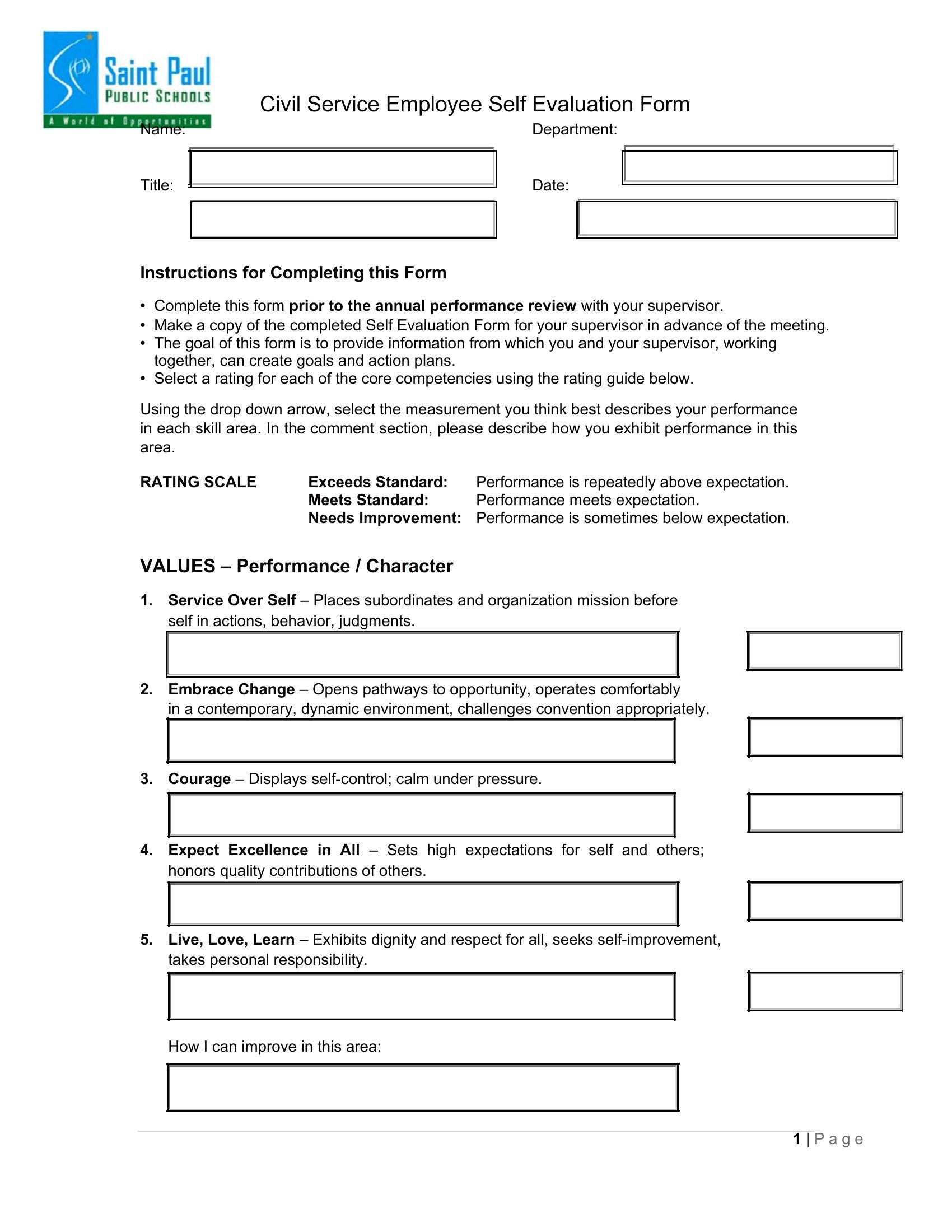
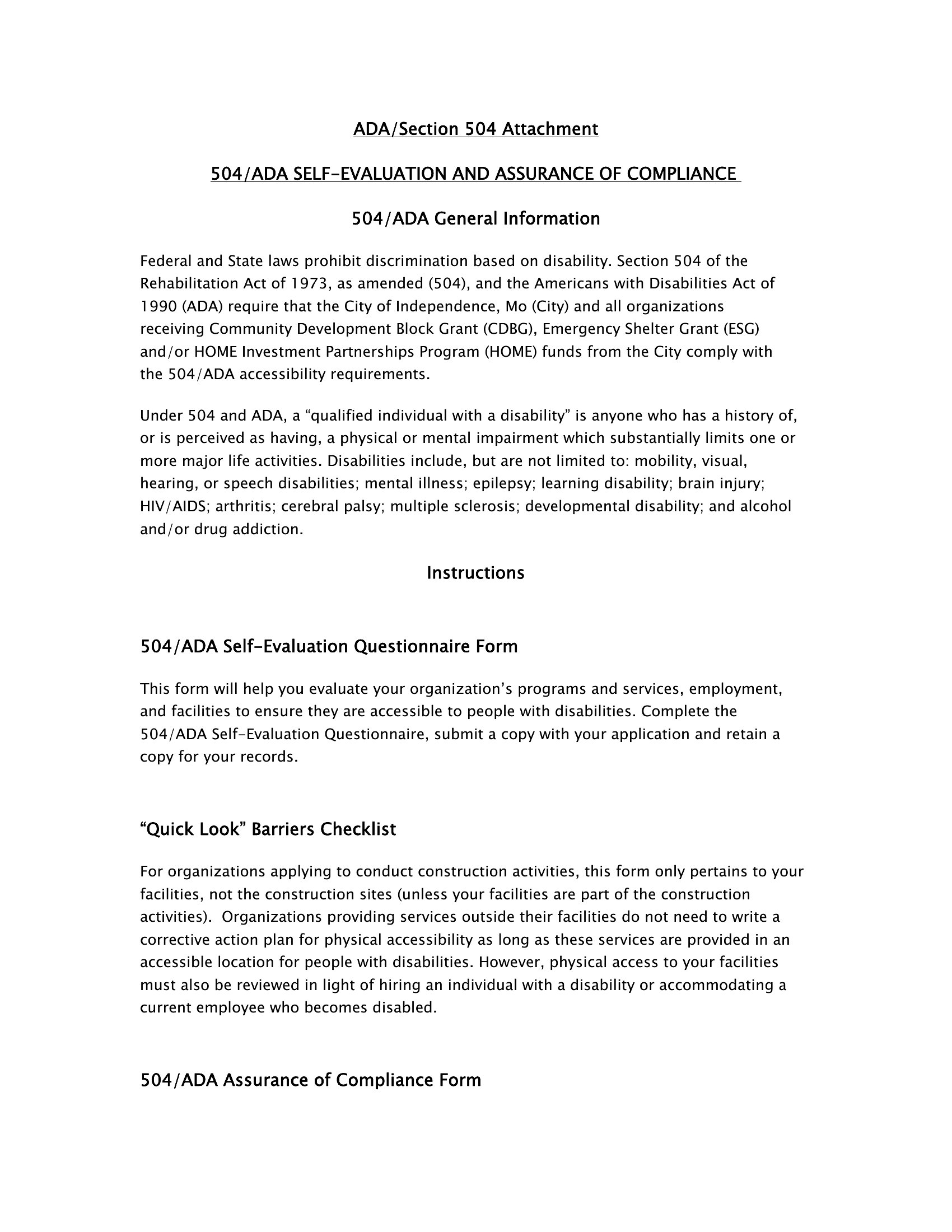
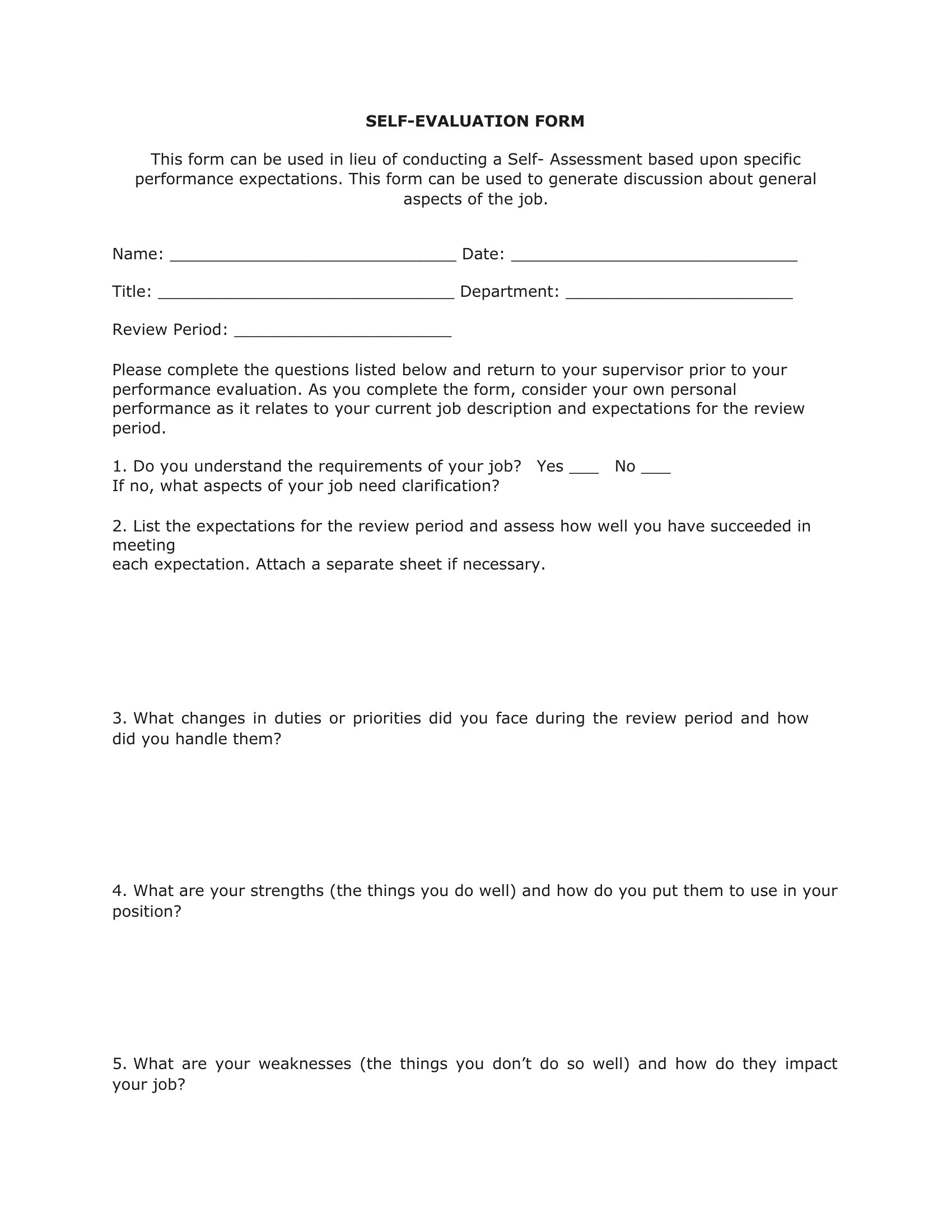
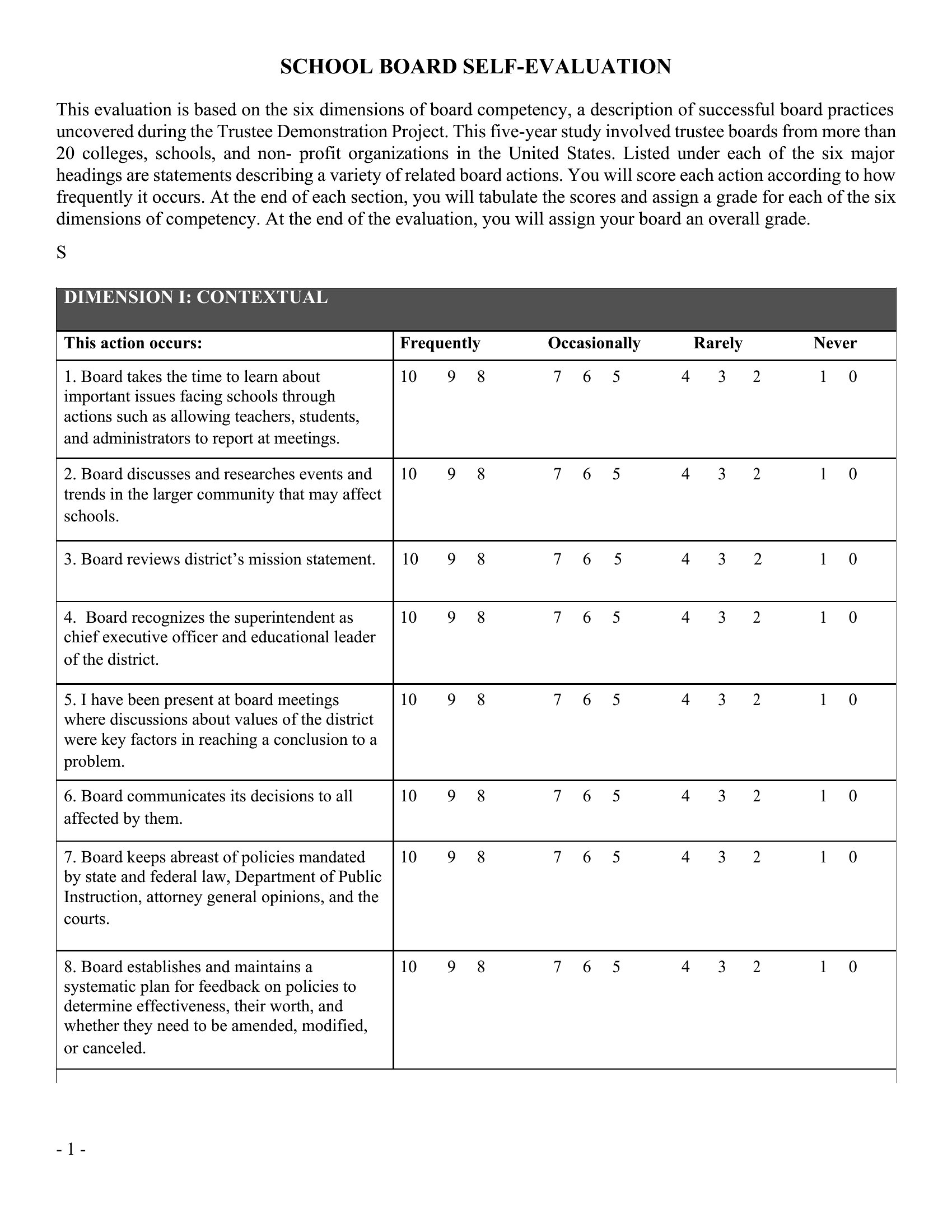
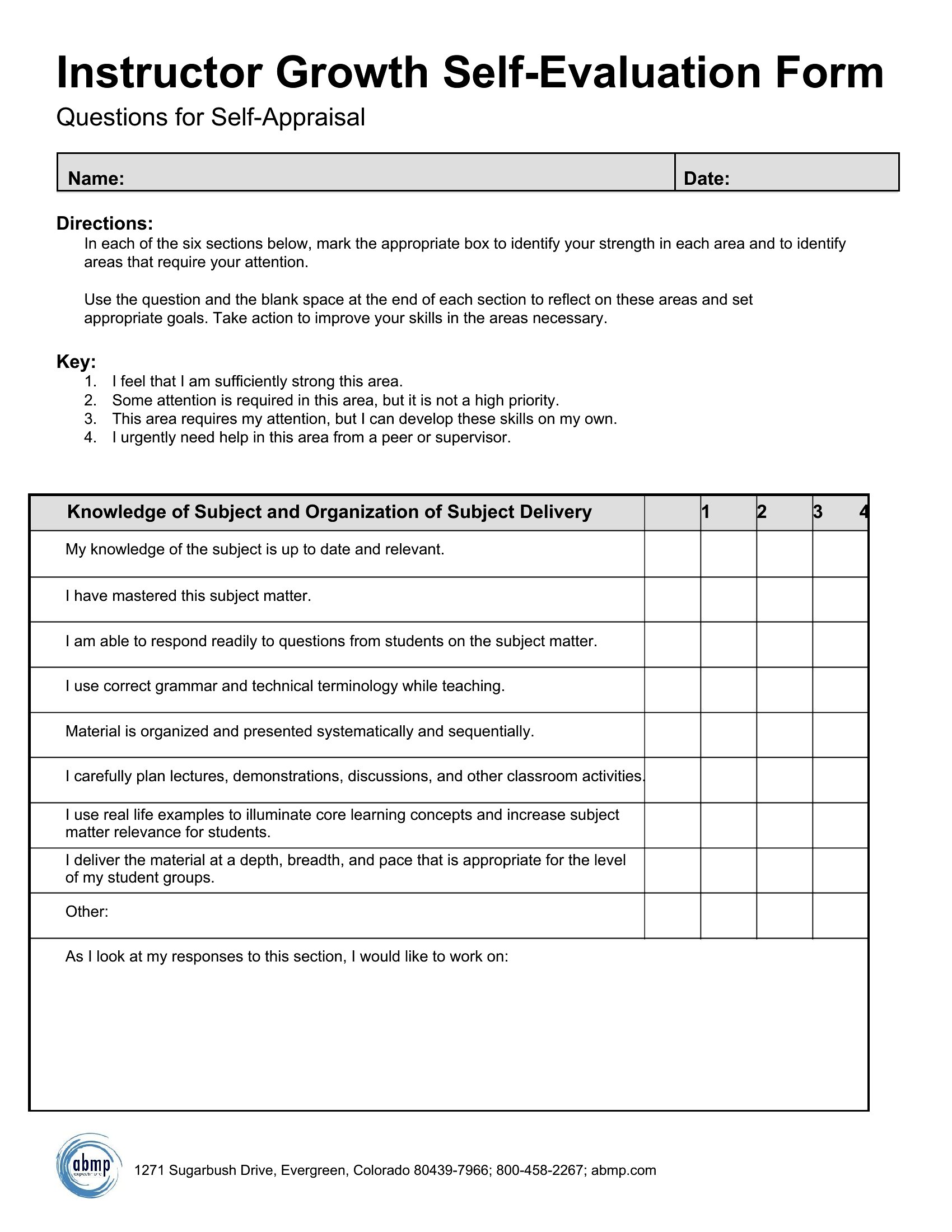
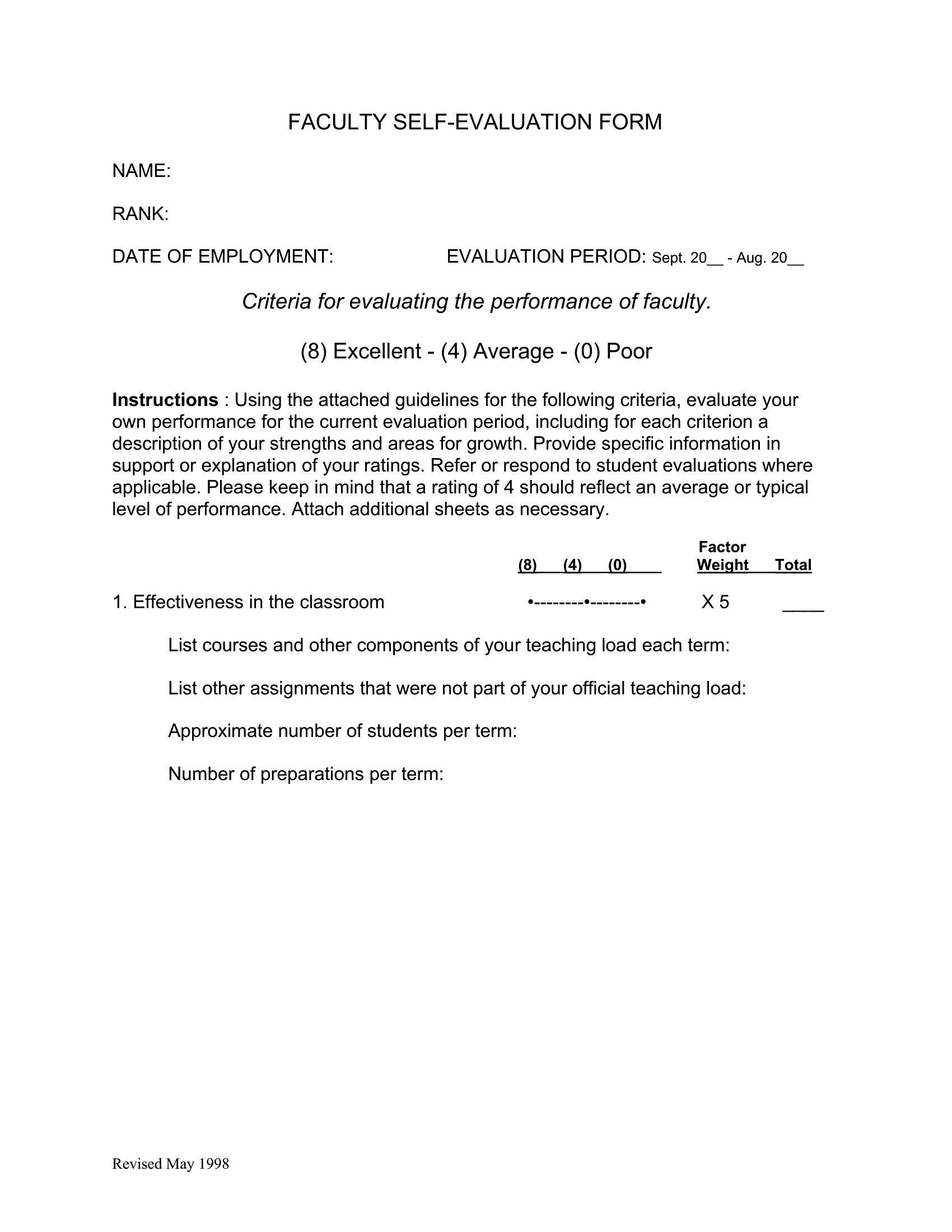
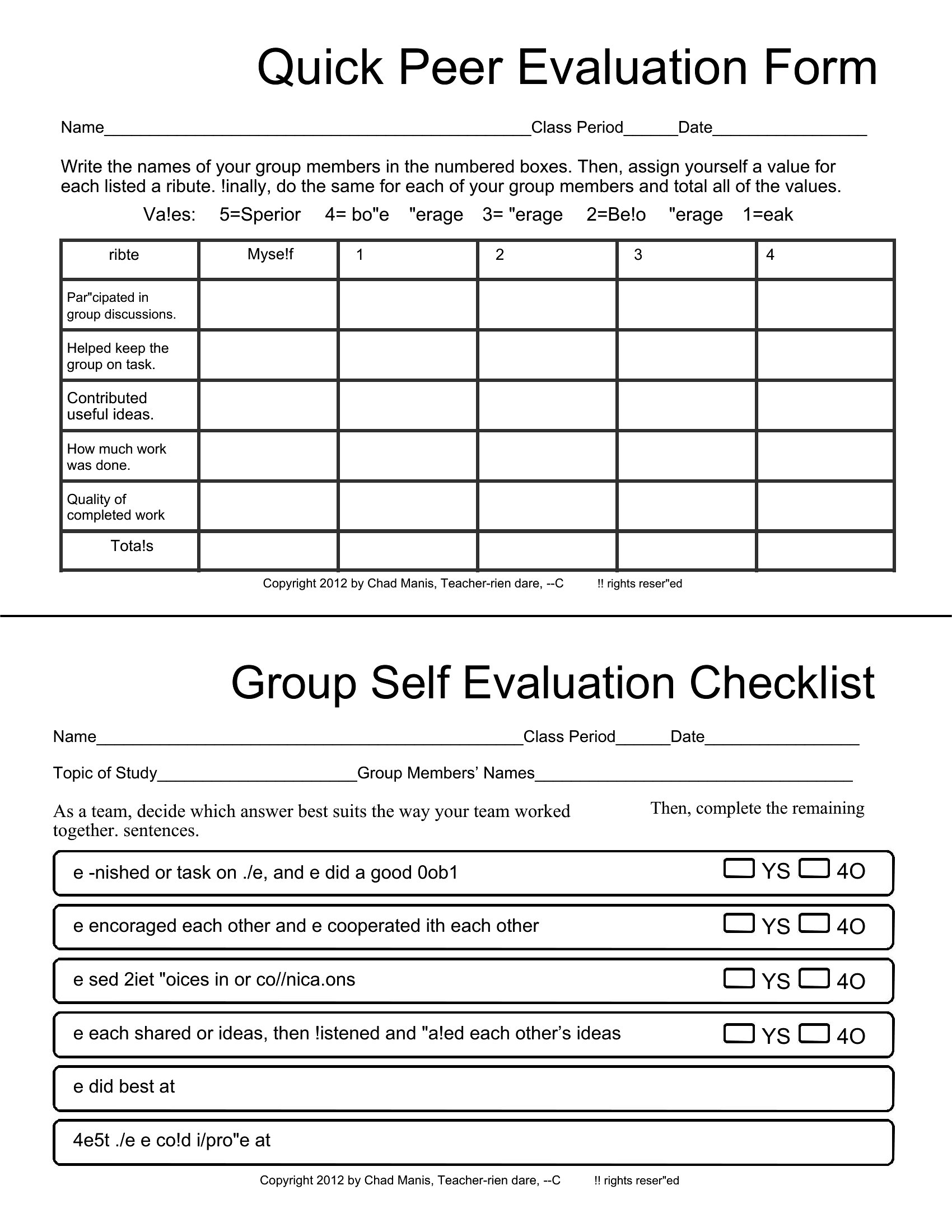
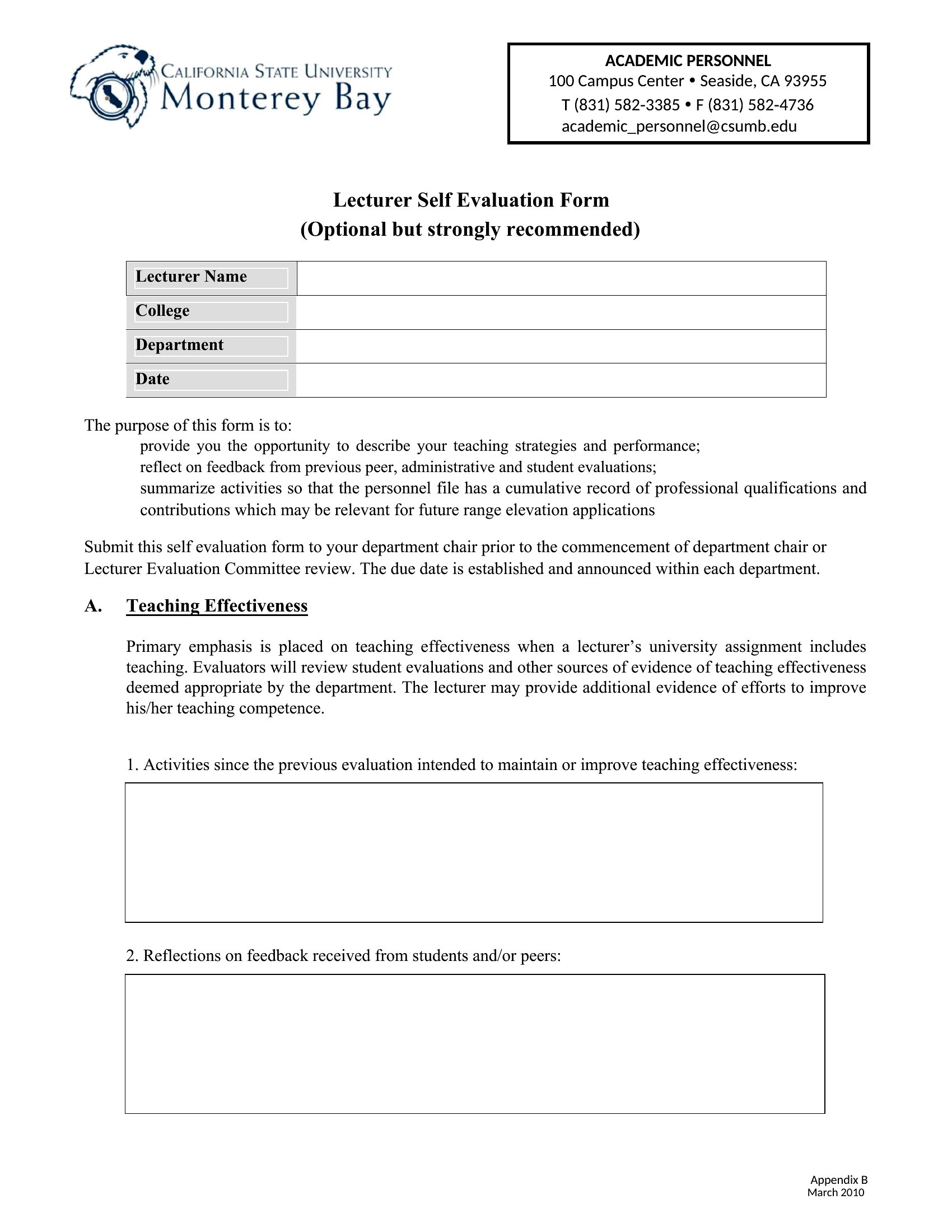
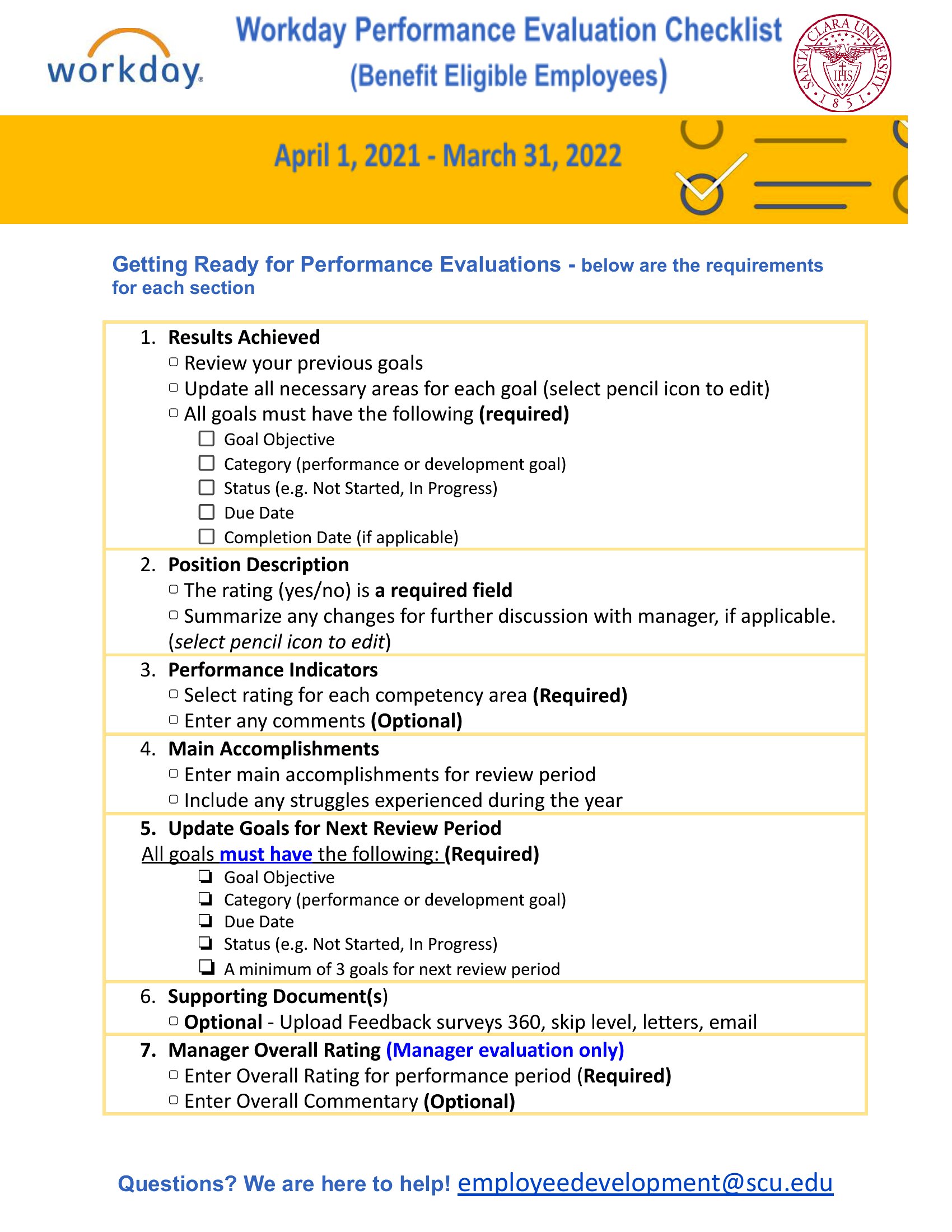
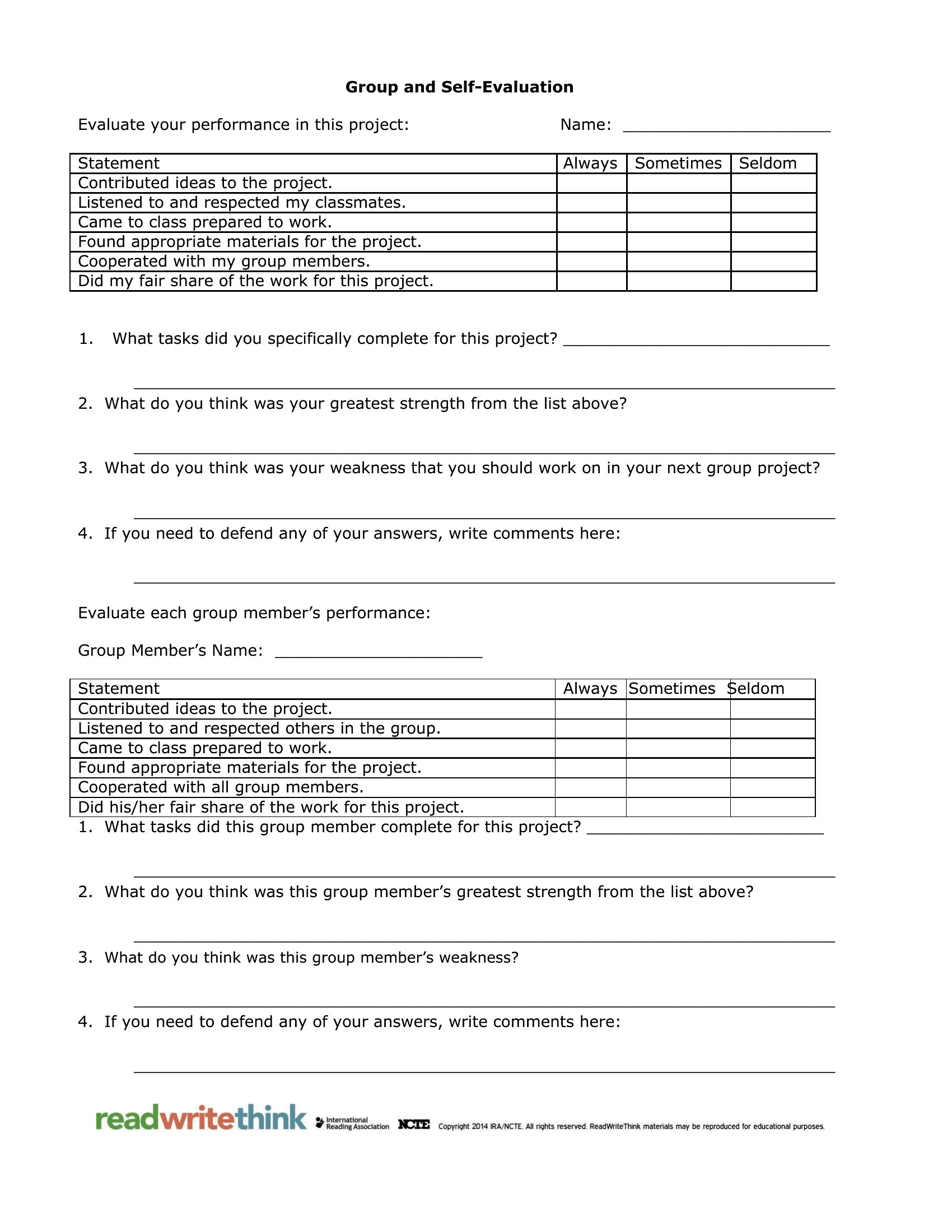
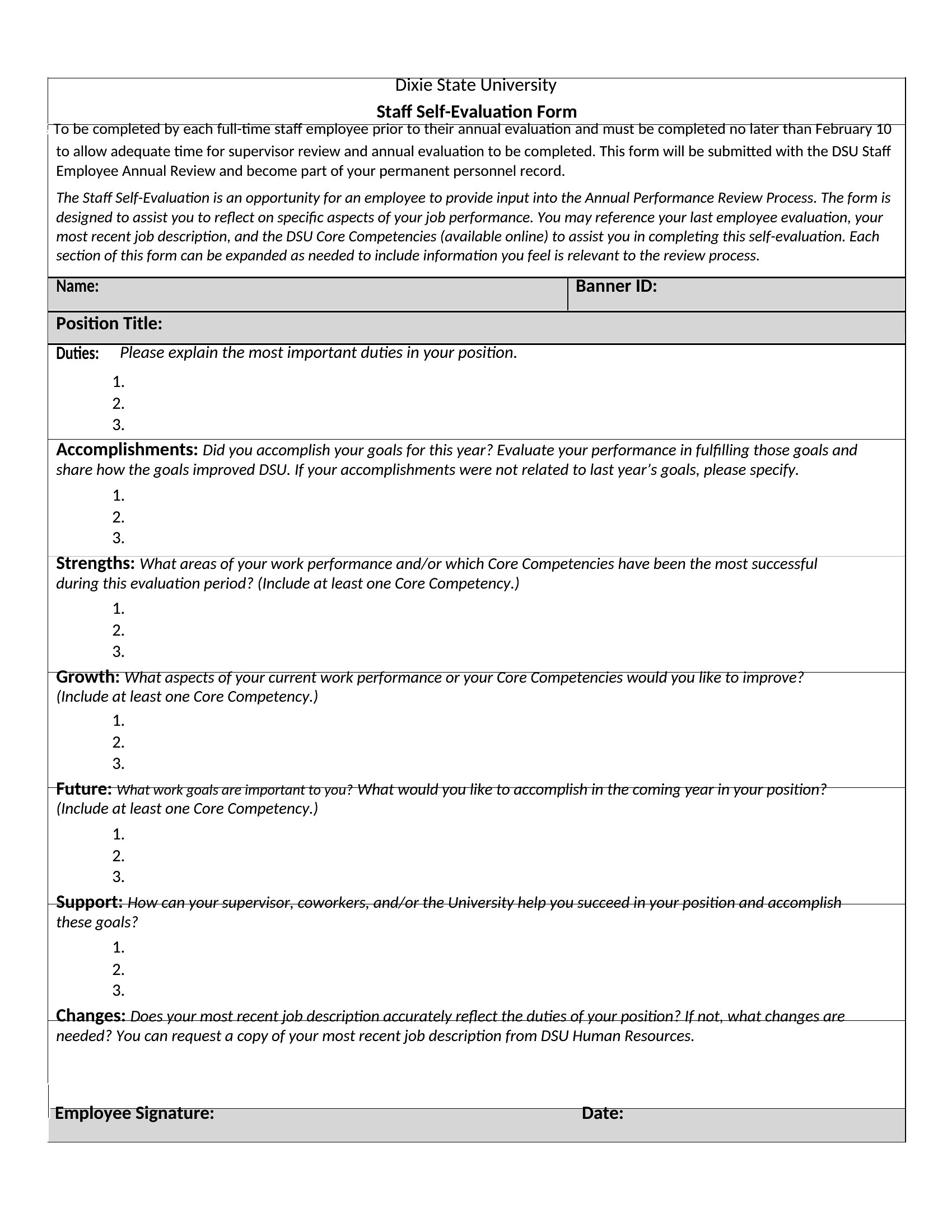
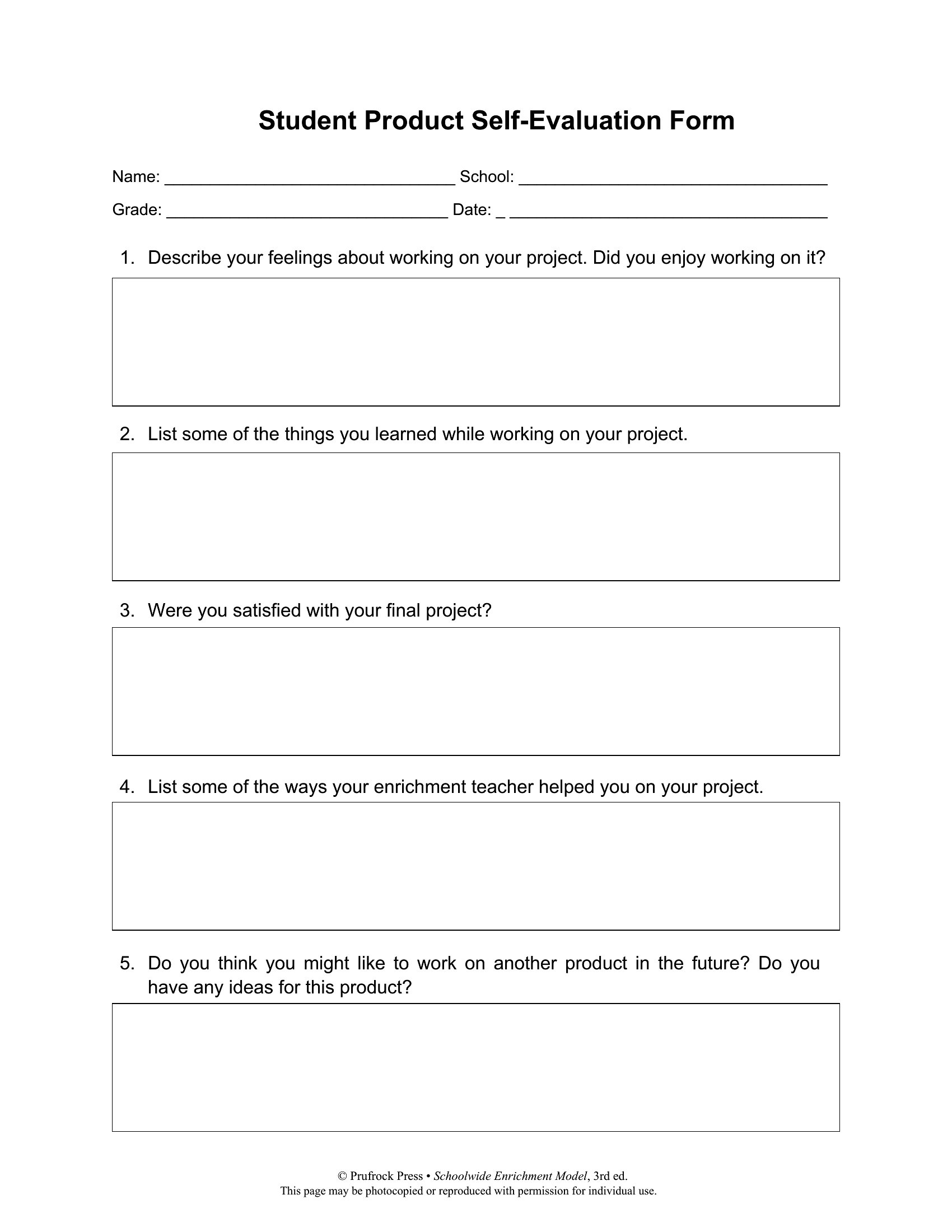
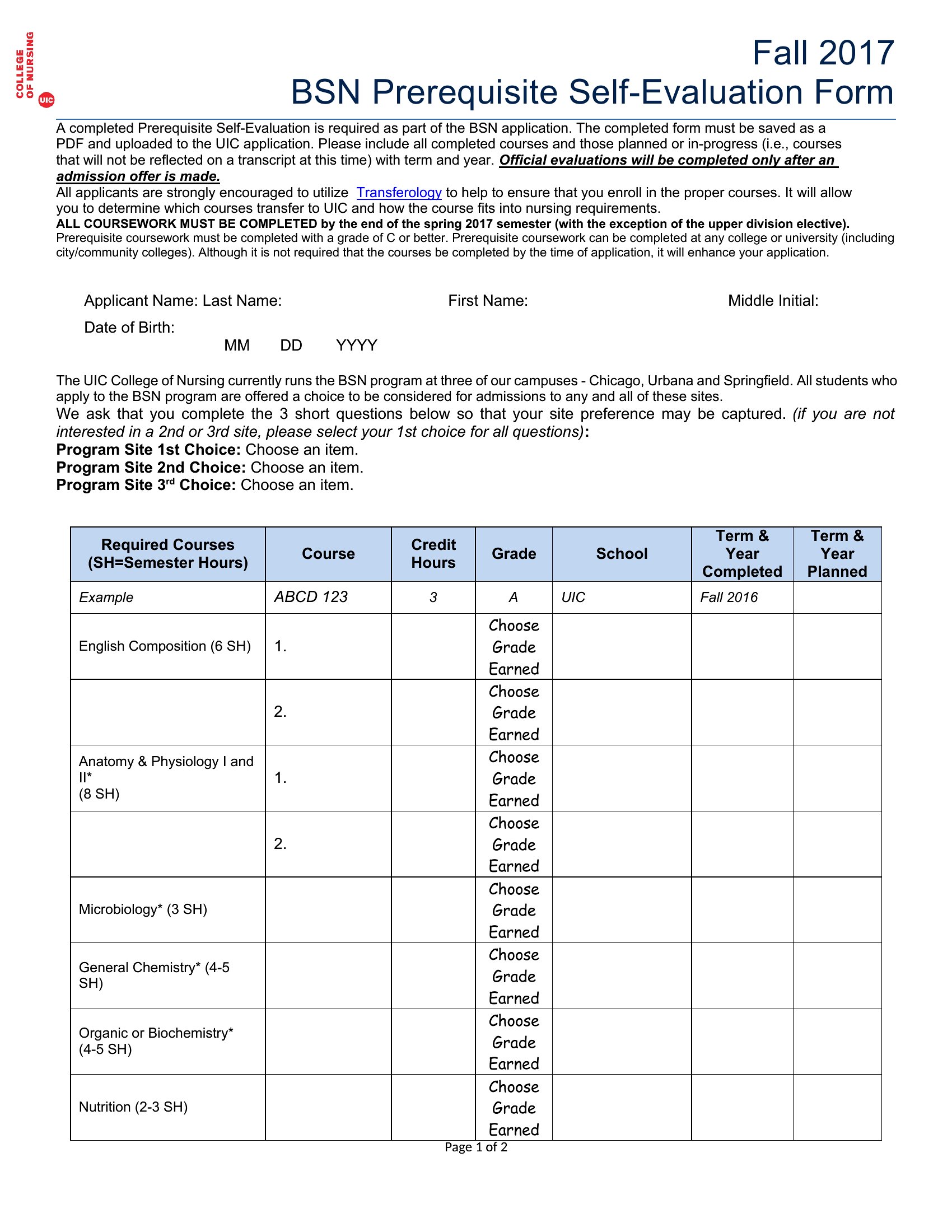
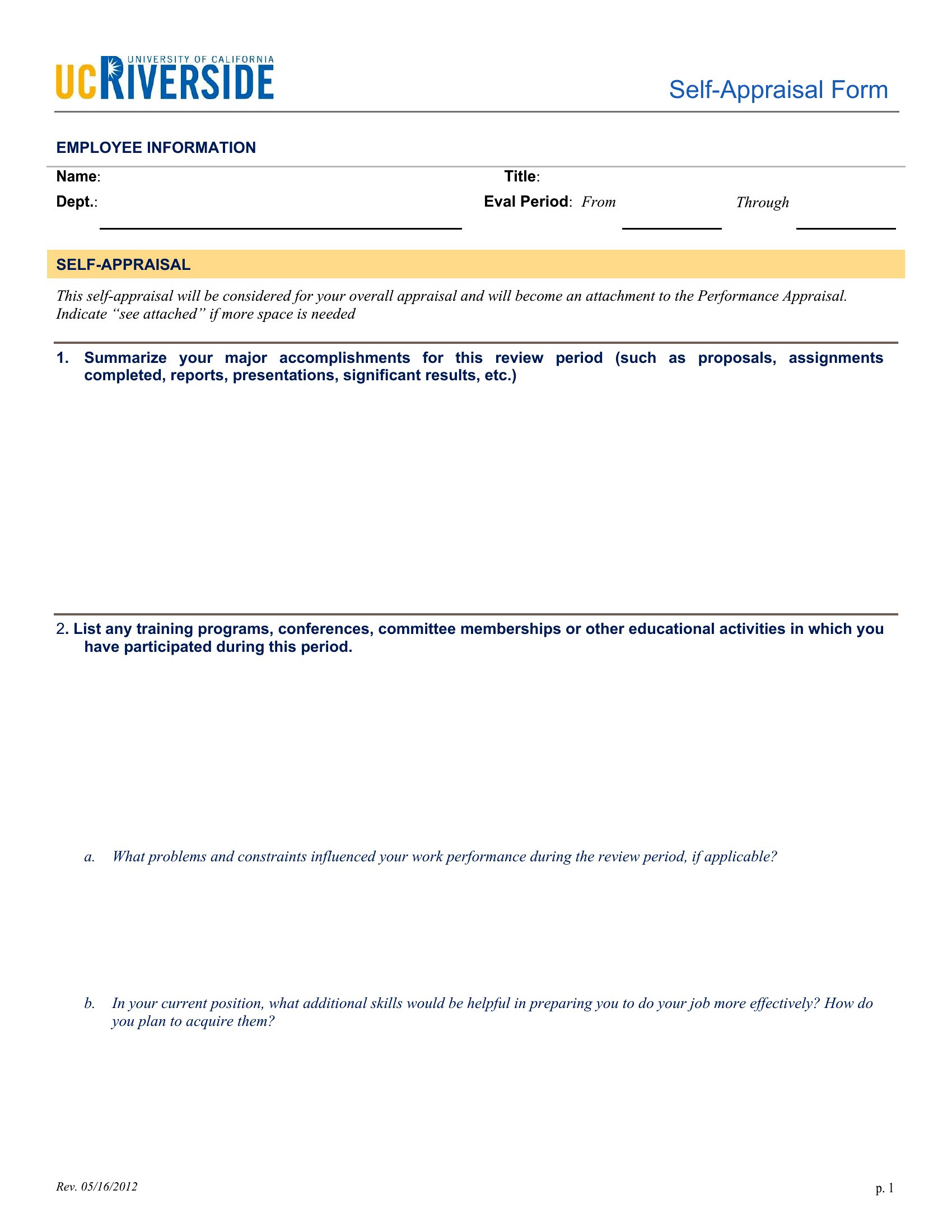
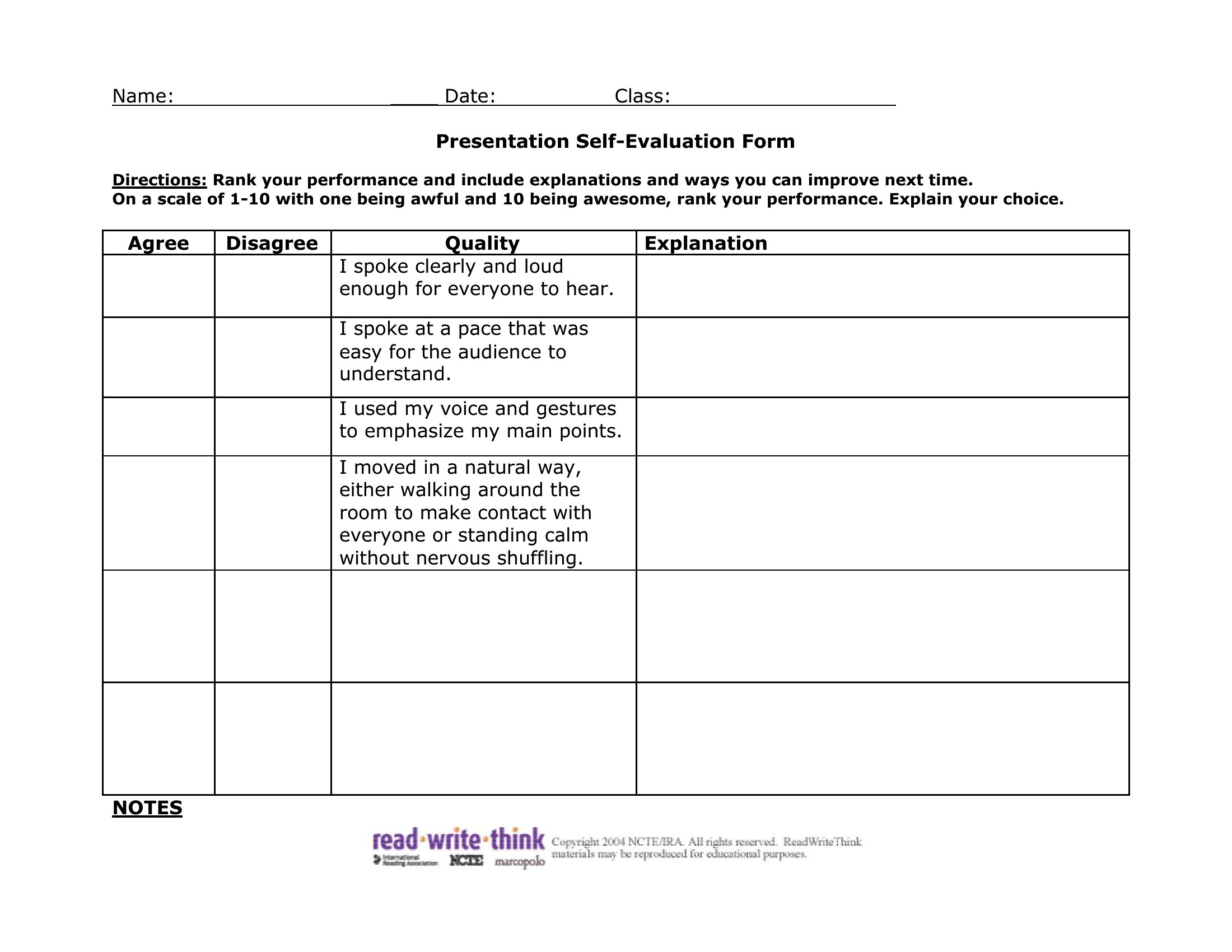
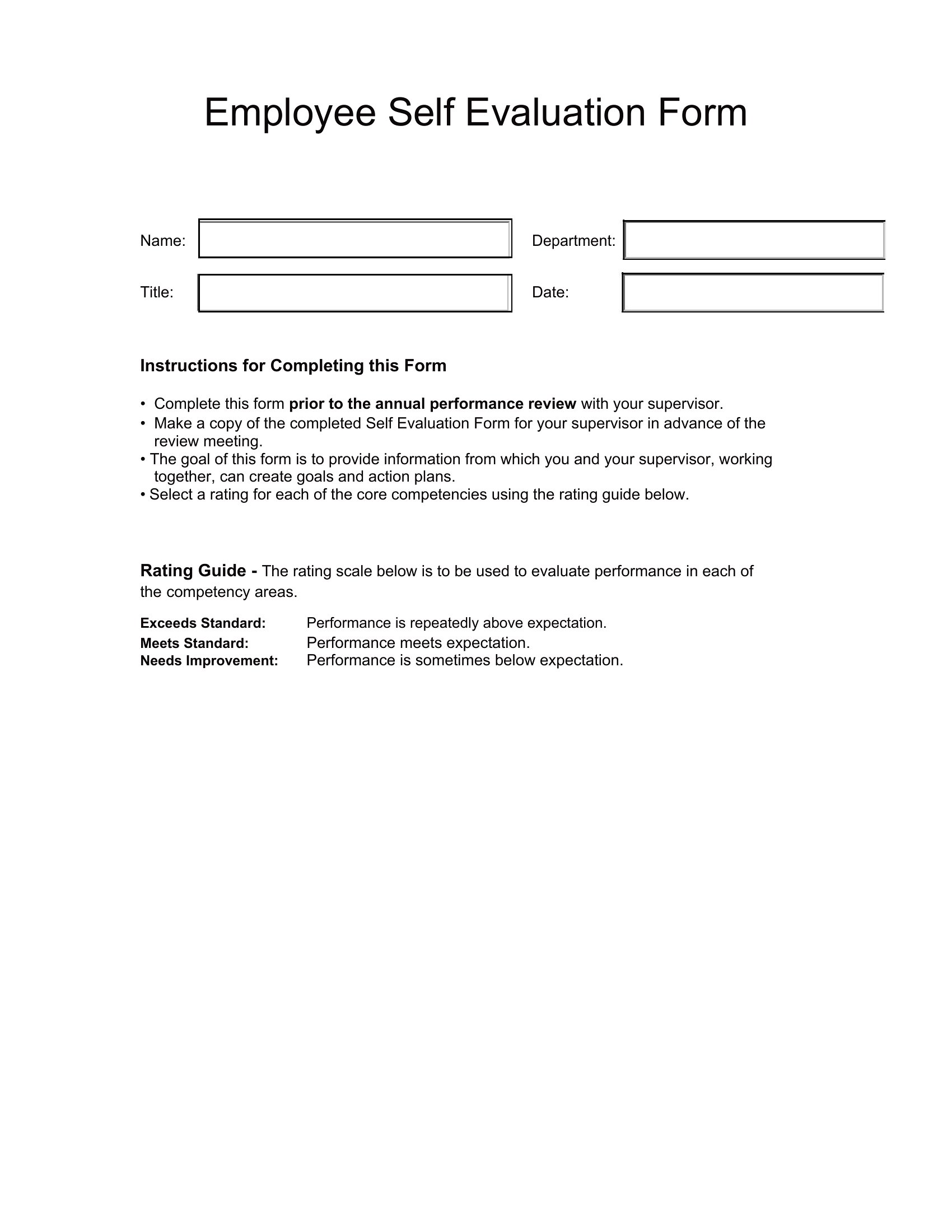
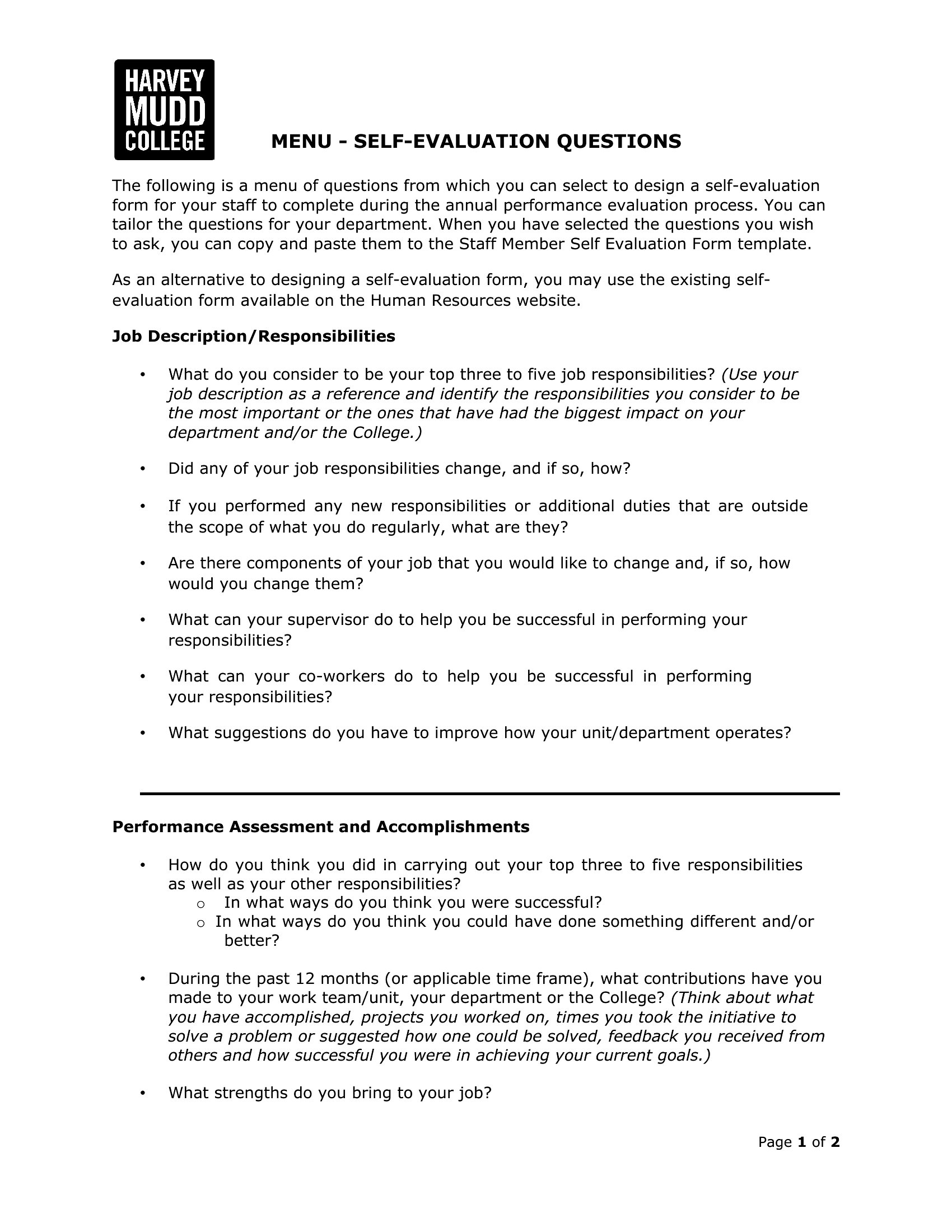
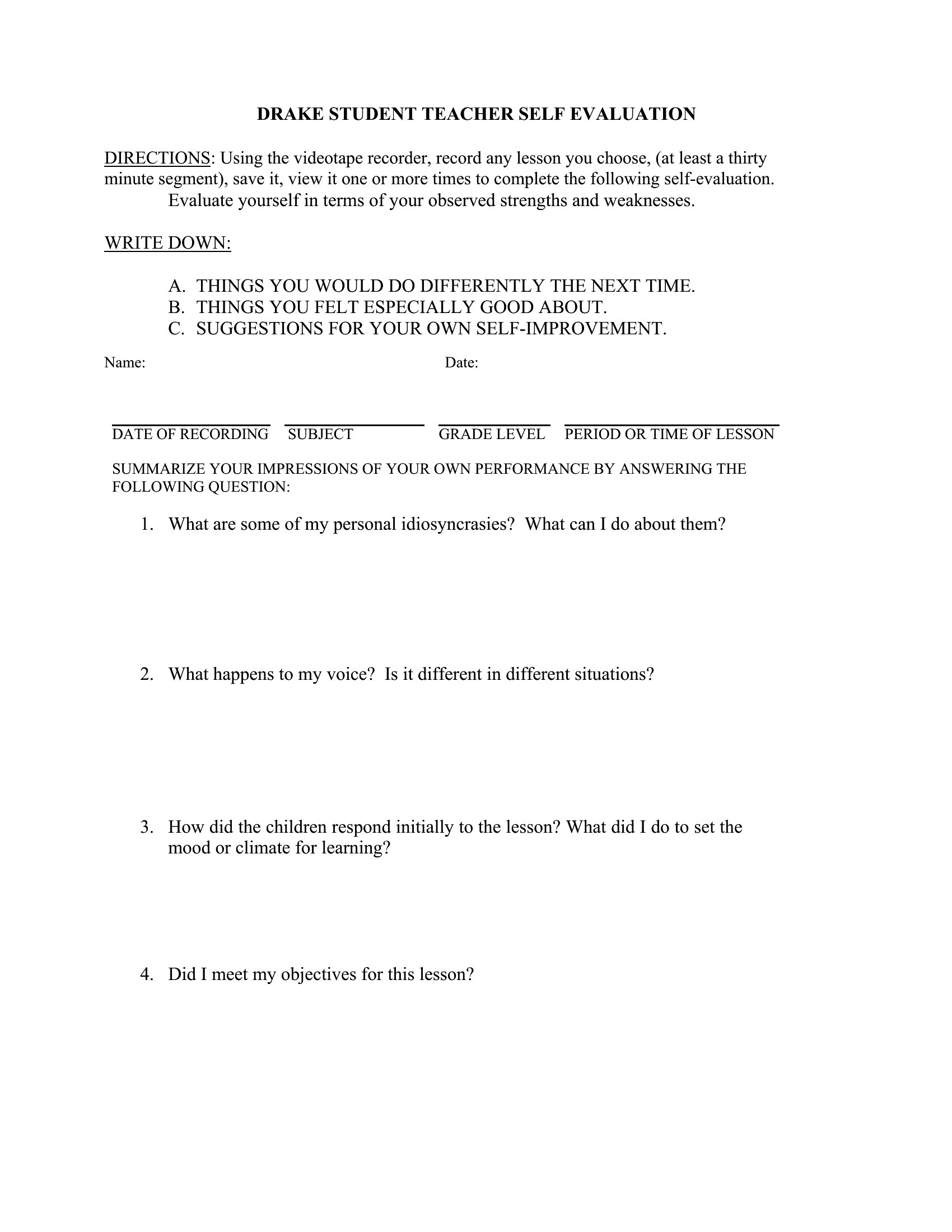
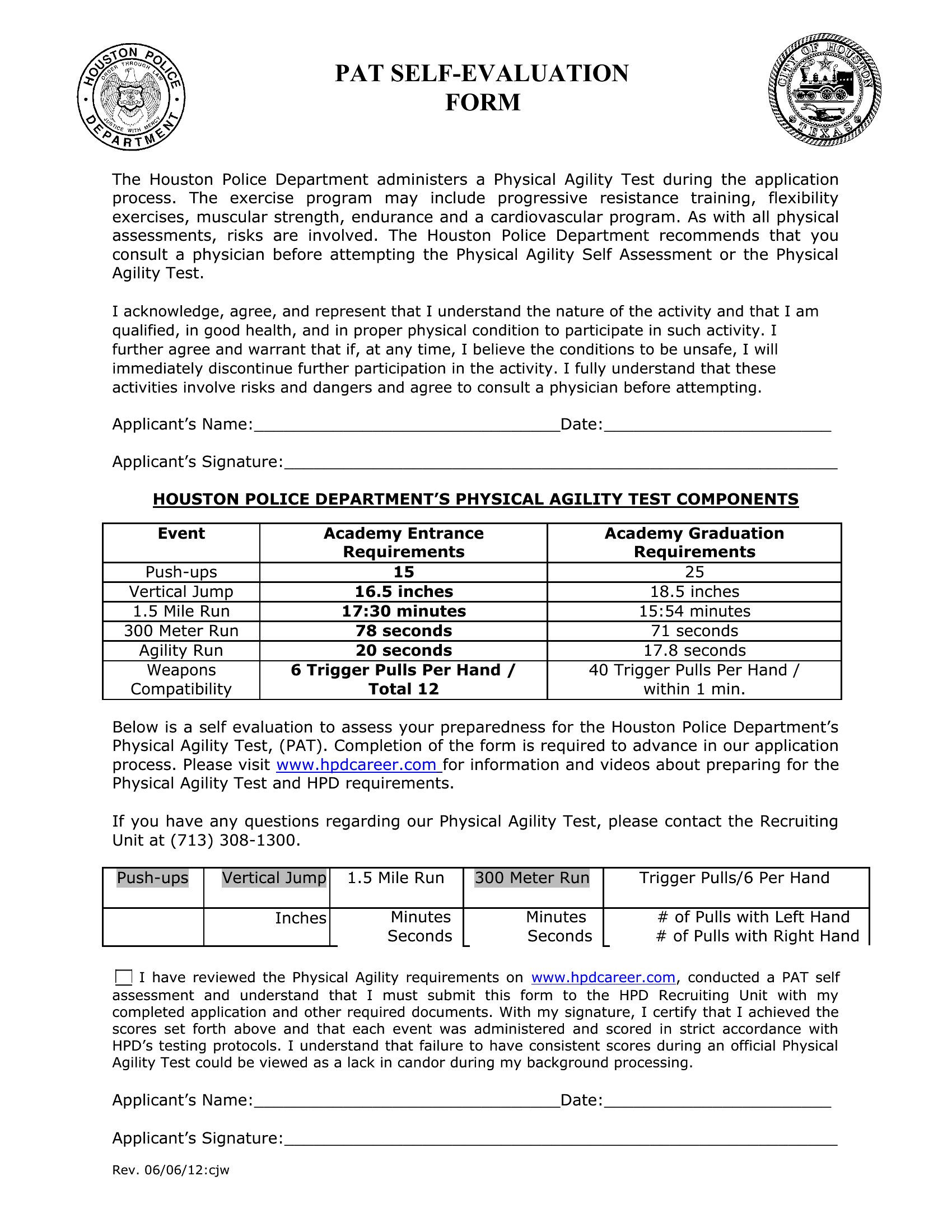
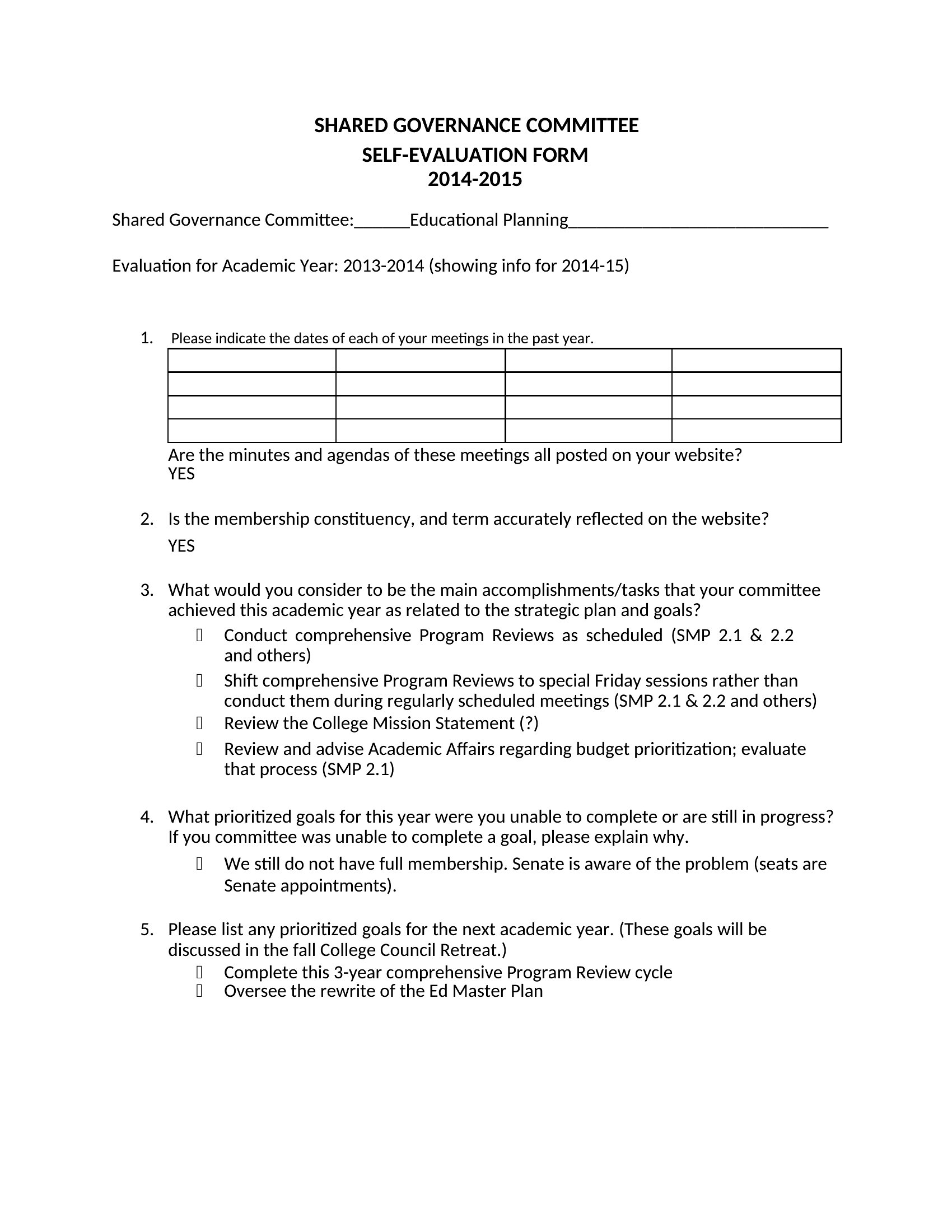
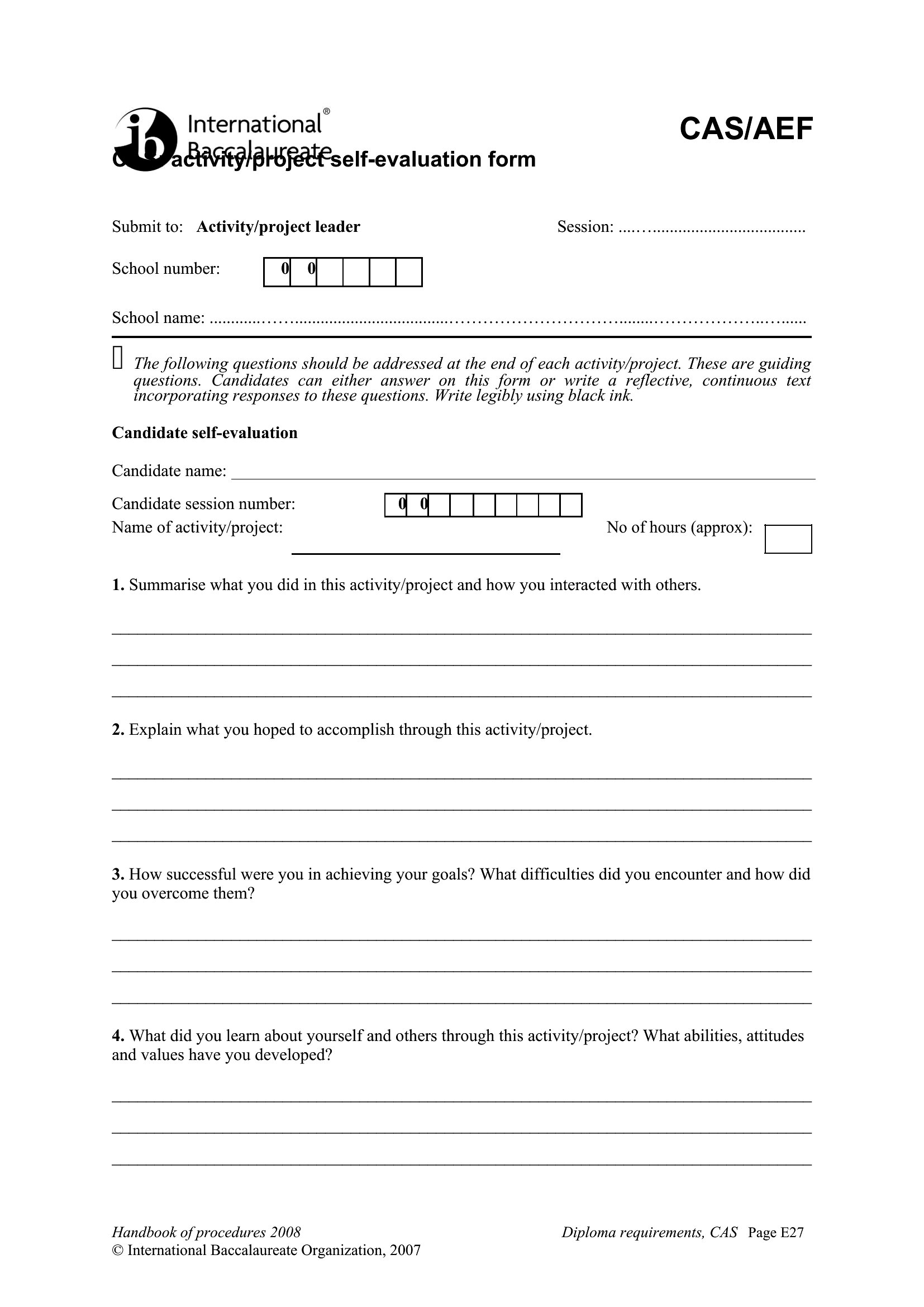
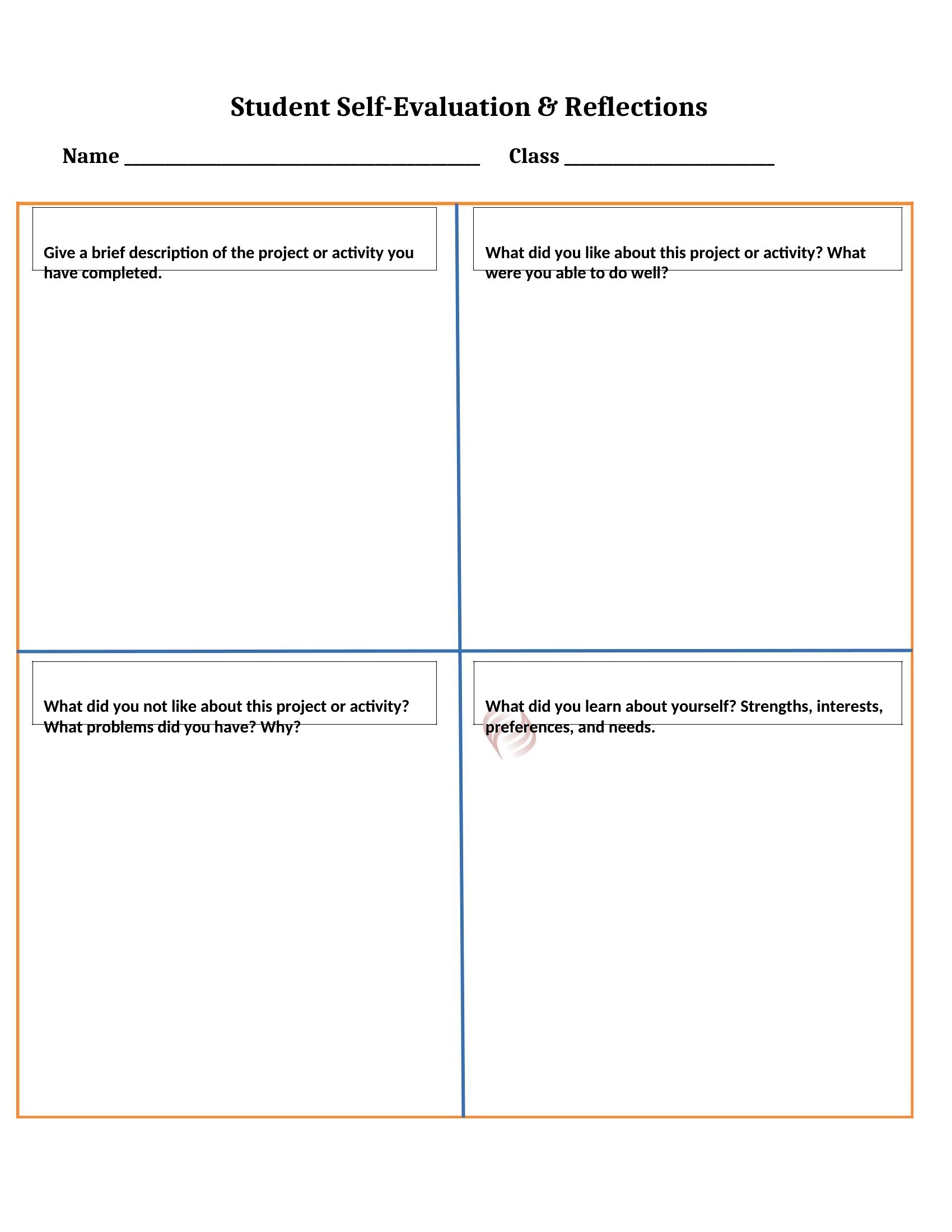
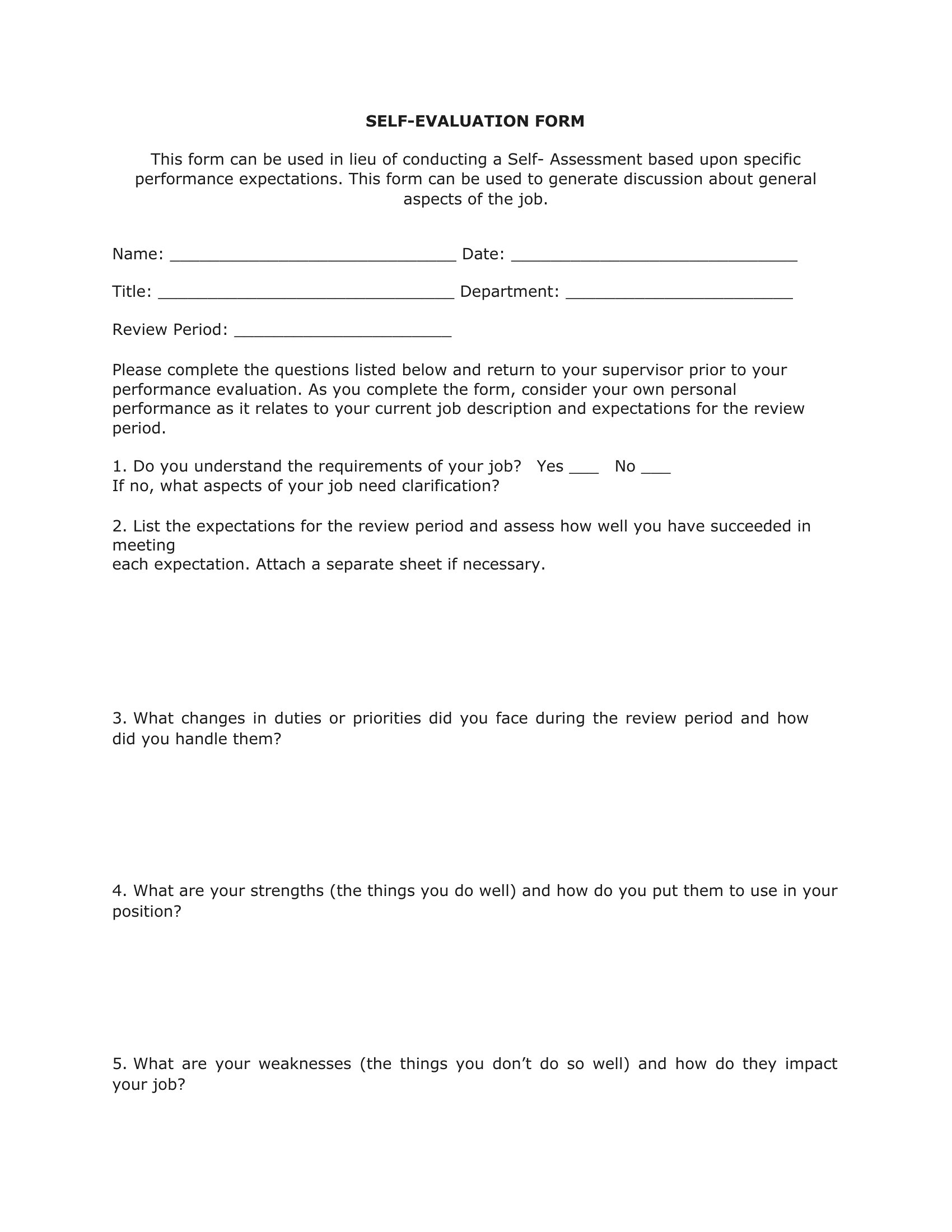
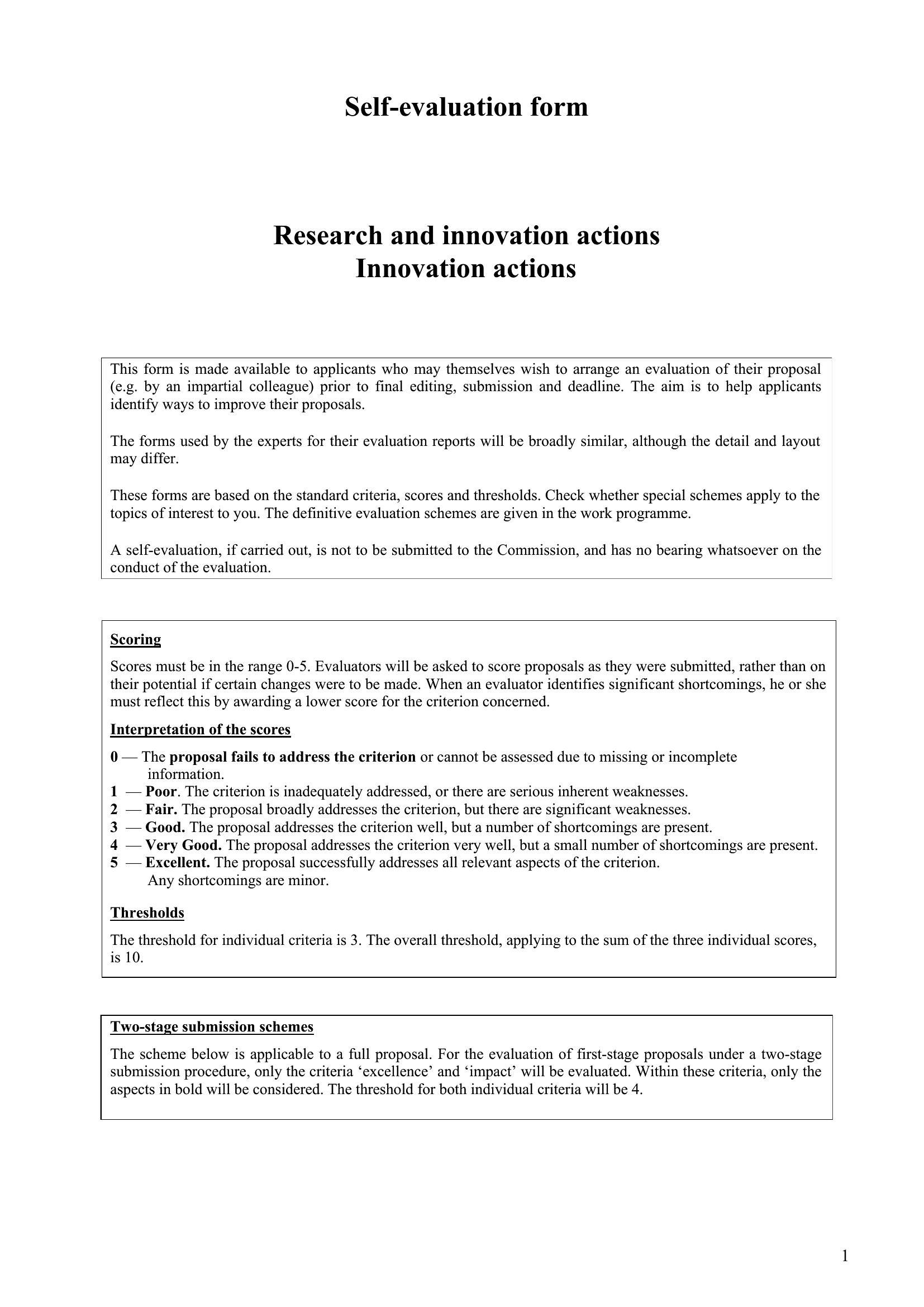
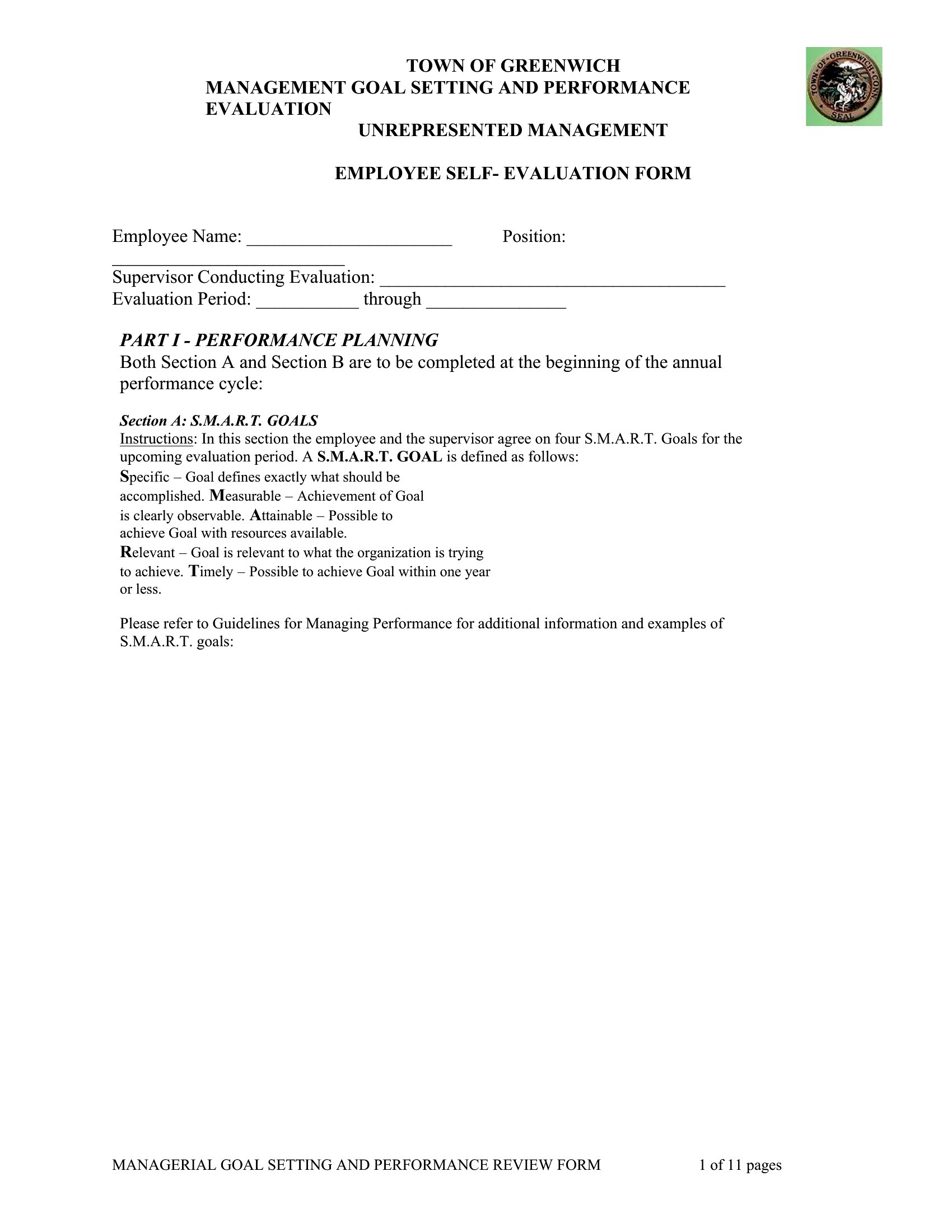
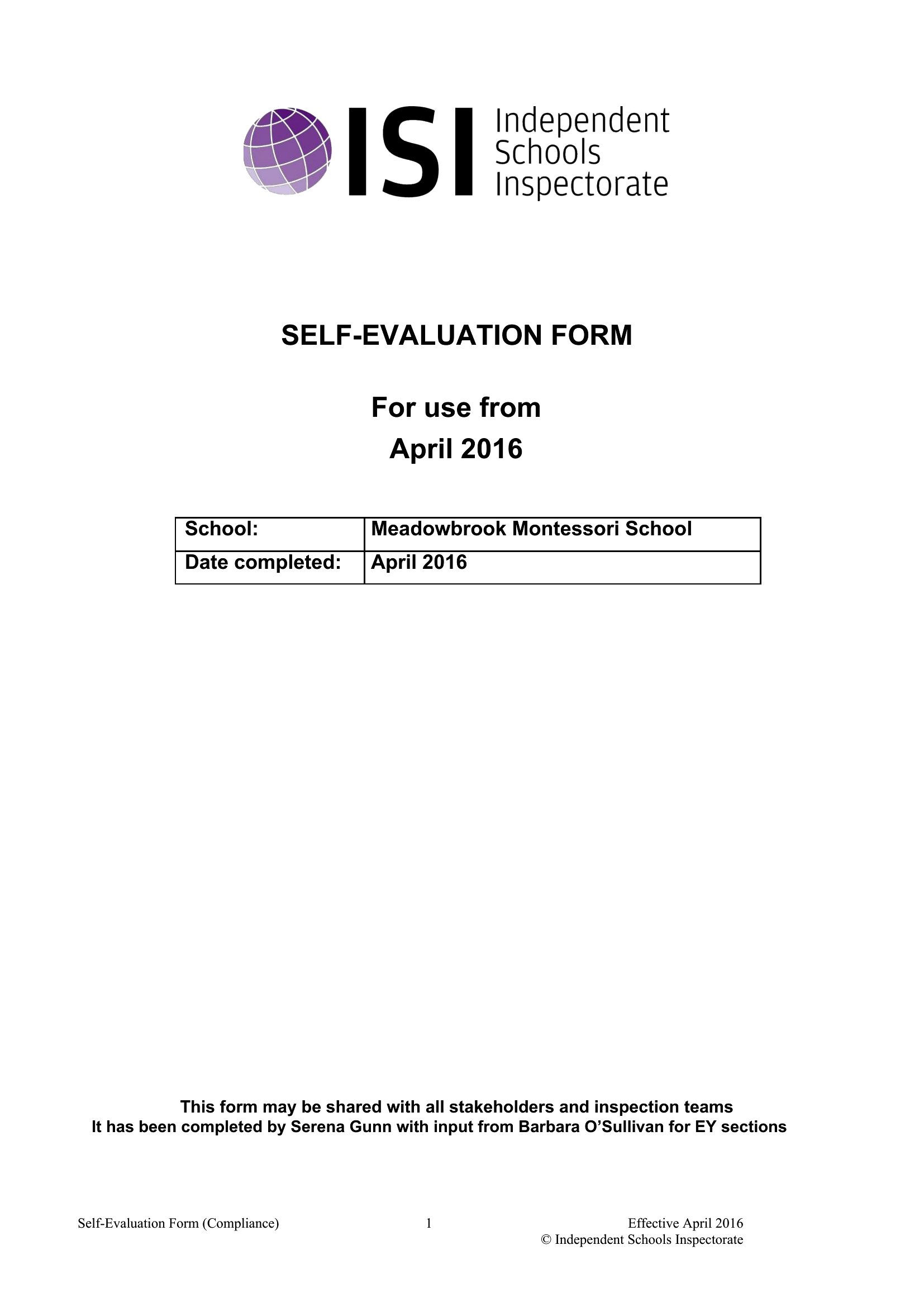
BusinessA thoughtful self-evaluation gives you a chance to show your wins, own your growth areas, and steer the conversation before a performance review. This collection of 60 self-evaluation templates helps employees, managers, and students reflect on goals, strengths, and accomplishments in a structured way instead of staring at an empty box. Prompts and sections guide you toward specific, honest answers rather than vague praise.
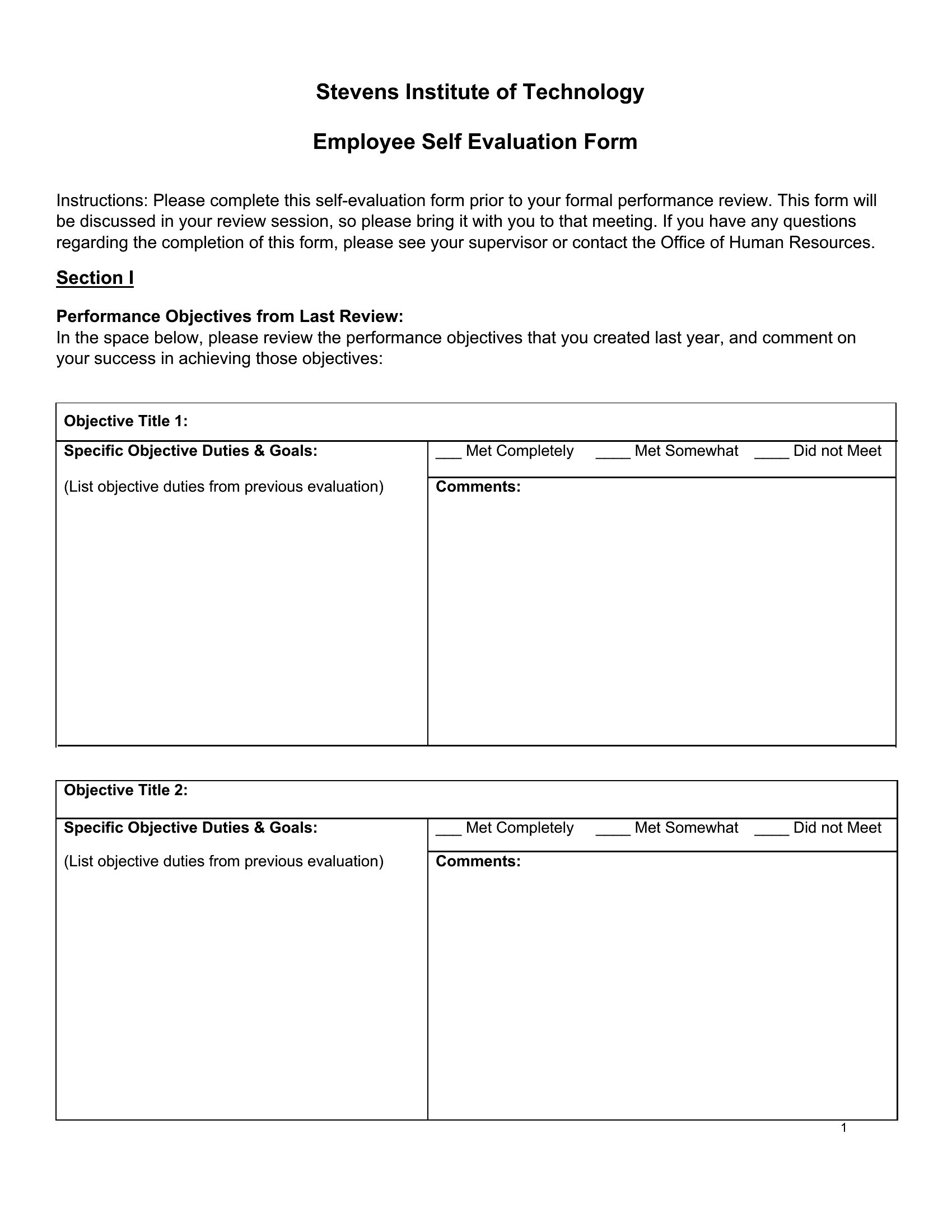
The templates are editable in Word for typing your responses and available as PDFs to print and complete by hand. Walk through each section, back up your points with examples, and set goals for the period ahead. Use them for annual reviews, project wrap-ups, or personal check-ins. Choose the format that fits your workplace or class and put together a self-assessment you'll feel good handing in.
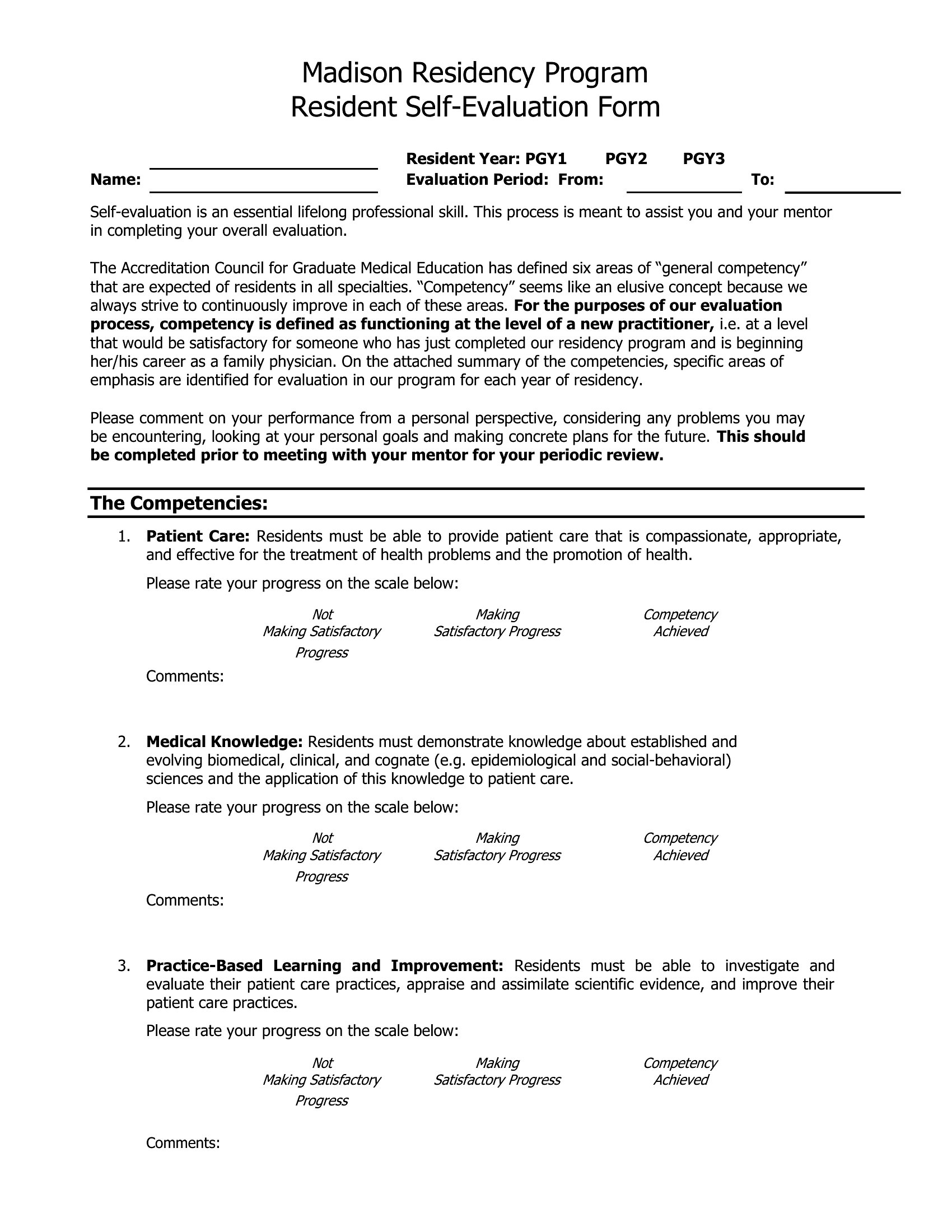
When to use this Self Evaluation template
- A mid-level marketing manager preparing for their quarterly review uses a structured self-evaluation template to highlight their successful campaign launch while tactfully framing areas for improvement, ensuring alignment with department goals before the meeting.
- A graduate student applying for a teaching assistantship completes a reflective self-evaluation to articulate their classroom strengths, student feedback examples, and growth in subject-matter expertise, reinforcing their candidacy in a competitive application process.
- A nonprofit program coordinator drafts a self-evaluation to document volunteer engagement metrics, donor feedback, and challenges in program execution, providing concrete data for their annual performance discussion with leadership.
- A new sales associate uses a guided self-evaluation template to organize client feedback, sales milestones, and skill-building efforts, turning vague self-assessments into actionable talking points for their first performance review.
Which format should I download?
Choose Word if you need to iterate on your self-evaluation—editing sections, adding bullet points, or tailoring prompts to your role. Word’s flexibility is ideal for drafts where you’ll refine answers collaboratively with a manager or mentor. Opt for PDF if you’re submitting a polished, finalized self-evaluation (e.g., for a job application or formal review). PDFs preserve formatting and look professional when shared digitally or printed, ensuring consistency with company guidelines.
Choose from 60 Self Evaluation Templates
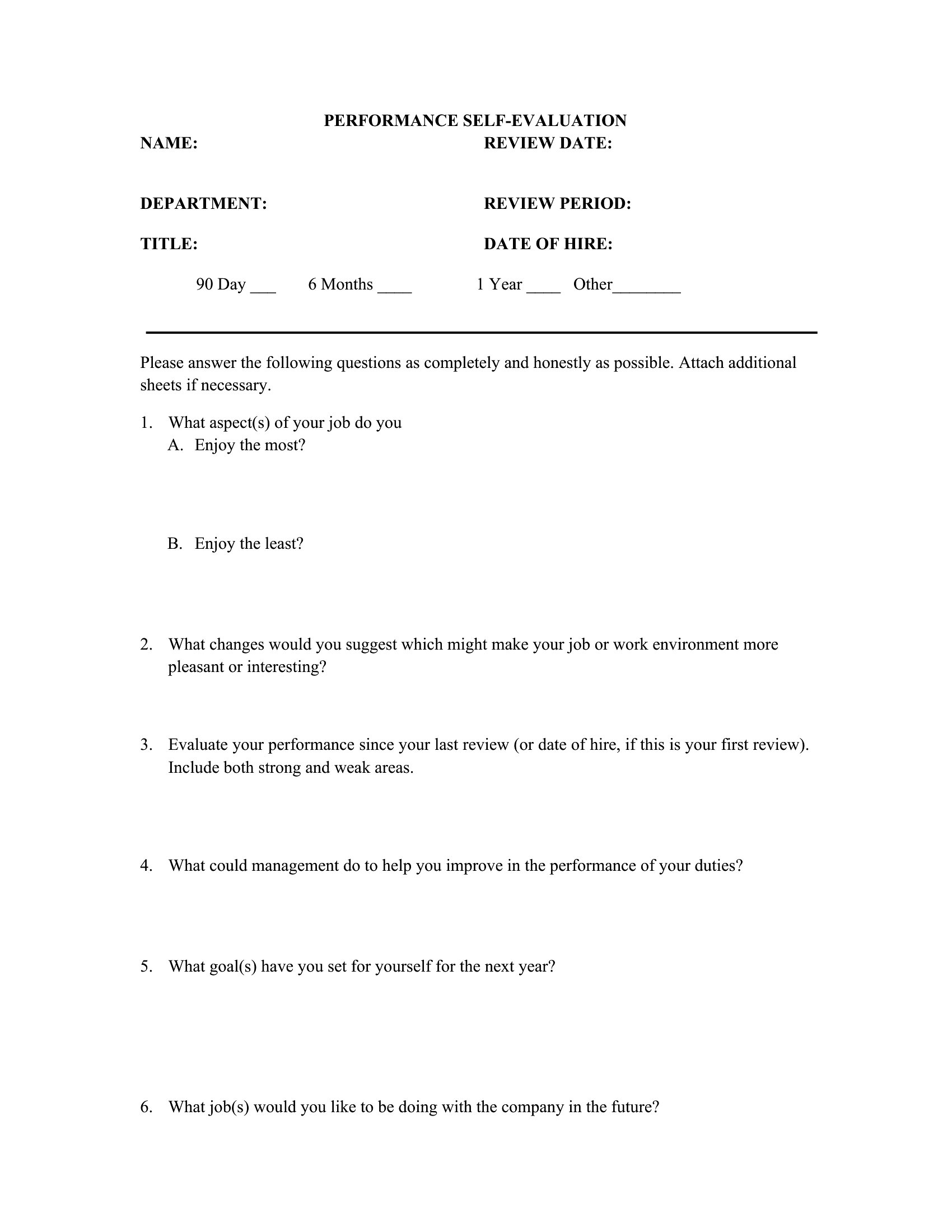
How to use this Self Evaluation template
How can I make my self-evaluation stand out without sounding overly confident?
Balance your strengths with specific, measurable examples—like ‘Increased client retention by 20% through targeted outreach’—then acknowledge growth areas with honest, solution-oriented language. Use the template’s prompts to frame challenges as opportunities, showing self-awareness and initiative. Avoid vague phrases like ‘I work well under pressure’; instead, cite a time you met a tight deadline and how you’ll apply that to future goals.
What’s the best way to address a negative performance note in my self-evaluation?
Acknowledge the feedback briefly, then focus on steps you’ve taken to improve. For example, if you missed a deadline, note the misstep, explain what you learned (e.g., ‘I now block time for high-priority tasks’), and include a timeline for measurable progress. This shows accountability while directing the conversation toward solutions. Avoid excuses or defensiveness—templates with ‘growth opportunities’ sections are designed to help you pivot to action.
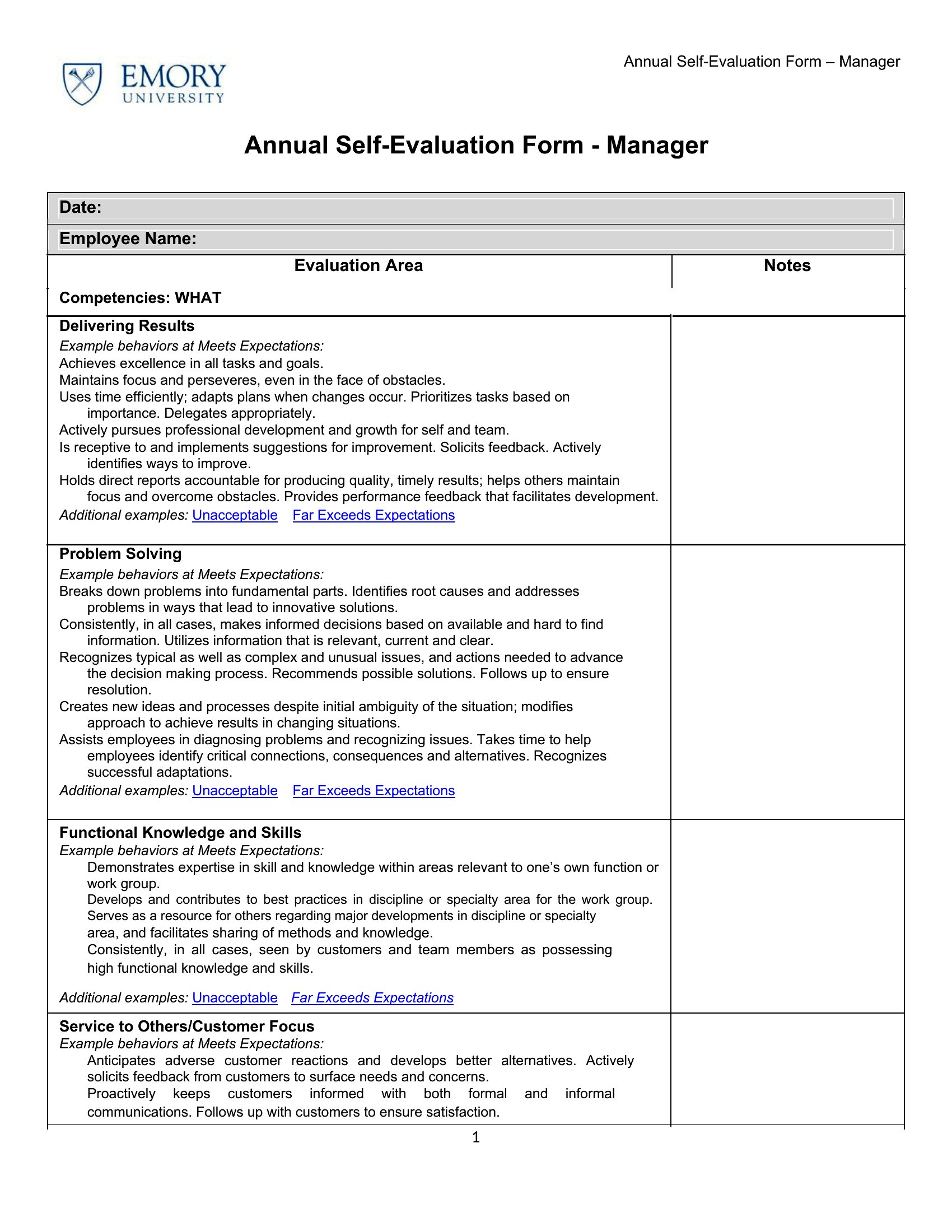
Can I use these templates for a 360-degree review where I’m evaluating peers too?
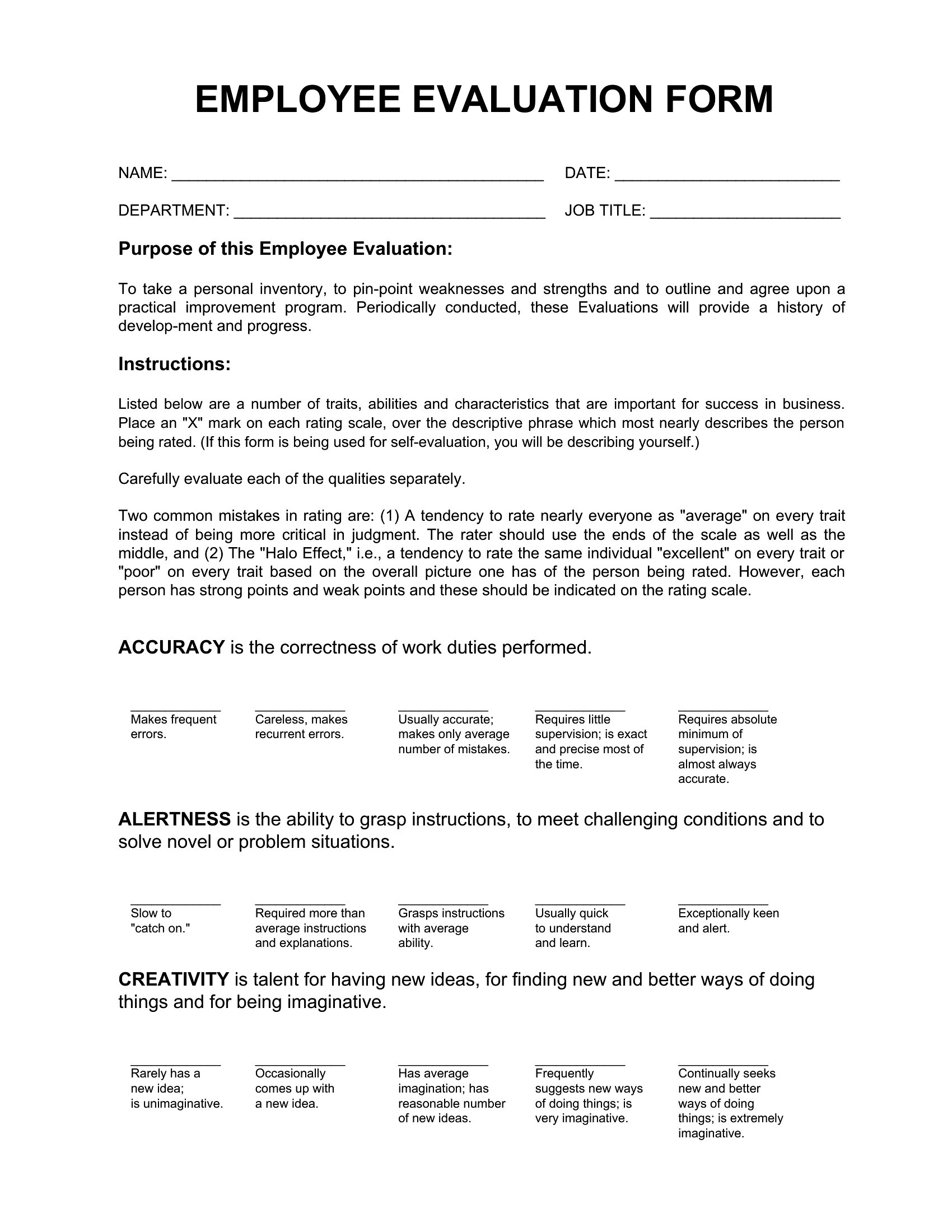
These templates are tailored for self-assessments, but you can adapt them by renaming sections (e.g., ‘Peer Contributions’ instead of ‘My Strengths’) and focusing on observable behaviors or collaborative wins. For peer evaluations, prioritize objective examples—like ‘Organized the team’s Q3 project kickoff’—and avoid subjective traits. If your organization provides a separate peer-review template, use this one only for your personal reflection portion.
Comments
Join the conversation
Sign in to share your thoughts and leave a comment on this resource.