Free Self-Evaluation Templates (Word, PDF)
BusinessTemplates
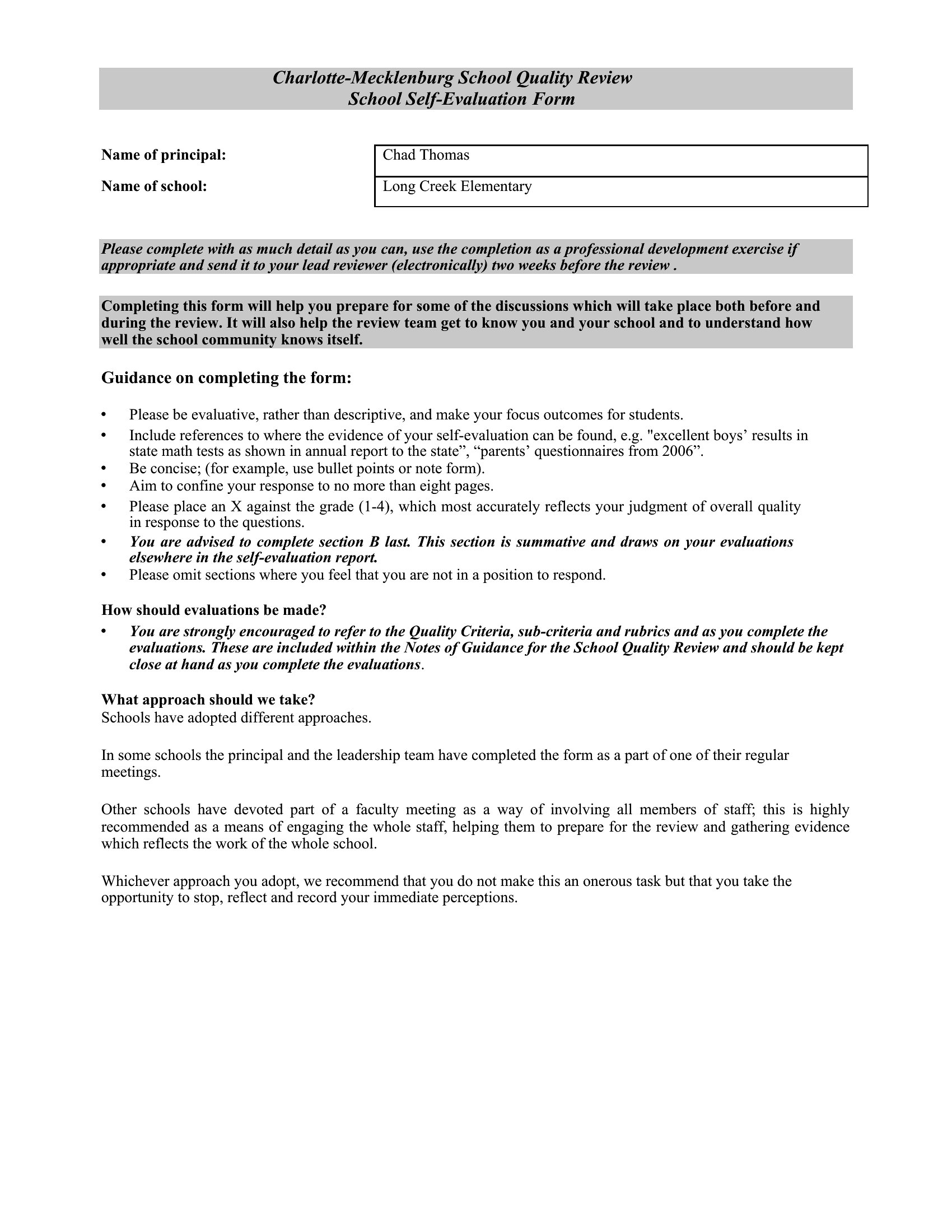
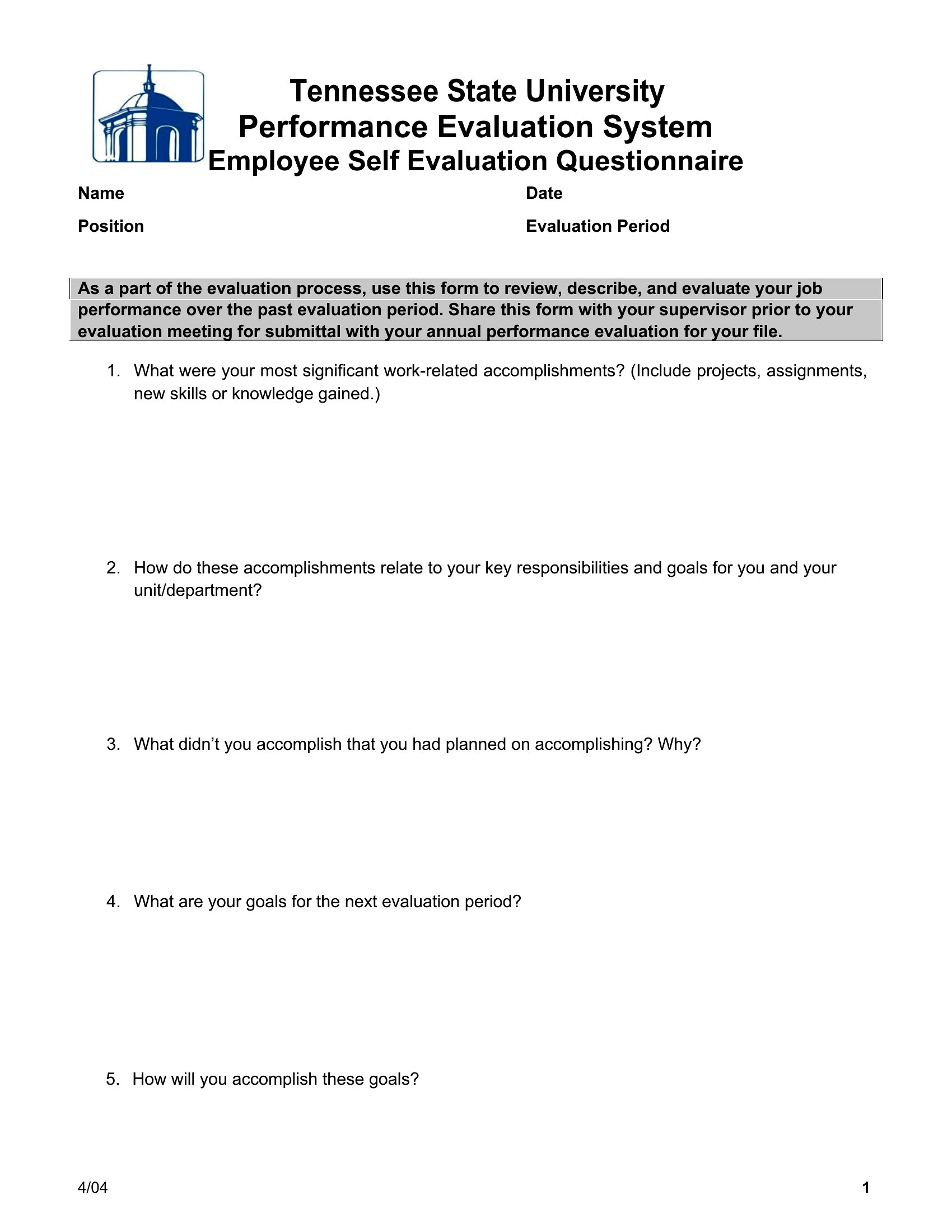
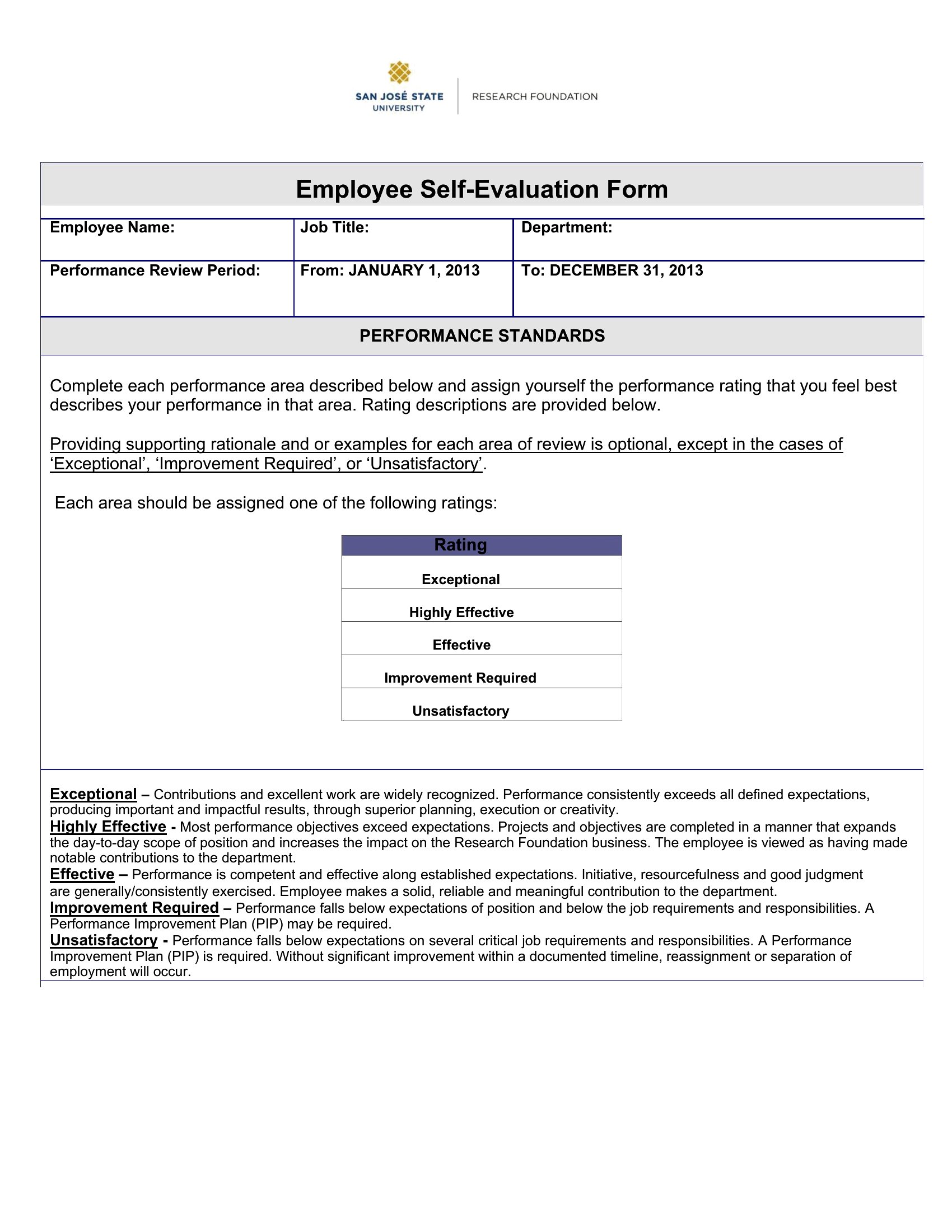
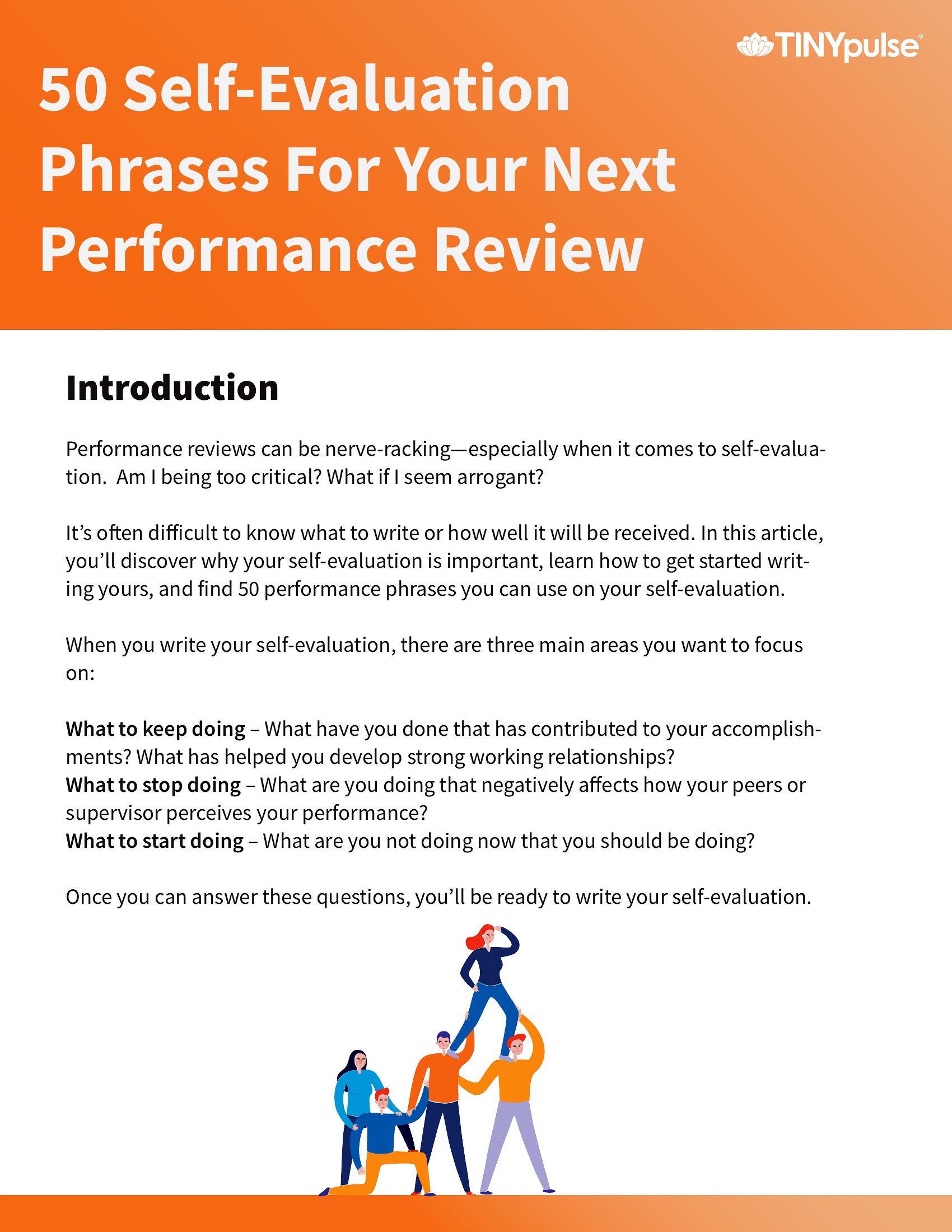
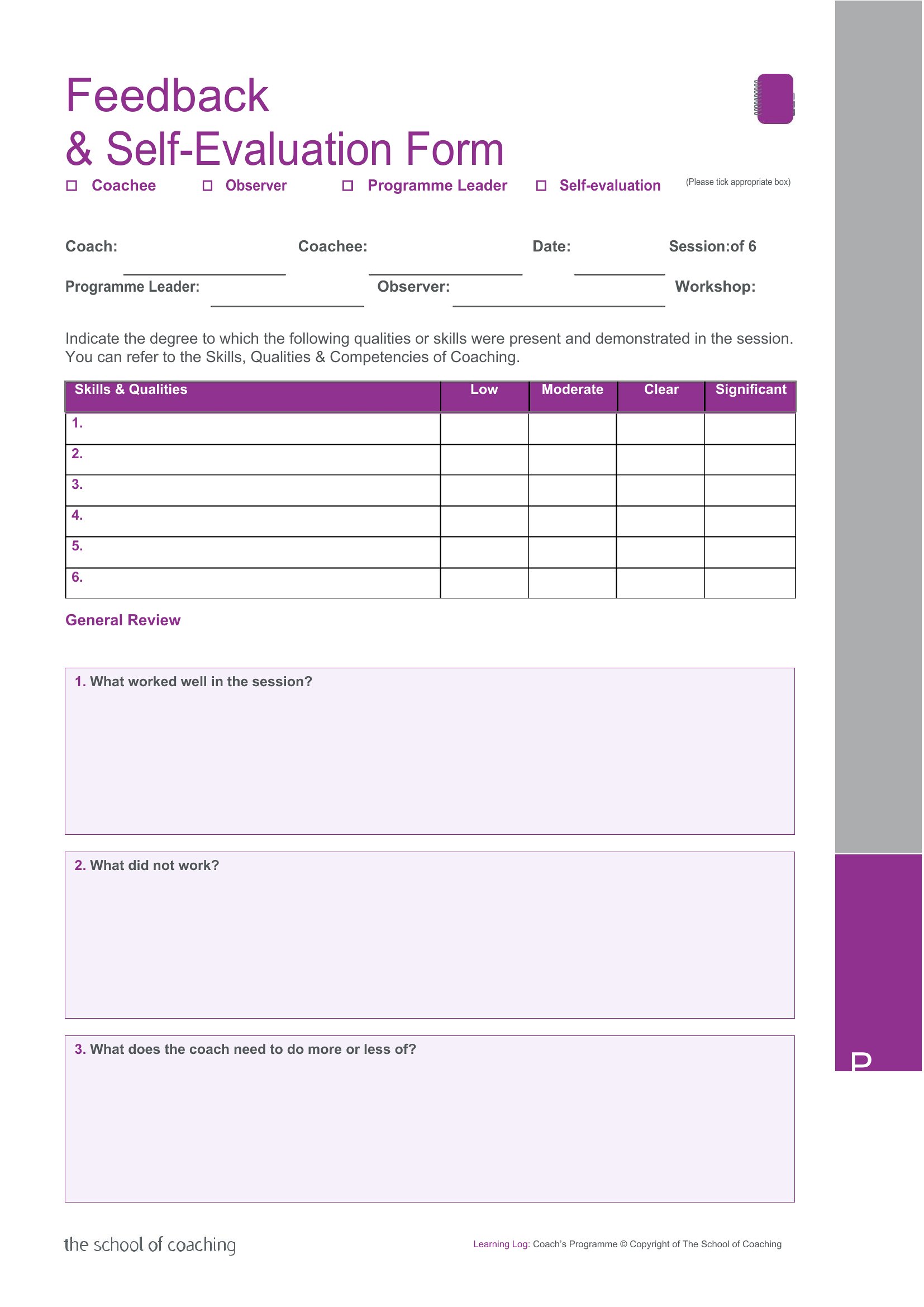
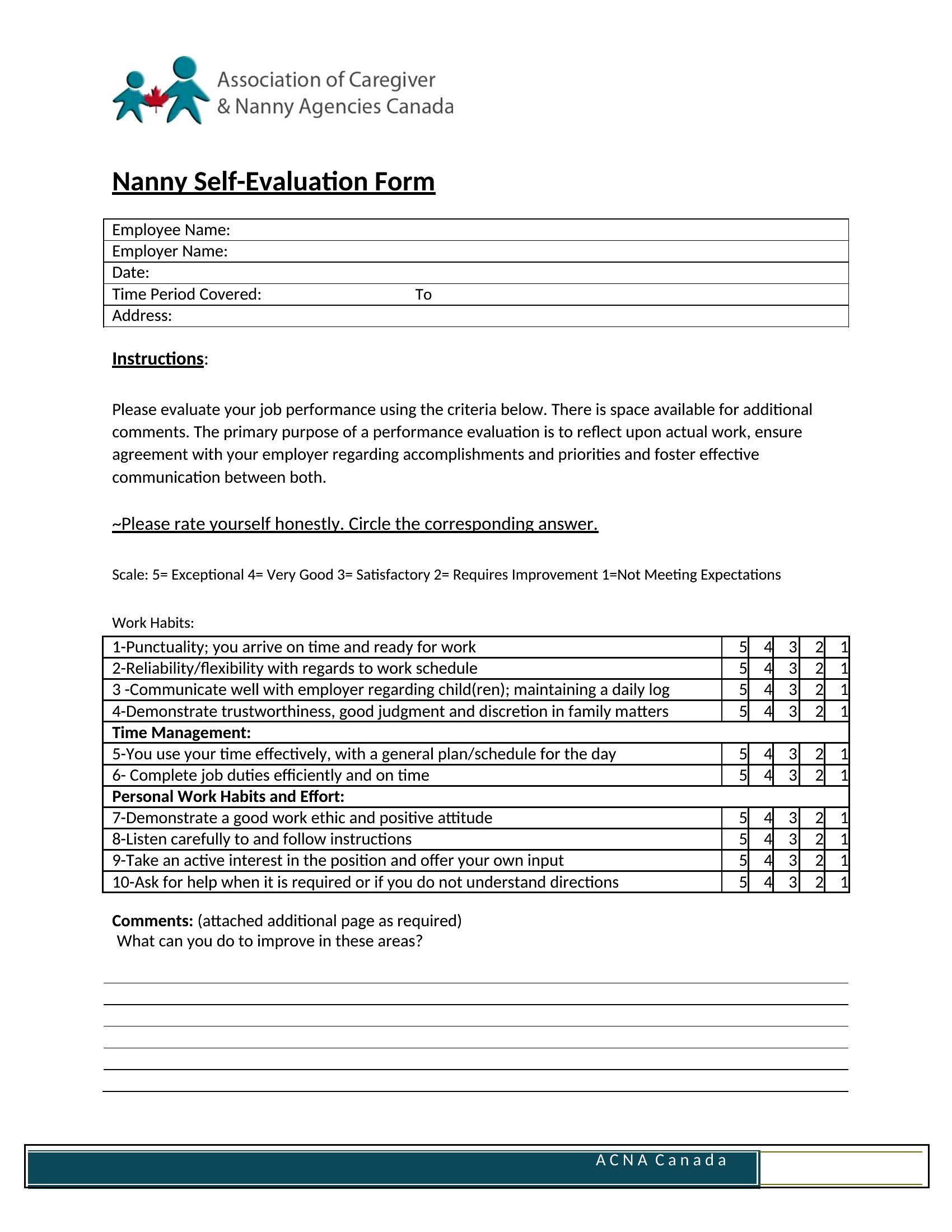
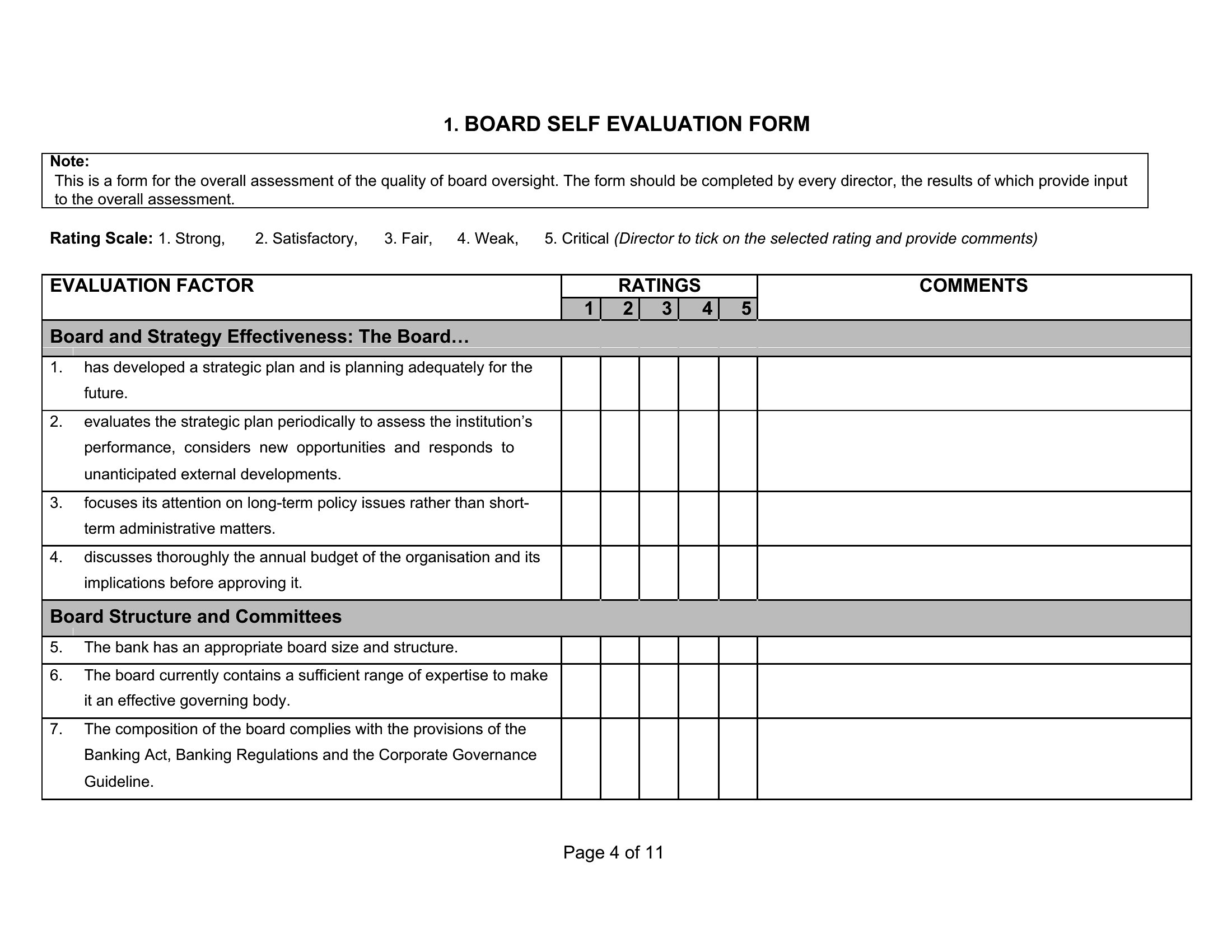
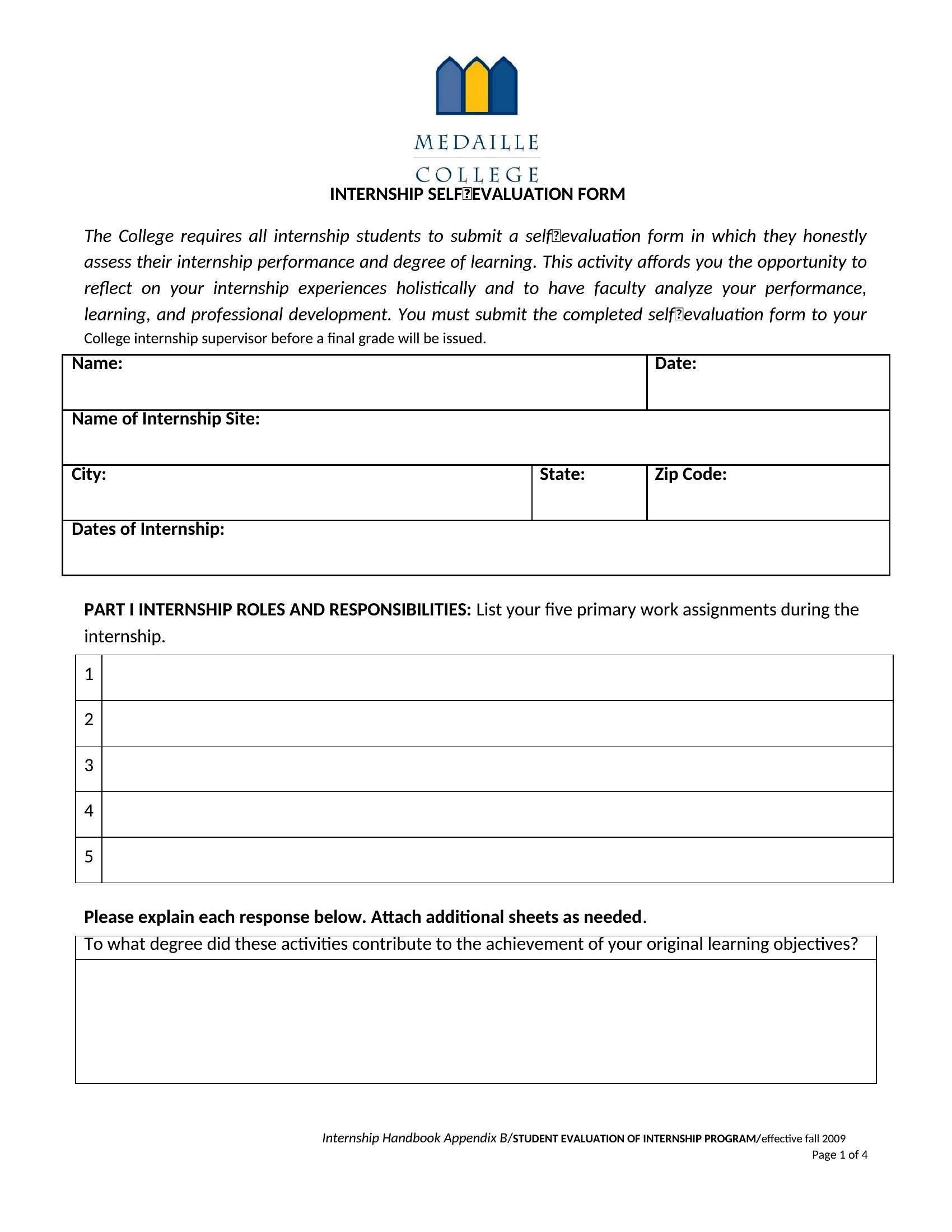
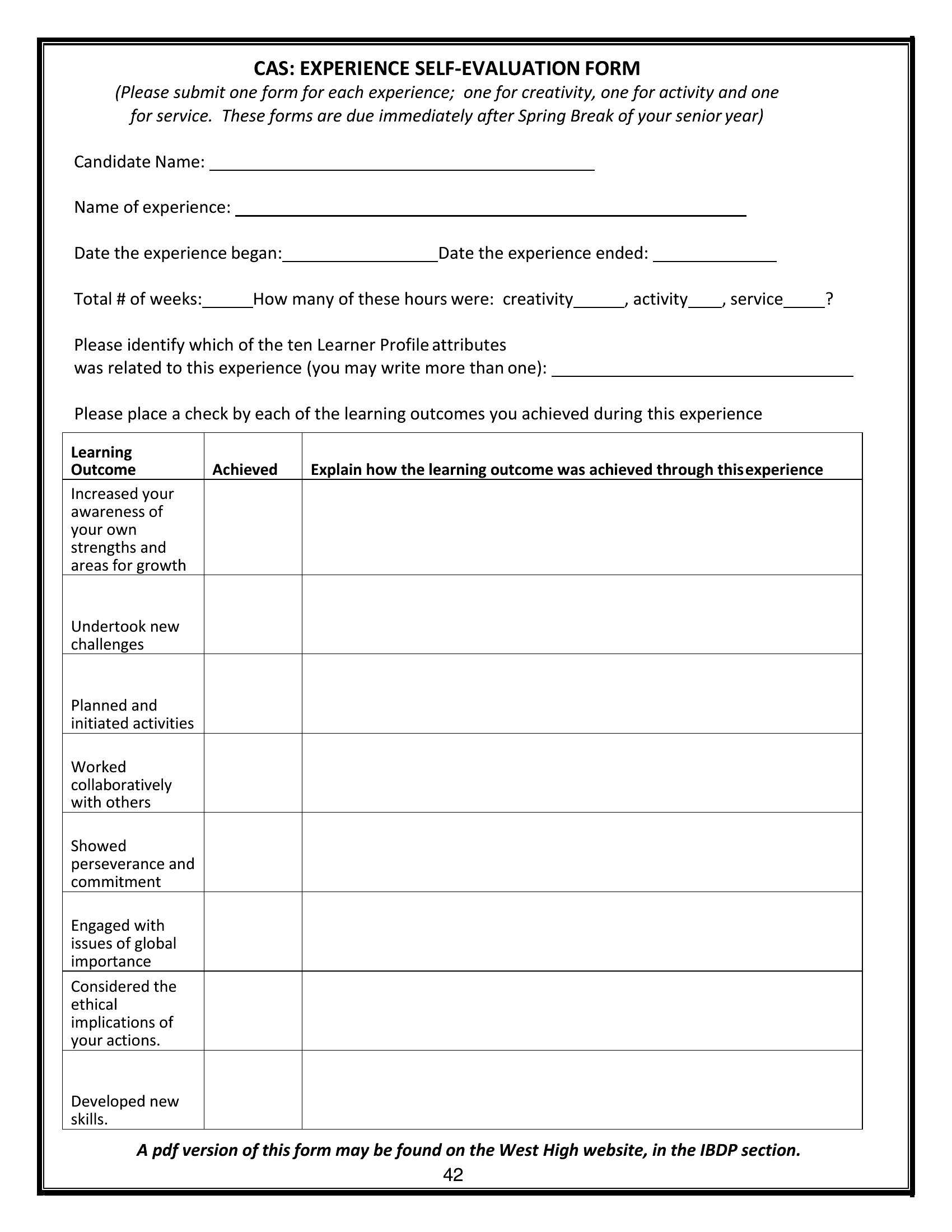
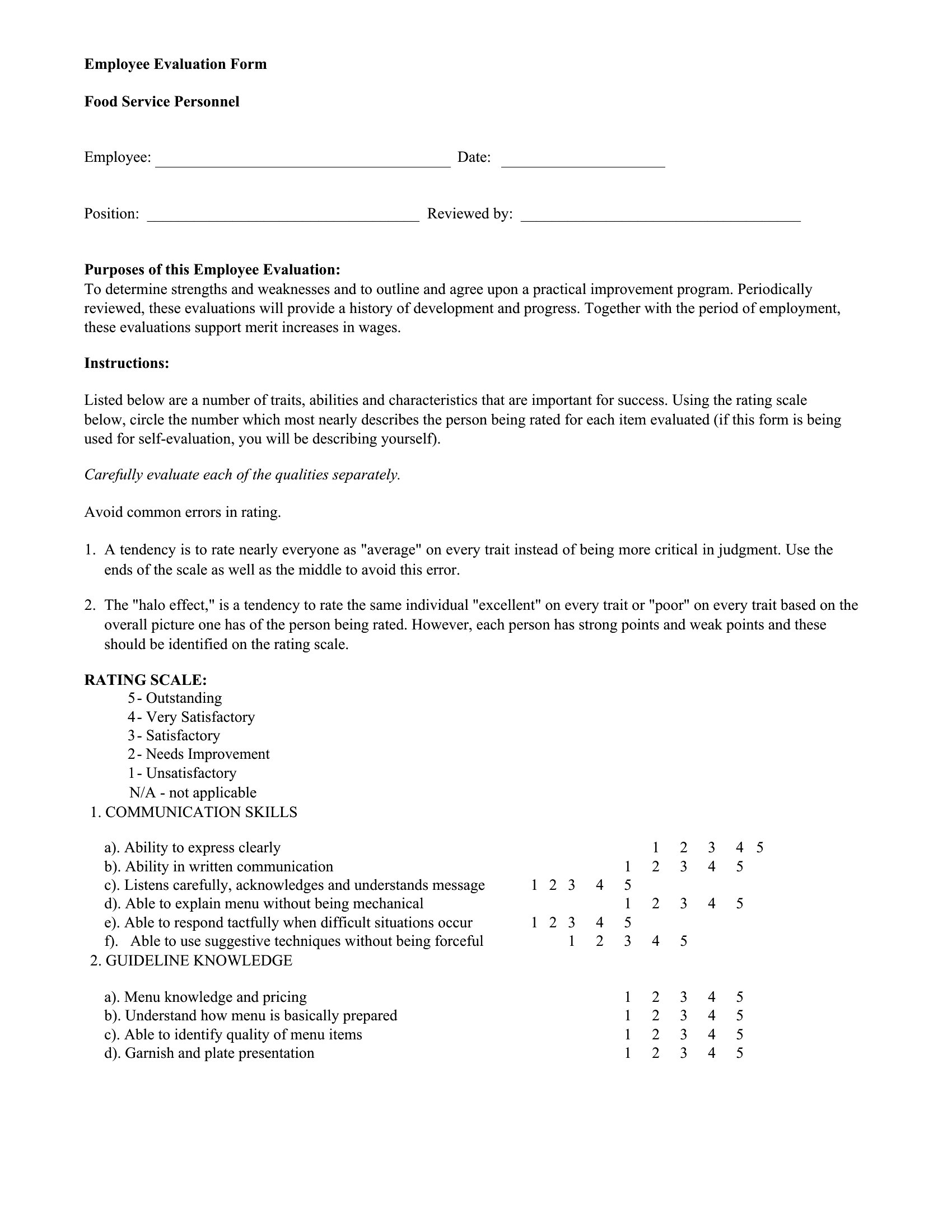
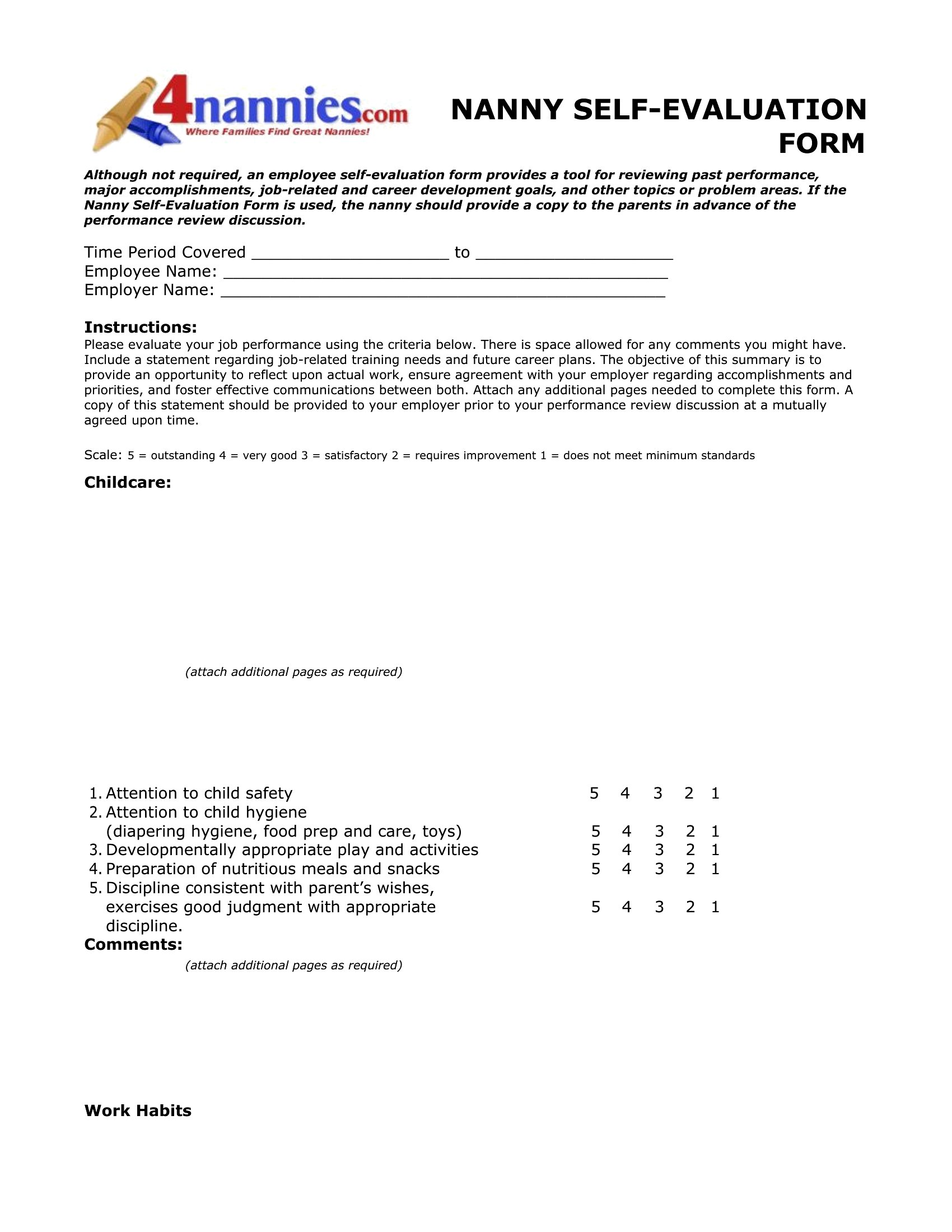
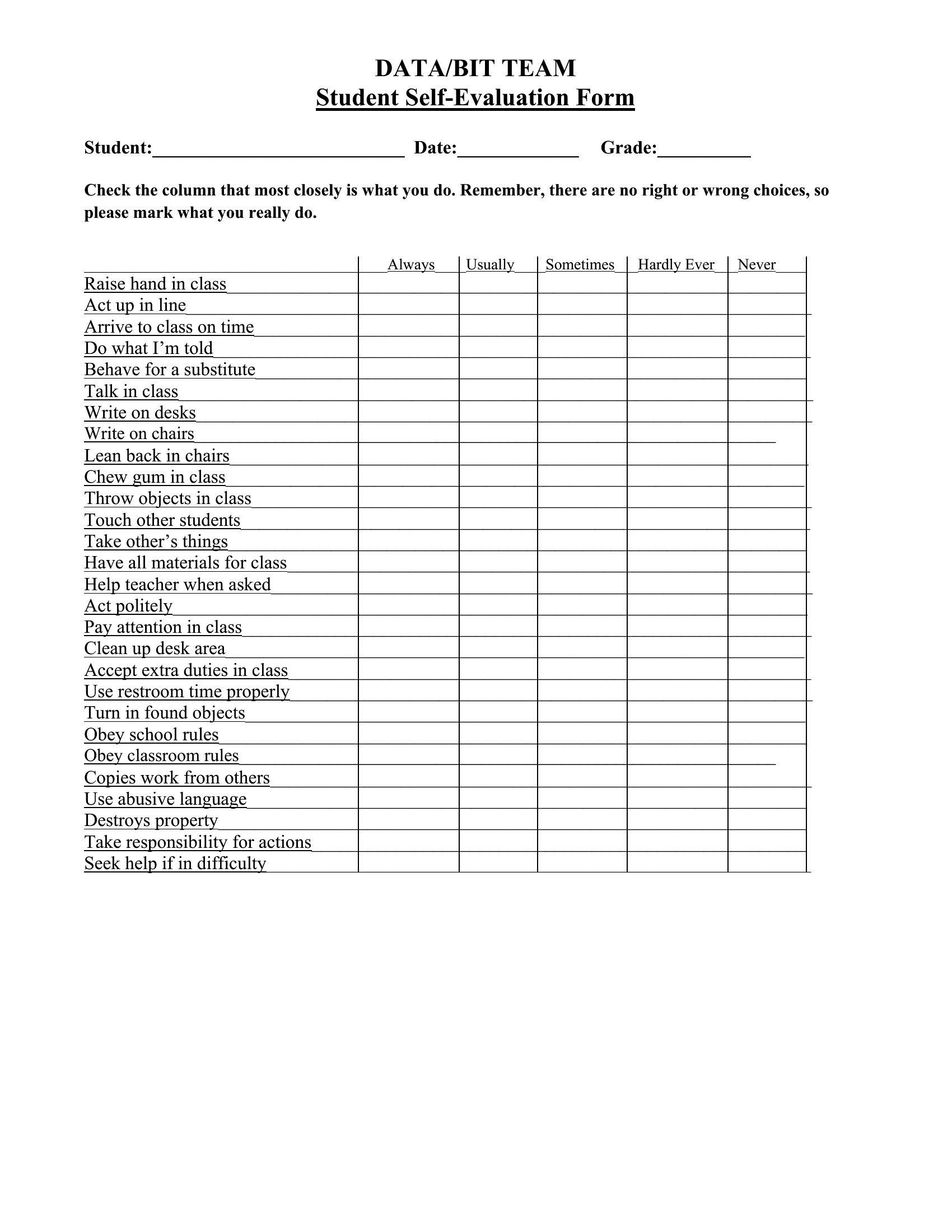
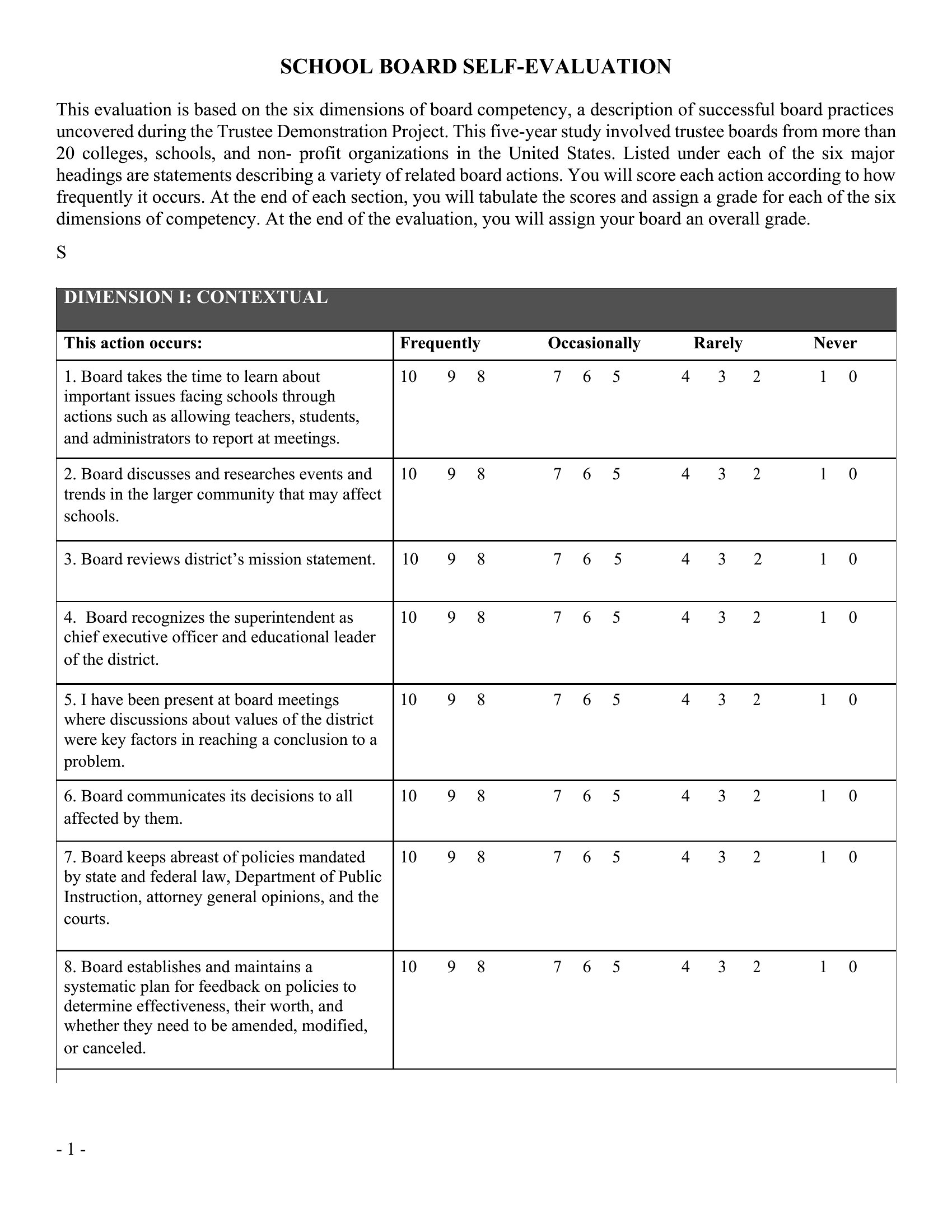
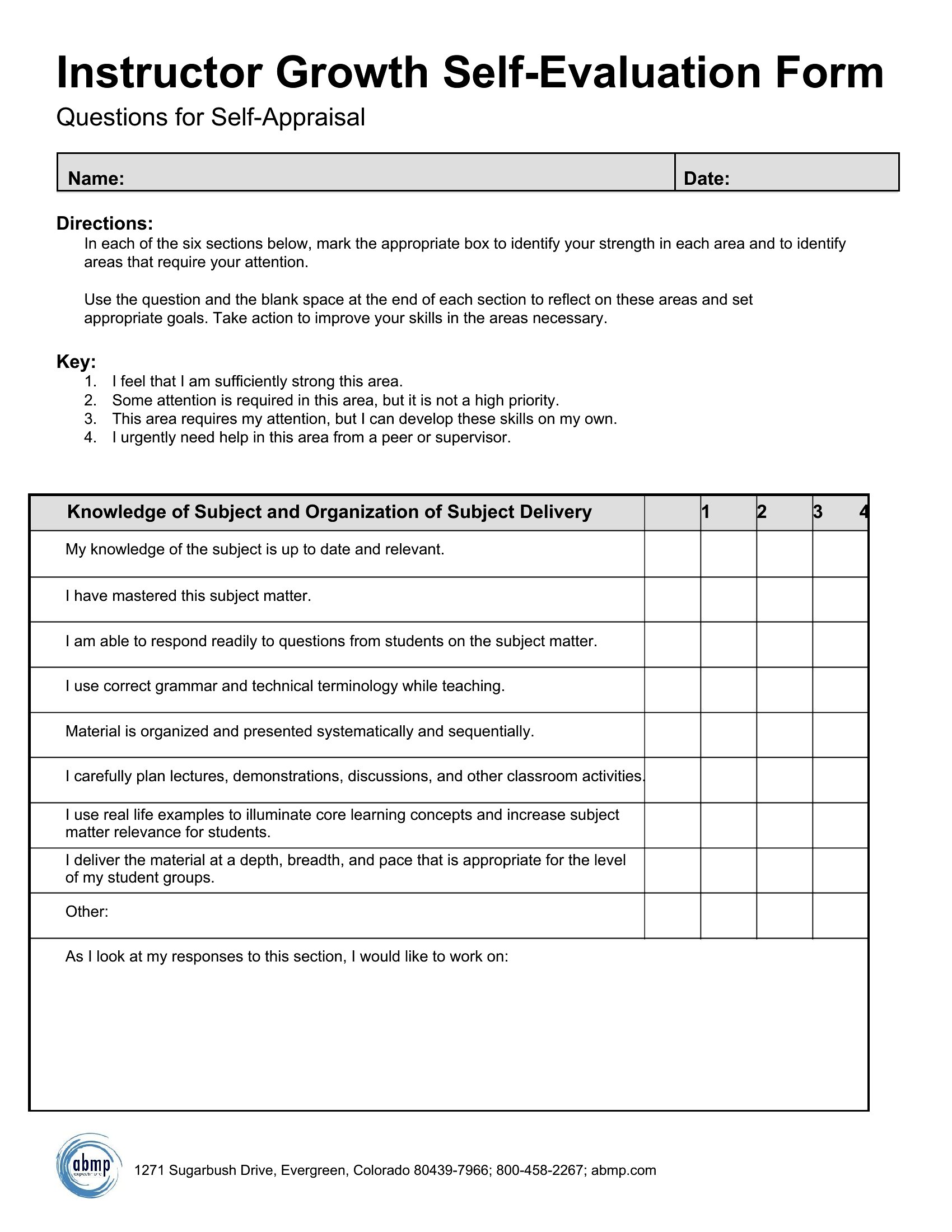
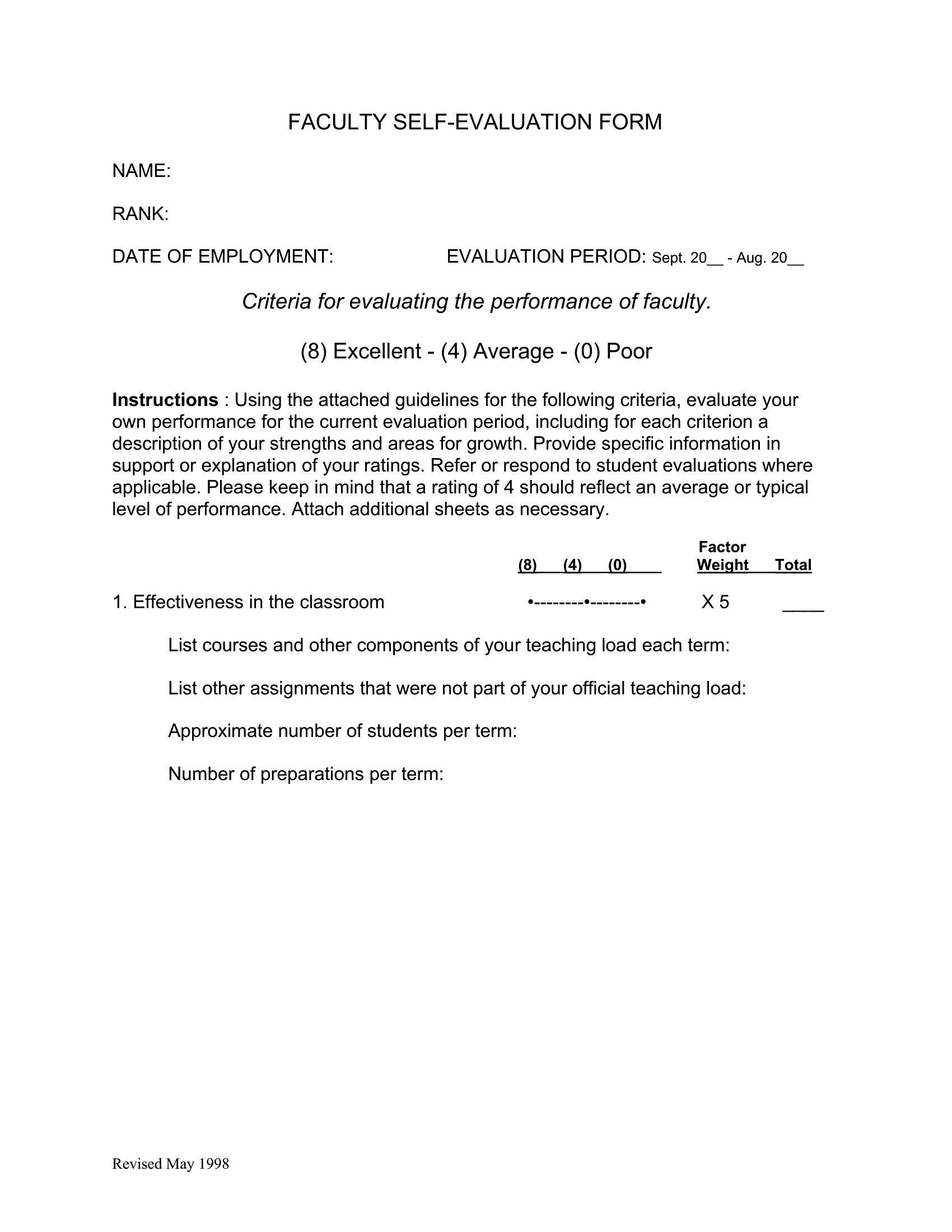
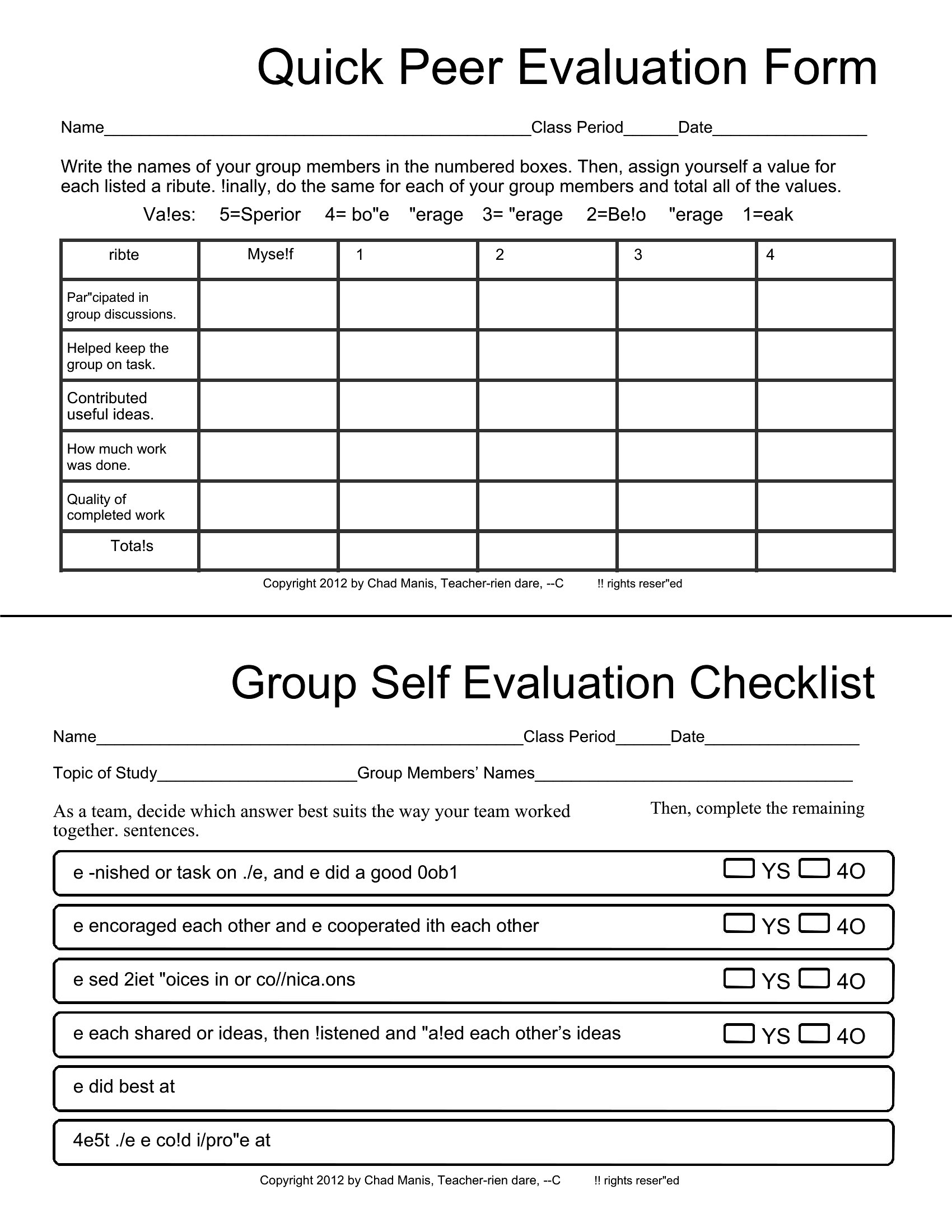
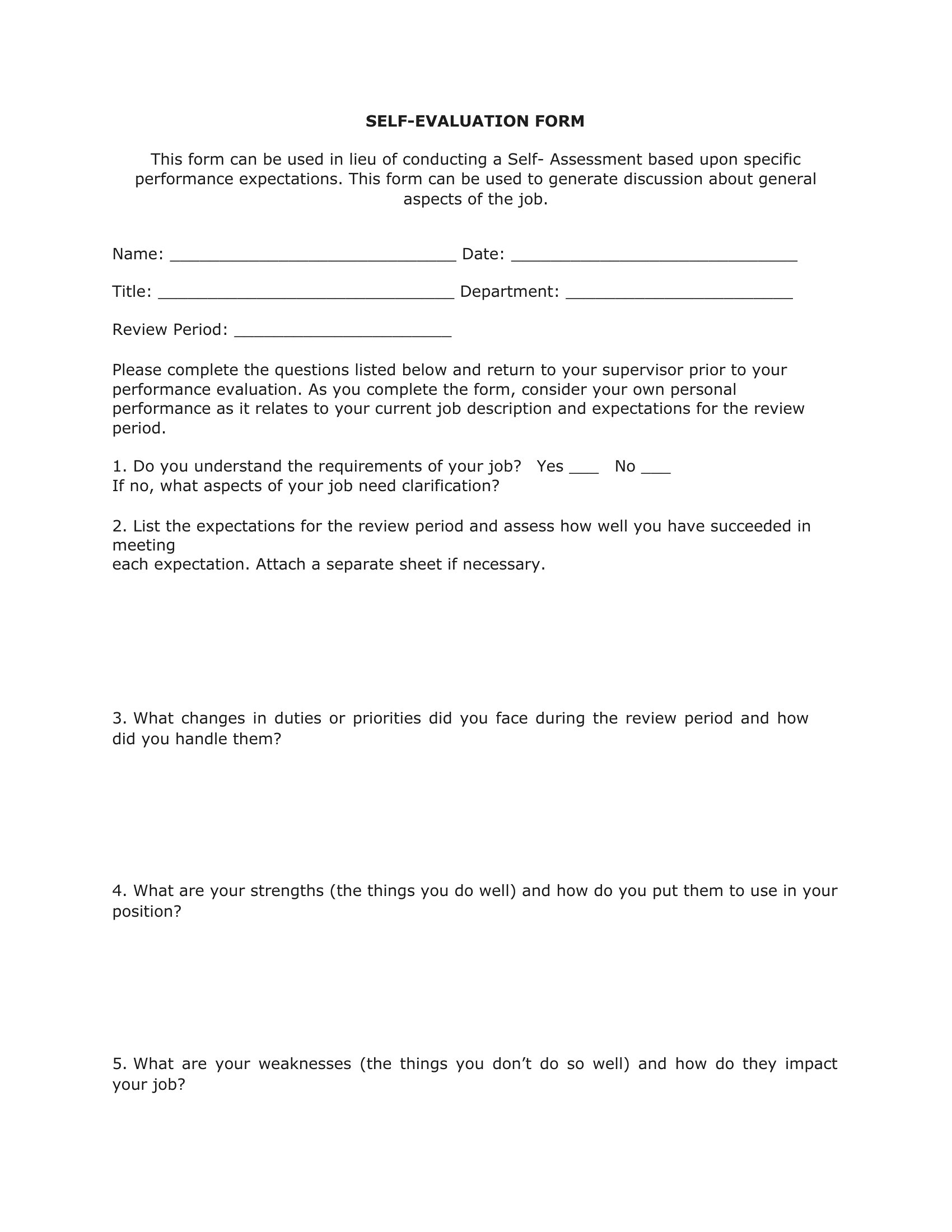
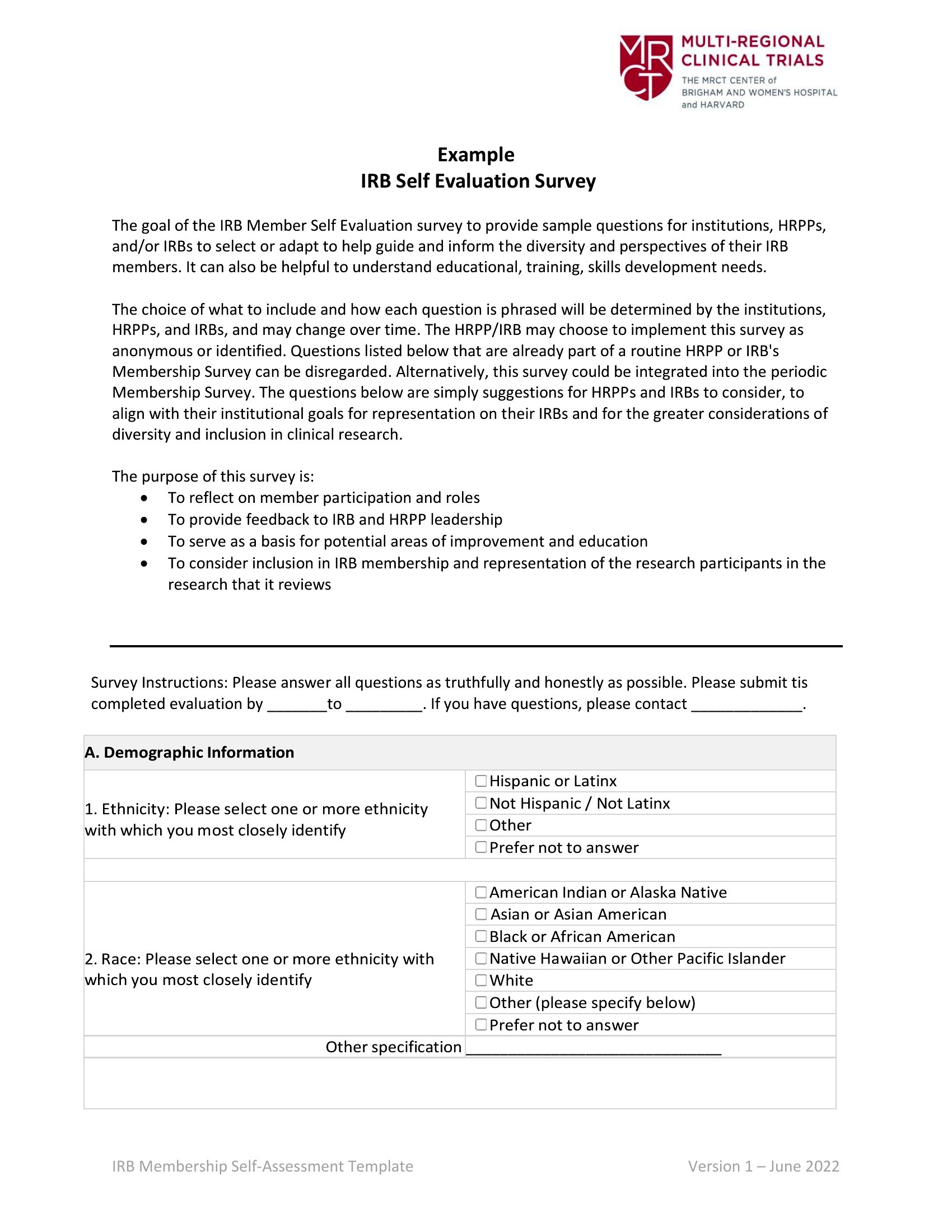
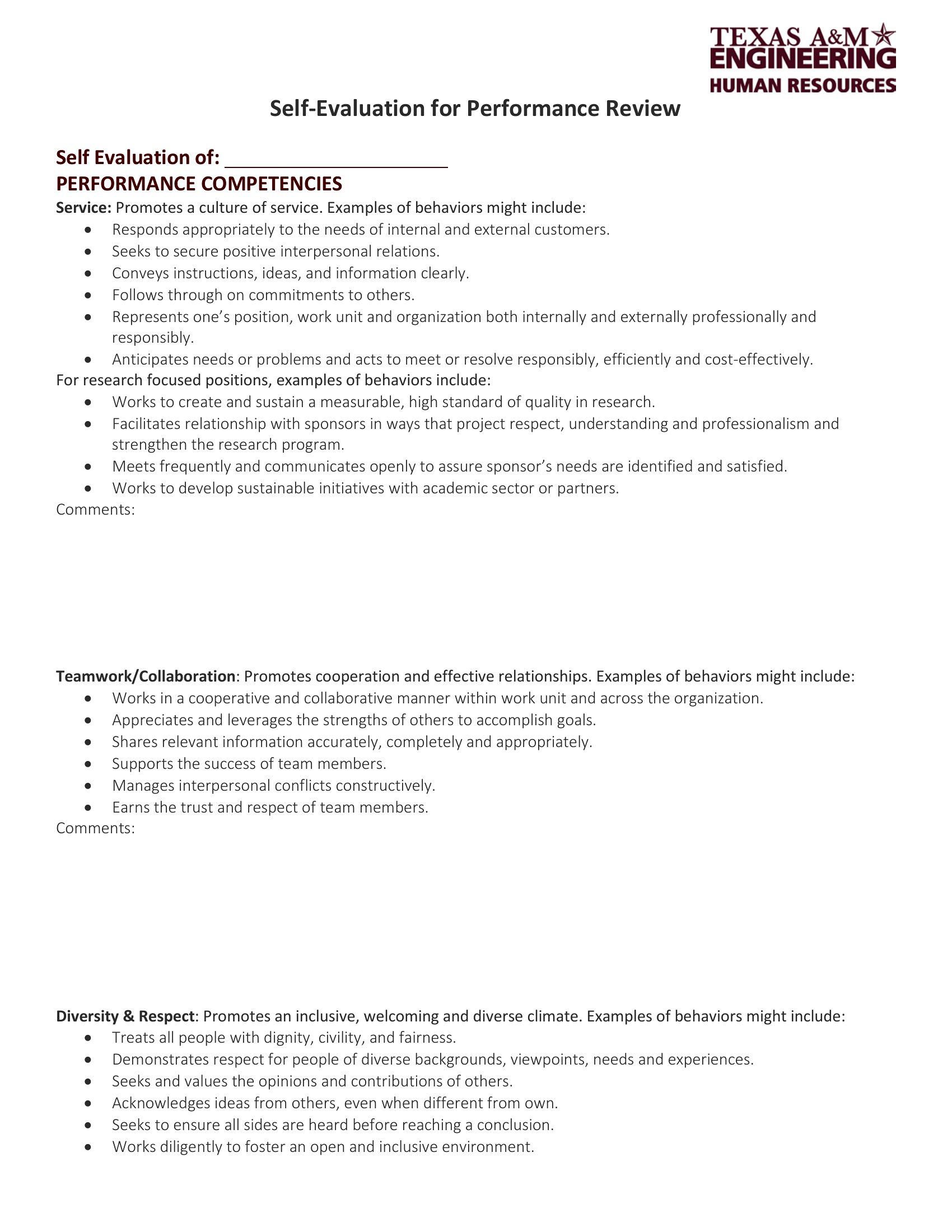
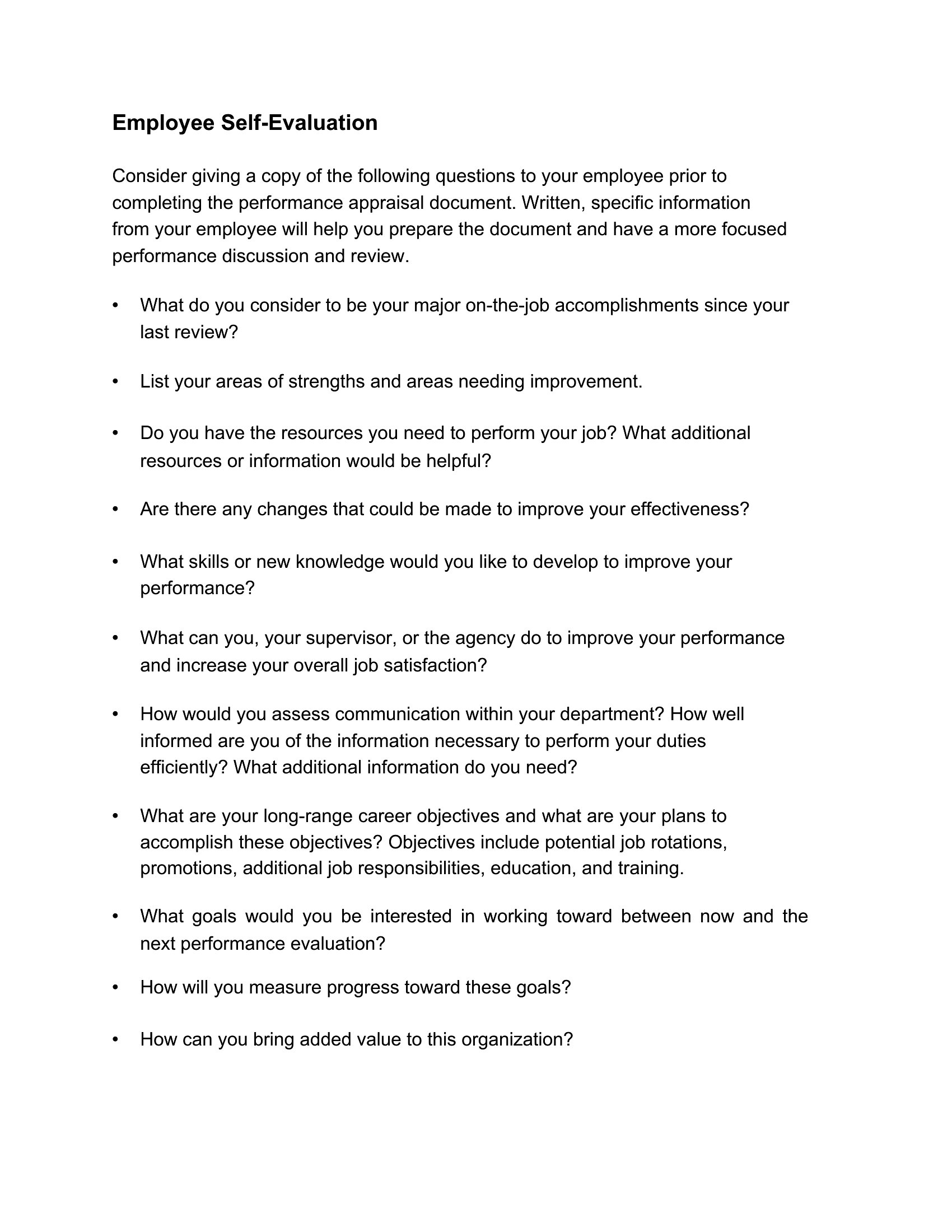
FAQ
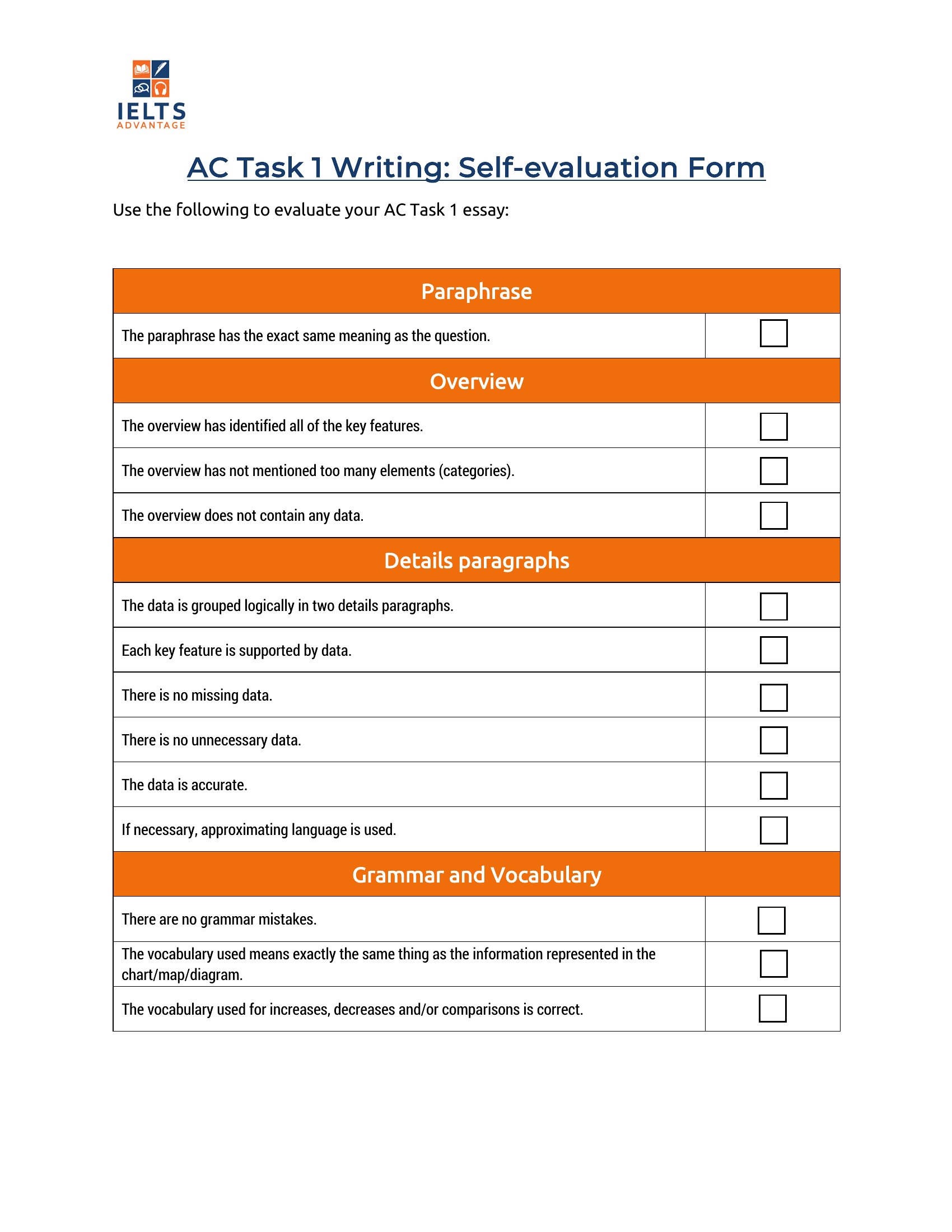
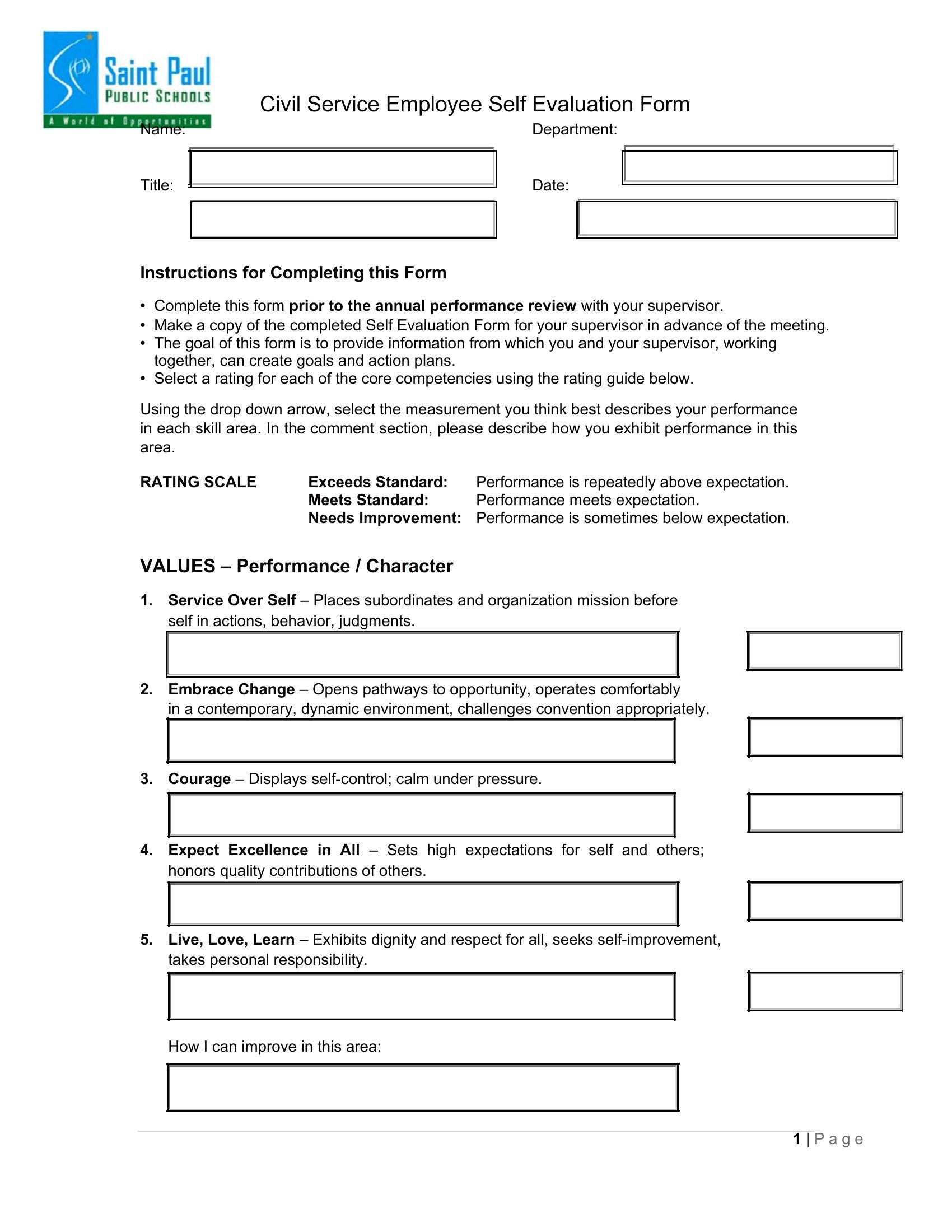
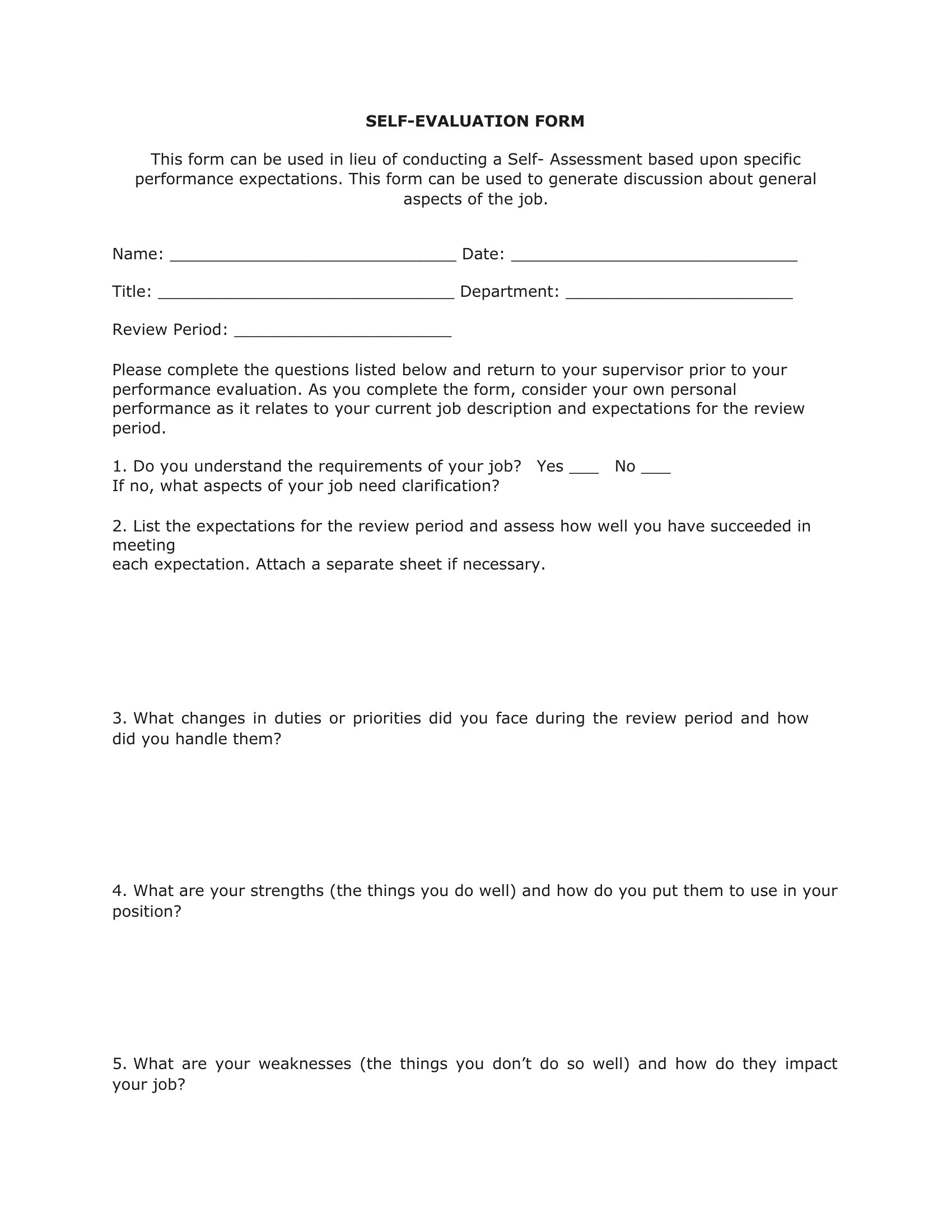
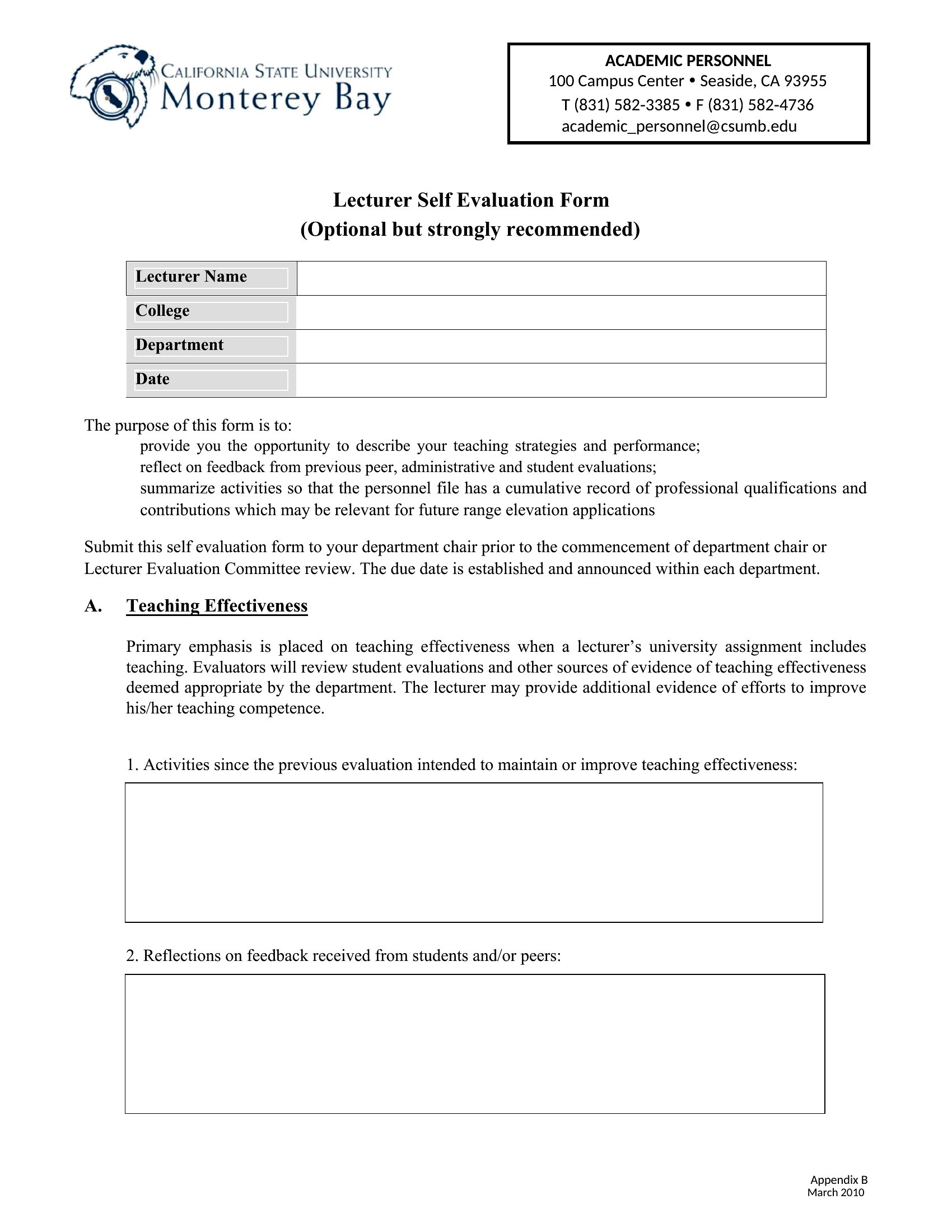
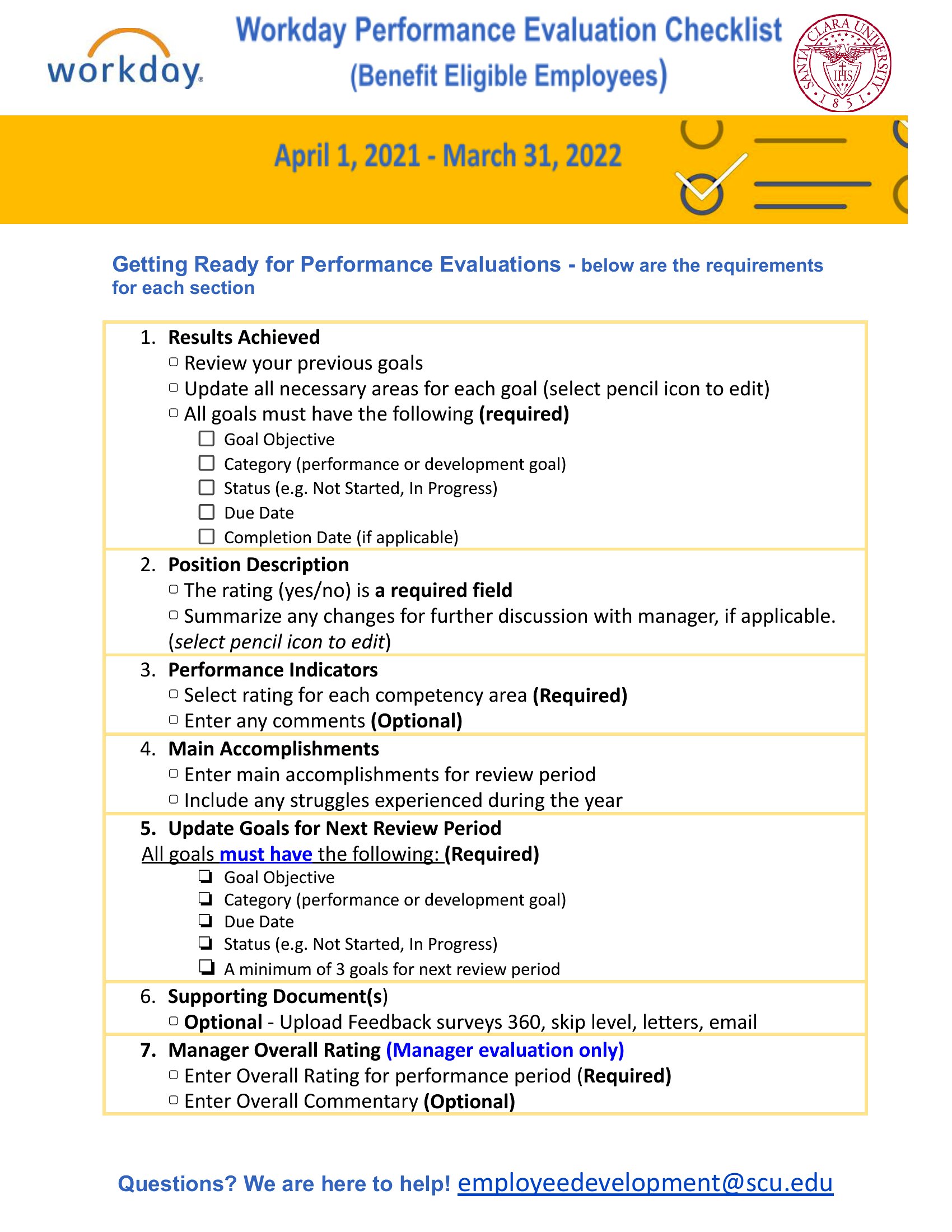
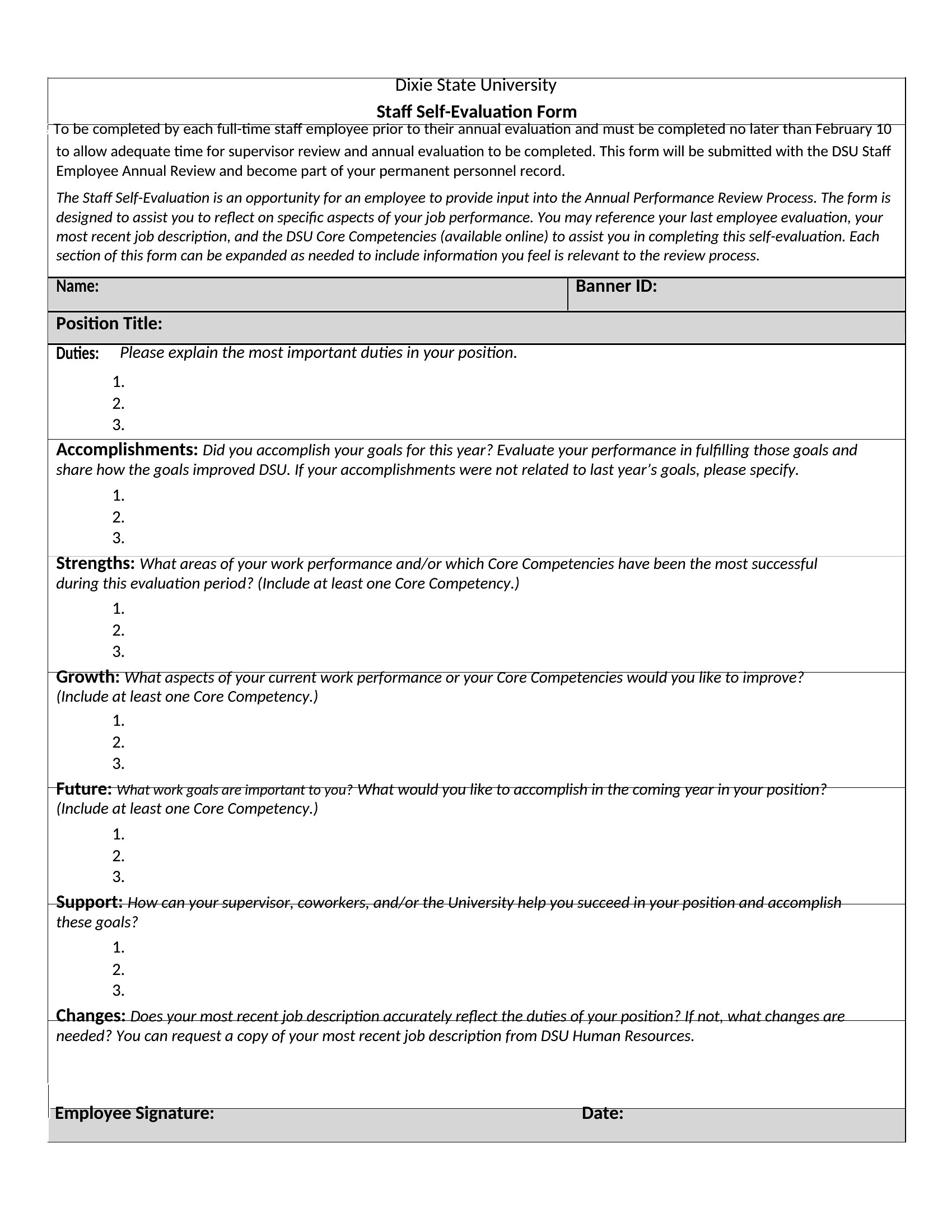
How can I make my self-evaluation stand out without sounding overly confident?
Balance your strengths with specific, measurable examples—like ‘Increased client retention by 20% through targeted outreach’—then acknowledge growth areas with honest, solution-oriented language. Use the template’s prompts to frame challenges as opportunities, showing self-awareness and initiative. Avoid vague phrases like ‘I work well under pressure’; instead, cite a time you met a tight deadline and how you’ll apply that to future goals.
What’s the best way to address a negative performance note in my self-evaluation?
Acknowledge the feedback briefly, then focus on steps you’ve taken to improve. For example, if you missed a deadline, note the misstep, explain what you learned (e.g., ‘I now block time for high-priority tasks’), and include a timeline for measurable progress. This shows accountability while directing the conversation toward solutions. Avoid excuses or defensiveness—templates with ‘growth opportunities’ sections are designed to help you pivot to action.
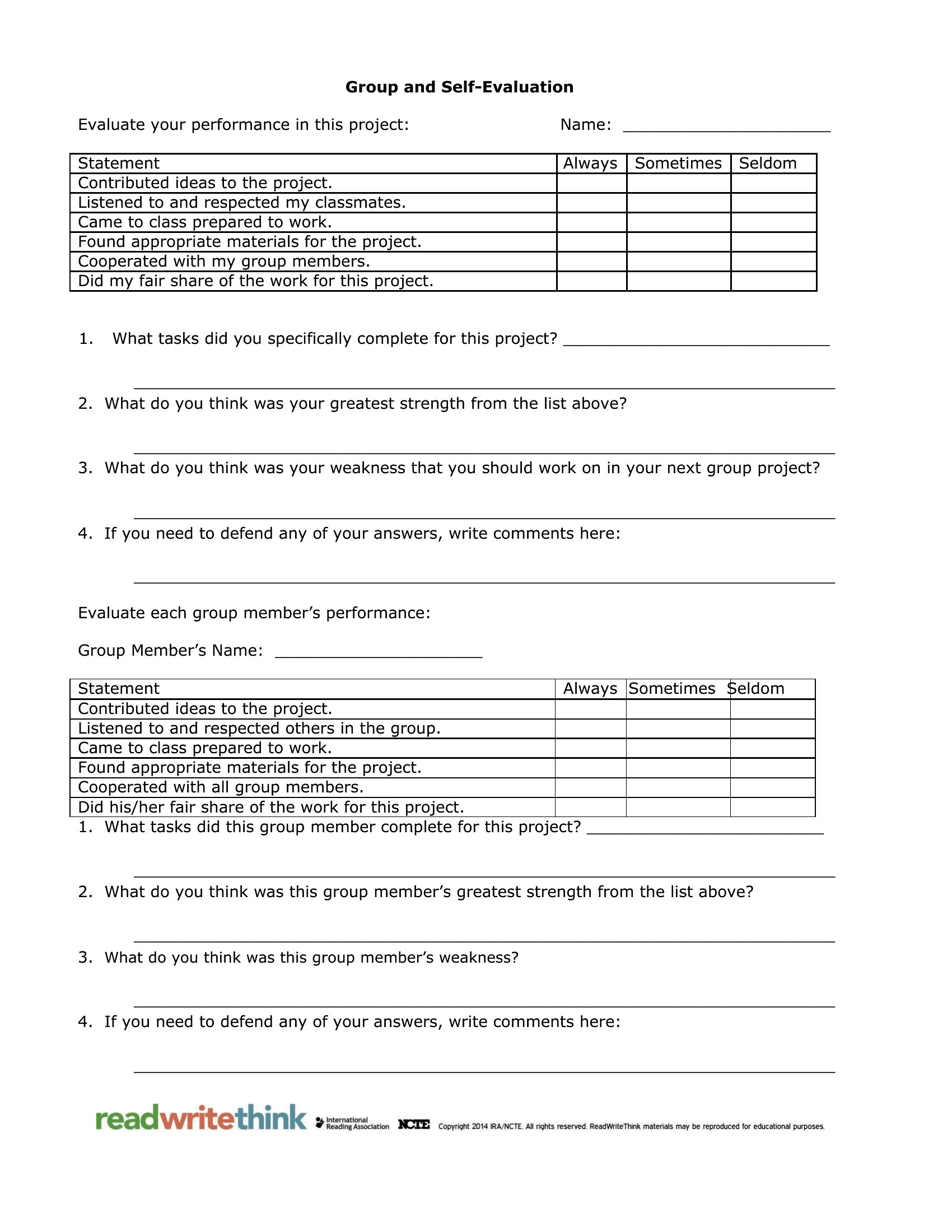
Can I use these templates for a 360-degree review where I’m evaluating peers too?
These templates are tailored for self-assessments, but you can adapt them by renaming sections (e.g., ‘Peer Contributions’ instead of ‘My Strengths’) and focusing on observable behaviors or collaborative wins. For peer evaluations, prioritize objective examples—like ‘Organized the team’s Q3 project kickoff’—and avoid subjective traits. If your organization provides a separate peer-review template, use this one only for your personal reflection portion.
Comments
Join the conversation
Sign in to share your thoughts and leave a comment on this resource.