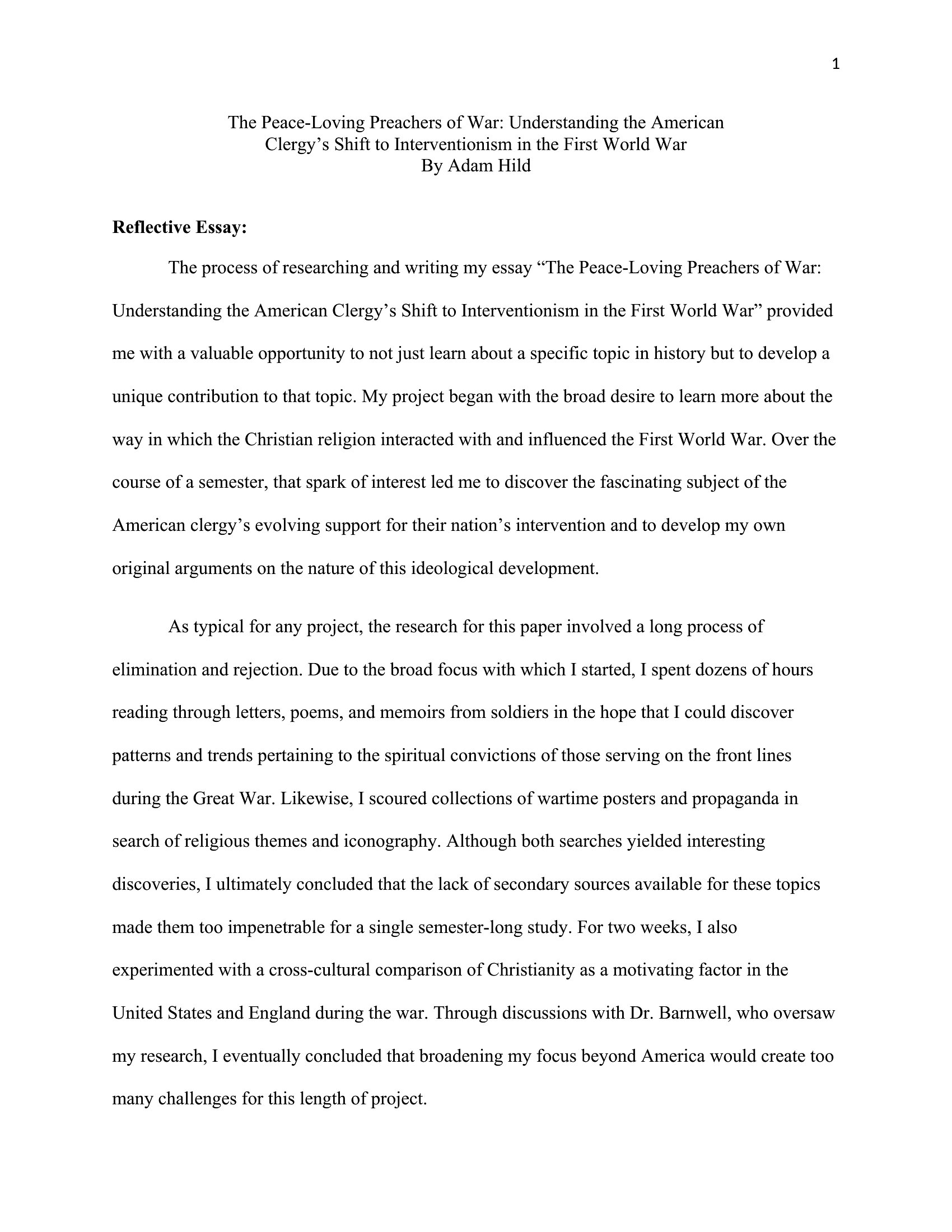
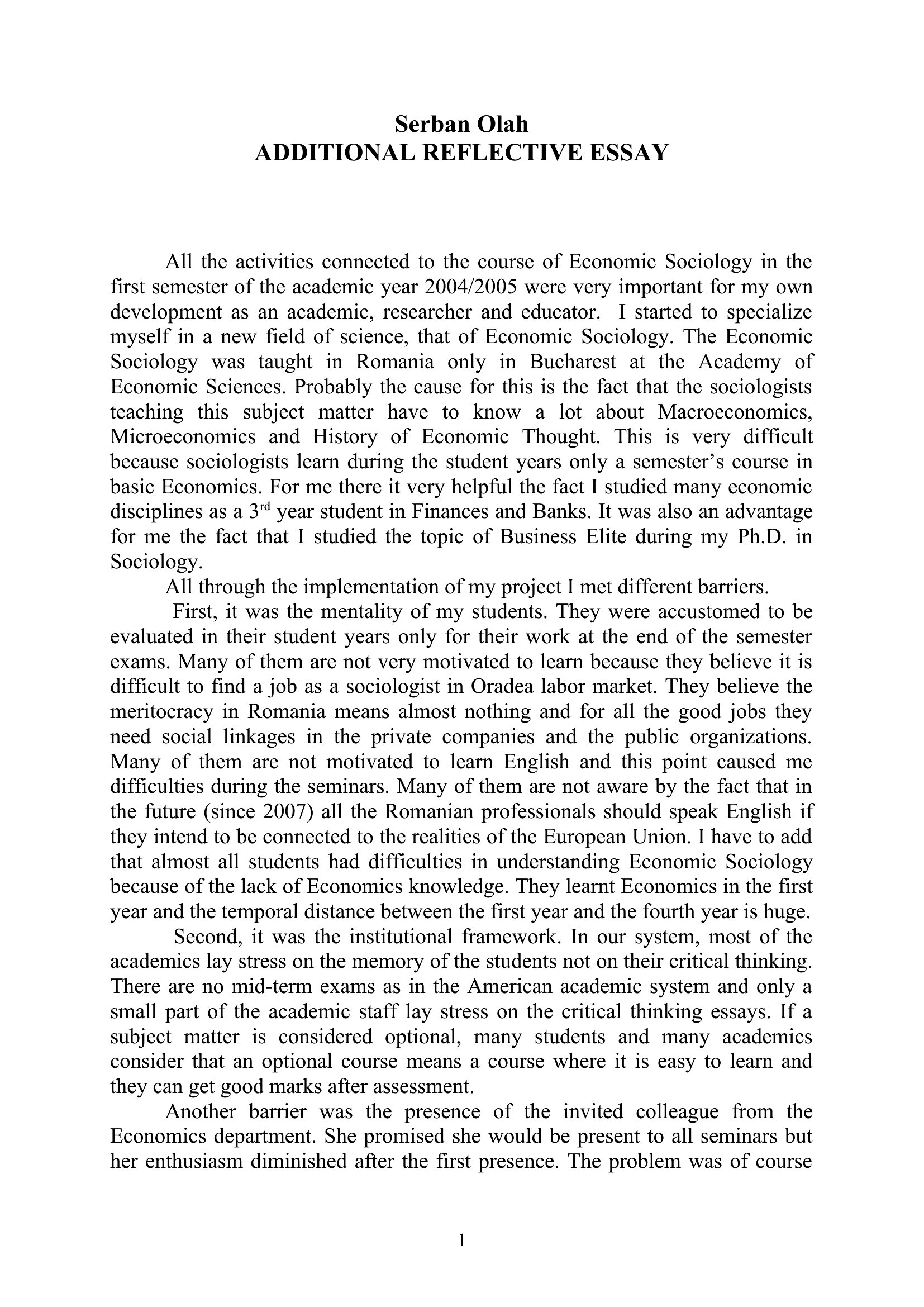
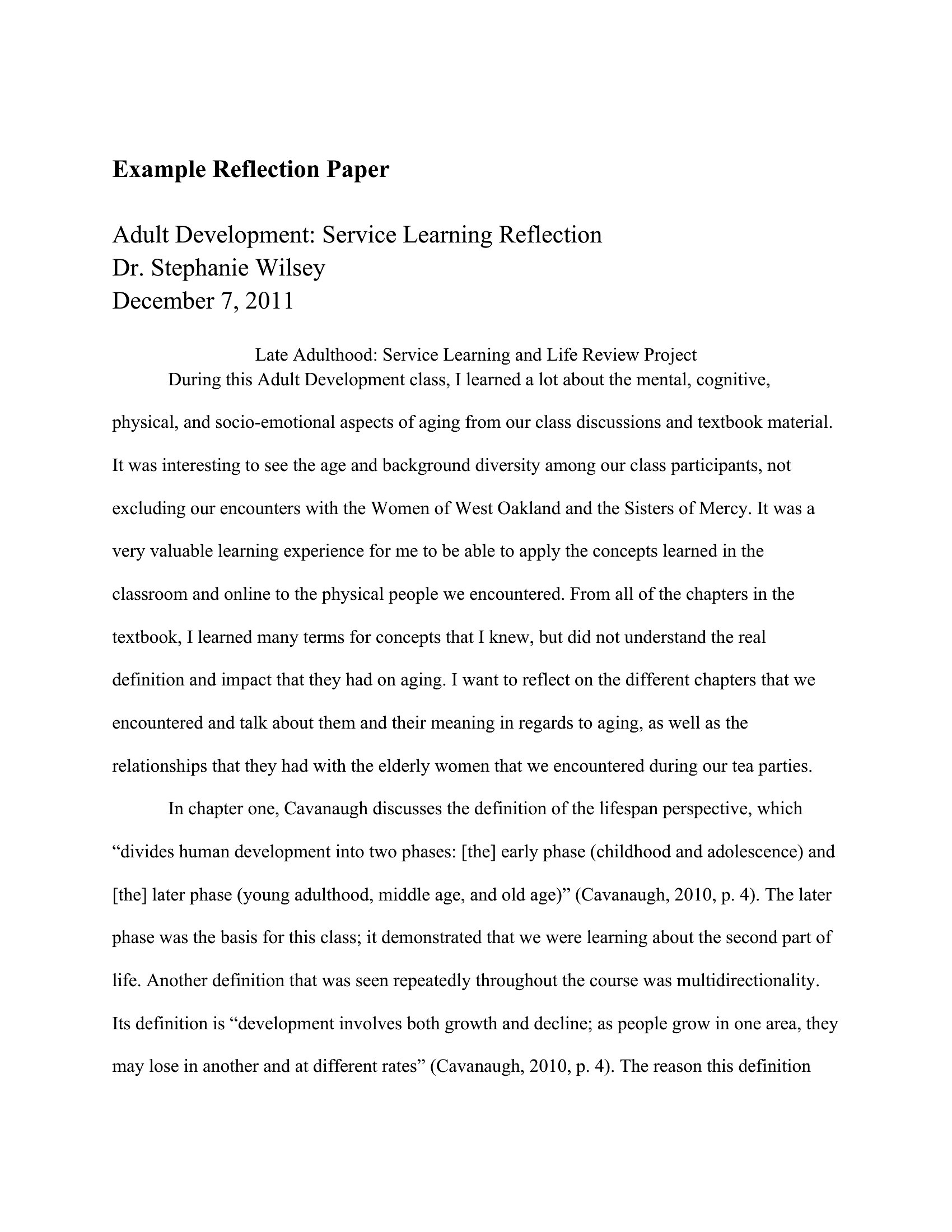
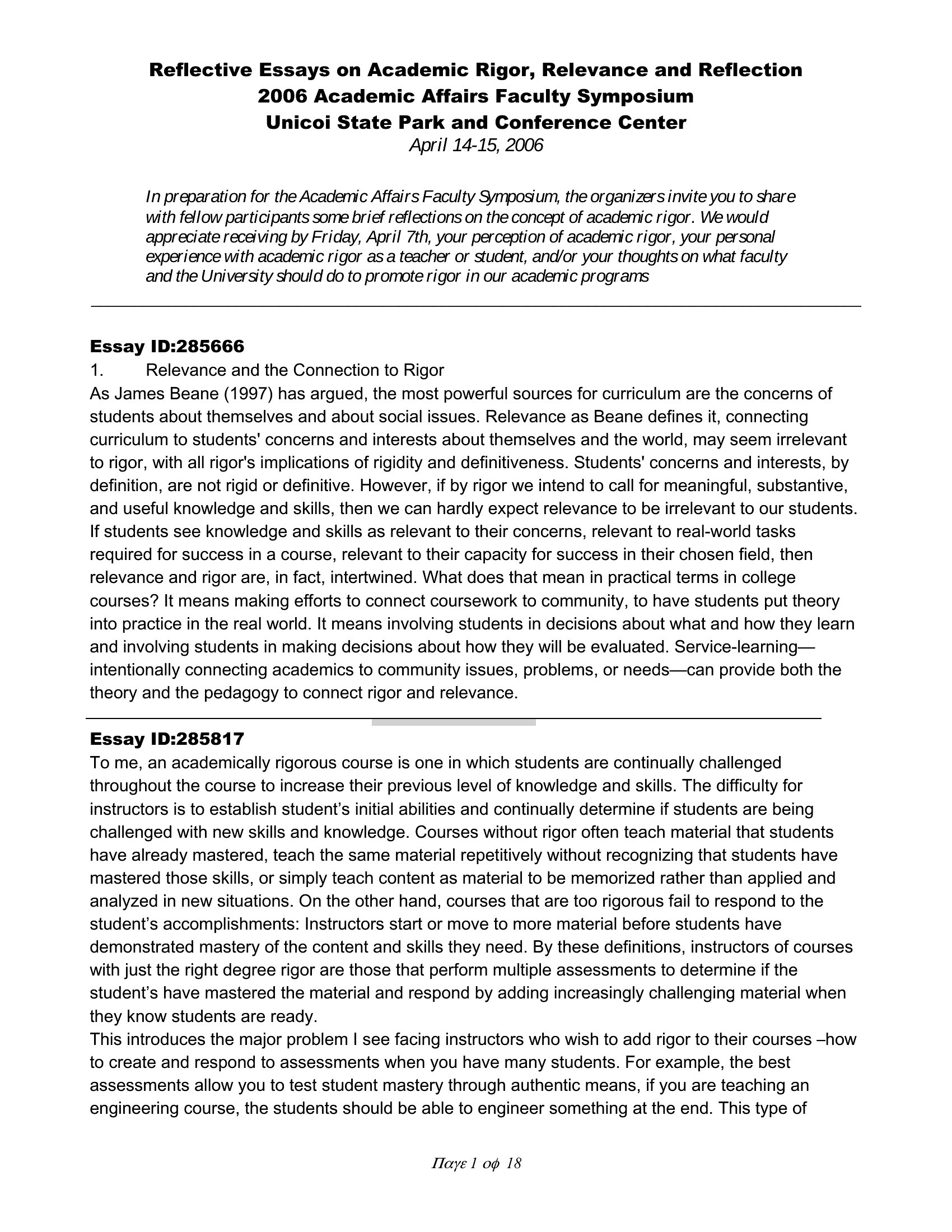
Free Reflective Essay Examples (Word)
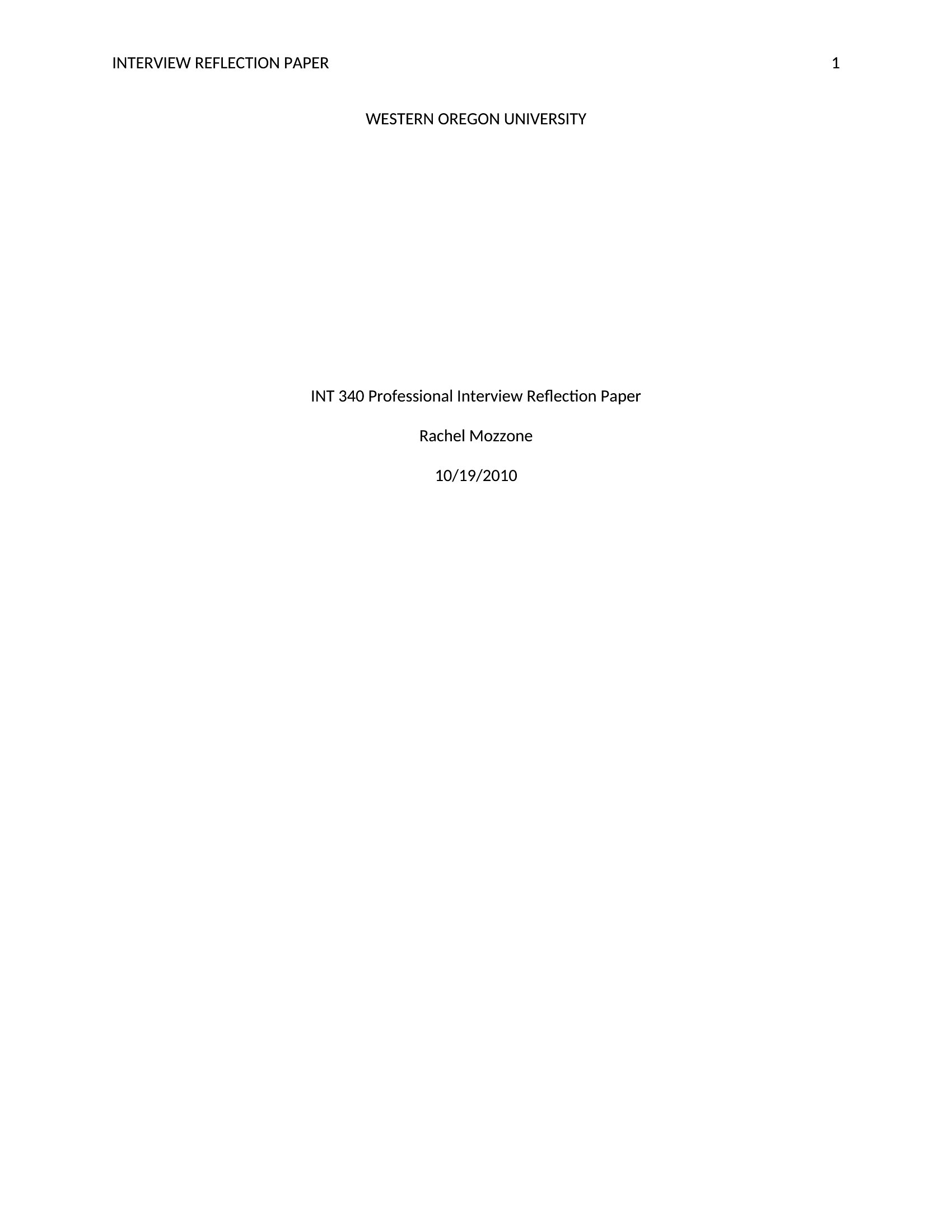
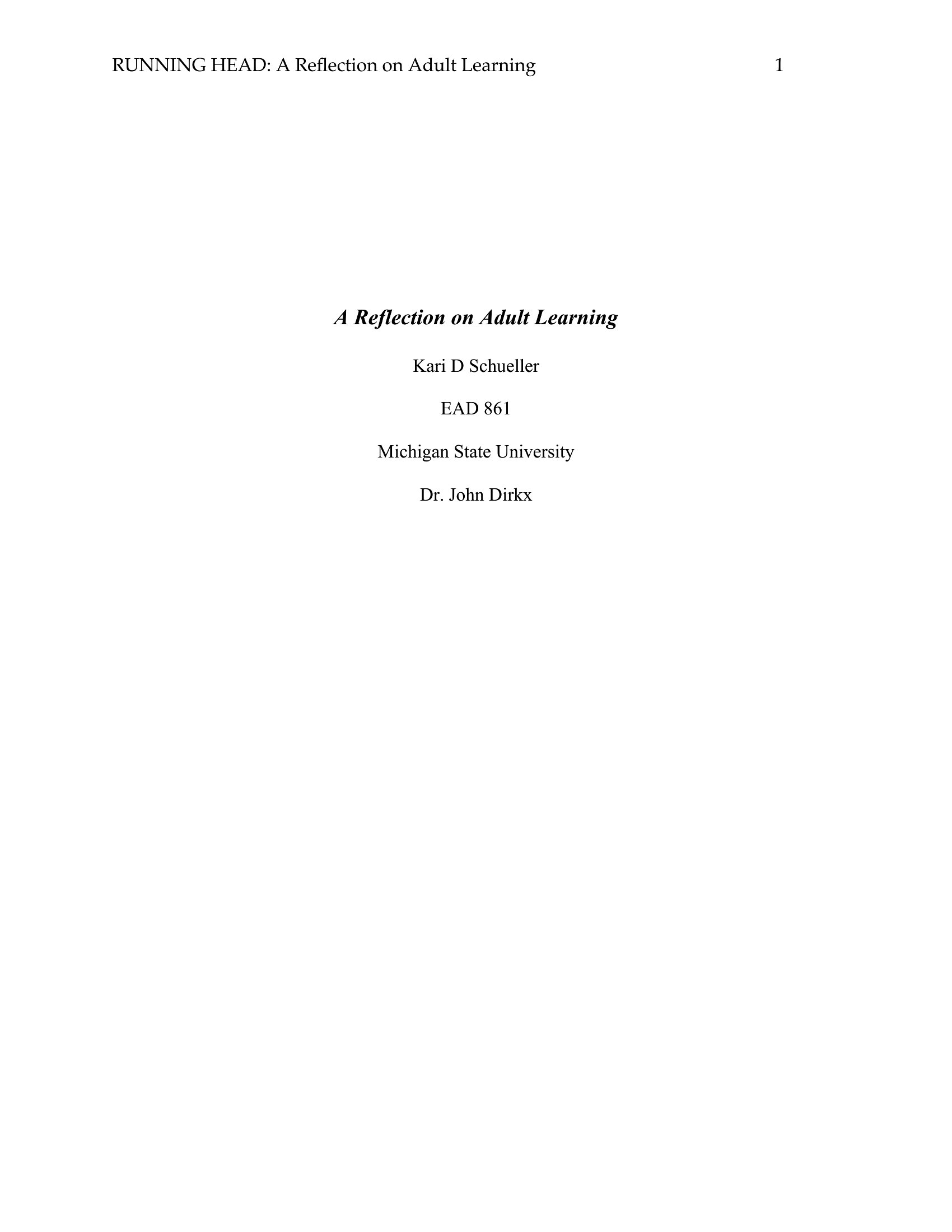
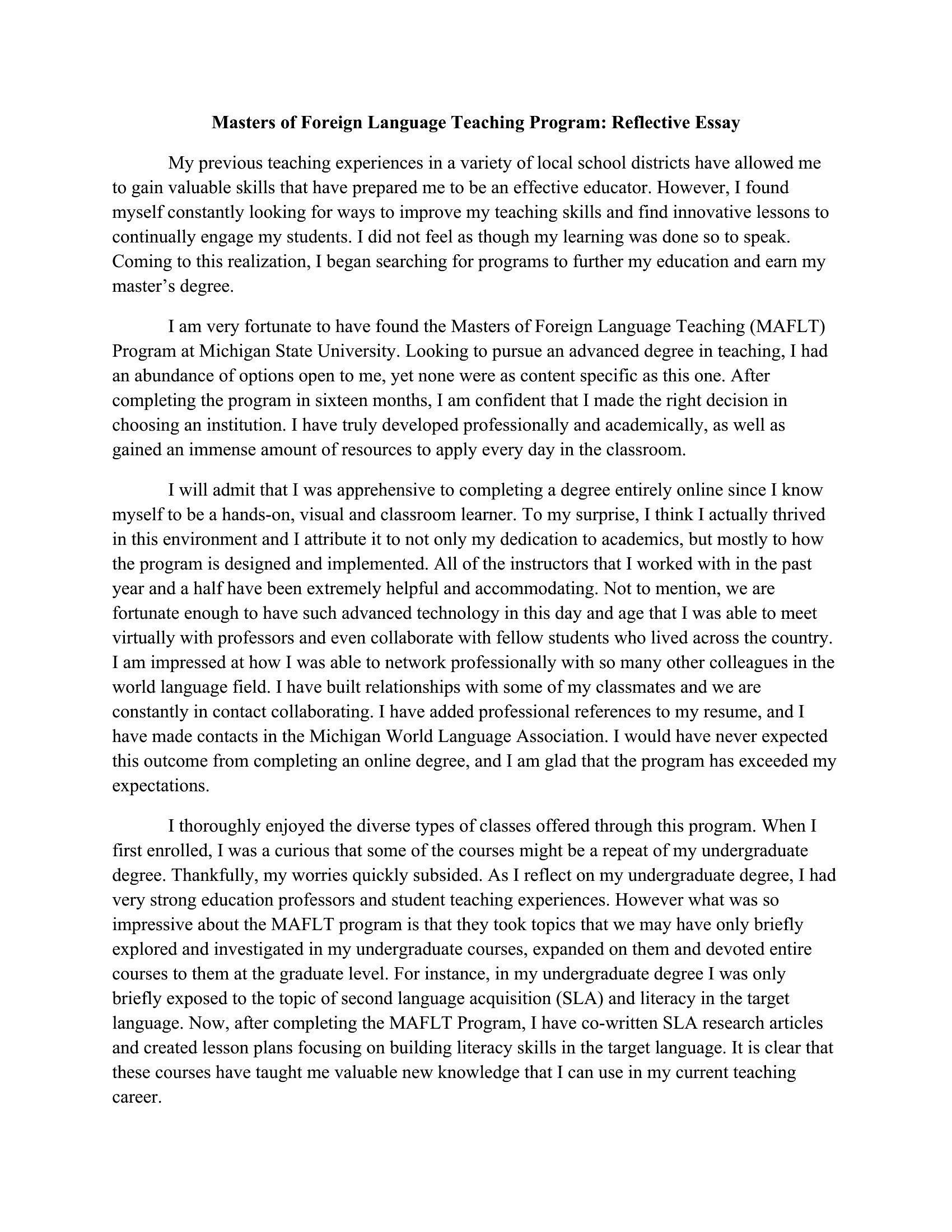
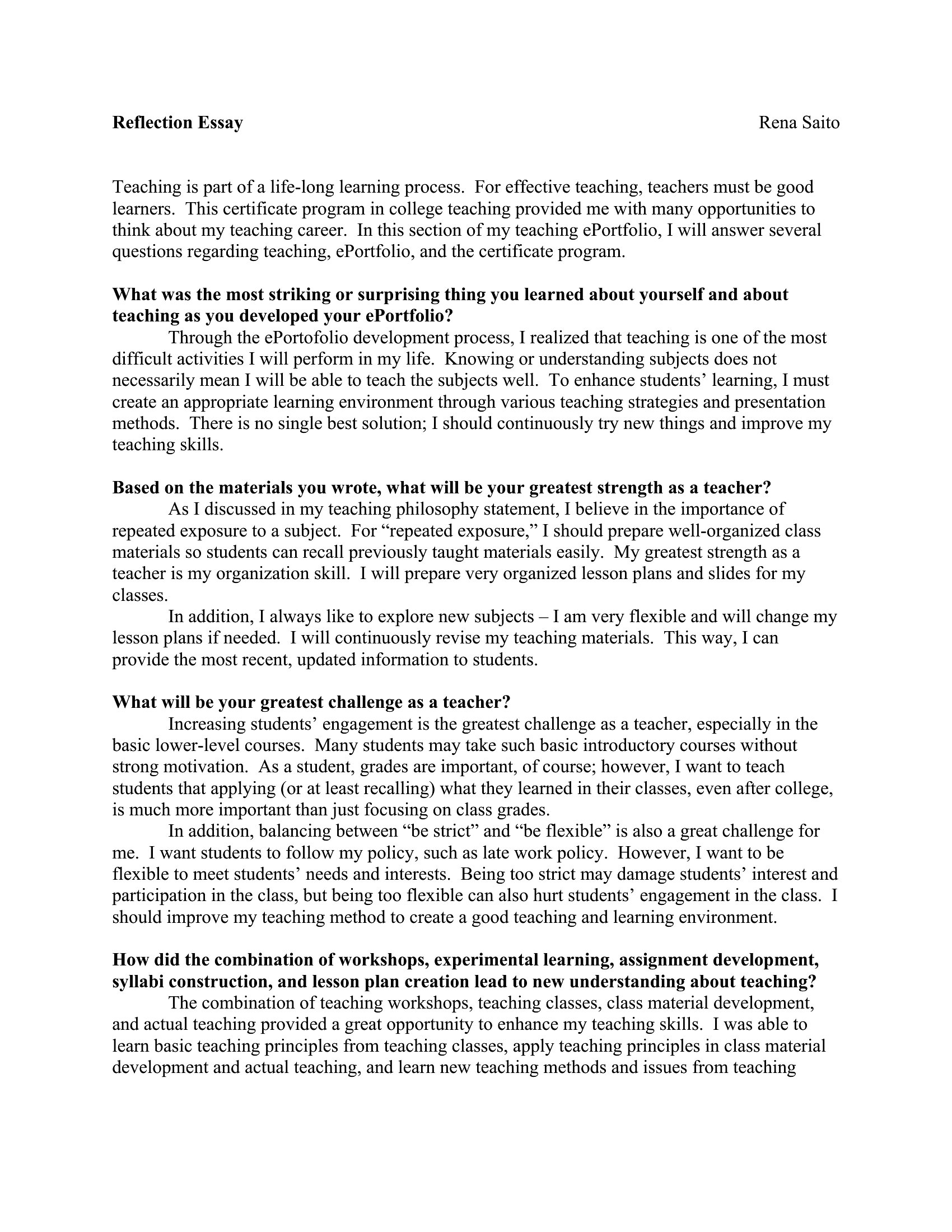
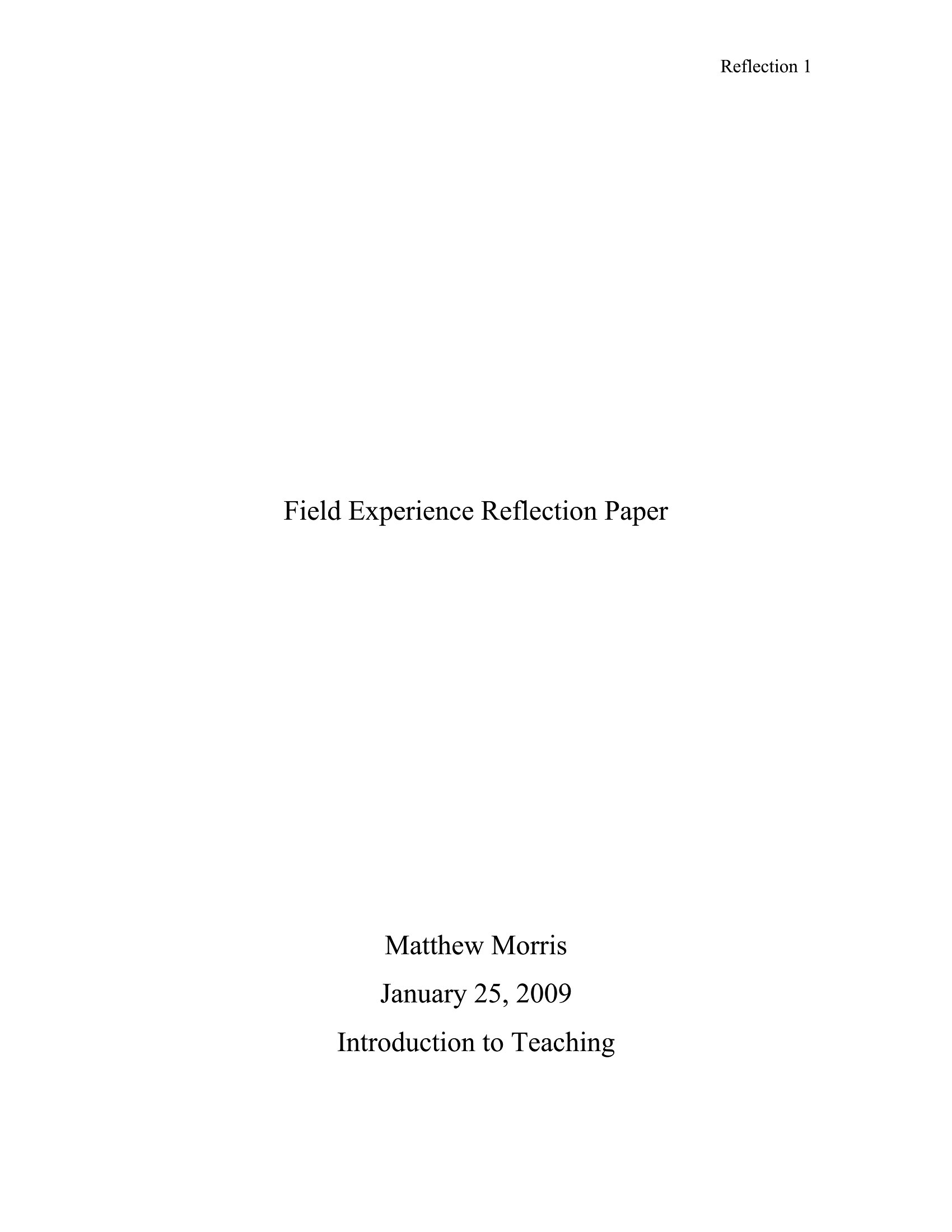
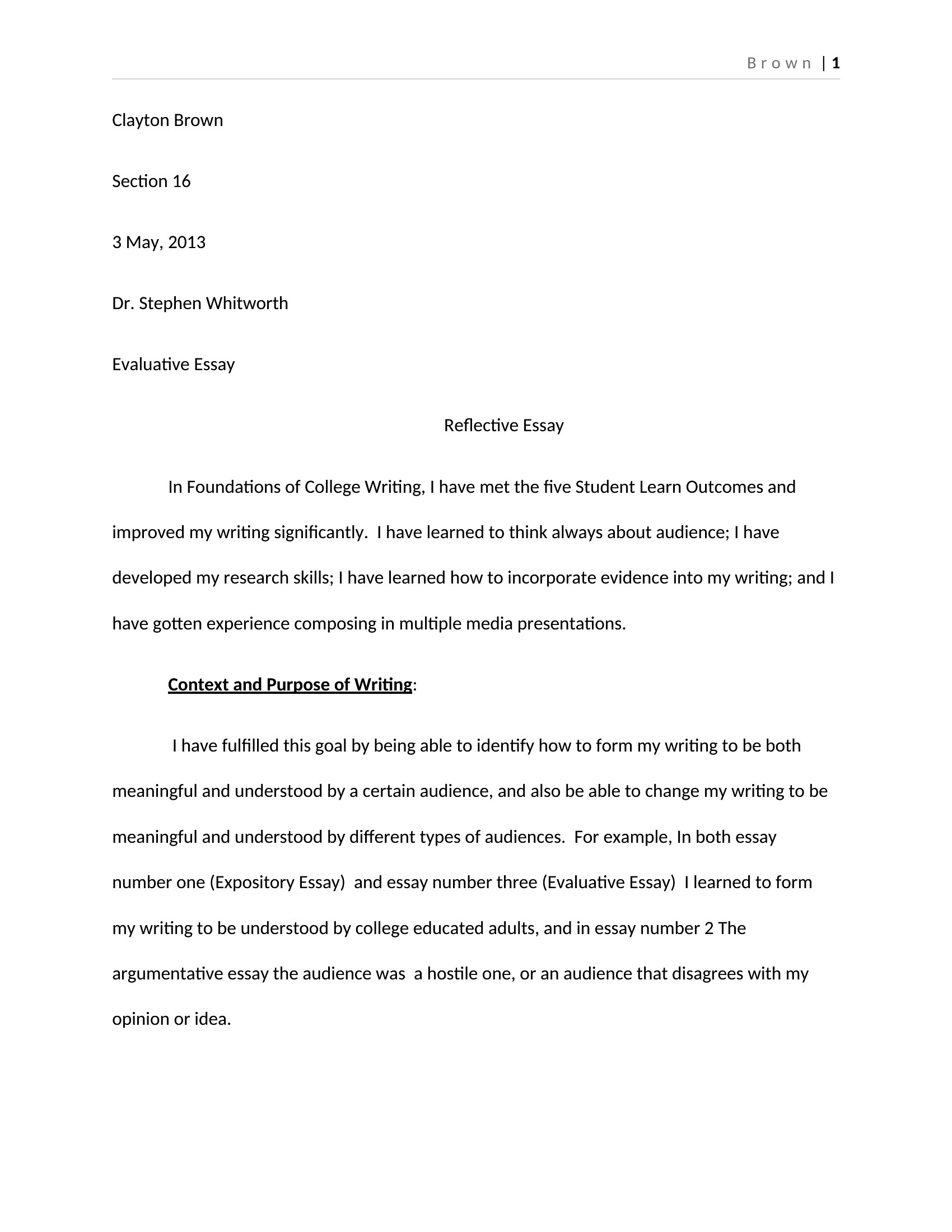
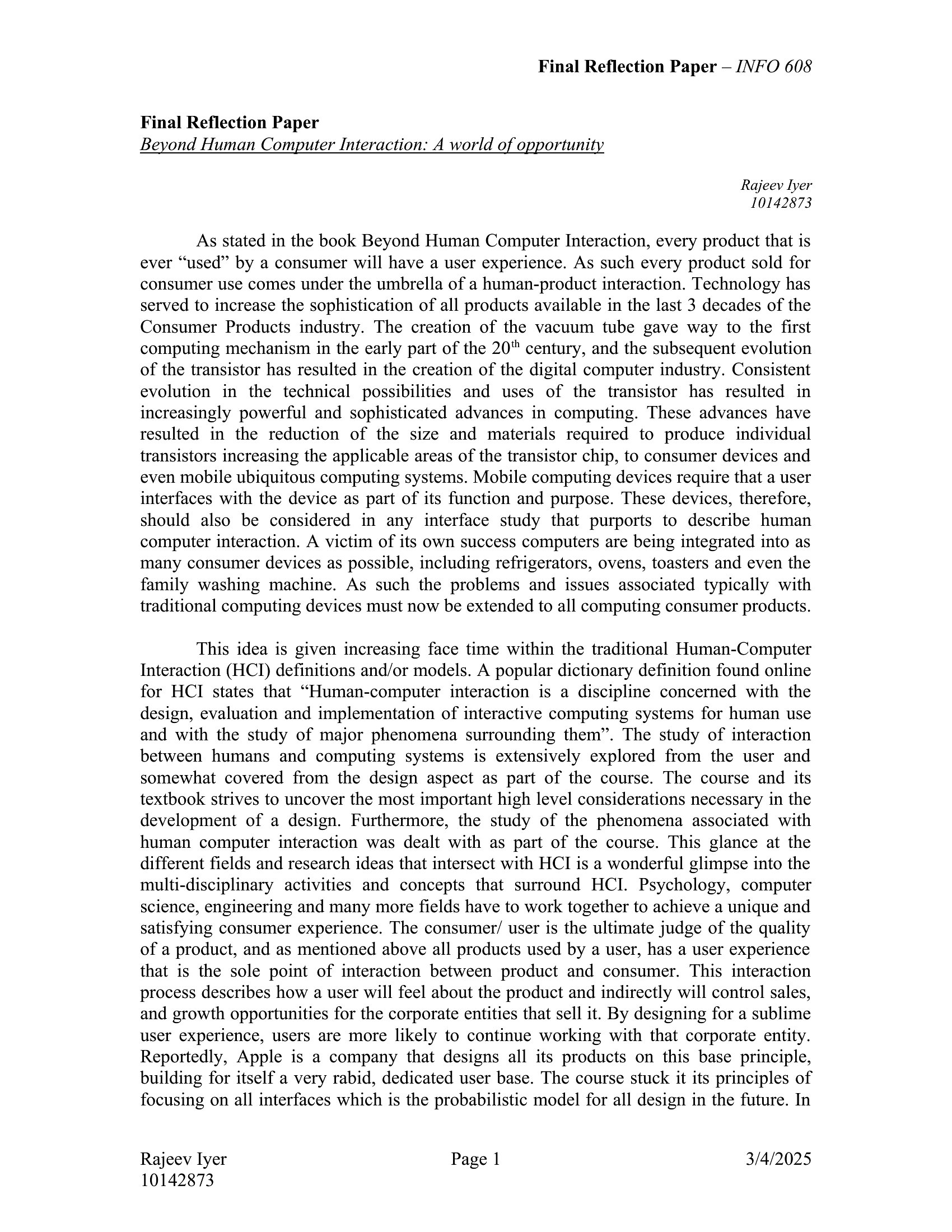
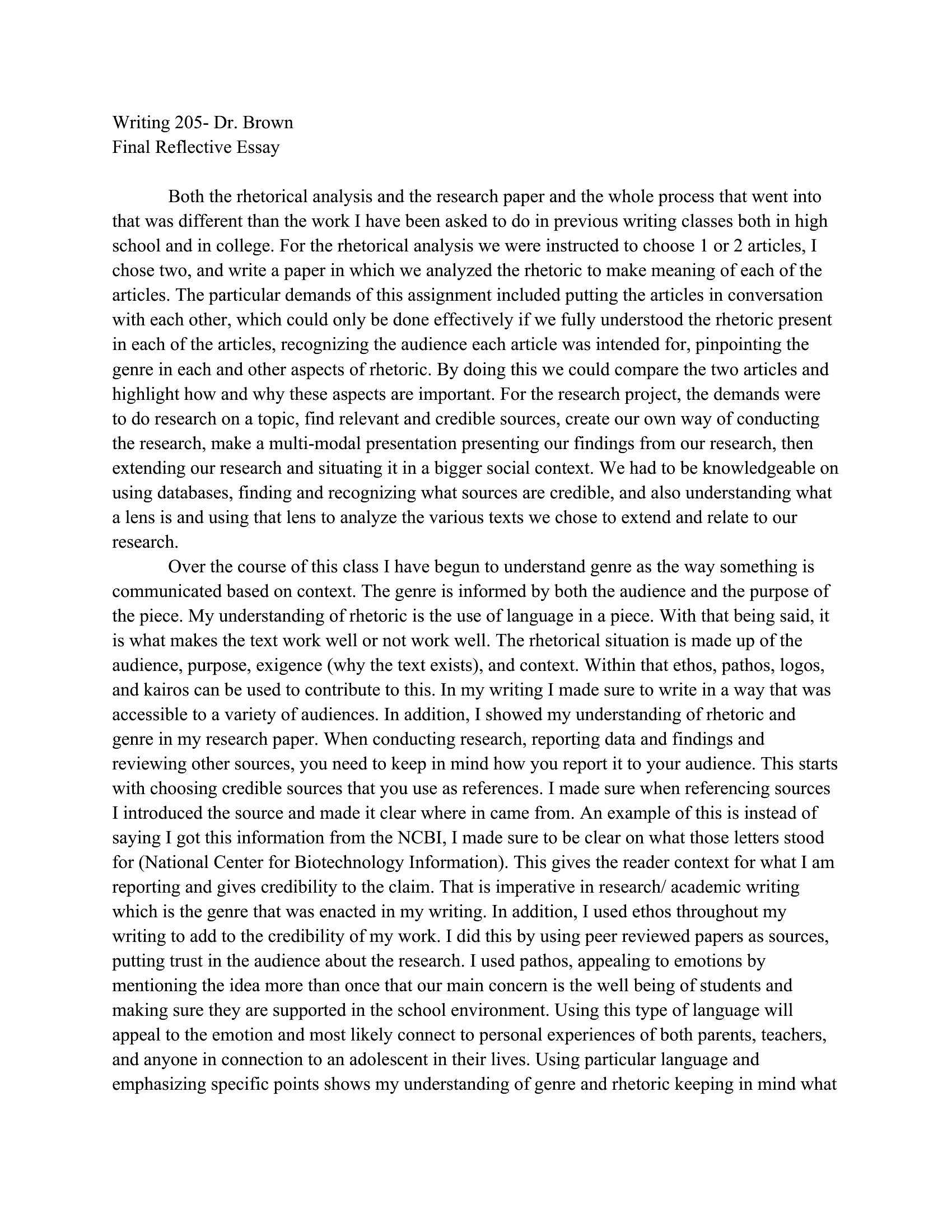
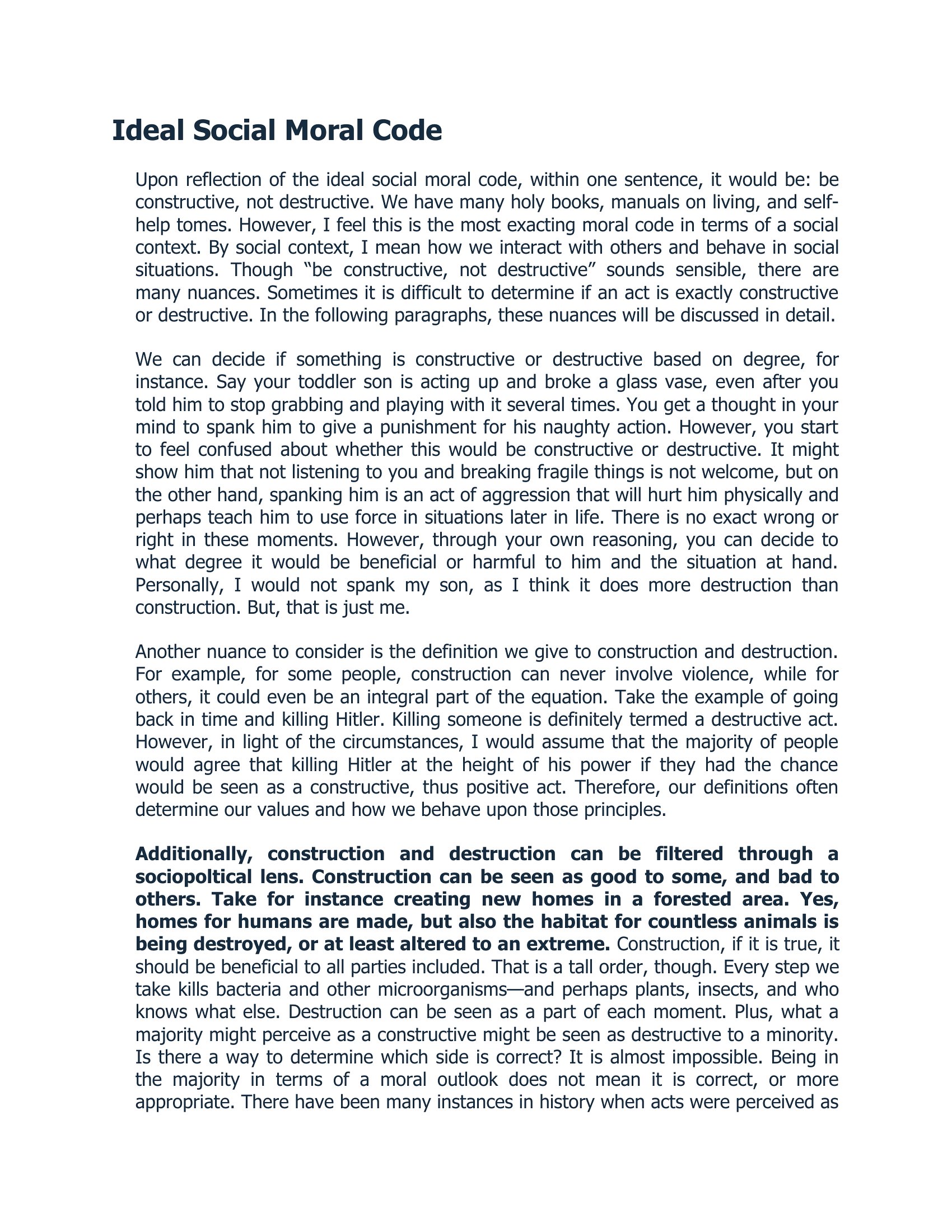
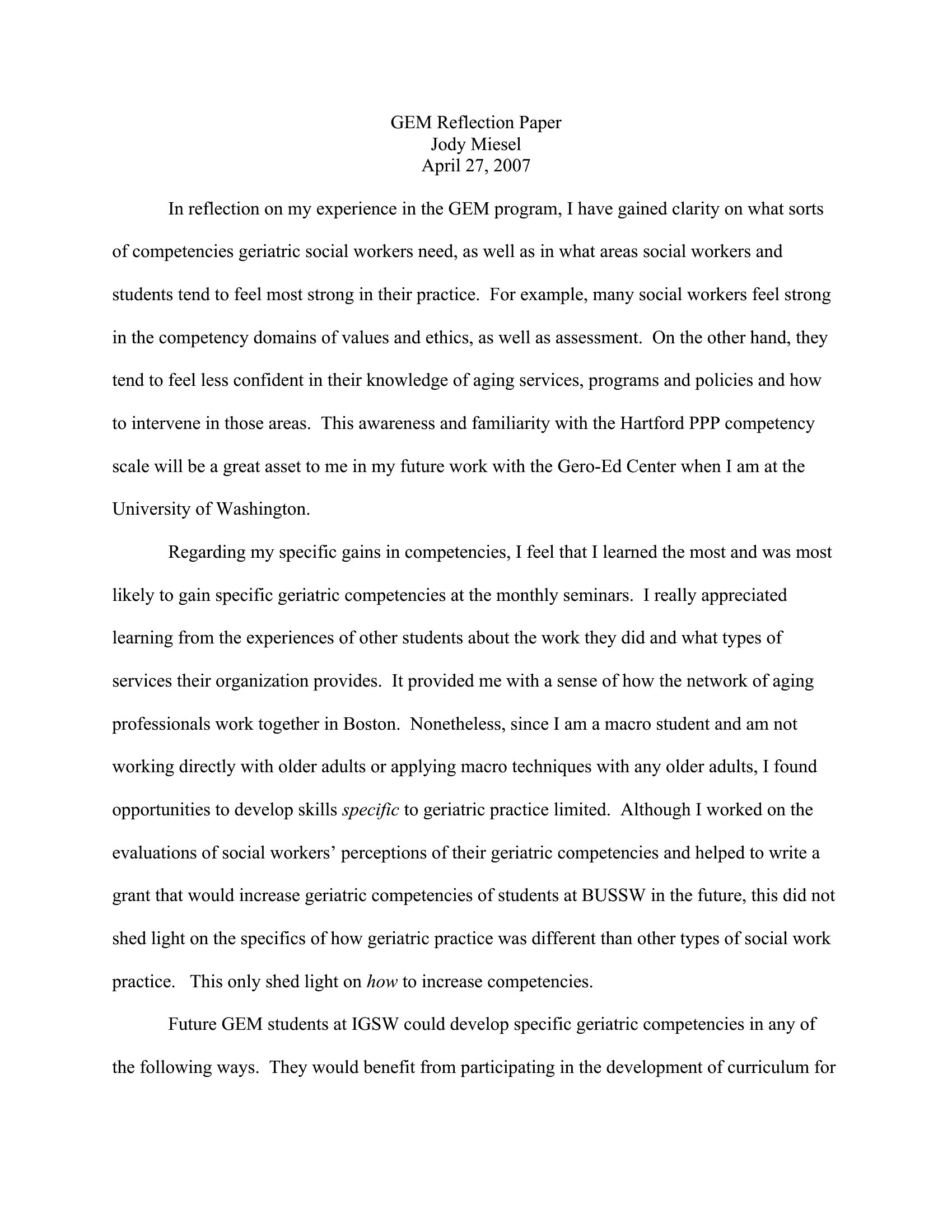
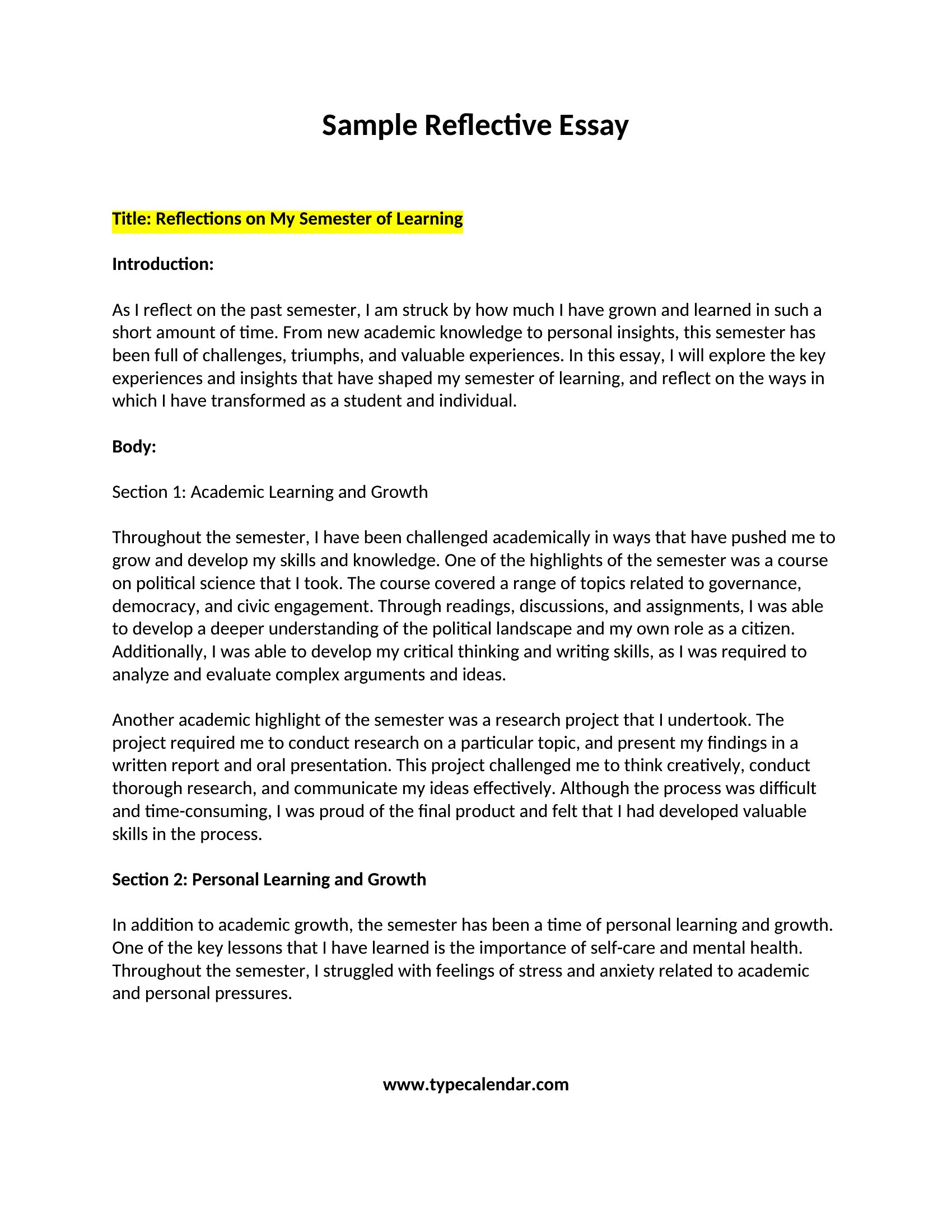
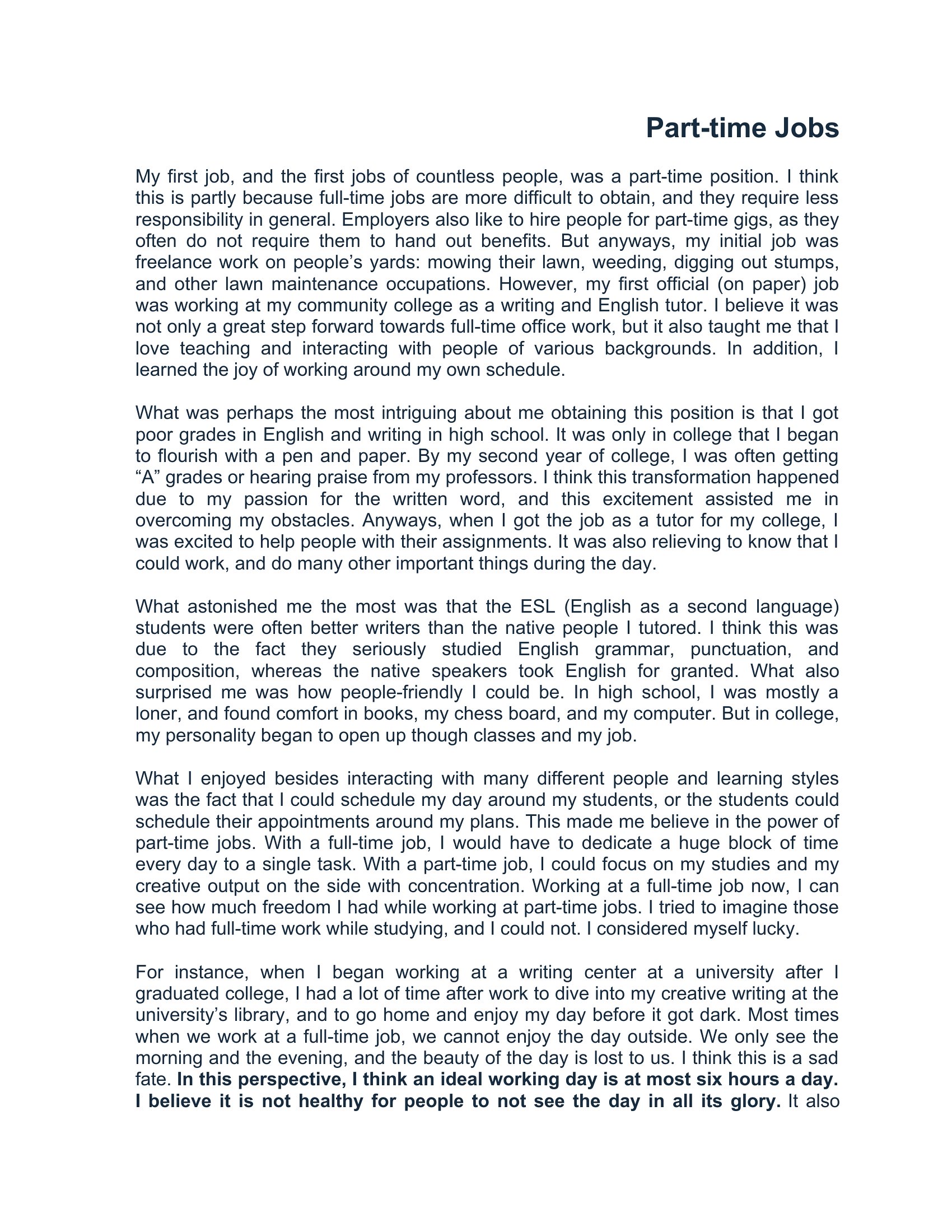
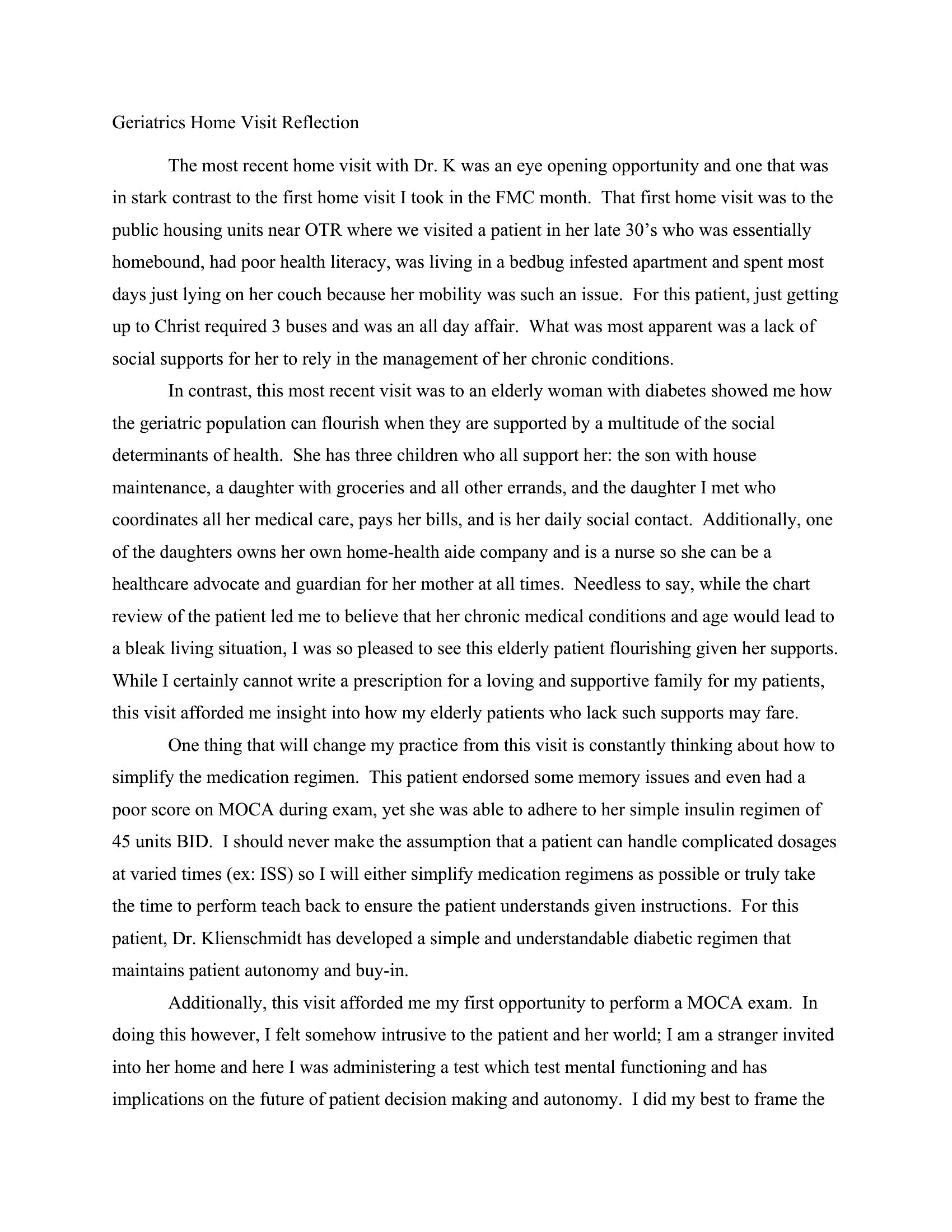
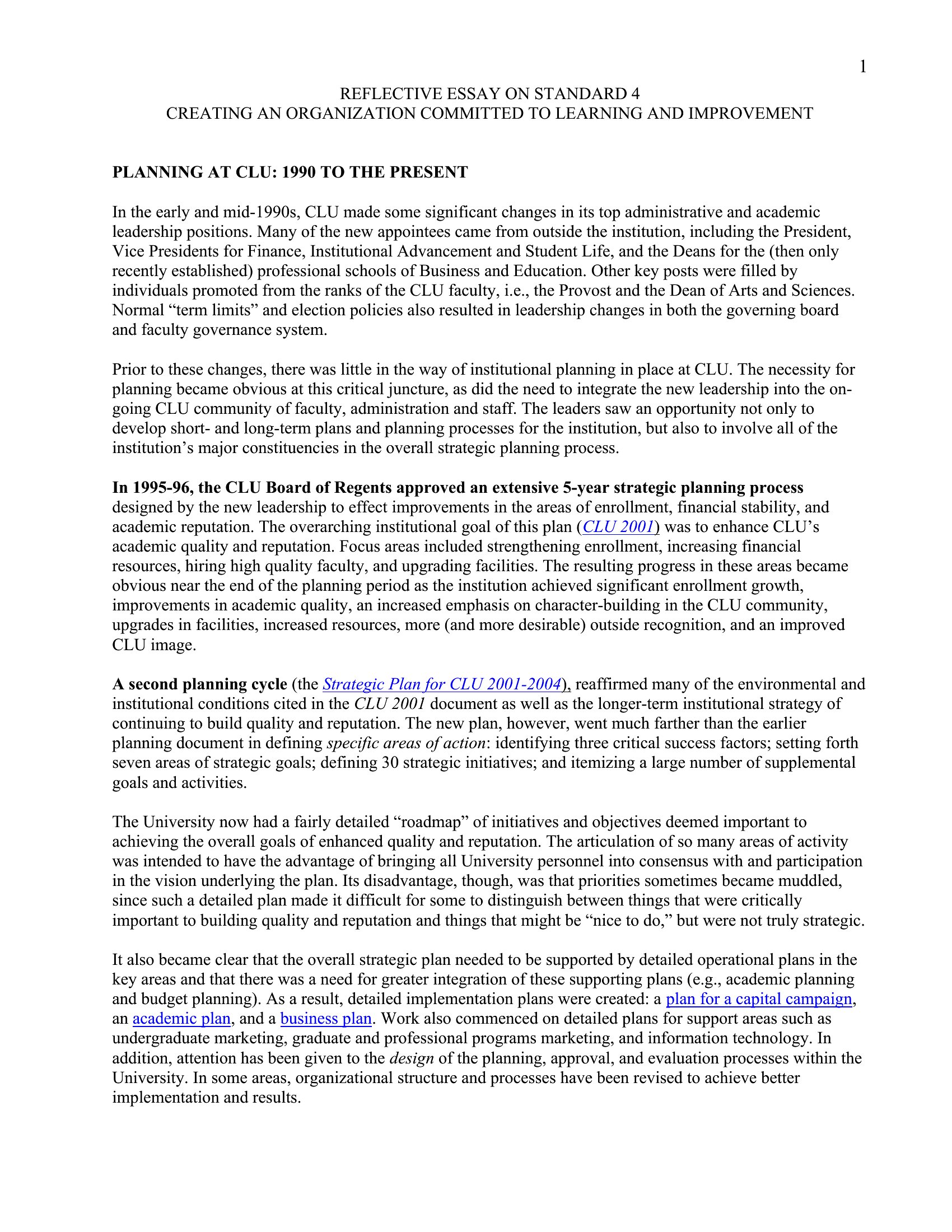
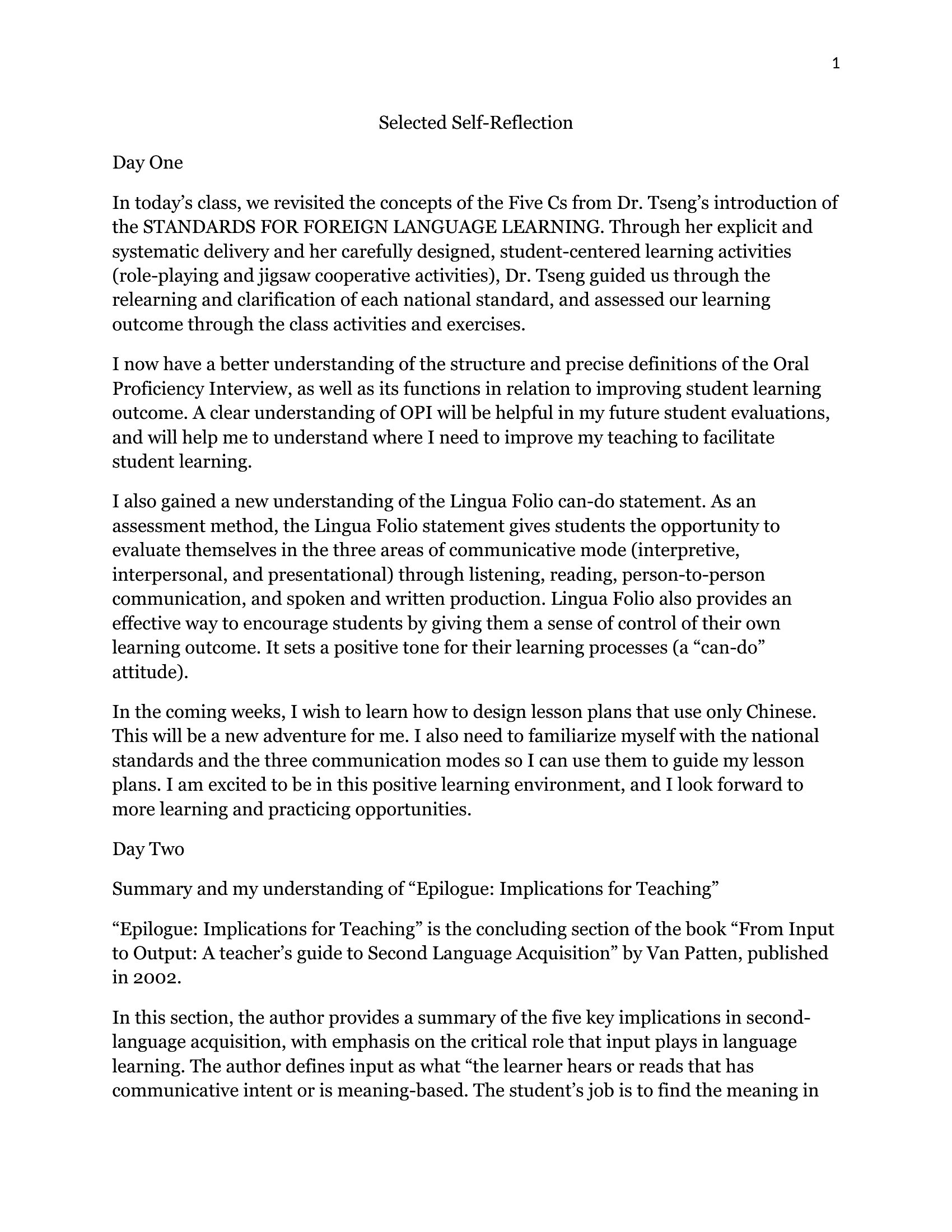
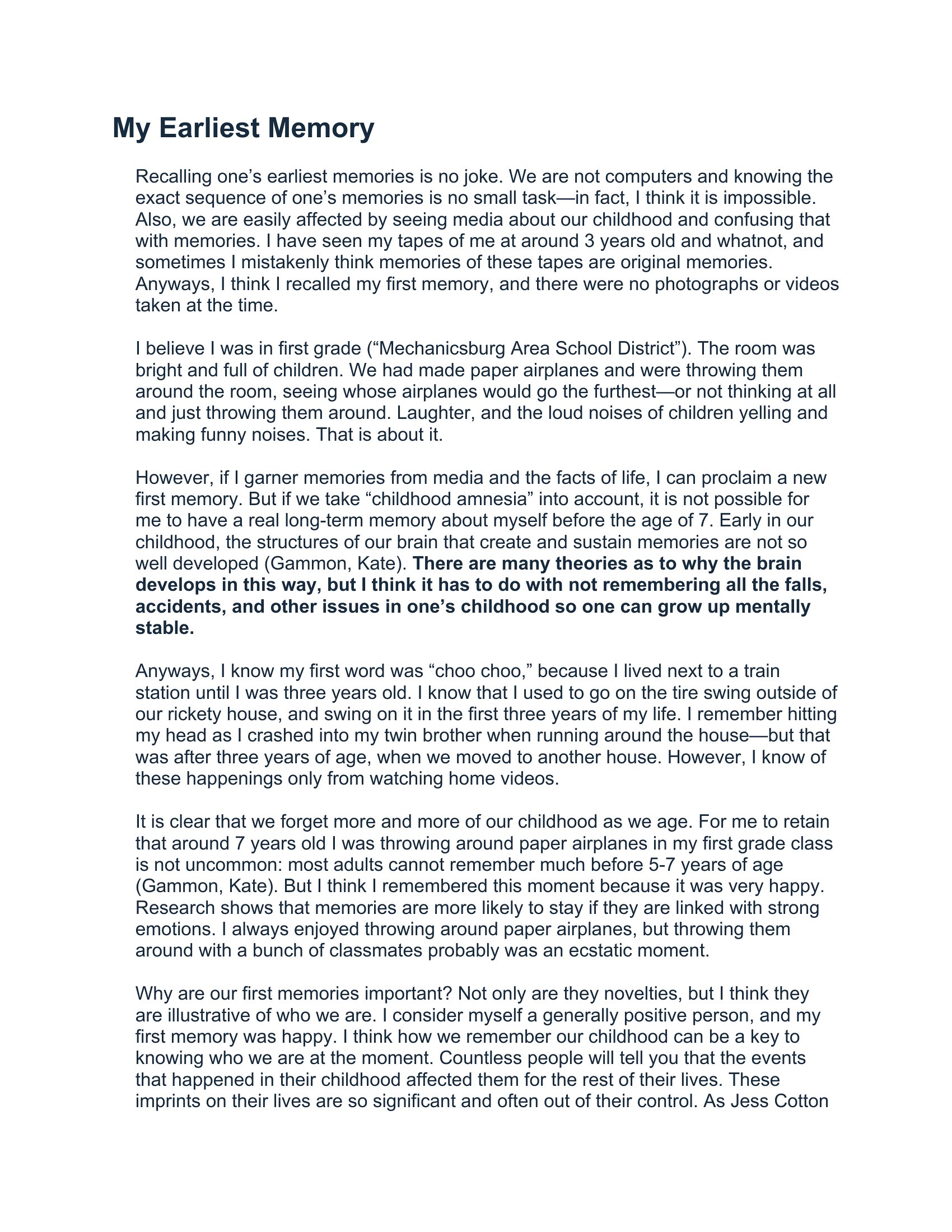
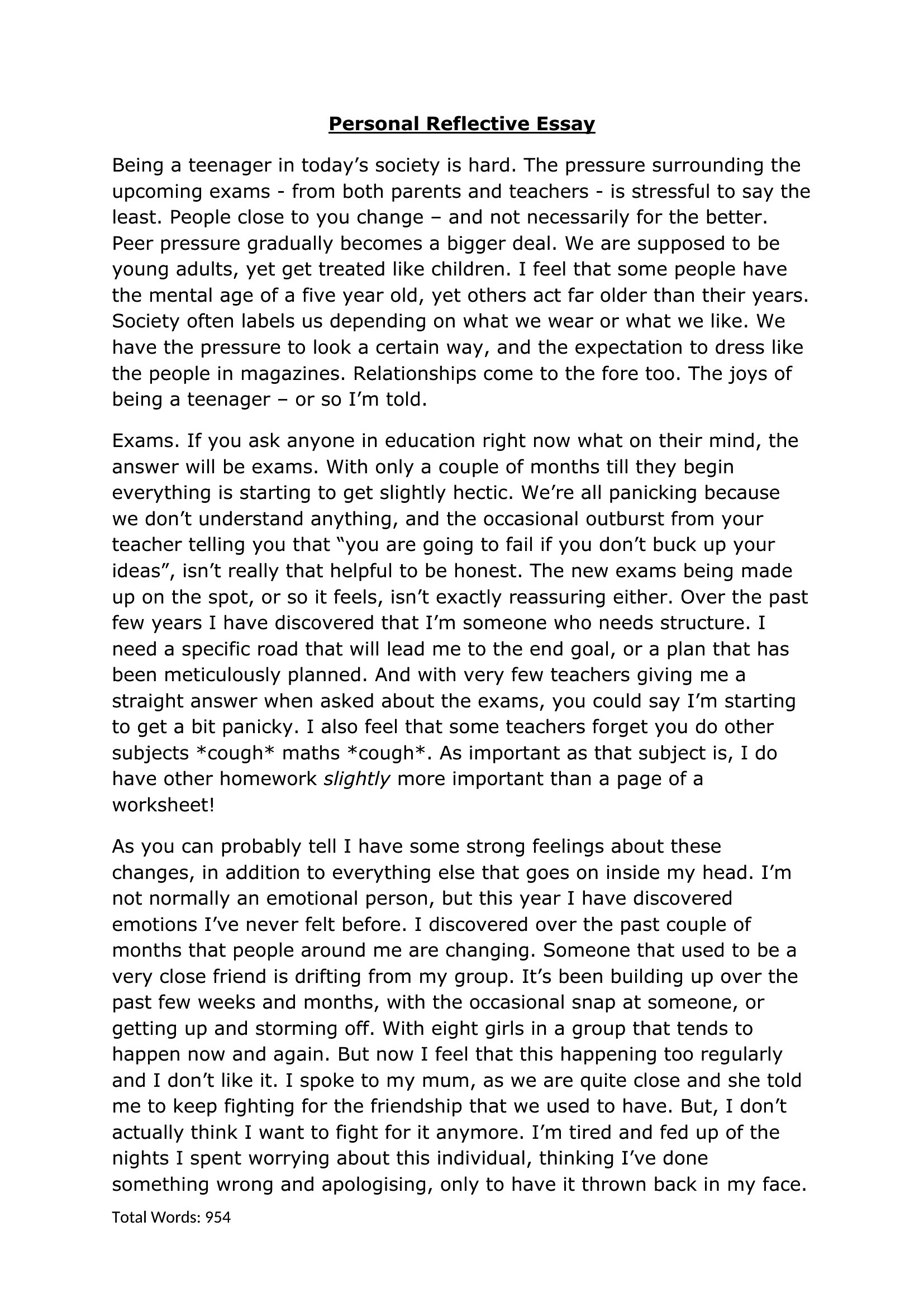
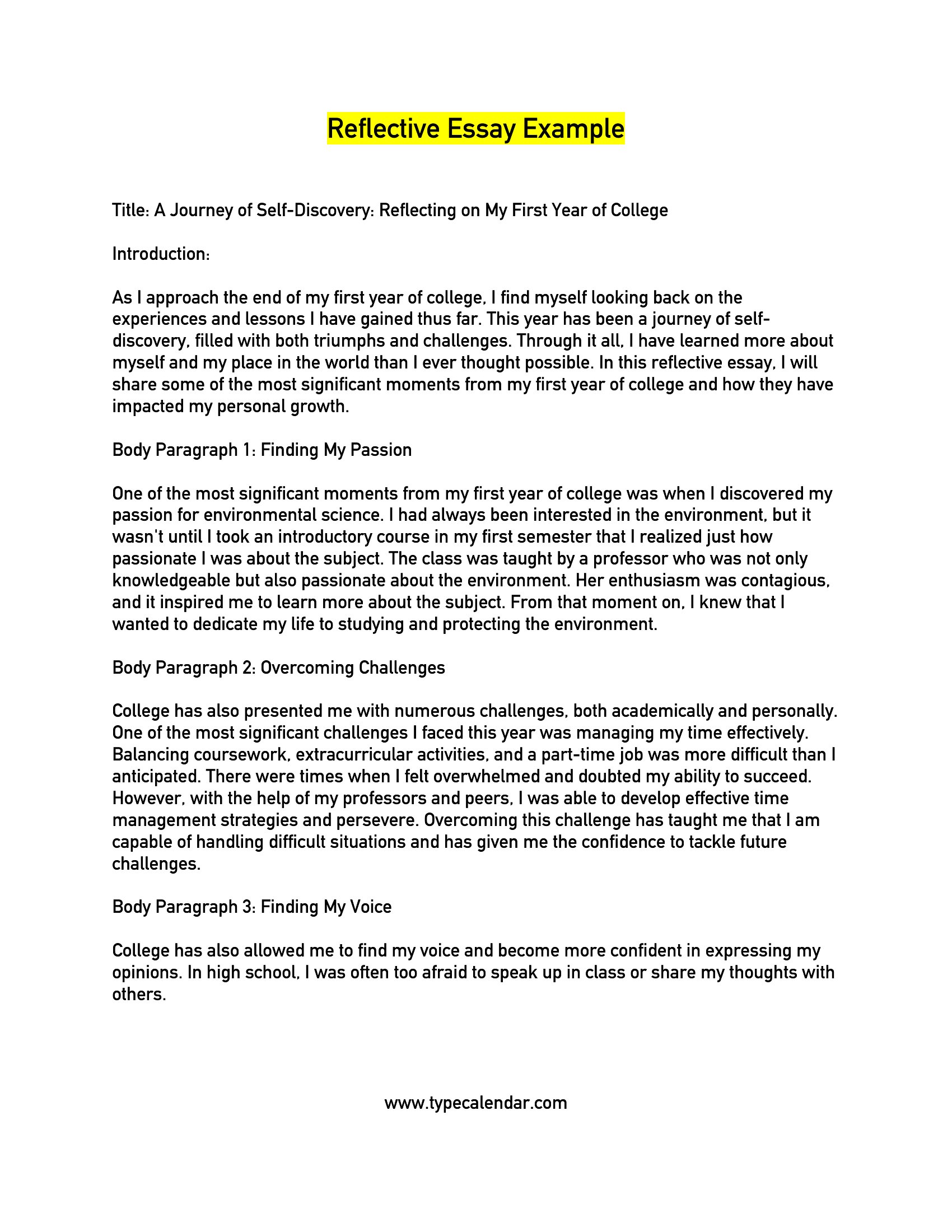
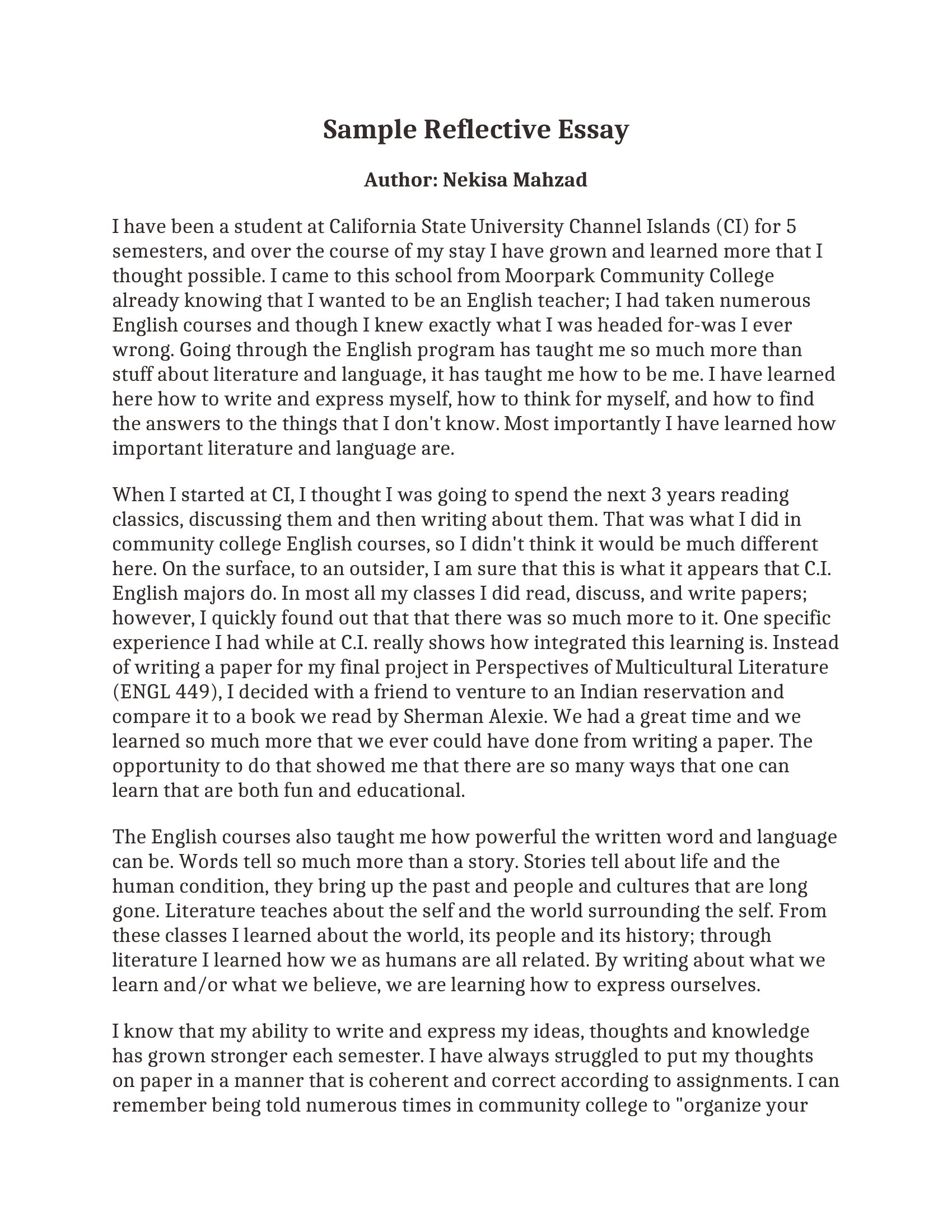
ResearchA reflective essay asks you to look back on an experience and explain what it meant and what you learned, which is harder than it sounds when you're staring at a blank page. This set of 53 reflective essay examples and templates gives students and writers models for structure, tone, and how to move from a moment to a meaningful takeaway. Seeing how others framed their reflections makes it easier to shape your own.
The files are editable in Word, so you can study the layout, then replace the sample content with your experience, your insights, and your voice. Use them as scaffolding for class assignments, application essays, or personal writing. Keep the honesty and let the structure guide the flow. Pick the example closest to your topic and turn your experience into a clear, thoughtful piece.
When to use this Reflective Essay template
- A high school senior preparing for graduation reflections needs structured prompts to organize personal growth moments into a polished essay before submitting to their yearbook editor.
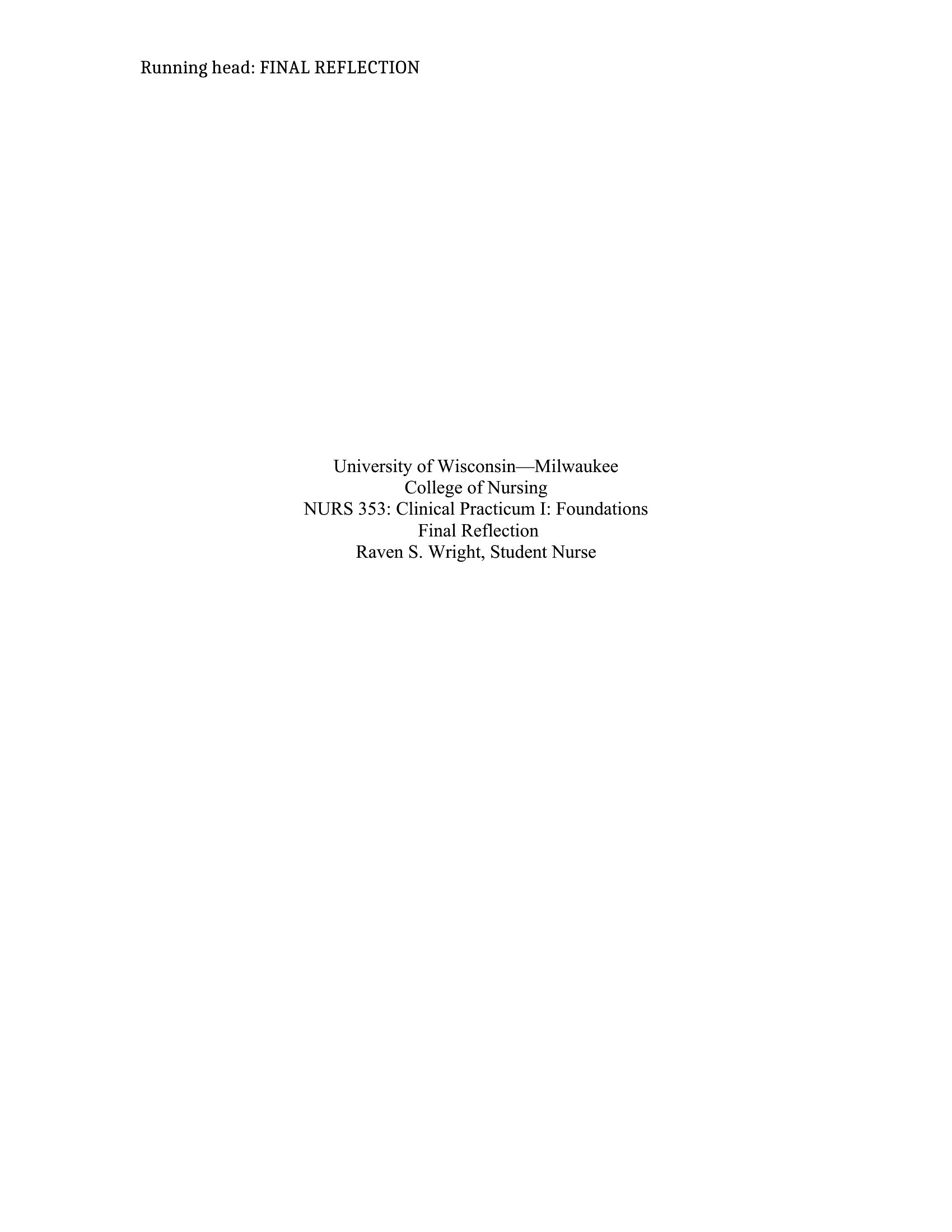
- A nursing student analyzing a clinical rotation must turn emotional reactions (e.g., patient interactions) into professional insights for their program’s reflective portfolio assignment.
- A corporate trainer leading a diversity workshop uses reflective essay templates to guide participants in writing about unconscious bias they observed during an exercise.
- A recent graduate applying to teaching programs drafts a reflective essay on their student-teaching experience to highlight their pedagogy development for admissions committees.
Which format should I download?
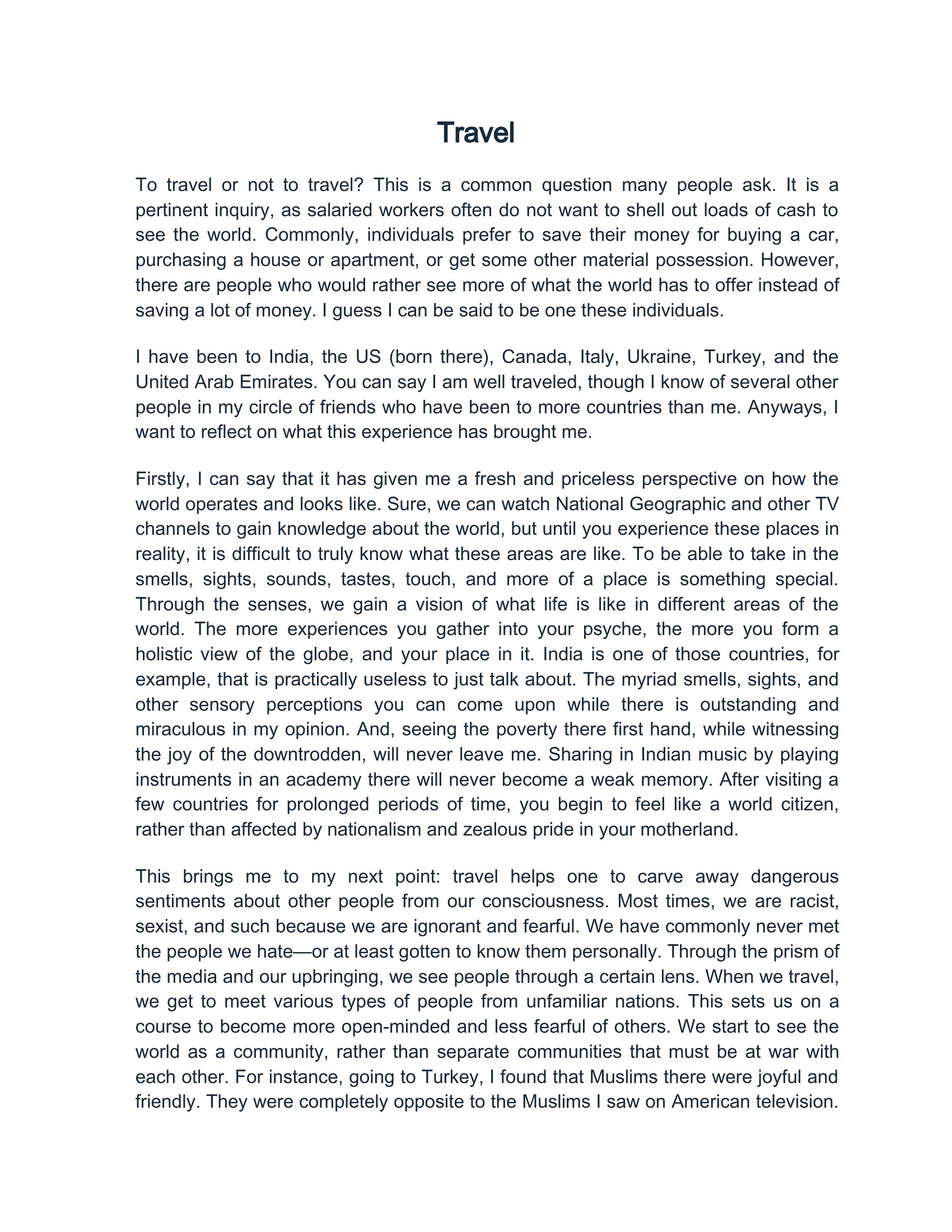
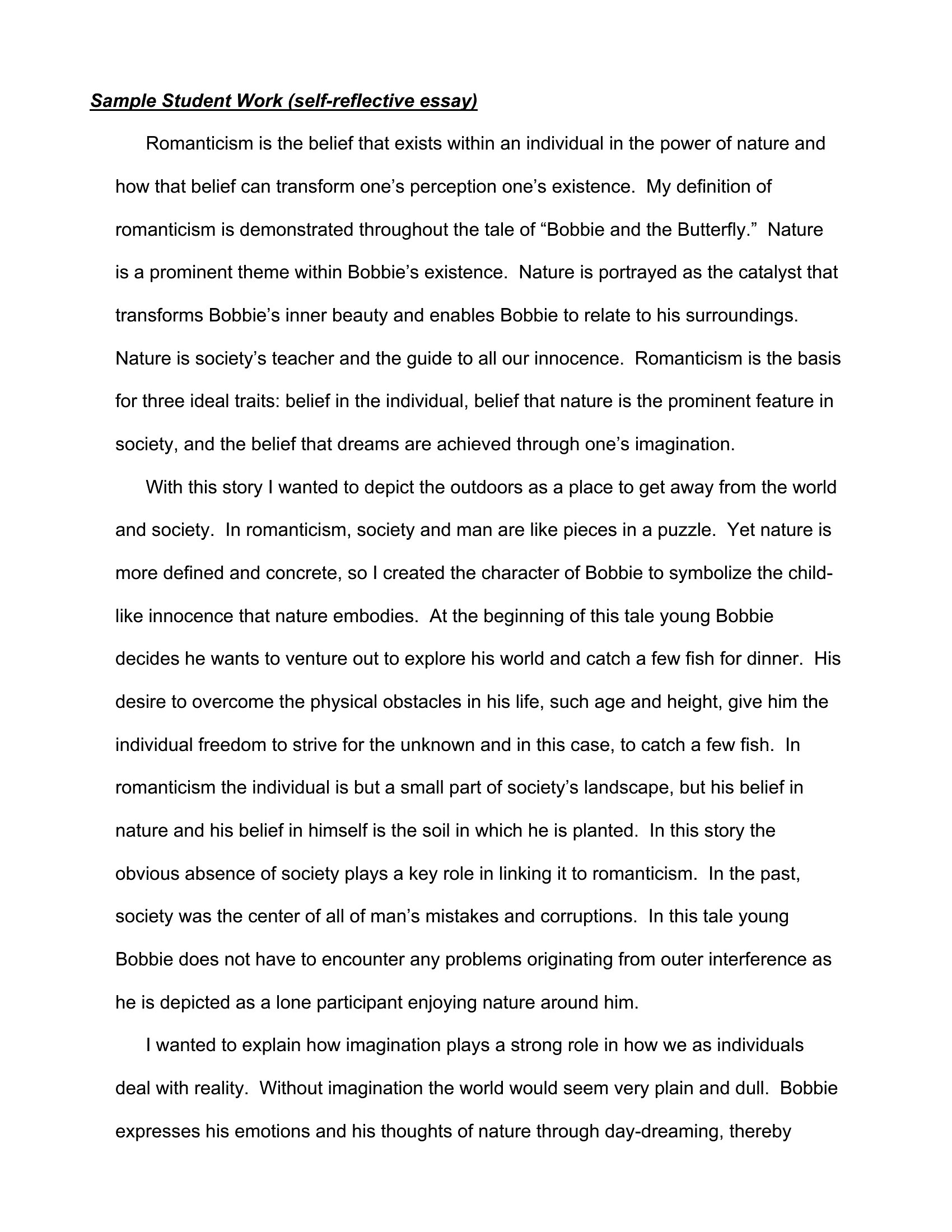
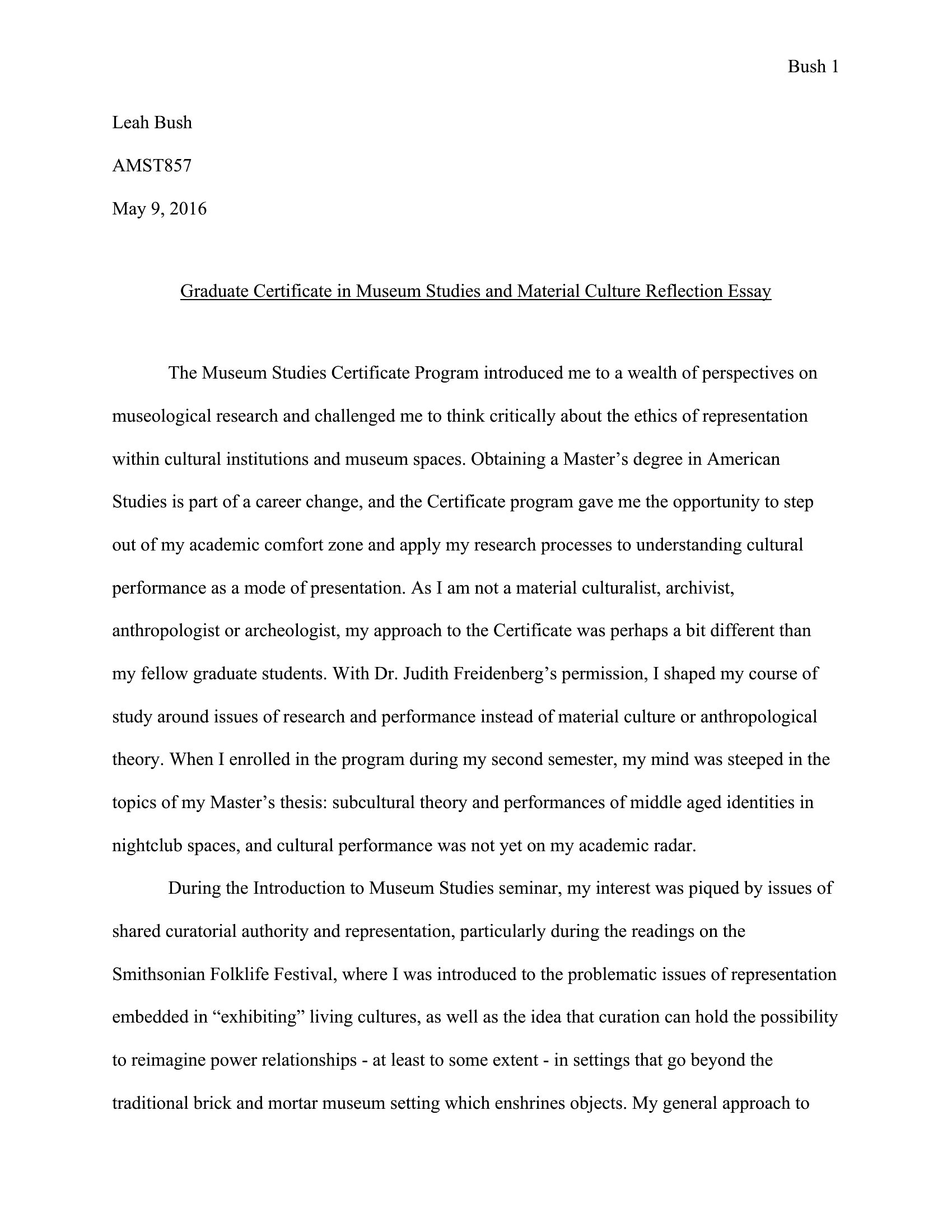
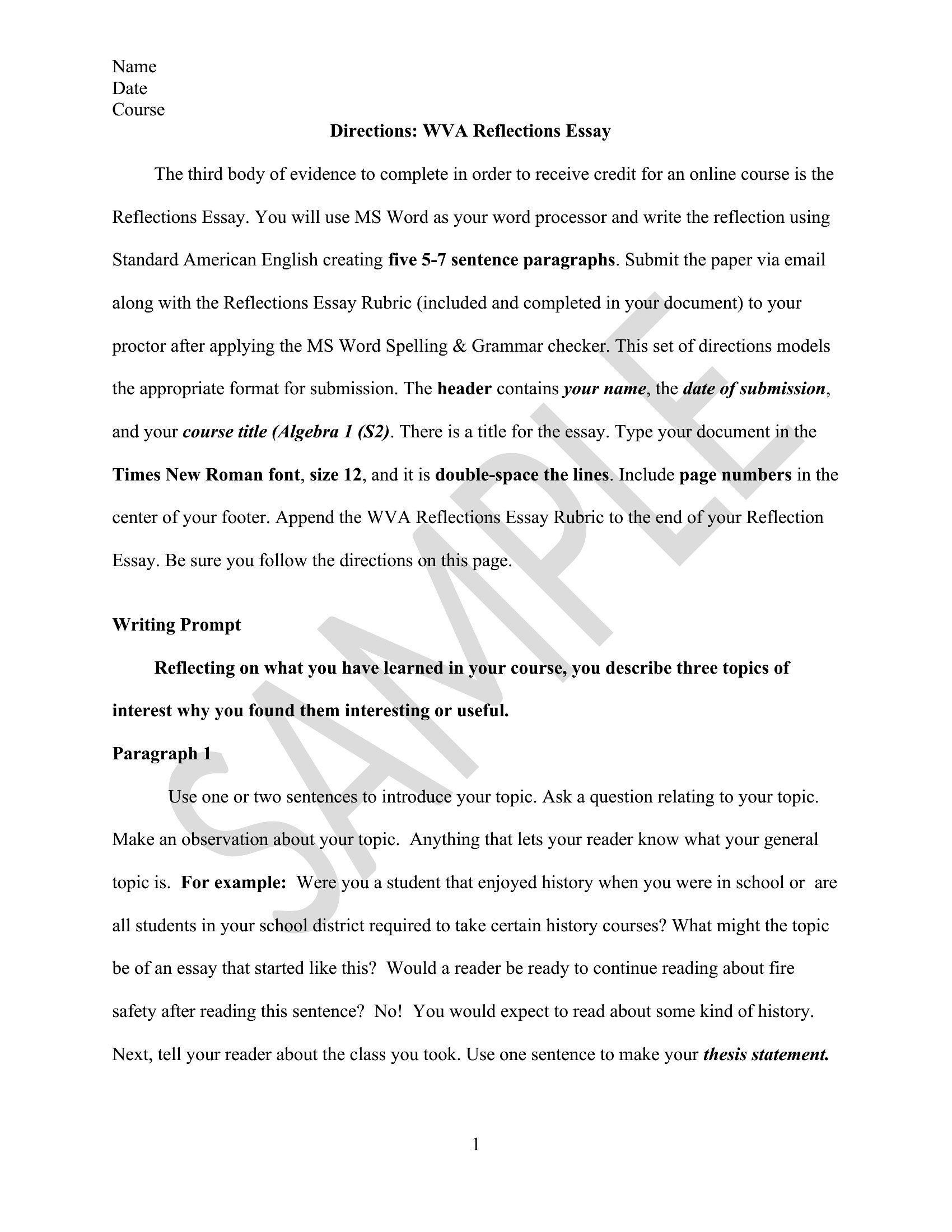
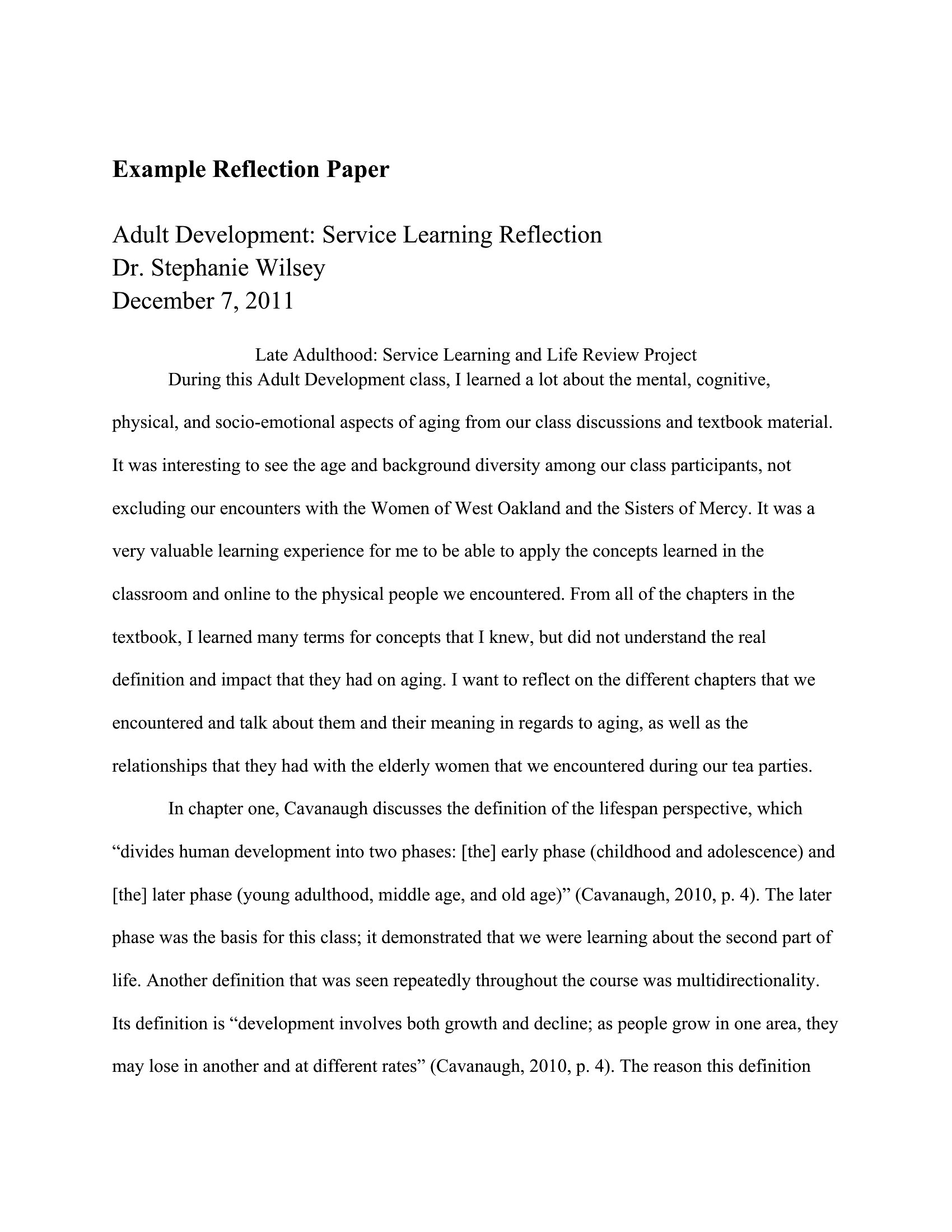
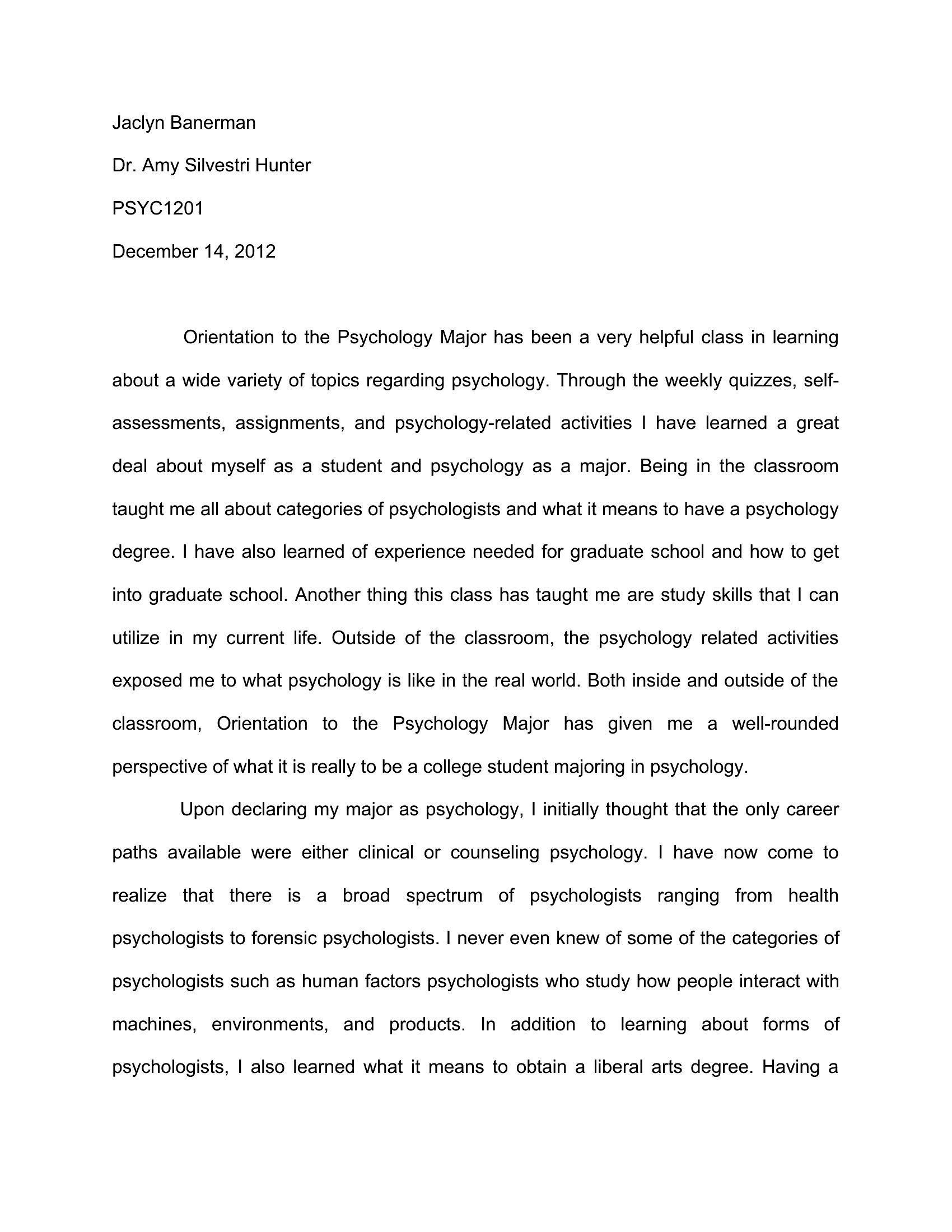
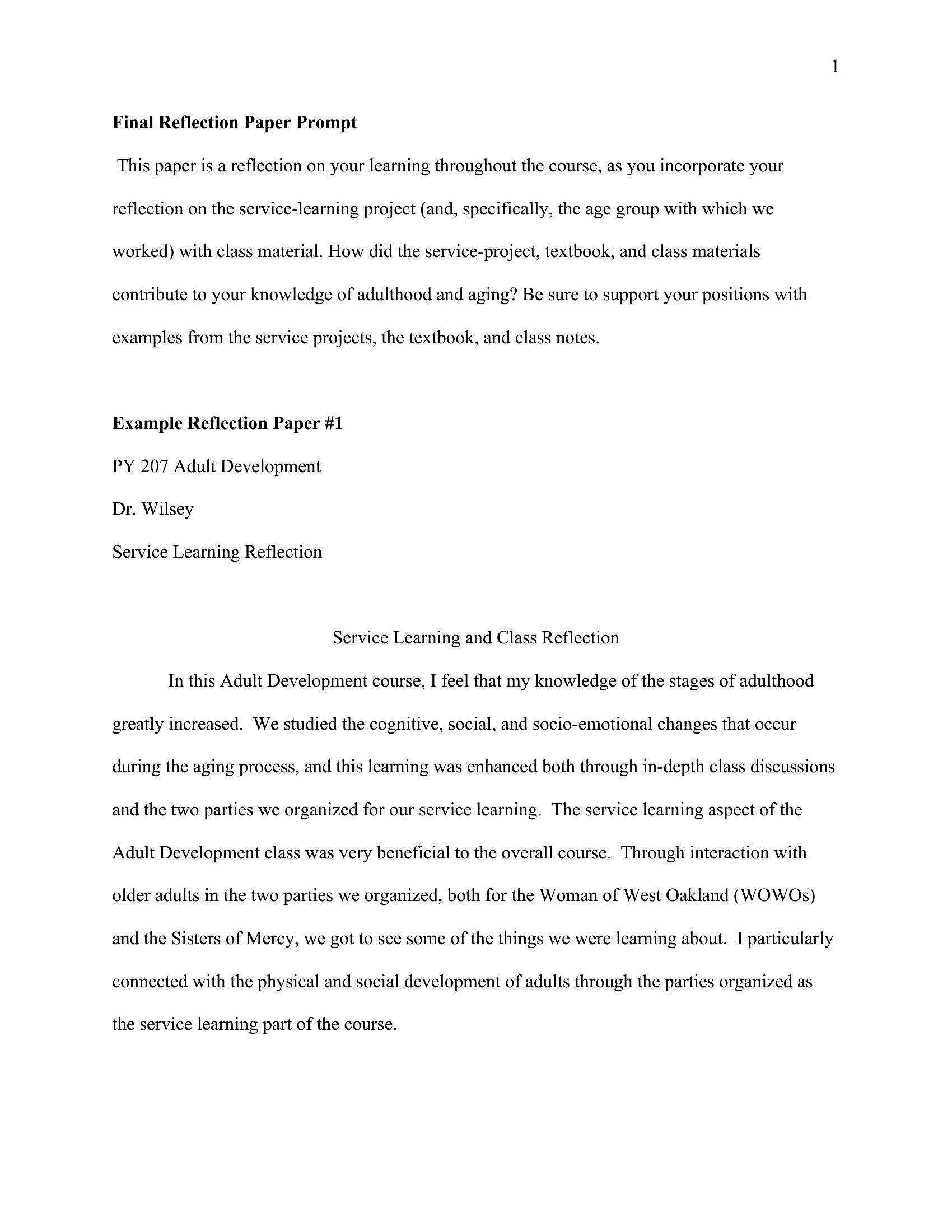
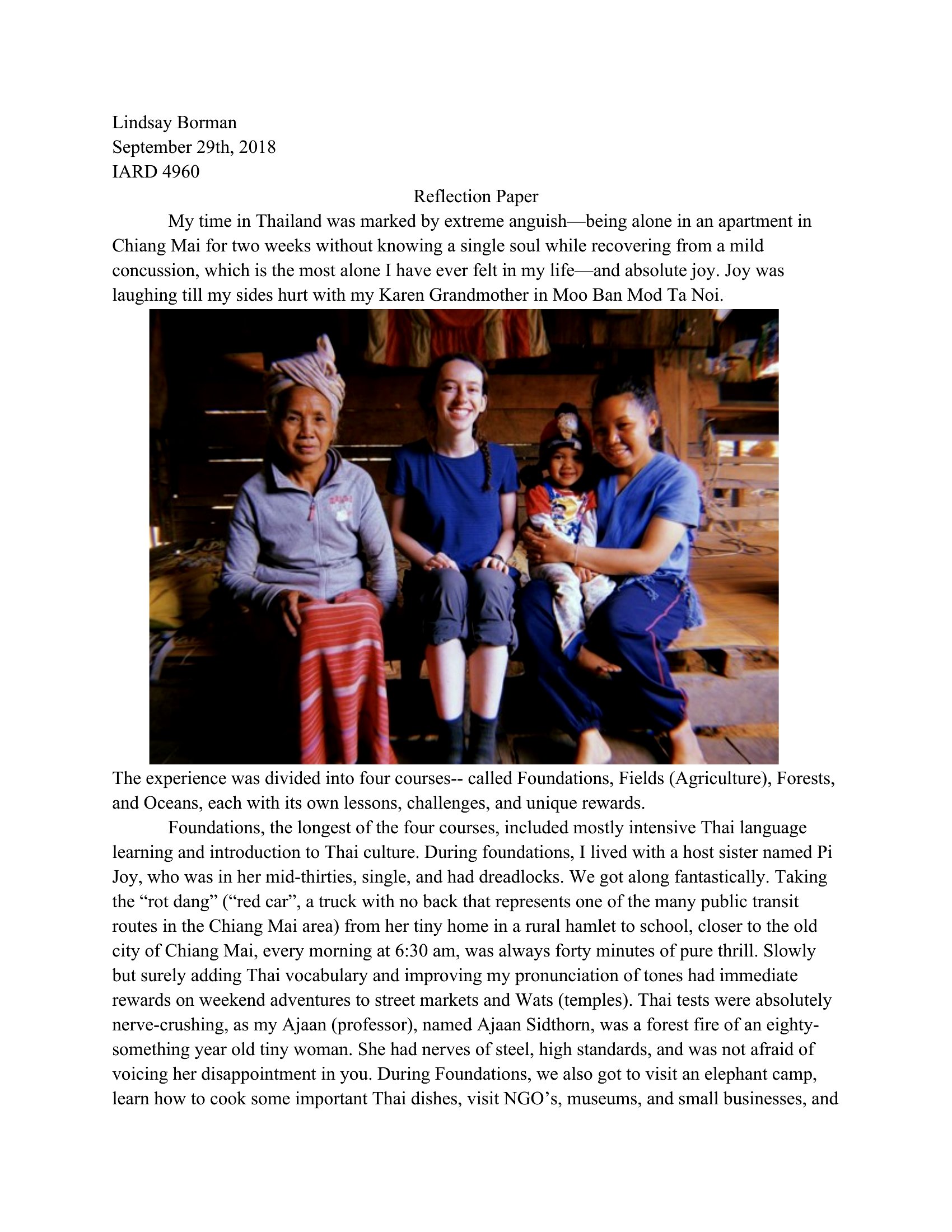
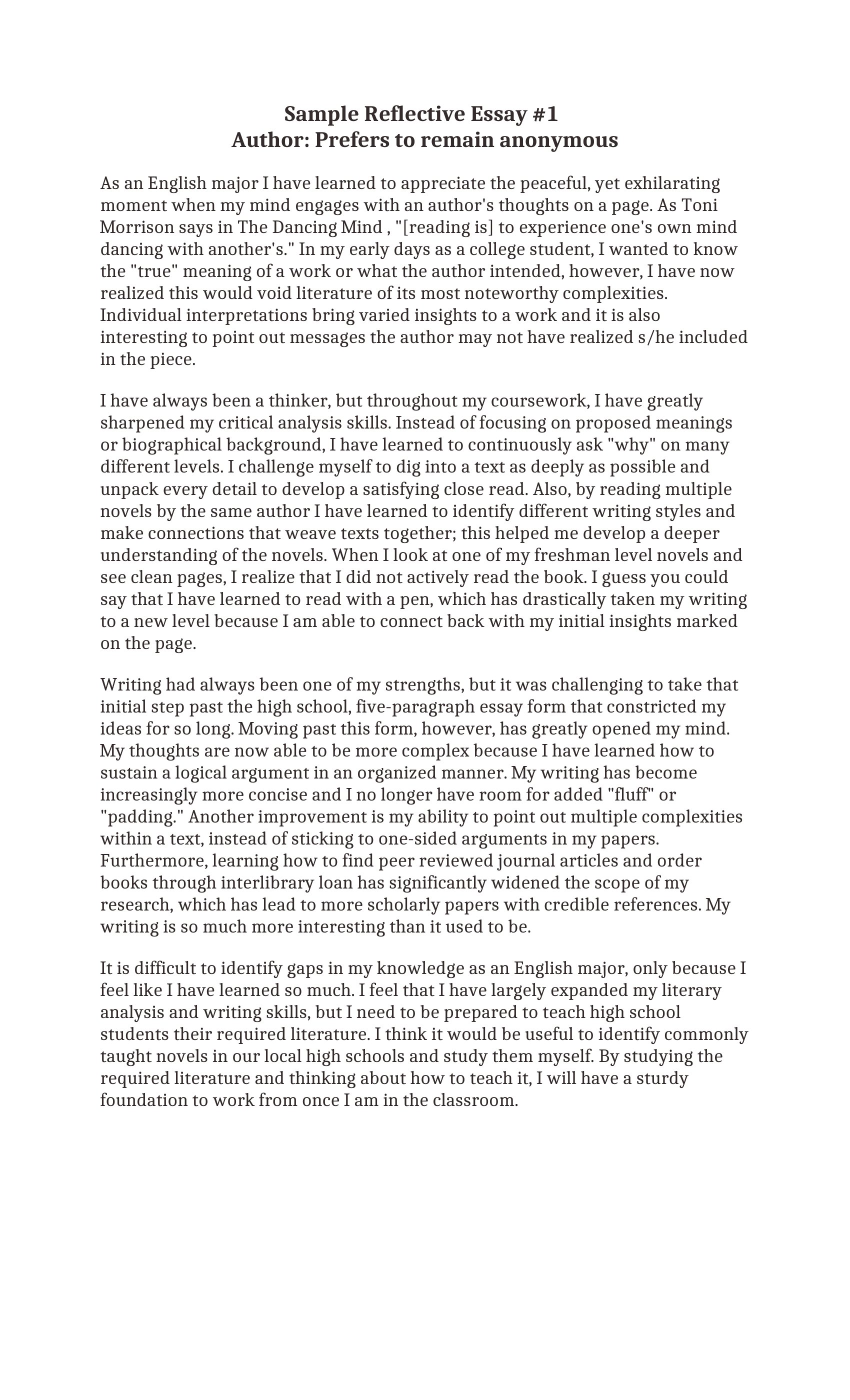
The Word format is ideal here because reflective essays thrive on iterative drafting—adding, cutting, and rearranging sections while maintaining flow. The 53 templates cover everything from academic introspection (e.g., ‘Self Reflection Essay’) to structured prompts (e.g., ‘English 111 Reflective Essay’). Choose the ‘Reflection Essay Format’ template if you need a strict outline to avoid rambling, or the ‘Student Reflection Essay Example’ if you’re stuck visualizing how to translate personal anecdotes into broader lessons. For academic submissions, stick with the Word format to easily integrate instructor feedback and adjust margins or citations later.
Choose from 53 Reflective Essay Templates
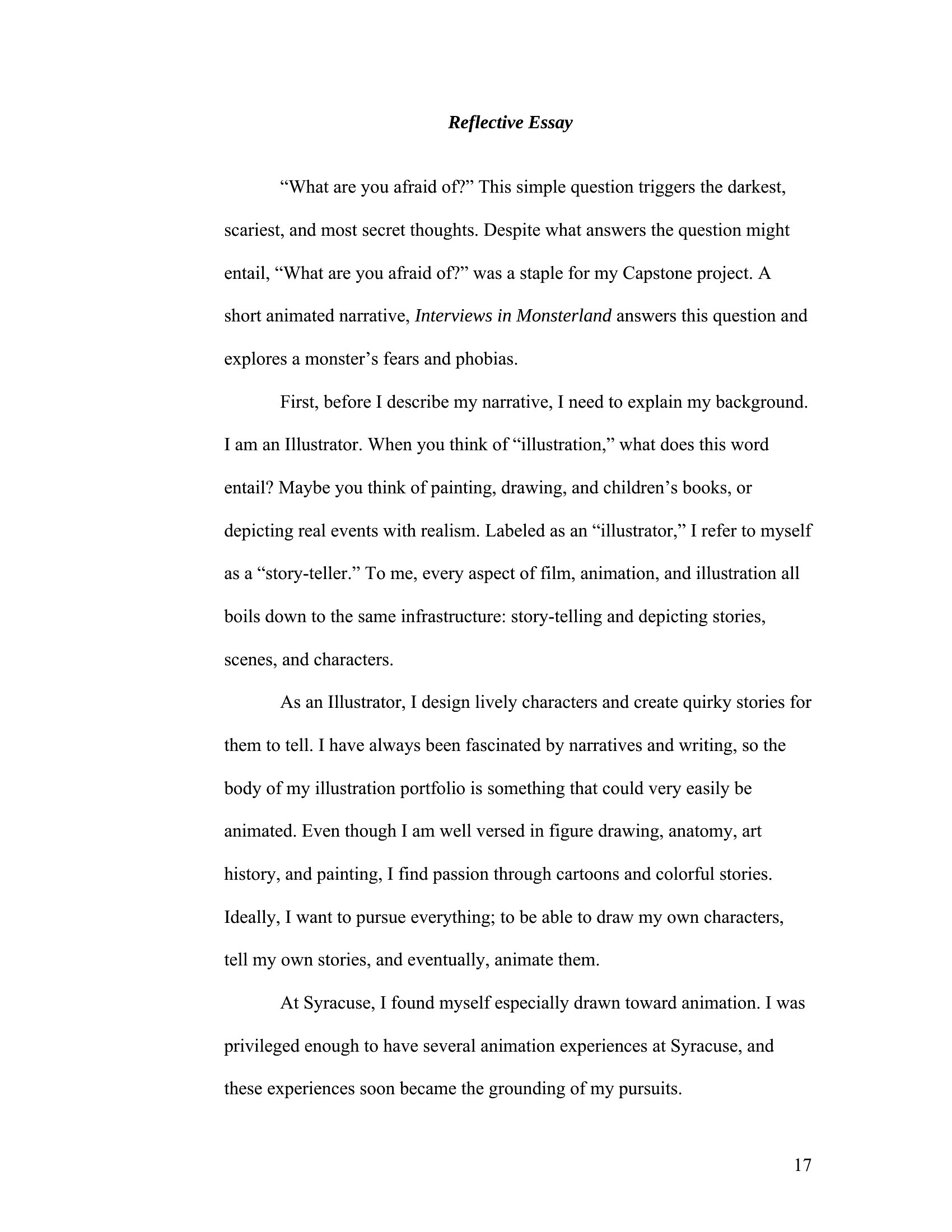
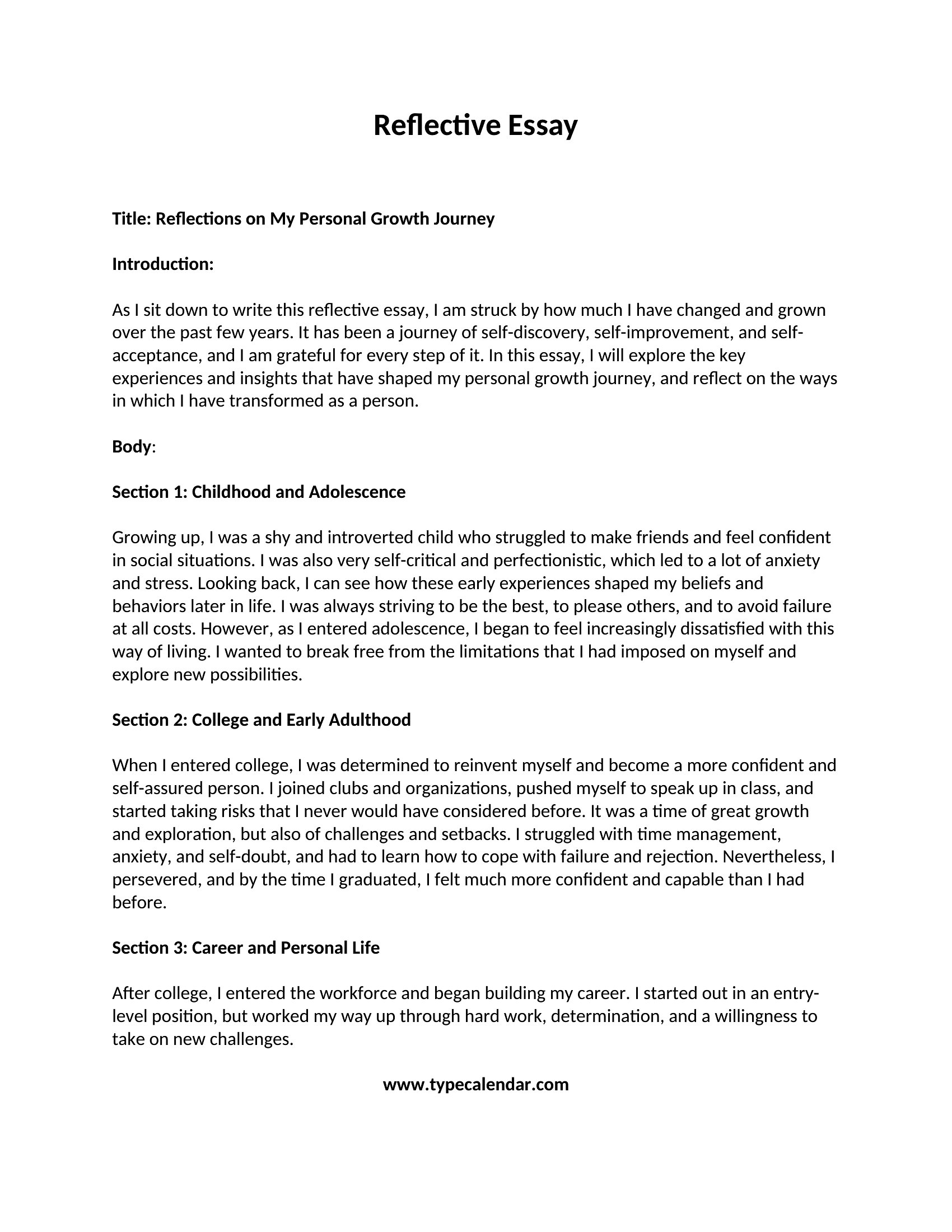
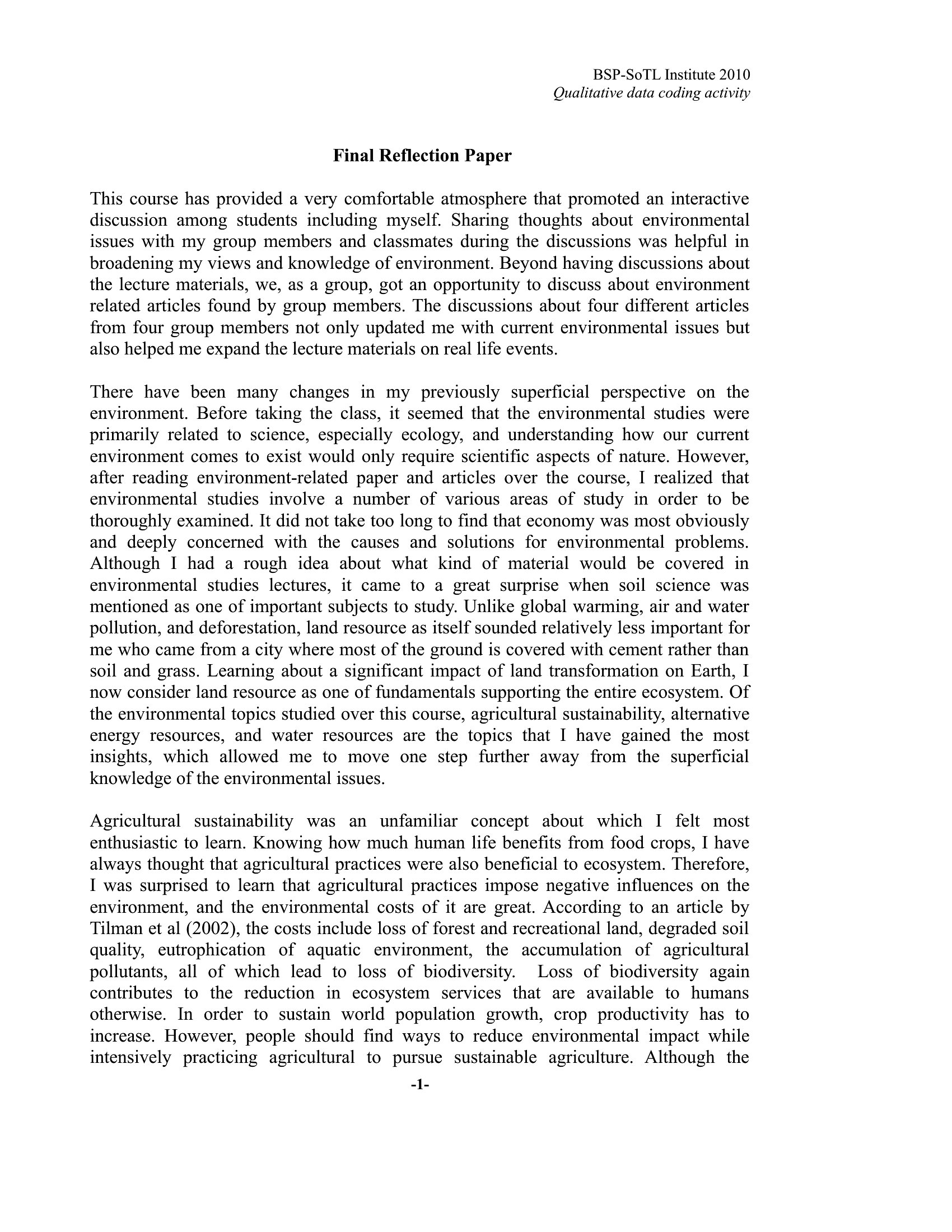
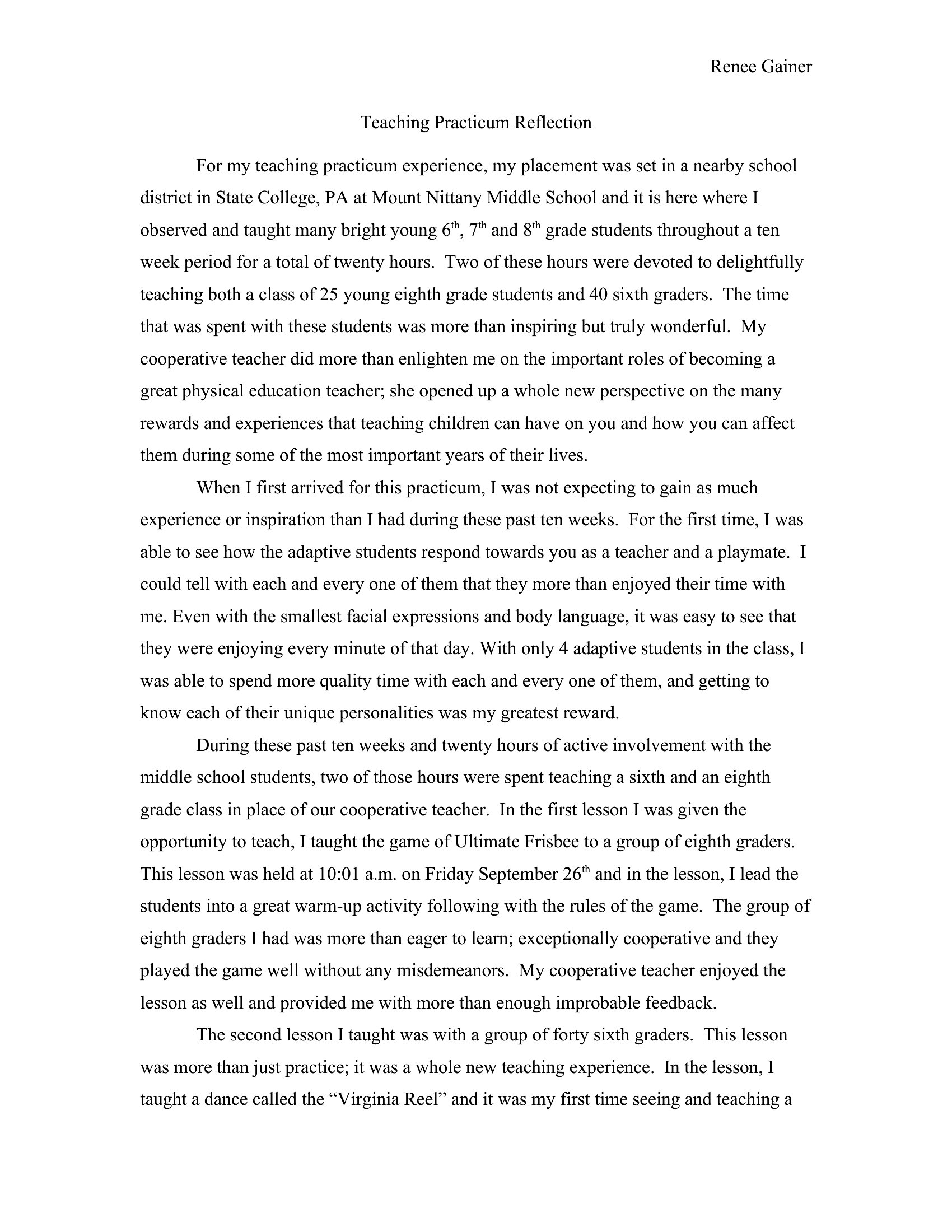
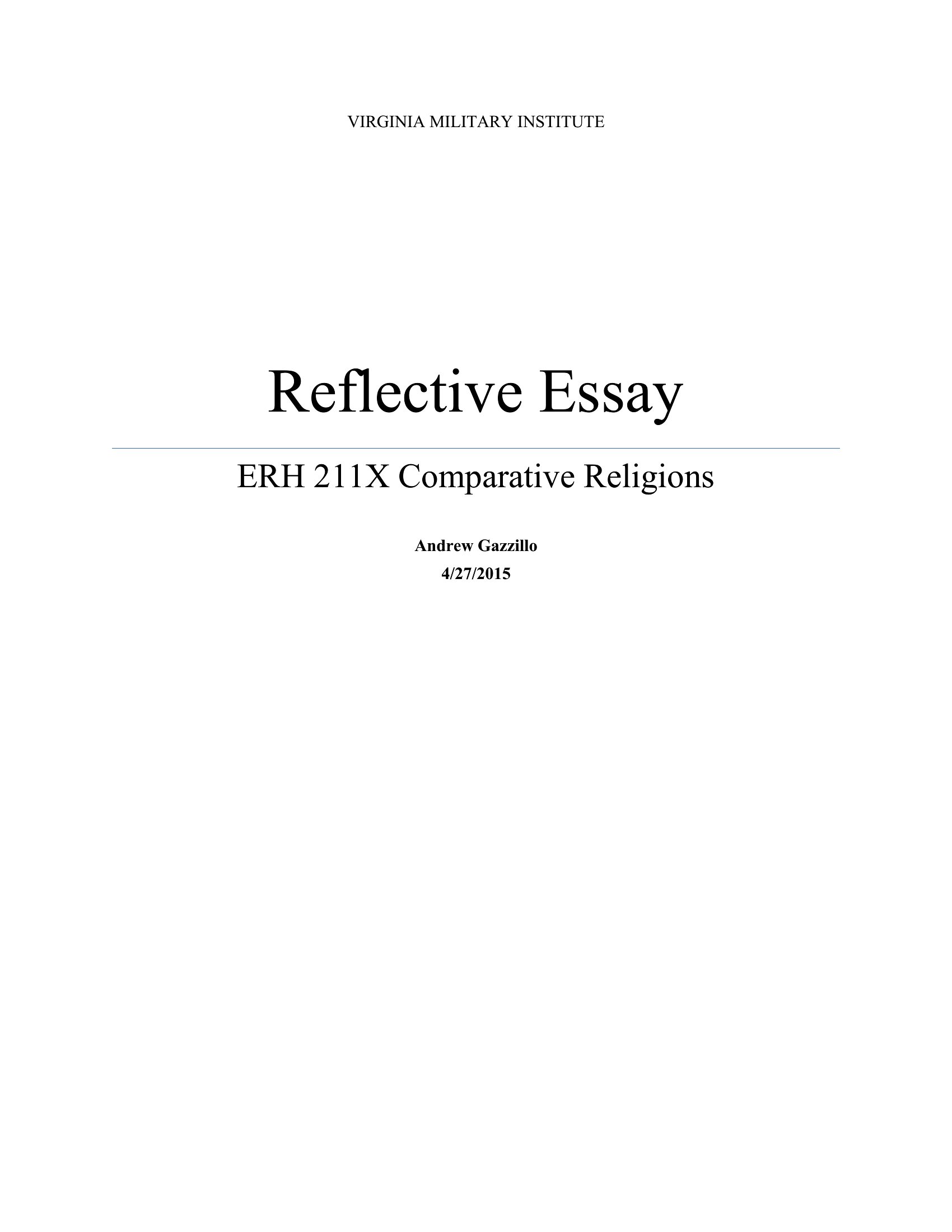
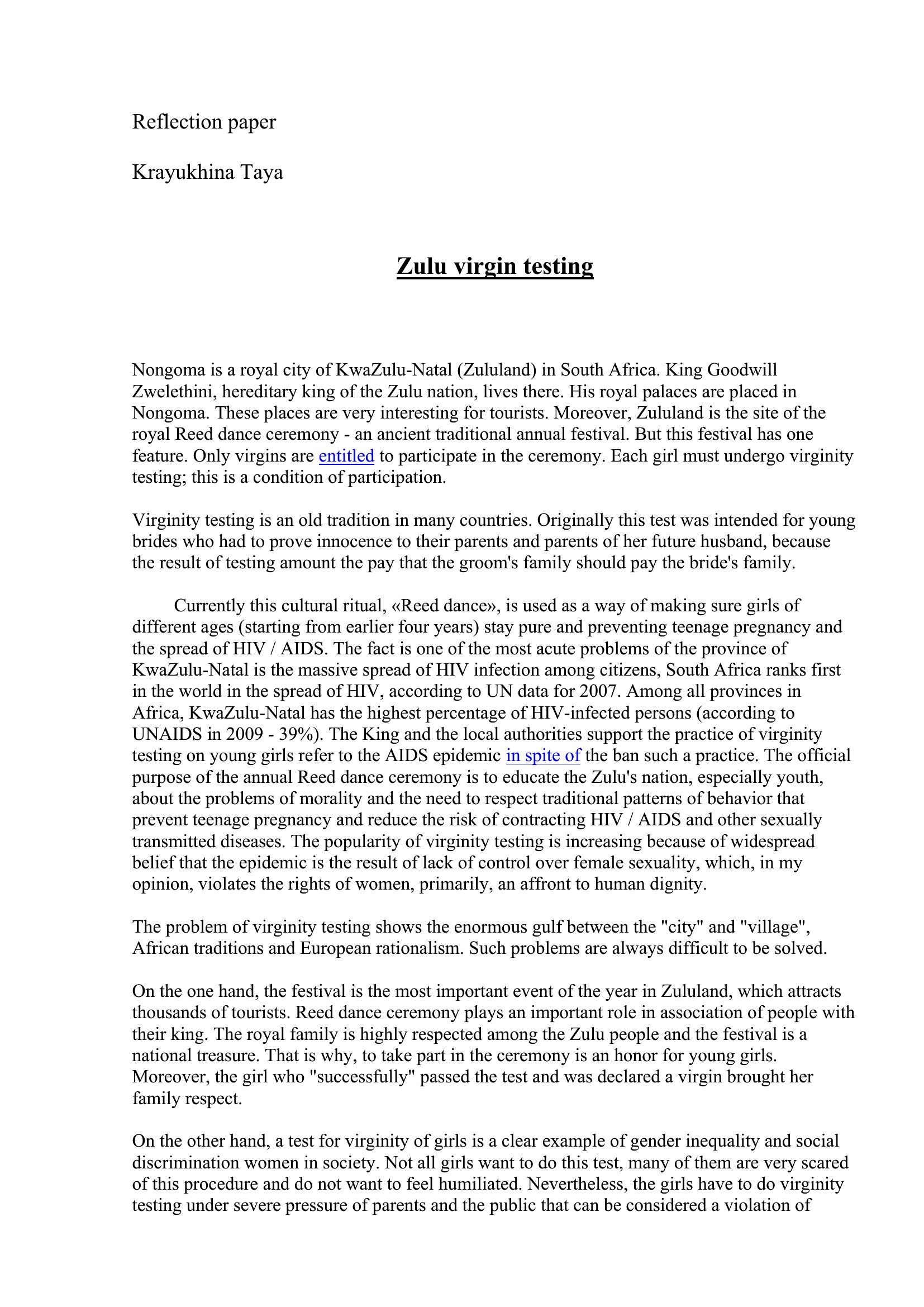
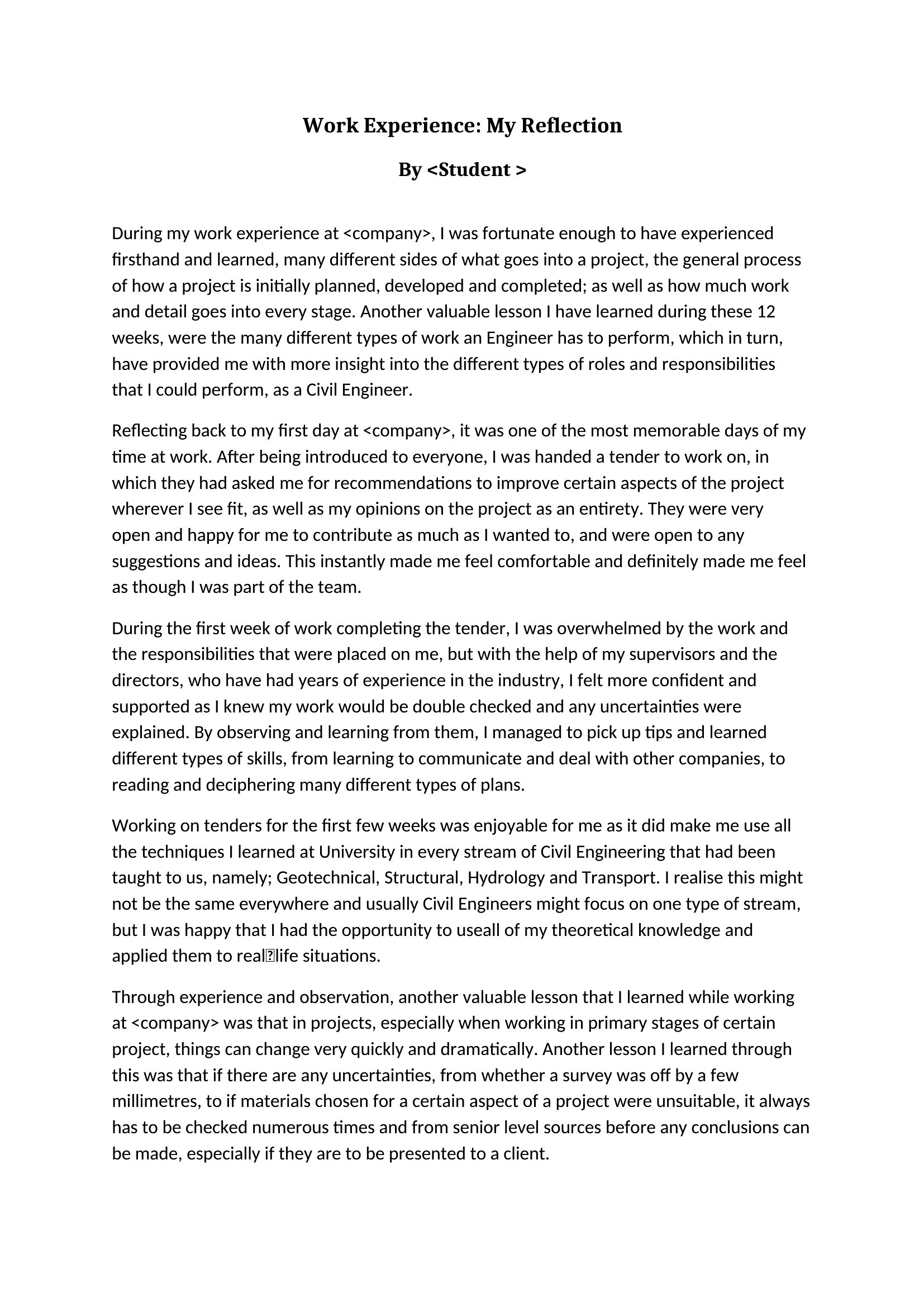
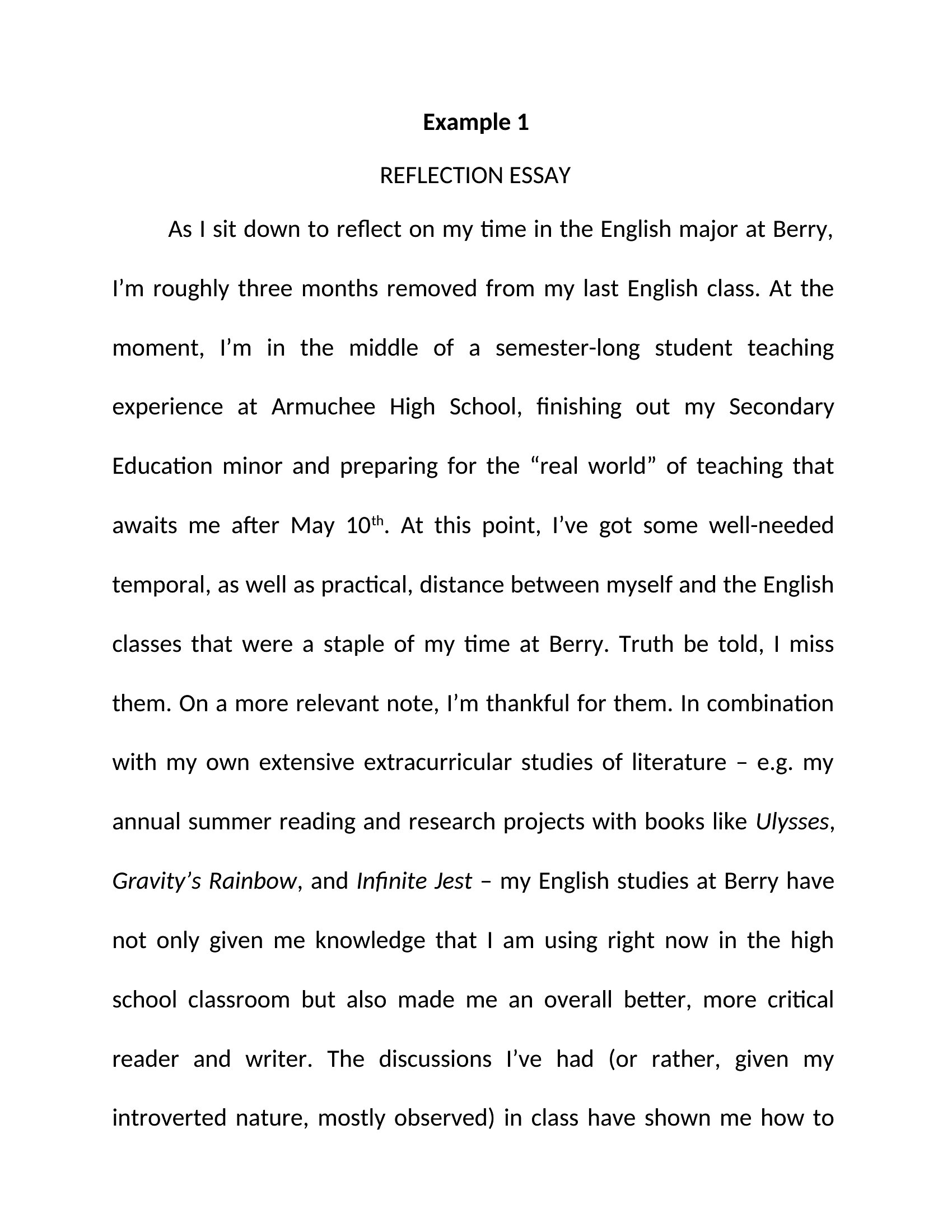
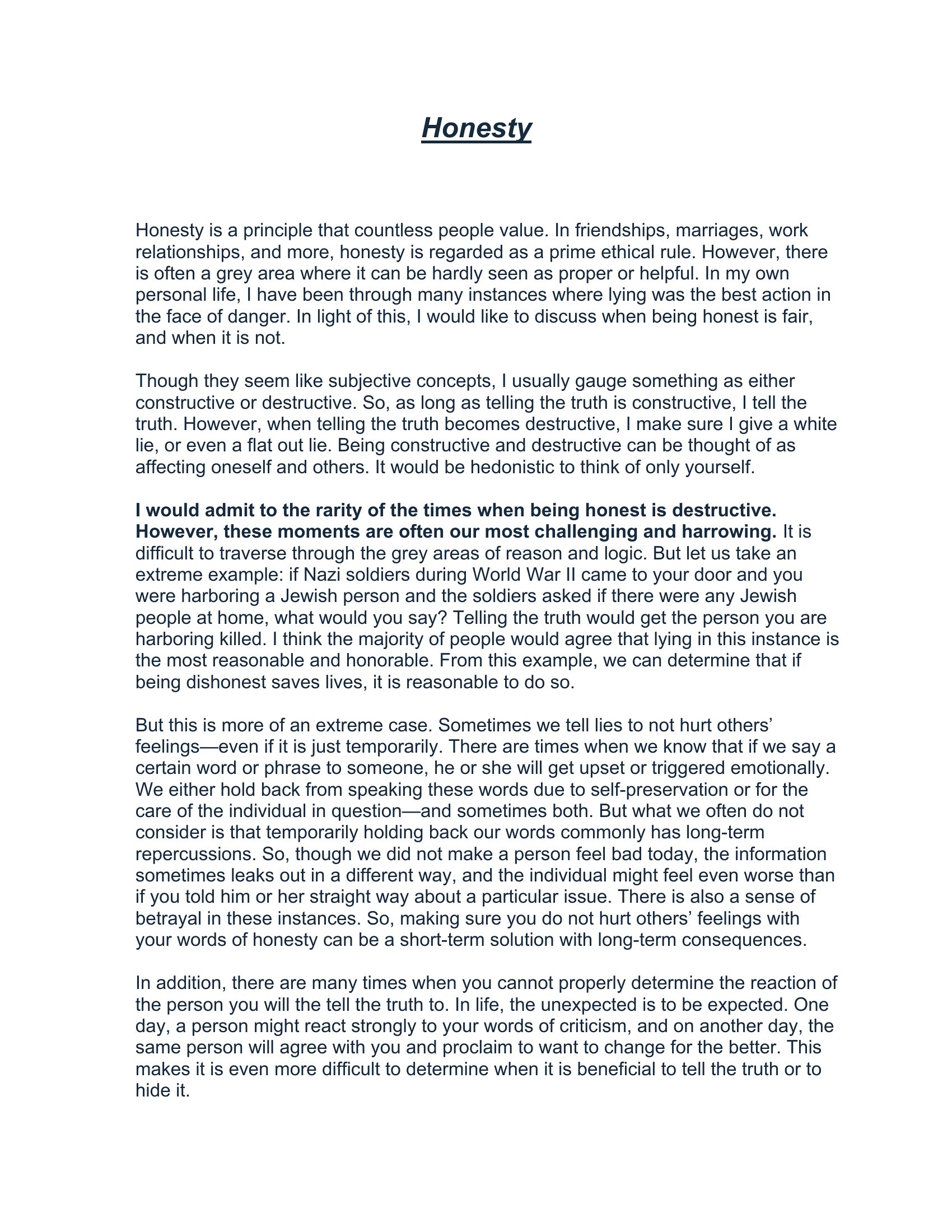
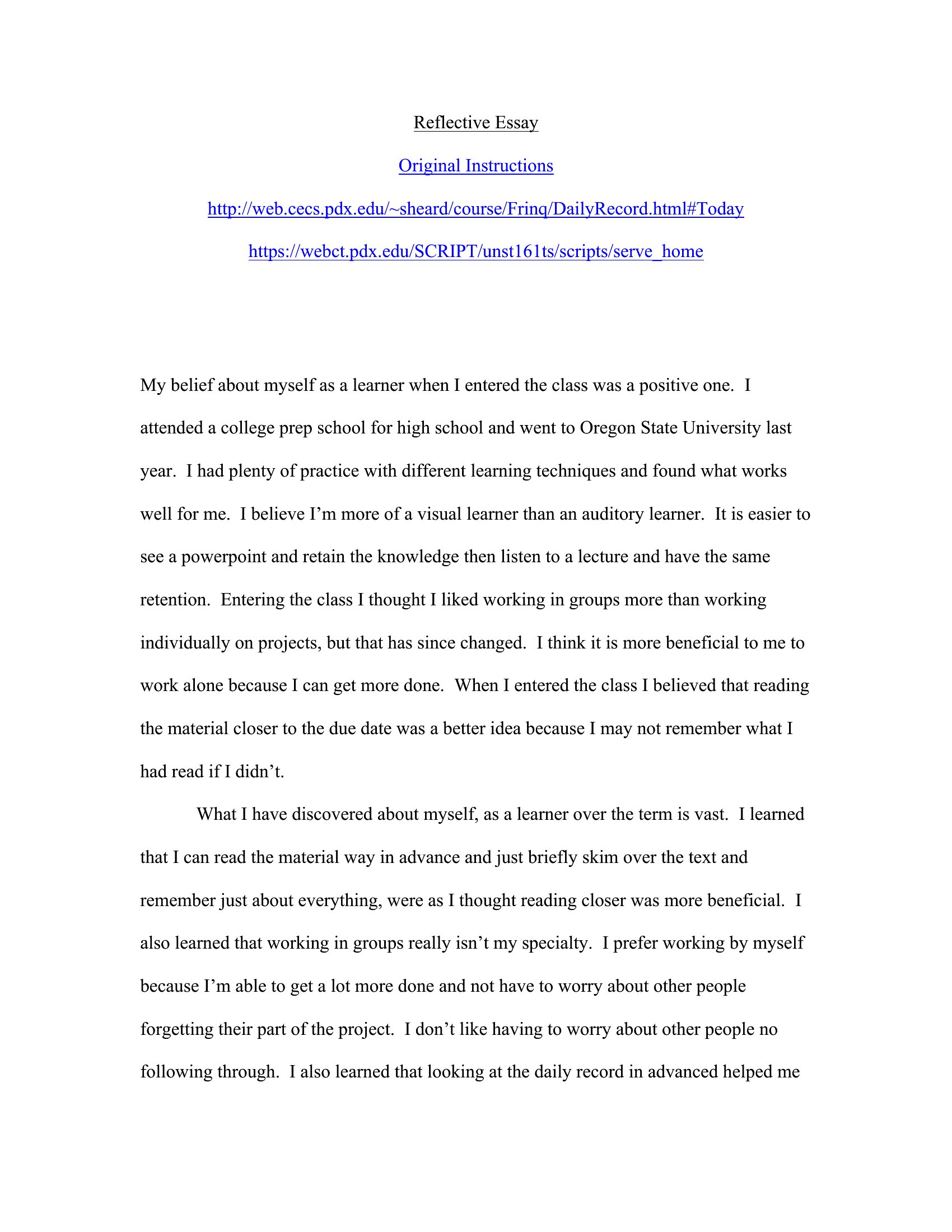
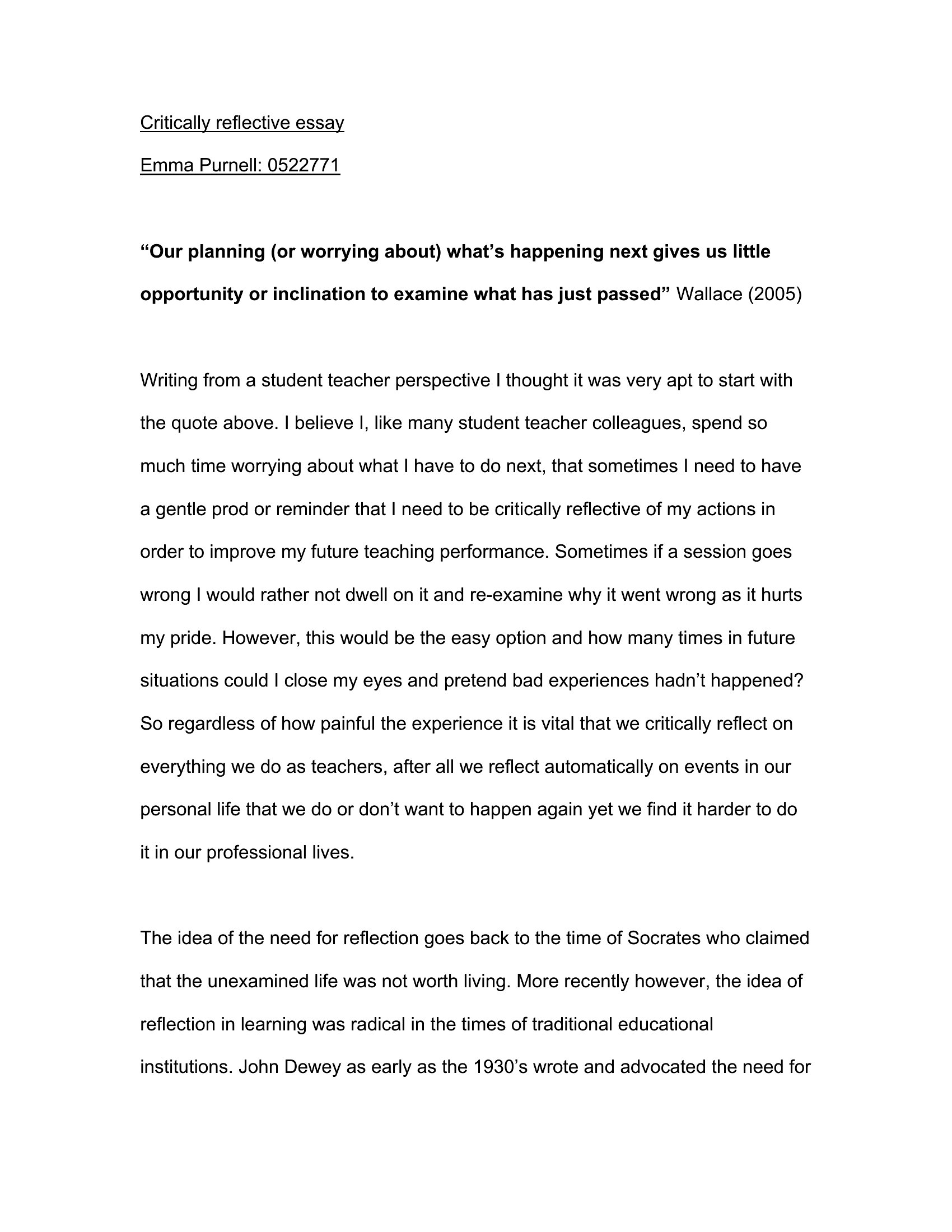
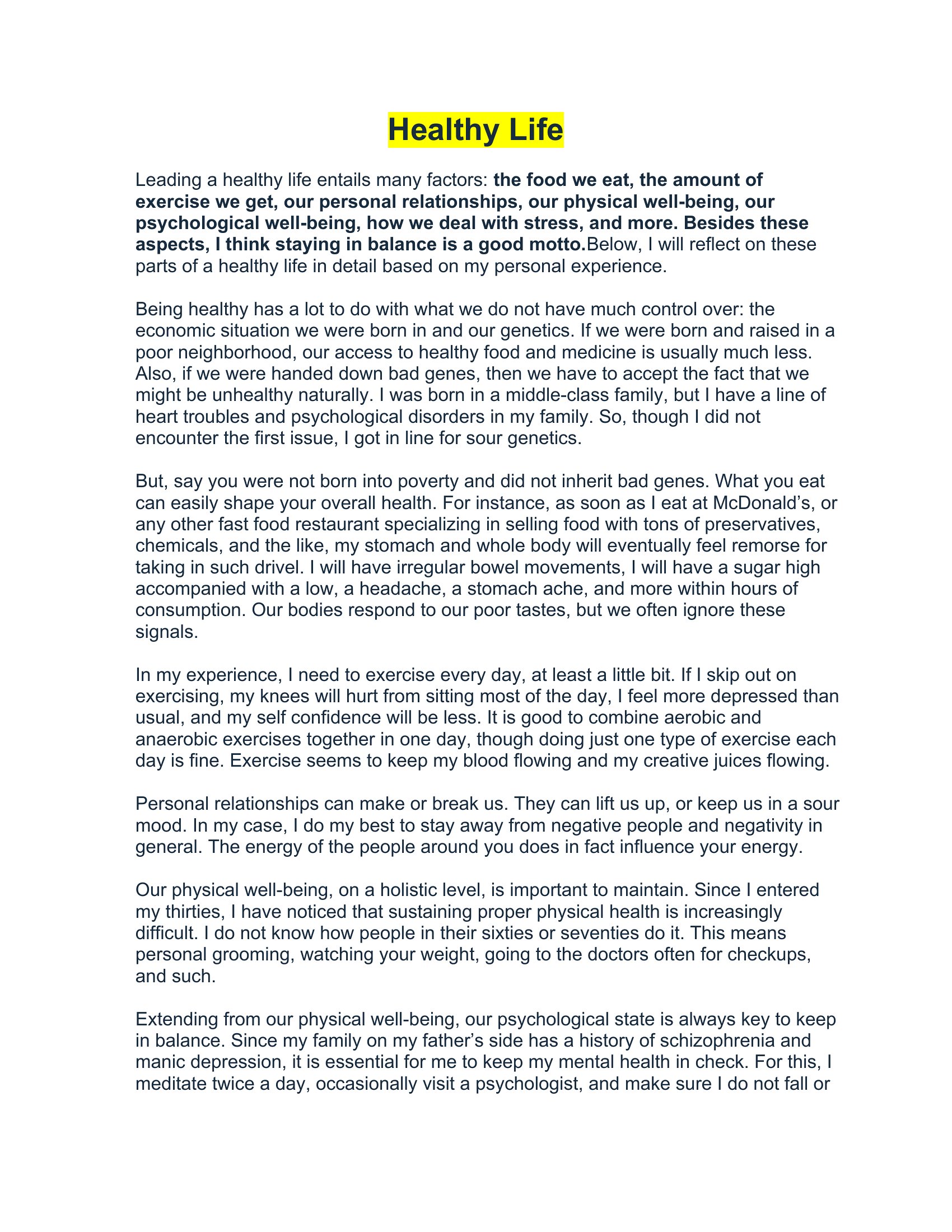
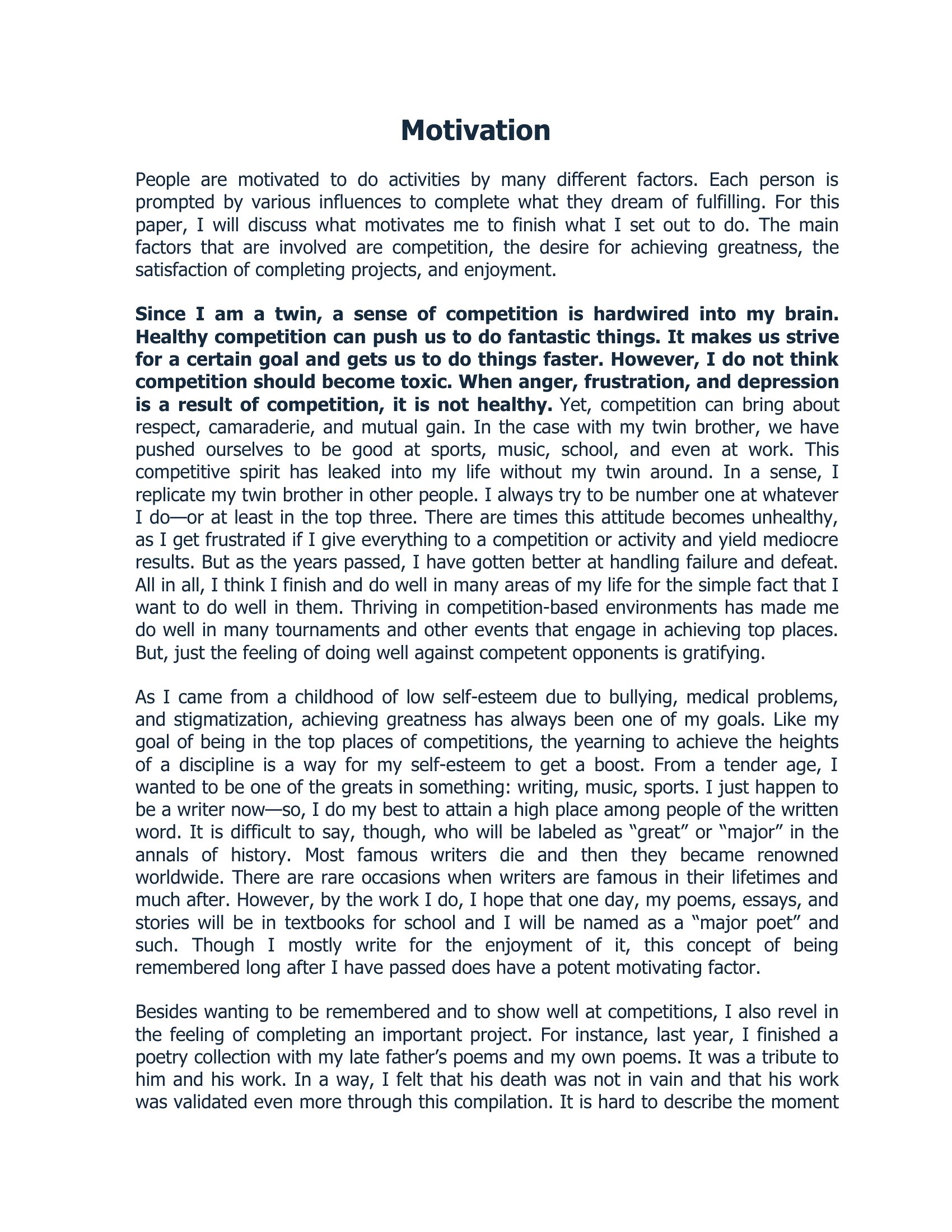
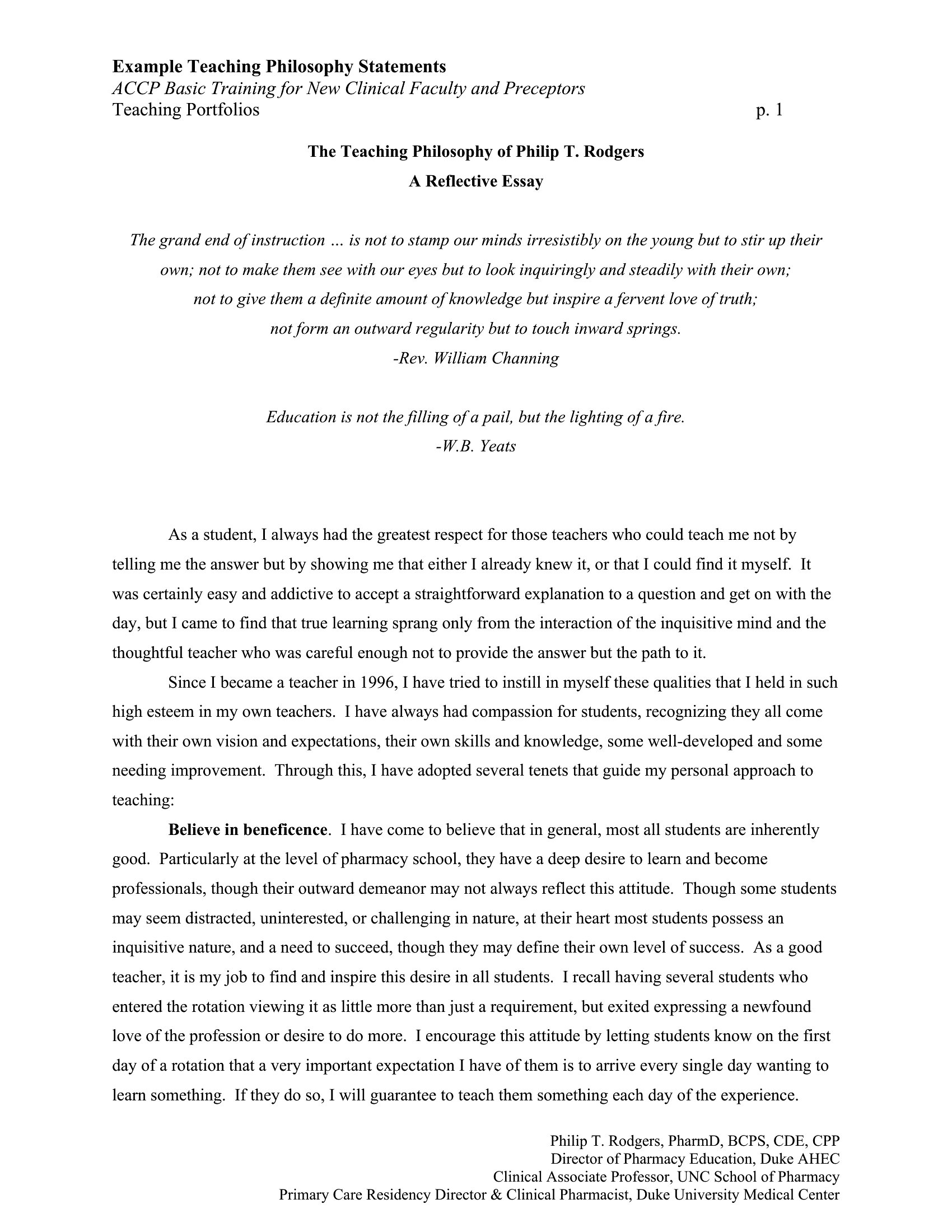
Reflective Essay
How to use this Reflective Essay template
How do I avoid making my reflective essay sound too personal or disjointed?
Start by framing your experience through a specific question or theme (e.g., ‘How did failure shape my resilience?’) rather than a vague prompt. Use the ‘Reflection Essays’ template’s ‘moment → analysis → growth’ structure to connect personal stories to universal lessons. For example, if describing a conflict, explain the stakes and what you’d do differently—not just how you felt.
Can I use these templates for professional development reflections, like for a job performance review?
Yes, but tailor the tone to align with workplace expectations. Swap emotional language for action-oriented phrases like ‘This experience revealed that…’ and focus on skills gained or processes improved. The ‘Corporate Training Reflection’-style templates (if included) work well here, but avoid over-sharing sensitive details. Keep the focus on concrete outcomes, such as ‘I now prioritize [specific skill] after realizing…’
What’s the difference between a personal reflection and an academic reflective essay?
Personal reflections prioritize raw emotion and subjective takeaways, while academic ones demand a balance of narrative and analysis tied to broader concepts (e.g., theory, ethics, or industry standards). Use the ‘Student Reflection Essay Example’ to see how to weave personal stories into discussion—like linking a volunteer experience to community psychology principles. Always check assignment guidelines for required frameworks (e.g., Gibbs’ reflective cycle).
Comments
Join the conversation
Sign in to share your thoughts and leave a comment on this resource.